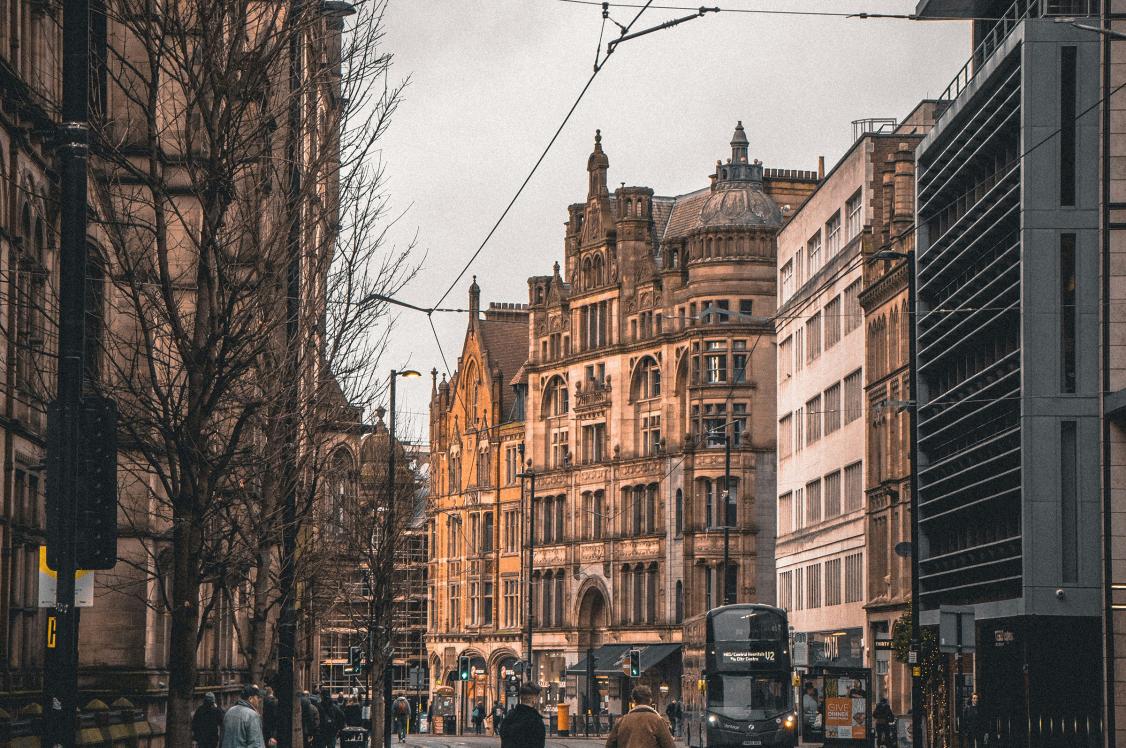
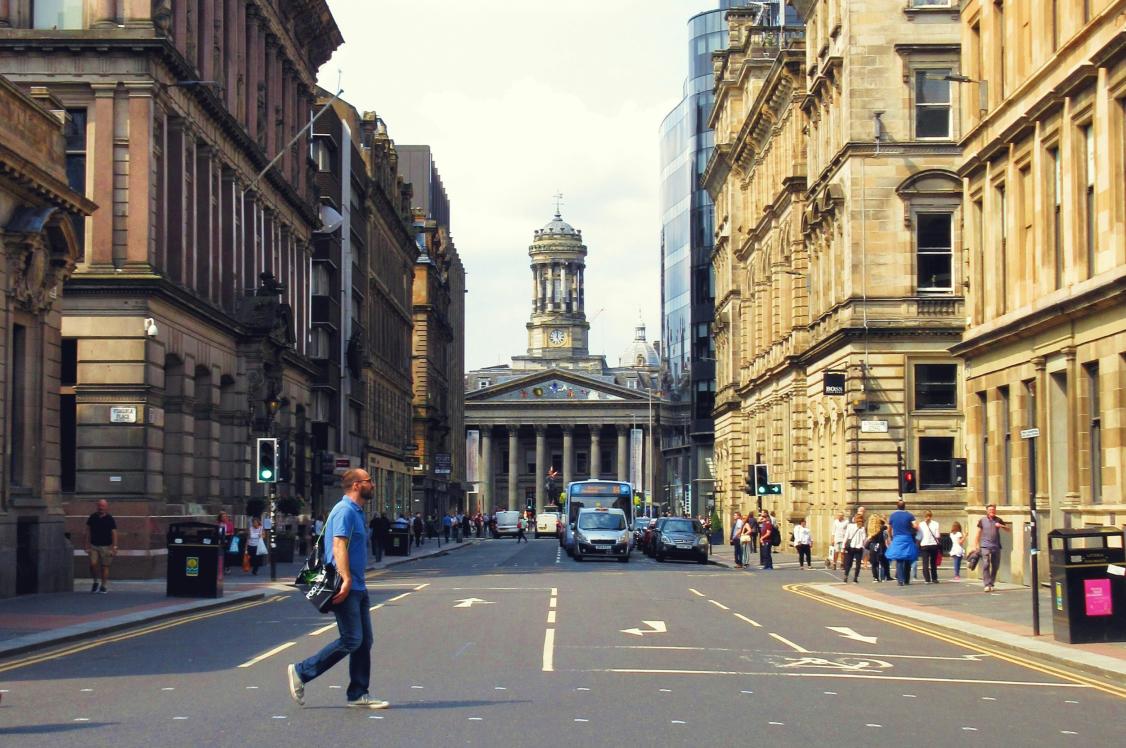
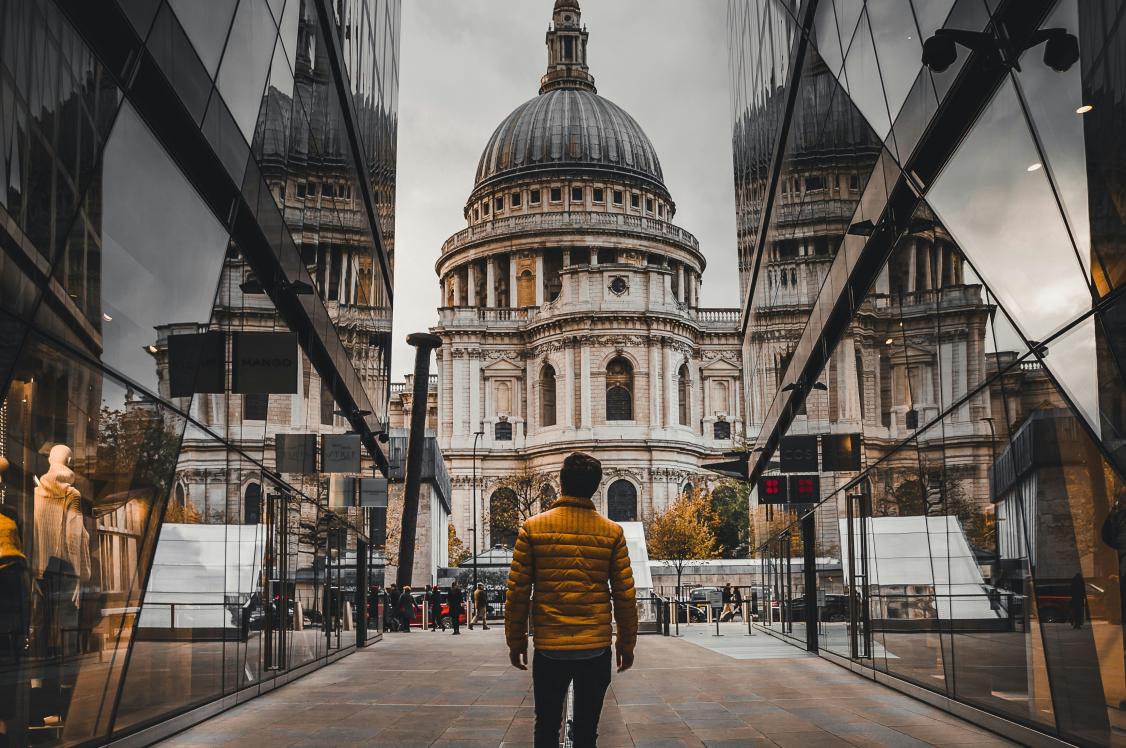





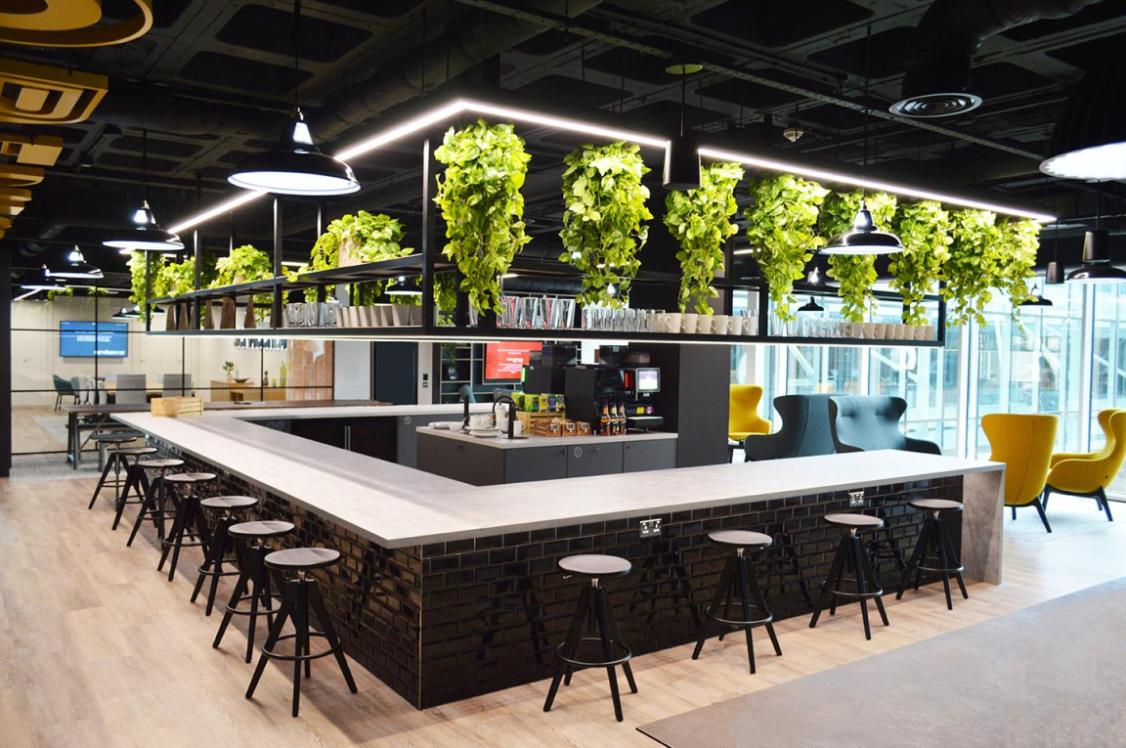
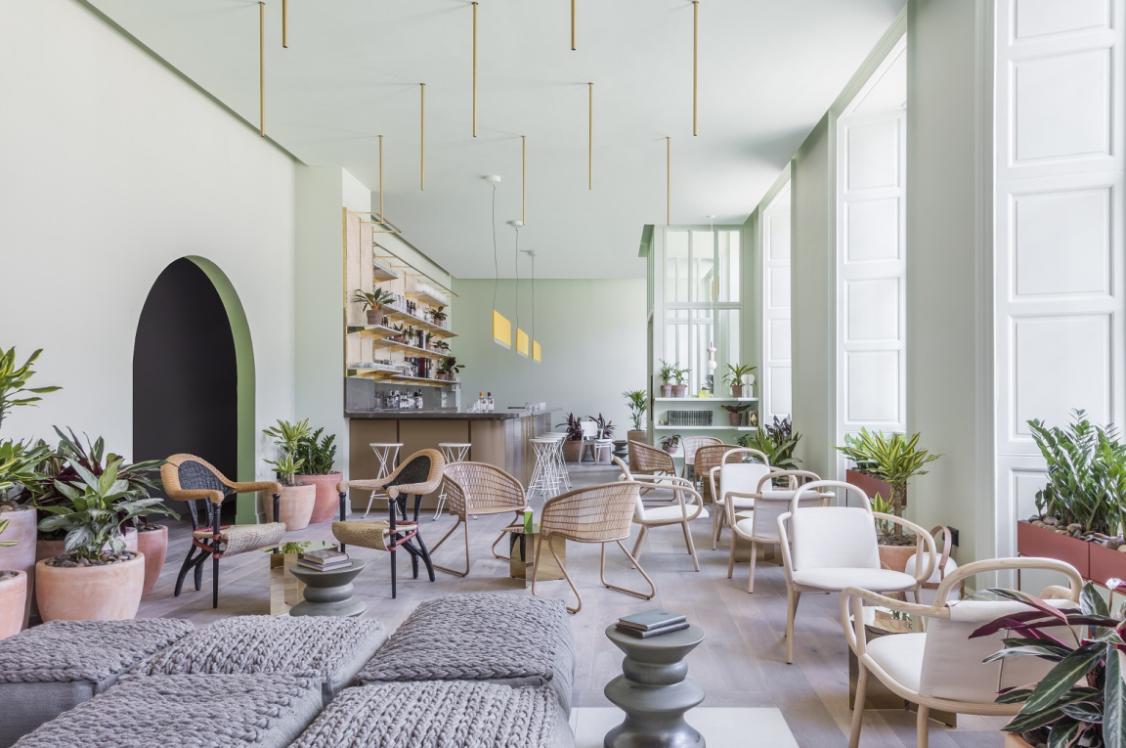
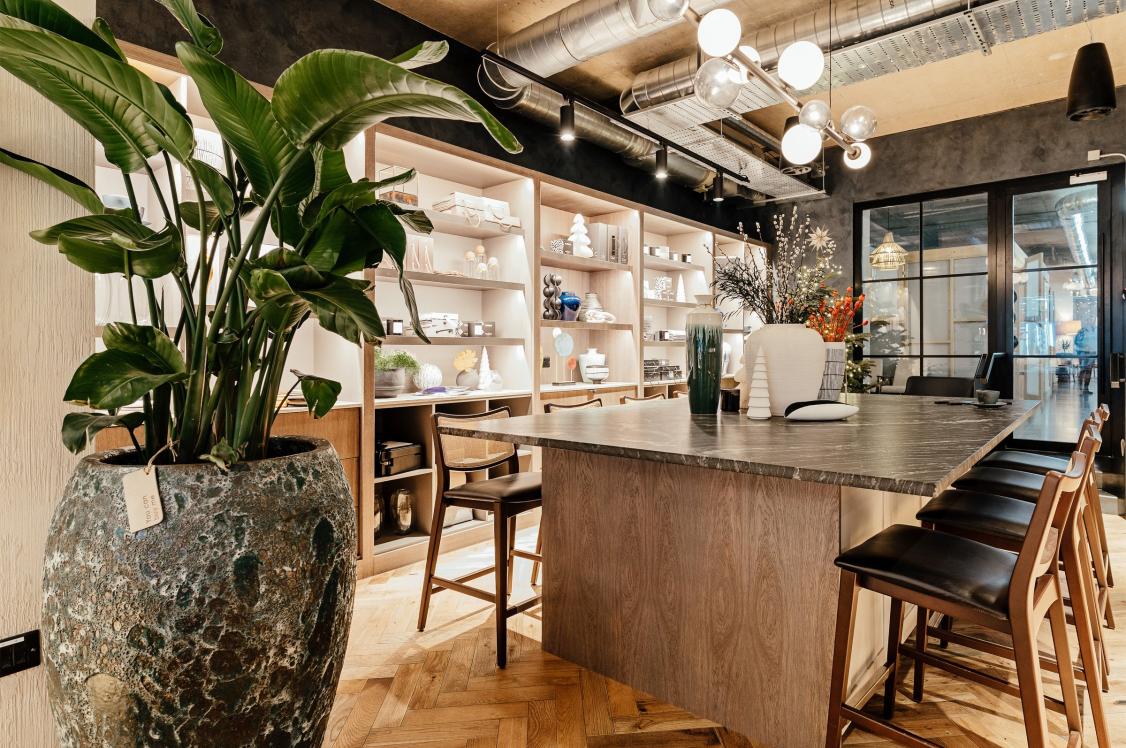



4 views from Gensler on EDIB marking International Women's Day.
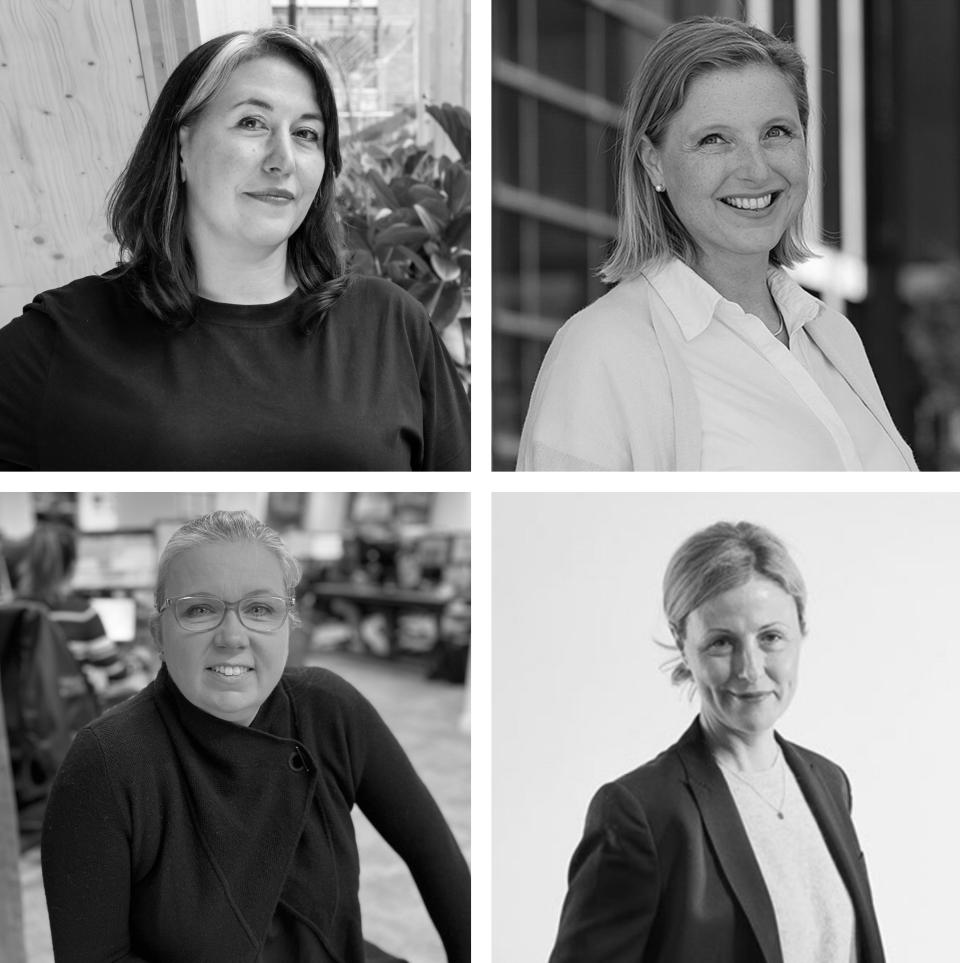
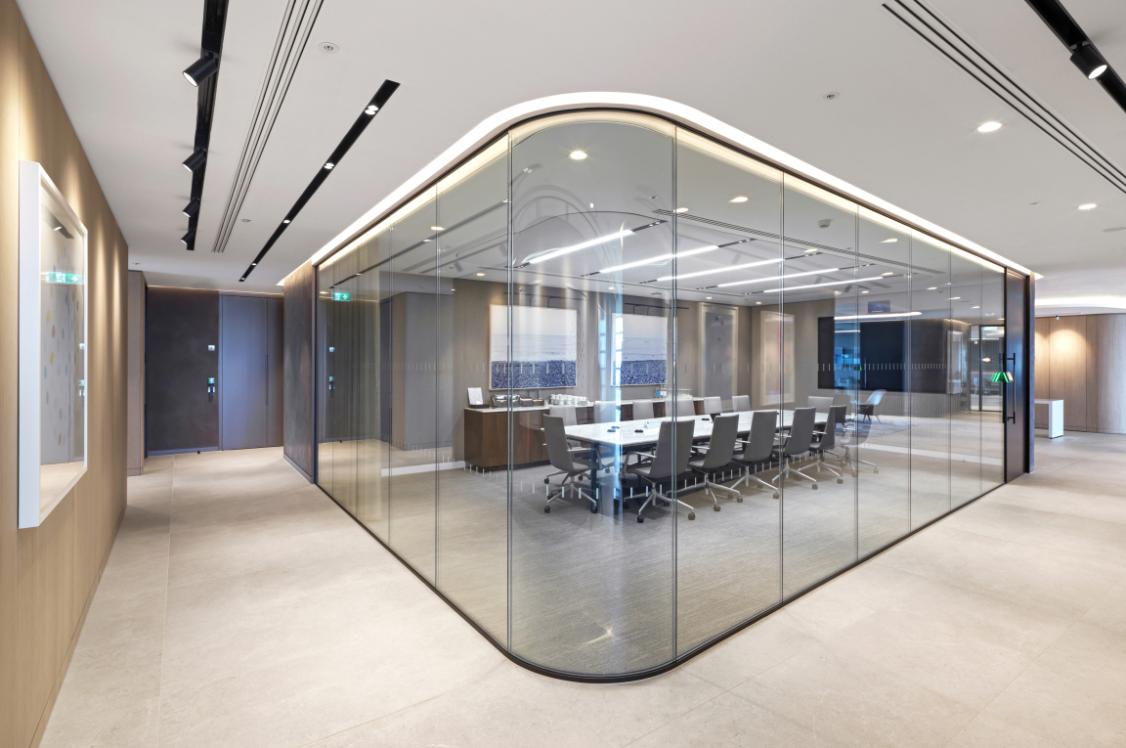
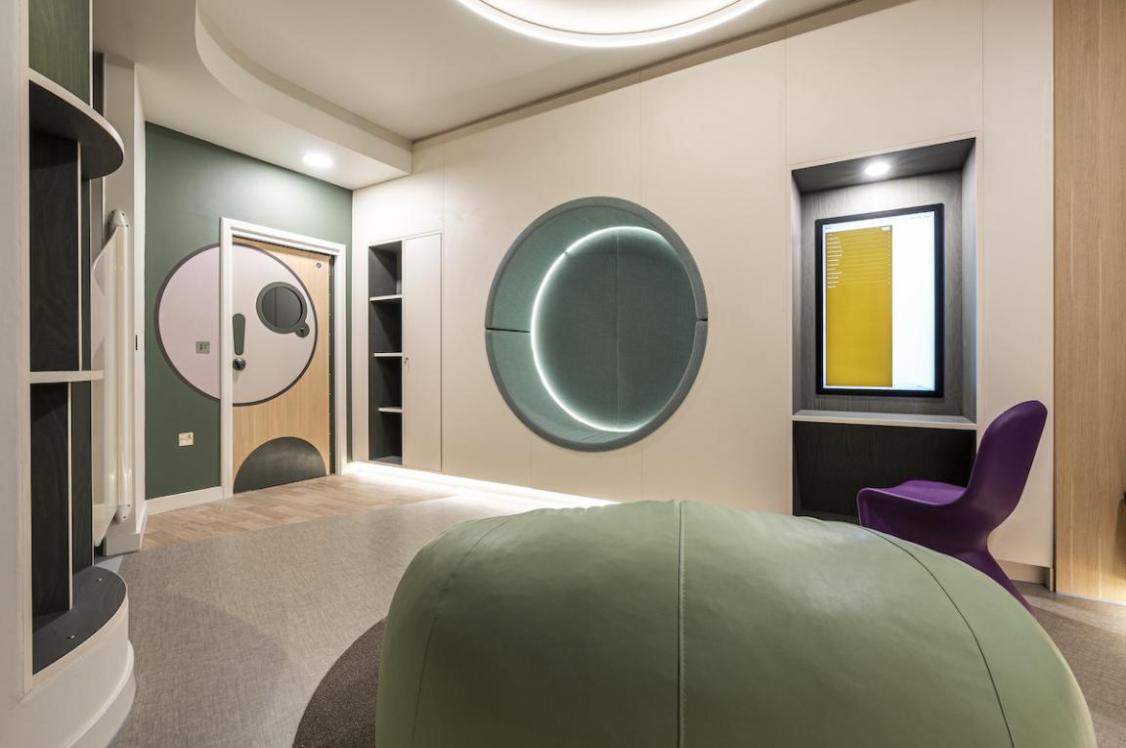
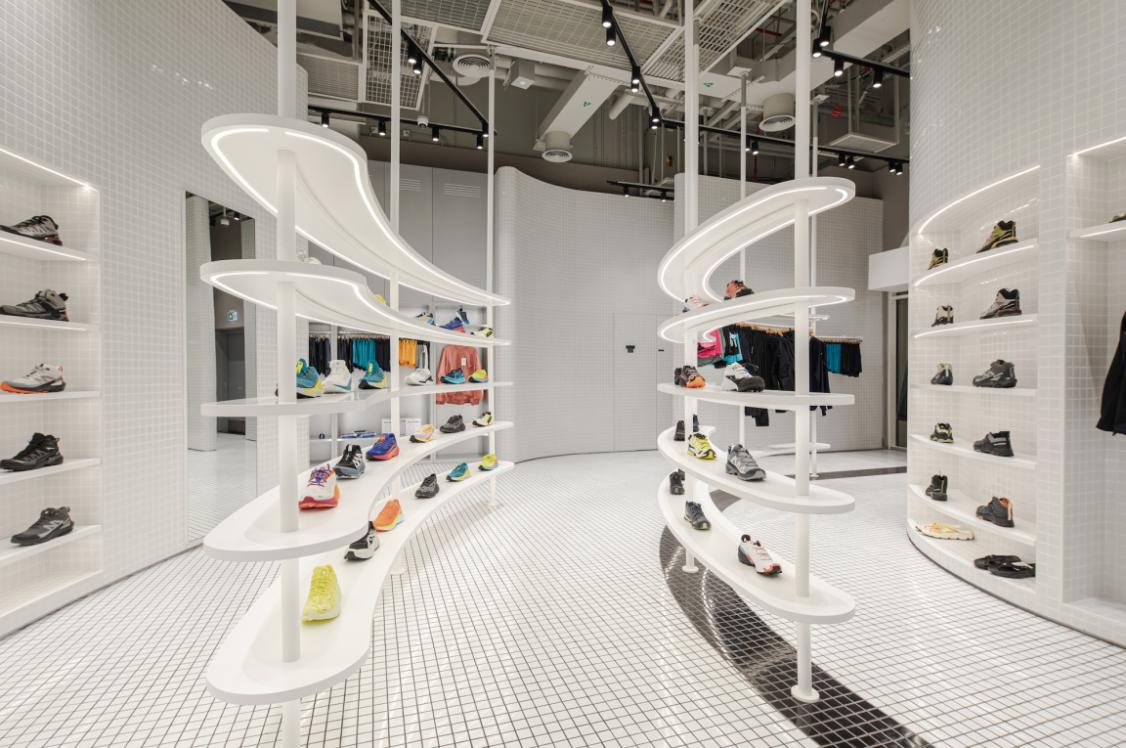
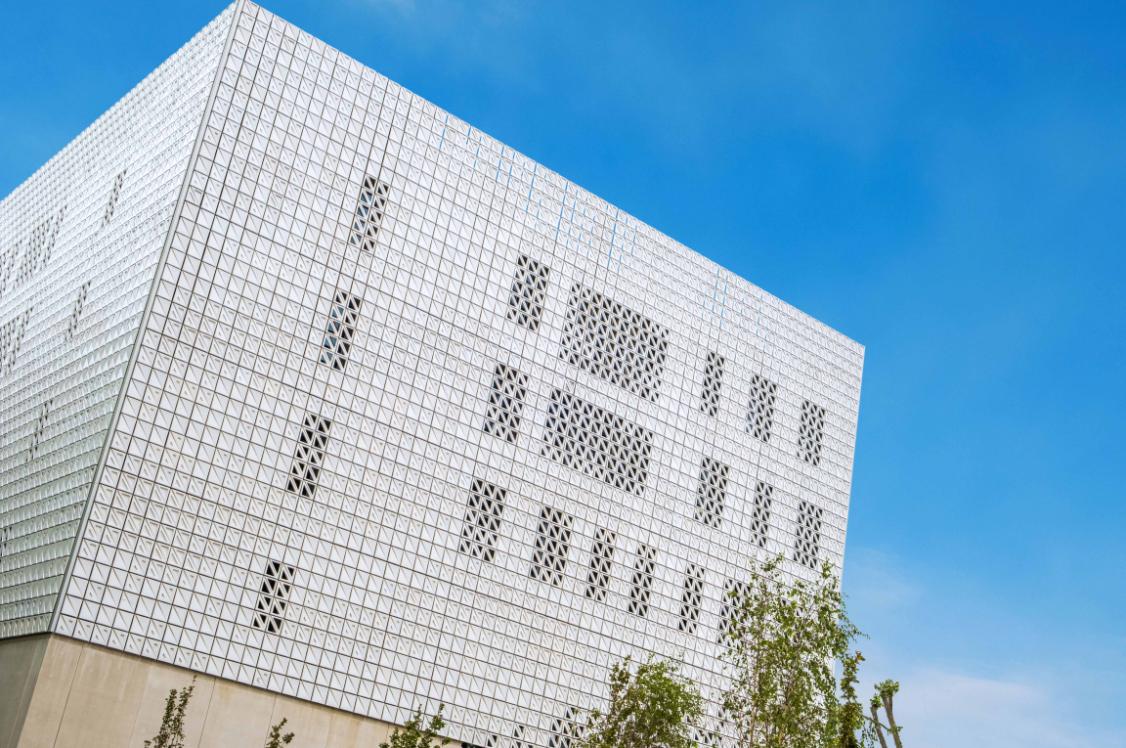
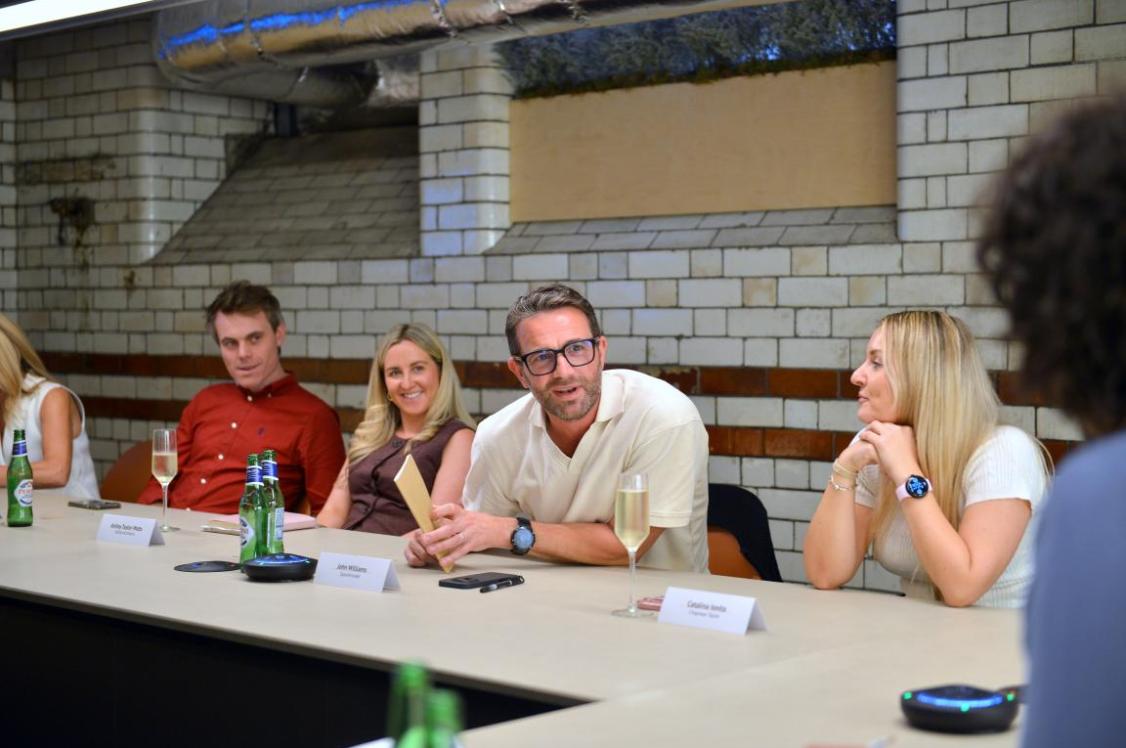
To mark International Women's Day (8 March), we asked 4 female leaders from Gensler's offices across Europe - London, Birmingham, Paris, and Munich - for their views on EDIB and how design is being used to support peoples' varying needs in the workplace.
Here, Laura Gelso, Studio Director and Associate at Gensler; Astrid Eberle, Studio Director and Senior Associate at Gensler; Lindsay Roth, Design Director and Principal at Gensler; and Madeleine Hilton, Managing Director and Principal at Gensler share their thoughts with us.
With equity in mind, what does the workplace look like in 2026?
Laura Gelso, Studio Director and Associate at Gensler
"In 2026, gender equity can no longer exist as ‘policy’. We must be conscious of its physical implications and intentionally build them into the workplace itself. A truly equitable workplace offers varied cognitive settings, giving people the freedom to choose the type of space that aligns with their focus needs or collaborative energy. It recognises ergonomic diversity, moving away from one size fits all standards and instead providing adjustable furniture, inclusive tools and productive equipment that supports different body proportions.
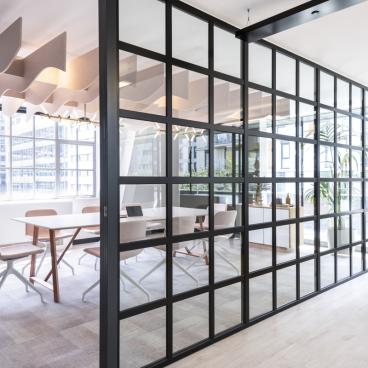
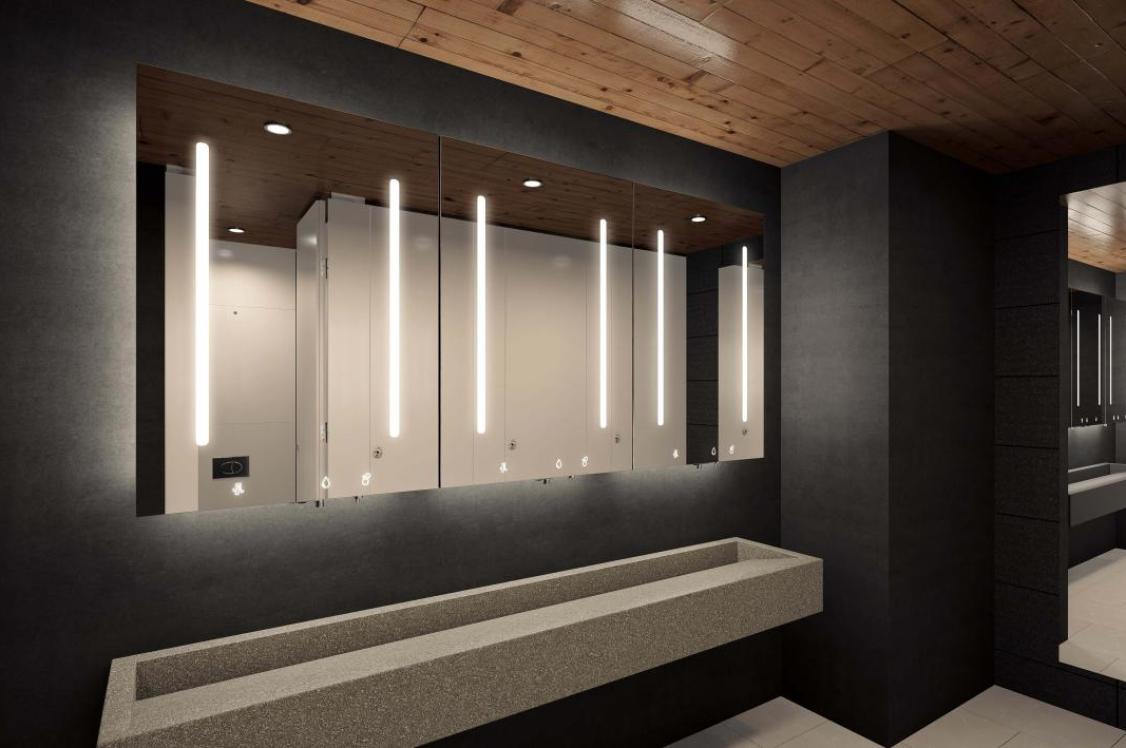
"Spatial design also has the power to flatten hierarchy. When meeting rooms avoid dominant layouts and circulation patterns encourage openness, people experience a more balanced distribution of voice and influence. Equity is also expressed through dignified facilities such as all-gender restrooms, private stalls and spaces that acknowledge caregiving responsibilities, including well-designed lactation rooms and wellness areas.
"When a workplace integrates these principles, it strengthens well-being and supports long-term retention. It is not about designing for a single group; it is truly about universal design that removes barriers and enables everyone to thrive."
Is the consideration of inclusivity always a given in workplace design, or have we still a way to go?
Astrid Eberle, Studio Director and Senior Associate at Gensler
"Inclusivity is a critical issue that we encounter every day in our work. When I began my professional career in Germany, design focused primarily on wheelchair accessibility in public buildings, often overlooking other physical limitations or the needs of neurodiverse individuals. Fortunately, this perspective has since broadened significantly. The ageing population in Germany now requires a barrier-free environment, and the diverse needs of our multicultural society have prompted planners to rethink their approach to design.
"A lot has happened in the last 20 years. The biggest change is that the healthy, average person is no longer the benchmark for planning; instead, we consider a wider range of needs that extend beyond this standard. Wheelchair-accessible design has become the norm, and external inclusivity consultants are now integral to many projects. It is also standard practice in the early phases of design to ask whether prayer rooms, nursing rooms, or other spaces that promote well-being and inclusivity should be included.
"For us at Gensler, we prioritise designing environments that are welcoming to everyone. However, our inclusive work environments can only inspire users to embrace inclusivity. This is something that must grow organically through cultures in the workplace."
Lindsay Roth, Design Director and Principal at Gensler
"No, inclusivity is not always considered, and yes, we do still have a way to go. However, this isn't a bad thing as long as we are moving forward. It's a constantly evolving issue, and we're continually learning and striving to improve. We have come so far, even in the last 5 years the conversation has jumped forward. We’re questioning how to better respond to the different needs of marginalised groups. This has made our projects more complex, sure, though it's also made them more interesting and better overall. They’re loaded and more varied, offering choices for everyone. Their beauty is a result of a brief to create a better human experience.
"I do believe policy and program holders must be intrinsic to the process to ensure we pursue the right solutions and design for the people who will spend a significant proportion of their waking hours in these spaces. This also means the difficult conversations are at the centre of the creative process rather than something addressed afterwards. If a company wants to get a solution correct for its evolving talent, both now and in the future, HR should be at the table helping to shape spaces.
"We’re privileged to be in a position where we can make people’s lives better through the spaces we design. We have a responsibility to create inspiring spaces that make people feel nurtured, confident and empowered. I am excited about being part of this evolving conversation that will only make the future brighter for all."
In recognition of International Women's Day, can you name the woman that inspires you most?
Madeleine Hilton, Managing Director and Principal at Gensler
"For me, Rosa Parks is a constant source of inspiration. She embodies unparalleled courage in standing up to a broken system, defining what is right and defending that right for herself and millions of others.
"Rosa Parks showed that true leadership doesn’t need to be loud or abrasive; it can manifest quietly, but powerfully, through clear actions.
"She saw the bigger picture and committed fully to the cause, using action to drive meaningful change. Rosa Parks’ legacy reminds us that change often begins with a single act, paving the way for a better future for all."