


























Behind the Delivery: How do you balance sustainability, tenant needs & viability?
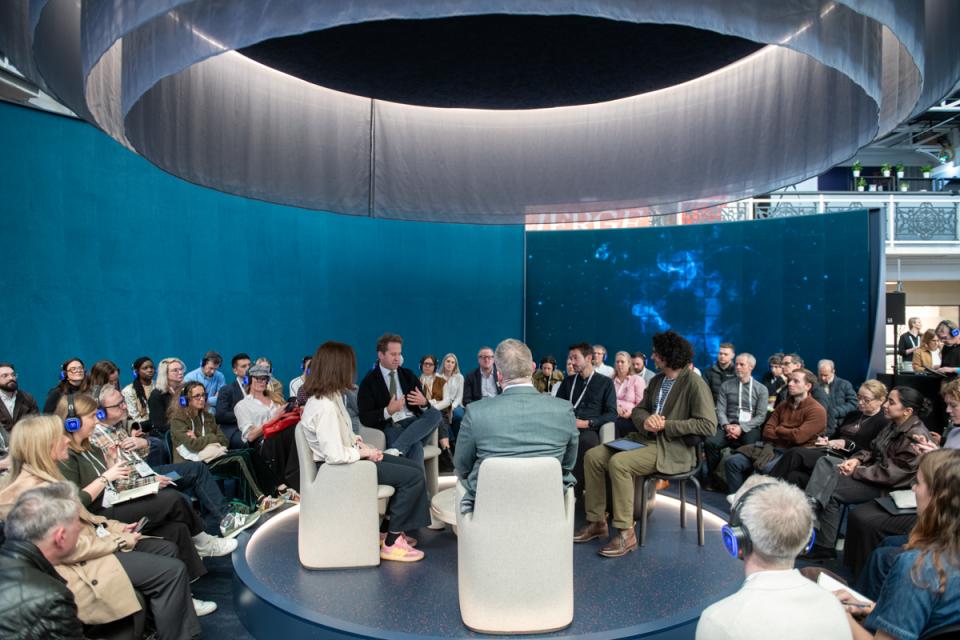
Courtesy of Workspace Design Show
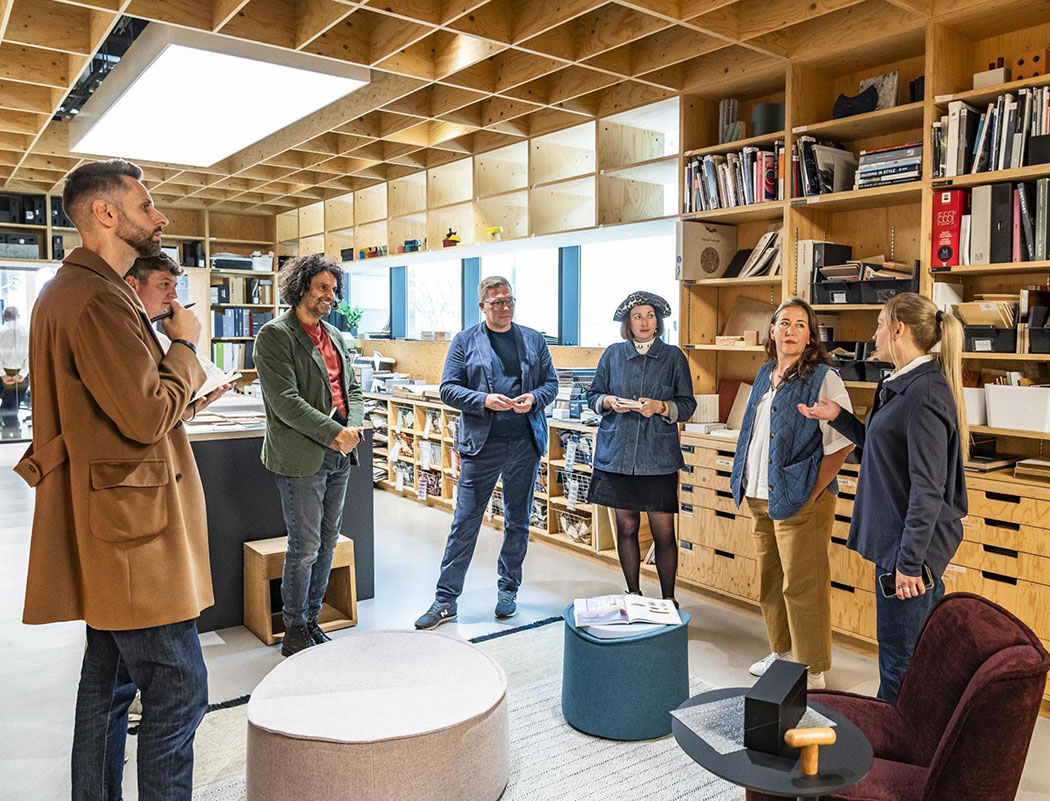
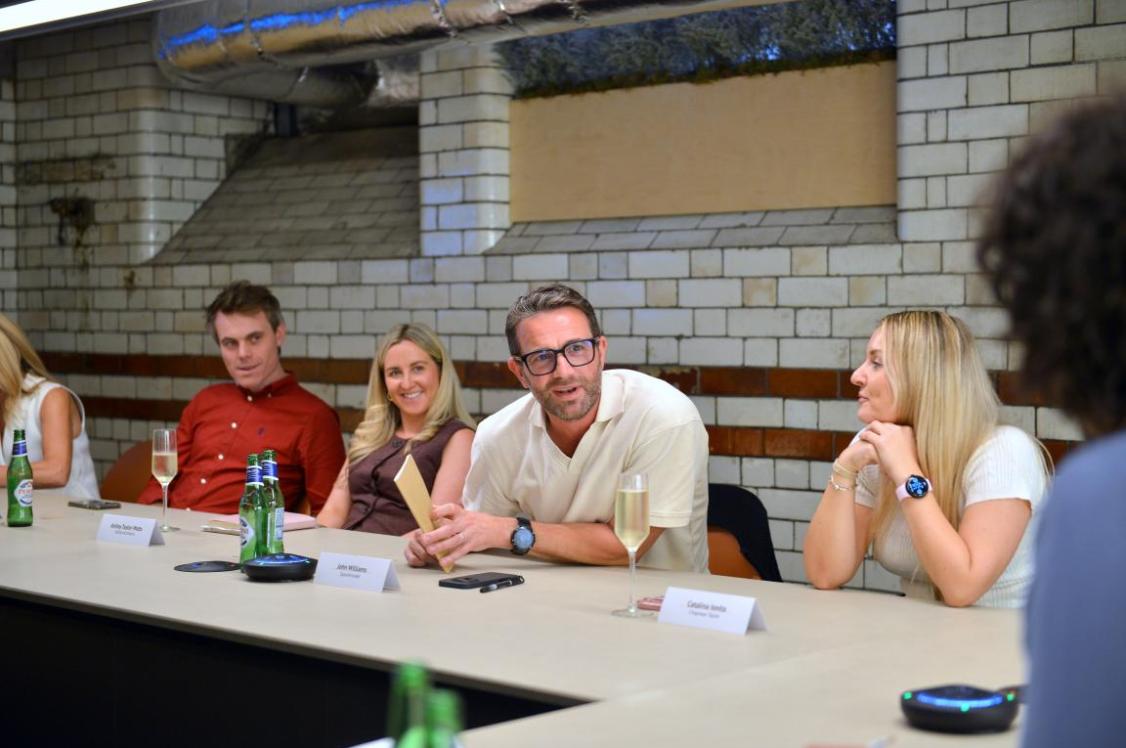
For Workspace Design Show London 2026, Material Source Studio Director, David Smalley, chaired a session exploring the often ‘overlooked subject’ of the relationship between developer and architect. In this case, the developer being Landsec, and the architect being Fletcher Priest.
Focusing on one building in particular, 55 Old Broad Street, a 23-storey commercial development in the heart of the City of London, which commenced in 2021 and is set to complete in 2029, the project offered a rare opportunity to unpack the complexities of shaping a major workplace building over a long delivery period.
Here, we’ve distilled the key conversation points between Oliver Hunt, Development Director, Landsec; Harry Foster, Leasing Director, Landsec; Mari Samuelsen, Senior Associate, Fletcher Priest Architects; and Chris Radley, Senior Associate, Fletcher Priest Architects.
A changing landscape
To begin, David asked the panel, “How has workplace changed since you started your career?”
For Chris, who’s worked in the sector for 15-years, workplace has changed significantly, he commented. Prior to Covid, it was a case of meeting the BCO criteria, he said. But now, in the post-Covid landscape, the focus is on bespoke, and making the office a place that’s differentiated from working from home.
Mari agreed. “Workplace receptions used to be big, sterile gallery spaces. Now, there’s a hospitality approach tailored to the experience of the user.”
Oliver’s background is in retail, he shared. And while working on shopping centre developments in the early part of his career, he said that traditionally the focus was on the customer experience and driving footfall, which in turn drove sales and increased value for retail units. This increased focus on the end user wasn’t necessarily the same in workplace development until more recently. Things have changed in that respect, he added. The office customer experience is all important, the brand name of a company isn’t enough to attract and retain talent anymore, it’s the whole package, and the workplace environment is a huge part of that.”
This point around expectations being heightened resonated with Landsec’s Leasing Director, Harry, too. Since joining the developer 12-years ago, the offering has evolved, Harry said, to a more holistic consideration of what end users want and need. This is informed by Landsec’s Customer Insights team, which conducts ongoing research to help steer projects. And it’s not simply work-space this applies to, but public realm, mixed-use amenity – the in-between provisions that ensure buildings are busy.
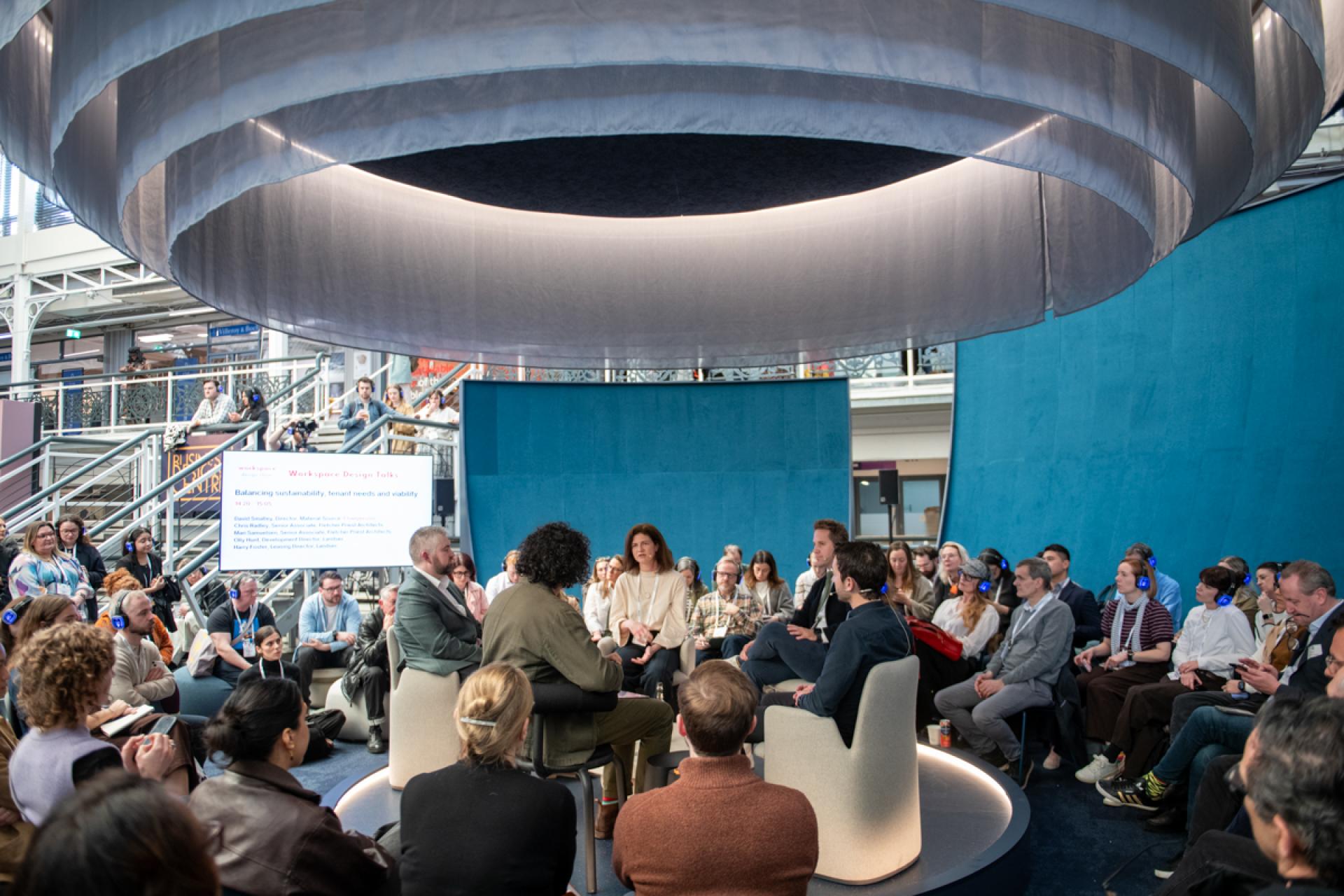
Courtesy of Workspace Design Show
Live, Learn, Work, Play
“Something we discuss a lot at our seminars and roundtables is, ‘Live, Learn, Work, Play’”, said David. “Let’s look at your scheme in the city - what are you creating there that satisfies some of those elements?”
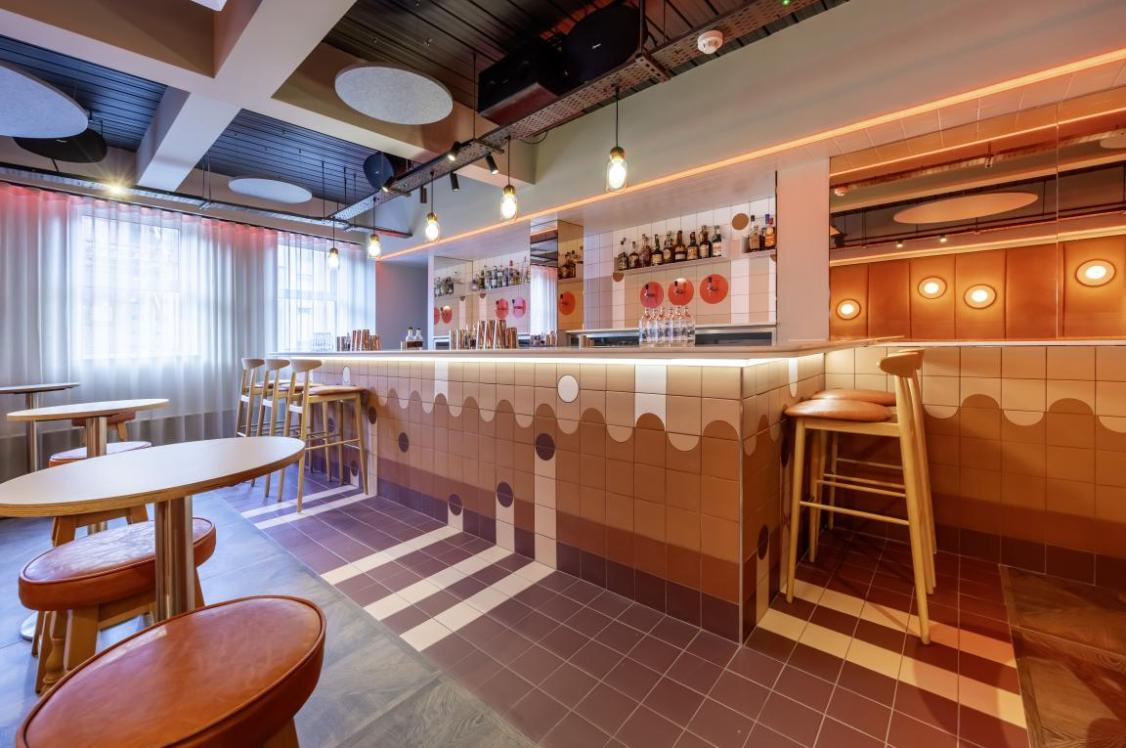
A blend of amenity will make up 55 Old Broad Street, said Chris. “There’s a pub, retail space, a listed Victorian bathhouse where there will be artists’ studios and a gallery space – a real mix of things.”
Consideration has been paid to social value, added Mari – adding more for the community in line with the expectations of the City of London.
On this note, Oliver commented that the City of London has been “very good to work with”. They’re “pro development”, he said. As cultural strategy also forms an important part of Landsec’s approach, according to Oliver, the two entities are aligned when it comes to planning.
Focusing on the relationship between developer and architect, David asked how Landsec and Fletcher Priest have got on throughout the journey so far?
While revolving doors was brought up as one point of contention – “though I’ve never met an architect that truly liked them”, said Harry – the main area for discussion was the retention of the basement, shared Oliver. This is an important aspect of the project for Landsec with their carbon aspirations.
Permeability, public and private
With community once again in mind, the ground floor of 55 Old Broad Street will be publicly accessible with a café and open reception area. “It’s a tough balance to strike”, said Oliver. “We have to balance what the city wants, and the needs of the end user”, added Harry.
In terms of the end users, and Landsec’s tenants, “what’s the ideal scenario?” asked David.
“The de-risk option is to let whole floorplates to one tenant, and the large floorplates at 55 Old Broad Street with excellent natural light lend themselves to professional services firms”, Harry replied. “We’re talking to 5-10 at the moment, and the feedback is that it’s the location that’s most attractive rather than specific amenities. There's no point putting loads of restaurants and bars in there if you've already got that on the doorstep.” Liverpool Street is essentially its “own micro location”, Harry added, referencing the volume of regeneration currently happening there.
Carbon & circular construction
“For tenants, how high is sustainability on the agenda?” David enquired.
Chris said that this building will meet several sustainability targets including Landsec’s own embodied carbon targets (Landsec has set the ‘ambitious targets’ to reduce the average embodied carbon of a typical building by 50% by 2030, aiming for 500kgCO2e /m2 for offices); plus BREEAM, NABERS and WELL. When it comes to would-be tenants though, they’re not as interested when it comes to embodied carbon, suggested Chris.
“A NABERS certification is proof of a building’s operational energy efficiency and whole life carbon performance”, added Oliver, “and this is important to tenants, but whilst hugely important to Landsec, the embodied carbon in a building’s construction is not an important factor in a tenant’s decision making process.”
For tenants, in terms of choosing a workplace it’s an “emotional decision”, said Harry. “Based on the needs of the current workforce, and new talent.” While sustainability does factor in, it is more operational carbon than embodied, he suggested.
The focus on carbon has been another plus with the City of London, Oliver shared – “As a planning authority they’ve responded well to the carbon agenda – being the first to publish whole-life carbon optioneering guidelines and more recently their retrofit first policy.” This forms part of the City Plan 2040, which indicates a move to being a zero carbon city by this set timescale.
With longevity in mind, Landsec has said the design life for 55 Old Broad Street is 100+ years. “How will you ensure that through your material choices taking into account value engineering?” asked David.
“You have to put the right things in”, answered Mari. “It’s about quality of material”, she added.
"We talk about value engineering, but it’s about value add as well”, commented Oliver, using the example of the building’s façade, which, through design development has been optimised to reduce the façade depth. Less material will be used, meaning greater sustainability gains and more valuable net internal area is created.”
Harry said it’s not just about what goes into a building, but how it goes in. Landsec is no stranger to modular construction, with the example of a recently completed office development in Southwark which utilised a kit of parts built off site, and then constructed on site. “In 80-100 years’ time, a building could then be taken down efficiently”, he commented.
On the interior of the building, Simon Jackson, Managing Director, SJJDC, asked, “Is Cat A still relevant?”
Harry believes it is. But it “depends on the size of the building.”
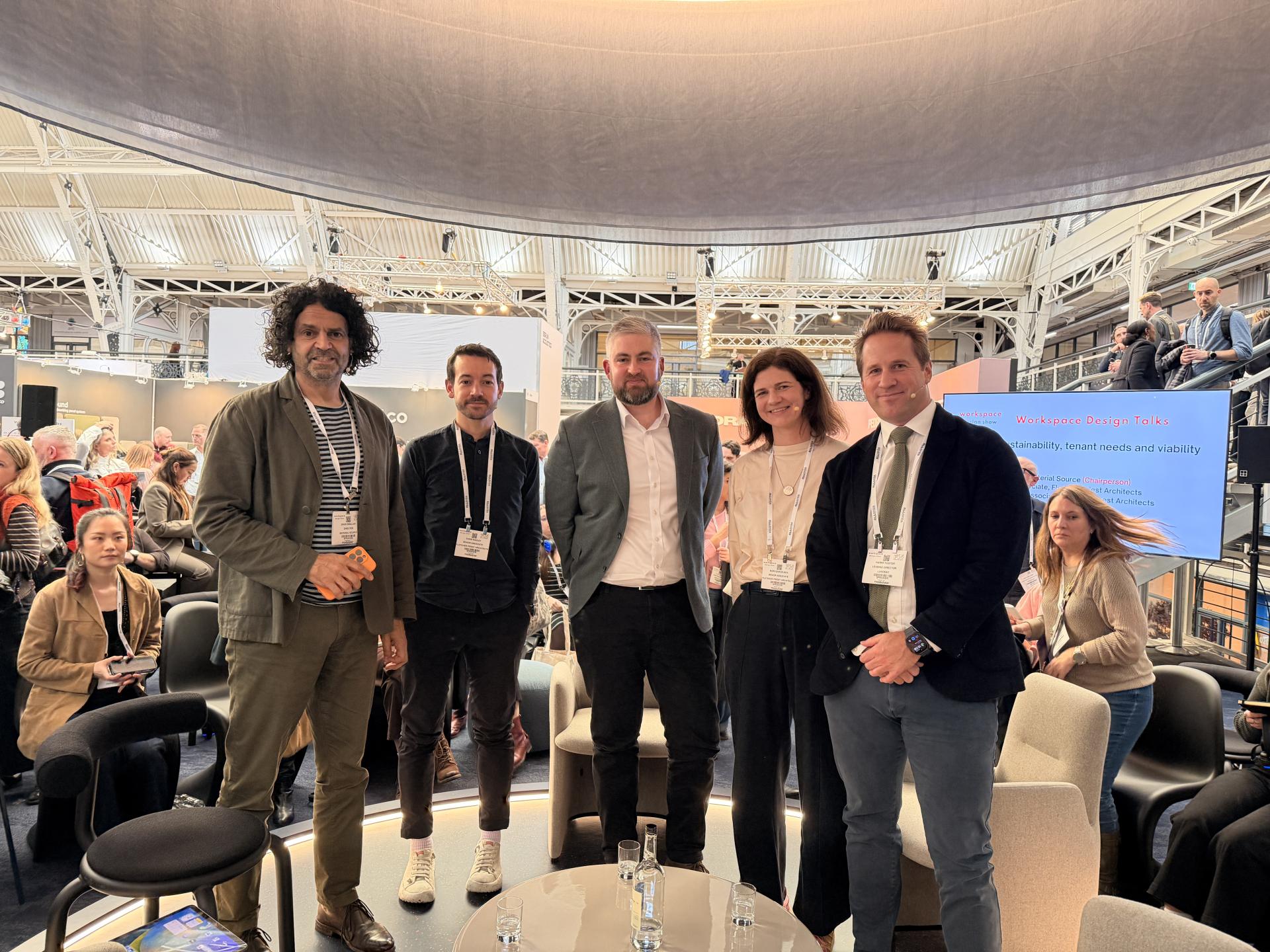
Courtesy of Fletcher Priest
Curation for community
Returning to the planned amenity space, David asked what else is going into 55 Old Broad Street to encourage community.
Harry replied that as a landlord, Landsec is very much focused on what it can offer outside of workplace footprint to support communities in coming together. For this particular project, a Clubroom will be included on the rooftop. A part of the initial brief, Harry said this provides a “wow moment” for attracting tenants. And to bring it to life, Fletcher Priest is working with a landscape architect to design the terrace area.
A question from the audience asked the panellists to expand on how social value is being assessed. To which Oliver responded, “Landsec assesses social value across its portfolio. We undertake social needs assessments at the outset of projects and lean into what’s needed in the local areas. In the case of City of London where some areas have very little neighbouring residential property, we also extend our assessments out to the neighbouring boroughs. At 55 Old Broad Street we’re keen to offer something different to just the usual bars and pubs in our cultural offering and to ensure our maker and artist studio spaces provide an opportunity for underrepresented users.”
Lucy Galloway, Associate, MLA, asked how occupier experience is measured?
Harry said this is done by the Customer Insights team – a team of people that “spends their whole year engaging with our customers, trying to work out what we need to do to try and keep them happy. Everything we do is managed in-house, so the general mindset is that we can control everything including experience day-to-day.”
Looking back, going forward
As the session neared its end, David asked whether there was anything the panellists would have done differently during the journey so far?
“More surveys”, said Oliver. And for Chris, “some changes could have been made slightly earlier – we changed the HVAC at the start of stage 4 – it’s for the right reasons, but at that point it took a chunk of work.”
And finally, “what’s the one big thing you want to have achieved in 12-months’ time?” David asked.
“To have started construction”, said Chris. “We’re excited to get started on site and see it all come to fruition”, agreed Mari.
For Harry, it’s to have “pre-let 100,000 sq ft.”
Though it seems a long timeframe, this project is not untypical, said Oliver. “We’re on track – exactly where we thought we’d be when we talked in 2021. And the pace will continue to move fast right up until 2029.”
A huge thanks to Workspace Design Show for organising the discussion, to our panellists: Mari, Chris, Oliver and Harry, and to everyone that joined us and asked brilliant questions.
We’ll be following the journey of 55 Old Broad Street, so stay tuned for more content coming soon.