











Designing for Difference: From classrooms to offices, KI considers neurodiversity in every design.
With an understanding that the support of neurodiversity is crucial across all sectors, including education and workplace, KI Europe is furthering its longstanding commitment to "creating environments that support different ways of thinking, learning and engaging."
Through research-led design and close collaboration with architects and specifiers, KI is helping organisations translate inclusive principles into practical, everyday solutions.
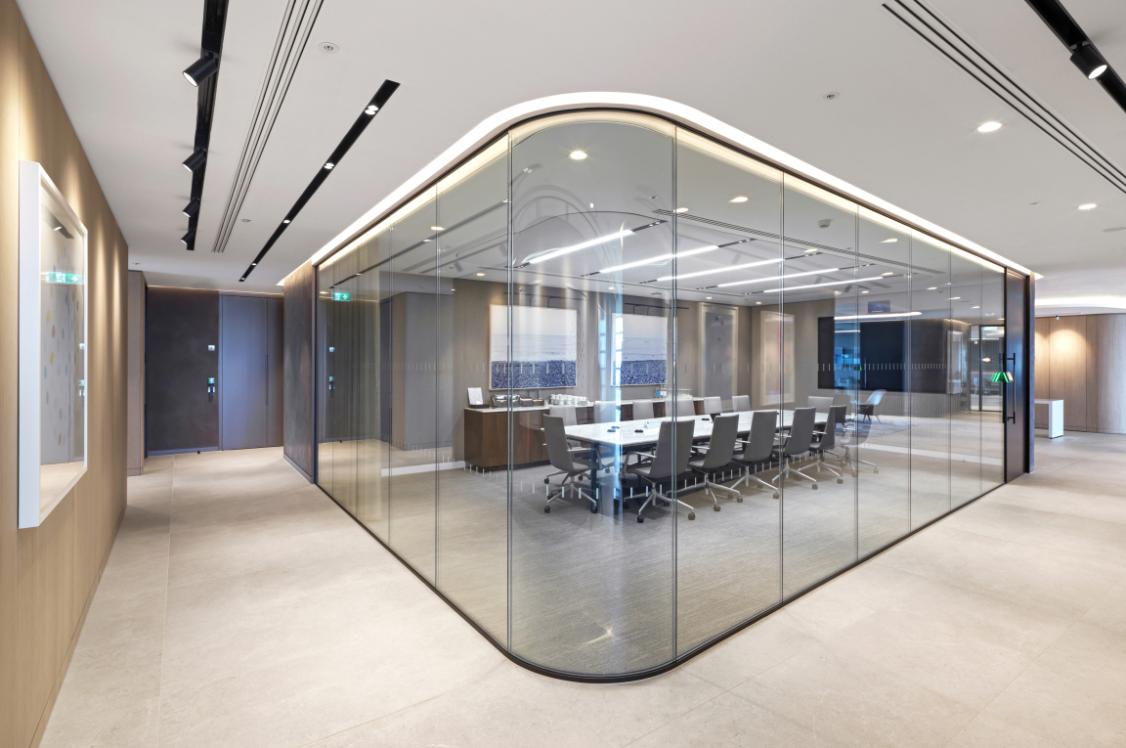
Neurodiversity recognises the natural variation in how people process information and experience their surroundings. With more than 1 in 7 people estimated to be neurodivergent, classrooms, universities and offices are increasingly seeking ways to ensure spaces work with individuals rather than expecting individuals to adapt to the space.
KI shares that their clients are asking how interiors can better support sensory regulation, movement, focus, and wellbeing. And KI believes furniture plays a pivotal role.
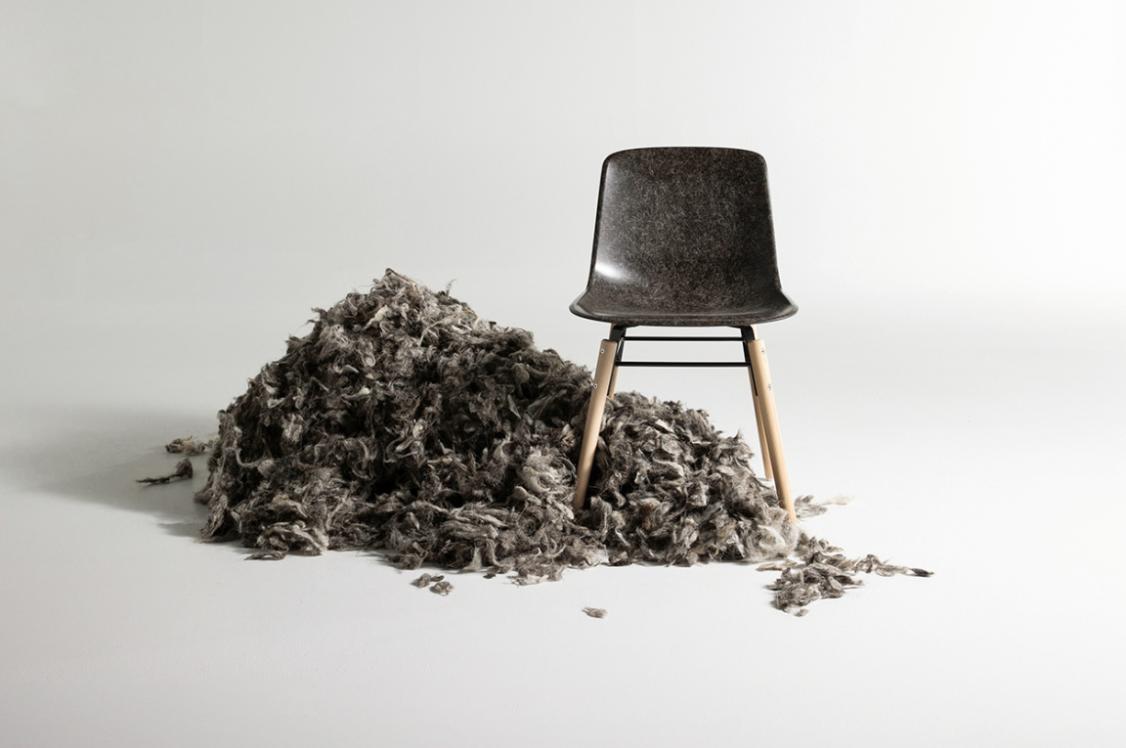
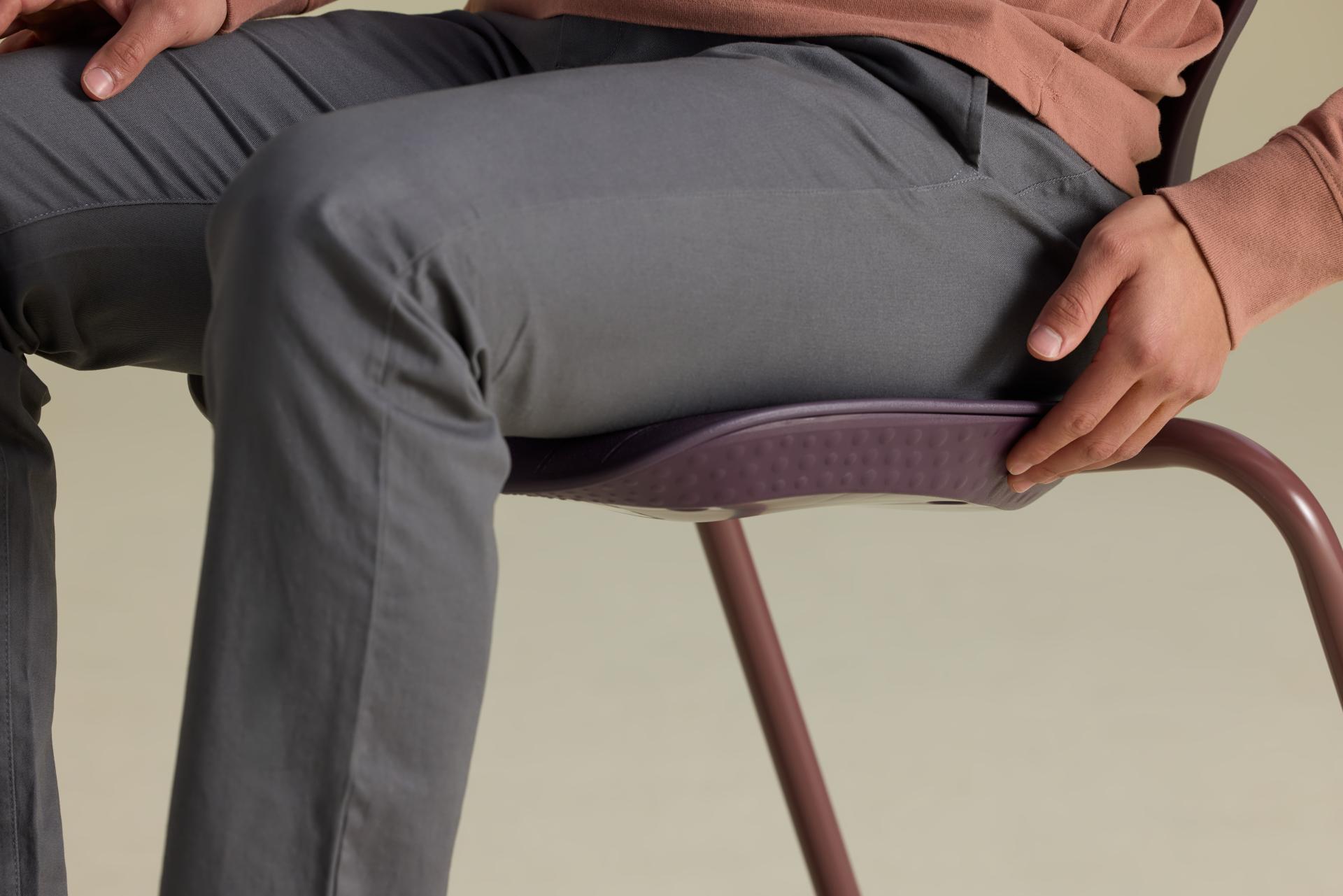
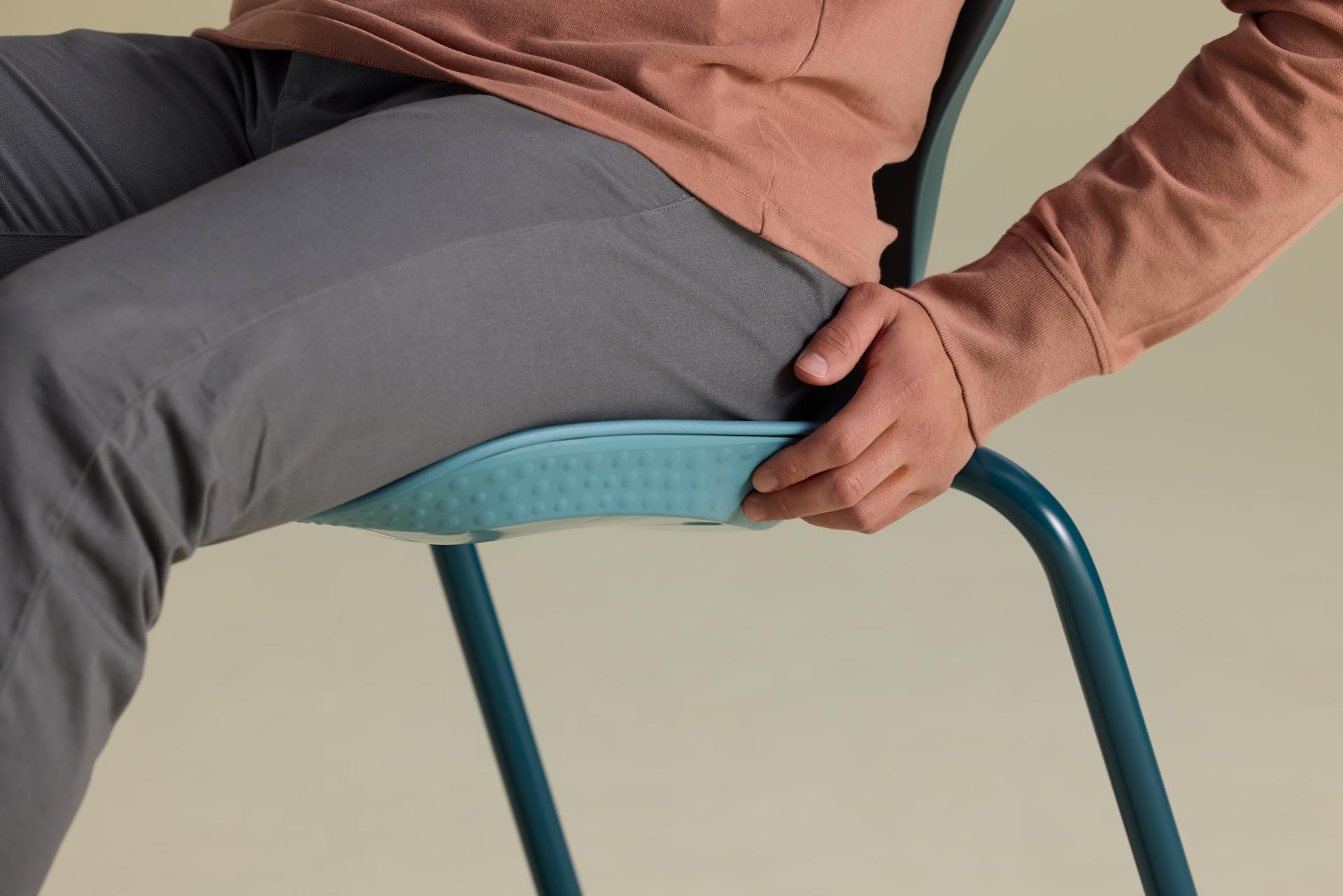
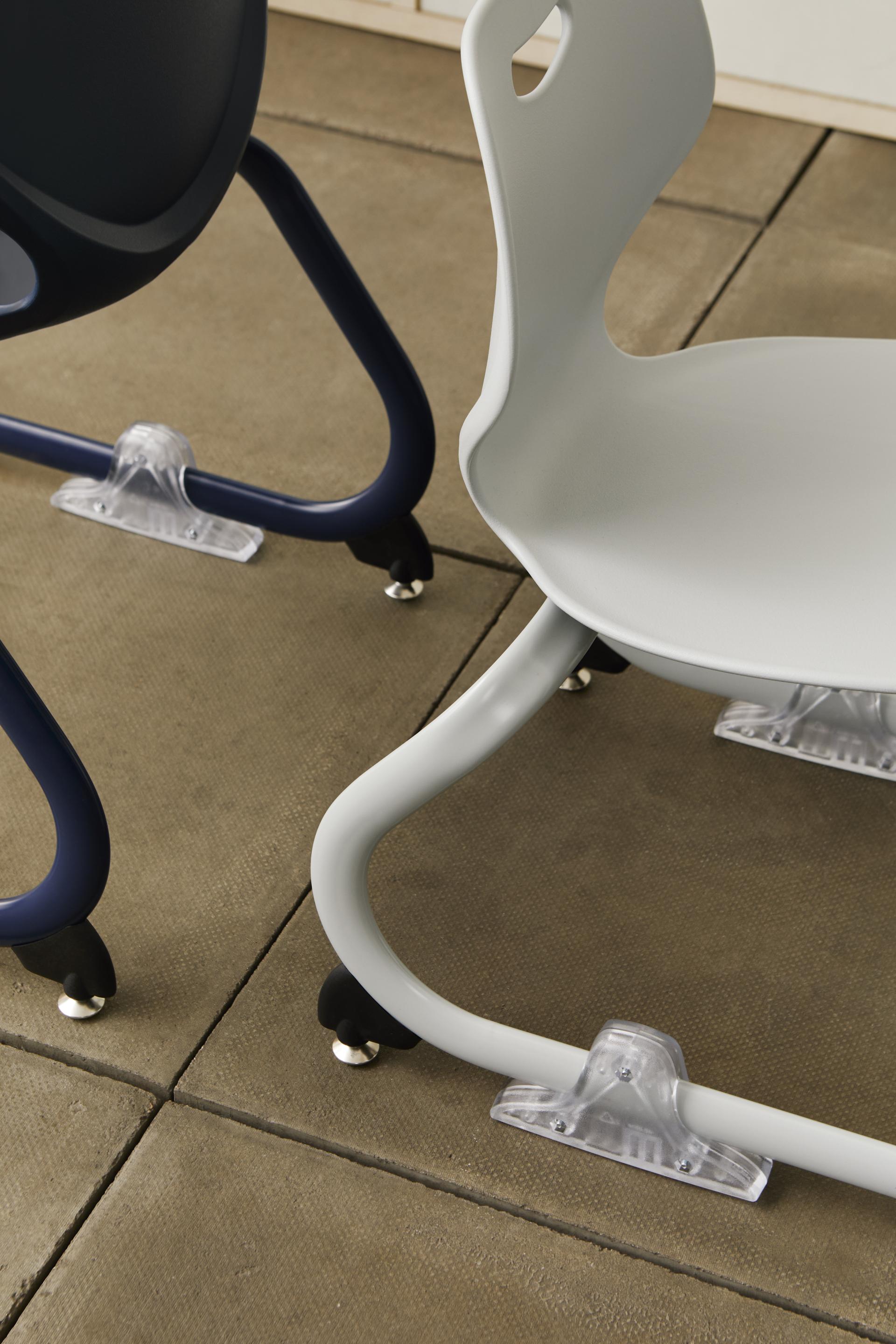
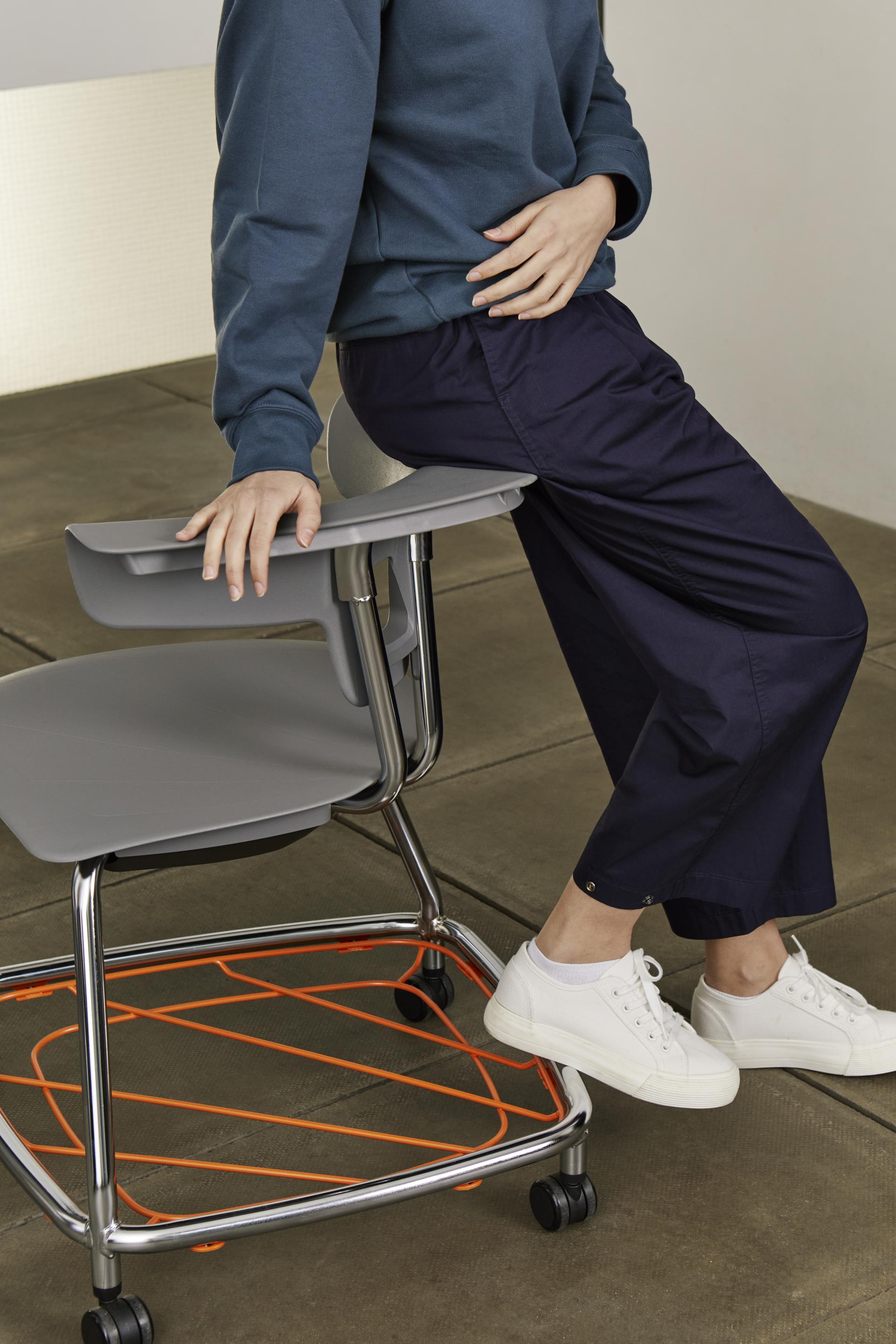
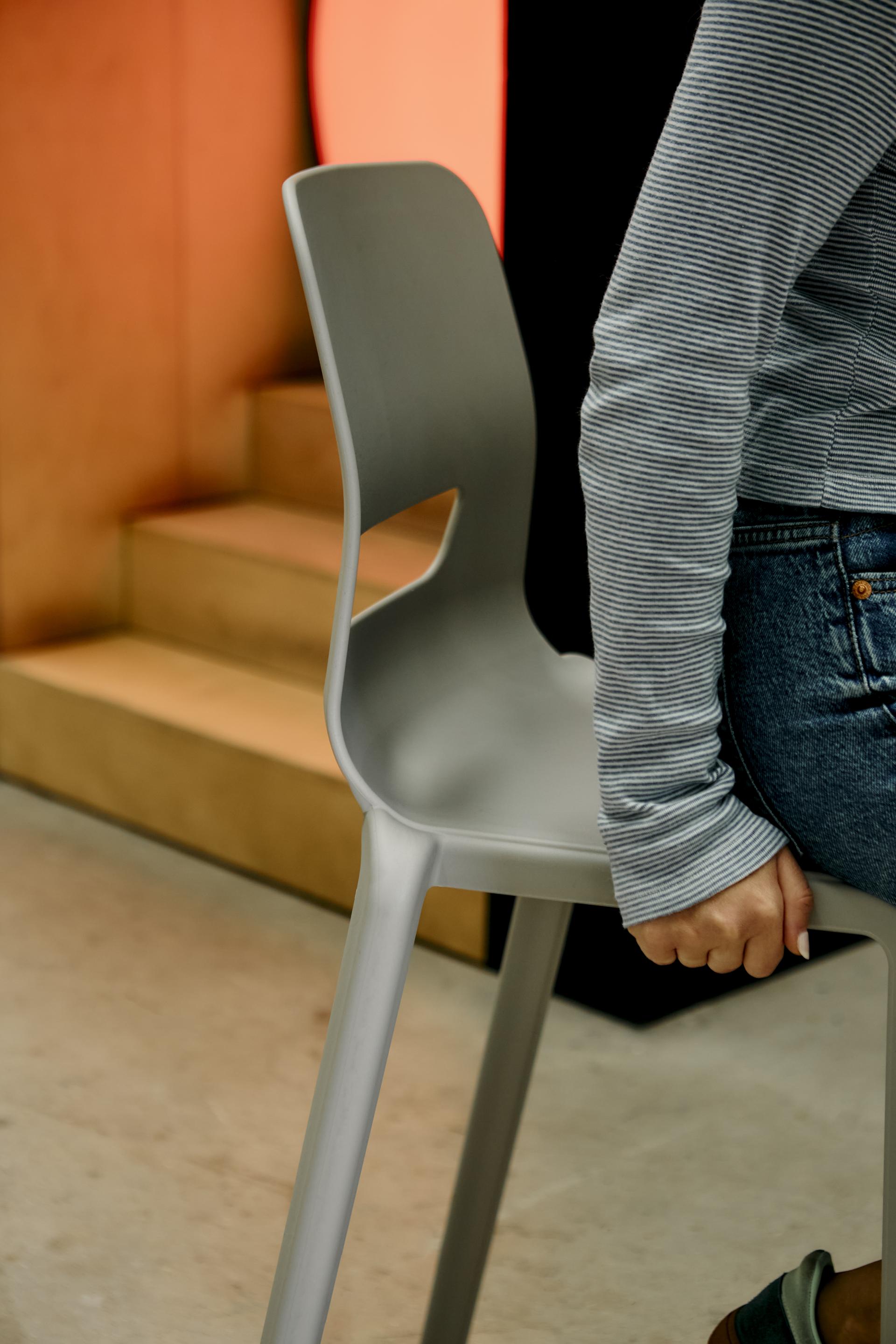
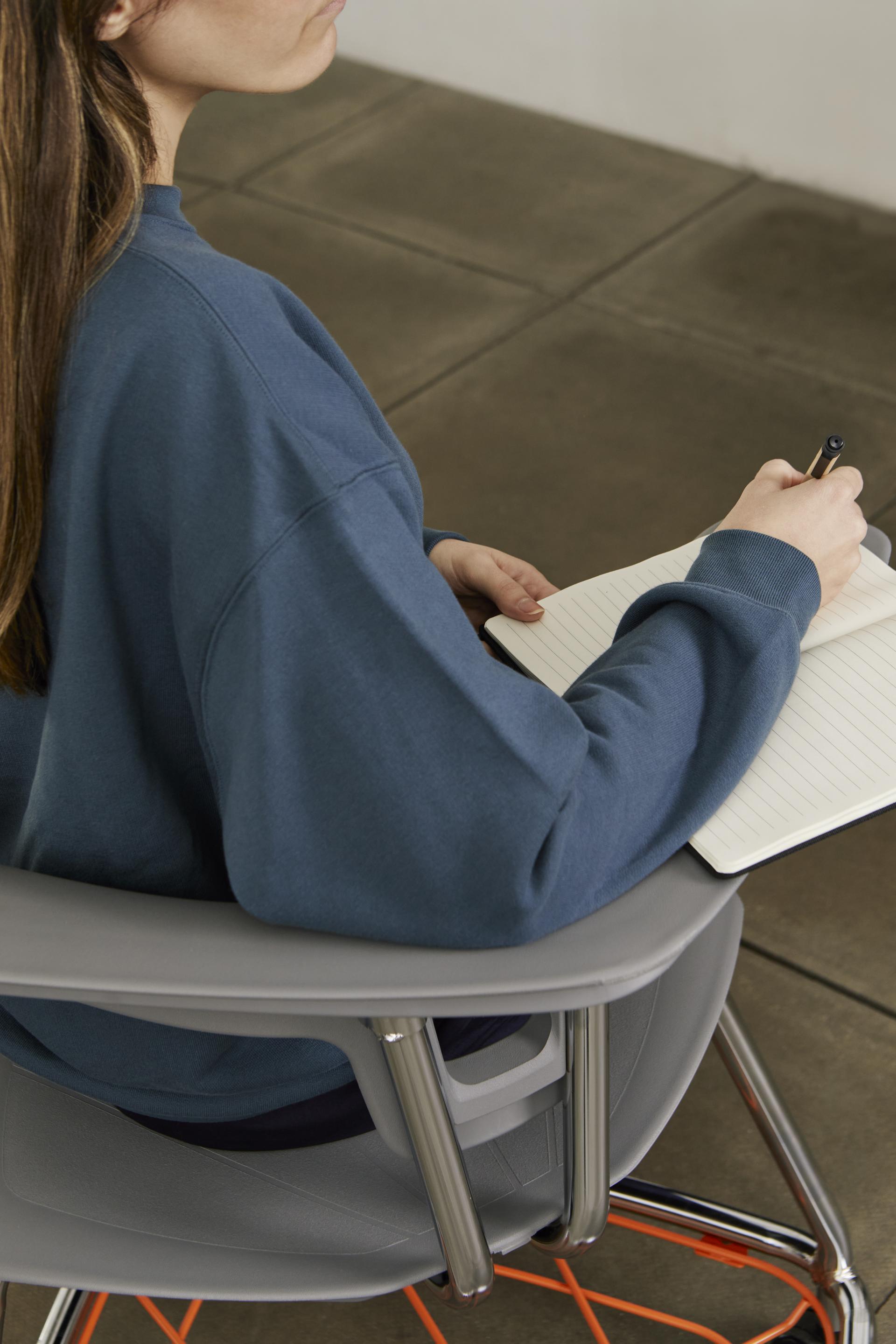
KI’s dedicated seating portfolio reflects its commitment to neurodiversity. The Cogni seating collection incorporates sensory surfaces, a heel wheel, flexing back and comfort ledge to enable subtle movement. The Ruckus Chair supports multiple postures with five seating positions, 360-degree use and multifunctional armrests, while the Postura + One Piece Stool offers both low and high-back options for comfortable and adaptable learning settings.
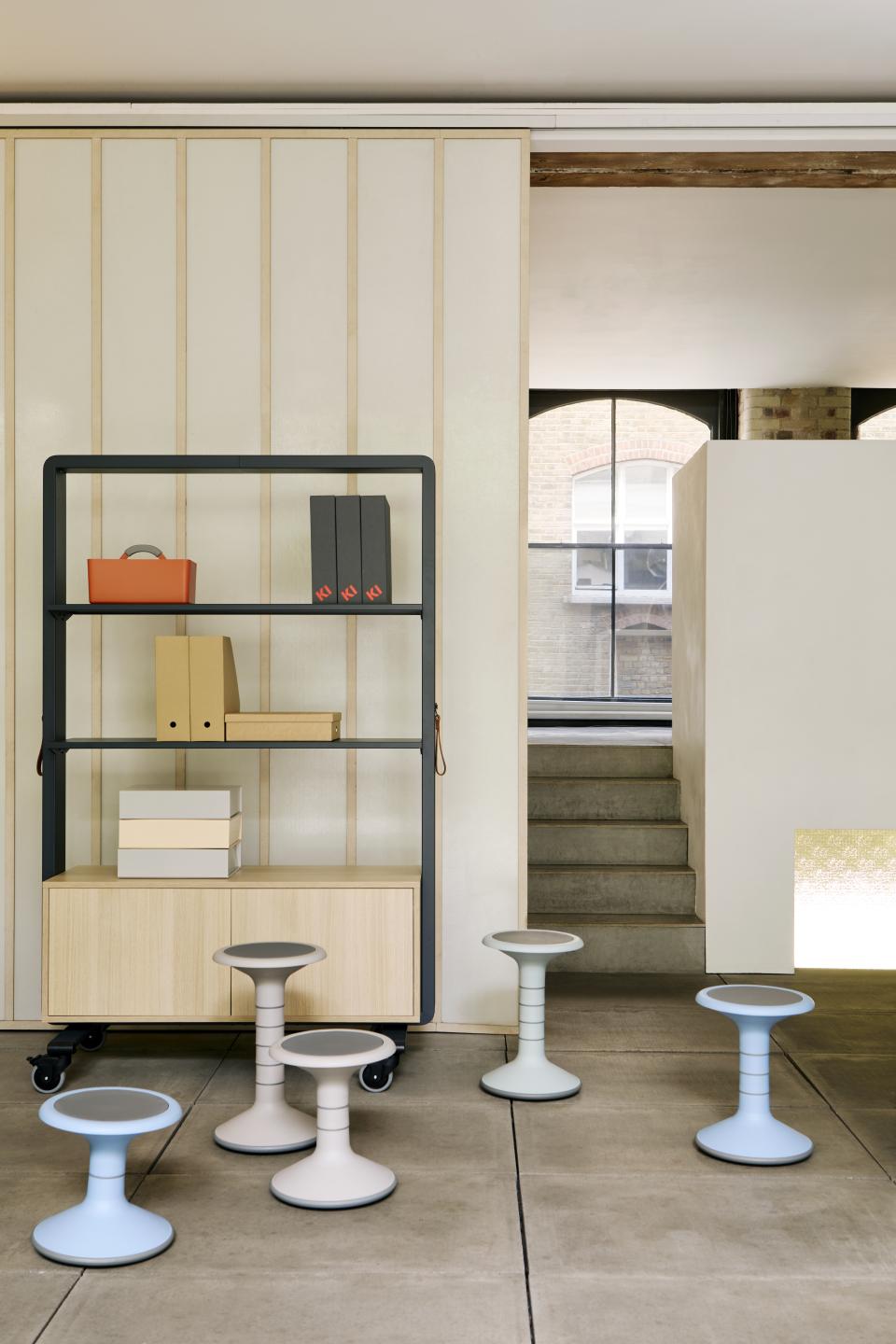
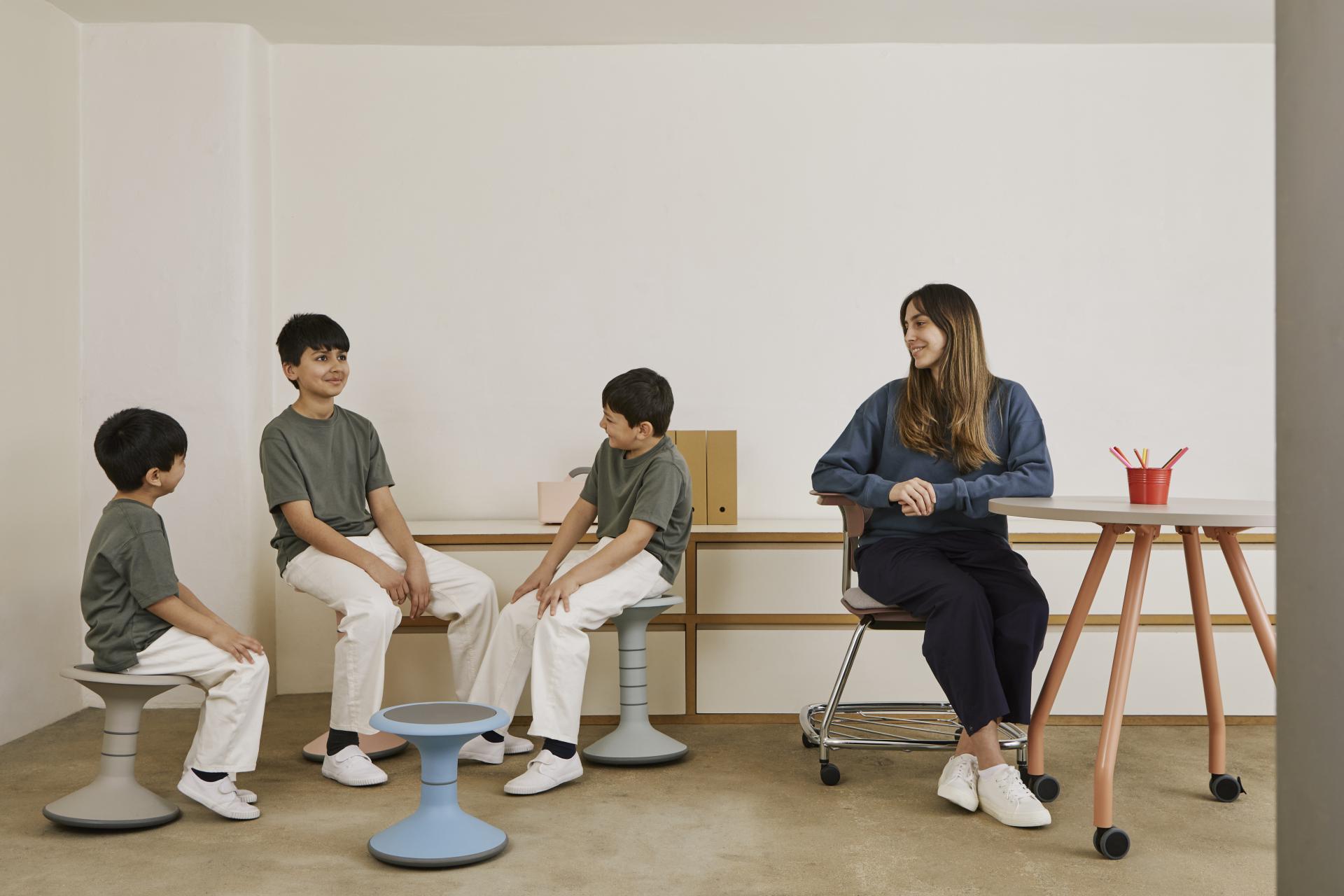
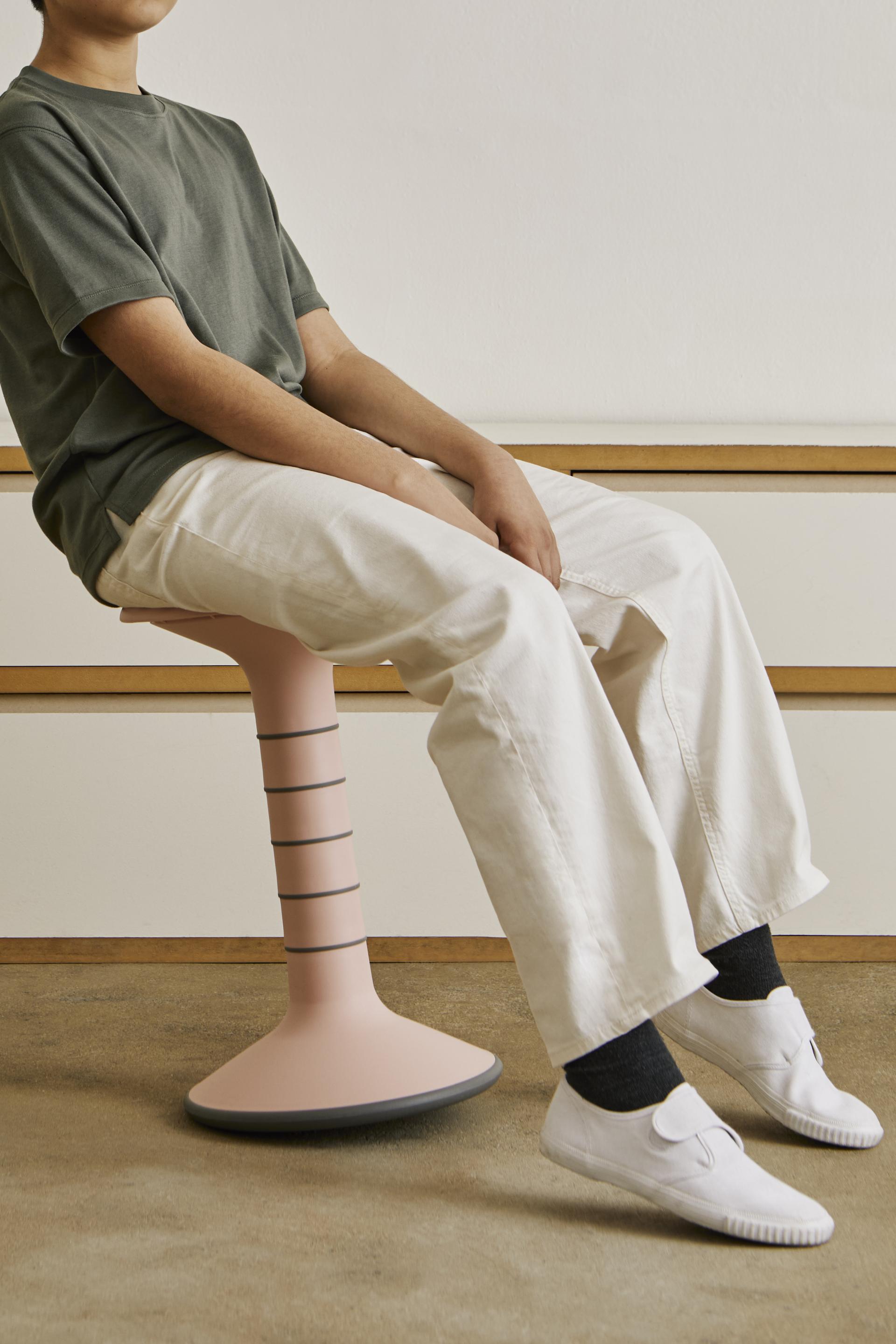
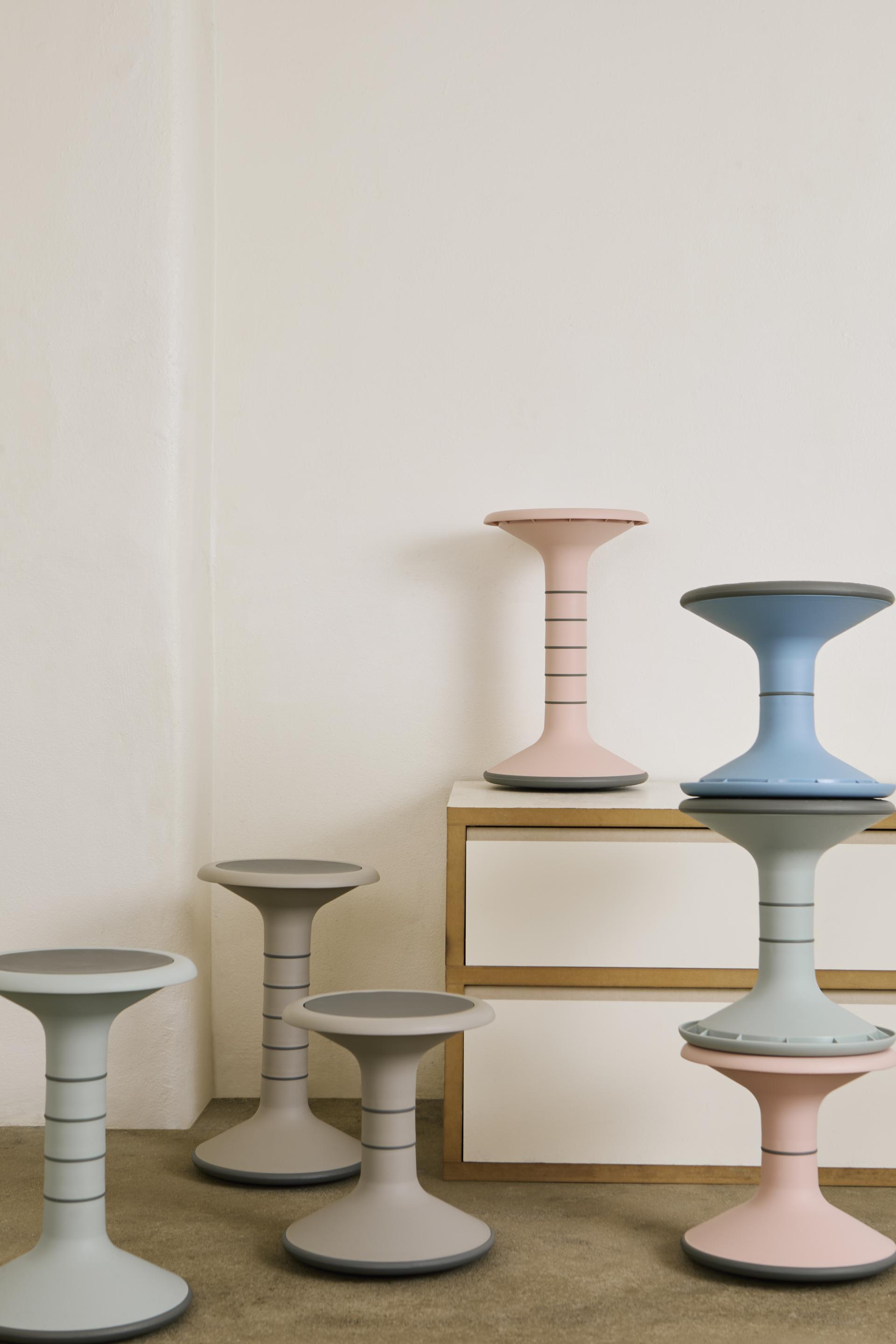
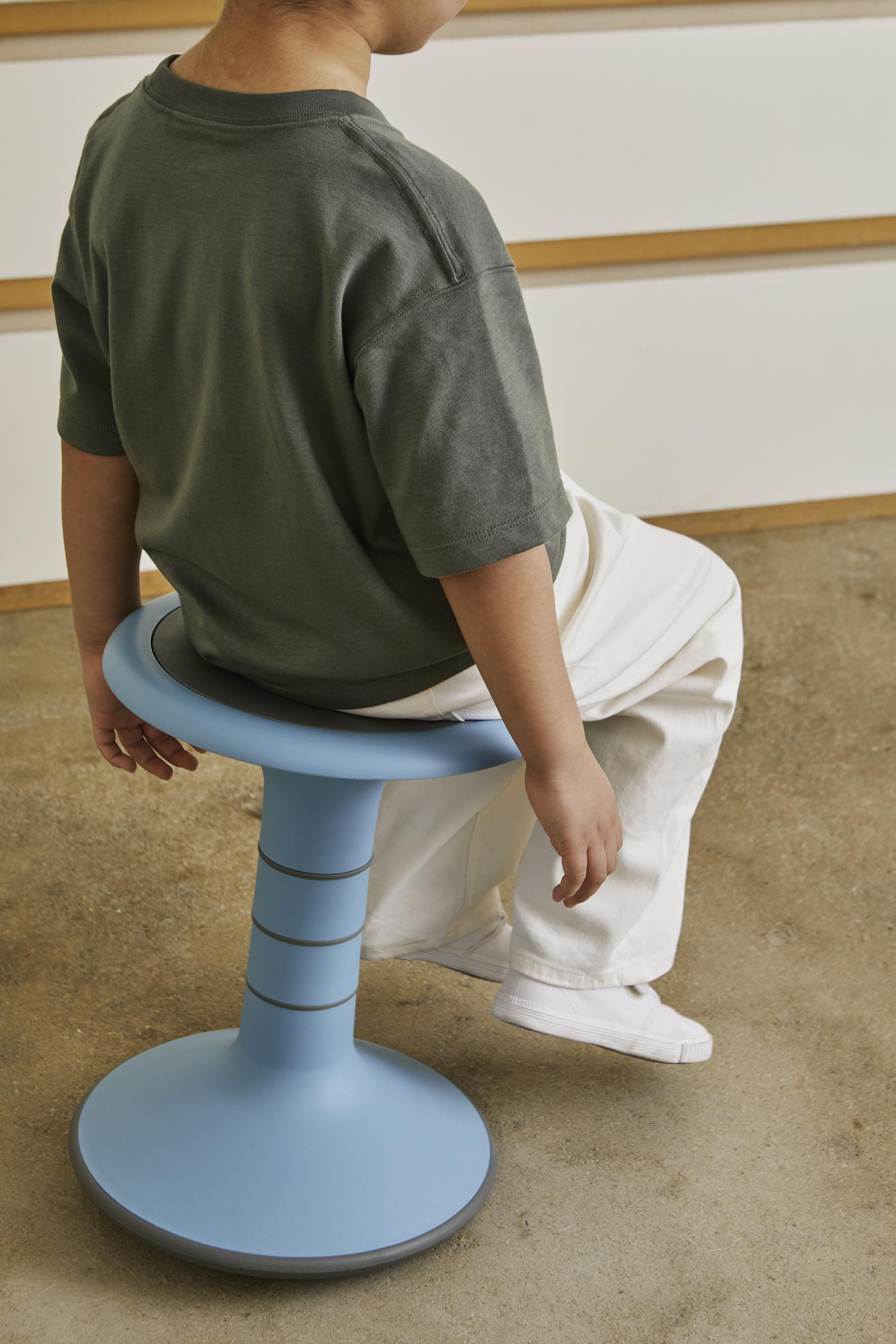
Products such as KI’s Ricochet Wobble Stool are increasingly specified in both specialist and mainstream settings, for all ages. The stool offers 12 degrees of stable rocking motion and has been designed to help children and adults maintain engagement and concentration, with the freedom to move.
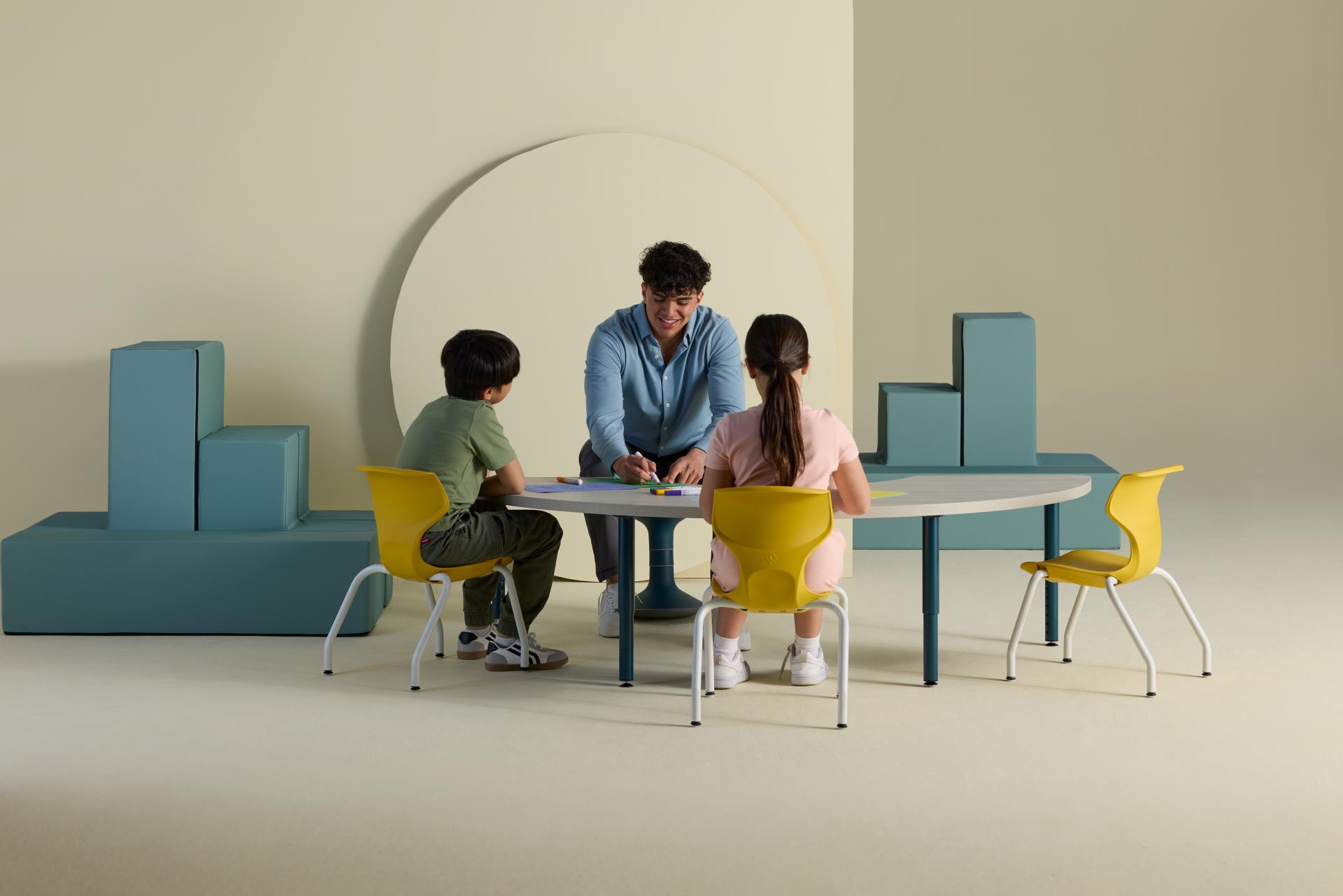
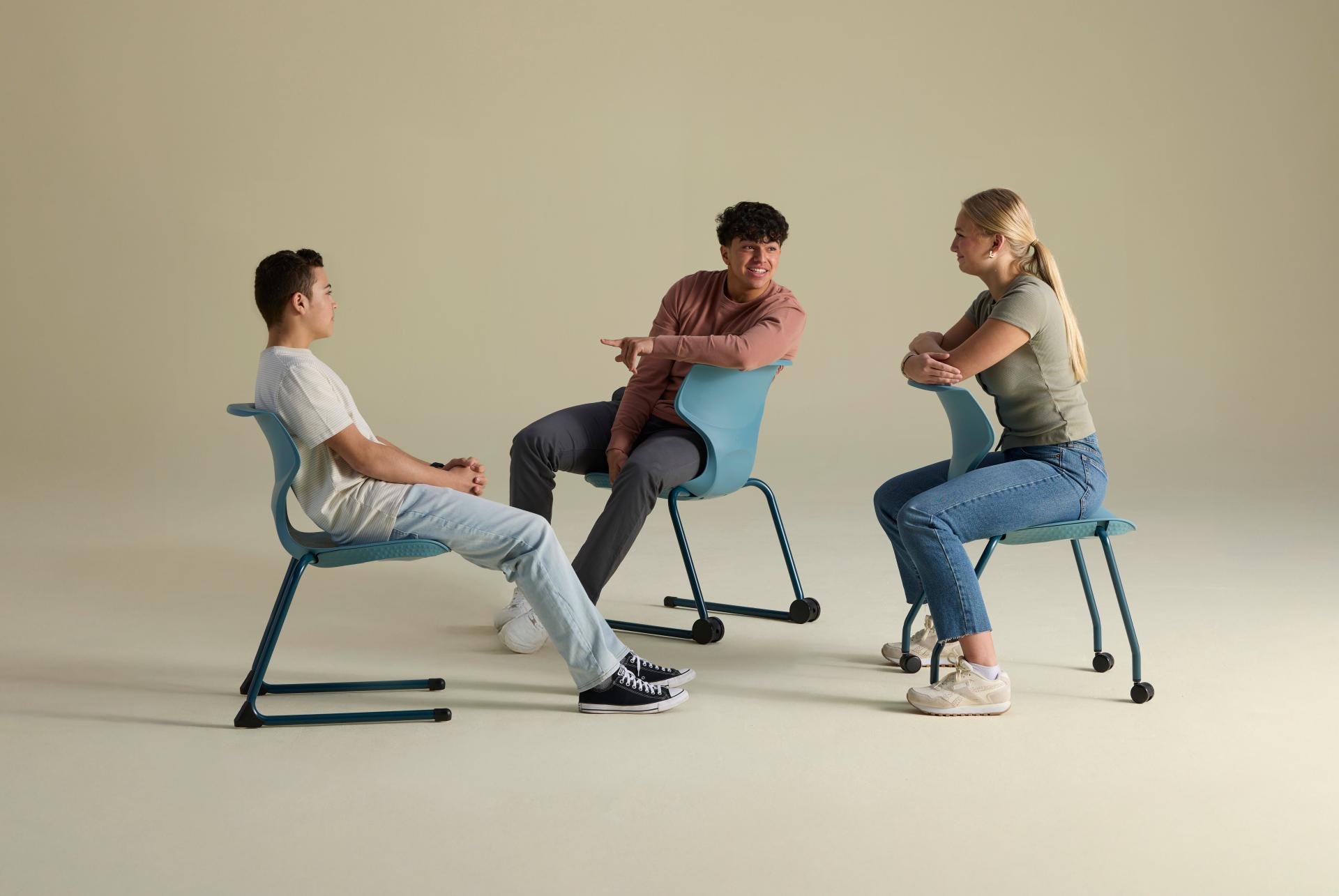
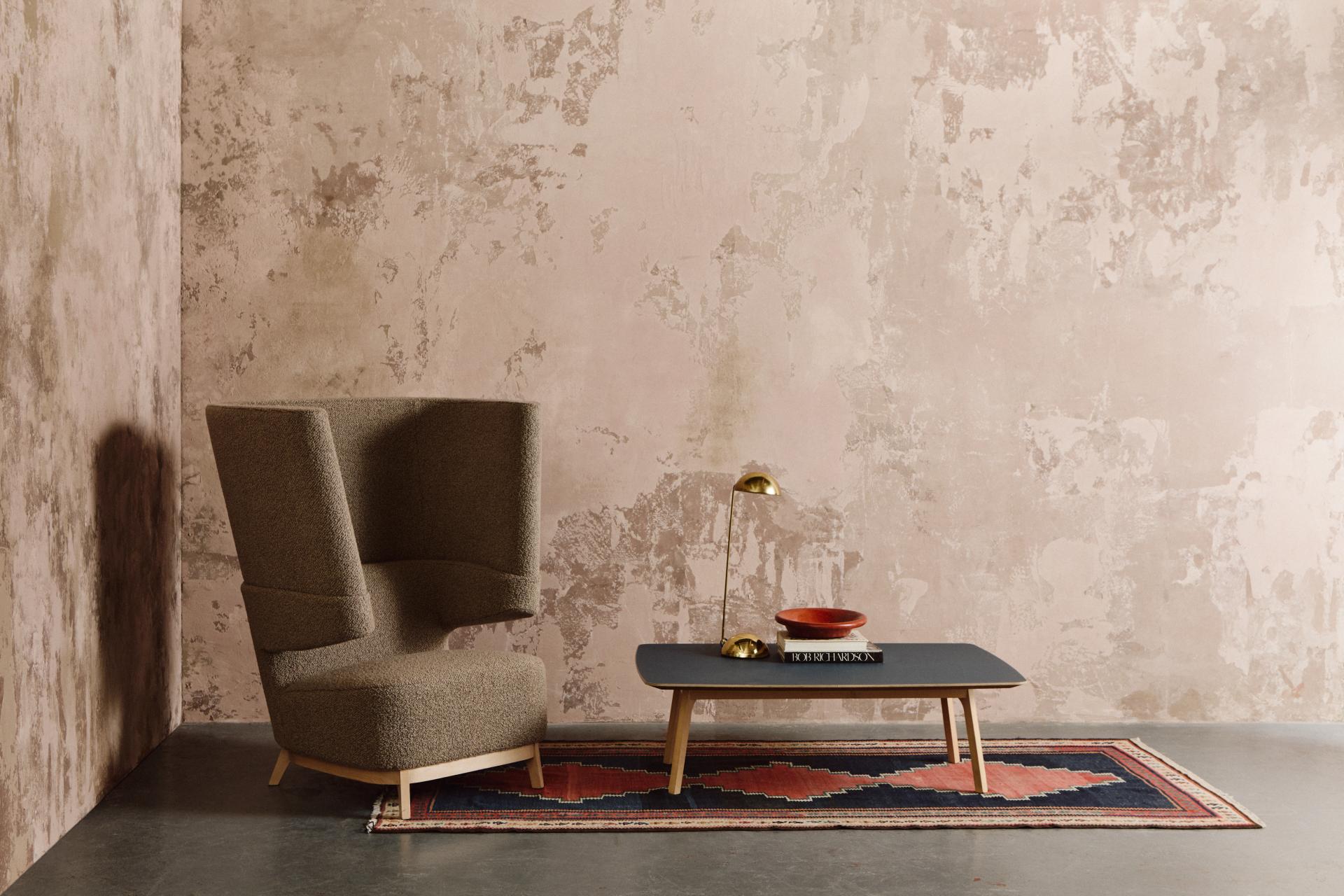
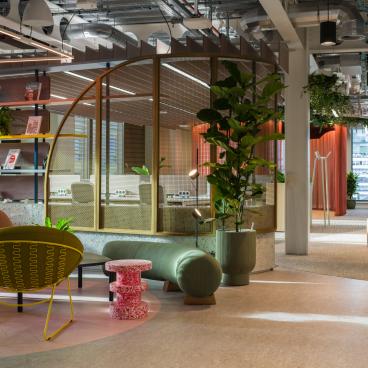
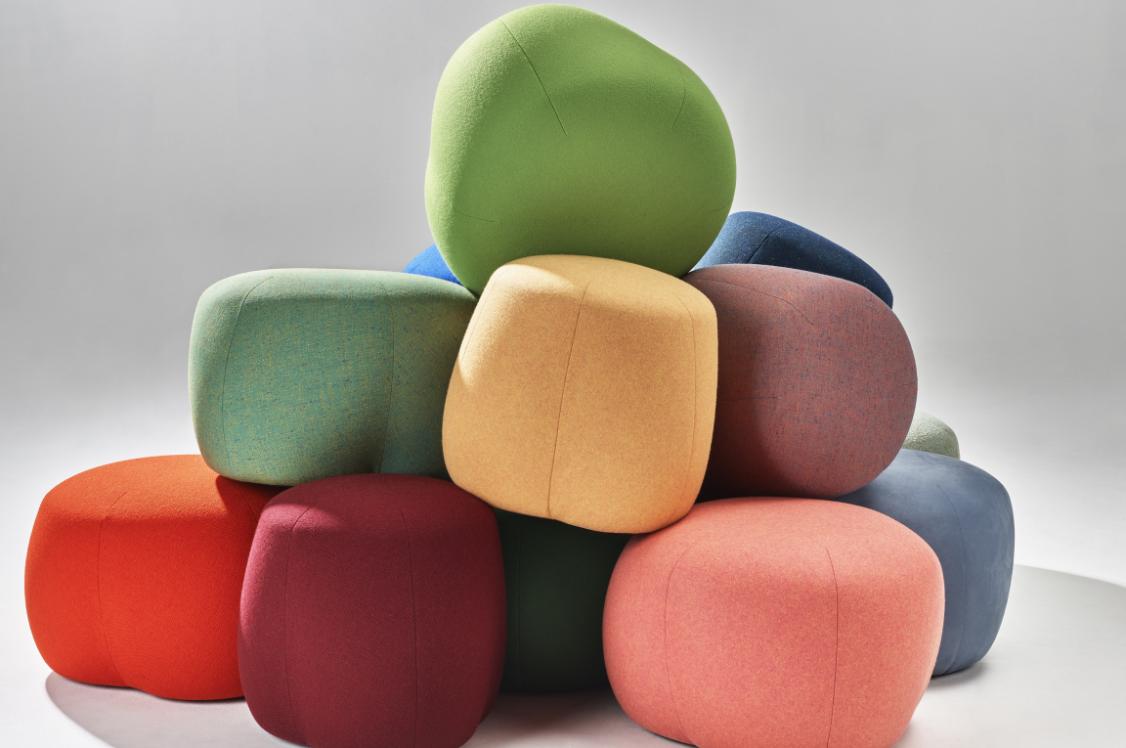
KI’s wider product range offers an array of solutions suitable to environments from education to higher education and into the workplace. Including acoustic solutions from Bejot, lounge furniture like Take5 which allows a ‘sit as you like’ approach and multiple table and workstation solutions which allow for movement, adaptivity and flexibility including Scrum Flip Top Tables and the full Sit-stand collection.
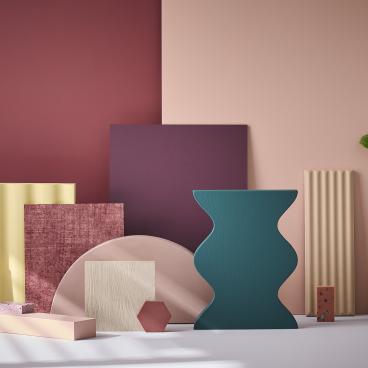
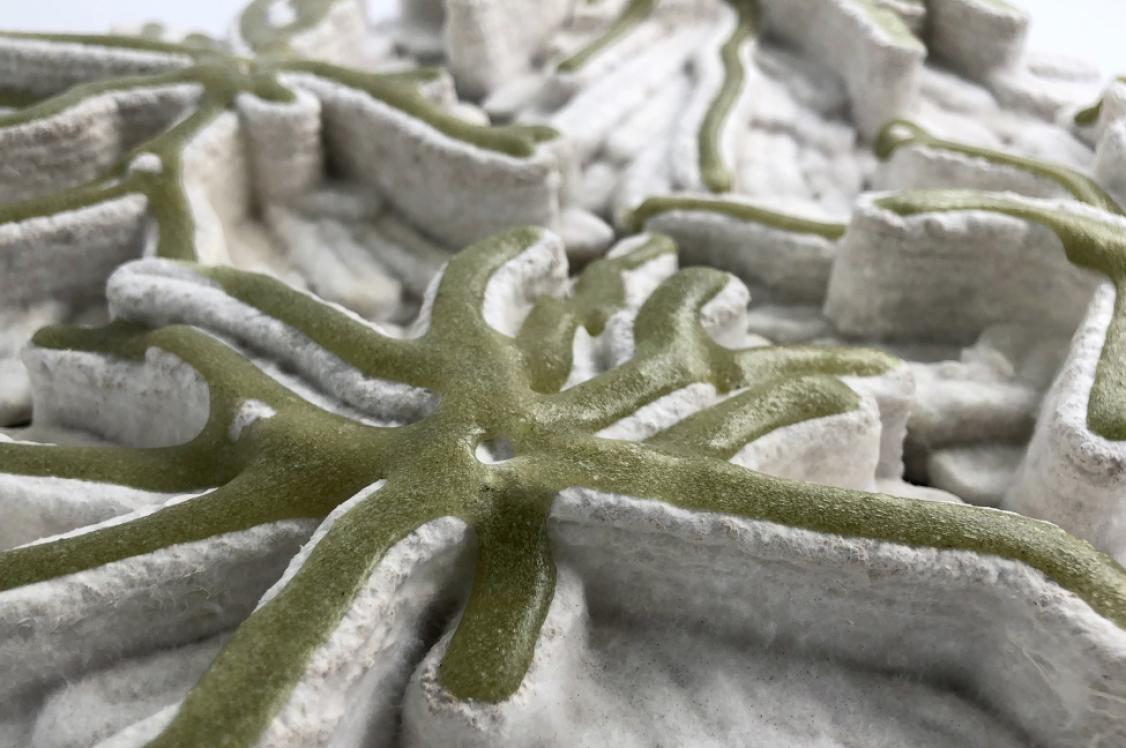
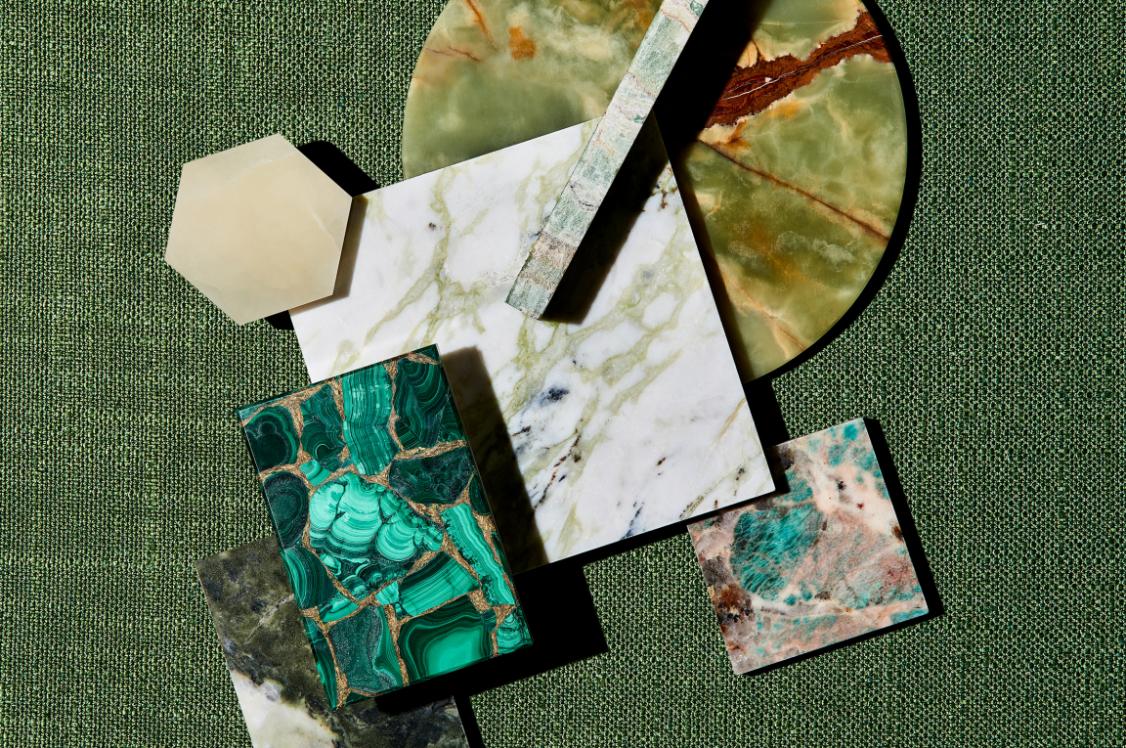
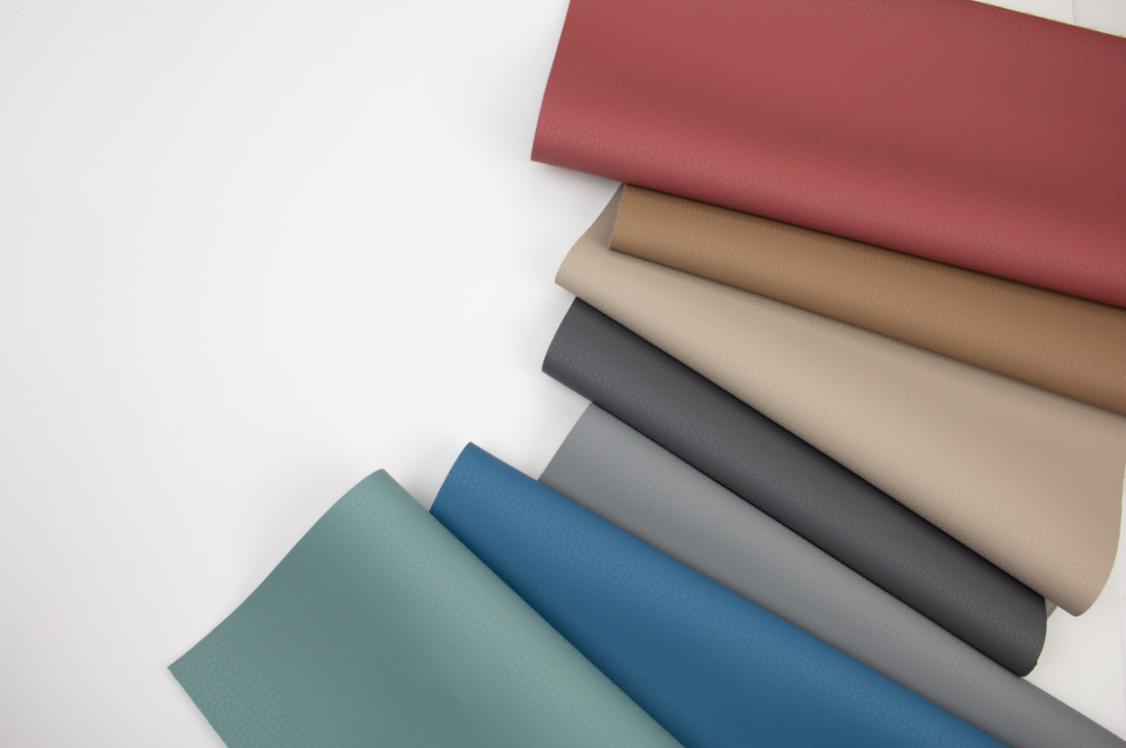
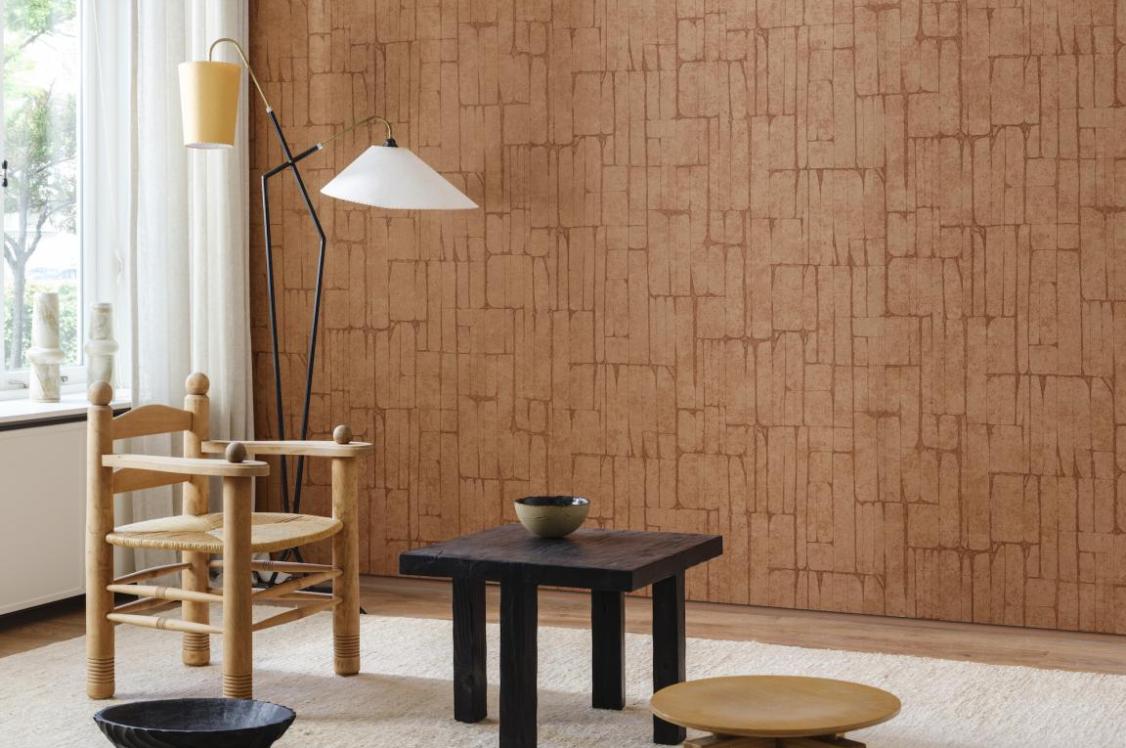
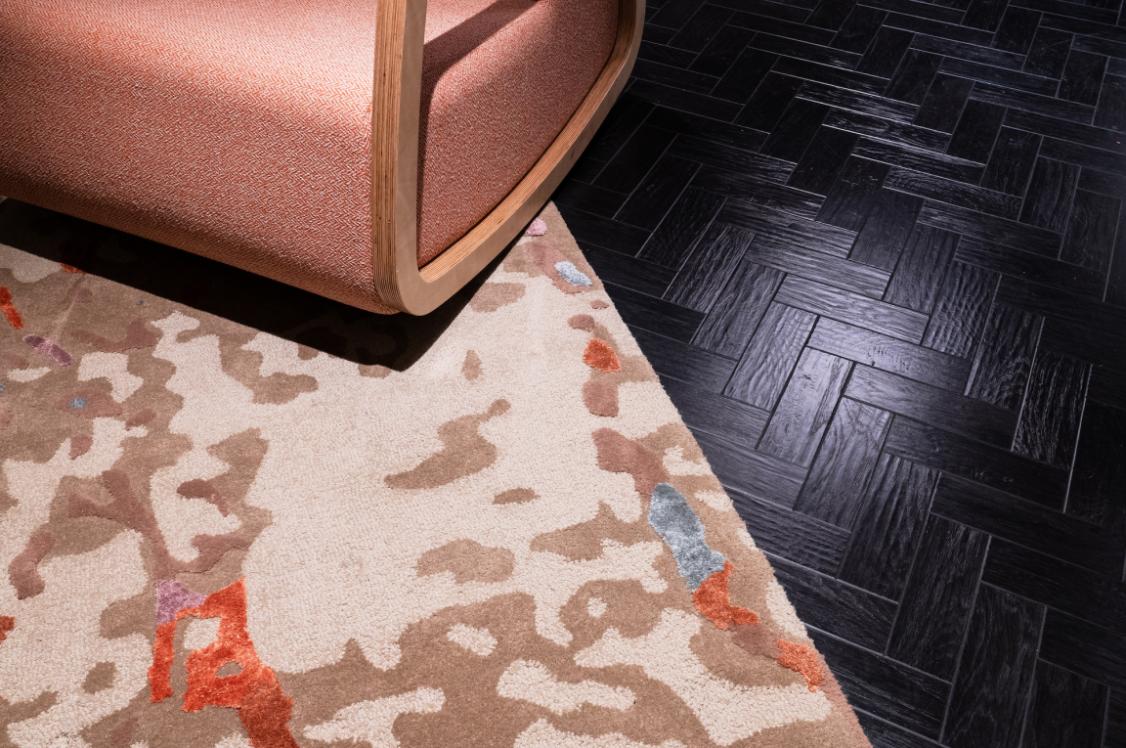
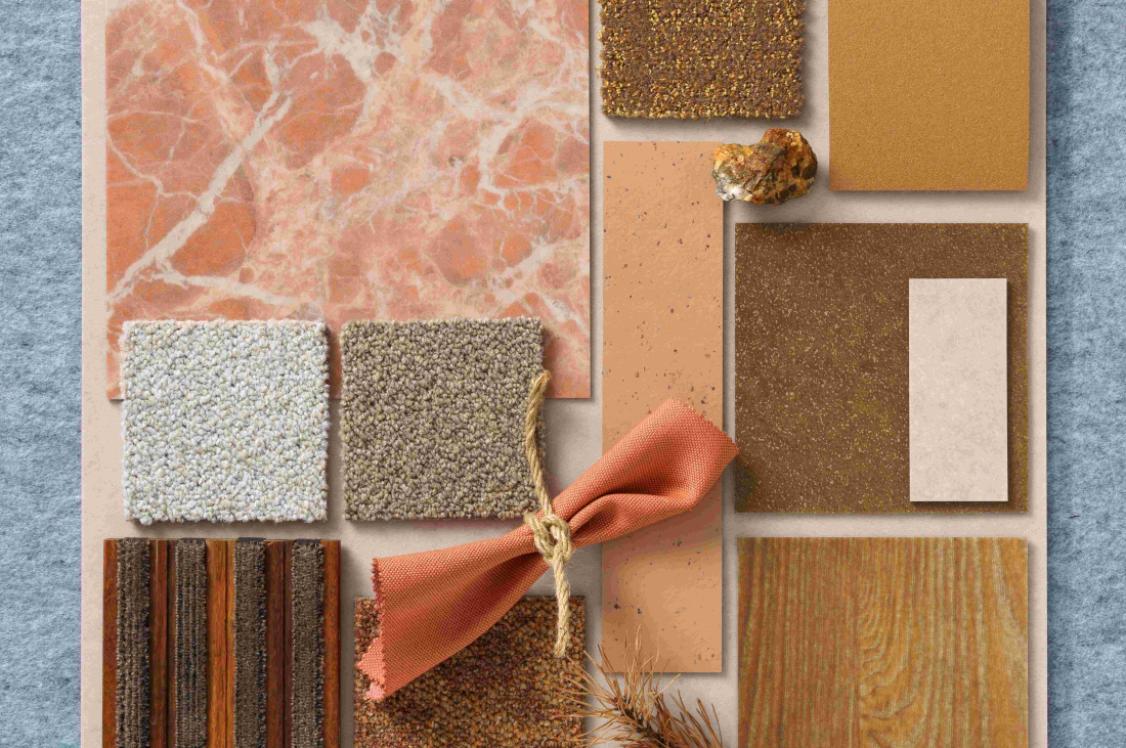
Materiality and colour are equally important. KI works with design experts, teachers and students to develop calmer palettes, muted tones, and softer contrasts that reduce visual overstimulation while maintaining warmth and identity within spaces. Designing for neurodiversity is often framed as a social responsibility, but it also brings measurable performance gains.
Spaces that reduce sensory overload and support autonomy tend to be calmer, healthier, and more productive for everyone.
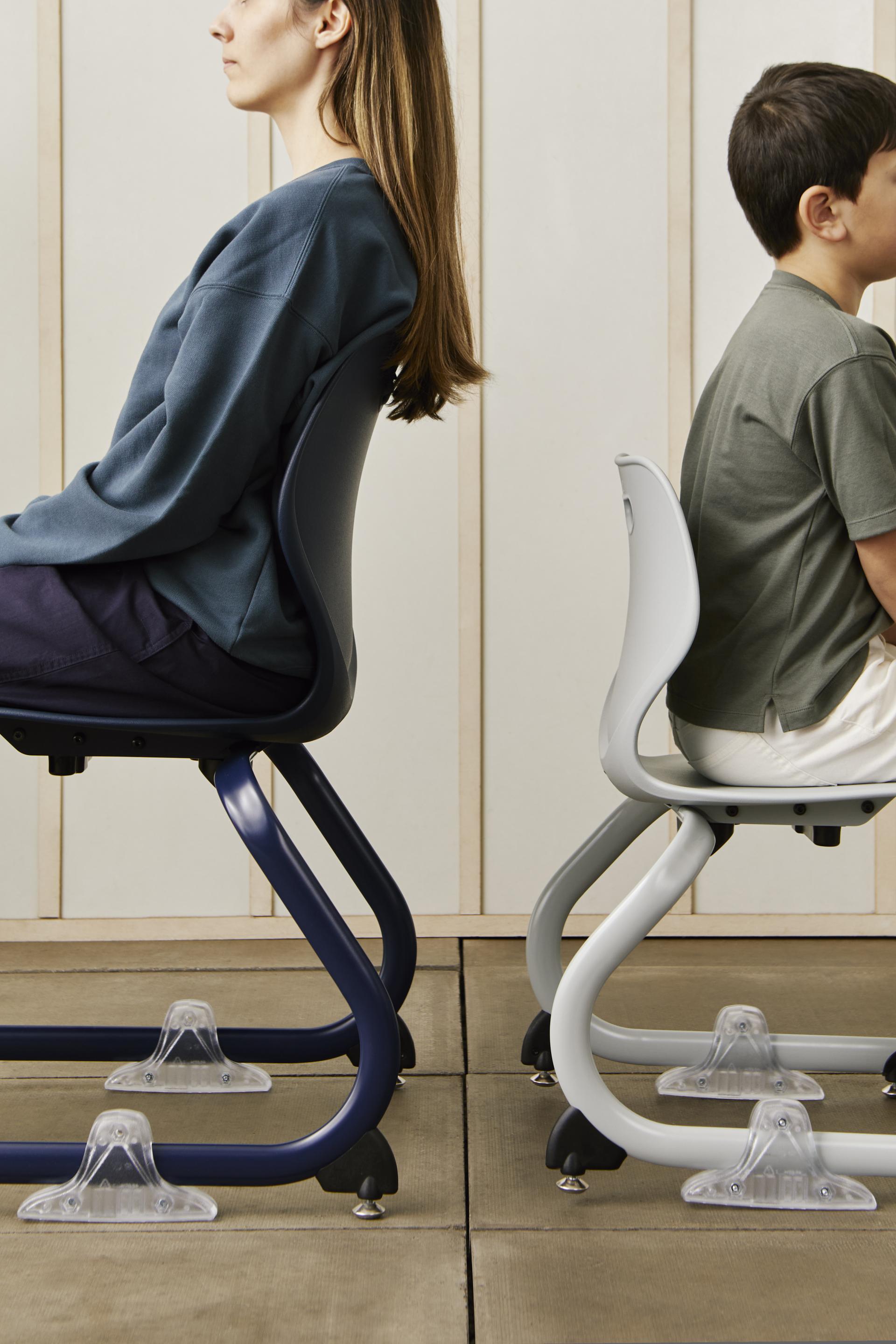
“Neuroinclusive design isn’t about a single specialist product,” says Alison Mallett, director of education furniture, KI Europe, “It’s about providing options that allow people to find what helps them feel comfortable, calm and able to concentrate. When choice is built into the environment, inclusion happens naturally and discreetly.”
By embedding flexibility, dignity and user choice into its products, KI aims to help clients create environments that are both inclusive and productive.
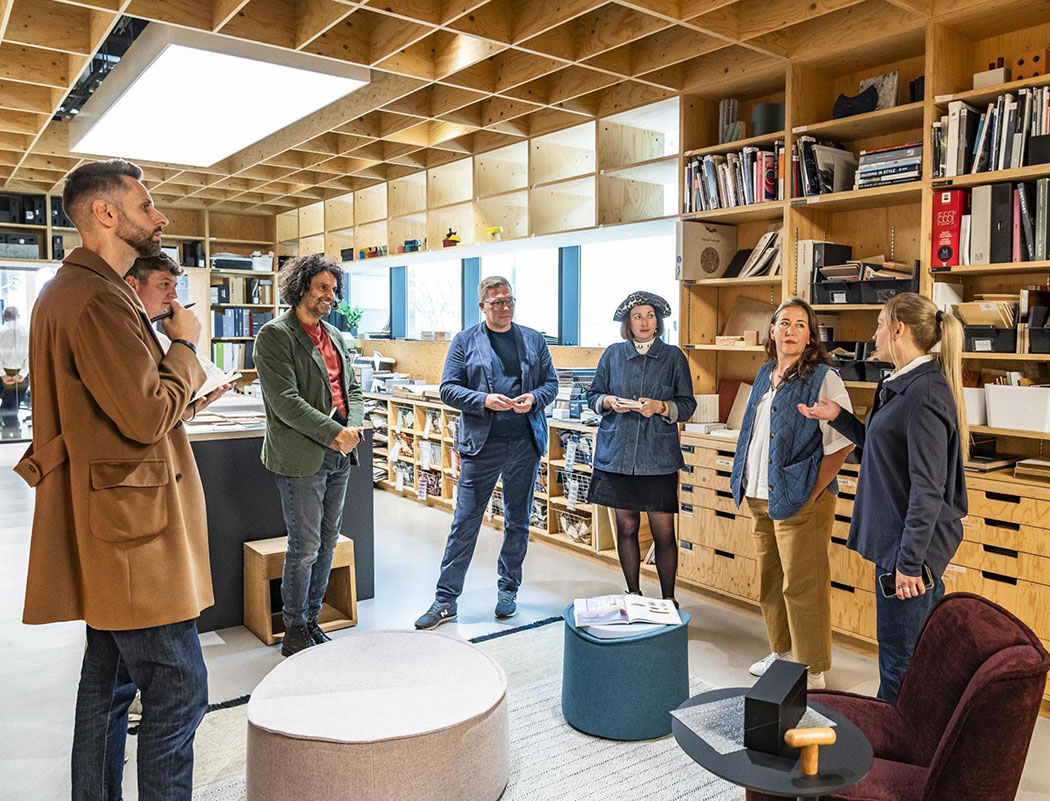
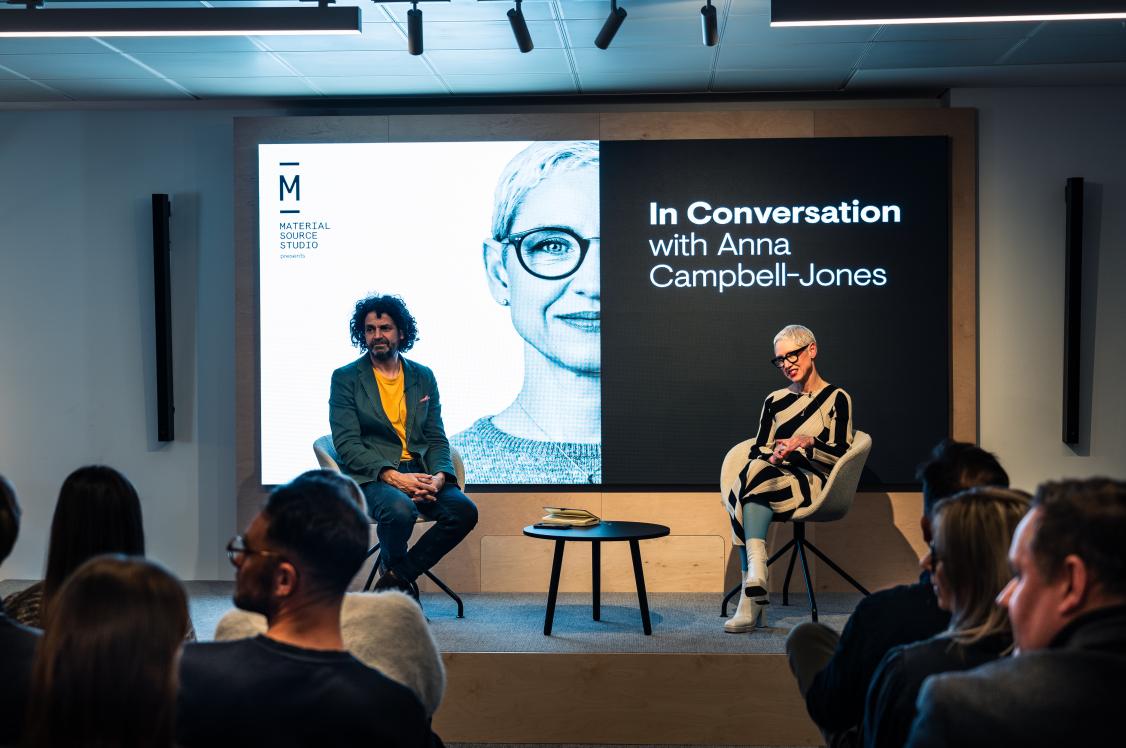
Discover more by clicking here, and visiting Material Source Studio Manchester, where KI Europe is a Partner.

In association with
KI Europe designs and manufactures high-quality furniture for all education, workplace, and hospitality environments.