




















EDI & Belonging: Culture or place?
In association with:


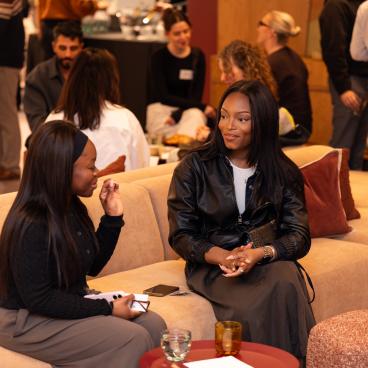
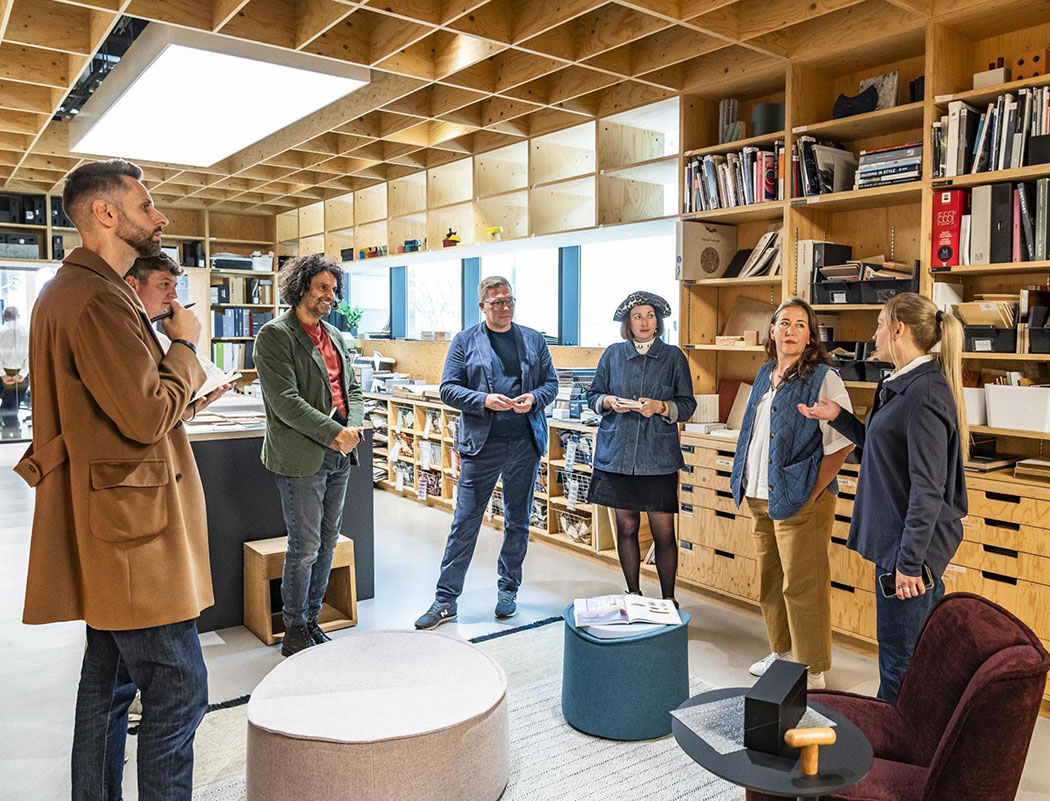
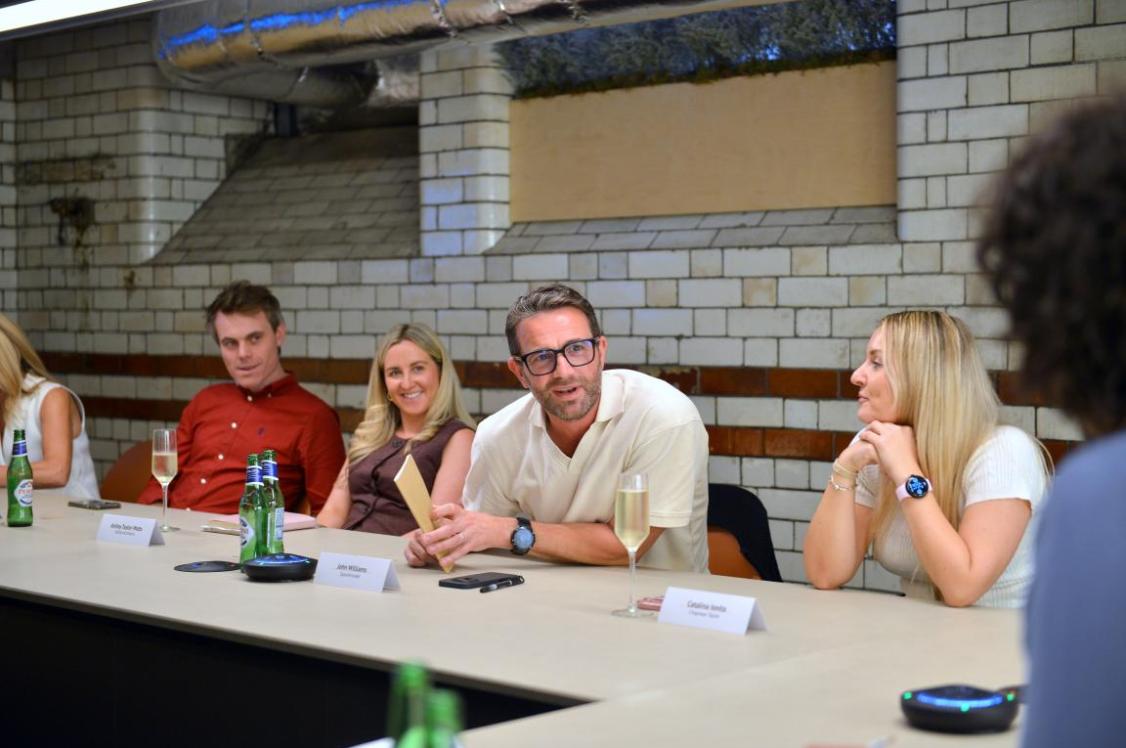
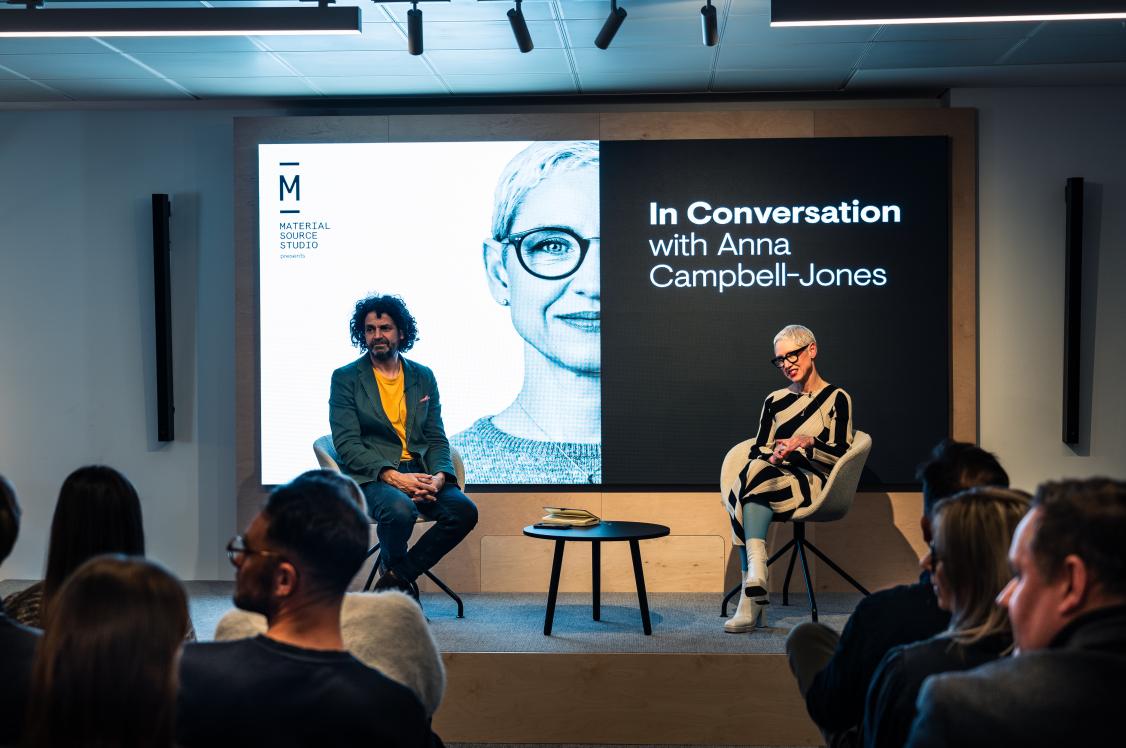
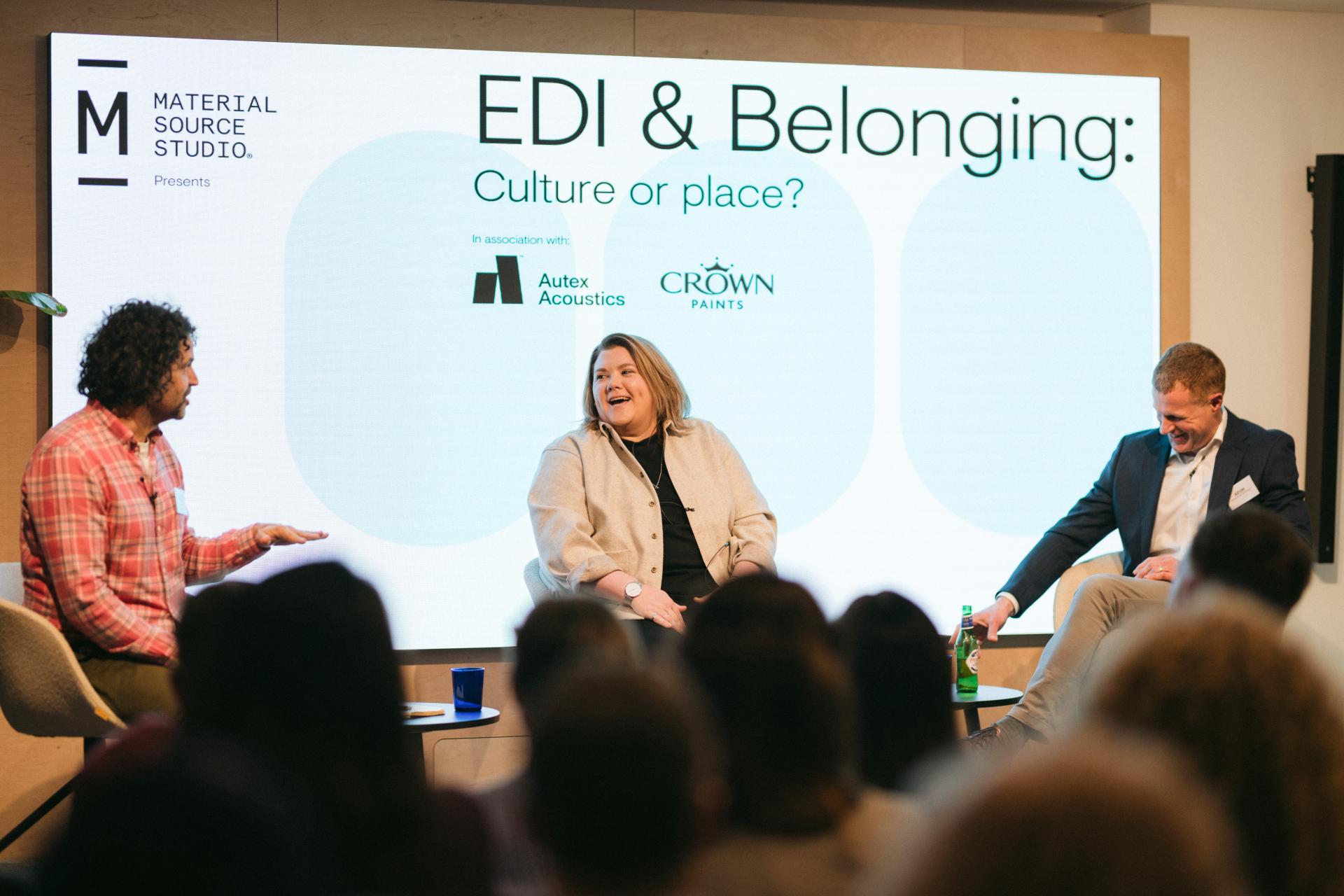
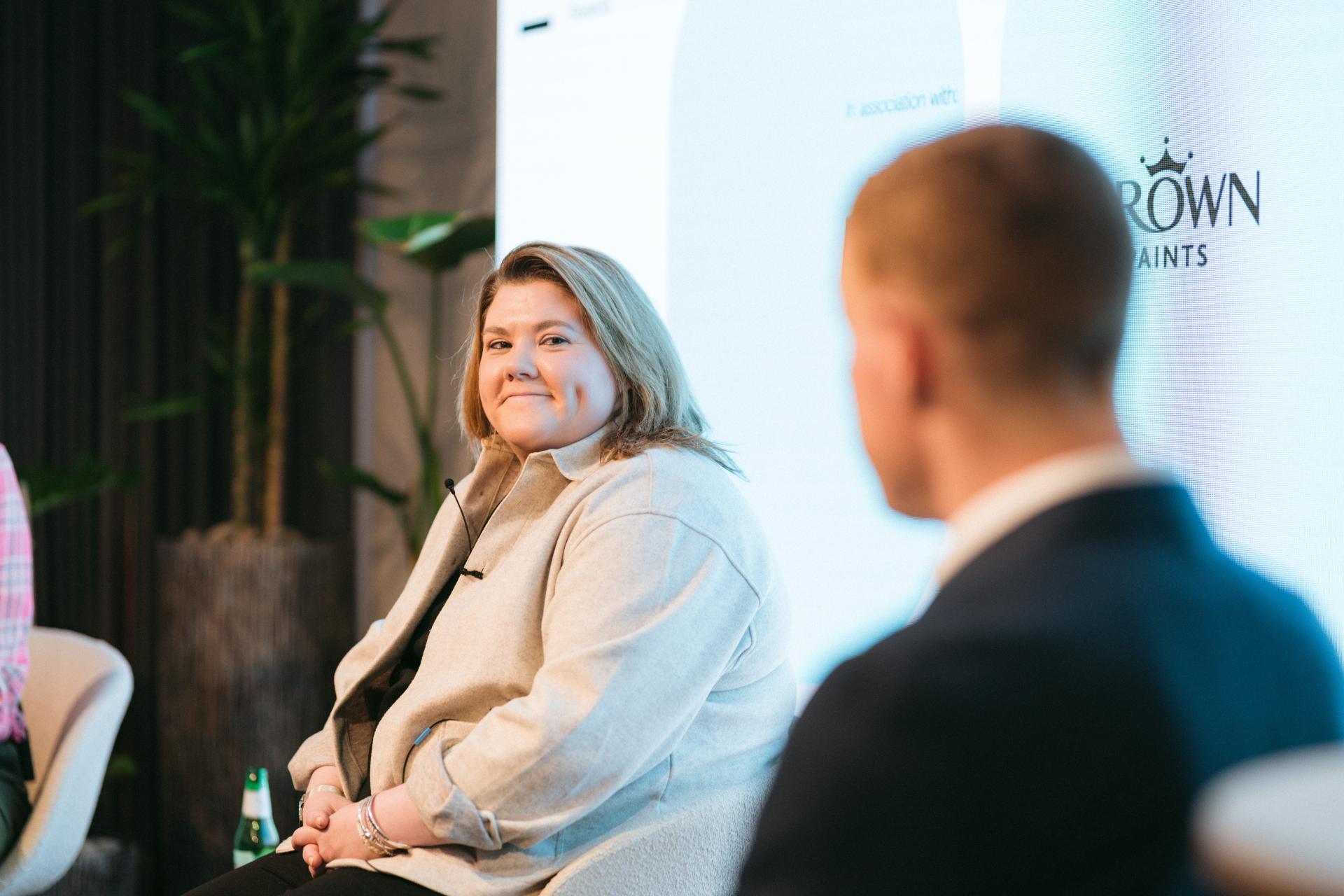
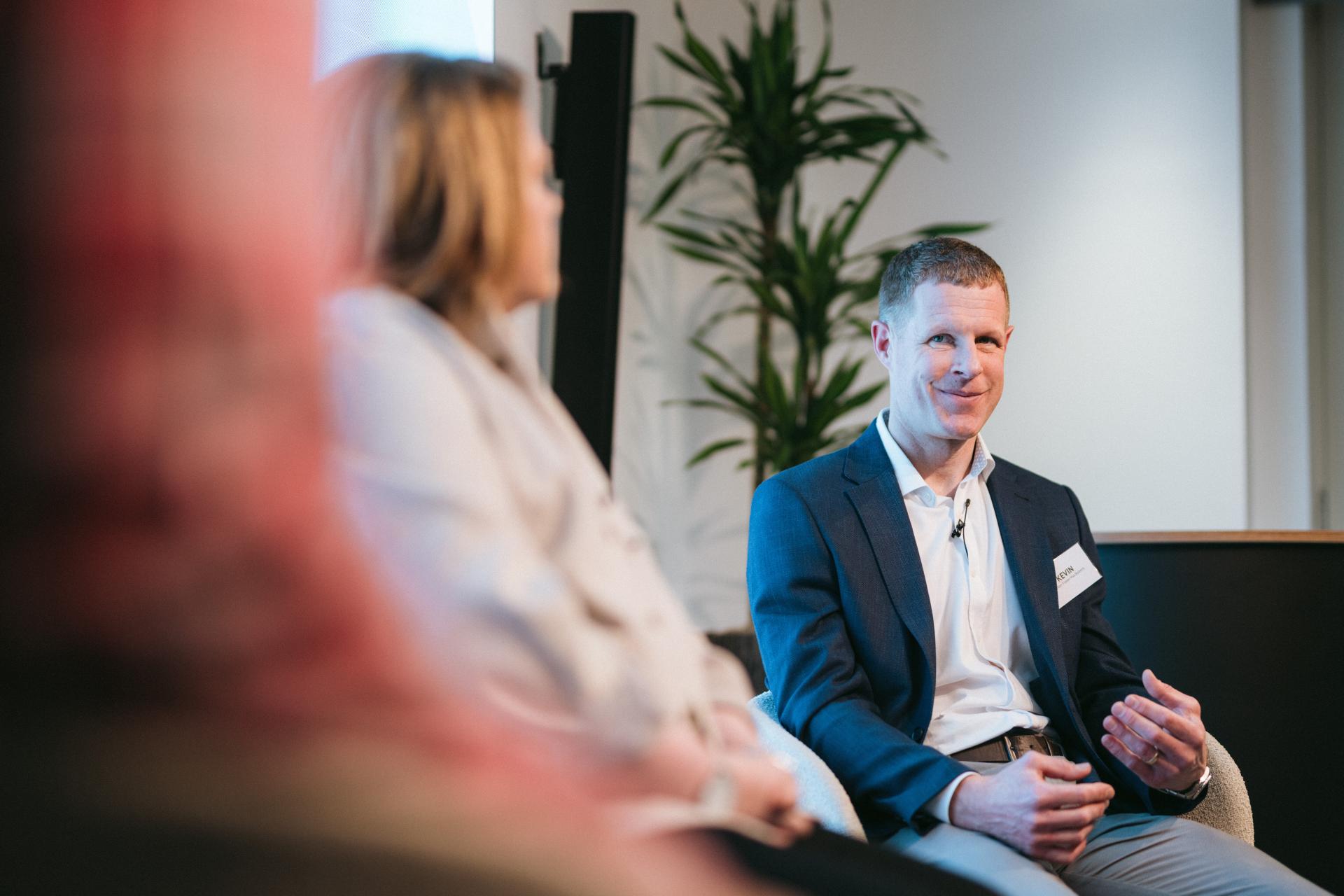
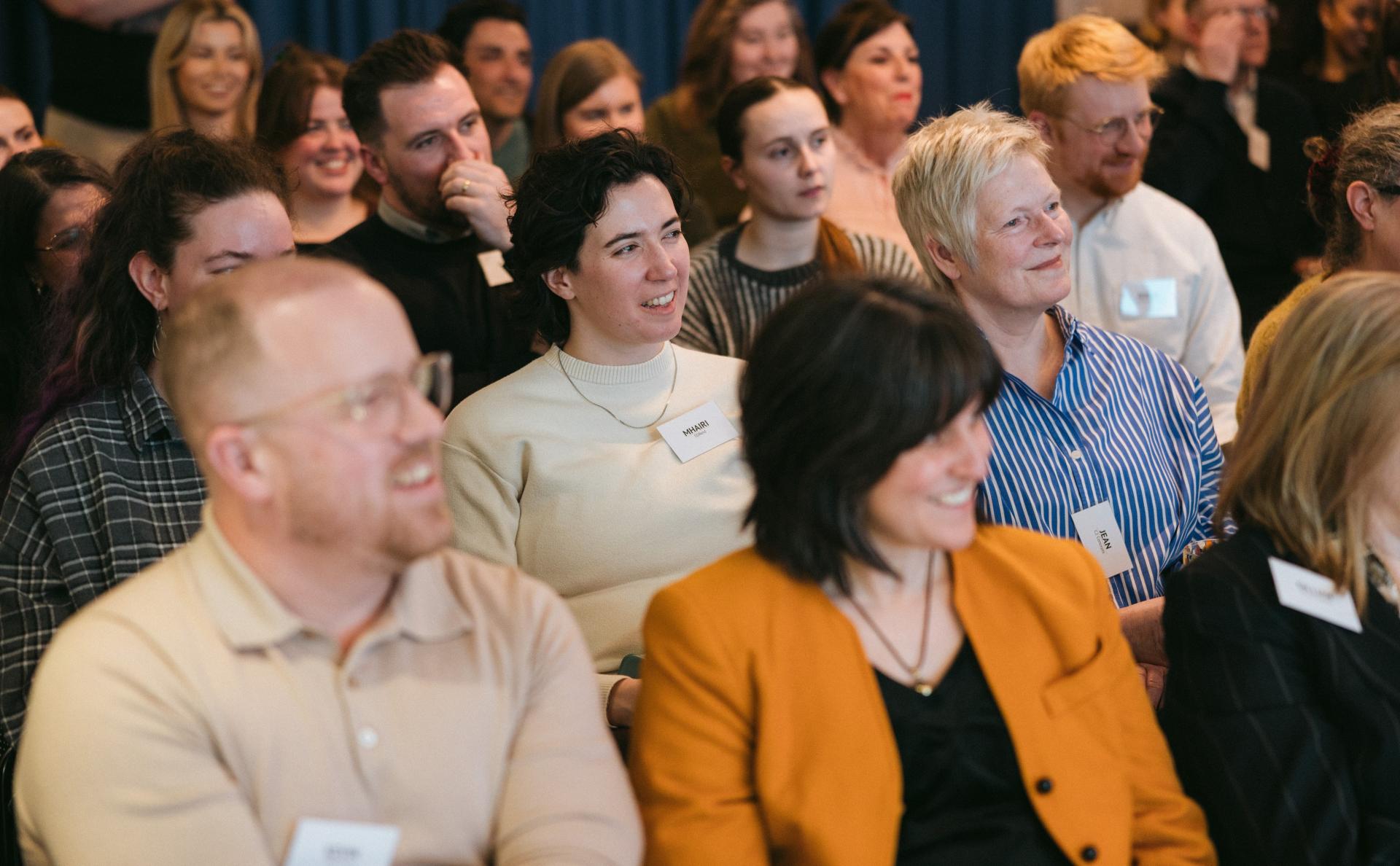
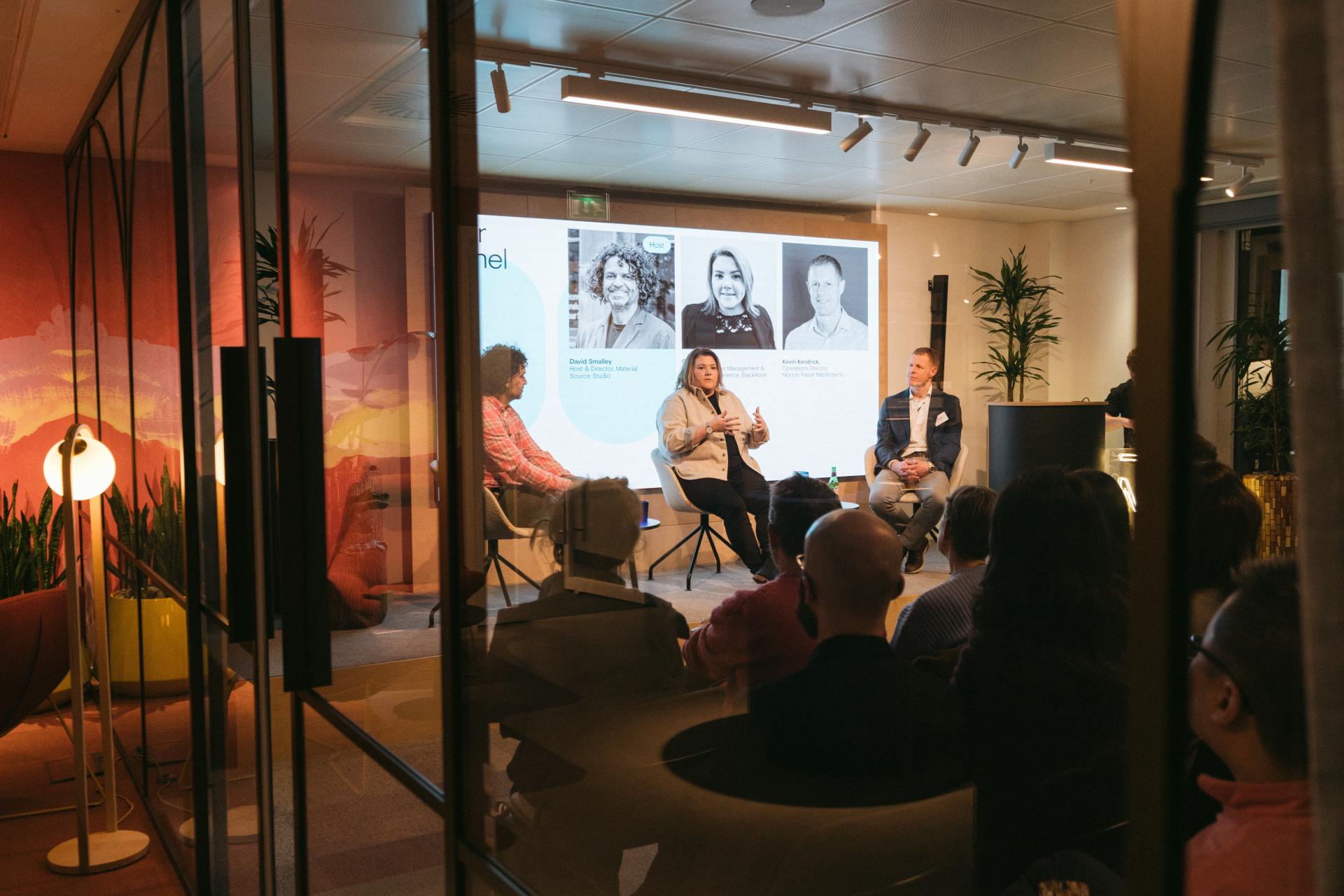
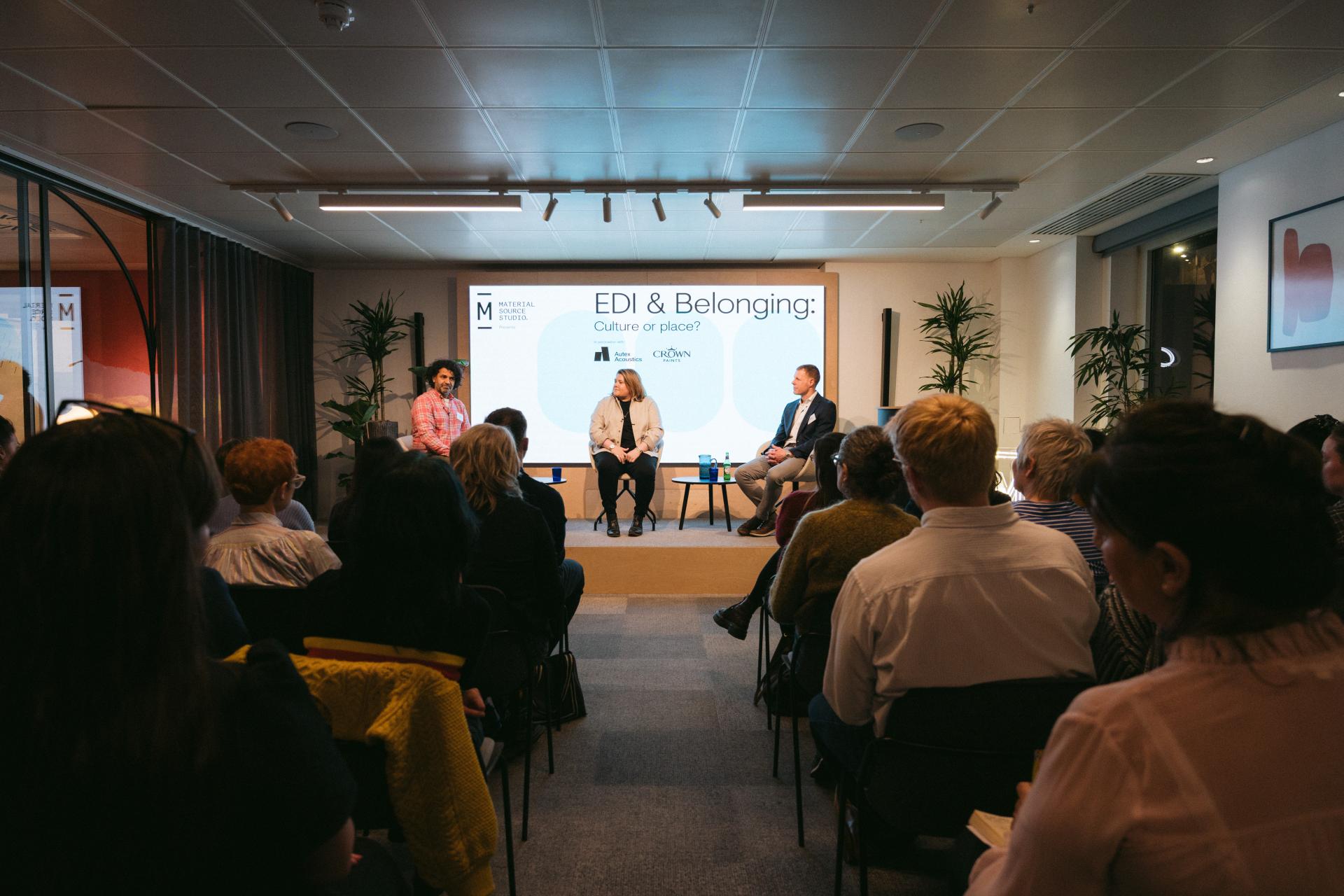
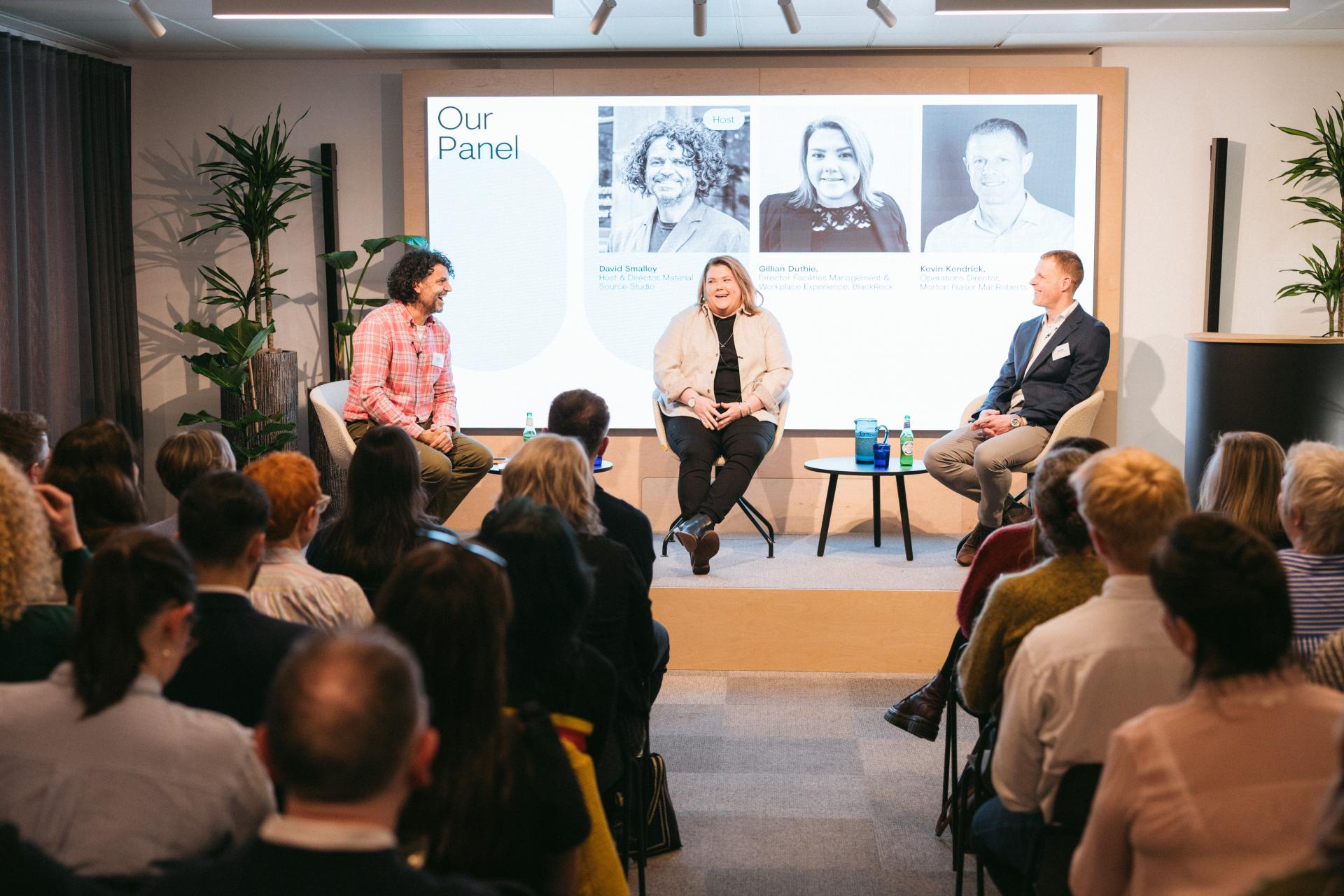
EDI & Belonging: Culture or place? is the question we posed to two wonderfully experienced panellists: Kevin Kendrick, Operations Director, Morton Fraser MacRoberts, and Gillian Duthie, Director Facilities Management & Workplace Experience, BlackRock, at our recent seminar in Glasgow. Our first of 2026 in Scotland, and the third seminar in our EDIB series, taking us to London, and Manchester prior to that.
"It starts as a culture, and location/the physical space should be an expression of that", suggested Kevin. And for Gillian, “The place is important, because without that, there's no culture. Just like a brand, it needs to be seen”, she said.
While there is clearly an altruistic drive to implement inclusive design, and to support a culture that facilitates belonging, it’s increasingly becoming apparent there are financial gains to be made for those that get it right.
This is highlighted in recent research by McKinsey, which shows a strong business case for EDIB, linking diverse executive teams to higher profitability.
With practicality and reality in mind in terms of how EDIB looks - and performs - we put the focus on the sharp end of the inclusive design conversation with our two panellists, responsible for promoting positive employee experience, collaborating closely with architects and interior designers, all while keeping an eye on the bottom line.
What’s the significance of belonging?
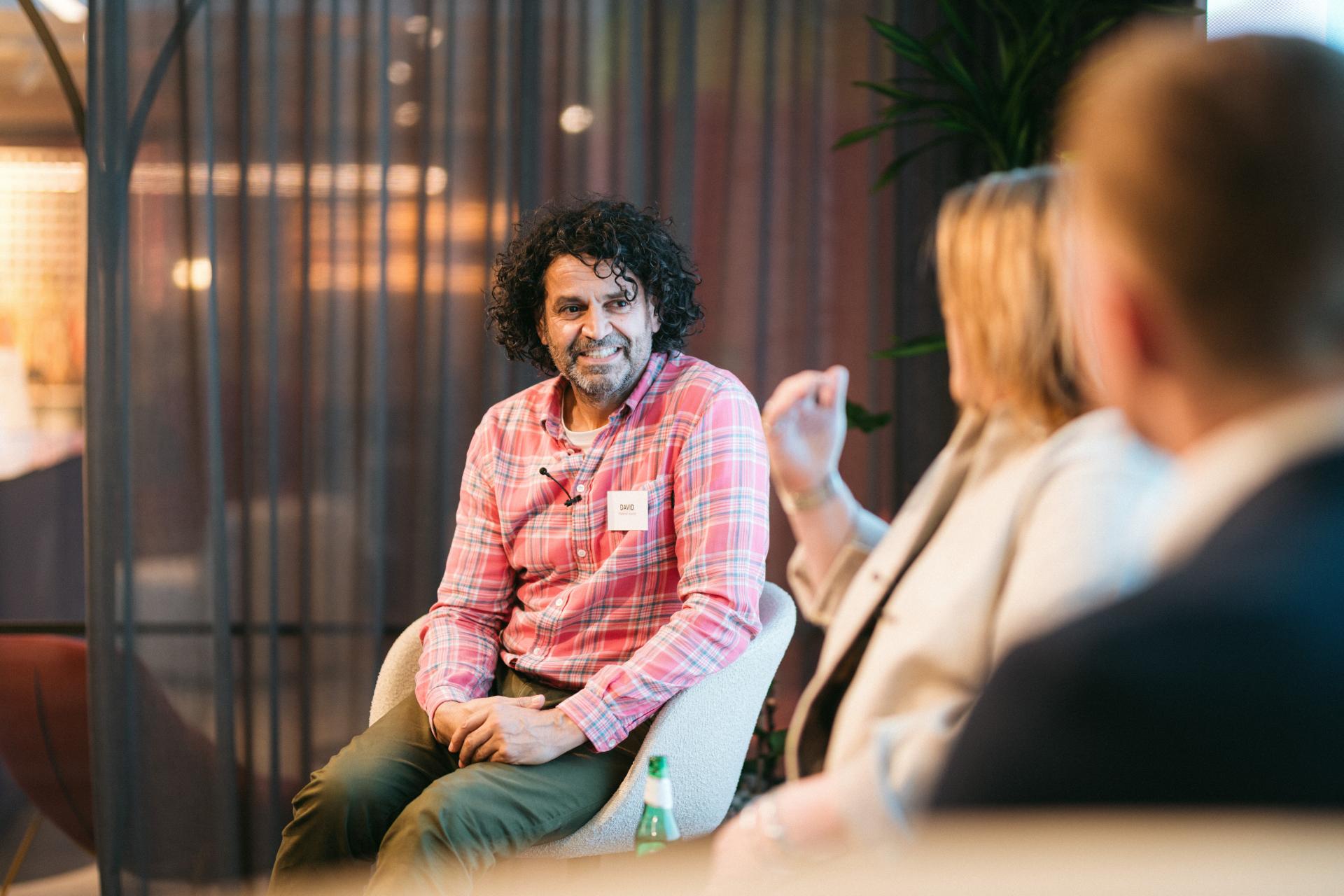
To begin the session, Host, Material Source Studio Director, David Smalley, asked our panellists to recall a time when they felt a significant sense of belonging.
For Gillian, “It felt more significant when I felt I didn’t belong”, she said. Speaking of her first foray into the hospitality sector at the age of 16, it was work experience at a hotel in Edinburgh where she learnt the importance of making everyone, employees and guests alike, feel they belonged. And the consequences of not doing so.
Though it didn’t put her off. Quite the opposite, in fact. Gillian went on to work in hotel general management for 15-years, across the UK and US, with this incident “forging her path forward” and fuelling her desire to craft positive experiences for people through the places they go to every day.
David asked whether having had this experience as a young person has driven Gillian to particularly consider young people in the work she does? To which Gillian said it has, especially for attracting and retaining the best workplace talent.
For BlackRock, workplace experience begins before people actually enter the physical building, Gillian added. “A lot of people commute to Edinburgh from Glasgow, because of house and rent prices, so we put on a shuttle bus.”
This sentiment has reoccurred during our discussions on EDIB with wayfinding said to be a crucial element of inclusive design. And one that takes cues from the hospitality sector.
For panellist Kevin, a sense of belonging was truly felt when, in 2022, Morton Fraser, one half of the now-merged business, Morton Fraser MacRoberts, moved their Glasgow office to a smaller “cosier” space. “It was a modern office designed for exactly how we wanted it, it was smaller and cosier, and I was really struck by the impact that the physical environment had on our people”, Kevin commented.
Previously, people would “shrug their shoulders”, he added, when asked whether the office environment was important. They were largely indifferent, Kevin said. Even cynical: as long as they had a desk and a computer to work, who cared what the space was like? But after the move, the positive impact on morale and ensuring a sense of belonging had been “surprising”, in a good way, Kevin shared.
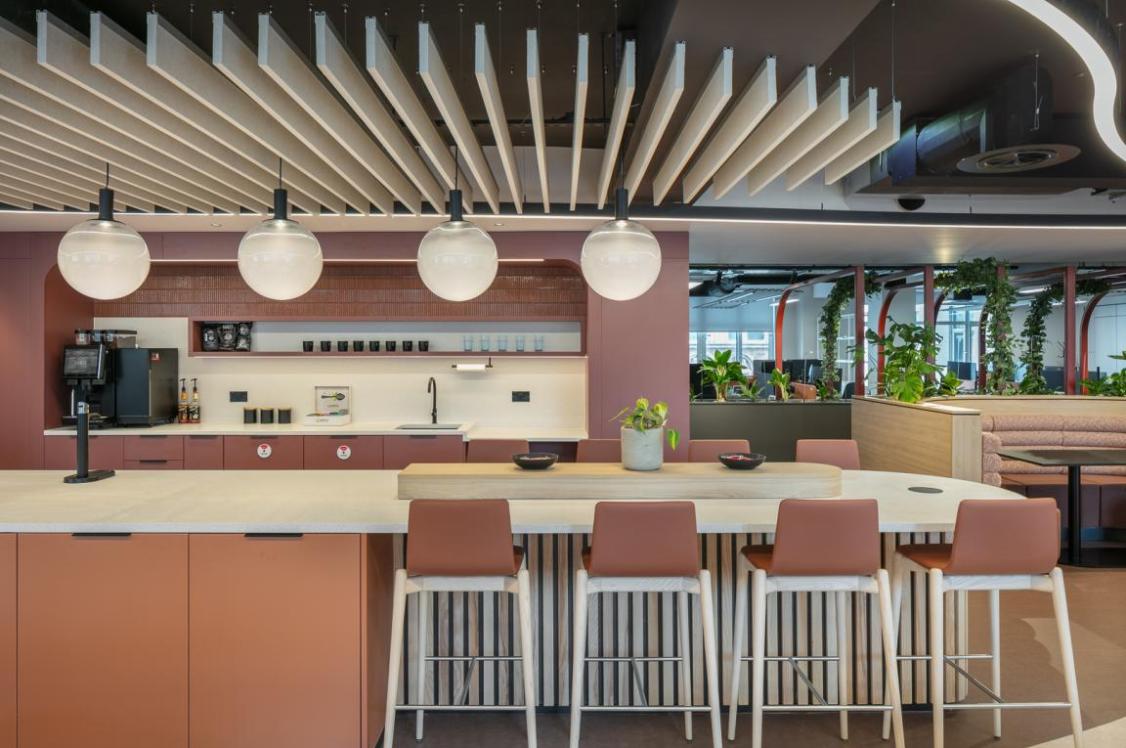
Because of having a single floor plate, accidental collisions have been allowed to happen, continued Kevin, the watercooler moments that could not have happened previously. “Sky-high cabinets of storage, desks and pedestals - there were just so many physical barriers that we removed in the new office and created this central focal space through which people would be coming to hang their coat up, use a locker, get a cup of tea, have a discussion. These ways and spaces just didn't exist previously in the office.”
Engaging the end user
At BlackRock, the change management piece around workplace is an important one, Gillian shared. When moving its Edinburgh office from the financial district to near Dundas Street, the decision was met by the employees with mixed reviews, she said. “We engaged our employees to communicate how much better the new office would be. A lot of them didn't understand that until they walked in the door. We got 80% there, but when they got into the building, it was really impactful.”
The task of designing the space was a mammoth one, Gillian commented, because of the sheer scale of the building – BlackRock went from having 60,000 sq ft to 140,000 to support the growth of their teams. Architecture practice MLA undertook the challenge, transforming the complex site, comprising a heritage building with a listed façade, a connecting ‘link’ and a modern atrium building. It had been vacated several years before and was at risk of deteriorating if it remained unoccupied and unheated. Guided by the environmentally conscious BREEAM design principles, it was thoughtfully refurbished to enhance environmental performance and occupant wellbeing.
Prior to this, Gillian said the office lacked “connectivity” – “And that's what the stakeholders were looking for”, she said.
Part of MLA’s process was to speak to the stakeholders. As BlackRock is founder-led, Gillian highlighted that everyone from the CEO was keen to be involved because “they care about the company, and those working for the company.”
Though it would be impossible to speak to everyone, the key user groups were consulted, Gillian shared. For those that are neurodivergent, the consensus was that lighting and acoustics were most impactful to their day-to-day.
“In our old office, some people commented that the sunlight and internal lighting combination made it difficult to work. We have quite large screens in the office. We've got a lot of technology. So, addressing that was crucial.
“There's acoustic panelling above the desks. We didn't have that before. There are separators between the desks. Largely banks of six – in the previous office, we had more noise. We invested in noise cancelling headphones for every employee as well, so they were able to take calls and feel that they were able to set a space where they weren't being heard or where they couldn't hear others.”
This was a response to learnings from Covid, Gillian added. “Covid taught us that people, having been able to control their environment, now want to do that in the workplace.”
Control and flexibility also underpinned Morton Fraser MacRoberts’ recent move of their Edinburgh office, said Kevin.
As many stakeholders were consulted as could be in the “speed at which we had to move due to the available space that was on the market, and our own lease expiring in our current office”, Kevin commented, but “we had a model that worked in 2022. It was extremely successful. And the objective really was to try and replicate that in Edinburgh.”
Not only did they manage to achieve that, Kevin suggested, but they were able to make improvements – attributable in part to a larger floorplate in Edinburgh than had been the case in Glasgow.
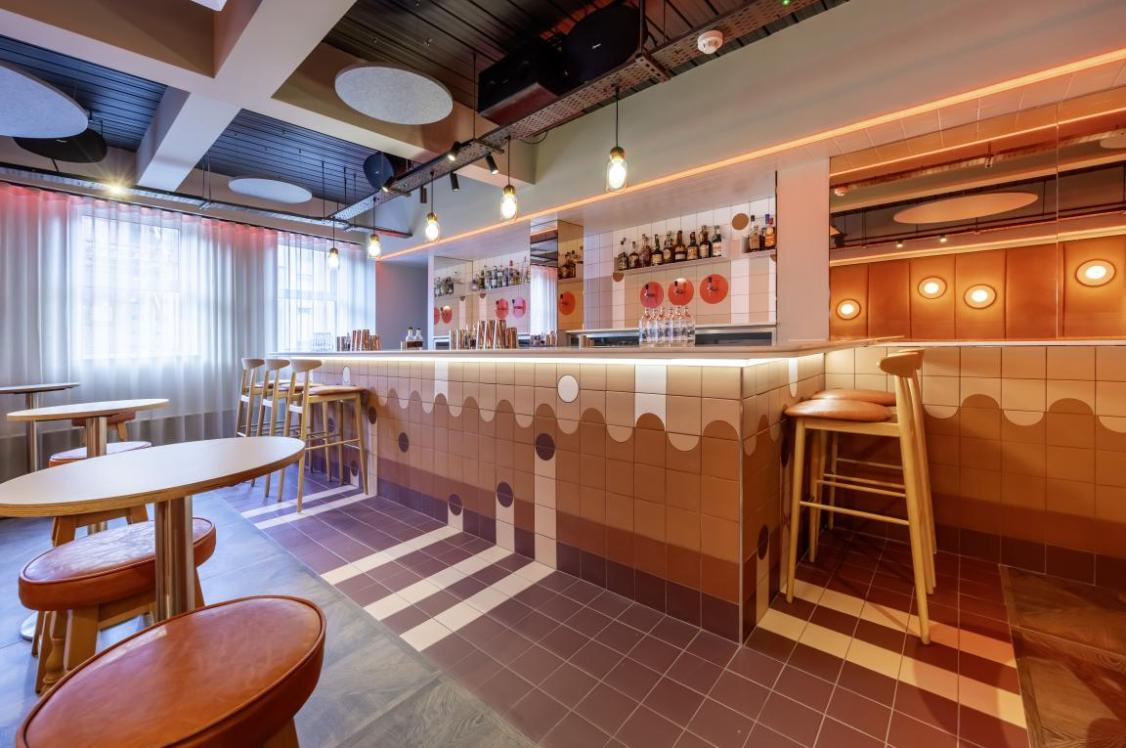
The addition of a wellbeing room and social areas, plus flexible furniture including “beach huts”, which moved the firm away from screened off desks, has paved the way for more natural collaboration.
One of the stakeholder groups consulted during the process was the employee resource group for neurodiversity. “They recognised that the office was designed with really good principles around inclusivity, particularly neurodiversity, with colours, textures, fabrics, and there’s not so many hard surfaces except the desks. Though there is some tension, I think, between what the businesses’ requirements are, and maybe what certain individuals’ requirements are - one of the things being high partitions around desks.”
This was something the firm decided to remove to avoid barriers and instead opt for more open plan. The compromise has been to allow for the creation of “lots of different types of spaces” so there’s something to suit peoples’ different needs.
This approach was the same for BlackRock, Gillian shared. With 4-days per week working from the office mandated, the importance for variety is key, she believes.
“If you can't work from your desk, because you're highly distracted, you can move away and it's not just a singular space, there are many different spaces.”
“For those with very specific needs within the business, how do you cater to them?” David asked.
“There are a lot of different businesses that sit under BlackRock”, Gillian replied, “and the one you’re probably thinking of are our traders?” she suggested.
“They work a lot of hours. They work in a high technology environment because they have to be on three or four different systems at one time. They have to be in a quiet area. It's noisy for them, but the surroundings have to be quiet.” For a team this specific, they’re given their own floor, Gillian added. And their workplace experience is shaped by seamless technology – “if you want to do something in that space from a facilities point of view, you're doing it on a Sunday at 6am and you've got an hour - otherwise there's no chance!”
Though working with many different workplace needs in tandem can be a challenge, Gillian believes it comes down to understanding, and making sure people feel heard.
Design that’s seen and heard
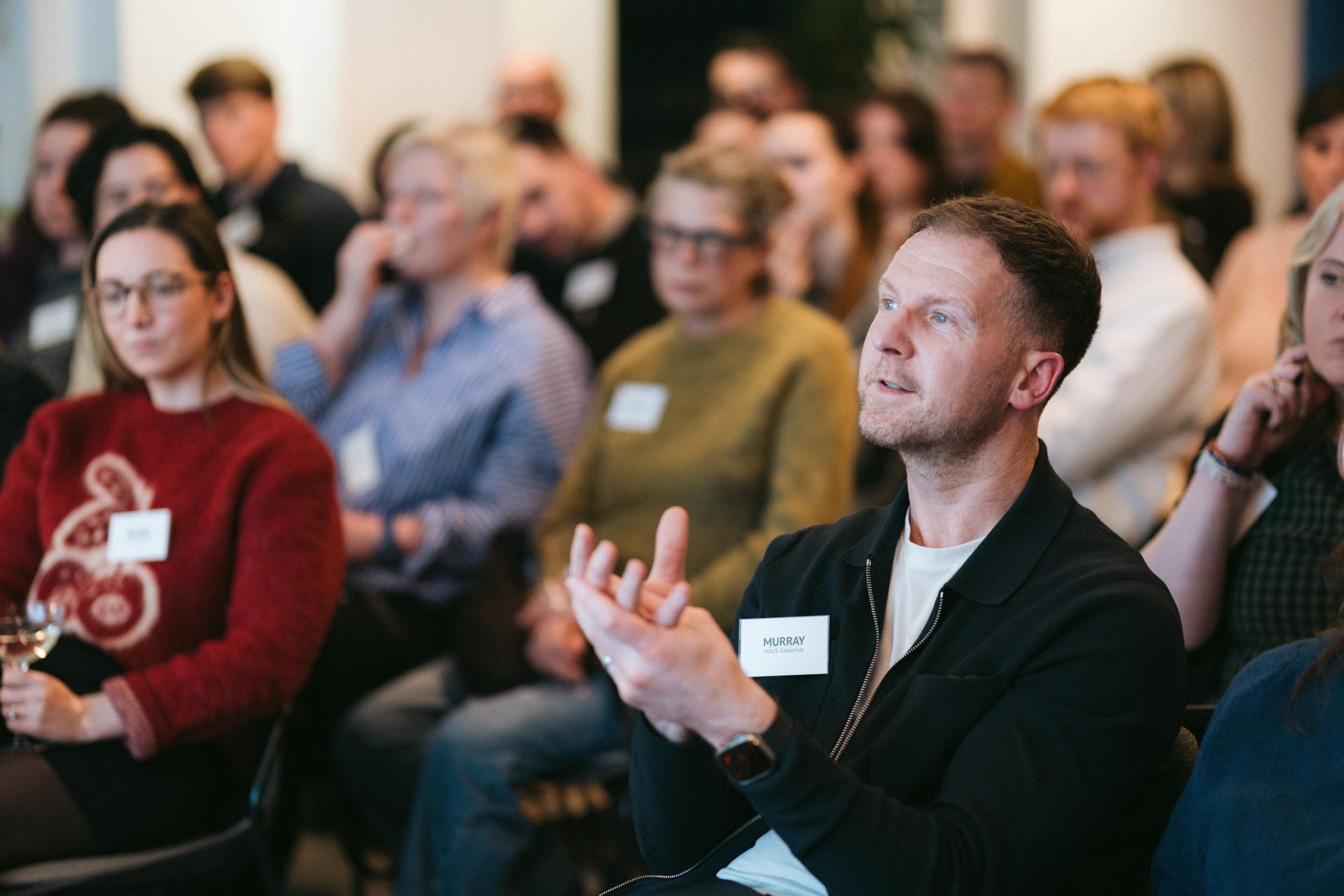
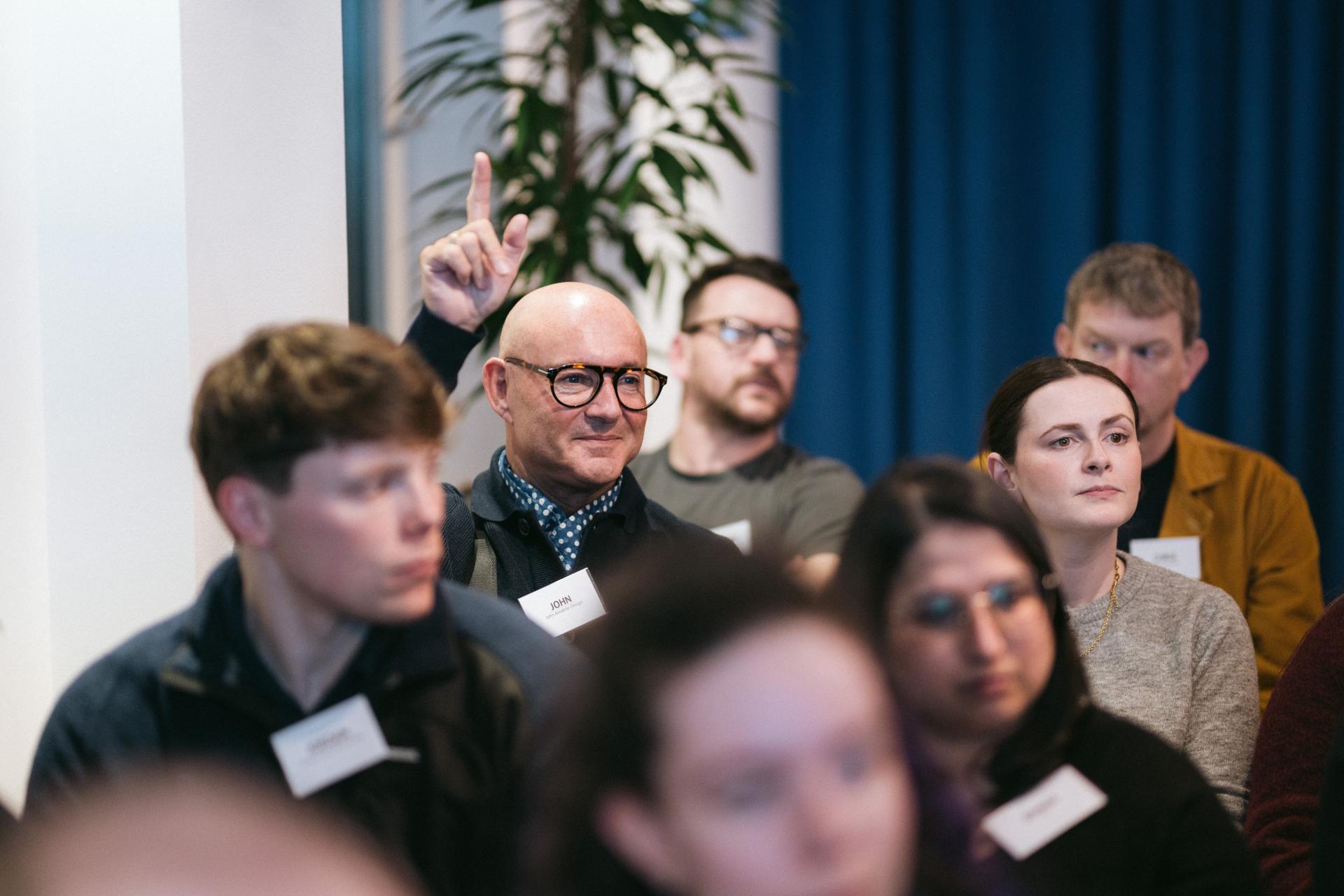
From the audience, John Amabile, Interior Designer, asked, “How did you deal with people's expectations and disappointments?”
Gillian said that, sometimes, it was about “saying no, without saying no”.
Because of having so many different work streams and opinions to take on board, BlackRock commissioned MLA to carry out a change management programme, which Gillian said, “worked phenomenally”. “We haven't done that in any other office, and actually we’ve now built that into our future models”, she added. This involved town halls and workshops to keep the entire team updated on the behind-the-scenes of the project.
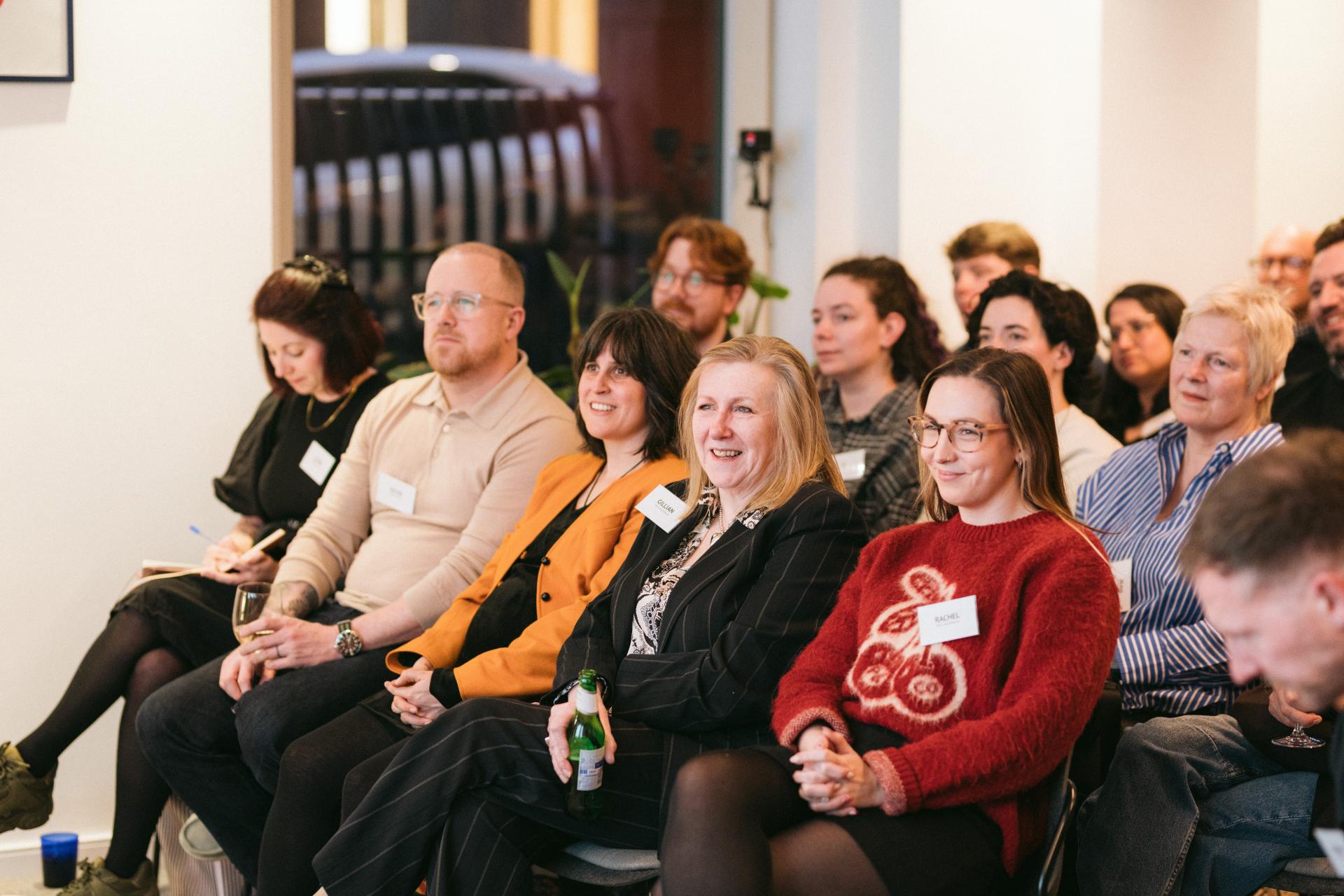
Rachel Wright, Senior Interior Designer, MLA, who worked alongside client Gillian on the new BlackRock Edinburgh office, added from the audience, “When there's feedback coming in, I think the best thing is communication and visibility and being seen; allowing people to feel heard.
“Being a part of the process from day one of the interviews was an amazing opportunity as a designer, because I'm not just behind a computer doing drawings and telling the builders what to do, but actually being there to welcome staff, and to see them realise that what they said in a workshop a year ago has been included in their new space.”
On this process, Kevin commented, “It lends a lot of credibility when the designers are prepared to speak to the staff.”
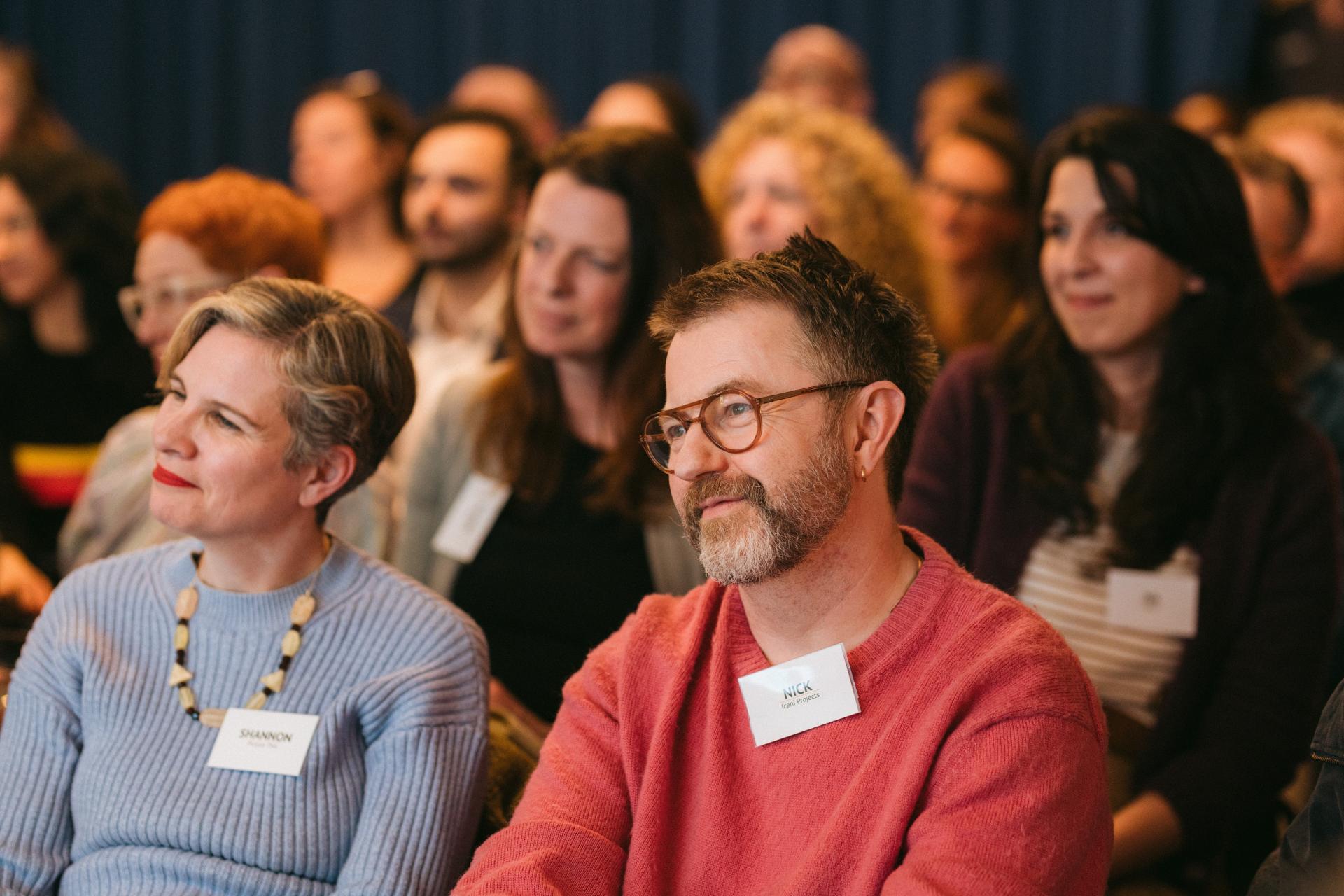
Putting focus on the tangible ‘ROI’ of implementing EDIB principles in workplace design, Shannon Conway, Co-founder, Picture This, asked, “I'm interested in the measurables of it. We know that when you create a workspace that people like it enhances their wellbeing, potentially their health, but also it helps you retain and attract talent. Though it's quite early days in your offices, have you seen any effect on people's health? Have you measured it?”
Both Kevin and Gillian agreed that a good indicator of this is occupancy rate.
At Morton Fraser MacRoberts, where there are no mandated requirements about being in the office, the occupancy rate is 75% Kevin shared. And at BlackRock, Gillian said it’s 90%. While Fridays are quieter at Morton Fraser MacRoberts, they’re typically busy at BlackRock, perhaps because of the running club, Gillian suggested.
Investing in individuals
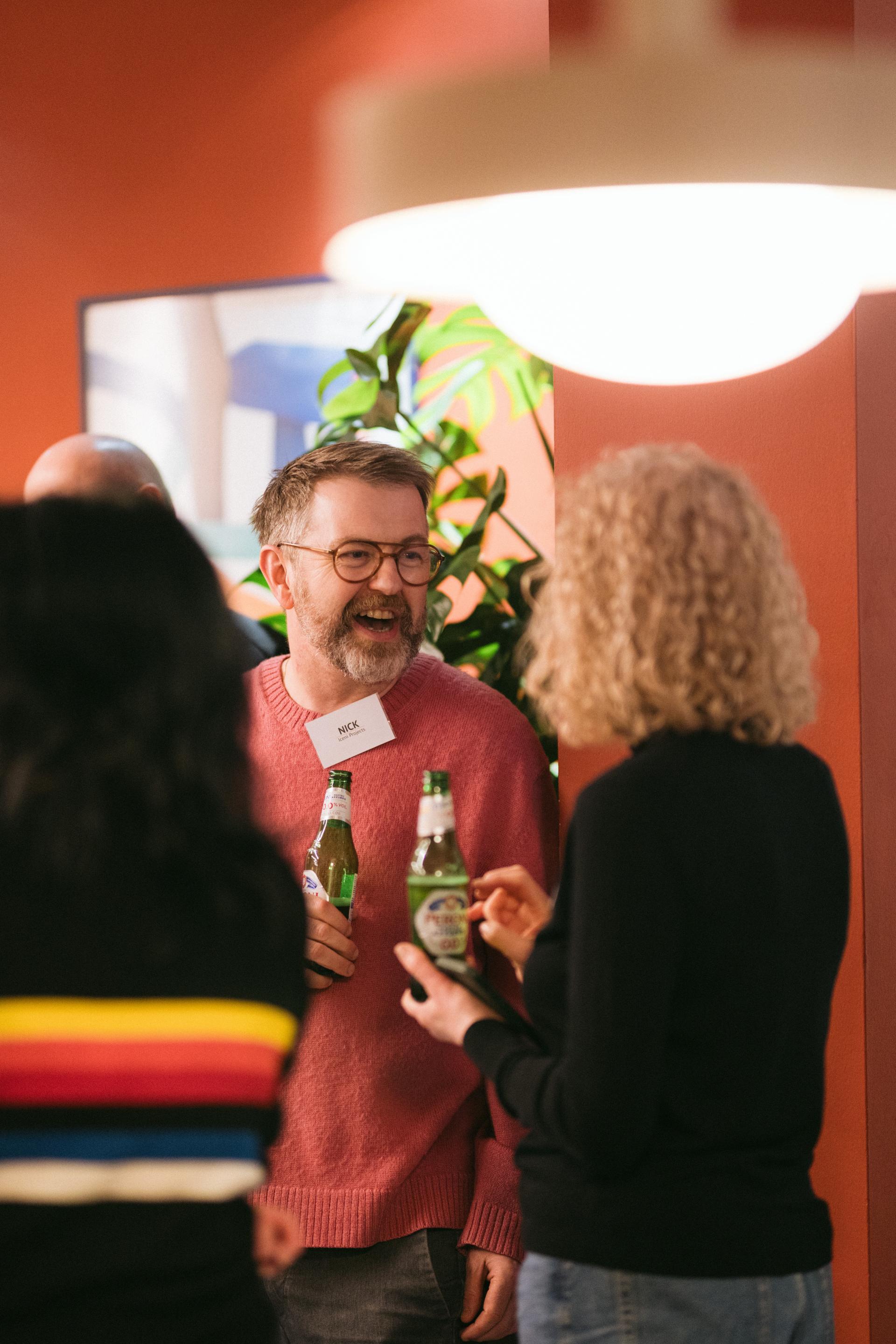
From the audience, Nick Walker, Director – Built Heritage & Townscape, Iceni Projects, asked, “How do you design a workplace for everyone, when not everyone knows what they want?”
“Flexibility is huge for inclusive design”, Gillian replied. “We have height adjustable desks everywhere – all of them. A huge investment. All our chairs are ergonomic. There are footstools for those that want them. And plenty of spaces away from peoples’ desks.”
Jade McKenzie, Studio & HR Coordinator, Collective Architecture, asked the panellists, “What was the significant difference post-Covid?”
“I think, looking back, Covid increased the focus on the individual”, responded Kevin.
“Managers were asked to check in with their staff, and find out how they were doing, and often it was nothing to do with their work but from a well-being perspective. I think that has continued into the post-Covid world where this focus by organisations on their staff's well-being has continued, and they’re trying to bring that into the workplace in a way that I don't think they did before.”
Alison Stobie, Part 1 Architectural Assistant, BDP, asked Gillian and Kevin for their “main lessons learned, and their next steps in responding to those?”
Engagement, for Gillian, will always be key. “Not everyone was engaged from day one, some people got engaged at different points and that was a little bit derailing for us. To engage as many people as possible from the start is important, and to appreciate those different points of view.
“Learning lessons is a constant - I love talking to people and understanding their point of view and what we can do better. And that’s something we account for, and budget for, and will do into the future.”
While BlackRock is a corporate juggernaut, not all clients are on this scale, highlighted Kevin Fitzpatrick, Principal Architect, BakerHicks, asking, “What learnings can apply to projects where there’s a limited budget?”
Panellist Kevin believes it’s about establishing priorities, both in terms of the business, and what the workplace needs to do. Then prioritising according to those uses.
For his team, “We see the office as a place for these encounters, making connections, having conversations. So we're prioritising spaces that will facilitate that and ensuring less of the physical barriers. It’s back to flexibility.
“Everybody has these slightly different preferences, requirements, needs, adjustments that might need to be made. The smaller you go, the more flexible the office has to become. If you've got a cavernous amount of space, you can do pretty much everything and tailor to every need. Where you're shrinking that space in square footage, you then have to make spaces serve multiple purposes.”
In practical terms that could be a place for a telephone call, to have your lunch, to have a one-on-one with a team member - it's multi-functional space that “was a really important part for us because we had quite a tight amount of space that we had to fit all of that into”, Kevin added.
In reference to the different needs that Kevin speaks of, Jo Rees, Architect, 3DReid, asked what the feedback was “from women, and people of colour, as well as those that are neurodivergent?”
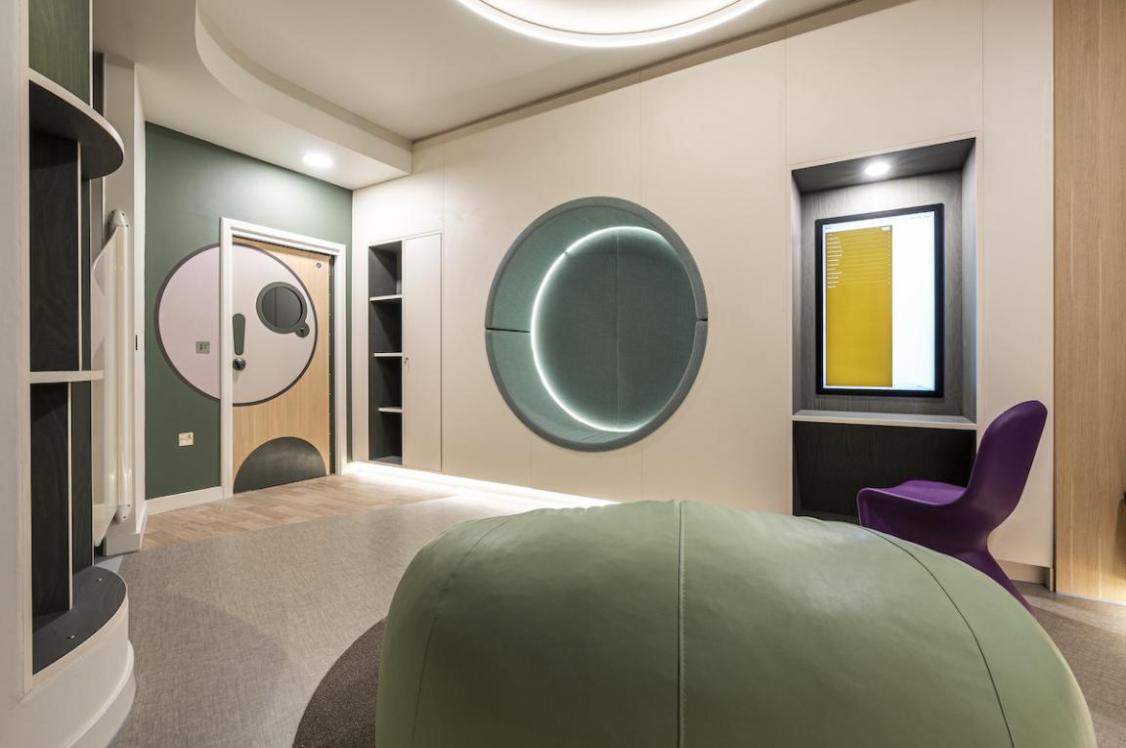
Kevin responded it came back to flexibility of use. And that was where the creation of the wellbeing room came from. Whether used as a space for prayer, or by nursing mothers expressing milk, or those requiring some time out, the purpose of that room can be interchangeable, Kevin shared.
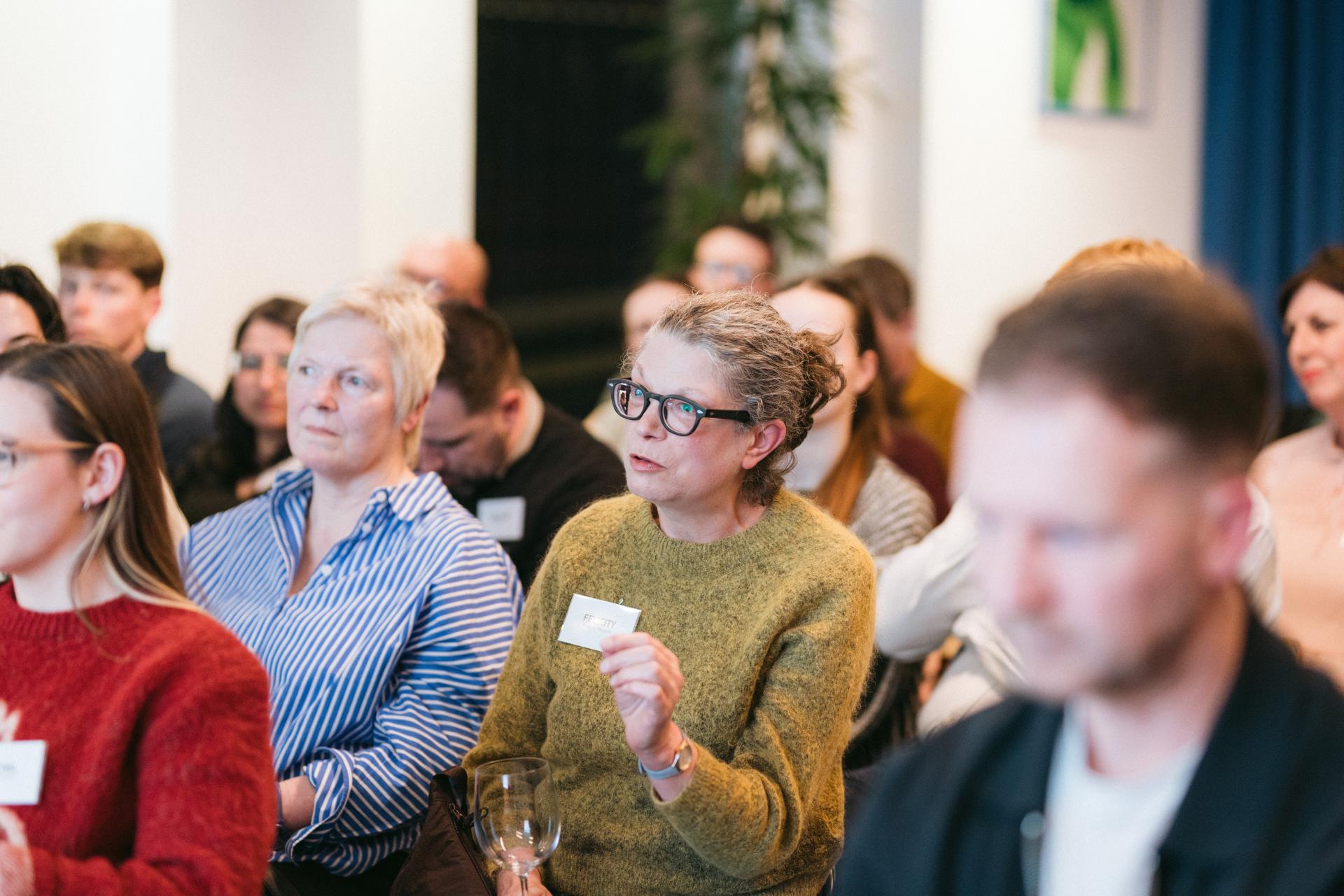
“Does the multifunctional room really work for its various purposes? Are there any conflicts between the needs of the different groups of people who might want to use it?”, asked Felicity Parsons from the audience.
Though Kevin believes it is being used “for the purposes that it was designed”, he added that perhaps to make it more “useful” it could be opened up further – i.e. it’s not the most used room in the office – interestingly, “it's probably the least utilised space”, he shared.
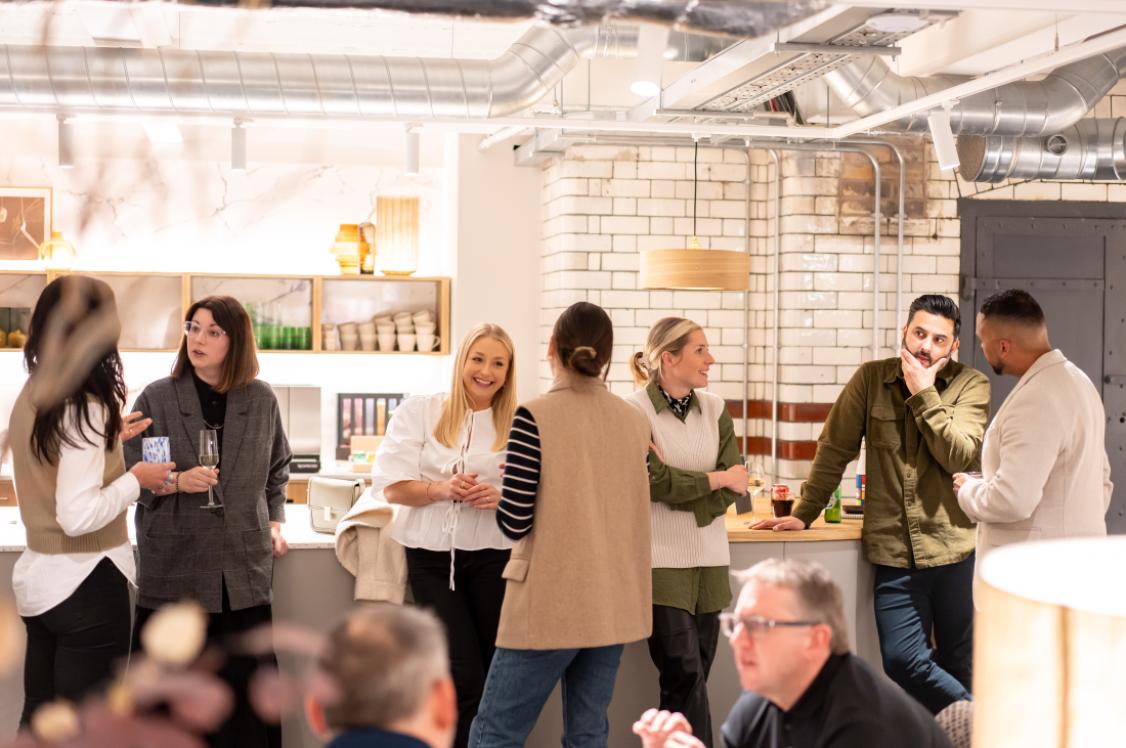
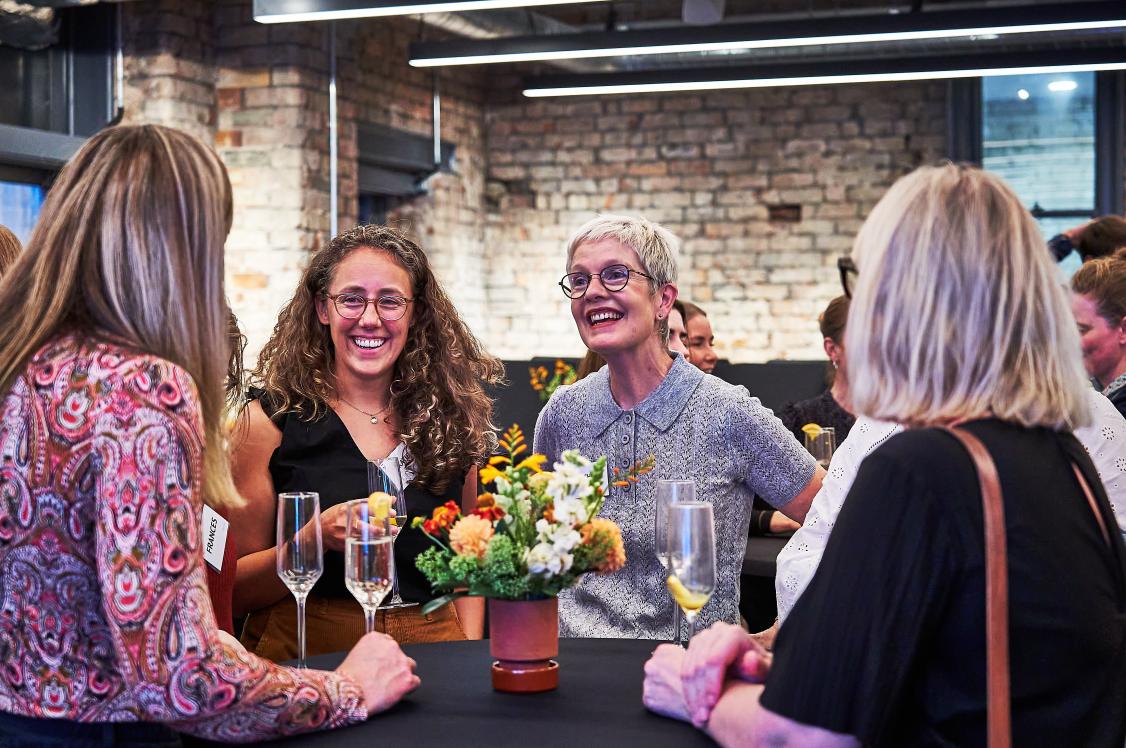
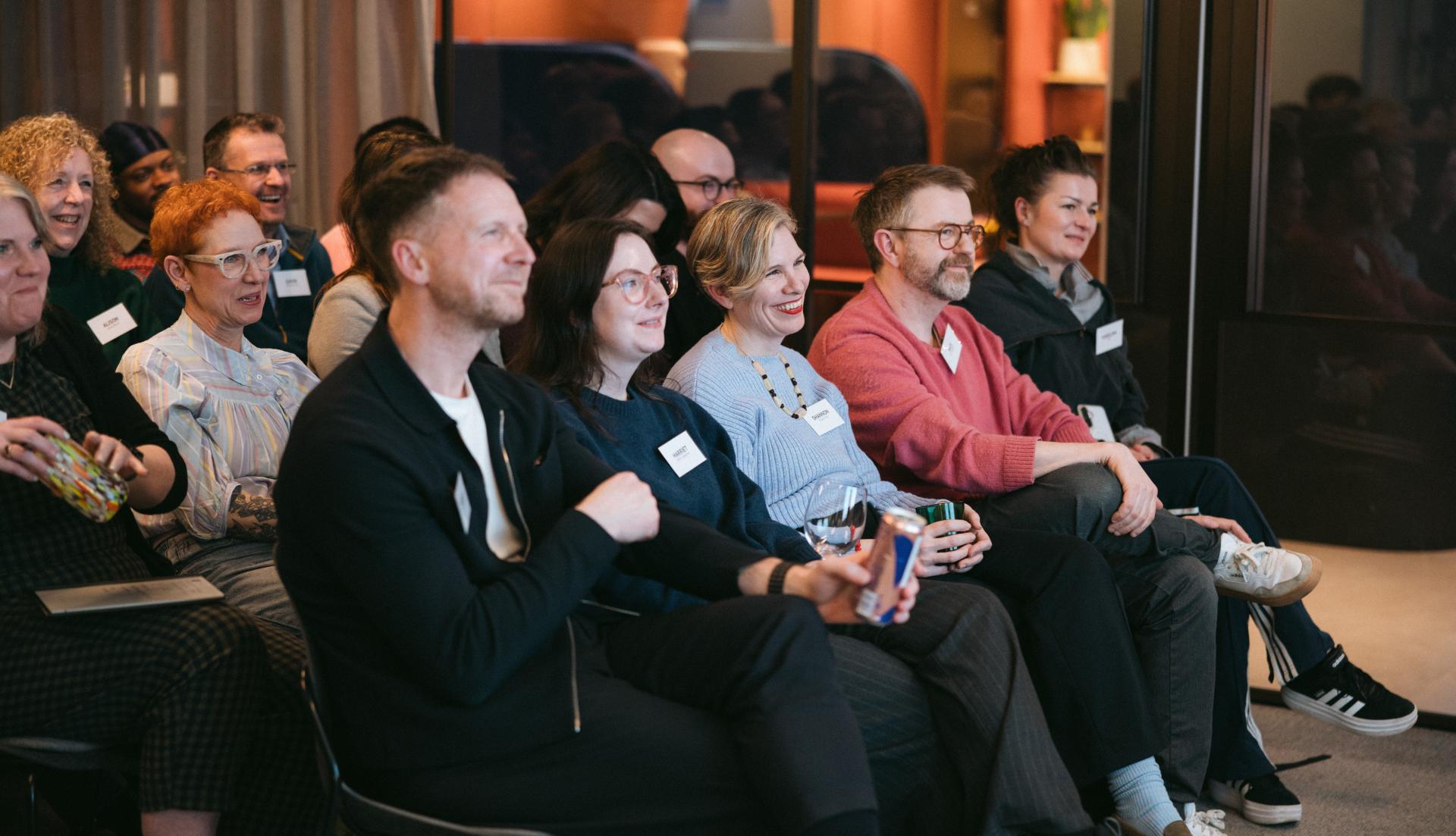
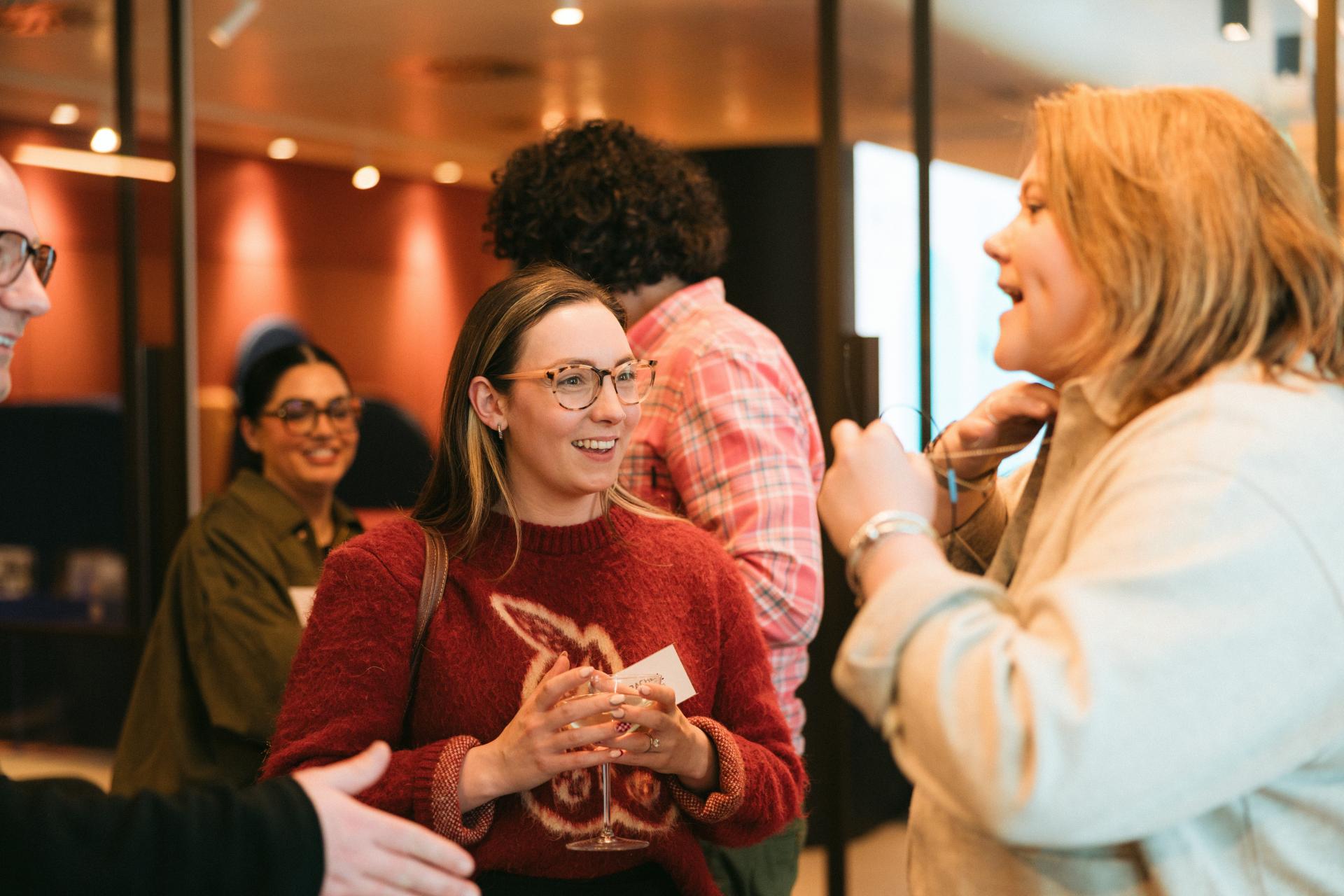
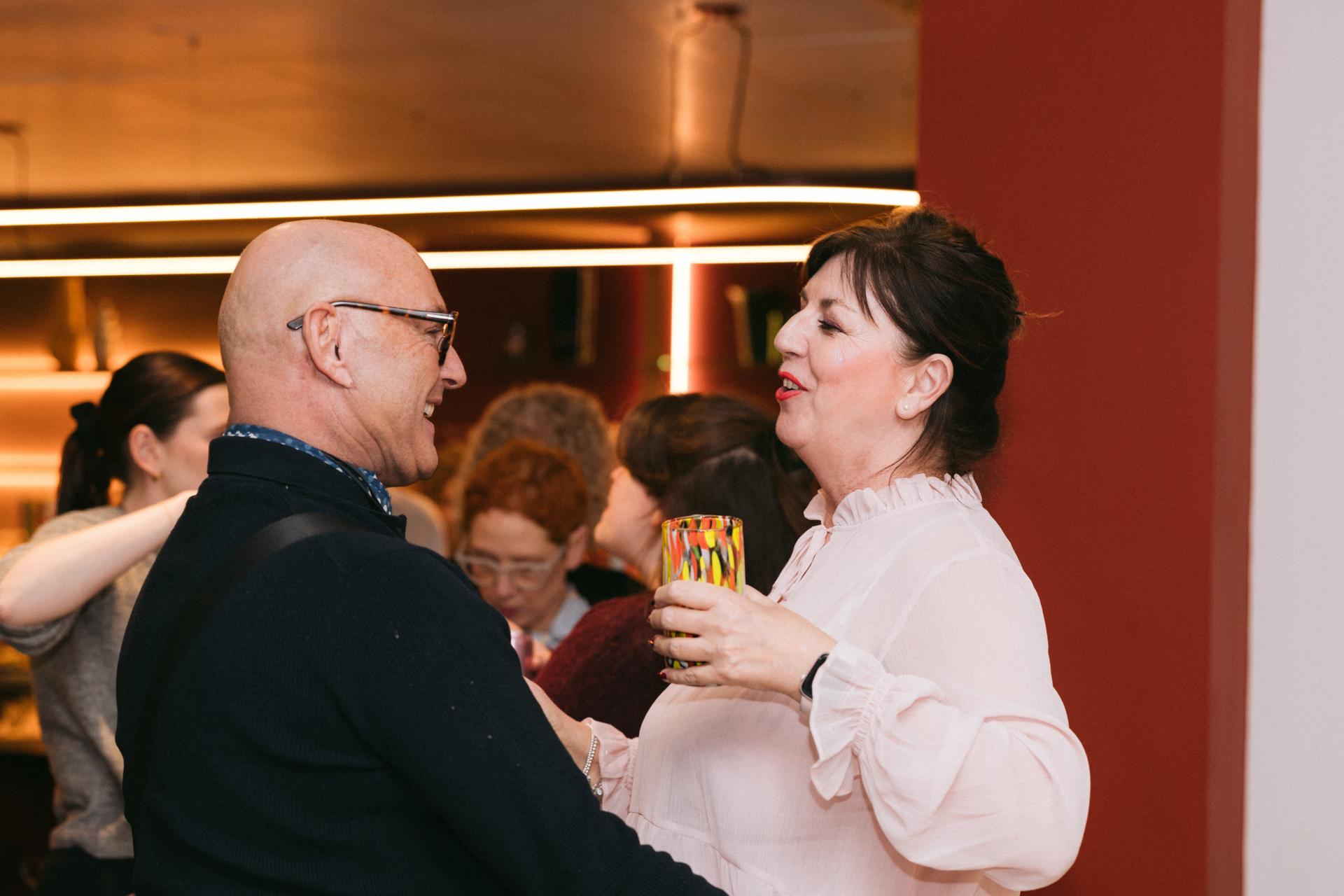
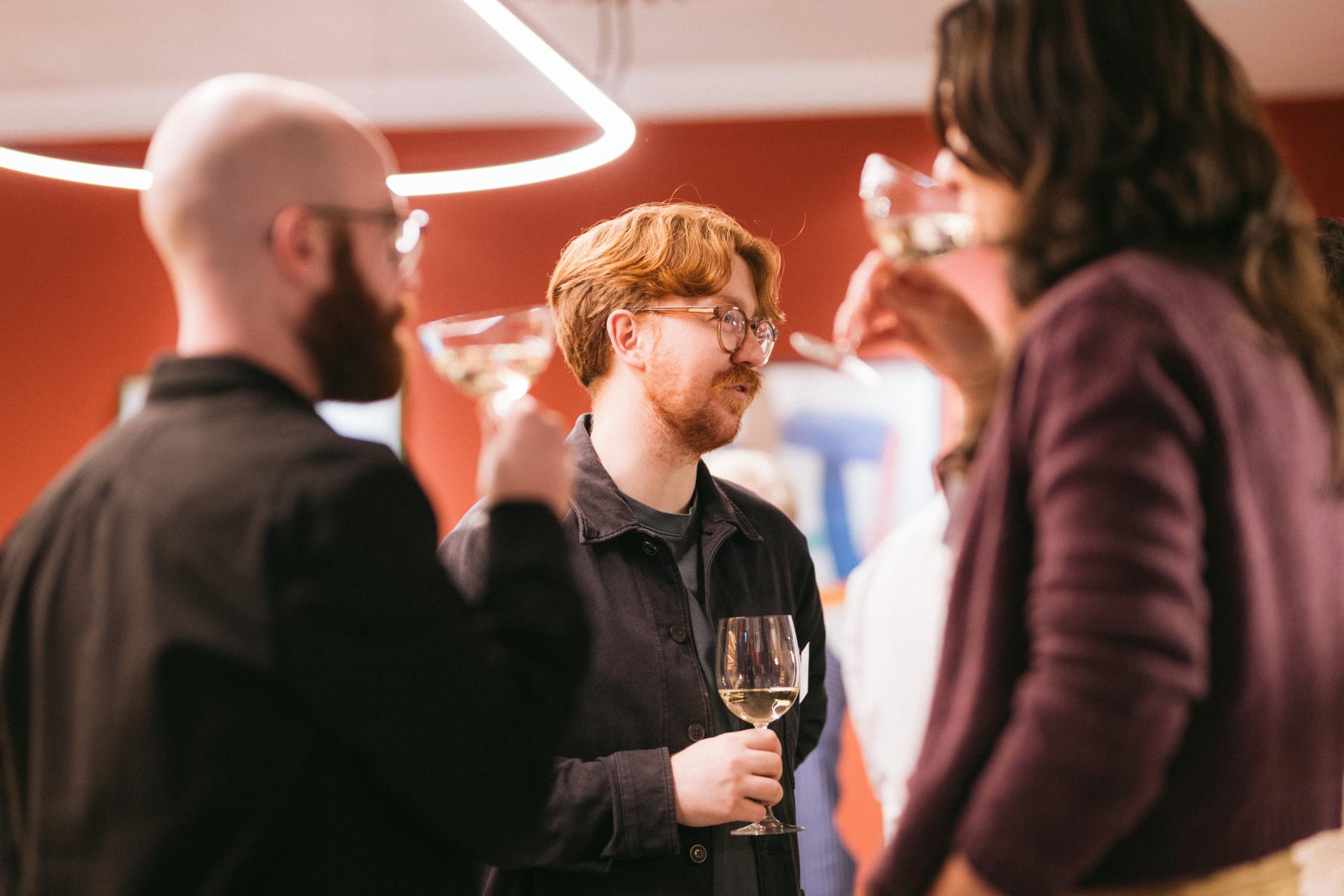
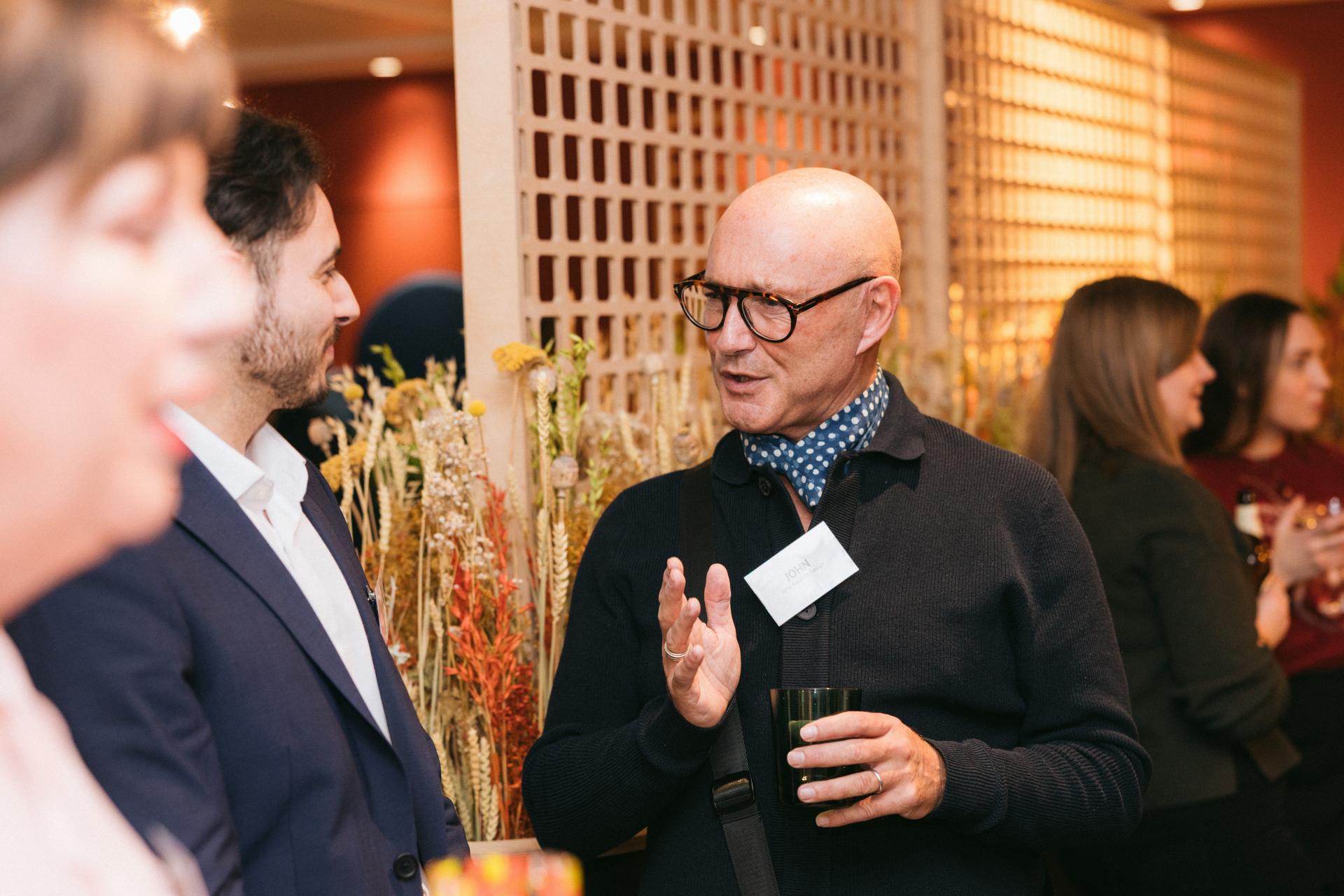
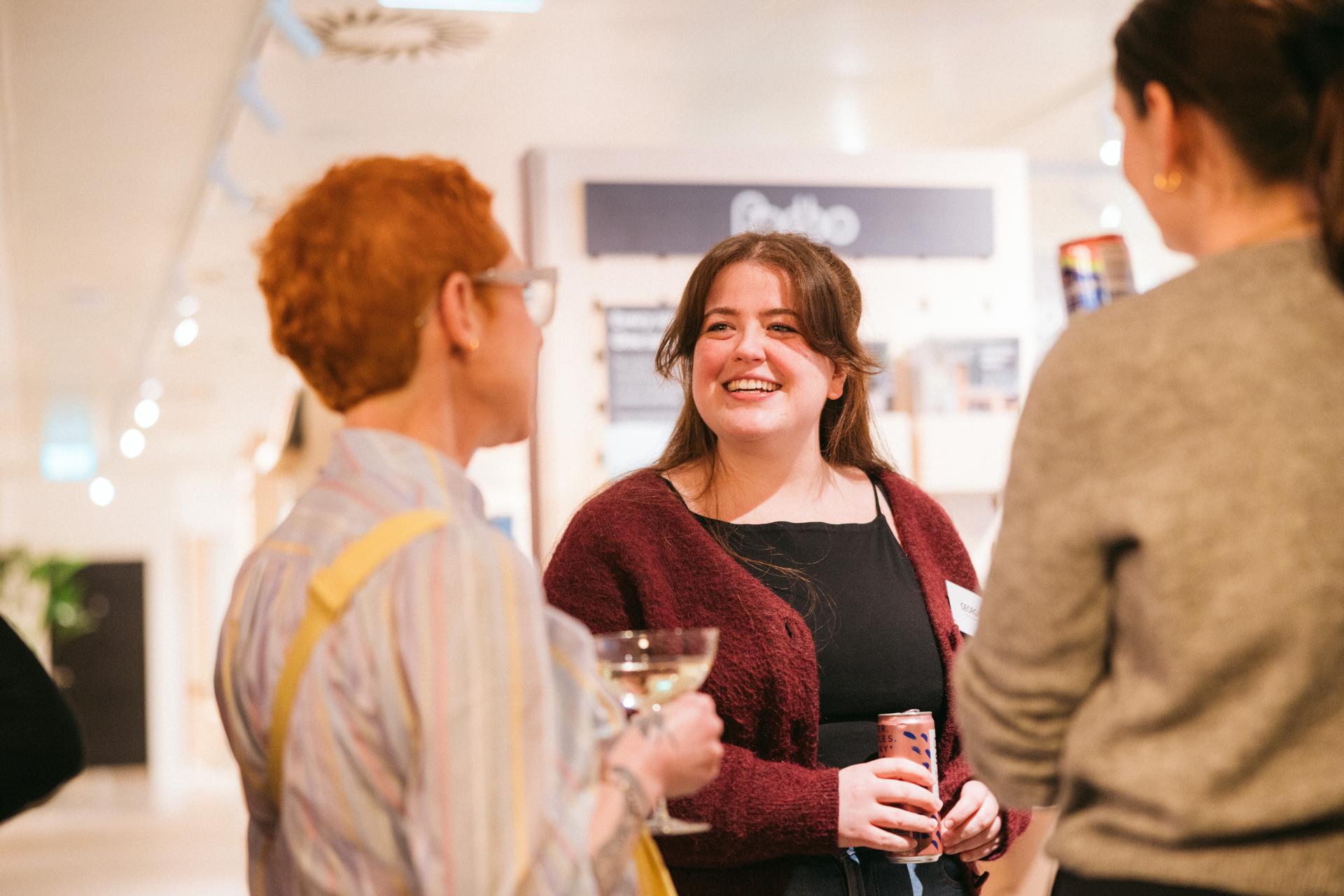
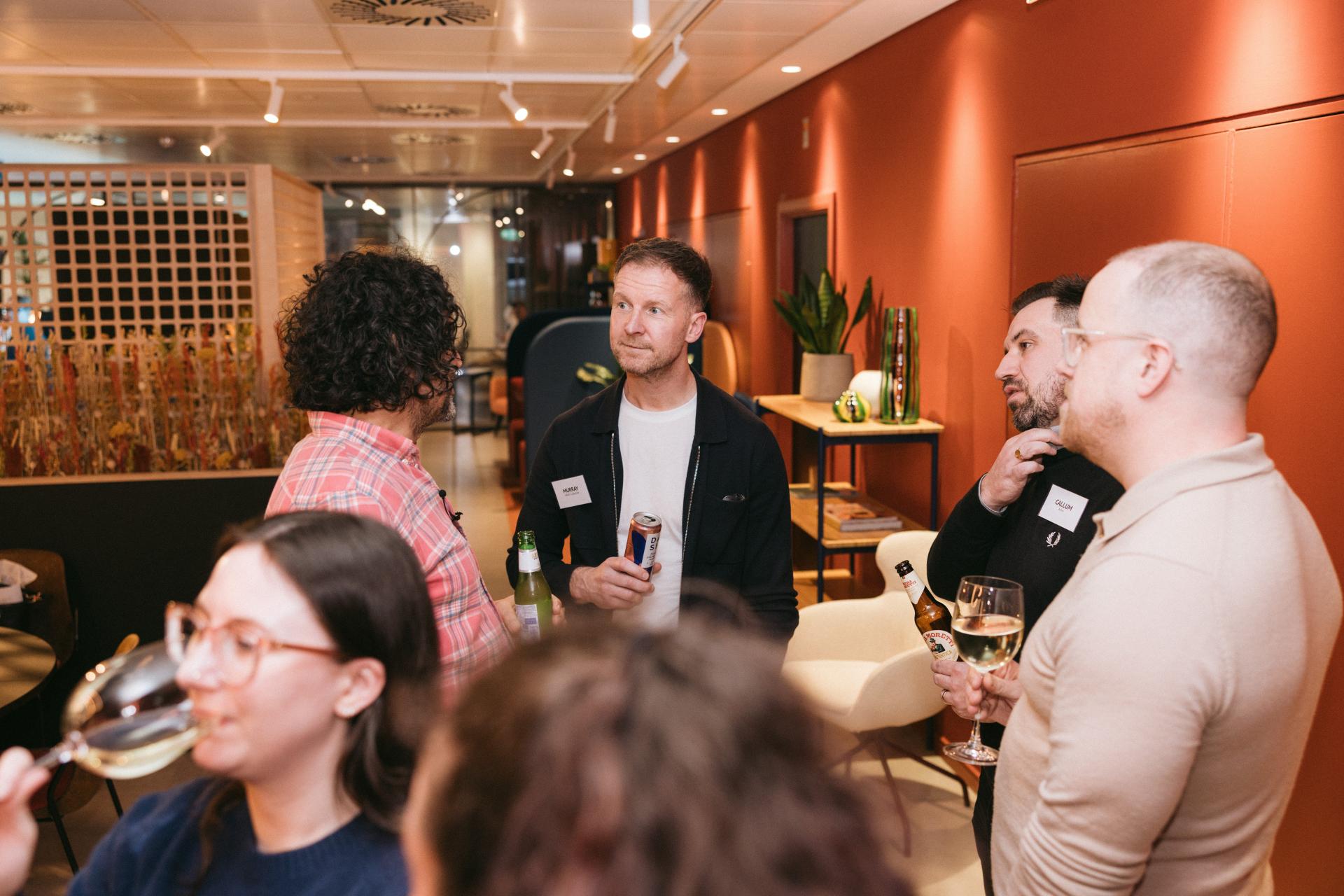
Though the hour’s discussion only allowed us to scratch the surface, it provided yet more rich insight into the inclusive design conversation, which continued over food and drinks into the evening, and then onto a dedicated roundtable the following day. The key points from which will be shared very soon.
To summarise, some of the top takeaways from this session included:
- Engage all stakeholders
- Design flexible solutions
- Learn and iterate
- Utilise expertise
- Give people autonomy and choice
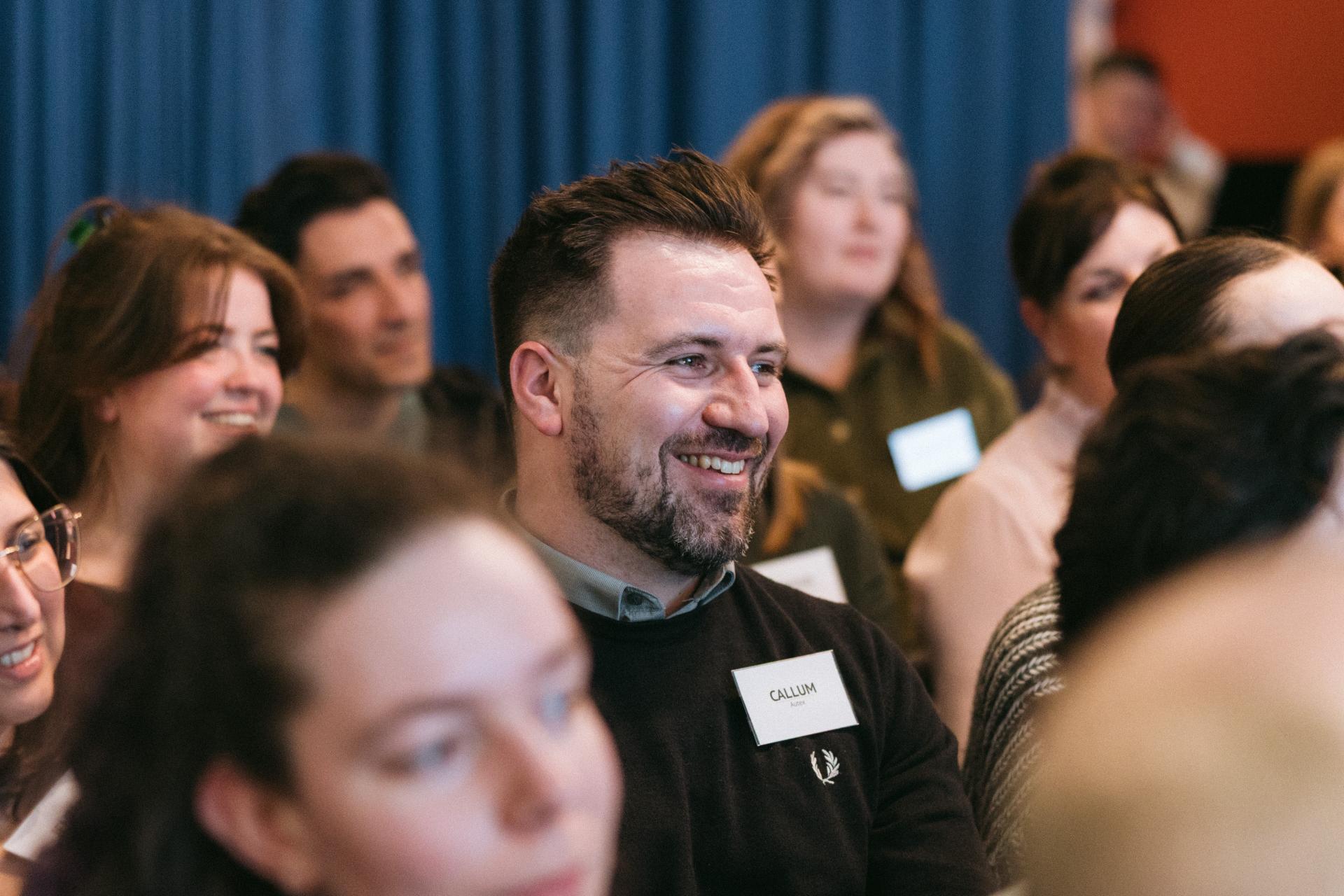
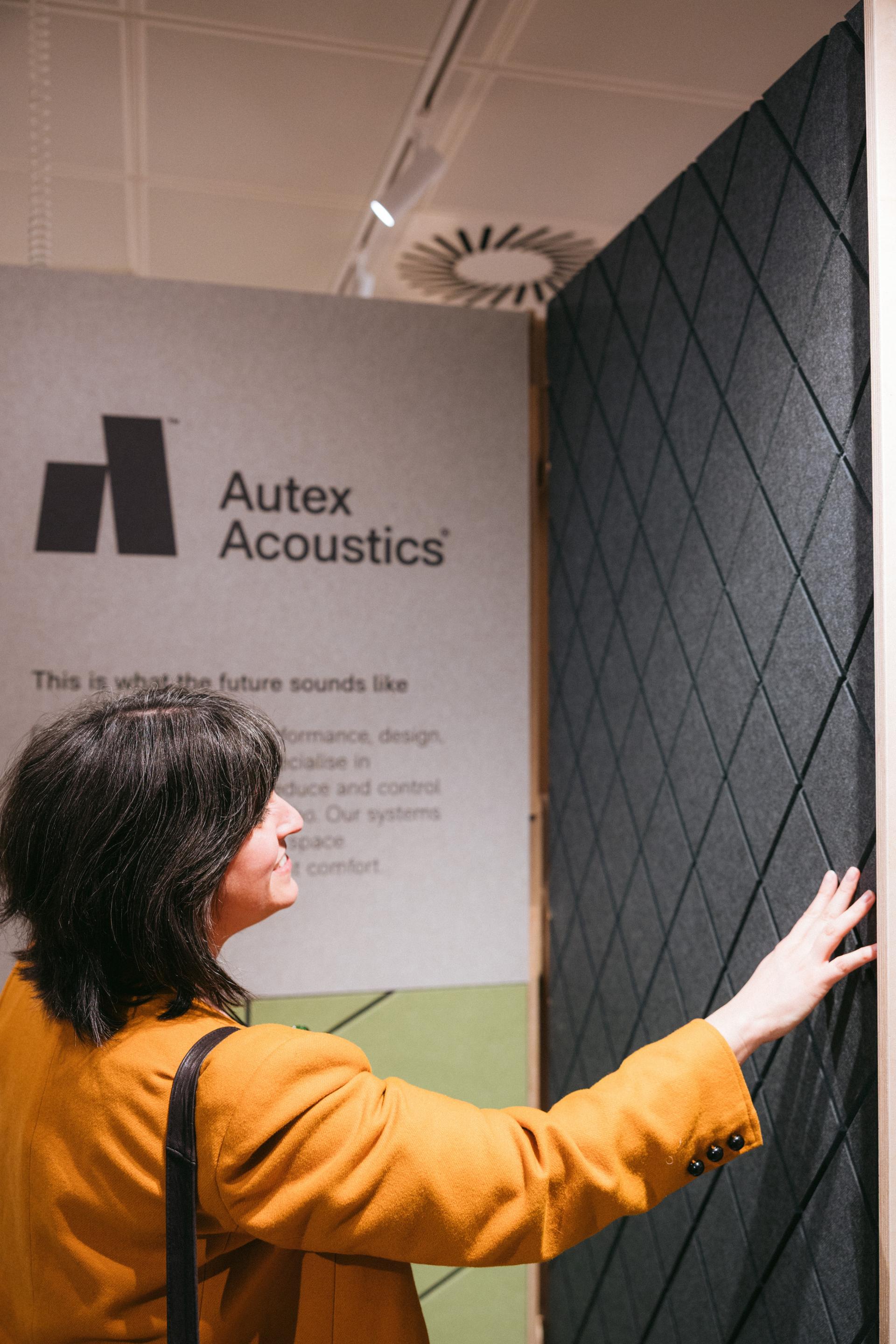
A huge thanks to our panellists, to our guests, and to our supporters for this event – Autex Acoustics and Crown Paints – both Partners at Material Source Studio Glasgow.
Something to add? Let us know on LinkedIn.