



















EDIB: Too complex, or just considerate design?
Credit: Ash Povall
In association with:


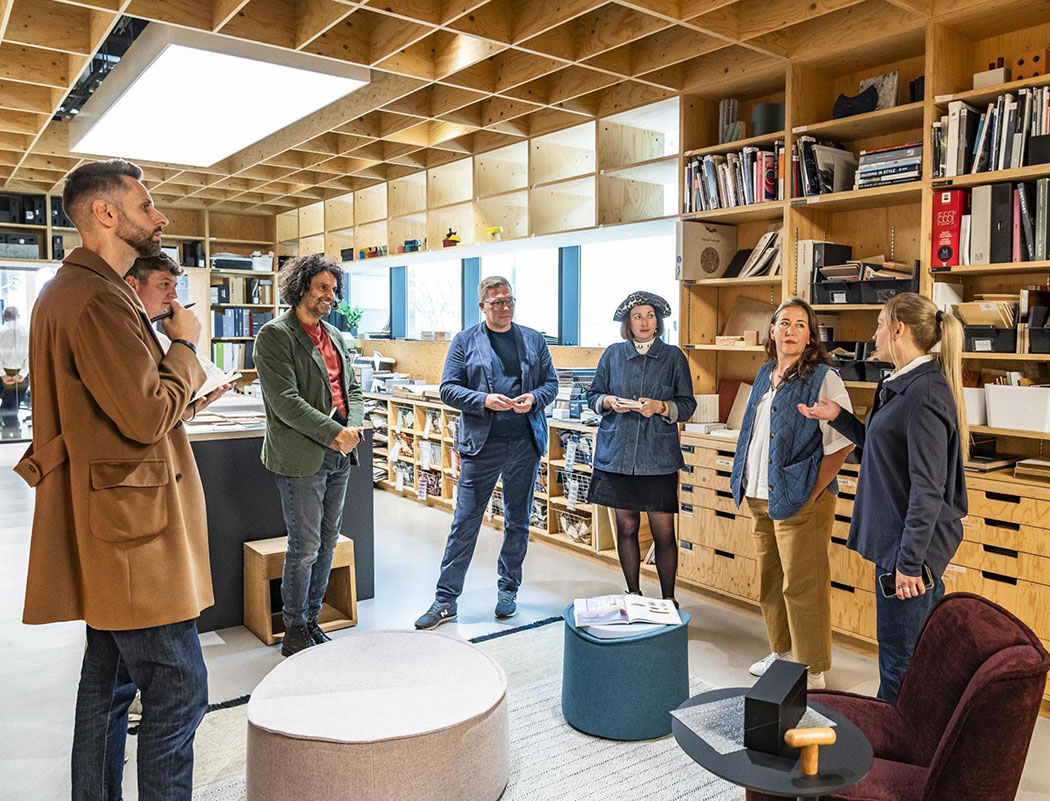
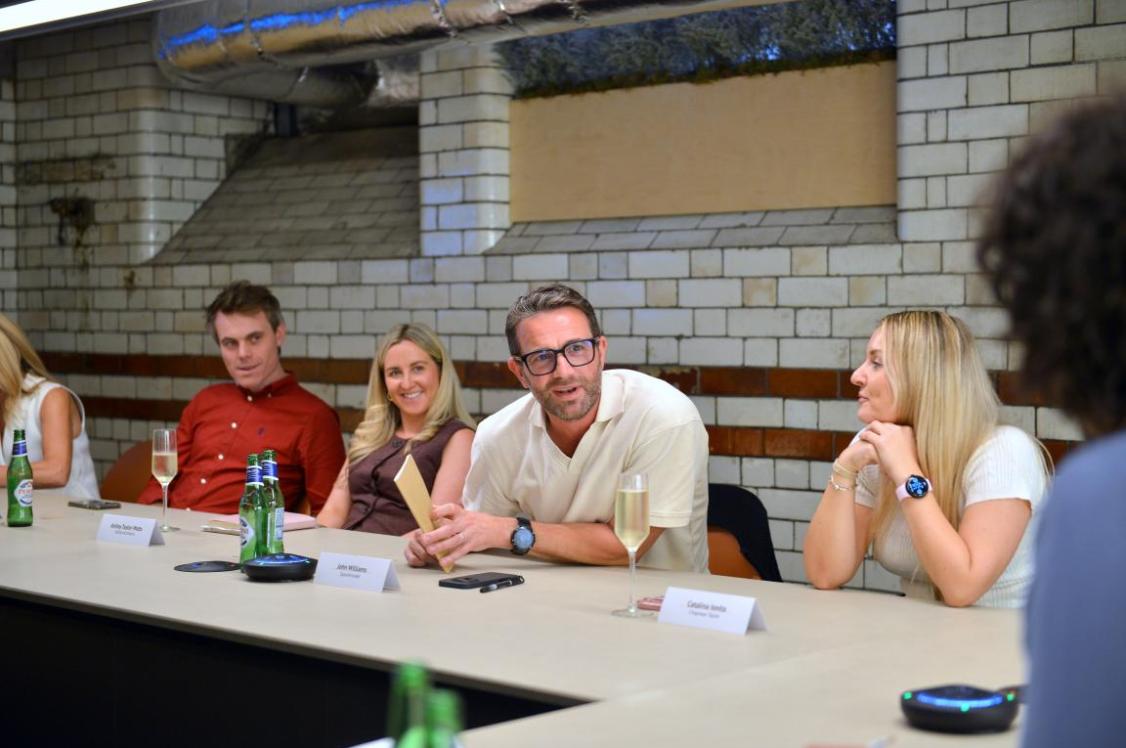
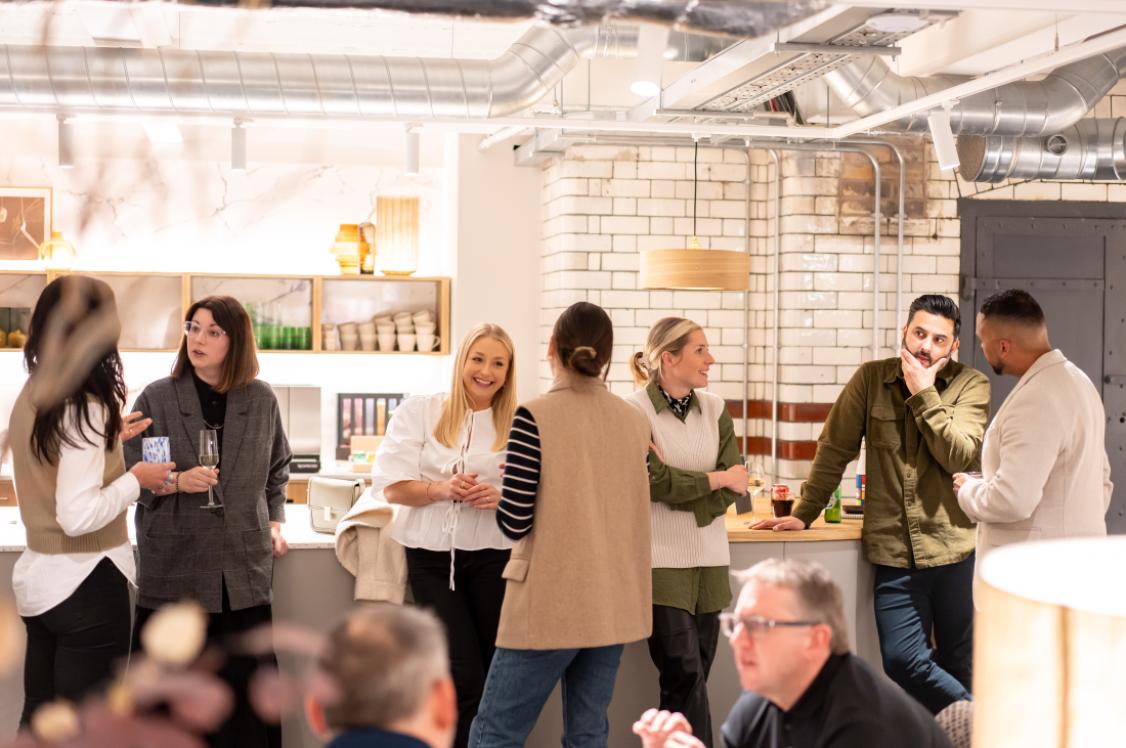
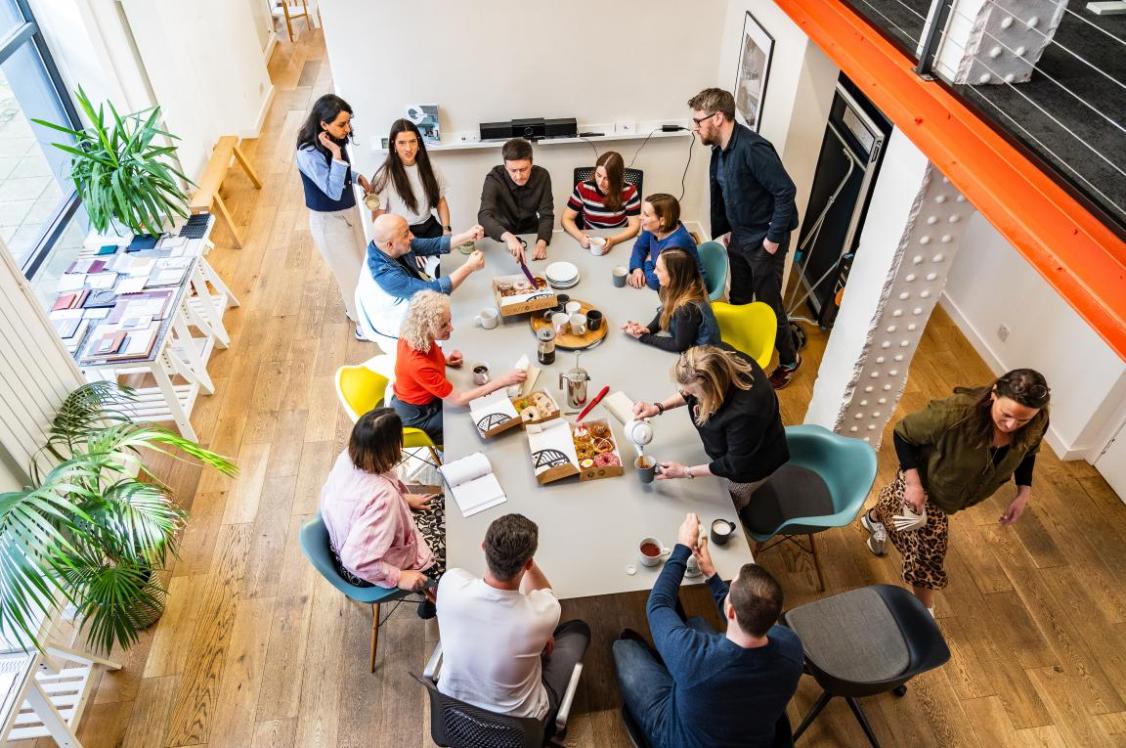
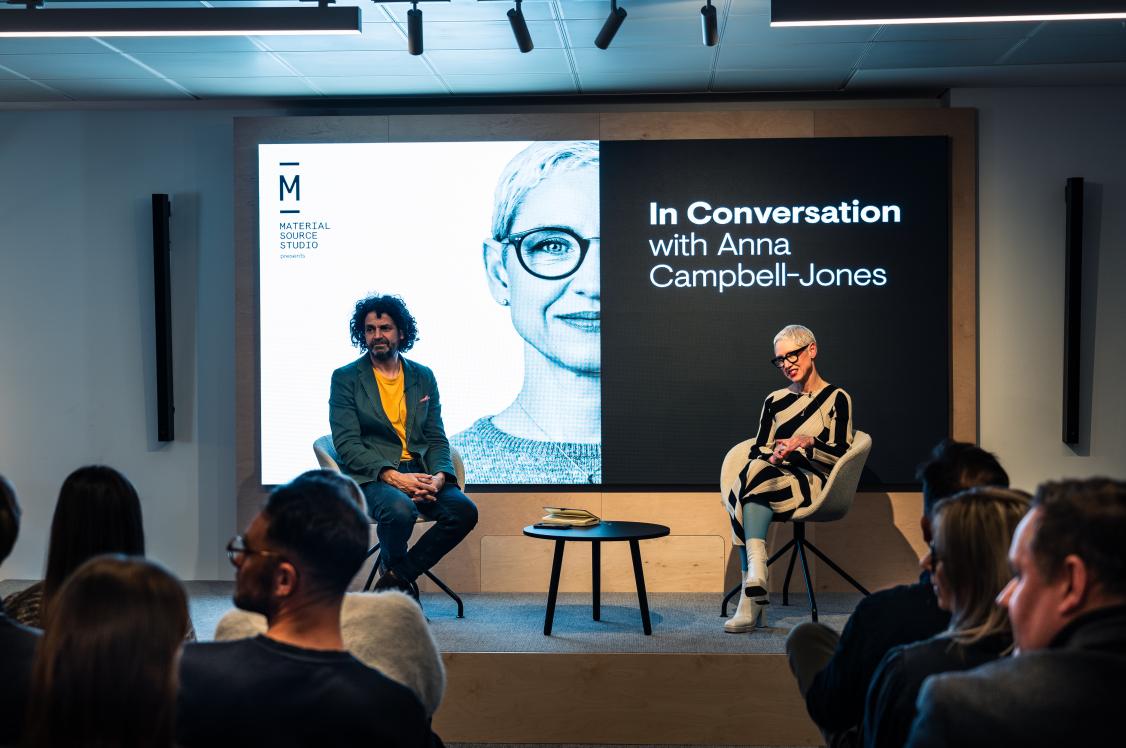
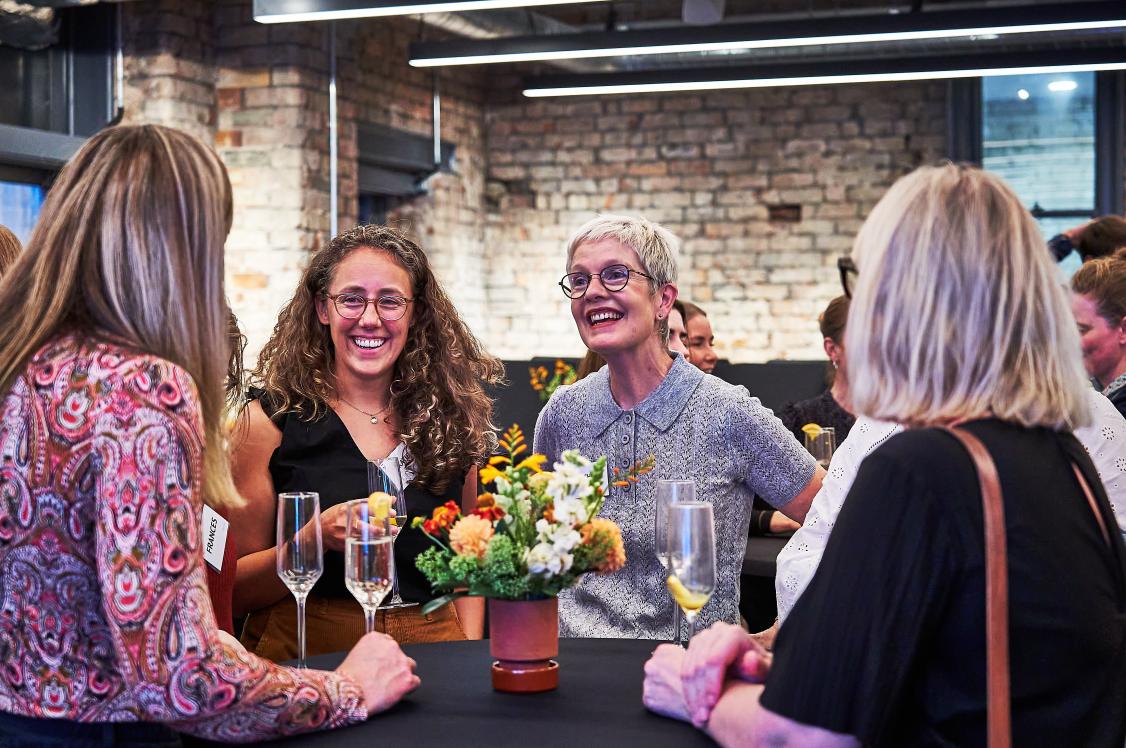
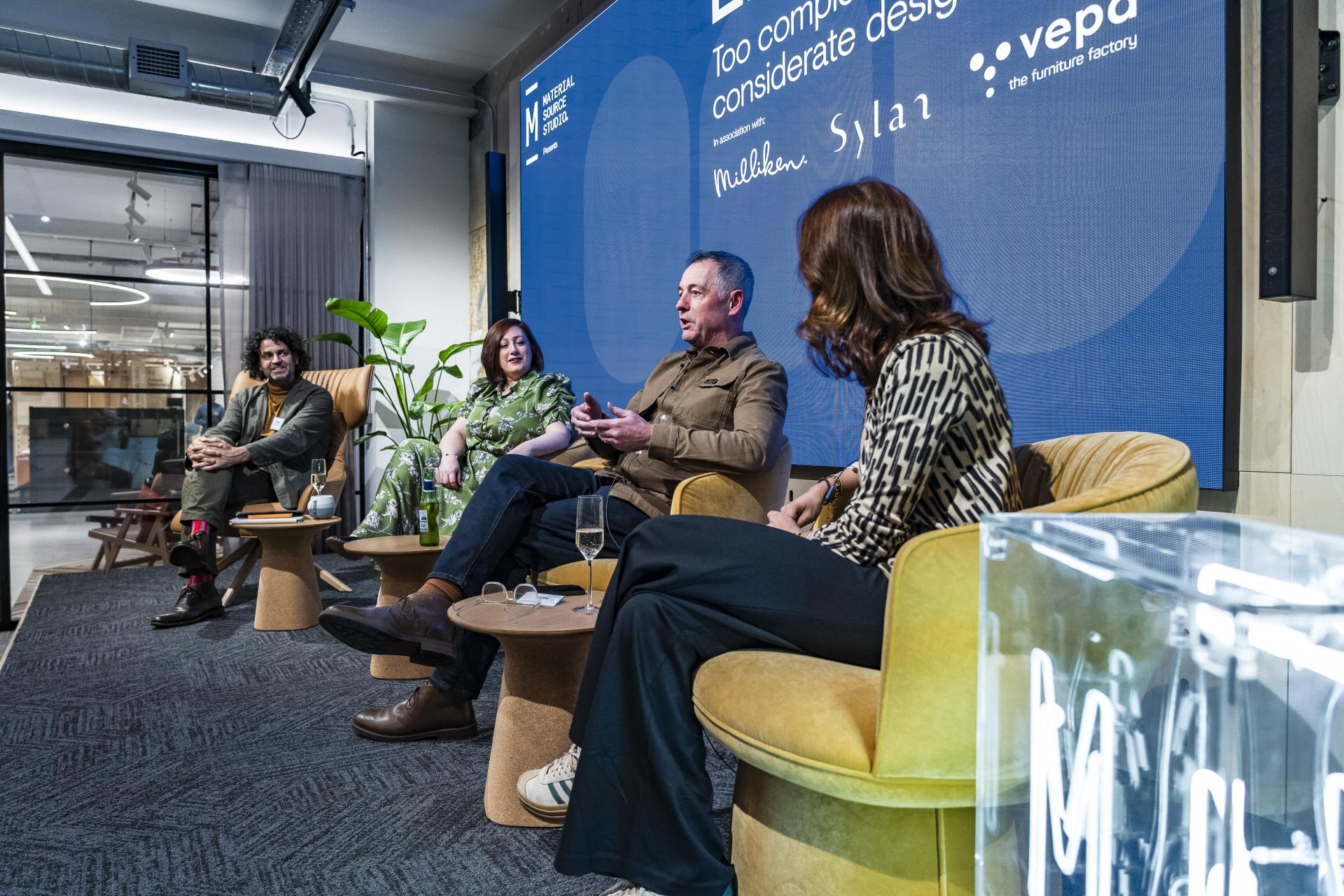
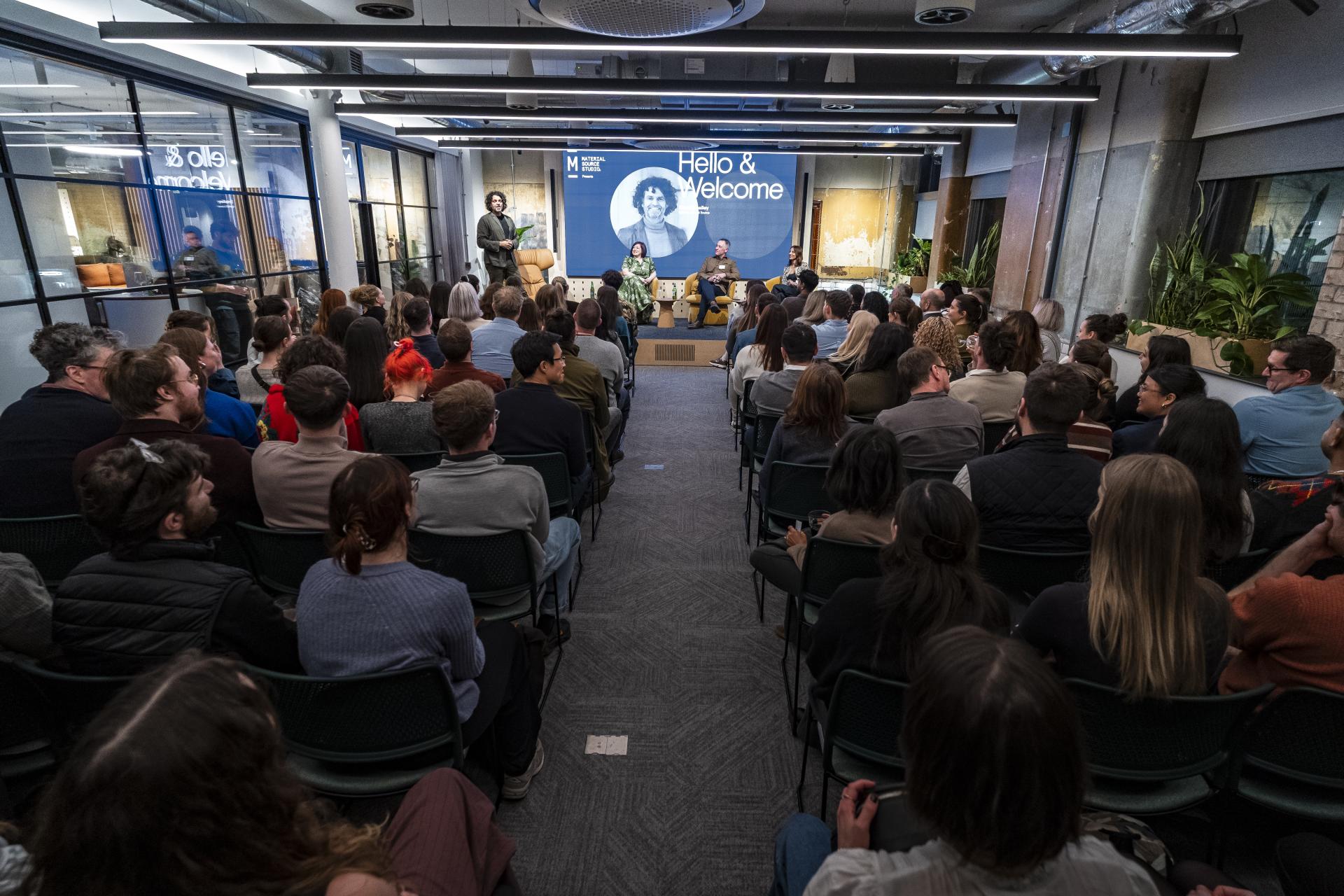
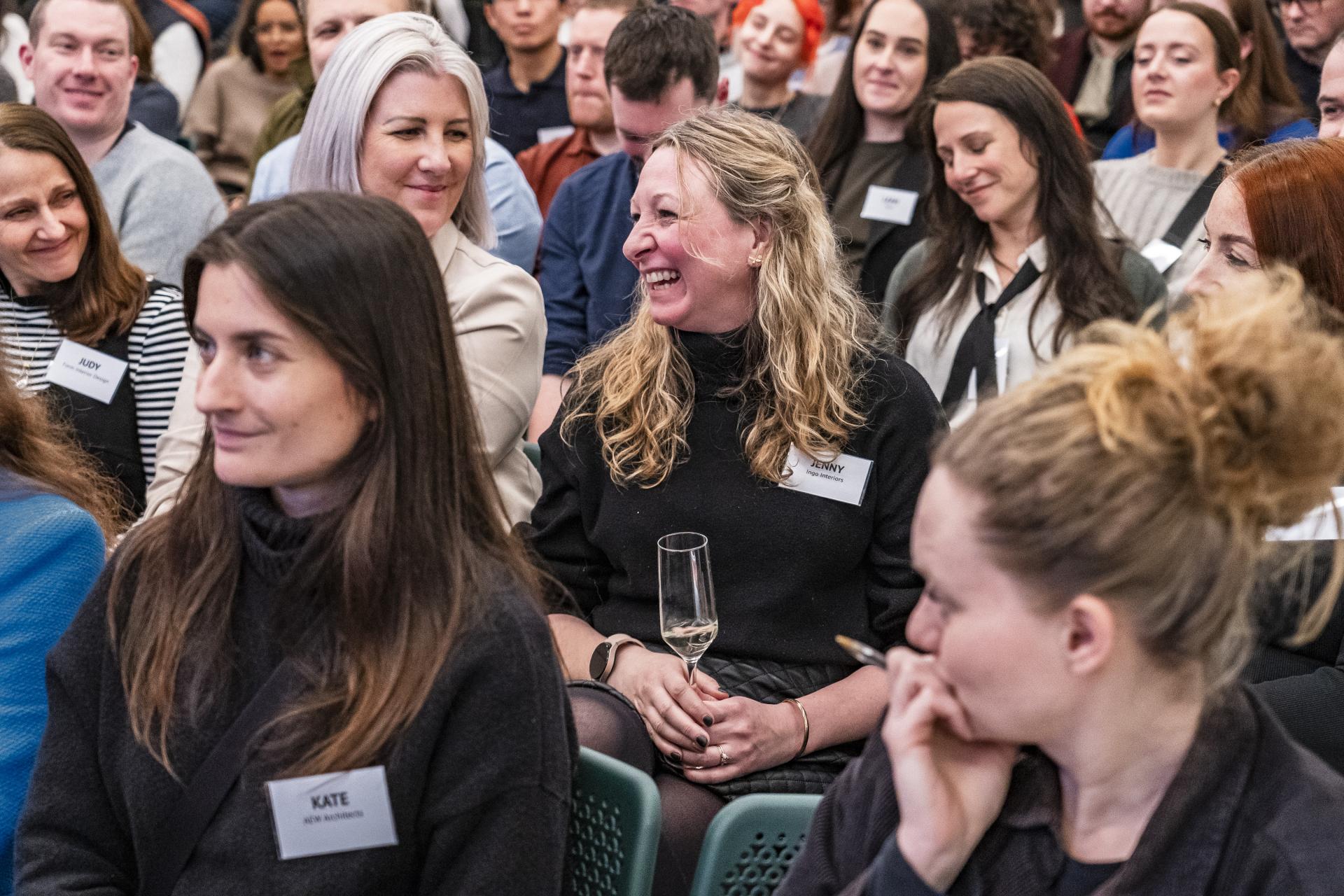
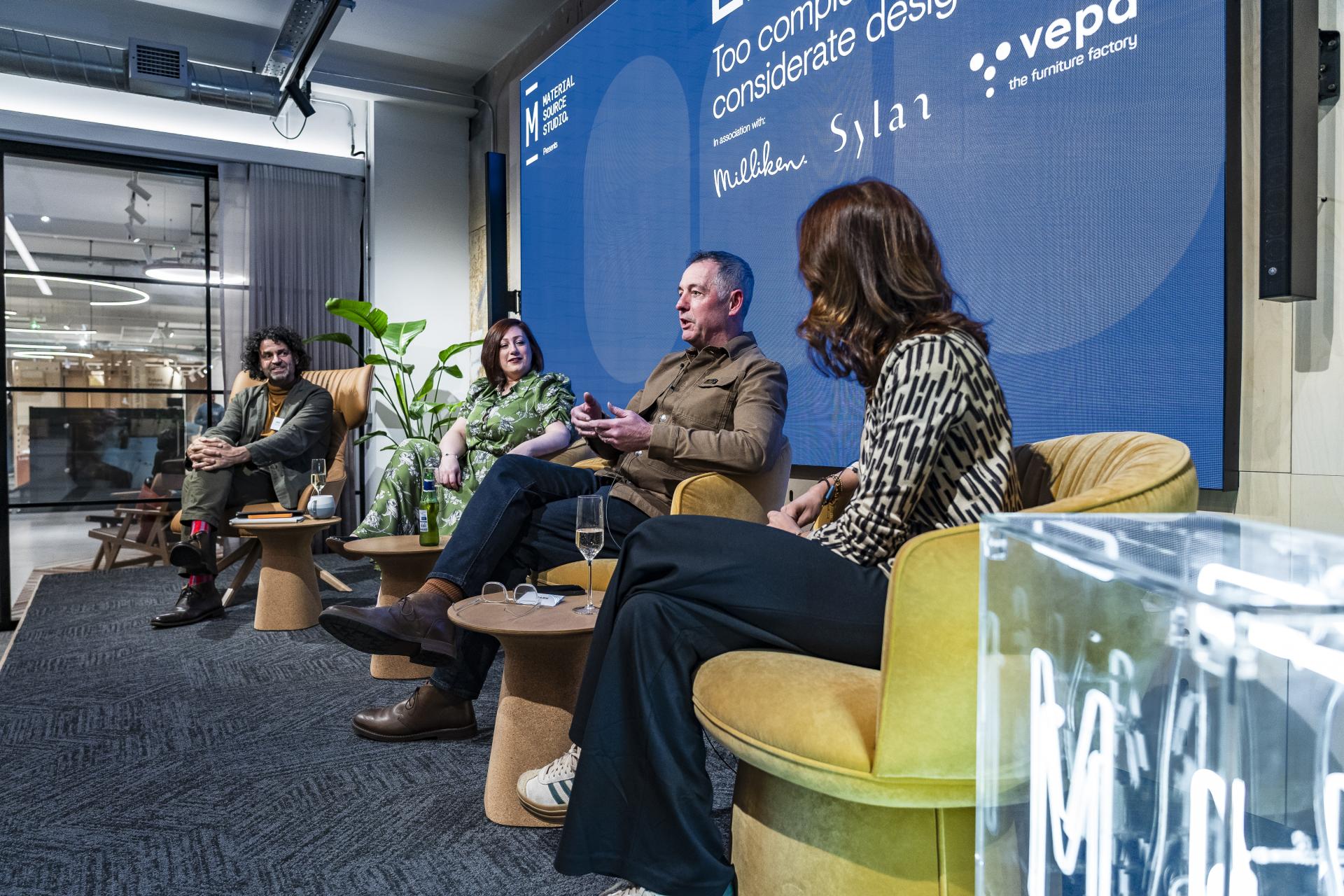
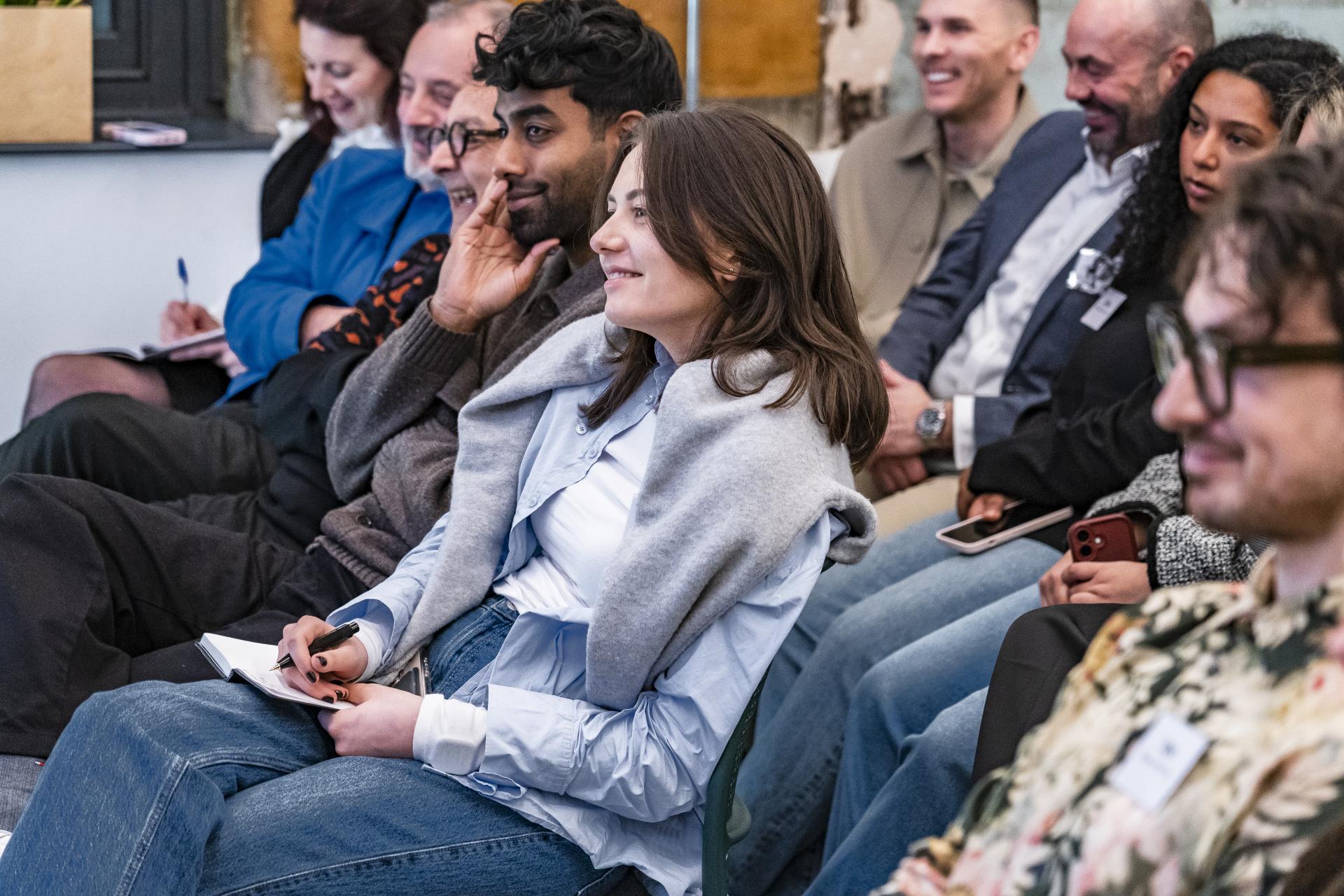
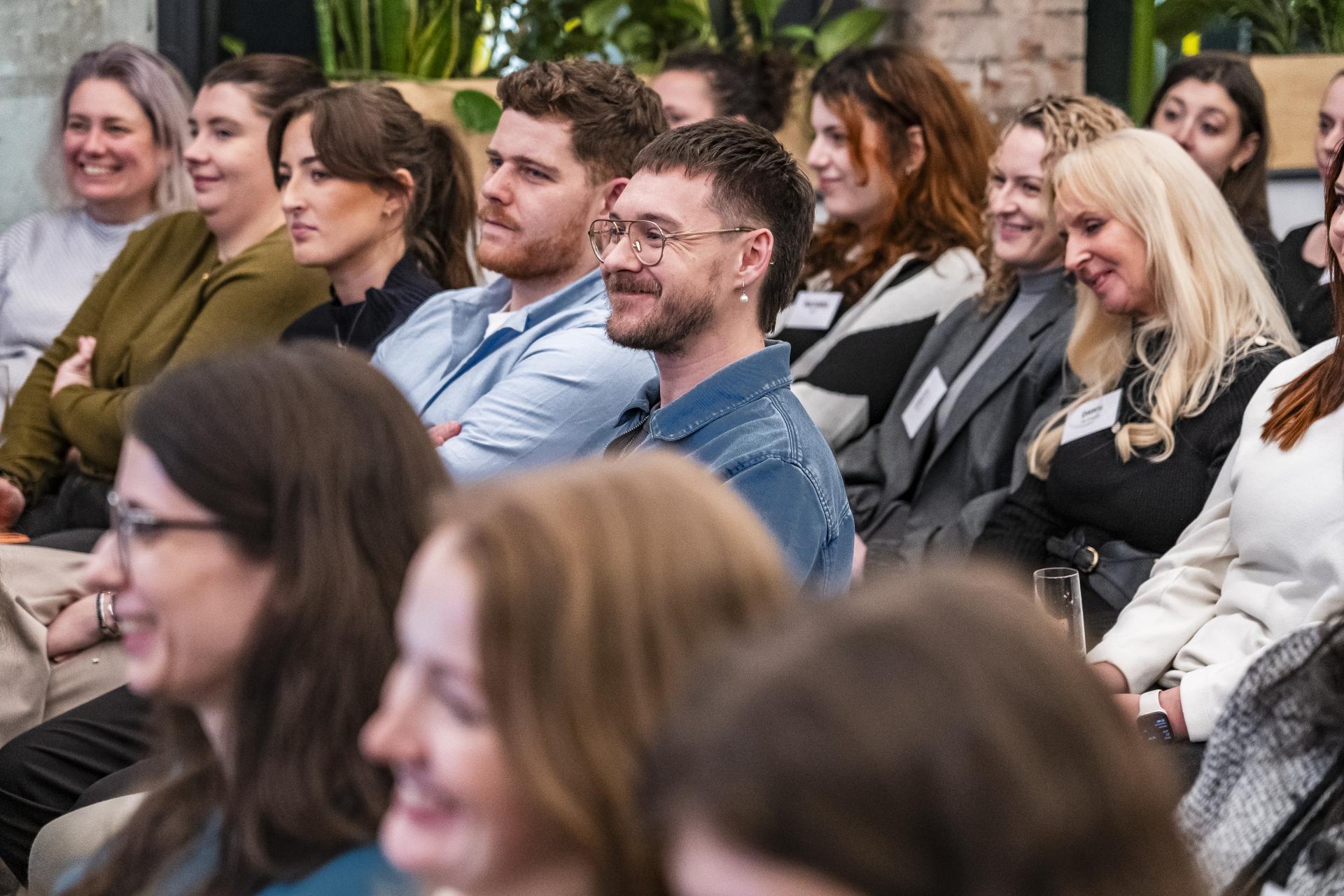
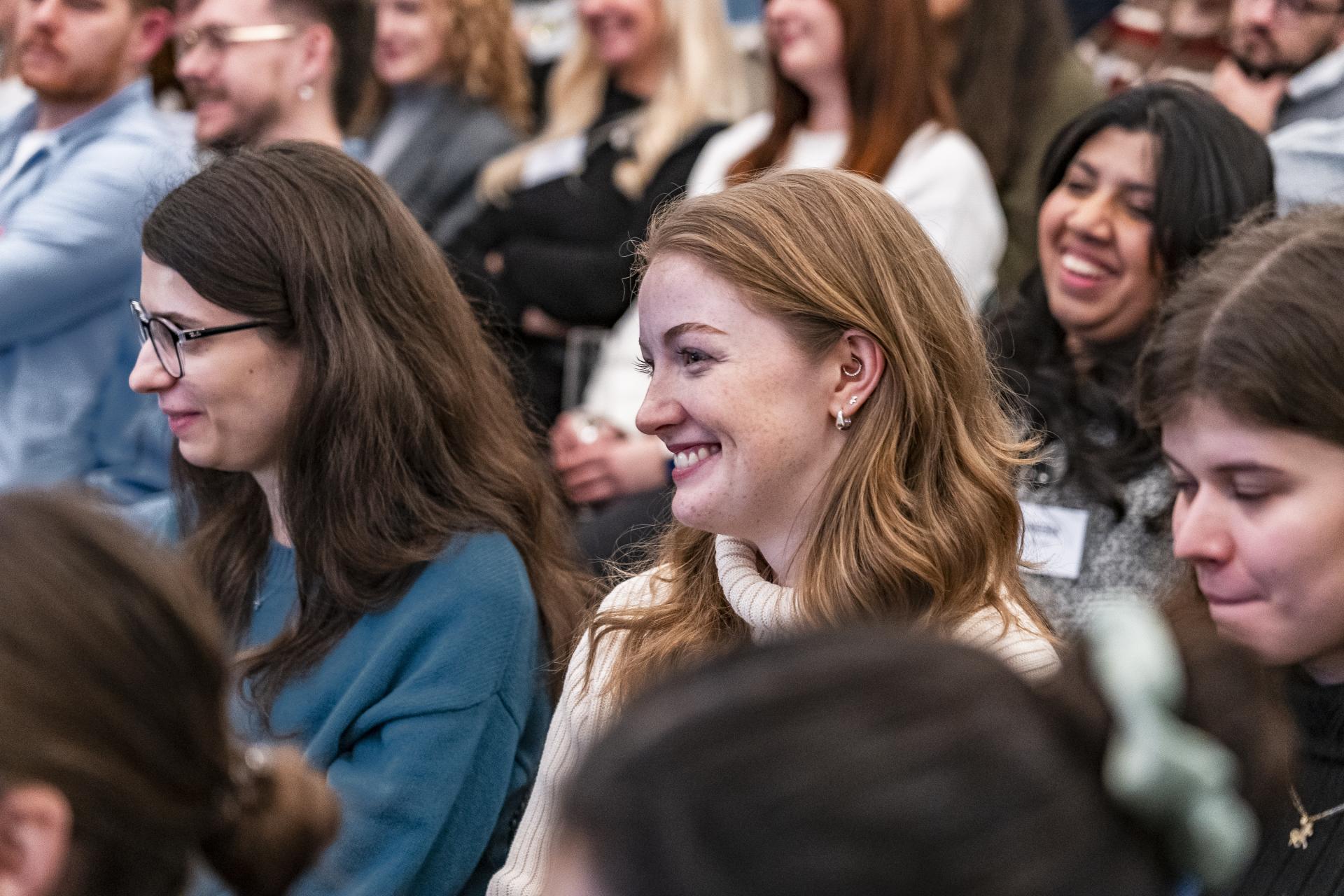
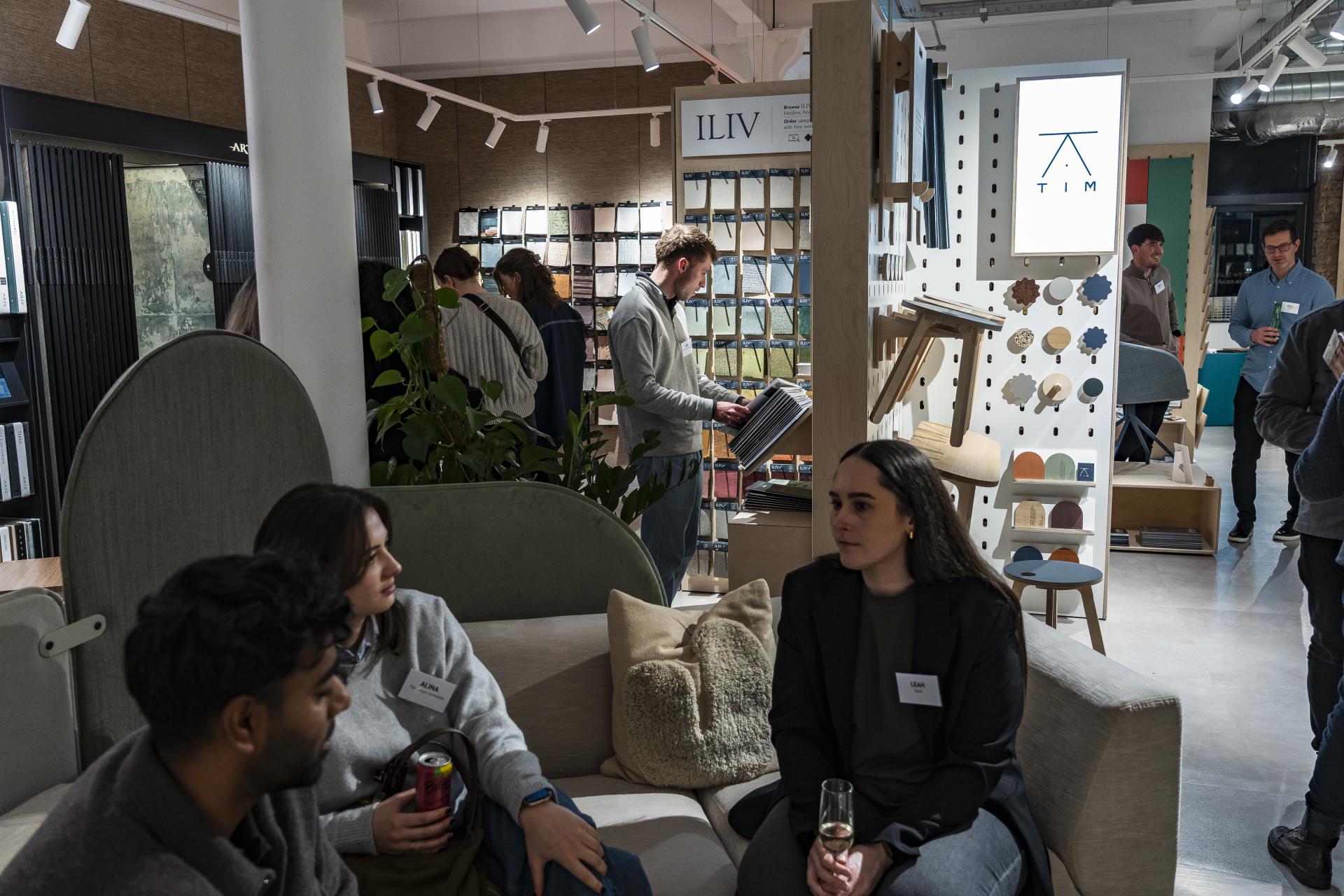
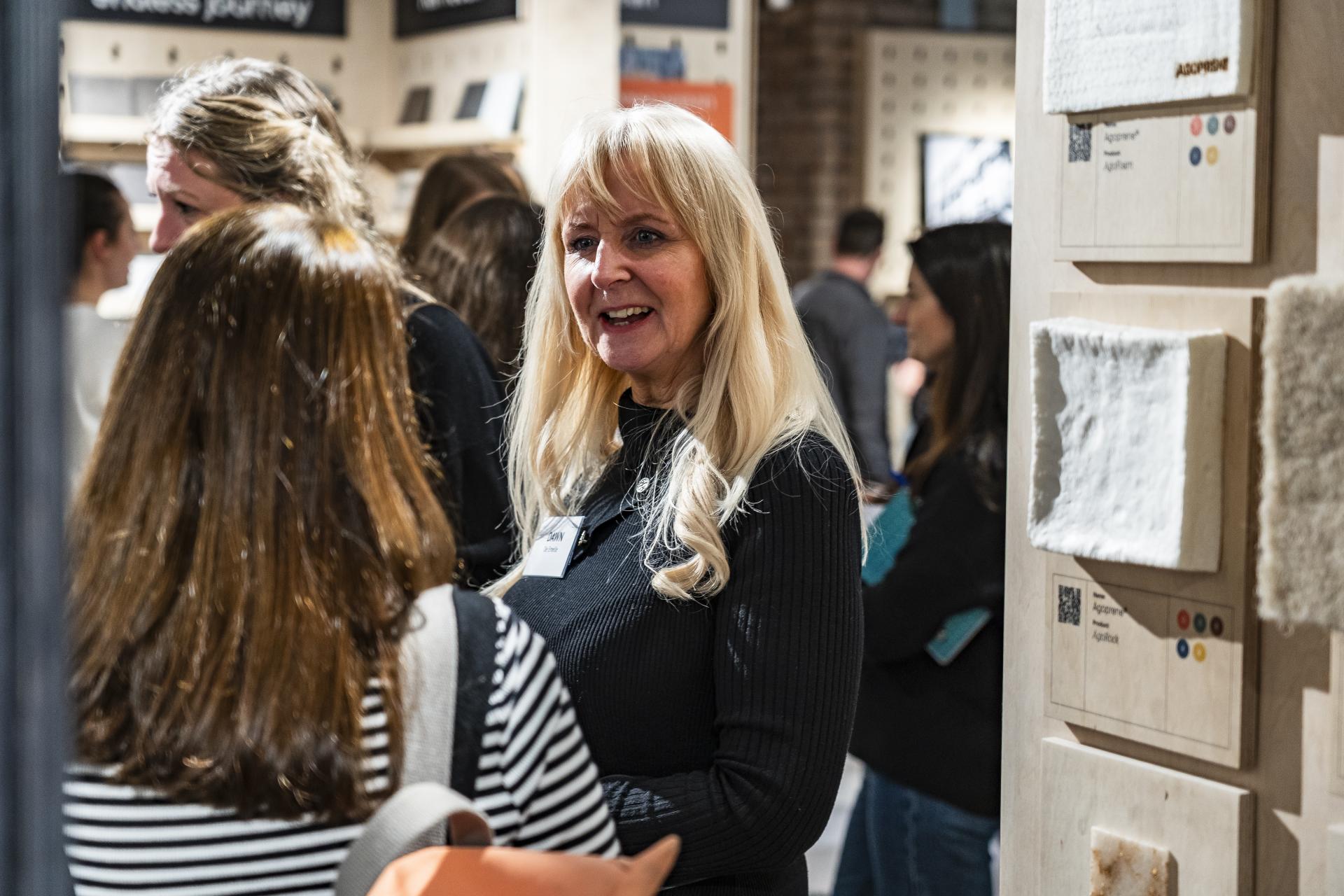
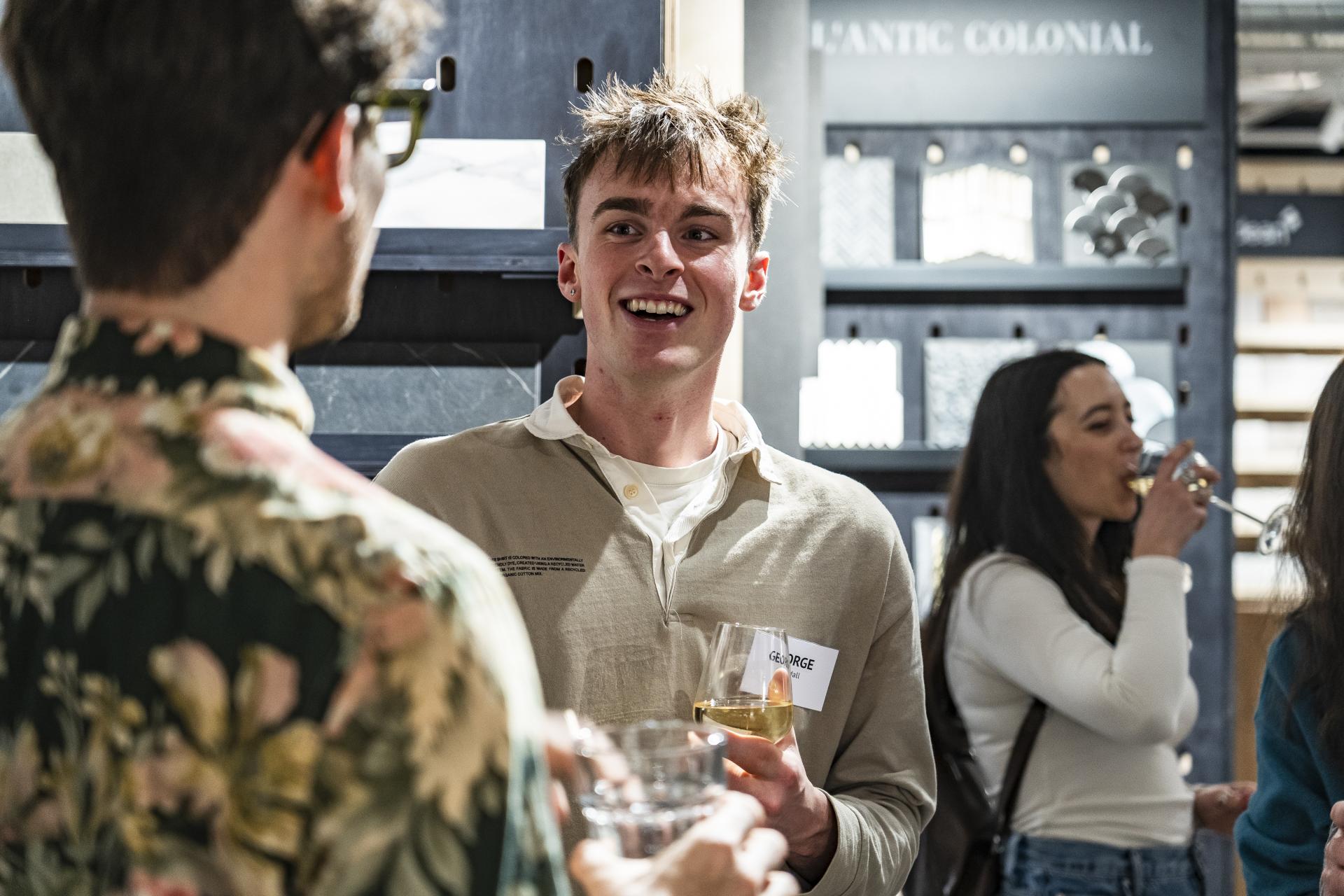
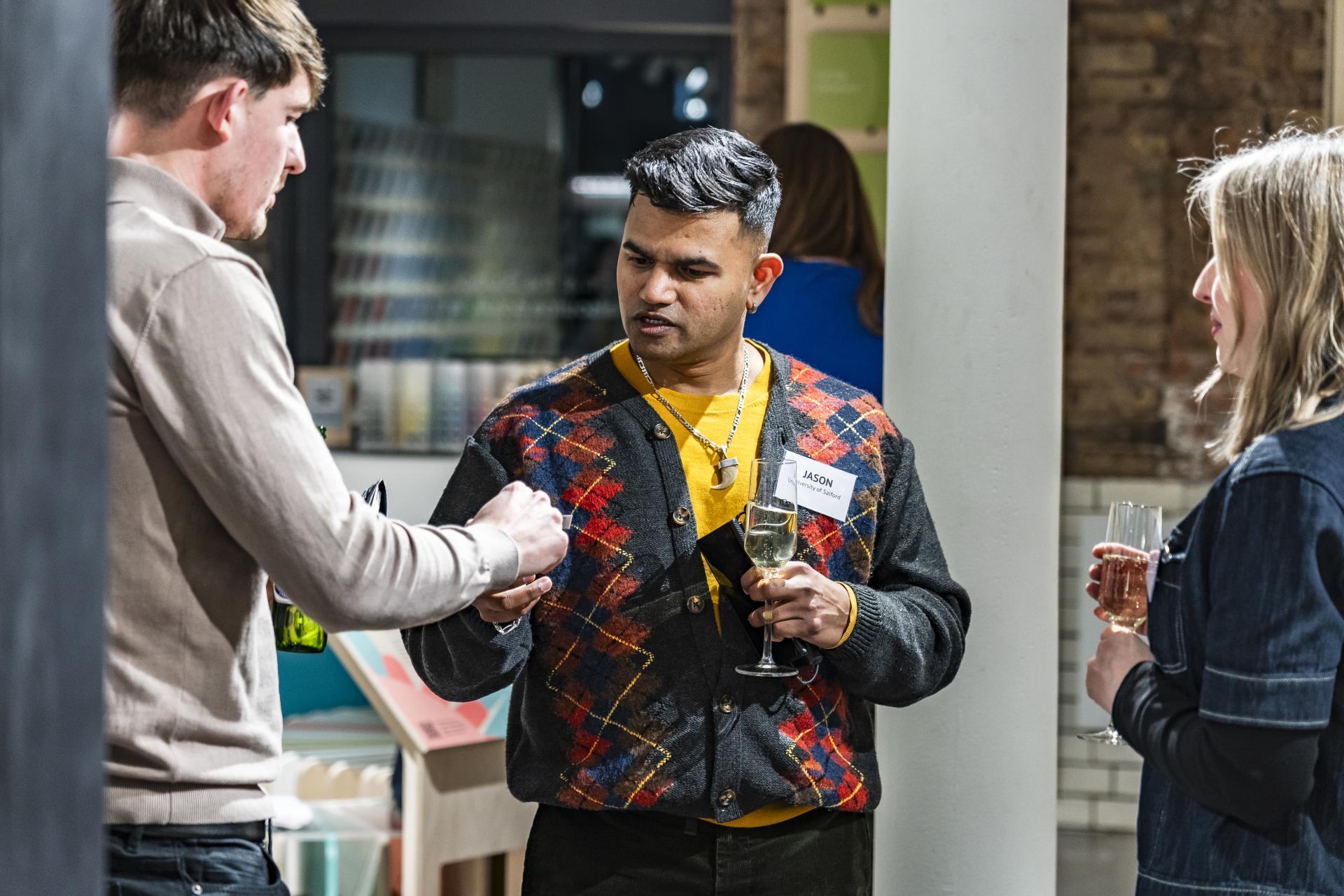
Kicking off our 2026 seminar series with the fullest house we've ever had at Material Source Studio Manchester, we asked, EDIB: Too complex or just considerate design?
Perhaps most telling was that even our experienced panel members and some of those in the room weren’t all aware of the addition of the ‘B’ to the acronym, making it Equity, Diversity, Inclusion & Belonging (from Equality, Diversity, Inclusion previously).
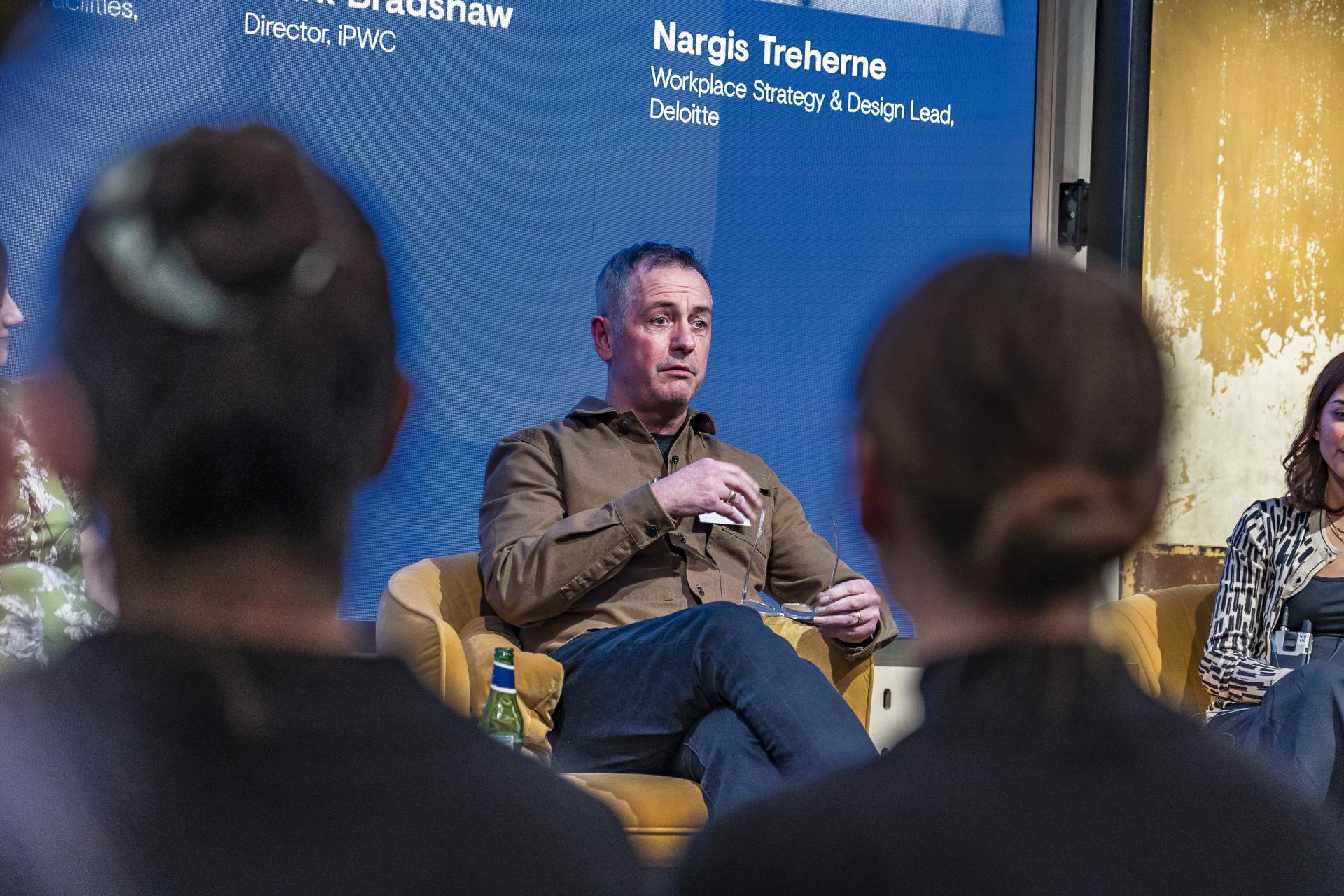
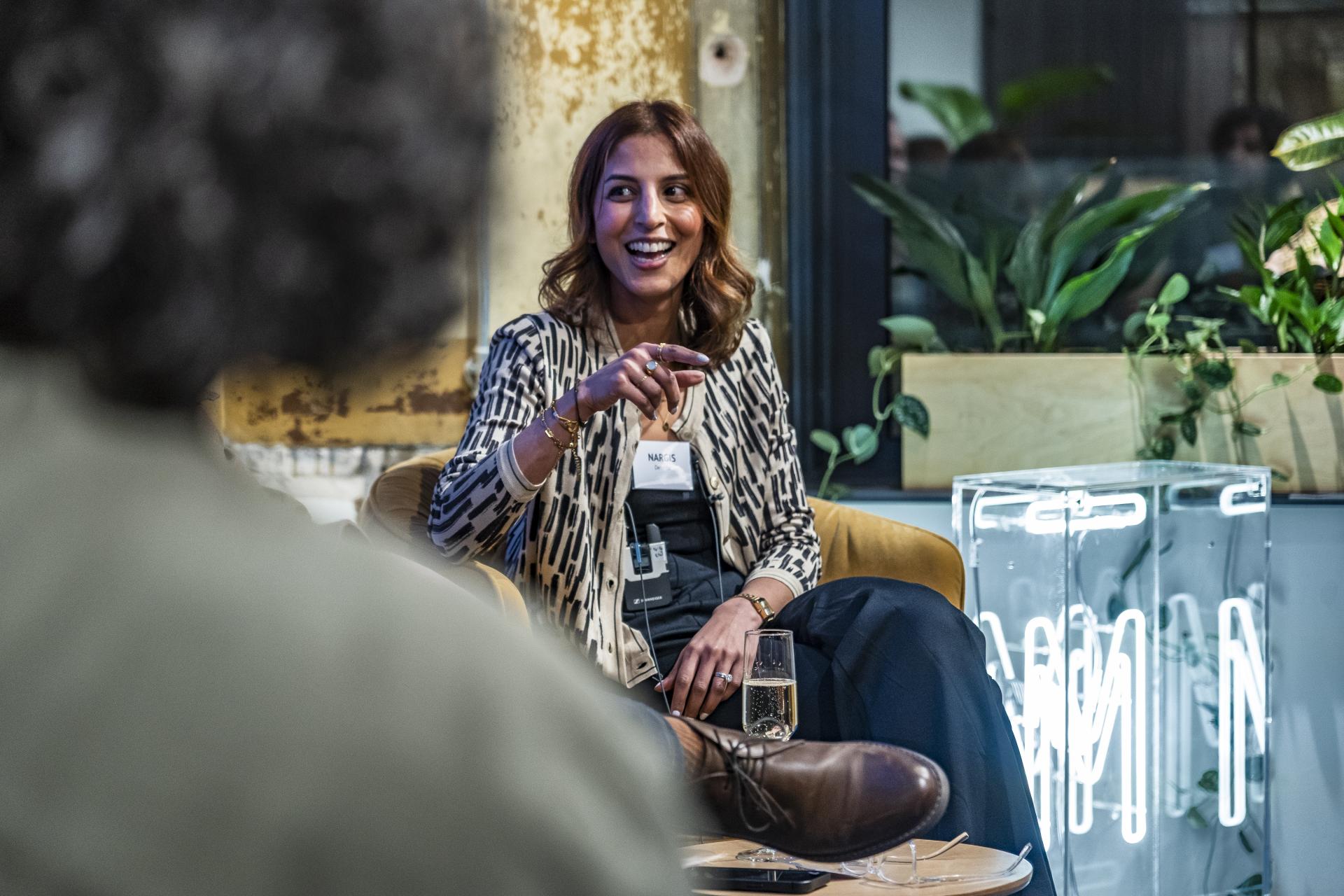
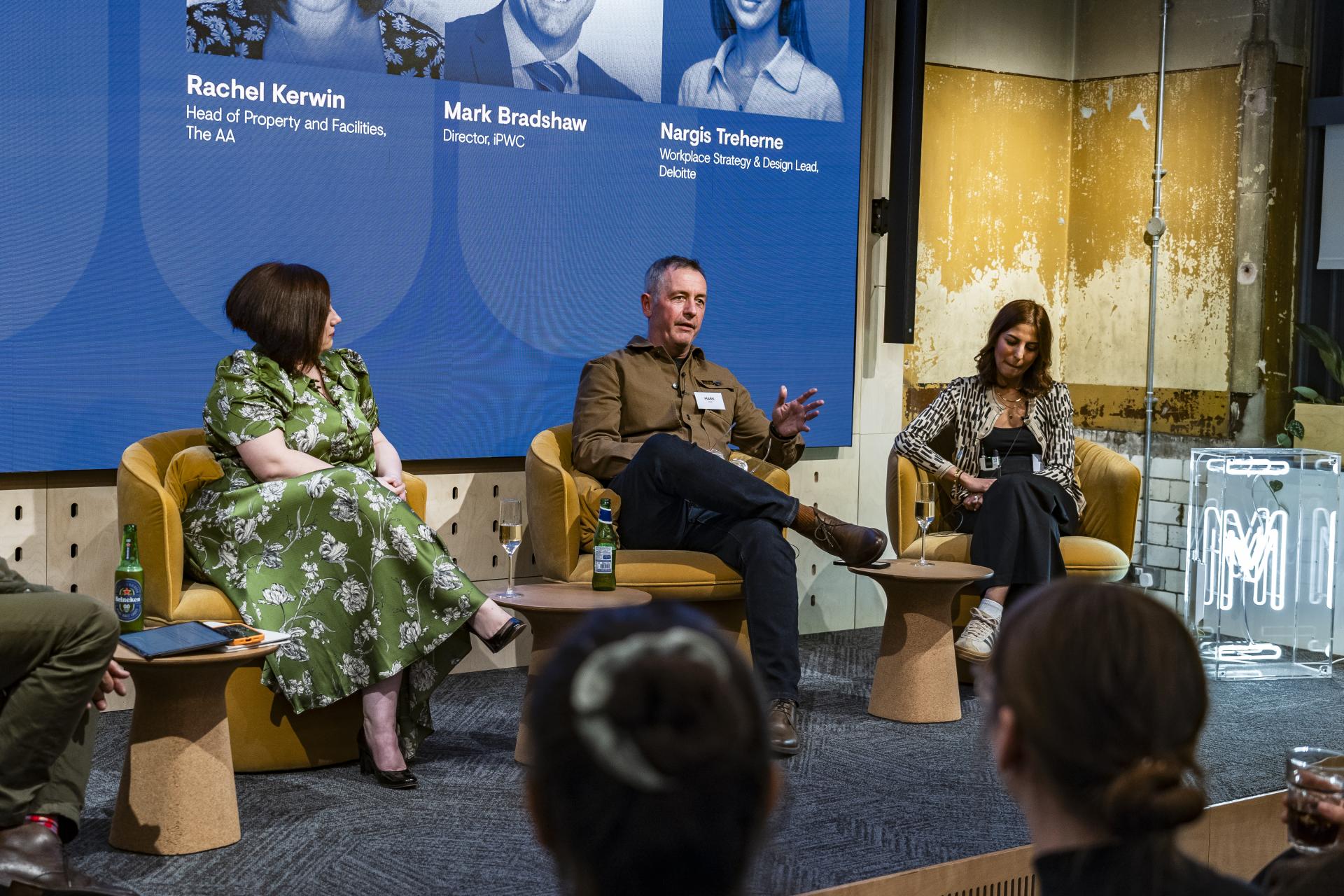
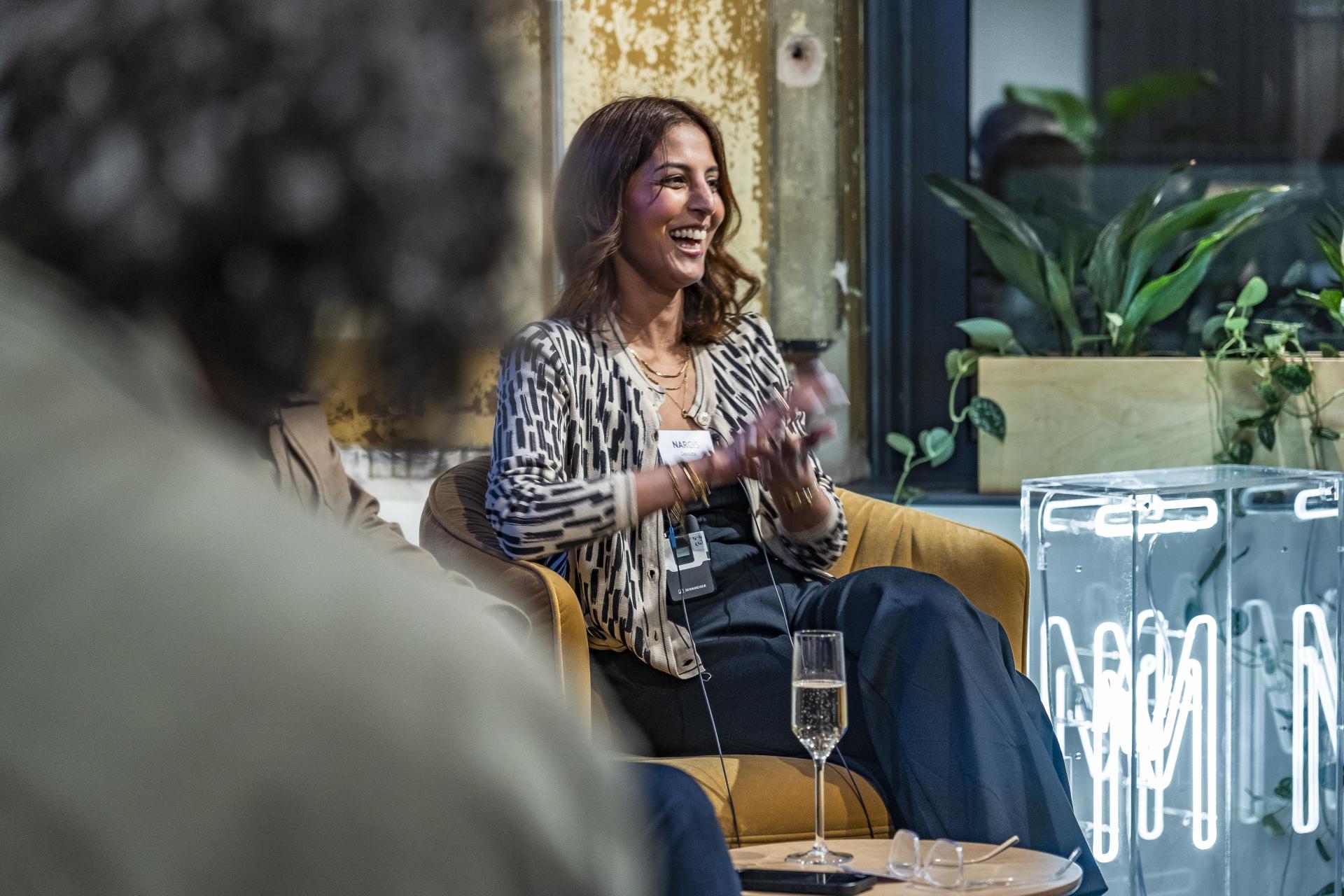
And while it was agreed the sentiments of EDIB are very much central to their discussions when it comes to workplace design, the acronym itself is rarely brought up, shared panellists Nargis Treherne - Workplace Strategy & Design Lead at Deloitte; Rachel Kerwin - Head of Property & Facilities at The AA; and Mark Bradshaw - Director at iPWC Ltd Workplace Consultants.
What the emergence of EDIB as shorthand has done, said Nargis, is arm people and employers with the vocabulary to have open conversations about wants and needs – the likes of which they perhaps weren’t having even 5-years ago.
And it’s not standalone either, added Mark. Nor does it sit with one party. An effective EDIB-enhancing workplace strategy requires a balance between 'Property' (real estate), 'People' (HR/culture), and 'Process' (technology).
Crucially though, culture must filter down from the top, suggested Rachel, if EDIB is to be truly felt across an organisation as a whole. Inclusivity is not an add on.
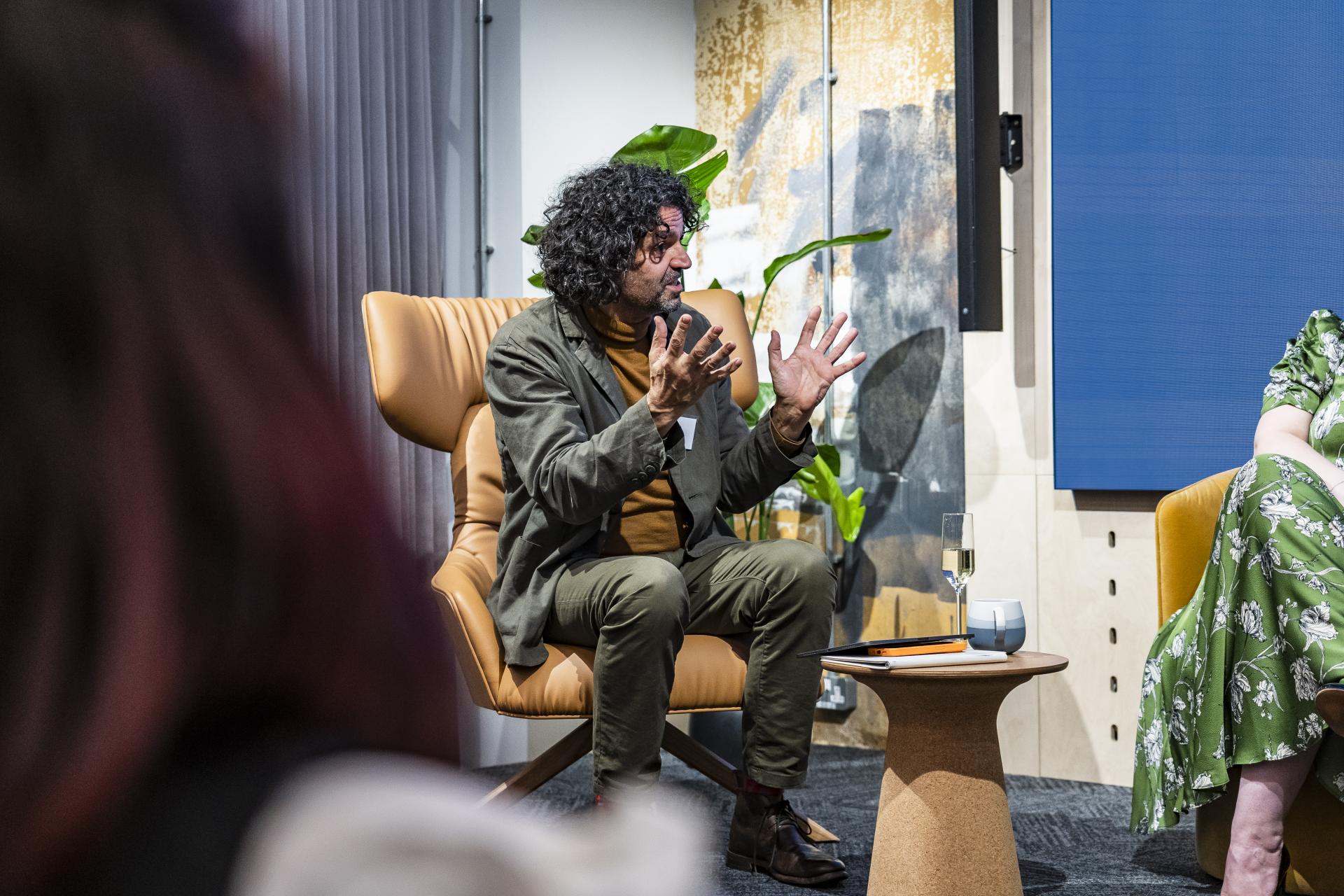
It was wonderful to welcome so many of you for this discussion, chaired by Host, Material Source Director, David Smalley. Below, you’ll find a summary of some of the key conversation points pondering the evolution of an EDIB-enabled workplace for the near future and beyond, peppered with your comments and questions throughout.
To start, David set the scene. EDI and more recently EDIB is a topic we’ve covered in some detail at both seminars and roundtables, and in our interviews with industry professionals. But for this particular seminar session in Manchester, we chose to focus on the sharp end of the topic, to invite those making final, real-world decisions related to the subject, to join our panel and share their experiences with us.
Credit: Tim Ainsworth
Credit: Tim Ainsworth
Credit: Tim Ainsworth
Credit: Tim Ainsworth
Credit: Tim Ainsworth
Credit: Tim Ainsworth
Credit: Tim Ainsworth
Credit: Tim Ainsworth
Credit: Tim Ainsworth
Credit: Tim Ainsworth
Credit: Tim Ainsworth
Credit: Tim Ainsworth
Credit: Tim Ainsworth
Credit: Tim Ainsworth
The catalysts for change
With experience in mind, David asked, “How has the world of work changed since you began your career?”
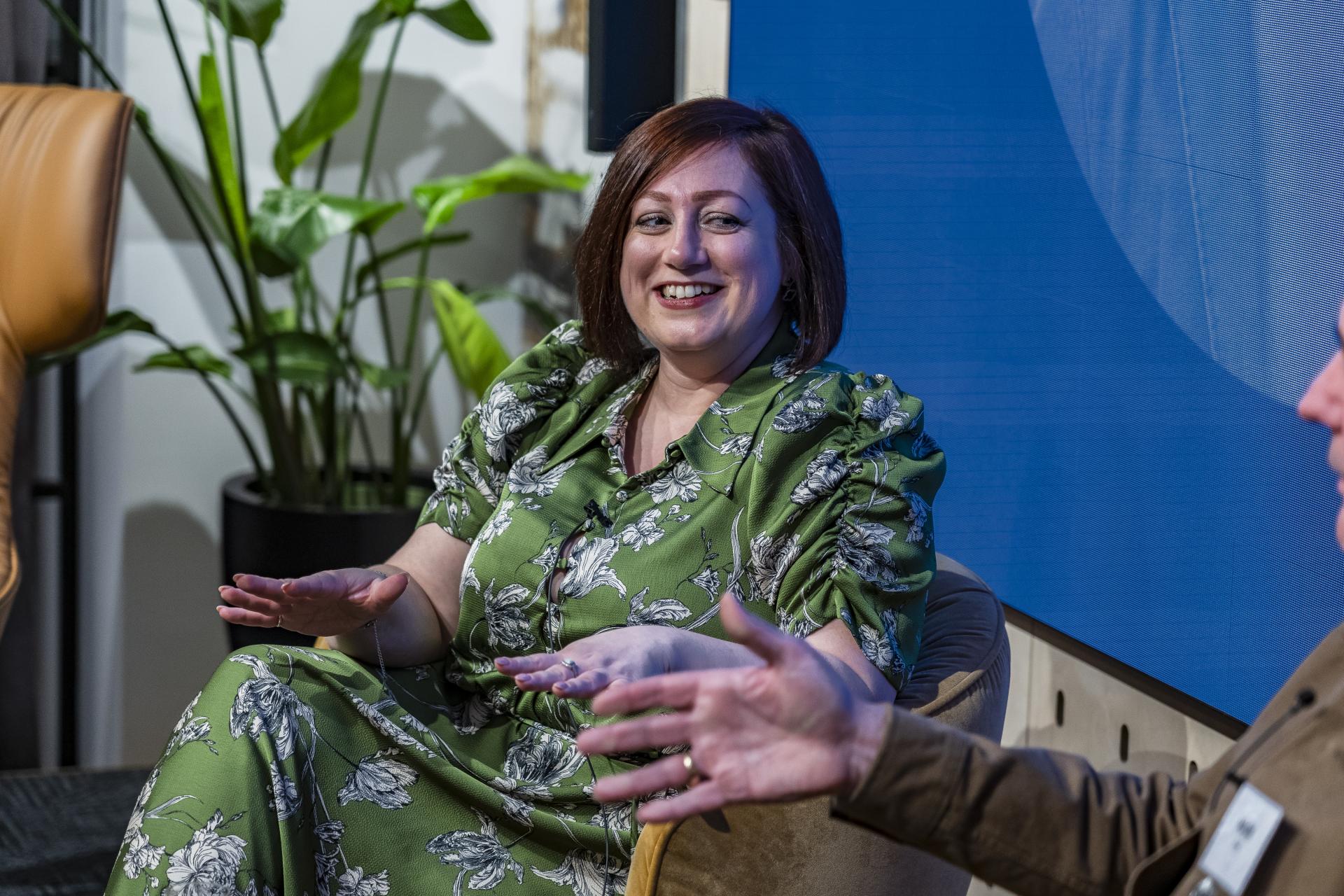
Rachel Kerwin - Head of Property & Facilities at The AA believes that the whole process has changed. Workplace design is no longer prescriptive – it’s collaborative.
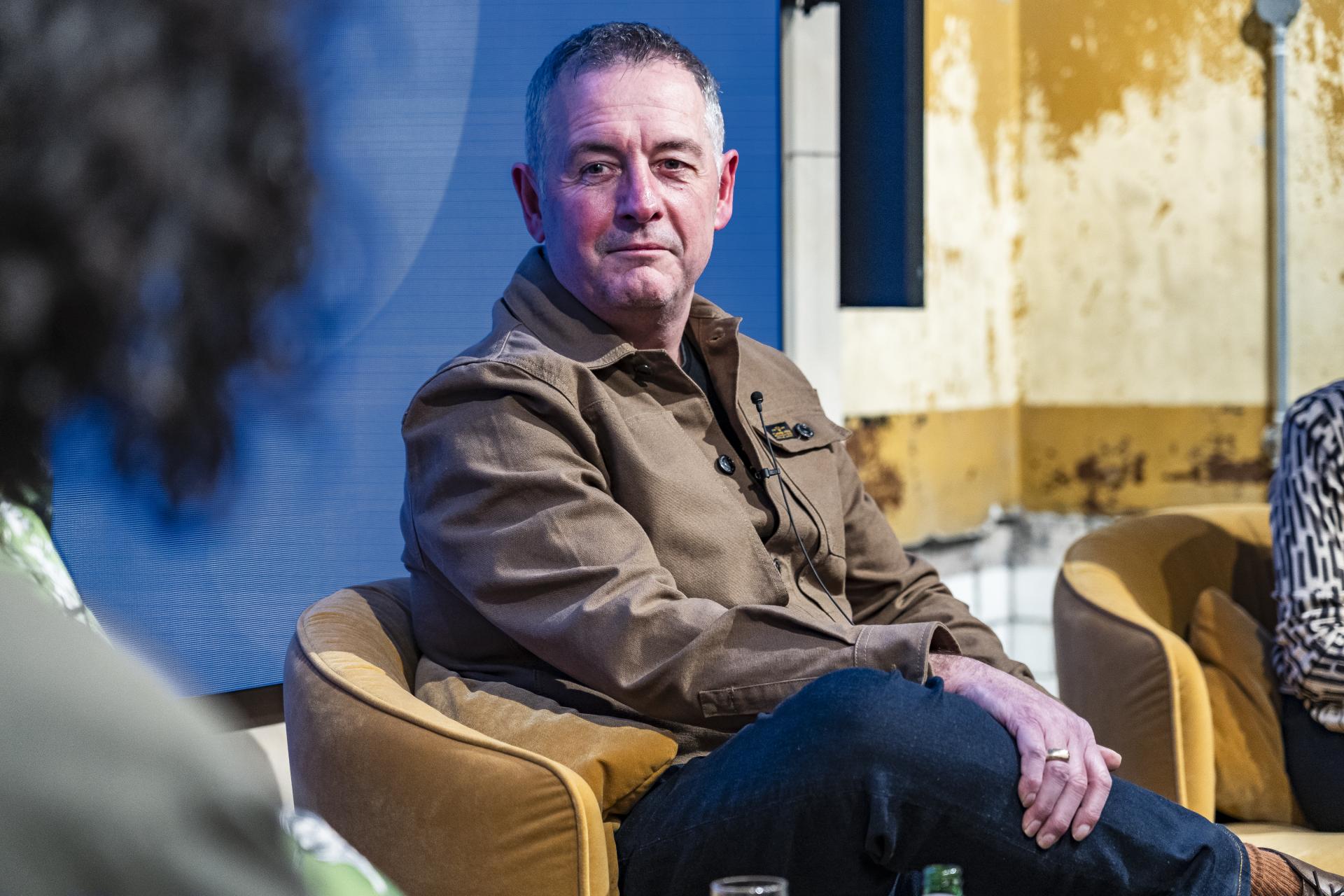
And an awareness of inclusivity exists now, shared Mark Bradshaw - Director, iPWC Ltd Workplace Consultants, that didn’t before, he said, reflecting back on his career, which included 12-years at the BBC. “An acceptance of conversation has changed”, he commented. “No longer do people have to be subjected to environments that aren’t ‘safe spaces’, they are enabled to do their best work.”
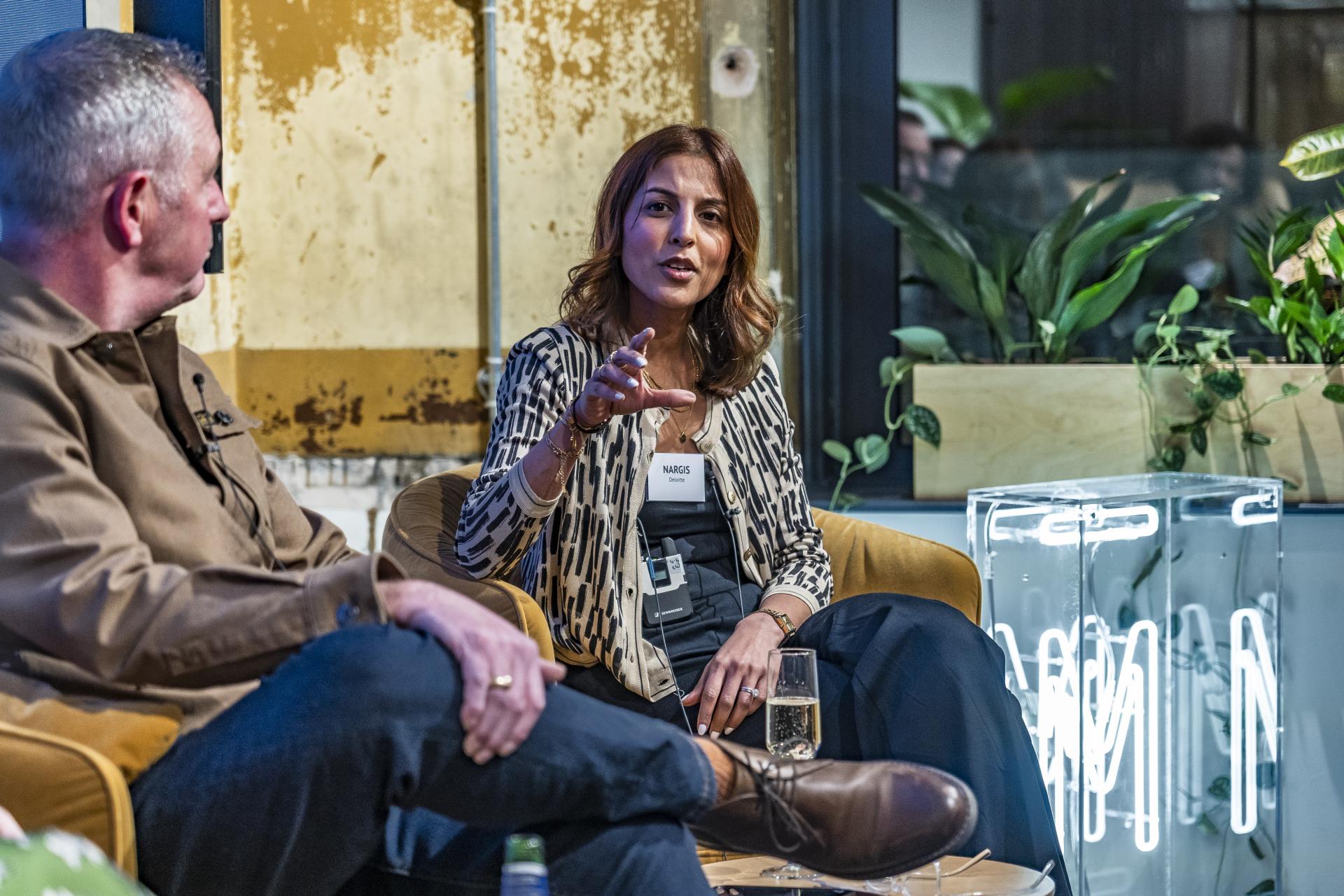
For Nargis Treherne - Workplace Strategy & Design Lead at Deloitte, one of the biggest changes has been the move away from assigned seating. “People used to have their own desk, and with that came desk phones and desktop printers and waste bins, and pedestals. Though the office looked very uniform, and we didn’t offer a lot of choice, what we did offer people was control over their actual work setting.
“If you fast forward to today, where efficiency is so paramount for organisations, most offices have moved to hot desking models and clean desking policies. And with that shift, the conversation has centred on inclusive design and how we bring control and choice back to people.”
“Has there been a catalyst to the evident shift?” David asked the panel.
Not necessarily, Mark replied, but “certain events have driven the conversation further – such as Covid, for example.”
While Covid didn’t ‘invent’ EDIB, it did “raise awareness of what it actually means to people”, Nargis suggested. This has coincided with a generation of people entering the workplace that are “not afraid to ask for what they want”, she added.
Deloitte conducts pre- and post-occupancy studies to ascertain the ‘success’ of changes made to their workplace schemes. And Nargis has noticed a difference in the way people now respond in the ‘free text’ section. “People openly comment on the fact that they have a certain neurodiverse requirement, and ask how it will be catered for. Those comments are not the sort we would have got 5-years ago.”
Perhaps, she suggests, prior to this time people were asking the same questions but in a roundabout way. They may have wanted a particular work setting but not known why.
Another point raised here is the ‘war on talent’. Employers that walk past the importance of an EDIB-enabled workplace will fail to attract the best workforce, Nargis adds. “Deloitte doesn't mandate days in the office, so it's a proactive choice for someone to come in.”
Rachel acknowledges that the ability to work in a hybrid way is not something everyone has. "At The AA, many colleagues - including roadside patrols and some contact centre teams - need to be on-site to do their roles. Where hybrid working is possible, however, it can offer people greater control over their working environment, from temperature and lighting to noise levels.
“It’s about recognising that, for many roles, having some flexibility over where we work can help us do our best work, while continuing to value and support every role across the organisation.”
Mark has noticed a Covid-affected generational impact too. While Covid has accelerated conversations and activities already in the works, there is “uncertainty” to some extent around catering to a workforce that isn’t yet in place. “The people who are going to be in our workplace in 5-years’ time, once they finish university, are the ones who are going through education with impactful environments and circumstances.”
Mark anecdotally raised the fact that Gen Z are less likely to pick up the phone, for example – an observation backed up by a Uswitch survey that found that nearly 70% of 18-34s prefer a text to a phone call.
Credit: Tim Ainsworth
Credit: Tim Ainsworth
Credit: Tim Ainsworth
Credit: Tim Ainsworth
Credit: Tim Ainsworth
Credit: Tim Ainsworth
Credit: Tim Ainsworth
Talking the talk
“EDIB as an acronym is not used to engage people”, said Nargis. “What it has done, is provide a common language that everyone recognises. We think about embedding the sentiment and translating it into a workplace strategy that resonates with our people. So, we won’t talk EDIB. We'll talk about how we're providing diverse sensory environments to cater for different needs.”
Referencing the seminar’s title question: “EDIB: Too complex or just considerate design?” Mark suggested as an acronym it perhaps is the former – “I agree with the sentiment, but it maybe is too complex.”
“I agree with the sentiment, but it maybe is too complex.” - Mark Bradshaw - Director, iPWC Ltd Workplace Consultants
“When we’re talking about EDIB though, we’re talking about inclusive design. How we can cater to different needs through the different environments we're providing. We'll talk about layout, how we're maximising access to natural daylight, tackling the acoustic treatment…
“I did my dissertation on the Disability Discrimination Act. That was a big talking point for property and real estate facilities because reasonably this was something nobody truly understood. Do we have to comply with Part M, or does there need to be more? We came up with strategies in order to meet with the legislation. With EDIB, I think there are elements of legislation, but the clarity on how you interpret that within a workplace - there's no guide.”
This point around the lack of legislation is a crucial one. While guidance exists, there is no law or set of regulations that state an employer must foster EDIB. So then the extent to which they do so is entirely down to an individual business.
“There isn't a building-based document that talks about how to meet the requirements”, continued Mark. “It's about understanding that there's a variance, there's a conversation, there's differences of need with EDIB. And I think that's the same as disability.”
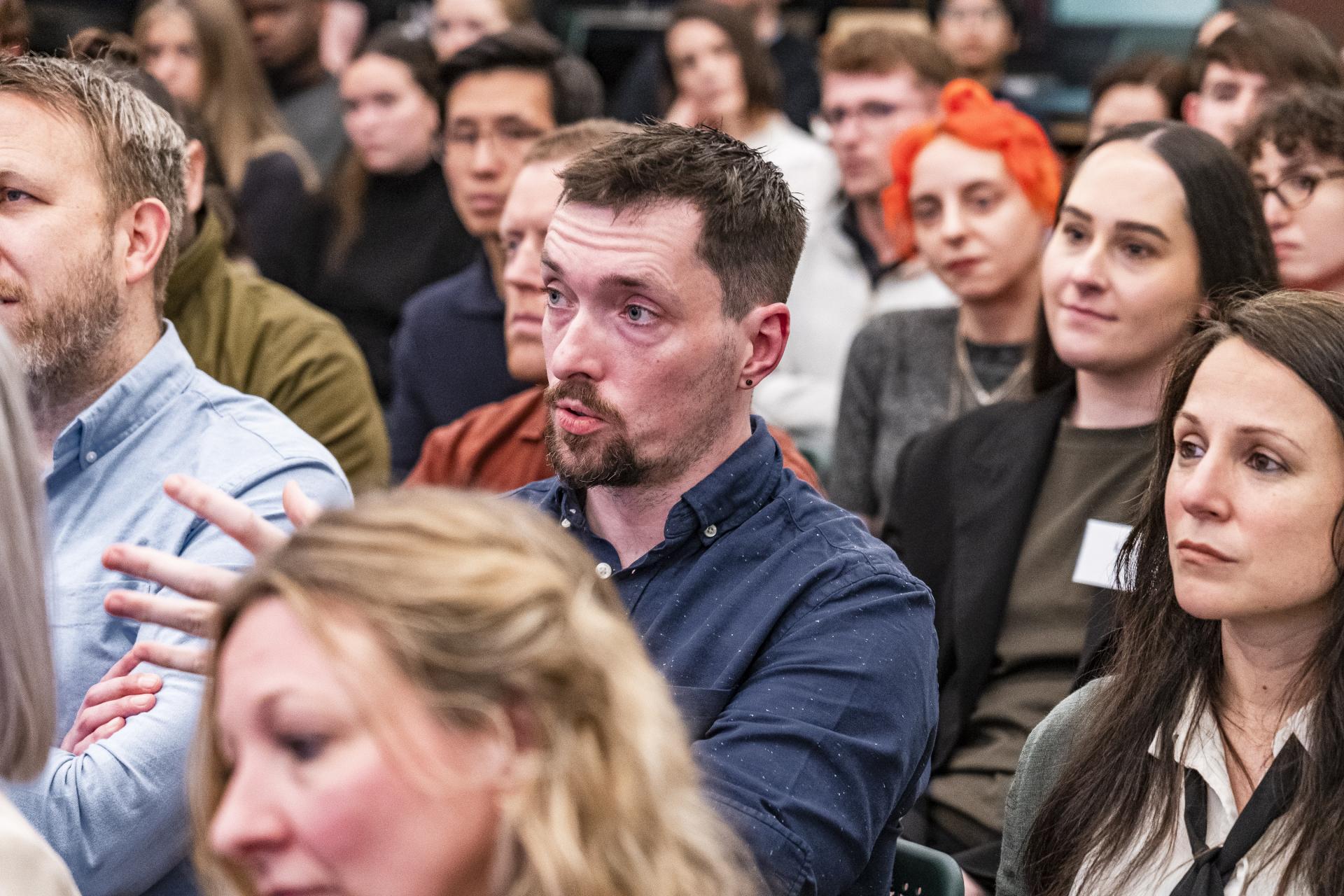
From the audience, Tom Whettingsteel, Architect, Fletcher Rae, asked, “Do you think a fully inclusive workplace needs to come from legislation similar to Part M but for neurodiversity?”
Rachel responded, “Sometimes legislation and guidance is almost to a minimum standard, where a lot of the time we're aspiring to do something better.” Therefore, perhaps the “legislation isn't necessarily helpful, because that then sets quite a low baseline that isn't necessarily what we as occupiers want and what we want to drive.”
Mark, on the other hand, does believe that legislation plays an important role in the fostering of better environments. “I think legislation is amazing because it sets the bar. Can anyone tell me what the legislation actually states around disability off the top of their head? Probably not. But it starts that discussion, and that conversation.”
“The market will drive the market”, he added. Referencing his clients being unified in wanting future-proofed concepts that flex and adapt to changing needs.
On the topic of what success looks like, Neil Bowker, Associate Director, AtkinsRealis, asked, “Do you have a way of measuring and monitoring how you're doing when it comes to EDIB?”
“It’s difficult to isolate the success of inclusive design just solely looking at retention stats,” responded Nargis, “So we do post-occupancy surveys six-months after we go live.”
“It’s difficult to isolate the success of inclusive design just solely looking at retention stats” - Nargis Treherne - Workplace Strategy & Design Lead, Deloitte
The questions are specifically geared around ascertaining whether people feel their workspace is inclusive for them personally. “And we delve deeper into that”, added Nargis. “We ask about temperature; and if there's enough work settings that meet their diverse requirements; we ask about acoustics and lighting. One of the things we tend to get a lot of value back from is asking about the engagement process itself – did they feel heard, and ready to move into a space.”
This piece around change management is important to Deloitte. The pre- and post-occupancy journey underpinned the development of their Manchester workspace at Embankment in 2024.
“I’m pleased to say in Manchester it was a great result but there's always feedback and there's always learning to take from that to improve the process in the next project”, Nargis commented.
Audience member Ash Wilson, Interior Designer & Founder, Sculpt, enquired about the testing of spaces – “Sometimes people don't know what they need until they've seen it. So I was just interested to hear a little bit more about what testing people have done to see what works and what doesn't?”
Mark highlighted a campus project with 13 buildings. “With the first building, the client and occupants only knew what they knew, whereas with the second building we could reference the first. That’s always helpful. As is getting a brief from the right people so success can be measured in the appropriate way.”
On the topic of testing, Rachel shared she always tries to keep a bit of budget back so that once people are in a new space and settled if there's something that hasn't worked quite the way she thought it would, it can be changed. “We sometimes forget that we all spend a lot of time looking at floor plans and drawings, whereas most other people are off doing their job and so aren't used to trying to read a drawing and understand what it is.” The challenge then exists in concept versus reality – something Rachel feels should be adaptive to change if needed.
Credit: Tim Ainsworth
Credit: Tim Ainsworth
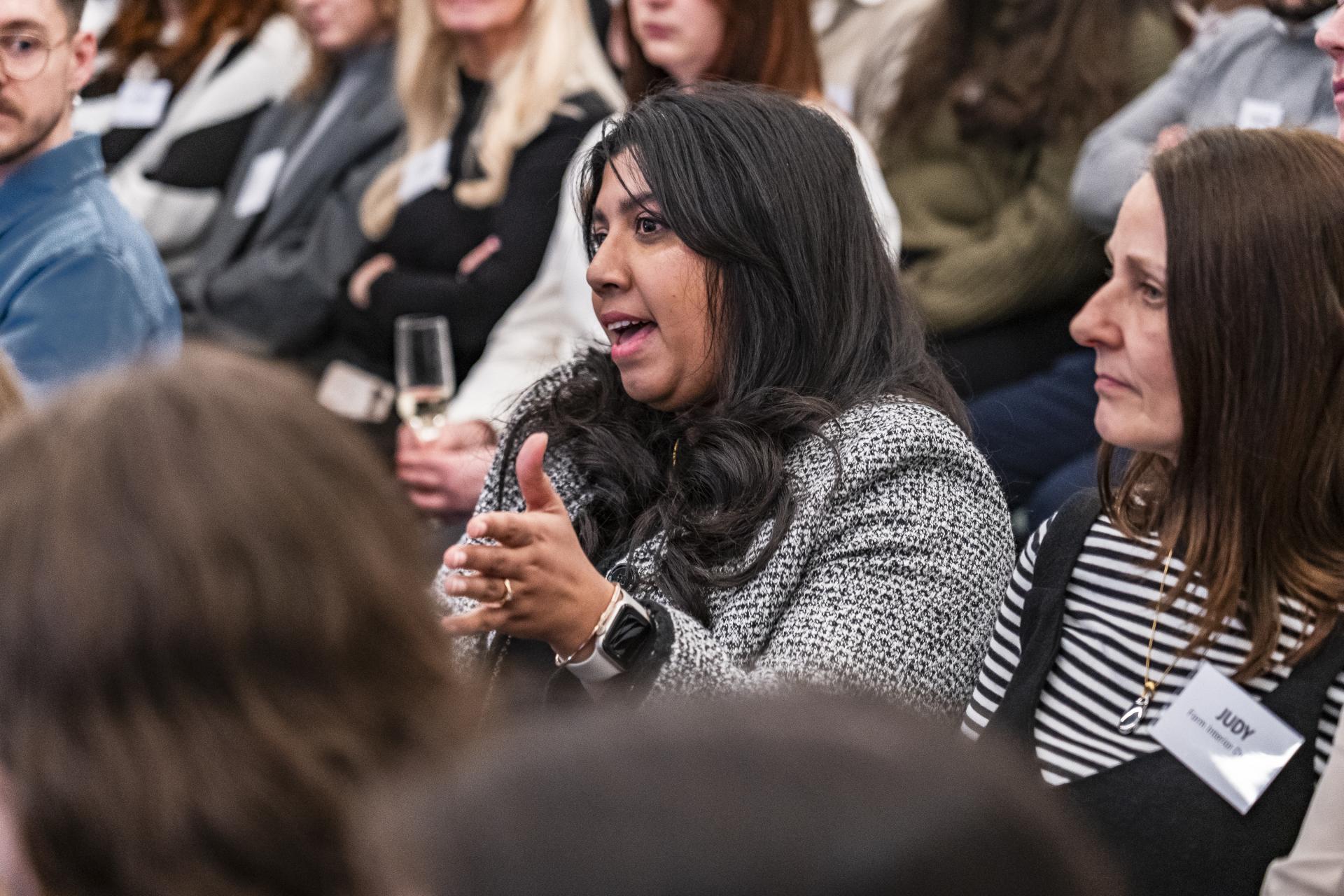
Credit: Tim Ainsworth
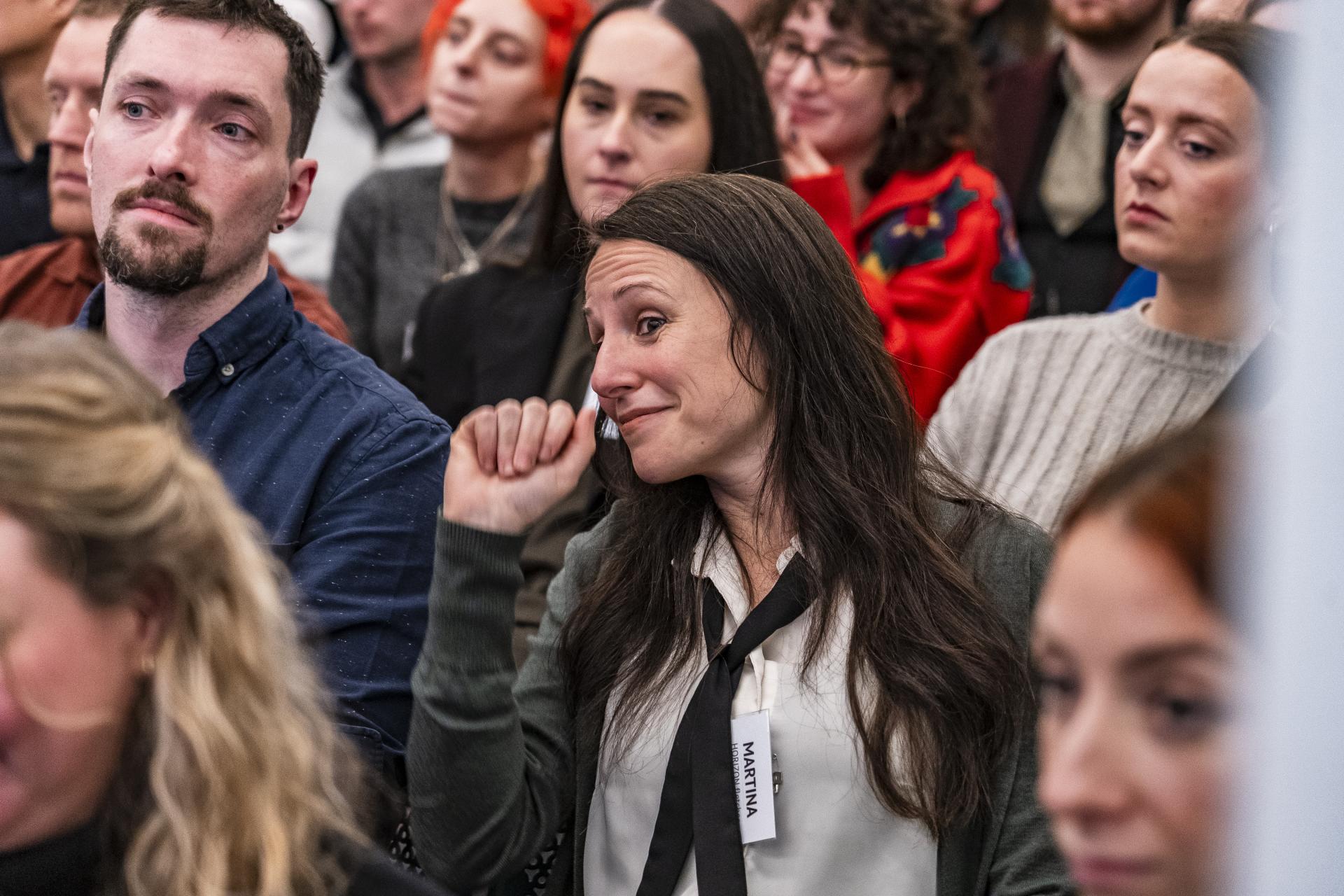
Credit: Tim Ainsworth
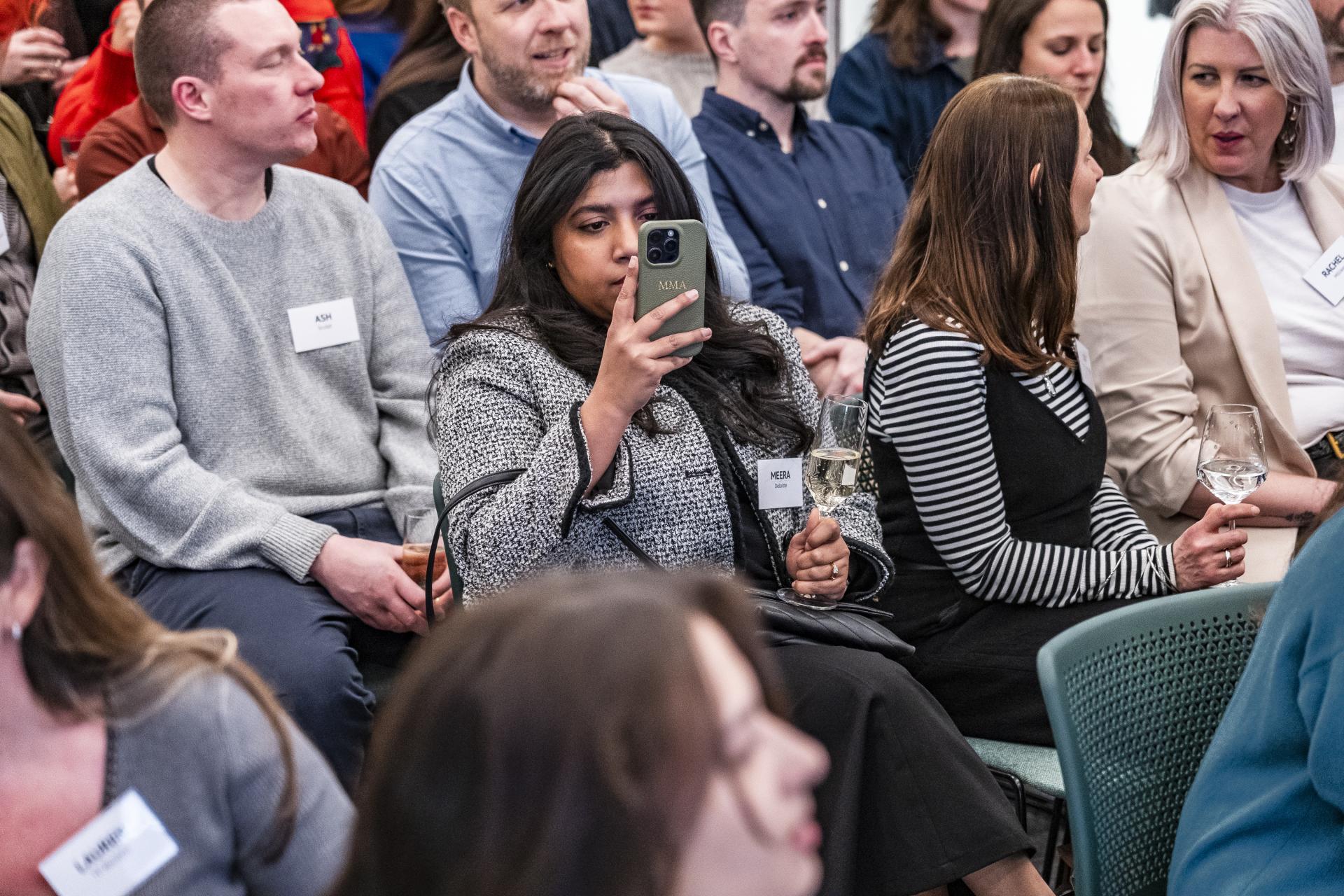
Credit: Tim Ainsworth
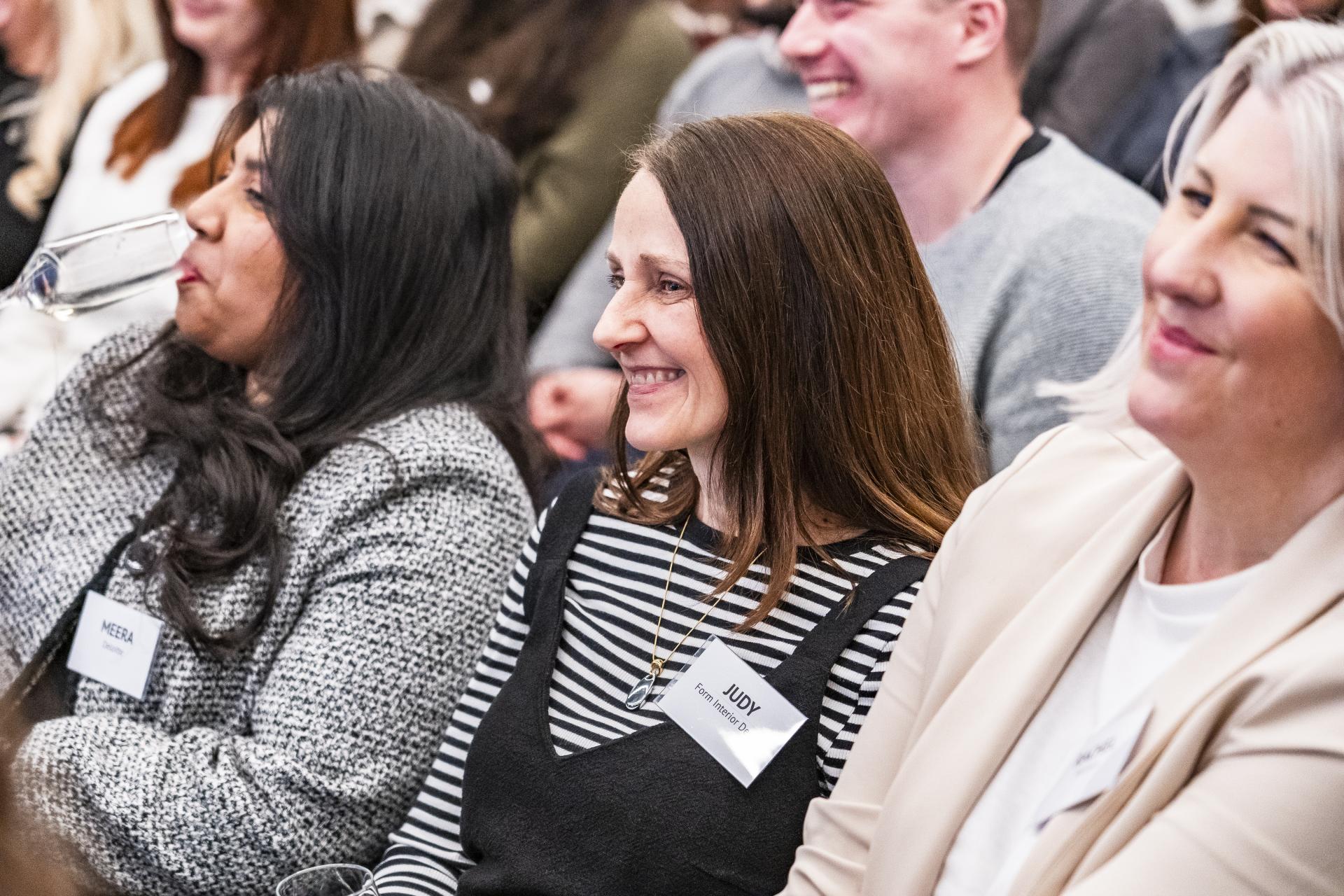
Credit: Tim Ainsworth
Credit: Tim Ainsworth
Credit: Tim Ainsworth
A 3-pronged approach
“The war on talent” was raised by the panel as being inextricably linked with EDIB. Employers that don’t account for it lose out on the best people. With that in mind, David asked, “Has HR’s role become more important?”
“I definitely think it has”, replied Rachel. “The reason I'm smiling is that for many, many years, property and facilities were very much under ‘finance’, under procurement, and very much ‘a cost to be managed by the business’. Now, my reporting line is to our chief people officer. I'm part of the people team. It means they don't always understand when I start getting excited about things like air conditioning… but it is about putting people at the centre of design.”
“Do all the panellists agree?” enquired David.
“I'll be a bit controversial.”, said Mark. “Not every organisation is The AA or Deloitte. We work with organisations ranging from 150 staff to 35,000 staff. So we see a lot of different views. It doesn't matter on the size of the organisation. My experience is that most projects are delivered by the property and real estate or facilities teams.
“We make sure we're dealing with the three legs of the stool, if you like, Property, People, and Process - and put technology in that as well. To make a project successful, you need to blend those three things together. And if we can get the three legs of the stool right, we won't fall over.
“Unfortunately, a number of organisations still operate in the way which I would say is early 2000s late 90s where HR has been depleted because it's seen as an overhead and they've become more transactional i.e. managing the process of recruitment, retention, and redundancy. What they're not doing is driving correct behaviours around change and embedding the right kind of culture within the company. And that always seems to fall to the business managers.
“So not only have they got to manage a team of say project managers to deliver something, or somebody manufacturing widgets, you've also got to be a culture expert now and a change management expert. And that is a real challenge for me in that I was hoping that HR would embrace it, but overheads are cut, and the skills are not there in many organisations.”
From the audience, Atul Bansal, Founder & Co-owner, Sheila Bird, asked, “What have you got horribly wrong?”
Nargis has a Covid-fuelled example to share. “Designing a space based on what we thought we were coming back into the office for. We thought it would be purely collaborative – because no one would come back into the office to work on their laptops? They can do that at home…
“We had offices that went live just as the return to work was happening, and we quickly realised we needed to account for hybrid working. When you're collaborating in the office you still need to do that desk work - we got a lot of things wrong because we guessed at the use case before it had happened.”
“Are you still learning?” asked David.
“I think we're always learning. We've got a well-established design guide, but it’s very much a live document.”
Rachel had a similar scenario to share around perceived-versus-actual space usage. And the key to encouraging use, she said, is down to leadership.
“In my previous role, I'd inherited a room that was designed as a quiet space – somewhere cosy where the lighting was slightly muted. It was lovely, but nobody used it, because they were worried that if they sat there, they looked like they weren't working hard.”
The solution, Rachel believes, was to have senior leaders role model the behaviour to go and sit there, to mark up a document themselves, and then perhaps “it may not have failed in the same way.”
Audience member, Gary Wolstenholme, Associate Director, DMWR Architects, asked, “Is it the larger corporations that have the capacity that are the main drivers for EDIB?”
“I don't think it is necessarily the larger corporations that have the gold standard,” answered Mark. “I think the companies that I've worked with that have truly embraced this have had an inspirational leader on that project. And that could be a company with 100 people rather than 35,000.”
Again, bringing the conversation back to the importance of leadership, Mark continued – “I think it's partly driven by the person who’s that anchor point, the figurehead of that project and their beliefs. It's more of a cultural element as opposed to scale.”
“I believe education and recognition are key. Everyone is unique and have their own needs, but it is important to understand that addressing those needs, benefits not only the individual and their wellbeing, but also the company and team as a whole, because everyone is then able to work to their individual strengths.” - Gary Wolstenholme, Associate Director, DMWR Architects
Matthew Gavin, Associate, Fletcher Rae, asked a question from the audience, “Is EDIB too complex because it’s so subjective we can’t achieve it? Each individual that walks through the door will have their own aspirations of what they want…”
Mark believes we should take legislation as a starting point. And then build from there. “Talk to the people actually doing the work. We need to find a balance where we can cater for 98% of everything.”
Credit: Tim Ainsworth
Credit: Tim Ainsworth
Credit: Tim Ainsworth
Credit: Tim Ainsworth
Credit: Tim Ainsworth

Credit: Tim Ainsworth
Credit: Tim Ainsworth
Credit: Tim Ainsworth
Credit: Tim Ainsworth
Credit: Tim Ainsworth
Credit: Tim Ainsworth
Credit: Tim Ainsworth
Credit: Tim Ainsworth

Credit: Tim Ainsworth
Design for anyone, design for everyone
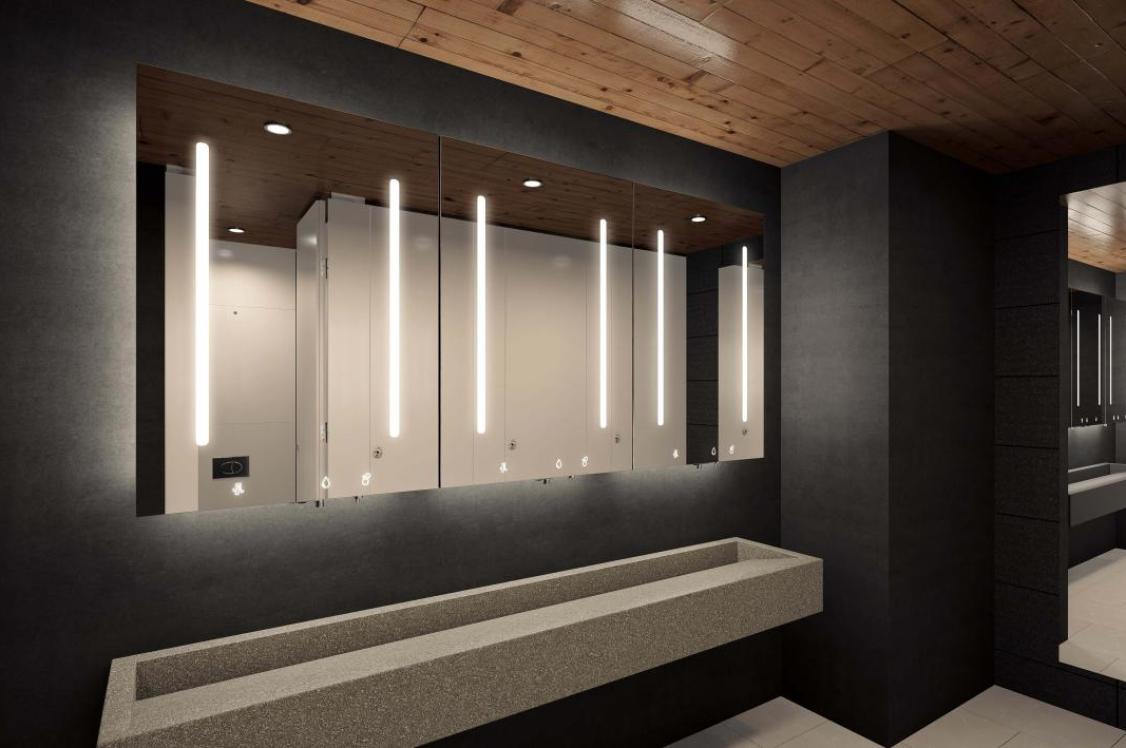
Bringing the conversation around to a very tangible EDIB discussion point, Jenny McVey, Founder, Ingo Interiors, shared her belief that we’re still not there with considerate design for disabilities yet, highlighting the “token disabled access washroom that gets basic finishes”.
This point resonated with many in the room, including the panel. It could be the difference between someone feeling they belong, and not, it was said.
Though “we don't know how much we don't know”, commented Rachel, so it’s more about fostering an environment where people feel confident enough to speak up about what matters to them.
“If we make it easy for everyone, we make it easy for anyone.” - Rachel Kerwin, Head of Property & Facilities, The AA
Rather than cut and paste floorplans with a certain number of disabled toilets per floor, for example, Mark said it comes down to engaging with the people actually using the space. “I ask them – is this what you need? What stops you from wanting to be here? What stops you from being able to perform your job? What's getting in the way of it? Usually, it comes down to really basic things. They’re not asking for the world.
“These things can be addressed through clever or quite simple design. I think sometimes we can overcomplicate it. We are all different. If I was going to design a workplace based on every single one of your individual needs, it would take me forever. But if I talk about it as a collective, what the needs are generally, we can probably come up with a really, really good model.”
From the audience, Richard Olver, Sales Director, Vepa UK asked a question about furniture. “A furniture product has to do more to accommodate the requirements of EDIB, but in doing so it costs more - will people pay for that?"
“The more we over-engineer furniture, the more difficult it becomes for normal day-to-day use,” said Mark. “Keep things simple, but factor in variety.”
Provide people with “good quality furniture in the first place”, added Nargis. A point Rachel agreed with, sharing that by installing sit-stand desks in an office in Nottingham, the absence rate improved by 27%.
A question from the audience queried whether there are common themes brought up most often in post-occupancy surveys. Toilets, temperature, lighting, and acoustics, shared the panel.
As the session drew to a close, David asked the panel to impart one lasting piece of advice to our guests.
From Mark, “Truly get engaged in the engagement process. Do this, and you'll really understand how to design for the people you’re designing for.”
Rachel revisited her earlier point, “We don't know how much we don't know. I had a Saturday job when I was 16 where I had an electric typewriter, whereas now I have a touchscreen laptop, I have an iPhone with all kinds of apps, and I can get ChatGPT to write emails I don't want to write myself. Who could possibly have seen that just in my relatively short working life? We've got to be open to whatever might come.”
And from Nargis, “I’d say, don’t be afraid to bring new ideas to the table because we give you a brief and even if it's very detailed with a design guide, we are looking for expert advice and new ways of doing things.”
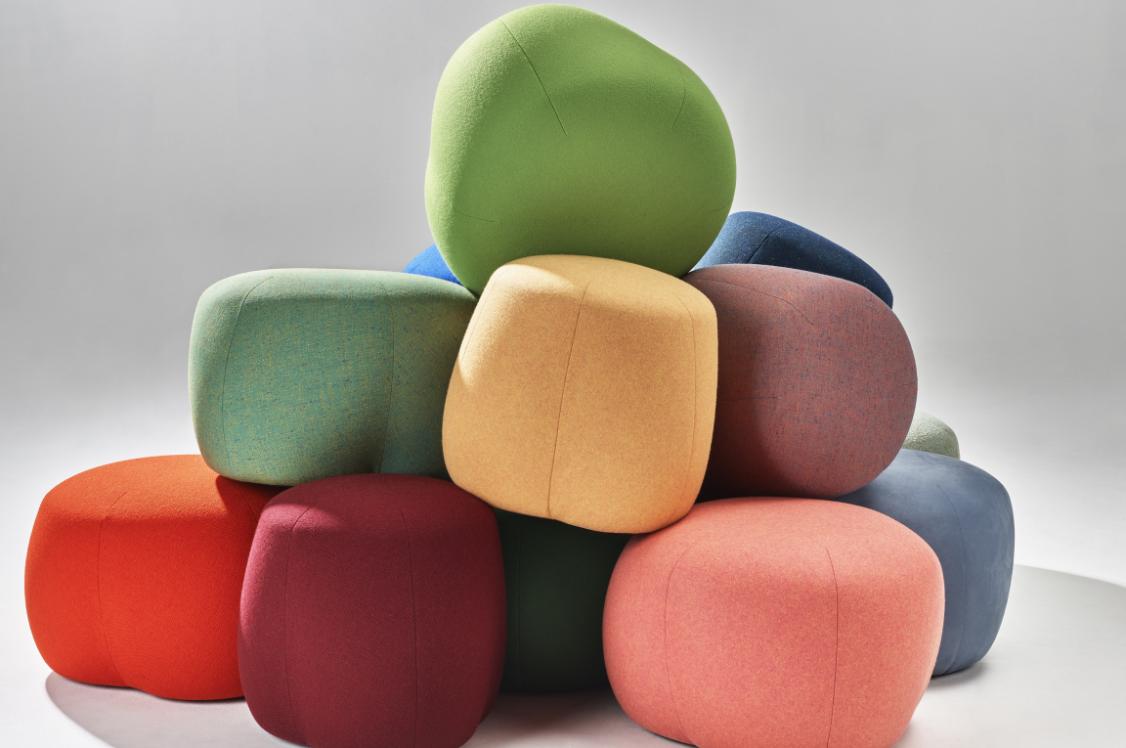
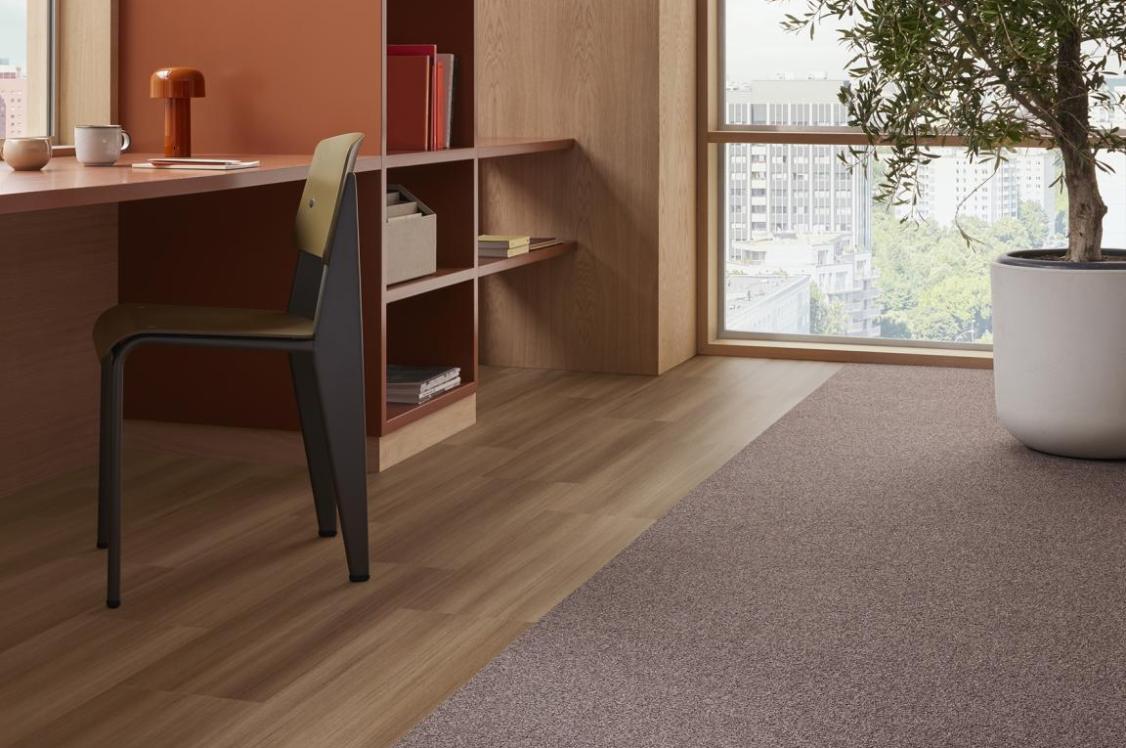
A huge thanks to all who joined us for this first of many seminars in 2026, to our brilliant panel for their insight shared, and to our supporters for this event: Milliken Floors Europe, Sylan Luxury Washrooms, Vepa UK - all Partners at Material Source Studio.
We’ve only just scratched the surface on this topic so why not join us for our next seminar on 5 March in London where we discuss EDIB: Workplace saviour or some way to go? Tickets can be found here.