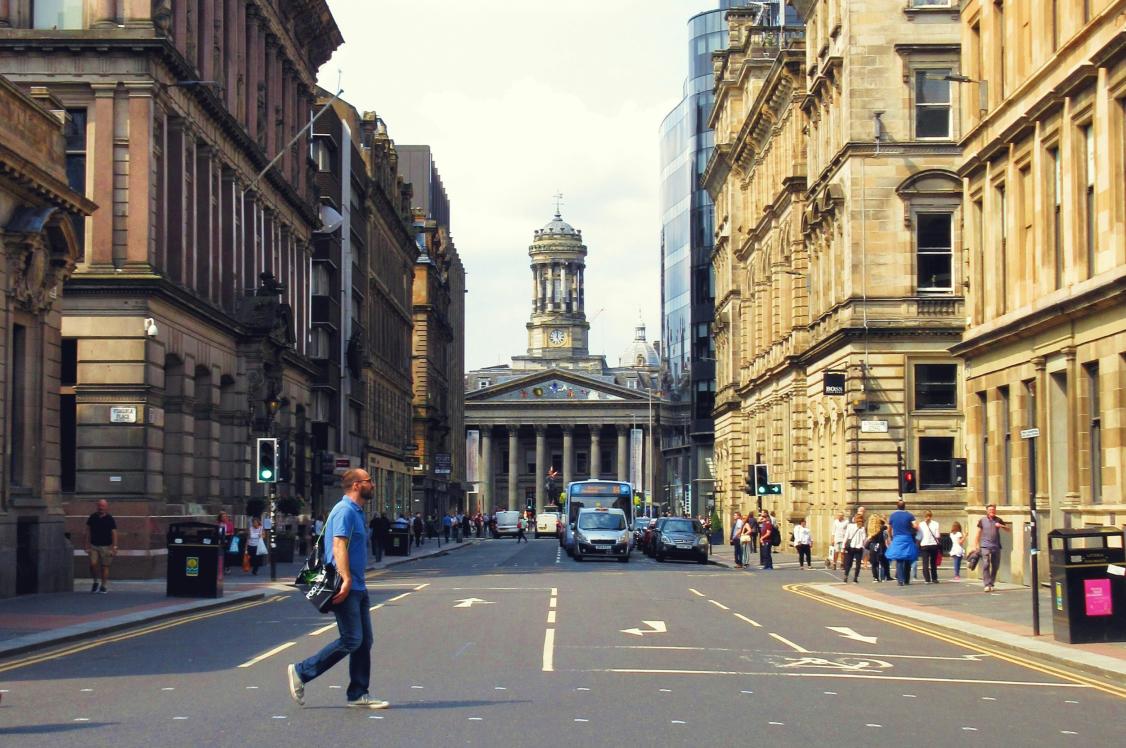



























Glasgow Property Outlook: How are spaces supporting Live, Learn, Work & Play?
Credit: Tim Ainsworth
In association with:



“Opportunity” was the optimum word at our recent seminar in Glasgow.
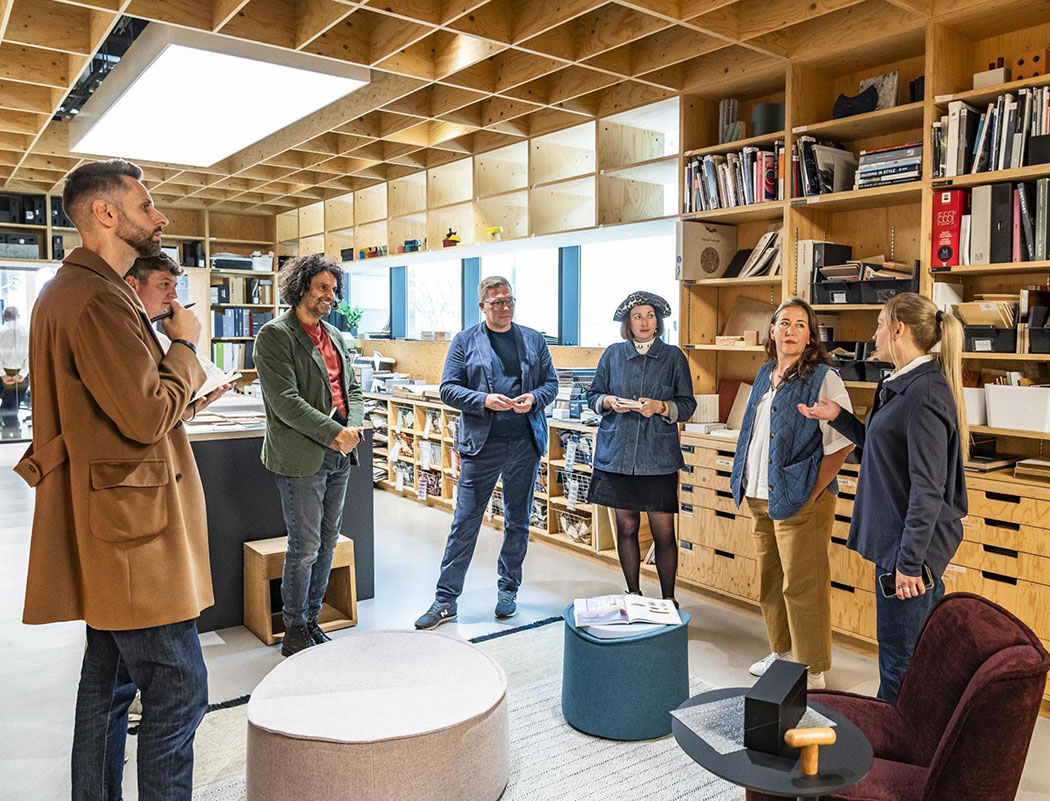
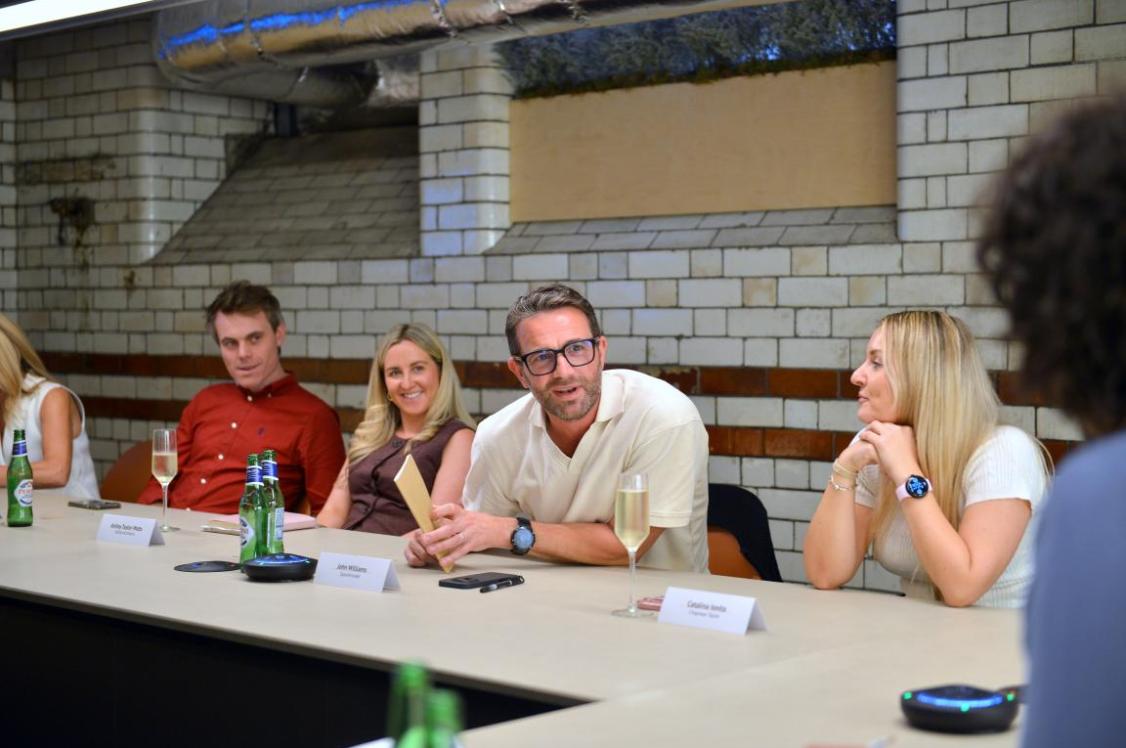
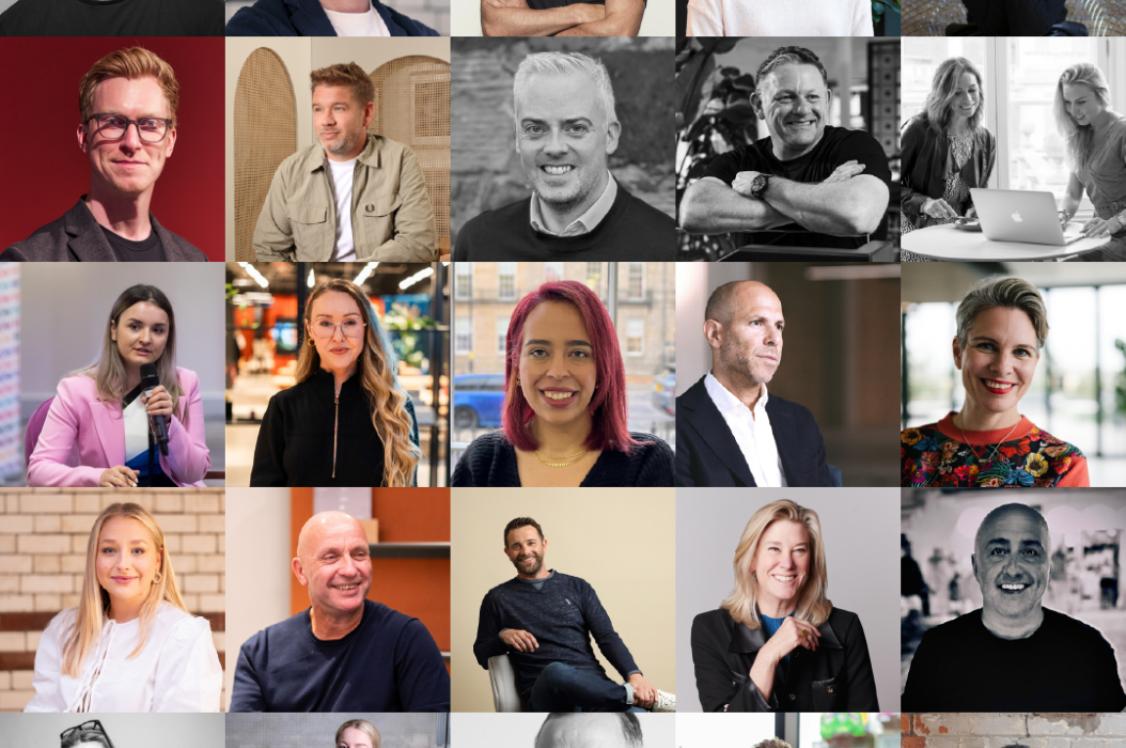
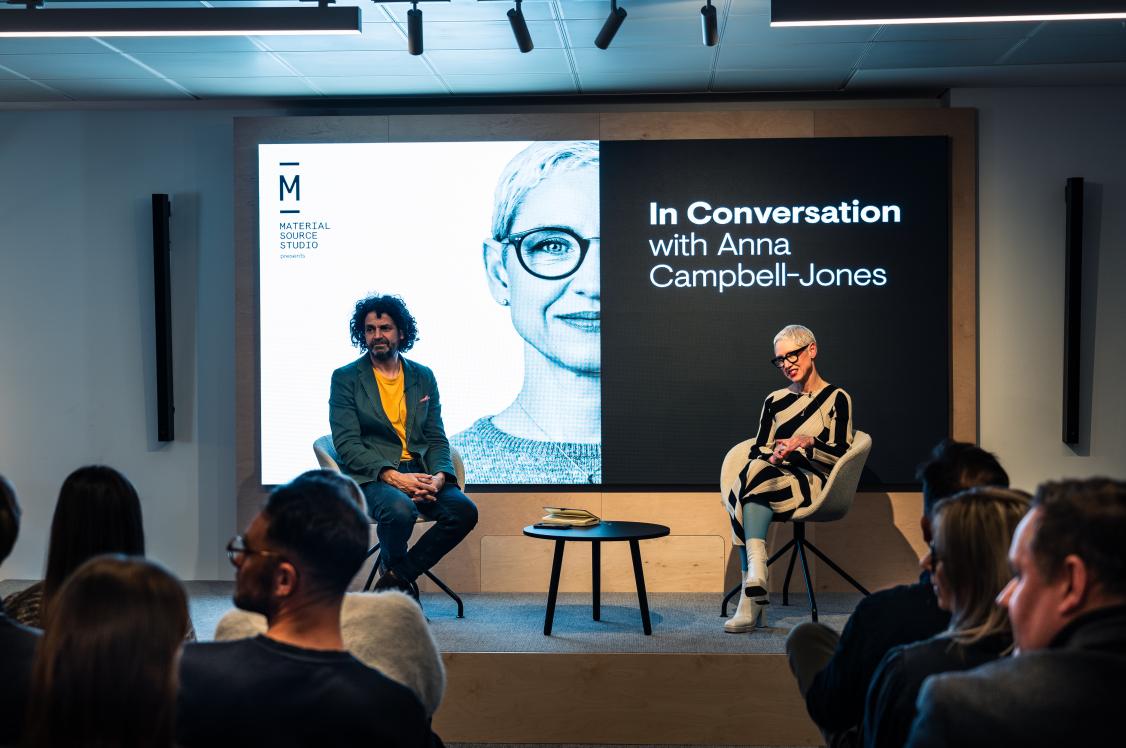
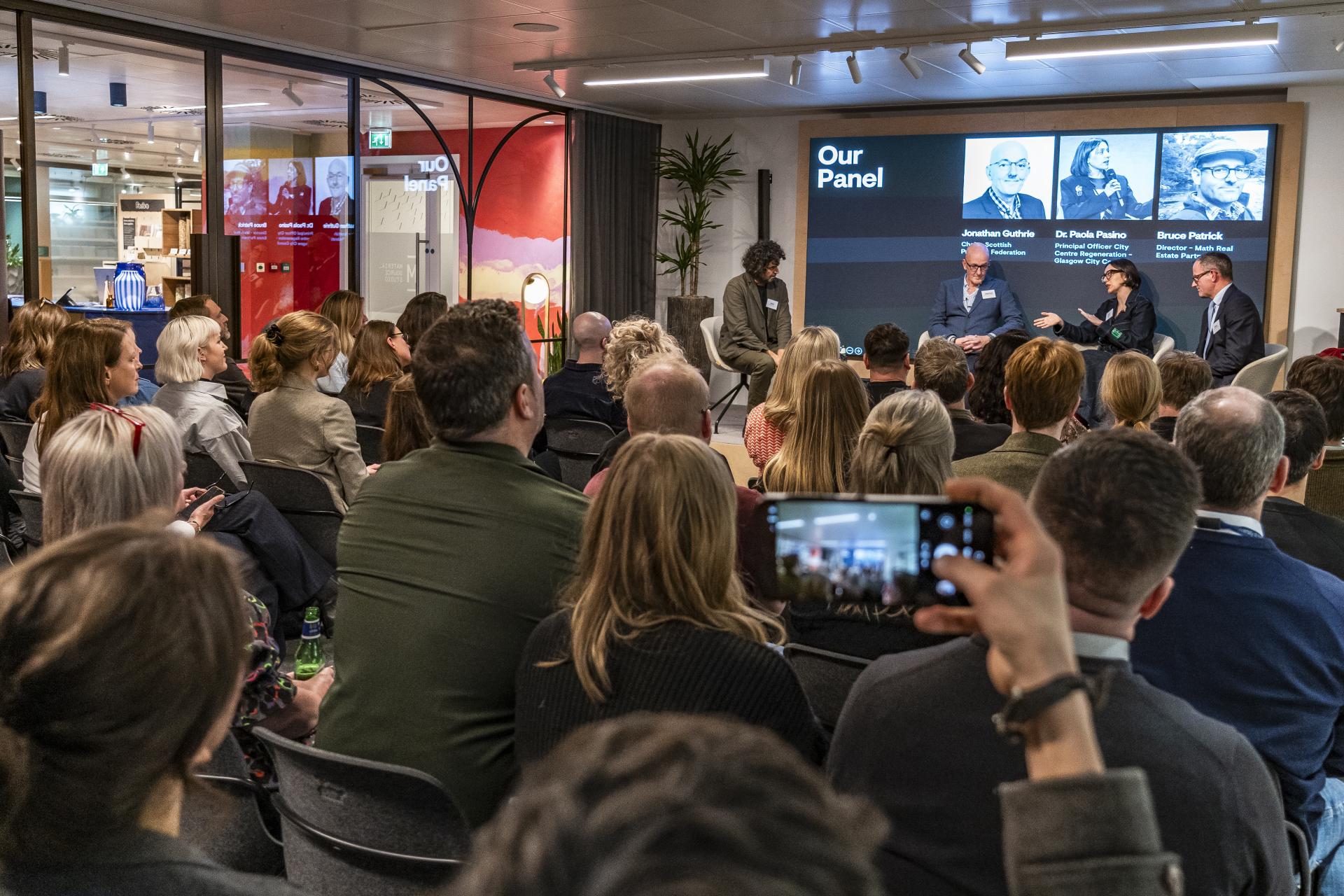
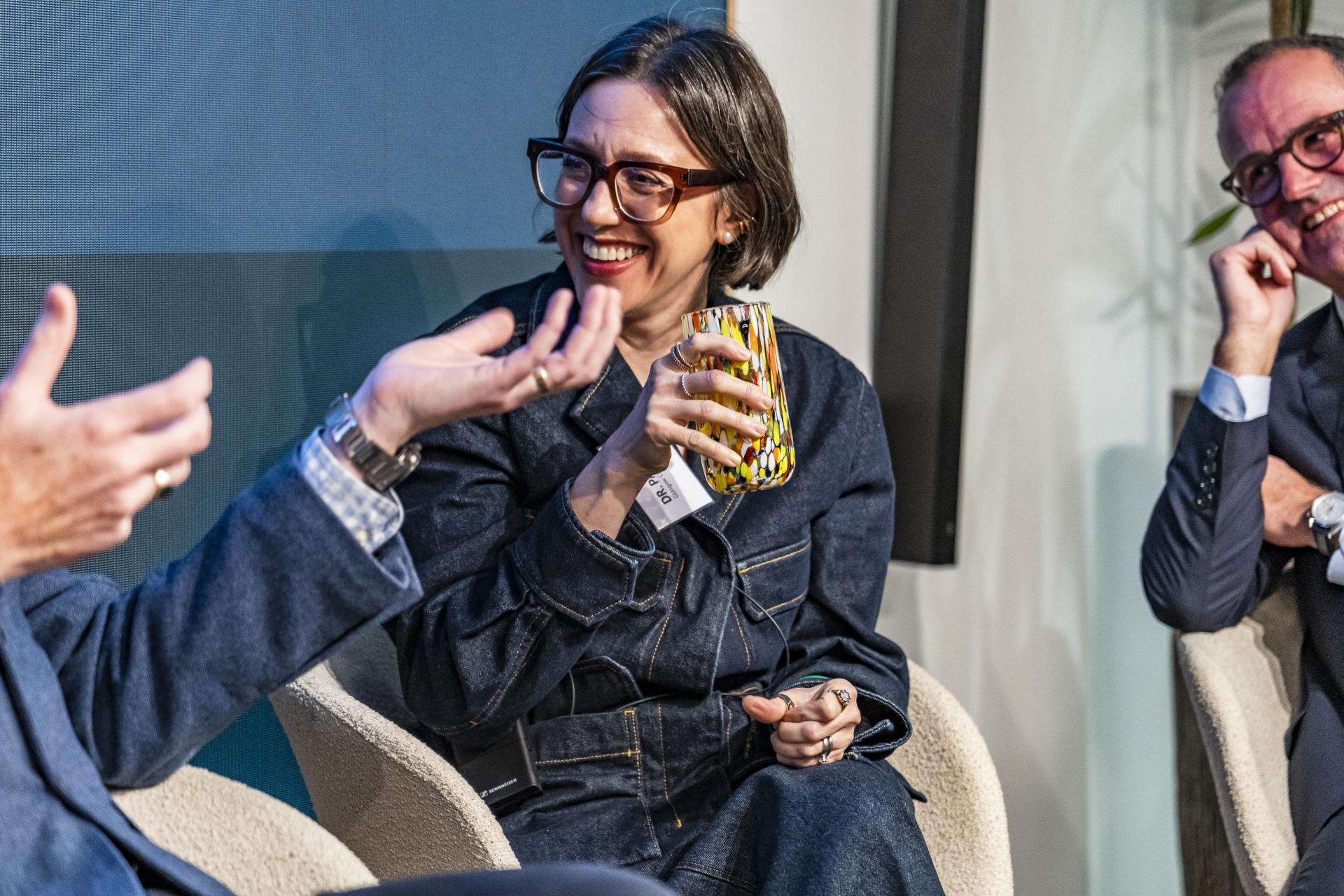
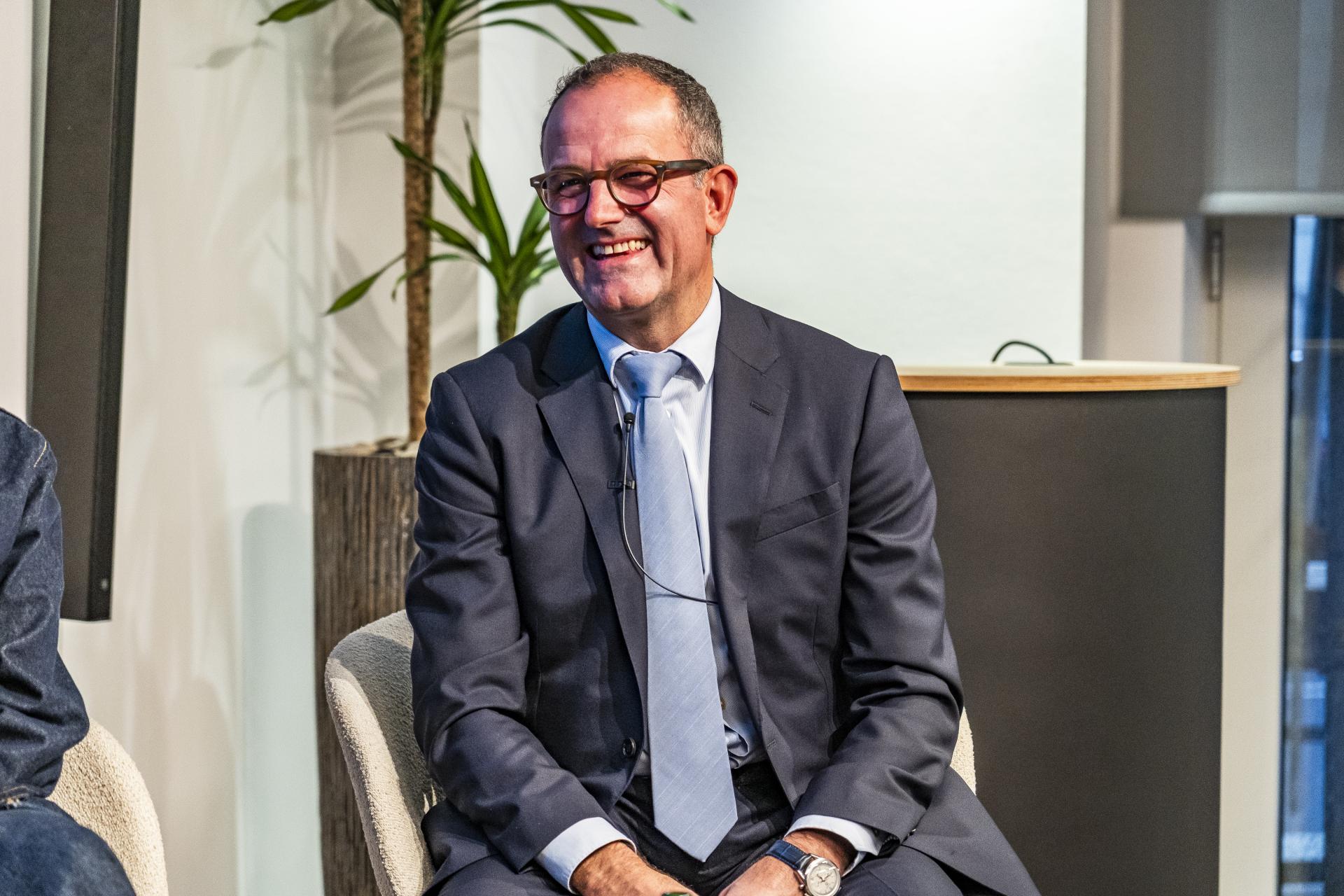
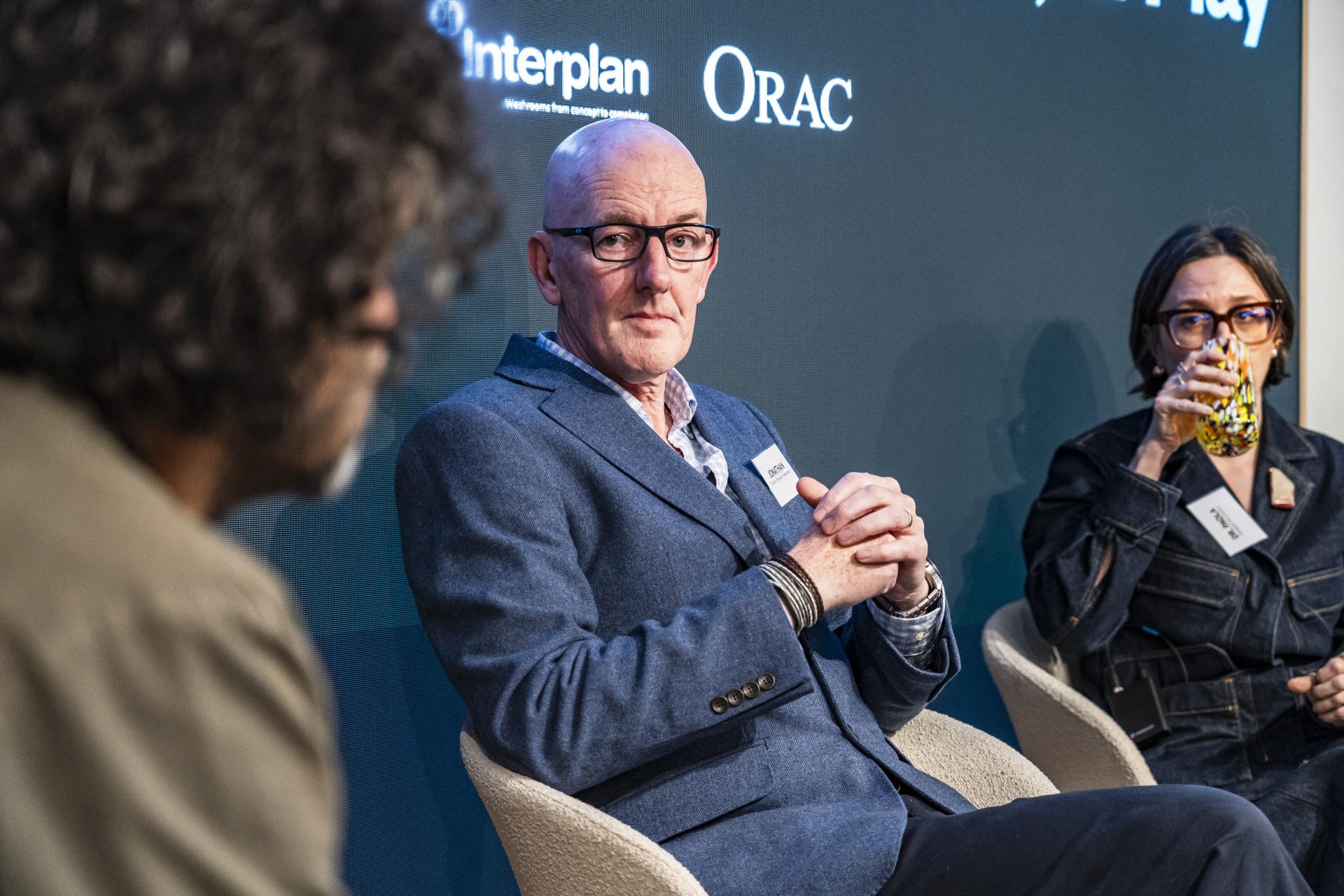
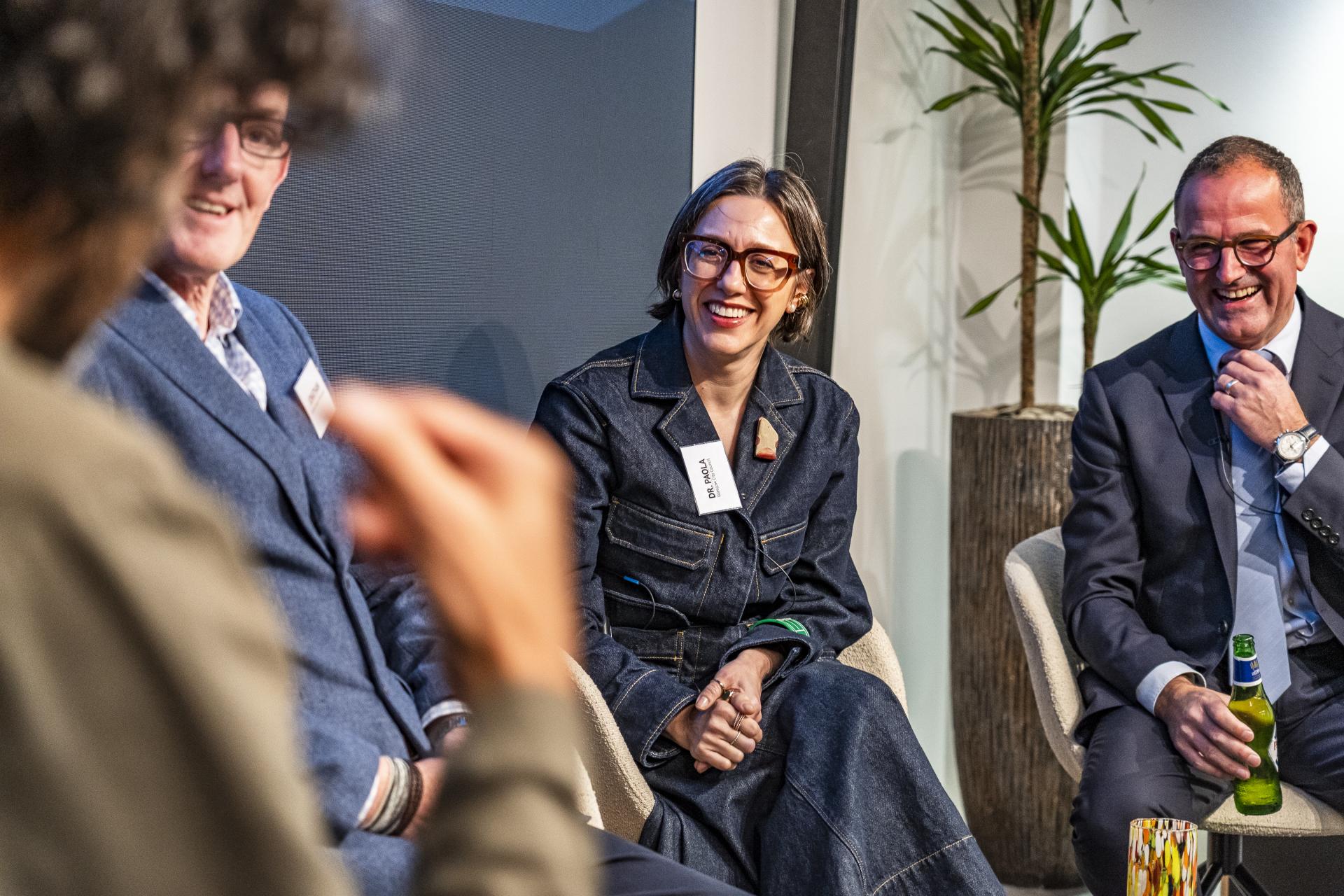
If one thing was made clear by our trio of expert panellists: Paola Pasino - principal officer city centre regeneration - Glasgow City Council; Bruce Patrick - director - Math Real Estate Partners; Jonathan Guthrie - chair - Scottish Property Federation, in discussion with host, Material Source Studio director, David Smalley, there are a whole raft of reasons to be cheerful about Glasgow's property scene.
Touted as a "golden era" for investors looking to support live, learn, work, and play developments in Glasgow, it was agreed that the city is on the cusp of truly coming into its own.
Currently, Jonathan believes Scotland doesn’t shout enough about what it does well, it is “flexible, adaptable, open to change”. Bruce agreed, saying, “We have all the ingredients in the bowl, but we’re still stirring, where other cities are making cakes - we need to get buildings out of the ground for mixed use, blended use...co-living is the last bastion to tackle”. And Paola backed this up, sharing that “the Council’s strategy is all around ‘live’ to increase the city centre population”, with marked growth already evident, compared to when we ran our session on this same topic in autumn last year.
Having met with some tough challenges, it was said by the panel that Glasgow is now very much "open for business", ready to celebrate the many positives the city has to offer. Investment is on the rise; asset classes are expanding to help attract and retain talent; and heritage buildings of all ages are prime for retrofit and reuse.
In the article to follow, we delve into the aforementioned reasons to be cheerful about Glasgow right now…
Time to shine
Opening up the discussion, Material Source Studio director, David Smalley, said, “We did our Glasgow Property Outlook session last year, and we billed it as, ‘Reasons to be cheerful’. However, perhaps we were too early? Is now the time to be cheerful about Glasgow?”, he asked.
“It is”, answered panellist Paola Pasino, principal officer city centre regeneration, Glasgow City Council. Having been at the Council for 20-years, in different roles, she shared the thing that’s stood out is the ongoing struggle for a clear proposition. But that’s now changed. Glasgow understands where it’s going. And that has informed a new marketing campaign, ‘Get You In Town’, designed to attract footfall into the city centre. “Glasgow city centre is for everything”, Paola commented, “and our footfall is flowing. We're performing well – better in some cases, than our comparable cities. We're seeing that spend in the city centre has gone up, both in retail and food and drink. And our nighttime economy is also thriving. So we are starting to see the impact of the actions that we have put in place. The message is getting across.”
Jonathan Guthrie, chair, Scottish Property Federation, agreed with the sentiment around clarity. “Whoever you talk to in Scotland’s leadership positions will give you that consistent message about what Glasgow wants to be, and where it wants to go. And that consistency and clarity will give you confidence if you're an investor.”
Investment is clearly key to a thriving city. And that is an important part of Glasgow’s outward looking strategy – with Jonathan attending the likes of MIPIM, for example, to communicate what the city has to offer on an international stage.
For Bruce Patrick, director, Math Real Estate Partners, he’s so convinced of Glasgow entering a ‘golden era’ that he’s quite literally “bet his house on it”, setting up his own business after a 25-year career at Savills to support the development of mixed-use in the city. As part of his work on this, he played a part in securing funding for the first PBSA scheme in Scotland. Bought and sold the Met Tower – more on that later. And supported Glasgow University on delivering property in the West End. “When it gets its pitch right, Glasgow is epic”, commented Bruce – believing that global investment is sure-fire for somewhere such as Glasgow with its “social dynamics and energy around creativity.”
Credit: Tim Ainsworth
Credit: Tim Ainsworth
Credit: Tim Ainsworth
Prior barriers to entry
If Glasgow’s time is now, what’s been holding it back? The first factor that springs to mind is the ‘rent cap’, which slowed city centre residential development down, putting a blocker on asset classes such as BtR and co-living coming to fruition. “Is change in sight in regard to this?” asked David.
According to Jonathan, the Housing (Scotland) Bill looks to be going through Parliament without any further interference.
For context, Bruce explained: “The rent cap legislation came in as part of the cost-of-living crisis. It was then extended beyond that. And effectively the impact of saying that you cannot increase your rent is so disruptive to ‘value’ that the investors that have been coming to Scotland, particularly Glasgow, stopped overnight. And that has not returned, dare I say, until now.”
The panel concurred there was “fact-finding” being done on the market, with some “potential new entrants [investors], which would be off the charts exciting if we can get them into Scotland”.
On a separate but related note, Scotland was also said to be at an advantage currently over England considering the Gateway 2 issue – a topic that’s been no stranger to our roundtable discussions in Manchester this year. This, combined with rent caps lifting, further highlights Glasgow’s investment potential.
“How important is the ‘live’ element of what we’re talking about for creating a vibrant city?” David asked.
“It's extremely important”, responded Paola. “It was important when we first wrote the City Centre Living Strategy back in 2019, where we had the ambition of doubling the city centre population between then and 2035. And it became really apparent during Covid, where a lot of other neighbourhoods were still thriving, but the city centre wasn't, because we didn't have people in the city centre. It was empty.”
In 2019, Paola shared there were 20,000 people living in the city centre. And now, in 2025, there are 28,000. With what’s being developed, Paola believes this number will continue to rise to hit the Council’s targets. The underlying ambition is to “create a city centre populated by different kinds of people. That’s inclusive. We’re working with the private sector to ensure a whole range of living opportunities are offered.”
This relates to a variety of demographics, from wanting to attract and retain talent from the universities – “72,000 people are here in full-time education every year – we have world-class institutions”, commented Bruce, “and we’re at war with other cities to retain them.”
To do that, he stresses the need for “all the different types of residential tenancy and opportunity.”
Co-living he feels is key to unlocking a “transient population at scale”.
There’s also an ageing population to consider. As Edward Dymock, architect associate director, BDP, and friend of Material Source Studio pointed out in a recent LinkedIn post about the RIBA Stirling Prize 2025 award-winner, Appleby Blue Almshouse. “In an ageing population it is critical that we find ways to keep all generations in the city and in buildings that make loneliness so much less likely.”
At the core of all this is sustainability, Paola said. “I would like to think that we are creating a city centre that is attractive in terms of sustainability. We're delivering a lot of green. We're delivering active travel infrastructure. We are delivering nature-based solutions across the city centre. The sustainability and the cultural vivacity I think will play a big role in attracting people so that they want to settle and stay.”
Credit: Tim Ainsworth
Credit: Tim Ainsworth
Here and there
Comparisons are often made between Glasgow and Manchester. While Glasgow is geographically larger, Manchester’s city centre population is reported to be approaching 100k. Bruce addressed this point. “The natural inclination is to go ‘Glasgow is 20 years' behind Manchester’. And that is really frustrating to me, because I feel as though we've got all the ingredients of Manchester, we've got it in the same baking bowl, yet Manchester seems to have an ability to get it out of the bowl and build it, whereas we're still stirring it.”
The proof in the metaphorical pudding, he said, is in the economic growth of Manchester. “The total take up in the Glasgow office market last year was about 450,000 square feet. In Manchester, it was 1.2 million square feet.
“Property of all types is a bums-on-seats economic growth business. Full stop. And if you're not creating businesses then people are not going to come and live in your city. We’re at a bit of a disadvantage there.”
Returning to the point made about England, Bruce believes that exemplars of world-class cities for Glasgow to look to for inspiration are in Europe rather than South of the border. Scandinavian countries “tackling sustainability through resilience, reuse and repurposing is now becoming the main conversation.”
This has been at the heart of conversations surrounding redevelopment in Glasgow, and Scotland generally. One of the pivotal points about the country’s cities' is an extraordinary volume of beautiful buildings. But Jonathan shared that one of the things that’s not done so well in Scotland is shouting about what’s done well there. “And it’s lots of things”, he said, “we’re flexible. There isn't this two-dimensional spatial strategy in Glasgow. It's much more three-dimensional and conversational and subject to change and adaptation to make things work. We don't talk about that though.”
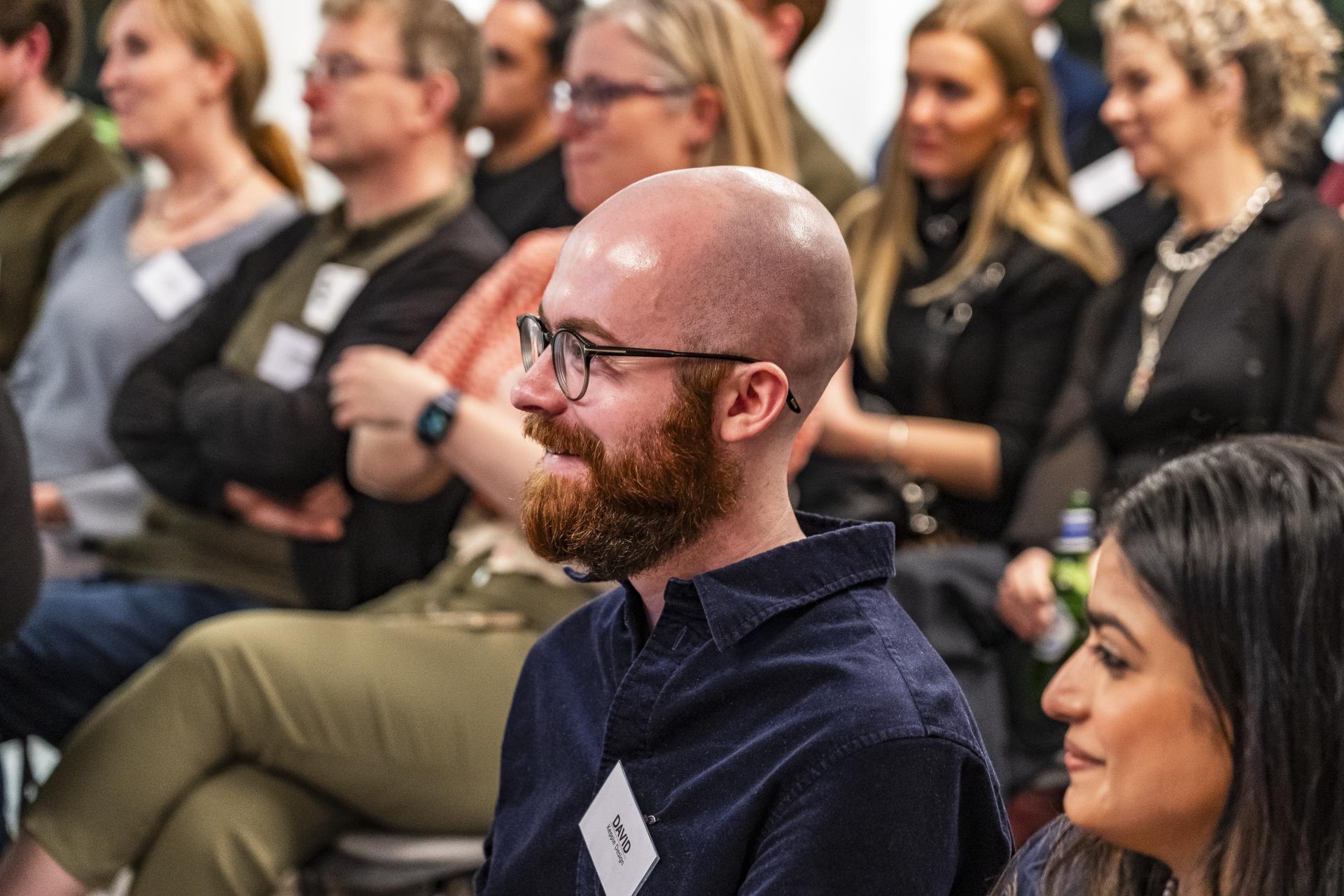
A question from the audience asked whether the panel feel there's enough social housing focus within the city?
Paola shared this is something the Council is looking into, having run a workshop with social housing providers to explore opportunities within the city centre. Experimentation around different financial models is also a part of this, she said.
Nick Walker, director – built heritage & townscape, Iceni Projects, queried, “In terms of chicken and egg situations, growing a city centre population, where there isn't a population to speak of - especially a mixed population which includes families - how do you provide infrastructure such as doctor’s surgeries and schools?”
Again, Paola said this is being looked into as part of the City Centre Strategy. “It’s a difficult one though, because the schools are determined by a need first”, she commented. “But it’s a live discussion, and something we’re looking at closely”, she added.
Credit: Tim Ainsworth

Credit: Tim Ainsworth
Credit: Tim Ainsworth
Scaling up
At the very centre of this discussion is “scale”, Jonathan stated. “Scale will bring down the cost; it will get the industry moving again; it will enable the supply chain to start to come back to Scotland; and it also allows for a bit of ambition as well”, he said.
The aim now is to go out there as a “joined up industry”. And also to look at the low hanging fruit. One of the initiatives Jonathan is involved with is reigniting Scotland's stalled sites. This was launched off the back of the housing emergency. While many people looked to planning as the potential problem, it actually transpired that 20,000 residential units had stalled post-planning.
“So they've got planning, and the infrastructure has been planned for the vast majority of those as well, but what's happened is the financial mechanics have fallen over”, shared Jonathan. This has spurred the plan for MIPIM, where the message is that Scotland is very much open for business to potential investors, with prime opportunities ready to go.
“Let’s not ask ourselves for permission, let's actually just go and do it”, Jonathan added.
Bruce suggested this could be the catalyst for delivering the mix of residential asset classes that Glasgow depends on. Whether it’s social housing, or mid-market rental units for key workers. “There’s been some phenomenally successful models”, he said, highlighting Lar Housing Trust in terms of how you can have a public-private sector collaboration. Though when looking at a map of delivery, Bruce said it’s heavily in the East of Scotland. Why? “Glasgow’s got a value issue”, he commented.
A fundamental problem lies in the cost of delivering a single social housing unit – “somewhere between £250k and £300k - and I just can't get my head around that”. “Glasgow is affordable, and creative, and that is its appeal to young people.” Until this sticking point around value is figured out though, Bruce doesn’t believe Glasgow can meet its ambitions.
“What’s the answer then?” asked David.
“I think if you're sitting there as a developer waiting for some marginal increase in value or reduction in cost, that's not going to happen. The consumer is under pressure and is going to continue to be under pressure for as long as we can see. So the view is that progress needs to be made in terms of the procurement, the construction cost, the materiality, the supply chain etc.”
Credit: Tim Ainsworth
Credit: Tim Ainsworth
Credit: Tim Ainsworth
Investing in innovation
A scroll of LinkedIn will give you a snapshot of some of the exciting property redevelopment currently attracting attention in Glasgow. The Met Tower being one such project.
“Is anyone involved?” asked David. Bruce was, having bought it through Savills and sold it to L&G. “It’s got the best views of any building in Glasgow”, he said, “it would have been a phenomenal conversion and repurposing of an existing building”. But back to the point around value, that route wasn’t to be, and now Vita Group has taken the reins – “they will deliver a good product – if anyone can make it work, they can”, commented Bruce.
Paola believes the project is a significant one for the landscape of Glasgow, and certainly architecturally important. “To experiment and to have a new model in the city is interesting. As it is to have a scheme that’s flexible, because we would like to make this fit for the future. Not just the short-term. It needs a clever design so in 20-years’ time, if co-living has not claimed it then it can be converted into whatever else the market needs or the demand is at that point.”
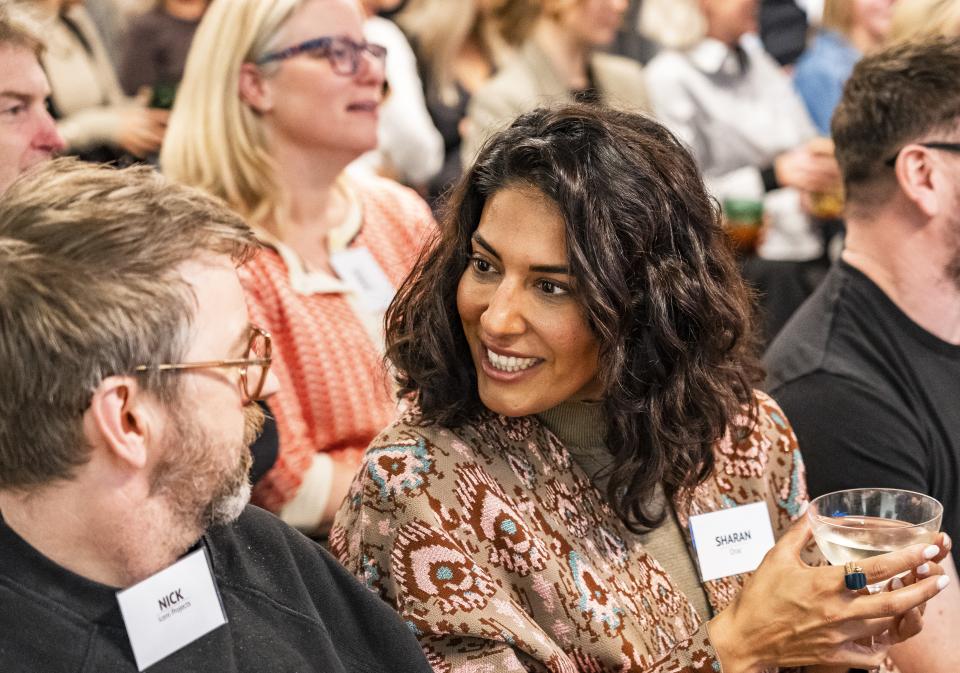
From the audience, Sharan Kaur, country manager UK & Ireland, Orac, picked up on the point made earlier around transient communities, and whether that’s “problematic in terms of leading to a loss of connection and community cohesion?”
Paola’s response was that this is a spectrum of the people Glasgow wants to attract, and that “the transient community has its own role. They come into the city centre, they are here for a period, they invest, they go out, they spend, they make the city attractive and joyous and vibrant. And I think that's the main aspect that we have to build on.
“I think that building streets and squares that enable people to meet and spend time in and become a community, even if it is transient, is the best way to mitigate this [loss of connection] – that’s what we're doing with the Avenues Programme.”
The Social Hub was brought up as an example of a different type of model that’s working particularly well. Alisdair Gunn, director of Glasgow City Innovation District, was in the audience, and as one of the ambassadors supporting the connection of The Social Hub across Glasgow was able to comment on how further investment in innovation is being made across the City.
“The good news is there’s continued investment into the Glasgow City Region. Another recent announcement from the UK Government has highlighted that Glasgow City Region is due to receive an additional £50 million to support the growth of innovation.
“Glasgow City Region has been championing innovation for many years, and linked to that, the National Wealth Fund announced at the Regional Investment Summit that they are now putting in place a team to support the acceleration of projects in terms of innovation, residential, and connectivity to the surrounding area. This is where we’ll see further investment in, for example, transportation links to ensure that when we further scale our three Innovation Districts we have the right connectivity across the region."
“Is this where the public sector needs to step in to flush out some of the frustration?” asked David. “I think you’re absolutely right”, responded Bruce. “Innovation space should be considered as the key infrastructure of the city. And hopefully, in the relatively near future, Glasgow University will find a partner to build some innovation and tech space in the West End, which will be epic.
“But it's so hard unless we have that public-private collaboration because the appraisal does not make sense in usual commercial terms. And so it needs intervention.”
Applauding the work of Strathclyde University, and what Alisdair is doing in the Innovation District, Bruce believes the focus for commercial premises should entirely now be on innovation. And this, he said, should be “lit up in red lights – this is what we’re going for”.
Credit: Tim Ainsworth
Credit: Tim Ainsworth
Credit: Tim Ainsworth
The road to retrofit
“With little or no Grade A coming out of the ground in Glasgow, is this a golden opportunity for retrofit?”, David asked.
It certainly reflects the desire of the Council, shared Paola. “We commissioned a report a year ago where we mapped all the properties that can be converted in the city centre. So we have a pretty good idea of how the stock is distributed and what that stock is like.” Though the hope was there would be some sort of “clustering”, that wasn’t the case. But there is a broad range of properties, Paola added, from pre-1919 to the 1960s and the 2000s. and they all “present their own opportunities”.
Generally speaking, Paola suggests that heritage buildings tend to convert well back into residential. Whereas buildings that have been built around the 2000s that are currently commercial “do not tend to lend themselves so well to conversion - and we see proposals for retrofit to become Grade A offices.”
There are barriers that exist to retrofit, Jonathan highlighted. Namely cost surrounding heritage – because those are the more attractive property propositions. There’s also the flexibility of space as well to consider, Jonathan added. “Glasgow's not suffered quite as badly as Edinburgh has from the removal of internal staircases, because zone A retail was so valuable in Edinburgh city centre, you could just take the staircase out and forget what's above the ground floor.”
Though at its core, retrofit requires collaboration, Jonathan commented. “What are the aims and ambitions, can we do this at scale, is there somebody who's interested in a long-term income proposition here - and being able to do retrofit in a way that allows these buildings to come back to life”.
For Bruce, there needs to be a “laser focus” on the occupier. Because it’s them that pays the rent, whether commercial or residential. Enlisting the support of someone who truly understands the market is critical to this point. “The advisory piece from somebody who really knows the market, knows what occupiers want at an early stage that says, ‘This is how you should redesign that building because the challenges around cost and time and all the complexities that come with heritage buildings’, is, in my view, money well spent.”
Credit: Tim Ainsworth
Credit: Tim Ainsworth
Credit: Tim Ainsworth
Community at the core
Touching back on the point about community, Bruce said, “The great thing with this reset is we can tell people why Glasgow is so brilliant, and why they should buy into it, and that's going to help us build value strategically and methodically for the long term - not just property value, but social value. How can we get people into Glasgow that's not just going to help us build buildings, but places.”
“It sounds as though all the building blocks are in place?” suggested David.
“They are”, Jonathan replied, “but we need to be out there talking to the right people about the opportunities. We’ve got clarity from the council. The ratio of cost and value is off at the moment, so we need to come together, to look at innovative methods of financing. We're speaking to the Scottish Government and the UK Government to find out what can be done to support and to fill the gap.”
Returning to the question at the top of the session, “Is this a golden period for Glasgow?” David summarised, “Yes – it sounds as though the building blocks are there like never before. The challenges have been significant, but there definitely appears to be a will and desire to work together.”
Over to our guests...
While the conversation clearly doesn’t stop here, the seminar did. A huge thank you to our panellists, our guests, and to our supporters for this event: Autex Acoustics, Interplan, Orac – all Partners at Material Source Studio.
Do you have something to add? Let us know on LinkedIn.