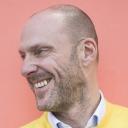





























Nathan Cornish, group director, Urban Splash & chair, LandAid’s North West Regional Board.
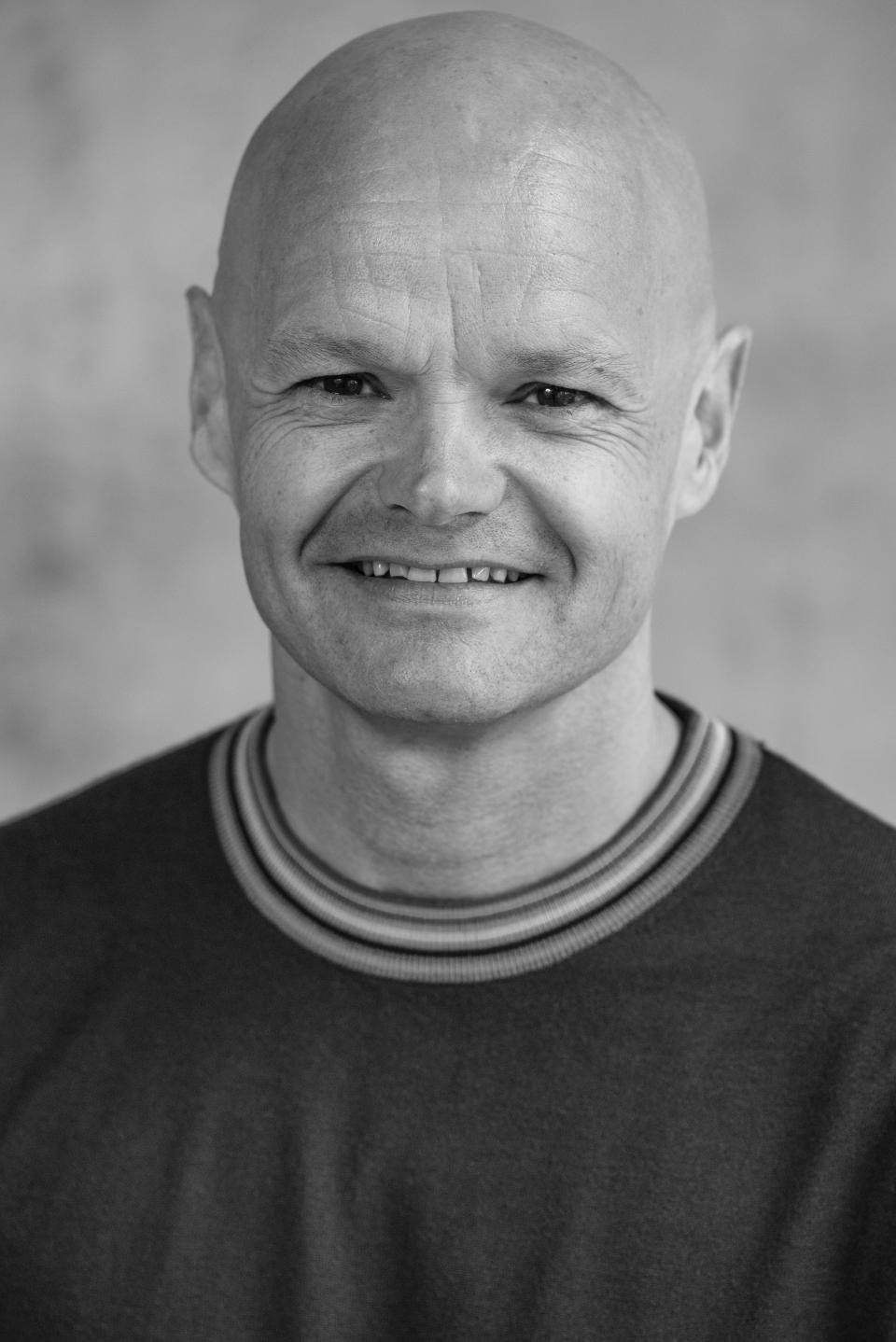
Group director of Urban Splash, Nathan Cornish is passionate about property.
This passion he directs in two ways. One being Urban Splash’s property development, a firm that needs no introduction, having fuelled vibrancy in our UK towns and cities since the '90s. And two, in using property as a catalyst to support some of the most vulnerable people in our communities through his role as Chair of LandAid’s North West Regional Board.
Nathan, alongside a dedicated board of property sector professionals, helps put a roof over the heads of those that might otherwise not have access to one.
In 2026, the charity will have been doing this for 40-years, hosting events – such as 5k and 10k runs, an annual SleepOut – next year on 5 March – and a yearly Gala Dinner to fund practical projects – most recently, The Salford Foyer offering six new homes to young people in need.
In the UK, LandAid shares the stark statistic that every 4 minutes a young person becomes homeless. Last year alone this equated to nearly 118,000 16–25-year-olds. And that’s why the charity exists. Whether awarding grants, brokering free property advise, or providing a platform for young people to have a voice, LandAid – a cause supported by many of our Members at Material Source Studio – is doing continuously great work.
In this catch up with Nathan, we chat about his roles at both LandAid and Urban Splash, going back to the beginning of his career in order to look forward at the future of property in the North West and beyond.
Let’s begin with your professional background – where and how did you get started in property?
“Without the sufficient grades I somehow talked myself onto the land management course at Reading University, I was totally different to most other people on the course being from a comprehensive school background in the Midlands, and having a Nottingham accent. There were a lot of people from wealthy backgrounds from the Home Counties. But I loved it and I loved property especially the planning and development side.
“After graduating, I went to work for SEGRO – now one of the largest REITs – and then Saville Gordon Estates PLC. It was during this time I started to become a bit disillusioned with property. It was a bit too formulaic, and in some areas dull, with stakeholder restraints around what was being bought etc. So I went travelling for a year in 2001 around the world, came back and was either going to retrain as a sports journalist or work for Urban Splash.
“Tom [Bloxham] and Jonathan [Falkingham] gave me two massive projects in Birmingham - one called Fort Dunlop and one called Rotunda to work on. I think it’s in these times you either sink or swim. So my first big project ended up being Fort Dunlop - half a million square feet, five miles north of Birmingham in a place called Erdington. That’s the one and only time I’ve ever seen Tom Bloxham wink, when he handed me the Fort Dunlop files and said 'sort that one out!’! From there I went on to run a number of high-profile projects including Chimney Park.
“In 2013, myself and my colleagues Simon and Julian became shareholders along with Tom and Jonathan, and then the five of us owned the business, which we do to this day. And we've managed to keep it all private throughout that period.
“There’s always been an entrepreneurial spirit that still resides in the business - people have really got a go-getting attitude here and that's not changed. We’re as ambitious as ever.”
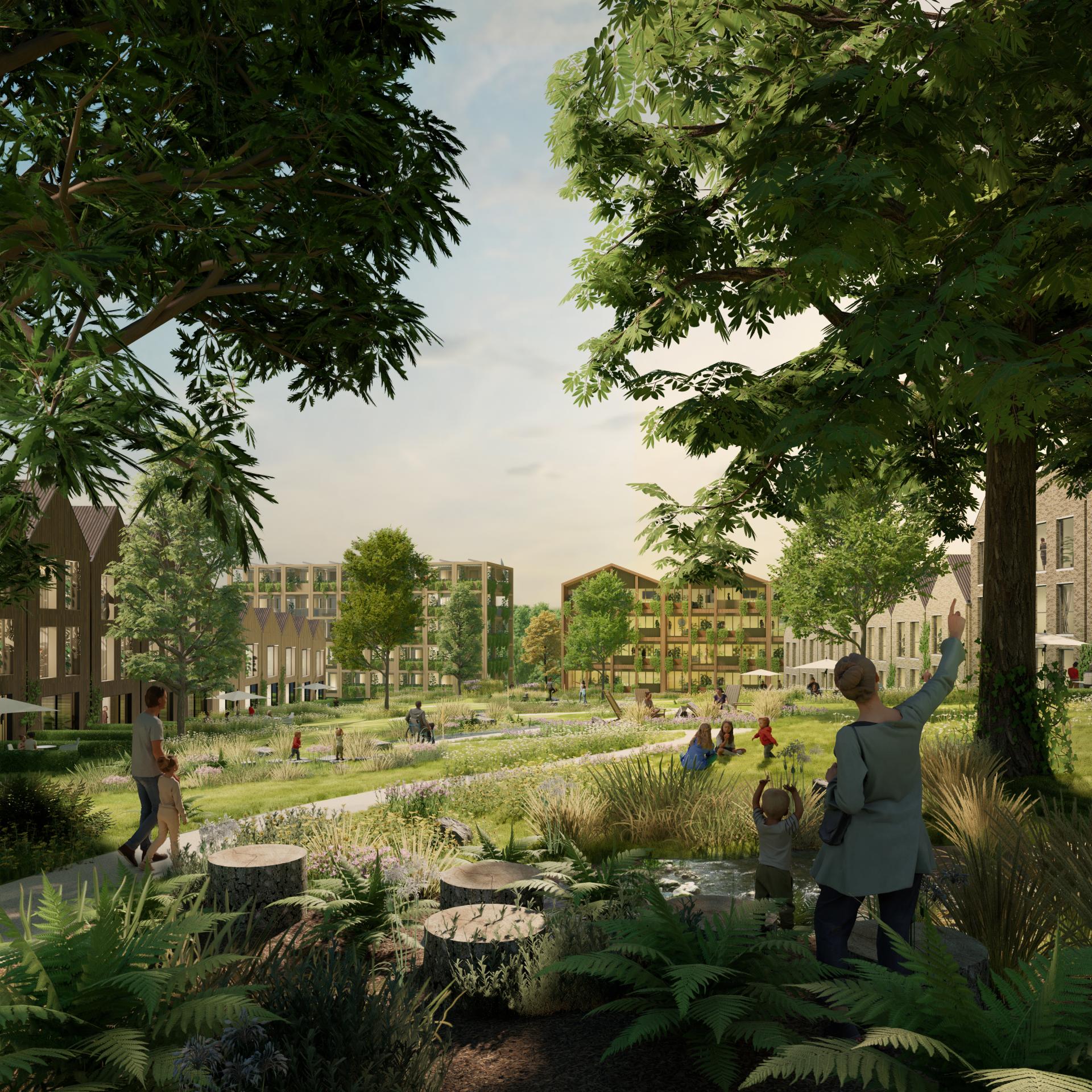
Campbell Park
Has the type of property projects you work on changed or expanded out over the years?
“We never pigeonhole in terms of are we a residential developer or a commercial developer. I've always been puzzled with property because you come out of university and people say ‘oh, you need to be a residential specialist or this specialist or that specialist’, but the long and short of it is, it's not rocket science, the fundamentals for all these types of uses are the same, really, and I think we’re all guilty of making property complex, but it’s quite simple.”
Urban Splash is largely regarded as a pioneering developer – do you think others have caught up?
“I suppose we were quite unique in our day in terms of our language always talking about design and place and context, and how masterplans work, and how that relates to the local area. A lot of people talk about social value and ESG and we've been doing that for 30-years without even knowing we're doing it. It just seems to have got itself a buzzword or buzzphrase now.
“We’re all really passionate about what we do, but it’s tough out there at the moment. The property sector as a whole is facing the market headwinds making it difficult for all of us. The commercial market is tough because of the perceived un-sexiness of offices, there are the high interest rates so lenders aren't as keen to lend on speculative development… I won’t get my violin out, but it’s challenging.
“However, I think we are starting to see green shoots. The government is stepping up so money is becoming available to plug the viability gaps.”
With the future in mind, can you tell us a bit about what you’re working on at the moment?
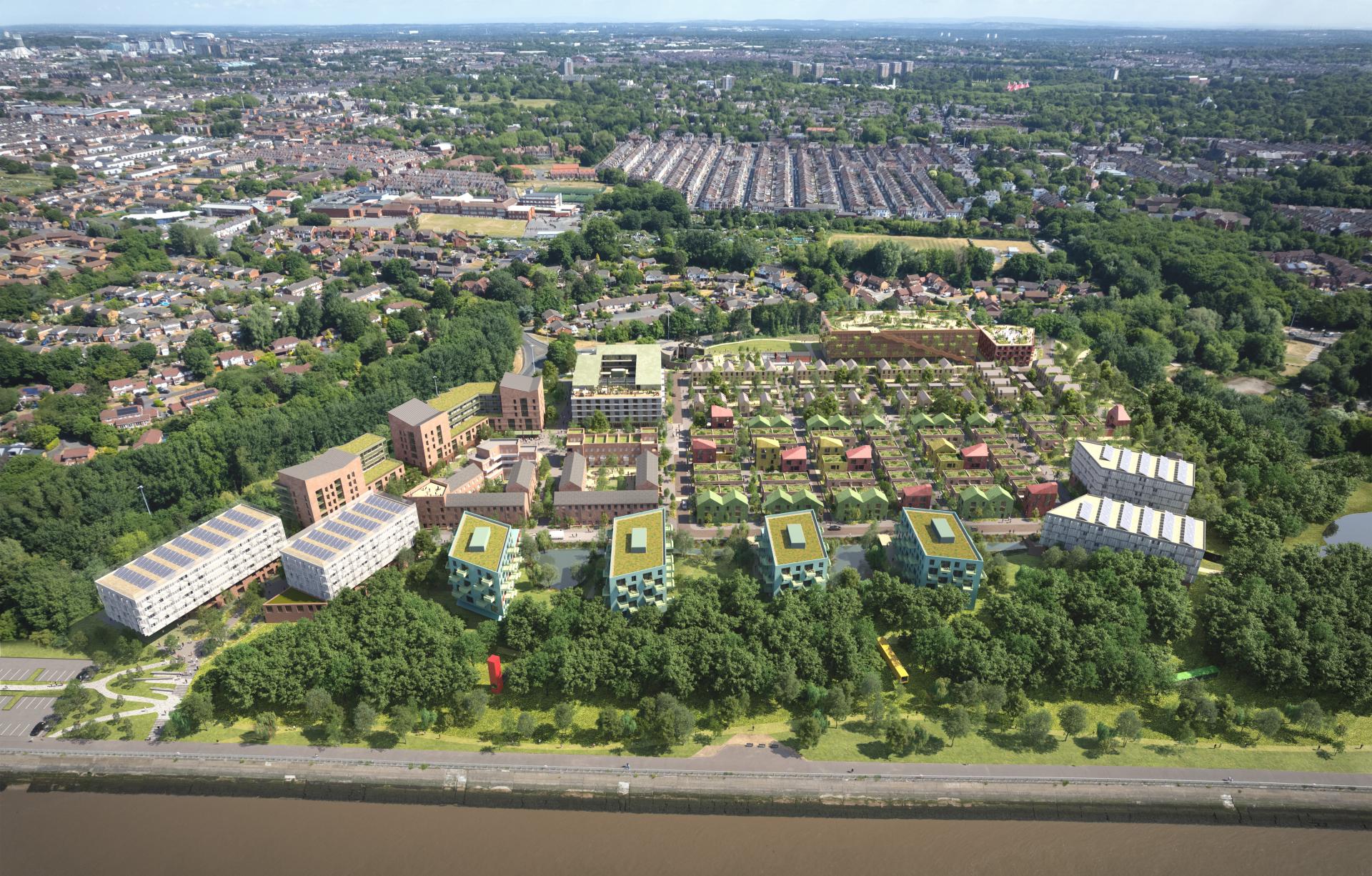
“We’re working on a number of projects at the moment, the two biggest being Port Loop in Birmingham, 1,500 homes there across a 43-acre site working in conjunction with the landowners, the Canals and Rivers Trust and Birmingham City Council – we’re really excited about this one. And there’s Campbell Park in Milton Keynes. We’ve in for planning for the first 300 homes, but it will total close to 2,000. We’re doing the first phase in collaboration with Glenbrook. Again, we’re very excited about it.”
How do you go about choosing collaborators? Architects, for example?
“We work with lots of different architecture practices, with long-standing relationships with the likes of Howells, Hawkins\Brown, shedkm, Gillespie Yunnie, there are loads…there are a number of architects that we've used a lot of times because they're very good and we learn how to work together. Sometimes when a site comes up we’ll invite practices to pitch their ideas based on a brief, then we'll pick the one that excites us most. Other times a practice will become obvious based on the specifics of a site such as scale, heritage.”
Festival Gardens
Retrofit and repurposing isn’t new to Urban Splash - is this something you continually apply to your own buildings?
“Yes, so we’re quite unusual in that we retain a lot of our commercial space. Over the years we've developed a couple of million square feet and we still retain about a million square feet of that. Some of the buildings that we developed were done 20-25 years ago, so we go through this continual rolling capex program where we're upgrading buildings making them more sustainable; upgrading the common areas; just giving them a new fresh life really.
“In fact, we've just completed a project called Waulk Mill which we originally developed in 2003 and we're using Maurice Shapiro again just to upgrade that. We've also upgraded other commercial buildings like Beehive Mill, and Tea Factory and Vanilla Factory, so yes, we do a range of old buildings from Victorian mill conversions to concrete brutalists and even 90s red brick in Exchange Quay, Salford. There's no type of building that we can’t be excited by!”
Focusing on your work for LandAid, the property charity about to mark its 40th anniversary, can you tell us more about your involvement and how that happened?
“In the beginning, I was talking to LandAid’s CEO Paul Morrish about homelessness generally because it's obviously a widespread issue that we see a lot of in all the various cities across the country. I was keen to get involved, and as the chair of the North West chapter had just resigned, Paul asked me to consider the role for myself.
“At first, I suggested just sitting on the board and seeing if people liked me as I’d never done anything like this before. But what I ended up doing was letting each member of the board interview me to decide if they were happy with me taking over as chair. They were all great, a couple of people moved on but most stayed. I’ve now been Chair of LandAid’s North West Regional Board for four and a half years.
“What’s really important to understand is everyone’s a volunteer, and everyone’s universally busy, therefore you can't treat it like a normal business, their day-jobs must take precedence, but we've got a really, really great mixed board. All very passionate about making a difference.”
The funds that are raised through LandAid activity such as the annual SleepOut, the 5k and 10k runs, and Gala Dinner go towards projects such as The Foyer in Salford – can you tell us more?
“We’ve funded the build of these panellised homes that are in the courtyard of an existing foyer, a refuge for young people from 16 to 24 that are struggling for accommodation.
"The six homes that are being provided will go to young parents and their kids. We're really excited as a board that that's coming to a conclusion in 4-6 weeks’ time.
“As this project approaches its end, we're actively seeking new projects and collaborators, so please for anyone interested in working with us, do get in touch.”
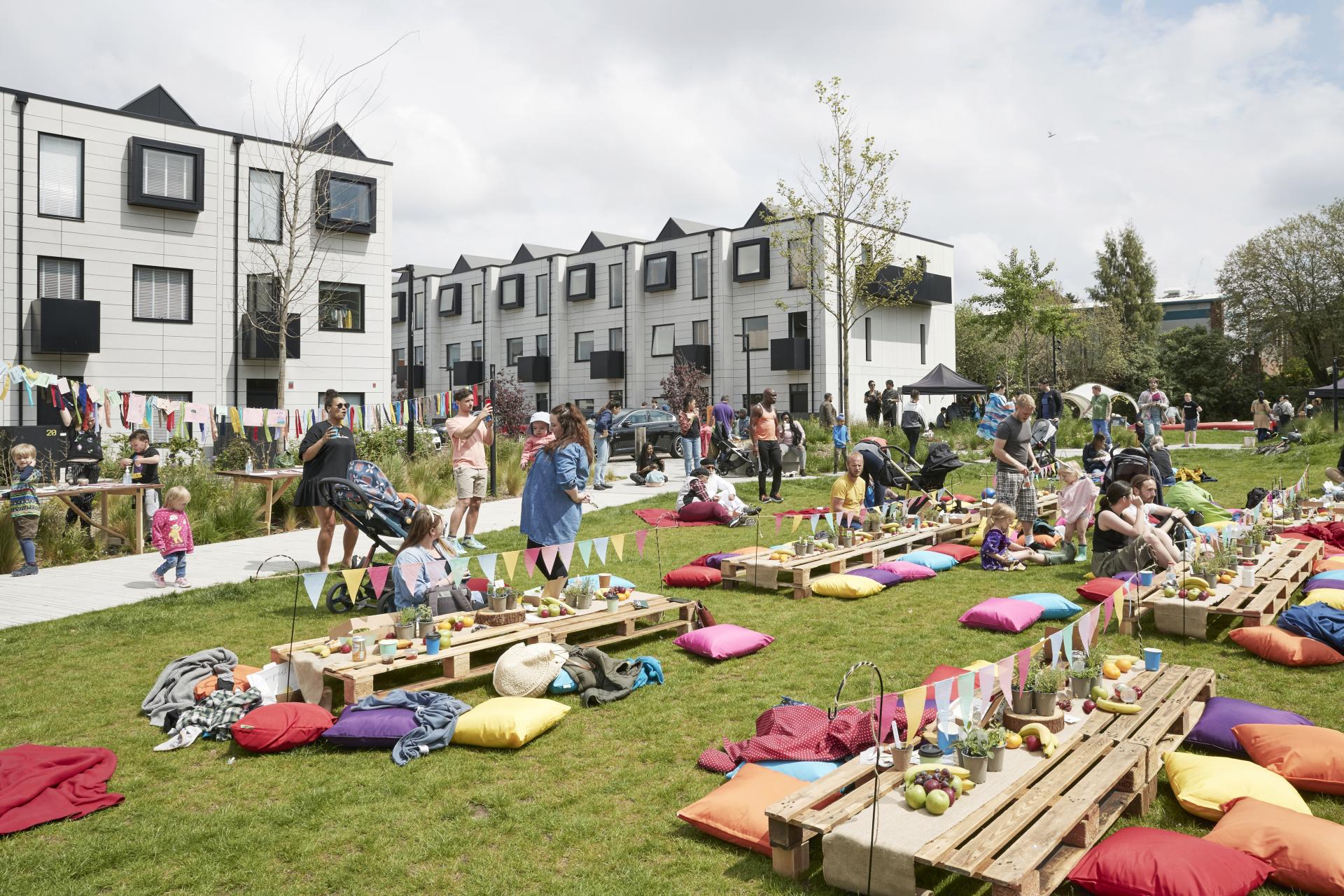
Port Loop
The property sector, particularly in the North West, seems quite close knit. Is that also reflected within the community that supports LandAid?
“Absolutely, we all get on fantastically, and I find that a lot, particularly in Manchester, the North West, people are very open about what they're doing and are happy to chat and share experiences. Perhaps that’s a rare thing around Manchester because there’s so much potential. So much to go at – derelict sites, brownfield land. There's no way in a million years that we've even scratched the surface of this City’s potential, in my eyes anyway.”
What do you think the future of Manchester holds in terms of property – will it just continue to sprawl?
“Yes, when you think about the growth of the city centre population, pre Covid it was reported to be 65k in 2019, and now it’s 100k in 2025. That's crazy if you look at that exponential rise. But then, if you actually take a step back. If you look at the conurbation, and depending on where you draw the line, there are somewhere between three and five million people. So, 100,000 people living in the city centre in a conurbation of three to five million, it's a drop in the ocean. I think it's only just started, really."
Join LandAid for its SleepOut - 5 March 2026
The LandAid SleepOut will take place in eight cities across the UK – Birmingham, Cambridge, Cardiff, Edinburgh, Leeds, Liverpool, London, and Manchester – or you can SleepOut at Home, wherever you are in the world on 5 March 2026. Join hundreds of professionals from across the property and built environment industry who will be giving up their beds for one night to help end youth homelessness.
Early bird tickets are now available to purchase through this link. For more information about LandAid and the supportive work it does, plus how to get involved, please visit landaid.org.
Stay tuned for a follow up article in the New Year showcasing The Salford Foyer.