
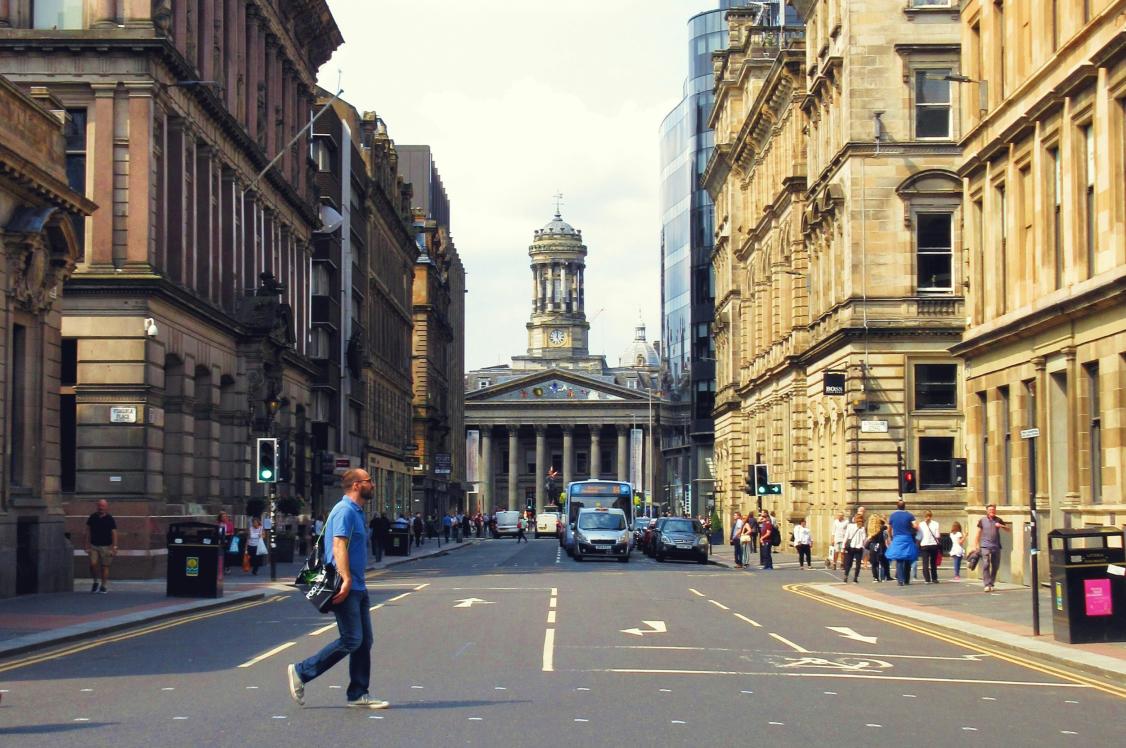


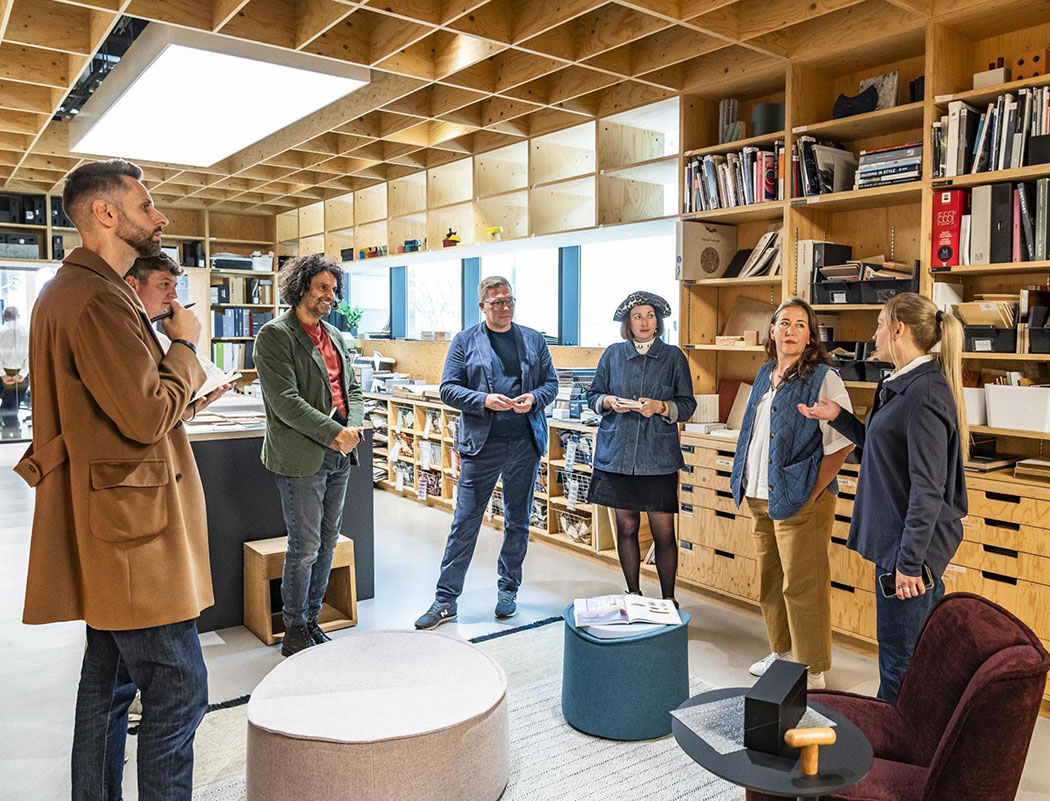
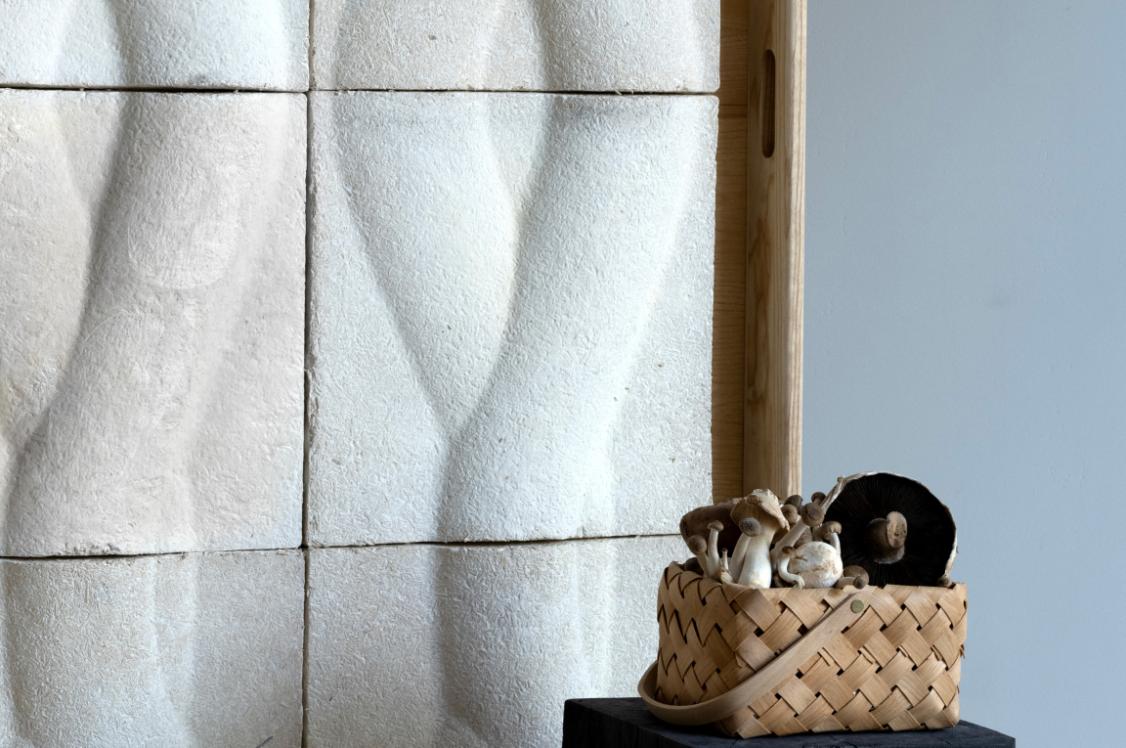
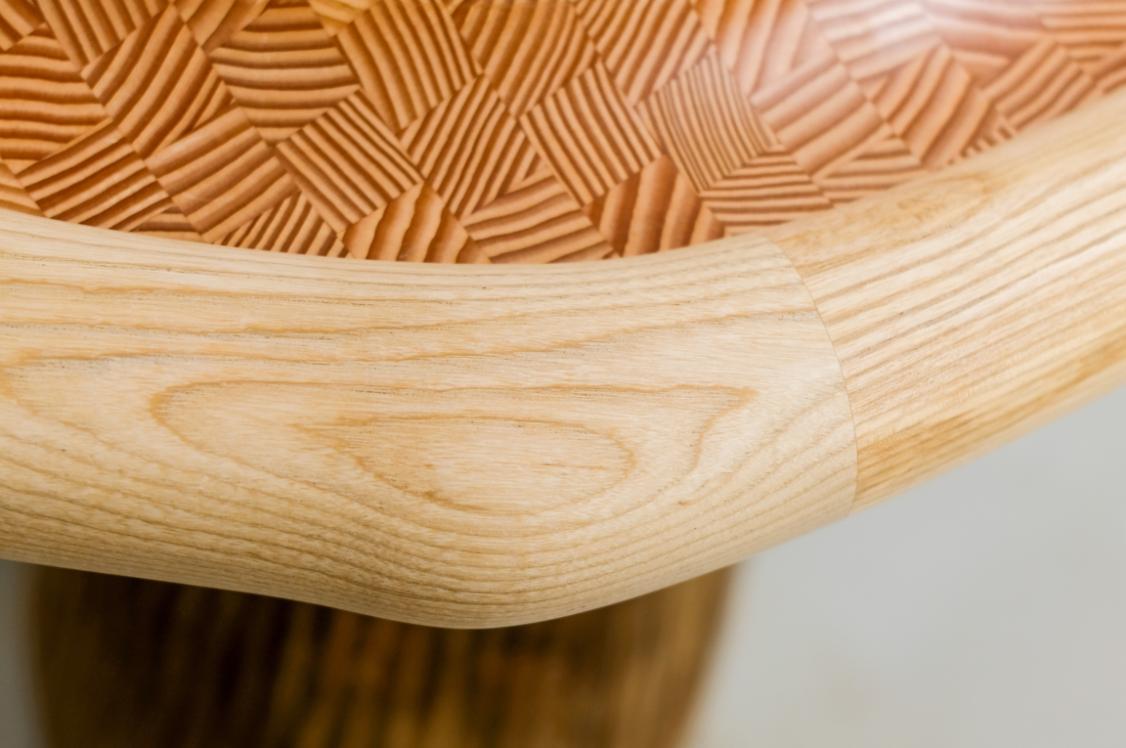



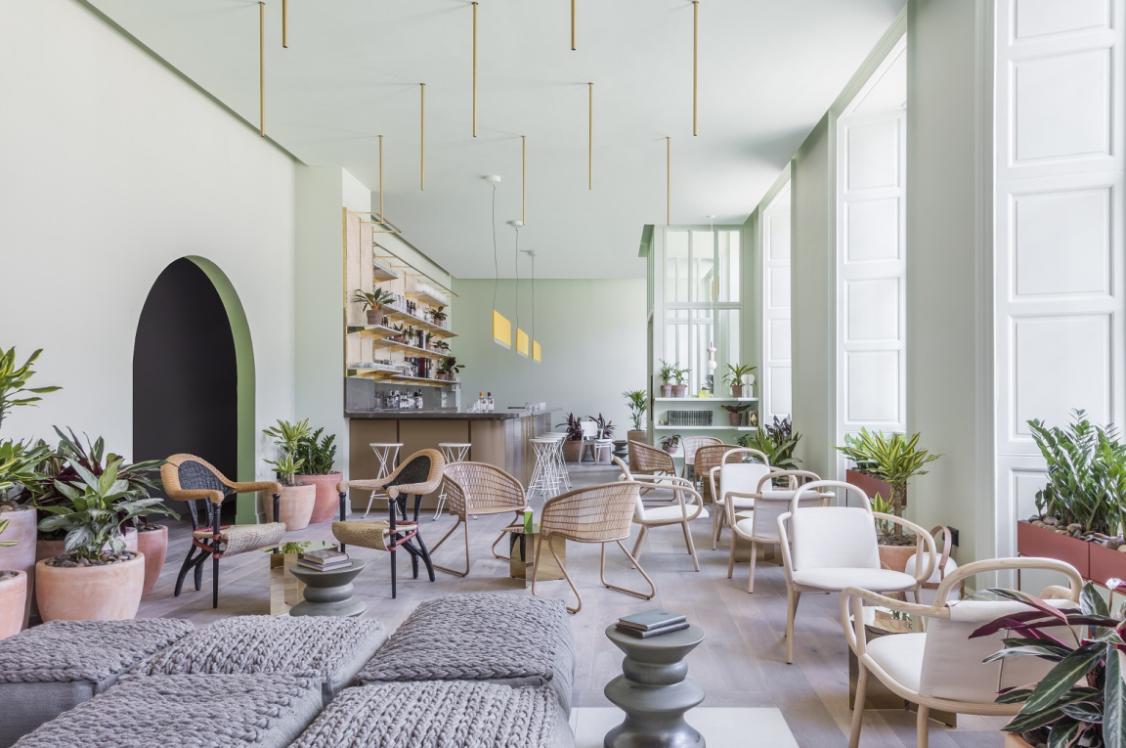
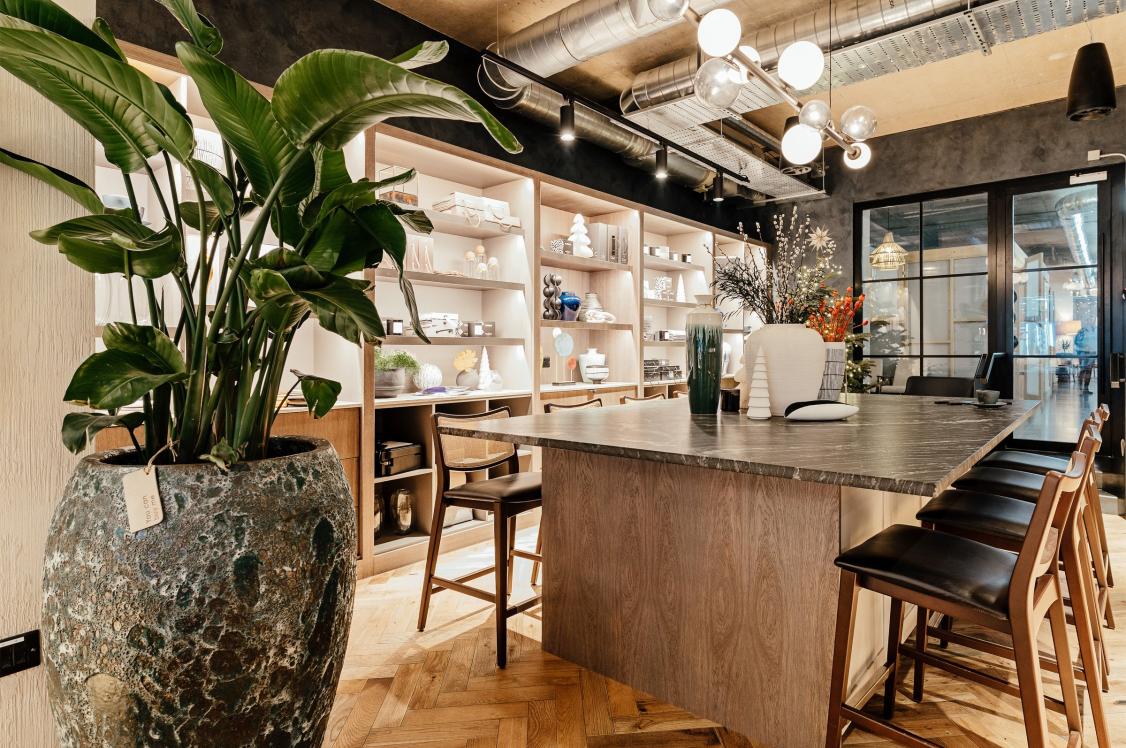
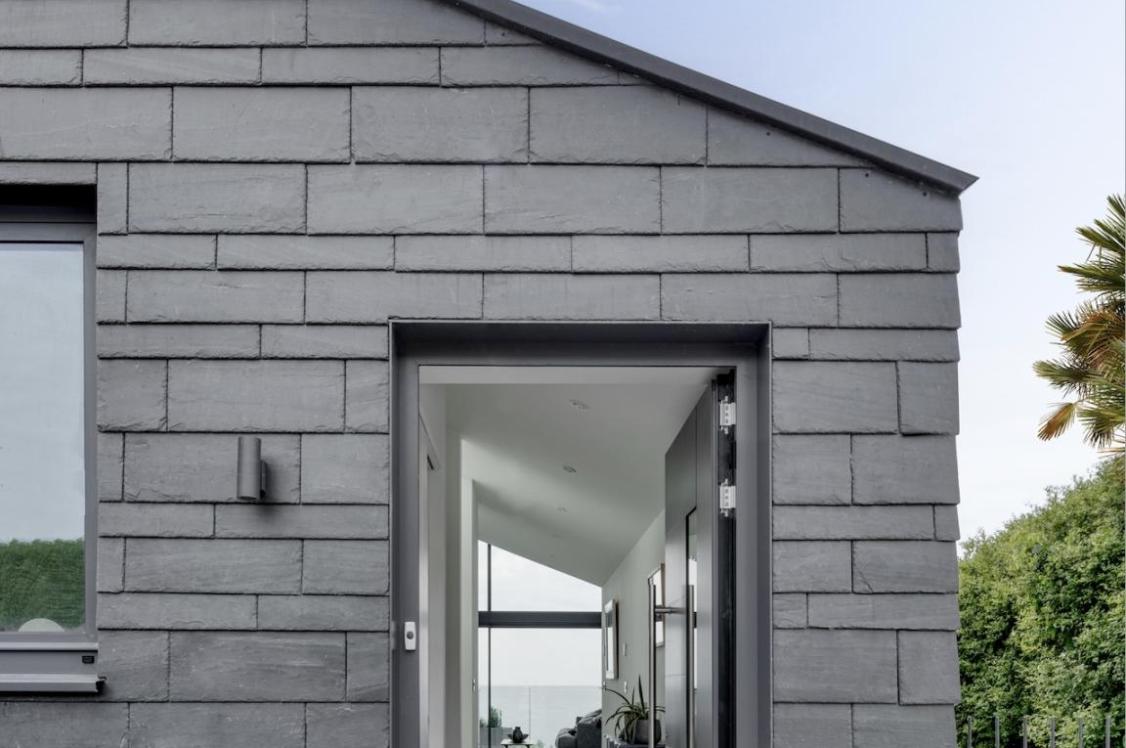
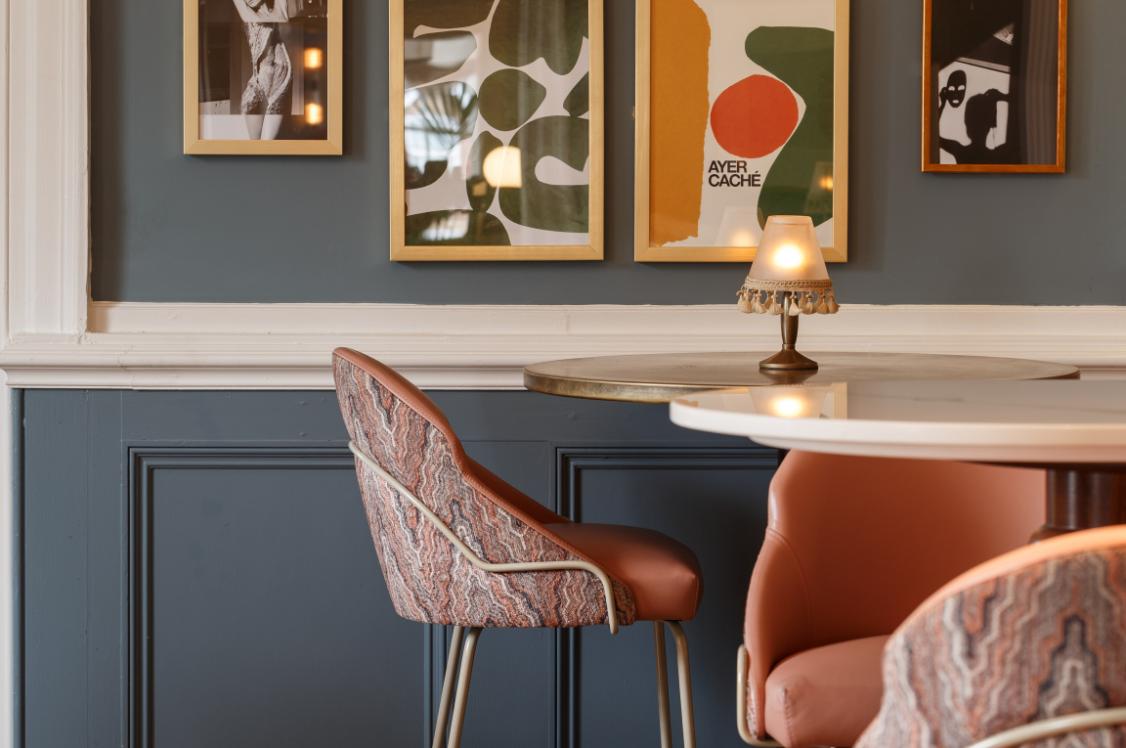
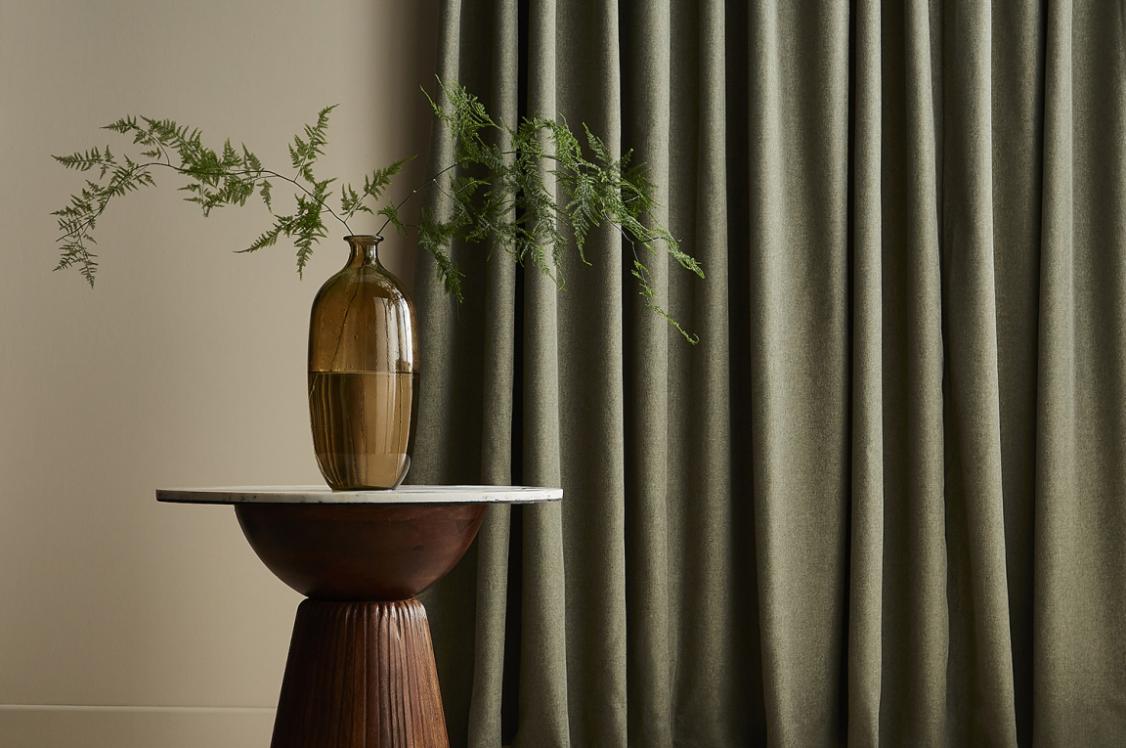
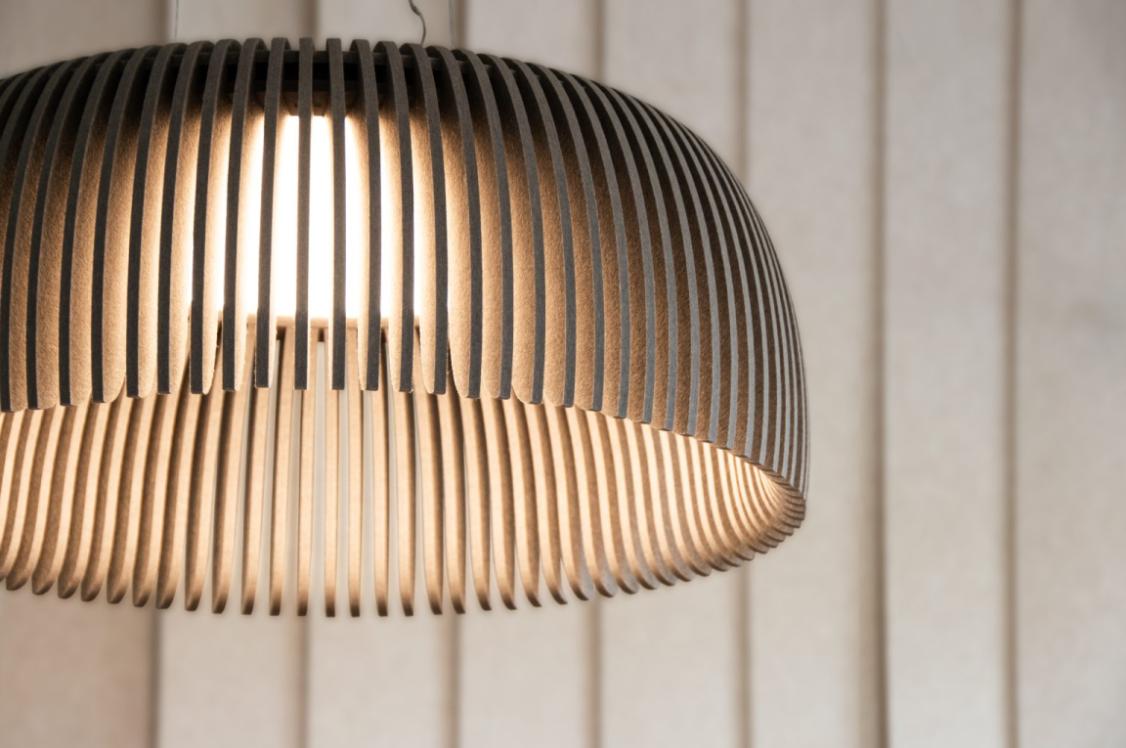
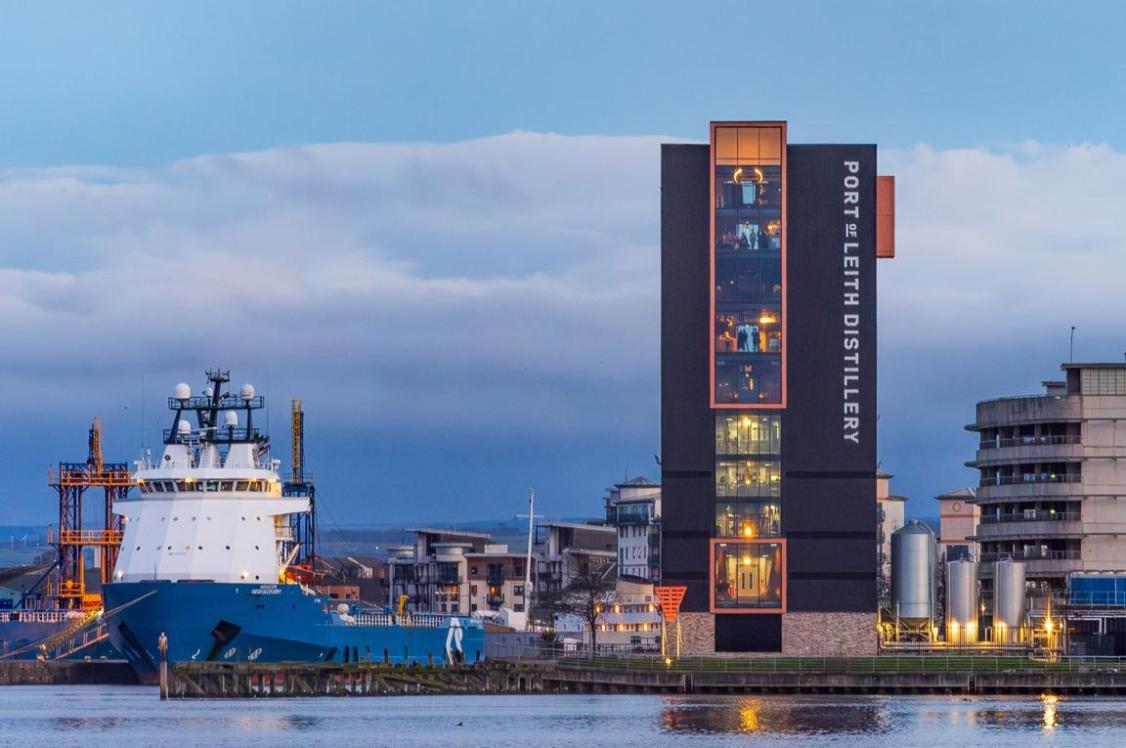
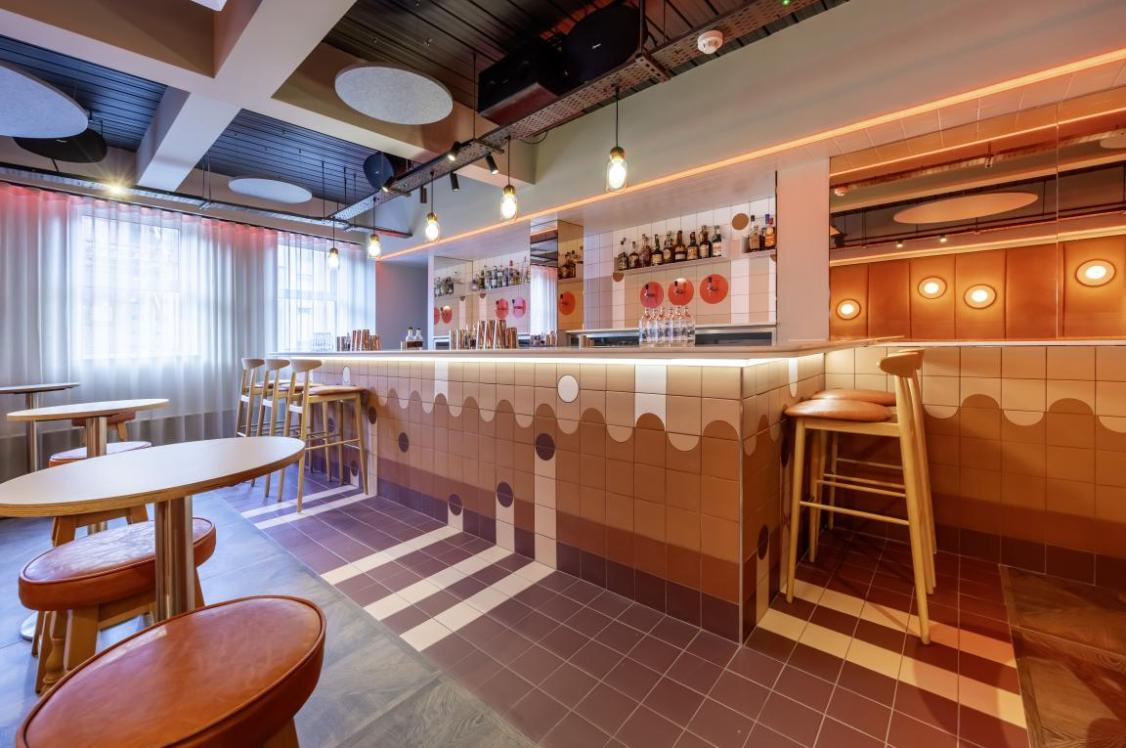
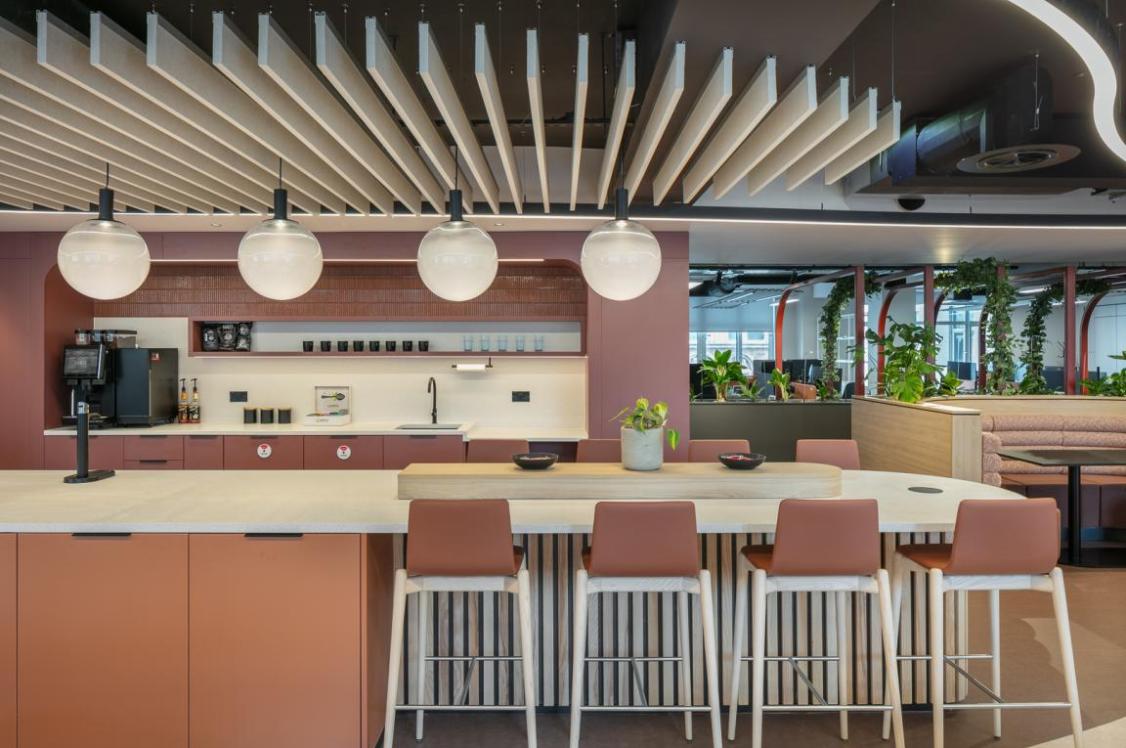
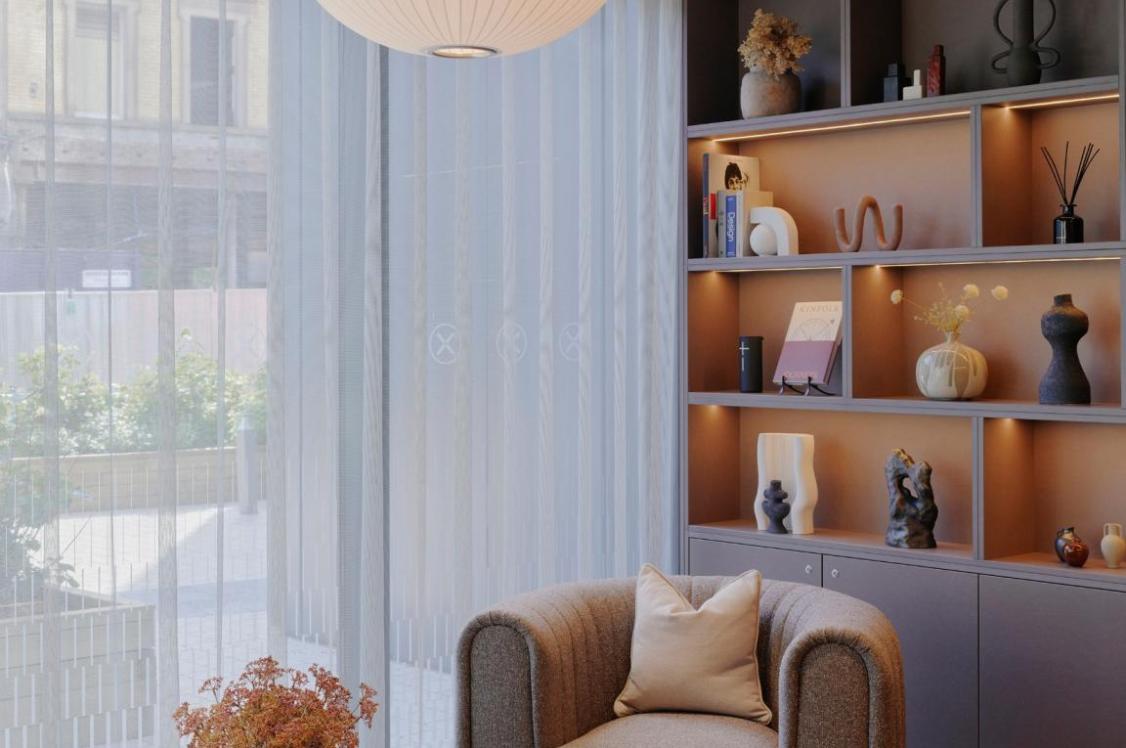
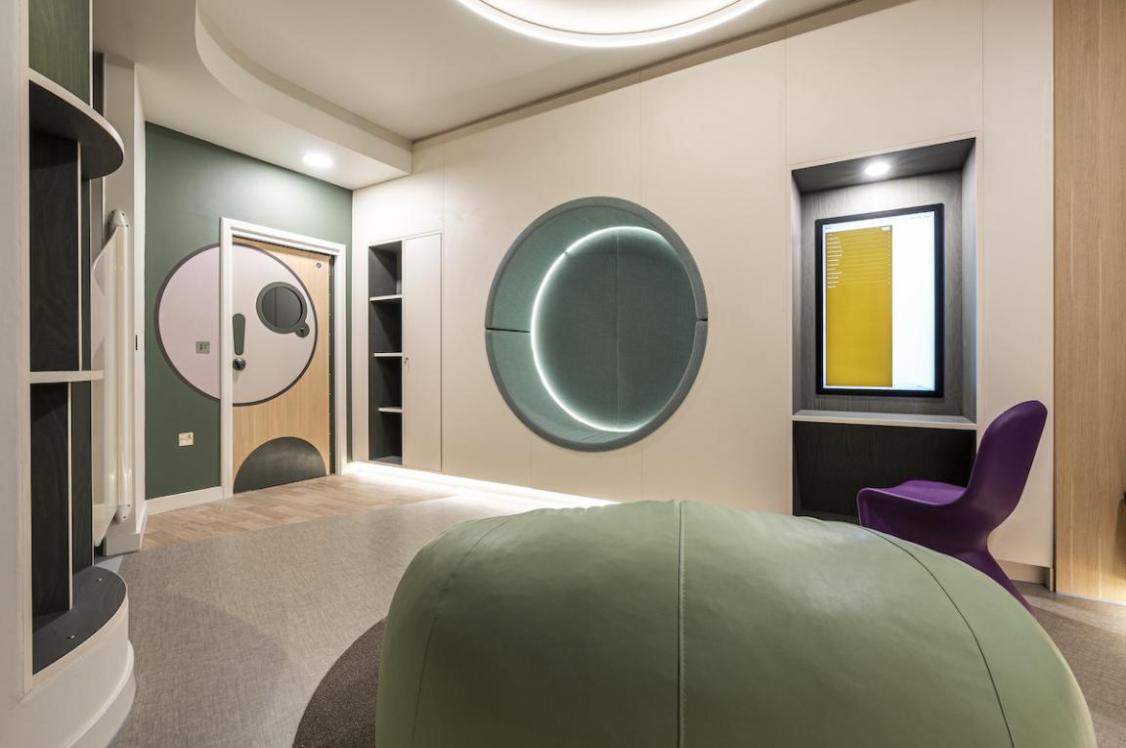


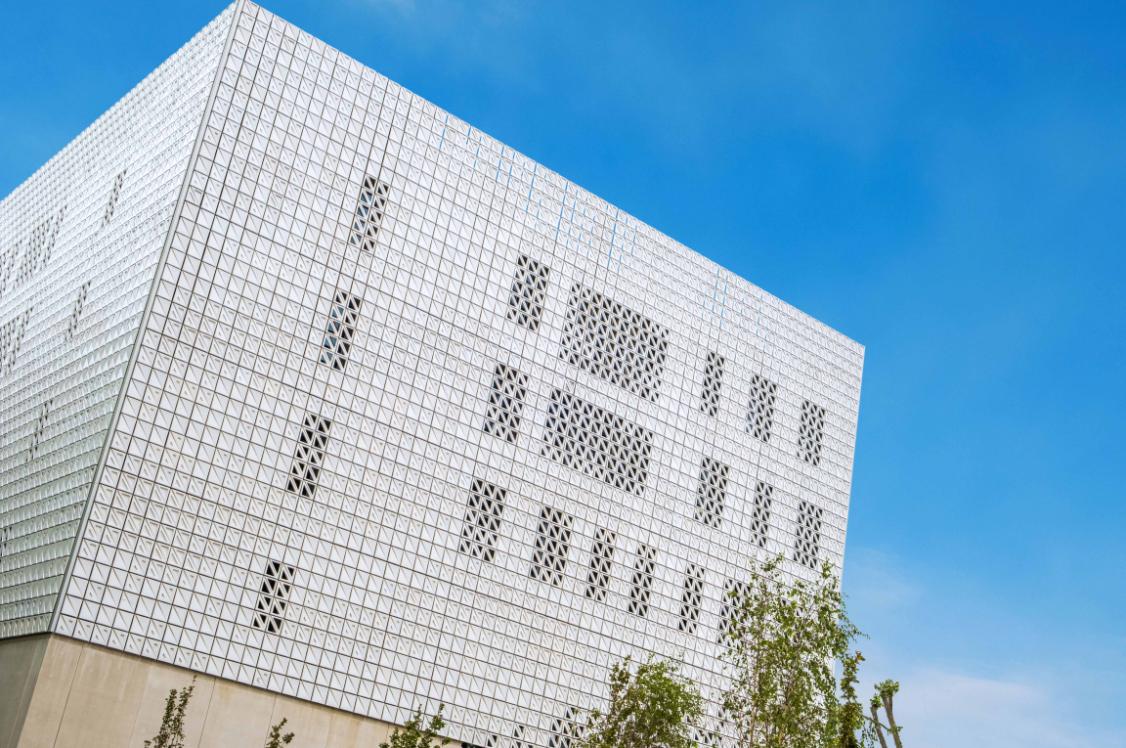
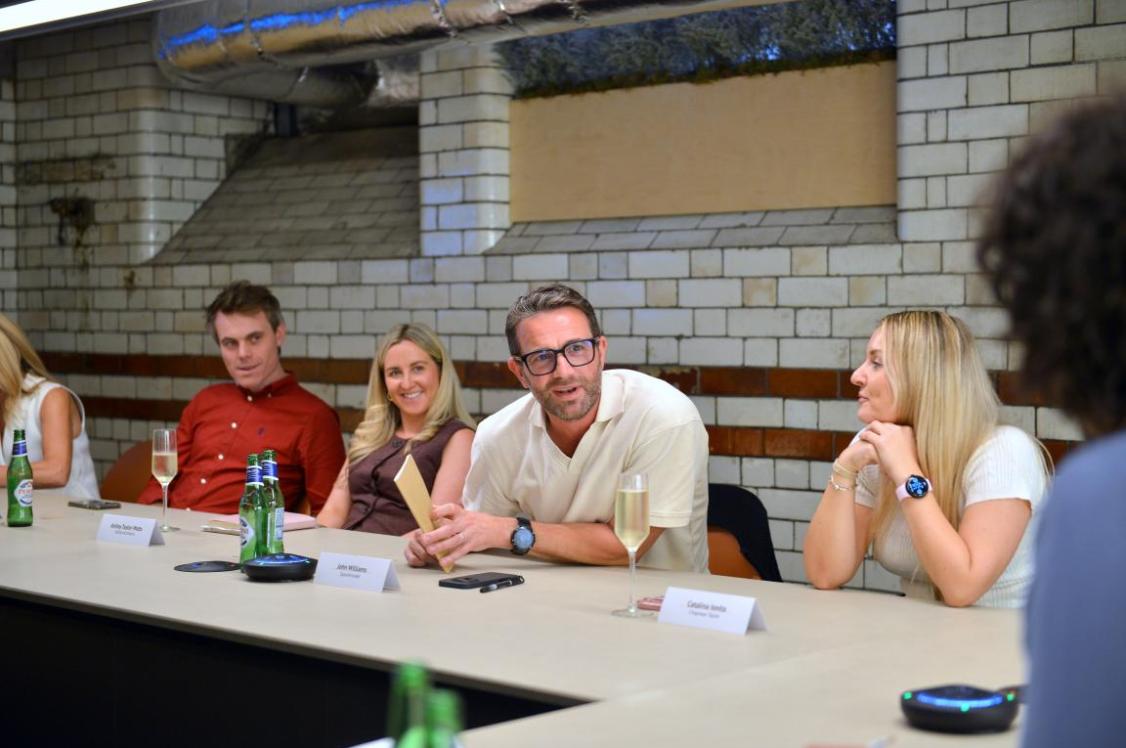




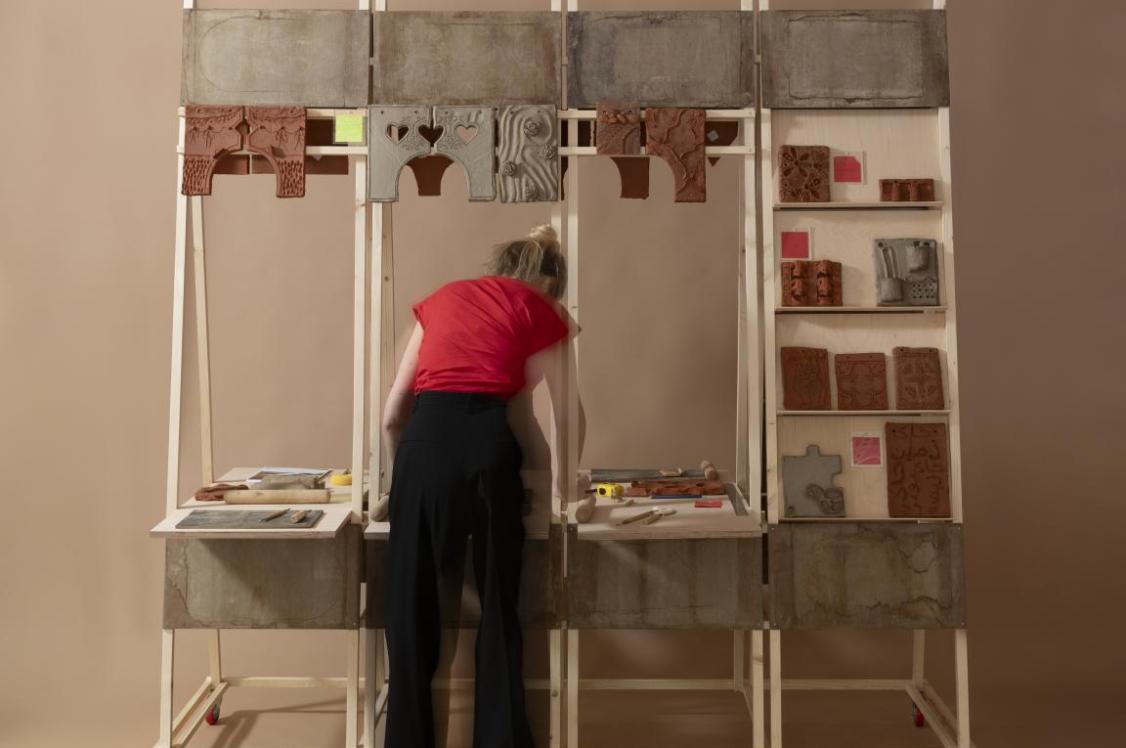
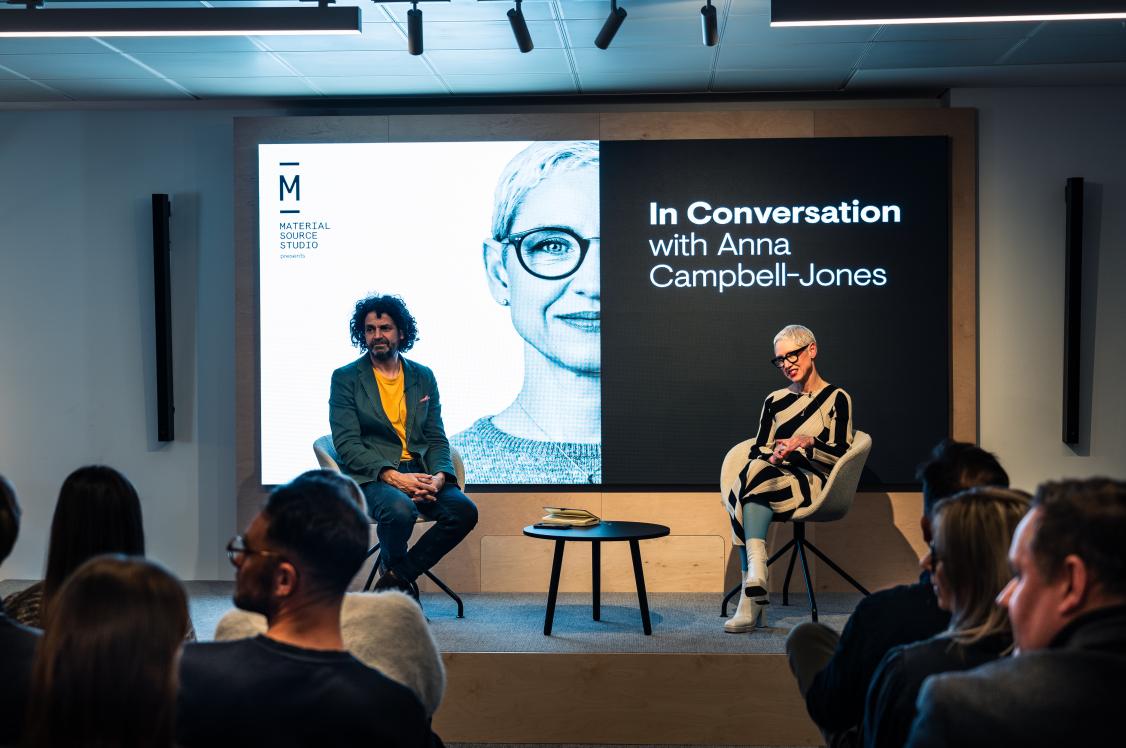




Russwood's Timber & Taste event explored how materiality can support Scotland’s transition to low carbon design.

Credit: Lewis Cannon
When Russwood and Lunawood welcomed architects, designers and timber specialists to their Timber & Taste event, low carbon design was the core topic of conversation.
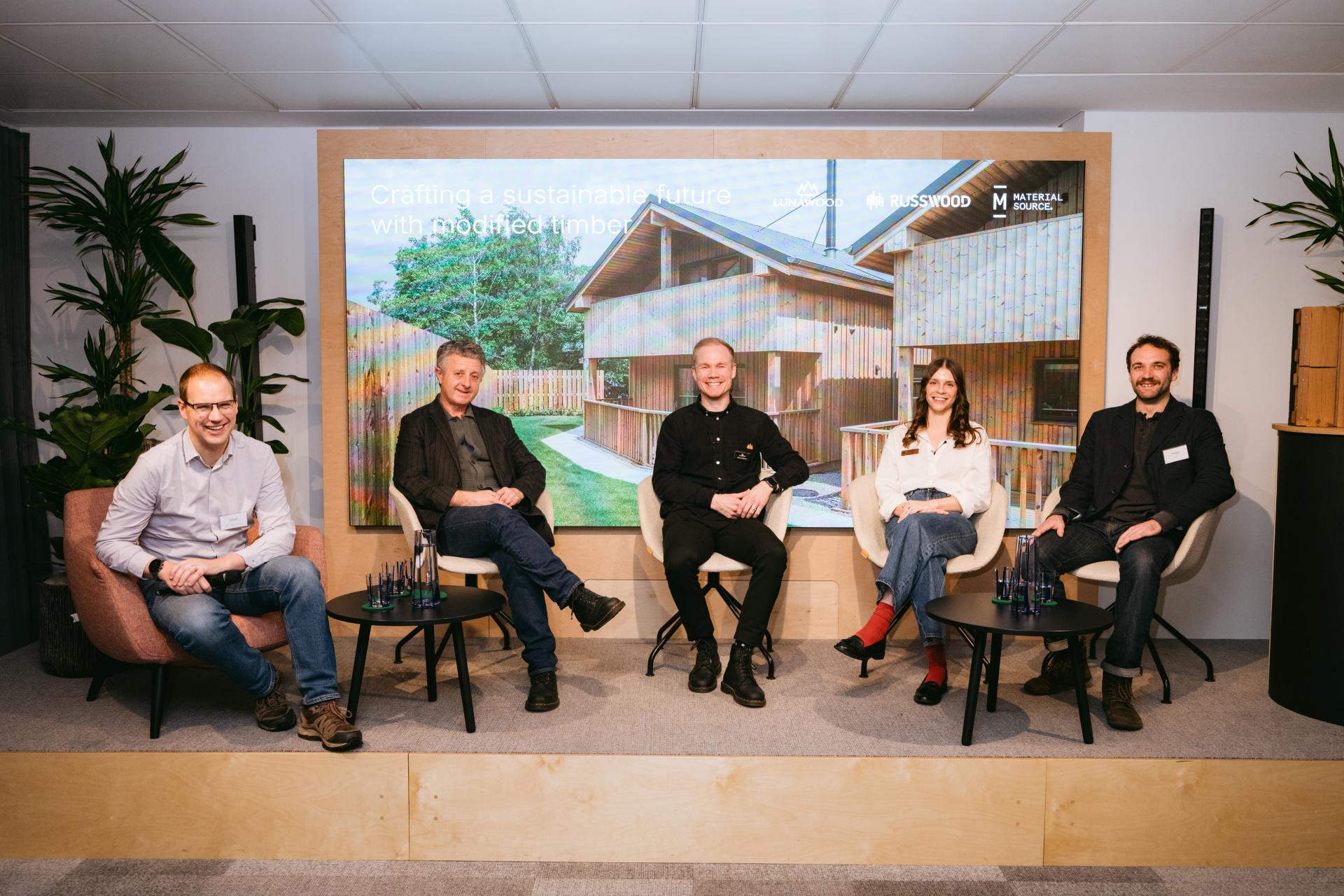
Following a warm welcome and a light-hearted timber quiz, moderator Matt Bridgestock of John Gilbert Architects introduced the speakers:
- Matias Laaksonen, Design & Product Manager, Lunawood
- Hugo Taillandier, Associate Impact Manager, Built Environment – Smarter Transformation
- Chris Stewart, Architect and former Founding Director, Collective Architecture
- Taylor Butler, Architectural Liaison Technician, Russwood
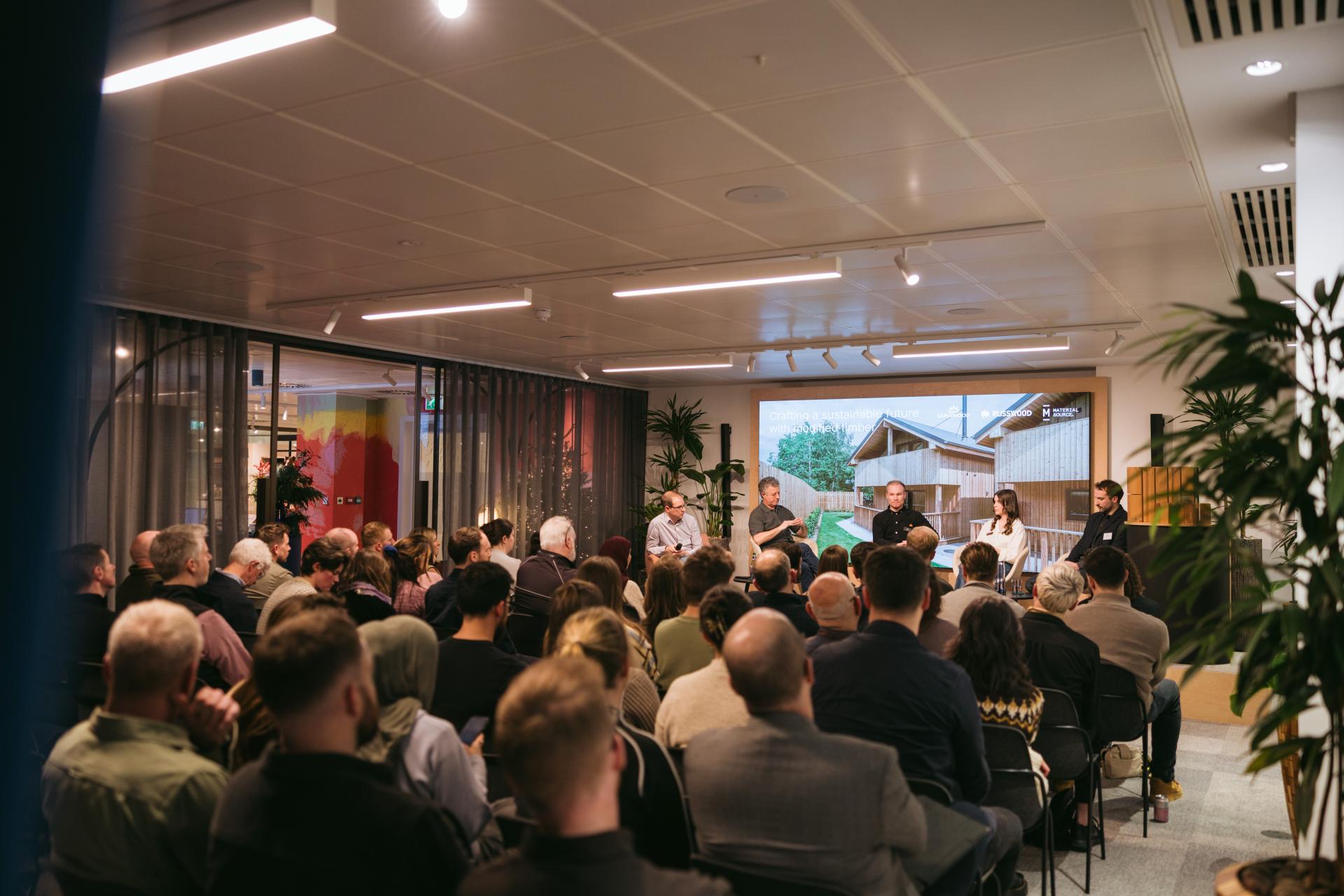
A lively, candid discussion ensued, with each speaker bringing their own perspective from architecture, manufacturing, research and specification.
Timber, culture and place
Chris began by reflecting on Scotland’s architectural identity. He observed that Scotland is traditionally associated with stone even though timber has always played a role in its built environment. He spoke about the ongoing challenge of shifting public and client perception around timber cladding.
Offering a Finnish perspective, Matias explained, “In Finland, our whole culture is full of timber. When you put all the Finnish forests together, it’s the same size as the UK, so we have a lot of forests. Timber has always been there, and it’s part of Finnish identity.”
He described the strong collaboration between Finland’s forest industry and architectural community, spanning CLT, LVL and thermally modified timber.
Hugo added insight into why he believes people connect so instinctively with wood, “We are all attracted to nature, forests, trees, water, mountains. Timber has this effortless beauty, it makes you feel good.”
He described how timber affects the feel of a space, from the warmth of natural surfaces to the way sunlight moves across the material.
Credit: Lewis Cannon

Credit: Lewis Cannon
Timber’s material qualities
Matias discussed the long growth cycle of Finnish pine and spruce, which typically grow for 80 to 100 years. This creates a stable, consistent and certified raw material for timber products. Matt contrasted this with Scotland’s faster-growing species, which offer different opportunities but can also pose challenges with grading and exposure.
Biophilic and wellbeing benefits
Chris reflected on how timber interiors feel warm, calming and comfortable, creating a sense of ease that people respond to instinctively. Matias noted that this is supported by research, with studies showing positive effects on mood and stress levels, “When you are surrounded by wood, you feel more stress free.”
Overall, the panel agreed that timber’s biophilic qualities extend far beyond aesthetics. They contribute to healthier, more enjoyable spaces for people to inhabit.
Credit: Lewis Cannon
Weathering, detailing and stability of timber
Taylor shared practical advice on working with both natural and modified timbers - “Modified timbers bring a lot to the table. They are very stable and they weather quickly if that is the look you want. They are also well suited to current design trends like narrow boards or large fins.”
She highlighted the importance of ventilation, good fixings and considered detailing to ensure long-term performance.
“Ventilation is the most important thing. We do not want water sitting on the boards. Even small changes like angling the ends to create a drip point can help water move away.”

Credit: Lewis Cannon
Fire performance of timber cladding
Matias outlined Lunawood’s work in developing fire-protected solutions that meet UK regulations and allow thermally modified timber to be used safely in a wide range of applications.
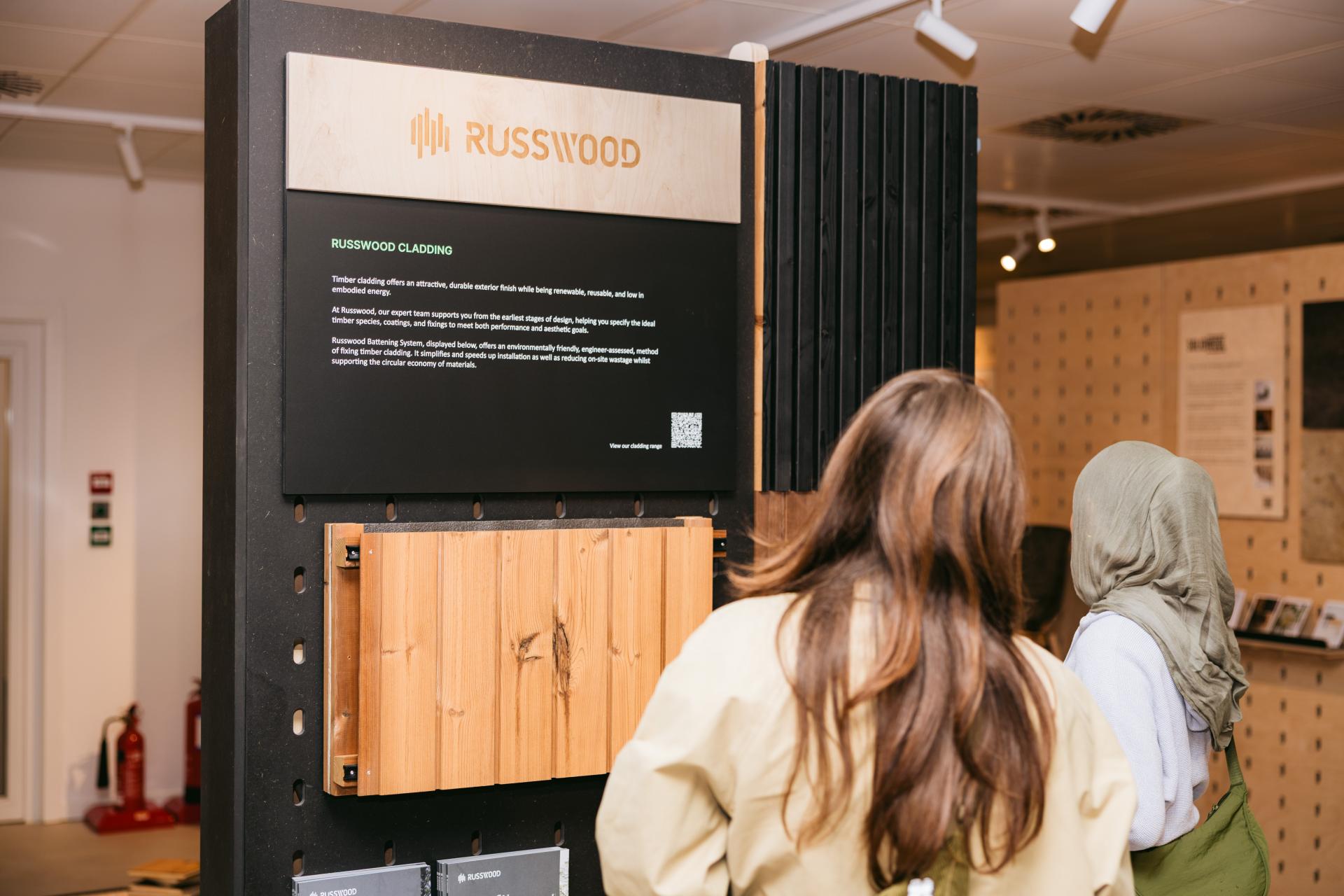
Meanwhile, Taylor discussed Russwood’s Burnblock® offering, a non-toxic fire retardant that is impregnated into the timber to enhance its performance without altering its appearance. She clarified how timber responds to fire, “Timber behaves predictably in fire. It chars. The only way to improve performance is through fire retardancy. Charred finishes do not increase resistance.”

Credit: Lewis Cannon
Credit: Lewis Cannon
Looking ahead
Hugo discussed the need to scale up offsite construction in Scotland and the skills required to support that shift. “There is a lot of change coming. Scotland already uses a lot of timber frame but there is much more we can do with new technologies and offsite construction.”
The discussion highlighted a shared optimism about what timber can offer, as well as a recognition that good design and careful detailing will be key to uncovering its full potential.
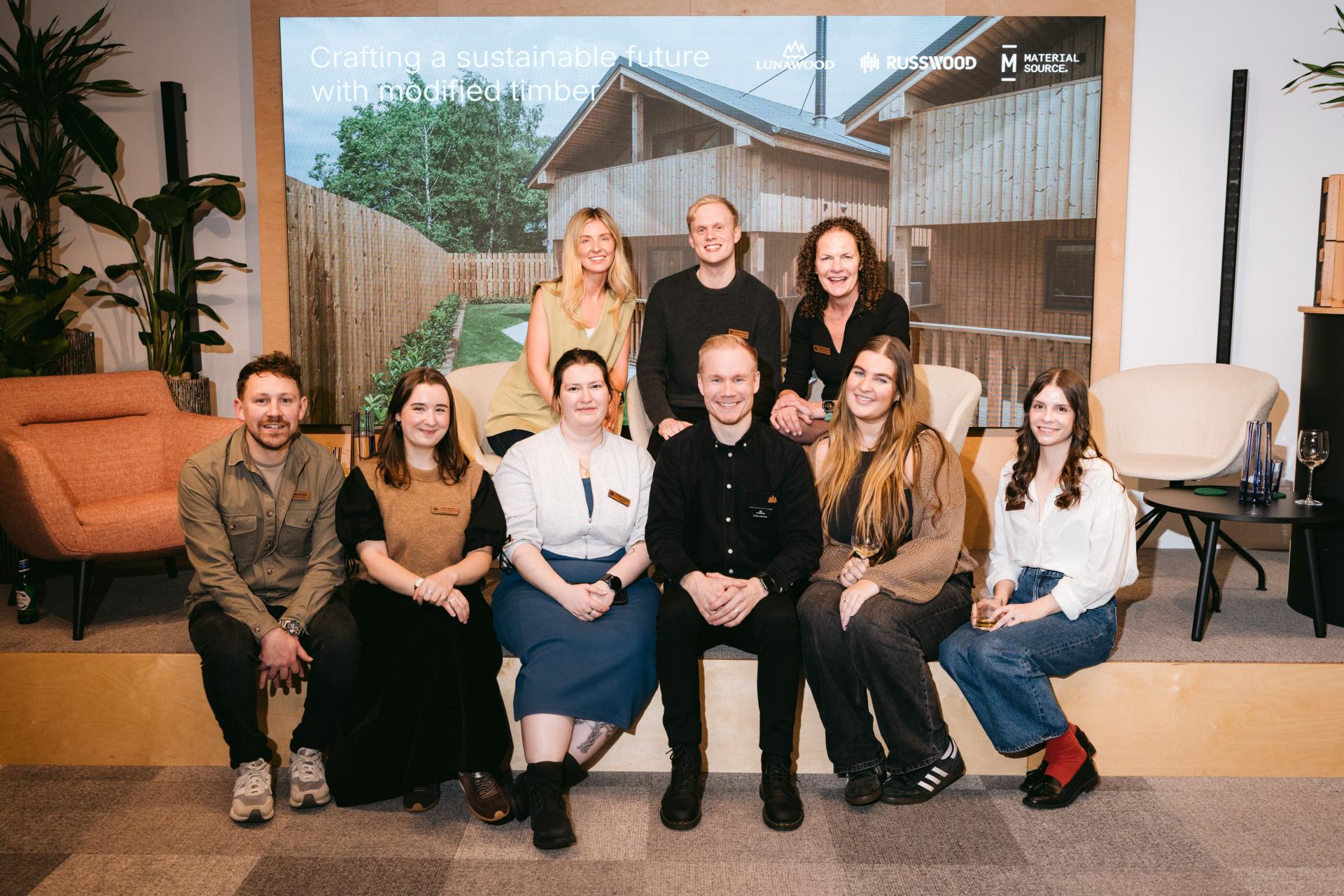
The evening concluded with a relaxed whisky sampling featuring both Scottish and Finnish drams, paired with charcuterie boards. Guests compared notes from the discussion, shared project experiences and enjoyed some informal networking in a warm, welcoming atmosphere.
Credit: Lewis Cannon
Discover more about Russwood here, and find out about its next event here, and by visiting Material Source Studio Glasgow, where it is a Partner.

In association with
Russwood has been helping customers achieve design excellence in the built environment since 1990. Based in the heart of the Scottish Highlands, with a team in Glasgow’s Merchant City, we are a trusted UK supplier of high-quality, sustainable timber cladding, decking, flooring, and interior cladding products.