













40 Views on supporting Equity, Diversity, Inclusion & Belonging through inclusive design.
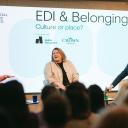
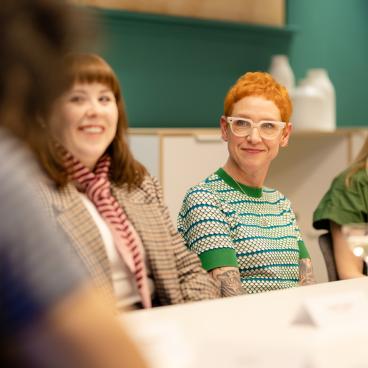
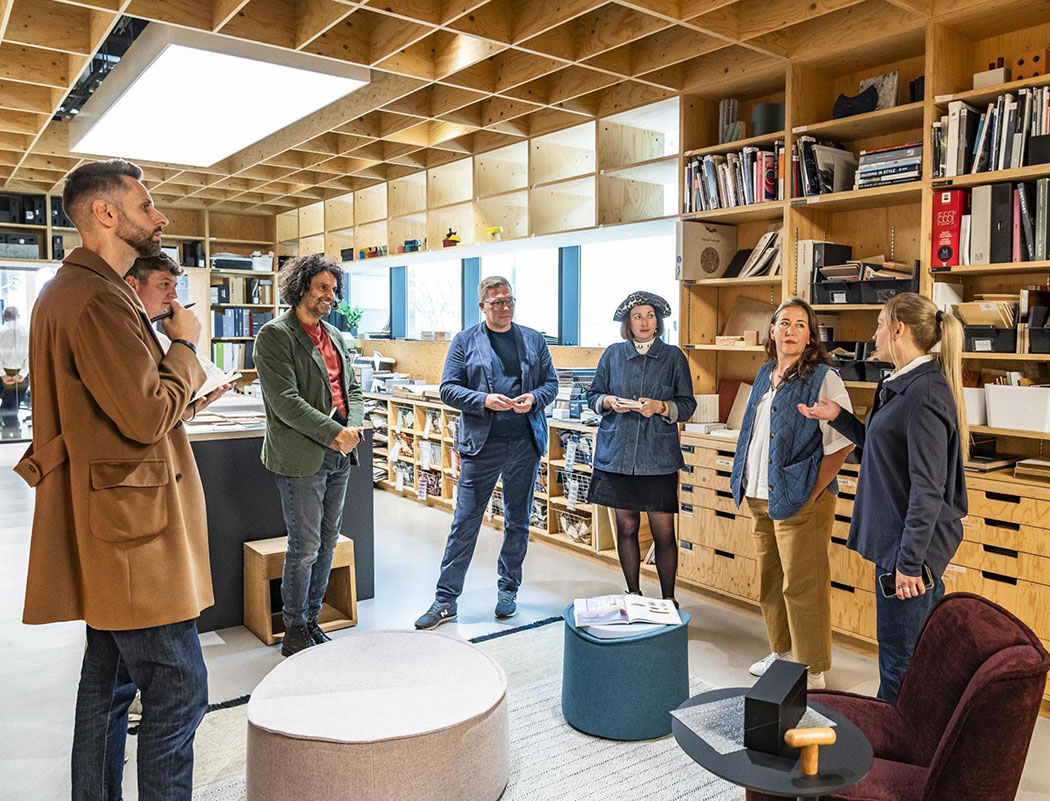
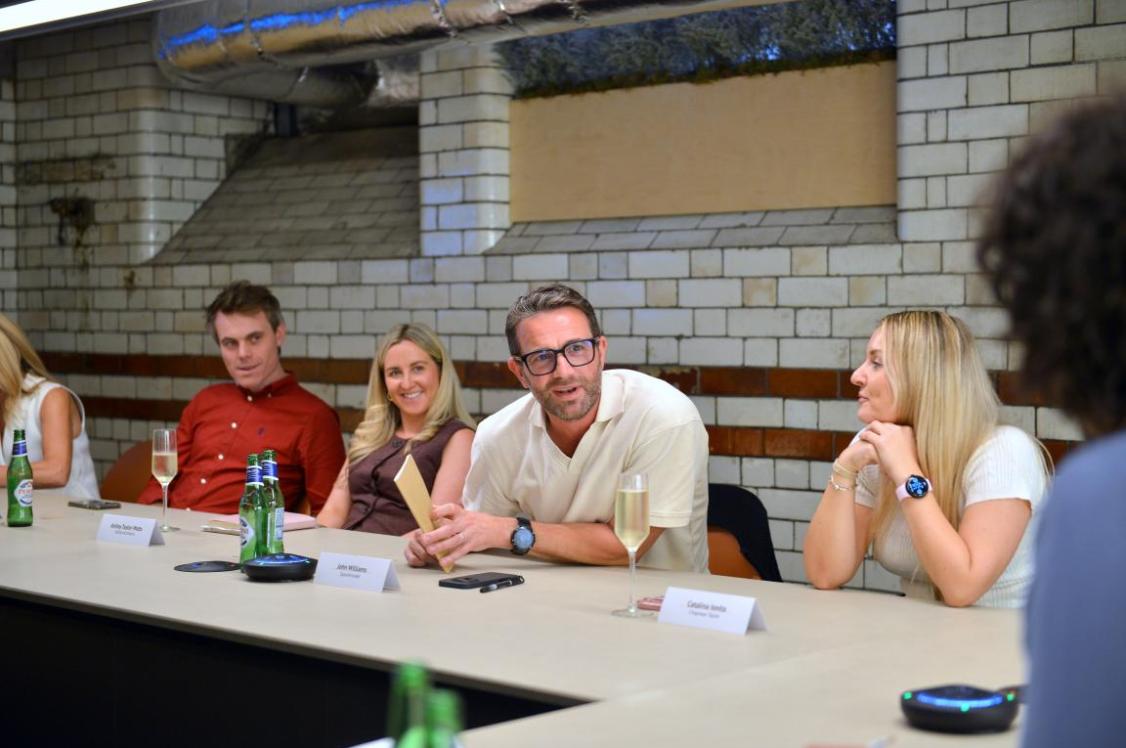
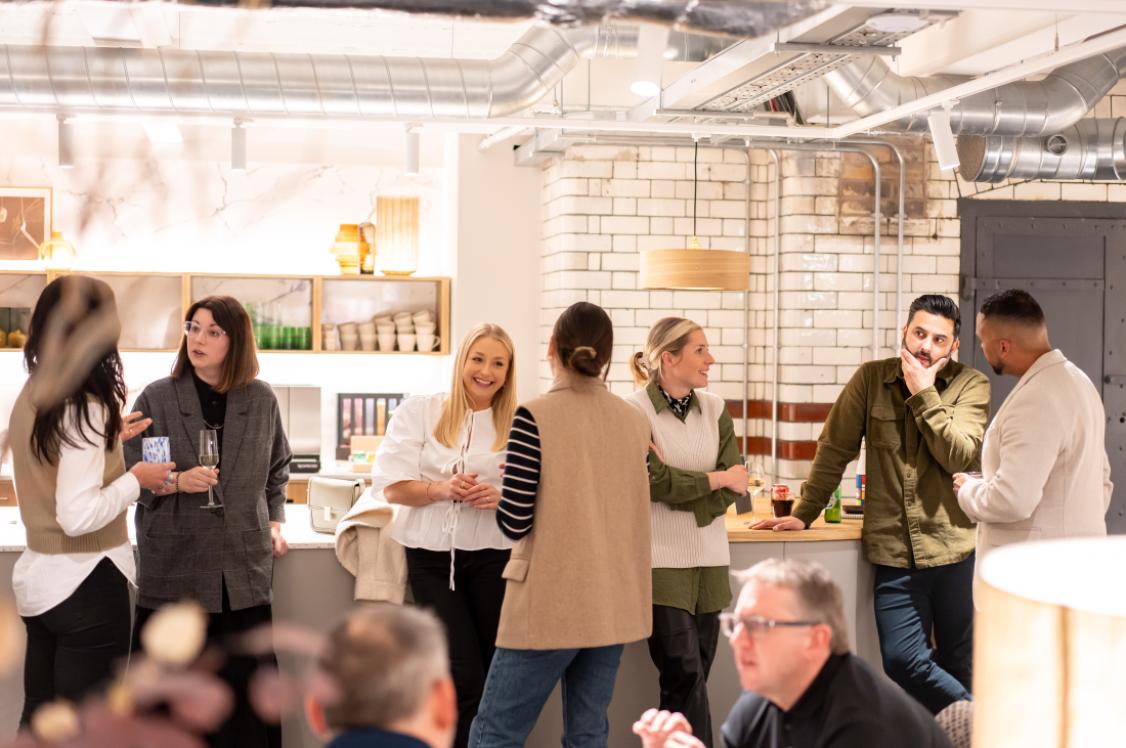
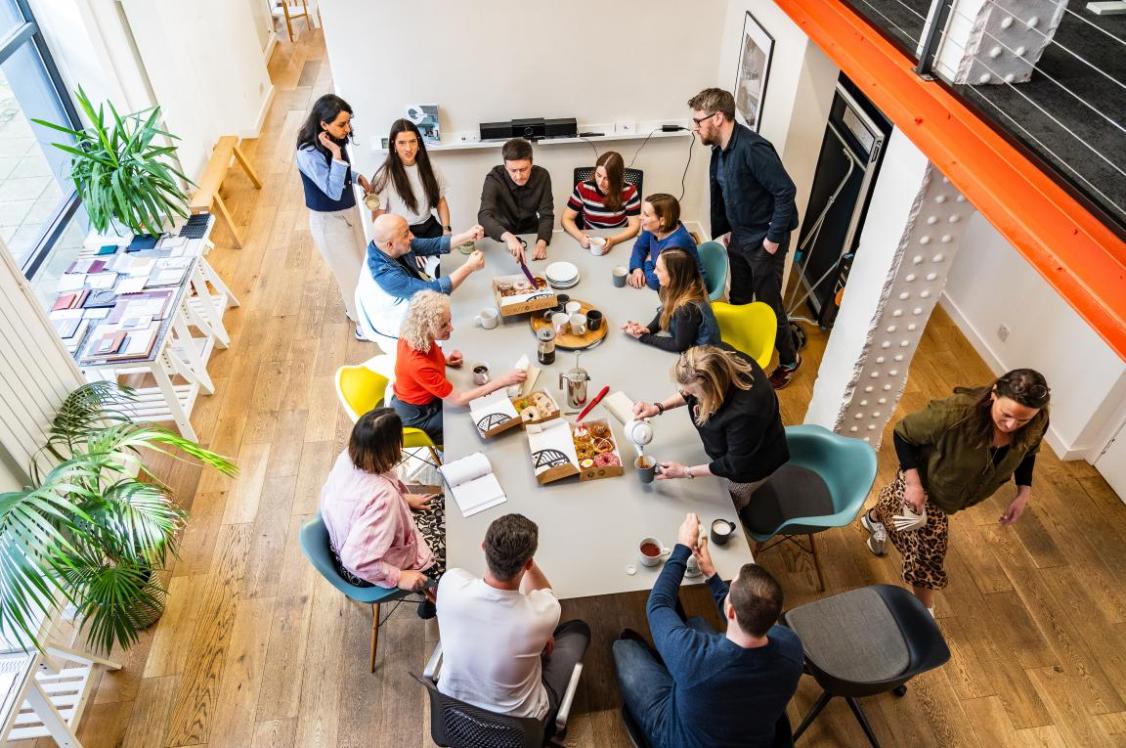
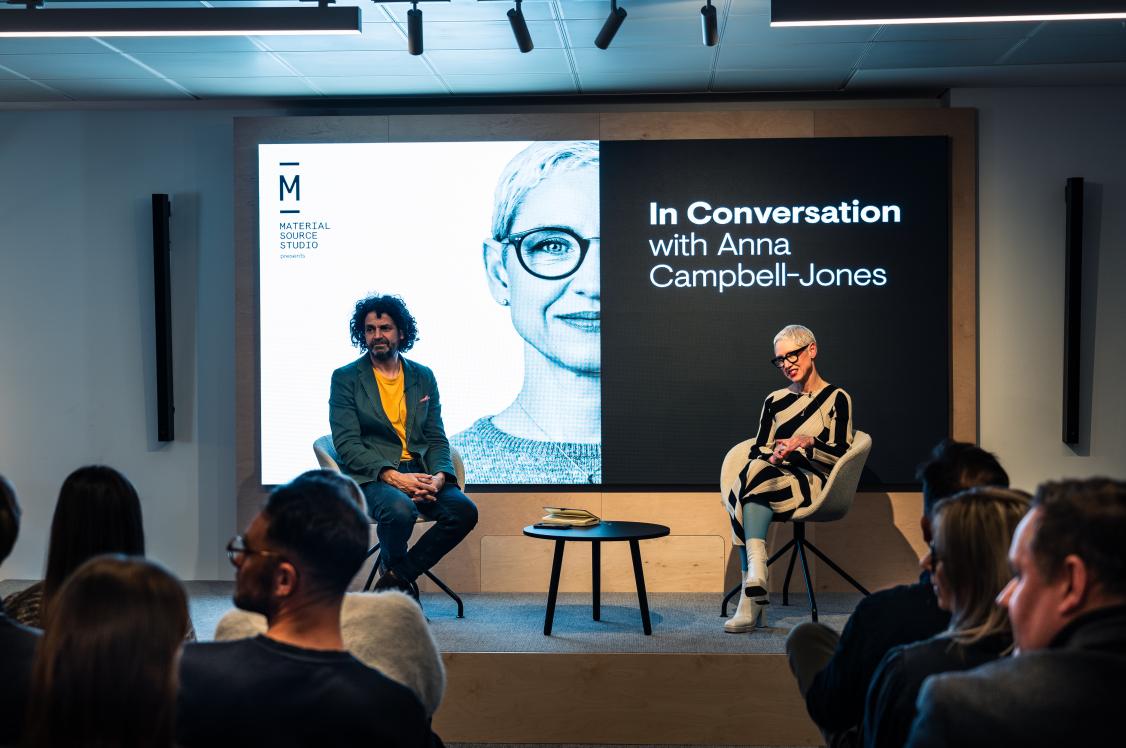
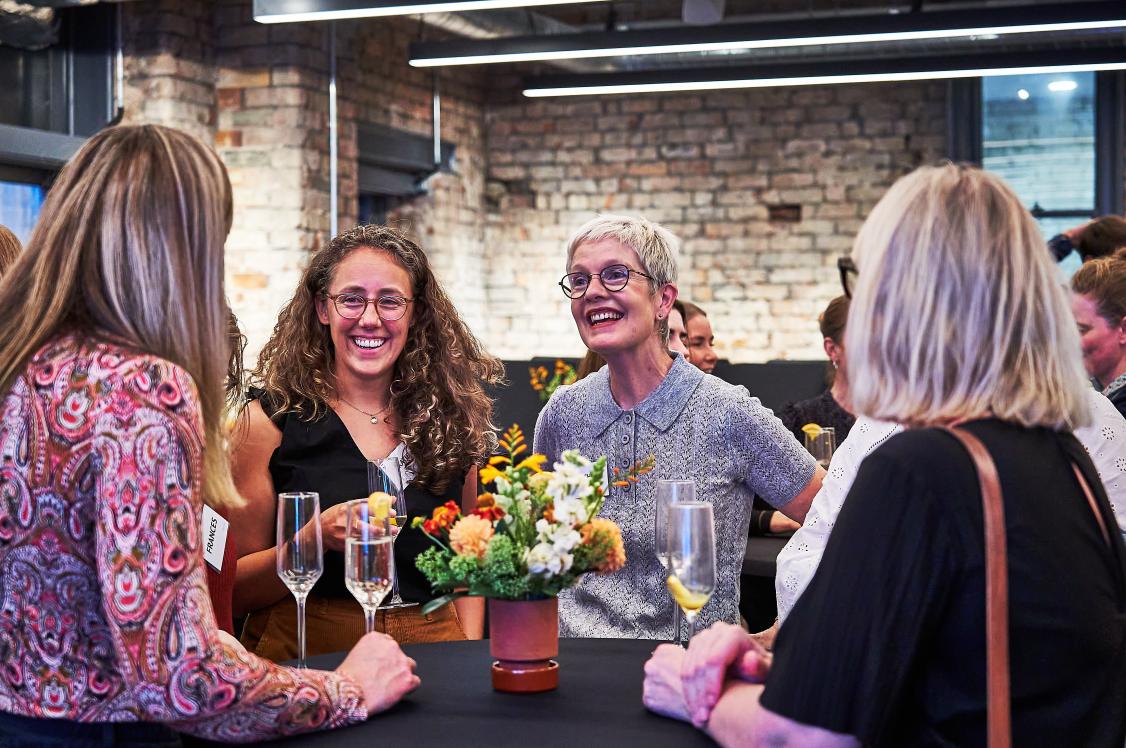
Since January, we've hosted 7 events on the topic of Equity, Diversity, Inclusion & Belonging (EDIB). Comprising 3 seminars and 3 roundtables in Manchester, London and Glasgow, and 1 Material Moods workshop on Belonging in Manchester, we've gathered cross-regional insight, painting a detailed picture of what inclusive design means to the UK's built environment in 2026.
The information gleaned has been, in some cases, surprising. And in the majority of cases reassuring. EDIB is clearly moving up the agenda for designers and clients alike. It's been likened to sustainability 15-years ago, before it became 'a given'. We're on a journey. But that's a good thing. Though we've got a long way to go, progress is happening.
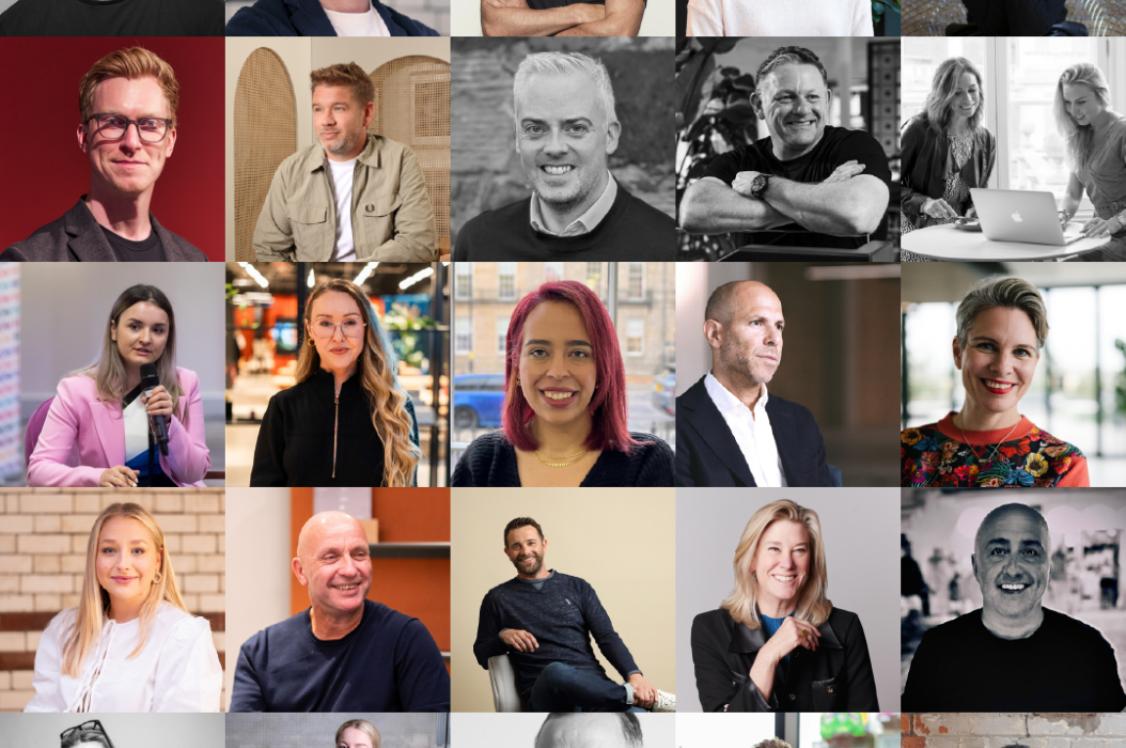
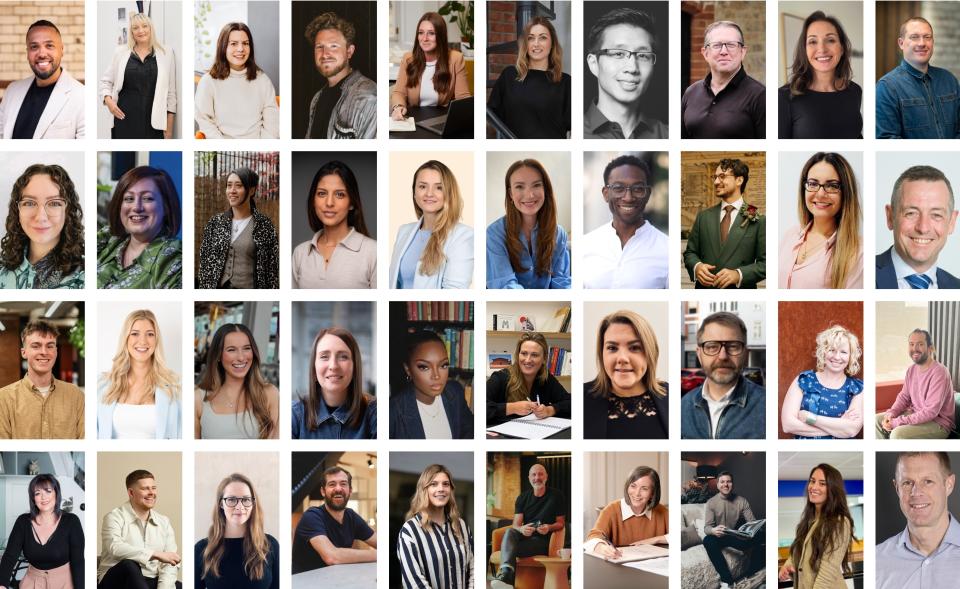
Widening our discussion on this topic, we've pulled together 40 Views from some of our guests and panellists at seminar and roundtable sessions, with additional commentary from our wider Studio communities. Read and watch their comments below...
What does EDIB mean to you/your practice/your clients?
Frances Phillips, Architect and Associate, BDP, part of the BDP Gender Equity Group, & Co-Founder, urbanistasNW
"It is important to recognise how societal influences shape our assumptions about others. Approaching situations with balance and curiosity helps challenge these preconceptions. Encouraging people from diverse backgrounds to enter the built environment professions brings a wider range of perspectives and lived experiences, strengthening our ability to understand different user needs and create richer and more inclusive design solutions.
"While broadening entry into the profession is essential, retention and progression are equally critical. Ensuring that a range of perspectives is represented at decision making level allows the profession to remain attuned to the social contexts it works within and to deliver designs that better reflect the needs of the communities they serve."
Stephanie Porfyriou, Project Architect, Architecture & Masterplanning, AtkinsRéalis
"EDIB means creating environments where people feel seen and heard. Early in my career, I often hesitated to speak up because English isn’t my first language, which taught me how transformative feeling confident to contribute can be. The AtkinsRéalis values guide my approach: Safety in building an atmosphere of trust, openness and respect, Integrity in doing the right thing and listening to every voice, Collaboration across diverse teams, Innovation shaped by different perspectives and Excellence in delivering people centred outcomes. These values ensure that inclusion isn’t an afterthought but embedded in how we design, communicate and engage with the communities we serve."
Stephanie Kyle, Associate & Inclusive Design Consultant, Floyd Slaski
“There’s a saying: don’t judge a fish by its ability to climb a tree. If we give everyone equal support – i.e. equality – we’re not playing to their strengths. But if we give people equity, we give support in different ways to level the playing field.”
Yan Wing Le, Director, Common Practice
"EDIB is deeply personal to me. My family arrived in the UK as refugees when I was three-months old. As a woman of colour from a low-income background I often felt I had to work twice as hard to progress in architecture. I loved the profession, but I didn’t always feel like I belonged. Now, as co-director and founder of my own practice, I’m in a position to shape a more equitable and inclusive workplace. I believe our differences enriches our thinking, and our varied cultural experiences are essential to creating built environments that truly serve and represent everyone."
Carmen Macri, Principal Mechanical Engineer, Property and Buildings – Building Services, WSP
"EDIB is about creating environments where everyone has fair access to opportunity, feels respected, and can meaningfully participate. At WSP, EDIB is embedded in how we design, collaborate, and deliver value to clients. It shapes our culture as much as our technical outputs, ensuring our work reflects the diversity of the communities it serves.
"For me, EDIB carries personal meaning and as someone originally from Bucharest, Romania, I have always felt included, valued and supported at WSP, which reinforces how powerful belonging can be.
"Clients increasingly expect evidence based, people centred approaches aligned with social value and inclusive design frameworks, and embedding EDIB helps us deliver better outcomes, stronger engagement, and places where more people can thrive."
Mark Bradshaw, Director, iPWC Ltd Workplace Consultants
“The key to designing for the future is to assume that everybody is different. But the only way to capture how to accommodate their requirements is to engage with the workforce. Not to work off a plain brief.”
Ray Pang, Co-Founder & Director, Match Lighting Studio
“EDIB for me, means designing for the people that are going to use the space. To give them that sense of belonging, that they can be there and be included.”
Gemma Copp, Project Architect, DMWR Architects
"For CHQ Group (including DMWR Architects Ltd), EDIB for us represents a commitment to creating a workplace where all our employees feel valued, supported and that they can contribute to the company and the work they do. For us it shapes how we collaborate internally but also externally on how we design projects for or clients ensuring our projects reflect a wide range of perspectives and ideas.
"We feel that this strengthens our culture by encouraging fairness, opportunities, and celebrating the diversity of backgrounds, skills and experience each of our employees brings to the team, while fostering a sense of belonging to help us thrive. Our approach enhances the quality of our work as inclusiveness leads to more thoughtful, responsive and great design outcomes, being an Employee Owned Trust supports our employees by allowing their influence and hard work to shape the company we are today."
Rob Venice, Founder and Creative, Motive
"Tenants come to Motive for the ‘I’ and the ‘B’, which in turn drives the ‘E’ and ‘D’. Today it’s not enough for offices to be purely functional or Instagrammable. Top tier workplaces need emotional depth, where people feel seen, take pride, and develop a sense of ownership.
"We work hard to truly understand who a client is, beyond their external brand, and translate those qualities into experiential design. Stepping into an office should consciously and subconsciously guide people through a company’s narrative and purpose. These defining design details create connection between a business and the people it wants to attract and keep."
George Gravil, Graduate Sustainability Engineer, Cundall
"EDIB is vital to my practice and role as a sustainability engineer, as I support clients around the world to achieve WELL v2 certification and WELL ratings. My team recently supported a client in the MENA region to achieve the WELL Equity rating, a symbol of an organisation’s commitment to inclusive design, employee health and EDIB. To me and my clients, EDIB is not only about inclusive design but also implementing policies and operational systems which are tailored to all. These must then be reviewed and verified through post-occupancy surveys to ensure they have made an impact on improving the health and wellbeing of employees."
Emily Adams, Interior Designer, Kin
"For me EDIB is about designing spaces where everyone feels genuinely comfortable, seen and welcome rather than just simply accommodated. If we’re responsible for shaping environments, why wouldn’t we want every end user to feel a sense of belonging? For that reason, it is embedded in my process from the outset. EDIB isn’t a tick box exercise, it’s a design mindset that influences spatial planning, circulation, materiality, lighting and acoustics. Considering diverse abilities, backgrounds and neurodiversity leads to richer, more thoughtful spaces for everyone. Inclusive design doesn’t dilute creativity - it strengthens it, by forming spaces that feel human, connected and purposeful."
Nick Walker, Director - Built Heritage & Townscape, Iceni Projects
Rachel Kerwin, Head of Property & Facilities, The AA
“I think people make EDIB too complex, why wouldn’t we just use a bit of considerate design so that everyone can use spaces in the same way?”
Nargis Treherne, Workplace Strategy & Design Lead, Deloitte
“To me, EDIB is about recognising that individuals will have different needs, and creating conditions that enable everybody to thrive and flourish in their own way.”
Ariane Sanders, Founder, Sonda Studio
"It is a way of thinking. It isn’t a checklist. Every person is unique, and that is something to celebrate. This is what Sonda Studio is built on. The word ‘sonder’ means recognising that everyone’s life is as complex as our own. I approach people, projects and life with space for the unknown, and curiosity to understand different narratives, perspectives and needs. This includes how people sense, process and feel within a space, understanding their lived experience and designing for that range. We should aim to create a sense of belonging, where inclusion becomes belonging."
Ashley Salmon, Founder/Creative Director, Zero Gravity Design
"EDIB is the difference between a workplace that looks good and one that genuinely works for everyone. Too many spaces are still designed around a narrow definition of the “typical” user, which means exclusion gets built in quietly: through layouts, lighting, acoustics, culture, and access. At Zero Gravity Design, inclusion isn’t a tick-box or a trend, it’s the baseline. Designing for accessibility, neurodiversity, dignity and belonging creates stronger teams, better wellbeing, and more resilient organisations. For our clients, EDIB isn’t about optics. It’s about people feeling safe, valued, and able to thrive. If people don’t feel they belong, the design has failed."
Carly Wise, Director, DOVE Interior Design
"To DOVE, EDIB is about designing homes that genuinely reflect and support the people who live in them. That can mean prioritising discretion for high-profile clients, creating prayer spaces with considered orientation and light, or tailoring schemes for neurodivergent users through calm palettes and reduced sensory stimulation. Accessibility is equally vital, from wheelchair circulation and worktop heights to intuitive layouts that support physical and mental wellbeing. We see inclusive design not as a trend, but as the foundation of good design, thoughtful problem-solving that results in spaces where every client, regardless of lifestyle or needs, feels comfortable, understood and at ease."
Thomas Parker-Register, Senior Architect, Ridge & Partners
“EDIB for me means there being an equal opportunity for everyone within a place. It’s about feeling like they belong in the same place - in one place.”
What are the key challenges in ensuring EDIB is supported and promoted in your day-to-day?
Matthew Gavin, Associate, Fletcher Rae Architects
"EDIB has become more complexed as we further our knowledge of human behaviour/physical and mental differences. How quickly this has changed presents a challenge to a society that is fixated on habits and unable to change as quickly as knowledge is learnt.
"Facing EDIB with a closed mind and unwilling to look from another person’s perspective, this could be down to how complex EDIB has become within society. People have become braver in speaking out about injustice, I feel this has created a scenario where people in power are scared to make changes or decisions through fear of being called out."
James Lait, Senior Interior Designer, SpaceInvader
"One of the key challenges in supporting EDIB is balancing diverse needs within a single space. Different users may respond very differently to lighting, acoustics, colour, layout or levels of stimulation, so creating environments that feel inclusive without becoming generic can be complex. There can also be budget and programme constraints, whilst another challenge is moving beyond compliance to create spaces that genuinely support wellbeing, neurodiversity, accessibility, and cultural inclusion, while aligning with the clients’ aesthetic ambitions, and operational requirements.
"Early conversations about how people use a space are vital, combined with post-occupancy feedback. Internal workshops at SpaceInvader help us challenge assumptions and consider a wider range of needs, particularly around neurodiversity, accessibility, and cultural inclusion. Clear guidelines and evolving best-practice standards are valuable, but it’s listening to lived experience and being willing to adapt designs that have the biggest impact on making schemes genuinely inclusive."
Kevin Kendrick, Operations Director, Morton Fraser MacRoberts
Ash Wilson, Director, Sculpt
"We find that a lot of clients still see these aspects as a 'nice to have' or a tick box exercise to cover the bare minimum. We have had clients in the past argue to not have accessible facilities because they 'wouldn't use them very often'. I asked them how many times they had needed to use their fire alarm and the answer was zero - despite it costing them a lot of money and having regular testing. Another argument is also cost and space limitations. A restaurant simply wouldn't open a restaurant in a certain unit if they couldn't fit their kitchen in, but accessible spaces needing more space seem to be optional.
"I would love for clients to ask questions about EDIB as part of every project, and give it equal importance as other aspects. There are always things that are prioritised in projects and I'd argue that some things could be brought way higher in the list without adding costs to the overall project. It feels like an uphill struggle at the moment in most areas of our work."
Is there one thing that's fundamental to creating EDIB-enhancing spaces?
Dr Catalina Ionita, Senior Architect, Chapman Taylor
"Creating EDIB-enhancing spaces begins with genuinely understanding the people who will use them. Inclusion cannot be retrofitted; it must shape the design process from the outset through listening, co-creation, and empathy. The most successful places reflect the diversity of their communities not only in accessibility, but in how safe, welcoming, and empowering they feel.
"This requires moving beyond compliance toward human-centred design, considering lived experience, cultural identity, and everyday activities. When people see themselves reflected in a place, they develop a sense of belonging. Ultimately, inclusive environments are not defined by physical features alone, but by the social value and agency they enable."
Andrew Bissell, Partner - Lighting Design, Ridge & Partners
"A key requirement is that you need a client who is on board from the outset and all the design and engineering disciplines are also at the early meetings. To create places which work with respect to EDIB requires a variety of bespoke solutions rather than a blanket one size fits all, that can only happen with all disciplines attending and inputting to meetings. There also needs to be a continued reminder throughout the design and construction phases of why early decisions were made. An agreed rule book if you like with rules which can’t be broken."
Katie Shepherd, Associate Director, P+HS Architects
"If there’s one fundamental principle in creating EDIB-enhancing spaces, it’s recognising that the built environments shape community, opportunities and belonging. Homes and neighbourhoods are not neutral; they either enable people to participate fully in life or quietly exclude them. As designers, we have a responsibility to move beyond minimum standards and imagine environments where everyone feels safe and supported. That means designing for difference as the norm, not the exception. When we embed equity at the heart of residential design, we don’t just create better buildings, we help build fairer communities and a more inclusive future."
Jessica Noël-Smith, Architect, Researcher and Founder, Beyond Access
"What is most fundamental in practice is recognising that EDIB is about respecting and upholding all people’s basic human rights. As designers, we must recognise and understand how we play a crucial role in the everyday lives of any person interacting with a space we’ve been involved with creating - and that these spaces have the power to enable or disable, to welcome or exclude. In terms of my own research and consultancy work this means going beyond mere minimum compliance, towards rights-based spatial design, and steering well clear of the tick-box compliance culture which falls so very short of equitable access and inclusion."
Paul Dare, Founder, Dare Design Studio
"One thing that feels fundamental to creating EDIB enhancing spaces is genuinely understanding the people you are designing for and not assuming you already do. As designers, we can sometimes fall into the trap of thinking we have the answer before we have really listened. For me, it always starts with conversation. Getting under the skin of how people actually use a space, how they feel in it, and where things might not be working for them. That is where inclusion really begins.
"There is a clear shift happening from diversity as representation to belonging as an outcome. And you feel that in a space. When it is right, people are more comfortable, more confident, and more themselves.
"There is also a commercial reality to this. McKinsey found that companies with the highest levels of diversity are 39 percent more likely to outperform financially. So this is not just about doing the right thing, it is about creating environments where people can genuinely thrive.
"Good design should not just look right, it should feel right for everyone who walks through the door."
Gillian Duthie, Director Facilities Management & Workplace Experience, BlackRock
Louise Grimes, Co-Founder, M1NT Studio
"Designing any space is ultimately for the End User, whether for functional business operations or more experiential settings. Understanding users’ needs early in the design process is a must, it allows for EDIB considerations from the outset. Facilitating stakeholder engagement with a duty of care to meet the needs of those using their spaces.
"Human centric design should be at the heart of any project, embracing flexibility and adaptability to support a wide range of people, offering inclusivity and a sense of belonging for clients and their end-users across all sectors. Whilst endeavouring to cater for all in striving for equity. Committed clients, investing in EDIB principles are seeing real business benefits in staff retention and return users, boosting both productivity and profit. Early adoption is far easier and more cost effective over retro fit."
Aurelie Rivkah Tshiama, Curriculum & Learning Experience Architect for Creative and Founder-Led Businesses
"One thing that is fundamental to creating EDIB-enhancing spaces is recognising that space always reflects identity. The built environment is never neutral. It implicitly communicates who a space is designed for and who it is not. For me, equity and belonging begin with understanding people’s lived experiences and translating those insights into spatial decisions such as layout, accessibility, materiality and atmosphere. In my work and teaching I encourage designers to start with a simple question: who is this space recognising? When identity becomes the starting point of the design process instead of an afterthought, inclusion becomes something that is embedded within the space itself."
Lucia Mills, Interior Designer, DLSM Studio
"Creating EDIB-enhancing spaces is as much sensory as it is spatial and fundamentally, I feel that it is important to use design to encourage choice. Rather than designing for an imagined ‘average’ user, it is important to design environments that can help acknowledge and celebrate difference. By removing invisible barriers and creating adaptable environments, we can empower individuals to choose what feels comfortable and safe for them. This can be achieved by thoughtfully choreographing lighting and acoustic levels, introducing varied seating layouts and designing spaces that are able to transition through the course of the day."
Katherine Usher, Associate Interior Designer, Ryder Architecture
"Empathy is fundamental to creating inclusive spaces. Truly inclusive environments come from understanding the diverse experiences and needs of users. When designers approach projects with empathy, they consider accessibility, comfort, cultural representation, and flexibility, moving beyond one-size-fits-all solutions. This ensures EDIB principles are embedded in practical design decisions. Applying this approach can be challenging. Designers must balance inclusive ambitions with constraints such as budgets, timelines, and existing building limitations. Inclusion can also risk becoming a compliance exercise if awareness among stakeholders is limited. Ongoing dialogue, education, and advocacy are essential to ensure empathy remains central and EDIB is meaningfully integrated into the design process."
Evelyn Gallagher, Senior Strategic Consultant, MLA
"EDIB is all about people, we are all unique, have our own stories to tell and perspectives to bring, which makes the world a rich and fascinating place. It is fundamental for designers to be curious, to embrace and try to understand as many of those perspectives as possible. The more we can empathise with people, put ourselves in their shoes and understand what is important to them, the more we can design spaces through that multifaceted lens. Spaces that are universally better for everyone and where no one feels like they are “other” or different. People engagement early on in any project unlocks this key ingredient of understanding. Be curious, ask questions, and educate yourself and others."
Sarah Moulson, Founder and Director, White Circle
"If there’s one thing that makes a space truly EDIB-enhancing, it’s feeling psychologically safe. You can have beautiful finishes, artwork and furniture, but if people don’t feel comfortable being themselves, the design isn’t successful. The best spaces quietly say, “You’re welcome here.” By designing around furniture that supports different body types and mobility needs, to softer lighting, thoughtful acoustics, clear wayfinding, inclusive restrooms, multilingual signage, and artwork that genuinely reflects the community. Great design isn’t just about how a room looks — it’s about how it feels. When people feel safe and considered, belonging within that space naturally follows."
John Brazier, Founder & Director, FORM Ideas Studio
"Designing for everyone from day one. For us, placemaking and inclusive design should never feel like something added on to tick a box. It has to be embedded from the outset. It is about balancing different needs properly, without making anyone feel singled out or accommodated as an afterthought. The best spaces have a warmth to them. They feel open, easy and human. Our aim is simple. We want people to feel part of something. Inclusion should empower and bring people together, not separate them. If a space achieves that, we know we have done our job properly."
Lucy Galloway, Associate, MLA
Jasper Sanders, Founding Director, Jasper Sanders + Partners
"The fundamental ingredient in creating EDIB-enhancing spaces is strategy. Design must begin with listening, understanding who a space is for and what it needs to enable, rather than relying on assumption. Inclusion is rooted in dignity and legibility, embedded within the spatial framework and reinforced through considered choices of colour, tone and material. To humanise space is to prioritise visibility, accessibility, sensory awareness and social connection as core principles, not aesthetic add-ons. These are not optional gestures. When people can recognise themselves in a place and navigate it with ease and confidence, a genuine sense of belonging follows."
Stevie Leigh, Director & Head of Manchester, MLA
"At MLA, our in-house workplace consultancy team plays a crucial role in guiding clients through complex change processes. Our strategic consultancy approach is grounded in data — we draw insights from previous projects, post-occupancy evaluations, and client feedback to continuously refine and strengthen future schemes.
"Successful transformation within the built environment depends on more than design alone. A committed client team and visible leadership buy-in are essential to drive and sustain change. Clear internal policies, transparent communication, and targeted training further support this process, helping to embed inclusivity and champion long-term behavioural and cultural shifts."
Sean Camm, Creative Director, Moss Home Design Studio
"At the heart of every inclusive space is intention. When we design from a place of empathy and awareness, rather than trends alone, spaces naturally become more welcoming and accessible. In my own practice, I consider how a space will feel to someone walking in — whether they feel calm, safe, represented and at ease. This might be through thoughtful layouts, sensory comfort, or ensuring the environment feels warm rather than intimidating. True belonging is created when people feel considered before they even arrive. Design has the power to quietly communicate: you are welcome here, exactly as you are."
If you had a magic wand, what would you do to help promote EDIB in the built environment?
Helen Griffith, Director, Dreamcatcher Interiors
"If I had a magic wand, I’d make inclusive design the starting point of projects rather than an afterthought. EDIB should be embedded from the first conversation, shaping spaces that reflect real people, diverse lifestyles and lived experience. I’d also simplify the way we communicate as an industry, less jargon, more honest, human language that invites clients into the process instead of excluding them. Most importantly, I’d ensure lived experience has a genuine voice within design teams. When people feel seen, heard and considered from the outset, spaces move beyond aesthetics and begin to create a lasting sense of belonging."