









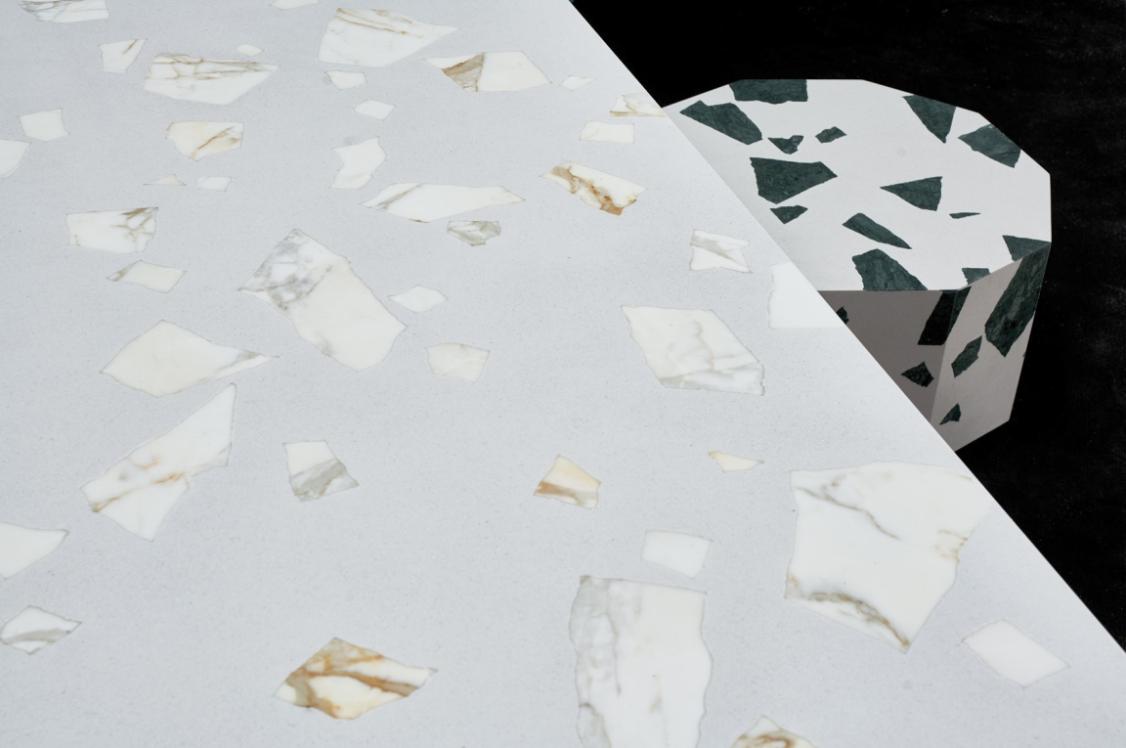





















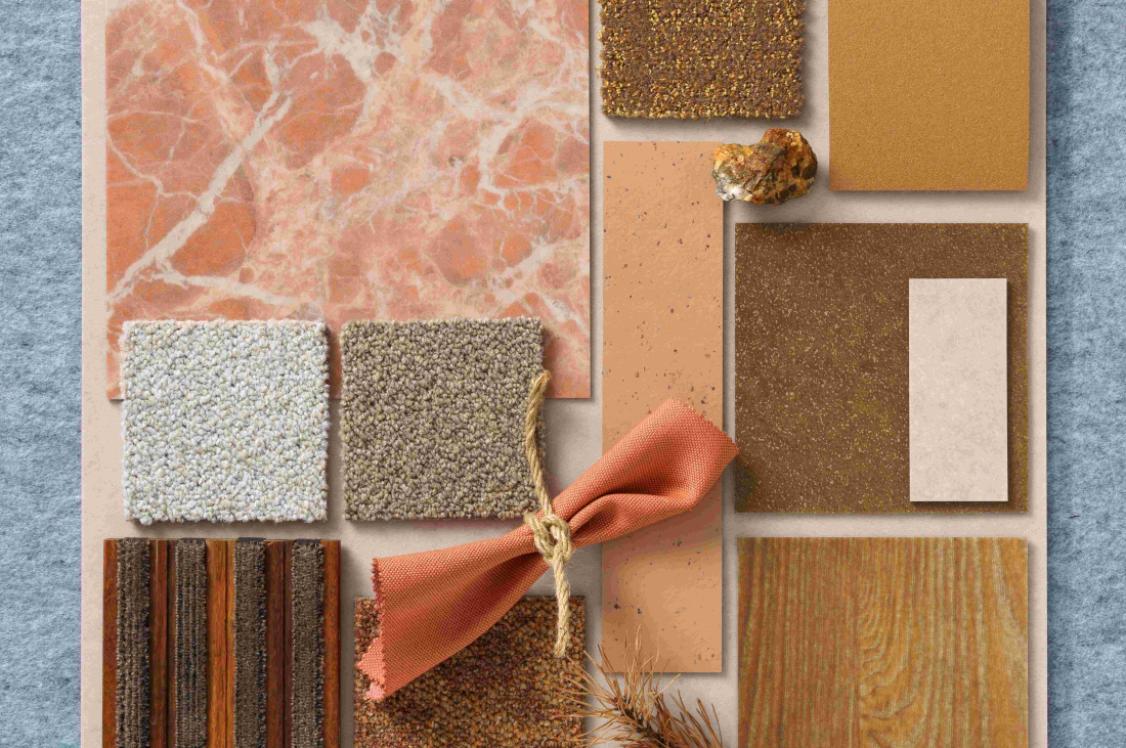

Wedge transforms quartz sand into enduring, digitally fabricated pieces of furniture.
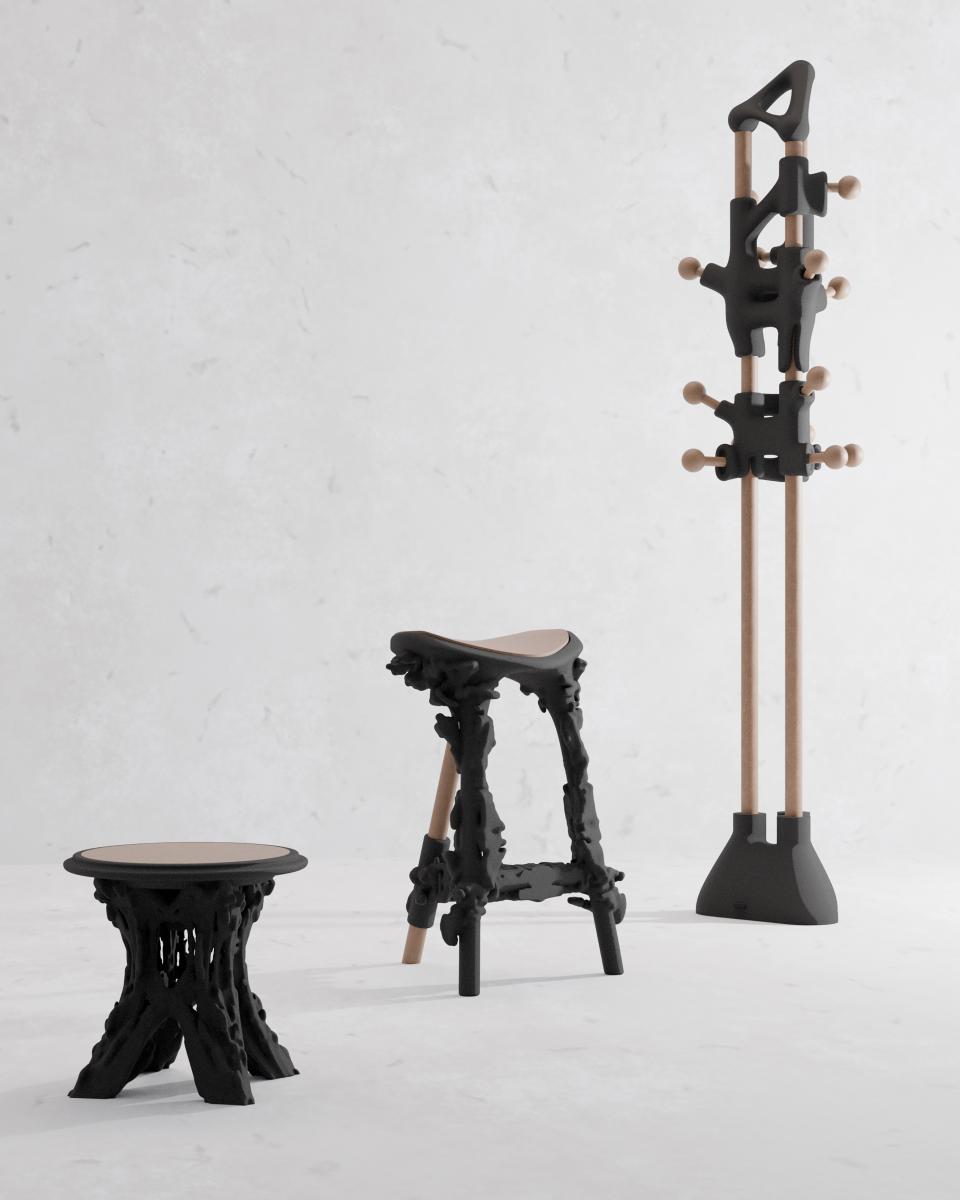
Wedge: Epoch II. Image courtesy: Wedge
Introducing Epoch I and ll by Wedge - a 3D printed collection of digitally fabricated furniture using sand.
From its London-based studio, Wedge crafts functional forms that are stone-like and sensorial, compounding material intelligence, algorithmic imperfections and digital craft sensibilities.
Its manifesto - “Activating Dimensionality” - reflects a belief that by concentrating on the making process between machine and matter, sustainability and experimentation can work alongside one another. Through collaboration in its small, close-knit team, Wedge has established a distinctive visual and tactile language of its own.
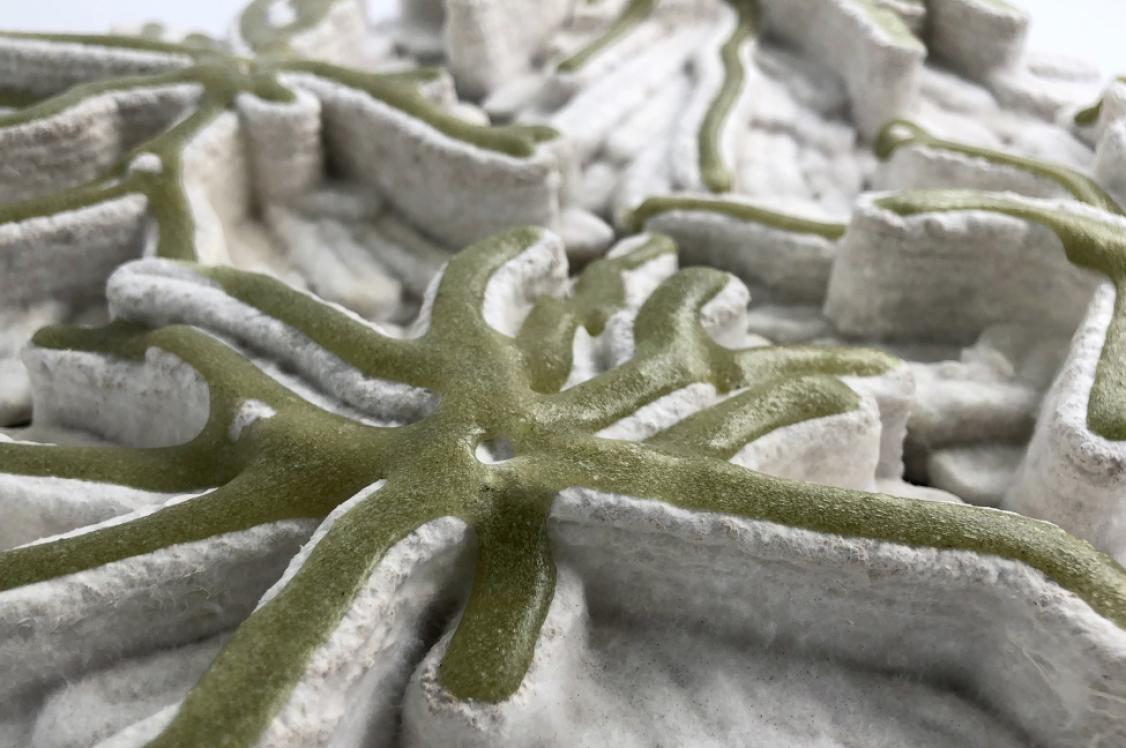
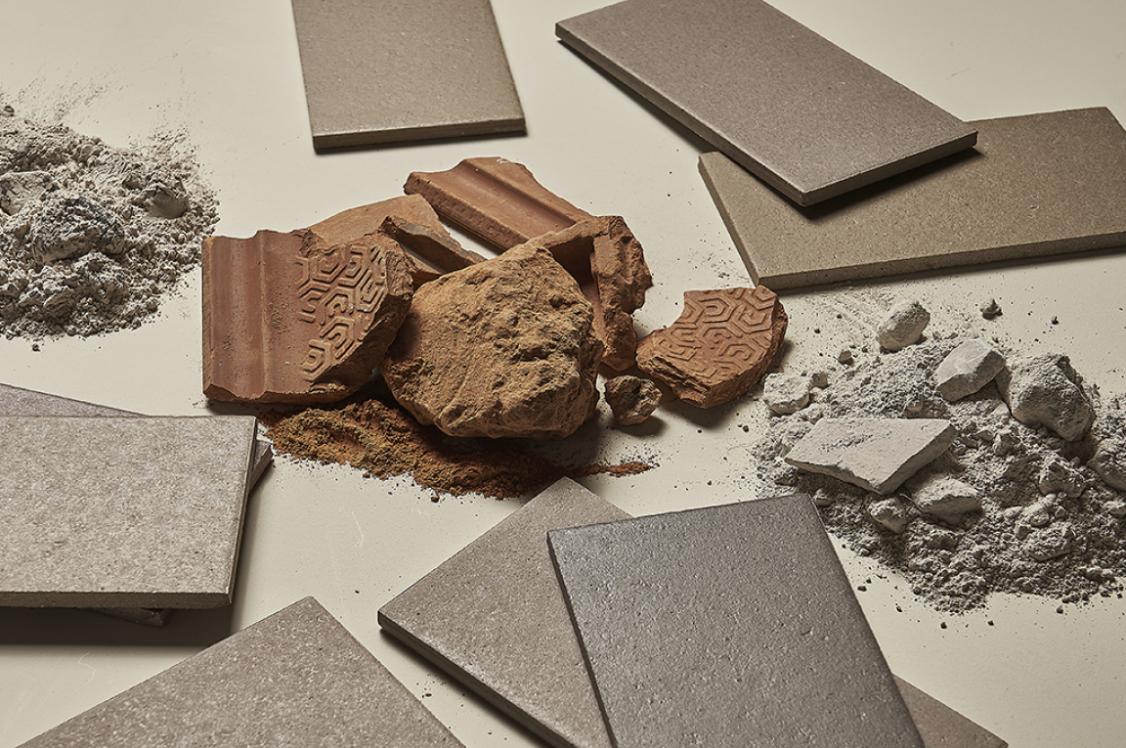
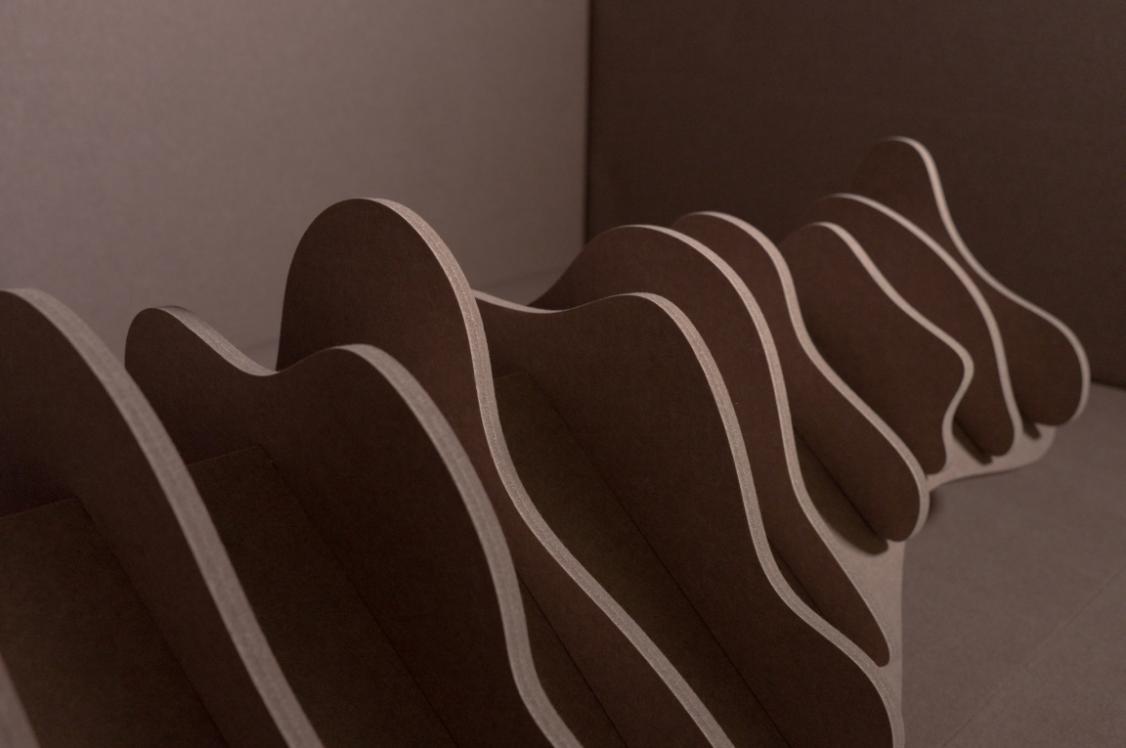
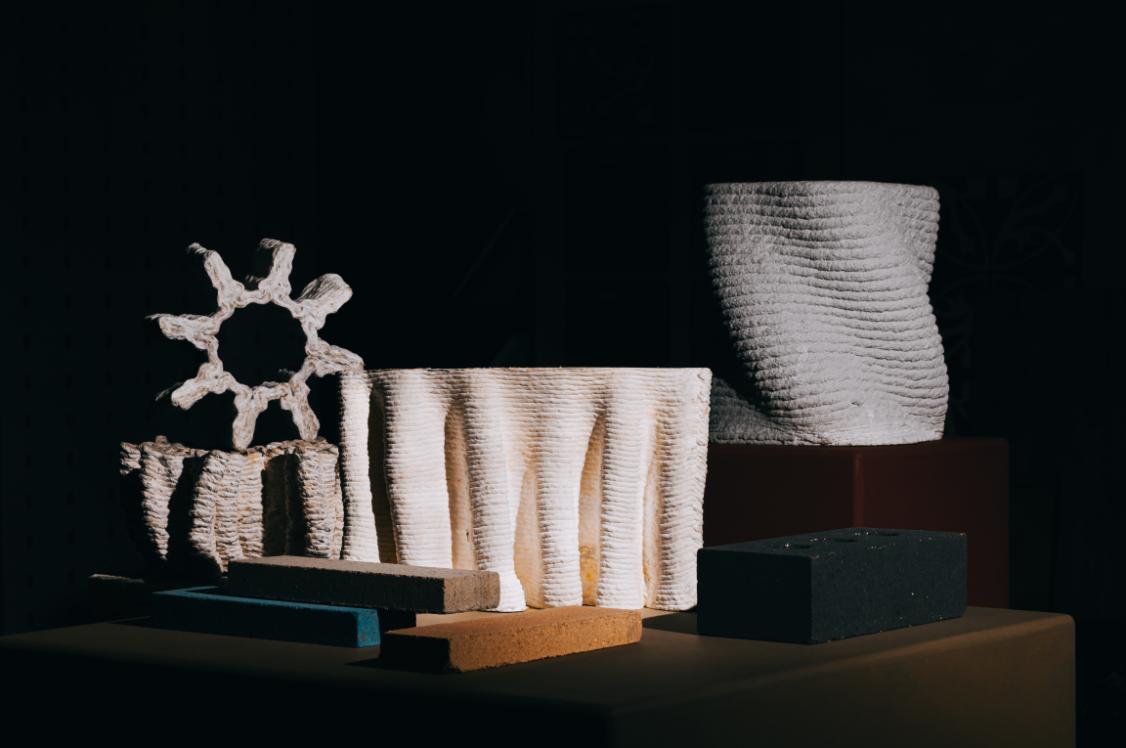
The Epoch I & II collection is produced through binder jet printing in quartz sand. Each piece is developed from material modelling, LIDAR scans, and nature-derived inspiration. This process merges computational precision with natural irregularity, turning a granular material into functioning forms of art. Each form is hand-finished after printing, revealing subtle layers of texture that bridge the digital and the hand-crafted. Each work is customisable, recyclable, and inherently unique.
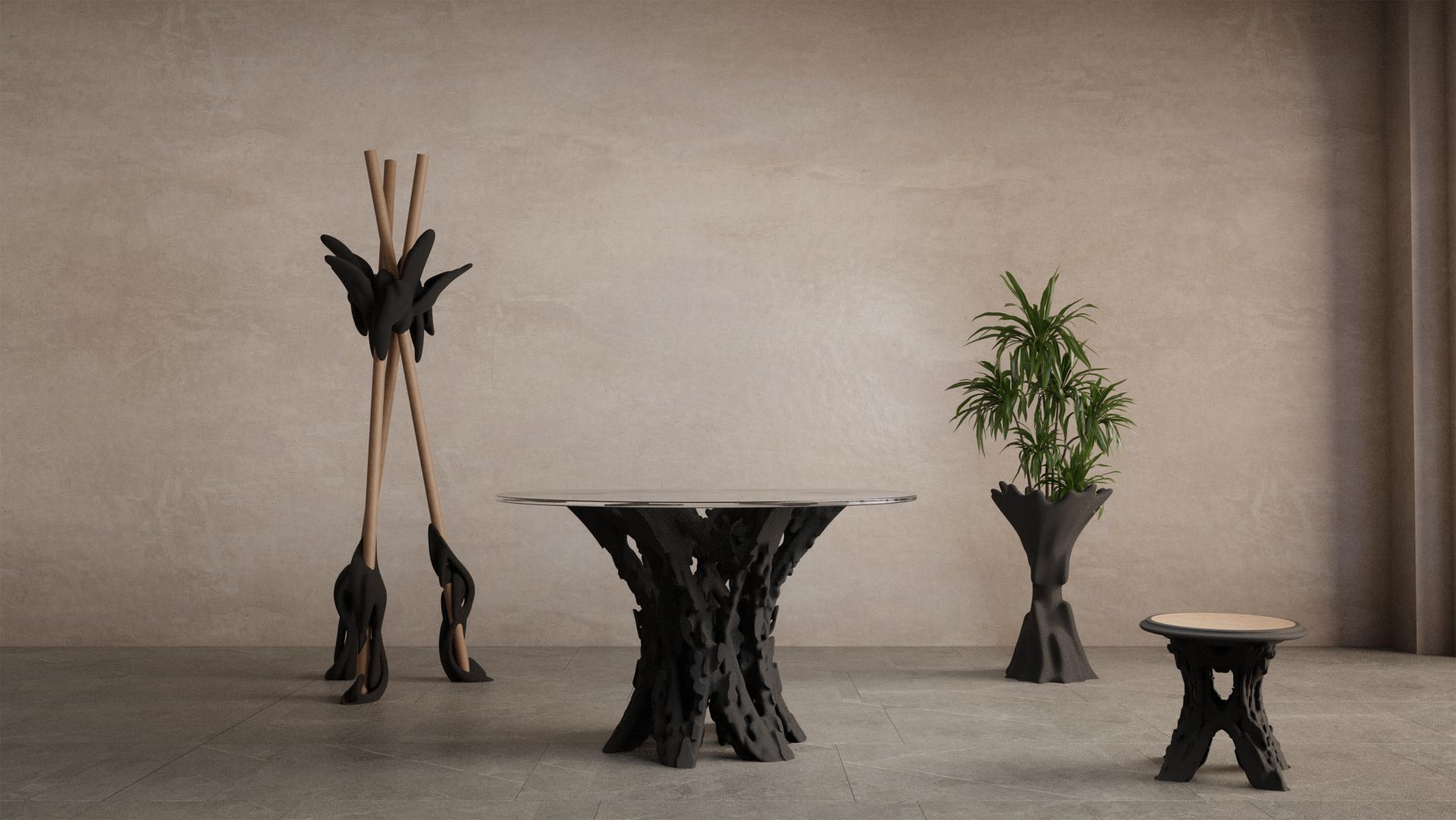
Wedge: Epoch II. Image courtesy: Wedge
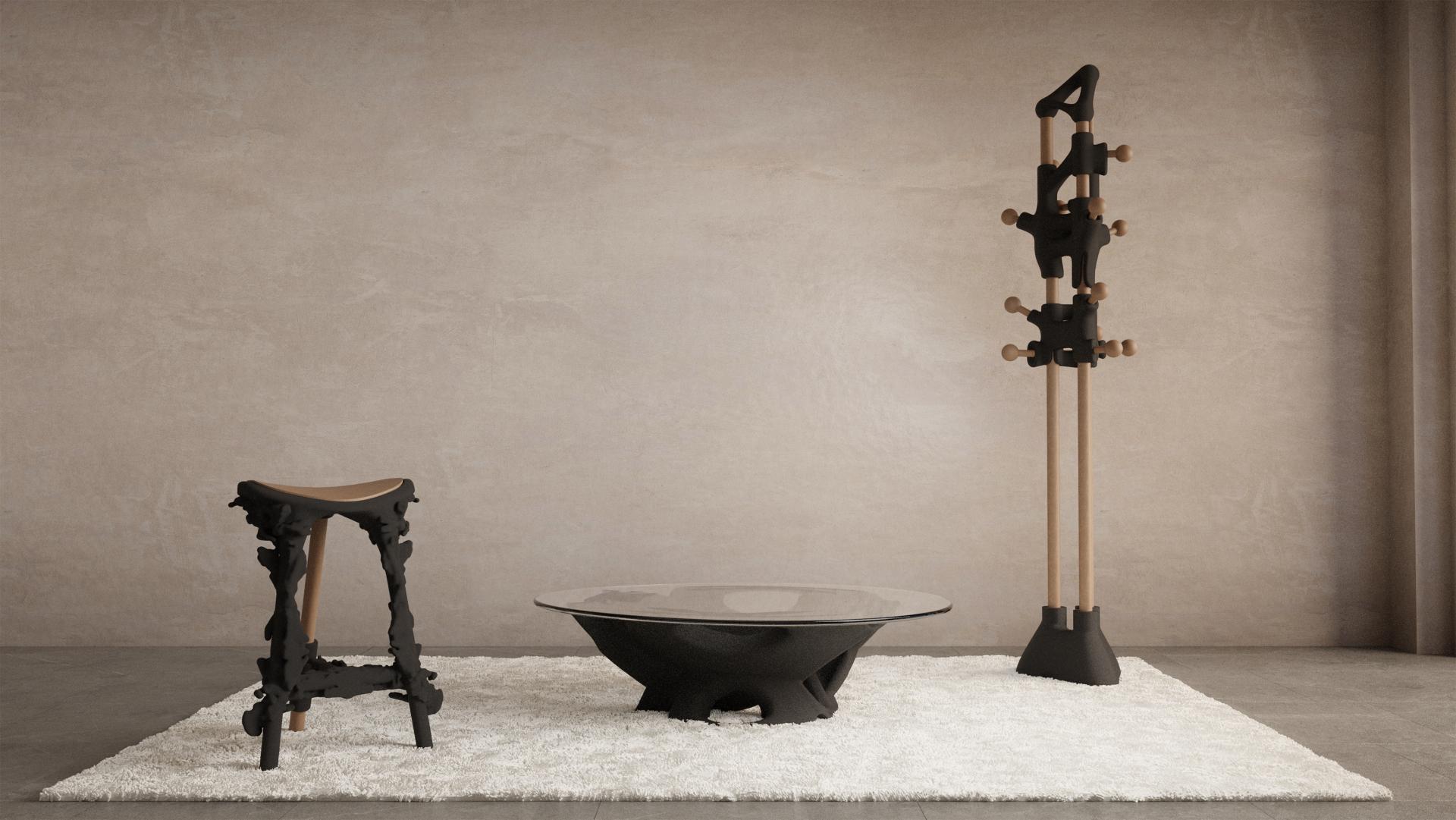
Wedge: Epoch II. Image courtesy: Wedge
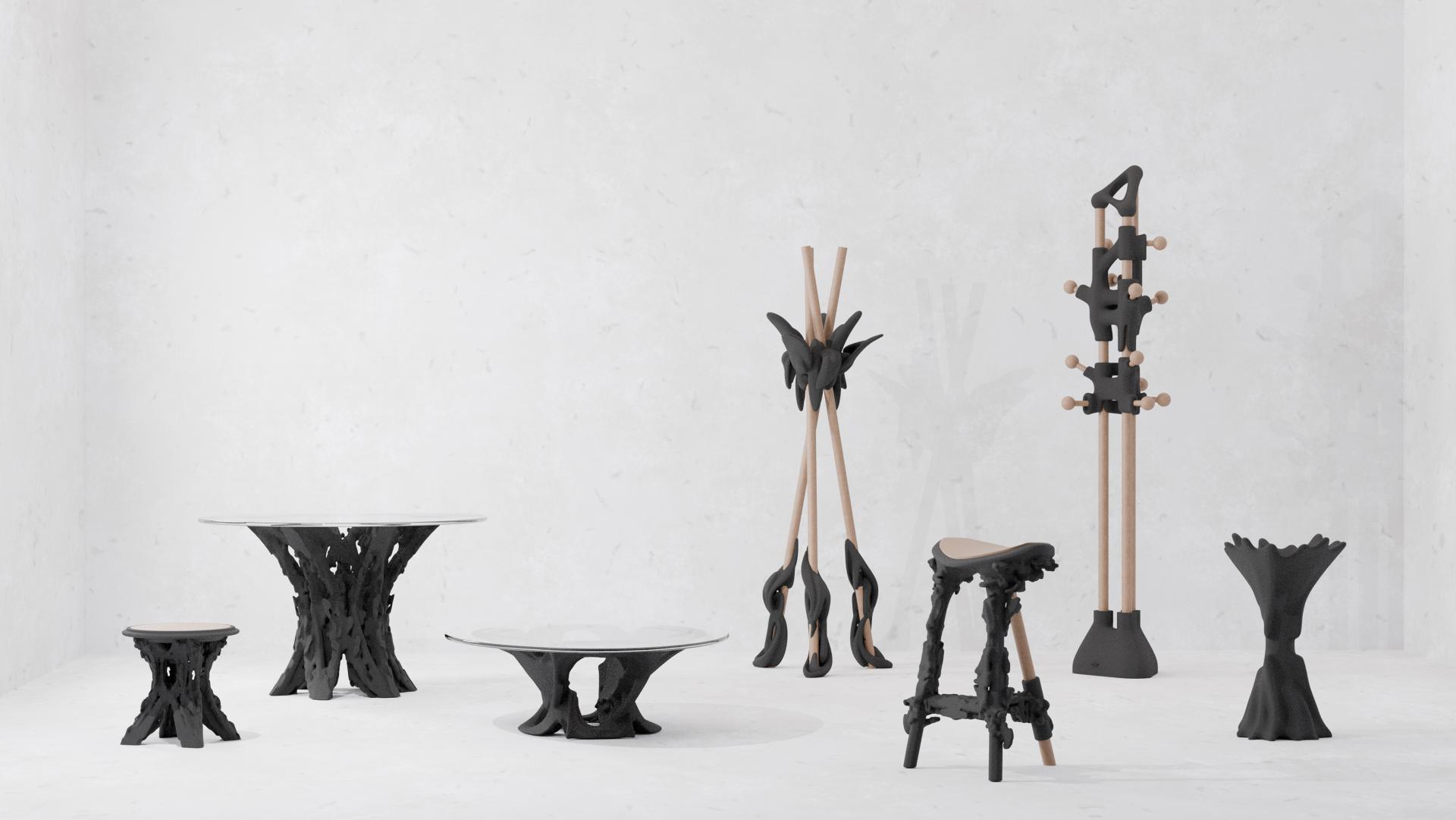
Wedge: Epoch II. Image courtesy: Wedge
Epoch’s design language draws form anatomy and geology. The Soleus and Coccyx chairs encode postural movement and muscular logic. While Talus, Karst, and Taphra reinterpret erosion and geological compaction. Pieces such as Gorgonia, Lyapse, and Seiche are shaped by coral growth, turbulence, and resonance, and the Phyllo and Axona coat stands transform natural and mathematical systems into aesthetic frameworks that echo living organisms.
Artist and architectural designer, Peiyan Zou directs Wedge’s design development and overall creative vision. A past graduate of the Bartlett School of Architecture, Peiyan was the recipient of the RIBA Donaldson Medal and Bartlett Medal. Andy Zhang leads its strategic and operational development, with a background in theoretical physics from Imperial College London. Managing material and technical research, Lei Zhang is an architectural designer, previously with BIG and AL_A. Together, the trio work on projects ranging from furniture and installations, to architectural systems through an ecological and experimental design approach.
Wedge demonstrates how design can activate new dimensions between the digital and the physical, the technological and the tactile.
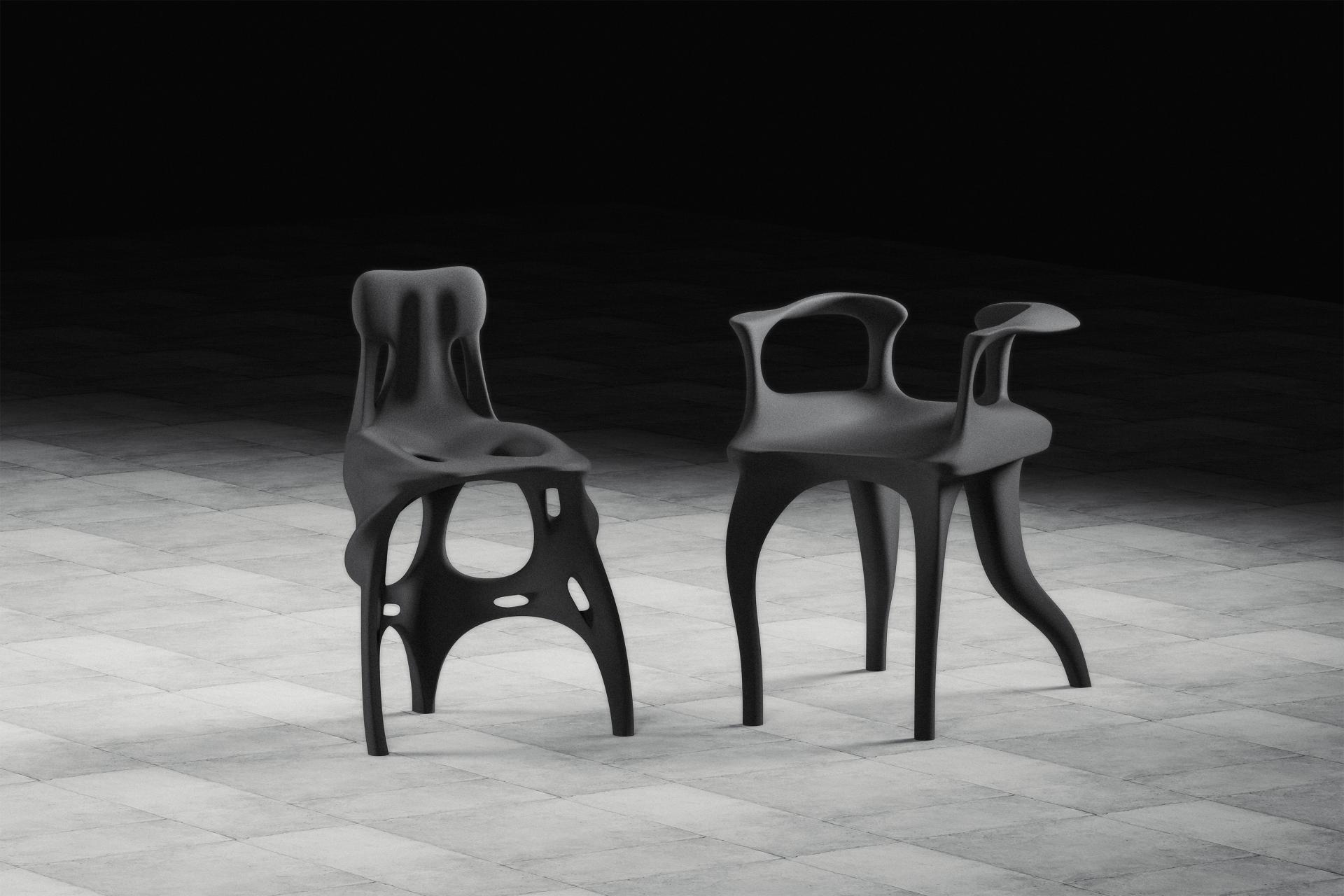
Wedge: Epoch I. Image courtesy: Wedge
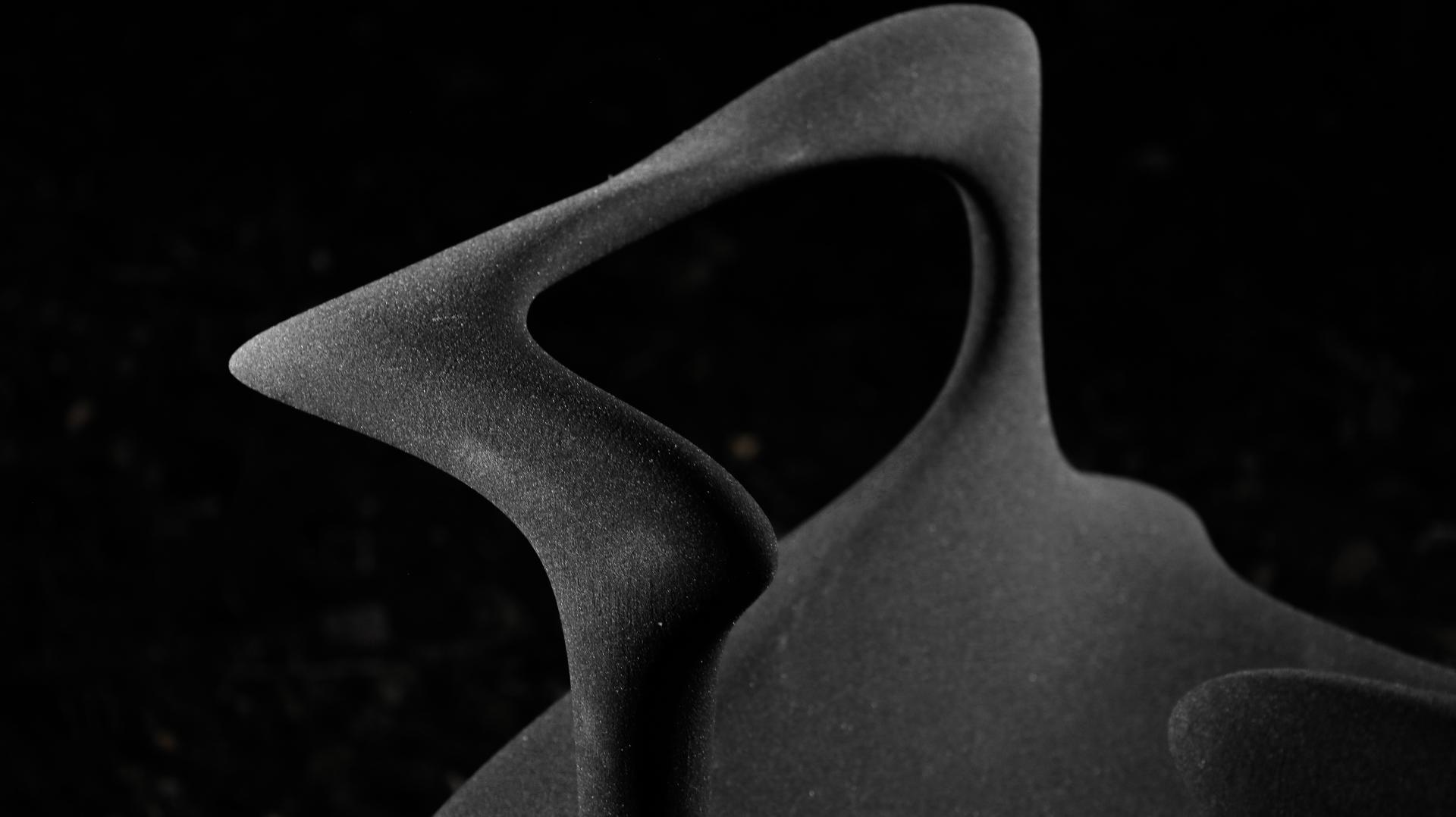
Wedge: Epoch I. Image courtesy: Wedge
You can explore Wedge’s alternative, materially-driven objects here.