













EDIB: What does beyond bare minimum look like?
In association with:

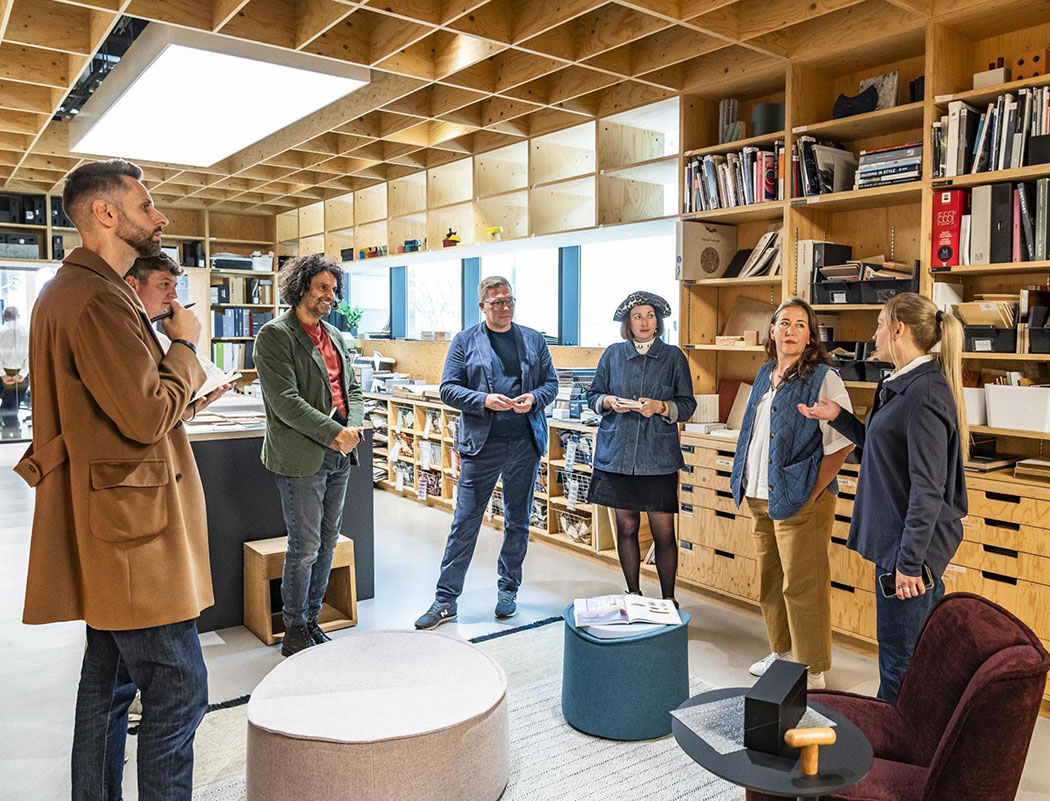
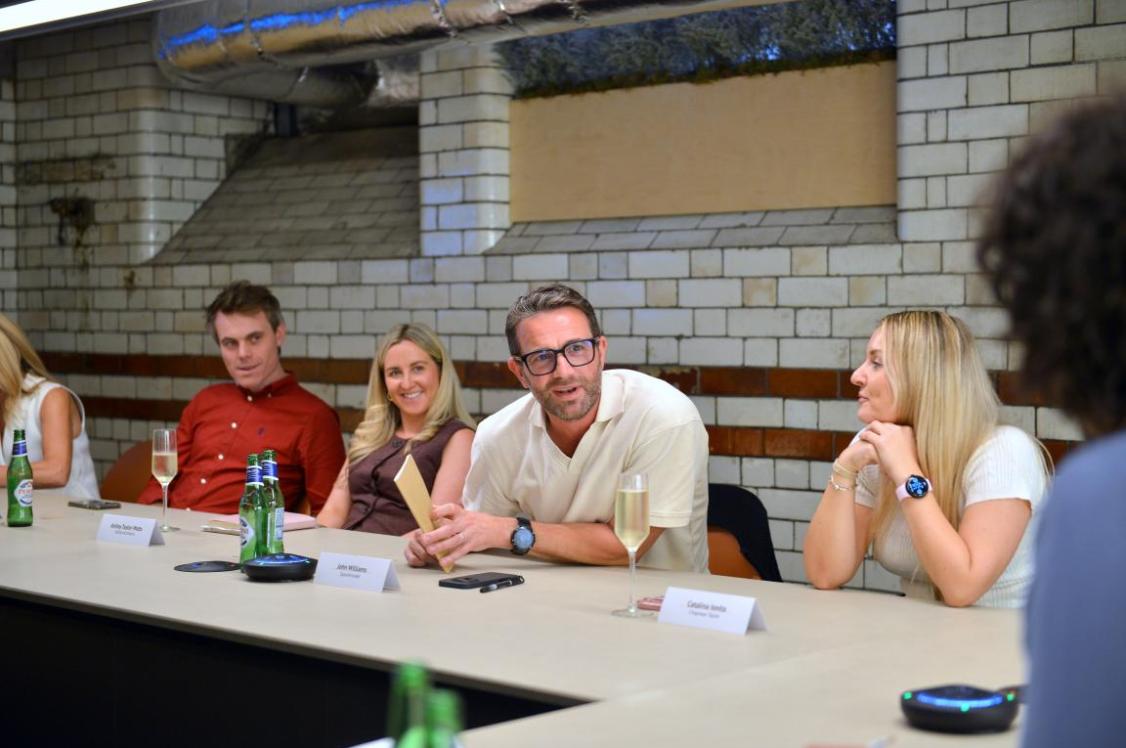
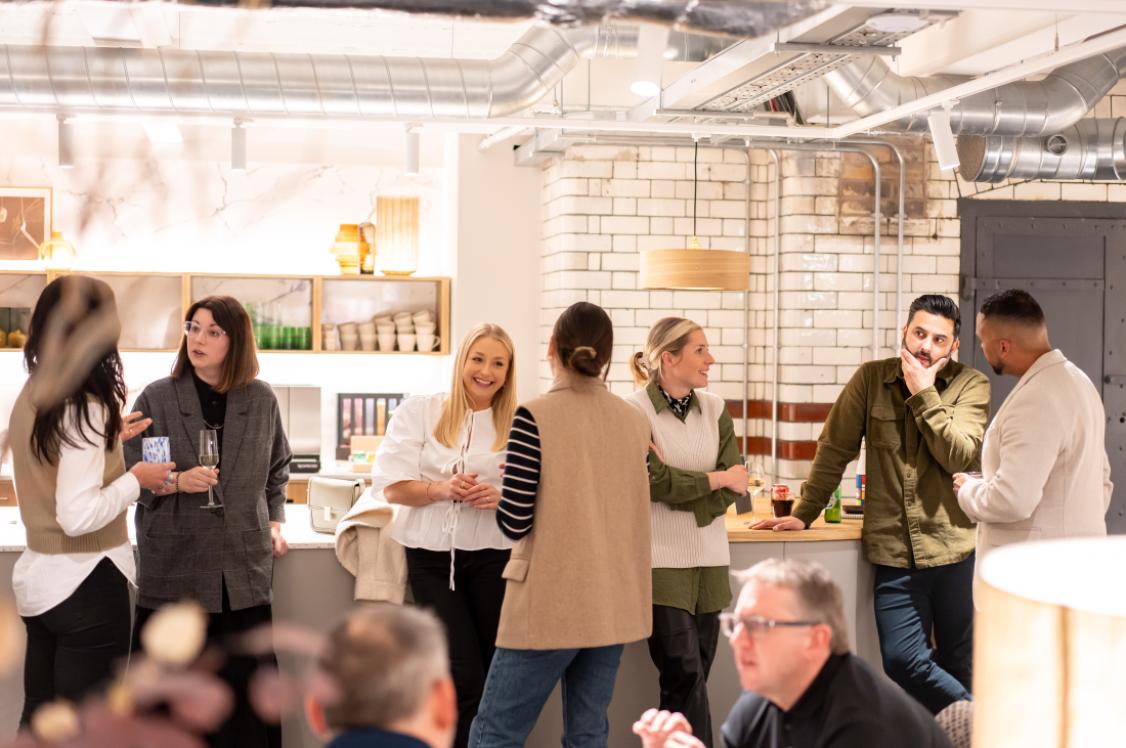
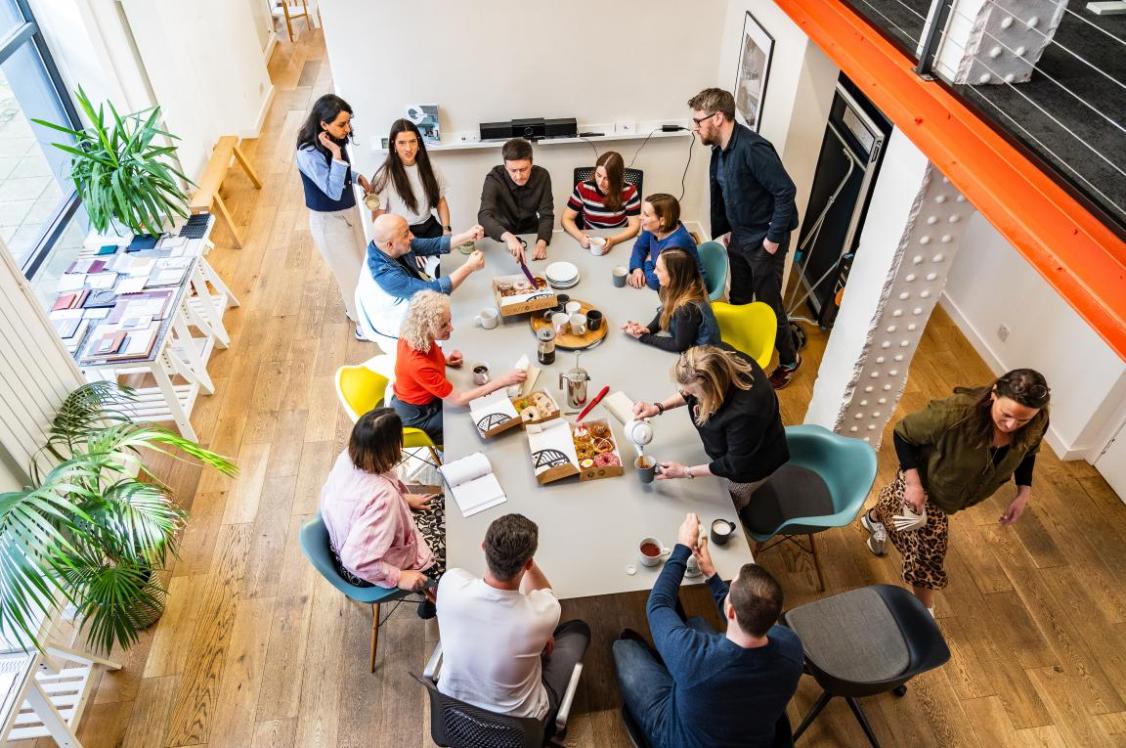
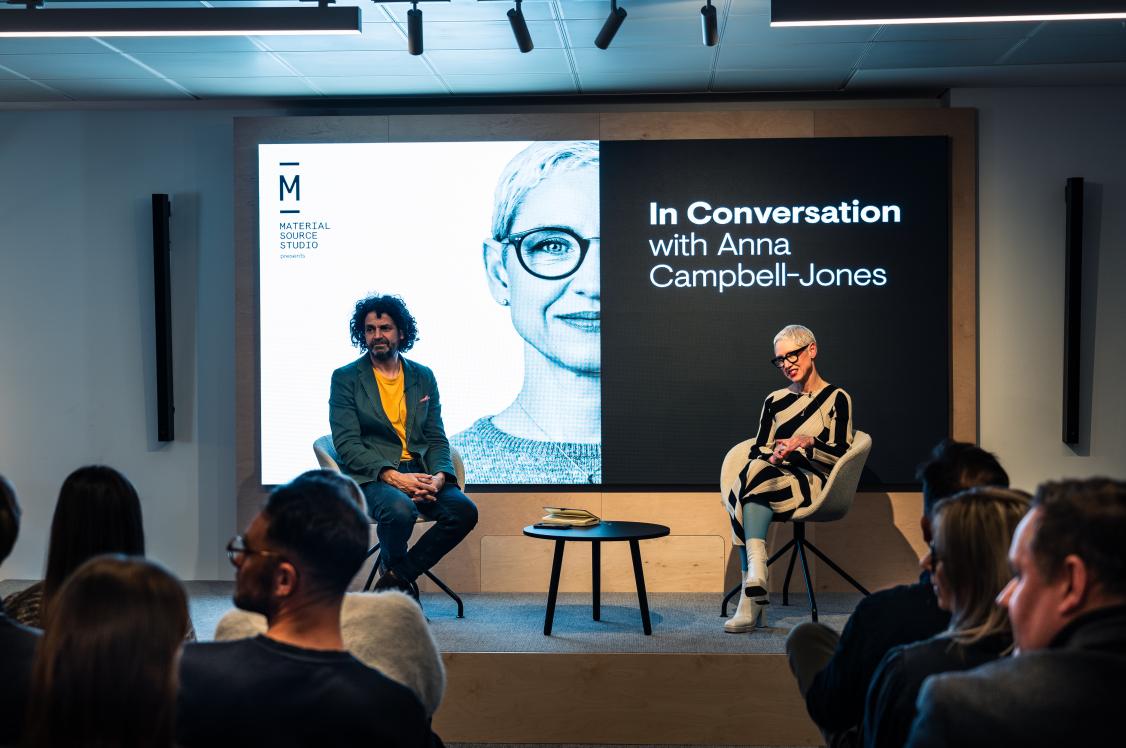
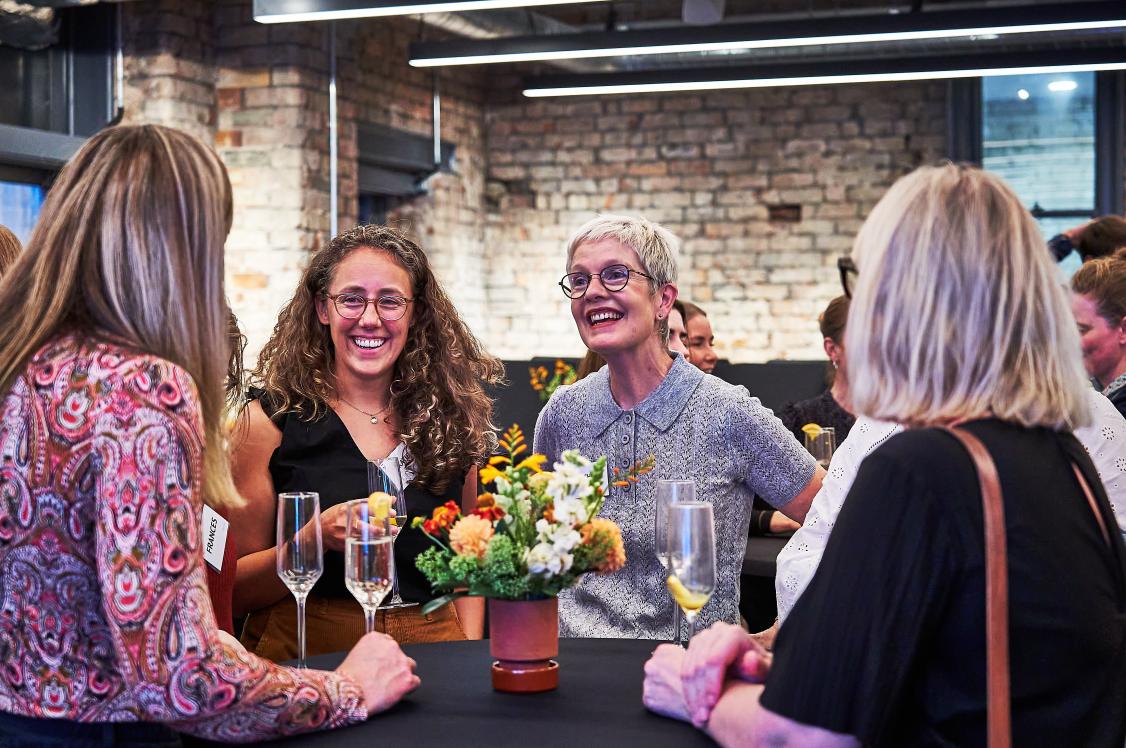
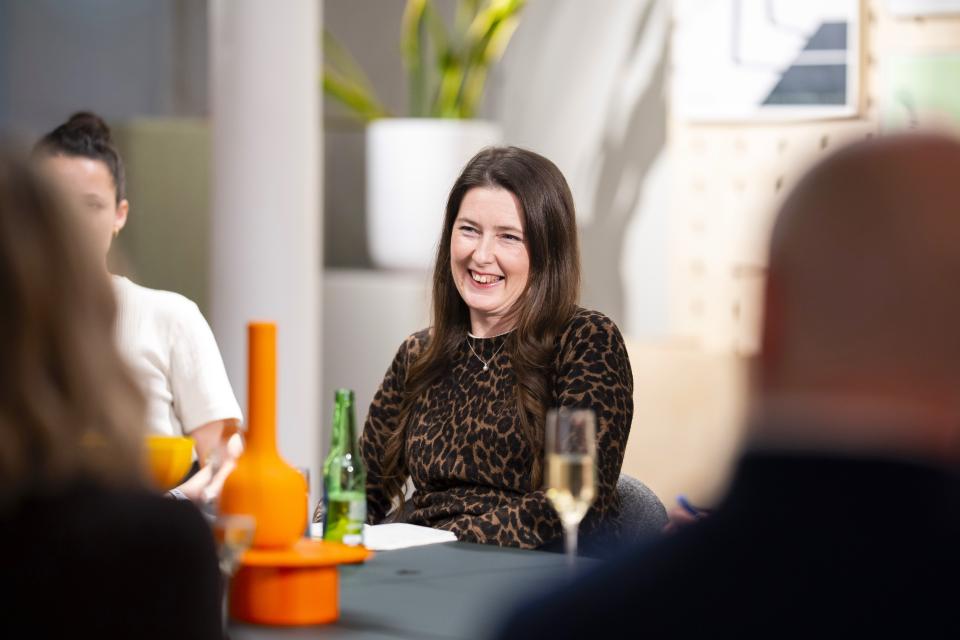
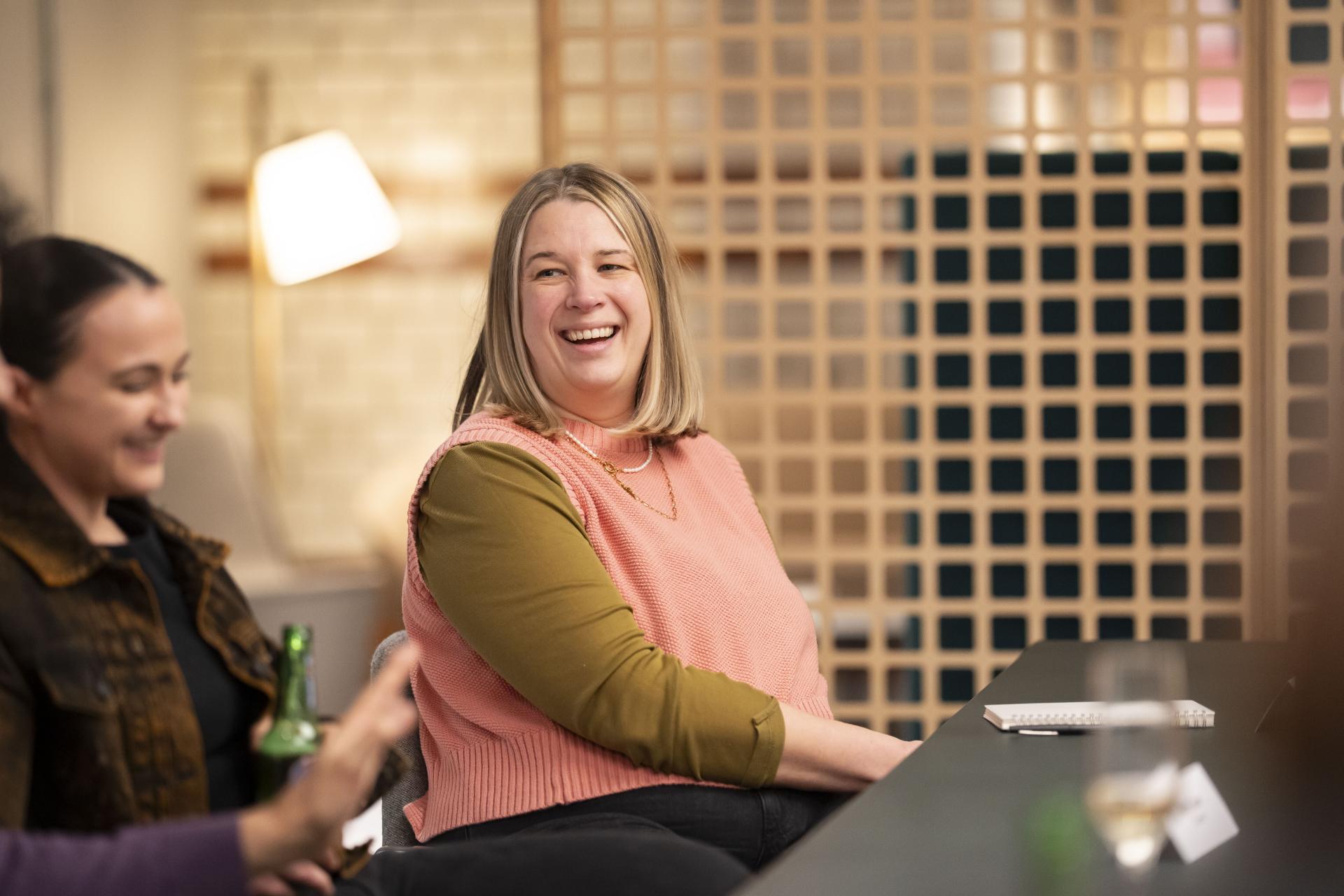
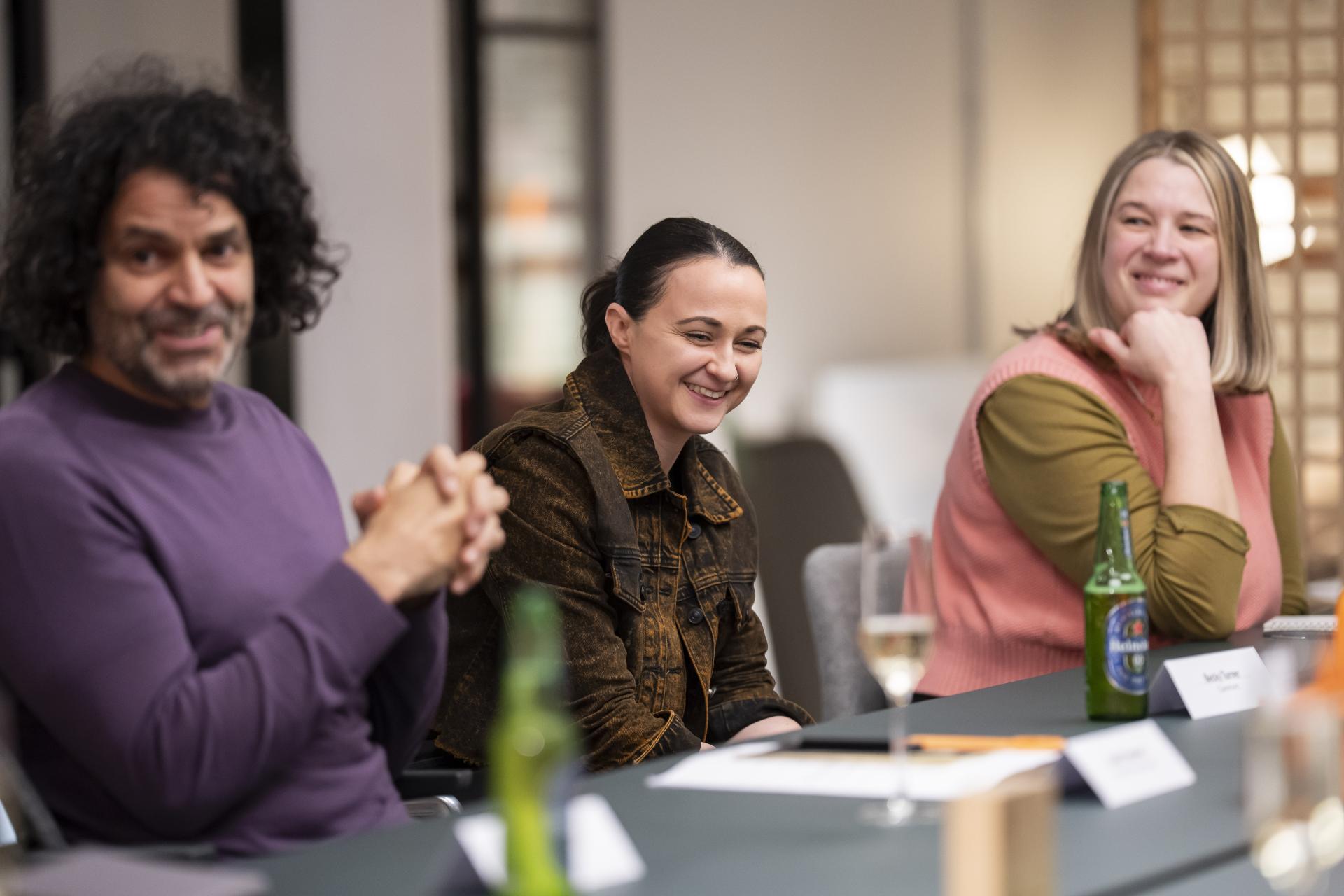
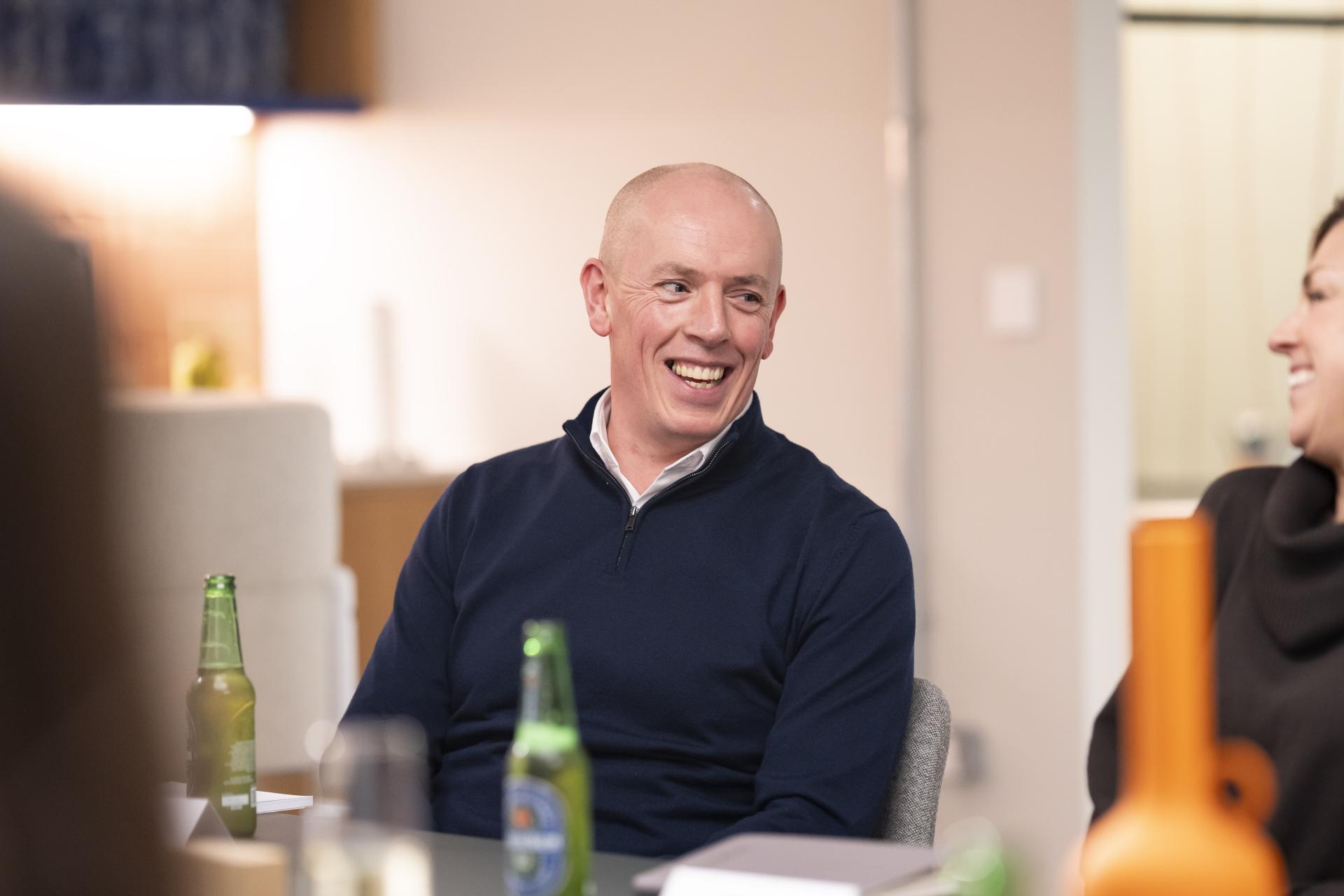
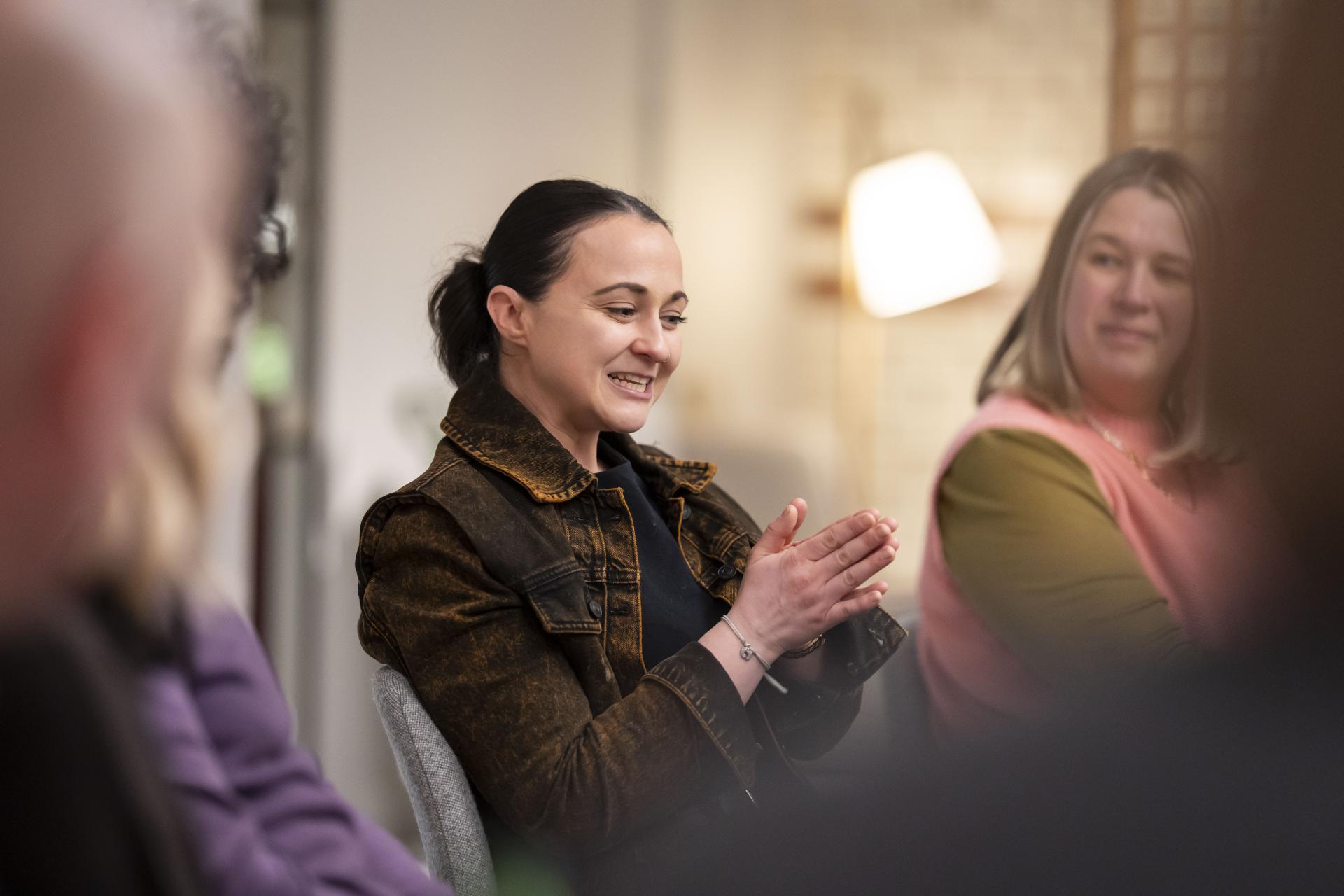
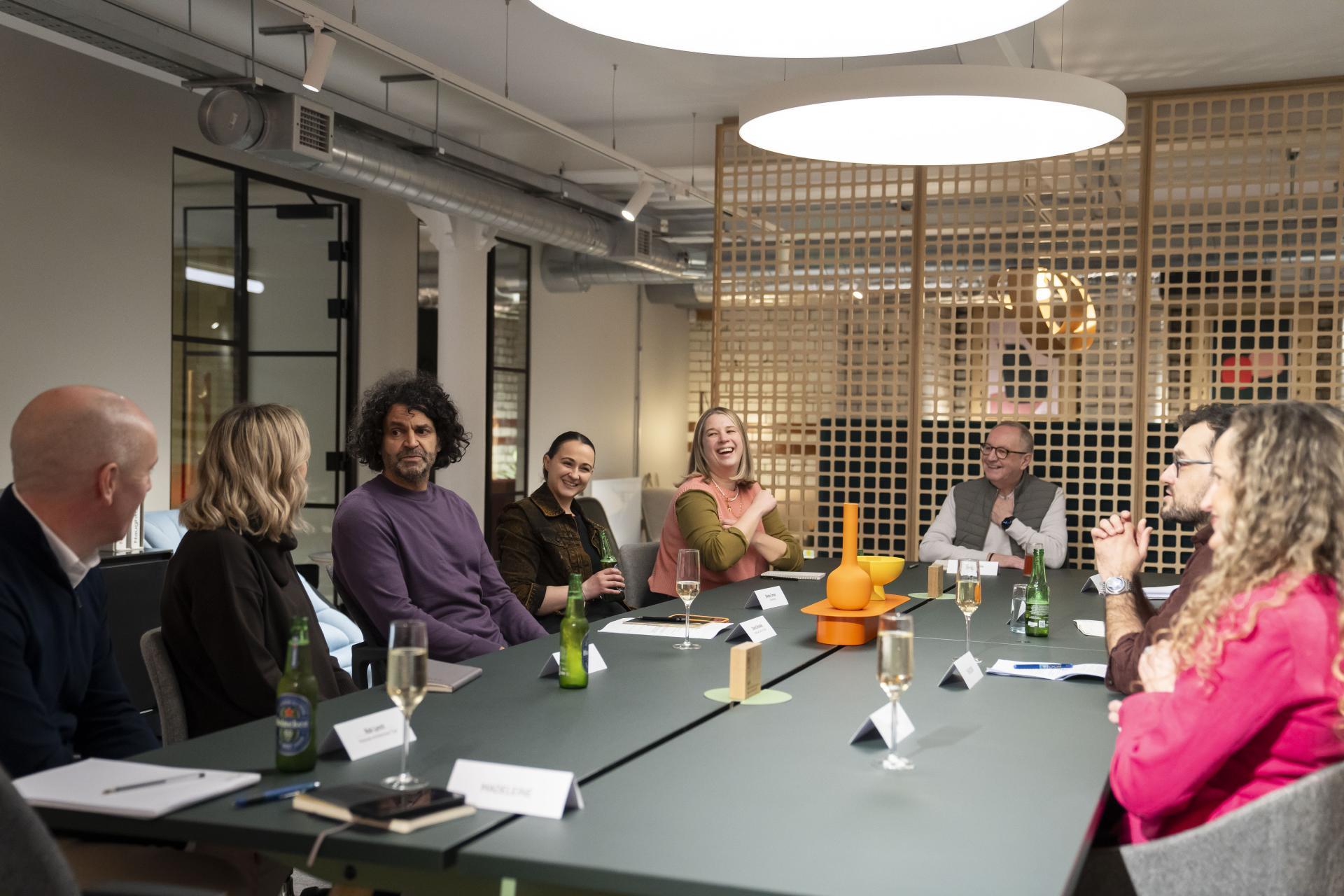
Our first roundtable of 2026 at Material Source Studio Manchester focused on going above and beyond simply offering people bare minimum standards in the spaces they inhabit.
Reflecting on a point that was raised at our recent seminar on the topic in Manchester, legislation – or a lack thereof - has led to a low bar being set in official terms. However, in reality, that’s not the aspiration of most designers, or businesses, working hard to design and deliver EDIB (Equity, Diversity, Inclusion & Belonging)-enhancing environments that cater to all.
So, what’s changed? Was bare minimum ever accepted? Do we understand what EDIB truly means? Have we experienced a cataclysmic shift?
Continuing the conversation, Chair, Material Source Director, David Smalley asked our roundtable guests, “How has the subject of inclusivity in the broadest sense changed over your career?”
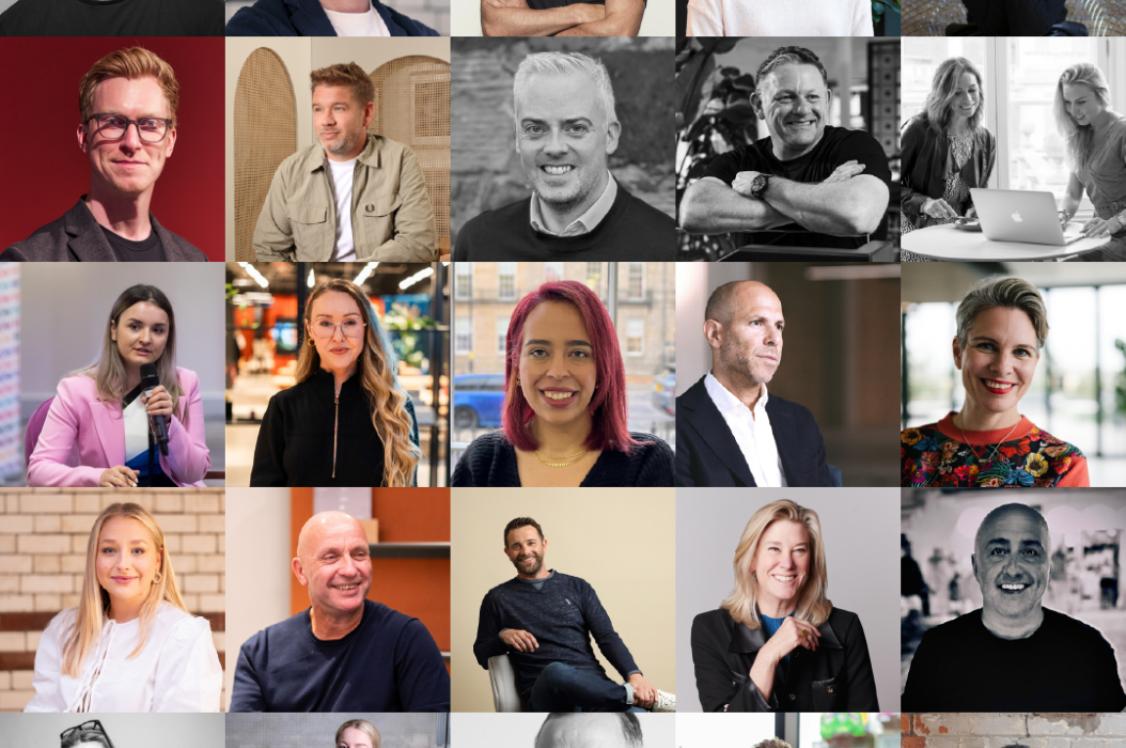
Our guests
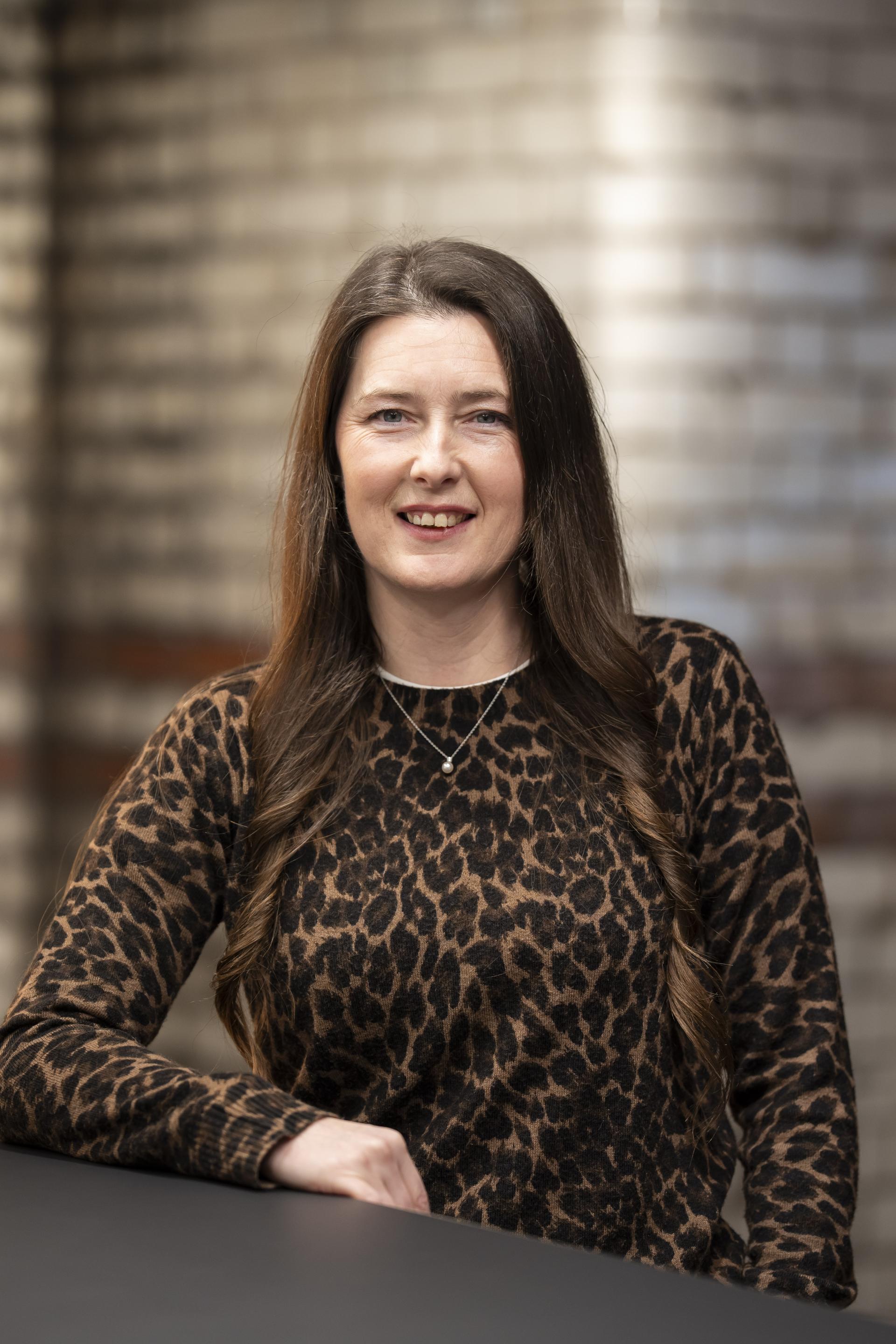
Leanne Wookey, Interiors Director, tp bennett
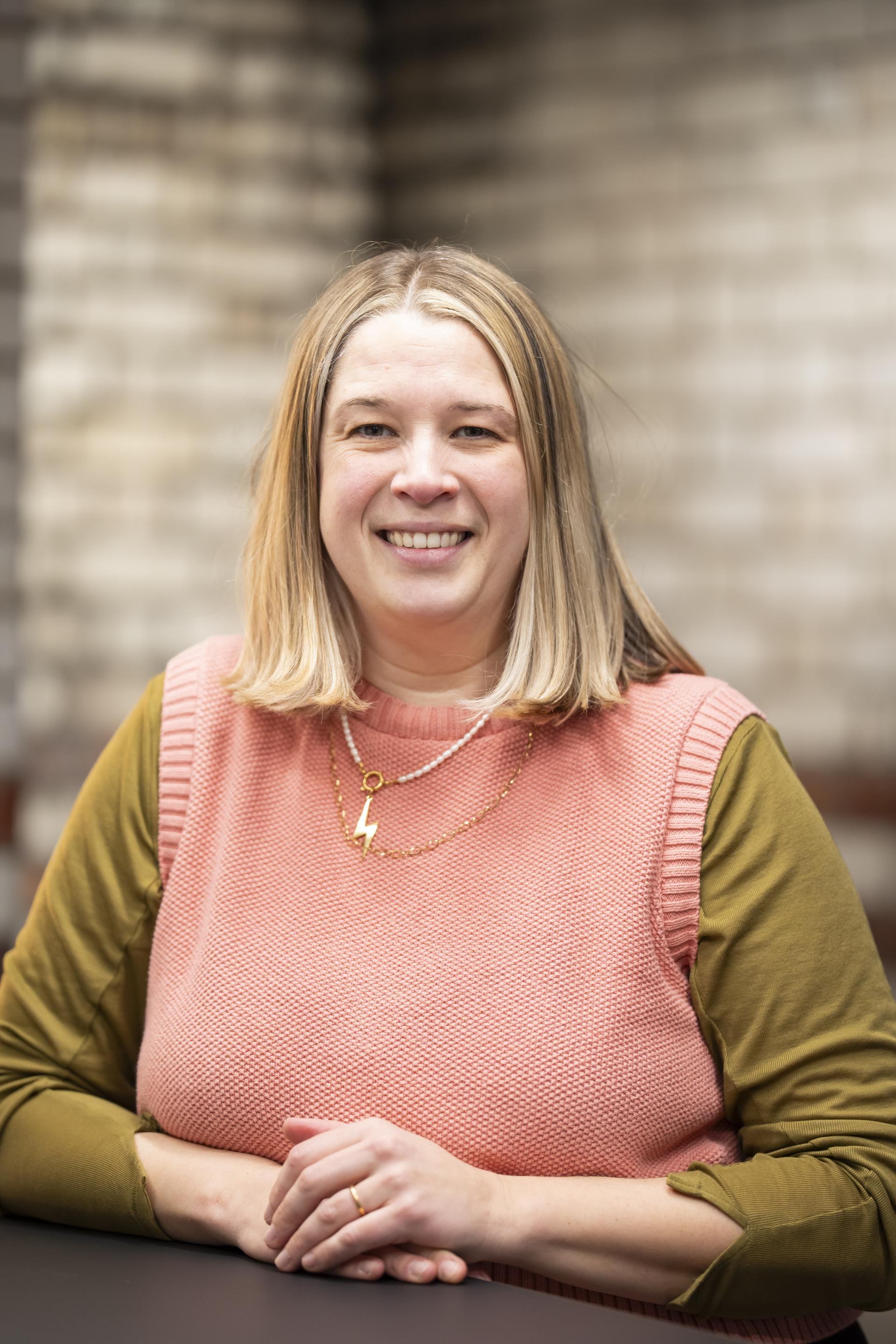
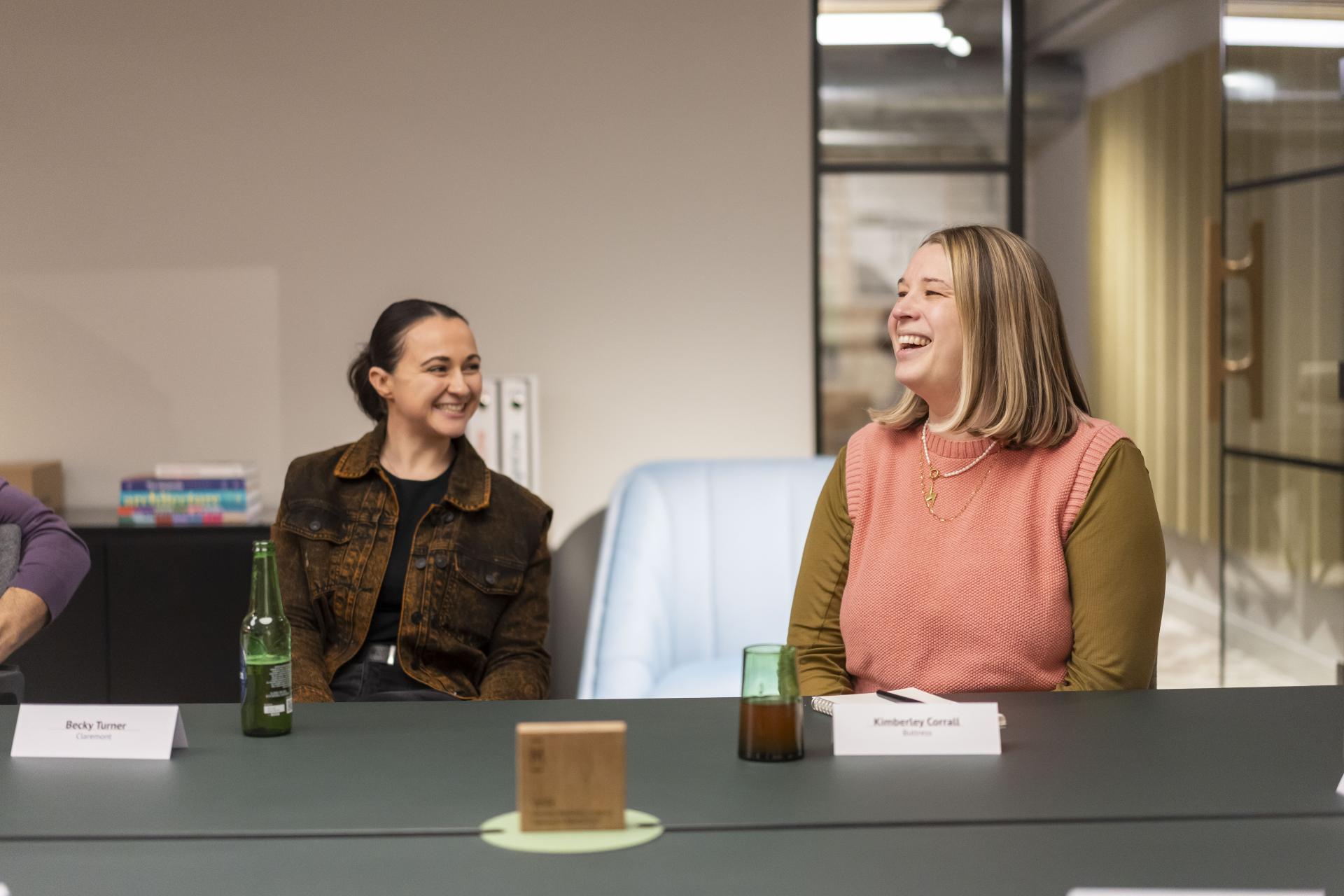
Kimberley Corrall, Associate, Buttress Architects
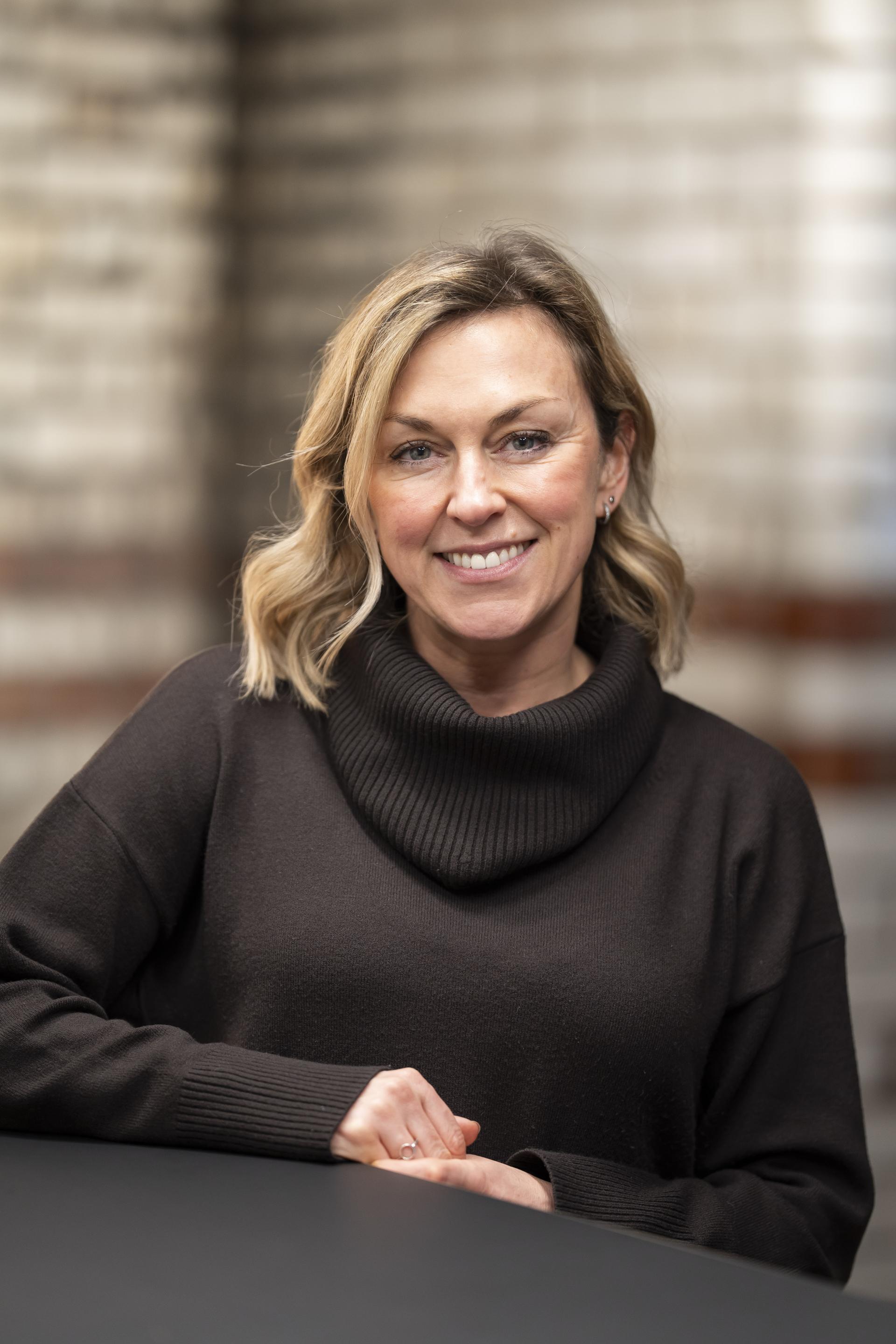
Victoria Bryant, Head of DEI, Cundall
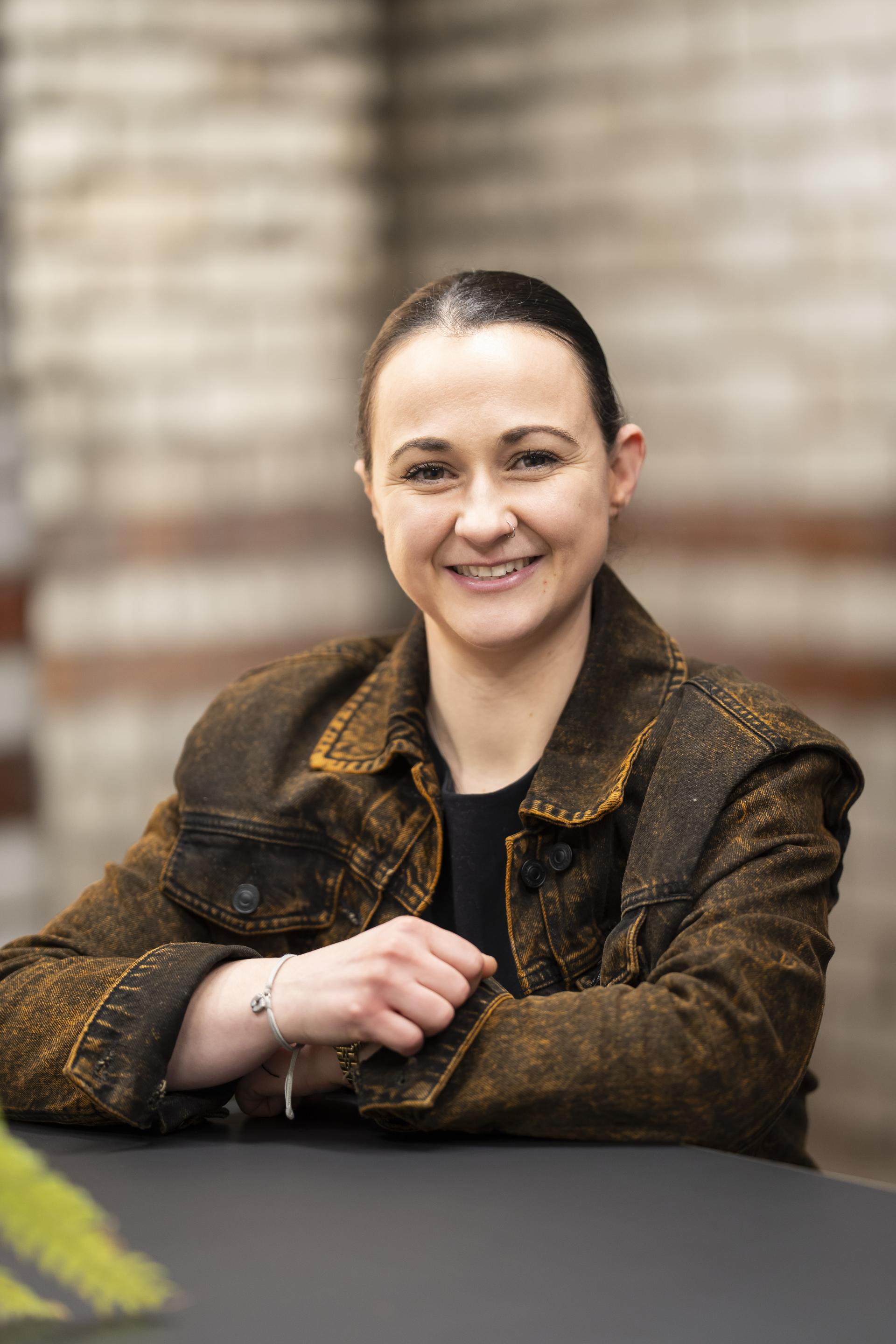
Becky Turner, Workplace Psychologist, Claremont
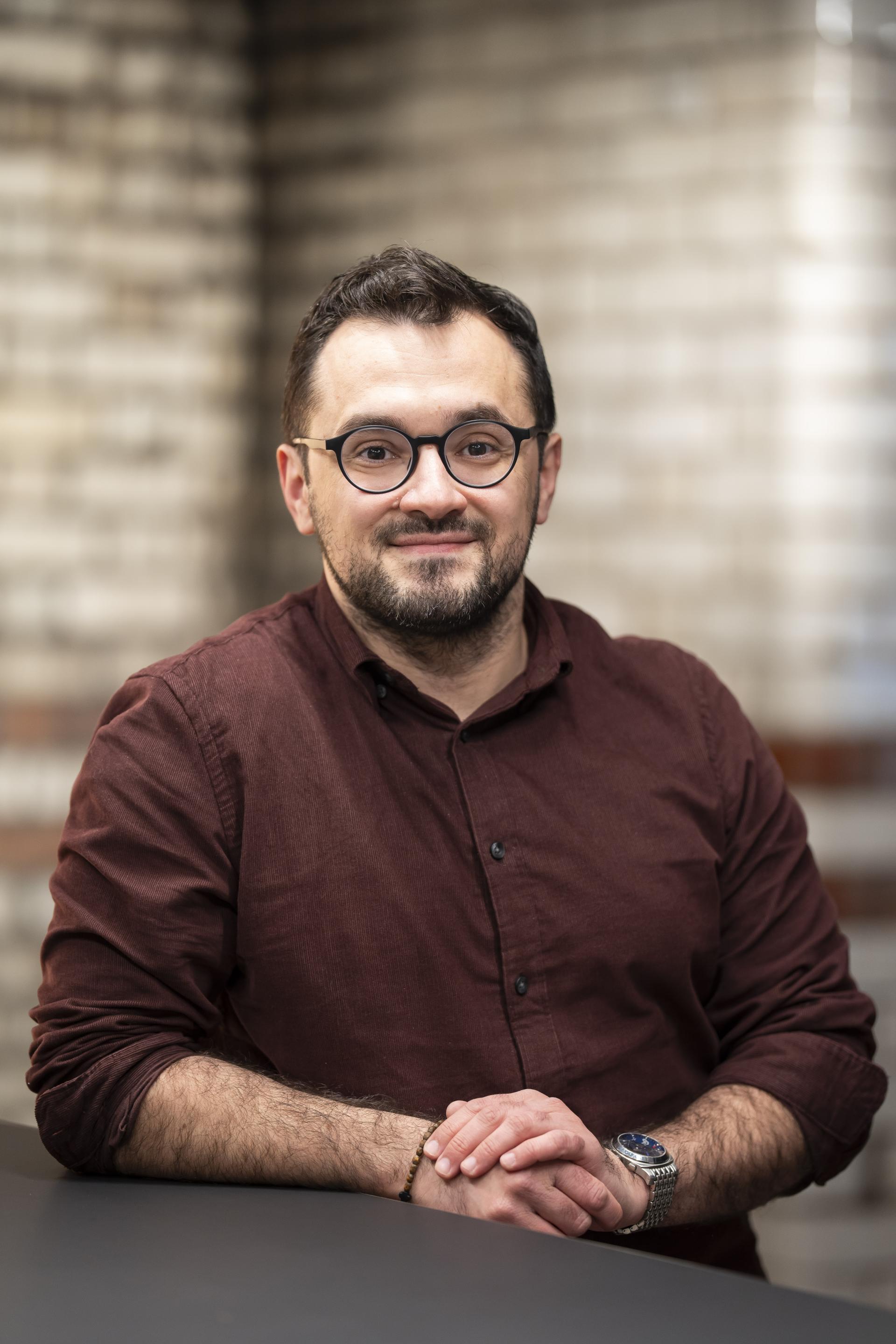
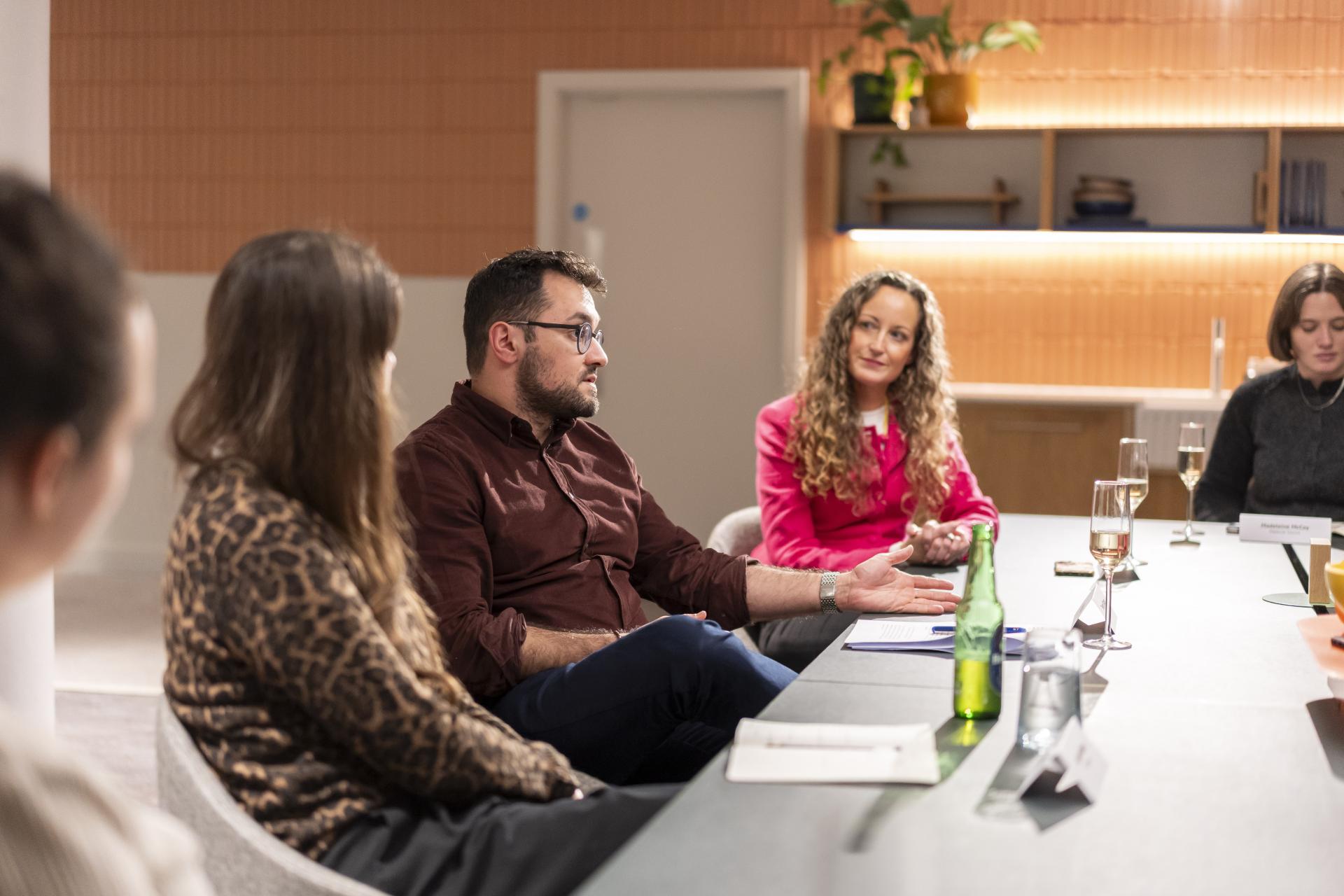
Theodor Bratosin, Senior Sustainability and Building Physics Engineer, Cundall
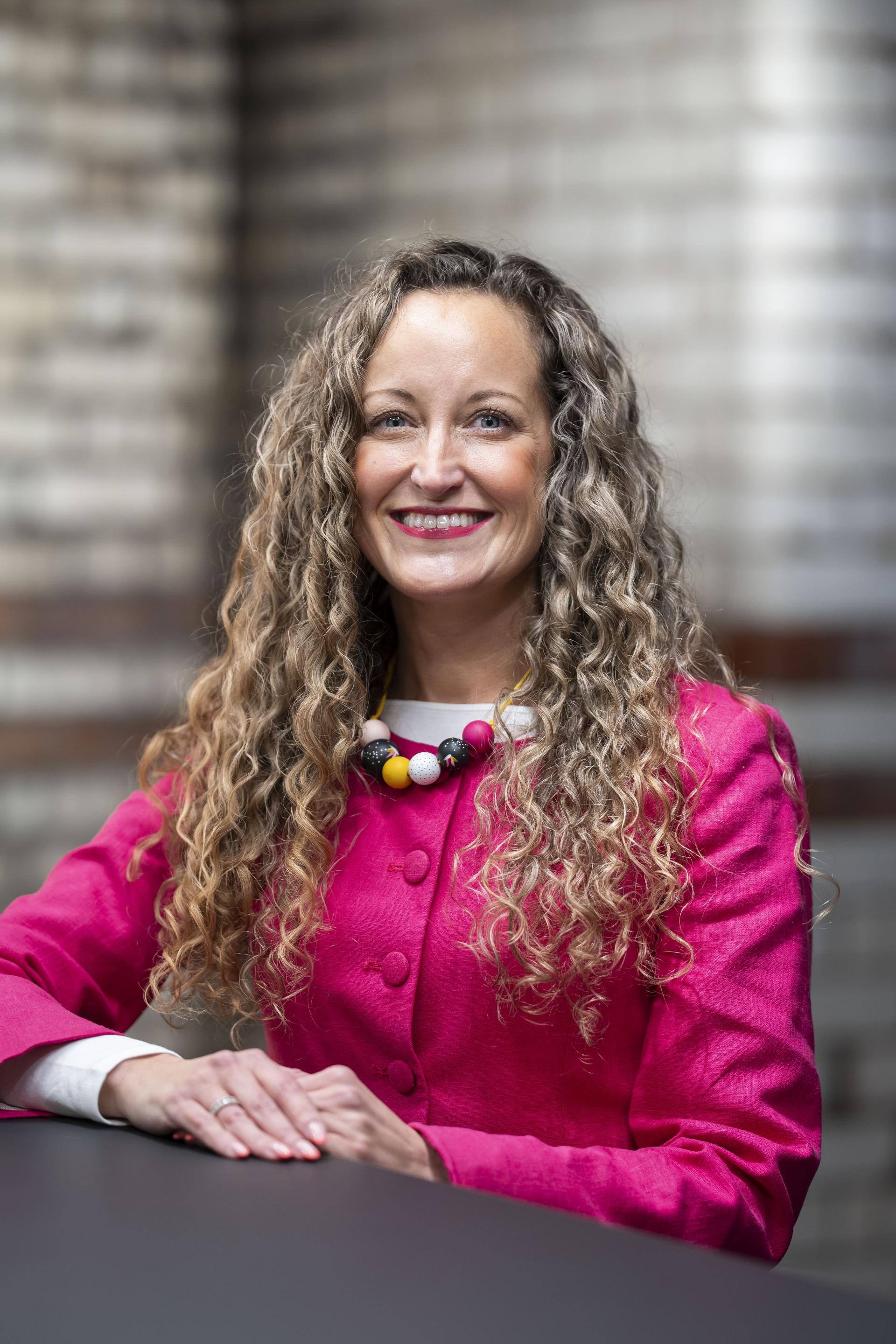
Susanna Smith, Interior Designer & Environmental Psychologist, Abodiology
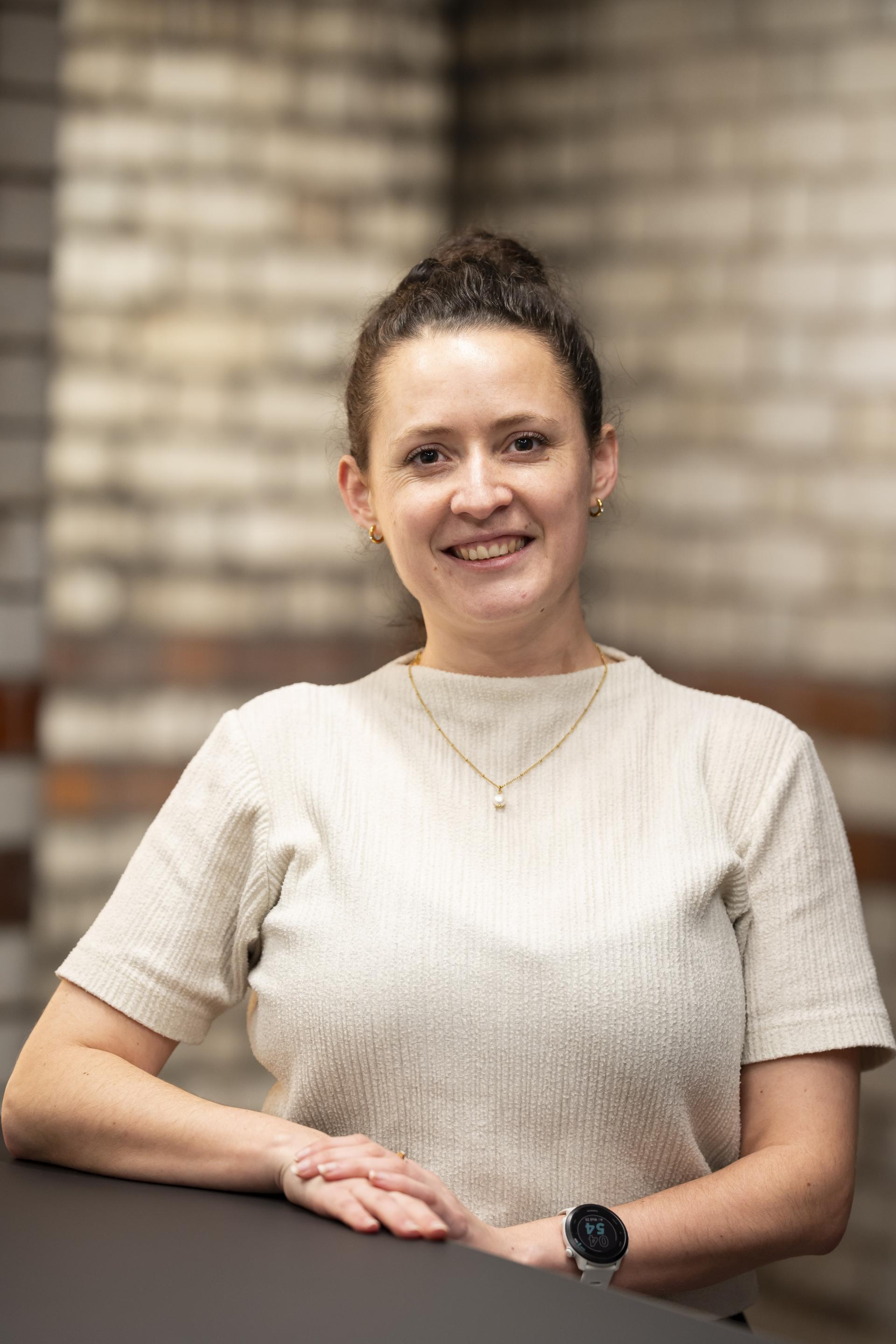
Natalie Bowker, Building Regulations Principal Designer, Laing O'Rourke
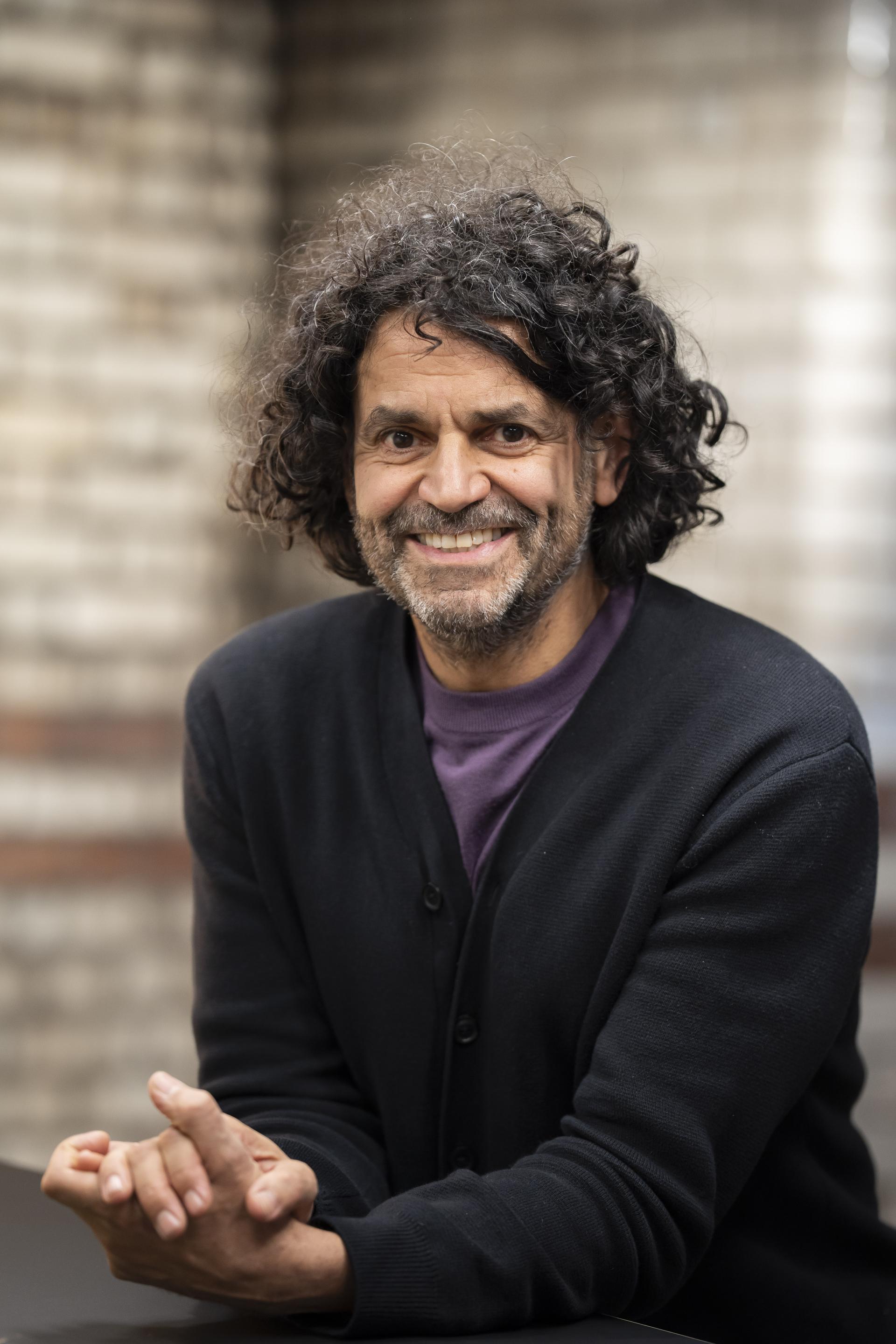
David Smalley, Chair & Director, Material Source Studio
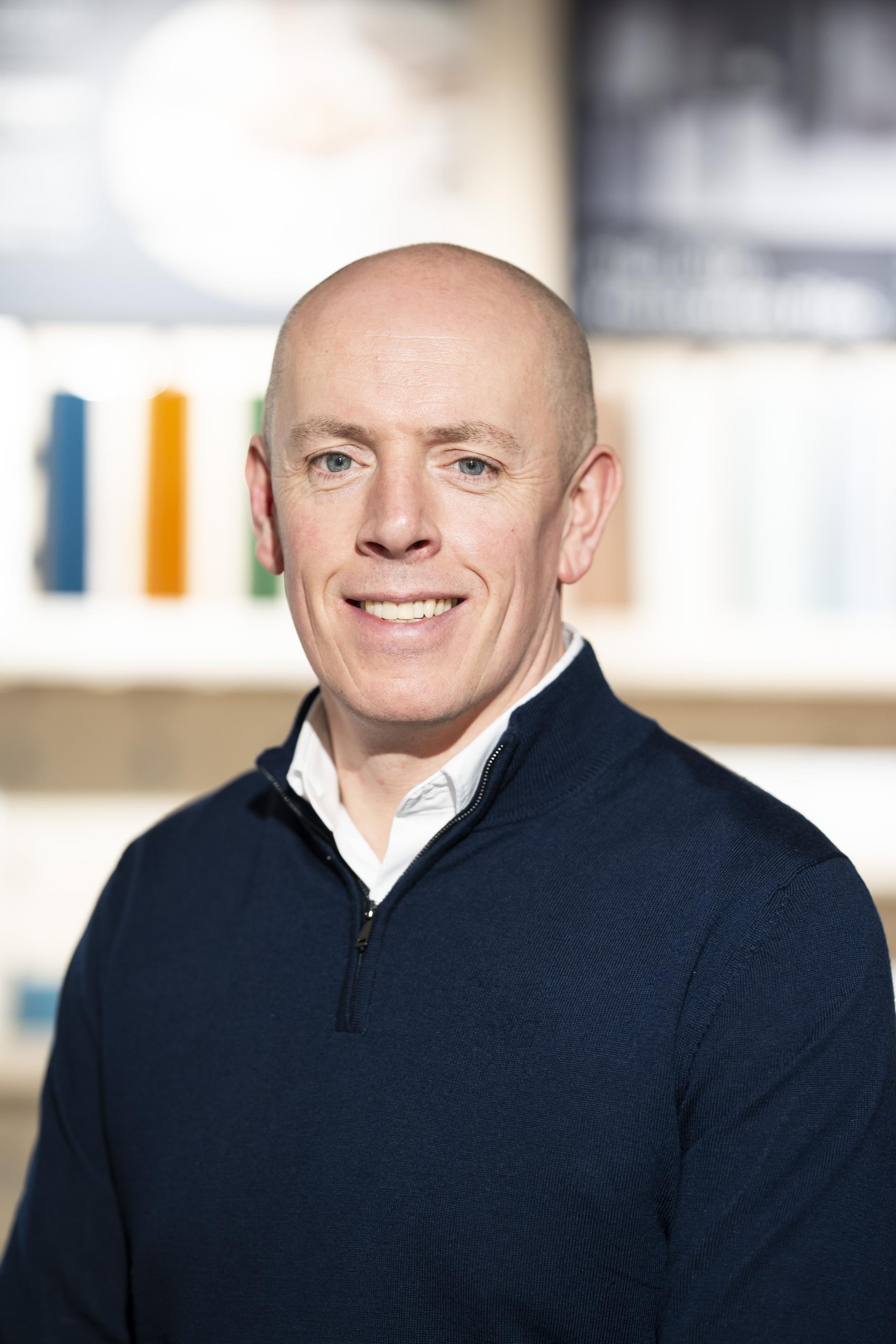
Rob Lynch, Specification Sales Manager, PARKSIDE Architectural Tiles

Richard Bailey, Architectural and Design Consultant, Crown Paints
The Covid catalyst
Leanne Wookey, Interiors Director, tp bennett, believes the notion of “control” became more prominent particularly during lockdown. “I think for a lot of people they didn’t realise they had certain sensitivities until they had control over their own environments.”
Reflecting back further to the start of her career, Leanne said in the education sector, the components of EDIB have long been considered – "How we react to things like colour, pattern, materiality were always at the forefront there, as well as dealing with sound and lighting.”
Speaking of her own personal experience, Kimberley Corrall, Associate, Buttress Architects, challenged this sentiment, “When I was at school in the 1980s, I wasn’t accommodated for. I’m dyslexic and I’m deaf, and the support just wasn’t there then.
“Because of this I understand how environments can really shape a sense of belonging, and give a sense of value. That’s why I think I've always been passionate about it as I’ve progressed through my career as an architect – something I’m very proud of. So although I have always thought about it (EDIB), it’s purely driven from personal experience – it wasn’t industry standard.”
The idea of consultation – speaking to the people actually using a space – just didn’t exist at the start of her career, said Kimberley. “There was an attitude from some that, as designers, we knew what we were doing without that engagement piece.” Thankfully, she added, this is “in the process of changing.” Though not there in every sector.
“How’s the workplace sector?”, asked David.
“It’s very much a part of the conversation now”, replied Kimberley, “not every conversation, but it’s on the agenda.” The worry, she added, is that EDIB is seen as a “design element” and not something that’s part of policy. To make it meaningful – something with impact – it needs a business to back it, Kimberley said.
Certifications such as NABERS and BREEAM have made a difference, suggested Theodor Bratosin, Senior Sustainability and Building Physics Engineer, Cundall. “Design should be for the people”, he commented, referencing workplace environments in his home country of Romania where the central temperature controls caused people to complain – “it was cold in the office, even in the summer.”
After moving to the UK in 2018, Theodor has seen attitudes change, especially in the education sector, he said, where the users’ needs "are central to a project".
For Becky Turner, Workplace Psychologist, Claremont, her 10 years in the sector has shown a desire from designers for change, but a dual need for academic research to be turned into tangible learning material to arm them with data to make creative decisions. “Not just to choose desks, but thinking about the movement around a space, the layout, the wayfinding, those spaces of refuge - not just a well-being room – going beyond tokenism because they truly understand it.”
“When did people start to appreciate the science of it?” asked David.
“In 2020, I wrote my dissertation on place attachment, workplace attachment specifically, and environmental satisfaction. Rather than looking at things like the temperature level, it was assessing how people felt, and then how that impacted performance, intention to leave and wellbeing.
“At the time, I wanted to study whether the sense of belonging impacted that relationship. And I fed this back to the team at Claremont. They really listened – they asked lots of questions – and this led to us studying the different elements of diversity.”
Listening to the end user throughout is crucial, Natalie Bowker, Building Regulations Principal Designer, Laing O'Rourke said. “We sometimes just get given a brief but that’s not from the people using the spaces… these people need to be introduced at the start, because sometimes you've done the design and then you bring them in a bit later on. We need them to be involved throughout, to go through the whole experience.”
End use at the heart
End user engagement was highlighted by Victoria Bryant, Head of DEI, Cundall, as becoming more widely recognised, even in what might be considered a more traditional work setting such as a manufacturing facility, where she’d worked previously.
“We tried to really understand the workforce in detail so we could provide the best environments. It’s important to ask, ‘whose perspective is missing in the room?’, right at the beginning of the process, and to ensure a diverse team so that everyone is represented. It’s hearing the lived experiences that really matter.”
Leanne agreed. “We’ve always pushed really hard for engagement – we don’t just want the heads of department, because they won’t always give you the grounds.”
Referencing a project for one particular client, the tp bennett team interviewed 100 members of the team pre- and then again post-Covid to ascertain their needs. They also issued an anonymous questionnaire to allow all to feel safe to give their opinion. And this was prior to starting on the designs.
“It’s not that we don’t want opinions from the top of the tree, but we want to back those up with the true facts.”
Sharing an anecdote about this project, Leanne said that as the team was moving from the outskirts of Manchester into the city centre, the senior team members didn’t believe they needed canteen facilities as the F&B offering is so plentiful in the heart of Manchester. On speaking to the team, though, Leanne mentioned their insight around practicality. “They had a 45-minute lunch break, which means walking too far and queuing was out of the question. The canteen provided a subsidised offering of good healthy options, as well as a good rapport with the staff who were considered part of the team/work family.
“It was really good to have something tangible to use when speaking with the senior team – and for us designing - people felt they’d been heard.”
“Culture really plays a part in this too – it’s vital to EDIB”, responded Kimberley. “And if that culture doesn't exist at the top, it's not going to allow the culture to exist further down.”
A challenge that emerges, Kimberley added, is when a designer is dealing with an organisation that doesn’t believe in consultation, engaging, speaking to everybody.
“Representation at senior level is really, really important, so as a business, you reflect the communities that you're serving”, commented Victoria.
This is something that very much exists at tp bennett, said Leanne. “Referring to culture, we have around 32 different nationalities alone, 45 different languages spoken. We have a Neuro+ diversity team that is run by 11 of our people who are neurodivergent, who share new research as well as offering up real lived experience that can both be fed back into the wider team, with a safe space that exists for open discussion.”
Double-edged science
Returning to the topic of science, Susanna Smith, Interior Designer & Environmental Psychologist, Abodiology, highlighted a ‘WEHA’ – a Working Environment Health Analysis.
“I go in and I do focus groups, I assess the environments, I give the feedback, I put strategic action points for change in place in terms of the value they bring.
“When I present this, there is no argument. Because there can’t be. For me, that's an important part of my process because you're taking what people want and need, but you're also going, well, from my opinion, the psychology is there, the neurology is there, this is how you will make your environment inclusive. And this is what your staff think.”
“How important is science-based evidence?”, asked David.
“It’s a double-edged sword”, said Becky. “Because we understand the beauty - and implications - of it. But as we get further into the design development with the client, it can be difficult to draw them back to the science. It's our responsibility to do this.”
Some clients though, Becky added, are wonderfully receptive to the data – client Places for People, for example.
At Claremont, the team has created a tool called DIBE360 – it’s “essentially a way to audit your workspace, current and future based on about 200 different elements of workplace design, broken down and weighted into neurodiversity, faith, gender, mental well-being and physical impairments. It gives us a tangible ‘number’ where we can show uplift and impact.”
This in turn helps with the value engineering process, added Becky. “Sometimes when something’s perceived to be on the softer side such as EDIB - because people don't understand the science and impact on colleagues - it just gets shifted out. So when you've got that data to back it up and say if you do value engineer that, this is the implication, we can communicate that it’s an informed choice.”
“It comes down to listening – that is the key?” continued David.
“And asking the right questions”, offered Becky.
Ownership and occupancy
Speaking of a particular project, Kimberley shared that when talking to the team, it was clear they all felt they needed a fixed desk. And this was pre-Covid. Buttress carried out an exercise along with a consultancy organisation called Placed where they asked the team to map out their day. The results showed that, actually, only 45% of the day was spent working at a desk. This meant only half the desks were, in fact, required.
“This then led to a conversation around cultural shift”, Kimberley added, “moving to hot desking and homeworking. People were very resistant to it. Then Covid happened, and everything changed overnight.”
“It’s not just about looking at task-orientated areas”, continued Leanne. “There are so many more layers. We don’t move from design stage 1 until we understand the sensitivity - so where's the high exposure? Where is it going to be quite noisy?”
Highlighting a workspace for one client, “we wanted to show them what 10, 15, 20-years expansion looked like. But also, we wanted to show them a flexible design to allow them to see how they could reconfigure their spaces to allow growth or when space requirement changes, that there was flexibility within the design.
“We started on this project in 2018, we moved the teams in in 2021 after Covid, and we check in with them every 12-months. Walking around, it’s great to see how that built-in flex is working for them. They’ve taken ownership.”
On this point around post-occupancy, David asked, “Are designers better now than they were 5-years ago?”
“Better educated”, came the response. Visits such as Leanne mentioned haven't always been commonplace.
“In the past it was all tick box exercises,” suggested Susanna, “whereas now, it’s responsive.”
“And these were all topics we wanted to explore as undergraduates, but when you get into practice you don’t necessarily get the opportunity”, added Kimberley. “Perhaps it’s not that everyone was bad before but it’s that they’re getting the opportunity to be better.”
In terms of occupancy, “how has that changed since Covid?” David asked the group.
Leanne shared that immediately post-Covid, there were no statistics on occupancy to reference. So in order to support clients in making decisions about their workspaces, tp bennett used their own team requirements as an approach to determine mode working patterns.
The findings were that Tuesday-Thursday were the popular days for being in the office, and the things that were most missed during lockdown periods of homeworking were celebrating one another as a team. Monday and Friday are given as options for flexible working. But Leanne said they’re normally as busy as the rest of the week – “people want to be in”.
At Cundall, Theodor said it’s a similar scenario. There are 70 people in the office. Some days are fixed with some flexibility for homeworking. One of the main factors that’s driven this is the need to support new graduates joining the company.
Buttress has 81 team members across its Manchester and Leeds offices, and 65 desks. It operates a booking system. “We have committed to coming in on a Monday as a team – something we decided collectively. Some come in more than others, but we have allowed one another to work in the best way that we can. I go in for meetings and to draw, but when I have a report to write I’m better at home.”
For Claremont, the team goes into the office 3-days per week. There are no specific mandated days, but there is a company-wide meeting on a Monday and “people know if they need face time with a senior team member, Mondays and Fridays are the days.”
“We all want to feel valued and trusted to manage our own time”, said Kimberley. “If the trust is there, people can work better.” If that means working from home to complete tasks that require concentration, then so be it. However, it’s down to designers, Kimberley believes, “to facilitate different spaces for people to escape into.” Then true EDIB-enabled culture will allow people to go and use the spaces that work best for them.
Susanna mentioned “equity of opportunity – giving everyone a level playing field.”
“Not everyone thinks the same, but everyone works the same”, she commented. “We must give everyone the opportunity to work at their best within a space. But with hot desking, there often isn’t enough desk space to allow for that. Let alone breakout space for quiet time. Then it becomes an obstacle to doing your job. And as soon as that happens, people leave.”
The things people want are not always ground breaking, suggested Leanne. When re-designing the tp bennett office in Manchester, the team reviewed the designs multiple times together to make sure there were no spaces that might become redundant i.e. a sofa area that Leanne said previously never got used and was better as focus space. It all came down to control over temperature (most difficult to grapple with), lighting, acoustics. “These were things our team wanted, and that our clients want too.
“With EDIB, people feel they belong if the space caters for everybody.”
Client consensus
As the conversation drew to a pause (until our next event on this topic), David asked the guests whether they felt clients were onboard with EDIB.
Senior leaders, it was said by Becky, have some way to go in appreciating how their workplace can truly support their EDIB approach and colleague behaviours. Though Susanna believes HR is bringing it forward in businesses, “looking at the stats and looking at staff retention – they’re suddenly very switched on.” A slightly different view to that shared by our recent seminar panellist Mark Bradshaw - Director at iPWC Ltd Workplace Consultants, who suggested cuts to HR departments have led to the bare minimum being done in some cases.
Victoria thinks that people are now, more than ever, wanting to work for a purpose-led organisation. And HR is at the forefront of understanding why employees are leaving a business – perhaps if they don’t feel accommodated for. This all then impacts the commercials, operations, and finances.
The final point was made by Kimberley who said, "When we’re looking at EDIB as part of the design process and we’re thinking about those end users, I think we should try to design for the non 'typical' rather than the 'normal', as that will benefit and provide value for all."
What are your thoughts on this topic? Do you have something to add? Let us know on LinkedIn.
A huge thank you to all our guests and to our supporters for this event, Crown Paints & Parkside Architectural Tiles – Partners at Material Source Studio Manchester, Glasgow & London.