










EDIB: What does beyond bare minimum look like in hospitality settings?
In association with:

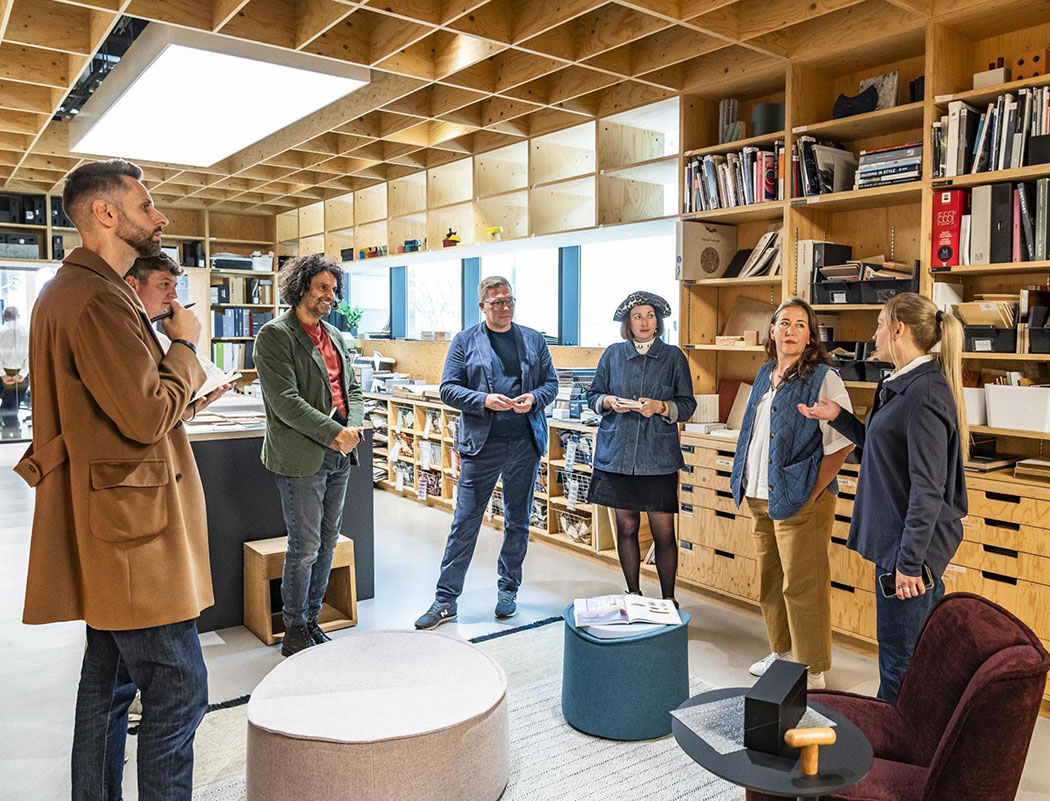
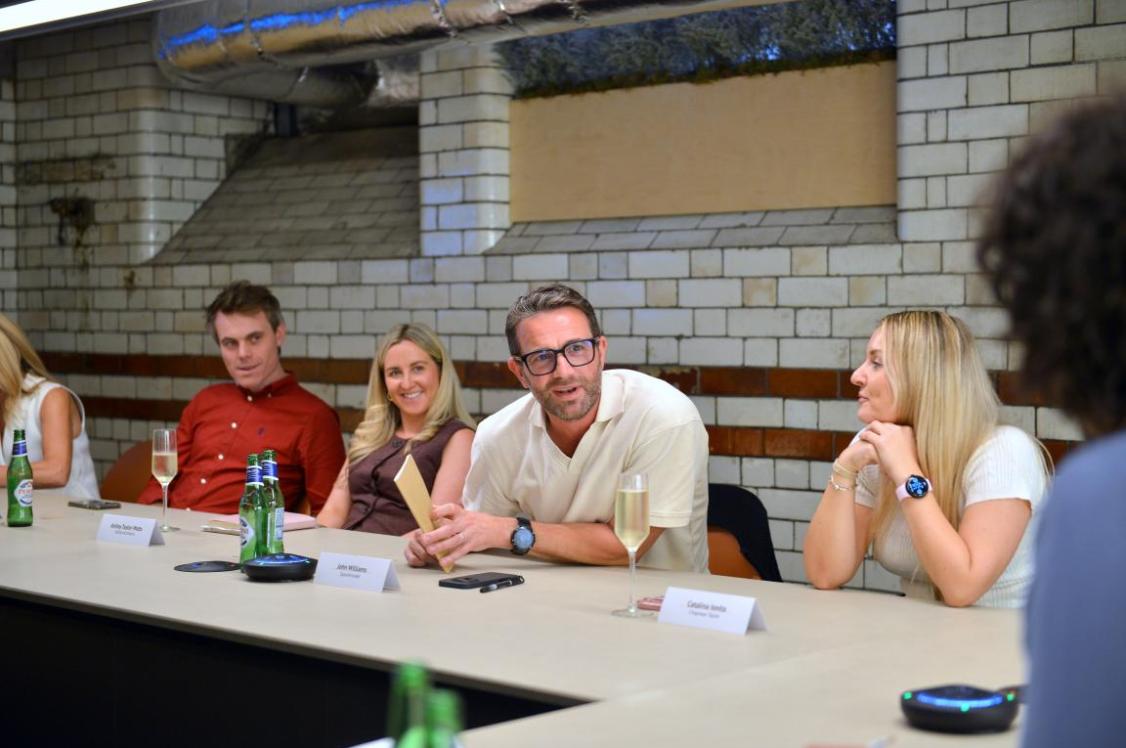
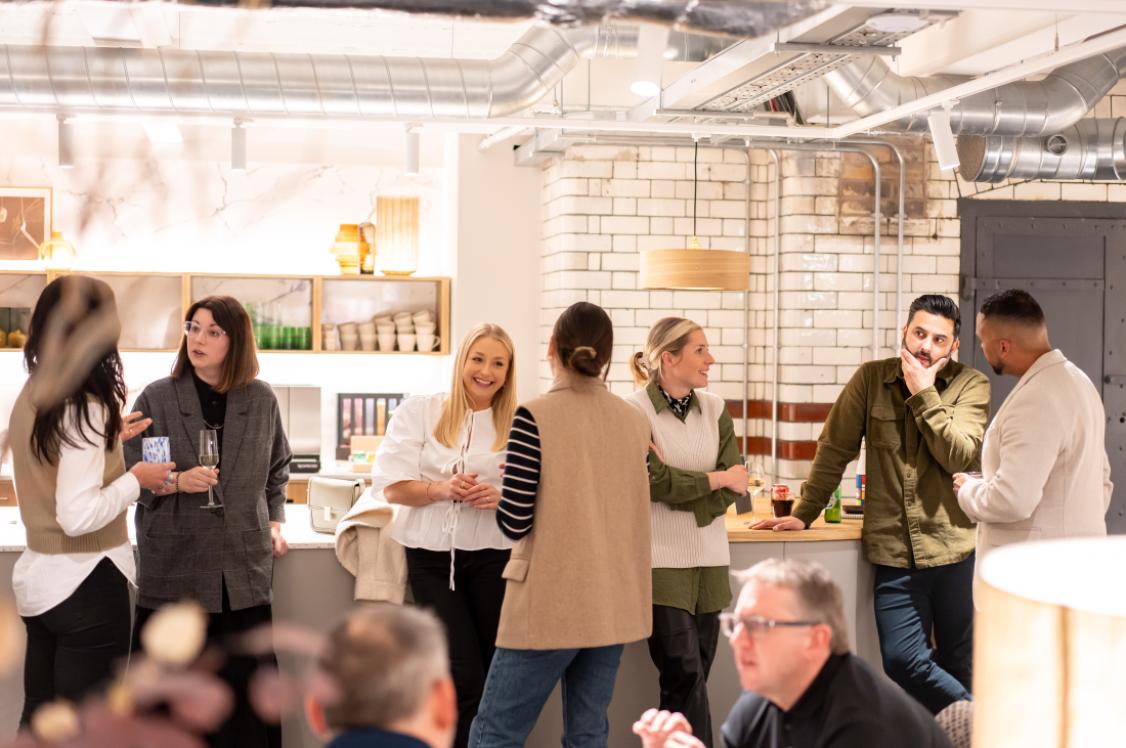
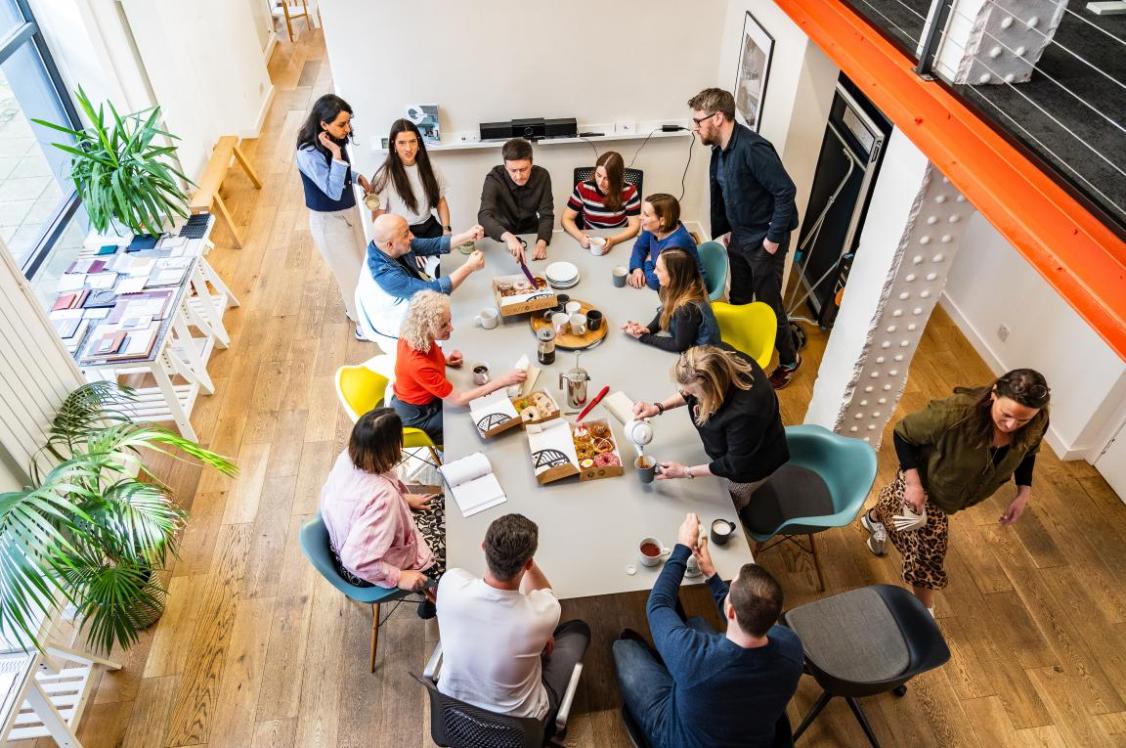
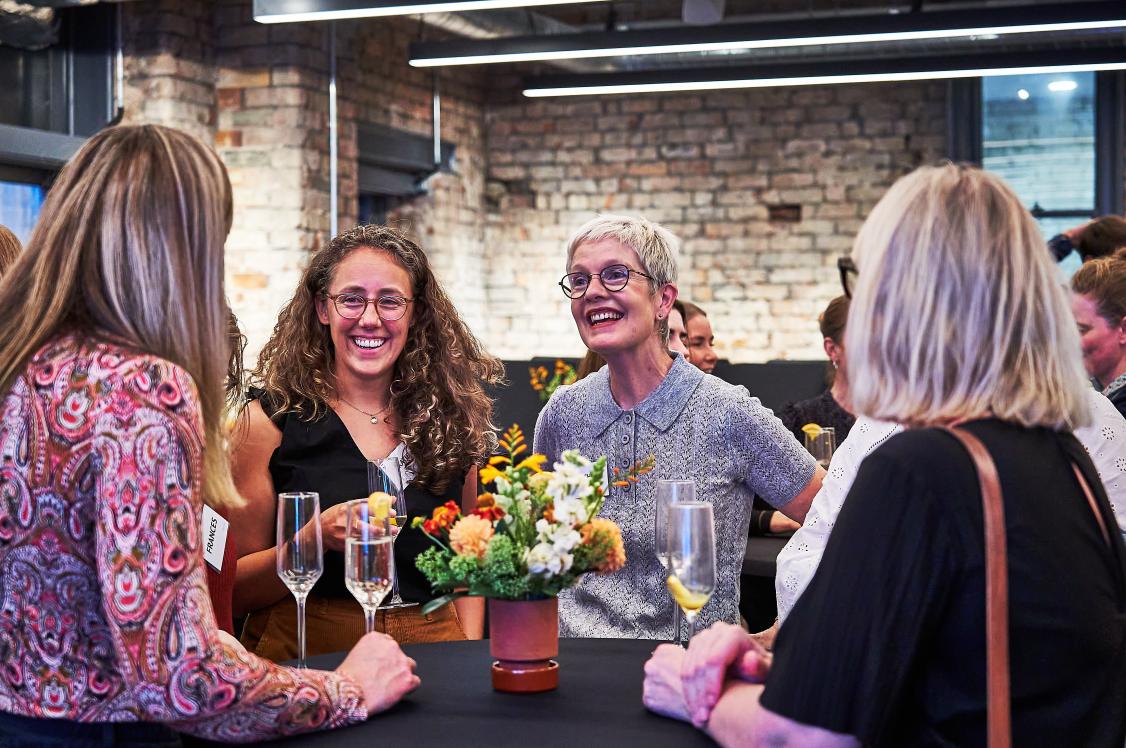
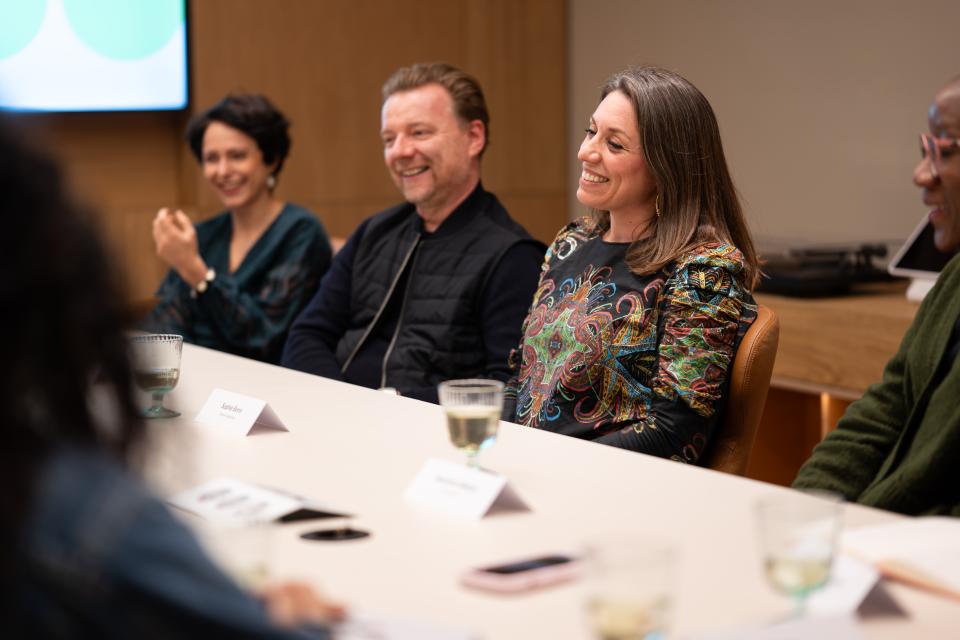
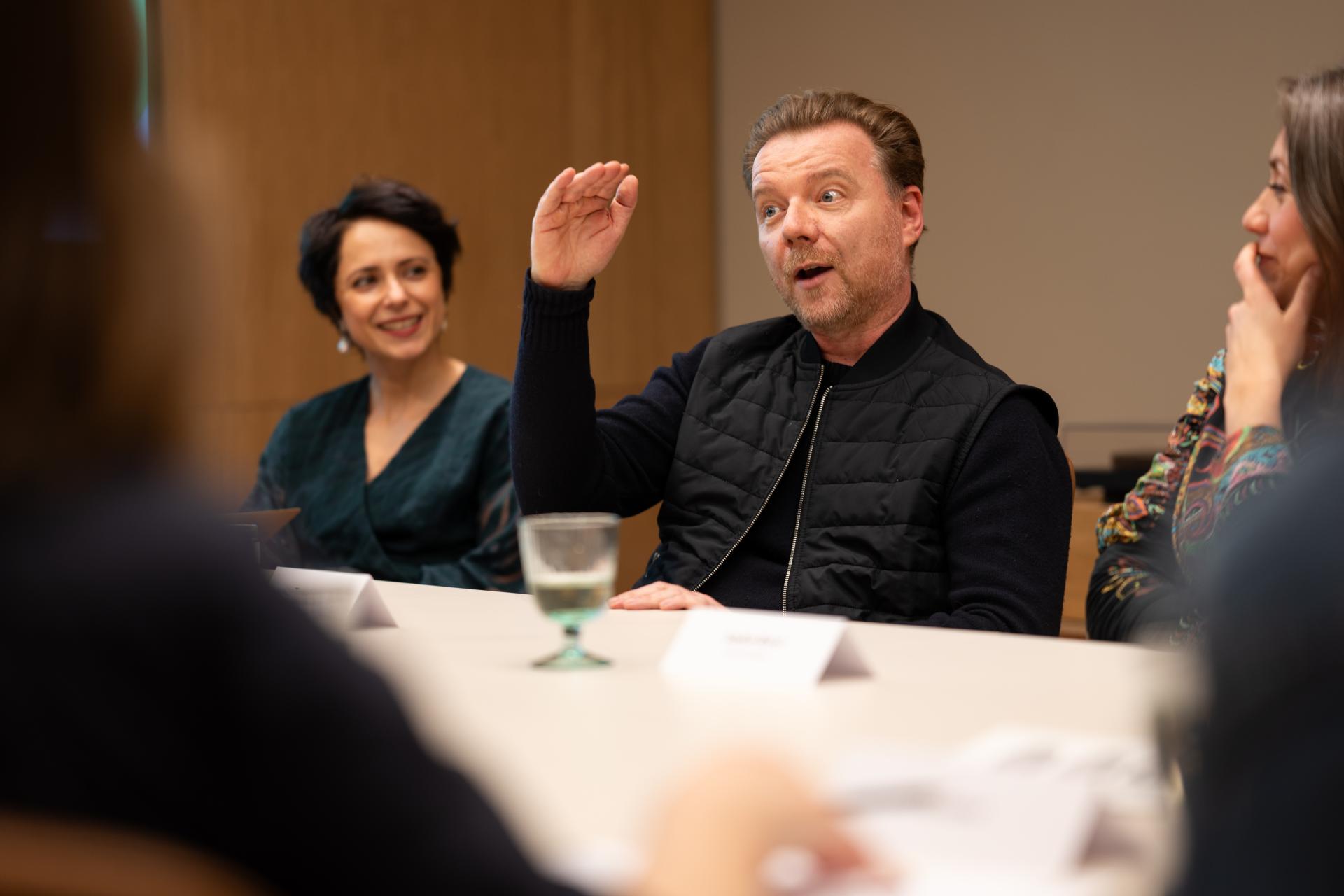
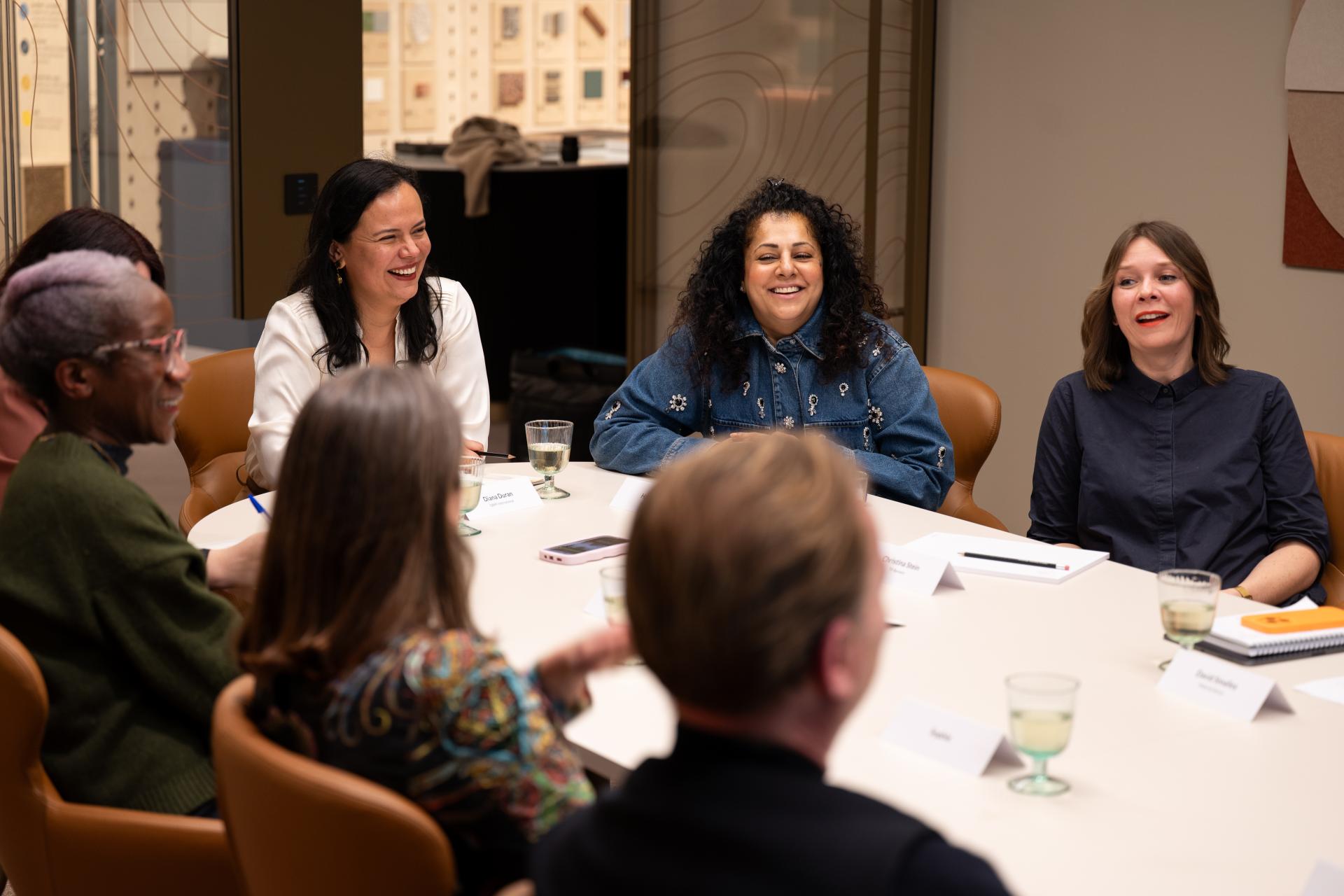
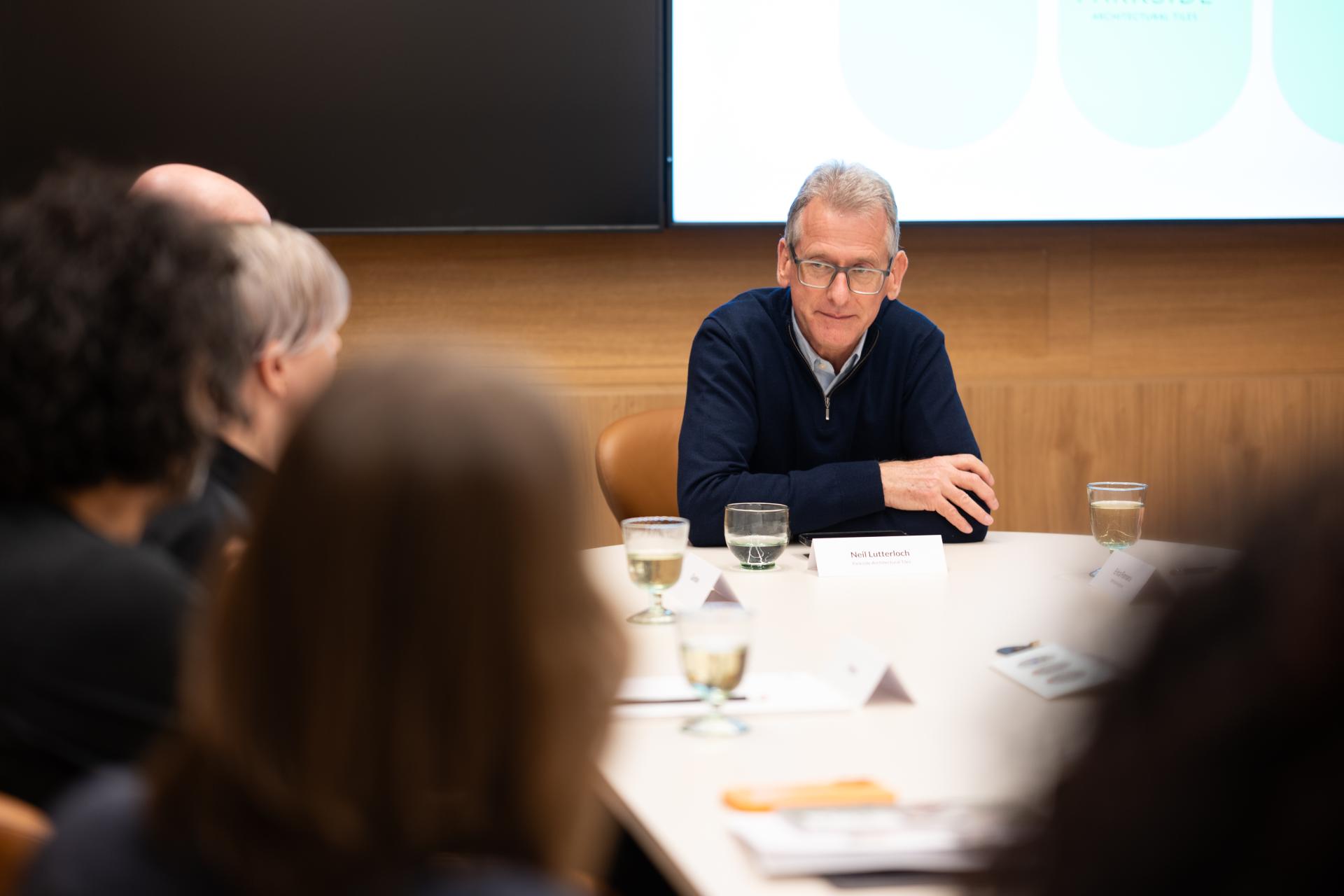
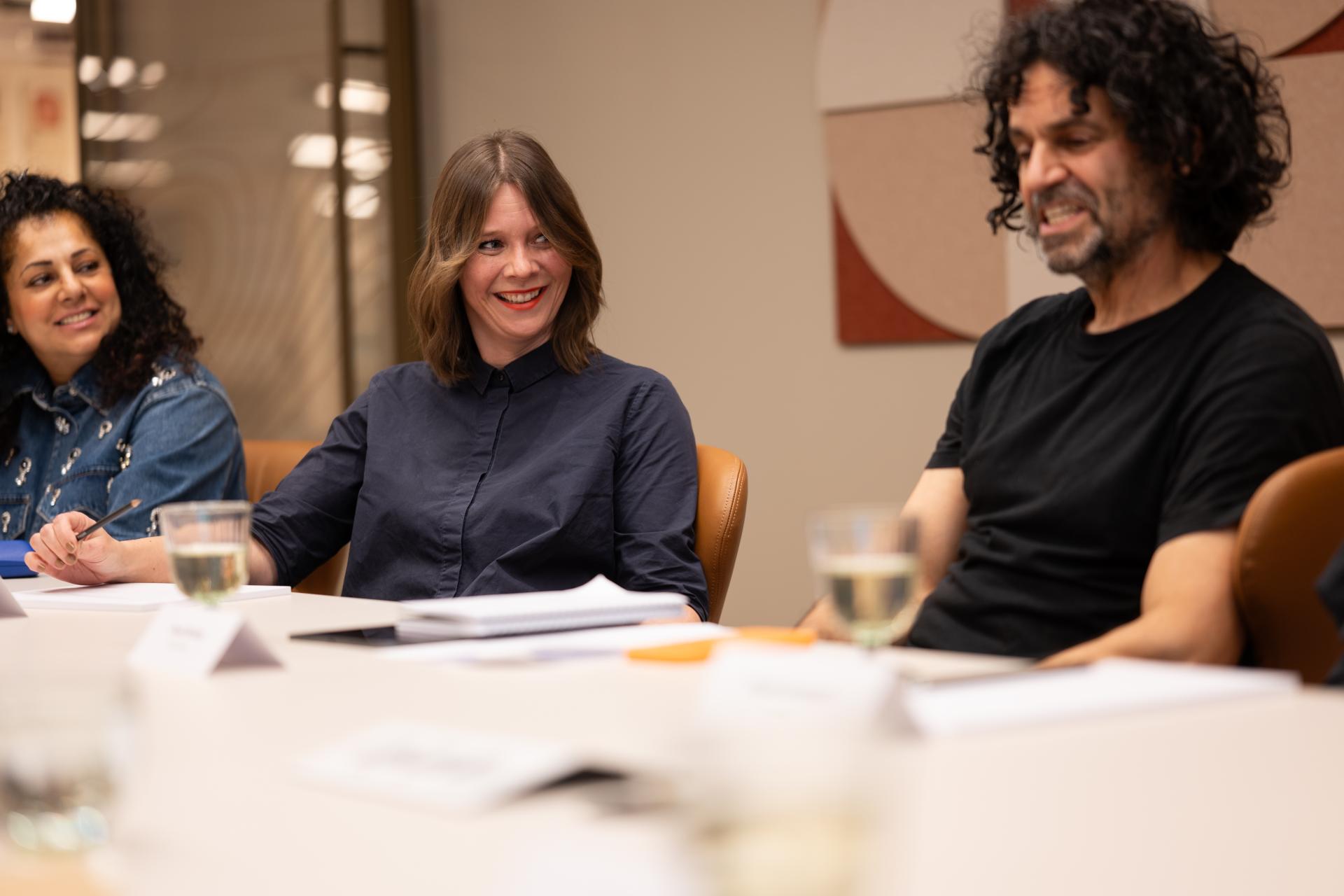
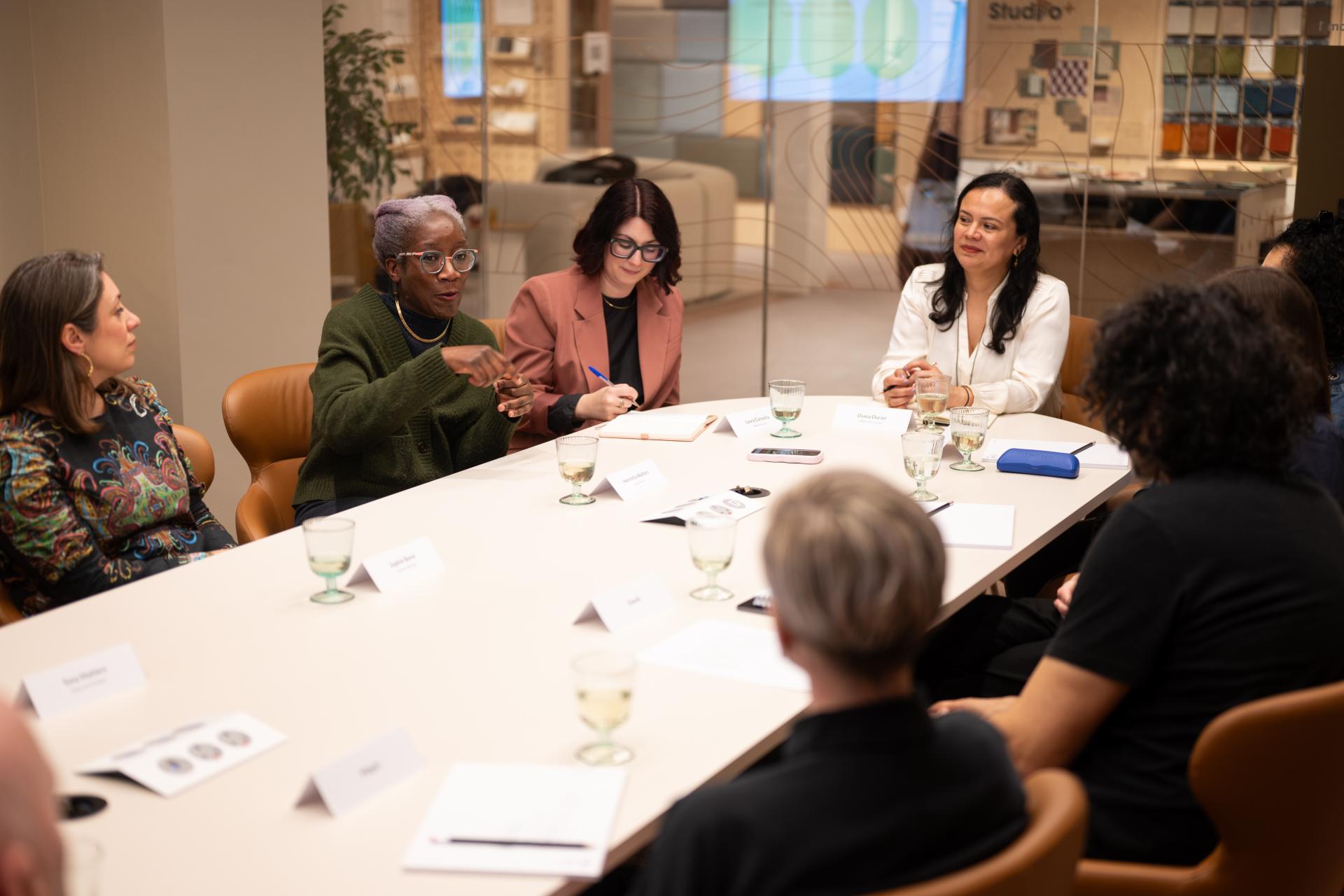
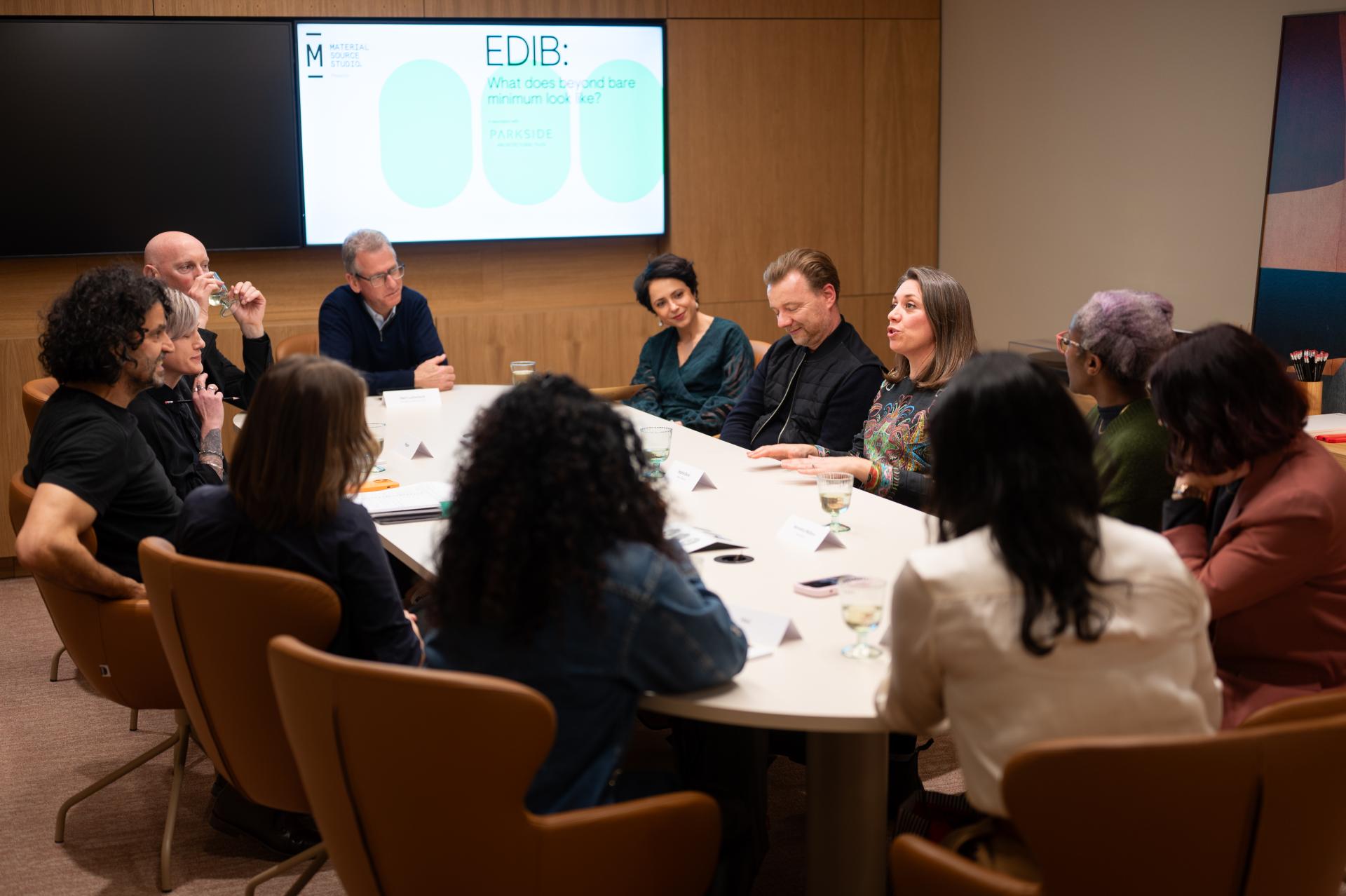
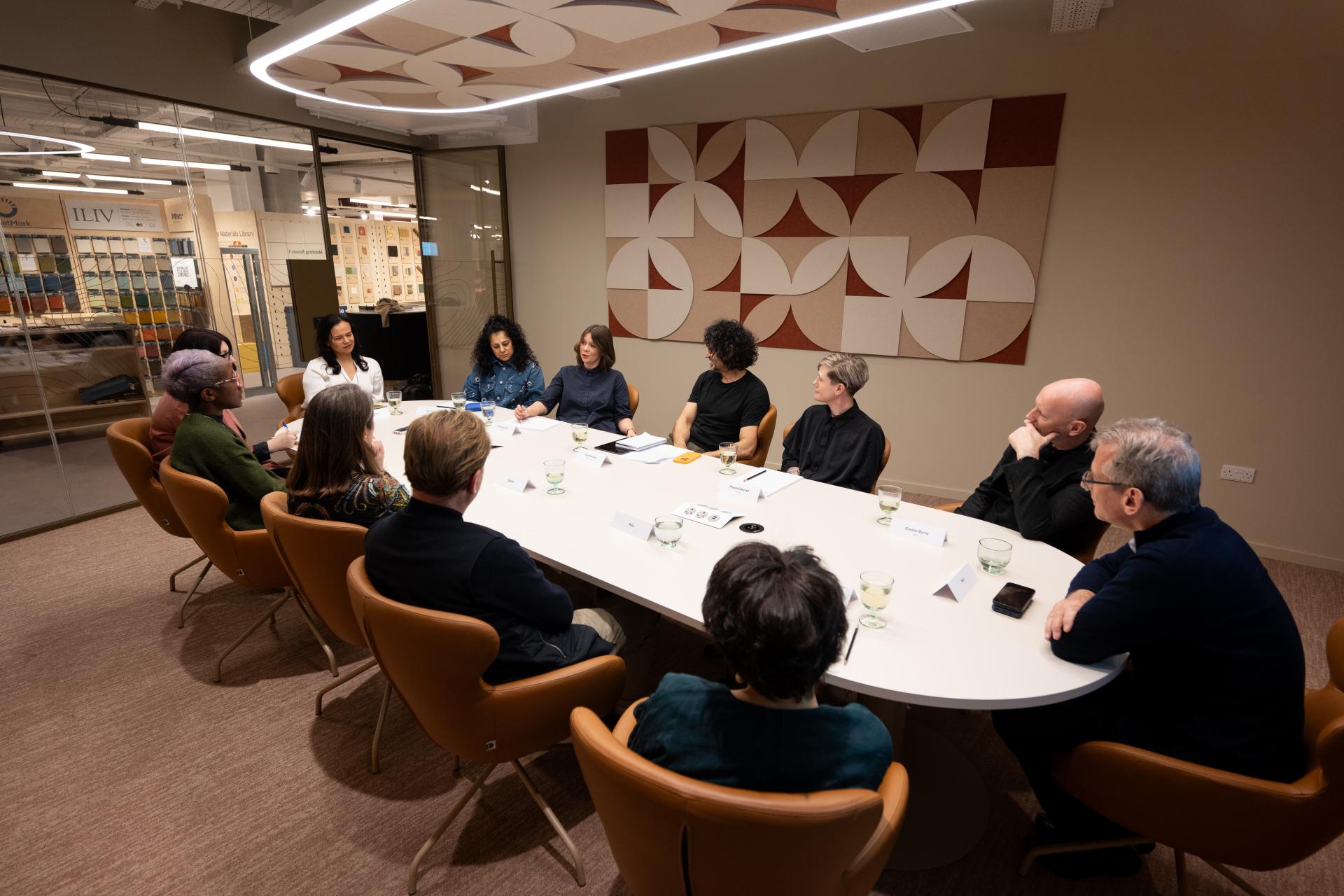
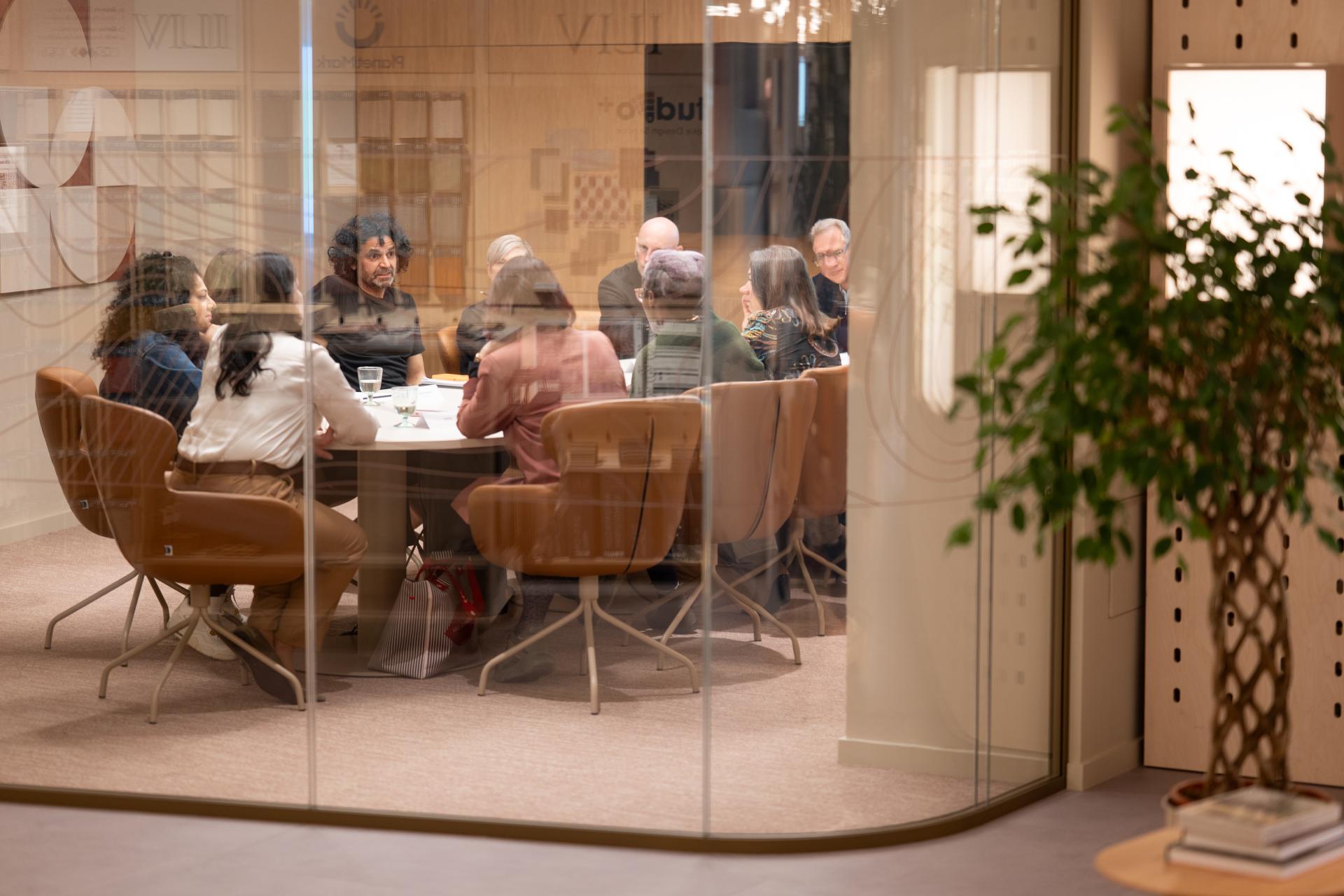
This was the question we posed to a group of senior built environment professionals, hailing from all around the world, at our recent roundtable in London.
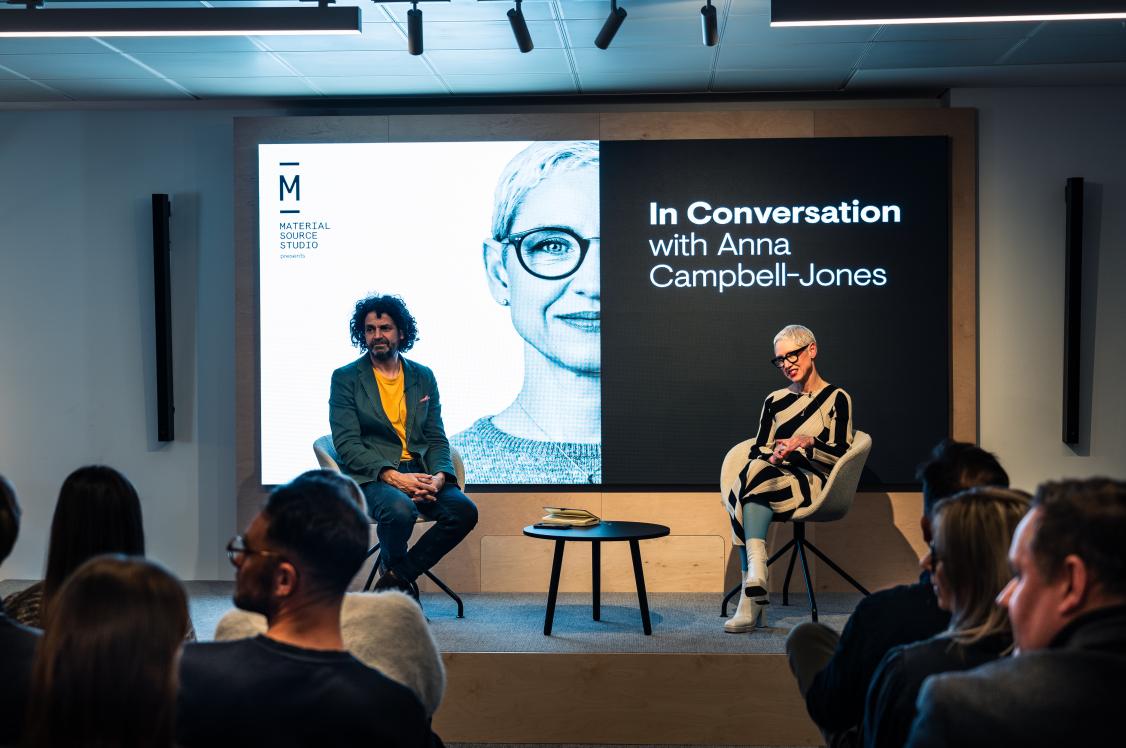
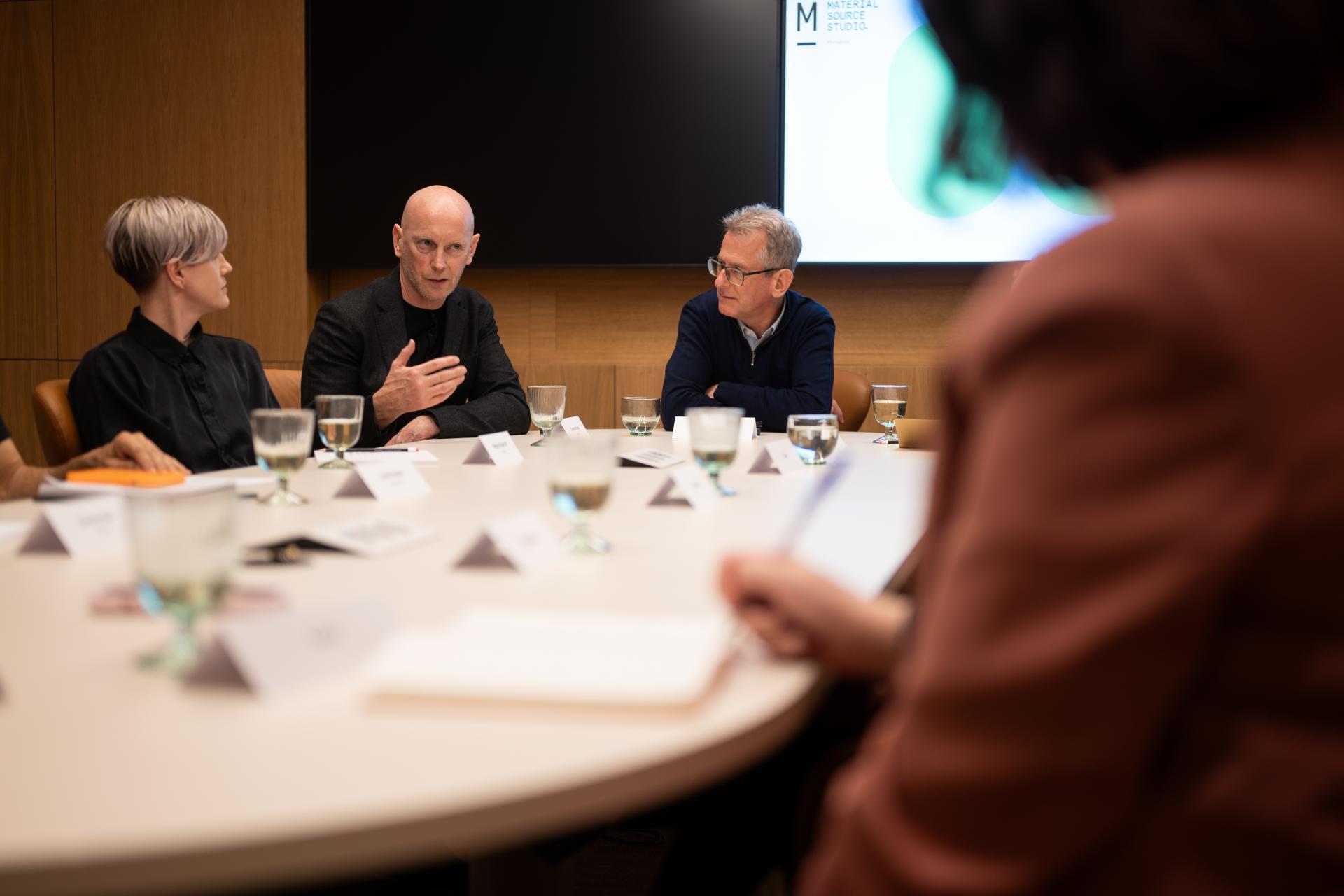
The theme of this discussion, led by Material Source Studio Director, David Smalley, was to consider whether if all legal compliance and regulations were taken away, would inclusive design still be a primary focus for designers and clients alike?
The returning sentiment was that while codes provide a necessary baseline, high-quality design is inherently human-centric. From offering choice and control, to sensory neutrality and the practical challenges of ensuring the execution of truly inclusive spaces, much ground was covered across hospitality and beyond.
Read on for a summary of the key discussion points…
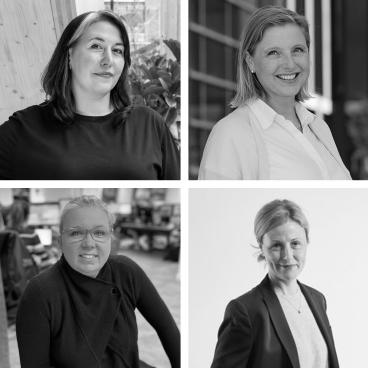
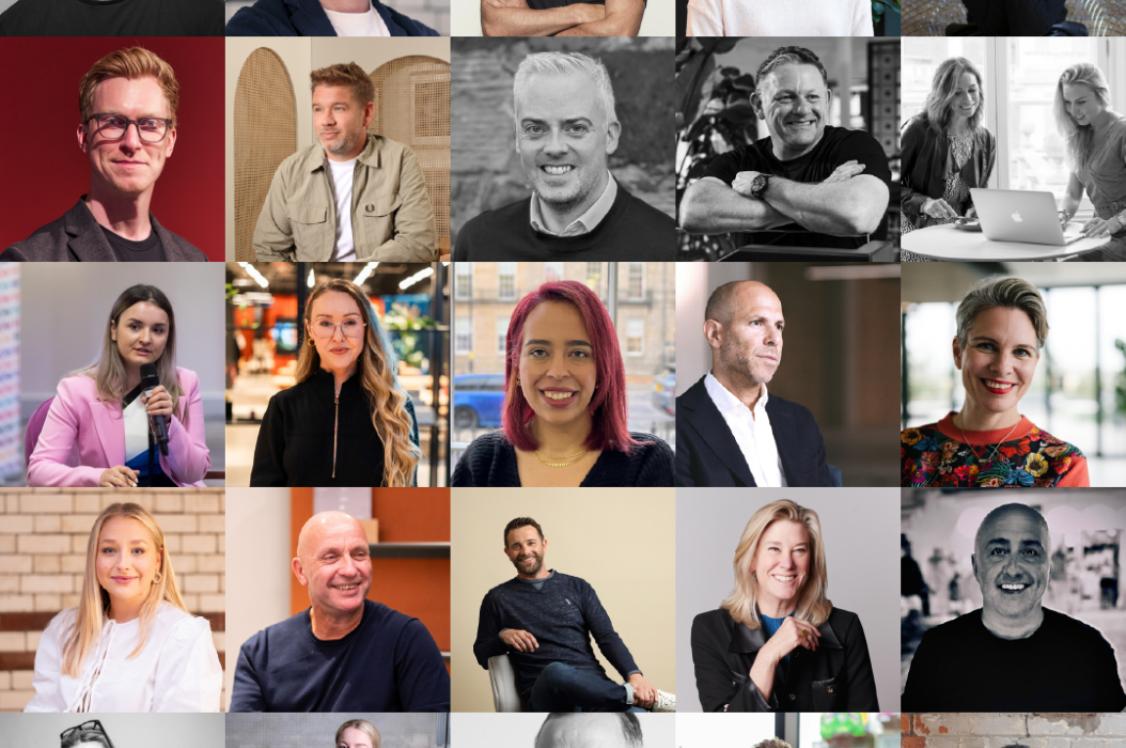
Our guests
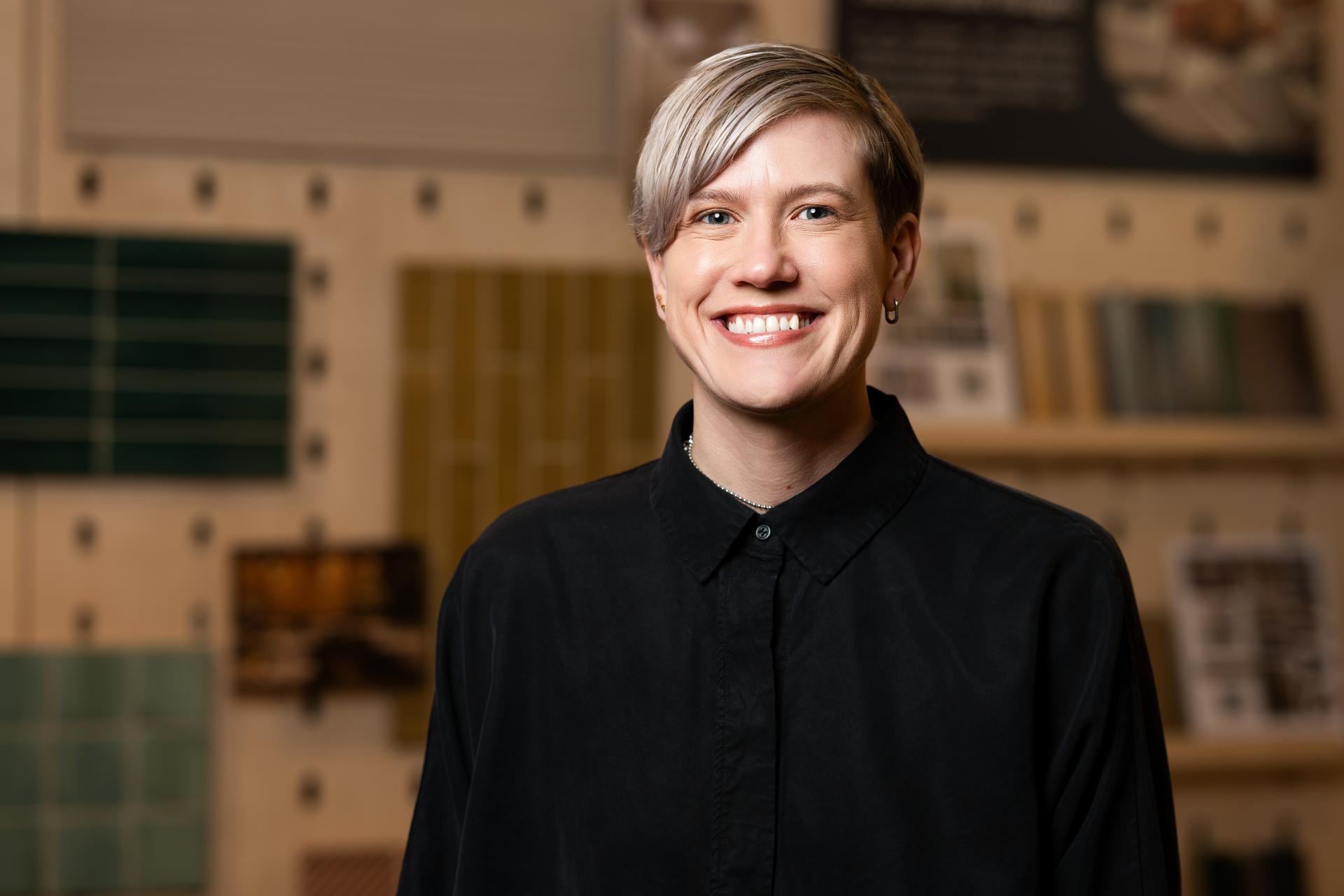
Megan Dobstaff, Principal & Design Director, Gensler
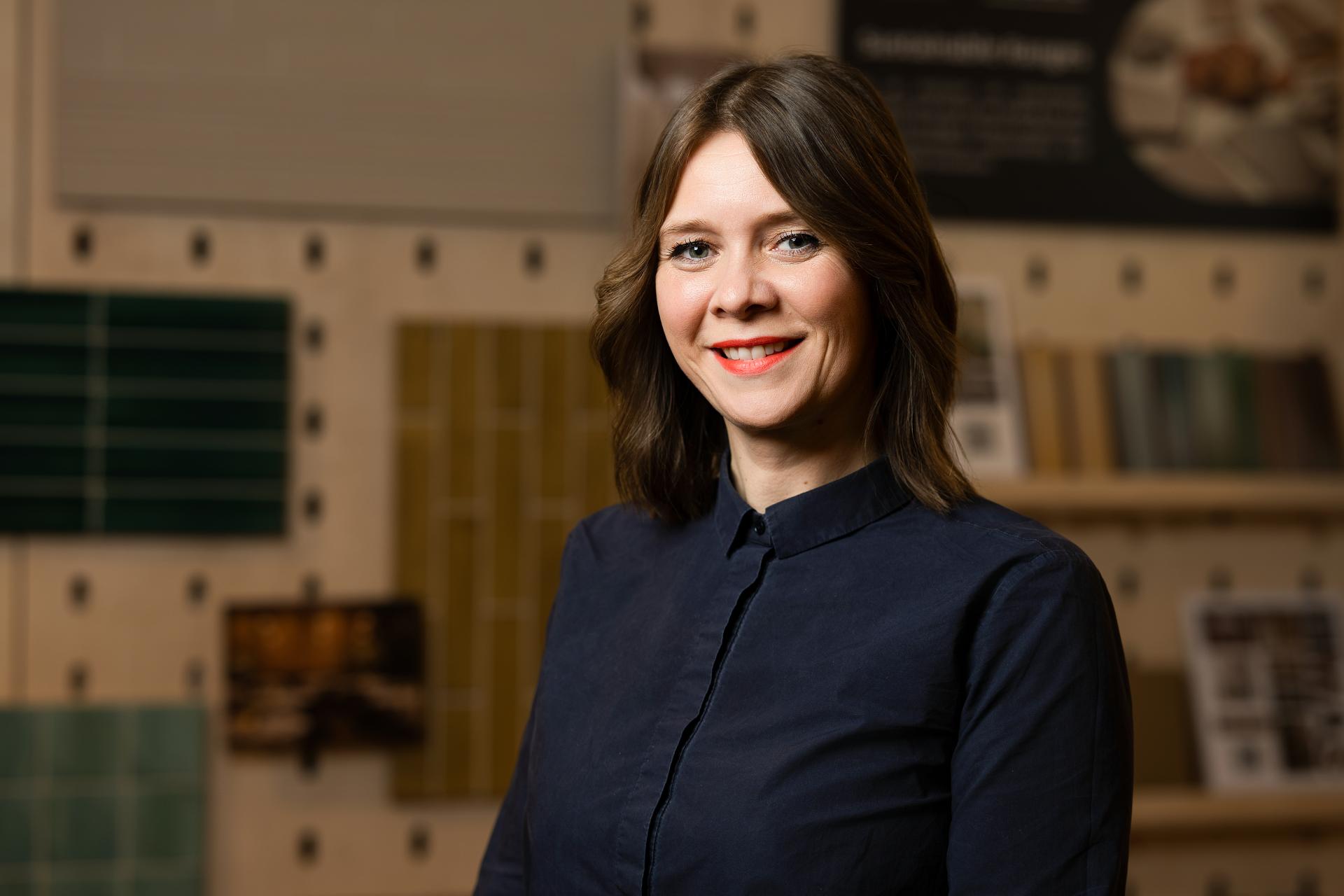
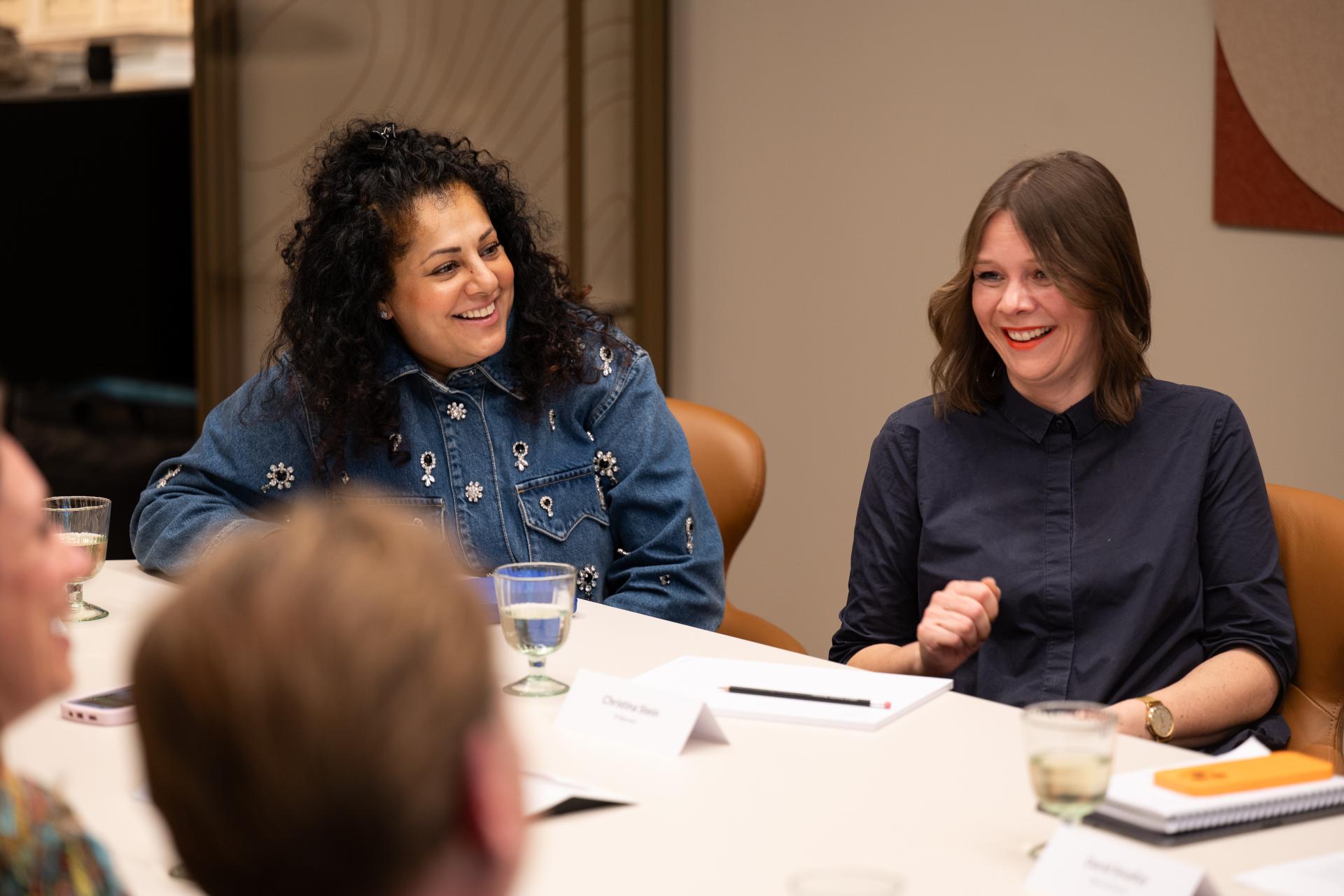
Christina Stein, Senior Interior Designer, TP Bennett
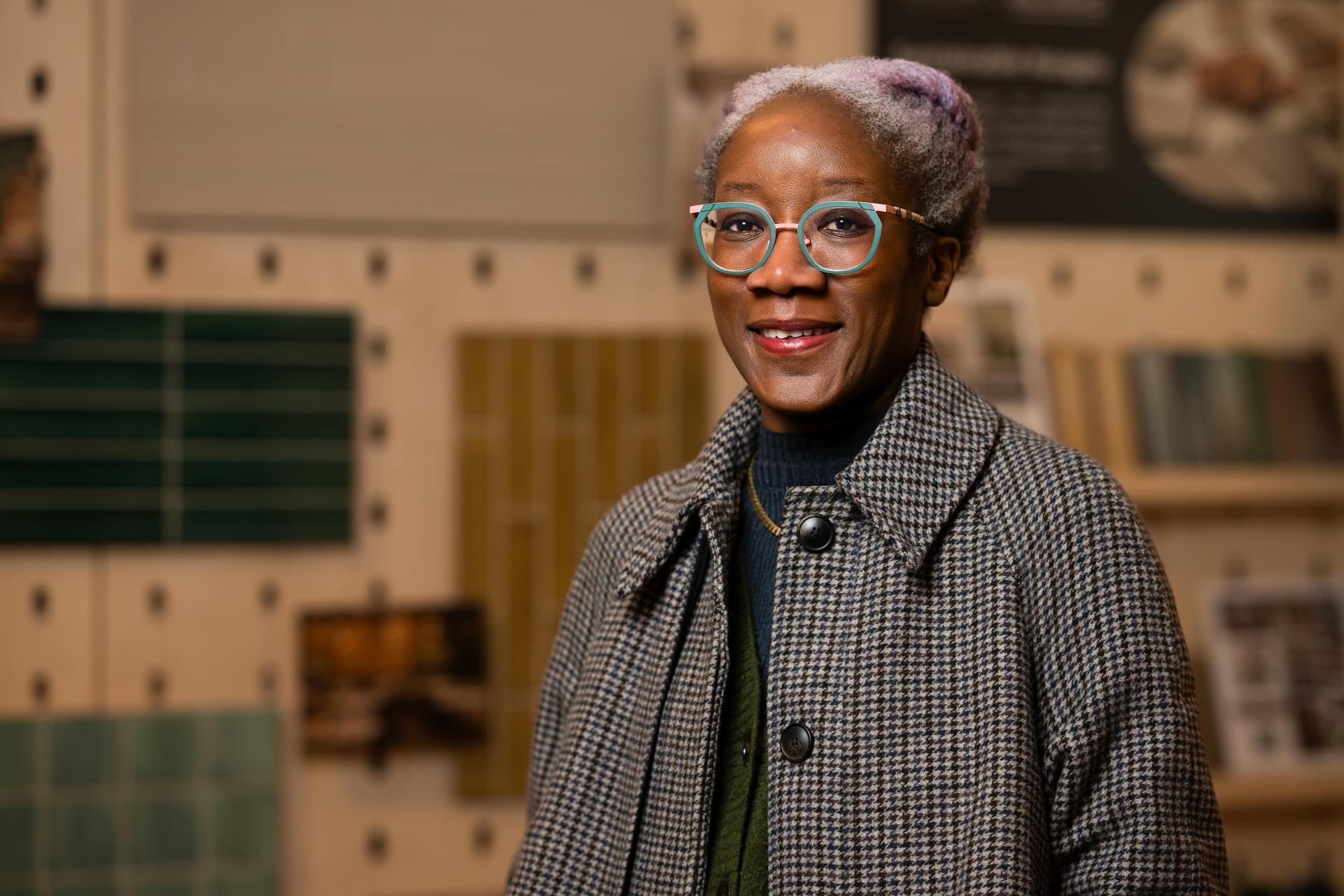
Henrietta Walters, Principal, GA Architects
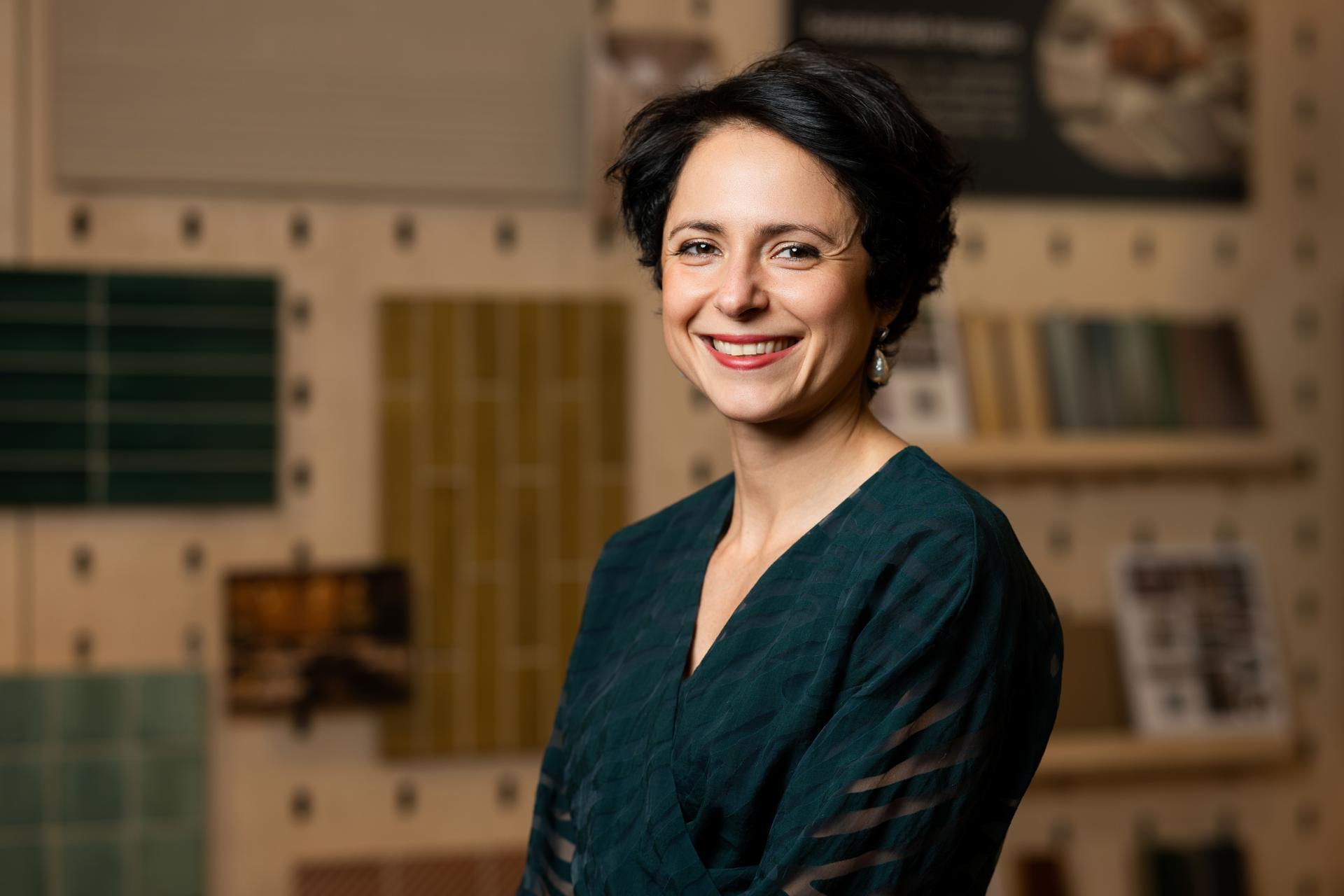
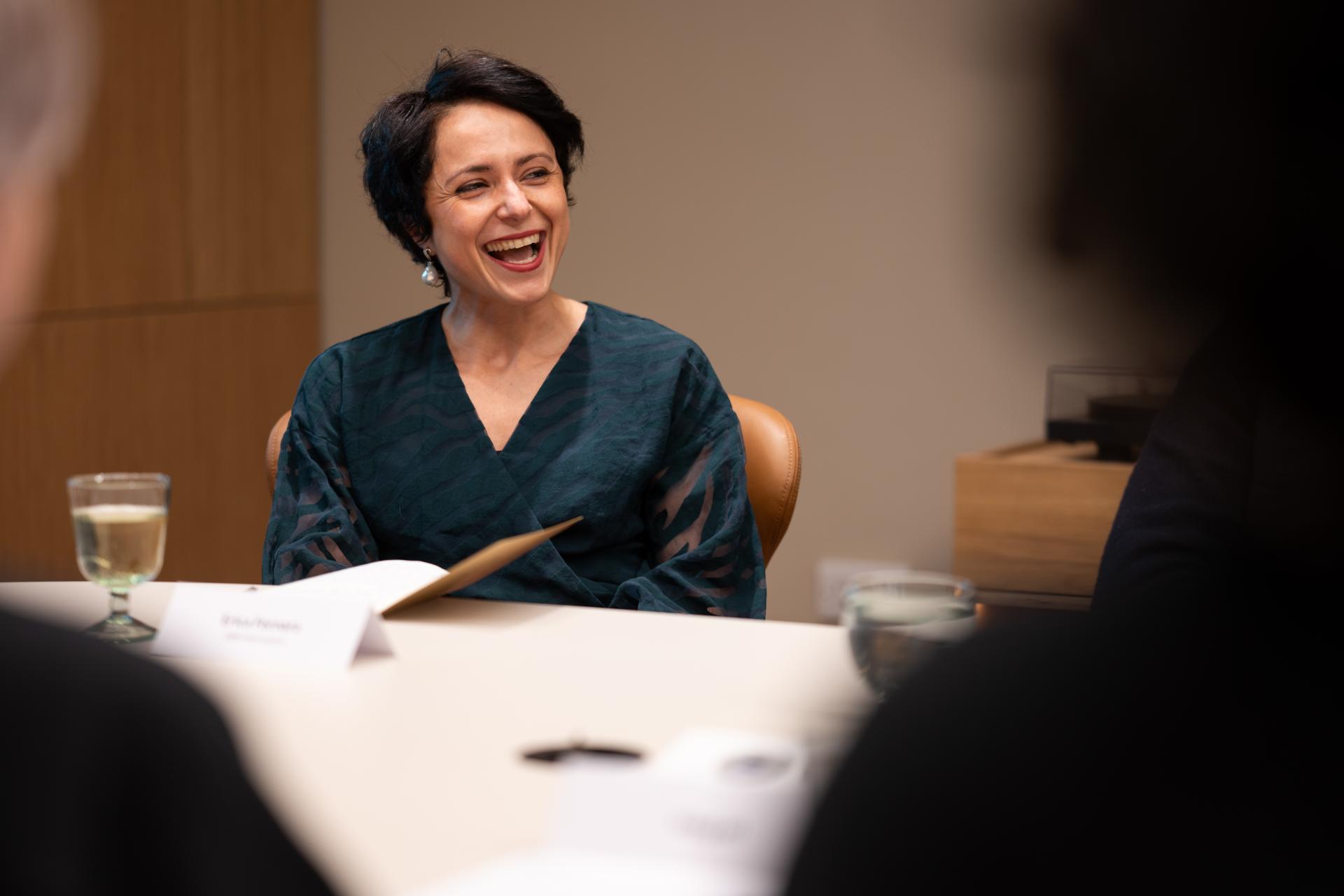
Erica Fornara, Interior Designer, OBM International
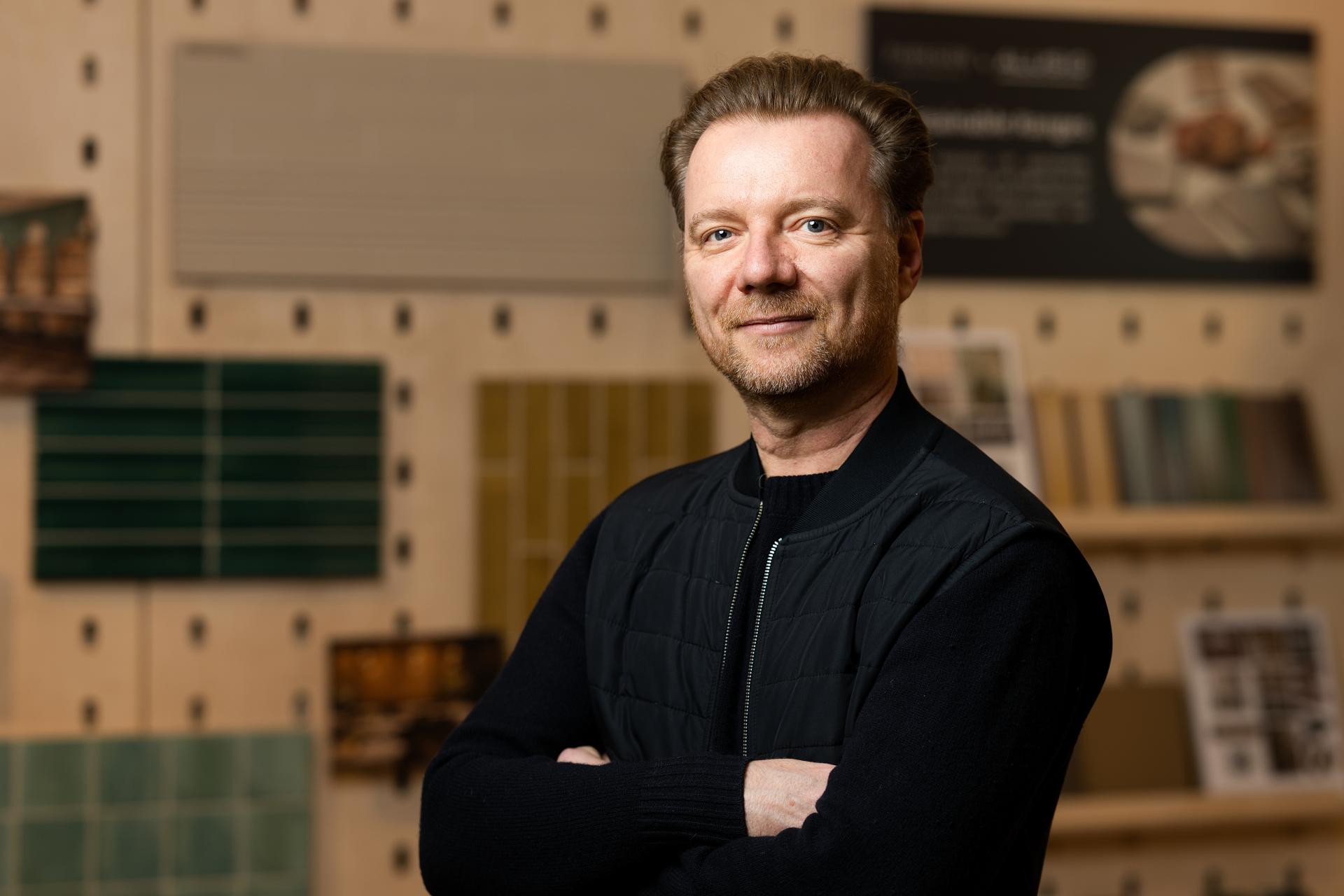
Tony Matters, Creative Director, Faber and Company
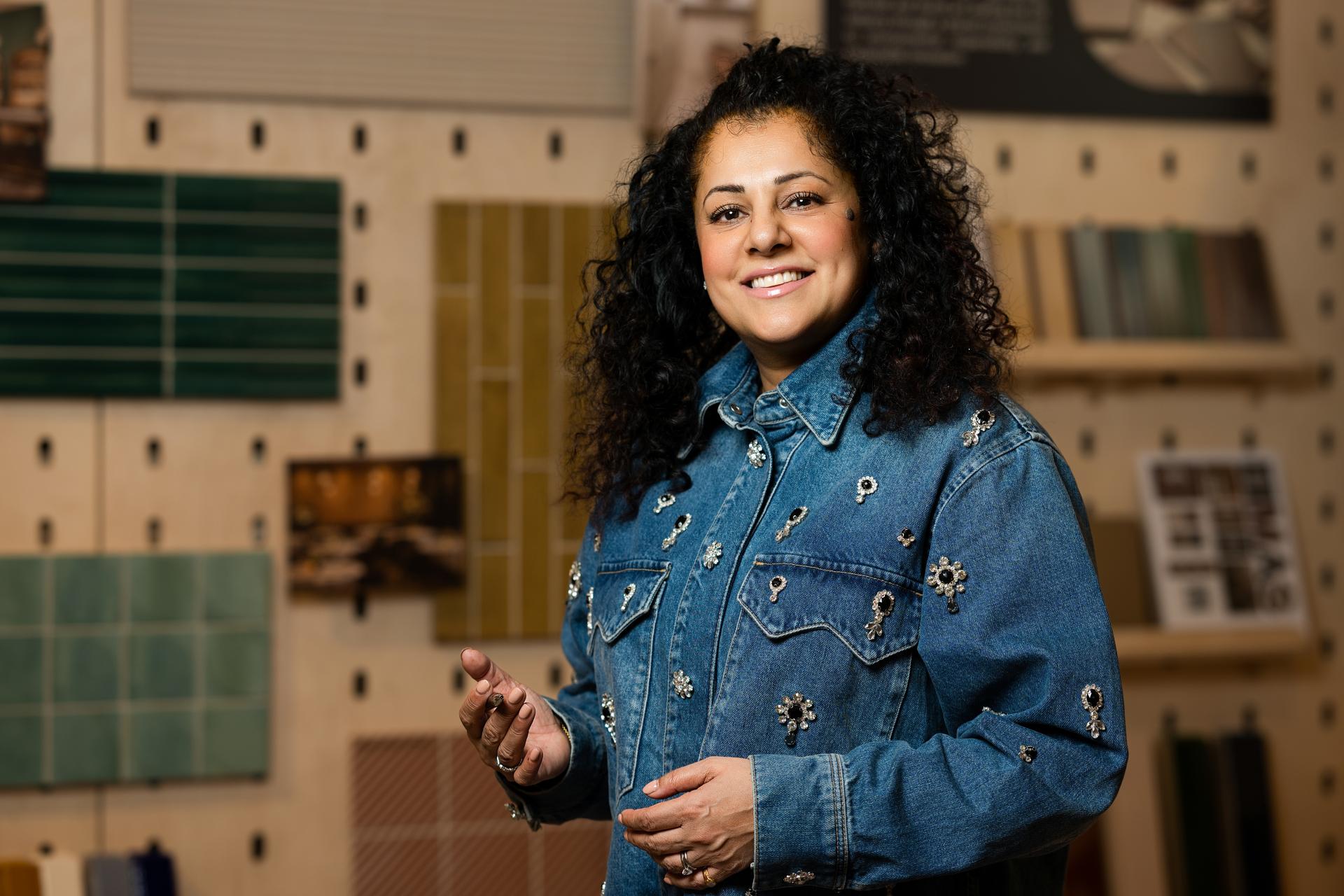
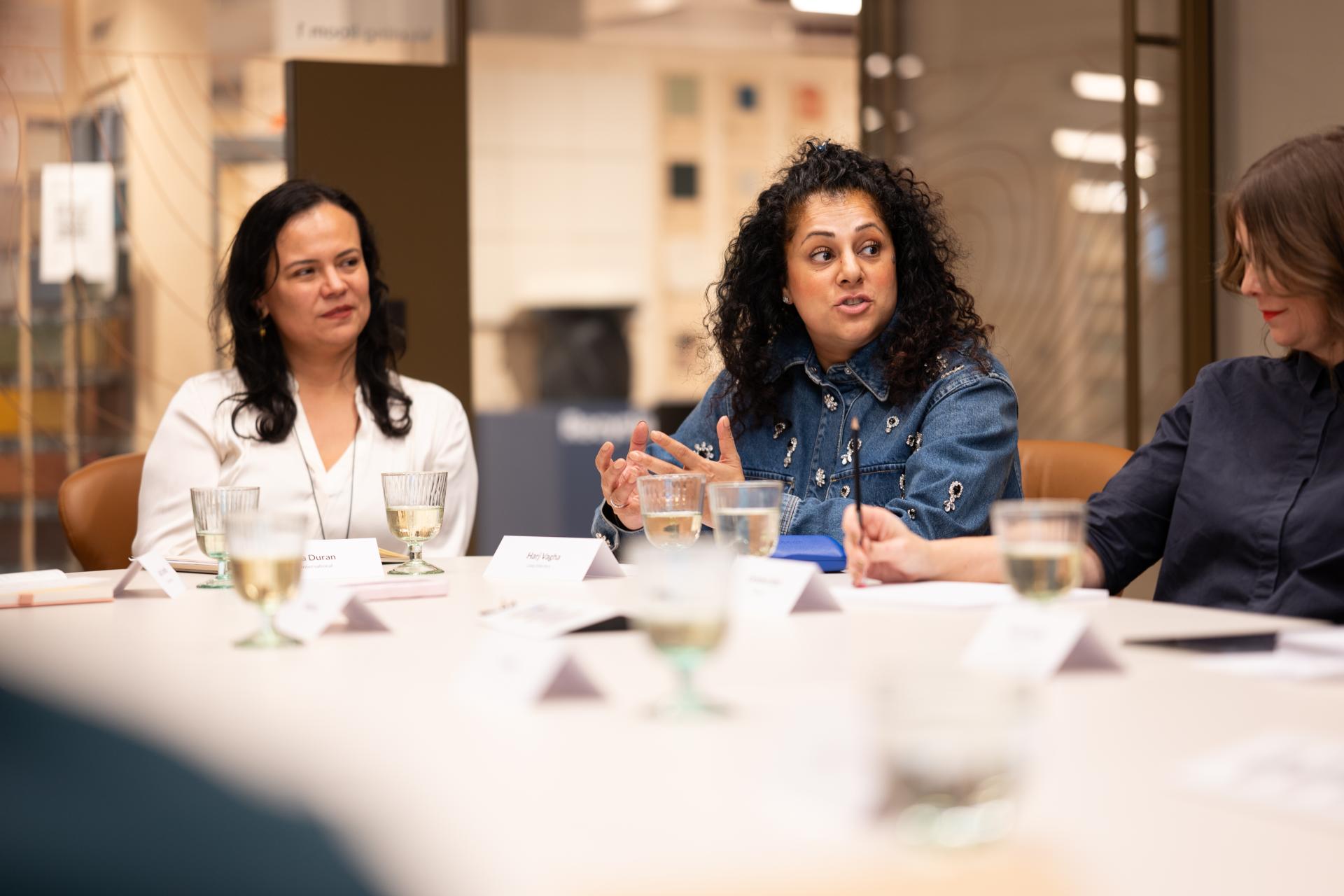
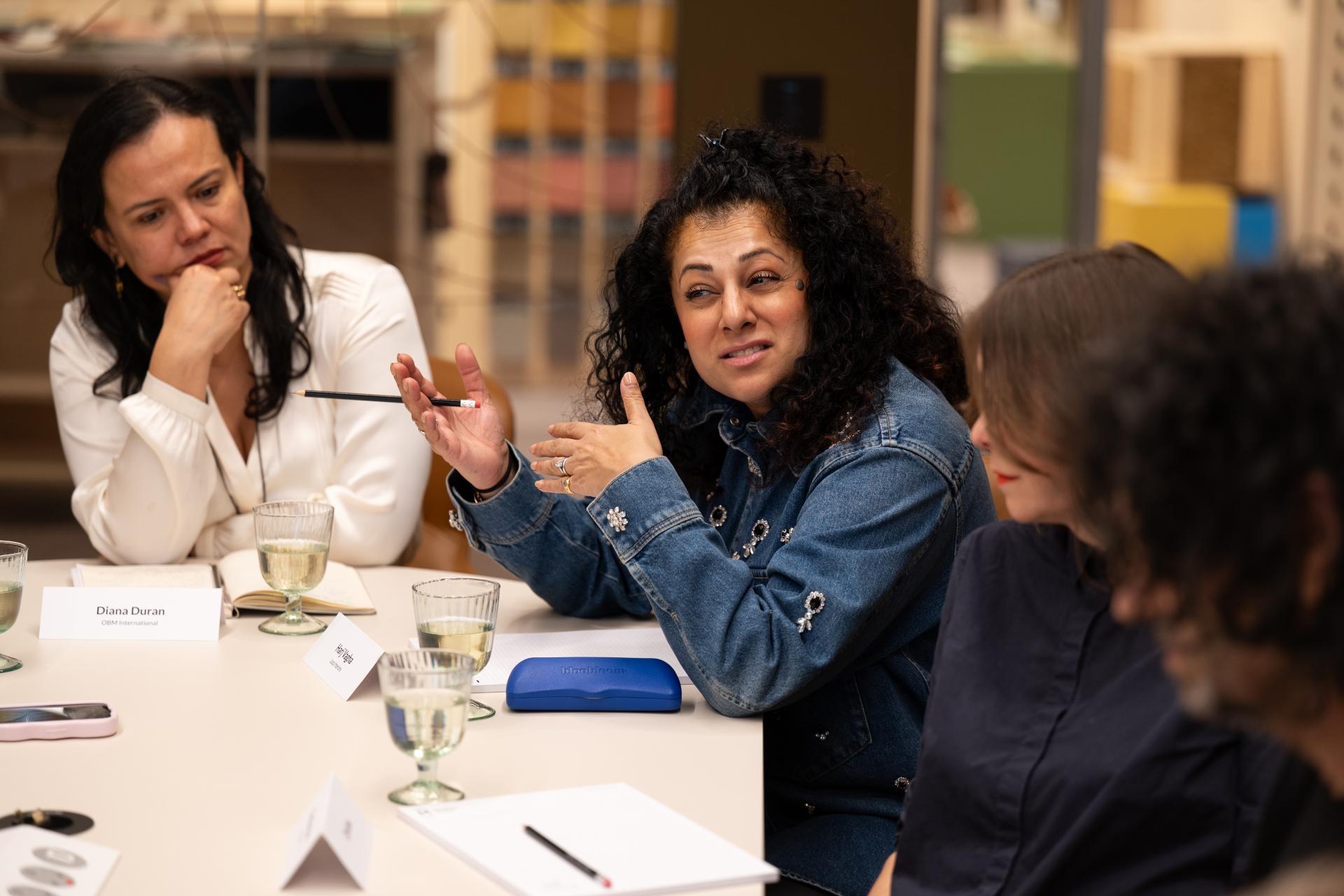
Harj Vagha, Head of Design, Loop Interiors
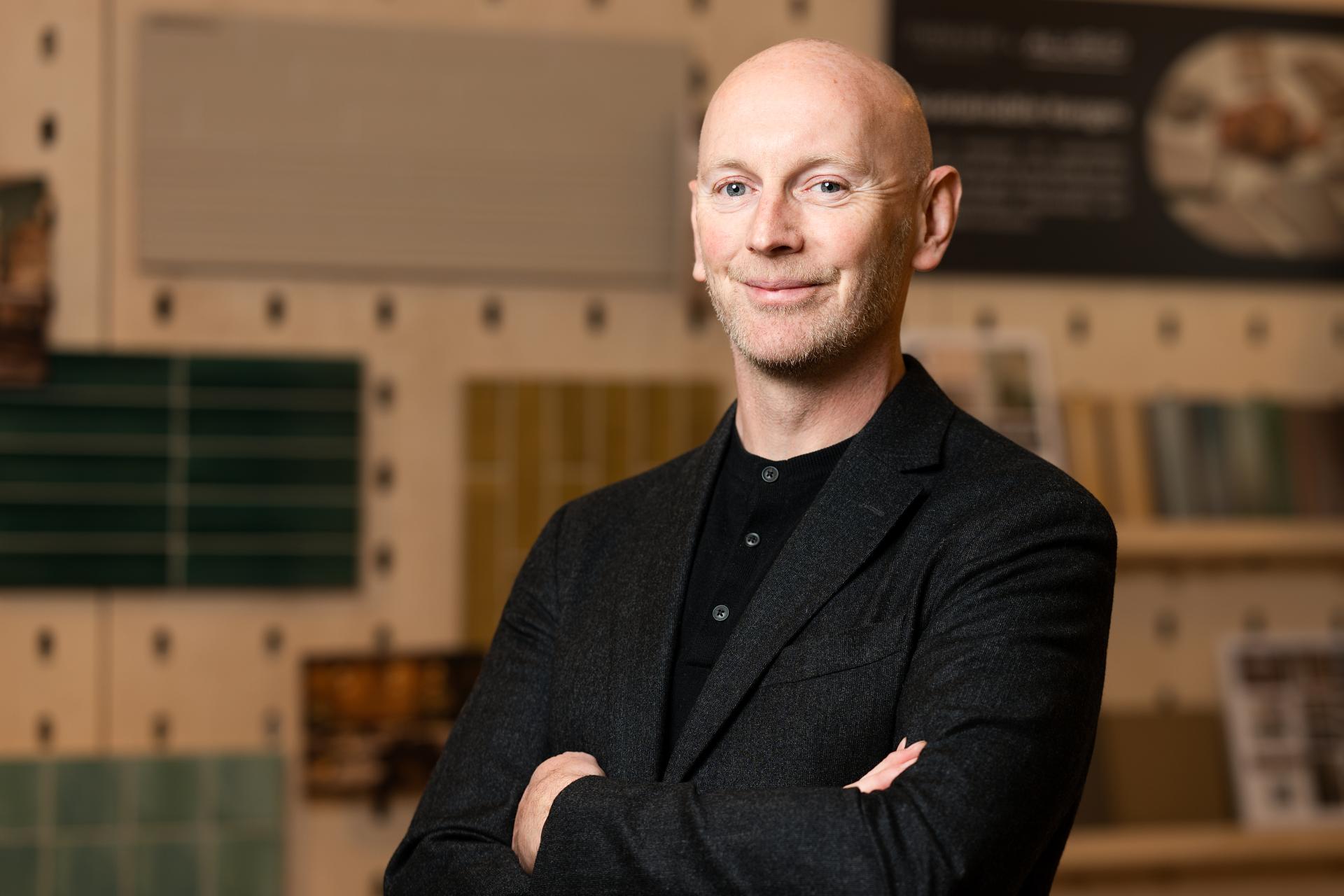
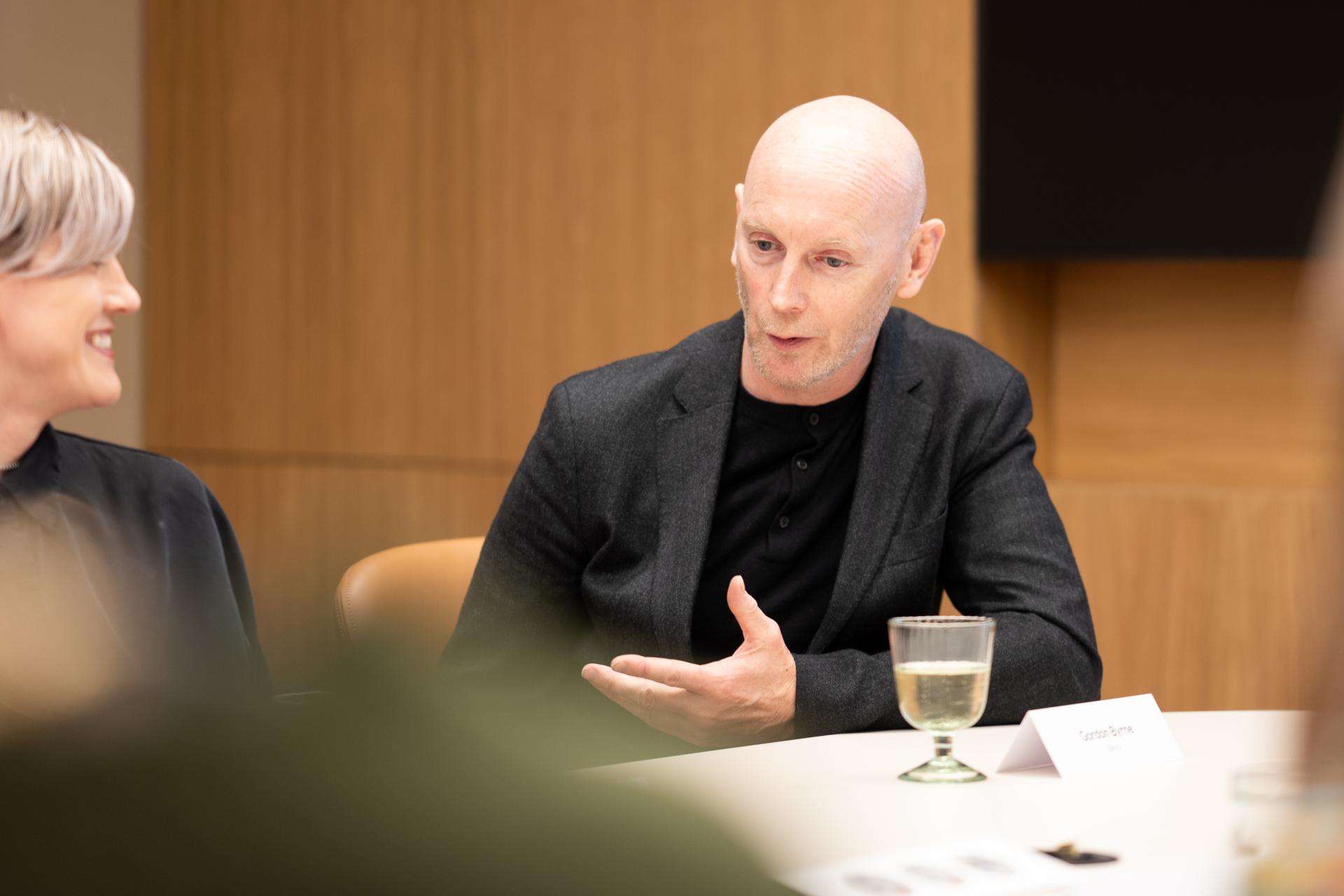
Gordon Byrne, Creative Lead Designer, Oktra
Sophie Borel, Senior Project & Design Manager, Cheval Collection
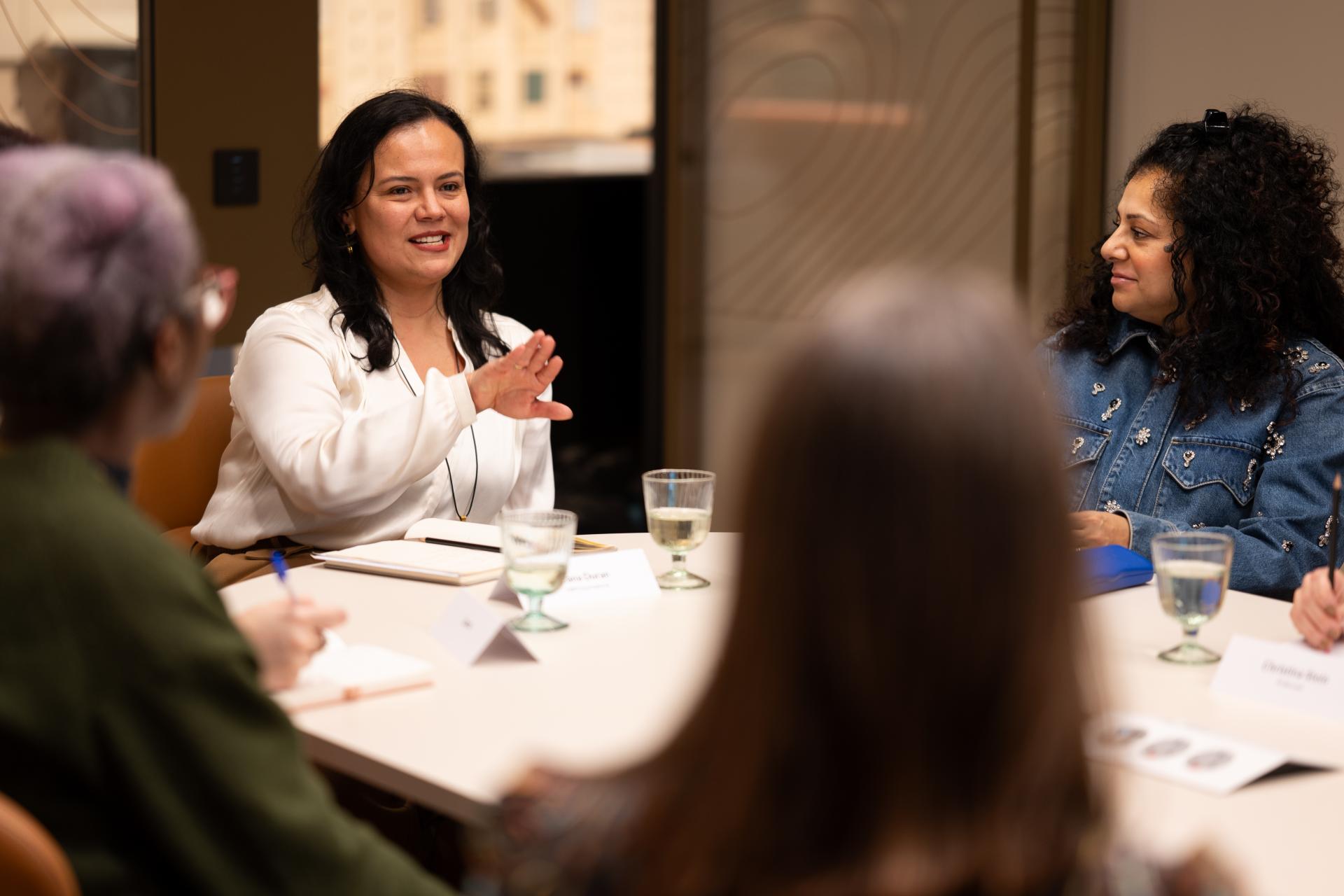
Diana Duran, Project Designer, OBM International
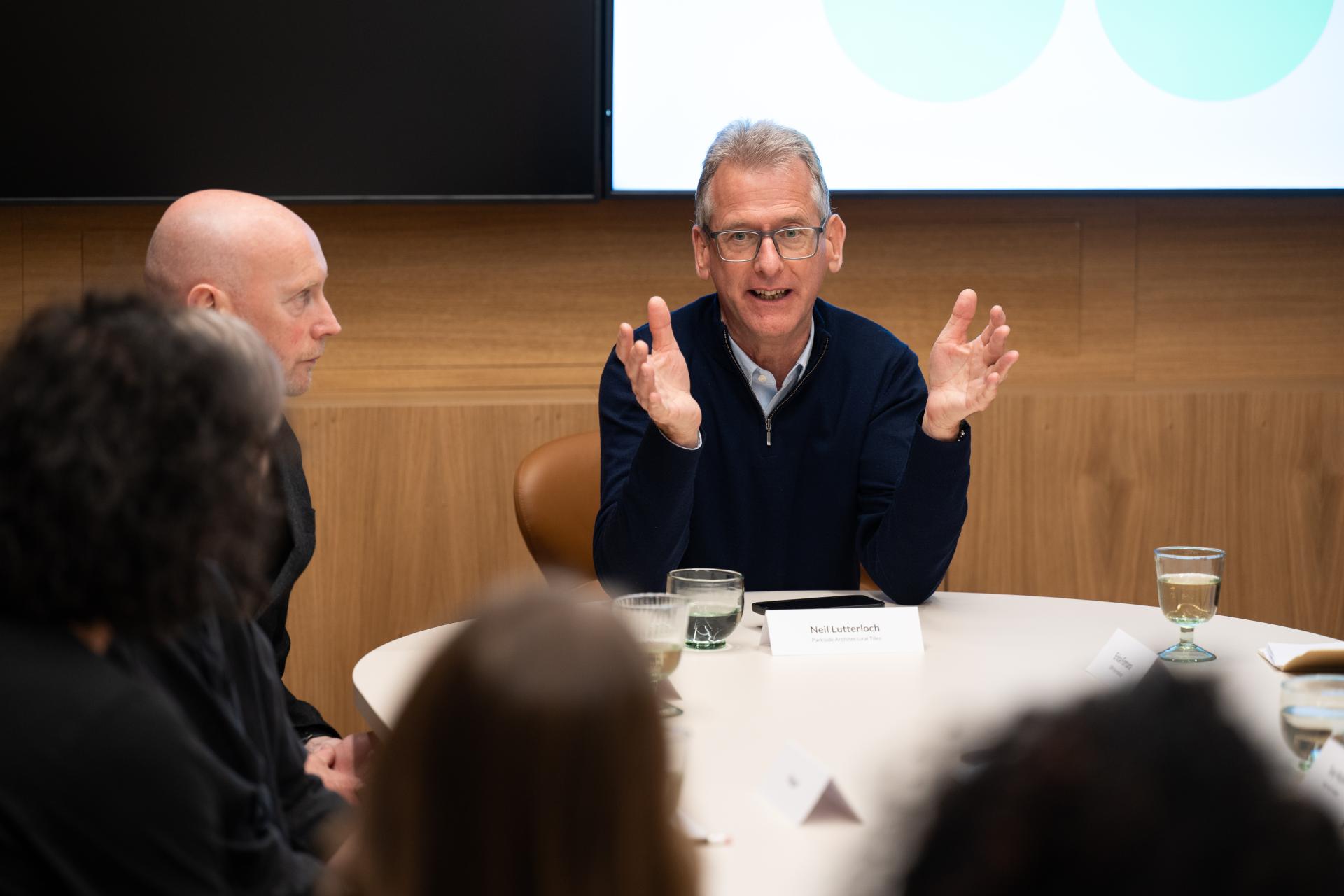
Neil Lutterloch, Account Manager, PARKSIDE Architectural Tiles
David Smalley, Session Chair & Director, Material Source Studio
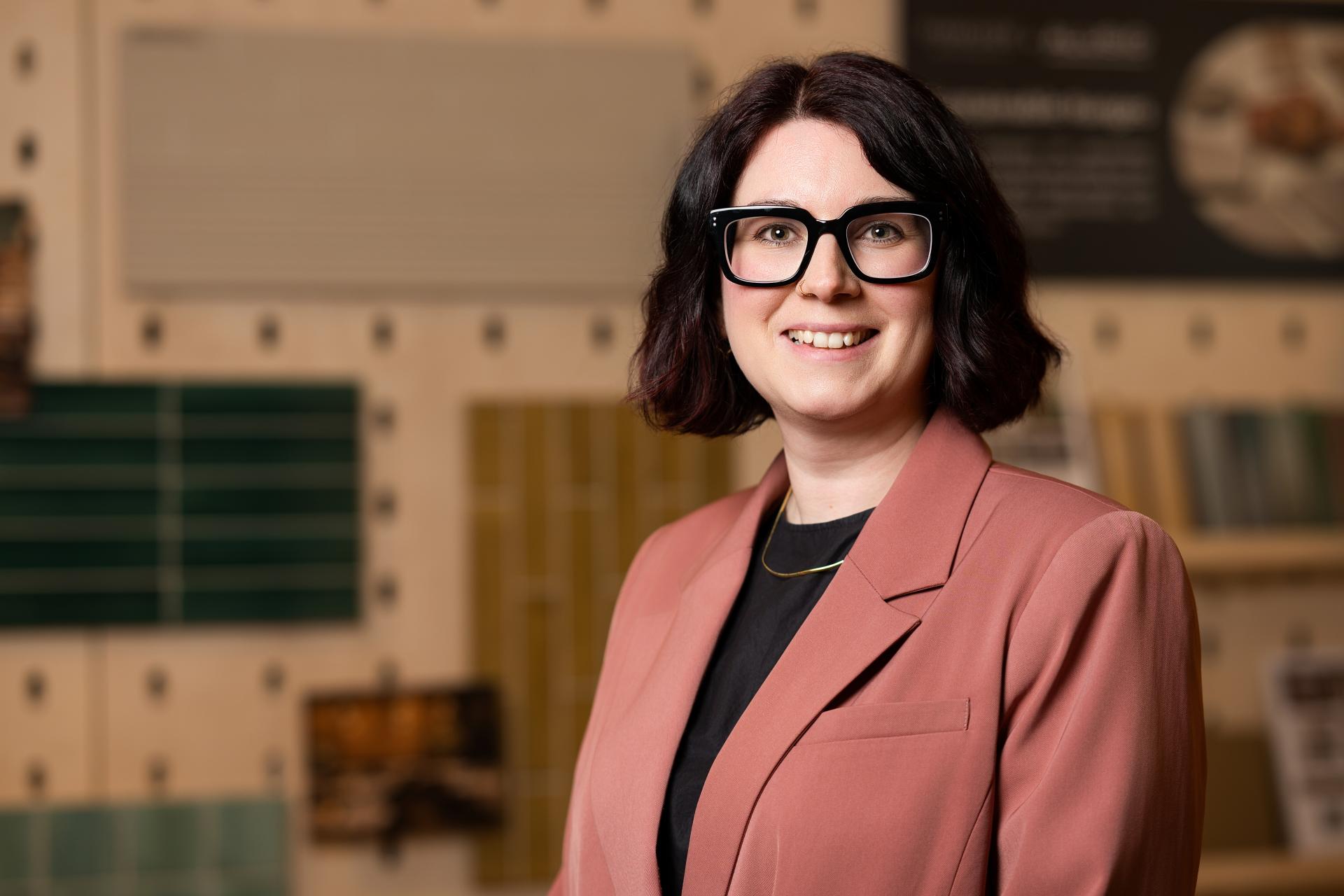
Laura Connelly, Editor, Material Source
To begin, David asked the group, “If we removed Part M, PAS 6463 and every compliance checklist tomorrow, how confident would you be that the hospitality spaces we design would still feel welcoming to everyone? And what does that say about how we currently approach EDIB?”
In the restaurant world, ‘EDIB’ as an acronym rarely comes up, shared Tony Matters, Creative Director, Faber and Company. “This isn’t something many restaurateurs bring up”, he said. However, “these factors would likely be addressed in the environment anyway”, he added, “through different types of seating, quieter areas, more flexible areas, the lighting not being too bright…”
Where EDIB does become a talking point though, Tony suggested, is in relation to gendered toilets, and staff facilities.
For Sophie Borel, Senior Project & Design Manager, Cheval Collection, designing for EDIB is designing with neuroarchitecture and neuroaesthetics in mind.
"Everyone needs to come into a space and feel comfortable,” she commented. “And for that to happen, we believe that environments need to offer a refined, neutral backdrop. They should have some character, but never be overpowering. When a guest arrives in one of our lobbies, there’s a very subtle scent and quietness. It’s all about the service. And they’re designed for everyone to feel at ease.”
“Environments need to be blank canvases”
Diana Duran, Project Designer, OBM International, believes that in an “overloaded society” with 24-hour media, designers would find soothing solutions for hospitality environments whether EDIB principles were mandatory, or not. “Our natural response would push us either way to get to that point. The code just helps as a base.”
Erica Fornara, Interior Designer, OBM International, continued on this point on the need for soothing spaces as “sensory sensitivity is not fixed.” For example, “Being jet lagged can heighten a person’s sensitivity just as if they were neurodivergent.”
Christina Stein, Senior Interior Designer, TP Bennett, describes a “gradient of energy” to suit peoples’ changing needs throughout the day. “Everyone goes through phases throughout the day. So, when designing one space, it must cater to as many moods and characteristics as possible. And consider the fact those might change depending on whether a person wants to socialise, or have some privacy, or collaborate."
The role of the interior architect, she said, is to "make a difference for our clients" through offering expert consultancy on how to craft those aforementioned settings to suit all. "The client can go and find a meeting table and six chairs, no problem at all, but I’m the one who might open their mind about different meeting settings. We need to be having the conversations early on though, and it’s not necessarily framing this as 'inclusivity', but simply designing an environment with different potential settings.”
While evidently clear there’s a strong moral imperative from those around the table to ensure inclusivity is central to their schemes, there are other stumbling blocks in reality, David points out. “Is there push back from contractors?” he asked.
“If it’s D&B you can write it into the employer’s requirements”, suggested Henrietta Walters, Principal, GA Architects, “that would then lock the spec in and it can't be changed.”
Having specialised in designing for autism since the 1990s, Henrietta says it’s most common when working with local authorities that GA Architects would take a design up to RIBA stage four before it’s passed over, at which point the control over spec is relinquished. For that reason, “From feasibility to stage four, we always try and fight to ensure that what we've designed will stay in, because we know what the impact will be long term if it's then changed.”
“Covid was the great equaliser”
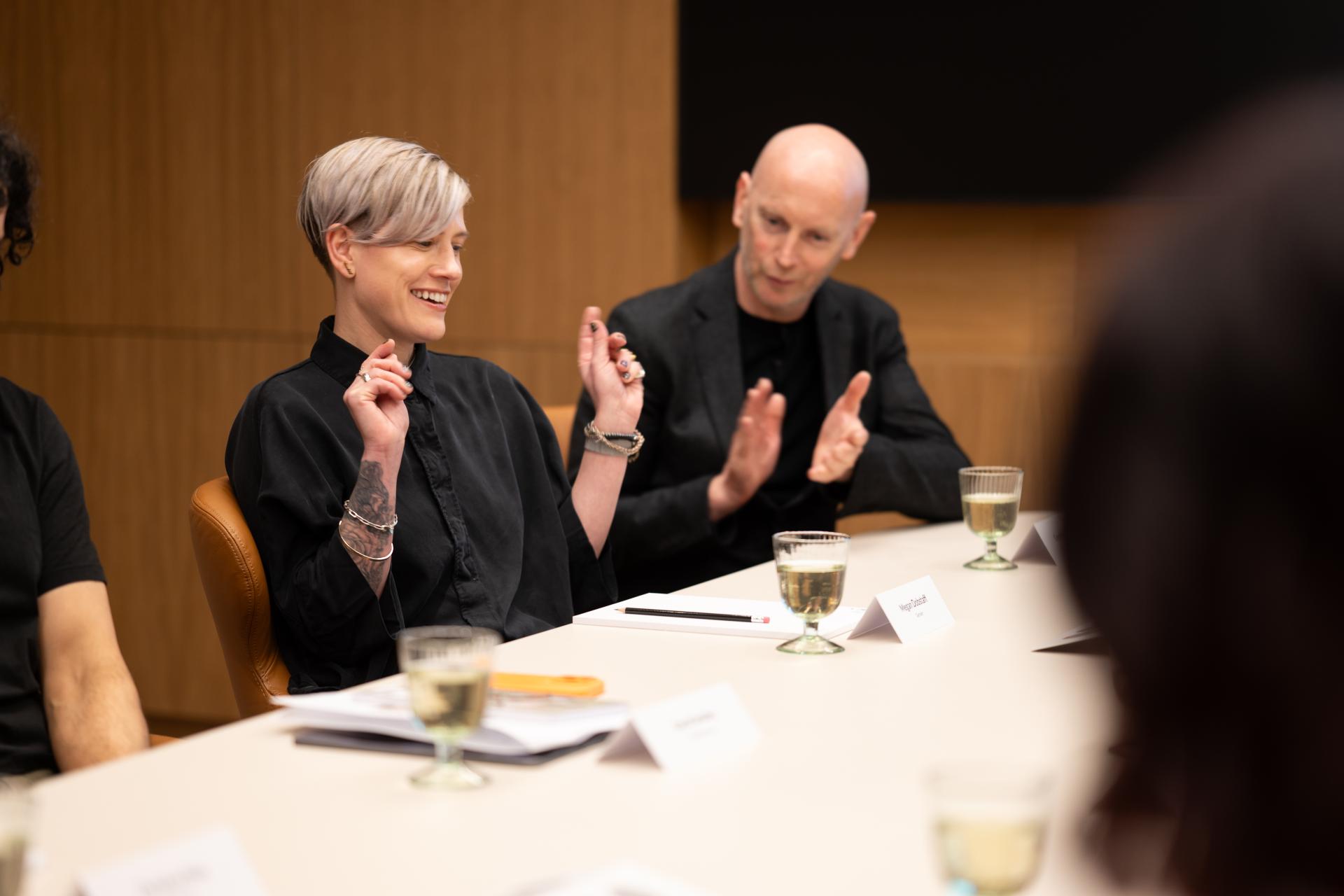
For Megan Dobstaff, Principal & Design Director, Gensler, “Covid was the great equaliser in terms of how we approach inclusivity.”
The conversation, she said, became more commercially-driven – “it turned into ‘how do we attract people back? As designers, it’s our responsibility to attract as many people to a space as possible. If you're designing restaurants, that restaurant should be booked out. You shouldn’t be able to get a reservation at it. It's the same with hotels. They should be places that people want to go to. If it's a workplace, every seat should be filled.”
Here Megan added that there is a key difference between hospitality and workplace. While someone might choose to visit a bar, restaurant or hotel because it caters to their wants and needs – they have choice, they can either go - or not go. When it comes to workplace, the environment has to work harder once people are there, because the choice as to whether they should go or not has been taken away.
Individual interpretation
In any design situation, Gordon Byrne, Creative Lead Designer, Oktra, believes it comes down to “human usability.”
“The guidelines are open to individual interpretation”, he added. “But as designers, we know that what we’re designing needs to be accessible. And to do that we must put ourselves in other peoples’ shoes.”
“So it’s about asking the end users?” suggested David.
“It’s important we engage with all stakeholders”, commented Henrietta, “but that can be difficult – if you’re working on a school, the pupils might have left by the time a project is complete. Though they’re an important part of the mix, plus teachers, management, cleaning staff. People often forget to engage with the cleaners.”
The question as to whether a space can be easily maintained is a crucial one, added Henrietta. “When considering EDIB, and the likes of including carpet to reduce noise, for example, thorough cleaning methods must also be communicated to ensure they are feasible. What’s the point of doing the O&M manual if no one’s going to read or use it?”
The key, she said, was to engage all stakeholders at the start of the project to ensure no surprises later down the line. Plus to remind them at each stage what the focus is.
Another point around end users came from Erica who suggested there should be no hierarchy in spaces in terms of ‘this, over here, is accessible’. Making a point of difference should be avoided, she believes. “The most important thing is to create a space that is welcoming to everyone. Any ‘special solution’ should be the solution for all.”
For Tony, who’s been designing restaurants for 15-years, from working on the Savoy to small neighbourhood restaurants, specificity is key. "We must be really specific about who we’re designing for.”
In his experience, though, it’s not always the desire of the client to implement inclusivity supporting measures. Particularly through the installation of accessible toilets should there not be a legal requirement.
“It’s not unusual to find a restaurant without [accessible toilets]”, said Henrietta, “but I always think that if you're refurbishing something then you automatically start from the point of ‘how do we make everything better?’”
Harj Vagha, Head of Design, Loop Interiors, suggested that it could perhaps be more difficult in the city.
To which Tony replied that “[At the start of] 7 out of 10 restaurant projects we work on, you cannot get through the front door in a wheelchair without a struggle.” Likewise, it’s a similar experience here in London when pushing a pram, shared Christina.

All types of bodies, all types of minds
“Is there ever the perception that designing for inclusivity stifles creativity?” David asked.
“If you put an unnecessary label on it”, replied Henrietta, referring to the orbit of buzzwords that surrounds the concept of Equity, Diversity, Inclusion and Belonging. “They mean nothing”, she added, “the term that we use is that we’re creating low arousal spaces or low arousal environments which is much better than calling it ‘neurodiverse friendly’ or something similar.” “Inclusive design should feel natural”, added Sophie.
In relation to the workplace sector, Megan shared, “What I've learned going through this process of designing for all types of bodies and all types of minds is that for every move you make, you need to make the opposite. Because there's no way to design truly for everyone, but the best checks and balances systems for any space is where if you have seats looking at a huge screen, you need to have seats looking away.”
“It’s Yin and Yang”, suggested Harj. “And giving people choice, with different profiles set up to suit different needs so people feel in control of their day."
In hospitality, specifically serviced apartments, the same idea applies, said Sophie. “We want our guests to live to their own rhythm. We give them choice through flexibility and control.”
Since Covid, this has been reflected in briefs from clients, agreed the group.
“In the commercial office sector, it used to be ‘we have X amount of people so we need X amount of meeting rooms’.
“Now, our brief is ‘make it better than home’. Covid accelerated it all - it has really pushed the envelope of office design for us”, Harj added.
“Our brief is ‘make it better than home’”
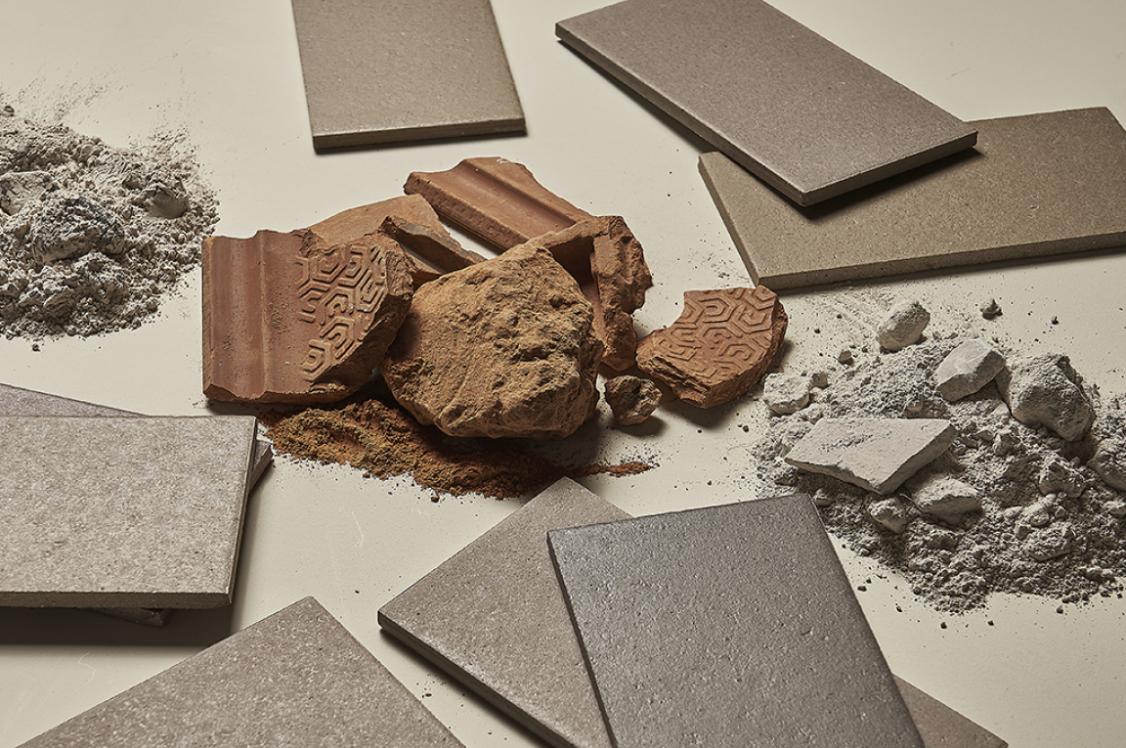
Joining the discussion from the perspective of supplier, Neil Lutterloch, Account Manager, Parkside Architectural Tiles, concurred that their briefs from clients – i.e. architects and designers - have changed too. “For the last 5-years it’s been about recycled content, UK sourcing, and carbon footprint – not just for the product but the company as a whole.”
Just as sustainability is now the norm, in 15-years' time, the same will be true of designing for inclusivity it was suggested.
Beyond aesthetics
With some clients, it was highlighted there can sometimes be a tussle over aesthetics versus performance, with the way a product looks winning out. Though for Sophie on the client-side, “looking pretty isn’t good enough – we have to be more pragmatic than that”, she said. Any products specified for use at Cheval Collection have been tried and tested by the housekeeping team. "That could be 10-20 fabrics to see which performs best up against the likes of fake tan – this is an exercise in cost management – we’d rather replace a cushion than an entire sofa."
“Looking pretty isn’t good enough – we have to be more pragmatic than that”
When working with external client teams, this is where the guidelines can instil a sense of fear into designers to advise their clients on making the best decisions, said Gordon, “I always prefer to deal with the client who is going to get to make the choice”.
Considering specific design examples, David raised the conundrum of wooden floors and exposed ceilings perhaps looking good, but not performing in terms of acoustics.
Tony raised an interesting point that in hospitality settings, acoustics have to be treated very specifically to the particular setting in hand. “For a fine dining setting, you’ll likely want quiet. But in an all-day brasserie, probably some level of noise.”
“How does this relate to the need for covers?” asked David.
“Covers is the drive”, said Tony, “restaurants base their business model on the number of covers. In London the tables are closer together. But we have to strike the right balance between that, lighting and acoustics.”
Colour was also brought into the conversation, with Erica suggesting that super luxury for an adult audience is now “much darker, and moodier.” For families, a brighter tone is often applied.
In restaurants and retail, colour and lighting temperate is hugely important agreed Erica and Tony, with green avoided as "it can make food look rotten".
When designing for neurodiversity, colour again is crucial. In a collaborative study with Kingston University, Henrietta shared that for creating spaces suitable for people with autism, a pastel palette works best. “No matt, no pattern, and nothing shiny”, she said.
Traditionally, primary schools have always featured primary colours, Henrietta added. But for a lot of children, this is too much, she suggested. “My pet hate is to assume all children like bright colours…”
Megan highlighted the importance of contrast and differentiation between walls and floors so people can move around a space with ease. “Turning your renders into black and white is an easy way to check as it will show the hue and chroma of your materials.”
As the session drew to a close, for now, Diana added biophilia into the mix. “When we see plants we feel better, and that’s in our genes from centuries ago.”
Though living walls have gained popularity over the last few years, this was regarded as a “fad” by some around the table. “It’s more about plants in general now”, said Henrietta.
The conversation continued the following night with our seminar, EDIB: Workplace saviour or someway to go? Stay tuned for our write-up of the key takeaways, coming soon.
In the meantime, a huge thanks to our guests, and to our supporters for this roundtable event, Parkside Architectural Tiles – Partners at Material Source Studio London, Manchester & Glasgow.
Do you have something to add? Let us know over on LinkedIn.
5 takeaways at a glance
- Choice & control: Effective spaces provide a "gradient of energy," allowing users to choose between high-activity areas and low-arousal, quiet zones.
- Acoustics and lighting: These were identified as the most critical elements in hospitality. While some environments, like brasseries, benefit from "clatter," others require careful acoustic rendering to prevent sensory overload.
- Colour theory: The importance of matt finishes and nurturing colour palettes were highlighted.
- Sensory neutrality: Some luxury operators favour "blank canvas" lobbies - devoid of specific scents or loud music - to ensure all guests feel comfortable regardless of their sensory sensitivities.
- Practical challenges and maintenance: The friction between aesthetic intent and operational reality was noted. In hospitality, materials must pass "housekeeping tests". In public sector projects, designers were said to struggle to protect inclusive features from being "value-engineered" out by contractors.