





EDIB: Workplace saviour or some way to go?
In association with:

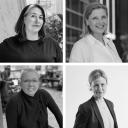
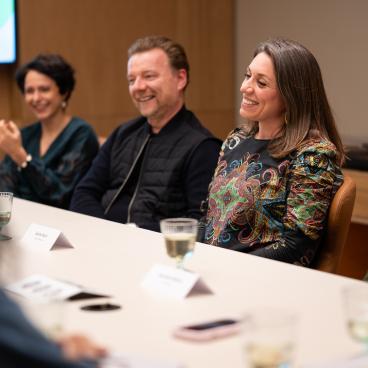
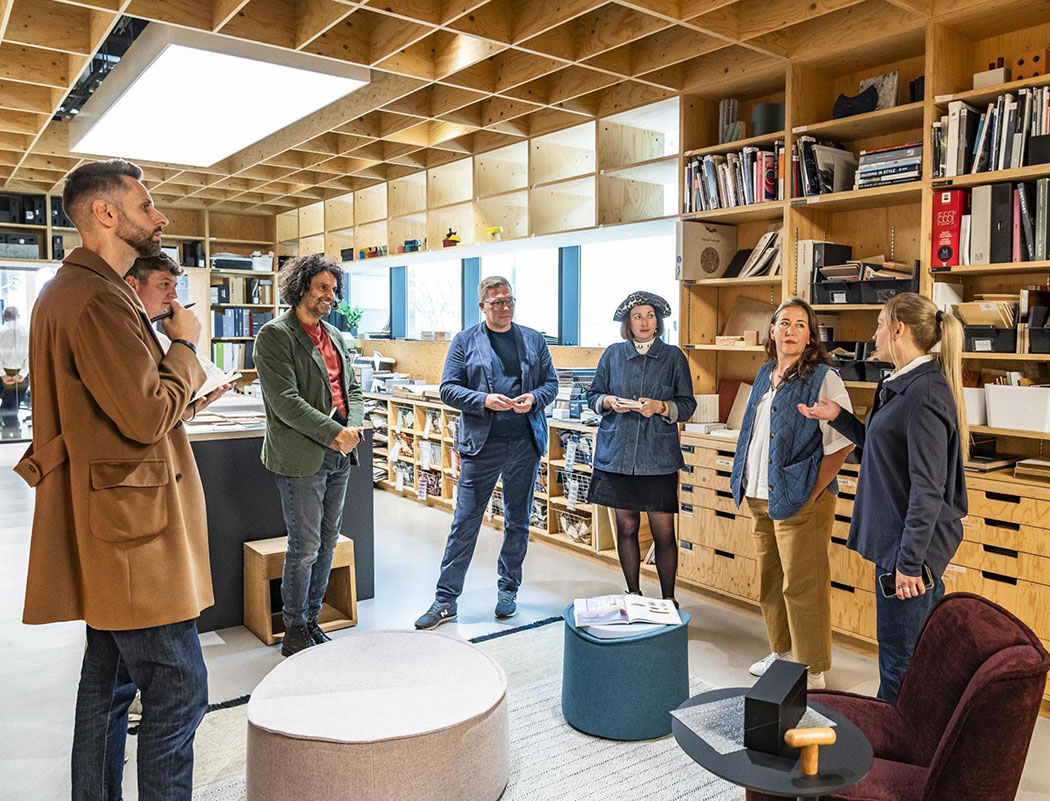
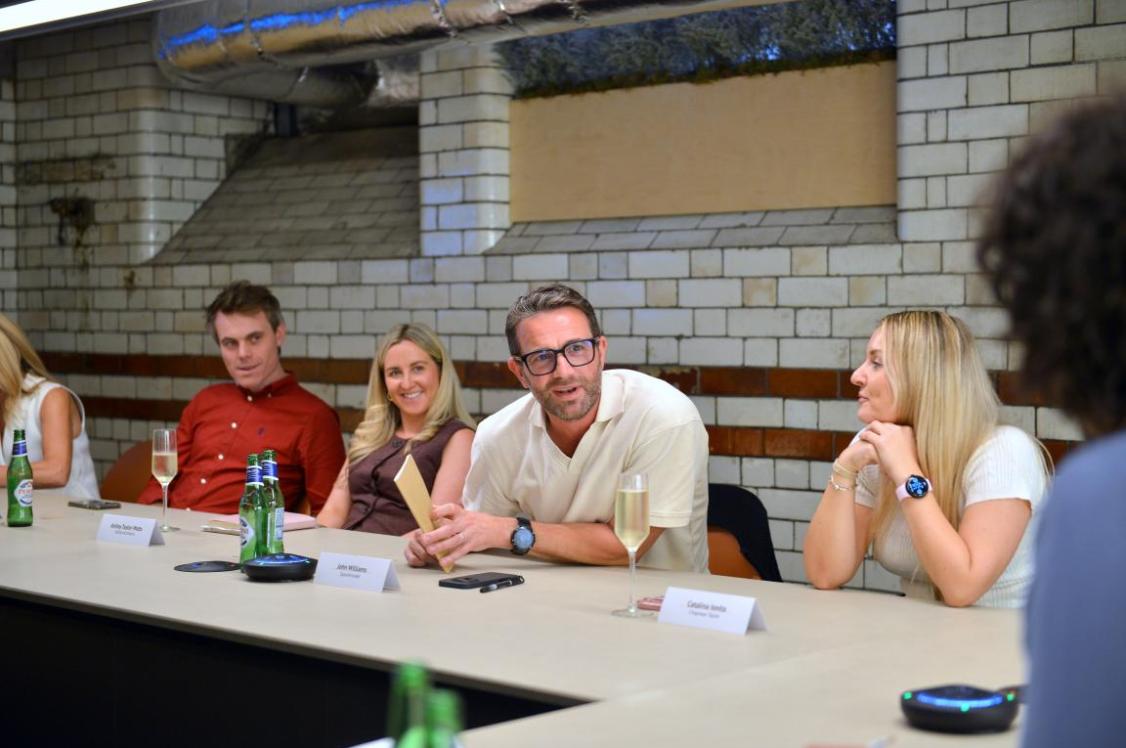
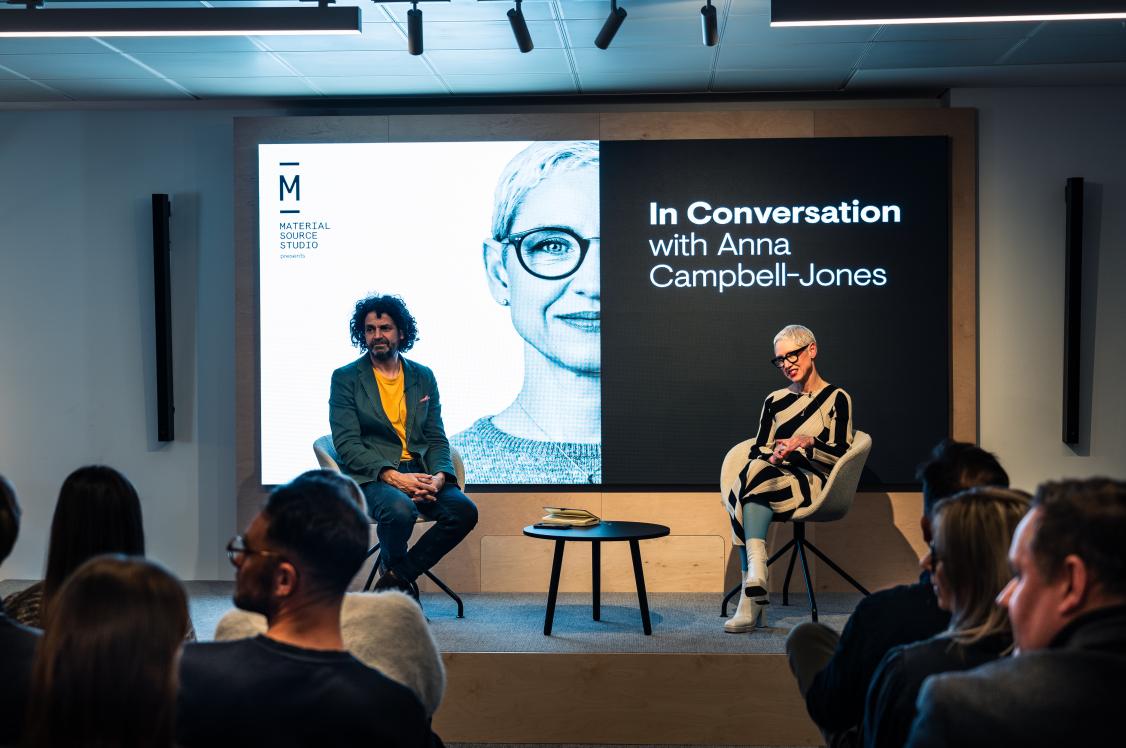
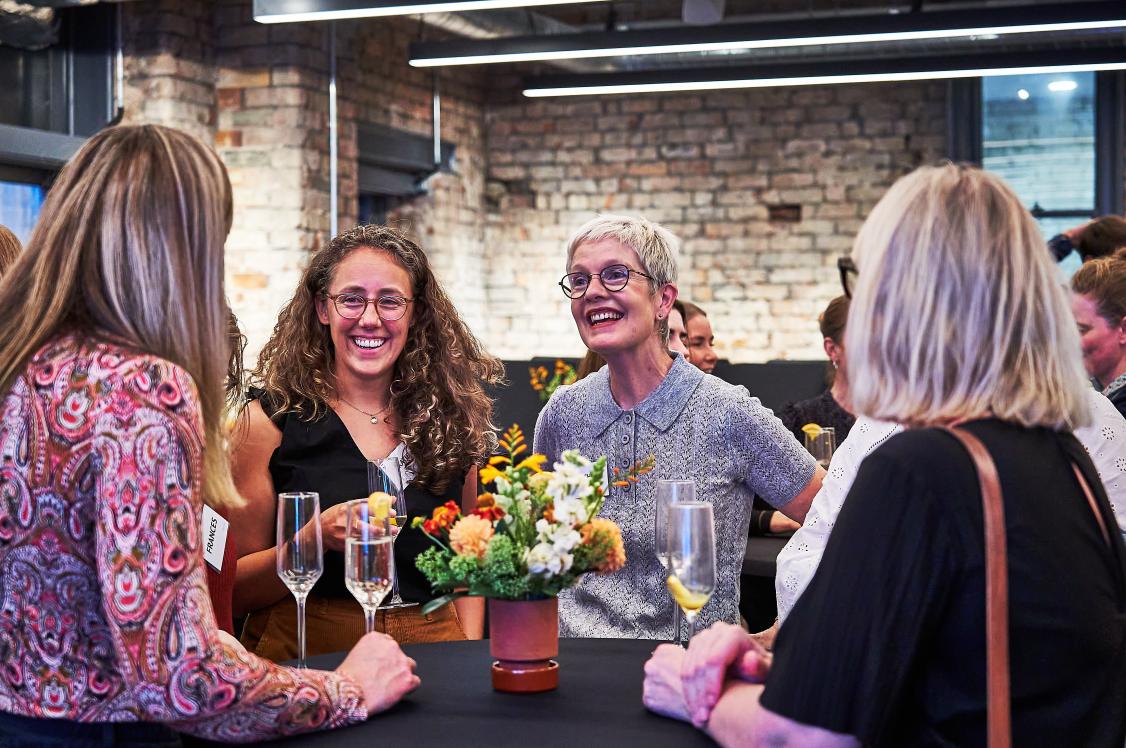
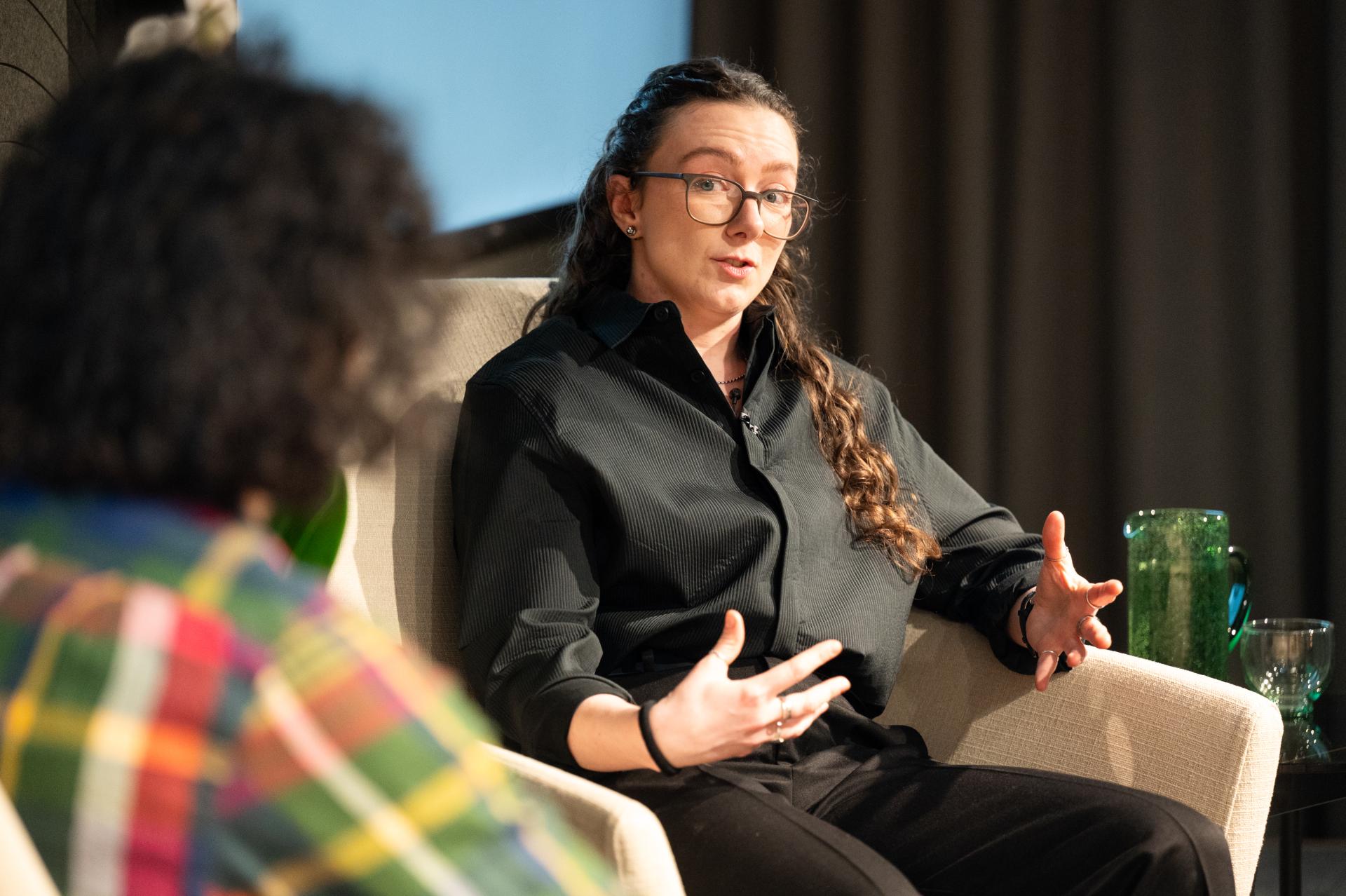
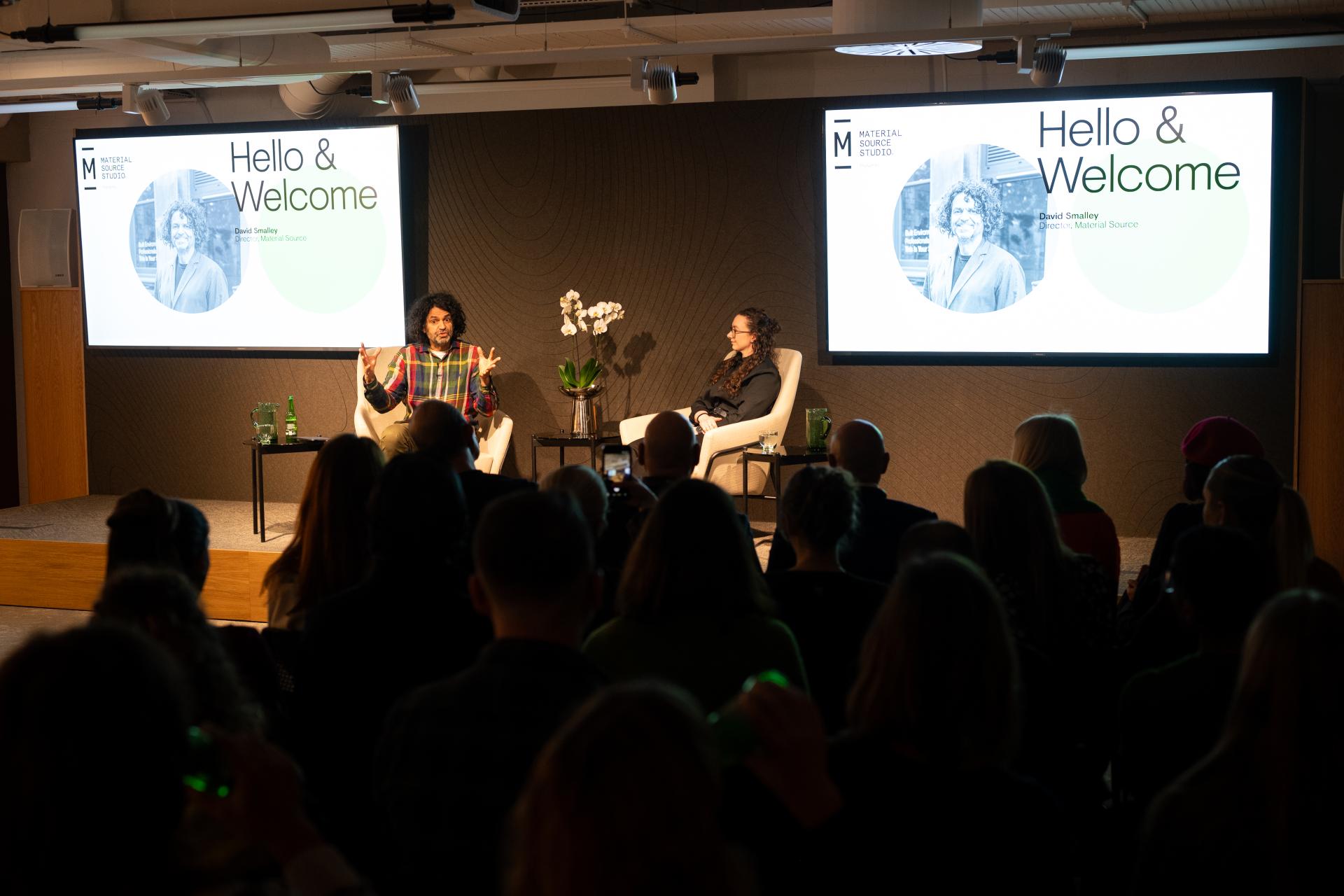
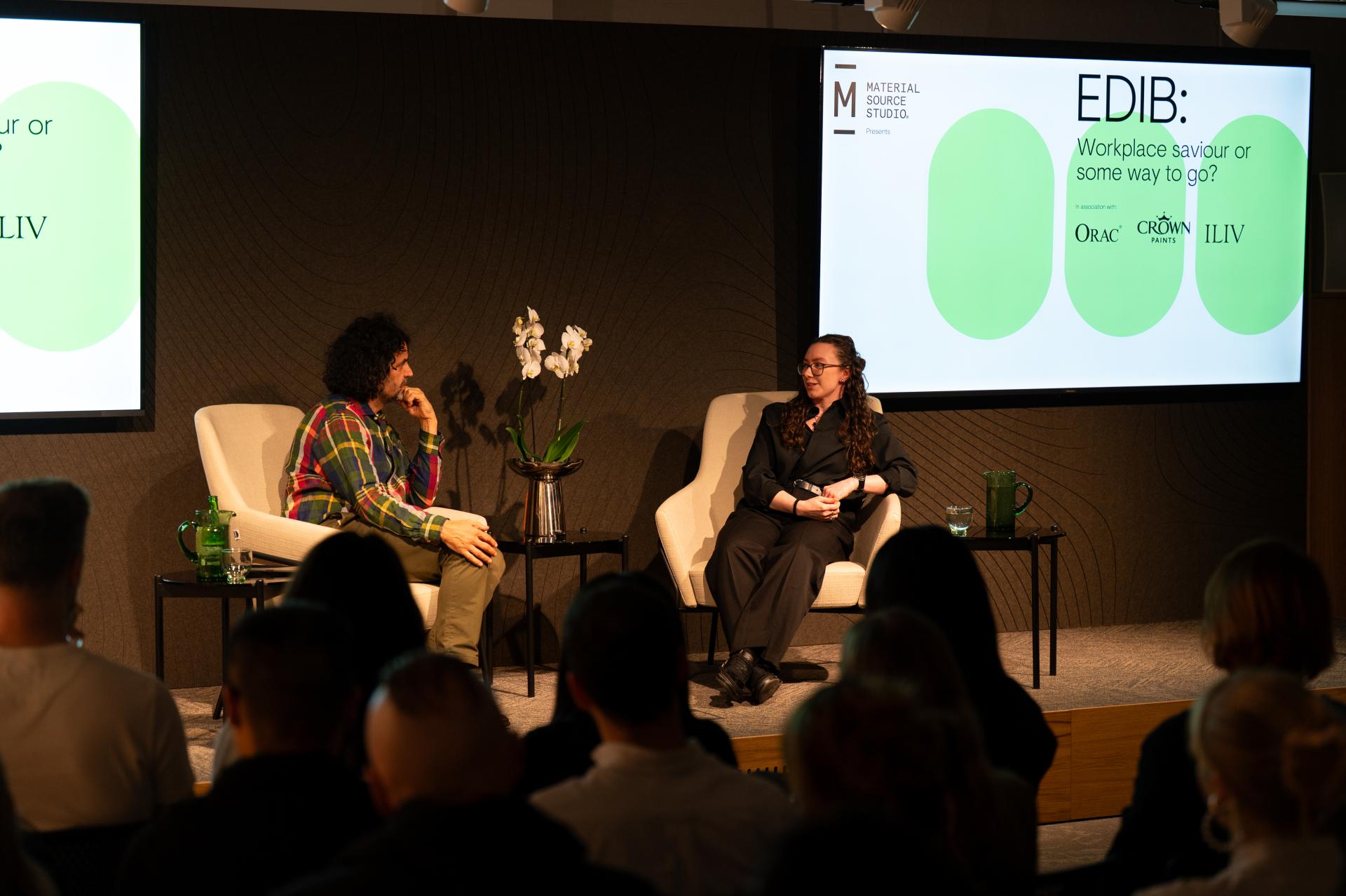
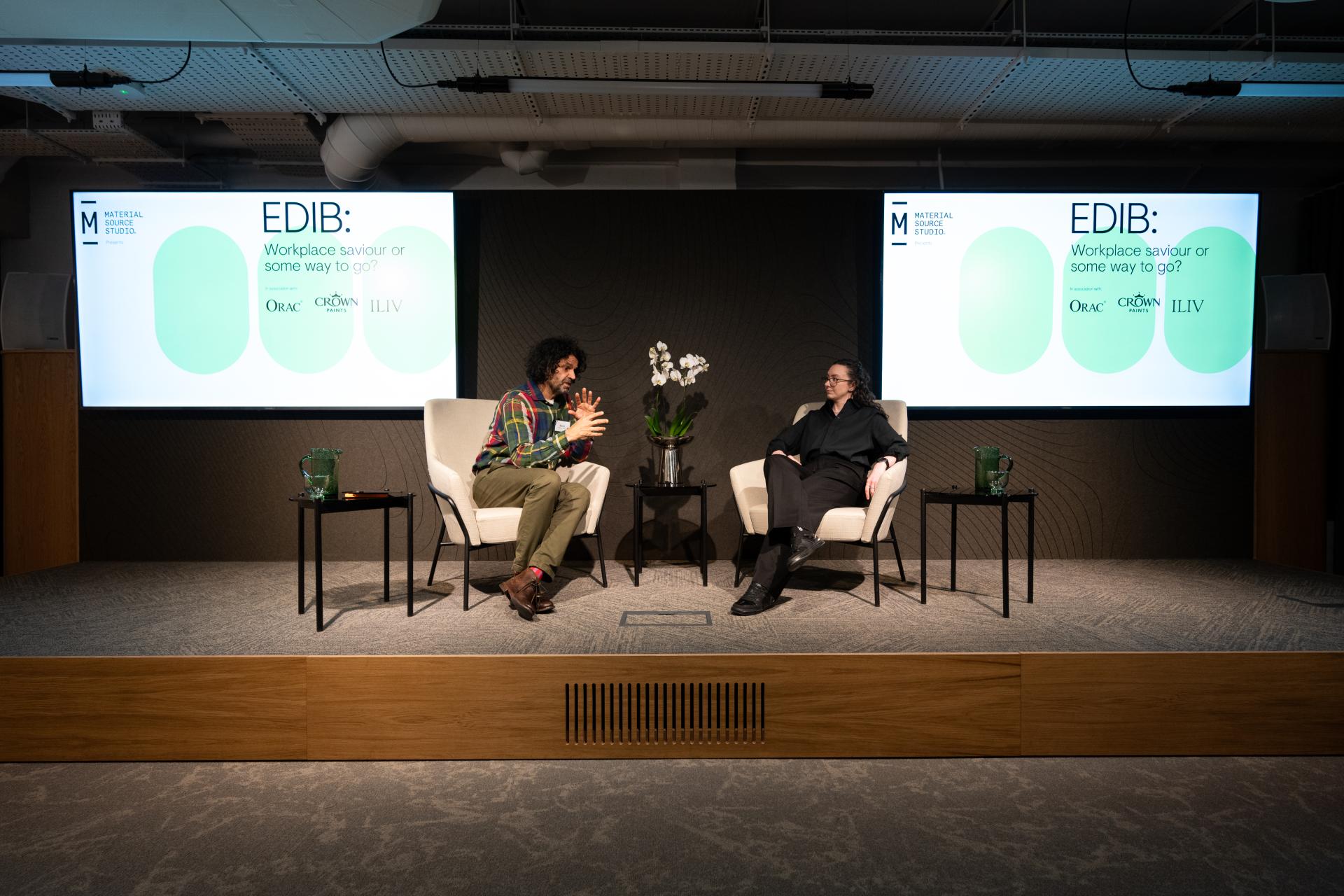
For our first seminar of 2026 in London on the topic of Equity, Diversity, Inclusion & Belonging (EDIB): Workplace saviour or some way to go? we invited the brilliant Stephanie Kyle, Associate Architect & Inclusive Design Consultant to join Host, Material Source Studio Director, David Smalley, on stage to unpick as much as an hour would allow in relation to this complex theme.
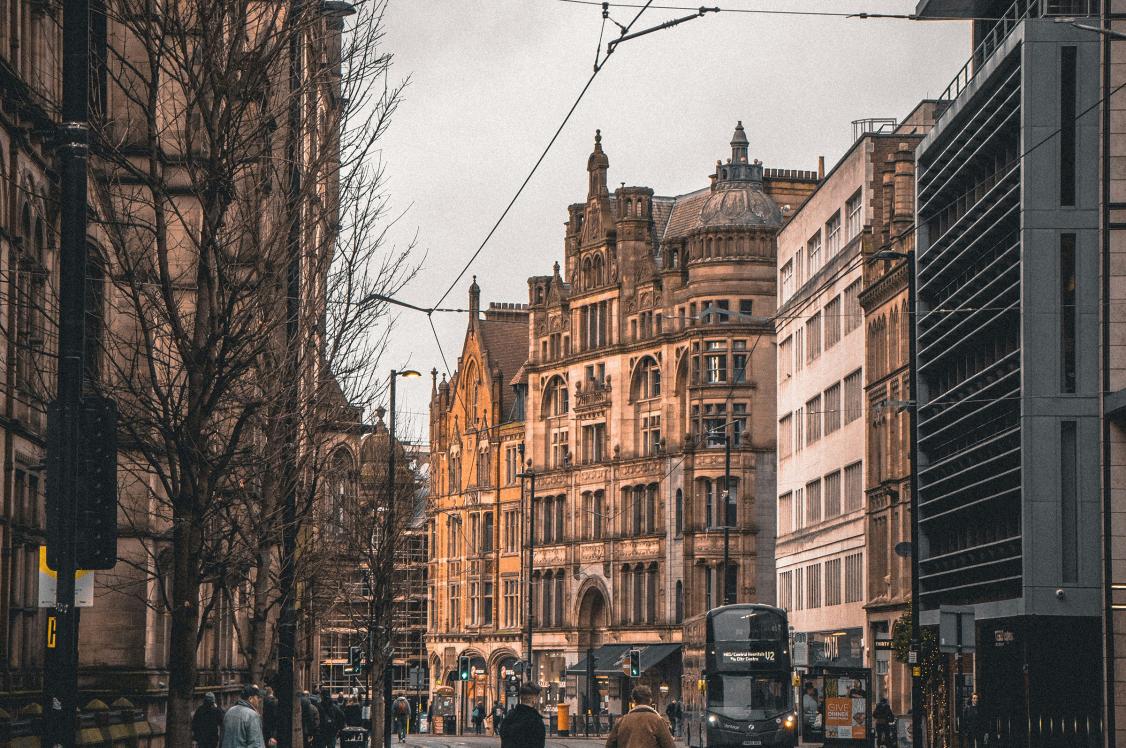
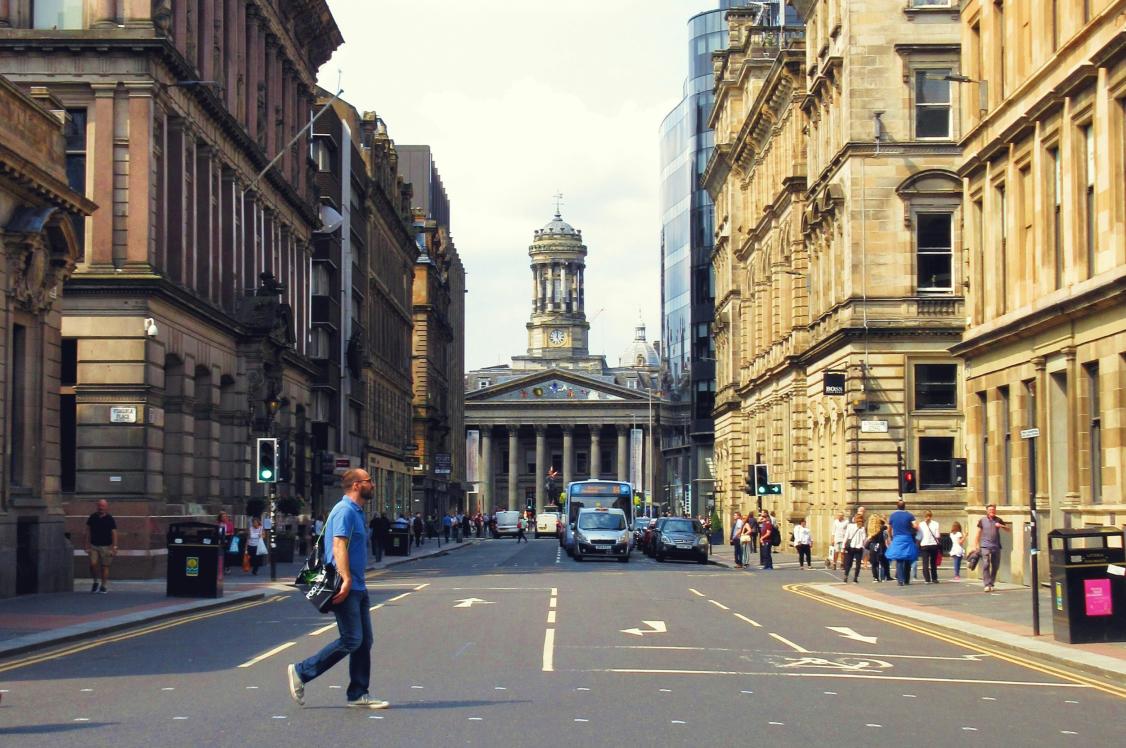
Stephanie is no stranger to the stage at Material Source Studio, having been a panellist in Manchester, and soon to be a roundtable guest in Glasgow. And that’s because when it comes to the consideration of Equity, Diversity, Inclusion and Belonging in design, her expertise is unparalleled. With the lived experience of autism, combined with a career in architecture, being AJ100’s first ever Changemaker of the Year in 2024, and authoring the Neurodiversity Design Guide now used in 188 institutions globally, Stephanie is considered one of the UK’s leading voices in this field.
And that’s significant, because when it comes to inclusive design on an international scale, the UK – Stephanie shares – is leading the way with its standards and guidance. Though that’s not through a lack of interest in other countries, she states. “I’ve recently been in Saudi Arabia with the Department of Business and Trade to explain what inclusive design is. It's very different in the UK, because when I talk to clients and architects here about inclusive design, the assumption is that everybody knows what it is, but that nobody wants to actually do it because they think it's expensive.
“Whereas in Saudi Arabia, they didn't even know that it was an option. So, when I started explaining to them that we can actually design for other things in addition to supporting wheelchair users - as soon as they had that understanding they were so eager. The sentiment was ‘we want this now, we’ve got the money, and our government is in place to push things through straight away’ - it was a completely different attitude. In this way it was more about education than a conscious resistance.”
Defining EDIB: What does it mean?
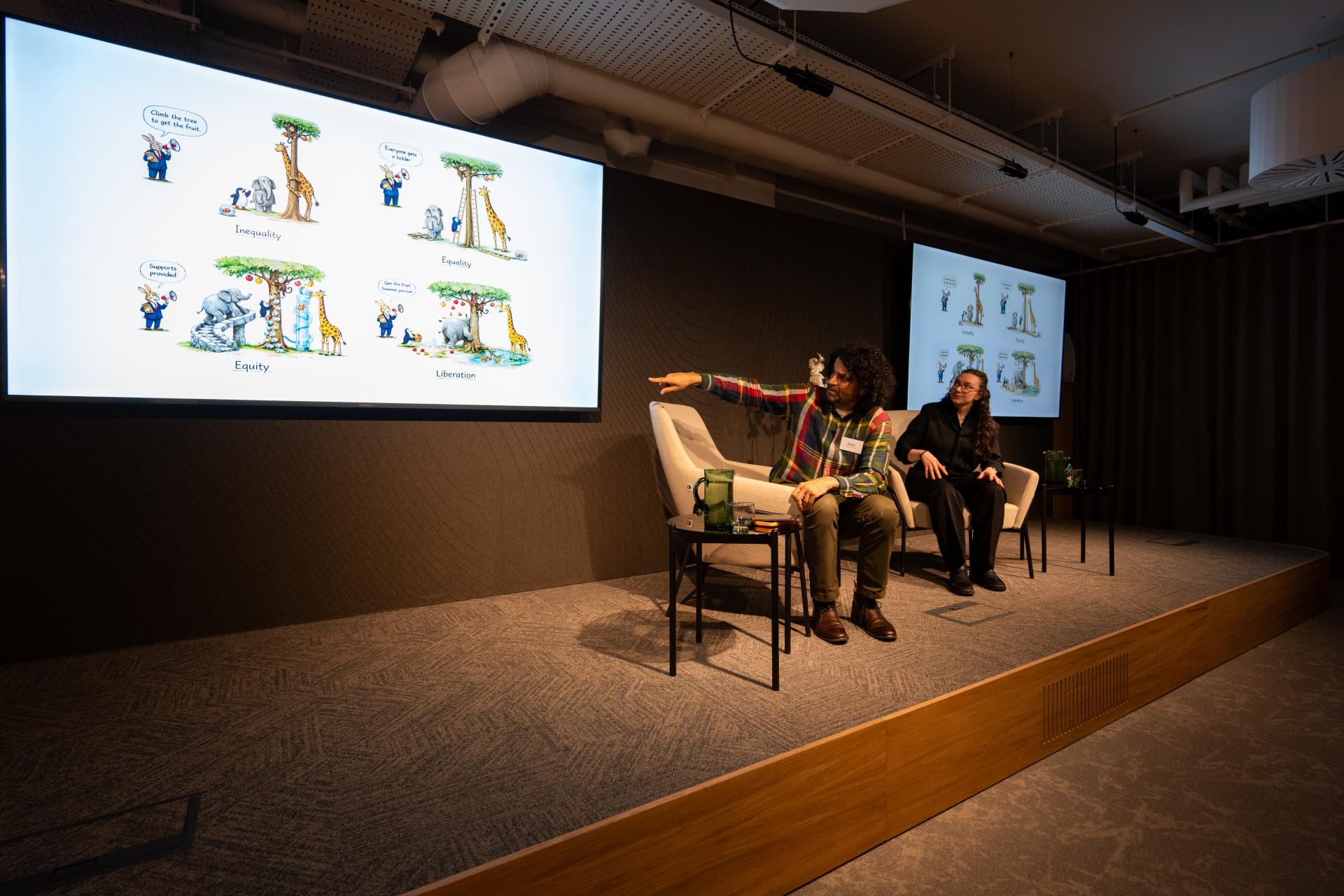
“There’s a saying: don’t judge a fish by its ability to climb a tree”, said Stephanie. “If we give everyone equal support – i.e. equality – we’re not playing to their strengths. But if we give people equity, we give support in different ways to level the playing field.”
“Don’t judge a fish by its ability to climb a tree”
This relates not only to disability, Stephanie commented, but in general, “it’s not giving everyone the exact same thing; it’s giving people what they specifically need.”
As we’ve highlighted before, there are a plethora of words that orbit the EDIB conversation. With that in mind, David asked Stephanie to define some of the key terms.
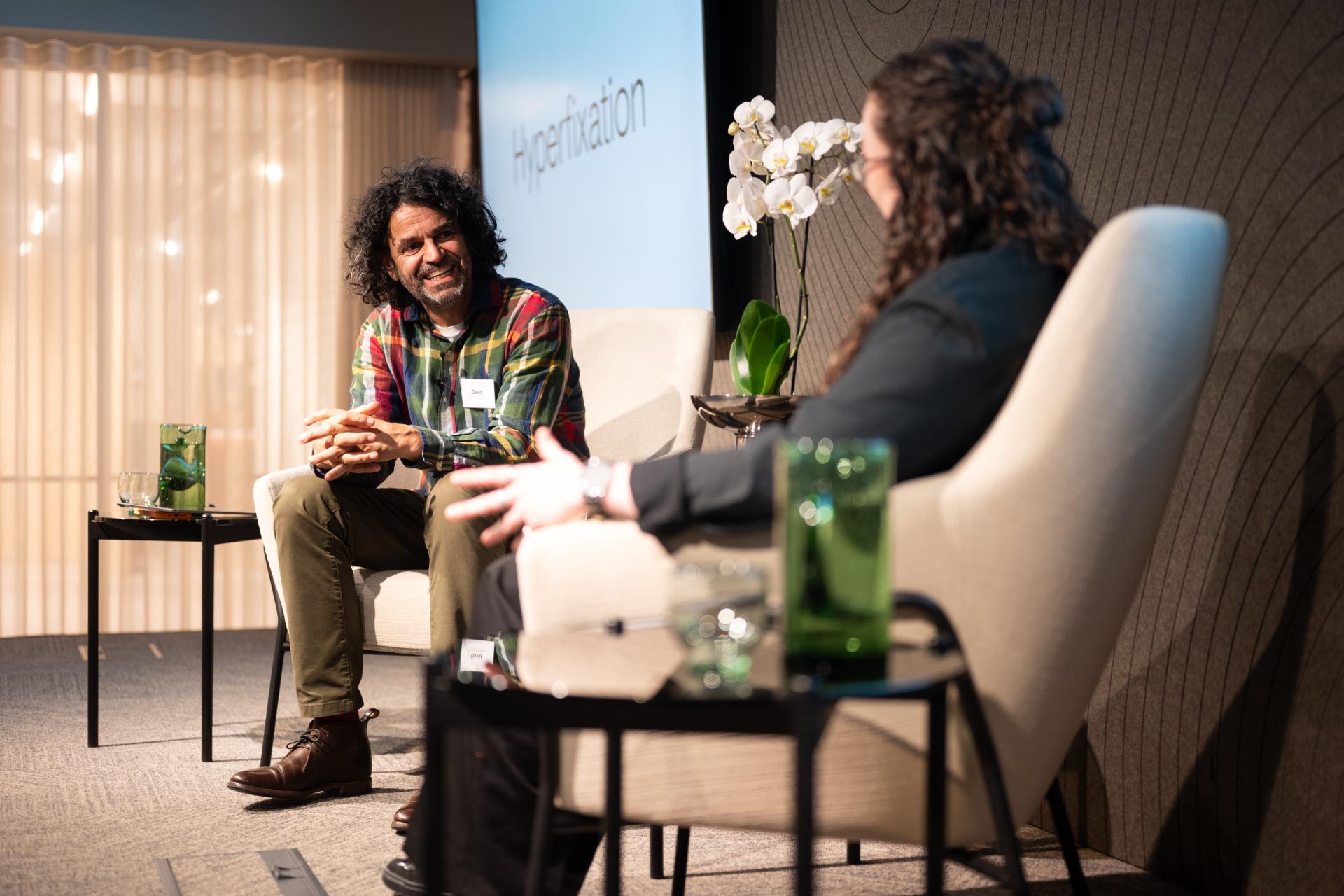
Hyperfixation
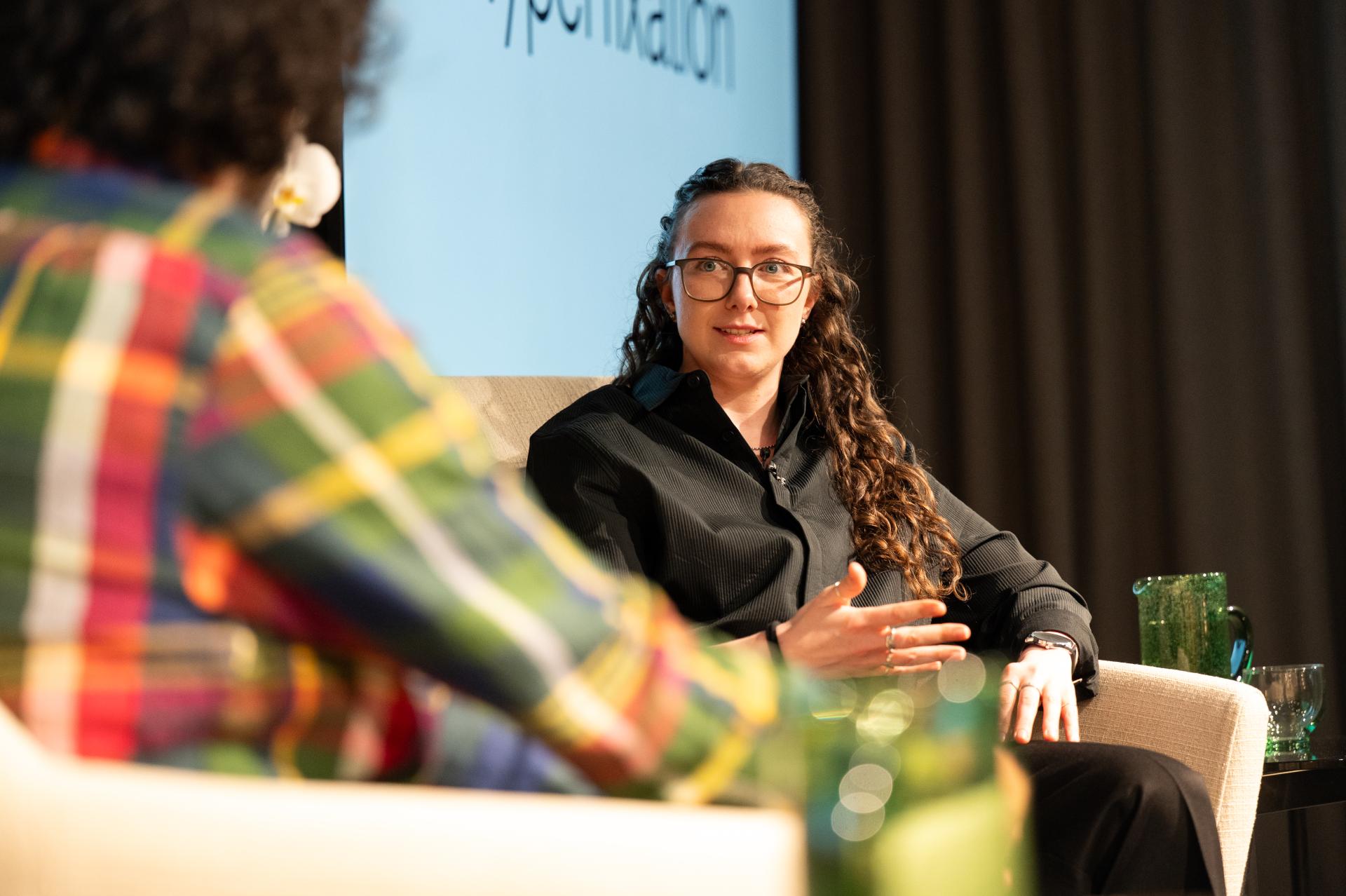
“Neurodivergent individuals and people with neurodegenerative conditions will have hyperfixation typically”, explained Stephanie. “The best way to describe it is almost like an obsession – a special interest your brain focuses on and something you can go back to under times of stress or routine change because it’s what you know.”
This could be a hobby – taken up with passion – or within the built environment it could be a flashing light that becomes a point of obsession.
For Stephanie, the Building Regulations were the subject of hyperfixation for her aged around 10. This became very handy for her role as an architect later down the line, she said.
In the UK, hyperfixation can be viewed as a positive attribute in an employee specialising in a particular field. Whereas in the US, Stephanie said attitudes are different. “Here, sometimes people refer to this as a strength, but that’s not the case everywhere.”
Stephanie shared the stat that “only 15-16% of autistic people are employed full-time [Source: National Autistic Society]. And typically, they are employed in a role that is of special interest.” That could be academia, for example, in a research role.
Masking and code switching
"Up until last year, you may have heard the term EDI (Equity or Equality, Diversity & Inclusion) without the addition of the B. Now, Belonging has become a part of the conversation – but what does it mean in this context?" asked David.
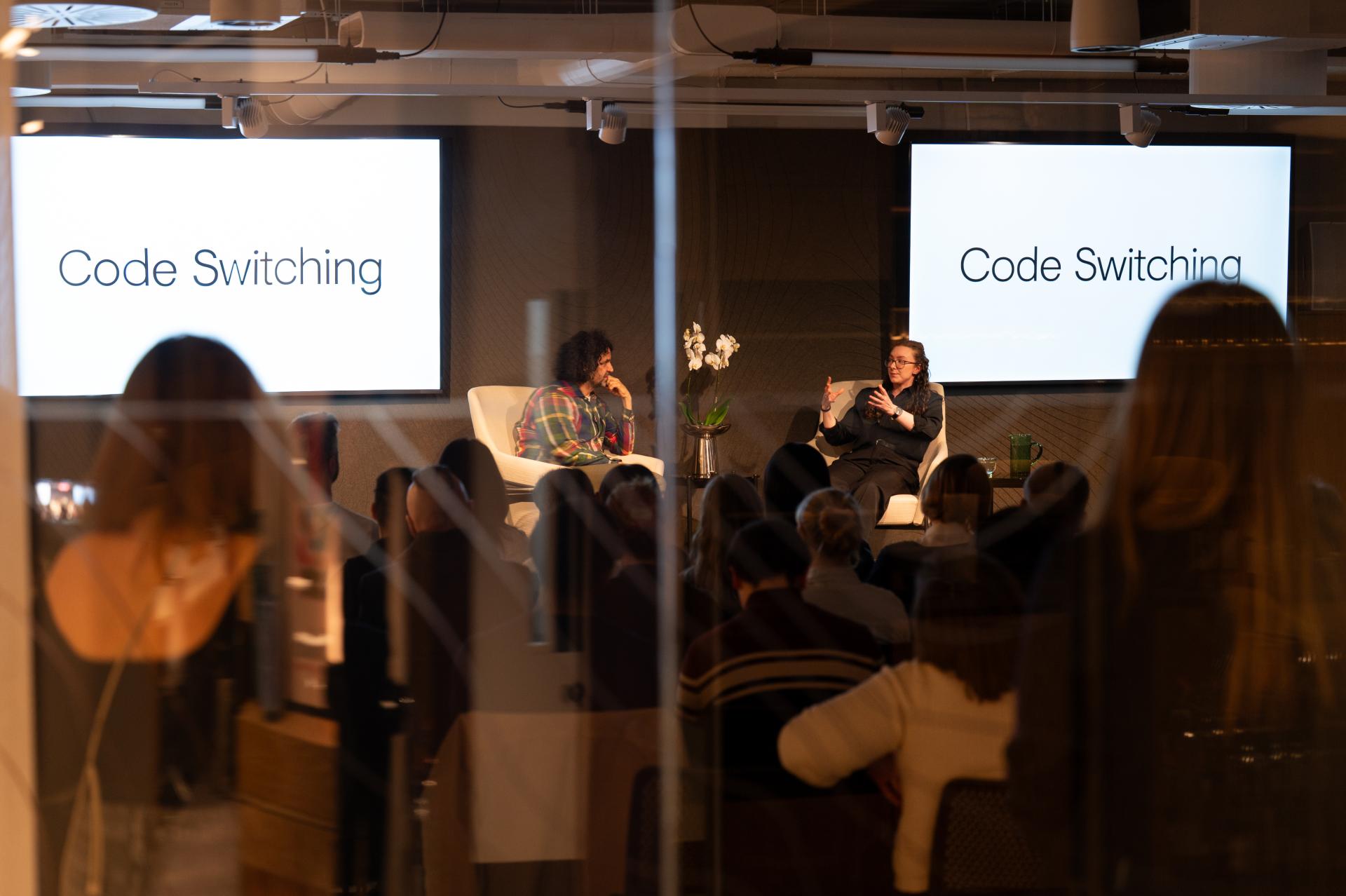
“Belonging essentially means being able to show up to your workplace as your true, authentic self, without having to code switch or mask”, Stephanie responded.
“Belonging essentially means being able to show up to your workplace as your true, authentic self”
“Masking means suppressing your natural traits”, she explained. “So if you're autistic, it’s trying to suppress some of your autistic traits to fit in a little bit better. Whereas code switching means presenting an alternative version of yourself. And someone might have multiple versions of themselves that they have to present depending on the environment that they’re in.”
Using the example of having a regional accent and changing it slightly to communicate more clearly, Stephanie commented masking and code switching could apply to all manner of things. “It could be to do with disability. It could be to do with affluence. It could be to do with your gender. So, for example, a non-binary person may code switch if they don't feel like the place that they're going to is as welcoming to non-binary people.”
If there’s a gender-neutral toilet provision then they may be less likely to code switch, she suggests.
This is why environments that cater to lots of different needs are so crucial, especially in workspaces, Stephanie added.
“A big chunk of implementation is down to culture, isn’t it?” asked David.
“Essentially, if you work in HR, you should know the difference between the definitions”, Stephanie replied. “If you're working in anything else, it doesn't really matter if you don't know the difference. As architects, we design for people. We design for the end users. So our goals have not changed, really. We are providing the most welcoming spaces that we can create.”
Although we can’t design spaces that are 100% perfect for 100% of people, “there are so many things that we can do that improve the environment for 95% of people 95% of the time”, Stephanie said.
Sensory over & under stimulation
“Every human is exposed to 11 million pieces of information every second”, shared Stephanie. “The majority of people, neurotypical people, can filter that down to about 40 pieces of information. But neurodivergent people and people with sensory processing difficulties can't filter that down as much. Which can be incredibly overwhelming.”
“Every human is exposed to 11 million pieces of information every second. The majority of neurotypical people can filter that down to about 40.”
In reality, this could be someone hearing the sound of electricity. And another person seeing the flickering of a light that other peoples' brains tune and filter out.
Therefore, when designing environments, we must “minimise as much sensory information as we can so that the environment is less overwhelming”, Stephanie said. “Essentially, we don't want to be contributing more.”
The top three considerations to note, Stephanie added, are: acoustics, visual input, and lighting.
EDIB in practice
From the audience, Misha Stefan-Stavrides, Principal at SCRArchitects, asked a question on the theme of hospitality and the assumption that all rooms should be standardised.
“The issue is that if you try as an architect or a designer to bespoke every room to suit every person or attitude, it becomes financially unviable to do so. And the operators just won't have it. What would you suggest in that case?”
“One of the things I talk about as a design strategy or design principle for every building type is a hierarchy of social-ness”, responded Stephanie, using restaurants as an example.
“Typically when you go into a restaurant, you've got the more social part towards the front in the bar area where people are coming and going so it’s a bit noisy. Then a step further back into the restaurant you've got the family seating which is a little bit calmer. And in the last layer are your booths where it's a lot quieter and more private. The design might be more muted, and there could be more by way of acoustics.”
This mirrored the point made by Tony Matters of Faber & Company at the previous night’s roundtable – noise isn’t necessarily a bad thing in hospitality settings – in some settings it’s actually the preference.
This hierarchy can be applied to any building type, said Stephanie. And it caters to people that are both hypersensitive and hyposensitive i.e. requiring more or less stimulation.
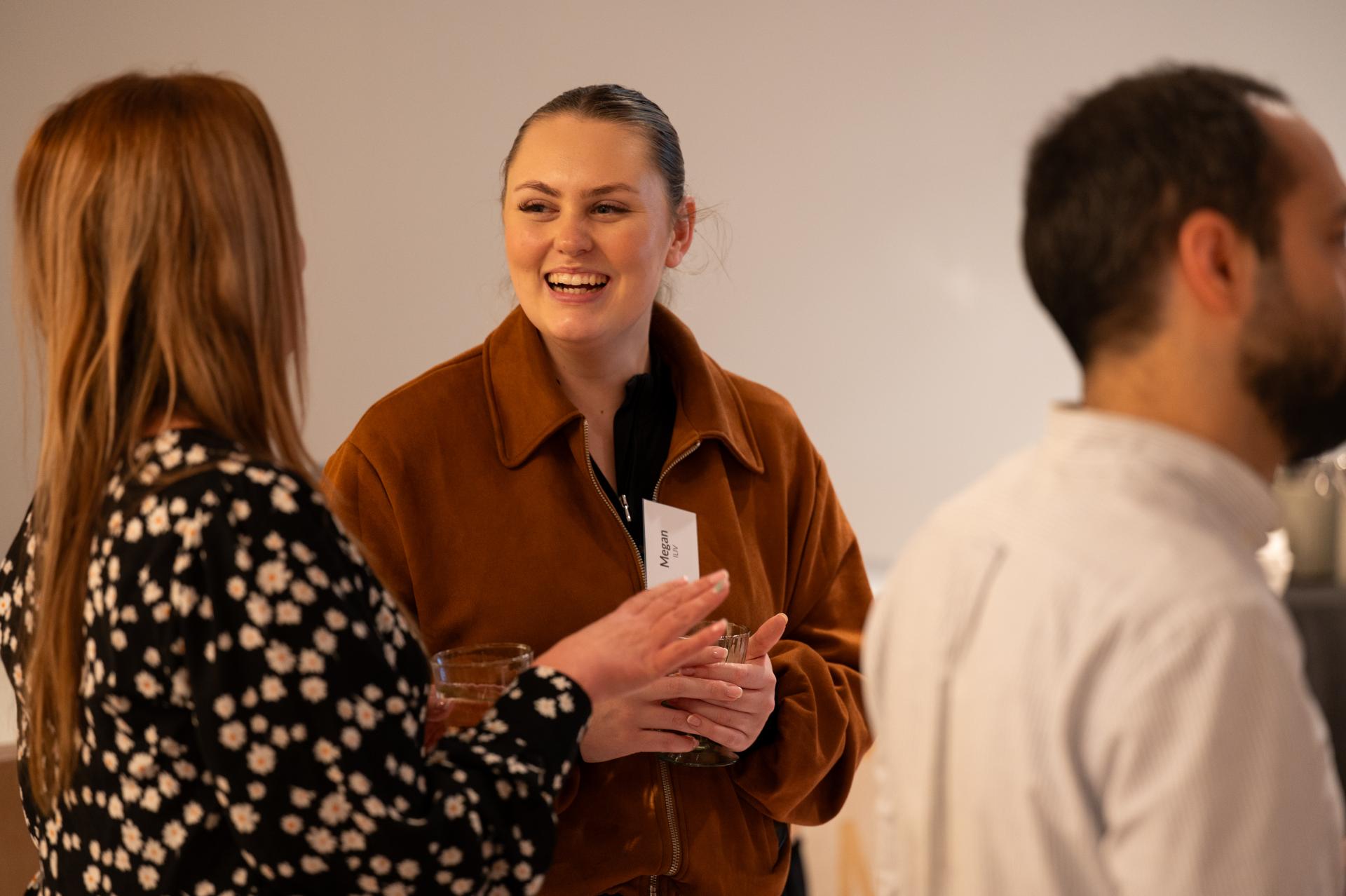
The importance of choice and autonomy also formed Stephanie’s response to a question from Megan Grace, Specialist in Contract Fabrics at ILIV, who enquired about the use of patterned fabrics in commercial and hospitality settings. “If pattern is used, there should be some plain fabrics too”, Stephanie said. Just as there should be different furniture options – high stools, high backed chairs, comfy sofas.
Revisiting another talking point raised at the previous evening’s roundtable, Mike Lambourn, Design Lead, PriestmanGoode, asked whether London’s unique, largely heritage building stock and transport infrastructure is hindering EDIB-supporting design?
Stephanie believes that we must think more widely than only considering physical disability – though that is of course important, just 3% of all disabled people use a wheelchair full-time. So with that in mind, and the fact 80% of disabilities are non-visible, and there are 900 non-visible disabilities to consider, she suggests there’s a lot we can do besides making buildings physically accessible that can make them more accessible anyway.
“80% of disabilities are non-visible, and there are 900 non visible disabilities to consider”
“A lot of that is down to your finishes, down to your wayfinding and navigation, looking at how people naturally use a space, looking at desire paths and how we can improve experience. It's impossible to find solutions for absolutely everything. But there are a lot of commonalities. And that comes down to calm, clarity, and control”, Stephanie commented.
Some practical examples of this are the use of universally recognised symbols on signage in airports – “everyone knows the symbol for toilet, regardless of which language they speak”.
Jonathon Osborne, Graphic Designer, iDEA, asked whether it can be a case of style over substance with wayfinding graphics over-engineered to be beautiful rather than functional?
Stephanie said that the best way to design wayfinding is by using dyslexic friendly fonts; using sentence case for all signage in buildings; and not relying on one means of navigation. “You can't just rely on text. You've got to have text, number, and icon.”
Tony Kho, Senior Technical Project Leader, Trehearne Architects, asked for some advice around the use of natural materials – “What’s your opinion on biophilic design?” he asked Stephanie.
“Biophilic design is fine as long as it doesn't cross over too much into trypophobia”, replied Stephanie – an aversion to clusters of small holes, that’s “a really common phobia, more so than claustrophobia or fear of heights”, Stephanie shared.
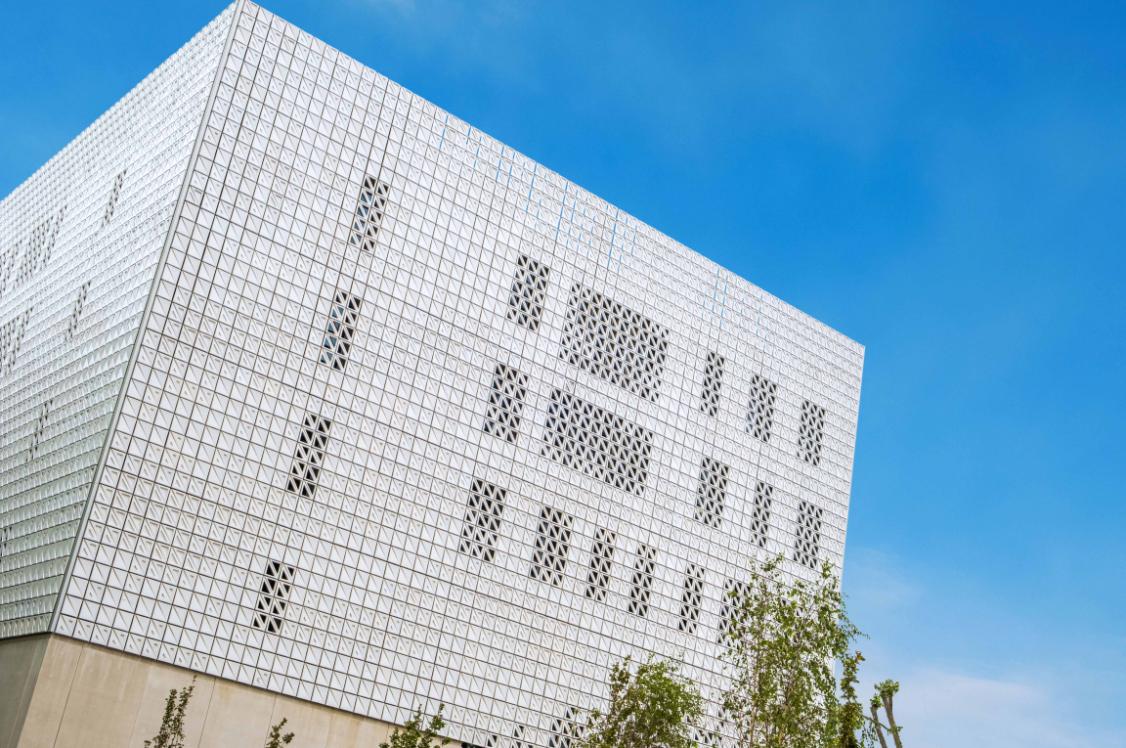
In the built environment, this can be found in the materials used i.e. metal with perforated holes used as part of a facade. In nature, the inside of a sunflower, coral and honeycomb also feature triggering patterns for the 1 in 7 people trypophobia affects.
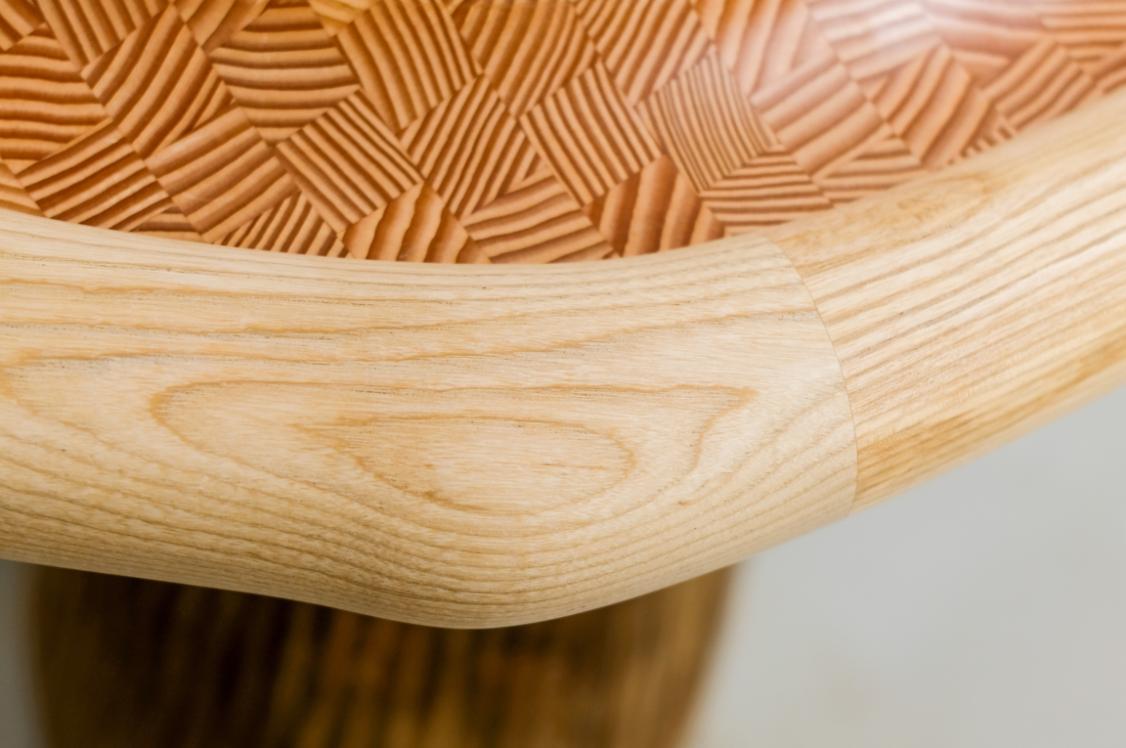
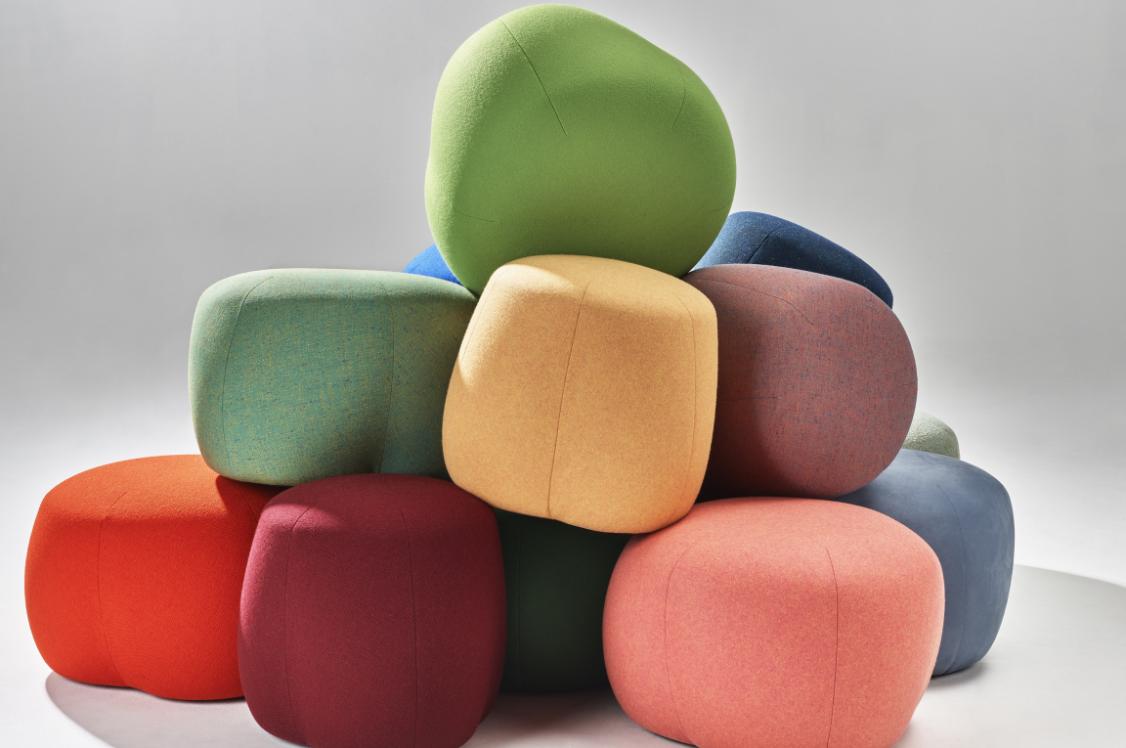
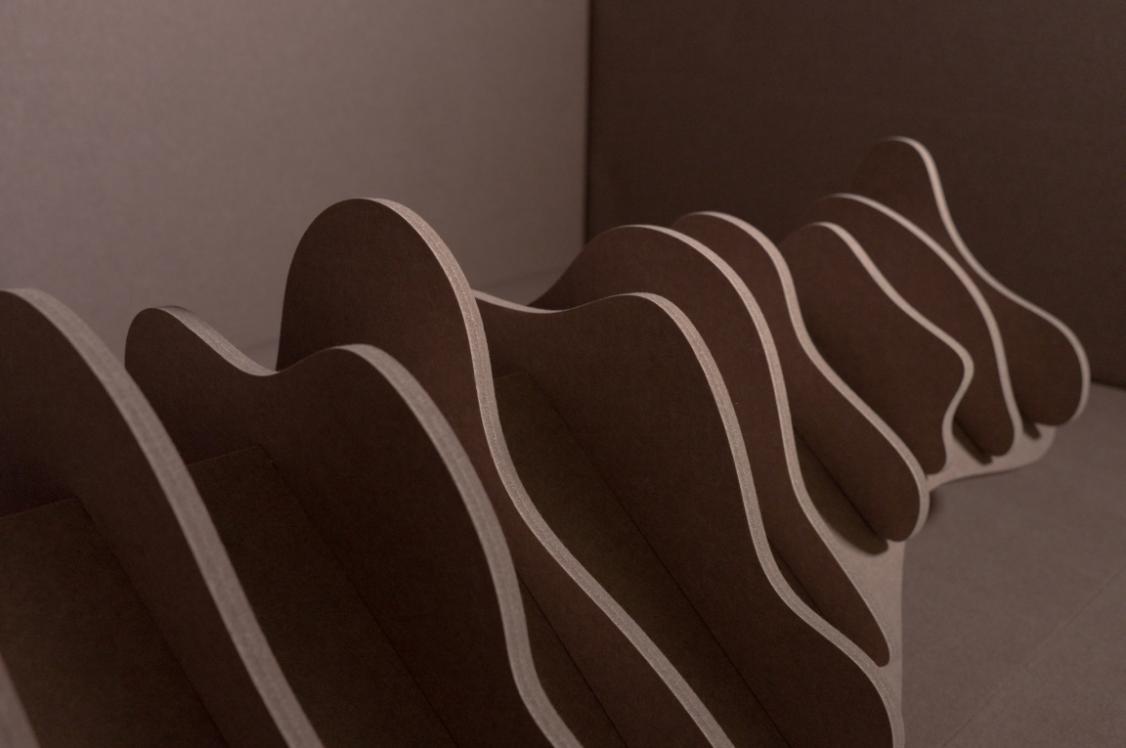
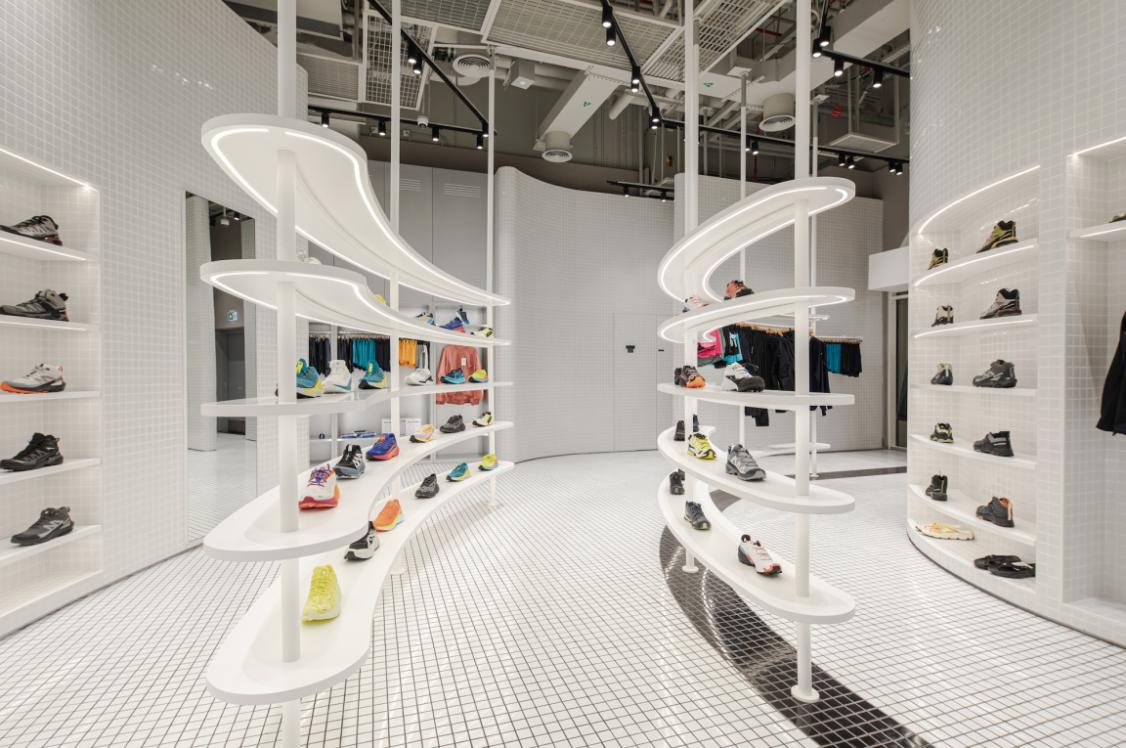
With biophilia, it’s better to use natural geometries, shapes, and forms such as rounded edges - “because it takes our brains significantly more times the power to process a straight line than it does a curve”, Stephanie explained.
Sharan Kaur, Country Manager UK & Ireland, Orac UK, asked whether there are cost effective quick fixes that can be made to promote more inclusive design?
Speaking to end users is crucial, Stephanie responded. “Provide different colour palettes for their opinion and see what they think. You have to paint the walls anyway!”
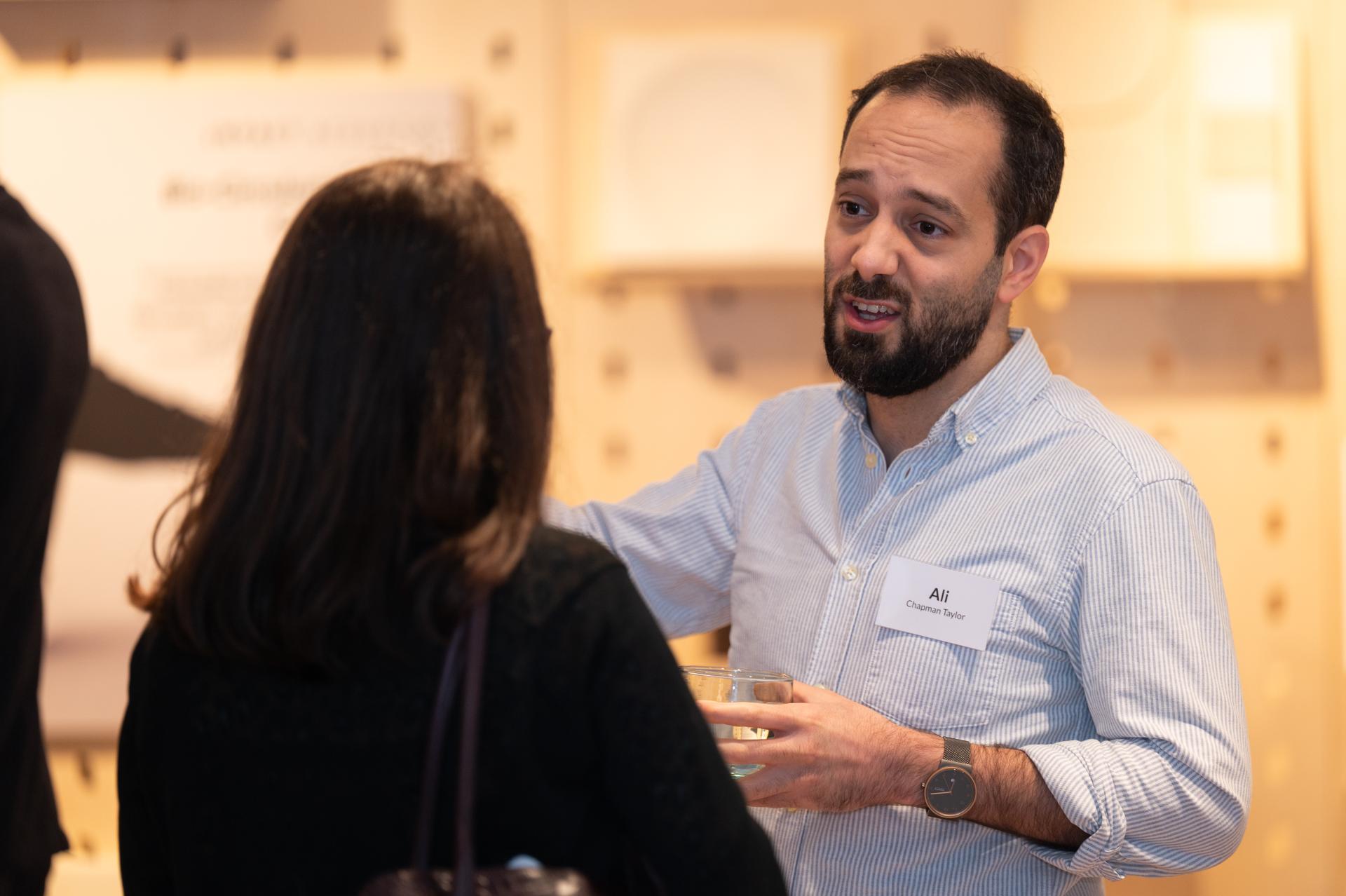
Likewise, in reply to a question from Ali Sanuk, Architectural Technologist, Chapman Taylor, around how to embed inclusive design into schemes where there’s a particularly strict brief on the materials that can be used, Stephanie said a simple switch from gloss paint to matt can make all the difference.

Myth and misconception
“What’s the biggest misconception about inclusive design?” asked David.
“That we should only consider physical disability”, said Stephanie, “Of course we should. But there is more to think about.”
David asked whether this is because the physical side is mandated? To which Stephanie highlighted that Part M is extremely outdated – "a lot of the dimensions in there are based on wheelchair sizes from the 1950s."
BS 8300 is better, she added, as it’s more detailed, and it’s soon to be updated. There’s also PAS 6463 – Designing for the Mind – which was published in 2022 and is said to be regarded as useful to the design community.
“No one designs badly on purpose”
Another misconception about inclusive design is that it’s more expensive, shared Stephanie. And it’s not, she said. “If you’re retrofitting things at stage five it might be. But not if you’re considering them from the beginning.”
“It's impossible for architects to know everything”, said Stephanie. “I'm an architect myself too”. But through asking end users and engaging consultants, she believes that’s key to ensuring inclusive solutions.
“Where are we on the journey?” asked David. Referencing a comment made at the previous night’s roundtable that suggested in 15-years’ time, EDIB will be where sustainability is now.
“It's definitely gaining momentum”, Stephanie replied. “Every year we do these talks and we say it's getting better than it was, it's always getting better than it was.
“Everyone thinks neurodiversity is a really new term, but it was first mentioned in 1928, so it's not that it's a new subject, it's just that now it's becoming more of an issue in the real world. The more people push it, the higher up the agenda it will go.”
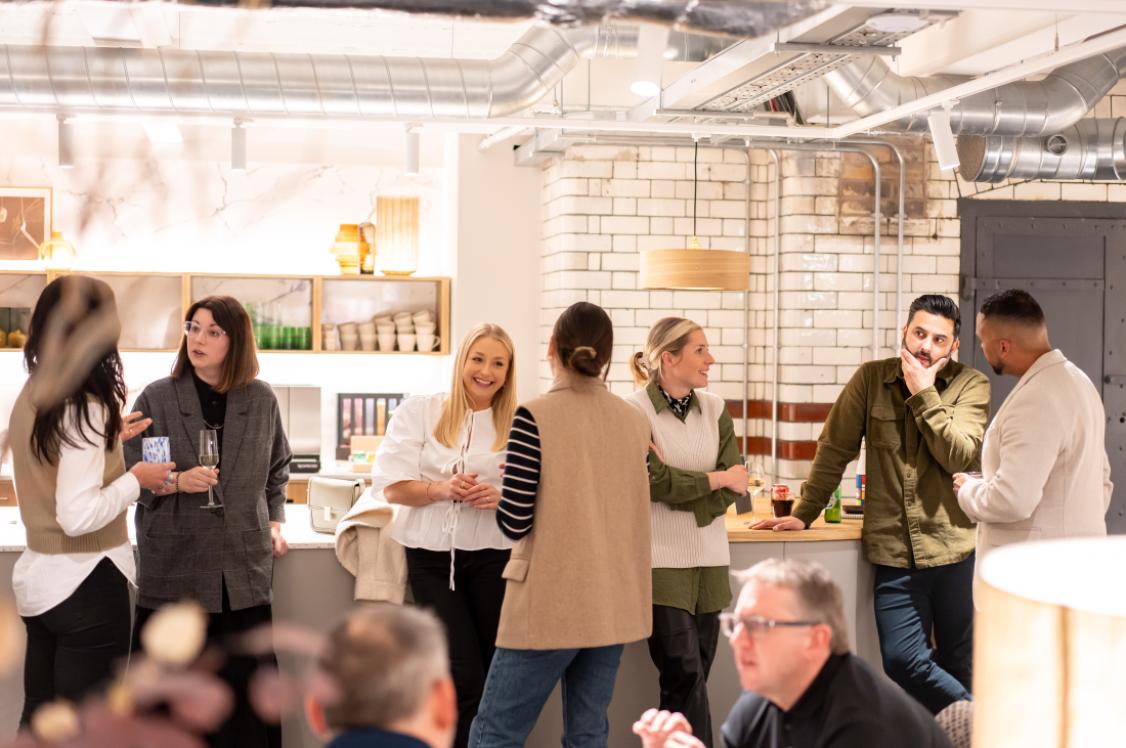
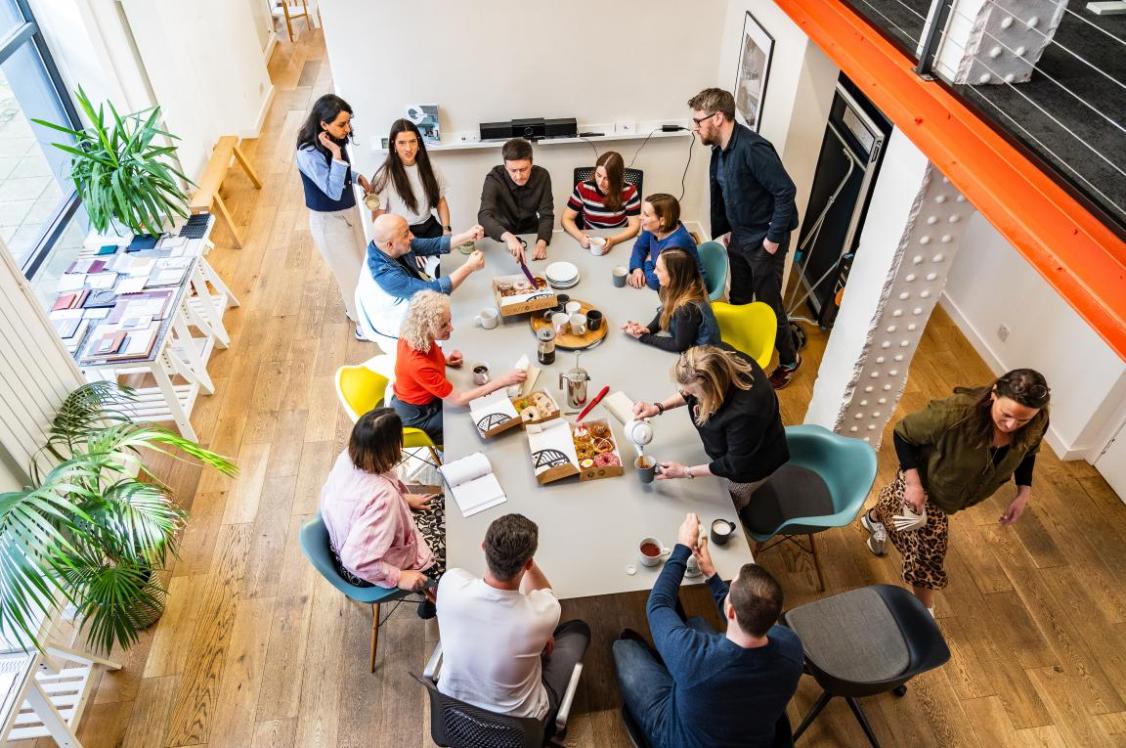
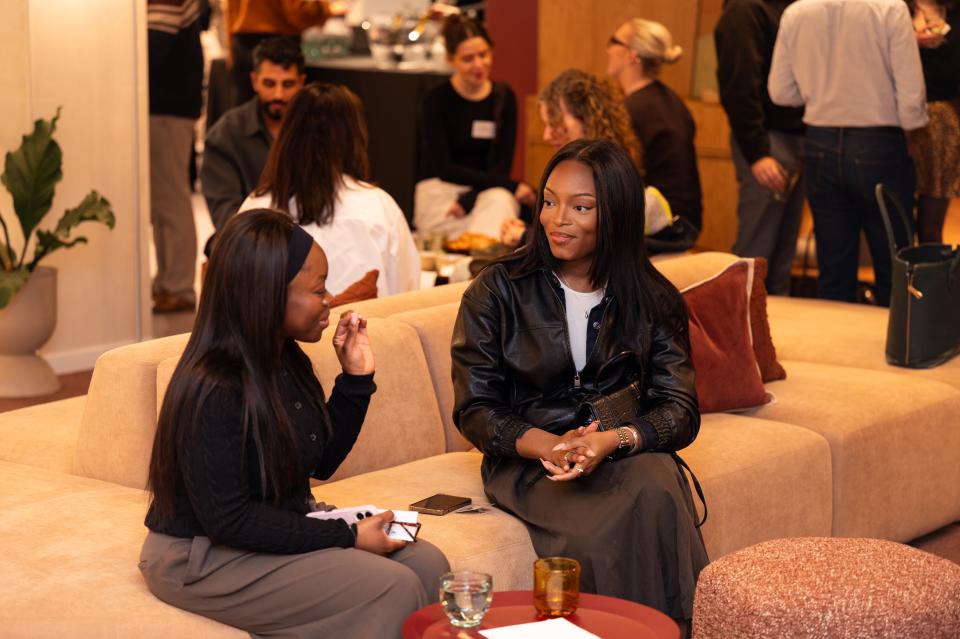
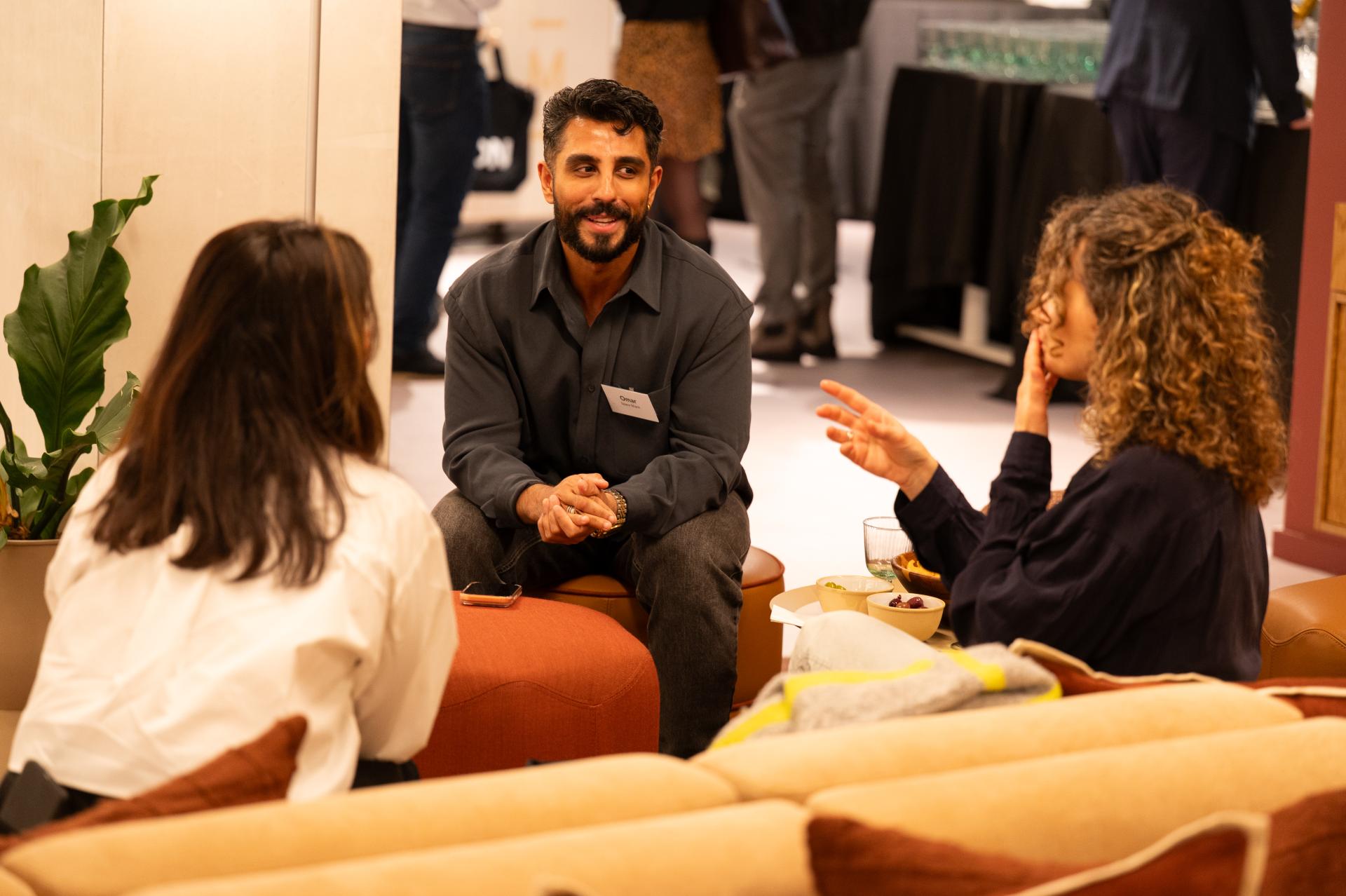
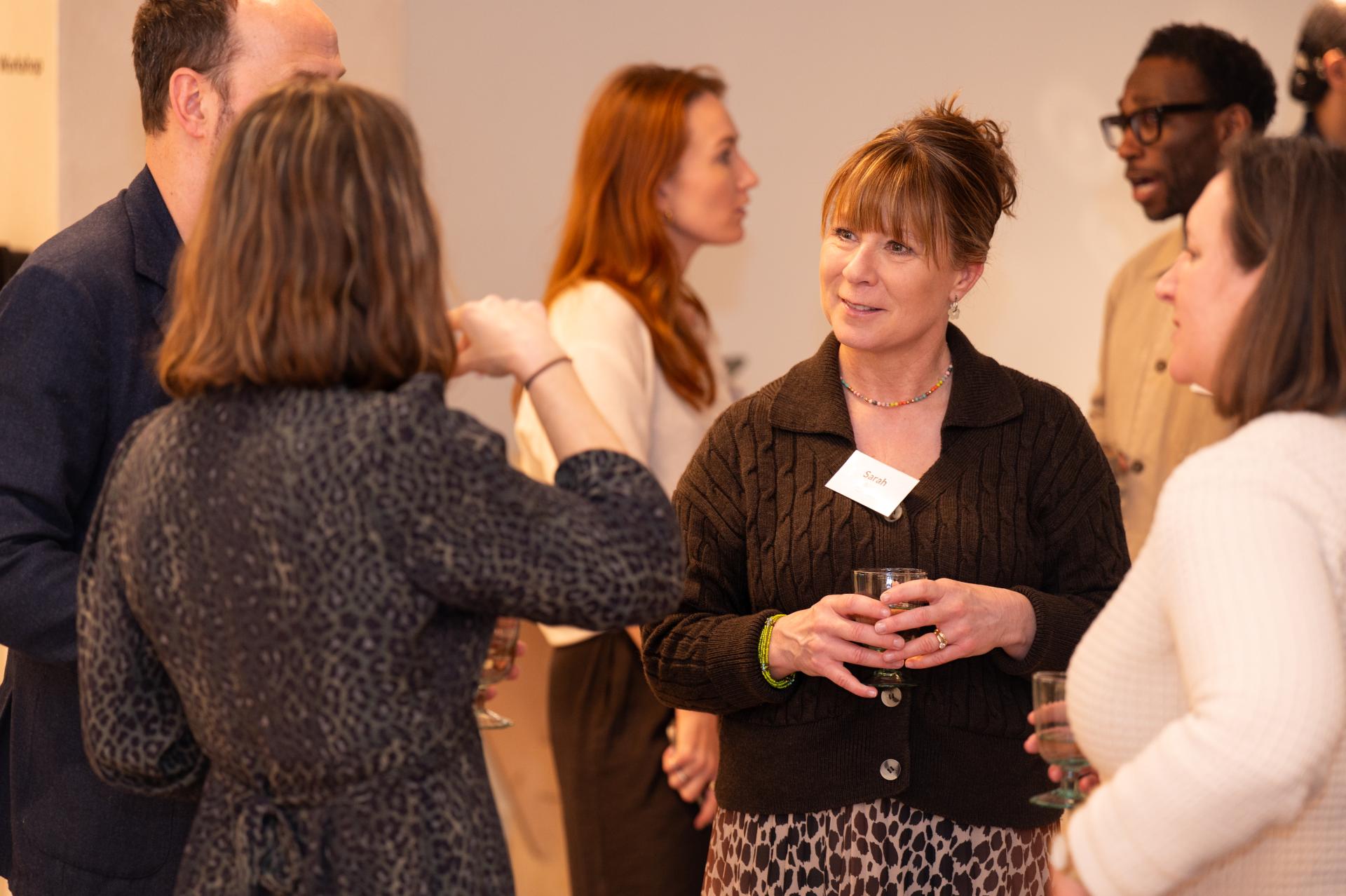
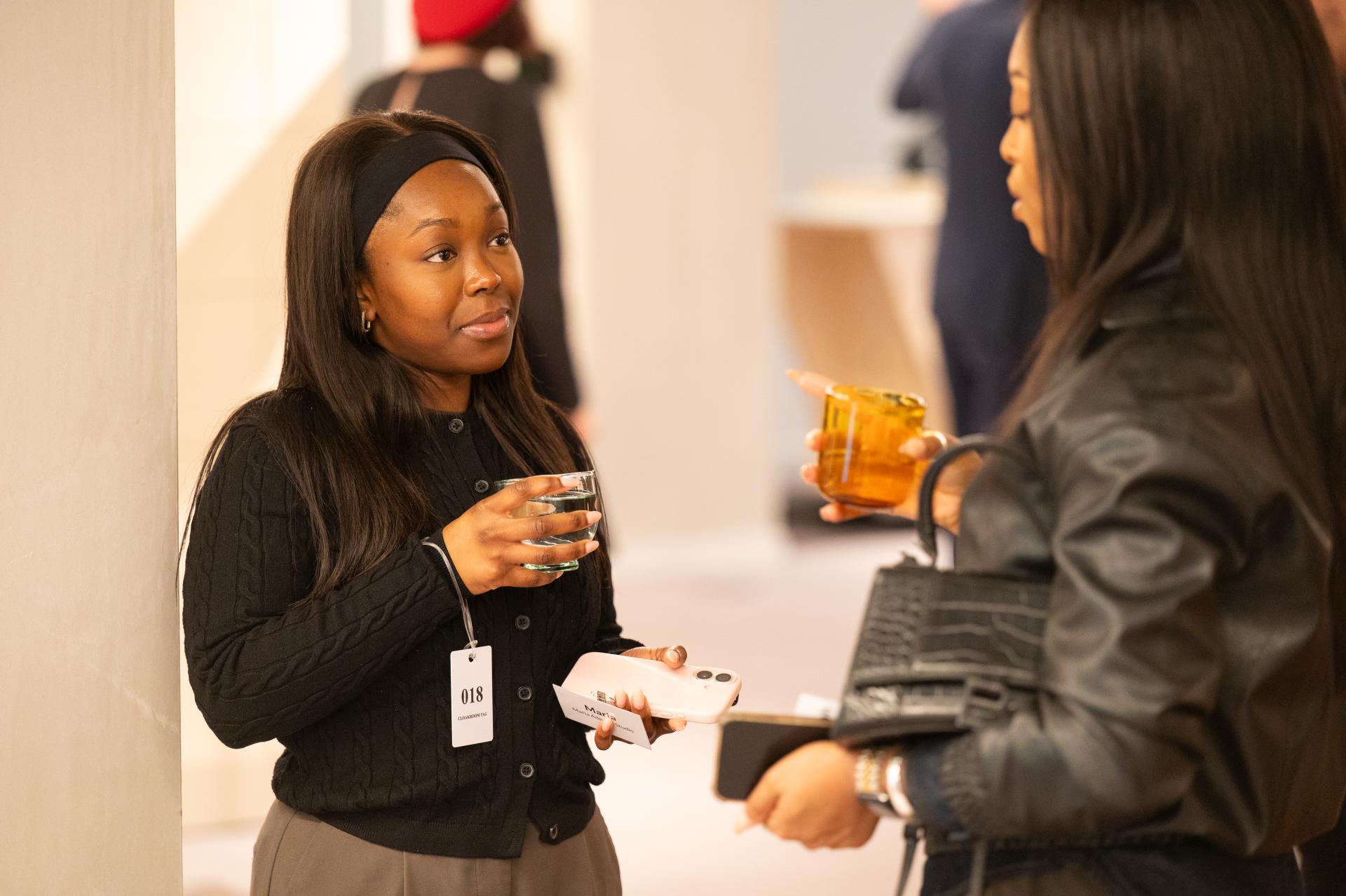
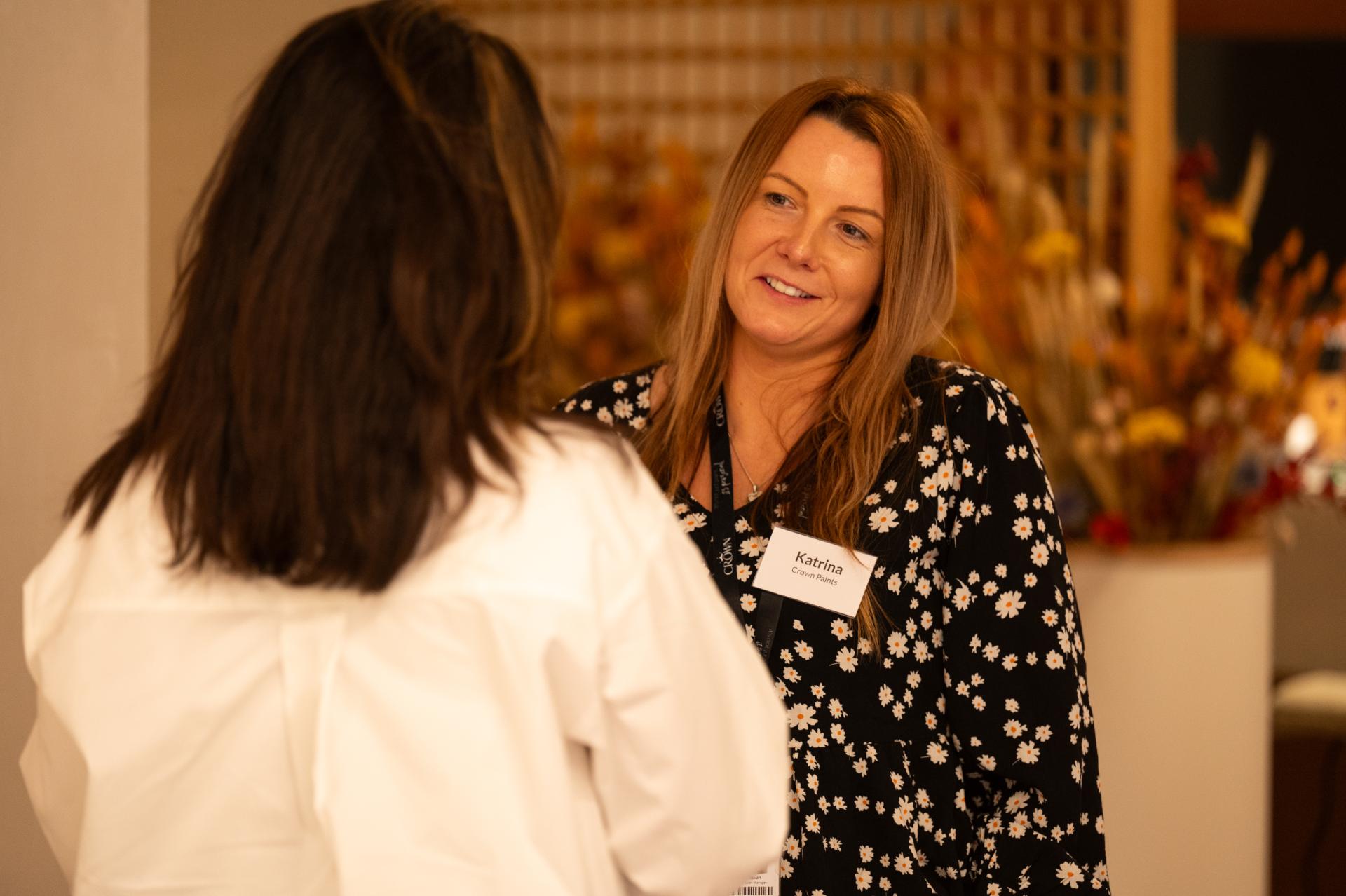
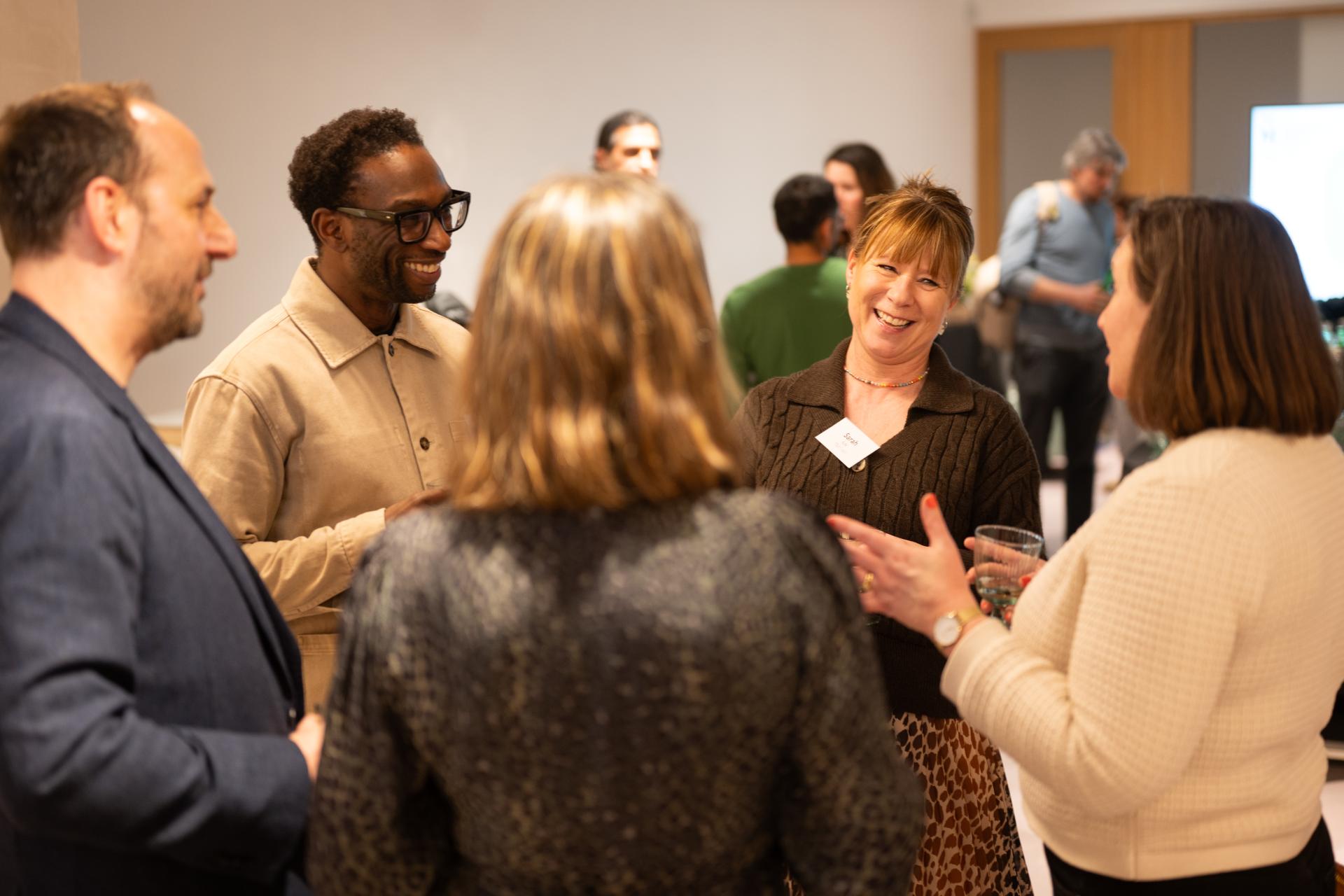
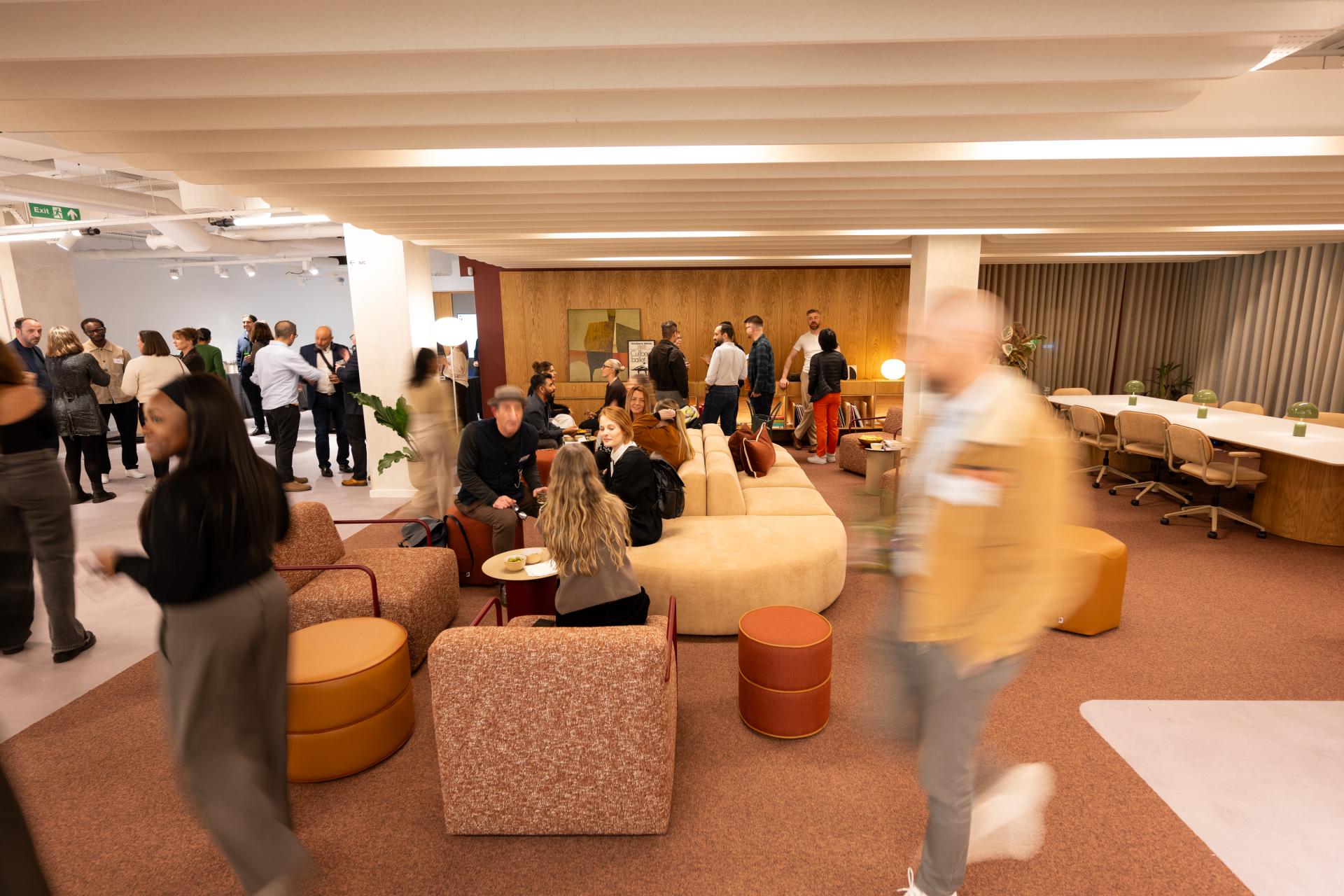
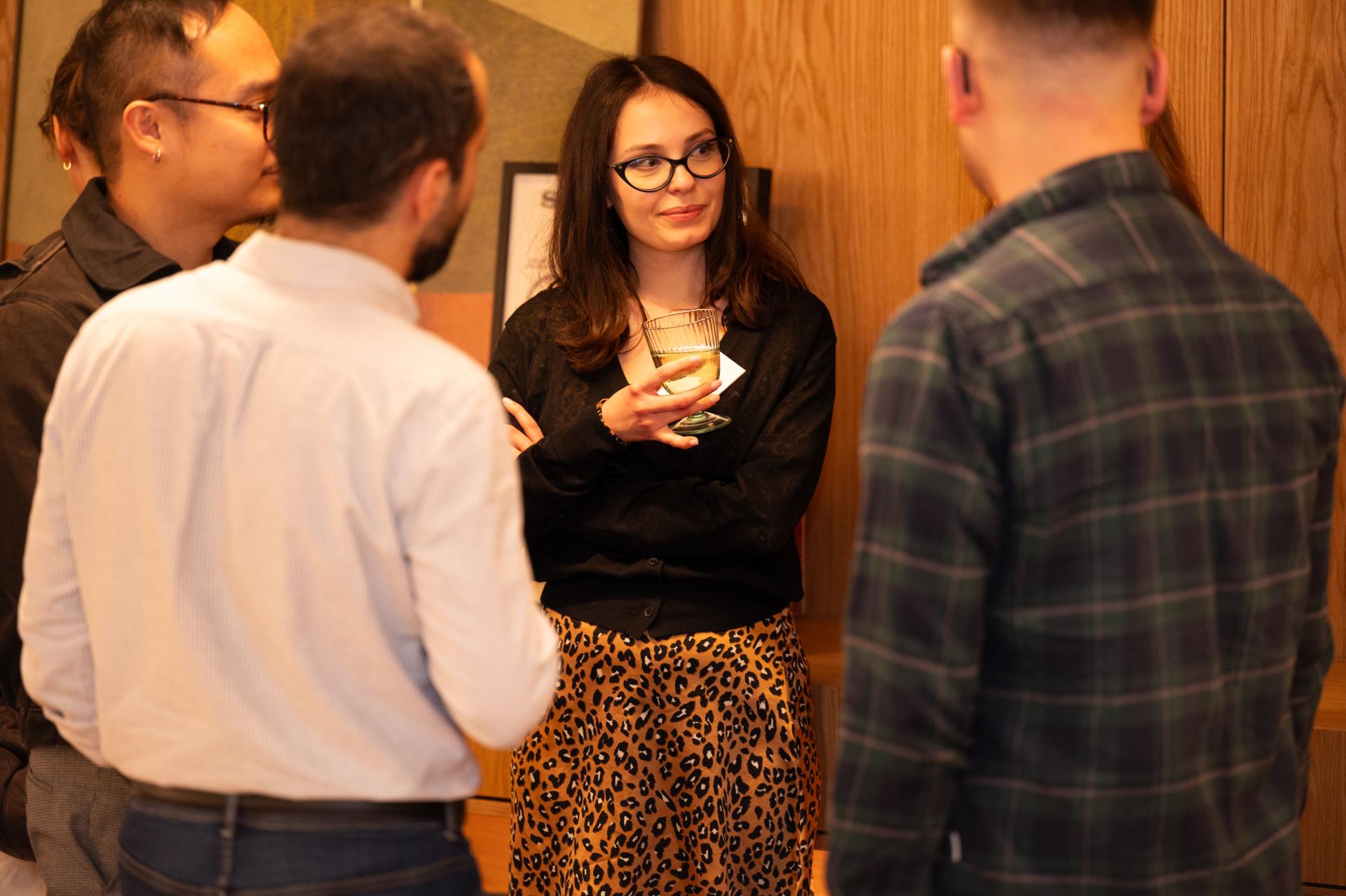
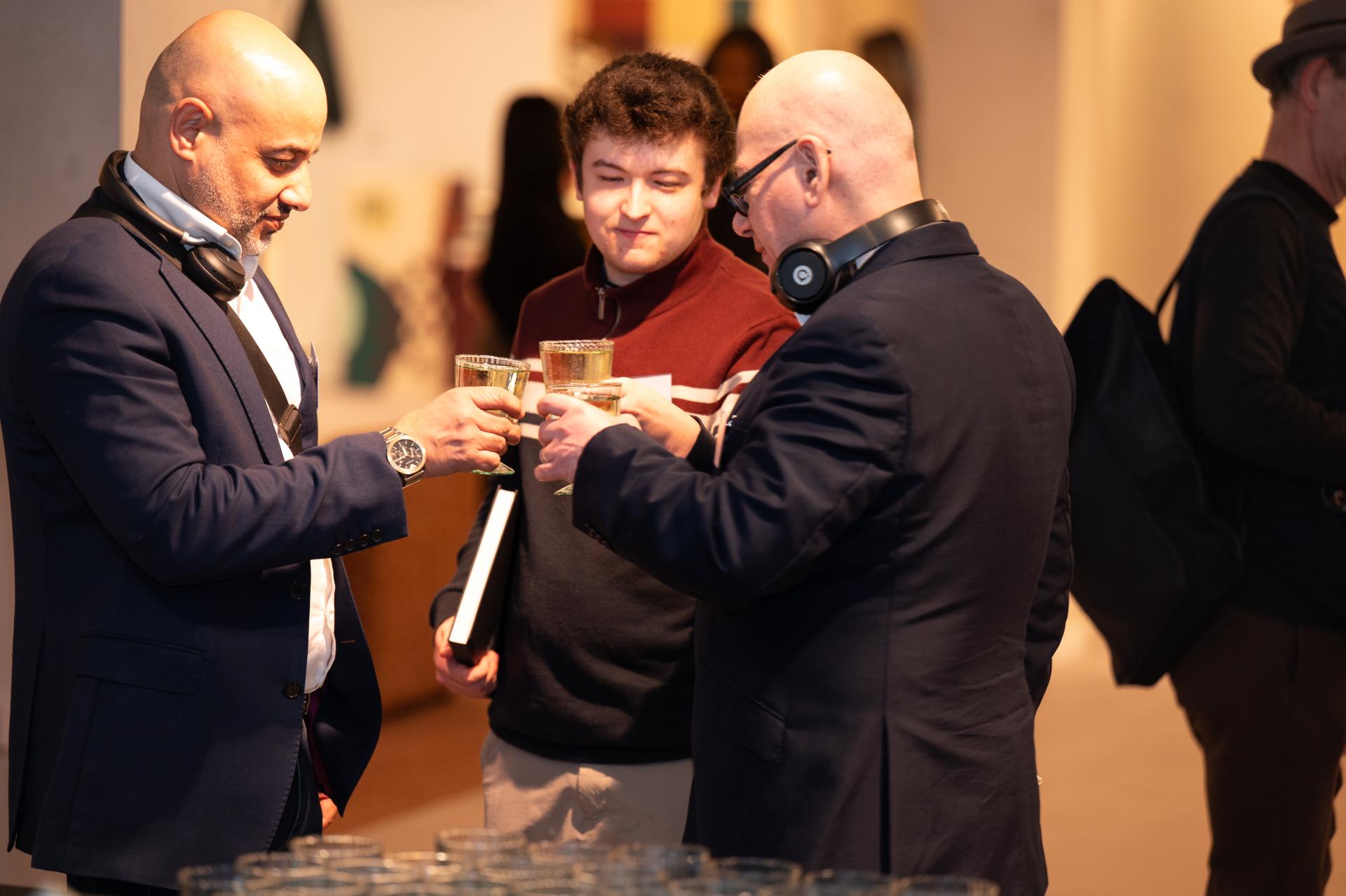
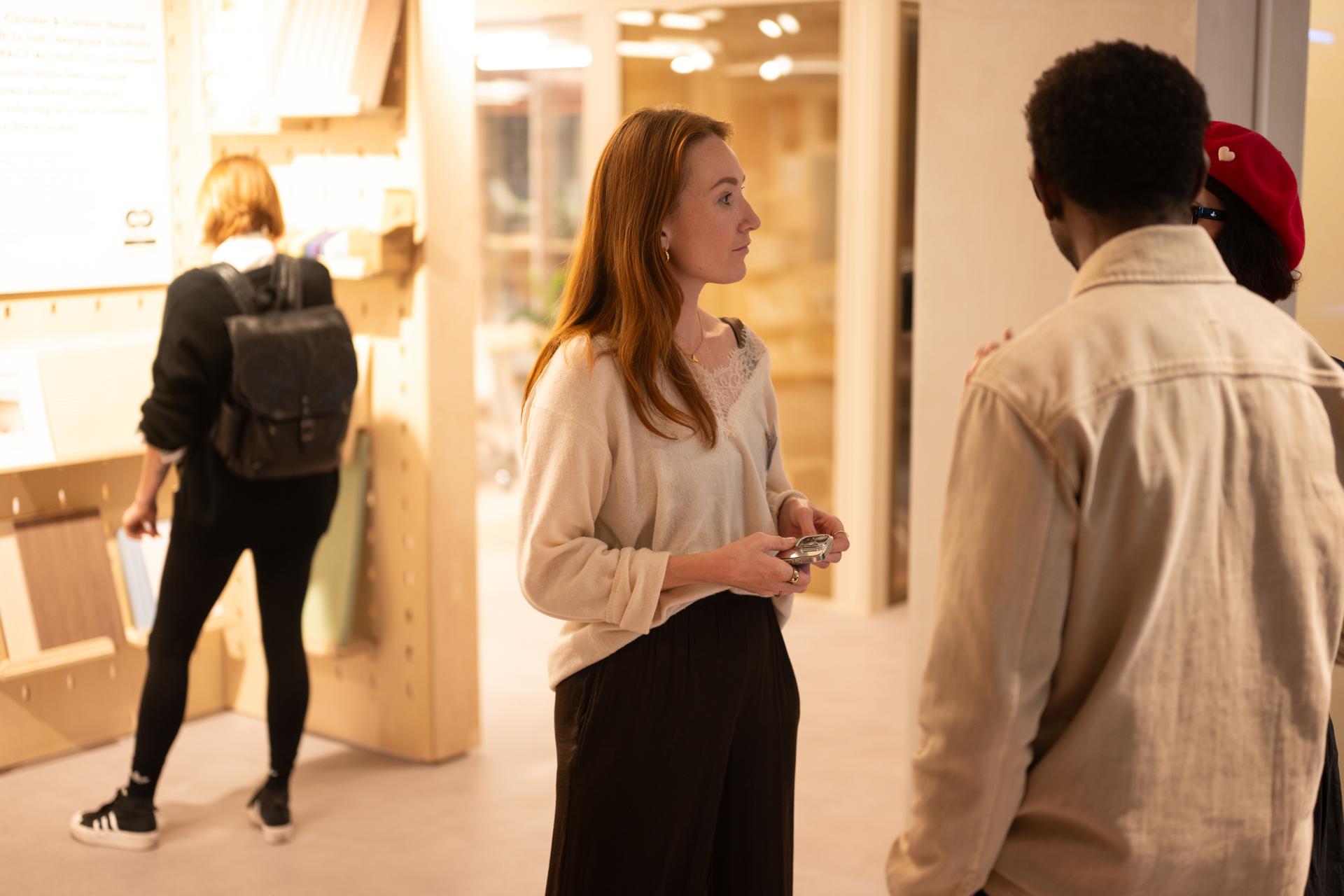
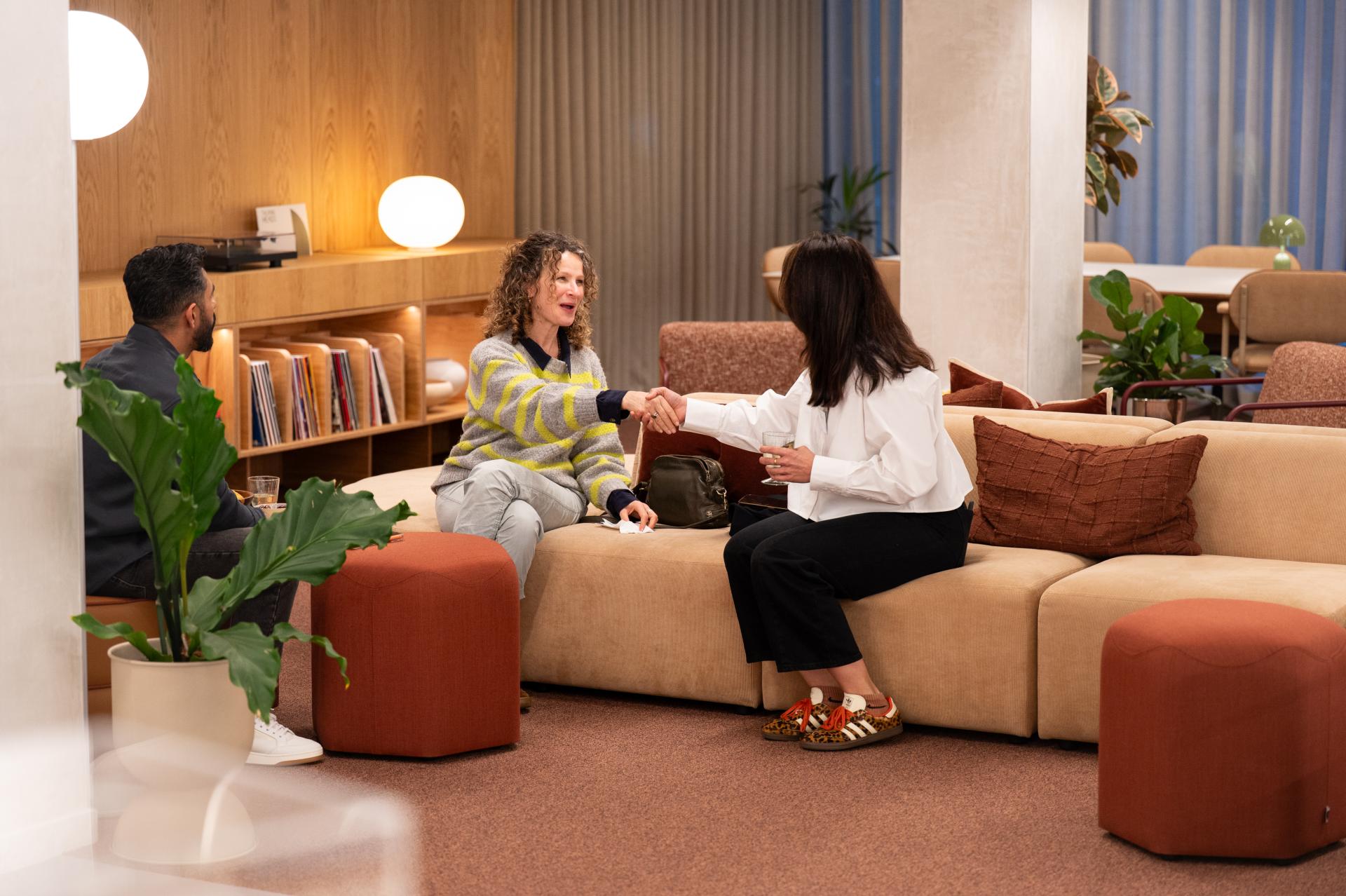
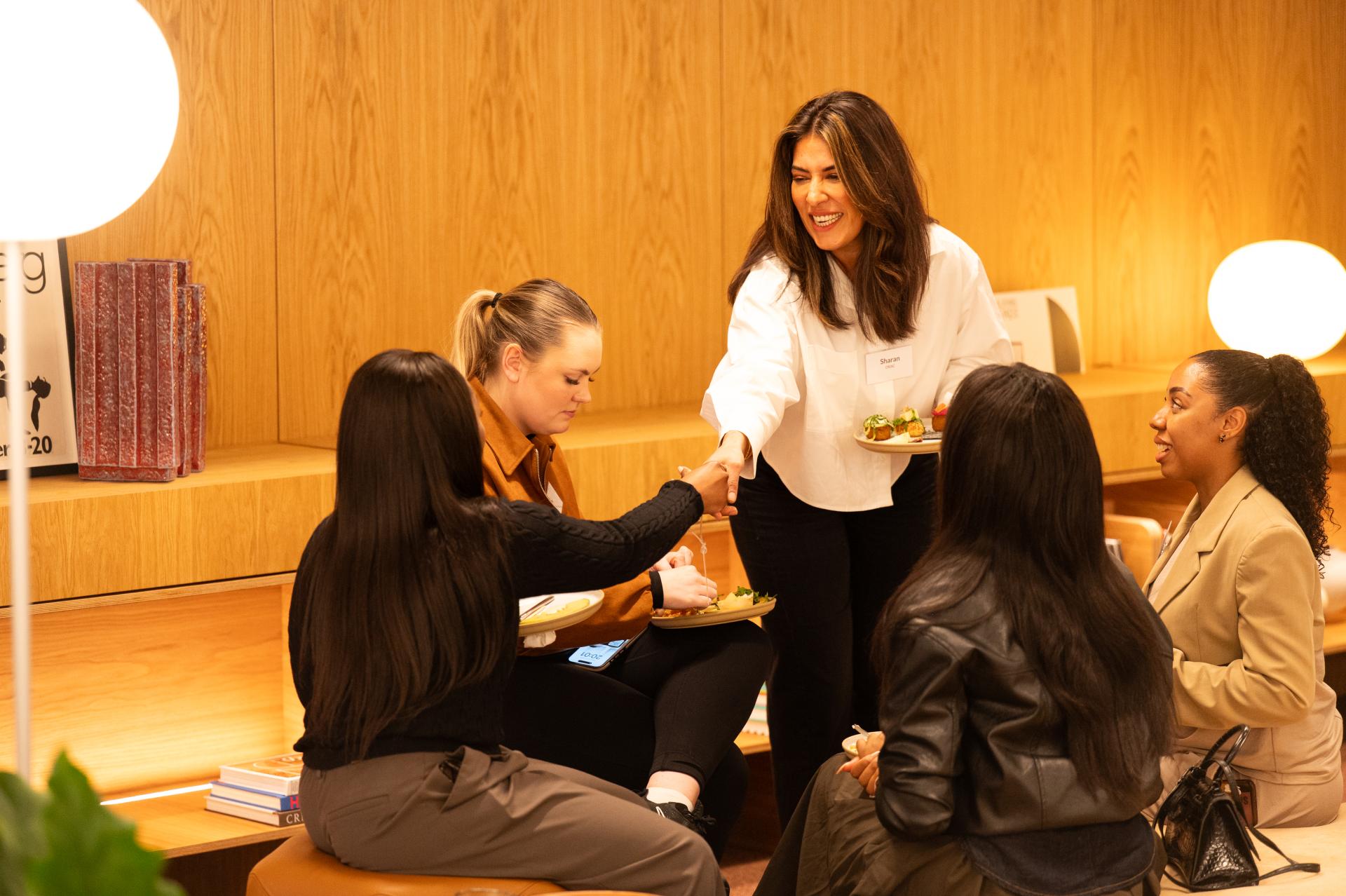
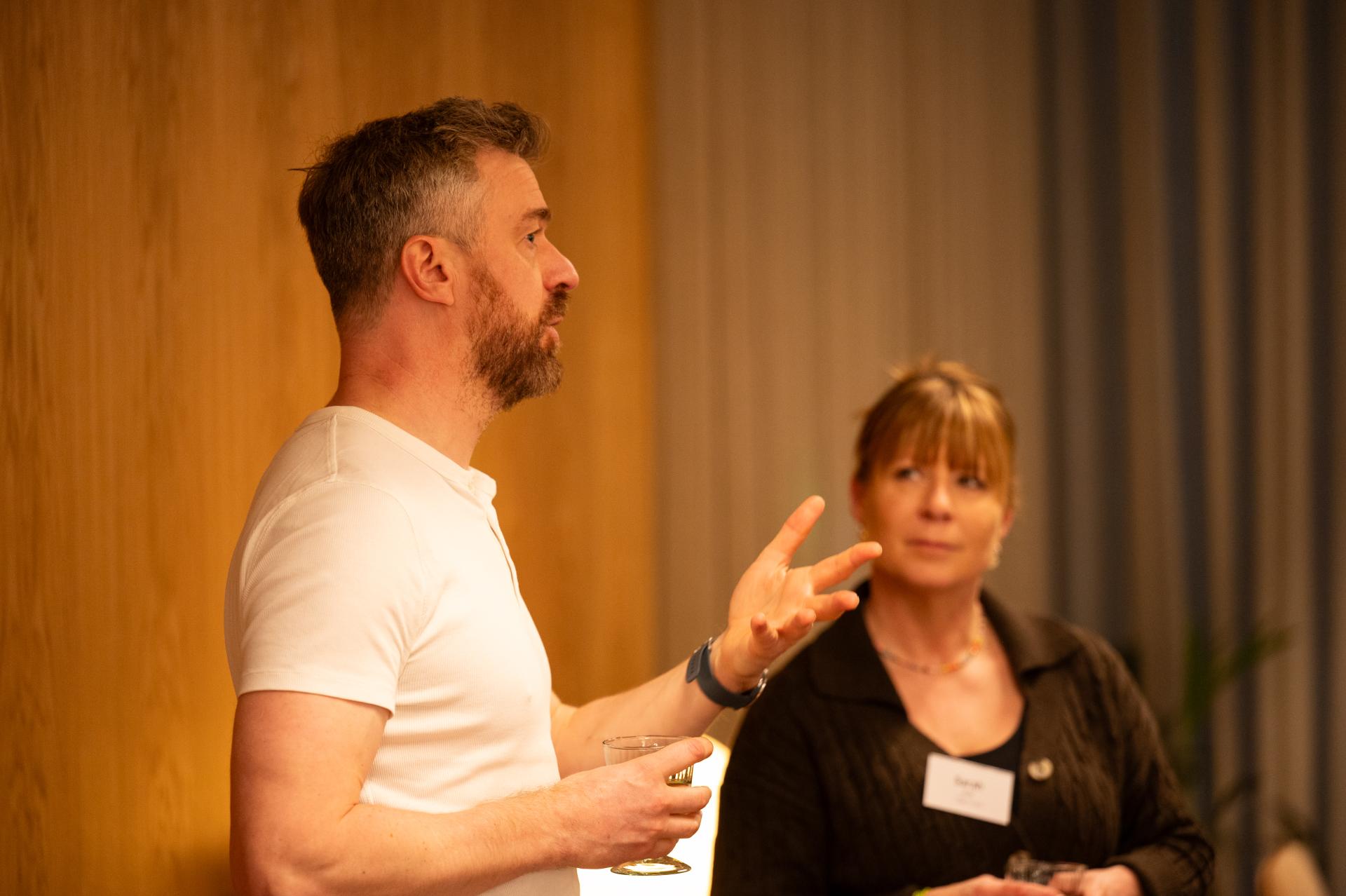
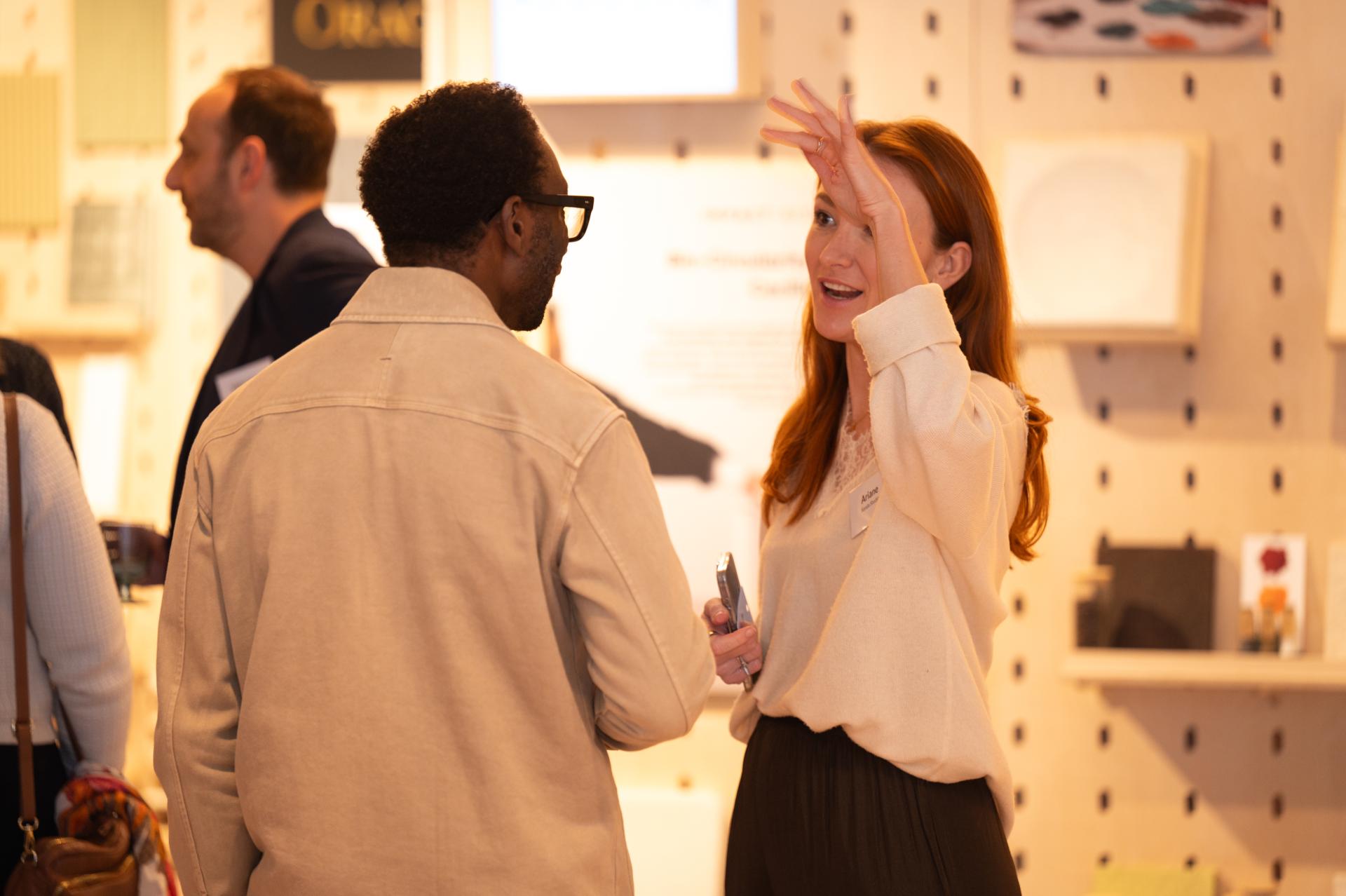
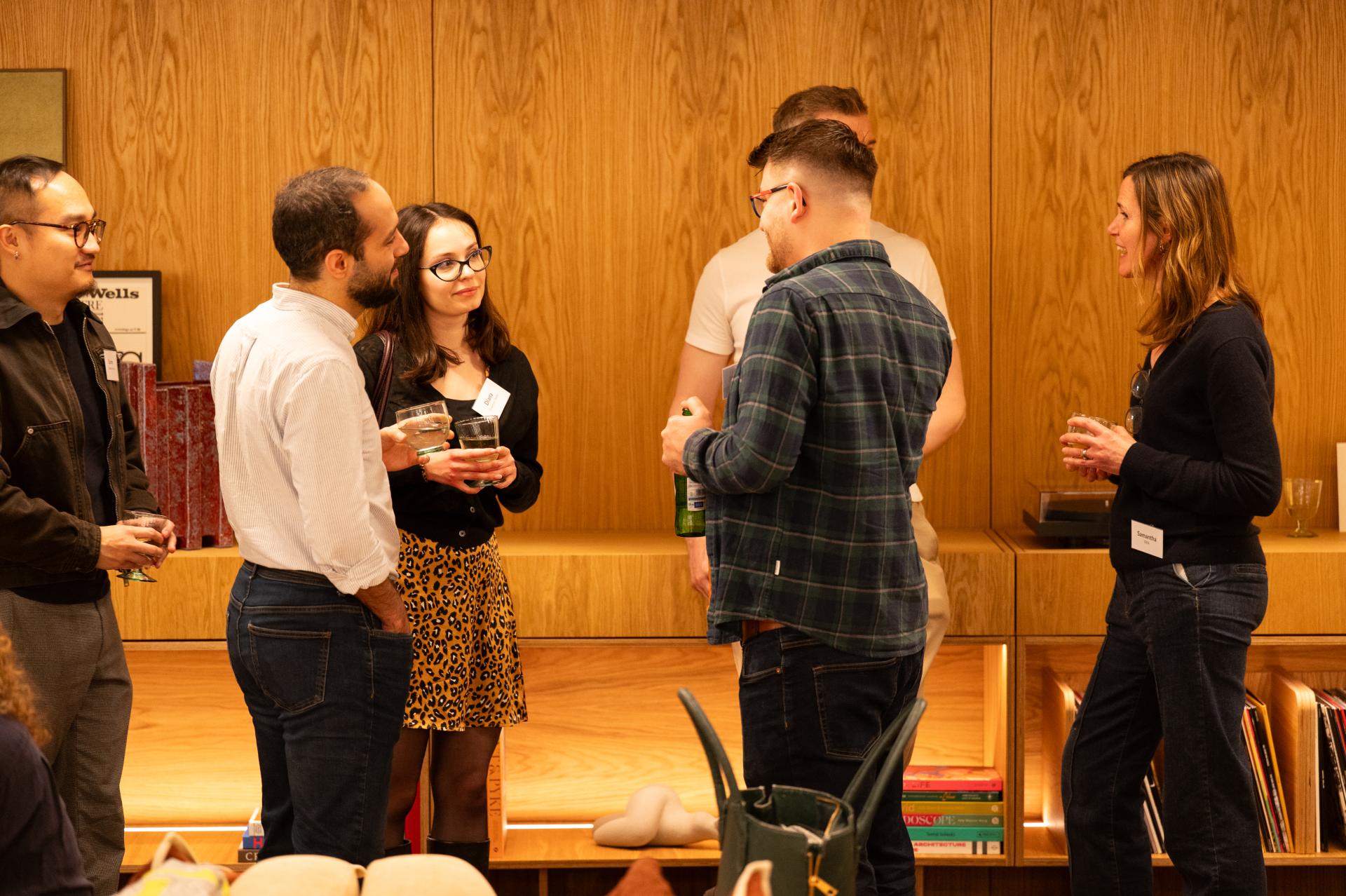
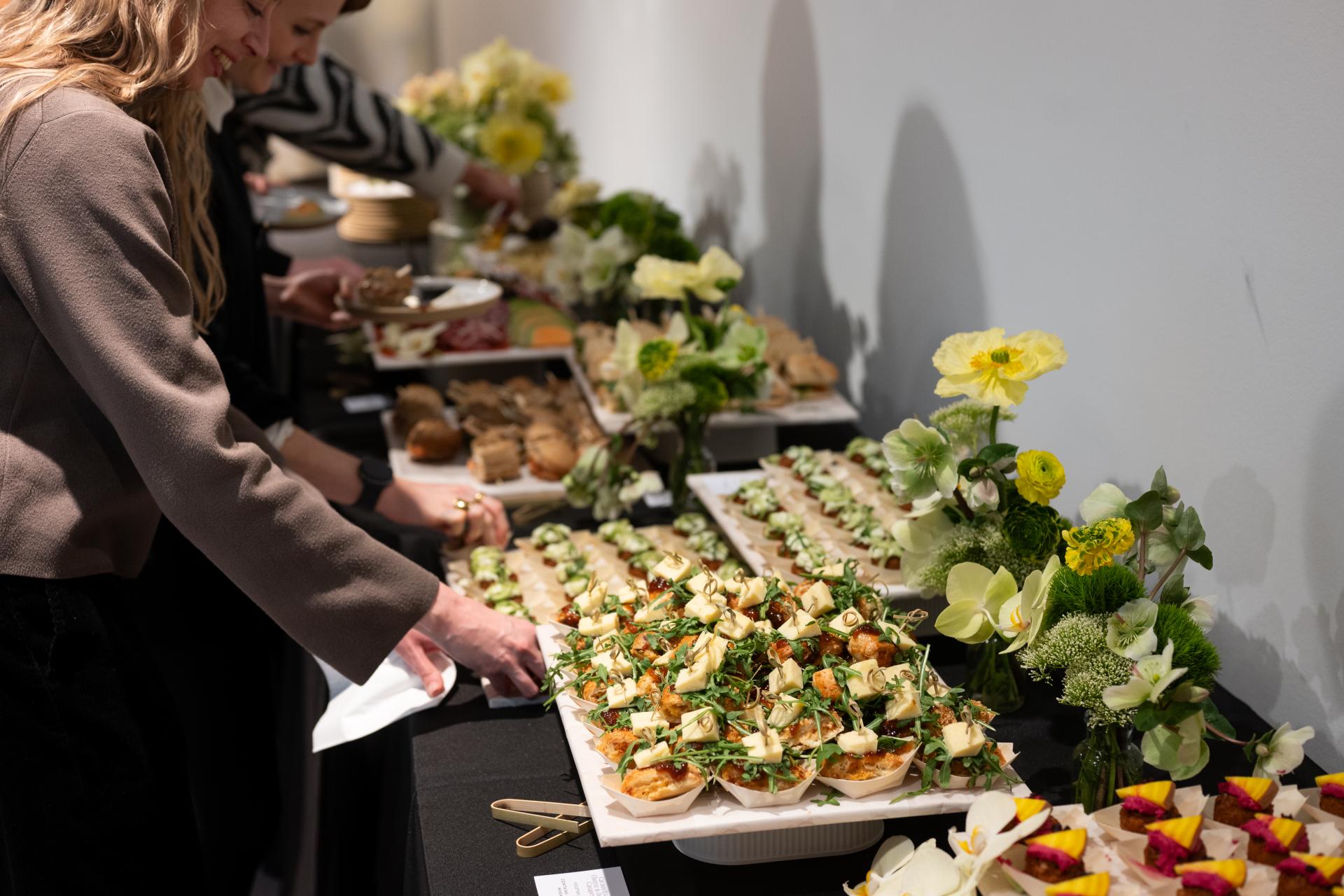
As the conversation on stage drew to a close, the discussion continued over food and drinks in our Studio, once again serving as a reminder as to how important this topic is for so many people. We're now taking the theme of EDIB on the road to Material Source Studio Glasgow for our seminar and roundtable this week. Get your ticket here.
In the meantime, a huge thanks to all who joined us and asked thought provoking questions, to Stephanie Kyle for sharing her wonderful wealth of insight, and to our supporters for this event, Orac UK, Crown Paints, ILIV - all Partners at Material Source Studio London.
5 top takeaways
Our brains process 11 million pieces of information every second. Neurotypical individuals filter this down to around 40. Those that are neurodivergent may not be able to do this in the same way.
3% of all disabled people are full-time wheelchair users.
80% of disabilities are non-visible.
There are over 900 non-visible disabilities to consider.
It takes our brains significantly more times the power to process a straight line than it does a curve.