


























Parkside Architectural Tiles bolsters flexible Nesite Raised Access Flooring range.
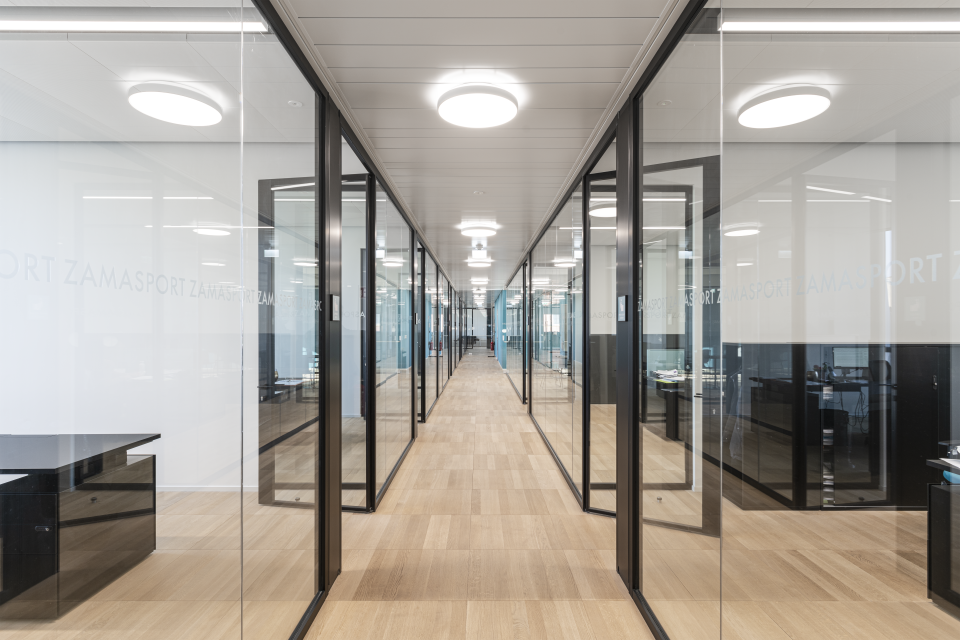
A raised floor - also called a floating floor - is a dry flooring system made up of modular panels supported by a galvanised steel framework.
This creates an elevated, accessible floor with a technical zone underfloor designed to discreetly accommodate essential building services - such as HVAC (Heating, Ventilation, and Air Conditioning), electrical, and data networks - ensuring flexibility for complex commercial environments like offices, data centres, hospitality venues, airports, and retail spaces.
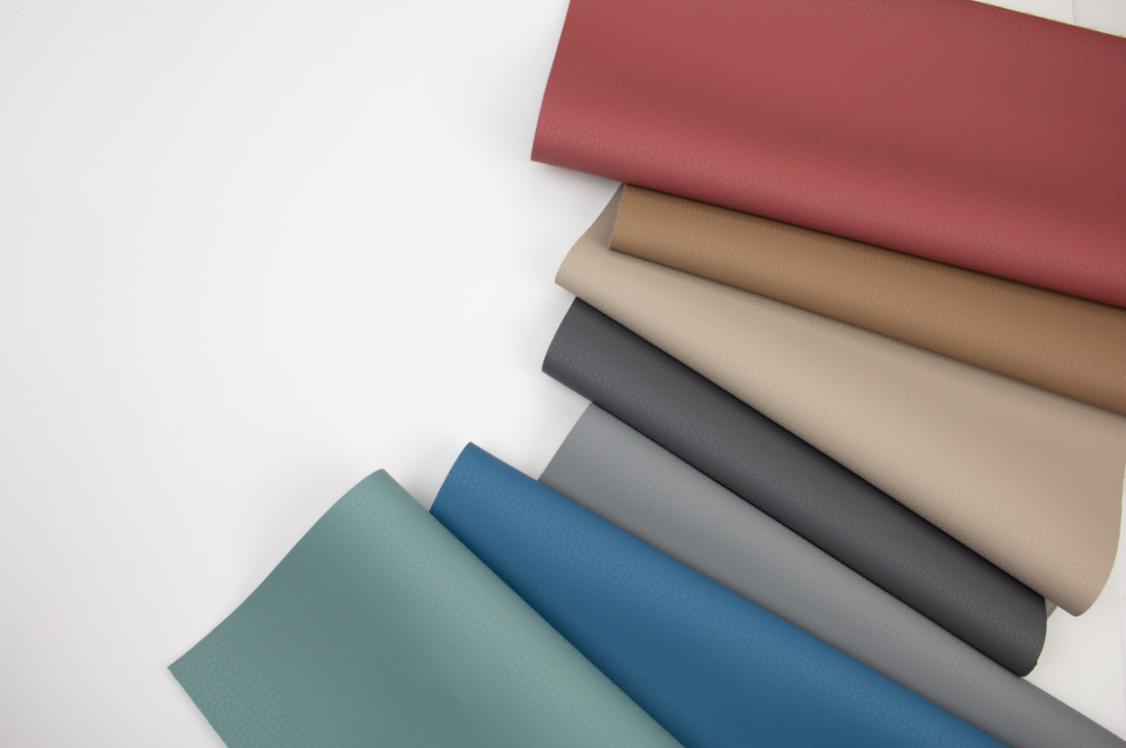
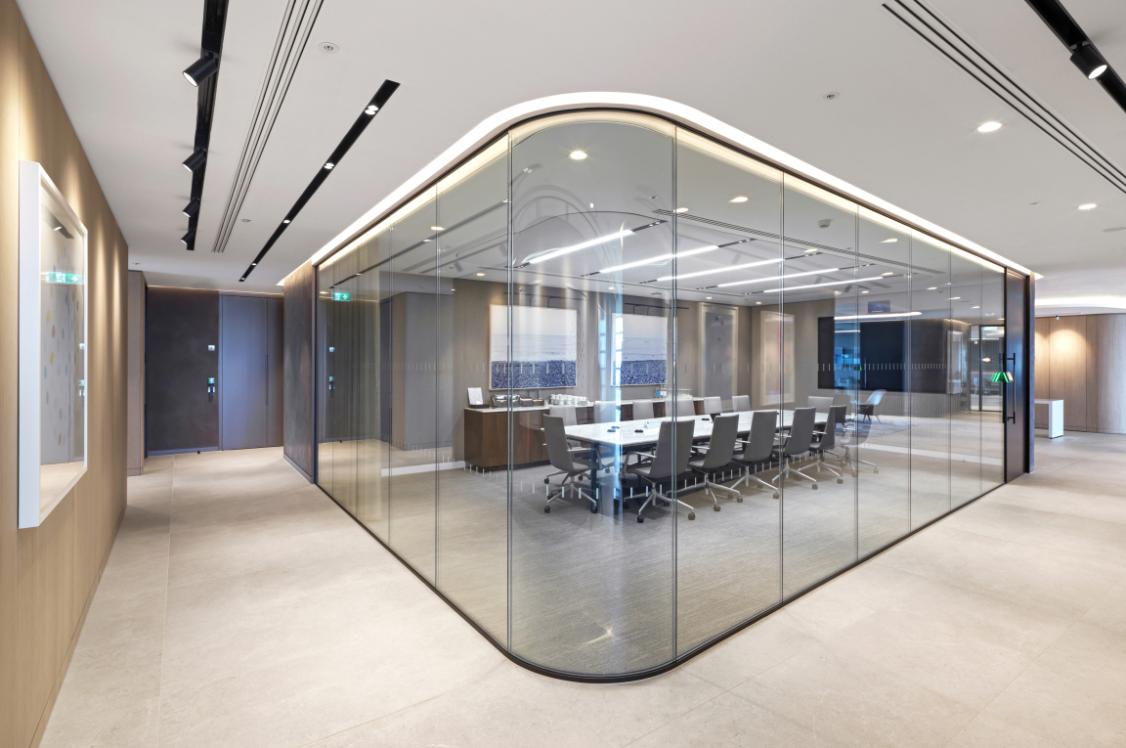
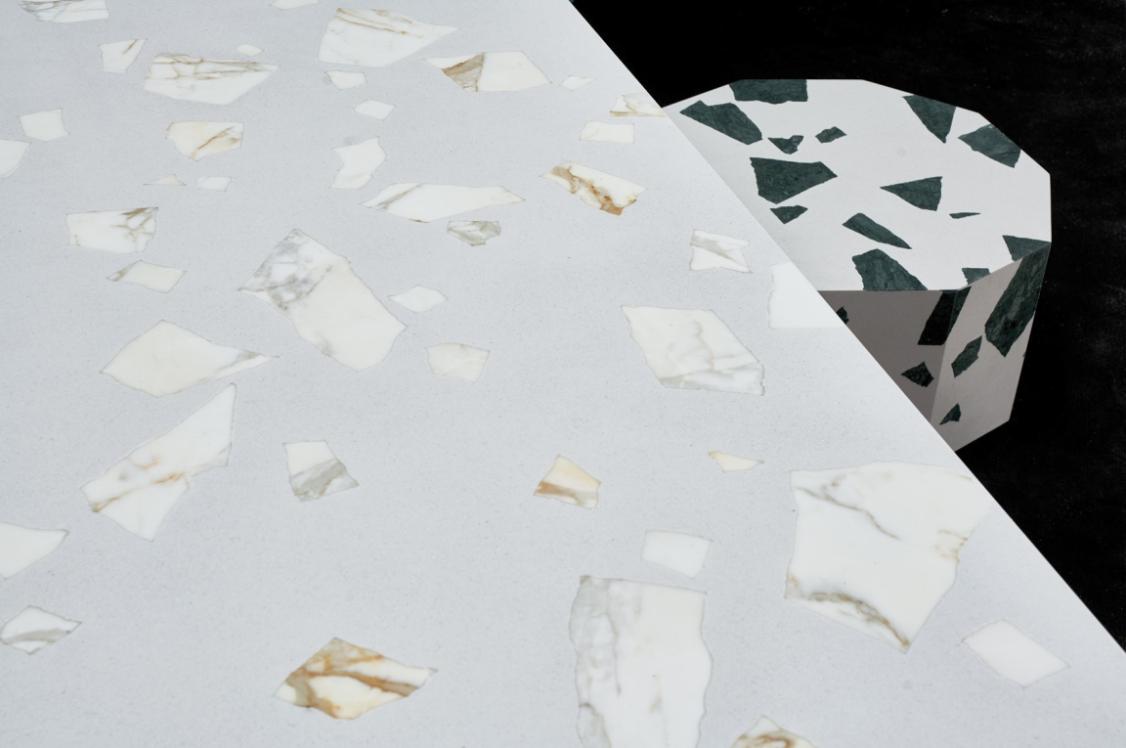
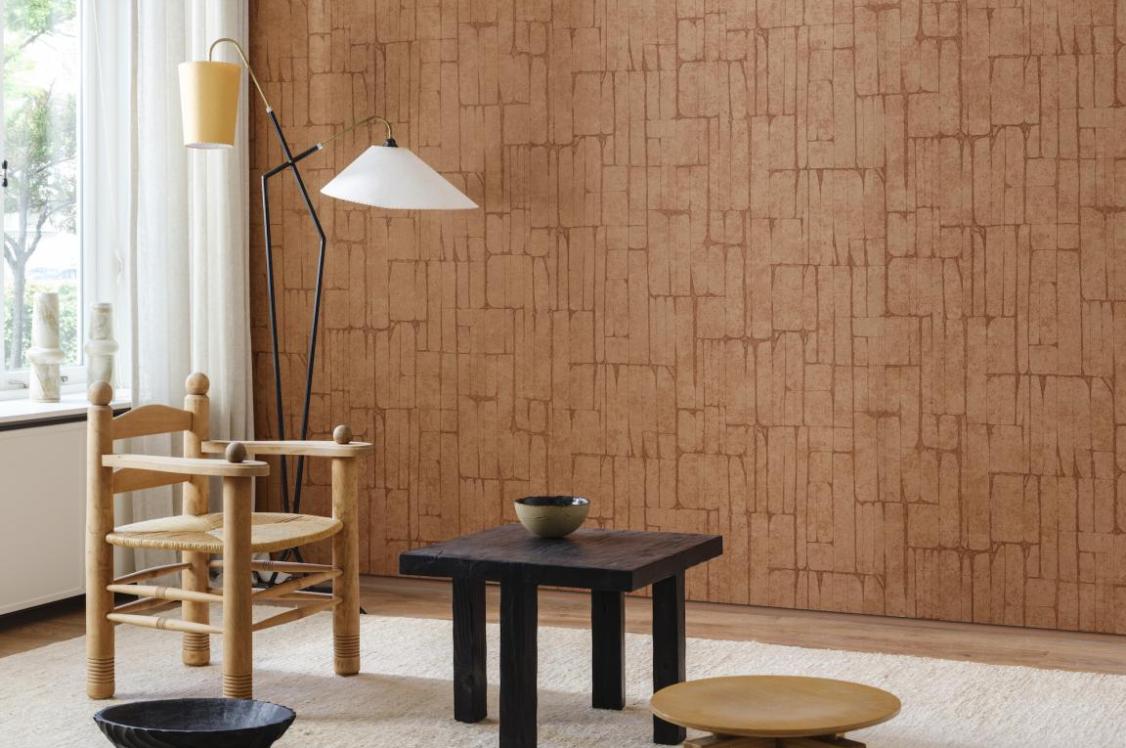
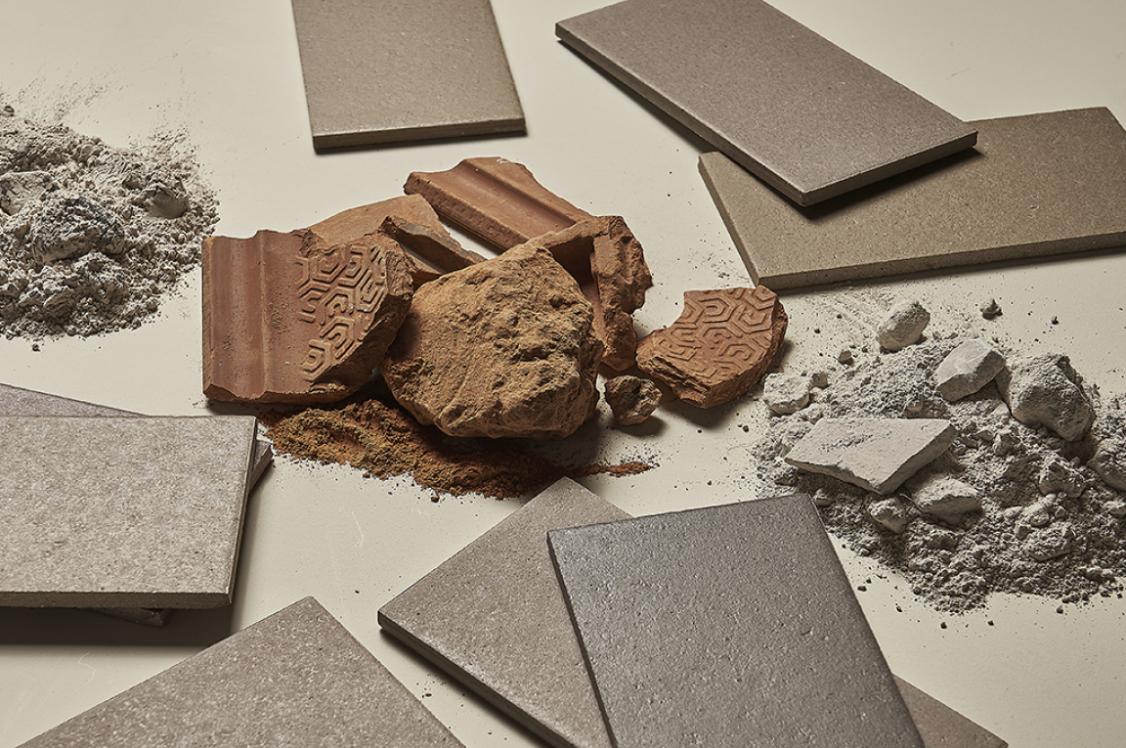
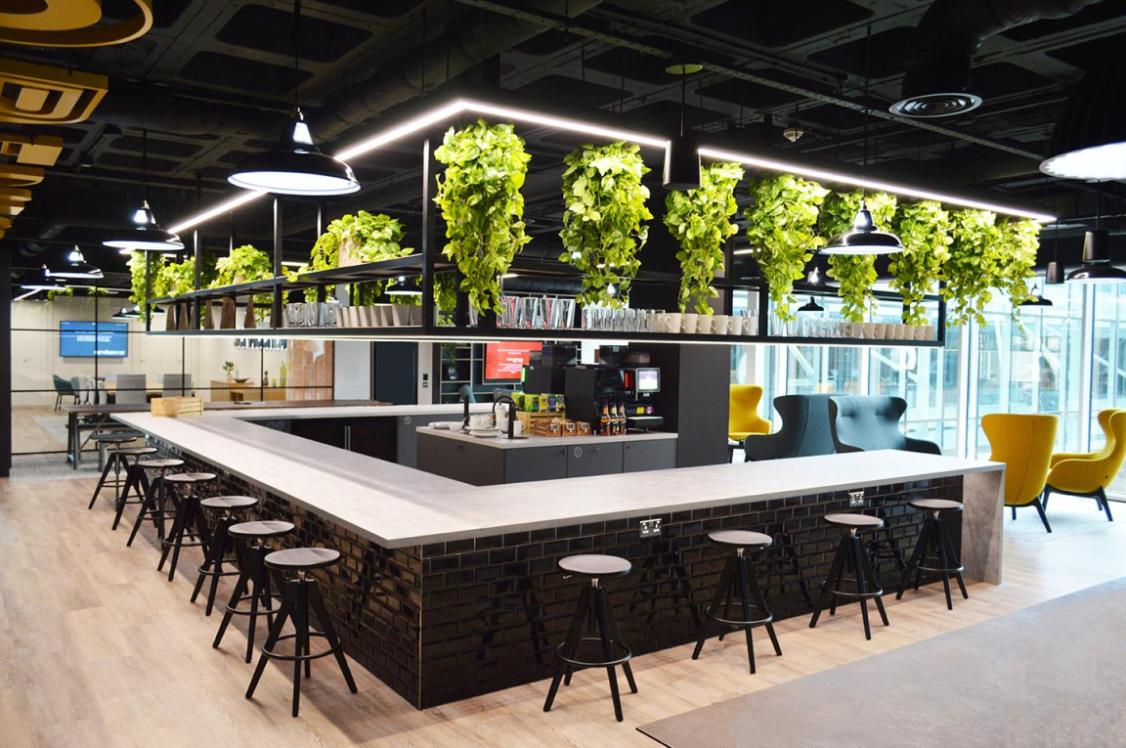
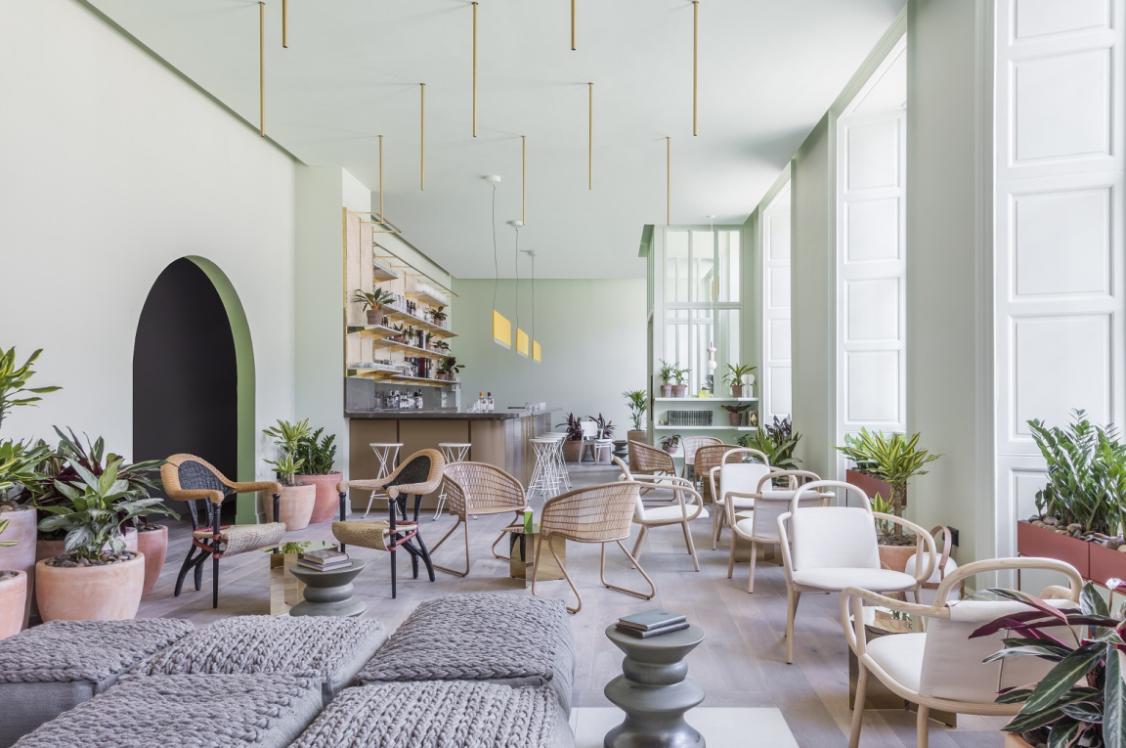
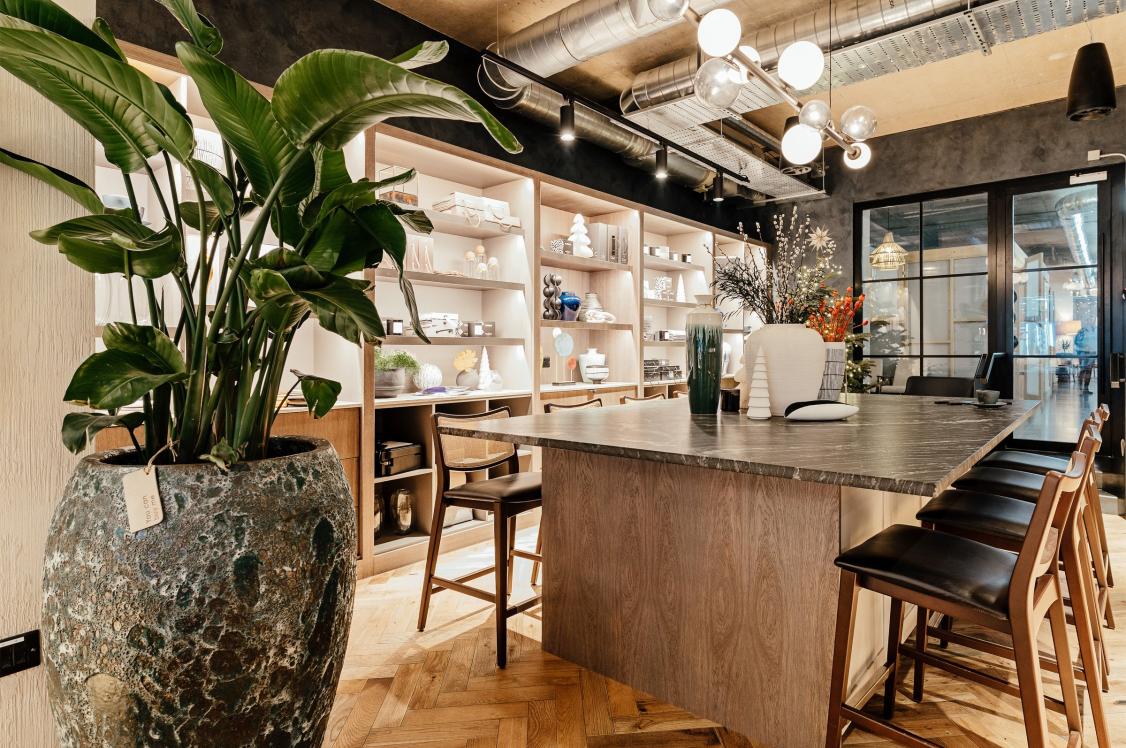
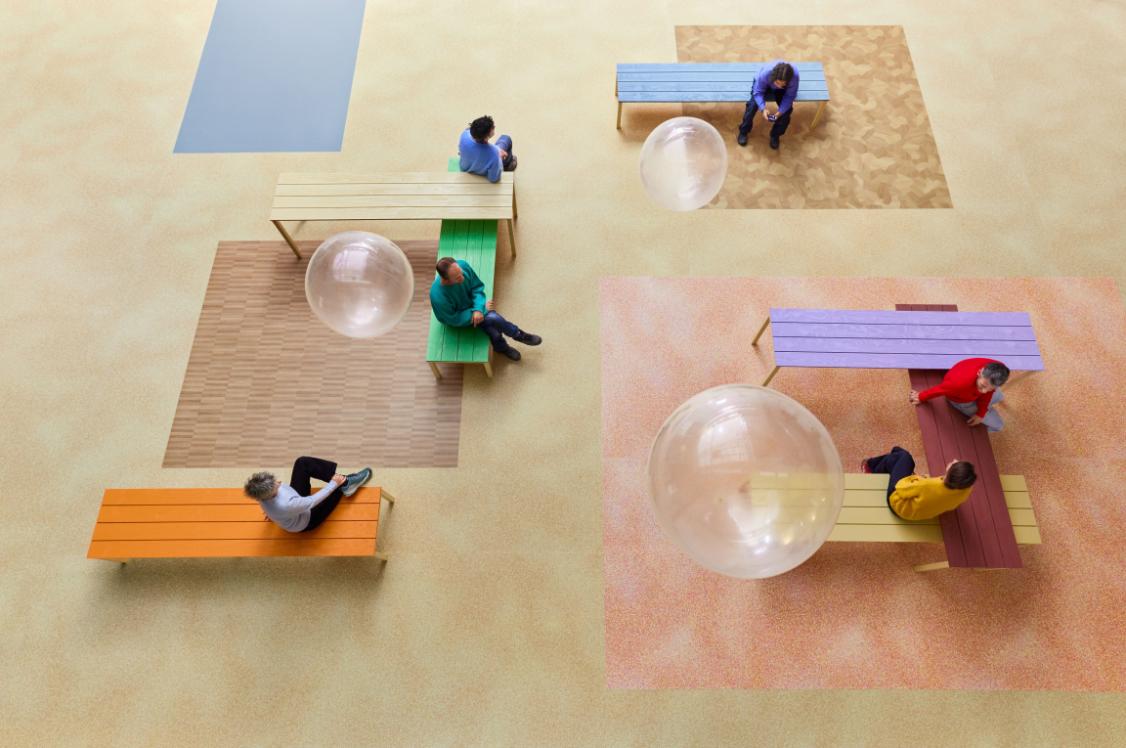
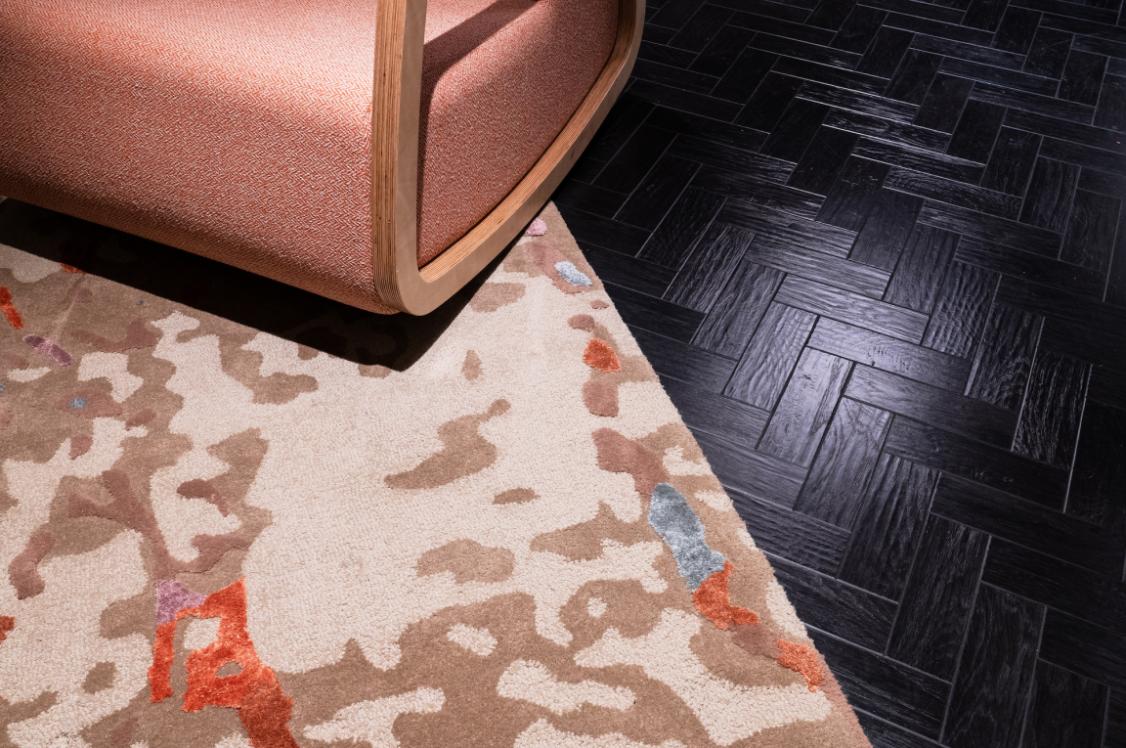
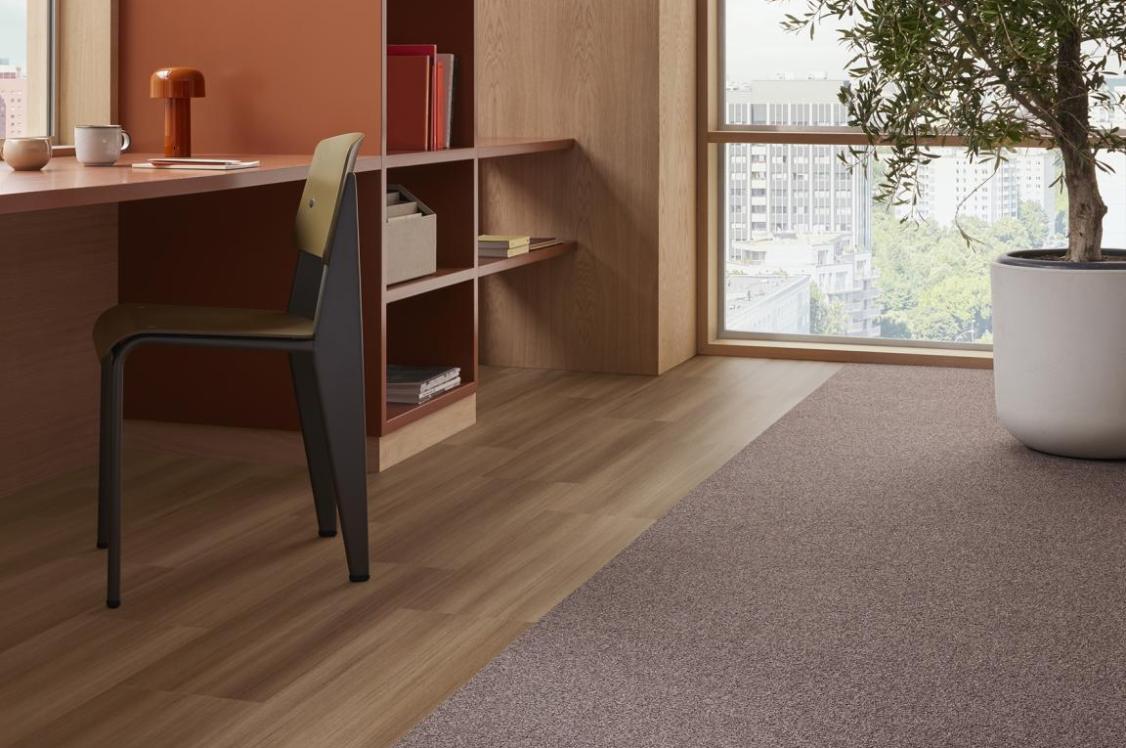
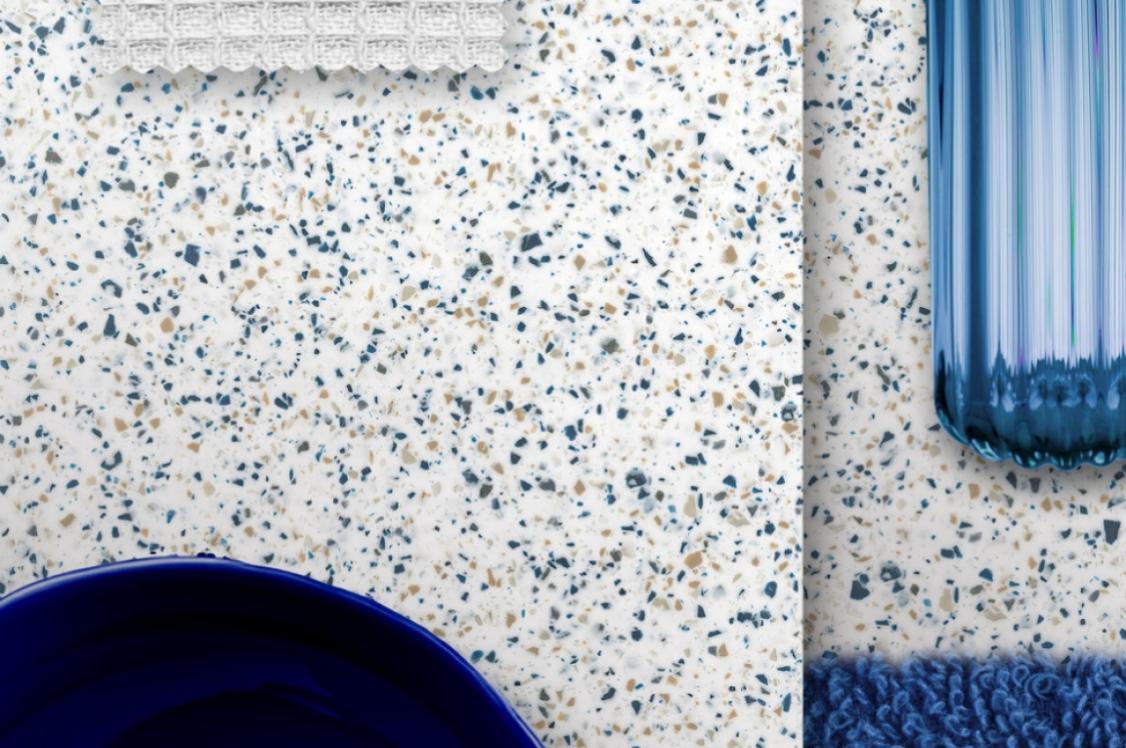
Whether your priority is visual impact or functional flexibility, Parkside Architectural Tiles' Nesite Raised Access Flooring delivers a solution that adapts to every design vision. Finishes include:
- Porcelain
- Glass
- Parquet
- Cork
- Terrazzo
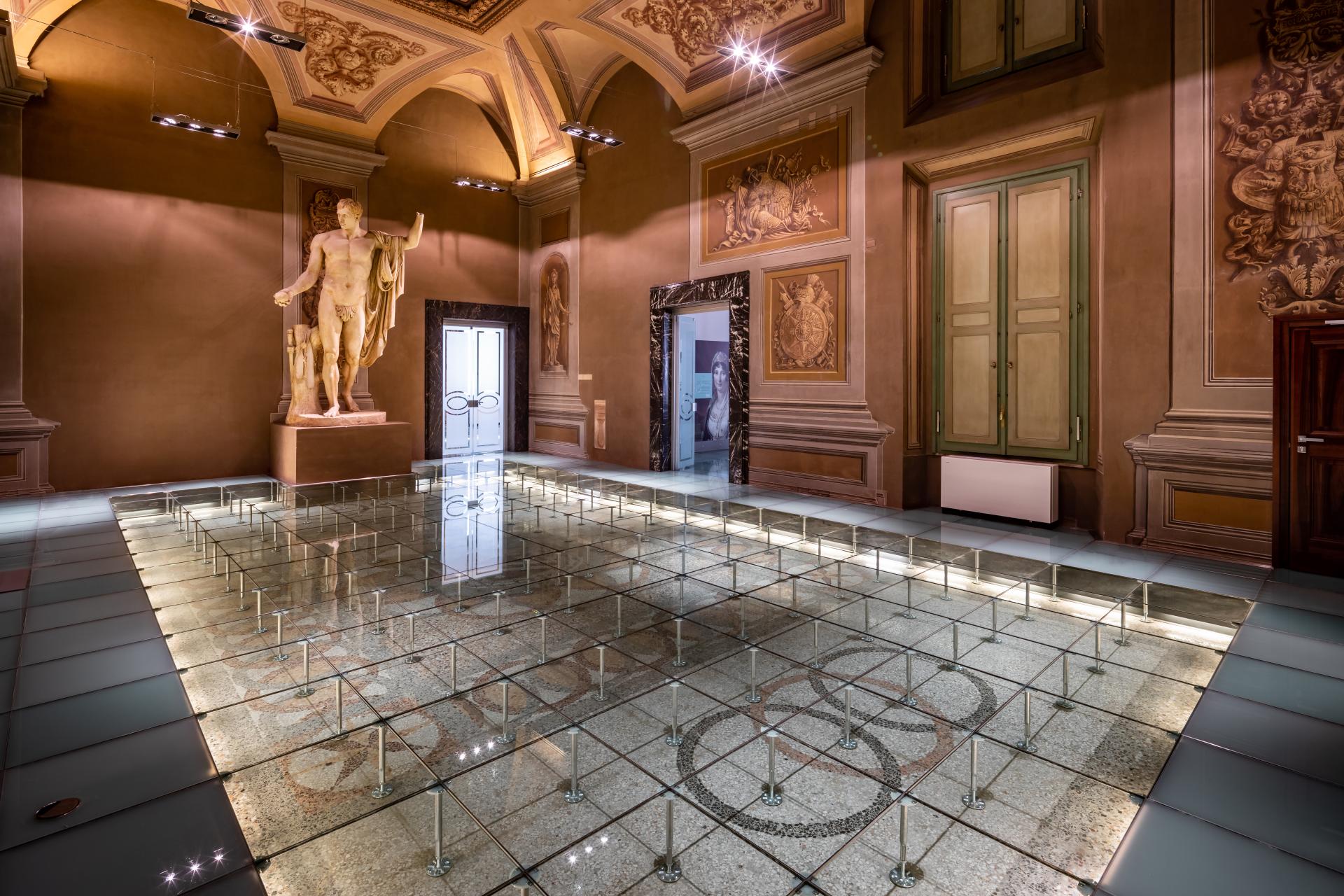
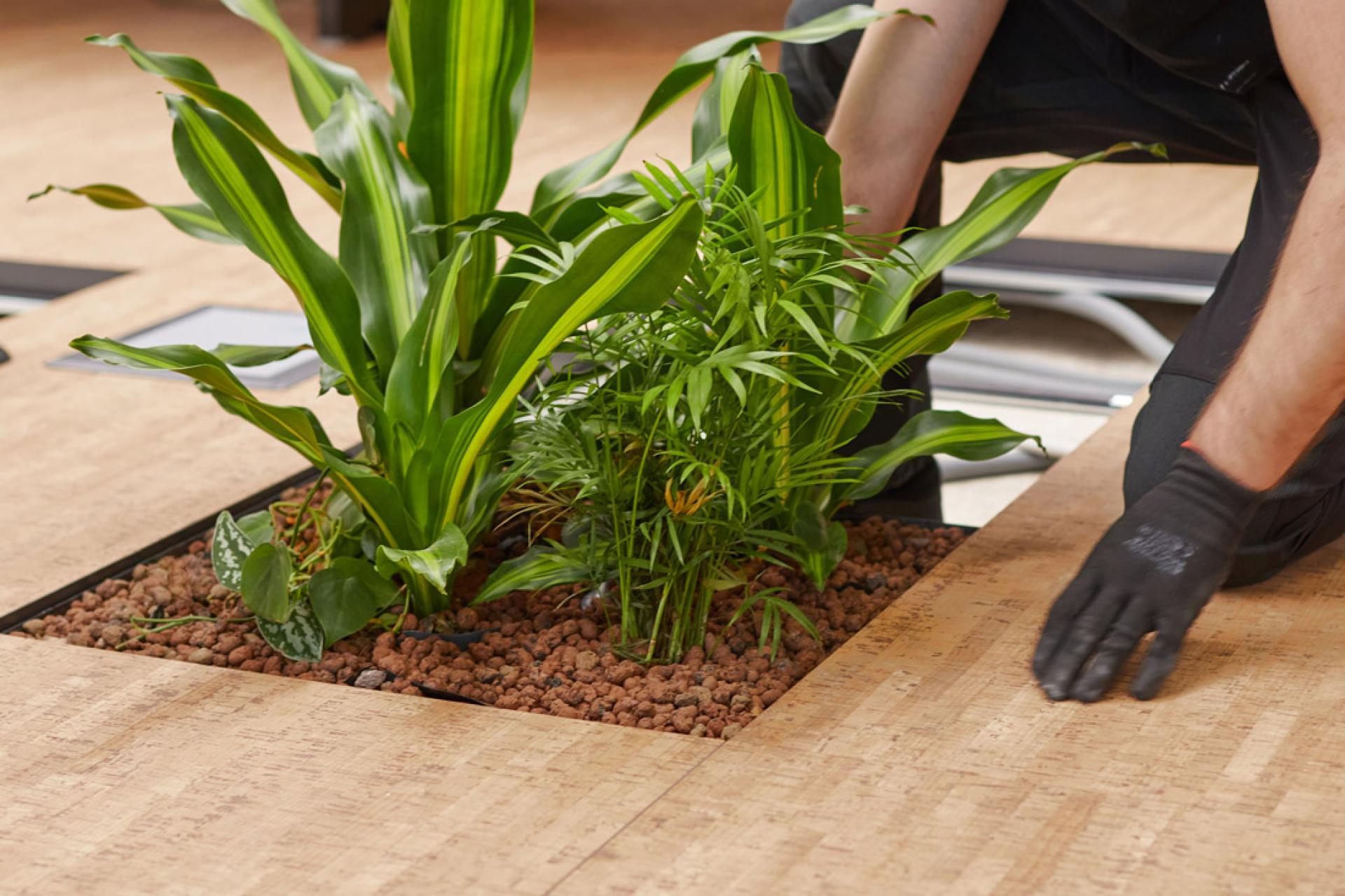
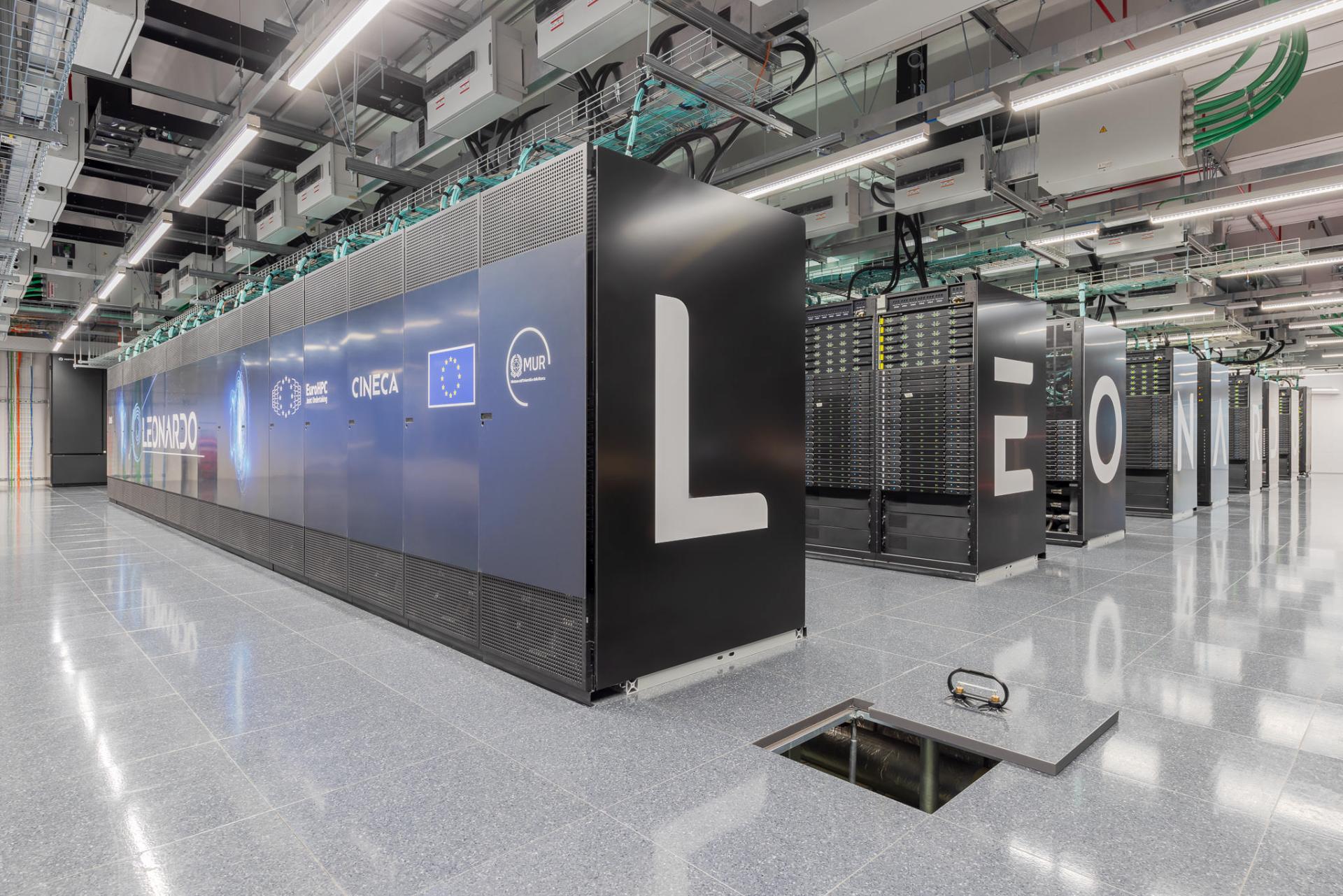
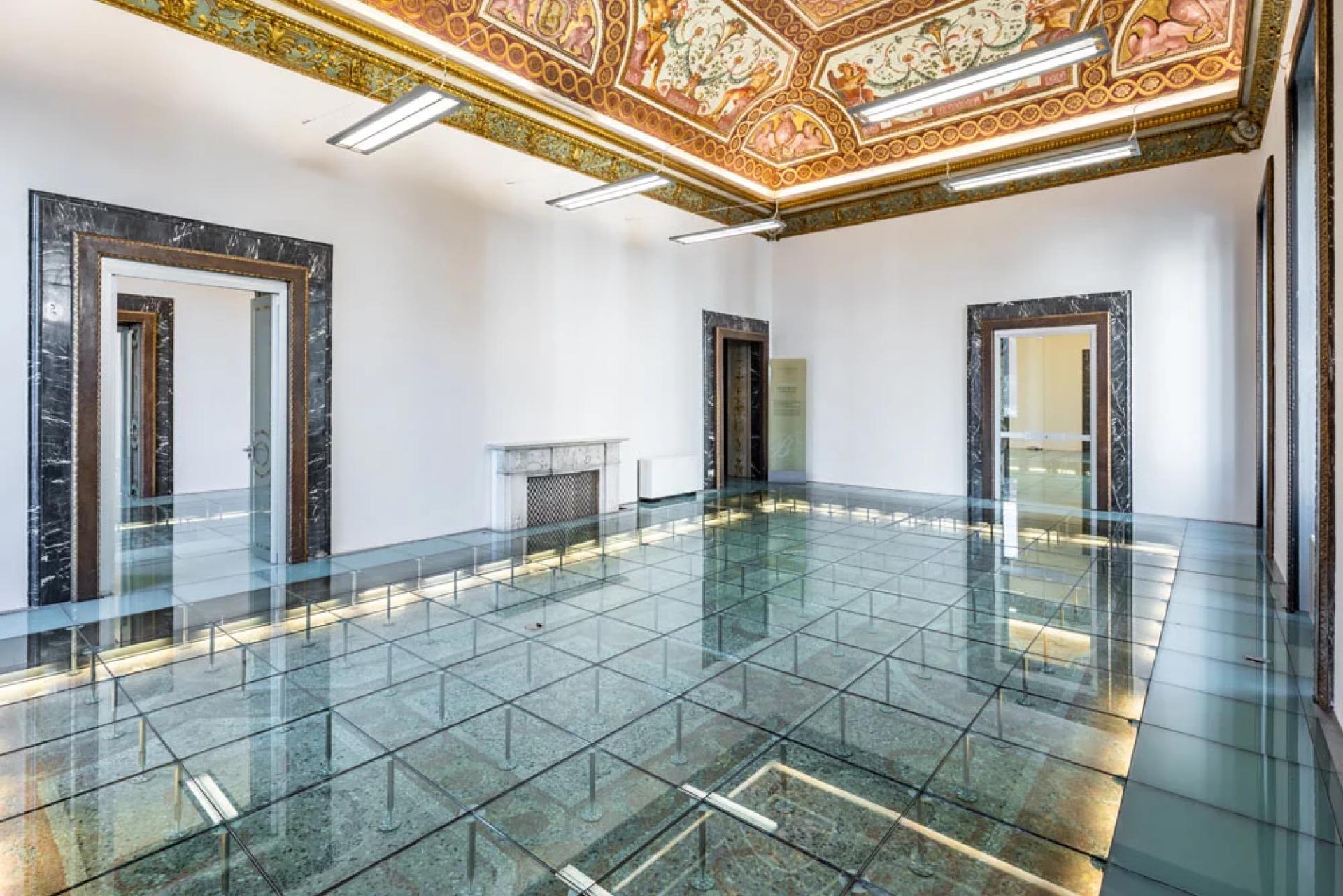
The benefits of specifying Nesite Raised Access Flooring are plentiful, says Parkside:
Quick installation: The raised floor is a modular dry system, a feature that makes it efficient right from the installation phase, with a significantly shorter installation time than traditional flooring.
Accessibility to essential underfloor services: The raised floors’ key characteristic is complete accessibility to essential underfloor services. This allows easy inspection, maintenance, and upgrades of HVAC, electrical, and data systems without disrupting the space above - ensuring long-term efficiency and adaptability for commercial environments.
Aesthetics: Parkside's wide range of products suits diverse commercial projects, keeping the process efficient from design to long-term use - delivering functionality without compromising visual identity and aesthetics.
Safety & sustainability: Raised flooring guarantees the performance and quality of the system in terms of mechanical resistance, reaction and fire resistance, thermal insulation and acoustic comfort. It pursues sustainable development, offering new technologies and materials characterised by a virtuous life cycle, with low environmental impact, proven by various certifications.
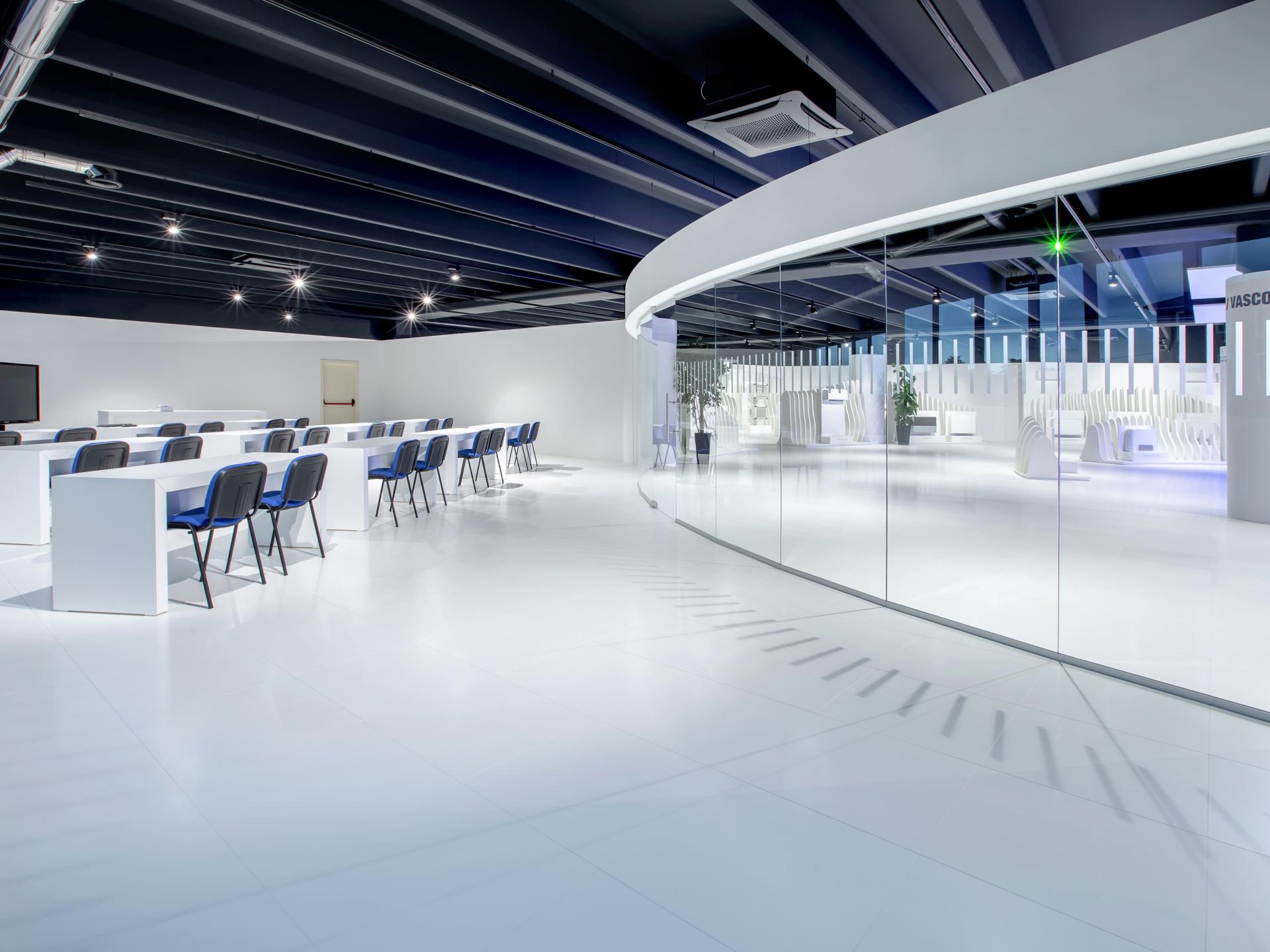
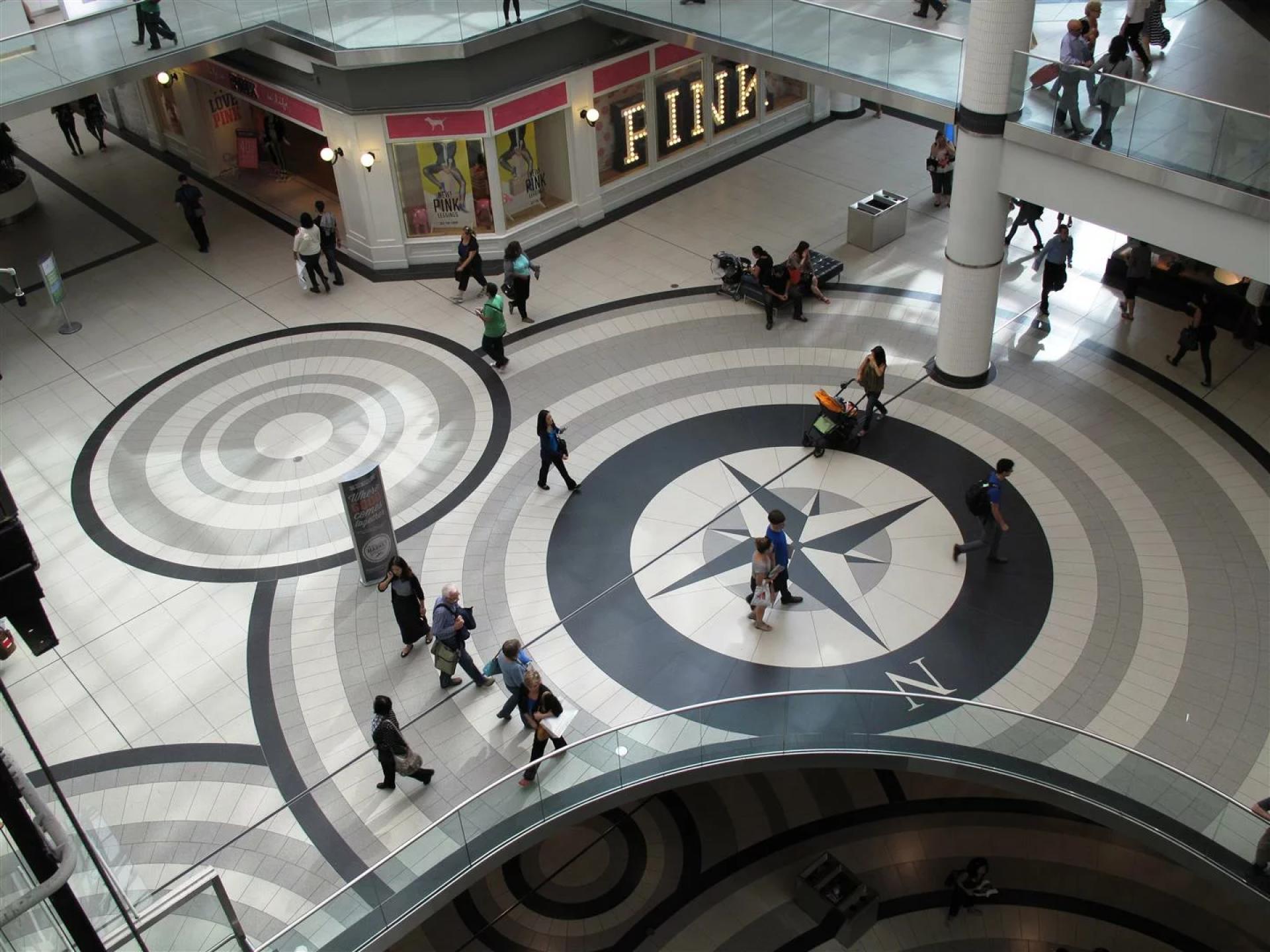
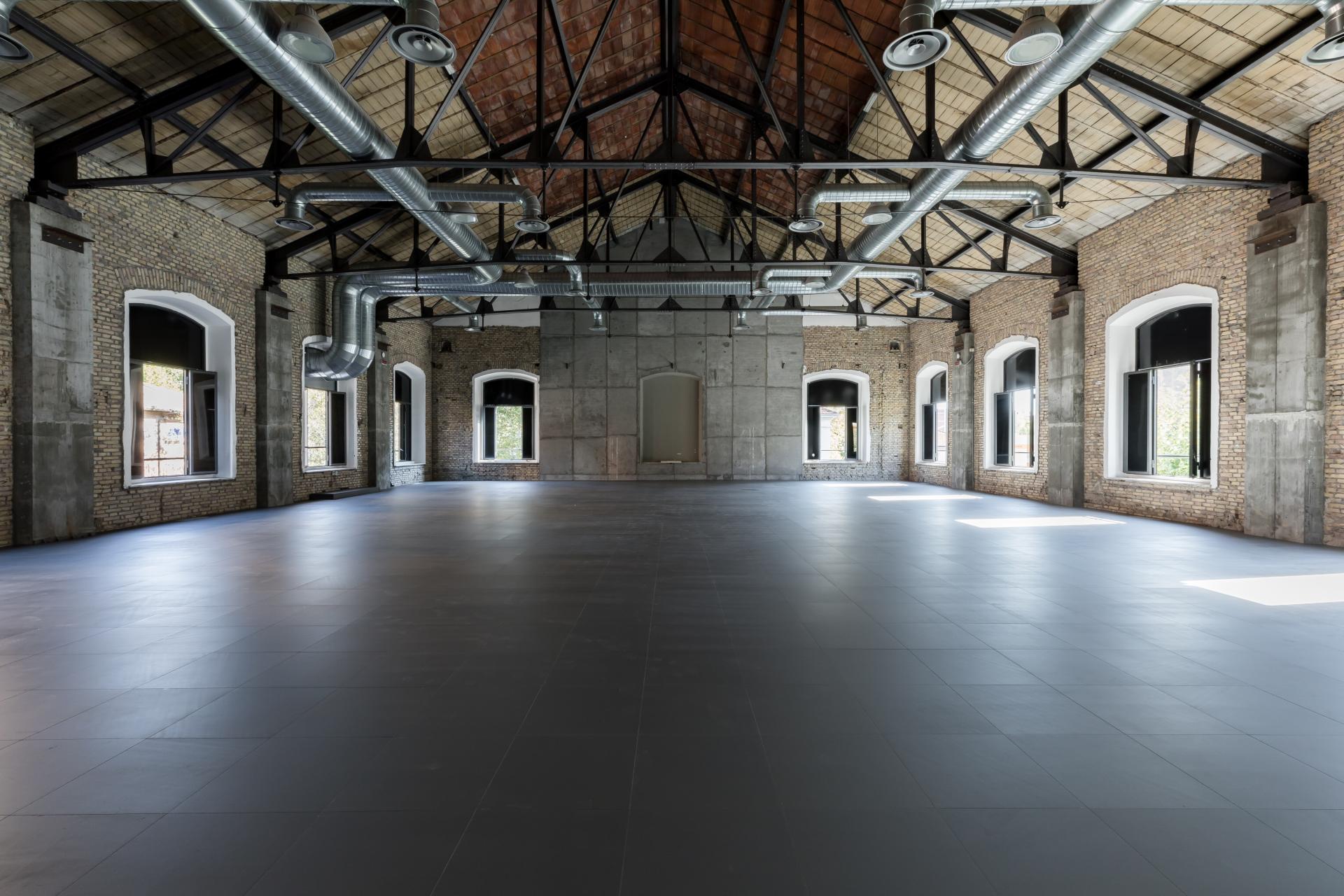
Why specify Nesite?
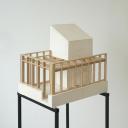
Nesite Raised Access Flooring has been specified for many high-profile projects, including the US Pavilion Biennale where the raised floor supported the 'weight of art' of Simone Leigh in the US Pavilion.
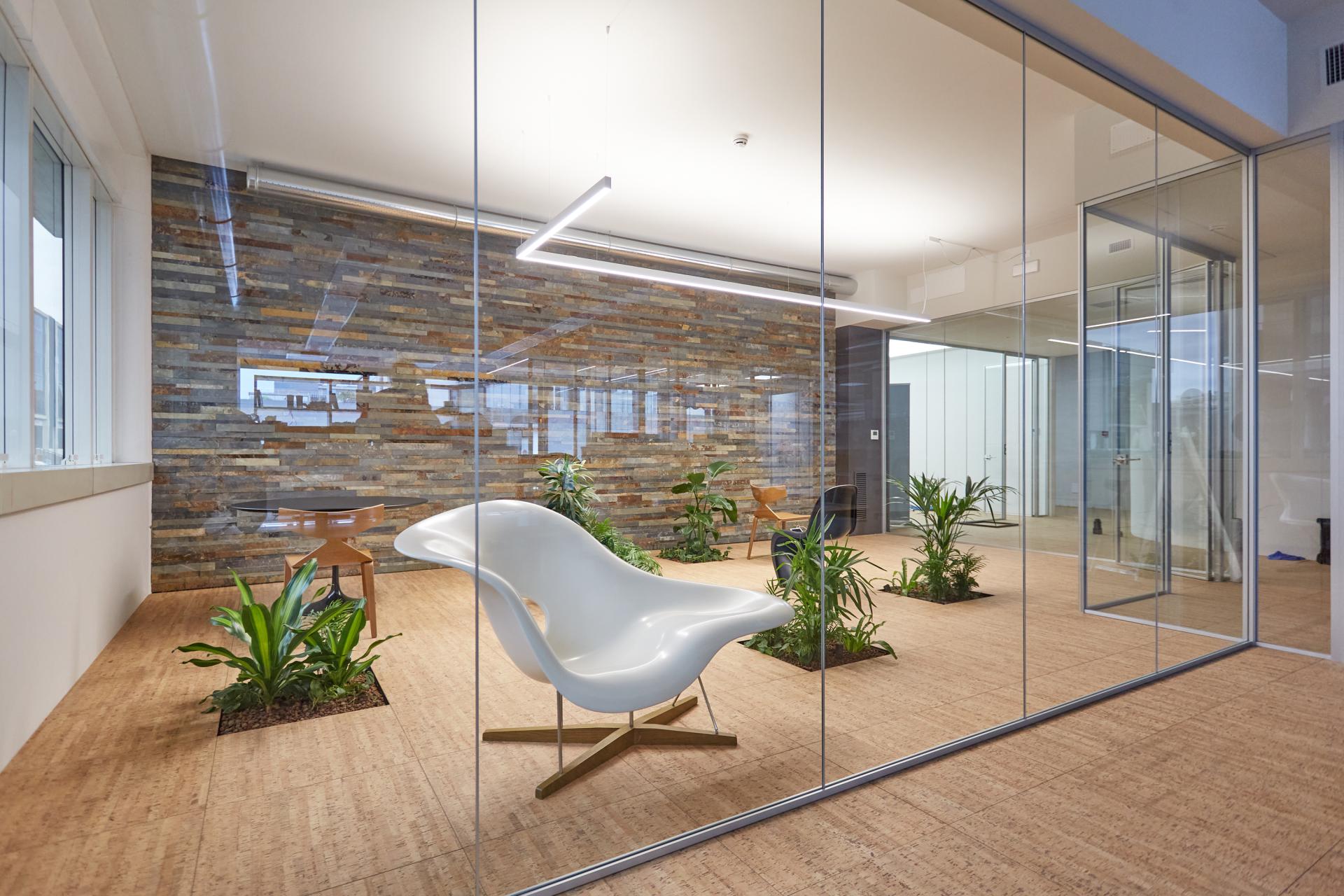
The new Athesys' HQ - an environment with precise architectural standards, utilising environmentally conscious materials including the natural cork finishing by Nesite for both the floor and walls.
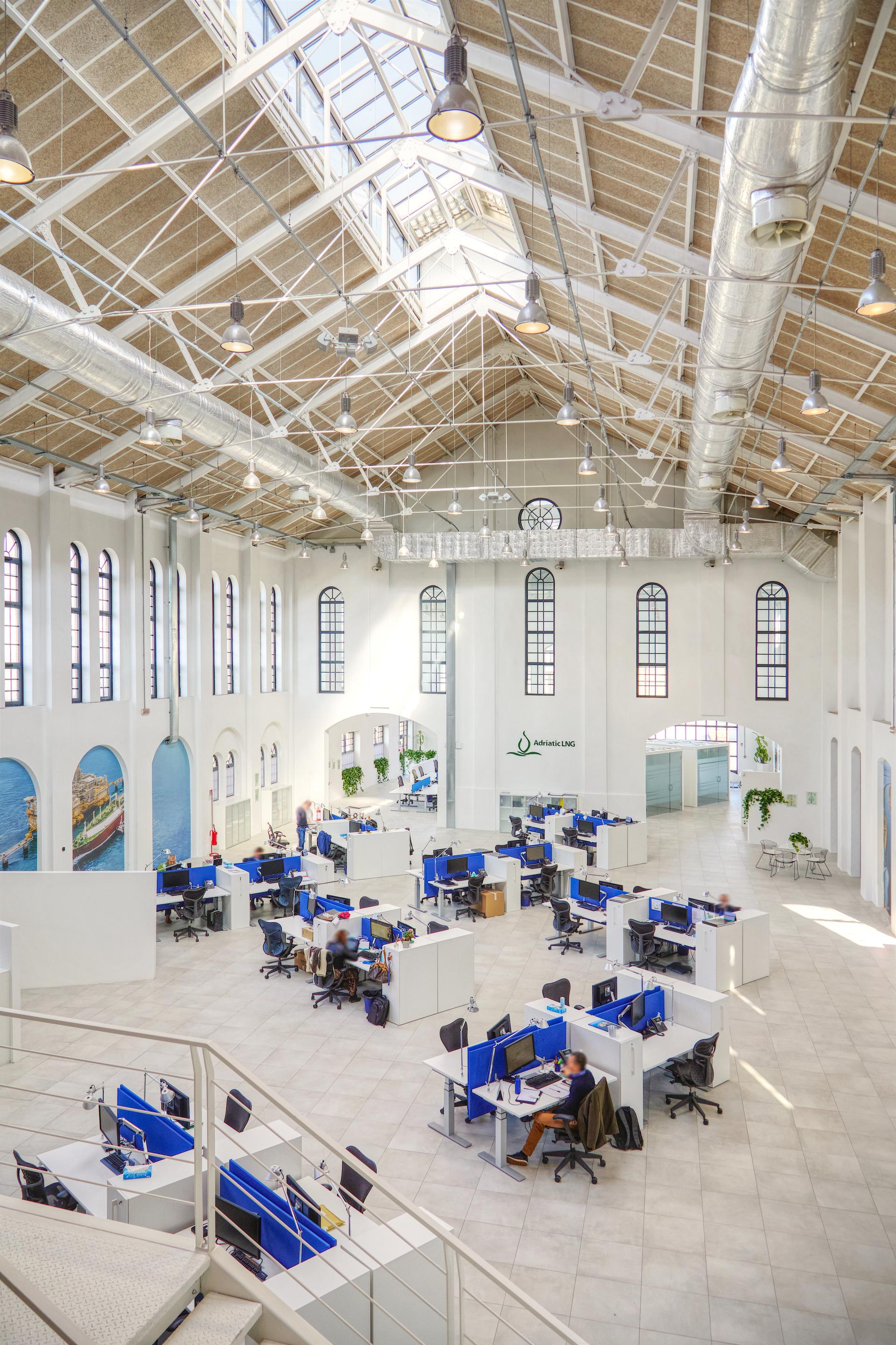
And the restored 20th‑Century pavilion in Rovigo, where the new Adriatic LNG Work Hub preserves the building’s historical authenticity.
How's it made?
Top finishing: The top finish is the element which characterises the aesthetic of the finished floor and can be any type of material, such as terrazzo, porcelain, LVT, natural stone, wood, as well as, rubber, cork, linoleum, parquet, and even glass.
Core: The core is the structural element of the panel, which determines its load-bearing and fire resistance characteristics, such as Chipboard Core, Calcium Sulphate Core and Sintered Material Core.
Structure: The structure determines the height over the surface it is lying on. The structure is available in heights from 3 cm to 100 cm as standard, with greater heights on request requiring specific design and installation features, such as the use of bracings.
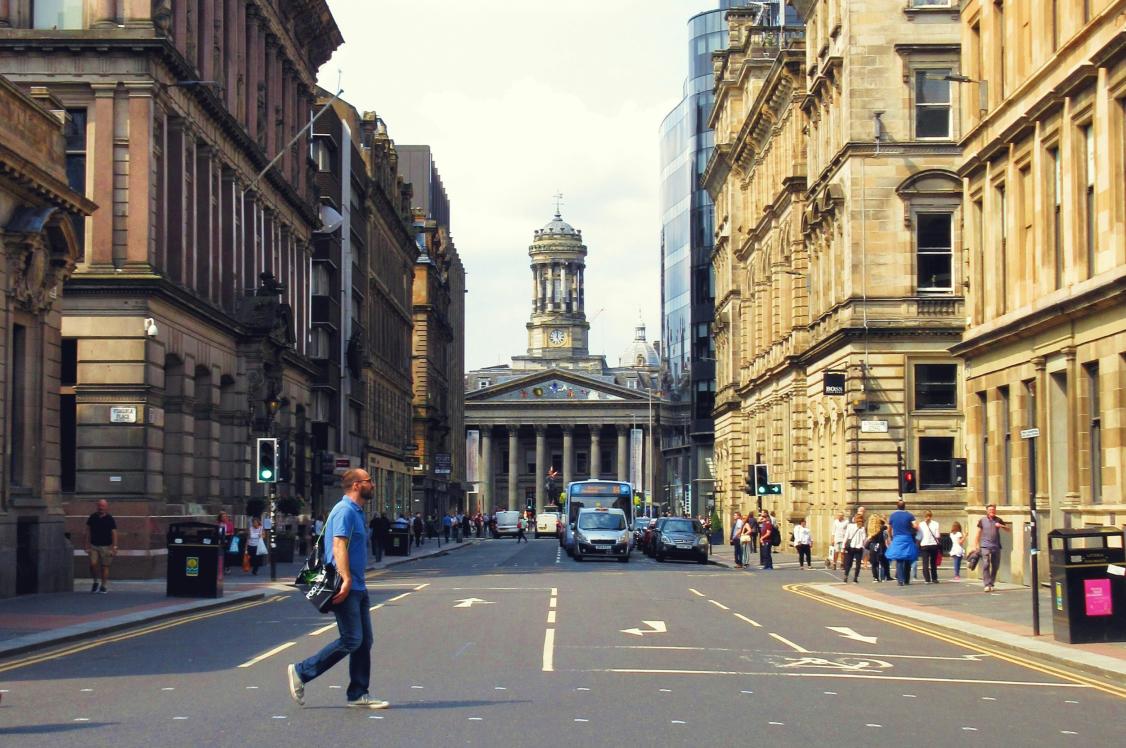
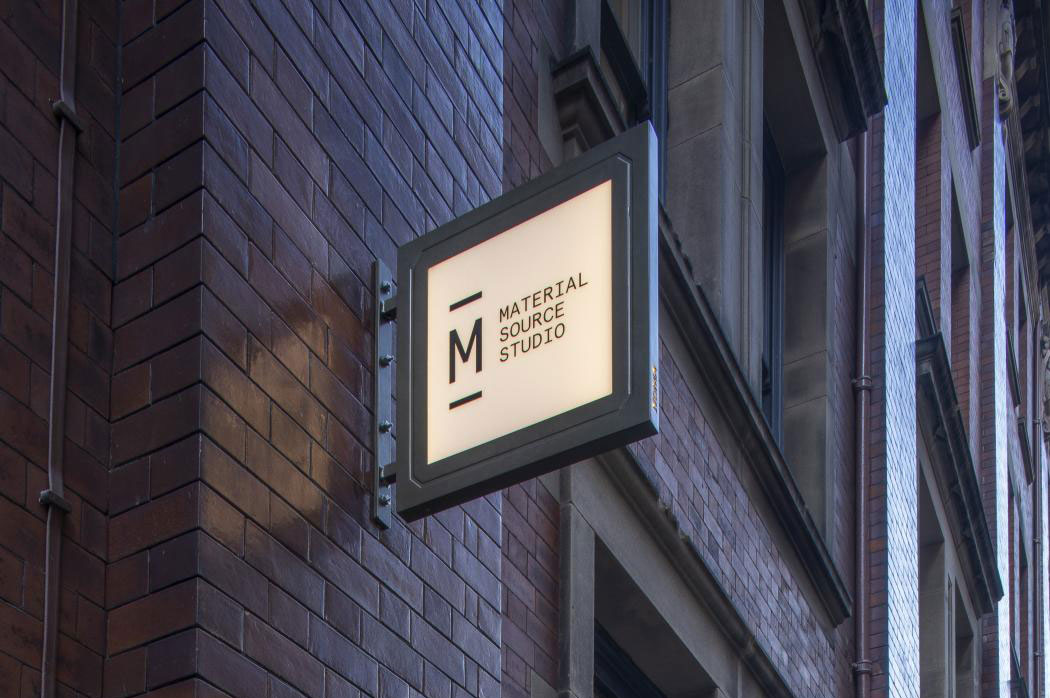
You can find out more about Parkside's Nesite Raised Access Flooring complete with finishes at NBS Source, and by visiting Material Source Studio Manchester, Glasgow and London, where Parkside Architectural Tiles is a Partner.

In association with
Parkside is your trusted commercial tile specialist, combining technical expertise with design innovation and sustainability focus. We offer an unrivalled range of tiles, next-day sample delivery, dedicated design consultancy, and in-house technical support.