


























Year in Review 2025: EDIB - How do we design for all?
One of our focus themes for 2025 was EDIB (Equity, Diversity, Inclusivity, and Belonging).
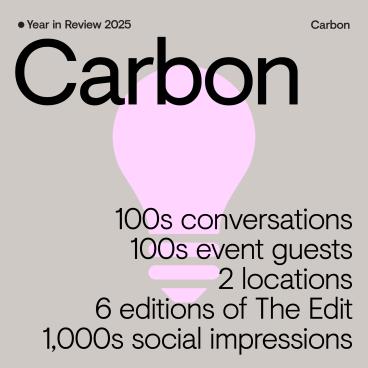
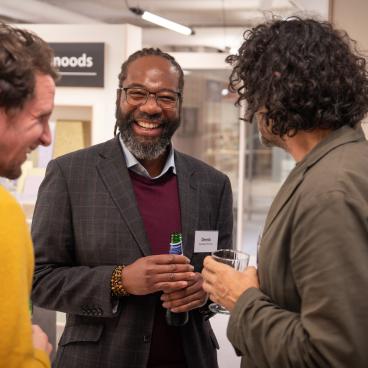
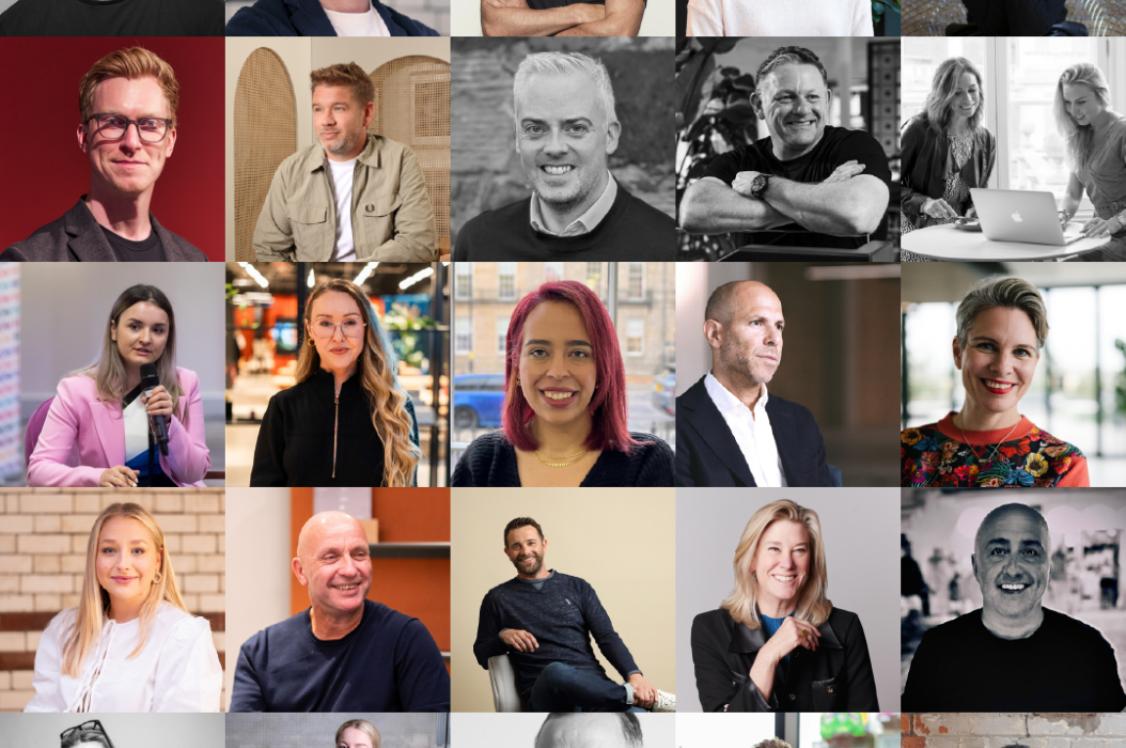
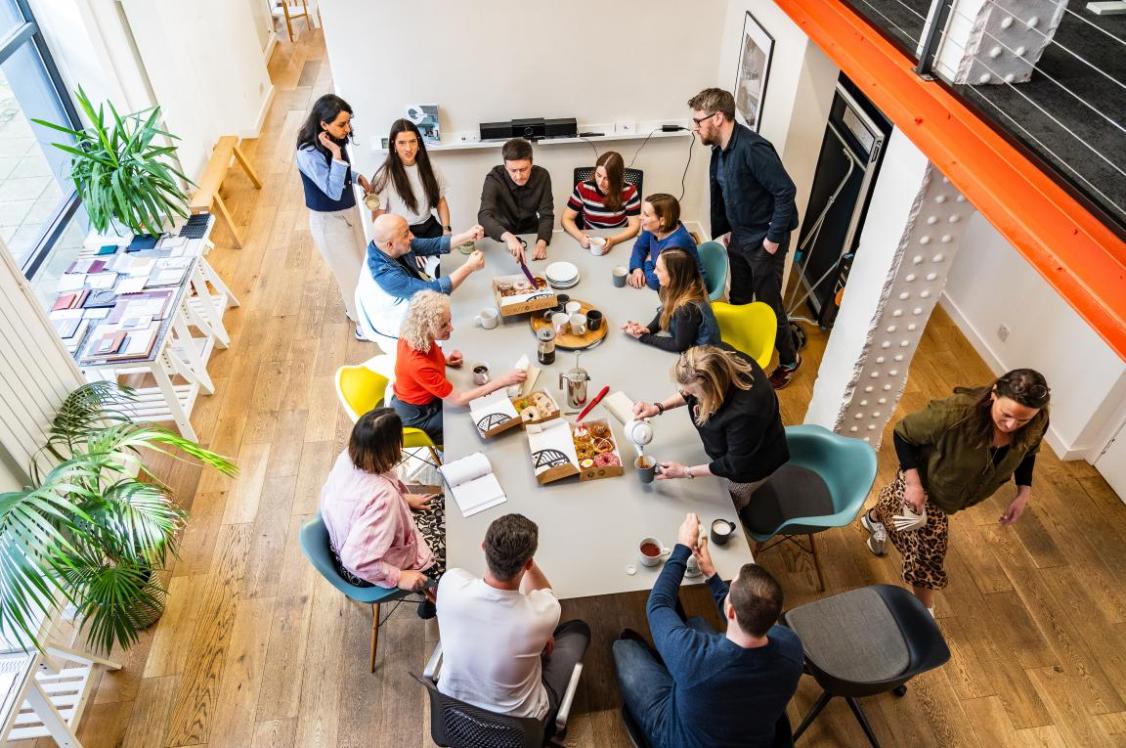
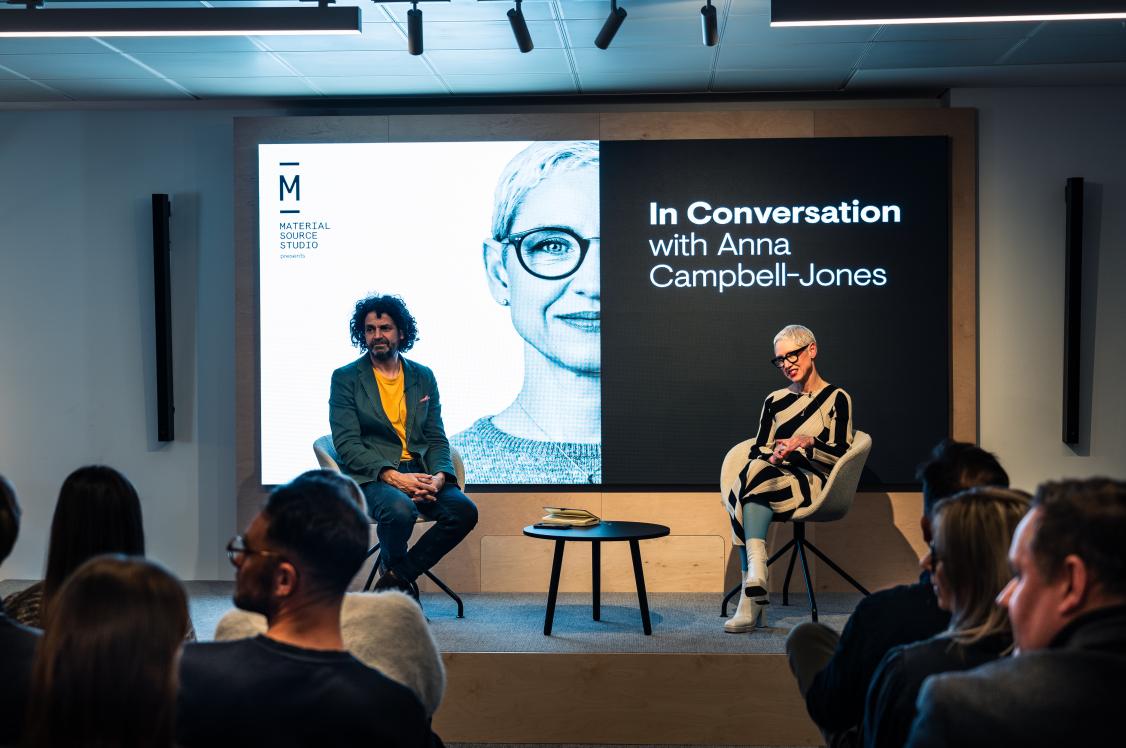
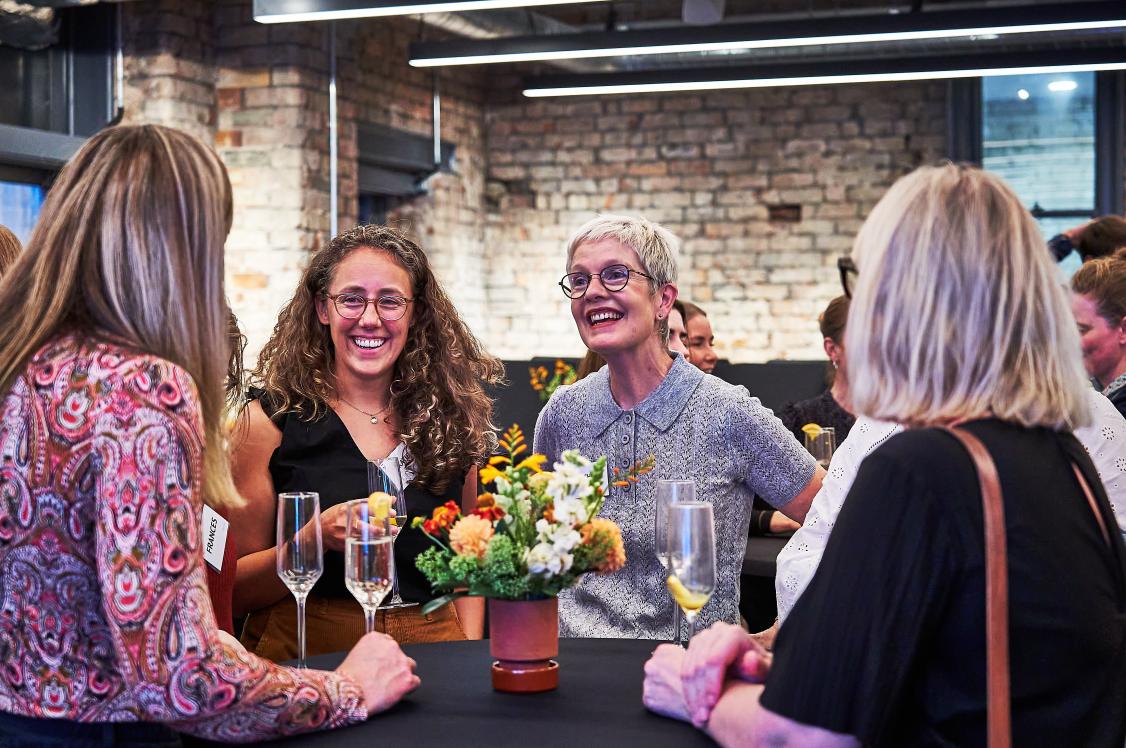
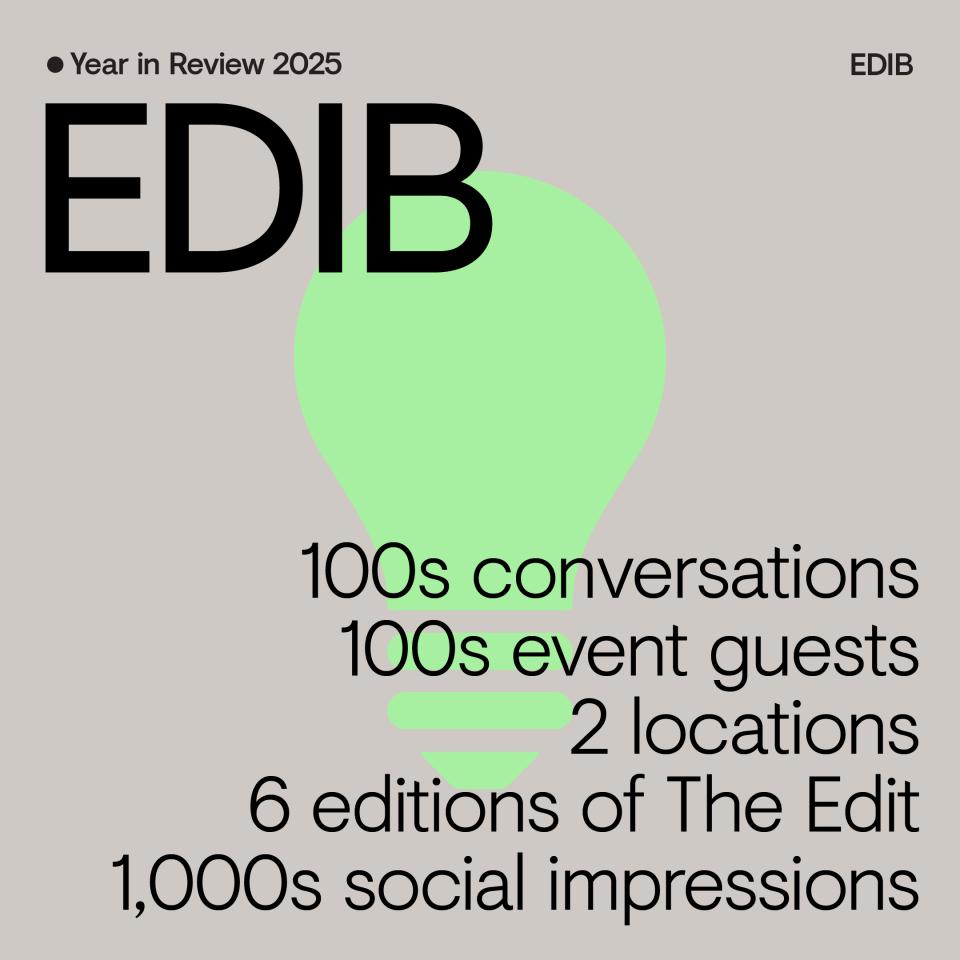
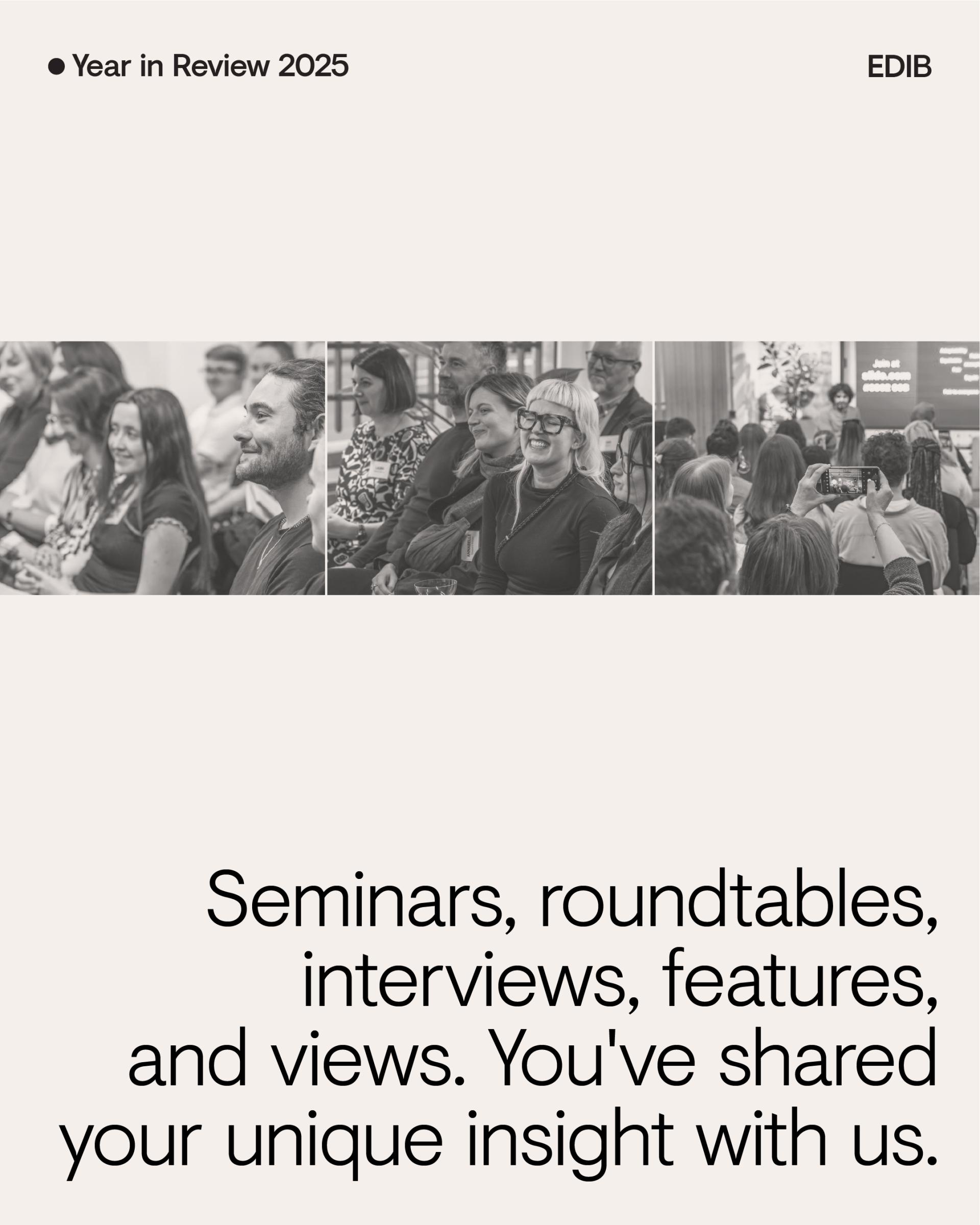
Across our Studios, many of you got involved in discussing this topic both on and offline – with 100s of you attending our seminars, and participating in roundtables, taking part in interviews, engaging with our bi-weekly editions of The Edit, and contributing to 1000s of social media shares, reactions and comments on posts covering the many facets of EDIB.
As we rapidly approach the end of the year, and ahead of us exploring this topic further over the coming 12-months, we’ve pulled together some of the key takeaways from all of the above content, with differences and similarities highlighted across our Studio regions, and some practical tips from the experts we’ve spoken to.
Top-line overview — what kept coming up?
- EDIB in design is about choice, equity and belonging: Not just ticking minimum compliance boxes. Designers should aim to give people real control and dignity, not identical “one-size” solutions.
- Inclusive design isn’t an optional add-on: It’s a design imperative that benefits people and organisations (better wellbeing, productivity and business outcomes).
- Practical steps matter more than perfect theory: Start somewhere, engage users early and iterate — don’t be stalled by fear of “getting it wrong.”
- Standards and guidance (Part M, PAS 6463, etc.) are helpful but often outdated: Designers must combine regulation with research, persona-led audits and stakeholder testing.
Top points raised in Manchester
- Equity over equality. Manchester discussions repeatedly emphasised equity (giving different support where needed) rather than simply the same provision for everyone. Practical examples included thinking beyond minimum door / toilet solutions and questioning whether “compliance” equals accessibility.
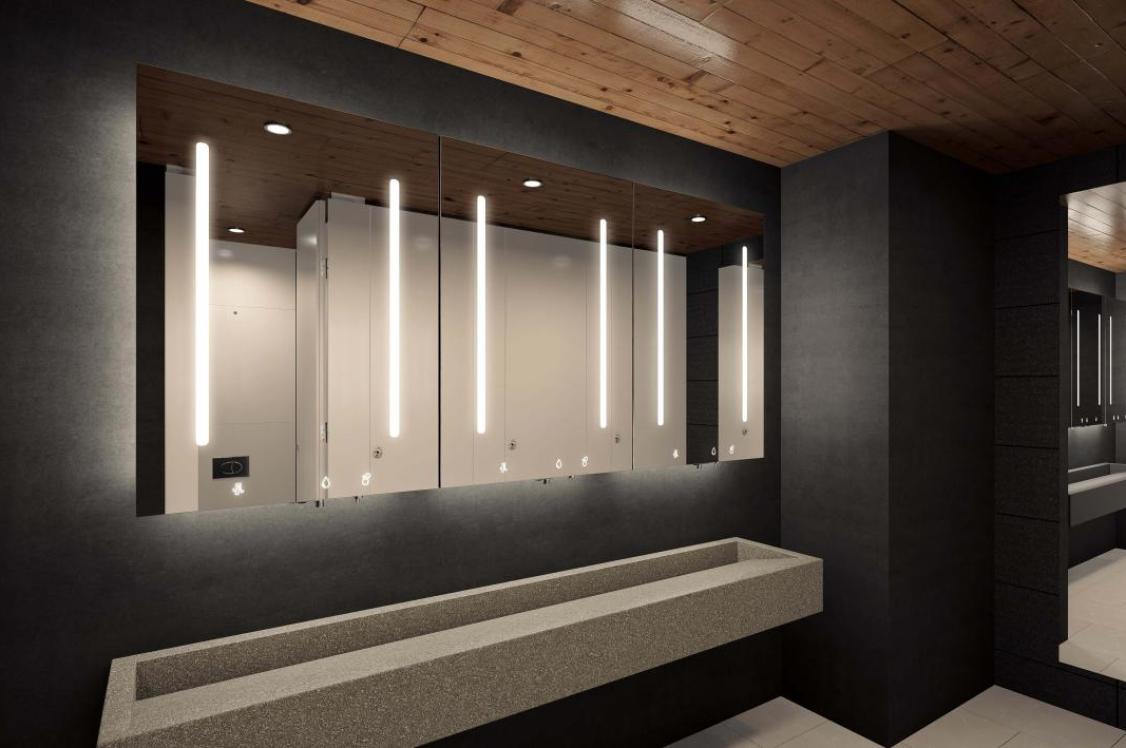
- Flexibility & control. Technical examples (especially lighting) showed a need for user control and sensory options — avoid designing everything “to the middle.” Genuine choice and intuitive control were recommended.
- Ongoing learning and testing. Speakers urged designers to accept there isn’t a final “finish line”; build feedback loops, engage end users (not just clients) and keep iterating.
- Go beyond minimums. Don’t treat EDIB as a checklist. Manchester panellists argued that “just good enough” (minimum compliance) isn’t sufficient — aim higher and measure outcomes.
Top points raised in Glasgow
- Start with self-reflection and personas. Our Glasgow panellists recommended self-reflection to identify knowledge gaps and using multiple personas (including outliers) to design more inclusive journeys. This helps capture temporary, situational and degenerative disabilities.
- Accessibility = human rights. The Glasgow conversations framed disability rights as human rights and warned that the built environment itself can be disabling if not considered holistically (sensory, cognitive, orientation/wayfinding, signage, digital accessibility).
- Design as empowerment. Discussions emphasised designing for dignity, independence and choice (wayfinding, signage, screen-reader considerations, sensory design). Use of multiple persona audits and considering “9+ senses” (sensory + cognitive) were recommended.
- Collective consciousness & corporate needs. Glasgow roundtable connected EDI with corporate strategy: inclusive environments need buy-in across leadership, HR and operations — not only architects — to function in day-to-day corporate life.
Regional similarities
- Practical action. Discussions in both cities emphasised starting, learning and sharing lessons rather than fearing mistakes.
- User engagement is essential. Involve end users (staff, customers, neurodivergent, temporarily disabled people) in research and testing.
- Standards aren’t the whole answer. Statutory guidance (Part M, guidance docs) is useful but insufficient — you must go beyond minimums.
- EDIB as business value. All conversations framed inclusion as having measurable organisational benefits (wellbeing, productivity, innovation) — with studies referenced showing business upside from diverse teams.
Differences between the regions
- Manchester leaned into technical/operational examples (lighting, measurable controls, day-to-day workplace settings) and practical questions like “where do you start/stop?” and “how to test success.”
- Glasgow emphasised broader rights, persona work and lived experience — a slightly more reflective focus on language, definitions, and the moral framing of accessibility as human rights (plus using many personas to capture outliers). Glasgow sessions also tied EDIB to corporate systems and culture.
What should designers consider for their projects in 2026?
- Start with people, not checklists: Commission persona audits (include outliers: neurodivergent, temporary disabilities, non-native language, sensory sensitivities). Use at least 6–10 personas per scheme where possible.
- Design for choice & control: Provide sensory/lighting/thermostat controls, quiet spaces, alternative circulation routes and varied desk types. Avoid “the middle” defaults (e.g., single lighting lux value).
- Treat equity as the goal: Ask - who needs more or different support in this space? Provide it visibly and with dignity (avoid hidden “rear” accessible entrances).
- Measure outcomes, not just compliance: Build simple post-occupancy evaluation (POE) / staff feedback loops to check whether people feel safe, included and able to perform. Quantify wellbeing/productivity where feasible.
- Update your standards toolkit: Use PAS 6463 and other neurodiversity guidance, but validate with user testing and contemporary research (don’t rely only on historical Part M numbers).
- Embed EDIB in procurement & client briefs: Require stakeholder engagement, measurable EDIB commitments, and budget/time for testing and iteration. Make inclusion a non-negotiable project deliverable.
- Document & share learnings: Publish short case studies and internal guidance so the whole industry benefits; communication and education were flagged repeatedly as necessary.
- Consider longevity & ageing populations: Demographic trends (e.g., increasing dementia risk) mean future-proofing for cognitive and degenerative needs is essential.
In summary…
Across the board, it was collectively argued that inclusive design is now mainstream practice: it’s part moral imperative, part business case, and entirely practical. The clear prescription for 2026 is simple — start with people, design for choice, measure impact, and weave EDIB into procurement and culture. Do that, and you’ll create spaces that are better for everyone, now and in the future.
Useful links on EDIB
Articles
- EDIB: How do we design to truly support all the corporate needs?
- Isn't designing for EDIB in the workplace just design?
- 30 Views: How are we promoting EDIB?
- Should ESG be GSE?
- Designing for EDIB: How does design empower people?
- Demystifying EDIB: How do we design for all?
Accessibility, Inclusion & Disability Rights
- Beyond Access – specialist accessibility design consultancy
- World Health Organization (WHO) – health & disability stats and definitions
- UNCRPD – United Nations Convention on the Rights of Persons with Disabilities
- Dementia Services Development Centre
- Scottish Government’s Dementia Strategy
Design & Industry Standards
- PAS 6463:2022 – Guidance on accommodating neurodiverse needs
- BS 8300-2:2018 – Design of inclusive built environments (accessibility focus)
Awards & Recognition
Design, DEIB & Workplace Resources
- Leaders Eat Last – Simon Sinek (book)
- McKinsey – Diversity & Inclusion studies
- Leesman Index – workplace experience measurement tool