



Corr Cabins crafts retreats reflective of Scotland's raw materials and rural landscape.
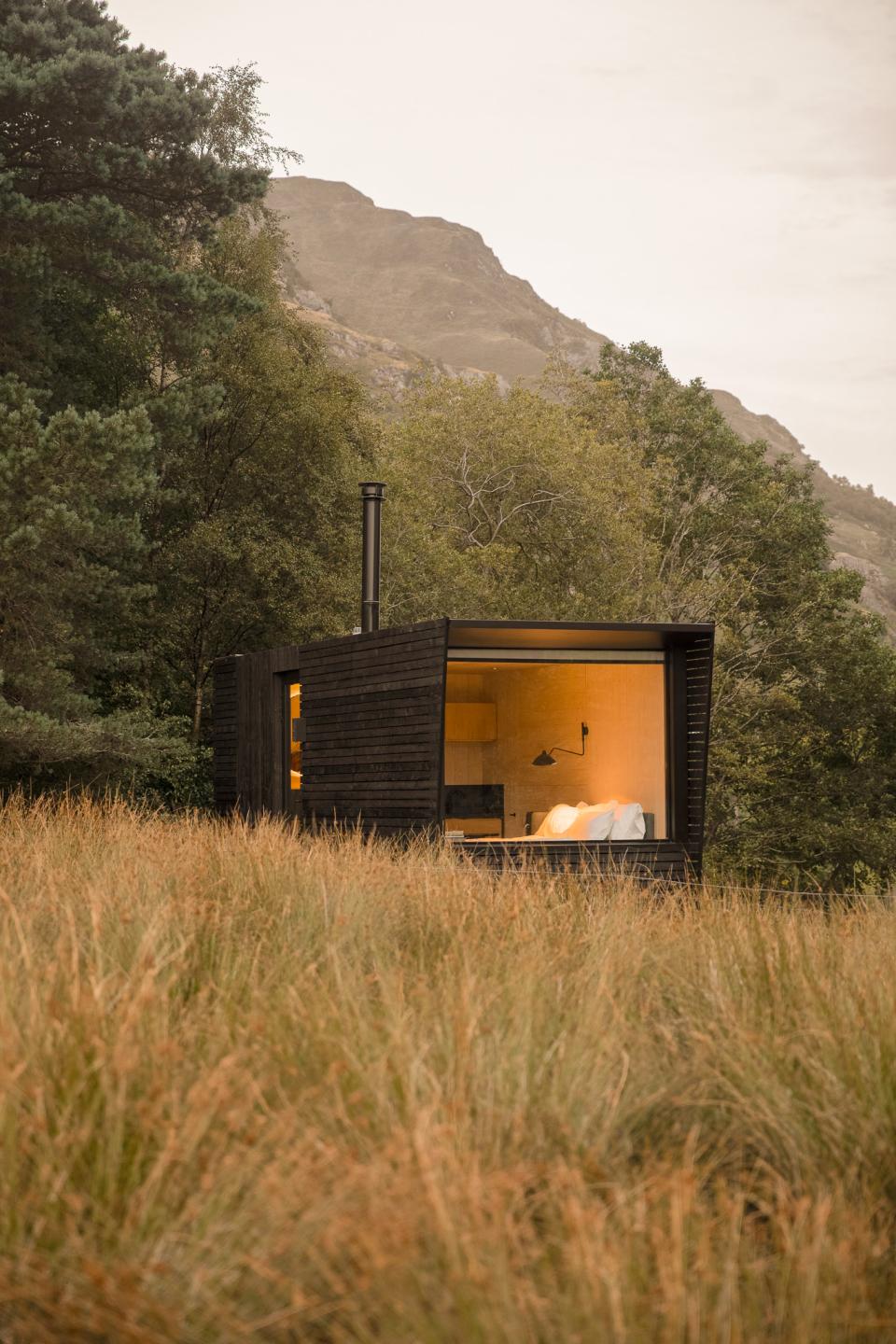
Monachyle Mhor
Crafted in Scottish timber, Corr Cabins responds to the growing demand for places that feel more connected to the natural world: slower in rhythm, and more meaningful in experience. Native trees are felled closeby to the factory where each cabin is built, and windows are manufactured several miles away.
"We've always approached cabins through the lens of hospitality. It's not just about designing a beautiful object. It's about creating an experience." Adam Storey, founder and creative director of Corr Cabins explains. "How guests arrive, how the space makes them feel, how it connects them to the landscape and the wider brand story are all connected key components to how we approach the design process."
Recognised for its series of contemporary cabins that embed the Raasay Distillery into the Hebridean island landscape, Corr Cabins' Na Bothain was recently shortlisted in the Scottish Design Awards Commercial / Office / Hotel Building category.
Responding to the global hospitality shift towards more modular, wellness-focused forms of respite, Corr Cabins designs restorative spaces to unwind and recharge in the rural Scottish countryside.
A Scottish-based material palette
Corr Cabins are made from natural, breathable materials that are healthier for both the environment and guests. From natural cork flooring and Scottish spruce-lined walls to hemp wool insulation and filtered heat recovery ventilation systems, every element is carefully considered.
Through responsible material selection, the team crafts cabins that doesn’t cost the earth. The result is a space that advocates for healthier, more balanced wellbeing, allowing guests to truly relax and reconnect.
Corr Cabins draws its design philosophy from the utilitarian spirit and simple nostalgia of the traditional cabin. It's a structure whose purpose has always been to provide shelter in remote locations, shaped by the materials of its surroundings. Form follows function at every detail, expressed through honest mild steel, Scottish spruce, and cork flooring harvested from the bark of trees.
Central to this approach is a belief in the power of modern sustainable materials to forge a new, grounded design aesthetic. In a world saturated with technology, digital presence, synthetic finishes, there is quiet luxury in simplicity - in materials that can be seen, touched, and traced back to their origins.
By sourcing and manufacturing where possible within Scotland, Corr embeds the craft and raw character of the country into every structure it builds.
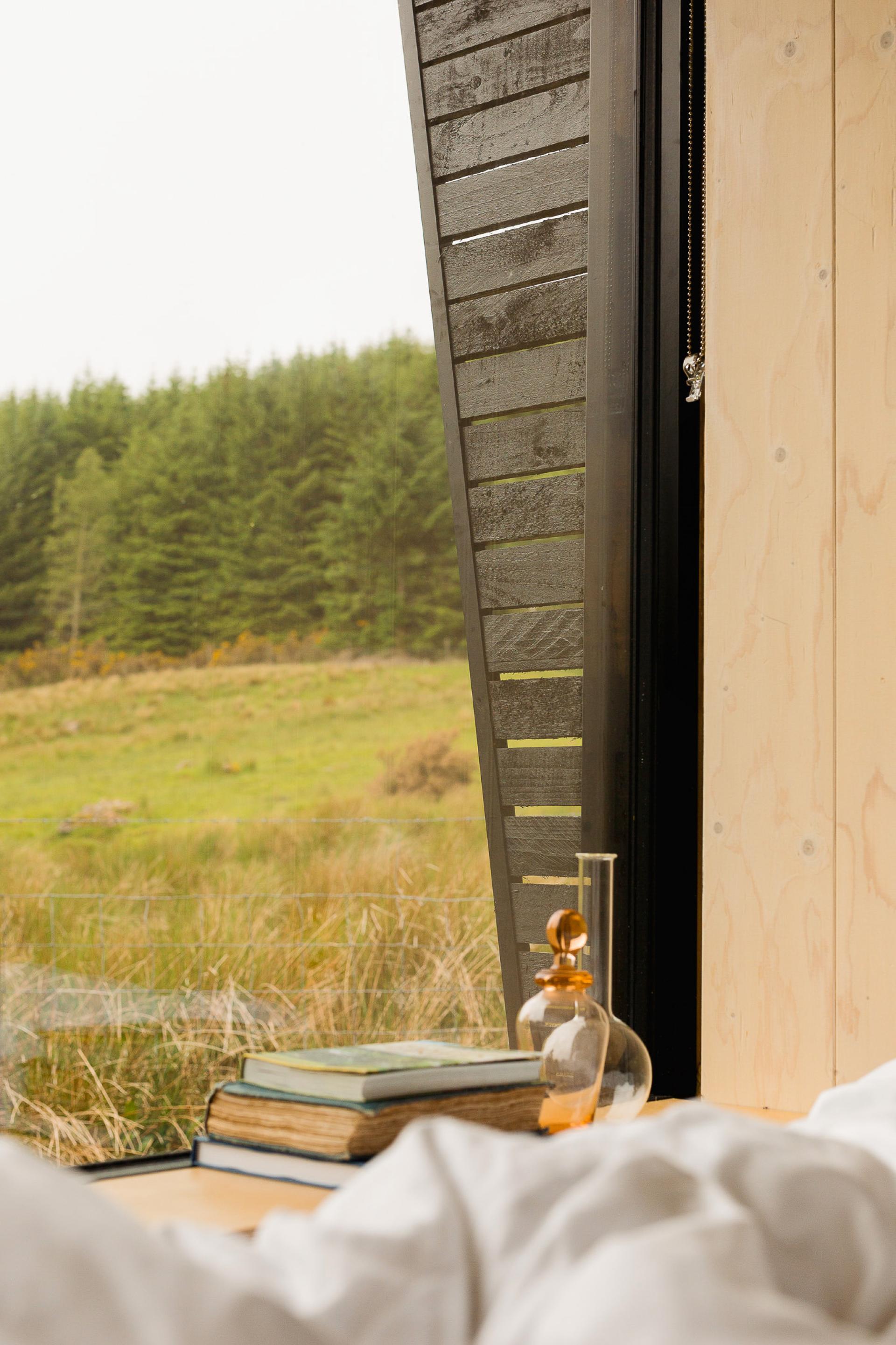
Five years ago, Monachyle Mhor became the setting in which Corr first tested the idea that a cabin - built from honest, native materials - could deepen the emotional experience of a destination entirely. "The cabin had to feel connected to the experience Monachyle Mhor was already known for - the atmosphere, the landscape, the sense of escape - it all had to feel cohesive." Adam comments. By grounding each cabin in the textures, timber, and character of its surroundings, that idea continues to shape every Corr project.
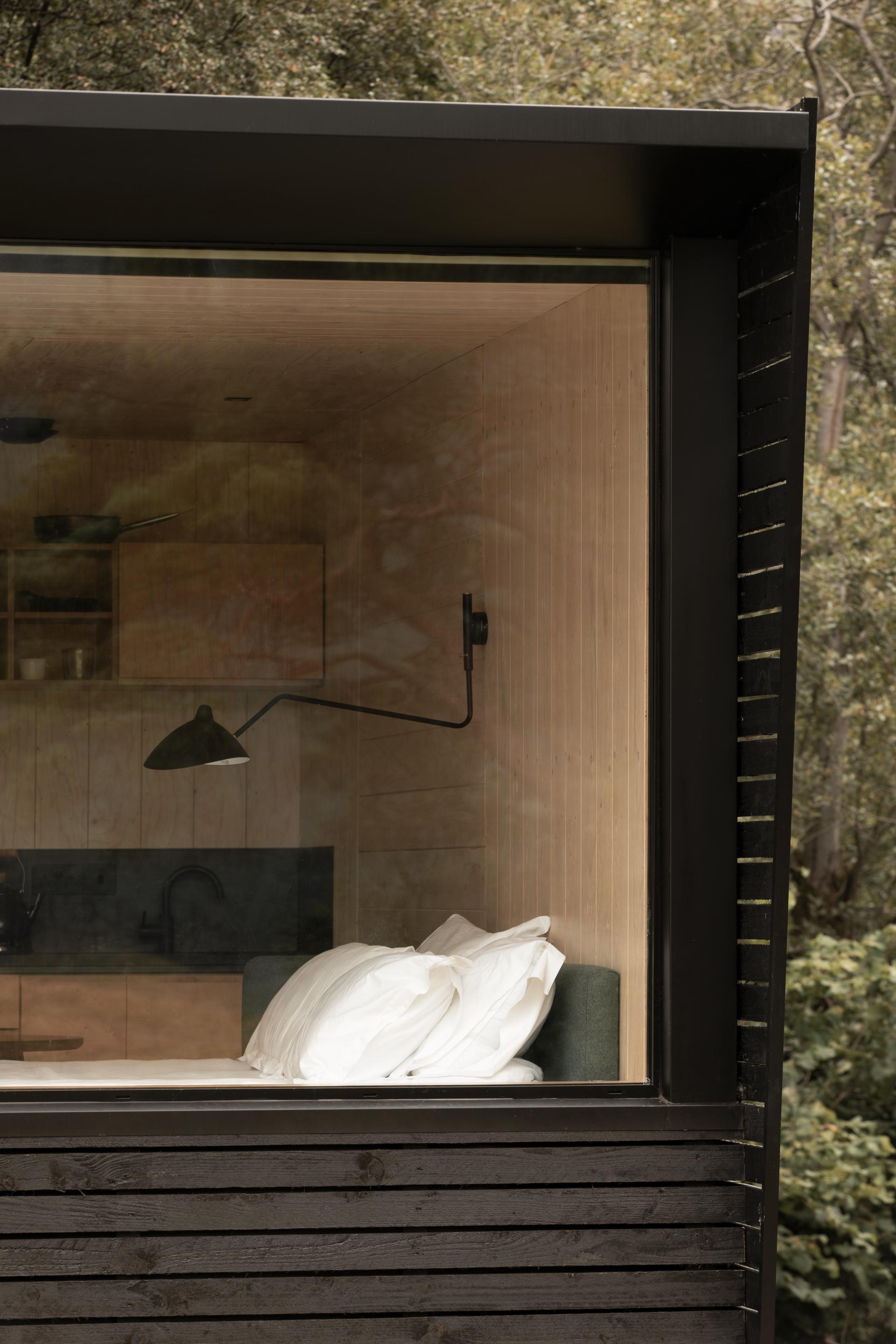
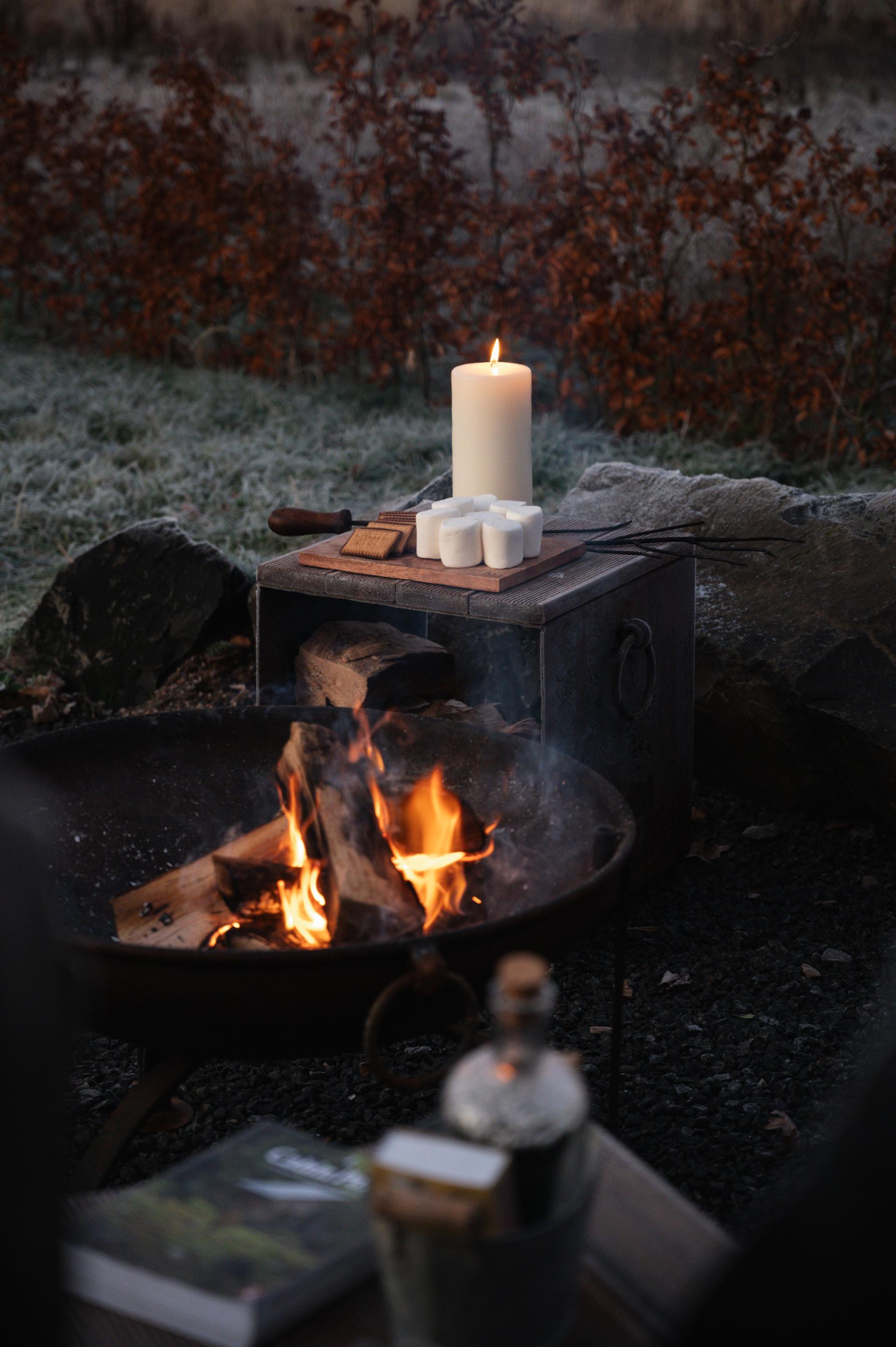
Monachyle Mhor
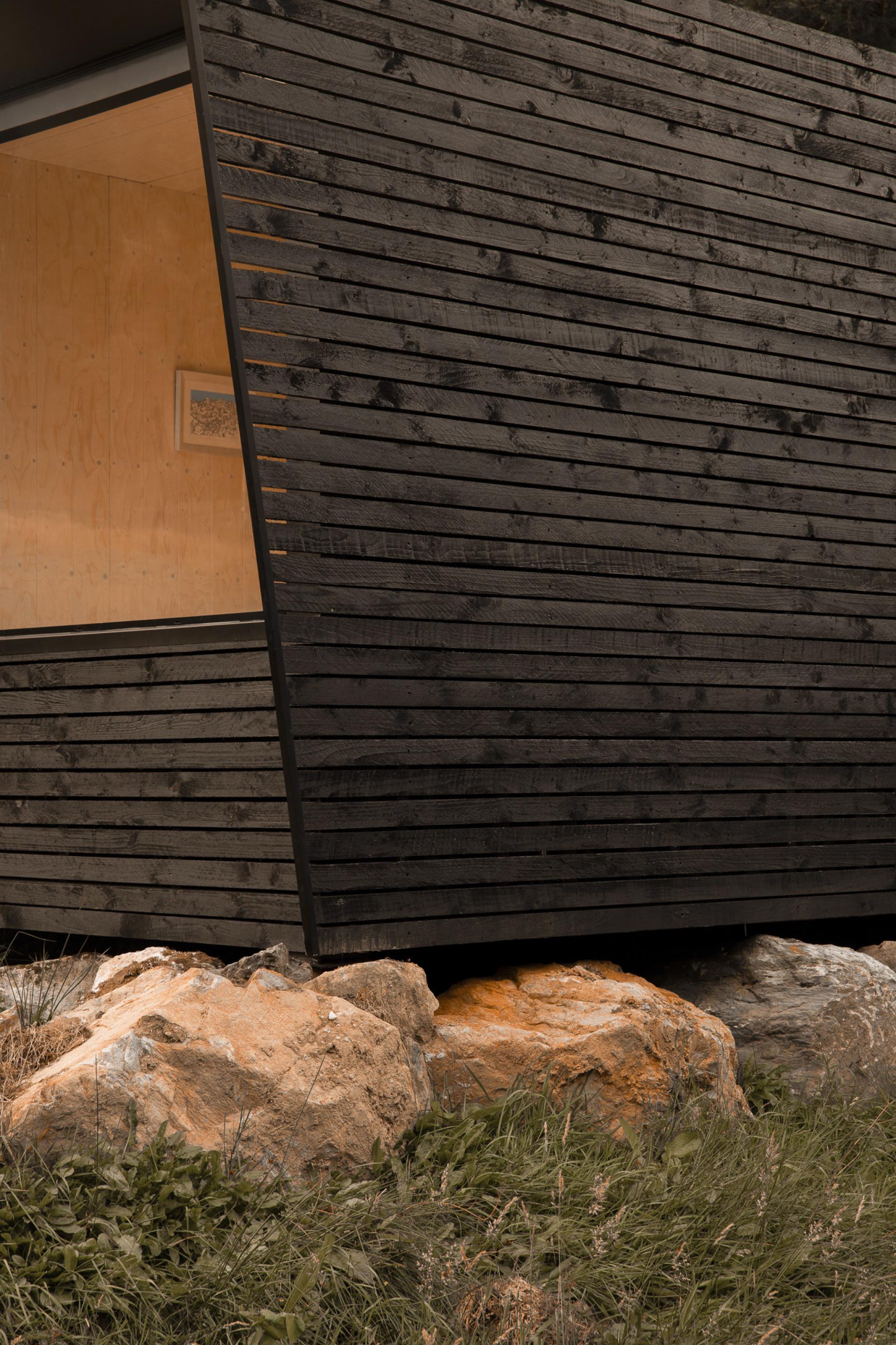
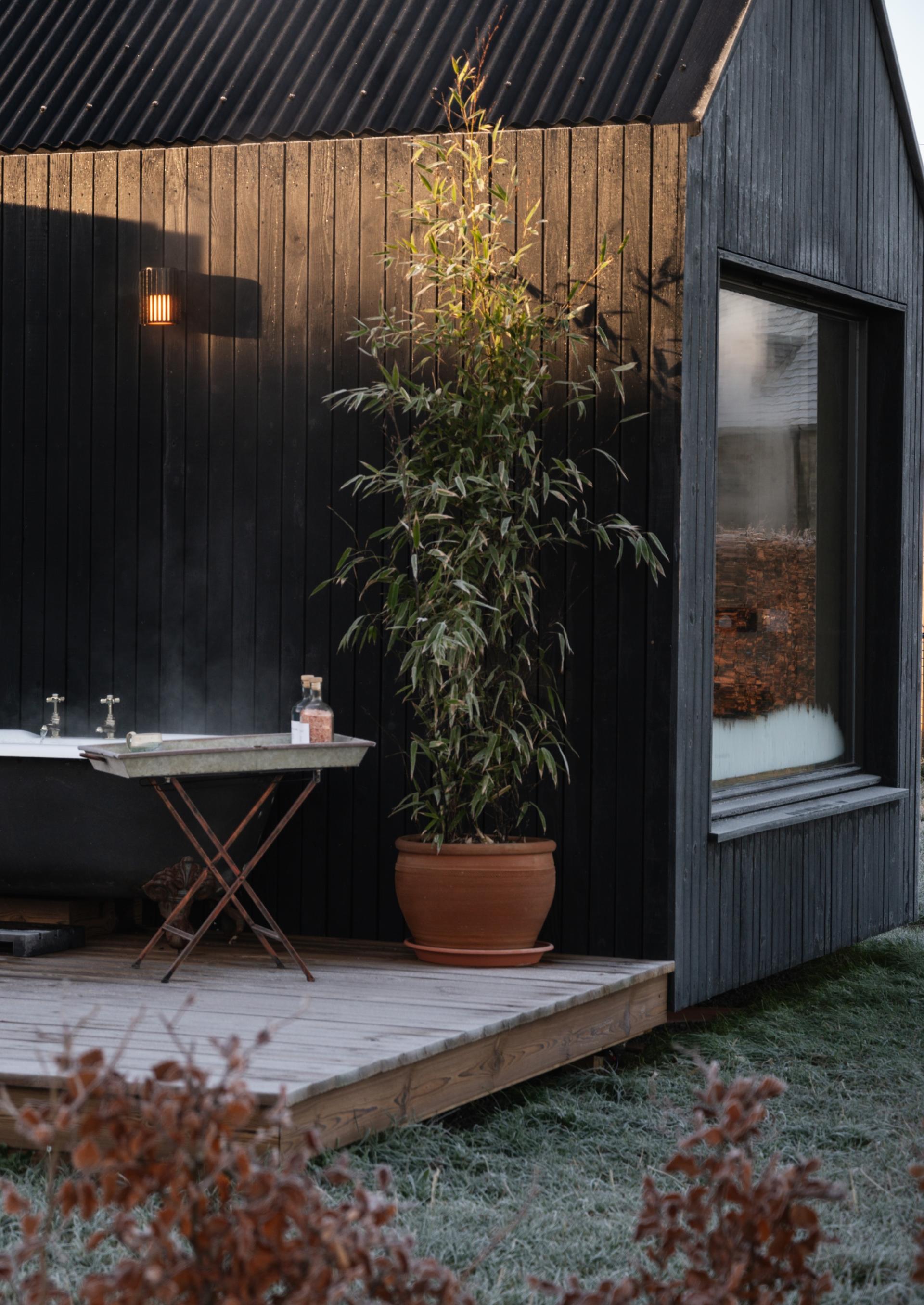
Monachyle Mhor
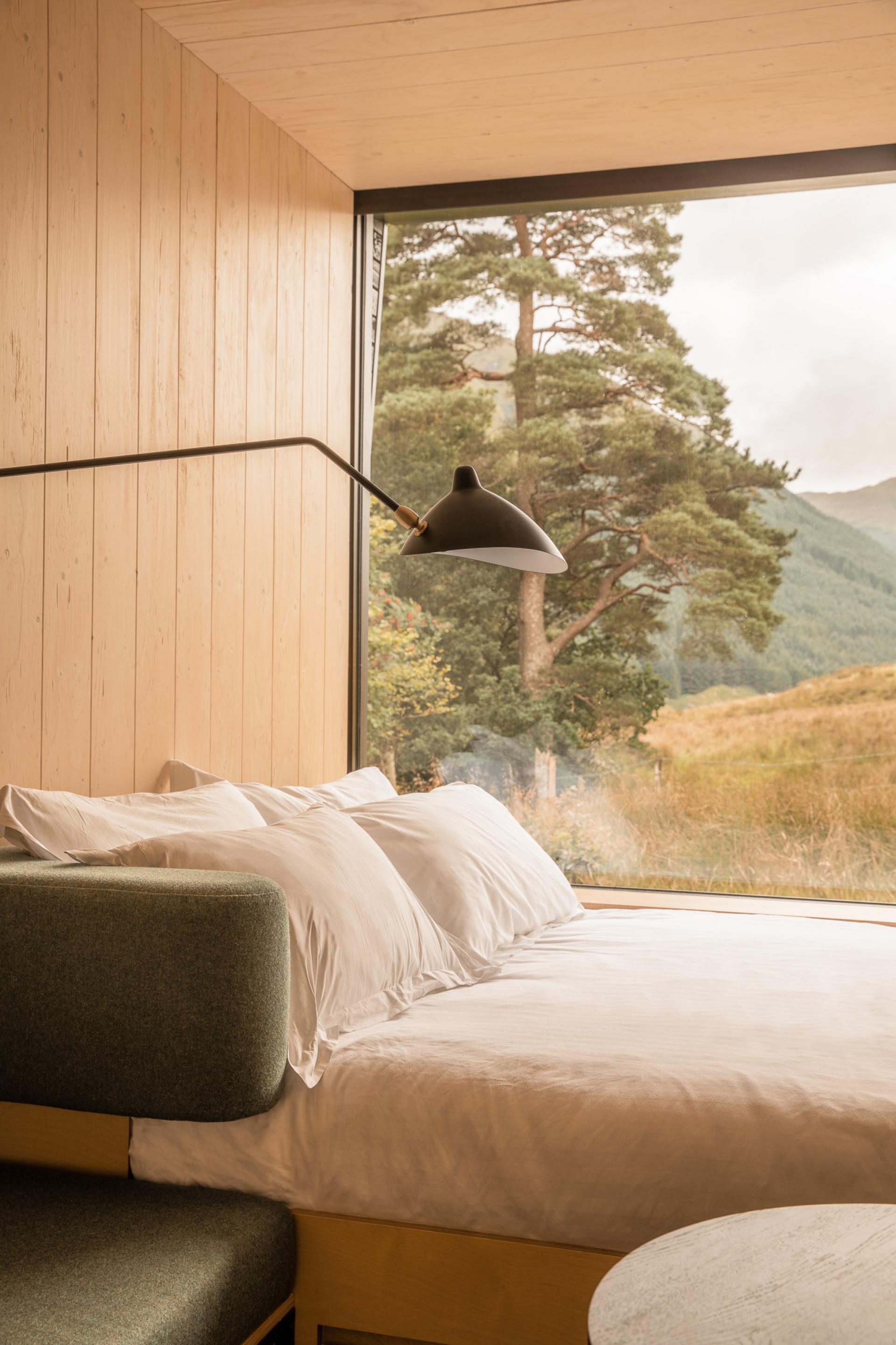
Monachyle Mhor
Monachyle Mhor
The emergence of Scandi-Scot design
The Scandi-Scot design aesthetic represents a thoughtful synthesis of Scandinavian minimalism and Scottish material authenticity. Like Scandinavian design, it values simplicity, functionality, and a deep connection between interior and exterior. Unlike some interpretations that lean towards cool and industrial aesthetics, the Scottish version adds a distinctly tactile quality informed by the local landscape, climate and craft.
Three key themes are shaping this evolution. The first is material honesty. Rather than concealing structure or importing components, designers are celebrating materials for what they are; timber with characterful knots, steel that wears with age, and cork that speaks of ecological cycles. Sourcing and manufacturing locally reduces environmental impact while embedding design culturally and geographically.
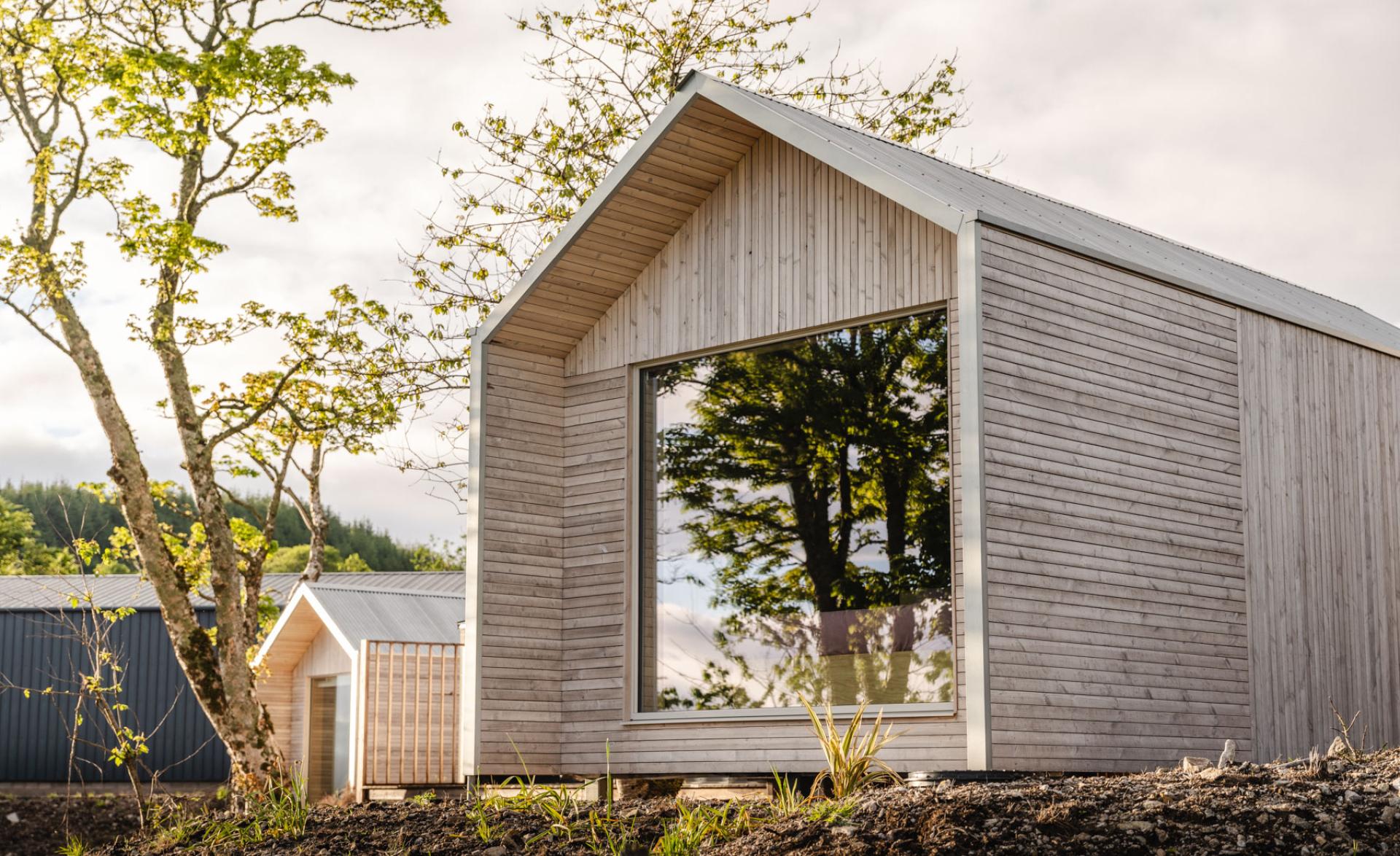
The second is landscape-driven forms, where large apertures frame views, compact spaces maximise connection to nature, and structures sit low within the terrain - architecture that doesn't merely exist in the landscape, but protrudes from it.
The third is responsible design by default. This signals a shift away from petrochemical-heavy construction toward natural insulated timber, recycled materials, and low-impact manufacturing, and instead points to a future in which craft becomes the primary vehicle for sustainability.
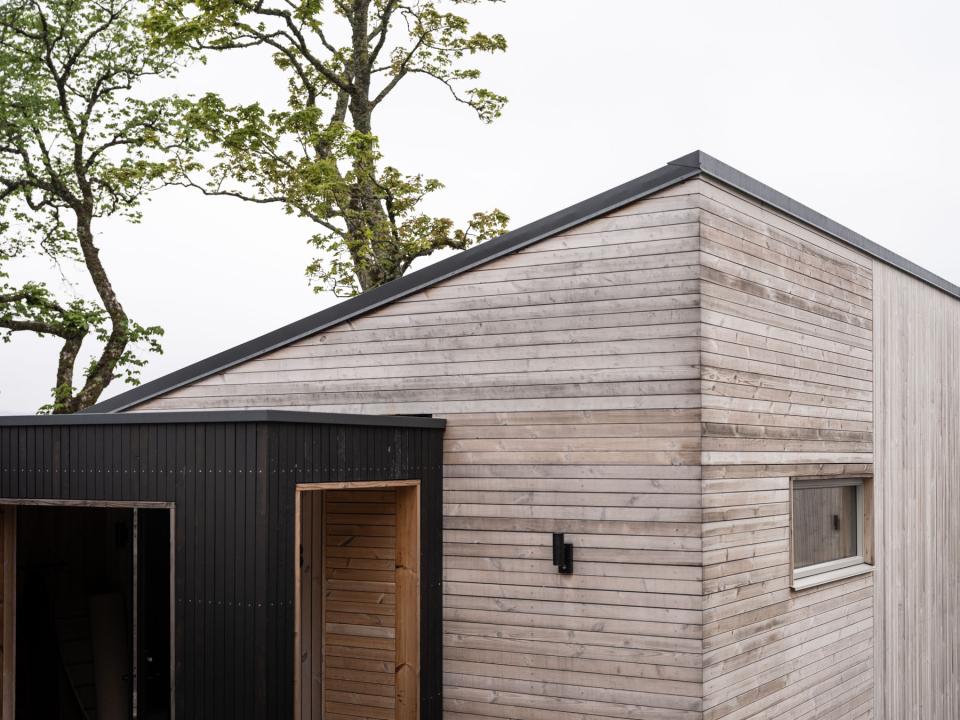
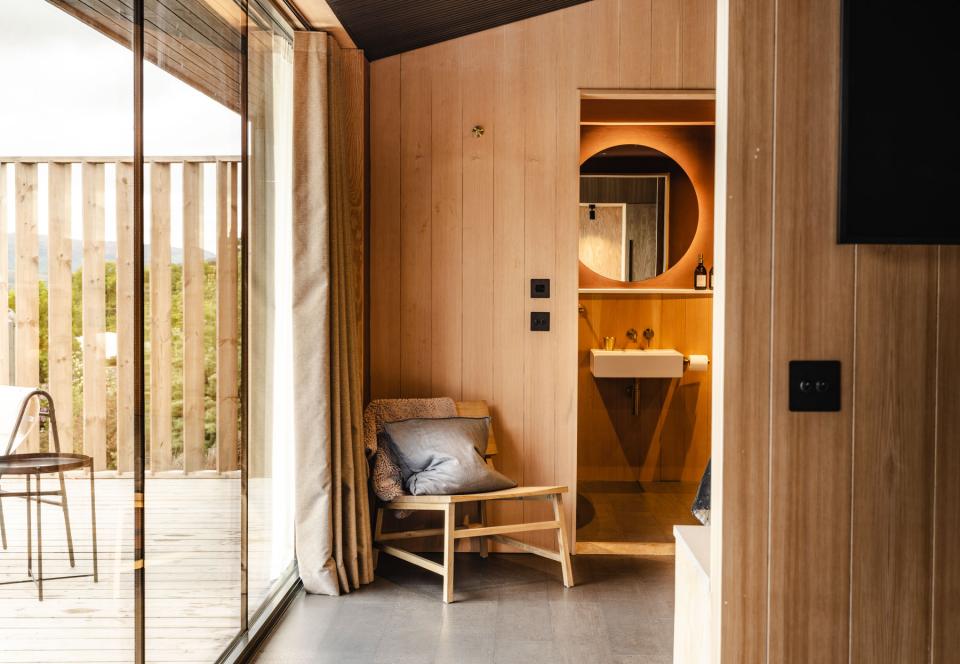
Raasay Distillery. Image credit: Paul Hollingworth
Scottish design looks poised to step confidently onto the international stage with a voice that is both contemporary and rooted in place. Rather than adopting international trends, it is developing its own language shaped by climate, terrain, and history.
Where Scotland was once synonymous with heritage and tradition, the next chapter is defined by innovation, sustainability, and cutting-edge craftsmanship. As cabins, furniture, and buildings attract growing attention across Europe and beyond, Scandi-Scot is becoming a label recognised for both quality and conscience.
Central to this evolution is a shift from 'object-focused' to 'experience-focused' thinking. Experience focused thinking encourages spaces that are designed to elevate wellbeing, connection, and belonging by placing human experience and environmental integrity at the heart of practice.
For example, when wine producers Andrew and Naomi relocated from London to run Chateau Puynard in Bordeaux, they turned to Corr Cabins to add a new layer to its hospitality offering. Positioning a small cluster of cabins directly within the vineyard to immerse guests in the landscape, this project speaks to the growing international reach of Scottish design thinking. An approach that is landscape-sensitive, low-impact, and increasingly in demand far beyond the Highlands. Proven against Scottish weather and built to last, the cabins have weathered naturally into their surroundings while delivering hotel-quality comfort in the french countryside.
The future Scottish design is also an inherently collaborative one. Threading designers, makers, producers, and landscapes into a shared ecosystem where design is not isolated in studios, but woven across communities and industries.
Dunsinnan Farm. Image credit: Solasta Creative
Dunsinnan Farm. Image credit: Solasta Creative
Dunsinnan Farm. Image credit: Solasta Creative
Dunsinnan Farm. Image credit: Solasta Creative
The evolution of wellness focused retreats
Scottish tourism is shifting away from traditional hotels and heritage-led stays toward experience-driven travel centred on adventure, wellness, and meaningful escape. As Adam notes, “We’re seeing more operators thinking beyond simply adding rooms. They’re asking how accommodation can strengthen their identity as a destination and create experiences guests actively seek out and remember.”
Travellers want active engagement, whether that be hiking, cold-water swimming, stargazing, digital detoxing. And they want spaces that feel authentic, environmentally responsible, and architecturally rooted in place.
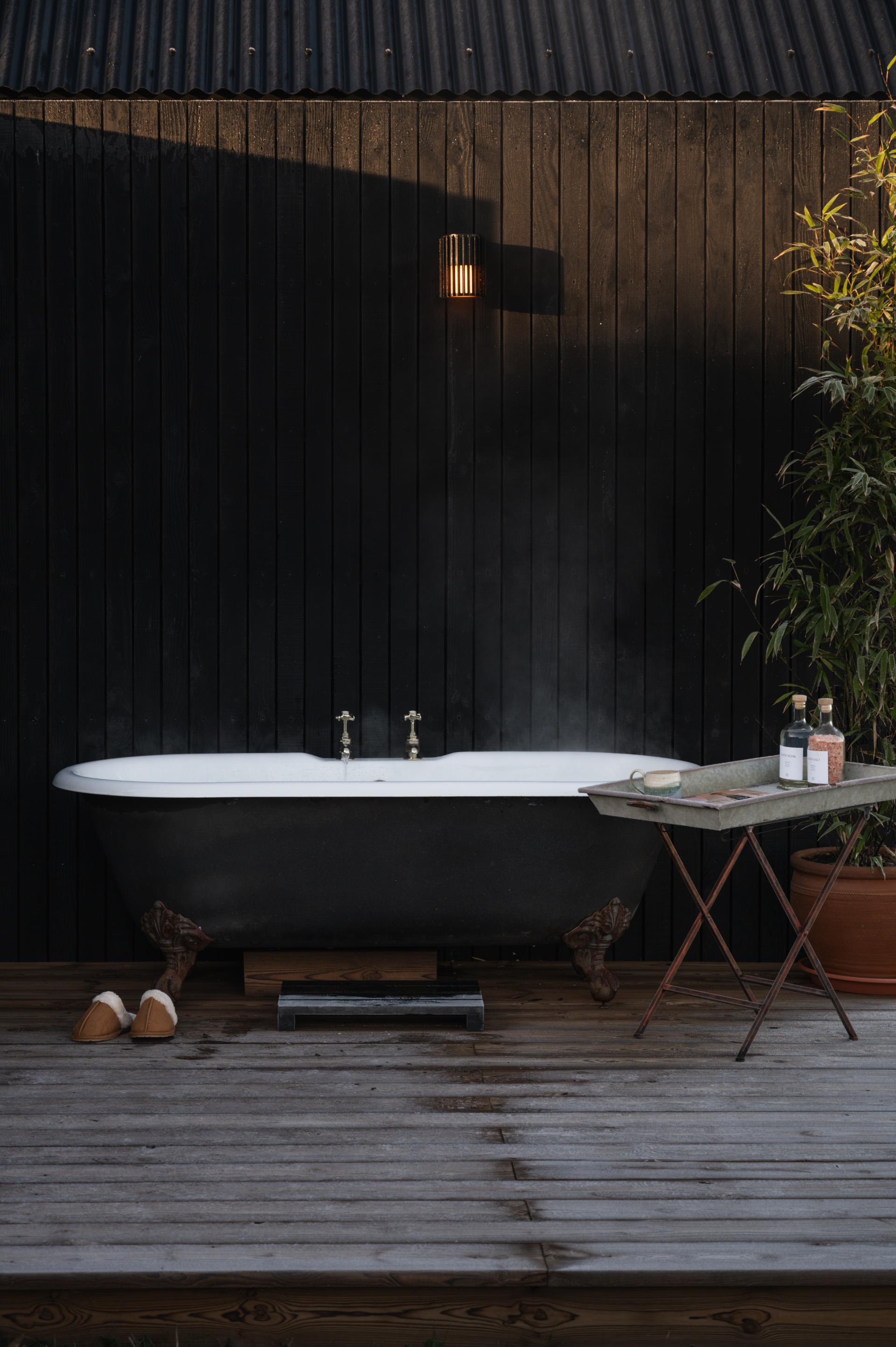
This demand has led Corr Cabins to work increasingly with hospitality operators looking to create exactly these kinds of immersive experiences. One example is its collaboration with Isle of Raasay Distillery, where bespoke guest cabins, complete with private sauna, cold plunge and communal gathering spaces were designed to become an extension of the distillery experience itself.
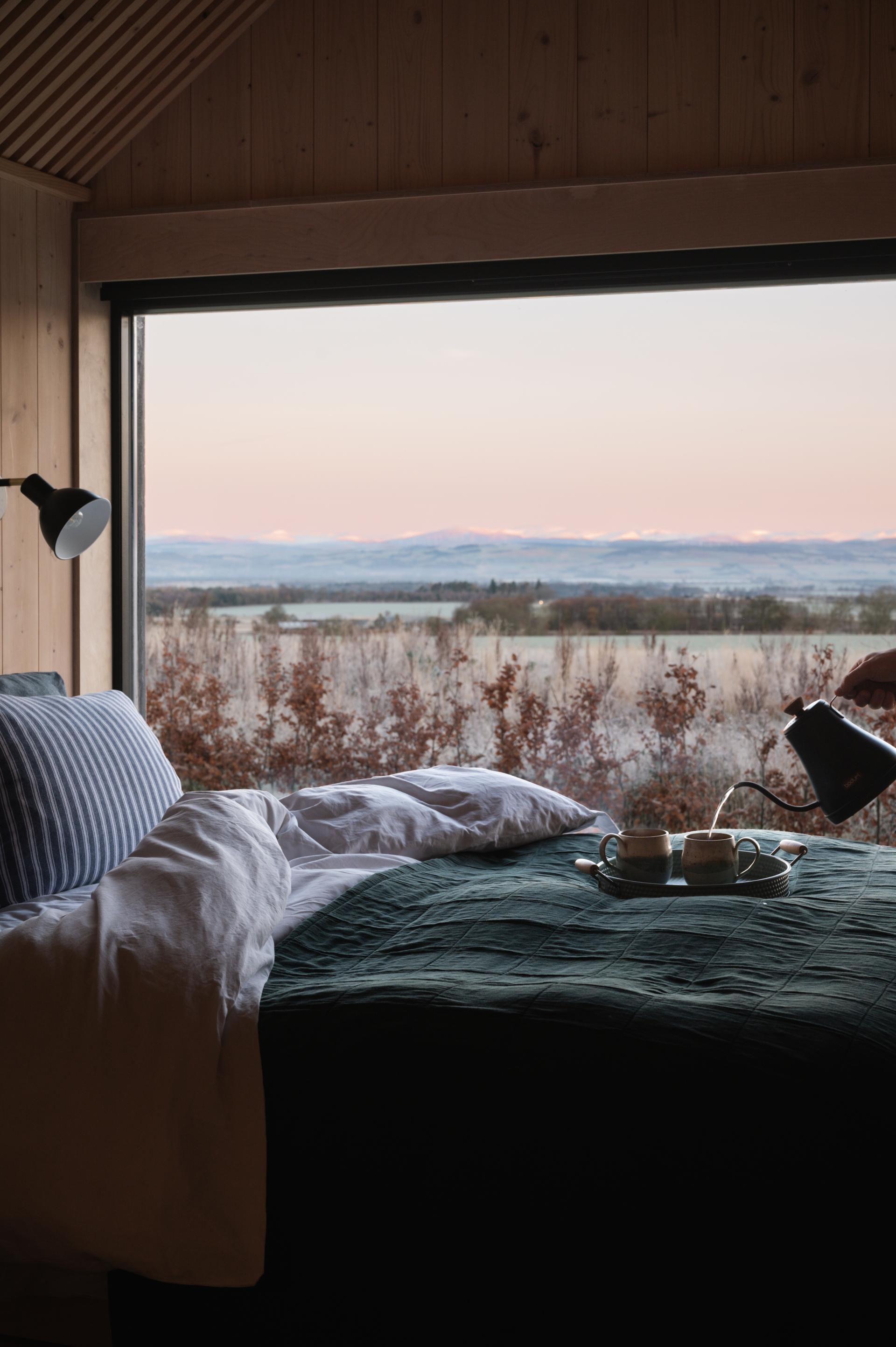
In addition, The Cabin at Dunsinnan marks the first chapter of a wider masterplan for the estate as it evolves into a wellness destination, and sits squarely within a broader shift in how travellers are seeking out Scotland for slower and more intentional experiences in nature. Dunsinnan points toward what wellness travel in Scotland is becoming - less spa retreat, and more a genuine reconnection with place.
Discover more about Corr Cabins here.
Raasay Distillery. Image credit: Paul Hollingworth
Raasay Distillery. Image credit: Paul Hollingworth