
























EDIB: What does beyond bare minimum look like in the residential sector?

In association with:


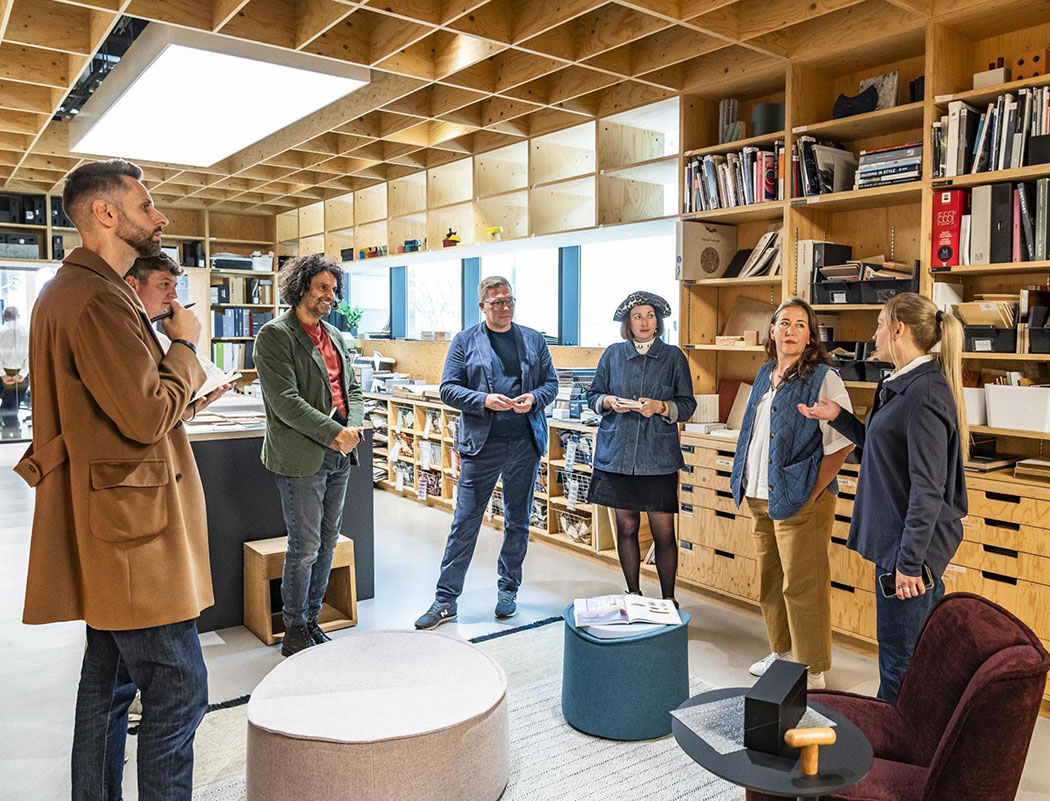
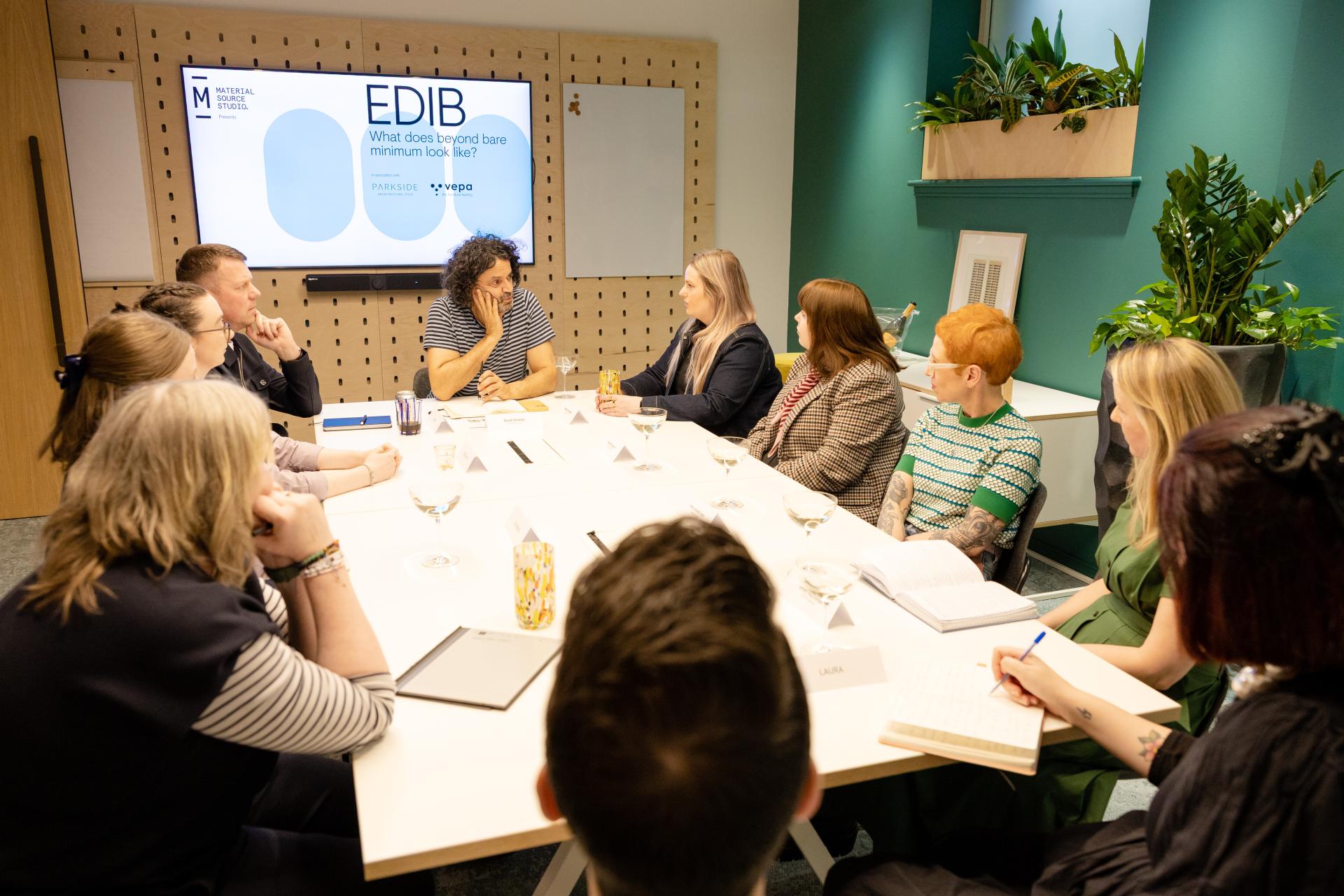
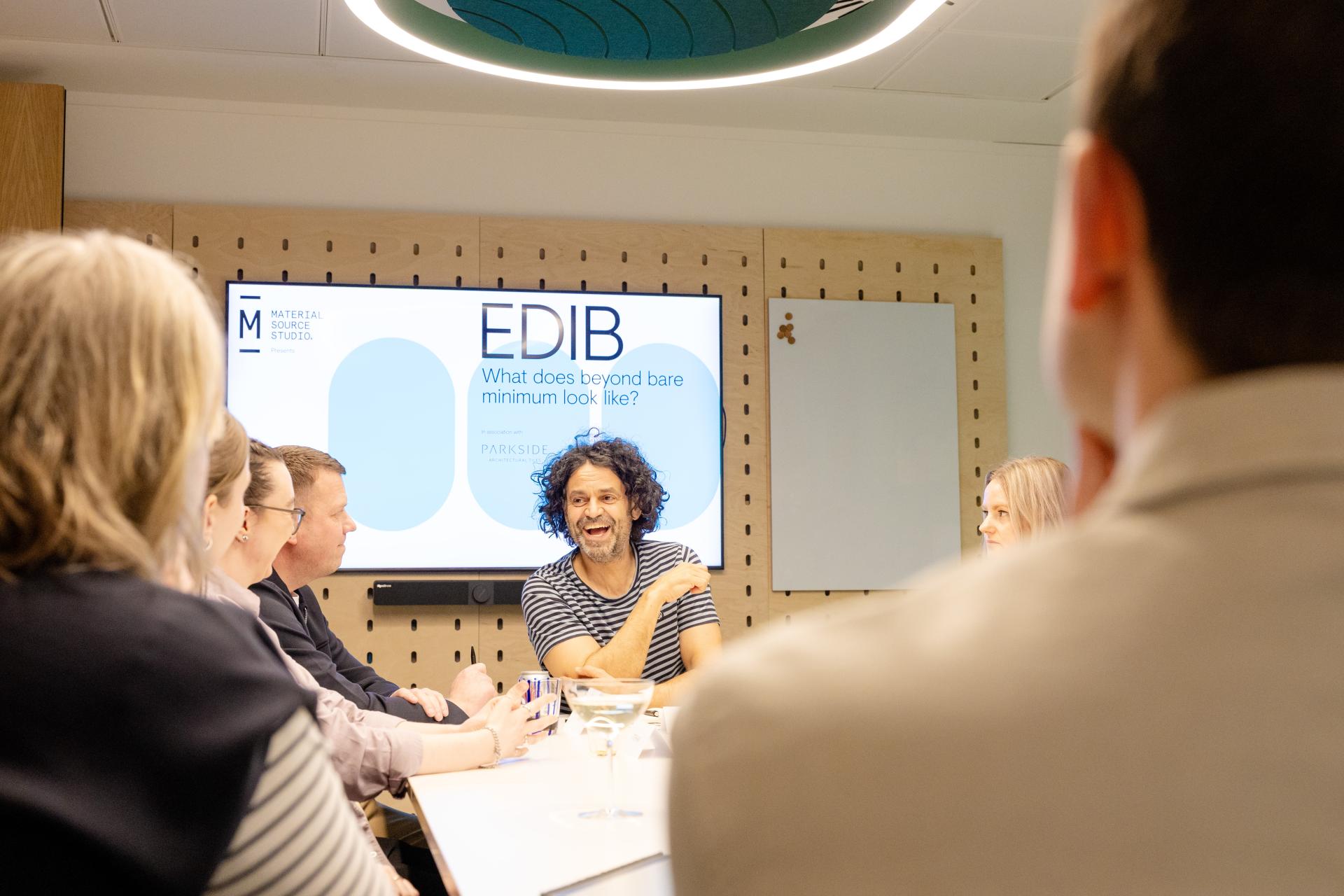
For our latest roundtable in Glasgow, which rounded off our EDIB series for 2026 - taking us from Manchester, to London, to Scotland - we flipped our original question on its head to anchor the discussion in why inclusive design really matters, and - genuinely - who to - asking EDIB: what’s the point in going beyond bare minimum?
From safety, to retention, wellbeing and commercial value, our conversation highlighted once again just how crucial inclusive design is to every sector, every person, and every business. Though, is it always viewed in this way as a priority for clients?
Much ground was covered in just an hour, with the conversation funnelling yet more insight into our quarter-long discussion on Equity, Diversity, Inclusion and Belonging, comprising 7 events on this topic between January and March.
With ‘flexibility’ said to be one of the key demands for would-be, Built-to-Rent (BTR), PBSA or co-living tenants [Source: British Property Federation], one may assume that just as in workplace and hospitality settings, EDIB is entirely applicable to the residential sector too. Read on to find out what our guests think…
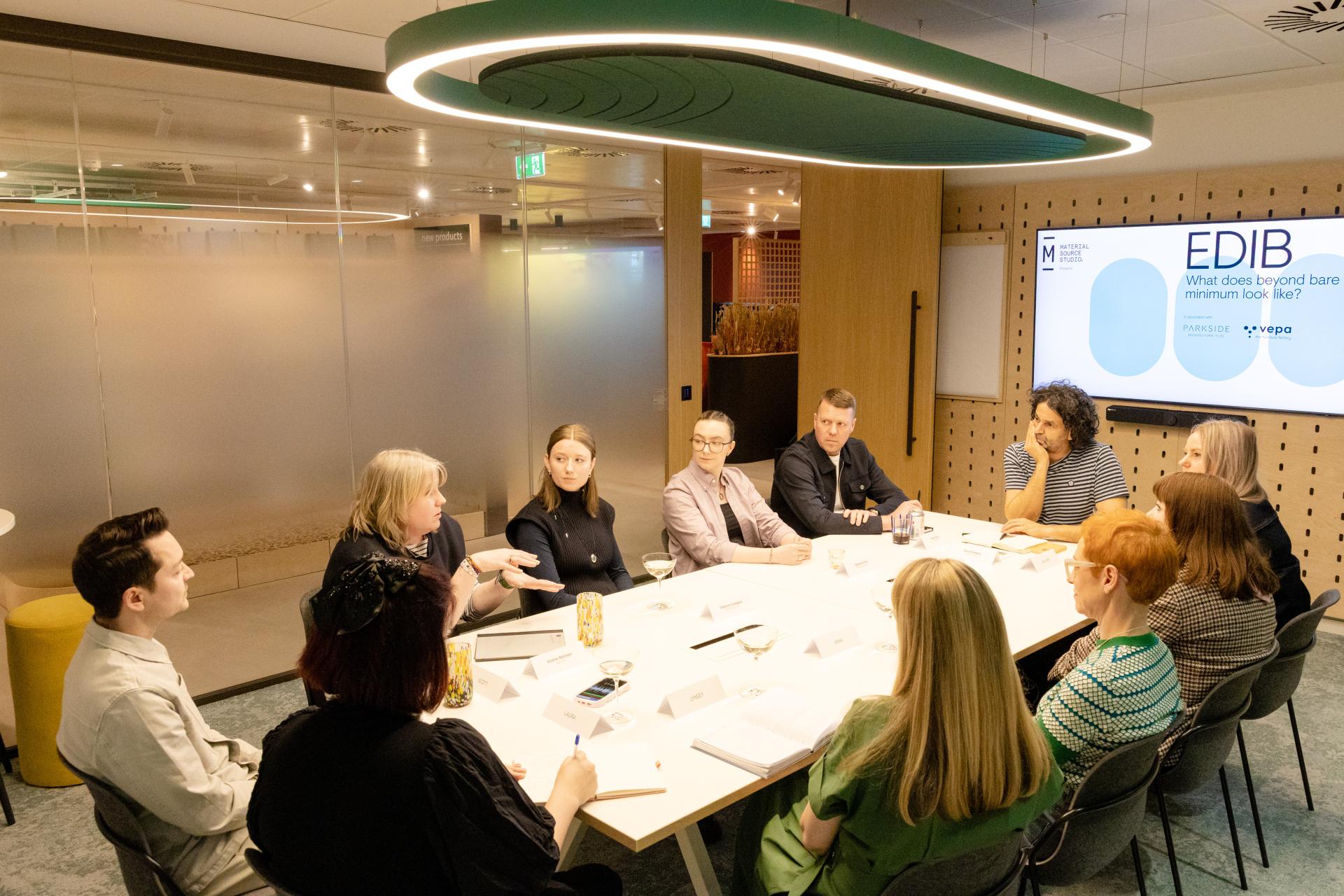
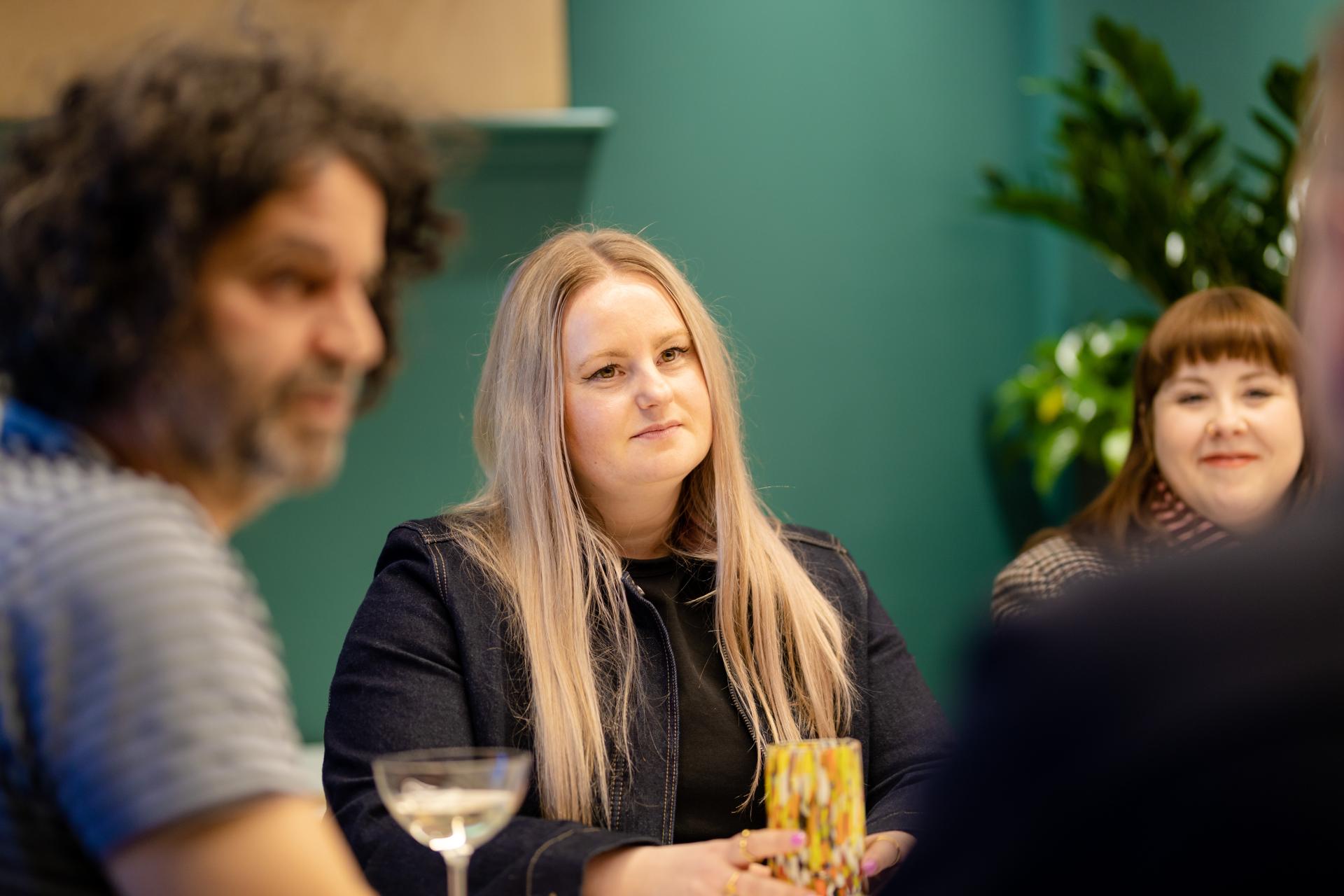
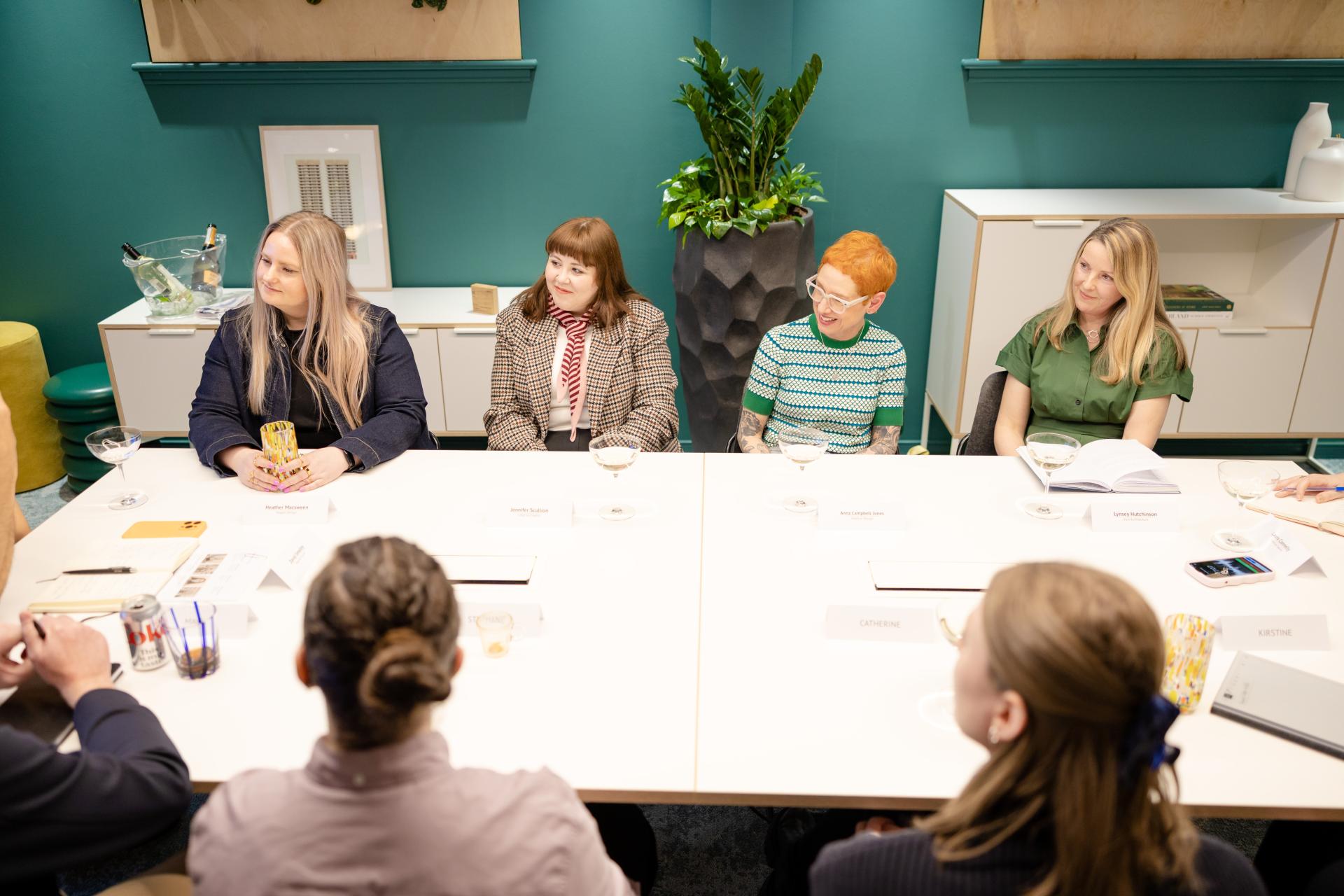
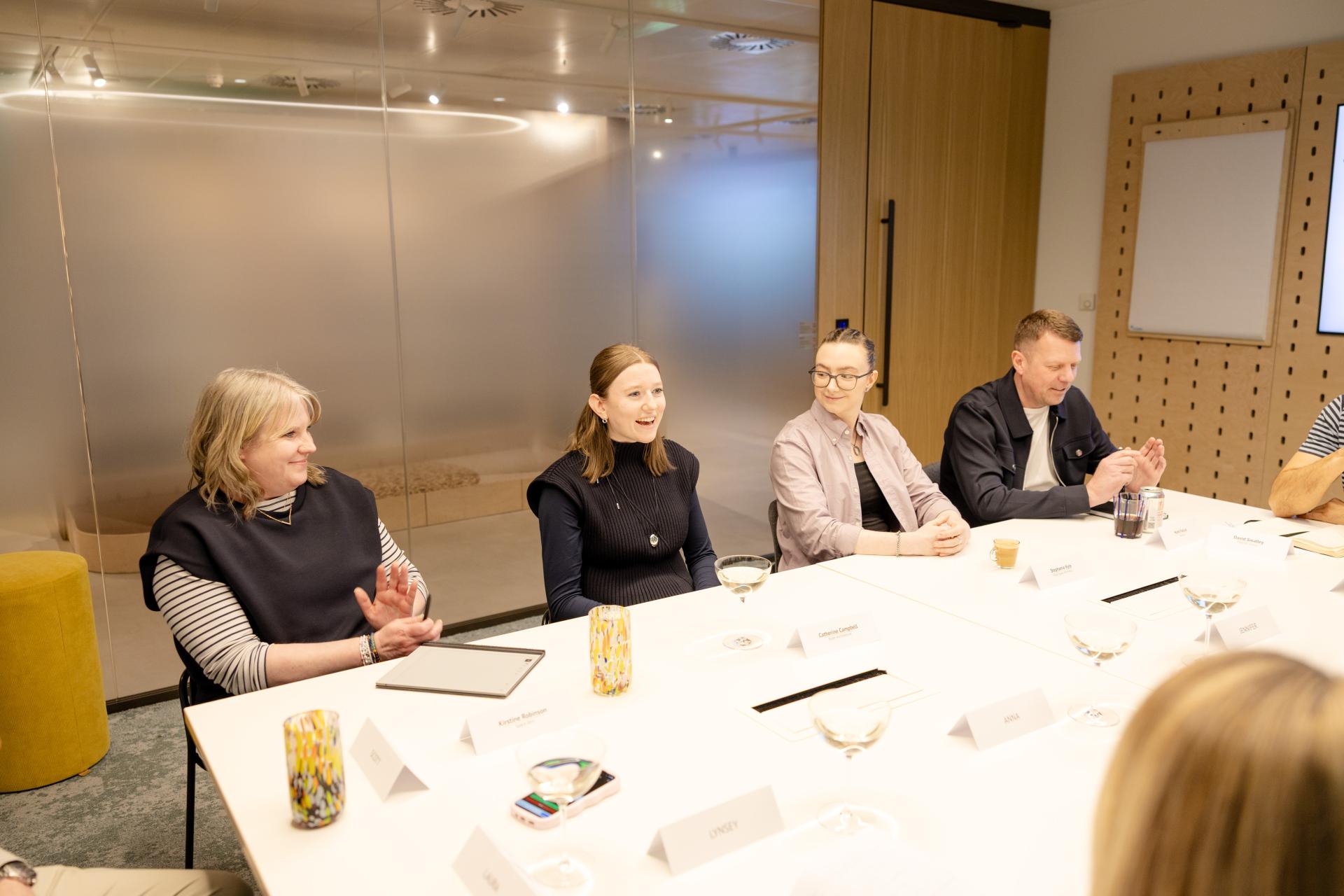
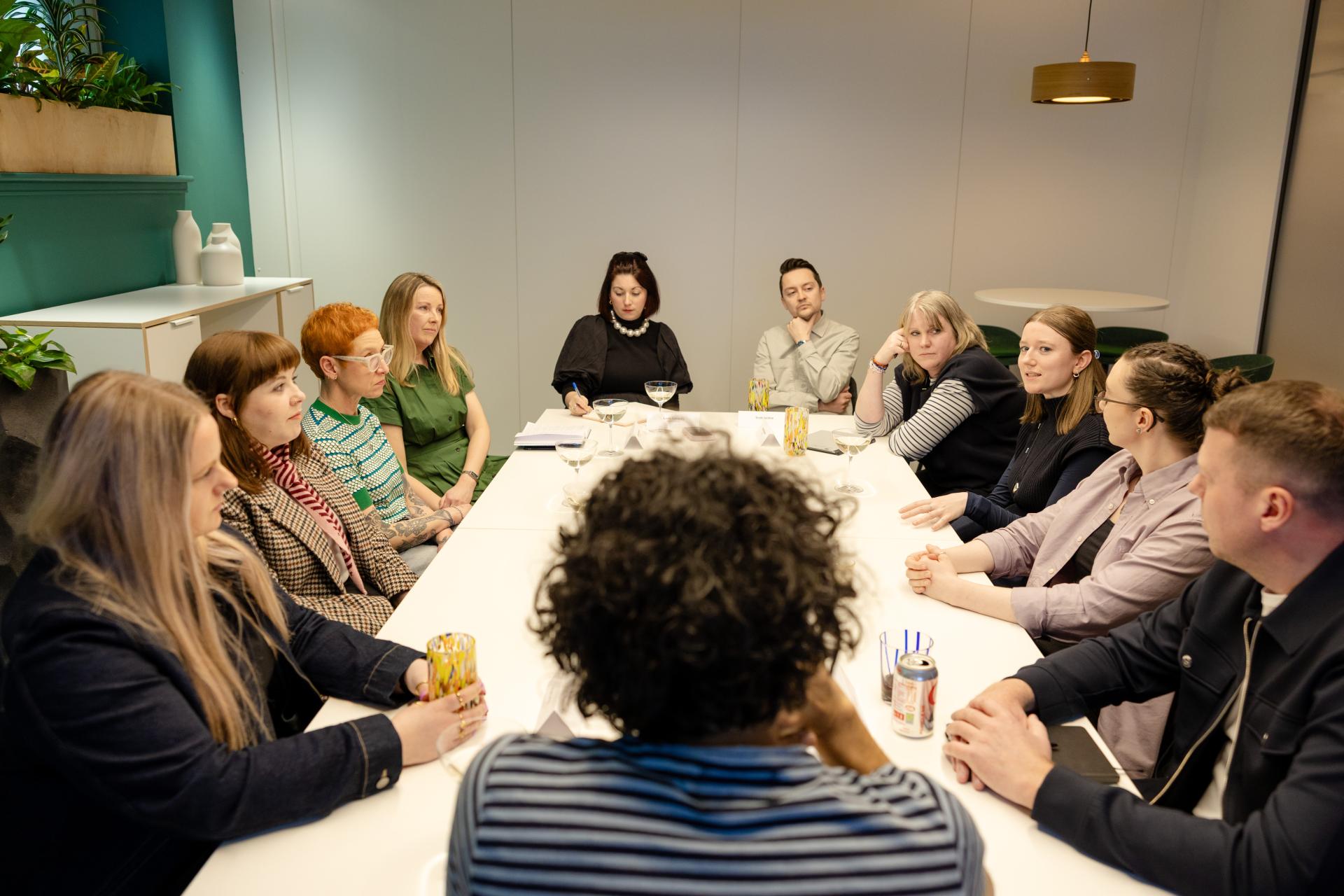
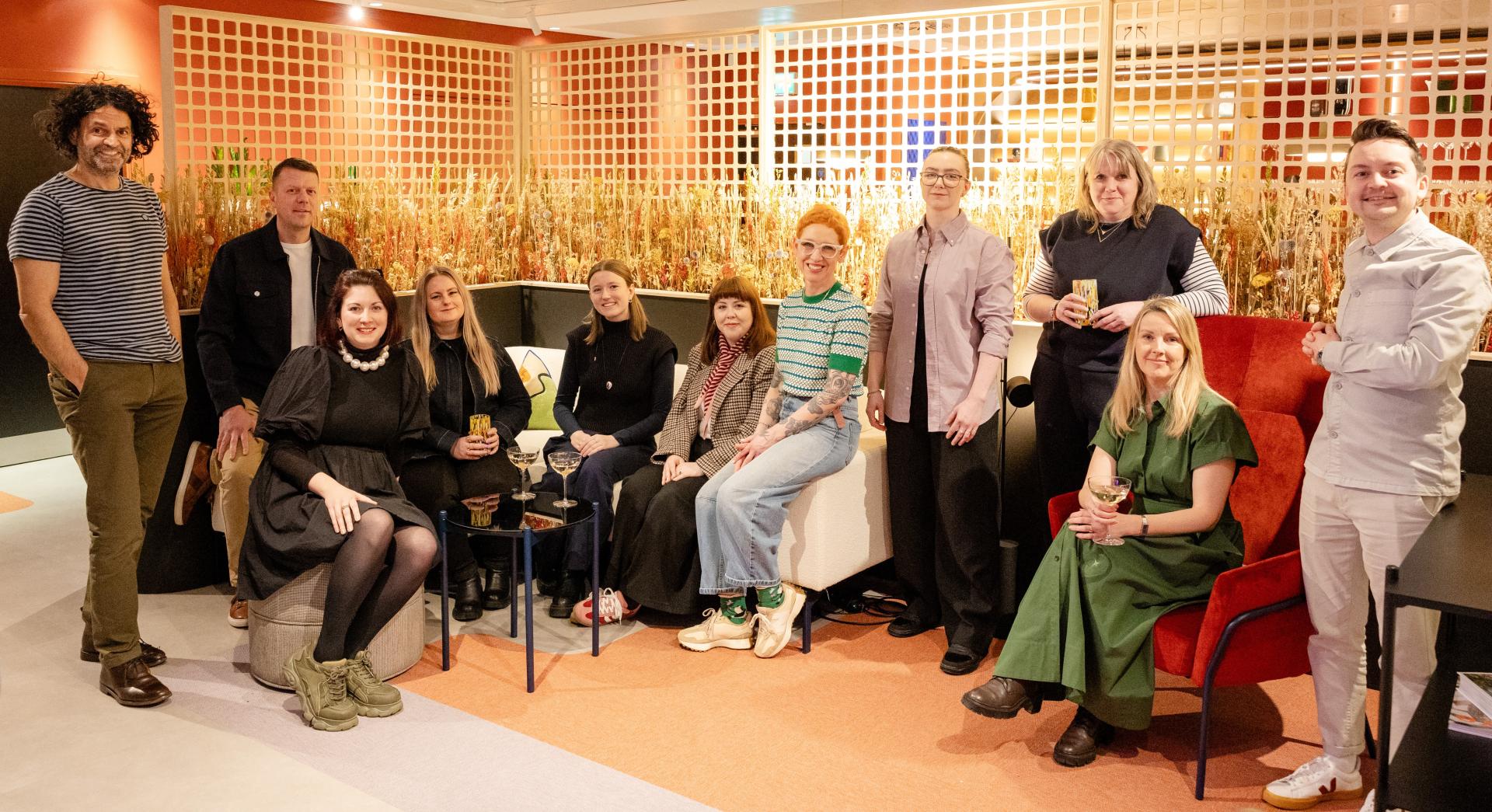
Our guests

Anna Campbell-Jones, Director, Habitus Design
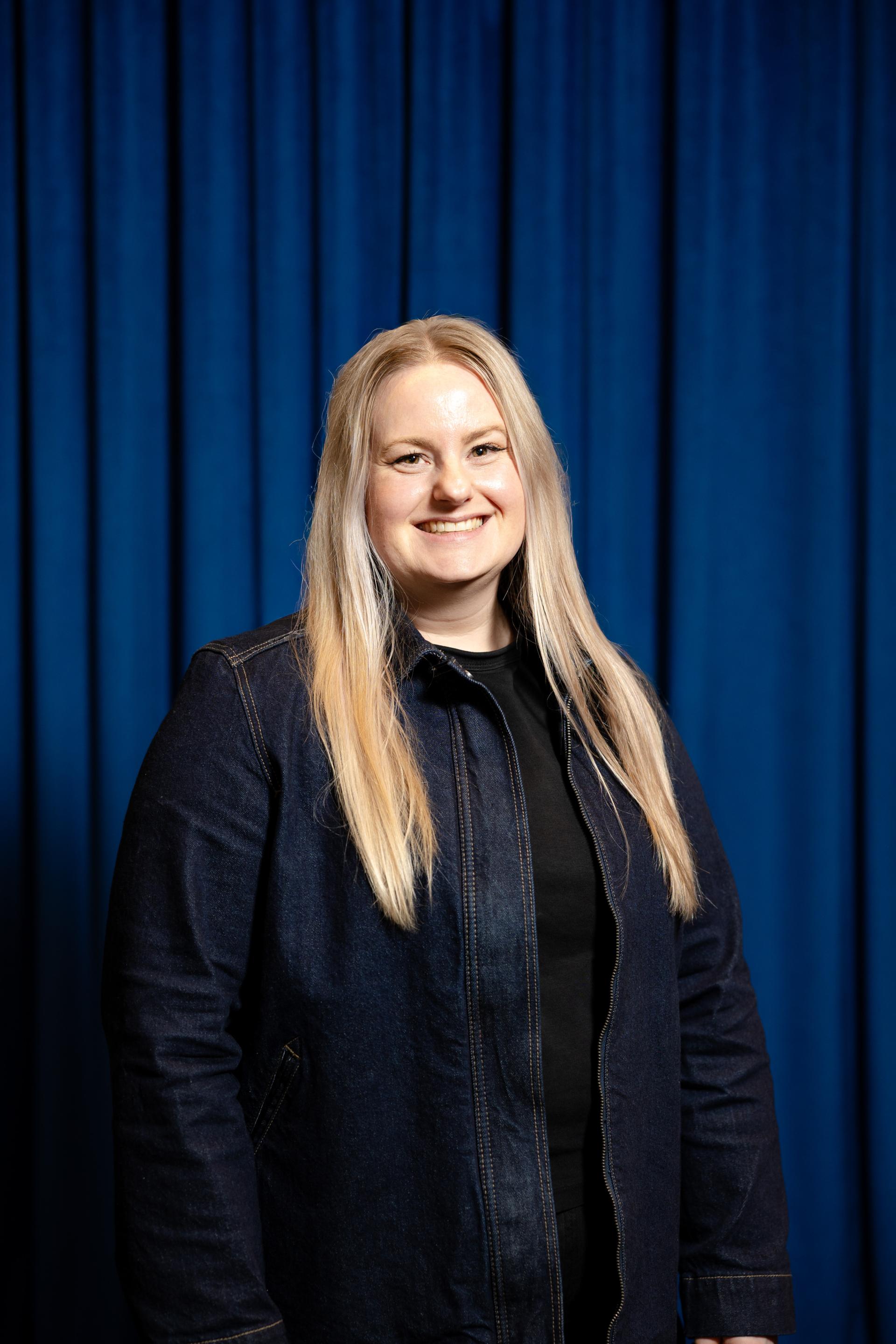
Heather Macsween, Associate, Keppie Design
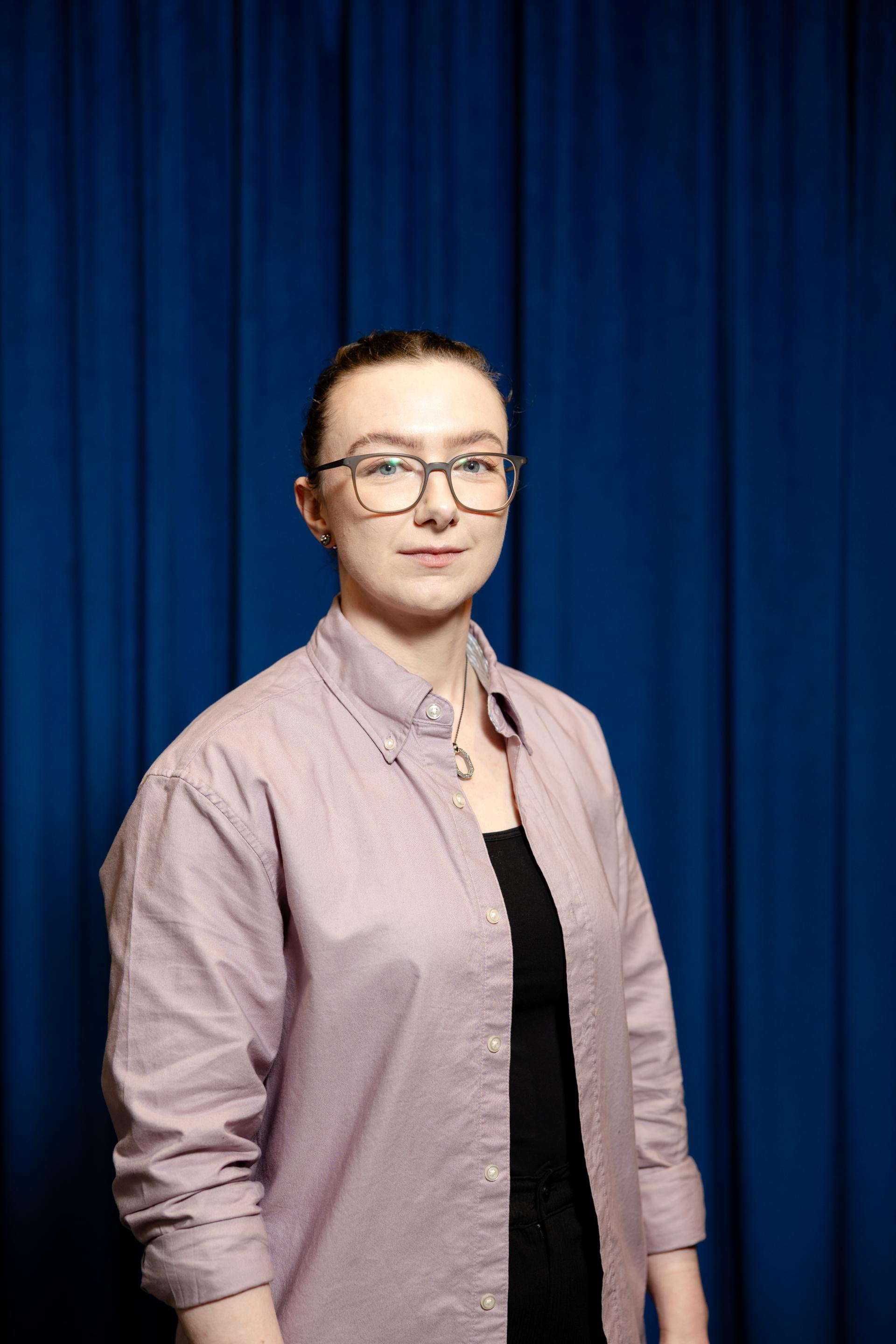
Stephanie Kyle, Associate, Floyd Slaski Architects

Jennifer Scullion, Interior Designer, CRGP
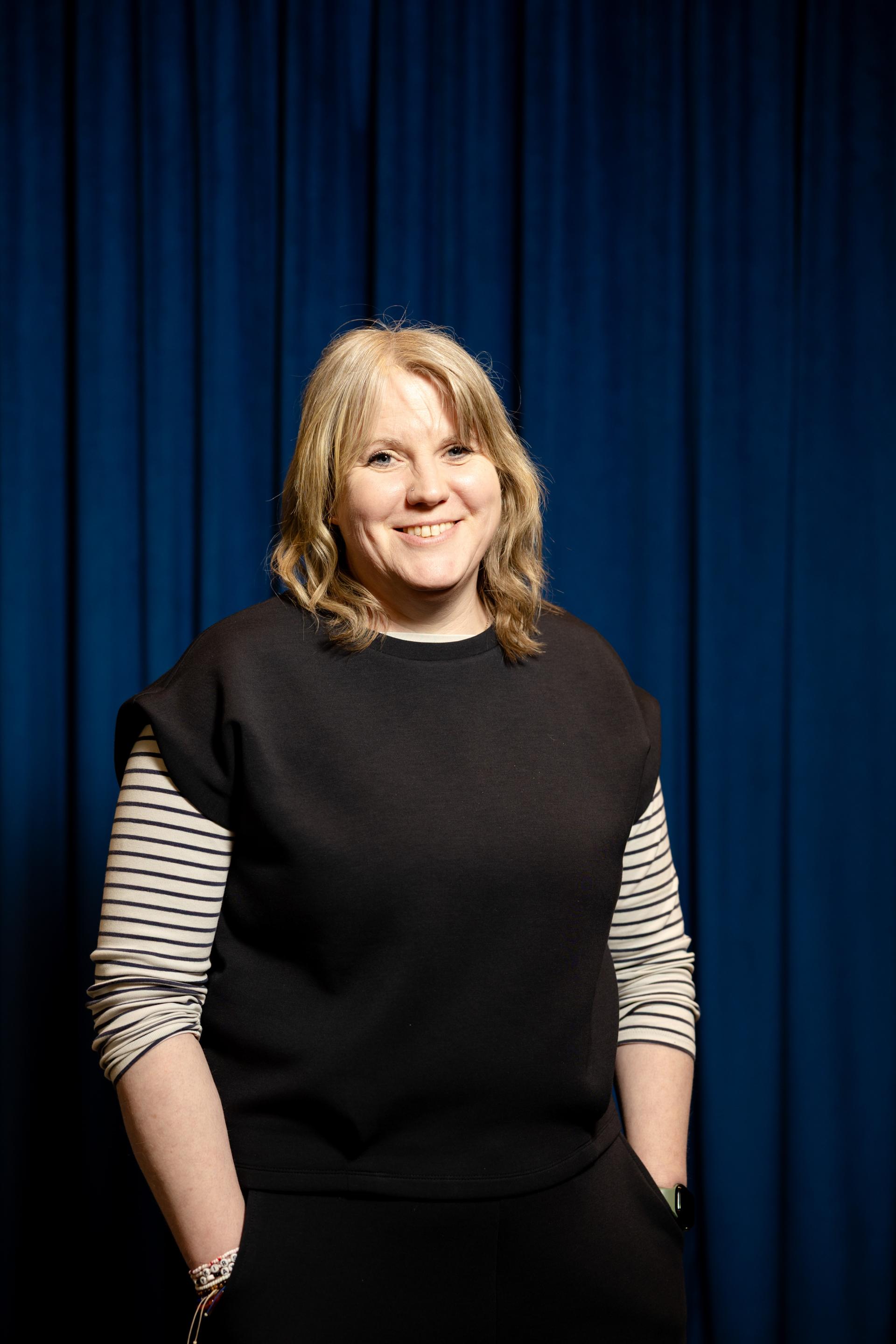
Kirstine Robinson, Associate Director, Space Zero
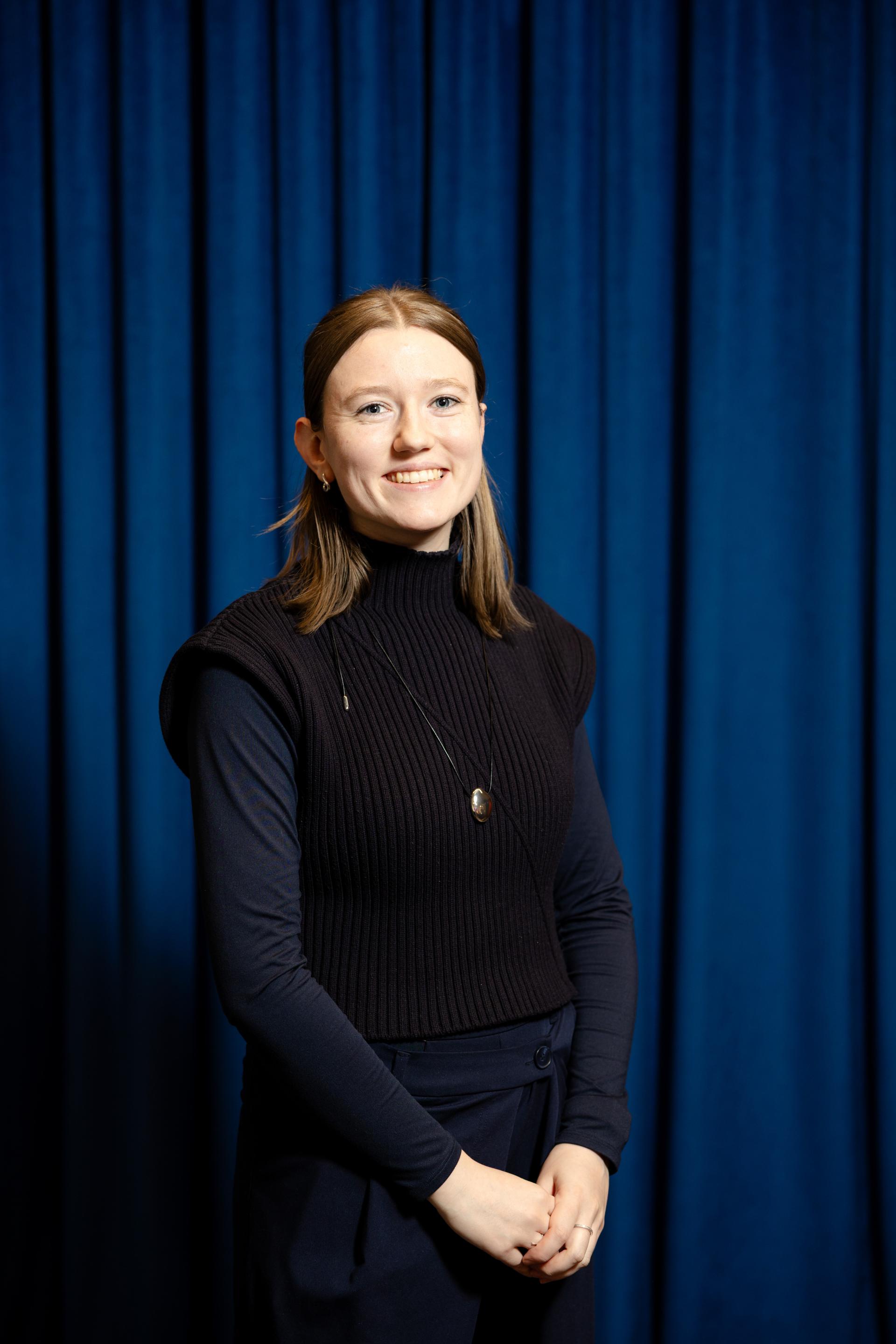
Catherine Campbell, Architect, Ryder Architecture
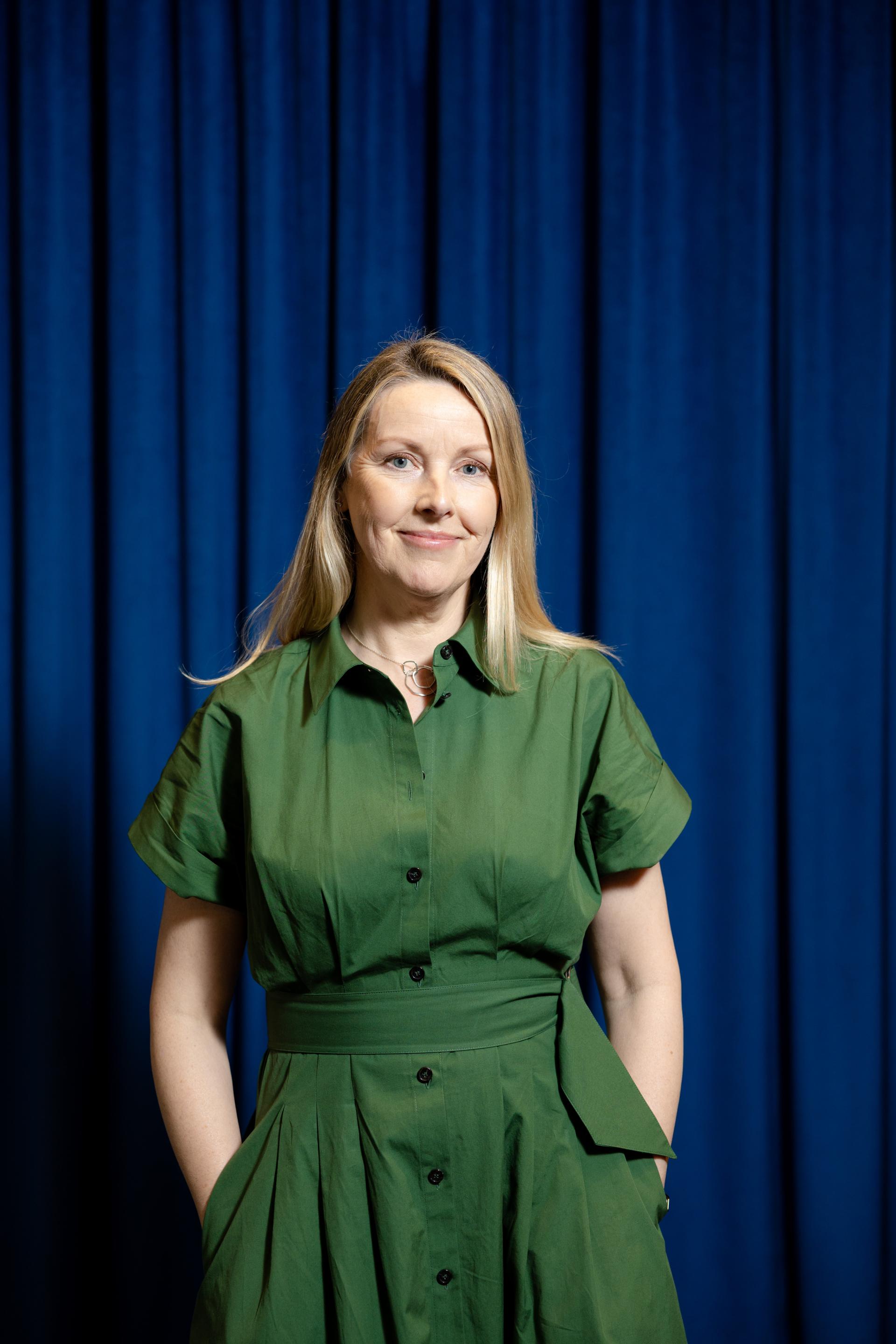
Lynsey Hutchinson, Senior Interior Designer, INCH Architecture + Design
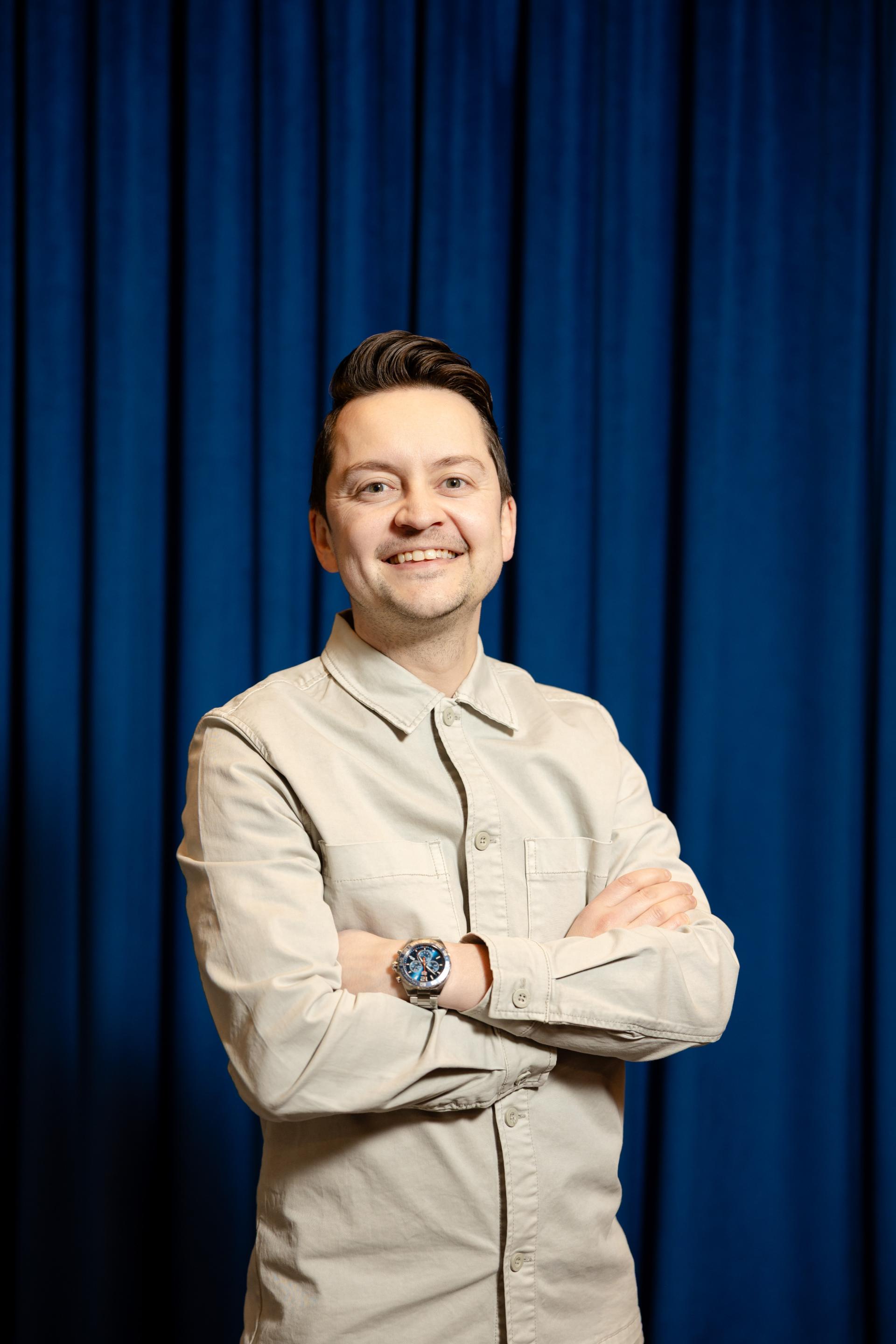
Scott Jardine, UK Sales Manager, Vepa UK
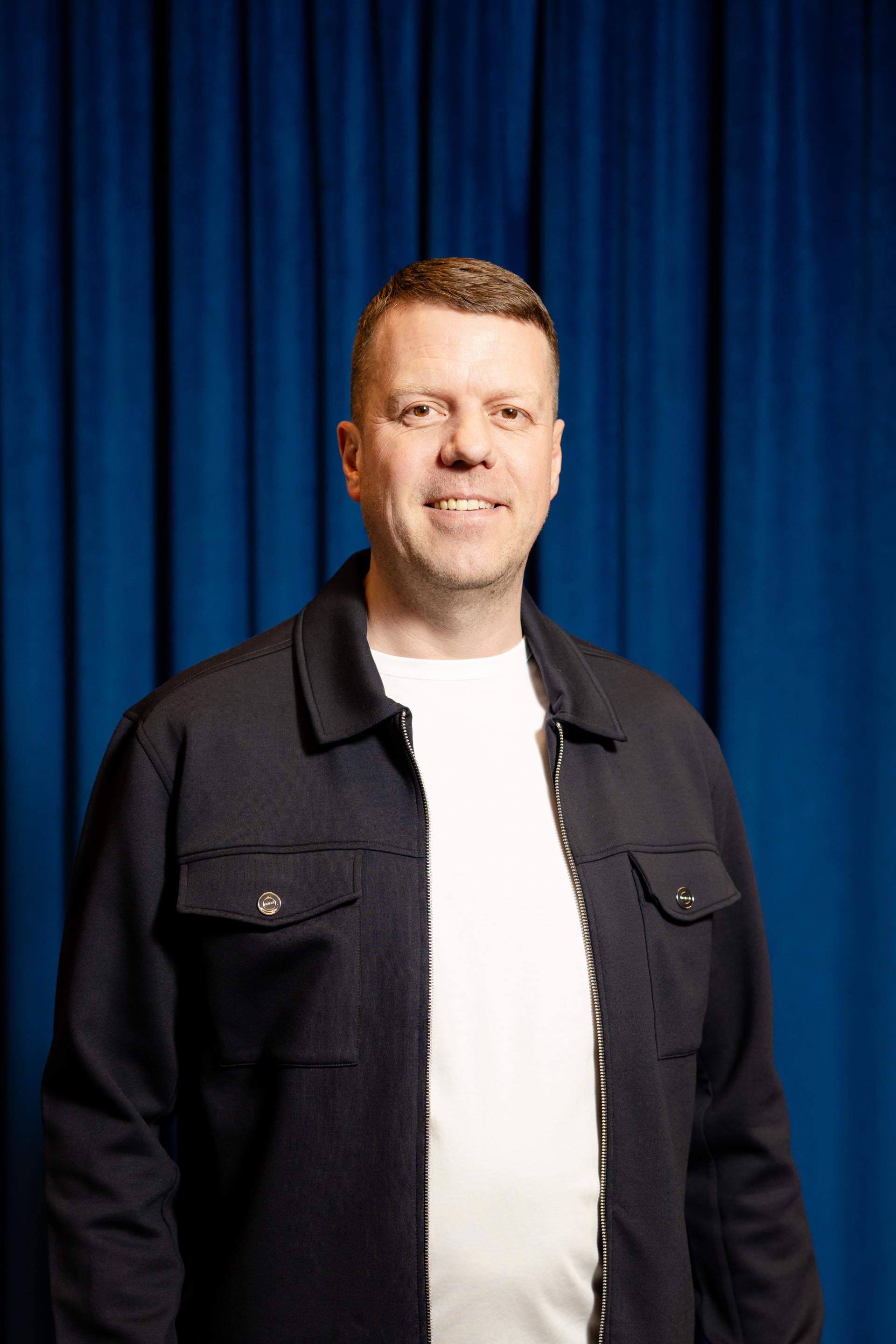
Mark Falcus, Specification Sales Manager, Parkside Architectural Tiles

Laura Connelly, Editor, Material Source

David Smalley, Director & Roundtable Chair, Material Source Studio
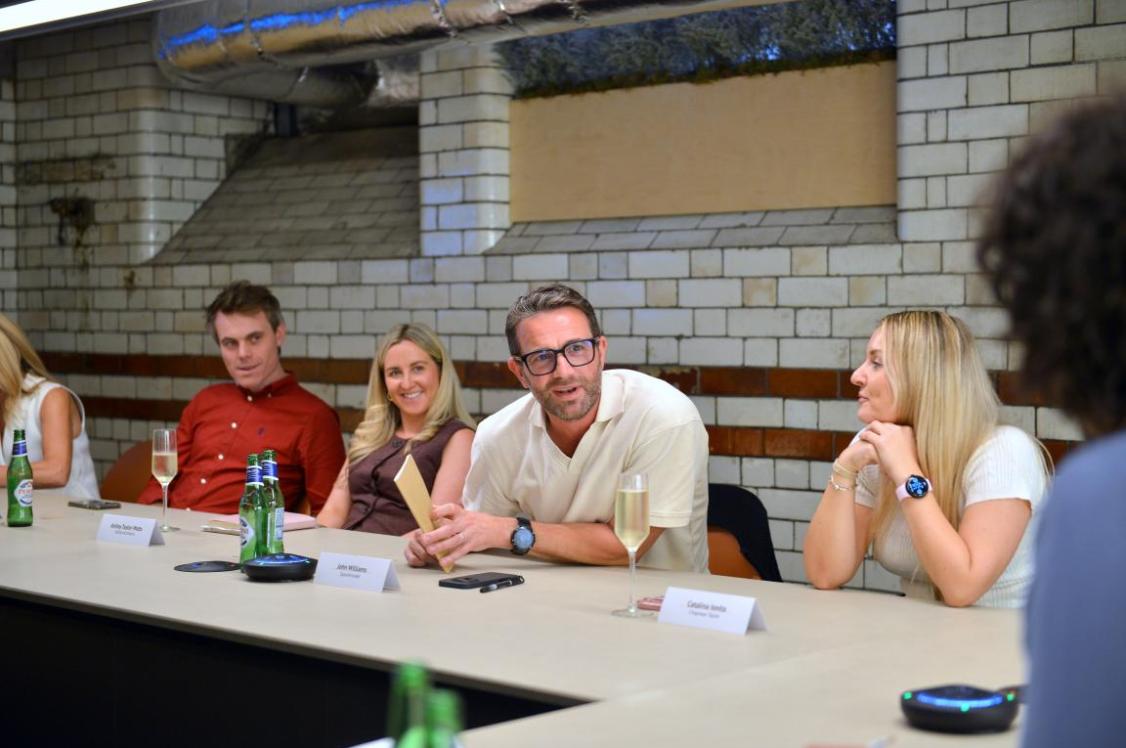
To begin, David Smalley, Material Source Studio Director & Chair of this session, asked a question to establish what the ‘bare minimum’ actually is: “What are the minimum standards?”
“Our starting point with any project is NPF 4’s Six Qualities of Successful Places”, replied Heather Macsween, Associate, Keppie Design. “Inclusivity is mentioned within that, and that’s something that has to be followed.
“In Glasgow, we’ve got the SG1 - The Placemaking Principle [a key Supplementary Guidance document for Glasgow City Council that outlines how new developments should be designed, planned, and delivered]. This should be dealt with over and above the Technical Handbook”, Heather added.
In terms of going a step beyond, Glasgow, specifically, is looking to progress, Heather shared. “Thankfully, Glasgow is bringing a feminist urban city lens into their urban design panel, and my understanding is as part of that, they will be developing a feminist urban toolkit that developers can use to start to inform their designs better, which I think is a fabulous step forward”, she commented, to lots of interested nods from around the table.
In England, the bare minimum is Part M, said Stephanie Kyle, Associate, Floyd Slaski Architects. “As we know, the dimensions in there are from the 1950s”, she commented.
In Scotland, the regulations are based on Part M, clarified Anna Campbell-Jones, Director, Habitus Design, and are “not significantly any better”.
Lynsey Hutchinson, Senior Interior Designer, INCH Architecture + Design, suggested that BS 8300 is “the base” for accessibility. And it’s soon to be updated, which the guests agreed will make it much more useful.
For Catherine Campbell, Architect, Ryder Architecture, who has recently qualified as an architect, the Technical Handbook, she said, is the go-to guidance for students. With the BS 8300 used as additional guidance on top.
“So if you achieve Part M, legally, you're in the right place. Is everybody on the projects that you're working on getting above that minimum standard?” asked David.
“No”, responded Stephanie. “On the projects that I audit from other architects, it's hard to get them to even comply with Part M”, she shared, in reference to the inclusivity consultancy work that Floyd Slaski carries out with other practices.
“And that's from the architects. It's not the contractors that are fighting - it's the designers that feel there's too much to go through.”
Toilets, Stephanie said, are the root of the majority of issues. But stairwells she noted too.
At Space Zero, Kirstine Robinson, Associate Director, said that PAS 6463 – Designing for the Mind - is being bedded into the practice’s design process, with the team advocating for beyond bare minimum.
Stephanie shared that when the BS 8300 is updated later in the year, the PAS 6463 will be included too. Though she doesn’t hold much hope, because “Part M has also been updated multiple times, and still every time it’s got old dimensions in it that don't accommodate for sports wheelchairs, for example. It tends to be that new things get added, but the content that’s already in there isn’t being reviewed.”
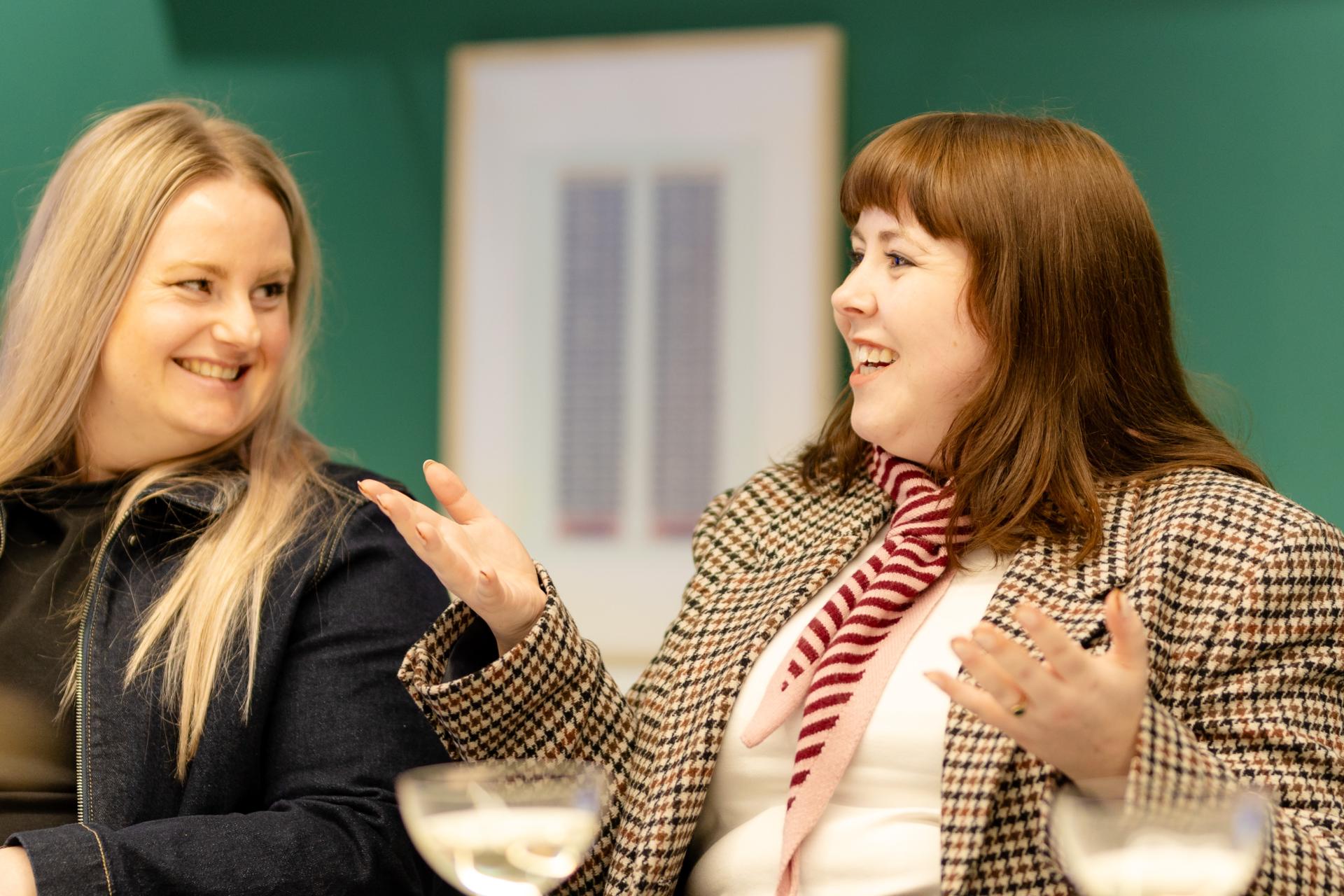
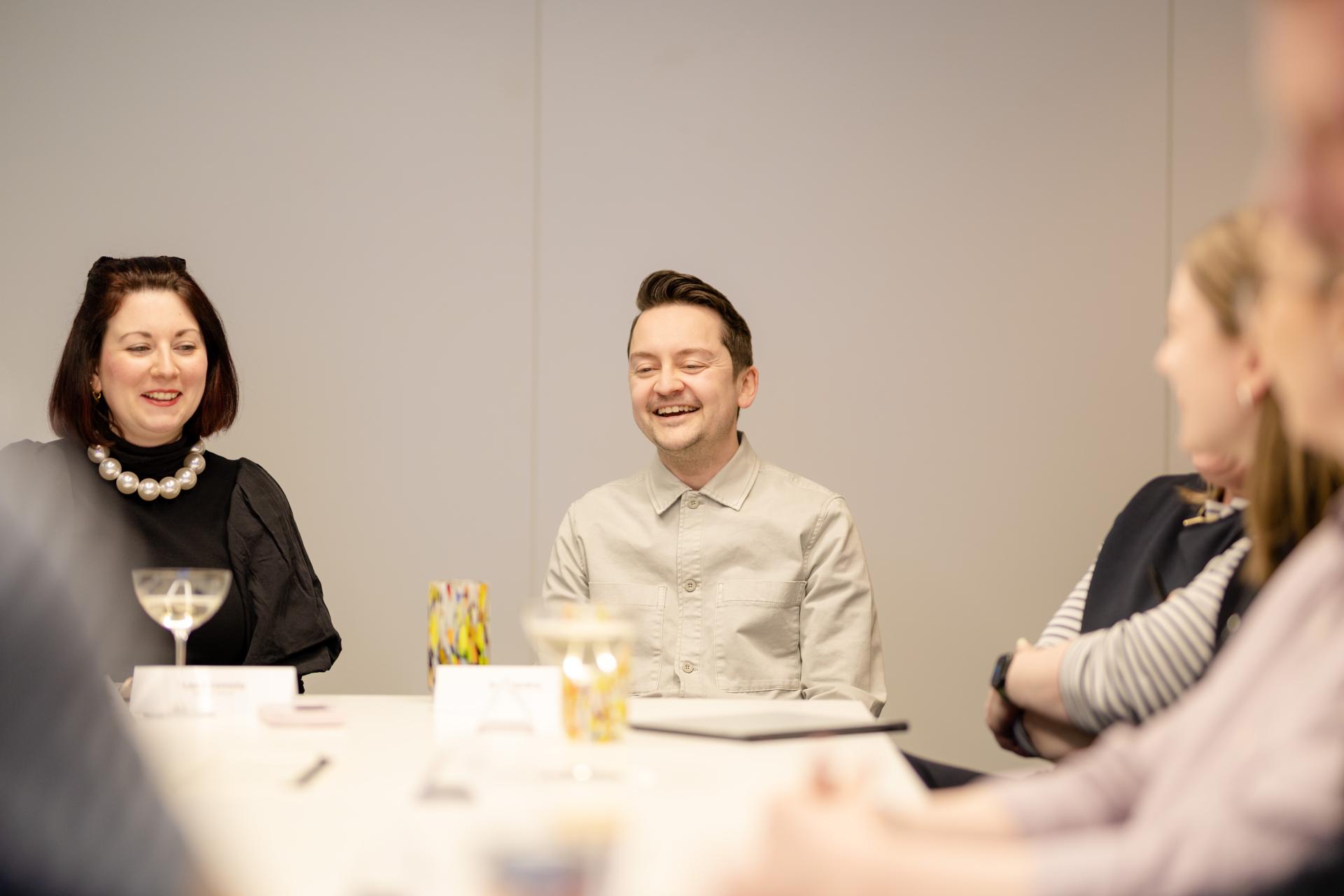
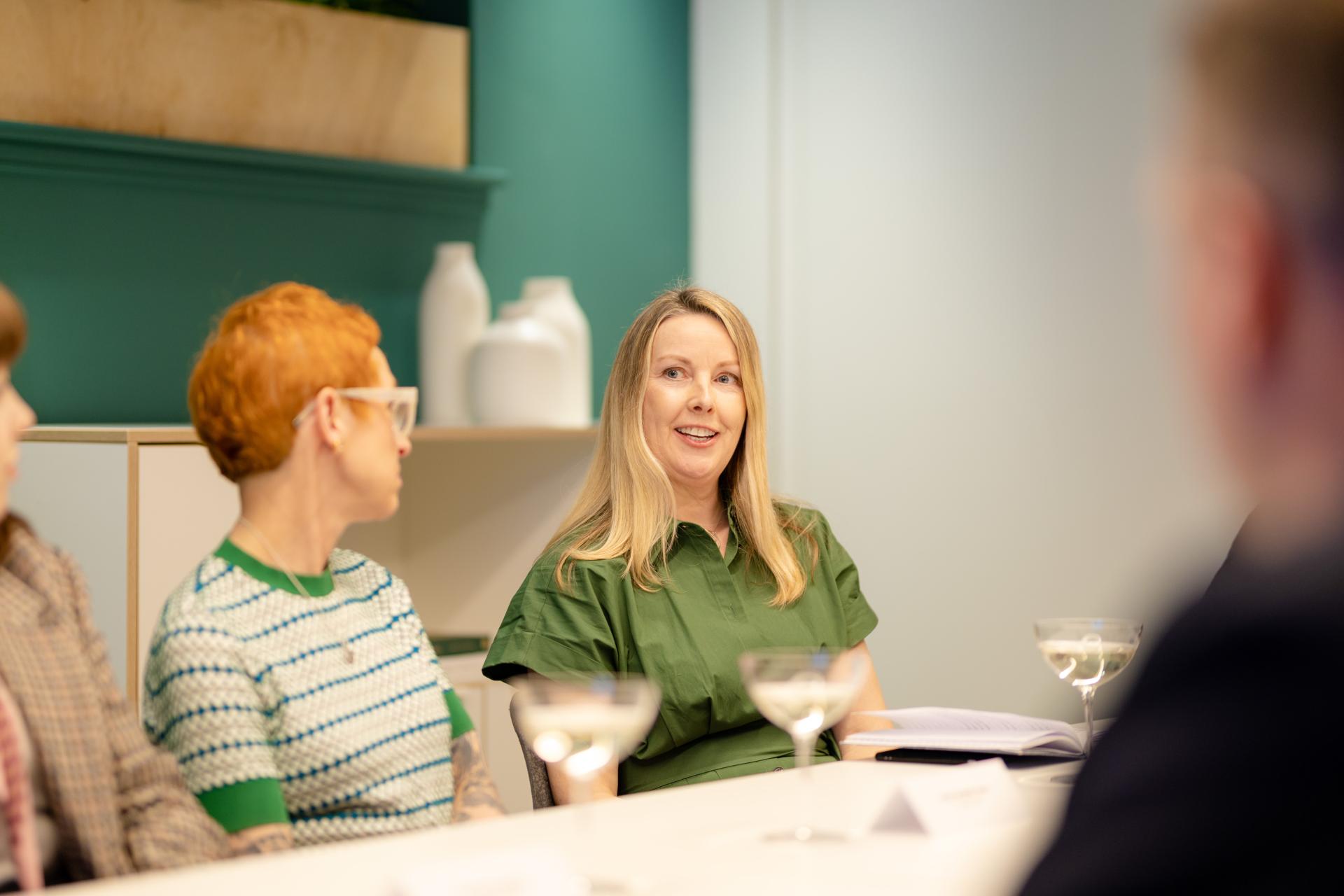
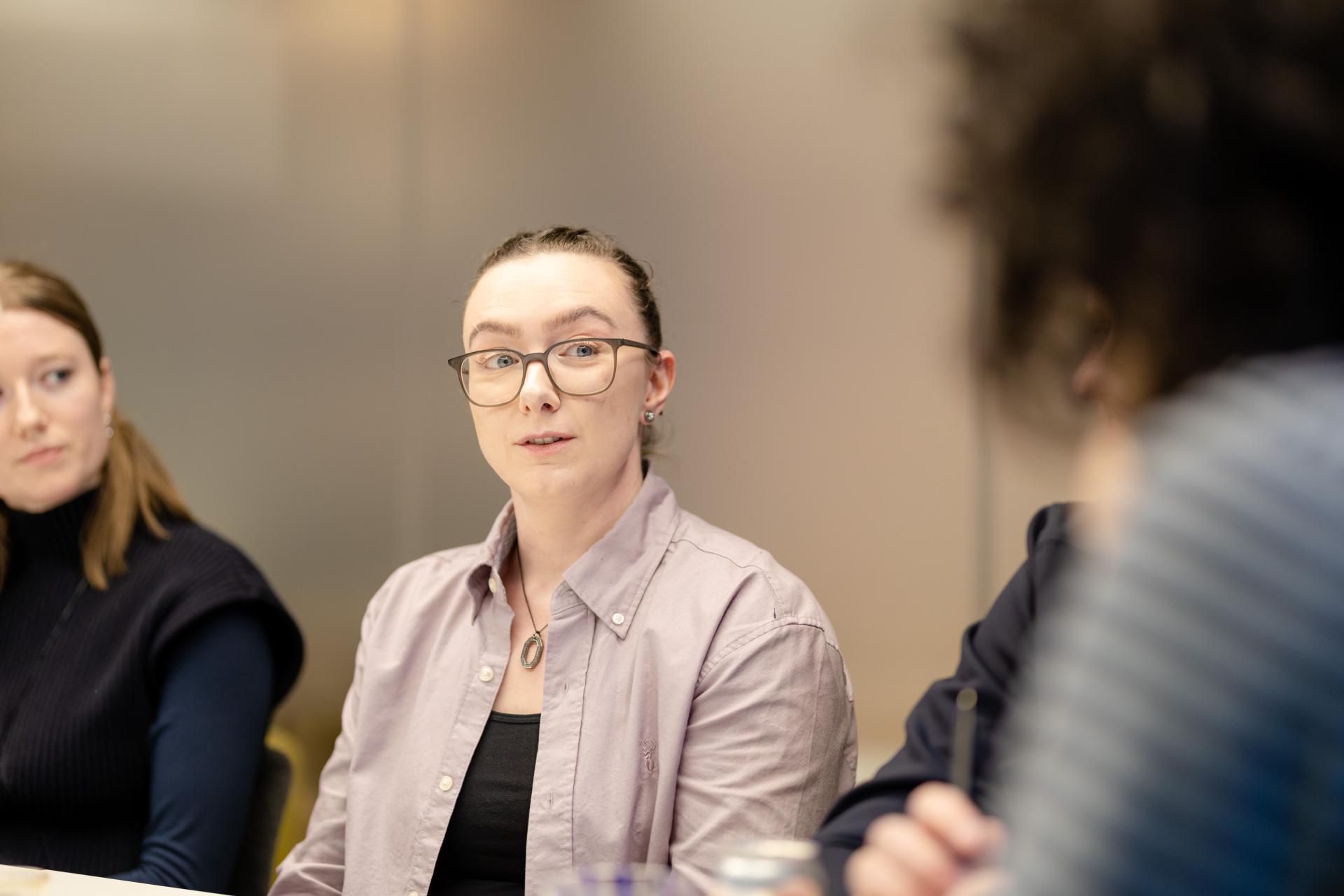
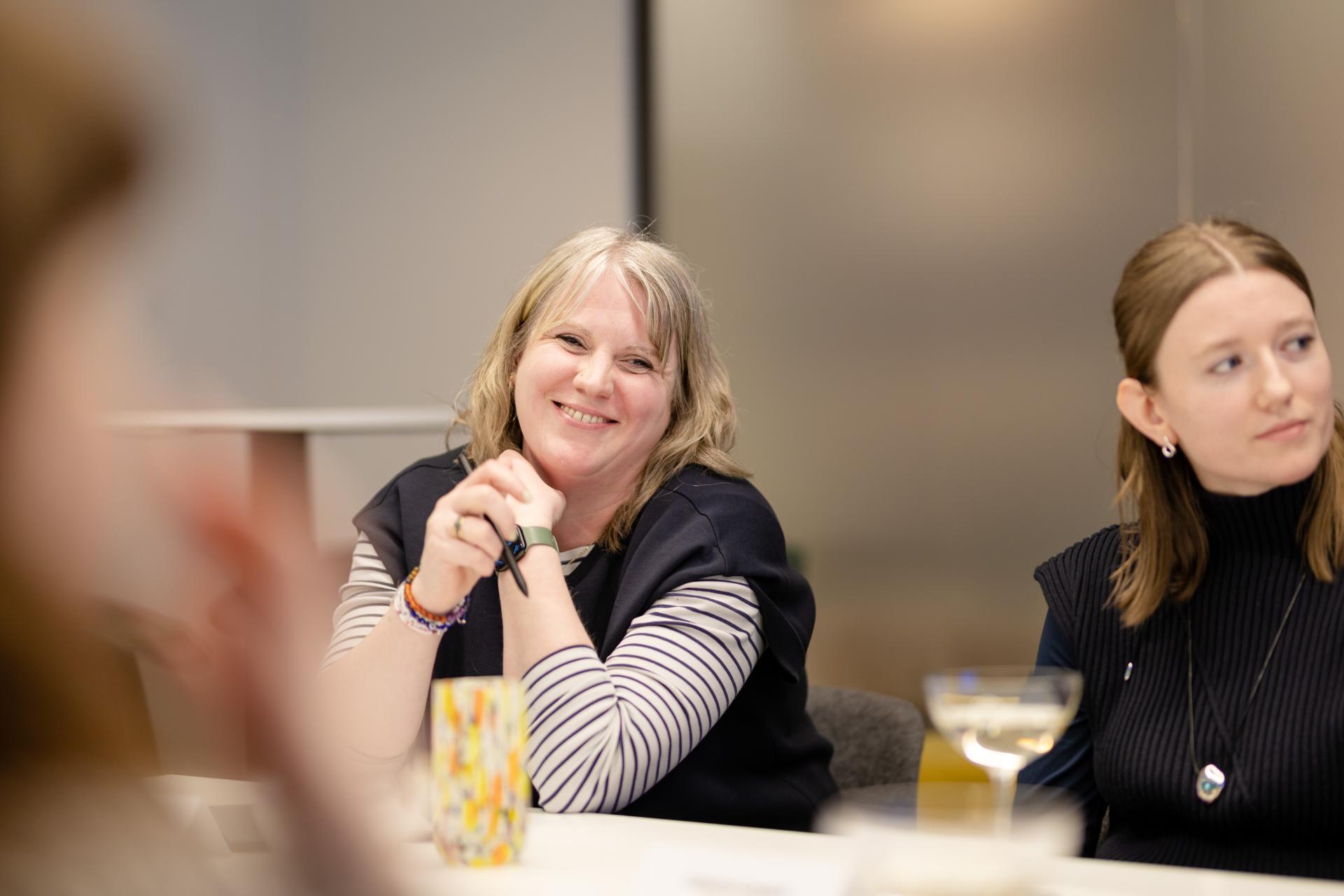
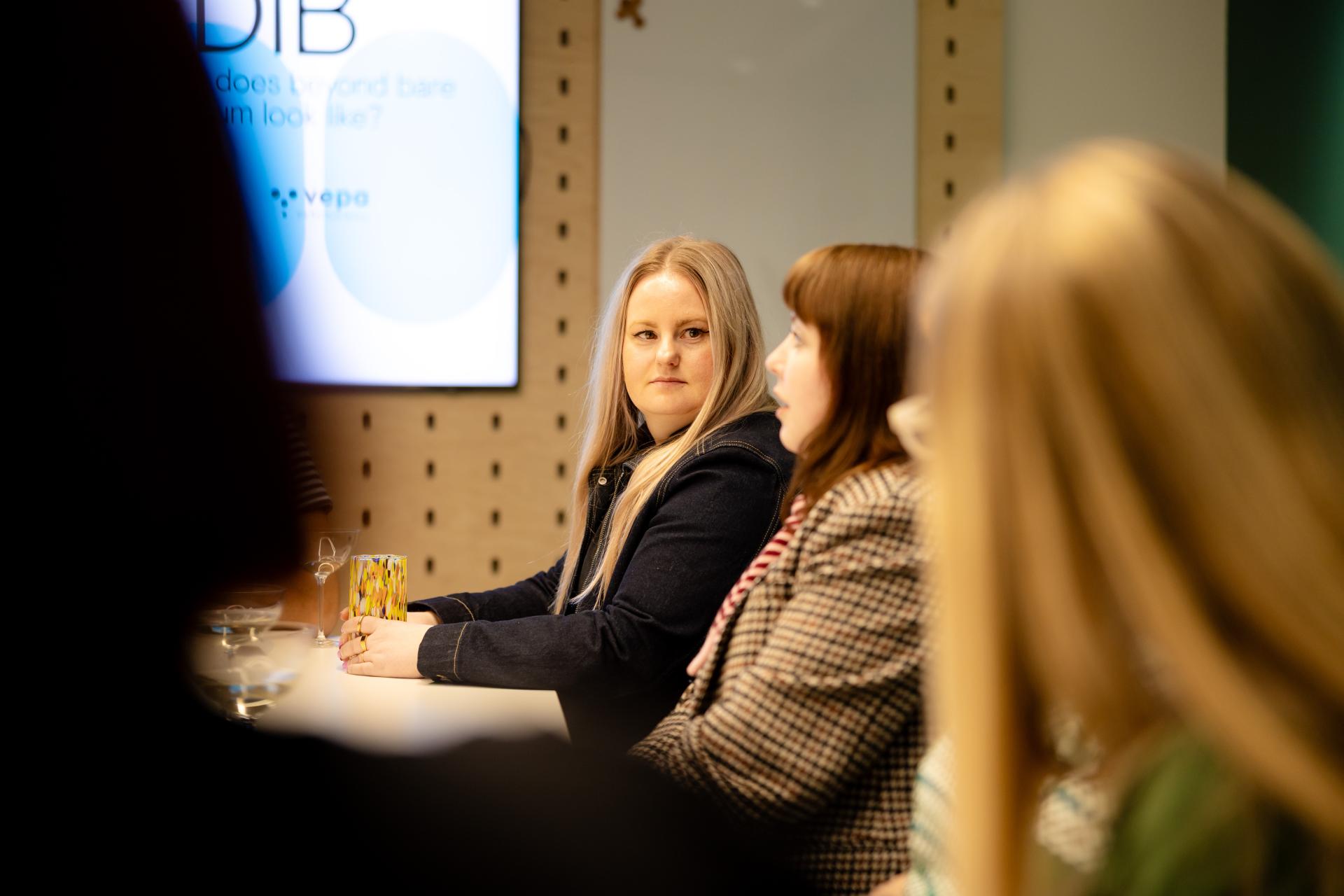
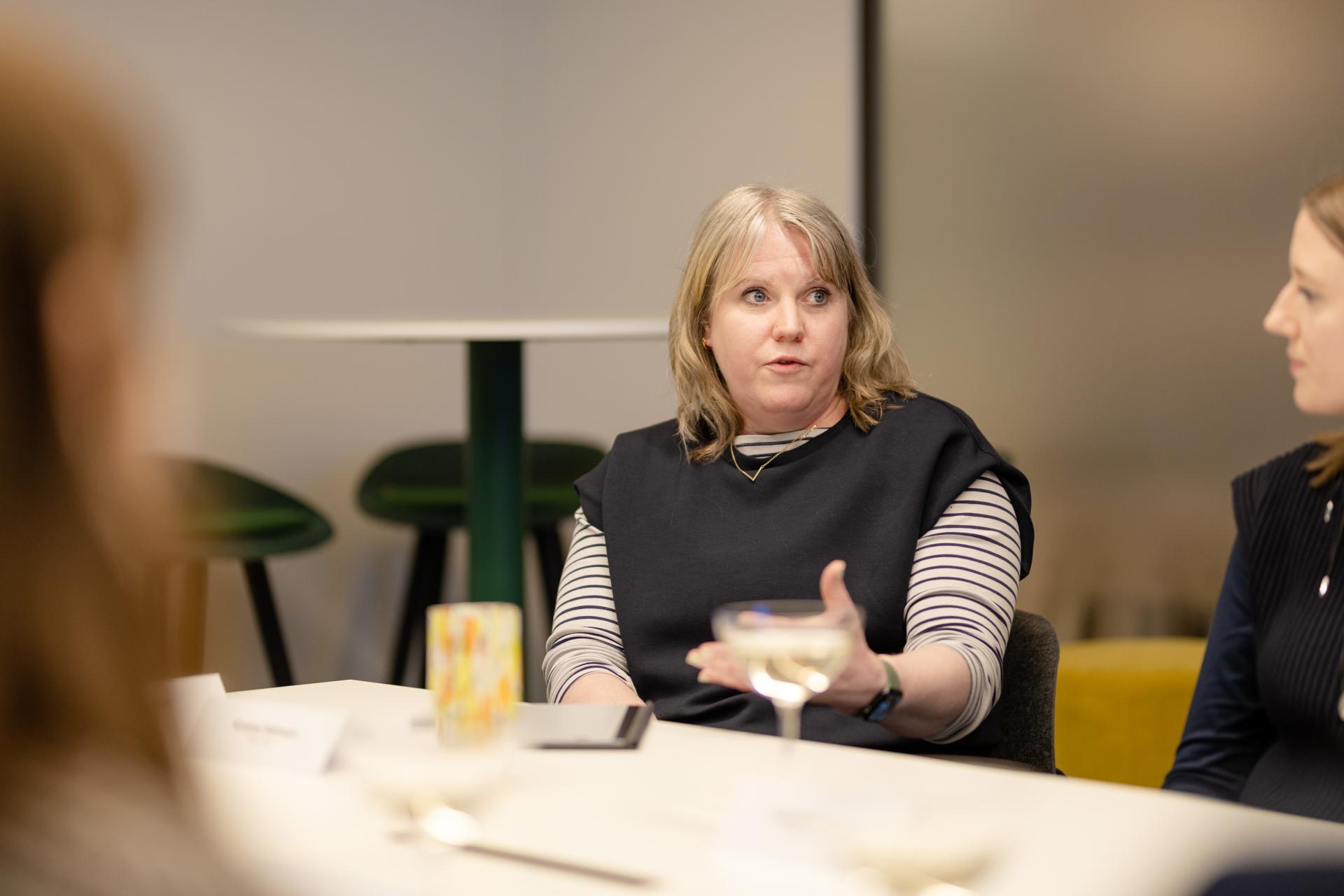
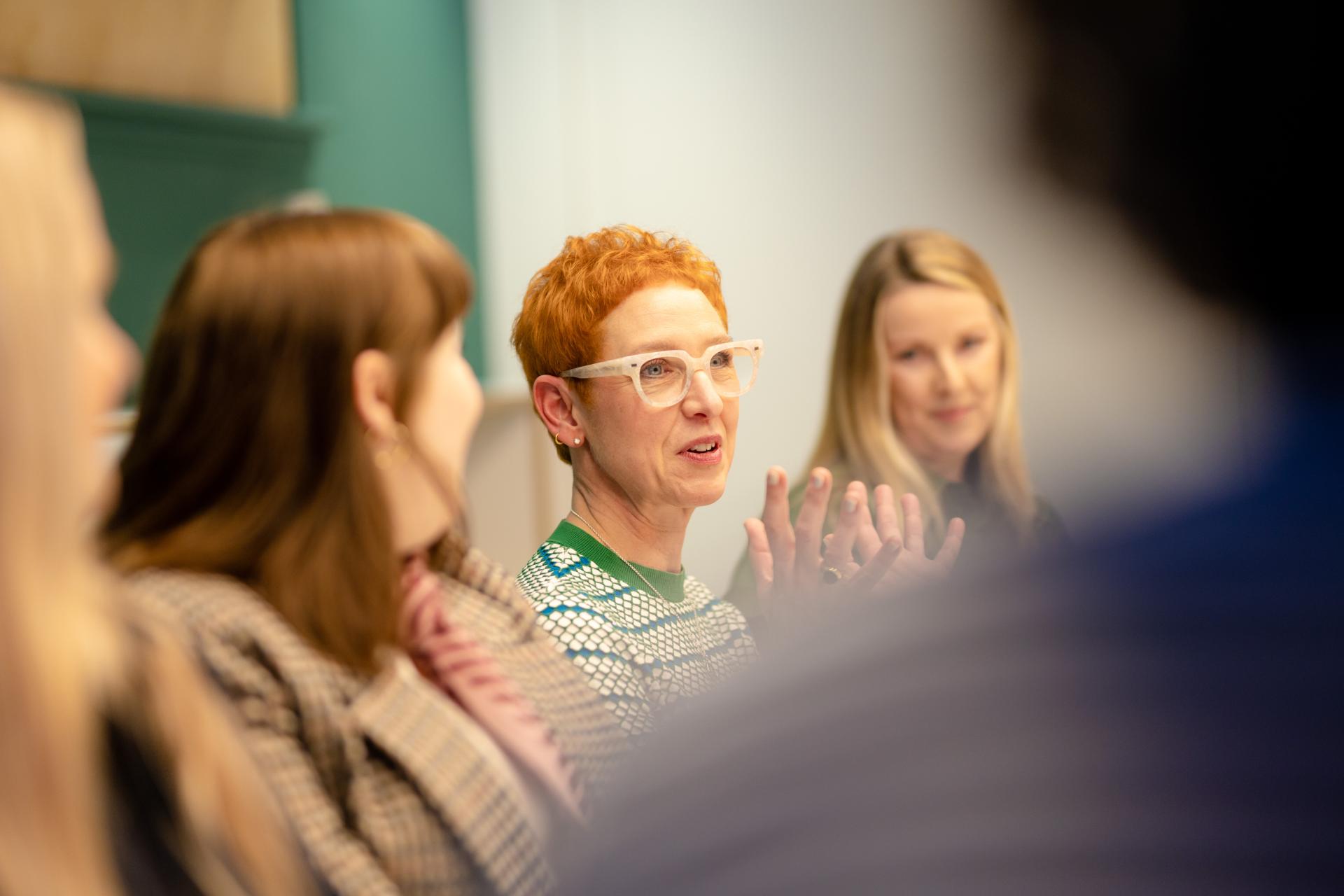
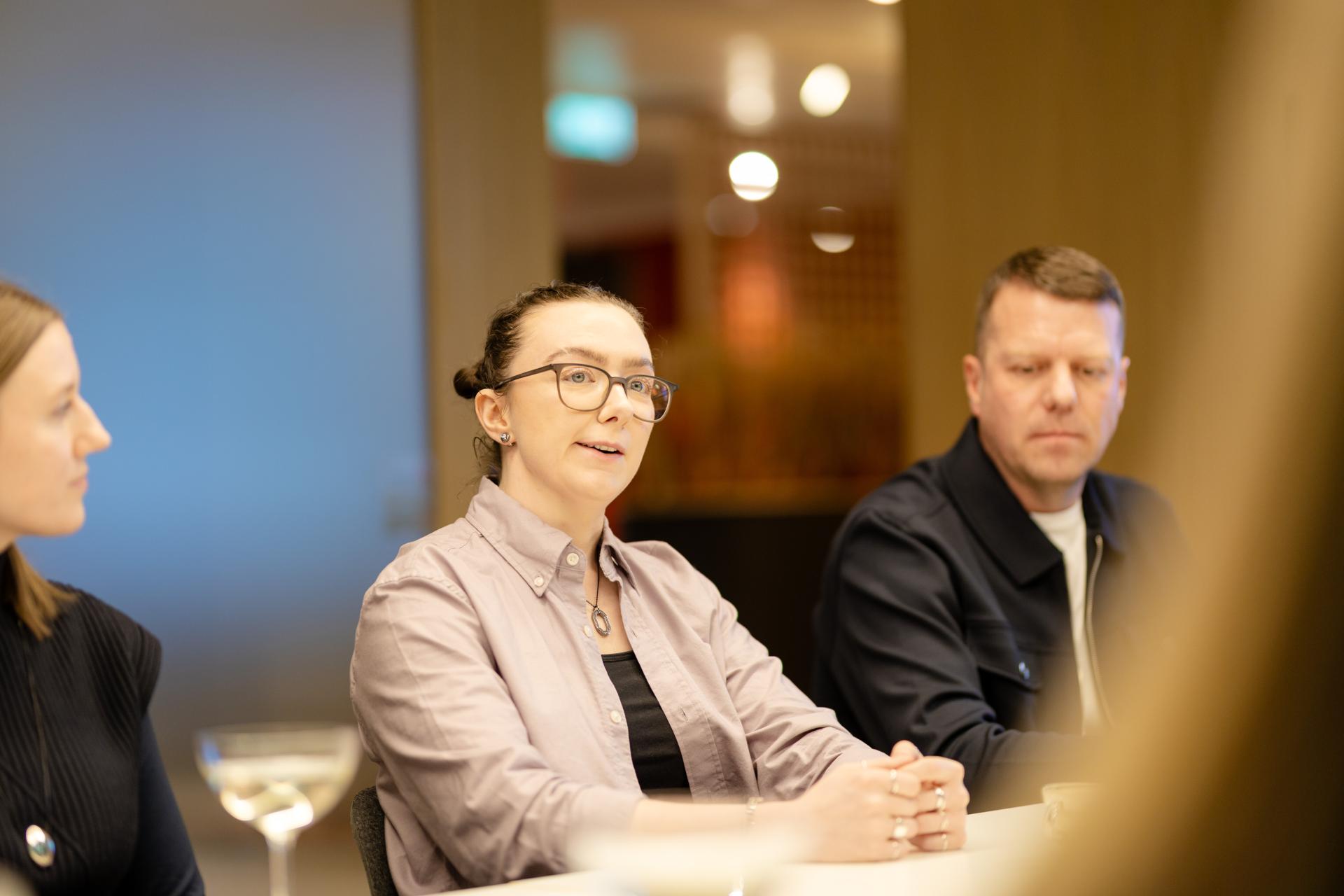
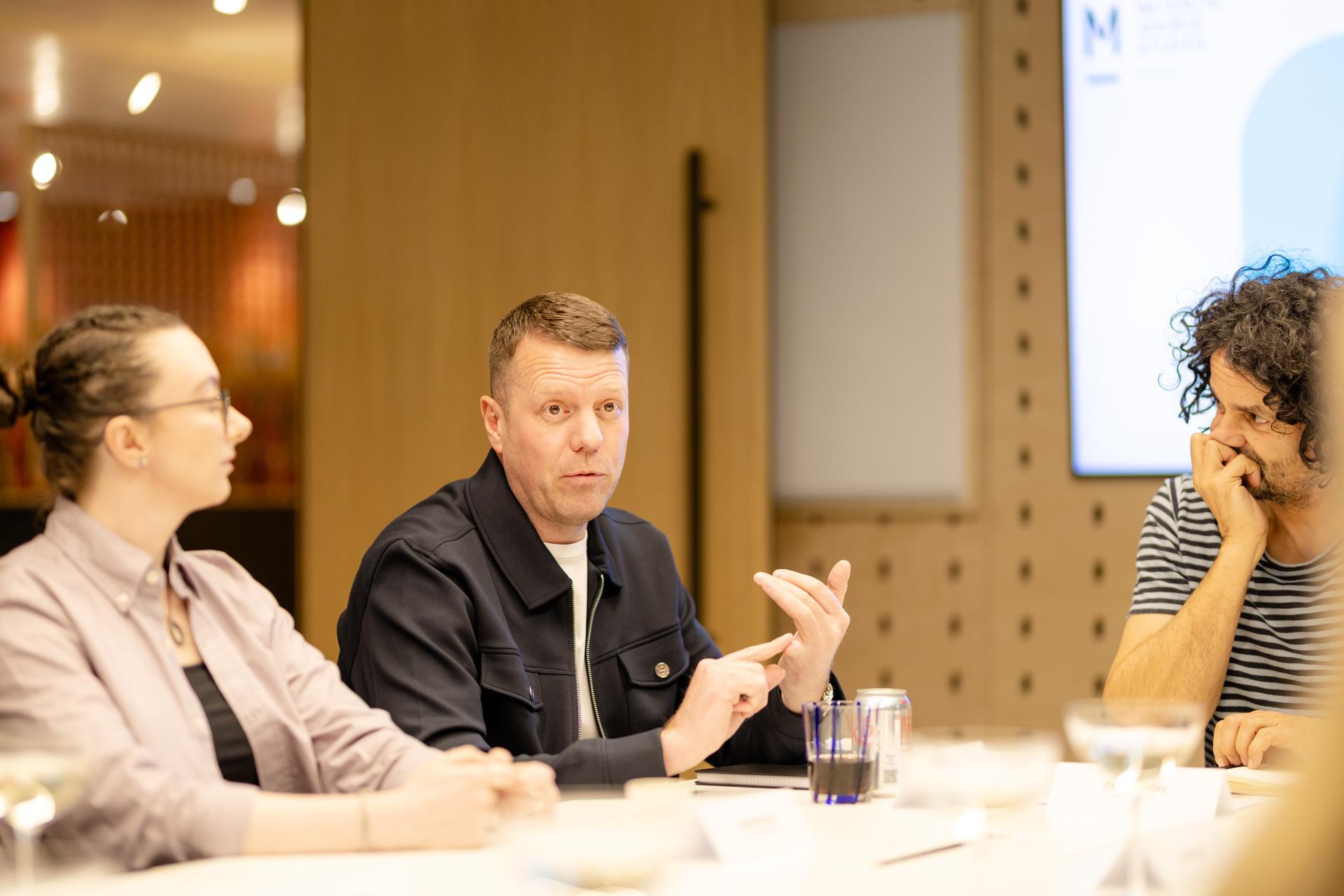
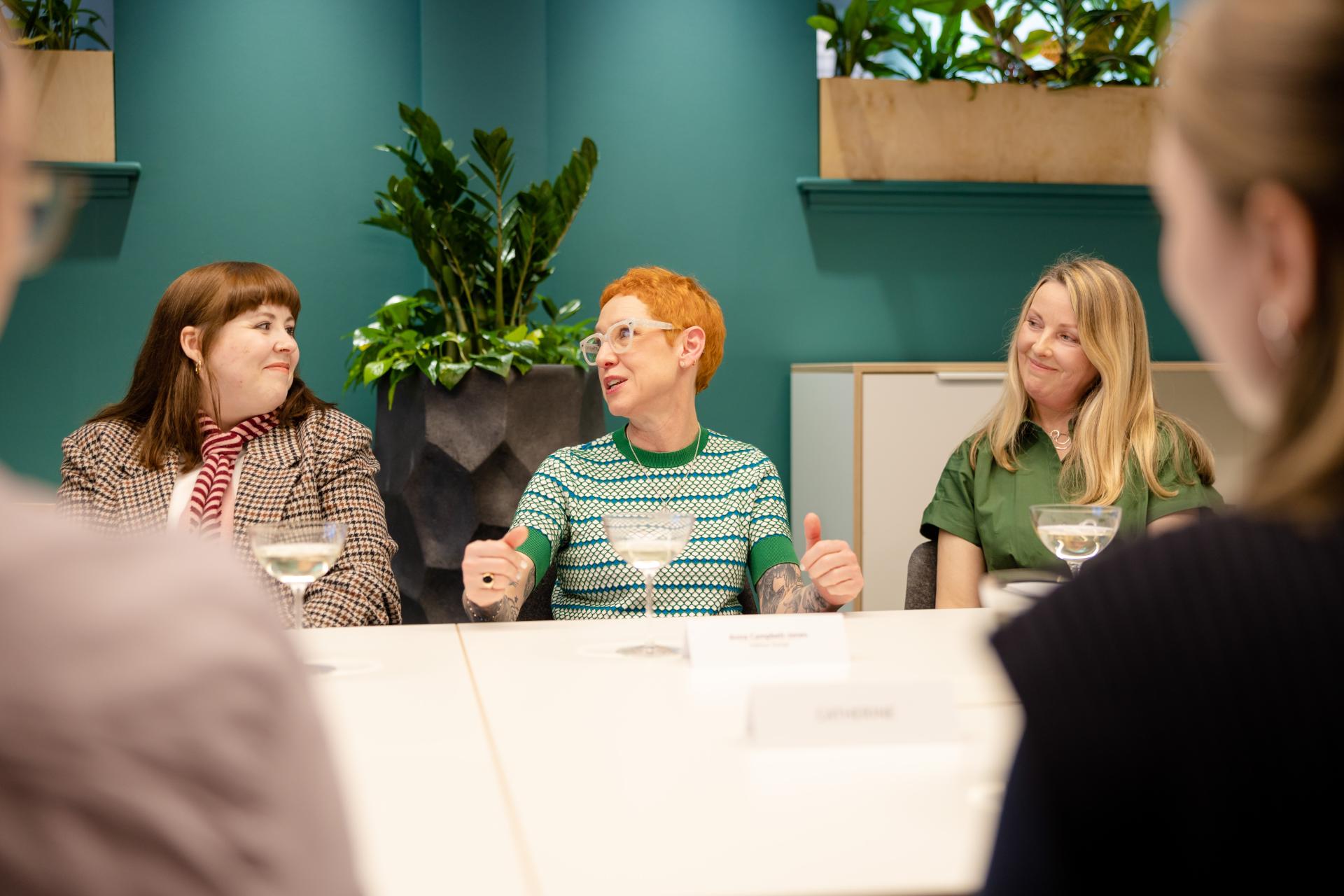
Inclusive design: What’s the point?
“What's the point of inclusive design if nobody seems to be that bothered about it?” David asked.
From a dementia point of view, Lynsey said, it’s about “safety”. “There is a lot of research and evidence around falls. Most falls tend to happen in ensuites or in corridor areas, and it’s a lot to do with tonal contrast at thresholds. People will high step a perceived change in level and that changes their gait.”
Heather believes it’s “fundamentally important that everyone in society is catered for and welcomed and included” for altruistic reasons, and for commercial benefit too.
“For some of our clients, the thing that's super important to them is retaining top talent”, she shared. “And some of those talented people may come with diverse needs.” Though this applies to workplace, the same applies to educational settings, and attracting residential tenants.
This point around what drives inclusive design – altruism or commerciality - was highlighted by Kirstine, who suggested the question should perhaps be: “Inclusive design: Why wouldn’t you?”
“If you design a residential building for the minority then you are going to automatically benefit the majority”, she commented.
“If you consider your lighting appropriately, and you consider your acoustics appropriately, you might be a neurotypical person who doesn't even notice but actually, subconsciously, you're going to want to stay longer in that space.”
With clients, it was suggested by Kirstine that the framing of the conversation in this way i.e. “some of it you see, and some of it you don't, but it all benefits your bottom line”, is precisely why we should be asking: “why wouldn’t you bother?”
Why it’s worth the bother
“Disabled people make up 25% of the population”, shared Stephanie. “So, when I've got a really difficult client who doesn’t believe in inclusive design, I say, ‘think about the 25% of the population that has a lot of spending power that you are missing out on’.”
It could be something as simple as having accessible information on a company’s website, Stephanie added. Wayfinding has been a constant thread throughout all our conversations on EDIB. And that starts long before a person has crossed a building’s threshold. Transparency around accessibility here is key, Stephanie suggests. “If there are three steps into your building – say there is. Then people know what to expect. If your business is LGBTQ+, tell people it is.”
With the standards, it’s mostly about physical accessibility, Jennifer Scullion, Interior Designer, CRGP Limited, said. But echoing Stephanie’s points, “it's about everything else that makes that a usable space”. “The most successful designs are the ones most thought out. And success is shown in footfall or occupancy. For designers, inclusive design is the backbone of our considerations.”
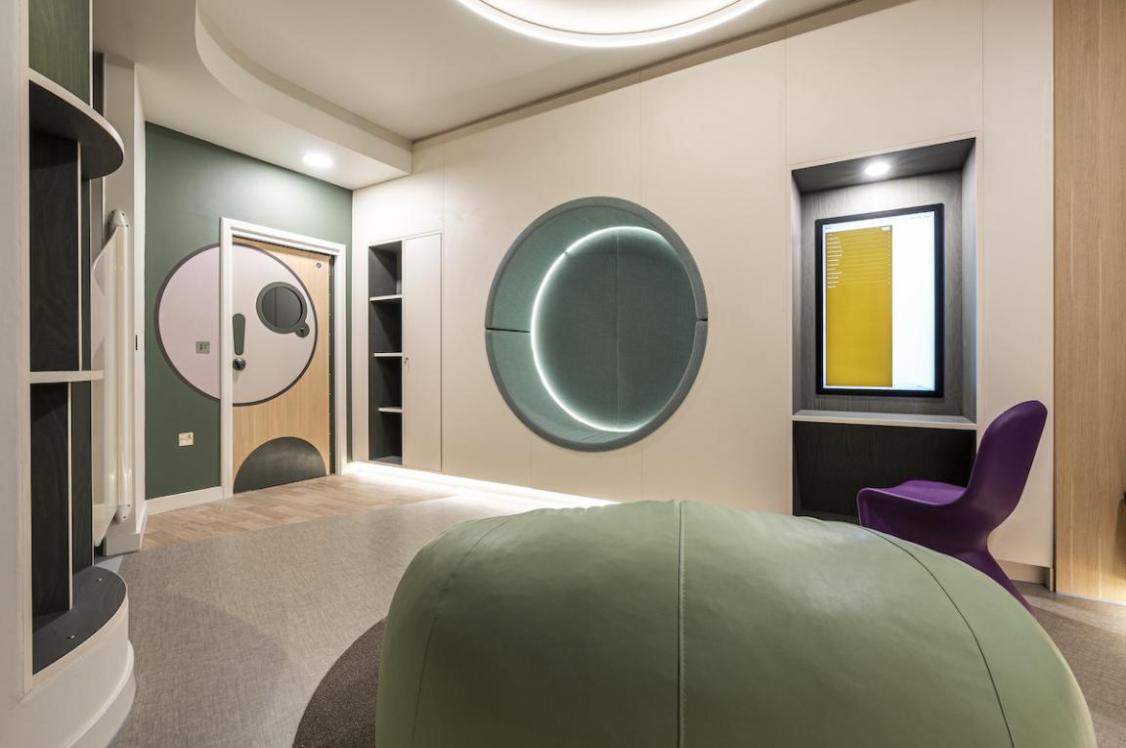
For Anna, a recent project with The Nook had the principles of EDIB at its heart. The only way to ensure the success that Jennifer mentioned, Anna said, is to engage with the end users that will actually be using the space.
“We had lots of conversations with service users, with staff, and with people with lived experience. Part of a designer’s job is to marshal feedback from a wide range of people, with very different experiences – some of which may contradict one another – and to make sense of that. It’s an enjoyable challenge”, Anna added, “and we must cheerfully accept that the feedback will impact on our designs.”
This sentiment was shared by Lynsey, who mentioned a project with the Dementia Services Development Centre, and the University of Stirling, where an apartment was designed to support healthy cognitive ageing. "The project used virtual reality to design a modern home, and the feedback was extremely useful."
Assumption, it seems, is almost the anthesis of inclusive design. Kirstine commented that it’s amazing what older people think younger people want and need in reference to projects in education where teachers and students are brought together for feedback sessions.
At Floyd Slaski, Stephanie said, “We do lived experience stakeholder engagement on every single project we do.”
Though this undoubtedly provides insight, a bias exists that impacts the voices of minority groups filtering through. “The people that normally respond to being asked for feedback are the most opinionated people, the most confident, most neurotypical people. With public consultations for a residential scheme, it's normally retired people who've got lots of time.
“What we see with public engagement sessions are that they’re held in buildings that are not accessible with really bright lights so all the people that you need to turn up are not going to turn up”, Stephanie suggested.
“You really have to adapt your stakeholder engagement; you need to consider whose opinions you need. And if they don’t have much time – people with lived experience’s time is valuable - you have to consider an incentive. Their advice should not be free.”
This point on lived experienced resonated with Scott Jardine, UK Sales Manager, Vepa UK, who shared that his whole mind-set has changed since accessibility has become a priority for a close family member.
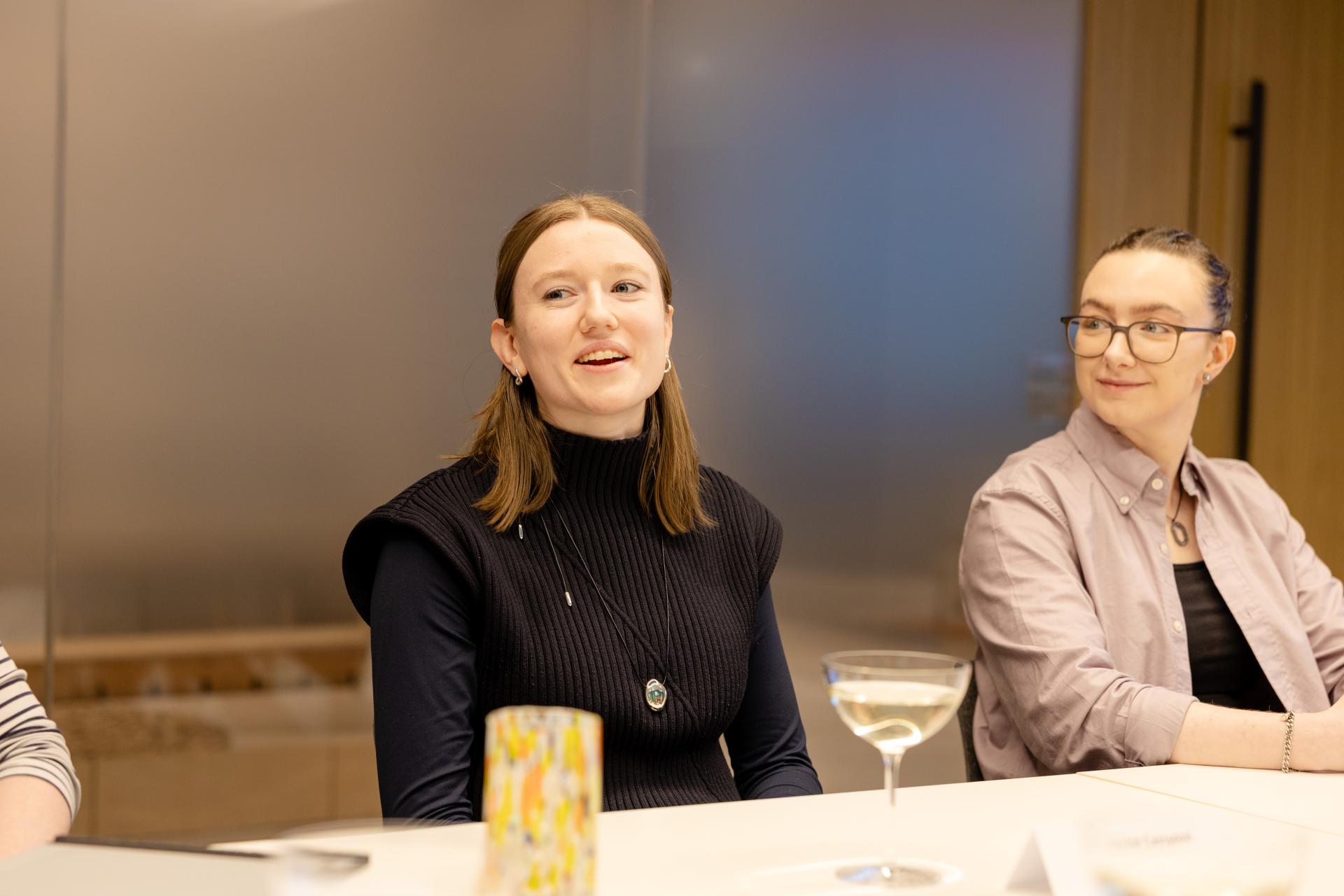
Highlighting an instance where public consultation had led to positive results, Heather mentioned the Aberdeen City Centre and Beach Front Masterplan. “Aberdeen is quite interesting in that it's probably one of the only cities I can think of in Scotland where you can get off the train and in 15 minutes you can get to a beach. But the city really wasn’t connected.
“What the council wanted to do was engage young people to ask them what they wanted from the beach front. And the outcome is an unimaginable play structure. We could never have imagined something like that ourselves.
“We worked with a Scandinavian play designer who specialises in this. And it’s now on-site. The results are going to be unbelievable, and we would never have come to that conclusion unless we'd gone through that process of engagement.”
“How do you engage with people when you don't know who they are yet?” David asked. “How would you engage with a community that's about to occupy your buildings?”
“We get a lot of data from the operators”, Heather replied. “But that data could be from anywhere, for example, London or Manchester where the BTR market is more mature than it is in Glasgow.”
Making meaningful progress
Although the term ‘neurodiversity’ was first coined in 1928, it feels like a relatively new concept, David suggested. “What meaningful progress have we made?” he asked.
Lynsey said there is more of a general awareness now, which hasn’t existed before. “I think more of a general awareness is helpful for all of us as designers and architects, because people then understand better why we're designing in the way that we are.”
In terms of the specifics around material choices, this might be avoiding shiny surfaces.
According to the group around the table, manufacturers and suppliers are providing better options, plus education through dedicated CPDs on designing for neurodivergence.
Stephanie suggested that as well as greater awareness of neurodivergence, there’s also a greater acceptance. Just as there were “no left-handed people – of course, there were”, there now seems to be more neurodivergent people, because it’s integrated into society. And it’s driven through “councils, clients, universities, for example, they're really pushing neurodiverse inclusive design, especially in higher education. So, because they're demanding this as part of their deliverables, manufacturers are having to catch on to it.”
From the perspective of a supplier, Mark Falcus, Specification Sales Manager, Parkside Architectural Tiles, expressed the importance for knowledge sharing in the industry to keep up with regulation change, plus new research coming to the fore, so that the products adapt accordingly.
Bettering BTR
Putting the focus on the BTR segment of the residential sector, David asked how inclusive design applies there?
“The Glasgow market still has to mature off the back of the Housing Bill and its amendments”, Heather responded.
Speaking of a project with a recent client, Heather shared they were “particularly good at giving us the freedom to develop inclusive design ideas.”
After consulting with an ESG consultant “early on”, Heather said that giving people choice was crucial.
The benefit of getting this right is “a thriving community of people who want to stay in the development in which they live”, Heather added.
For Catherine, the co-living concept is an “exciting one” due to the potential for intergenerational living. Glasgow now has a co-living policy, Catherine shared, to “drive meaningful progress in the city in terms of inclusive residential typologies.”
The Social Hub was highlighted as a success story in the city.
“It's interesting as it's the first one in the UK, and they chose Glasgow”, commented Anna.
“It’s adopted that Live, Learn, Work, Play model, hasn’t it?” continued David. “And the conclusion seems to be those developers, and the funders, are creating spaces to attract as broad a spectrum of people as possible? To build a community?”
Lynsey agreed that co-living and the likes of The Social Hub are more set-up to foster community than PBSA or BTR to some extent with a short term, transient resident base.
“You’ll only get a sense of community for a short time before people move on. Whereas if it’s intergenerational living, you're going to have longer term people ageing in place, and they’ll want to stay for the community.
“Community can only be built if the space allows it to – encouraging interaction through lobby spaces or a garden. It’s not the big events that people put on, but the small, day-to-day activities that create opportunities for a sense of community to grow”, Lynsey said.
This point on social interaction being facilitated by the built environment was echoed by Kirstine. Though she argued that support is needed on the operational side too. “I think it's about your management structures and it's about the training that you give to your staff. You were talking earlier, Stephanie, about the language that you use.
“It's about how you present information to people so that everybody can access the same information in as many different ways as suit them. It's bringing all of that together and realising that you can make the most ‘on paper’ inclusive space or residence, but unless you've got the people and you've got the process all working together holistically then it will fall down.”


Places for everyone
Heather raised the importance of not making assumptions about who may live in a private residential scheme, such as BTR or co-living. Referencing a project of this nature, Heather said there was initially push back on including a play space within the development, as it was assumed the demographic of residents would be young professionals. However, in actual fact, it was single parents that resided there in the main. And so the play area became one of the most used spaces.
There’s also the matter of rent – Jennifer argued the average cost of living in the city centre is not very inclusive. “Glasgow is a working-class city. And in the developments where you have gyms etc, the rent is expensive.”
This comes back to the notion of consultation, added Anna. To understand what the community truly needs.
When that’s done properly, people will recognise their feedback within a place, and that gives them a sense of ownership, she said. For The Nook with SAMH, “we were really excited that the people using the space would see evidence of their input”, Anna commented. “You could tell from the smiles on their faces they felt ‘this is my place’.”
As the conversation drew to a close, the group shared their final thoughts on what belonging looks and feels like in residential settings.
For Stephanie, a residential development alone cannot make people feel they belong.
“You can create the most sensory friendly, physically inclusive space, but if someone then changes something – they cook mackerel in a shared kitchen, for example – it’s then perhaps not sensory friendly for someone else.”
The same goes for people feeling they can be their true, authentic selves without being judged for their religion or sexuality by others, Stephanie added.
In this way, the built environment is shaped by community and culture. It’s not down to the bricks and mortar, Stephanie suggests. As architects, “all we can do is design as inclusively as we can to foster the best community and culture that we can”, she believes.
This is made slightly easier in BTR schemes over co-living, Heather said, as they are managed schemes. “For the staff there, looking after the residents is the core of their being. It’s down to employing amazing people.”
“Marrying the physical space with processes to help people connect is key”, agreed Kirstine. “To facilitate those chance encounters”, added Heather.
In reference to Glasgow, Scott said, “The slogan here is People Make Glasgow, so architects create the spaces, and the hope is that the people will make them work.”
As always, the hour flew by, but the insight shared provided a brilliant glimpse into how the concept of belonging is considered in private residential schemes – a growing market for Glasgow. When we return to this topic in 12-months’ time, we’d imagine the landscape we’re discussing will be much changed.
In the meantime, a huge thanks to our guests, and to our supporters for this event, Vepa UK & Parkside Architectural Tiles – both Partners at Material Source Studio Glasgow.
Top takeaways:
- New regulations are coming next year - watch this space
- Inclusivity goes beyond physical accessibility to include welcome, identity, and psychological safety
- Stakeholder engagement is key, and there is complexity in doing it well
- Meaningful progress has been made - but there's a long way to go
- Covid was a catalyst for more visible neurodivergent needs
- “Belonging” is the outcome goal, but it's difficult to guarantee through design alone - operations must support
- In Scotland, attention is increasingly being paid to feminist and broader inclusive lenses in urban design review - all agreed this is hugely exciting.