



























Future Materials: The challenges of specifying them.
In association with:





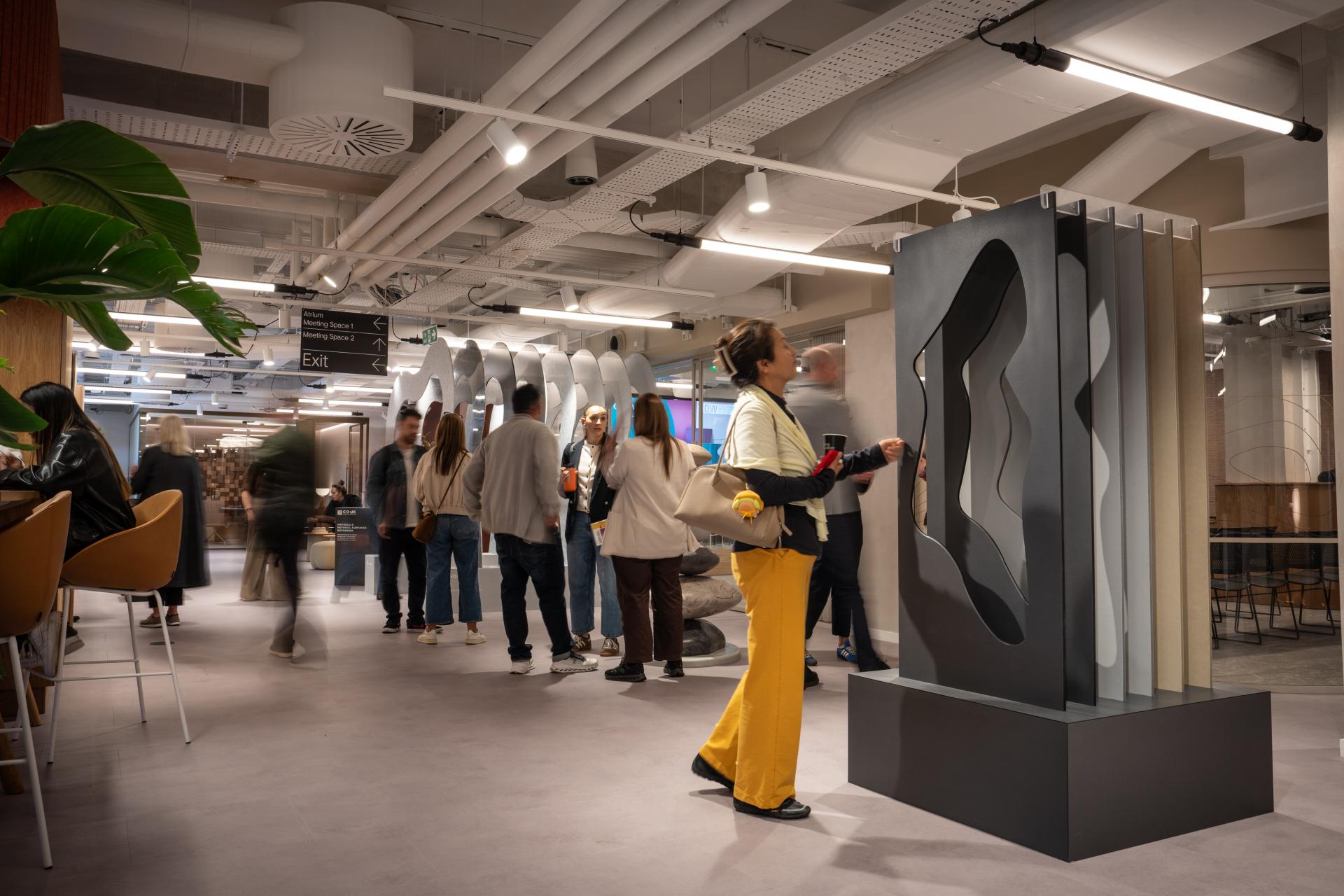
For our seminar event at Material Source Studio London, part of our Clerkenwell Design Week programme of activity, we put the spotlight on a topic we’ve been passionate about since the inception of Material Source 8-years ago.
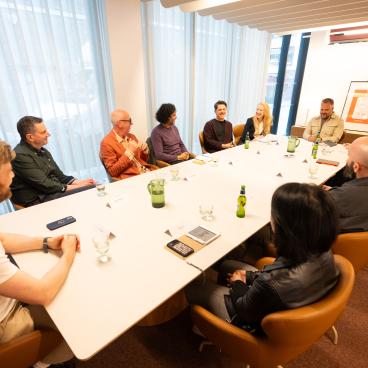
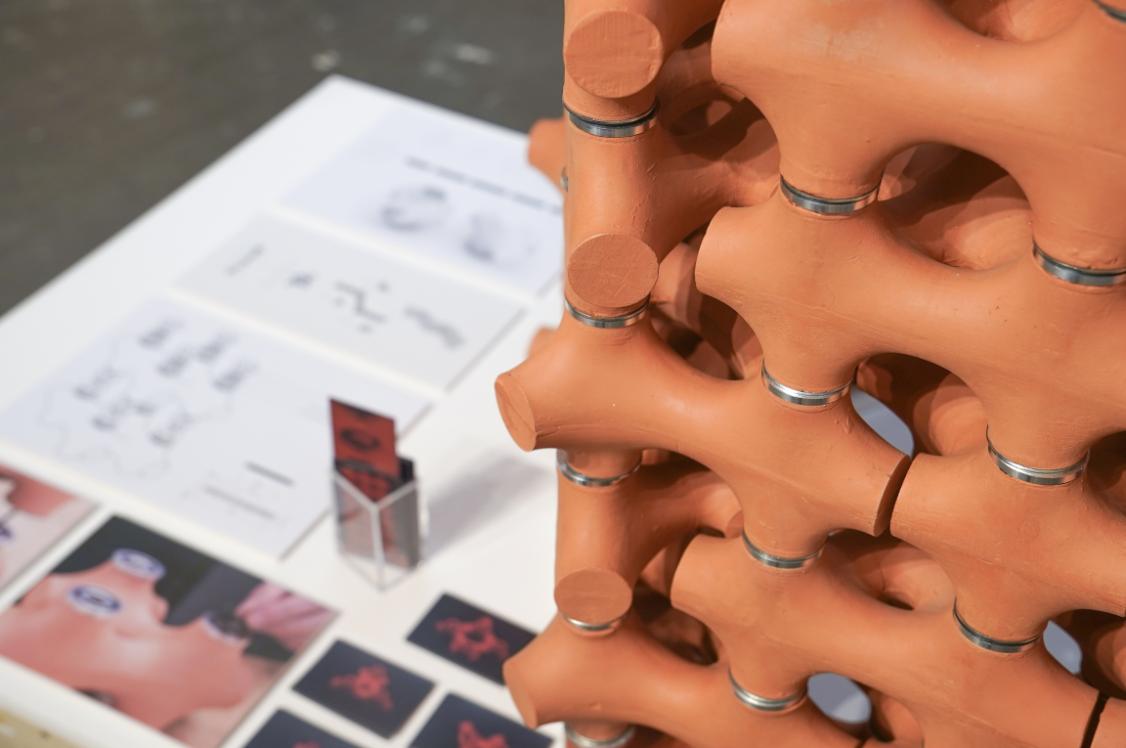
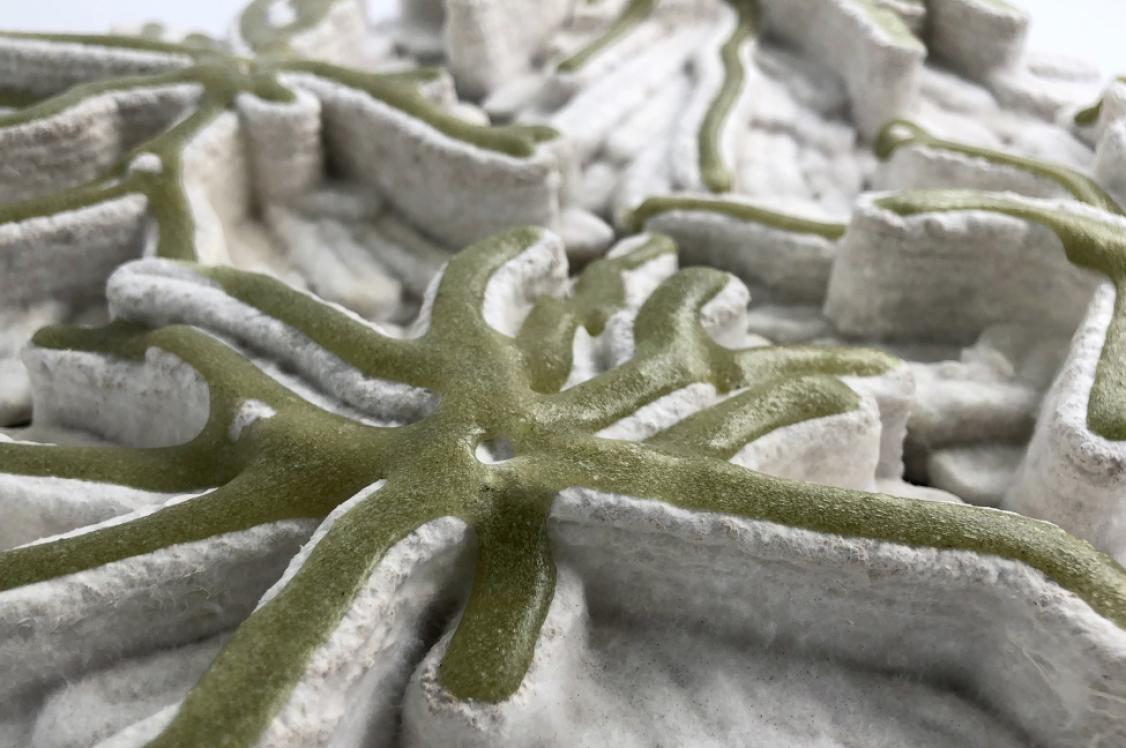
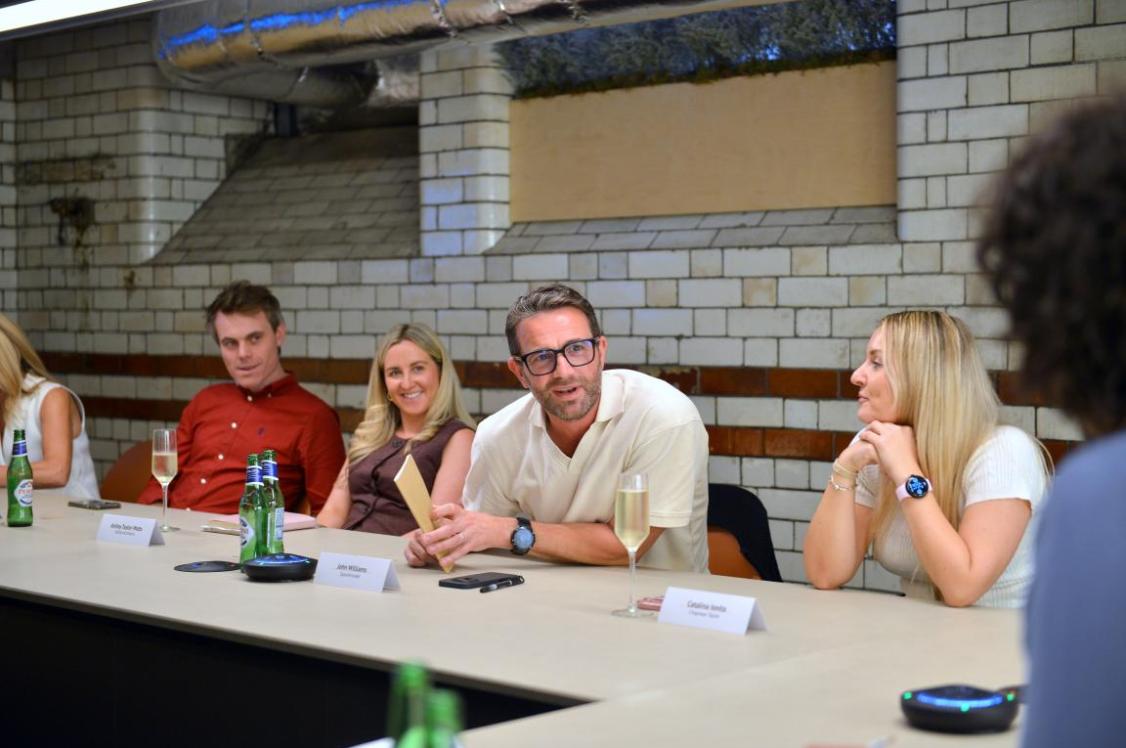
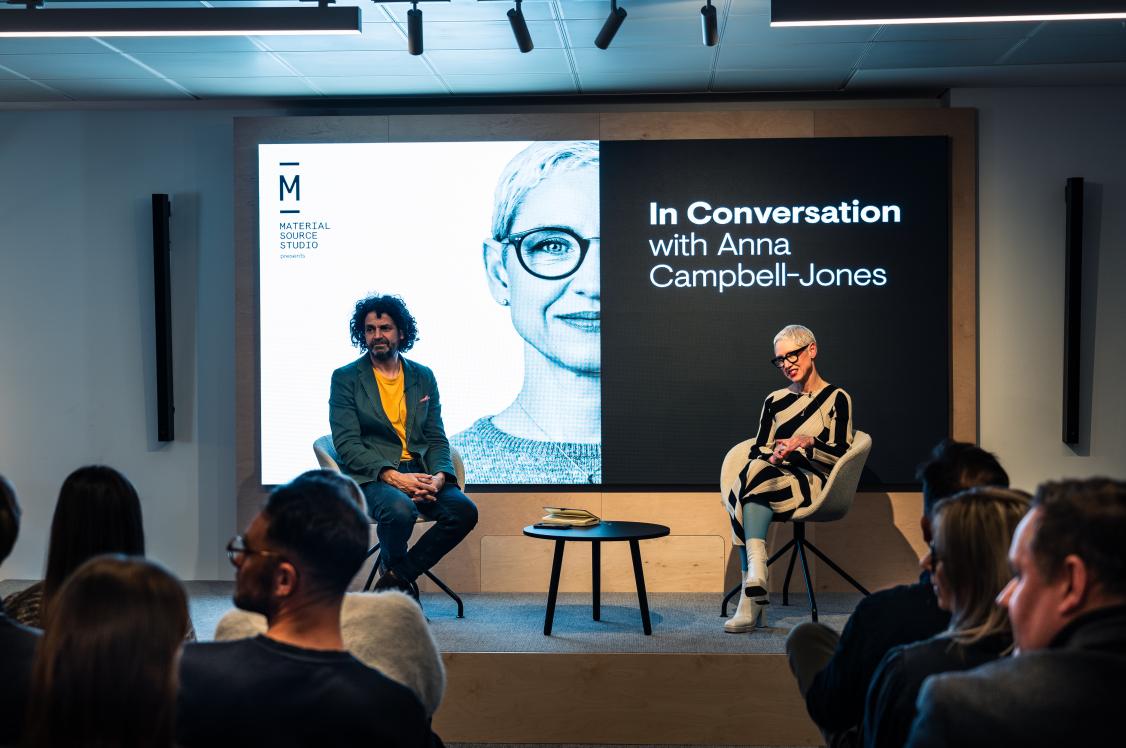
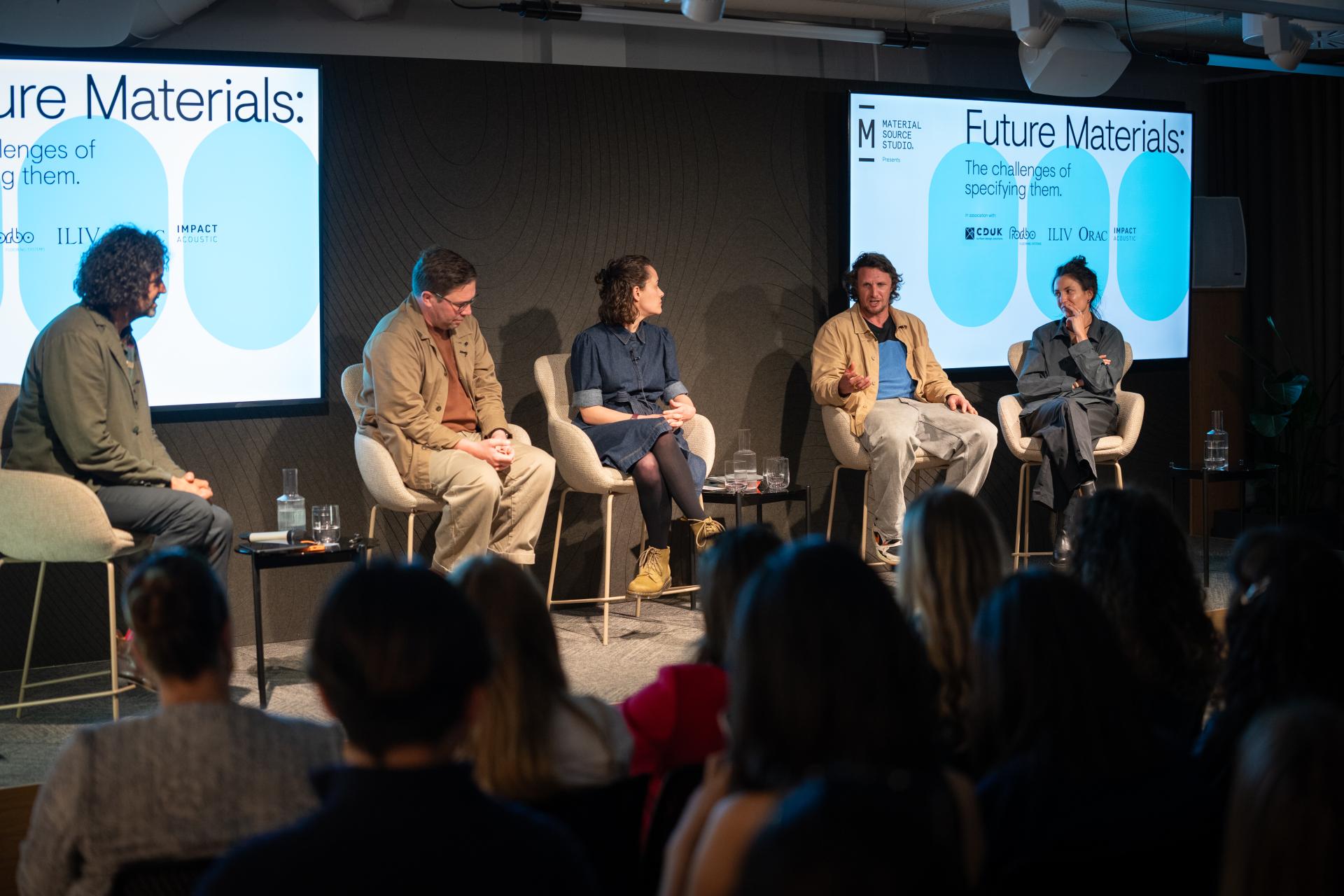
Panellists: Hannah Elisabeth Jones, Material Inventor, PhD Candidate; James Lawrence, EU Product Development Leader, Gensler; Ian Hunter, Material Researcher, Materials Council; Paula Camiña Eiras, Founder, Co-Obradoiro, joined session host, Material Source Studio Director, David Smalley, to discuss future materials and the challenges of specifying them.
While the challenges are clearly plentiful, and in some cases, prevalent, there were plenty of hopeful statements and an underlying sentiment that our sector is moving in the right direction.
The challenges of specification
To begin, David asked the panel, “What’s the biggest challenge to getting future materials specified?”
The first challenge, Hannah shared, are a material’s origins and ingredients. “If you don’t know what something is made of, where it came from, or how it was processed, you can’t confidently specify it. Not just because you need to know how it performs, but because you need to stand in front of a client and say, ‘This is safe, this is right, and here’s why.’" That’s material integrity, she said. The ‘ingredients list’ matters as much as the finish.
Another challenge, according to Ian, is knowledge. “You can’t know what’s new until you know what’s old." We’re surrounded by materials - tens of thousands of options - and the explosion of choice has been accelerated by global supply chains and post-war industrialisation. “That’s exciting”, Ian said, “but it’s also overwhelming. And a lot of the challenge isn’t access. It’s understanding what a material can do, what it can’t do, and what it’s really good for.”
For Paula, a challenge lies in a lack of consideration for end of life. To what happens to this material when it’s done? If the story stops at ‘it’s recycled’ or ‘it’s recyclable,’ we’re not finished. We need transparency around the full lifecycle: how it breaks down, whether it can be disassembled, whether it’s likely to be recycled in the real world, and what damage it might cause if it isn’t.
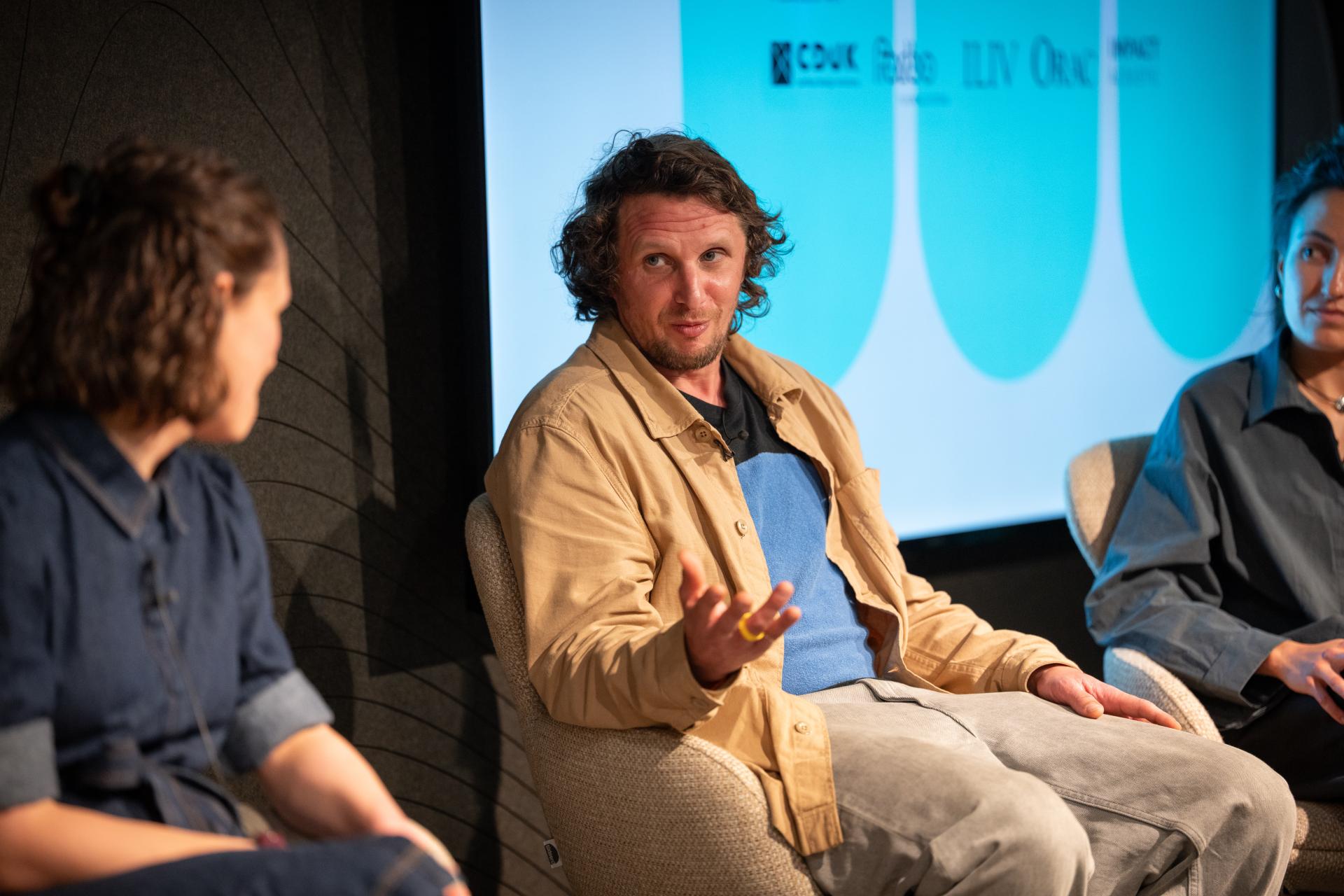
And then, for James, it's “getting the alchemy right”. Future materials don’t get specified on technical performance alone. A mix is required - the right client, the right timeline, the courage to take a step into the unknown. Plus, the narrative that helps people understand why the material matters. In other words, even if the material is brilliant, the project still needs conditions that allow specification to happen.

Credit: Robin Boot
Credit: Robin Boot

Credit: Robin Boot

Credit: Robin Boot
Credit: Robin Boot
Credit: Robin Boot
Assessing the risks
When talking about specification, the word ‘risk’ cannot be avoided. And there are many strands to that concept. A risk to humans (safety, toxicity, fire performance). There could be a risk to the client (cost, reputation, project delays).
But without the specification of future materials, ultimately, there’s risk to the planet (waste, carbon, pollution, unintended consequences), Hannah said. "To create truly human-centred spaces, you ultimately have to holistically consider Earth-centred design - because we need the Earth."
Financial risk was also raised. R&D takes time. Certification takes time. Testing takes time. And all of that costs money, and sometimes it leads to ‘aborted work’ - a promising idea, that doesn’t make it across the line. James also pointed out the non-negotiable reality: no material can be used that creates liability that no one can insure.
“So then,” David asked, “what does it take to get a future material commercially ready?”
From an “enthusiastic client and a convincing story” (James), to “evidence-based claims, and certification backed by real testing” (Hannah), it was once again stressed that it’s a combination of factors that a sustainable specification make.
Environmental Product Declarations (EPDs) were mentioned by Ian as “one of the best tools we have right now for transparent environmental performance”, but, of course, those need proper production data behind them – at least 18-months. And there is significant cost involved, which can prove too high for individual innovator designer-makers.
One audience question referenced the interior designer’s role specifically. “Are we talking about materials that can actually be specified, or are we talking about speculative research that’s not ready for the real world?
“Because you can walk into a show, meet a young inventor with an exciting material made from waste - and it might smell, it might not have an application, it might not be certified, and it might not be safe to put into a building." The question was fair: "As interior designers, what are we meant to do with that?”
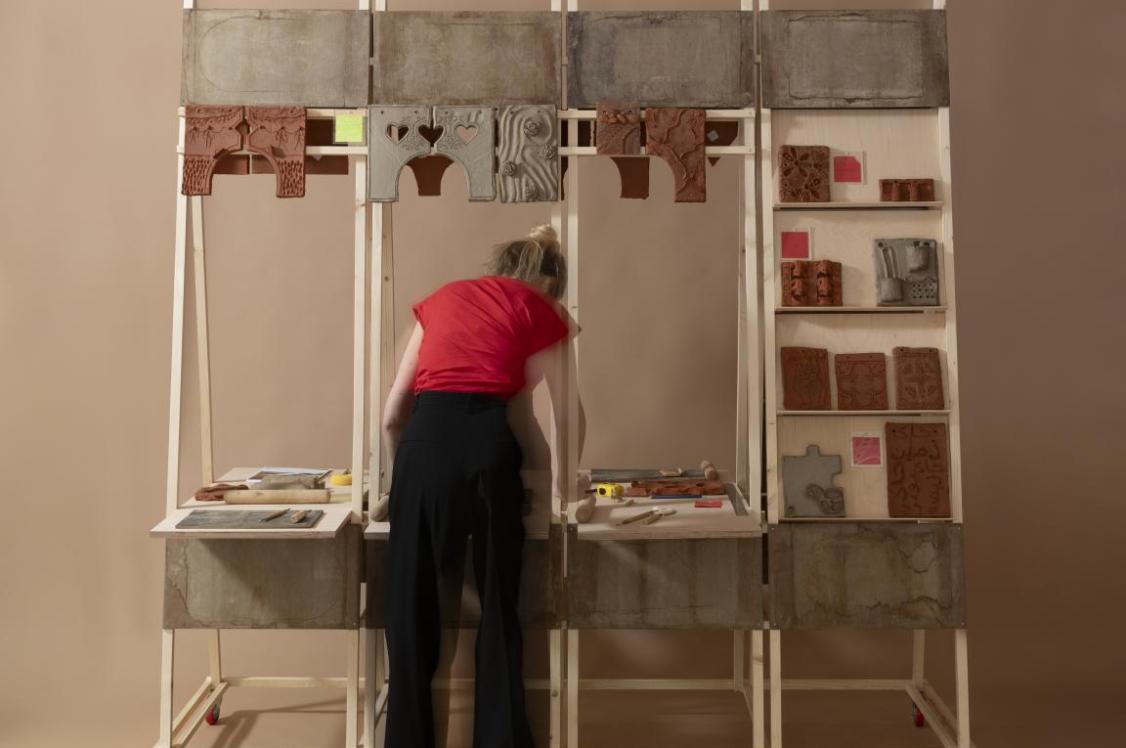
The answer from the panel was to acknowledge the journey. “Some materials need a controlled environment first, like a showroom, an installation, or a pilot space, where you can test, learn, and de-risk before bringing it into larger projects,” said James. "And if you want to specify new materials confidently, it helps to learn from the ones who’ve already pushed through that process.”
The cost of being sustainable
Another question from the audience enquired, “How do you convince a client to pay more upfront for a more sustainable option?”
“Sometimes you prove durability with testing. Sometimes you prove emotional durability - people value what they love, and they keep what they value,” responded Hannah.
“Sometimes you tie the material back to a company’s values and make it non-negotiable, so it doesn’t get cut during value engineering,” added James.
“And sometimes”, Paula added, “you reframe the conversation from ‘cost per unit’ to long-term value: longevity, brand alignment, carbon reduction, and the story the space is able to tell.”
The ‘story’ piece came up a couple of times throughout the conversation. If a client sees and touches a material in real life, it becomes harder to remove. The ideal situation, Ian said, is to “bring the client into the material exploration, let them experience it, and let them fall in love with it.” Because when they want it, it survives the budget pressure.

Credit: Robin Boot
Credit: Robin Boot

Credit: Robin Boot
Credit: Robin Boot
Credit: Robin Boot
Champions and barriers
“Who are the champions of future materials?” asked David.
James described it like a barbell. On one end, you have small designer-makers and radical innovators; on the other, you have large corporates with big goals, budgets, and pressure to meet ESG targets. The magic happens when you connect them, he said. When the corporate mission meets the maker’s innovation and designers help translate it into something buildable.
“And the blockers?”
Scalability. Clients are interested in whether it can meet demand. If it can be delivered on time. Is replication across sites possible? A beautiful prototype is not the same thing as a reliable supply chain. And that doesn’t mean small-batch innovation isn’t valuable the panel agreed, it just means we all need to be clear about where it fits, and how it could scale responsibly.
David asked how manufacturers can help.
“Be willing to be challenged, at every stage of design,” was Hannah’s answer. “The next generation of designers can help bring fresh perspectives, but manufacturers have to create the time, space, and funding for development.
“Designers need to ask questions – such as where are the gaps? What can be changed in production? What alternatives exist for fibres, dyes, finishes, binders, and processes?”
The danger of greenwashing was raised. For Ian, we must be transparent, and honest in the claims we make.
“'100% recyclable’ sounds great, but it isn’t always the whole truth. Plenty of things are theoretically recyclable. The real question is whether they’re actually recycled, whether they’re likely to be recycled, and whether recycling still relies on virgin inputs and high energy use. Transparency matters more than marketing lines.”
A question from the audience asked for the materials the panel are most excited about. And interestingly, the consensus was to look back in order to look forward.
Material potential
Cork was suggested by Hannah. With a reminder to acknowledge material provenance. “Natural cork is regenerative, but it takes time: decades before first harvest, and years between regrowth cycles. Then there’s agglomerated cork, often mixed with synthetic binders that complicate disposal. Know what you’re using.”
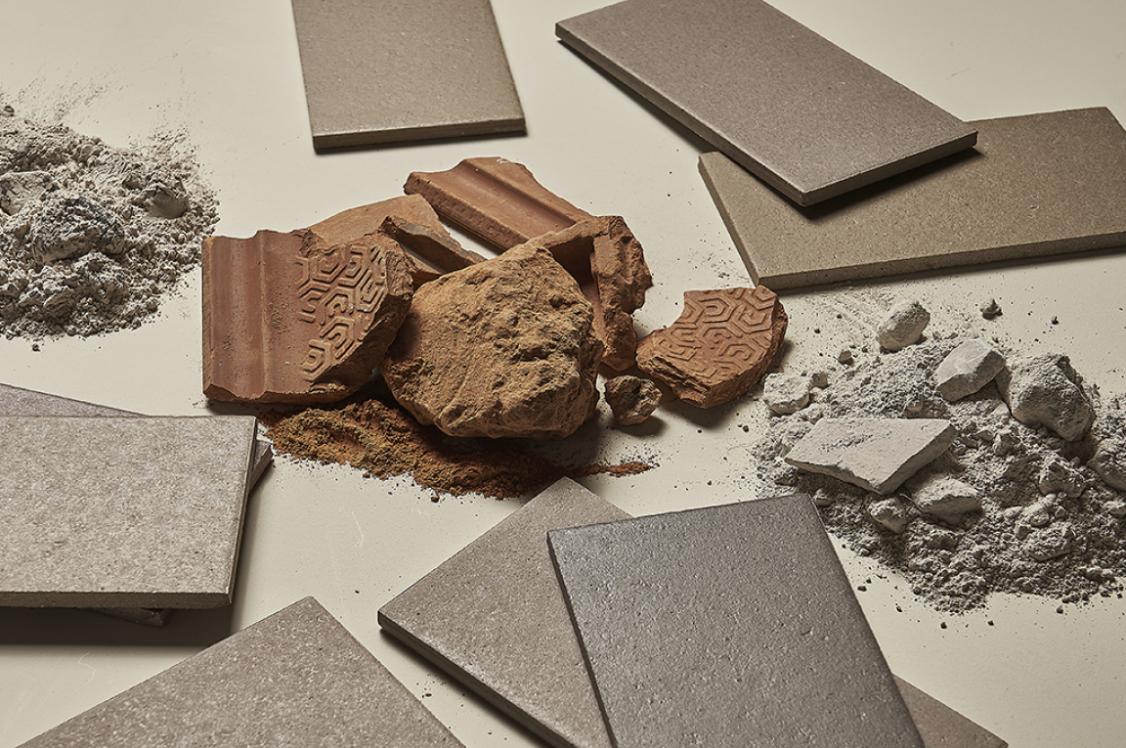
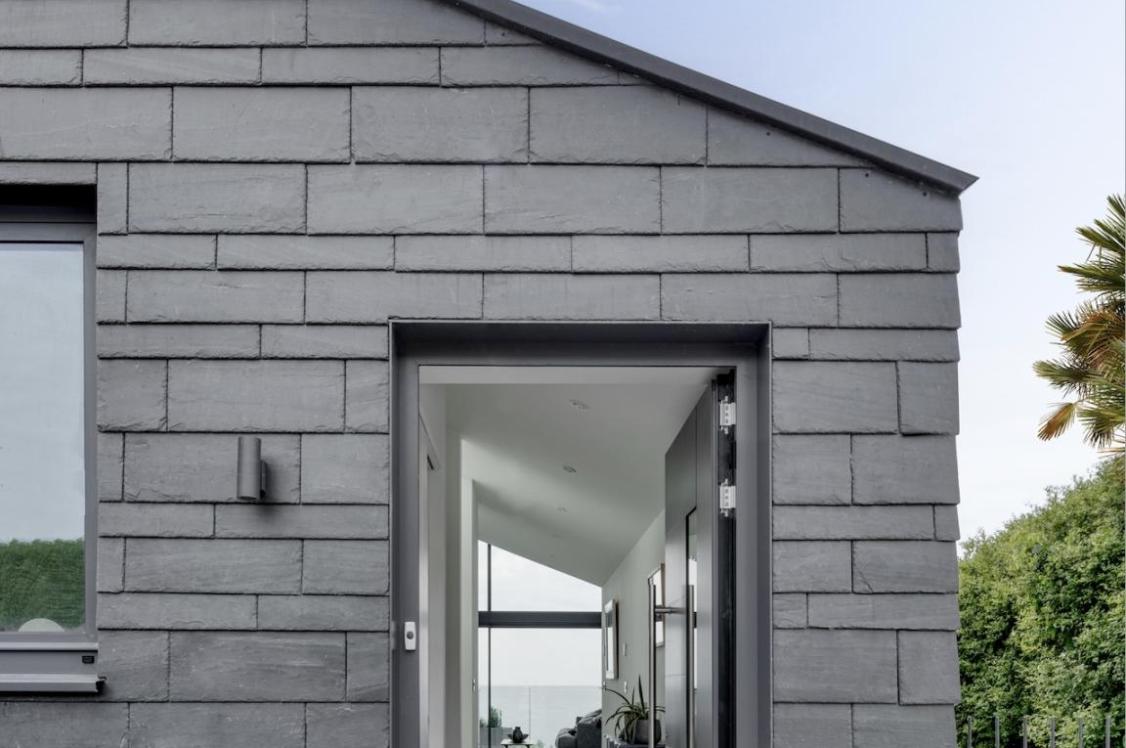
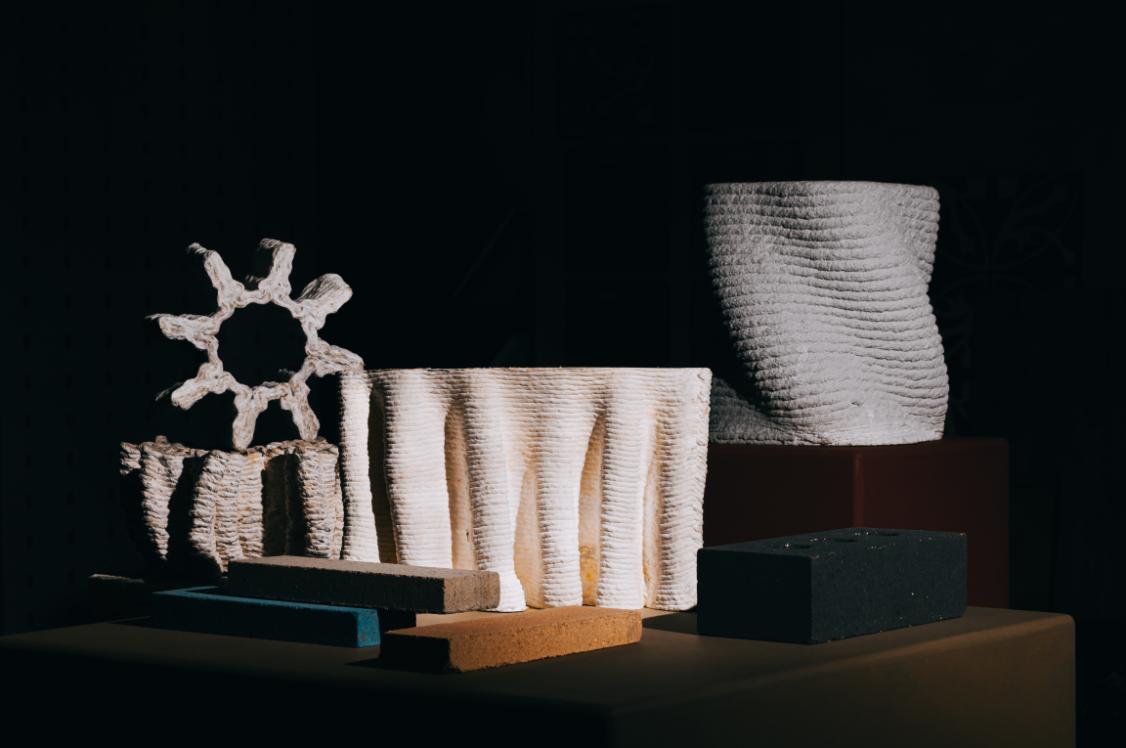
Ian referenced stone - not as a surface finish, but as a serious structural material. “We take stone from the ground, burn it, grind it down, and turn it into concrete… just to recreate what stone already is. Looking back can sometimes be the most radical move,” he said.
Wood and mass timber were also highlighted by Paula and James. “There’s something powerful about watching an industry rethink what’s possible - tall buildings that once had to be steel now using engineered timber at scale, with performance that responds to real safety concerns like fire behaviour.”
This is not nostalgia. It’s looking at traditional materials through the lens of innovation.
A question from the audience asked about the potentials of bamboo.
“If you’re in Europe, hemp is the ‘European bamboo’”, Ian shared.
Bamboo often involves long shipping routes and heavy processing with resins and glues to become the products we specify. Again, the narrative theme returned. The full story matters.
Credit: Robin Boot
Credit: Robin Boot
Credit: Robin Boot
Credit: Robin Boot
Innovation acceleration
“What would help to accelerate the adoption of future materials?” David asked.
“Investment and legislation,” came the reply from Paula.
“It’s push and pull,” added James. “Investment helps future materials survive the long road of R&D and certification. Legislation creates the push.”
“Carbon guidelines, lifecycle assessments, and planning requirements can force the market toward lower-carbon choices, which in turn pushes manufacturers and clients to move faster,” Hannah added.
The session closed on hope. Paired with practicality. More clients are opting in. More material start-ups are building real solutions. More designers want to use them. Arts and sciences are mixing more than ever, and designers can translate breakthroughs into something people actually want in their spaces.
“What’s happened in the last 10 years is enough to give me hope. Including this building. Material Source Studio existing in Manchester, Glasgow, and London is a really good example that change is happening. The shift is on its way, and the knowledge is being provided now. That gives me hope because knowledge is power, and it’s understanding how we can best specify materials,” commented Hannah.
Bringing the conversation to a conclusion, one of the key takeaways was that specifying future materials is not just a design decision. It’s a chain of trust. Trust in ingredients. Trust in performance. Trust in end of life. Trust in the story. Trust that a client will back it. Trust that the supply chain can deliver it. And trust that we’re building toward something better, not just something new or for now.
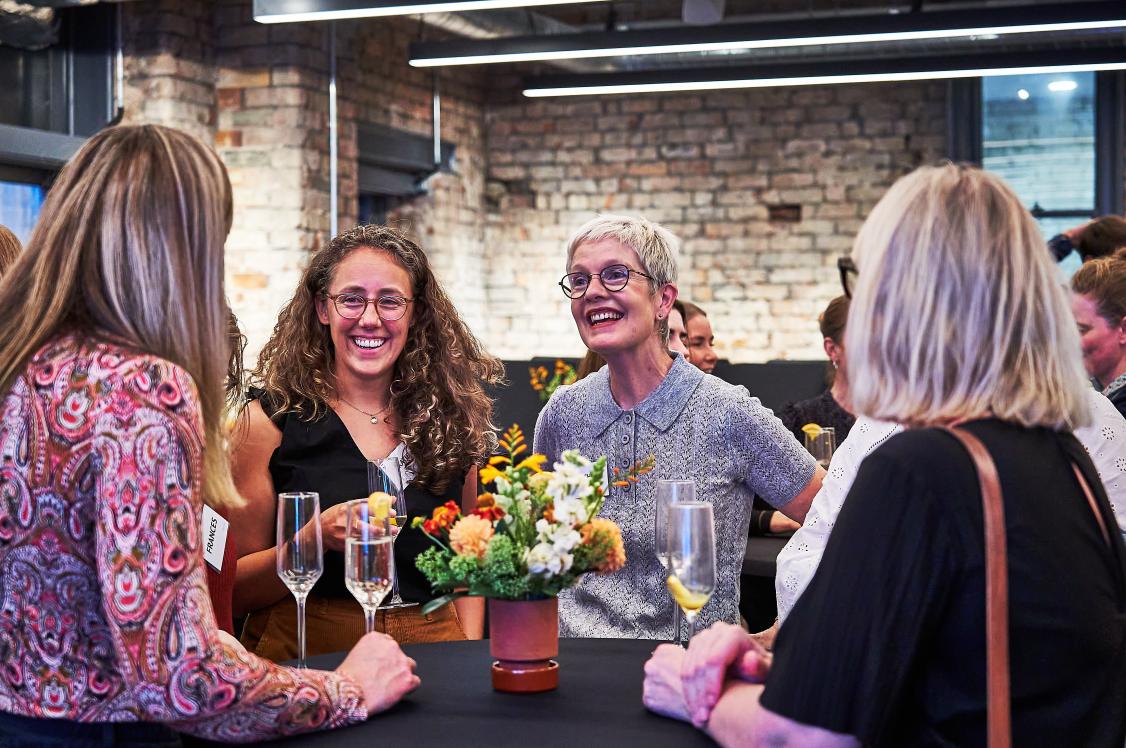
A huge thanks to everyone who joined us for this special seminar session, to our wonderful panel for sharing their insight, and to our supporters for this event, Studio Partners: CDUK, Forbo Flooring Systems, ILIV, Orac UK, IMPACT ACOUSTIC®.
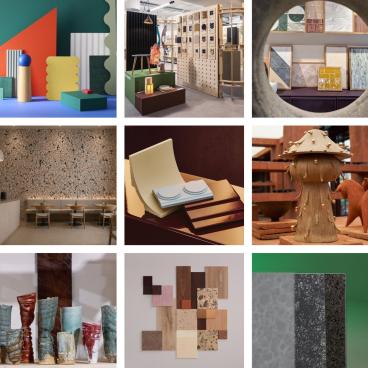
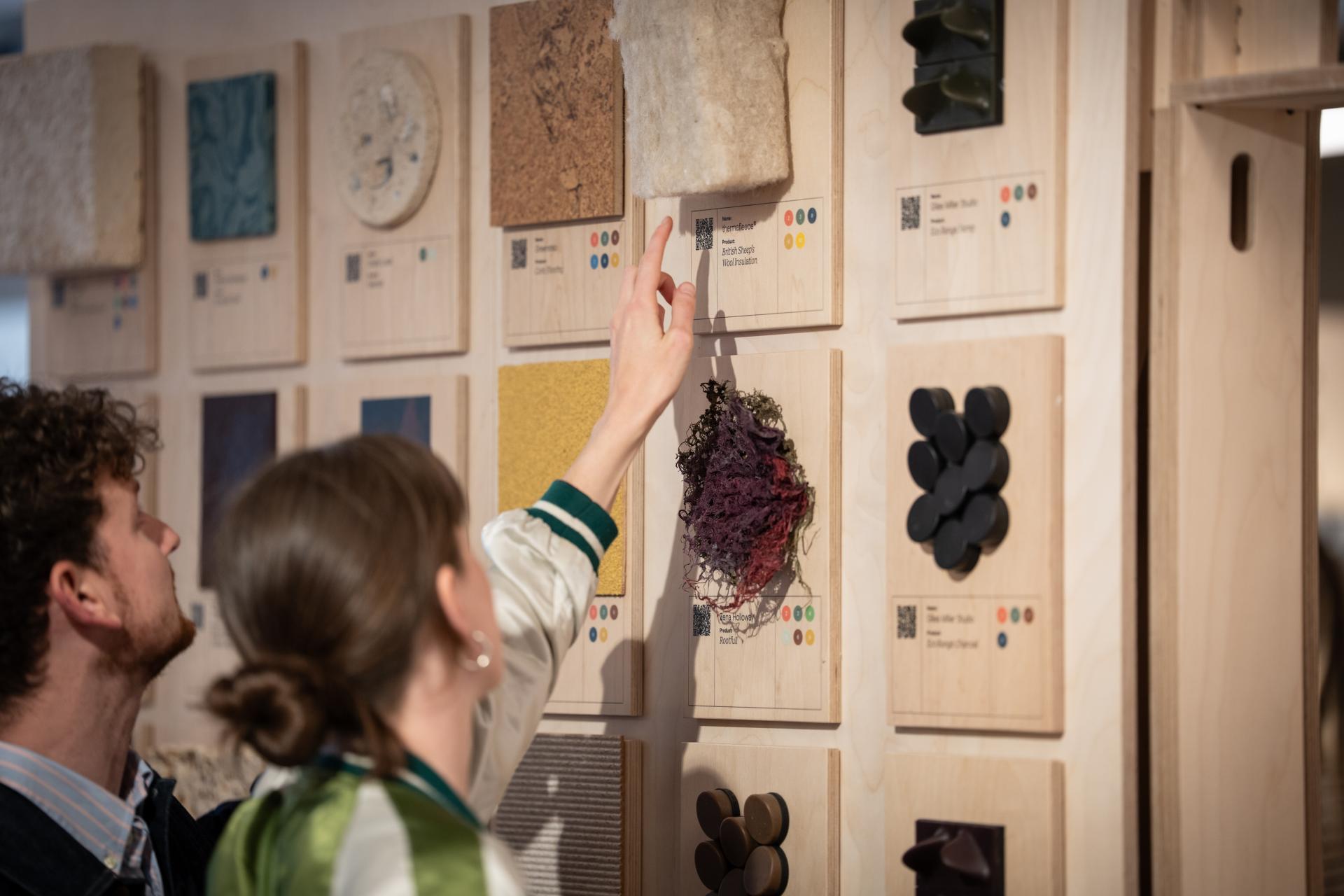
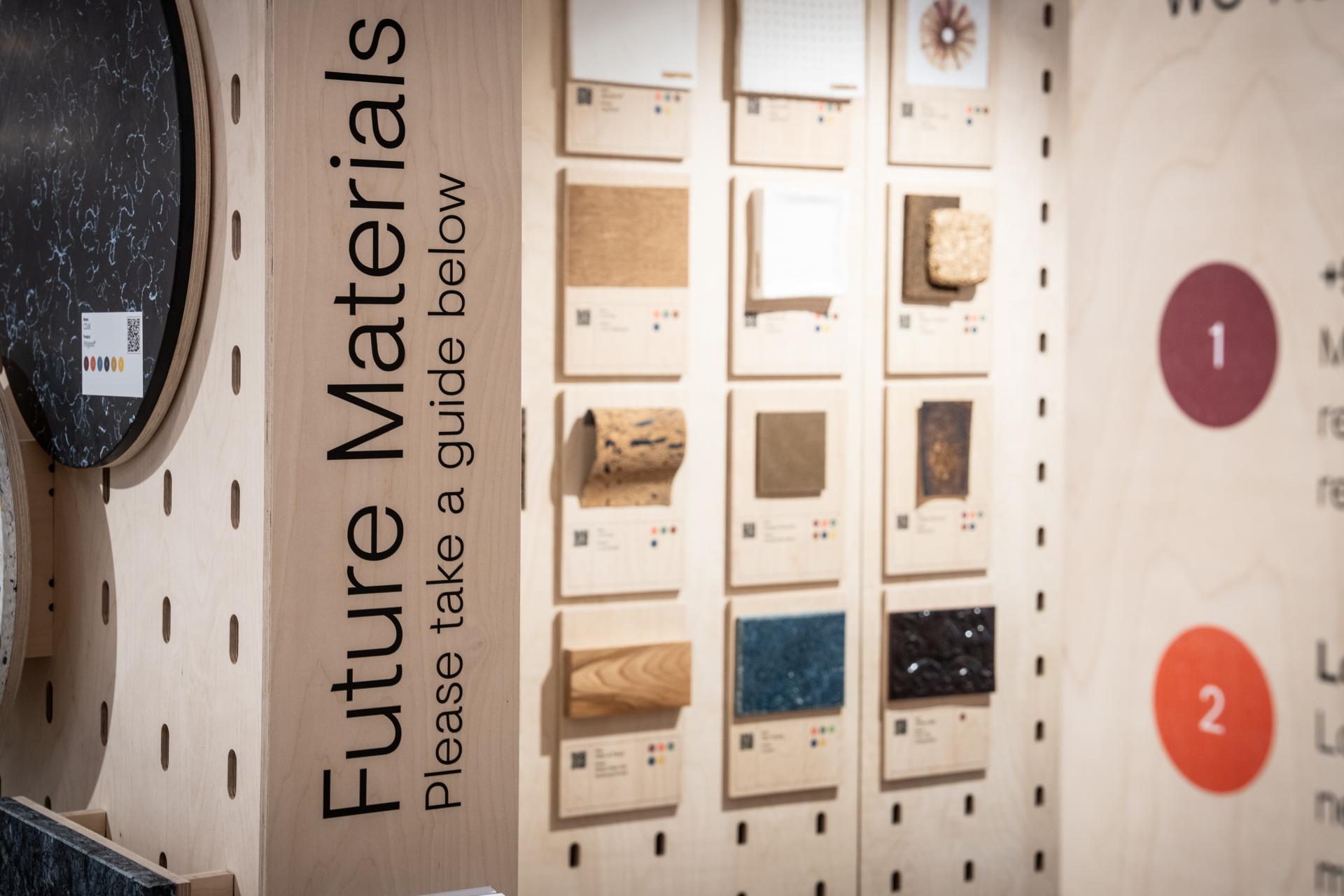
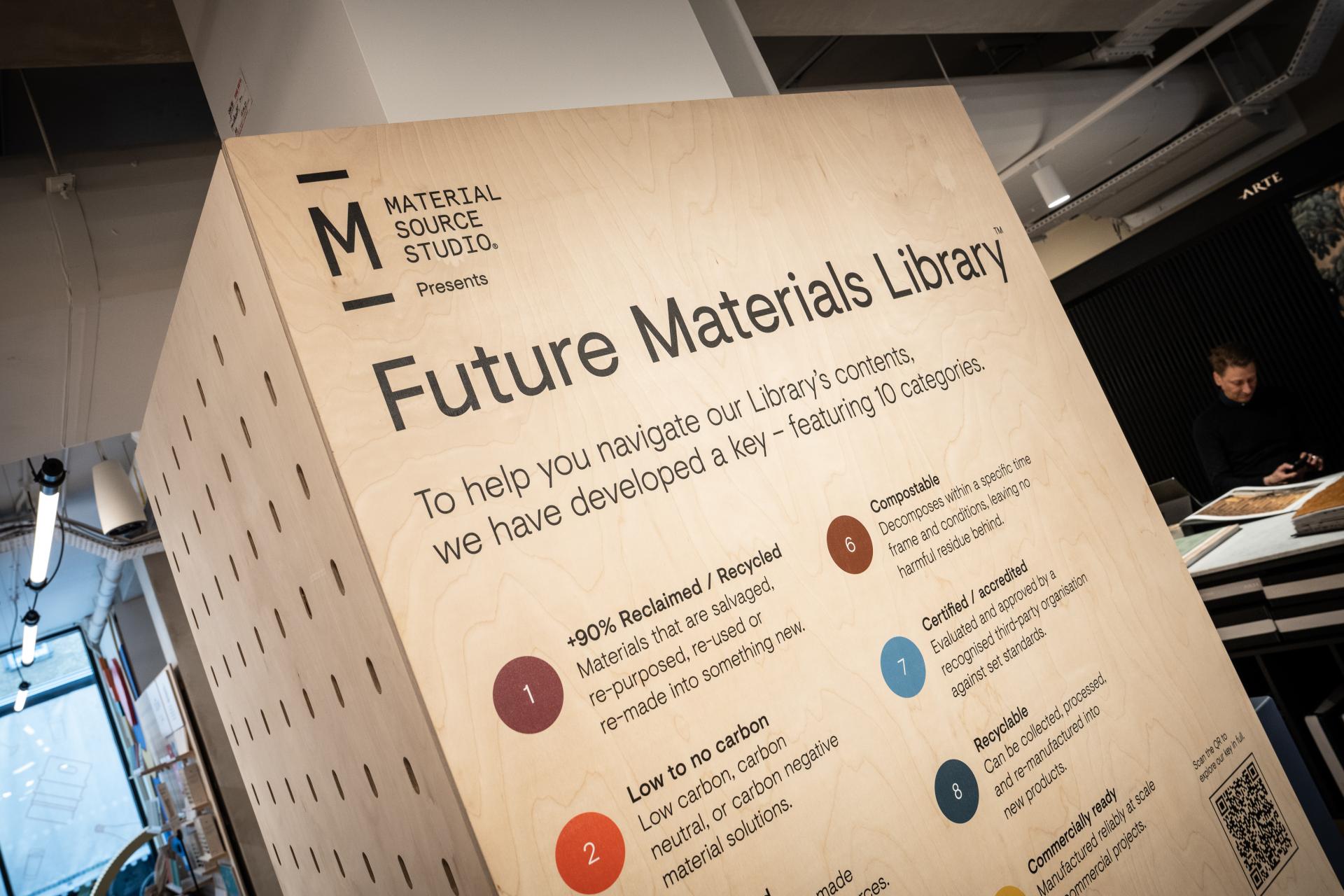
Join us at Material Source Studio London today – Thursday 21 May - until 7pm for more events, installations and brand activations. And be sure to explore our Future Materials Library® - the UK's largest open collection of regenerative materials for built environment use, open in London, Manchester & Glasgow all year round.
Key takeaways
Future material use should be guided by legislation and industry standards to drive adoption of lower-carbon, healthier, and higher-performing materials.
Collaboration between experimental designers and industry manufacturers can accelerate the acceptance and scalability of emerging materials.
A responsible design future starts with putting materials first - making informed material decisions before the design process begins.