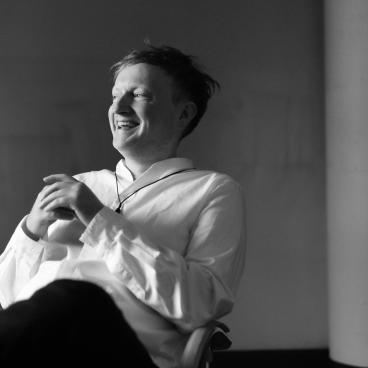












































Dr Katherine Gunderson, CEO & founder, Grand Bequest on transforming vacant buildings into thriving community assets.
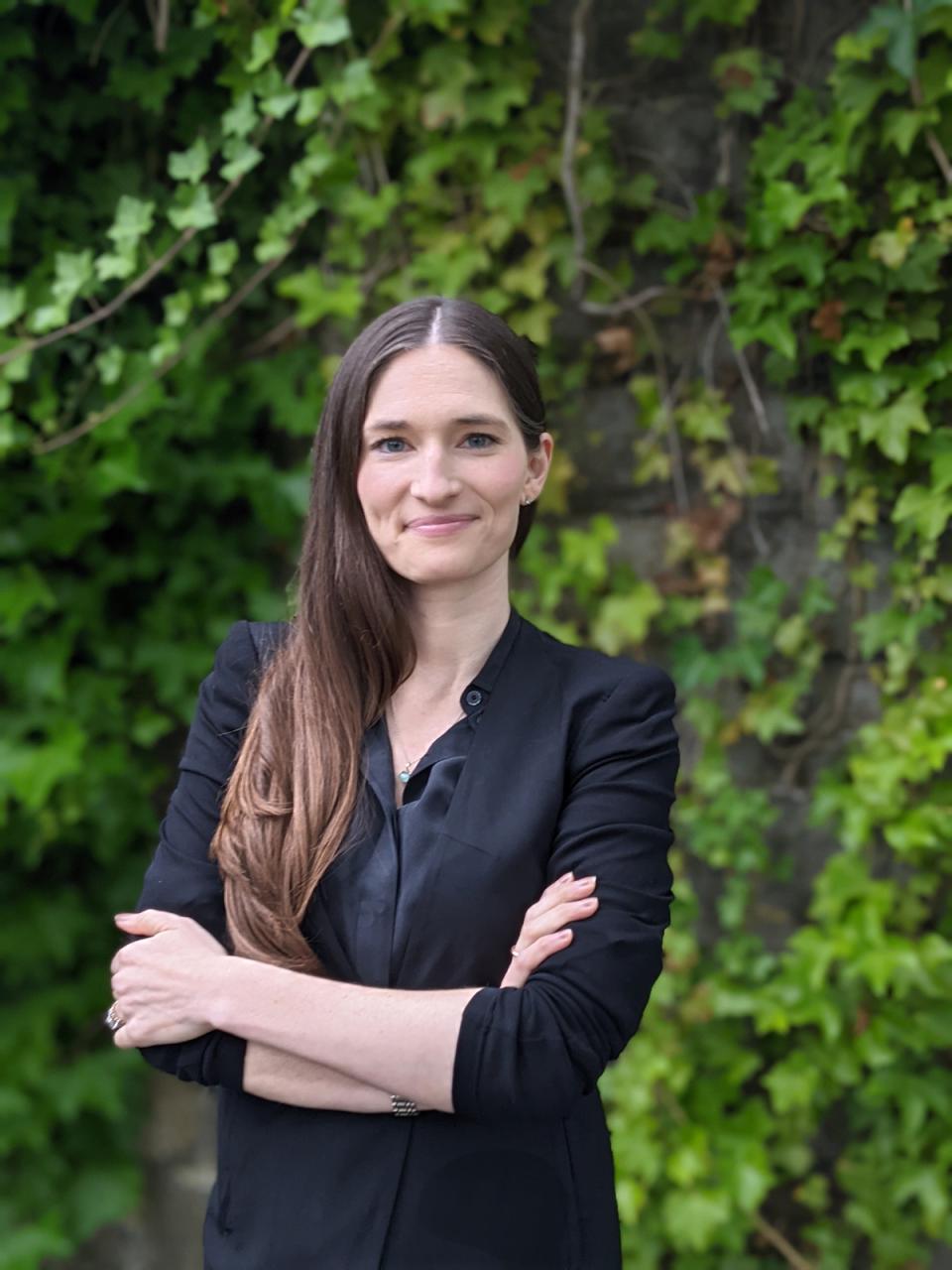
An American founder in Scotland, Dr Katherine Gunderson set out to answer a question that, she believes, simply shouldn’t exist in 2026. First through her PhD research, then onto founding a PropTech/FinTech B Corp dedicated to it. Why do beautiful, usable buildings sit empty while communities need homes, workspaces, and local services?
Of course Katherine is not alone in holding this view. For so many the retrofit and refurbishment of buildings over new build seems like a no-brainer. Particularly in Scotland, where there is currently minimal Grade A coming out of the ground, or shortage of heritage property requiring TLC – and crucially – investment.
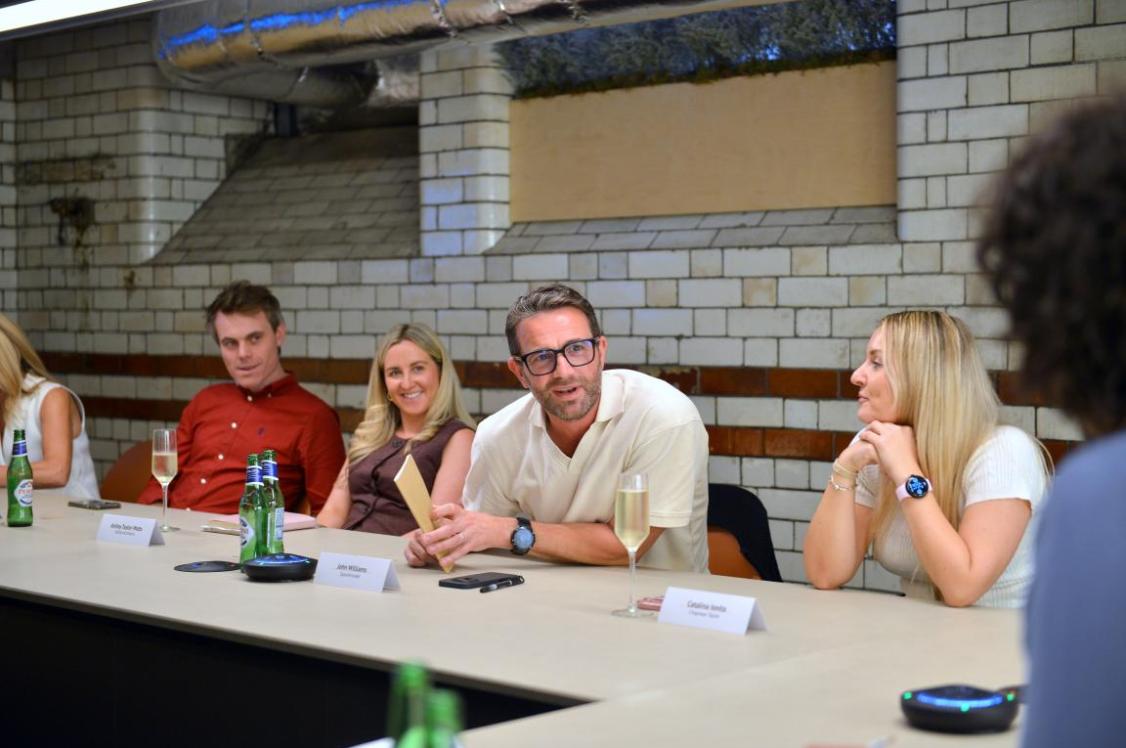
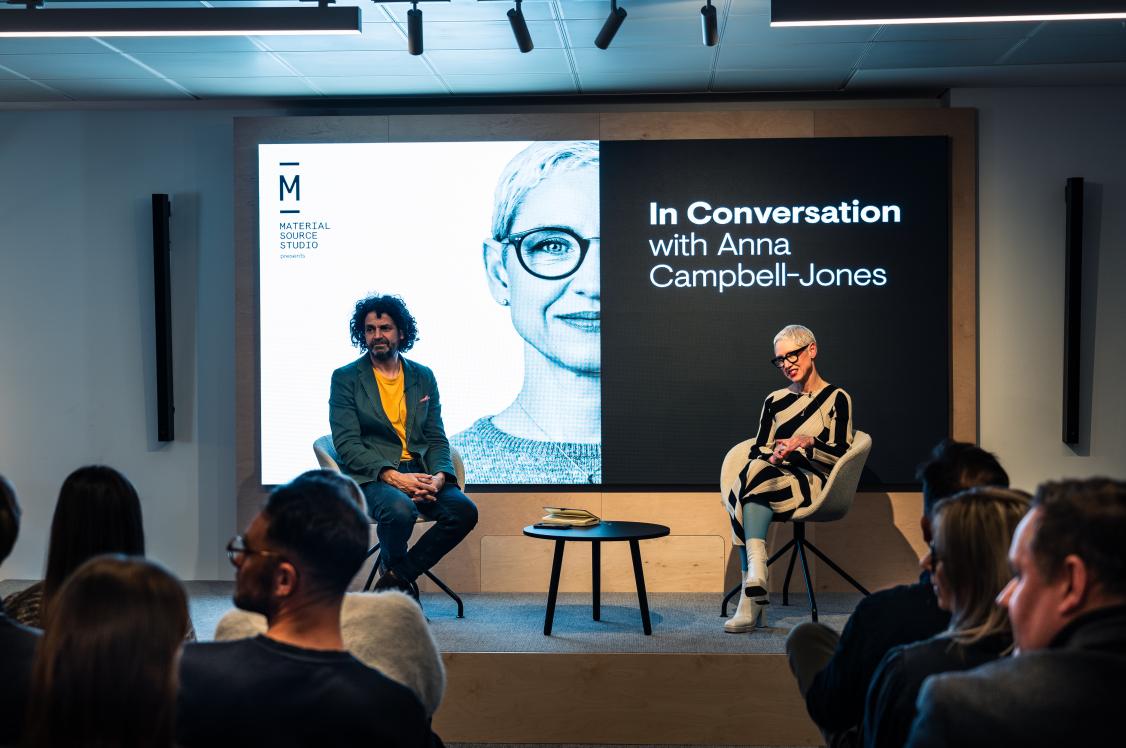
This topic is one we’ll explore in more depth at our Glasgow Property seminar session in the autumn (7 October 2026 to be precise), where Katherine will join us on the panel. Get your ticket here.
In the meantime, we were keen to catch up with Katherine to find out more about her company, Grand Bequest. In the interview to follow, we trace the company’s origin story from Detroit’s post-recession collapse to Scotland’s parallel challenges, consider why coordination (not “bad actors”) is the real bottleneck, and understand how Grand Bequest’s AI-enabled platform - RegenerationOS™ - seeks to help communities, councils, architects, and funders prioritise, de-risk, and restore empty buildings at scale.
Before we get into Grand Bequest, can you share a bit about your professional journey - where did it all start?
“The first thing people always notice is the American accent. I’m from Minnesota, and my husband’s a pilot, so we’ve moved around a lot. A big turning point was living in Detroit around 2015 while I was doing a remote doctorate with the University of Liverpool. That program let me do action research, bridging academic theory and real-world impact. It changed how I see systems to establish how change actually happens.”
Why Detroit? What did you see there that shaped what you’re doing now?
“Detroit was still trying to recover from the Great Recession and the largest municipal bankruptcy in U.S. history. As a business student, it was surreal: urban-core real estate collapsing so badly that thousands of buildings were being set on fire because they ‘weren’t worth anything.’ That doesn’t make sense. It’s a system failure.”
At that stage, did you think Detroit was an isolated case?
“Honestly, yes. I assumed it was a Detroit-plus-bankruptcy problem. Then I came to Scotland in 2017 on a girls’ trip, walked around, saw the buildings here, and thought, wait. Are we doing the same thing here? These are some of the most beautiful buildings I’ve ever seen. That’s where the obsession - and the rage - started. It wasn’t isolated. It was systemic.”
So when did Grand Bequest officially begin?
“February 2020. And yes…one week later I was effectively a COVID founder without knowing I was about to be one.”
What was the original idea?
“Community events. We were going to rent spaces and bring buildings to life through experiences - something like what Hidden Doors does. But COVID forced a pivot, and I realised my unique skill set is systems, infrastructure, and tech - coordinating many groups and making the process easier. So Grand Bequest became a technology company.”
What problem are you actually trying to solve at its core?
“Coordination. People keep pointing fingers - planners, councils, developers, architects - but it’s not the humans. It’s the system. We’re trying to fix a national-scale problem using methods that don’t scale. And we’re not using modern compute power - AI, data science, automation - where it could take huge pressure off people who are overwhelmed and underfunded.”
You’ve said Scotland could lead the world again - just not in the way people keep framing it. What do you mean?
“I’m sick of hearing, ‘Can Scotland take on Silicon Valley?’ That’s not the point. Scotland should lead the world in regeneration and sustainability - things citizens actually want. Scotland used to lead the world in innovation. Why aren’t we fighting to reclaim leadership where it matters?”
What does Grand Bequest do in practice?
“We’re building RegenerationOS™ (Regeneration Operating System): an all-in-one platform to help people identify empty buildings, prioritise which ones matter most, coordinate projects, and move them toward funding and delivery. The goal is to make it easy for anyone - local residents, community groups, councils, architects, funders - to play a role in turning buildings back on.”
Who is RegenerationOS for - councils, professionals, or the public?
“All of them. Everyone is a local somewhere. We’re designing it so locals can “bequest” a building - drop a pin, add a name, snap a photo - and start building an evidence trail. The government’s empty-building data is notoriously poor and underreported, so we need a people-led layer supported by AI.”
How big is the problem, really?
“There are over a million empty buildings across the UK. Government figures were around 700,000 pre-COVID, but the reality is higher now, and the data quality is bad. That scale forces a new approach. You can’t solve that with one-off projects and endless pilot programmes.”
What’s the 'Grand Grade' you mentioned - how does that work?
“The Grand Grade is an algorithmic approach that came out of my doctoral research. It gives each building a score (you’ll see it as a two-digit number like 70.79), but behind it is much deeper scoring that lets us sort buildings in priority order, objectively, for the first time.”
What goes into that score?
“Four core criteria: 1) Cultural significance (for example, listed buildings that often get ignored until they’re beyond saving). 2) Social benefit / Social Return on Investment (especially social housing and mixed-use potential). 3) Adaptability (not just 'what can this building be,' but how can it be used more than 9–5 - 24/7 community value). 4) Financial viability (so restored buildings don’t become empty again).”
How fast can the system actually work?
“This is the fun part. In a recent conversation, someone gave me only a postcode for a building. Within about 35 seconds we could add it, attach an image, and the system produced a score and sorted it appropriately. That speed changes what’s possible, especially when you’re dealing with thousands of buildings.”
How do you move from scoring a building to making it fundable?
“We’re designing ‘go/no-go gates’ to move buildings through a consistent process. One important piece is a kick-off package where we use drones and advanced scanning to create millimetre-accurate building files. Those become the central source of truth for architects, structural teams, and everyone else, often without repeated site visits. It’s about scaling assessment and reducing wasted effort.”
You’ve also introduced the idea of ‘bundles.’ What’s that?
“We need to stop treating each building like a Rolls-Royce - one bespoke fundraising miracle at a time. If the market could solve these projects individually, it already would have. Bundling is about economies of scale, treating buildings more like Toyotas on an assembly line.
“Practically, it means grouping buildings into investable programmes - ward-level, council-level, region-level - so capital can flow into projects in a structured way.”
What kind of money are we talking about?
“Bigger than people are comfortable admitting. Even a small bundle - around 36–37 buildings - can require about £4.5 million just for early-stage viability and de-risking before full redevelopment costs. We need to stop celebrating £10,000 headline grants as if they’ll fix the pipeline. They won’t.”
Are people receptive when you bring this to councils, planners, and the wider sector?
“Once they get past my energy and the accent, yes. Planners aren’t the problem; they’re drowning. Councils are overwhelmed and underfunded. Architects want to work on meaningful projects but can’t carry community funding risk while running a business. When you show each group a system that reduces friction and brings properly prepared, funded briefs to the table, people get it immediately.”
Could you do any of this without AI?
“No. We’re not solving this because we’re geniuses. We’re solving it because compute power has finally caught up to the complexity of the real world. Monitoring buildings at national scale, gathering hyper-local data, coordinating finance and planning, humans alone can’t do that. AI lets us move from endless discussion to execution.”
What do you want people reading this to understand most?
“This doesn’t have to suck so much. We’re humans, we can decide to work together differently. We can stop blaming each other, stop repeating pilots, and stop pretending the numbers are small. The buildings are there. We can count them. We can prioritise them. We can fund them. And we can put them back into use - at scale - if we choose to build the system to do it.”