


































AI: Intriguing or an essential part of creating memorable experience?
In association with:

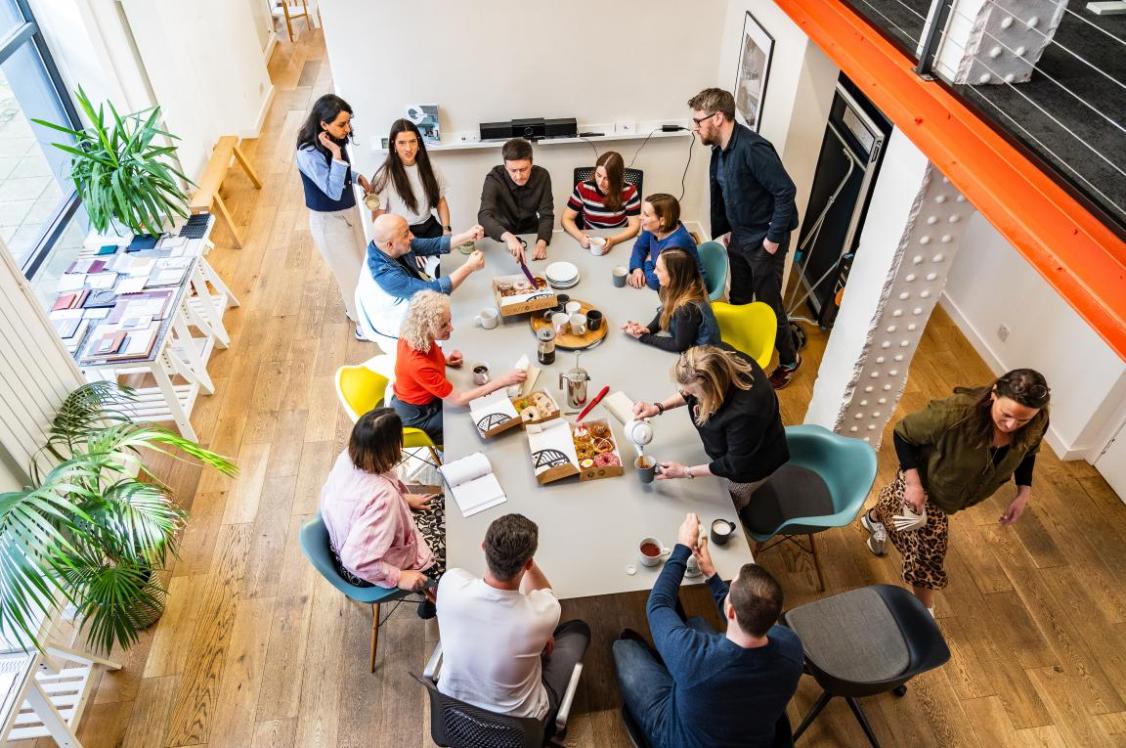
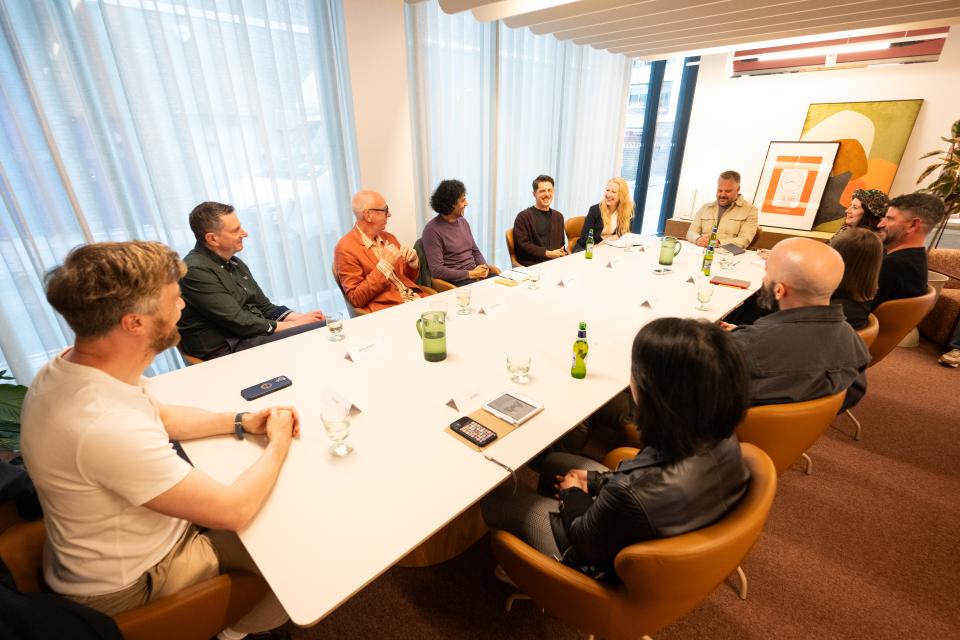
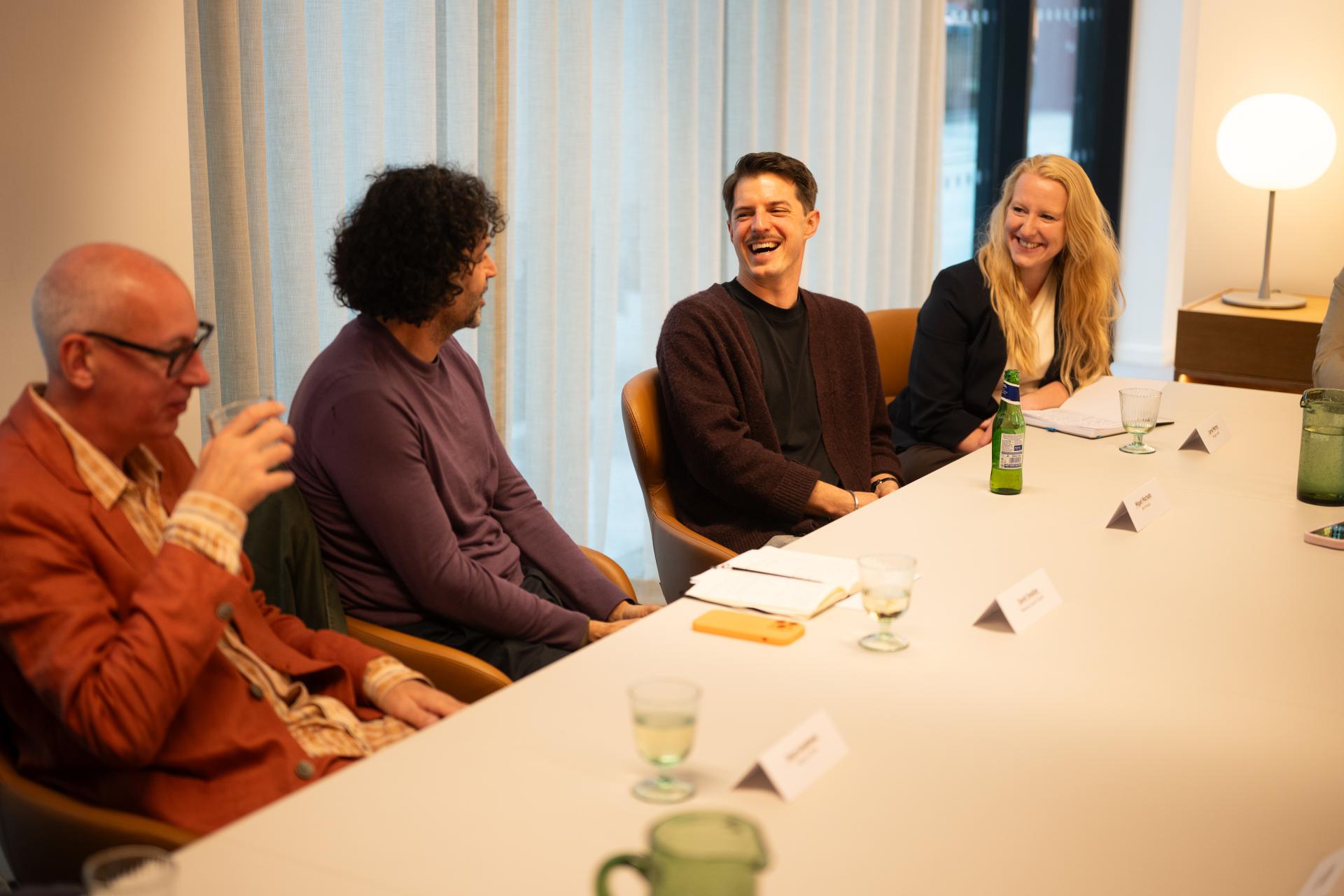
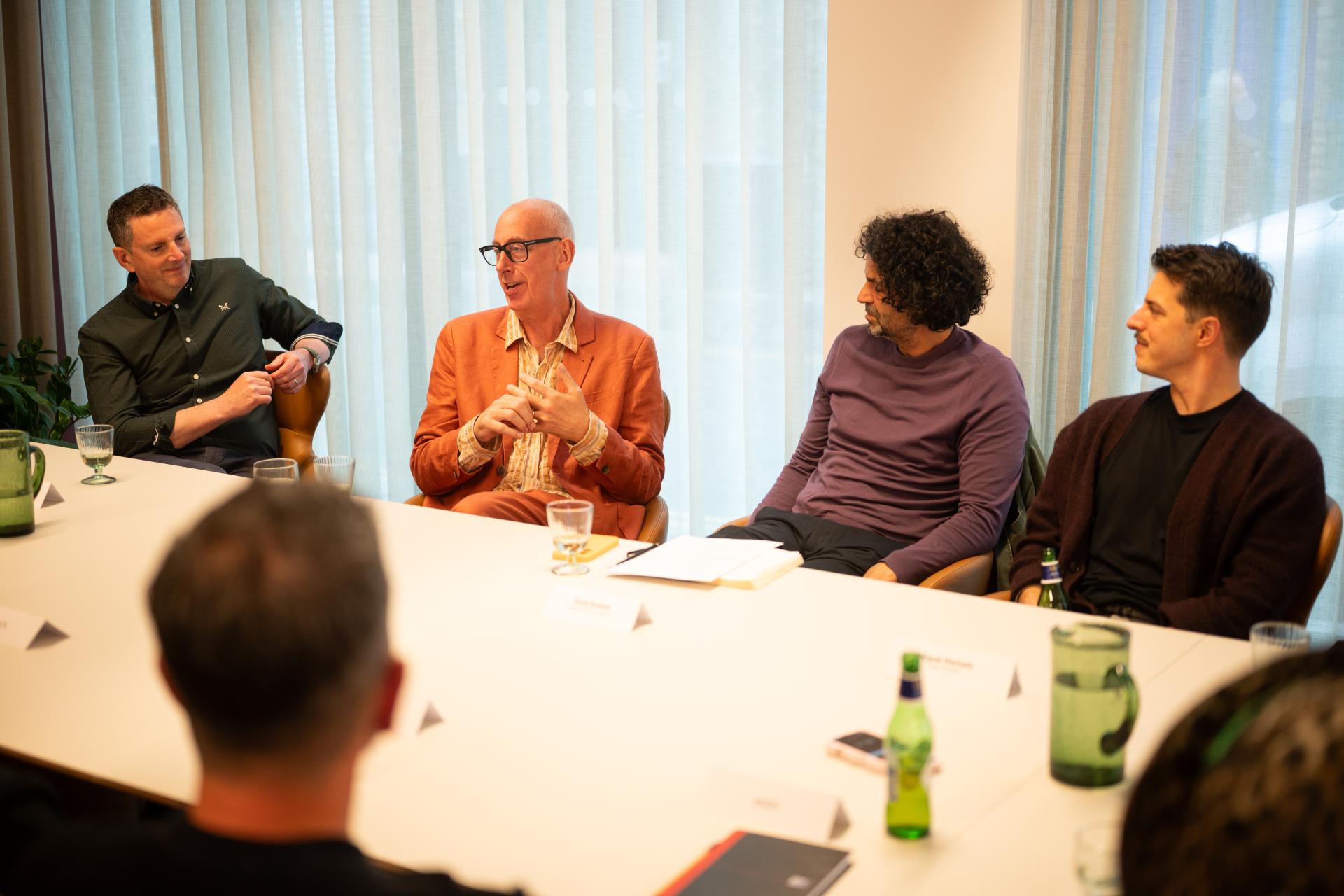
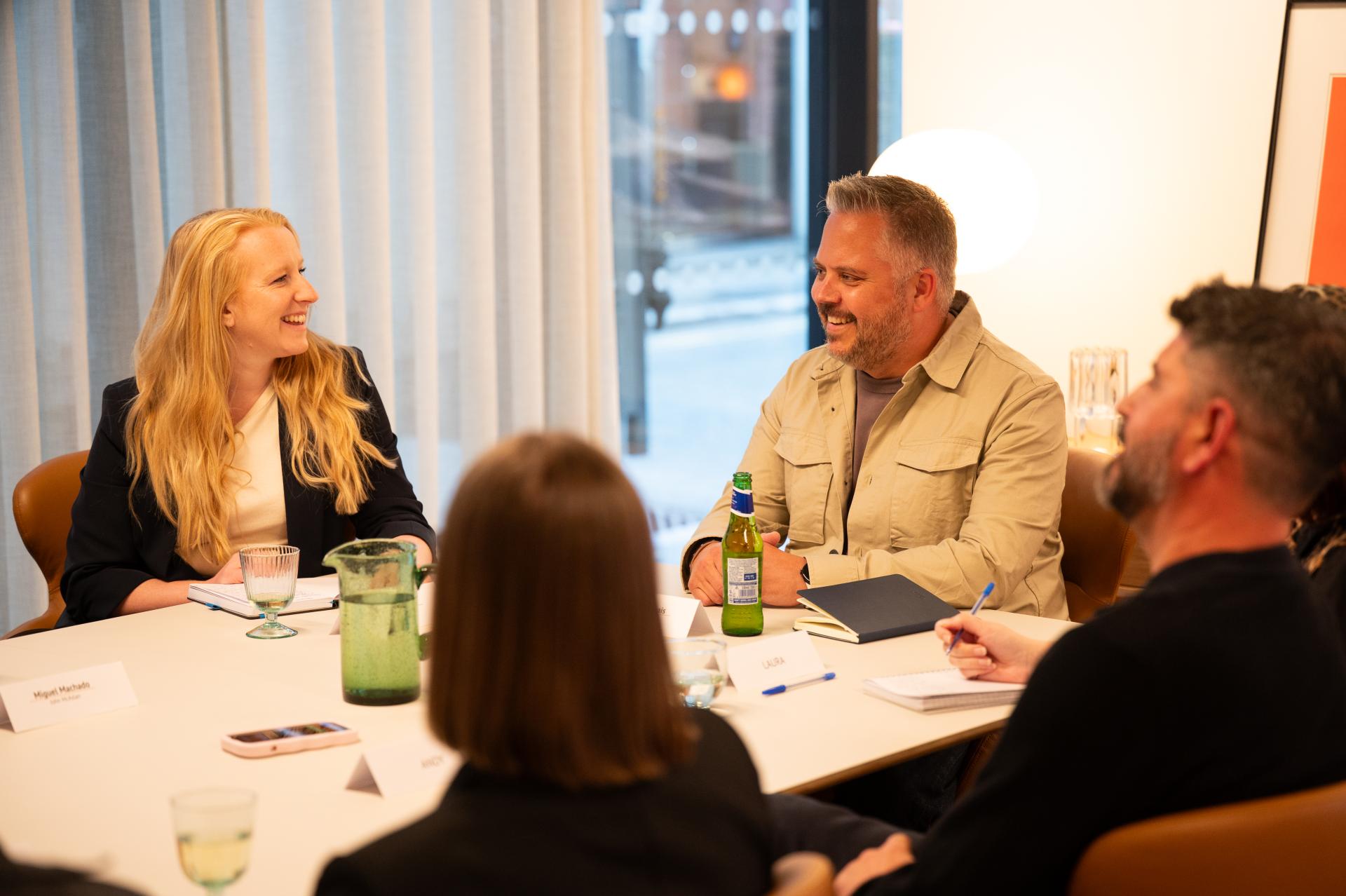
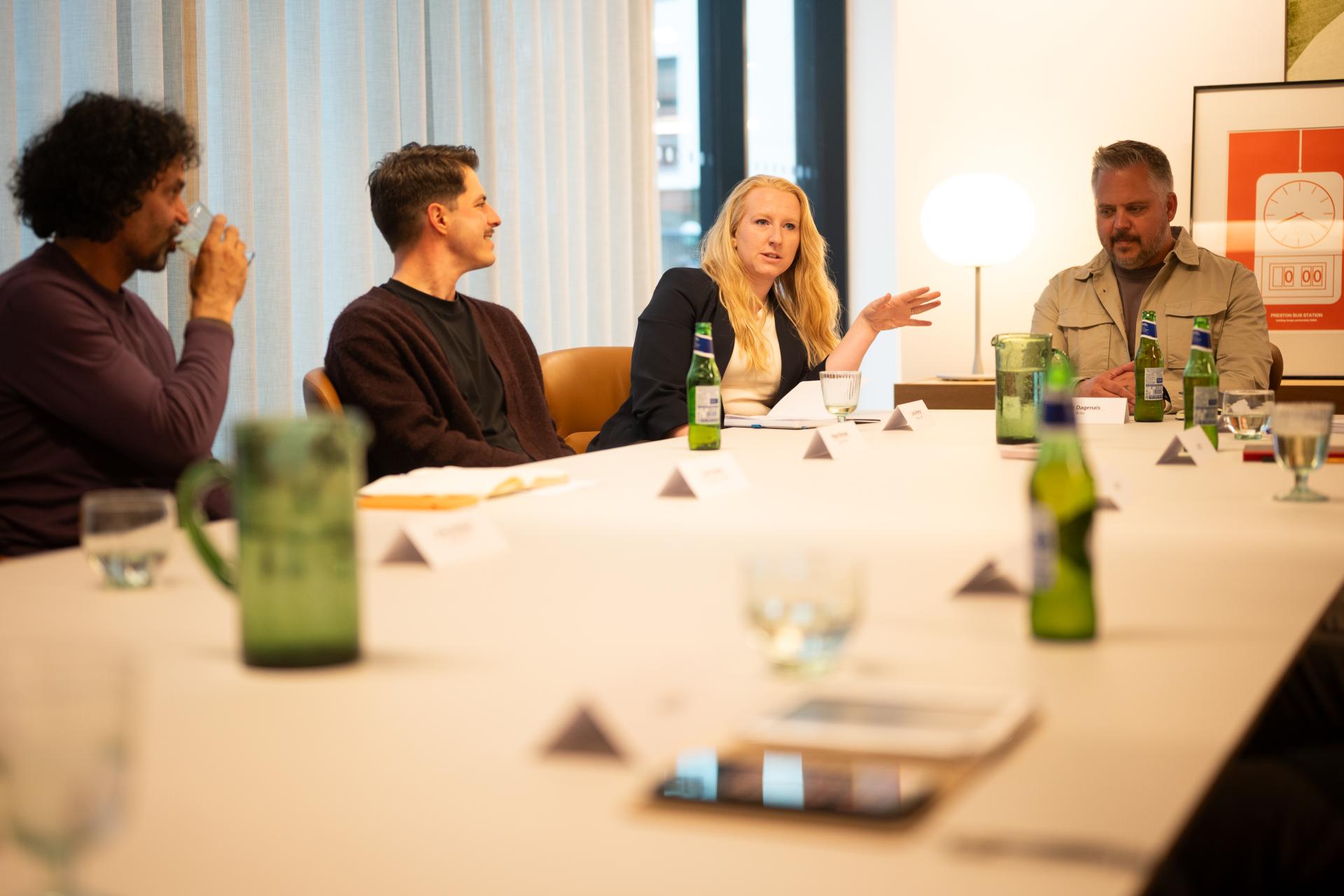
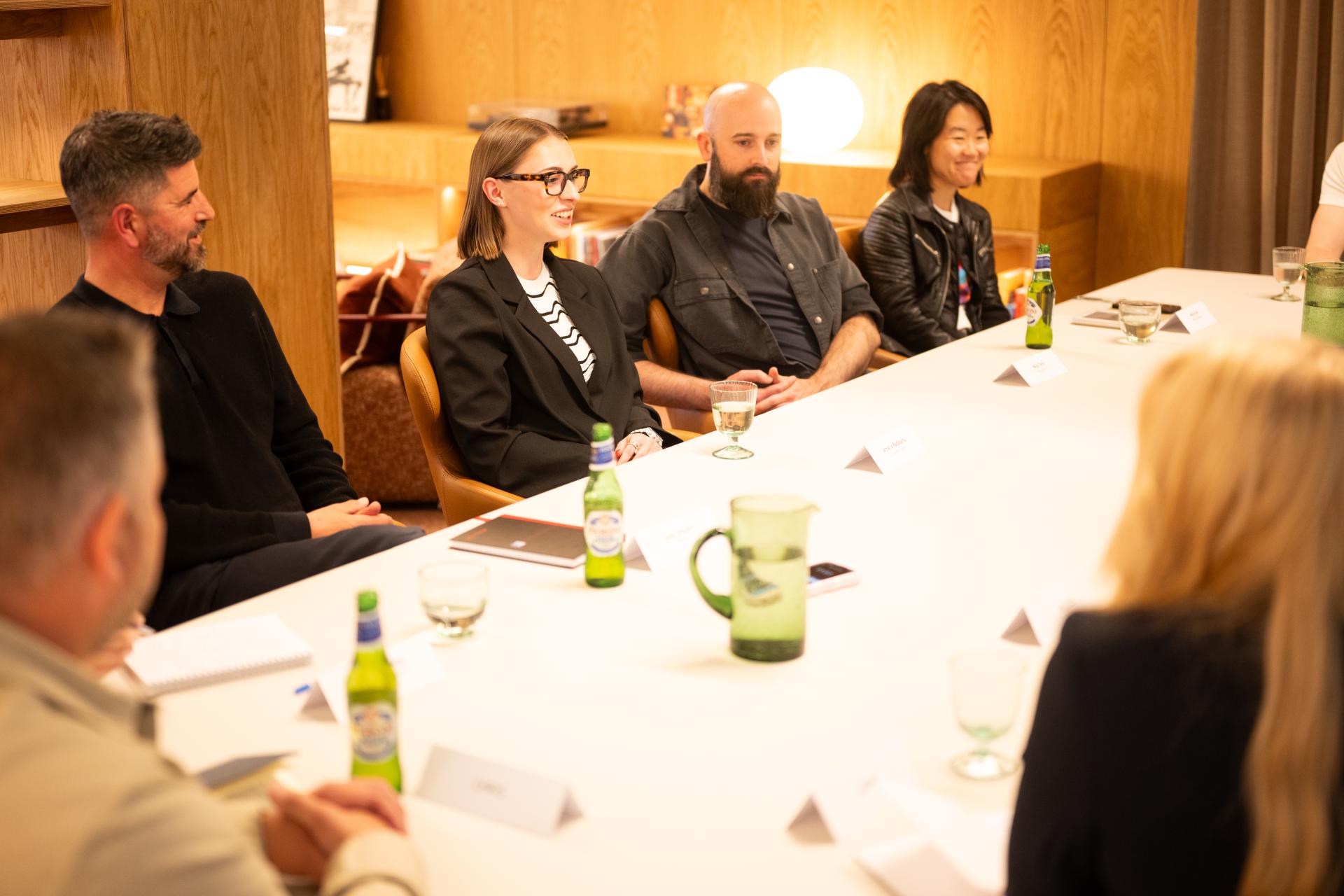
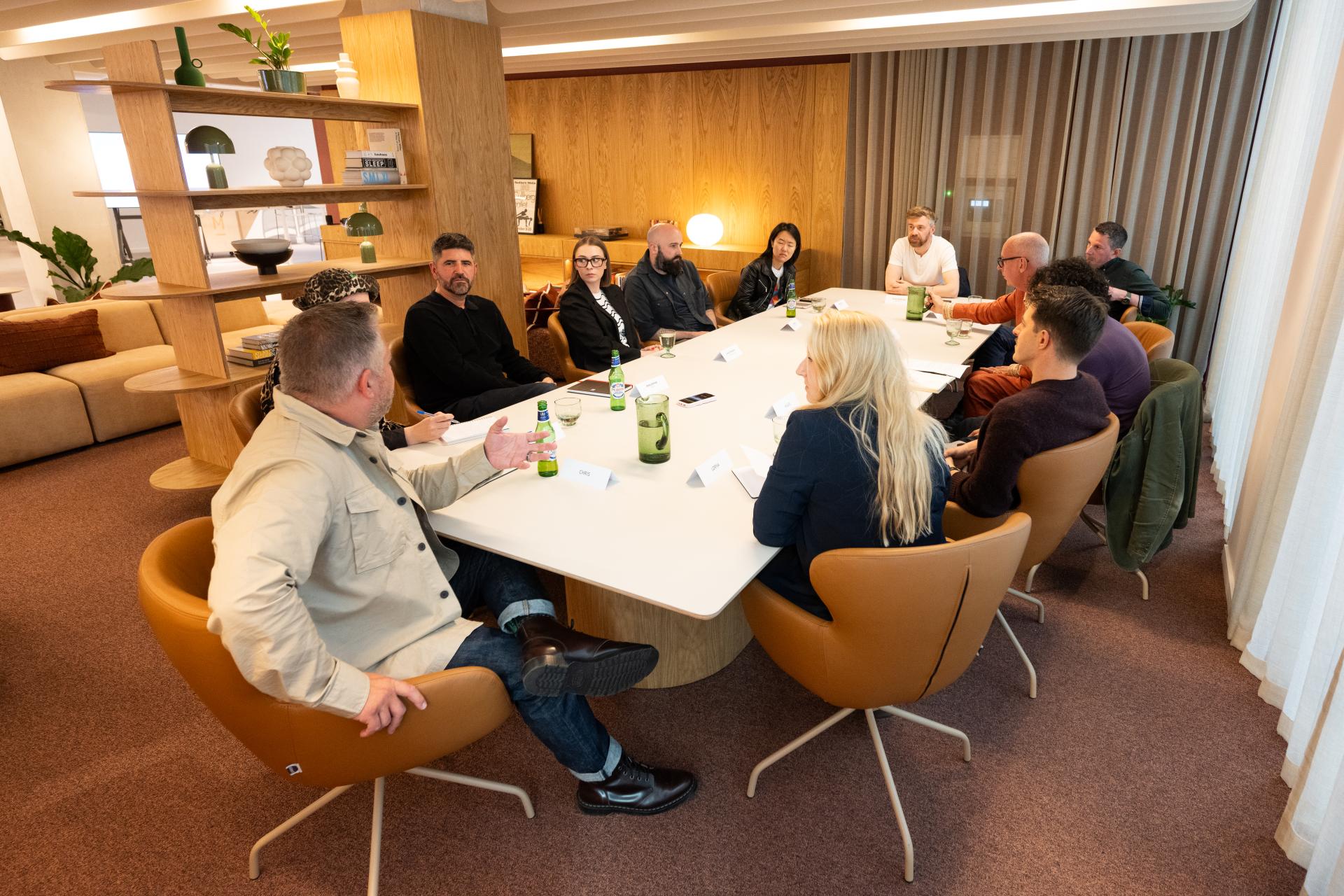
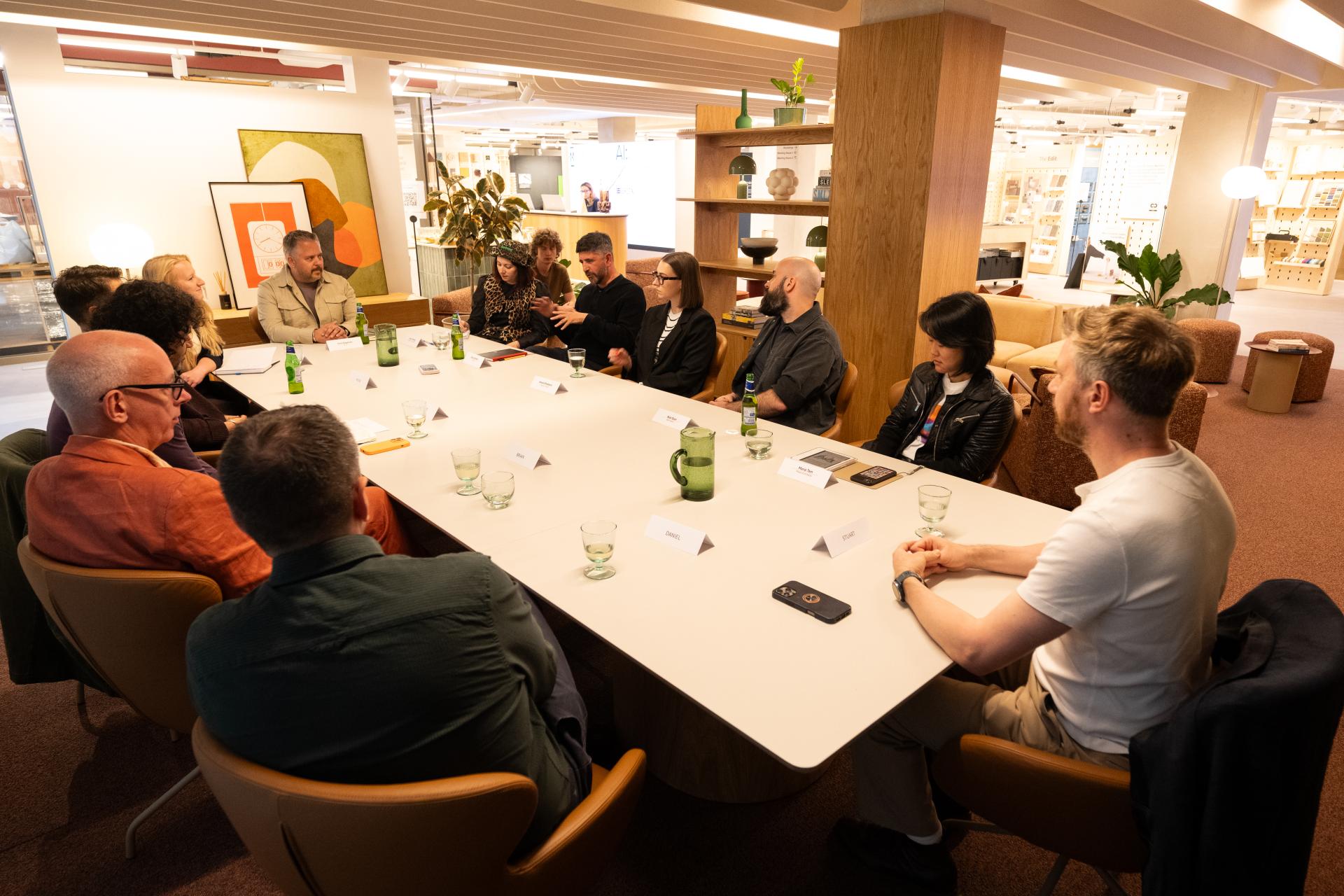
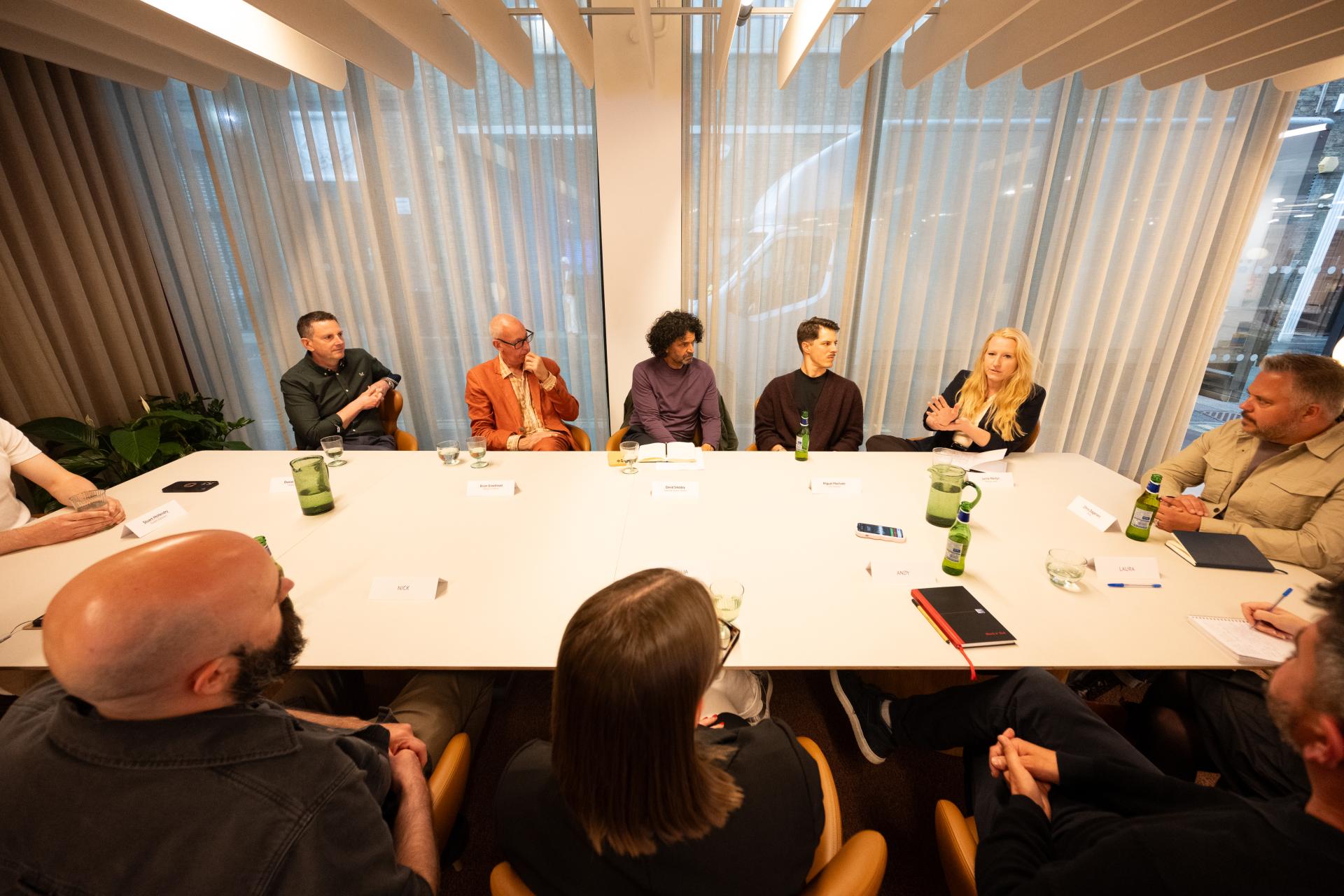
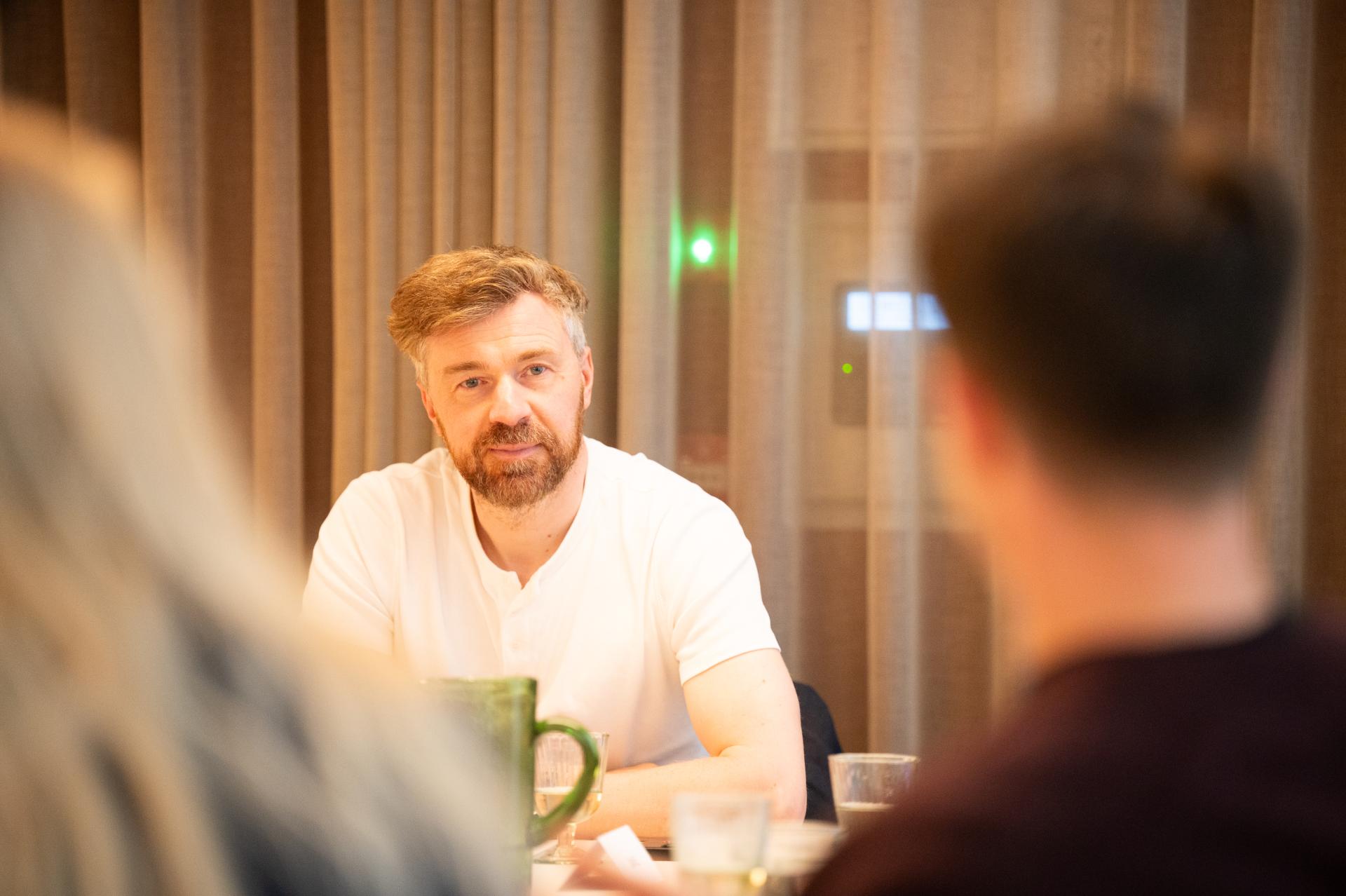
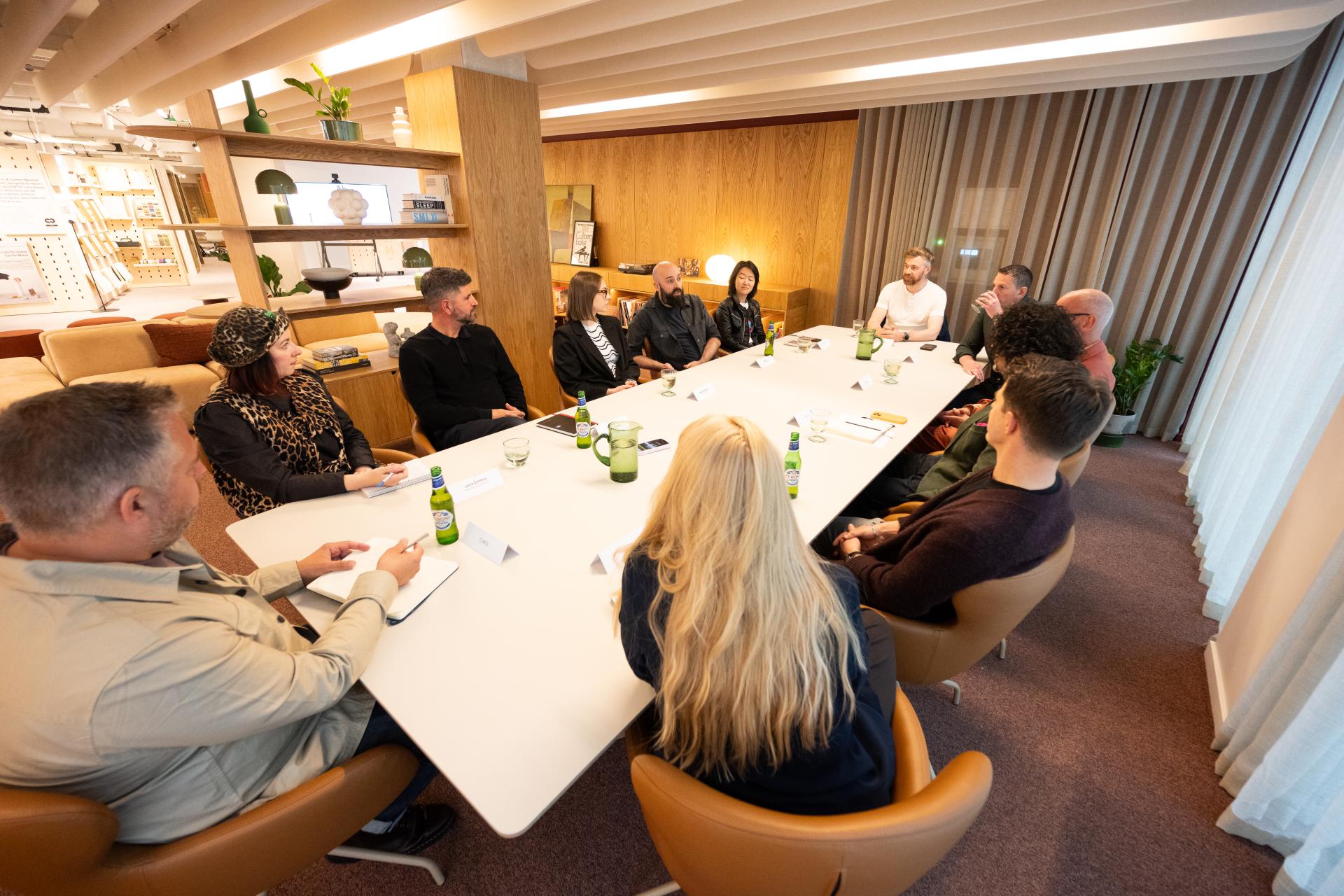
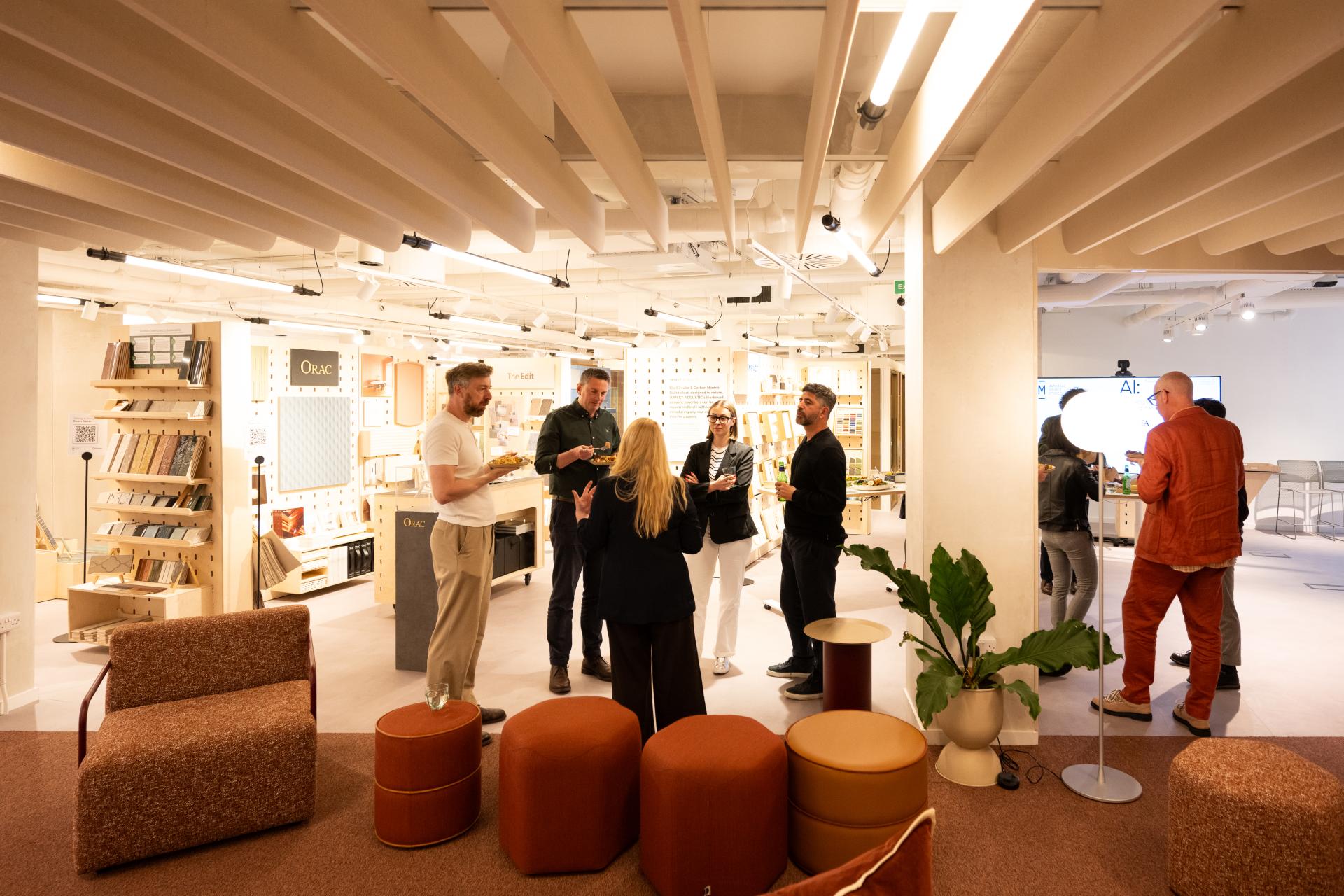
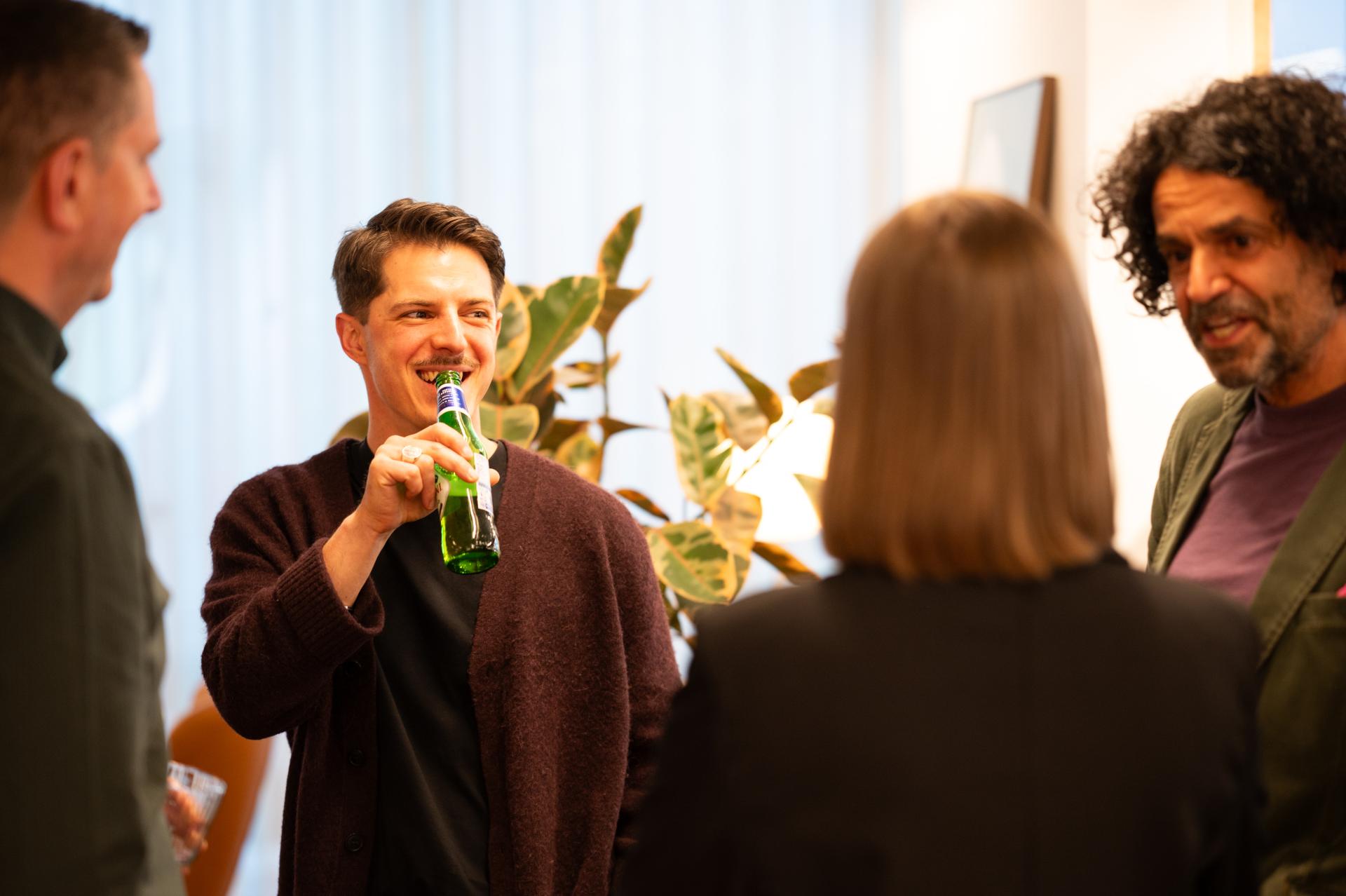
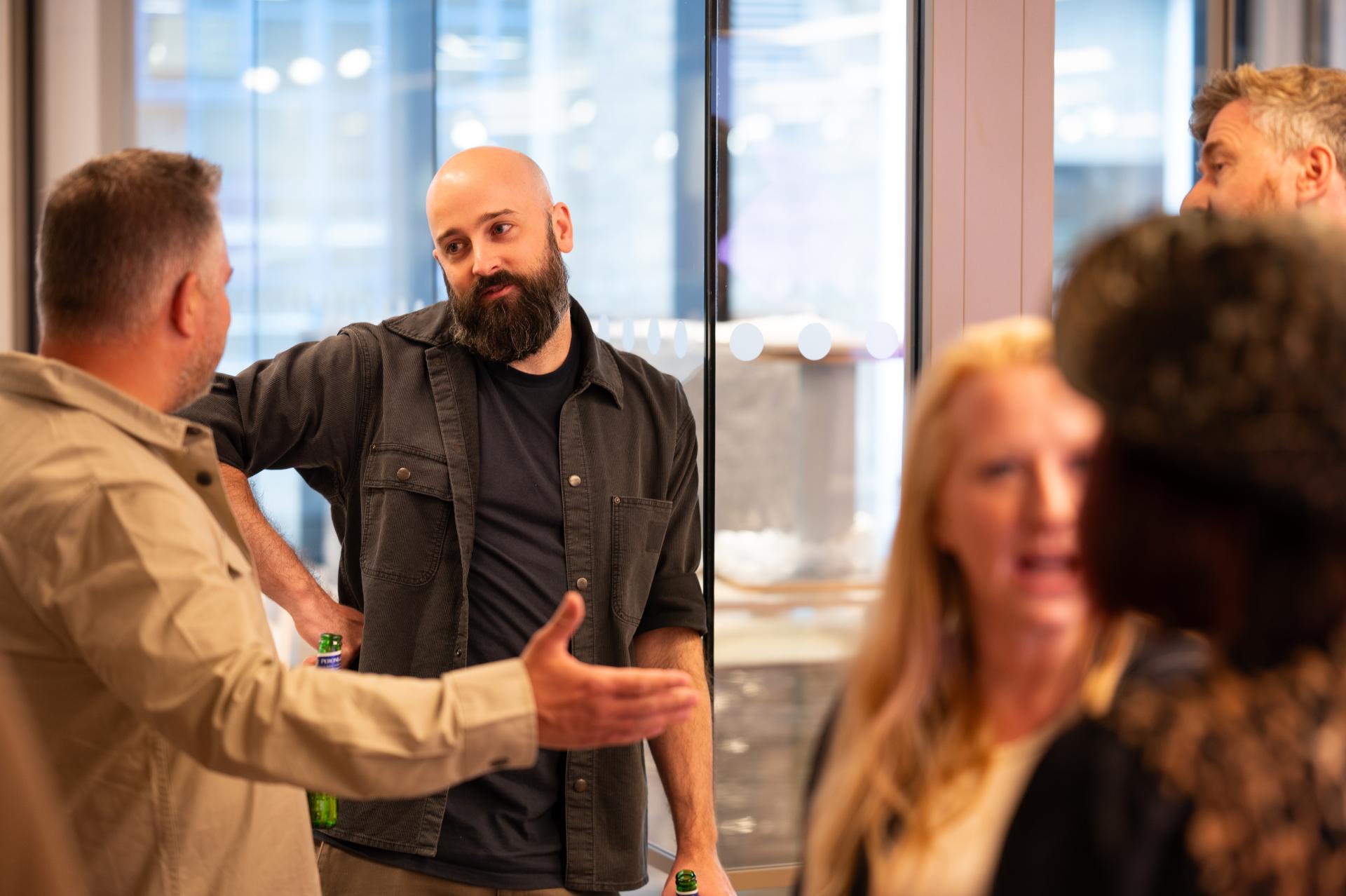
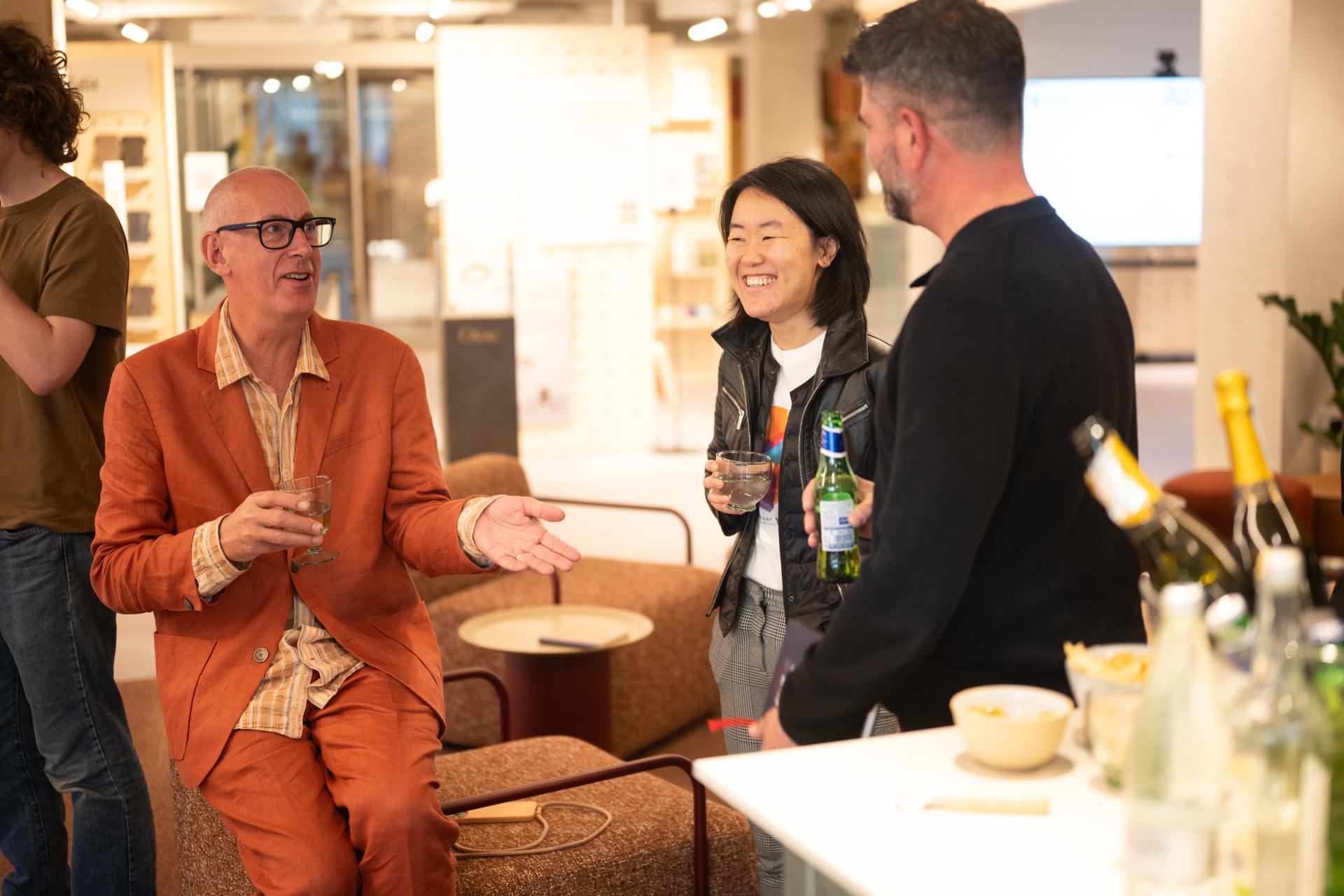
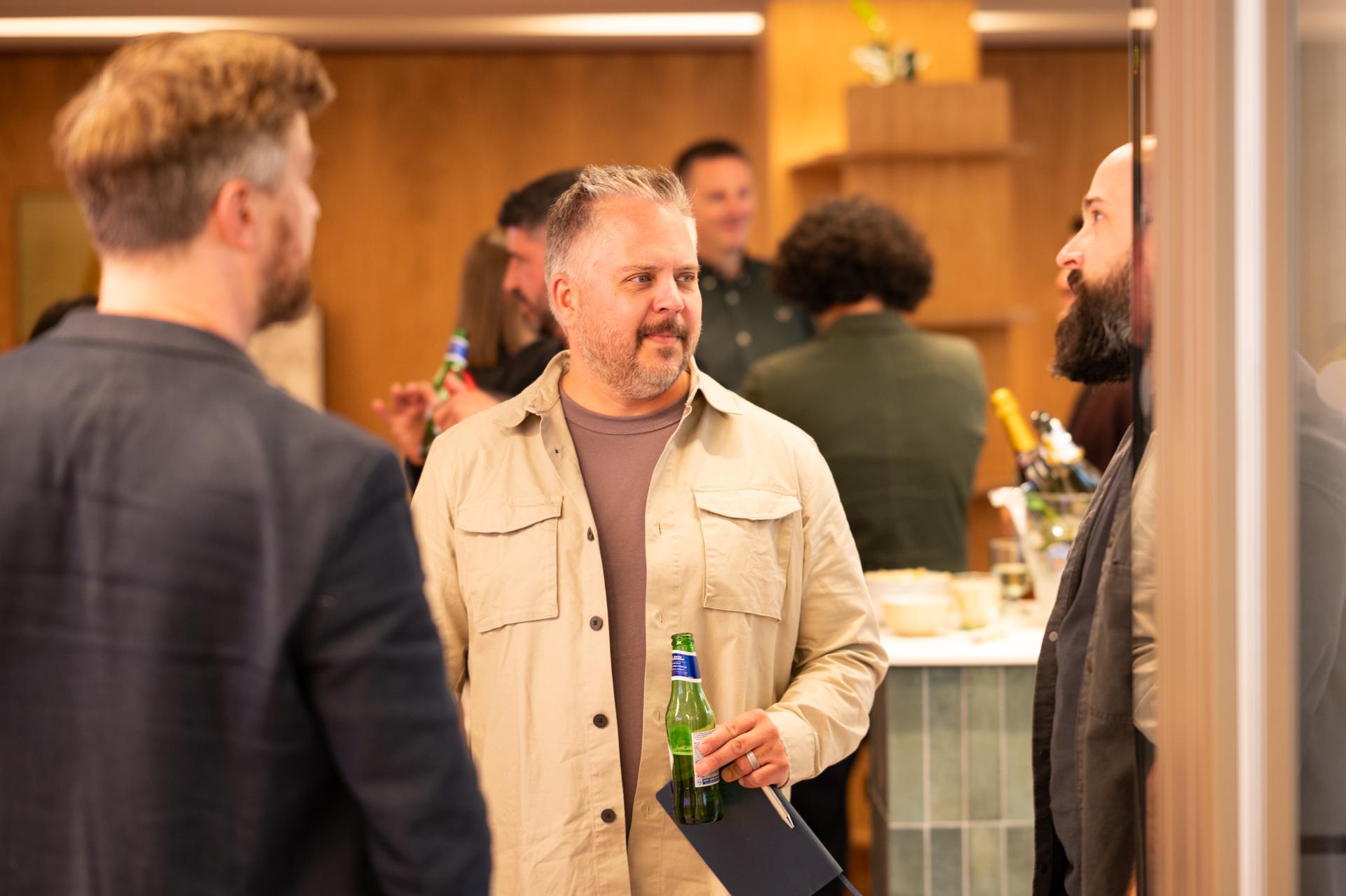
AI: Intriguing or an essential part of creating memorable experience? is the question we posed to a stellar group of built environment professionals at our recent roundtable at Material Source Studio London, continuing our conversation on the hugely divisive topic of AI.
It’s clear that AI is already changing practice. Though this is not always in the ways we might first have expected. As has been mirrored during our events in Manchester on the topic of AI, this rapidly developing technology appears to be speeding up the obvious parts, complicating the human parts, and forcing the industry to re-justify where value really sits.
From assisting the architectural process itself - visualisation was identified as an area where AI has already made a significant impact – to creating complexities in the client/architect relationship - clients are increasingly providing AI-generated images as briefs, creating challenges around perceived value of architectural work, positives and negatives were equally raised during the discussion (touted as likely to appear “naive in just a few years” due to the rapid rate of AI development).
In terms of experience specifically, a report by Deloitte states, “AI can help enrich guest experiences while preserving the human touch, thus redefining luxury hospitality”. A sentiment that was, in part, mirrored by our group.
As session chair, David Smalley, Director, Material Source Studio framed it, the central question now is not whether AI is present (it is), but how it’s impacting the day-to-day of architecture and interior design professionals. And as for whether it’s simply intriguing, or an essential part of creating a memorable guest experience across stadia, workplaces, hospitality and mixed-use settings, the jury is still fully out. Read on for a detailed run-down of the commonalities and anomalies shared by our guests, based on their individual experience.
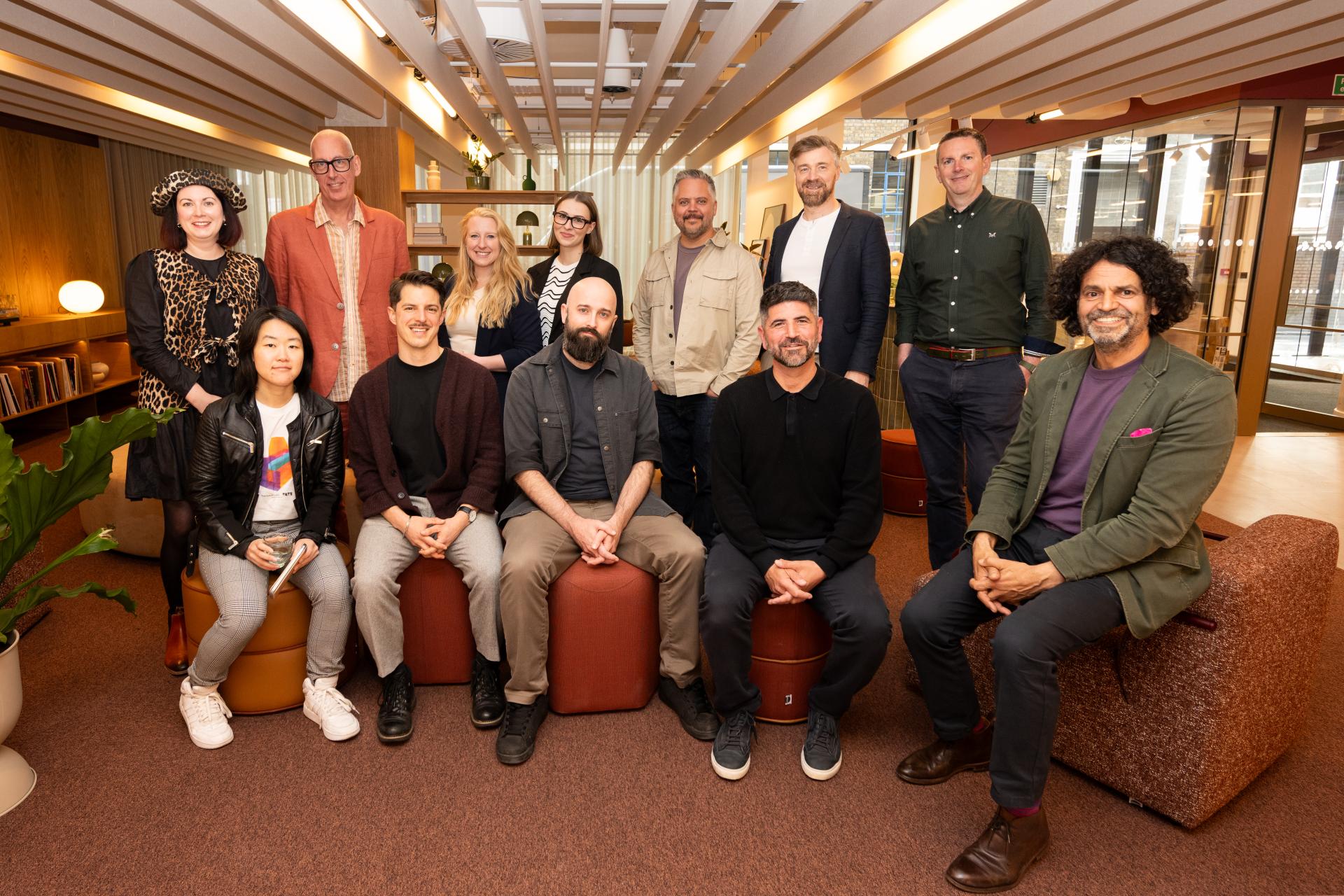
Our guests

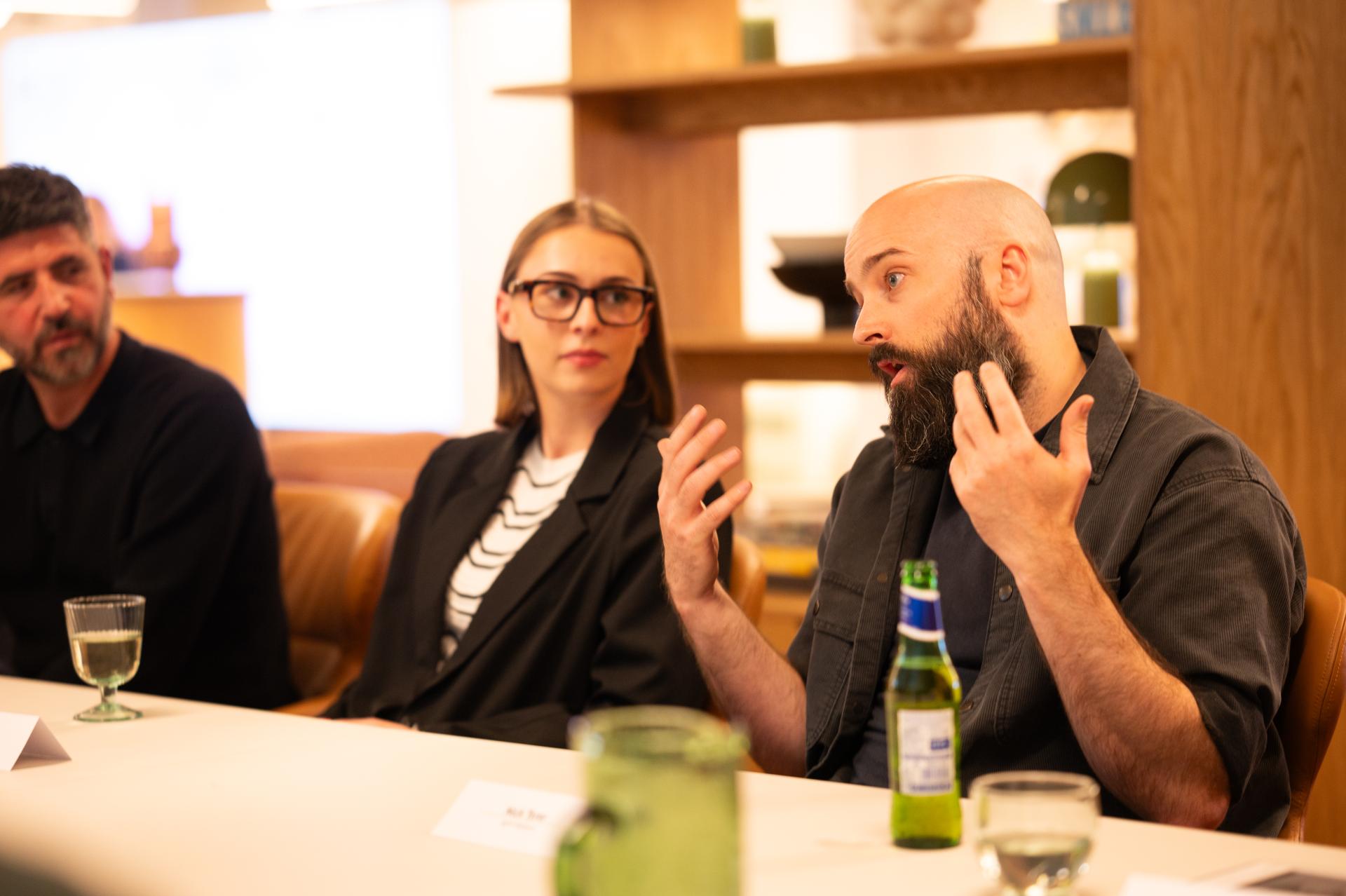
Nick Tyrer, Associate Director, BDP Pattern

Amalia Radasanu, Architectural Assistant, Chapman Taylor

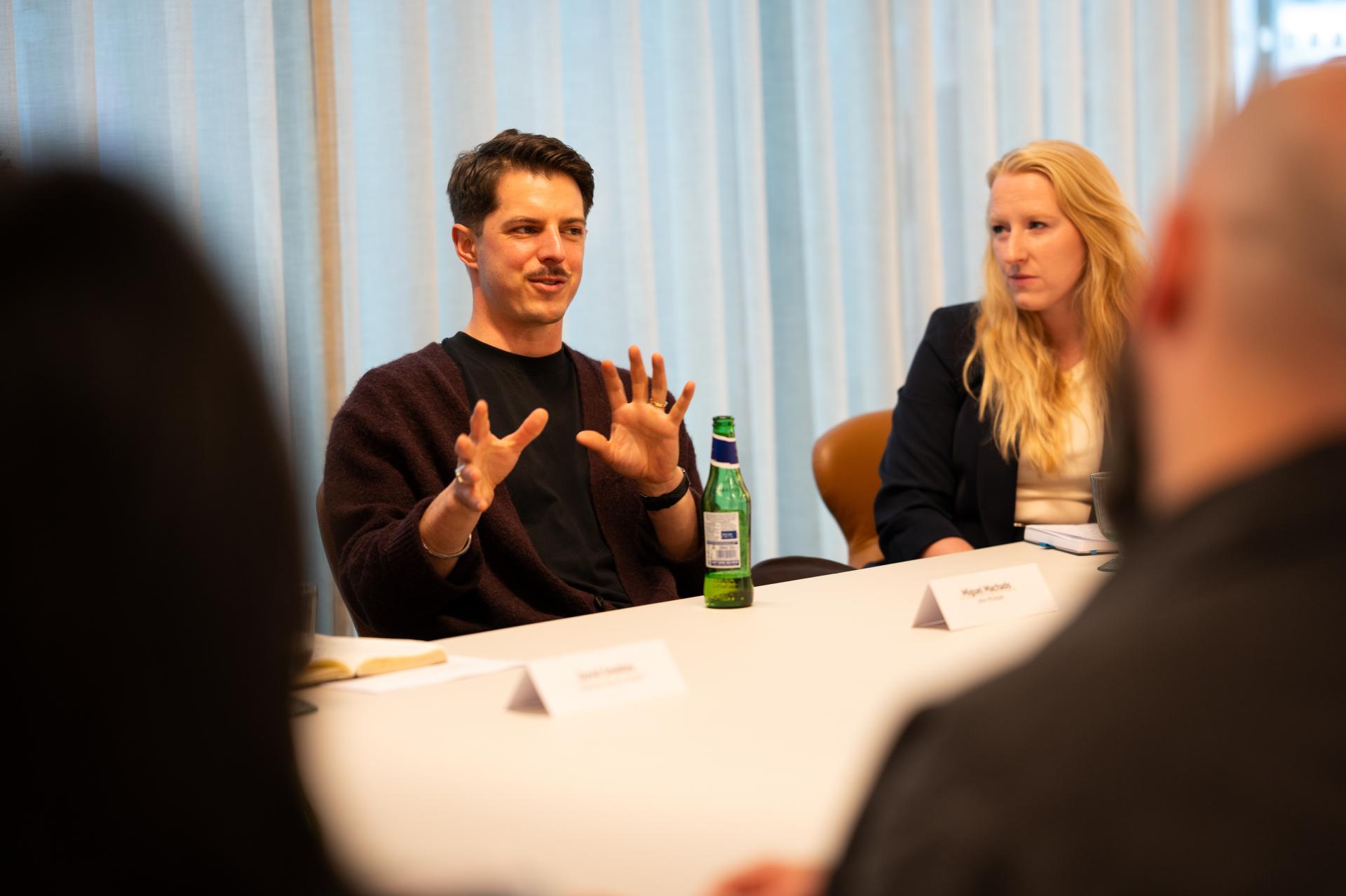
Miguel Machado, Associate, John McAslan

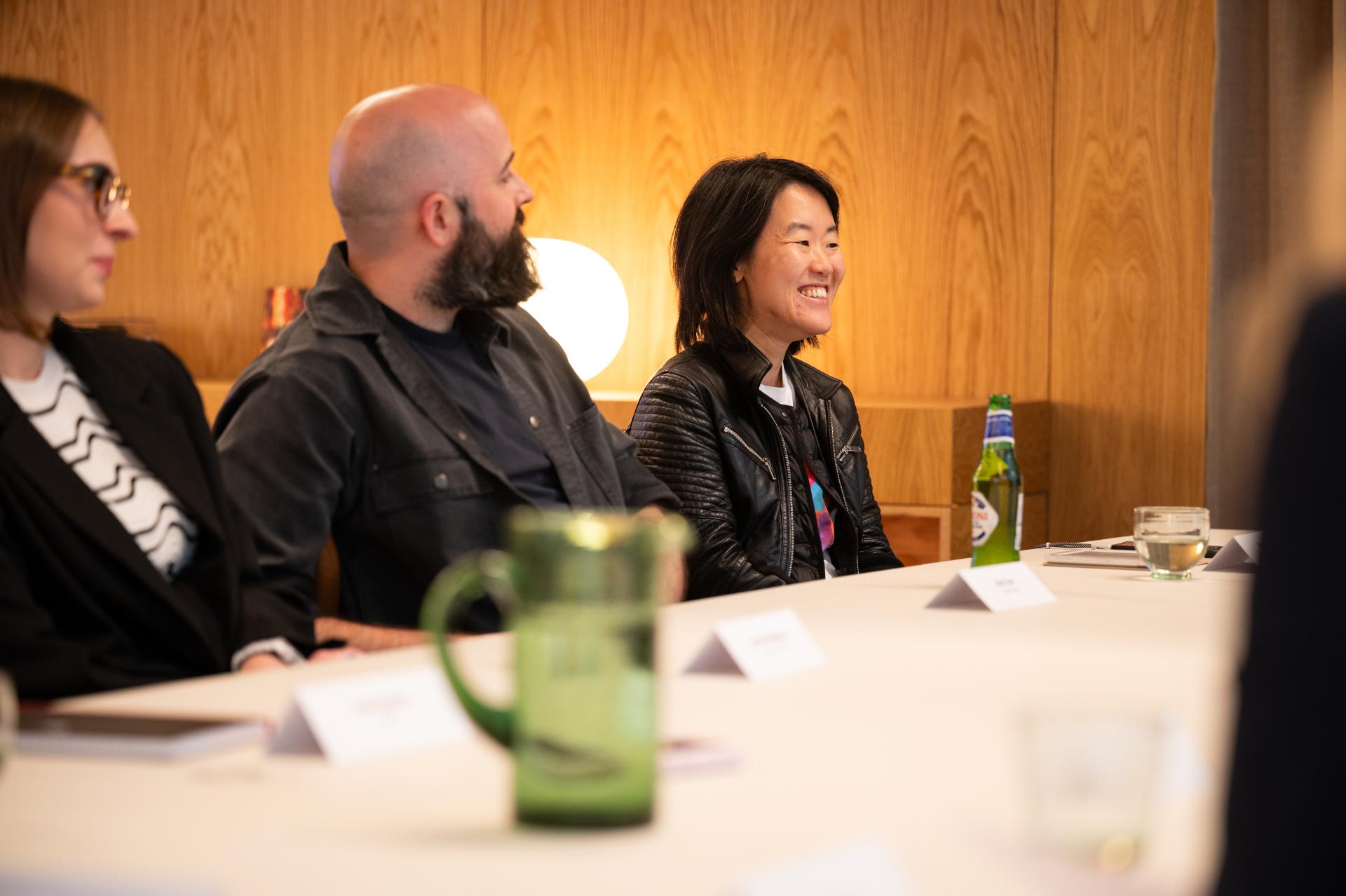
Maria Tam, Spatial Psychologist, Make Architects

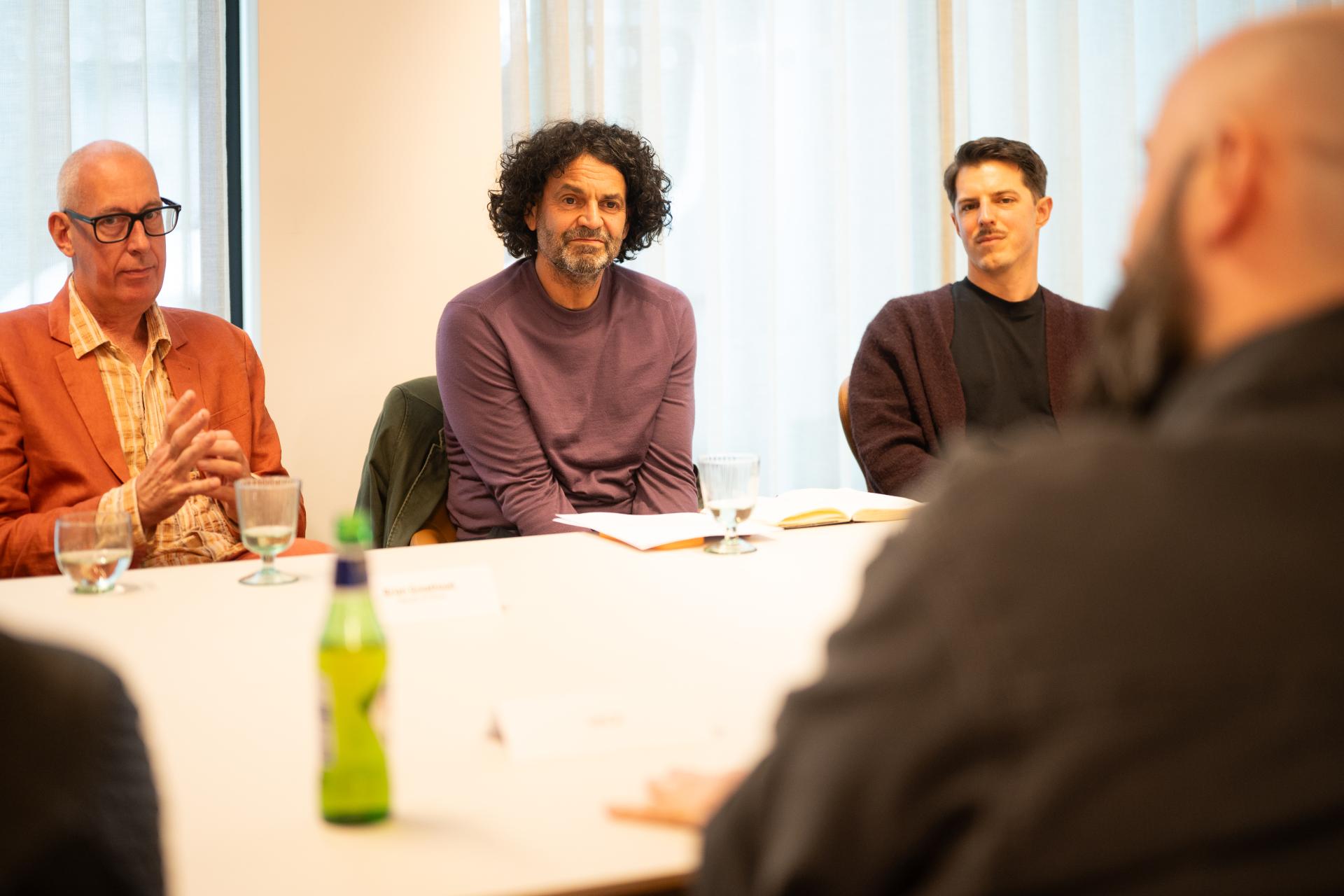
Brian Greathead, Founder, Manalo & White

Lorna Martyn, Visualisation Team Lead, Morgan Lovell

Stuart McHendry, Director, Scotch Partners

Daniel Morgans, Director, Chapman Taylor

Andy Johnston, Head of UK Specification, Brita Group

Chris Dagenais, Director of Marketing, Brita Group

David Smalley, Director & Session Chair, Material Source Studio

Laura Connelly, Editor, Material Source Studio
Shifting sector landscapes
To begin, Session Chair, David Smalley asked, “Where do you expect the biggest AI shift to be happening – or where is it perhaps already happening?”
It’s most definitely happening came the response from the group.
“I expect it everywhere. The interesting question is maybe the timing of it - who gets affected at what times?” commented Maria Tam, Spatial Psychologist, Make Architects. “The visualisation process is the most obvious one in our field,” she added, referencing job cuts and a broader cultural sense that perhaps image-making has been devalued.
Nick Tyrer, Associate Director, BDP Pattern, added, “I’d almost go as far as saying the loss of visualisation teams has already happened. People aren’t fully caught up on it yet, but those jobs are gone.”
Though inside the apparent consensus, there was a crucial counterpoint from a design-and-build perspective. With two-to-three-week tender cycles, visuals aren’t simply “pretty pictures”, said Lorna Martyn, Visualisation Team Lead, Morgan Lovell – “they’re contractual and operational promises.”
“Our actual visuals are almost exactly what we would have on site. We have to produce photo real, very detailed visuals within two to three weeks.”
In this sector area, AI isn’t replacing the visualisation team; it’s changing their role. “We’re shifting towards more of them being in director roles,” Lorna argued - less render machine, more storytellers.
For Daniel Morgans, Director, Chapman Taylor, visualisation simply means communication. And that’s by any means. “I’d say the early stages are about communication. Someone comes to you to do something [the client], and then you communicate back what that is. That’s no different from a sketch, a model, an AI render, a CGI, a video. It’s just communication. And that’s already happened.”
This distinction between visualisation and narration matters, because the industry’s early AI adoption has been undeniably image heavy. Yet several people around the table hinted that the next major disruption won’t be in producing a seductive concept - rather it will be in what happens after the concept is agreed. In other words, let visualisers craft a narrative, and use AI for buildable, contractually robust, and legally defensible structures. That’s where the real value potential lies, suggested the group.

Client-cum-designer
If visualisation is now frictionless thanks to AI, client expectations are being reshaped in real time, sometimes before architects even enter the room, shared the group. Amalia Radasanu, Architectural Assistant, Chapman Taylor, described receiving AI imagery from clients as if it were a brief, a solution, or both. “Sometimes, when the client uses AI and you’re using AI as well, it can be tricky because there’s not much difference between the client and the architect. You need to juggle it and balance it well, set a boundary, and understand where communication between the AI, the client, and the architect stops and starts.”
"Where does communication between the AI, the client, and the architect stop and start?”
An increasing use of AI by clients is leading to this apparent devaluation in some areas of an architect’s skillset, Nick believes. Namely, image production. “They’re starting a project with the perception of that’s the value of an image. That it only takes seconds to produce.”
There’s also the issue of client authorship to contend with, warned the guests in unison, making it socially and politically difficult to critique what’s been generated. “You can’t go back and say, ‘This is just really cliché,’” Nick noted, because the client’s emotional investment has already hardened into a sense of ownership: “They feel ownership because they created it.”
The conversation moved on to ponder: if a client can generate something ‘good enough,’ what exactly are they paying for?
“The question becomes: what’s your value? If I can generate an image and you’re going to send me an image that’s similar, why are we paying you for three months’ work?...” Nick added.
The room’s collective answer was consistent, even when approaches differed - architects still deliver feasibility, safety, structure, performance, planning intelligence, operational reality, and the discipline to say no. The problem is that those values are potentially becoming harder to communicate than seductive 'marketing' imagery.
On the topic of imagery, when it comes to engineering, Stuart McHendry, Director, Scotch Partners, said that it’s important to work from a business case first, rather than idealistic visuals. “With refurbishment, you need to understand the requirement, then work from the business case into design rather than starting with a romantic image. We have to assess viability and then get engaged in thinking about what it might look like.”
Miguel Machado, Associate, John McAslan, described the growing danger of early-stage photorealism, “It fixes expectations too soon, and could force teams to ‘backfill' the details to match the image rather than allowing the design to develop.”
Brian Greathead, Founder, Manalo & White argued that clients still “want to be surprised and enlightened.
"Clients want something they wouldn’t have thought of themselves.”
And actually, “If the client is coming with a finished idea, they’re not going to use our creativity”, he added. In effect, if they don’t value the process, they perhaps wouldn’t have prior to the advent of AI anyway.
Beyond visuals
For several people around the table, the most immediate, practical AI impact in day-to-day work isn’t glamorous, they shared. It’s administrative, contractual, forensic. It’s also potentially adversarial.
“It’s only a matter of time before some massive legal cases because of architects, engineers, contractors delivering AI slop full of mistakes and issues,” Nick predicted. With meeting recordings, auto-minutes, and searchable transcripts, a project can become an evidence engine - useful for accountability, but also weaponisable, he commented.
At the same time, the group was realistic about why “agentic” automation of technical production isn’t fully here yet. Tools may promise drawing generation, but responsibility still sits with humans. And insurers, contracts, and courts will decide how far practice can safely lean on automated systems.
Miguel captured the looming question aptly, “When something goes wrong and the explanation is ‘It was generated by AI,’ what happens next?”
POE actuality
“AI’s impact on visualisation sounds as though it’s a given,” said David, “so where else is it impacting?”
Post-occupancy evaluation was raised. And if any topic ever feels as though it’s a ‘should’ rather than an ‘is,’ it’s this. AI promises easier behavioural mapping, performance monitoring, and smarter feedback loops, but the incentives clearly still don’t line up for the majority of clients.
Maria described how computer vision might one day support POE through “object detection models and segmentation,” enabling rapid mapping of movement and behaviour, yet admitted, “at the moment it’s very jumpy, you really have to train a particular set of data.”
Others argued the bigger barrier isn’t technical, it’s commercial and political. POE is the first thing cut, unless the client is committed from the start.
“It’s never implemented unless it’s very, very purposeful from the client, right from the start,” commented Brian.
“If the client representatives have been approving your design decisions, do they want a post-occupancy evaluation evaluating whether or not they’ve made the right decision?”, added Maria.
Plus, it’s not always clear which budget – whether OpEx or CapEx, Stuart said – that POE should be covered under. Similarly, building owners would be more invested in the idea than occupiers, he added.
While AI may reduce the cost of evaluation, it doesn’t automatically create the appetite.
Exacting experience
“Where is AI changing experience into something memorable?” David asked.
The response reflected hospitality as where the clearest tension lies. Hotels and restaurants are built on care, intuition and human exchange. AI can optimise systems, but can it create the feeling of being genuinely looked after?
“The danger is that hospitality is driven by human interaction. And so actually any move to remove humans from the system is inherently dangerous,” Brian warned.
"Any move to remove humans from the system is inherently dangerous."
From a spatial psychology lens, Maria explained why, “When you take away people’s sense of control they tend to try and re-exert that control and that creates a negative user experience.”
“In retail, that’s already happened,” suggested Stuart and Miguel. “We go in, we don’t speak to anyone, we use machines, beep the groceries, and go out in two minutes.”
That idea of control bridged multiple typologies. In an office, it’s temperature and meeting rooms. In retail, it’s self-checkout and the loss of assistance. In a hotel, it’s an interface nobody understands.
Yet the conversation also revealed the upswing of personalisation. The example of a high-end bank raised by Nick was described to have achieved a frictionless welcome: recognition, preference memory, drinks ready.
In theory, hotels could do the same. In reality though, the guests collectively recoiled at how quickly ‘personal’ can become ‘creepy.’
And this didn’t just come down to a moral or emotional concern; it’s a design concern. The whole point of travel, hospitality, and culture-led environments is “discovery”. Over-optimisation can kill that aforementioned element of surprise and delight.
Analogue will be favoured once again, believe Daniel and Brian. Records were brought up as an example. Miguel spoke of craftsmanship and a return to the value of human skill.
AI will drive a bifurcation in experiences, Brian believes, with cost-effective automated experiences at budget level (for high street chains of hotel), and premium human-interaction experiences at the luxury end. "Perhaps we will pay more for human interaction," suggested Miguel.
In hospitality settings, “You still want to be able to go to the restaurant and go, ‘I don’t know what I want. Surprise me.’ And actually, AI is no good for that,” Brian said – “the backlash is here.”
"The backlash is here.”
At the far edge of possibility, the most radical ‘experience’ scenario discussed wasn’t a smarter room, it was augmented perception. Imagine wearables that let a guest override the environment, “If this was a red chair and I find that really intense, I could segment that out in real time and it will appear, to me, to be blue,” Maria shared.
But of course, there is a trade-off here. If everyone experiences a space differently, what happens to shared reality, especially in public venues designed to bring people together?
Identity, aesthetic & scale
When considering experience, nowhere is this more evident than at a stadium. David asked, “How is AI helping you create stadiums that make memorable, joyful experiences?”
“In general, there are two streams”, replied Nick. “One is identity and aesthetic. Every club has an identity they want to portray - how it represents them and their fans - and they want something different to their neighbours. That’s a poster a kid puts on their bedroom wall: something unique.
“Then there’s the experience at scale. You’re designing a building for 50,000 people to inhabit at once. There’s safety, crowd flow, but you’re dealing with data: how do you guarantee the right sightlines, manage the design so 50,000 people are safe and enjoying themselves, get the best view, without making the building too big?”
With AI now used in the design of stadia, what used to be linear becomes recursive: “AI speeds things up, but it also makes analysis more live. Previously you’d build it virtually and get it analysed as a separate step; now turnaround between adjusting and seeing results is simpler. So you make better-informed decisions at the right time, rather than picking it up later.”
This is where AI begins to feel essential, not because it invents the idea, but because it helps teams see consequences sooner, and coordinate complexity with less waste.
The broader point that experience isn’t only inside the stadium was also raised. It starts days before, when fans plan travel, hotels, routes, upgrades, food, and rituals. The building is the host, but the ecosystem is the event.
If AI becomes the layer that stitches together planning, travel, ticketing, wayfinding and service, then “experience design” becomes partly digital, and partly about protecting what must remain human.
Dopamine & dependency
As if often the case with AI, underneath the professional debate ran a personal one – namely, around how AI changes they way we think.
Brian described using ChatGPT in a contractual dispute and discovering “the essentially sycophantic nature of ChatGPT,” which kept reinforcing confidence.
The danger wasn’t misinformation, it was behavioural: a loop of reassurance, escalation, and dependence. “It also gives you a dopamine hit, it’s inherently addictive,” Brian added. A sentiment raised by Dr Phil Tetlow, panellist at the previous weeks’ seminar in London on the topic of AI.
This tied into a bigger worry about education and the profession’s future. If early-career designers don’t do the “repetitive” work where judgment is built, how do they become the decision-makers later?
“The real question is not whether AI will design buildings - it’s whether people will still remember how to.”
“I’m concerned about this hollowing out process without the opportunity to learn,” Maria commented.
A particularly poignant thought was shared by Lorna, “The real question is not whether AI will design buildings - it’s whether people will still remember how to.”
Quietly becoming essential
“So, is AI intriguing or essential for creating memorable experience?” David asked, bringing the conversation back full-circle.
The guests didn’t offer a simple verdict, but came up with something more useful.
AI is already essential in the background - speeding communication, compressing feedback loops, scanning complexity, and supporting operational performance. But in the foreground, where emotion, surprise, care and authenticity live, AI is at risk of flattening the very qualities designers are paid to create.
Perhaps the real design task now is not adopting AI wholesale, but deciding - project by project - where automation improves experience (less friction, more clarity, better performance), and where it destroys it (less control, less humanity, less surprise and delight).
Bringing the session to a close, Nick said, “This technology didn’t exist five years ago… and by all accounts we’re still accelerating. We’ll likely look back on today’s debate as naive…”
Just as the motorcar industry did to The Pony Express. Just as the inventor of the electronic word processor did to Underwood. Just as Industrialisation did to Agriculture. Our journey continues.
A huge thanks to all our guests for their insight shared, and to our supporter for this event, Brita Group - Partner at Material Source Studio London.
The conversation continues in Glasgow on 3 June with our seminar: AI: Destroyer or creator? Get your ticket here.
Top takeaways at a glance
Visualisation was identified as an area where AI has already made a significant impact.
Clients are increasingly providing AI-generated images as briefs, creating challenges around perceived value of architectural work and, in some cases, blurring boundaries between client and architect roles.
The use of physical sketching or AI-generated sketches is being employed to psychologically convey that designs are not yet fixed.
A prediction was made that AI will drive a bifurcation in experiences: cost-effective automated experiences at budget level, and premium human-interaction experiences at the luxury end.
The question of whether architects will still remember how to design without AI was raised as a key long-term concern for the profession.
The pace of AI development means that current conversations may seem naive in just a few years, with the technology still accelerating rapidly.