



















































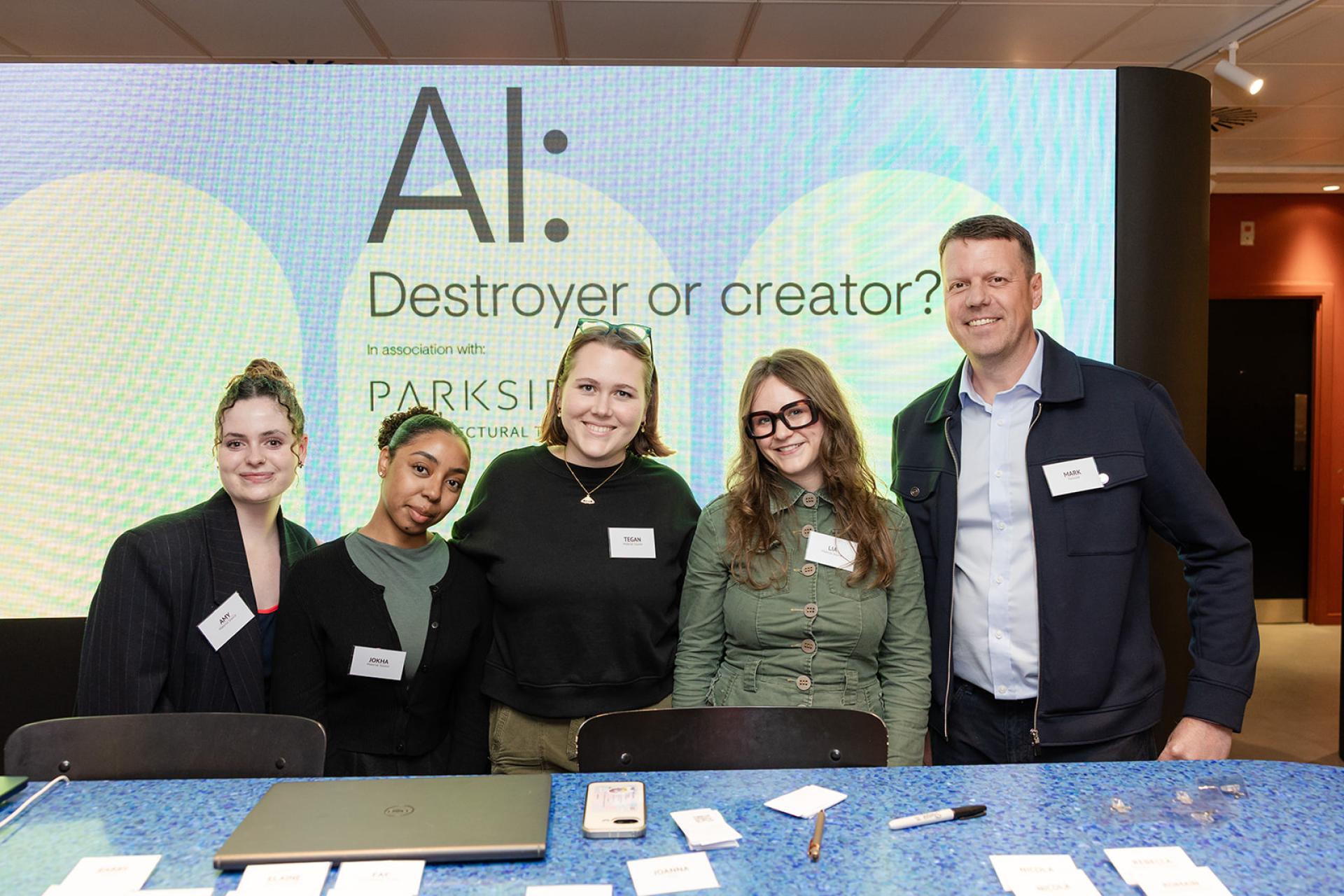
AI: Destroyer or creator?
Credit: Lewis Nicol
In association with:

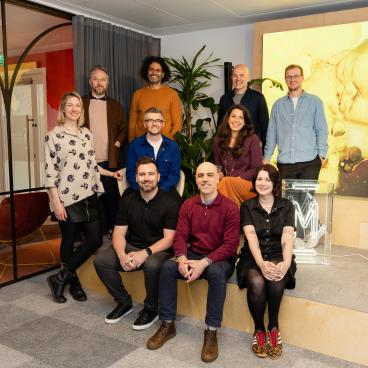
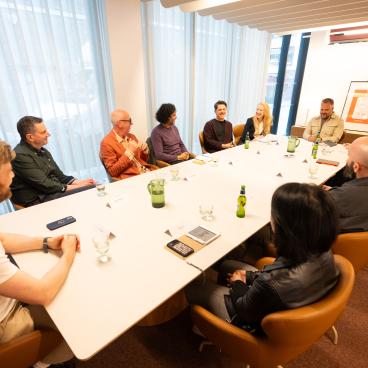
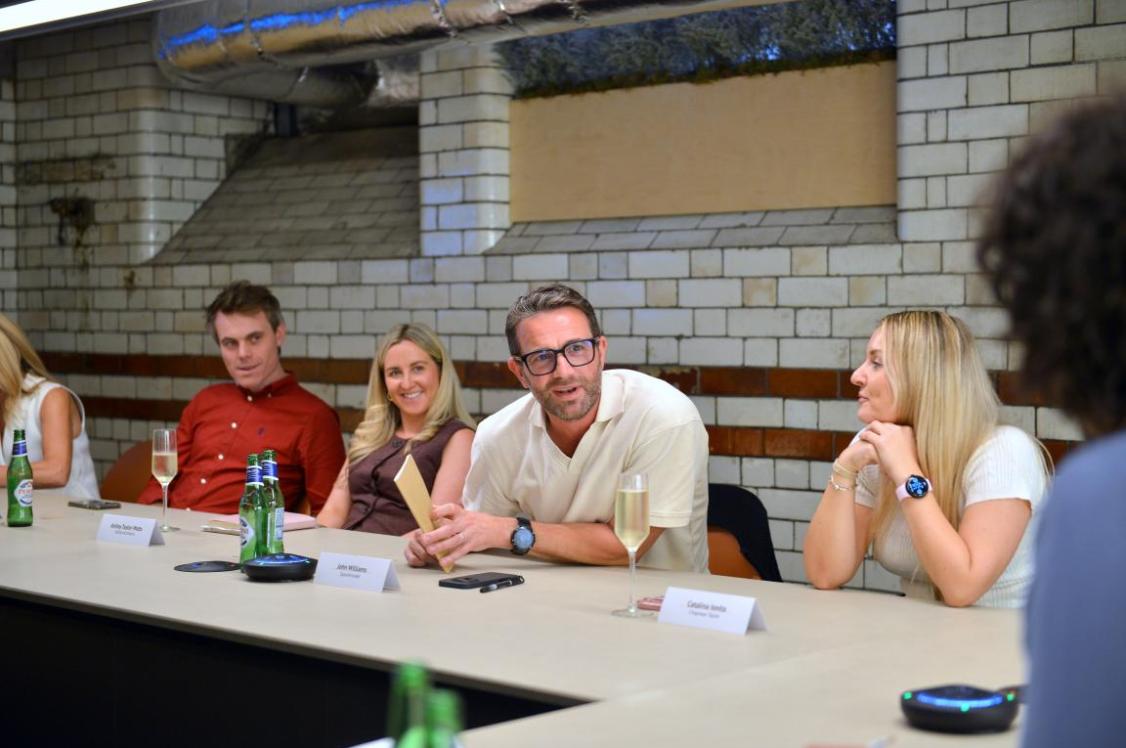
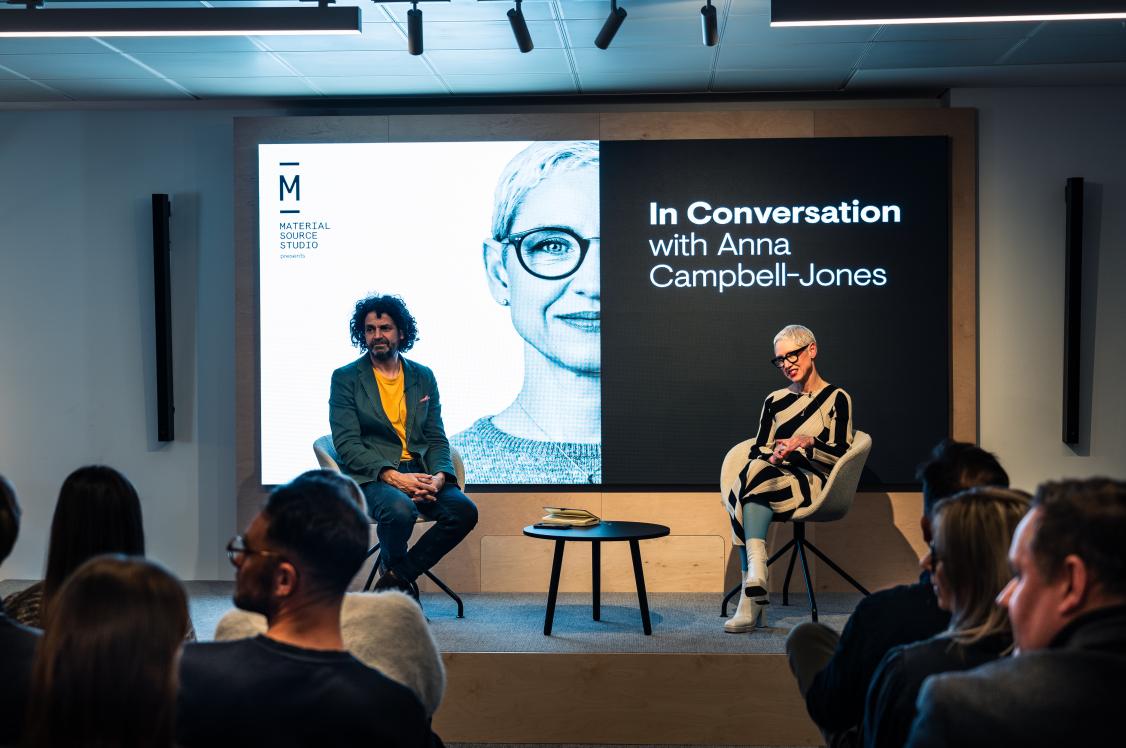
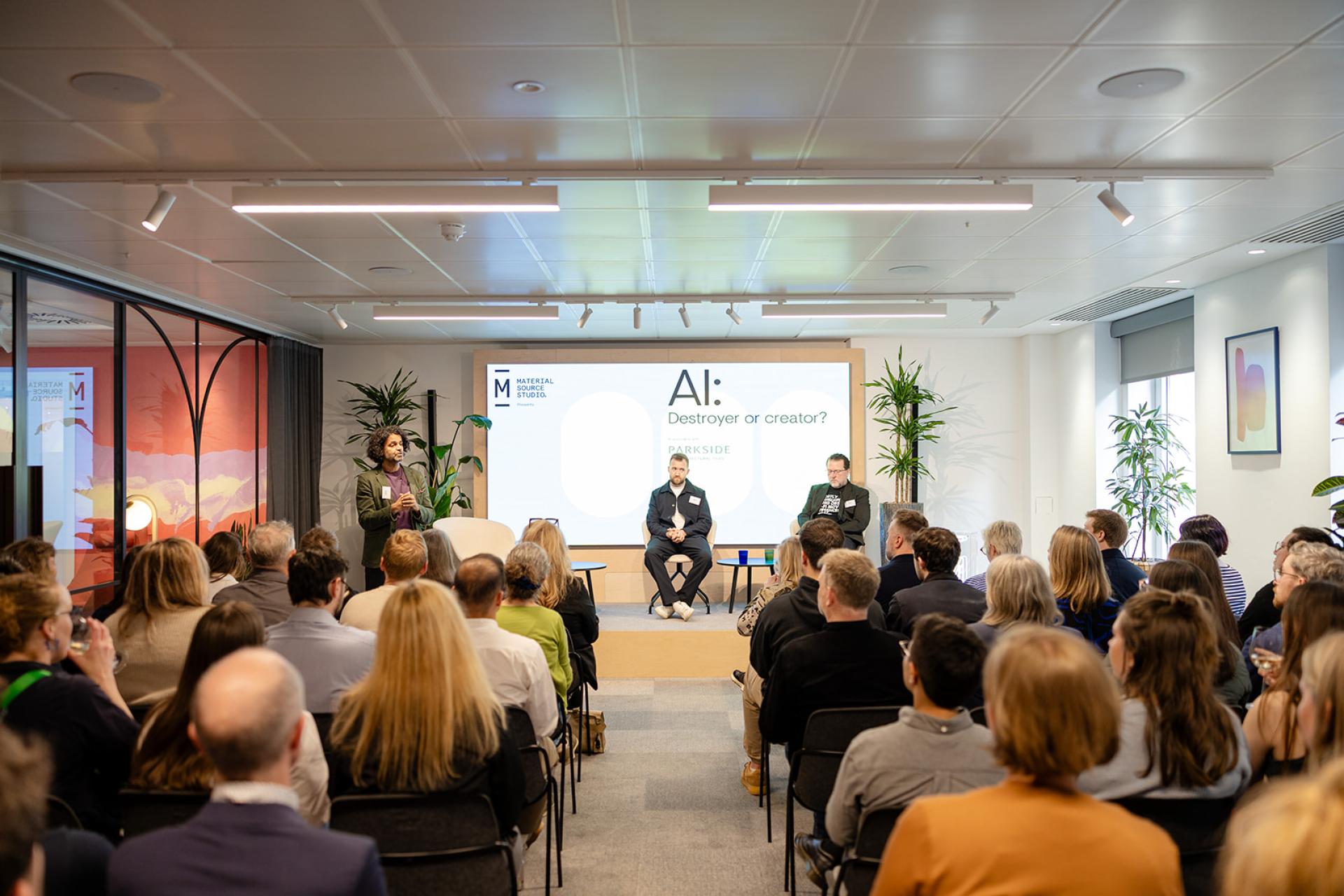
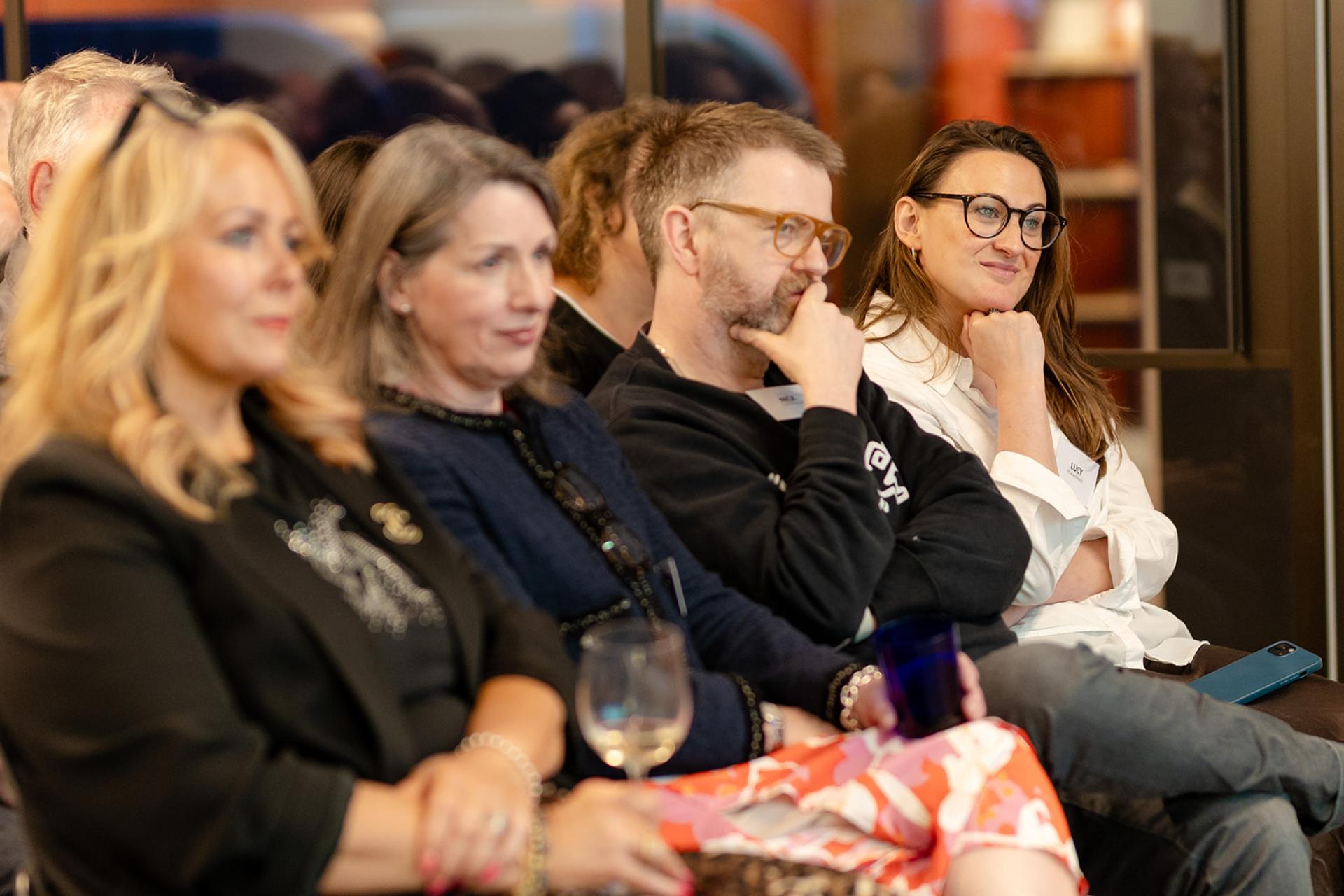
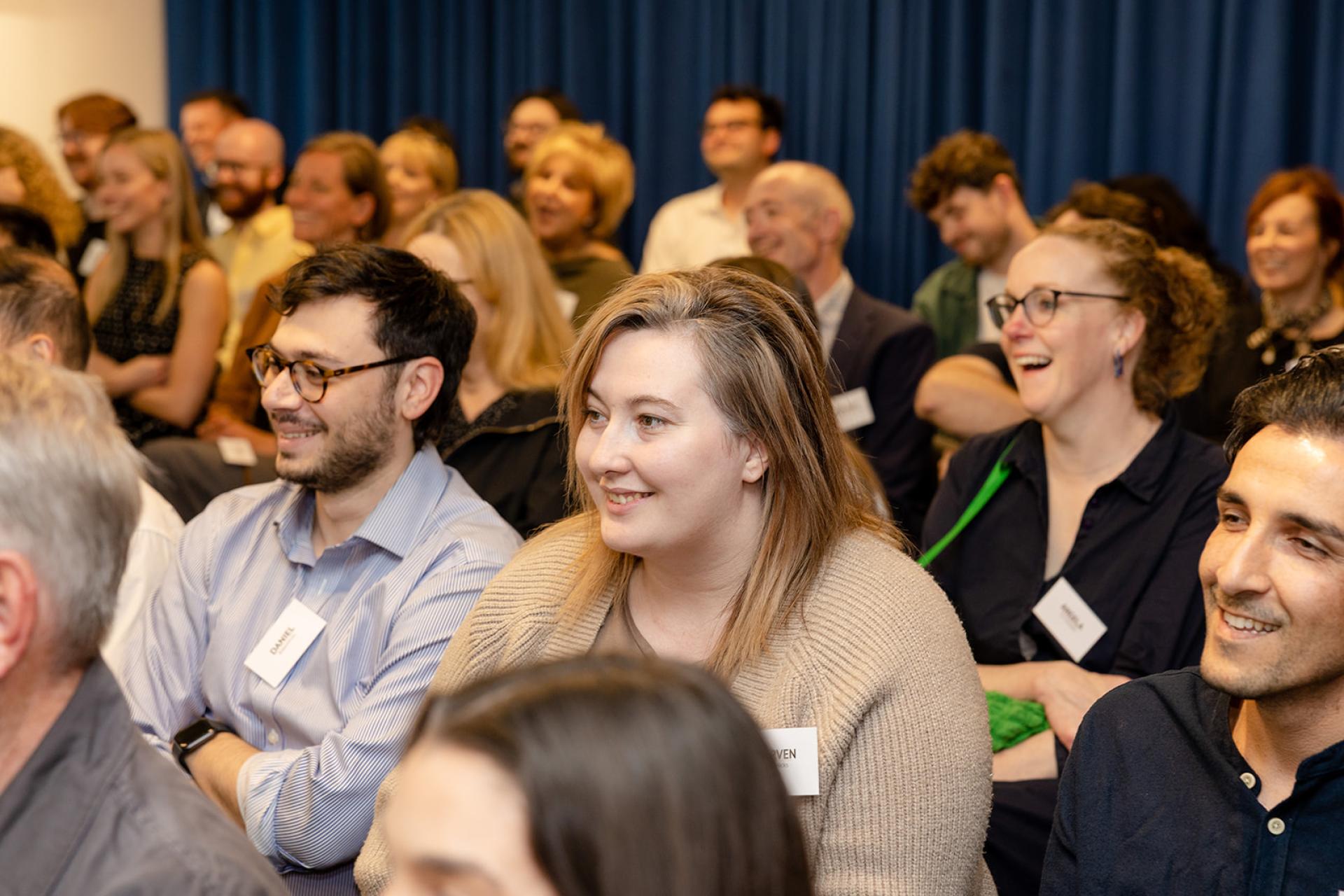
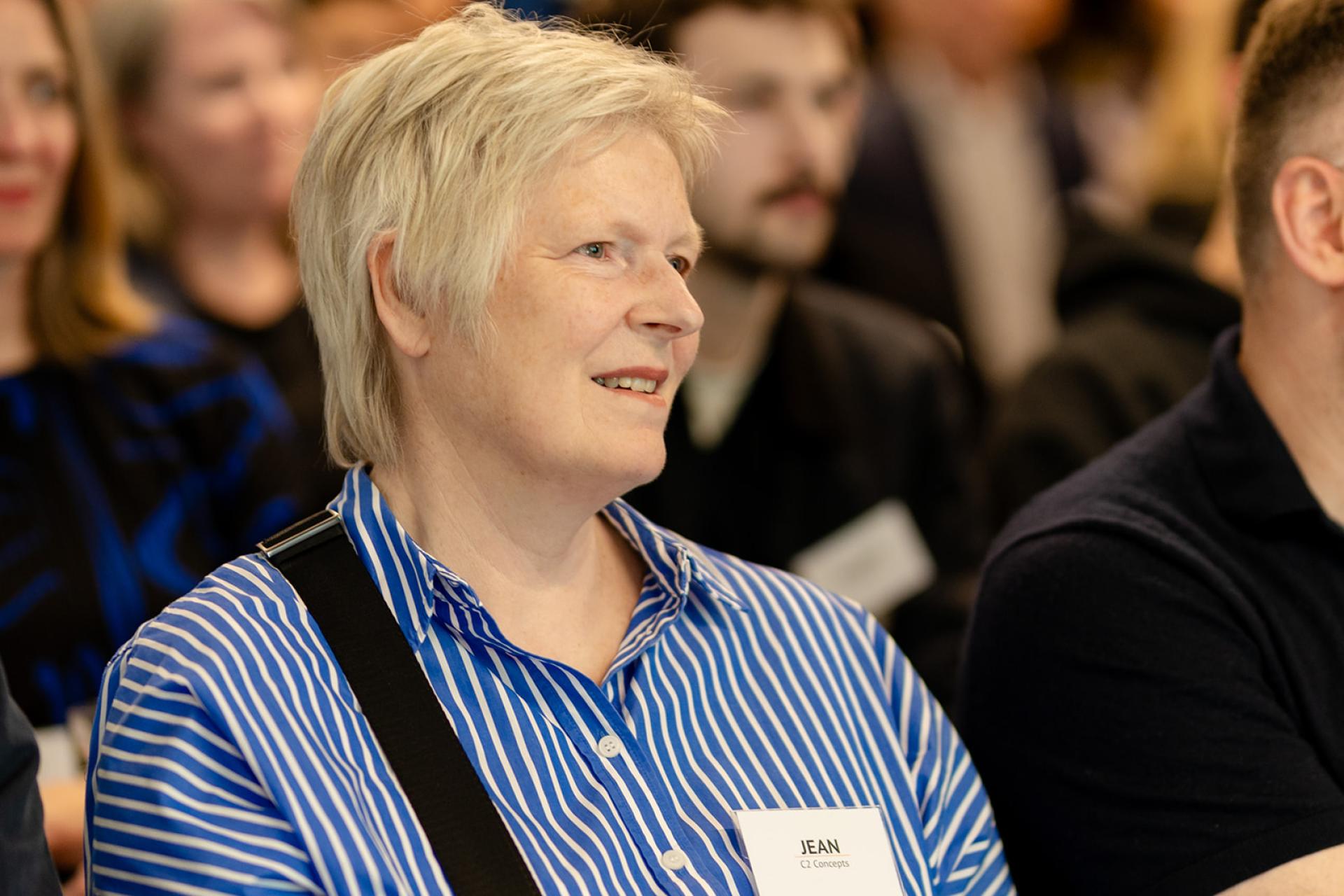
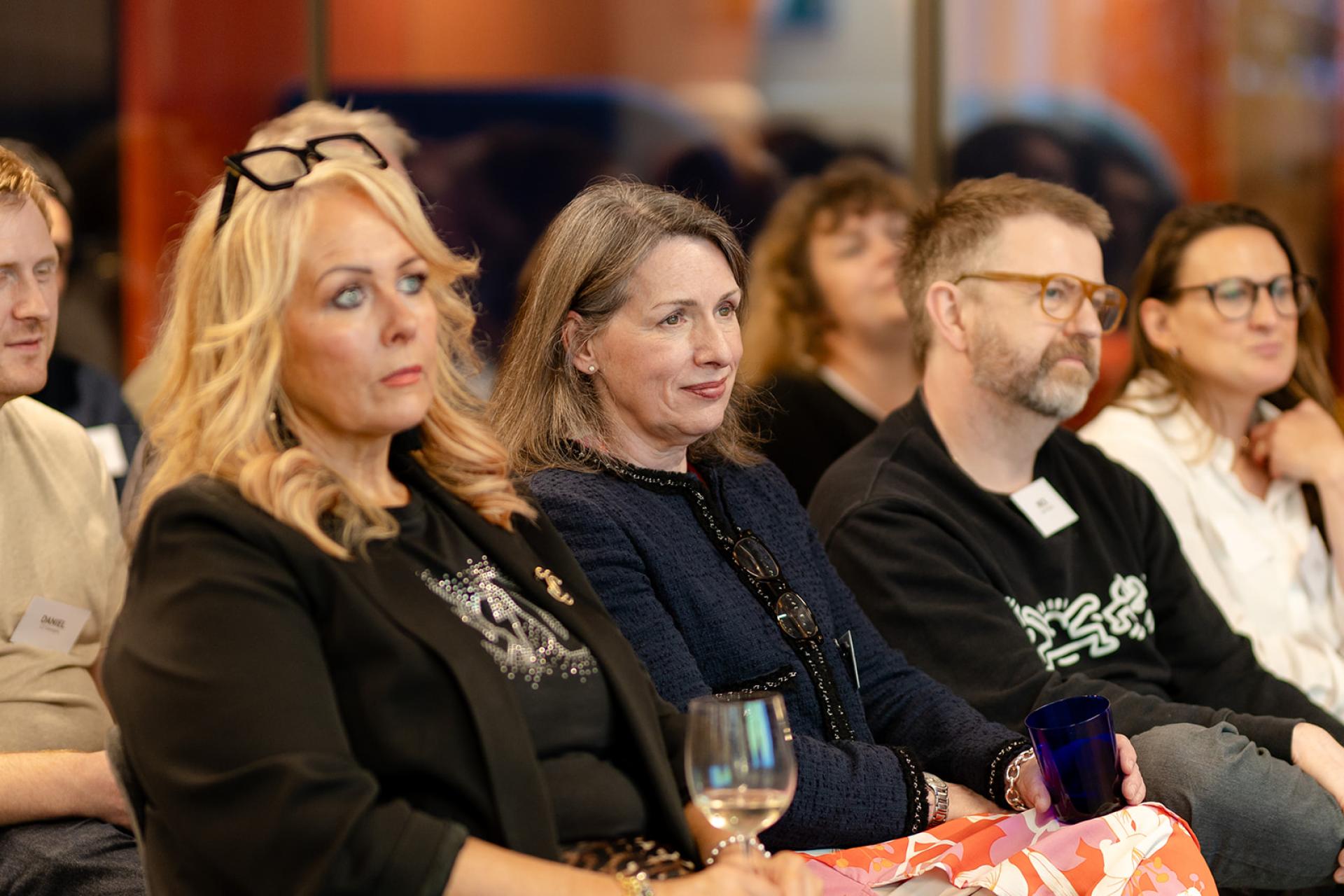
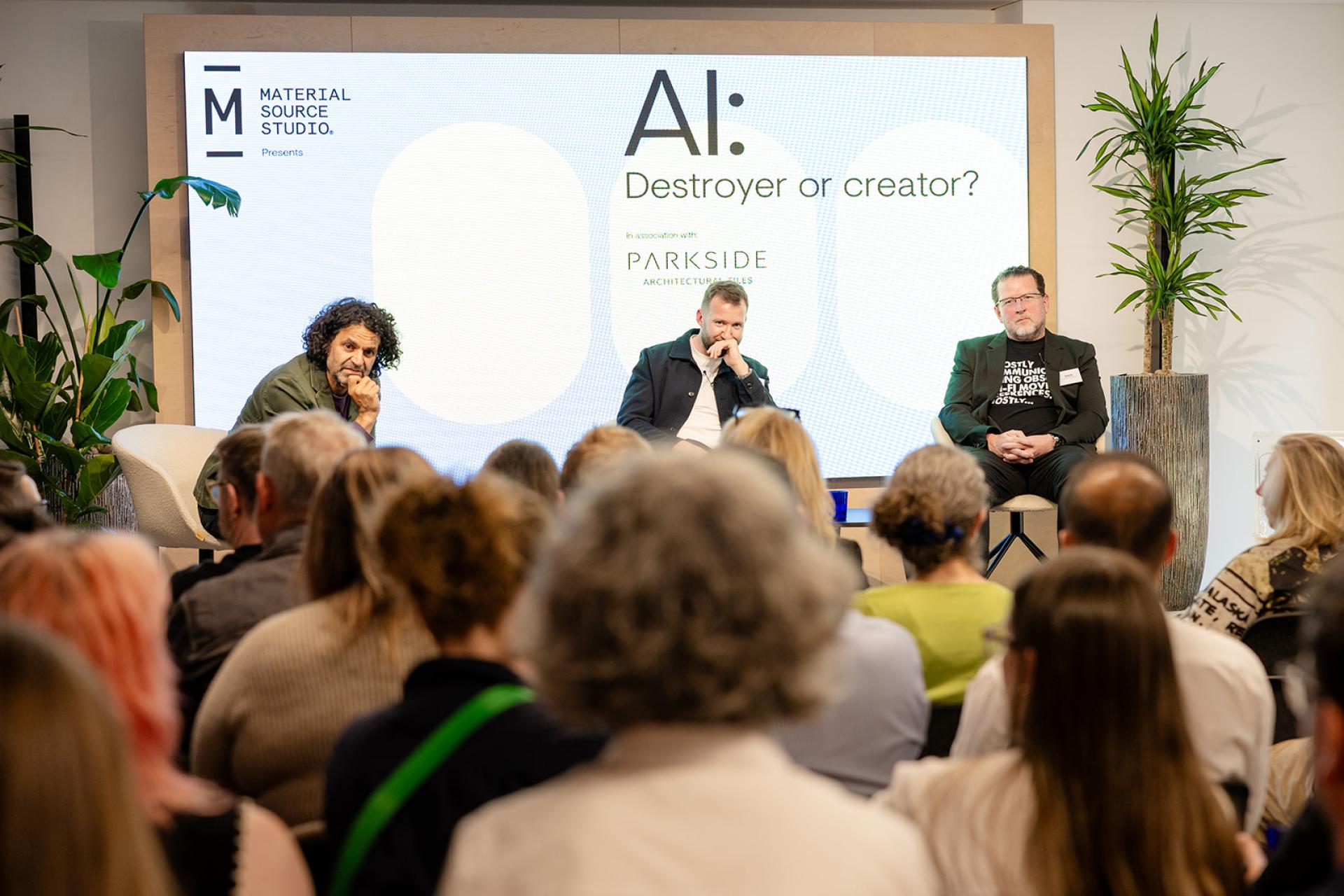
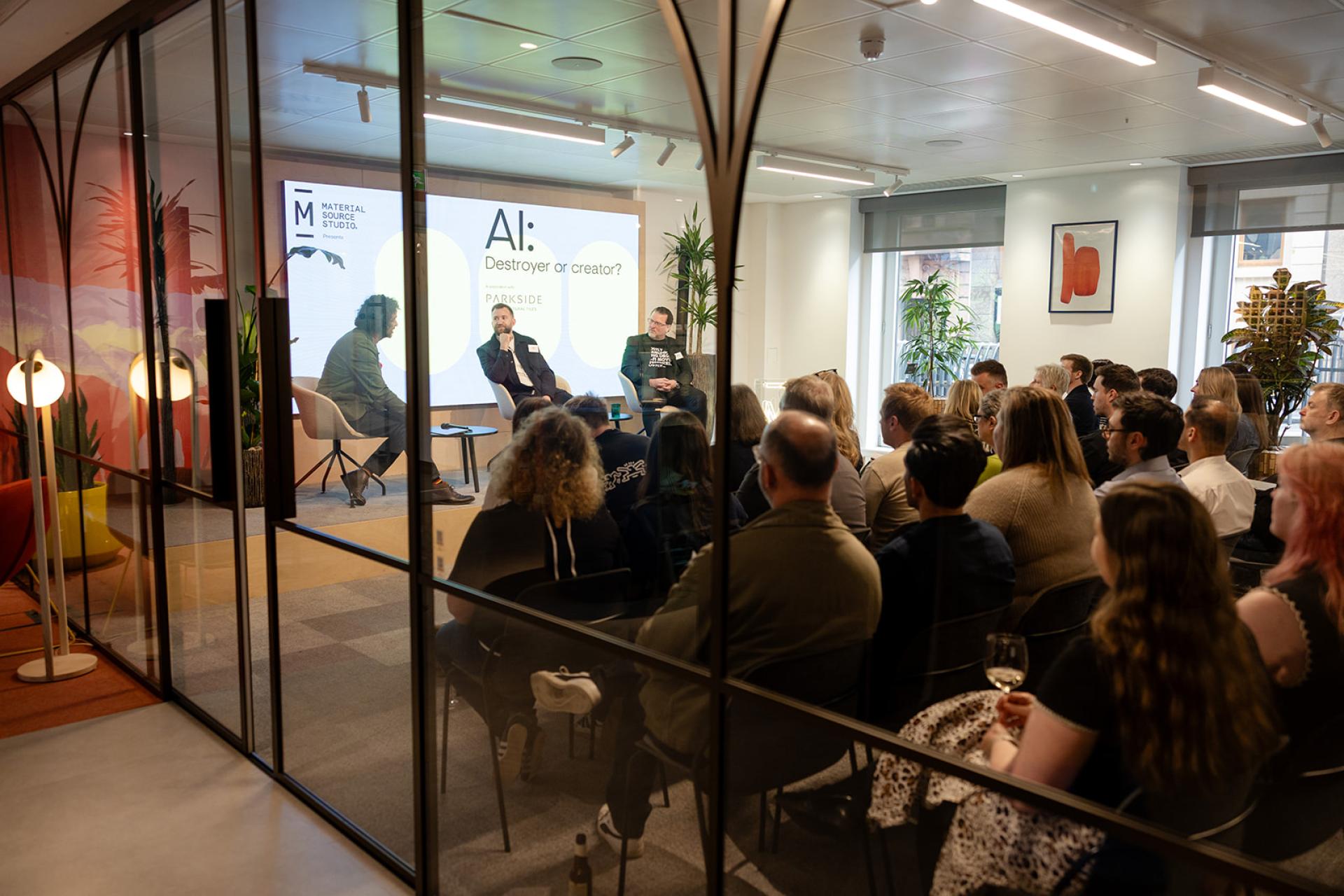
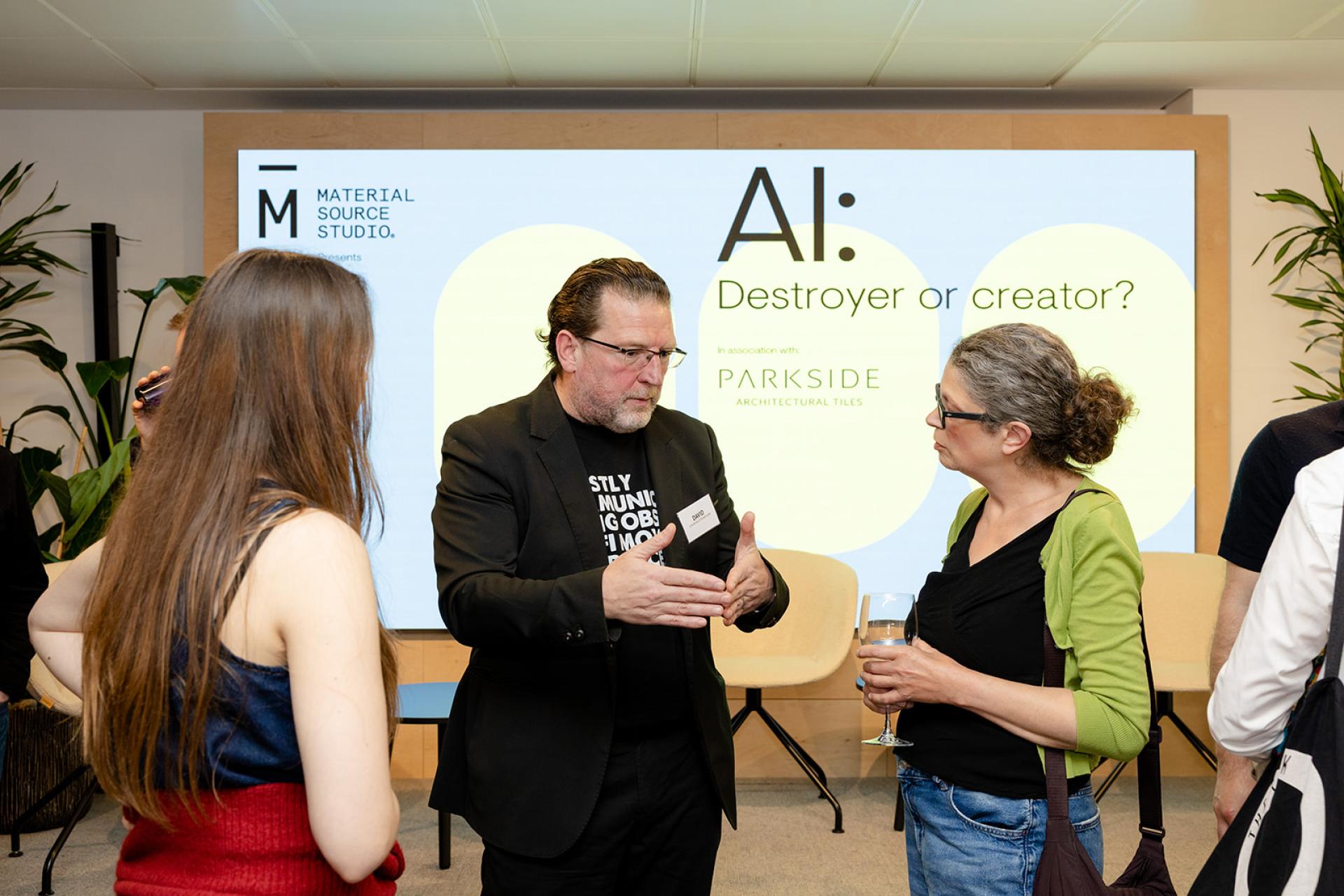
At our seminar in Glasgow this month, we continued our quarter-long conversation on the topic of AI.
While both the panellists and guests agreed that AI can inevitably speed things up, and take away certain, often 'mundane' tasks, there's no replacing human judgement. AI, after all, is simply just code. However, there was an underlying yet palpable feeling of unease in the room.
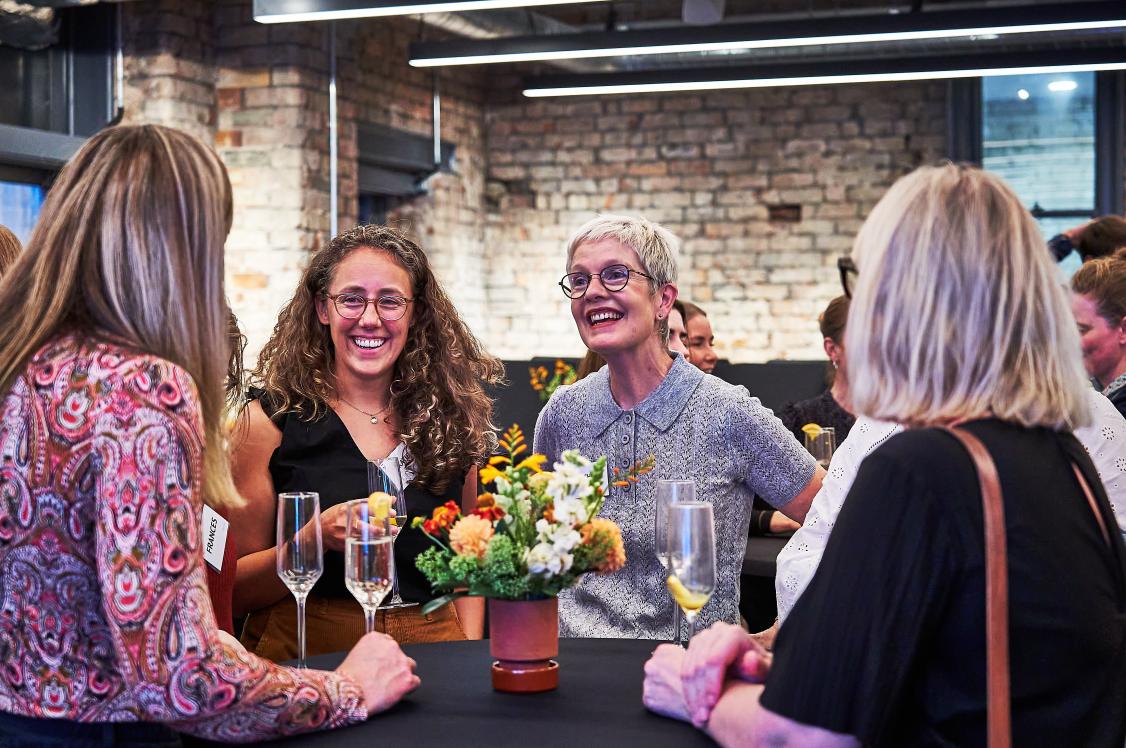
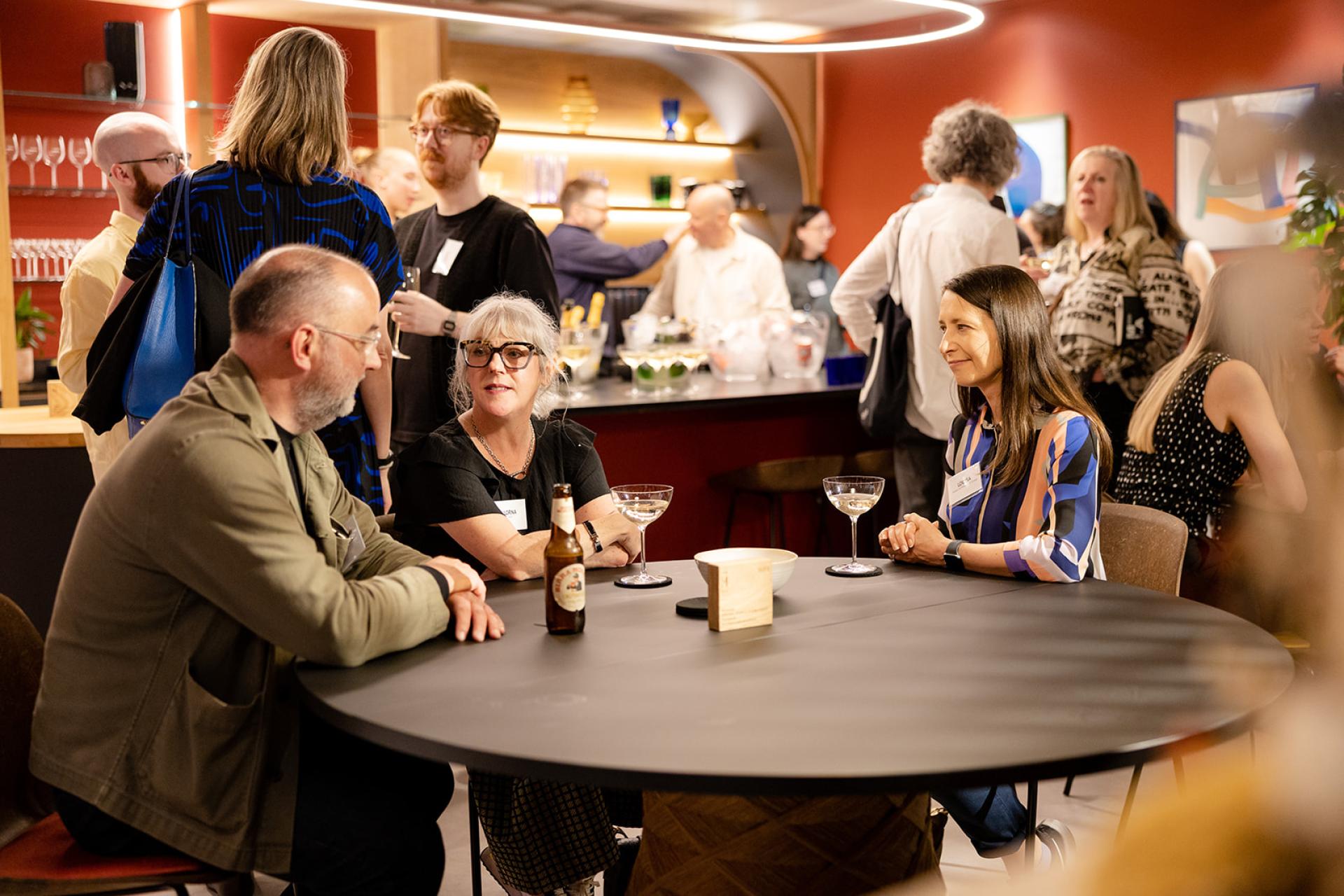
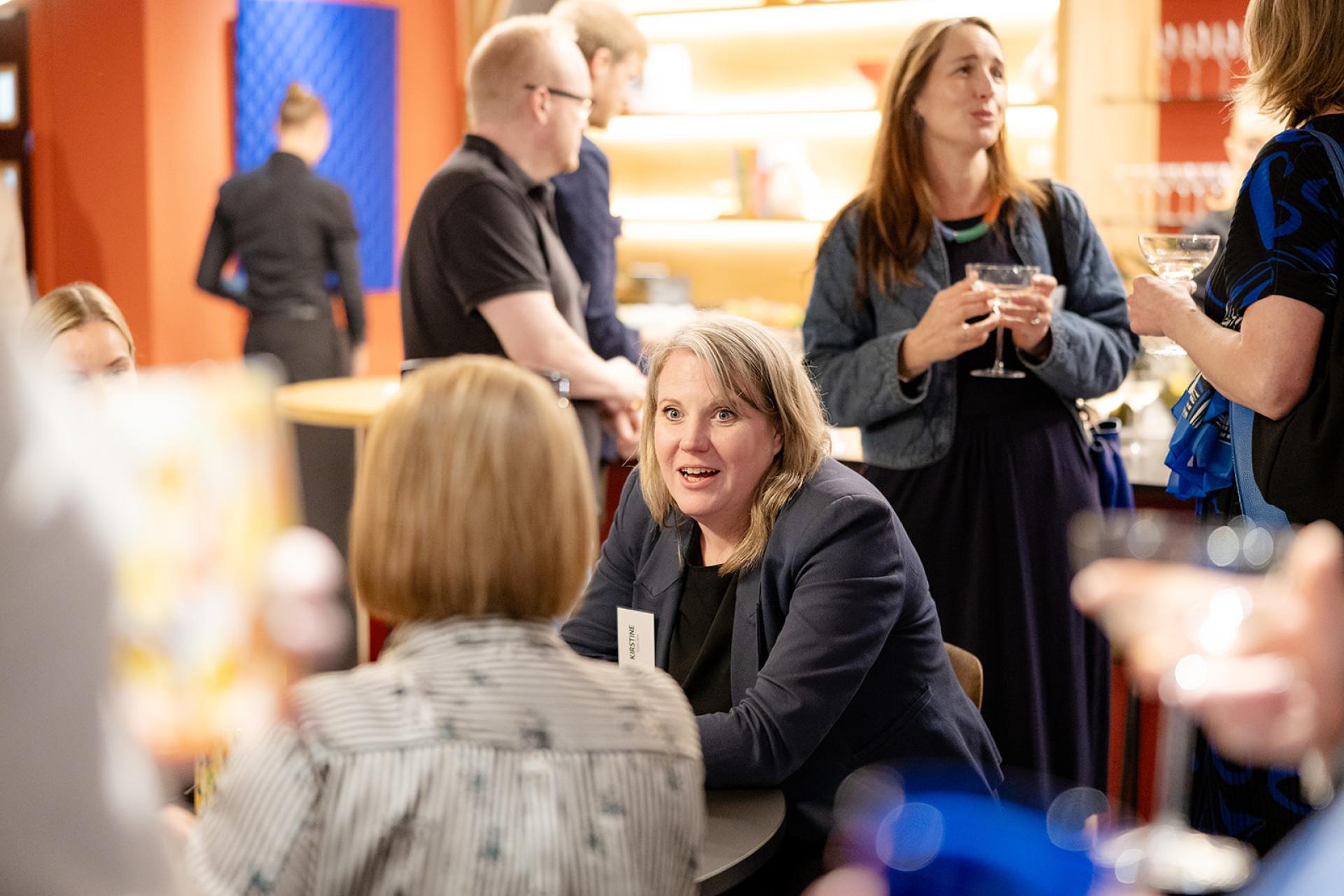
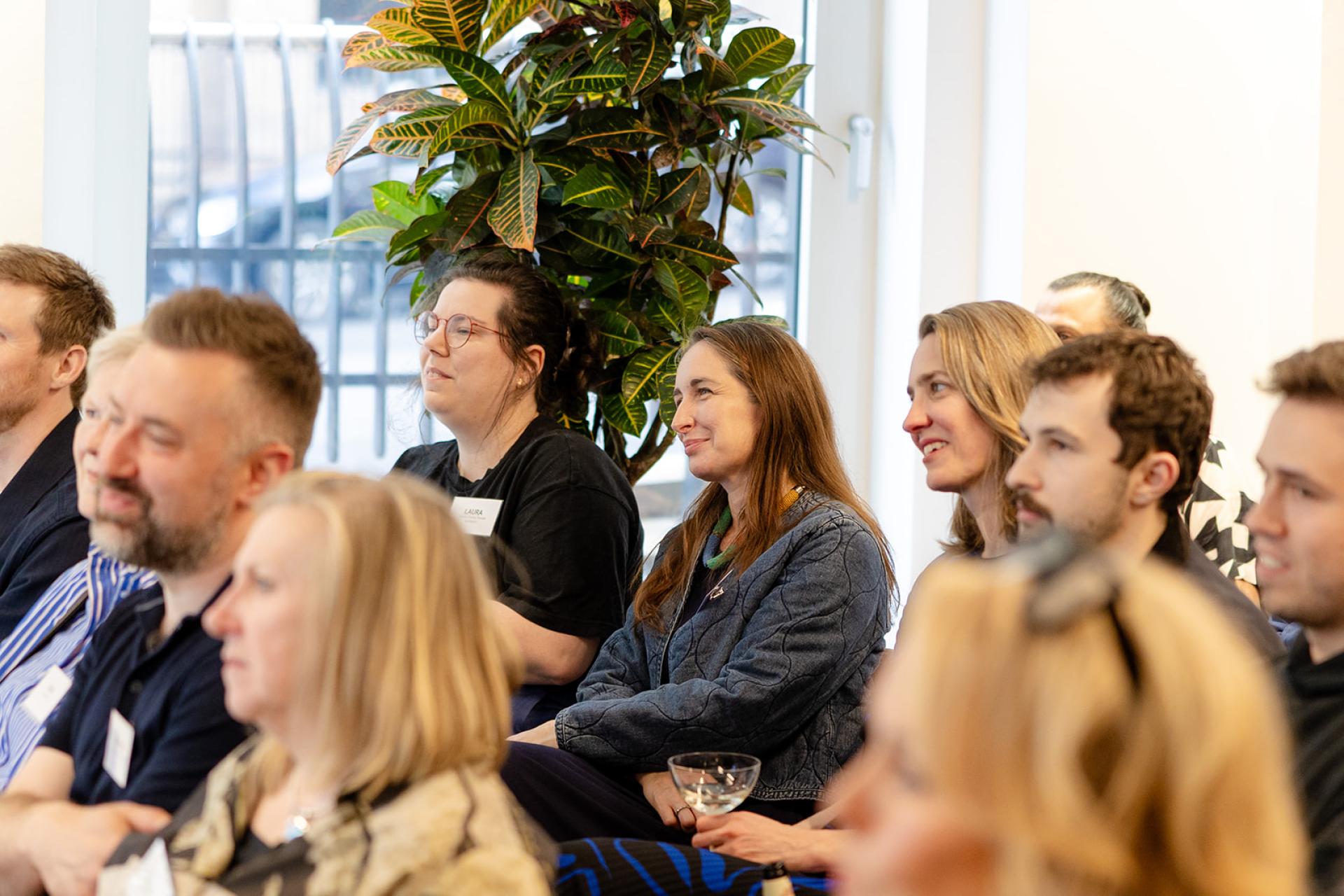
Amid the usual good spirit that you’ve come to expect from our seminar sessions, the forum-style format of this event allowed honest thoughts and feelings to bubble to the surface. In some cases, it was clear that built environment professionals are finding AI tools useful in their day-to-day. But there were also gaping plot holes in the narrative of our future. How do we tackle the compounding sustainability issues only being accelerated by the rapid evolution of AI? What do we do when peoples’ jobs become obsolete? What’s being done to up-skill young people for the new roles that will be created? And what will these jobs actually be?
We acknowledge that an hour-long discussion won’t provide resolutions. But seek, through our cross-country conversations, to support wider sector movements.
Just as our panellist David Reat’s PhD was on the architecture of the three Star Wars trilogies, the topic of AI has both a light and dark side. It’s emotive. Personal. There’s no doubt about that. Everyone has an opinion on AI. And that’s exactly what this seminar provided a platform to air. Judgement-free.
So, AI: Destroyer or creator? Here’s what our Glasgow Studio community thinks…

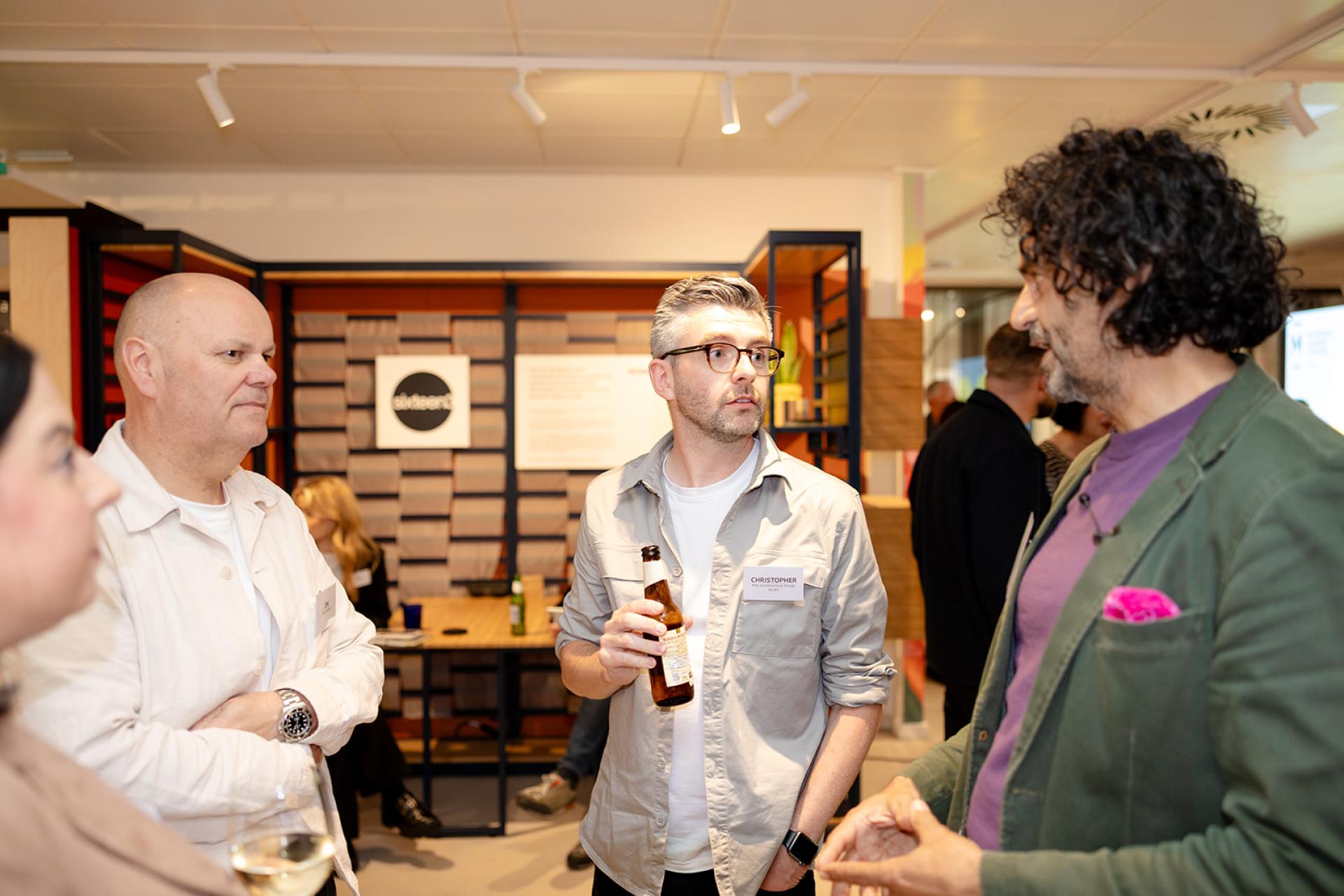
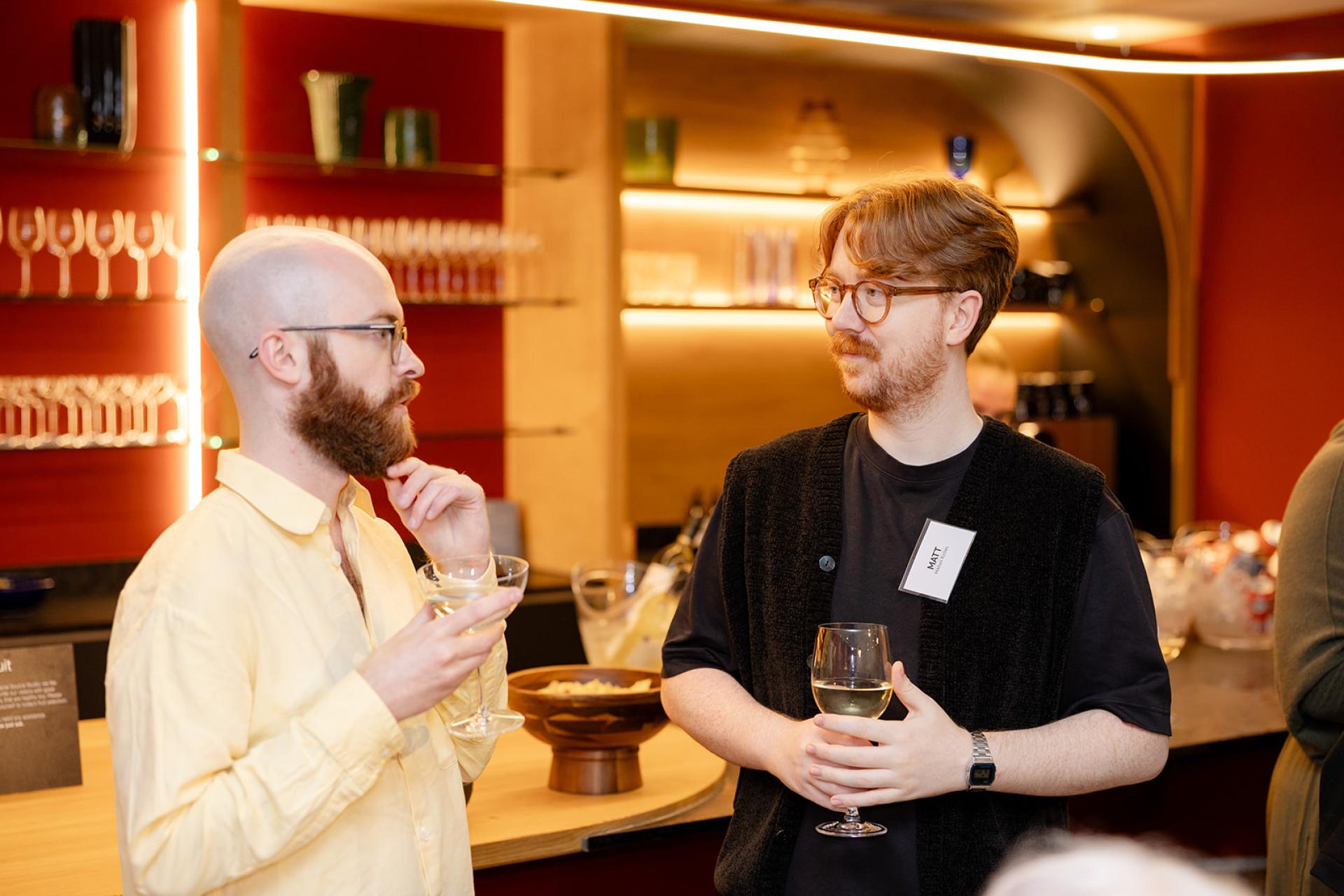

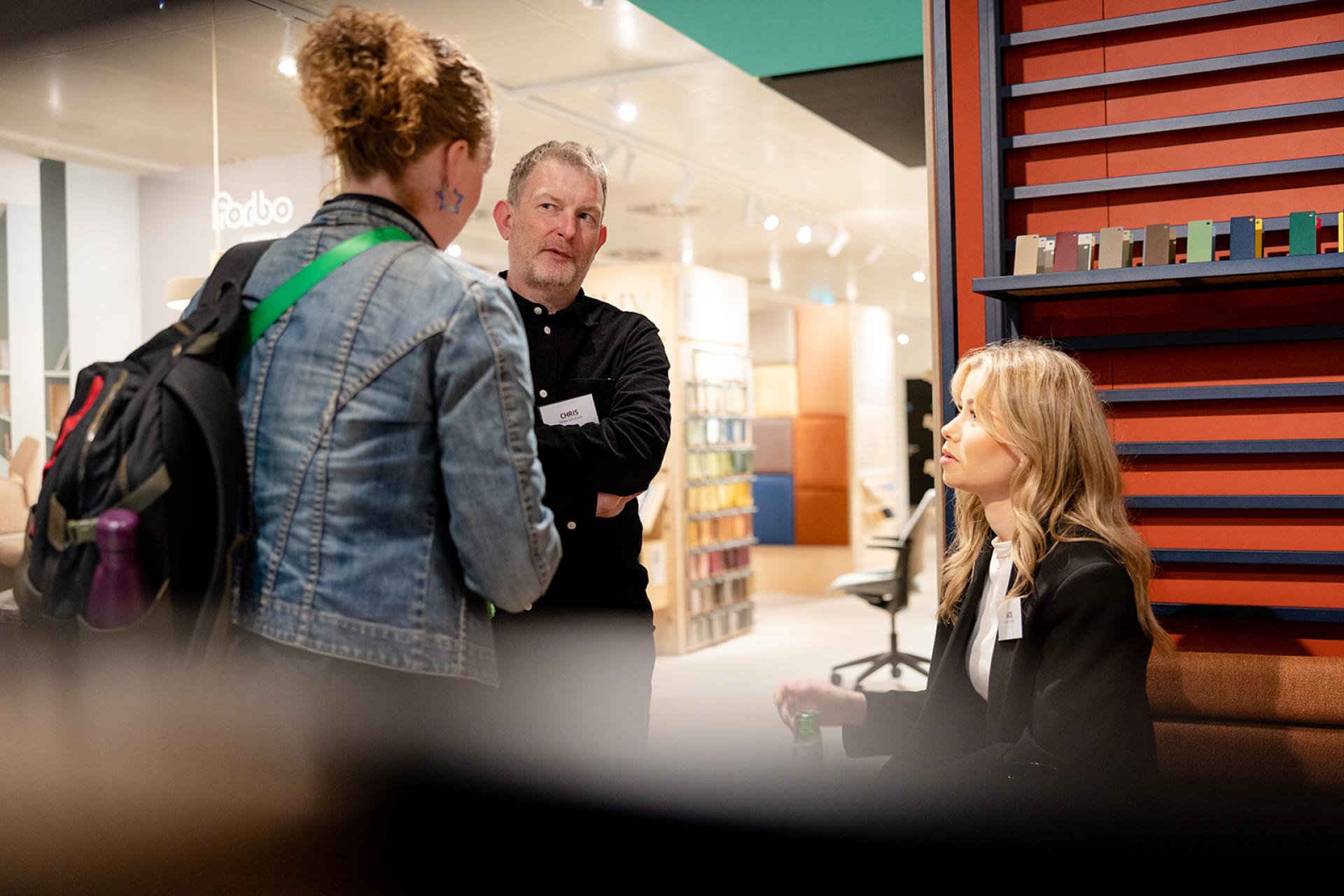
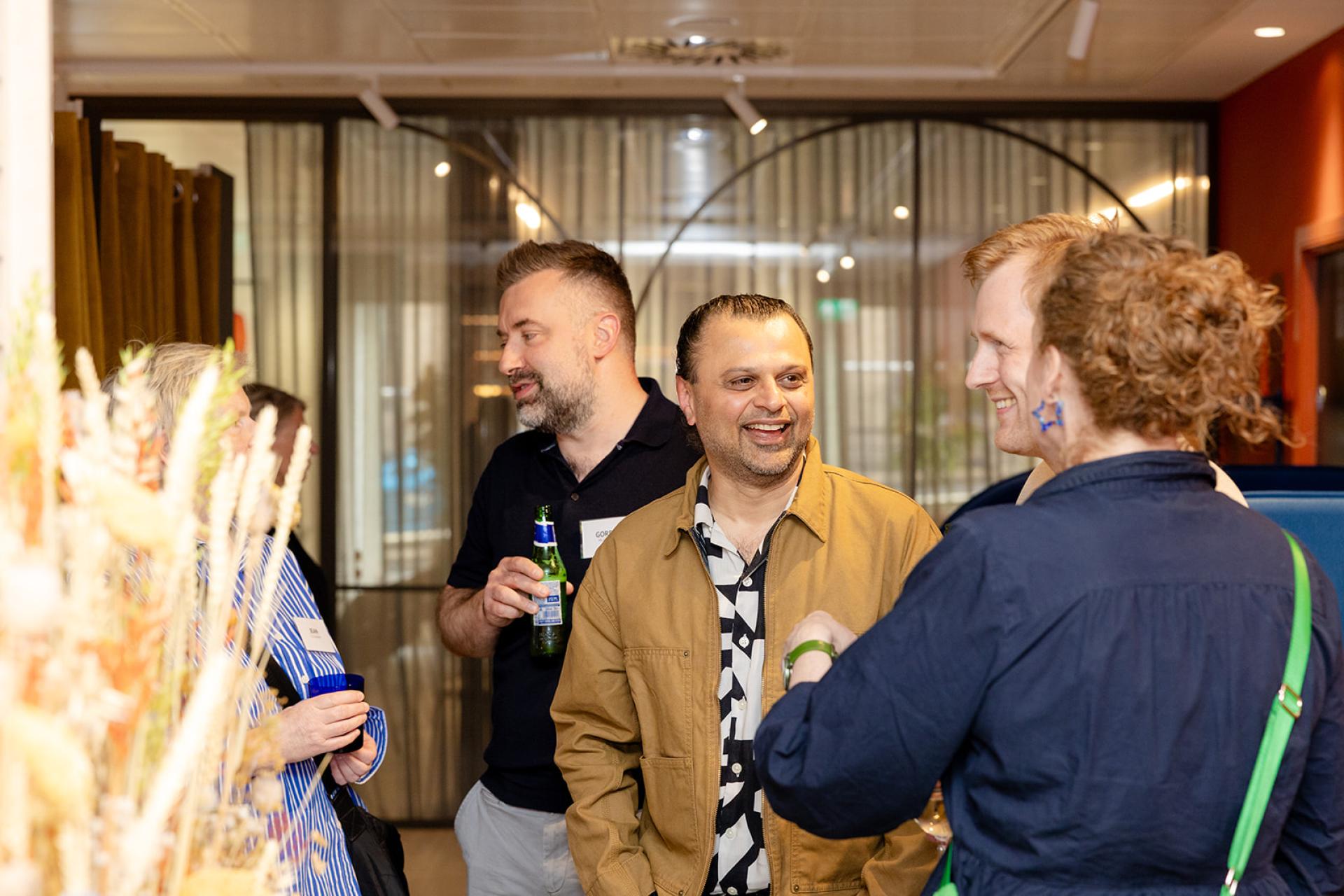
Creator or destroyer?
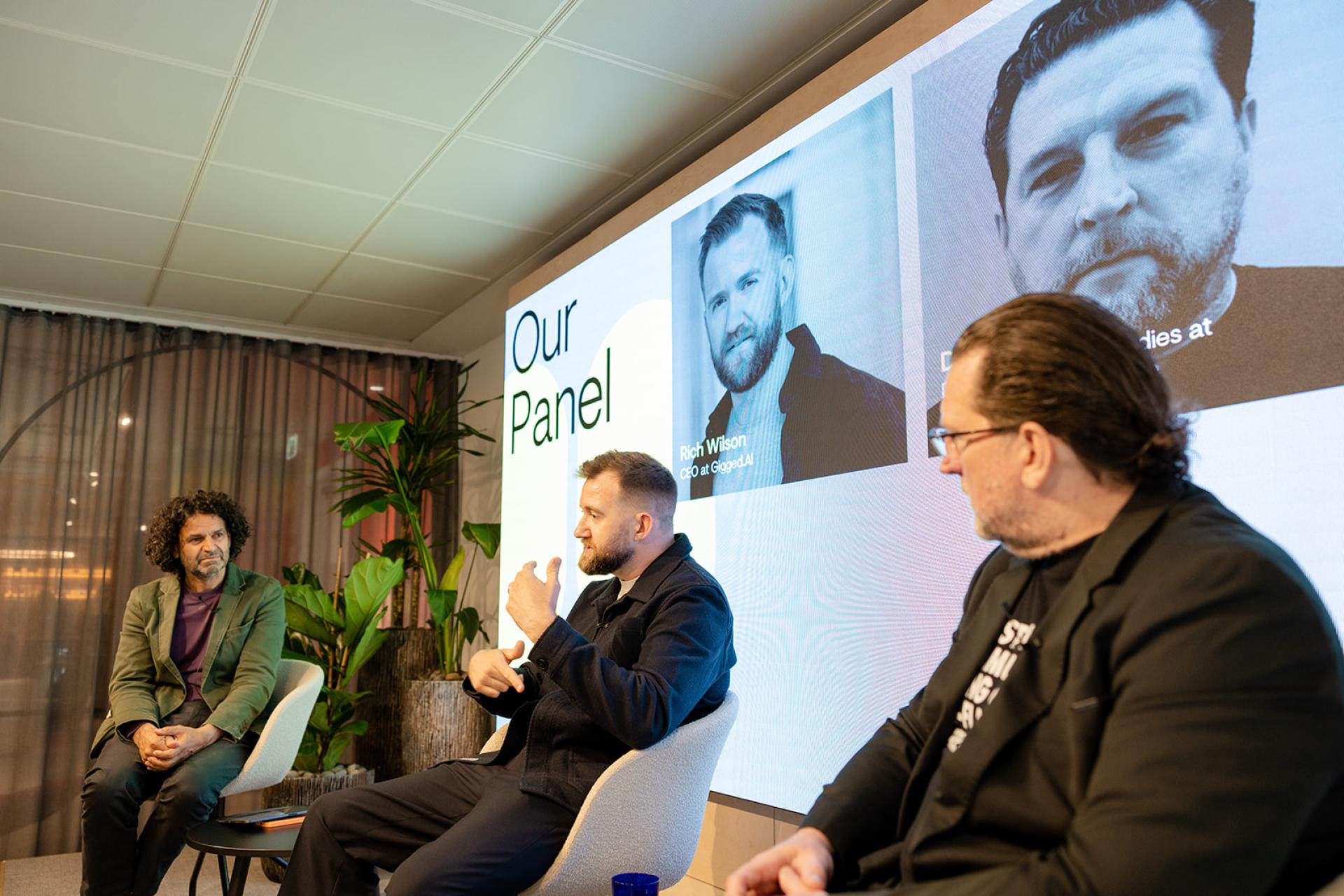
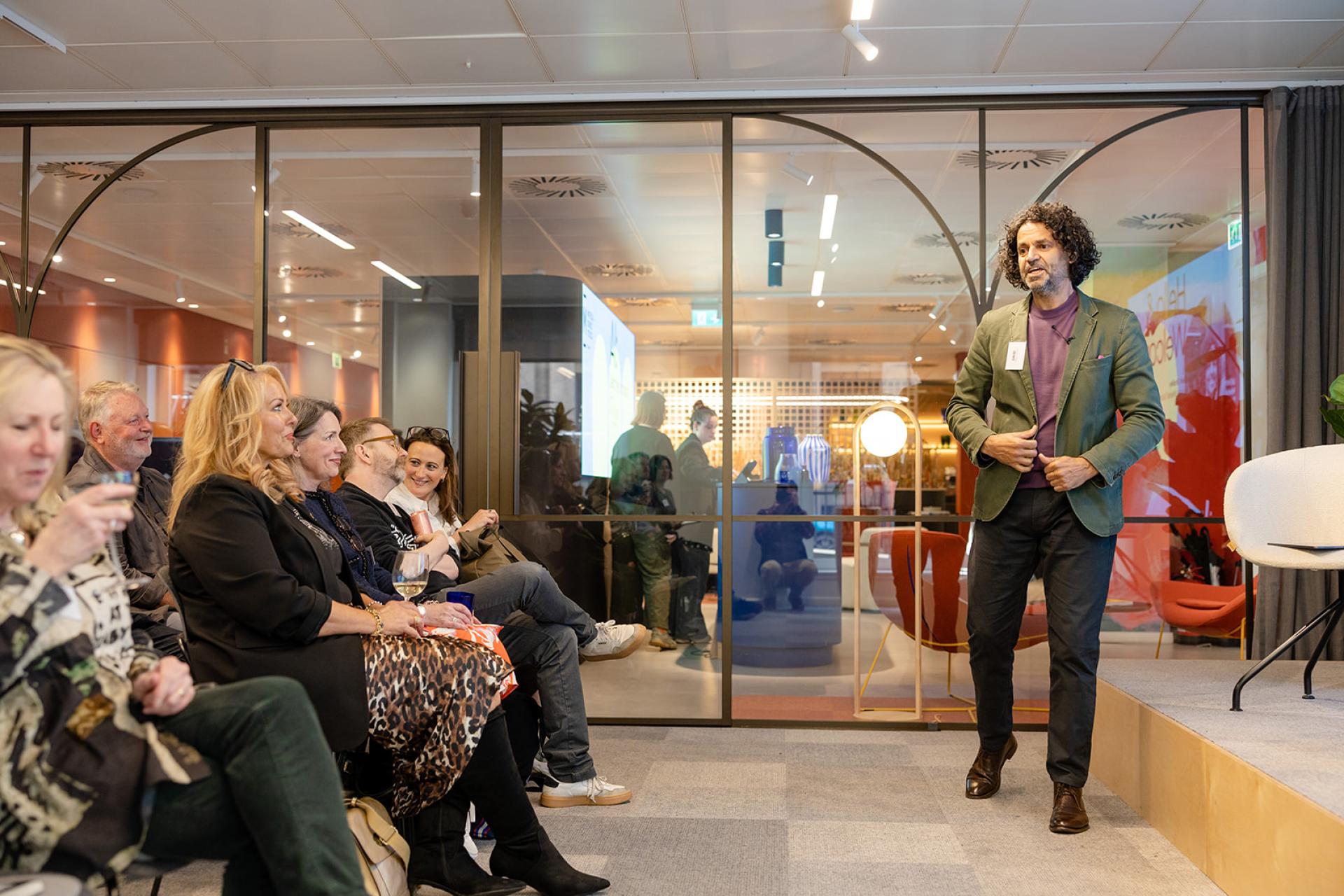
To begin, Session Host & Director, Material Source Studio, David Smalley, asked, “AI is quite obviously taking over mundane tasks, but how do you feel about it taking over more creative work?”
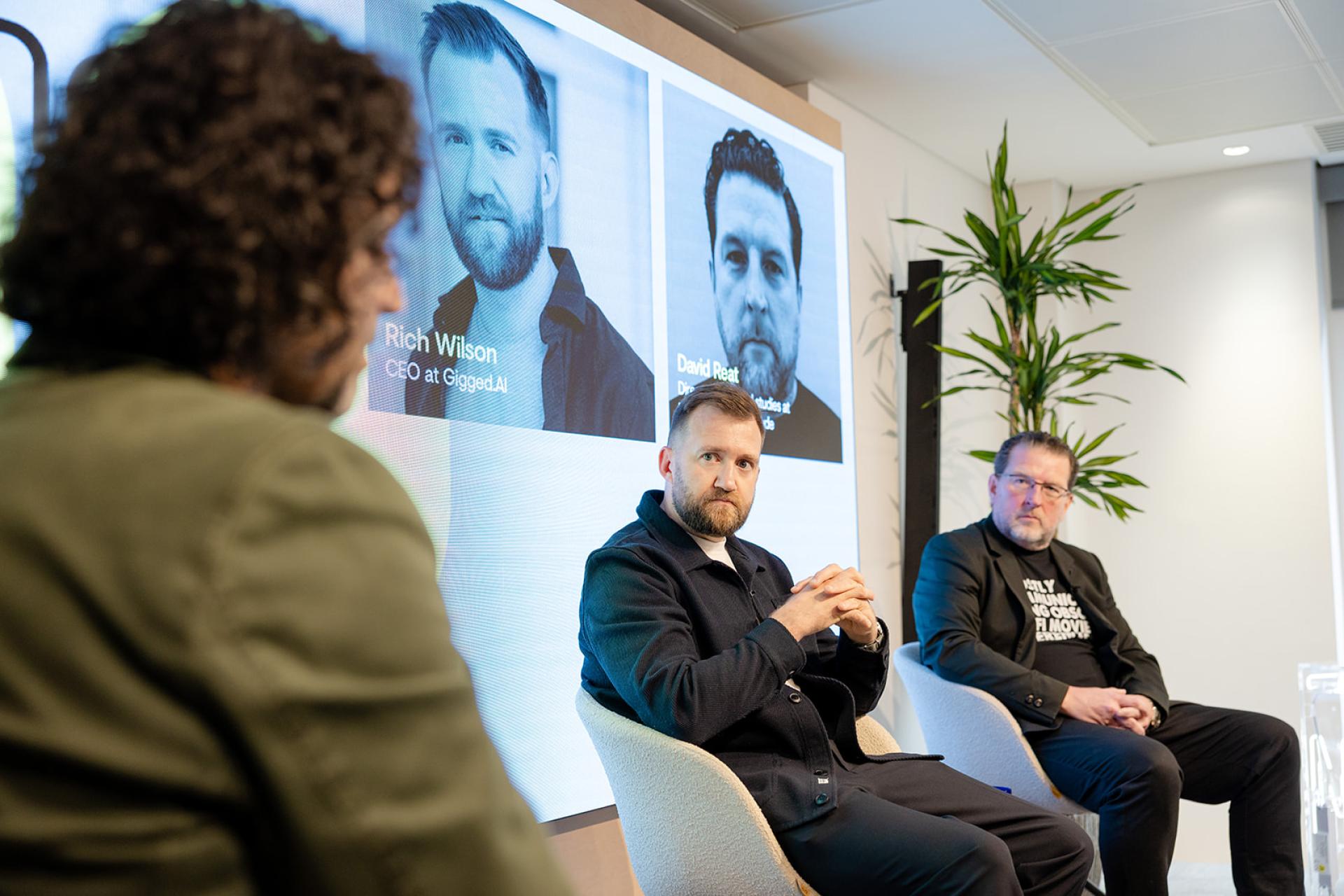
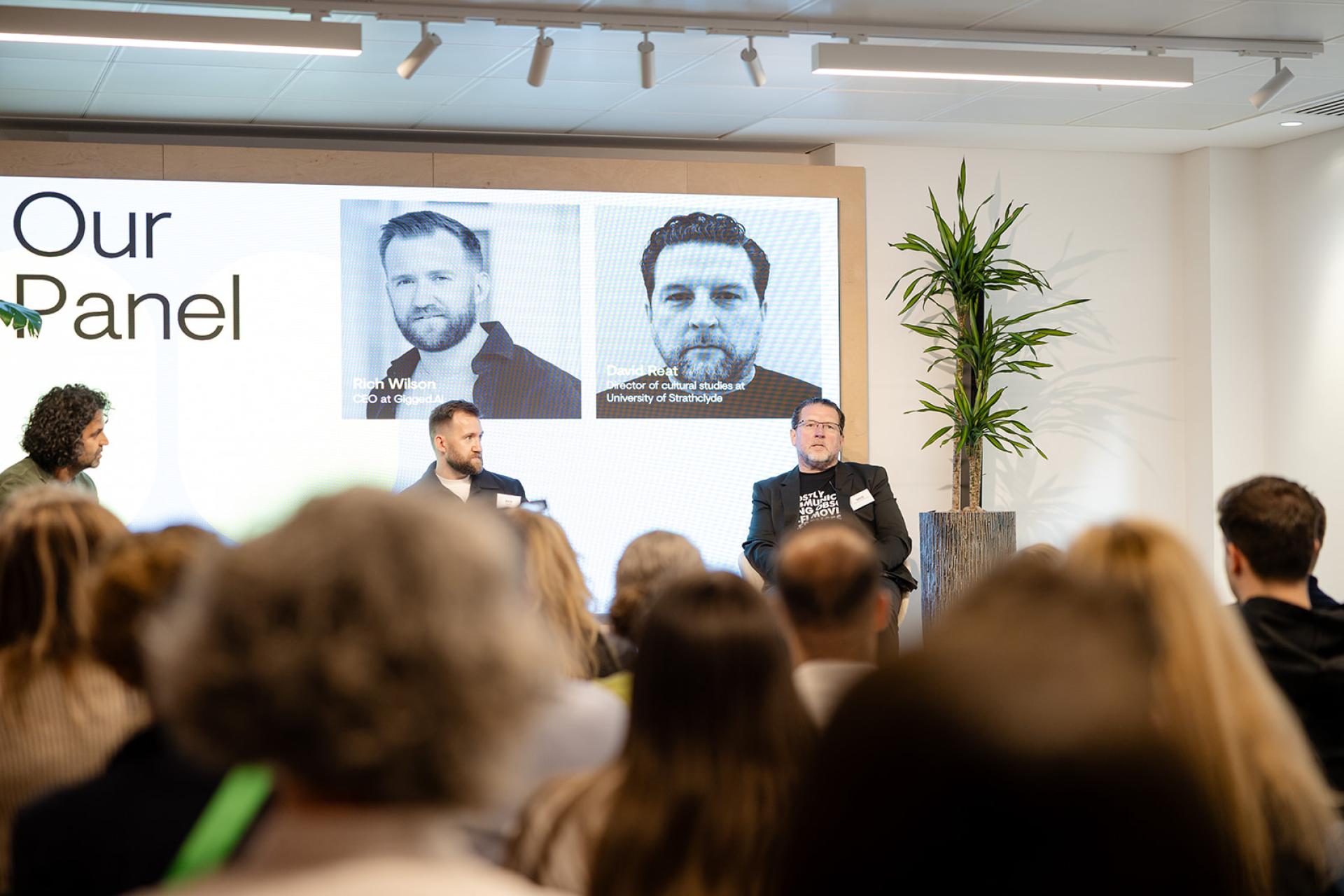
David Reat, Director, Cultural Studies in the Department of Architecture at the University of Strathclyde, shared that he’s had to rework the entire cultural studies programme for his department based on the rapid adoption of AI tools. To ignore AI’s impact would be catastrophic, he believes.
“Jonathan Charley, who was my PhD supervisor and my predecessor, looked at architectural history and theory and questioned its relevance today, and he started to introduce things like decolonisation into the course - equality, diversity. I then took that up and ran with it. And the latest challenge - or opportunity - is Artificial Intelligence.
“As a university, no executable decision has been made yet on our position on AI. But personally, it had a big bearing on the hypothesis of my dissertation, so I embraced it immediately.”
David shared he's noticed “just how pervasive it was across the board”, since LLMs (Large Language Models) become more readily available 3-years ago. “You started to see a shift, in essence, in artworks and essays that were coming from students. And I thought, ‘Well, I have to understand what’s going on here.’”
Just as visualisation is changing in practice (a theme discussed in-depth by the guests at our roundtable in London), so too is it in education settings.
With all of this in mind, David has “completely remodelled the cultural studies course, from ‘product to process’, knowing full well that we will move to delivering something through AI. There’s no point denying that we’re using it.”
While David believes AI creates possibilities for imagination and communication – “I view it as a representation technology” – he commented, it also risks destroying skills by way of “understanding why things look the way they do - and, more importantly, judgement.
“I think that’s the critical thing with AI: the ability of the human being there to judge something. I think the question is how we use it, not if we use it,” David added.
Fellow panellist Rich Wilson is CEO of Gigged.AI. Having worked in the technology sector for 20-years, he reminded guests that AI is not new – “Though marketers like to badge it as new, it’s actually 75 years old,” he said.
LLMs may have taken the spotlight over the last couple of years, but machine learning, which is what they’re based on “was a very cool thing about 10-years ago,” Rich added.
And this is “just one little strand of AI as a whole,” Rich stressed, sharing that it was the banks that were early adopters of this technology, “AI would be used by Barclays, JPMorgan, and Morgan Stanley. They have thousands of AI engineers in Glasgow alone – they have done for 10, 15-years. A lot of the AI models that the banks use are built in Glasgow.”
IBM he referenced as being at the forefront of advancement in AI and automation (this is where our panellist in Manchester and London, Dr Phil Tetlow worked for over 20-years.)
For Rich, after working with one of the largest advisory companies in the world, Gartner, advising global companies on “what to do with AI, what to do with data, and what to do with digital transformation,” he decided to set up his own business comprising a human and AI orchestration platform. “What we do is we take human skills and AI skills, and merge them together,” Rich shared.
Pioneers in this field, Rich added that people thought 5-years’ ago they were “crazy”, but – a proud Glaswegian company – the firm now works globally - Fortune 500, FTSE 100 - and is headquartered here in the city. “We still hire real people, not just AI,” he said, reassuringly.
The world of AI is currently akin to the “Wild West”, Rich suggested. In reference to the speed of evolution, he said, “Something you knew 26-months ago is redundant already. It’s moving like we have never seen before, and it’s only going to keep moving.”
On whether it’s a destroyer or creator, for Rich, it has already destroyed the need for a lot of tasks. In call centres, for example, more often than not we’re speaking to software robots, he said. There are also certain roles for which the need has “plummeted” Rich shared – based on his experience in recruitment.
“In IT design, when we first started the platform, one of the biggest skills we had demand for was UX design - how you use an app, how you use a website, how it looks and feels. The demand for that has plummeted.”
“Why?” asked Host, David.
“You still need people to do it; you just don’t need as many”, Rich replied.
Taking a broader view, “When you think about creation, the big think tanks such as the World Economic Forum, McKinsey, Bain & Co., the feeling is that AI will create more jobs than it displaces. I agree with that in time, but I think where we are at the moment is the opposite,” Rich stated.
In the short term, the statistics paint a stark reality, Rich said. “AI is definitely meaning that people are refraining from hiring. Full-time hiring in the UK is down by 36% every quarter. It’s the lowest it’s ever been for full-time roles.”
“Why is that?” Host David, asked. “Is that all related to AI?”
“You can blame the economy, but AI is definitely a factor,” Rich responded, adding, “I think it will get worse before it gets better. I’m an optimist, and I do feel it will get better and it will create more jobs. We’re just in a really weird time.”
In terms of what kinds of jobs might be created by the advent of the mass adoption of AI, Rich said “the hottest job in the world just now is AI trainer". Anyone with a skill – such as architecture – can be paid around $100-$200 per hour to train AI tools to “know right from wrong” because they “still need a human to say what they can do,” Rich added.
Another job that’s been created, and is very relevant to architects and designers, is the creation of data centres. Many in the room already have projects of this nature in their portfolio, so intense has the demand become in the past couple of years.
“You’re going to need people to design those data centres, build them, secure them. You’re going to need the HVAC engineers. So there’s going to be lots of demand, because the more you use AI, there’s a reason it’s more expensive, it needs compute. Compute is just a data centre,” shared Rich.
What should remain human?
“What parts, in your view, should remain human?” asked Host, David. “What should, and what will?”
Going back to the word “judgement”, panellist David said, “Artificial Intelligence is only going to get exponentially more and more sophisticated, but we still need that judgement quality in terms of ethics, morality - just the pure creative process.
“Generative AI, whether it’s textual or visual, is an encyclopaedic aggregator. It just scrapes things it’s already seen and works off coding to bring you back what it thinks you want to see…”
“And it says, ‘Well done’”, Host, David added, in reference to our earlier discussions which uncovered LLMs’ pre-set programmes for people pleasing. Something that can be dialled down in the back end of the likes of Claude or ChatGPT, Dr Phil Tetlow told us in London. This isn’t for those with a sensitive disposition though, David Reat said. (“If you do that it can be quite cruel, at times.”)
A question that has reoccurred during our conversations on AI is whether, in architecture, it’s just part of the next chapter for the profession.
David Reat is a trained architect, and commented, “I’ve seen, in my lifetime, architecture shift from pens - Rotring pens in the office I worked in - to machines. At the office I worked in, in London, they were wary of computers. All the other architecture practices were taking off because they could do things in a tenth of the time, and they still kept steadfast. There was some kind of romantic glory to it. But they eventually realised - too late.
“I shifted from pens to computers during my Masters. I’ve seen that transition. That was 25-years ago, and now it’s moving on to AI.”
Looking back further, David referenced perspective drawing in the Renaissance – “it changed the way architects worked.”
From master builders with plans, sections, elevations to Brunelleschi devised perspective to understand how space was represented, people said, ‘What’s happening?’, David shared. “Architecture became a different thing.” This progressed to pen and ink, to photocopying, and then computers.
“Do you think it’s just a process that we’re going through?” asked Host, David.
“It’s just a new chapter. It’s a new technology, and it will eradicate certain positions in offices, but it will create others - just like AutoCAD did,” panellist David responded.
By his own admission, David said he uses AI “All day. Every day. Across five or six platforms.”
Though we should be wary of simply becoming editors of AI’s work, he warned. “We need to keep critical thinking. That’s crucial. You have that ability for critical thinking and judgement, because it can’t do that. It can synthesise it,” he commented, seconding Rich’s earlier point.
Another warning was given in relation to AI’s ability to hallucinate. Filling in the gaps because it “thought that was what I wanted to hear.”
A collective shudder rippled around the room.
Rich agreed that “critical thinking and decision-making” should sit with humans. Why? One reason is because the largest source of information that LLMs such as ChatGPT and Claude run off is Reddit.
For anyone not familiar, it’s “Where millions of people gather for conversations about the things they care about, in over 100000 subreddit communities” according to the digital platform’s ‘about page’. Or, as David Reat put it, “It's the internet’s version of Benidorm”.
Because of this, we must ask, “how good is the information that’s getting pulled in?” Rich suggested.
“And to David’s point: these models are not human,” he continued, “They’re not sentient. They’re lines of code. That’s all they are. And they hallucinate. That thing David just described - that’s called a hallucination.”
Rich shared a similar scenario of hallucination, where Claude made assumptions on sales data – most of which was inflated and simply not true. That was for a private-equity-backed businesses' board pack.
Perhaps we will get to a stage with Agentic AI where we won’t need to review its work. But, for now, critical thinking and decision-making are, well, critical, agreed the panel.
"I’m of the view that AI is a tool, and it can be used powerfully. But it’s not a sentient being. It’s not your coworker. It’s not a real person. It is still just lines of code that are very sophisticated, but it can - and will - still make stuff up.” - Rich Wilson
Offering the audience the floor, Host, David asked for questions.
One of David Reat’s past students, Laura-Alexandra Popa, Architect, Convery Prenty Shields Architects, asked, “I’m an architect now, and I’m bound by my code of conduct to take care of the environment. And we all know the sheer amount of water that it takes to cool these data centres that power the AI. And at the same time, I agree it’s a very powerful tool that we can use both in practice and in our education. But how do we balance this keeping up with technology with the physical implications for our environment?”
“It’s a great point,” David responded, “as a dichotomy, I can only see, as a species, what we’ve done with the ability to create and destroy. It’s like nuclear energy: it’s incredible what that can do; it’s horrific what it can do. And I think the great scientific minds will adapt to it.”
Rich gave a controversial take. “I think the water usage in data centres isn’t what it’s made out to be. However, the power usage is huge. People think to cool a data centre it needs a load of water. That’s not actually true, but you need a load of energy to cool them. They’re not actually water-cooled; they’re cooled by massive air conditioning. It’s just a big room full of server racks.
“We’ve had them in Scotland for years, but they do need to be cooled and they do take tons of power. There are going to be lots more. Unless we can work out other power sources to power them… Scotland will invest a lot of time and effort there, thankfully.”
Another problem is, he said, that data centres need to be near their power source. “A lot of the data centres aren’t actually near the wind farms we’ve created, which I don’t understand, but maybe we can fix that,” he added.
“Overall, whether it’s water scarcity or the environment, AI does have a detrimental impact on the environment, and the increased usage will have a detrimental impact.”
Jenna Nutivaara of Planform Architects in the audience shared that, “In Helsinki, they utilise the excess heat from data centres and feed it into district heating networks from surrounding neighbourhoods." (Jenna followed up with some further reading on this, linked here).
Focusing on the fear-factor associated with AI, Mark Alcorn, Managing Director, c2 concepts, asked from the audience, “I think we probably all have a sense of this fear factor about the destroyer aspect of AI. So if it’s to be believed - and not a hallucination - that the US President just asked for early access to versions of AI - new, different and way more powerful - (and that we haven’t heard of) - what’s the risk?”
Rich shared that it’s a platform called Mythos. (You can find more information on this via the AI Security Institute).
Created by Claude, it’s alleged that an early preview of Mythos has been given to the US government for testing purposes.
“It can do things that no AI model can do”, Rich commented. “This is where warfare comes in: how do you use AI models in cybersecurity?” he added.
Things are going to get “pretty dark” before they get better, Rich believes. Especially in the UK, where AI is currently unregulated. That’s something that’ll change, Rich predicts.

Is all AI equal?
From the audience, Nick Walker, Director – Heritage & Townscape, Iceni Projects, had a question about the concentration of wealth and power. “How do we ensure that we do create this wonderful world where AI is doing all the grunt work so we can spend our time writing plays and being paid to be creative? Or is it just going to make rich people richer?”
Rich responded, “I think it will make rich people richer, for sure. But this is where regulation comes in. I honestly do think there will be serious legislation and regulation that will come in, which will really harness it.”
Regarding this, Felicity Parsons, Architectural Writer and Writing Skills Trainer, shared a recommendation for a book she’d found to be enlightening on the topic of AI and ethics. “Emily Bender, who’s a professor of computational linguistics at the University of Washington, has written widely on the ethics of AI use, and a book for a general audience called The AI Con: How to Fight Big Tech’s Hype and Create the Future We Want, along with Alex Hanna. It’s very accessible. And though I wouldn’t say she’s an AI sceptic, she’s sceptical about the hype.”
Mass hype surrounding AI use (tying back to Dr Phil Tetlow’s likening to an opiate) has led to AI slop, suggested audience member, Matthew Trainer, Forrest Group. With this in mind, “Is AI too accessible?” he asked the panel.
Censorship should not be introduced, David said. But the introduction of price models is an inevitability, Rich suggested. Though many are currently on LLM free plans, this will become a thing of the past, he believes.
“Anthropic’s revenue in the last 9-months has gone from $6 billion to $36 billion. The reason they’ve done that is they’ve changed it from price per seat to a token price model. Uber has said it's used its tokens for the year already - in 4-months - because they changed it. Anthropic was subsidising it.
“The reason OpenAI and Anthropic were raising so much money was they were paying for your access to their data centres – which cost a lot of money to run. Every time you paid £20 a month, it was probably costing them £120 a month in ‘compute’ i.e. the running of the data centres.
“Anthropic just announced they’re going to IPO. That means they need to make a profit now, so they can’t subsidise it. OpenAI is going to do the same. So you’re going to see a massive spike in prices.”
Chris Carr, Workplace Consultant, SPACE, asked, “What’s the percentage of people using free accounts on AI tools currently?”
Rich believes it’s around 90%. (A Google search confirms this as approximately 95% of people who use generative AI platforms (such as ChatGPT, Gemini, and Claude) rely exclusively on the free tier).
Audience member, Zoe Miller, Owner, Zoe Miller Interiors, asked a question around ownership. “Who should be responsible for policing AI? Should it be us as designers and architects? Should we have the responsibility to be that final end point?”
David believes it comes back to the point about judgement. “In an exam period, I can tell immediately if it’s a student who’s used it, and the onus is on them to be honest about that”, he shared.
“I think you should police it. You know yourself if you’ve written something or drawn something.” - David Reat
Rich added, “If you crash your car, whose fault is it - the car or you? If you spray paint a wall, whose fault is it - the spray can or you? It’s the person. AI is a tool. So however you use it - if you use it for nefarious activities - that’s on the individual person, or the company who’s done that.
“But in terms of policing, the better word is regulation. There will be more regulation around how the big companies use them, yes. More pricing, more regulation.”


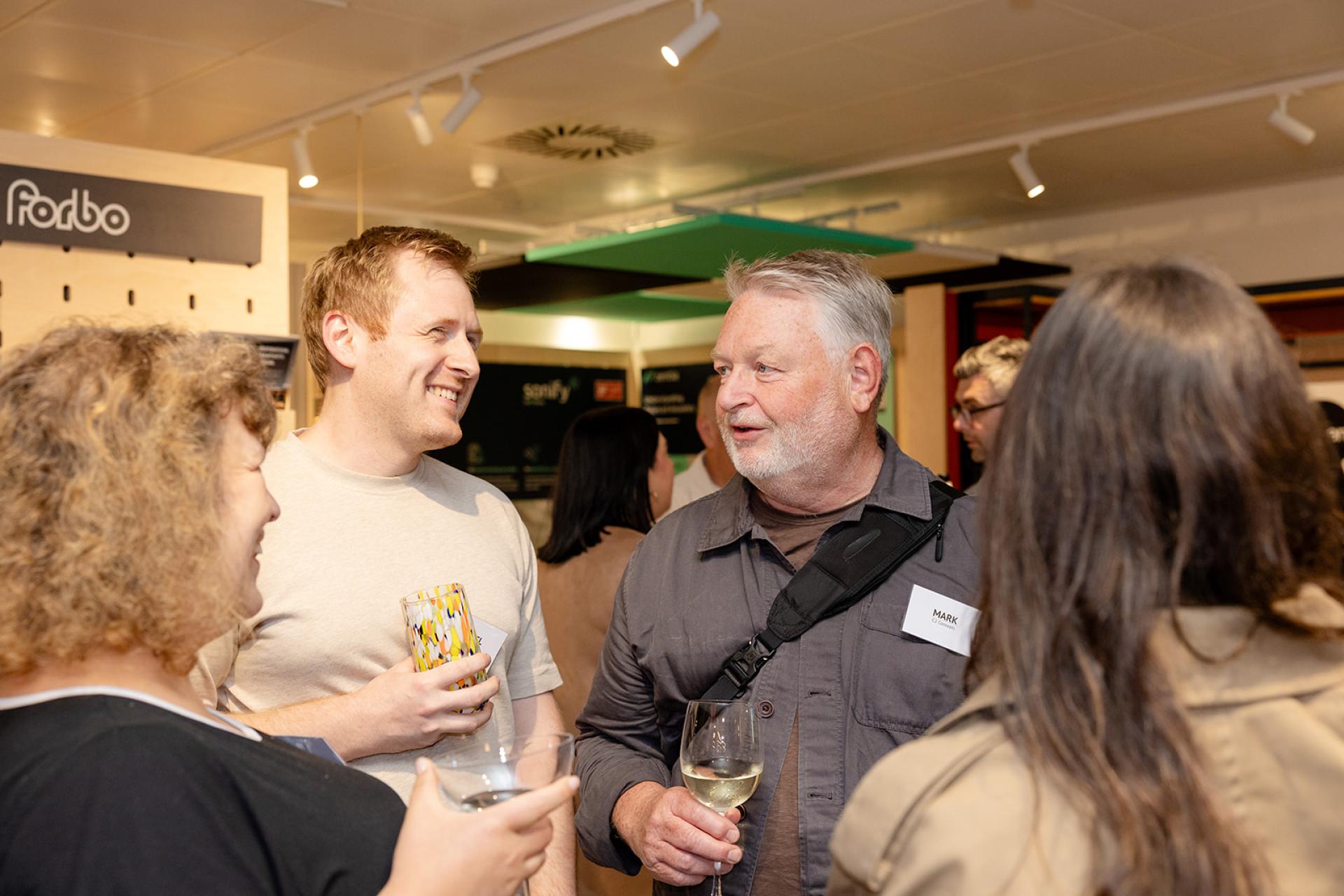
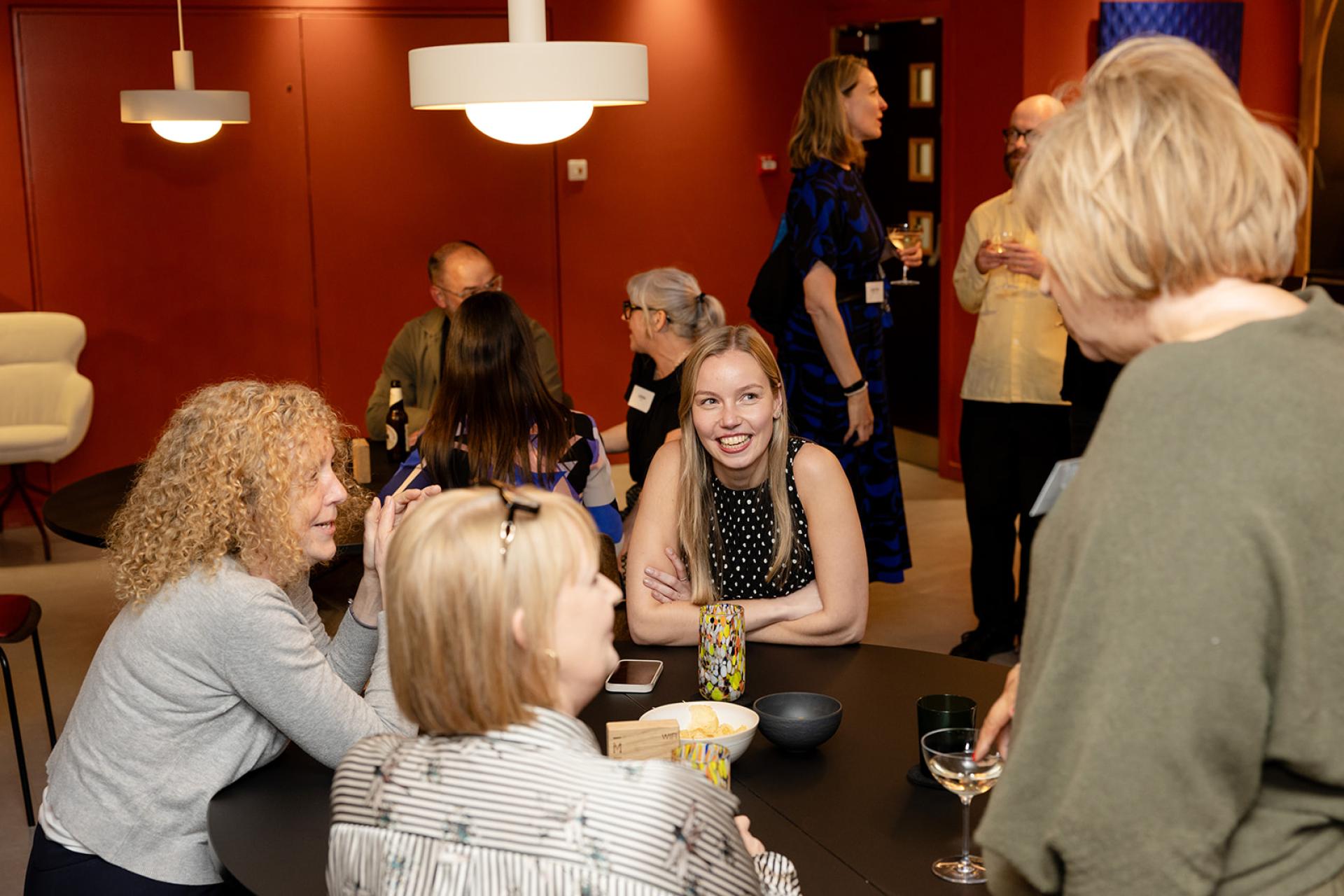
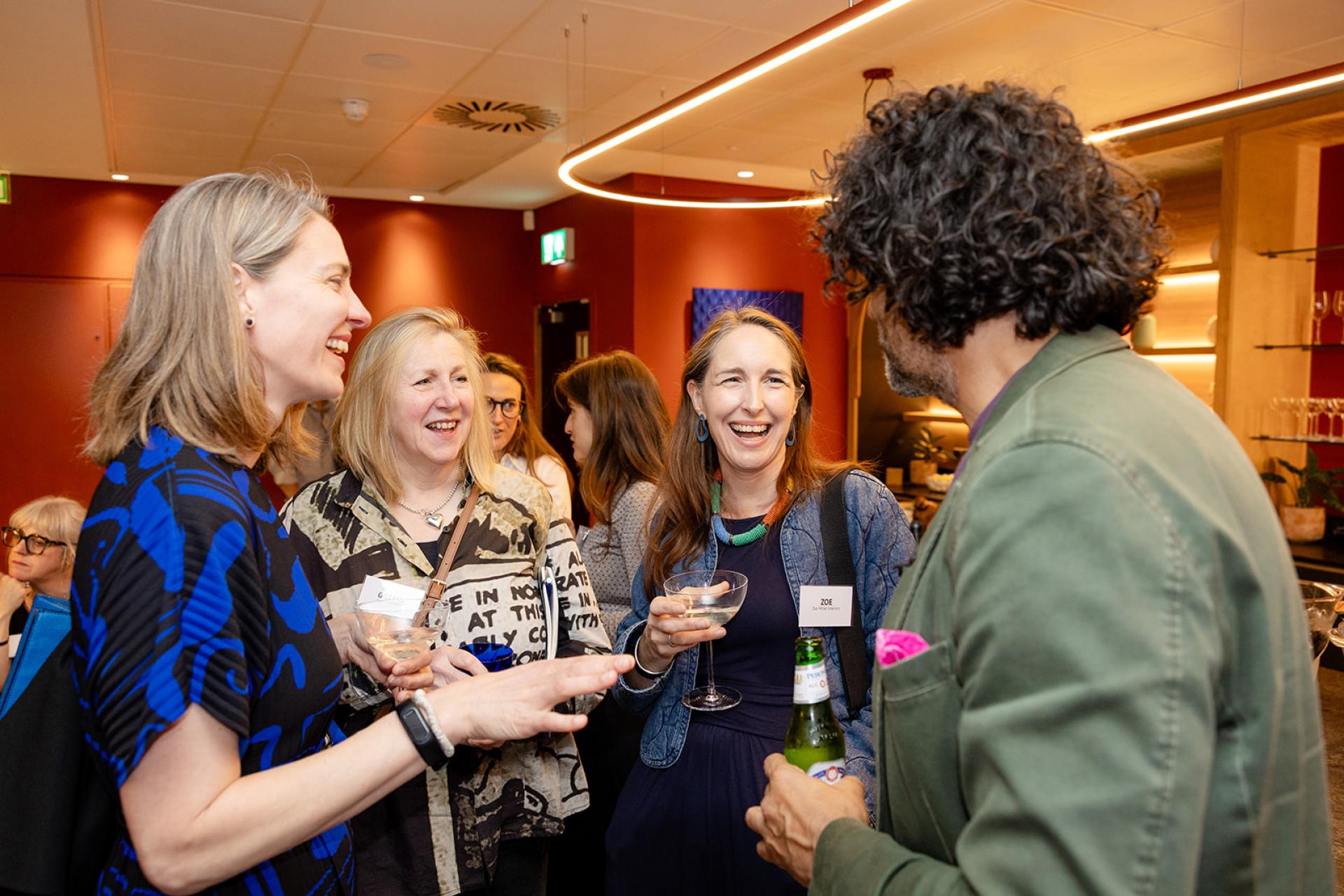

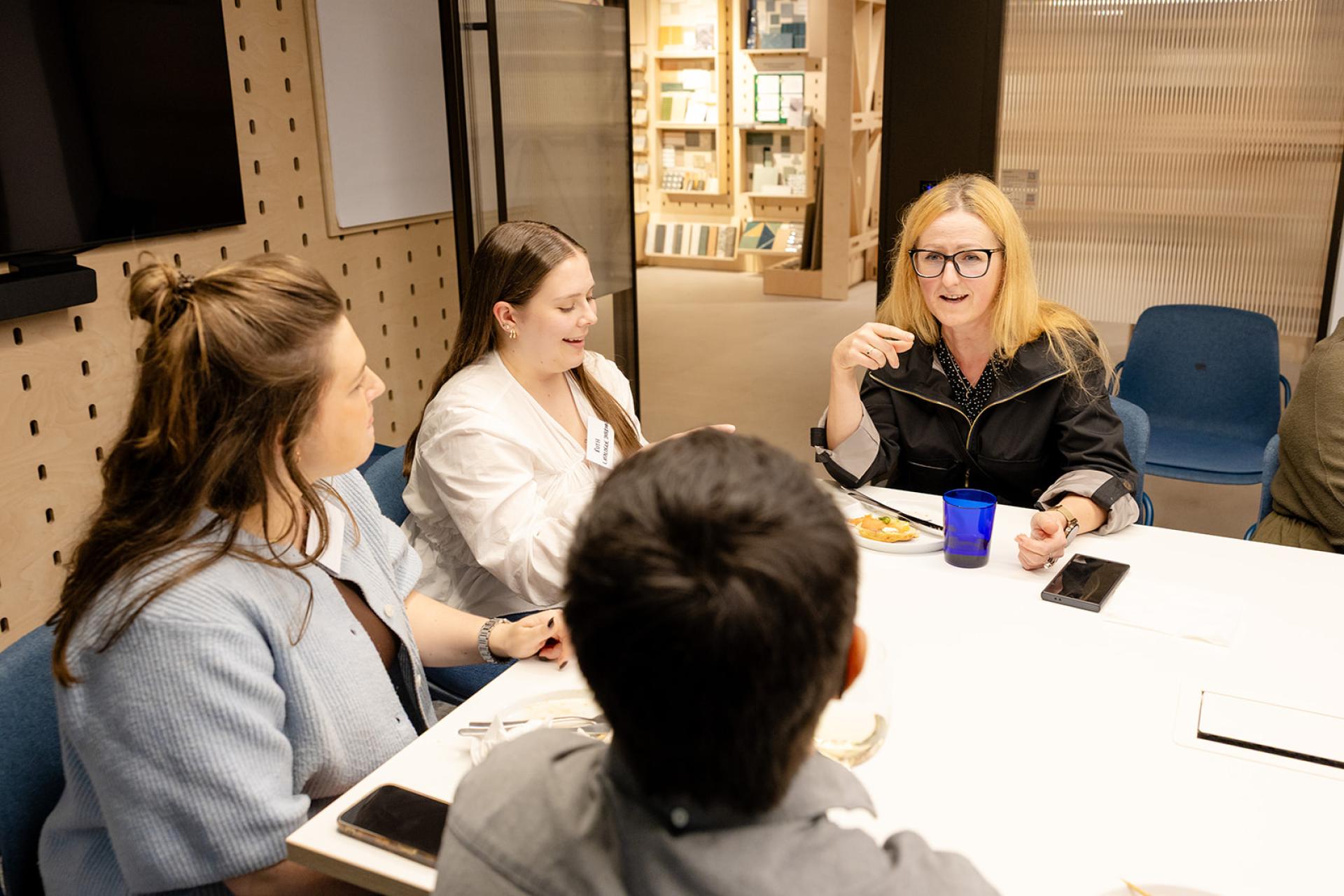
Acceptance without understanding?
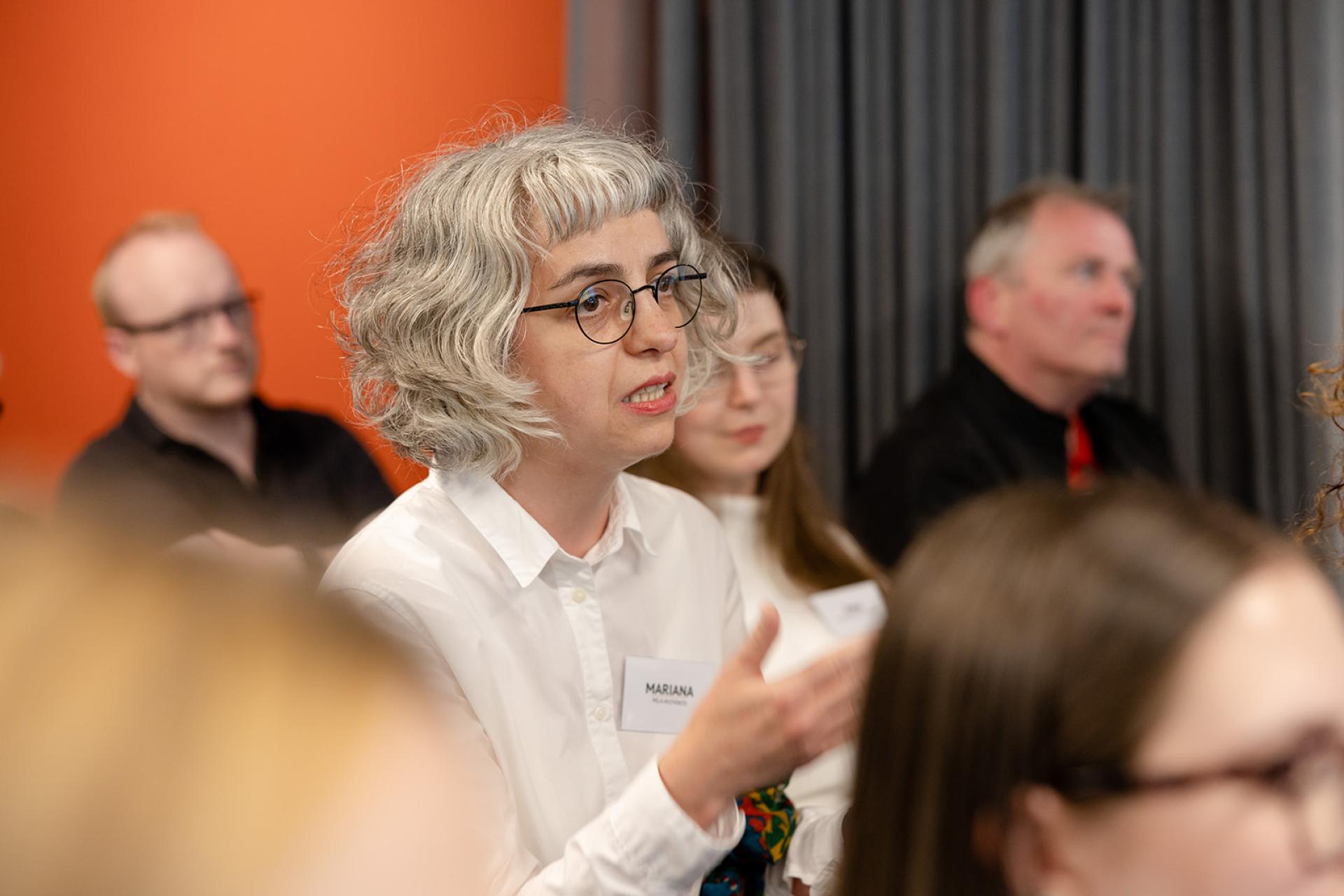
Mariana Novosivschei, Sustainable Design Lead and PassivHaus Designer, MLA, expressed her acute sense of worry, saying, “My question is to the panel, but also to the room. We’re accepting AI as a given in everything we do – an inevitability. It’s coming. There’s nothing we can do about it. We have to accept it.
“We’re accepting statements like, ‘AI won’t take your job, but a person using AI will take your job.’ So we are accepting all these ethical issues because really we cannot do anything about it. And we’re accepting that the power is not held by people that we vote for, but by some private companies. All in the hope that it will take some mundane jobs out of our hands and it will make our life easier.
“But is it actually? Because we keep checking stuff, because we’re worried about hallucinations etc. How is it improving things for us?”
This clearly resonated with those in the room. We are receiving very mixed messages through media coverage about AI. But in reality, have we succumbed to something that we don’t have the full picture of, or any control over?
Panellist, David said, “To me, it’s agency. There are a lot of things in life controlled by big corporations, not just AI. I can only speak as an architect: the idea of looking at something and knowing yourself whether you were the author, the creator of that, is down to you.”
Mariana agreed there are lots of things controlled by corporations, “but they’re not as consequential as AI”, she added. “If we want to be more efficient and free up our time, it doesn’t really free up our time. It just means we climb to something quicker.”
“I think the ‘free up the time’ thing is a false economy”, David continued. “I think you will dedicate more time to other things. That’s happened in architects’ offices now. What architects were doing in the ’50s and ’60s to what they were doing in the ’90s till now is very different.”
Saf Khan, Assistant Project Manager, Turner & Townsend, asked from the audience about the younger generation. “We’ve seen AI is used a lot by younger generations, so should we be worried about the lack of intelligence from younger generations coming into practice?”
“Yes”, answered David on the panel. “And this is where parents come in, isn’t it?”
Alison Stobie, Co-founder, Neurodapt & Part 1 Architectural Assistant, BDP, shared her thoughts that neurodiverse people will become highly sought-after in the workplace – “To stand out against AI as individuals, being more diverse, is going to help the situation, rather than going against it.”
Kirsten Davis, Senior Sustainability & Impact Lead, CRGP Limited, asked a question regarding academia, “How are you (David) currently assessing students’ work, and as AI becomes more widely used, how do you measure both their work and their critical thinking skills, which are so important in architecture and creative practice, alongside their use of AI?”
Speaking from his own experience, panellist, David, replied, “In academia, I’ve looked at: what ultimately am I tasking the student on? It maps to ARB and RIBA criteria. I have to ensure my student comes to class - quite a few of them in here (audience members) have survived it [audience laughed] - and they leave having learned something. It’s not just a box to tick. It’s not really about the product at the end. It's about the process to getting there."
Lucy Galloway, Associate, MLA, asked from the audience, “Is there any evidence to suggest that AI is affecting social skills in the younger generations?”
“It’s a valid question because it’s double-edged,” panellist David replied. “AI came about at a time when we were also dealing with Covid – being on Zoom all the time – being insular.
“I think there is a social issue there. I encourage the students to criticise each other: ‘Where did you get that?’ Challenge that kind of thing. Because if they turn and say, ‘I just got ChatGPT to do it,’ then the conversation’s over. If they engage and say, ‘I asked it this,’ and they start to challenge it, that’s different.”
There is emerging evidence that younger people are in fact shunning AI use and interaction. "Young adults in the workforce are significantly more likely to view AI as a risk than a benefit" - states Reuters. As well as reports that its use is also potentially contributing to loneliness and social anxiety. A study published by Marmalade Trust, a charity which works to reduce loneliness, found: "A quarter of Gen Z would rather talk to AI than a real person." [Source: The Independent]
As the session drew to a close, Host, David, asked the panel and audience for their concluding thoughts. Not conclusive, mind – there is much more to be discussed on this topic, of course, and that’s something we’re dedicated to carrying on – tonight we’ll hold a roundtable in Glasgow to chat further.
For David Reat: “The future of design will not be determined by what AI can create, but by what humans choose to value, question, and take responsibility for."
For Rich Wilson: “AI is not the great destroyer of the workforce that the frontier labs have us to believe. It replaces tasks, never judgement, which means the future still rests on the quality of human thinking, not the power of the AI.”
For Morven Thomson, Architectural Technologist, BakerHicks: “AI is a tool, not a person, and should be acknowledged and utilised as so.”
For Kirstine Robinson, Associate Director, Space Zero: “Wellbeing, critical thinking and environmental impact needs to be considered when discussing AI.”
A huge thanks to our panel for sharing their insight with us, to you, our audience, for being so open and candid in sharing your thoughts, feelings and fears as well as asking thought-provoking questions. And thank you to our supporters for this event, Parkside Architectural Tiles - Partners at Material Source Studio Glasgow, London & Manchester.
The conversation now continues at a dedicated roundtable on the topic of AI at Material Source Studio Glasgow. Have something to say? Let us know on LinkedIn.
Top takeaways at a glance
- AI is both a creator and a destroyer - it destroys some tasks and potentially jobs in the short term, but generates opportunity in the longer term
- Process over product is becoming the stance for authorship in education, and likely practice too
- Hallucinations and inaccuracies designed to "please humans" are not edge cases; they can create serious professional liability and we should be wary
- LLMs reflect existing inequities and bias and may amplify these - designers must actively analyse through critical thought.