

Aurore Baulier, founder, Atelier Baulier, on Passivhaus in practice and the power of retrofit.
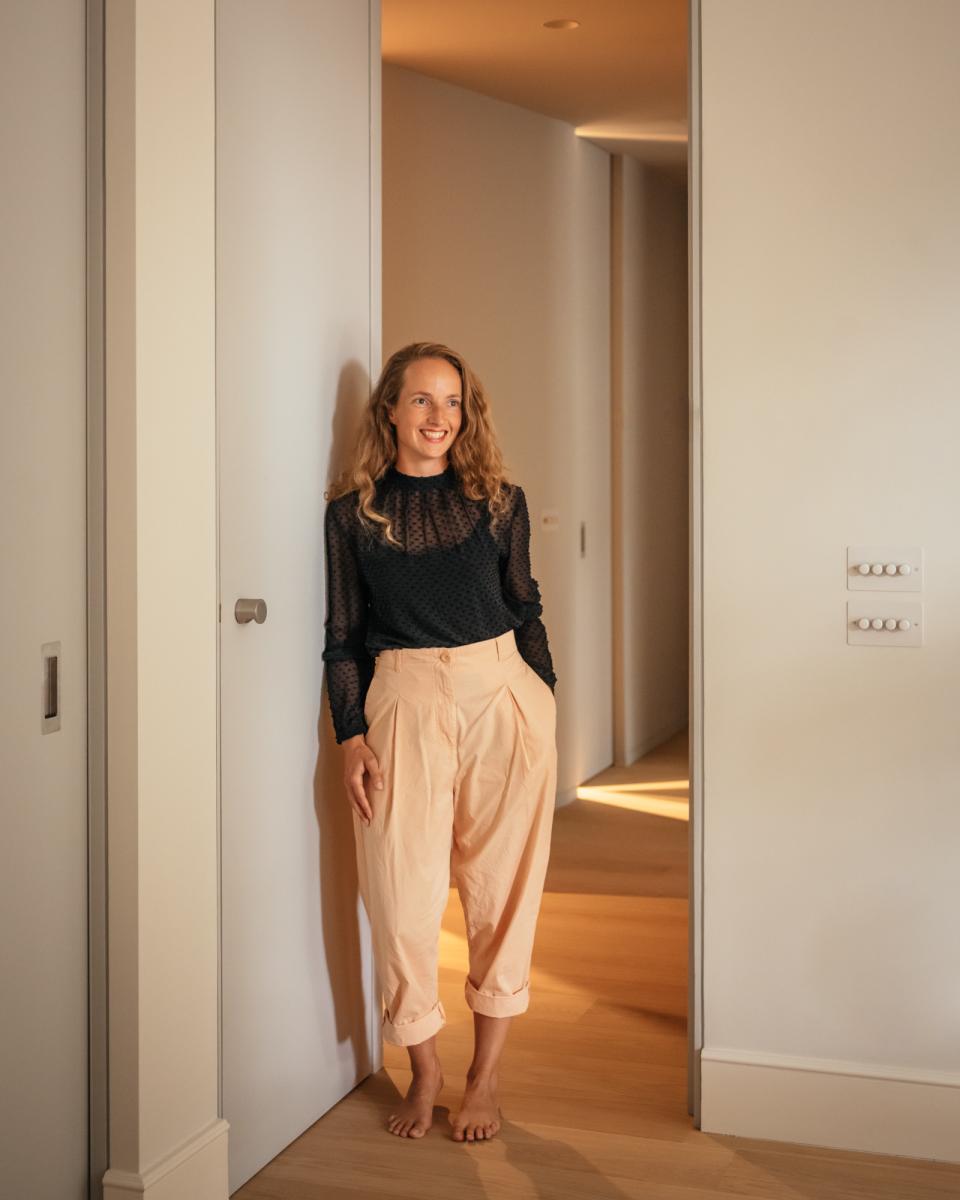
Image credit: Jim Stephenson
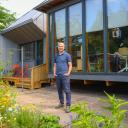
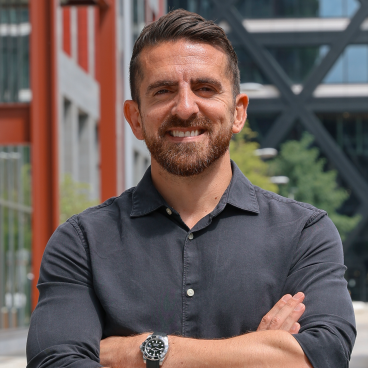
Aurore Baulier, founder of Atelier Baulier is a passionate Passivhaus designer, offering solutions to future-proofing our existing homes, rather than building new.
“With roughly 80% of the buildings that will be in use in 2050 already standing today, decarbonising our existing stock is essential if we are to address the climate and biodiversity crisis.”
At a time when decarbonising our homes has become an urgent priority both economically and environmentally, the role of thoughtful retrofit and low-carbon design has, arguably, never been more important. Aurore leads a small yet influential architectural studio based in Hackney that is helping to shape this transition. “Being an architect today”, Aurore puts, “is therefore not primarily about building new, but about future-proofing what already exists - and how this is done is critical.”
Working predominantly across residential retrofits, extensions, and some new builds, Aurore and her team employ Passivhaus principles where possible to craft comfortable, energy-efficient homes designed around the needs of their occupants.
Recently shortlisted for the RIBA London Awards for Twin Pitches, a residential retrofit and extension, the practice is recognised for its sensitive approach to upgrading existing buildings. Central to this work is the use of natural, bio-based materials that support healthy interiors, while reducing embodied carbon. Focused on material honesty and practicality, Atelier Baulier demonstrates how retrofit can transform everyday homes into resilient, low-energy spaces for the future.
From an organic farm to a global fashion house
“I grew up in Brittany on an organic farm, so sustainability was simply part of everyday life. We built and repaired buildings ourselves, often using the materials that were available locally.
"In 2015, I began taking on residential projects on the side. One of the first was designing a new built house for my sister. That project helped me realise how much I enjoyed working directly with people and designing homes. Eventually, I decided to establish my own studio in 2017.”
“Working like that gives you a very direct relationship with materials. You understand how they behave and why they’re used. It wasn’t about following a sustainability trend - it was just a practical, resourceful way of building. Looking back, it was an incredibly valuable experience and it definitely shaped the way I approach architecture today.”
You studied Sustainable Architecture at the University of Gothenburg. Can you tell us about your education here and how it has influenced you?
“Nearly 20 years ago, the University of Gothenburg was the only university in Europe offering a Masters qualification in Sustainable Architecture, so it was the obvious choice for my Erasmus destination. Sustainability wasn’t yet on the agenda in France, where I was studying, so it was a formative experience. The programme taught me a lot. It wasn’t just about environmental performance, but also about the ethical and societal impacts of the spaces we create.”
Shortly after this, you worked at Louis Vuitton, which must have been quite a shift...
“Yes, it was almost a complete contrast. I worked mostly on pop-up retail projects and exhibitions. The role involved collaborating with designers and architects on temporary installations and retail environments.
“A big part of my work there was coordinating the projects and ensuring everything came together on site - managing the relationship between designers, craftspeople, and construction teams. What I really took away from that experience was the level of attention to detail and craftsmanship. The standards were incredibly high, and there was a real focus on quality and finish.”
Good residential design: From the inside out
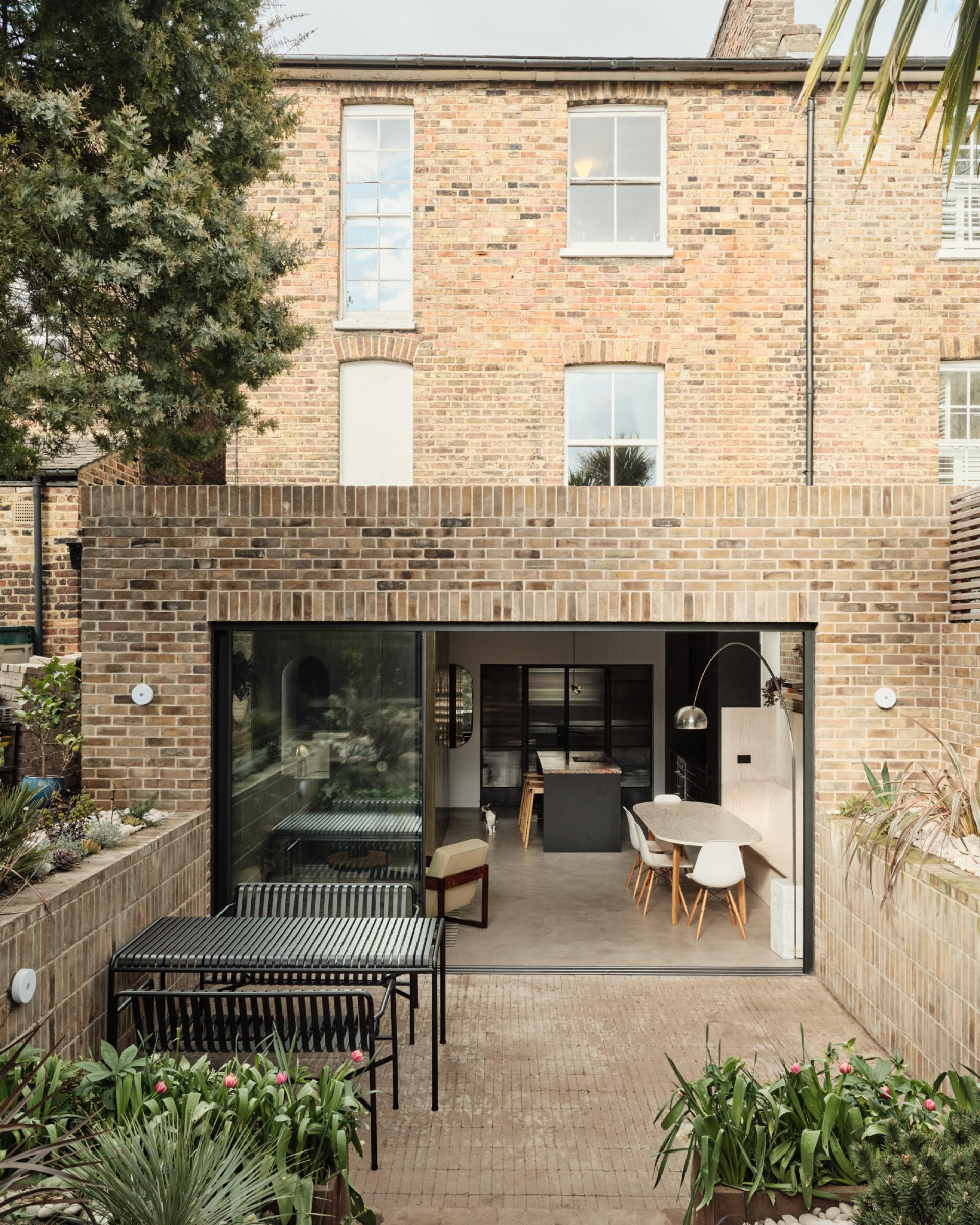
Rotherfield Street. Image credit: Henry Woide
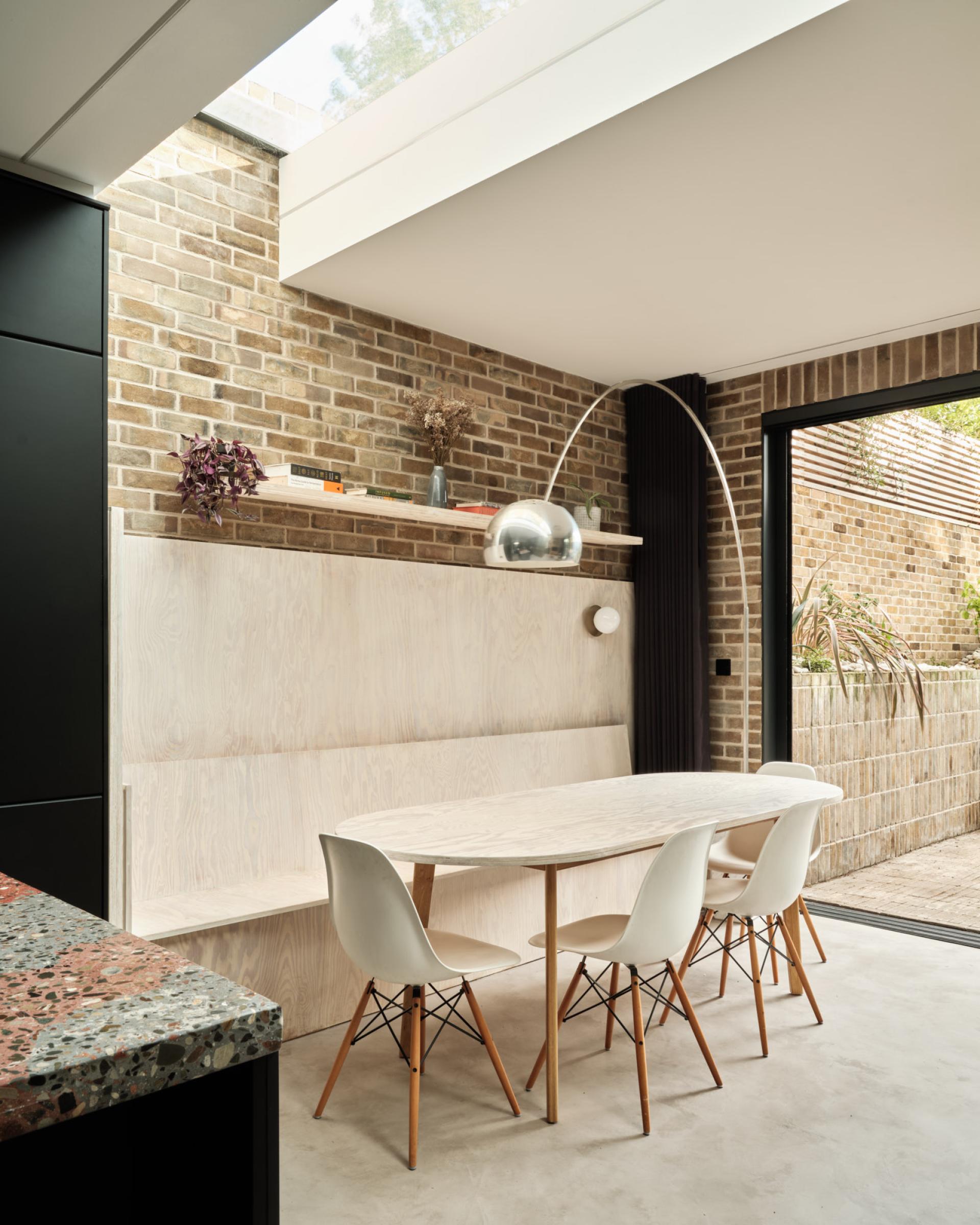
Rotherfield Street. Image credit: Henry Woide
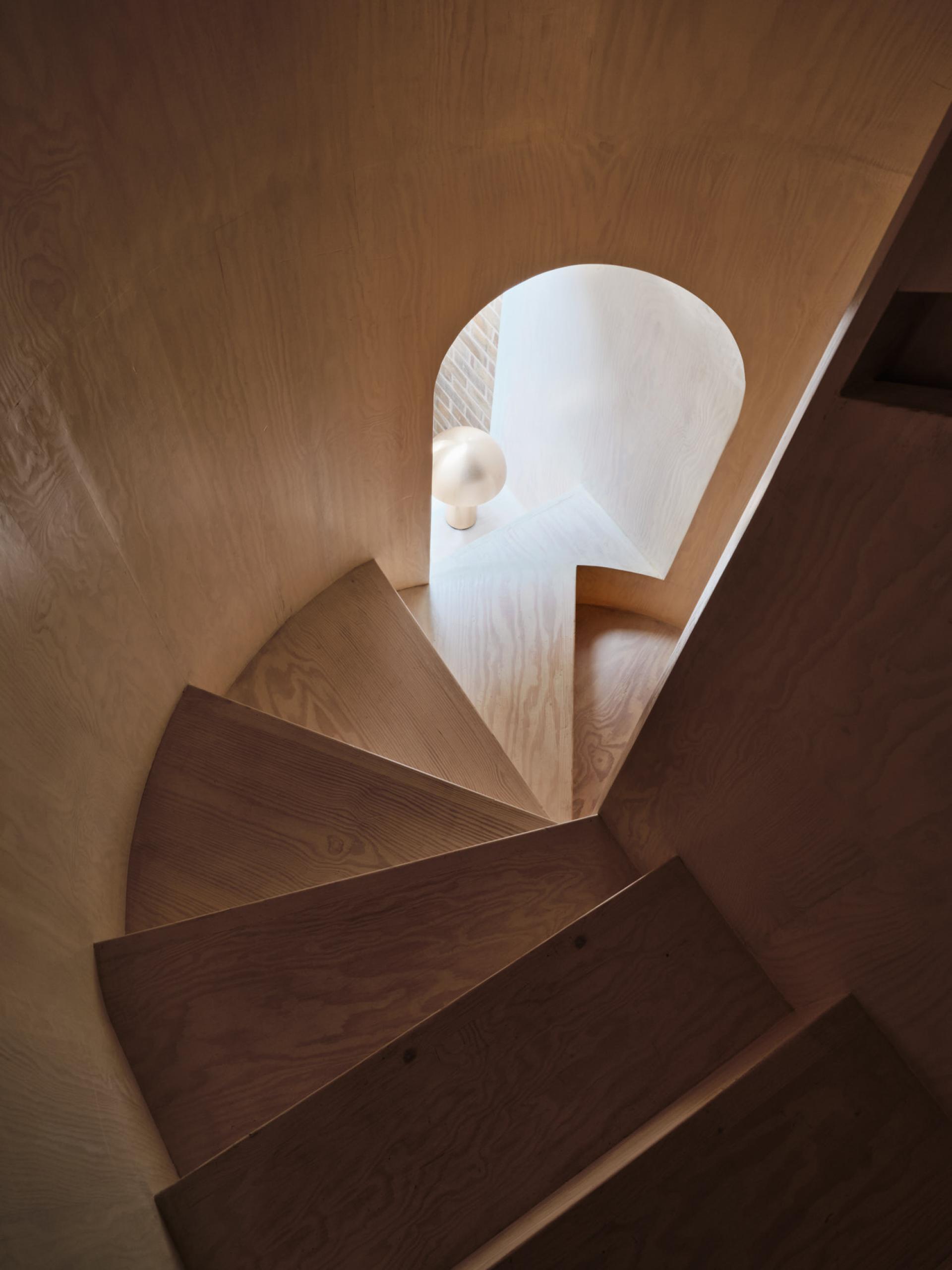
Rotherfield Street. Image credit: Henry Woide
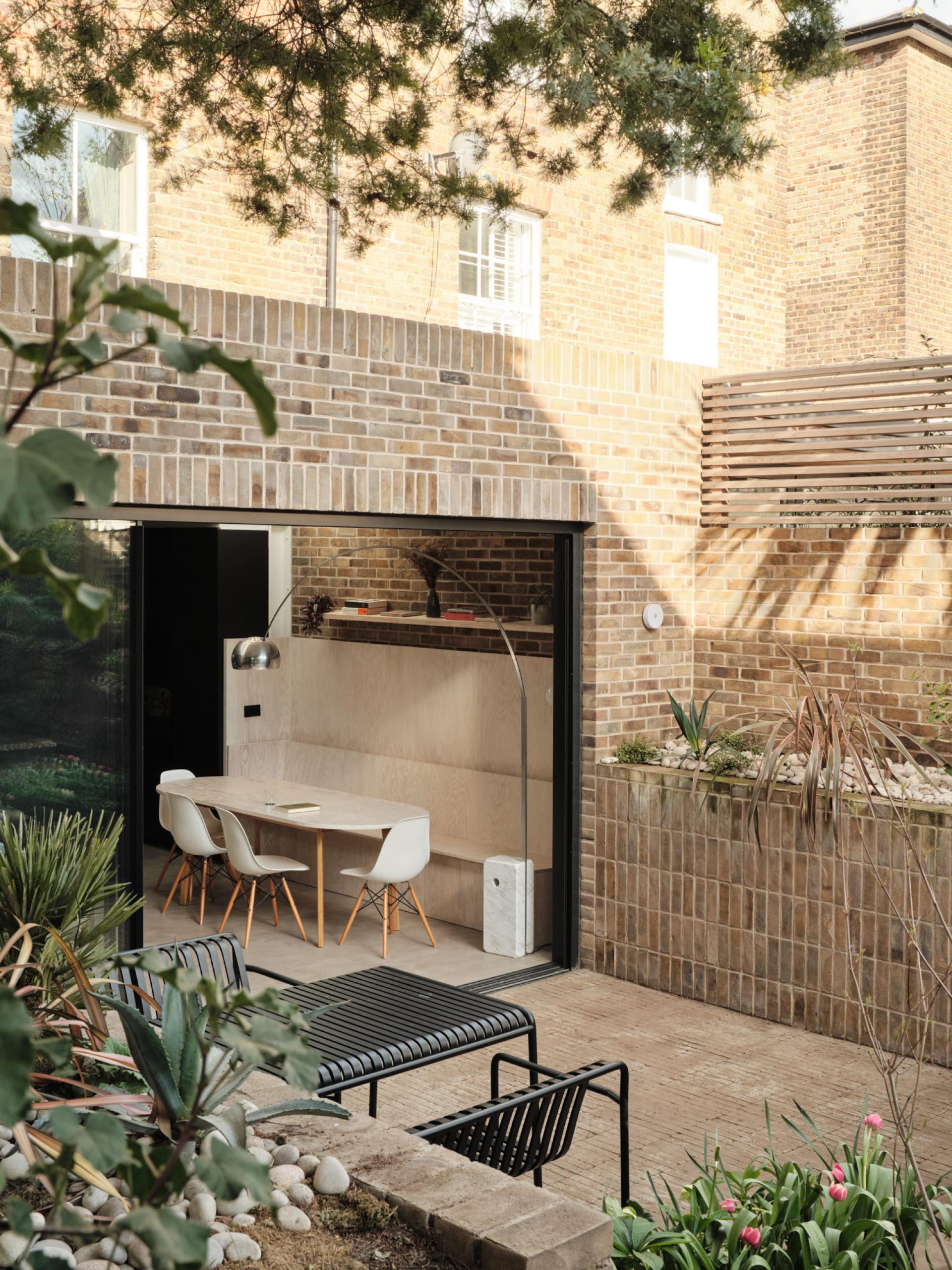
Rotherfield Street. Image credit: Henry Woide
How did you transition to launching your design practice in London?
“Before starting my studio, I worked for Universal Design Studio, who invited me to move to London. I stayed there for about six years and worked across several sectors including; retail, hospitality and museums. Those years were a really important foundation. My training was originally in architecture, but over time, I became increasingly interested in interiors and how spaces are experienced on a daily basis.”
Something that stands out in your work is how cohesive the architecture and interiors feel. The materials often carry from the outside into the interior spaces...
“Yes, absolutely. For me, architecture and interiors are part of the same experience - you shouldn’t design them separately.
“I’m very interested in the honesty of materials - letting them do more than one job. For example, a plywood ceiling might be both the structural layer and the finished surface. It’s not simply a decorative layer applied afterwards. I like that clarity - it shows how the building is made, rather than hiding everything behind finishes.”
Do you often find yourself explaining that approach to clients, the idea of designing from the inside out?
“Yes, quite often. Sometimes people want to design an extension purely from the outside so they can secure planning permission quickly, and only later think about the interior.
“But that approach can cause problems because the interior layout and the way people live in the house should inform the architecture. I prefer to start by understanding how the space will actually function - how people live, move and gather throughout a space. I then allow the exterior to respond to that.”
Your projects strike a balance between feeling curated and still very lived-in. How do you achieve that?
“Practicality is always very important to me. Materials need to be robust and able to age gracefully. I avoid finishes that feel too precious and enjoy the honesty in the material choices I select. I actually like materials that develop patina over time because they become part of the story of the house. A home should still feel beautiful in twenty years, not just on the day it’s finished.”
When you begin a project with a client, how do you start to understand their lifestyle so you can design a space that really supports them?
“It starts with long conversations. We talk not only about their current lifestyle but also how they imagine living in the house in twenty years. Are they planning to stay there long-term? How does their family life work? What are their hobbies? How do they host guests? What happens at Christmas?
"These details might seem small, but they reveal a lot about how people actually use space. And because we work closely with clients for several years during a project, it’s important to really understand their lives."
You’ve worked across many sectors, including retail and museums. What drew you specifically to residential design?
“Residential work allows you to have a direct impact on people’s everyday lives. The spaces we live in influence our wellbeing, our mental health, and how we experience daily life.
“In retail projects, the lifespan can be very short - sometimes only a few years. But a home might last for decades. I want to design durable spaces that improve people’s lives - homes that will support the changing needs of families over a long period of time.”
Passivhaus principles in practice
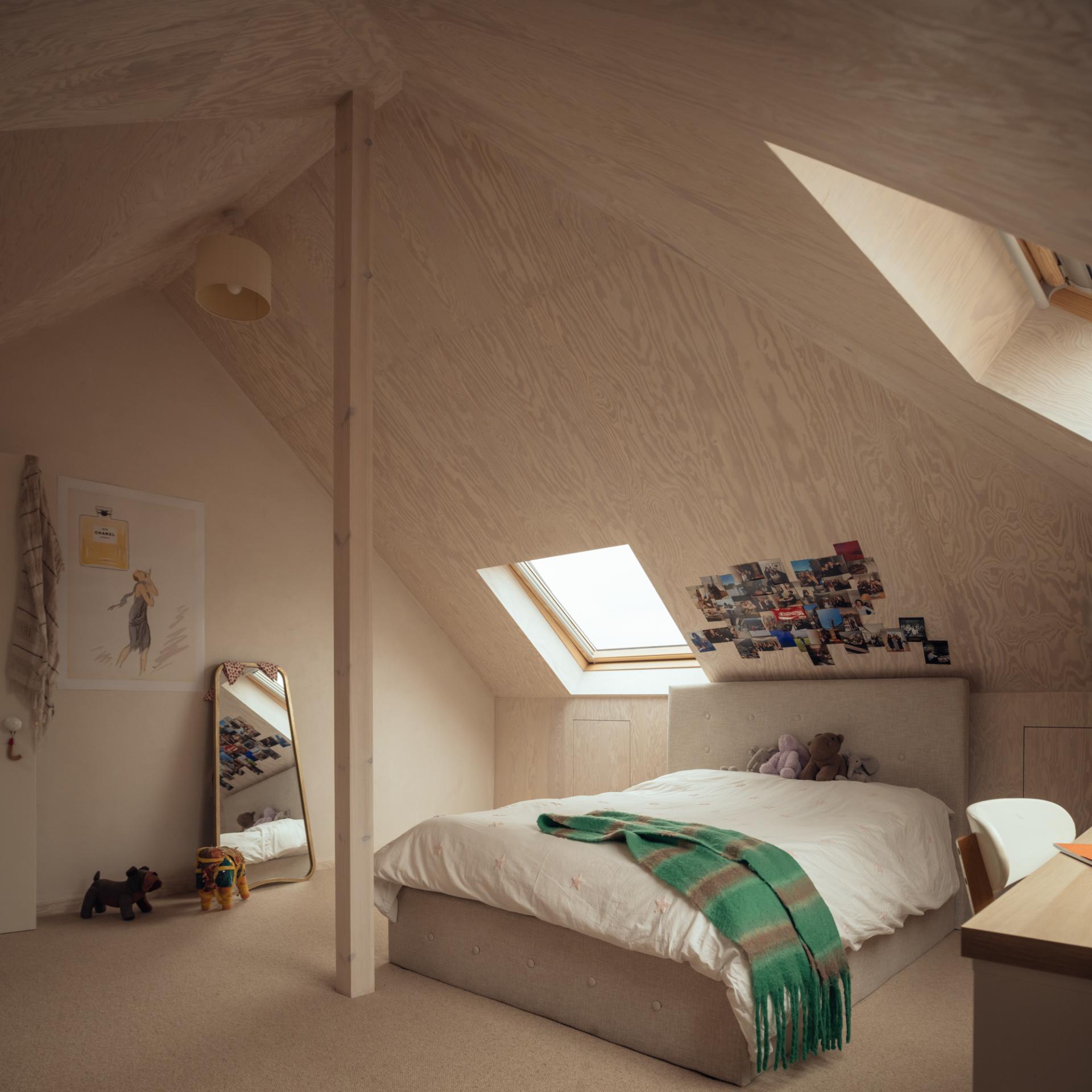
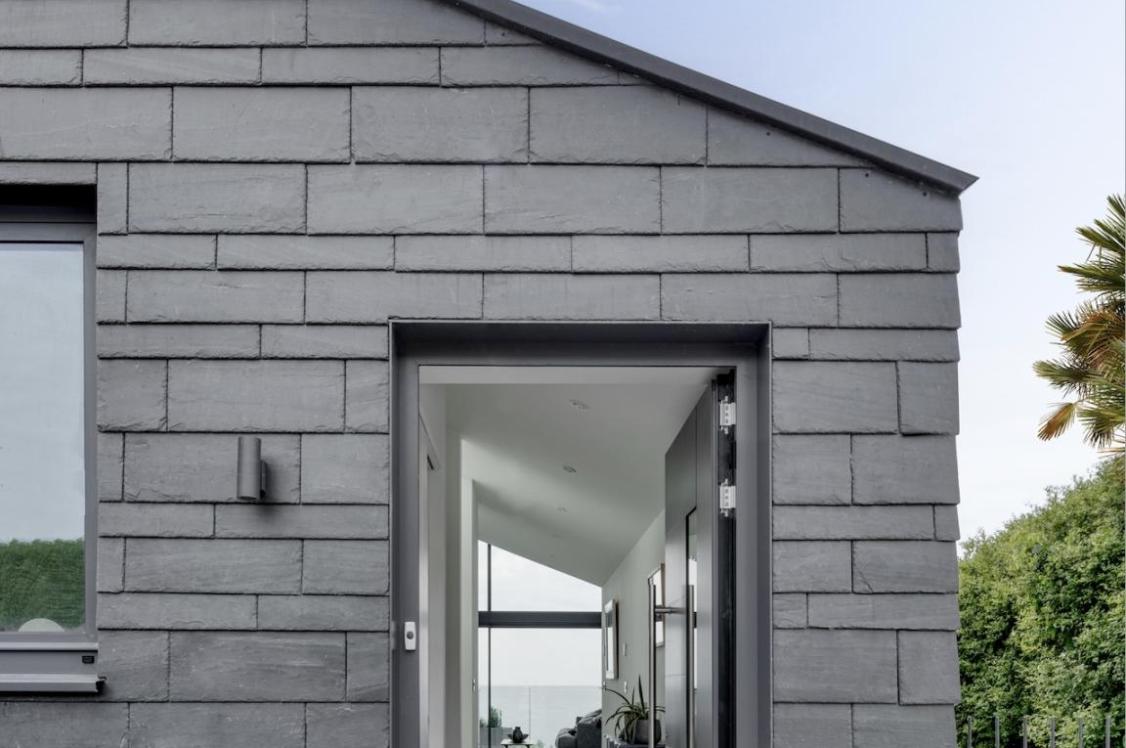
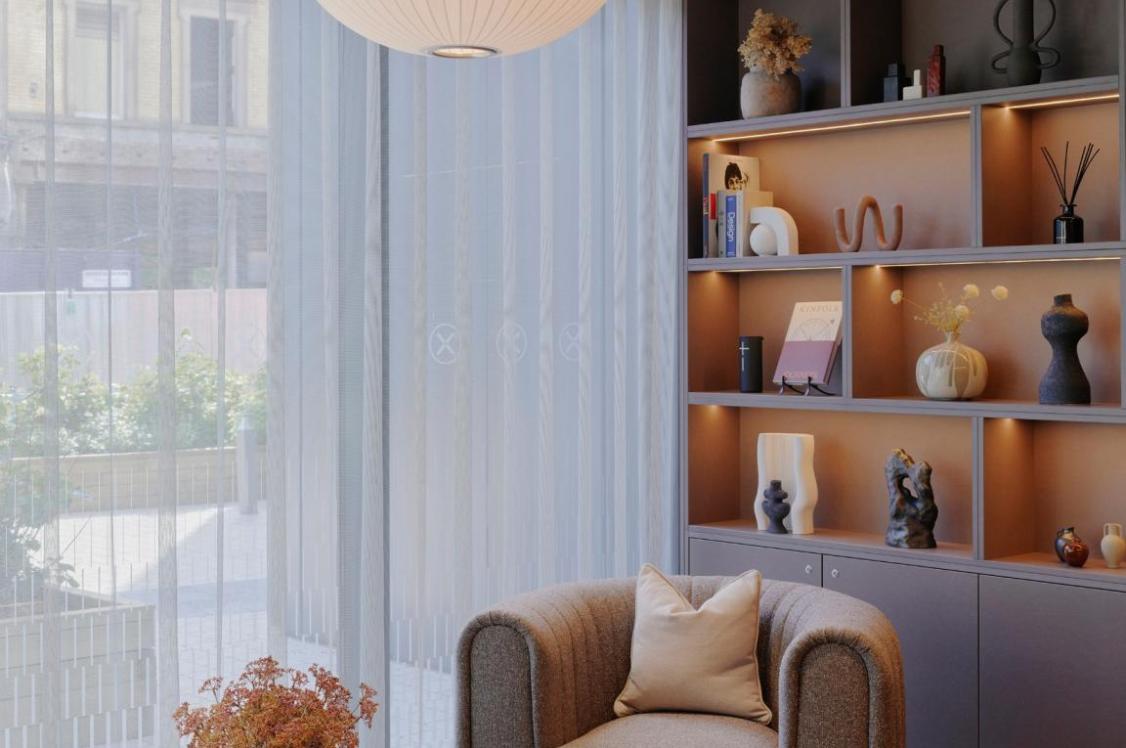
Twin Pitches. Image credit: Jim Stephenson
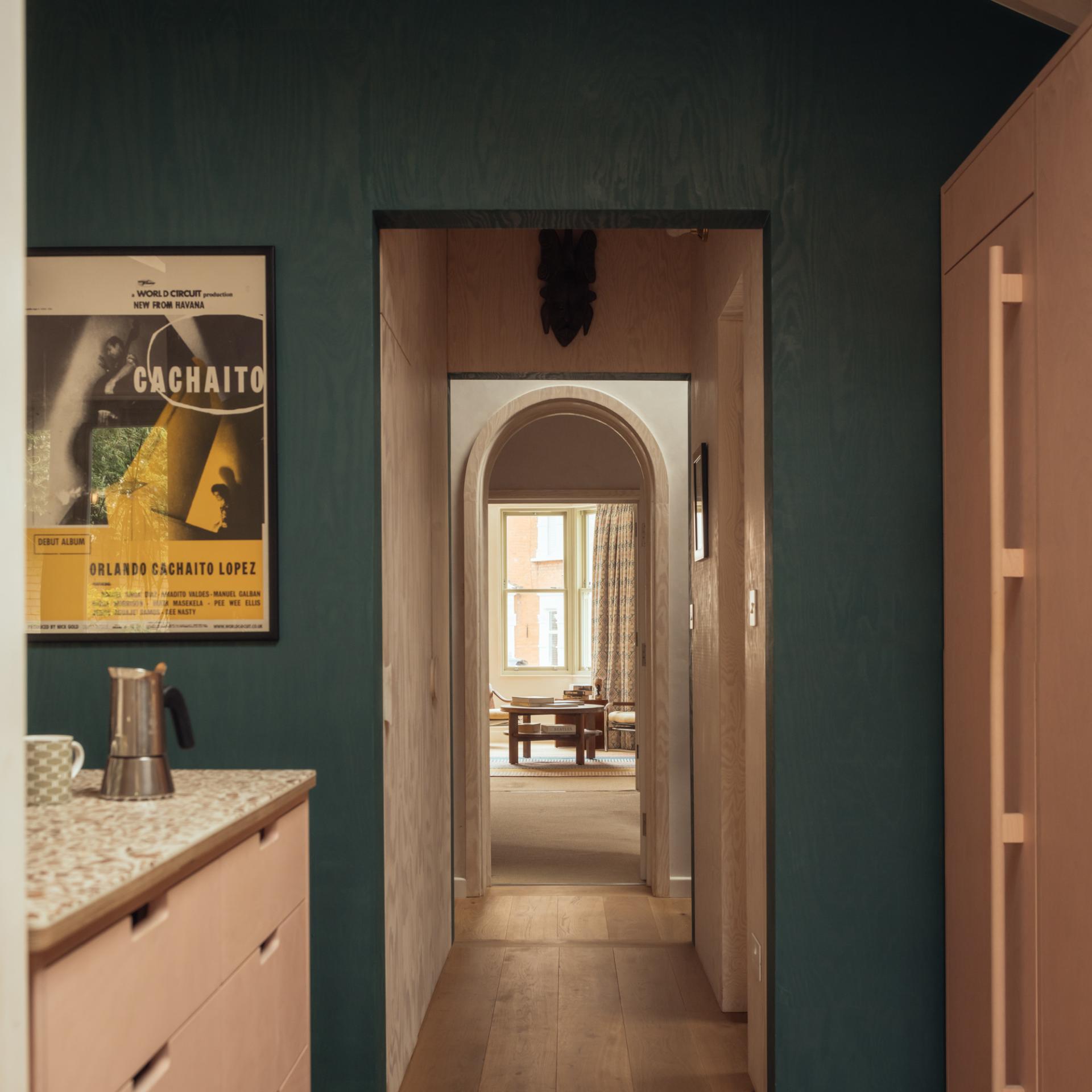
Twin Pitches. Image credit: Jim Stephenson
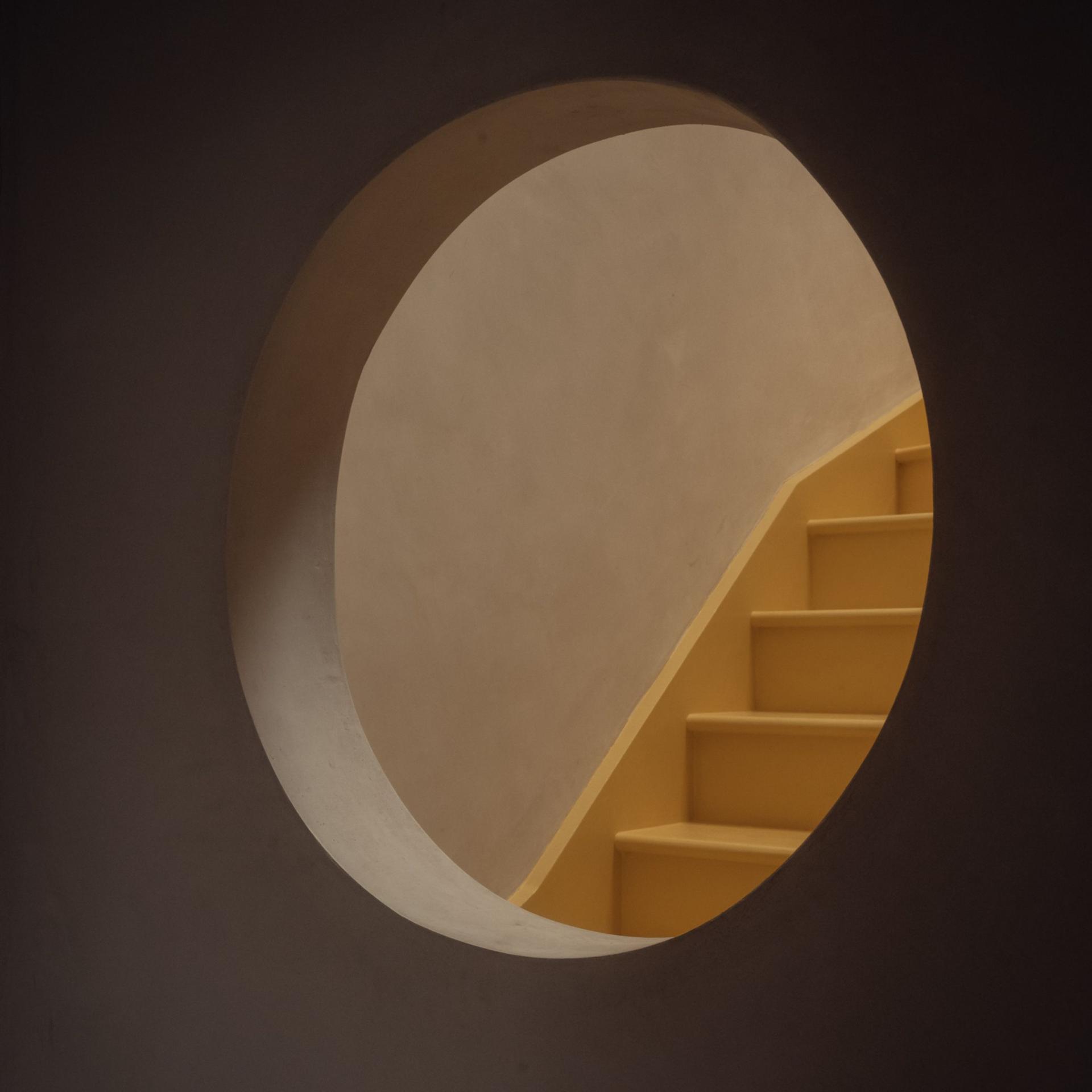
Twin Pitches. Image credit: Jim Stephenson
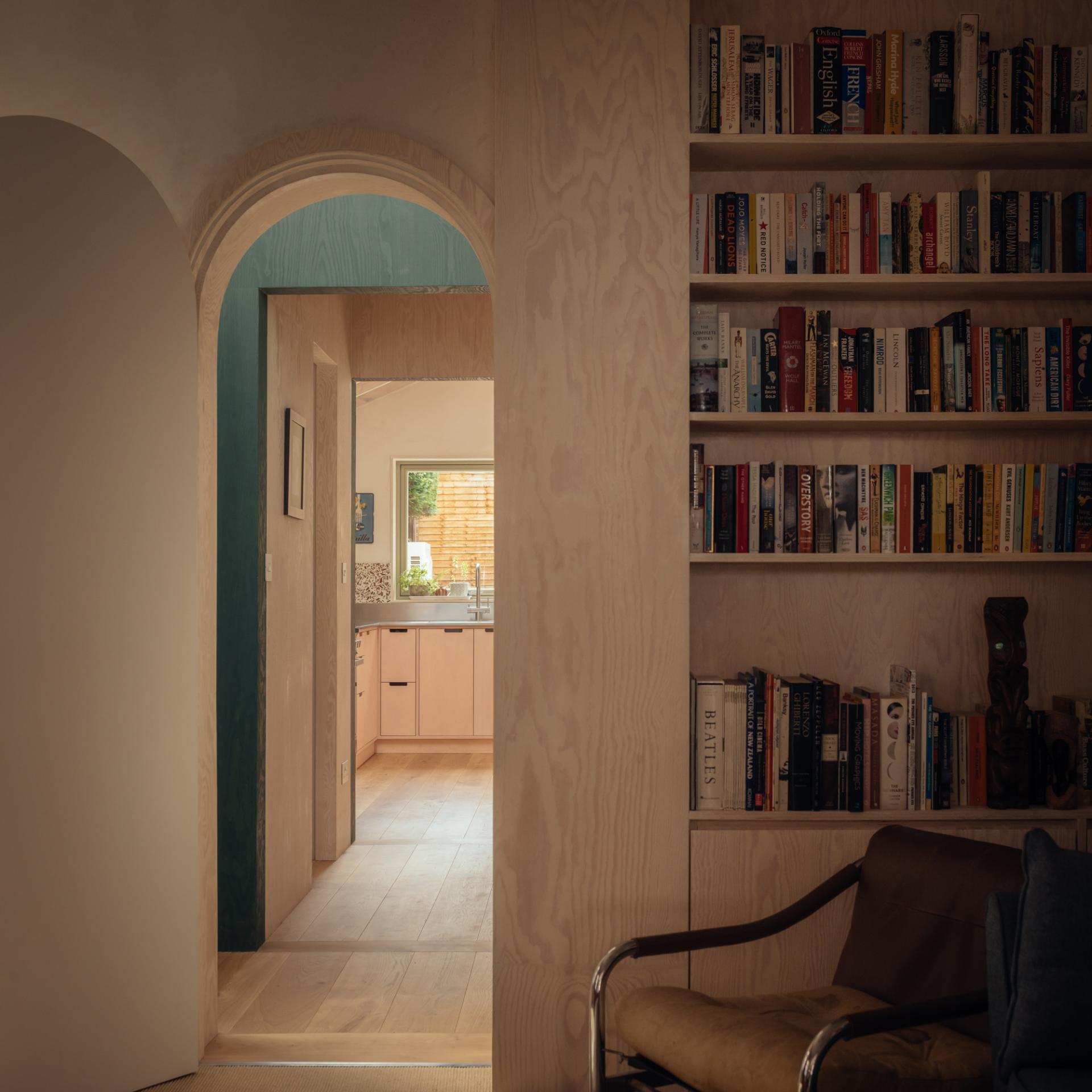
Twin Pitches. Image credit: Jim Stephenson
“I’ve always been drawn to passive design approaches that work with a building’s context rather than against it. Creating comfortable, energy-efficient spaces without relying heavily on technology has been a guiding principle in my practice from the start.
"Materials need to be robust and able to age gracefully. I avoid finishes that feel too precious and enjoy the honesty in the material choices I select.”
“I only completed the Passivhaus Designer course a couple of years ago, and it has been invaluable in deepening my technical understanding of building fabric performance and detailing. Even though most of our work focuses on retrofits and extensions, we strive to incorporate Passivhaus principles wherever possible.
“Our goal is not just to design homes that our clients love, but also to provide them with energy security and long-term comfort in their everyday lives.”
How do you apply Passivhaus principles to the existing buildings you’re working with?
“The core principles remain the same; good insulation, airtightness, high-performance windows, and effective ventilation.
“With existing buildings, it’s more complex because you’re working with what’s already there. Sometimes you only fully understand the structure once work begins on site. But that process can also be very interesting because improving the performance of existing buildings is essential since roughly 80% of the buildings that will be in use in 2050 already standing today.
“In one recent project we aimed to reach Enerphit level performance (PassivHaus for retrofit) even though we didn’t put all measures in place due to budget constraints. After monitoring the energy use, we found that the building actually performed very close to the target. This shows that relatively simple interventions, done carefully, can make a huge difference.”
Residential retrofits
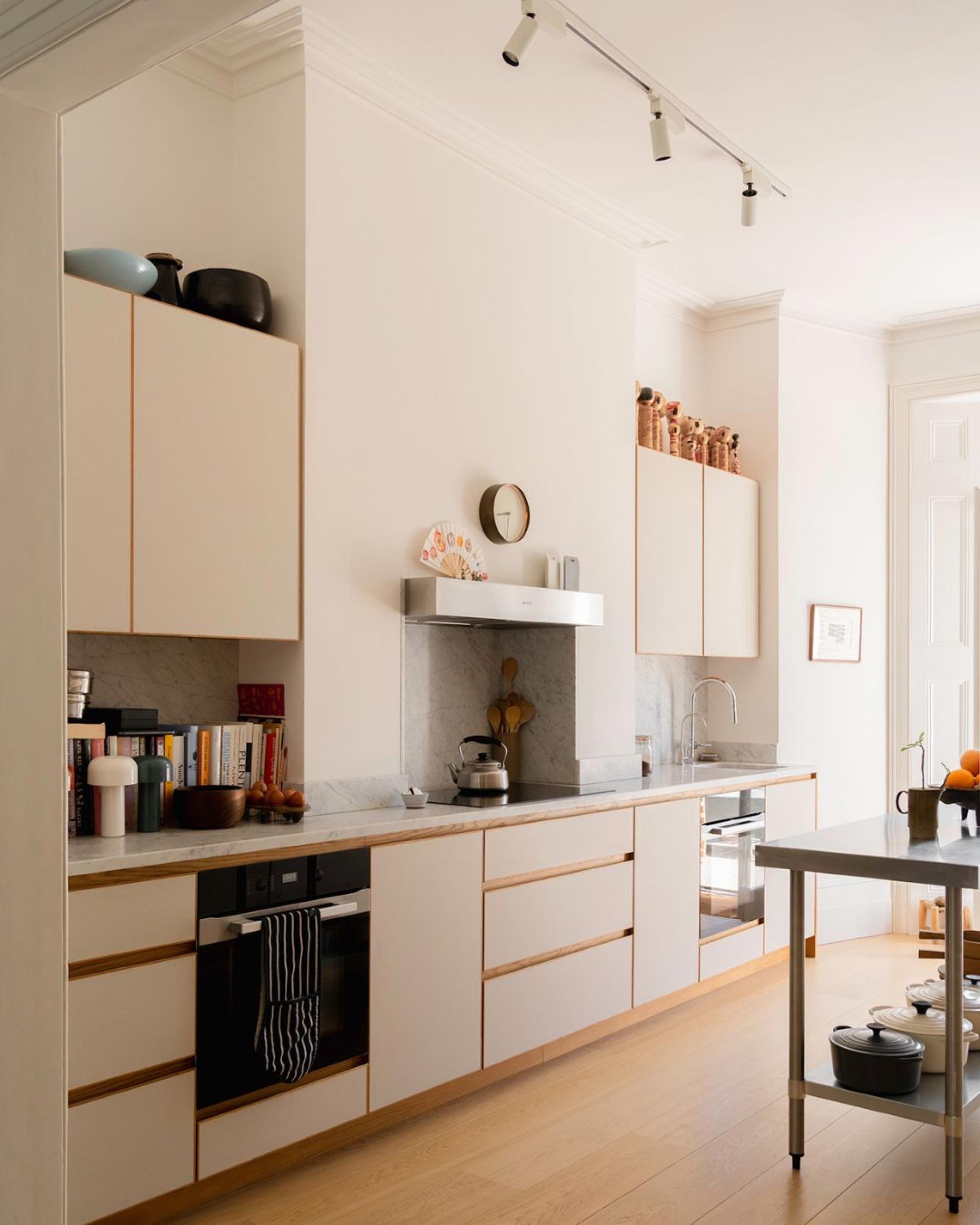
Camden Square: Pierce Scourfield
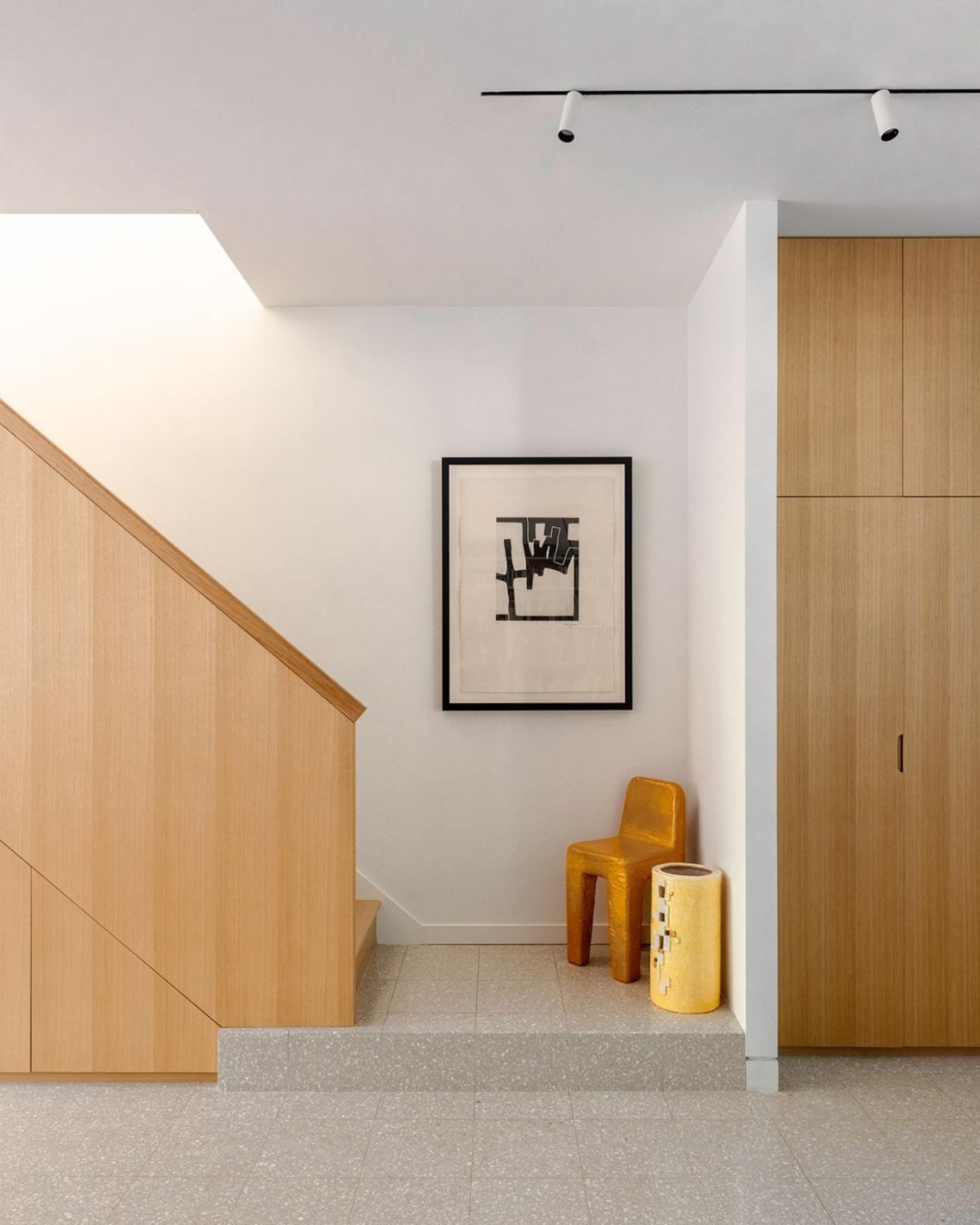
Camden Square: Pierce Scourfield
Let's talk about retrofit - what are the opportunities and the challenges?
“Absolutely - this forms the core of our work. The UK has some of the least insulated housing stock in Europe, which helps explain why around 19% of our total carbon footprint comes from building operational emissions.
“With roughly 80% of the buildings that will be in use in 2050 already standing today, decarbonising our existing stock is essential if we are to address the climate and biodiversity crisis. Being an architect today is therefore not primarily about building new, but about future-proofing what already exists - and how this is done is critical.
“We have all heard about the retrofit insulation failures; a recent report by the National Audit Office revealed that 98% of external wall insulation installed under government funded schemes now require repair or replacement. This underlines how vital it is to have a strong understanding of building physics and materials, as well as a skilled team to deliver the work properly.
“Wherever possible, we use natural and bio-based materials to keep embodied carbon low while also creating healthy, comfortable living environments. Most of our projects combine retrofit with an extension to optimise space and functionality.
“We recently completed a garden room in North London - in fact, it is larger than many of the extensions we have designed so far. As always, we sought to minimise the project’s carbon footprint, collaborating with our structural engineers, Webb Yates, to develop a timber frame structure supported on screw piles instead of conventional concrete foundations.
"The timber frame was prefabricated with millimetre precision in a workshop, delivered to site fully labelled, and assembled efficiently by the team. It is a highly effective construction method, reducing waste and saving time. We’re looking forward to sharing photographs of this project later in the spring.
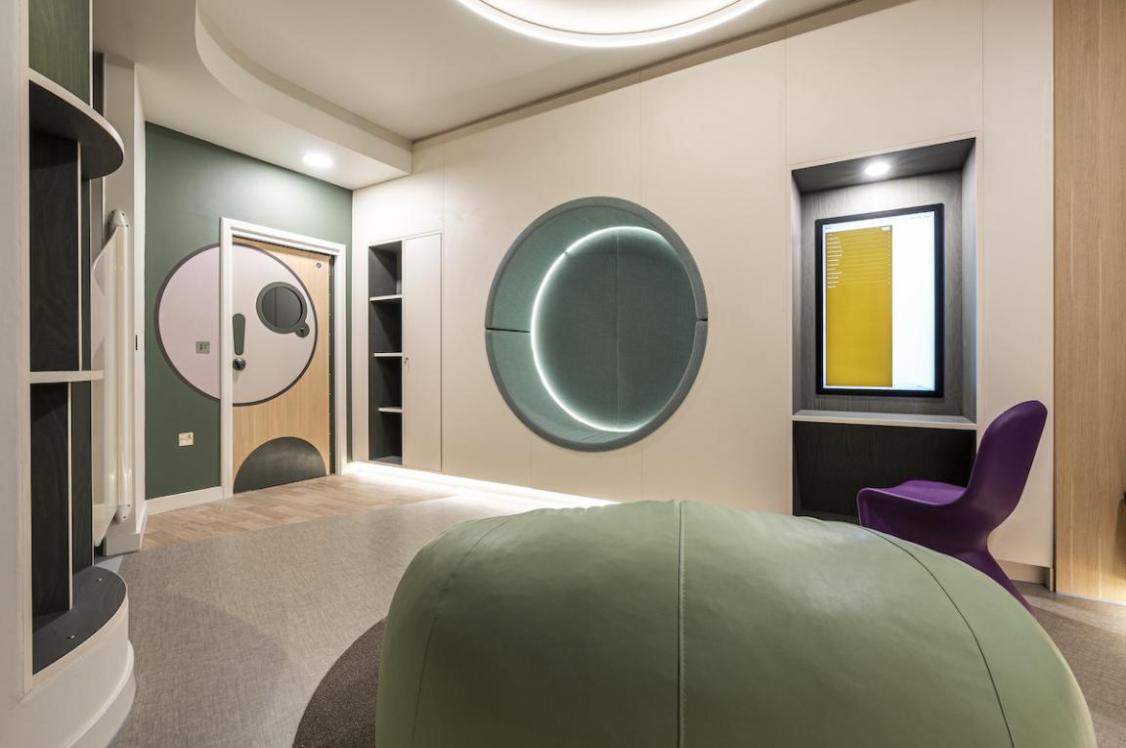
"Bright & White Dental was also an interesting project. The client wanted to create a calmer and more welcoming environment because dental clinics are often very clinical and cold.
“We used warmer materials and colours to create a more relaxed atmosphere. Even the treatment rooms were designed to feel softer and more comfortable. The goal was to make patients feel at ease rather than anxious. The material choices were key to crafting this soothing atmosphere."
Are there any lesser-known aspects or misconceptions about retrofit that deserve more attention?
“There are several key principles to keep in mind. For example, when insulating a wall, the first few centimetres deliver the greatest benefit - even just 5cm of insulation on an external brick wall can reduce heating bills by more than half.
“Airtightness is equally important, and continuity is critical. There is little point in insulating a wall thoroughly if details such as window reveals are overlooked - heat will always find the weakest points and escape. It may seem painstaking, but every junction and detail must be carefully considered to ensure the overall performance of the retrofit.
"98% of external wall insulation installed under government funded schemes now require repair or replacement. This underlines how vital it is to have a strong understanding of building physics and materials, as well as a skilled team to deliver the work properly."
“Ventilation is another essential aspect. Older houses typically rely on uncontrolled draughts to refresh the internal air. When retrofitting and making the building envelope airtight, it becomes crucial to address ventilation at the same time.
“An average household generates around 10 litres of water vapour per day through breathing, showering, drying clothes, and other daily activities. If this moisture is not removed through a proper ventilation system, it will accumulate, leading to condensation, mould growth, and potential damage to the building fabric.”
From your perspective, what changes are needed in legislation or policy to support better retrofitting?
“Education is a big part of it. Many buildings are still being renovated using synthetic materials or impermeable systems that trap moisture. Applying cement render to traditional brick walls for example can cause serious problems. This is because it prevents the building from breathing. Water becomes trapped, leading to deterioration.
“We also need a more skilled workforce trained specifically in retrofit techniques. Retrofitting older buildings requires a different approach than new construction.”
Decarbonising our material choices
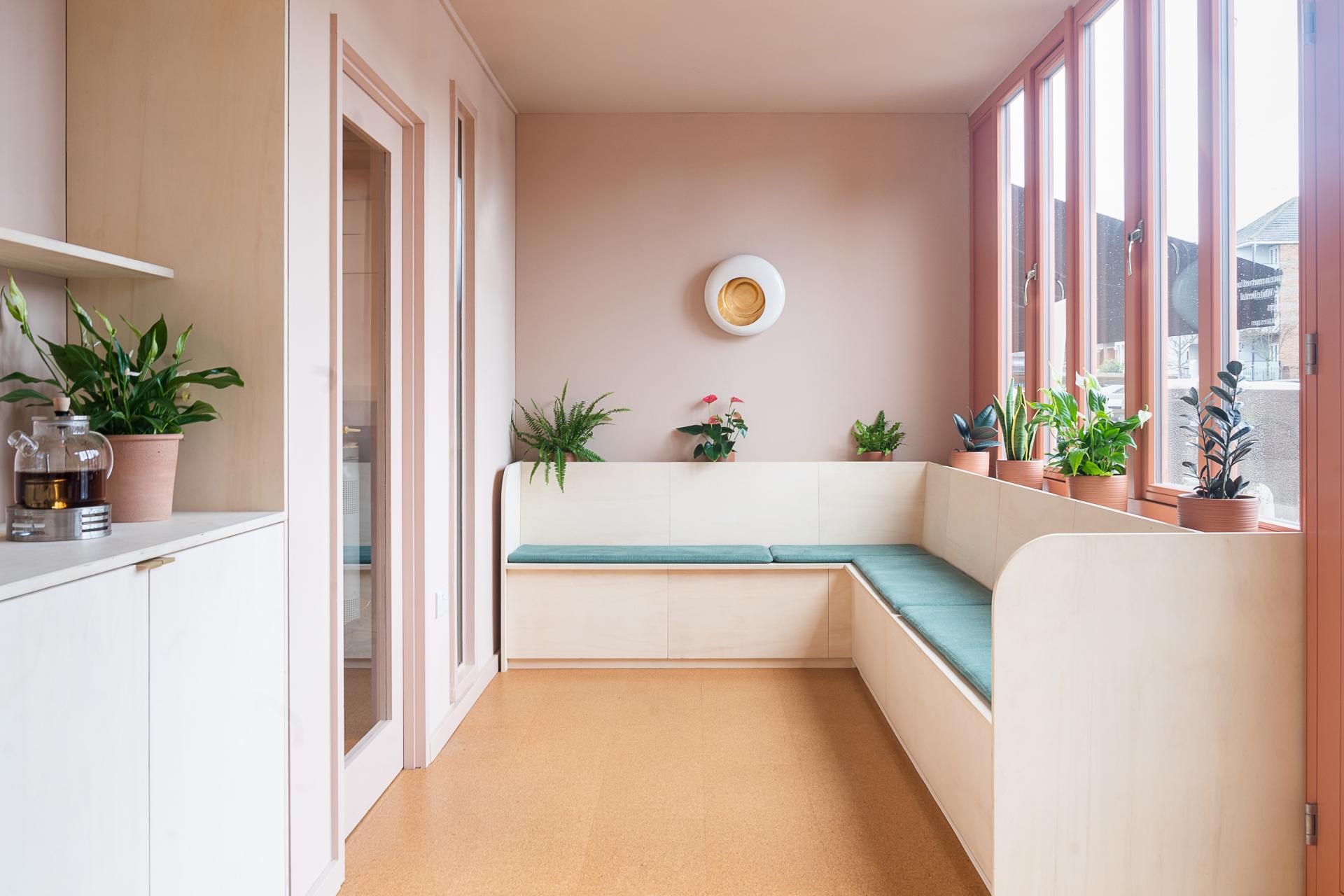
Bright & White Dental. Image credit: Brenna Duncan
What natural or low-carbon materials are you particularly interested in working with right now?
“I’ve been working with hemp and lime boards recently. They have good acoustic properties, regulate humidity, and provide thermal mass. They’re also breathable, which is very important for healthy buildings.
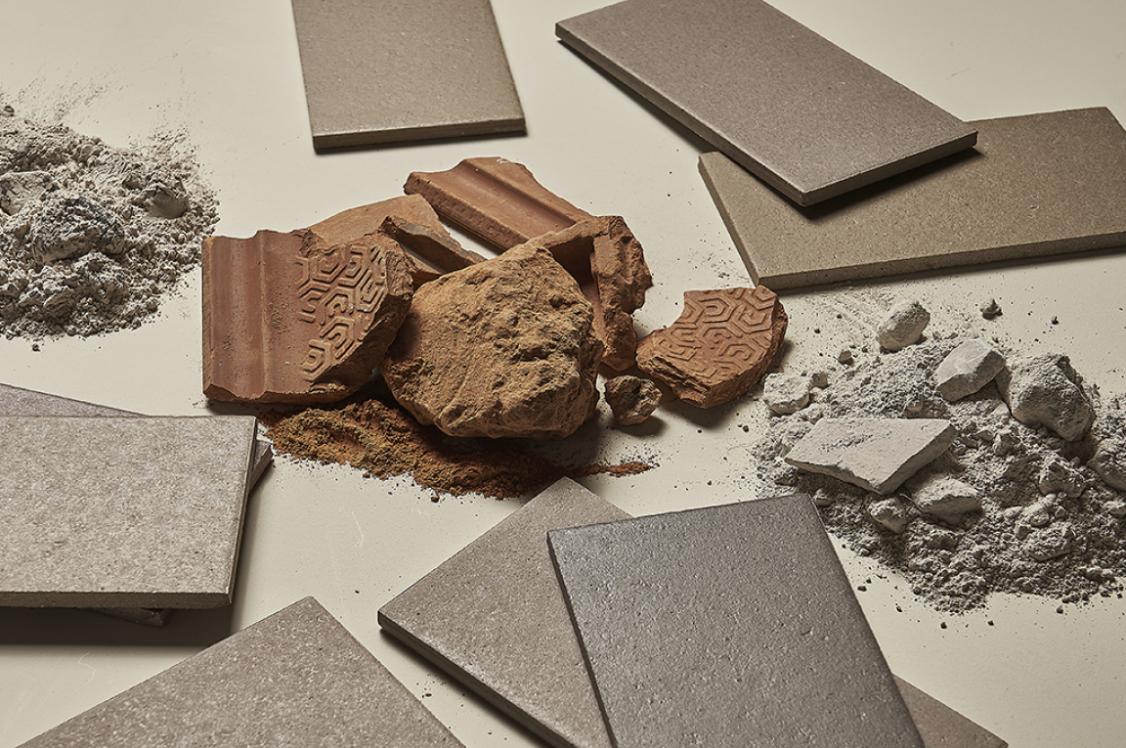
“Stone bricks are also a material on our drawing board at the moment. Unlike traditional clay fired bricks, these come out of the ground ready to use, no need for firing. Therefore the embodied carbon of this essential building material is around eighty percent less than clay bricks.
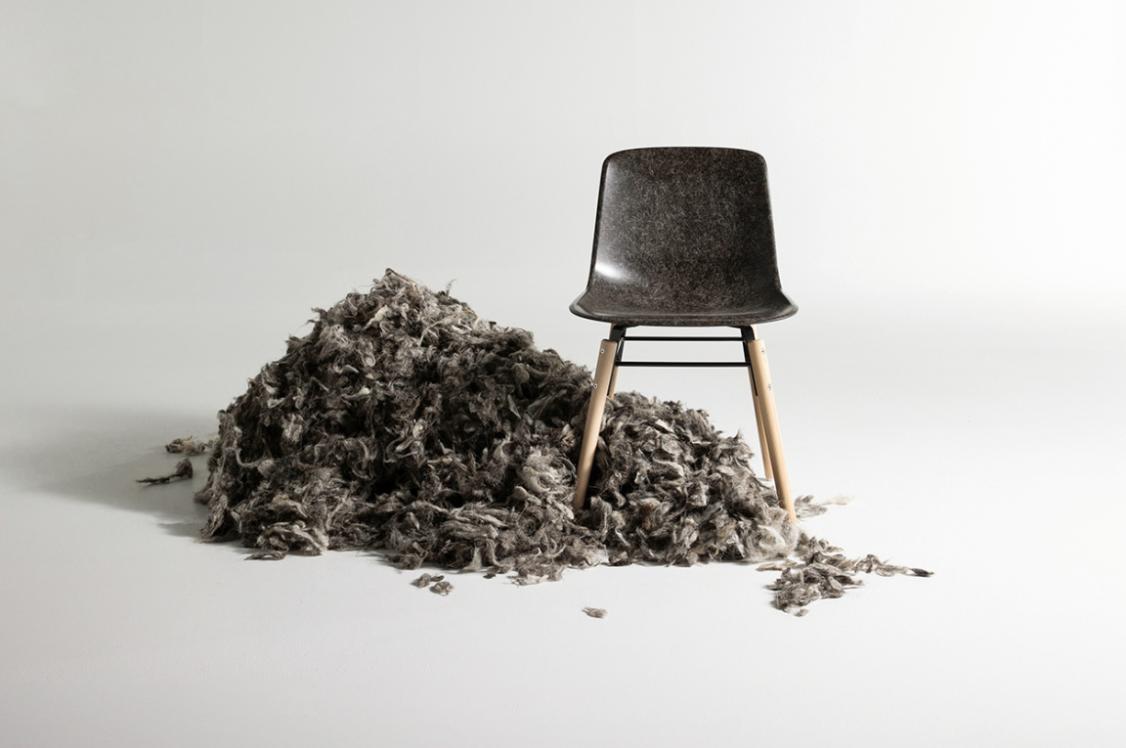
“Another material I like is wood fibre insulation. It’s made from waste wood fibres and performs very well. Sheep’s wool insulation is also excellent, especially British wool products, because it doesn’t require much processing. The key advantage of many natural materials is that they work with the building fabric rather than against it.
“When it comes to insulation, I generally refuse synthetic varieties. We try to teach our clients the long-term benefits of natural alternatives, and they usually agree."
When you propose these materials, is it usually something clients are already asking for, or are you introducing them to the idea?
“Most of the time it’s something I introduce. Clients might not be familiar with these materials initially, but once you explain the benefits they usually understand and are on board very quickly.
“I remember one project where we used hemp-based materials extensively. The clients had two teenage sons, and one of them said the space made him feel incredibly calm. That really struck me, because it shows how people can feel the impact of materials even if they don’t consciously understand why.”
Alongside your work at Atelier Baulier, you are the Climate Action Coordinator for the Natural Materials Group. Can you tell us about your role here?
“I’ve been involved with ACAN, Architects Climate Action Network for several years. As a coordinator, I facilitate the Natural Materials Group, chair meetings, contribute to our Natural Details Library website, and organise webinars.
“This year, I was also elected to the steering group, so I’m involved not only in the day-to-day work but also in shaping the organisation’s broader campaigns and strategic direction.”
What’s next?
“Atelier Baulier is continuing to focus on high-quality residential projects, including retrofits, extensions, and new builds, with a strong emphasis on sustainability, materials, and occupant comfort.
“We’re especially excited about applying Passivhaus and low-carbon principles to more projects, helping clients future-proof their homes while reducing energy use and environmental impact.
“We’re also working on small-scale commercial projects, including retail schemes, such as our collaboration with our friends at The Dusty Knuckle, a bakery known for its great ethos and community focus.
“Looking ahead, we hope to take on larger projects while continuing to develop practical, efficient, and low-carbon design solutions, maintaining the architectural quality and meticulous craftsmanship that define our work.”