










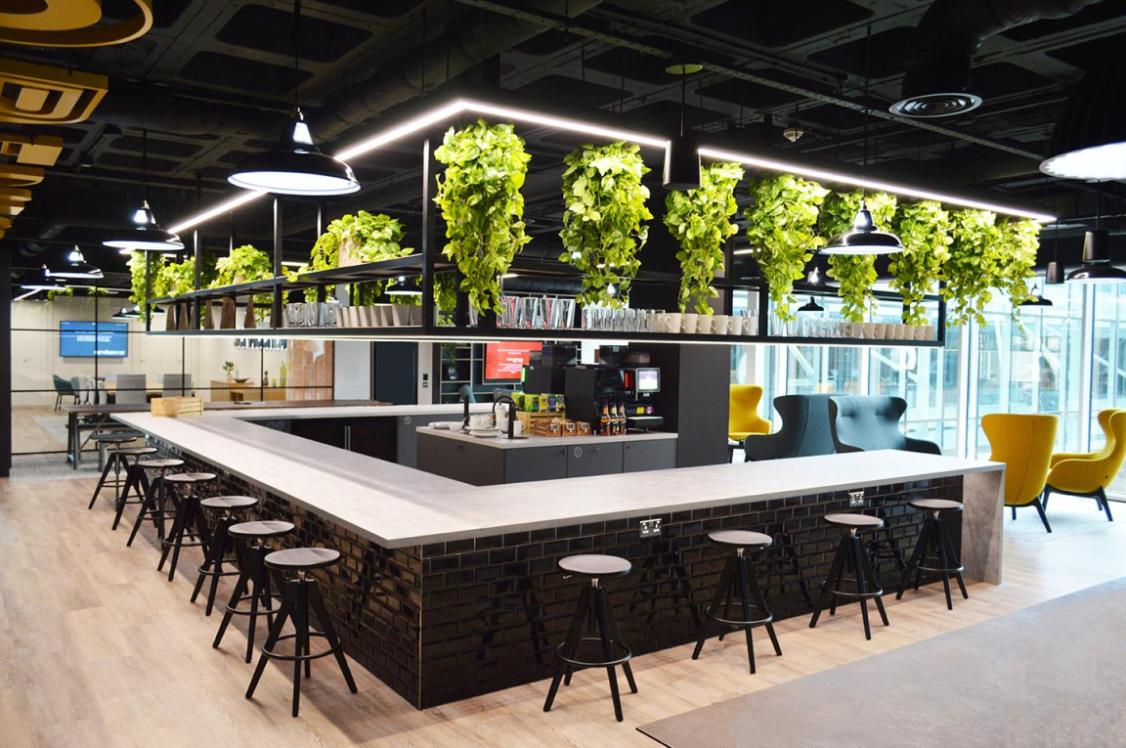
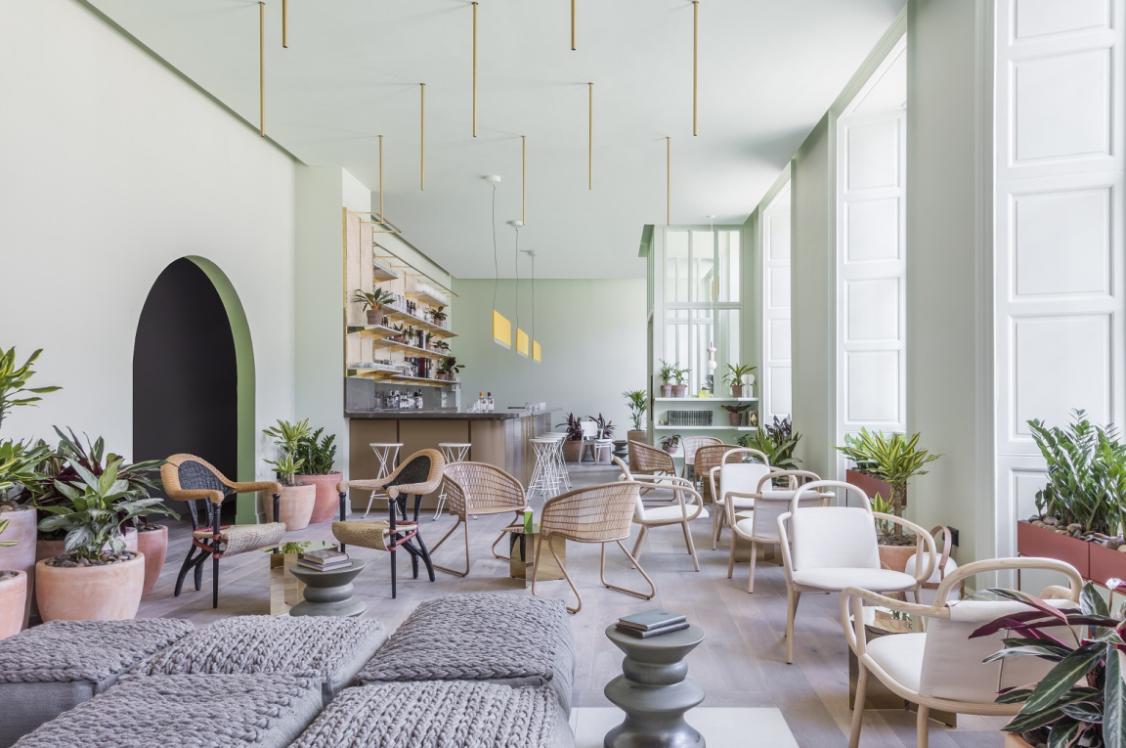
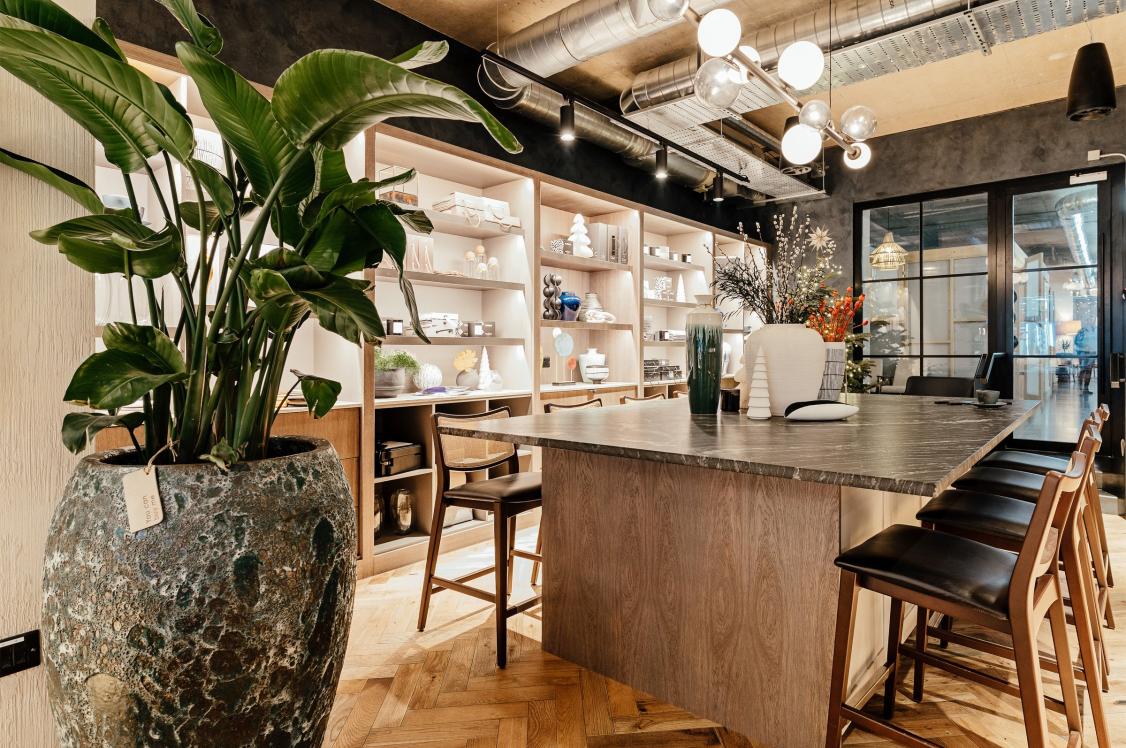

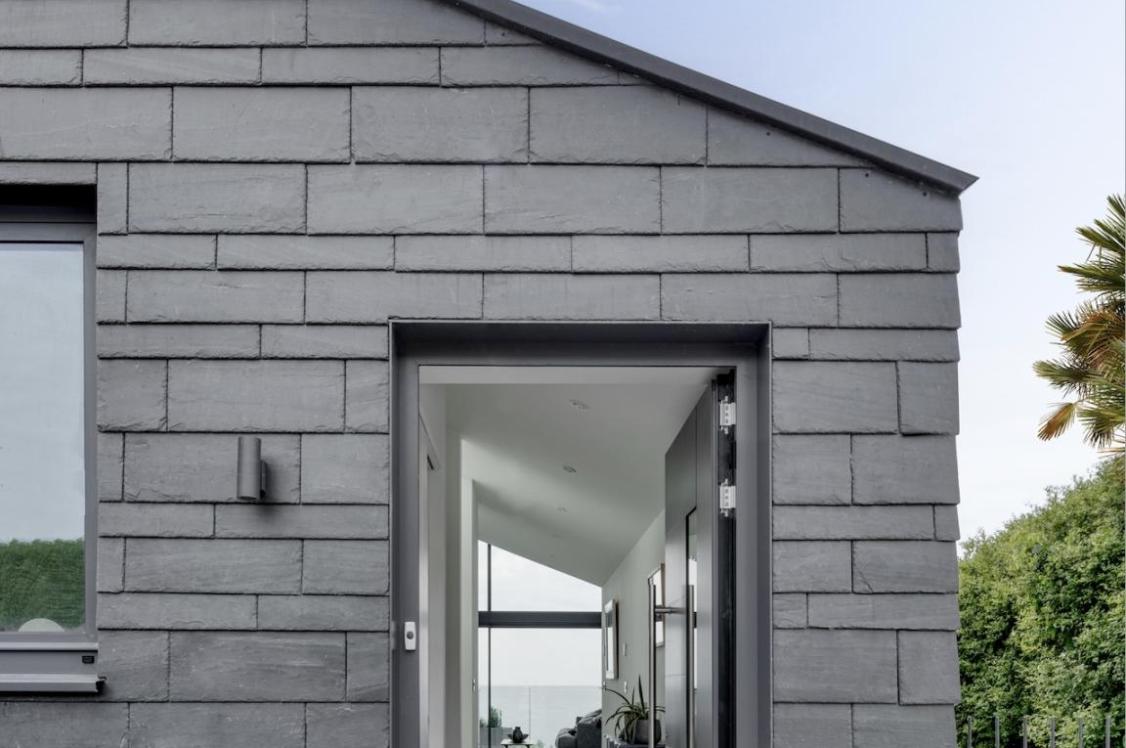













Material Cultures, Resolve Collective & Yes Make on Tipping Point East.
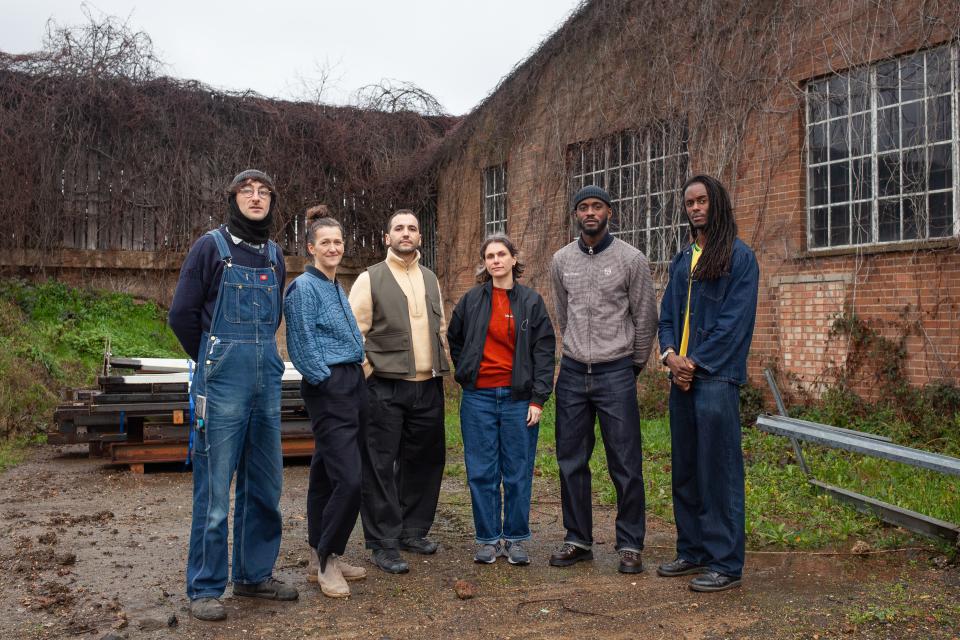
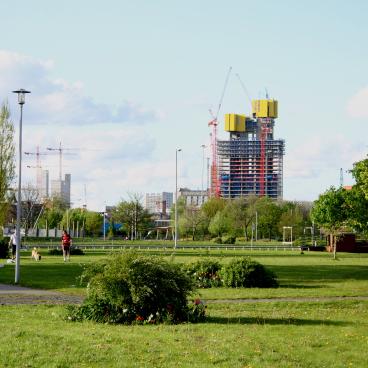
Tipping Point East (TPE) is a circular construction hub based in Silvertown, Newham, East London.
A charity founded by three organisations: Material Cultures, RESOLVE Collective, and Yes Make - each bringing different but complementary expertise in design, research, education, and community-based construction, TPE signifies a refreshing, practical approach to reuse, tying in perfectly with the City of London's 'retrofit first' policy.
The site is home to a material yard, a reused materials store, training workshops, office space, and a growing programme of courses and knowledge exchange. The ambition, supported by the Mayor of London and Newham, is for it to become Europe's largest circular construction hub: a place where the theory of the circular economy meets real practice.
Having recently visited for a tour and a catch up with those involved, Abbie La Rooy, Material & Product Advisor, Material Source Studio London was keen to share the unique narrative of how TPE came to be, how as sector professionals we can get involved, and where it's headed next. In the conversations to follow, each of the organisations tells their portion of the story in their own words.
Purposeful inception
Why now?
"Construction and demolition generate 65% of the UK's waste, and the built environment as a whole accounts for around 50% of global greenhouse gas emissions. Yet the shift to circular practices has been slow – not for lack of will, but through lack of infrastructure. There was nowhere to reliably source, test, certify, or learn to work with reclaimed materials at scale.
"The three founding organisations of TPE had each hit that wall independently in their own work: operating at the margins of what's possible without a shared base, shared resources, and the kind of footprint that makes circular construction viable at volume. No single organisation could take on a site of this scale alone. With strong existing relationships between the three partner organisations, joining forces was the natural move, and it's what made securing the Silvertown site in the Royal Docks possible.
"TPE is Material Cultures’, RESOLVE’s and Yes Make’s answer to that missing infrastructure: a place that makes circular construction practically viable, not just desirable. There's a strong local dimension to this too: Newham is one of London's most under-resourced boroughs when it comes to well-paid, local employment, and the green skills transition represents a genuine opportunity to change that."
Who's it for?
"TPE is genuinely broad in its reach. At the local level, it's for Newham residents offering training, volunteering, and access to well-paid skilled work in a growing sector. For the construction industry, it's a resource for sourcing and learning to use reclaimed materials. For architects, designers, and developers, it's a place to test ideas and access knowledge. For schools, universities, and researchers, it's a collaborative partner in education and study. Cultural institutions are already engaged as materials partners. And for policymakers, it's an evidence-based demonstrator of what a circular economy can actually look like in practice."
What's the initial response been?
"Strong and positive, from a wide range of directions. The founding organisations already have significant networks across the design and built environment sectors in particular, and more broadly connections across public institutions, philanthropy, and academia. Those relationships have translated into real early momentum.
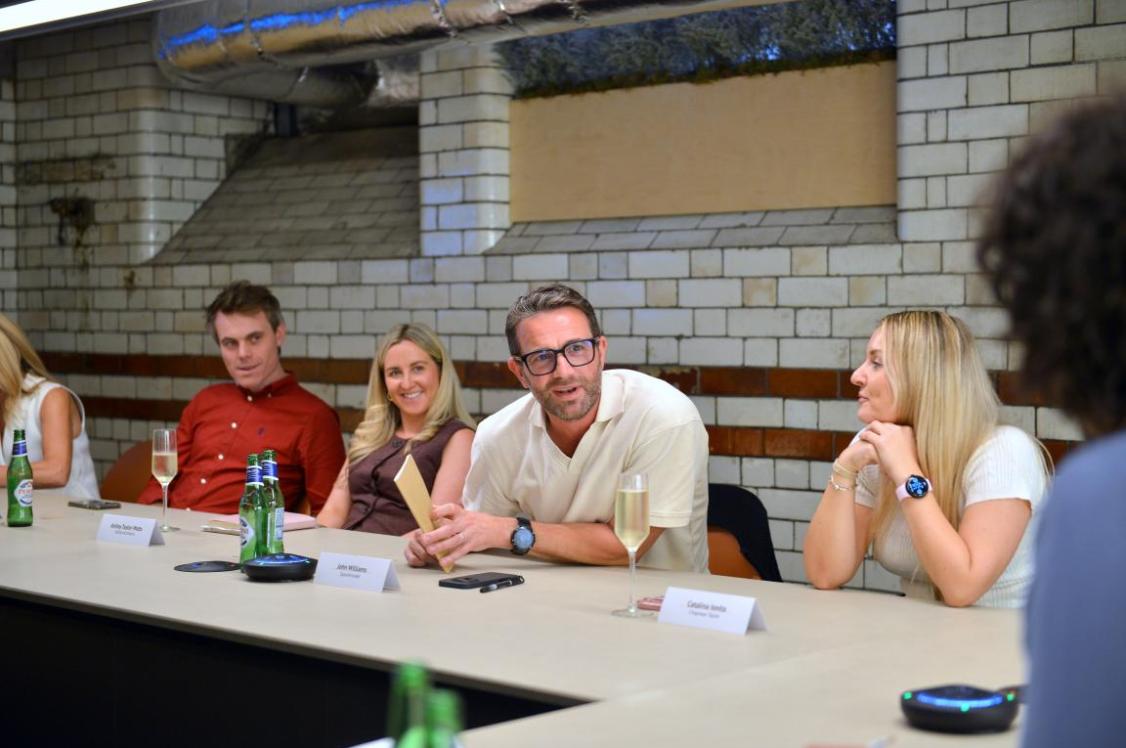
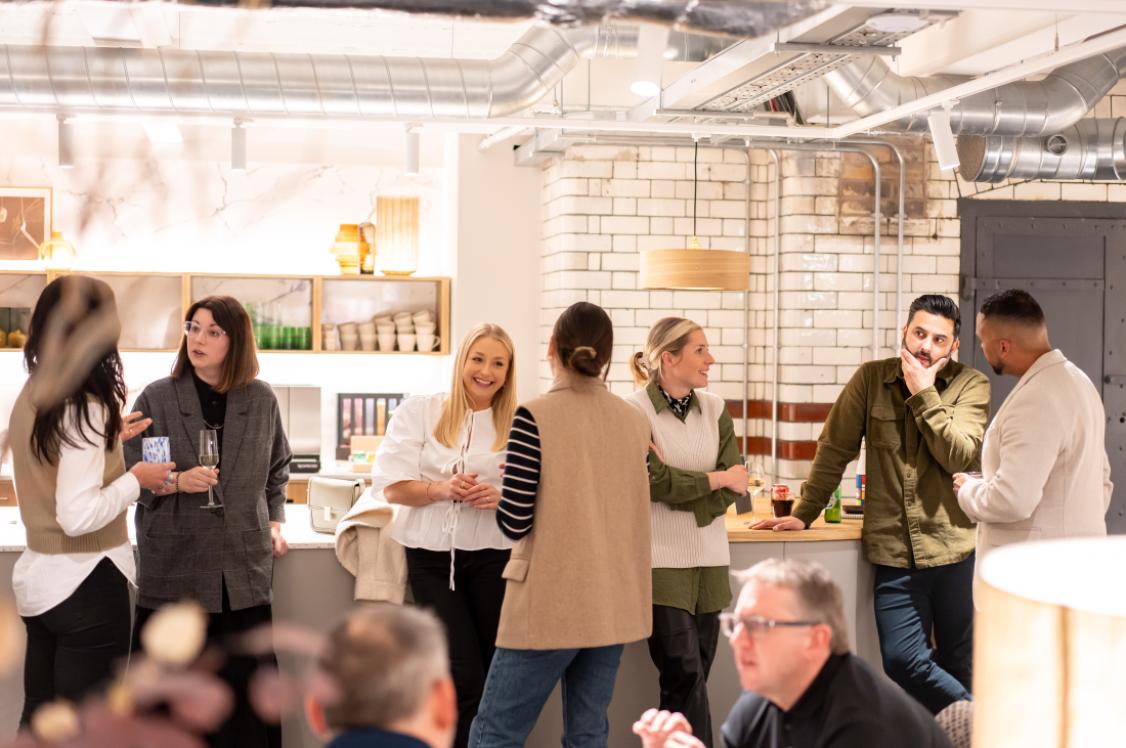
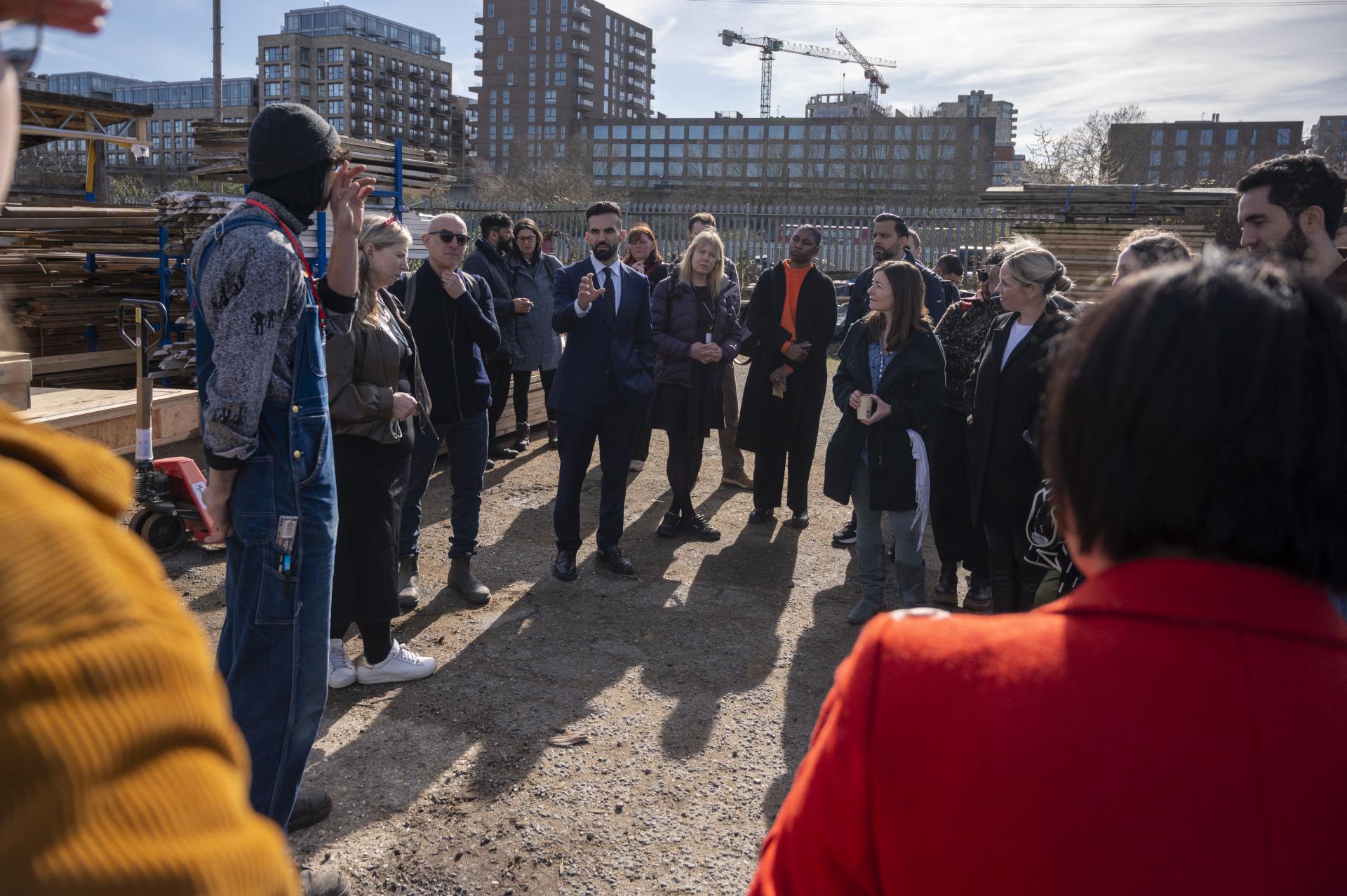
"During the launch week that started 2 March, we were hearing from friends in the sector that we were the 'talk of the town'. That week we toured around at least 450 people, and that was before we even officially moved our offices in on 8 April. The launch week led to 40 requests for site visits, with the construction and development sectors being particularly keen to see the operations." All very reassuring, indeed.
© Henry Woide
© Henry Woide
© Henry Woide
Material Cultures
How did designing a space that you knew you’d be working in change your approach (if at all)?
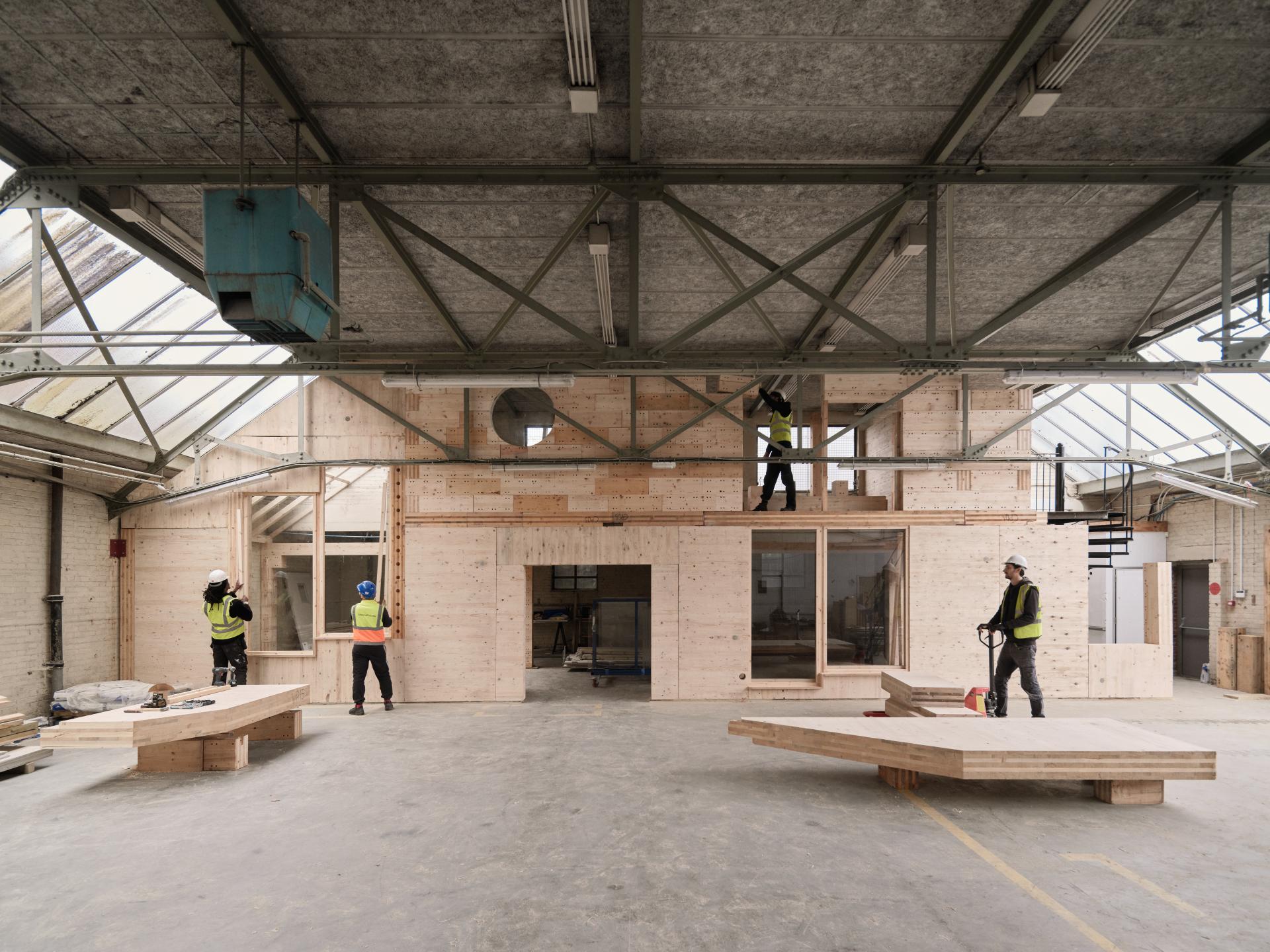
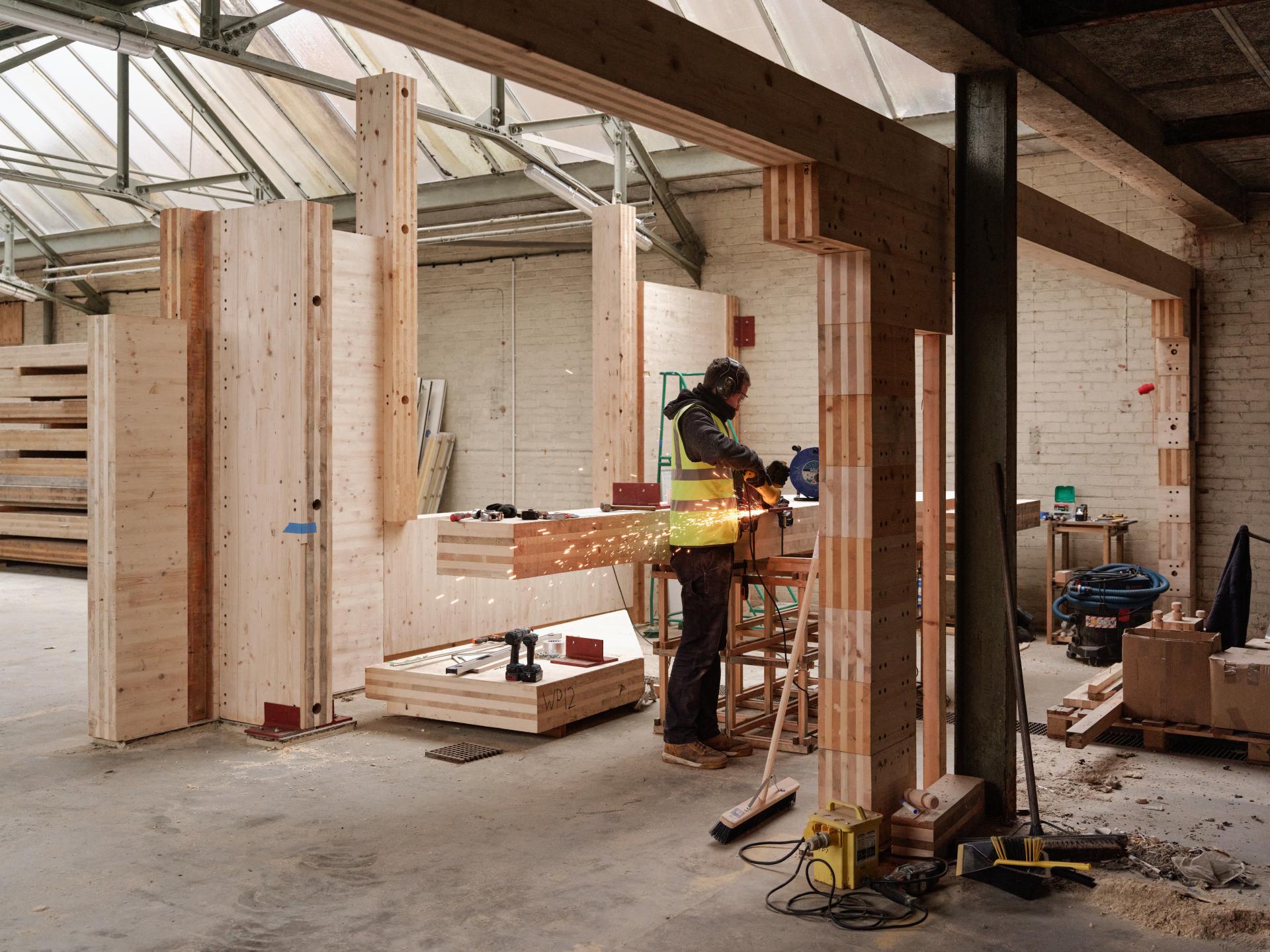
"It gave us a kind of freedom we don't usually have. When you're designing for yourself, you can take on more risk: there's no client to convince, no lengthy approval process before you try something new. So we used it as an opportunity to really push what's possible with bio-circular materials, to test combinations and details that we hadn't tried before. It also meant the relationship between design and build was unusually close, with the Material Cultures and Yes Make teams working side by side throughout, making decisions together on site as materials arrived or unexpected challenges came up."
Can you talk us through where the materials used in the build were sourced from?
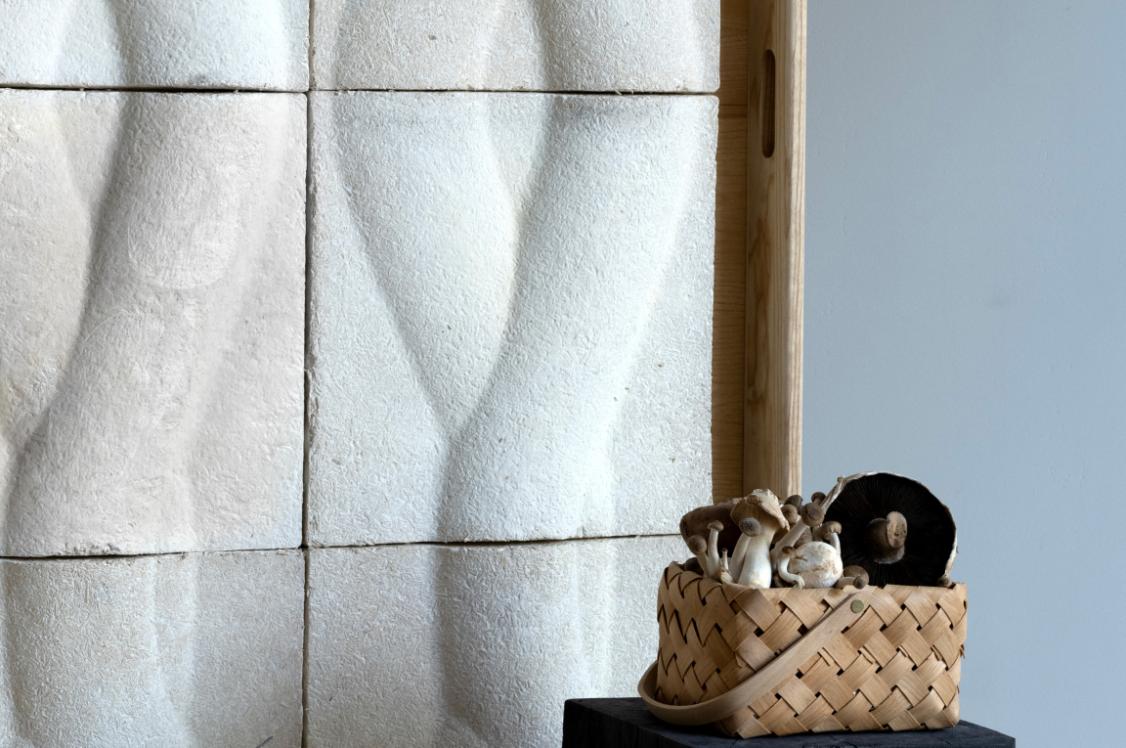
"The wall linings are a good place to start: we used three different types of bio-board that we had originally used in the Thirst exhibition at the Wellcome Collection, and which came back to us after the show was taken down. The first is a Wetland and Wheat fibreboard made by a German company called Zelfo.
"It uses innovative technology to bind the boards through a chemical-free process: the fibres are broken down at a microscopic level so they bind through compression alone, and the material is fully bioregenerative. The second is a strawboard, also German, which uses mineral binders rather than the synthetic adhesives you'd find in something like MDF. It’s made by Strohplattenwerk Müritz. And the third is a hemp board made by the Loam Project here in the UK. Hemp matures in a hundred days, needs no pesticides, and these particular boards are bound with agricultural waste sugar resin, which lightens over time like timber does.
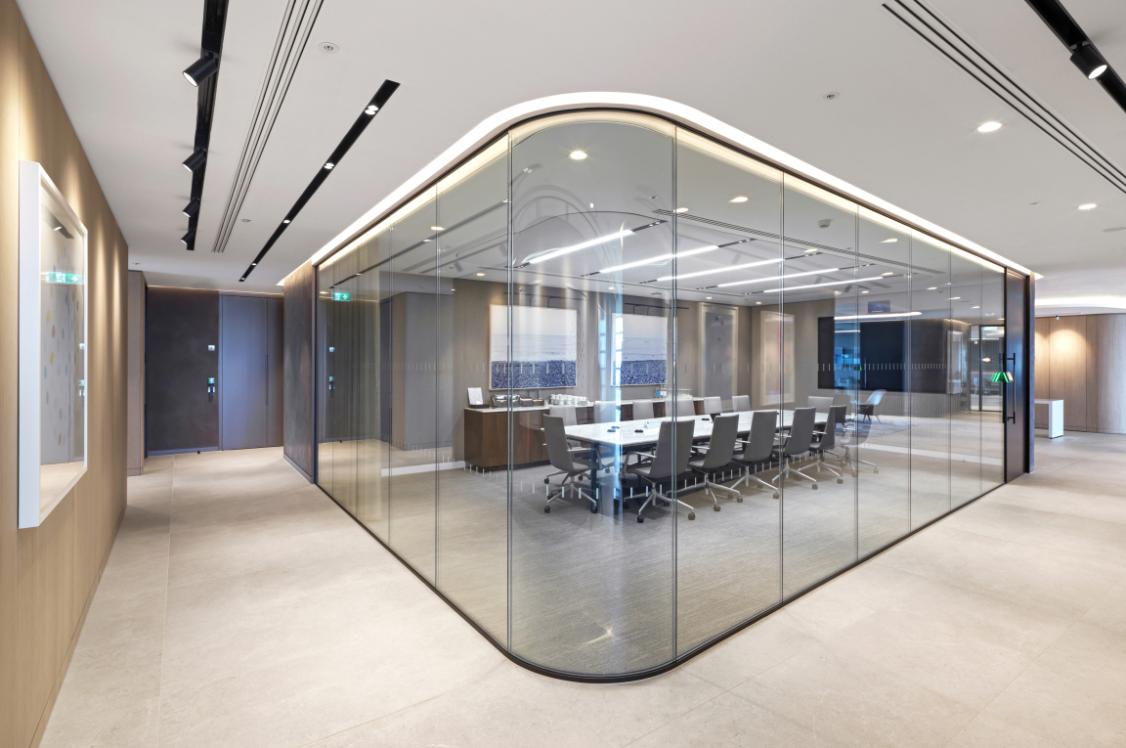
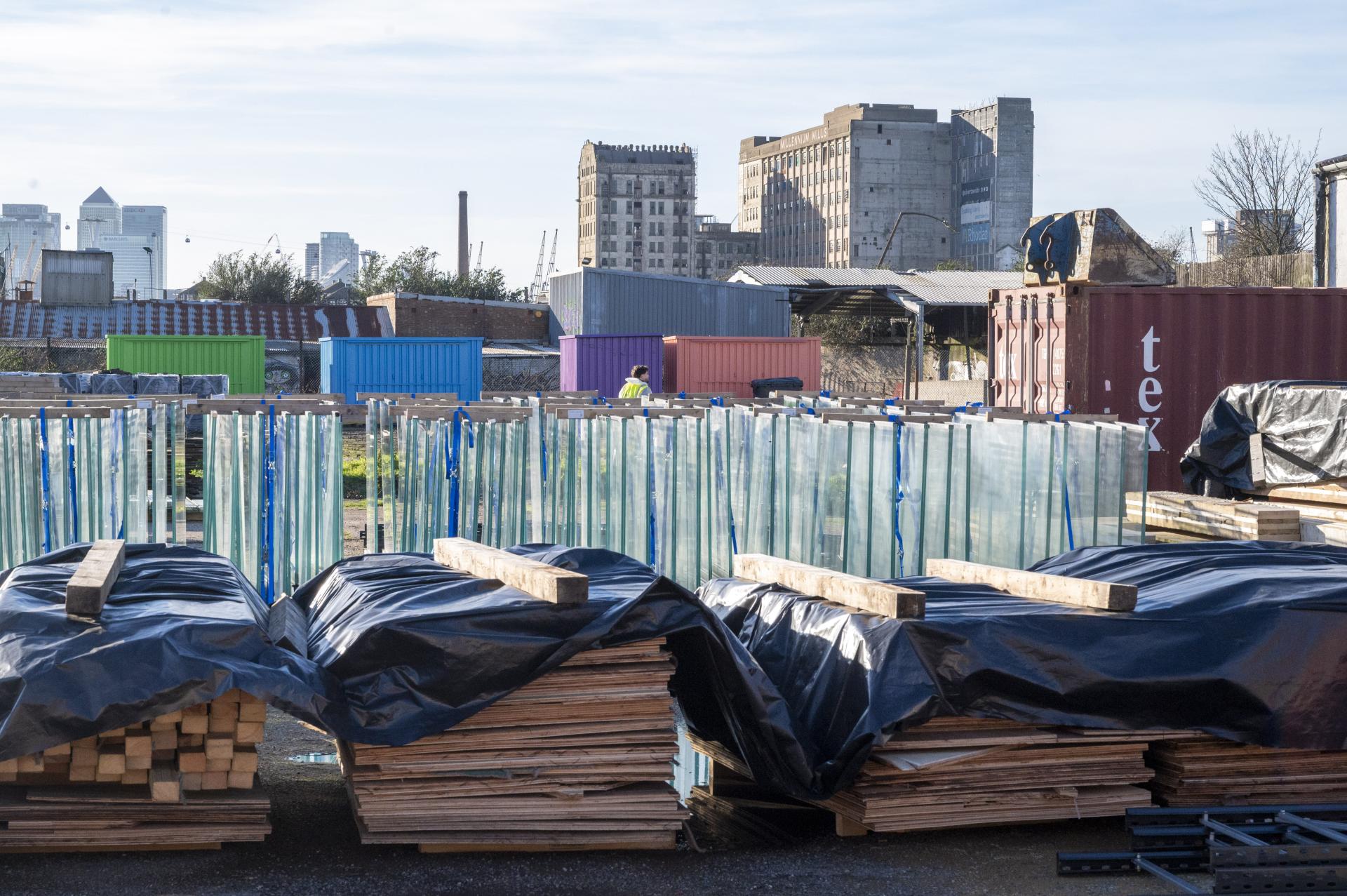
"Beyond the bio-boards, the CLT panels came from a floor slab stripped out of 36-38 Berkeley Square in West London, and the glazing was salvaged from an office strip-out at G&G House, where we were able to reuse bespoke secondary glazed windows that would otherwise have gone to waste."
In general, what are the biggest challenges when specifying bio-based and reused materials on projects?
"Perceptions play a big part.
"With bio-based materials specifically, seasonality is something you have to consider early on in the project. With plant-based products, supply isn't always steady, and early engagement with manufacturers is key.
"There are widespread assumptions about what bio-circular materials can and can't do, and much of the work we do at the start of a project is to challenge misconceptions and explain the approaches to everyone from clients to contractors.
"Then there's detailing: making sure bio-based materials are specified appropriately within building regulations, which tend to be written around very different types of materials. With reuse, it also comes down to having the right design team to engage with materials confidently and adapt the workflow to allow designs to adapt to the materials that are actually available."
Are clients more receptive to using them now compared to say 5-years’ ago?
"Definitely. The awareness is growing around bio-based and circular materials, and there’s also more awareness around the toxicity of conventional materials that are now commonly used in building our homes, and which release compounds like VOCs. But there’s still some way to go in making bio-based and circular materials the default option for the construction industry, and that’s what we’re working towards."
Credit: Stephen Norman Young
Credit: Stephen Norman Young
Resolve Collective
How do you plan to collaborate with the communities local to TPE?
"Our practice is built around working translocally, ensuring we build relationships with communities and practices supporting local people and valuing knowledge in their place. This will continue in our work in Newham!
"More specifically, our major offer at Tipping Point East is Material Store, a circular infrastructure that turns cultural sector waste into community assets. Here we are growing a community around material circularity by developing a membership programme that offers access to space, material and knowledge. This will be discounted for Newham communities and our programming will ensure to face the needs of Newham's local communities and the organisation that support them."
Are there any upcoming projects you can tell us about?
"One of the most exciting things about Material Store is it serves as an infrastructure platform for creative organisation locally and across the city, to allow them to weave in circular principles into their pre-existing community focused practice. Through this channel we are lining up to support some amazing projects with material and design support over the summer.
"This includes an ambulant library design and build with Assets of Community Value (ACV) Magazine and publication SKIN DEEP for the launch of their new seasons, as well as a series of sound system builds and workshops with youth centres across the country in collaboration with musician and community organiser Eerf Evil. We are also the material partner for the upcoming Free Books Campaign in July which will involve designing and installing a series of structures to host a weekend of activities and events for the Campaign."
You describe your collective as ‘interdisciplinary’, could you explain what this means?
"There is a practical and poetic meaning to this. On a practical sense, our team do not all come from the same discipline and it has been that way since our conception in 2016. It means that our relationship to ‘disciplines’ or ‘fields’ is unrestricted. Building on this as perhaps more existential, we tend to move in between disciplines in order to support our communities and meet our mission, this extends beyond architecture, art and those named in the introduction.
"We learn from existing fields and aspire to push new possibilities, finding comfort in the spaces in between and outside of."
"This allows us to understand and interrogate the broader systems and structures that shape our realities."
How do you find balancing working with institutions, like the V&A, whilst maintaining a radical and critical approach?
"There are many roles to play in enacting positive change and because of the time and conditions we emerged in, creative institutions became a potential site for our interrogations and interventions. By and large, they were and continue to be sites for experimentation but the grand ambition of the practice wasn’t centred around recognition by or reform of these institutions. It means we are able to focus on the potential of these collaborations without centring their ambitions.
"Institutions like the V&A are often sites that have hosted an iteration of our emerging infrastructures or a manifestation of our methodology; however the relationship has evolved and shifted with our evolution as a practice. For example, many of the institutions we used to build spaces in and platform our communities through are now material resources for our own community facing, circular infrastructure.
"Finally, whether inside or outside of the institution we ensure the message stays consistent and the way our practice is shaped and the way we turn toward the communities we support remains the same."
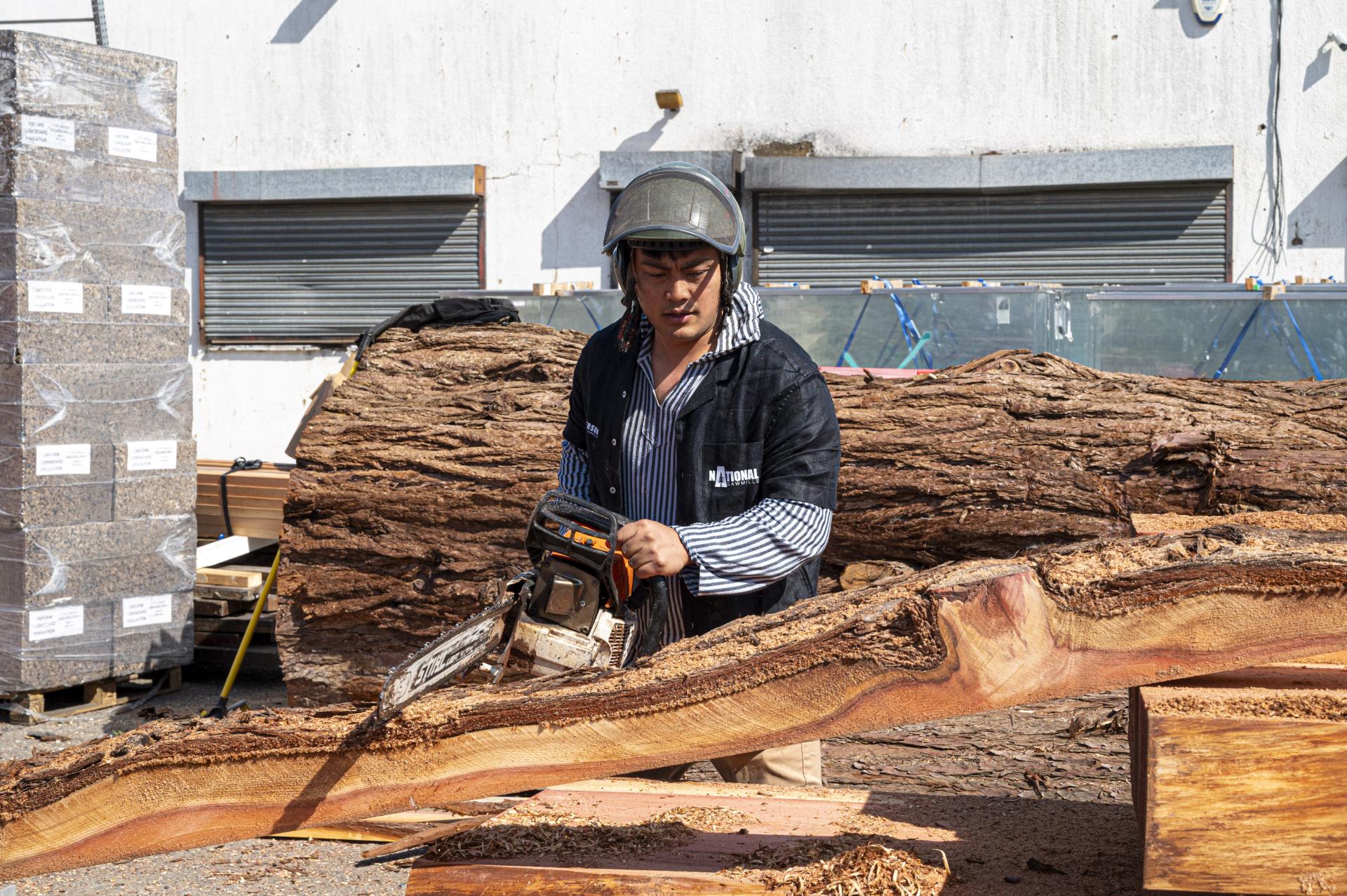
Sequoia Milling (with National Sawmills) by Stephen Norman Young
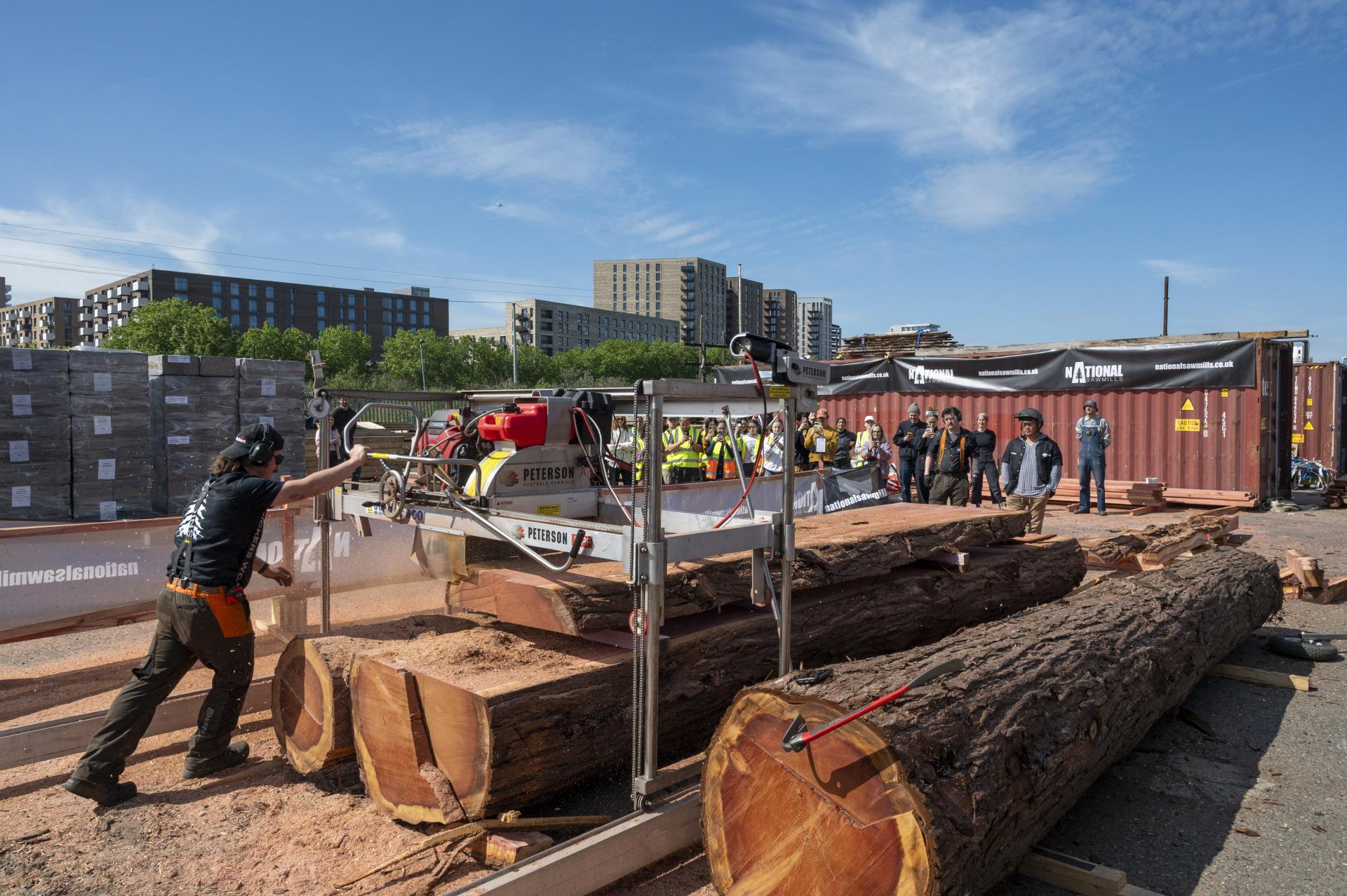
Sequoia Milling (with National Sawmills) by Stephen Norman Young
Yes Make
When working with reclaimed materials, what are the biggest challenges in collaborating with the various stakeholders?
"The challenges are different depending on if we are recovering materials from them or if we are supplying materials to them. Generally we take the majority of materials from major developments (where the London Plan requires Circular Economy Statements) and supply them into smaller projects & structures that do not have the same level of compliance requirements for the materials used.
"Recovering Materials: This is a very smooth workflow for us having been doing this for a number of years. The main challenges are around getting developers and contractors to plan material recovery pre-tender/pre-contract when they are establishing a project as opposed to last minute calls when they are on-site and need large volumes of materials gone immediately. Default practices are very much a 'just in time' exercise where you get everything onto the floor, cut it up into wheelie bins and order a skip to throw it in.
"Recovering materials requires different equipment and handling practices (not wheelie bins). We need to make sure that contractors have all of the stacking, racking, packing and protection materials to ensure their team has everything they need upfront. Done correctly this is more efficient and cost effective than conventional methods of cutting materials into wheelie bins and skipping them. All contractors have a fleet of wheelie bins.
"Supplying materials: This is a longer burn regulatory piece for the major development scale of project. Currently we supply predominantly into smaller projects and structures and not into major developments or buildings over 18m in height that have a much higher regulatory burden.
"Whilst we supply materials into smaller projects we are working through the material categories below to resolve the regulatory requirements to enable their use at all scales of construction. We have prioritised the highest impact materials - (embodied carbon x volume arising / complexity). Please note this list excludes timber, steel and other material categories that have established processes for reuse.
- Internal glazed partitions
- Lighting and electrical components
- Sanitary ware
- Internal doors (excluding fire doors)
- Internal fire doors
- External doors
- External windows."
How can the construction industry change the way they build to best preserve materials for future projects/secondary use?
"As there are many I’ll share as a list;
Remove/reduce the use of wet or hot applied sealants (silicon/mastik, butyl seals) in favour of dry sealing methods that use compression and materials like expanded neoprene to achieve an equivalent seal without contaminating the material
Lift size is the biggest factor currently in whether or not large items such as glazing, doors, furniture etc… are reusable. Designing with lift access as a constraint not only opens up much more reuse opportunity it also makes for a much more efficient process of construction and deconstruction where material does not need to be craned and manually handled up and down stairs. In practice this means constraining the module size of fit out materials or recognising the sustainability benefits of larger lifts.
Transitioning from waste management plans to material recovery plans as the dominant way in which materials arising from demolition are considered. This is a very different thought process and will help to enable greater consideration of reuse at the earliest stage in a project.
Design for disassembly and ease of replaceable components definitely needed
Material passporting for materials going into new projects also necessary for ease of tracking material histories."
How will the space and resources at Tipping Point East change the way Yes Make can work/scale up?
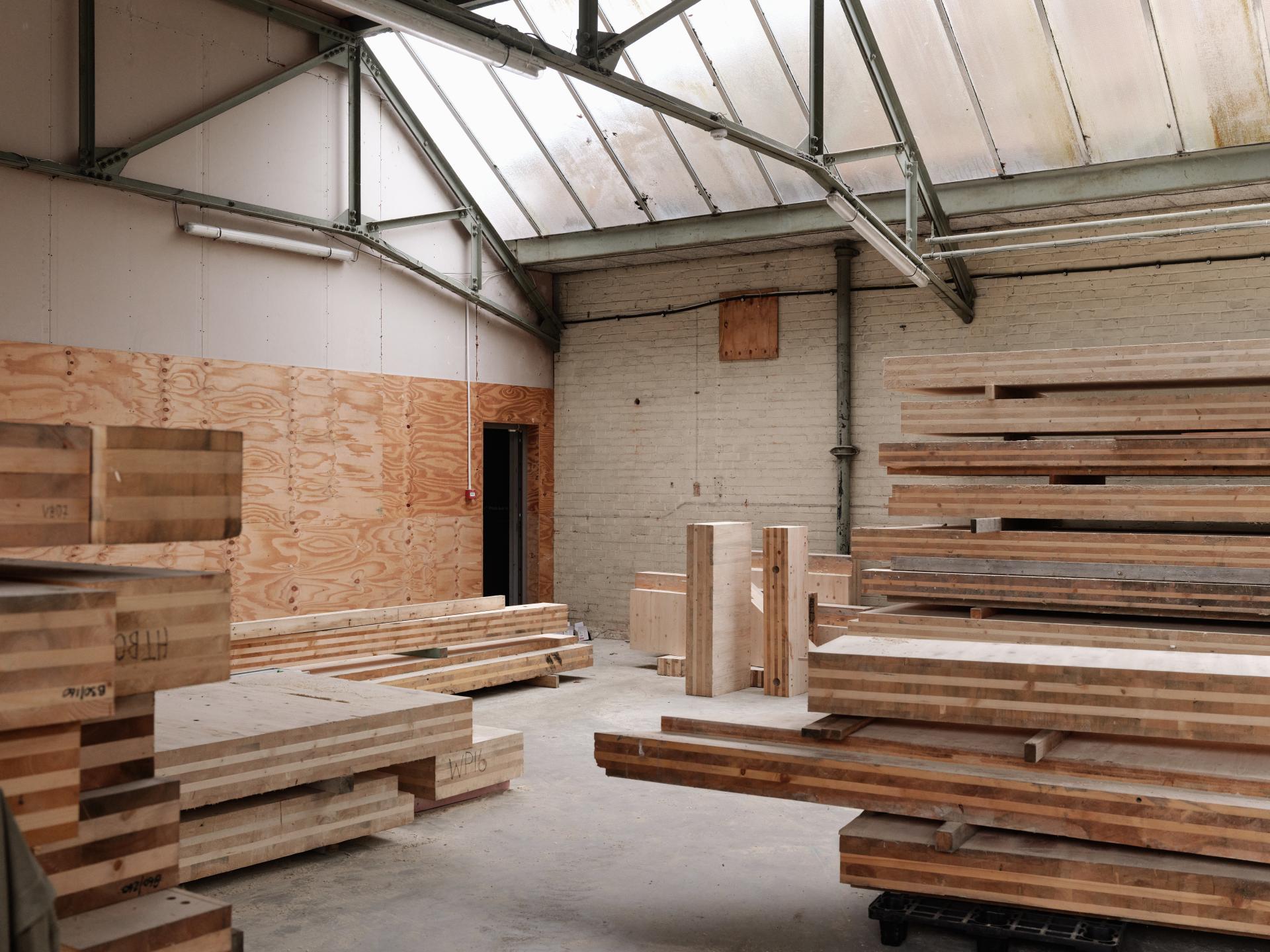
"Prior to Tipping Point East we were working from a tiny workshop in a community garden in south east London. Our space and operating constraints meant that we could only take a tiny percentage of solid timber, almost certainly less than 0.5% of everything we were being offered. In numbers this would look like a ton or two every couple of months.
"Not only have we recovered hundreds of tons of materials that would go for landfill or incineration but we now have complete buildings worth of materials that we are now using to design and build carbon negative buildings."
"We now work across timber, doors, glazing, insulation, masonry, sanitary ware, electrical components with weeks where we will handle 50+ tons of materials without blinking."
Can you share any plans that our audience of architects, interior designers and property professionals can get involved in?
"Right now we are building out the capacity of our yard and factory with a view to launching our full service offer in early summer this year so watch this space!
"We are developing a self-service backend on our website that will allow full public access to get immediate answers on available materials, recovering materials to us, costs, support and guidance on reusing different material categories and support to access the wider reuse network so that teams can have a one-stop shop to resolve circularity for their projects.
"We are developing a range of CPD offers that practices can draw on to deepen their ability to deliver material led design projects for new schemes and how to develop a material recovery plan where projects involve deconstruction and material removal."
Tipping Point East is located at 10 Charles Street, Silvertown, London, E16 2BY. For more information visit tippingpointeast.com, and check out the FAQs for direct contact info to TPE's operating partners to access materials, programmes and services.