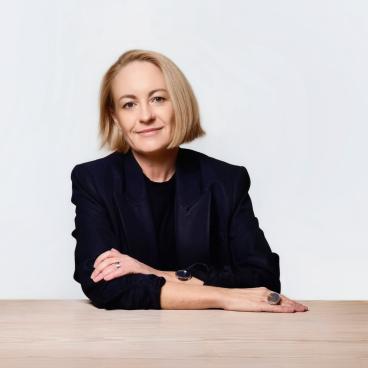










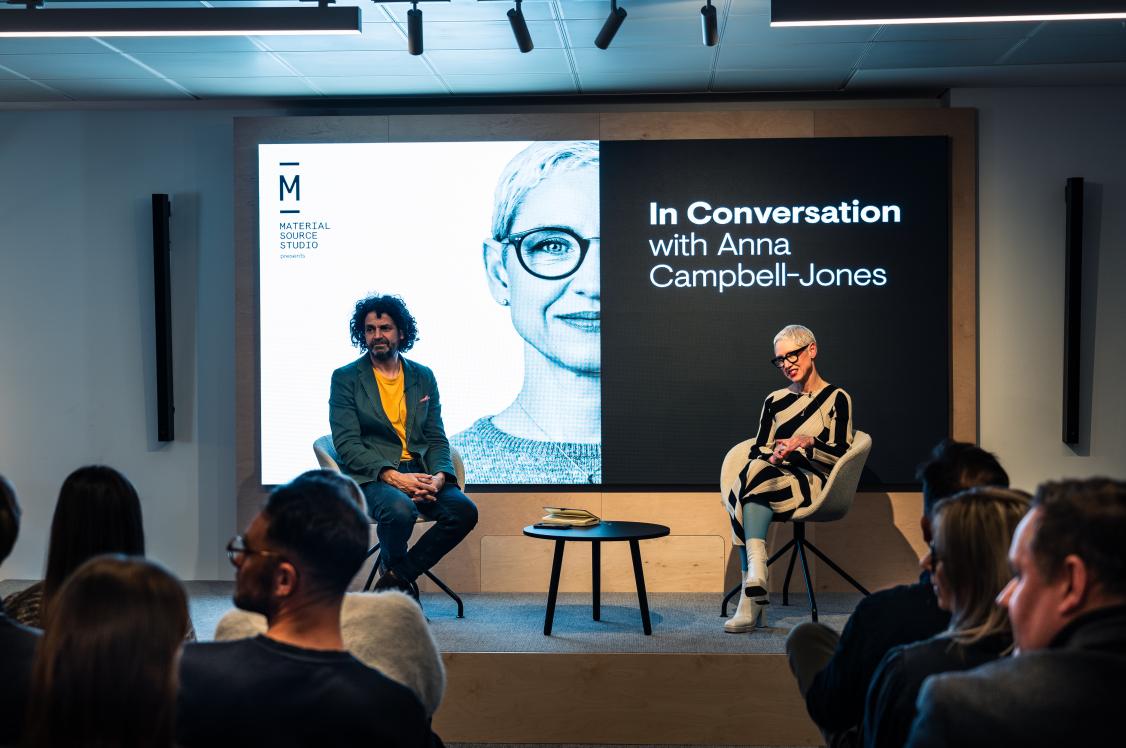


Danielle Miller, Chair of Women in Property Scotland & associate director, BE-ST, on allies, empowerment and togetherness.

Danielle Miller is the new Chair of Women in Property Scotland. A role she will undertake alongside not only her professional position as associate director at BE-ST - Built Environment - Smarter Transformation - but also while becoming a parent for the first time.
Recognising the importance of openness and communication in order to understand one another, Danielle has been candid about her own journey, both personal and professional in order to inspire others to do things in the way that works for them.
Her theme for her tenure as WiP Scotland Chair is ‘male allies’, which, during our chat she said, “might sound unusual for a women-focused community.” But the reality is that women currently only make up around 20% of leadership and board-level roles in the UK built environment and construction sector – “We can’t make change without bringing men along with us,” Danielle explained of her reason for choosing this focus.
With WiP membership at an all-time high (unsurprising to anyone who’s ever been to a WiP event, as sponsors at the annual dinners, winter and summer drinks, we can wholeheartedly say the atmosphere the organisation cultivates, cross-country, is unparalleled), Danielle is keen to support with this upward trajectory of involvement, through events, WiP’s mentorship programme and educational outreach.
In the conversation to follow, we speak to Danielle about her plans for WiP Scotland, plus we find out what her role at BE-ST entails and how it's supporting the collective sector journey towards hitting net zero.
To start, could we chat through your professional background?
“I’m associate director for Stakeholder Engagement at BE-ST - Built Environment - Smarter Transformation. I’ve been there for six and a half years. Our mission is to accelerate the built environment’s transition to net zero. Of course, everyone is on a different journey, so we’re not here to tell people they’re behind, we’re here to support them, wherever they are.
“I started in the events team and grew from there. Being on the marketing and operations side is great because you get to work across the whole organisation. You see all the projects, programmes and training - it’s a really cool place to be.”
Where are you based?
“We’re based in Blantyre, just outside Glasgow. This year especially, we’re focused on taking what we do elsewhere through training, events, and hands-on skills, so we’re not just centred on Glasgow. For example, our team has just been down in London for Futurebuild. Rather than a traditional stand, we run hands-on training and bring equipment down so people can really experience what we do.
“Our own big events season is in the autumn. We run BE-ST Fest, which includes a summit day, an international retrofit conference day and an awards night. It brings people together from across the UK and beyond. Last year we had a group from America join us, which was brilliant, sharing where each of us is on our journey and learning from one another.
“This year we’re doing things differently too, we’re going to the four corners of Scotland with events in Edinburgh, Glasgow, Inverness and Dumfries as a starting point.”
Scotland is often seen as leading on sustainability. Does it feel that way from your perspective?
“It can feel like that, but we work a lot with partners across England, Ireland and Wales and they’re often leading on different things. Ireland, for example, is really ahead on PassivHaus. Everyone is tackling net zero in different ways, and policy and practice varies hugely, which creates challenges. Collaboration is the key. We’re all trying to understand one another’s position and support each other to move forward rather than getting stuck when facing barriers.”
Who are BE-ST’s clients or stakeholders?
“It’s a real mix. We’re partly funded by the Scottish Funding Council, which connects to the policy side. We’re hosted by Edinburgh Napier University, so we have strong links with universities and R&D programmes. We also support industry, often partnering on bids, or supporting organisations with our marketing capability. Our stakeholders cover industry, academia and policy, and we often describe ourselves as a key communicator between those groups.”
Turning to Women in Property – congratulations on becoming Scotland’s Chair! How did you first get involved?
“BE-ST took a table at the annual dinner each year, and I went along expecting it to be a networking event. I’d never been to anything like it - especially not a construction-focused work event - and I loved it. Our CEO, Stephen Good, suggested I might want to get involved, so I spoke to the Chair on the night, Mairi Murray, and it grew from attending events to joining the committee.
“I initially joined to help with the events programme, then got more involved in schools outreach and the student awards. I’ve now been on the committee for four years.”
How quickly did you move into leadership roles within WiP?
“Very quickly! I took up the Junior Vice-Chair role two years ago, then Vice-Chair, and now Chair this year. I never thought I’d be Chair, honestly, I thought ‘there is no way I could do that.’ But I had support from my workplace and from the WiP community, and also at home, because it does take evenings and weekends, so your family needs to be on board too.
“And it’s a very female thing to assume you wouldn’t be good at it. Sometimes it only takes one person to say, ‘You can do that,’ and you start to believe it.”
What’s your theme for your year as Chair?
“My theme is ‘male allies,’ which might sound unusual for a women-focused community. But the reality is women currently only make up around 20% of leadership and board-level roles in the UK built environment and construction sector. We can’t make change without bringing men along with us.
“We also don’t want men to feel uncomfortable at our events. The goal isn’t a room full of women, or a room full of men - it’s everyone together, making space for everyone.”
How are you putting that theme into practice at events?
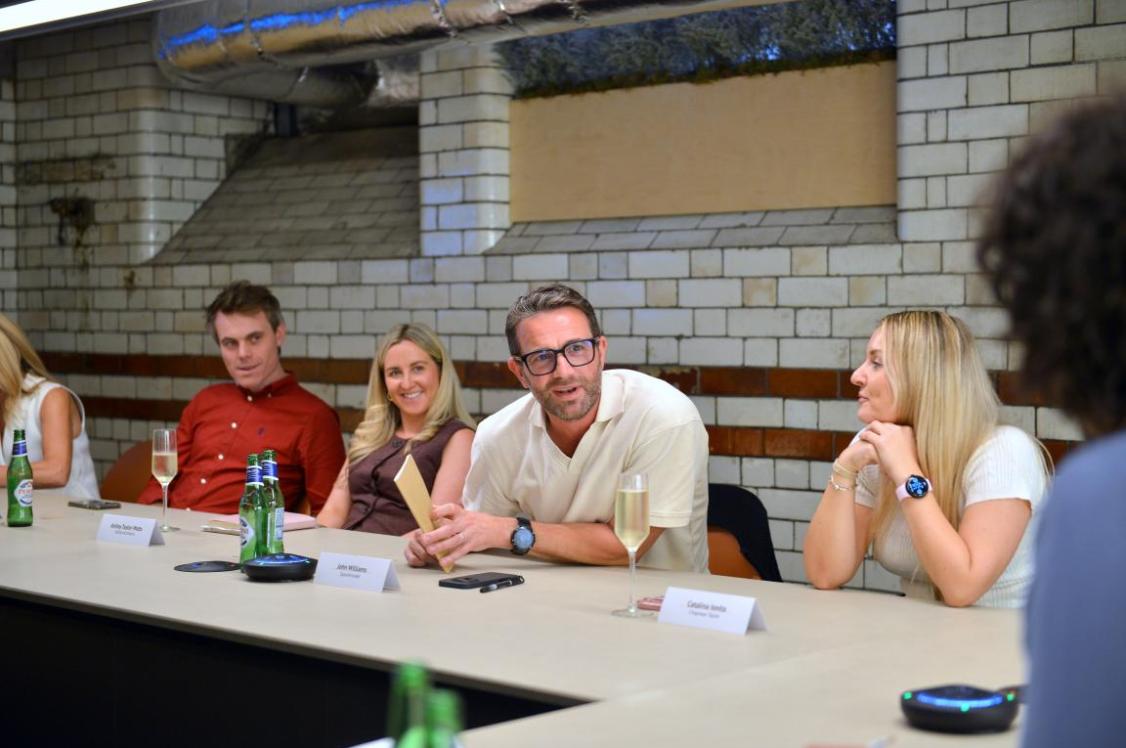
“For our key events - like the annual dinner, the student awards celebration and winter drinks - I’ve asked the committee to bring their own male ally: someone who has supported them in their career. For our upcoming event we have around 120 attendees and about 40% are male, which is brilliant.
“It also helps in workplaces where someone might need to justify their WiP membership to a male manager. If you bring them along and let them see what WiP is about, it doesn’t take long for them to understand the value.”
You mentioned the annual dinner, which our team took a table at this year and loved – for anyone that couldn’t be there, what was the evening like?
“It was our biggest dinner ever: 475 attendees. We also raised around £20,000 for charity, Chriss House - so that was fantastic.
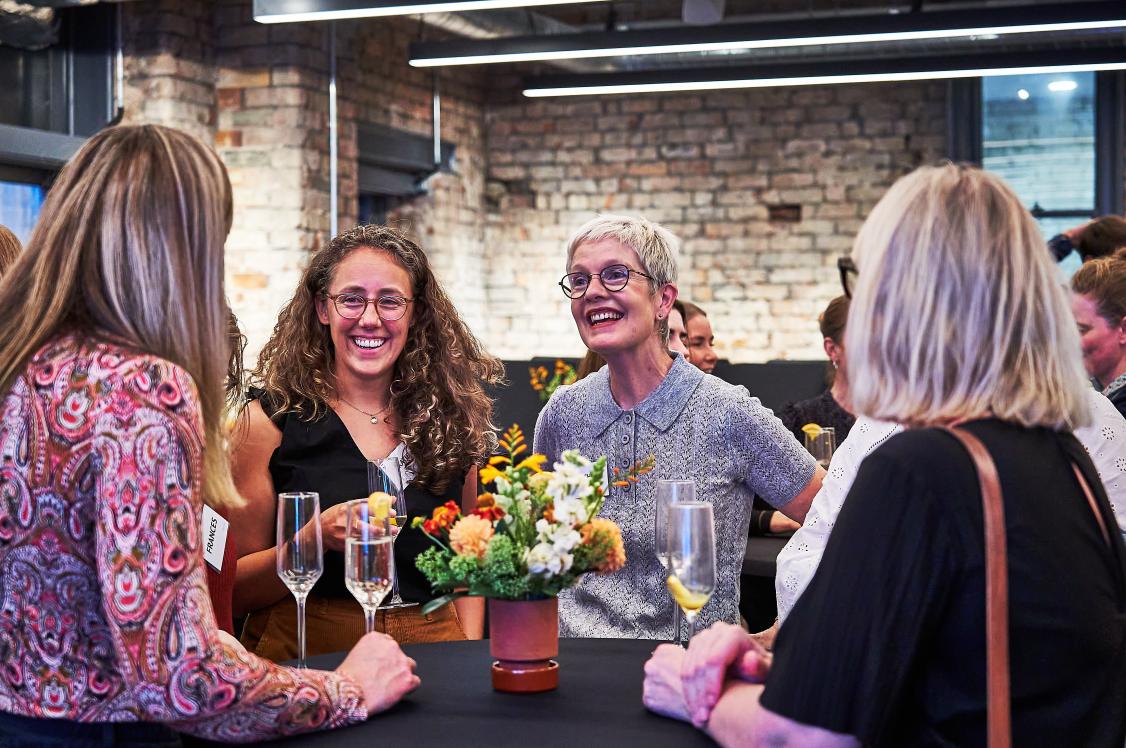
“The theme was ‘sequins and success’ and the energy was incredible from start to finish. We were up dancing before the starters were even served, which threw the staff timing off a bit, but it shows the atmosphere. It didn’t feel like another corporate event; people were engaged and excited to be there.”
People have described your speech as particularly inspirational. What did you focus on?
“Part of it was about male allies, but a big part was also about my two charities for the year: miscarriage and menopause.
“I chose them because they have extreme effects on women, yet women are often expected to just carry on at work. It links back to male allies too - people being more aware of what may be happening in someone’s life and understanding how to support them.
“There is more conversation now around menopause, but miscarriage is still not really spoken about, even though it affects 1 in 4 women. I wanted to raise awareness, fundraise, and remind women they’re not alone.”
What response did you get after sharing those themes?
“I received lots of emails afterwards - from women, but also from men. Some said they didn’t know how to support their partners through miscarriage or menopause, or how to support colleagues. Just opening the door to the conversation made a real impact.”
You ended the evening with a quote, what was it, and why was it important?
“The quote was: ‘Don’t look down on anyone unless you’re helping them back up.’
“I wanted to encourage everyone: if you see someone being overlooked, marginalised, or belittled, don’t ignore it. Remember what it felt like early in your own career. One person stepping in can change someone’s path - and their confidence - completely.”
What do you hope to achieve during your 12-months as Chair?
“You can’t do everything in 12 months, and I’ve got big shoes to fill. But one goal is to keep the momentum going post-COVID - our membership is the highest it’s ever been, and we’ve sold out every event from January to now.
“I also want to support our committee - there are 23 of us - so people feel empowered to make decisions and keep pushing forward.
“And ultimately, if more people take that idea of helping others ‘back up’ into their workplaces and behaviours, that’s a real legacy. Women in Property often gives people confidence: confidence to ask for change, to try something new, to feel supported. If I can help open a few doors and encourage that, I’ll be proud.”
For someone keen to get involved, where should they start?
“Firstly, becoming a member is the main route, and it opens up lots of opportunities. We have three key focus areas:
“Events: We run around 70 a year comprising networking, CPD, site visits and more.
“Mentoring: You can be a mentor or mentee, and it’s UK-wide, so you can be matched with someone outside Scotland based on what will help you most.
“Schools outreach and student awards: We work with schools and academia to widen awareness and opportunities in the sector.
“Our events are open to both members and non-members, so if you see something online that interests you, come along. A committee member will always be there to chat. We also collaborate with organisations on events, sponsorships and site visits.”
The mentoring programme sounds particularly powerful. What makes it work?
“It’s intended to run for 12 months, but some people have continued their mentoring relationships for years because the match was so strong. Even a short regular call - 15 minutes - can make a huge difference when it’s someone outside your organisation who understands the industry and can offer perspective.
“And like becoming Chair, people sometimes think, ‘I couldn’t be a mentor, I don’t know enough.’ But once you’re matched, you realise how valuable your experience can be to someone else.”
Finally - what’s next for you personally, and how will you manage Chair responsibilities alongside becoming a parent for the first time?
“I’m currently eight months pregnant, due in June - this will be my first child. I wanted to continue as Chair through this period, with the support of BE-ST, WiP, and my husband. It felt right for me. Not everyone wants to do that, and that’s completely fine, but I didn’t want to lose myself during a time when everything changes.
“I’m also trying to be honest about the reality of pregnancy and what it takes. I didn’t appreciate how hard pregnancy itself can be - fatigue, brain fog, and having to stop being the ‘yes person.’ I’ve been sharing some of that openly, because it’s important. It’s also a reminder of what it’s like for women returning to the industry after maternity leave - things have changed, teams have changed, confidence can change.
“Practically, I have a strong support system. Our Vice-Chair and Junior Vice-Chair will step up, especially for the first couple of months, and I’ll come back in when needed. We’ll see how it goes - but I want to show that if it’s something you want to do, it is possible to keep contributing in a way that works for you.”
Find out more about WiP Scotland, and sign up for membership here.