






Ondřej Chybík, founding partner, CHYBIK + KRISTOF on transforming a dilapidated sugar factory into Prague's next neighbourhood.
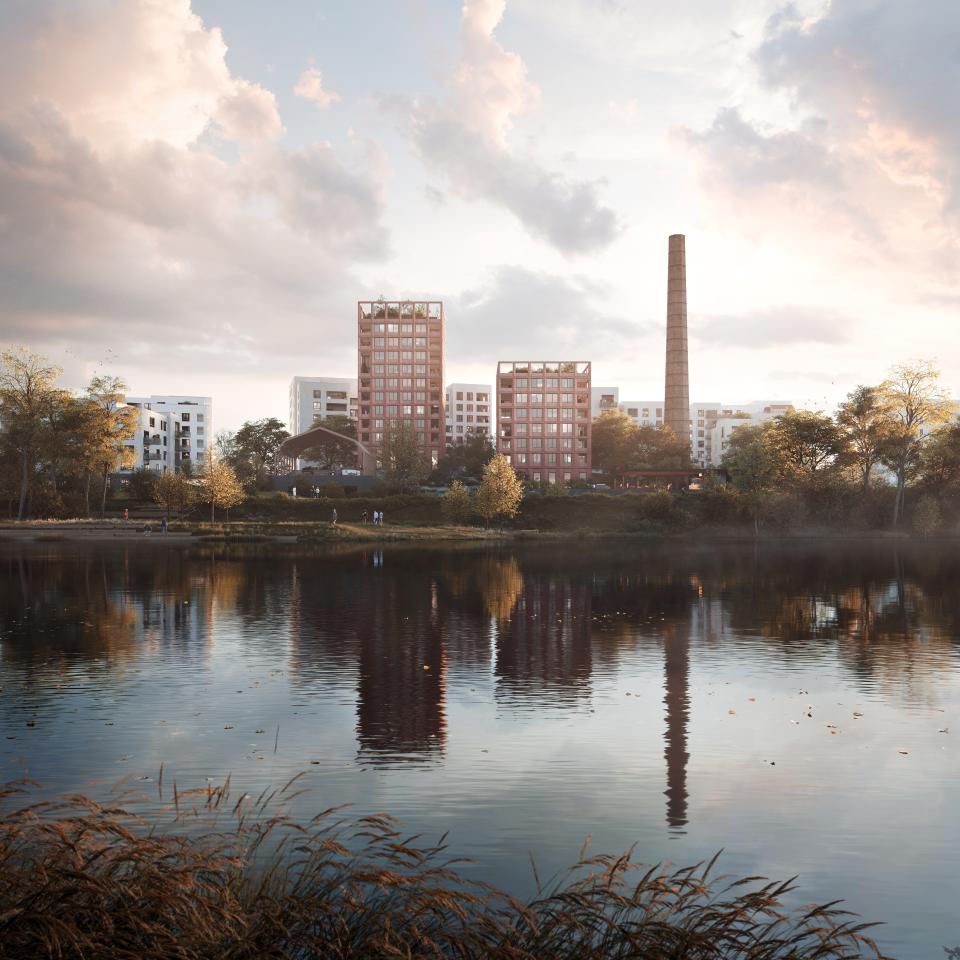
Image credit: Vivid Vision
What is the best starting point for a new development? For international architecture and urban design practice, CHYBIK + KRISTOF, it's using what's already there.
Rooted in a belief that cities are living structures shaped by memory and everyday life, the studio approaches each project as an opportunity to build on the layers that came before, not to erase them. Through a lens of 'Creative Reuse', CHYBIK + KRISTOF critically examine how cities can meet the needs of today's, and future, communities.
Nowhere is this more apparent than the Sugar Factory Neighbourhood in collaboration with SKANSKA. A mixed-use regeneration of a long-dormant industrial brownfield site in Modřany, fragments of the original 1927 factory are finding their way into the very fabric of the new neighbourhood.
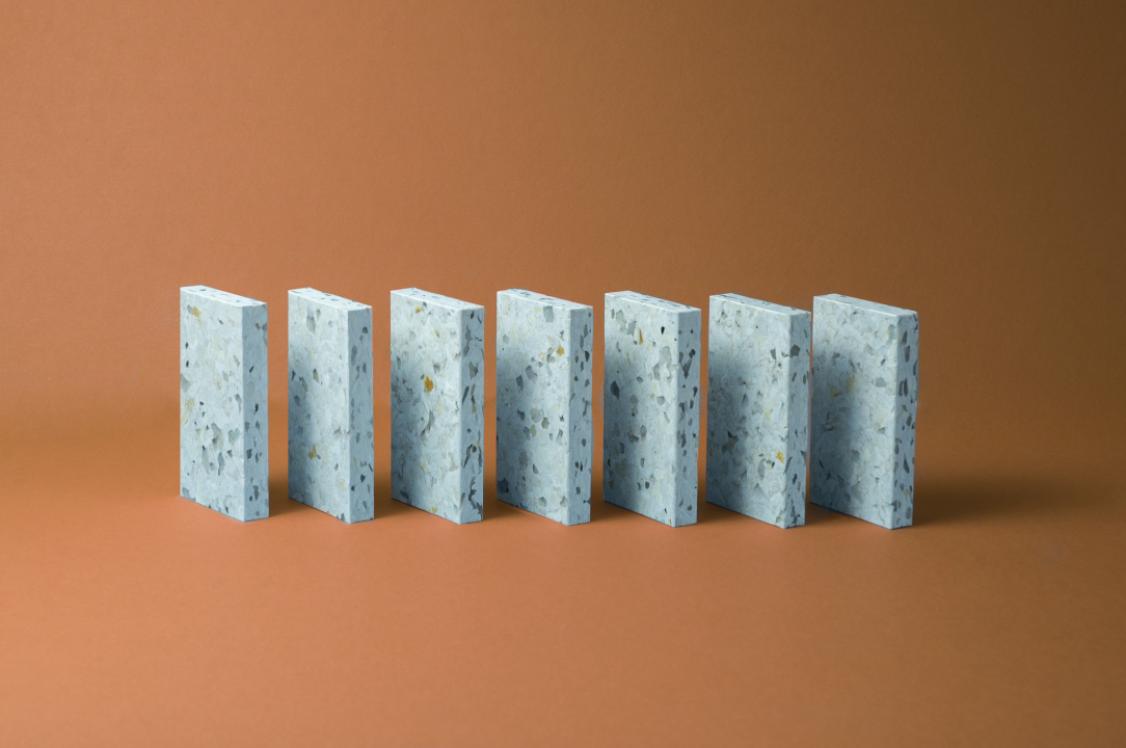
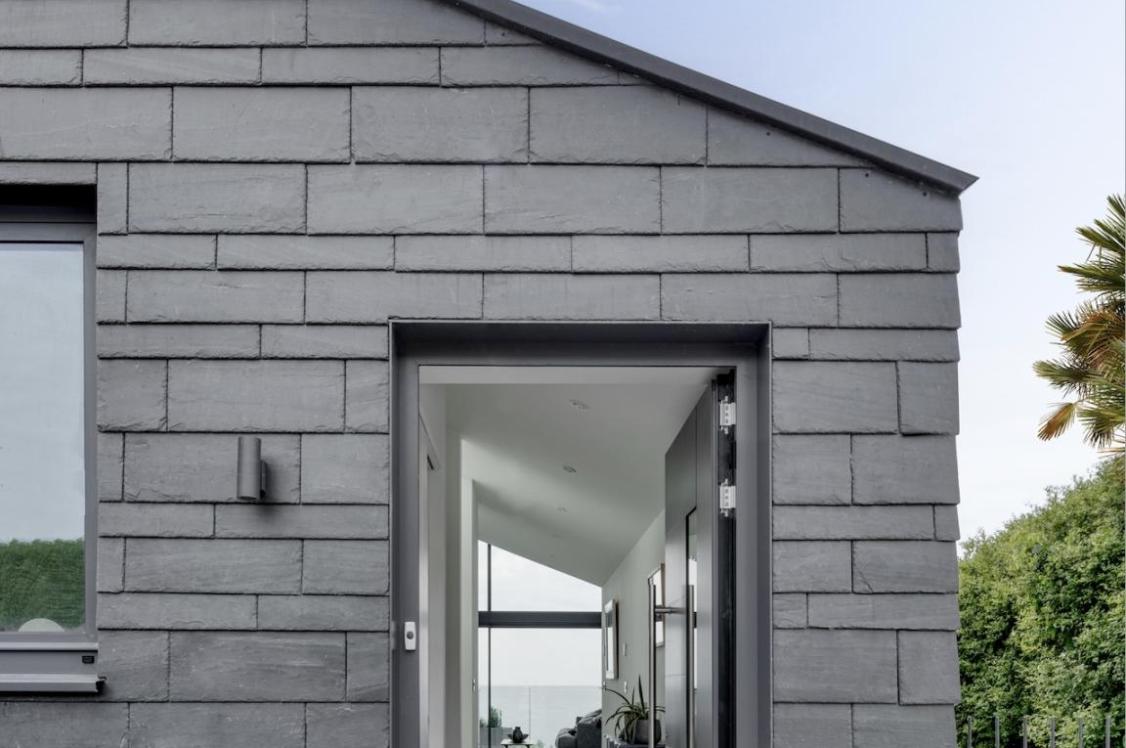
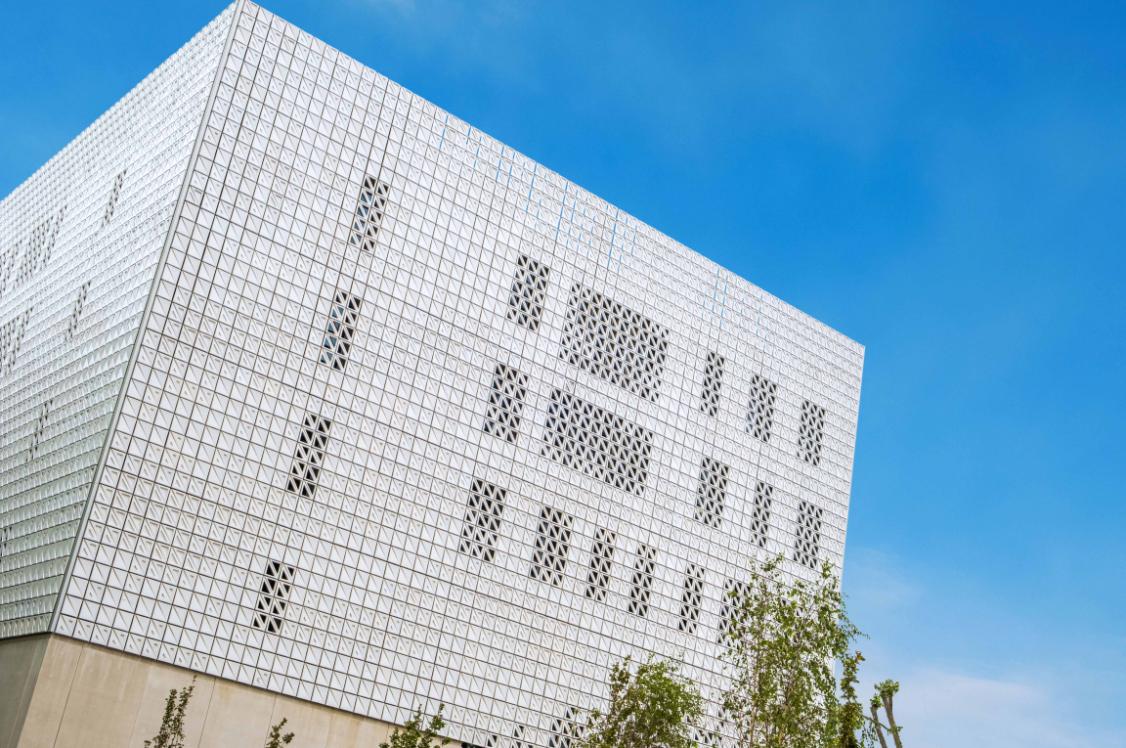
A hybrid façade cladding material made from recycled bricks and concrete is an integral part of the continuation of Sugar Factory's heritage and sustainability strategy. Focused on long-term environmental quality and sustainable urban living, this project is being developed to meet BREEAM Platinum standards.
The Sugar Factory project is redefining what it means to build with memory: from bespoke materials made from demolition waste with SKANSKA and UCEEB at the Czech Technical University, to a new civic heart for an underserved district.
Here we chat to Ondřej Chybík of CHYBIK + KRISTOF on how industrial memory, material innovation, and community-led thinking are shaping one of Prague's most ambitious regeneration projects to-date.
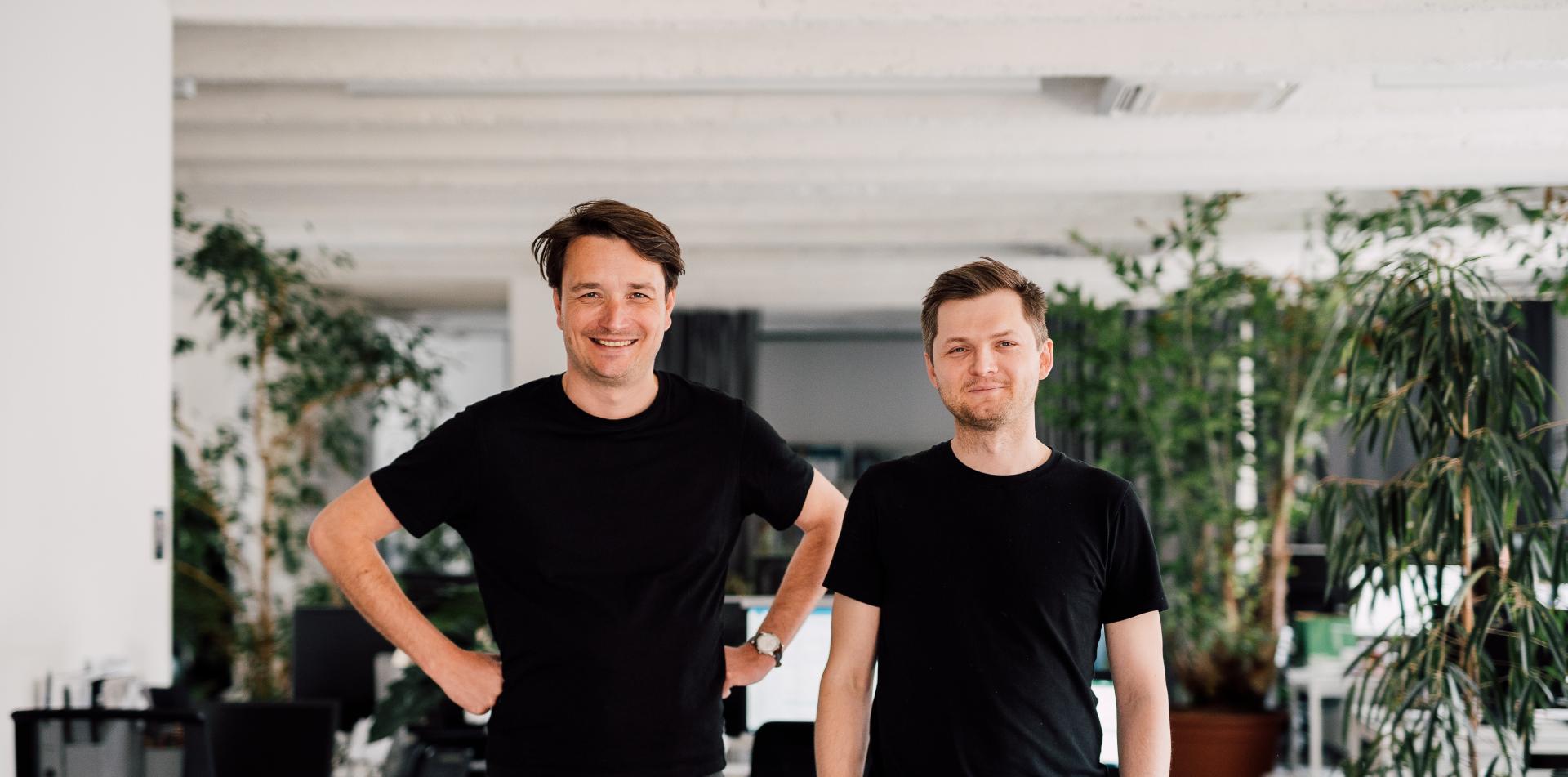
Ondrej Chybik + Michal Kristof. Image credit: Simona Modra
How does CHYBIK + KRISTOF reimagine cities through a lens of Creative Reuse?
"We see cities as living structures shaped over time by people, memory, and everyday life. For us, 'Creative Reuse' means starting with what already exists instead of assuming that demolition is the only way forward.
"Of course, reuse is partly about environmental consciousness, but it’s also about continuity. Existing buildings carry a certain atmosphere, identity, and cultural memory that you simply cannot recreate from scratch. We try to preserve that where possible, while adapting spaces to contemporary needs.
"At the same time, we don’t see reuse as a rigid approach. Sometimes transformation requires adding new layers or even building anew. The important thing is that cities continue to evolve in a thoughtful way, without losing their character or becoming generic."
Can we talk about your current project in motion, the Sugar Factory - a mixed-use development in Modřany, Prague. What are your ambitions for the revival of this site?
"Sugar Factory is an opportunity to transform a former industrial brownfield into a lively new part of Modřany with a strong public character. Although the district has grown rapidly in recent years, it still lacks a clear civic centre or public square where everyday urban life can happen naturally.
"Creating this new public heart became a key part of the project, together with reconnecting the neighbourhood to the Vltava waterfront. Today, the railway line forms a barrier, even though the river is one of the area’s greatest qualities.
"The development is designed for around 800 new residents, but it was equally important for us that the project feels connected to the existing community and contributes something meaningful to the wider district. The project is also being developed to meet BREEAM Platinum standards, with a strong focus on long-term environmental quality and sustainable urban living."
The site in Modřany was a brownfield for decades after the factory closed. How did the idea develop to transform it into a new residential neighbourhood?
"The project emerged through a competition for the former sugar factory site, developed together with SKANSKA. For our proposal, we immediately saw the potential to reconnect this long-abandoned brownfield back into the life of the district.
"From the beginning, the idea was to create a mixed-use neighbourhood with housing, public spaces, and everyday amenities that would feel naturally integrated into the existing surrounding district."
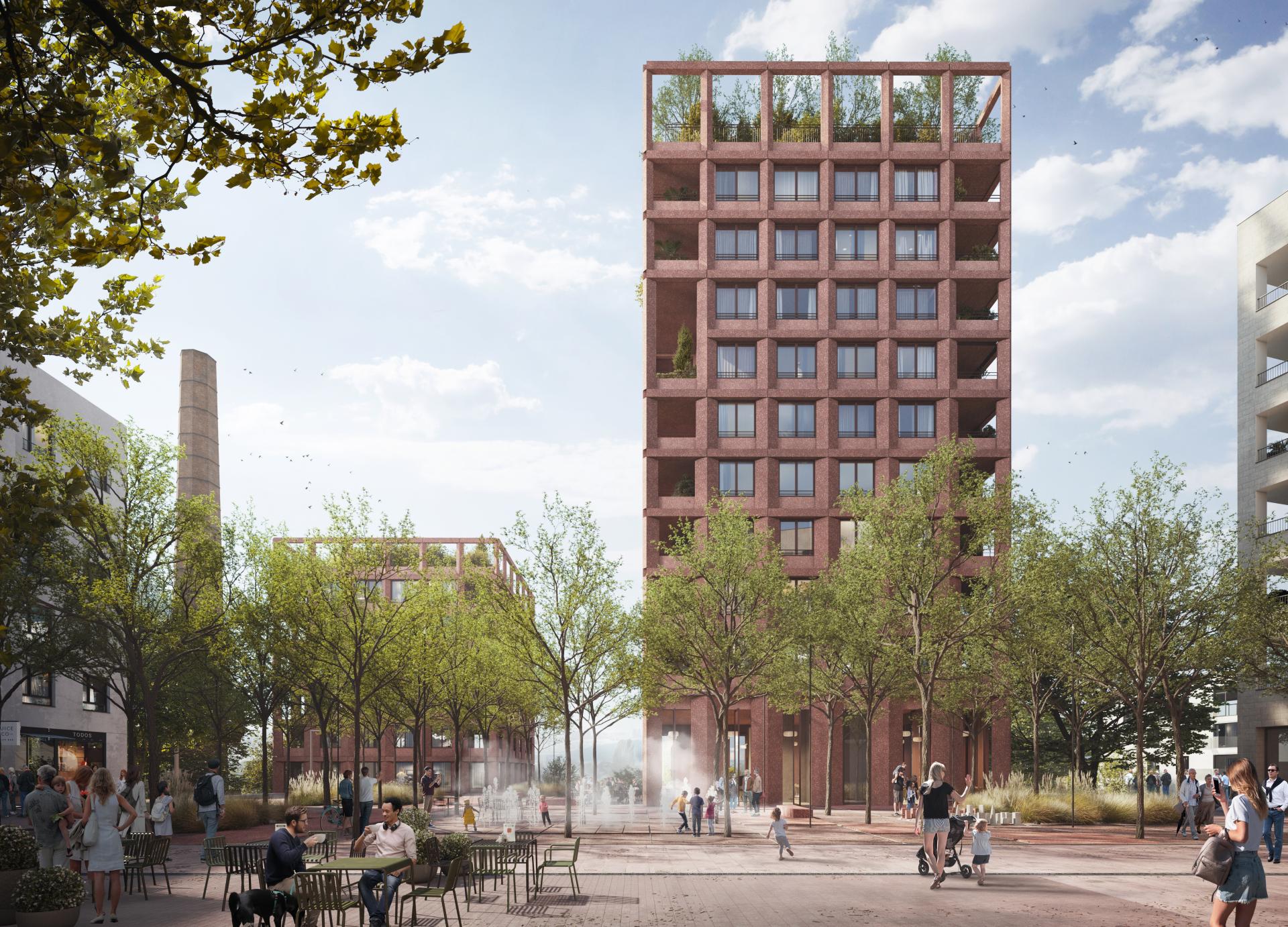
Image credit: Vivid Vision
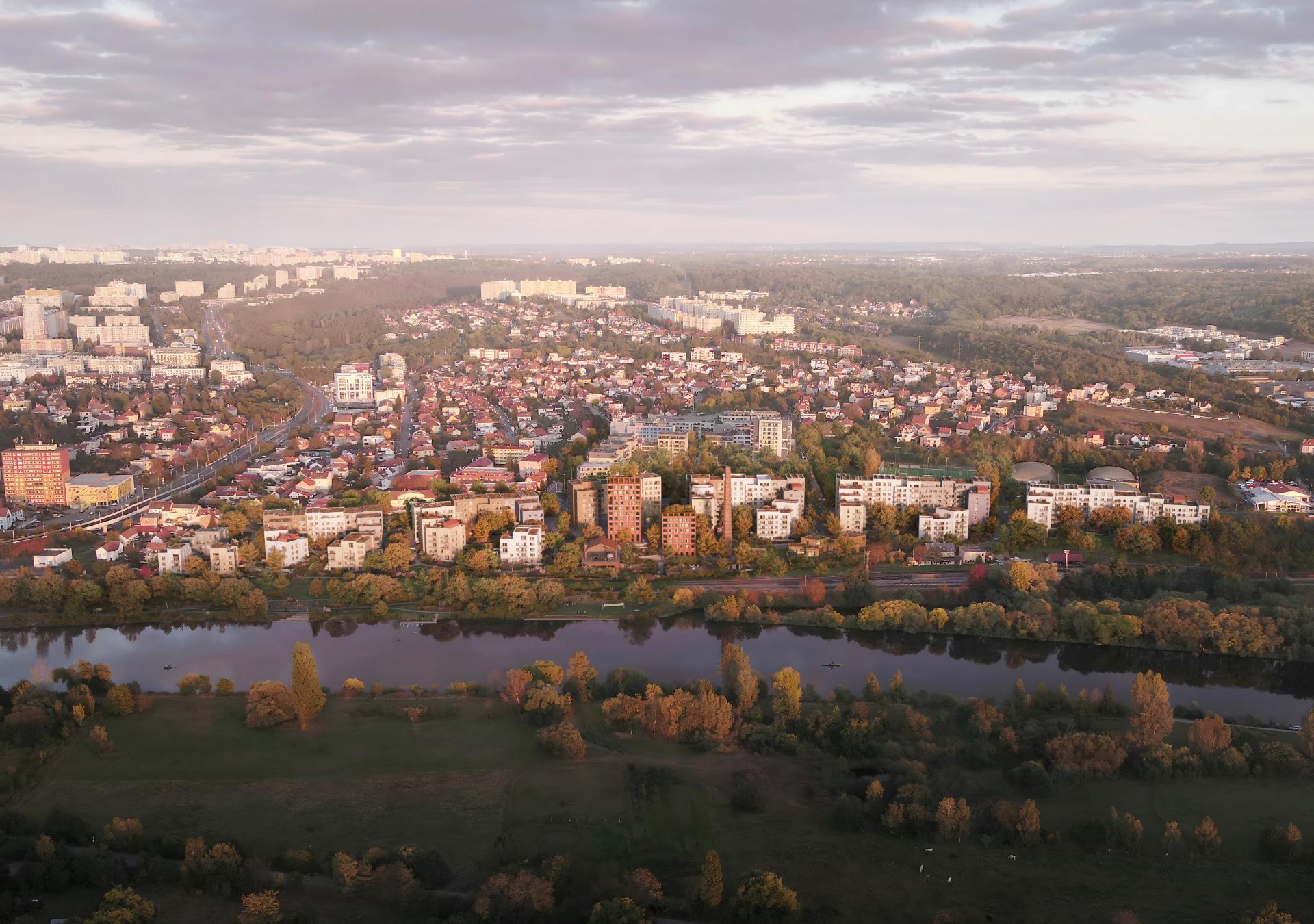
Image credit: Vivid Vision
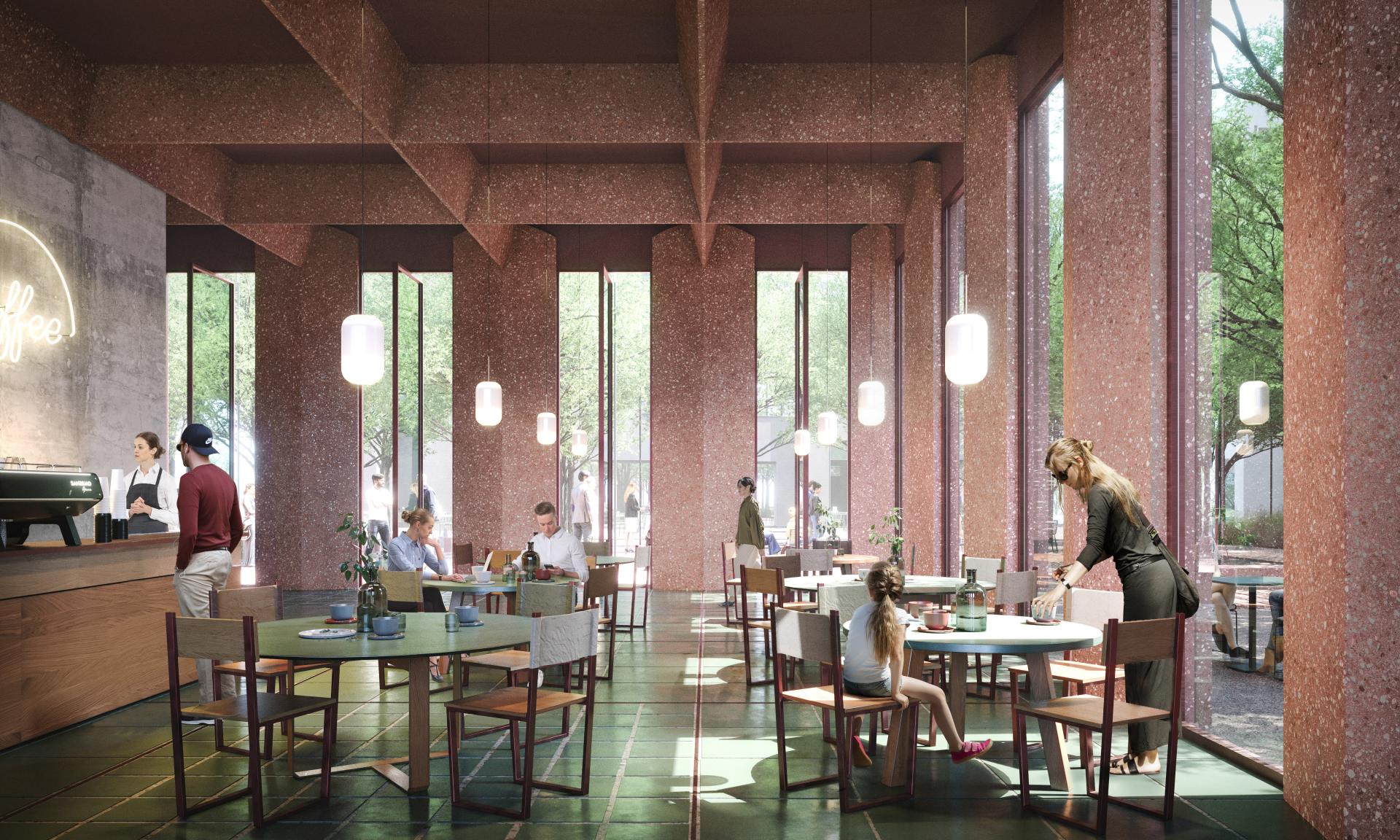
Image credit: Vivid Vision
What are some of the biggest challenges working with this particular site?
"One of the biggest challenges for us was preserving the memory and identity of the former sugar factory while giving the site a completely new role within the city. We didn’t want its industrial history to disappear and survive only as a name.
"Since none of the original factory structures survived by the time the regeneration project was initiated - apart from the brick chimney - we looked for other ways to carry the site’s identity forward. Part of the project, therefore, works with bespoke materials developed from demolition waste, allowing fragments of the original site to physically return into the new architecture.
"Another important challenge was reconnecting the district to the riverfront. First, the factory, and later the railway line, created a strong barrier between Modřany and the Vltava. Reopening this relationship felt important not only for the new development but for the district as a whole. It was clearly important to respond to the needs of both the existing and expanding local community to inform the proposal."
Did your conversations with and wider research about the surrounding community reveal anything surprising that directly impacted the site plan?
"From the beginning, we felt the district was missing a clear public centre or gathering space, and conversations with local residents only strengthened that feeling. This became one of the defining ideas behind the proposal: creating a new public square connected to the riverside park for both existing and future residents.
"It was encouraging to see how positively this aspect of the project was received during the public consultations."
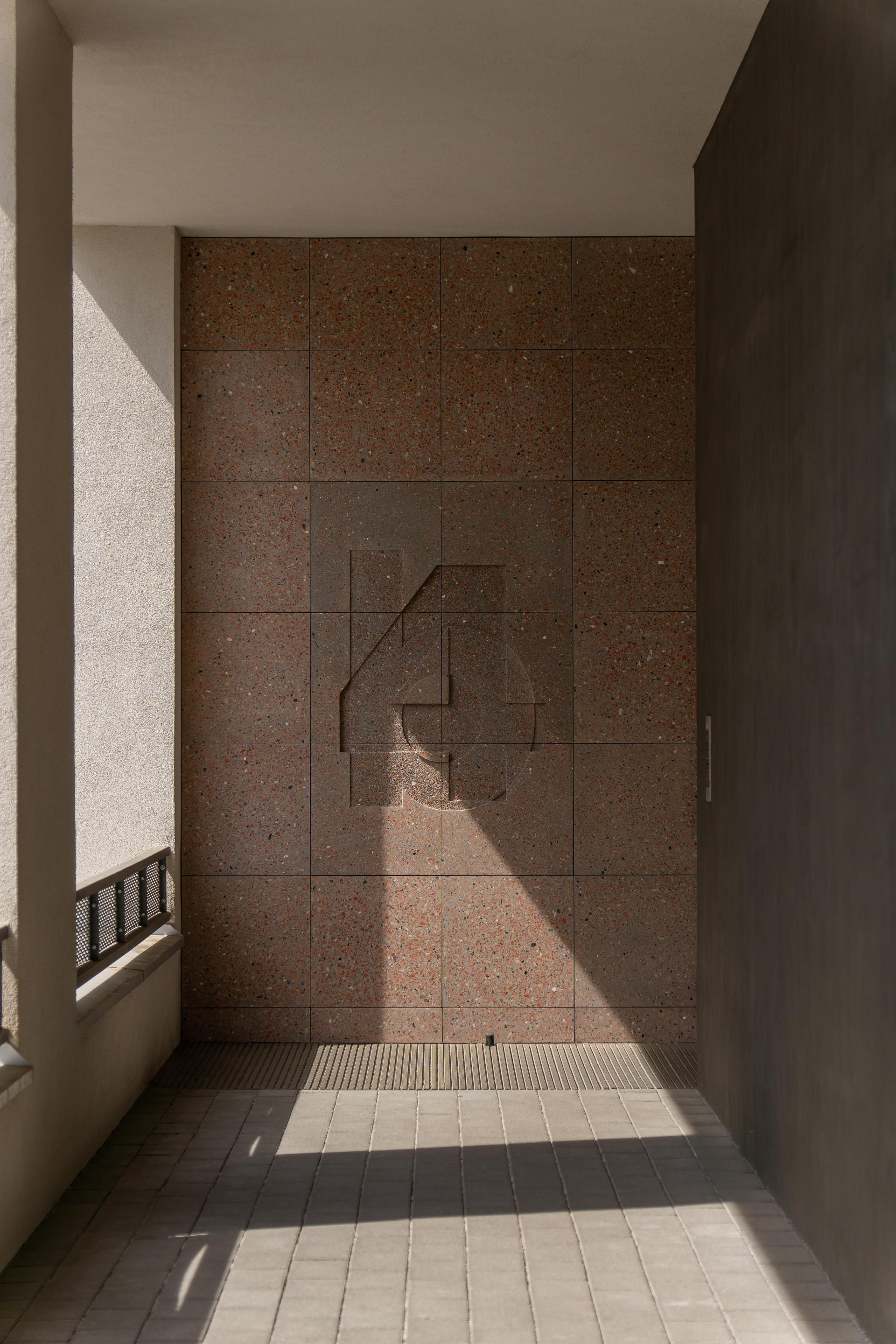
Sugar Factory test material application in the first phase. Image credit: CHYBIK + KRISTOF
A hybrid façade material made from the leftover sugar factory bricks is key to this project. Can you tell us more about this material in terms of its origins, the manufacturing process, and connection to the site?
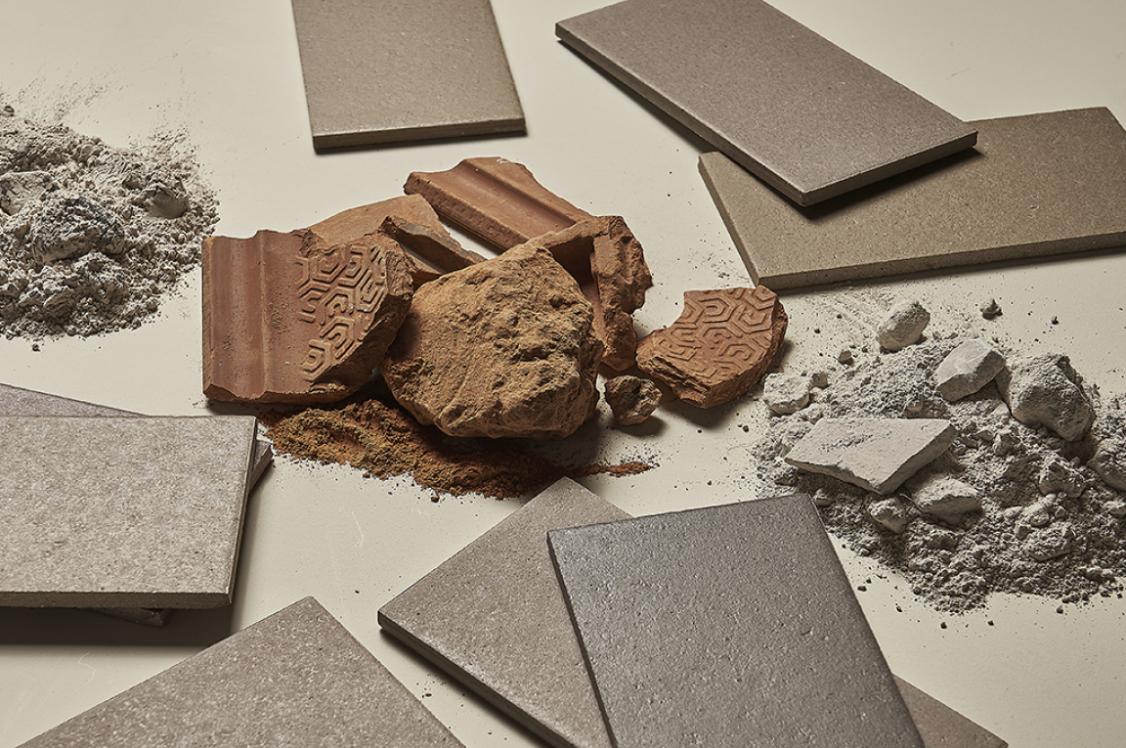
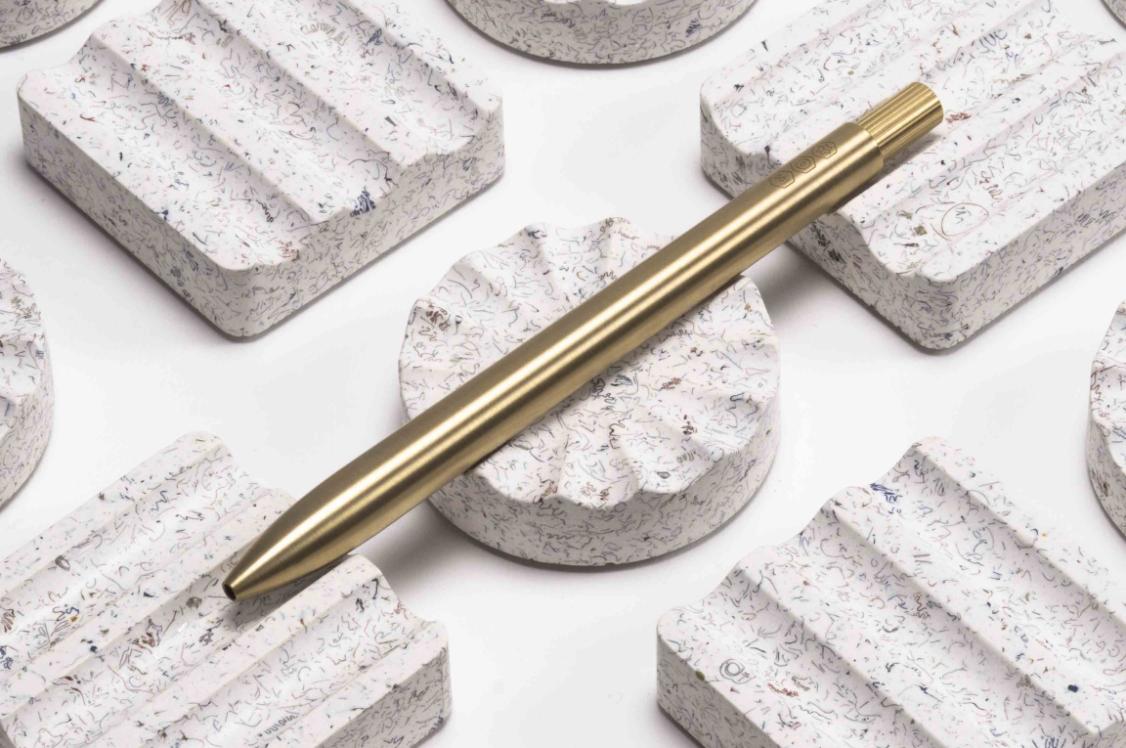
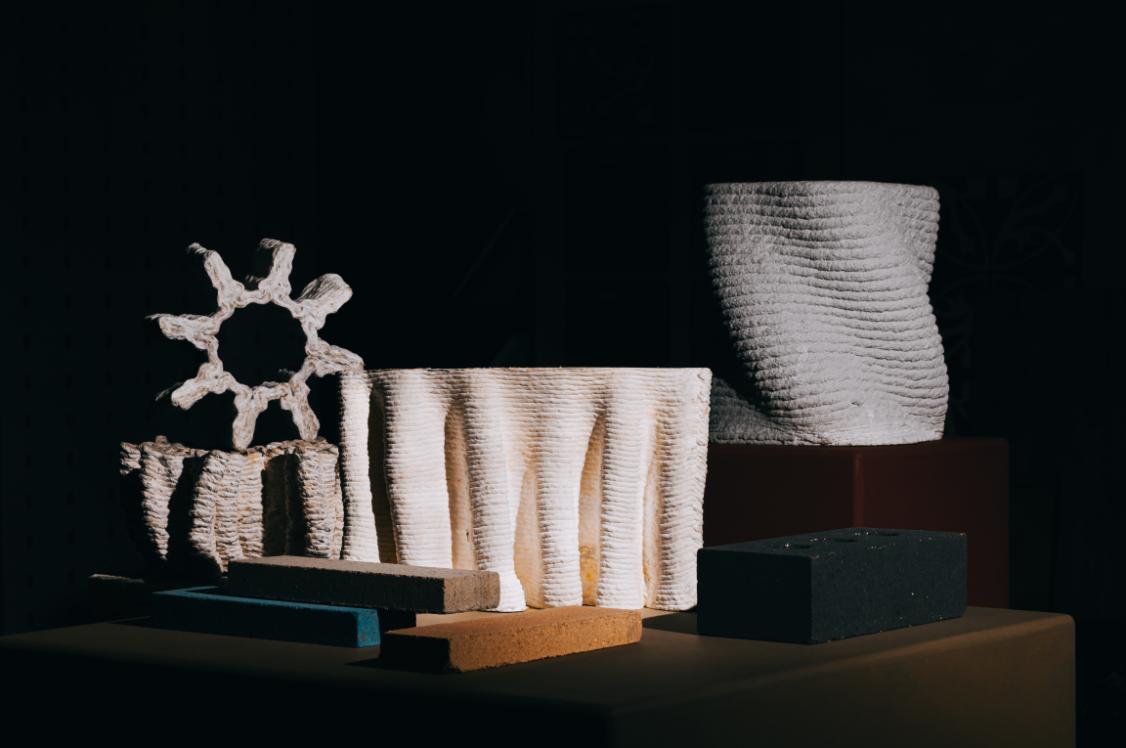
"We developed a bespoke material together with SKANSKA and UCEEB at the Czech Technical University, reusing demolition materials directly from the former sugar factory site. The mixture combines crushed brick and concrete from the original structures and is used as a façade cladding throughout the project. The process involved collecting and processing the material on-site, followed by 3D printing, and surface finishing to achieve the final texture and appearance.
"For us, the material became a way of carrying fragments of the original factory into the new development in a very direct and physical way. Rather than treating demolition waste as something without value, we wanted it to become part of the next layer of the site’s history."
This type of bespoke material developed from local sources has never been used at this scale before. Do you anticipate any significant technical challenges in specifying it as an exposed façade material?
"Specifying this bespoke material at such a scale required intensive research and experimentation with its composition, texture, and performance. A primary challenge was ensuring that the material met all rigorous technical standards and requirements for outdoor use, particularly in terms of durability and weather resistance. Throughout the development phase, we had to navigate significant hurdles related to weight, cost-efficiency, and overall feasibility. This led to the creation of specialised technical solutions for anchoring and load-bearing systems.
"At the same time, we never wanted the material to be purely a technical exercise. For us, it carries a certain memory of the original factory back into the new architecture in a very physical way."
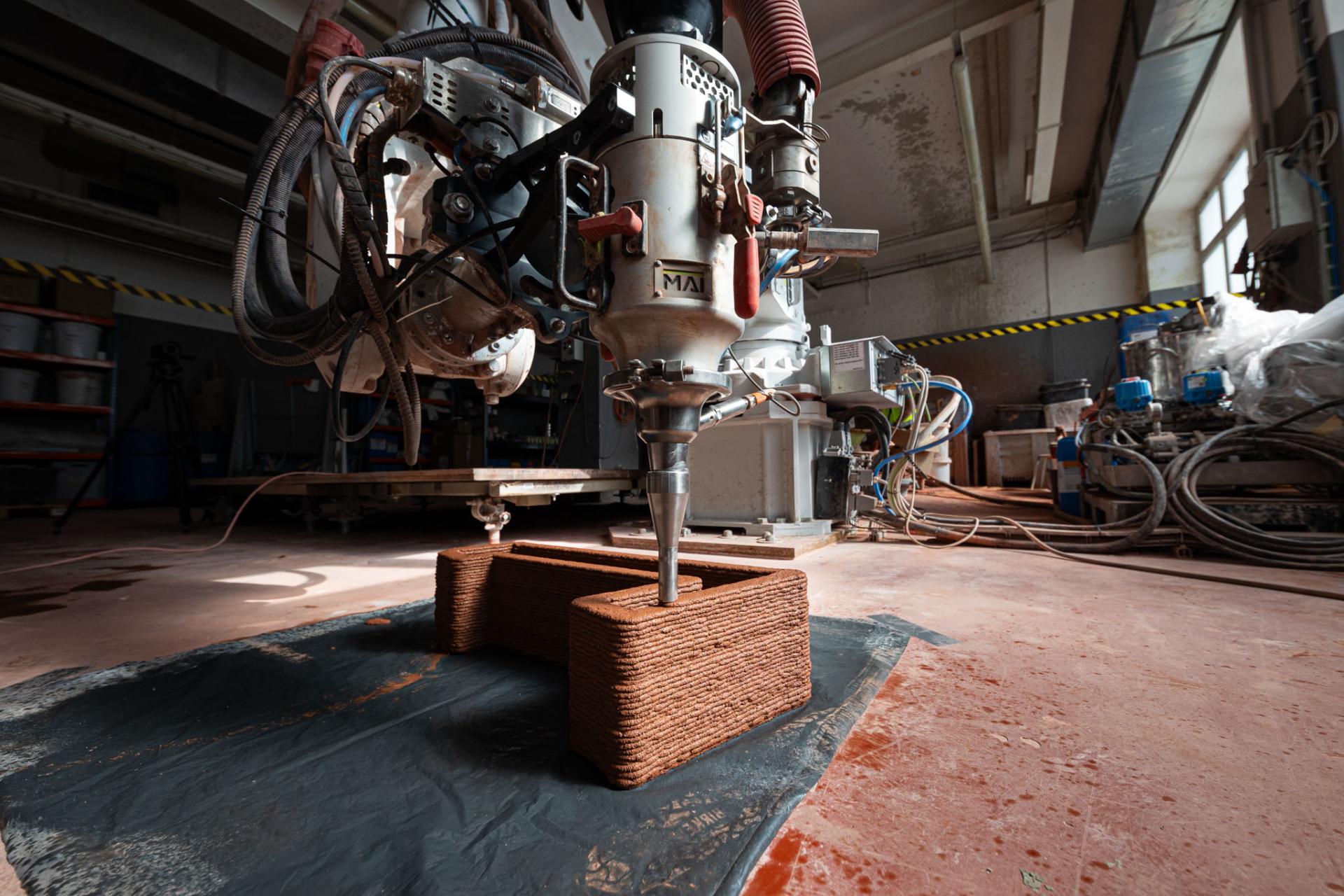
Sugar Factory test of material production by SoConcreete. Image credit: Tomas Hejzlar.
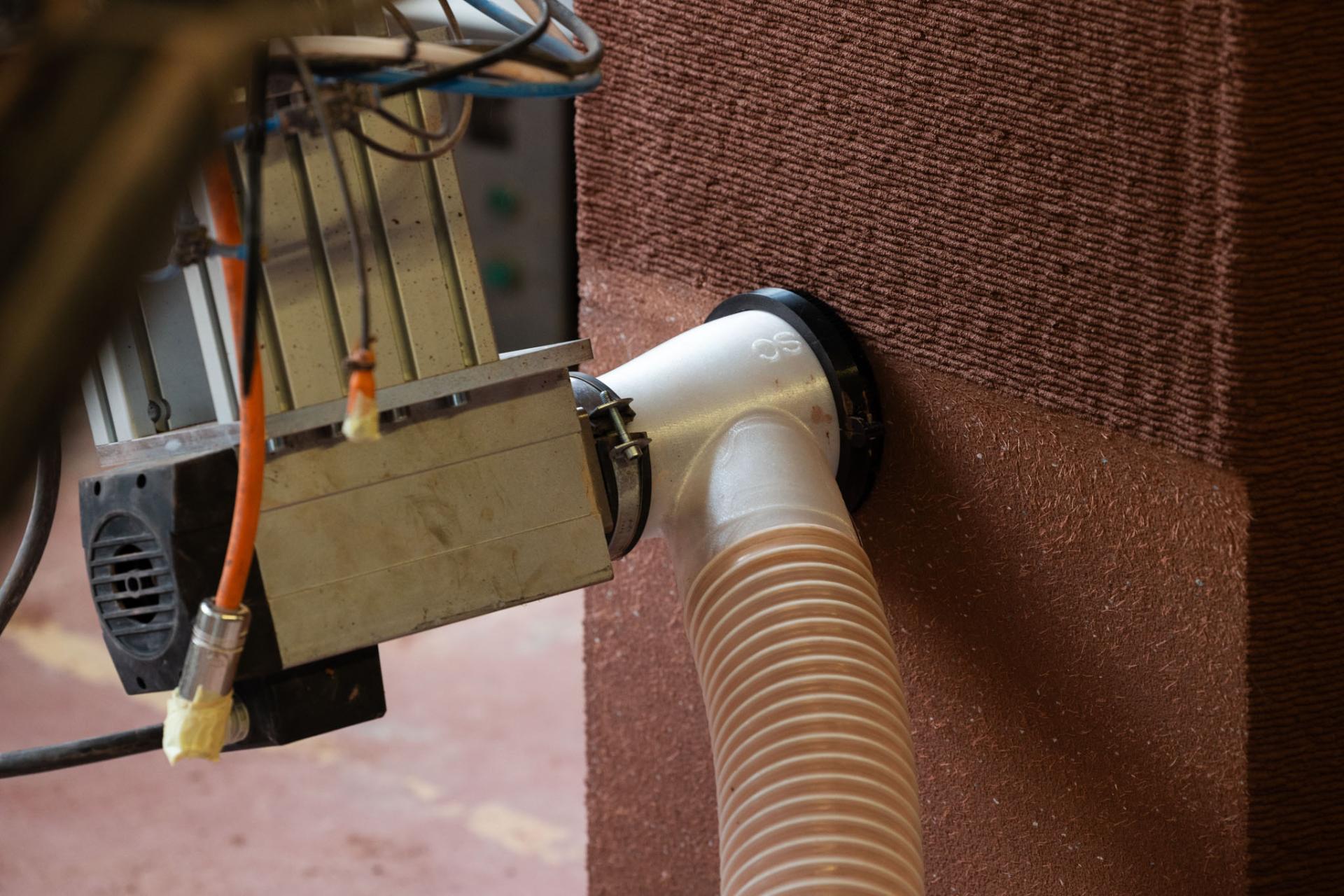
Sugar Factory test of material production by SoConcreete. Image credit: Tomas Hejzlar.
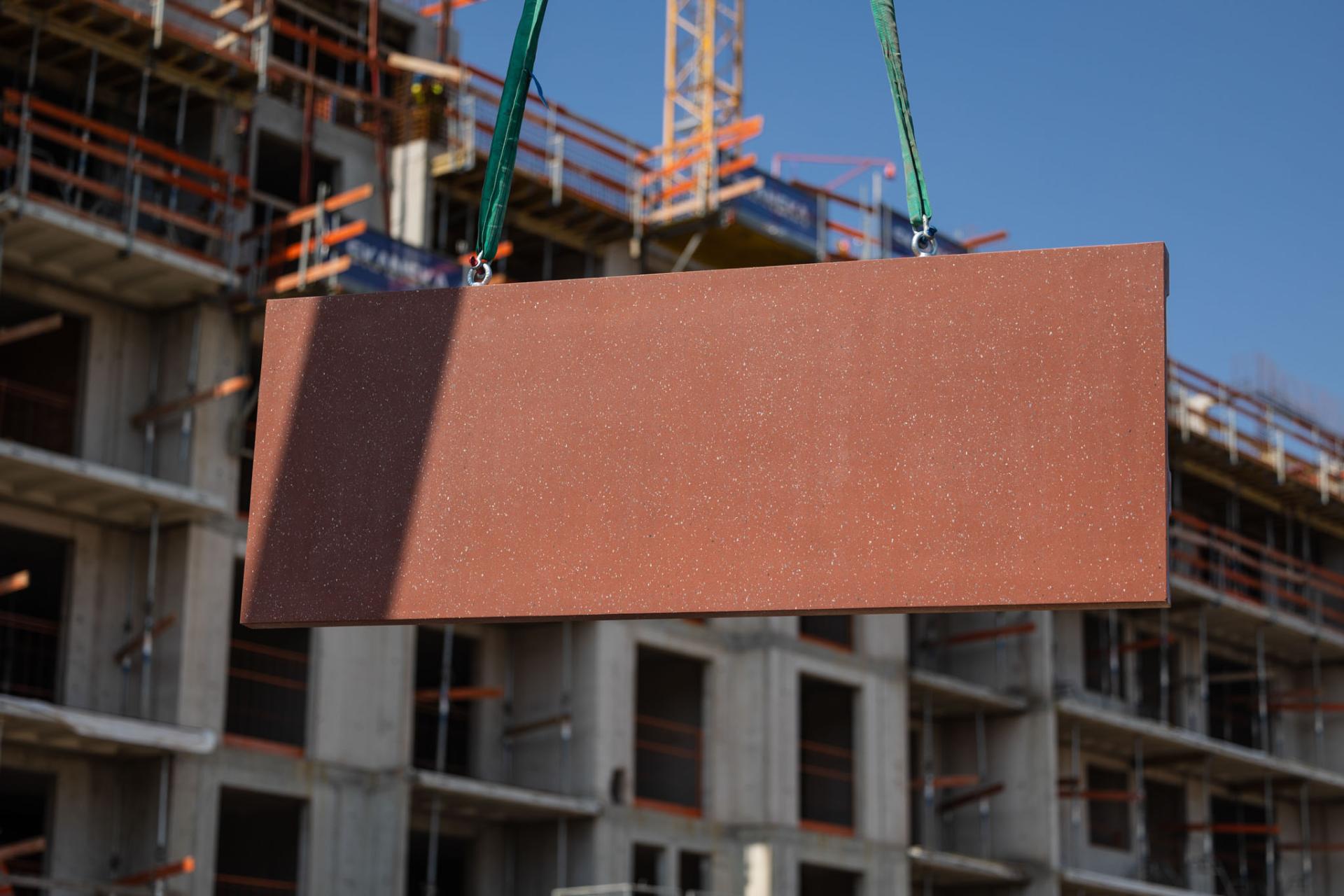
Sugar Factory test of material production by SoConcreete. Image credit: Tomas Hejzlar.
Aside from the bespoke material developed from local sources, what other materials or systems are doing significant work in the project environmentally?"
"Beyond the bespoke façade material, we gave a lot of attention to the environmental systems working quietly in the background of the project. One important aspect is water management - the development is designed to retain and reuse rainwater on-site through blue-green infrastructure, rather than sending it directly into the municipal sewer system.
"We also worked with renewable energy systems and a strong mix of public amenities and everyday services to support a more walkable way of living. For us, sustainability is as much about creating a neighbourhood that functions well socially and environmentally over time as it is about materials or technologies."
The project draws heavily on the industrial identity of the Modřany site, integrating the original 1927 sugar factory chimney. Can you tell us about the importance of retaining features like this?
"The chimney became an important point of continuity within the project. Since none of the original factory buildings survived, it remained one of the few physical traces of the site’s industrial past.
"For us, retaining elements like this is important because they carry a certain memory of the place and help keep the new neighbourhood connected to its history. They give the development a sense of identity that could not be newly manufactured."
Beyond the chimney, what other traces of the original factory are woven into the new design that visitors might not immediately notice?
"Fragments of the original factory reappear throughout the project in more subtle ways, beyond the chimney. During demolition, large sandstone blocks were uncovered and later reused within the landscape design and public spaces.
"We also paid a lot of attention to the layout of gardens, walkways, and smaller shared spaces, so the transition between private life and the public realm feels natural and connected to the character of the site."
With a 2030 completion ahead of you, what key learnings has this particular regeneration project taught you to date?
"The project reinforced for us how important it is to work with what already exists - physically, but also culturally and socially.
"It also opened a deeper discussion around materials and reuse. Developing bespoke materials from the former factory became a way of testing how memory and continuity can be meaningfully integrated into new development."