

What is the role of modelmaking in an increasingly digital world?
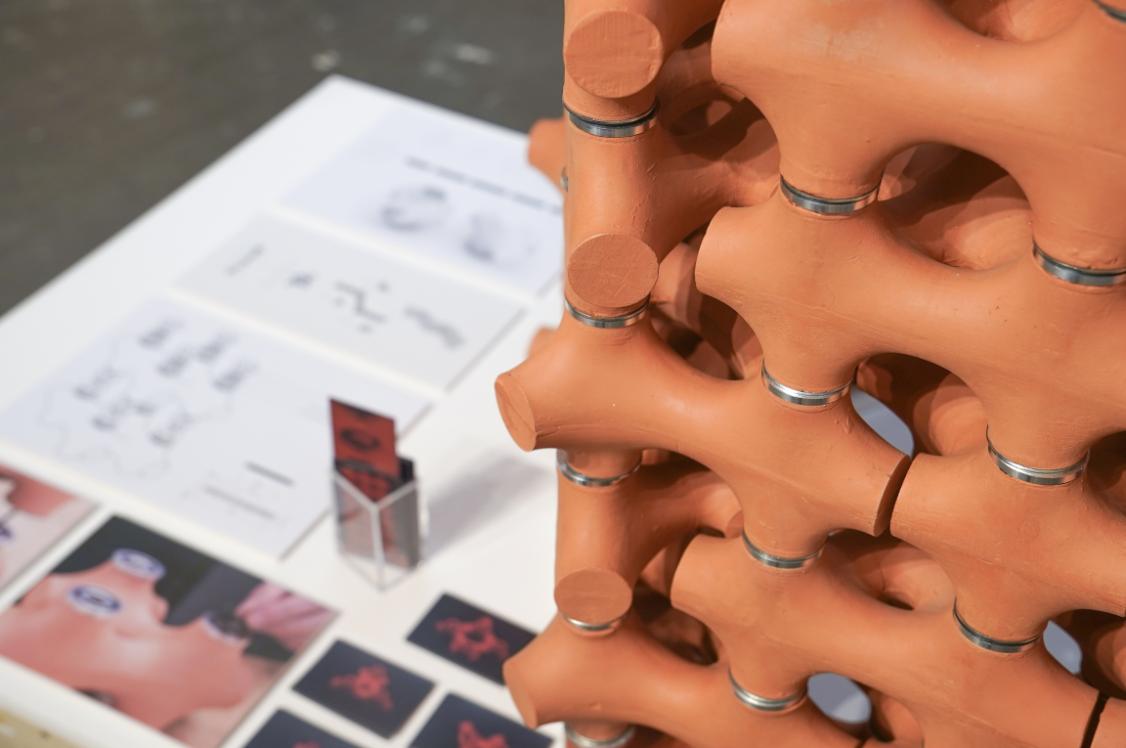
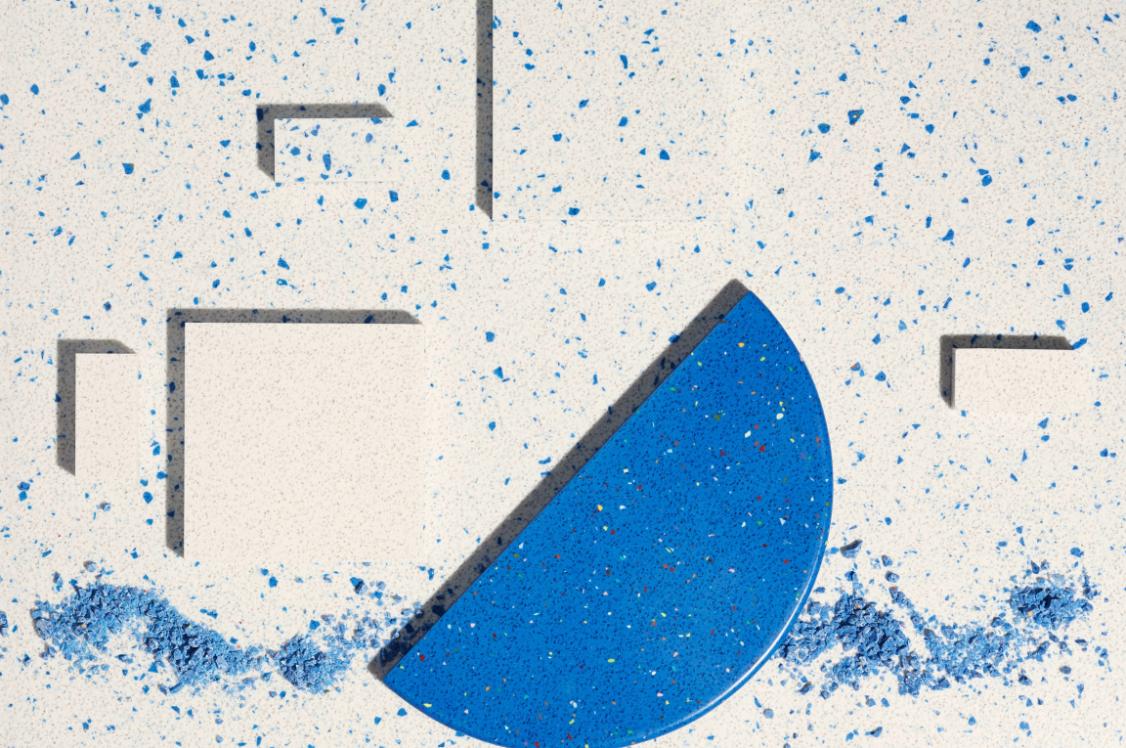
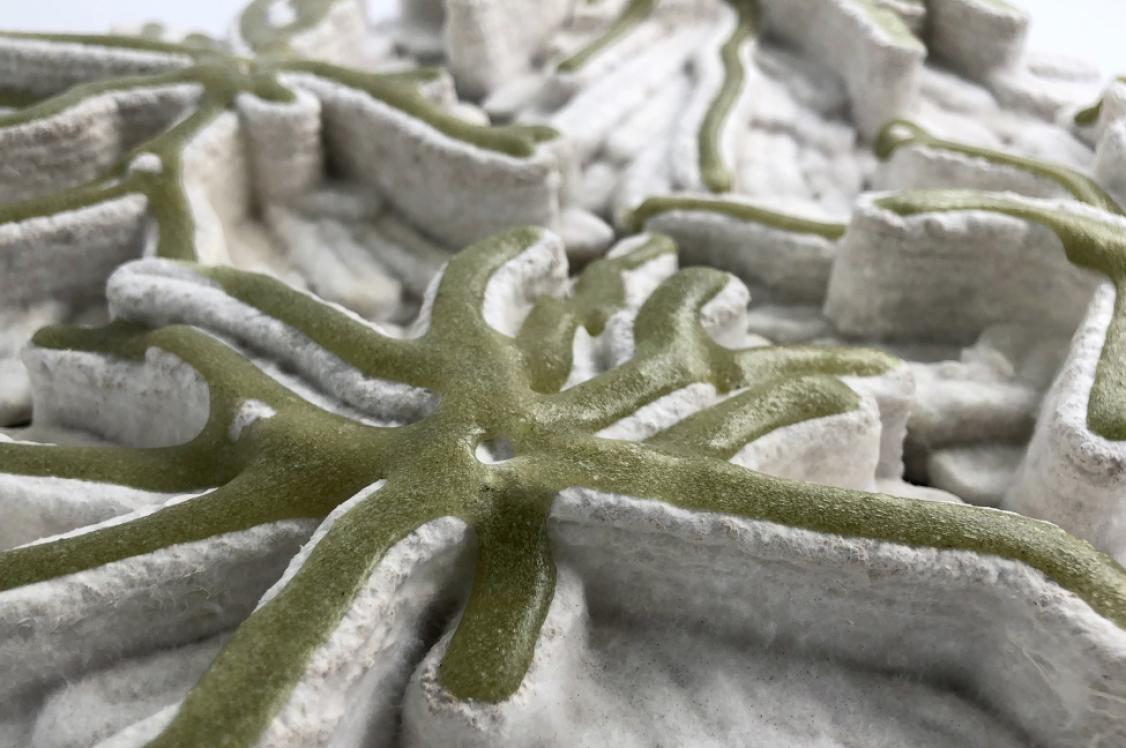
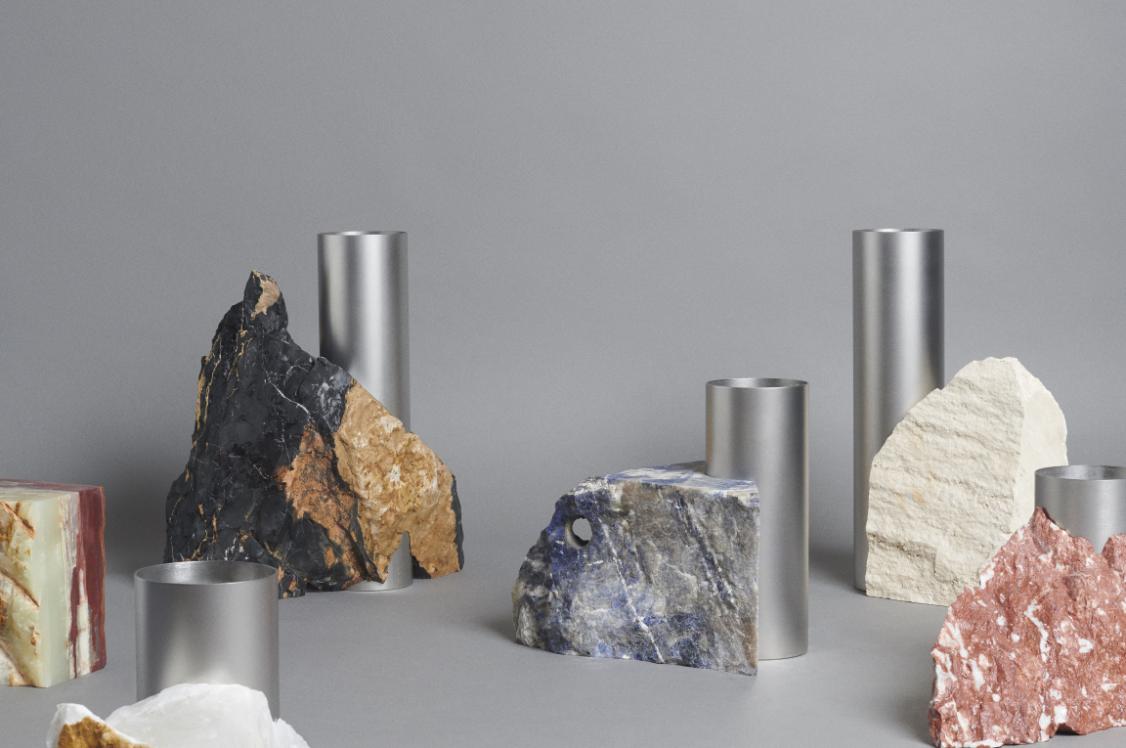
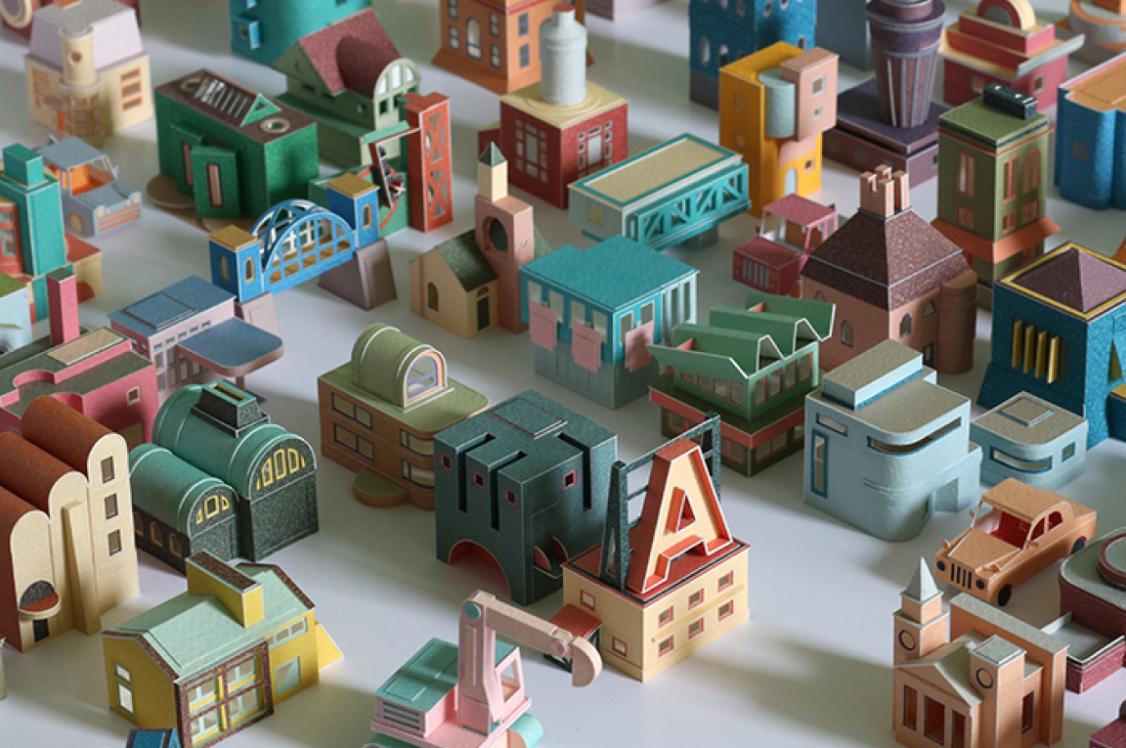
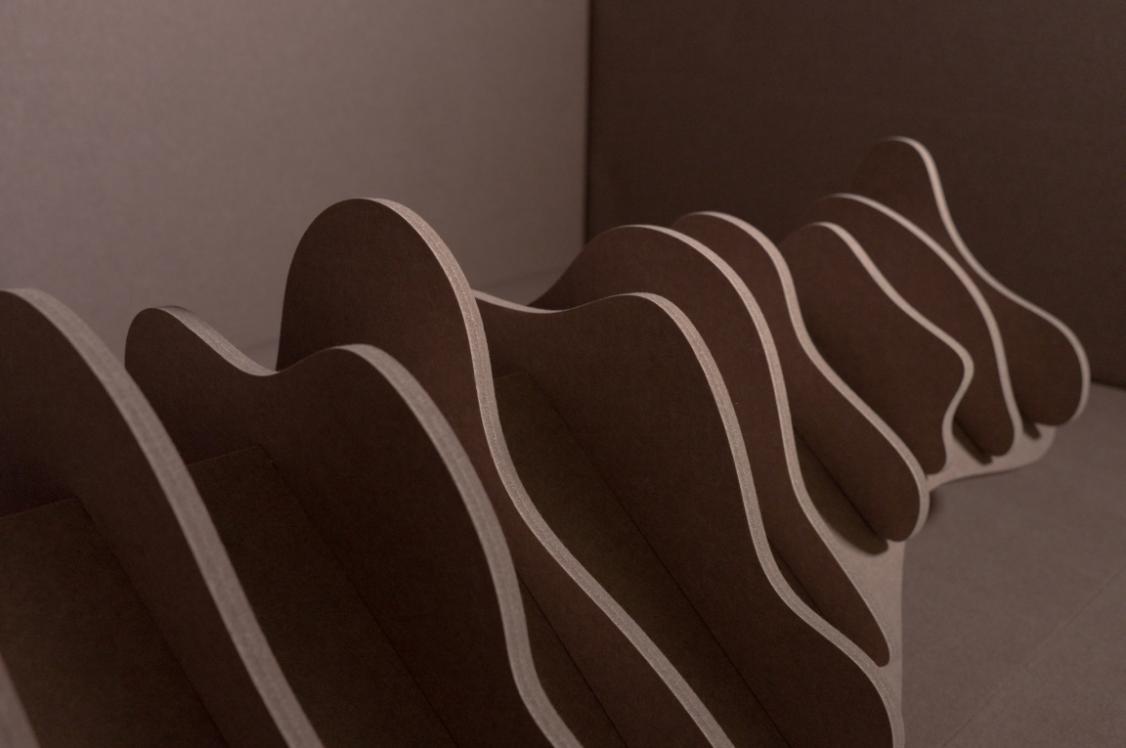
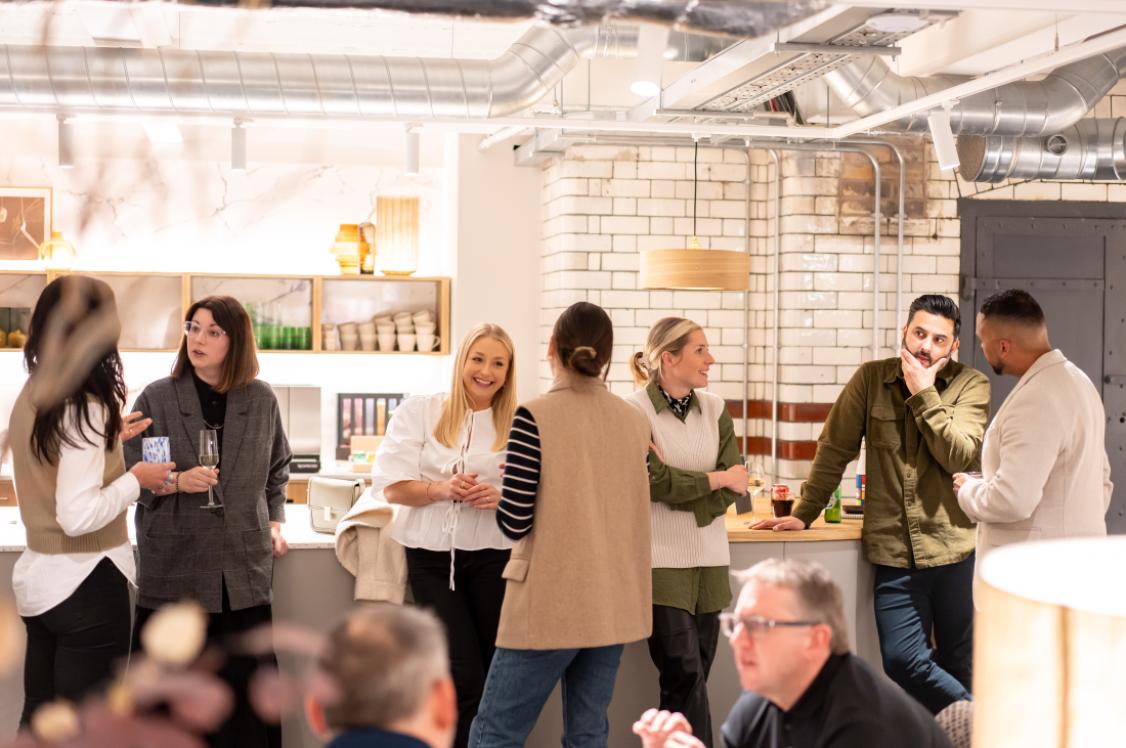
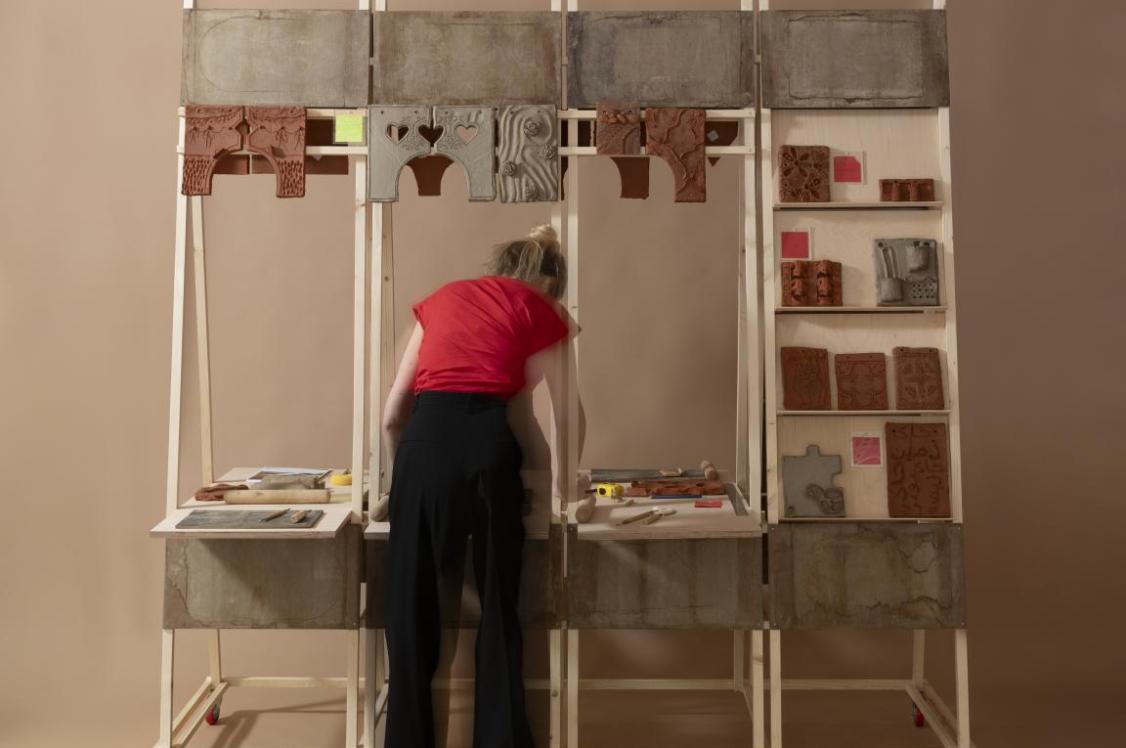
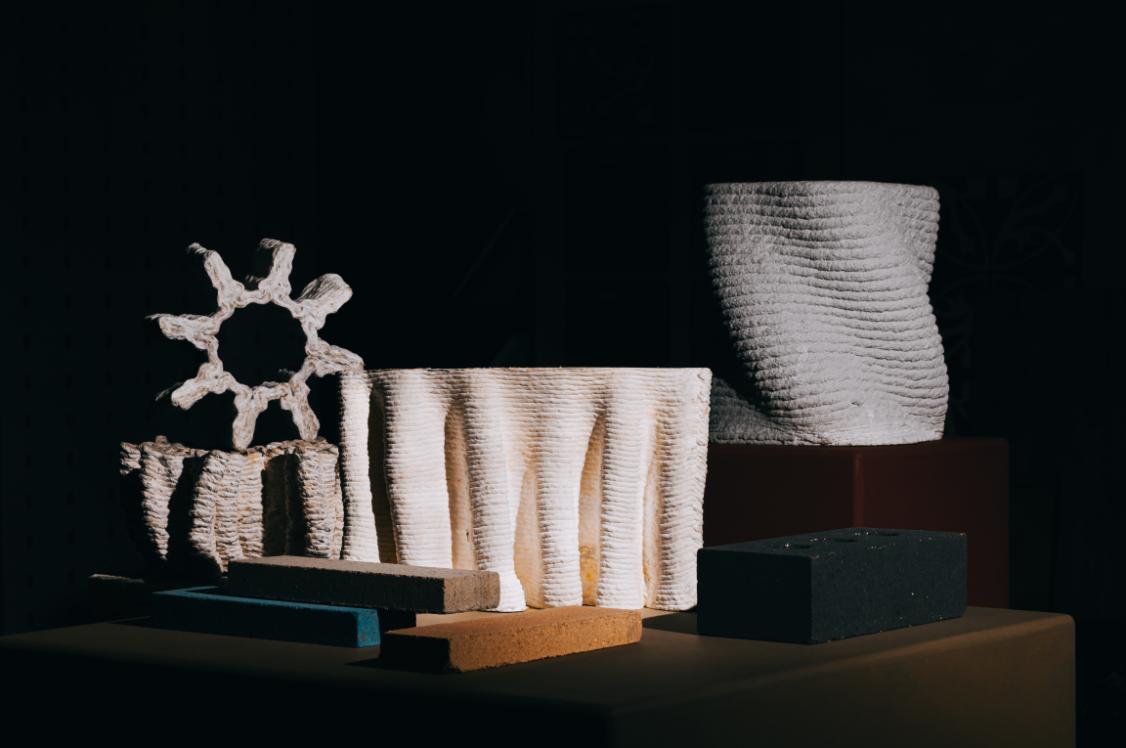
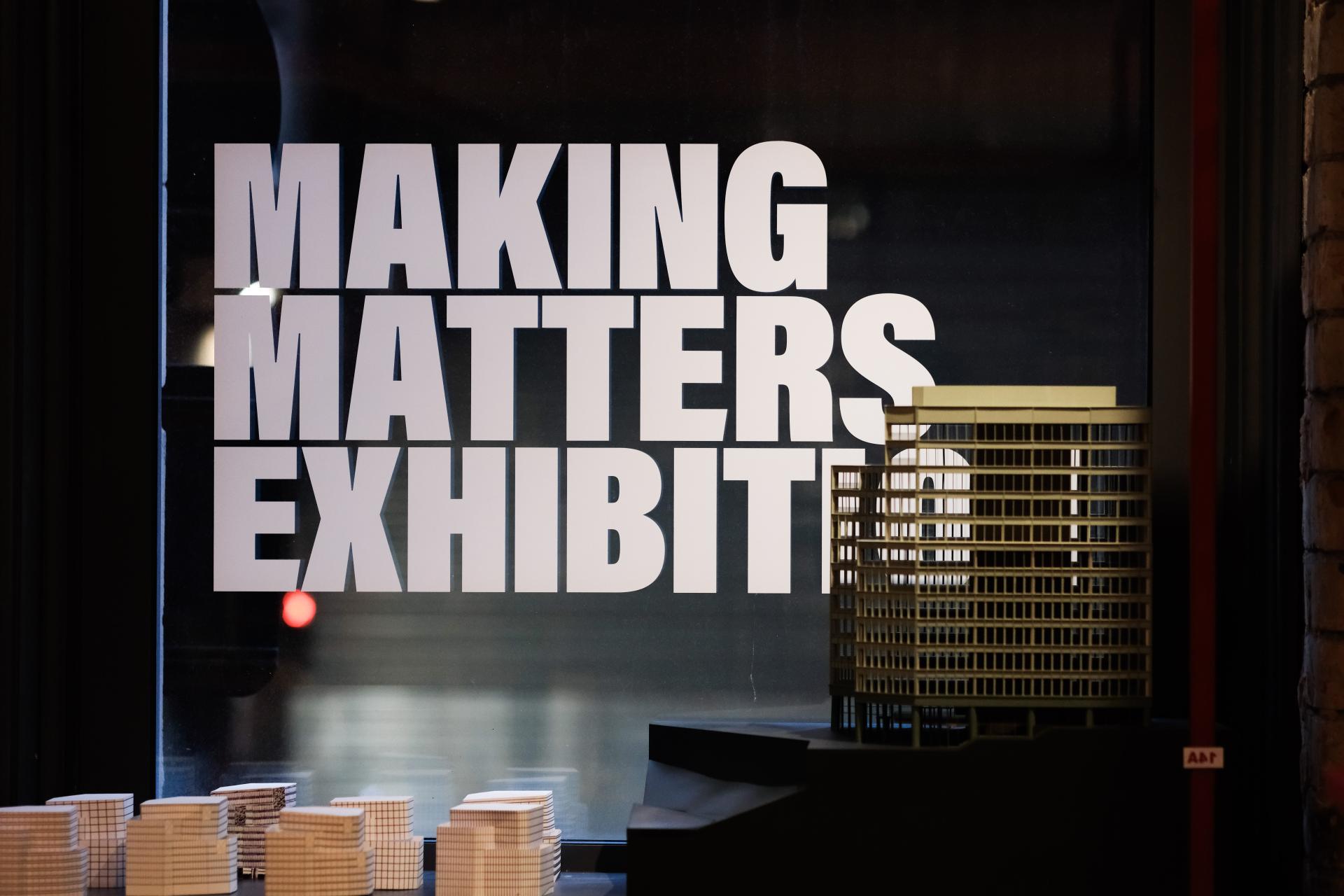
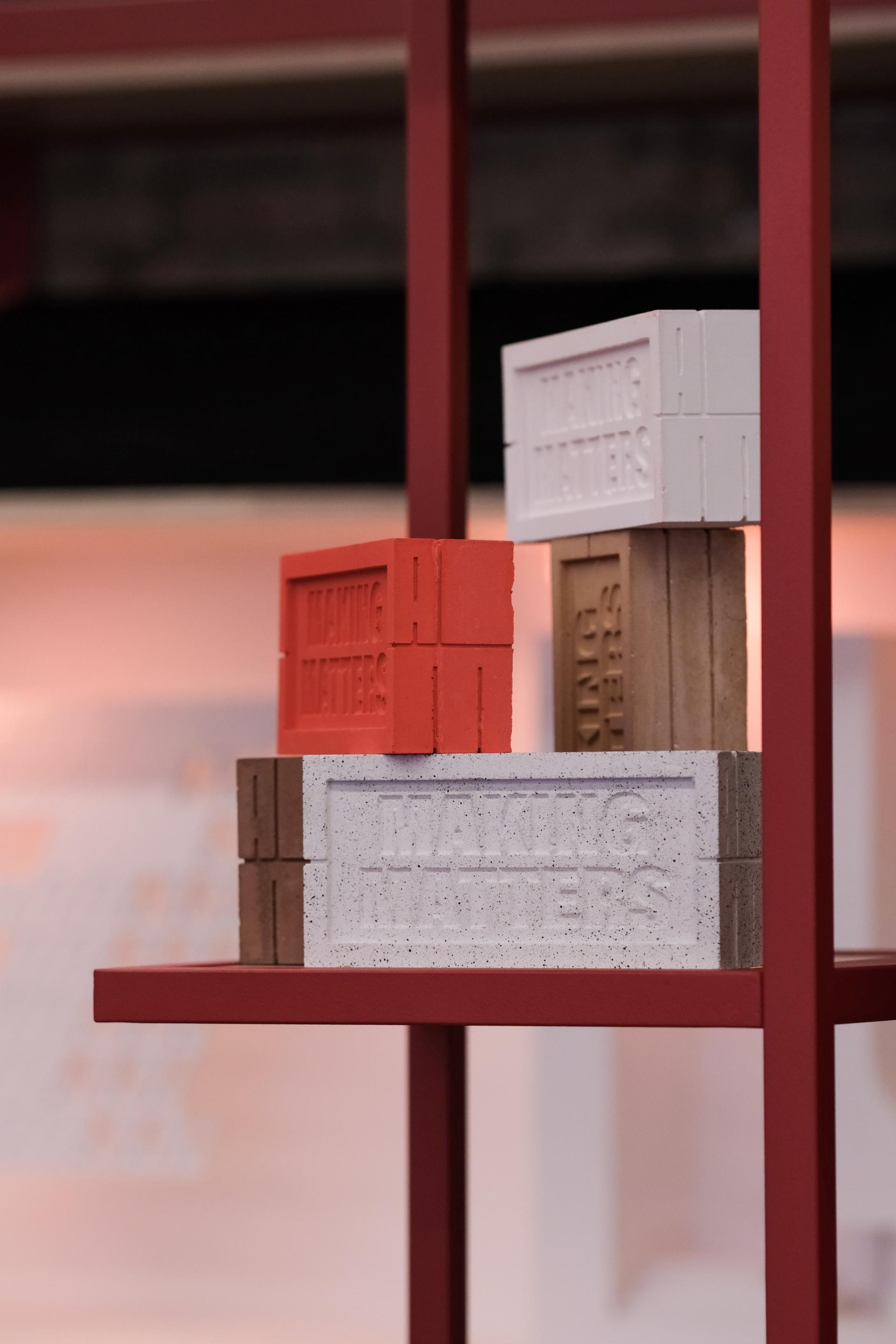
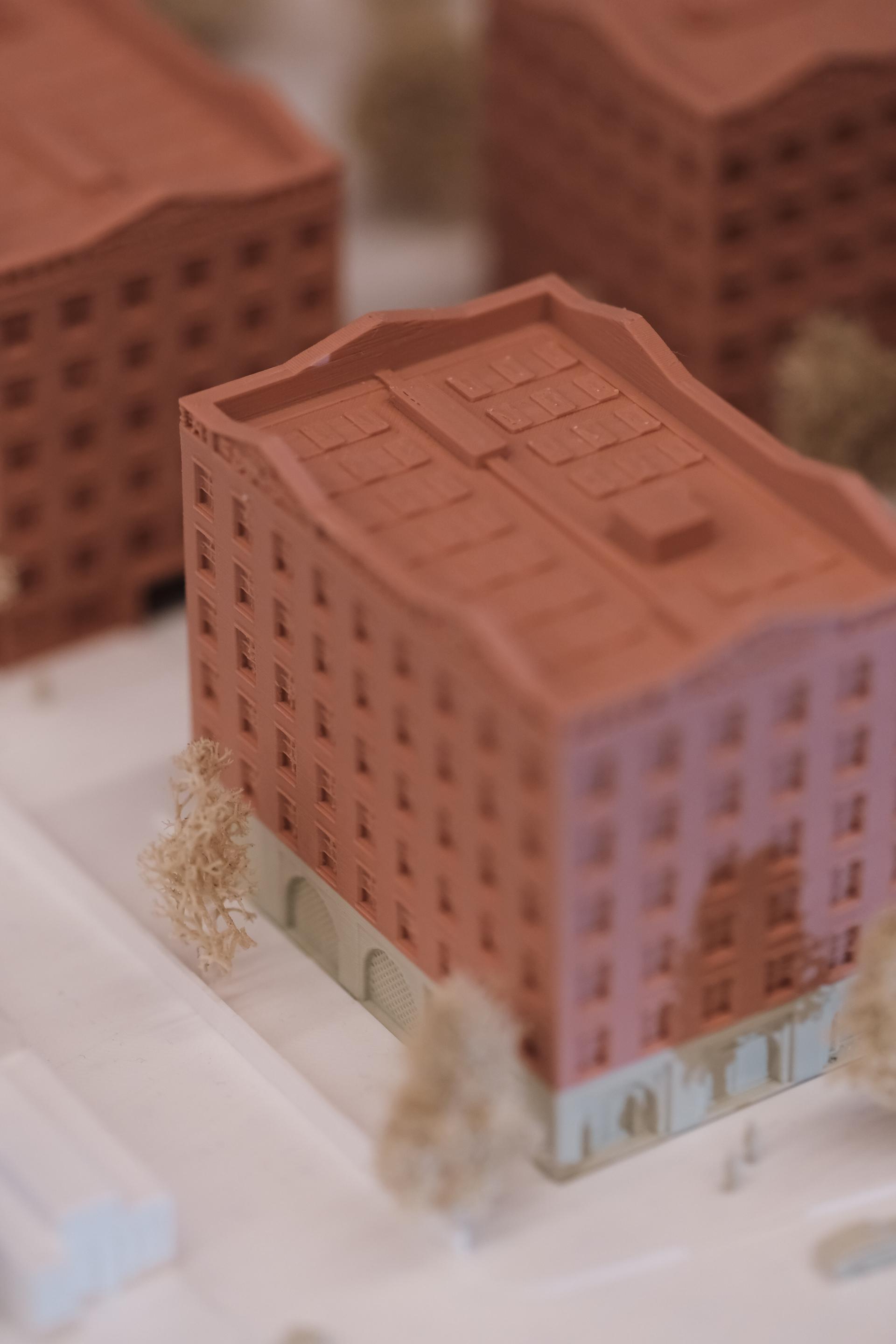
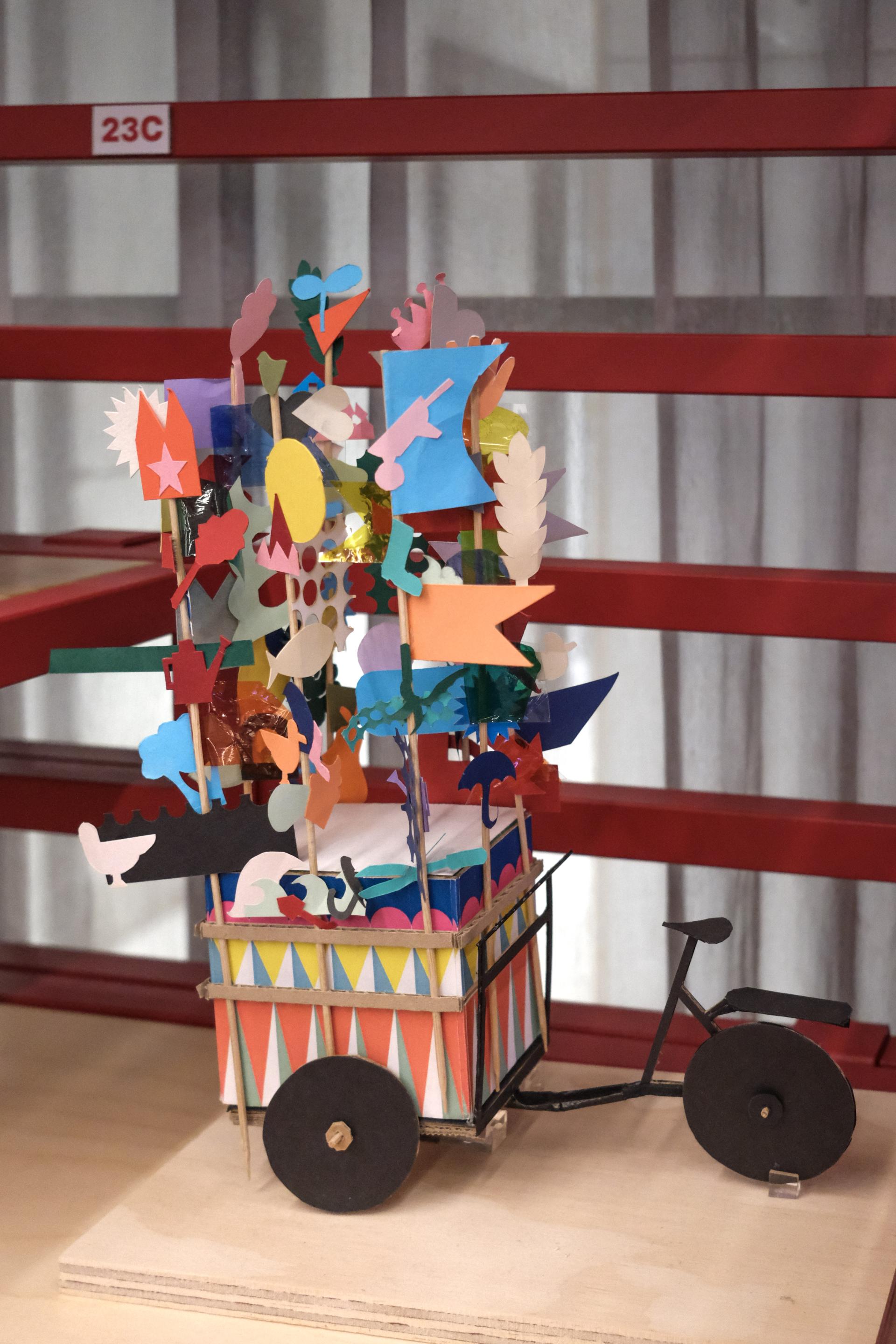
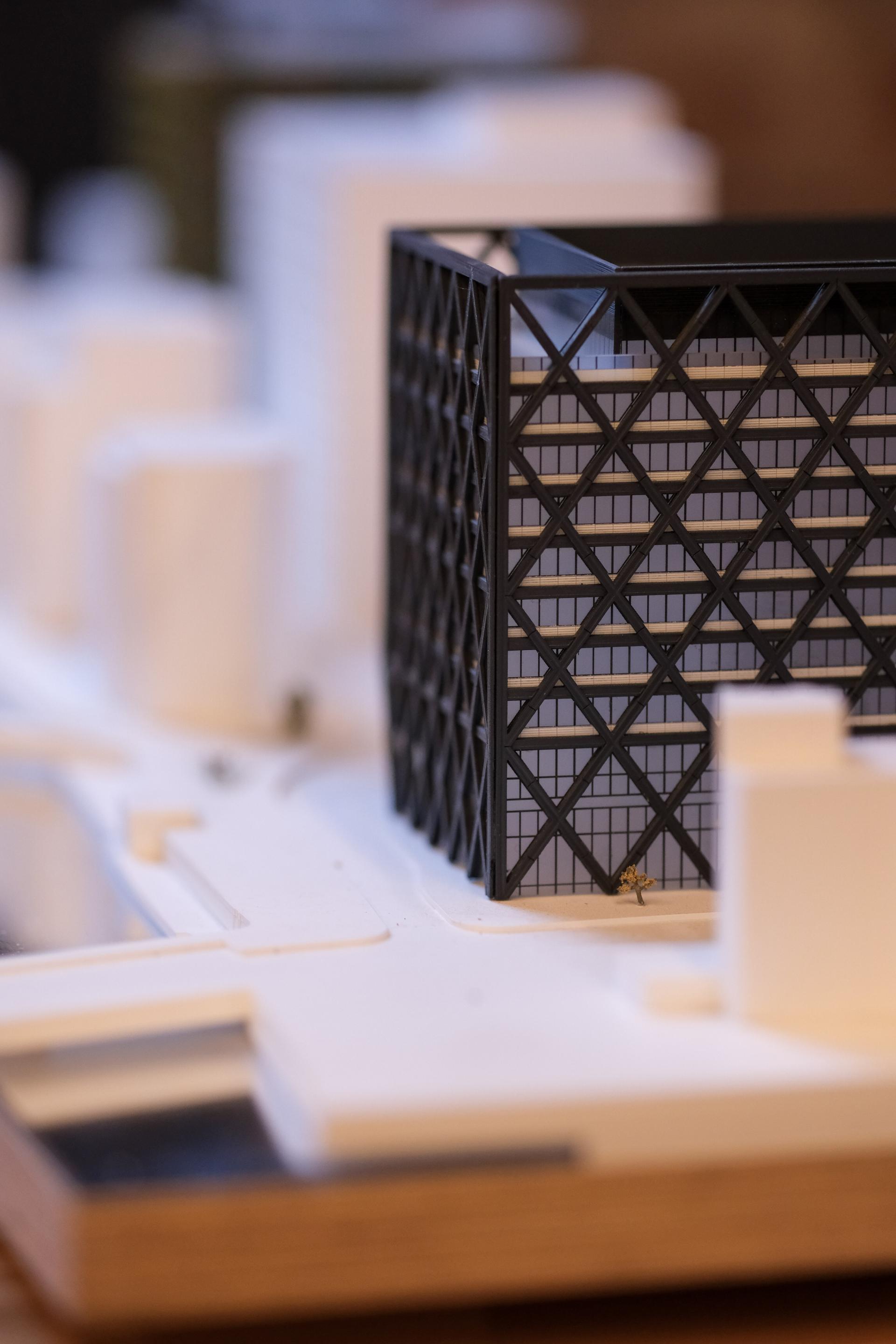
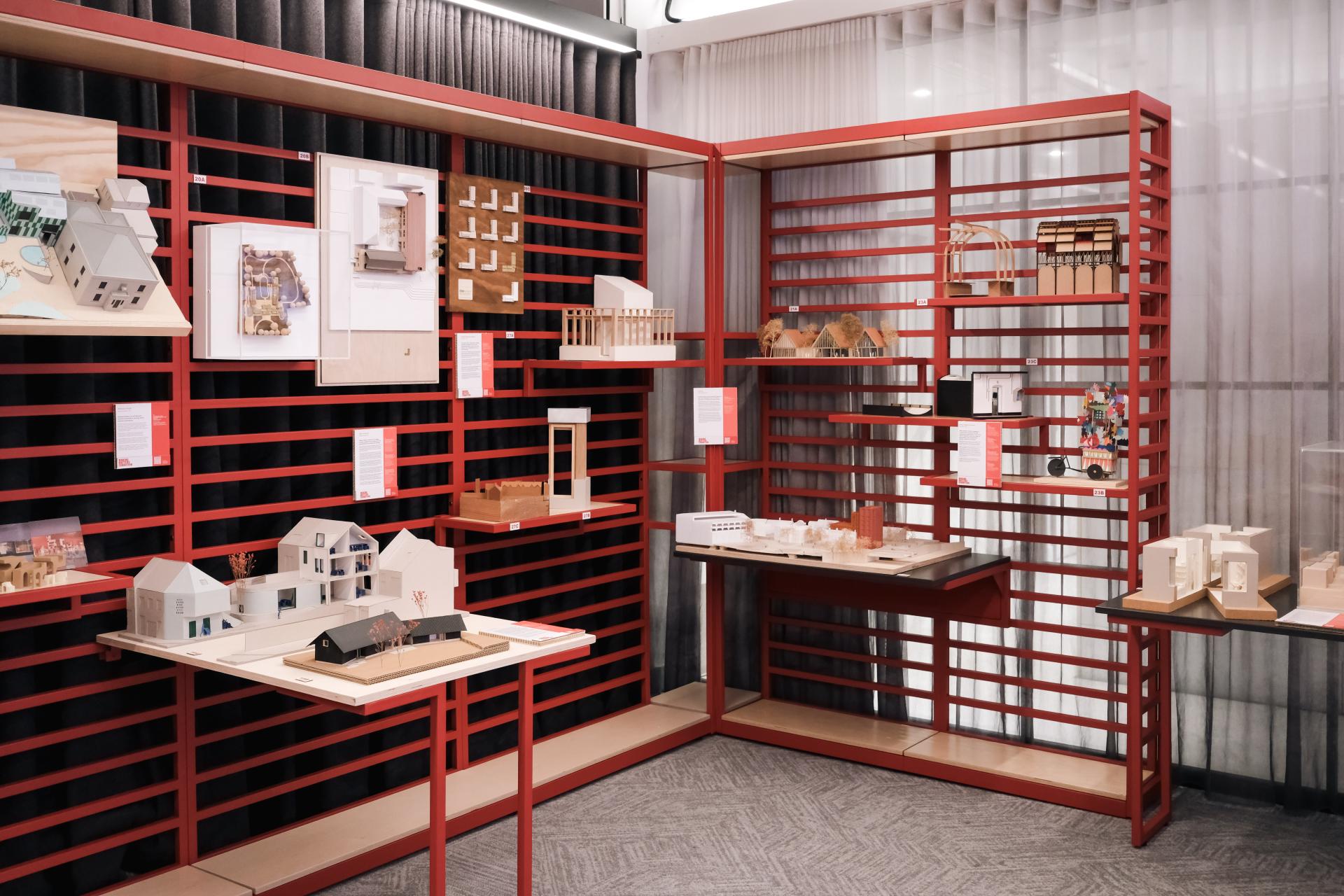
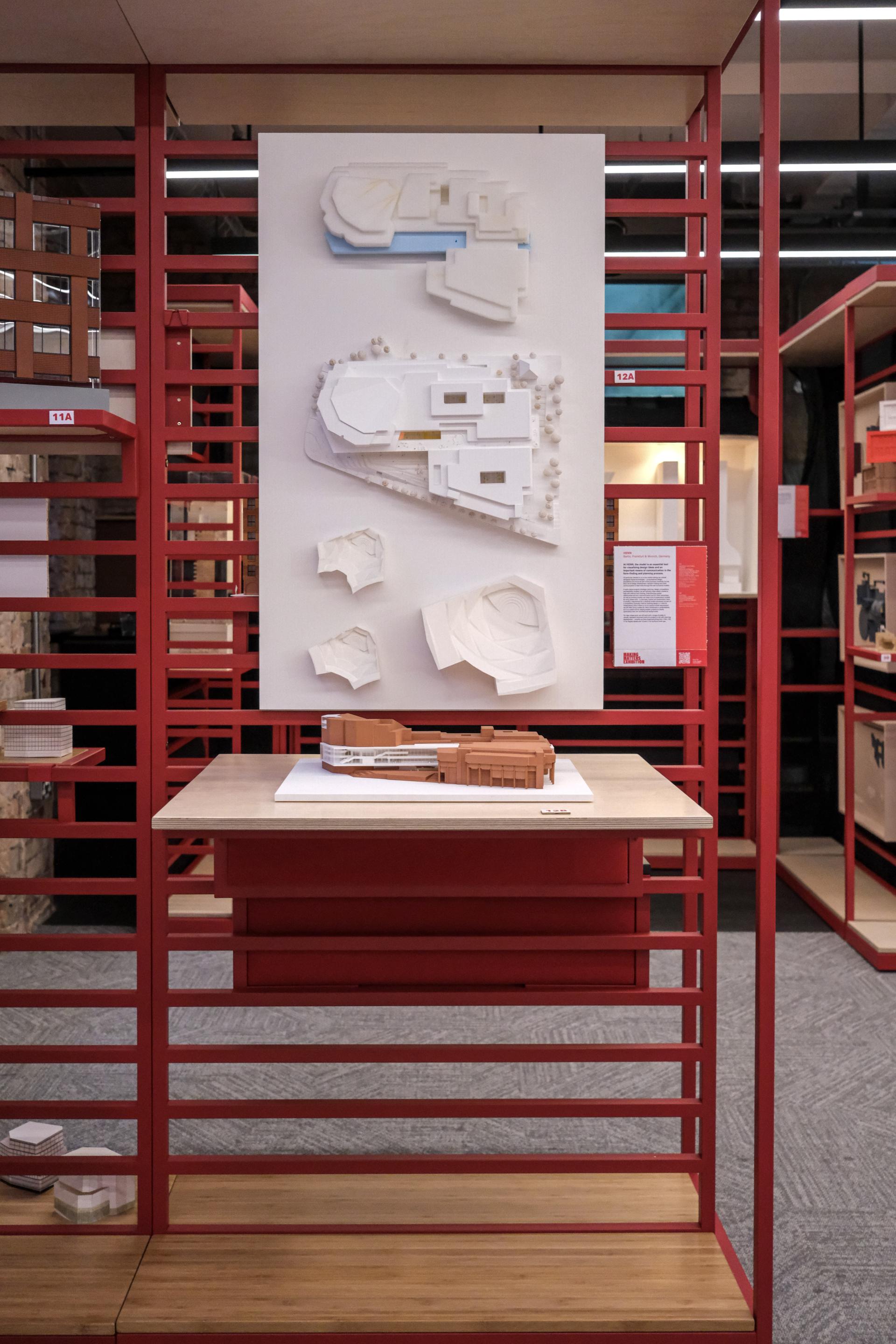
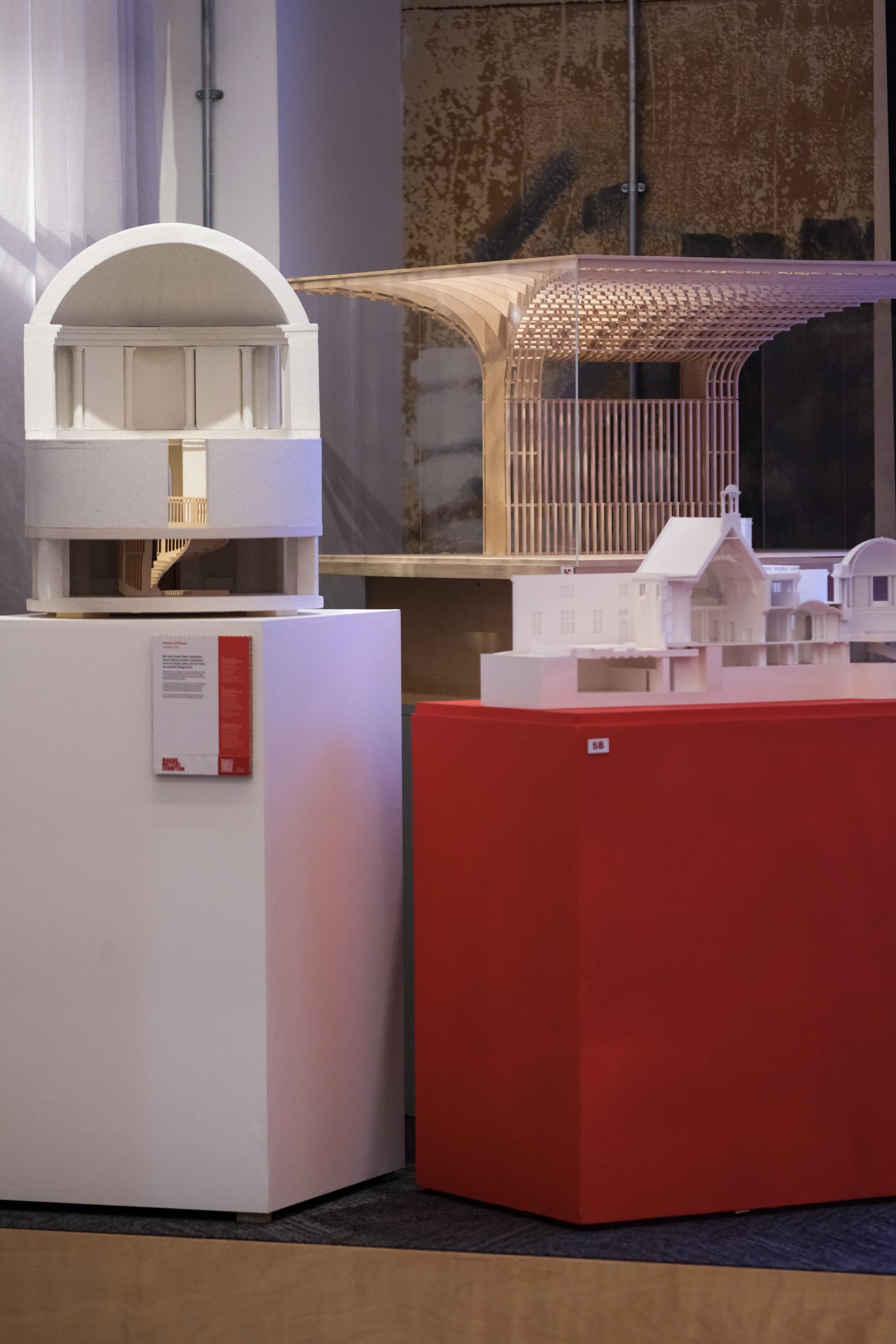
This was the question posed by AiM - the Architectural Index of Modelmaking, and MSA - Manchester Society of Architects, at the conclusive event of Making Matters: a month-long exhibition and programme of activities held at Material Source Studio Manchester, celebrating architectural modelmaking in all its exquisite artistry.
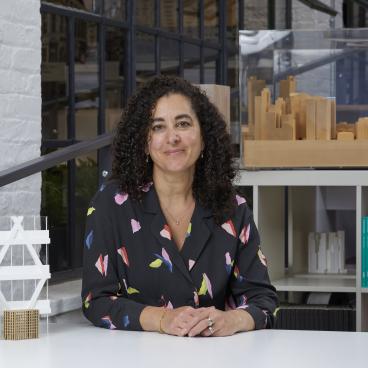
Having originally existed as an exhibition at the Venice Biennale, it was a real treat for UK architects and designers to have the chance to see an expanded version of the installation here in the North of England. Something AiM Founder Scott Miller and MSA President Simina Ionescu were mutually driven to make happen.
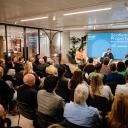
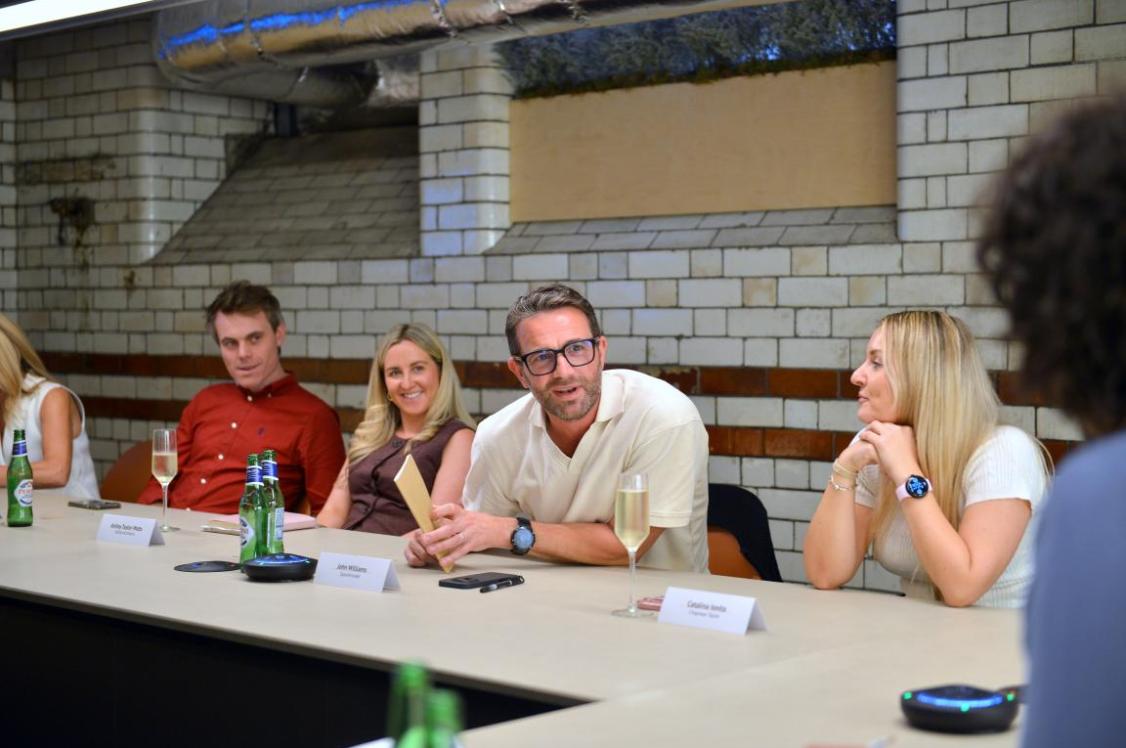
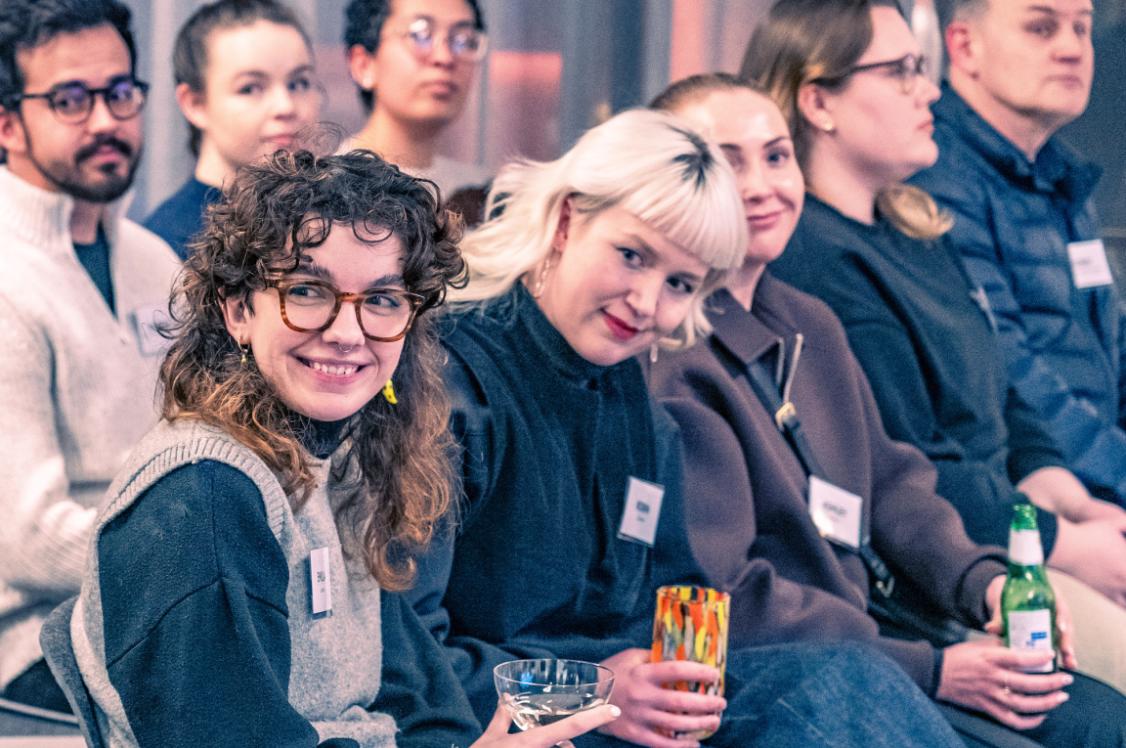
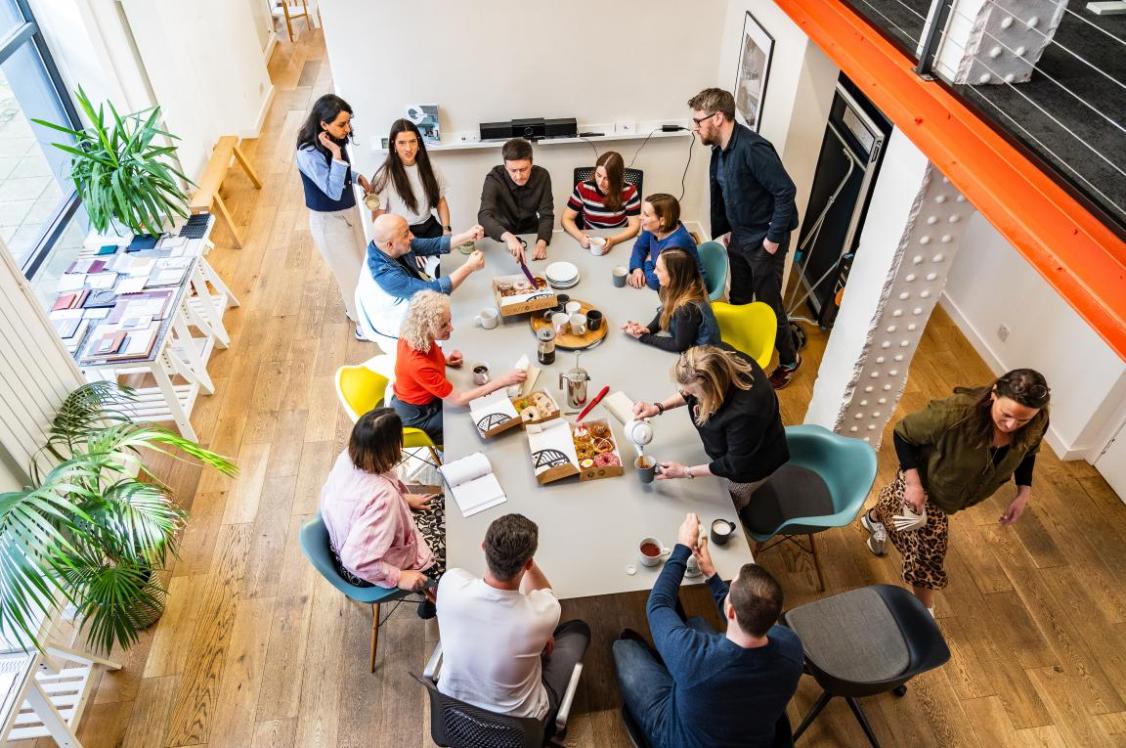
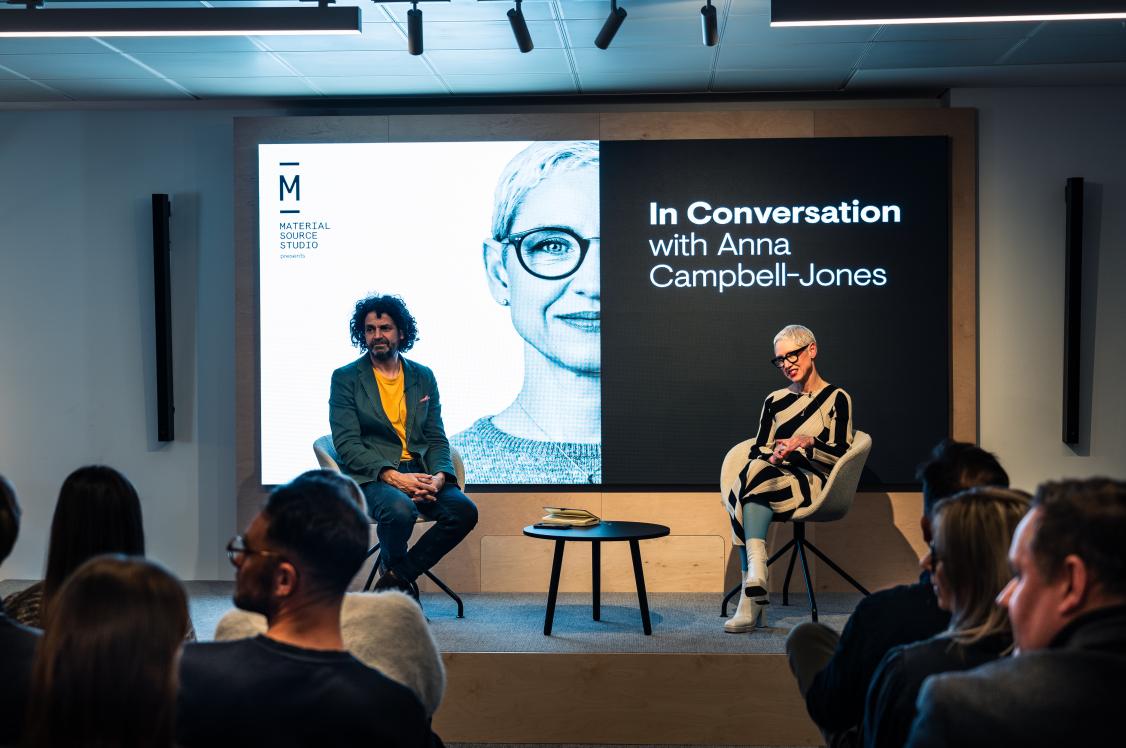
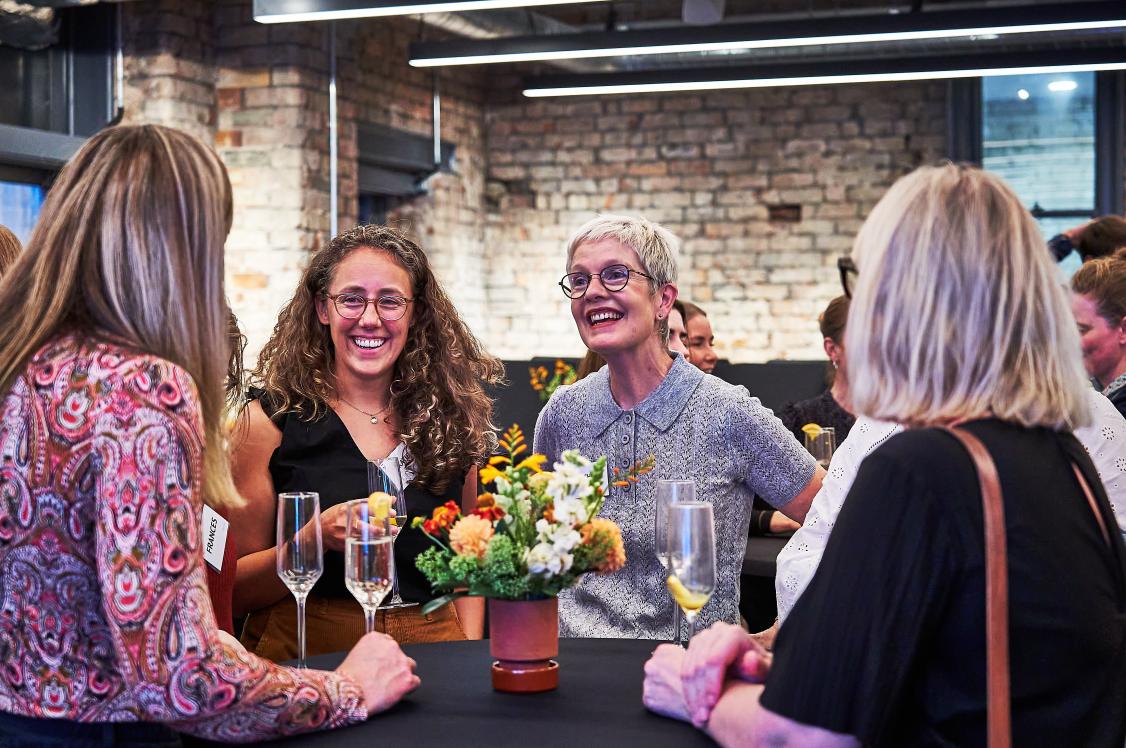
Ahead of the closing party, a dedicated roundtable brought together a group of wonderful minds from varying disciplines, including established and future modelmakers, academics and developers, to discuss the relevance of architectural models, and the skills used to craft them, in a contemporary, ever-more digitally reliant world.
The energy in the room was that which you only get when passionate people gather to discuss a topic that’s symbiotically meaningful to them. And though the conversation took many twists and turns, one common thread existed throughout.
Thinking through making
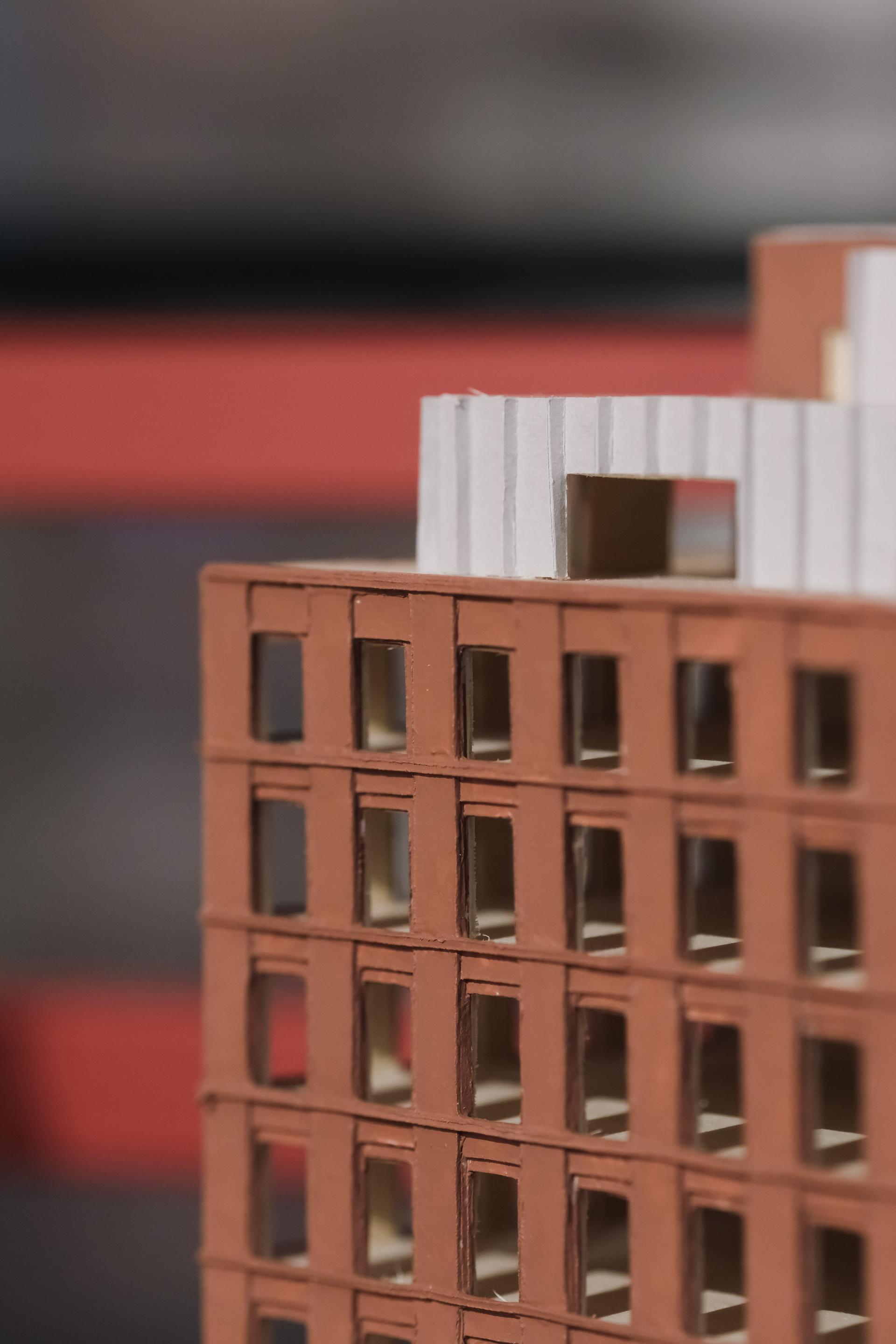
Modelmaking is tactile, a bit unpredictable, and full of small surprises, the group agreed. People cut, fold, build, experiment, get things wrong, adapt, and learn. And there’s something in that hands-on process that doesn’t translate fully on a screen. Not because digital tools aren’t powerful – it was suggested that they are - but because making with your hands forces you to face gravity, tolerances, material behaviour, and real-world messiness. It’s not just about producing a final object. It’s about "thinking through making", shared the group.
"Is modelmaking still a vital and inclusive driver of architecture culture, or are we at risk of losing it as AI and digital workflows accelerate?"
The discussion pushed beyond nostalgia. This wasn’t 'models are lovely, computers are bad.' The bigger question that was set out to explore was: is modelmaking still a vital and inclusive driver of architecture culture, or are we at risk of losing it as AI and digital workflows accelerate? And when 'modelmaking' was said, it wasn’t just in reference to the polished showcase piece. It meant process models, context models, quick tests, rough prototypes, the half-built thing on a desk that, Simina said, “often sparks the best conversations in the studio”.
A wealth of experience
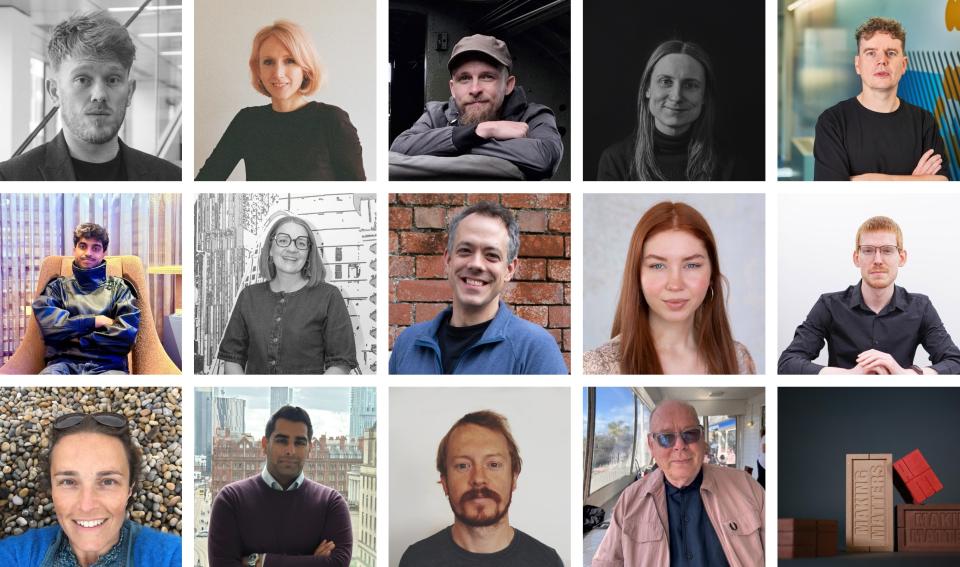
The wealth of experience expressed by those around the table reflected how wide this topic really is, with many facets and aspects of appeal, both personal and professional.
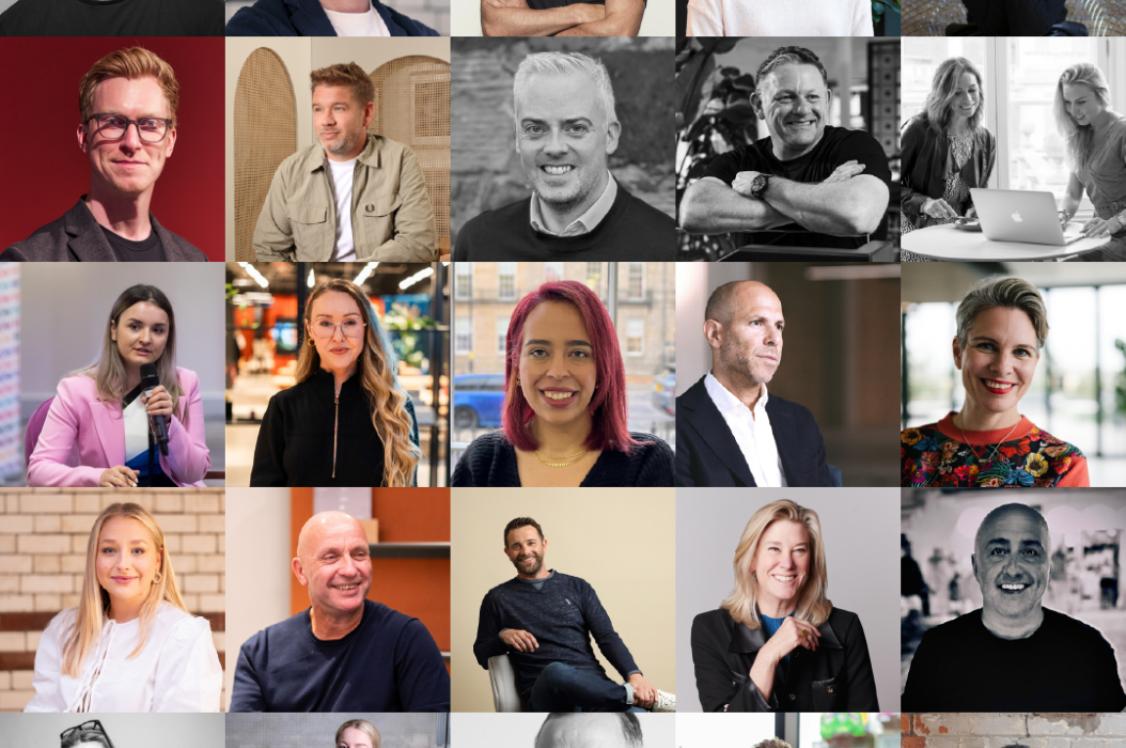
Catalina Cheptene, Undergraduate, Manchester School of Architecture, openly admitted she used to hate modelmaking back in school, until university turned it into “something calming, almost like unwinding in studio.”
Anna Gidman, Architect, Educator & Climate Action Leader, who heads up the degree at Manchester School of Architecture and also works with the Architects Climate Action Network’s Natural Materials Group, believes modelmaking is a crucial aspect of the architecture syllabus.
Writer Phil Griffin, a long-time observer of architectural modelmaking, shared a deep interest in how different people relate to models - not just "architects talking to architects".
Simina Ionescu, Senior Architect at OMI and recently appointed MSA President, traced her own modelmaking journey back to the B.15 Modelmaking Workshop (which Scott heads up) and the push to normalise it in practice (including 3D printing) even when people have sometimes needed convincing.
Stephen McCusker, a Lecturer and Practitioner, described making early on, drifting away from it in practice, and then coming back to it because something "felt that it was missing".
Scott Miller, Founder, AiM, trained commercially as a modelmaker and now runs B.15 Modelmaking Workshop, describing this whole Making Matters project as a response to frustration: “too much of the profession is screen-based, and craft skills deserve more visibility, more respect, and more room to shape design culture.”
Awais Shahid, Founder & Director, Atzaro Real Estate, brought a developer’s, and for many in the room, client-side view. For him, models help to see massing, detail, and context quickly, and they can be a powerful tool when presenting to planners.
Cassidy Wingrove, Associate and In-House Modelmaker, FCB Studios, spoke from a place many in the sector would envy: he makes models all day. His background spans set design for theatre, and stop motion animation, as well as product design and, now, architecture.
Richard Youel, a specialist Modelmaker who runs Studio Youel, supports practices with models when they don’t have the facilities or the in-house expertise to make them, both process models and presentation models.
Senior Architect and University Tutor, Adam Plastow joined from WW+P Architects to share his experience from leading the practice’s Manchester studio model shop. Adam also shared a personal passion for carpentry.
Hanif Shah, a BA2 Architecture Undergraduate at Salford School of Architecture, possesses a deep-seated interest in human connection in architecture, with modelmaking "coalescing through the core of each project as an iterative and investigative process."
Laura Sanderson, Architect, Educator and Creative, has seen, throughout her career, the benefit of modelmaking, especially when working with the community. Laura referenced in particular, her work with children and young people, who seemed to take to modelmaking as a way to express their ideas more quickly than drawing.
Instinct has led Eleanor Swire, Mistry Swire Architects, to ensure modelmaking has been built into her own practice as a constant for every project. Something that's quite unique, the group believed.
All joined Chair of the session, Shaun Jenkins, Head of Architecture, J2, in an open, candid discussion.
Inherently human
To begin, Shaun asked a warm-up question, which was intentionally human, "what’s one way model making still excites you?"
The answers pointed to something bigger than technique. People talked about the model as a magnet in the studio. “Put even a rough model on a plinth and suddenly everyone gathers around, talking in a way they don’t when they’re behind screens. It becomes a shared focus, a way of making conversation happen naturally. And in an industry where people often work in silence like 'medieval scriptoriums,' that matters more than we admit.”
"It becomes a shared focus, a way of making conversation happen naturally."
Phil challenged the guests to discuss something potentially uncomfortable: even when models bring people together, are we still mostly just architects talking to architects? He believes models should travel, to move into other spheres, to bring in engineers, M&E teams, wider communities, and anyone else affected by what gets built.
Scott responded, “Plan drawings can shut people out unless you’re trained to read them. A model is different. You can put it in front of anyone, and they can engage instantly. It doesn’t require translation in the same way.”
The “anyone can engage” theme was consistent. Eleanor described using models in domestic projects where clients will live in the spaces being designed. "When clients can pick up a model, hold it, turn it, and point at it, they gain control. They stop feeling like architecture is something being done to them."
Laura added another layer, "Children often model faster than they draw because they’re less self-conscious. Give them 'junk' materials and they’ll build something architectural, quickly." In that sense, model making can be both fast and slow at the same time - fast to visualise and test an idea, slow enough to make you enjoy thinking again.
The conversation then moved into culture: “When do practices decide to make models, and is it inclusive?”, asked Shaun.
A spectrum of modelmaking
Eleanor spoke about the spectrum that exists for modelmaking, starting with a context model, and then using scraps of card to test ideas, right through to presentation models. At OMI, Simina described a shift: models aren’t only for the final reveal anymore. Faster fabrication methods and iteration (often via 3D printing) are bringing models into earlier design stages, including meetings where several iterations sit side-by-side so everyone can compare angles and massing properly.
Awais offered a contextual reality check, "Models can help win work", he said. He described a pitch situation where one architectural practice arrived with a physical 3D model, and it became the thing that sold the scheme compared to other bids that stayed on PDFs and early CGIs.
But he also laid out the tension that hangs over all of this, "time costs money, fees are tight, and if modelmaking becomes a premium add-on, it can affect competitiveness". He values models, but he also has to watch the bottom line, and he said it plainly, "unless clients are willing to pay for it, the economics can push modelmaking out."
"Unless clients are willing to pay for it, the economics can push modelmaking out."
That led to an important point that not every practice, or architect, needs to work the same way. Some architects sketch, some paint, some model, some do all of it. Phil reminded us that even Norman Foster won competitions with a handful of watercolour drawings. Others build their thinking through physical making. The message wasn’t “one true method.” It was plural - different tools work for different people, and the best approach is often a mix.
Education came into the spotlight next. Catalina spoke about peer pressure, "students sometimes feel pushed to have the best Rhino model or the slickest digital output, even if that isn’t their natural way of thinking." She described starting her first MSA project by going to B.15 Modelmaking Workshop and feeling like physical model skills changed how people saw her work. More importantly, she pointed out the learning difference. "When something fails in a model, you understand why, be it gravity, structure, material behaviour. When something fails in software, sometimes you only learn that you don’t know the correct command yet."
Others concurred, the best design tutorials often happen with models on the table. Screens can make a tutor feel like they’re being dragged around someone else’s viewpoint (“left a bit, up a bit, back a bit”), shared Anna.
“A physical model is direct. You point, you discuss, you test options fast. It also helps with confidence. People can be scared of workshops, especially post-pandemic, but the work students produced at home during lockdown proved something: you don’t always need perfect facilities. Necessity can make people more inventive", she added.
Equitable tools
This is where access and fairness came in. Laura raised the risk of inequality, “not everyone can afford expensive materials or equipment which means we need to constantly push back against the idea that you can only make great models if you can afford it” … “and beautiful models can hide weak architecture if we’re not careful," continued Awais.
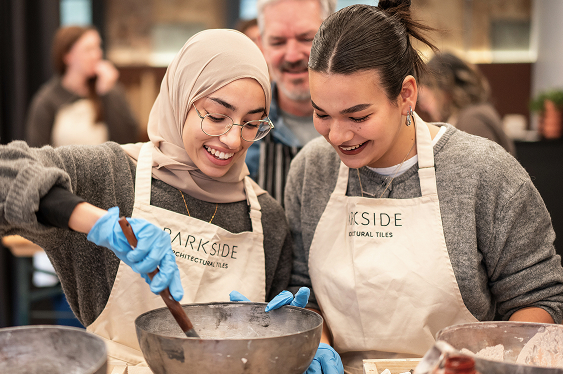
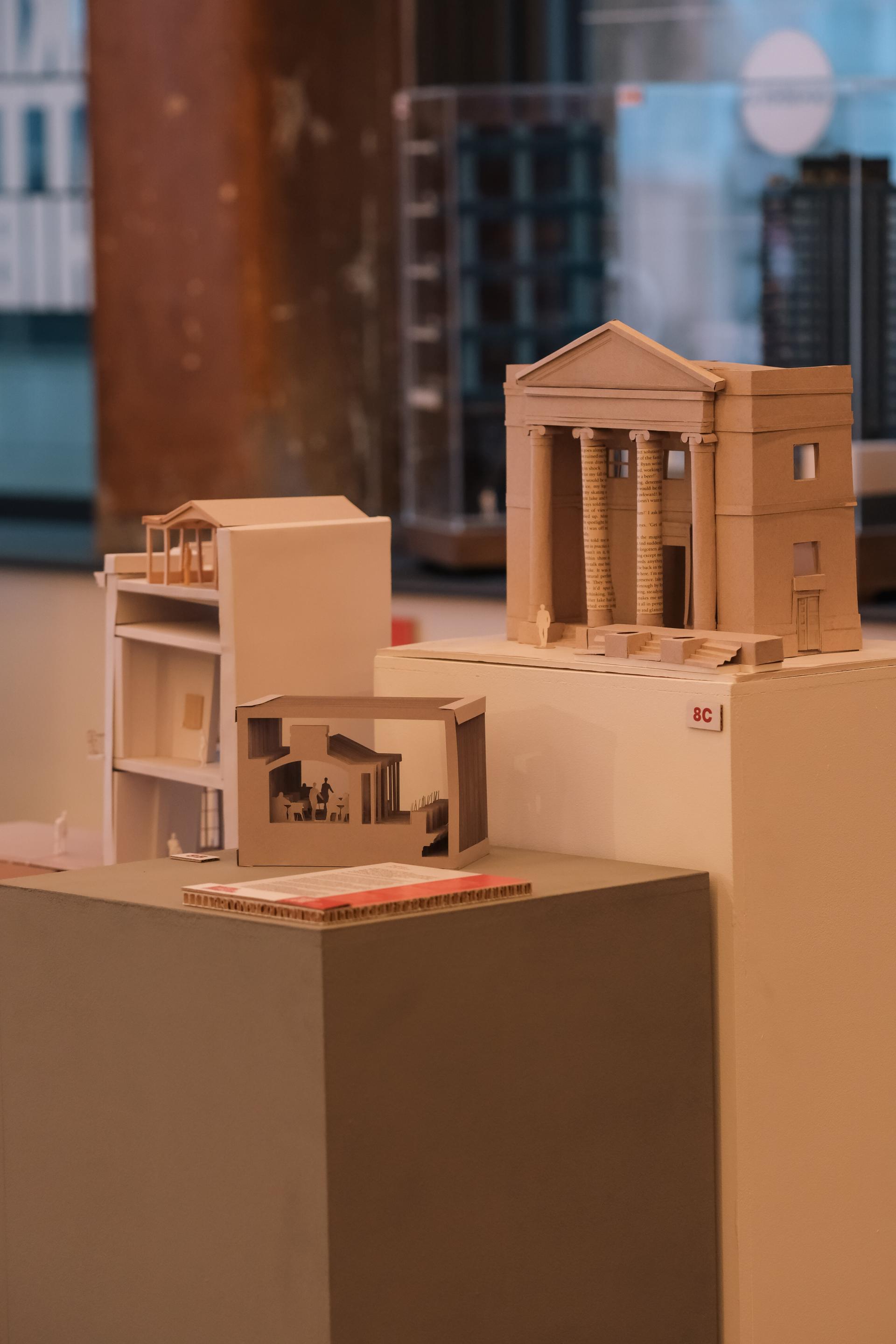
"Some of the best models come from cheap materials," suggested Hanif. Cereal boxes, scraps, found objects, anything salvaged. Adam described running “dumpster dive models” in studio: no new materials allowed, just whatever you can find. "Suddenly, those who were afraid to ruin nice card became fearless, and their ideas took shape quickly."
“You don't need money to make good models.”
For parity, this point around whether models can be deceptive was further probed. “A beautiful, handcrafted model can present a building as more refined than it will be on-site, was the response. Materials change, budgets shift, planning alters the scheme”, commented Awais. That’s not an argument against models, he added, it’s a reminder to be honest about what a model is for. Is it to test massing? Explain circulation? Explore structure? Sell a vision? If you’re clear on the “why,” the model becomes a strong tool instead of a shiny distraction.
From there, the conversation naturally landed in the digital future: AI, renders, rapid prototyping, and whether any of it threatens professional model makers? Richard made a strong case that some practices and clients still want warmth, weight, imperfections, and real material presence, qualities that are hard to replicate digitally. He also stressed that models and visuals are usually a package: "drawings, renders, and models working together, each speaking to different audiences."
In-house, he’d seen how model making can drive design itself, not just represent it. He described a project where an evolving physical model helped a client understand the design so deeply that it became an emotional turning point “once they saw it, they broke down in tears."
Some of the strange side effects of AI in design workflows were highlighted. AI can generate images fast, but those images often don’t resolve like real architecture. You zoom in and the logic breaks. That can push teams towards more conceptual physical models because the details aren’t trustworthy yet. At the same time, the group was clear - AI and digital tools aren’t going anywhere. They’re another set of tools, like the laser cutter, CNC router, or 3D printer. "The danger isn’t that they exist," said Scott, "it’s the mindset that says new tools mean old ones must be thrown away."
An honest practice
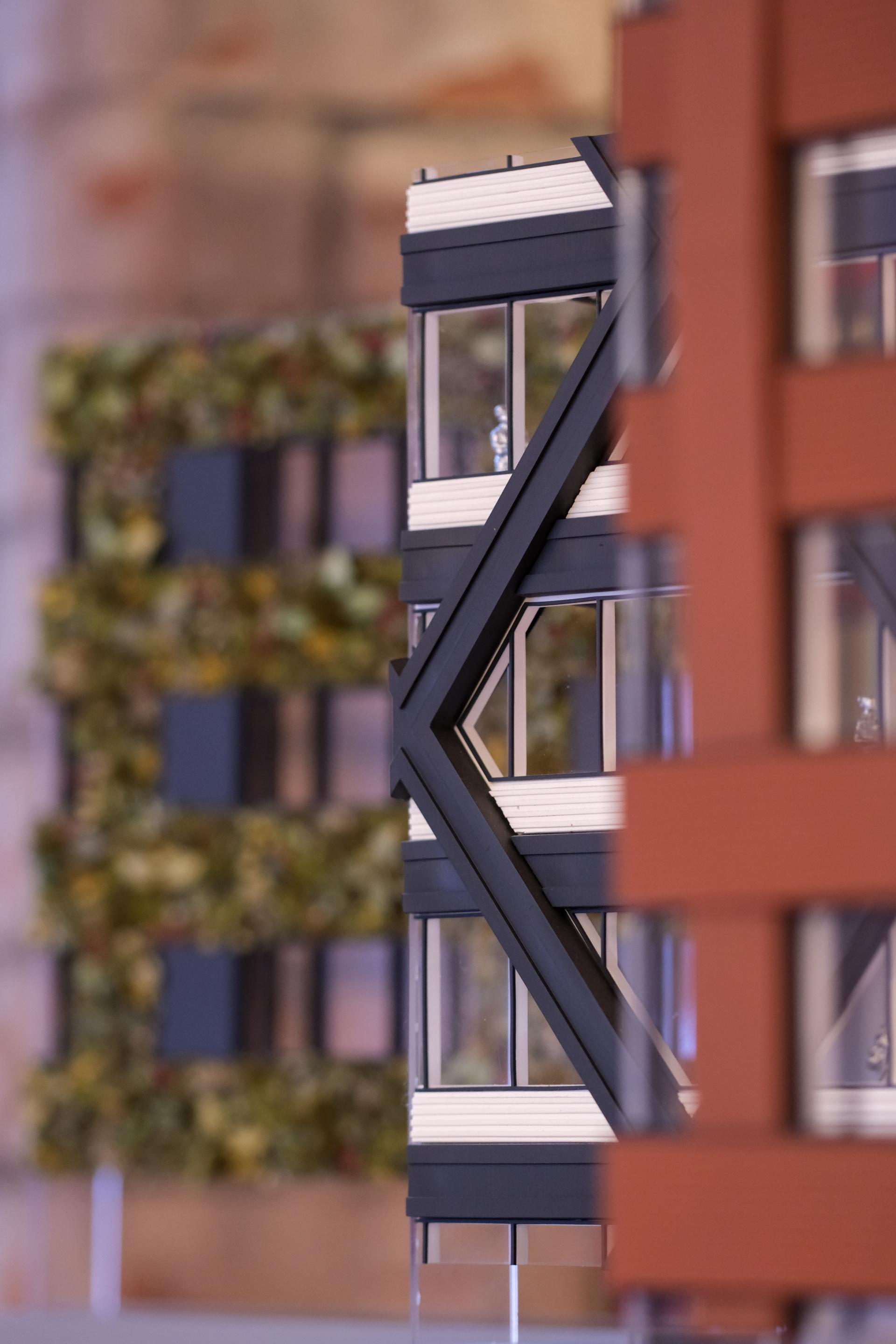
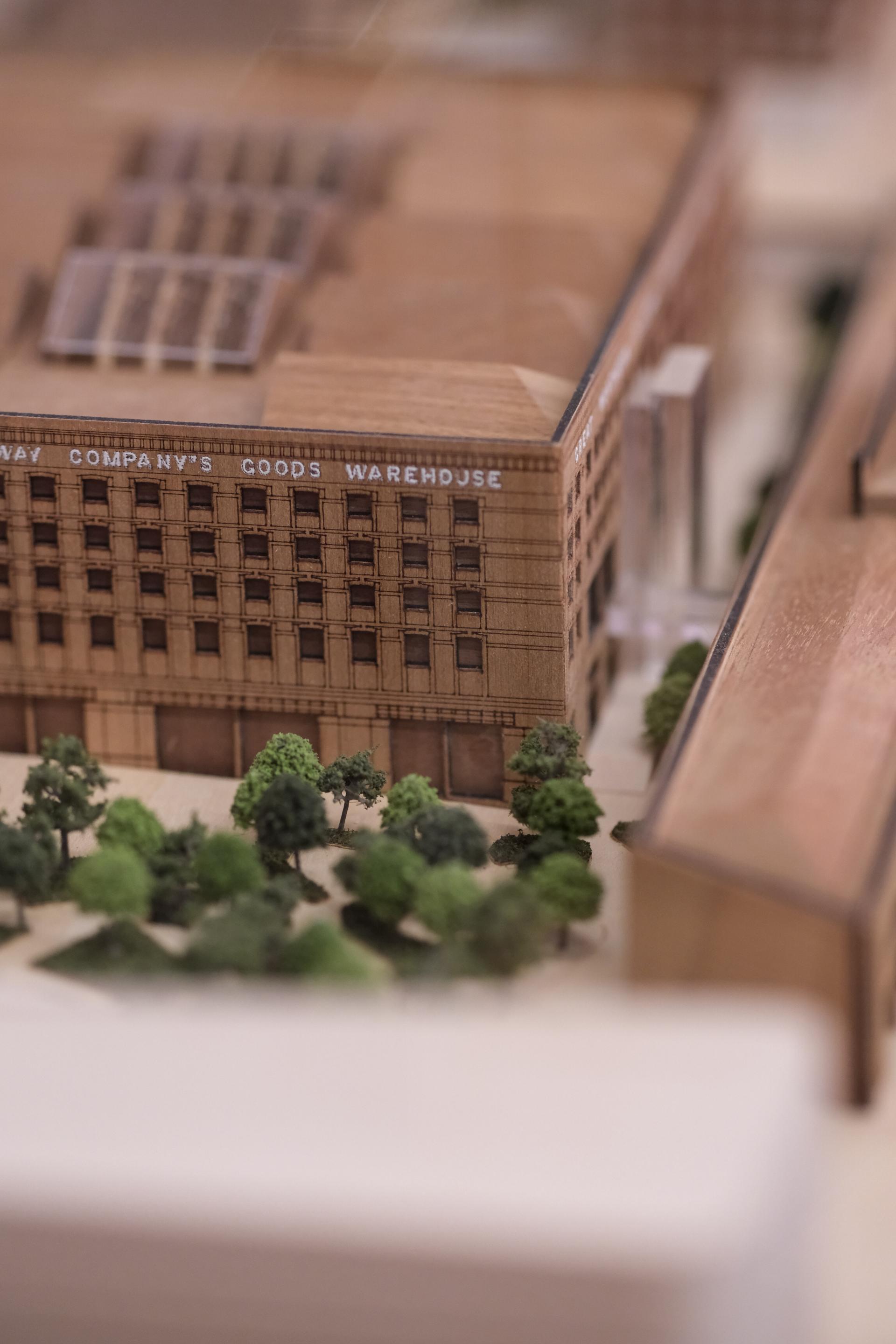
One of the points of the night that truly resonated with all was related to honesty. A physical model is constrained by reality - gravity, structure, thickness, connection. A CGI can become pure marketing if nobody is careful, especially in planning contexts where non-technical decision-makers may focus on a single flattering image. Models can help ground those conversations, especially when context matters - shadow, height, massing, and how a building sits in its surroundings. And when you’re dealing with tall buildings, interchangeable model components can make options feel real in a way that other mediums can't.
Still, modelmaking wasn't heralded as the answer to everything. Phil warned against ‘fetishising’ the process. Turning modelmaking into pure craft rather than a useful option. "Not everyone is comfortable making things with their hands, and not every good building comes from a model." The key takeaways were to keep the option alive, keep the craft visible, and don’t lose the learning that happens when ideas are tested in the physical world.
"Keep the option alive, keep the craft visible, and don’t lose the learning..."
The night ended where it began: with community. The roundtable was never meant to produce a final verdict on whether modelmaking 'wins' against digital tools. But rather it was meant to keep the conversation moving across many disciplines. That’s the real future-proofing. Not choosing one tool forever, but building a culture where making, testing, failing, adapting, and sharing are still normal.
From Manchester to Venice and back again, Making Matters is really about that; keeping architecture human, collaborative, and hands-on, even as our screens get increasingly smarter.
If you'd like to get involved in future exhibitions by the AiM, visit the-aim.co.uk. MSA is keeping the model conversation going through its introduction of a dedicated Modelmaking Award at this year’s MSA Awards, more details can be found here.