
Material Moods: How is 'Belonging' creatively expressed?
Video by Louis Marlowe
In association with:










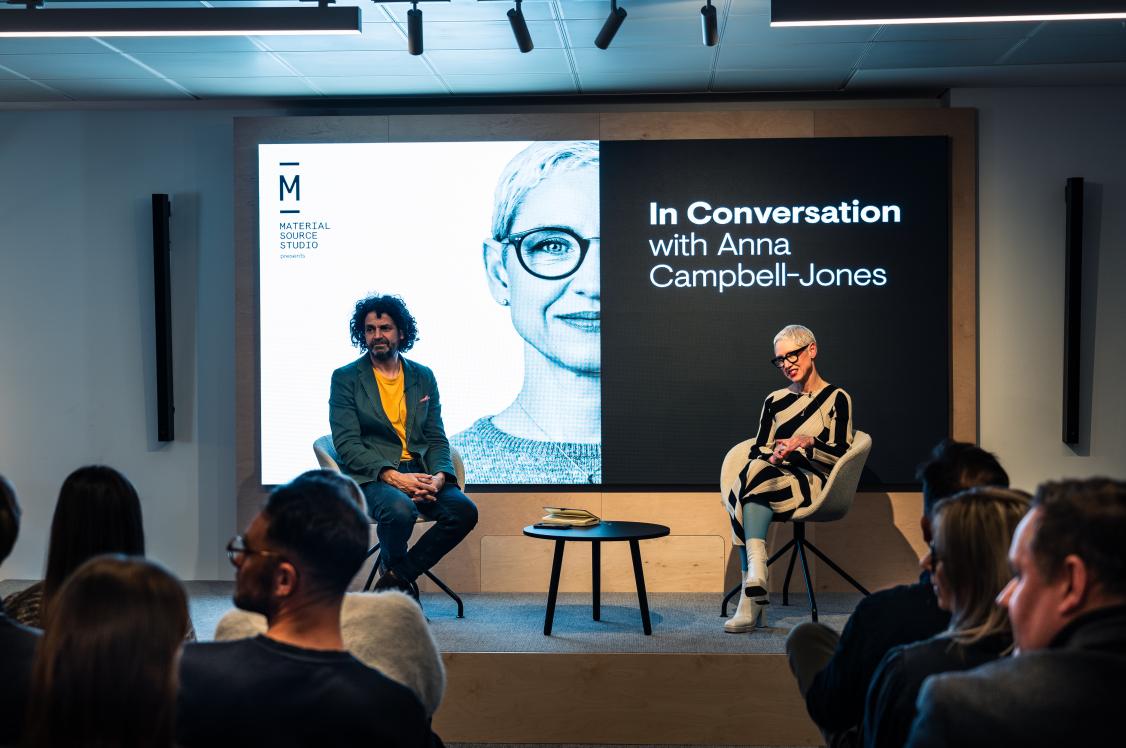
EDIB. Hidden behind the acronym, you will find Equity, Diversity, Inclusion and Belonging. All very human. Though acronymically, it can feel intimidating. Absent of the human touch that the words suggest, perhaps.
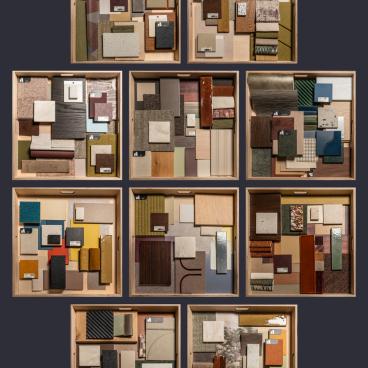
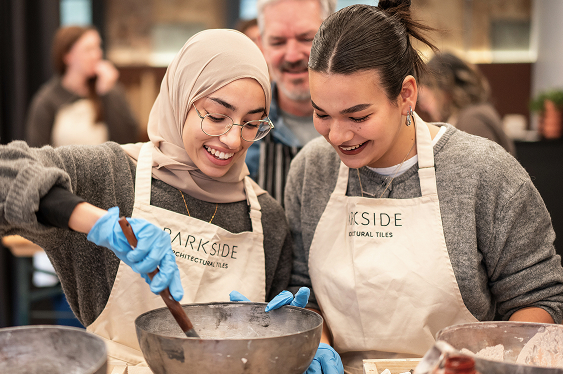
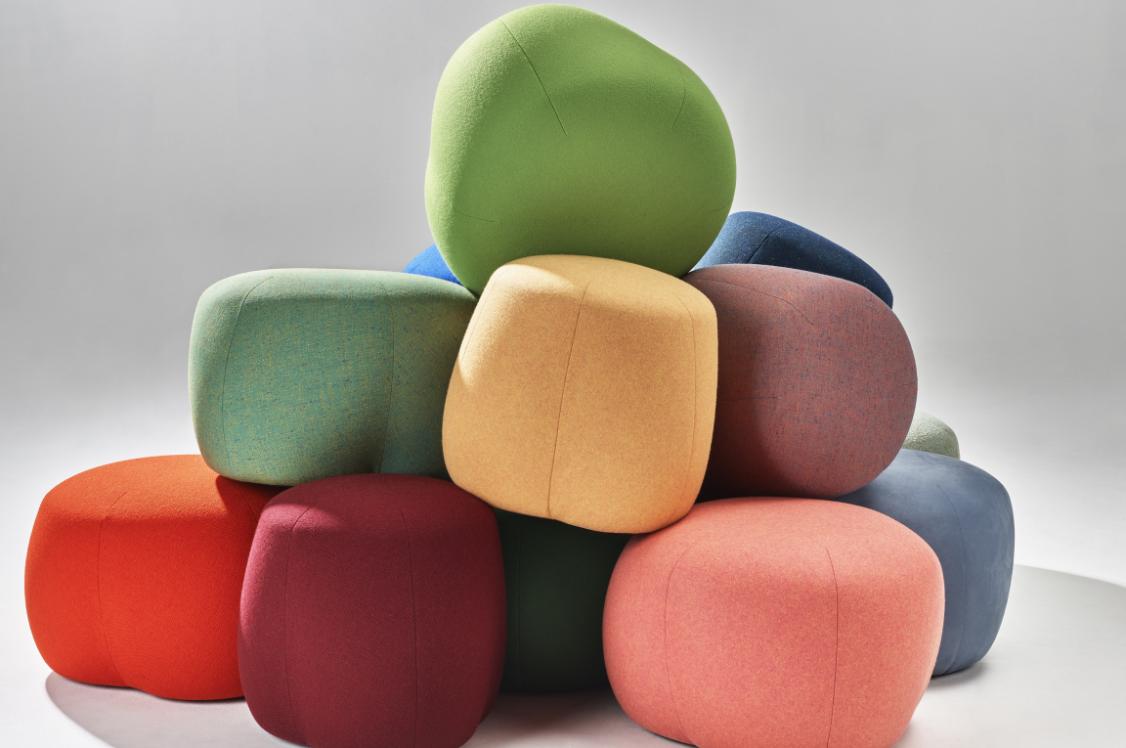
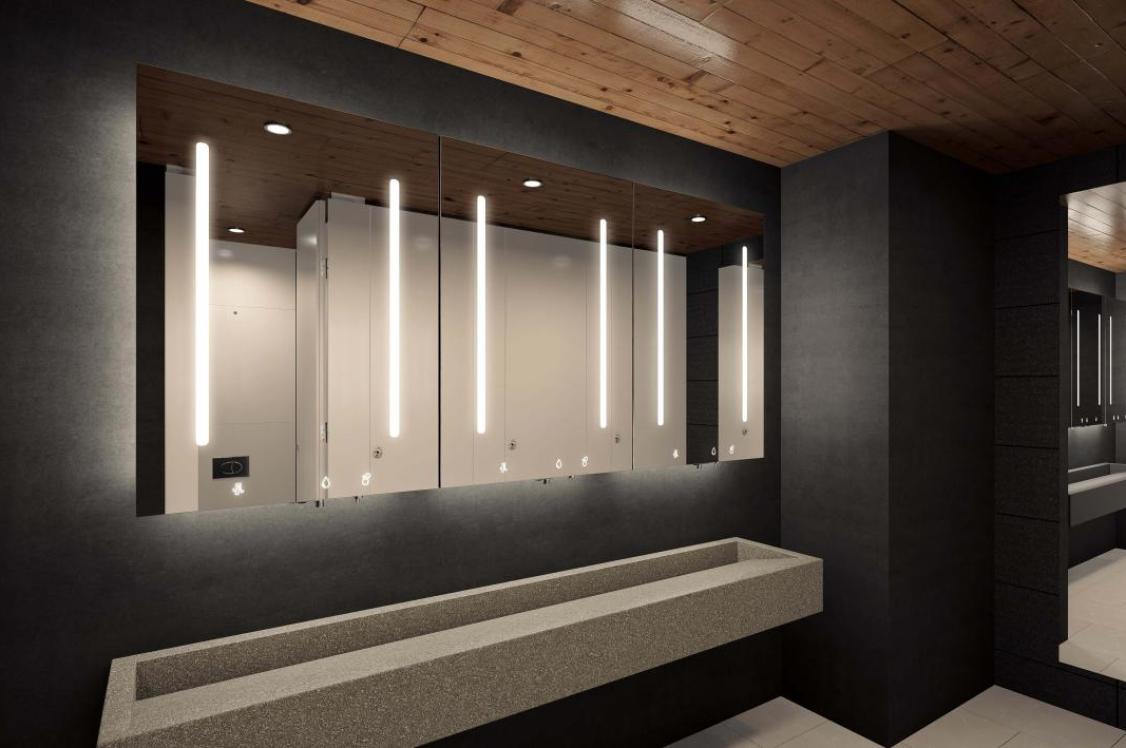
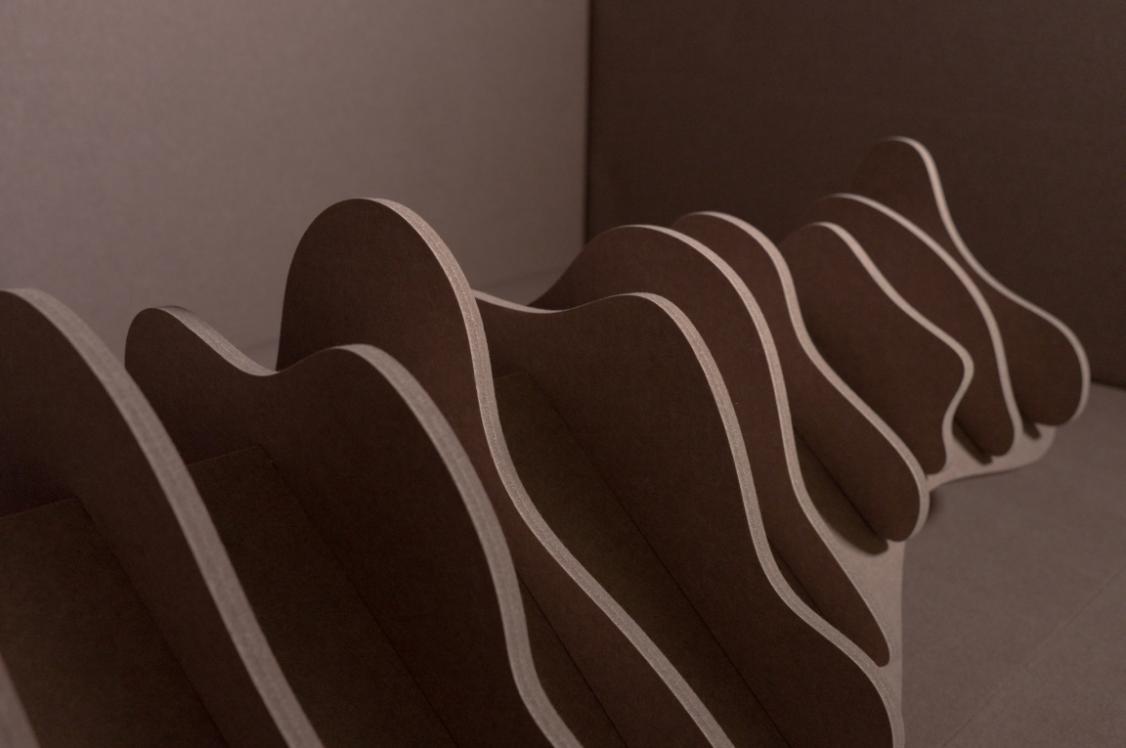
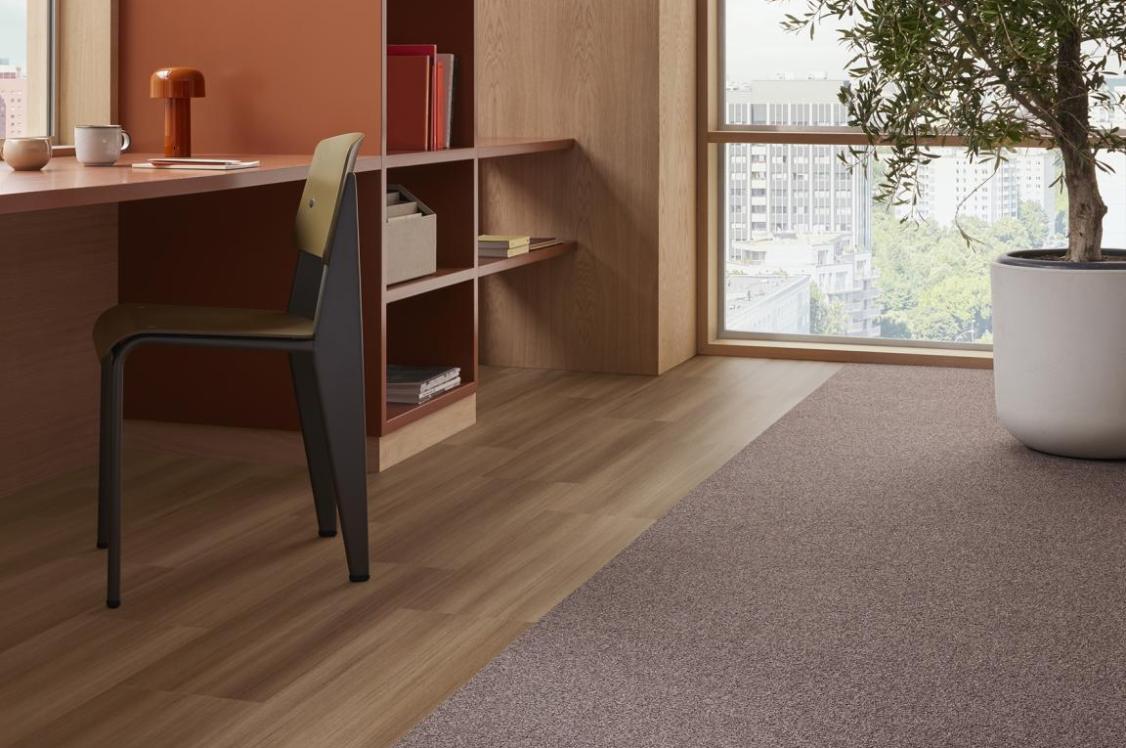
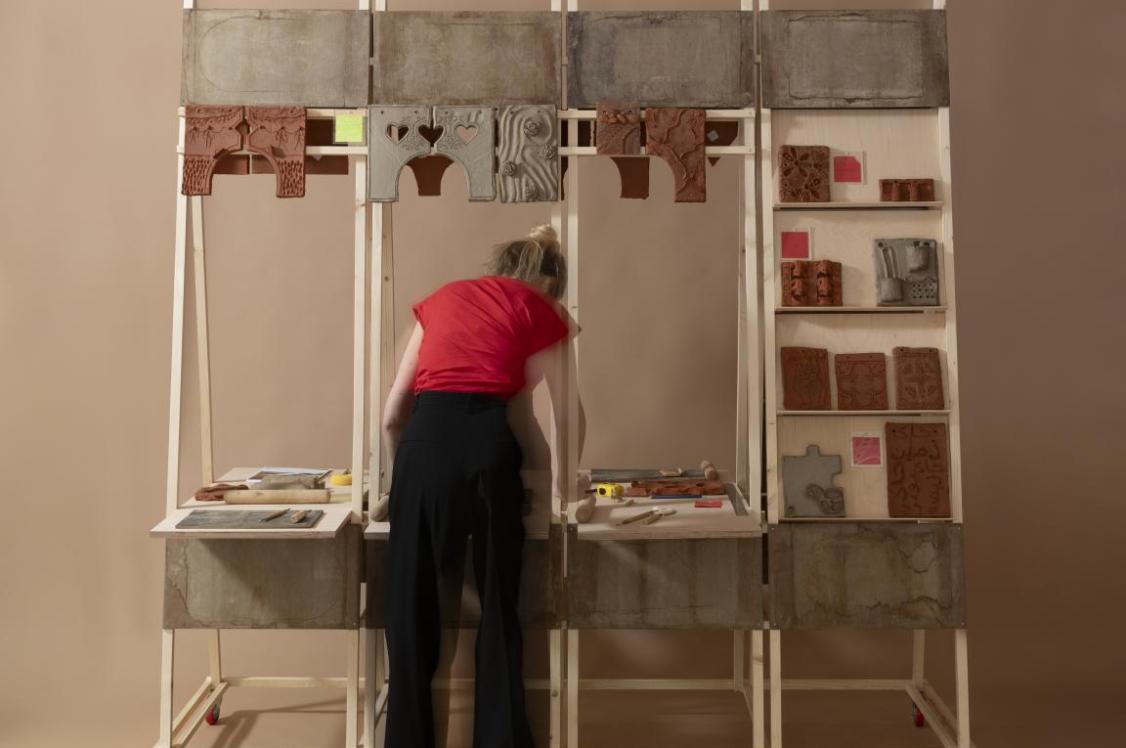
While our seminar and roundtable events have sought to find the true meaning of EDIB and the words encased within, for this dedicated workshop, the latest addition in the Material Moods set, we focused on how the feeling of 'belonging' might be interpreted, and creatively expressed by designers.
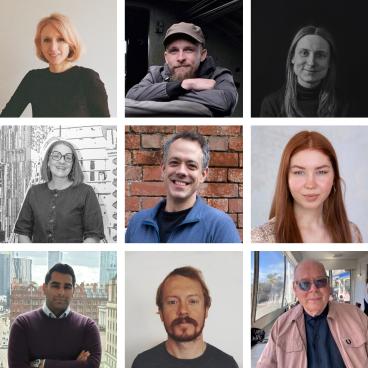
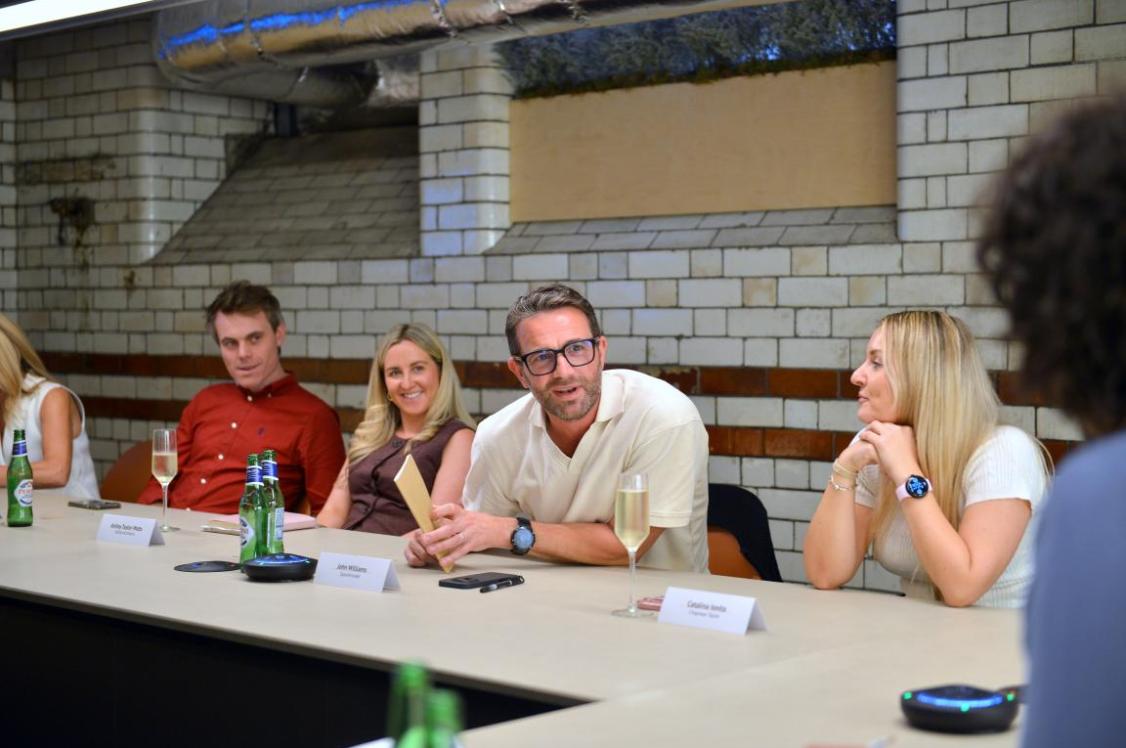
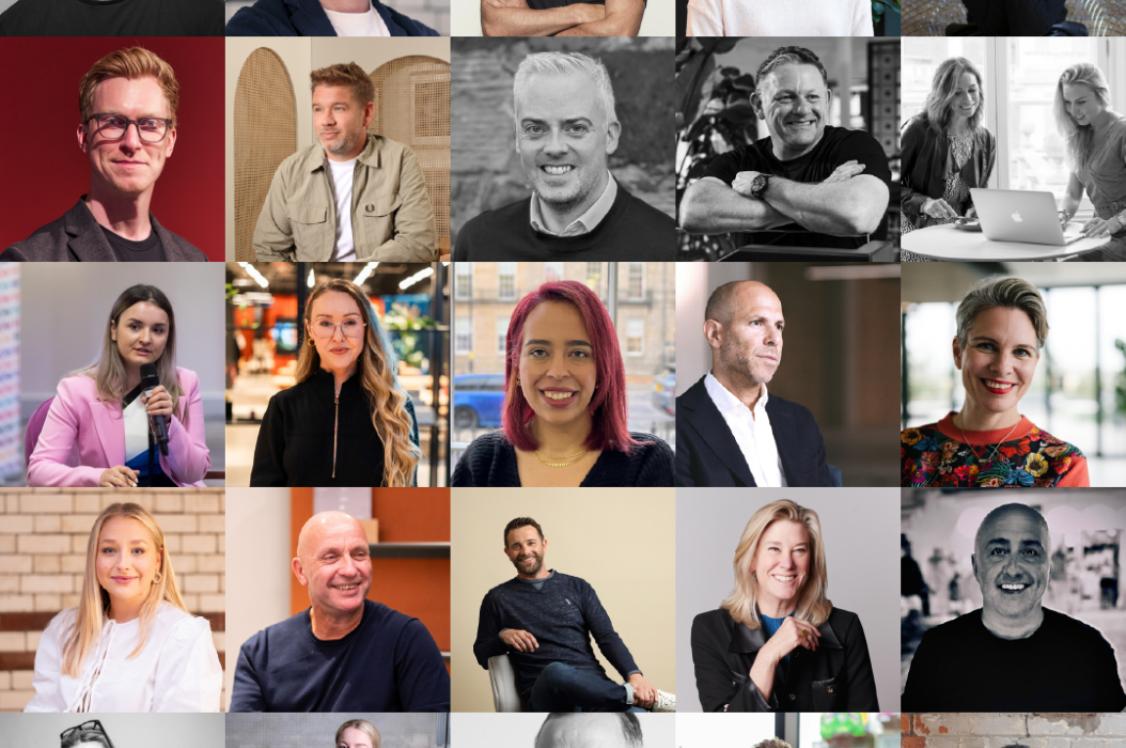
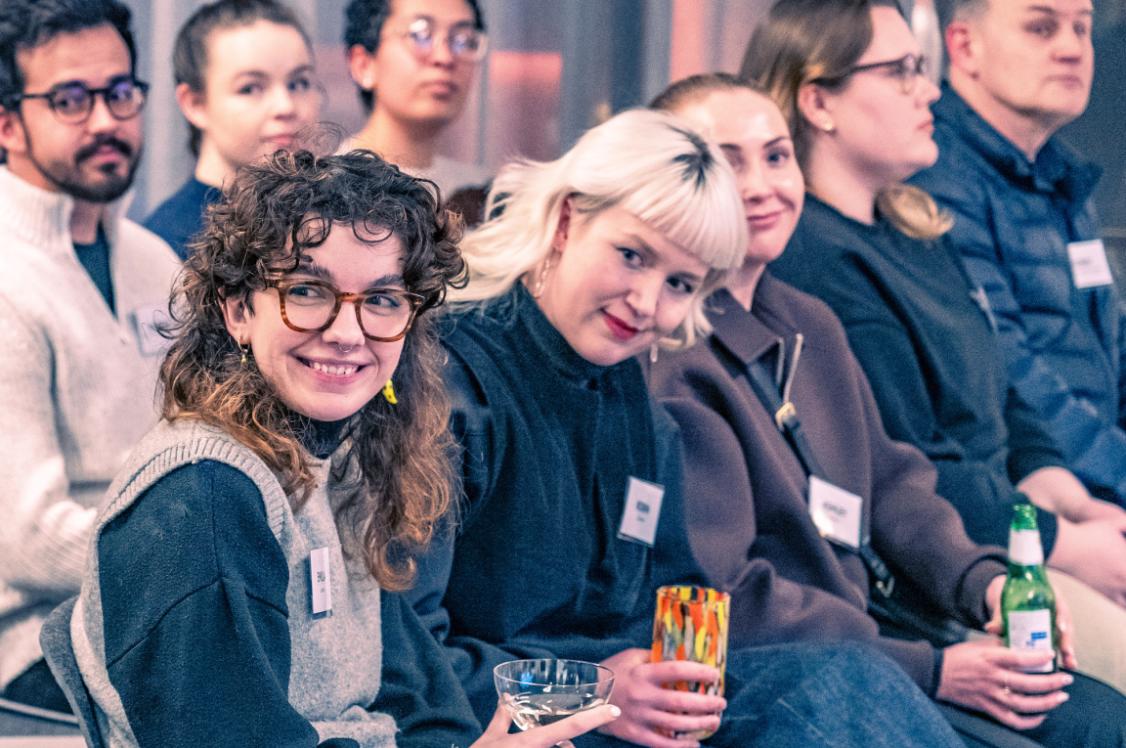
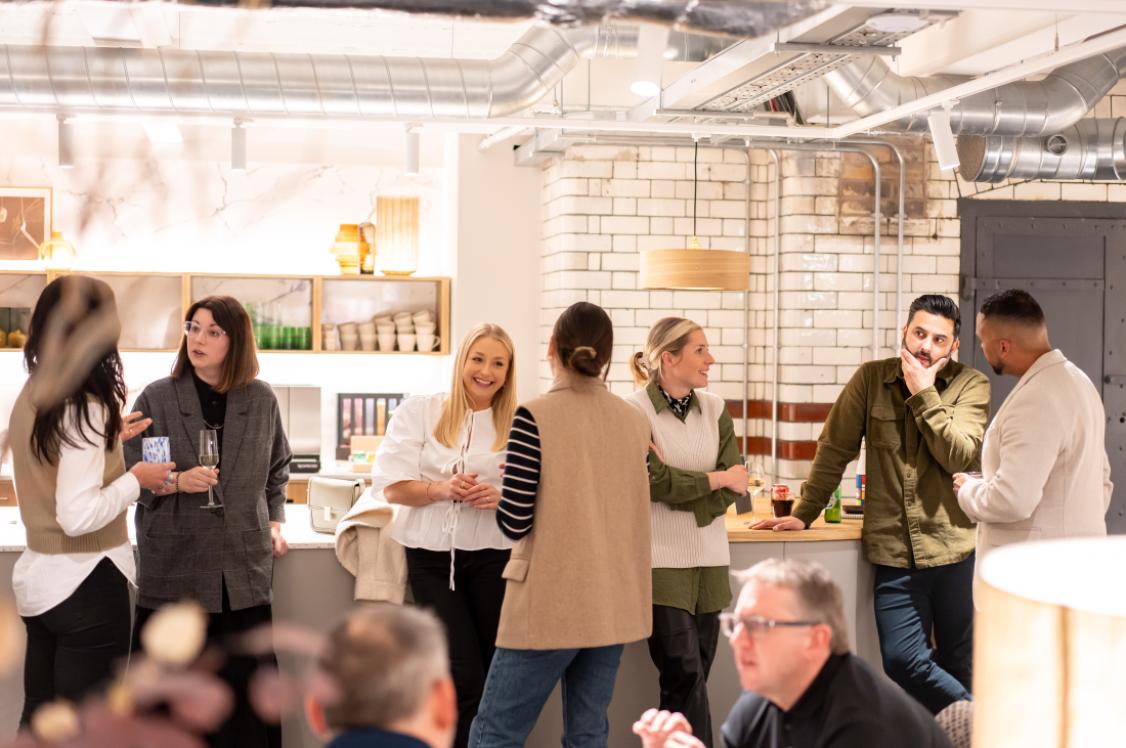
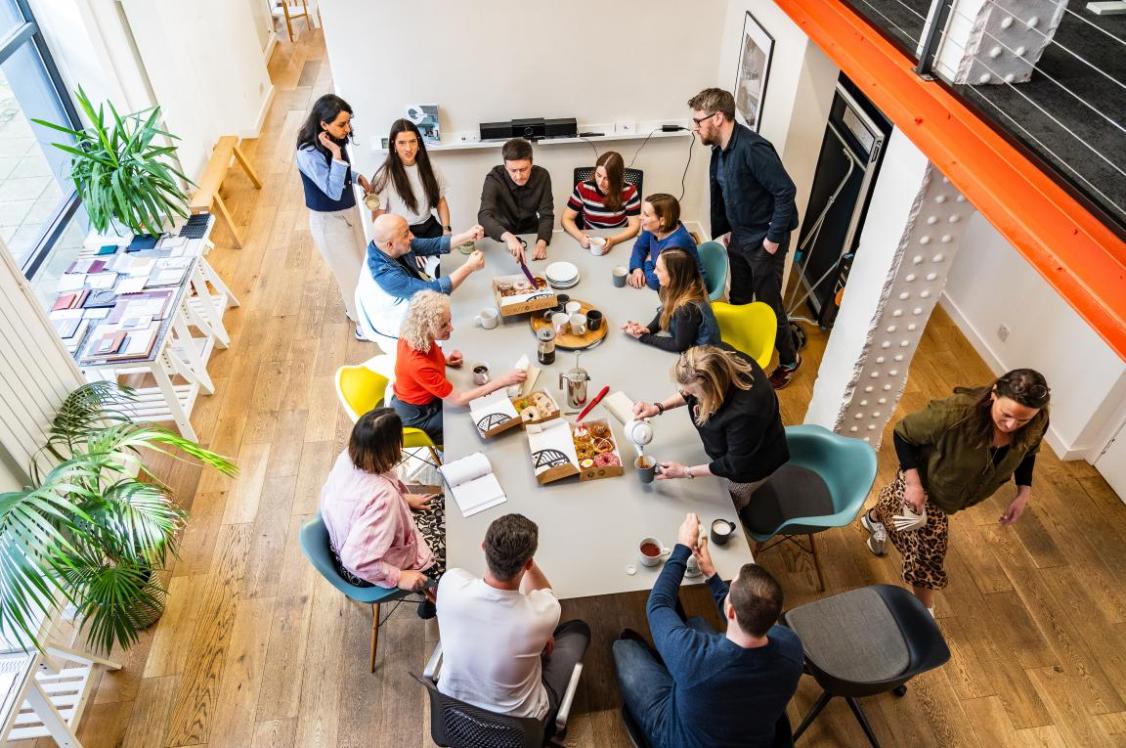
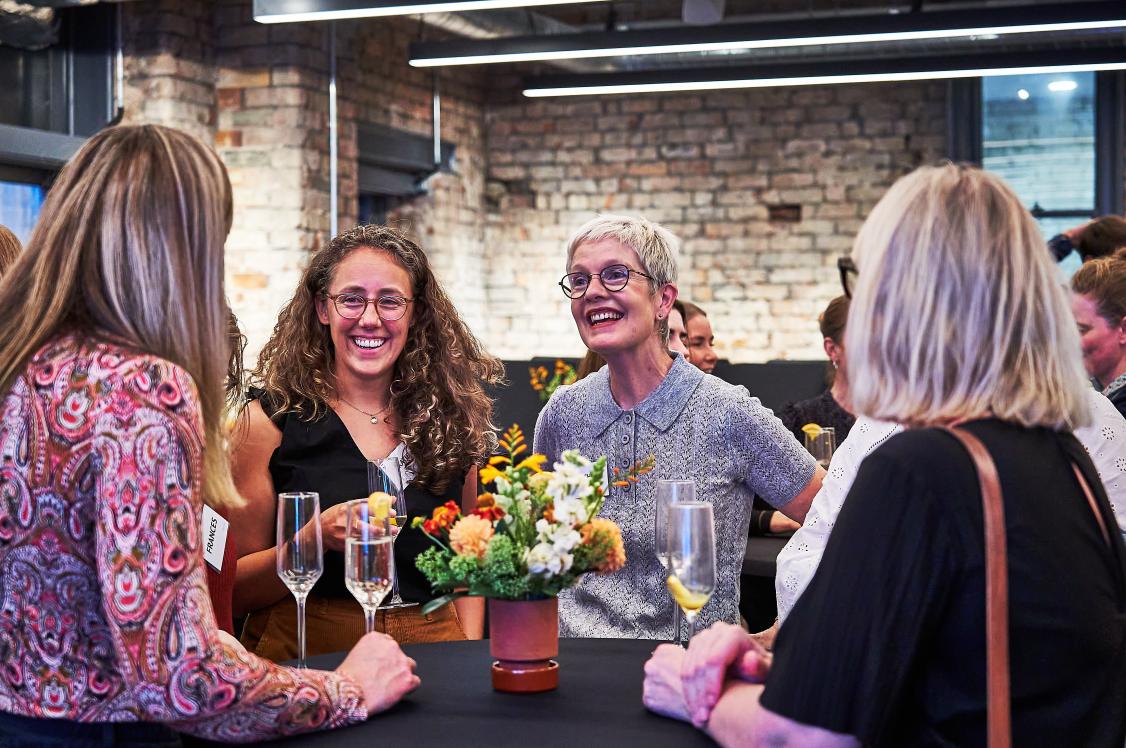
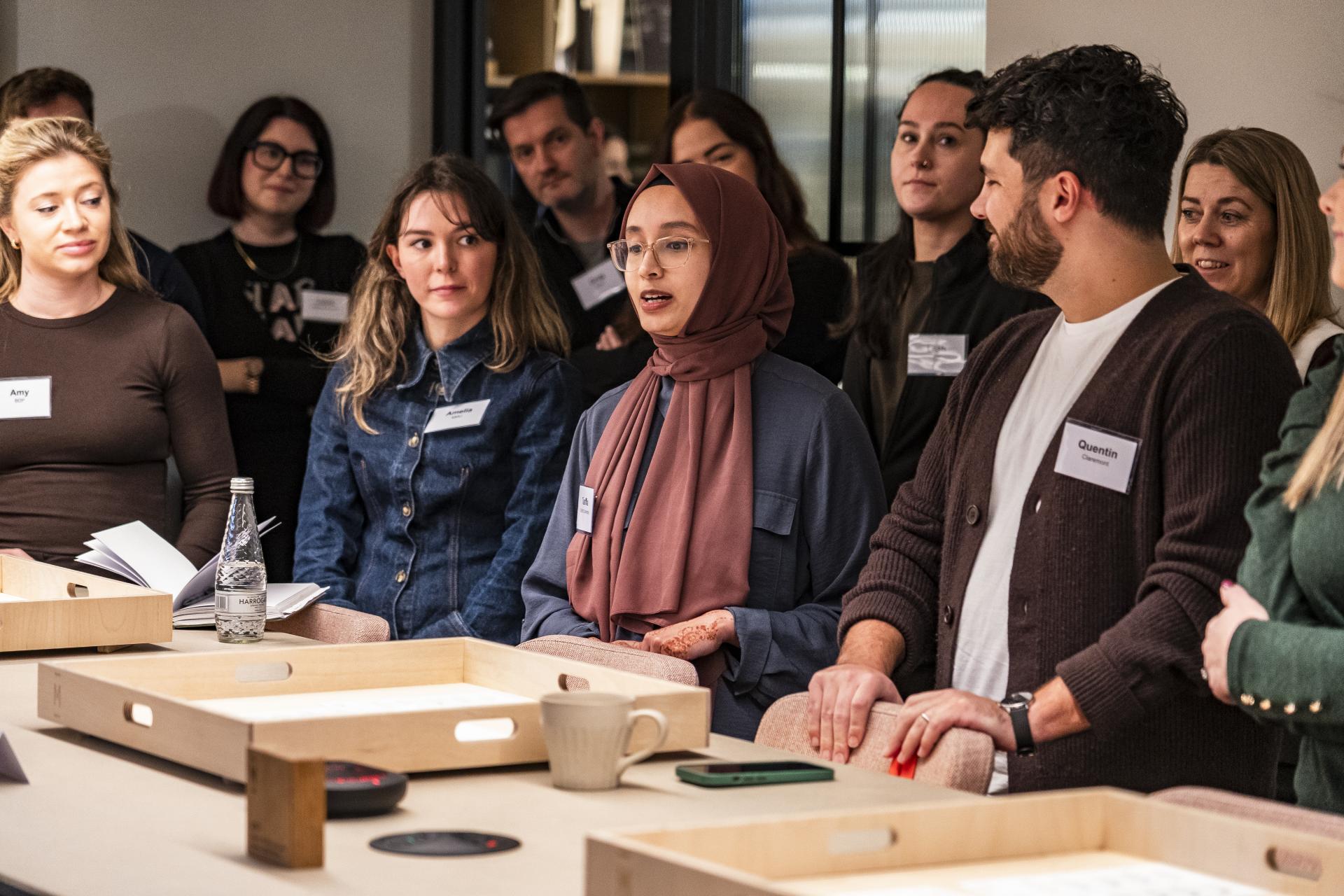
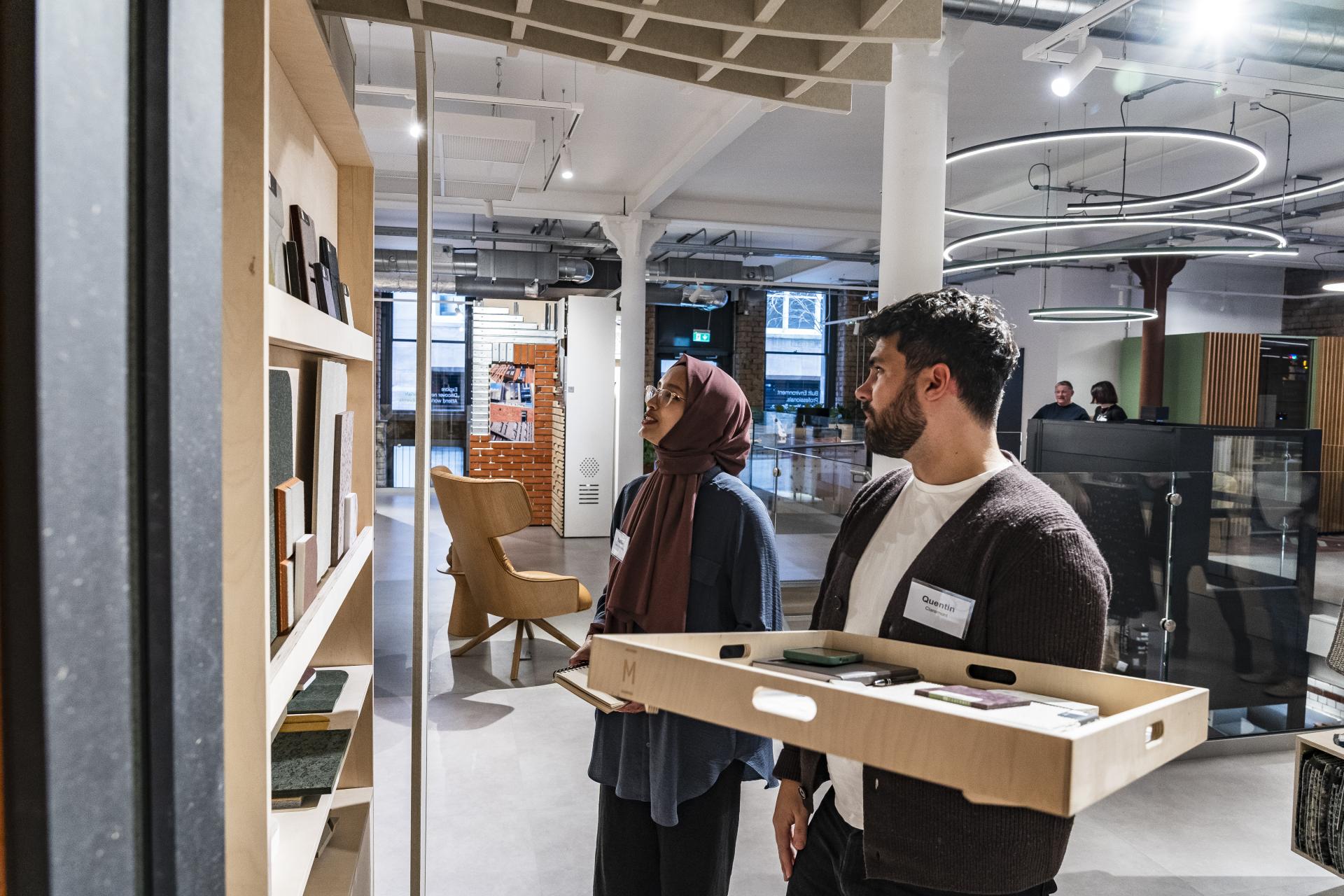
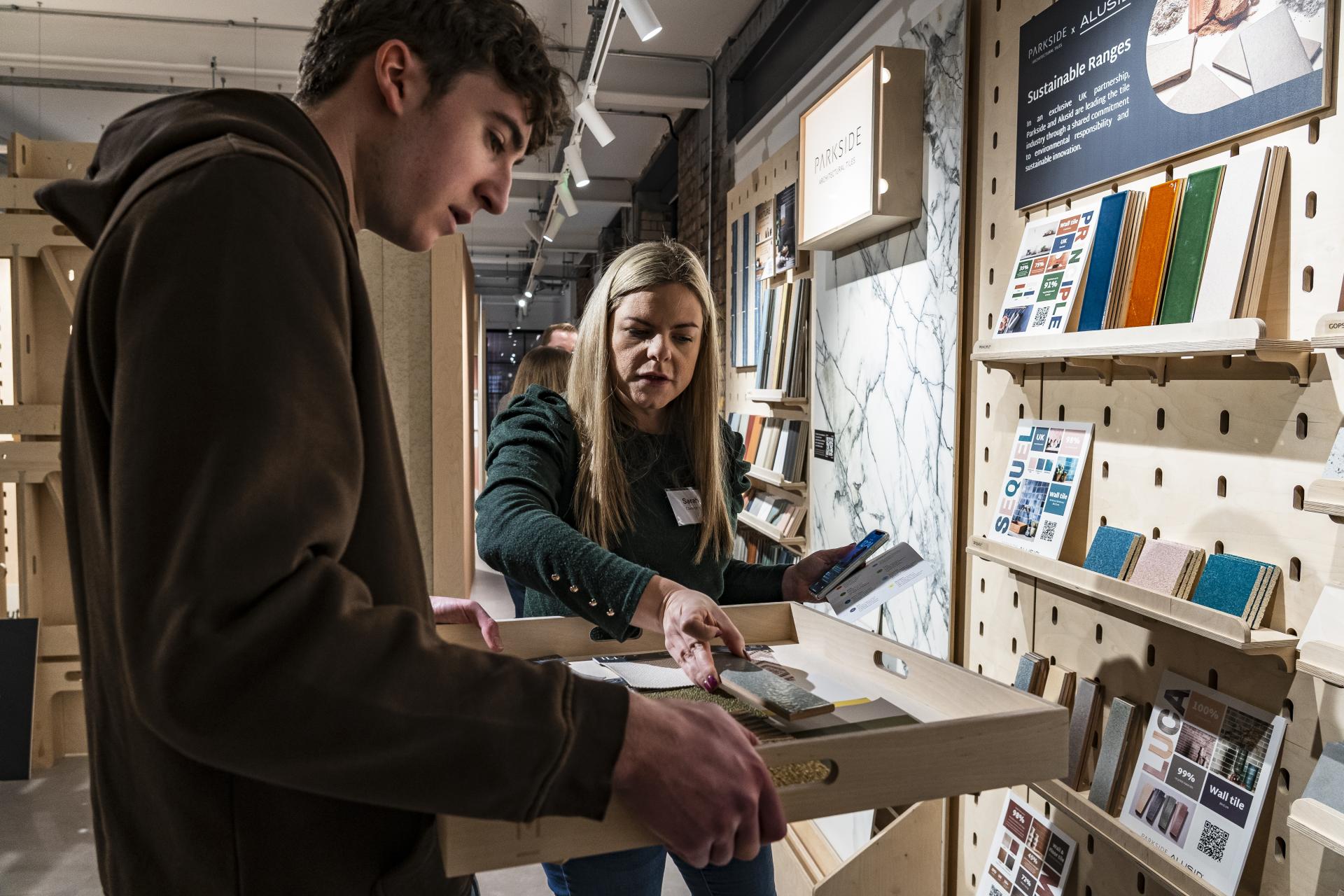
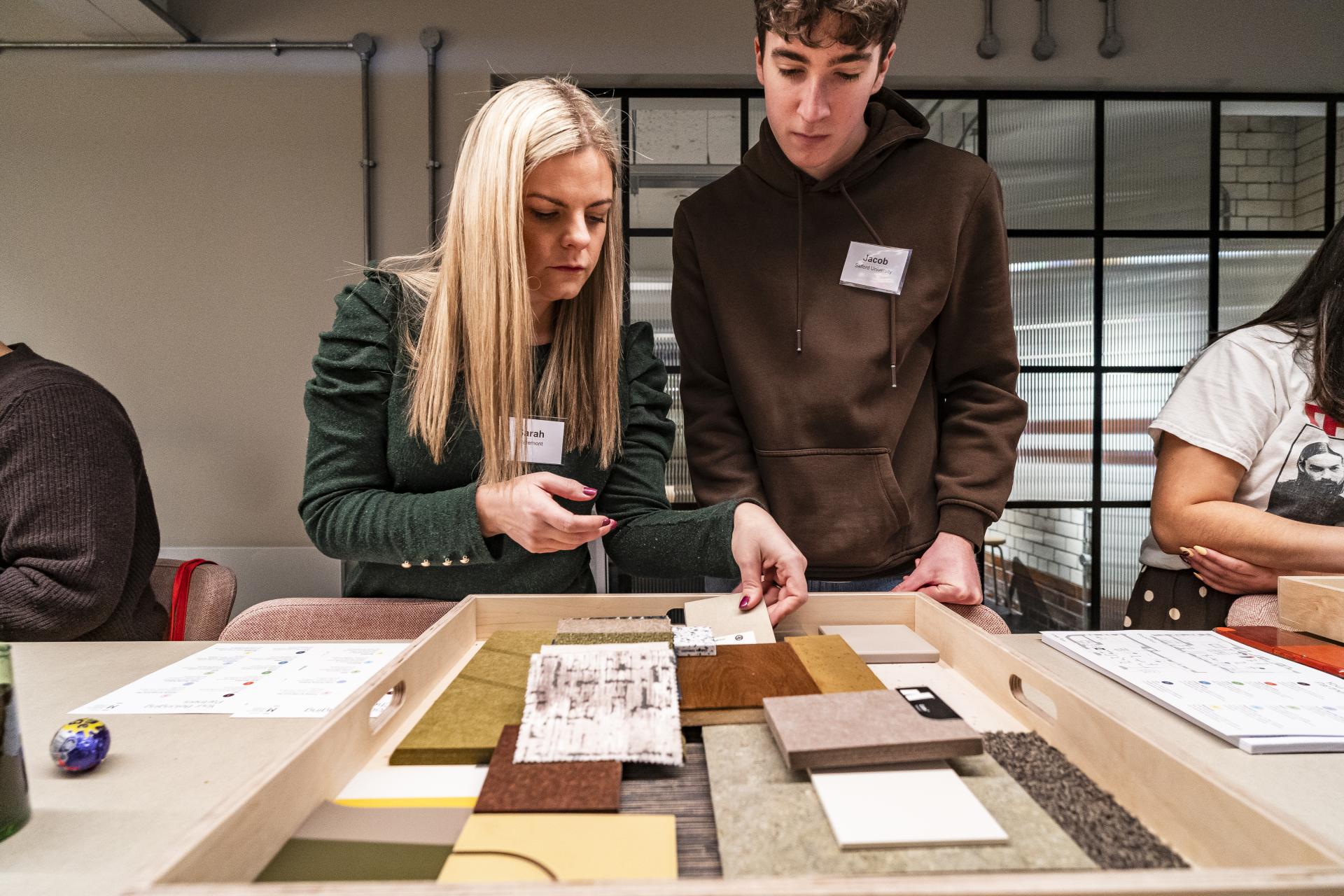
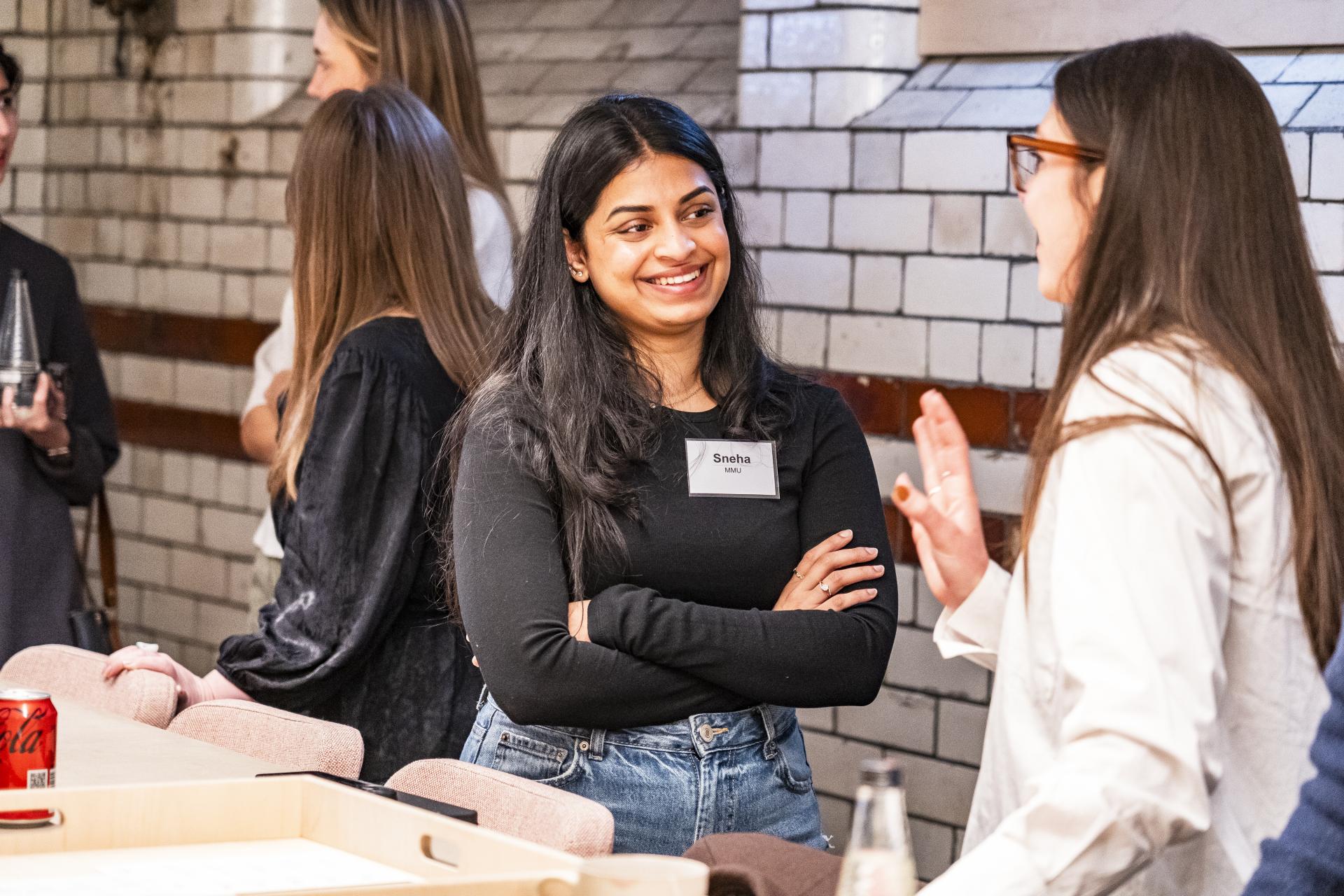
We brought together a mix of design professionals, ranging from individual practitioners to global firms, including 74, AXI, BDP, Chapman Taylor, Claremont, KIN, M1NT Studio, Sheila Bird and Studio Taitt, along with emerging, next generation designers from Manchester Metropolitan University and The University of Salford preparing to enter the sector through their first architectural and design roles, plus representatives from our Partner brands.
Together, we set out to explore how physical environments can influence human emotion, and what that sentiment might look like aesthetically. All had varied backgrounds and varied views. But all were given a common focus on which to collaborate on one level: to creatively interpret and express the concept of 'belonging'.
Here are some of the themes that emerged during our initial discussion on what belonging meant to the group...
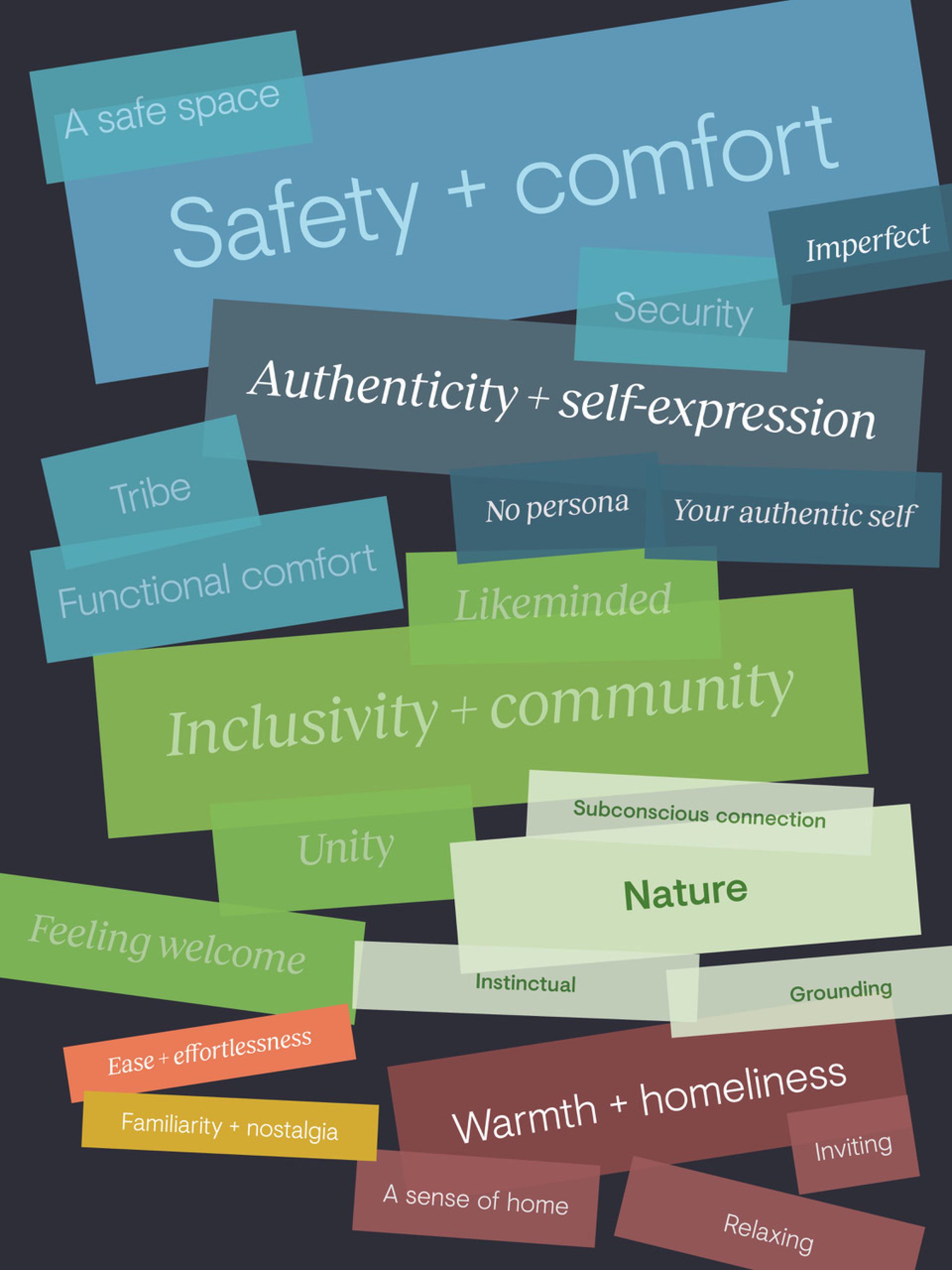
Safety & comfort
Belonging begins with the body before it reaches the mind. When a space truly works, occupants feel an instinctive sense of security and ease the moment they cross the threshold - a quiet signal that this environment is not a threat. A successful space is simply somewhere you can "spend quite a lot of time in, without thinking about it too much", said Andrew Murray, senior interior designer, 74.
"Functional comfort" is how Quentin Petrykowski, design manager, Claremont, described 'belonging'. Comfort is the cumulative result of every material decision made in a room - and it is the non-negotiable foundation on which all other aspects of belonging are built.
Inclusivity & community
Inclusive design resists the idea of a default user, asking instead who might feel unseen or underserved - and designing outwards from that question. As put by Amy Ackerley, senior interior designer, BDP, 'belonging' means, "catering for lots of different types of people from different backgrounds, and ensuring all users of the space feel comfortable using it".
The most powerful spaces do not merely accommodate differences - they are shaped by them.
Authenticity & self-expression
'Belonging' is not about blending in. At its most meaningful, it is the freedom to be fully oneself within a shared environment. Belonging is "feeling that you can be yourself and stand out, as well as being involved in what everyone else is doing", commented Bethany Nixon, interior designer, KIN.
Spaces that foster authenticity offer variety and character that reflect the richness of the personalities occupying the space, rather than a single curated aesthetic.
Warmth & homeliness
There is a reason the word 'home' appeared frequently and perhaps instinctively when designers were asked to define 'belonging'. It is the environment against which all others are unconsciously measured.
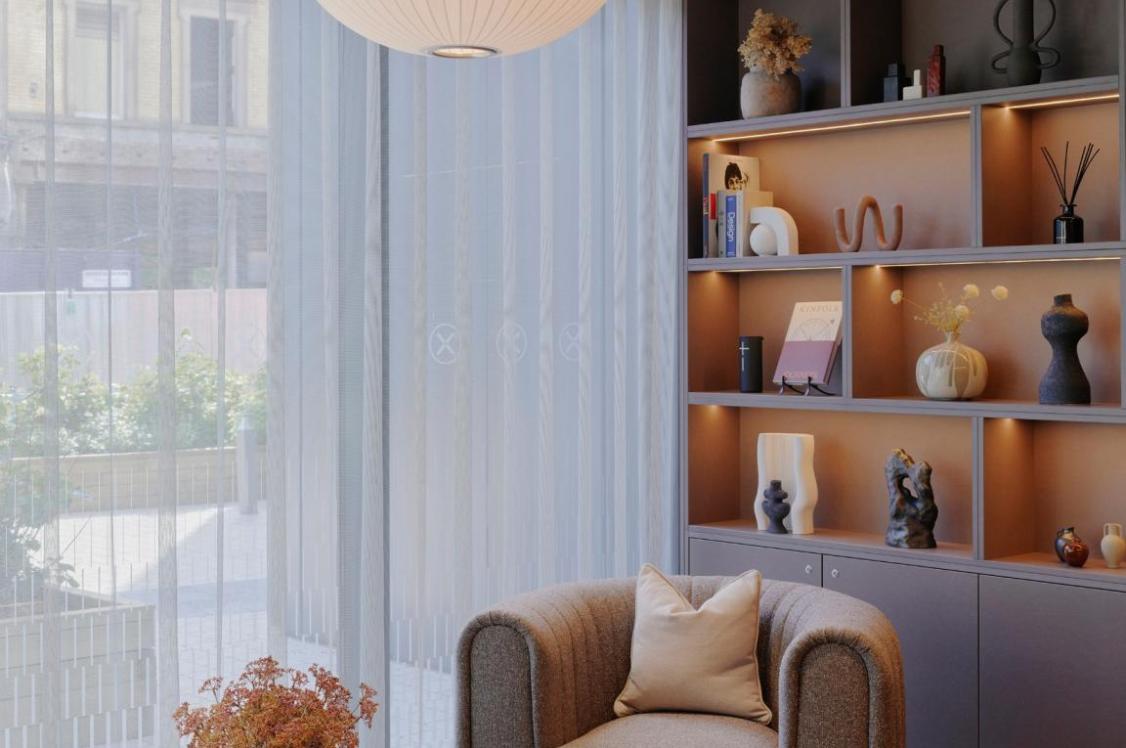
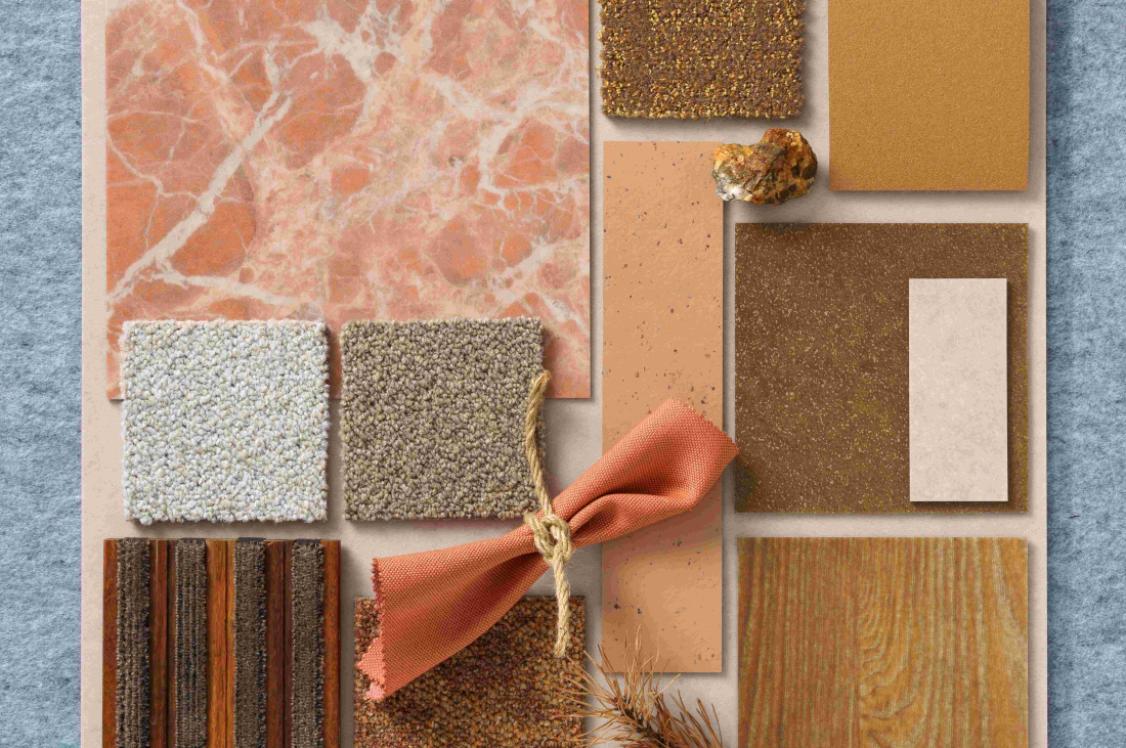
Amelia Tillot, student, MMU, put forward her view that designing for a sense of homeliness comes through employing, "hand craftsmanship and surfaces that are inherently tactile". An atmosphere that feels inhabited rather than staged, the use of warm materials that call to human touch, are how our spaces can evoke a sense of homeliness. This kind of environment gives people permission to relax in a way that cooler, more clinical environments rarely do.
Nature
Humanity's relationship with the natural world runs deeper than aesthetics. Drawing on the shades and shapes that tap into a subconscious desire to be close to organic surroundings, Sarah Syson, director, Claremont, explained, "nature subconsciously gives a sense of belonging".
Familiarity & nostalgia
'Belonging' is often experienced as recognition - the feeling of encountering something that resonates with personal or collective memory. For Ellen Findley, interior designer, Sheila Bird, and Emily Oakes, student, MMU, belonging is sympathetic, nostalgic, and represents a feeling of likemindedness.
Designing with "heritage colours" and "being sympathetic to existing façades" were Ellen and Emily's methodology to honour the context a space inhabits. When a design acknowledges where it comes from, the people within it are more likely to feel that they belong there too.
Ease & effortlessness
Some of the most impressively designed spaces are the ones you stop noticing. When design is working at its highest level, occupants are simply present, unaware of the decisions that got them there.
'Belonging', according to Bethany Nixon, interior designer, KIN, Emily Adams, interior designer, KIN and Eleanor Candlish, student, MMU, "has a sense of ease about it" and allows "being able to be yourself and not put on a persona".
Stability
To belong somewhere is to feel that a space has permanence - that it existed before you arrived and will endure long after you leave.
As expressed by Kirsty Barr, interior designer, Chapman Taylor, "Something will come before you and something will come after you - the space is almost that steady ship beneath, and the people are what's transient within". Grounded design choices that resist trends and honest materials offer something increasingly rare: “the sense that you are exactly where you are meant to be”.