


































AI: Simply intriguing or integral to creating significant impact?
In association with:

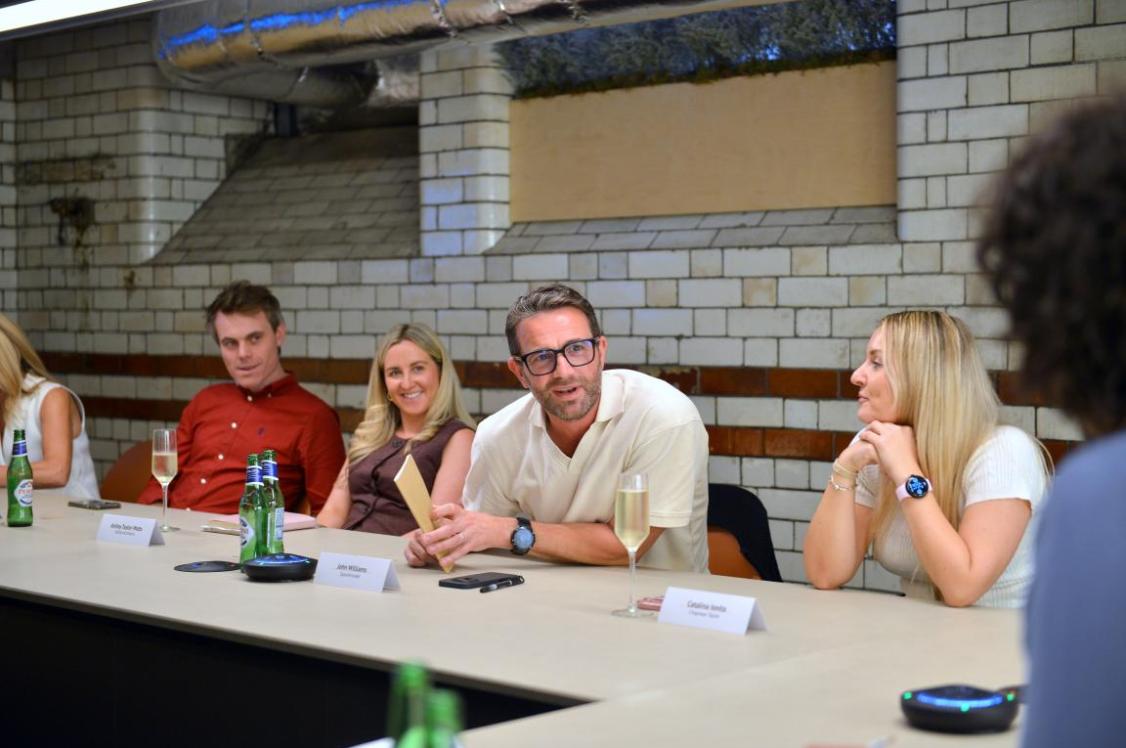
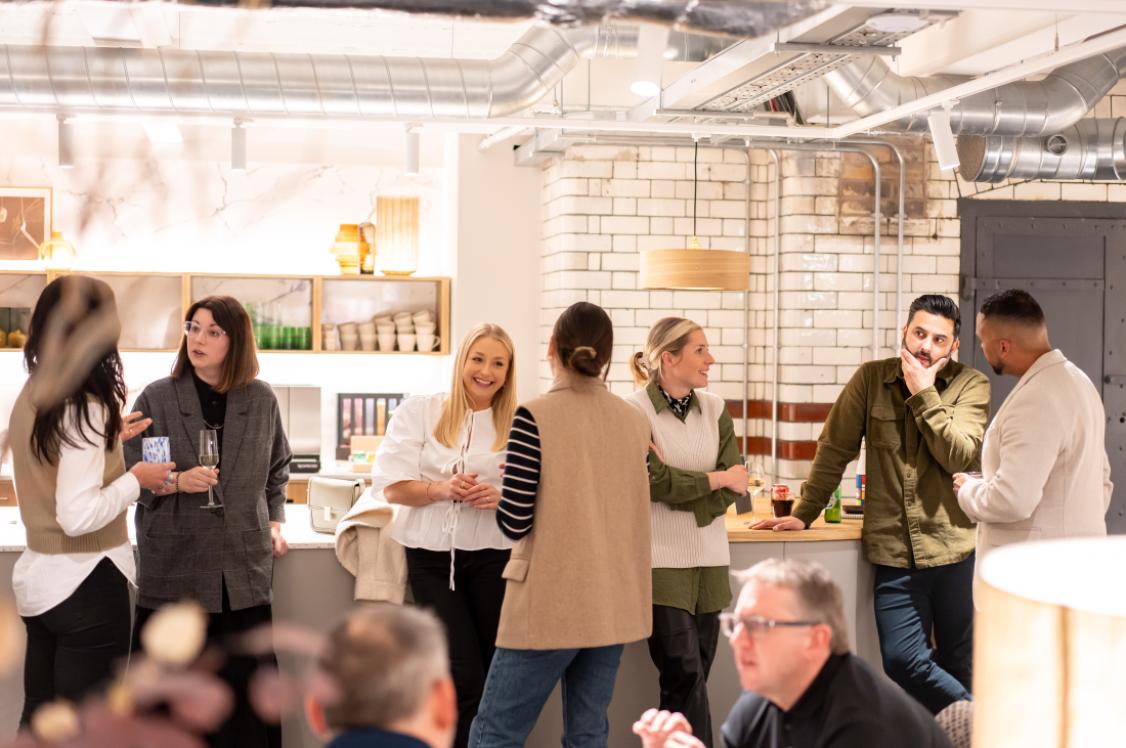
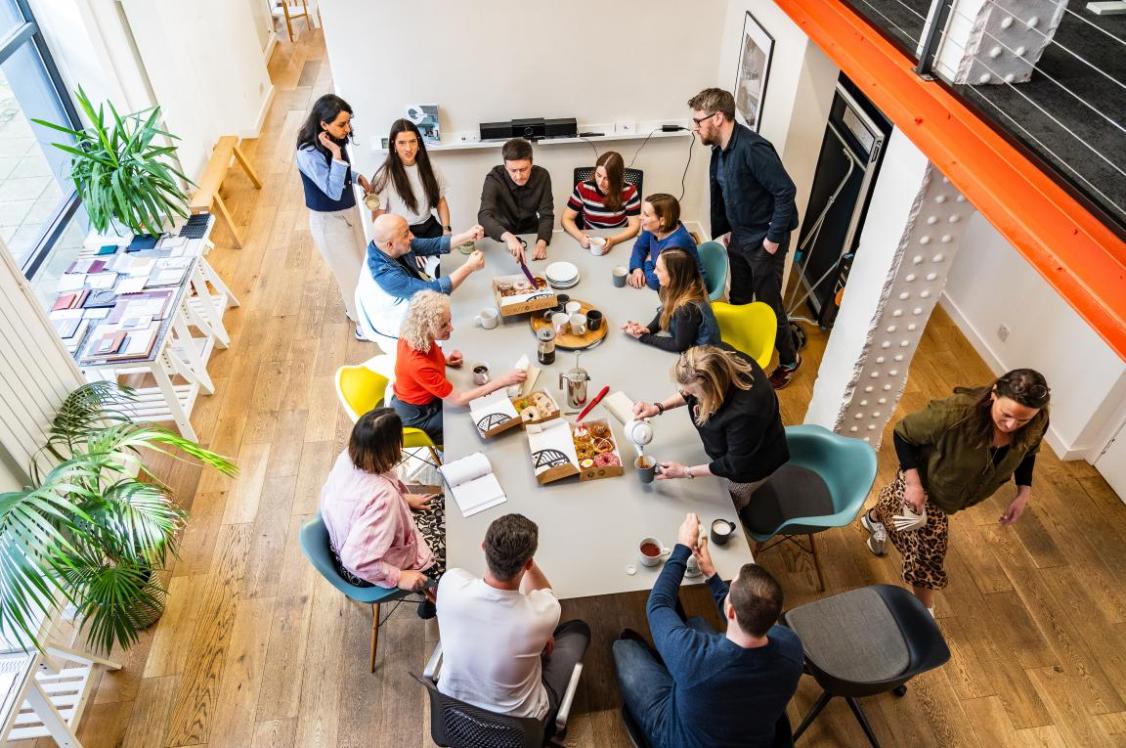
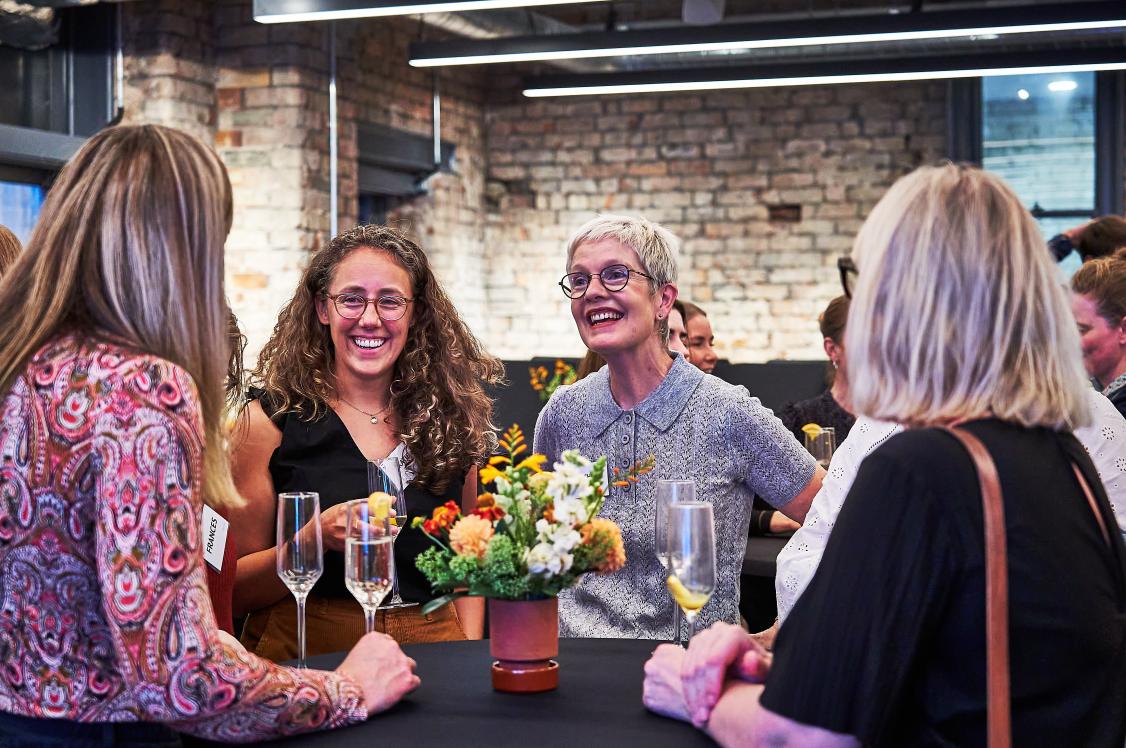
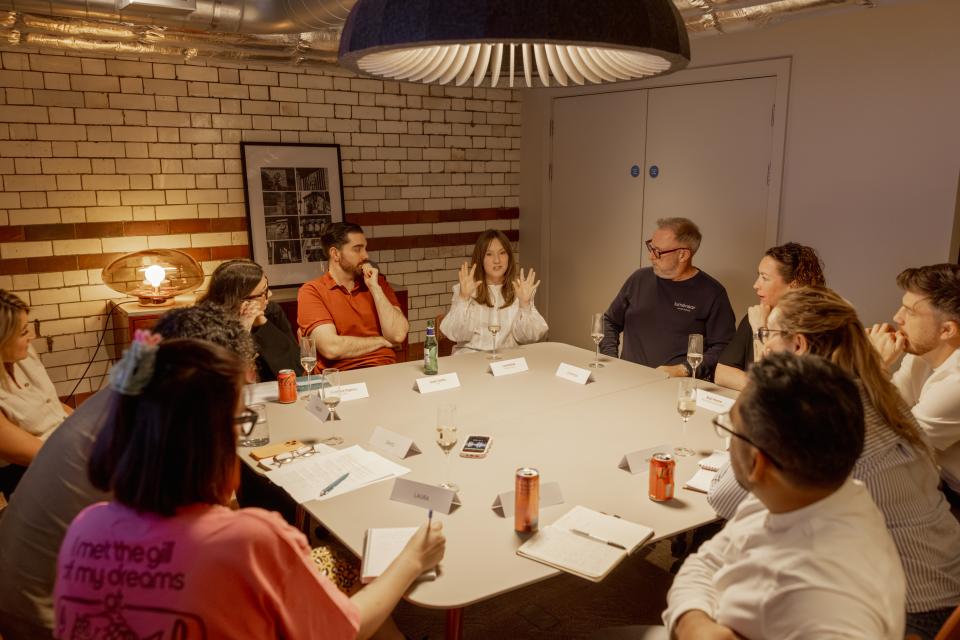
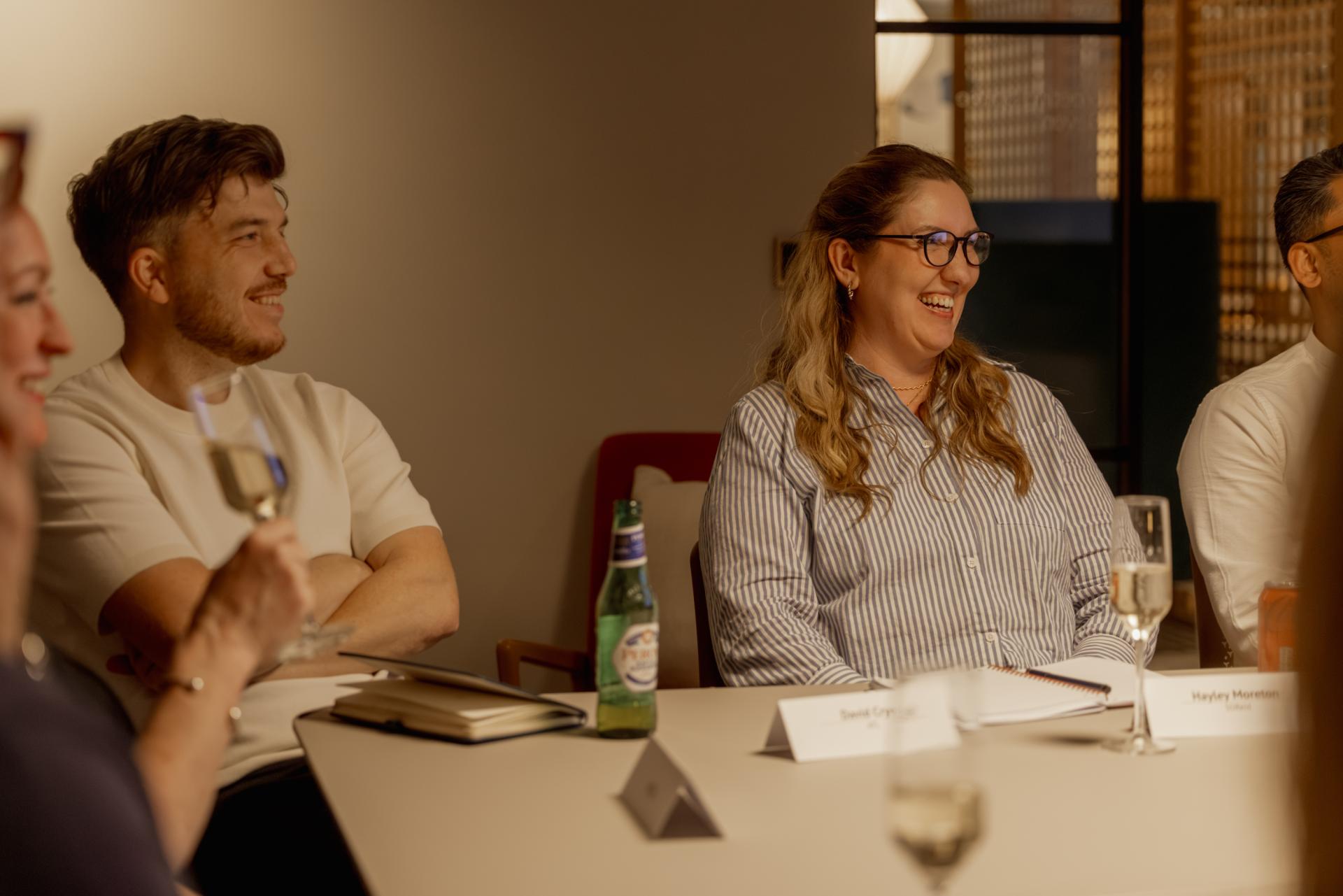
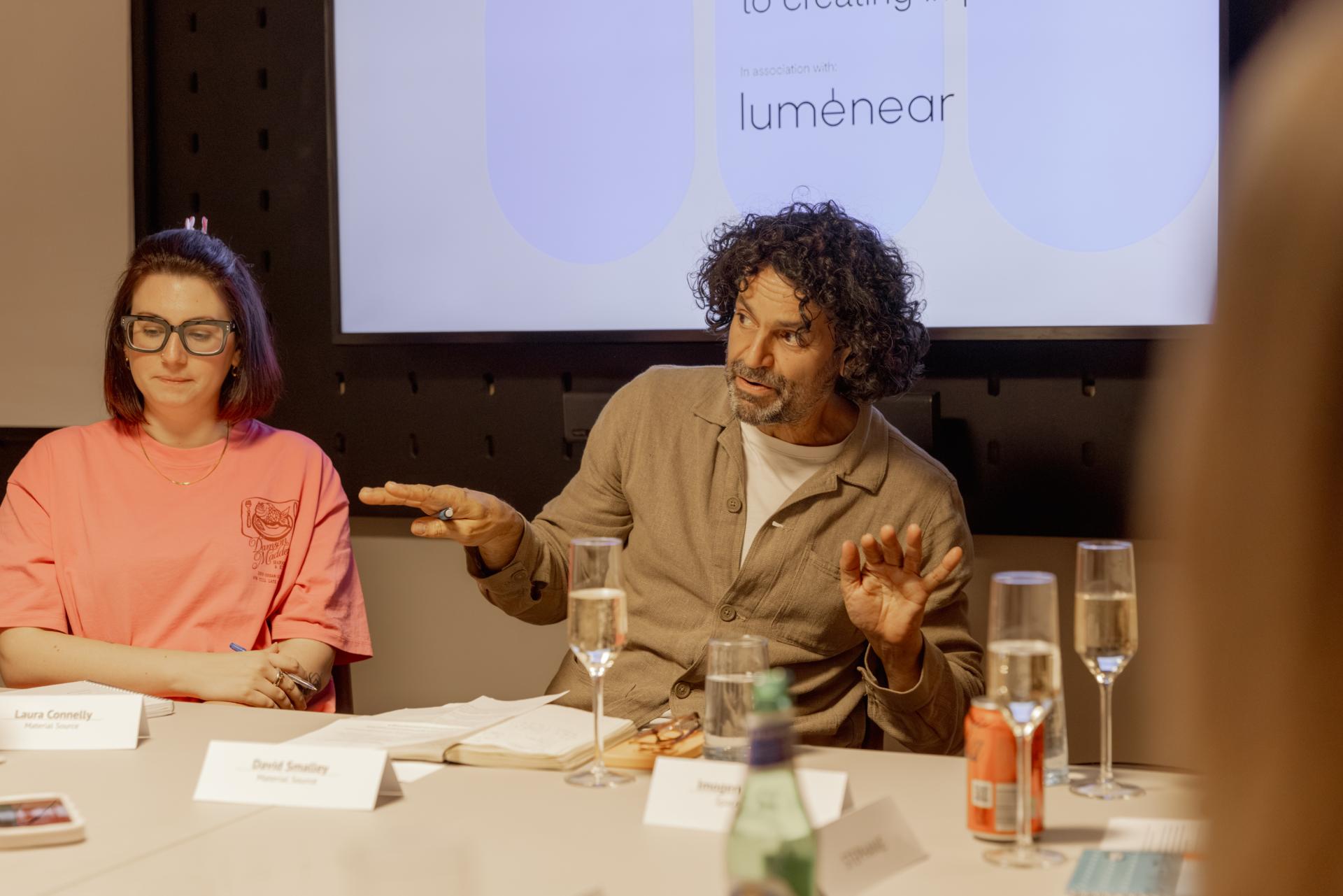
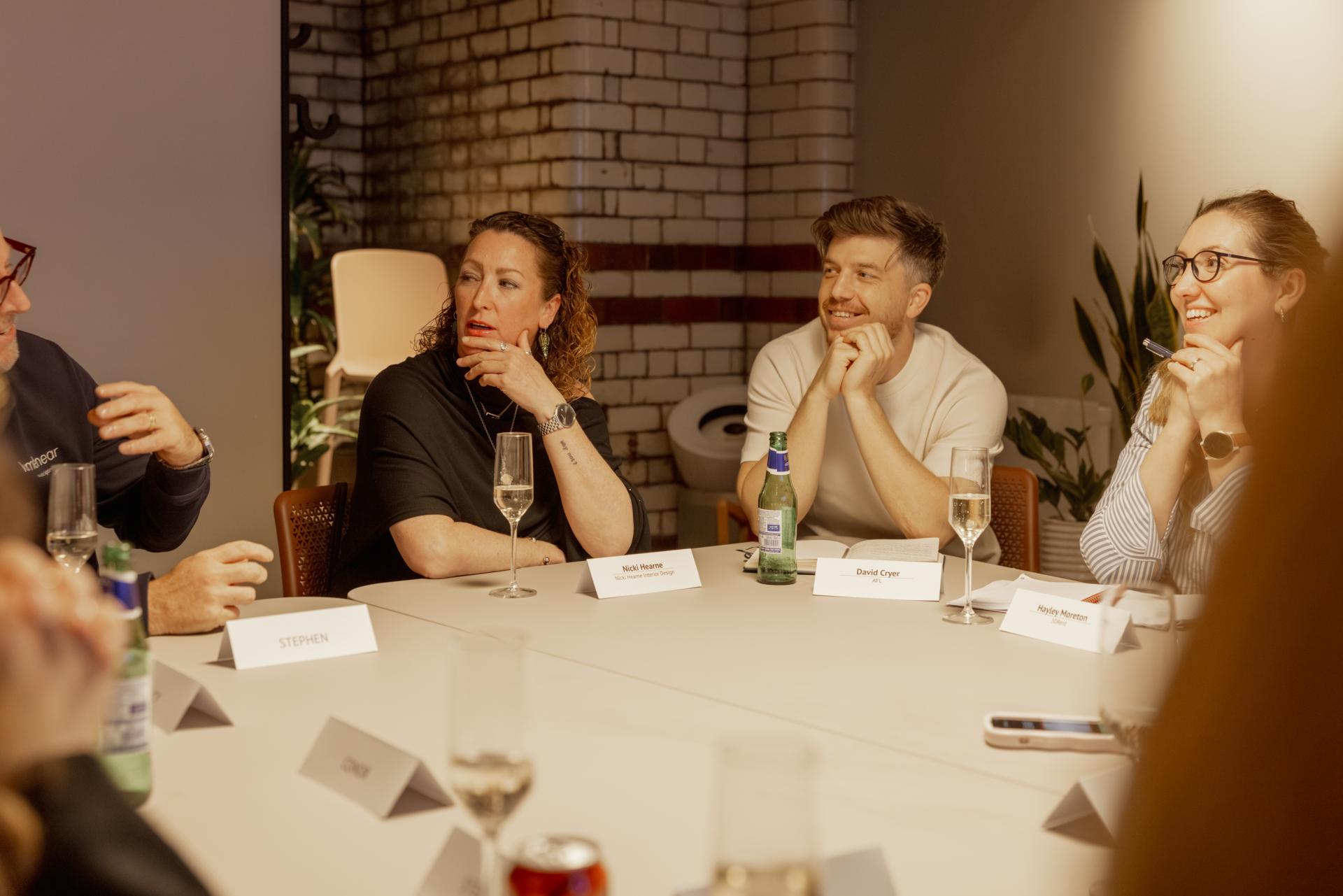
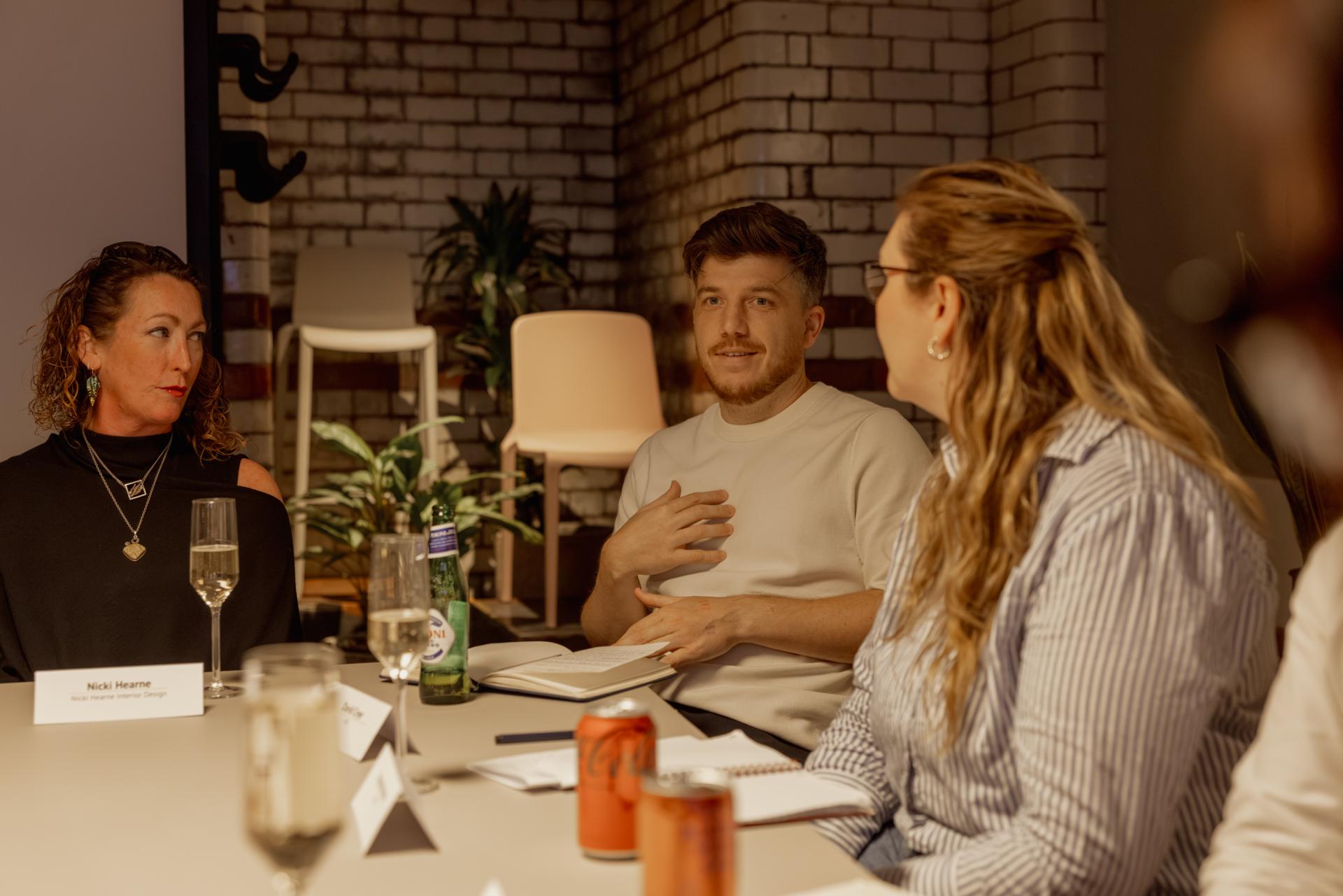
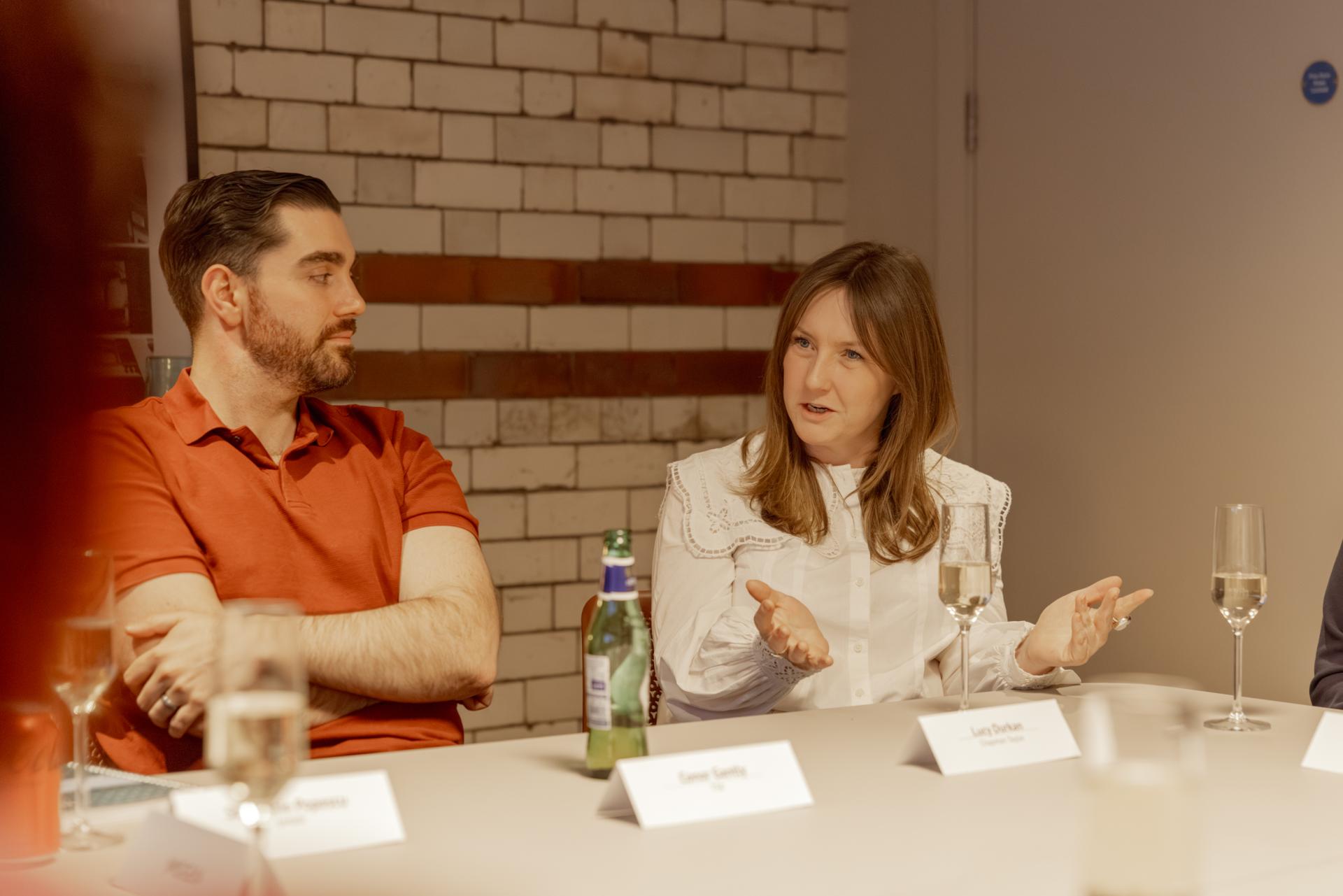
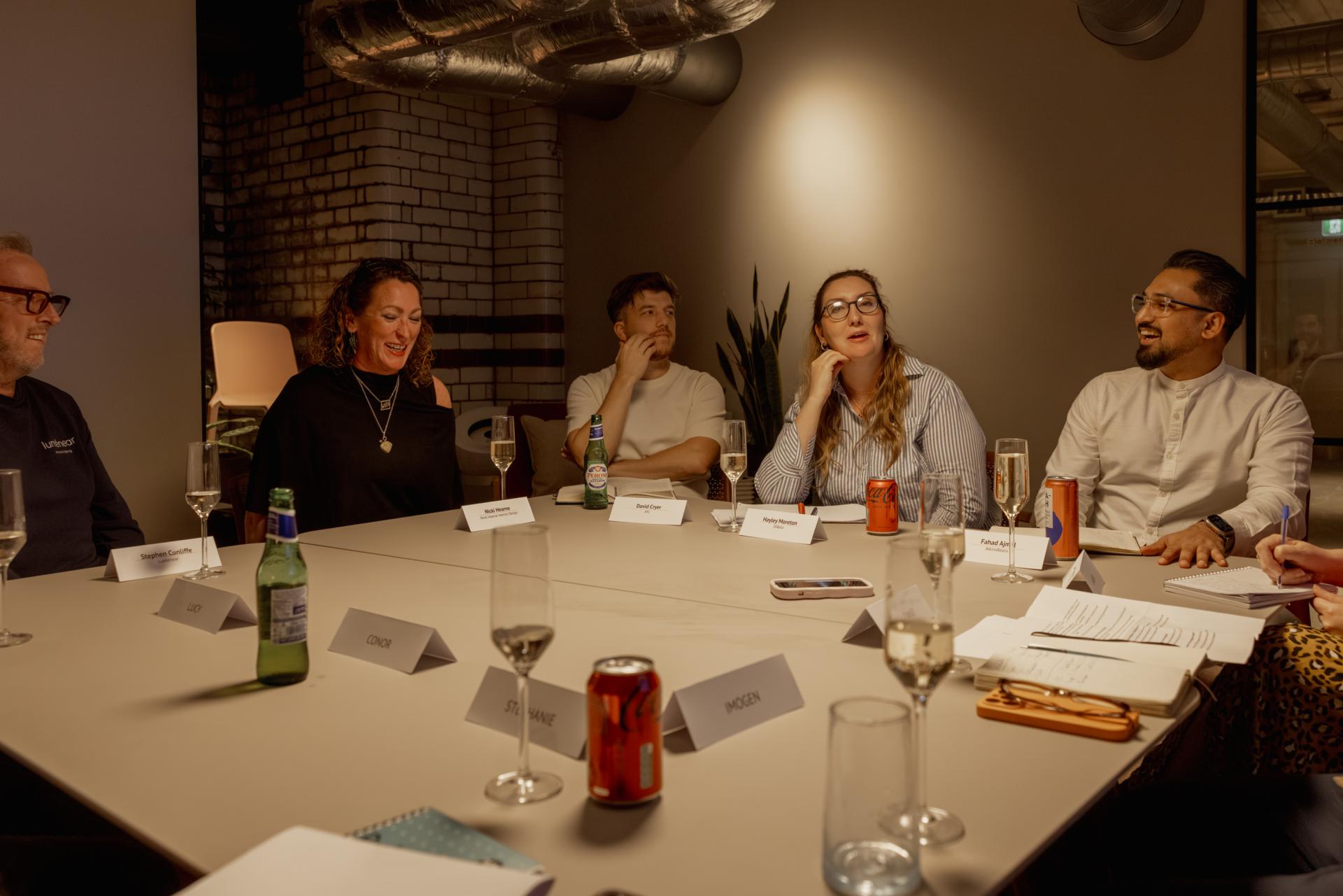
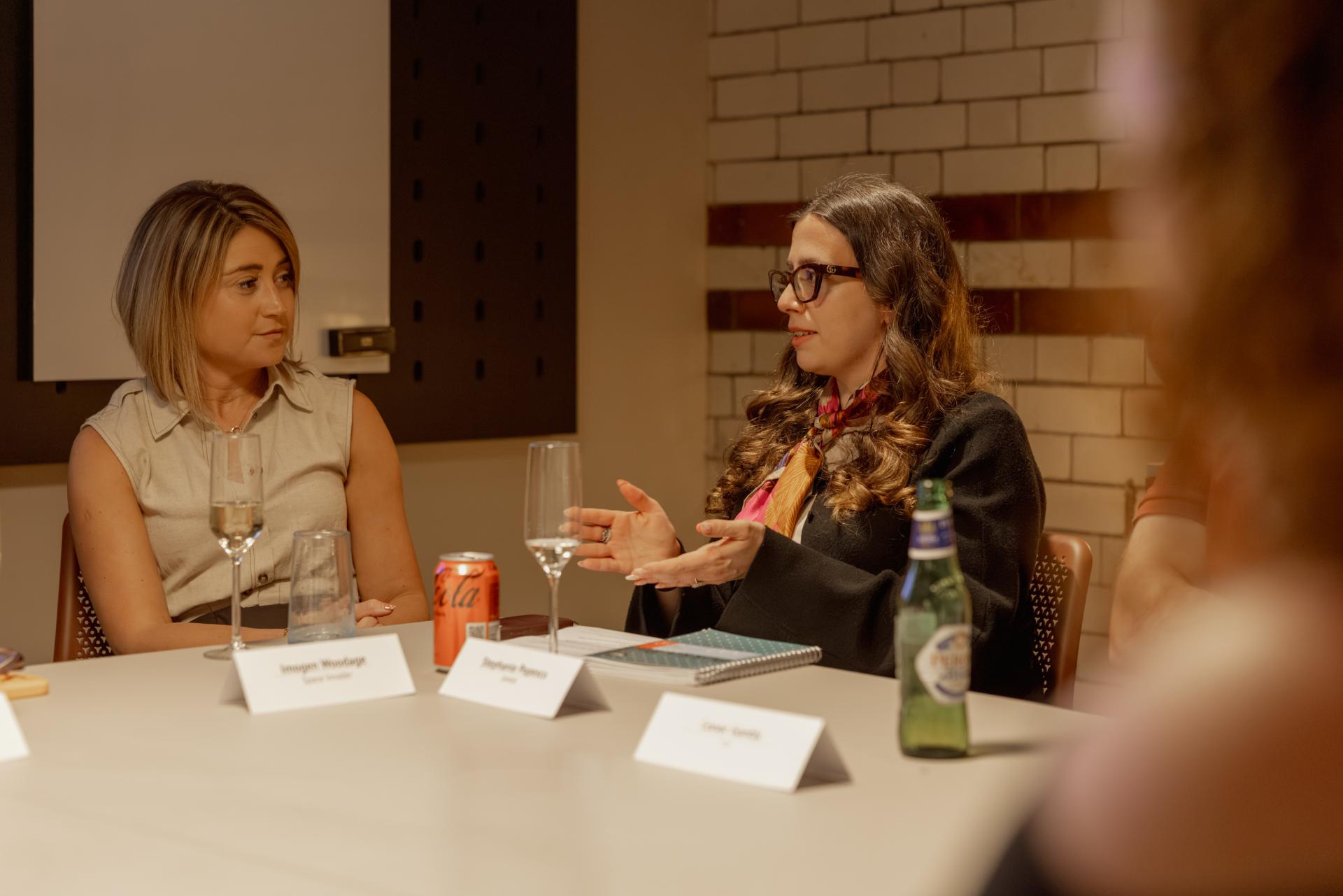
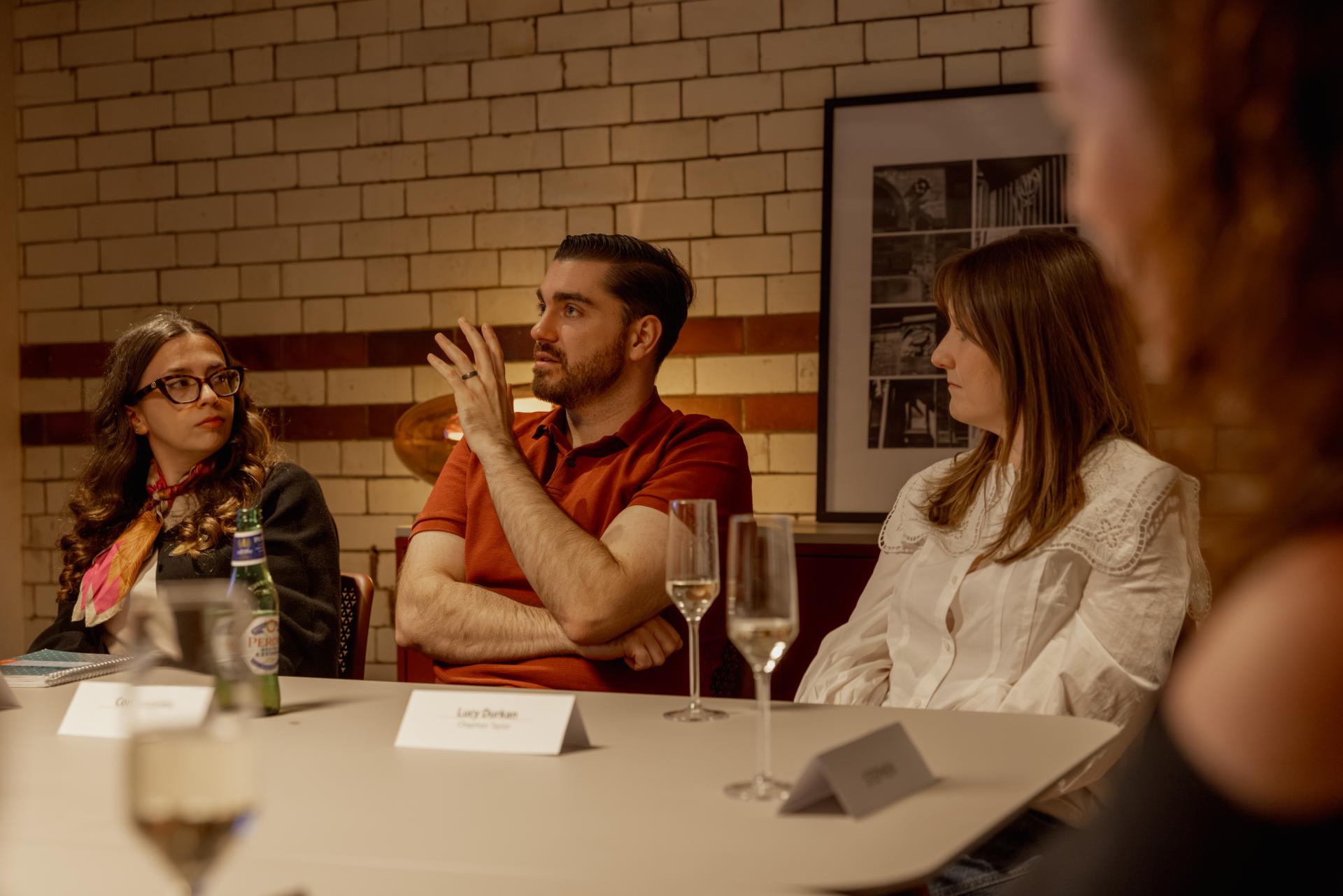
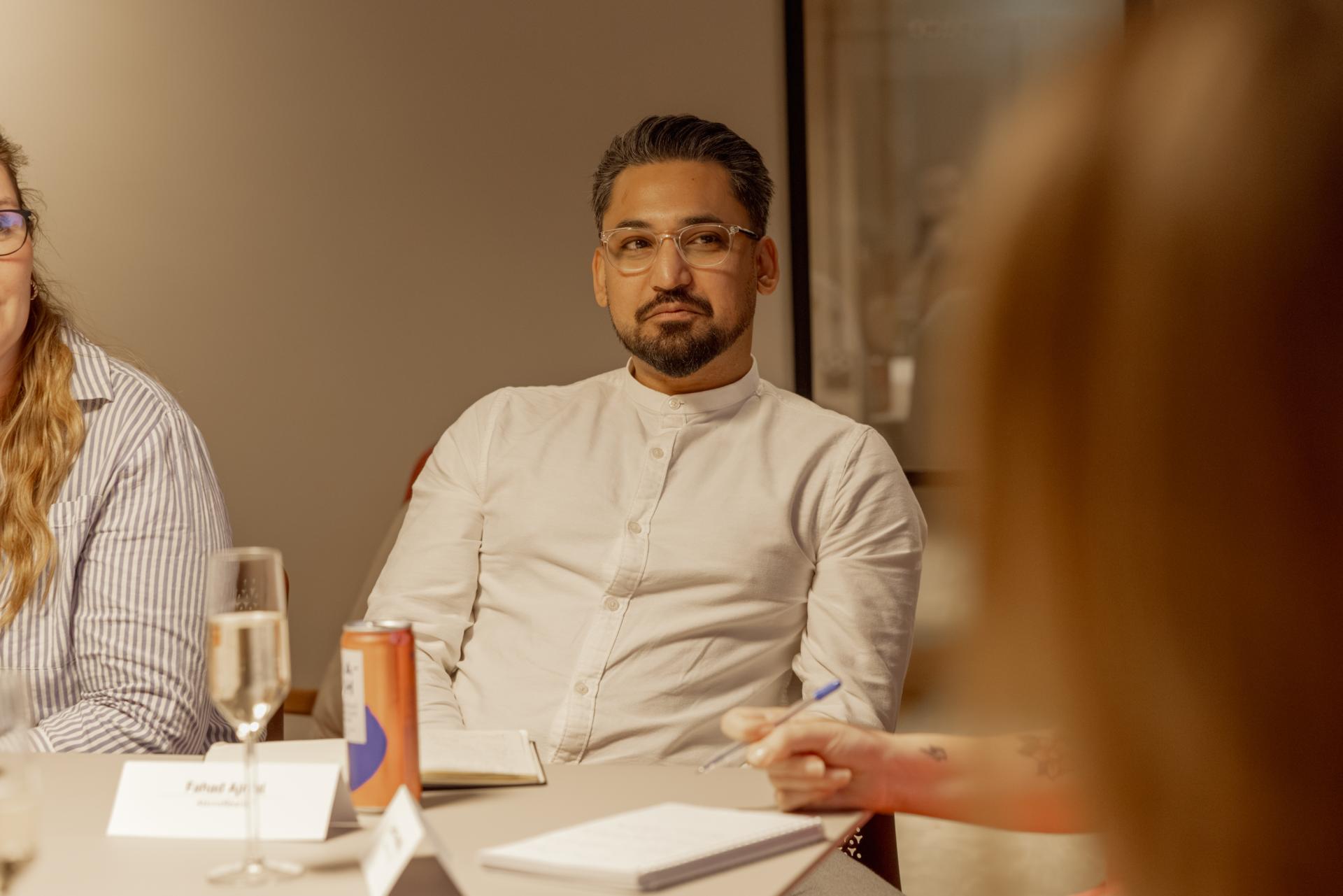
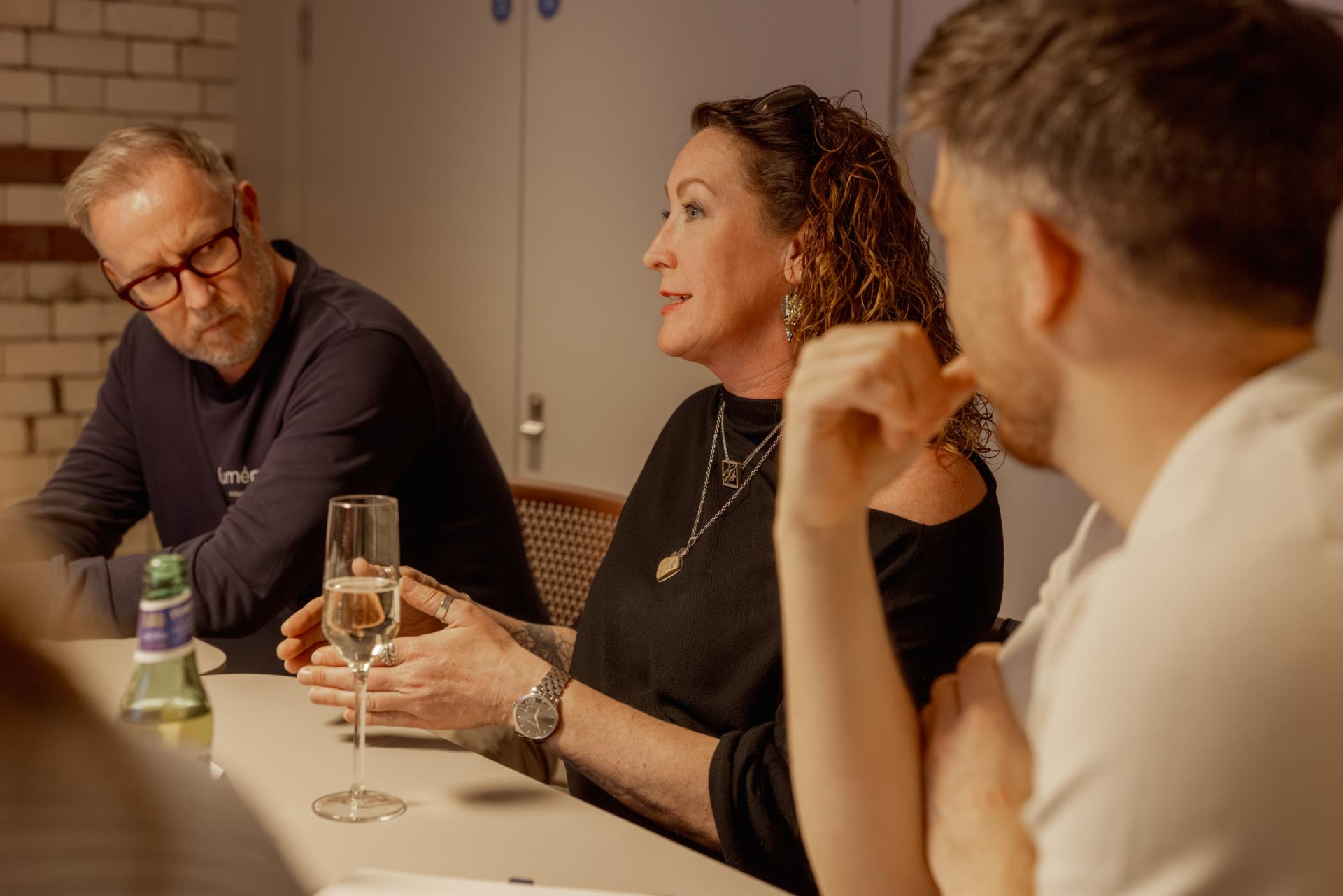
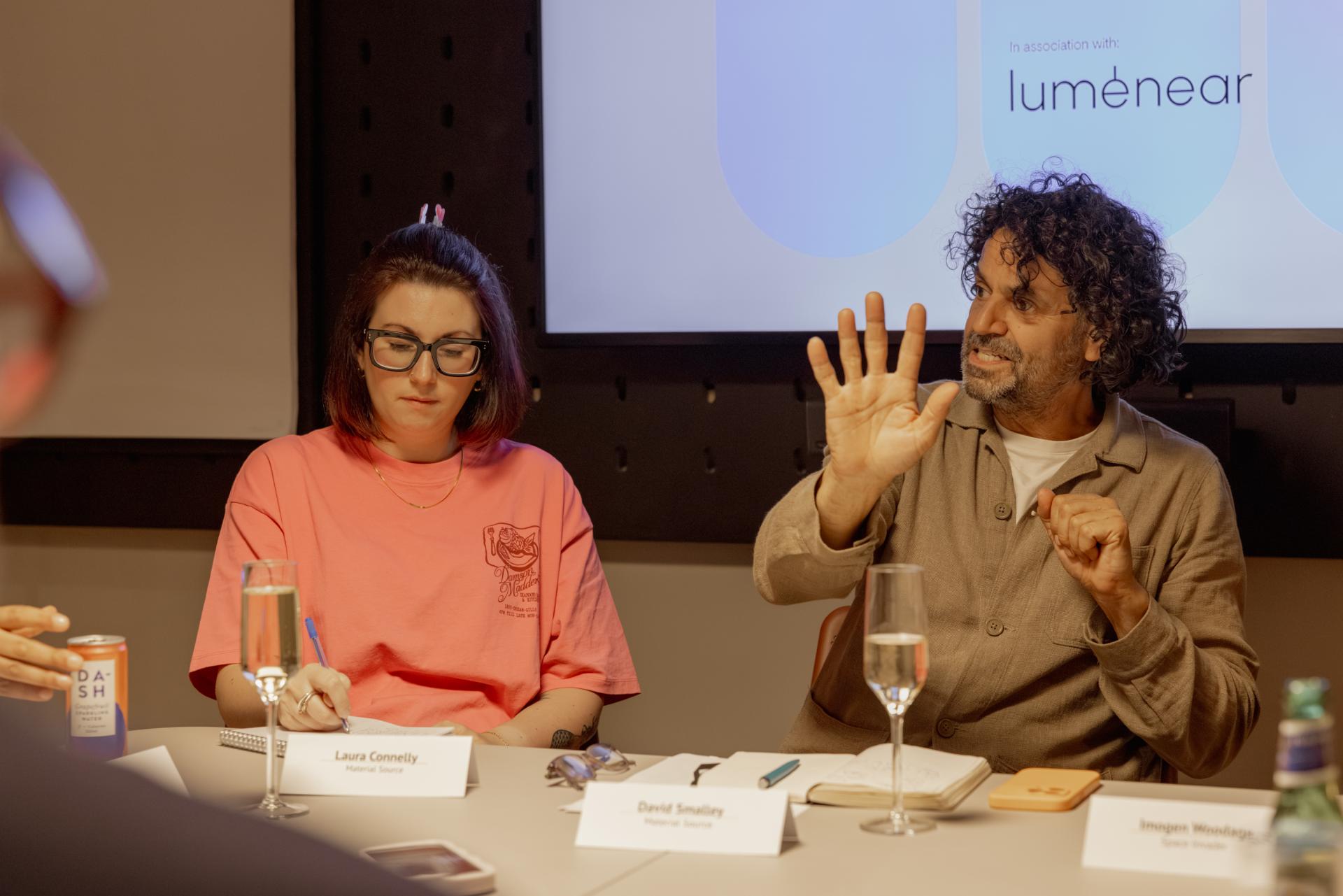
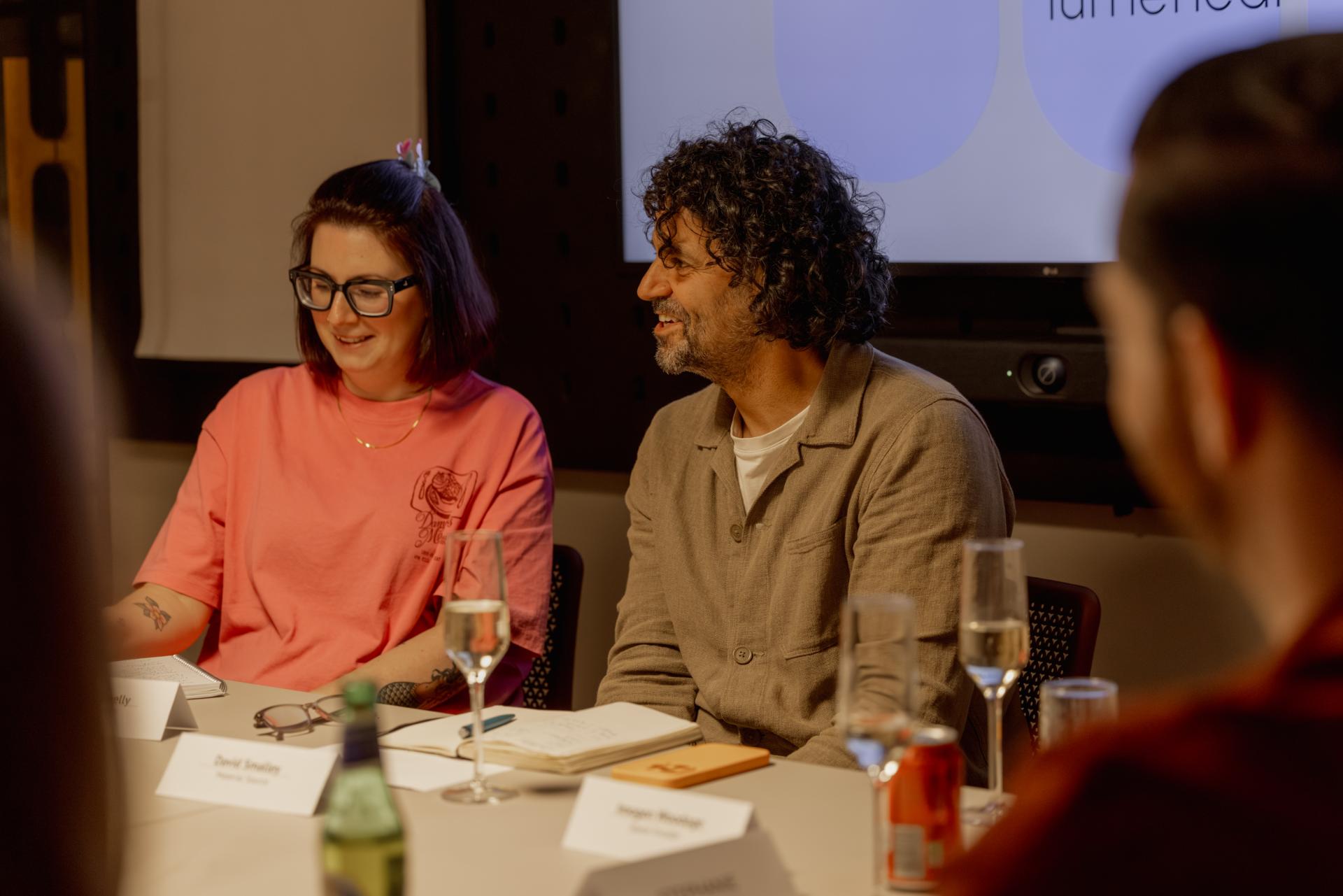
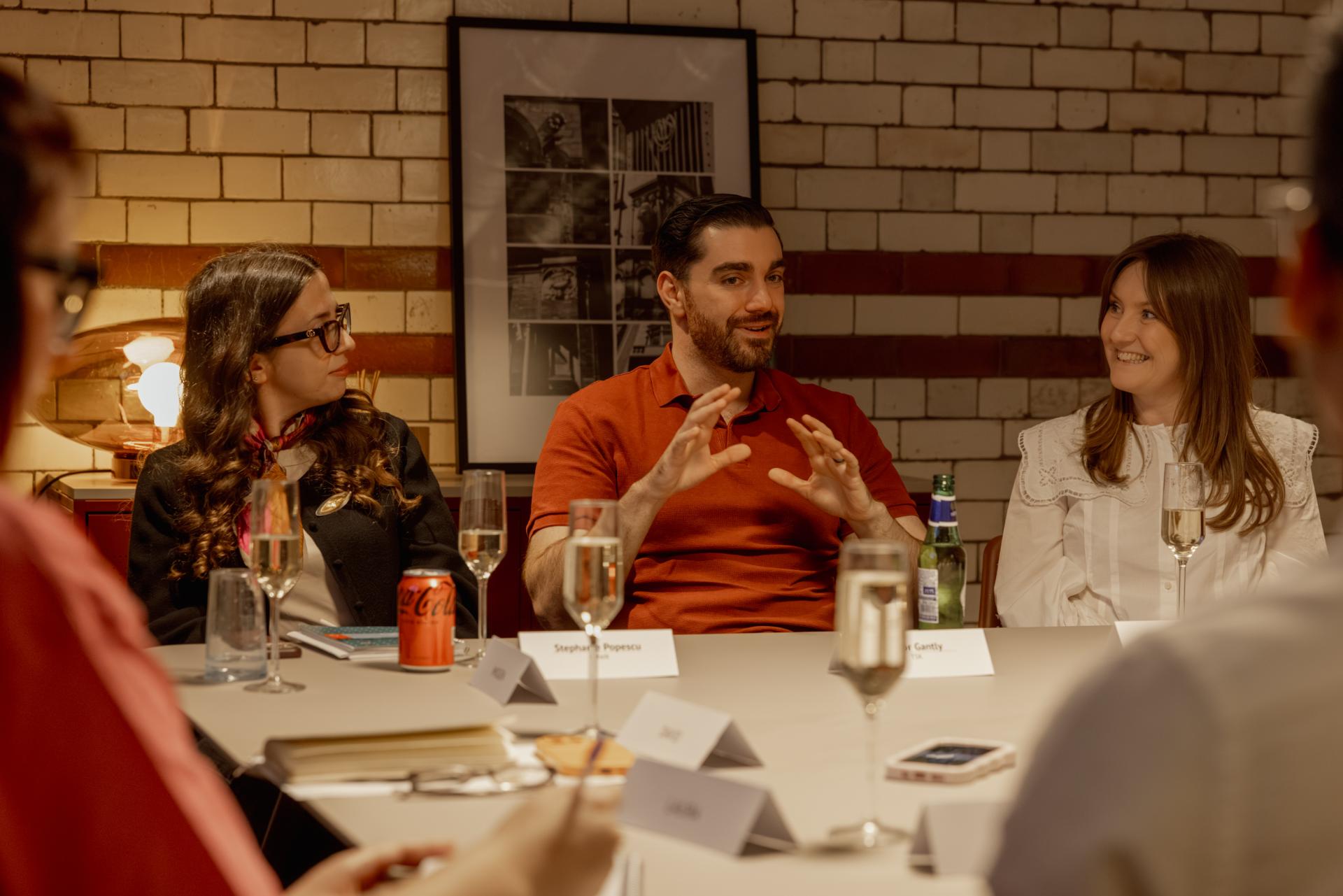
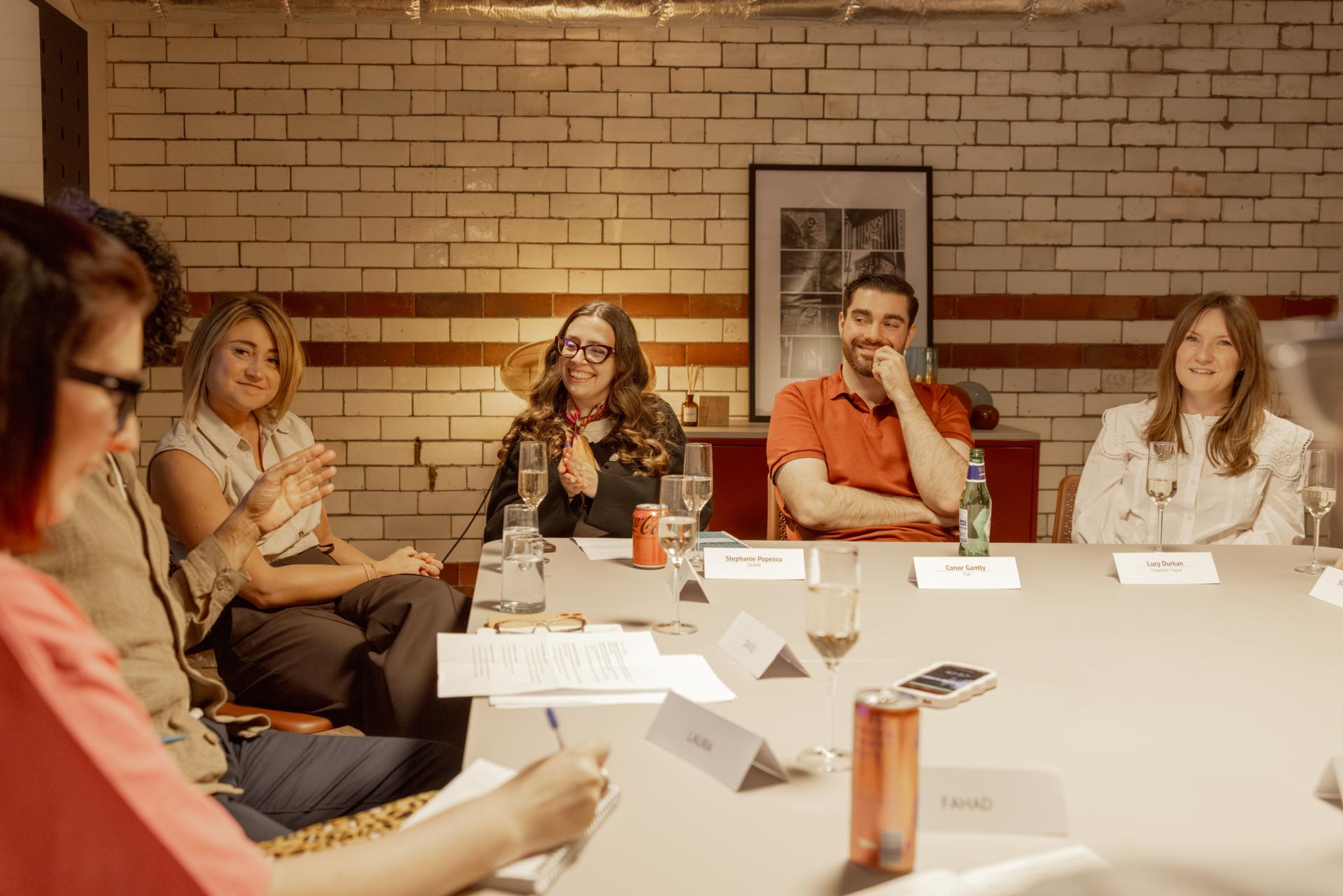
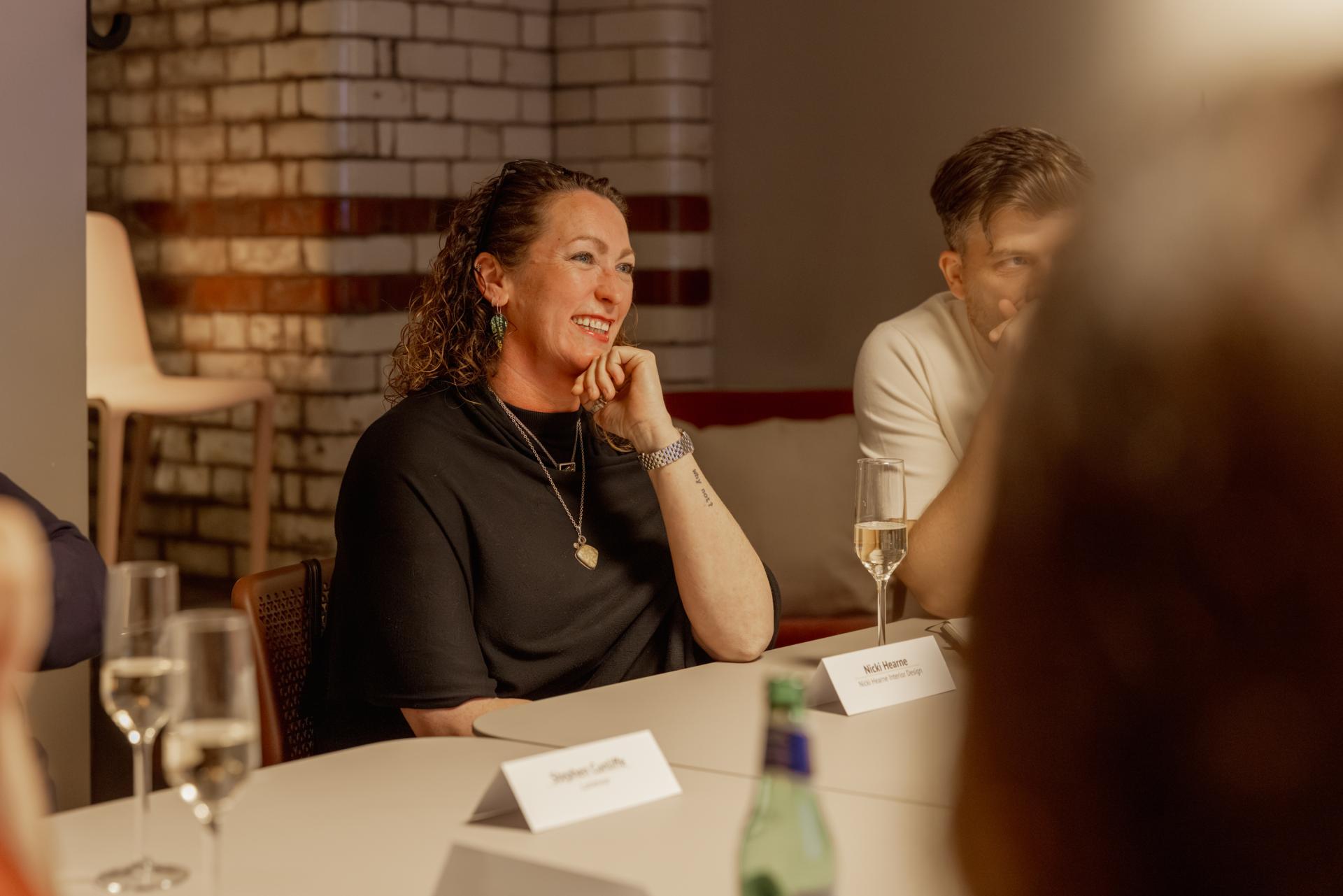
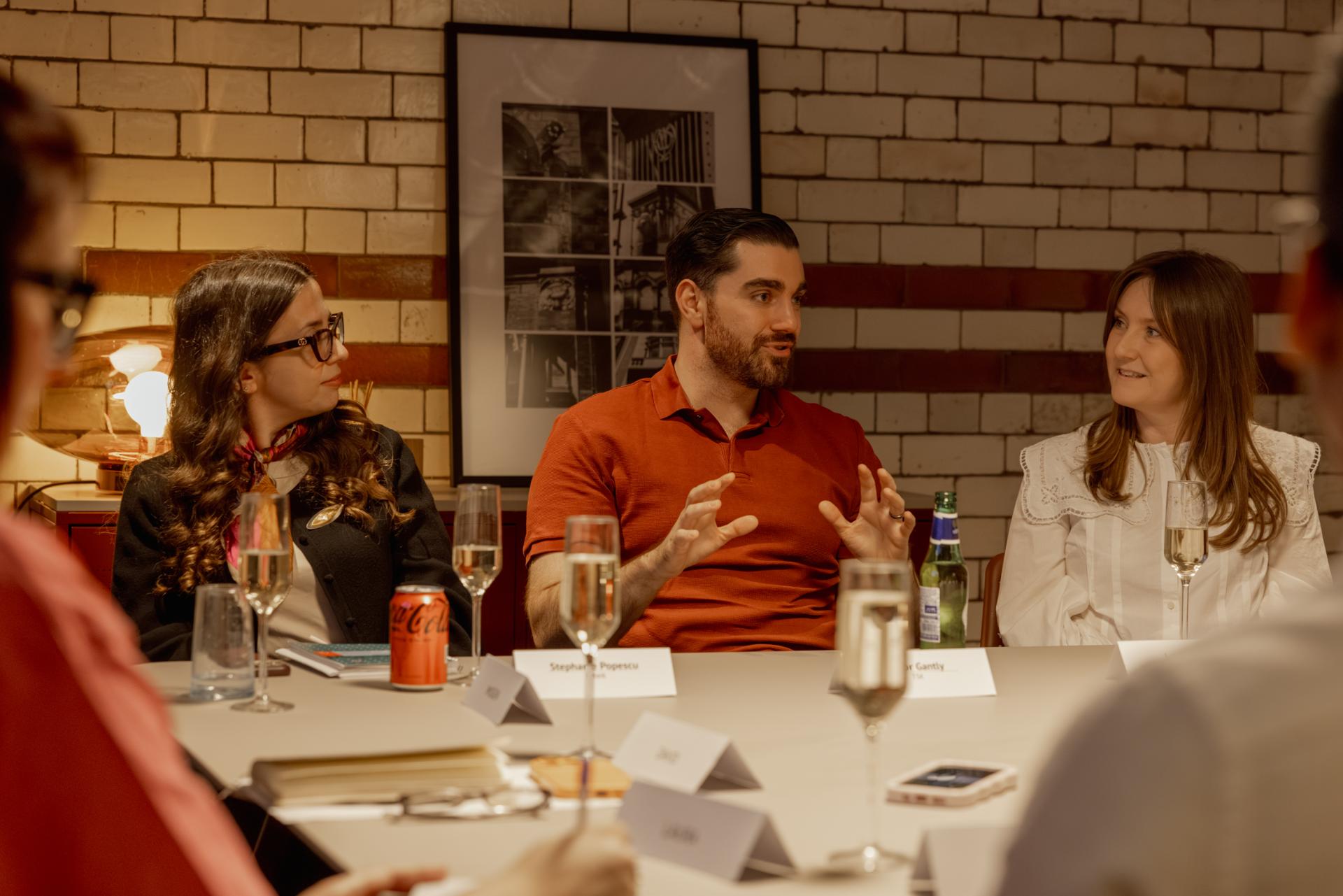
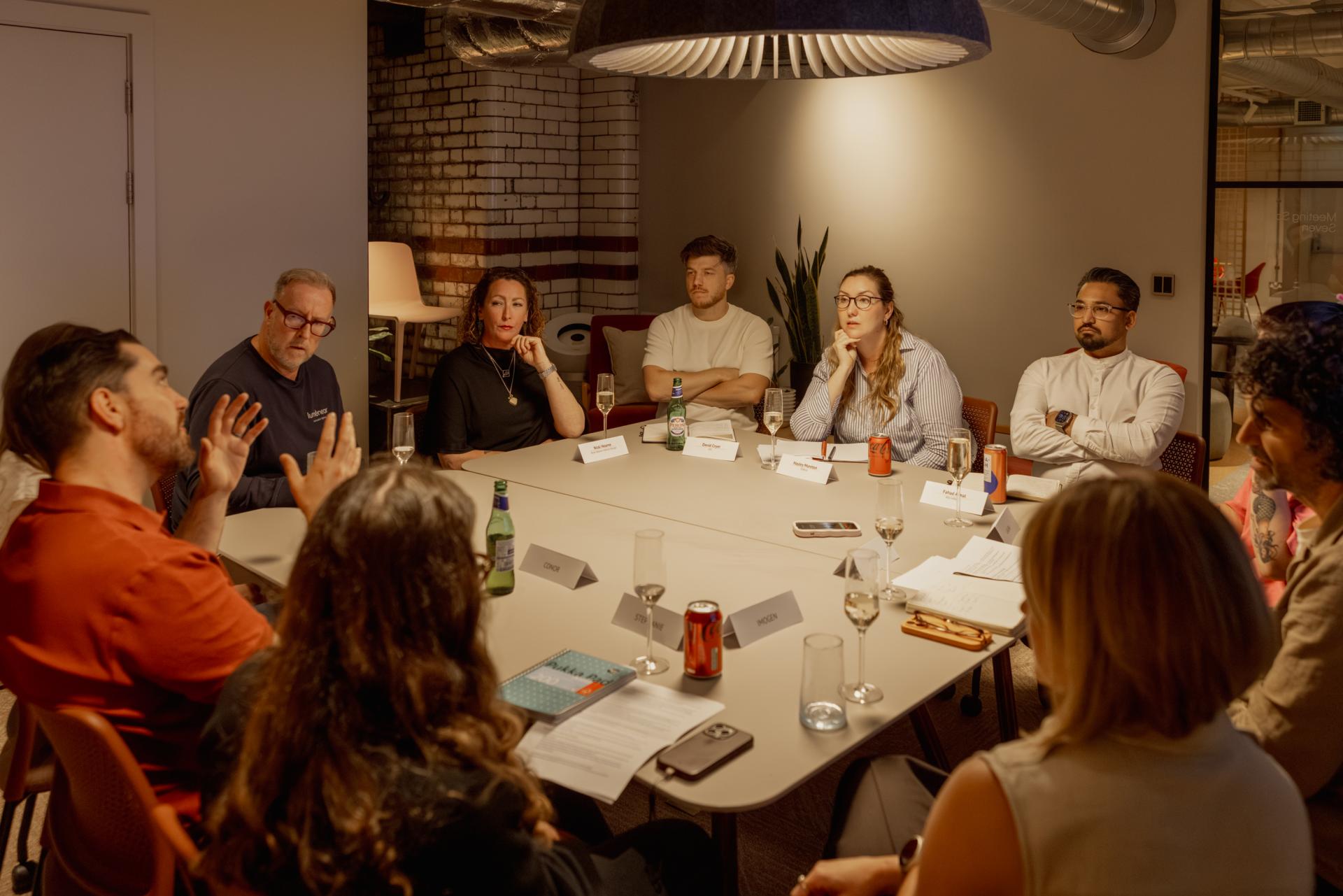
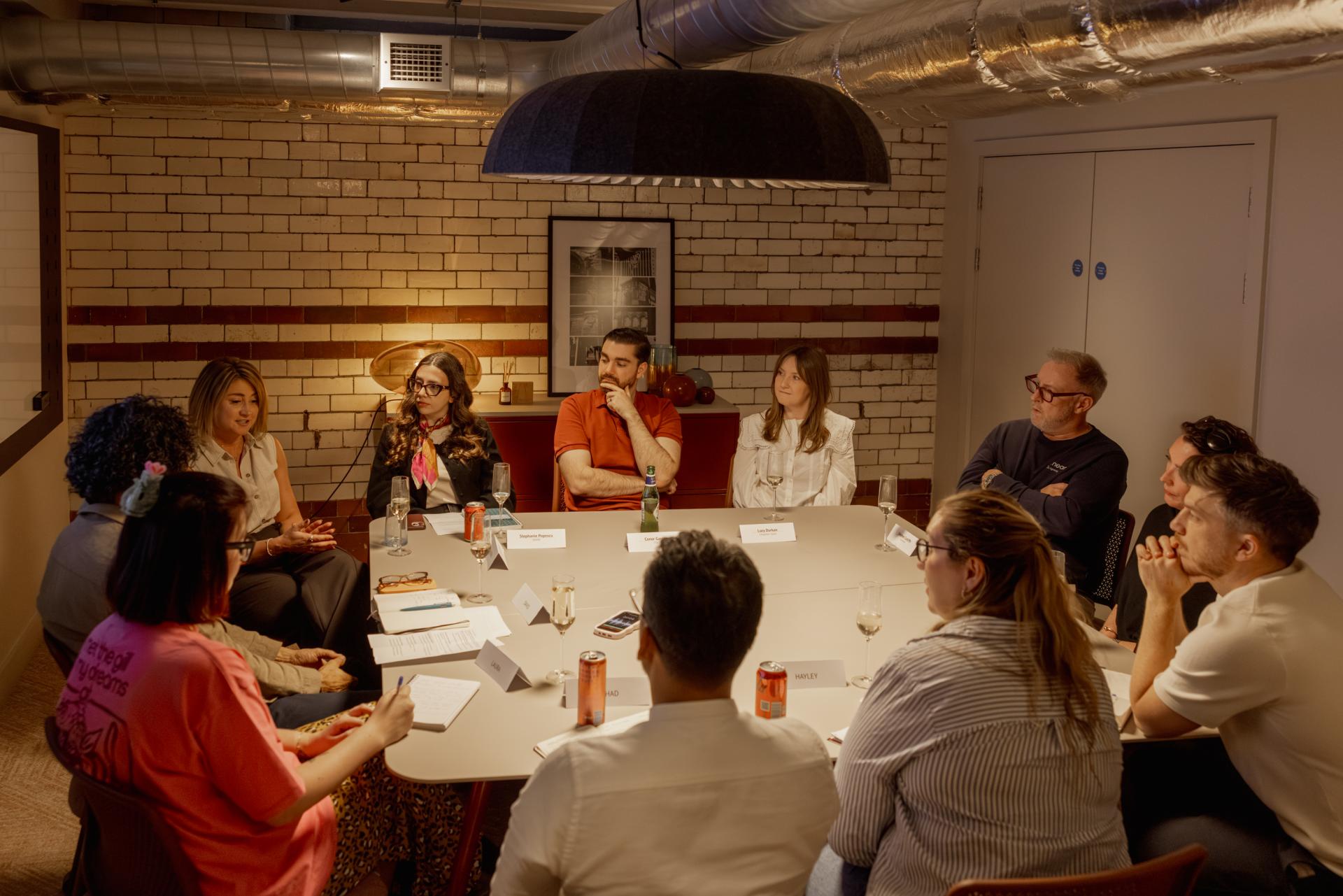
Continuing the conversation on Artificial Intelligence and its impact in the built environment sector at our recent roundtable in Manchester, we brought together a brilliant group of well-placed guests to discuss how the adoption of AI and technological tools are helping shape community spaces.
Delving into new areas of discussion, we not only considered the design of these settings, but the guest experience from an operational perspective too.
While some of those around the table have thoroughly embraced new technological tools, others said their approach was ‘light touch’. This variety of experience made for an interesting chat that furthered our exploration into the sector’s stance on AI, both now and into the future.
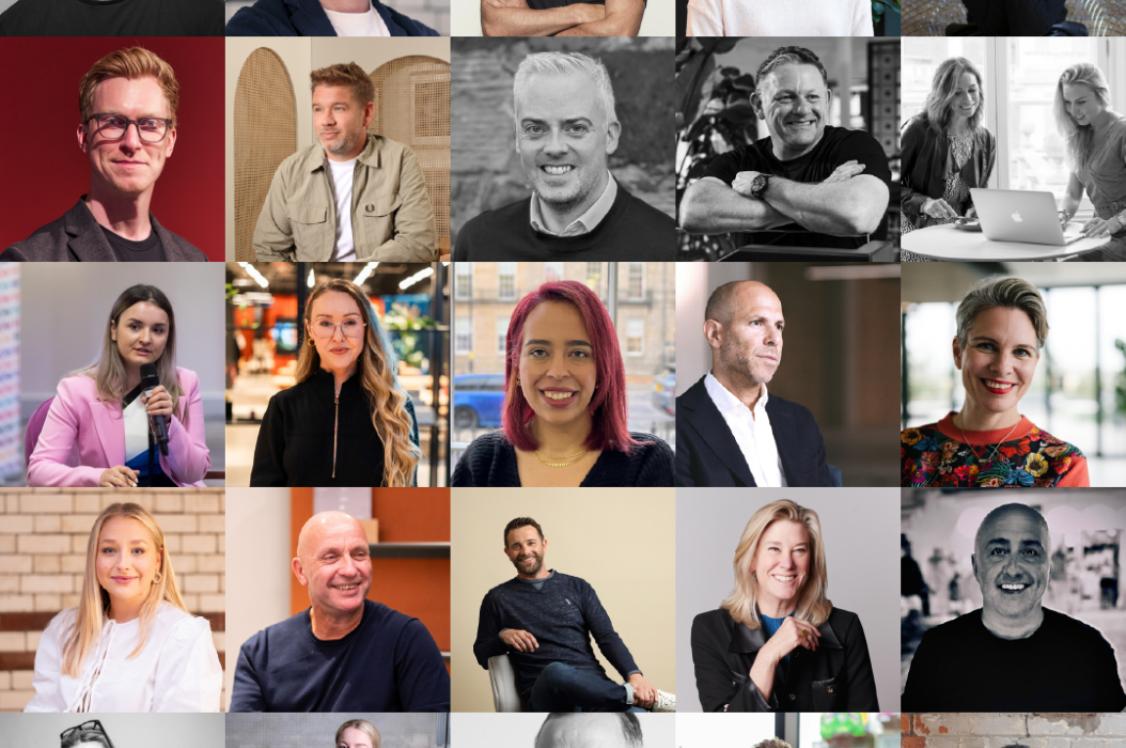
Our guests

Imogen Woodage, Associate Director, SpaceInvader

David Cryer, Project Architect, AFL
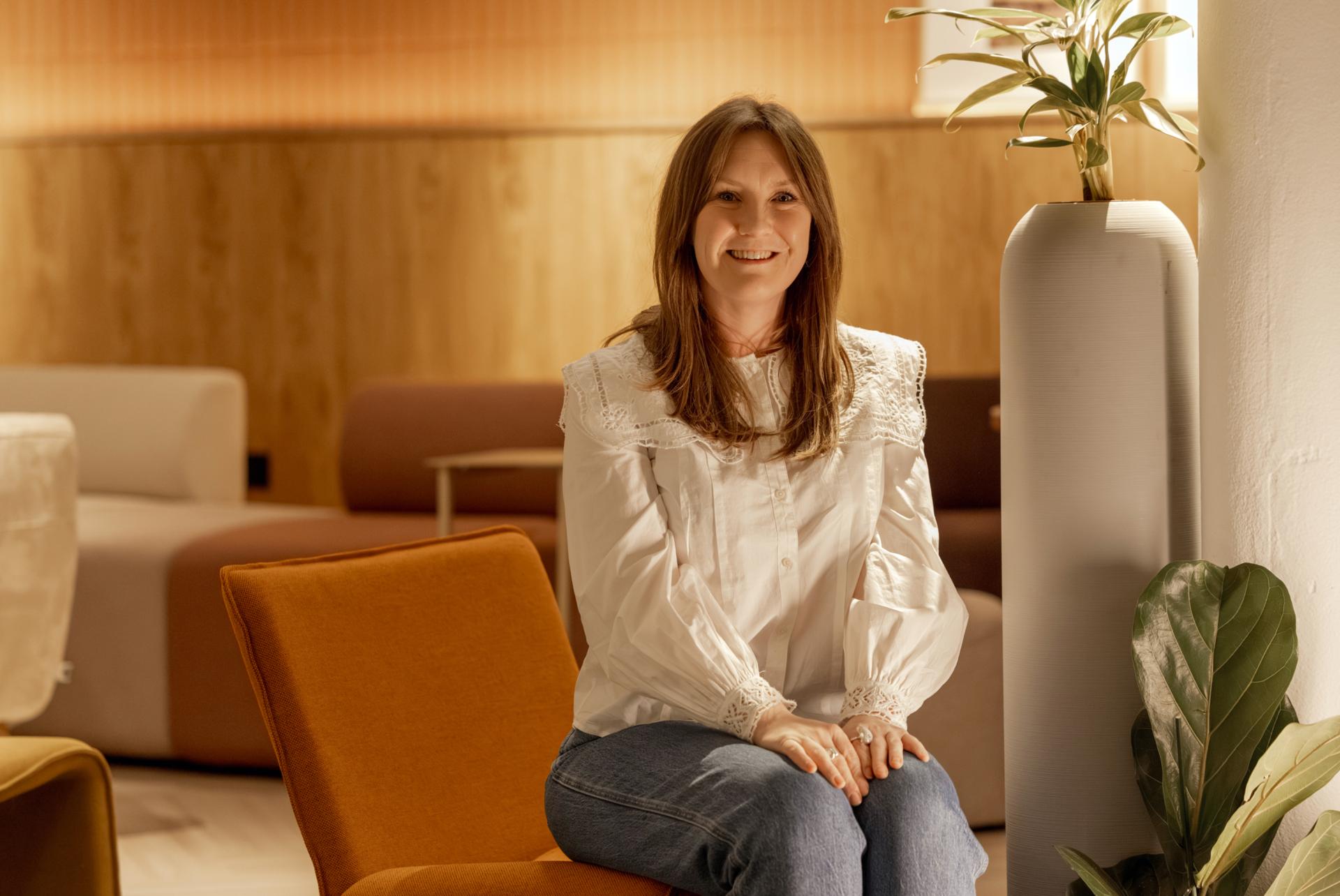
Lucy Durkan, Associate Director, Chapman Taylor

Conor Gantly, Head of Digital Transformation, TSK

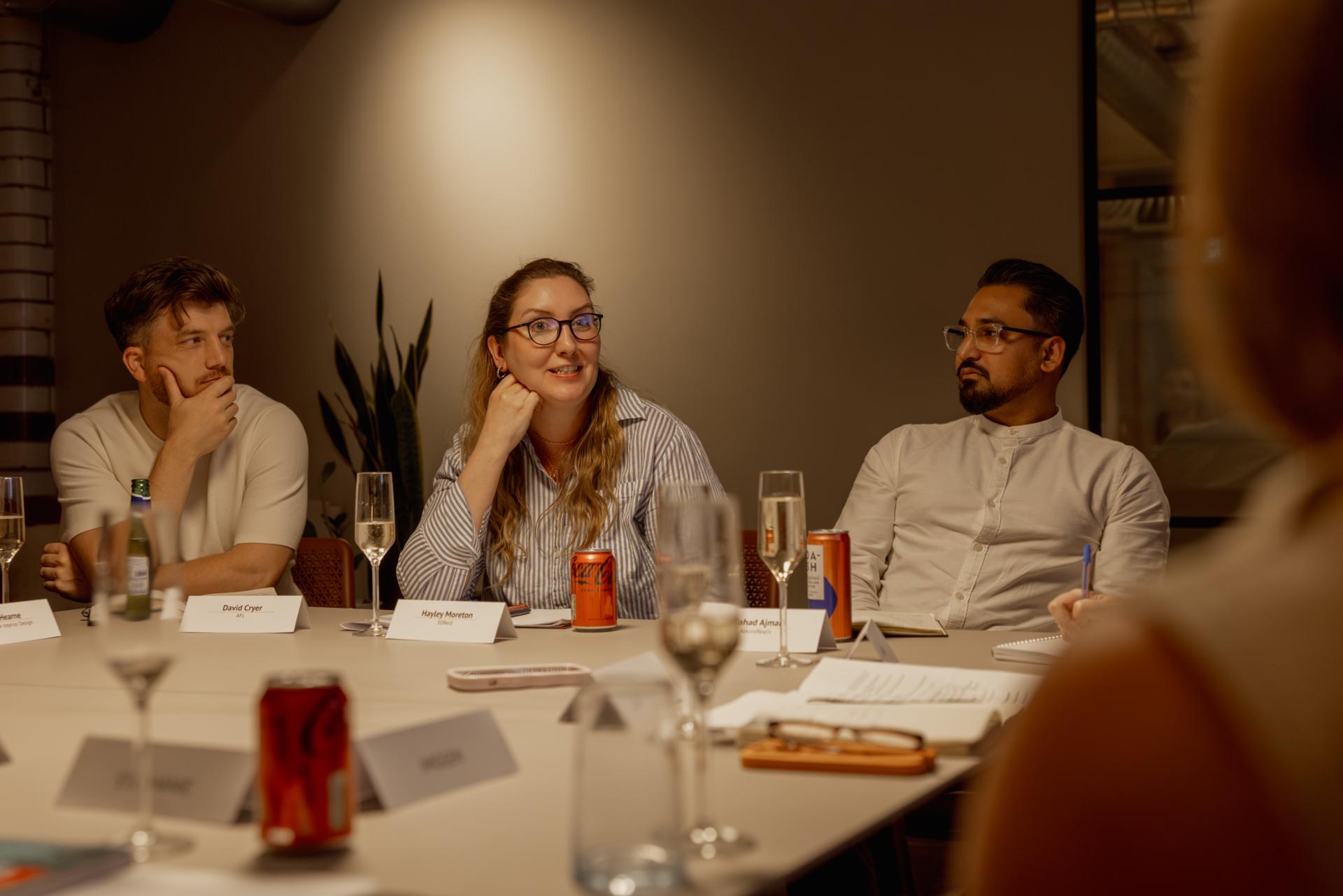
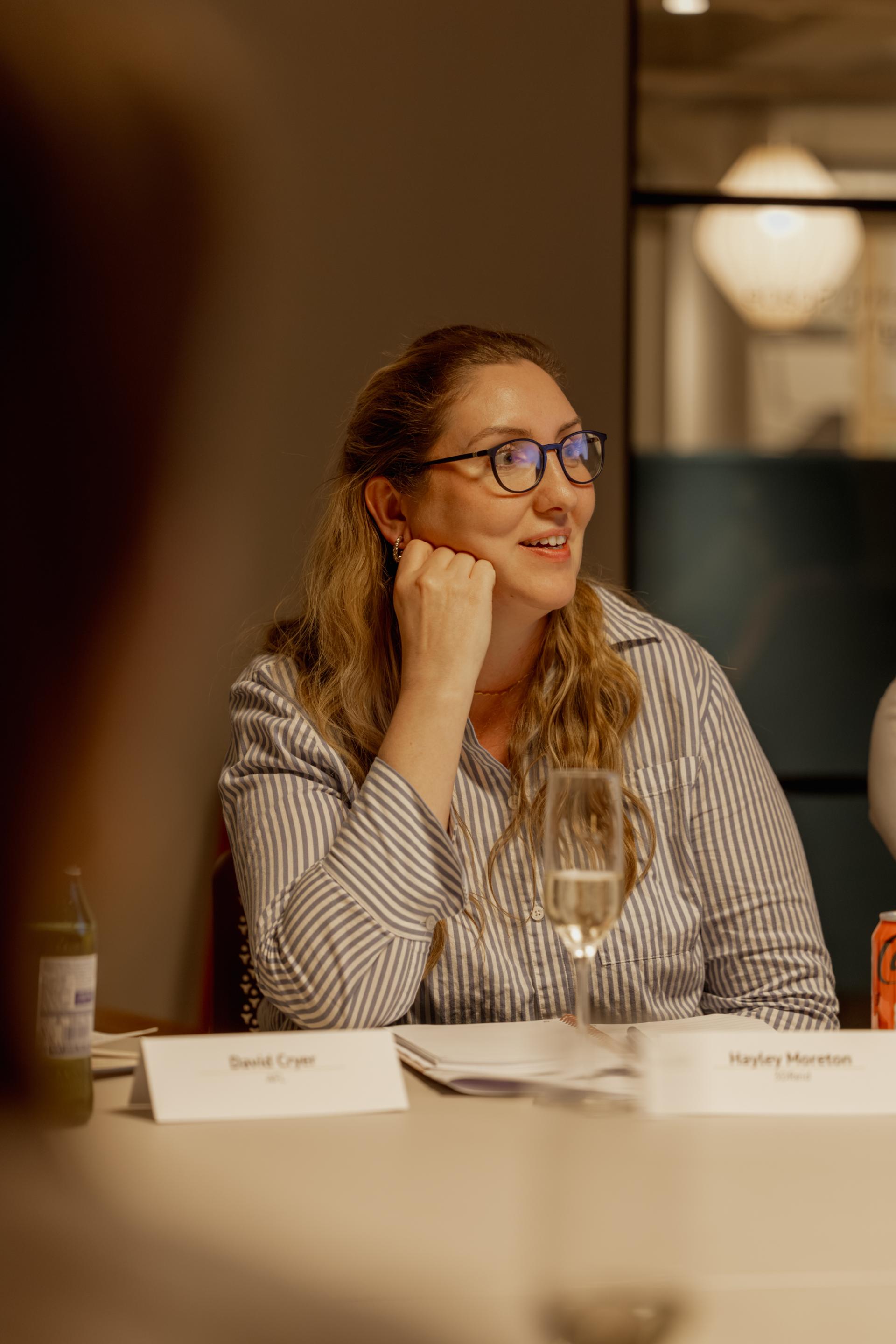
Hayley Moreton, Architect, 3DReid

Fahad Ajmal, Associate Architect, AtkinsRéalis

Stephanie Popescu, Project Architect, DMWR

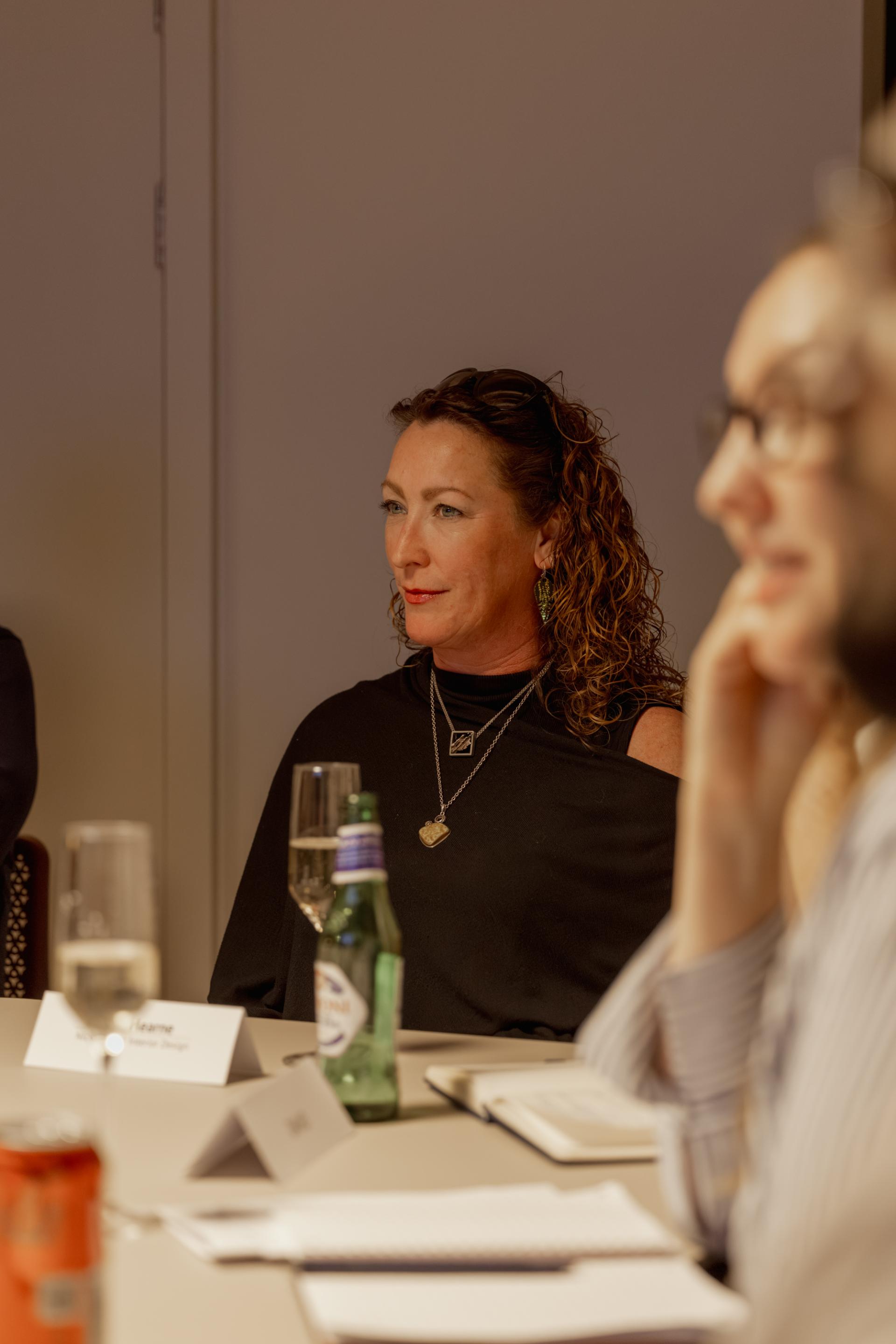
Nicki Hearne, Interior Designer, Nicki Hearne Interior Design
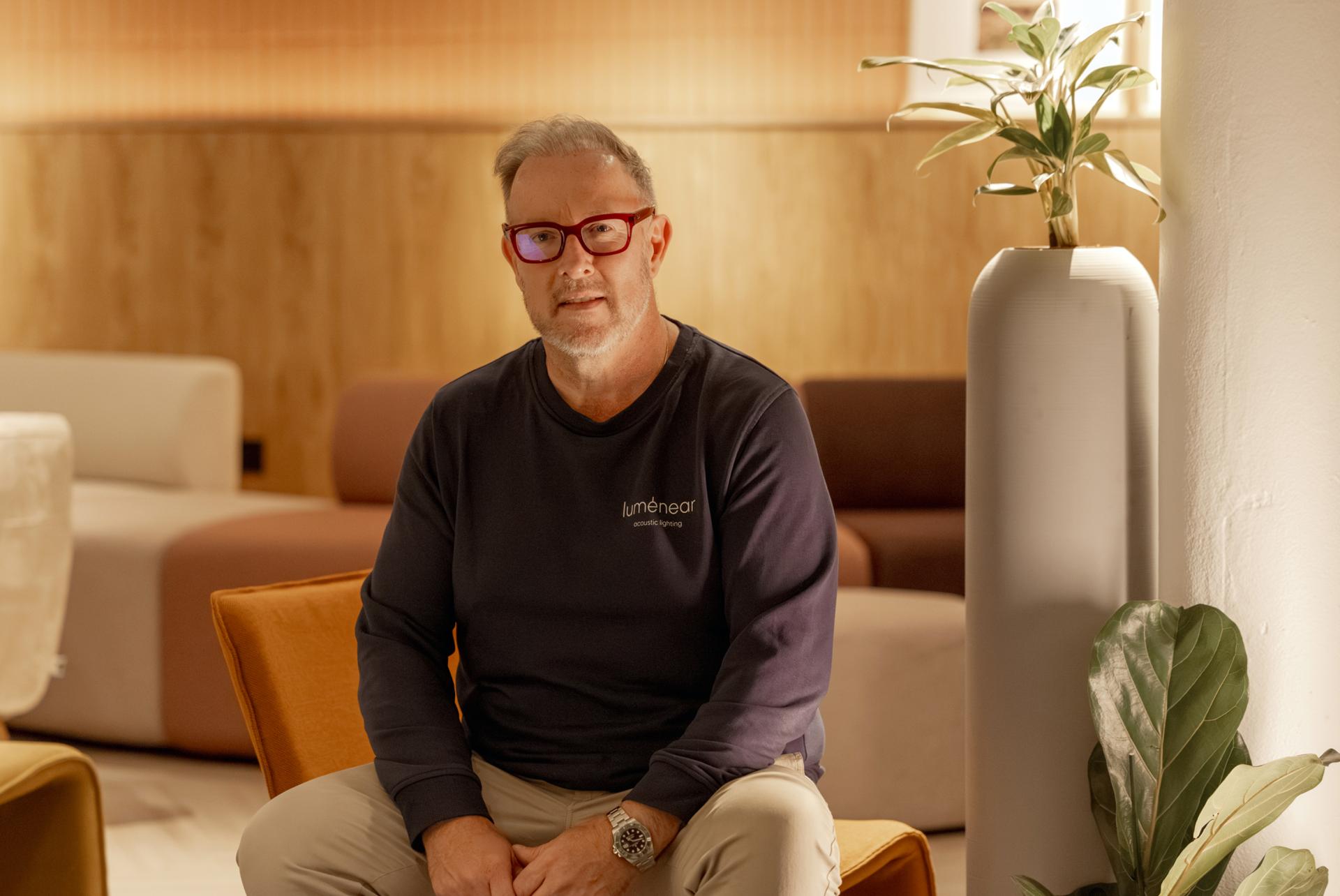
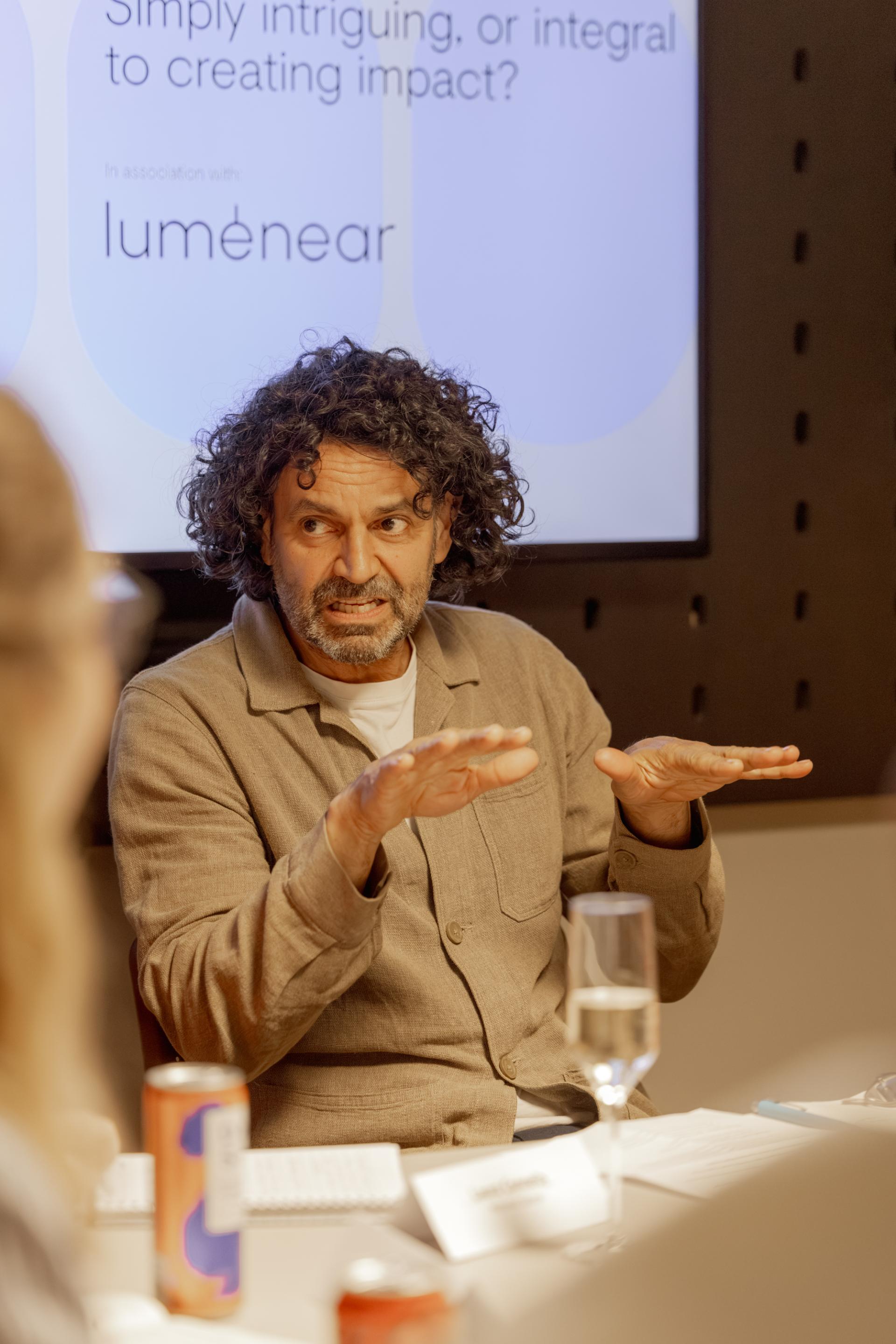
Stephen Cunliffe, Director, Lumenear UK

Laura Connelly, Editor-in-Chief, Material Source
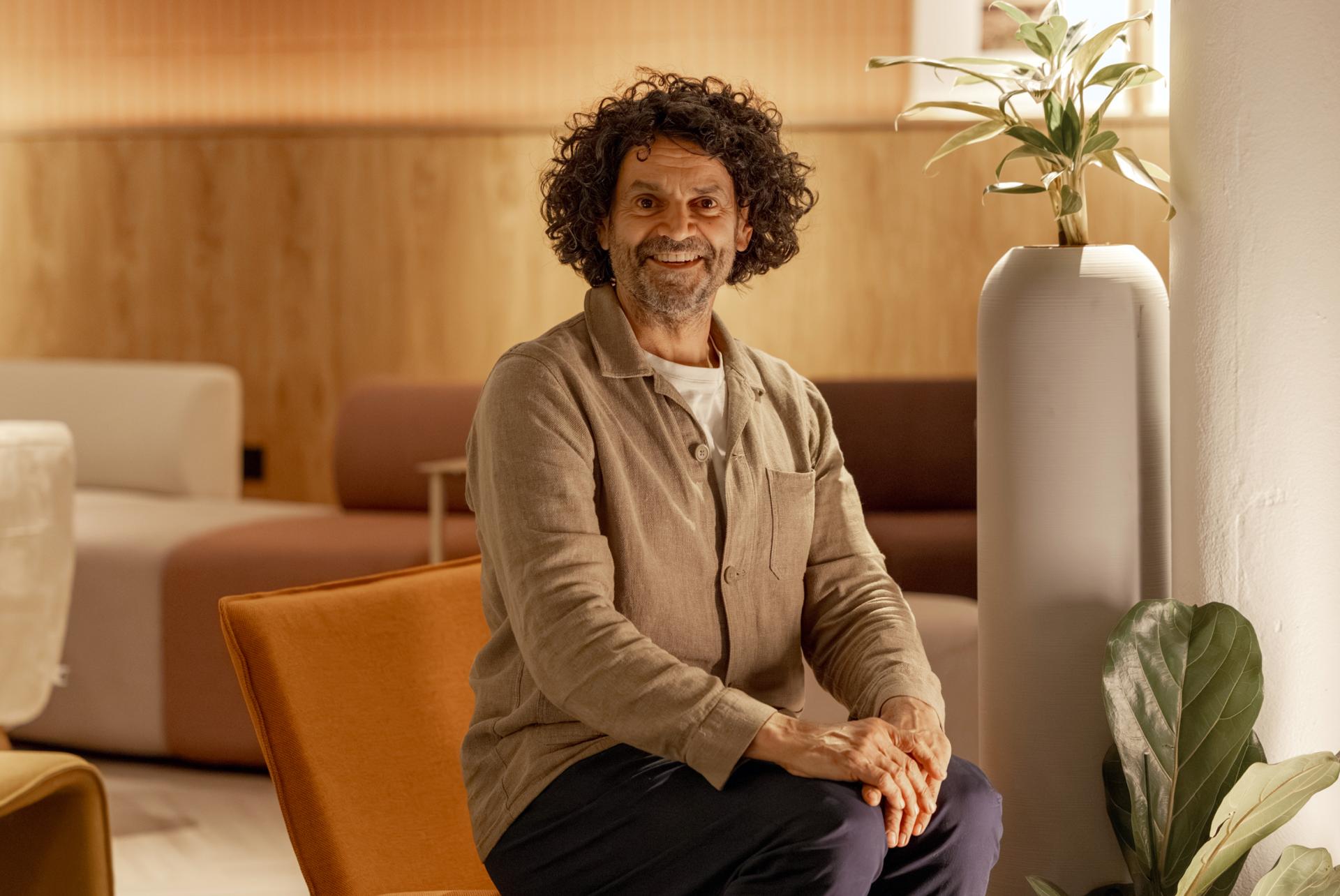
David Smalley, Chair & Director, Material Source Studio
To begin, Session Chair, David Smalley, asked the group, “Where are you using AI at the moment to create specific impact?”
“For visualisation”, came the response from Lucy Durkan, Associate Director, Chapman Taylor. “It’s a light touch at the moment, but what we’ve found recently with the likes of ChatGPT is it’s got a lot better at visuals. We still design all of the spaces: we use Revit and we bring them into Enscape. We quite often fully render everything; we’ve applied all of our own finishes; we know exactly what we want it to do. But we find that using AI is almost one step away from going to a 3D visualiser, so it’s just enhancing things.”
Up until very recently – indicative of the speed at which AI is evolving – Lucy said AI was poor at visualisation. A view shared by all the roundtable guests.
Highlighting a point made at the previous week’s seminar in Manchester on the topic of AI, David suggested, “You’re basically putting the exam question in, and asking, “Where have I gone wrong?” You’re asking it to help, not feeding it and expecting a design back?”
Lucy agreed – “That’s the key part – you have to feed it.”
Playing devil's advocate, David Cryer, Project Architect, AFL, stated, “Scarily, you don’t have to. You can just say, in my world, ‘Design me a hospitality lounge for a stadium,’ and it will do it, but it won’t be perfect. It’s better the more you give it. And obviously it’s better for us, because we still have a role in it if we feed it a SketchUp model or a Revit model. And if you don’t give it anything to go off then everyone will end up with the same answer.”
For Fahad Ajmal, Associate Architect, AtkinsRéalis, AI’s support for feasibility is “saving a lot of time and cost.” If you consider AI as a colleague, or two, there are efficiencies to be made, he said.
In terms of the tools, Fahad commented that while NanoBanana was one of the best models that could be used for 3D, ChatGPT may have just taken up the mantle thanks to the aforementioned update that Lucy referenced.
At SpaceInvader, AI is mostly used as a search tool currently, shared Imogen Woodage, Associate Director there. “We spend a lot of time looking for the right sort of images to present to the client initially,” Imogen said, “and when we’re putting a mood board together, and there’s one image and the colours aren’t quite right, we can use AI as an editing tool.”
This is not in the early stages of design work though, Imogen stresses – “the early stages are our creative part. That is us getting out, understanding the brief, the project, the site, the light, the temperature, the space, the scale - the human element - which it cannot do.”
"The early stages are our creative part."
Later down the line where there are timely and not so creative processes to undertake, such as putting documents together, AI is being used to “quicken things up.”




Creative or creator?
In response to David’s earlier point about AI’s ability to “scarily” generate content from scratch, Imogen says their team never asks AI to “create me a visual” – “it’s dangerous”, Imogen added. But it’s not uncommon for clients to do it, she suggests.
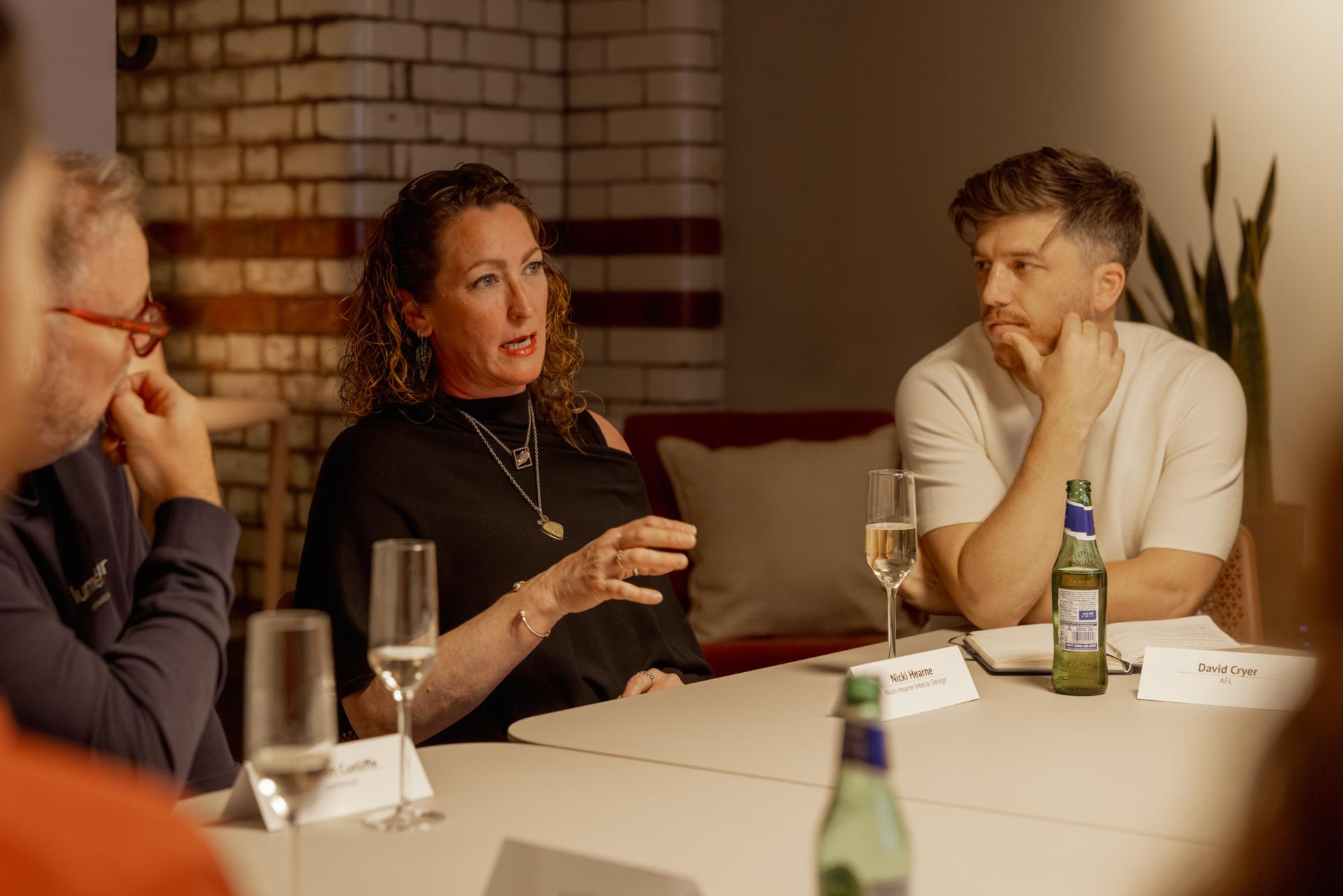
“But then it’s our job to explain why it doesn’t work”, added Nicki Hearne Interior Designer, Nicki Hearne Interior Design. “Because we look at it and go, ‘Well, the scale’s wrong, the line’s wrong.’ That’s because we’re creators; we’re highly trained. We’re always looking to critique and challenge.”
At TSK, where Conor Gantly is Head of Digital Transformation, responsible for the use of AI internally, he shared that understanding where the technological tools fit into the creative process is still “very much being tested – but it’s definitely not to replace human thought or creativity.”
Where AI is proving useful, Conor added, is for shrinking timelines – “they’re a big crunch, so we’re looking at how we can turn consultancy around in 5-days instead of 2-weeks.”
To assist AI in assisting the TSK team, Conor told the group that custom models are fed winning bids and documentation from 30-years of human experience – “TSK has been around for 30 years; it’s been built on people, not built on AI.”
“We’re then getting it to produce something repeatable that we know is us: our voice, how we as a business operate.”
A collaboration with the University of Salford through Innovate UK’s Knowledge Transfer Partnership is also aiding TSK in making more sustainable product and materials choices, with AI being used to match products that can meet specific requirements for certifications such as BREEAM and LEED. “AI will expedite putting sustainable products forward swiftly”, Conor commented.
“AI will expedite putting sustainable products forward swiftly."
For Stephanie Popescu, Project Architect, DMWR, AI is mostly being used for visuals and feasibility, in a similar vein to Fahad – AI accelerates feasibility, analysis, option testing, which is "where good design actually begins". And here, Stephanie made the point that AI should not be left unchecked, echoing a statement made by panellist Jason Taylor at our recent seminar: human judgement is crucial.
“AI is brilliant at averages. Architecture isn’t. You can't expect AI to think for you. Poor prompts, poor data, poor outcomes. For AI to be better, you need to know how to steer it in the right direction. It’s not going to take away from our creativity and our critical thinking. In the end, it’s our judgement that is the most important thing - can this be built? Our instinct knows why something feels right. AI can’t answer that. It can suggest, but it’s up to us as designers to make the call”, Stephanie said.
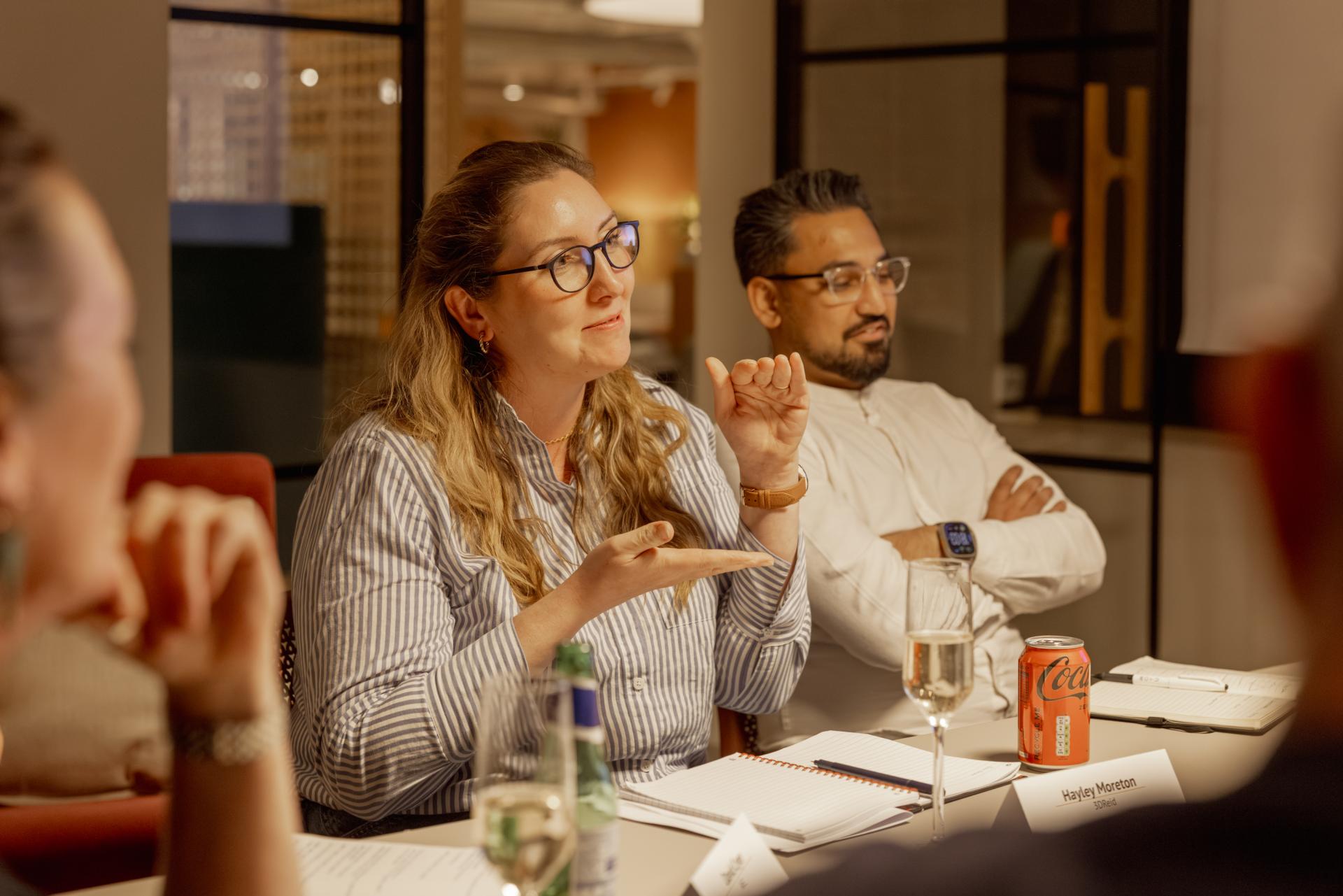
At 3DReid, Hayley Moreton, Architect there said the practice is looking at a 2-year roll into AI usage. A view shared by others around the table, there seems to be, on a sector-wide scale, some trepidation about the tools and training to embrace and undertake. Purely because of the speed at which AI is evolving.
Scoping out the landscape tentatively is the path that Nicki is taking too, having embarked on a Post-Grad in Design & Technology Education. “I’m not the biggest fan of AI, certainly for use in creative pursuits. But I am using AI. In my research at the moment, I have a lot of long academic papers to wade through. So I’m using AI: I’m feeding long papers in and saying, ‘Summarise this.’ It gives me the key bullet points, and then I decide whether I’m going to spend hours wading through it in depth.”
Though in cases like this, AI is proving useful, Nicki shared the concern that critical thinking is a skill that could be lost to future generations if we’re not careful.
"Critical thinking is fundamental to what we do - but will that still apply for future generations of designers?"
“We have curious brains. We need to understand how everything works. We want to know how to build it. Critical thinking is fundamental to what we do - but will that still apply for future generations of designers? Will we de-skill ourselves by relying on AI? When I say ‘ourselves,’ I’ll probably be out of the game by this point, but kids coming through today - when they’re in their 20s and 30s - will they have developed their critical thinking skills to the same extent that we’ve had to?”
Despite her reservations, Nicki recognises the paradigm shift that AI has forced – “it’s the new Industrial Revolution”, she said.




Critical thinking
“Are you concerned about young people coming out of University being devoid of critical thinking?” David asked.
“Apparently our kids are going to be the first generation to be less cognitively developed than their parents,” David Cryer replied.
“The important thing is what happens to the juniors coming into your firms: how much are they relying on AI day-to-day? We learned without AI, and we have to acknowledge it’s our responsibility to make sure we’re not letting our juniors come in and answer everything with AI and rely on it, because, ultimately, they won’t be able to replace you because they’ve not learned the ‘why?’”, Conor added.
AI proficiency in the younger generation of designers coming through into practice is an advantageous skill, Imogen suggested, having recently hired junior members of the team who can create with AI (amongst having other, more traditional skills).
“Where do you draw the line between a human-created design and an AI-created design?” David asked. “And how comfortable are you in stating the fact AI has been used?” he added.
The point was raised by David Cryer that there are some parts of an architect’s role where “it would be silly not to use AI” such as for tidying up documents – “We’re still feeding the data; it’s just making it sound better.”
“We’re still feeding the data; it’s just making it sound better.”
But when it comes to a creative skillset, the guests agreed that a designer must input first.
In general, clients “haven’t yet caught up”, Fahad said, in reference to their expectation of an architect or designer stating whether AI has been used in the process or not. This is especially true after tender stage, once a project is in motion, “there’s nothing stating that you need to say you’re using AI. There’s no contractual obligation.”
“But surely that’s going to change, isn’t it?” David enquired.
Inevitably, yes, came the response.
“One of our biggest fears is that clients expect us to work quicker for less. Essentially, AI can quicken up processes. I think then it’s our duty even more to justify what we do - our purpose, our position - and how much we are still needed,” Imogen commented.
Though the efficiencies that AI's making aren't necessarily saving time on a project, Lucy suggested, rather supporting architects’ own mental health, she said. “AI can mean you’re not sat there all-night writing text. It relieves you a little bit.”
Nicki agreed. “We all have days where we’re drawing a blank, and AI can be used to help you get started, make suggestions, and you take it off in your own direction once you get into the nuts and bolts of it. It helps you spend more time being creative, or refining.”
For others around the table including Stephanie, AI is helping by being a sounding board, especially when writing emails – “it can help by making people more concise and neutral.”
David Cryer said the key is to be professional in our prompting of AI, so it doesn’t overstep, “You have to say, ‘only change the text where necessary.’ If you ask it to re-write an email, it will literally - like Joey on Friends using the thesaurus - change 80% of the words. And I think, I would never send an email like that.”
In this way, Hayley suggested that AI doesn’t always save time, “because by the time you’ve checked what it’s come out with and then prompted it again…”




Enhancing or hindering guest experience?
Moving the conversation on, David asked, “Tell me how AI is impacting the guest experience?”
The relationship between technology and experience should be seamless, Stephanie said. It’s more about the invisible performance. The irony is the better it works, the less you notice it. "Like good acoustics, it's only obvious when it fails. We’re moving from fixed spaces to responsive ones. Lighting, acoustics can adapt to behaviour, improving comfort, navigation, and engagement. The building is starting to behave like a system, not a backdrop."
For David Cryer, who specialises in fan experience in stadiums, “AI is helping people on the other side of the world experience what the local fan is experiencing in the stands - interactive, immersive theatres that put you in the stadium.
“On the operational side, AI is enhancing the customer experience through faster turnstiles with facial recognition. Frictionless kiosks where you’re not dealing with a person” – “which is contentious”, David acknowledged, “but you’re getting your pint quicker. At football matches, you have 15 minutes to get 60,000 people served.
“And for operators, they’re getting live feedback on what beer is selling out faster.”
“How much is AI being used in stadiums? Are you ahead of the game?” David Smalley asked.
“AI is used quite a lot, mainly because of mass crowds. It’s used for crowd modelling. We work out how many kiosks we need, how many points of sale we need. It’s not based off a rule of thumb; it’s based off crowd modelling that tells you those guys only have to queue five minutes,” David shared.
In the workplace sector, Conor said AI is helping businesses to understand hybrid working: “who comes in, why they come in, and when. It’s a big challenge.”
Understanding live situations is also useful in hospitality environments, Hayley added. Which impacts on guest experience.
“I think there are benefits with the M&E and back-of-house functions. For instance, the hotel might be able to tell that the air conditioning unit’s broken straight away, whereas typically it might take a day to get fixed.”
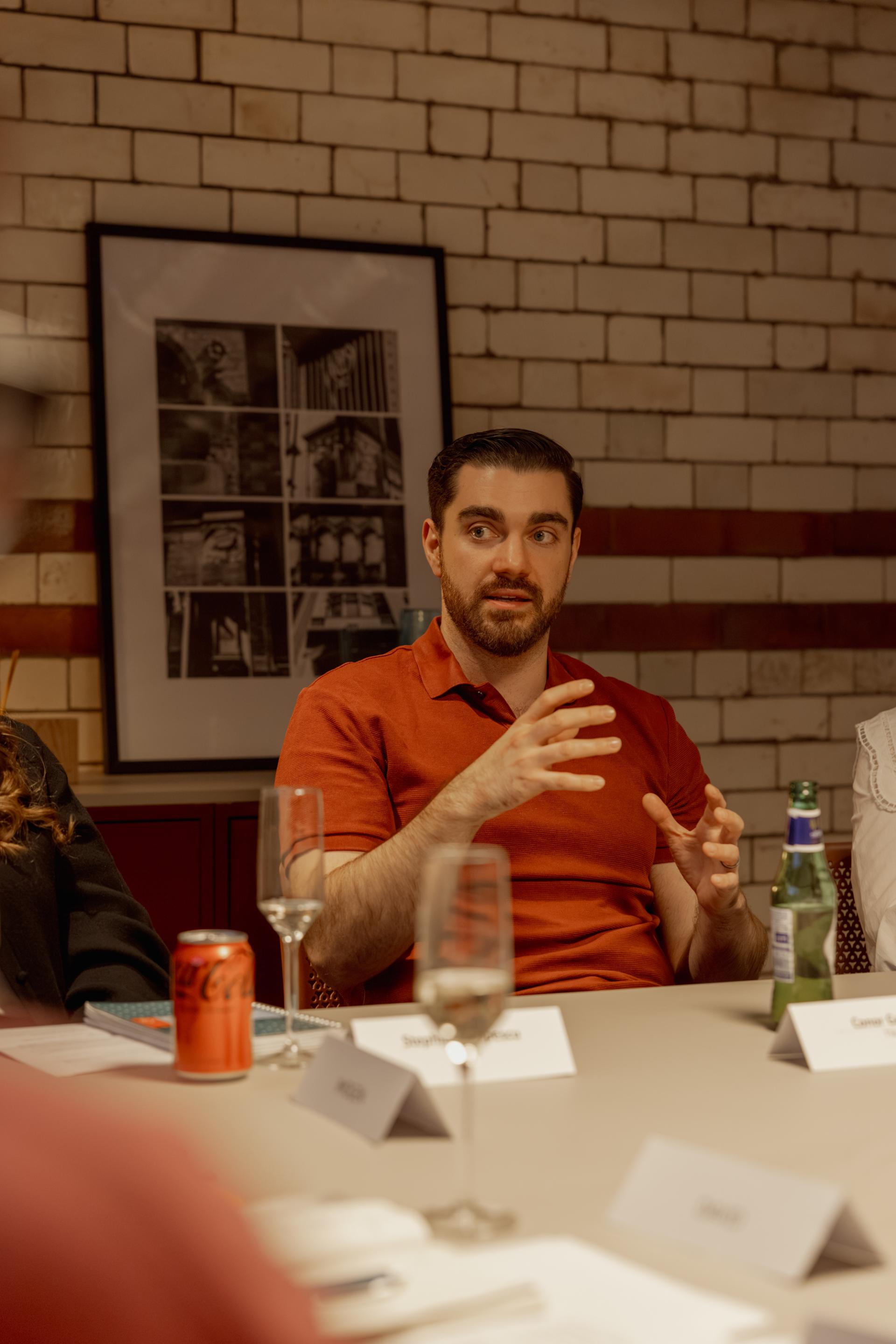
Stephen Cunliffe, Director, Lumenear UK, made the suggestion that perhaps some of what is currently being badged as AI is in fact not new technology, commenting, “We use control systems that do heat mapping. They tell you occupancy and feed it back to the end client. If a certain area is more populated during the day, then we can change the energy levels and use in those areas. That’s been out forever. That’s not AI; that’s just intelligence.
"What’s the difference between 'intelligence' and 'artificial intelligence'?”
An article has been written on this very topic, stating, “Yet in the modern tech landscape, where any semblance of automated decision-making or pattern recognition is deemed 'AI,' these old technologies could easily be rebranded. It was not that they suddenly became more intelligent, it was that our marketing-driven language has shifted.” (Mitchell A. Sobieski for the Milwaukee Independent).
The thing that has changed, David Cryer said, is the “speed at which AI can do it.”






Going one step further
Imogen added, “AI can help us take it that one step further,” referencing the gathering of data leading to the likes of personalisation for hospitality guests, for example, “we have facial recognition, it can remember a person’s specific settings.”
At SpaceInvader, the impact of technological advancement in hospitality settings has meant things like designing in room for robot cleaners to move around hotels, Imogen shared.
However, she was quick to add that designing for technology is not at the forefront of the decision making process, “We’re not designing around technology; that’s the wrong way around it. We’re designing for all aspects. Technology is part of that - screens, being seamless, being in the right place. You only notice technology when it doesn’t work, and that’s frustrating. Hospitality is all about guest experience. Nothing kills it more than arriving somewhere and not being able to check in because it doesn’t work, for example.”
Specifically, guest check in has been enhanced by the rise of AI, those around the table agreed. “In a lot of hotel lobbies now, gone are the days of a big desk. It’s pods, podiums, iPads. It’s efficiencies in space,” Imogen continued.
With the client in mind, she said, “Operators always want to make more money. Enhance front-of-house by shrinking it, and get more rooms into a hotel. Lose space in front-of-house, shrink back-of-house. So we have smaller check-in and more efficient check-in. And spaces that aren’t just for check-in: ‘I’m going in for a coffee,’ ‘I’m going in for a meeting.’ ‘I’m on the way to the station; I’ll pop into this lovely hotel lobby because it doesn’t feel like a hotel; it feels like a coffee shop.’”
Though “the human element is still vital”, Imogen said we should, “let the mundane be handled by AI.”
“The human element is still vital. Let the mundane be handled by AI.”
“How close are we to a hotel room that’s totally personalised?” asked David.
“Operationally, we’re not that far”, Fahad replied, “But the transaction between the human and the AI: to get it to that level, you need a third-party application.
“At the moment, a lot of us are using it on the front end. We can’t use it in stages 3, 4, or 5 because the technology isn’t there, or you need a third party to implement it operationally. We don’t have the skill set to design and build an application that provides that technology. Though it’s just a matter of time.”
Asking a question in relation to the front end work that Fahad mentions, Stephen enquired as to how designers feed AI technical information about lighting to produce the correct lighting visualisation for CGIs? “Because when I see CGIs, the lighting is pretty much always wrong, and won’t look that way in reality.”
The consensus was that the lighting is enhanced on a CGI for “selling to the client”. And with ChatGPT’s latest update on imagery, again it was said to be “scarily good” at this particular part of the process now. Perhaps too good depending on the stage a project’s at, with CGI’s having to be wound back to sketching stage in some cases, it was said.
Designers will always sketch though, Imogen said.
Fahad shared that at University, the use of any digital media was deterred in favour of doing things by hand.
Nicki said the move to CAD from drawing boards was “The first technology revolution” for the profession. “Going from massive boards, and the older generation saying it took weeks drawing by hand. This is the natural next step for the next technology phase.” The challenge lies in finding the balance between not losing the design process, and working efficiently, Nicki added.
Clients love hand-sketching it was agreed, because they can input. But it’s potentially a dying skill – “It’s a skill that’s been lost. Some directors can knock out a sketch that looks amazing in five seconds. Juniors can’t; they CAD everything. When a client sees a final image, they think it’s fixed and they get worried. When they see a sketch, they fill in the gaps”, Nicki commented.
Touching on the future of AI in the architecture and design sector, David asked the group to consider where we might be headed in the next 5-years?
Celebrating humanity
David Cryer responded in celebration of genuine human experience, “In my sector: imagine going to a football stadium. It’s the most human experience you could have. Rain in your face. Hugging some random bloke next to you, abusing the referee - those things.
“I quite like the thought of us all going down this dystopian AI monotony, but then what I’m designing in stadiums is the breakaway; the release, the freedom from that. As long as stadiums are integrating AI in an invisible way, then we’re good.”
Imogen agreed that the same can be said for hospitality. “Hospitality is about human connection. I absolutely think AI and technology are part of that, but they’re part of it. They’re not it, unless your brief is ‘I want a tech-centred hospitality space.’ Use it to benefit what we’re doing. Use it to enhance what we’re doing, and the experience.”
“If AI becomes detrimental to connection, then we’re using it wrong”, added Nicki.
“We can definitely use AI to assist, but it shouldn’t make any of the decisions for us. That’s our job,” Hayley said.
Essentially, commented Stephen, “let’s not lose control.”

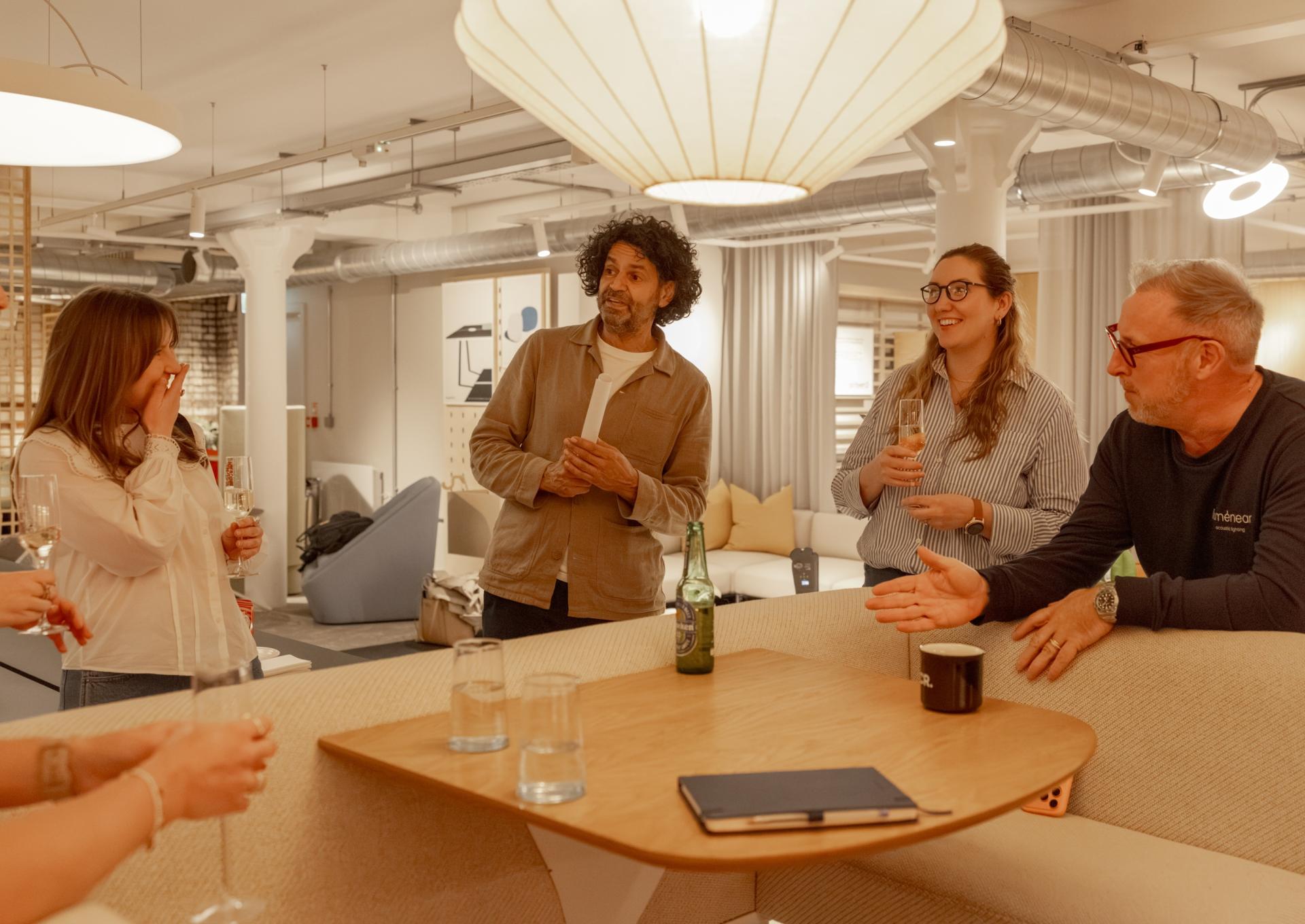

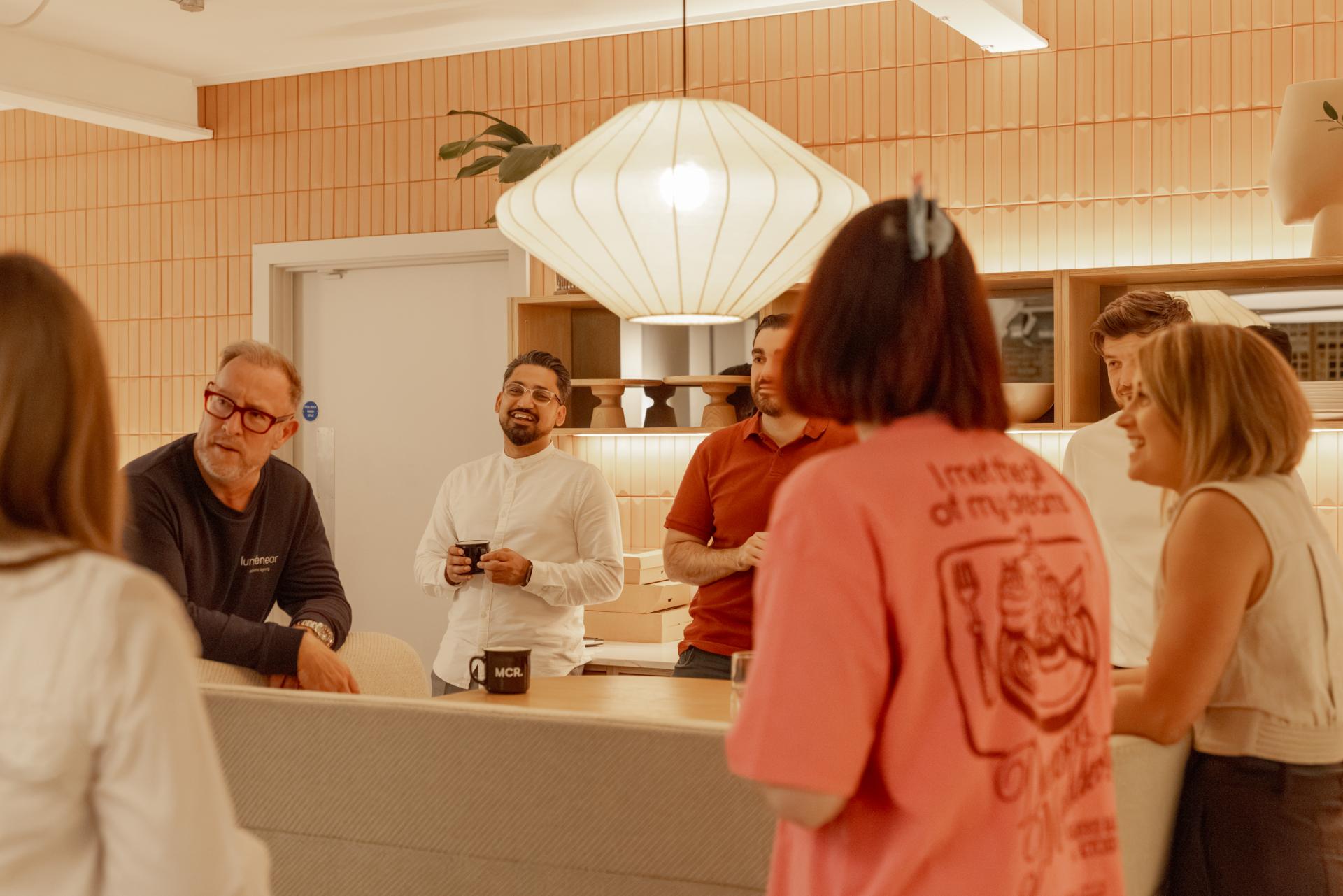

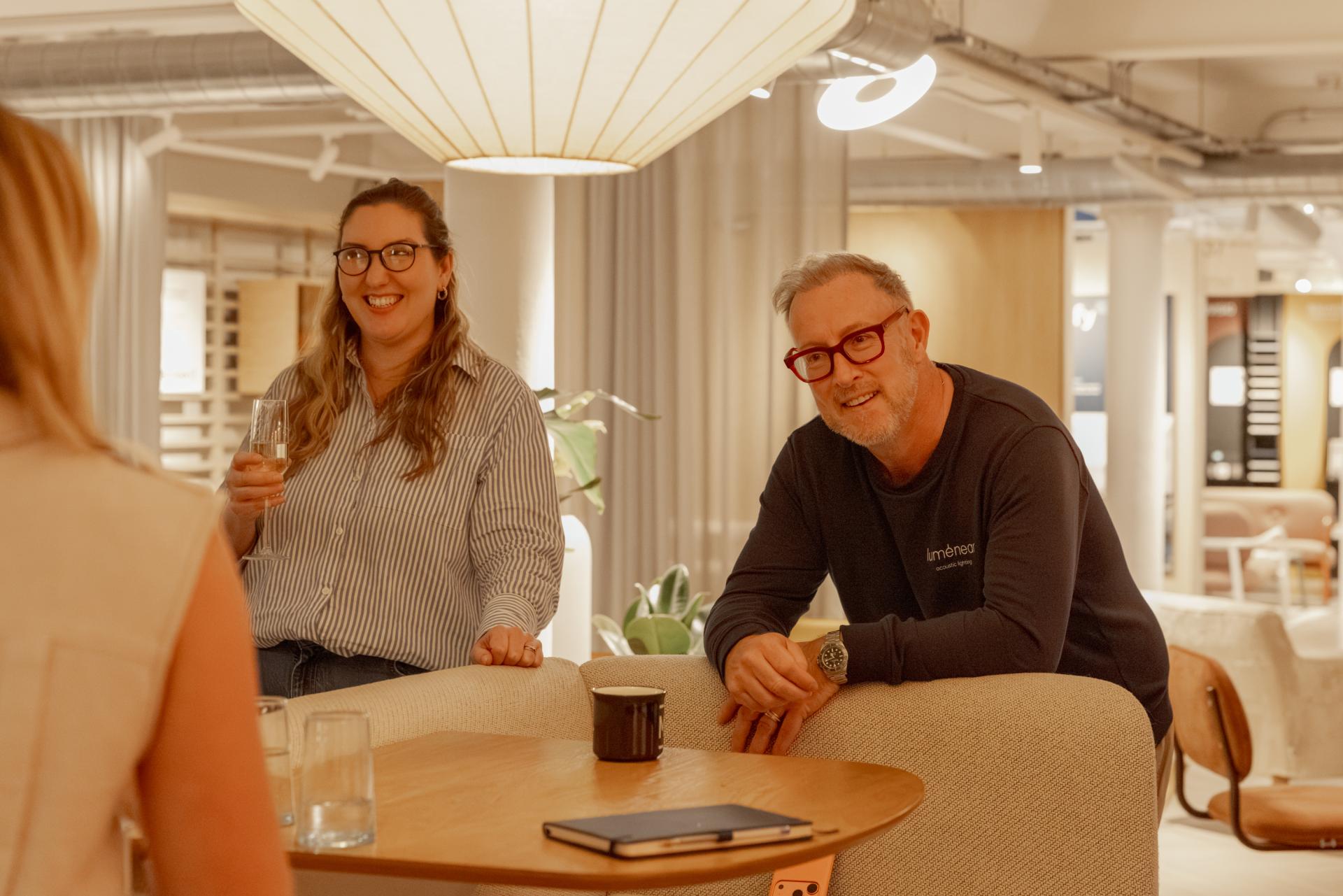
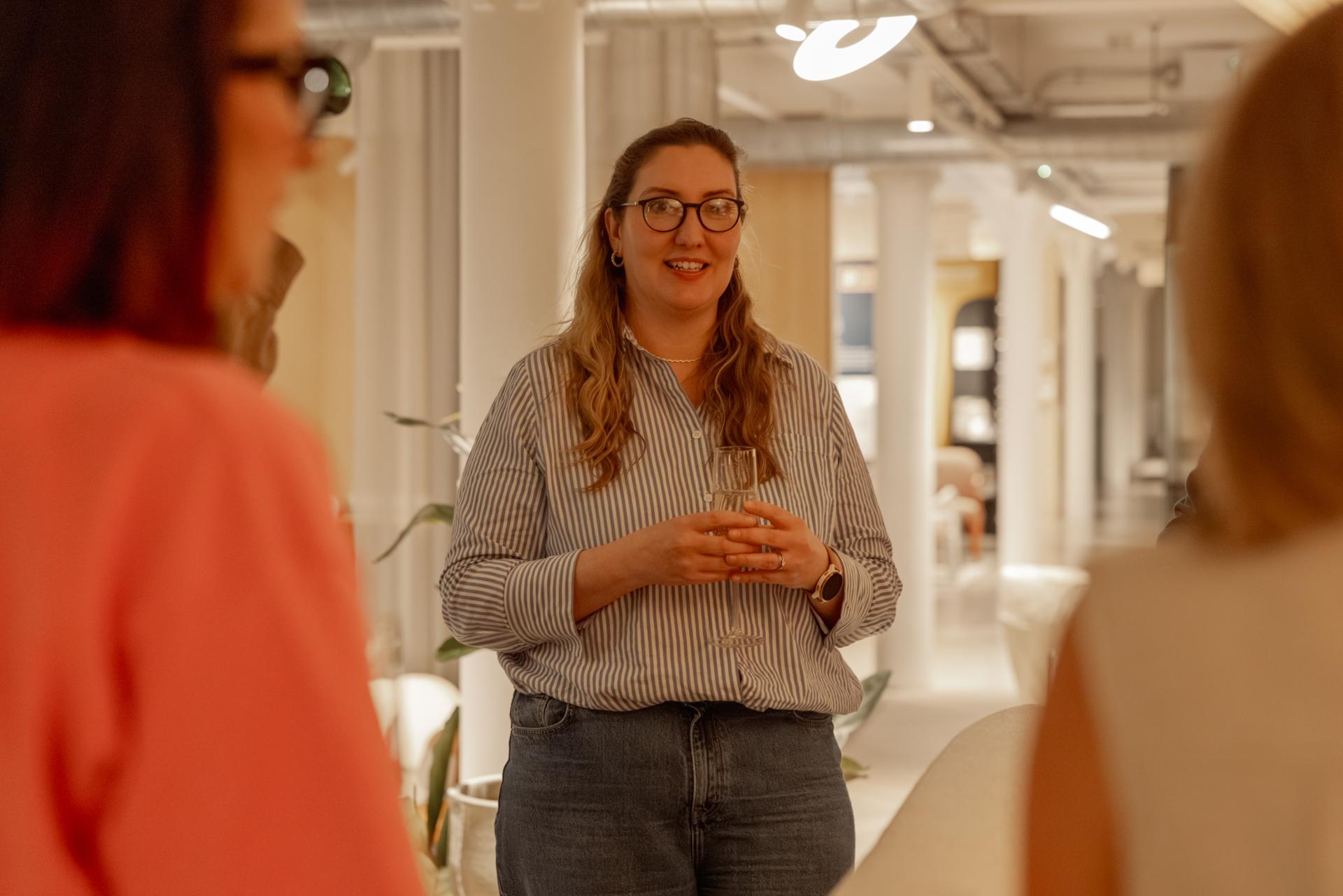

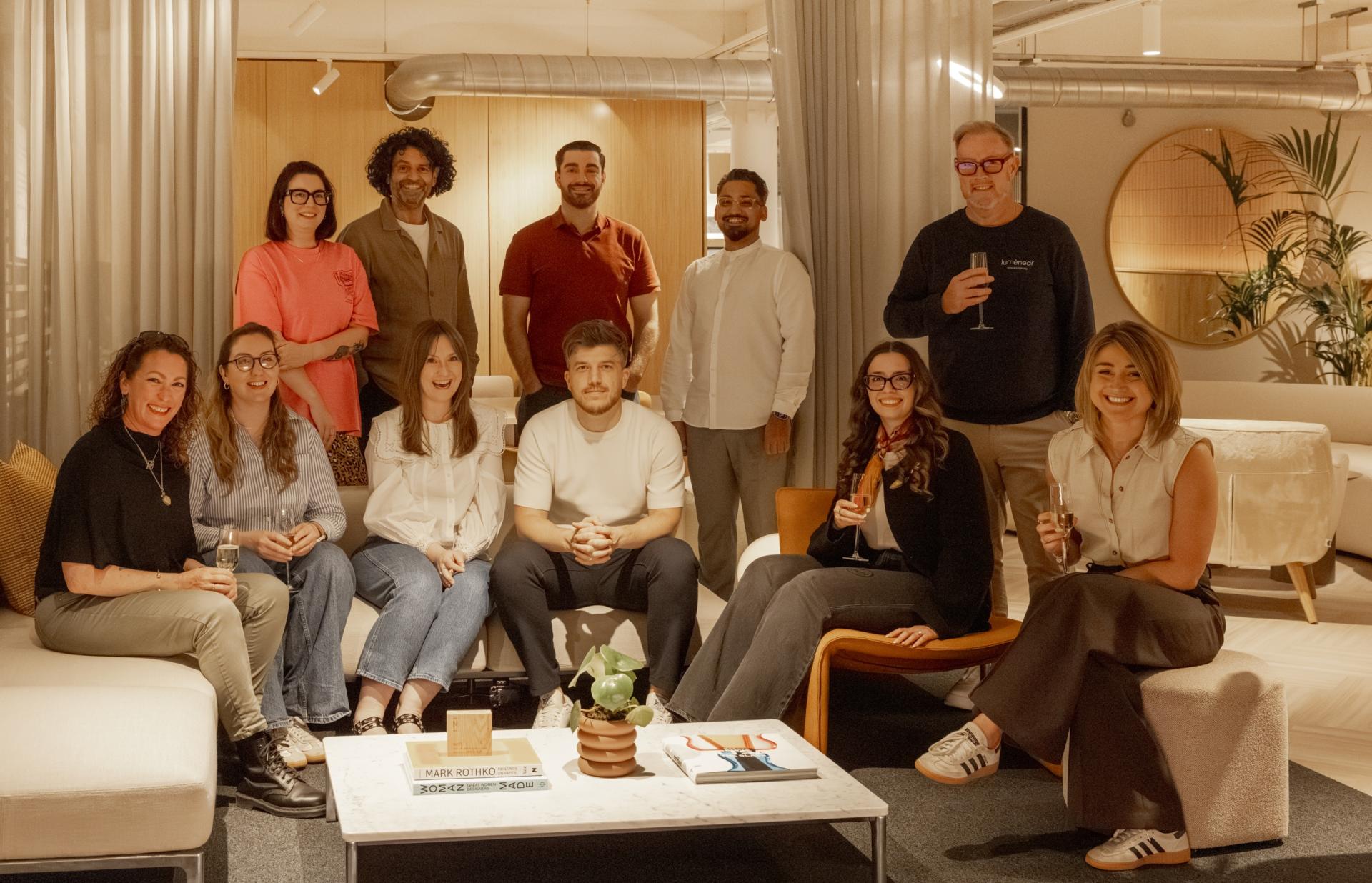
A huge thanks to all our guests for their insight shared, and to our supporter for this event, Lumenear UK - Partner at Material Source Studio Manchester & London.
The conversation continues in London on 7 May with our seminar: AI: Sustainability champion, or insupportable? Get your ticket here.
Top takeaways at a glance
AI is supporting designers with the visualisation process in practice - it works best when fed with the initial design work of experienced professionals. The consensus was that it should not be allowed to create from scratch.
Tech tools are saving architects time, leading to greater wellbeing, and allowing for a more balanced work/life by taking away monotonous tasks to reduce late-night workload.
There's a need for continued digital literacy to try and keep up with the rate of change. Concerns were raised around AI potentially reducing critical thinking/skills in future generations.
In all cases it was agreed guest experience has been enhanced by AI - in stadiums through immersive/interactive experiences for remote fans; operational tools like facial-recognition turnstiles and frictionless kiosks to speed service.
AI is seen as the next tech revolution similar to the move from hand-drawing to CAD. Though hand-sketching as a skill should be retained. It helps clients feel involved and avoids over-finality of renders. There was a strong call to “keep it human.”