





































BCO Annual Conference 2026: Our reflections.
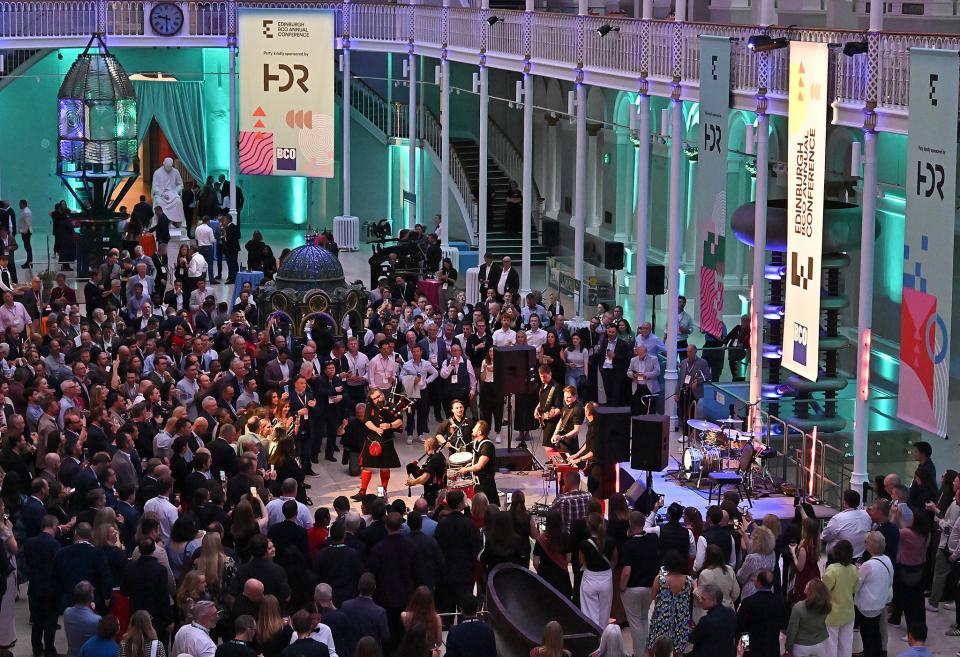
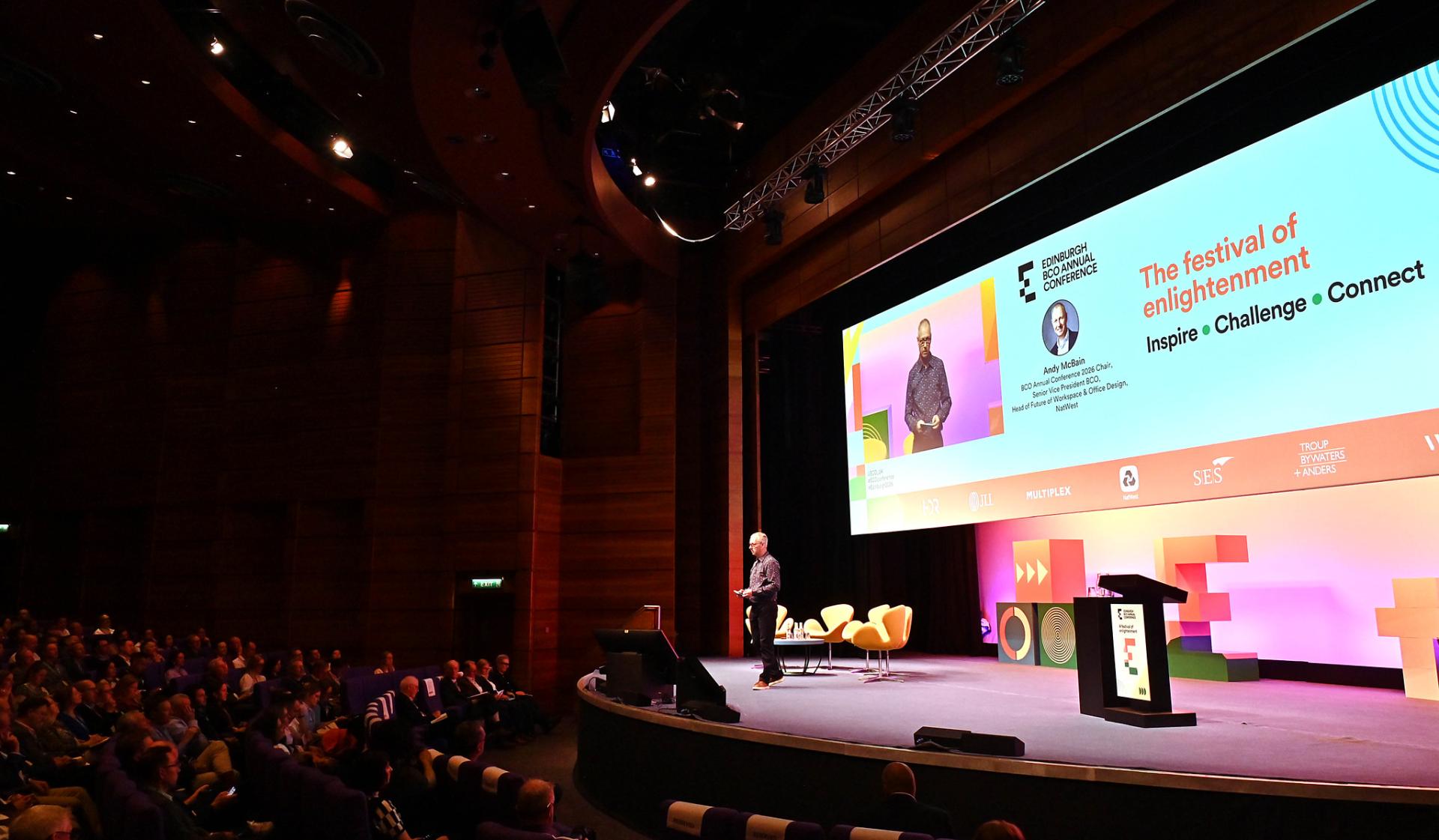
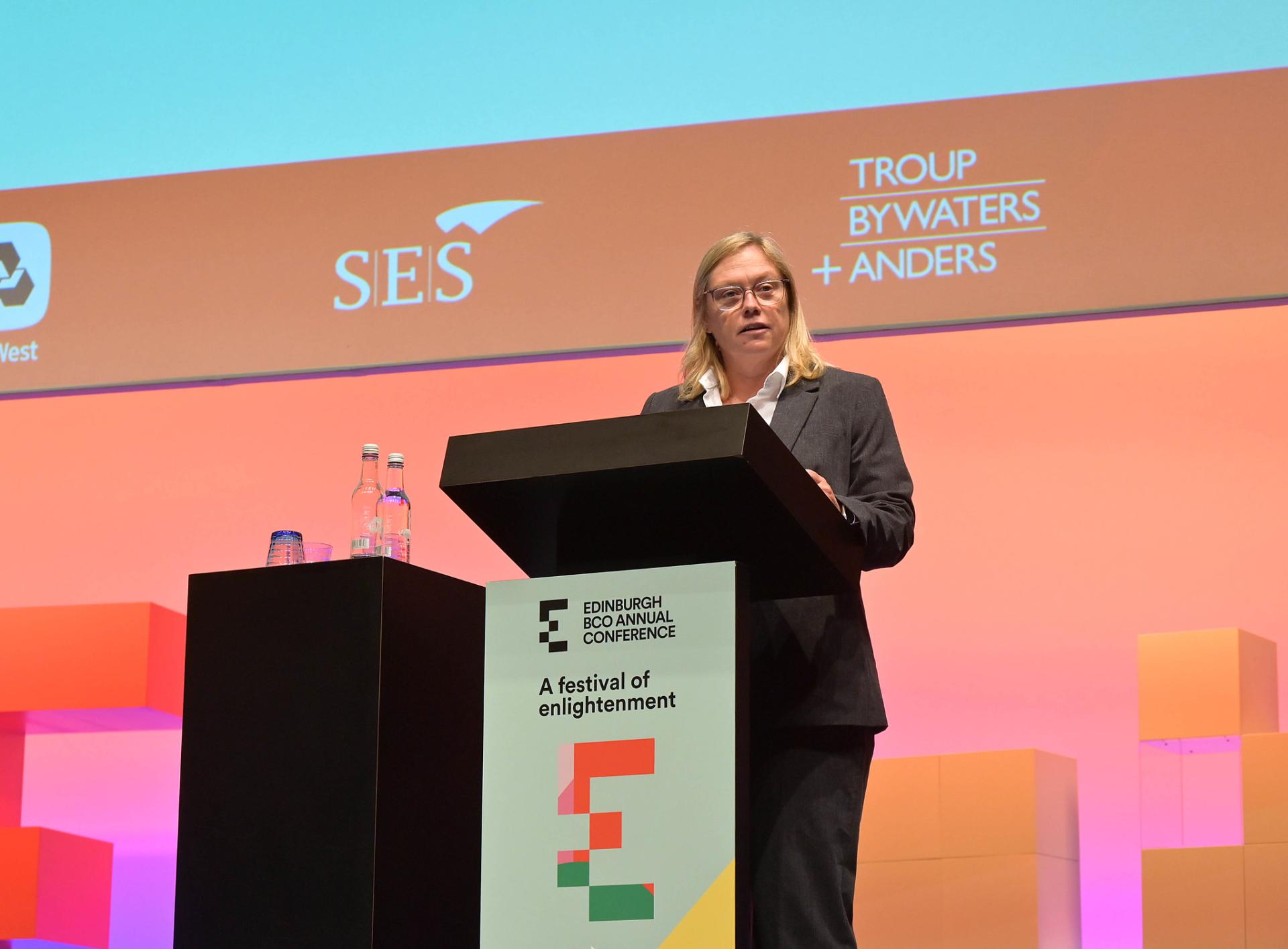
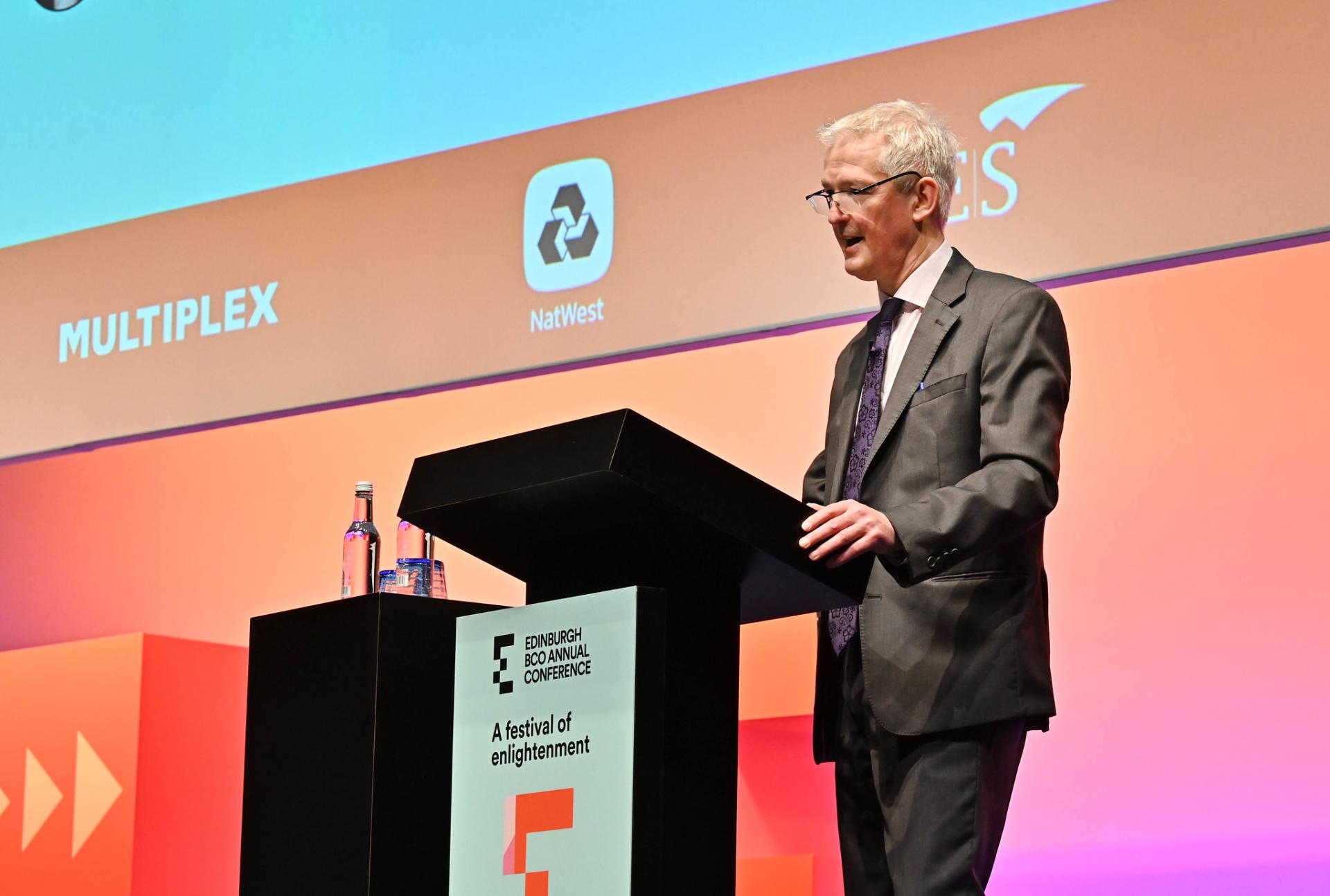
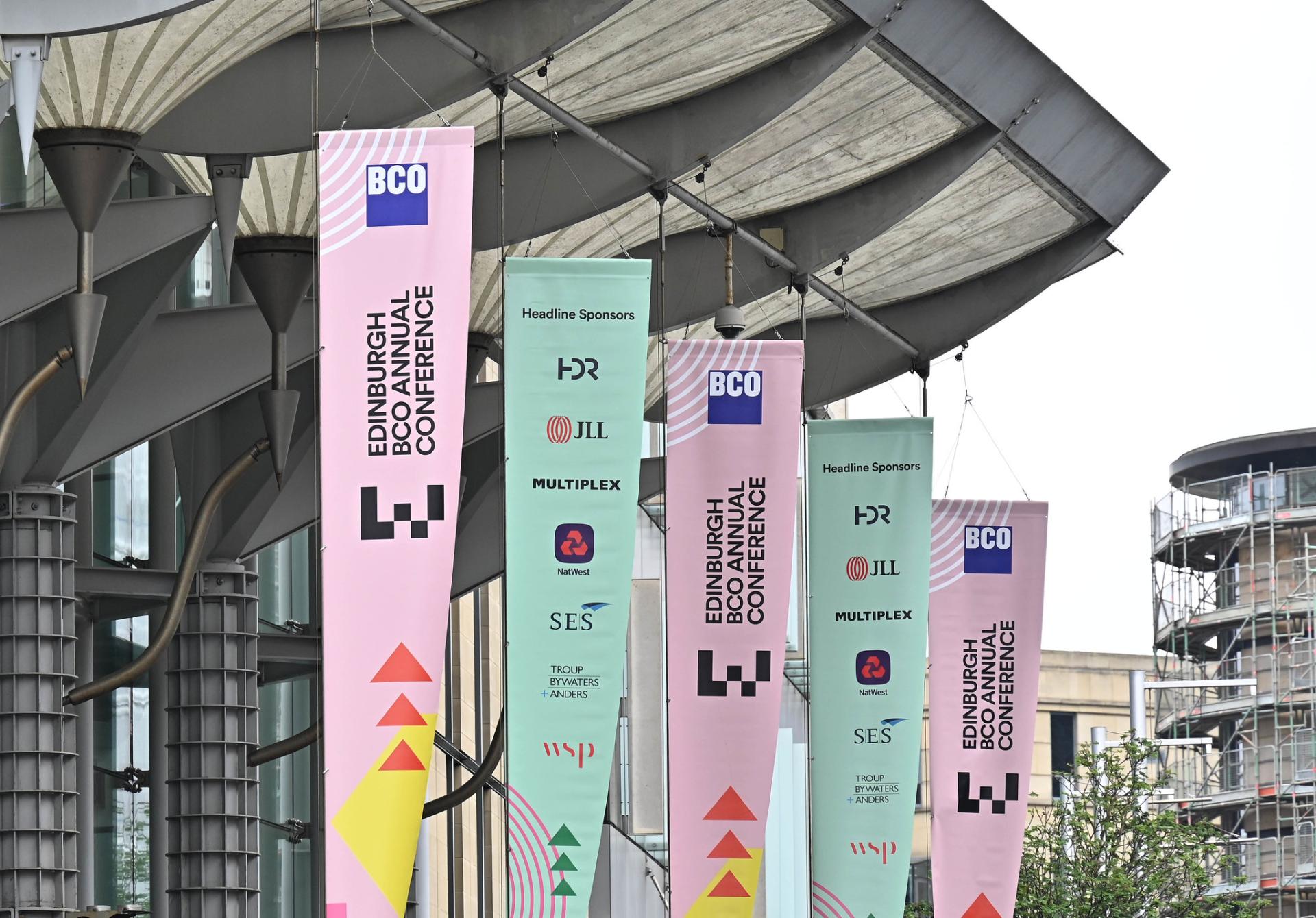
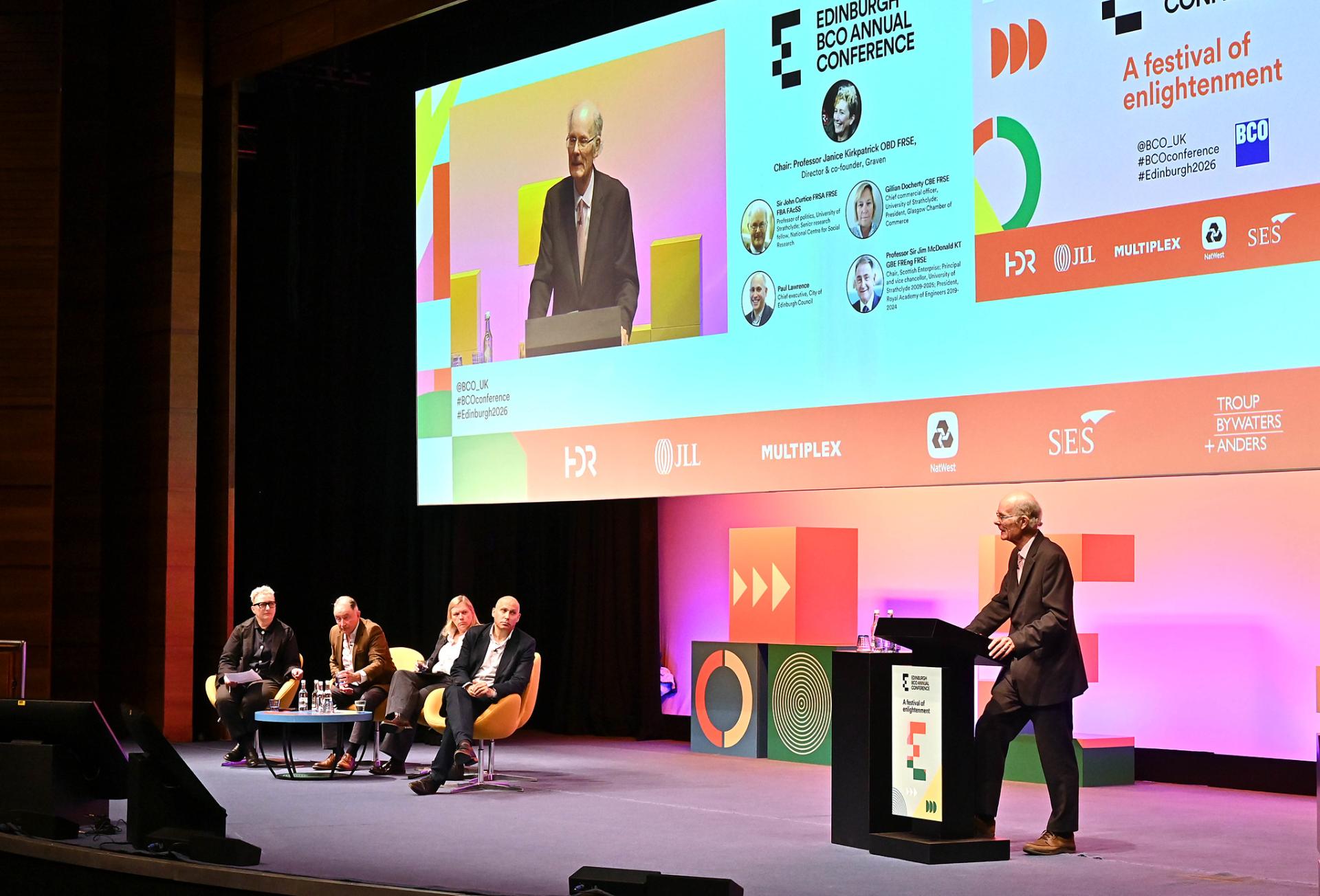
The location of this year’s BCO Annual Conference was Edinburgh. And the theme was “Enlightenment”. The combination of which was no coincidence, Andy McBain, Vice-President, BCO, told us during his opening speech. Being in this city - the intellectual and cultural beating heart of Europe’s Age of Enlightenment in the 17th Century – certainly seemed entirely fitting for the enlightening programme of activity that unfolded over the 2-days that followed (17/18 June).
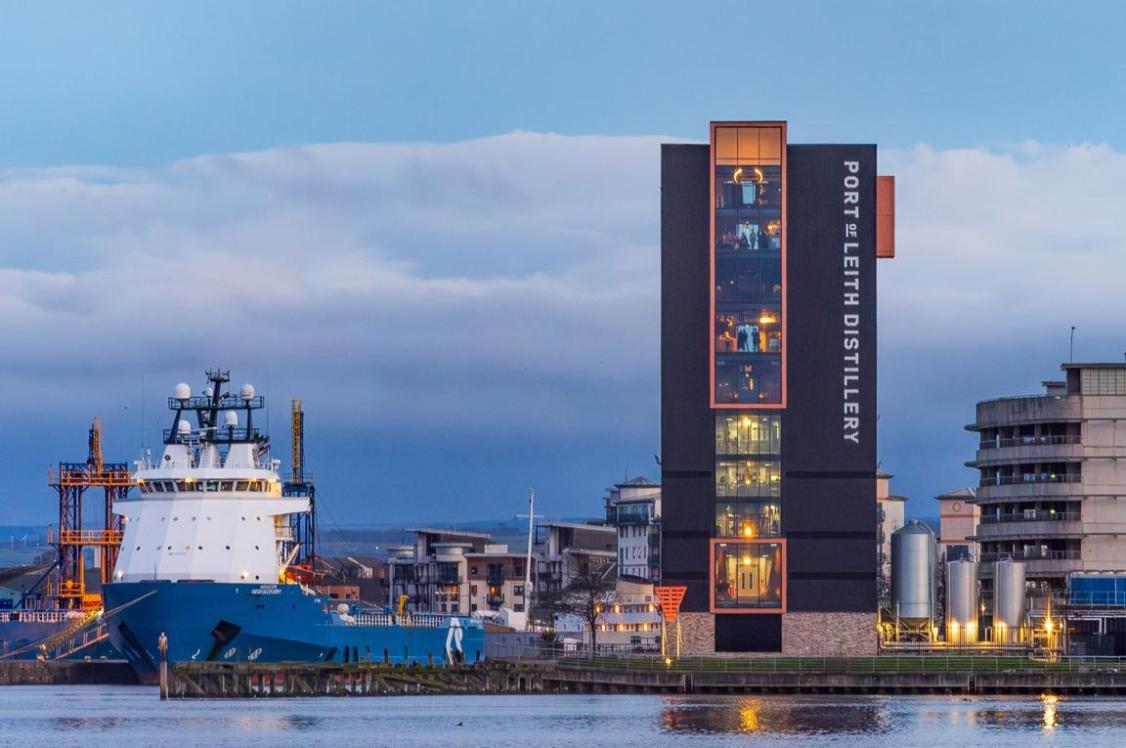
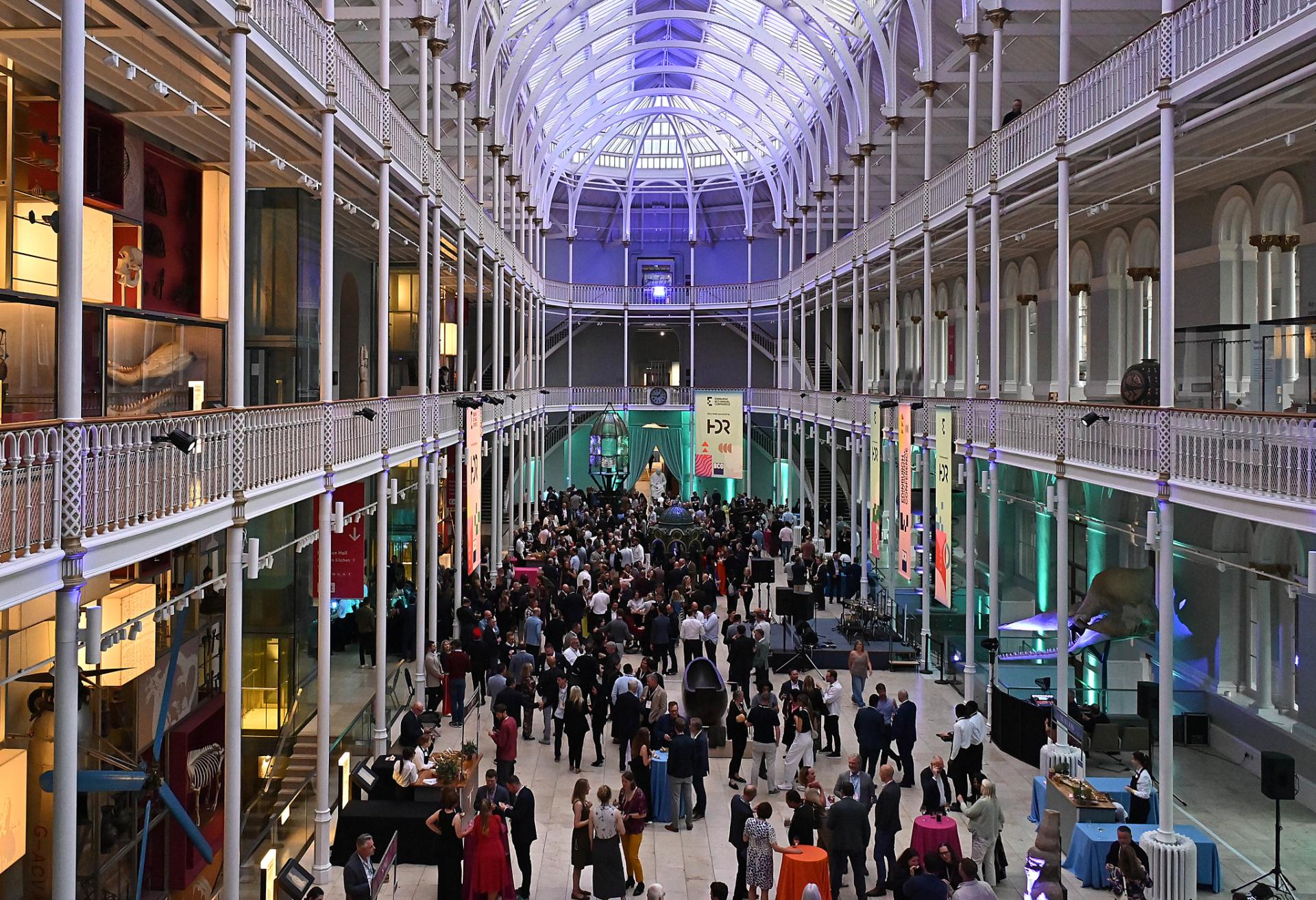
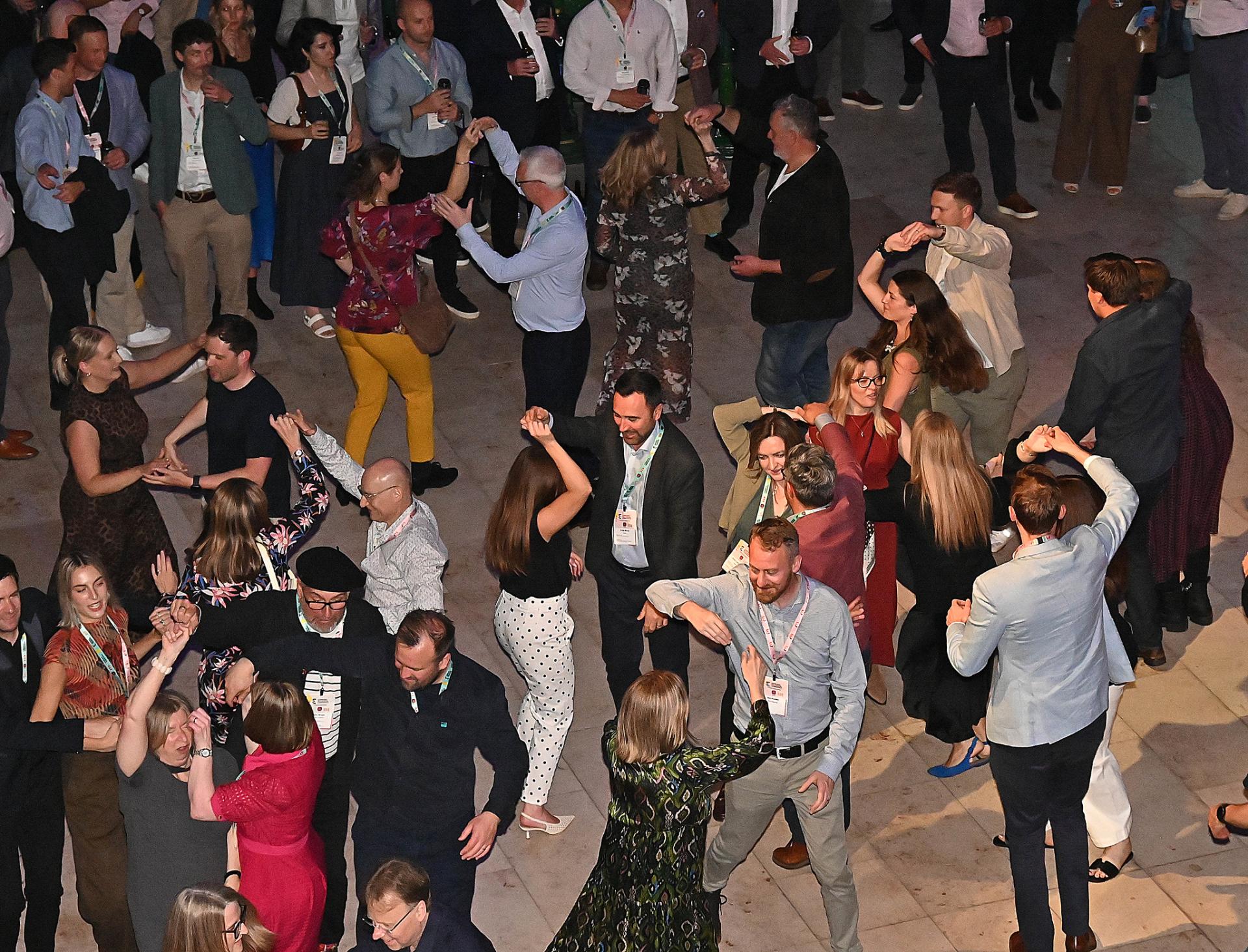
From panel discussions tackling topics from Opportunities for Cities to Navigating Office Development in UK Regional Cities, to workshops pondering the realities of social value, and inspiring site tours, including Haymarket, The Port of Leith Distillery, and the Futures Institute, our minds were certainly fuelled, despite our feet being tired (and that was before the socials, and closing ceilidh under the atrium-framed, starlit sky at the National Museum of Scotland on the final night).
While much was discussed, there were several key threads that ran throughout the Conference. Below, we’ve summarised some of the salient points that stood out for us:
People & collaboration – “Don’t forget, it’s all about the people” – said Andy McBain, Vice-President, BCO. There was a real emphasis on cross-sector collaboration, and the need to bring in specific expertise. The Building Safety Act has made accountability a non-negotiable, and that’s human accountability. Regardless of our increasing use of AI, people remain central to this sector.
AI - Beyond LLMs – “Don’t make creepy buildings” - was the takeaway from Gillian Docherty, CCO, University of Strathclyde. In workplace, AI isn’t killing offices, she said. It’s killing mediocre offices. AI’s story will be an energy story as much as software, she added. Grid capacity, substations, and generation may become central to real estate value, with major tech firms investing in nuclear and other power sources.
Investment & opportunity - Sir Jim McDonald argued that this is “the time of cities,” with city centres increasingly seen as engines of inclusive economic opportunity. Paul Lawrence, CEO, City of Edinburgh Council, shared investment plans for areas such as Leith, and stated that the demand for property in the city is strong – so much so, it’s outstripping current supply.
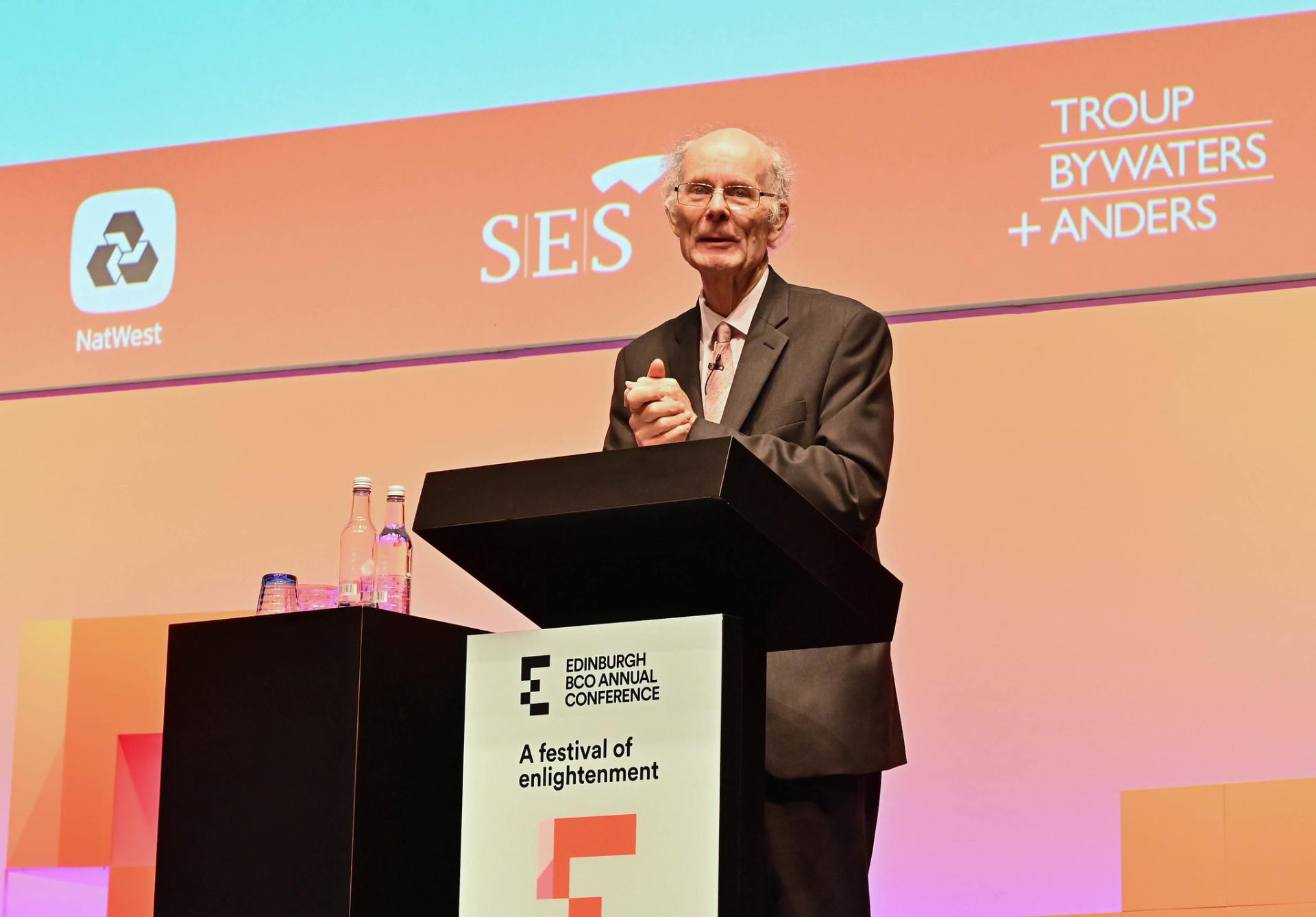
Uncertainty - Sir John Curtice addressed political uncertainty and its implications for office strategy and investment. He argued businesses should not expect future certainty from the state due to fragmentation of UK politics and weakening two-party dominance (and this was before Keir Starmer’s resignation). He described structural shifts: class-based voting patterns have eroded; politics now also hinges on identity and cultural issues, with a move toward multi-party competition and potential for major realignment.
He highlighted leadership instability and uncertainty about future UK and Scottish leadership, even though Scotland has administrative continuity. And he also noted unresolved constitutional and geopolitical questions - Scottish independence and the UK’s relationship with the EU (with rising support for rejoining) - which could influence where companies choose to locate offices and how they access markets.
Retrofit & refurbishment – A strong theme that ran across the plenary sessions, workshops and site tours was advocacy for reuse over demolition. Helen Hare, Director of Projects, GPE, and President of the BCO, shared a project example - 2 Aldermanbury Square pre-let as Clifford Chance HQ, delivered on time and on budget; circular construction repurposed 1,500 tons of steel; 70% Portland stone façade reused; marble from staircases reused for reception floor; recycled glass; 100% recycled aluminium; all raised access floors recycled. The expectation is that wider adoption could reduce long-term costs though currently it may cost more due to limited supply-chain scale.
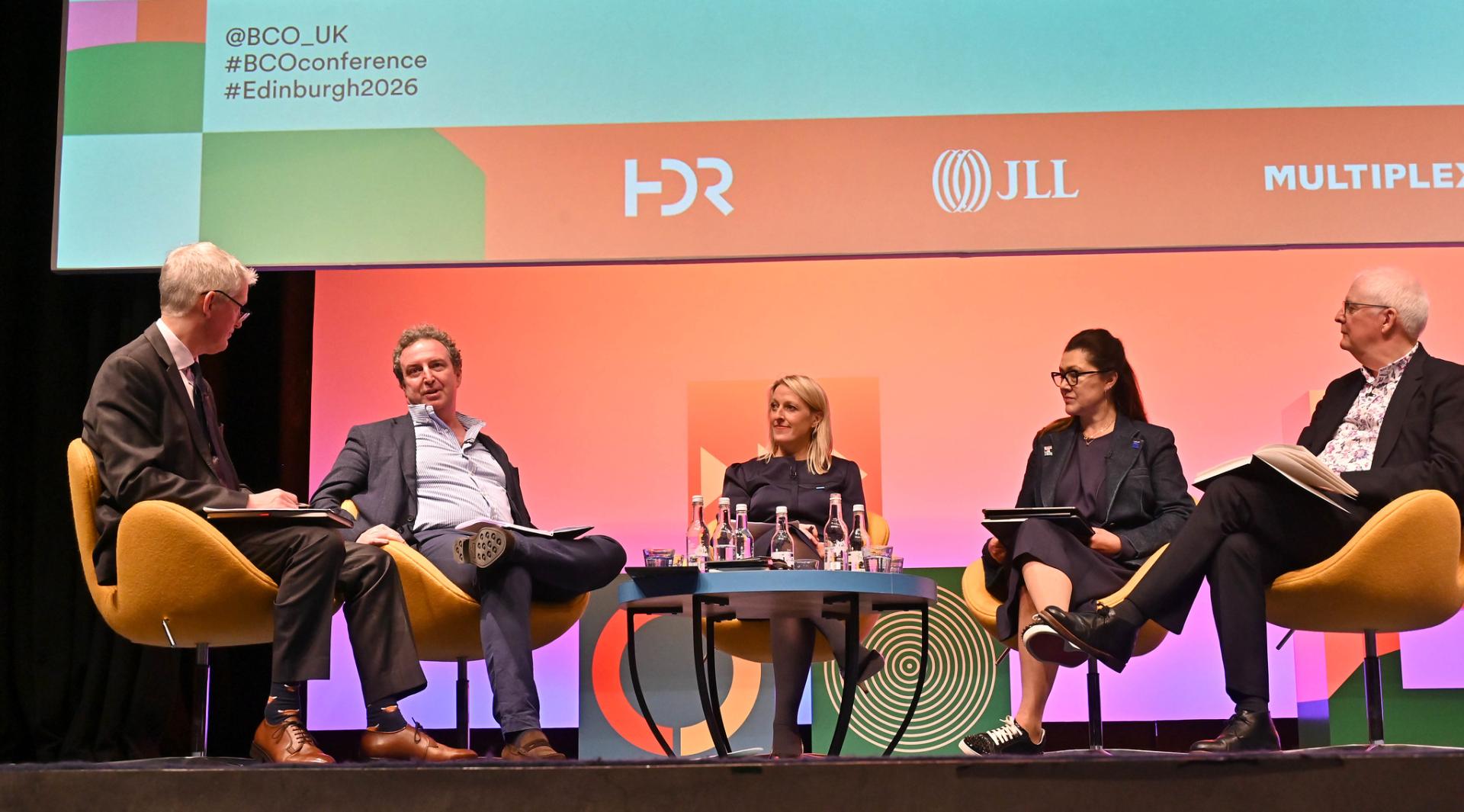
Refurbishment pipeline, shared by Cameron Stott, Head of Scotland, JLL - 15 refurbishments on site; 3 already pre-let; 12 delivering ~1.35m sq ft; plus ~700k sq ft new build = ~2.0m sq ft under development vs potential >4.0m sq ft annual demand/take-up.
Refurbishment vs new build - Elaine McCann, Deputy Head of Asset Management UK Real Estate, Aberdeen, stressed comprehensive refurbishment is not cheap; retrofitting/ESG upgrades can cost similar to new build; existing constraints (e.g., central core) limit optimal layouts; expectation of rental differential between new build and refurb.
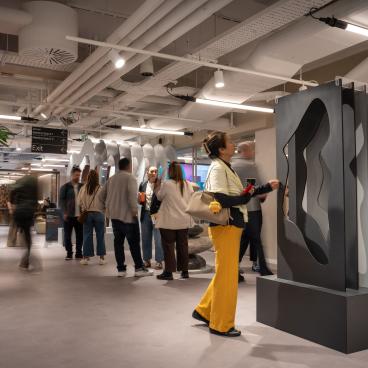
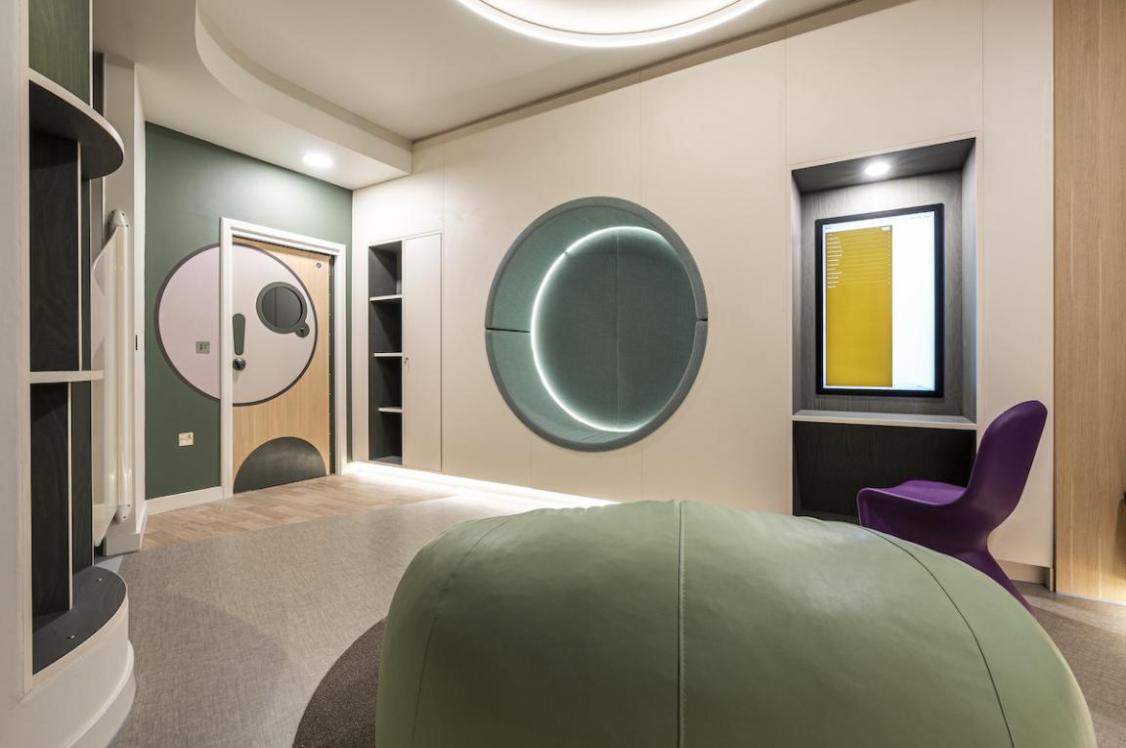
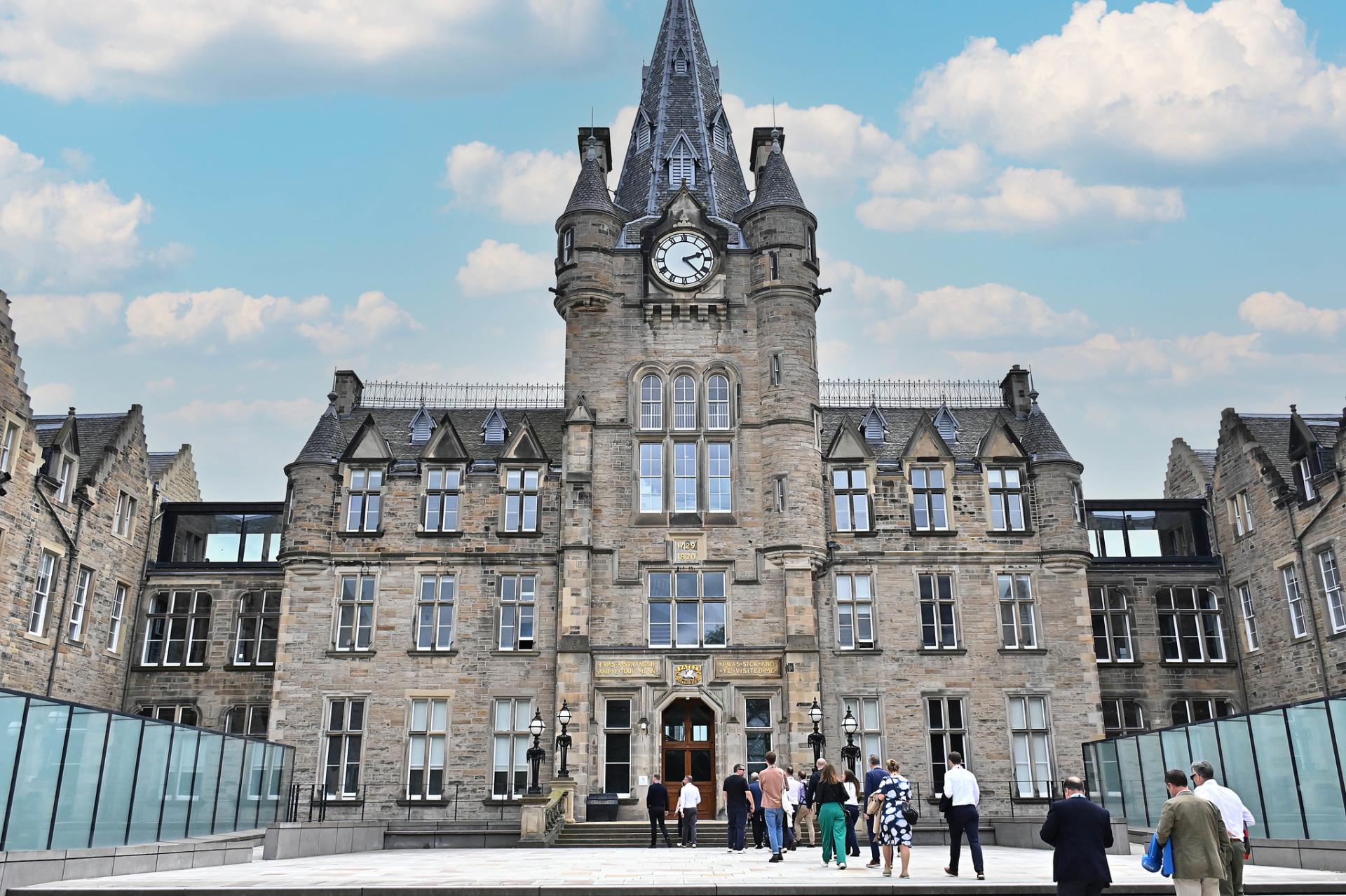
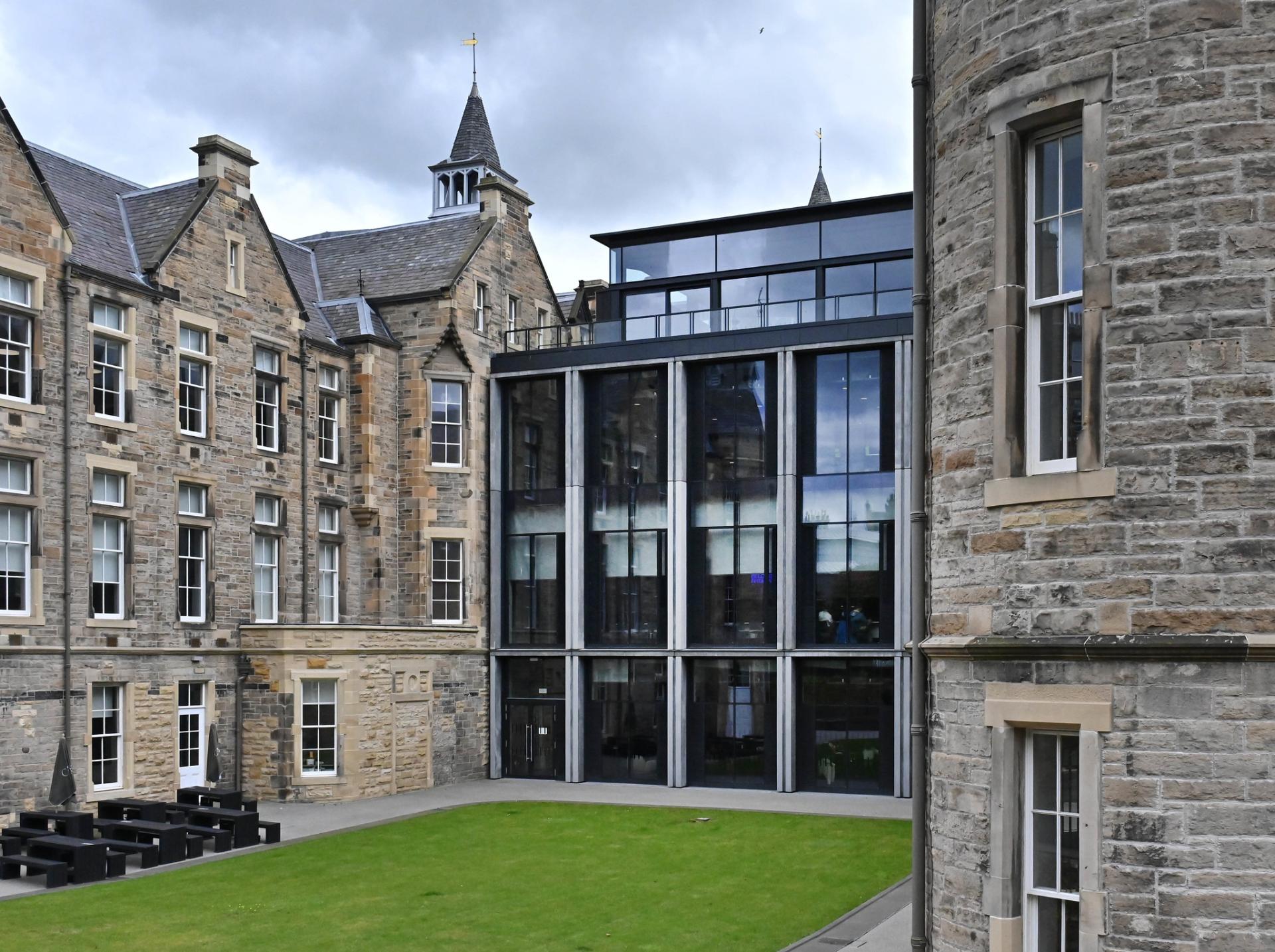
Renovation and refurbishment were evident in practice though. One scheme being the Futures Institute by Bennetts Associates – comprising a resurrected city centre icon of a building that had long been neglected, to produce a state-of-the-art innovation space for the University of Edinburgh. With wood floors (Russwood), exposed concrete and a rich colour palette doubling up as clever wayfinding, this space was not only beautiful, but respectful of its history (wards laid out by Florence Nightingale now house functional office areas), and it’s clearly well-used. (Thank you to Rab Bennetts, Founder, Bennetts Associates for showing us around.)
Similarly at the soon-to-be Lloyd’s HQ – formerly the HQ of Scottish Widows – a full refurbishment of what is a building of epic proportion is well underway, with 8,000 staff due to be located in the finished space next year. With eye-watering, panoramic views of the city, stretching from castle to sea, and impressive plans by MLA (thanks to MLA’s CEO Tim Griffin for giving us a preview), it’s shaping up to be a stellar example of opting for what’s already in situ.
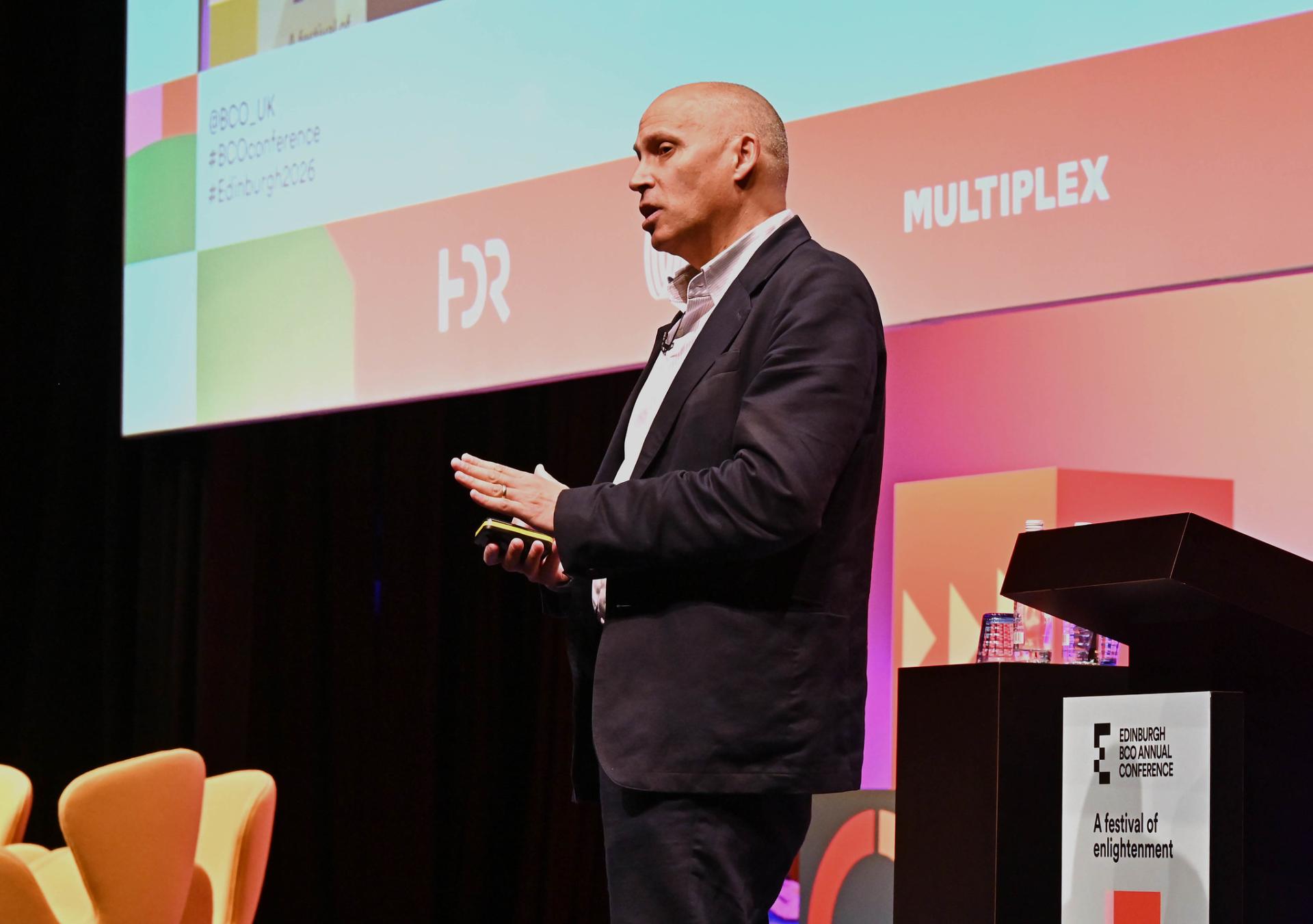
Developer challenges – There are clear challenges across the market for renovation and new builds alike. Articulated by Paul Curran, CEO, Qmile Group, as a “perfect storm” of build-cost inflation over 5-years reducing viability; higher tenant fit-out costs; higher interest rates increasing holding costs during prolonged planning; difficult traditional/institutional funding (especially in regions); valuations/exit yields making schemes unviable despite rent increases; occupier commitment uncertainty on size and leasing; larger buildings make achieving 50% pre-let harder; tenant concerns about vulnerability/risk.
Rental growth & flexibility – Additionally, rents have increased significantly from Q1 2020 to Q1 2026; growth was implied by deals currently under offer; 2030 rent forecasts were shown (JLL’s Cameron Stott suggested forecasts may be conservative).
Flexibility – Despite this, it was indicated there is a strong growth in flex space; flex users are largely businesses scaling up/down (not just startups); premium paid for service and customer experience are king. Flex leasing metrics from Helen showed many sign 5-year leases but average term ~2.8 years; dedicated CX/customer retention team has seen 64% retained customers (reduced broker/agency fees). The reasons occupiers choose flex is said to be reduced CAPEX, lack of in-house fit-out/leasing expertise, limited internal capacity to manage fit-outs; preference for amenity and programmed events.
For Ashleigh Corbett, Head of Flex, CBRE, the definition of “flex” has changed significantly vs 8–10 years ago – it’s not just small serviced offices for startups. Covid has had an impact on flex, with enquiries up ~150%; larger space enquiries (4,000–6,000 sq ft) have doubled; for corporate occupiers there is an increased demand for flexible space. The ‘flex’ umbrella now includes: serviced operators plus landlord-led models (fully managed, all-inclusive, plug-and-play). Up to ~50% of some landlords’ portfolios expected to require some form of flex space within the next couple of years (self-delivered or via partnerships).
Amenities arms race - In London, there’s a demand for purposeful amenity and terraces that work year-round; “token” terraces insufficient; programming such as events is needed with yoga and barbecues cited as examples.
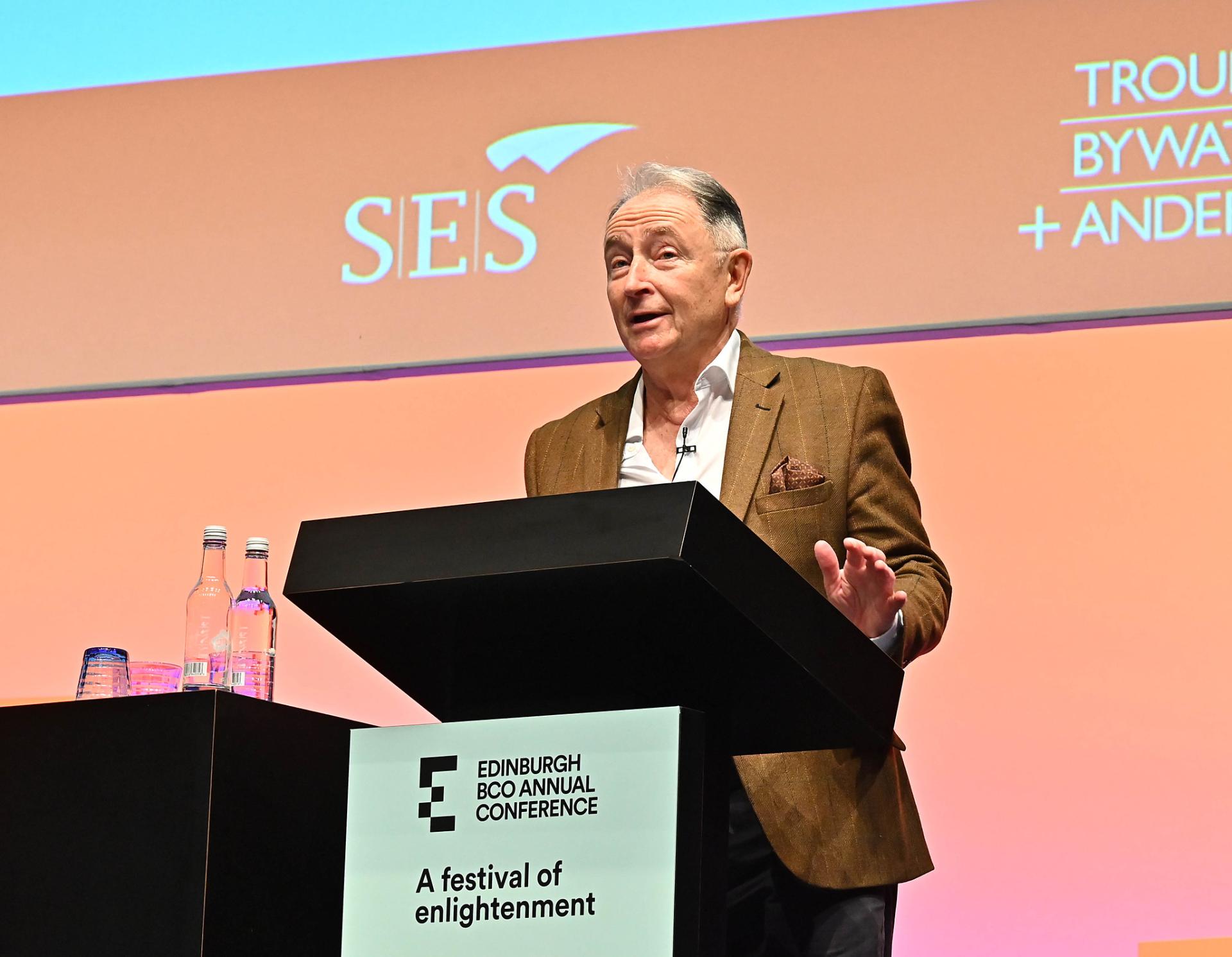
Ken Shuttleworth, Founder, Make Architects, believes we cannot impose “London feel” on regional cities; we must tailor to local economics and what matters to tenants; simplicity, efficiency, and speed to planning/on-site delivery were emphasised; basements should be avoided outside London due to cost.
Ken said that 40 Leadenhall (a Make project) is often used as a benchmark by agents because of its amenities; though he argued for an alternative philosophy - use surrounding neighbourhood amenities rather than building an internal “fortress village” where appropriate.
Even with simpler forms and lower budgets, buildings need strong identities to attract tenants; achieving this requires early contractor/supply-chain collaboration (cladding, brickwork, concrete) to overcome initial QS cost objections.
Location-specific requirements - i.e. end-of-trip/cycling facilities vary by city (Edinburgh high cycling demand; Glasgow different); Haymarket building provides facilities for 500+ bikes and extensive showers. (We had the pleasure of visiting this location during a tour led by CEO of Qmile Group, Paul Curran, MLA’s Kenny Fraser, and the teams from Deloitte and Foster + Partners, thank you all).
Viability approaches - Paul said there needs to be a focus on what occupiers actually want; integrate Cat B fit-out to eliminate waste of stripping out; early engagement with occupiers to align amenity with real use; use shared terraces/common amenities rather than private where appropriate; balance amenity with smaller regional footfall vs large London towers.
Accreditations/badges - Were raised as a concern for Helen and Paul - proliferation of ESG/green accreditation requirements can become box-ticking driven by agents; need to challenge which accreditations truly matter to occupiers and their actual commitments; risk of unnecessary cost escalation.
Early occupier engagement – This is said to be needed. Supply-demand shortage drives occupiers to commit earlier; pre-lets occurring earlier than in the past; we need wider industry collaboration to avoid building “creepy” buildings (as mentioned by Gillian Docherty).
Occupier vs customer - Chris Moriarty, Co-Founder & Director, Audiem thinks “customer” as a term is insufficient; we must distinguish customer vs consumer (B2B2C model). Because in flex/workplace, financial/lease flexibility matters to the customer, but consumers often care about basics (desk availability, parking, food, functioning/clean toilets).
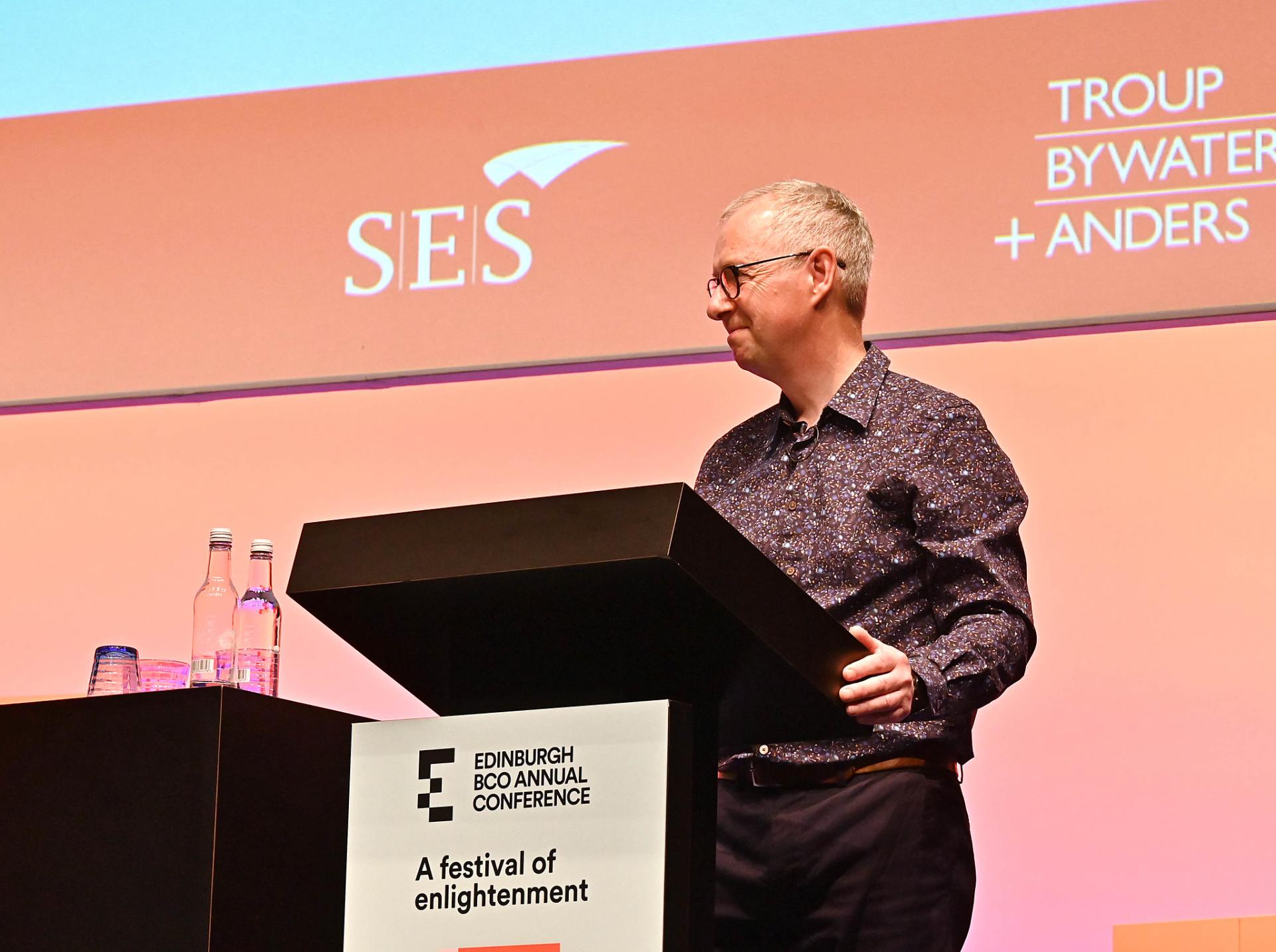
Narrative & storytelling - Stefano Faiella, Director, Threesixty Architecture, and shareholder/board member/investor at Port of Leith Distillery, argued that architecture/design alone is not enough; narrative/story delivery is crucial. And experience must evolve over time; avoid staying static; data should guide improvements.
Design is essential though, and adds value when it solves real problems; example: Glenmorangie bottling hall was highlighted as an optimum facility for its industrial workforce; design used to address workforce needs and gender-neutral environments; success described as “smiles per square feet” (people happy and want to return), protecting culture/identity.
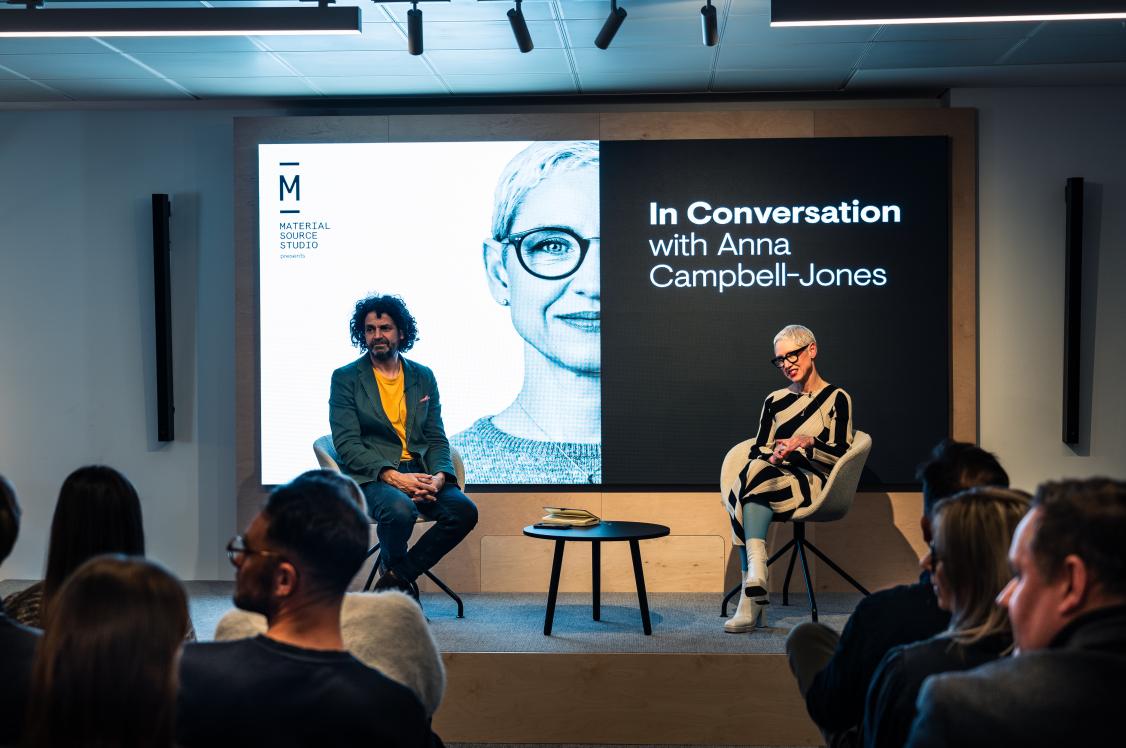
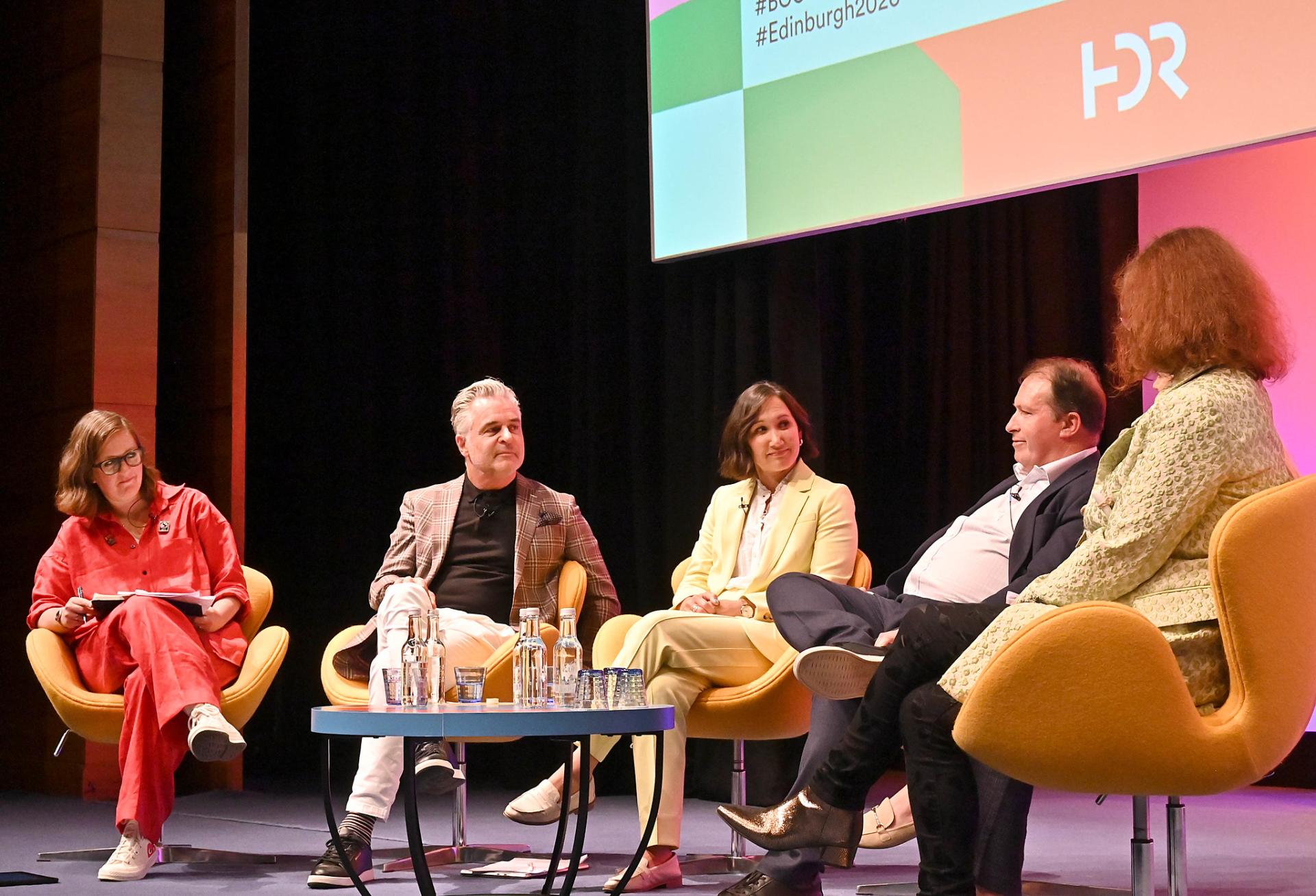
Positivity? As requested by our own Material Source Director, David Smalley, in his question to the Plenary One panel. Optimism was emphasised by Ken in light of the continual improvement of buildings, with use of AI as a tool, human adaptability, expectation of improved conditions as property cycle turns, and placemaking/community benefits.
Market optimism, despite challenges: Paul/Cameron made the point that property is cyclical; small changes (yields, rents, construction costs) could shift viability; indicators earlier in year were more optimistic (interest rates expected to fall; costs stabilising).
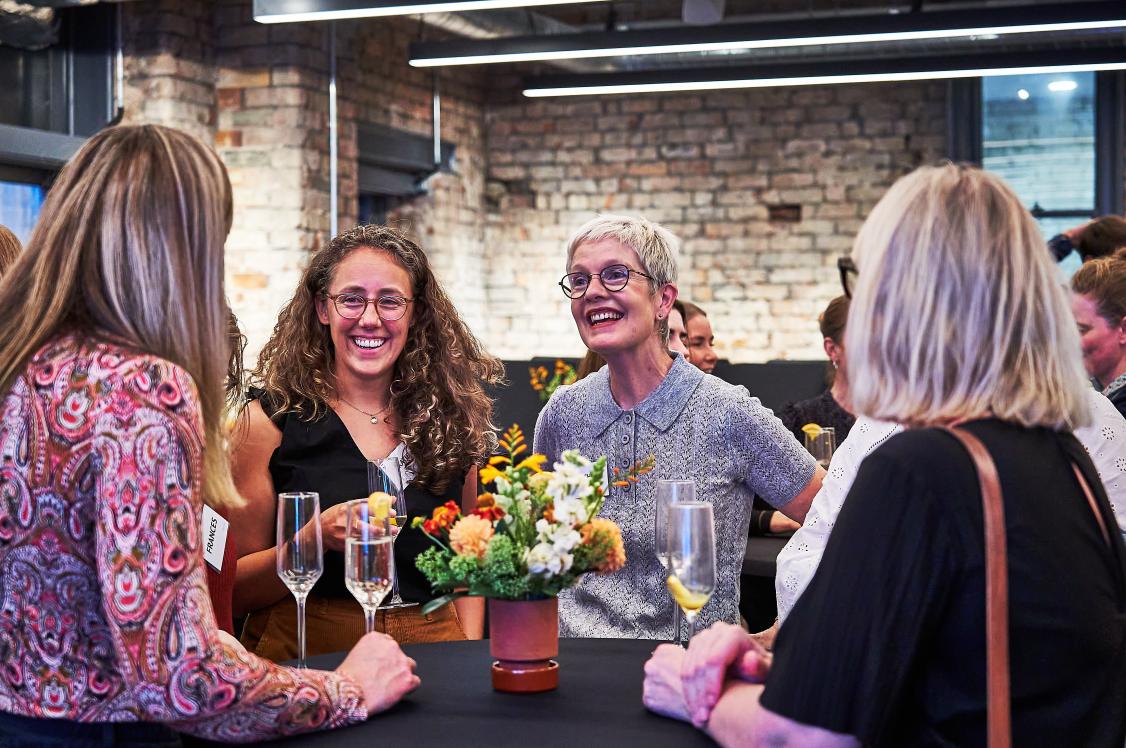
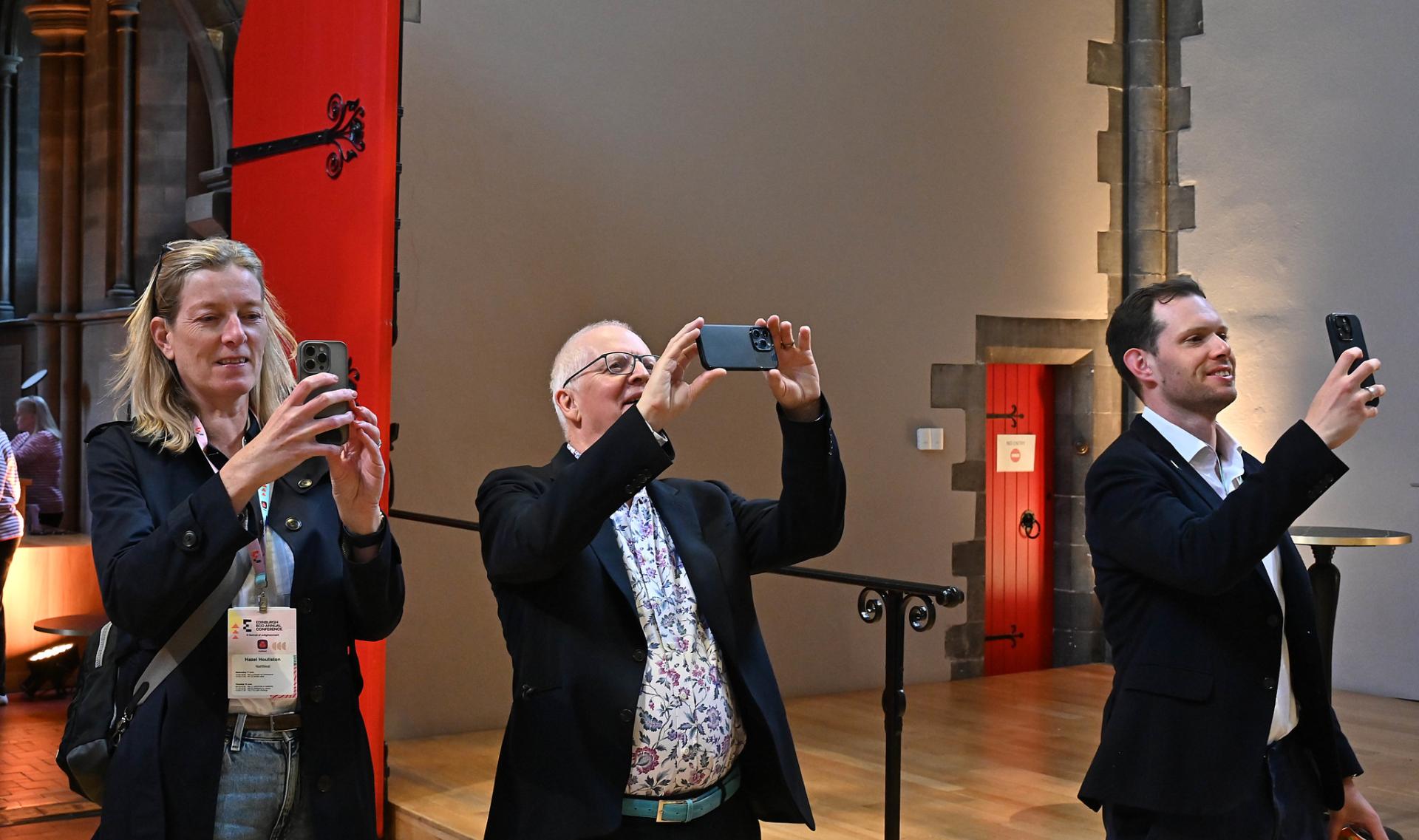
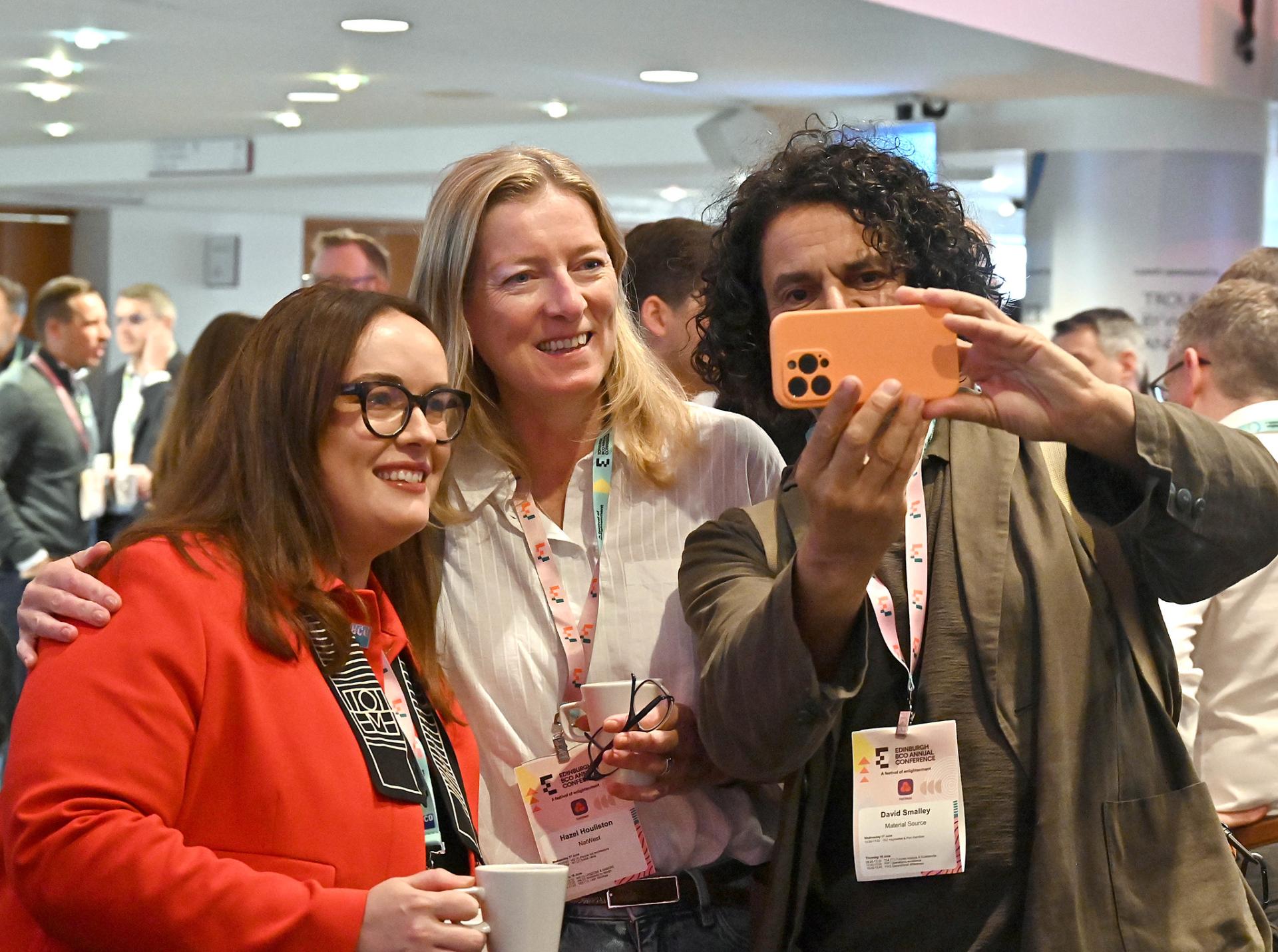
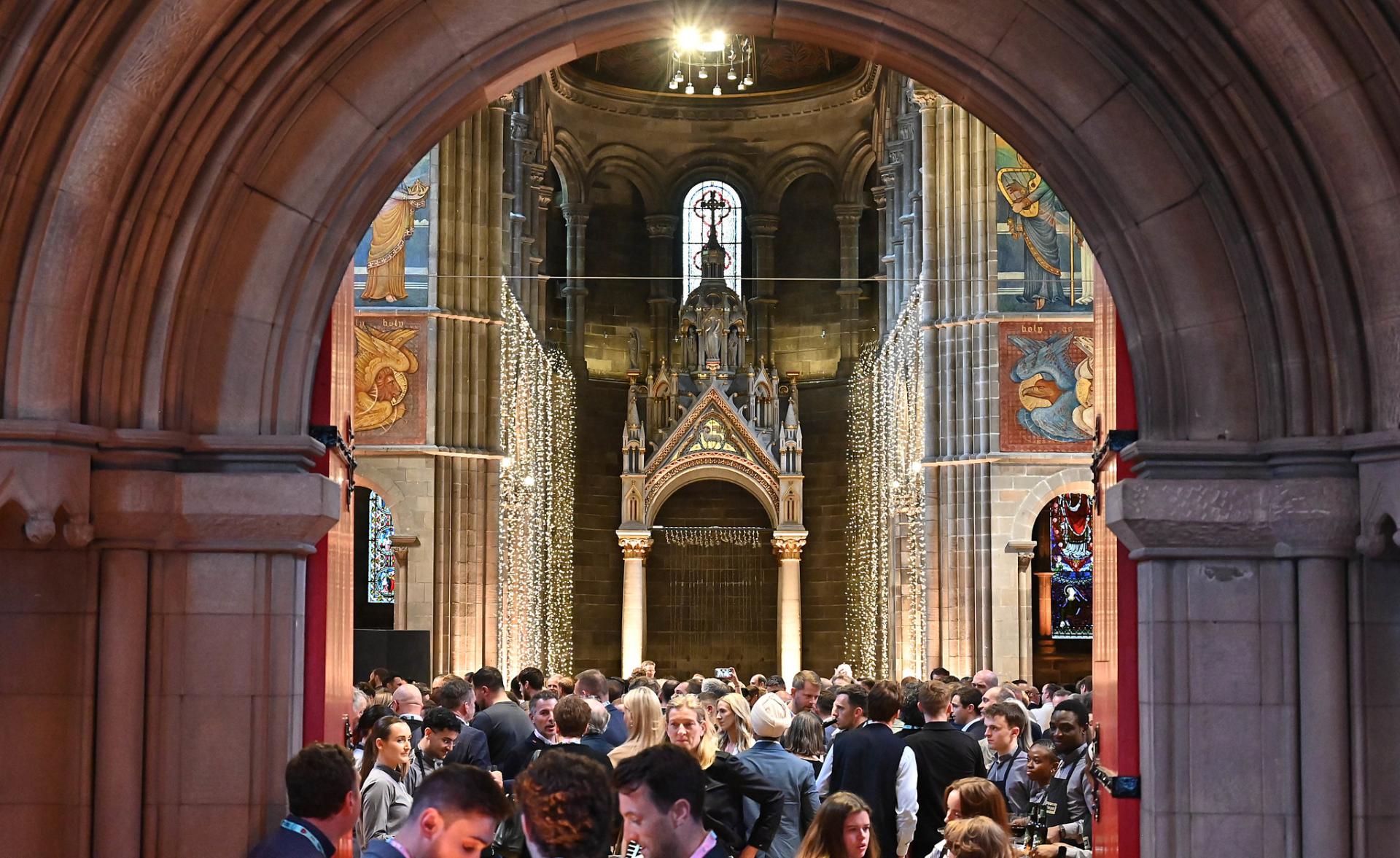
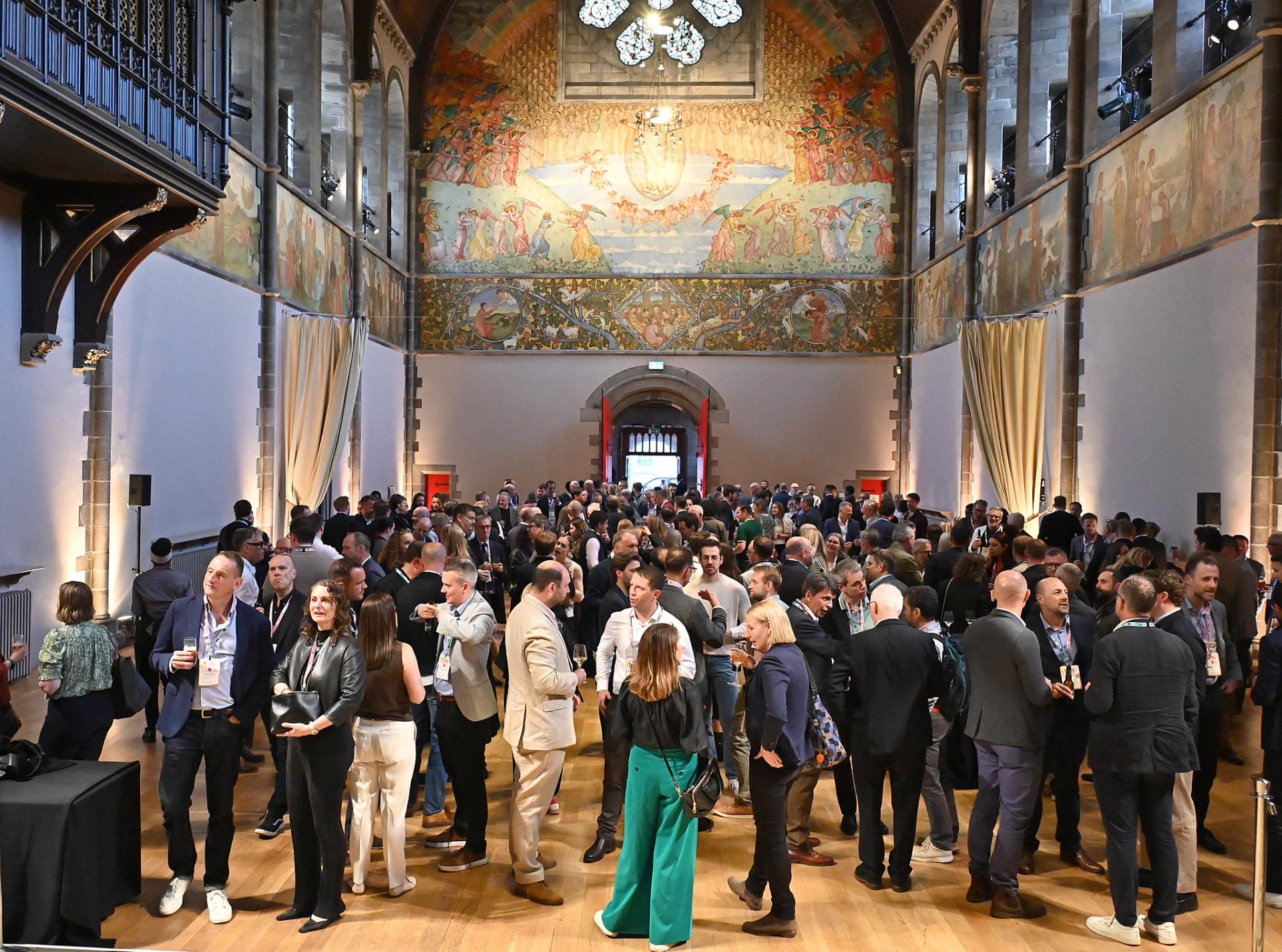
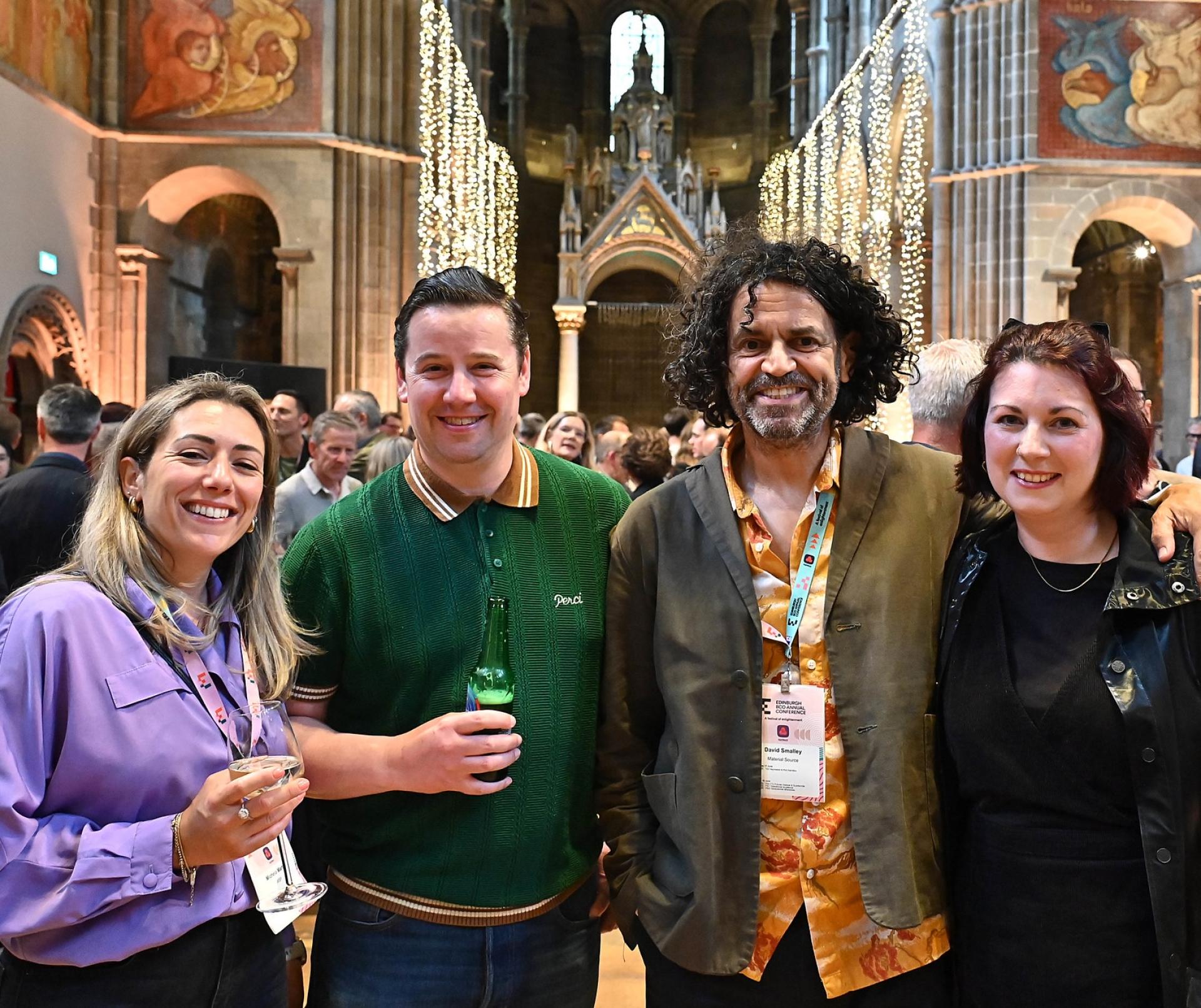
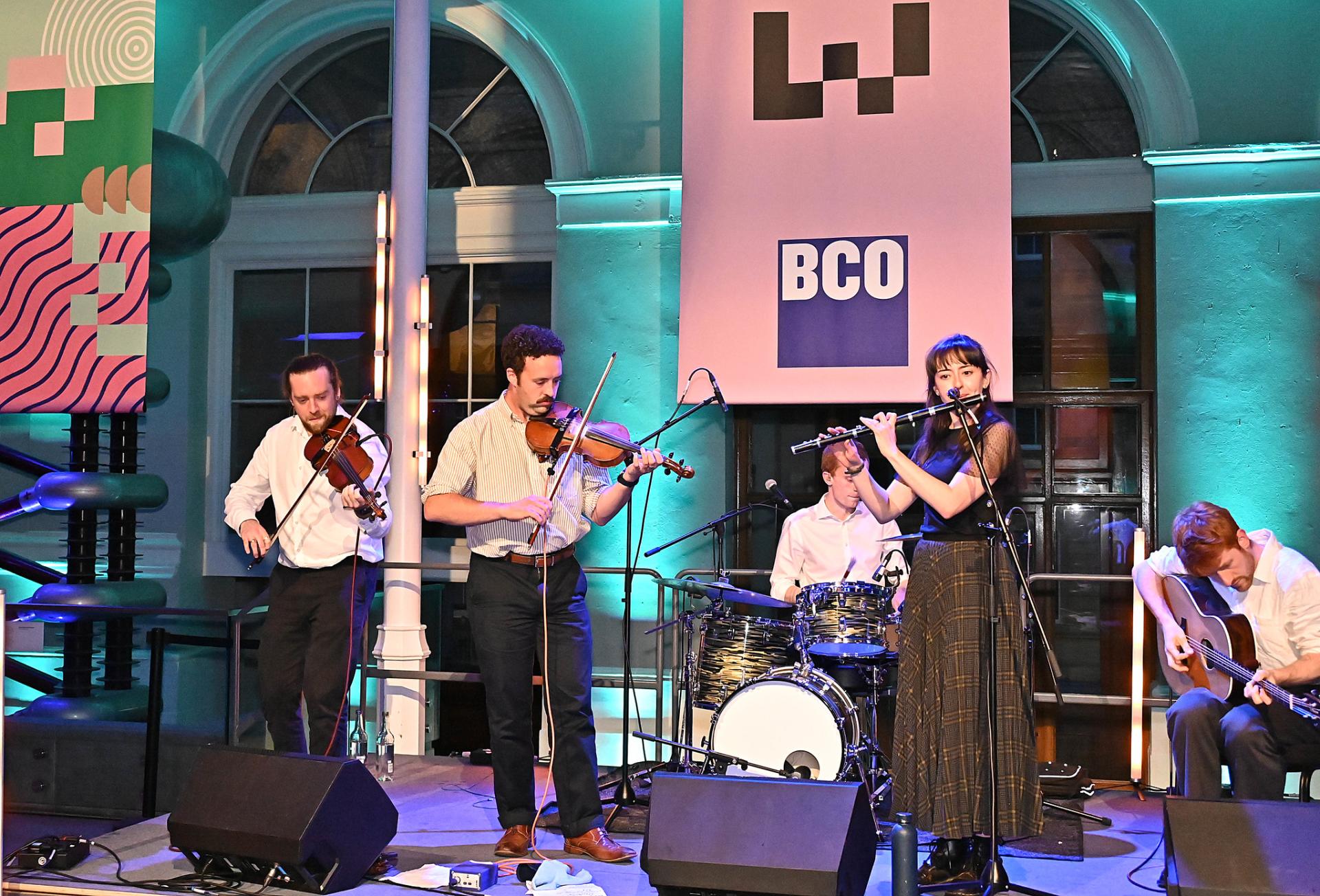
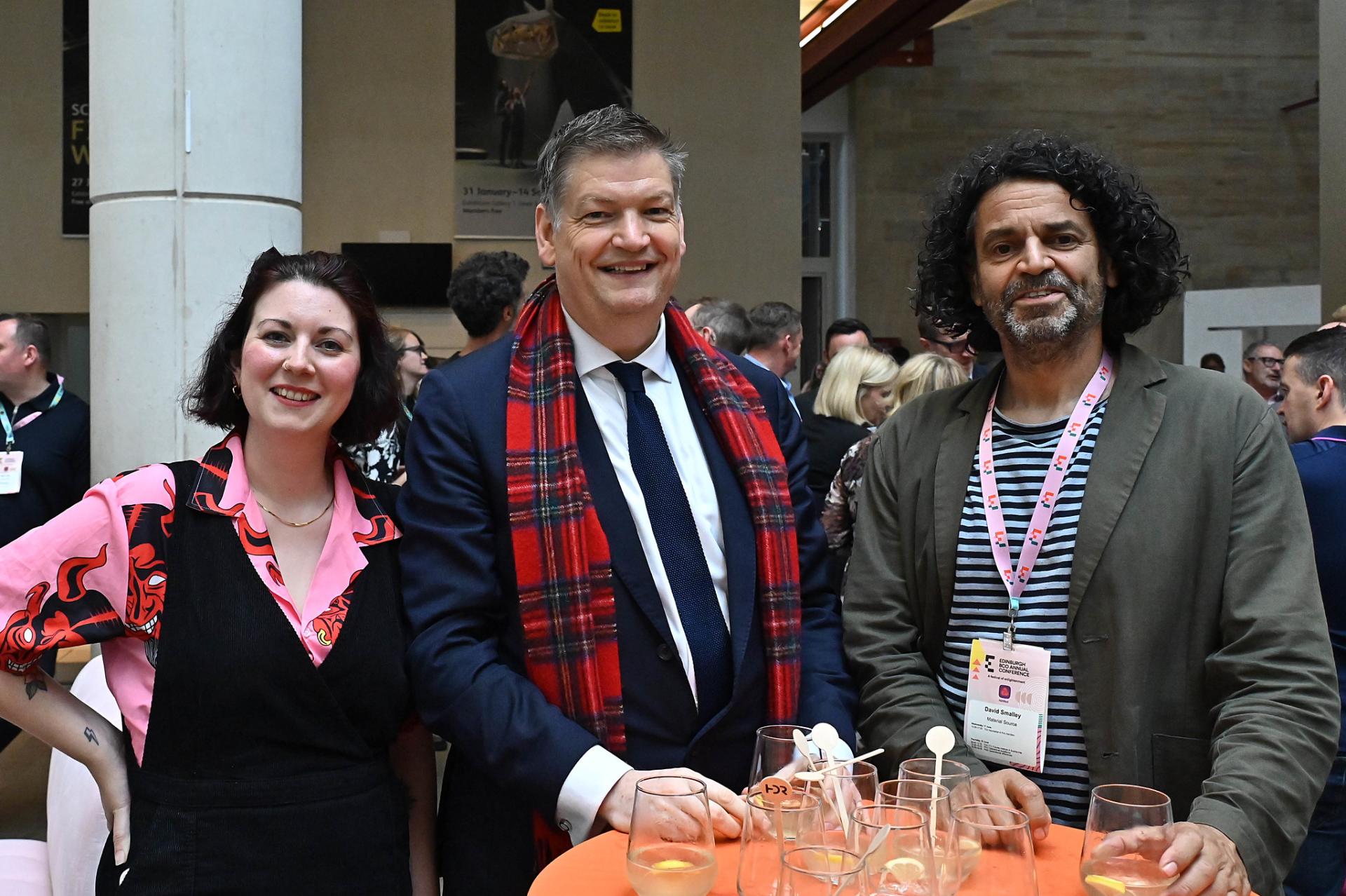
As well as the wealth of insight gleaned from the plenary and workshops sessions, plus the site tours, we also enjoyed the social events held in a duo of stunning settings – Mansfield Traquair for night one, and the National Museum of Scotland for night two, complete with music from the Red Hot Chilli Pipers, and a traditional ceilidh. Additionally, we’re grateful to Overbury (shout out to Zara Peyton) for hosting us at Brewhemia for their England match viewing.
It was announced that next year’s BCO Annual Conference will be held in Paris. So we’ll see you there in 2027.
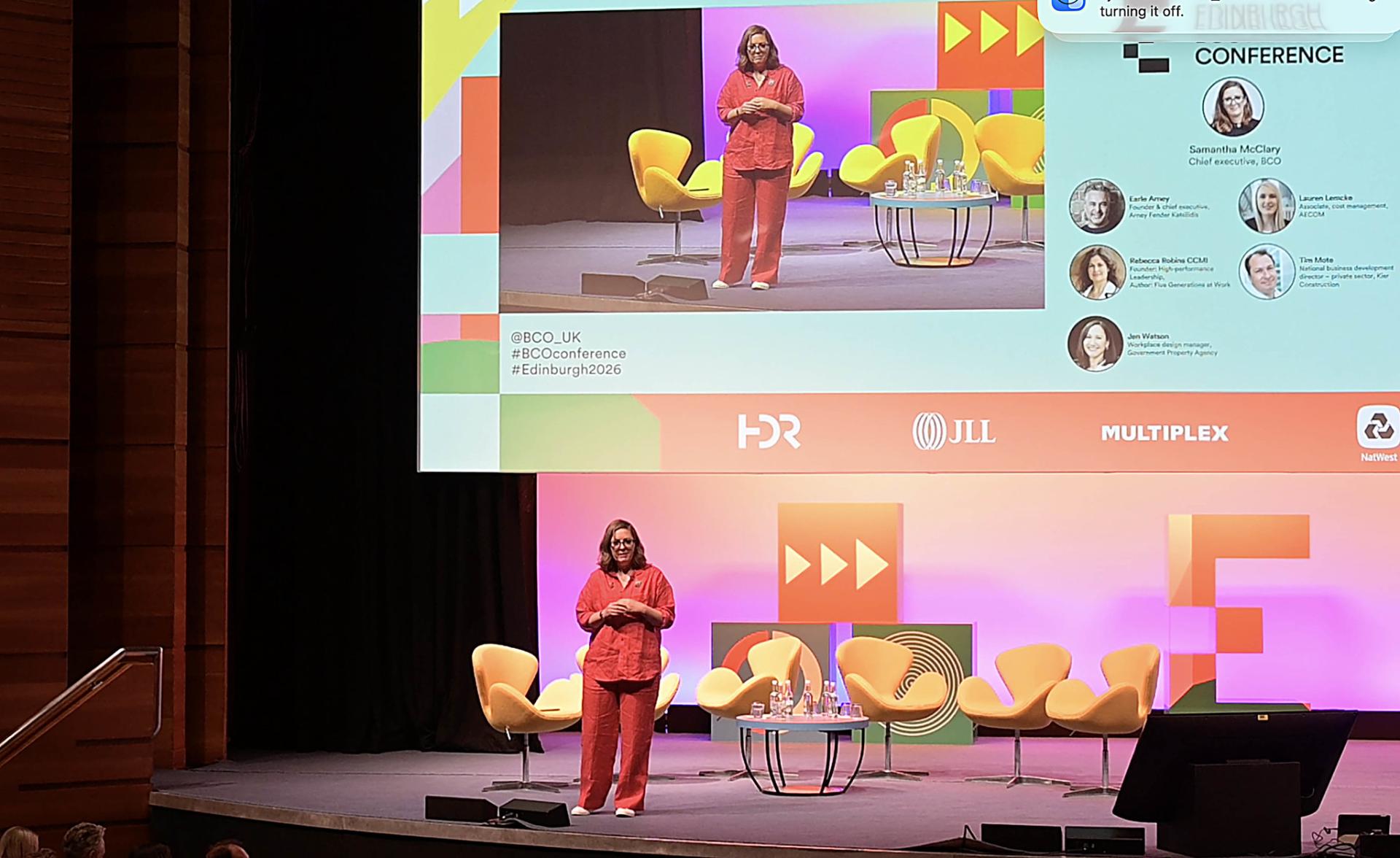
Thanks to everyone that made our visit to the BCO Annual Conference such an enlightening one – especially the BCO team (including Samantha McClary, Andy McBain, Mary Economidou) and SAS Events team (Annie Rimmer). Congratulations to you all. We’ll be covering the sites and schemes we visited in more detail over the coming weeks. The phrase "No Scotland, no party" has perhaps never felt so resonant. Until next time.