




































AI: Intriguing or integral to creating impact in the workplace?
In association with:

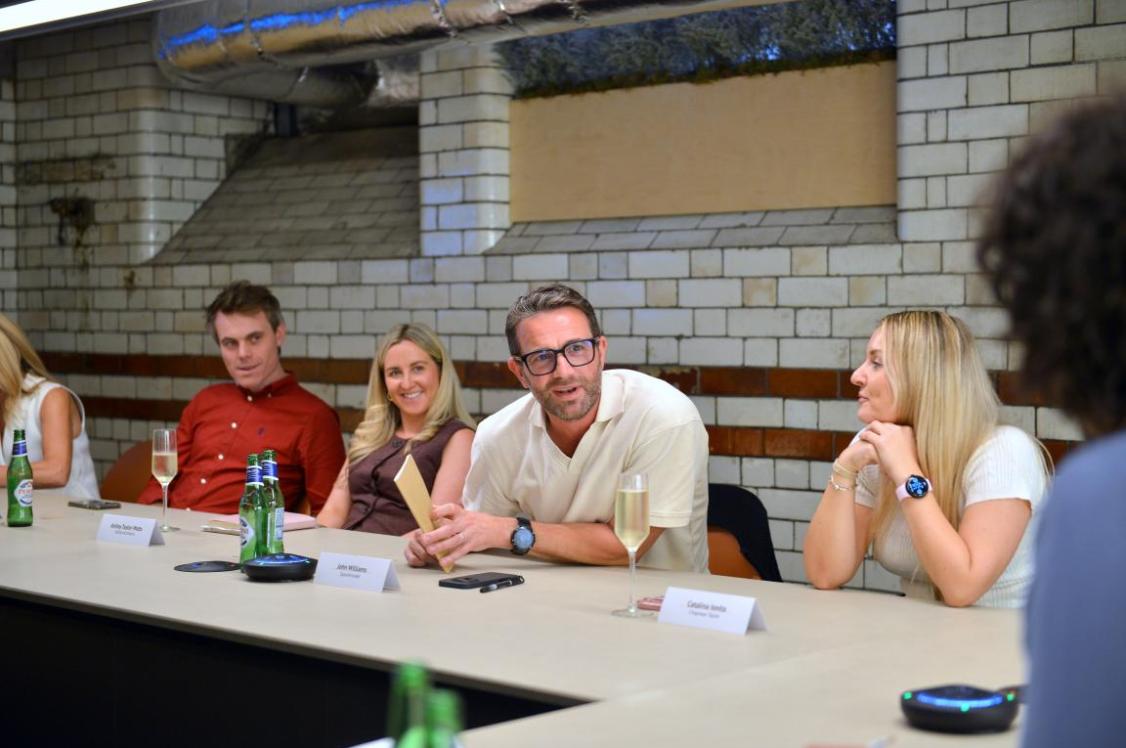
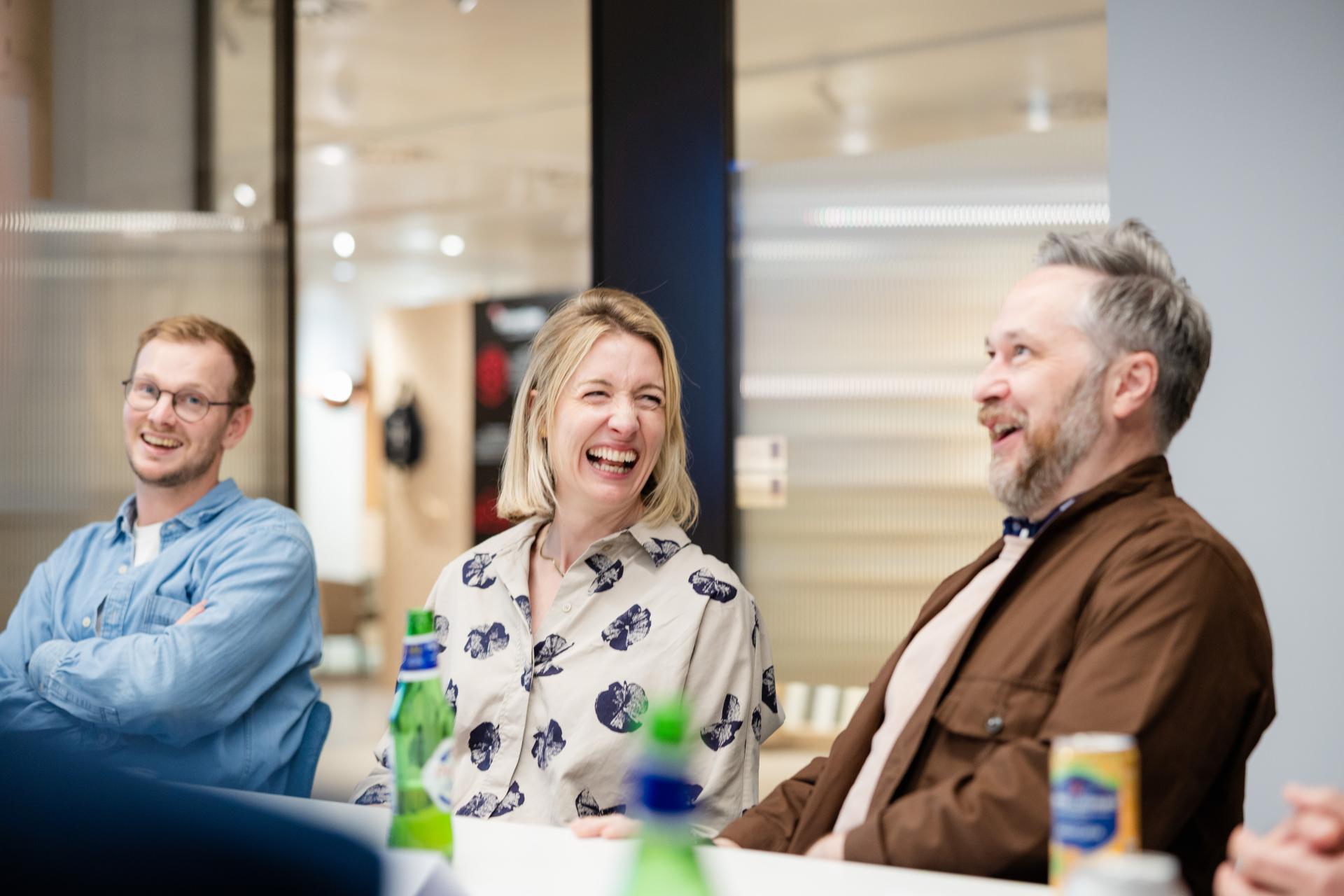
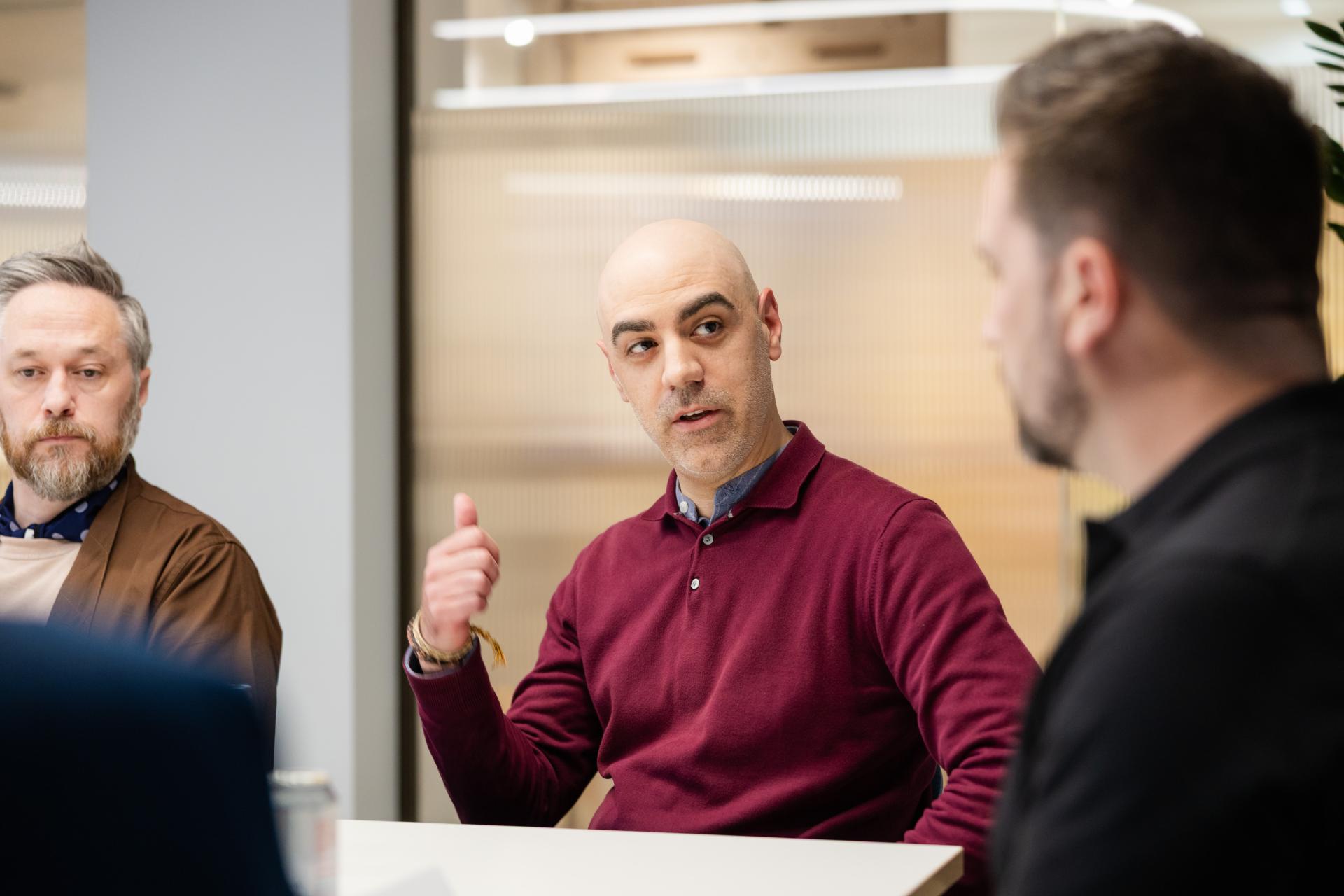
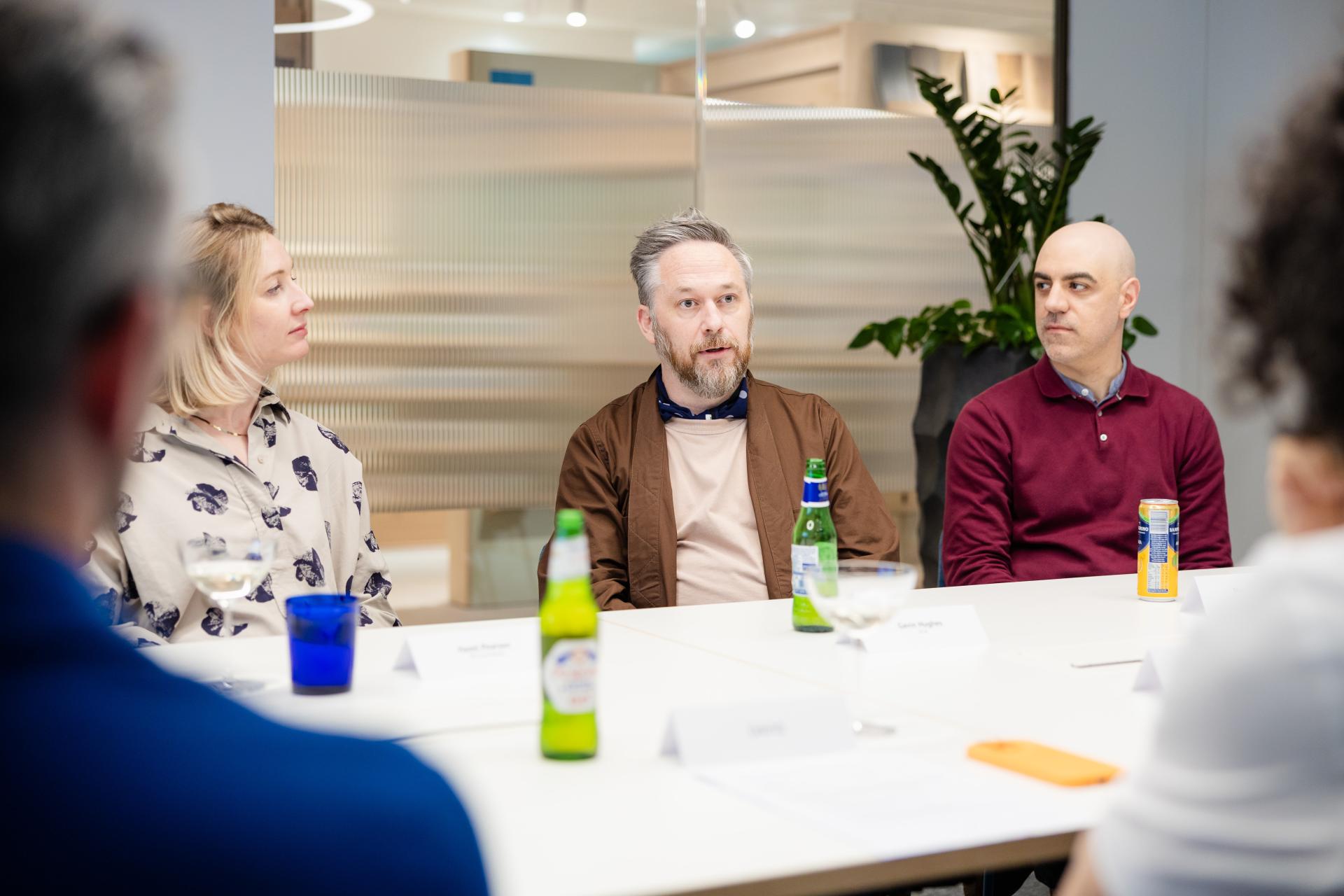
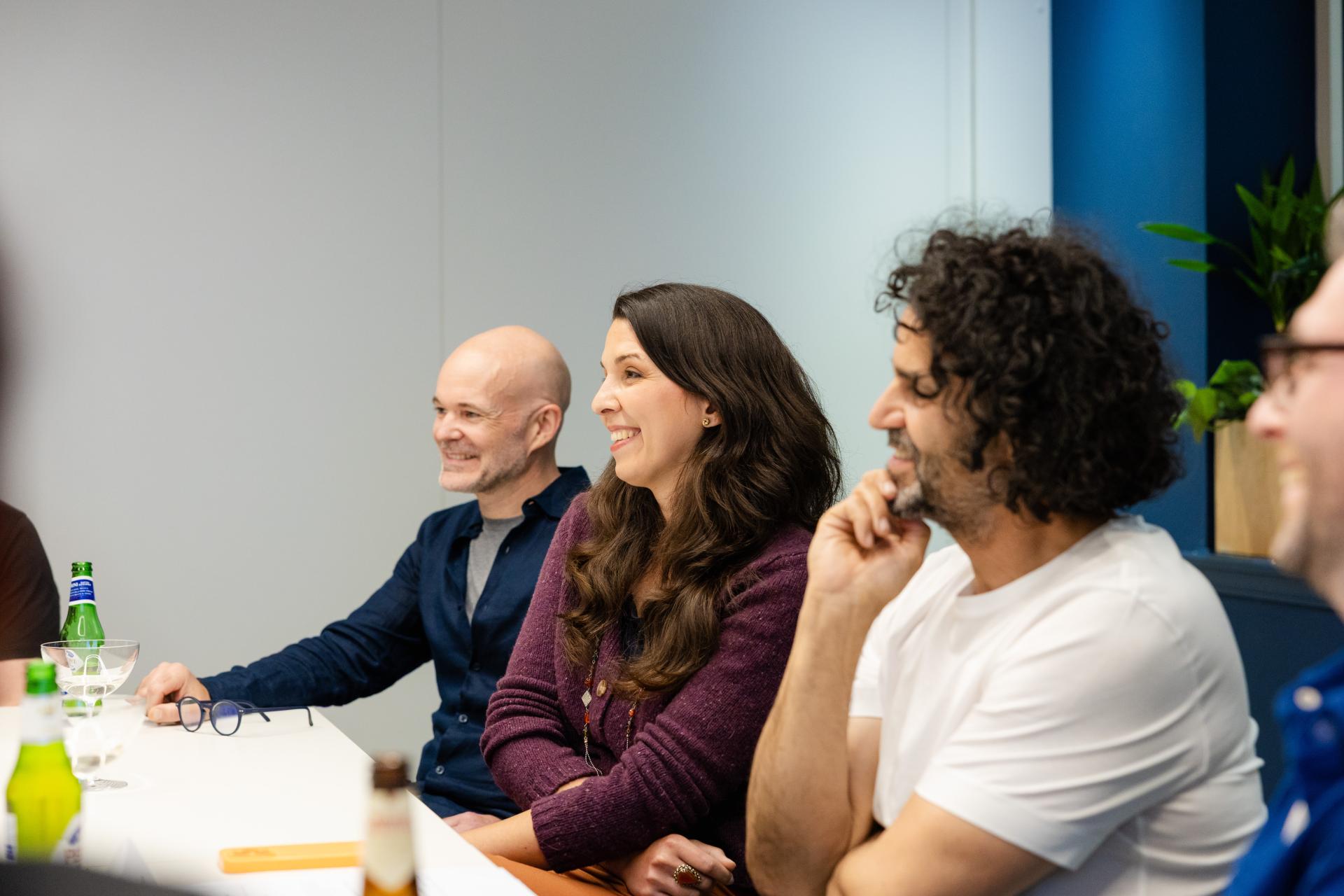
For our final event on the topic of AI for 2026, we looked specifically at technology's impact on work settings - covering the practice of architects, interior designers, project managers, and engineers themselves, plus the schemes they craft for their clients.
Looking back in order to look forward, and based on the 5 events prior, in Manchester, London and Glasgow, we sought to uncover whether AI in its current form is revolutionary, or just part of our inevitable evolutionary process.
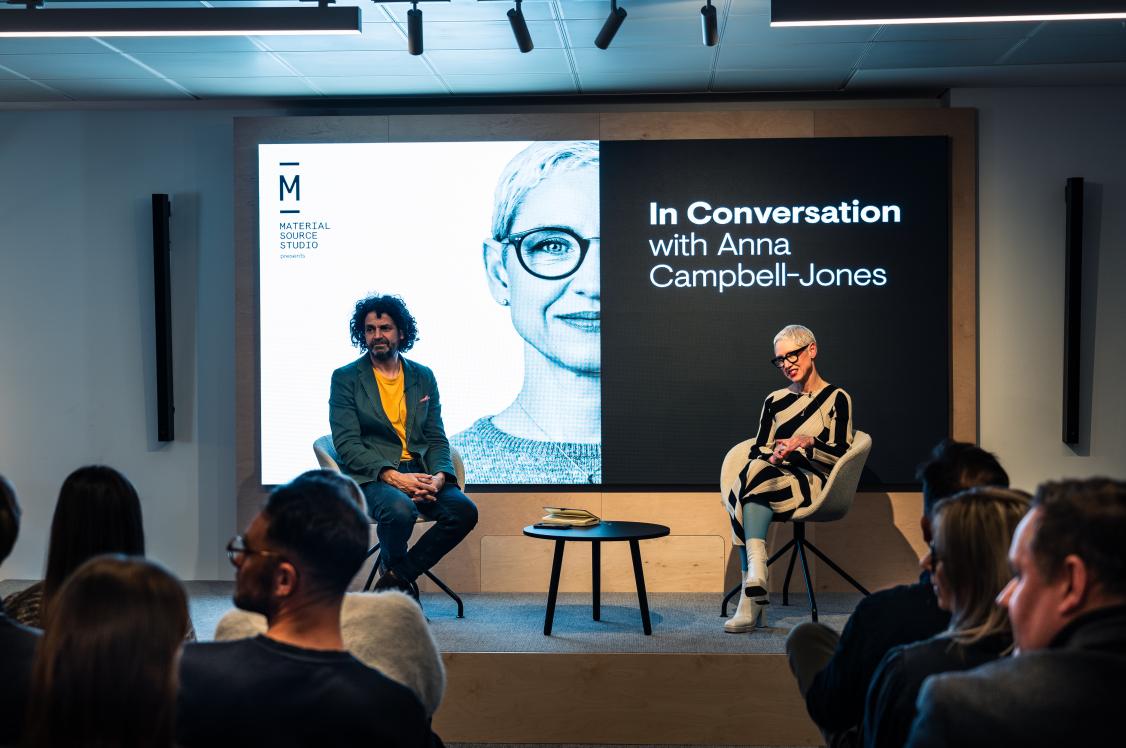
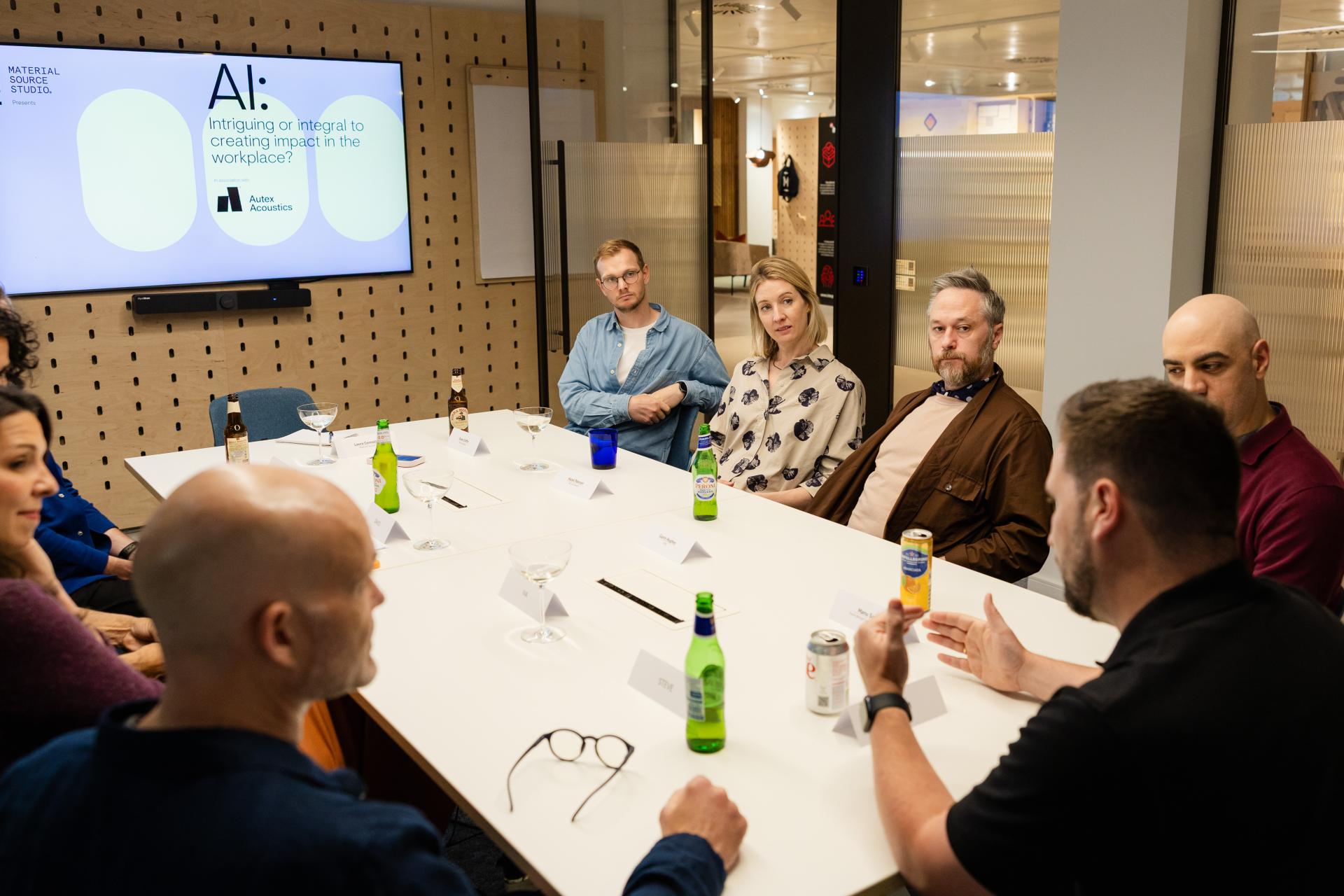
This is where the conversation, Chaired by Material Source Studio Director, David Smalley began. “Is AI a revolution or an evolution?” he asked to kick off.
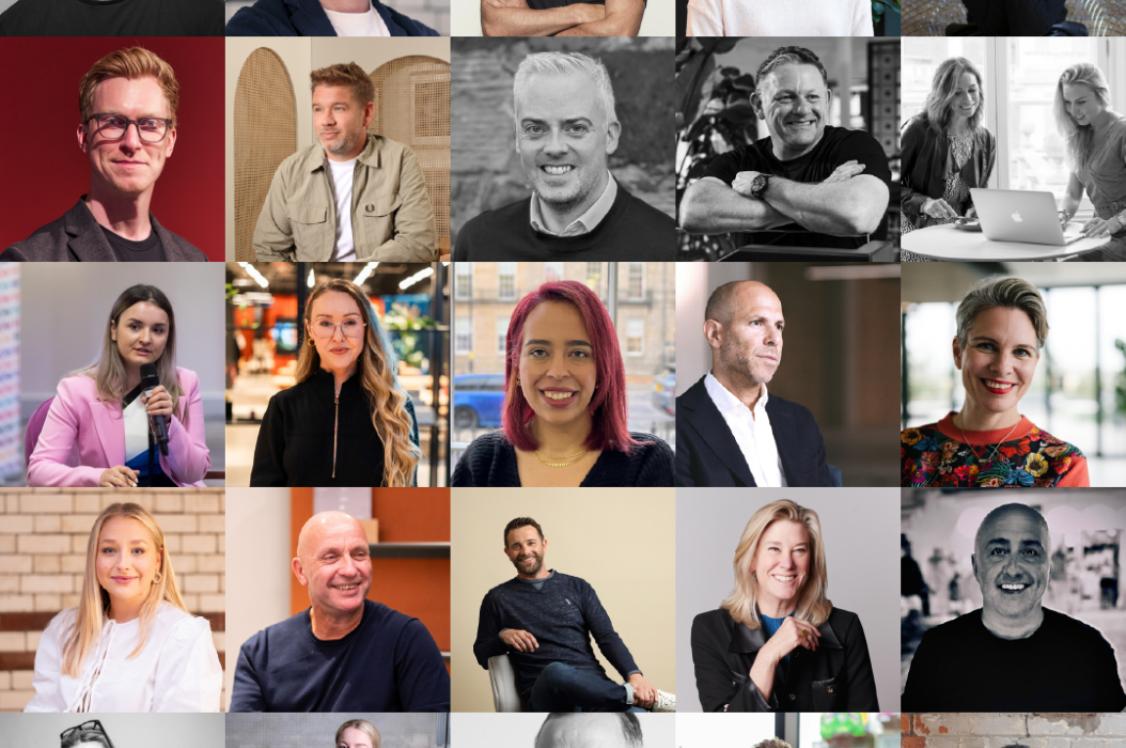
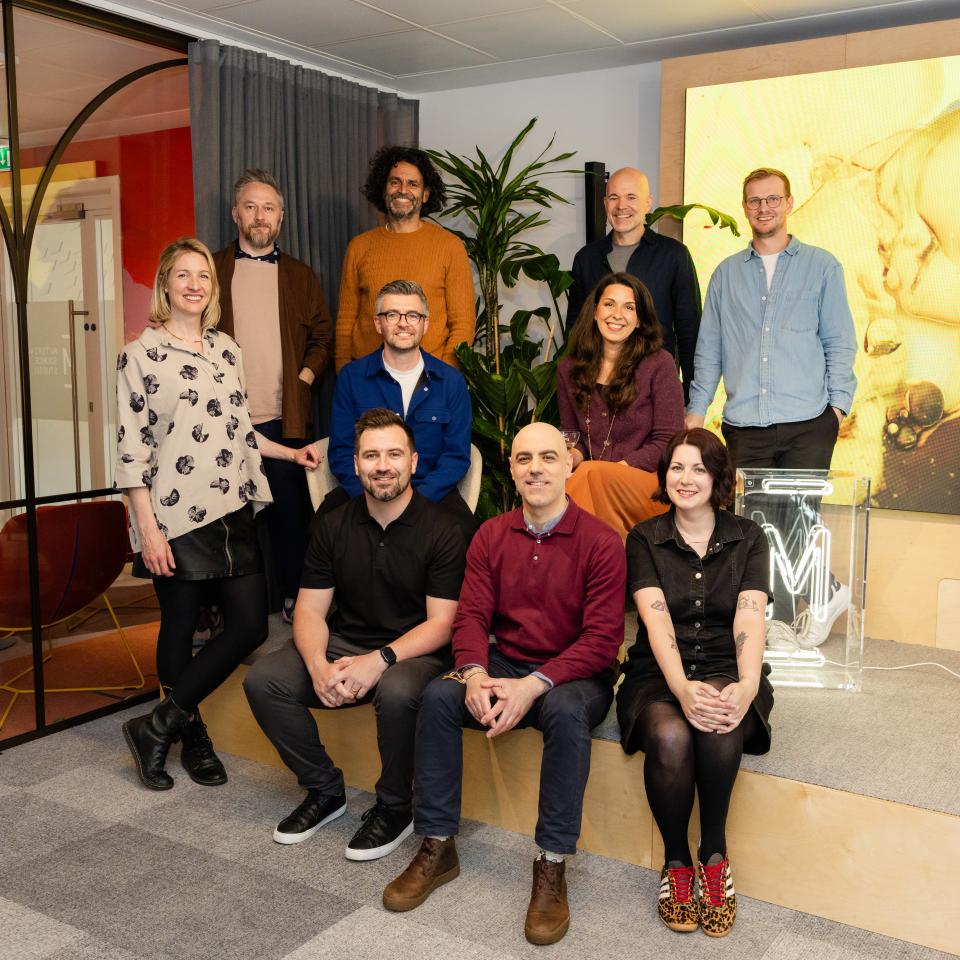
Our guests

Gavin Hughes, Design Director, EMEA, HLW

Hazel Pearson, Director, MLA
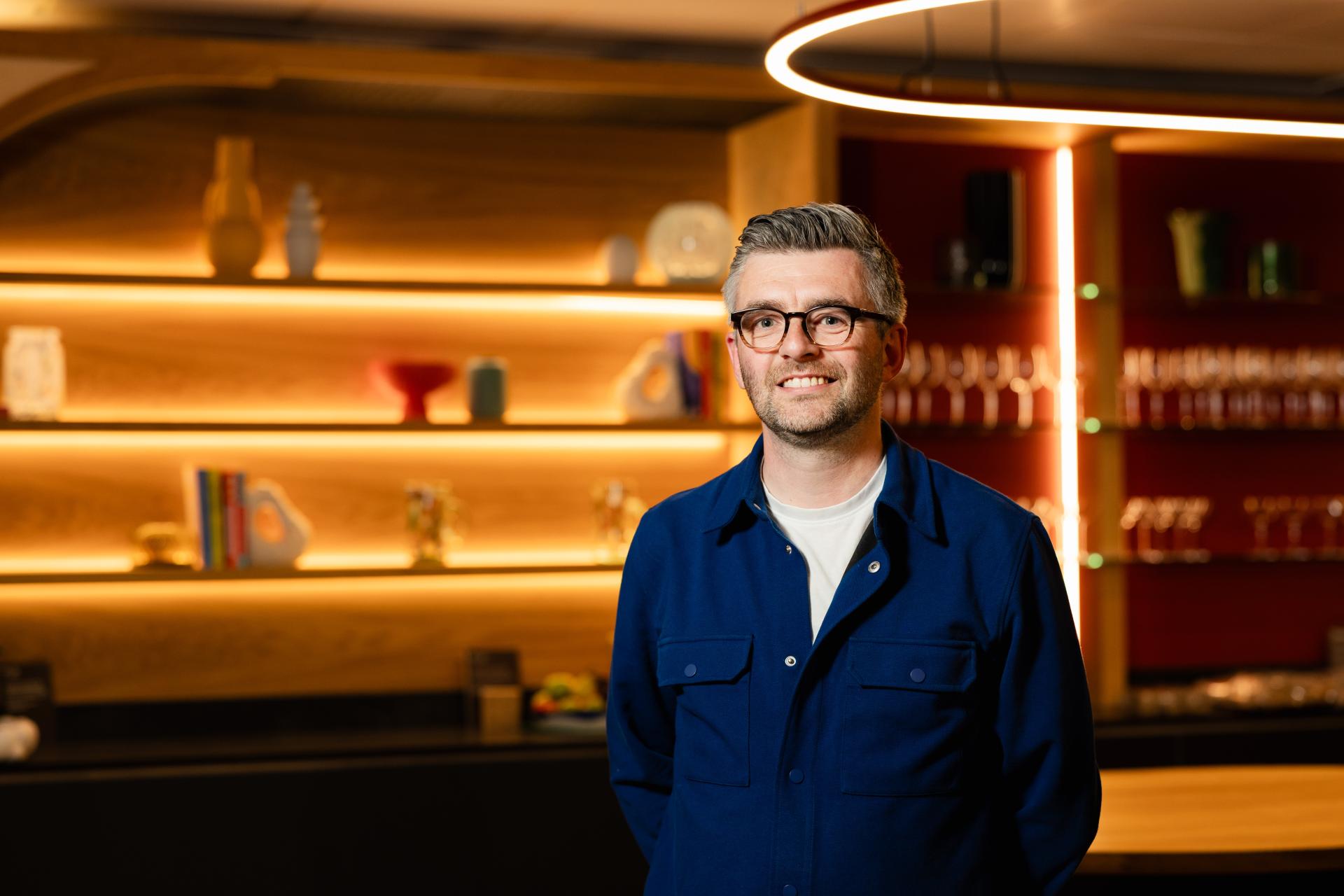
Christopher Townsend, Director, RKA Architectural Design Studio
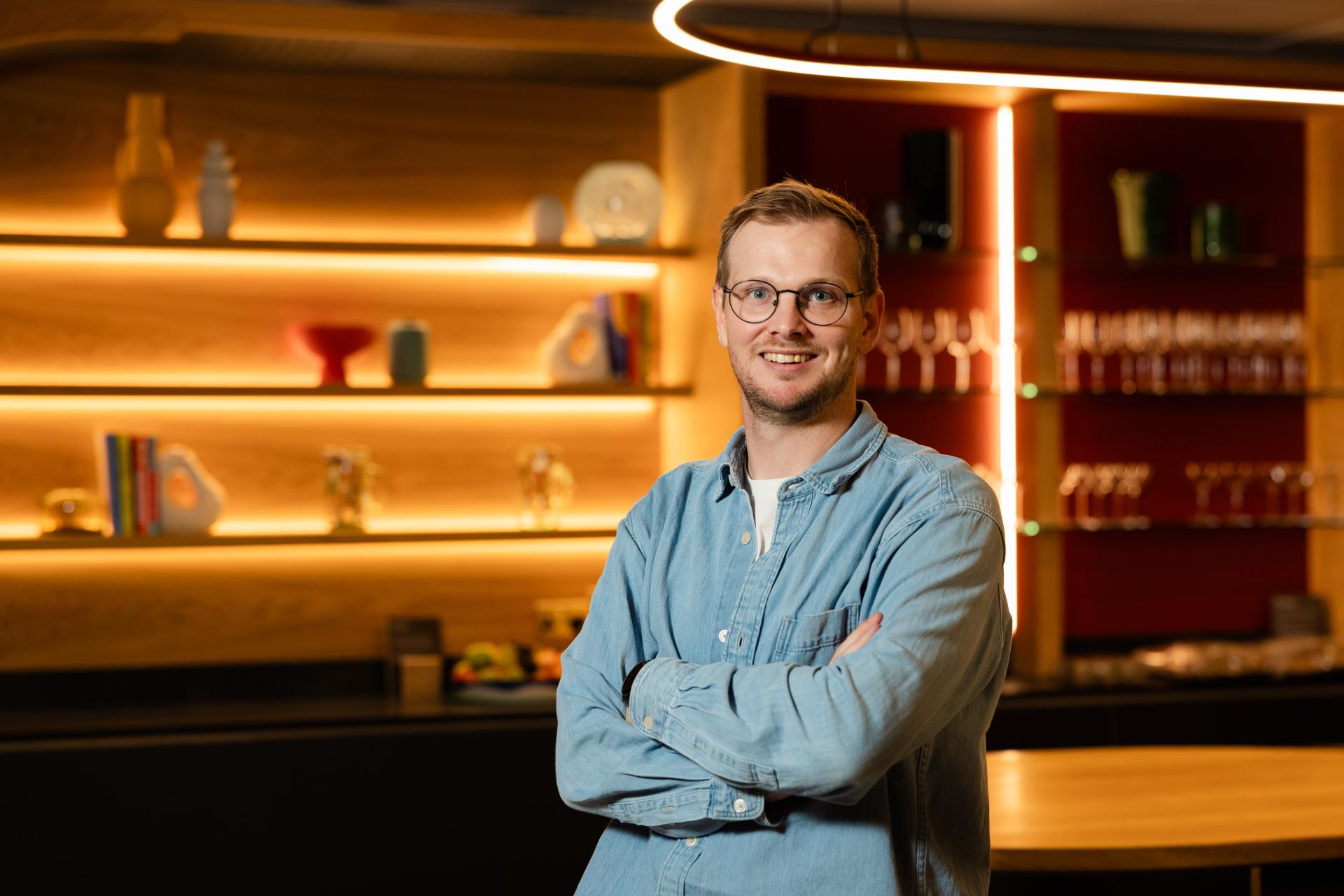
Ewan Duffin, Structural Engineer, Harley Haddow
Steve Smith, Project Architect, SPACE

Iva Kovacheva, Architect, Keppie Design
Manu Sanz, Associate Interior Designer, Form Design Consultants Ltd
Callum Waddell, National Sales Manager, Autex Acoustics
David Smalley, Director & Session Chair, Material Source Studio

Laura Connelly, Editor, Material Source Studio
Revolution or evolution?
“I think AI is being packaged as a revolution,” responded Gavin Hughes, Design Director, EMEA, HLW. “It doesn't mean that it's going to turn out to be a revolution. It's the biggest successful marketing campaign in decades. Because it's not even AI, is it? It's branded itself as Artificial Intelligence when it's not. It's a Large Language Model based on existing information. It's impressive, but it's finite.”
“Is AI just a process of technological advancement then?” asked David.
“Kind of,” continued Gavin, “I do think it’s going to be as big as manufacturing – a lot of that obviously became automated, but it didn’t remove the human element. It changed it. Humanity didn’t end though.”
Ewan Duffin, Structural Engineer, Harley Haddow, believes it’s generation dependent as to whether AI is evolutionary or revolutionary. “I think for most people around the table here, it will be an evolution of what we do, and we’ll use AI tools to find efficiencies.
“But if you're a younger person that's coming into practice, that doesn't have the background of how things used to be, I think you'd look at it in a different way. The whole way people are taught, and how they learn things, their attention span and everything like that, will be a complete revolution.”
A comparison was drawn between the impact of AI’s not quite advent, but the advent of its adoption en masse, with that of the advent of the Internet. Since then, “we don’t retain information like we used to,” commented Gavin.
“Is that because our brains are so full?” considered Hazel Pearson, Director, MLA. “There’s ‘noise’ coming from everywhere. And all of it came from the evolution of the World Wide Web.”
Referencing the recent ban on mobile phones in schools in Edinburgh (and since the roundtable, the ban of social media for under 16s in the UK too), Hazel believes this is a good thing, and that we should be considering the consequences of AI now to avoid potential pitfalls. “We need to learn and act faster this time than we did with social media use.”
“Or the marketing of cigarettes as healthy,” added Gavin.
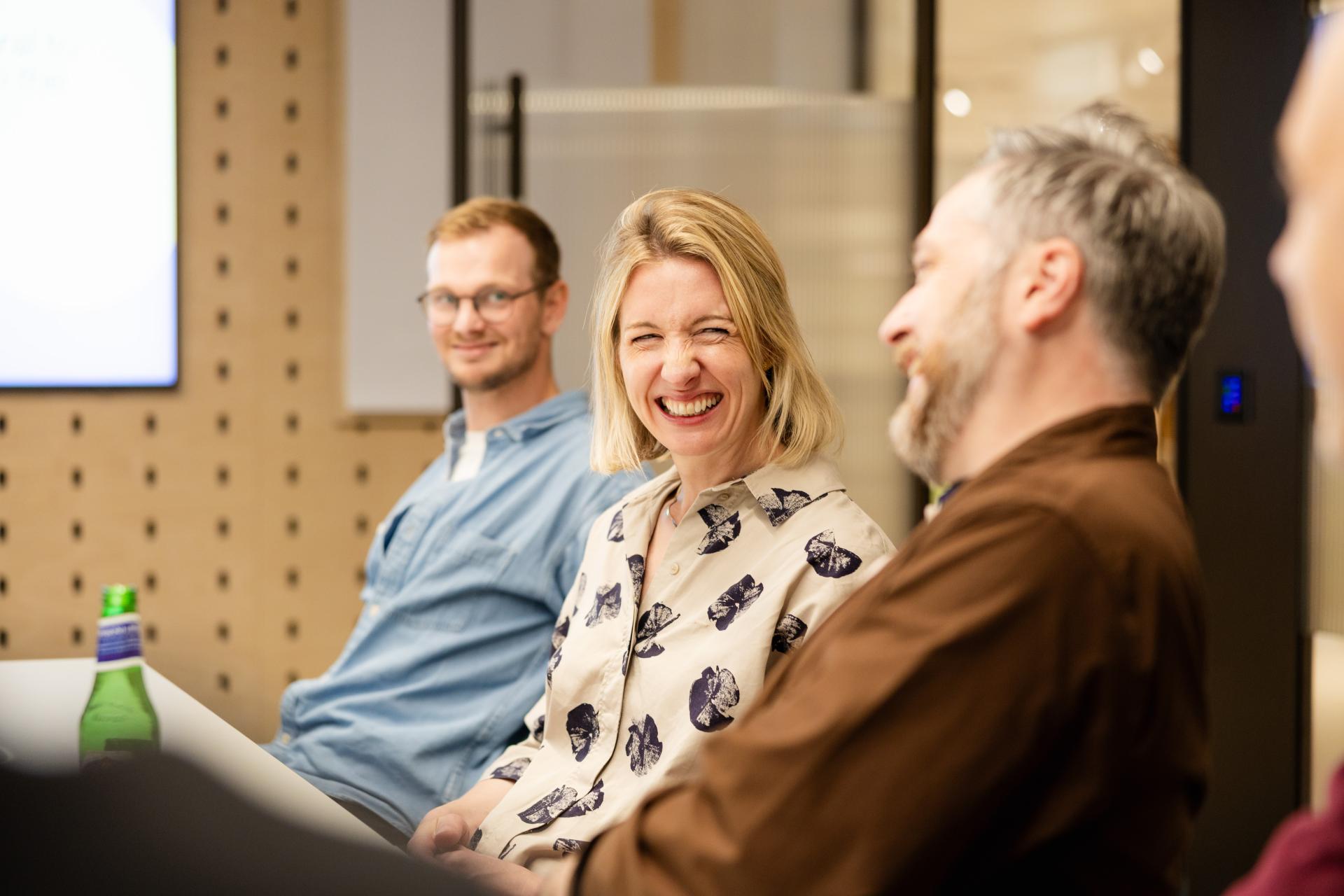
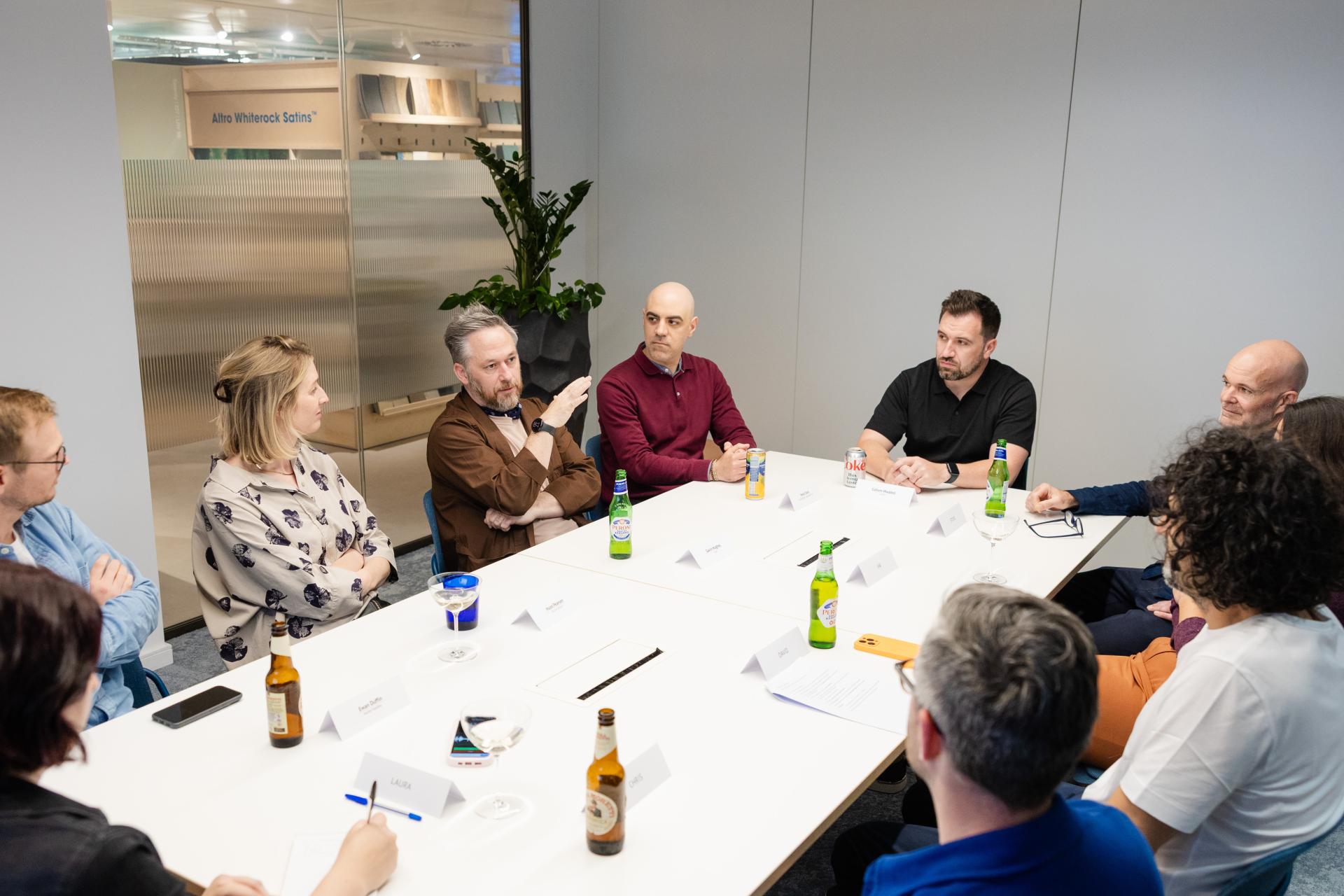
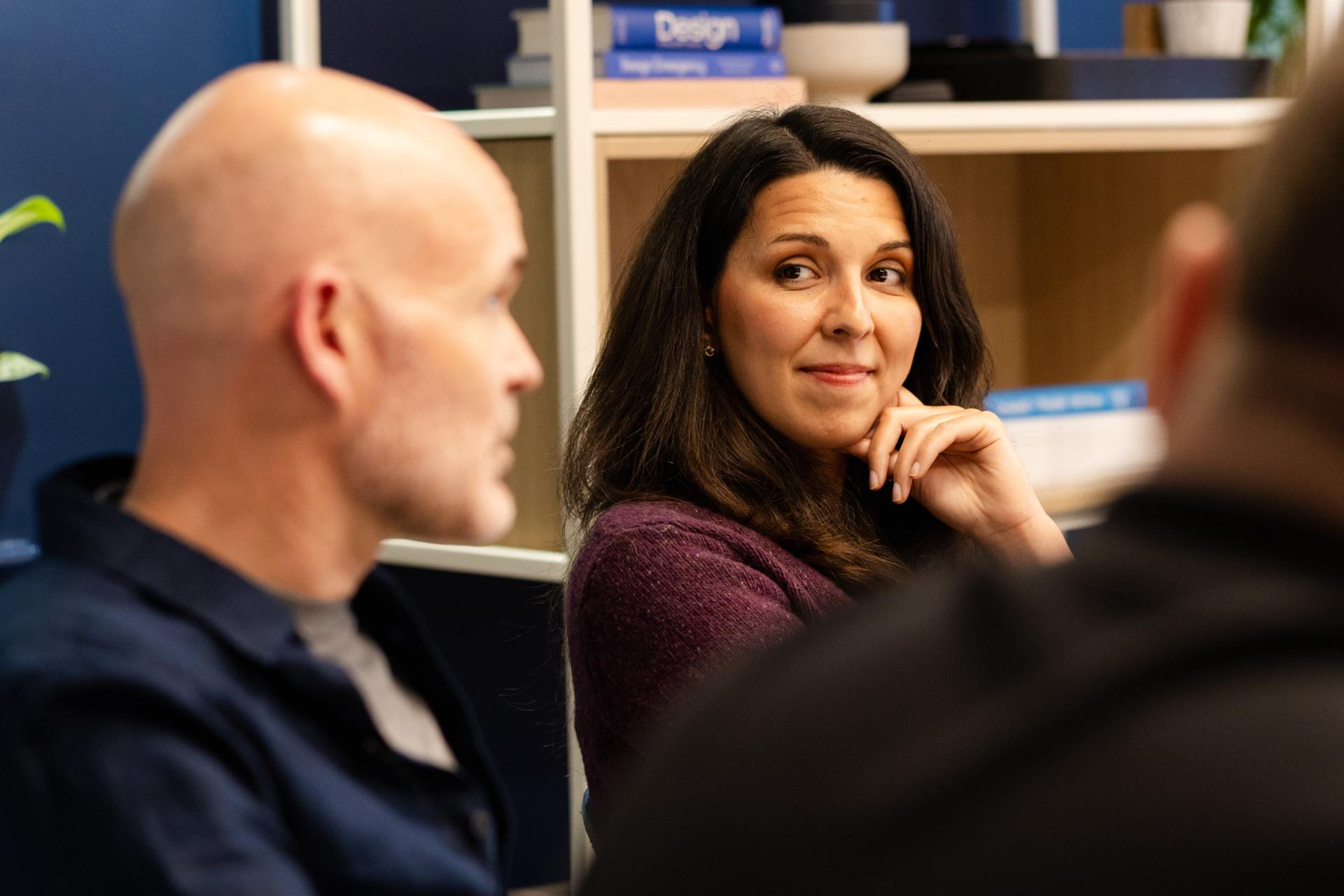
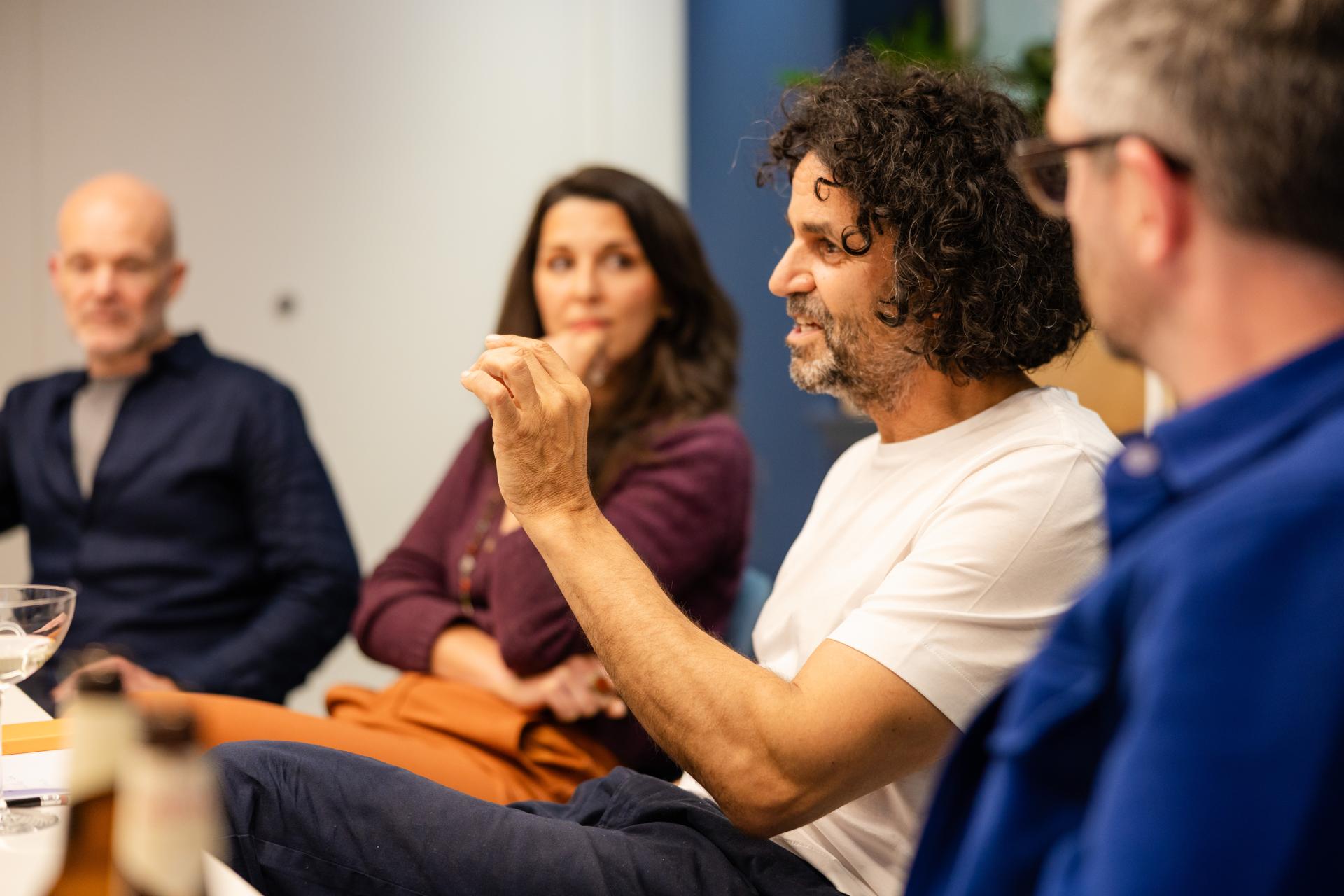
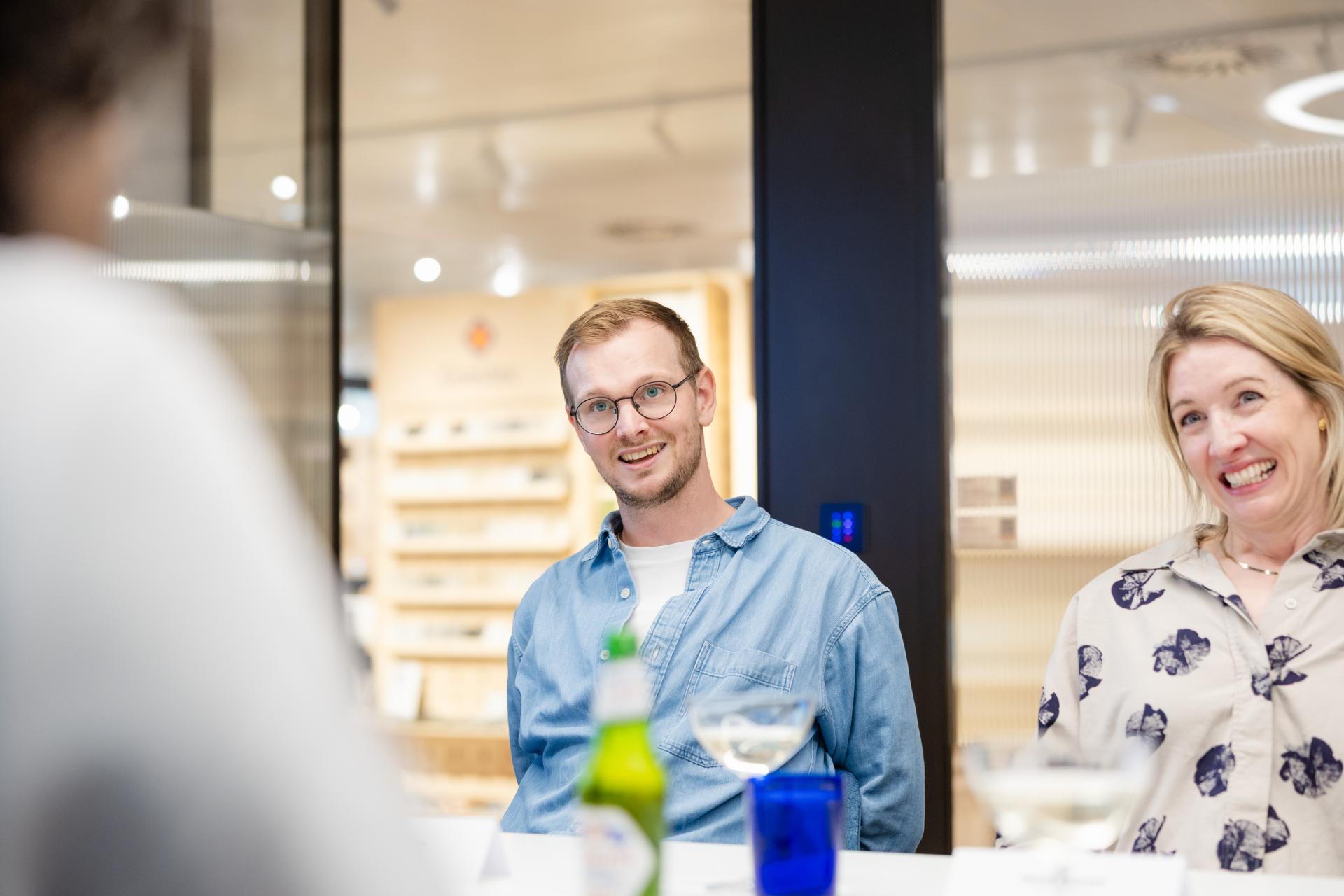
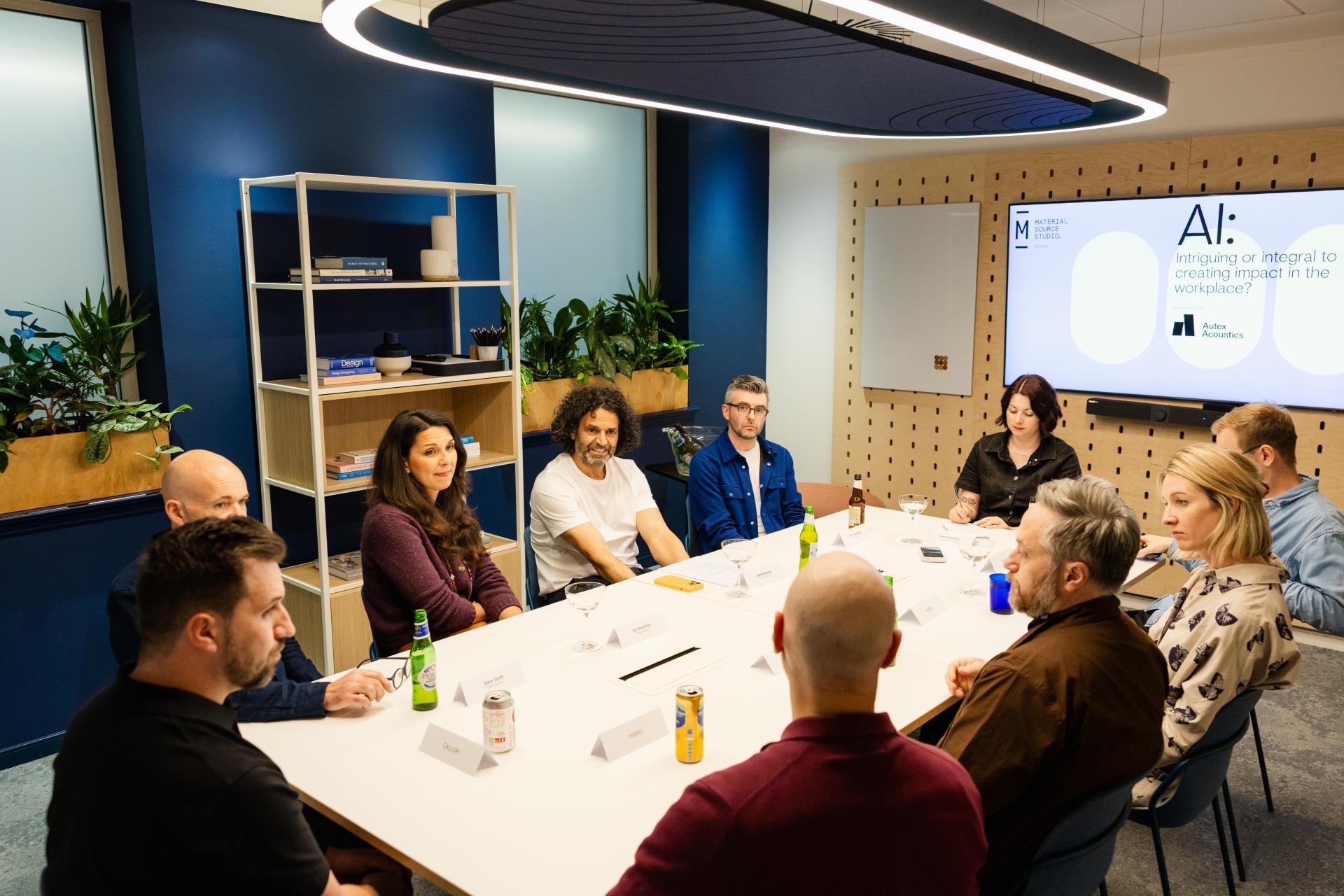
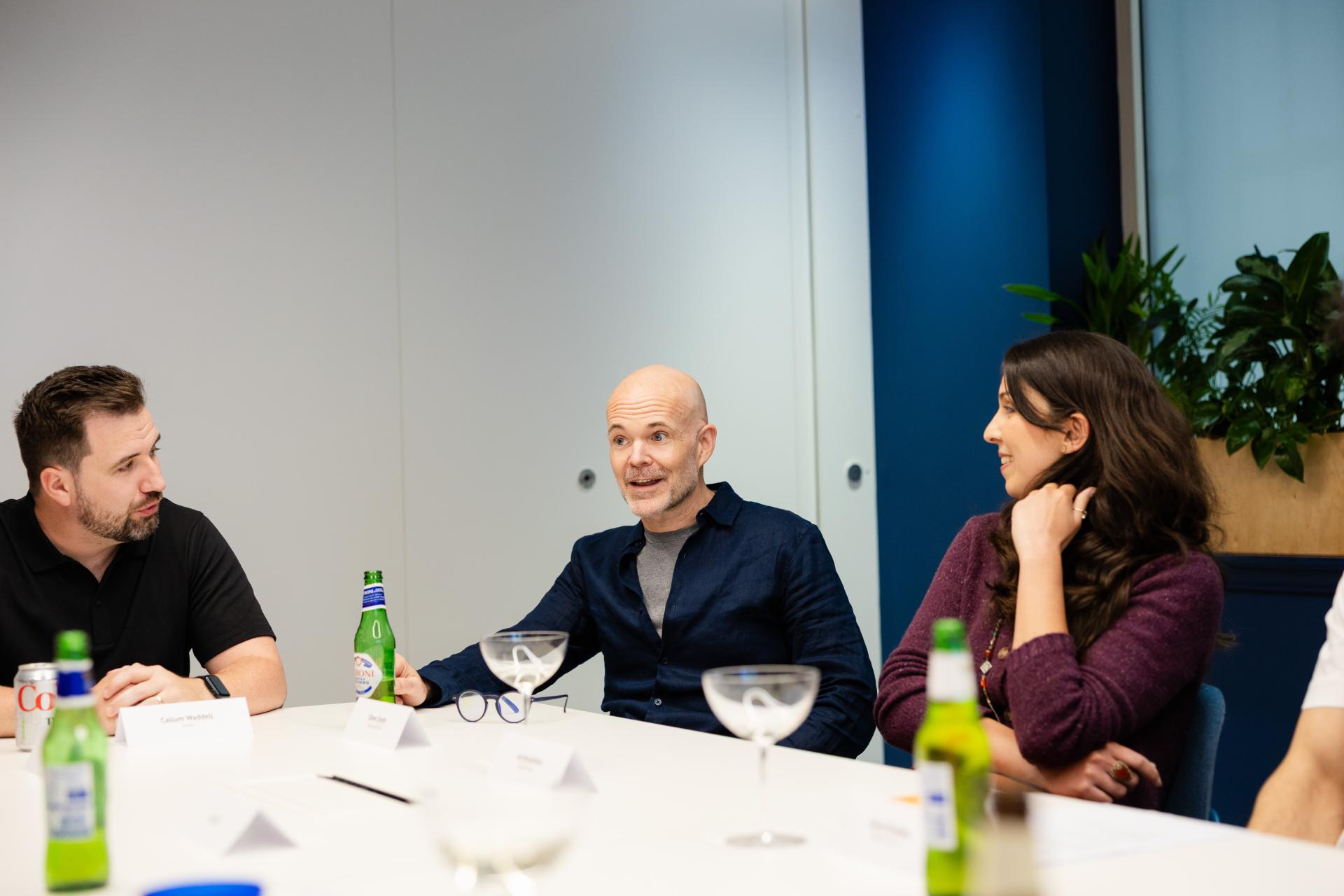
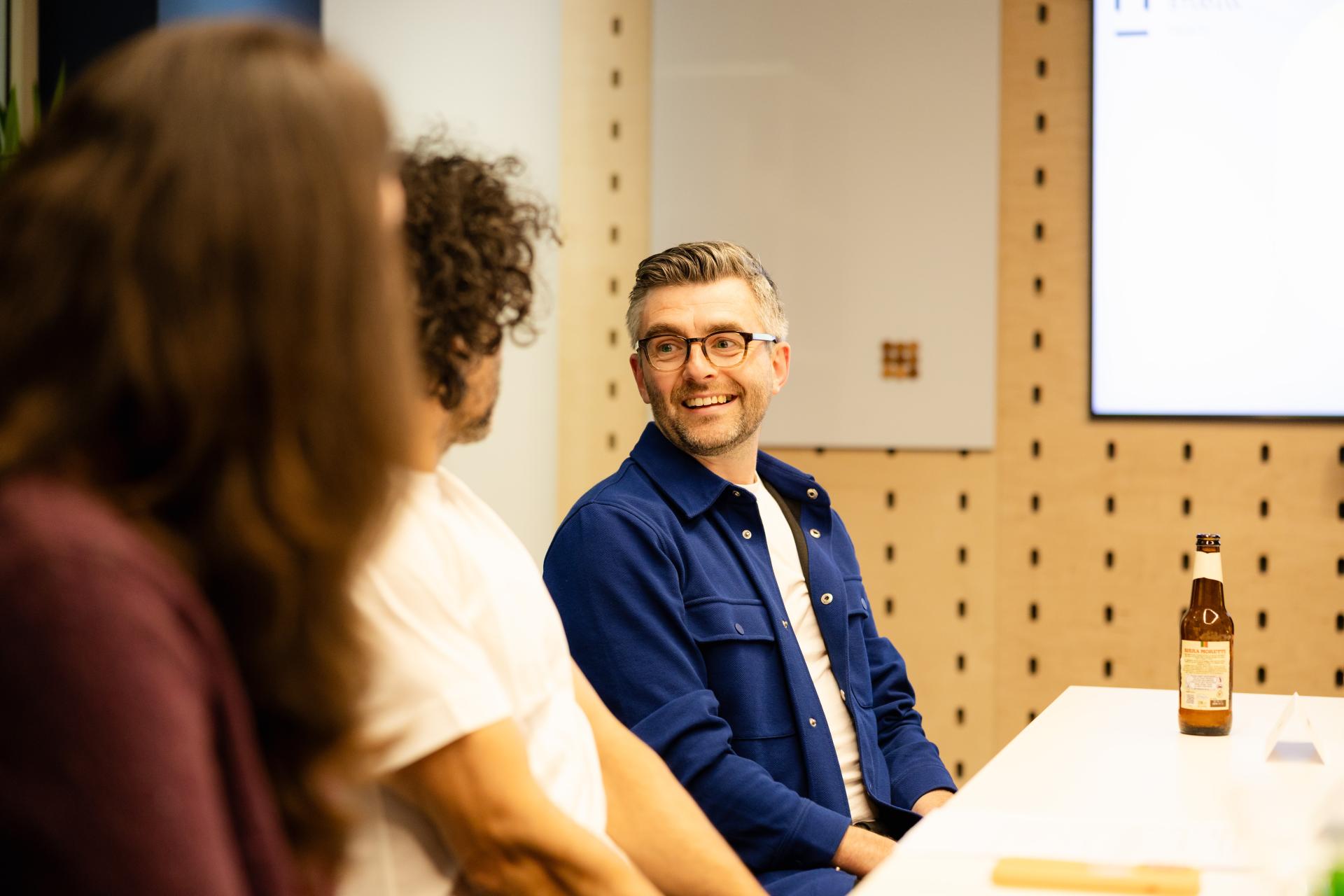
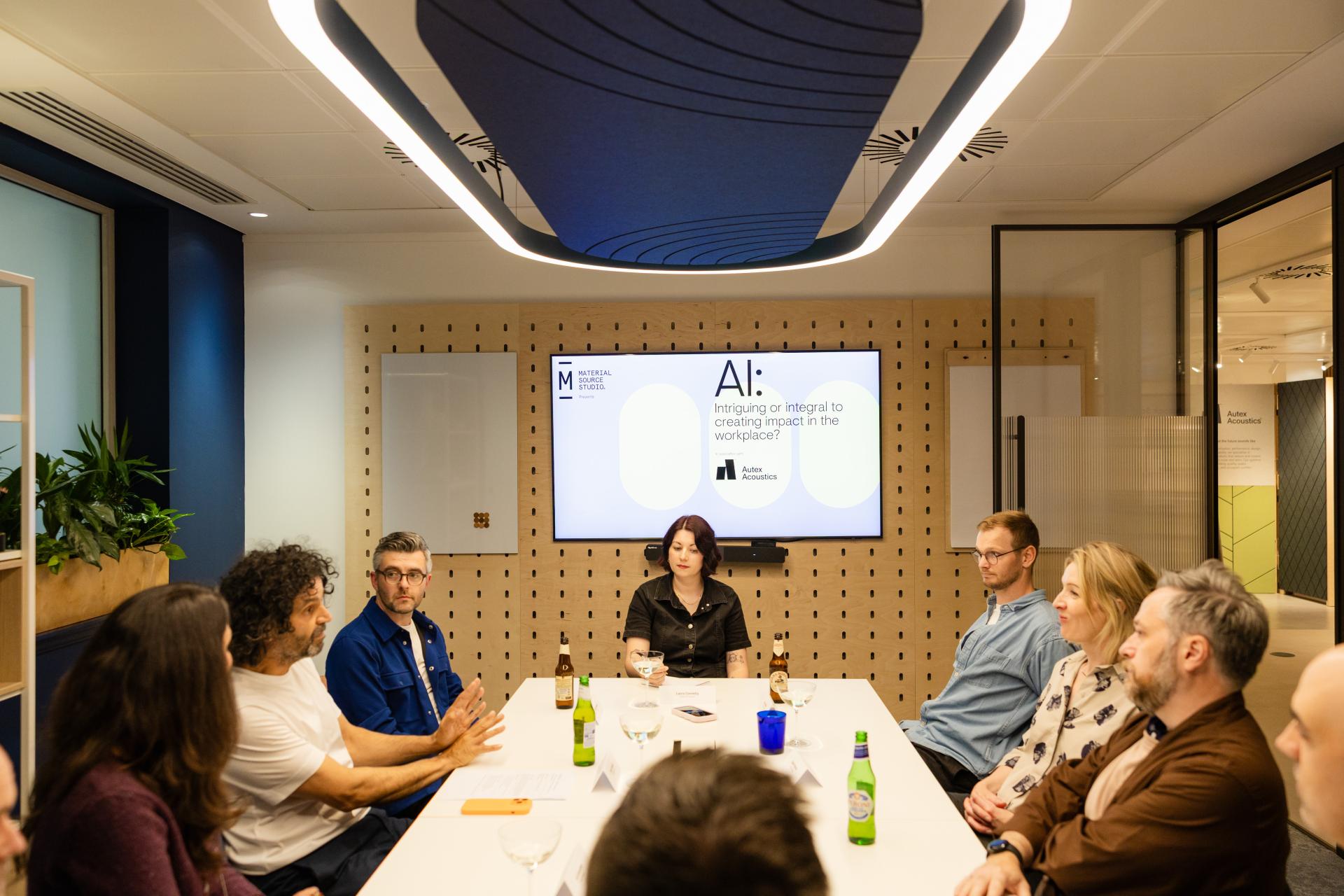
The application of historical context is important, said David. Looking back at the past to help shape our futures.
For Chris Townsend, Director, RKA, AI is “just another bit of technology that's come around that is more intelligent and faster. We're humans and we’re good at developing things. Though it’s [AI] marketed to change and revolutionise every single industry, for us, as architects and designers, we are still trying to find the parts it might revolutionise.”
This comment echoed the views shared across all our events so far. Though, in terms of evolution, AI is supporting architects and designers with taking away some of the mundane, so far, no one has shared an instance of genuine revolution.
“We’re still going to deliver buildings,” Chris added, “it’s just how we might use AI to help us deliver them, perhaps slightly quicker.”
The point at which AI will catalyse the ‘genuine revolution’ that it’s being made out to be capable of by some is, for Manu Sanz, Associate Interior Designer, Form Design Consultants, “when it can think for itself – when it creates things that haven’t yet been created.”
“I’m not sure the laws would allow that to happen though…” Manu added. To which Gavin responded, “It’s too late.”
Gavin also shared that he would challenge the word “tool” in relation to AI. “It’s actually a service if you think about it,” he said. "You wouldn't say that Deliveroo was an efficient tool to get fuel into your stomach. Because you're paying for a service, you're controlling it, you're selecting what you want from it.”
This was met by agreeing nods from around the table.
Steve Smith, Project Architect, SPACE, quickly changed his use of the word “tool” to say, “AI is just a service – giving us access to a lot of tools – but up to now it hasn’t dramatically changed my daily workflow.”
In the areas where it has made an impact, it’s not in the design sense, Steve added. “More in fee proposals, where I’ll put a brain dump into Copilot.”
Iva Kovacheva, Architect, Keppie Design, believes that both evolution and revolution can be said of AI. “It’s been around a long time, but under the radar,” Iva commented.
Speaking of a friend who works as a Programmer for Amsterdam City, Iva shared that AI models have been used there “for decades”. A system shows the whole city so that failures can be quickly spotted, and improvements can be made rapidly. Whether a broken traffic light, or congestion, for example. “AI, in that sense, is nothing new,” Iva said. “It’s now just become mass used.”
“In the future though,” she added, “I think it could become a revolution once it's combined with other things like smart materials and smarter buildings, which again, are on the brink of emerging.”
Ewan agreed that the AI we’re currently using, especially in the built environment, is “far from cutting-edge in terms of what could be done.”
“When most people think of AI, they’re actually thinking of LLMs,” he added. “And when we look back, say 2-years from now, there’s no way we’ll have been able to predict where we’d be going.”
This historical context, mentioned at the start of the session, matters when it comes to AI and its use within architecture.
It wasn’t until 1985 when Steve Jobs launched the Apple personal computer that architects began to think of PCs as useful. Prior to this, they weren’t very useful at all, according to recounts, due to their limited storage facilities. The launch of AutoCAD is, of course, often considered another seismic shift.
This software was introduced to Hazel whilst in her third year of studies, she shared. Though she found hand-drawing a more beneficial process. “Everything was much slower, then,” Hazel commented, “And now, with AI, it’s all sped up. It’s dangerous. Because of tools like Revit, we’ve increased the number of options we present to clients. Back in the day, it would just be one option. You’d listen to a client and be drawing at the same time – you’re not going to draw 20 options out by hand, are you? You’d use your brain, engage, get the brief right and design something specific to that brief…”
“And your brain would whittle down the options as you went…” added Chris.
In turn, the client wouldn’t expect more than one option, Hazel commented. “Perhaps there was more trust there,” she considered.
A next gen problem?
David asked the group to cast their minds back to when they first adopted tools such as Revit and AutoCAD to assess where the industry shifts were.
Chris shared that at the Mackintosh School of Architecture, there was an opportunity to “test out” new tools alongside learning skills such as model-making and hand drawing, ensuring undergraduates had a rounded roster of experience prior to entering practice. Now, in practice, there’s a skills gap, the guests said, in terms of the more traditional skills. As well as a lack of critical thinking.
“I did my entire education on a drawing board,” Gavin commented, “and then went on to use computers. There is an additional part where you’re thinking about how to display information, using analytical thinking. With the younger generation, they’ve not necessarily had to learn how to succinctly put information together as they produce (draw) it, in a clear and coherent way. I do think that’s a bit of a lost art, and an important part of communicating complex information.”
In Bulgaria, where Iva studied, this was very much a part of the curriculum, she shared. “When they taught us hand drawing, they gave us so many specific rules as to what to use for absolutely everything, including line weights etc. I think, using templates, this is something we can easily bring into our own practices to guide the younger generations.”
This point was challenged by Chris, who has experienced the skills gap in practice, with younger generations proficient in AutoCAD, but not hand drawing.
“I do think it can be taught though,” Iva replied, “And probably very quickly. It’s just a skill that we need to pass on. The younger people are perfectly capable of learning it.”
“Will too many guidelines crush young peoples’ creativity?” David asked.
“There are certain basics,” responded Gavin, “Technical drawings don’t need to be creative; their primary purpose is to be legible.”
“It’s a universal language,” Chris added.
For this particular task, AI could come in useful, Hazel suggested, helping to keep things “consistent.”
“We have built a bot,” she said. “It stores all the Scottish Regulations in there, and younger people coming into practice can use it as a reference point.”
Ewan has also found benefits with using bots. “We have SER – Structural Engineers Registration to make sure buildings are compliant with building warrants, and we have a system where drawings can be inputted and the bot will flag any issues it tracks. This will become part of the QA process to save time for the SER certifier i.e. it spots things before it even goes to them.”
This can’t solely be relied on currently, Ewan said. But it forms another layer of the checking process. “If I put my initials on to say I’ve checked the drawings then I’m still liable – I’m just using AI as another layer.”
Gavin asked a question that has reoccurred over the past couple of events we’ve hosted on AI, “You’ve got the experience to check AI’s work and understand it. If you’ve got young designers coming up that have never had to do that process, how can they check? My issue is that we’re being quite shortsighted – what happens tomorrow?”
“It’s a compounding issue”, agreed Ewan. “Will we be teaching people to actually get there? How will we get the next directors of our companies?”
The importance of this point was emphasised by David, “This is crucial. The younger generations will learn using AI. But they potentially won’t build their experience to enable them to sign their initials at the bottom of a drawing.”
Here lies another issue which Chris highlights - “people not wanting to take responsibility for their decisions.”
For Ewan, it’s not a possibility to ‘blame AI’ at his practice. “We've completely rewritten our company policy to say, no matter what happens in AI, that we're never allowed to rely on it. Technically, we’re not allowed to use it. I’m the one that’s liable.”
Iva concurred, “UK law says we’re liable for our own work.”
This point about responsibility and expertise was brought around to considering what we’ll do when AI has perfected an architect’s job role, for example. “Taking all of your expertise, questions, sources, to create a bot that’s been trained on high-quality architects’ data,” Ewan said. “That bot would be so much more qualified than a graduate would ever be. 10-years down the line, there will likely be an ultimate AI bot that will be 10-times better at structural engineering than I am.”
“Would that be allowed to happen though?” questioned Manu.
“It’s probably already happening in the background,” responded Ewan.
With that in mind, David asked, “are you worried about redundancy further down the line?”
Perhaps more a next generation problem, came the reply.
“Are the young people in your offices positive about AI?” David asked.
Yes, came the resounding response. The younger generations in practice have wholeheartedly embraced AI.
“They’re now teaching me,” shared Chris.
A general point was raised about AI use in practice needing to be monitored so important information isn’t ‘leaked’ through using free accounts. Some clients are specifically asking for AI not to be used, some shared. And in some of the larger, international practices, there are non-AI teams for clients that aren’t keen on its utilisation in their projects.
Are clients onboard with AI?
Continuing on the topic of clients, David asked, “What are your clients thinking about the use of AI?”
“They don’t ask,” said Chris. And some, as was shared at our roundtable in London, bring their own AI-generated visuals to help communicate their ideas.
“Is that any different to clients having a Pinterest board though?” David queried.
“It’s actually more beneficial in some respects because it's clearer,” Chris said. On receiving a Pinterest board, it’s not always obvious which aspects of the visuals the client likes, he explained.
When asked whether Pinterest is still widely used, Gavin likened it to “an archive”, which linked to the earlier point about AI potentially facilitating banks of knowledge for younger people to utilise, built up using a practice’s combined experience. “Can AI support with knowledge management?” suggested Callum Waddell, National Sales Manager, Autex Acoustics. “Maybe the bots streamline and manage what we already know.”
Universities would then be teaching the critical thinking element to help professionals in practice to analyse the data, Hazel added. Referencing the designer JA!COCO!, who she’d seen on a panel earlier that day, Hazel relayed that “Kids always start with 3D renders now, but JA!COCO! starts with a collage. We’re designing human experiences. And that's why you need the touchy feely tactile creative…”
…“You also need time and space to allow ideas to percolate,” added Gavin.
In Glasgow, our AI panellists Rich Wilson, gigged.ai, and David Reat, University of Strathclyde, spoke on the notion of AI ‘ freeing up lots of time’ being a myth. At this roundtable, the sentiment was echoed. The economy just changes, it was suggested.
“Does that mean clients expect things faster?” David asked.
“Oh yes”, came the reply. “They think there is a magic button in AutoCAD and Revit," said Manu.
As was highlighted at our London and Manchester seminars by Dr Phil Tetlow, AI isn’t inherently good or bad, but is at the mercy of human use. The roundtable guests mirrored this, highlighting medical advancements (hugely positive), and putting pressure on peoples’ time to deliver more in less time (negative).
“What’s that quote?” Gavin said, “I want AI to do my laundry, so that I can do my art. I don’t want AI to do my art, so I can do laundry. It’s that. Where’s the real value?” [Source]
“We’re still in learning mode, aren’t we?” added Hazel. “And we’re crying out for regulation,” exclaimed Manu.
“What will AI never be able to replace?” asked David.
“Human relationships,” responded Ewan. “Making a personal bond with someone, and that leading to trust. That comes down to the human experience. And while AI can talk about that, it can’t replicate it.”
Callum asked ChatGPT this very question prior to the session, and shared its response: “It said architects will always still provide client relationship management; negotiation with stakeholders; understanding of local culture; planning and regulatory expertise; creative judgement; and leadership of multidisciplinary teams.”
"The thing that's underestimated in there is the creative element," added Callum. "And the conceptual stages that you go through."
Gavin agreed. "And the less we're inputting into the funnel, the smaller the funnel gets, and suddenly everything looks the same, because everyone's looking at the same visual references. Plus, do I want to be just a 'checker' of AI's work?"
Iva suggested another issue in that "AI takes everything at face value, and it just reads language as one stream of information without differentiating the nuances of what it all means. What humans do is challenge the information in front of them."
Here, Gavin brought up the point around LLM's tendency to positively reinforce, as has been discussed extensively at all our seminar sessions on AI. It's dangerous, it was agreed.
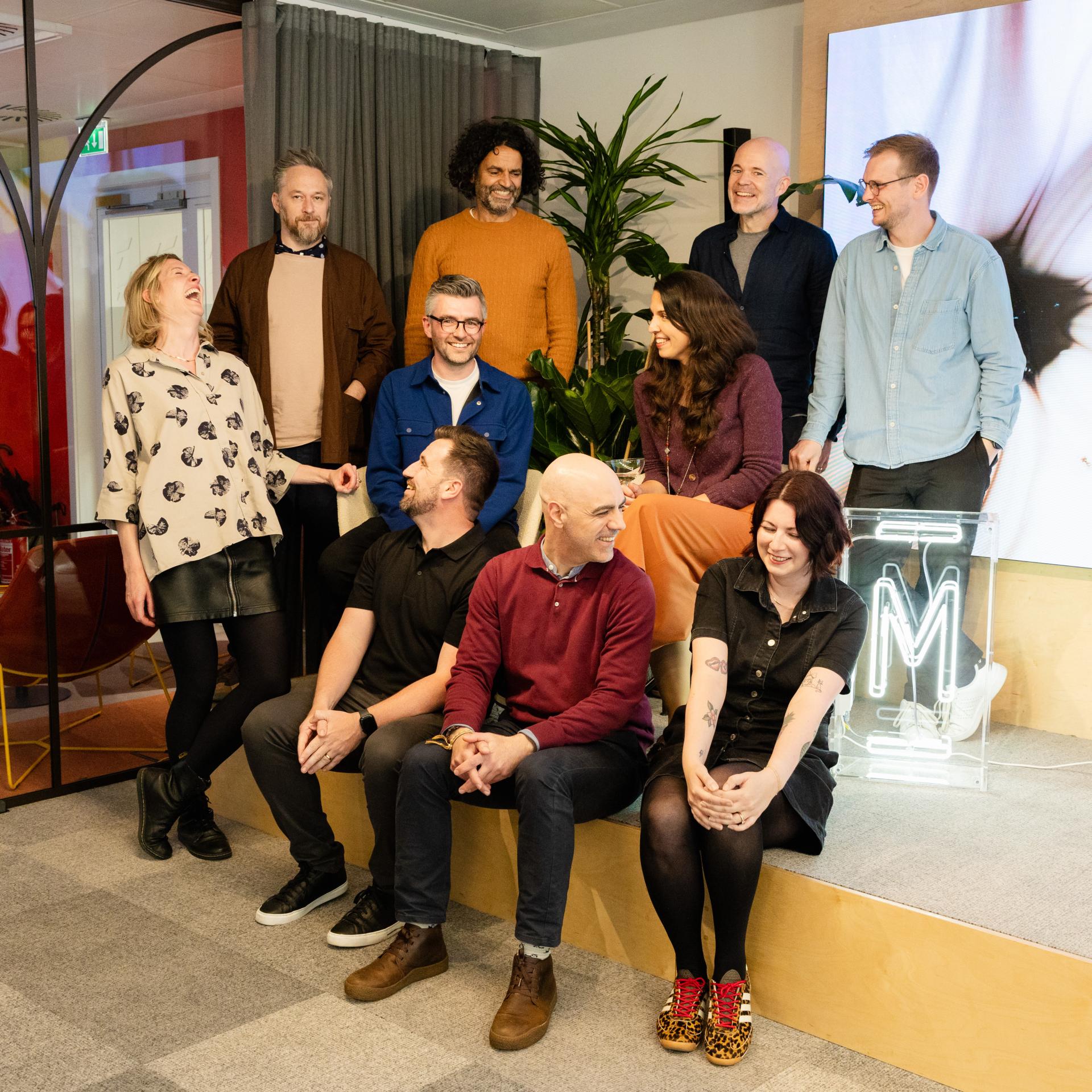
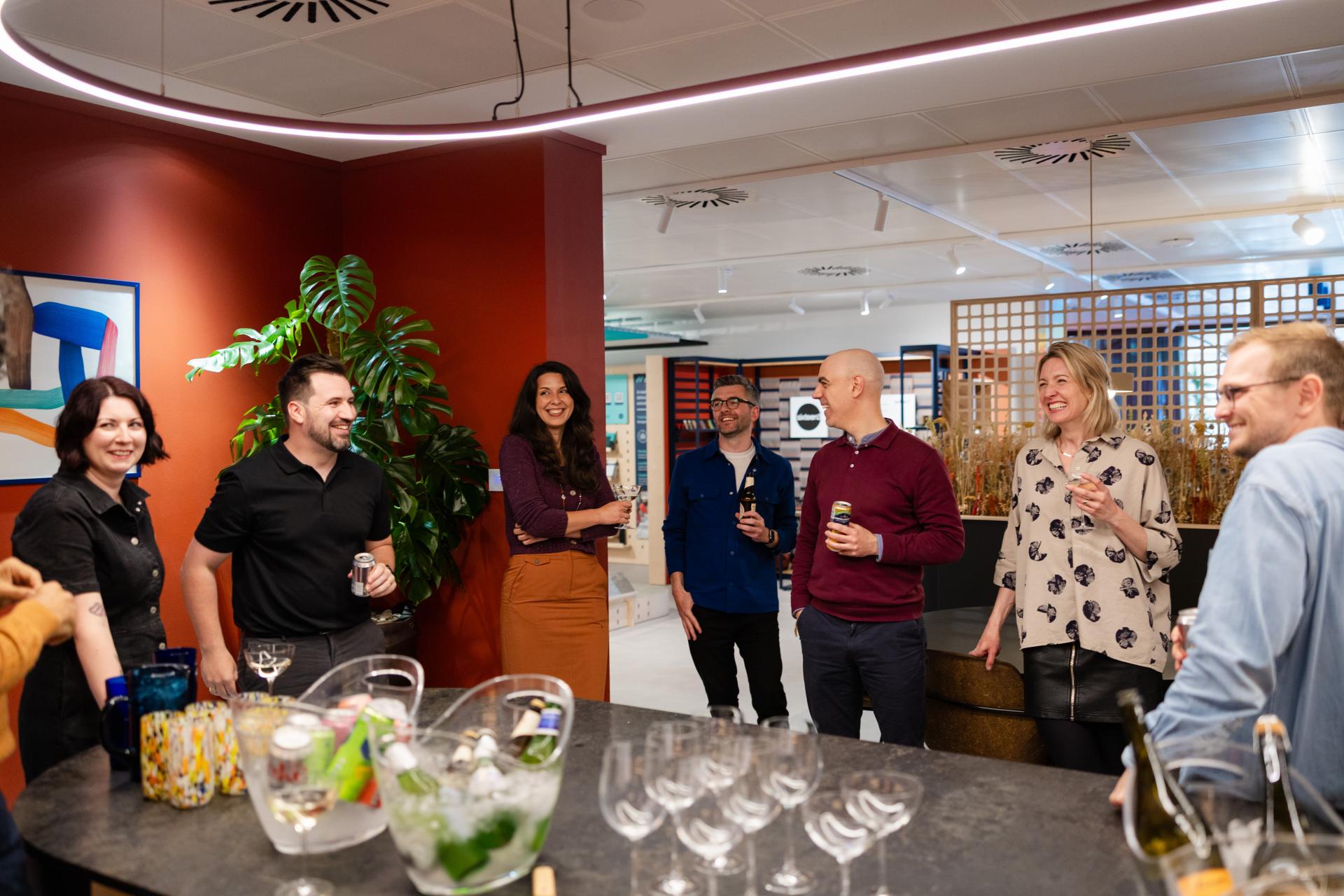
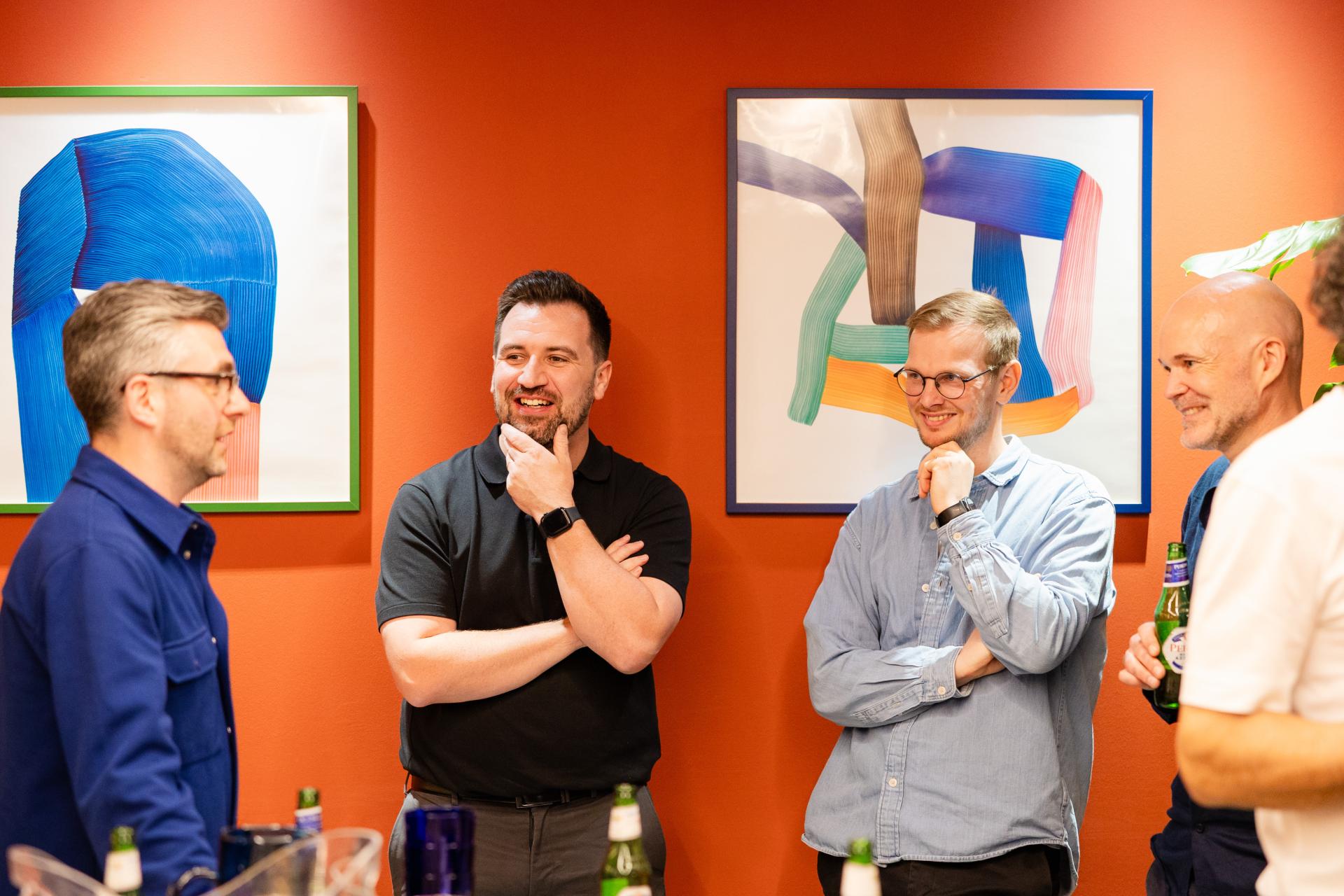
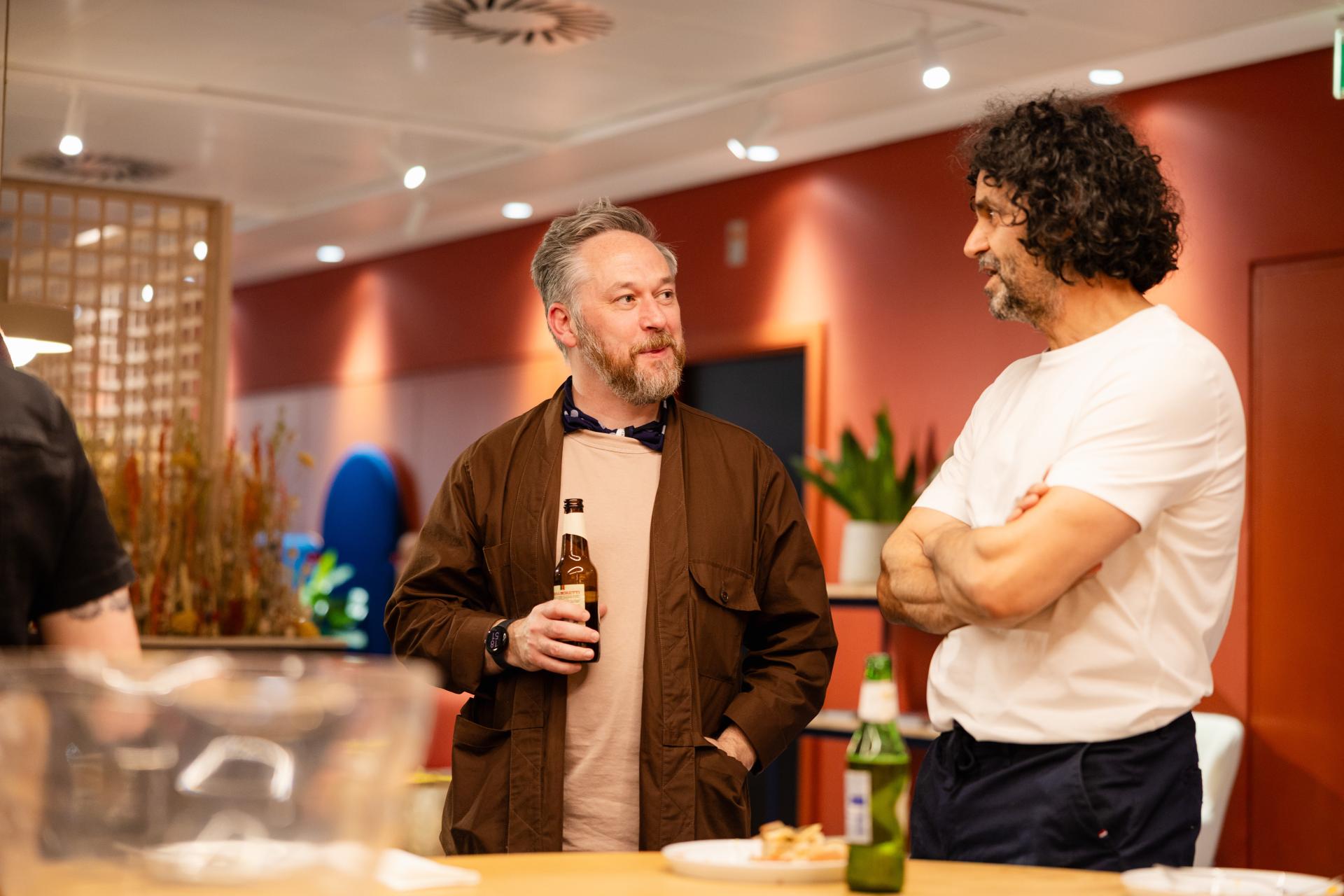
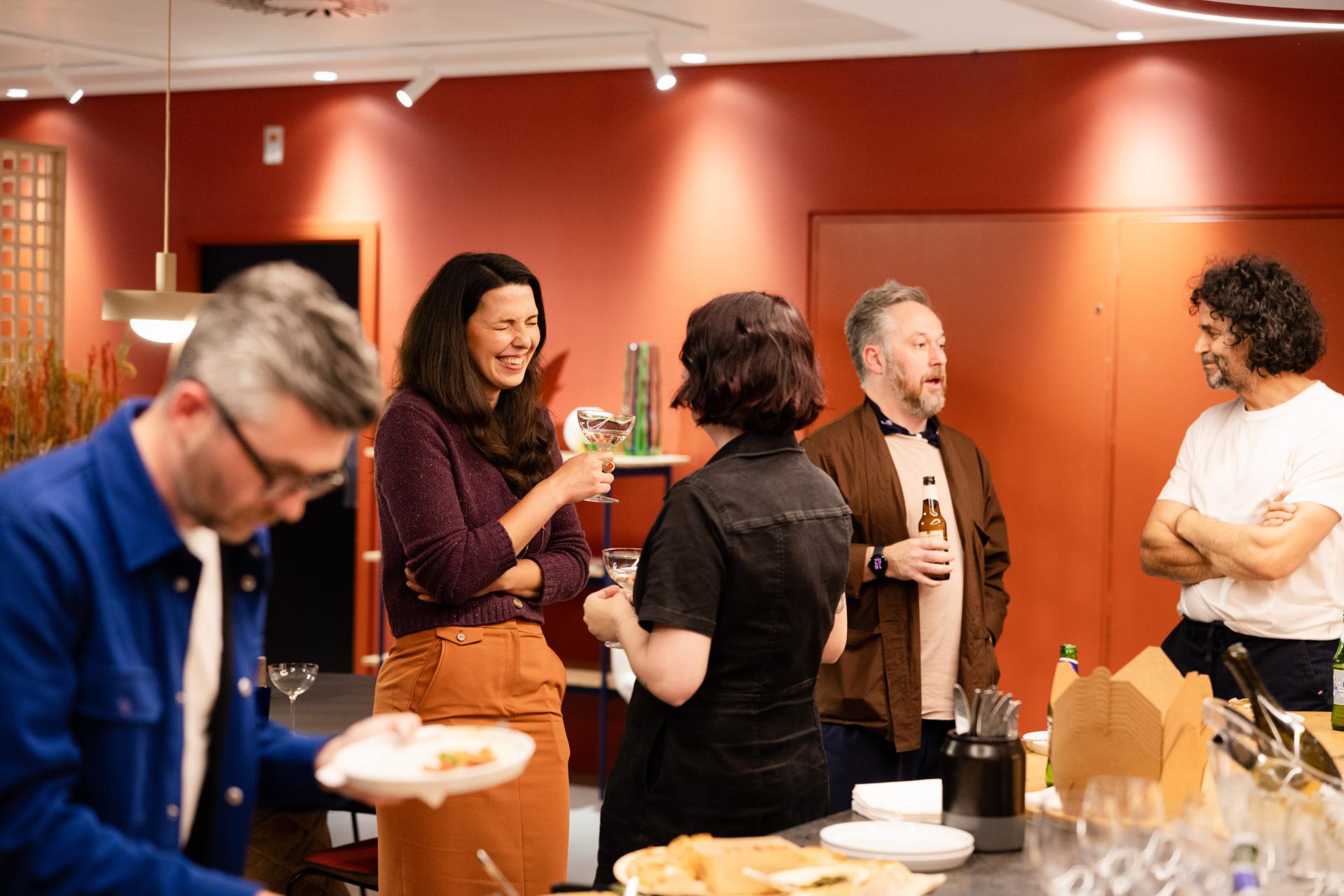
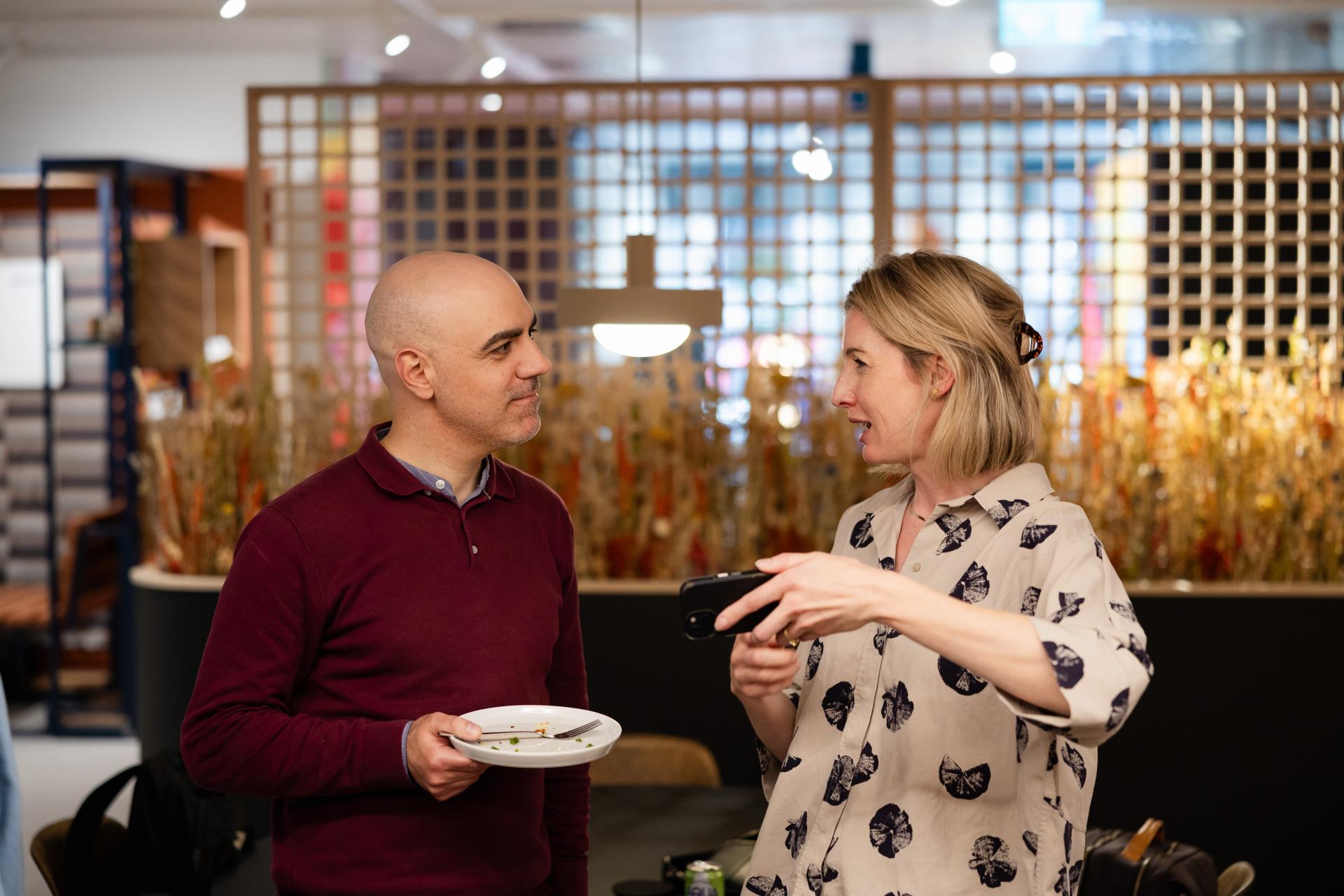
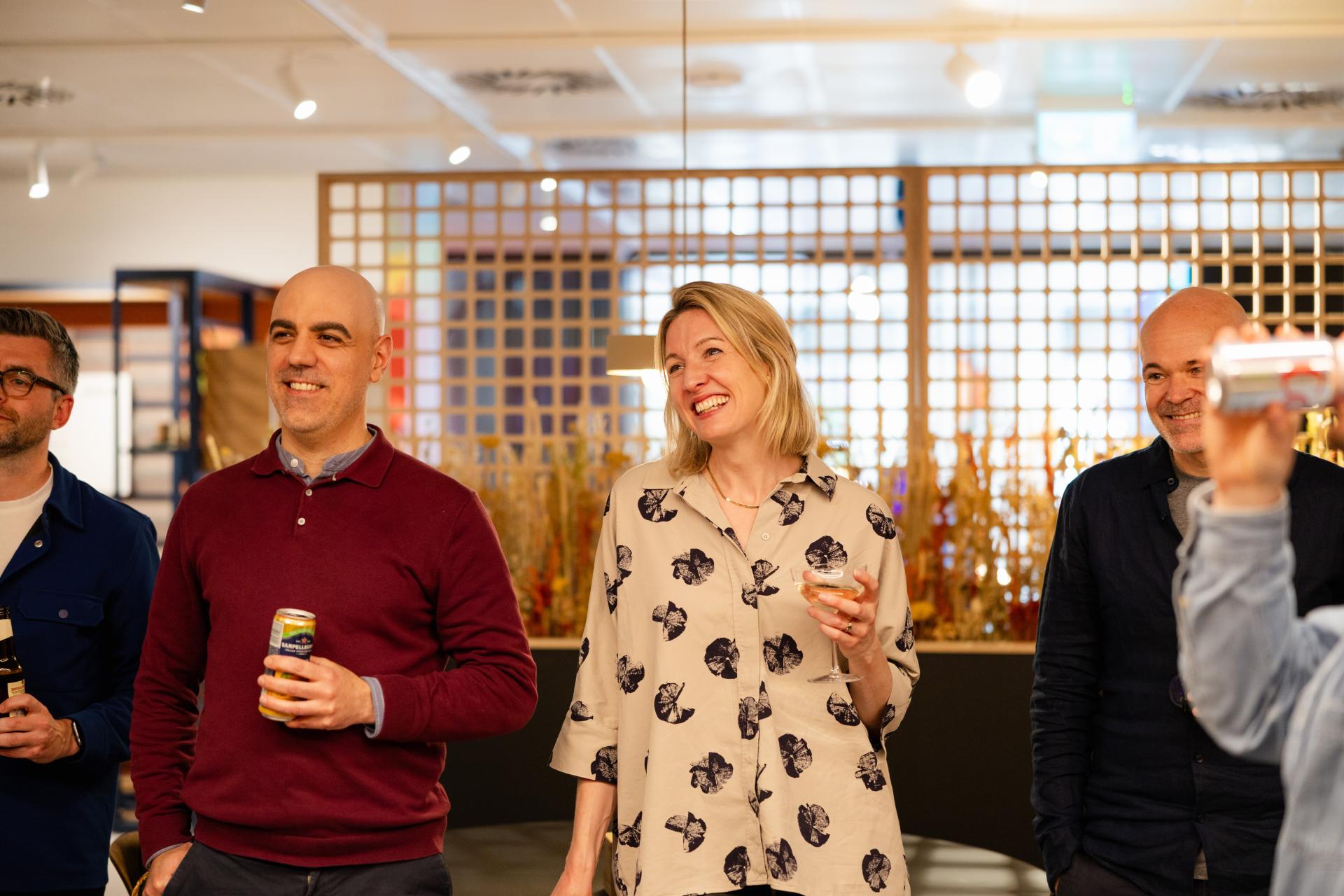
As the conversation on AI drew to a close, for now, we returned to the theme of differentiation.
Ewan said, "AI homogenises. If you're using it in a pitch, everyone's will look the same. And if you're the client, thinking, well nothing stands out here, and then you see a hand sketch and it's beautiful, that could, and likely will, win the job."
By way of conclusion, though the AI conversation remains fraught with unresolved queries, is barbed with polarising opinions, and quite frankly, interlaced with fear, especially for the next generation of built environment professionals entering territory perhaps more unchartered than anything we've ever experienced before, the one thing we can hold onto is the fact we are humans. And humans are problem solvers. Adaptive. Agile. Emotional. Understanding.
Across all our AI events, this thread of discussion has carried through - a glimmer of hope in what can be - let's face it - a fairly dark topic at times. Where will we be in 5-years, 10-years? By all accounts, it's too vast a scale to comprehend in the rapidly evolving, digitally reliant landscape in which we now live. But continued conversation and peer learning will no doubt guide our journeys into this new era, however rocky the path may sometimes be. And this is something we're committed to supporting over the coming months and years.
Do you have something to add? Let us know! Get in touch to share your view as part of our Views on AI feature, coming soon.
In the meantime, a huge thanks to our roundtable guests for sharing their insight and experience with us, and to our supporter for this event, Autex Acoustics - Partners in Glasgow and Manchester.
Key takeaways
- Is AI revolutionary or evolutionary? For our roundtable guests, it was mostly seen as an evolution (for now), despite the hype. Most framed today’s “AI moment” as another step in a longer tech progression (internet - CAD/BIM - automation), heavily marketed as revolutionary.
- Practical value is emerging in efficiency and consistency more than in core design.
- Trust, liability, and accountability still sit with humans, our guests believe, creating a skills gap risk for the younger generations.
- Governance is uneven; data security and client sensitivity are driving internal policies.
- What can’t AI replace? The human elements of work: relationships, judgement, context, and authentic creativity.
- Just as in the early 1990s, when designers started to embrace computers to aid in their drawings - used through the lenses of their expertise, discipline, and design theories, AI, for the future, could be viewed in the same way.