






New Designers 2026: Our top 5 graduate spots.
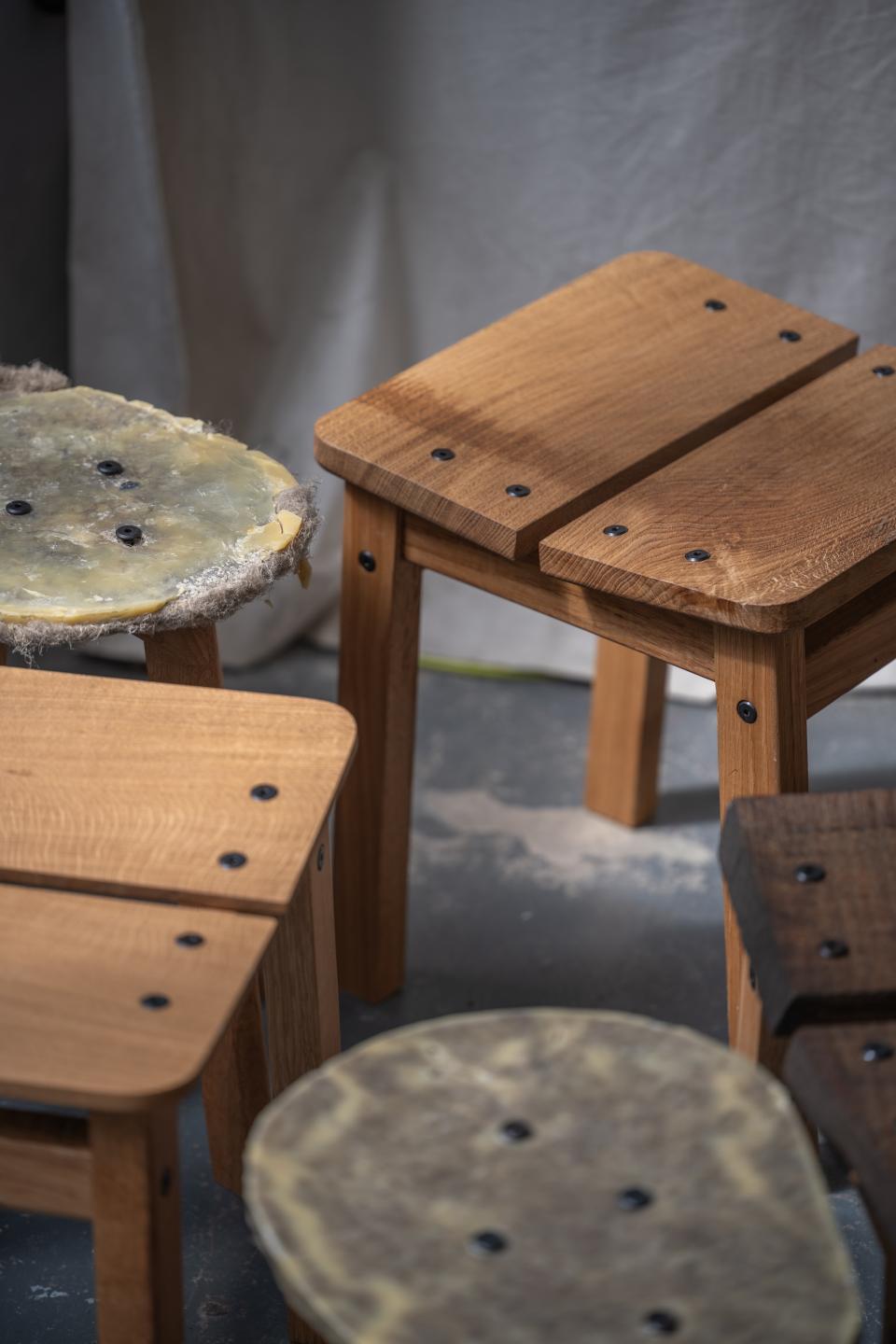
Our Grandchildren’s World by Henry Chantler - Northumbria University
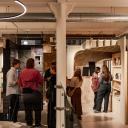
New Designers is an annual exhibition that brings together graduate design talent from across the UK.
As the academic year comes to a close, the show allows visitors to see over 2,500 graduates from over 100 courses present their work at the Business Design Centre in Islington. New Designers demonstrates the breadth of innovation; covering product, textiles, ceramics, interiors, UX and socially engaged practices to name a few. Increasingly, many of the designers are working with an interdisciplinary approach to design, sitting in the intersections of specialisms, combining different materials, methods and perspectives to explore new ways of making and thinking.
We went along to spot up-and-coming talent, and to see what ideas the next generation of designers are bringing to the industry. This year, our top picks share a focus on local materials, circularity, education and community. Together, they demonstrate the power of design to interrogate established systems while proposing critical, imaginative responses to today's social and environmental challenges. Here are our top five picks from New Designers 2026...
No Jagae Soban by Jungwoon Lim - Nottingham Trent University
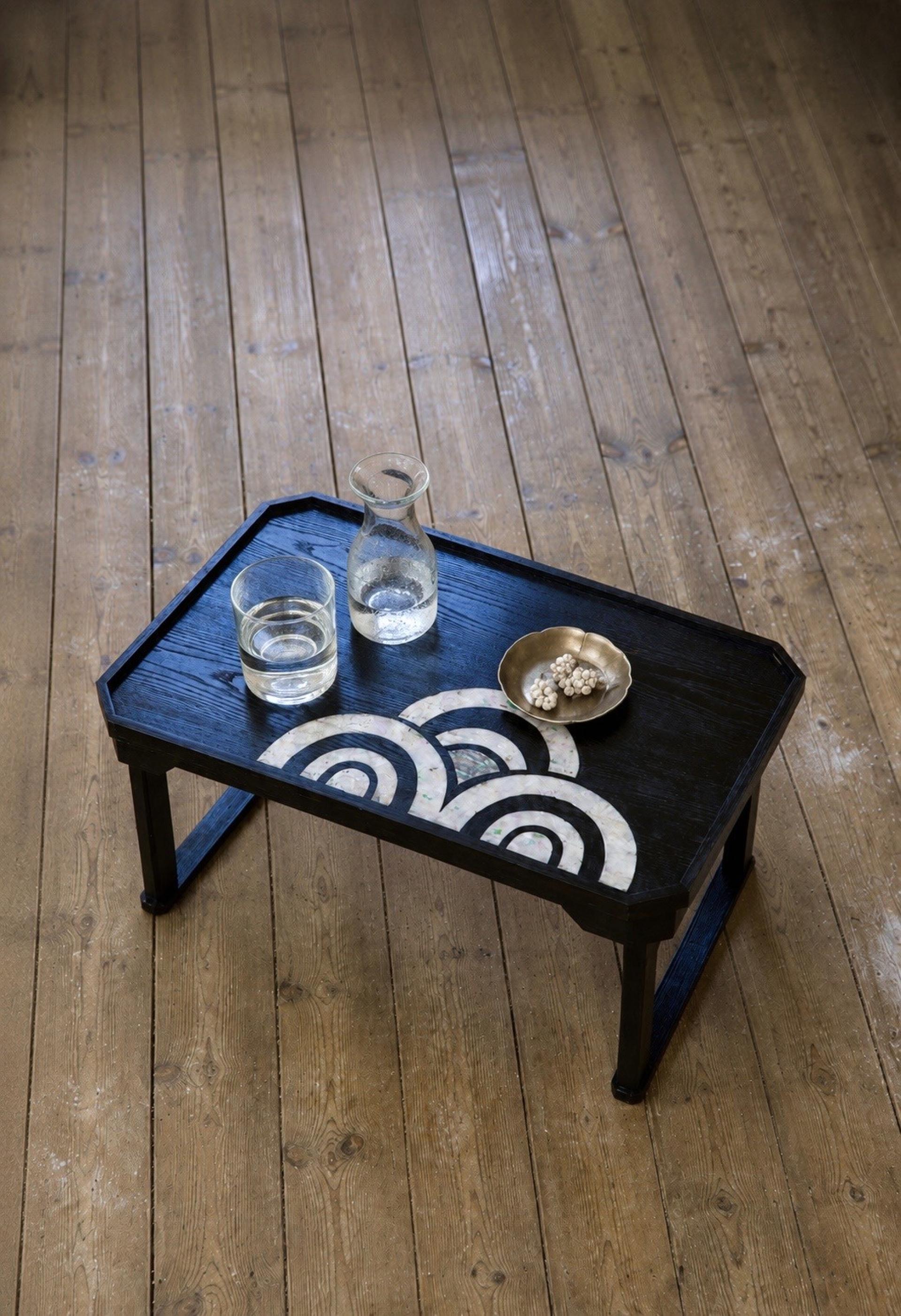
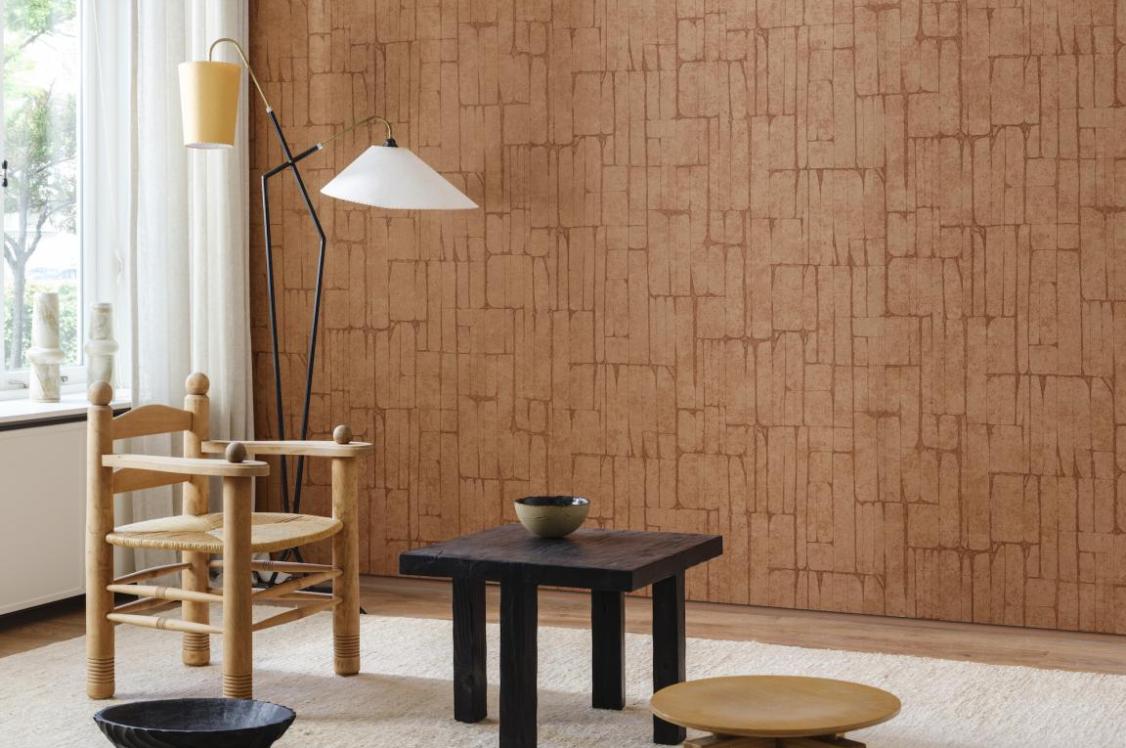
NO JAGAE SOBAN reinterprets Najeonchilgi, the traditional Korean craft of decorating lacquered furniture with mother-of-pearl, through a contemporary design language. Once highly valued, the craft has gradually declined as changing lifestyles and mass production have reduced its demand. The project explores how its material qualities, craftsmanship, and visual identity can evolve within contemporary furniture.
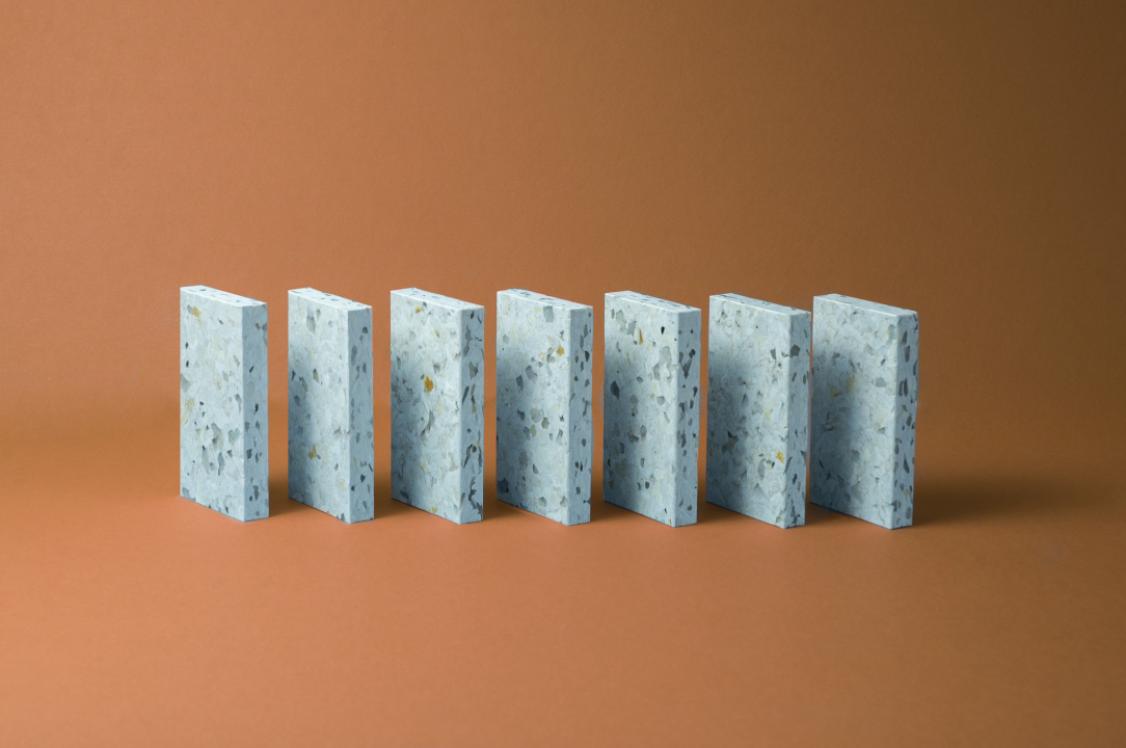
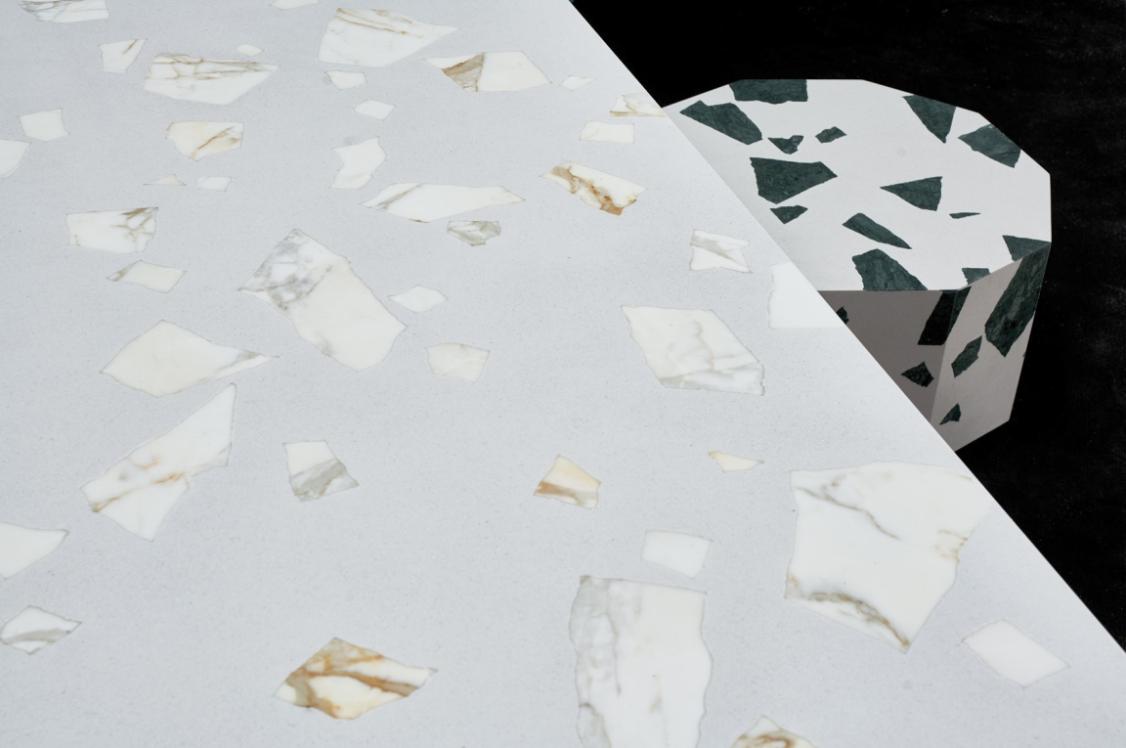
Inspired by the fact that both mother-of-pearl and marine plastic originate from the sea, the project uses recycled plastic waste collected from the coastline as an alternative decorative material. Rather than replicating traditional techniques, it reinterprets the layered surfaces, refined detailing, and craftsmanship of Najeonchilgi through sustainable materials and contemporary forms, bringing together Korean craft heritage and recycled marine plastic in a new material language.
Inspired by the traditional Korean soban (tray table), NO JAGAE SOBAN is designed as a lightweight folding table for flexible everyday living. Its portable structure encourages long-term use while adapting to changing lifestyles. By combining traditional craftsmanship with recycled materials, the project demonstrates how cultural heritage can remain relevant through sustainable design and contemporary innovation.
The Tree Table by Stan Miles Abbott - University of Brighton
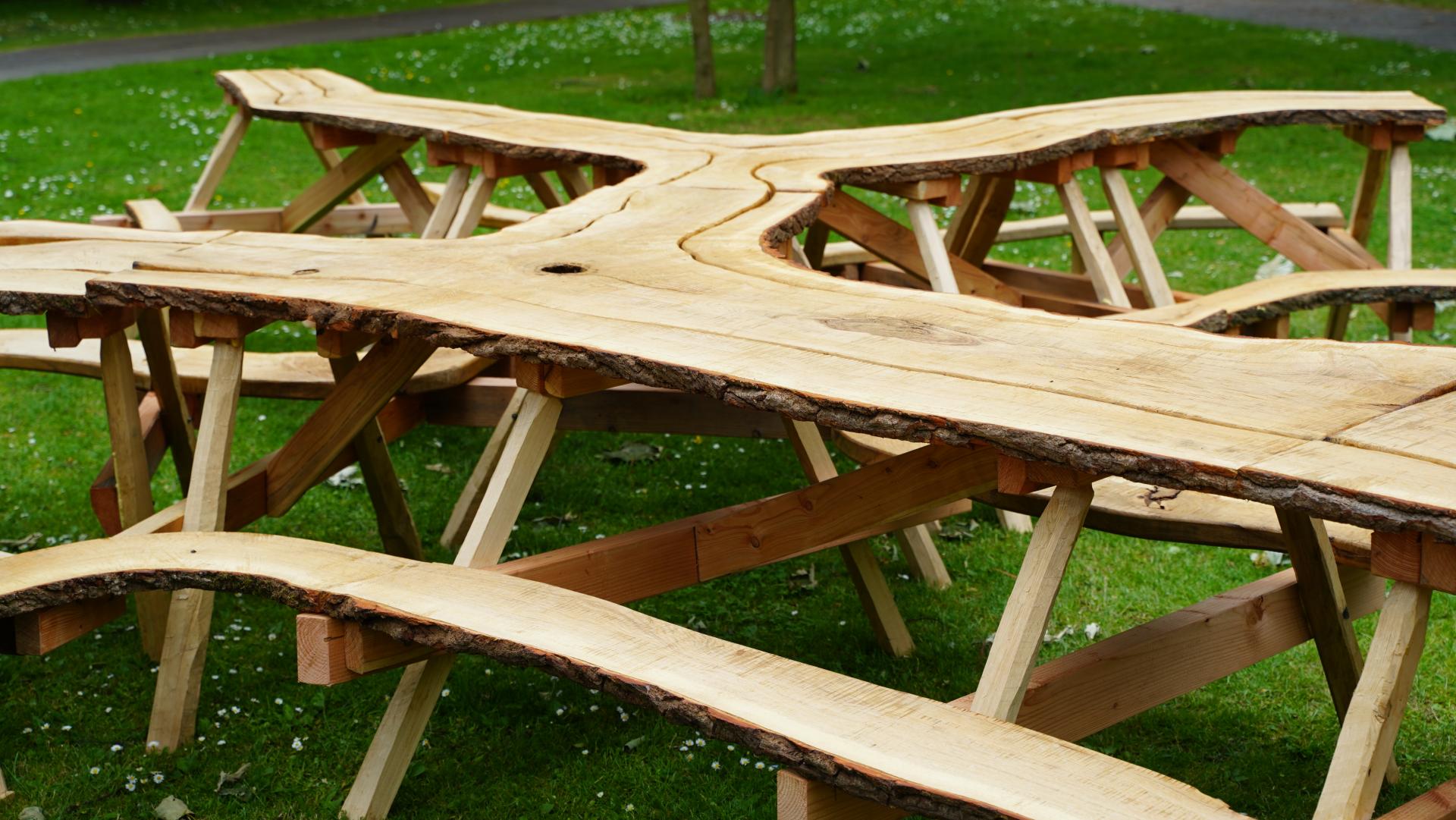
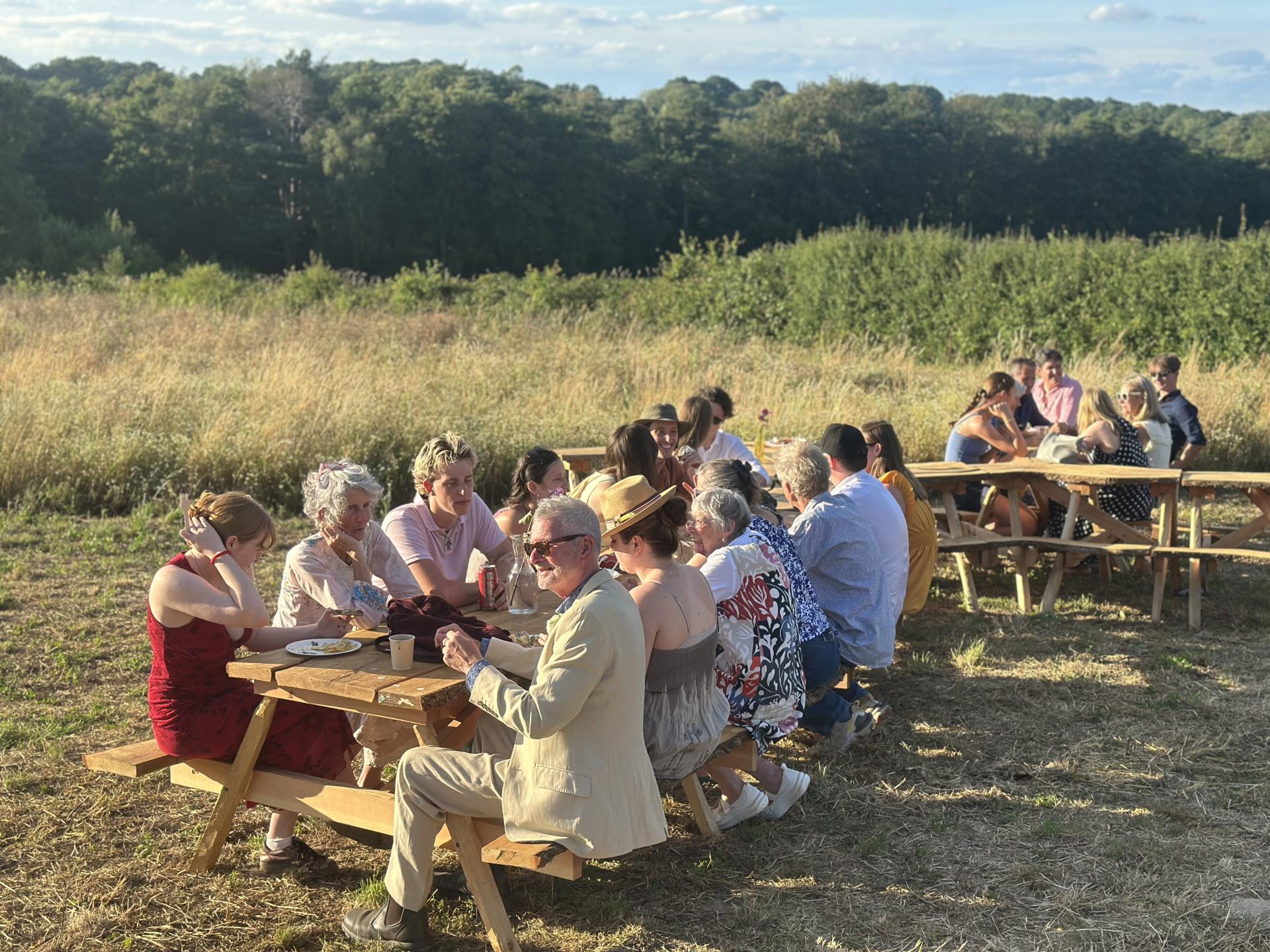
The Tree Table was built as a platform for connection through serving a primary function of interaction, and a secondary function of engagement. Built to leverage intrigue and curiosity, The Tree Table invites people to sit and engage, chat and wonder.
During the research of this project, the question became: How do you platform connection through production when undertaking a task of the scale?
The production became a collaborative work between Stan and his volunteers - "we spent a long weekend, working together, crafting together and cooking together; connection at every point. Each of them shaped a leg for the bench and made a chair for themselves to take away.
"During this process, the object itself became irrelevant, it became a conduit to something else, connection."
Embedding Craft into the Curriculum by Anna-Maria Stavreva - University of Brighton
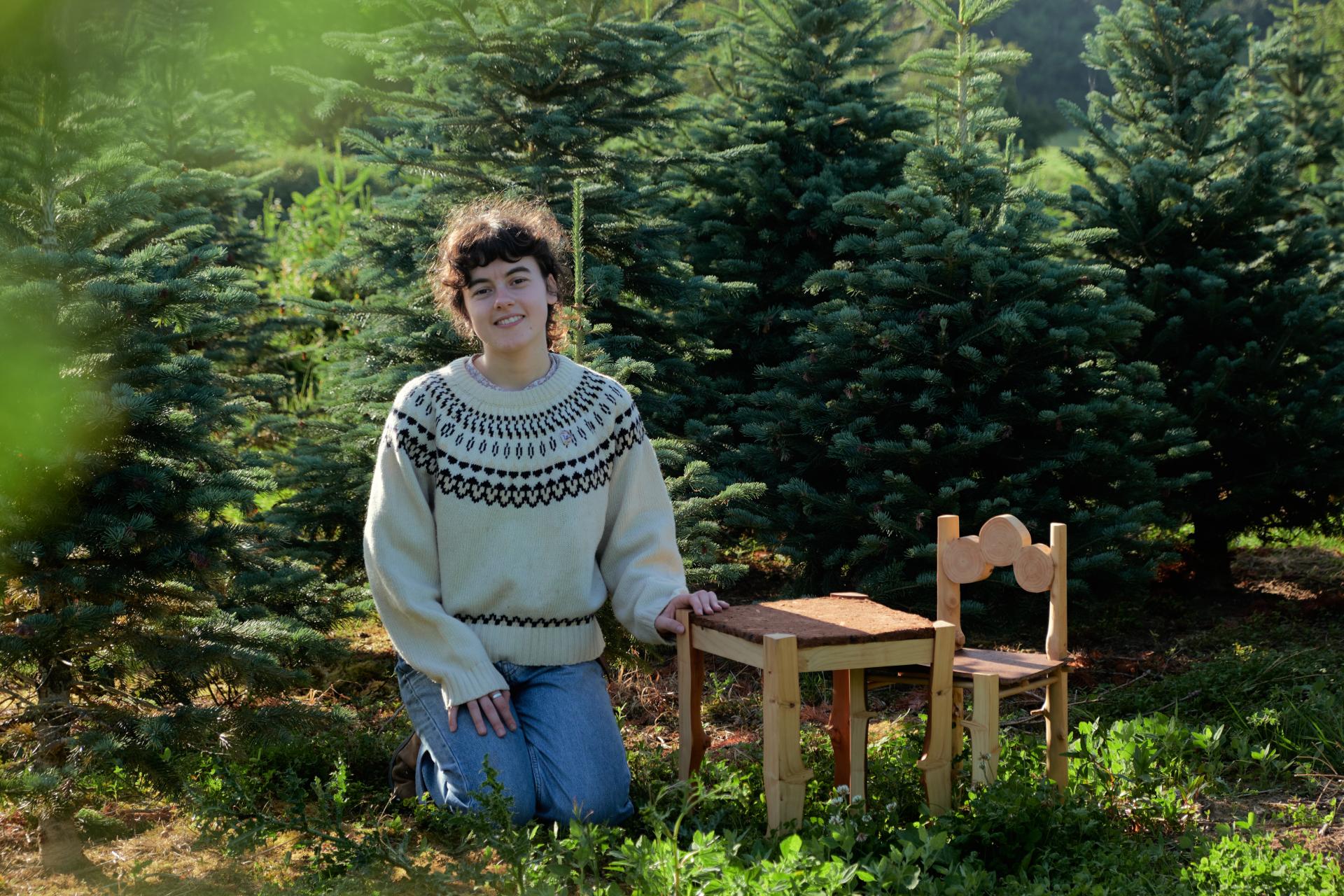
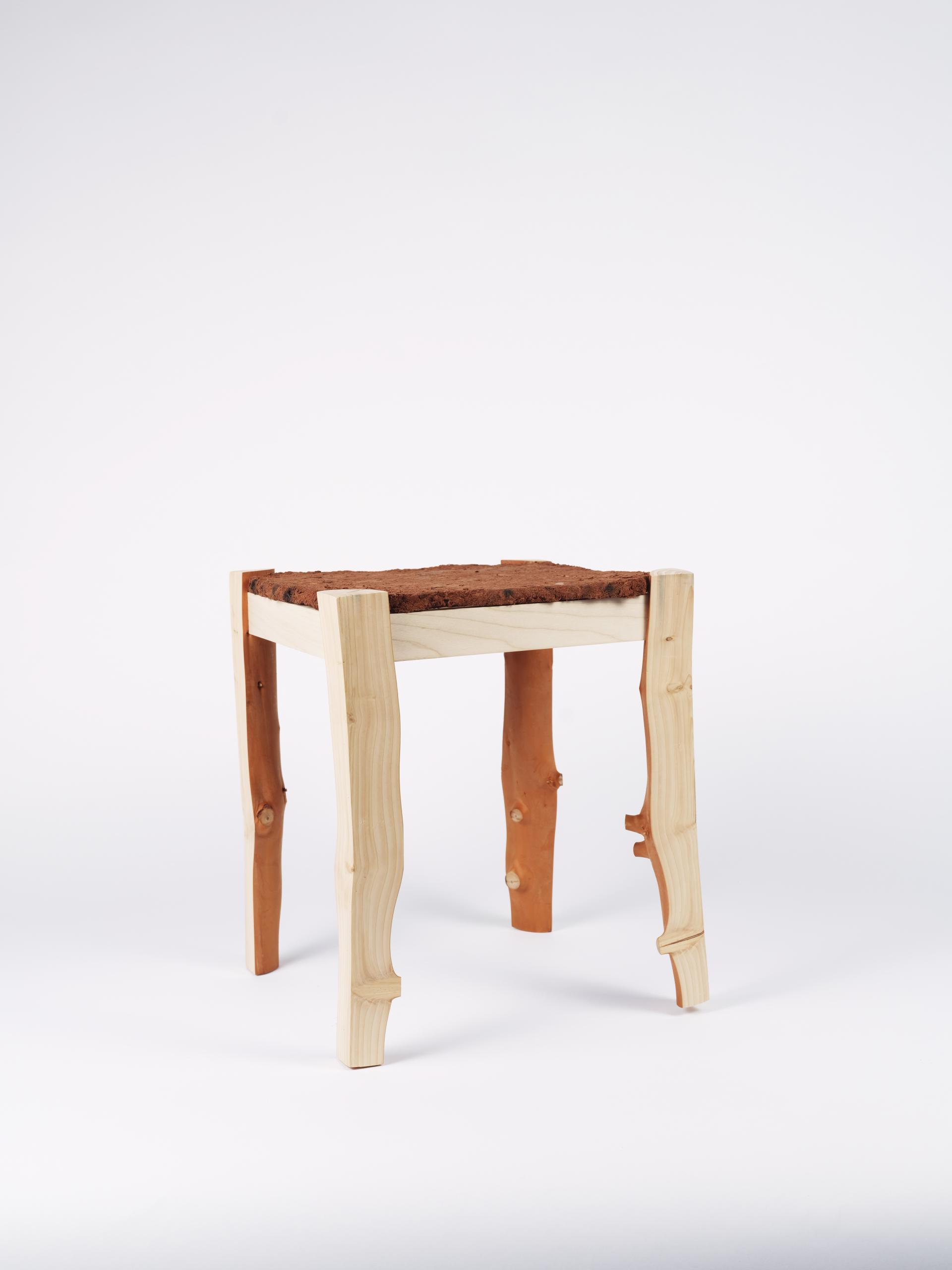
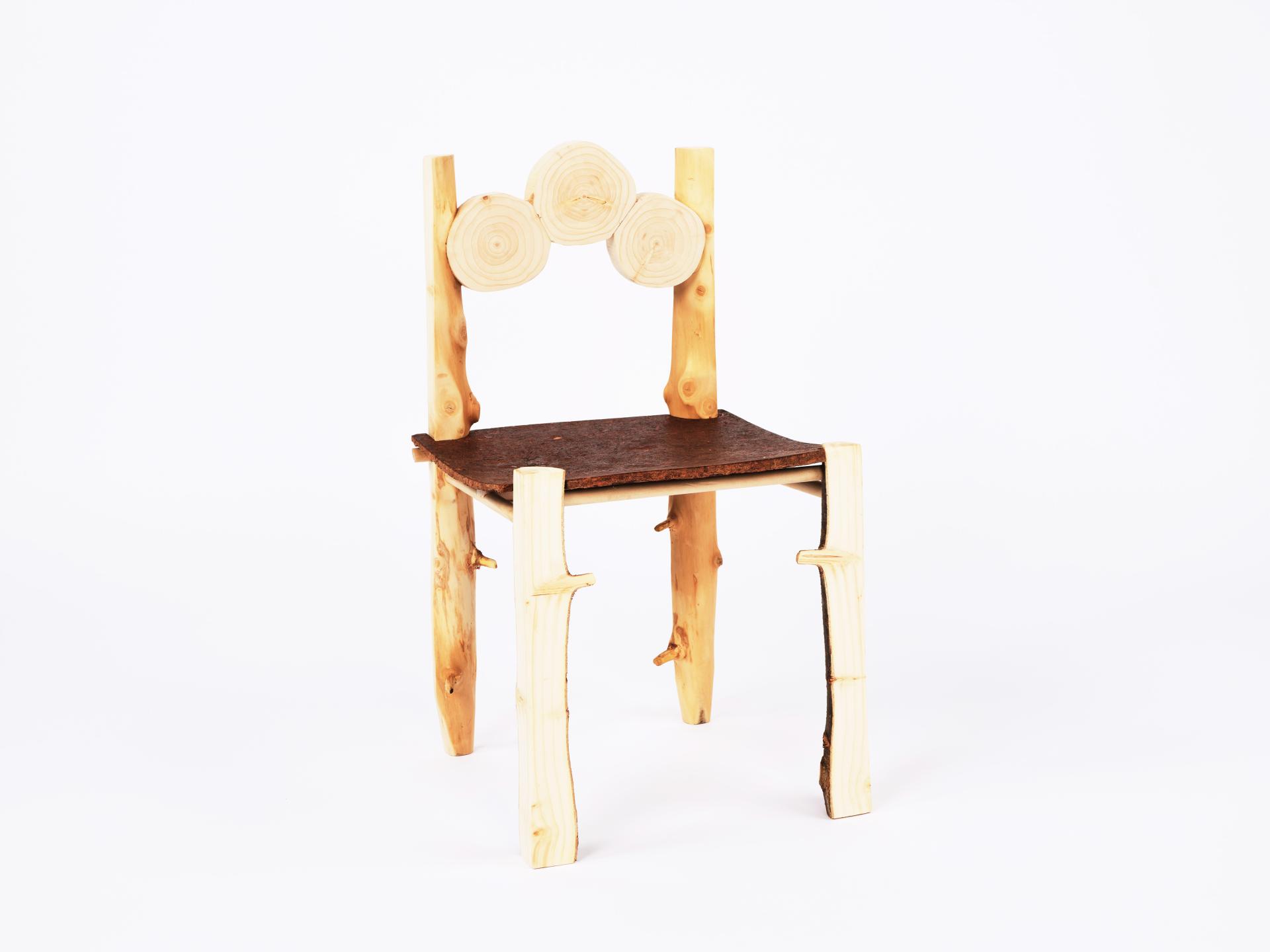
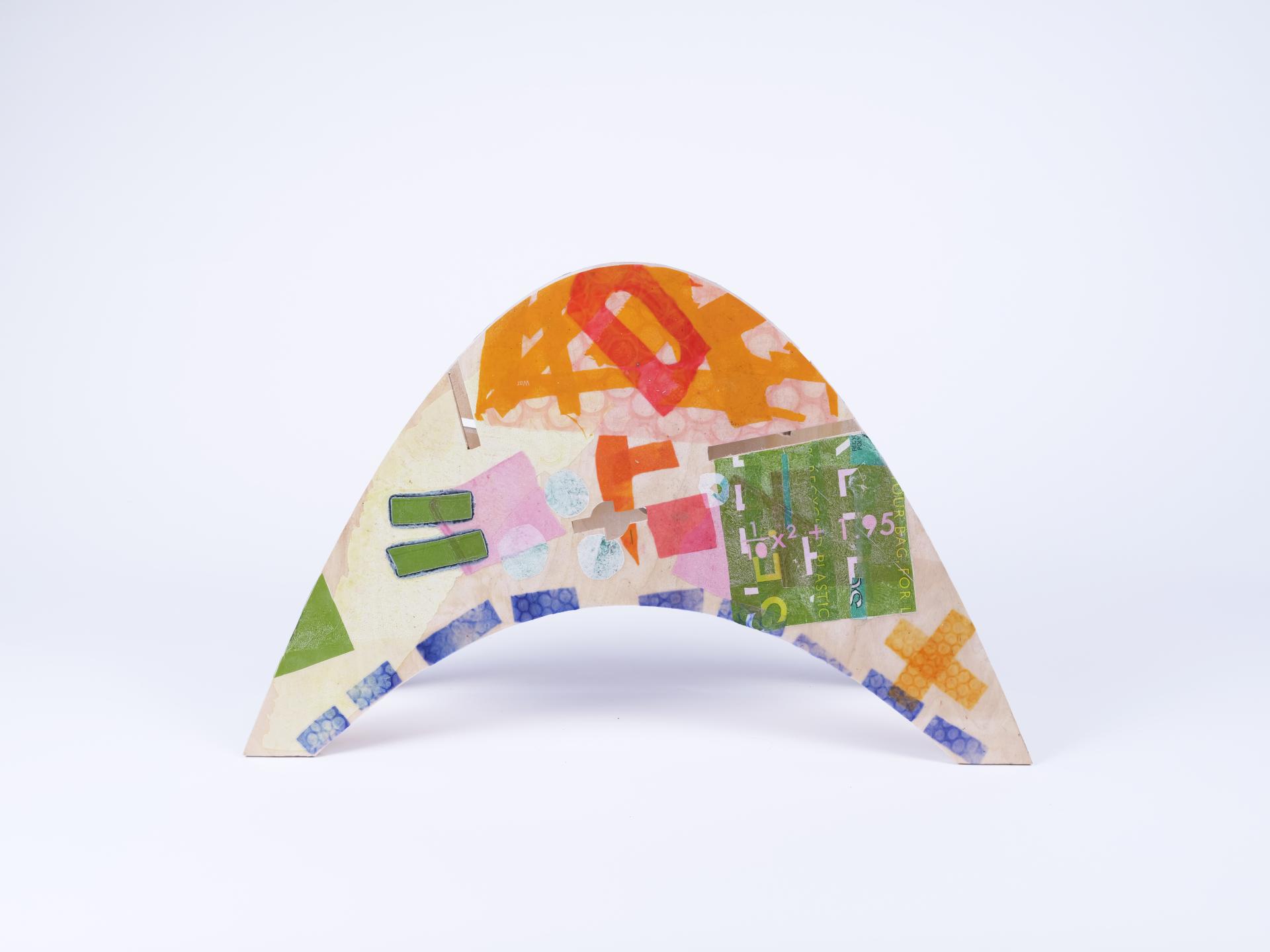
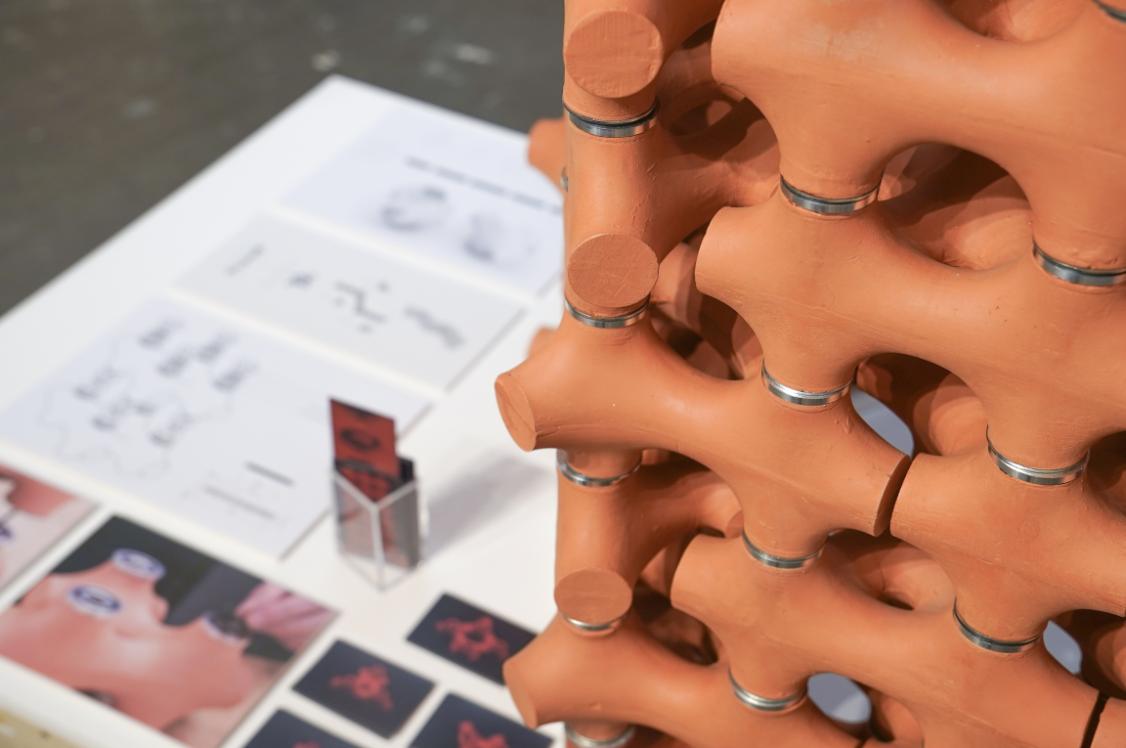
Embedding Craft into the Curriculum explores the tension between a curriculum that aims to be a world-leader in sustainability education by 2030, according to the UK’s Department for Education (2023), and an increasingly abstract knowledge hierarchy. Anna-Maria proposes an ‘embedded craft’ curriculum for Key Stage 3 as a solution, embodying climate-positive practices such as resourcefulness and material literacy alongside education about abstract and concrete concepts.
Her body of research has three outcomes, each prioritising different facets. The Maths bench is a compromise with today’s reality. It aims to sneak material literacy under the cover of Maths, a prestigious subject. The Material Literacy chair is a curriculum in object form which entails an exploration of overlooked materials, whereby the processing of such materials teaches material literacy. Finally, the Christmas tree collection is a deep material exploration into one waste stream that is pervasive in the local urban environment.
This approach to education uproots the conventional epistemological thinking, allowing students to connect to their environment through an embodied and tangible material practice. Giving agency through making to the future generation who will need to tackle increasingly difficult living conditions on our planet.
Second Sheet Project by Eli Tinapp - University of Sussex
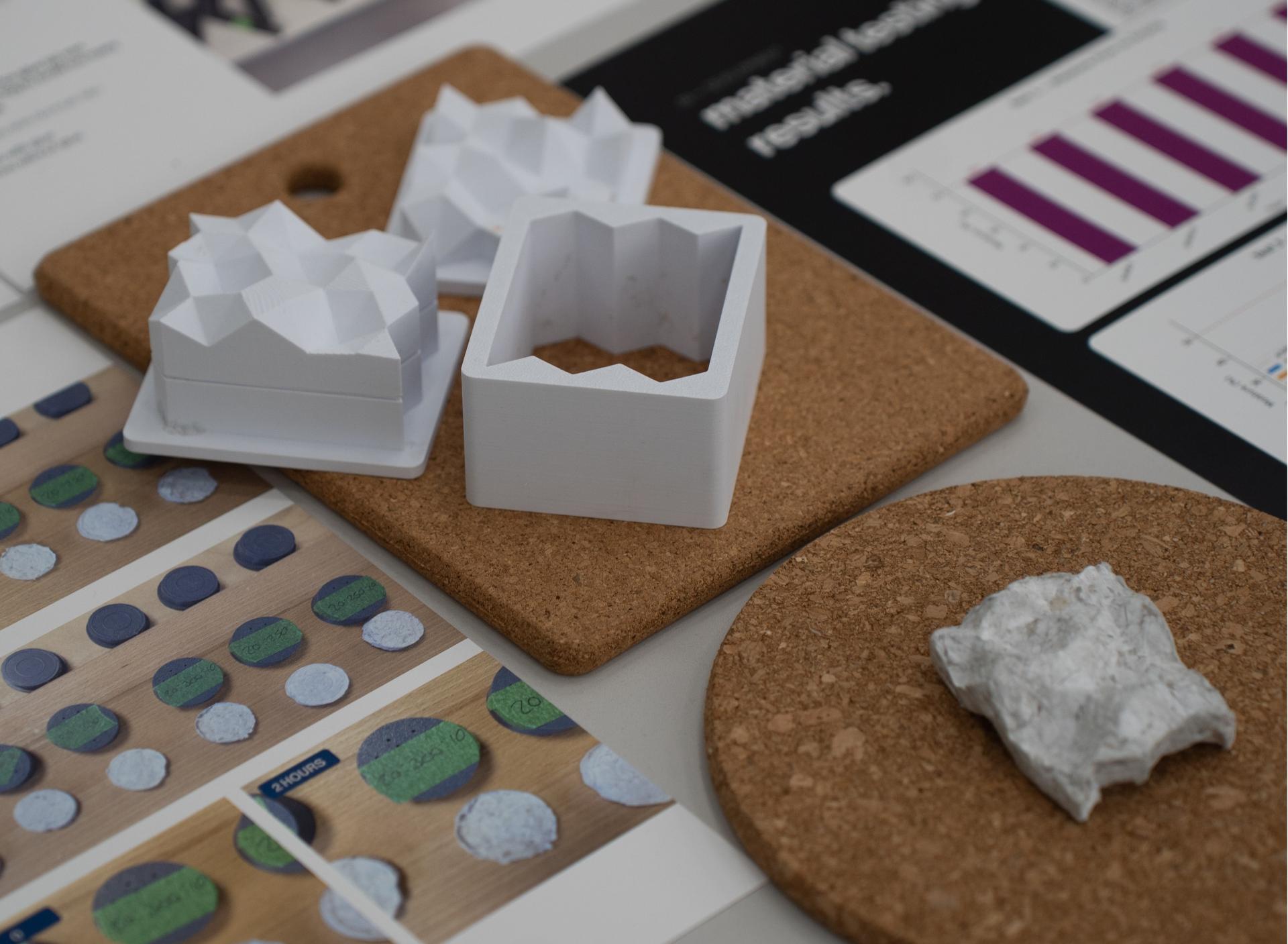

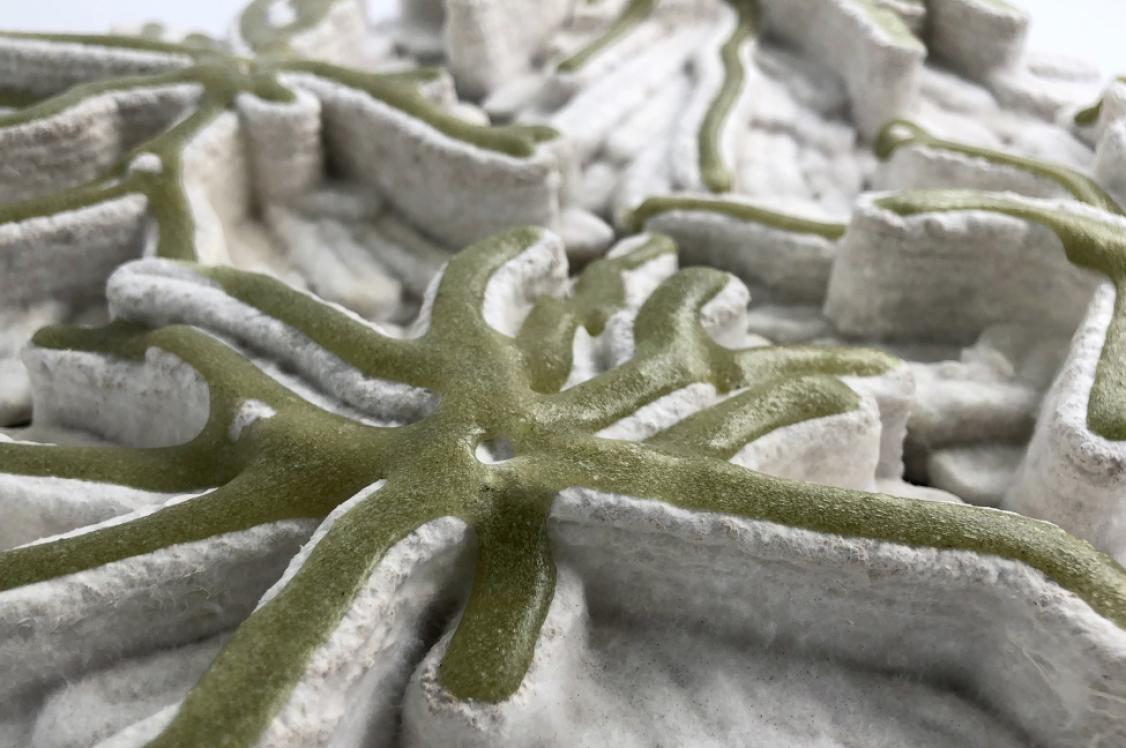
Paper waste remains one of the most visible yet overlooked challenges in lower education. While students are encouraged to recycle, they rarely gain a meaningful understanding of where their waste goes and how it's being used beyond being thrown away. Sustainability education is frequently treated as an isolated topic, hardly taught through practicals.
This project explores how schools can become more active in the circular economy by rethinking the journey paper takes within the classroom. Rather than relying solely on traditional teaching methods, it proposes a fully planned out, hands-on approach that enables students to transform discarded paper into papier-mache. Combining old techniques with newer forms of prototyping in an interactive and educational system. By embedding circular practices, the project aims to make sustainability tangible, memorable and engaging.
Our Grandchildren’s World by Henry Chantler - Northumbria University
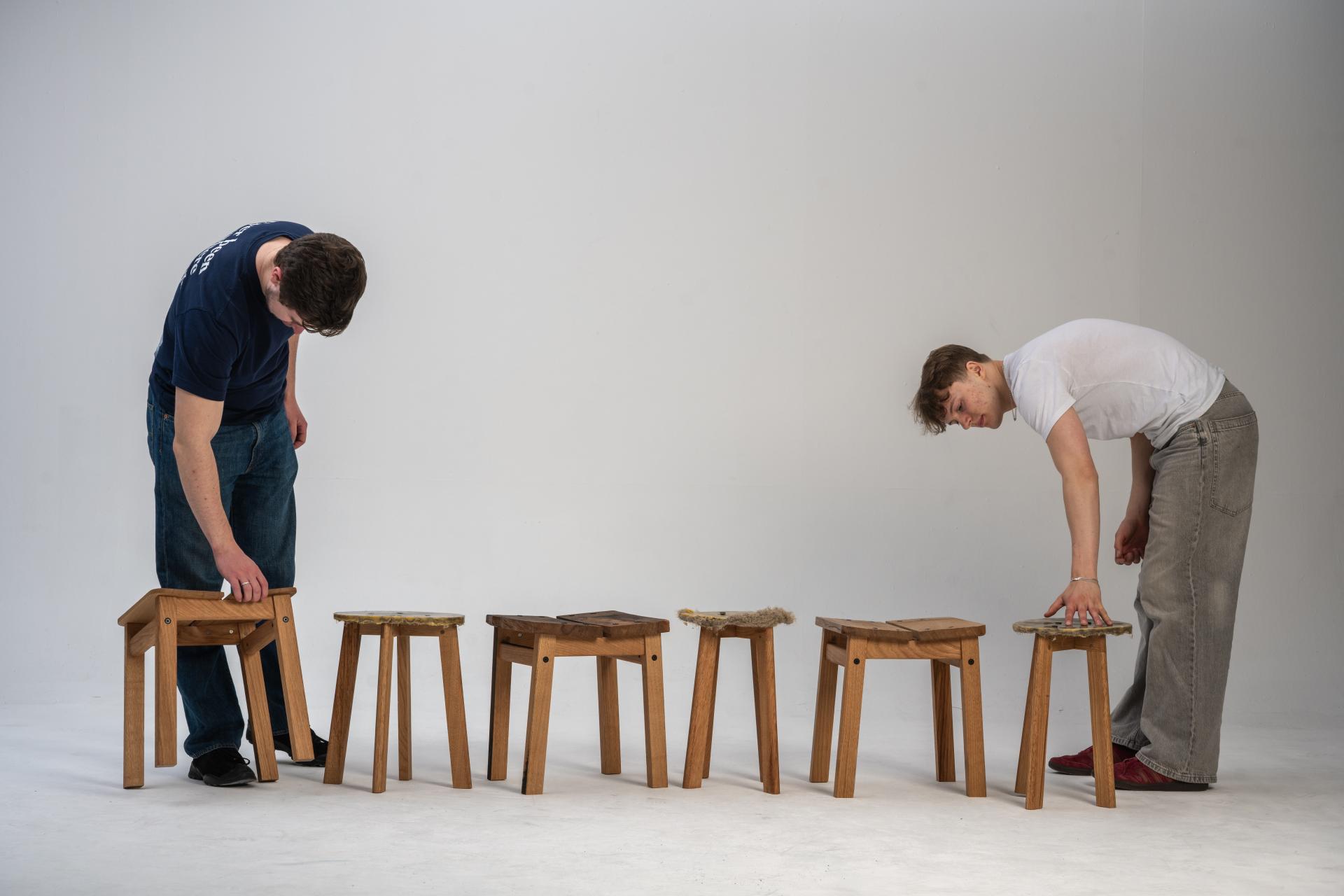
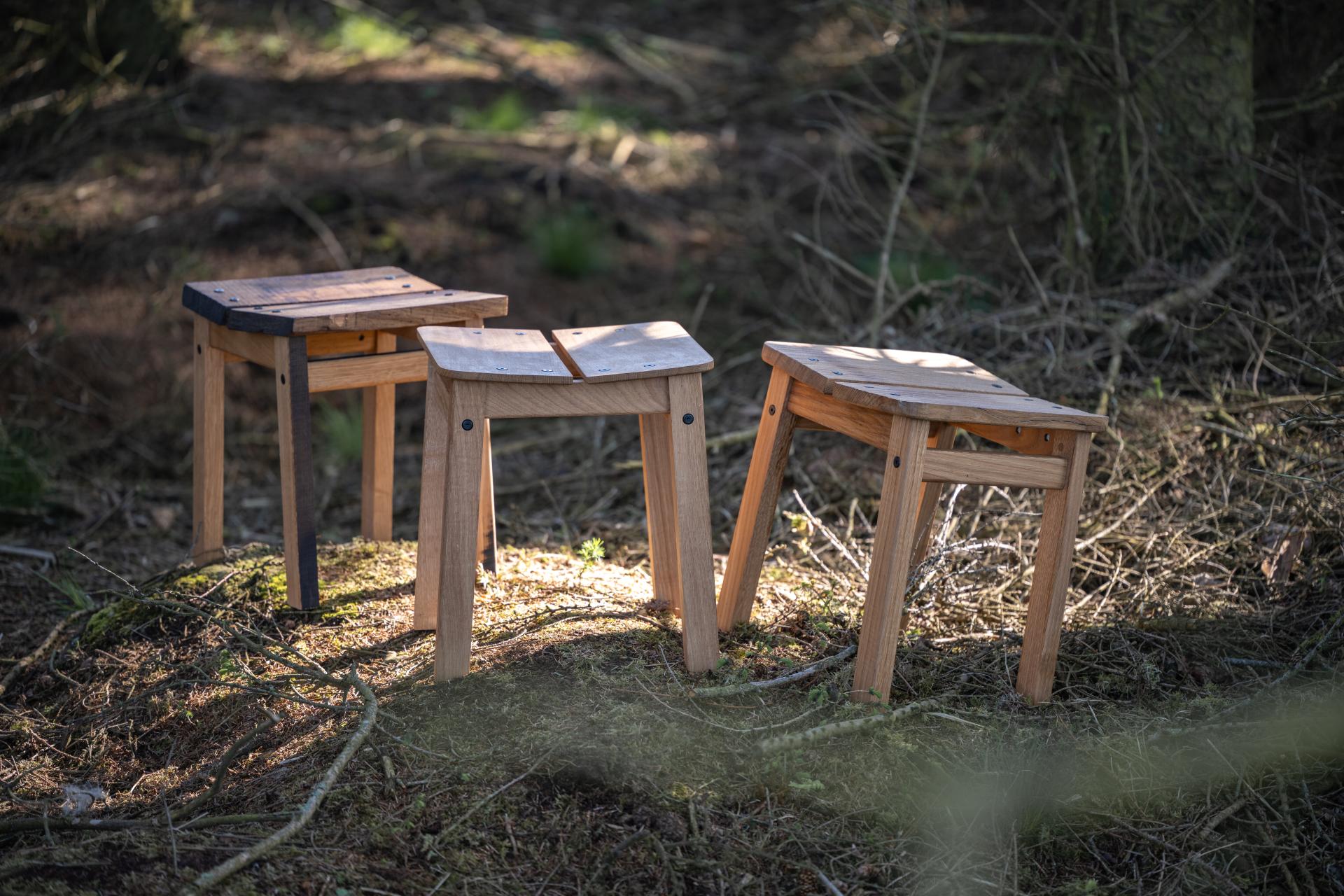
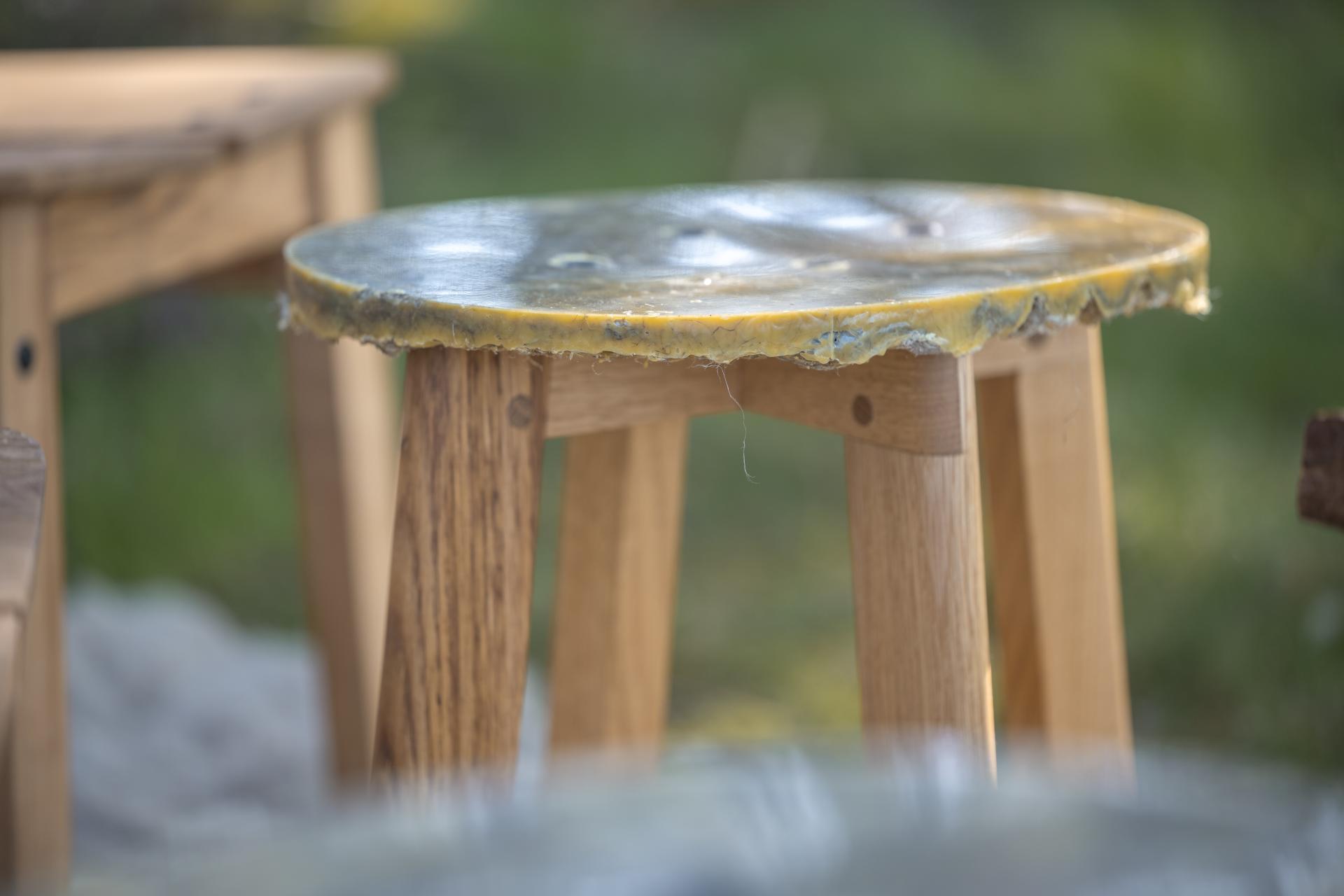
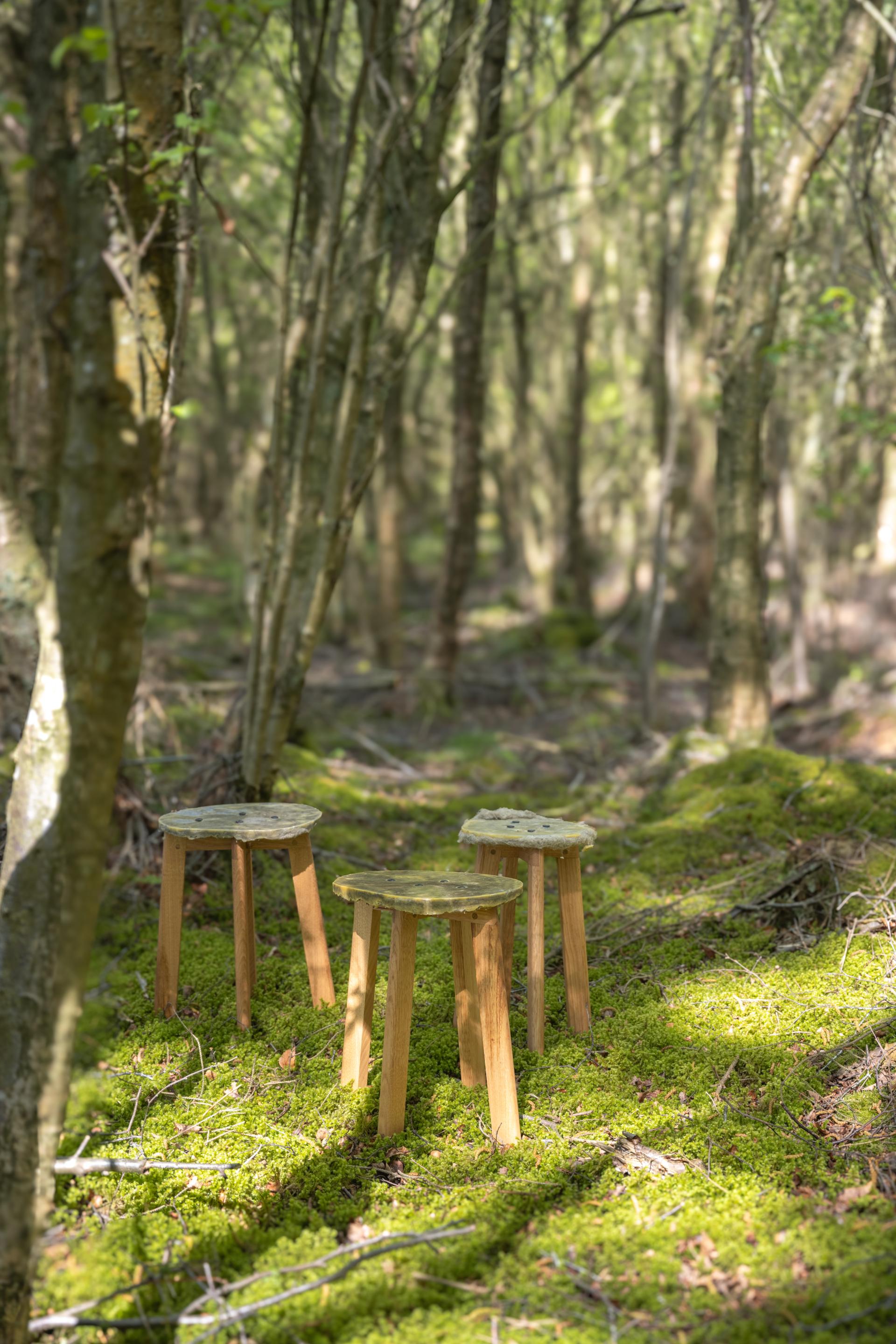
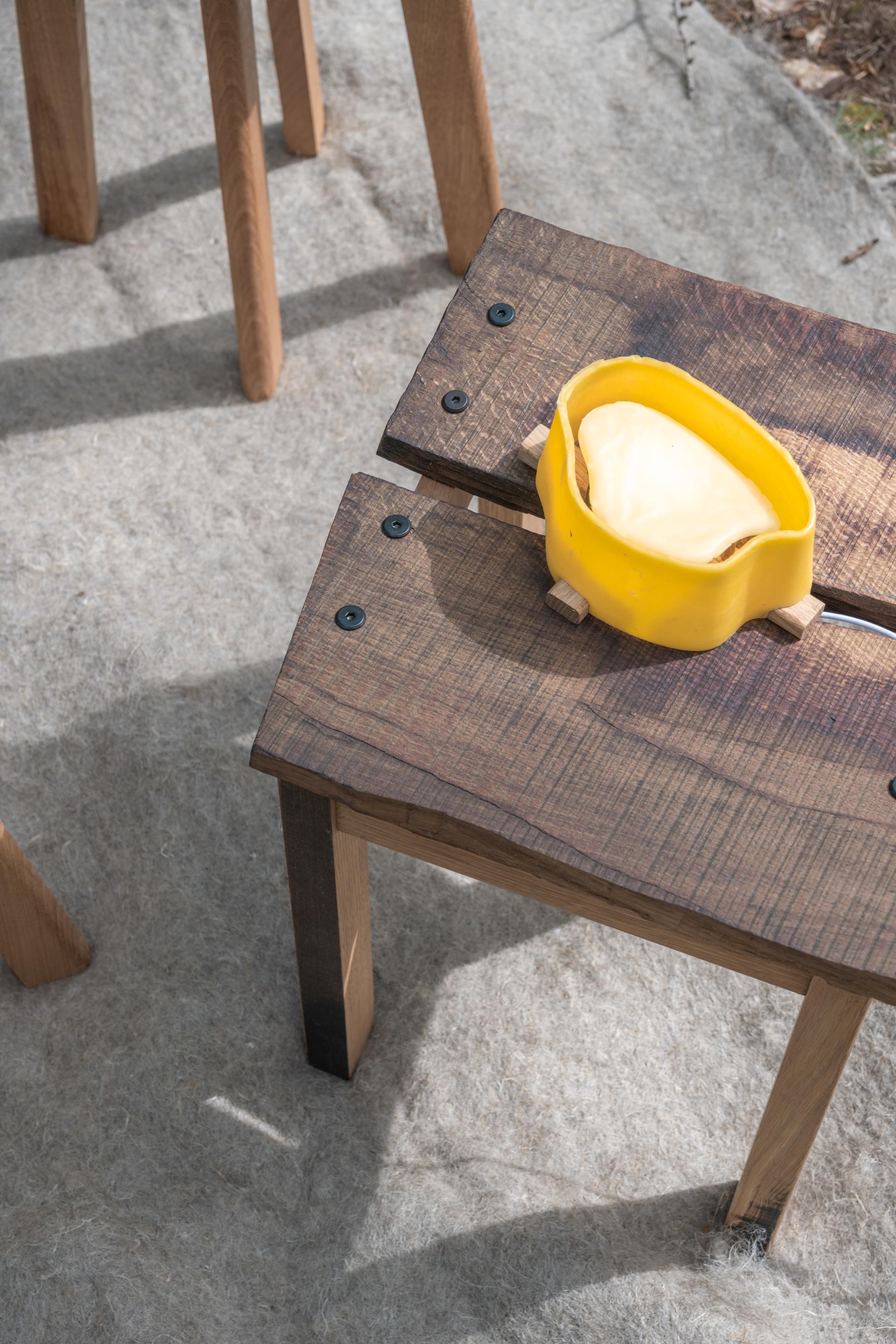
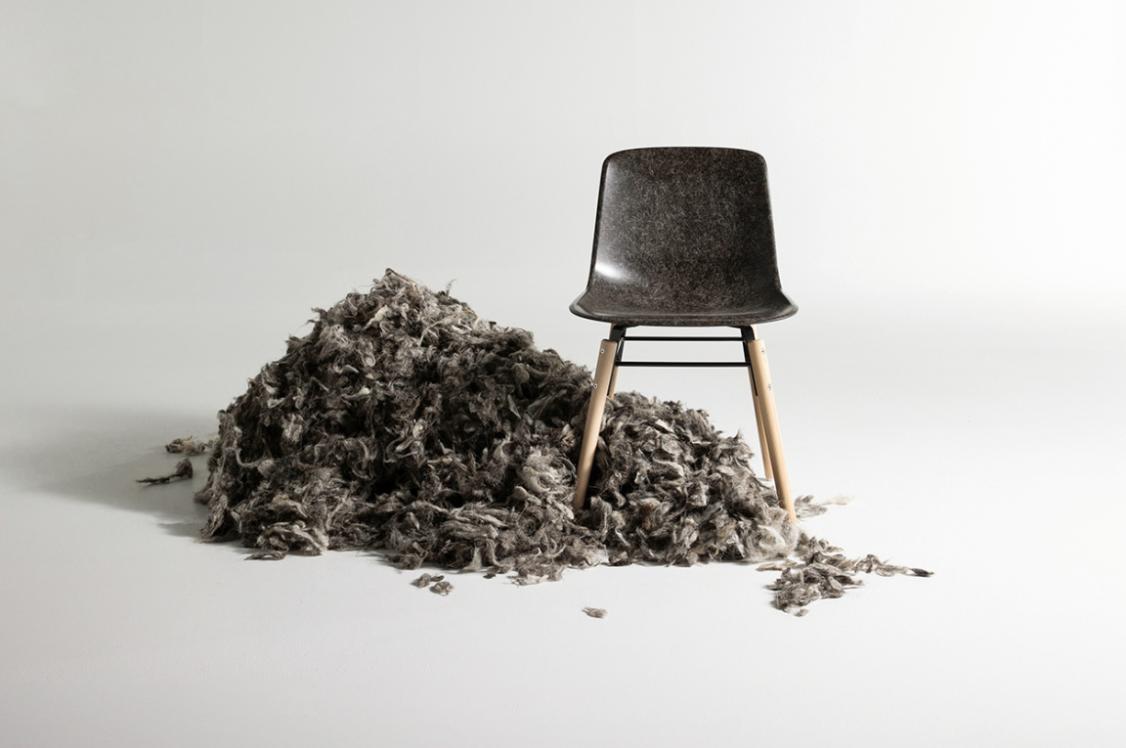
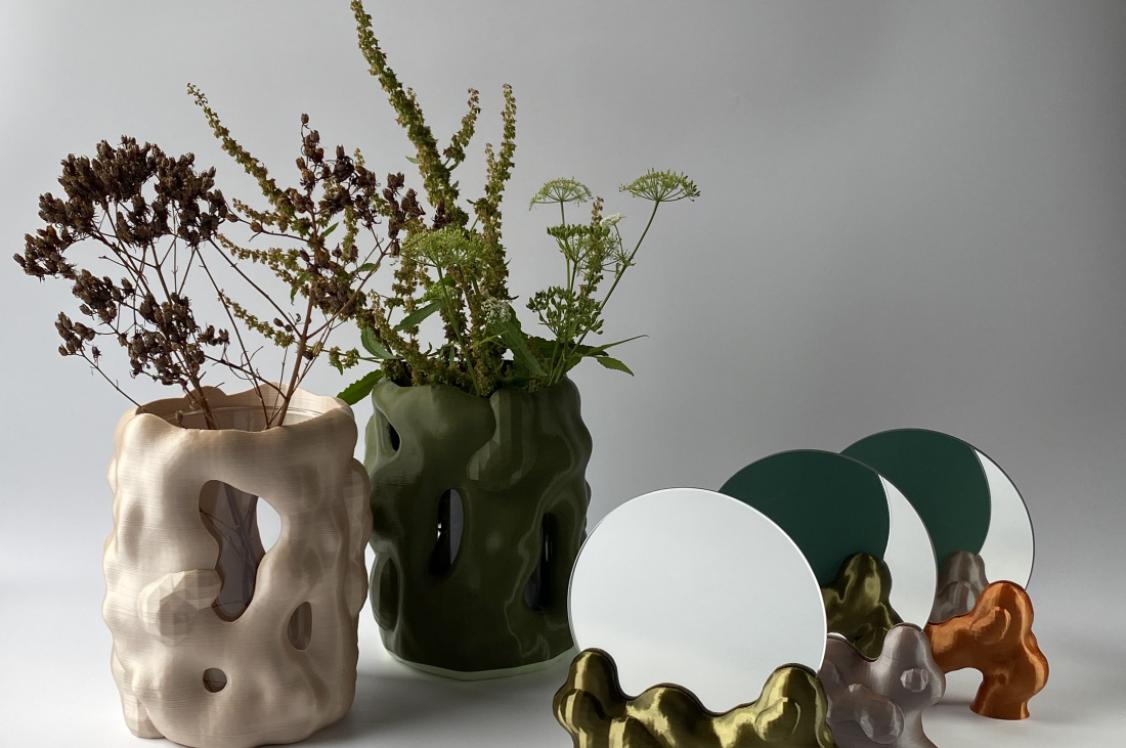
This project asks: "What if we designed for our grandchildren’s world?" How would it reframe our expectations and help us to consider our impact? How can we create objects that capture carbon, cause less harm, enable emotional attachment and challenge expectations?
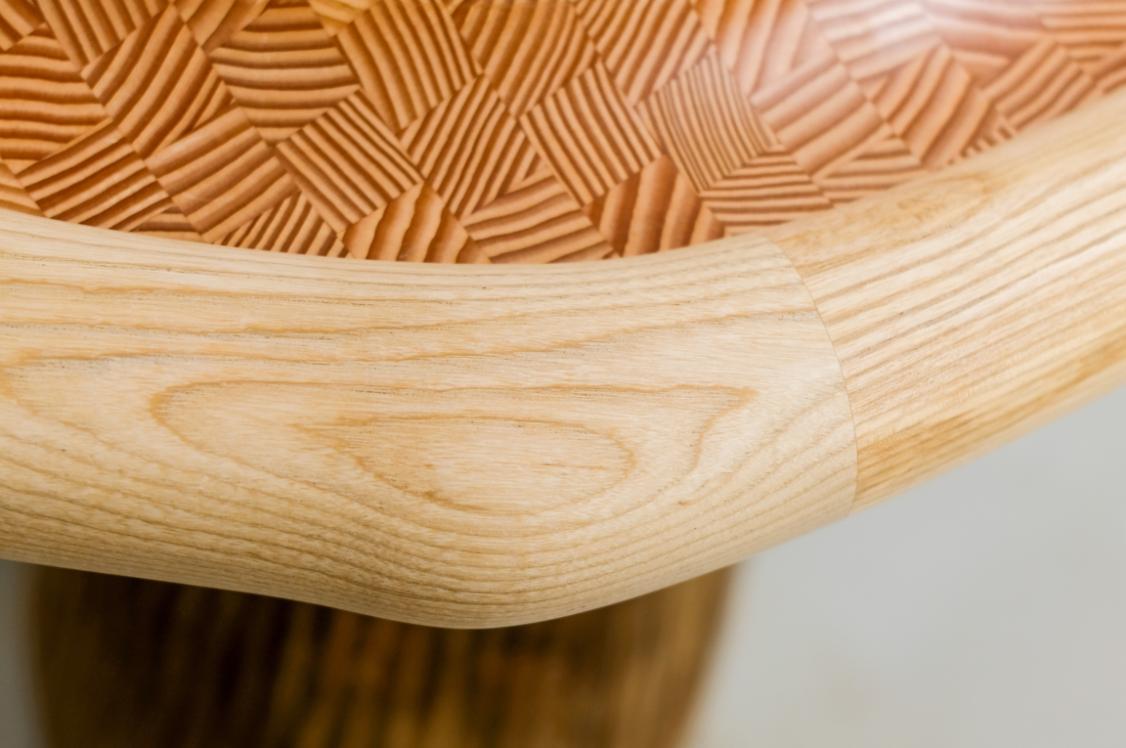
What are the unseen carbon impacts of processing, transporting, and disposing of materials? Through using timber that can be traced back to the stump, avoiding over-processing, and enabling longevity through reversible adhesives and strong joints, this series of wooden stools challenges expectations through highlighting the carbon impacts of processing.
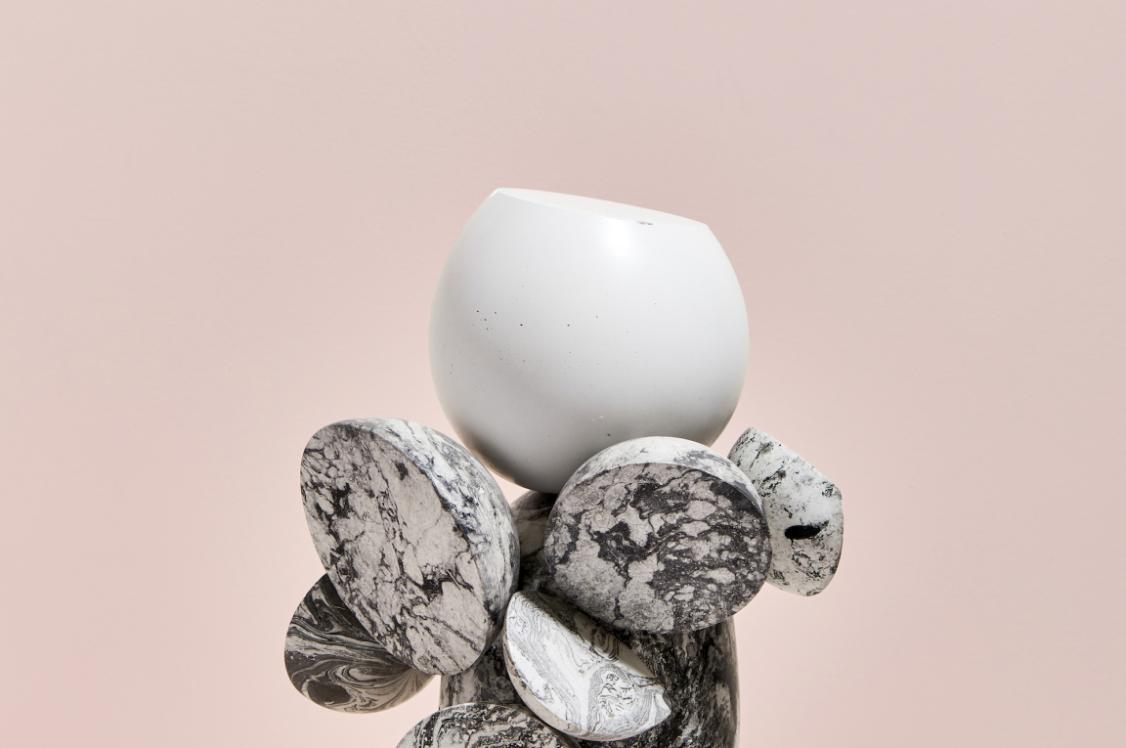
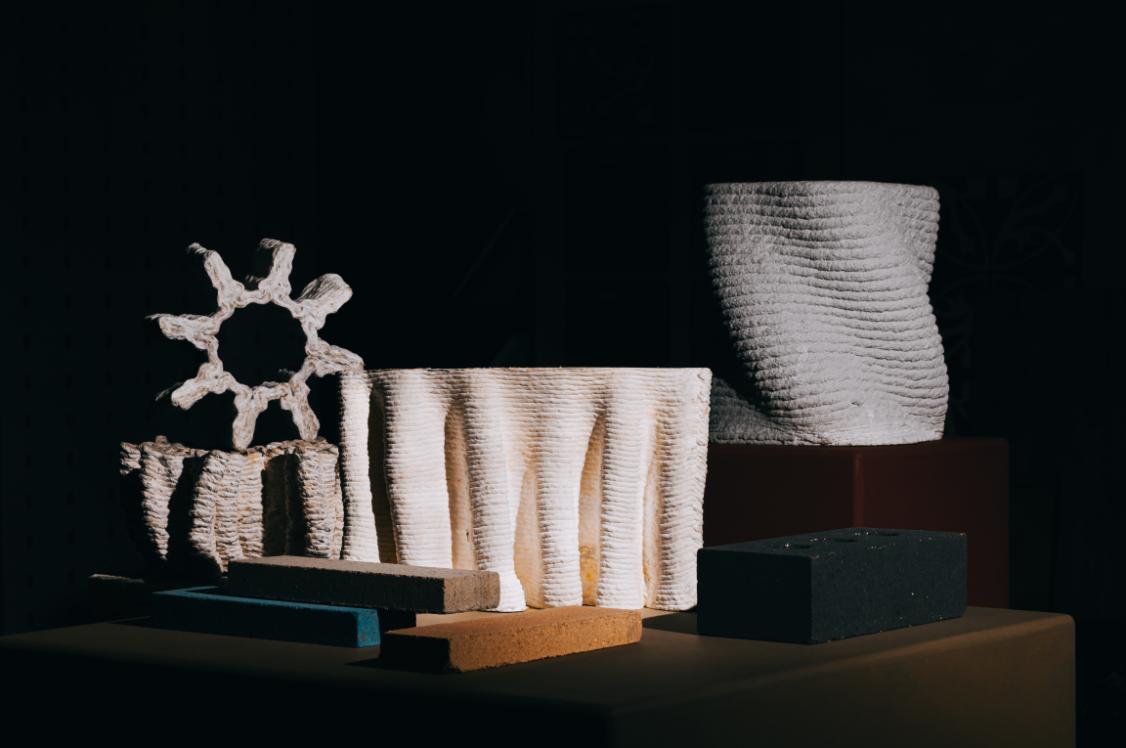
Wood captures carbon; hemp captures it quicker. Pine resin is a natural, traceable binder that can be combined with hemp and beeswax to create a strong composite. These stools showcase the development of an experimental, low-impact, naturally focused material approach into a finished piece of furniture.
Failure offers insight. A material may not be suitable for its intended use, but it may open a different path. Beeswax is locally sourced, low-impact and natural. Weak if misused, but tactile, soft, and capable if considered differently. These properties are explored through a series of trinket trays, a plant pot and a lamp.