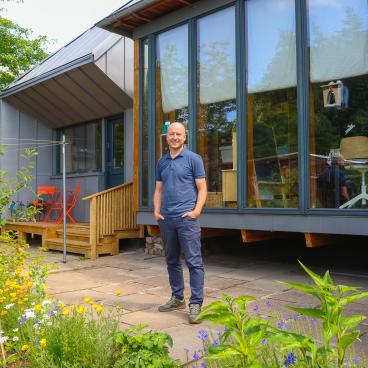
































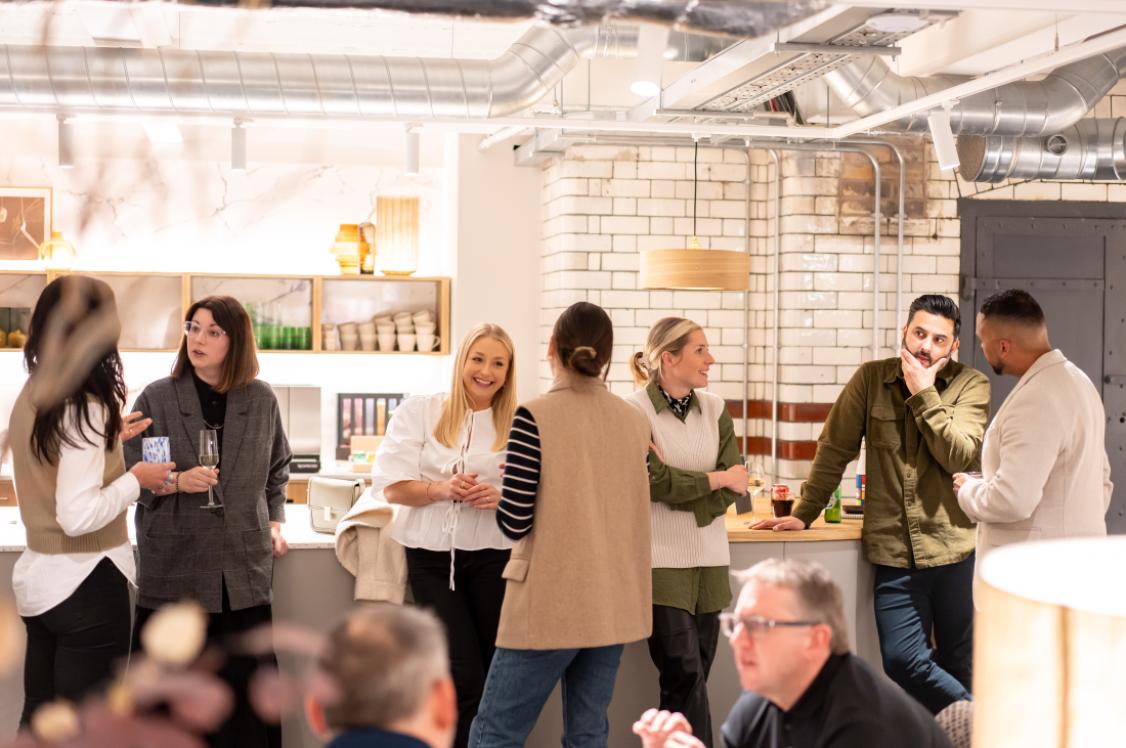






Nicola Wallis, group sales & marketing director, Scarborough Group International - new asset classes to shifting communities.

Credit: Tim Ainsworth
Nicola Wallis is group sales and marketing director at Scarborough Group International, with a career rooted in placemaking and regeneration. On speaking to Nicola, it’s obvious her work is her genuine passion. And a vast knowledge and understanding of the property sector is offered as a result.
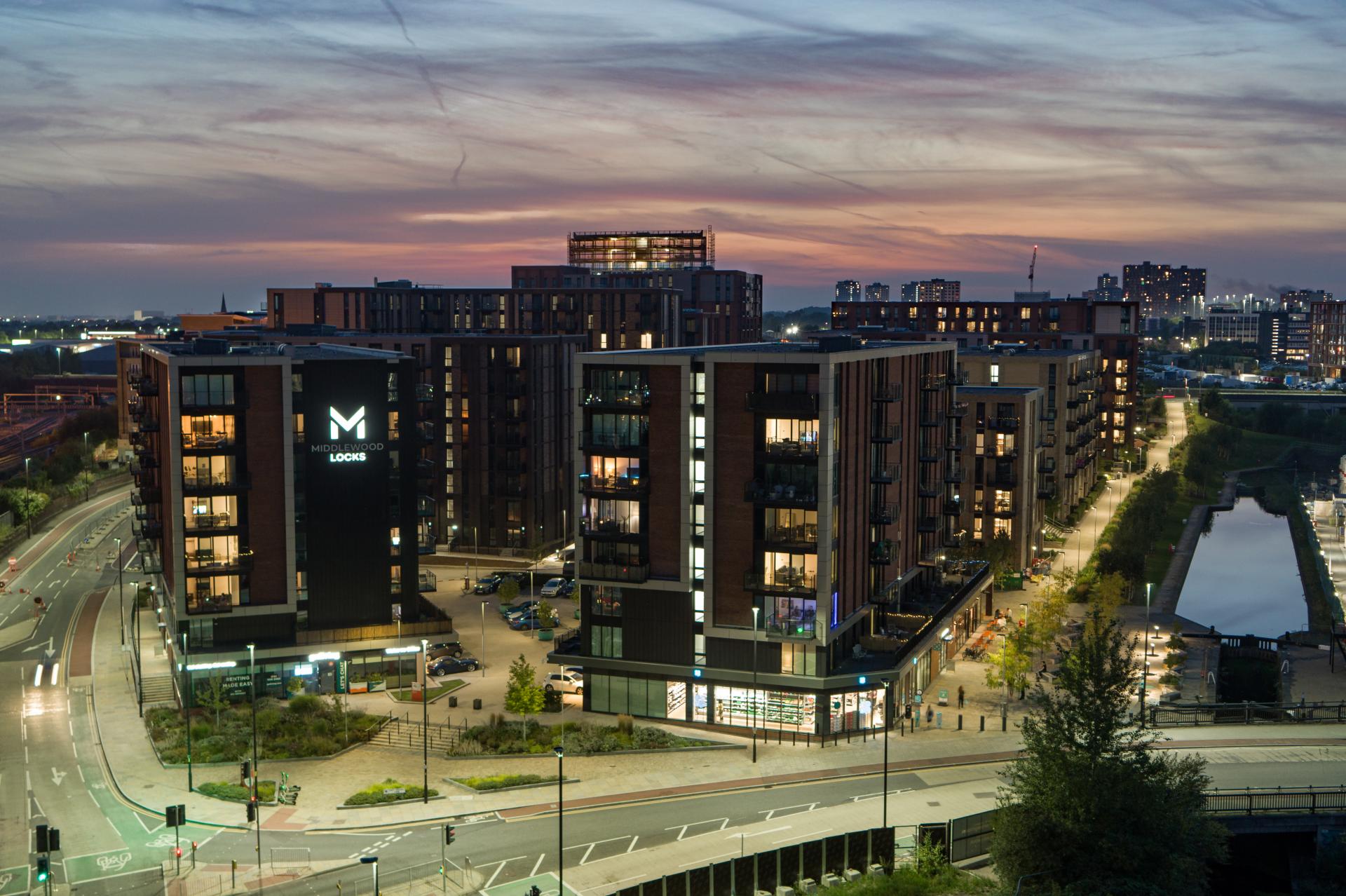
After 13-years at Urban Splash, where she helped pioneer city-centre living across the UK, she joined family-firm Scarborough Group International and opened the Manchester office, shaping its residential brand and helping bring the billion-pound Middlewood Locks development in Salford to fruition.
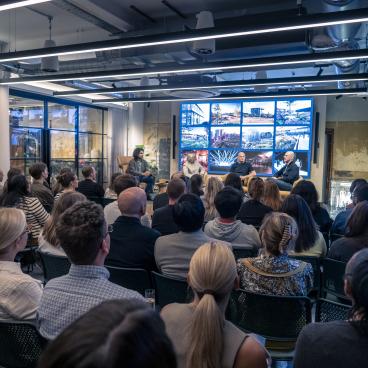
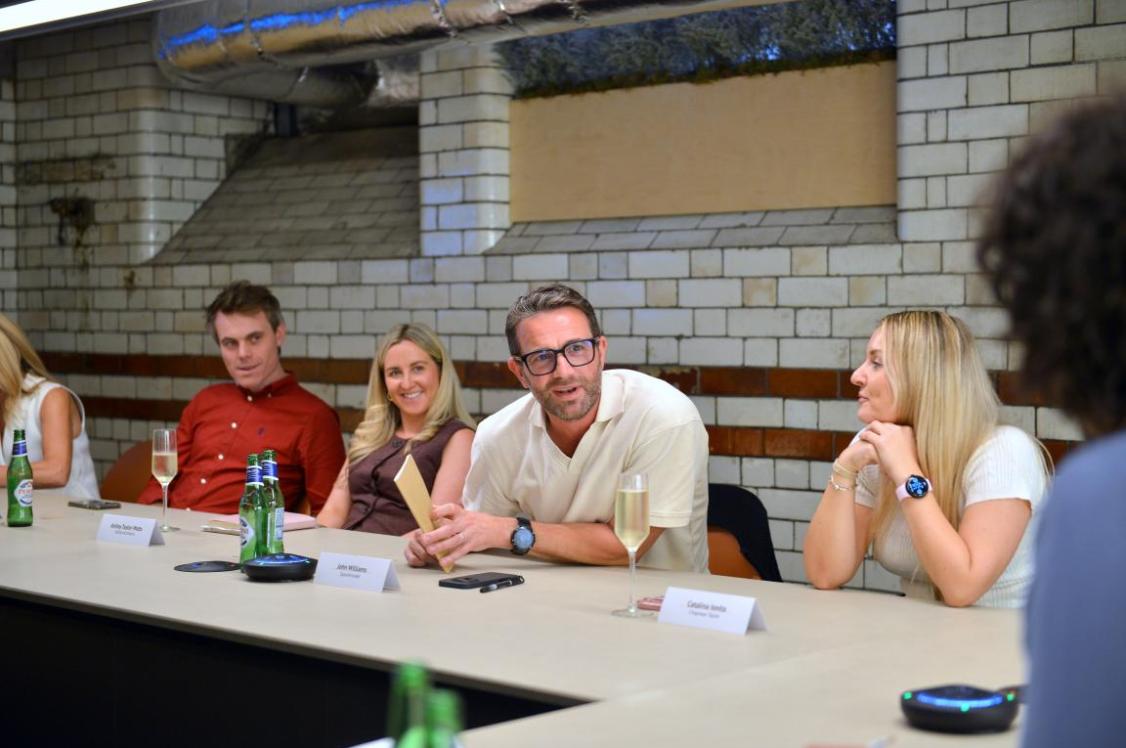
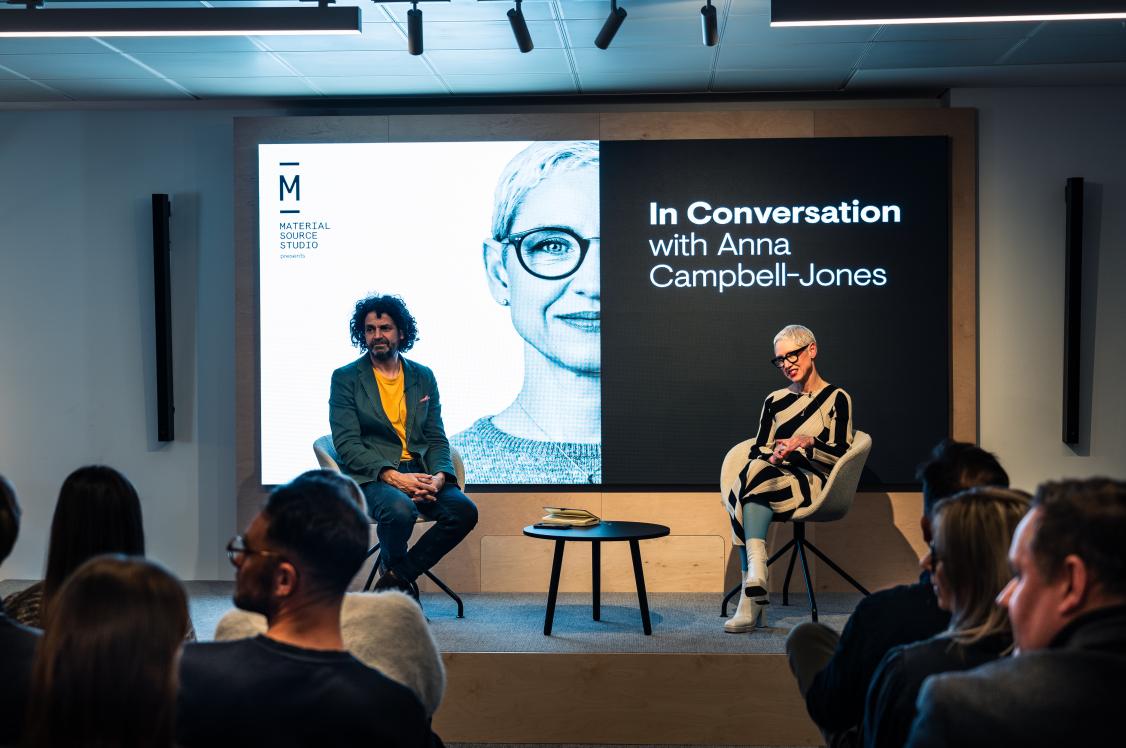
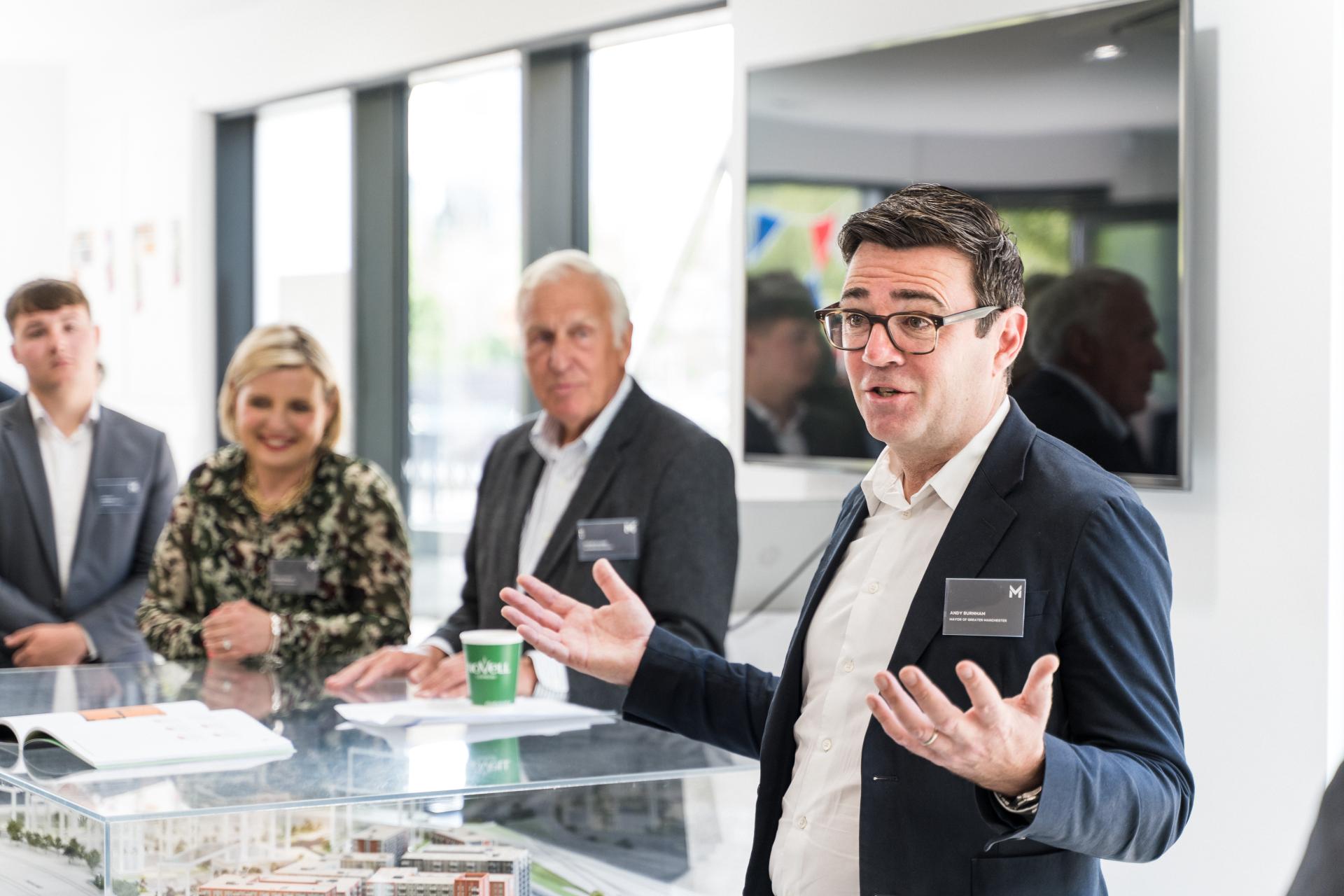
At our recent Manchester Property Seminar, Nicola sat on the panel alongside Nathan Cornish, Urban Splash, and Martyn Evans, Landsec, in conversation with Chair, David Smalley, director at Material Source Studio. Ahead of the event, we visited Middlewood Locks in Salford for a tour around and to have a chat with Nicola about her varied professional life to-date.
In the piece to follow, we document our discussion on what it takes to deliver long-term neighbourhoods, from the partnerships behind major regeneration and the realities of funding and investment, to how design, community, and connectivity are changing the way people live in our cities.
You’ve had an enviable career in property, beginning in the early days of Urban Splash. Can you give us a snapshot of your career to-date?
“I’m the Group Sales and Marketing Director at Scarborough Group International. Before that, I spent around 13-years at Urban Splash, which is where I really got my grounding - and passion - for placemaking and regeneration. I was Sales Director across the UK, so I worked in lots of different regions. I joined Scarborough Group nearly 13-years ago, opened the Manchester office as the first Manchester hire, and set up the residential brand. My first project here was Hatbox in New Islington, and the big long-term regeneration project has been Middlewood Locks, which I’ve worked on for nearly 13-years.”
In a nutshell, who are Scarborough Group International?
“Scarborough Group International is a family business and is one of the UK’s most active regeneration specialists in property development. This year is a big one for us: Middlewood Locks is celebrating its 10th anniversary, and Scarborough Group is celebrating its 50th. We’re a property developer with a very varied portfolio - residential, mixed-use, large regeneration schemes, shopping centres, hotels and commercial.
“A big part of our identity is partnerships and long-term relationships. We often work with the same architects, contractors and consultants, and we also have strong relationships with public sector partners like National Housing Bank, Homes England, Salford Council, and other councils across the UK.”

How do you choose the architects and consultants you work with - and do you always use the same teams?
“It’s a combination of relationships and specialist skill. For a large regeneration project like Middlewood Locks, the team around you is crucial. Our architect at Middlewood Locks is Whittam Cox, and they’ve been involved from day one. What’s special is that many of the people who started on this project are still involved now, and they’re committed to seeing it through. Relationships matter because development can hit many headwinds during the course of construction which are beyond our control - Covid, Brexit, government changes, interest rates, legislation… so it’s about how you navigate those challenges and pivot together as a team.”
When we met for a tour of Middlewood Locks, you mentioned some initial international investment – was that crucial to getting the project off the ground?
"For a development on the scale of Middlewood Locks - around a billion-pound scheme - you need multiple funding sources. Some funding comes from Banks and the public sector, such as bodies like Homes England, but it’s hard to deliver the homes the UK needs without investment from outside the UK as well. For us, it’s about trust and relationships. Our chairman, Kevin, has worked with our joint venture partners in Singapore for decades, built those relationships through his work in Asia, and brought that investment into the UK. That long-term trust is what makes these partnerships work.
“In my first week at Scarborough Group International, I was on a plane to Hong Kong to pitch our Manchester residential business to our now JV partners, Metro Holdings – thankfully, it went well!”
What does your day-to-day look like?
“It’s really varied. I’m involved from the earliest stages - master planning conversations with the architects and the Council - through to branding, marketing and design. I sign off apartment layouts, specifications and finishes, then bring homes to market: sales strategy, pricing, target audiences and overseeing the management of our residential buildings once they are occupied, working closely with our Managing Agents. I am also responsible for customer care and events.
“So, it’s everything from ‘spade in the ground’ right through to moving residents in and supporting them once they’re living here. Even details like naming buildings and streets, or the approach to wayfinding - because the detail really matters and you need everything to feel like part of the same place and brand.”
Can you share an example of how partnerships and community play out?
“A great example is how the Middlewood Locks festival started. A contact at Salford Council asked if I could meet the Canal Association for a cup of tea - they cared deeply about the canal, which runs right through Middlewood Locks, but it wasn’t open or being used. That conversation brought in the Canal & River Trust; we got the work done to reopen the canal, and then we held a festival to celebrate. It was so successful we decided to keep doing it. A lot of the best outcomes really do come back to people, and the building of relationships.”
How has city living - and the property market - changed since you started?
“Fundamentally. When I started selling property in Manchester with Urban Splash, there was hardly any apartment living, and rentals essentially didn’t exist in the city centre. Estate agents only dealt with sales. There was even a development off Deansgate (Rozell Square) which was built in the 70s with lease restrictions against letting - that shows how unheard-of renting in the city was at the time.
“Most buyers were owner-occupiers, and because the market was young, there was huge growth opportunity. Over time, as people moved out, remortgaged, or rented out their homes, that helped build the buy-to-let market. Later, build-to-rent evolved as an asset class in the UK, influenced by other countries such as the US. Today there are many more ways to live in a city - and we’re also better connected to surrounding towns, which gives people more options.”
Which asset classes are performing well, and what do you think is missing?
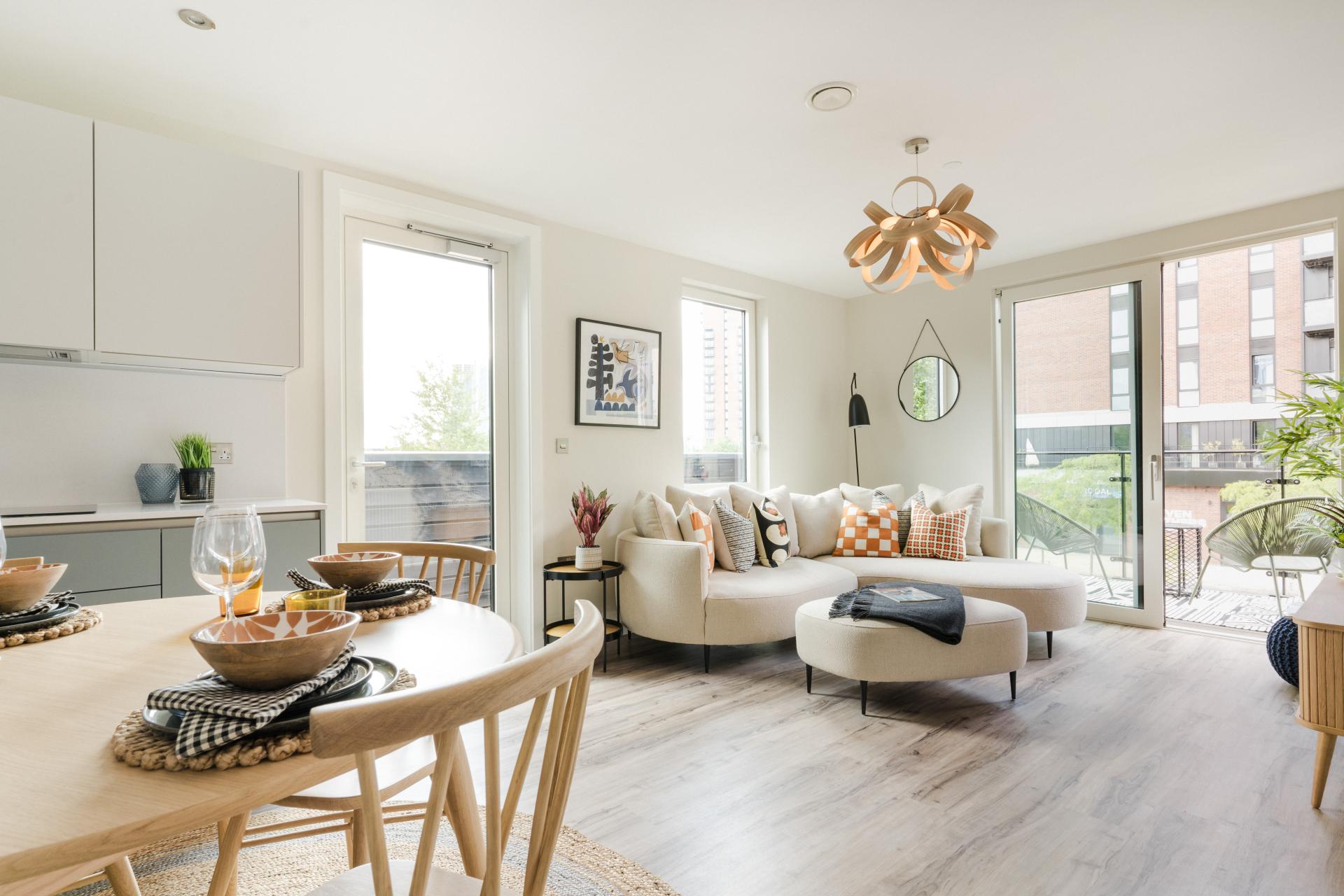
“Rentals are doing very well. What’s interesting is that some of the ‘headline’ amenities people assumed tenants would want - cinema rooms, dining rooms, podcast studios - aren’t always top of the list. People prioritise transport links, outdoor space, community, safety and connectivity.
“At Middlewood Locks we can also think differently about amenity: it doesn’t all need to sit within one building with a high service charge. It can be spread across the neighbourhood - landscaping, public realm, third-party gym operators - so it builds community and keeps costs more sustainable.
“What’s missing is support for first-time buyers. We need something like Help to Buy - or a new government-backed scheme - because it’s still hard for people to get on the ladder. Help to Buy was a great government-backed initiative that helped first-time buyers into home ownership. In our first phase at Middlewood Locks, more than a third of homes were sold using Help to Buy, and it genuinely brought the average age of a first-time buyer down in our neighbourhood. I think people do want to buy and own their own home; many just don’t have the opportunity because of affordability.”
Do you think the narrative is wrong that ‘people don’t want to buy anymore’?
“I do. From what we see on the ground, people want to buy their own home - it’s freedom, it's security, and it’s also a way of building longer-term financial stability. Homeownership can also contribute to your ‘pension pot’, especially with uncertainty around pensions long-term.”
What emerging trend are you watching most closely?
“Later living. I think it’s an emerging asset class in cities and we need to do more to future-proof developments for it. At Middlewood Locks the demographic is already very varied - first-time buyers in their early 20s through to downsizers in their 70s, plus families, friends buying together, siblings buying together, and mixed tenure including private rental and BTR. We’re seeing later living happen organically already, and I think it will grow as more people plan earlier for how they want to live ‘after work.’”
What’s driving downsizers and later-living buyers into city neighbourhoods?
“A few things: lifestyle, community, security, reducing bills and upkeep, and having amenities and transport connections on the doorstep. There’s also the ‘lock up and leave’ factor - being able to travel and feel confident your home is secure, often with building management and neighbours close by.
“One story that stayed with me: a resident downsized from a family home with a swimming pool that was quite remote after getting a very high quote to replace windows. She moved to Middlewood Locks and said within two weeks of living here, she’d been out more than she had in the previous two months of living in her old home. That’s the lifestyle shift.”
Have you designed Middlewood Locks with later living and accessibility in mind?
“A lot of it is built in through the fundamentals: level access, wide pedestrian routes, good lighting, secure parking, and apartments that are accessible. You can walk through the neighbourhood without dealing with steps in many routes. We’re also seeing people plan across generations - like siblings buying together, and parents buying nearby to visit - so the neighbourhood supports different life stages naturally and is very sustainable.”


What makes Middlewood Locks feel distinctive as a place?
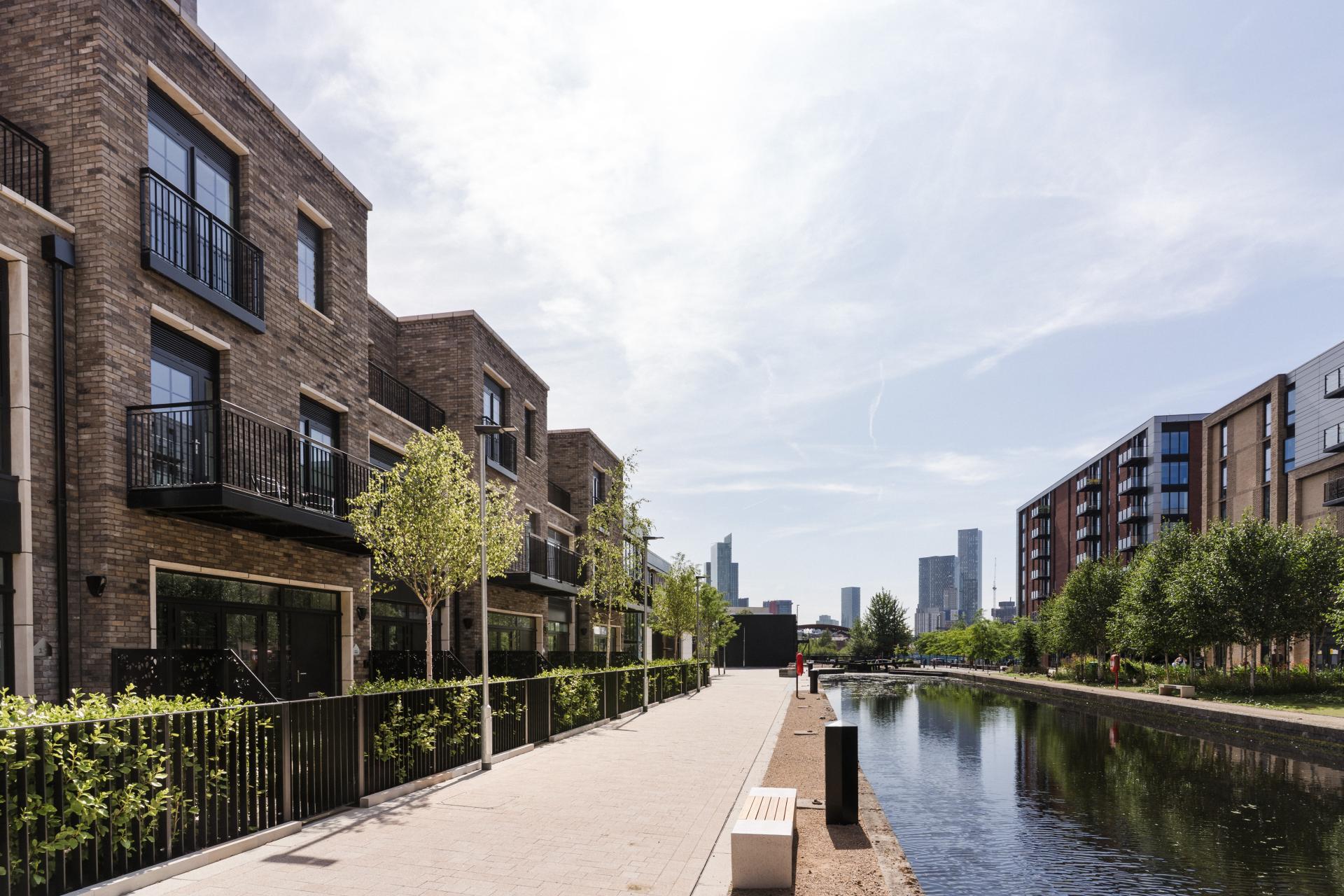
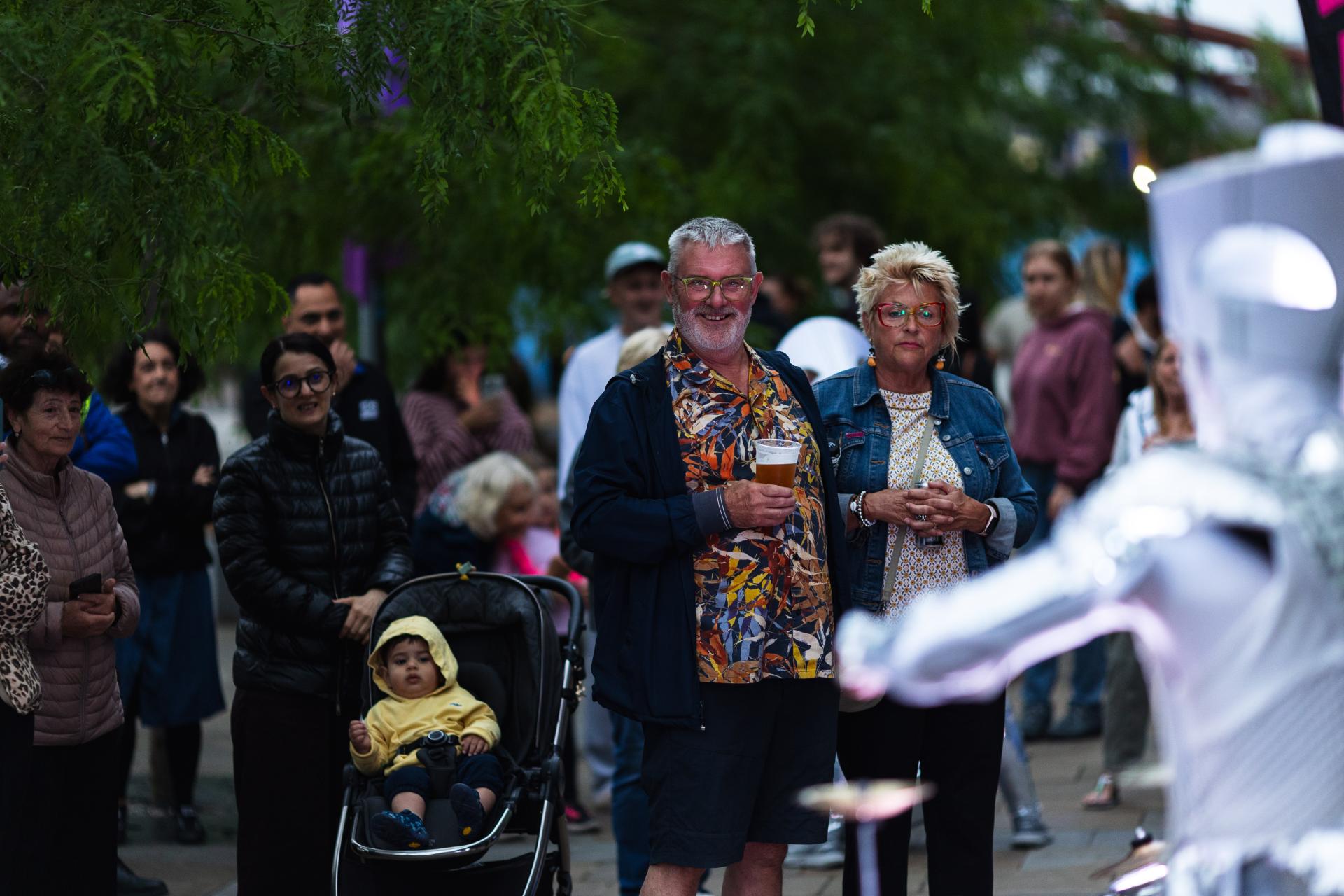
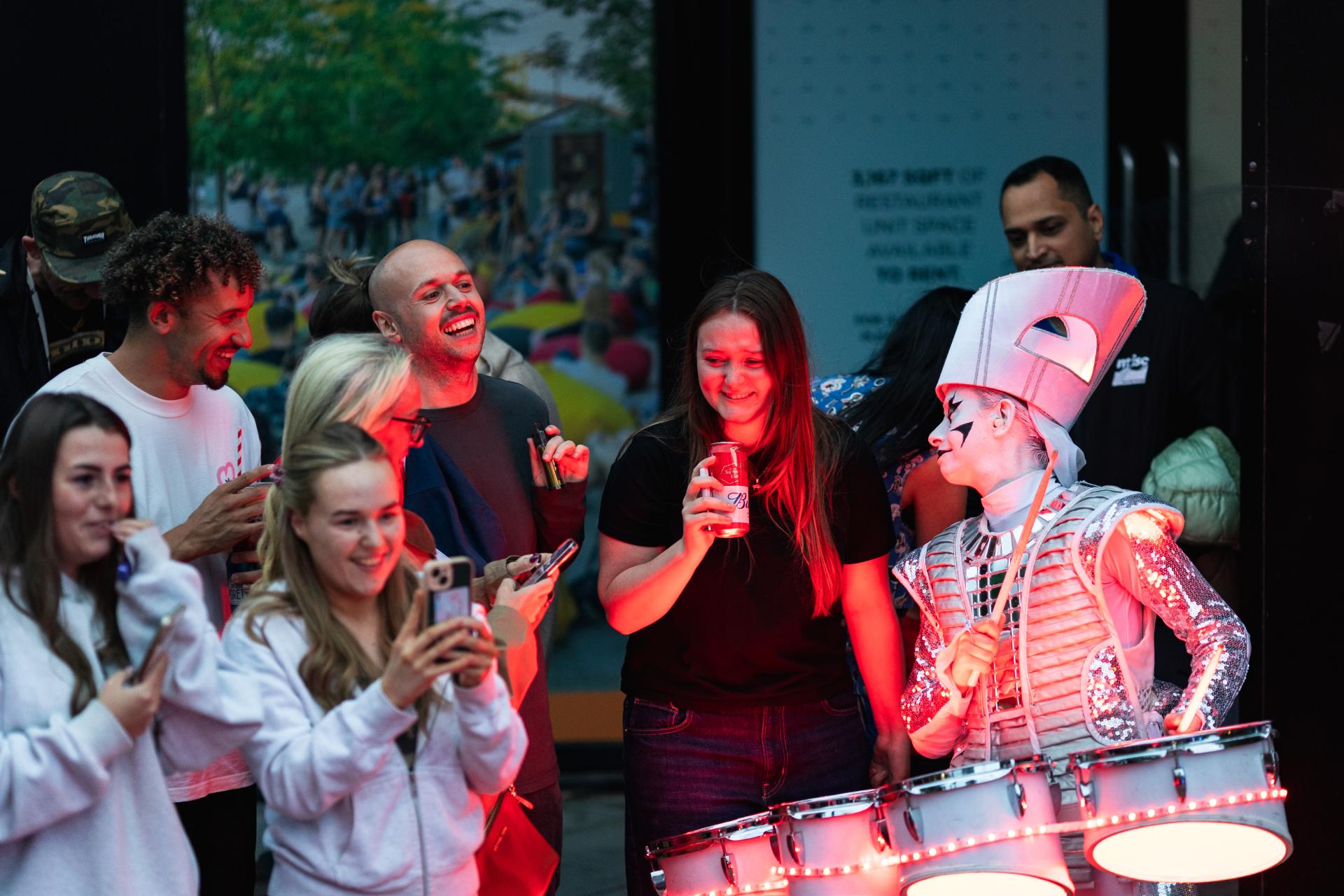
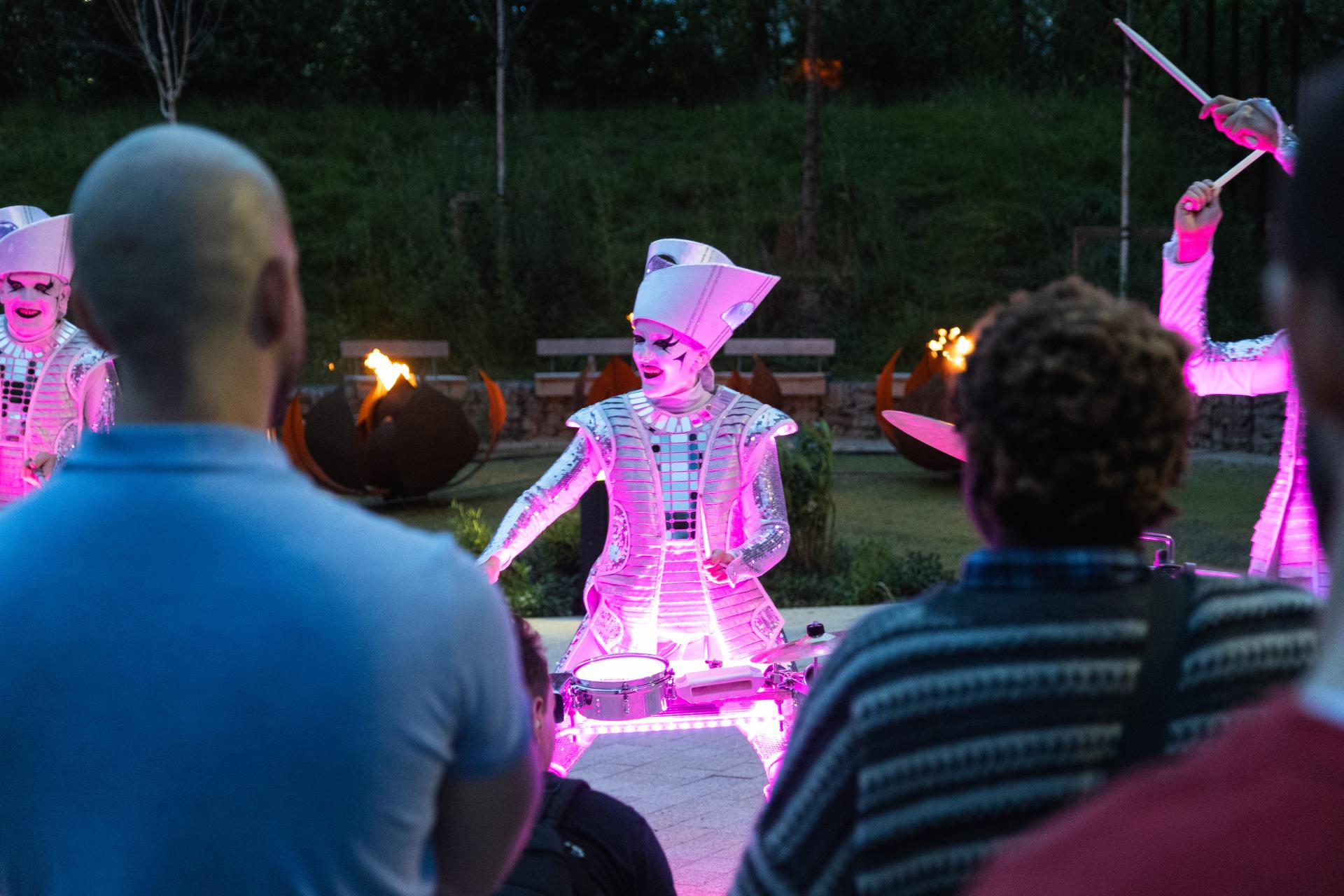
“The combination of proximity to the city with a calm environment. The canal is a big part of it - water brings a sense of peace, and we’ve created landscaping and public realm that feels like a green-and-blue oasis. It’s ‘city living,’ but with biodiversity and pockets of calm, which is quite rare. And the community mix makes it feel like a real neighbourhood, not just a development. Many of our residents move into bigger homes within the neighbourhood as their lifestyle needs change. This is wonderful to see that people are moving around the neighbourhood as opposed to moving out. We are fostering a truly sustainable community at Middlewood Locks.”
What’s coming next for Middlewood Locks?
“The future phases are exciting because the scale and mix will step up. So far, the phases of homes have been on a very human scale, with the tallest building around 12 storeys. We’ll be going up to around 32 storeys for a more iconic ‘flag post’ building.
“The closer we get to the city, the more mixed-use it becomes - more commercial space, active ground floors, a major public square as a sense of arrival, and a half-acre public park by the canal for the community to enjoy. We see it evolving into more of a destination - restaurants, bars, a hotel - and as a gateway site to the city, near Factory International.”
You’ve just become a member of the CyanLines initiative - what does membership mean in practice?
“It's wonderful to be part of such a fantastic initiative. One of the routes comes through the heart of Middlewood Locks along the canal, which is brilliant. We’ll be involved in work to help clear pathways and support the wider vision. It’s about wellbeing and access to green space for everyone - particularly in a city where many people live in apartments and may not have access to gardens.
“As developers, we have a responsibility to get behind initiatives like this, especially where routes pass through land owned or managed by different stakeholders. The more landowners and developers who support it, the easier it becomes to connect the whole network of pathways, parks and waterways.”
Looking back, what do you feel most proud of about Manchester’s regeneration story having played your part?
“The growth has been tremendous, and the city now competes confidently on an international stage. That’s happened through strong council leadership, public sector involvement, and developers willing to take risks.
"I am incredibly proud of the vibrant neighbourhood we are creating at Middlewood Locks, which was once a brownfield site. It’s a genuinely sustainable place where everyone is welcome. So much thought has gone into the masterplan: setting buildings back from the canal to establish an area of space and calm, creating large pedestrian walking routes through the neighbourhood, delivering an abundance of public realm for community events and ensuring every detail has been considered, using the best quality materials to ensure the longevity of what is being created.
"The future phases will deliver more much-needed new homes with amenity spaces, public realm connecting the neighbourhood with more walking and cycling routes to the city. Our vision has always been to create a place that is welcoming and that everyone can enjoy, and it’s wonderful to see our vision becoming a reality."
As well as your role at Scarborough Group International, you sit on the Board at LandAid Northwest – tell us more
“Yes, this is something I’ve done for 4 1/2-years’ now. It’s a brilliant charity that is working hard to end youth homelessness, and ultimately for me this is about giving back. There are some incredible people who work in the property industry who get behind and support LandAid. The charity celebrates its 40th anniversary this year. What an incredible 40-years of raising vital funds to help give people who don’t have a home a safe place to stay."