












































Professor Robert Hairstans, head of the COCIS at Edinburgh Napier University, on timber for UK housing.
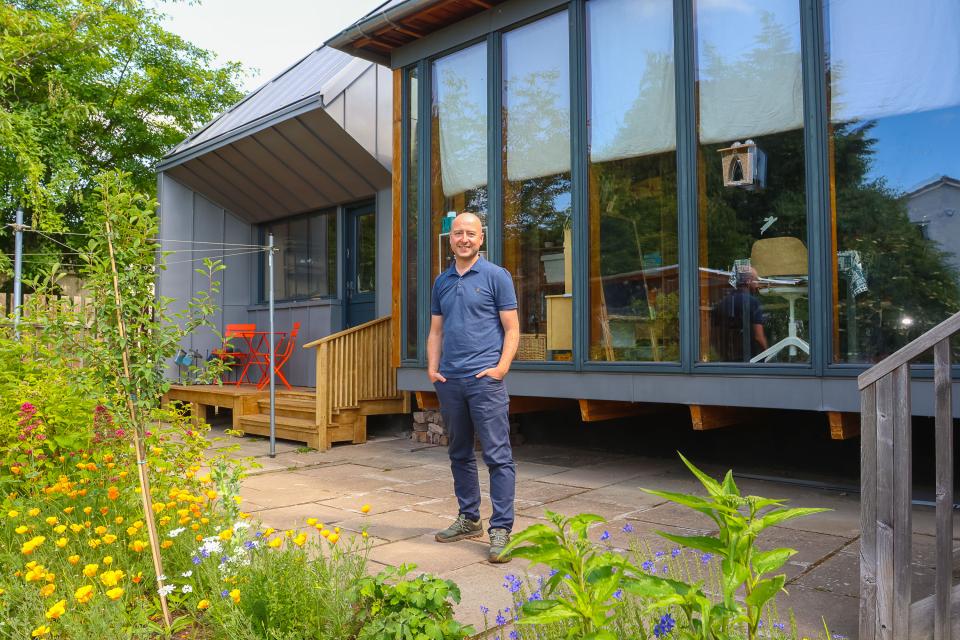
Professor Robert Hairstans is head of the Centre for Offsite Construction & Innovative Structures (COCIS) at Edinburgh Napier University and founding director of the Centre for Advanced Timber Technologies (CATT) at NMITE.
An internationally recognised expert in timber engineering, offsite manufacturing and modern methods of construction, he has dedicated his career to advancing sustainable, low-carbon building solutions through the integration of research, innovation, education and commercialisation.
Named Pioneer of the Year at both the 2024 Offsite Awards and Structural Timber Awards, Professor Hairstans is recognised for his transformational leadership, industry collaboration and commitment to accelerating timber construction as a key solution to meeting net zero and housing delivery ambitions.
With all of this in mind, and following the announcement by the UK Government that £10 billion will go towards building thousands more quality council, social and affordable homes, we recently caught up with Robert to ask how he believes timber could play a central role in their construction.
Can you tell us about your professional background and current role?
"My career has focused on timber engineering, offsite construction, industrialised building systems and sustainable construction innovation. For over two decades, I've worked across research, education and industry to help accelerate the adoption of more productive and sustainable approaches to construction. The emphasis has been on structural timber systems and ancillary products such as wood fibre insulation and includes supply chain integration, commercialisation of research and adding value to the home-grown timber.
"Today, I am Professor of Offsite and Industrialised Construction at Edinburgh Napier University and founding Director of the Centre for Advanced Timber Technologies (CATT) at New Model Institute for Technology and Engineering (NMITE). Across both roles, my focus is on bringing together research, education, policy and industry to develop solutions that help address climate change, improve construction productivity and support the delivery of high-quality buildings.
"More recently, I've been involved in supporting the implementation of the UK Government's Timber in Construction Roadmap, including chairing the workstream focused on skills, capacity and competency across the supply chain. This reflects a long-standing belief that innovation alone is not enough. We also need the skills and knowledge to deliver change effectively. In response to this our existing Timber in Construction Skills (TiCS) programme is a CITB-funded initiative designed to accelerate the UK's transition to low-carbon timber construction through new training pathways, professional development and industry-led learning resources.
"Led by Donaldson Timber Systems, the programme brings together BE-ST, Edinburgh Napier University, NMITE, Timber Development UK (TDUK) and the Structural Timber Association (STA) to build the skills, competence and confidence needed to deliver the next generation of sustainable buildings."
What sparked your interest in timber?
"What first attracted me to timber was its ability to address multiple challenges simultaneously. Construction has traditionally relied on materials that are both carbon intensive and resource intensive. Timber is different. It is renewable, stores carbon absorbed during tree growth and can be engineered into highly sophisticated structural products. At the same time, it lends itself particularly well to offsite manufacturing and industrialised construction.
"Given the productivity challenges of construction this is equally important. Plus, if you add value to local resource you create jobs and value return to society which if through well managed forest has broader environmental gains. So, if we are serious about addressing climate change while improving productivity and housing delivery, then timber has to be a major part of the solution.
"What continues to excite me is the pace of innovation and the opportunity to accelerate this through improve educational models. Whether it's mass timber, hybrid structures, digital manufacturing, bio-based insulation or home-grown timber supply chains, there are still significant opportunities to unlock value from this remarkable material with correct skills and competencies at play."
Has timber been used in any kind of volume for housebuilding in the UK?
"Interestingly in Scotland it has. Scotland is widely recognised as the UK leader in timber frame housing, with timber frame accounting for at least 90% of new homes built in the country according to the Structural Timber Frame Association. This success reflects decades of investment in manufacturing capability, skills development and an integrated supply chain that has enabled timber systems to become the mainstream solution for residential construction. Timber frame is valued for its speed of construction, precision manufacturing, energy efficiency and ability to support Scotland's ambitious net zero goals.
"Whereas the rest of the UK and particularly England has a strong masonry-based housebuilding culture. This primarily because of misconceptions around durability, fire performance and long-term reliability. The reality is that modern timber construction is highly engineered, rigorously tested and capable of meeting demanding performance requirements. However, construction is naturally risk-averse, and changing established practices takes time.
"More recently, the understandable focus on building safety has led to additional scrutiny across the entire construction industry. That's appropriate and necessary. However, discussions around building safety have sometimes overlooked the substantial body of evidence supporting the safe and effective use of timber when specified, designed and constructed correctly.
"Many of today's barriers are therefore less about technical capability and more about confidence, competence, supply chain maturity and policy alignment. These are all areas identified within the Government's Timber in Construction Roadmap."
Can all of these challenges be overcome in the current social and economic climate, taking into account The Building Safety Act?
"I believe they can. The Building Safety Act represents a fundamental shift towards greater accountability, transparency and competence throughout the construction process. In many respects, these principles align very well with timber construction because successful timber projects already depend upon integrated design, precision manufacturing, quality assurance and effective information management.
"The challenge now is ensuring that clients, designers, contractors and regulators all have access to the skills and knowledge required to work confidently with structural timber systems. That's why competency frameworks and targeted education initiatives have become increasingly important.
"The UK also faces a unique combination of pressures: a housing shortage, skills shortages, productivity challenges and legally binding net zero commitments plus a major challenge with respect to retrofit and refurbishment. Timber and wood fibre-based products have huge benefits in this respect and can offer numerous positive contributions across all these areas.
"However, there need to be a joined-up approach to investment in innovation and education to drive this forward. Out with the old and in with the new talent and products that can make a tangible difference."
What are the sustainability benefits of using timber in housebuilding?
"The sustainability case for timber is compelling. First and foremost, timber is a renewable resource when sourced from responsibly managed forests. Trees absorb carbon dioxide as they grow, and when that timber is incorporated into buildings, much of that carbon remains stored for the life of the structure. Moreover, if these products retain value by employing the principles of circularity such as designing for disassembly and re-use that carbon can be locked in longer. And that carbon is locked into high performing buildings which minimise operational energy use.
"Then there are the broader benefits too. Increased timber use can support sustainable forestry, strengthen domestic manufacturing, create skilled green jobs and the buildings create are not just efficient they are good to be in particularly when biophilic design principle is embraced. If the built environment is responsible for a substantial proportion of the UK's carbon emissions, then it follows that the materials we choose matter enormously. Timber gives us an opportunity to reduce emissions while creating attractive, healthy and efficient places to live."
Are there exemplar uses of timber in housing in neighbouring countries? And lessons we can take?
"Absolutely yes and our work has captured this.
"Some of the strongest examples come from Austria, Sweden, Finland, Norway and France, where timber construction has been supported through long-term government policy, investment in skills, research and manufacturing capacity.
"In Austria for example this has been through a combination of supportive building regulations, public procurement policies and sustained investment in timber research and innovation, the country has developed a highly sophisticated timber construction sector. Sweden and Finland have similarly embedded timber into housing delivery through national strategies that link forestry, manufacturing, skills and climate objectives. In Sweden, timber is now widely accepted as a mainstream construction material for both low-rise and multi-storey housing, supported by a mature, industrialised timber supply chain.
"France has taken a different but equally important approach by introducing public policies and environmental regulations that encourage the use of bio-based materials, including timber, within new developments. Norway has also demonstrated how public sector leadership and procurement can help accelerate market confidence and adoption. The key lesson for the UK is that successful timber sectors do not emerge through technology alone. The countries achieving the greatest uptake have taken a coordinated "forest-to-building" approach, aligning forestry policy, education, skills development, manufacturing investment, planning frameworks and public procurement around shared environmental and housing objectives.
"Scotland demonstrates that this can work within the UK context. Over 92% of new homes in Scotland are now built using timber frame systems, supported by a mature supply chain and strong industry capability. The opportunity now is to scale these lessons more widely across the UK. By combining long-term policy certainty with investment in skills and domestic timber supply chains, we can increase housing delivery, reduce embodied carbon and create greater economic value from our own forestry resources.
"Ultimately, the international evidence shows that timber adoption is as much a systems challenge as a construction challenge. Countries that have succeeded have created joined-up ecosystems that connect sustainable forest management, manufacturing, design, regulation and education. That is perhaps the most important lesson of all."
What are your hopes for timber use following the government's funding commitments for council and social housing?
"I see a tremendous opportunity. The UK needs to deliver large numbers of high-quality homes while simultaneously reducing emissions and improving building performance. Timber can help achieve all three objectives.
"My hope is that local authorities and housing providers move beyond simply considering upfront capital costs and instead focus on whole-life value. Factors such as operational energy performance, resident wellbeing, carbon reduction, build quality and speed of delivery should all form part of the decision-making process.
"See the work we have done on the Edinburgh Home Demonstrator Programme for example, The EHD Programme, which has shown how timber-based modern methods of construction can support the delivery of high-quality, low-carbon homes while creating measurable social, environmental and economic value. Through a series of demonstrator projects, EHD has explored whole-life carbon assessment, digital construction, performance monitoring, circular economy principles and resident-centred design.
"Importantly, the programme has demonstrated that sustainable housing is not simply about building fabric, but about creating healthy, resilient communities and generating evidence that can inform future policy and investment decisions. The lessons emerging from EHD reinforce the case for adopting timber and industrialised construction as part of a broader systems approach to delivering the next generation of affordable and social housing.
"I would also like to see greater support for UK-grown timber and domestic manufacturing capacity. The Government has made clear its ambitions for increasing timber use, strengthening supply chains and supporting economic growth through the Timber in Construction Roadmap. Housing investment provides an important mechanism to help realise these ambitions in practice.
"Ultimately, social housing can act as a catalyst for innovation and showcase what sustainable, low-carbon housing delivery can look like at scale. Which is pertinent given the UK Government's new £39 billion Social and Affordable Homes Programme, described as the biggest boost to social and affordable housebuilding in a generation, provides a significant opportunity to scale the delivery of high-quality, low-carbon homes.
"With ambitions to deliver around 300,000 affordable homes, including at least 60% for Social Rent, the programme should create the long-term certainty needed to invest in timber construction, modern methods of construction and UK manufacturing capacity, while supporting net zero objectives and addressing the housing crisis if whole life value procurement strategies are implemented."
For our readers that are architects and property developers, what's your message?
"My message is simple: engage with timber early and engage with it seriously. Don’t design and then think about using timber, thinking about your design with timber and natural sustainably products at the forefront of your mind. The construction sector is undergoing profound change. Net zero commitments, regulatory reform, resource constraints and changing client expectations are reshaping how we design and deliver buildings.
"Industrialised and engineered timber solutions have has evolved significantly since timber was first used for construction purposed. Today's engineered timber products and manufacturing technologies provide opportunities that simply weren't available in the past. The most successful projects are typically those where timber is considered from the outset rather than introduced later as a substitute material.
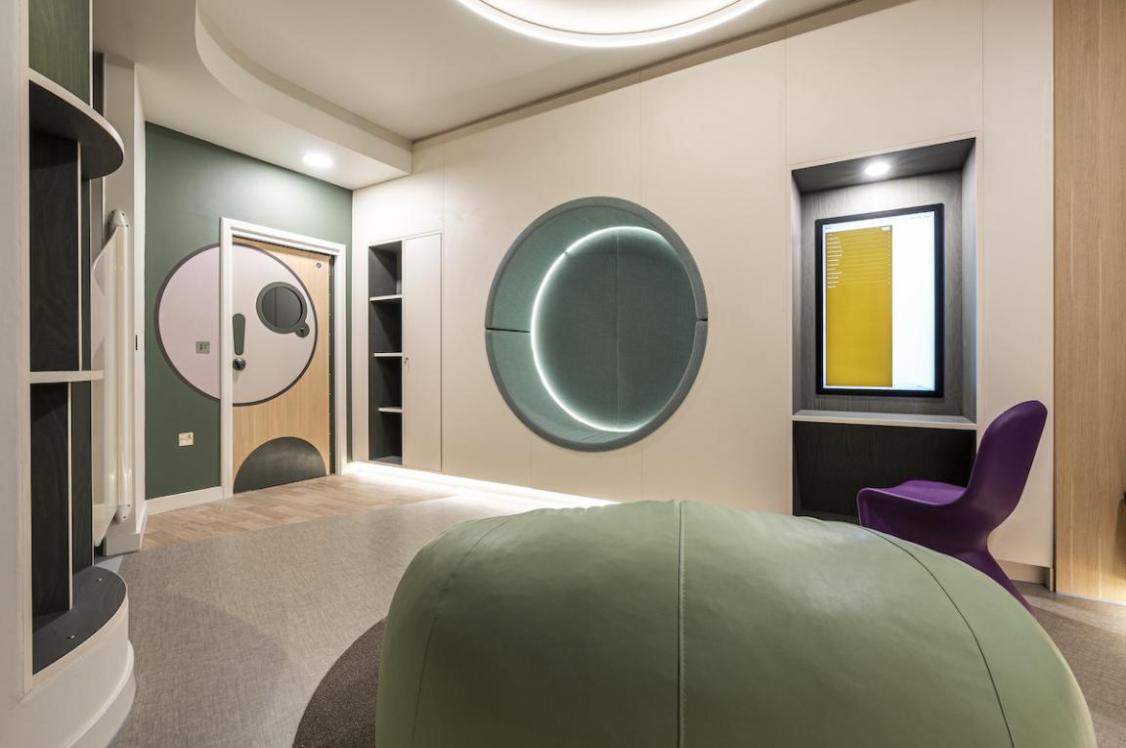
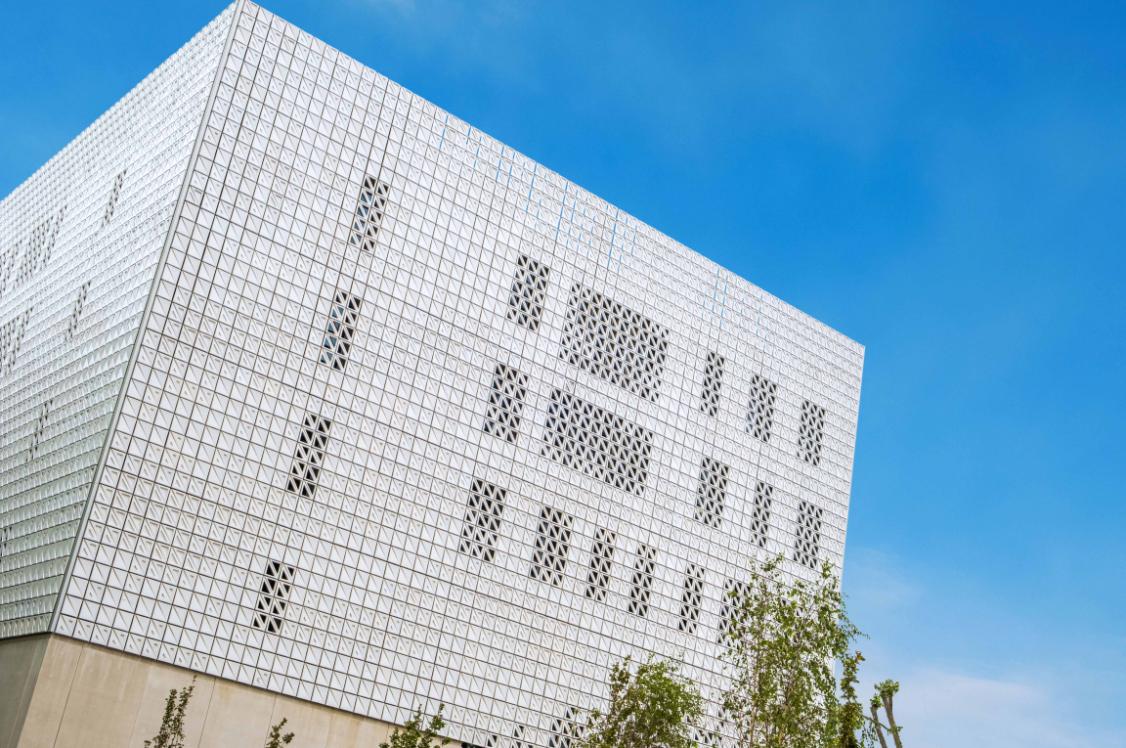
"For architects, timber offers exciting opportunities to create beautiful, sustainable and high-performing buildings that people love to be in – I can speak from the experience of my own home BBC iPlayer - Scotland's Home of the Year - Series 8: 1. East and where I work NMITE student campuses. For developers, it provides a route towards lower-carbon construction, faster delivery and future-ready assets.
"The organisations that invest in competence, embrace innovation and adopt a whole-life perspective will be best placed to thrive in the years ahead. Timber is not the answer to every challenge facing construction, but it is undoubtedly one of the most important materials available to help us deliver a more sustainable built environment."