





































Manchester Property: Community living – true or false?
In association with:



If you take a look at the ‘top places to live’ polls for 2026, the likelihood is that Manchester will get a mention. Most recently, it was the only UK city to feature on Oxford Economics’ new ‘cities to watch’ list. If you live or work here, or in the surrounding vicinity, you’ll probably be unsurprised by this. The city has undergone a staggering transformation in the last 10-years. And as part of it, a wide range of residential asset classes have emerged, catering for all the many ways people want to live - now, and into the future.
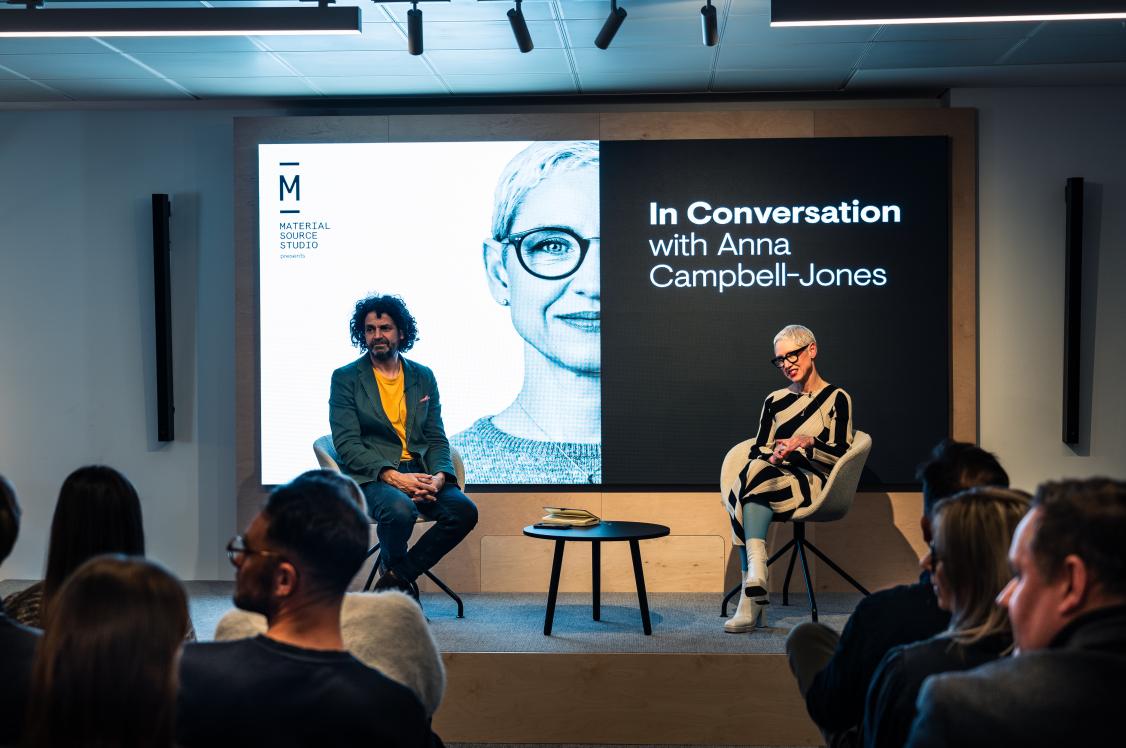
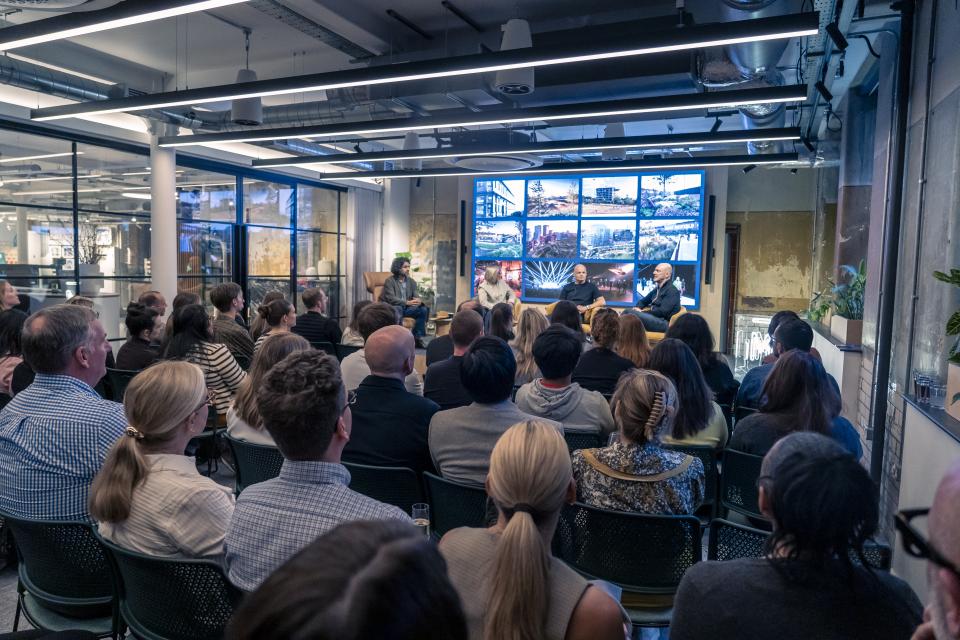
Taking stock of how far development has come over the last decade, with a look ahead to see where we’re going next, our recent Manchester Property seminar focused on community living. We asked the question, ‘true or false?’ with reference to the vertical neighbourhoods that dominate the city centre skyline sitting alongside existing estates and purpose-built schemes seeking to fuel social cohesion – how far do these go in spurring, then nurturing, genuine communities? Are some better than others? And whose responsibility is this; does it lie with the developer?
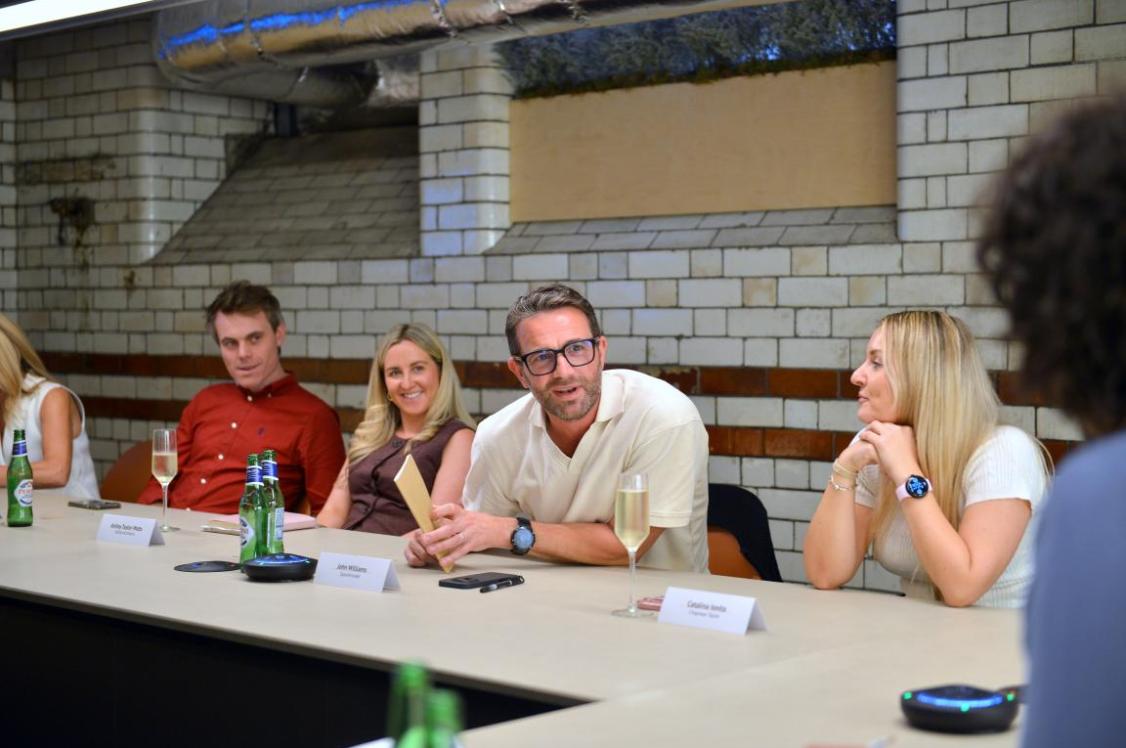
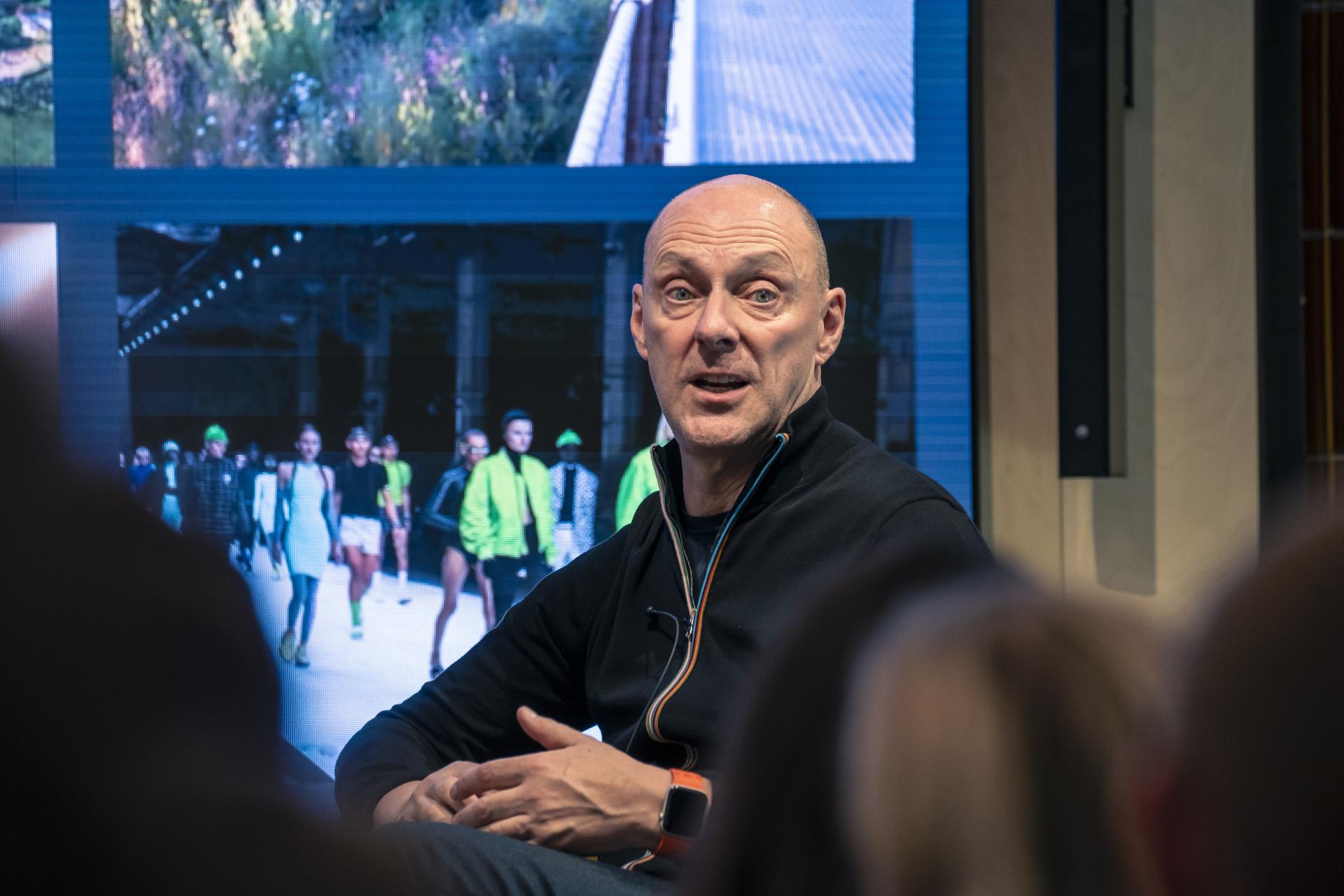
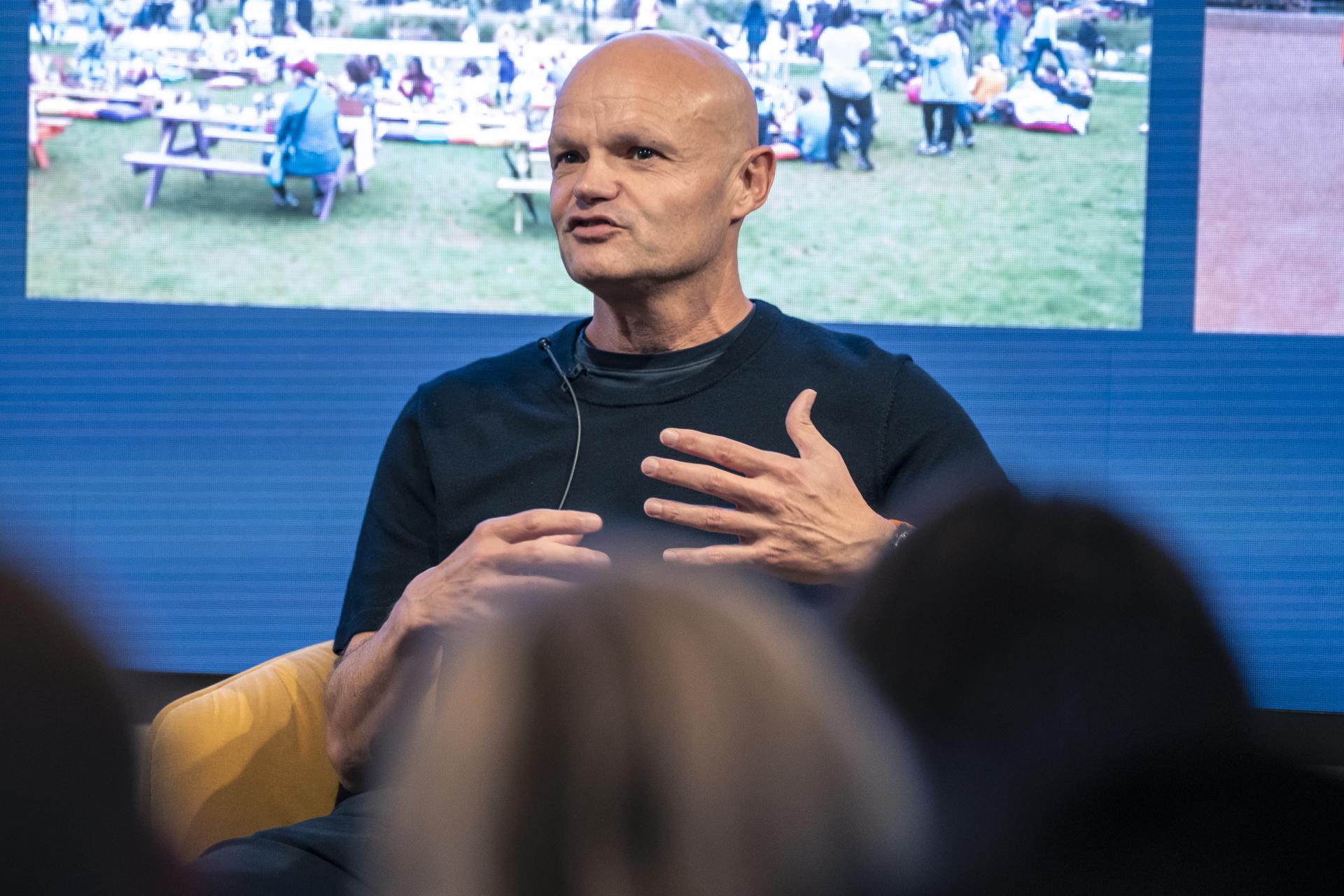
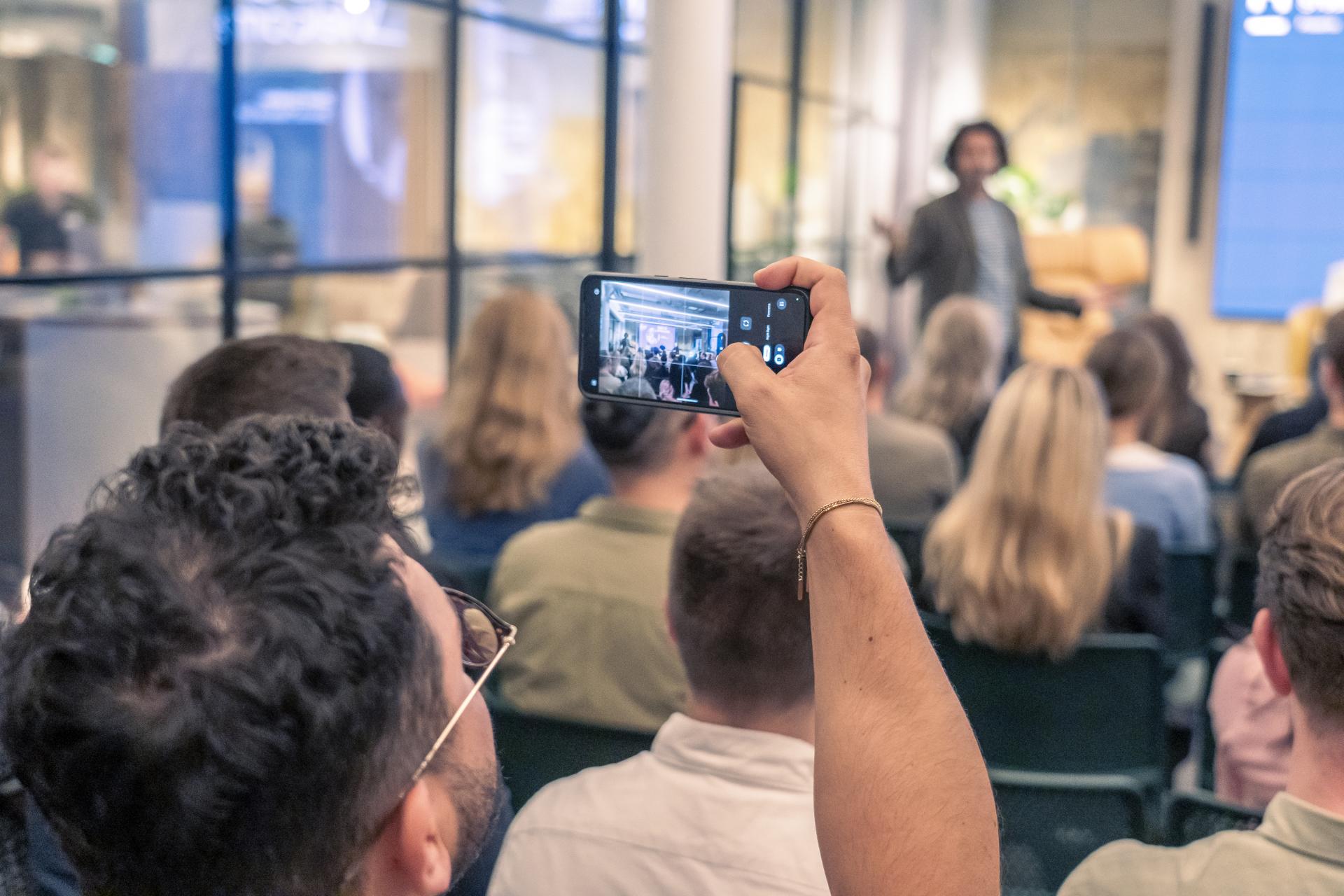
Who better to answer than a panel of experienced professionals from a selection of esteemed property firms: Nicola Wallis, Group Residential Sales & Marketing Director, Scarborough Group International; Nathan Cornish, Group Director, Urban Splash; and Martyn Evans, Creative Director, Landsec. In conversation with Chair, David Smalley, Director, Material Source, this topic of ‘community’ was tackled.
Creating the conditions
Martyn Evans is Creative Director at Landsec. Working on projects including Mayfield, which includes in its masterplan 2,000+ homes across the 30-acre site, plus the regeneration of MediaCity in Salford, Martyn has spent the last 30-years “building parts of cities and communities.”
To set the scene, he said, “Since we were hunters and gatherers, and we stopped hunting and gathering and started sitting down around a fire, we’ve been building communities. And that’s not anything to do with the people who built the mud huts, or the wooden huts, or the concrete buildings, the stone or brick buildings. It’s got to do with people who come together to form communities. The people who built the mud huts, and then the wood buildings, and then stone, and now brick and steel, create conditions in which those communities can thrive.
“That’s about it. We just have to create the conditions. In modern life in central Manchester, it means creating buildings that are beautiful; green spaces around them so you can breathe; and then room for the services that people need.”
The services, Martyn said, should provide range, be “of all kinds”. “Restaurants where you can spend a hundred pounds having dinner, or restaurants where you can spend £1.99 having a burger and fries.”
This, he commented, is very important – “you don’t want to create ghettos or enclaves.”
For Nathan Cornish, Group Director, Urban Splash, the encouragement of community simply starts with quality design. “What creates good communities? I think you can overdo this question. For me, it’s just starting with really good design, employing the right architects and the right designers, having some really strong ideas, and following through with them.”
The example he highlighted was New Islington. “The idea there was dead simple”, Nathan said. “It was designed by the fabulous, now late architect Will Alsop to connect the Ashton and Rochdale Canal, create south-facing bars and restaurants, a new park, and then lots of development plots. That was the combination of ingredients, really, and community as a result just happened.”
The lesson that can be taken from this, he added, is: “Stick to your principles, employ great architects, and the communities will happen themselves. You see a lot of people talking about ‘placemaking’ and ‘communities’, and they’re just overdoing it.”
“Placemaking” as a term has become grossly overused, believes Nathan. And what’s worrying, he said, is that people don’t understand what it means. “We started using that term 25-years ago, and now it feels to me like a lot of developers are using it to meet requirements of local authorities, public procurement partners, all that sort of stuff so I worry it’s not always for the right reasons. For us, it’s genuine.”

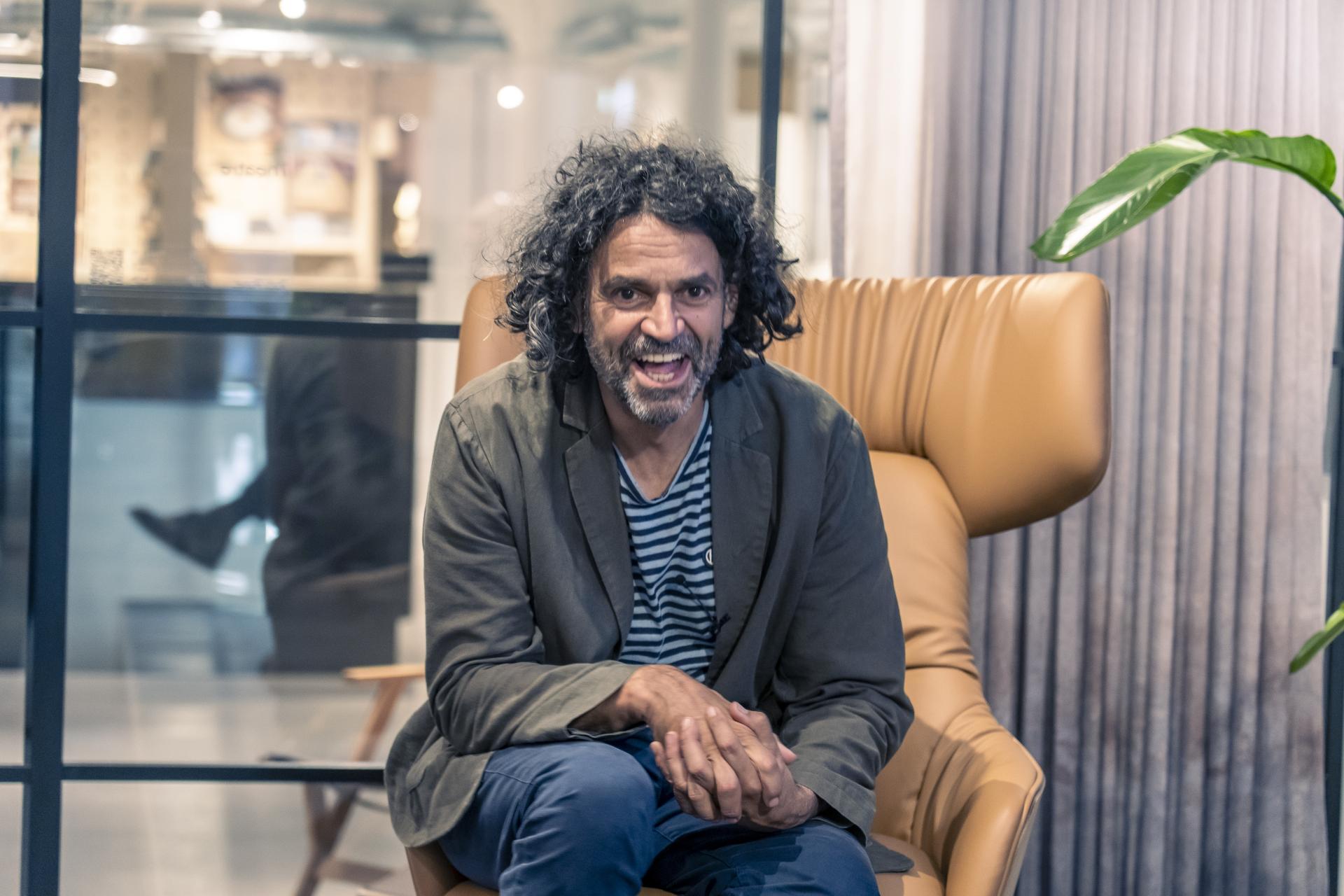
In a similar vein, Nicola Wallis, Group Residential Sales & Marketing Director, Scarborough Group International, suggested that by putting the right ingredients into a residential scheme, organic communities will be allowed to form. “What makes a community? I too think it’s all about people. Thinking about how people want to live in your homes, how they want to move around buildings, how they want to move around the neighbourhood. Get the ingredients right from the get-go.”
At Middlewood Locks in Salford, a 25-acre, 20+ year project that’s halfway through, providing 1,300 homes to people seeking city life along with proximity to green and blue space, Nicola shared that the masterplan was very much centred on the residents from the start.
“We can’t force community, but we can create the conditions for people to stay and move around a neighbourhood rather than moving out.” – Nicola Wallis, Scarborough Group International
Longevity – created by flexibility - Nicola believes is crucial to community. “We’ve had residents living in our homes for 8-years now. We’ve got BTR, we’ve got private for sale, we’ve also got private rental landlords. So there are different ways that people can live, and evolve, in the neighbourhood.”
Initially, the Government’s Help to Buy scheme was a positive force in helping first time buyers onto the property ladder, Nicola said, mentioning that “a third of our homes at Middlewood Locks in phase one were sold to first-time buyers on Help to Buy.” Many of those residents have now remained in the neighbourhood, Nicola added. “They’re staircasing up; they’ve moved into townhouses from one-bedroom flats: got married, now having their first babies at Middlewood Locks.”
Reiterating the point that community can’t be forced, Nicola affirmed that with the right ingredients in the mix – including support from the Government and public sector, it can be achieved.
The role of good design
“Why is design such an important part of creating successful places?” asked David.
At Urban Splash, it was Jonathan (Falkingham) and Tom (Bloxham) that put emphasis on this 30-years ago, said Nathan. Jonathan’s background in architecture instilled an “obsession” in the whole team for design detail, he explained.
“We’ve used some of the biggest architects to literally one-person bands. But it doesn’t matter if a practice is big or small; we like whoever has the best idea.”
“We live and breathe architecture.” – Nathan Cornish, Urban Splash
Taking a step back, David asked the panel to consider the ‘why’ behind what they do, “Why does it matter for developers that community is created?”
“Because the only way we make any money is by making people happy,” responded Martyn. “We make places, not property developments. We make places where people live. People stay in places and move up to 2-bedroom apartments, buy a 4-bedroom house when kids come along, and might stay in your Middlewood Locks for 30-years. What more success do you want than that? How else do you describe a successful place?”
Value, he said, is the form of measurement. “What makes a place valuable is by the amount of people who want to live there and who will pay more to live there.”
This then has a positive knock on effect for the community as a whole, Martyn argued. “The rents for the retailers will go up because they have huge success. Restaurants thrive, shops thrive, service businesses thrive and Section 106 affordable housing contributions are able to be viably delivered. We, as private sector developers, win when that happens. Good places are valuable, and valuable places keep our shareholders happy.”
“We’re all in this together, making places for people to be happy. And that makes us happy too, as private sector developers.” – Martyn Evans, Landsec
There’s also a pride that exists, commented Nicola, a feeling when walking around a neighbourhood of “we made that”.
Nathan agreed, adding that at Urban Splash “we don’t just build stuff and always exit. We build stuff and hold. We’ve got a million square foot commercial portfolio, and we’re going to be in these places for 40+ years. We have to think long term.”
From the audience, Peter Menken, Project Director, jmarchitects, asked a question about integrating new communities with those that are existing – “how do you actually ensure the integration of old and new communities?”
Nathan and Nicola (past colleagues at Urban Splash) spoke of New Islington, where public consultation was taken as far as allowing the people living in the existing 1960s low rise estate to choose the architect for their new home. They would be moved just once, Nathan said, and they were genuinely taken on the journey.
Out of 5 architecture practices, the community chose FAT (Fashion Architecture Taste), an art and architecture collaborative first established in the 1990s in London, and renowned for their bold, unmistakable style. The Dutch façadism you can see in New Islington, is the result of that appointment. “That, to me, is genuine consultation with the community that live there,” said Nathan.
At Middlewood Locks, Nicola used the example of the canalside being a place where residents and people from the surrounding neighbourhoods gather together and integrate. Because of this new waterside location, “house prices have lifted significantly across the whole area,” Nicola said.
She also mentioned the community events that are hosted at Middlewood Locks. “Every year now we have a big festival - a big, family, free, fun day out - where people come with a picnic, sit in the gardens, take part in all the activities, and enjoy the space. This is just one example. We make it welcome for everyone.”
Does the size of development or neighbourhood matter to how well community can be integrated and thrive? Martyn says not. It doesn’t take a 30-acre site for this to happen.
“If you’ve only got one building, you can still be part of a thriving community. You’ve just got to work out what your job is. What’s your role, that tooth in the smile? What’s your role in adding something significant to that existing community that doesn’t already exist?
“Every community’s got missing teeth. Every community’s got something that it needs. It’s upon you, as a single player, to go find out what that is, and work out how you can provide it." - Martyn Evans, Landsec
"Because if you can provide it, not only do you embed yourself in the existing community, you do something valuable.”



Challenges: Certainty & viability
One sentiment was shared by the panel as a whole: development has never been more challenging. For that reason, the concept of ‘community’ cannot be just a buzzword, said Nathan. It has to be understood and undertaken properly. And woe betide those that don’t.
“There are so many developers that talk about community, but then they’ve got a fancy PR consultant to front. You’ve got to look the community in the eye directly. You’ve got to face them. You’ve got to take it. Sometimes it can be really difficult. You’ve got to front it up. And if you don’t, that’s all you need to know about the developer. And I’ll stand by this: it is challenging being a developer."
"It’s hugely challenging," added Nicola, "we get curveballs all the time. We’ve had Covid, Brexit, changes of government, interest rate hikes. It’s really challenging. But the ones that genuinely care and are really passionate are the ones consistently showing up when things get tough. They’re still in the market. They’re still trying to find solutions."
Gateway Two was named as a specific challenge, paired with the need for more homes – but, “our hands are tied behind our backs,” commented Nathan.
“Our hands are tied behind our backs" - Nathan Cornish, Urban Splash
“The genuinely passionate developers are the ones still showing up day in, day out, embracing the challenge and trying to find a solution around it,” Martyn agreed.
“You just have to follow Tim Heatley on Instagram. Love him or hate him, the guy’s a genius. You just have to listen to the passion with which he walks around those empty buildings and tells his stories about what he might do in them. It’s a joy to watch.”
“You talk about challenges. Viability is a question. How are you dealing with viability of projects - the difficulty?” asked David.
“It is a challenge. It’s never been harder. Never.” said Nathan.
“Really? Including the Global Financial Crisis?” David probed.
“Yes, including 2008. But at least then there was still finance. People still had money. That one, there was a reason for it: huge debt, then a correction, and the government stepped in. This is like every time you turn a corner, there’s another heavy issue.”
There is, however, light at the end of the tunnel, Nathan shared. “There are signs: there’s a lot of government activity. There’s a lot of money coming in. There’s Local Enterprise Partnership, combined authorities. That’s accelerating and helping things. Even some projects in Manchester city centre now are needing subsidised loans to get moving. That’s really positive. So I think things are turning.”
Though the problem, he said, is the ultimate exit in the residential market. “The BTR market is struggling because of yields. Why would you buy BTR when you can get government gilts at almost six percent. Open market sales are also struggling. So it’s the exit that we are all struggling with.”
“Is the government a key part of viability?” David continued.
“A key part,” answered Martyn. “We come to work every day to sit around a table with clever colleagues and find an answer. As Nathan said, there’s a lot of government money washing around at the minute, but if you want it, if you want to be the company that presents the scheme that is successful in getting grant or long-term capital investment from the public sector, you have to show them you’re doing what they want too. That means working harder to tell a story about the place you’re making.”
“They want certainties?” suggested David.
“They want certainties of what they’ve done before. This is hugely circular: what they want is happy citizens. They want people to have thriving good lives, with jobs and good homes that don’t leak and aren’t mouldy; their children can be happy; and if you’re old, you’re less lonely and you’re healthy.
“So we’ve got to, in our schemes, not just talk about bricks and mortar and glass and steel; we have to talk about people’s lives. We need a checklist: are we helping young people learn better? Are we helping old people be less lonely? Are we helping people who are unhealthy be more healthy and have happier, healthier lives?
“If you can say the way you are designing and working can tick those boxes, then you and the public sector - who understand there has to be public money to fund viability - are as close as you can possibly get.”
Nathan shared that at Urban Splash, the team has a test. “It sounds silly. It’s called the mum test. Would you be happy to take your mum and say, ‘I worked on this myself.’”
At Scarborough Group International, Nicola said, “Ours is slightly different: we ask, ‘would you sell this apartment to your mum?’”

Changing direction
From the audience, Nicholas Tansella, Associate Architect, Hawkins\Brown, asked a question about change, “What happens when you’re on that journey with a long-term plan, you’re delivering that plan, and you feel like, ‘This isn’t going as I intended. This isn’t going in the direction I want it to. This community isn’t going to be as great as I want it to be.’ How do you deal with that?”
Though the panel responded it has never got to the point of not working entirely, things can definitely change, they said.
Nathan mentioned Campbell Park, “We’ve changed, redesigned it a few times, mostly because of the market and the exit. You have to be flexible. Any masterplan, if it’s not got inherent flexibility, it’s a shit masterplan. You’ve got to have that, because whatever you design on day one - especially if it’s a big project - you can absolutely guarantee it’ll be wrong.”
“If you have a meeting today, I can promise you next Monday you’re not doing what you decided in that meeting. Something will have changed,” added Martyn.
“It’s the nature of our business: we are constantly one eye out in the world and one eye on the drawings with the architects and the planners, working out: is it still okay to do that?”
Nicola agreed. “On our third phase of Middlewood Locks, we were doing a full apartment scheme. Covid hit, and we changed our next phase to incorporate townhouses. More of a mix, because we recognised our residents were staying in the neighbourhood and upscaling their homes, and we wanted to harness that. But no one knew at that time how much the market was changing. We just had to go on our gut and a sense of what was right, through experience.”
Audience member, Deborah Fuller, Project Delivery Manager, Manchester City Council, enquired about community-led housing, asking, “Would you support community-led housing as partnerships as private developers? And how do you think we could stimulate the market in terms of community-led housing?”
Nathan replied, “Absolutely. Our business is evolving all the time. We got selected a year or so ago for Festival Gardens in Liverpool. Our proposition was: we’ll be a master developer, we’ll do a few plots ourselves, and we’ll bring in a lot of developers to work with us to accelerate delivery, but also to give variety of tenure and different types of architecture.
“It’s ongoing now. It’s not exactly community-led housing in the way you’re describing, but we’re working with a group called Town. Town are doing basically what you’d describe as a collective at a housing level: everyone gets their own front door, and it’s based around community, communal sharing…
“So yes: if a community can get together and it’s got the appetite, funding, and the way of doing it, talk to me, because we genuinely want that type of ingredient in our development model.”
“And as a developer, you want a mix, don’t you?” suggested David. “Like any business: a mix reduces the risk.”

On that point, David added, “what’s next?”
Nicola brought up later living – “I feel like later living is going to become quite a big model in our cities. The first developments were for young professionals. Now we’ve got multigenerational family living.”
“I’m really interested in high-density, low-rise housing,” said Nathan, adding, “I think the volume housebuilding model needs a drastic shake-up. I just think the idea of building a box with a garden that’s ten by ten, all red brick, and called ‘exclusive’ and ‘luxury,’ needs challenging.”
“We’ve been testing it. We did a really interesting development in Birmingham, where all the houses backed onto a big communal garden. We weren’t sure whether it would work. It’s been a real success. So we’re going to repeat that type of thing, but with some twists.”
And for Martyn, the opportunity in the UK is for greater density. “New York is 4 times as dense as London. 4 times. And there is no sense in Manhattan that if you live in a very dense development, you live in a bad place. Even with low-cost housing the feeling is you live in an exciting place.”
Having lived in the Barbican, Martyn believes those principles apply. “The reason that very dense development works, with beautiful green space, is because it’s maintained beautifully.
“We only think high-rise density is crap because the examples we know were incredibly badly maintained.
“It’s more than just development. It’s about long-term stewardship of communities: how they’re managed, how they’re serviced, how people’s lives are supported, how things are cleaned properly, how common parts are invested in and maintained.
“It’s having respect for the people who help you make money by being part of your community building.”
In summary, successful communities in residential developments come down to 5 things according to our panel: ingredients; conditions; people; long-term stewardship; and care.
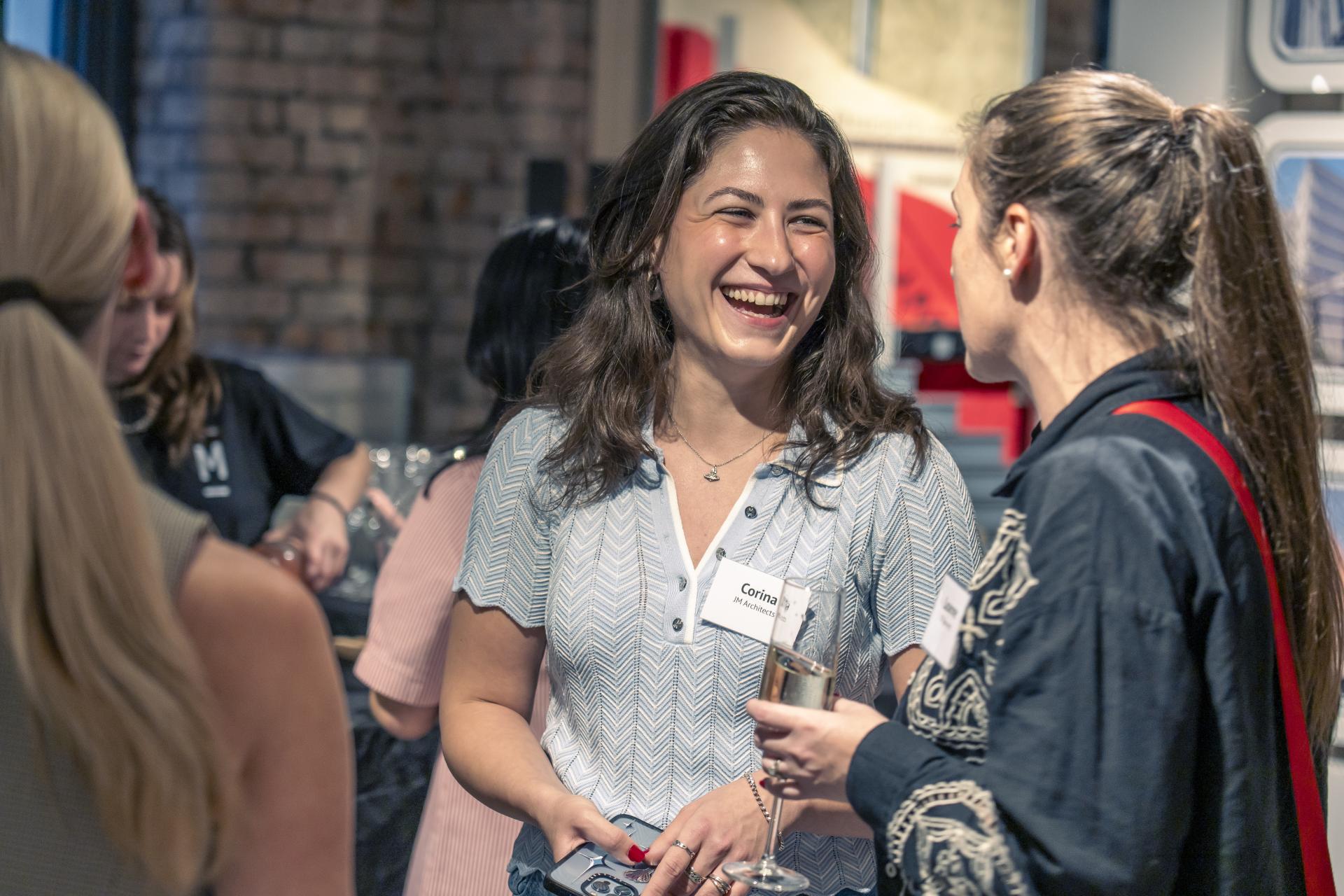
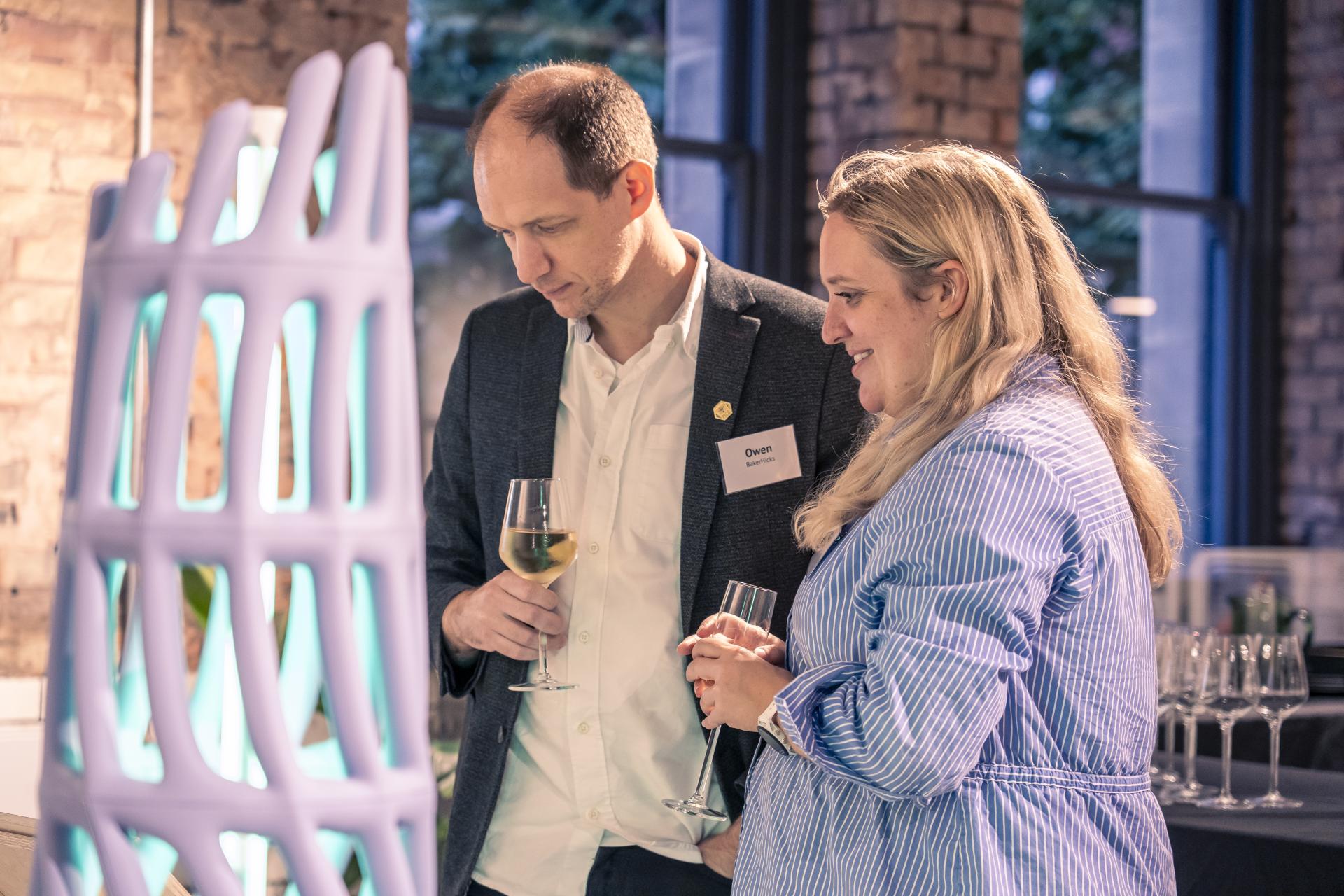
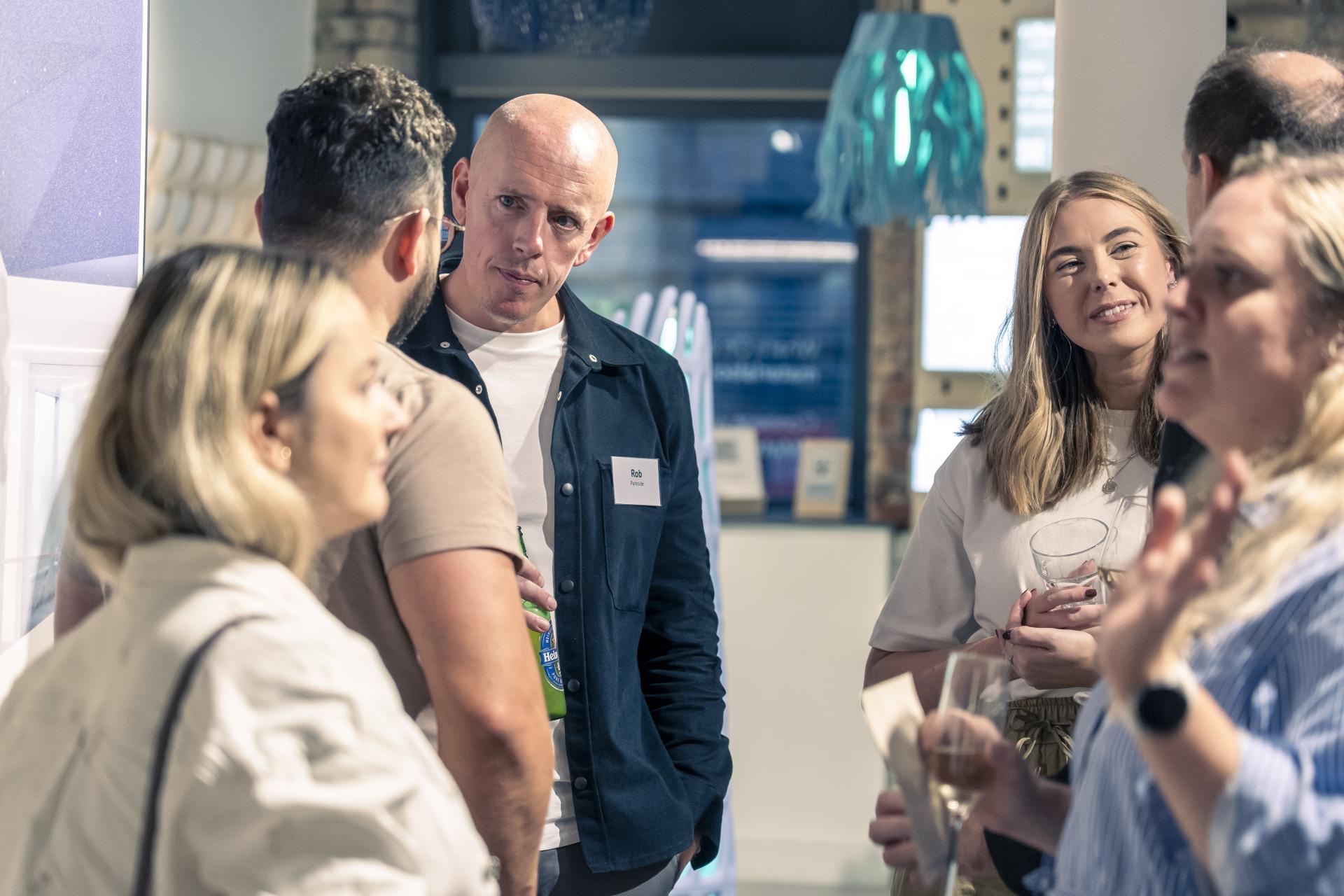
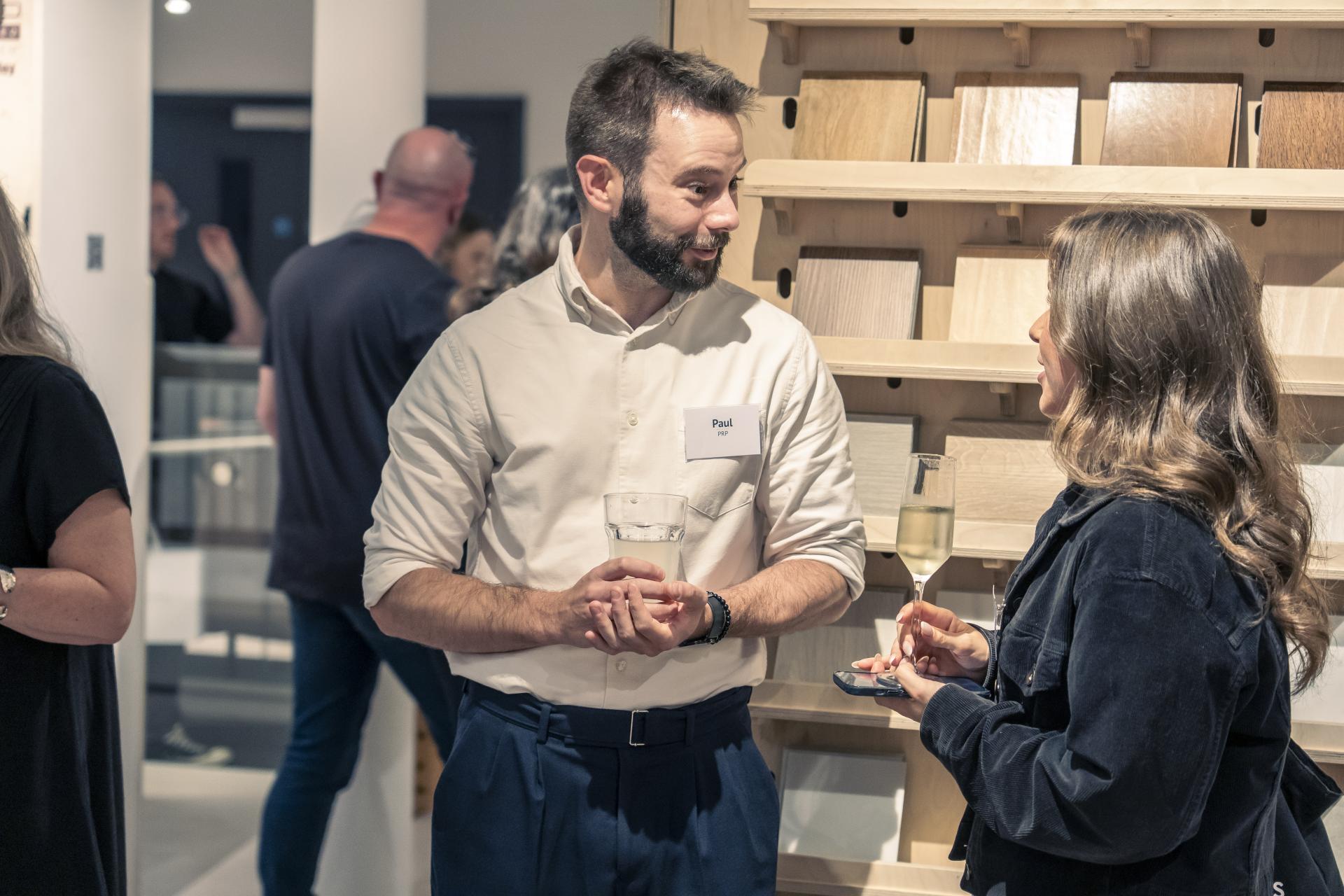
A huge thanks to all who joined us for this discussion and asked their questions, to our wonderful panellists for sharing their unique insight, and to our supporters for this event: Cupa Pizarras, Karndean and Parkside Architectural Tiles – all Partners at Material Source Studio Manchester.
The conversation now continues at a dedicated roundtable in Manchester, and seminars in Glasgow and London. Find out more here. And let us know your thoughts over on LinkedIn.
Credit: Will Hopewell