





































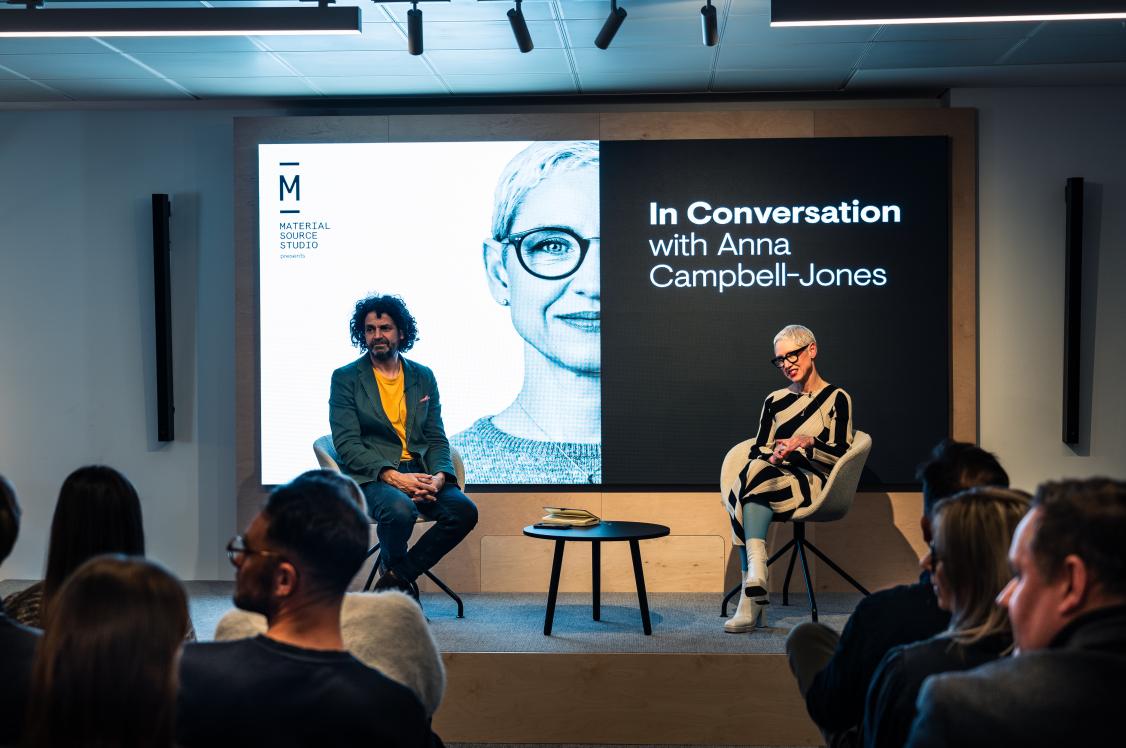






Peter Apps, journalist and author of 'Show Me the Bodies: How We Let Grenfell Happen'.

Peter Apps is contributing editor at Inside Housing, and author of the Orwell Prize-winning book, 'Show Me the Bodies: How We Let Grenfell Happen', exposing how deregulation and institutional negligence led to the tragic Grenfell Tower fire in 2017.
This book is widely regarded as essential reading for anyone in our sector. As our friend Edward Dymock at BDP put it, "Show Me the Bodies is compelling and harrowing and should be compulsory reading for everyone working in the built environment."
Peter's second book, 'Homesick: How Housing Broke London and How to Fix It' responds to the housing crisis we find ourselves in, signifying a refusal to accept "that no better alternative exists".
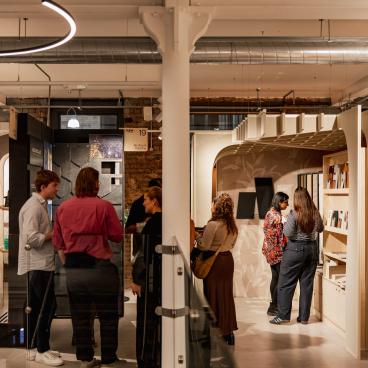
Next week, on Tuesday 13 October, Peter will take to our Theatre stage in Manchester for an event - Building Safer Façades after Grenfell - hosted by Material Source Studio Partner, Shackerley Façades, to talk more about the lessons learnt at Grenfell, and how they're being applied almost 10-years on.
Ahead of this, we caught up with Peter to get his insight on some of the key topics that built environment professionals are facing today; from changes to the Building Safety Act to specifying safer materials, glimmers of hope in the property sector, and areas for improvement.
If you've not already booked your ticket for next week, you can do so here.
We are in the midst of a housing crisis - are there any glimmers of hope?
"Yes - more money is going into social housing now than it has been for nearly 20 years and renters have just won security of tenure for the first time in nearly 40. We still have an awful long way to go, but shouldn't let that mean we don't notice the victories that have been won. If you could have told me in 2016 that we'd be building tens of thousands of socially rented homes and abolished no fault eviction within a decade, I'd have been happy to hear that!"
Are there any untapped areas for potential that you’ve identified in your research for Homesick?
"I am interested in the potential for cooperative housing, which isn't exactly a new approach, but has never been used enough in the UK. I think it would be a much better option than shared ownership or Build to Rent for people priced out of owning but not in a position to get social housing. It will face opposition though, because it removes a lot of the profit motivation that normally drives housing development.
"I am cautious about the repurposing of existing buildings. There are too many examples of very, very low quality housing in former offices and shops for me to think we can really look at it as a mainstream solution."
The unprecedented tragedy that was Grenfell has impacted the way building projects now work with a ‘golden thread’ of accountability. In your view, does The Building Safety Act go far enough to ensure peoples’ safety?
"I think there are some very positive parts of the new regime, which alongside new regulations on sprinklers, staircases and the banning of combustible façade materials should give us safer new builds.
"But legislation cannot achieve everything - the built environment is still engaged in a race to the bottom on price and a subcontracting model that makes accountability hard and corner cutting easy."
"We might not be building new Grenfells anymore, but that's a long way from saying we are building safe homes that will stand the test of time."
Do you think it has gone too far in any places, with a knock on effect of slowing development down?
"It's much accepted by everyone now that the BSR's Gateway approach was slowing down both new build and repairs to existing buildings to an unacceptable extent. I think they are trying to turn that around, but there are still examples of projects where it is not working well enough and the delays seem disproportionate.
"I think we have to remember - however - that the evidence not just of Grenfell but the 4,500 buildings around the country which needed remediation was always going to result in a process where compliance had to be confirmed before construction started and accountability was more firmly fixed throughout the project. The real problem is that we weren't doing that before, not that we are doing it now."
Can a balance be struck?
"I think if minor building work to existing buildings was removed from the Gateway process and policed in a different way, if the regulator continued to boost its capacity and if the industry developed its capacity to submit Gateway applications that were in good shape first time around, we would develop to a point where this system worked well enough and gave us a decent level of assurance that buildings were being built properly with delays which people could manage - despite still being occasionally bumpy.
"I think we're moving towards that, but there's still quite a bit of a way to go. Whatever happens, I don't think fully returning to the pre-Grenfell model would be wise."
Your upcoming talk at Material Source Studio is with Shackerley Façade Systems - how crucial is the materiality used for façades in the overall scope of a construction project?
"Façades need to be built out of materials that won't catch fire. It's that simple, really. Once a fire breaks out of a window (which it will eventually) it needs to meet a material that won't ignite. The good news is that that isn't a complex design question, and doesn't force us to give up on other legitimate objectives like insulation performance or sustainability."
What do you think architects should be looking for in terms of safety and certification when they are specifying a façade for a residential building or HRB?
"People need to be very careful about manufacturers' claims, especially with regard to safety and especially if they don't understand the underlying fire science. The Grenfell Inquiry taught us that a lot of what passes for safety assurance is actually marketing speak.
"Use materials you understand."
"Use materials you understand. If you can't, don't trust the sales team to explain what you're using to you. Remember their objective is to win the specification not to build a safe building."
What are your predictions for the future of the housing market over the next 10-15 years?
"Despite my call to optimism in the first answer, I'm afraid they are gloomy. While we shouldn't be too defeatist, there are a lot of problems coming. The rise in interest rates is still moving through the system and has pushed buying out of reach for the generation coming up.
"Rents are going to keep rising. A large cohort of private renters are about to retire without any rent protection - the first time that has happened in living memory. Disrepair isn't being addressed on a systemic level. Climate change is going to cause serious trouble as more and more properties become too hot or too vulnerable to flooding.
"Decarbonisation is partial, slow and unfunded. It is hard to see where the large-scale solutions we need are going to emerge from, but there is no shortage of capital poised to profit from the misery."
What's next for you?
"I wish I knew!"
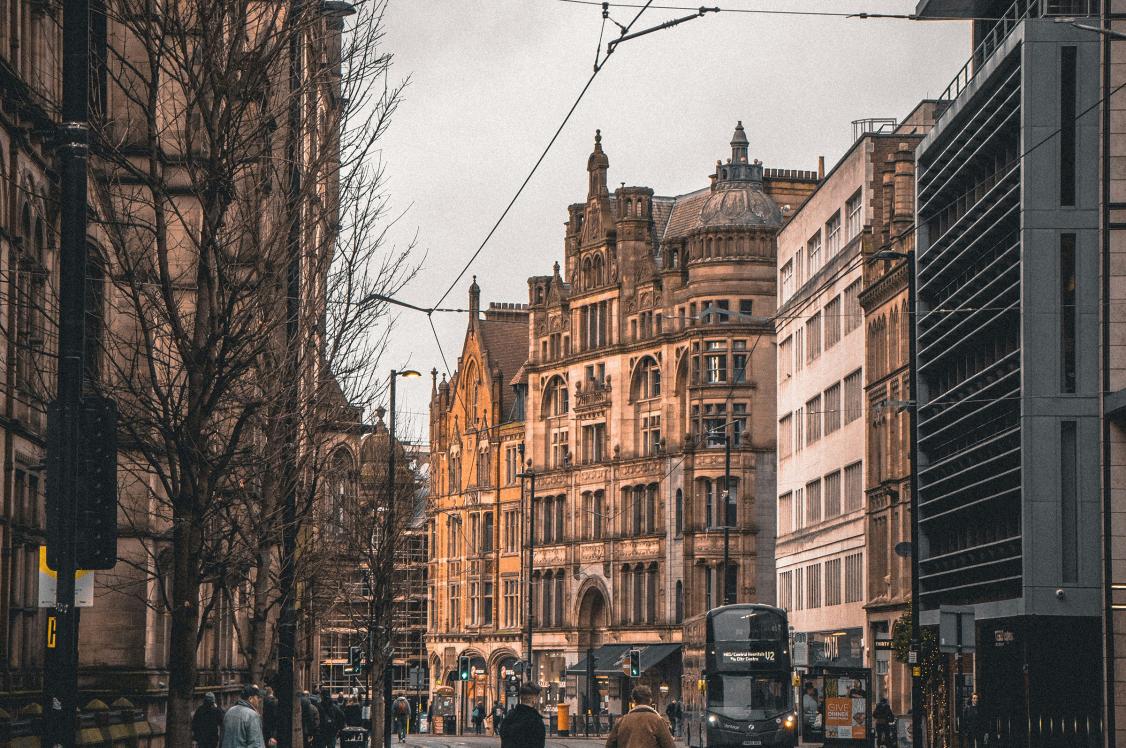
Don't miss Peter Apps at Material Source Studio Manchester on 13 October, where he will be part of the Shackerley event. He will also be at the Studio for an evening Q&A alongside Isaac Rose, author of The Rentier City, from 5.30pm, to discuss how Manchester's changing skyline has led to unaffordability for some. Get your ticket for that event here.
In association with
SureClad®, BrickClad® and SureWall® Façade Systems from Shackerley - a trusted cladding specialist, manufacturing fully prefabricated, installation-ready, BSA-compliant and BBA certified façade systems at their extensive ISO 9001-certified manufacturing facilities in Lancashire.