




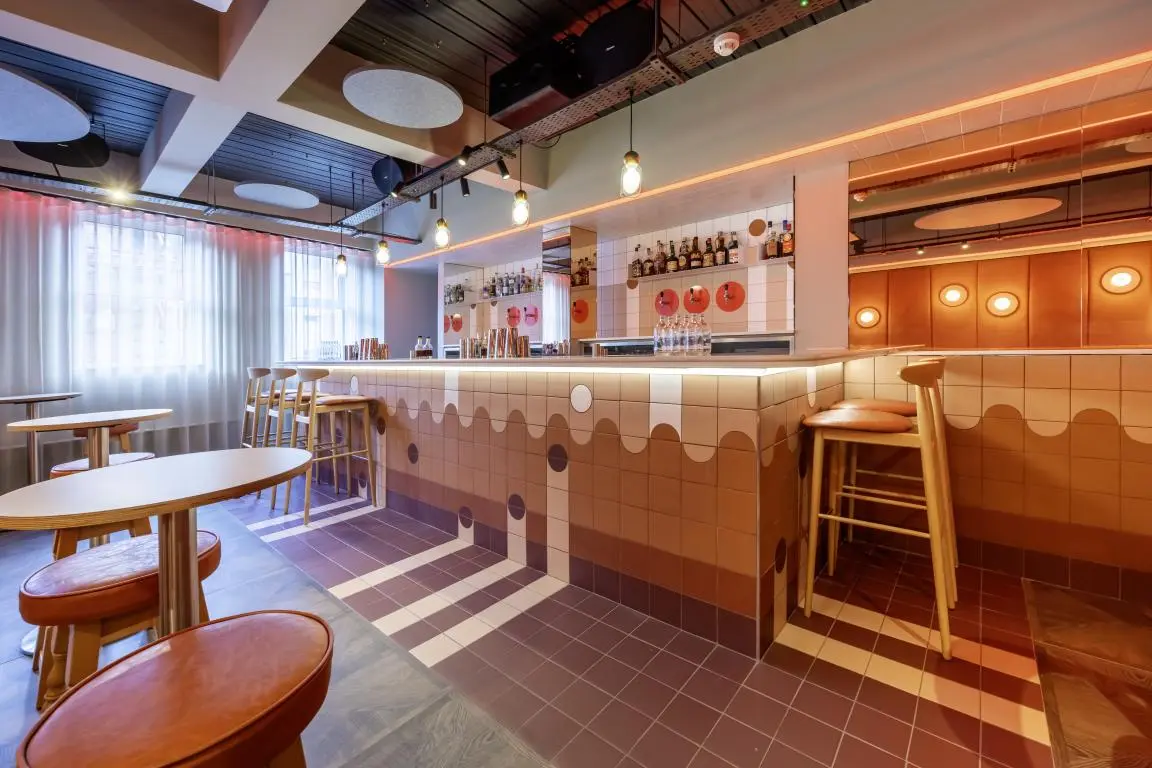
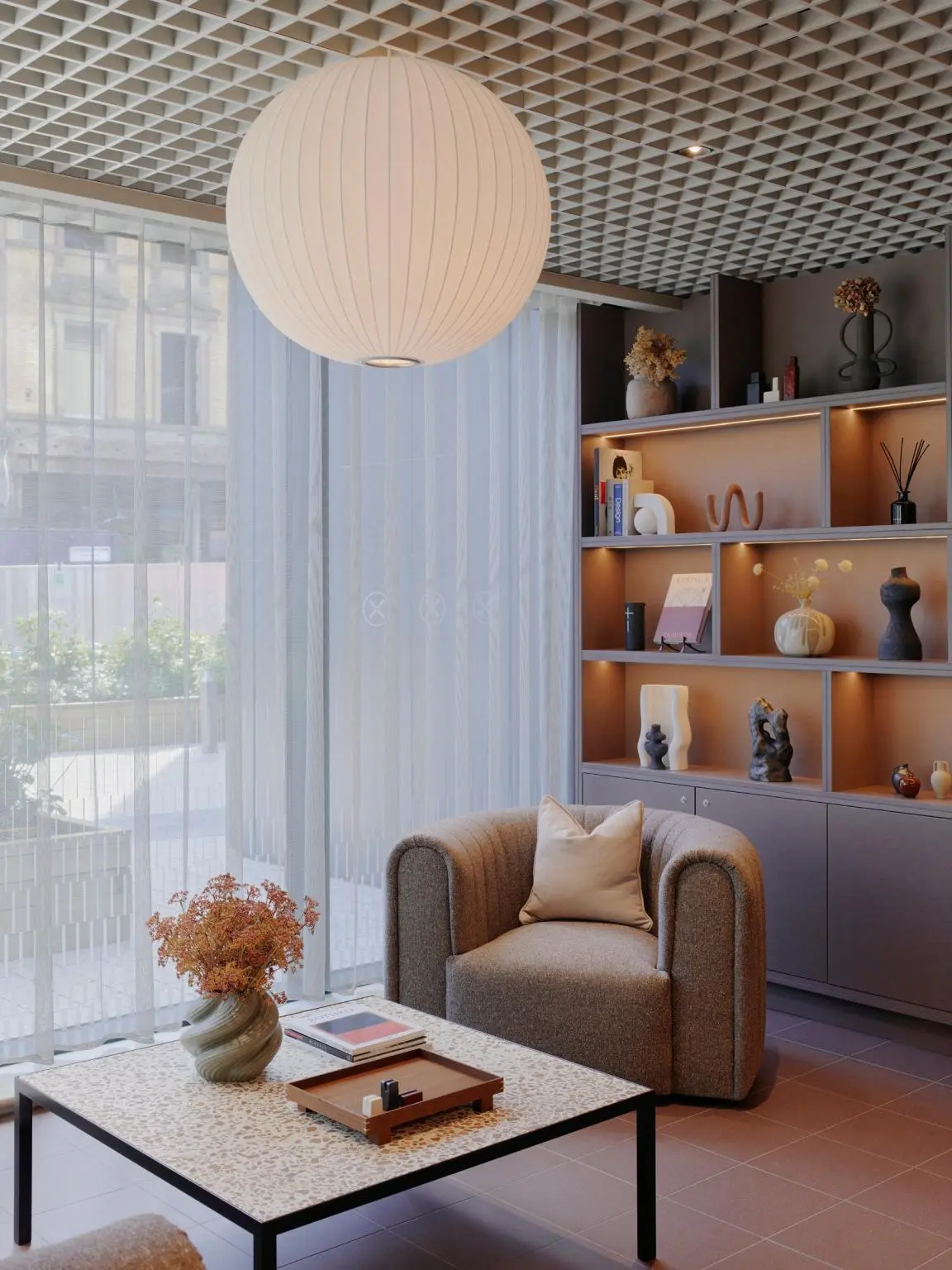

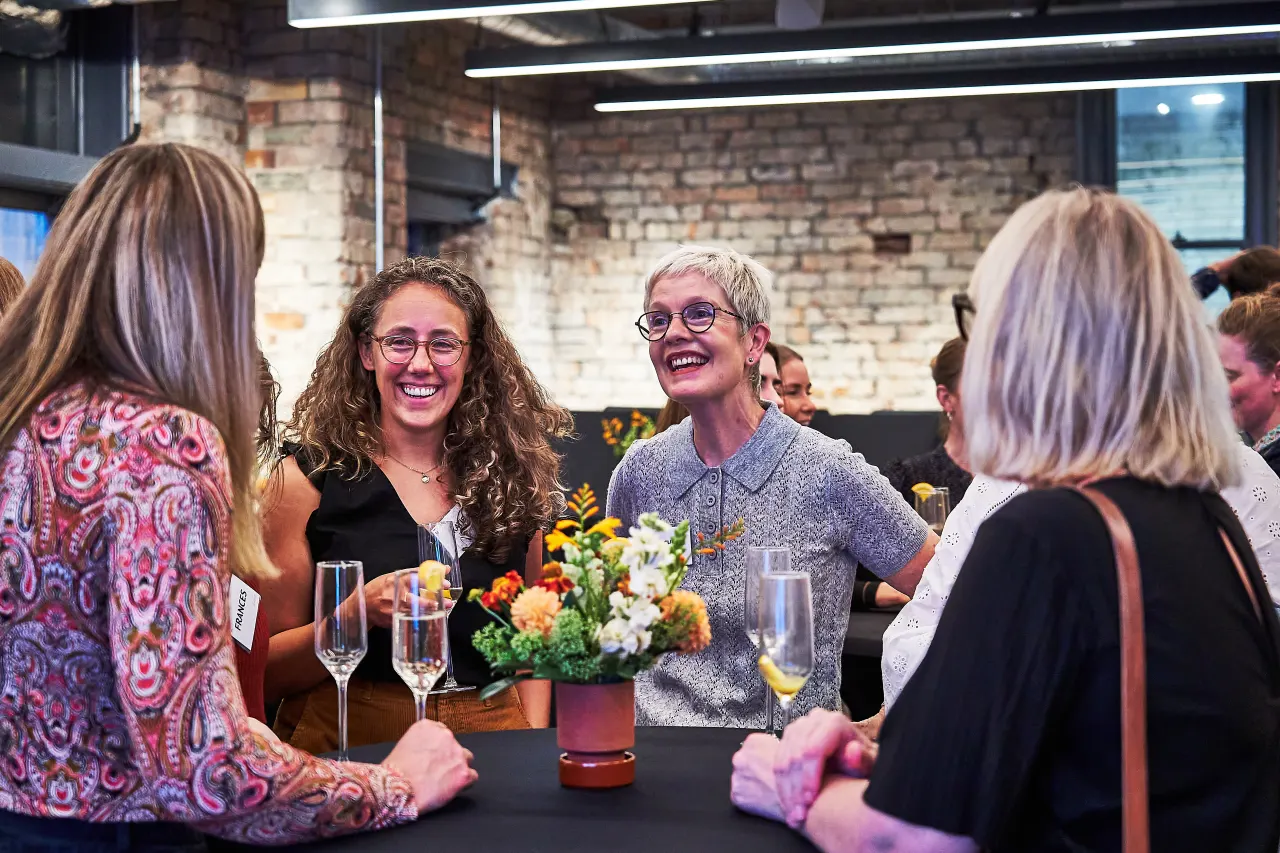



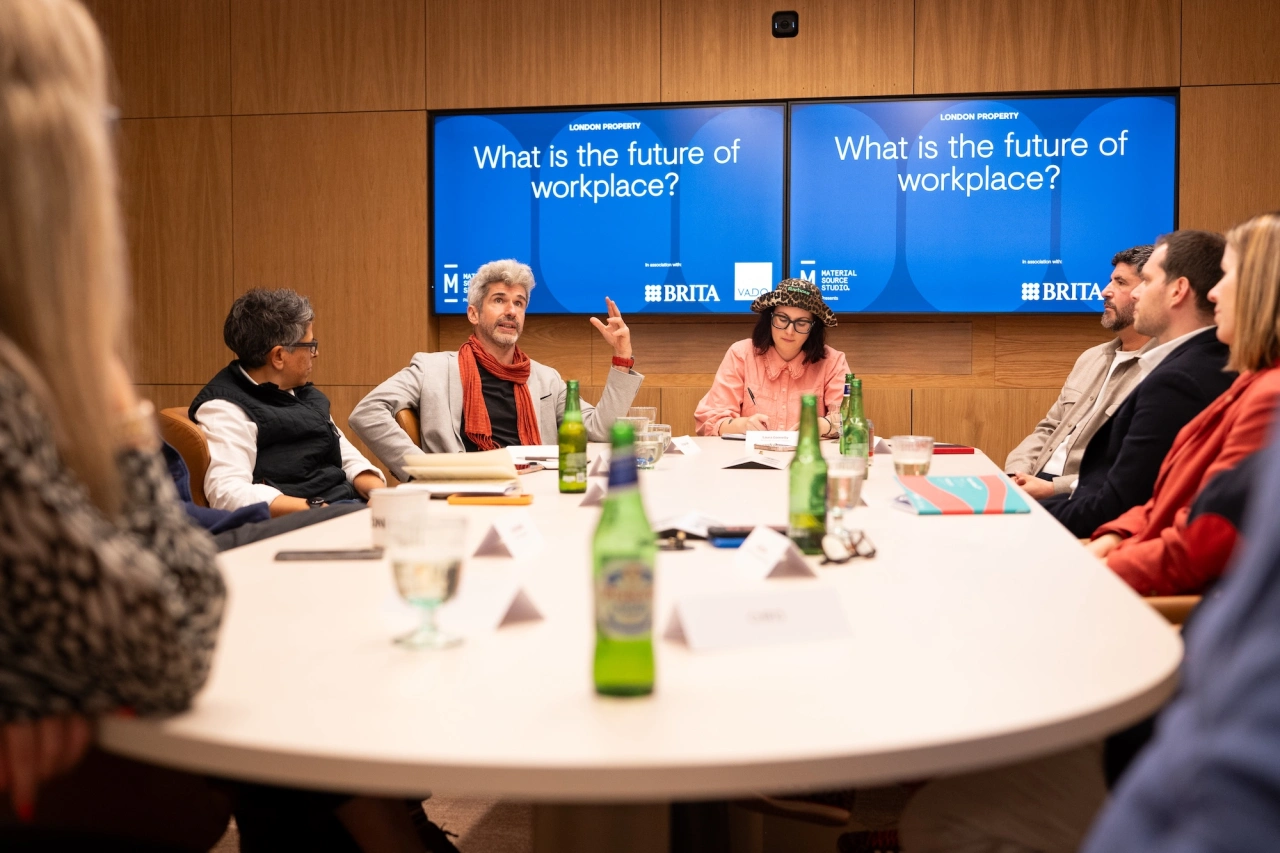
If there was one underlying thread of discussion running through our London Property roundtable, it was this: we are no longer debating a single ‘future of the office’. We’re grappling with balancing an ecosystem that spans culture, technology, cost pressure, skills change, and human experience – all organisation-dependent and moving at different speeds, in varying directions, and with a myriad of stakeholders to consider.
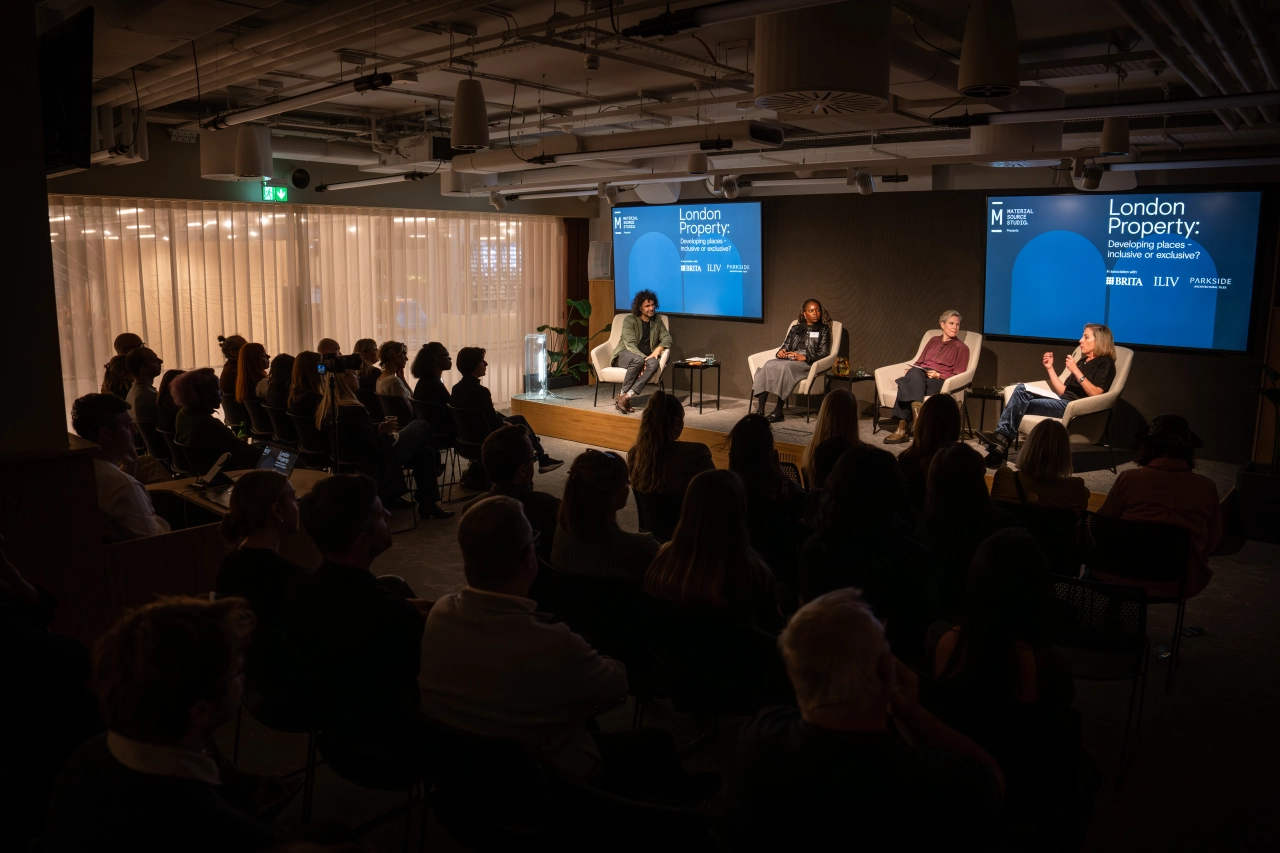
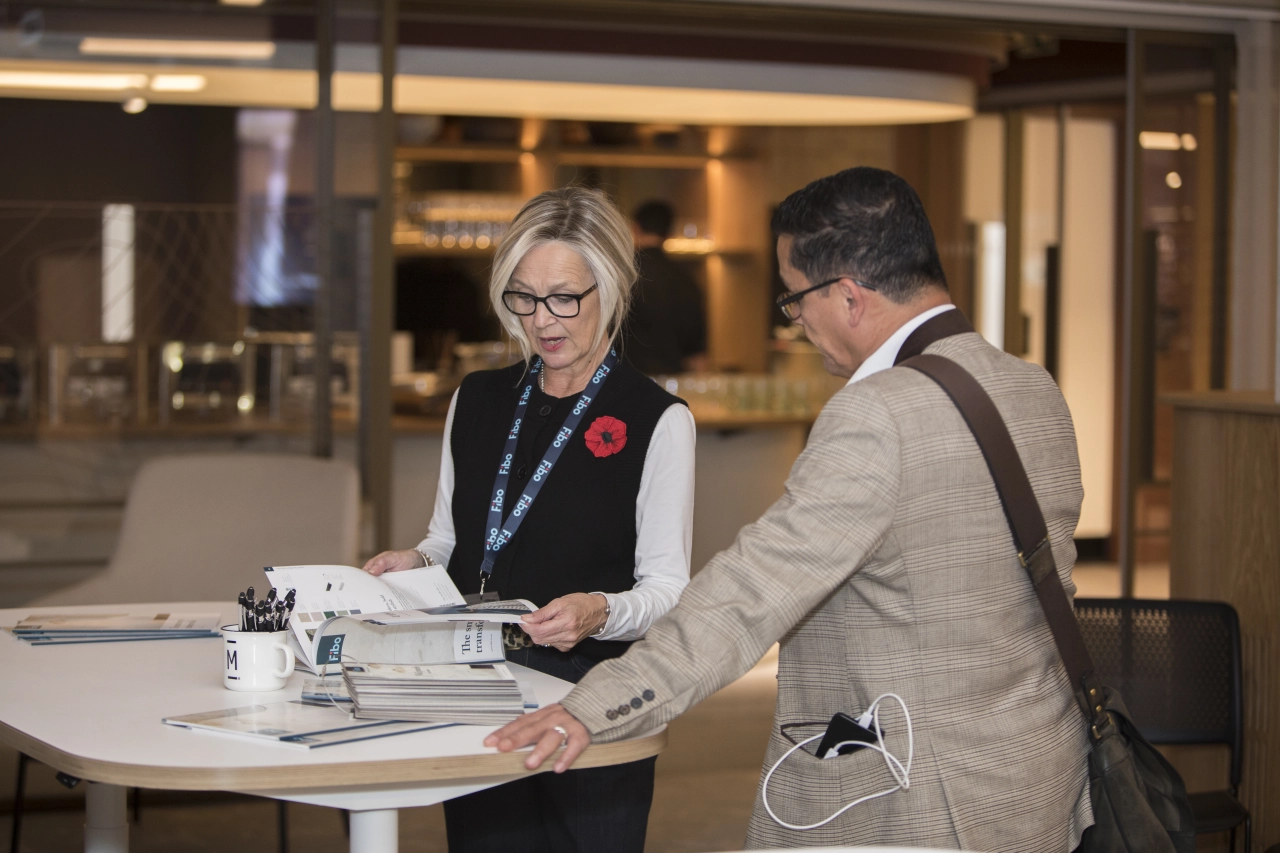
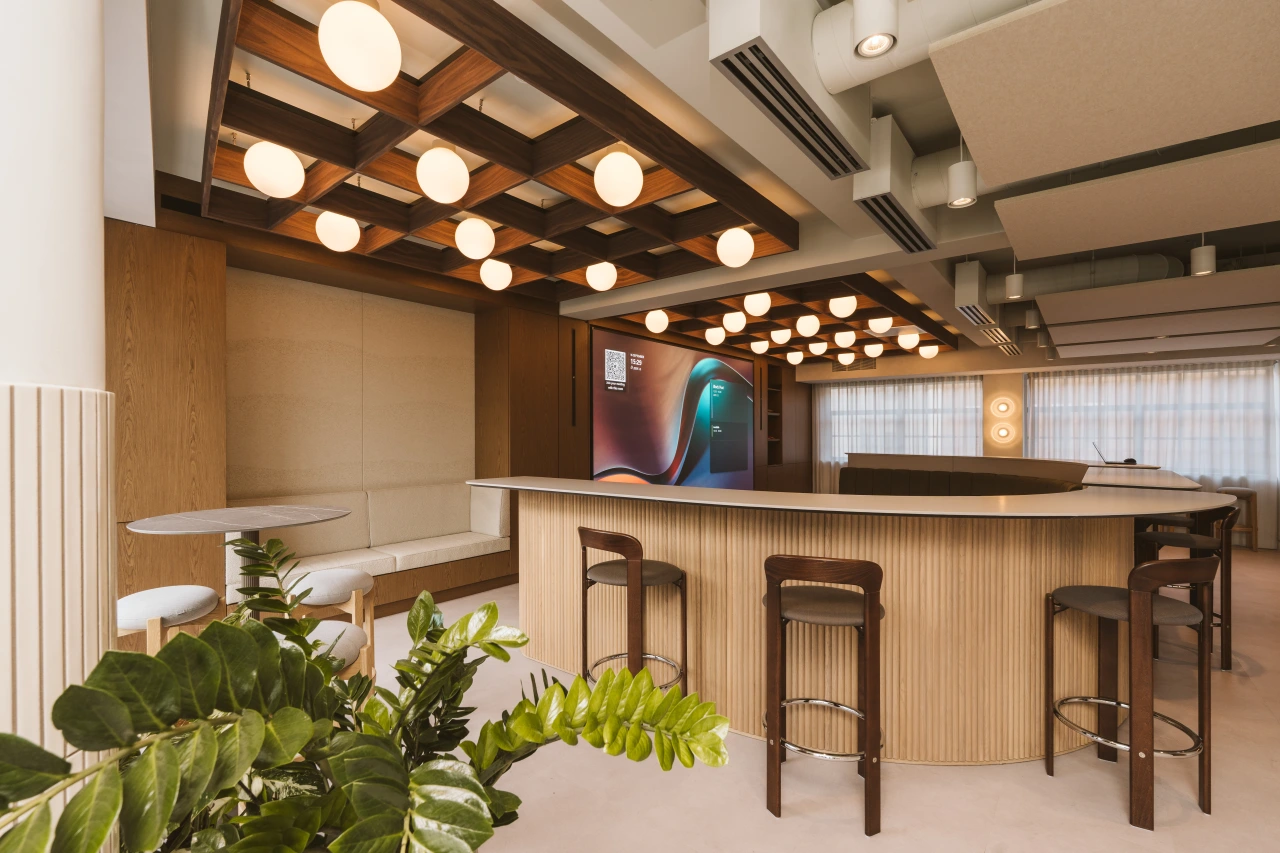
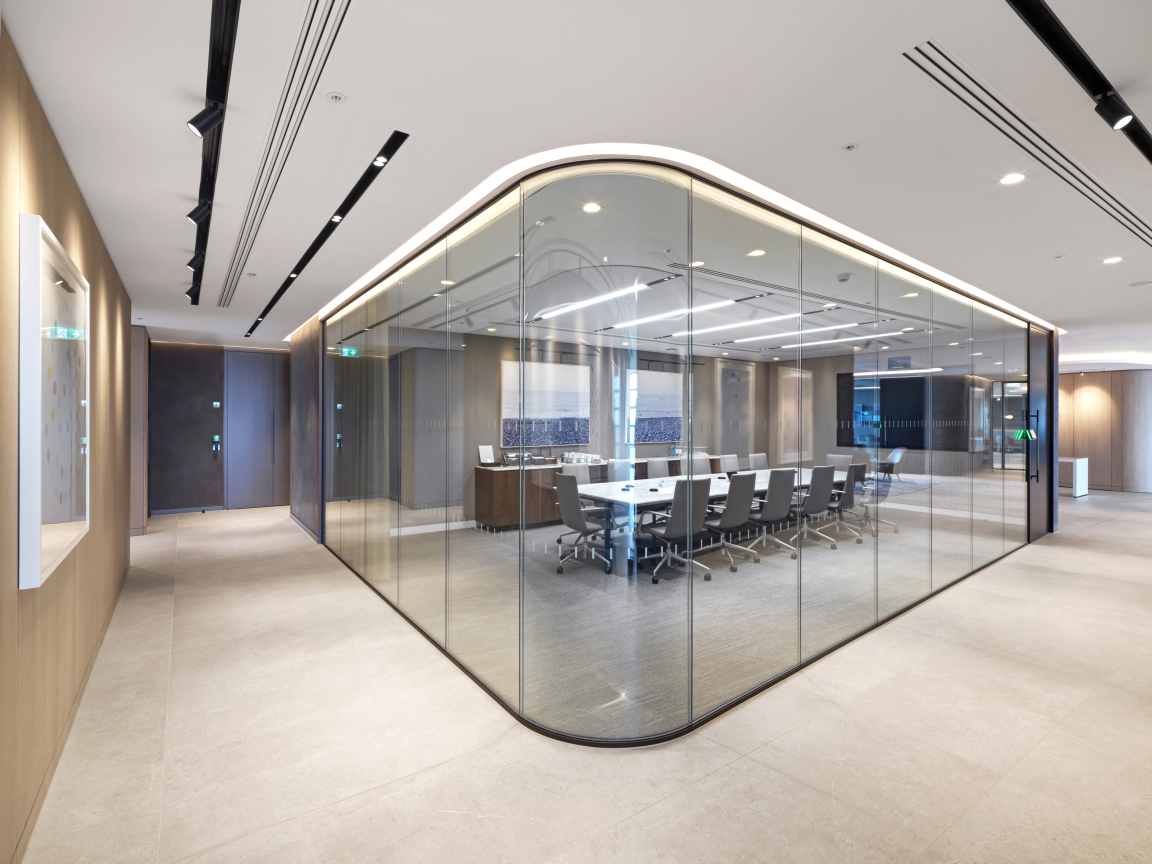
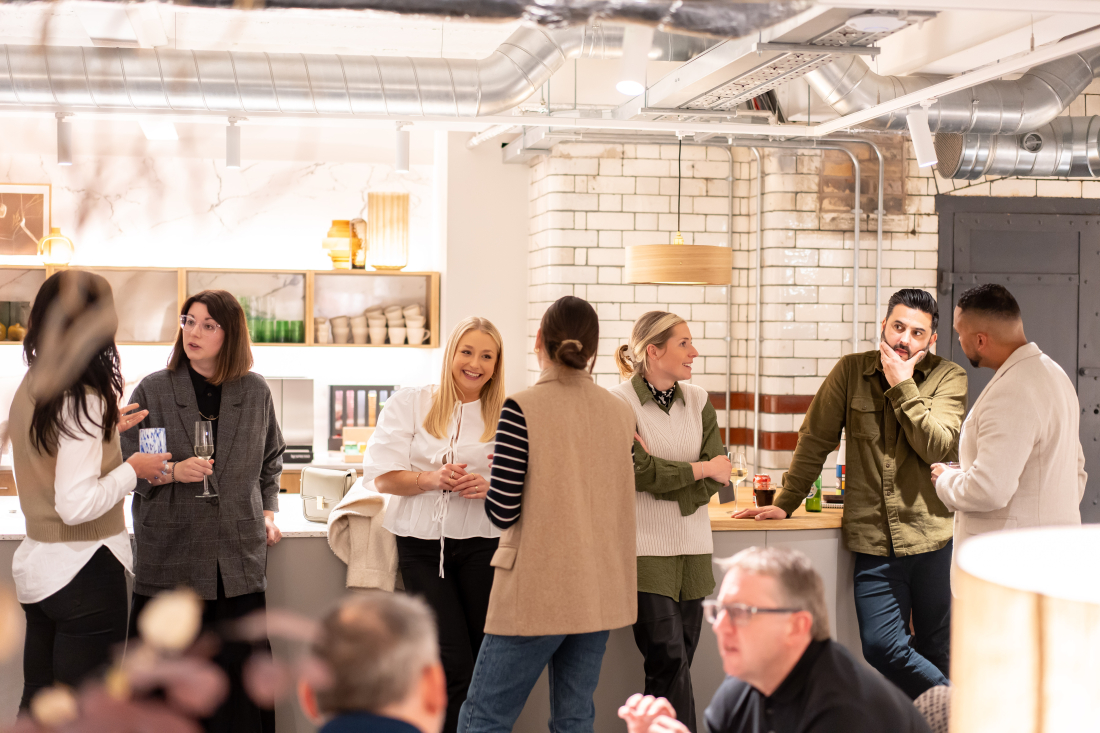
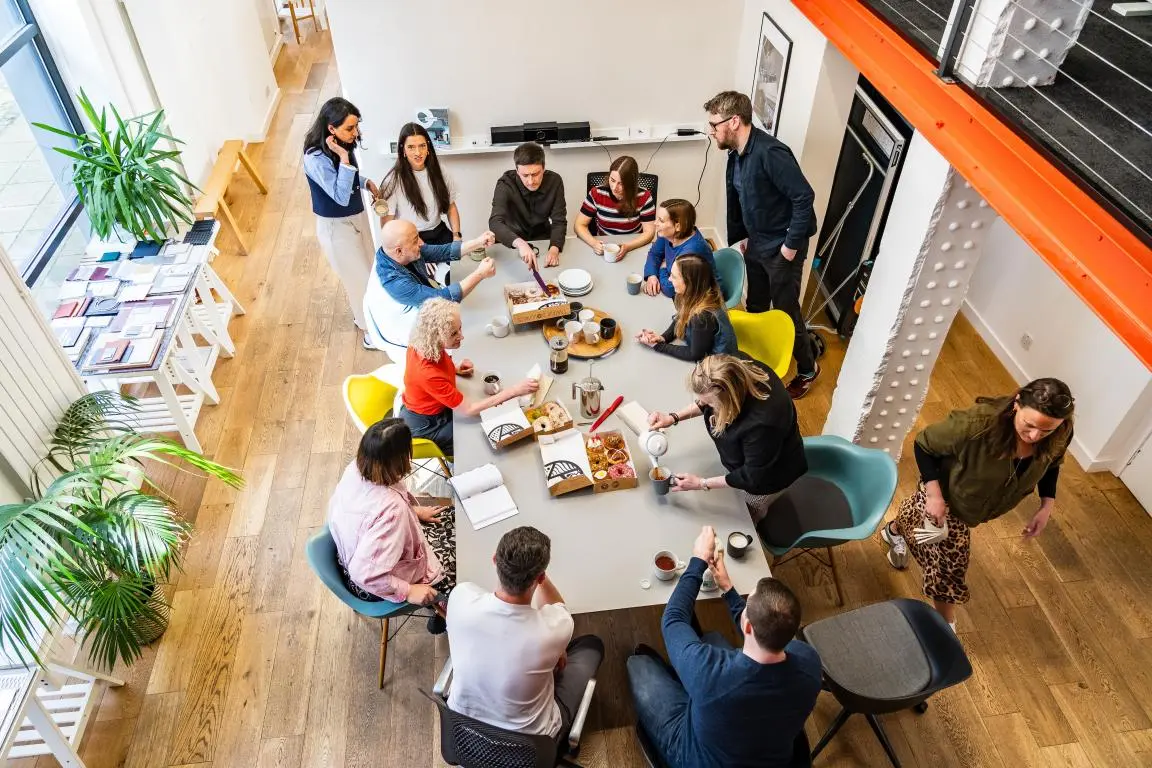
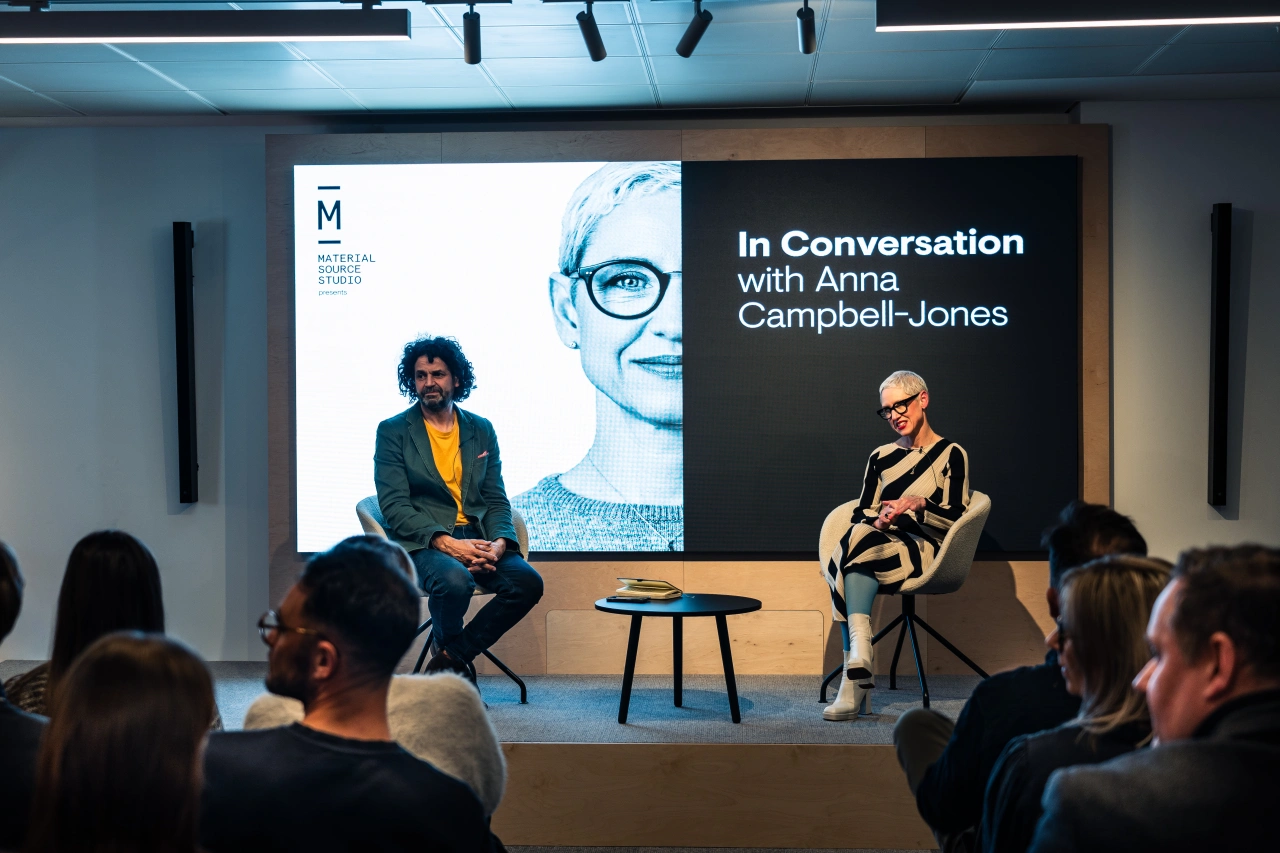
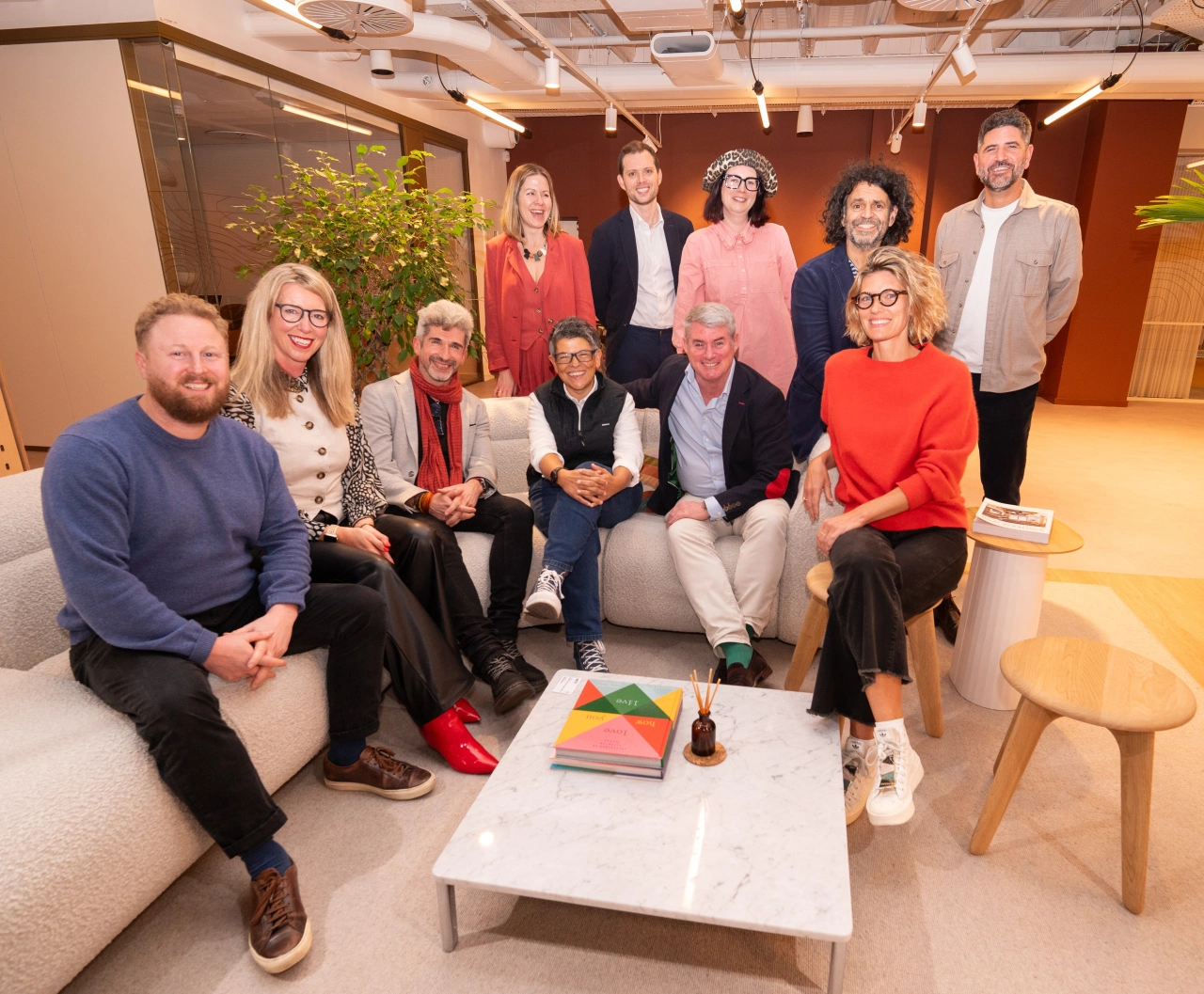
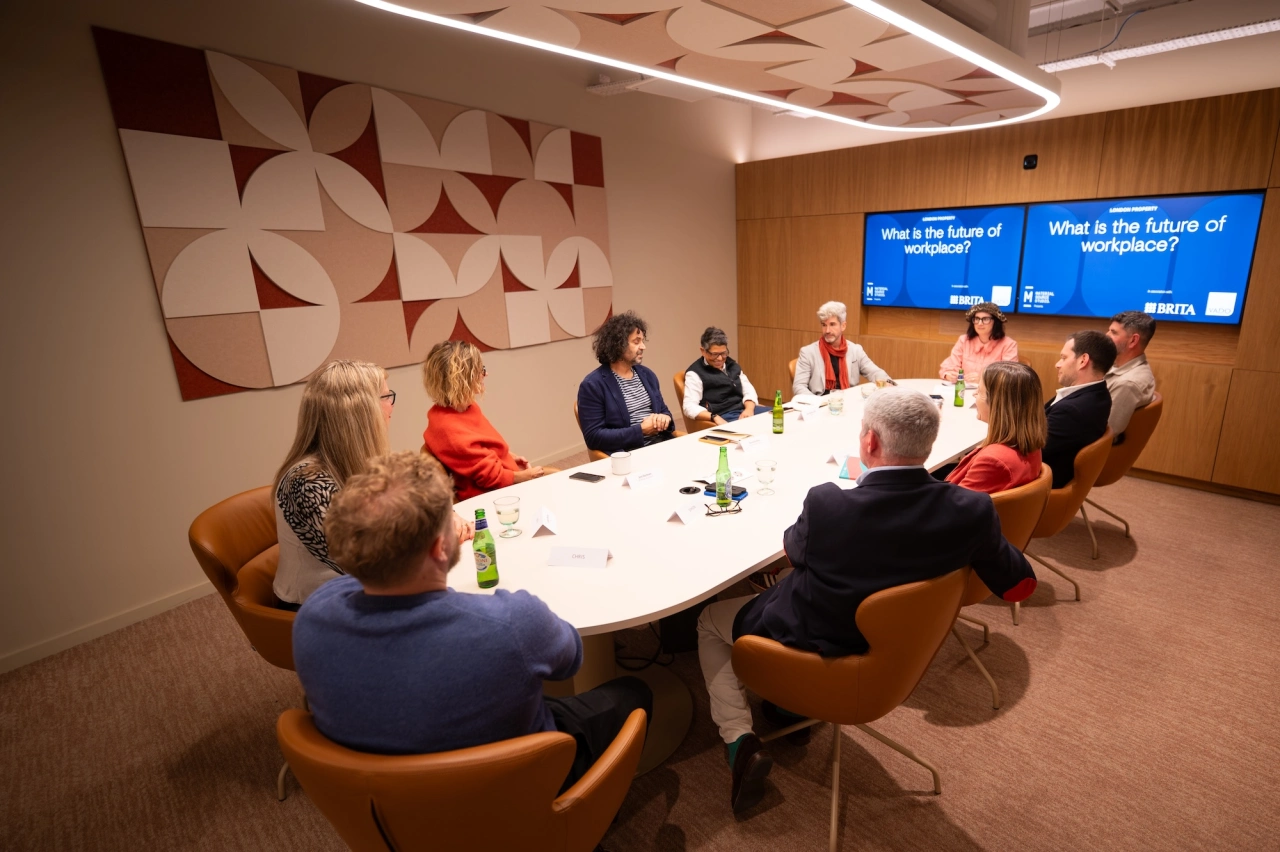
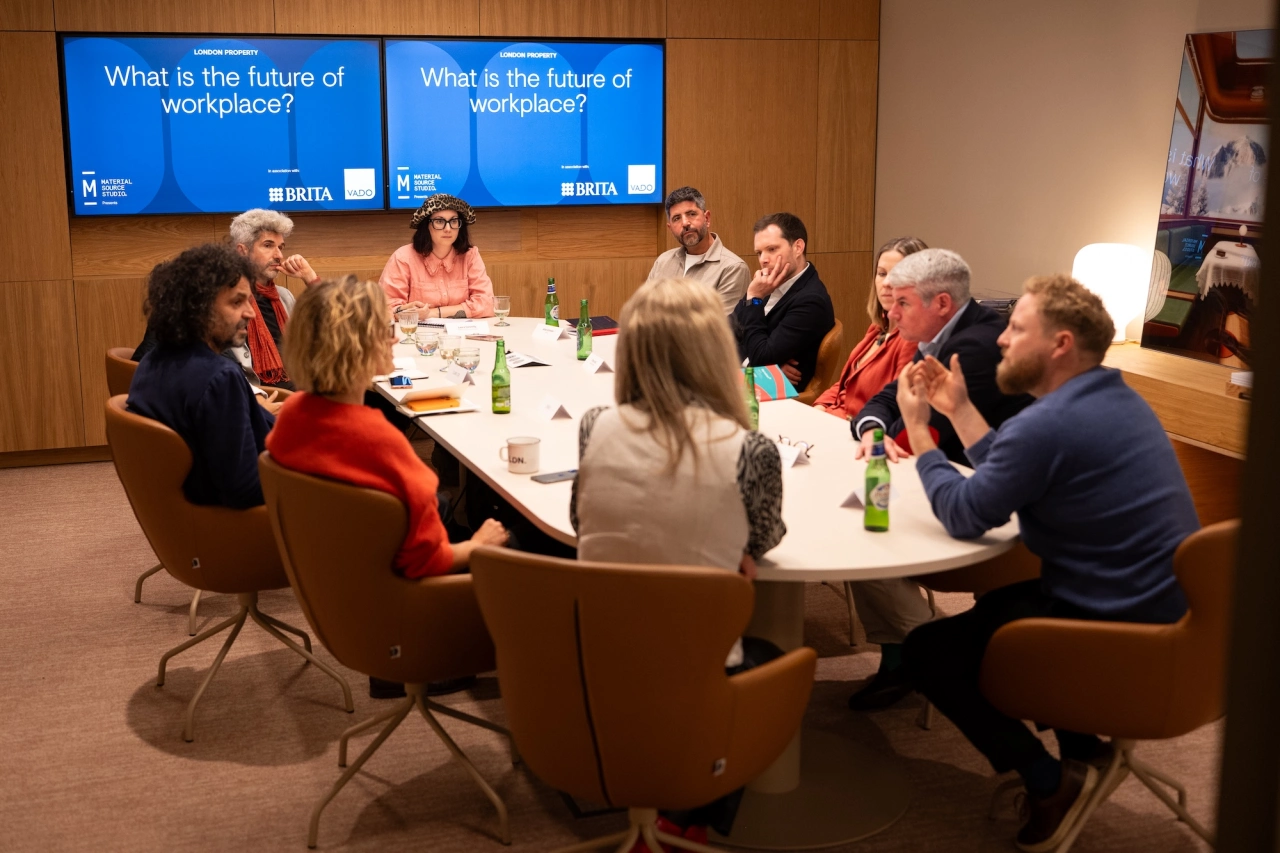
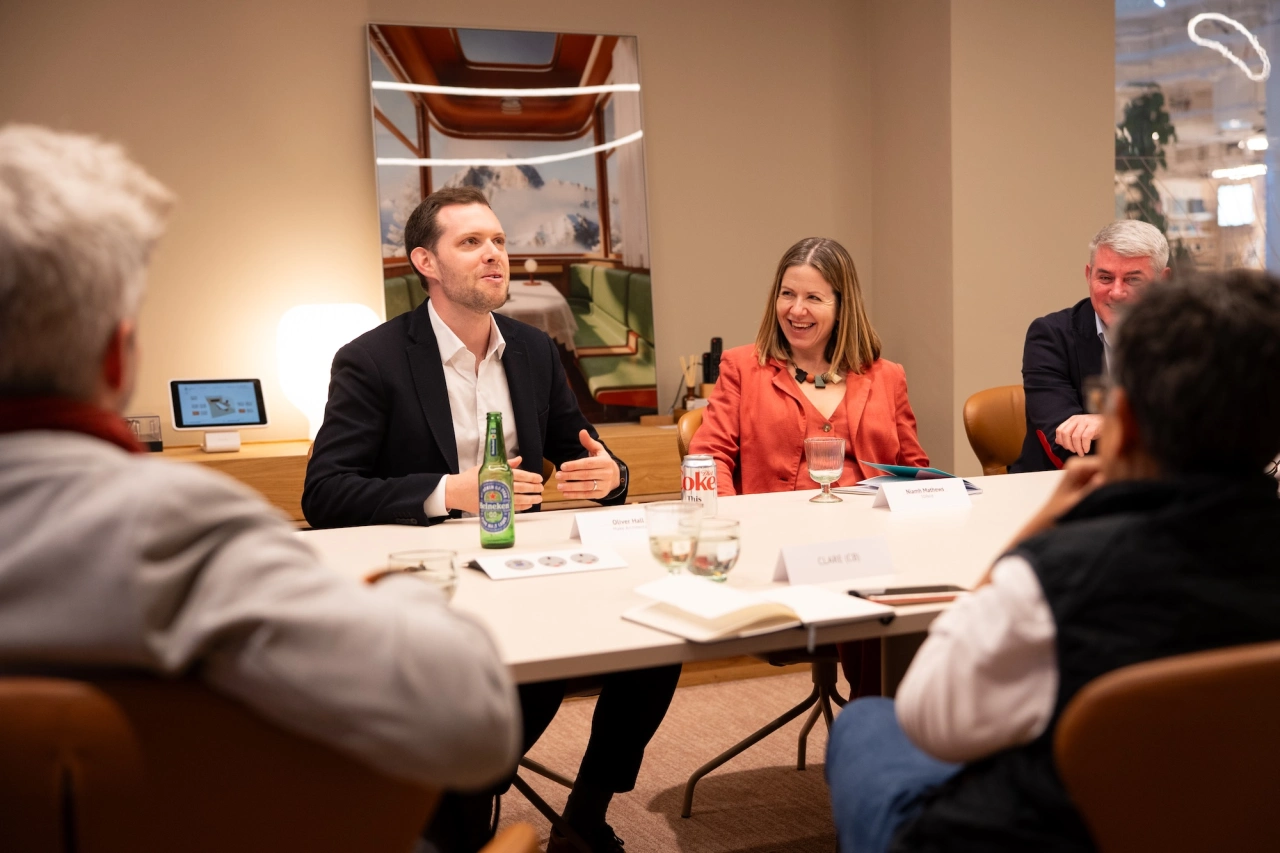
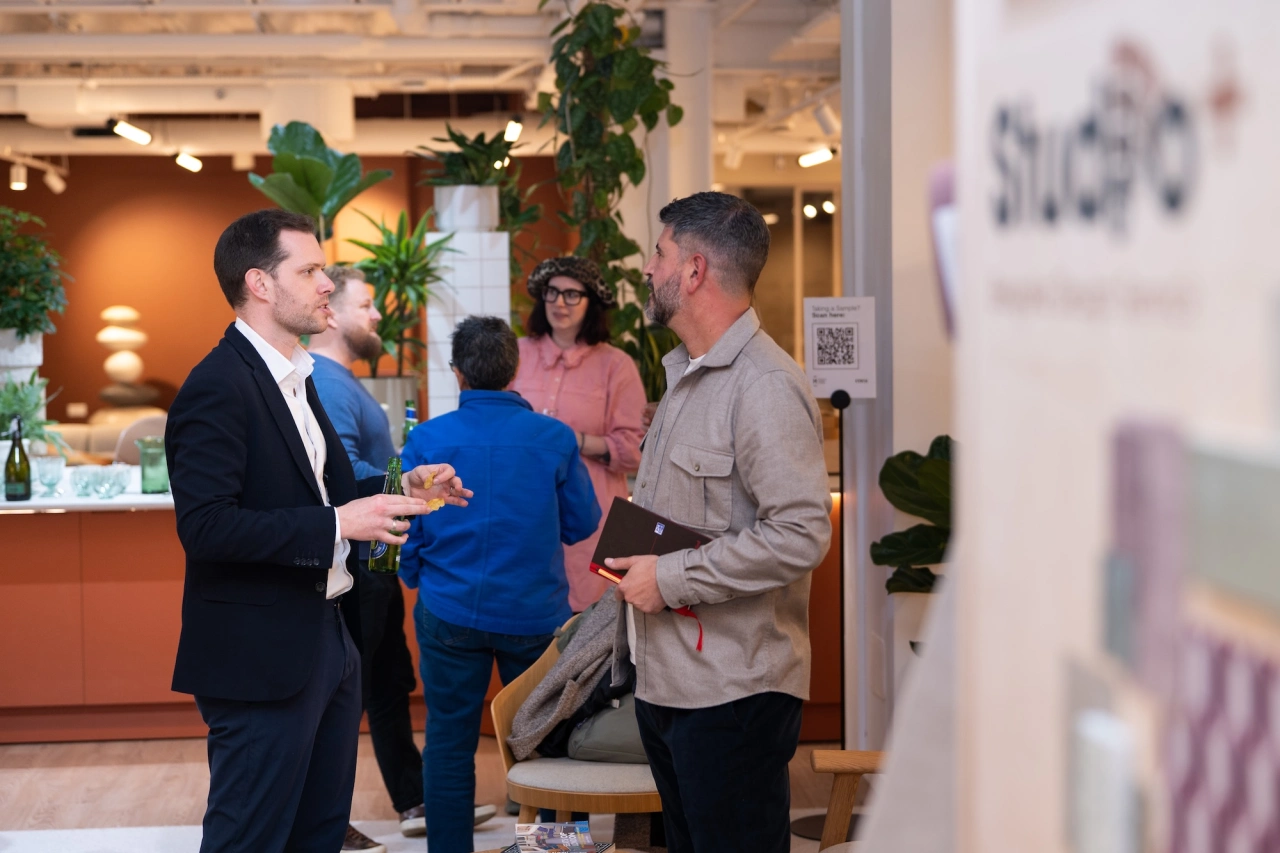
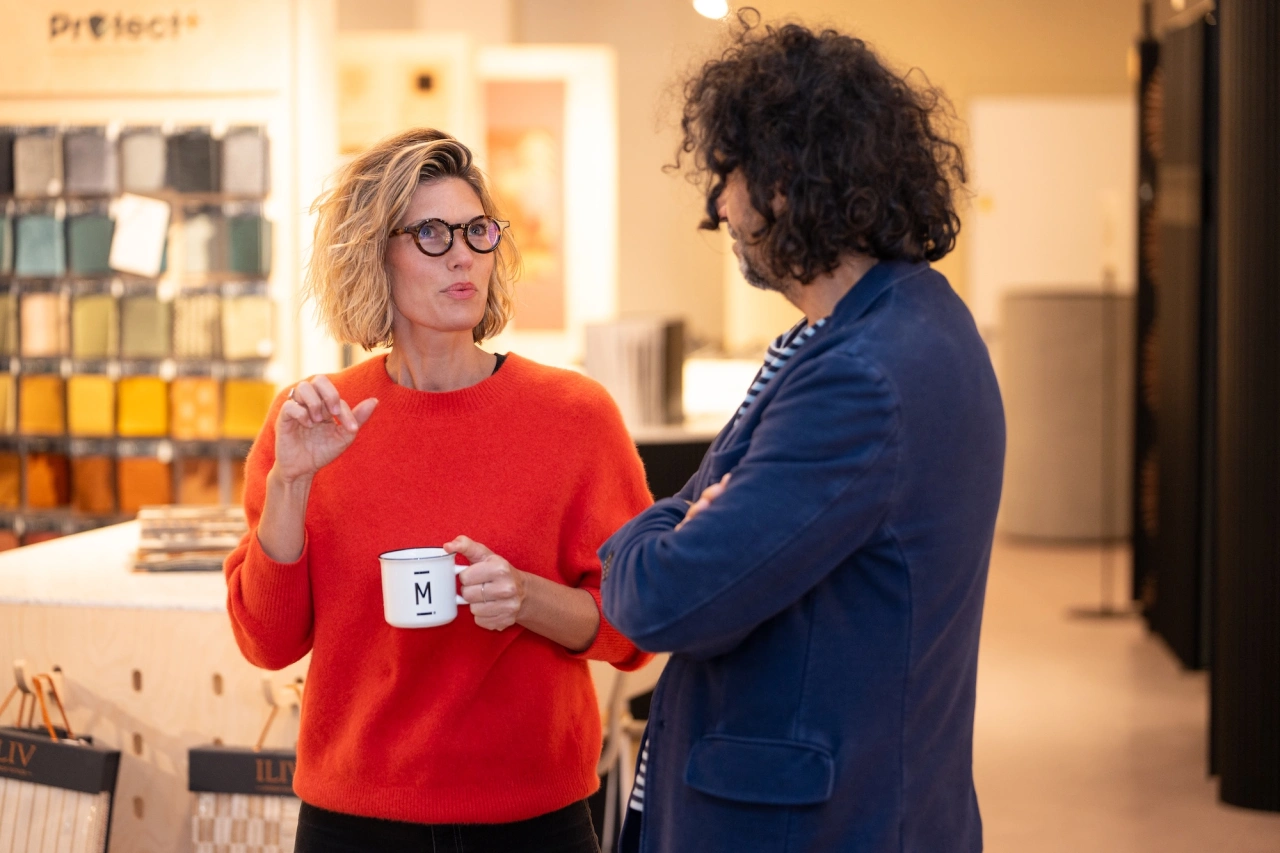
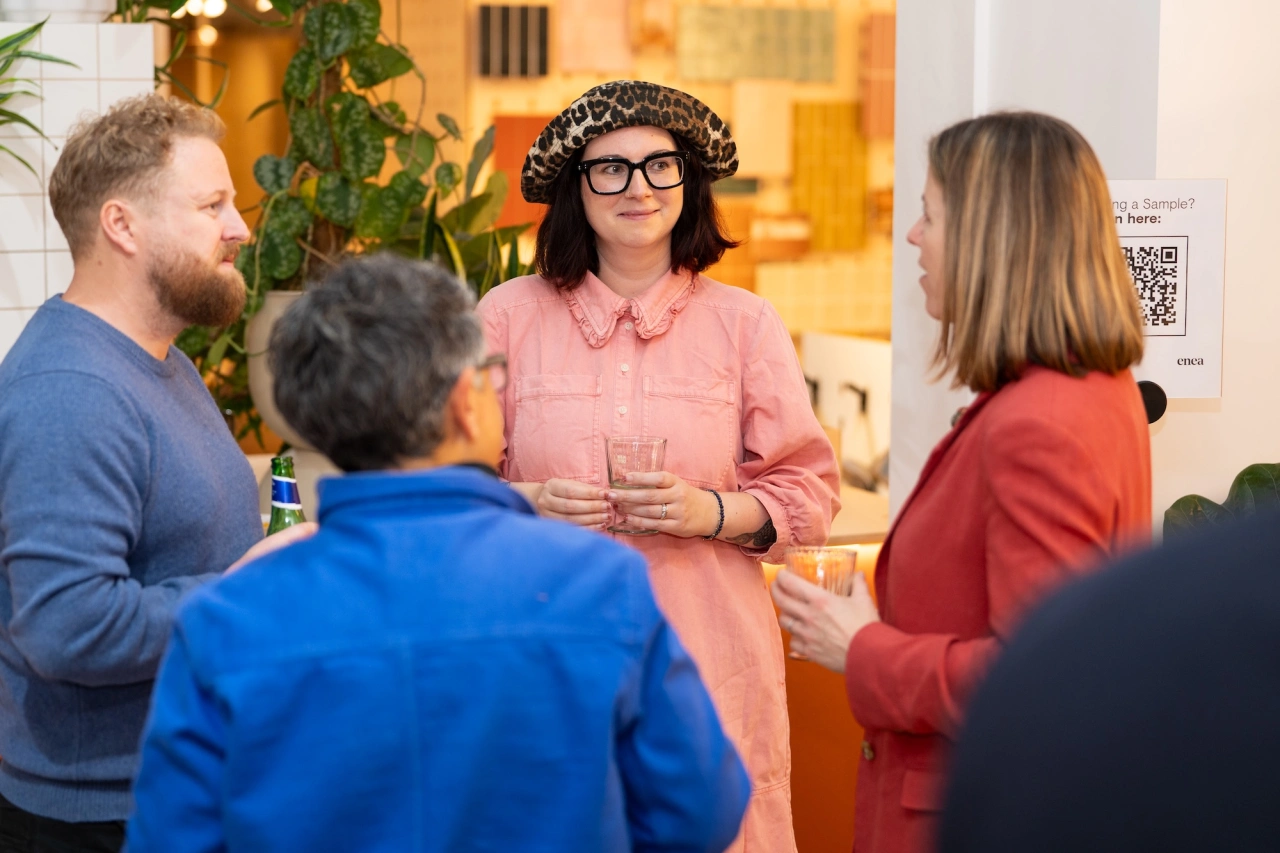
Hosted at Material Source Studio London, our latest discussion on Property, and the final event of our roundtable and seminar series for 2026, was positioned as peering through a ‘window in time’. The aim was less to agree on a definitive manifesto, and more to capture what workplace looks and feels like right now, through the observation of multiple lenses - architects and interior designers, design-and-build, product specification, and the occupier/client perspective.
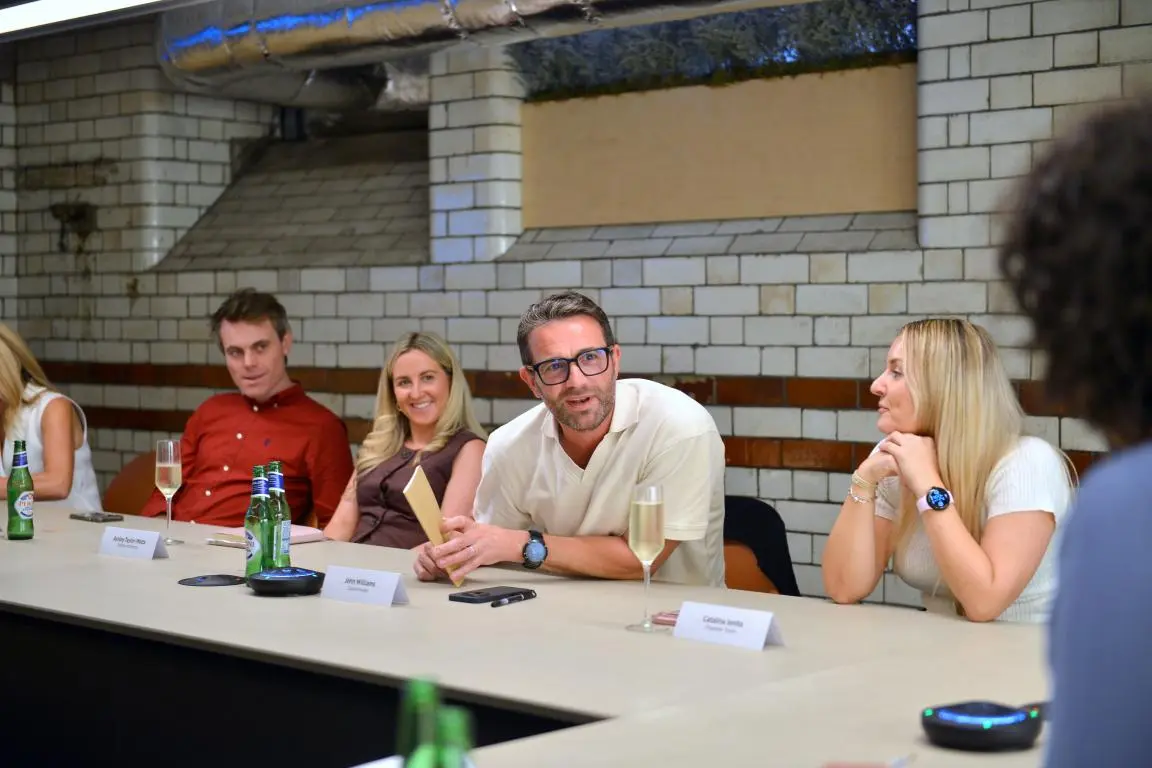
To begin, our hugely senior, highly well-positioned group of guests from Gensler; Make; 3DReid; M Moser Associates; Area; Anchorpoint Interiors; and law firm, CMS, were asked to consider what’s changed with regards to workplace over the course of their careers to inform where we might be going next. Here’s how the conversation went…
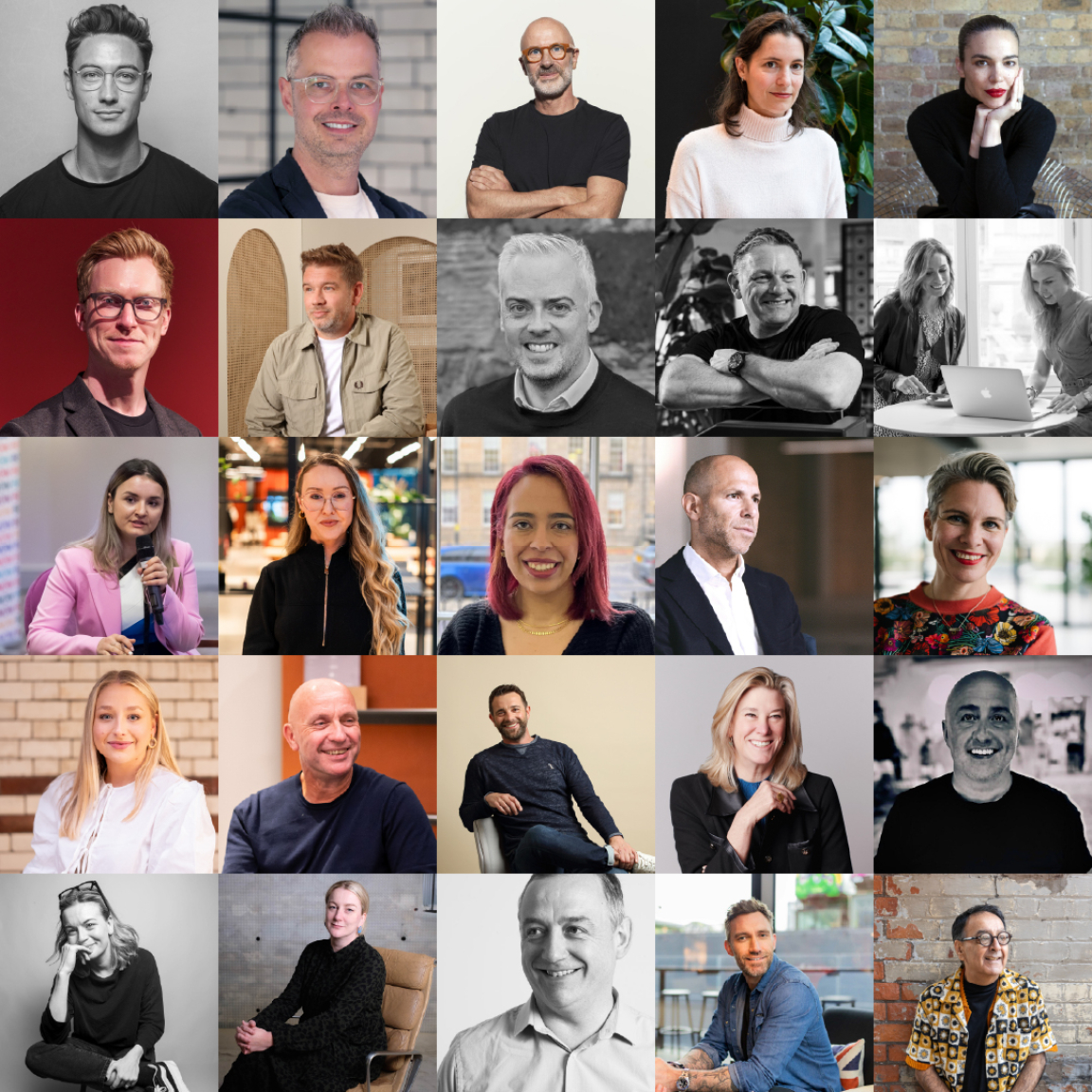
Our guests
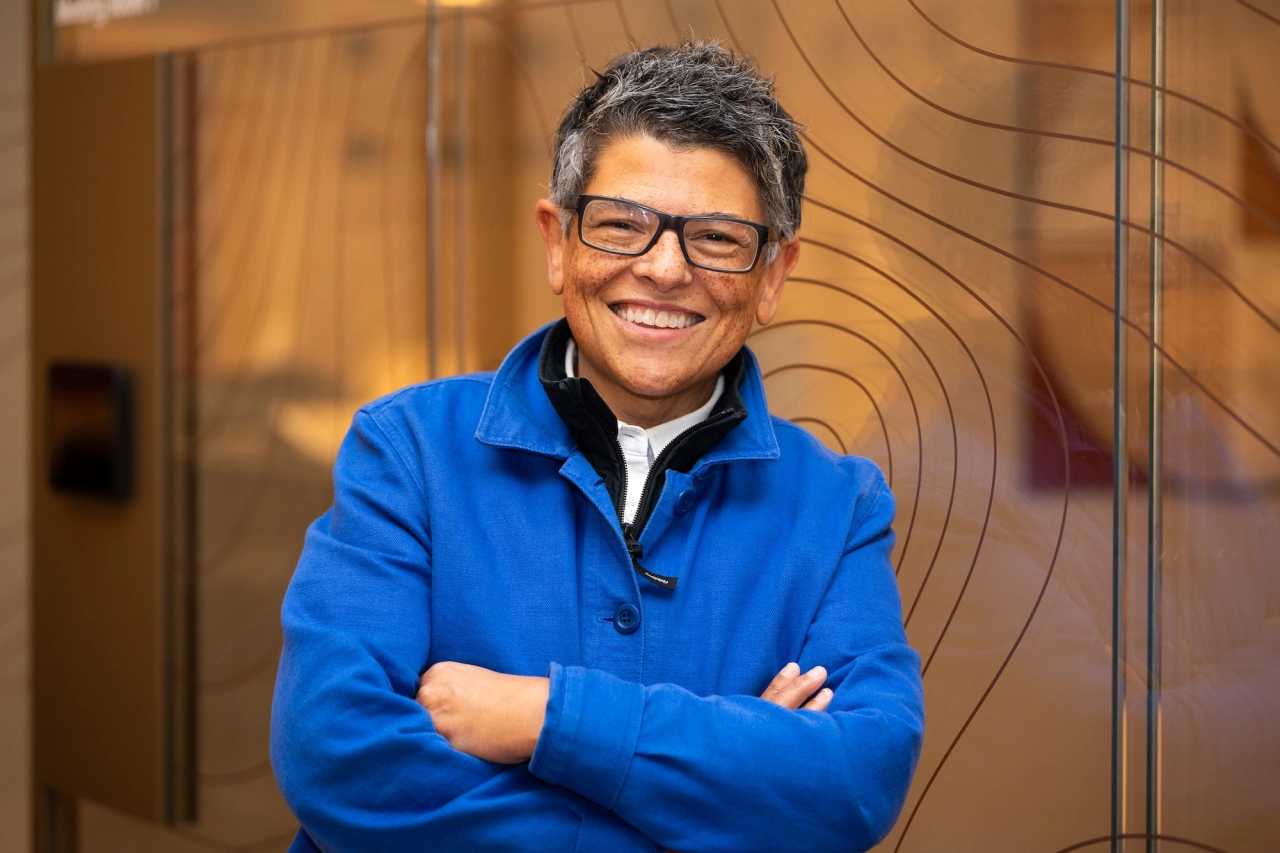
Clare Bacchus (CB), Strategy Director, Gensler
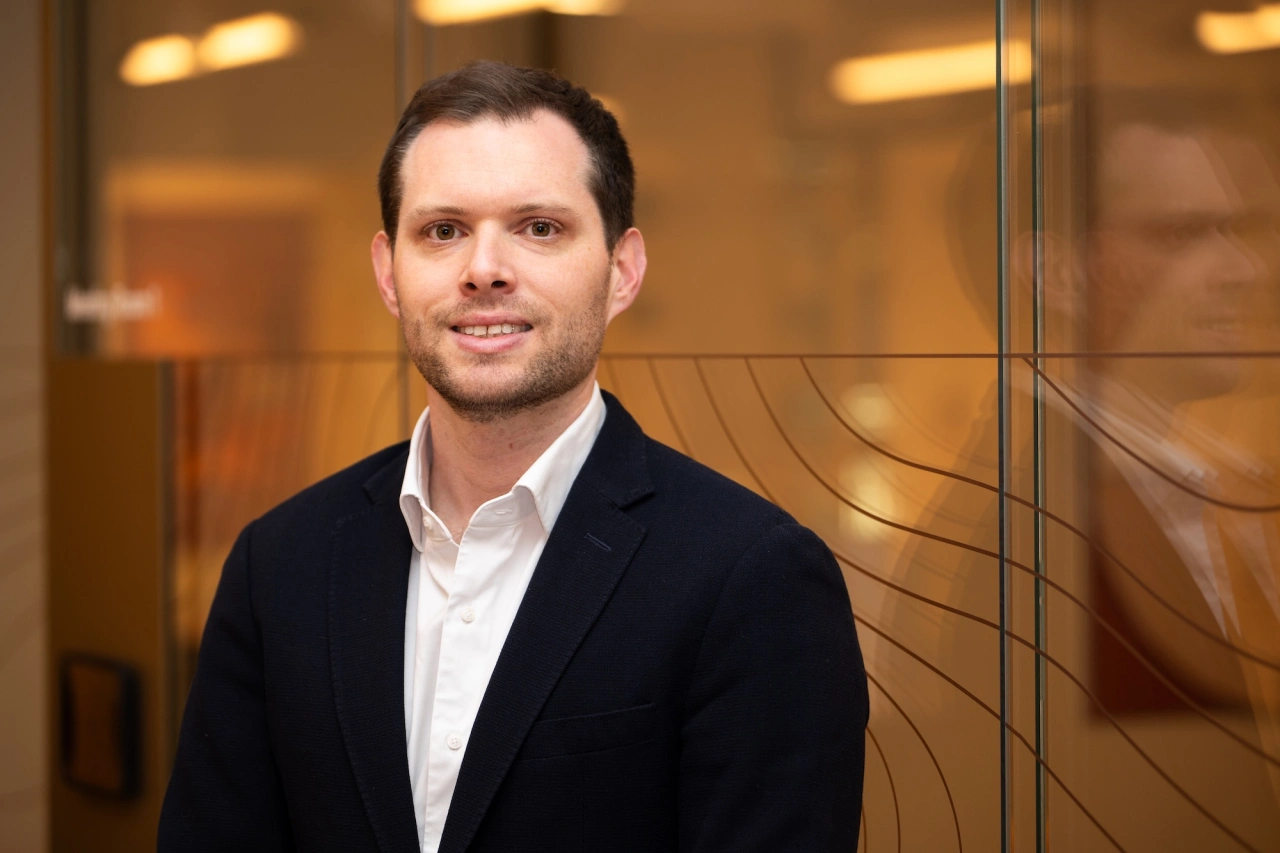
Oliver Hall, Partner, Make Architects
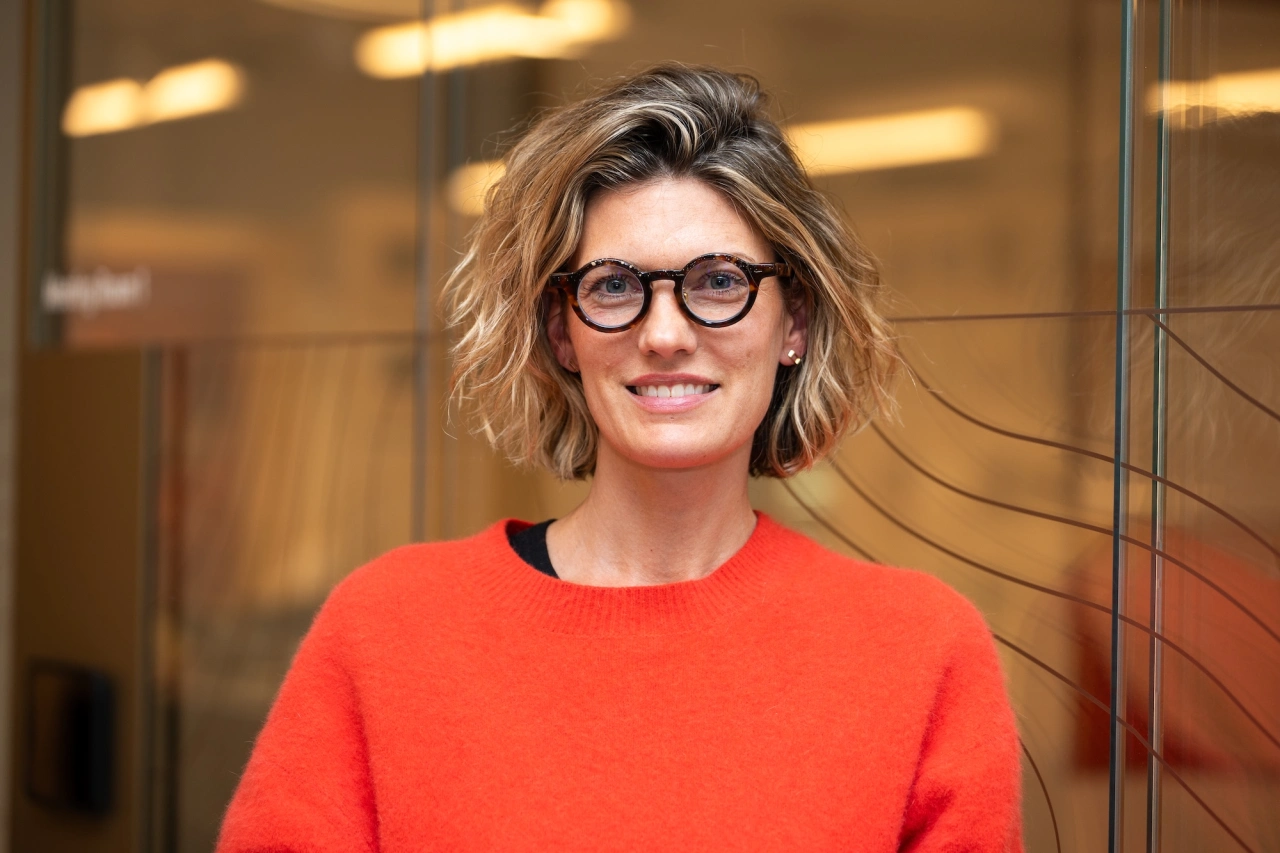
Jeni Durksen, Associate Director, M Moser Associates
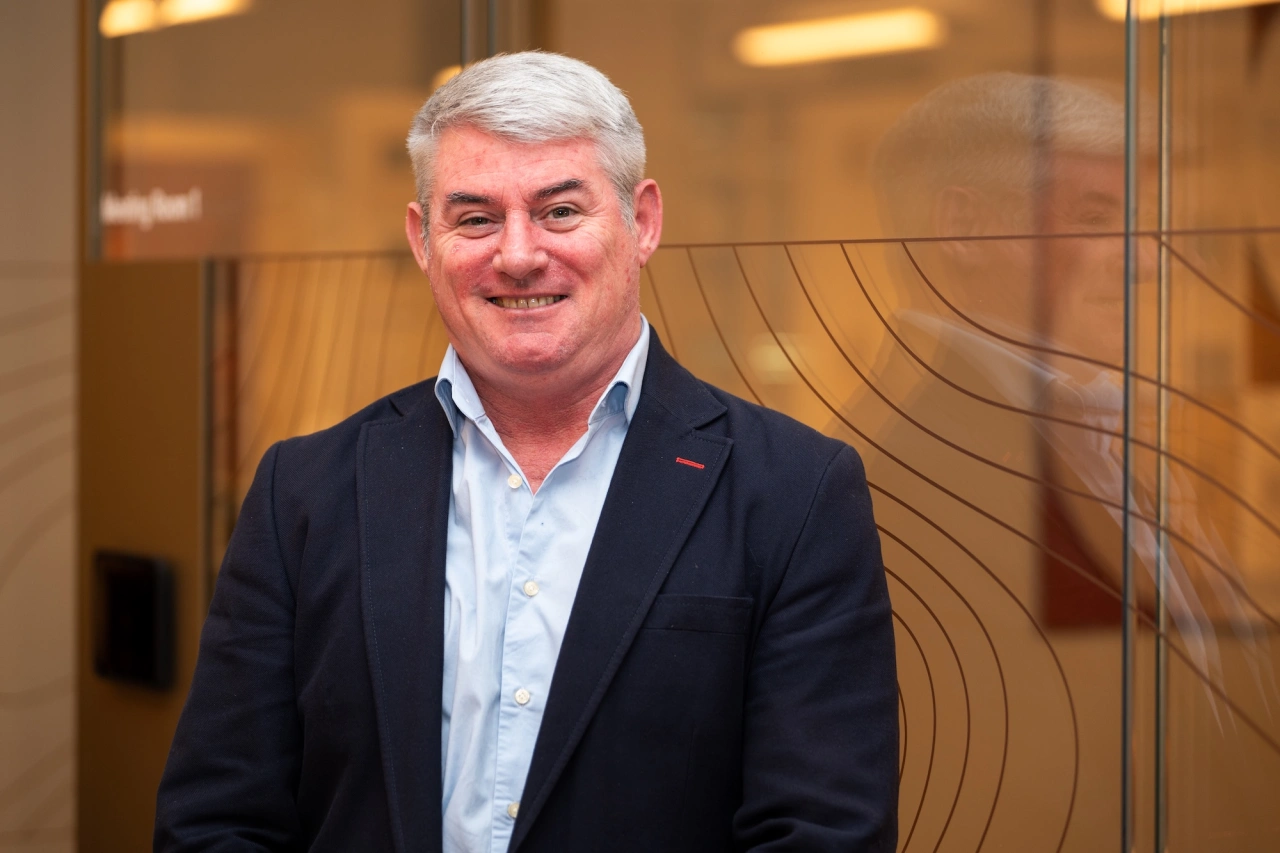
Simon Ryan, Head of Property Negotiations, CMS Cameron McKenna Nabarro Olswang LLP
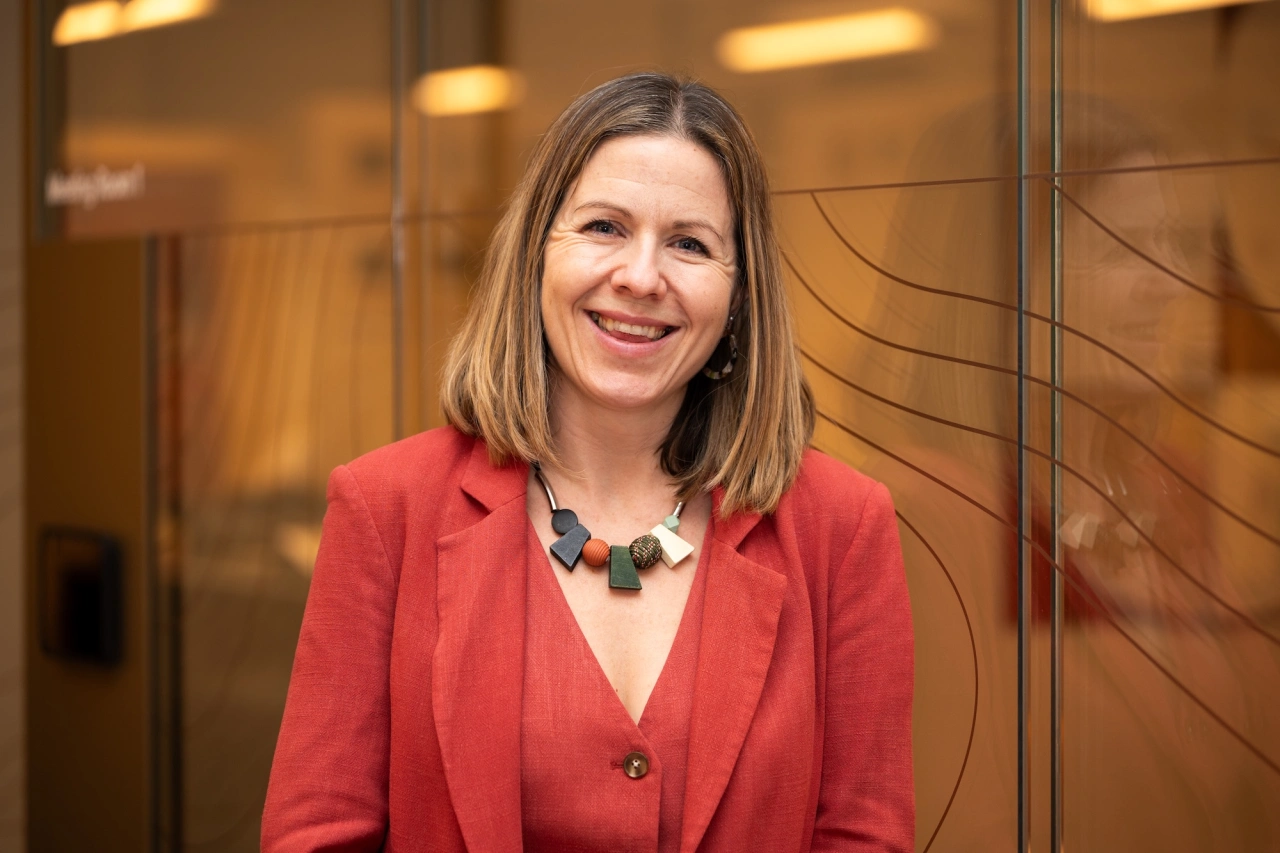
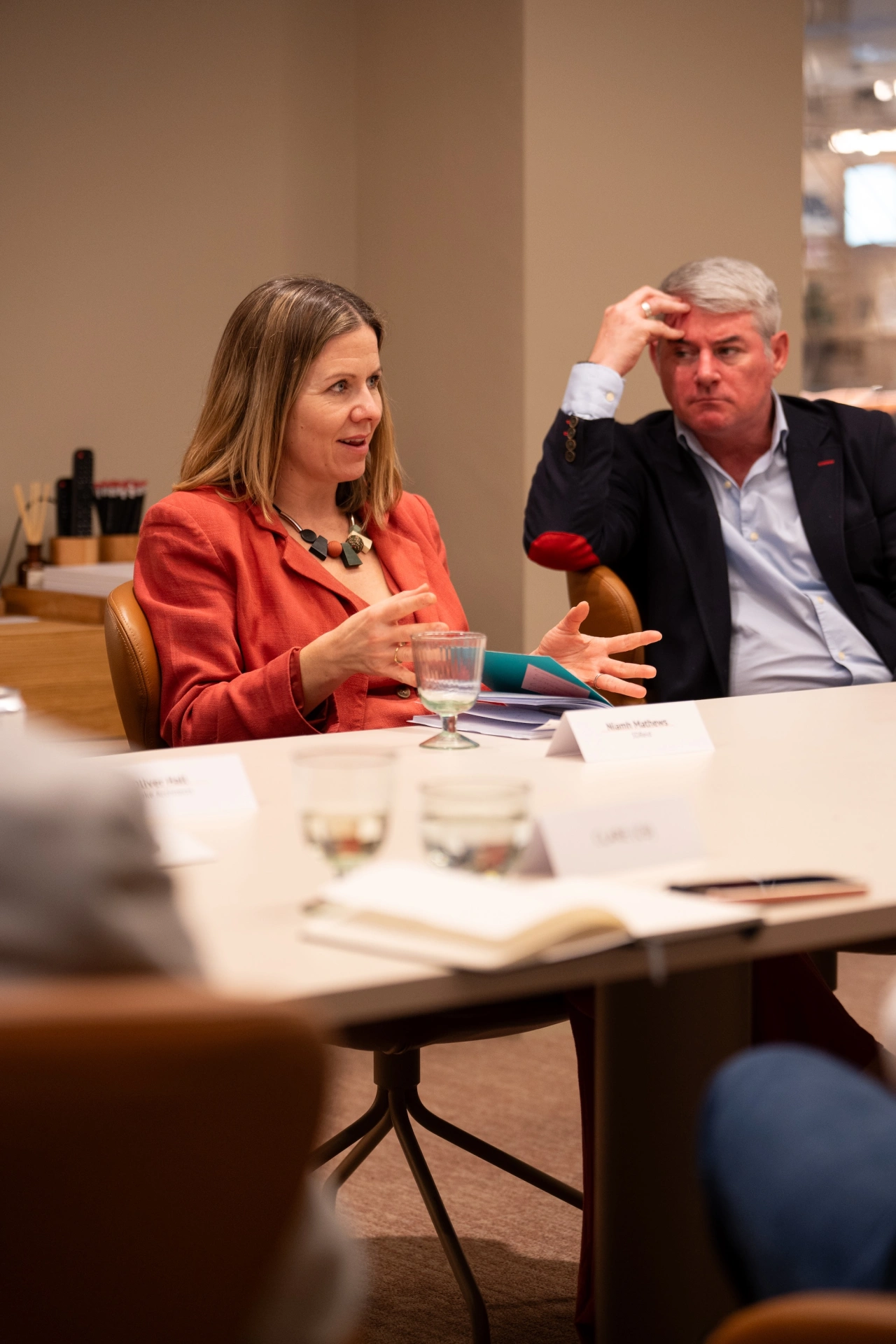
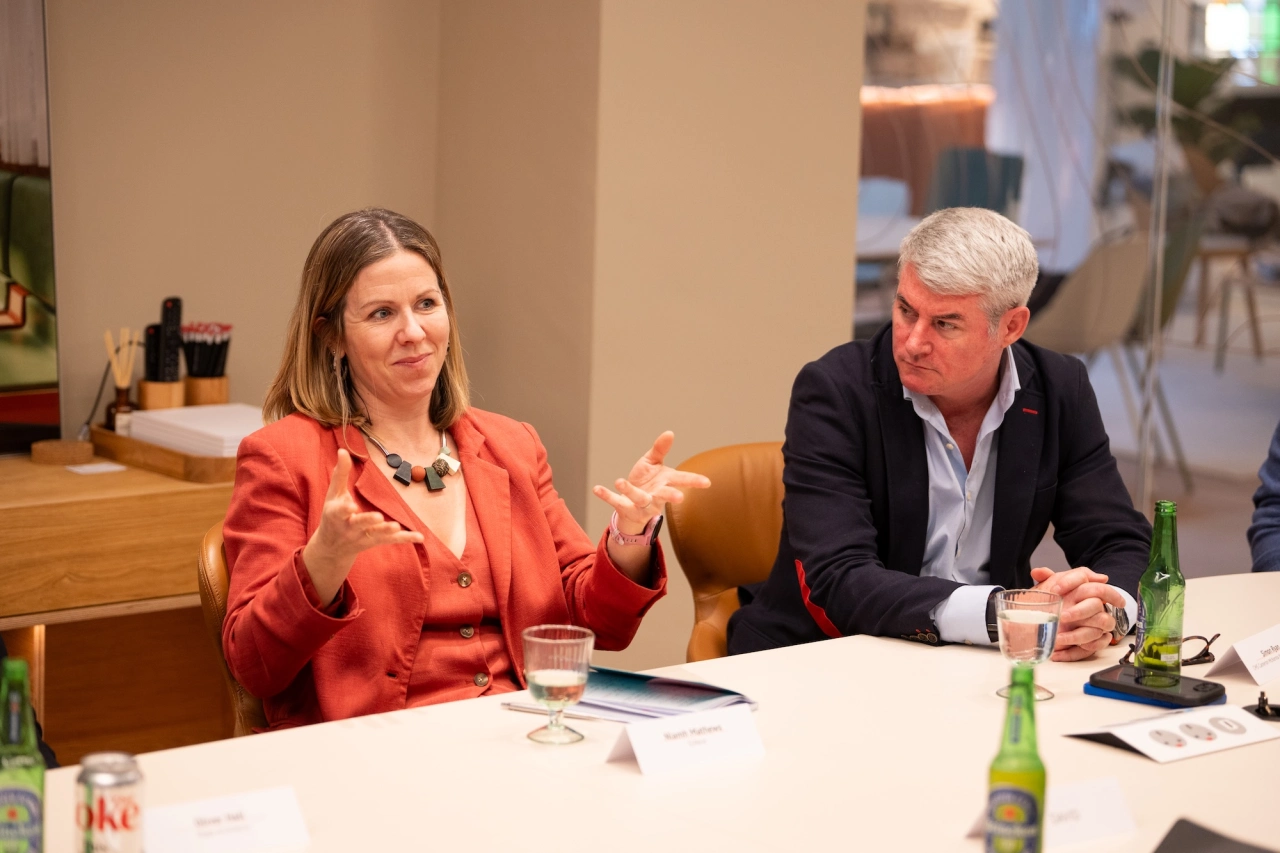
Niamh Mathews, Architect & Associate, 3DReid
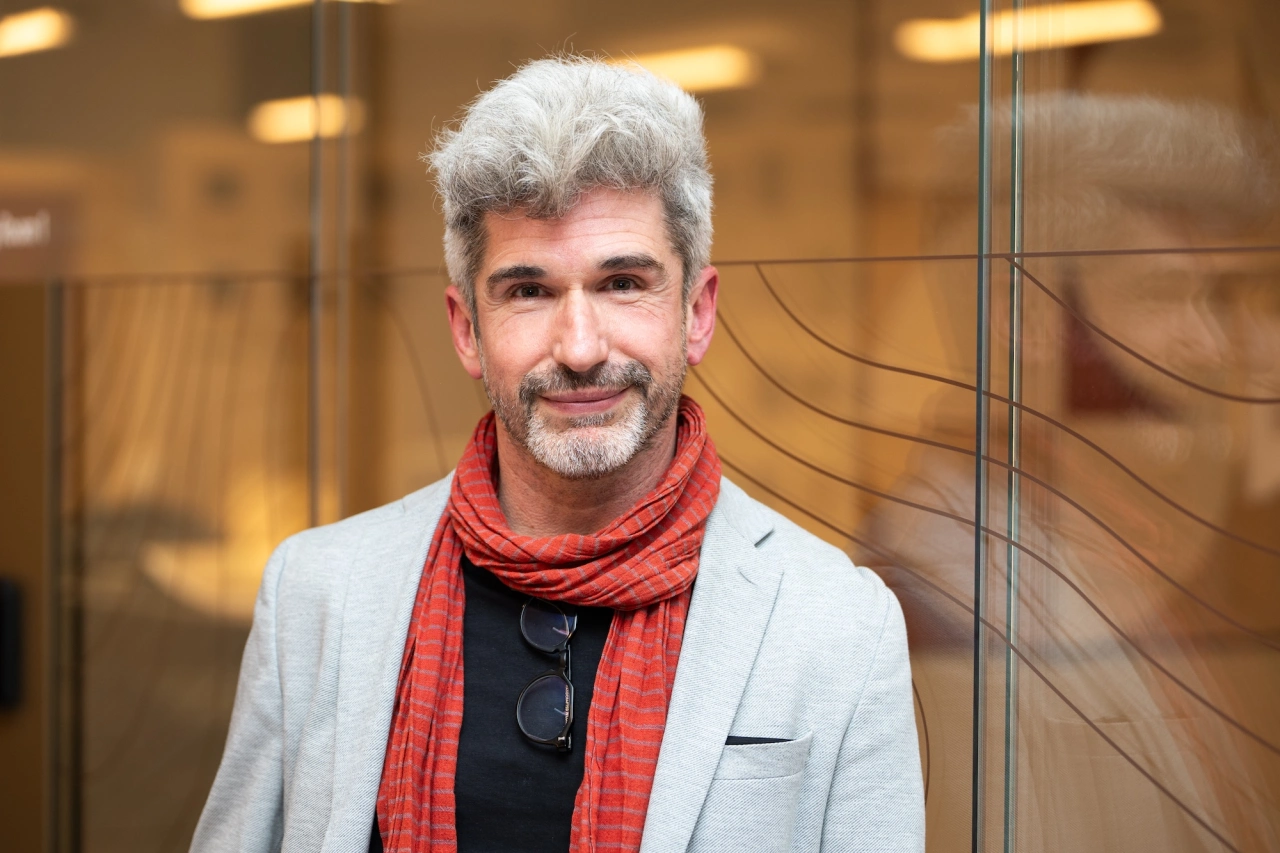
Enrique Soler, Design Director, Area
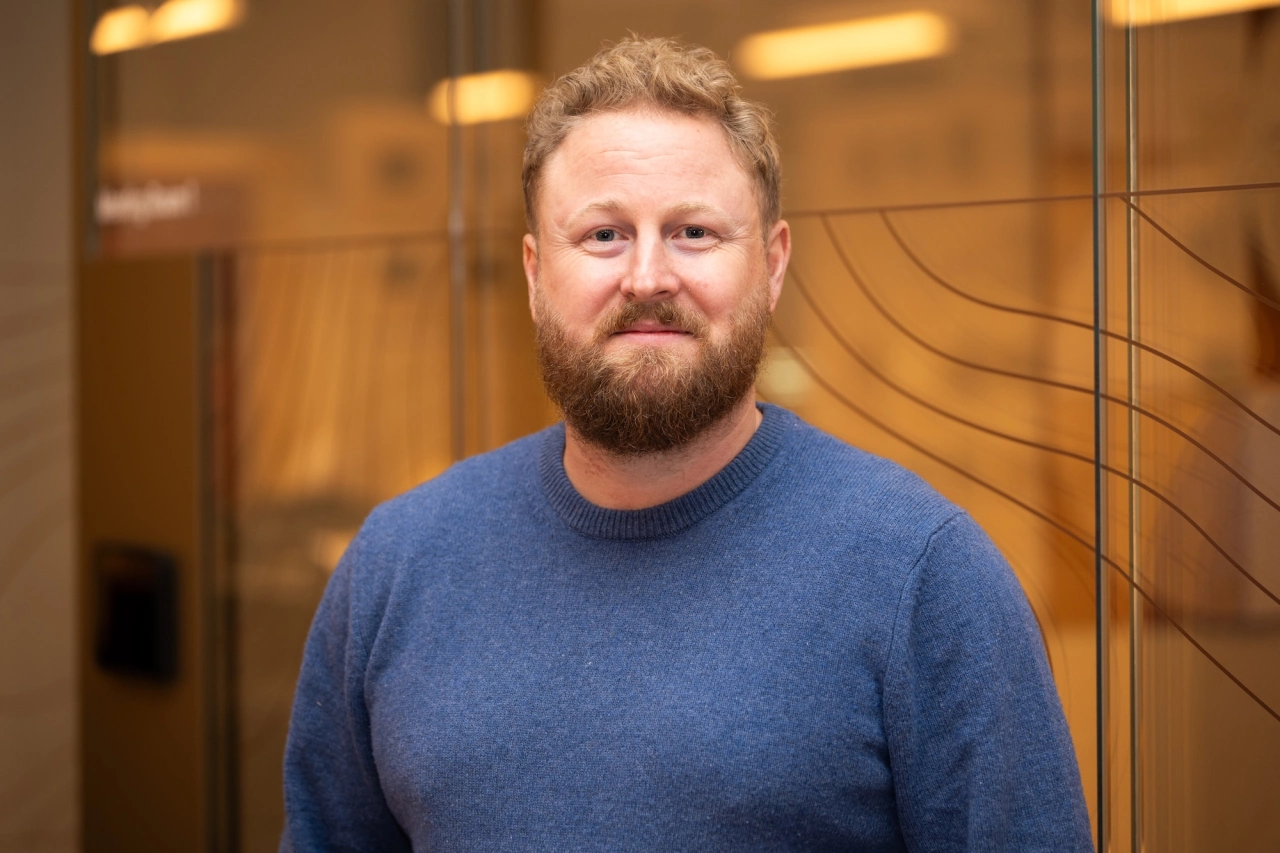
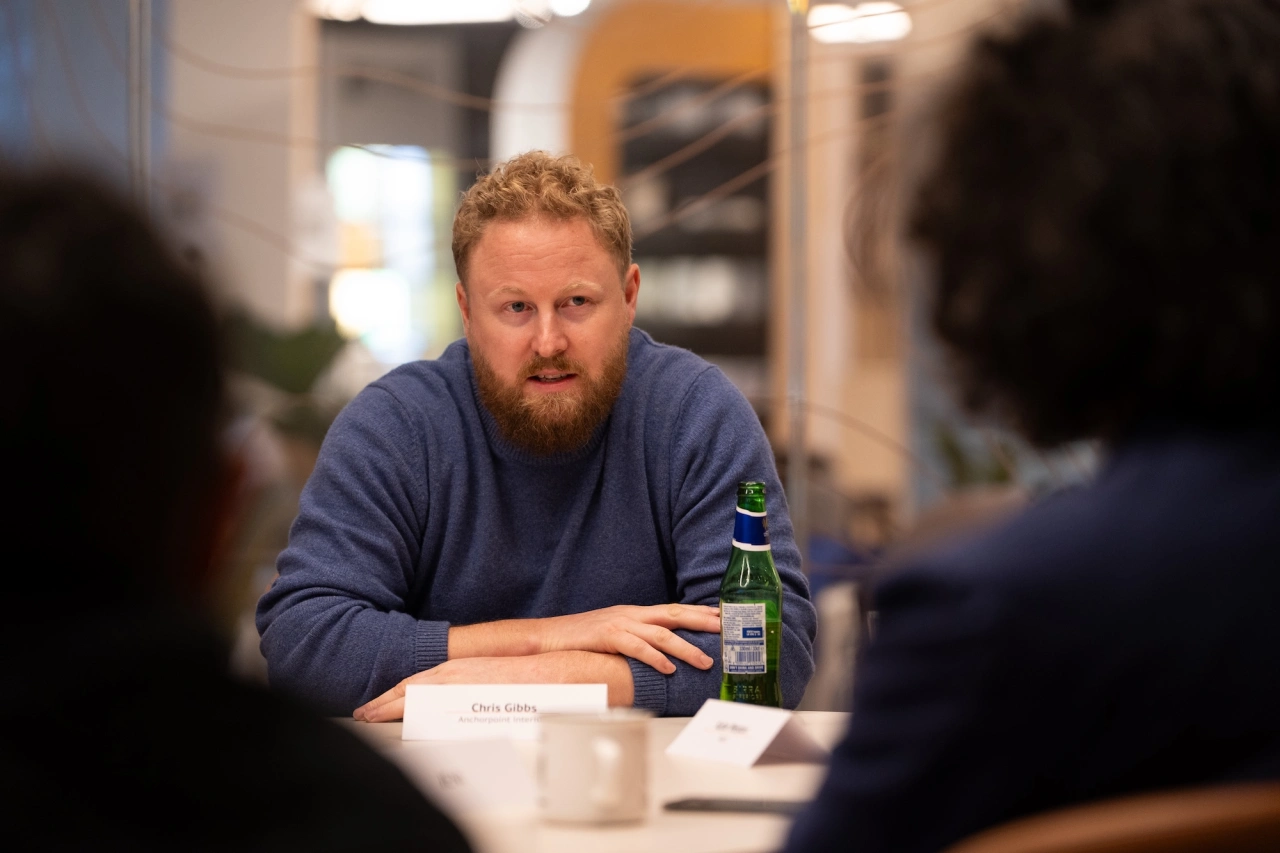
Chris Gibbs, Creative Director, Anchorpoint Interiors
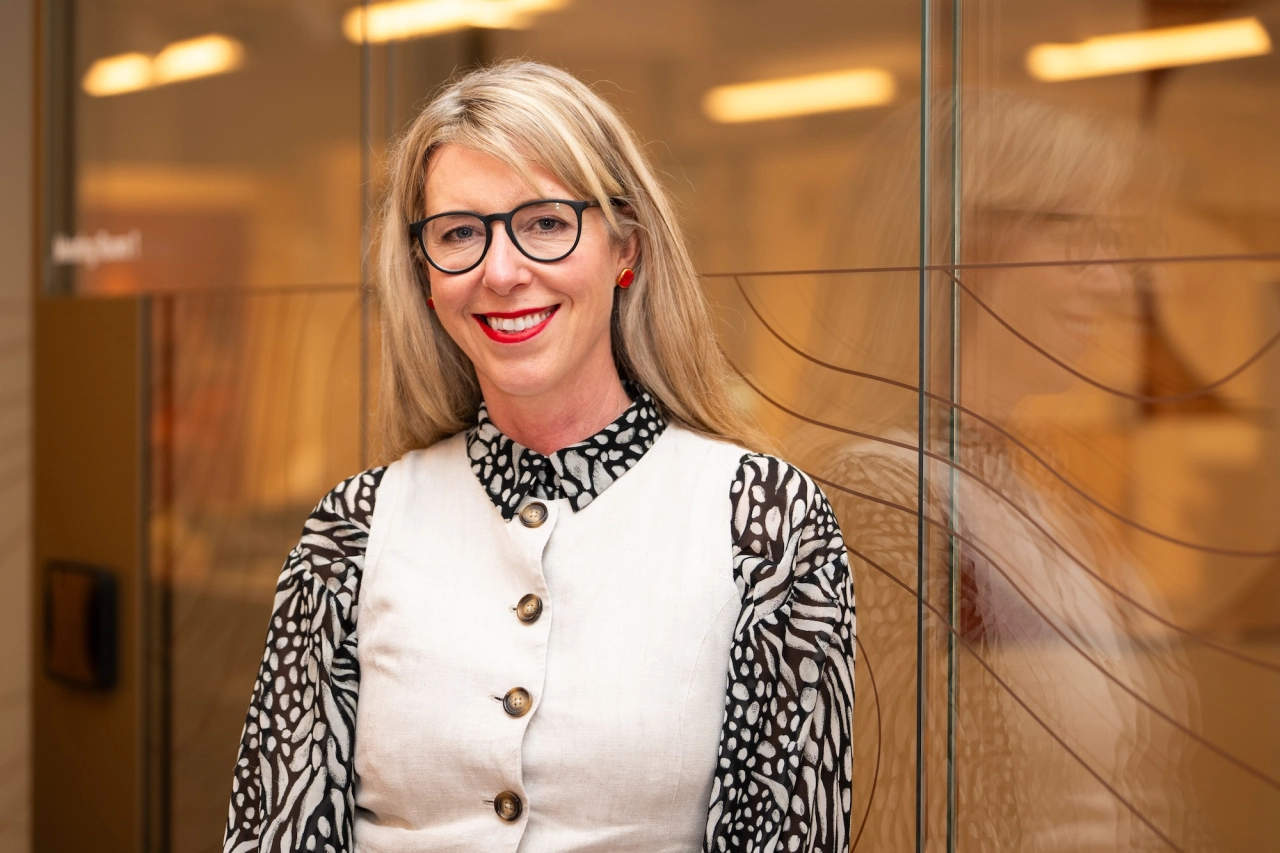
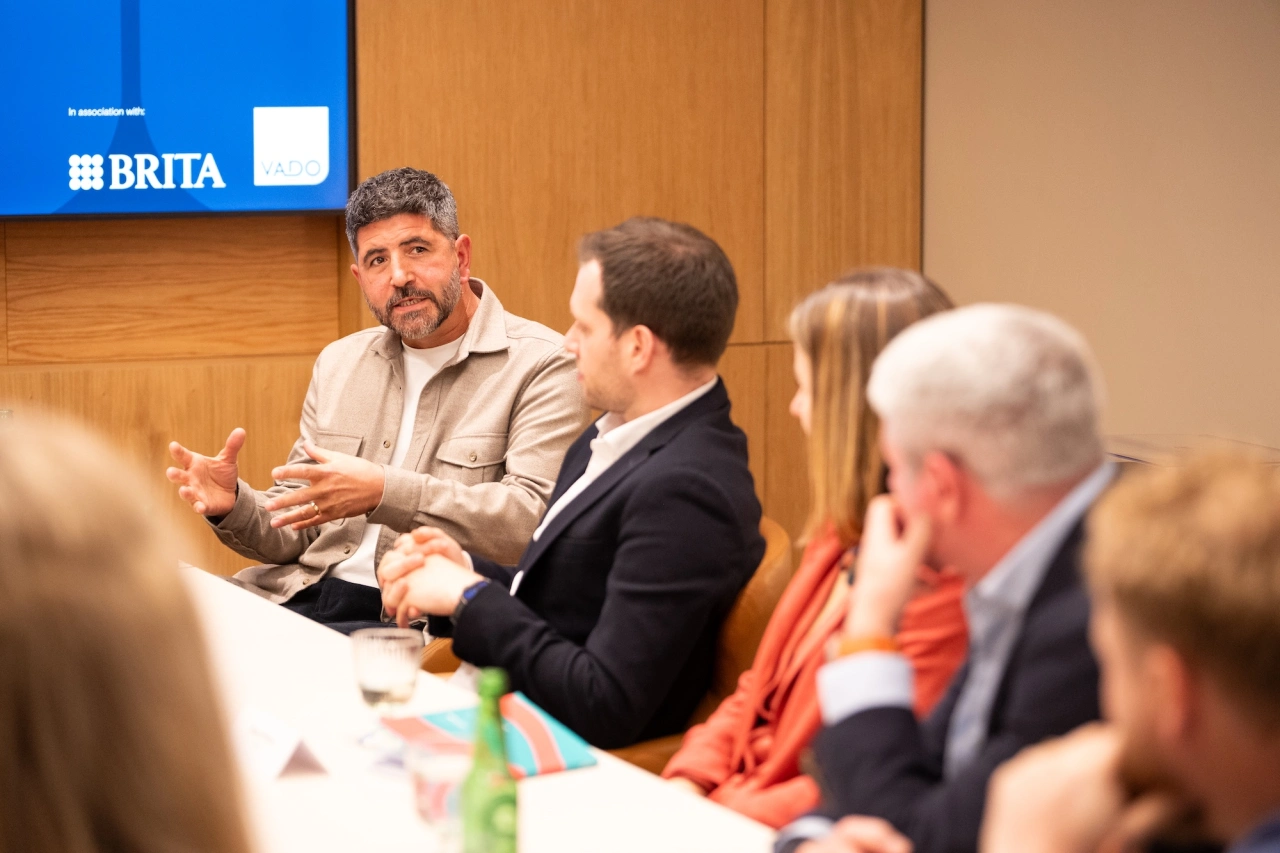
Katie Weston, Head of A&D Projects & Specifications, Vado
Andy Johnston, UK Head of Specification, Brita
Laura Connelly, Editor-in-Chief, Material Source
David Smalley, Session Chair & Director, Material Source
“What’s been the most significant change in workplace for you?” Session Chair, Material Source Studio Director, David Smalley, queried.
From ashtrays to AI, and a legal workforce identity shift, Simon Ryan, Head of Property Negotiations, CMS Cameron McKenna Nabarro Olswang LLP, opened with the fact that when he got his first desk, it came with an in-built ashtray. Small - but a significant marker of how time has moved on. The bigger shift, he argued, is technology - now accelerating into AI, which he believes will fundamentally change how legal firms operate.
He suggested that by the early 2030s, a legal office could be “half AI specialists and half lawyers,” making today’s workplace planning potentially obsolete by the time long-term refurbishments reach completion. “You’re designing for completely different personalities,” Simon suggested.
“You’re designing for completely different personalities.” - Simon Ryan, Head of Property Negotiations, CMS Cameron McKenna Nabarro Olswang LLP
For Oliver Hall, Partner, Make Architects, it is ‘amenity’ that’s changed most. He says it has “escalated fast - possibly to peak amenity, at this point.” What once counted as a strong offer (bike storage, showers) has become outdated. Newer completions now include features like nail bars and Peloton suites. "Maybe that’s not right for every occupier and landlord but it’s a fabulous asset to have and the 40 Leadenhall tenants love it as shown by the recent BCO National Award for Customer Experience!,” Oliver said. He did though question whether under current financial pressures, some of that offer may not be sustainable for every project.
“Maybe we’ve already gone from not-enough-amenity to peak-amenity, to can’t-afford-that-amenity-anymore.” - Oliver Hall, Partner, Make Architects
For Jeni Durksen, Associate Director, M Moser Associates, the key alteration in workplace is flexibility and the need for multi-purpose spaces. Because specificity expires quickly, Jeni argued that hyper-specific “cool” spaces date fast. “The modern workplace must support multiple uses and be easy to hack and reconfigure because organisations’ needs can shift between briefing and completion,” Jeni commented. She framed flexibility as less a trend than a risk management response to rapid change, echoing Simon’s point about the technology-enabled, ever-shifting landscape we’re now dealing with.
“The modern workplace must support multiple uses and be easy to hack…” - Jeni Durksen, Associate Director, M Moser Associates
“In my world, it’s interesting,” Simon added, “if you come to a working floor, it’s a very different set-up than in the past. If you come to business services: it’s been open plan for a long time, people working within ‘neighbourhoods’. I’ve been pushing for neighbourhoods for the lawyers. I know it puts a target on my back, but I want to do it. Yes, you can still have your own desk, but I want you checking in because I want that data. That data will help inform the firm’s strategy.”
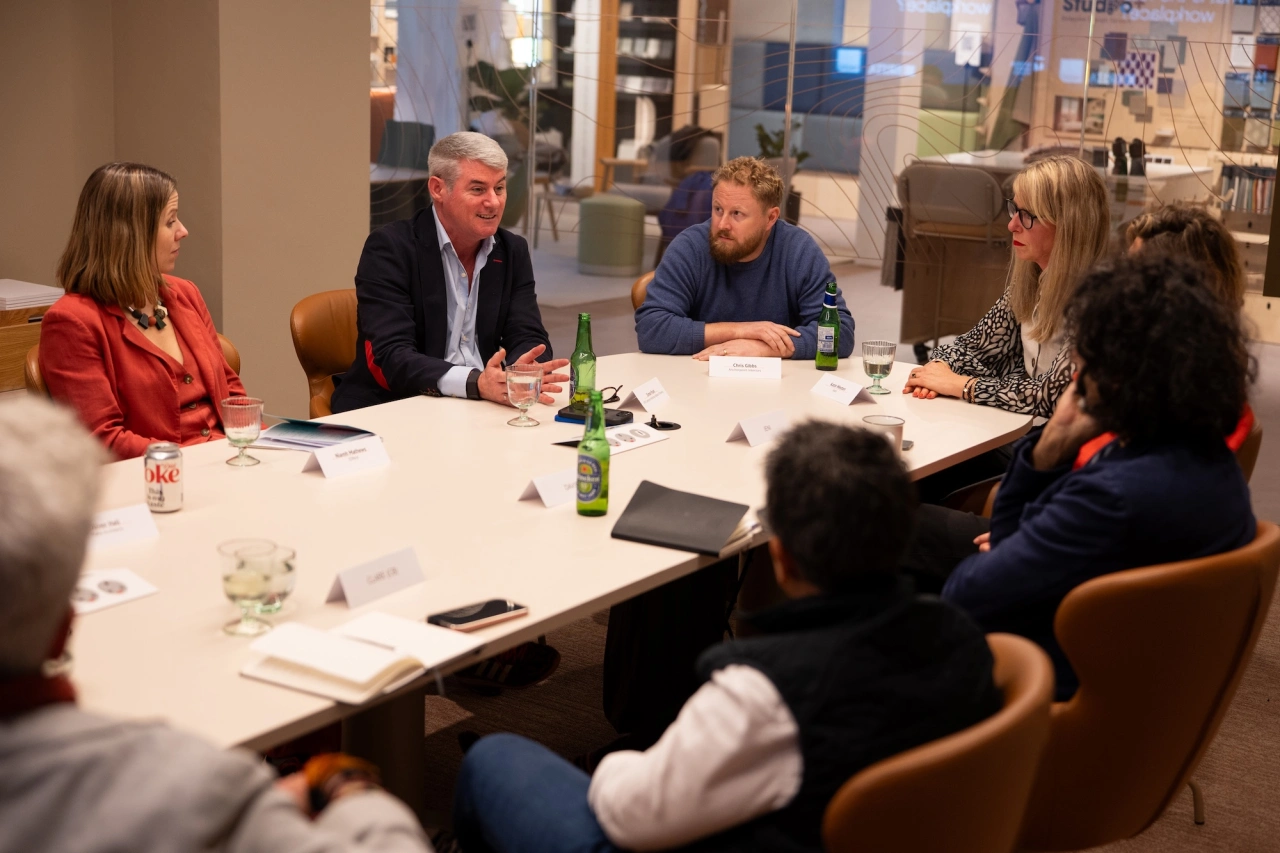
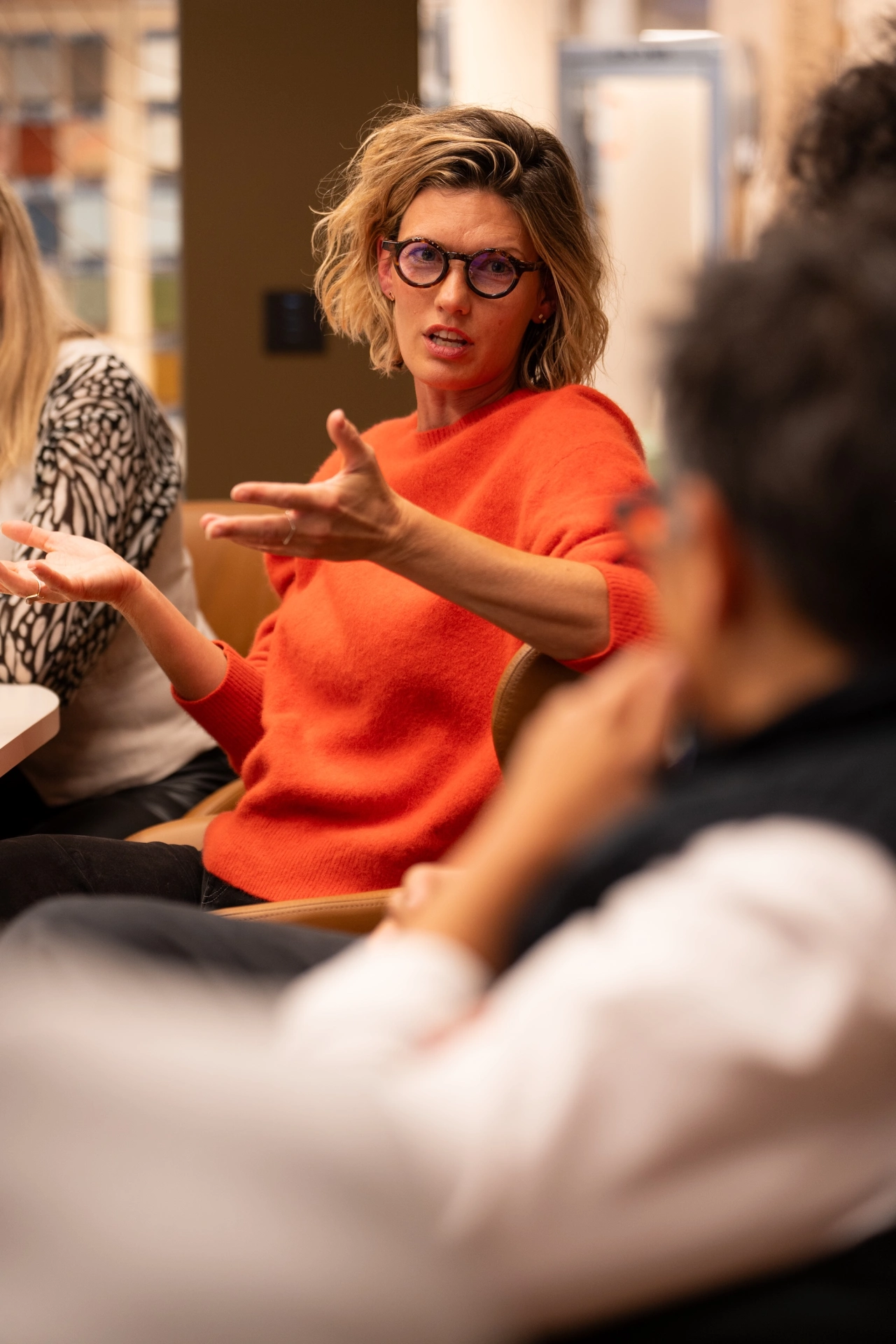
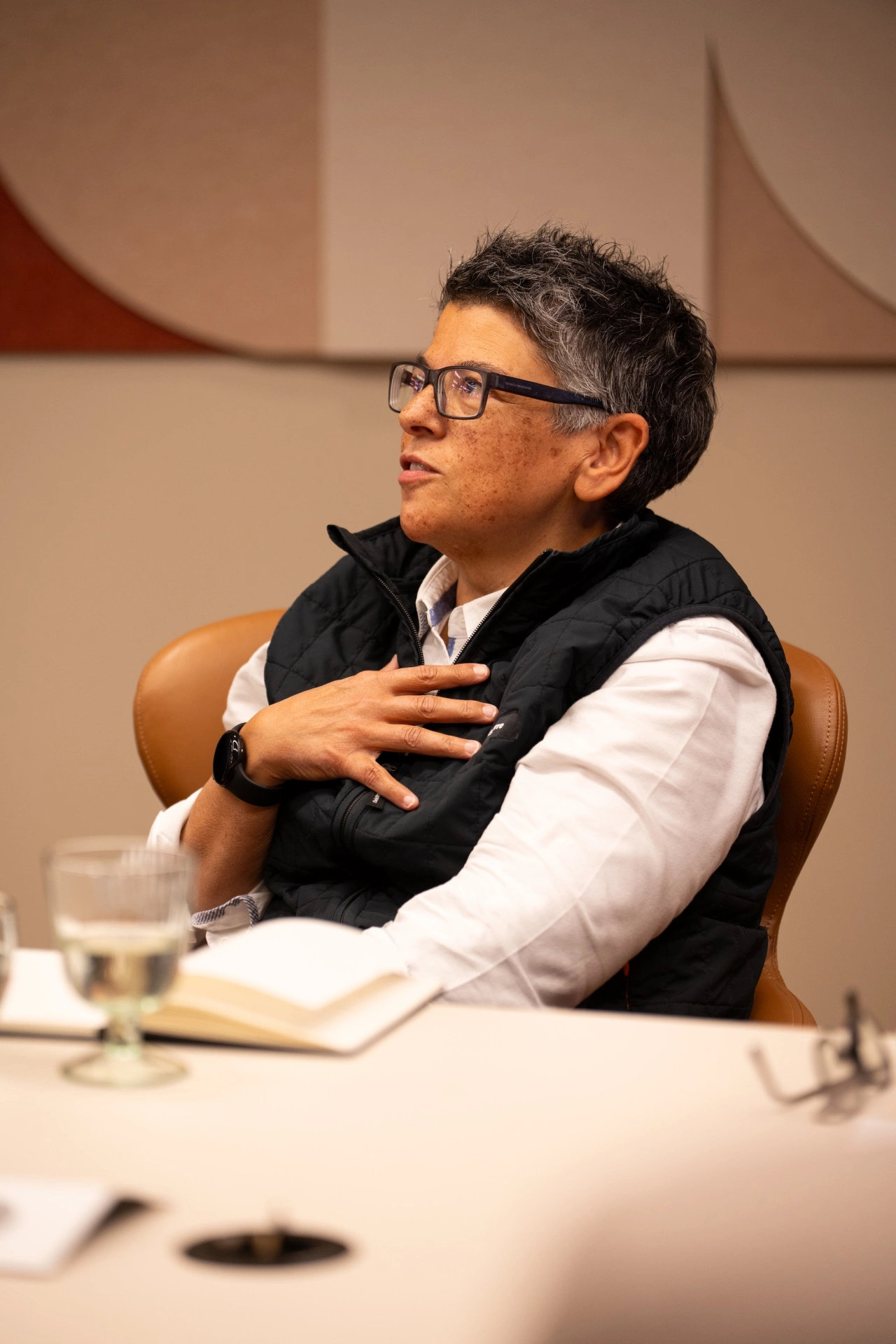
Unlike a corporate organisation where there may be a CEO at the helm for a long time, Simon shared that law firms have a 4-year window with a Managing Partner. “So by the time we make a decision, that original Managing Partner involved may not be there.” This is a double-edged sword, Simon said. It can in some cases be a blocker, while others may view change as part of their legacy.
Niamh Mathews, Architect & Associate, 3DReid, continued on this point around the people at the top making the decisions not always being the ones using a space, which has led to a behavioural shift. She has observed greater emphasis placed on listening to non-decision makers.
“I think our design focus is trying to draw the young people back into the office.” - Niamh Mathews, Architect & Associate, 3DReid
This has seen consultation increasingly aimed at the wider workforce, particularly younger employees, Niamh said, not just senior decision makers. She described feedback from her own team about open amenity areas that feel too exposed, and the desire for quieter breakout settings - suggesting that the design brief is being pulled toward everyday comfort and focus, not just statement spaces. And that is specifically coming from Gen Z.
Clare Bacchus (CB), Strategy Director, Gensler, believes that brand presence and purpose have moved to the fore in workplace, perhaps also in reflection of appealing to, and attracting back, a younger demographic. This is not necessarily displayed through overt logos, but “as purpose made tangible”. In CB’s experience, organisations have had to become more transparent; brand is now entwined with culture and employee value proposition.
“The keyword, I think, is purpose. How does the purpose live in an organisation?" - Clare Bacchus (CB), Strategy Director, Gensler
“The keyword, I think, is purpose. How does the purpose live in an organisation? That sparks opportunity for talent attraction, for shareholders, and for client base. Having like-for-like purpose in the public mitigates risk and allows people to make key commercial decisions linked beyond money. And communication to the public is much easier now because of technology. Everything is open to see.”
On the subject of ‘bringing people back’, Chris Gibbs, Creative Director, Anchorpoint Interiors, proposed hybrid working as having “changed footprint logic.”
“We’ve gone from fully flexible workspaces, and now they’re almost reverting slightly back…” - Chris Gibbs, Creative Director, Anchorpoint Interiors
Desk-sharing ratios and consolidation are now mainstream, he said, as organisations operate on smaller footprints. “But hybrid working didn’t just reduce desks - it created demand for more spaces that support calls.” Thus, the “most talked about furniture item,” in workplace design, he noted, has become the privacy pod: a partial swing back from fully fluid working to more structured plug-and-play environments.
“We’ve gone from fully flexible workspaces, and now they’re almost reverting slightly back to desks or plug-and-play environments so they can have those calls and also squeeze people into a smaller space.”
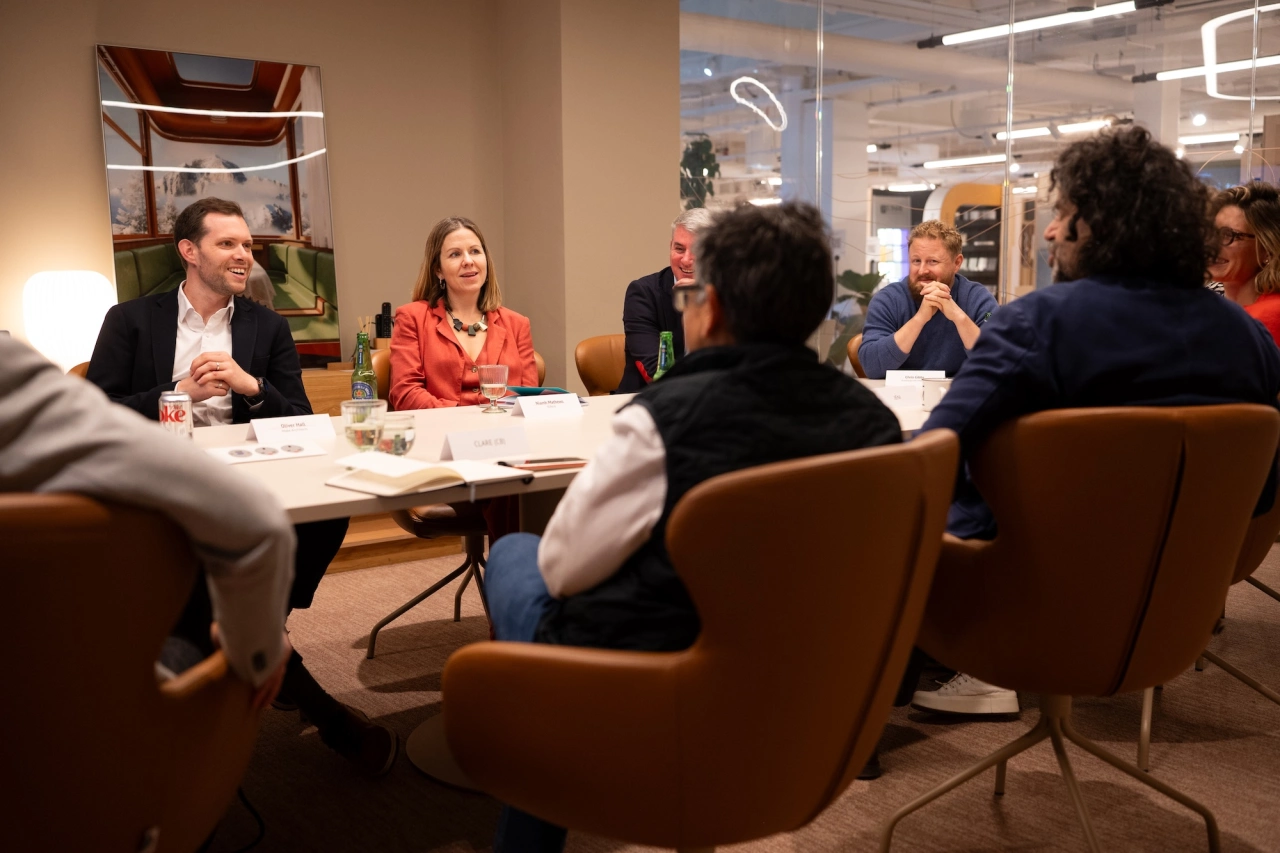
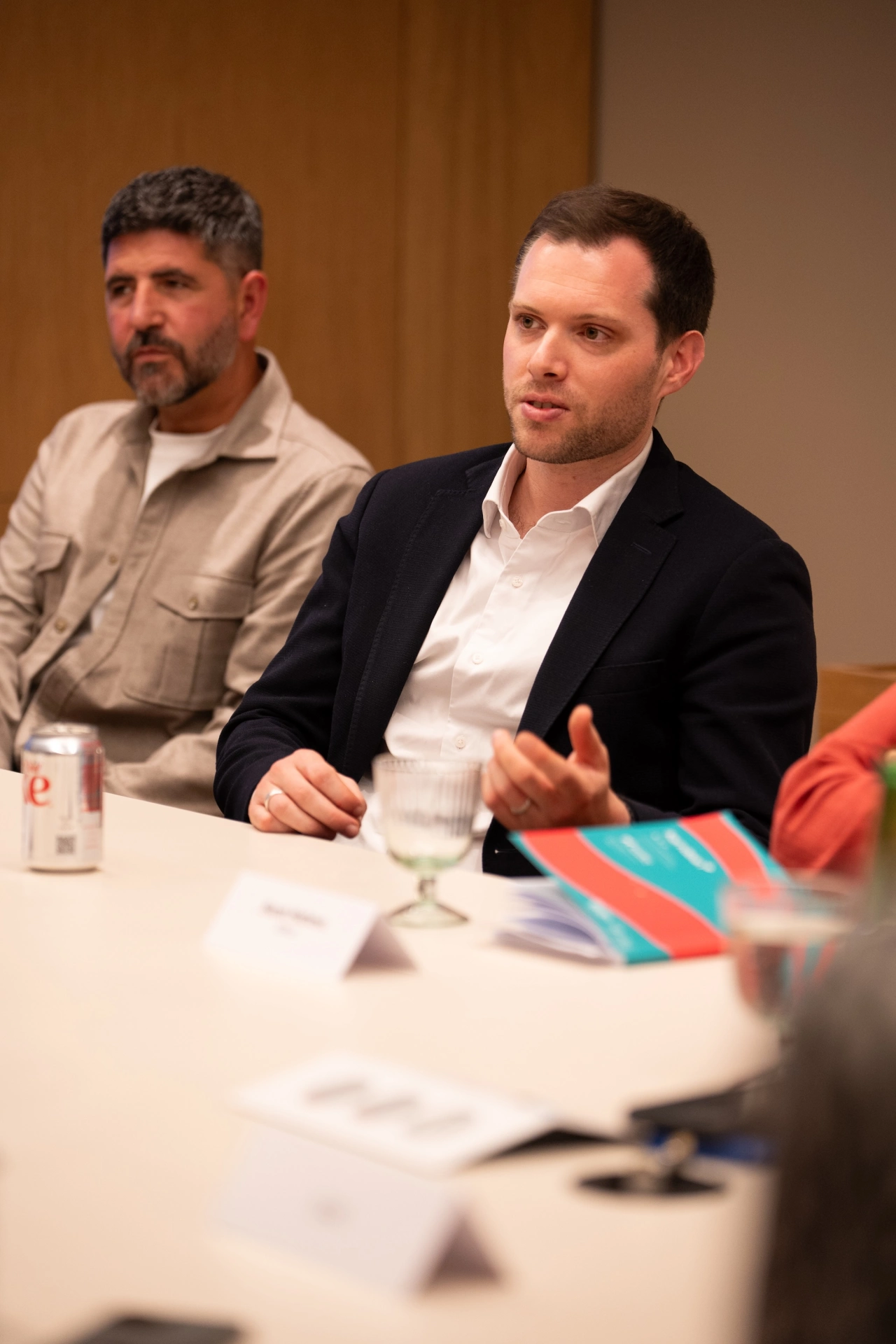
Stakeholder fatigue
CB threw in some provocation at this point, commenting, “I feel there’s a bit of a red herring around hybrid. I think we’ll end up continually having to change space based on the audience we listen to.
“So, how do we create that kind of trifecta effect? Leadership should tell you ‘why’. HR, policy, principles, and behaviours should tell us ‘how’. And the end users, who we serve as colleagues, should tell us ‘what’. The challenge is: if you keep listening to end users, you’ll end up with a lot of ‘what’ and not much ‘why.’”
Chris agreed, saying, “I completely agree. I don’t think there’s enough time dedicated to that stage zero to stage one part of any project. Whether or not we’re getting the right people, the right consultants, for clients to input into that to allow business cases to be made, to find the right property, and find out what they need from that property.
“It seems it’s largely PMs, cost consultants, maybe agents who are part of that journey. Why aren’t other people - who are going to be influencing where that space is going - brought in earlier? Even to find the property. Because 20,000 square feet in one building is completely different to 20,000 square feet in another building. So why are we not getting those necessary people in early to help build those business cases?”
Nods from around the table signified the importance of this statement as presenting recurring tension: more specialists equals more stakeholders leads to less control.
“Workplace design has become ‘cool’ - and harder to deliver well.” - Enrique Soler, Design Director, Area
Enrique Soler, Design Director, Area, furthered this, commenting, “Workplace design has become ‘cool’ - and harder to deliver well.” Now, what happens inside buildings matters culturally and commercially. But that comes with increased complexity – as Chris said, more stakeholder inputs, more expectations (neurodiversity, sustainability, inclusion), and greater difficulty producing truly coherent design amid competing agendas.
While clients were said to know more about the design process than ever before, from standards such as WELL to inclusive design and biophilia, it was suggested by both Enrique and Niamh they may not understand the process realities: decisions made late, changed often, and without willingness to pay for the consequences.
“I think we’ve lost control,” Niamh commented, “There are too many stakeholders. There are so many consultancies plugging in that it’s hard to get a decision made. It elongates the programme, and time is money.”
“We’ve got more and more stakeholders to engage with, more and more people to put into that melting pot of ideas. It’s very easy to run away with a pretty average design. It’s much harder to attain a core design identity that relates to the brand and the occupant,” Jeni agreed.
“And with fees over time, versus wellbeing of the architectural workforce - it's tough,” CB added.
Of the stakeholders referenced, this could include anyone from lighting consultants to people tasked specifically with achieving badges for a project, the group shared. “There’s so much specialisation in big companies. The bigger you get, the more specialist people you have,” Jeni said. In her experience, 50+ on some project calls.
“It goes back to getting the necessary people involved early to arm clients with the information to make the best decisions,” added Jeni, to avoid disappointment later down the line when design is at the mercy of a chosen property’s attributes. (The requirement for catering facilities in a building that doesn’t allow for that, for example).
Recruit & retain
“After Covid, we heard the phrase ‘recruit and retain’ banded about a lot,” David said. “How are you helping your businesses and clients recruit and retain?”
Speaking of a previous role at Barclays, CB said this can be attributed to “hardware and software.” The building matters, but so do leadership visibility, progression, and meaningful work. If workplaces are expected to function as curated destinations, organisations must invest in the operational teams and budgets that deliver programming, otherwise expensive spaces underperform.
“The building needs to be doing amazing things, but it’s only as good as the opex allowed to curate and activate the building. If you create beautiful spaces and you want DJs at lunchtime, or social enterprise coming in, you need teams to do that, and that costs money to run.
“We need to show the value of opex in terms of cost of talent and benefit of doing work. Otherwise we’ll say, ‘Those amenities don’t get activated, we don’t need them.’ When the answer is: if you spent a bit of money, put in a bit of effort, those places would be activated.”
This also comes down to ‘community’ Chris believes. “We’re pack animals; we want to feel part of something. Building community can be as simple as free nice coffee. It’s tapping into what makes people feel like they’re not just a line on a spreadsheet. If you do that, companies get productivity and can attract and retain talent.”
David highlighted the word “experience” in terms of how a place makes someone feel. “It’s hospitality, isn’t it? You may not remember the building itself, but you’ll remember how it made you feel – is that linked to the activation of facilities that defines the experience once you’re in there?”
Claire challenged the idea of “hospitality-rich workplace” being something you can buy with furniture. Good hospitality, she argued, is relational: the exchange between giver and receiver, supported by space but not created by it. The best “parties” can happen in a dodgy kitchen; the memory is in the feeling, not the finish. For workplace, that means designing for the senses - acoustics, sightlines, flow, comfort - and then going back to the importance of funding the operational layer that activates the environment.
“The hospitality workplace can only happen if we’re thoughtful about the relationship of tech, people, and space in equal measure, and attacking all the senses - because senses are memory burners. That’s the magic we can bring to workplaces in a richer way,” CB said.
Jeni connected this to the earlier ‘resimercial’ era: the mistake was turning comfort into a style checklist rather than an experiential outcome. People aren’t asking for gimmicks; they’re asking for spaces that work, she suggested - daylight, fresh air, a variety of settings, calm.
Acoustics emerged as a practical symbol of the experience gap: several noted that beautiful offices fail quickly if they are noisy, echoing, or overstimulating - especially for employees who became accustomed to controlled home environments during the period of extended remote working.
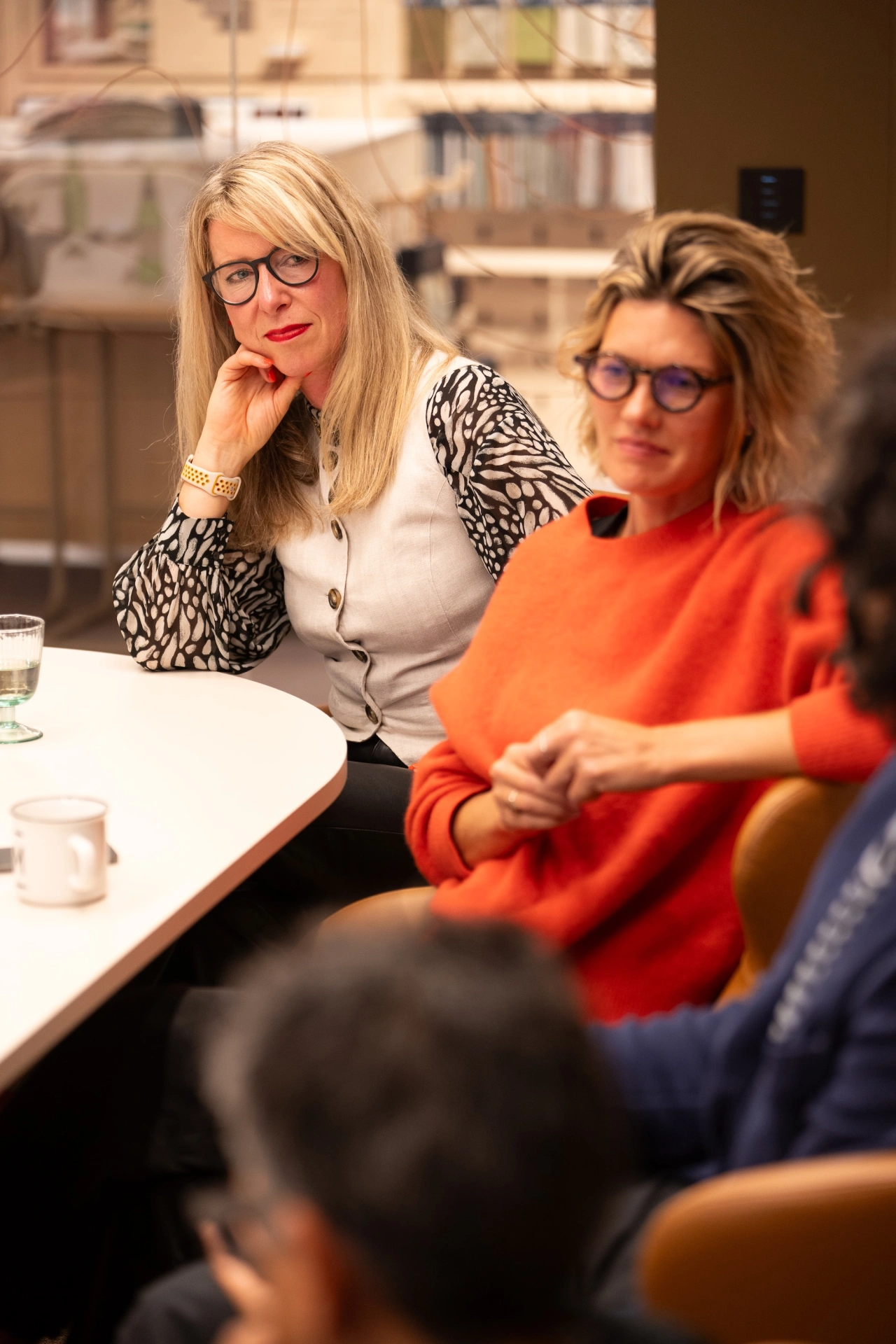
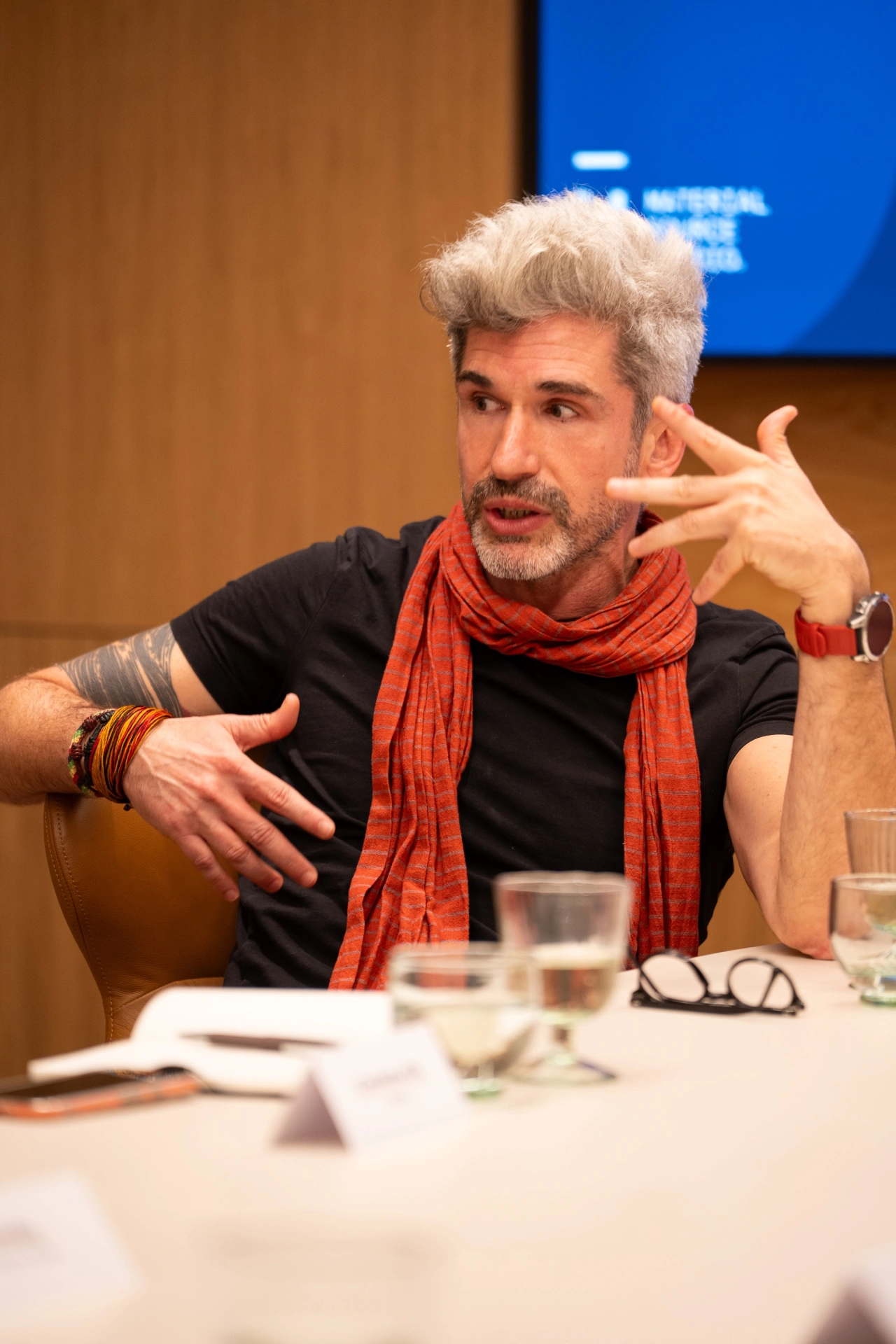
Oliver argued that the “office experience” is inseparable from its urban context. In his view, the post-Covid market shift toward the West End in London is driven by connectivity (Crossrail) and the surrounding offer (nightlife, lunch, coffee, activity). “Offices win when they are part of a place people want to be - not isolated containers of desks,” he said.
Canary Wharf’s evolution was used as a case study: once criticised for being dead after hours, it has transformed into a more complete neighbourhood. The inference here being that workplace strategy now involves placemaking dynamics, not just internal fit-out decisions.
Tech to facilitate, tech to renegotiate
Returning to a point made at the top of the conversation, Simon brought up an interesting thought. For technology’s next twist: could it be the force that pulls people back to the office?
Simon suggested technology may not only have enabled home working, but it may soon actually require office attendance again. If data security, server infrastructure, and AI compute demands become more centralised and controlled, the office could regain importance simply because it is where the power and speed reside.
“Technology drove us home because of Covid. And technology might drag us back. Do you know why? The speed and the data to keep your environment safe. They might start building server rooms to keep it all in-house again, not up in the cloud. If they do that, the speeds – terabytes - you can’t have that at home with Sky. You might have to go to the office to do that work, to have that power and speed behind you,” Simon commented.
This increasing reliance on technology may also be what makes ‘being human’ more valued, and valuable, CB added. “With technology and the speed of AI, the opportunity for human discernment and judgement is going to become ever more pressing.
“If we can remain human-centred while technology does what it does, trends will come and go. Fundamentally, we’re going to have to design for more critical thinking, judgement, and discernment, because tech will take away lots of tasks. New skills will be integrity, judgment, and being human. The environment needs to allow that to flourish.”
From a Brita perspective, Andy Johnston, UK Head of Specification, shared, “A lot of what our leadership team talks about is psychological safety - in buildings, in teams, at home - being able to be authentic wherever you are.”
"It's true inclusivity," seconded Katie Weston, Head of A&D projects & specifications, Vado.
As the discussion came to a close, it was agreed that workplace is more complex than it has ever been before: more stakeholders, faster shifts in work patterns, tighter viability, and growing pressure to prove value. “Everyone around this room will have different perspectives on what is most important about workplace. It harks back to the fact it’s a complex ecosystem, and we’ve all got different experiences of it,” Chris said.
The concluding sentiment came down to fundamentals. Underneath “amenity”, “hybrid”, “AI”, and “certification”, the enduring requirement remains human: people want to thrive. They want choice, comfort, and environments that support focus and connection. They want spaces - and cultures - that feel good to be in.
And that’s demographically across the board – what young people want is not as outlandish as could have previously been assumed, the group agreed. As Jeni shared, “I saw some students on a panel last year and they were so eloquent. They asked for basic things: natural daylight, a variety of settings, planting and biophilia, fresh air. They’re not asking for the over-the-top cool stuff. They just want workplaces that work.”
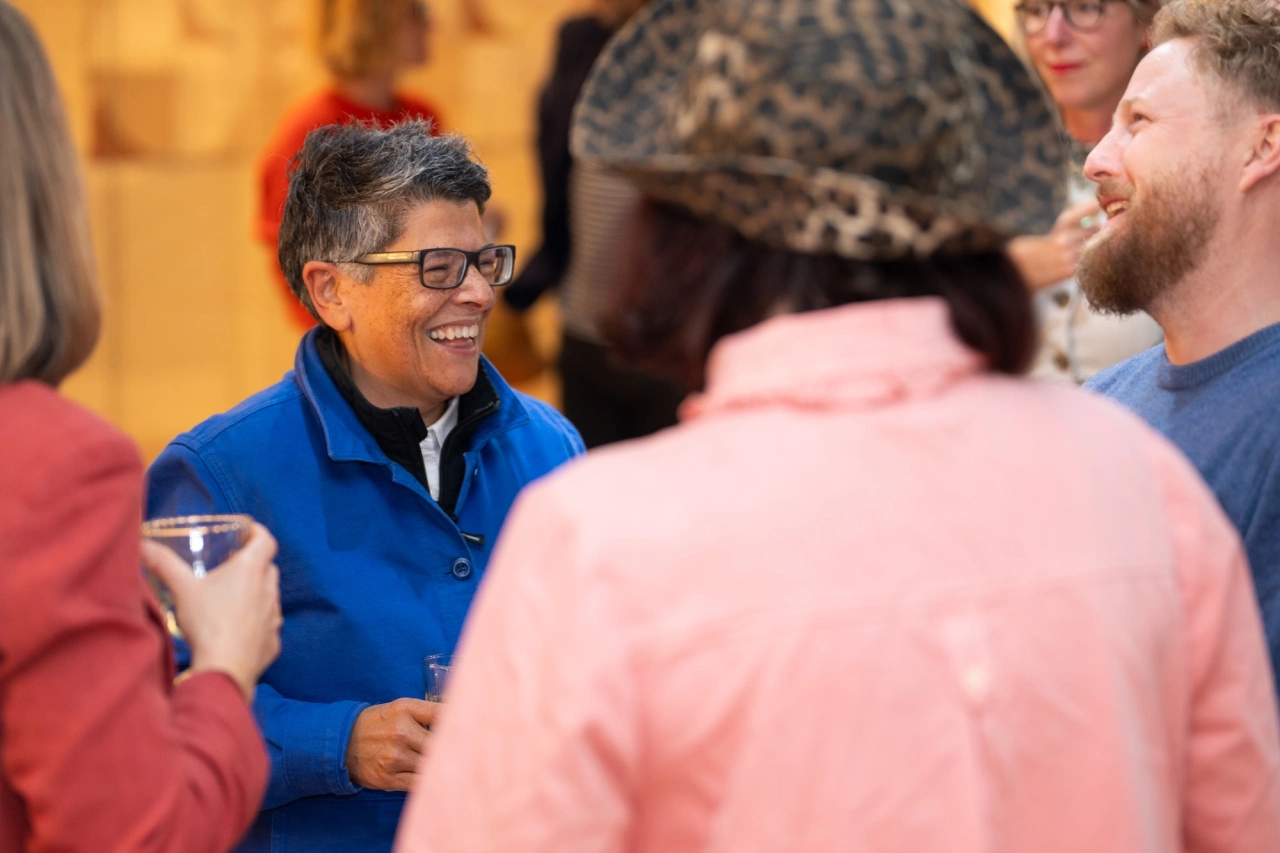
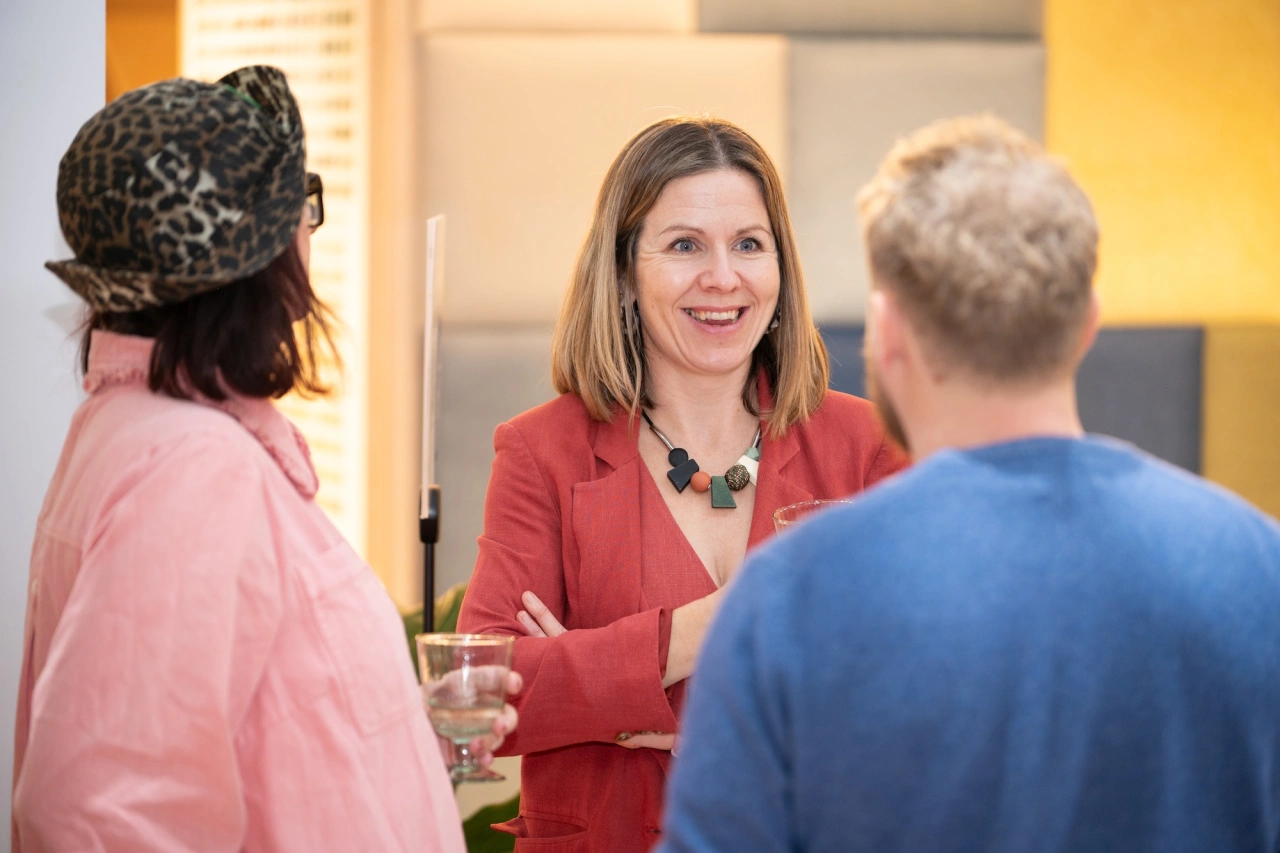
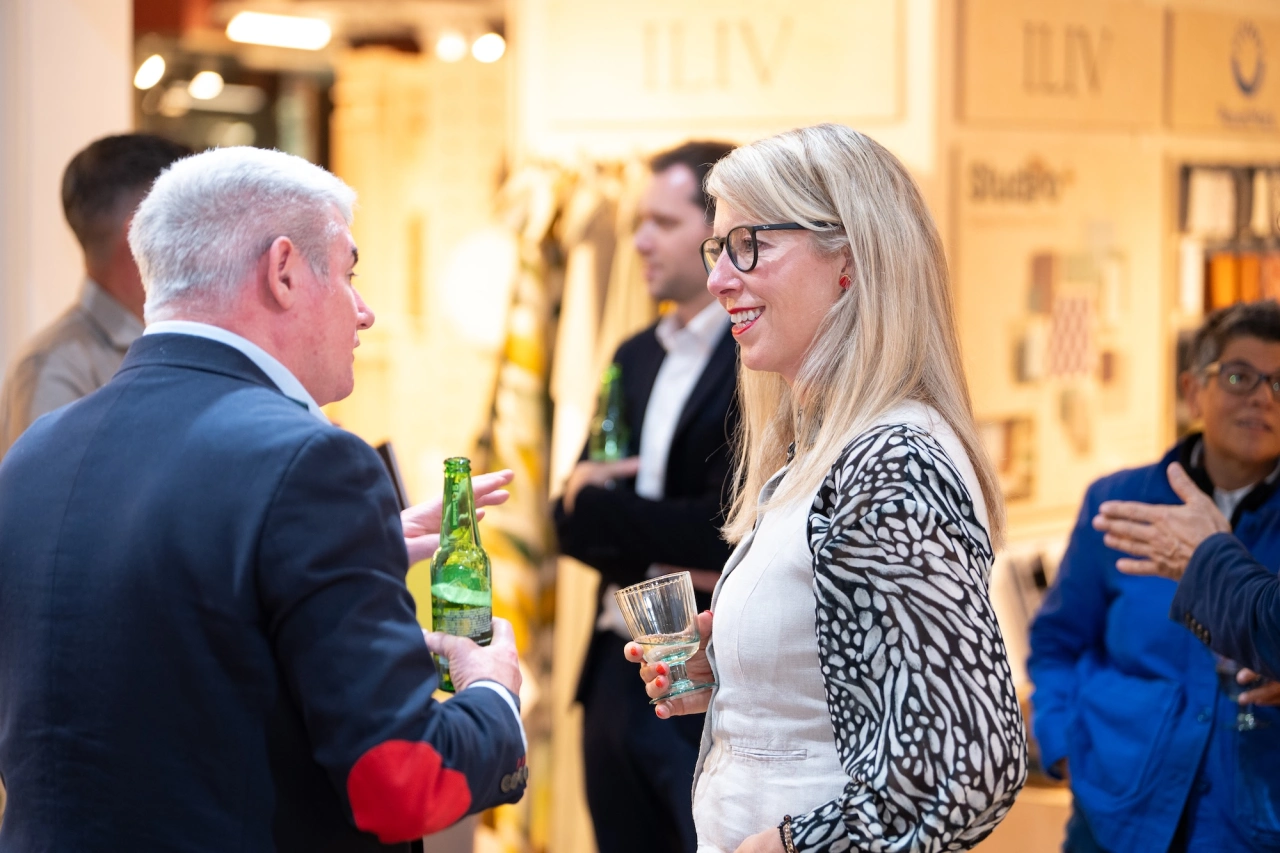
Our roundtable series kicks off again in 2027. For now, you can read all the 2026 insight from Manchester, Glasgow and London, covering the topics of Inclusive Design, AI, and Property here.
In the meantime, a huge thanks to the fantastic guests who joined us for this session, and to our supporters, Brita & Vado – both Partners at Material Source Studio.
5 top takeaways at a glance
-
Workplace has become an “experience ecosystem,” not a desk container. It’s about how a place makes you “feel” (comfort, belonging, calm), not what it looks like. Great workplace outcomes rely on the relationship between space, people, and technology - plus ongoing activation - rather than fit-out alone.
-
Designing for flexibility is now a necessity because change cycles are faster than fit-out cycles. Spaces can’t be overly niche anymore because teams, headcount, and work patterns can shift before a project is even completed. The emphasis has moved to multi-purpose spaces that can be “hacked” and adapted without major rework.
-
Amenity has moved from “nice-to-have” to “expected” - and we may have already reached “peak amenity”. The baseline has risen dramatically (bike facilities, showers, etc.), then escalated to high-end offers (e.g., nail bars, Peloton suites). But there’s scepticism: some amenities may be financially unsustainable or context-dependent (London vs regional), and what matters more is whether they’re actually used and curated.
-
The brief is increasingly shaped by non-traditional voices - and that’s changing power dynamics. There’s a shift away from only listening to senior decision makers toward incorporating younger employees and wider staff needs (quiet spaces, reduced overstimulation, places for private conversations). At the same time, there’s a warning: over-indexing on “what users say they want” without clarity on “why the business needs it” can lead to incoherent outcomes.
-
Bring the right mix of stakeholders, early - the biggest risk to process is greater complexity: more stakeholders, later design involvement, weaker accountability. Projects now involve many more specialists and consultants, often with decisions made (and money spent) before design teams can influence fundamentals. This slows decisions, compresses design time, and can reduce design fees and control. A repeated recommendation was to bring the right mix of stakeholders (design, HR, ops, leadership) in earlier to define purpose, behaviours, and measurable outcomes - then let the space support that.
Have you got something to add? Let us know on LinkedIn.