













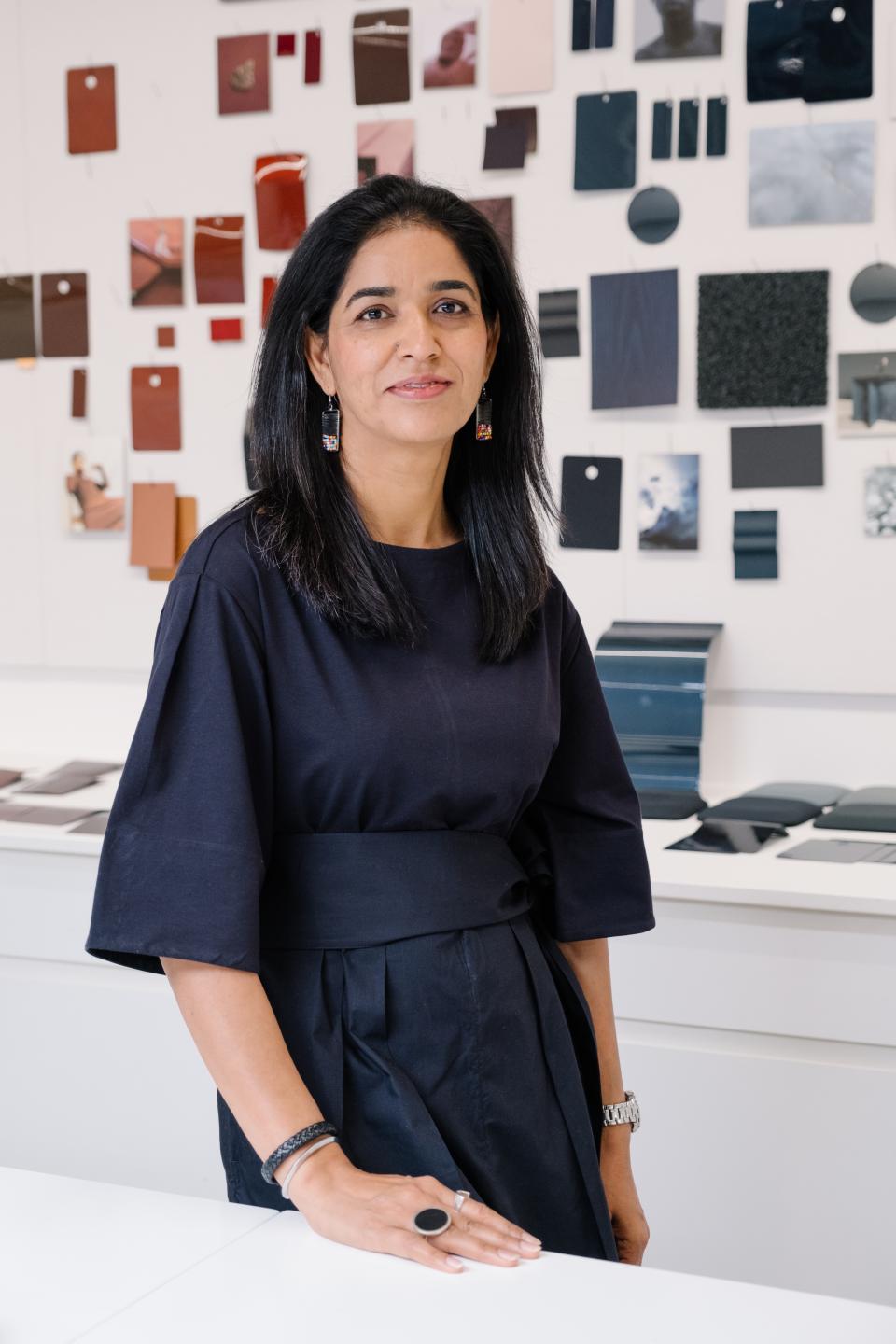
Rekha Meena, VP and global head of CMF design, Volvo Cars, on creativity, curiosity & circularity.
Credit: Volvo Cars
What does the automotive industry have in common with the architecture and interior design sectors? As it turns out, quite a lot.
A reoccurring talking point in several conversations of late, many parallels can be drawn between the two - from the potentials of Modern Methods of Construction - MMC (very much like car part manufacturing in many ways) to Colour, Materials & Finishes - CMF design.
The latter crossover is what brought us to this particular interview with Rekha Meena - Vice President and Global Head of CMF Design for Volvo Cars.
Guided by curiosity, Rekha has built her career from an MA in textile design to roles in India, Japan, and China, exploring materials, techniques, and craftsmanship along the way through the lens of different cultures. Today, she leads a multidisciplinary team, which decides how a Volvo looks and feels to the people who drive it.
The job, Rekha tells us, sits right between creativity, engineering, and business - "I love that balance."
Balance in Rekha's role is crucial. Balance between sustainability and durability. Premium and affordable. Unique and scalable. By embracing innovation, and specifying materials that sit outside of the usual box, Rekha is turning challenges into opportunities for overarching positive outcomes.
"What I want to show is that you should never have to choose between sustainability and desirability." Read on for Rekha's take on materiality.
Firstly, what’s your professional background?
"I’ve spent the past two decades in automotive design, but it all started with textiles. My Master’s in textile design let me explore all kinds of materials, techniques, and craftsmanship traditions. That’s where I first noticed how much colour, material, and finish (CMF) shape the way we feel about an object.
"Since then I’ve worked across pretty much every corner of CMF design, exploring textiles, upholstery, surface materials, colour, and premium material strategy. Today I lead multidisciplinary teams who decide how a Volvo looks and feels to the people who drive it. The job sits right between creativity, engineering, and business, and I love that balance."
How did you become Vice President and Global Head of CMF at Volvo Cars?
"I joined Volvo Cars Design nine years ago as a Senior Design Manager for CMF. Since then I’ve taken on roles in different countries, including India, Japan, and China. Working in those cultures changed how I think about design. You start to notice how differently people read beauty, comfort, and quality, and that stays with you.
"Honestly, what got me here was curiosity. I’ve always believed CMF is where people actually meet a brand, through what they see and touch. I’ve also long admired Scandinavian design for its simplicity, its craftsmanship, and its closeness to nature.
"My job now is to bring that together with everything I’ve picked up along the way, while building the team and creating distinctive, considerate, and emotionally engaging experiences that reflect the evolving spirit of Volvo."
When it comes to the automotive industry, what does CMF extend to?
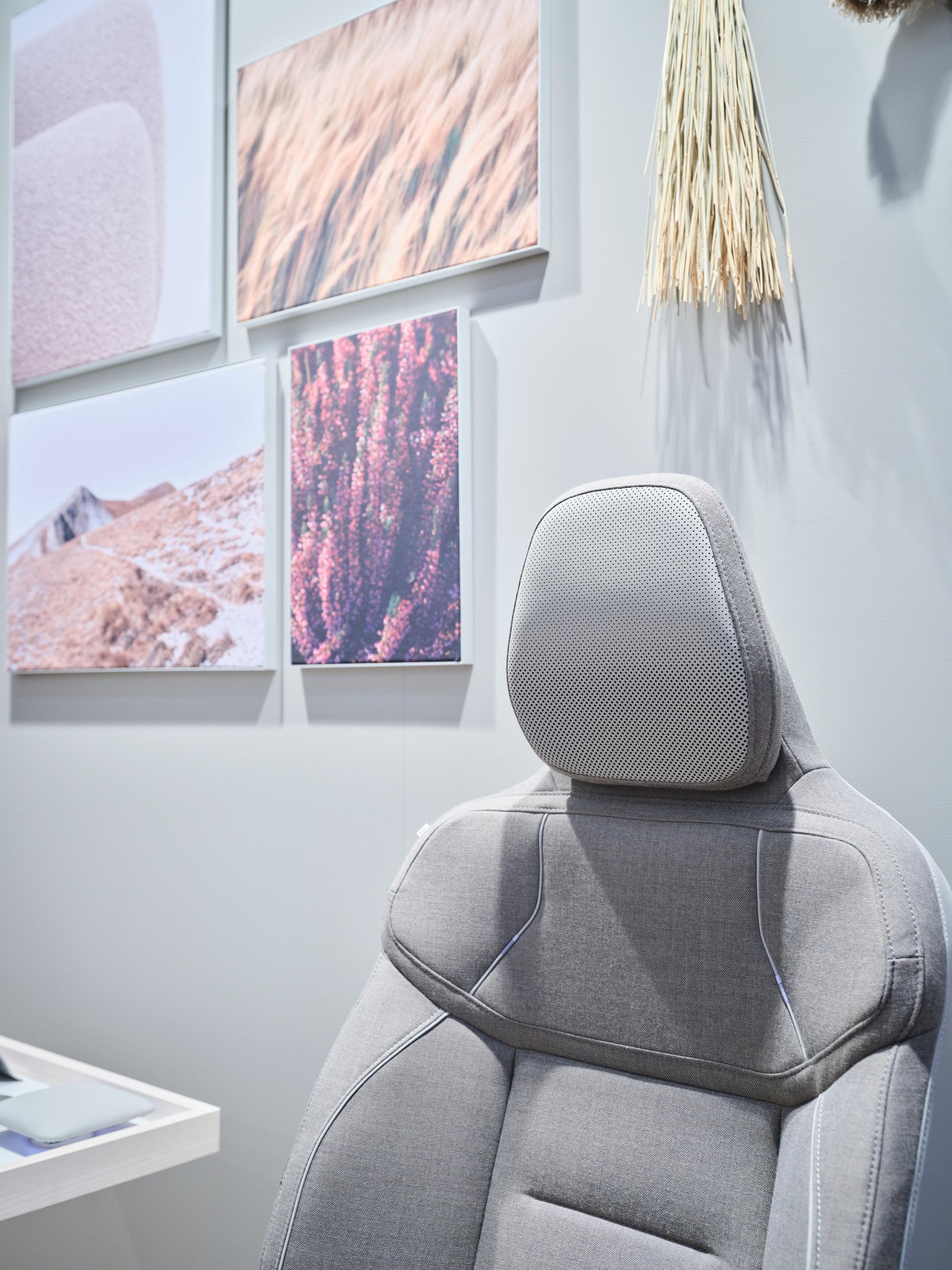
"CMF is what gives a Volvo its Scandinavian soul. We’re responsible for every surface you can see or touch, inside and out. Every colour, material, texture, and finish. That means balancing a lot at once, from brand identity and sustainability to quality, manufacturing, and customer expectations. Our ambition is to create timeless design that remains relevant and desirable for decades, creating a distinctive Volvo experience that lasts beyond trends."
Of the three facets of CMF, do you have a favourite?
"Honestly, I love all three. They’re a bit like ingredients for a chef. You need every one of them to make something special.
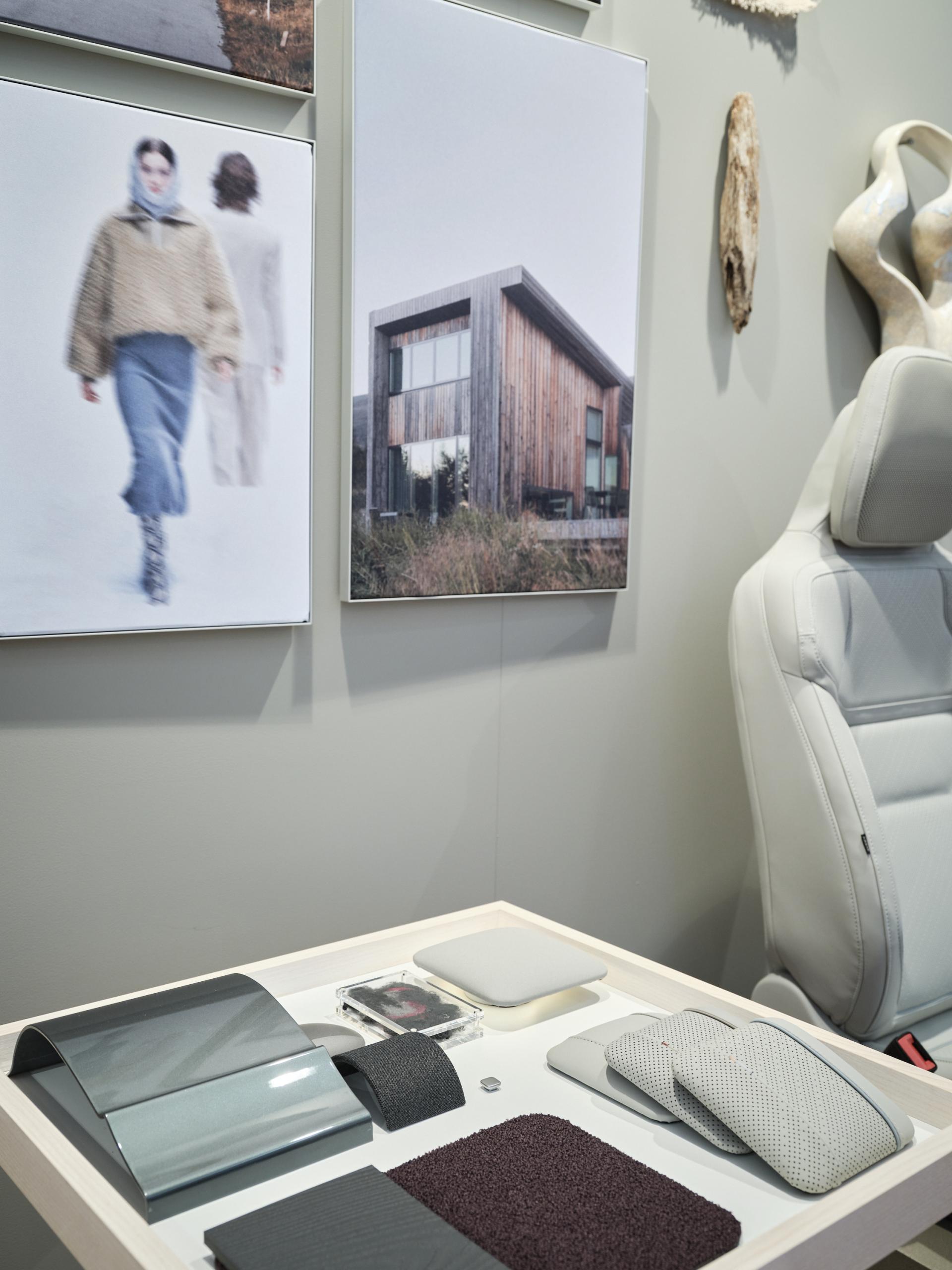
"But if you made me pick one, I’d say materials. I trained in textile design, so I’ve always been fascinated by how a material can tell a story, create emotion, and influence how people experience a product."
Credit: Volvo Cars
Credit: Volvo Cars
You’re particularly passionate about future materials, utilising recycled denim, industrial waste and beach plastics in your work - tell us more.
"We’re trying to use more sustainable, circular, and recycled materials across everything we make. Volvo Cars is aiming for net-zero greenhouse gas emissions by 2040, and there’s simply no way to get there without circularity.
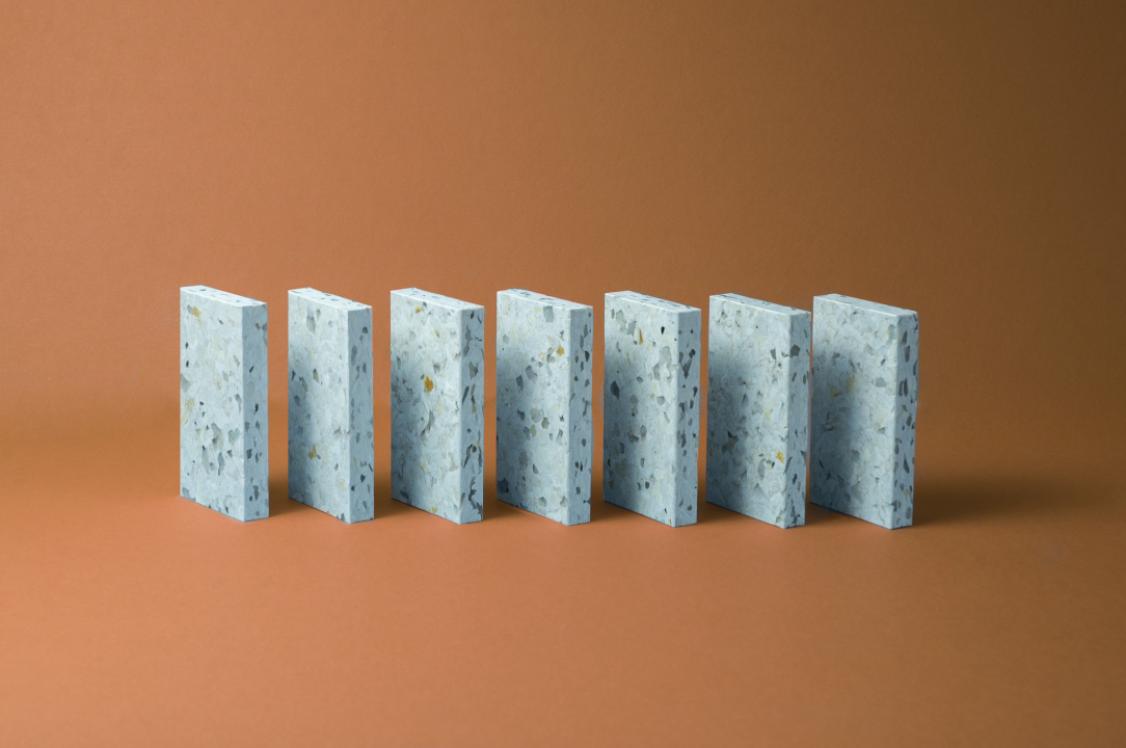
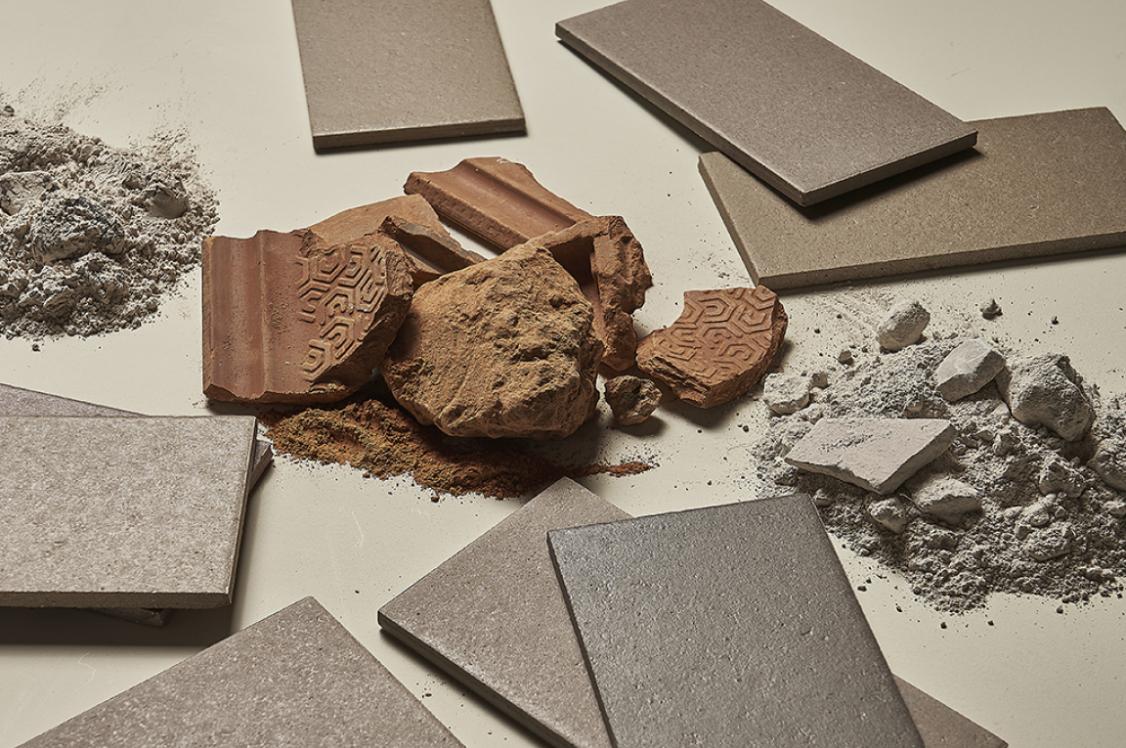
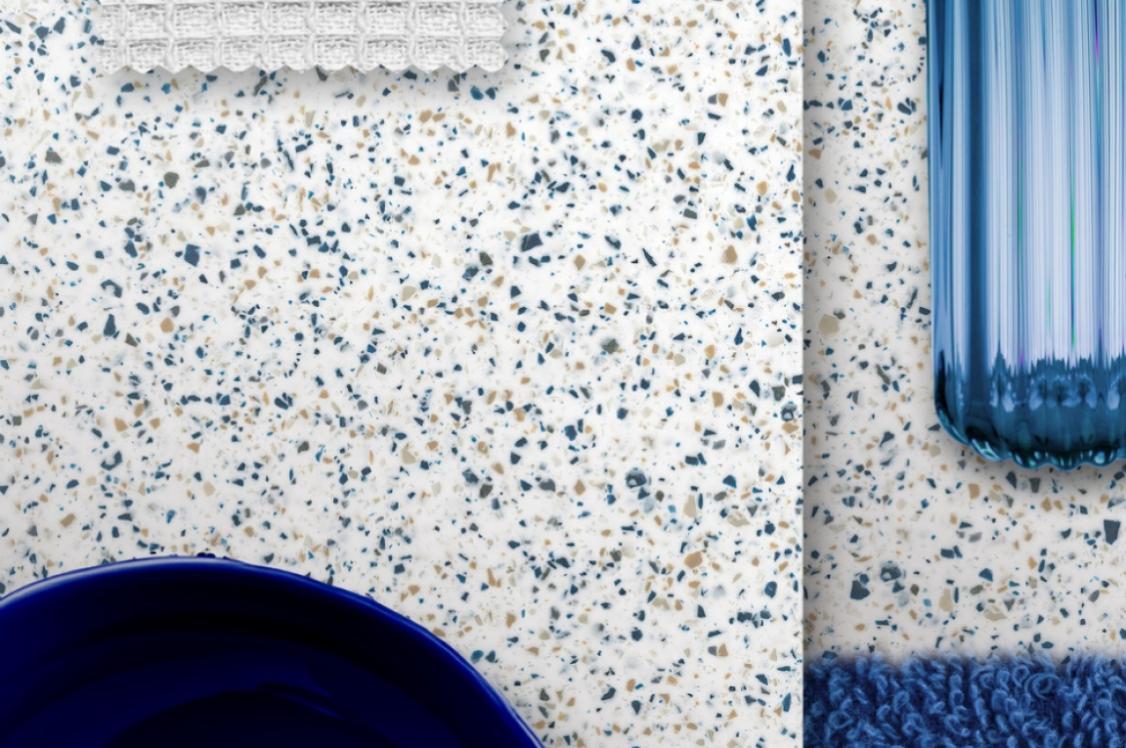
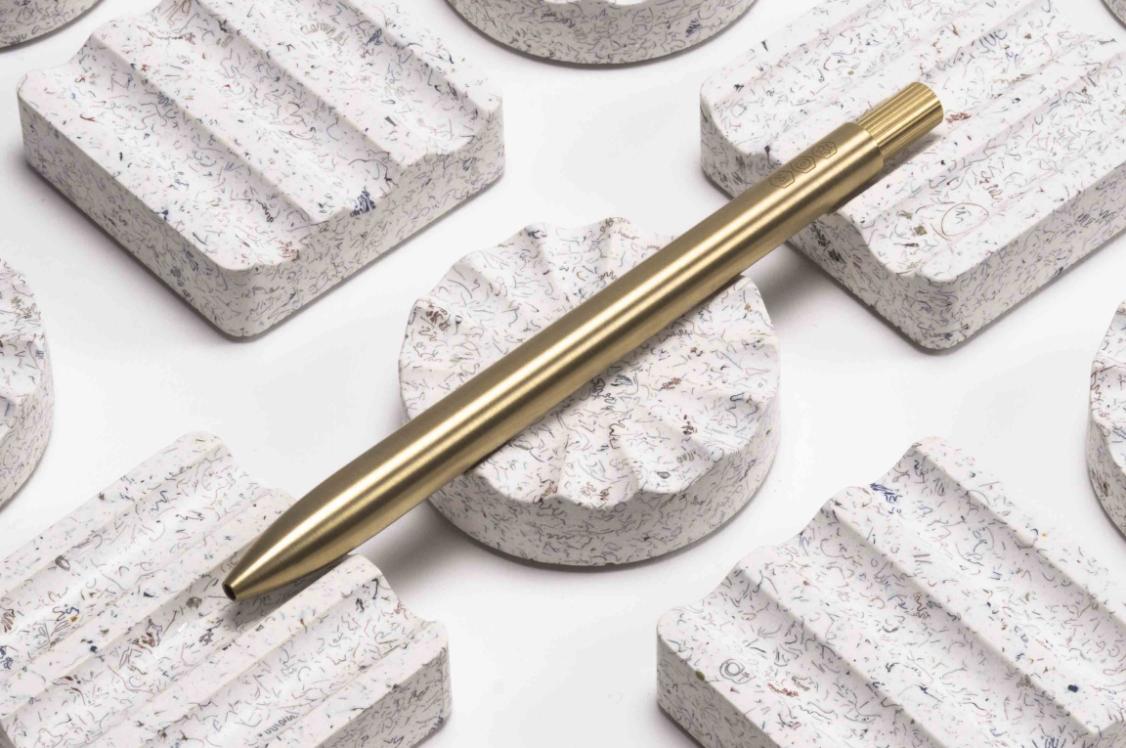
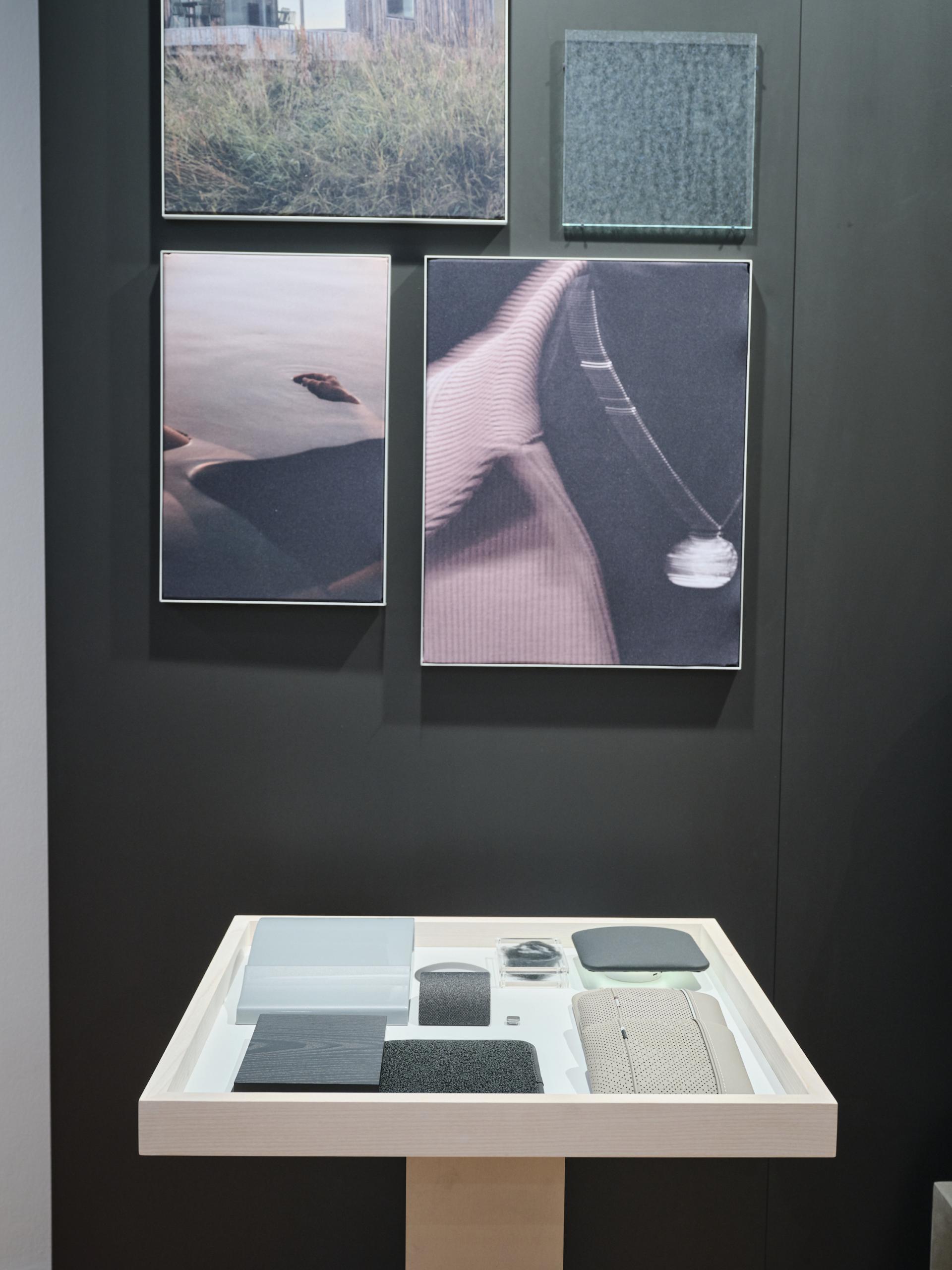
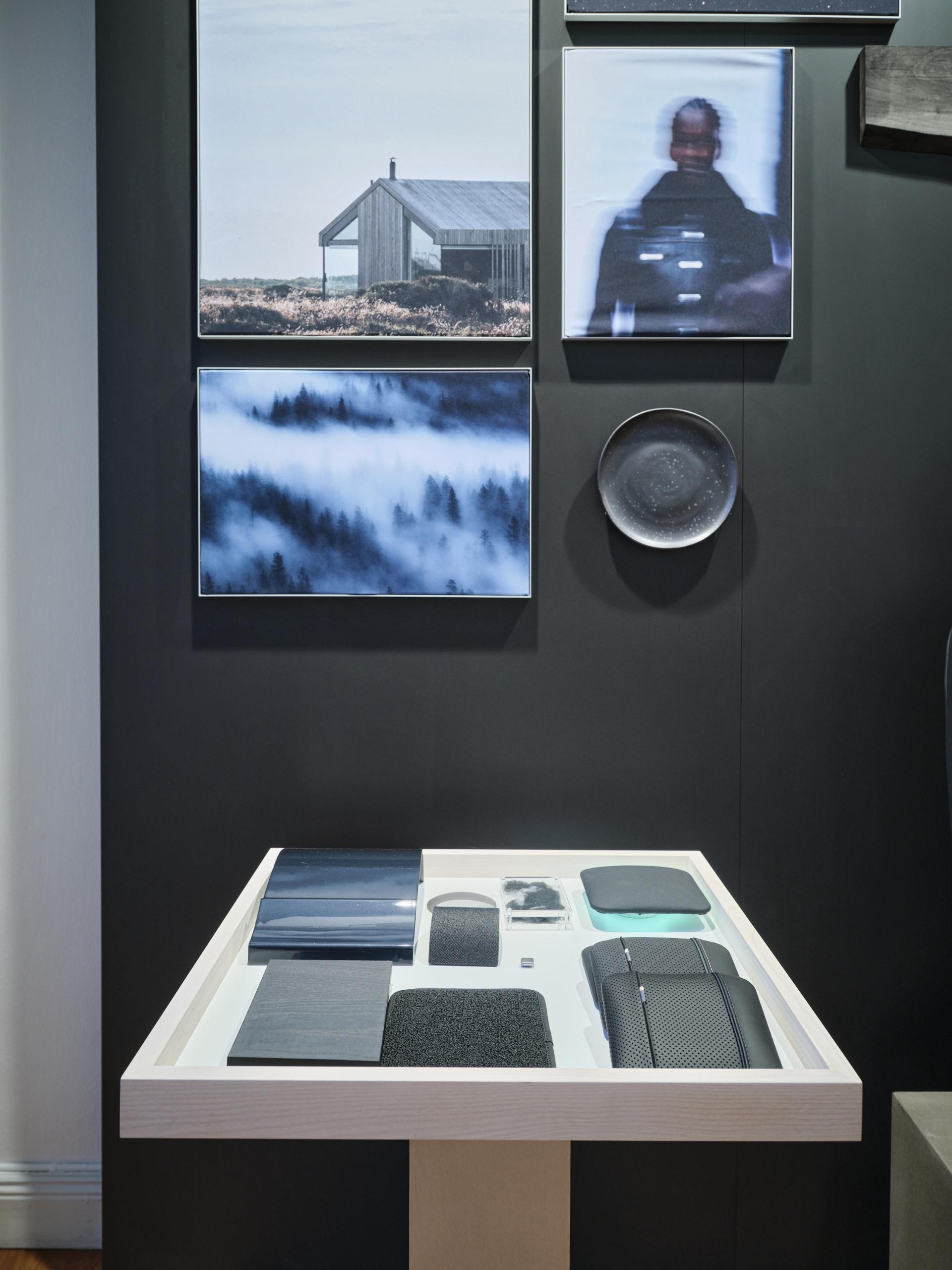
"The EX30 was our chance to really challenge the traditional automotive material palette by exploring new natural and recycled alternatives. Reclaimed denim emerged as a material that could create a unique visual and tactile expression on the interiors. We also used recycled window-frame particles to create a decorative surface, turning something that would have been otherwise thrown away into something very desirable.
"That’s what excites me about future materials. They make us rethink what premium means. For a long time, luxury meant using more. Today I think it means using resources more intelligently and responsibly, while still creating something beautiful, desirable, and timeless."
Have you discovered a material recently that you feel has great, untapped potential?
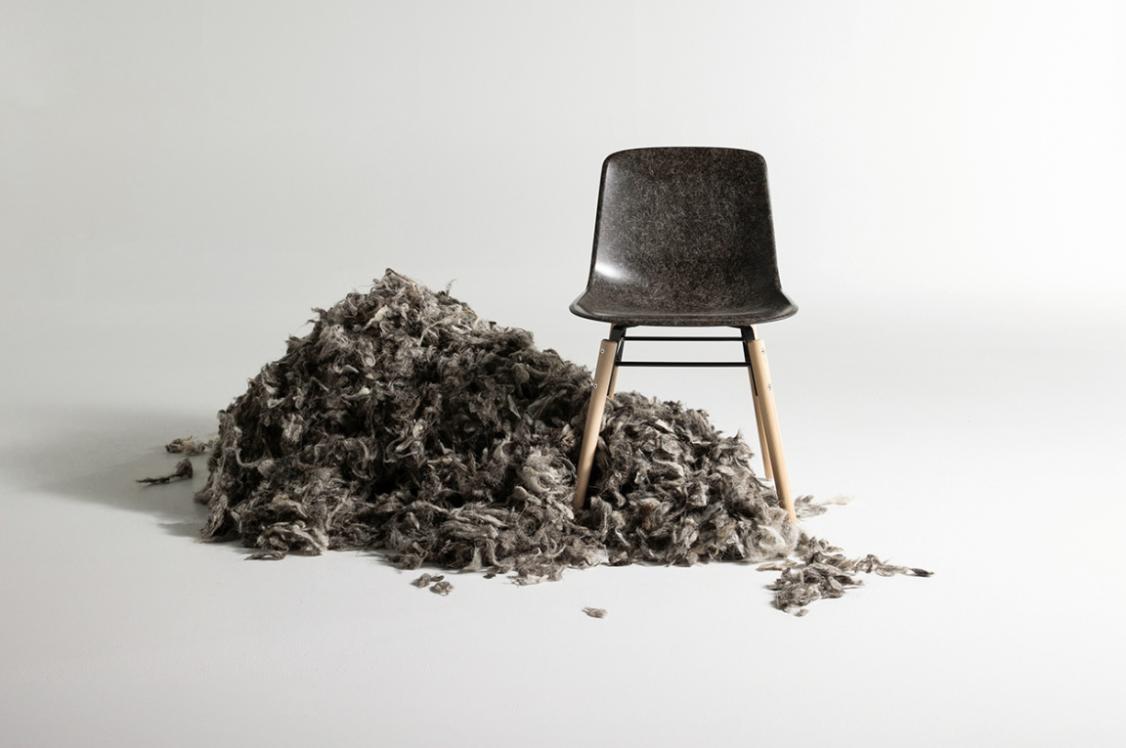
"Natural materials such as wood and wool bring warmth and authenticity that’s very Scandinavian. But where I see real untapped potential is in recycled and renewable materials.
"I see real untapped potential in recycled and renewable materials"...
"The new EX60 has 27% recycled content overall, the highest of any Volvo so far. That includes recycled aluminium, recycled metals in the battery cells, and low-carbon recycled steel. It’s a big step towards creating premium interiors that are both beautiful and responsible.
"We are also exploring and developing many futuristic materials for upcoming line-ups, pushing the boundaries of what sustainable premium design can be."
The interiors in cars must be durable – much like the commercial interiors our audience are designing – how do you balance this with circularity? Does there have to be a compromise?
"Durability is non-negotiable for us. Every material has to pass Volvo Cars’ rigorous testing, because our customers’ safety always comes first.
"We deliberately take a 'secondary-first' approach, which means recycled materials are the first place we look. I don’t see it as a compromise. Every material has to earn its place in the car, recycled or not. The denim in the EX30 proved that waste can become something beautiful. I think the next generation of premium materials will increasingly come from industrial by-products and circular systems.
"They bring their own character while holding up to everything a car demands: quality, safety, and durability."
Credit: Volvo Cars
Credit: Volvo Cars
As well as durability, scalability is a consideration in car production. The materials you use must be available in large volumes. Do you ever struggle with the supply of repurposed materials?
"Repurposed materials are gaining popularity, and the supplier base is growing. But finding a great sustainable material is only the first step. It still needs to meet our quality, durability, safety, and consistency standards like everything else.
"Volume can be tricky early on, but that’s where collaboration can foster innovation. Working closely with suppliers and our engineers, we can help take a promising material from a niche idea to something that works for global production. Once suppliers believe in where we’re going, they’re usually willing to invest and scale with us."
Are there any materials you wish you could use but that aren't currently readily available yet?
"We’re working on some exciting things right now, but you’ll have to wait a little longer to see them! My personal wish is to take materials that already exist and give them a second, third, or even fourth life. The planet already has so much we could be using.
..."the most desirable materials of the future haven’t been industrialised yet"...
"I also think some of the most desirable materials of the future haven’t been industrialised yet. That’s what keeps this work so interesting for me."
Tactility is another factor – how important a role does that play in your material selections?
"The moment you open the car, sit on the seat, and grab the steering wheel, the tactile experience begins. Every material has its own character depending on how it is used. For example, wood should feel natural and authentic, while soft-touch surfaces can create a sense of premium comfort and calm.
"Tactility has been at the heart of Volvo Cars’ design journey from the beginning. Texture, softness, grain, and the surface character of a material can completely transform the atmosphere of a space. The best materials are those that invite people to interact with them, because that’s when design becomes truly engaging and memorable."
How do you go about selecting the colours you use in Volvo’s designs?
"Colour selection can’t be driven by trends alone. At Volvo Cars, we look at Scandinavia itself: the way the light shifts through the seasons, a lake at dawn, or the warmth of natural minerals. We translate those quiet natural palettes into colours that feel calm and authentic.
"For me, creating a Volvo colour is not simply about selecting a shade; it is about translating an emotional experience from nature into an automotive expression. The goal is always to create timeless, elegant colours that are distinctly Volvo."
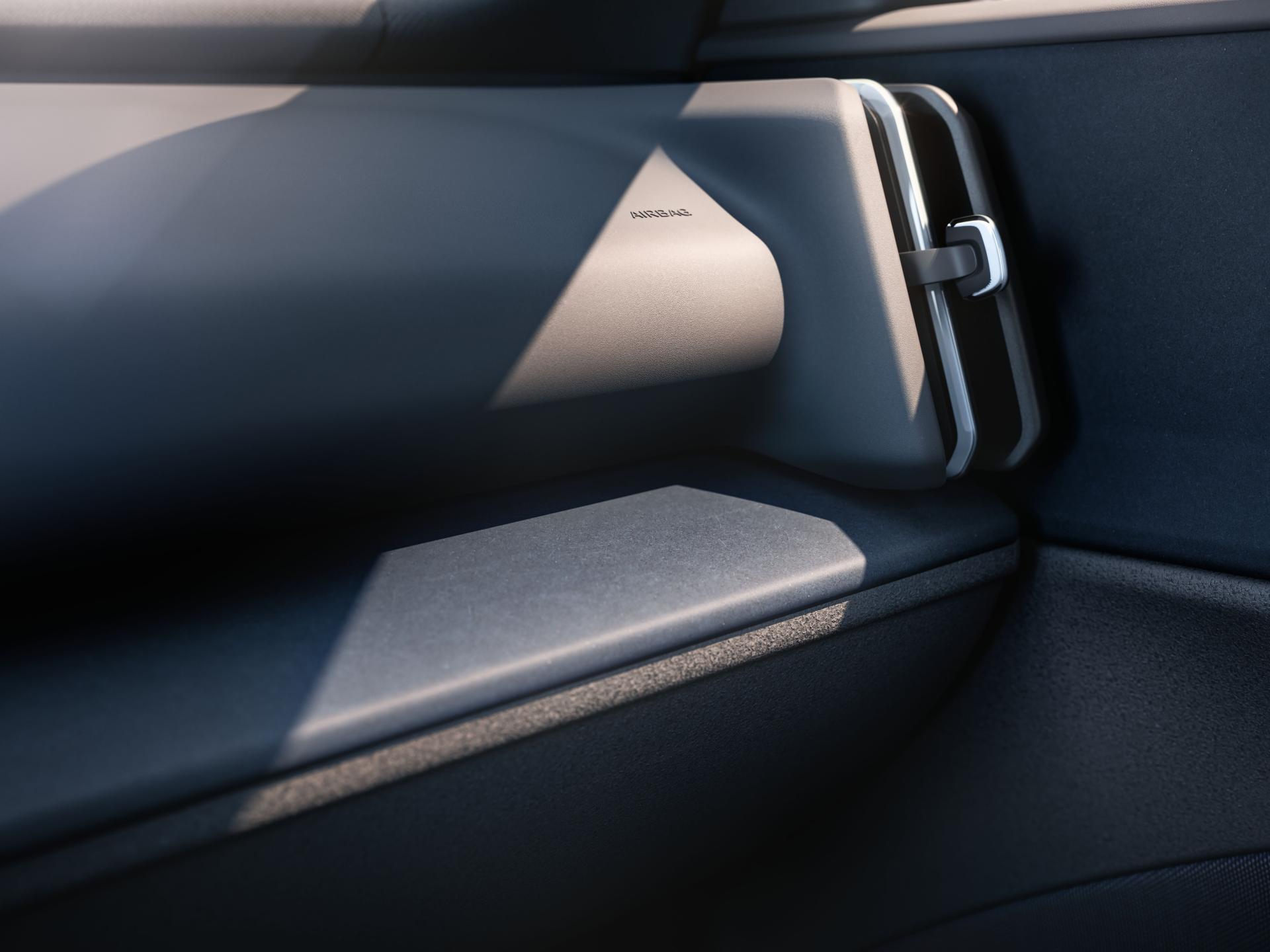
Credit: Volvo Cars
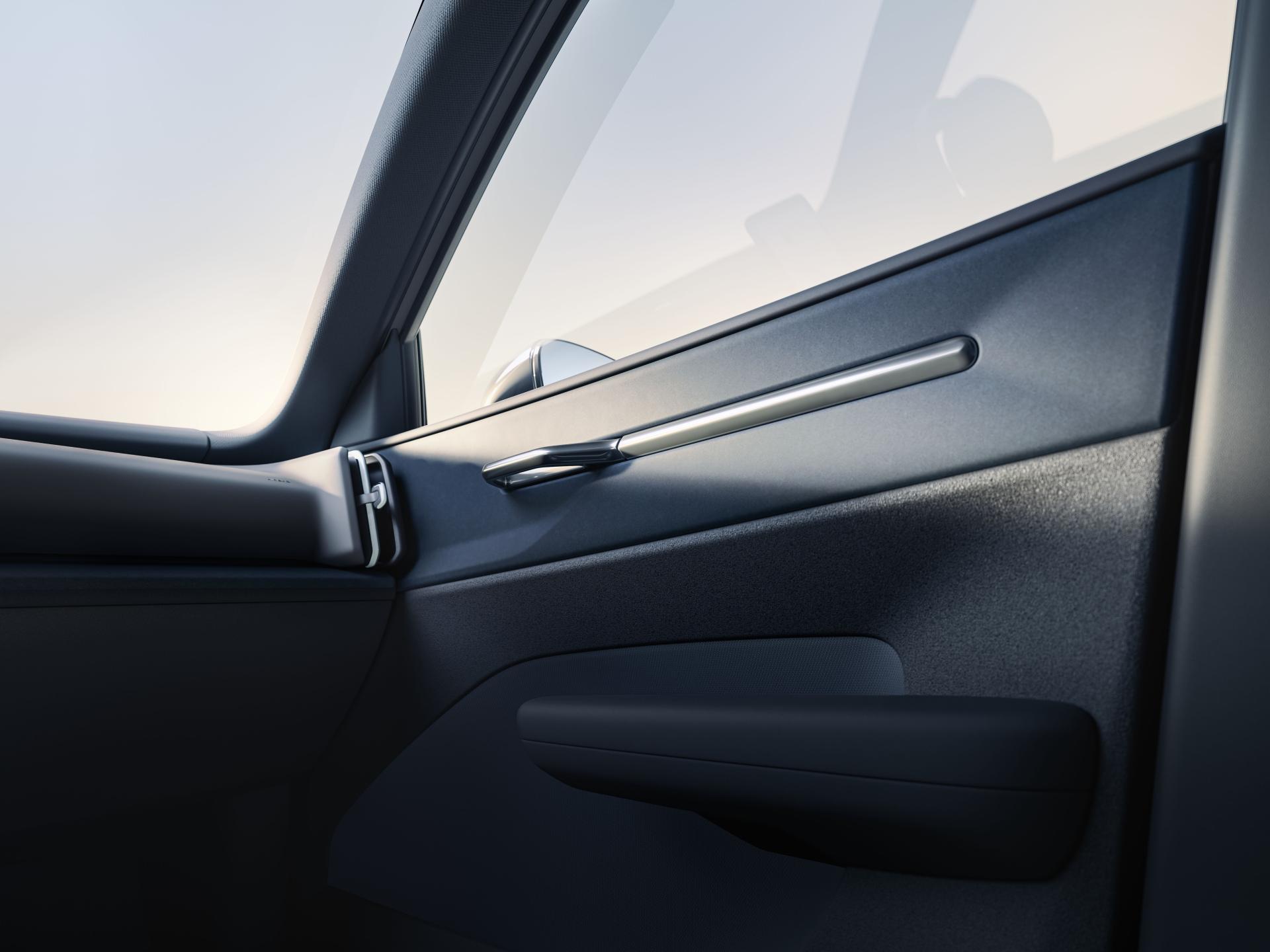
Credit: Volvo Cars
What's the relationship between colour, materials and finishes?
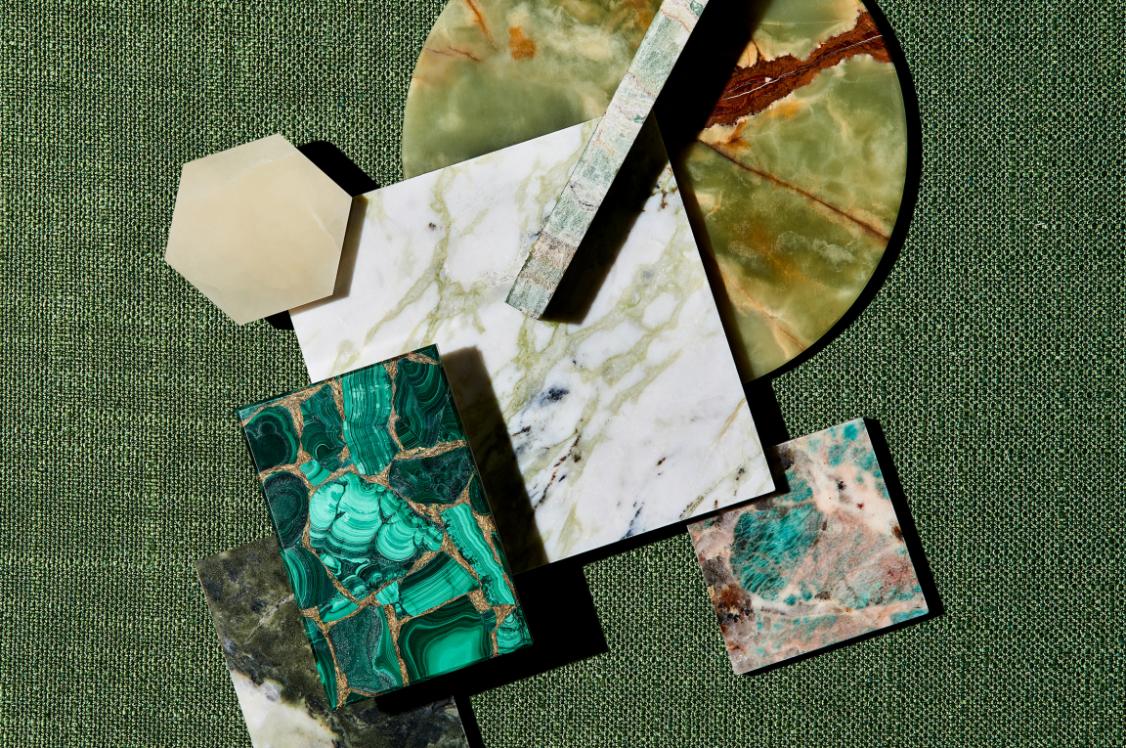
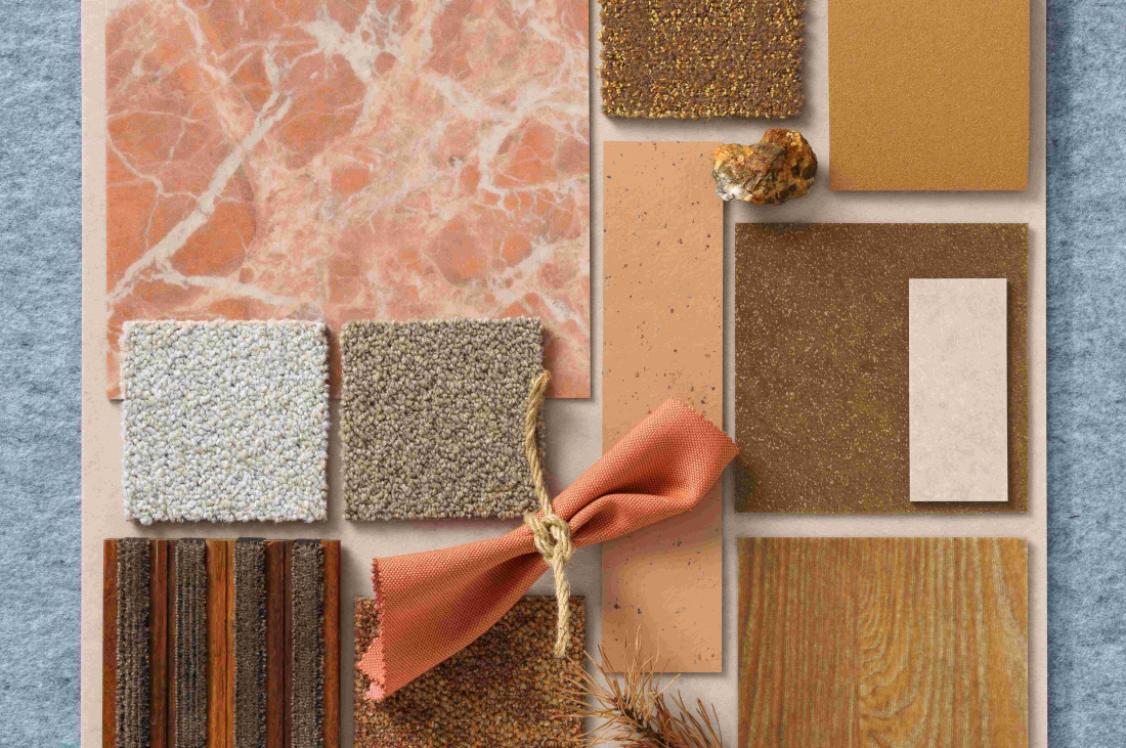
"They’re not three separate decisions. They work together to create one coherent customer experience. I often like to think of CMF as a triangle, where each element plays a different but connected role.
"Colour sets the emotional mood. It’s what makes a car feel calm, warm, sporty, or modern. Material gives it substance and character. It’s what you feel, whether that’s wool, recycled textiles, denim, wood, aluminium, glass, or polymers.
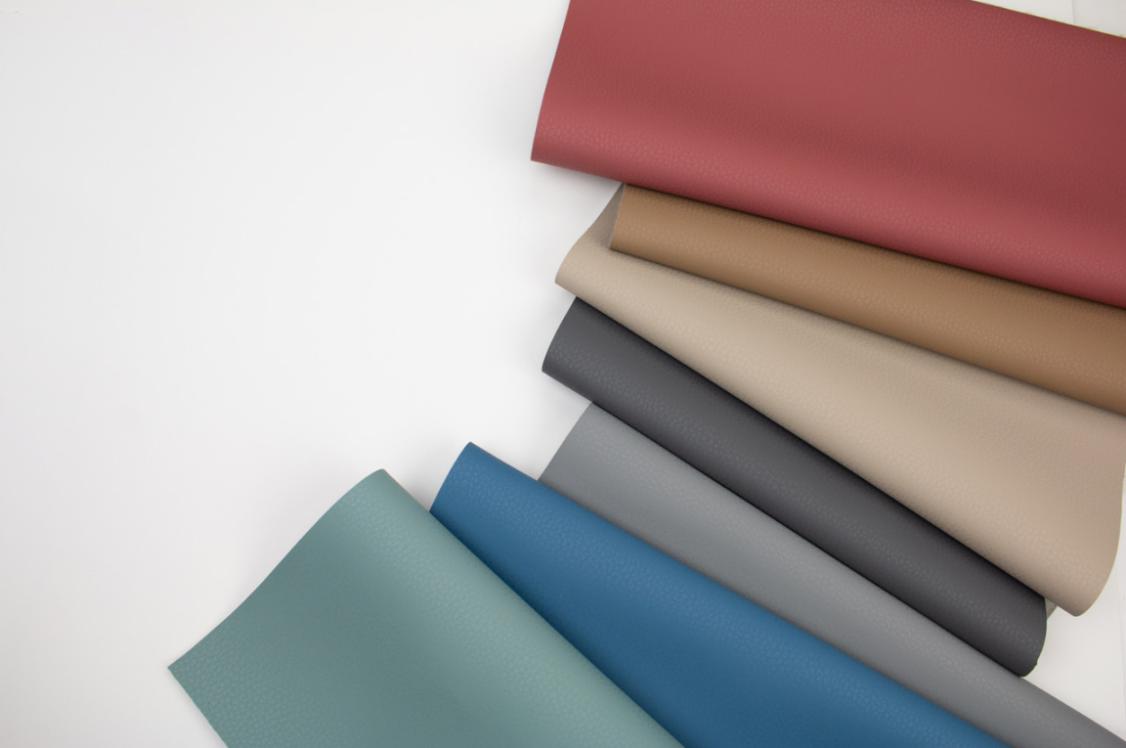
"Finish brings the two together. Matt, satin, gloss, brushed, polished, or textured – it changes how light interacts with a surface and how the quality comes across.
"Together, colour, material, and finish create the emotional and sensory identity of a Volvo."
Is there a secret formula to getting it right?
"For Volvo, there is no secret formula, only consistency. When colour, material, and finish all express the same Scandinavian story and emotion, the design feels right."
What's next?
"We’re deep into our upcoming line-up, exploring the next generation of sustainable materials with circularity, innovation, and Scandinavian design at the core. At Volvo Cars, they go hand in hand."