


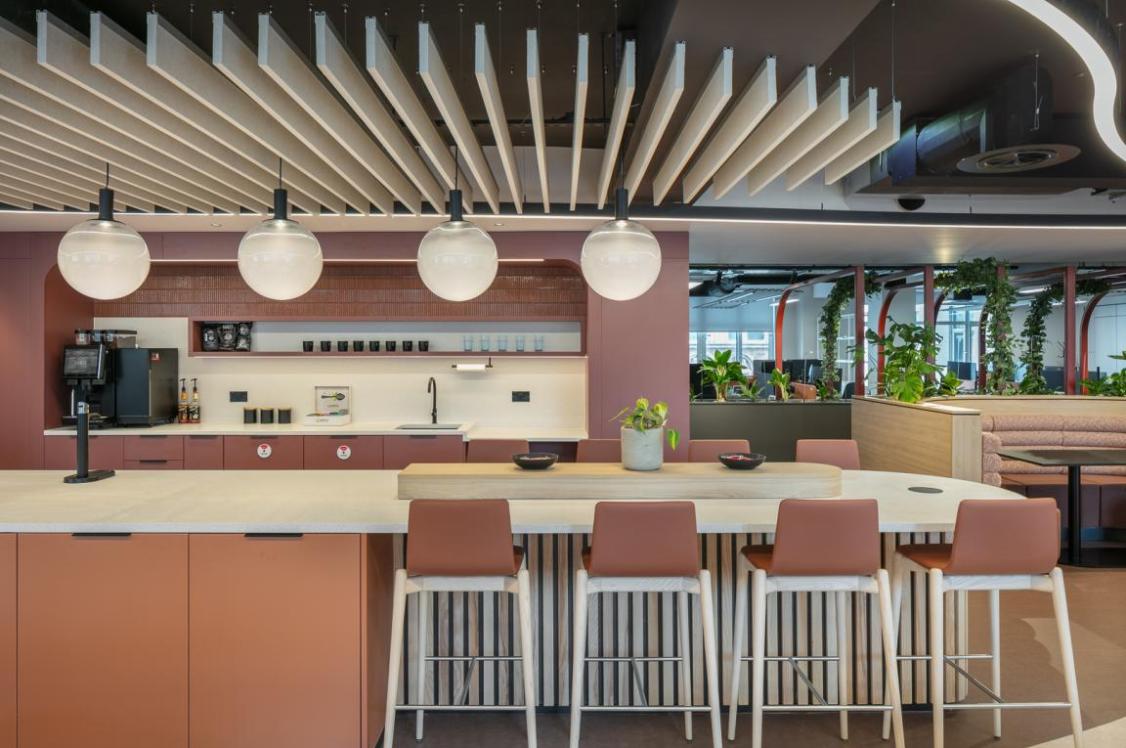
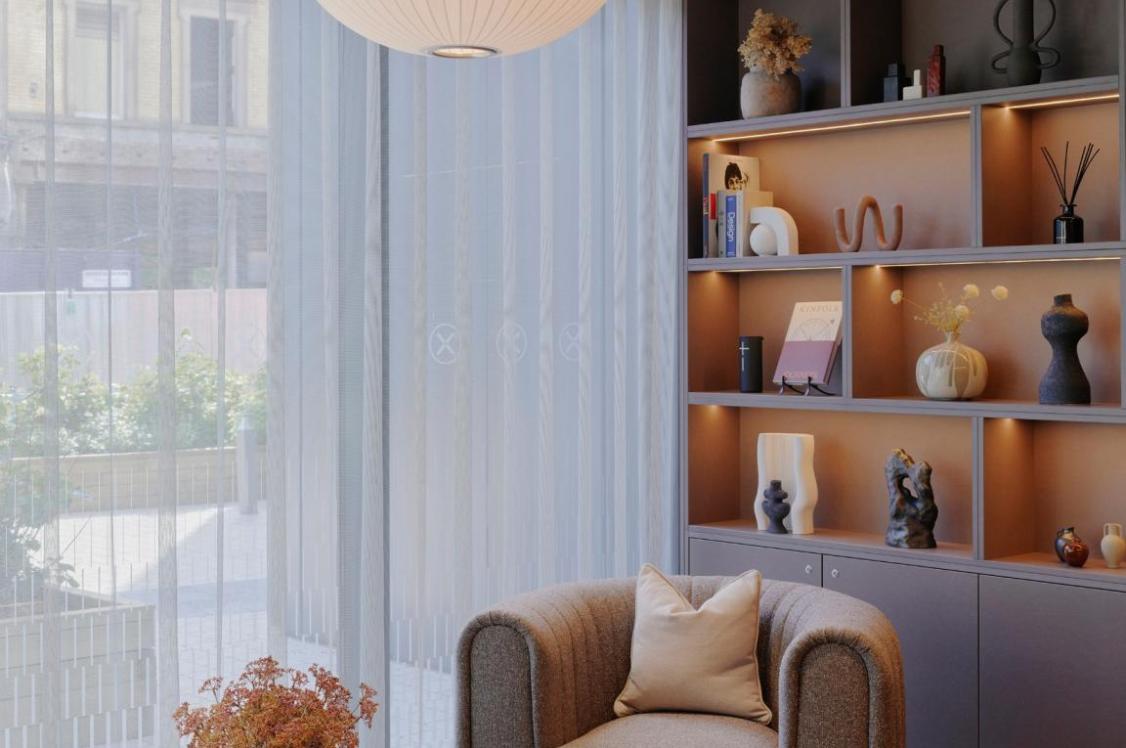
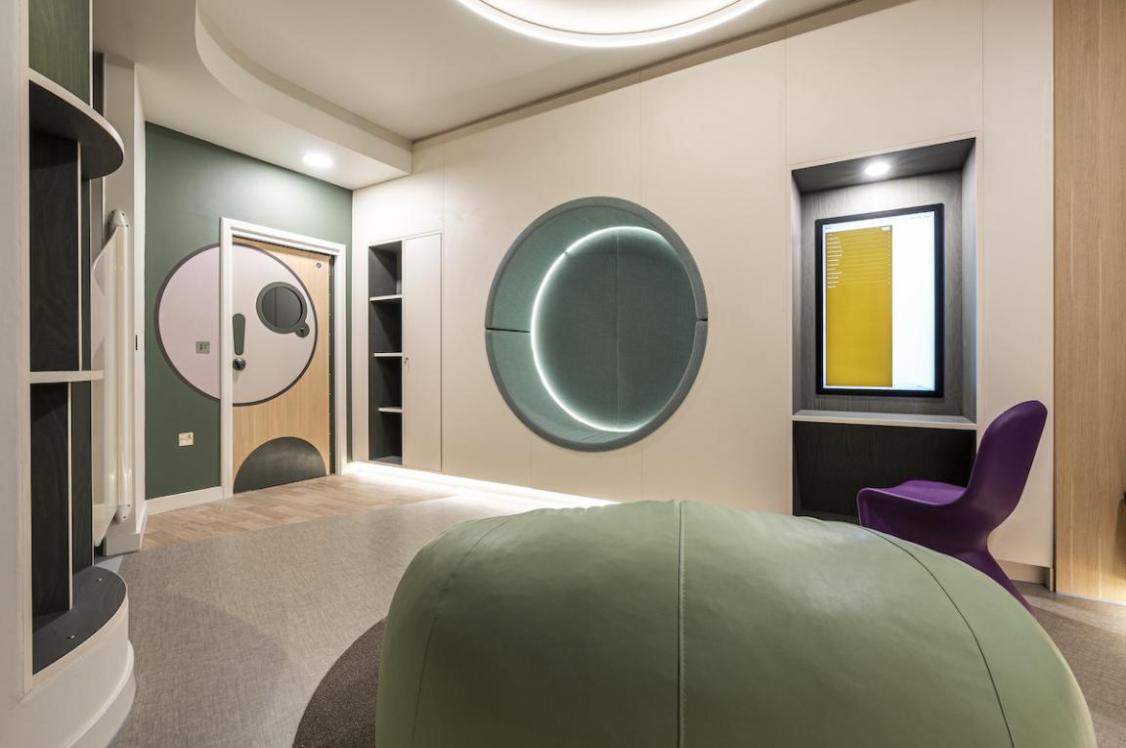
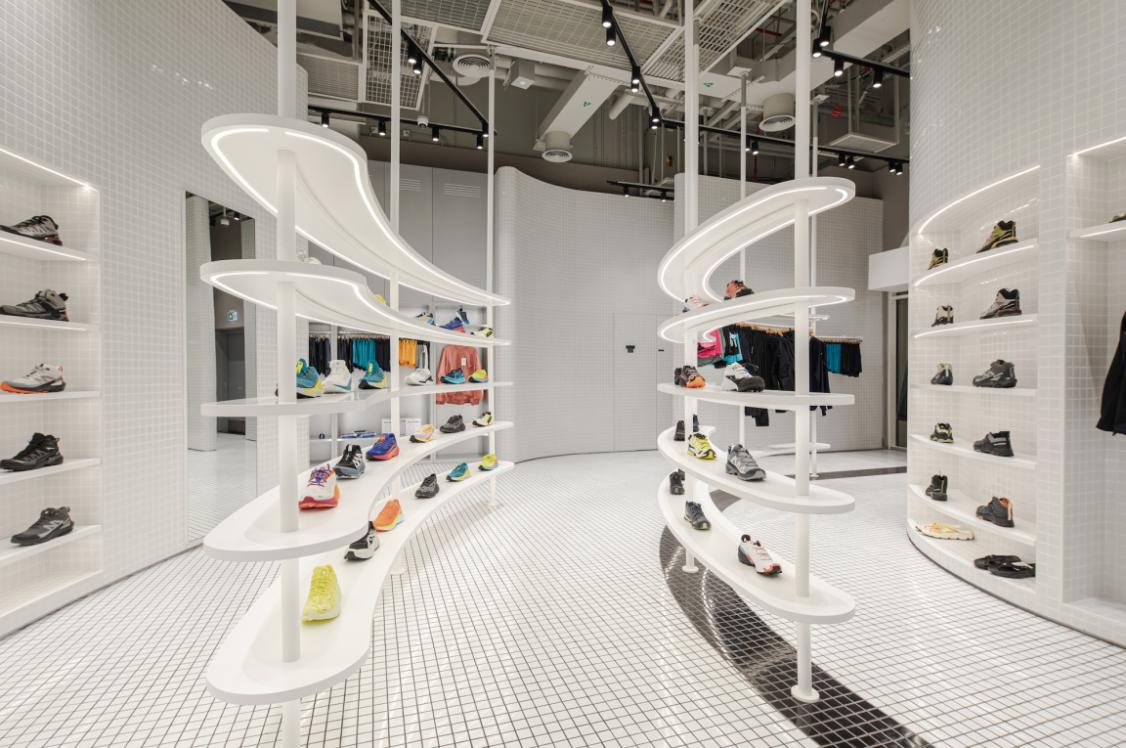

Rachel Basha, Founder & CEO, Basha-Franklin on holistic buildings, high performance spaces and sustainability as a cornerstone.
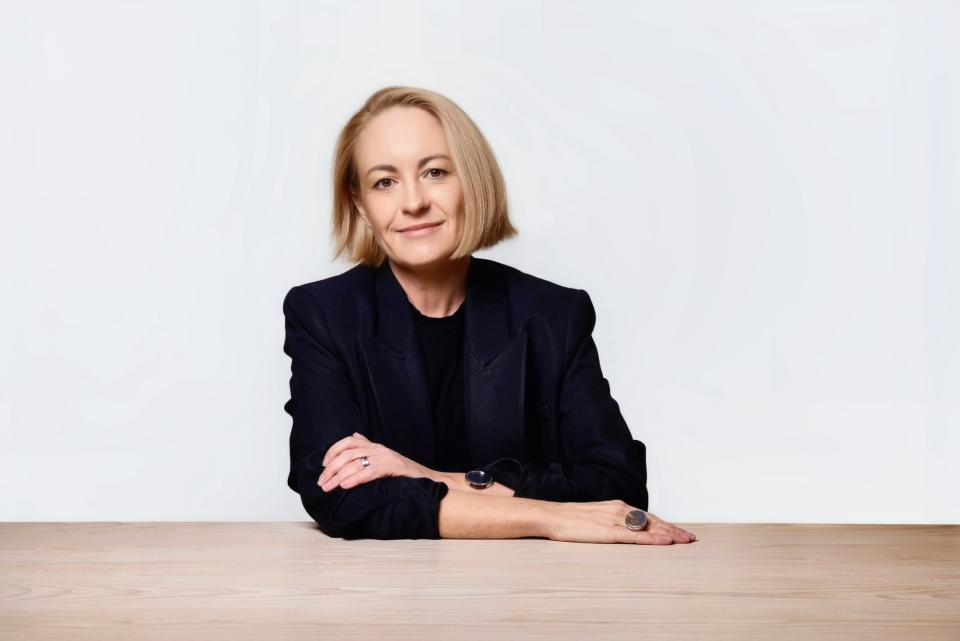
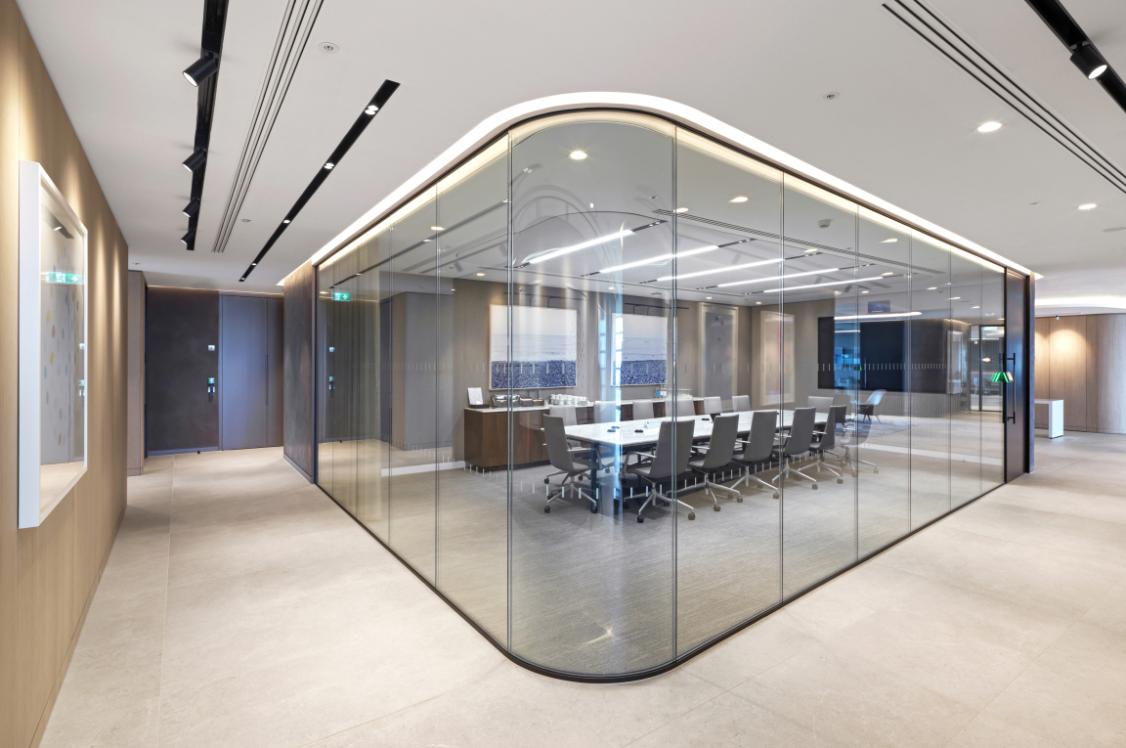
Rachel Basha perhaps needs little introduction. For almost 20-years, she has led Basha-Franklin as Founder and CEO, building an independent London architecture and interior design studio recognised for creating thoughtful buildings and high-performance workplaces for leading developers and organisations.
Founded in 2007 with the ambition of creating a more integrated and client focused approach to architecture and interiors, the practice today works with organisations including The Crown Estate, Landsec, Related Argent, Morgan Real Estate, BNF Capital and W.RE.
A defining characteristic of Basha-Franklin's work is its holistic approach, where architecture, interiors, wellbeing and sustainability are considered together rather than in isolation.
Rachel was an early advocate for sustainable design and speaks passionately about responsible materiality, circular economy principles and the opportunity for buildings to become long term material banks.
Alongside leading Basha-Franklin, Rachel also serves as Vice Chair of the BCO London Committee, helping shape conversations around the future of the workplace and the evolving role of offices within our cities.
With the upcoming BCO Conference on the horizon, we sat down with Rachel to discuss design, sustainability, storytelling and the future of the workplace.
Let’s start at the beginning. What led you to found Basha-Franklin?
"For me, there was a clear gap in the market for a genuinely integrated approach, where architecture, interiors and the experience of space are conceived as one.
"I had seen practices that were excellent creatively, and others that were excellent technically, but very few that combined strong design with strong delivery across both architecture and interiors.
"My training and early career was in Australia, where many practices naturally connected architecture, landscape and interiors. Perhaps that's because there is a stronger relationship between inside and outside, and the design process reflects that.
"My earliest experiences taught me that the quality of a building begins long before you cross the threshold. It starts with the building itself, the first impression on approach, with the way natural light enters, how people move through a space, and how scale, proportion and volume shape the way we feel.
"Today, we work seamlessly across architecture and interiors because each discipline continually informs the other. Much of our work is for developers, and our background in delivering occupier workplaces gives us a deep understanding of how people actually use buildings.
"Too often, the market treats the asset and the occupier as separate considerations. We believe the best projects emerge when those perspectives are brought together, creating places that perform better commercially while creating environments that are more intuitive, engaging and valuable for the people who use them."
Did you study in Australia before moving to London?
"Yes, I studied in Australia in the mid 1990s at the University of Technology Sydney. The industry was very different then and many of our lecturers were trained architects because interior design had evolved from that discipline.
"Our education was rooted in sculpting space rather than focusing on decoration. It was about understanding volume, light, movement and the experience of the interior architecture.
"Australia has an incredible design culture. We are fortunate to have wonderful landscapes and iconic architecture, such as the Sydney Opera House, and that creates a deep appreciation for the quality of space and the connection between people and their environment."
What's changed since you founded the practice? And what hasn't?
"The workplace has changed enormously. Flexibility and hybrid working have transformed the sector.
"The growth of co working spaces reflected a broader shift in how businesses operate. Companies are more agile and less certain about what they will need in five or ten years' time. Long leases are becoming less common, and even established organisations want greater flexibility.
"Sustainability has also changed dramatically. I have always been passionate about it, but in the early days it was often seen as idealistic rather than commercial. Today investors and occupiers understand that sustainable design creates long term value. It has become a cornerstone of good design.
"Another major shift has been our understanding of neurodiversity and human performance. We now know much more about how factors such as light, acoustics, texture and climate affect how people feel and work.
"Data has helped us demonstrate that better environments improve business performance. Offices may represent a relatively small proportion of operating costs, but they house an organisation's greatest asset, its people.
"Sophisticated clients increasingly understand that creating high performance environments is an investment in productivity, wellbeing and culture.
"Personally, I believe in the value of the office. Shared purpose, collaboration and creativity are strengthened when people come together, but that only works if the environment genuinely supports everyone to do their best work."
Is that where projects begin, with sustainability and inclusion?
"It always starts with understanding the client's objectives. We have a baseline expectation of quality, regardless of budget. Beyond that, every project involves balancing multiple factors that contribute to a successful space.
"We work from the macro to the micro. We want to understand the strategic drivers, the technical capabilities of the building and the opportunities the architecture provides. Where are the best views? How does the building perform? What can we influence and what constraints do we need to work within?
"Ultimately, our role is to create the best possible outcome within the realities of brief, budget and programme, while helping the client achieve commercial success.
"For us, commercial success means creating places that people genuinely want to occupy. If no one wants to be there, then the project has failed.
"We layer intuitive planning, human behaviour and operational performance with the finer details of materiality, craft and personality. Every project should respond to its context, culture and users."
Your projects have a distinctive material language. Where does that come from?
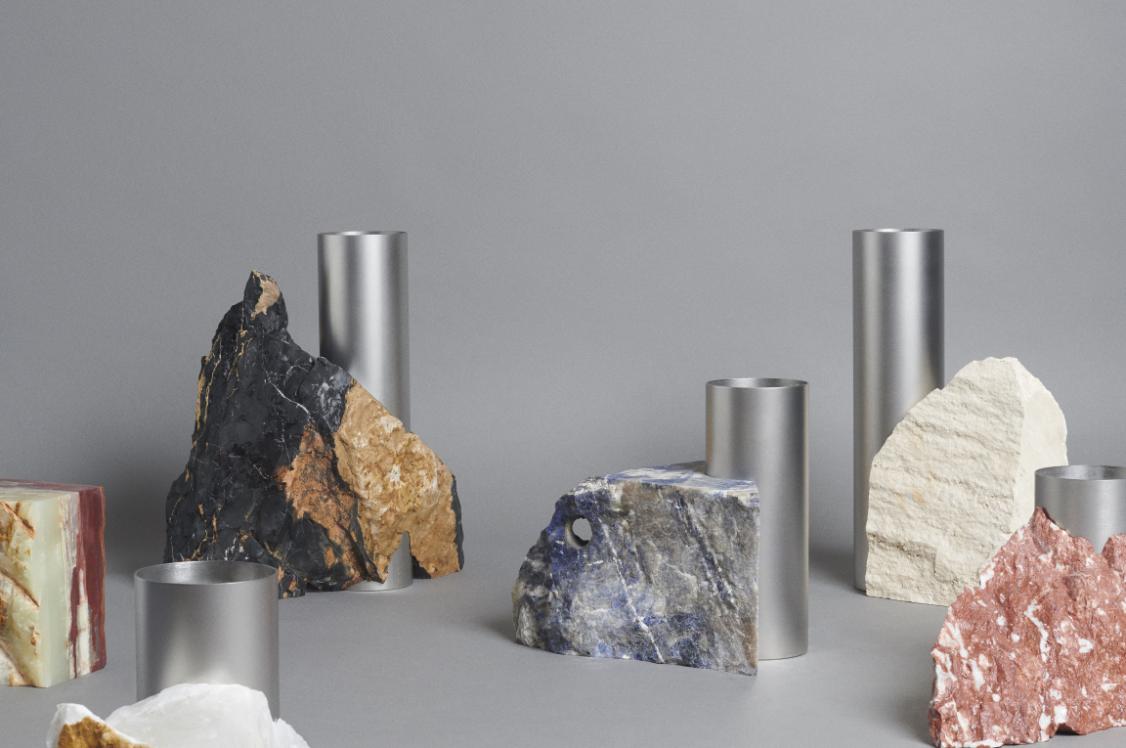
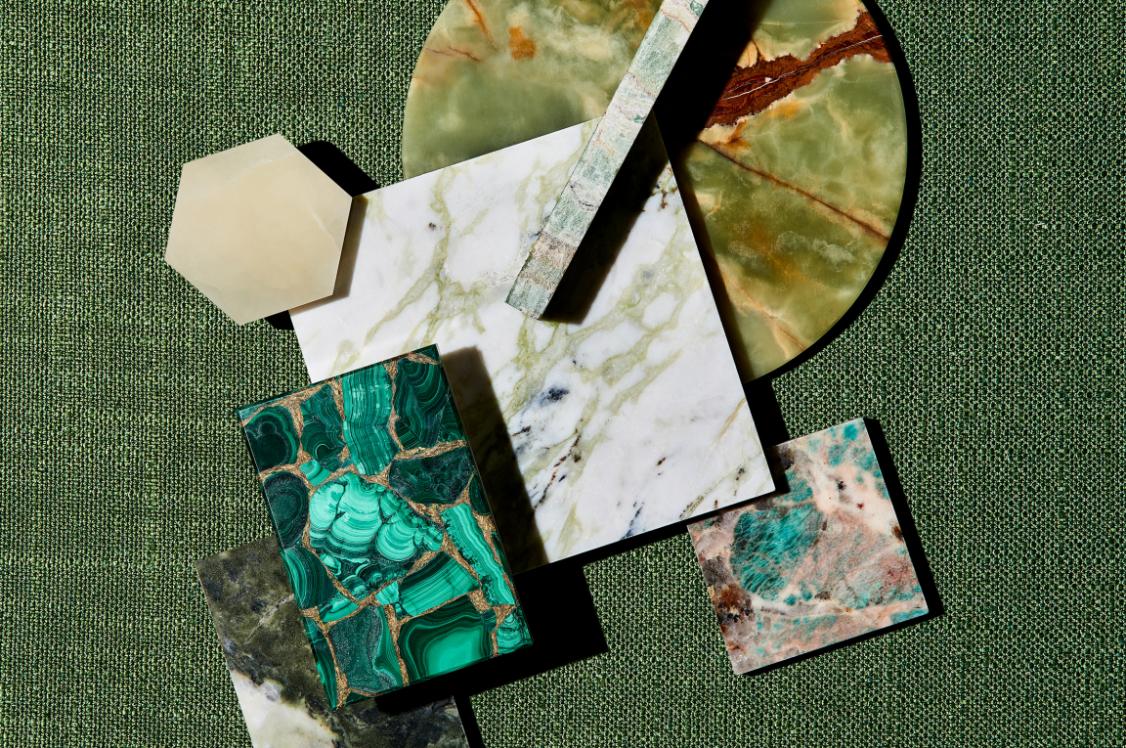
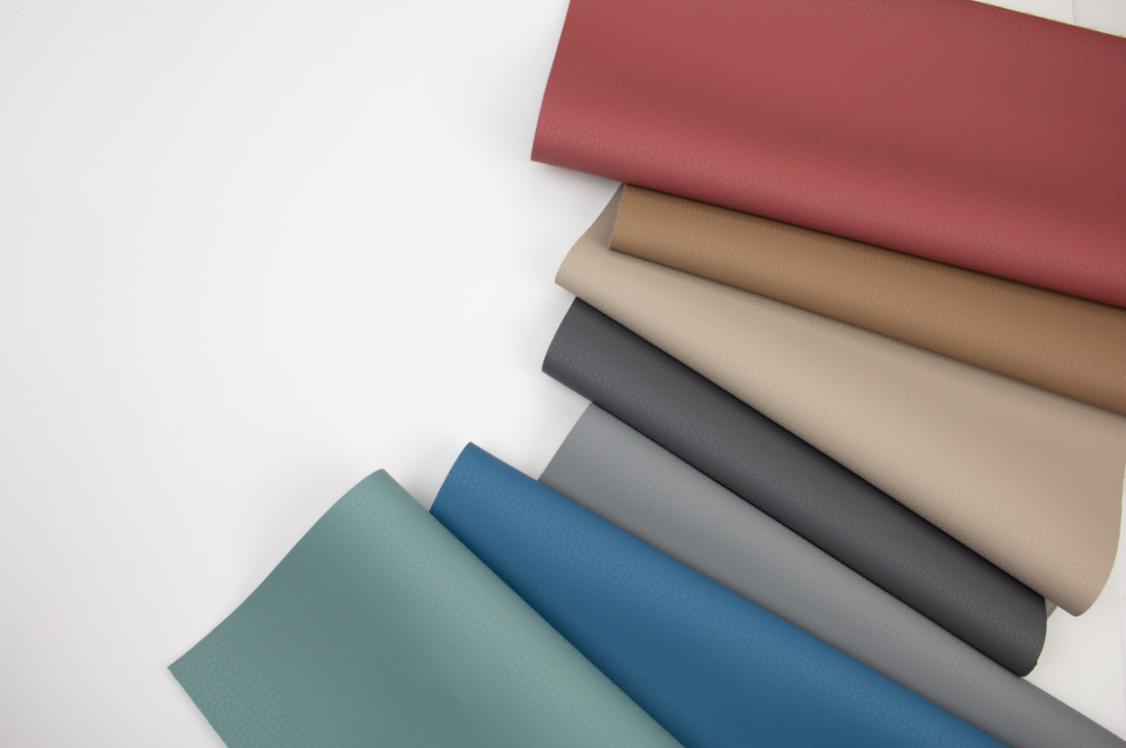
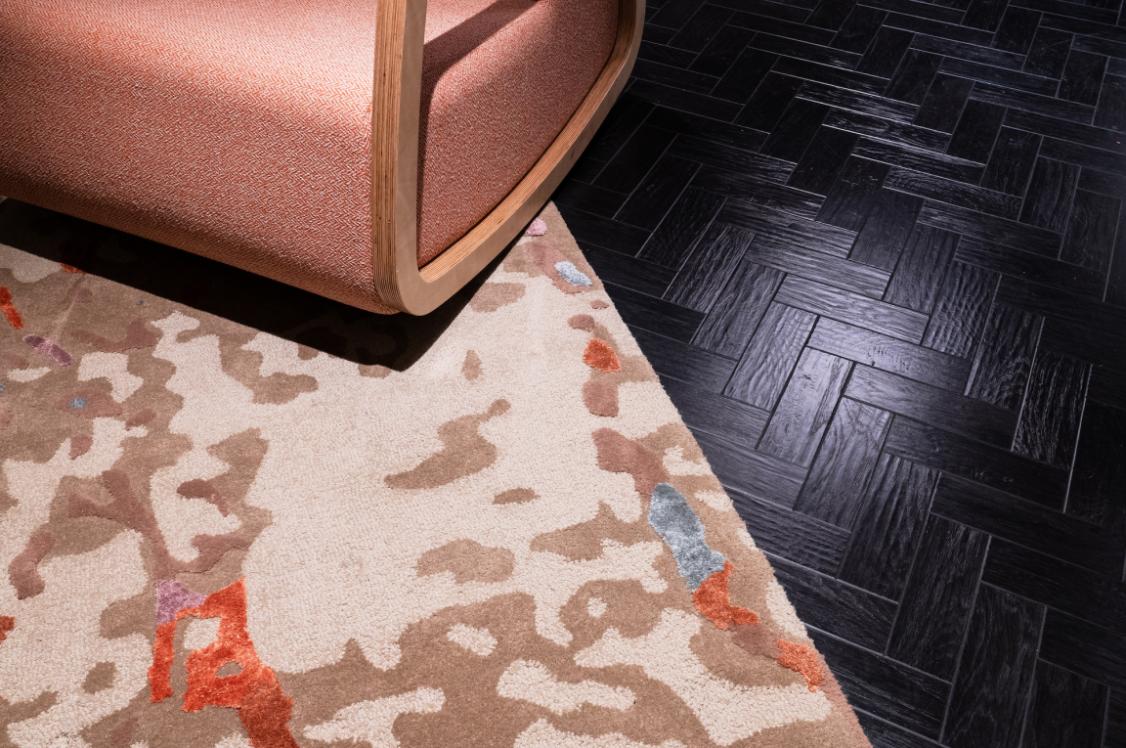
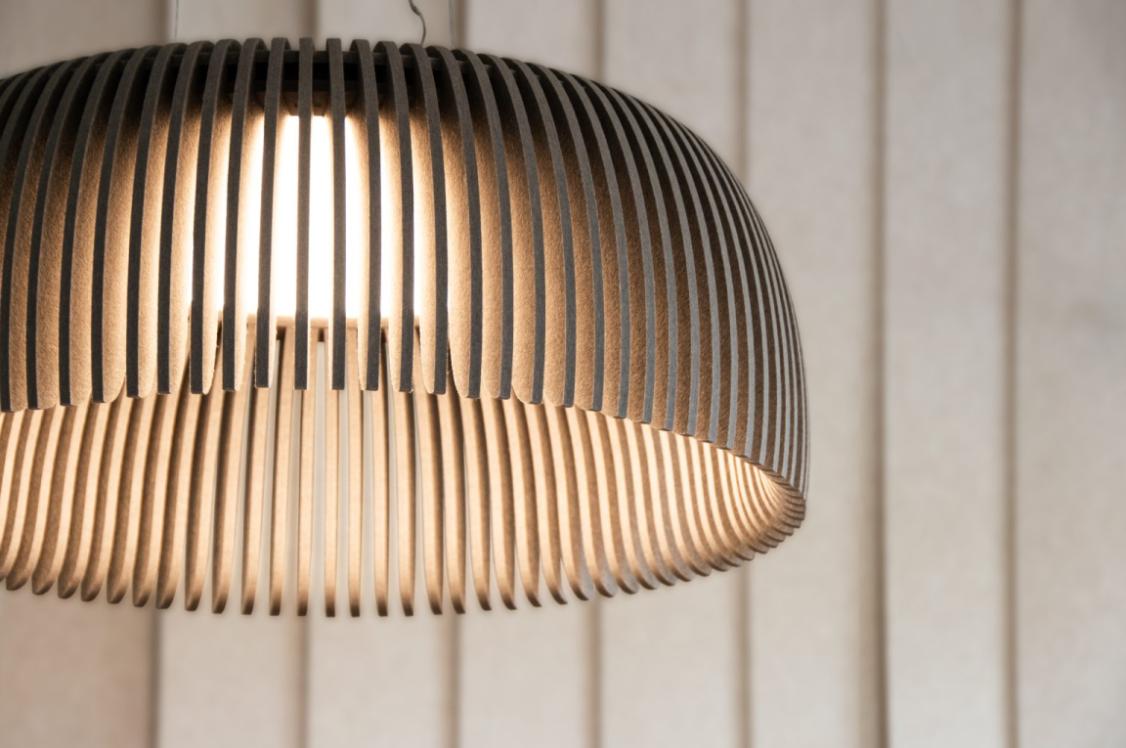
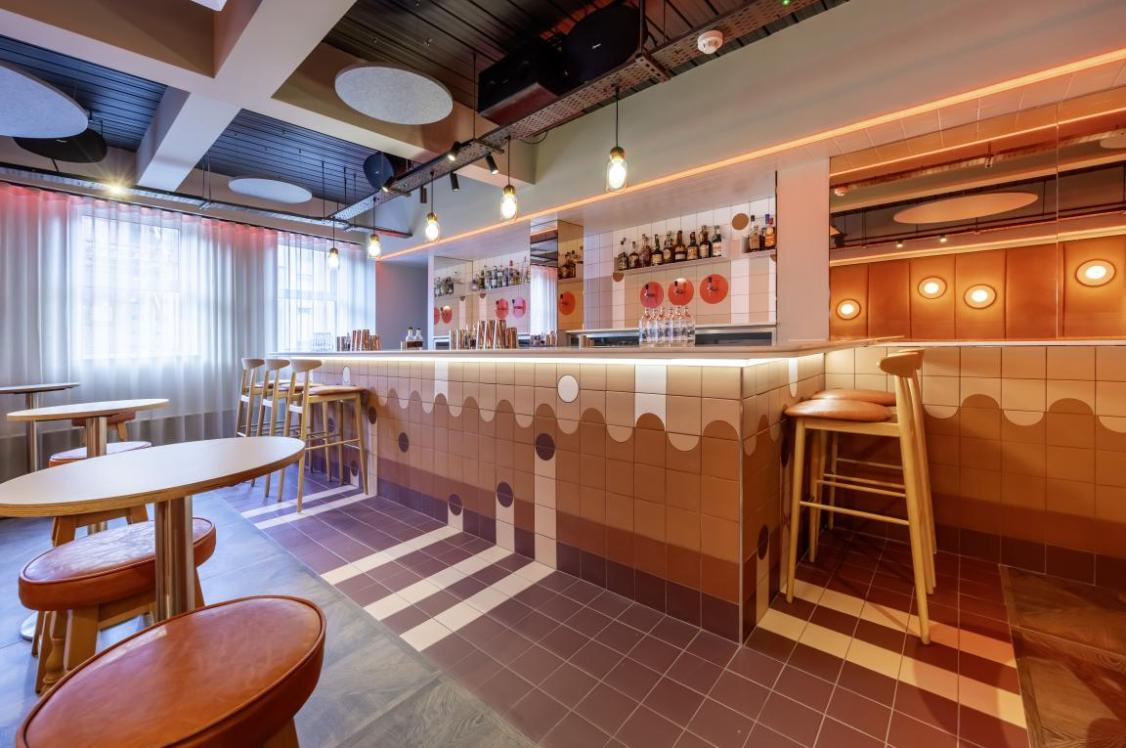
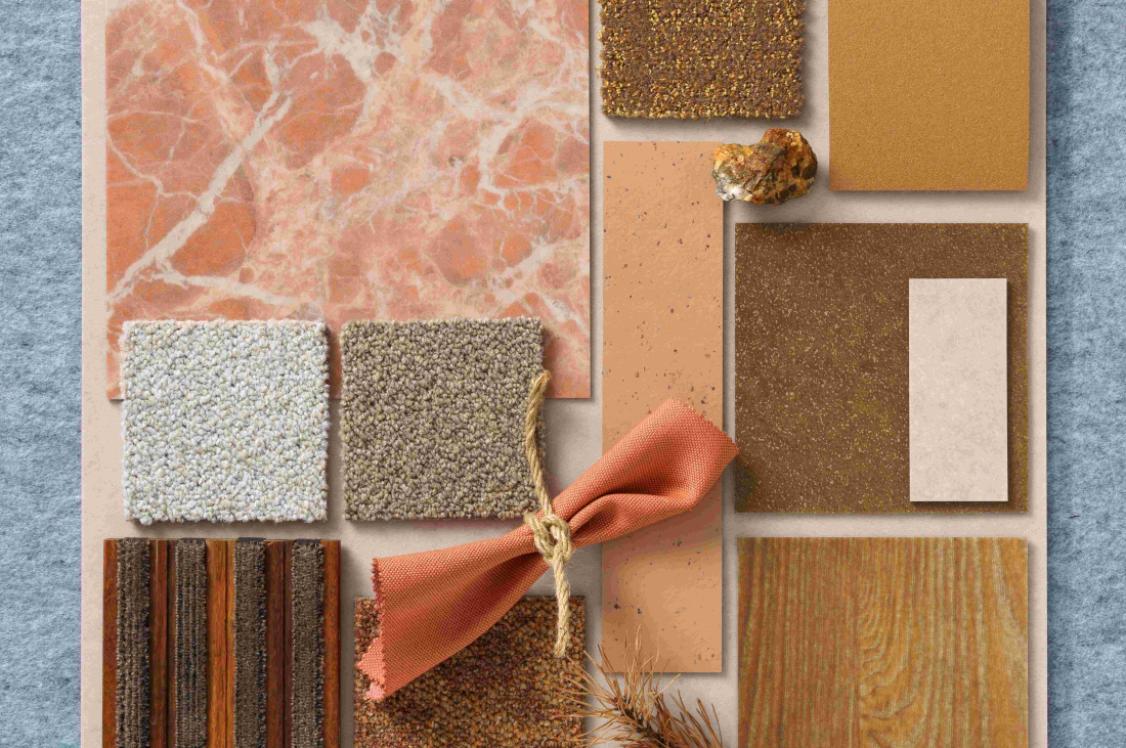
"We use materials with purpose. They are not simply decorative. Every material should contribute to the performance of the space, whether through acoustics, wellbeing, durability or helping users intuitively understand how a space should be used.
"We also want people to feel good. Materials have the power to create an emotional response. People often tell us they simply feel better in our spaces, and that emotional connection is important.
"We like to create curiosity. I love it when people enter a space and instinctively want to touch something or ask what it is. That engagement creates memorable experiences.
"Craft and texture are fundamental to our work. Without them, spaces can become anonymous and homogeneous. It is often not about using expensive materials, but about the thought and care that goes into how they are brought together.
"Narrative is equally important. We want people to understand why a space has been designed in a particular way. Storytelling gives a project meaning, relevance and longevity. It allows people to connect with a place beyond trends."
In our recent seminar in Manchester on AI it was suggested that storytelling is the thing that humans have that AI doesn’t, do you agree?
"I think craftsmanship and the appreciation of human skill become even more valuable in an increasingly digital world.
"There is something about handmade objects that people instinctively recognise. You can feel the difference, even if it is difficult to explain.
"We are moving away from the idea that everything has to be perfectly manufactured. Authenticity and evidence of human creativity are becoming more meaningful."
How have client briefs changed?
"Not every client starts by knowing exactly what they need. Part of our role is to bring experience and expertise to help them make the best decisions for their business.
"Most projects begin with discussions around budget and programme. Those commercial realities are important, but our job is to maximise value within those parameters.
"We have developed our own internal principles around acoustics, materiality and human performance. Not every project has a large budget, but intelligent design can still create exceptional experiences.
"Every workplace should also be a portrait of the organisation it represents. When someone walks through the door, they should immediately understand the culture, values and purpose of that business.
"Buildings are powerful communication tools. They help attract and retain the right people and strengthen a shared sense of purpose."
Is value engineering a challenge?
"We are passionate about staying involved from the beginning of a project through to completion. If designers are not involved during construction, decisions can sometimes be made without understanding the impact on the overall performance of the space.
"A simple example might be removing a rug to save cost, without recognising that it forms part of the acoustic strategy. Good value engineering is about protecting performance while responding to changing constraints.
"Experienced designers know how to adapt intelligently. It is not about simply taking elements away, but about finding alternative solutions that preserve the integrity of the design.
"A project is not complete until it is delivered. We see our role as protecting the client's investment and ensuring the quality promised at the beginning is realised at the end."
Do you undertake post-occupancy studies?
"Absolutely. We actively encourage clients to do them because they provide valuable feedback and often reveal opportunities for simple improvements.
"We like to establish clear objectives at the beginning of a project and measure performance against those goals throughout the process.
"Post occupancy evaluation allows us to understand how people are actually experiencing the environment and whether it is supporting both individual and business needs.
"The more data we gather, the better we become as designers and support the adoption of new ways of working."
Are there technologies you find particularly beneficial?
"We use AI extensively for research, analysis and communication. It has transformed the speed at which we can access knowledge and develop ideas.
"AI allows us to articulate design thinking more effectively, improve presentations and analyse information that previously required significant external support.
"AI has made our workflows more efficient. We often compare ourselves to a Formula 1 team, constantly seeking marginal gains through innovation and continuous improvement."
"At the same time, the pace of change is extraordinary. You have to commit to continuous learning and make time to explore new tools and share knowledge across the team.
"We have an AI champion within the studio who helps us test technologies and identify practical applications.
"The greatest value often comes from automating repetitive tasks, allowing our team to focus on creativity and problem solving.
"However, AI is only valuable if it is used responsibly. It still requires human judgement, critical thinking and rigorous checking."
It sounds like you’ve embraced AI in a really positive way?
"I believe AI will create opportunities rather than simply replace jobs. It can help us create new products, accelerate research and free up time for deeper creative thinking.
"But nothing replaces the human experience that ultimately is the backbone of our design lens. Travelling, visiting galleries, understanding different cultures and observing how people live are fundamental to good design.
"The real strength comes from combining curiosity, lived experience, human creativity and technology. That is what allows us to remain a fast moving, high performing design studio."
Alongside your role at Basha-Franklin, you are Vice Chair of the BCO London Committee. Tell us more.
"The BCO is an exceptional platform because it brings together everyone involved in creating workplaces.
"When I arrived in London from Australia, I was struck by the openness of the industry and the access to knowledge. The BCO is one of those places where that exchange happens.
"We want members to gain genuine value through insightful seminars, building tours and meaningful networking. People's time is precious, so every interaction should be worthwhile.
"I am particularly passionate about creating a broad range of experiences so that the community reflects the diversity of the industry. From breakfast events to wellness activities and technical seminars, we want people to connect in ways that align with them.
"The office sector faces many challenges, but by coming together we can learn from one another and collectively improve the industry."
With that in mind, is there a workplace that embodies the future particularly well?
"A few years ago I visited The Circl in Amsterdam, supported by ABN AMRO, and it had a profound impact on me.
"It was designed around principles of urban mining and material reuse. It demonstrated that reclaimed materials could create architecture that was both beautiful and commercially viable.
"I believe we are only at the beginning of designing for disassembly and circularity.
"At Basha-Franklin we constantly ask how buildings can come apart, how materials can be reused and how we can specify more honest, durable material palettes.
"Manufacturers are increasingly embracing this approach through material passports, mechanical fixings and products designed for repair and adaptation.
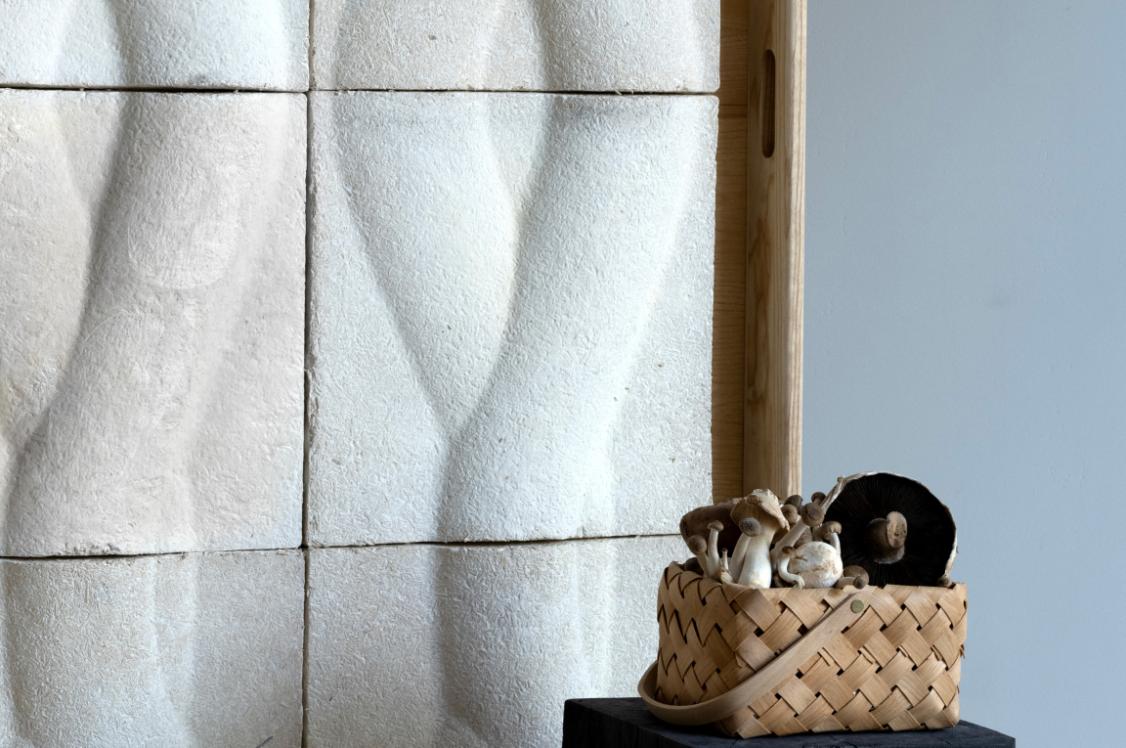
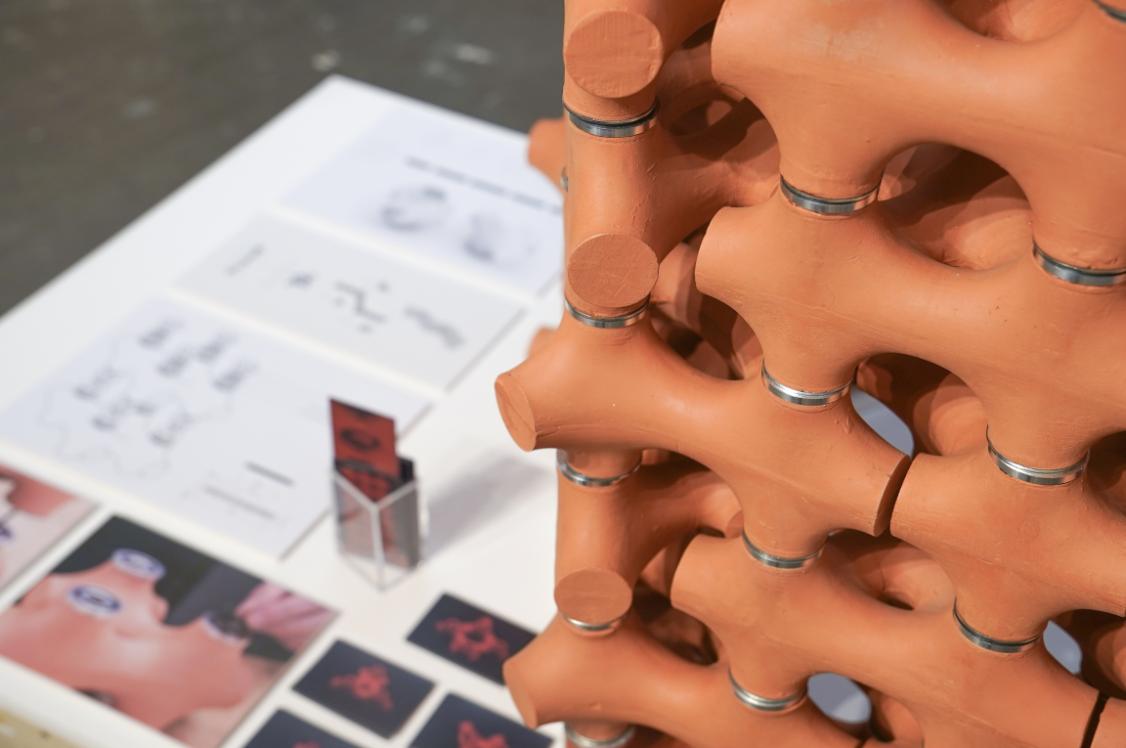
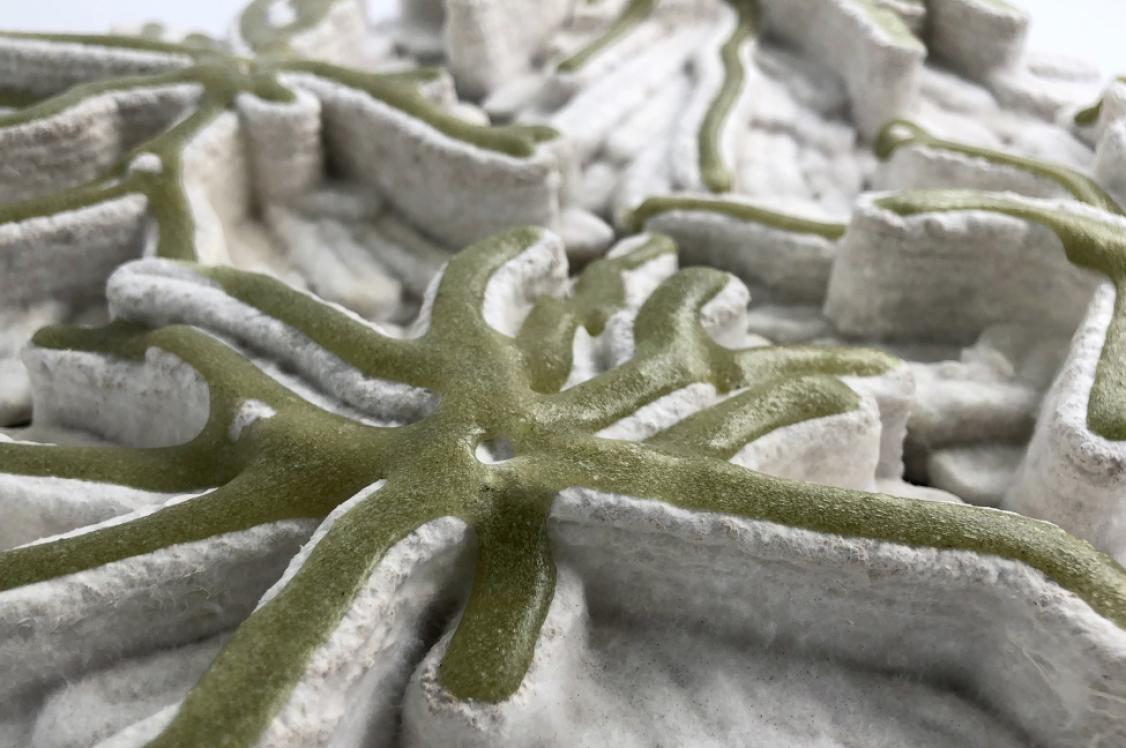
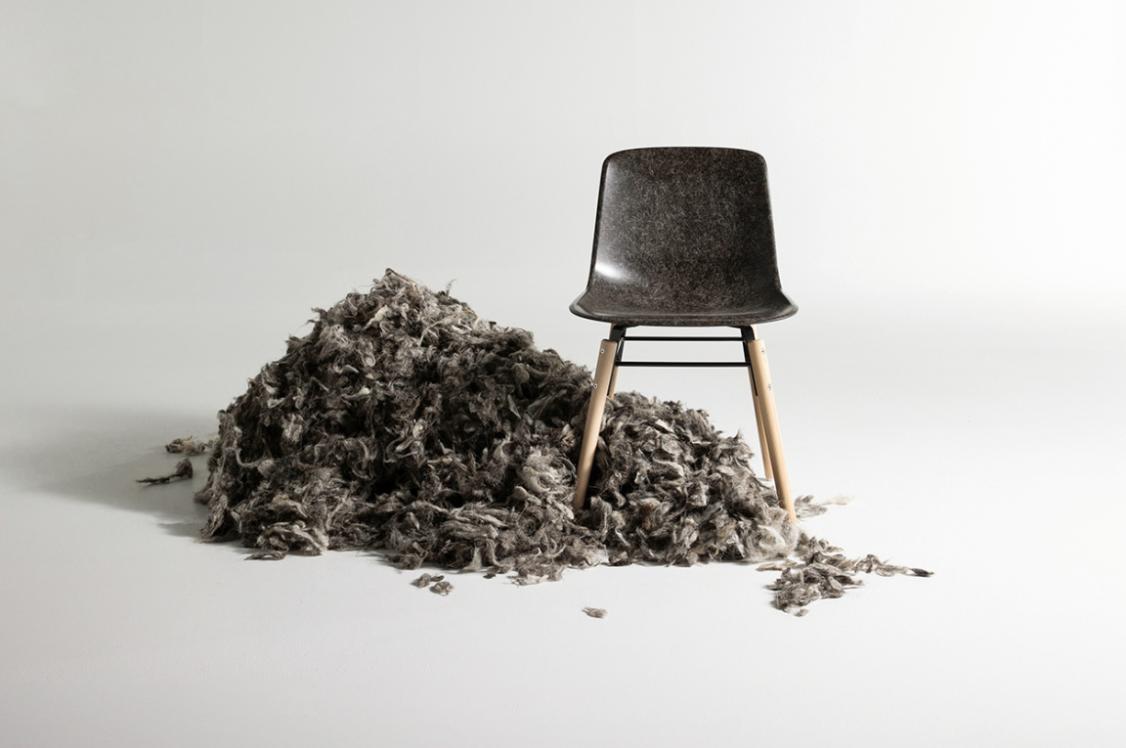
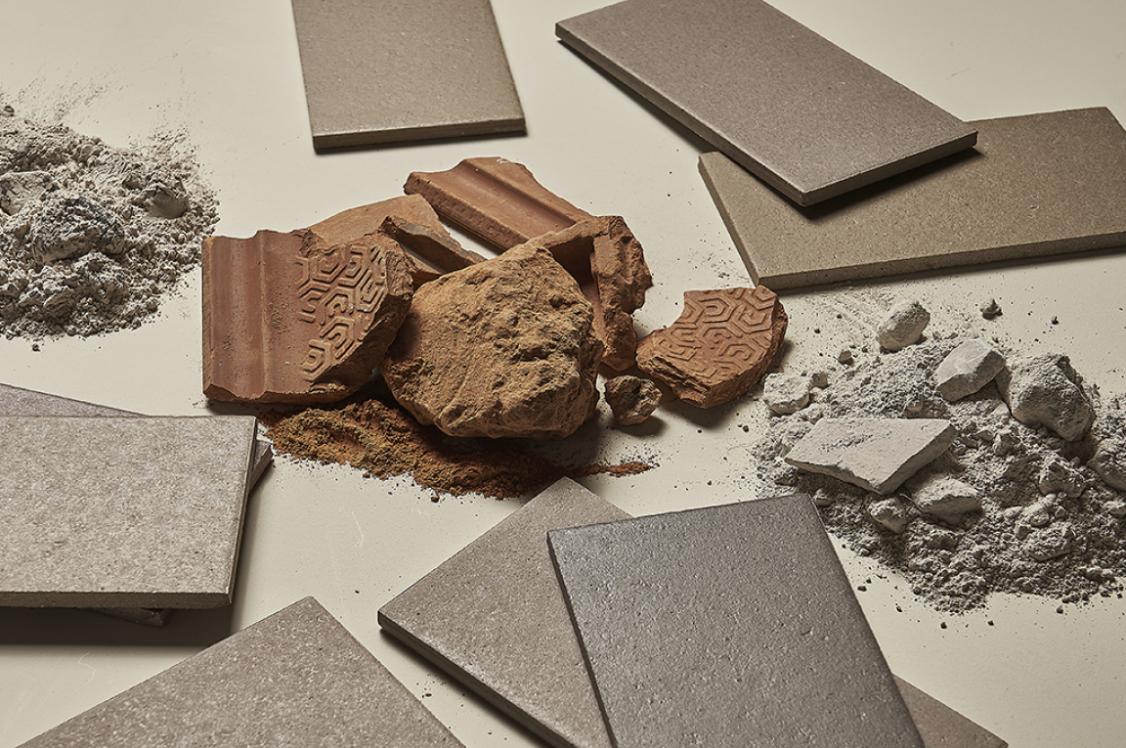
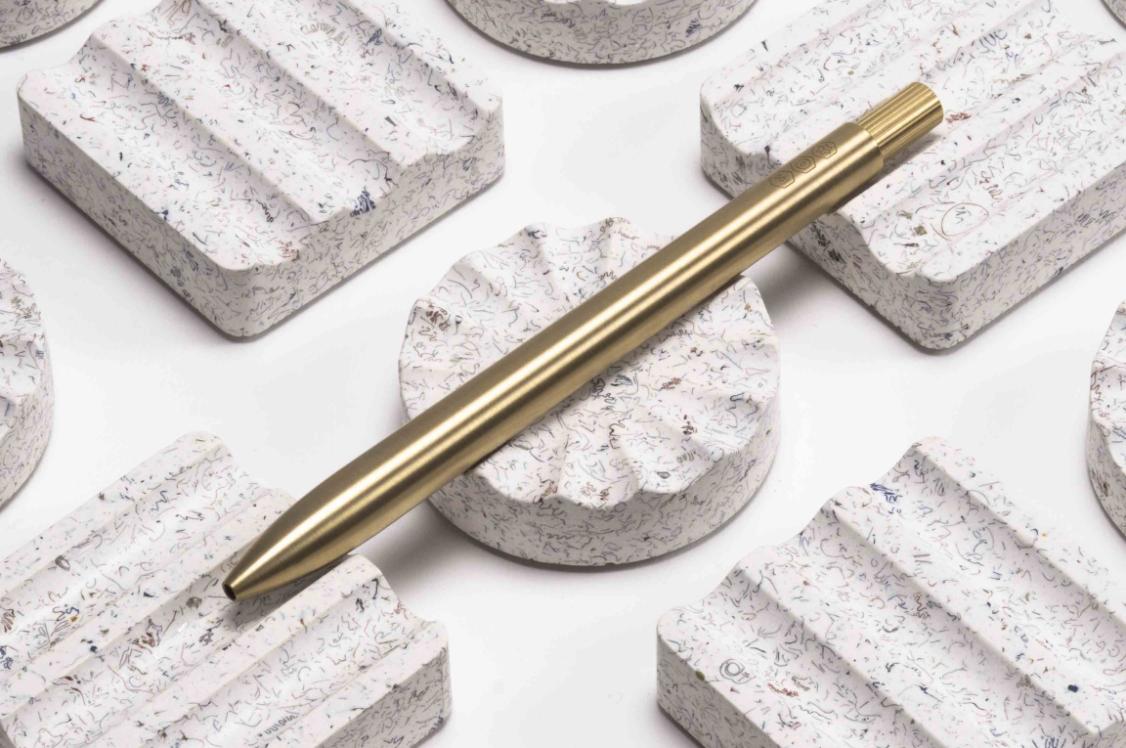
"Innovation should focus on creating extraordinary spaces while using resources more intelligently. We regularly work with materials such as mycelium and collaborate with companies that are leading the way in sustainable innovation.
"At 25 Hanover Square, for example, the façade has been designed so that it can be dismantled and recycled in the future.
"Flexibility and longevity are fundamental to good design."
"If we revisit a project in ten years and people still love being there, then we have succeeded. Interiors will naturally evolve, but well considered design has an enduring quality.
"Perhaps that is what has not changed at all. Truly good design remains timeless."