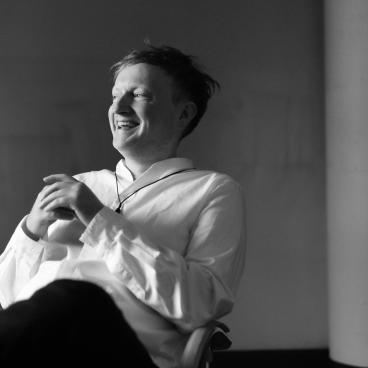






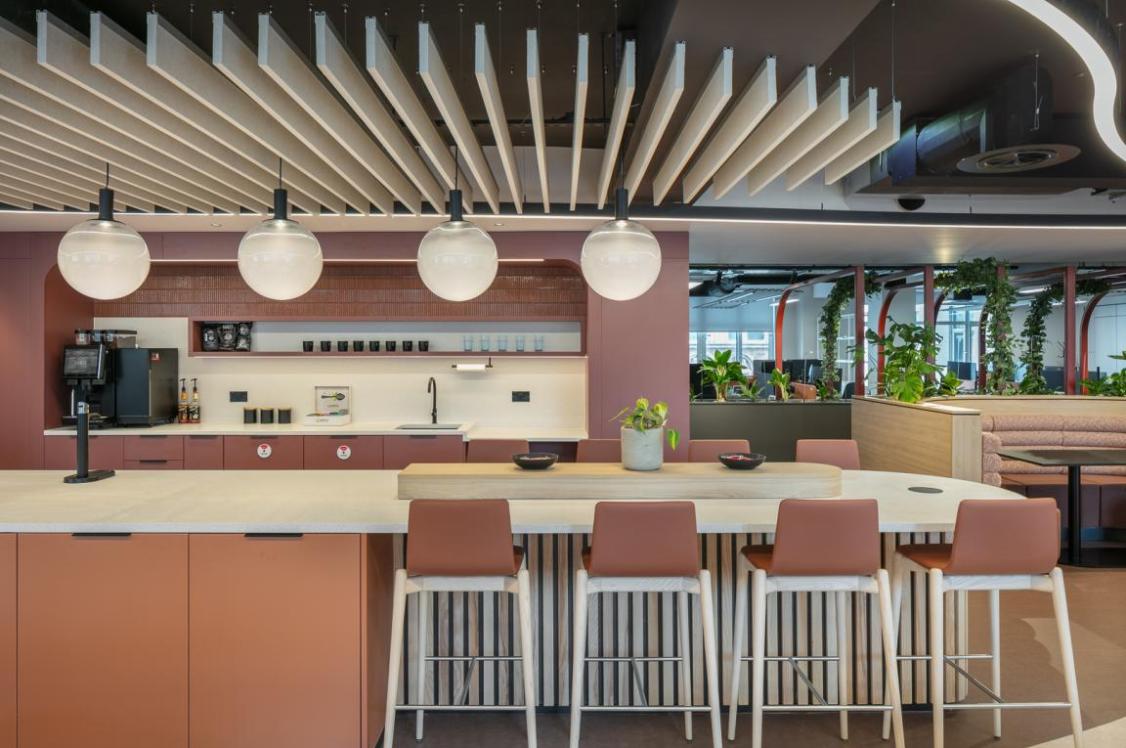
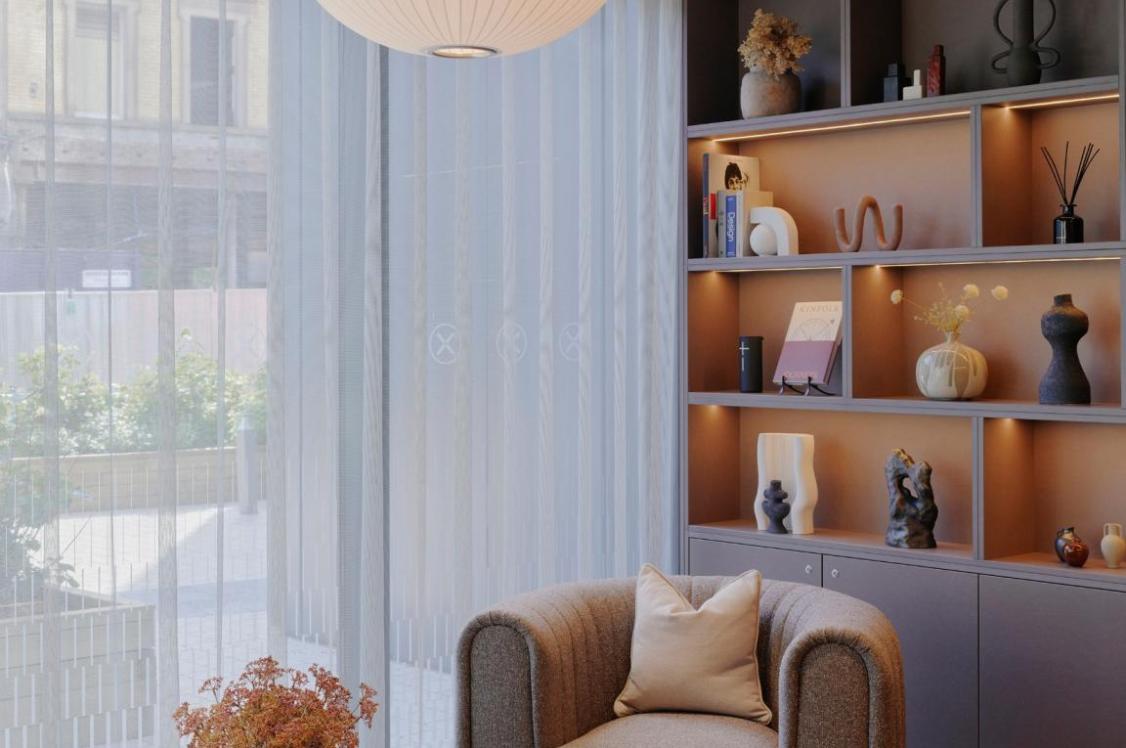
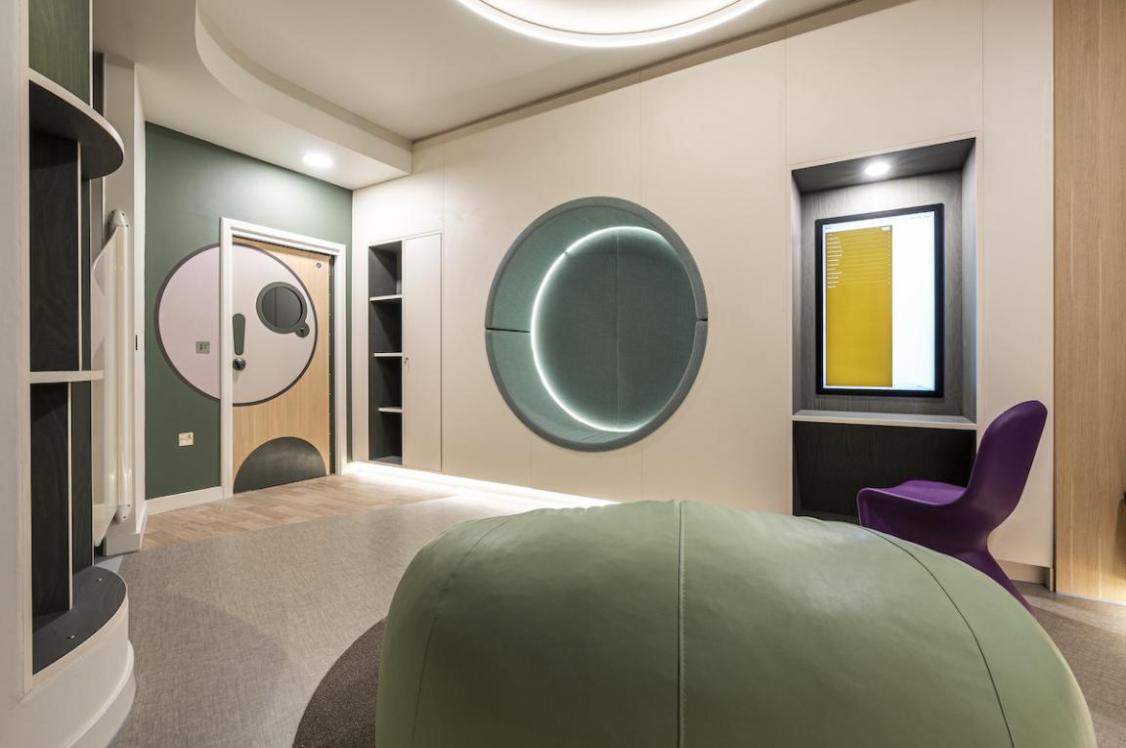
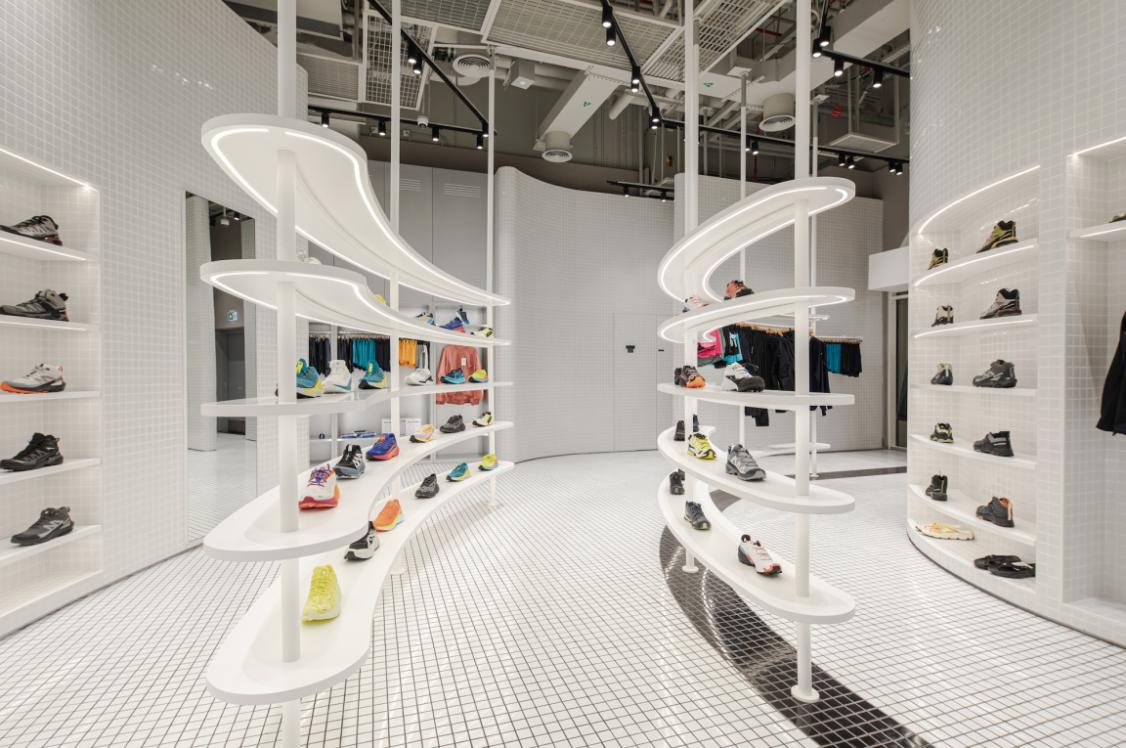
Holly Hallam, co-owner, DLSM Studio on designing for the modern guest, experience vs transaction & shifting expectations.
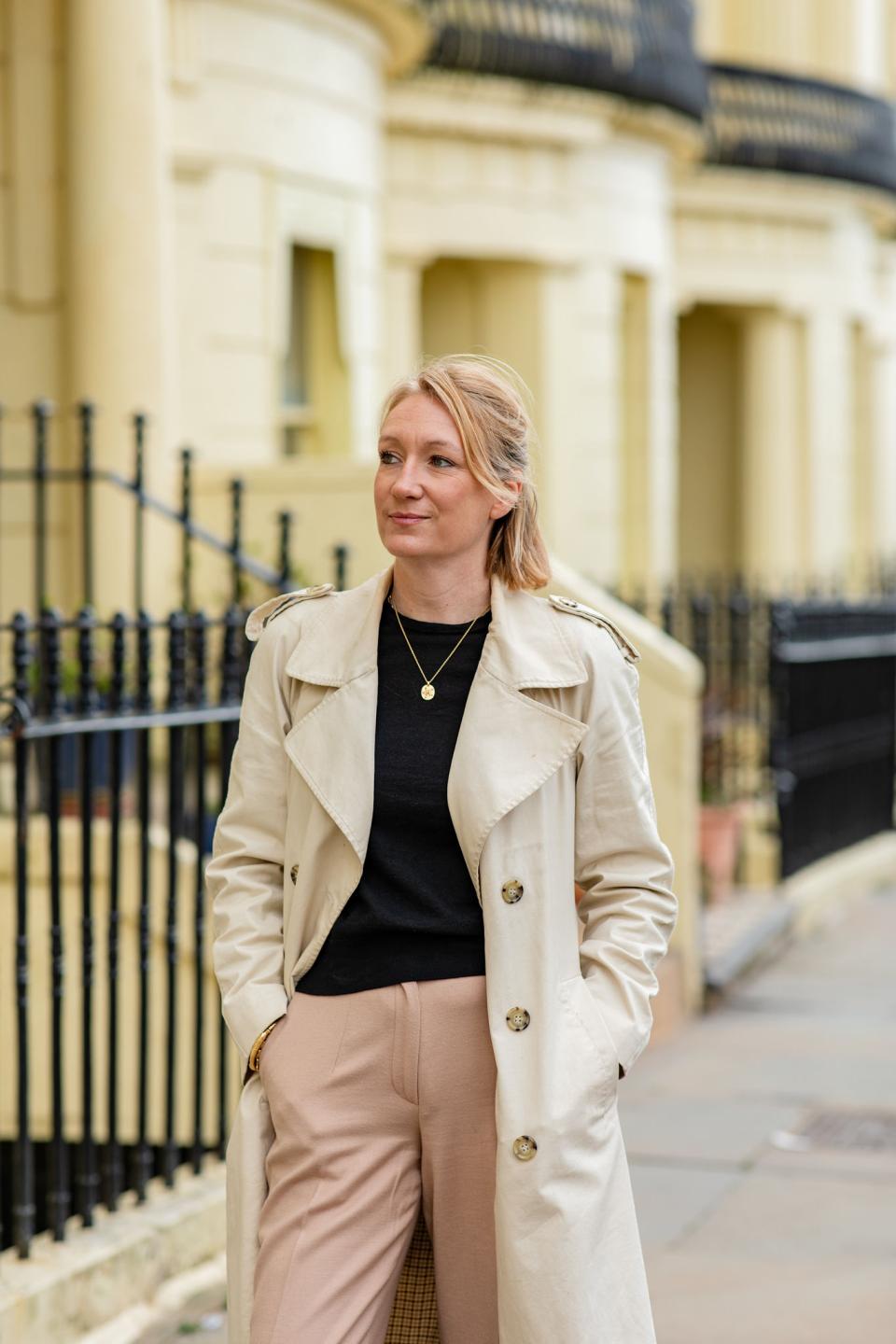
DLSM Studio is a multi-disciplined, award-winning agency specialising in strategy, branding and interior design for a diverse portfolio of clients within the global hospitality industry.
Its designers, located in the UK, UAE and Europe, are "masters of creativity and curiosity". With DLSM "transcending aesthetics, adopting a strategic approach to craft luxury and lifestyle spaces."
Co-owner, Holly Hallam, is responsible for driving forward and managing the studio's offering and client portfolio both in the UK and Internationally. With our current focus on AI, and specifically looking at its impact on guest experience, we were keen to speak to Holly about how technology helps or hinders designing for the modern guest.
Here we cover crafting 'social first' design moments, experience vs transaction, multi functional spaces, operational flow, and how this all stems from peoples' shifting expectations, post-Covid.
Can you please introduce us to DLSM Studio?
"DLSM Studio is an international strategy, branding and interior design agency specialising in luxury and lifestyle hospitality destinations. Formerly DesignLSM, the studio recently evolved into DLSM Studio, marking an exciting new chapter for the business under the leadership of myself and my fellow co-owner, Rachel Pratt.
"As a studio with 38 years’ experience, our core approach is designing beyond the aesthetic. Of course, creating beautiful spaces is important, but for us great design goes much deeper than that. Every project begins with understanding the brand’s DNA, the guest, the commercial objectives and the story before translating those insights into experiences that feel meaningful, authentic and memorable.
"With designers located in the UK and the UAE, we’re proud to create award-winning destinations around the world that connect with people on an emotional level while delivering commercial success. Whether we're designing a restaurant, bar, hotel or mixed-use destination, our approach is rooted in curiosity and storytelling, creating places that not only look exceptional, but genuinely resonate with the people who use them."
Who typically are your clients?
"We're fortunate to work with a broad spectrum of respected hospitality clients, from global hotel brands including the InterContinental, Curio by Hilton, Ritz-Carlton and Kempinski, to leading restaurant groups, independent operators and international developers such as EMAAR and Modon. While the projects and clients themselves vary enormously, they all share the same ambition of wanting to create a destination that people actively choose, remember and return to."
As a sector, hospitality has changed exponentially over the last 5+ years. How have your projects altered as a result?
"Hospitality has always been about bringing people together, but the role that venues play in people's lives has changed significantly over the last five years. People are no longer simply looking for somewhere to eat, drink or stay. They're seeking experiences, connection and a sense of belonging.
"As a result, our projects have become much more focused on how people feel within a space, not just how it looks, considering how these destinations can integrate within the lives of its users – whether that’s creating an emotional connection through an extraordinary experience, sharing values, or enhancing their mental and physical wellbeing.
"We've seen a growing demand for environments that support multiple occasions and behaviours throughout the day."
A restaurant, for example, might need to function as a workspace in the morning, a social hub in the afternoon and a destination for celebration in the evening. That requires a much deeper understanding of guest journeys, operational flow and the emotional experience of a space.
"The pandemic undoubtedly accelerated some of these shifts. People became more intentional about how and where they spend their time and money, and hospitality venues had to work harder to earn that. Design now plays a much bigger role in creating memorable moments, fostering connection and giving people a reason to return."
Have the briefs changed? Or your approach? Or both?
"I would say both have evolved. The briefs we receive today are more in-depth than they were five or ten years ago. Clients are increasingly looking beyond aesthetics and asking bigger questions about guest experience, brand differentiation, operational efficiency and long-term commercial performance. There is a much greater understanding that design can be a strategic business tool rather than simply the final layer applied to a project.
"At the same time, our own approach as an agency has evolved over the years. My background is in marketing and brand strategy, so I've always been interested in understanding the audience and a brand’s positioning before designing for spaces, but that thinking has become even more integral to how we approach projects today.
"We immerse ourselves into strategically exploring a brand’s DNA, who it serves and how they will engage with the brand, the competitors and the commerciality of the concept before we begin developing a design concept. We look at everything from guest journeys and operational flow through to emotional touchpoints and moments of connection, curating an authentic story-led design and experience that reflects the personality of the brand.
"Ultimately, the most successful hospitality environments are those where strategy, branding and design work seamlessly together. Beautiful interiors remain important, but they need to be underpinned by a clear purpose and a deep understanding of the people using and working within them."
What does the contemporary hospitality guest expect?
"I think today's hospitality guest expects far more than a product or service. Whether they're visiting a hotel, restaurant, bar or mixed-use destination, they're looking for an experience that feels meaningful, memorable and worth their time and money.
"Guests have become incredibly discerning. They have access to more choice than ever before, so simply offering great food, comfortable accommodation or a beautiful interior is no longer enough. Those things are expected."
"People want spaces that are intuitive, welcoming and authentic. They want environments that reflect their lifestyles and adapt to different needs. Equally, they want a sense of connection - whether that's connection to a brand, a community, a destination or the people they're sharing the experience with.
"We're also seeing a growing desire for hospitality spaces that feel less transactional and more personal. The most successful venues create moments of discovery, encourage social interaction and leave guests with a lasting emotional impression."
What 'new' spaces are required to facilitate an optimum guest experience?
"What's interesting is that we're not necessarily seeing entirely new spaces emerge, but rather a reimagining of how hospitality spaces function and interact with one another.
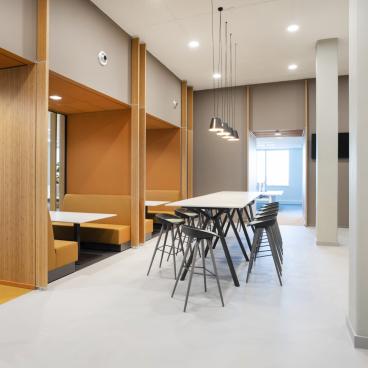
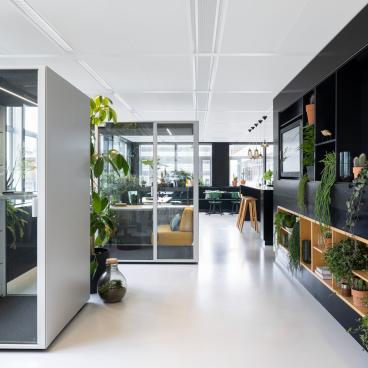
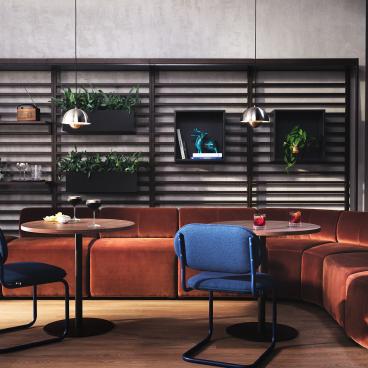
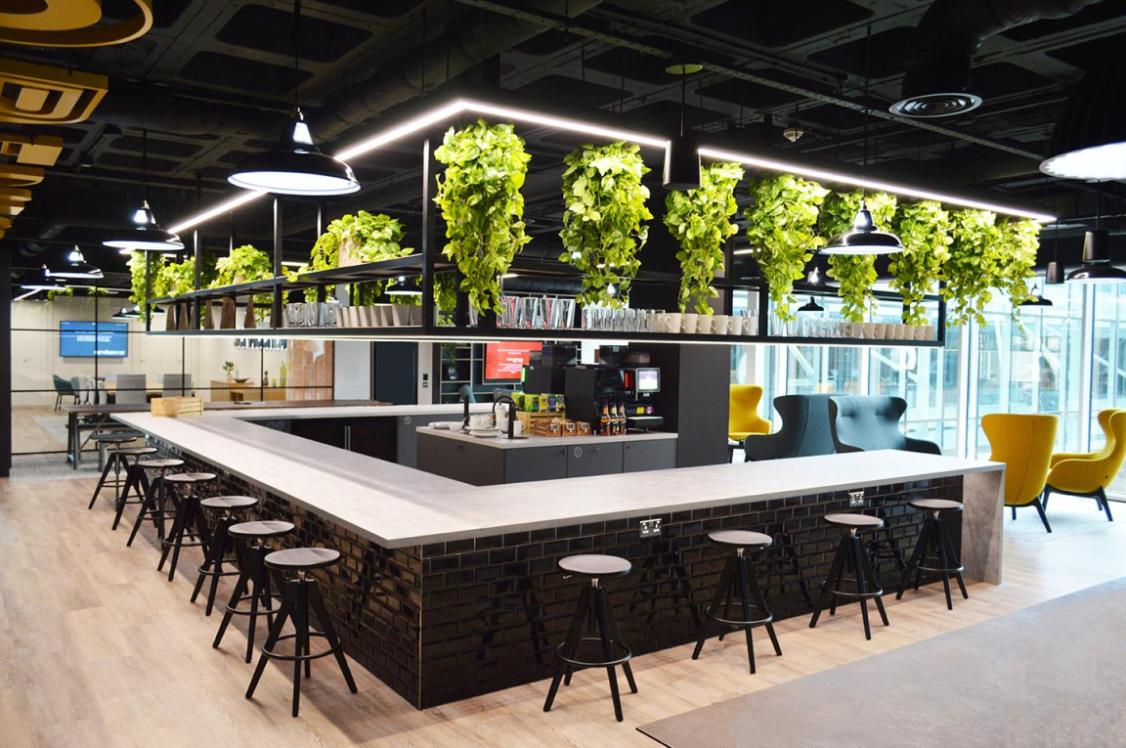
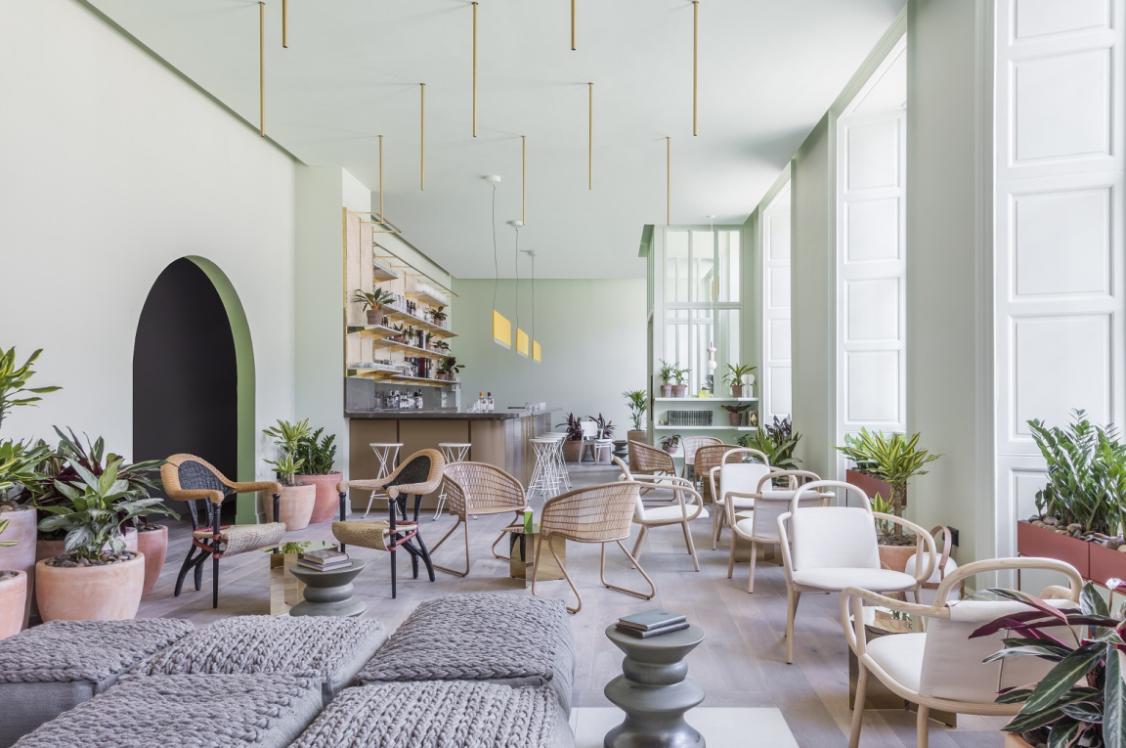
"Guests are increasingly expecting flexibility. They want environments that can support different activities, moods and occasions throughout the day, so we're designing destinations that are having to work much harder than they once did. A hotel lobby, for example, might also become a coffee bar, a co-working space, a relaxing lounge, and an informal meeting destination or a restaurant may need to accommodate solo diners, remote workers, family gatherings and celebrations, sometimes simultaneously.
"We're seeing a growing emphasis on transitional and social spaces. Arrival experiences, lounges, terraces, bars and communal areas have become much more important because they're often where memorable interactions take place. These are the spaces that encourage people to linger, connect and feel part of a wider community, whilst hospitality destinations are required to effectively utilise space to drive revenue opportunities.
"The future, as it stands, in many hospitality businesses relies on becoming multifunctional environments that prioritise flexibility, social connection and a sense of belonging, rather than spaces designed around a single purpose."
How is AI/new technology helping/hindering?
"Like many businesses, the creative industry is benefitting from efficiencies that simply weren't possible a few years ago - supporting the more administrative tasks which has then allowed our designers to focus on deeper creative thinking.
"Working specifically within the hospitality industry, it is ultimately about people. It’s our role, as strategic designers, to understand consumer behaviour, emotion, culture and human connection - things that can't be fully understood through data or AI alone.
"The most successful hospitality environments are often built around intuition and empathy. They respond to how people move through a space, how they interact with others and how they want to feel when they're there and when they’ve left. While AI can support aspects of the research process, it can't replace the human insight required to create truly meaningful experiences.
"I also think there is a risk that as technology becomes more accessible, we see a degree of homogenisation. If everyone is drawing from the same sources and tools, maintaining originality becomes even more important.
"For me, the future isn't about AI versus creativity. It's about how technology can enhance the design process while allowing designers to focus on the strategic and human-centred thinking that creates the most memorable and meaningful spaces."
What are you working on currently?
"The team are currently delivering an exciting mix of hospitality projects across the UK and the Gulf. We’re excited to be working on the concepts of two luxury lifestyle hotels in Dubai with a major developer, alongside three hotel projects in central London, and two heritage hotels within the UK. We're also continuing our partnership with NAC, supporting new openings across the Middle East while working with exciting F&B concepts including Supernova, Crème and Le Café NAC, with more projects already in the pipeline."
What does the future of hospitality look and feel like?
"I think the future of hospitality will be defined by experiences that feel increasingly human, personal and authentic.
"Technology will continue to play an important role behind the scenes, improving efficiency and helping operators better understand their guests.
"From a guest perspective, I believe the greatest luxury will become genuine connection - connection to people, place and experience."
"We're already seeing a shift away from purely transactional environments towards destinations that offer a stronger sense of community and belonging. Guests want spaces that feel welcoming, flexible and relevant to the way they live their lives. They want reasons to stay longer, return more often and build an emotional connection with a brand.
"I also think the boundaries between sectors will continue to blur. Hotels are becoming social hubs, restaurants are evolving into lifestyle destinations and mixed-use developments are bringing together hospitality, retail, wellbeing and work in increasingly seamless ways.
"For designers, that creates exciting opportunities. Our role is no longer simply to create stylish environments, but to design experiences that support how people want to live, work, socialise and connect. The most successful hospitality spaces of the future will be those that understand people deeply and create meaningful experiences around them through authentic storytelling."
What's next for DLSM?
"We're excited to continue growing our presence across the Gulf region, where demand for distinctive luxury hospitality experiences continues to create incredible opportunities. At the same time, we're seeing growing momentum across Europe, as leading hotel brands expand into new international markets and seek design partners who can help create memorable, experience-led destinations. It's an inspiring period for the studio, and we're looking forward to building on these partnerships while taking on ambitious new projects around the world."