


James Pound, architectural assistant, DAY Architectural, on sunflower-based construction.

The UK has committed to reaching Net Zero by 2050, and with construction responsible for 40% of global carbon emissions, the sector is under pressure to cut waste, lower embodied carbon, and improve energy efficiency.
James Pound, architectural assistant at DAY Architectural, believes sunflowers could play a significant role in reducing the embodied carbon of built environment-based materials. Although cultivated for oil and floristry, much of the plant, particularly the stalk, is burnt or discarded after harvest. This releases stored carbon back into the atmosphere.
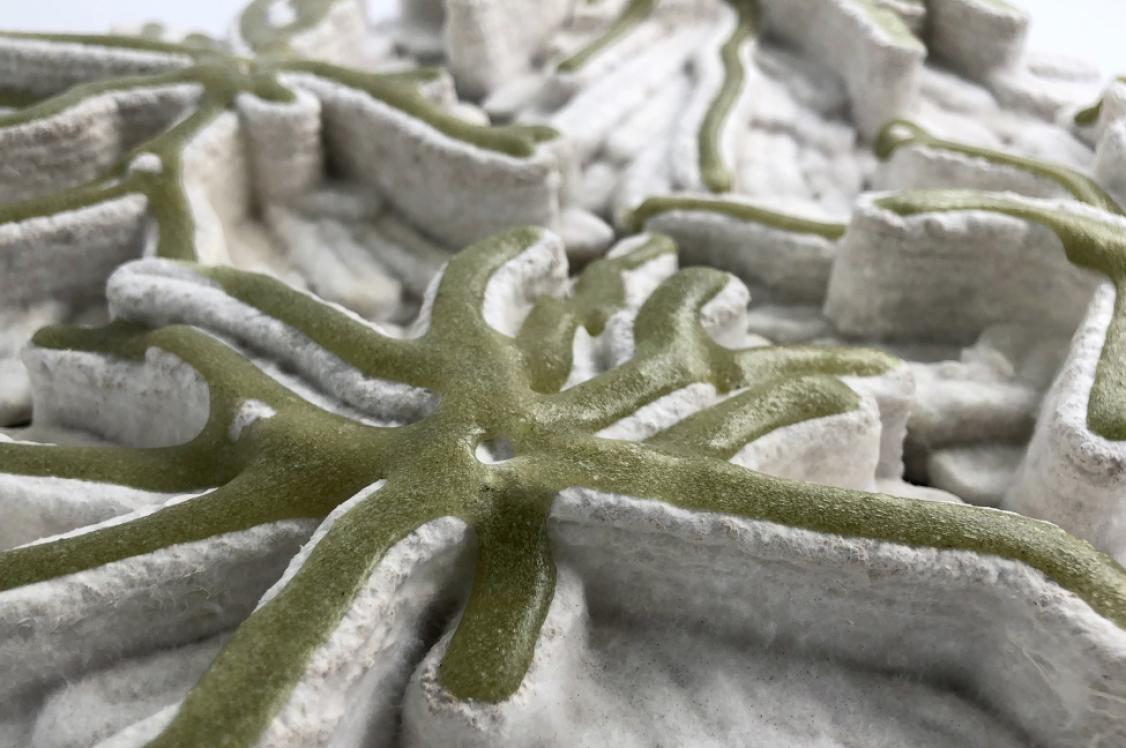
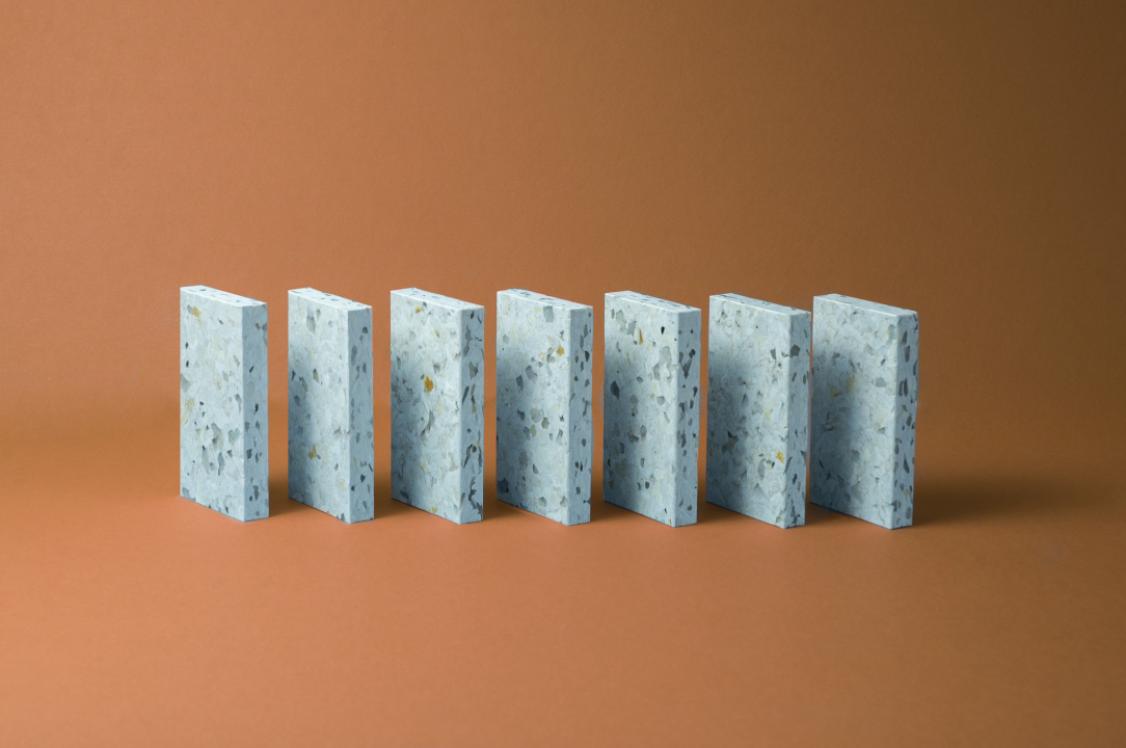
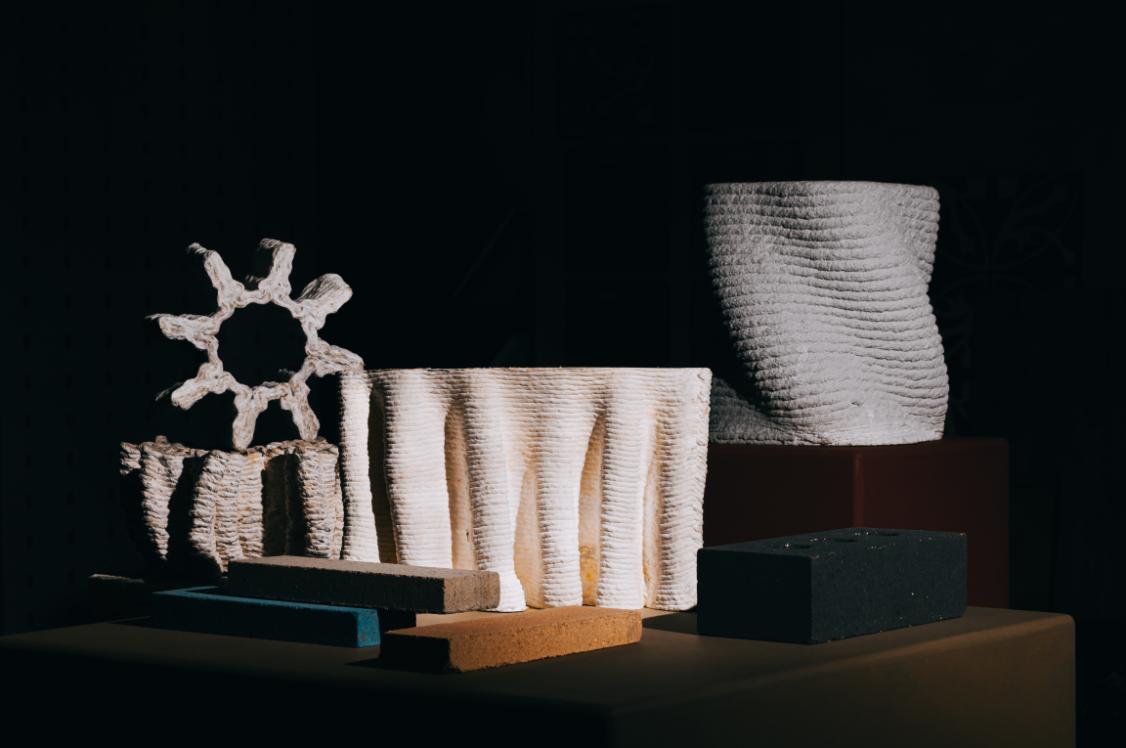
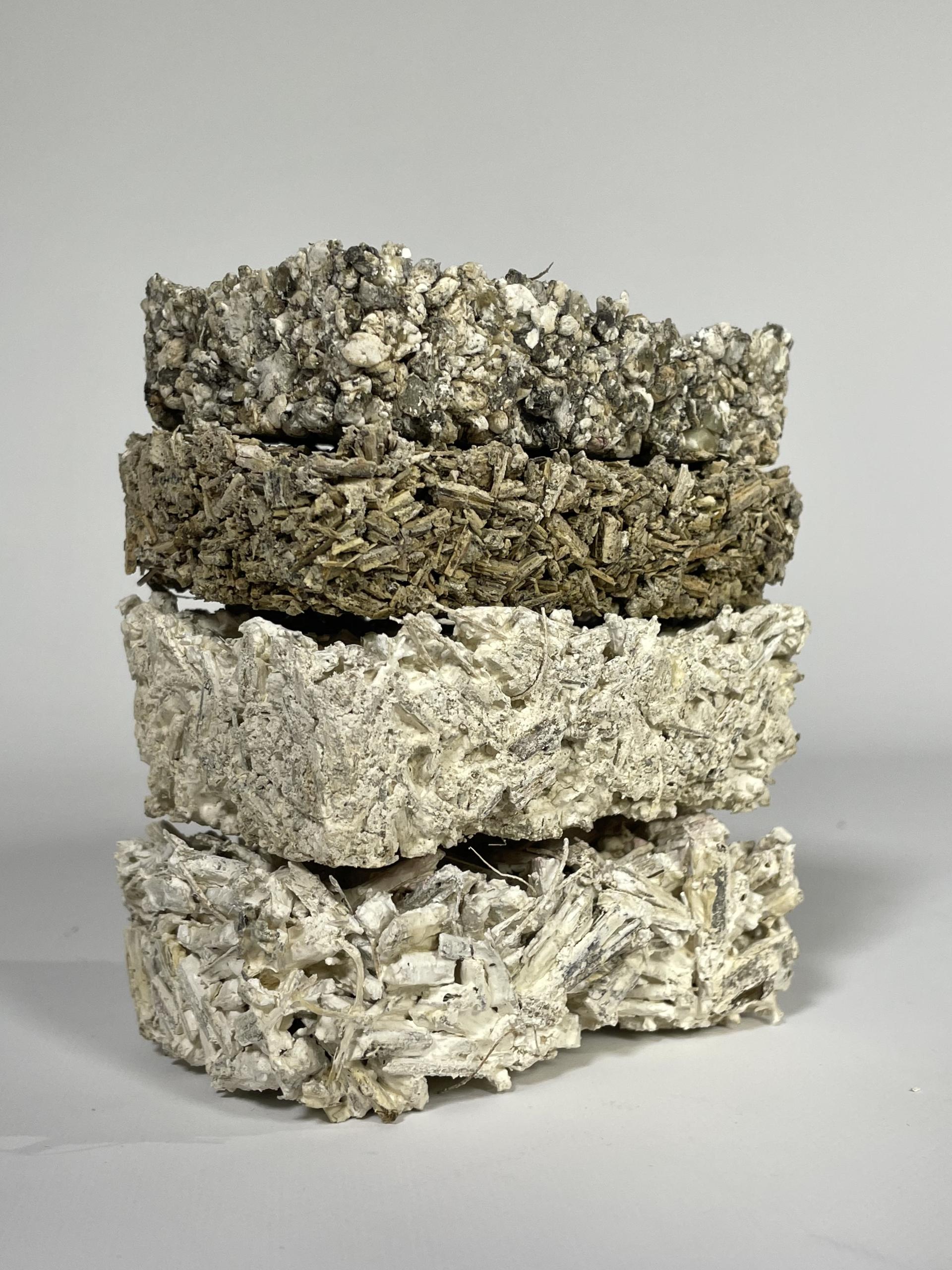
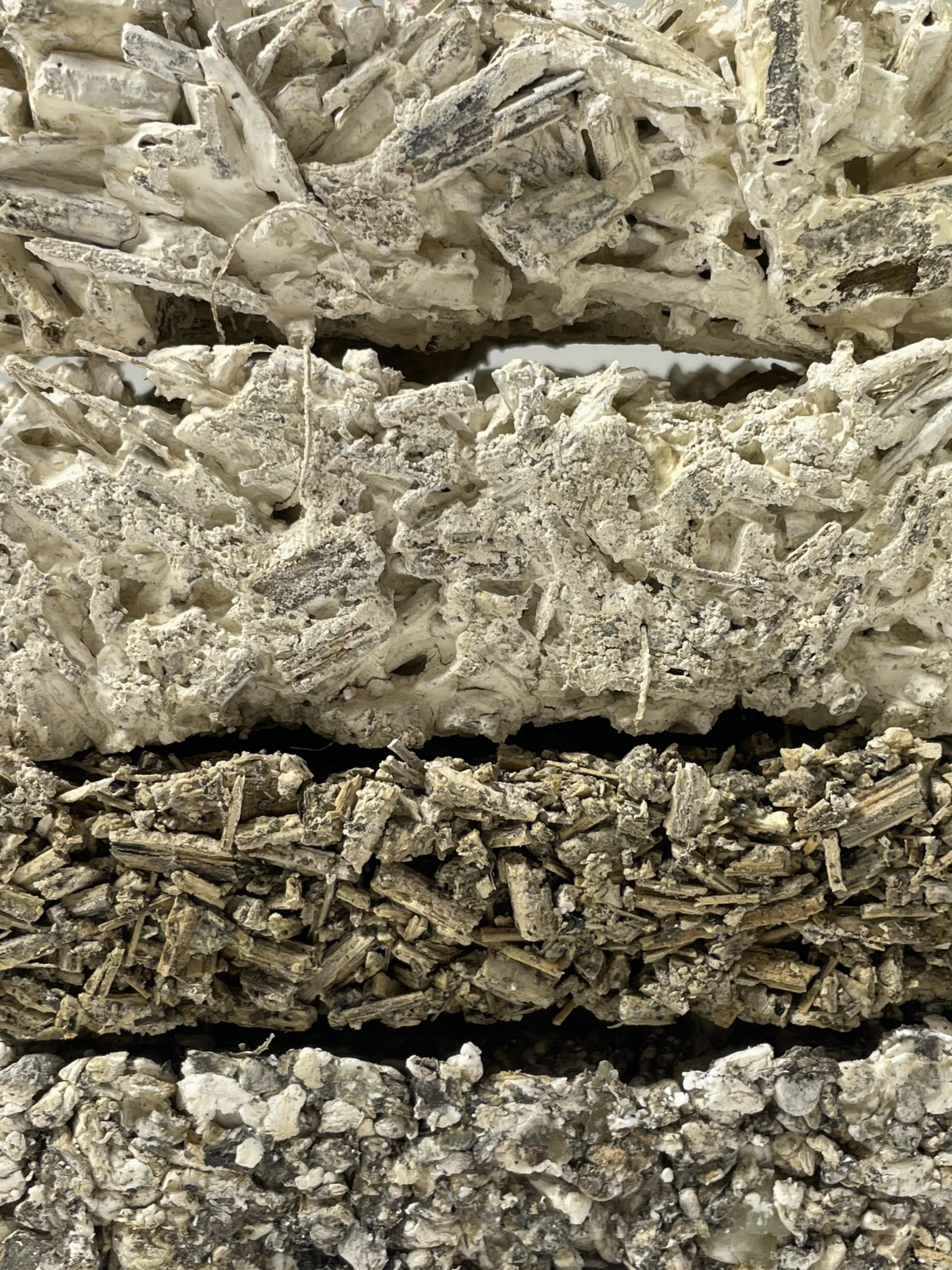
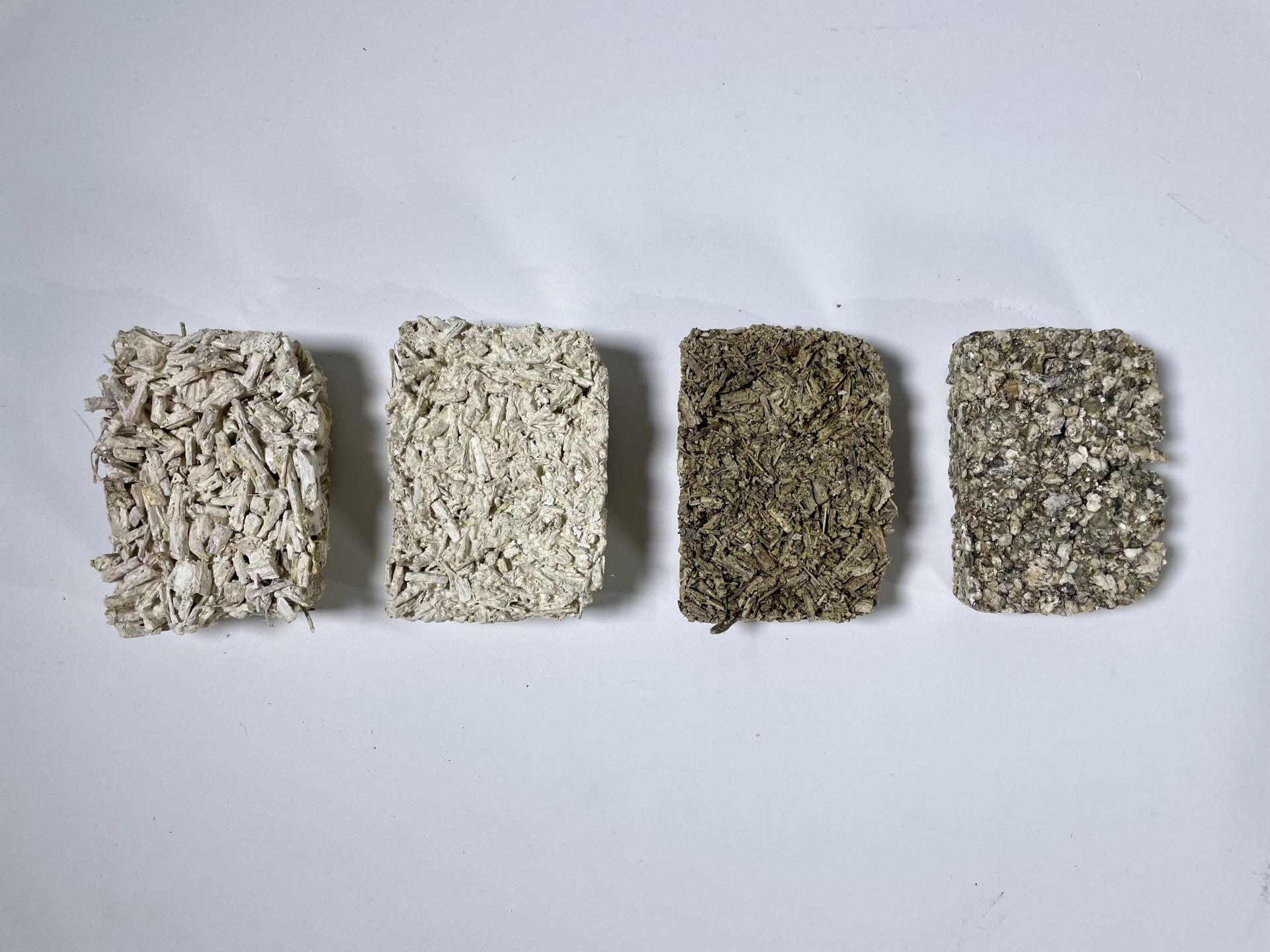
Working alongside MSc physicists, Joash Webster, and Charlie Phillips, James has been testing how this overlooked material can be combined with hydrated lime to create Sun-crete, a bio-based insulation inspired by hempcrete. Early results are promising: with a U-value of 0.15 W/m²K, it already exceeds the 0.26 W/m²K threshold required to meet Passivhaus standards.
More broadly, our conversation with James has been particularly inspiring since it demonstrates how architects and designers within industry are actively shaping a more responsible and regenerative built environment through material exploration.
Here, James shares the research and experimentation behind Sun-crete, and the wider potential of sunflower-based construction.
What lessons from hemp-based construction informed your approach to Sun-crete?
"My inspiration for the project came from a lecture given by a member of architecture firm, Assemble, where they spoke about agricultural farm waste and using these by-products to create construction materials. When I first started to explore sunflowers in construction, I experimented with a range of different uses, ranging from cladding to render. After an in-depth investigation, I decided the most appropriate application would be an insulating construction block.
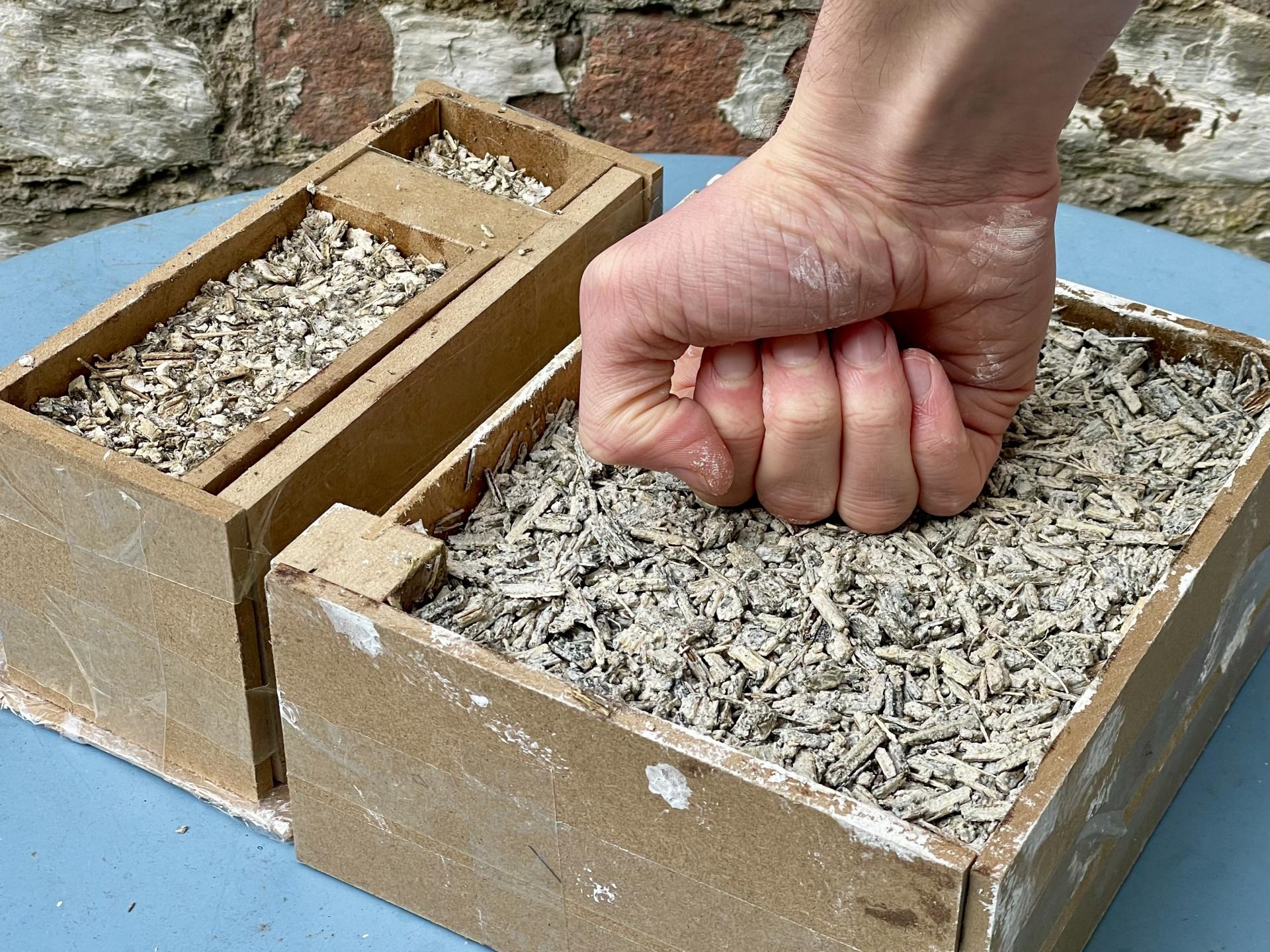
"The most obvious precedent for this in the natural material world is hempcrete. As it grows in popularity among smaller private builds - particularly across Europe - a much more established resource pool of technical details and construction methods has emerged. Sun-crete was created using a similar approach to hempcrete, utilising key ingredients such as hydrated lime to form the bricks. Similarly to hemp-based construction, the wet material is pressed into timber formwork, achieving strong, solid blocks that can remain within the frame or be used as standalone pieces.
"The low-carbon, circular methodology has also been borrowed from hempcrete, looking at the importance of both carbon-sequestering materials and low-transportation carbon emissions (A2 to A4 in the Whole Life Carbon Assessments, WLCA). Sunflowers can be grown, dried, harvested, and manufactured on, or within close proximity to the site - The Flat House by Practice Architecture is a useful hemp-based precedent for this."
Can you walk us through the process of producing Sun-crete - from harvesting, to forming the final insulation blocks?
"The process of constructing the material is based on simplicity and accessibility. I believe a key incentive to build with natural materials is to create a hands-on approach that can be recreated by all without previous experience. The sunflower industry is one of the most wasteful agricultural industries; most are grown only for seeds (oil) or for florists (only the top of the plant). The leftover stalks are left to dry and then commonly burnt, releasing high levels of stored carbon dioxide.
"It is just before this point that the construction industry would ideally intercept the dried stalks, offering to harvest and alleviate farmers of their waste product. The stalks are then split open, and the pith (a useful by-product for loose-fill insulation) is removed from the centre. The dried, bark-like stalk can then be chipped using a wood chipper, or by hand with scissors (if you are, like me, a student without the budget), before being mixed with hydrated lime and water.
"This leaves you with a wet, mouldable mixture that can be pressed into formwork in a range of shapes and sizes. It should be noted that the smaller the scale, the more challenging it is to create a sharp edge. After around 48 hours, this mixture will be dry enough to remove from the formwork and be used for construction. Over the next week or so, it will continue to dry, turning lighter in colour and increasing in rigidity as the lime in the mixture carbonates."
What did hands-on experimentation reveal about Sun-crete? Were there any surprising discoveries about the material’s properties?
"The process of scientific collaboration was arguably the most beneficial part of the material development: not only in getting a result to highlight the feasibility of Sun-crete, but also in learning about the material's qualities and limitations.
"The experiment was led by MSc students, Joash and Charlie, who planned out the experiment, gathered the equipment needed, and persuaded the lead technician that this was a worthwhile project. Over two weeks, we tested around five different iterations of the material, varying in chip size and lime content, aiming to discover the best variation in terms of thermal efficiency.
"Throughout the testing process, a lot was revealed about the material. When calculating the volume of the test bricks by submerging them in water, we discovered that the material temporarily loses structural integrity when oversaturated. This highlighted the need for further testing, particularly if the material was to be used externally on a project. This quality mirrors that of hempcrete and any other lime bound bio-material, losing strength when wet but quickly recovering as they dry and the lime begins to carbonate.
"Architectural features such as large roof overhangs are common in natural material construction and would be essential to protect the Sun-crete from direct driving rain. However, the material was initially proposed as an insulation structure and, like hempcrete, it would not be exposed directly to the elements. Its water permeability would actually enhance the building, aiding the breathability of the walls by absorbing excess moisture and releasing it during drier periods.
"The testing was a success. We achieved a thermal conductivity of 0.095 W/mK with blocks at an approximate density of 285kg/m³. This result is highly encouraging, as it sits comfortably within the industry standard range for hempcrete, which typically falls between 0.05 and 0.138 W/mK.
"We also believed that with further refinement of the material we could achieve a lower value. By using industrial wood chippers to achieve more controlled chip sizing, we can optimise the density and air-pocket distribution within the blocks, further enhancing their insulating performance."
With the right processing infrastructure, could sunflower-based materials become as common as hemp-based alternatives? Is it an ‘un-tapped’ resource?
"I believe there is a hesitancy to bring new natural materials into the market, definitely in the architectural world, which is currently defined by the now fully established Building Safety Act 2022. There will always be difficulty persuading insurers and clients of a material's safety; however, this is mitigated through precedent and experience with new materials.
“Turkey carries out a significant amount of sunflower production. There is 2,500,000 tons of sunflower stalk waste per year. This is a serious problem for farmers...” (Binici et al., 2020).
"There are plenty of sunflower farms in the UK with enough waste product to start harvesting and constructing smaller builds.
"However, should the material demand increase, the farms would need expanding. Unlike hemp, you do not need specific licensing to grow sunflowers, so these temporary, localised farms can be established up all over the country, provided the climate permits (sunflower growth is much more successful in the South)."
What are the biggest opportunities for scaling sunflower-based construction materials?
"Sun-crete is a good starting point for expanding and scaling natural materials formed from byproducts as the material itself is easily used and understood. Contractors can follow the established methods for hempcrete and work it into buildings in the same way.
"Cost is a significant driver within practice, and Sun-crete isn't just an environmental choice, it is a pragmatic economic one. By utilising a farmer's waste product, the cost of the material is essentially reduced to the cost of transportation. While similar in binder costs, the hemp shiv used for hempcrete must be purchased from a licensed processor, adding a significant layer of expense.
"While readily available commercial insulations may be lower in initial cost, the negative environmental and ecological toll is incomparable to Sun-crete. When factoring in recent shifts towards Whole Life Carbon Assessments and the necessity of circular building practices, Sun-crete offers a solution for future-proofing."
Can you share with us what your next steps in developing or applying Sun-crete in architecture?
"The next steps for the project revolve around a multitude of testing, both to optimise the material but also to further develop accessibility and guidance. This includes creating detail packs that architects could use to see how the material works; 1:1 testing of the material in construction; and gathering interest to create a support network of invested people to help achieve these goals. As seen by the previous collaboration with Joash and Charlie, it is necessary to have a team of varied skills to develop a material, involving creatives, scientists, and trade workers who will actually work with the material.
"There is a significant opportunity to test the material in drier climates, particularly in nations that are major contributors to the sunflower industry, such as Turkey. With the support of interested parties, this could become a feasible farm-to-building model that could be replicated internationally. Developing countries would offer a particularly compelling place to start, as the research could provide an opportunity to create affordable housing as a direct by-product of existing agricultural waste streams."
You're working at the intersection of design and material science; how has this project influenced the way you think about architecture?
"Working with materials hands-on gives a completely different insight into the design process. Creating from a material-first approach develops designs bespoke to the specific materials, creating new languages of architecture (often leaning towards traditional forms such as large overhangs or thicker walls).
"As seen in practice, collaboration with a wide range of people in the construction industry is imperative to see a feasible design reach its end goal. Working with material scientists adds a new dimension to architecture, a new approach grounded in empirical testing."
More broadly, do you think architects need to become more involved in material invention and experimentation?
"Yes. There are far too few practices that get involved with material experimentation. Some best-practice examples for natural material experimentation are: BC Materials in Brussels, Atelier Luma in France, and both Assemble and Material Cultures in the UK.
"There must be change in our use of construction materials to help reduce the footprint of the industry. This has to be through experimentation and repeated attempts at involving new materials into projects. The industry will not sway to new materials without first seeing a multitude of successful examples."
If you're interested in getting involved in the project, know of any further opportunities for testing in the UK or abroad, or just want to know more, please get in touch with James.