






















City centre mix – the future of Glasgow?
In association with:


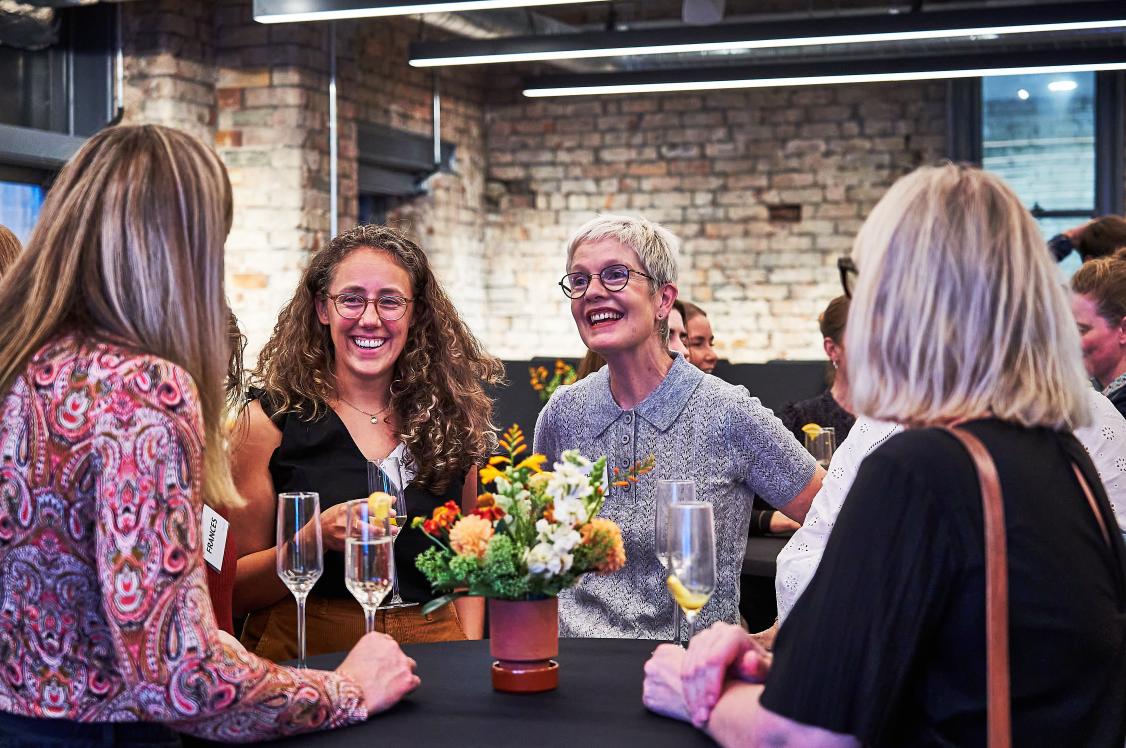
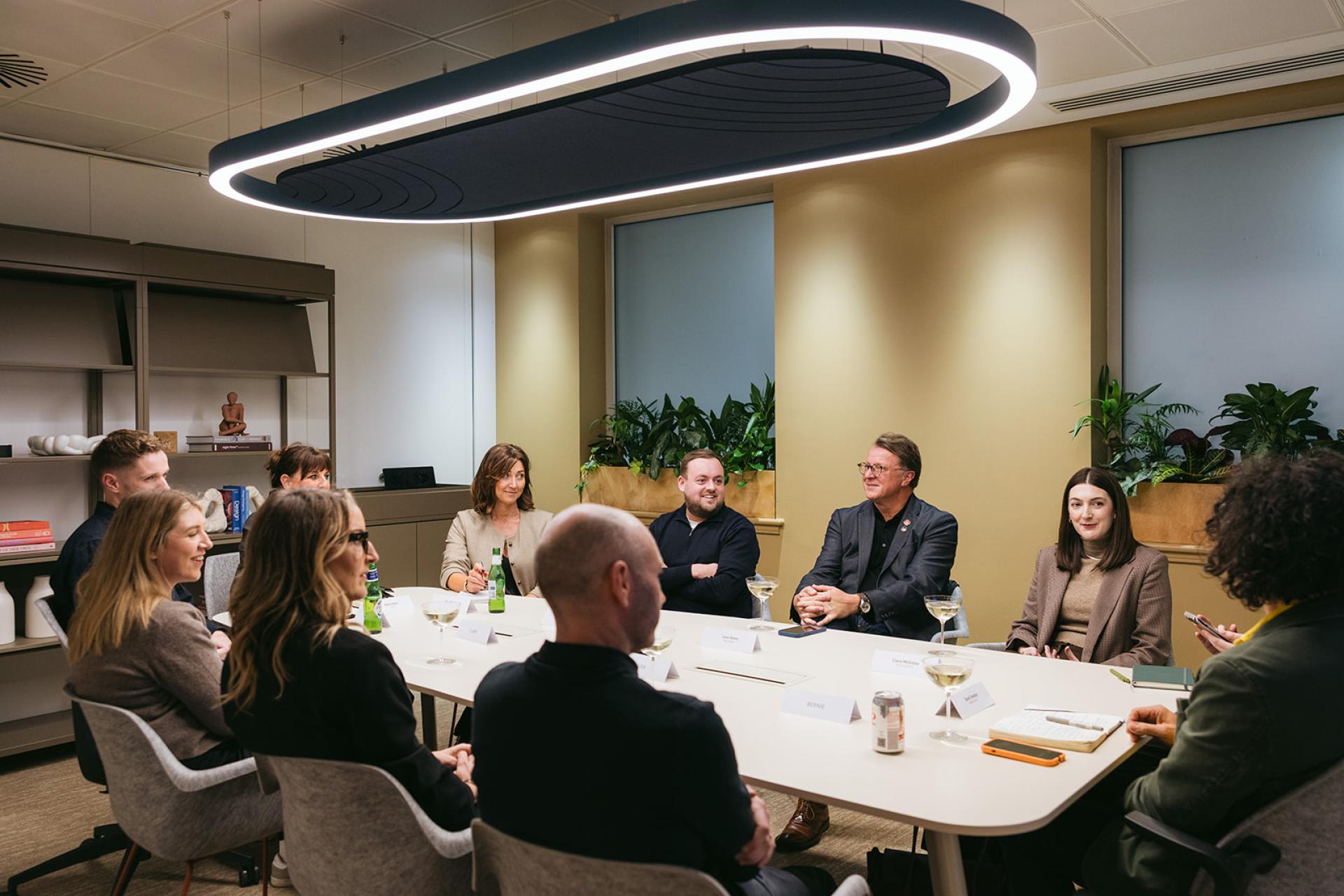
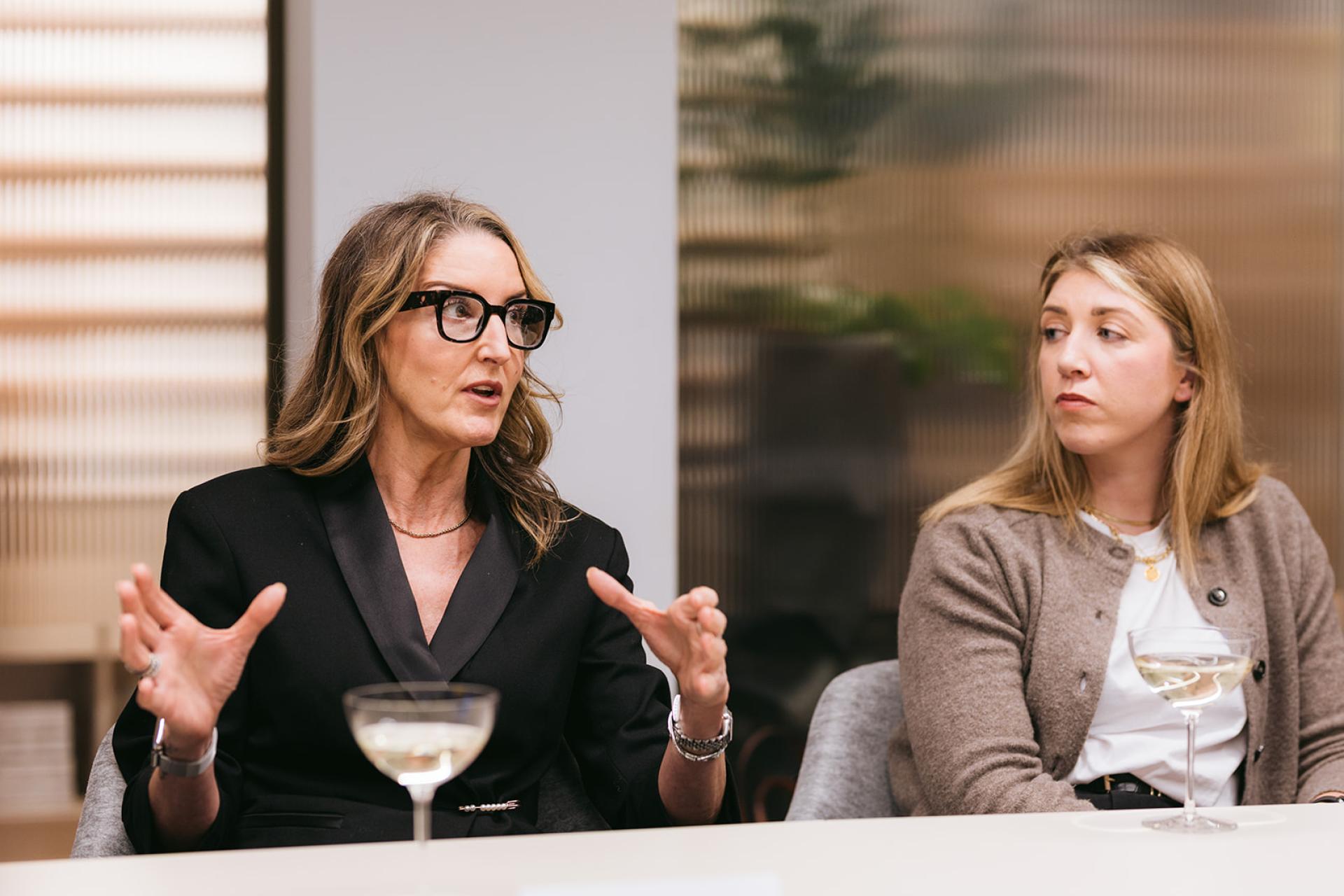
“Glasgow must change its internal narrative in order to move forward” came the resounding message from our roundtable guests, very much echoing that which was shared at our recent seminar on Glasgow’s Property Outlook.
Bringing together a brilliant group of built environment professionals, it was agreed that whilst Glasgow may sometimes be hard on itself, the view from outside the city is overwhelmingly positive. Glasgow has so much going for it, and perhaps the challenge is to recognise that more confidently, build on its strengths and turn that belief into action.
From curating the right city centre mix to facilitate Live, Learn, Work, Play (it was concluded Glasgow is currently missing at least one of these ingredients – Live), to unlocking the amazing heritage buildings here, and sharing accountability (perhaps a City Mayor?), all agreed every decision made about Glasgow should come down to its people.
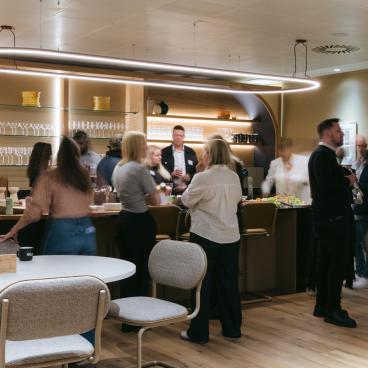
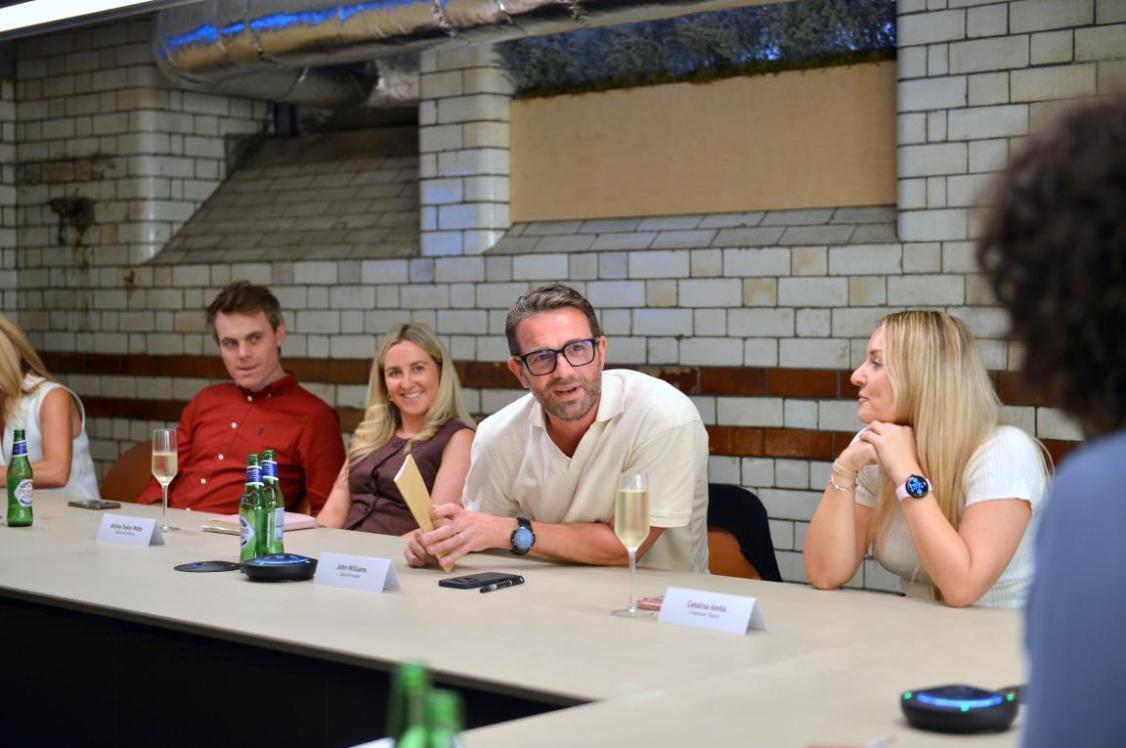
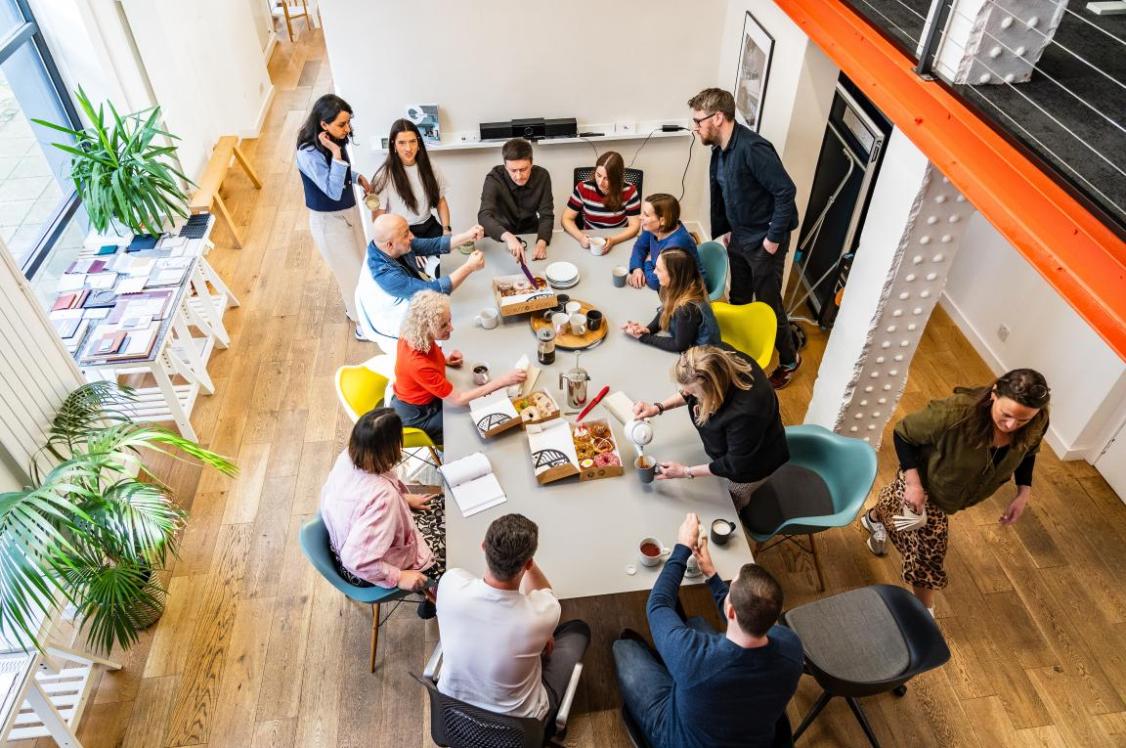
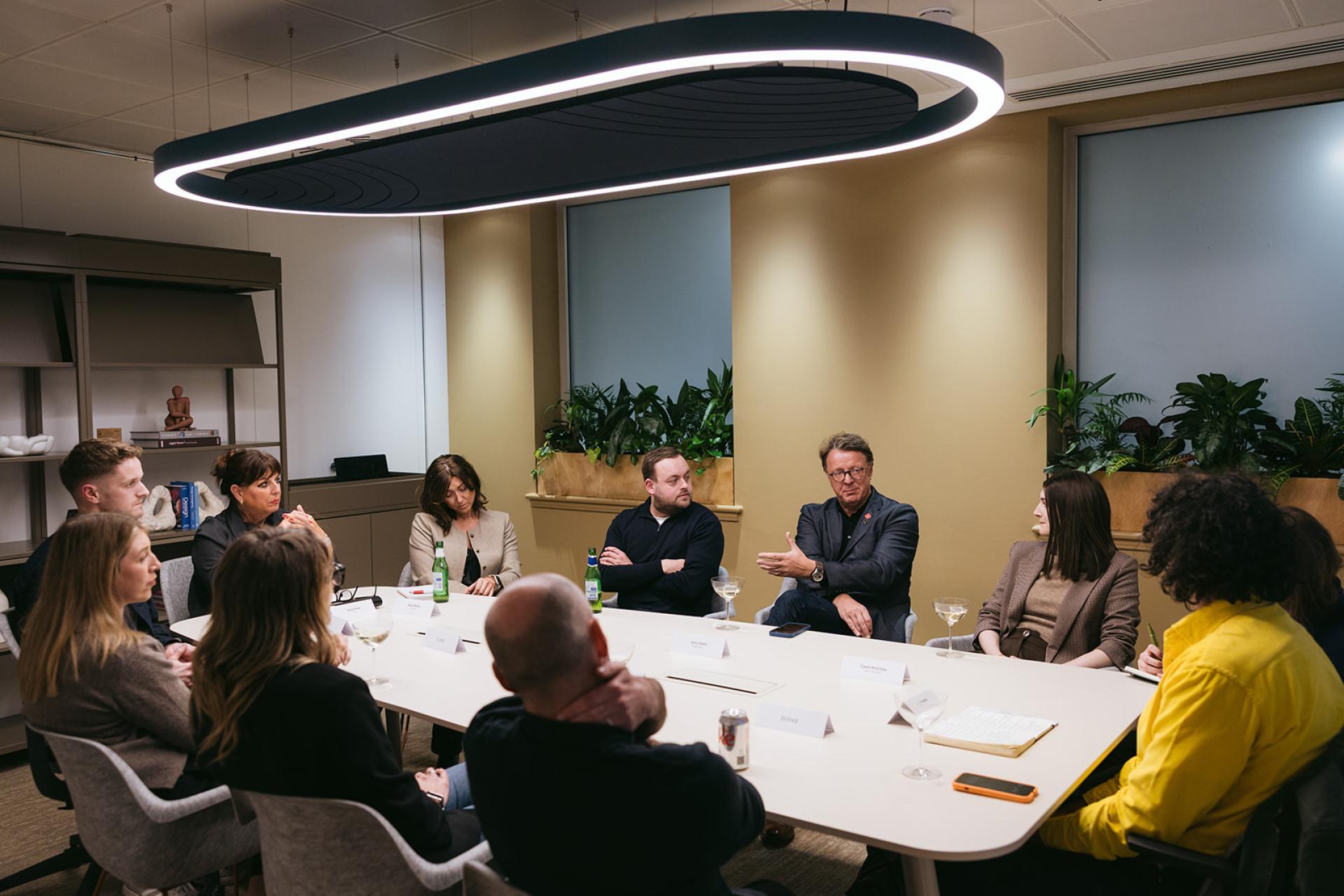
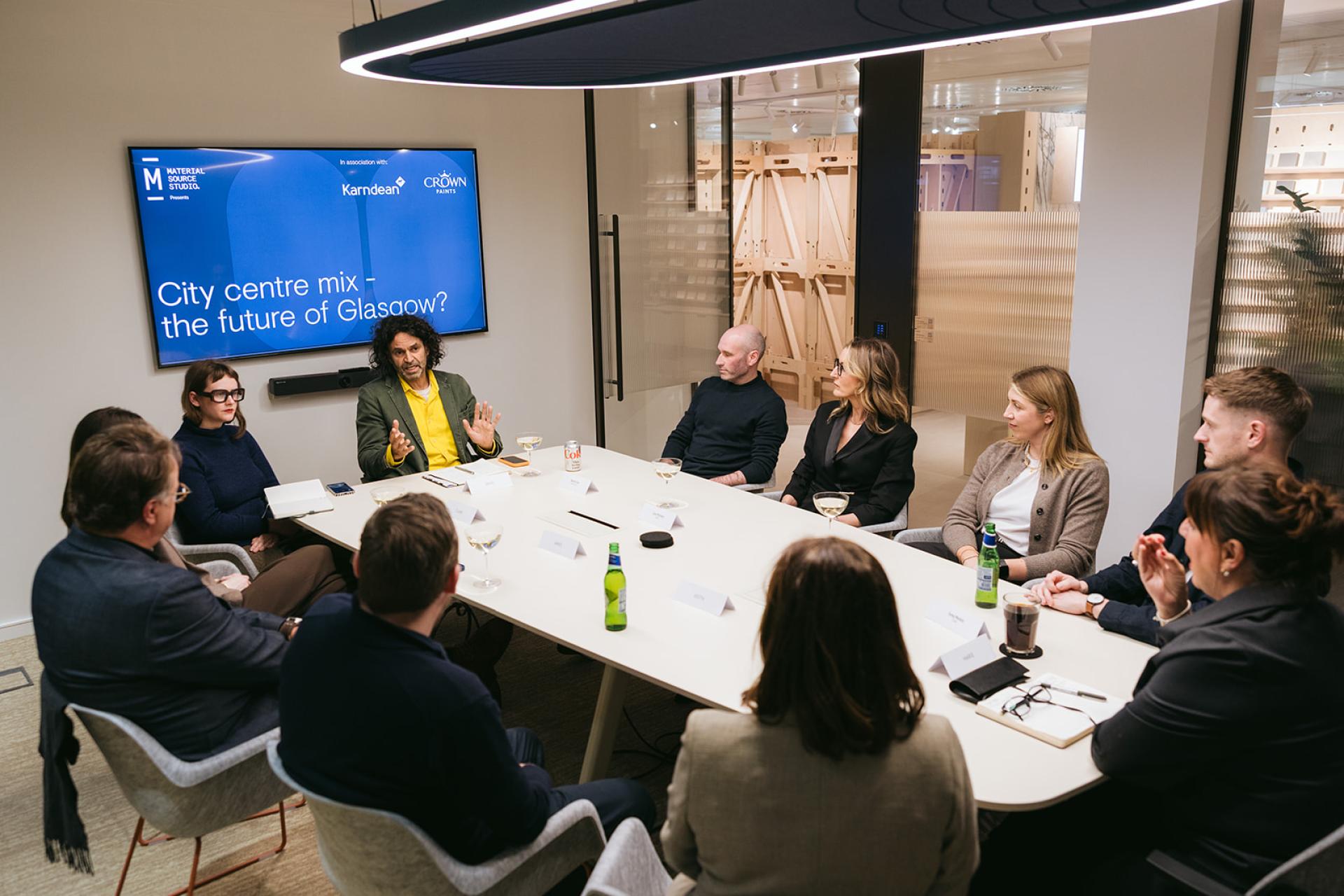
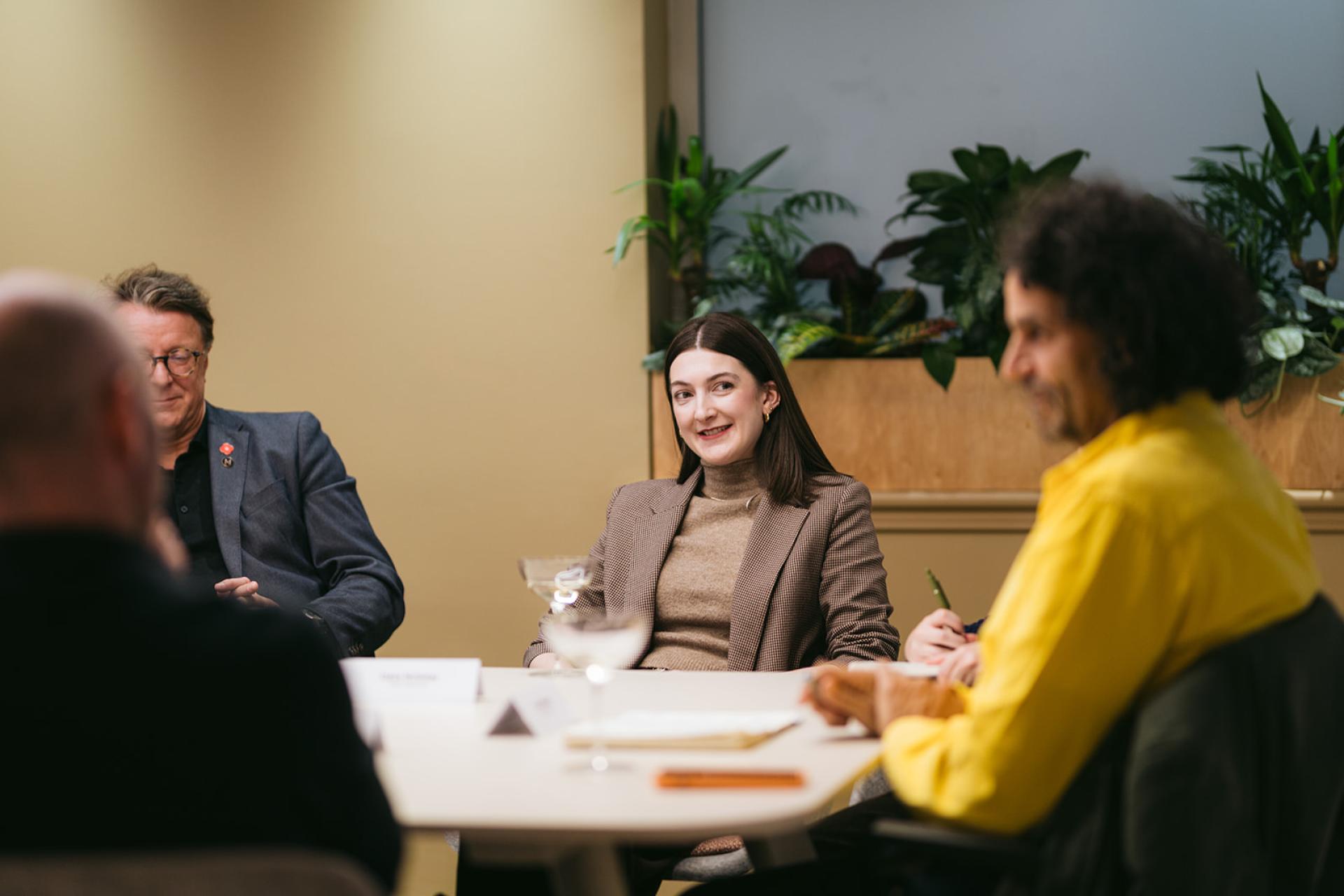
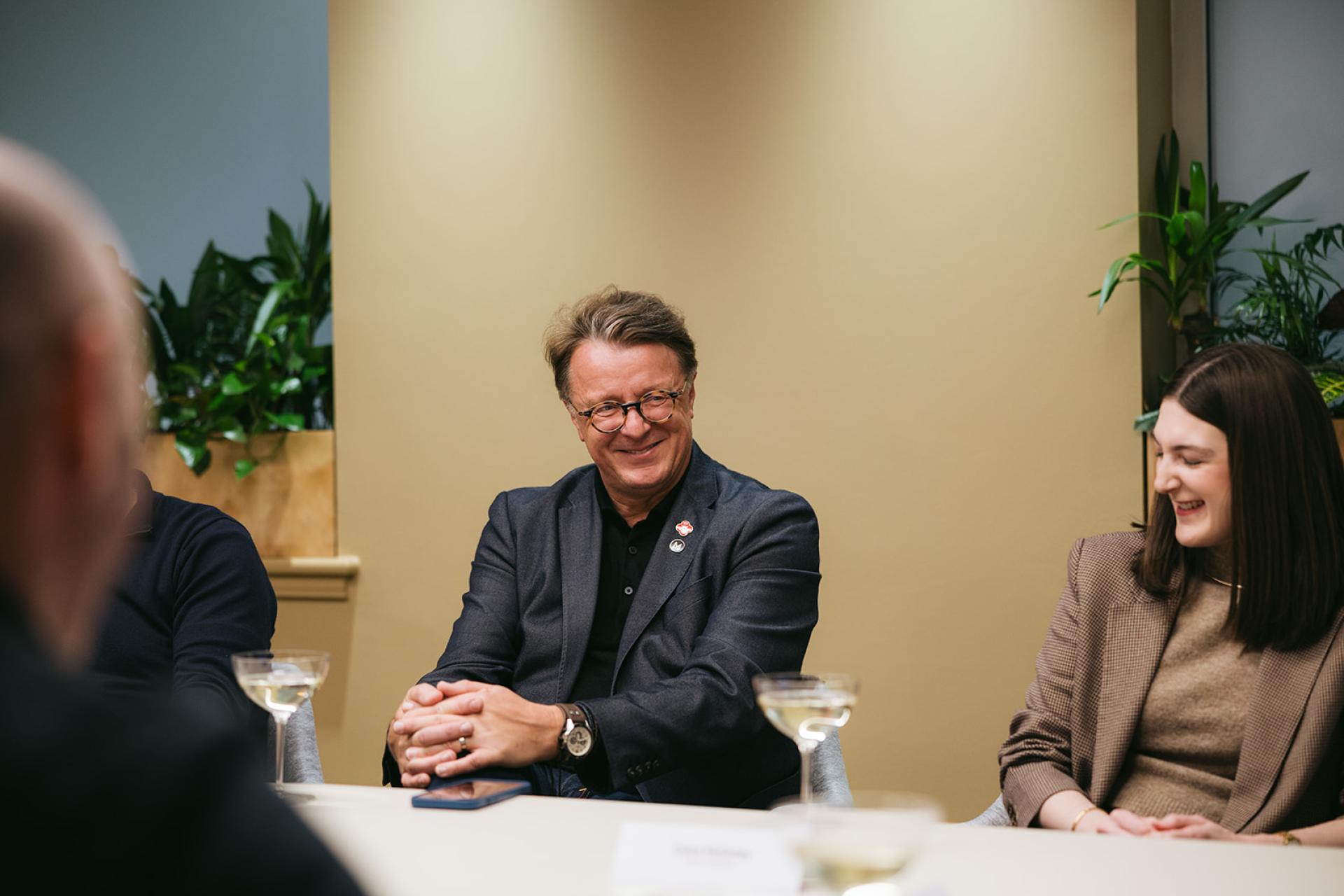
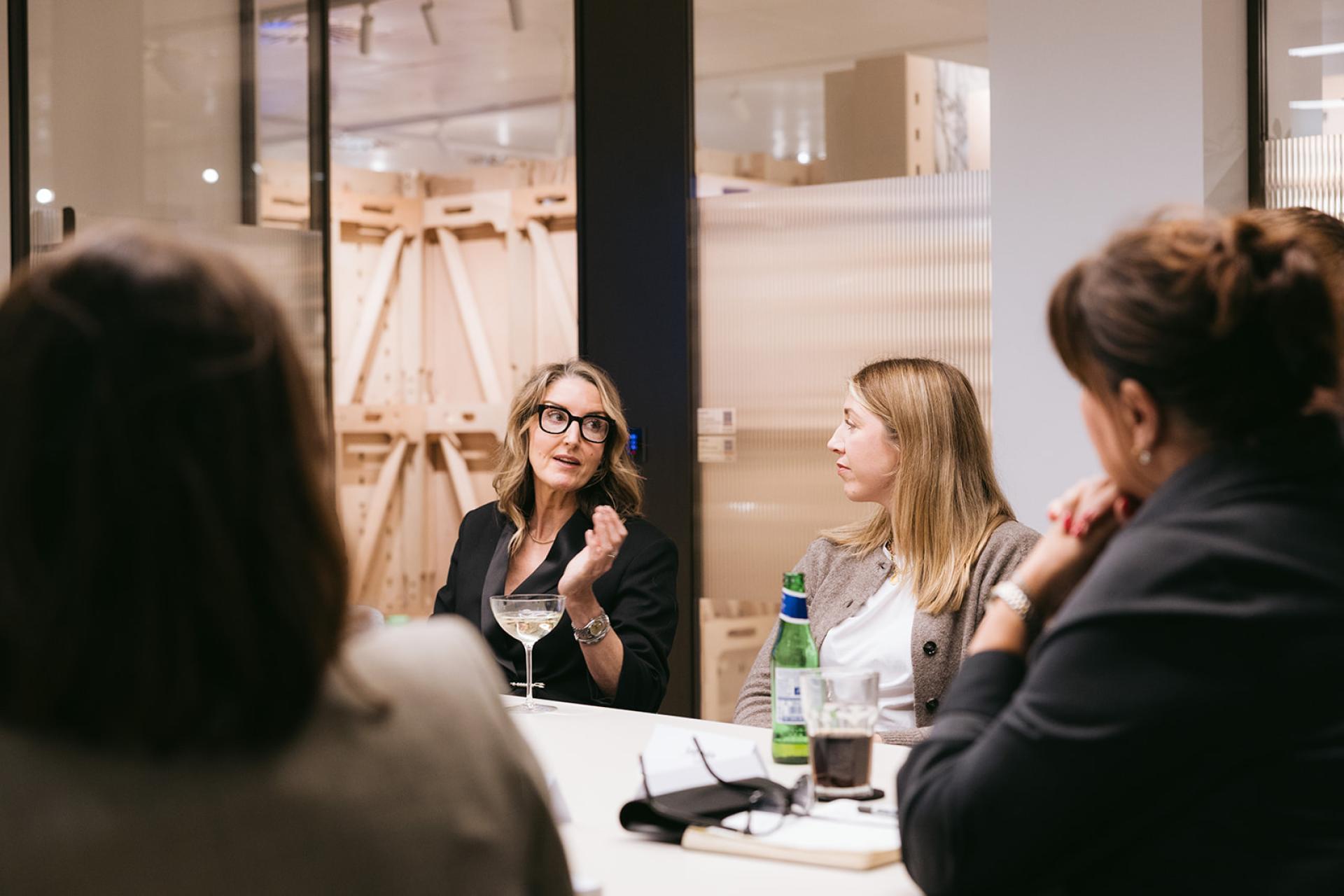
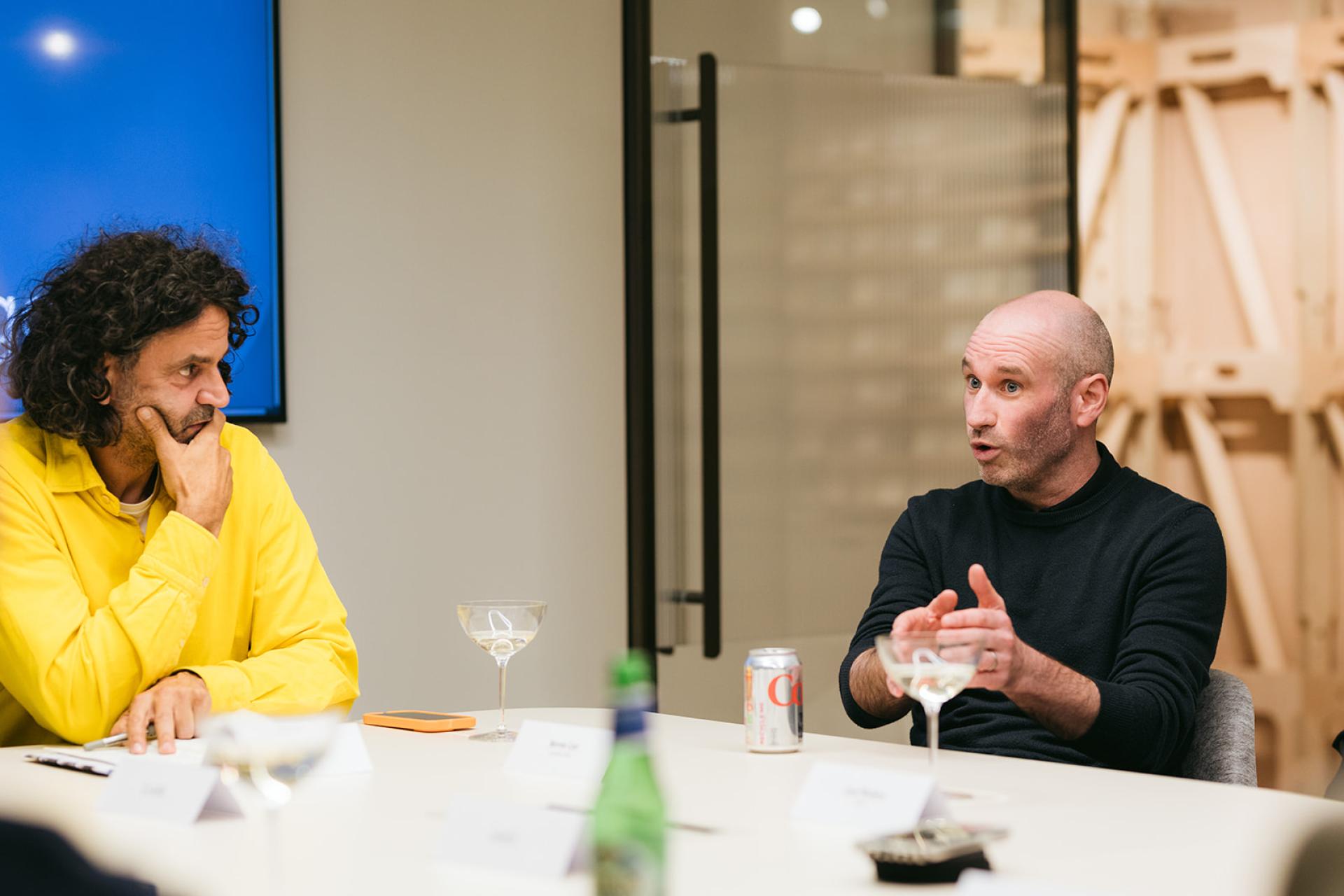
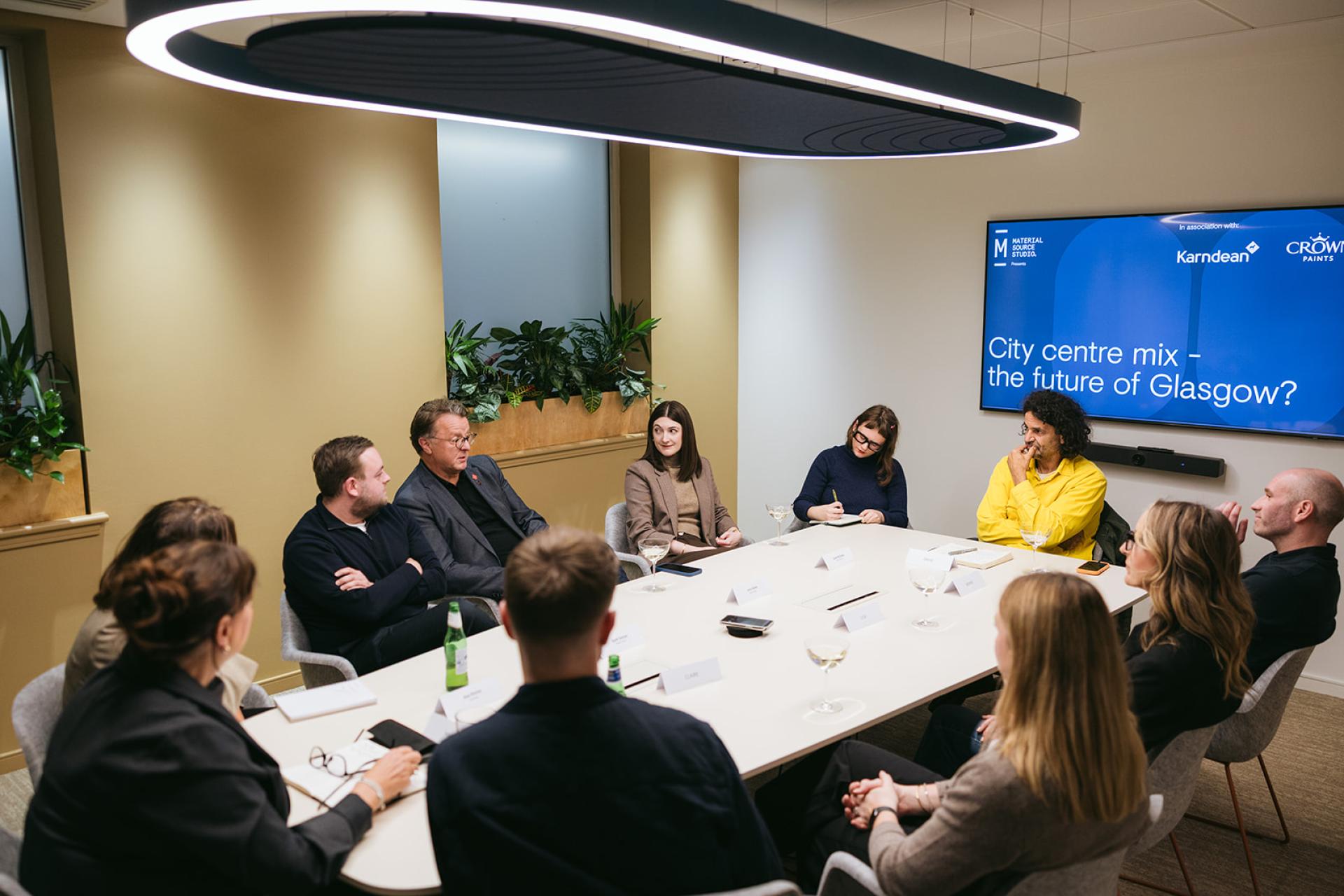
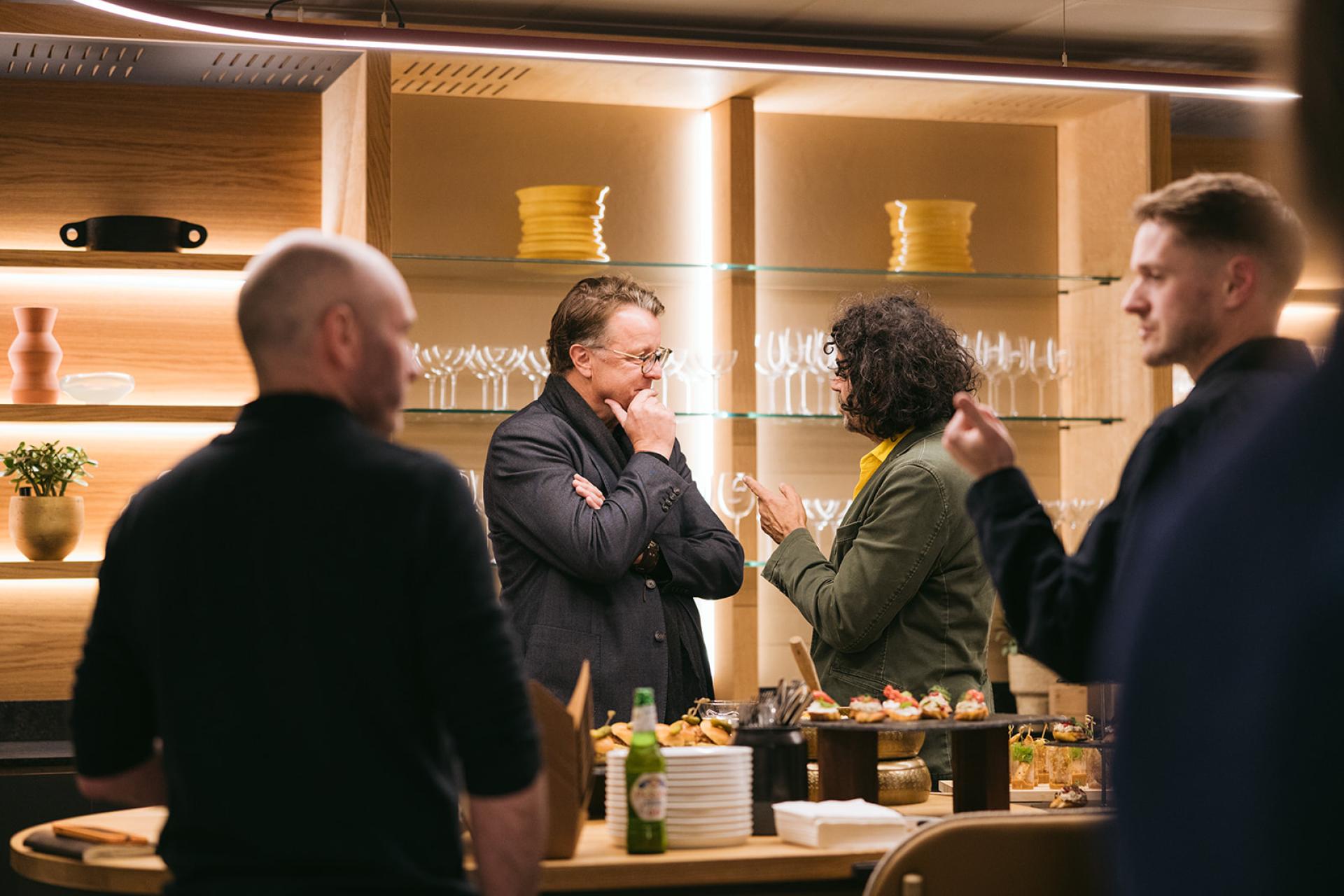
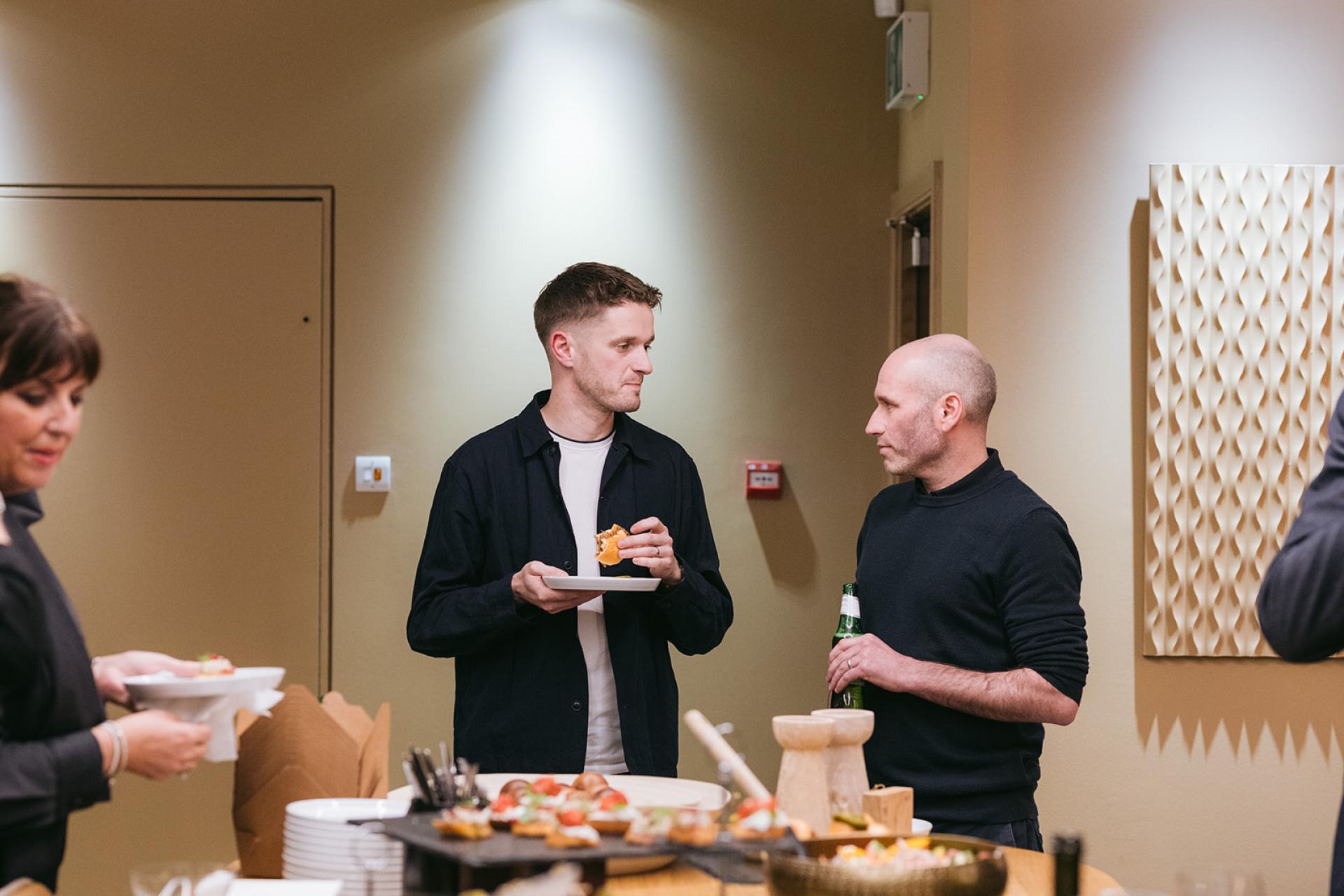
Though, as always, an hour was just enough time to scratch the surface, many motivating discussion points came out of our conversation chaired by Material Source Studio Director, David Smalley. Read on for the highlights below.
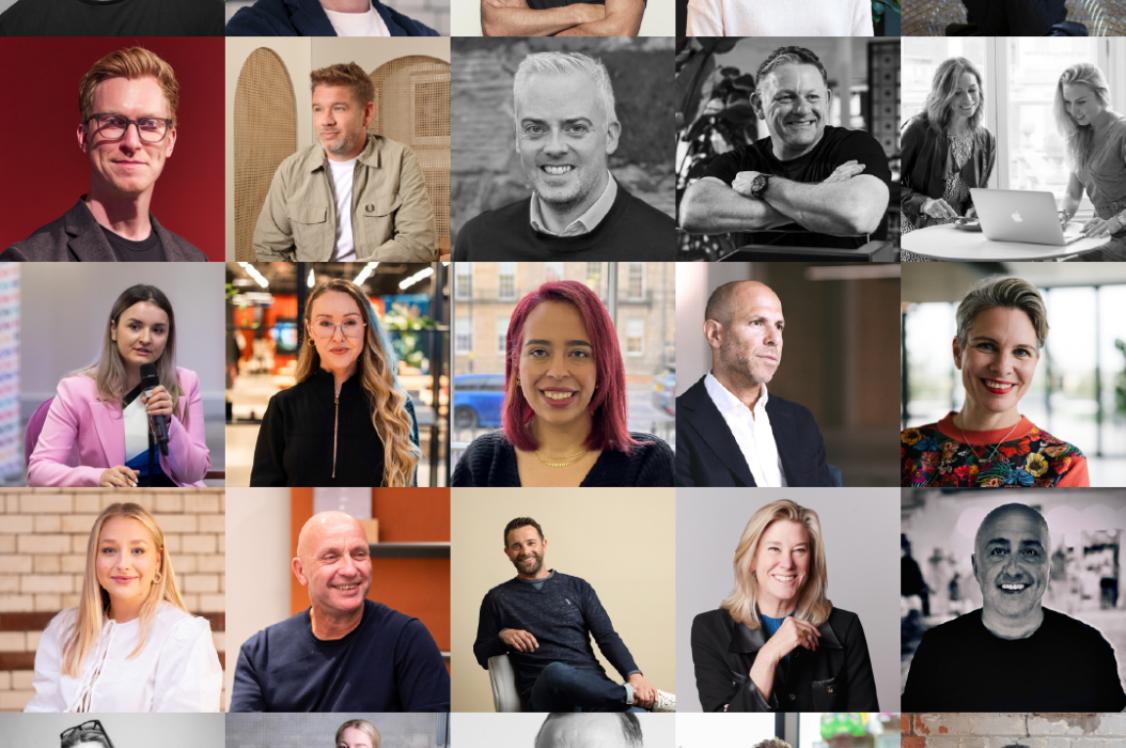
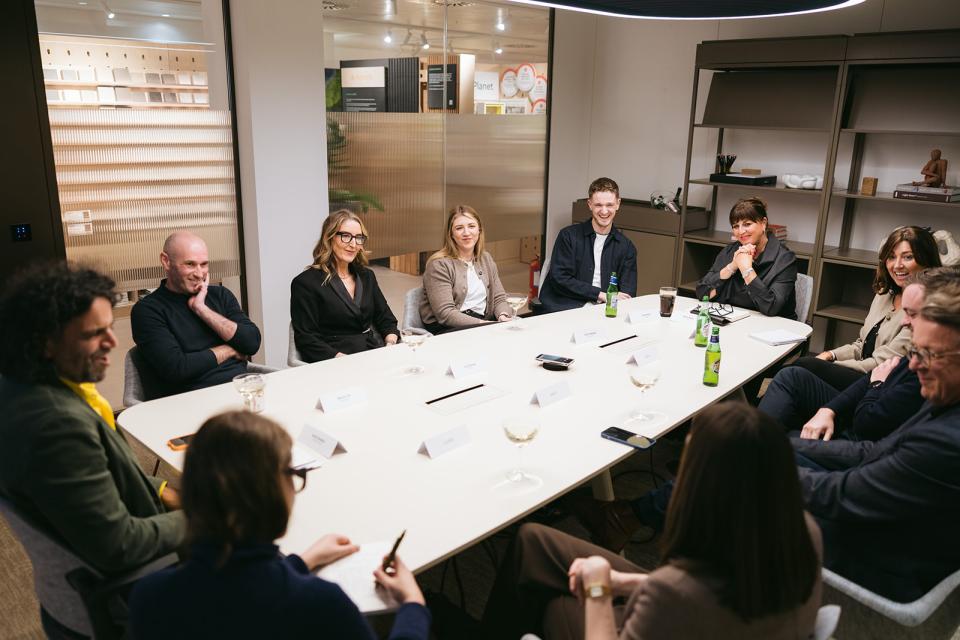
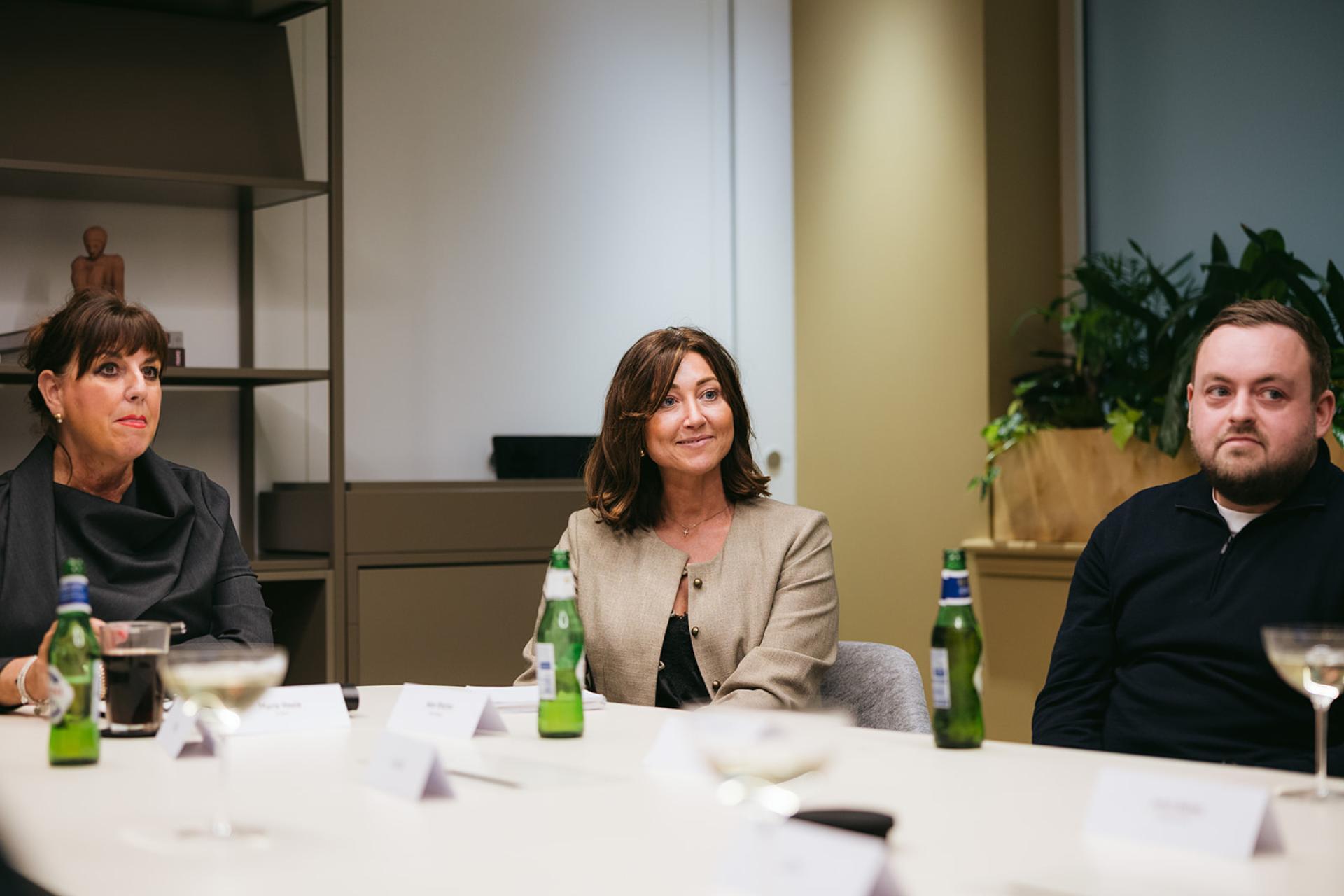
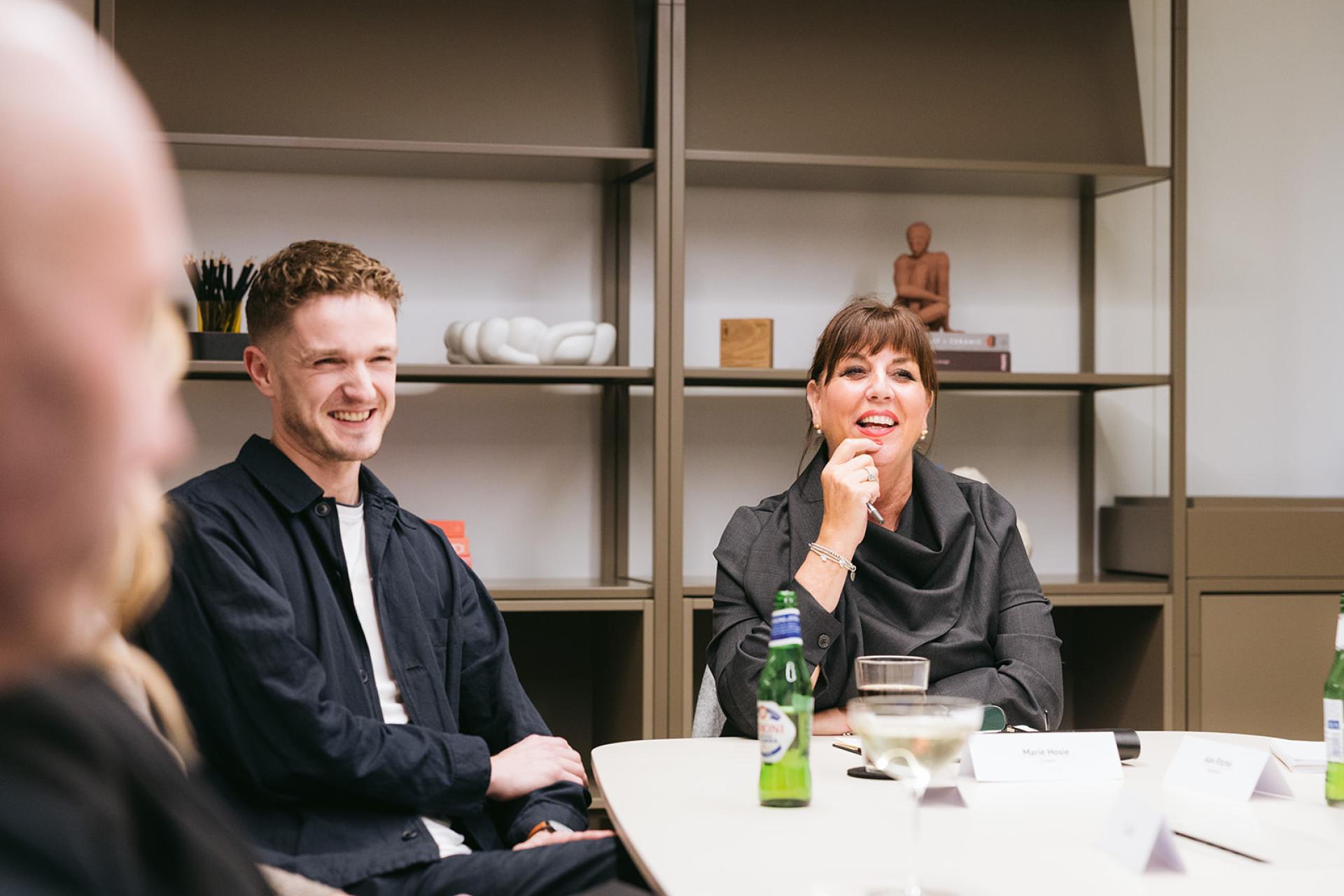
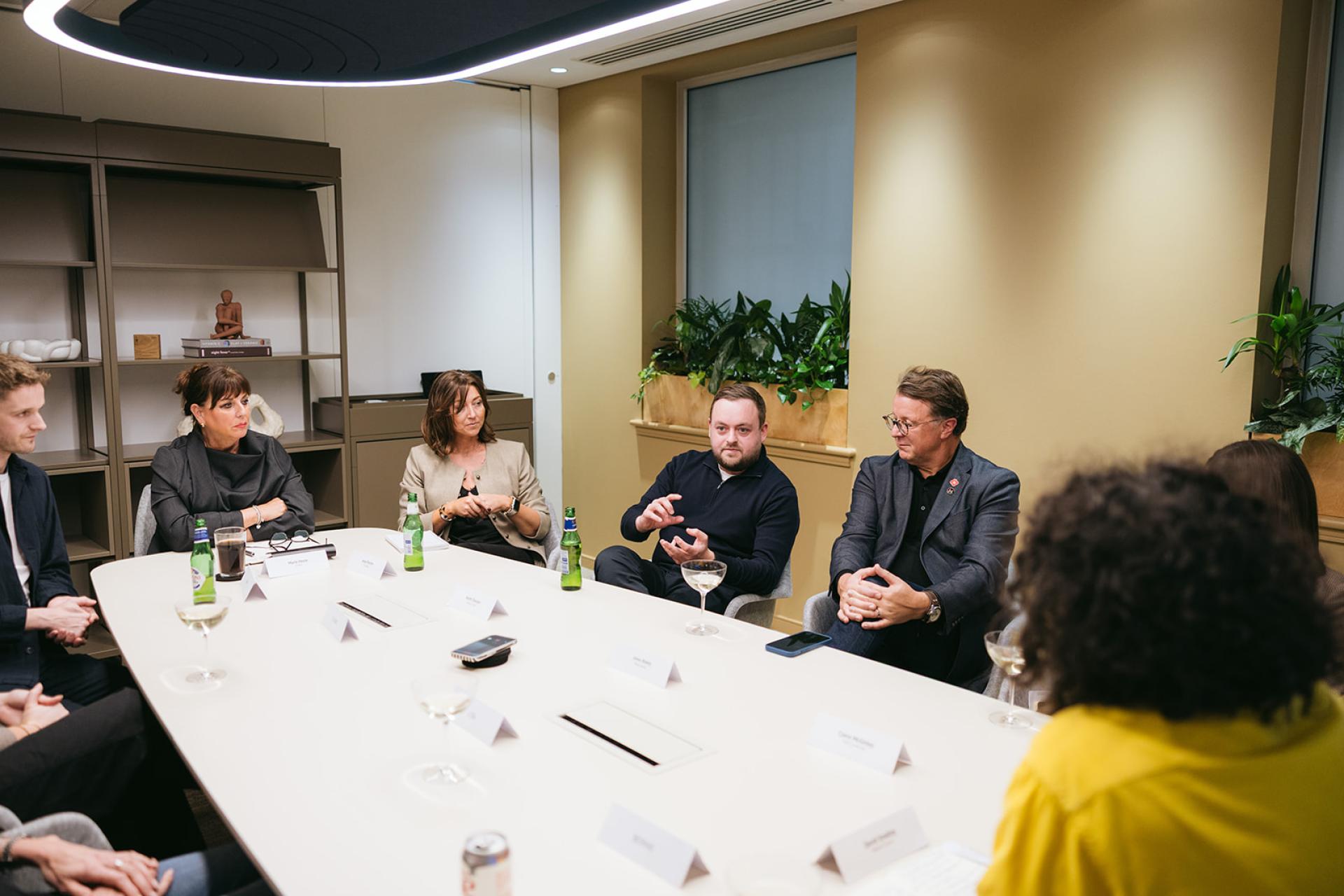
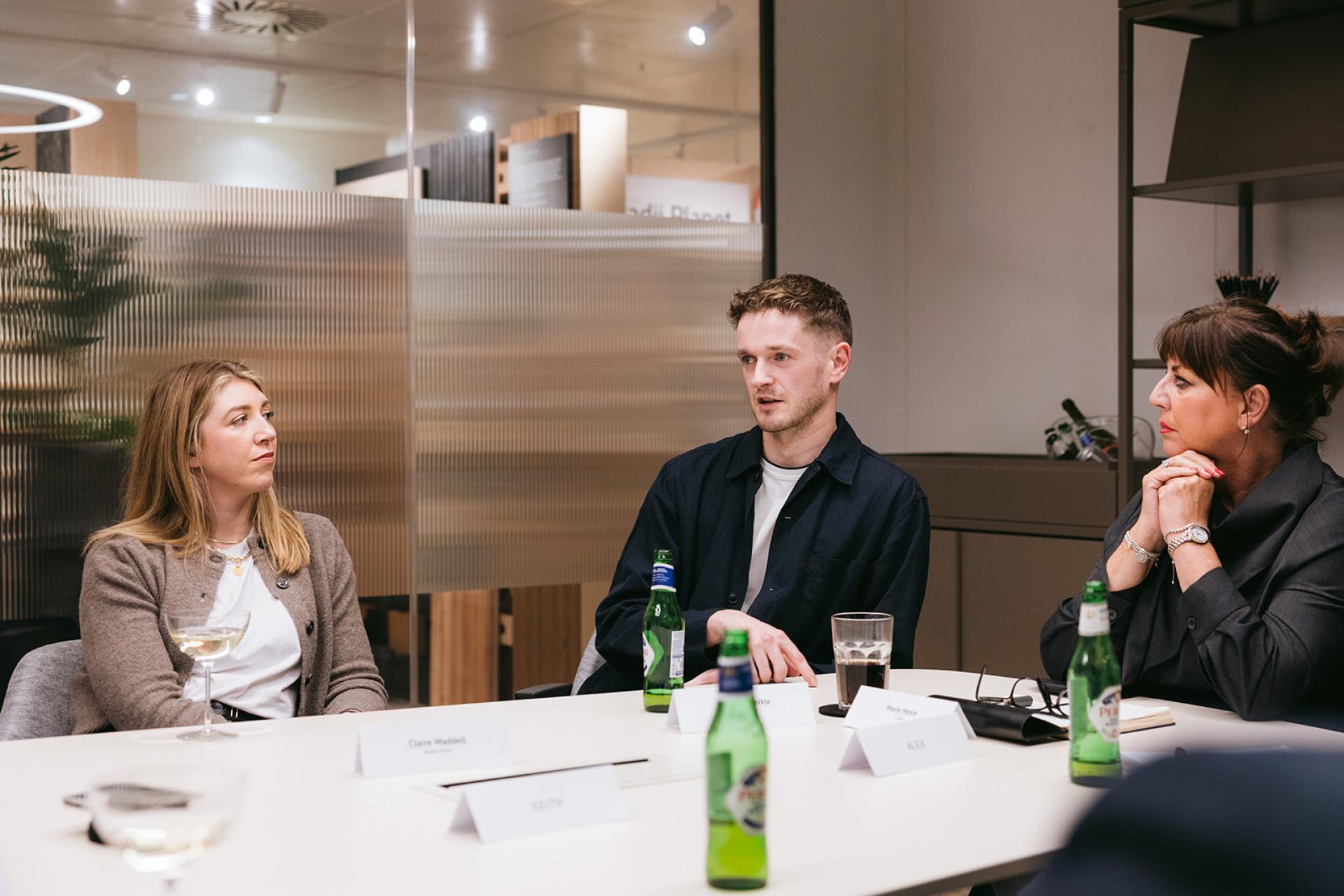
Our guests
James R Blakey, Planning & Engagement Director, Moda Group
Lisa A Pitchers MRICS, Associate Director, Rettie
Bernie Carr, Director & Head of Environmental Architecture, cameron kerr
Claire Waddell, Senior Architect, BakerHicks
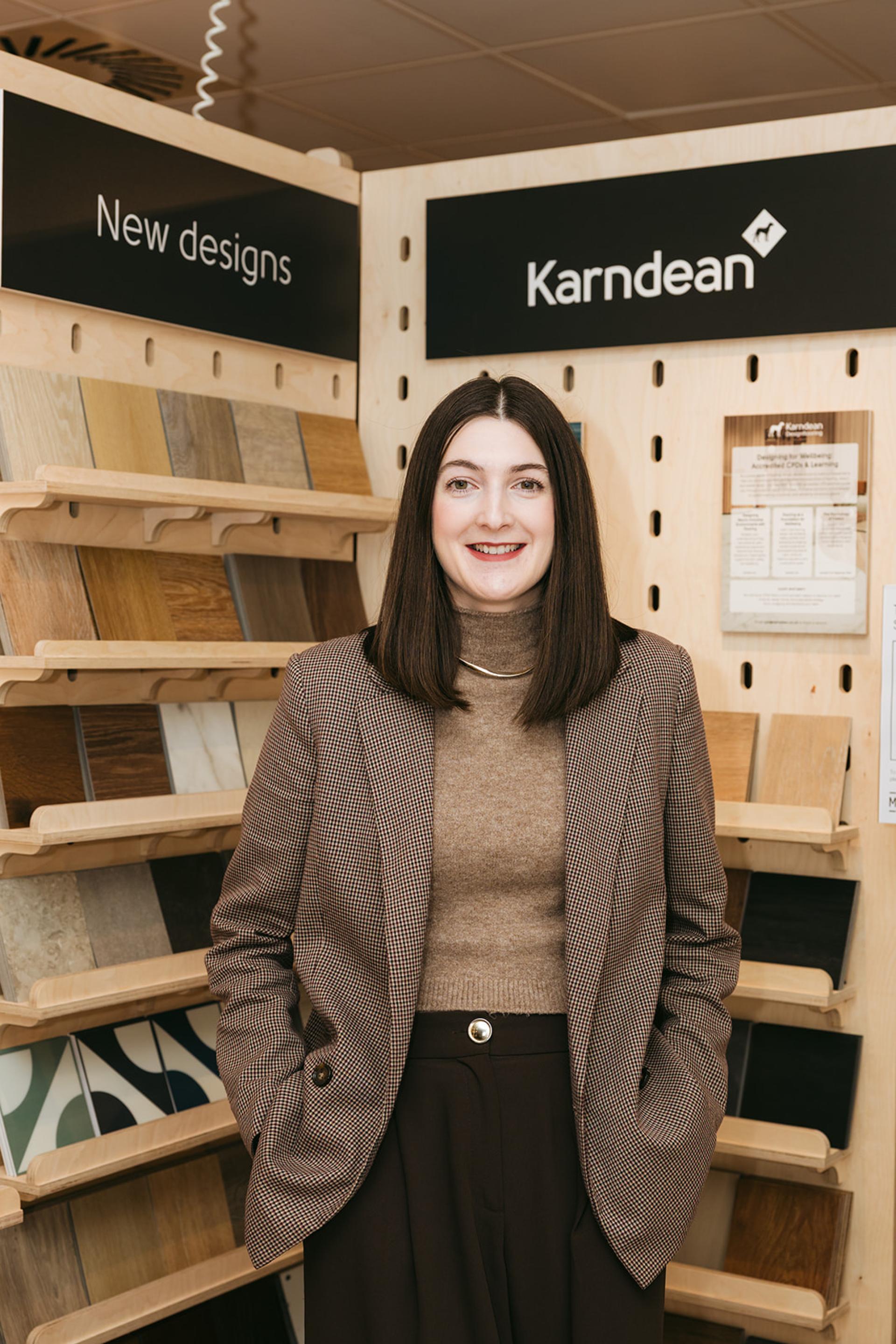
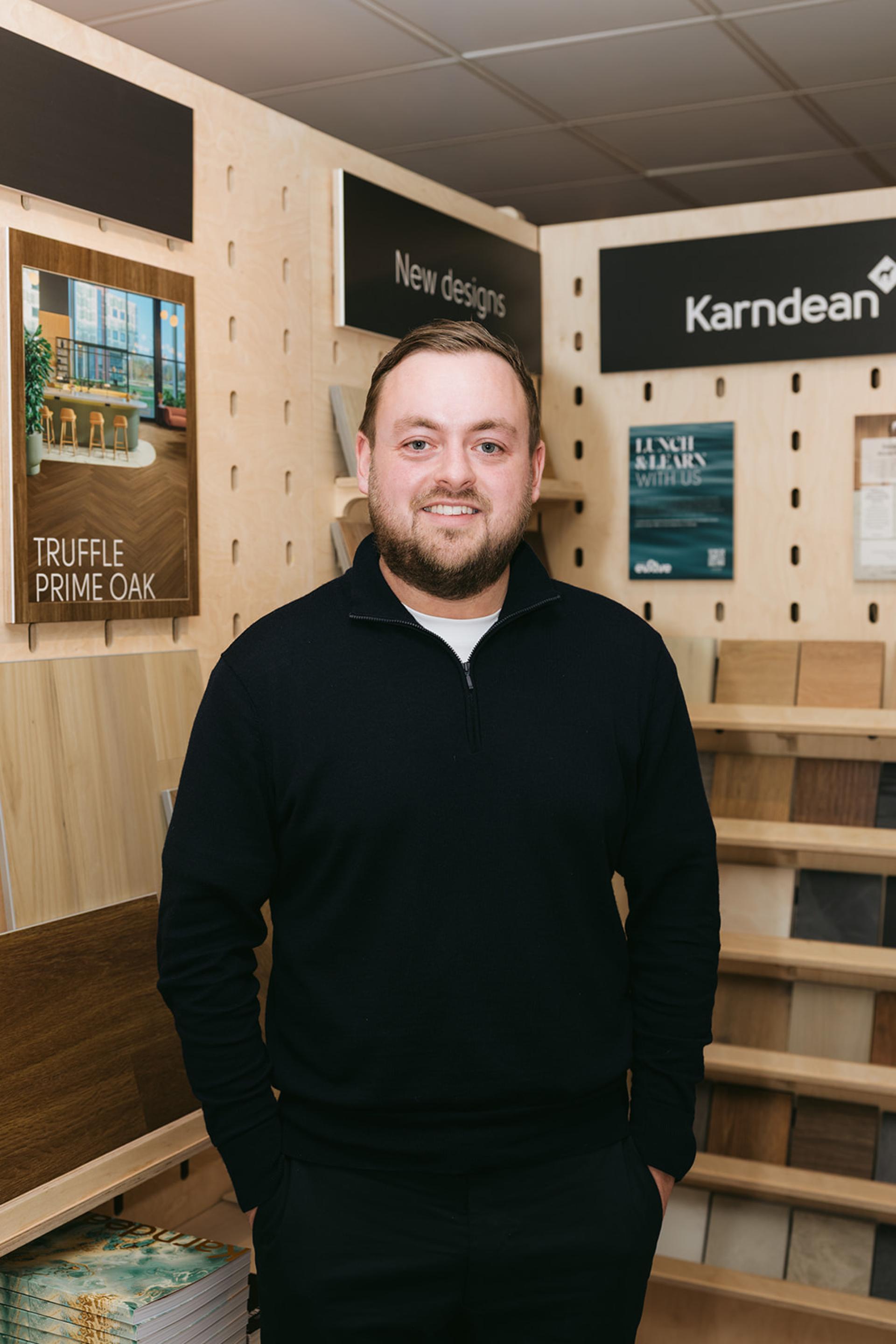
Keith Sinclair, Associate, Keppie
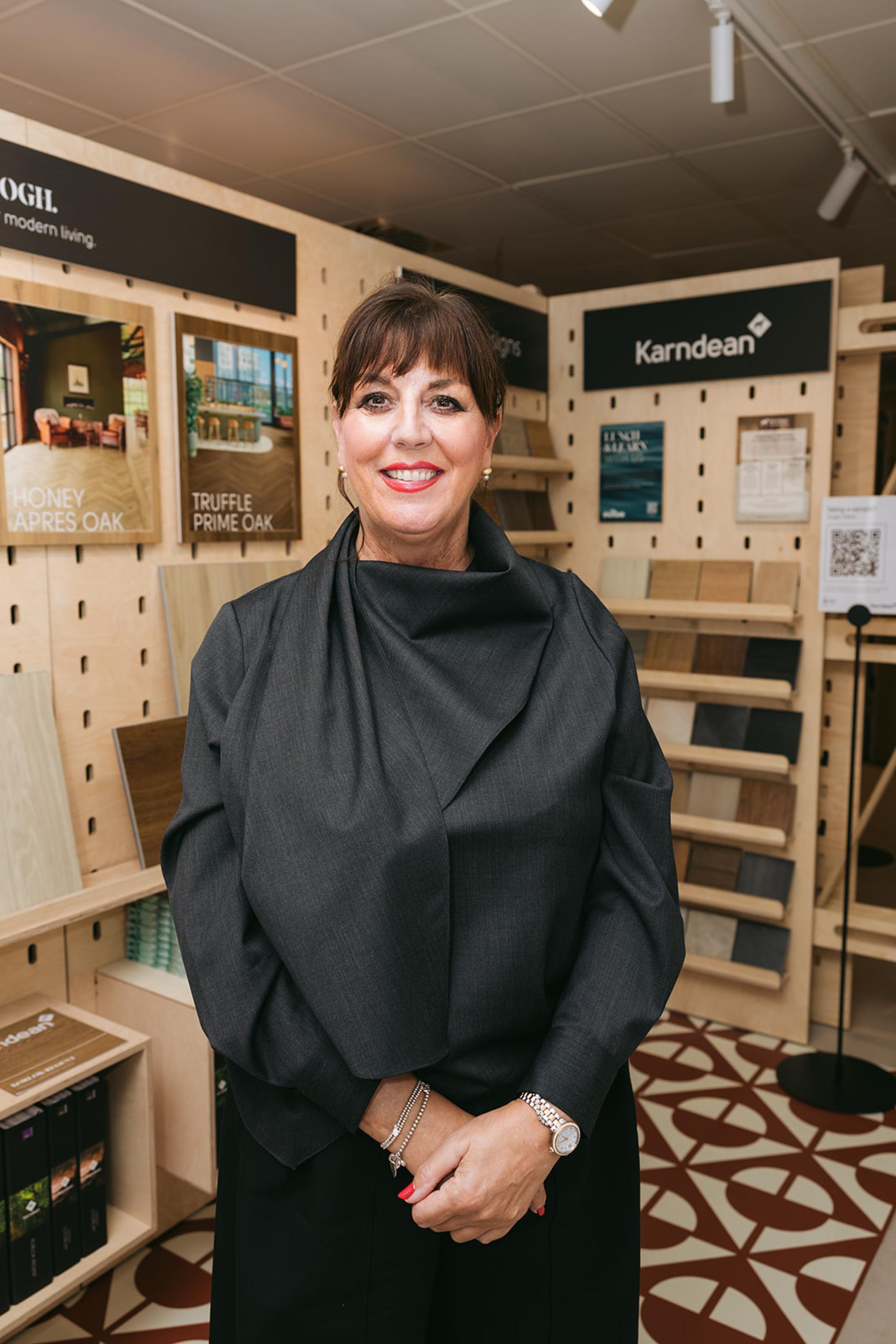
Marie Hosie, Architectural & Design Consultant, Crown Paints
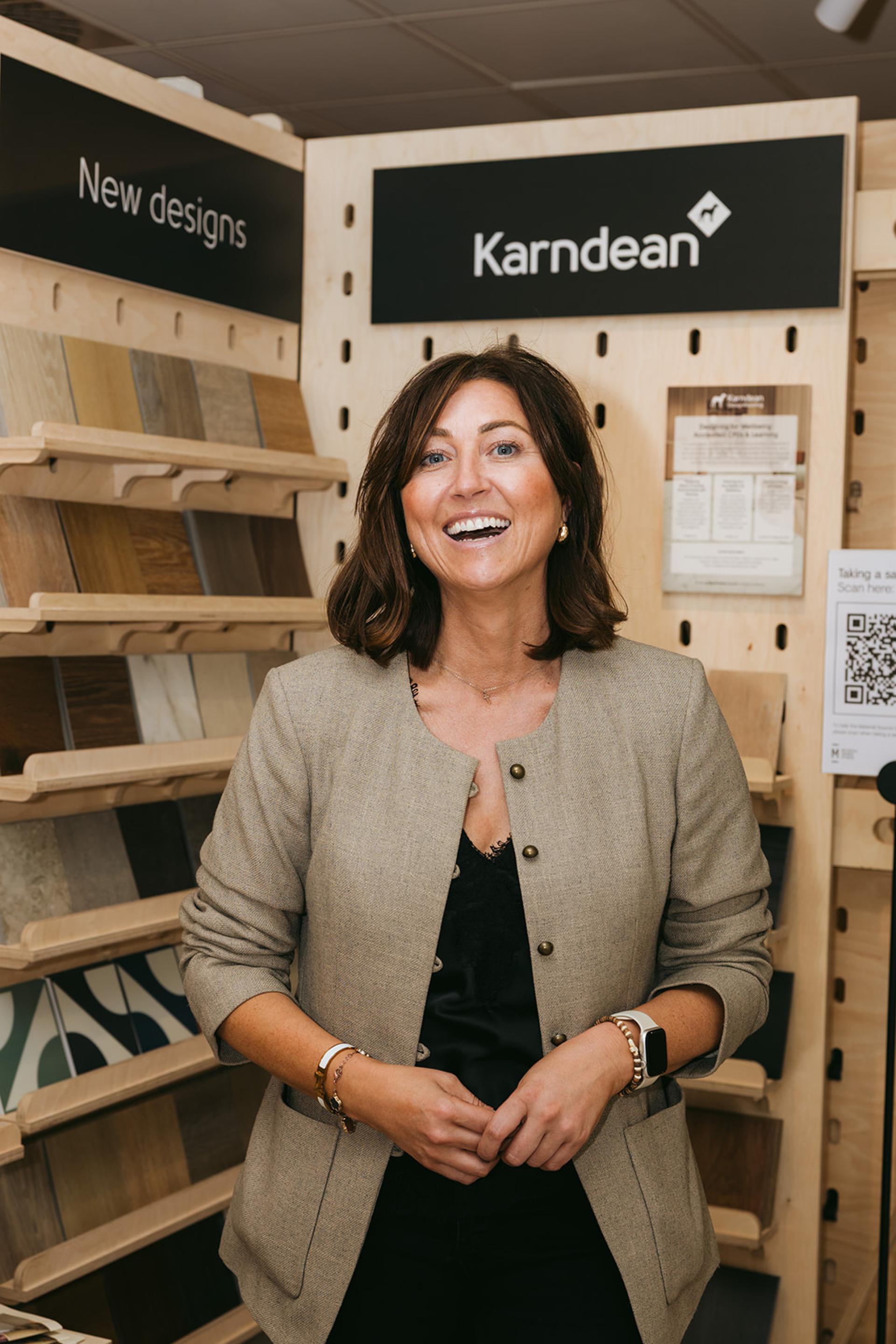
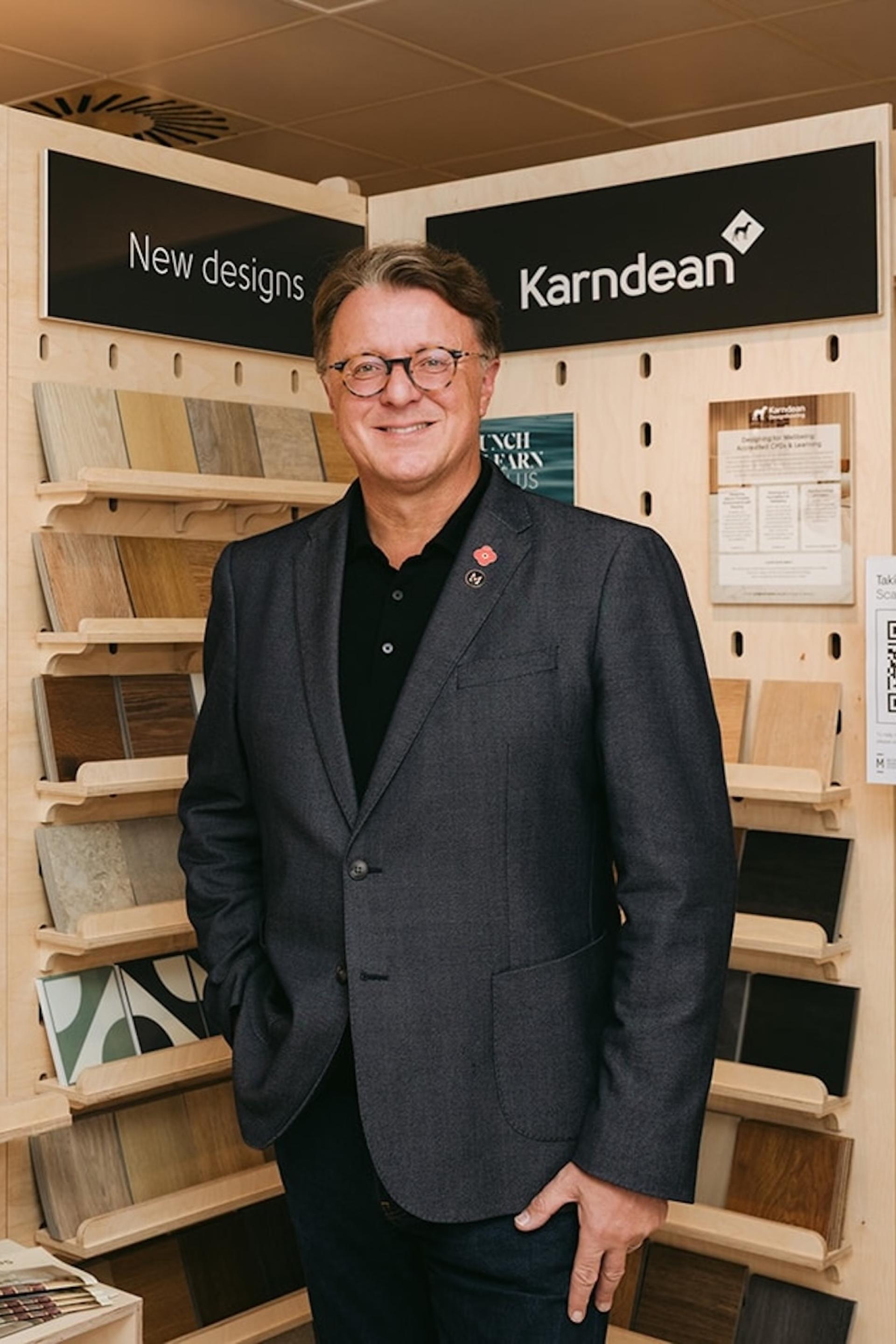
Alexandra Ritchie, Commercial Specification Manager Scotland, Karndean
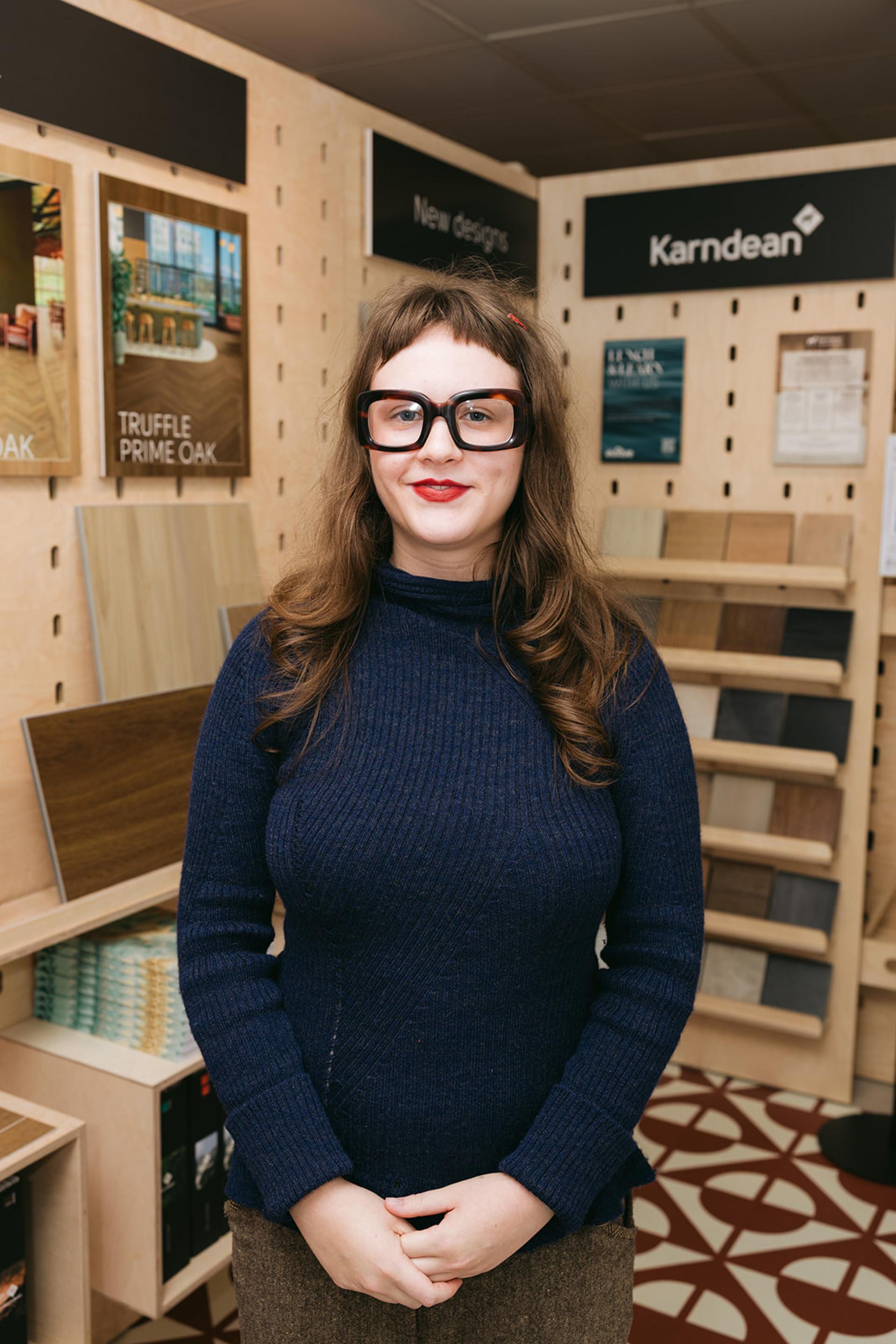
Lia Rockey, Materials & Product Advisor, Material Source Studio
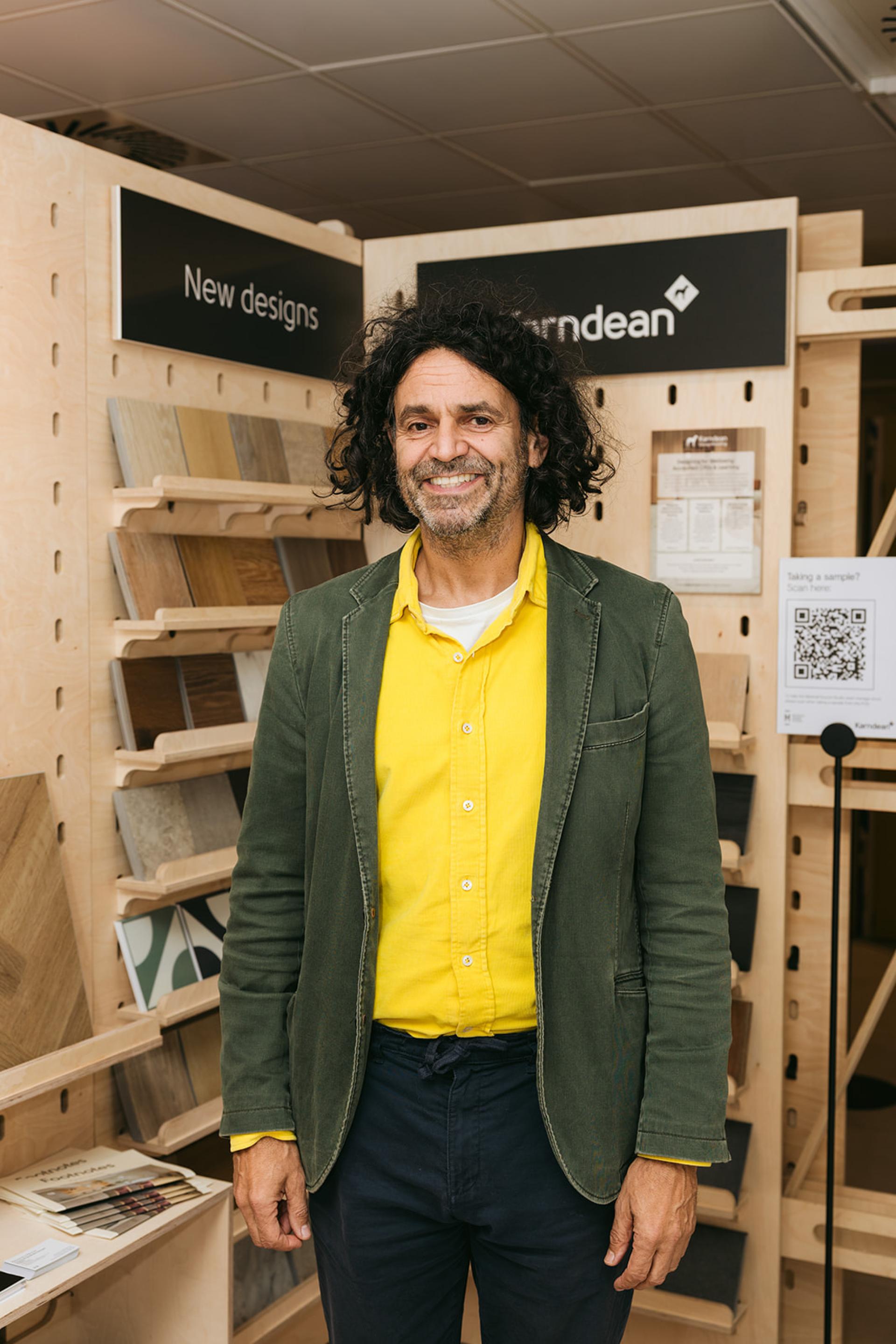
David Smalley, Session Chair & Director, Material Source Studio
Short term pain, long term gain
To begin, Session Chair, David, put the focus immediately on the positive, asking, “What are we getting right in Glasgow?”
James R Blakey, Planning & Engagement Director, Moda Group, responded first from an investors’ point of view. “Glasgow is getting its profiling right as a major city within the UK. There are some great senior officers here that understand the need to seduce investors, with the likes of MIPIM and UKREiiF having been ideal platforms to promote Glasgow. Investors have a myriad of different places to go, of course, and when rent control came in, it killed it and they did go elsewhere. But that’s being addressed, and investors will come again.”
Greg Meikle, Regional Director, oobe, echoed this sentiment, “The change in senior officers within the council over the last couple of years has definitely improved things. There’s a clear appetite from them.” Having witnessed the Invest Glasgow team in action at MIPIM and UKREiiF, Greg shared too that the city’s presentation of its offer to investors is currently very strong.
“Could this be said of Glasgow’s presence at these events 2-3-years ago?” David asked.
“Scotland wasn’t joined up,” responded James. “Its collective voice was too small.”
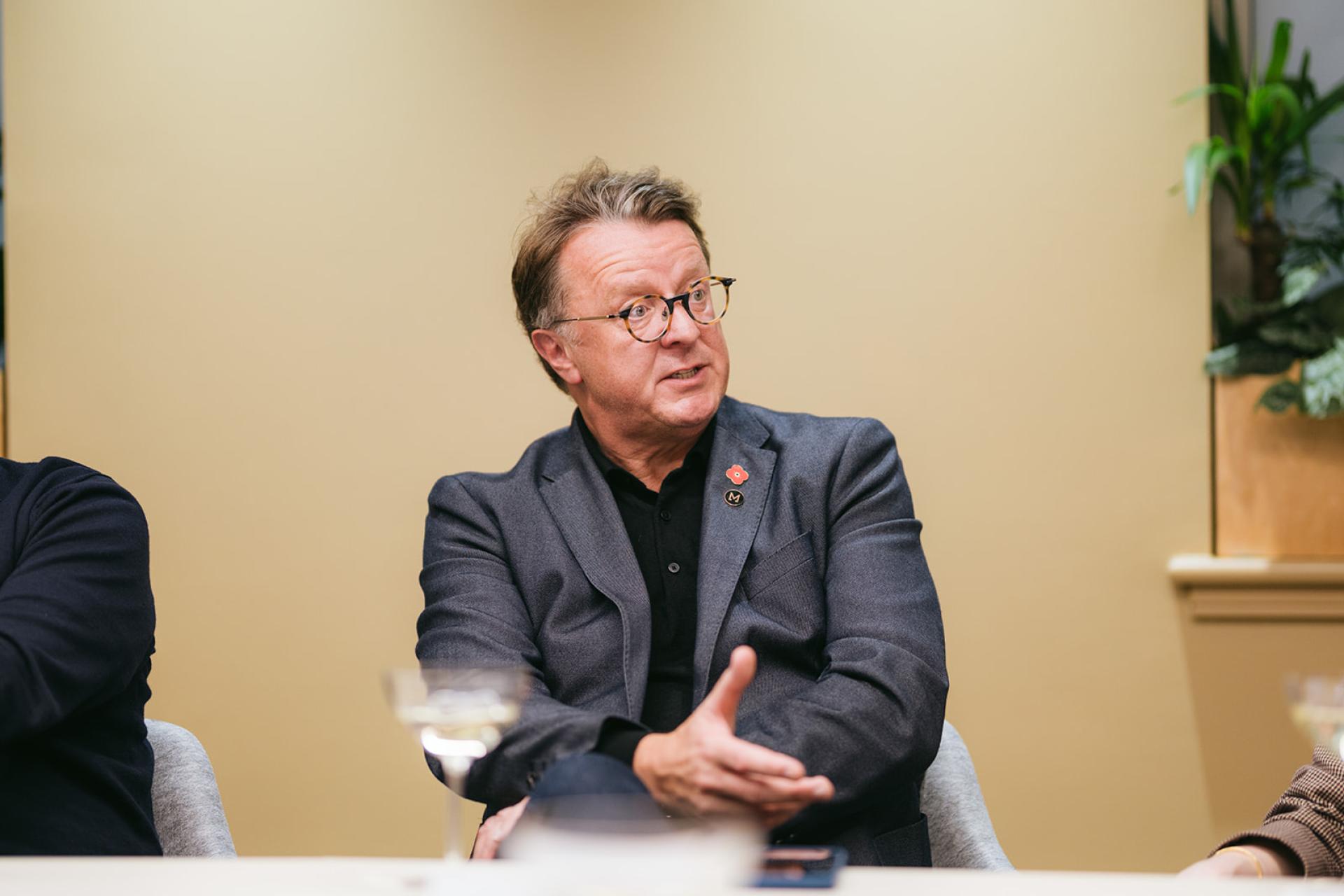
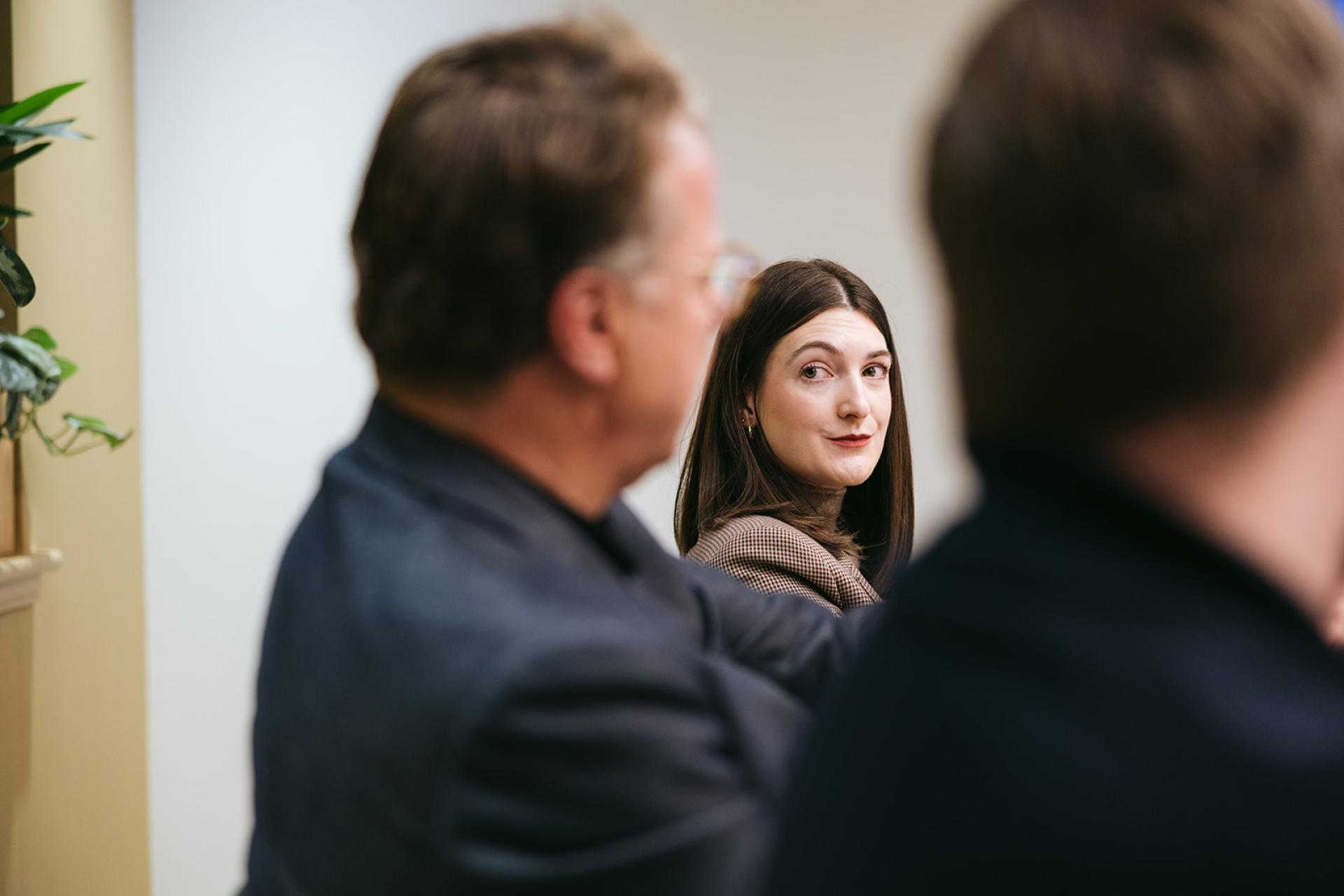
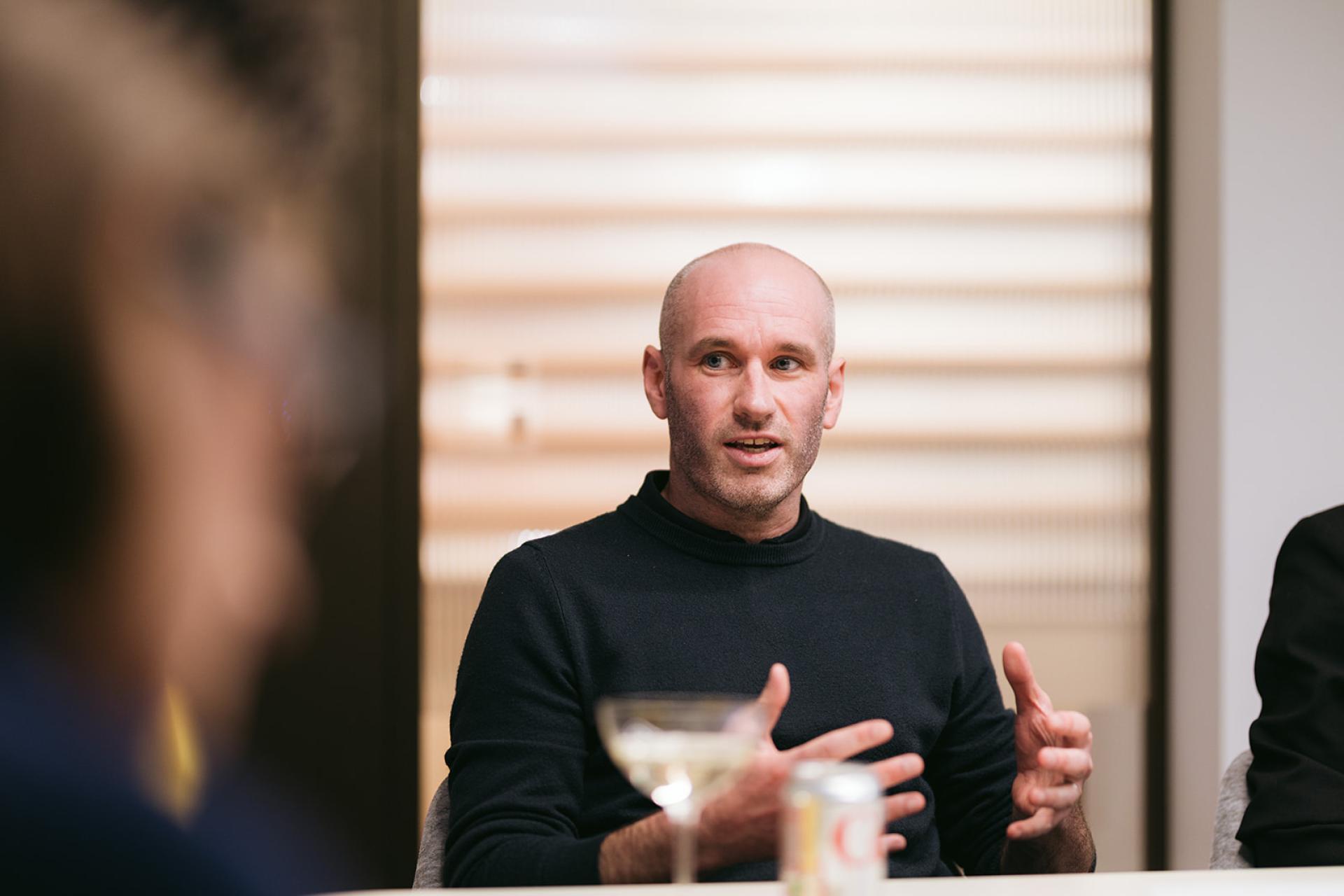
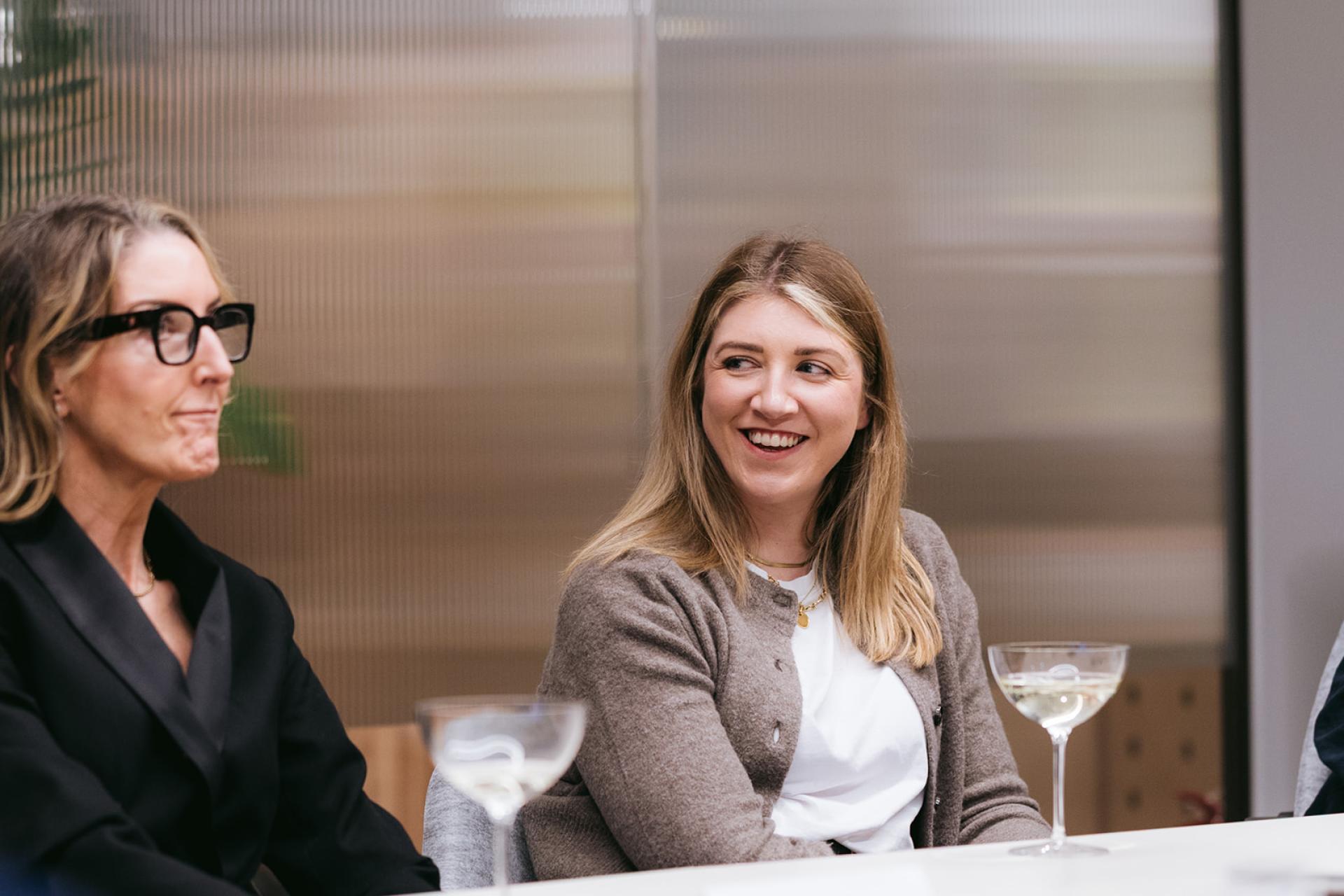
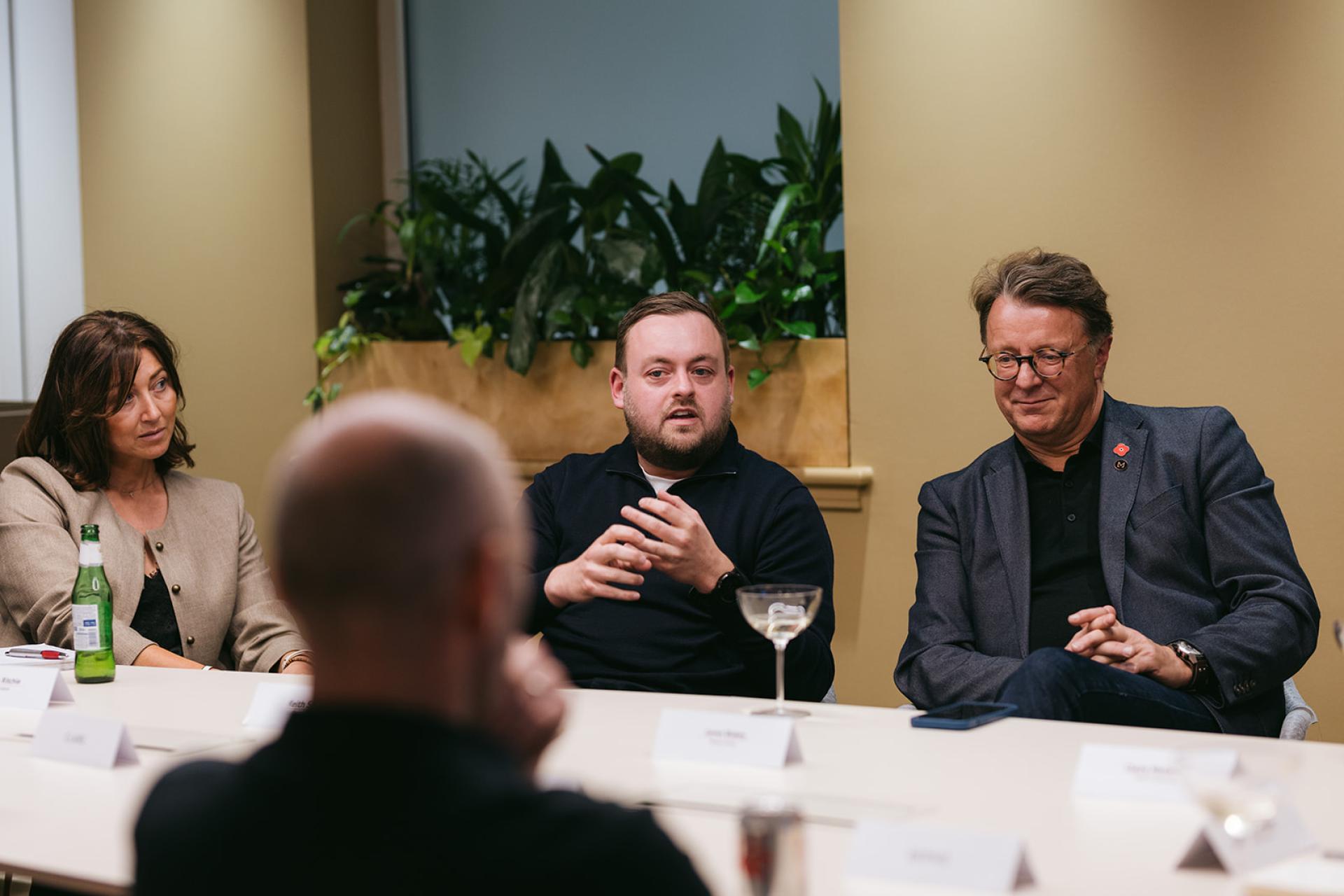
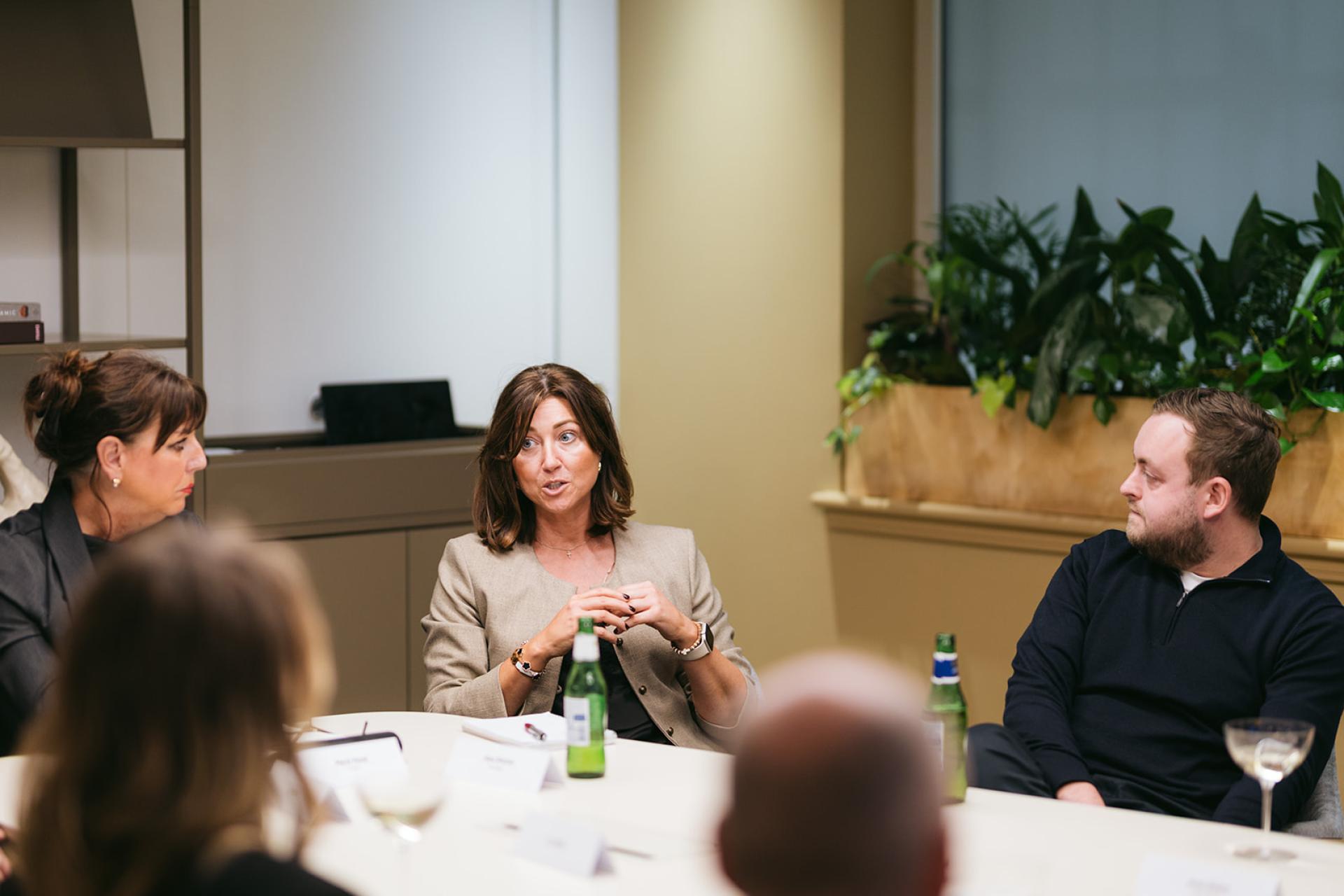
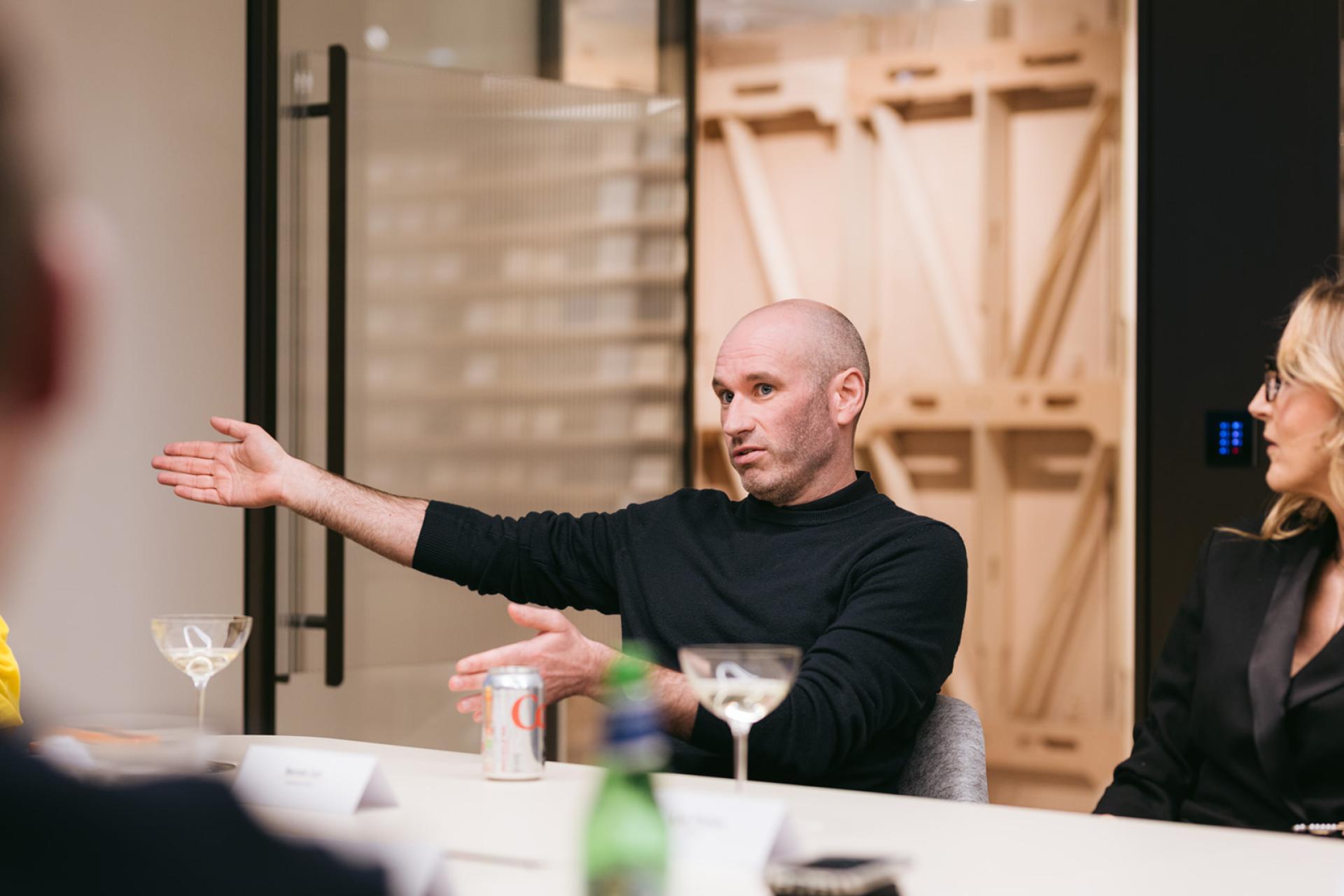
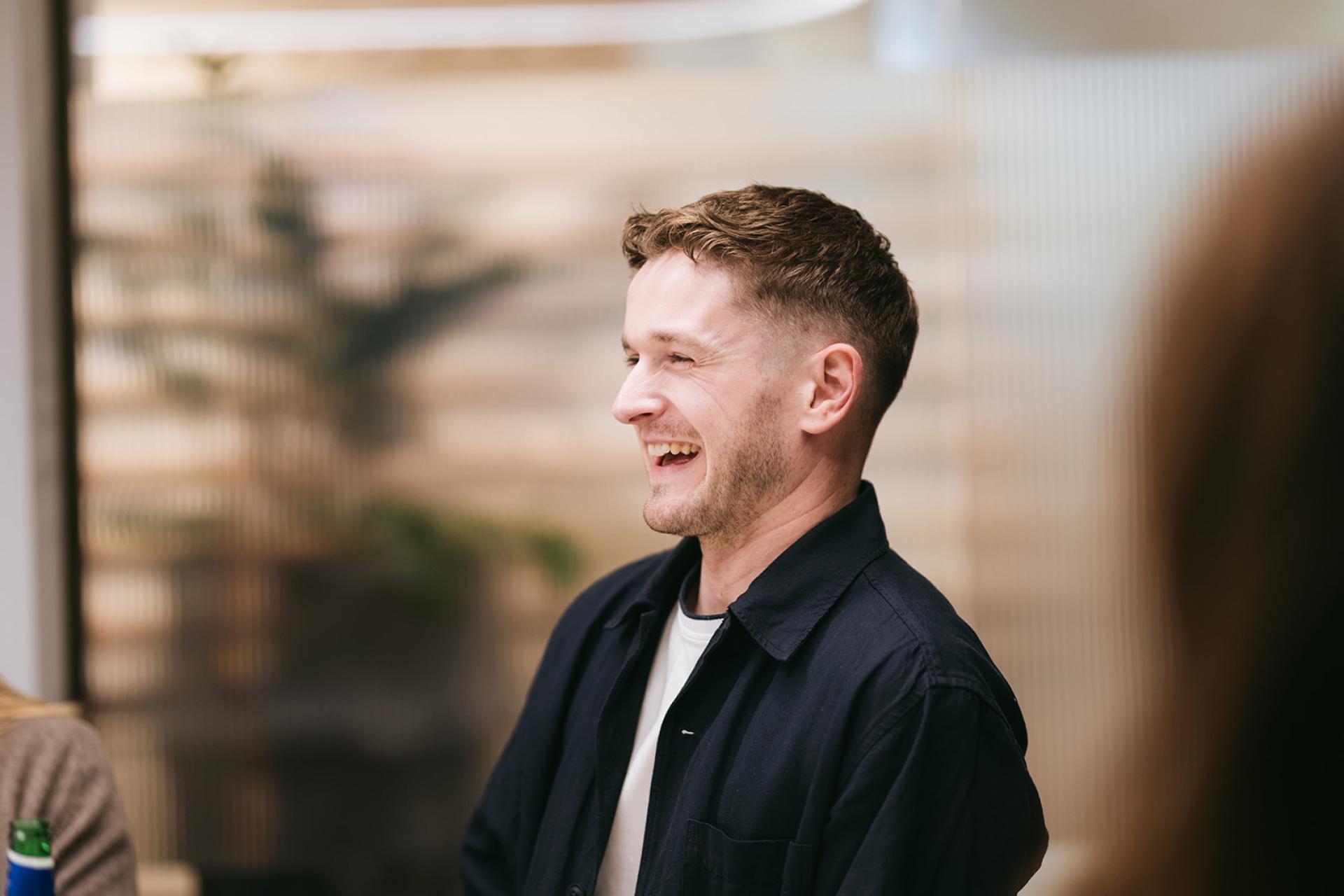
This isn’t necessarily a criticism of just Glasgow, James added, but of the country as a whole. “Scotland has an incredible story to tell,” he said. “And that story needs to be told with the loudest voice in the room.”
This point about being “joined up” was furthered by Bernie Carr, Director & Head of Environmental Architecture, cameron kerr. “We’ve not quite got the branding element right – we have to sell Glasgow as a brand,” he suggested. “We have a great offering; Glasgow is a unique place with its own culture. It’s very welcoming here. And we have lots of assets and venues – the smaller of which need protecting because they offer something different. However, I think there’s a lot still yet to do.”
“Scottish people can be quite grumpy,” shared Greg. Putting his “landscape architecture hat on”, he highlighted the “gripes” around George Square (currently undergoing a major £20–£24 million public realm transformation managed by the Glasgow City Council as part of the broader Avenues Programme). But regardless of public perception, and having witnessed other projects of this kind catalysing a chain reaction of private investment off the back of a council-funded project (“sometimes investors think, well, you’ve put your own money into the city, so we’ll give it a punt”), Greg believes the reopening of George Square could set a positive precedent.
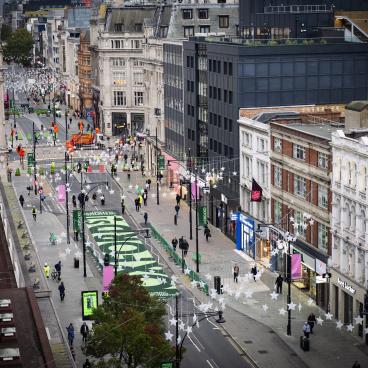
Lisa A Pitchers MRICS, Associate Director at city-based real estate agent, Rettie, has already noticed an improvement to the public realm following the launch of the Avenues Programme. “There’s been a period of constant roadworks so people haven’t yet seen the vision, but walking through the city at twilight and seeing the lights come on, the new furniture and trees, it’s making a difference.”
“There’s inevitably going to be a period of short-term pain,” added Claire McGinley, Associate, HAUS, in agreement with Lisa and Greg. Though “the positive impact to be had will definitely outweigh this,” she noted, looking ahead, particularly in regard to George Square, “Hopefully it will be a civic space that’s flexible enough to be used long term.”
“We just need the patience for everything to roll out,” commented Claire Waddell, Senior Architect, BakerHicks.
“And the council must get it right, this time,” said Alexandra Ritchie, Commercial Specification Manager Scotland, Karndean, “because it’s been done before, and now it’s being done again…”
Summarising this segment of the discussion, Keith Sinclair, Associate, Keppie, determined, “We’re very good at focusing on what’s not going right, but sometimes we need to focus on what is. We’re punching above our weight for a city of this size, and we should celebrate and build on that.”
Spend in the city
Looking at example cities outside of Glasgow, James referenced Manchester, where city centre living has been a priority for some time. “Because if you lived in the city centre, you would spend time in the city centre and ultimately would spend in the city centre.”
This boosts nighttime and retail economy, James added, which has “a spiral effect in attracting additional investors.”
In Glasgow, the architectural infrastructure for this to happen already exists, James suggested, highlighting ‘Raffa’ (Raffaele Esposito, the Strategic Design Lead and Developers Engagement group manager (and former City Design Manager) at Glasgow City Council within the Neighbourhoods, Regeneration and Sustainability department), as being a “custodian of architectural delivery”, “a great ally and orator of articulating what Glasgow is all about”.
“Delivery”, he said, being the optimum word here. Not just proposing a building but having investment and a design underpinned by quality. “This instils great confidence.”
Another plus that Glasgow has going for it is its districts argued Bernie. “Pockets of different things for different experiences.” The foundations are there and with some more connections through transport links there’s huge potential, Bernie believes.
Lisa brought up Merchant City as being the most densely populated district in the city centre currently in terms of residential. That’s because above every commercial premises in Merchant City there are apartments – something not found elsewhere in the city centre with residential accommodation being, as Lisa said, “more scattered across the central business district”. This district also has the feeling of being “like a village,” describes Lisa of her own experience of living within that “community” for 18-years. “We got to know the shop and local café owners.”
Claire W continued, “There is a definite parallel between the places people live and the independent retail and F&B offering in the vicinity. And that’s not something we’re seeing across the whole city centre, there are a lot of empty units.”
“What’s missing then, from Glasgow?” David asked.
“People,” came the group’s reply.
"And the irony is that our motto is ‘people make Glasgow’,” Keith remarked. “But people come into the city centre for work, then go to their homes outside of it.”
Change & choice
“If you break down what people need,” commented Greg, “infrastructure is a massive thing. We’ve got a rail network that closes at 11:30 and serves 10% of Glasgow. If you want to have a 20-hour city, you’ve got to allow people that live, say, in the Southside to come back in of an evening.”
As well as transport infrastructure, there’s also the social infrastructure - doctors, schools, dentists - to consider, suggested James. Quoting the developer Tom Bloxham (Founder of Urban Splash), James said when he was asked what makes a good city centre 25-years ago, Tom responded it’s when seeing children walking to school there. Because it creates a “social network.”
“There needs to be space for families in the city centre as well as for young professionals,” James claimed. To which Bernie pondered, “Do we need families in the city centre? I wouldn’t want to live in a city with my family…”
“Yes, we do,” James answered. “We need to give people the choice to.”
A lack of green space was the point Bernie made as to why he, and others, may not choose to live in a city. But James argued that’s not necessarily the case. And a lack of social infrastructure doesn’t have to be the case either. “Don’t be narrow minded about your city,” came his plea.
“Are we just stuck in the past?” considered Alexandra. “We need to realise things have changed.”
“Things have changed,” said Lisa. “I’ve worked in the city property market for 30-years, and at the start it was geared up for young professionals and investors buying for let. But now, more and more, people are buying the properties to live in.
“In Glasgow (from 2-years of Rettie City Sales Data), the mix is 10% investors buy to let (it used to be almost 50%), 40% first time buyers, 10% parents buying for their children at university, 12% sold to buy in the city centre, 4% retired downsizers and 4% second home buyers.
“That’s people choosing city living. Last year there were 1,000 homes sold across the city, so each year people are making that choice.”
In Scotland, Greg suggests people have had the “privilege of choice”, with plenty of countryside or suburb options in addition to the city centre that are commutable.
Speaking from experience, Claire M believes some city dwellers feel they have no other option after having children than to move out of the city centre due to space restrictions.
“Space is at a premium in the city centre,” agreed Bernie, highlighting it once again as “an issue for families”.
Though James suggests this thread of conversation may be focused too narrow – “This is an international city, a European city, with a profile to match. And you’re competing for international investment.”
Referencing some current projects, public money married up with private pension fund investment is making positive headway, shared James, notably in the build to rent market. In Glasgow, he commented there are 11 pension funds seeking to invest. And that’s exactly what’s needed, he inferred.
One of the biggest issues for people living in the city centre at the moment, James said, is personal safety.
“Especially as a female,” Marie Hosie, Architectural & Design Consultant, Crown Paints, commented, “you don’t always feel safe walking around the city.”
Lisa has heard this occasionally, she said, from parents looking to buy for their children. But in the city, there are always people around, she added. “There are cameras, and bouncers outside businesses.”
This is about perception suggested David, it’s how people view Glasgow.
A slew of negative press about Glasgow city centre following the BBC’s airing of Disclosure: Welcome to Glasgow, a documentary about antisocial behaviour in the city, has skewed peoples’ perception, Lisa believes.
It was agreed around the table though that Glasgow is largely a very friendly city (Secret Glasgow reports it was recently officially ranked as the 2nd friendliest city in the world by the 2026 Fernwayer Friendliest Cities Index, narrowly trailing Mérida, Mexico).
And James mentioned its reputation for being a hub of world-class education – “it’s got a deep educational and cultural texture, and that’s what it’s known for.”
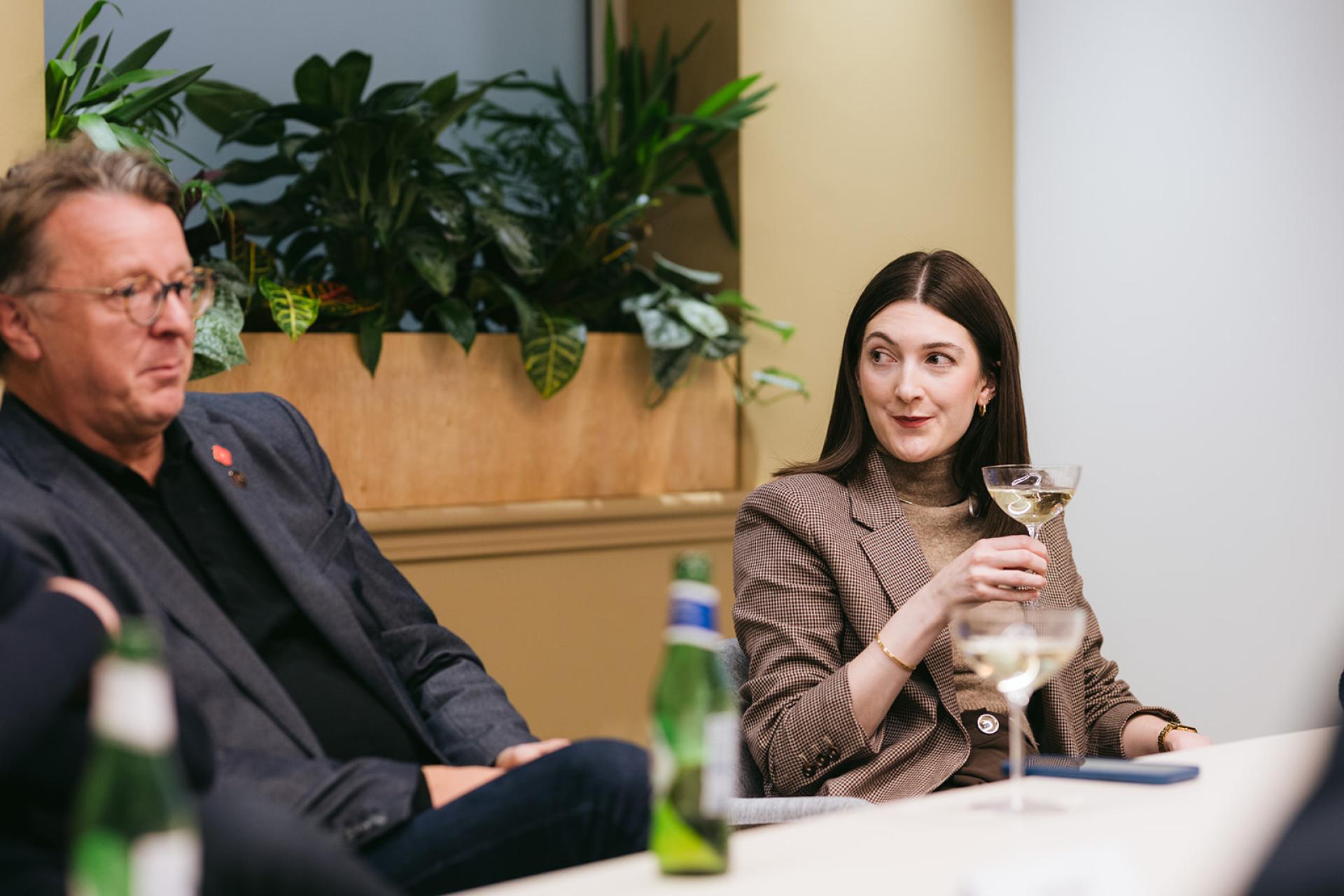
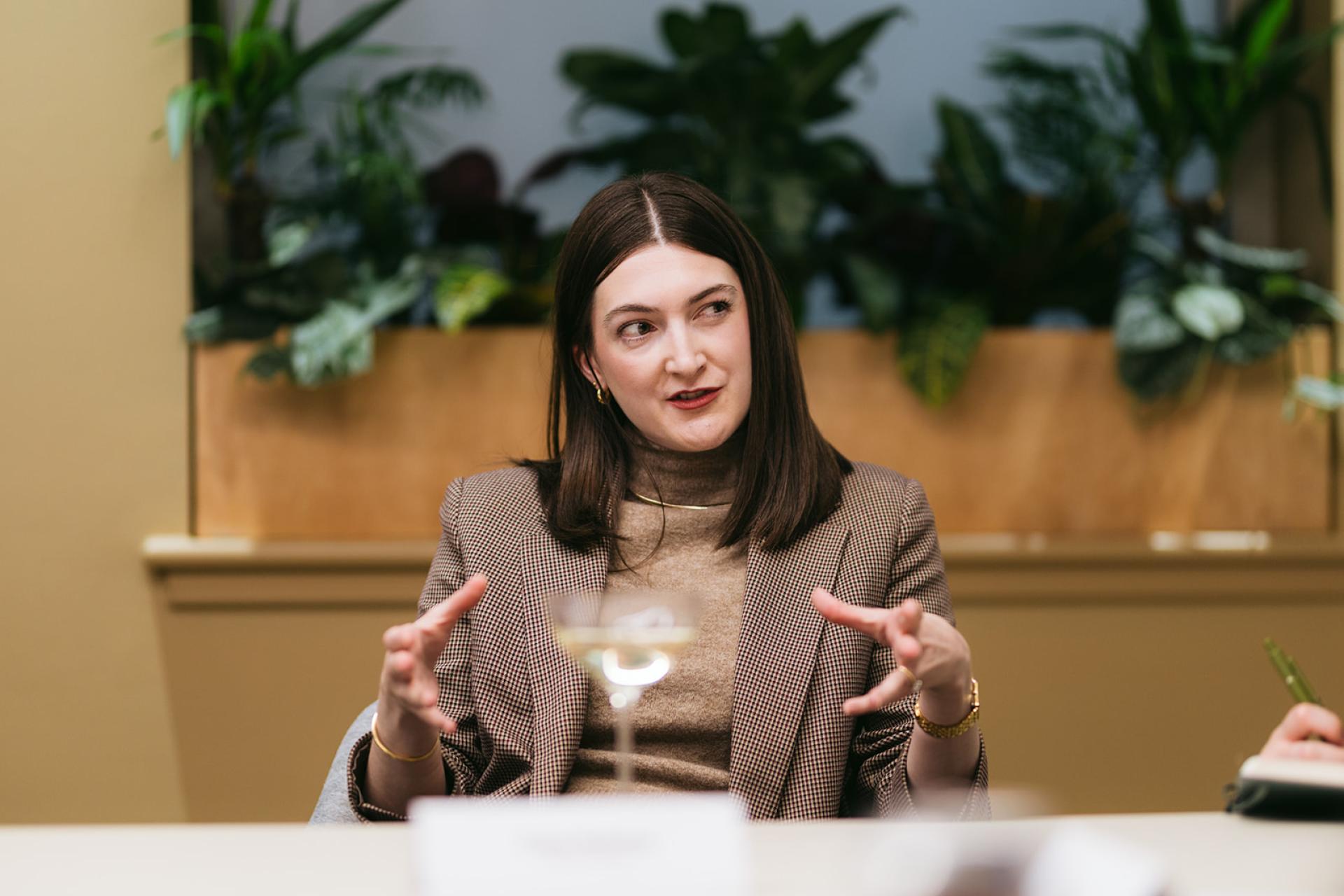
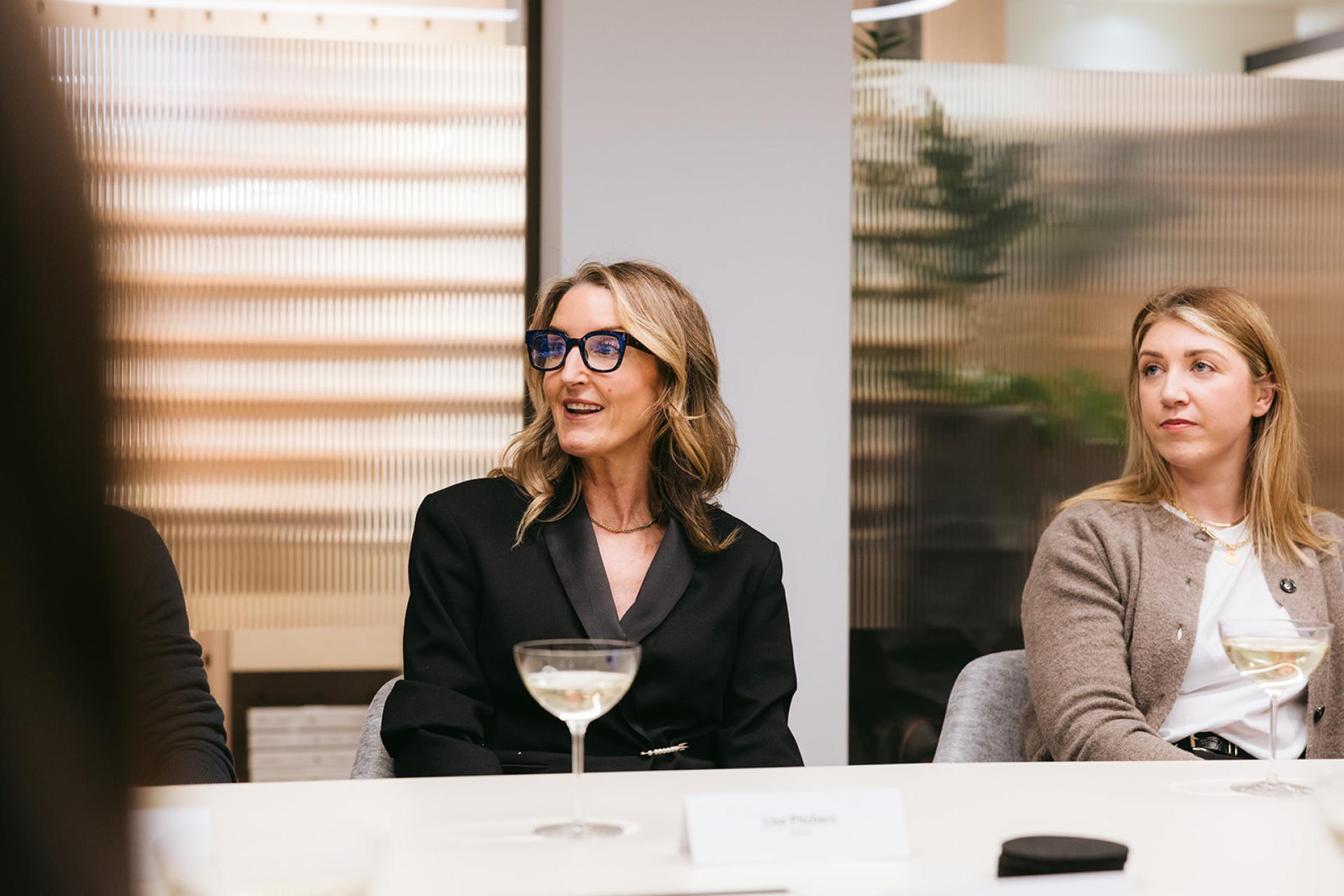
Maximising existing assets
“What are we not making the most of here?” asked David.
“The river,” came the response.
Though development has started, Marie shared, with lines of trees and fairy lights, there’s much more that could be done to ensure the area is populated. That would then allow people to feel safe there at night, it was agreed, through footfall and natural surveillance.
At Developing Glasgow, a new initiative hosted by Glasgow City Council to bring together public and private sector stakeholders, James shared that the river was highlighted as a focus area with huge potential.
There’s the Quays Masterplan, Bernie added, with more public realm planned and some rewilding for the Clyde. “The city is known for turning its back to the Clyde,” Bernie commented, “but it’s a great asset, and every other city in the world celebrates their rivers, so we need to.”
“This circles right back around to one of our original points,” said Greg, “that we don’t shout loudly enough about what we’re doing well. The bridge behind the Riverside Transport Museum, the Govan–Partick Bridge, which connects Water Row in Govan (south shore) to Pointhouse Quay in Partick (north shore) over the River Clyde – great thing.
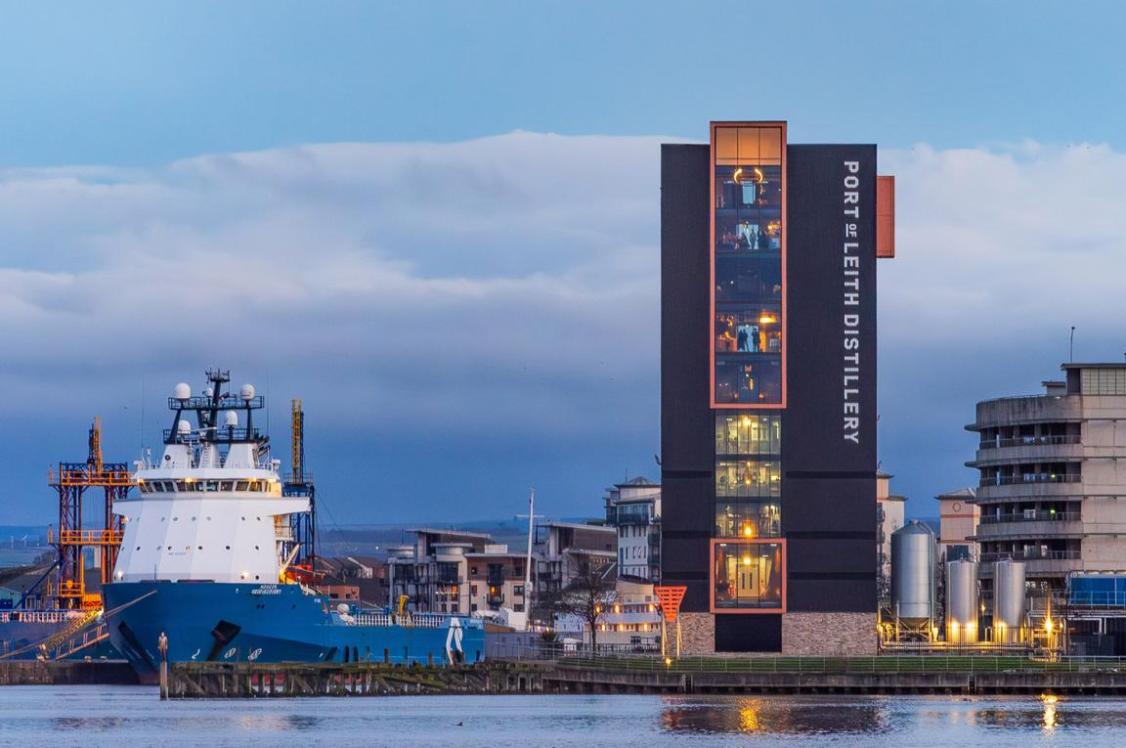
“We’re working with Peel to see how we can then connect that back to The Glasgow Distillery, and back into the city centre. There’s so much good stuff happening. And preparations have been made over a 3-4-year period with much more to come.”
The “good stuff” Greg references also includes a co-living scheme – “hugely exciting” came the group’s response. And as part of the development of this area, a new pedestrian path has been put in place by oobe allowing people to walk along the River Clyde to reach the Distillery in a way they never could before. “We’re encouraging people to start moving around in that area now,” Greg told us.
“We are a city of masterplans!” exclaimed Bernie. “We’ve got Custom House Quay; King Street Car Park; Laurieston – all of these masterplans…the thing that’s lacking is investment. And coming back to my point about branding,” he added, “are we attracting international investment successfully enough? I don’t know.”
David asked, “what would you like to see?”
“A mayor for the city,” Bernie replied, acknowledging that the comment may be perceived as controversial. “Someone there to deliver the city plans that’s not tied to a political party that can lobby the government…”
… “I think you’re right, Bernie,” said James in agreement, referring to prime minister Andy Burnham’s devolution agenda. “A mayor of the place rather than of a party.”
“Investors need stability, don’t they?” David suggested. “And we all know that Glasgow is a phenomenal place, we just need to make sure the perception is matched.”
As the session drew to a close, the group’s collective thoughts turned to what’s needed in the city to secure success for the future.
“Glaswegians need to be much more visionary and bold,” reiterated James, building on his earlier point. “And they need to take greater risks from a city point of view. It’s all a bit safe.
“Ricky Bell [leader of Glasgow City Council’s local authority] should be challenged to be bolder,” he added, in a final call for action. “Think international.”
A huge thanks to all our guests and to our supporters for this session, Crown Paints & Karndean Flooring – both Partners at Material Source Studio Glasgow.
We’re now taking our Property Outlook seminar and roundtable ‘down the road’ to Material Source Studio London. Book your seminar ticket here.