










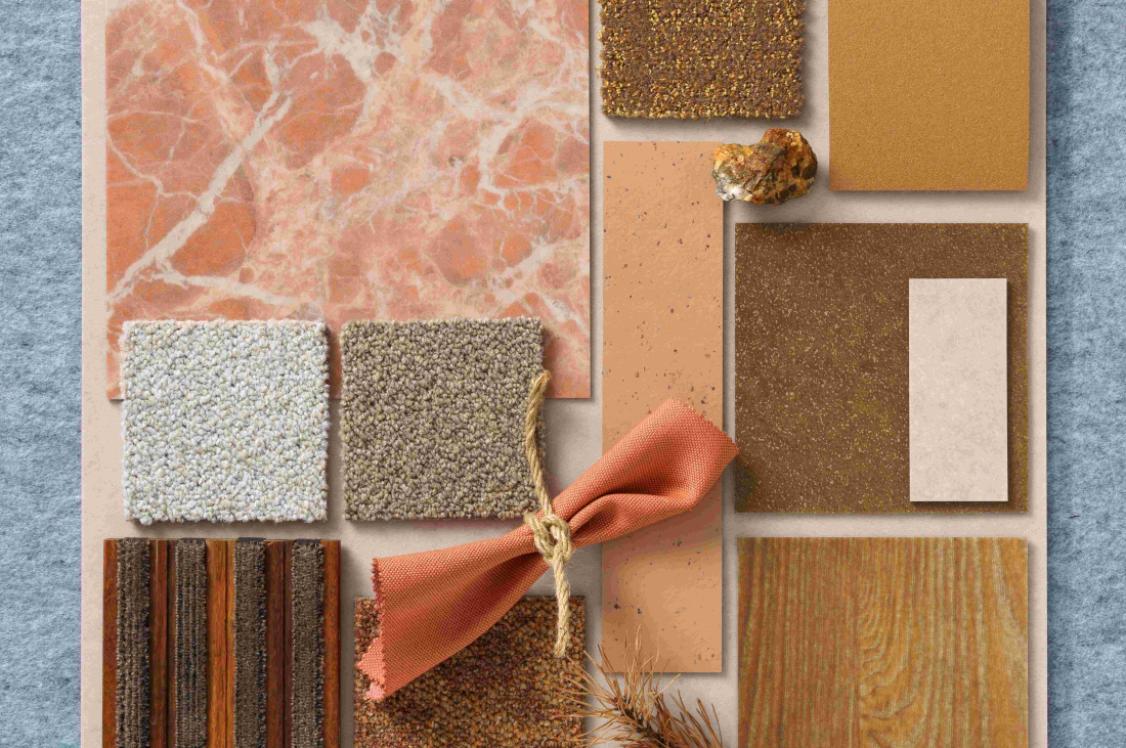

Designing with light: Why light control deserves more attention in hospitality interiors.
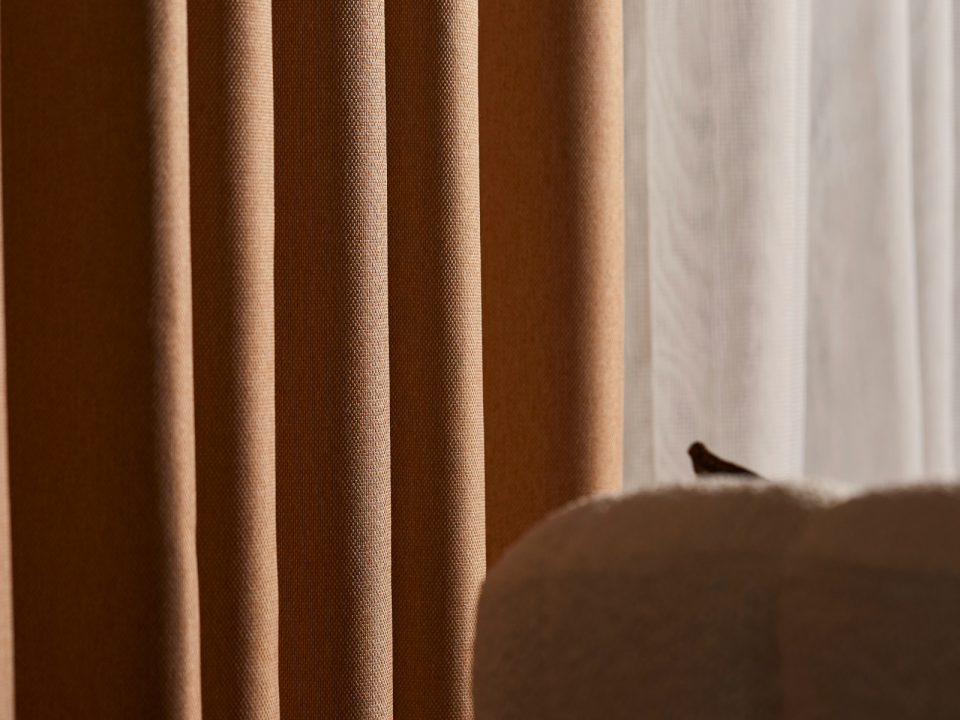
In hospitality design, light has the power to completely change how a space feels.
The same hotel room can feel bright and energising in the morning, calm and private in the evening, and completely restful at night. Yet when specifying an interior, much of the conversation around lighting naturally focuses on luminaires, colour temperature and decorative lighting.
The window deserves just as much attention.
For hotels, restaurants, bars and other hospitality environments, the right light control fabric can influence privacy, comfort, atmosphere and sleep, while also becoming an important part of the overall interior scheme.
For Edmund Bell, a specialist in light control fabrics backed by more than 170 years of textile expertise, and a new Partner at Material Source Studio London and soon Manchester, the starting point is simple: think about what you want the light to do.
Light control isn't simply about blackout
Complete darkness certainly has its place. In a hotel bedroom, effective blackout can make a genuine difference to the guest experience. External lighting, illuminated signage, early morning sunlight and busy city environments can all introduce unwanted light into a room at precisely the moment a guest wants to switch off.
But hospitality spaces need different things at different times of day.
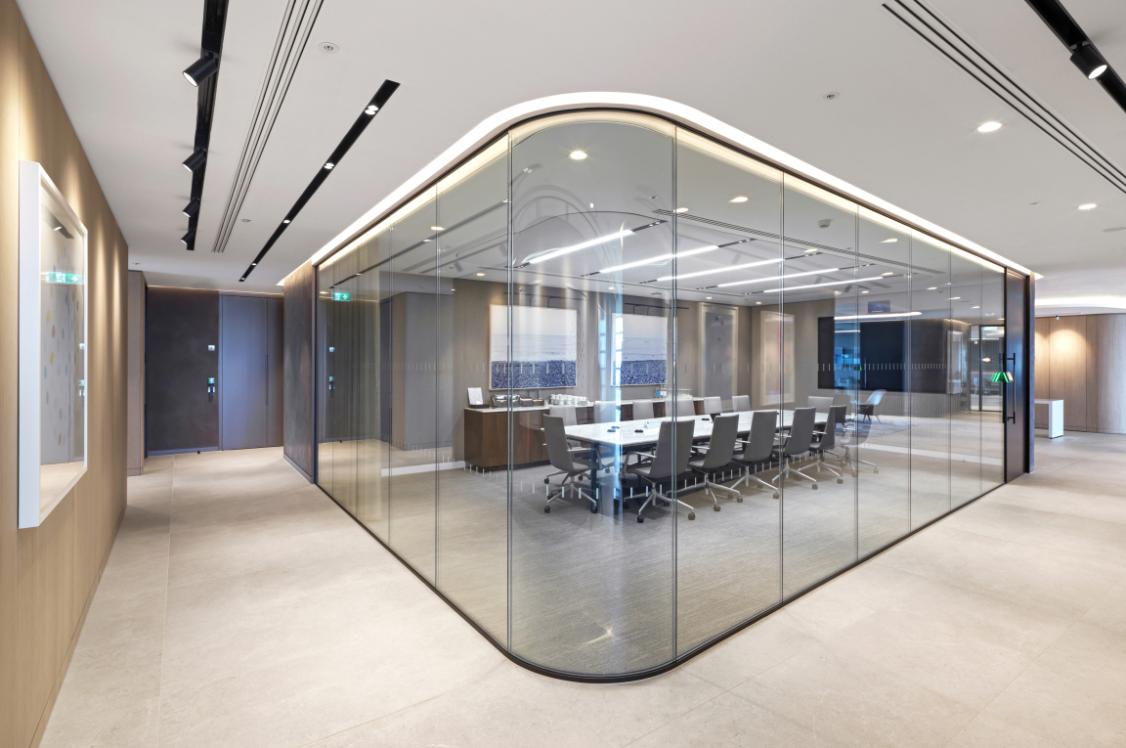
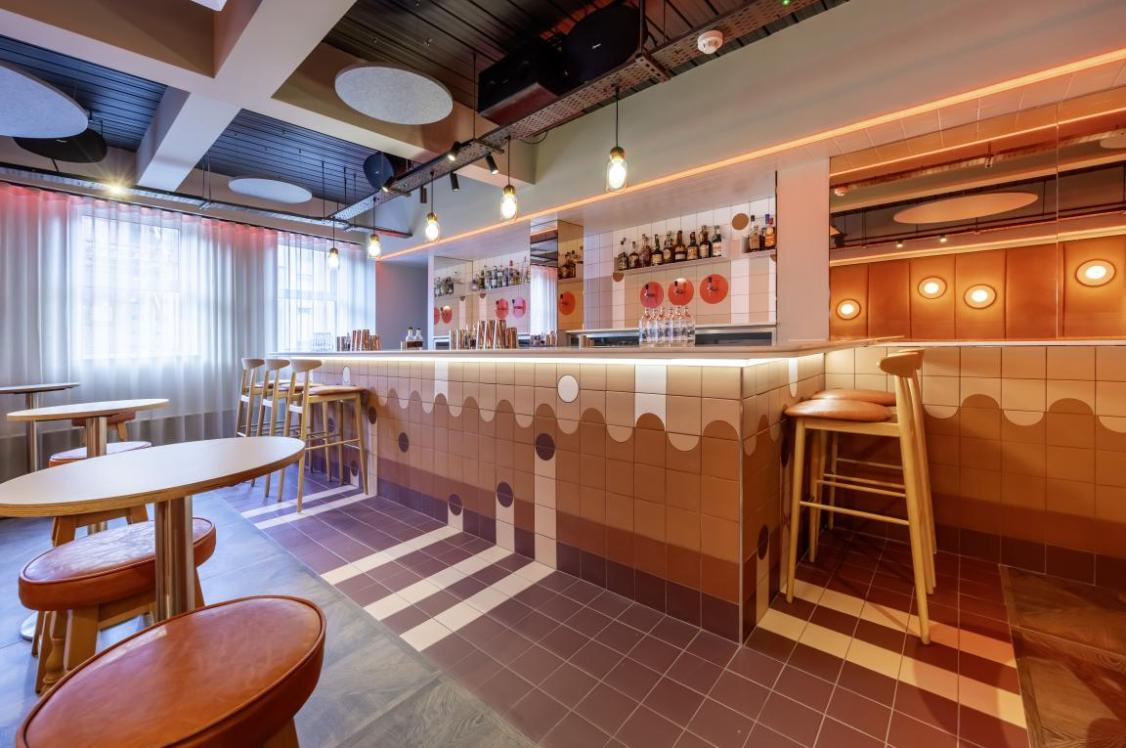
A restaurant may want soft natural light during lunch before creating a much more intimate atmosphere for evening service. A hotel bedroom needs daylight and privacy during the day, but darkness at night. A lobby or lounge may benefit from bright, diffused natural light without the glare and exposure of an untreated window.
That is where thinking in layers becomes particularly useful.
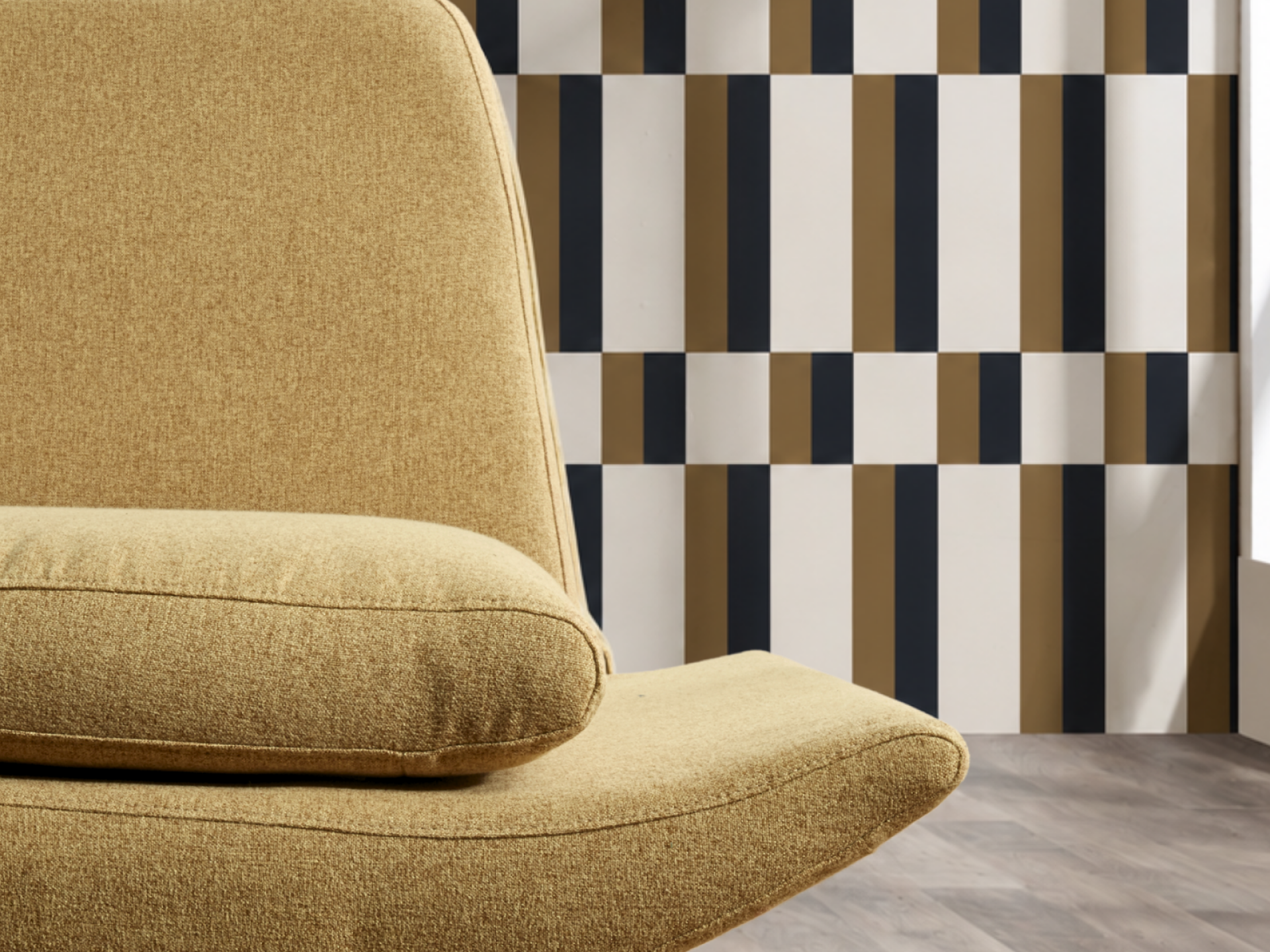
Blackout: when darkness matters
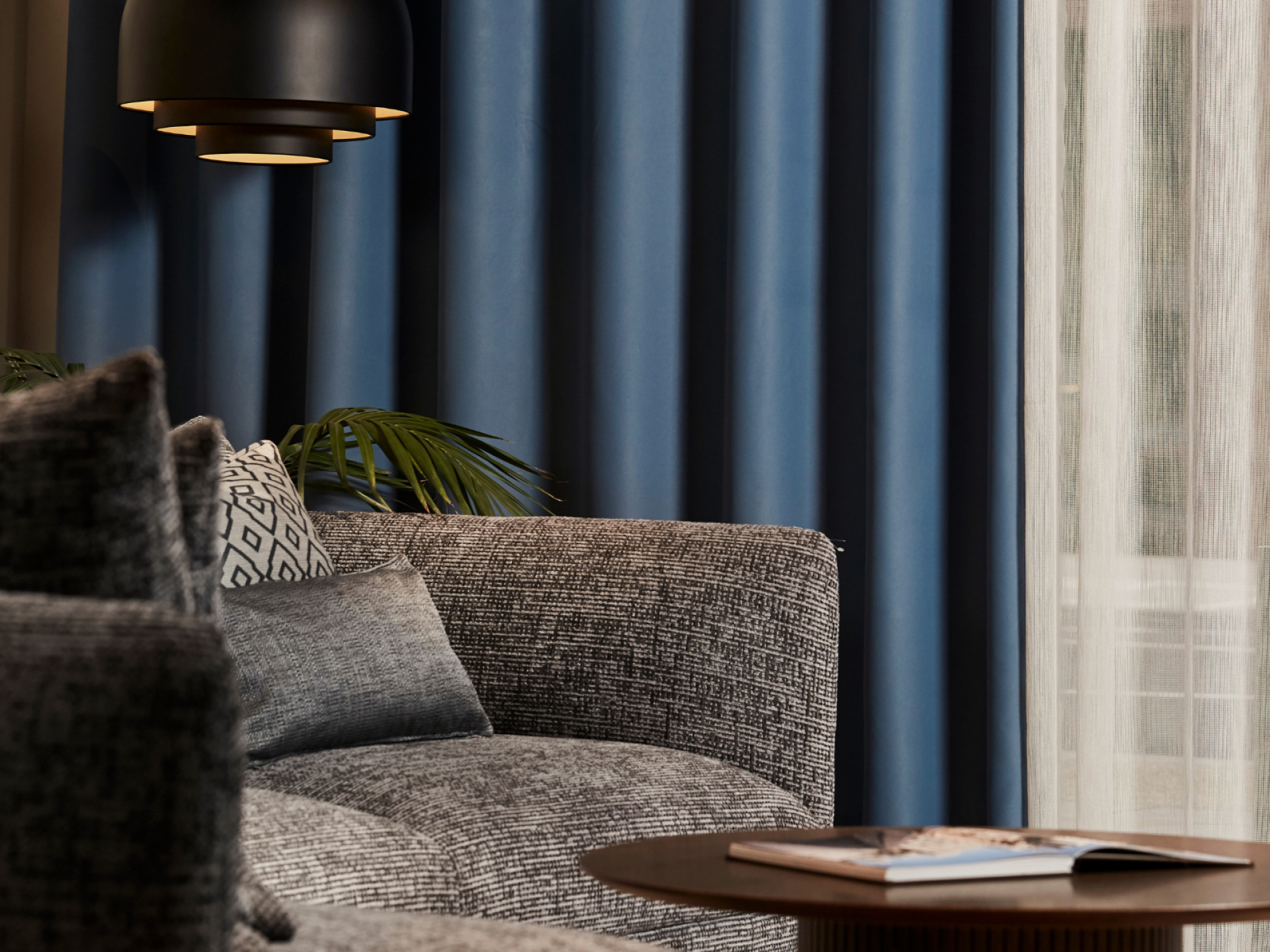
Blackout fabrics are designed to provide high levels of light exclusion and are an important consideration for hotel bedrooms, serviced apartments, cinema spaces and anywhere else where control over external light is essential.
But performance doesn't have to mean compromising the design scheme.
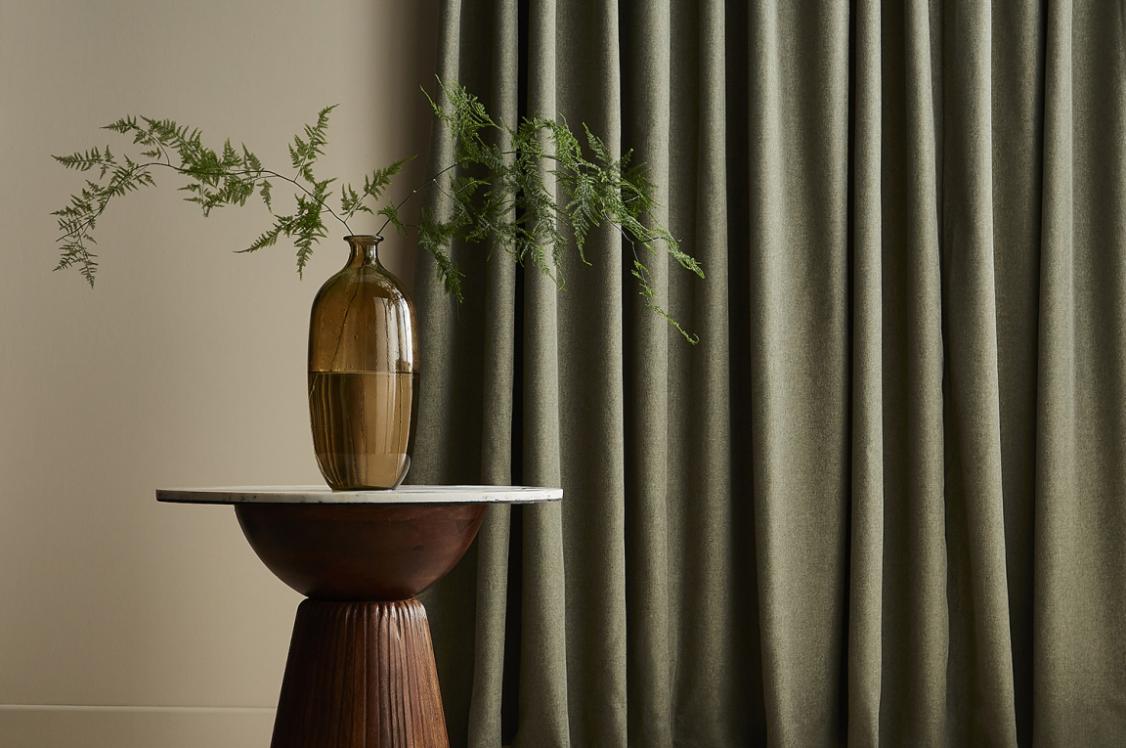
Today's blackout options extend far beyond a purely functional backing hidden behind a decorative curtain. Different constructions, textures, colours and finishes allow the light control itself to become part of the interior.
For the designer, the question becomes less "Where can we hide the blackout?" and more "How can it work with the scheme?"
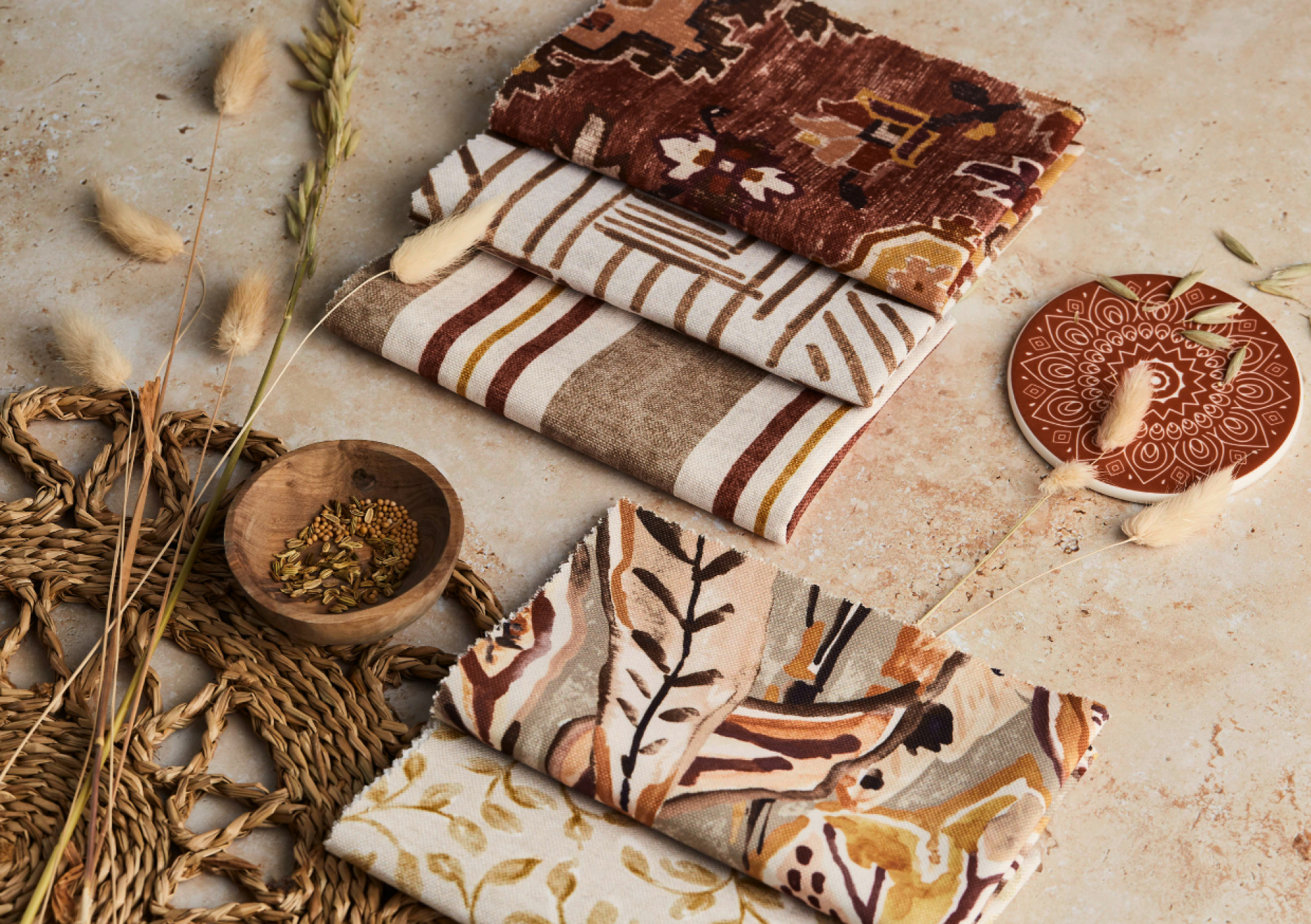
Dimout: controlling rather than eliminating light
Not every hospitality environment needs complete darkness. Dimout fabrics sit between blackout and more open decorative fabrics, reducing the amount of light entering a space while retaining a softer relationship with the outside environment.
Edmund Bell's decorative dimout fabrics can provide up to 98% light exclusion, depending on the product and colour selected.
That makes them particularly relevant to spaces where mood matters: restaurants, lounges, bars, meeting rooms and hotel interiors where designers want to soften incoming light rather than completely remove it.
Colour should also form part of that specification conversation. The same fabric construction can behave and feel differently across lighter and darker shades, so samples and testing within the actual scheme remain important.
Sheers: privacy without losing daylight
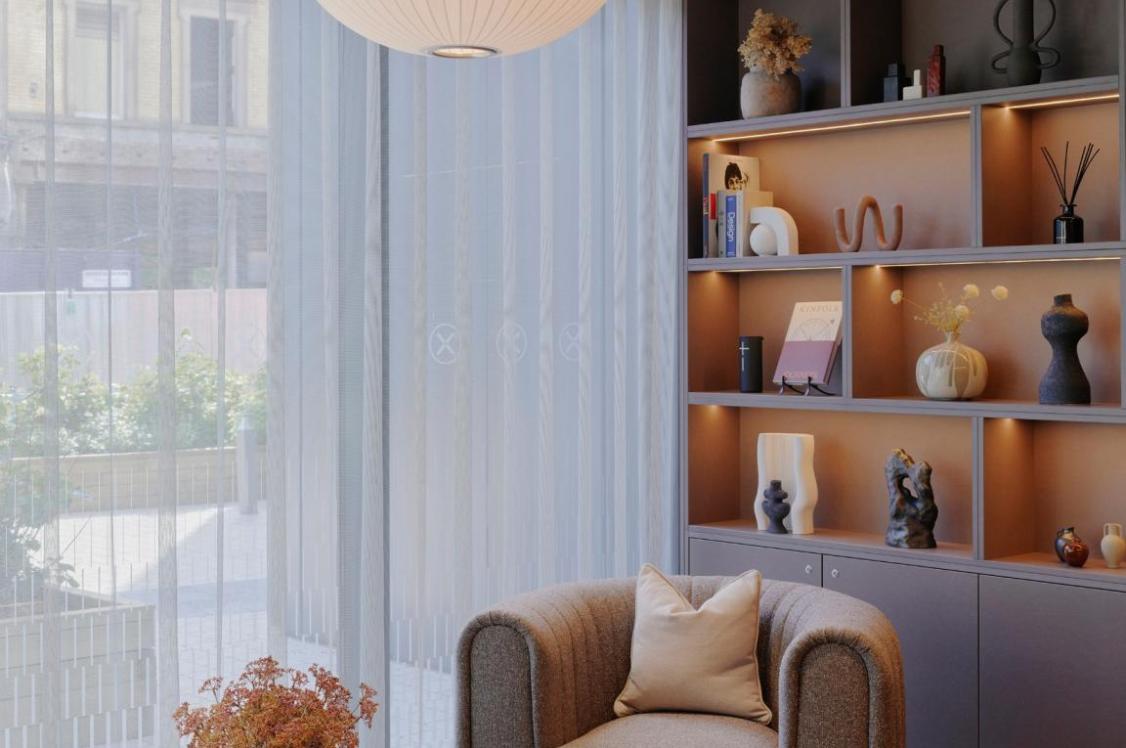
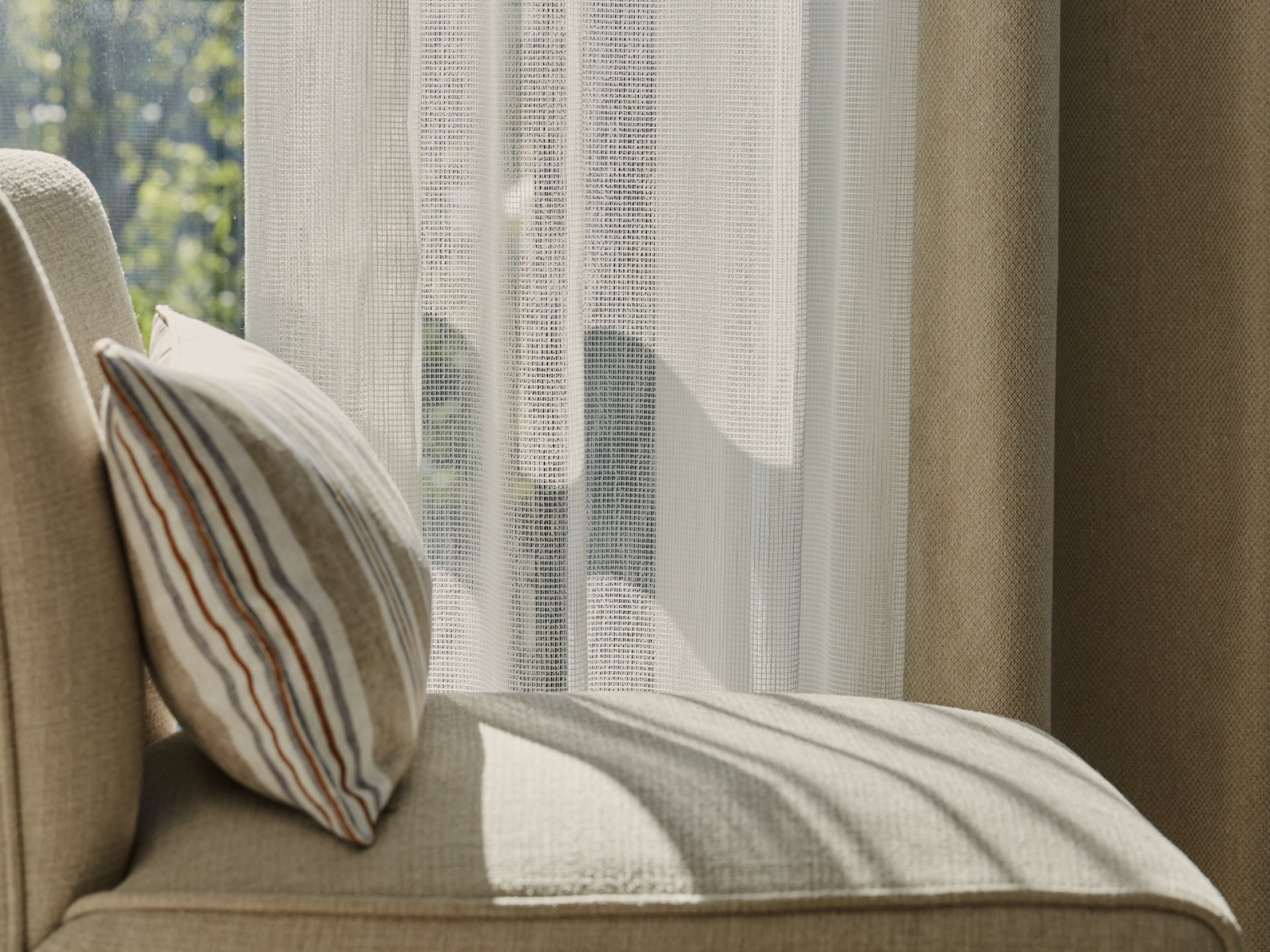
At the other end of the spectrum, sheers allow designers to work with natural light.
They can softly diffuse daylight, reduce the feeling of exposure from outside and introduce movement and texture without visually closing a space. Edmund Bell's sheer offering is designed around this balance of filtered light and privacy.
And their role doesn't have to end at the window.
In contemporary hospitality schemes, sheers can become architectural elements in their own right: dividing restaurant areas, creating softer boundaries between spaces, screening private zones or adding layers within large open interiors.
It opens up an interesting question for designers: rather than simply considering how to dress the window, how else can the fabric shape the space?
Give the guest control
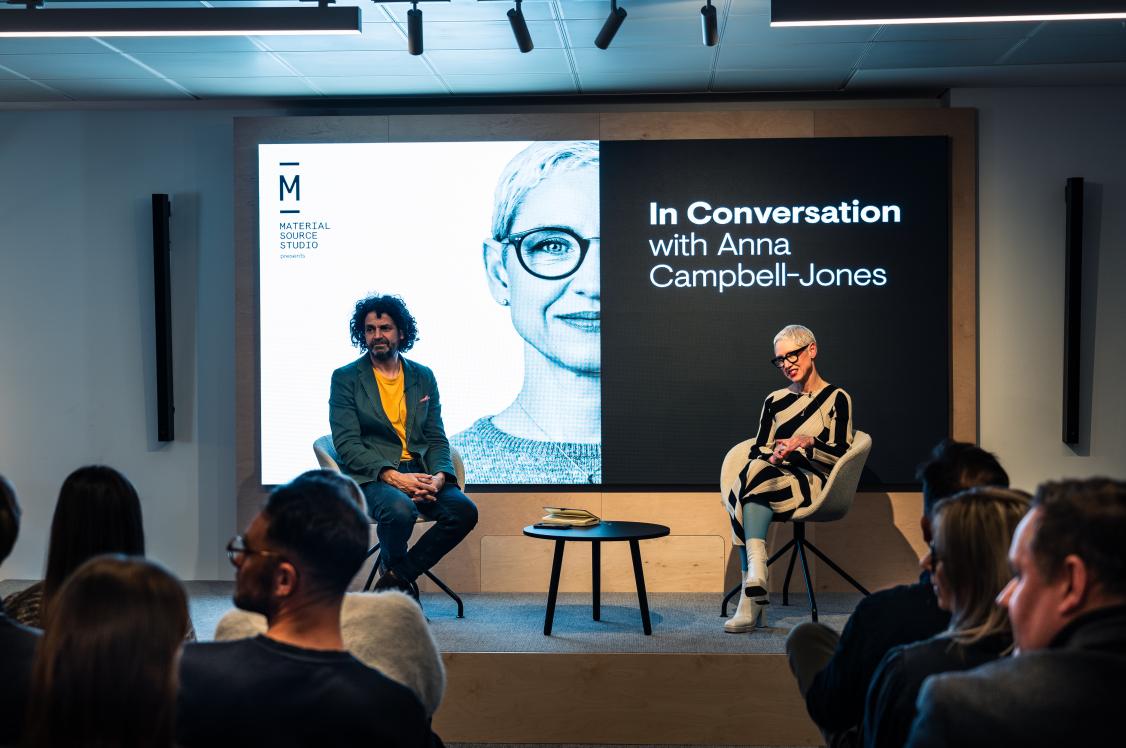
One of the most important ideas in contemporary hospitality design is choice. Material Source's own recent discussions around inclusive hospitality design highlighted the importance of allowing guests to control their environment, with lighting and acoustics identified as particularly influential elements of the hospitality experience.
Window treatments can play a significant part in that.
Layering a sheer with a blackout, for example, gives the guest several possibilities rather than a simple open-or-closed curtain.
They can wake up with filtered natural daylight. Create privacy without sitting in darkness. Reduce glare while working. Or close the blackout when they want to sleep.
For international travellers, shift workers or simply guests hoping for a lie-in, that flexibility can make a surprisingly big difference.
Performance needs to be designed in
Of course, hospitality specification goes beyond appearance and light levels.
Fabrics may also need to meet relevant flame-retardancy requirements, withstand regular cleaning and commercial use, provide suitable durability and, depending on the project, offer additional performance characteristics such as thermal or acoustic properties.
These considerations are easiest to address at the beginning of the specification process rather than once an aesthetic selection has already been made.
It is also important to consider the complete installation.
Even a high-performing blackout fabric cannot deliver its full potential if light can simply enter around the sides or top of the curtain. Track position, curtain returns, overlaps, fullness and the relationship between the curtain and the architecture all contribute to the finished result.
The best light control therefore comes from treating fabric, make-up and installation as one system.
Meet Edmund Bell
For designers, architects, contractors and specifiers who may not yet know the name, Edmund Bell has been working with textiles for more than 170 years.
Today, the company's focus is on helping designers achieve the right balance between light, privacy, performance and design.
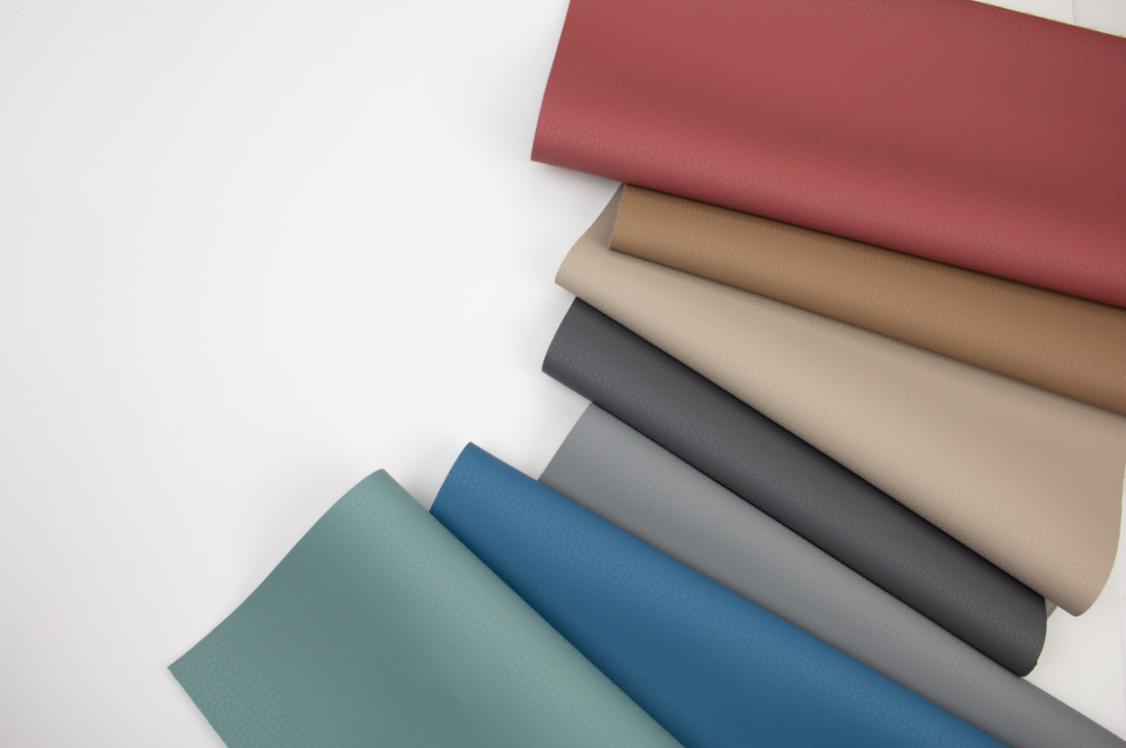
Its light control portfolio spans blackout, dimout and sheer fabrics, alongside curtain linings, prints, upholstery and other products for contract interiors.
Rather than approaching light control as a single product category, the aim is to help specifiers understand which construction is right for the environment, how different products perform and how they can work together within a scheme.
Because specifying a hotel bedroom is very different from specifying a restaurant. And specifying a healthcare hospitality space may bring entirely different requirements again.
There isn't one answer to controlling light. There is the right answer for the space.
See, touch and specify
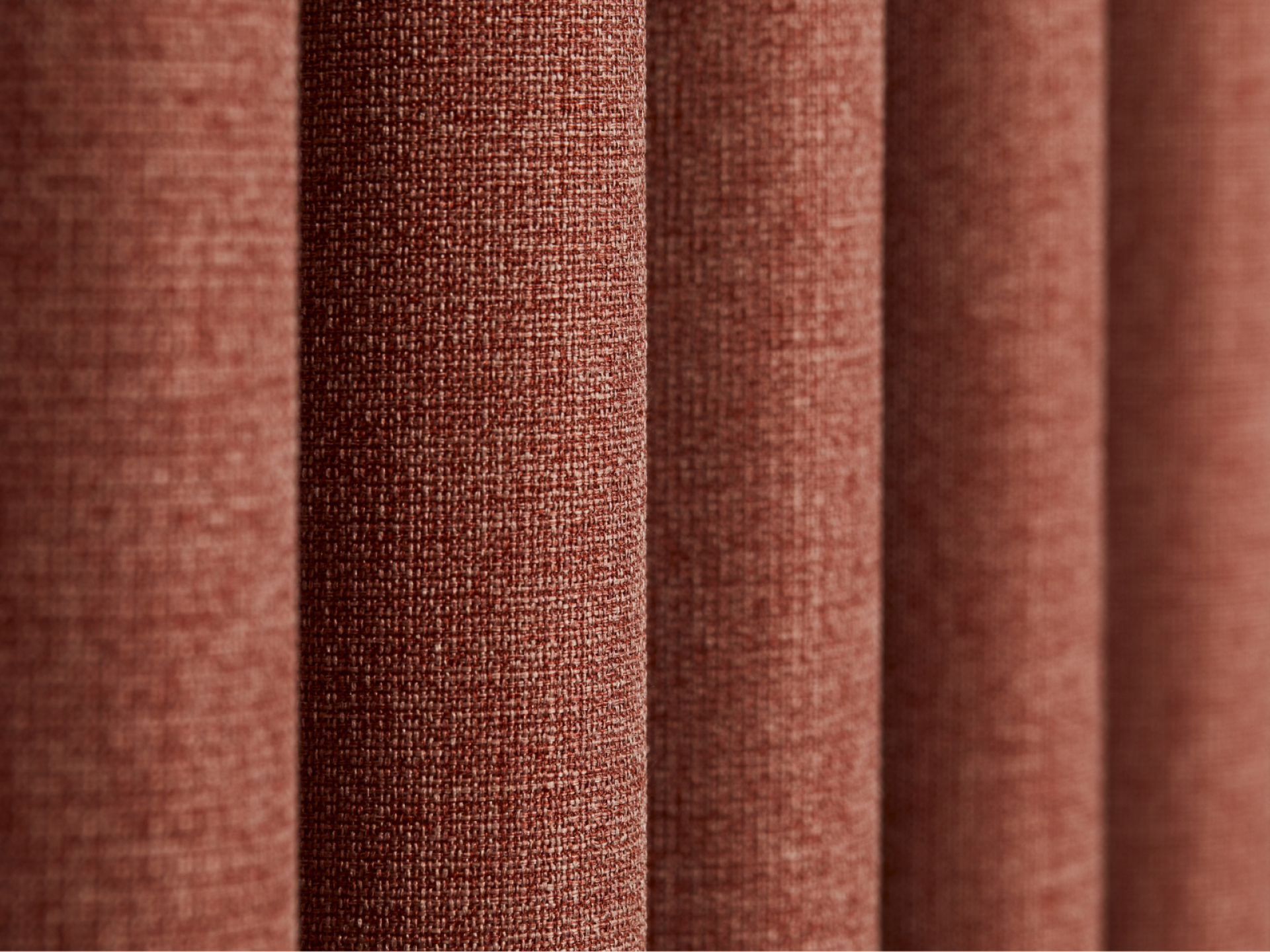
That is also why physical sampling remains so valuable. Fabric is inherently tactile. Colour changes under different lighting conditions. Opacity can be difficult to appreciate on a screen. Texture, handle and drape need to be experienced.
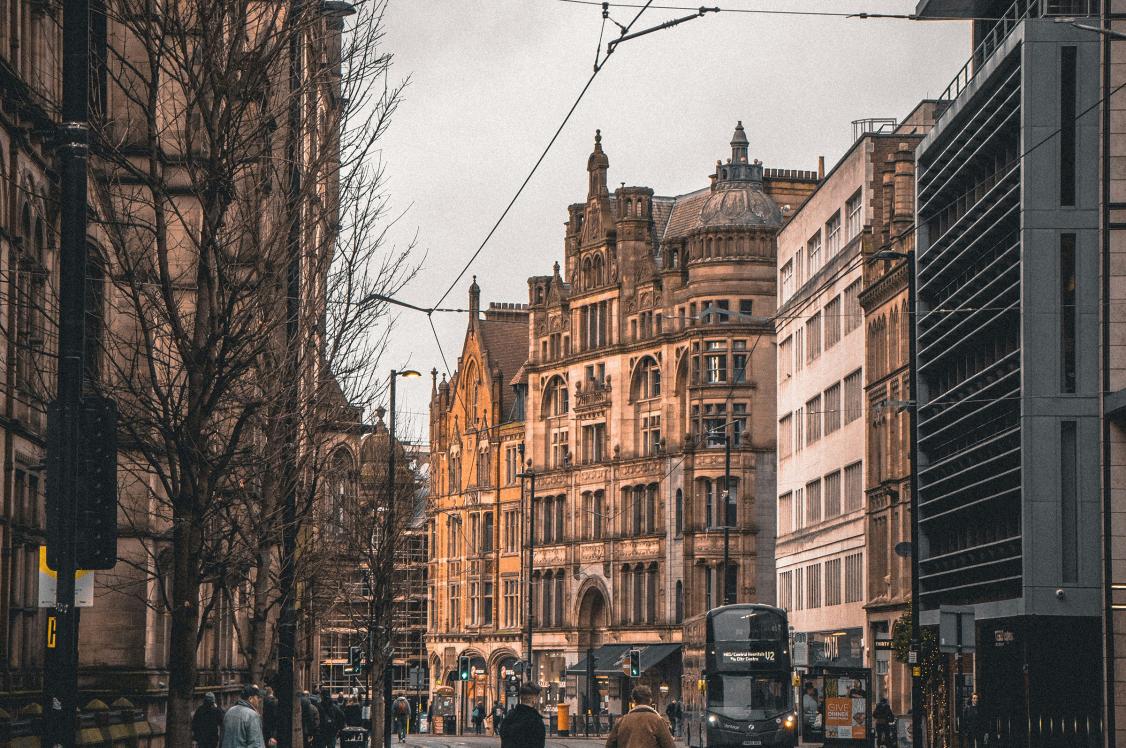
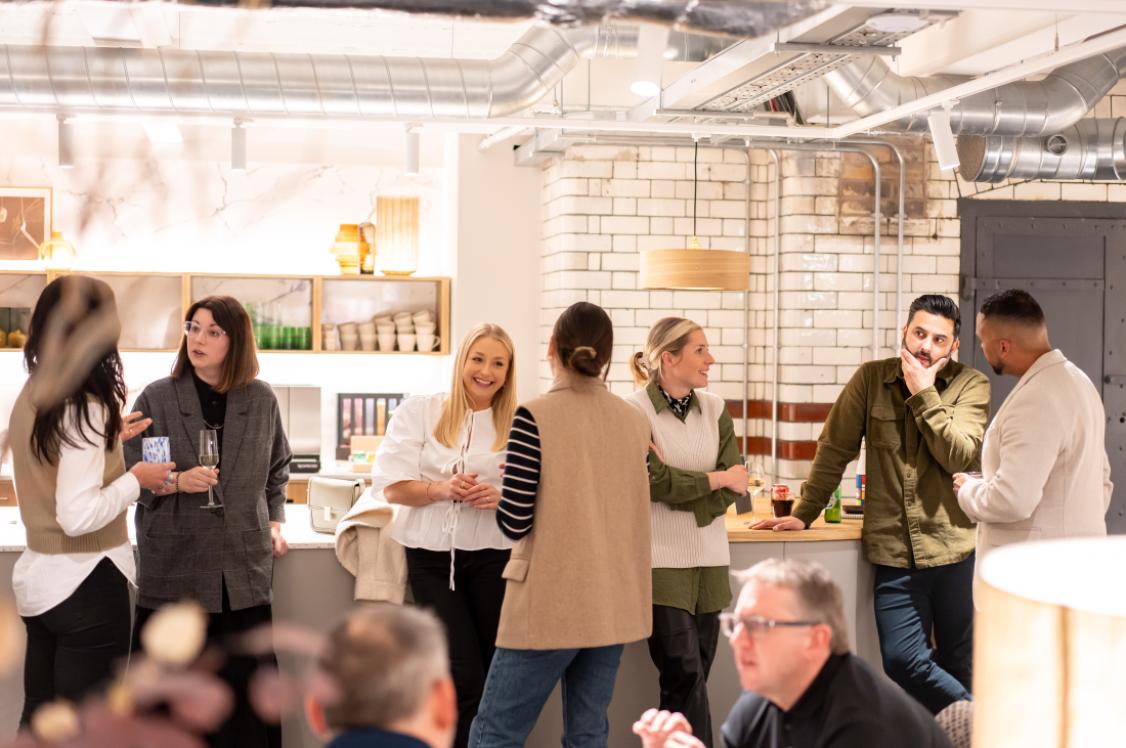
Edmund Bell can now be discovered at Material Source Studio in London, and from the end of October, Manchester too, giving designers and specifiers the opportunity to explore the collections, compare light control options and take away samples for their projects.
Whether the challenge is creating complete darkness in a hotel bedroom, softly filtering daylight through a restaurant or introducing privacy into an open-plan hospitality space, starting the conversation with one question can make specification considerably easier: What do you need the light to do? From there, the possibilities become much clearer.
Edmund Bell - Light work, made easy.

In association with
Edmund Bell is a specialist in light control fabrics, backed by over 170 years of textile expertise. Our extensive range of blackouts, dimouts and sheers combines technical performance with considered design, helping specifiers, designers and contractors create interiors with the right balance of light, privacy and comfort.