

































Glasgow Property: Retrofit – evolution or revolution?
In association with:


“Stop talking, and start acting” was the sentiment shared at our property-themed seminar in Glasgow this month.
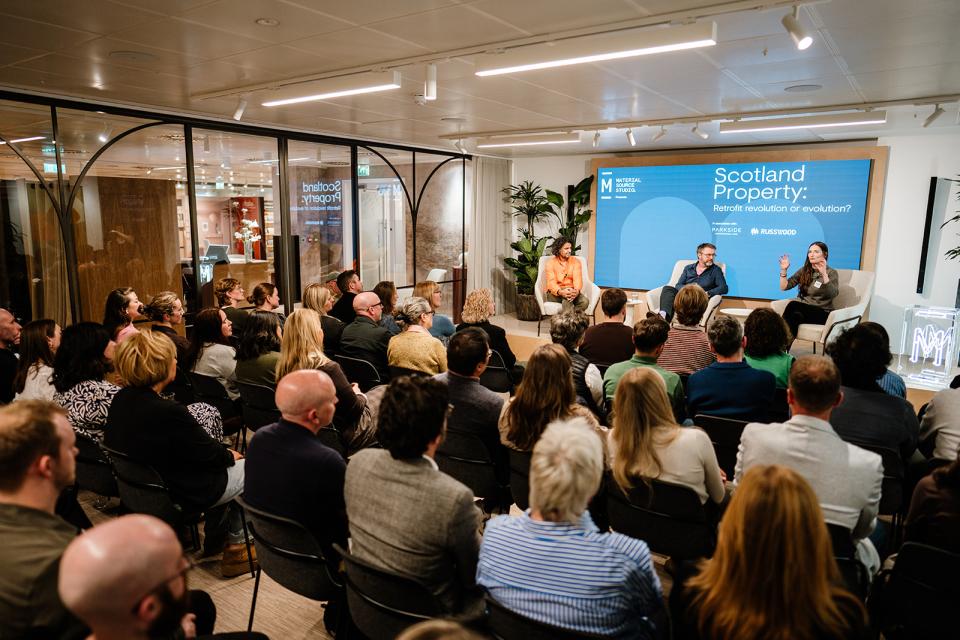
Discussing the topic of retrofit, repurposing and reconstruction in the context of Scotland's property outlook, an optimistic yet realistic view was shared by our two well-placed panellists with a combination of unique perspectives.
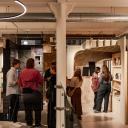
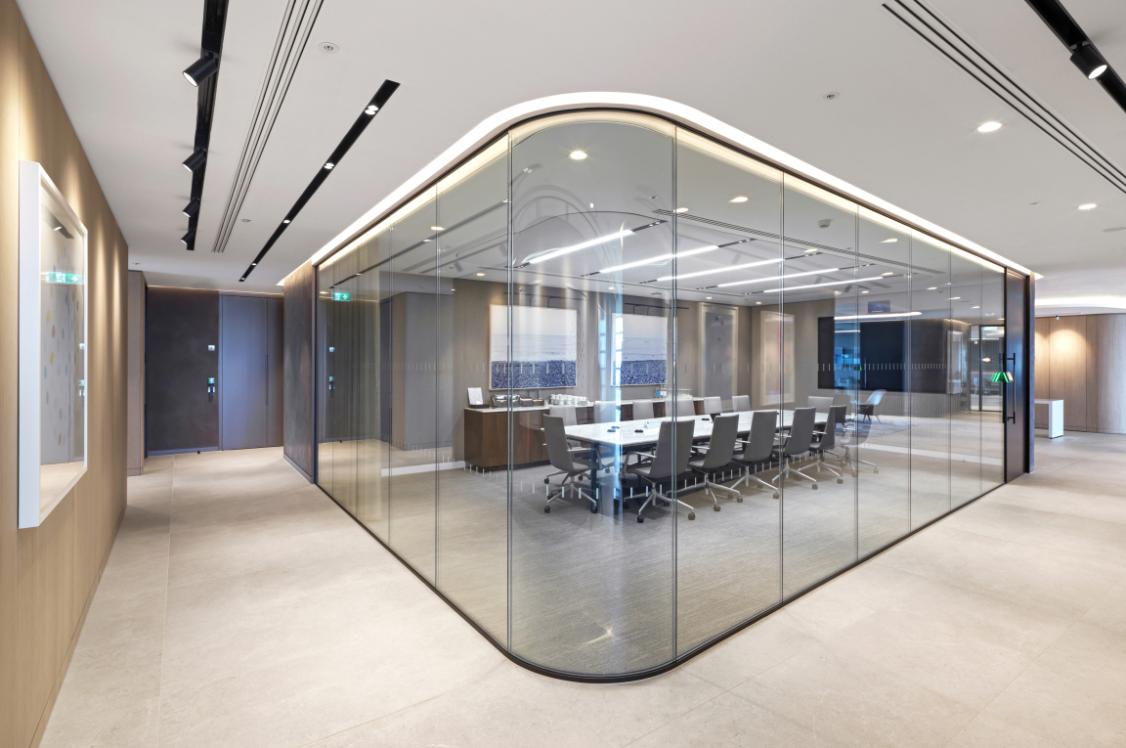
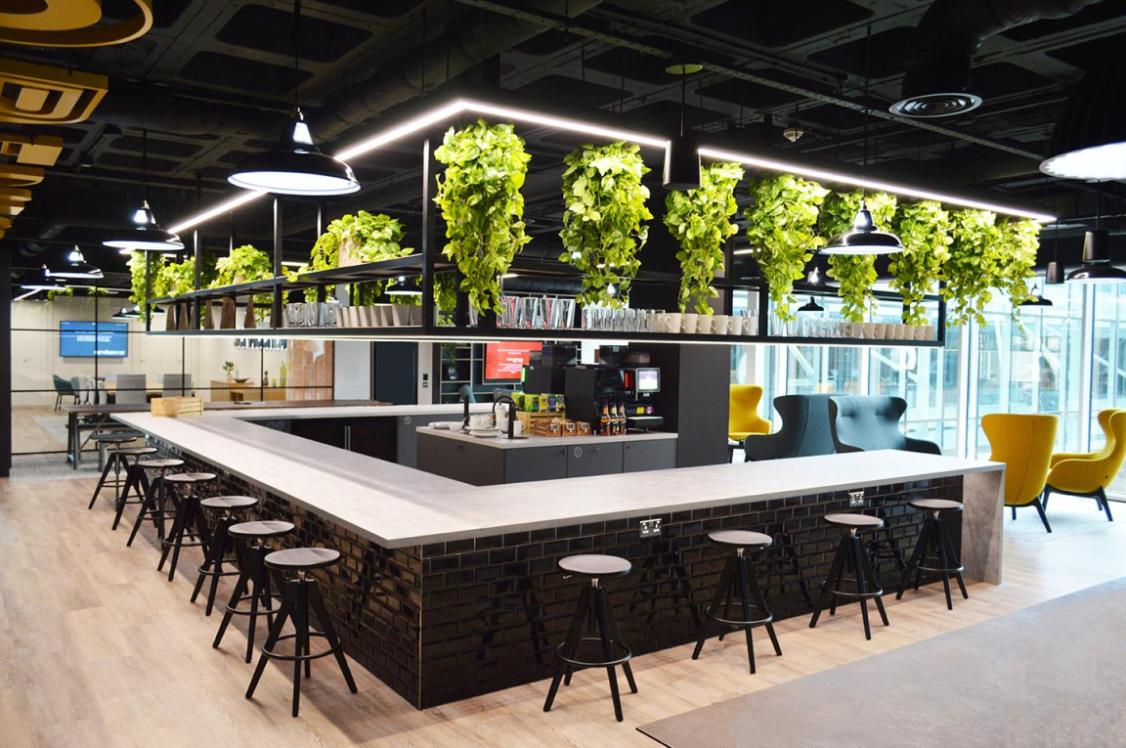
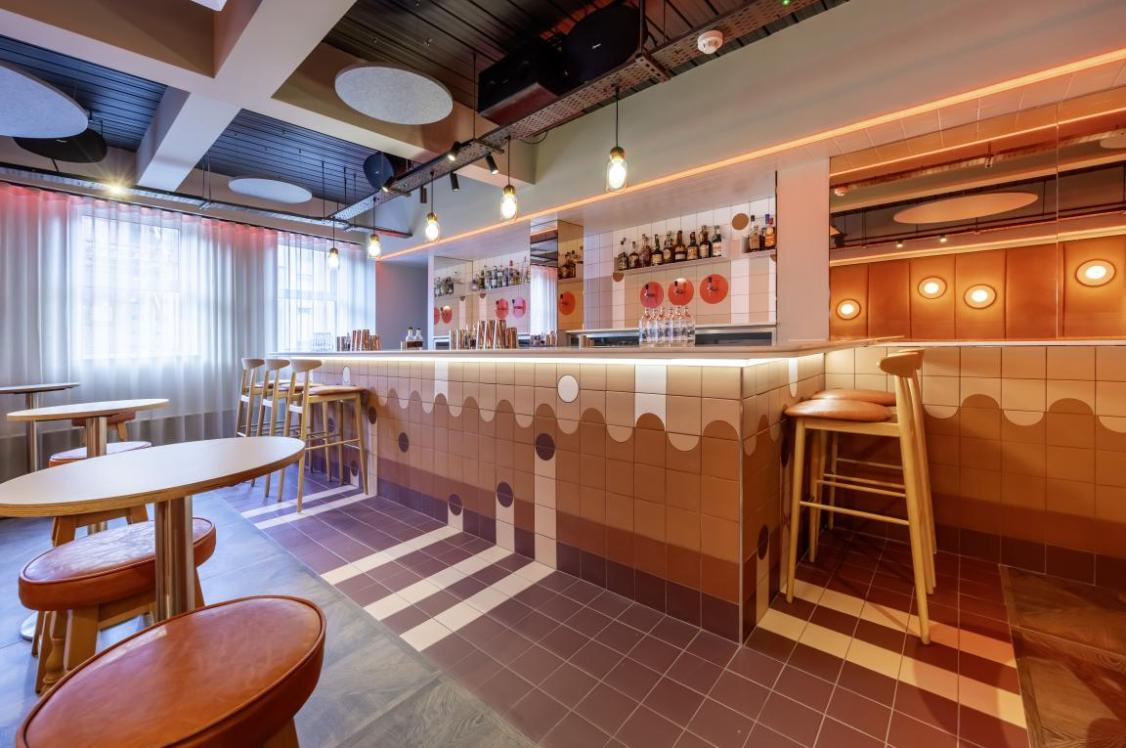
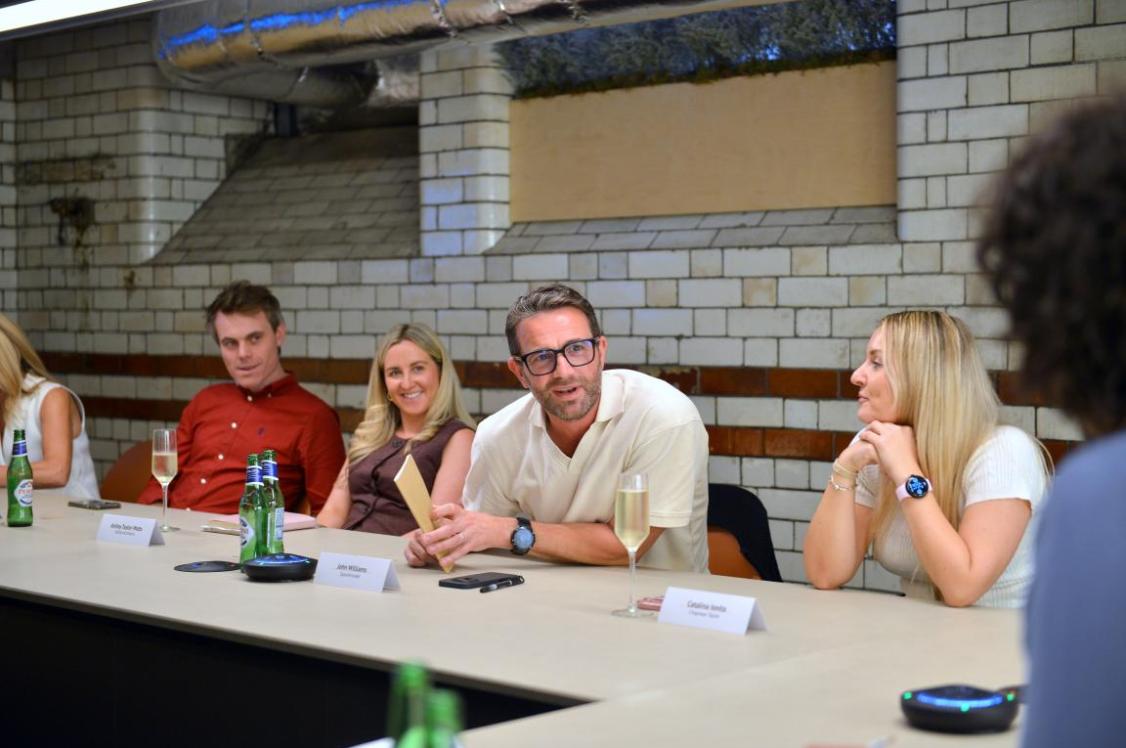
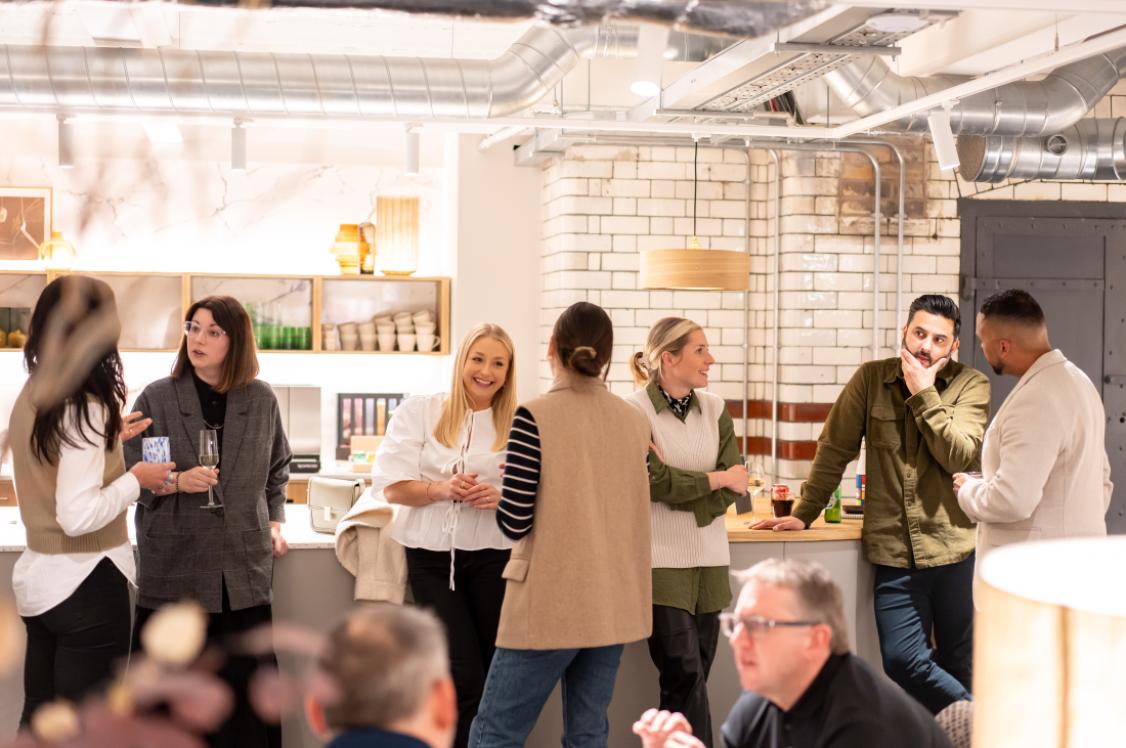
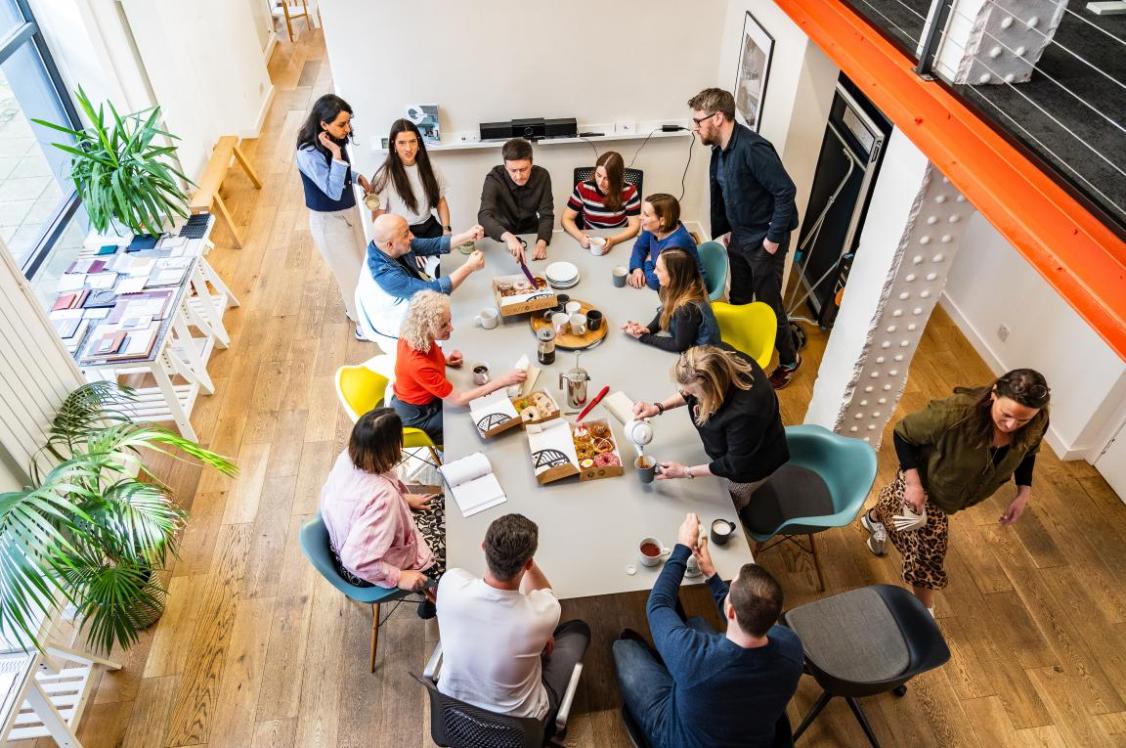
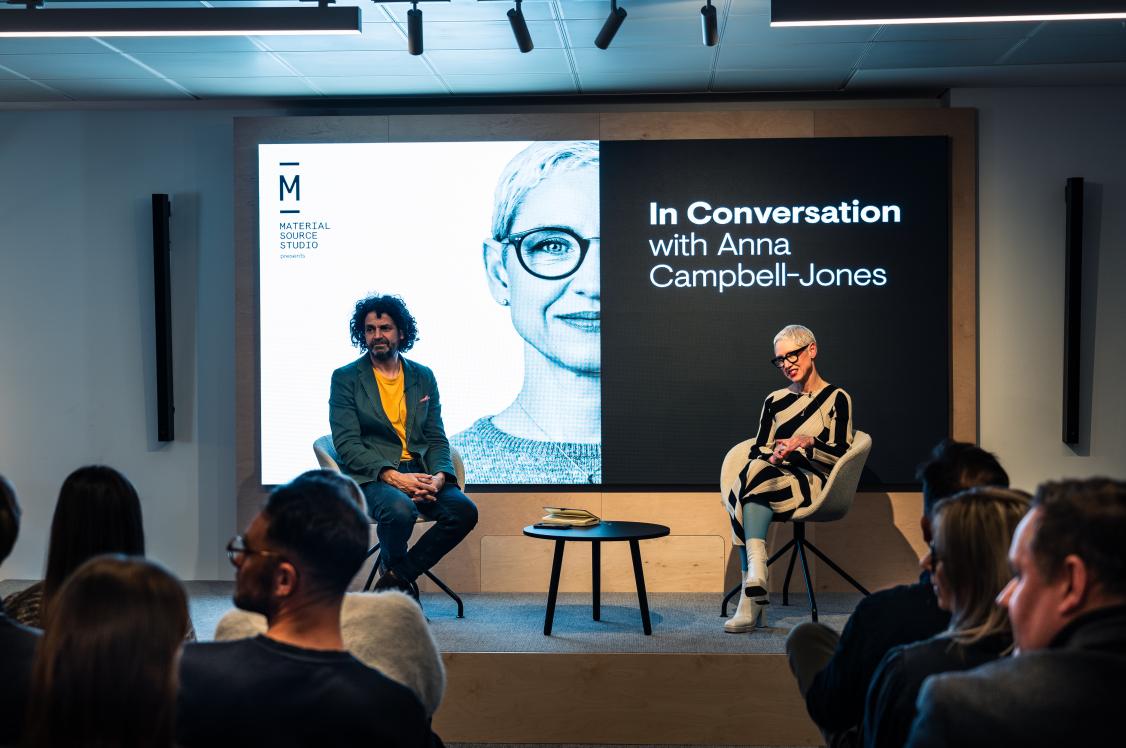
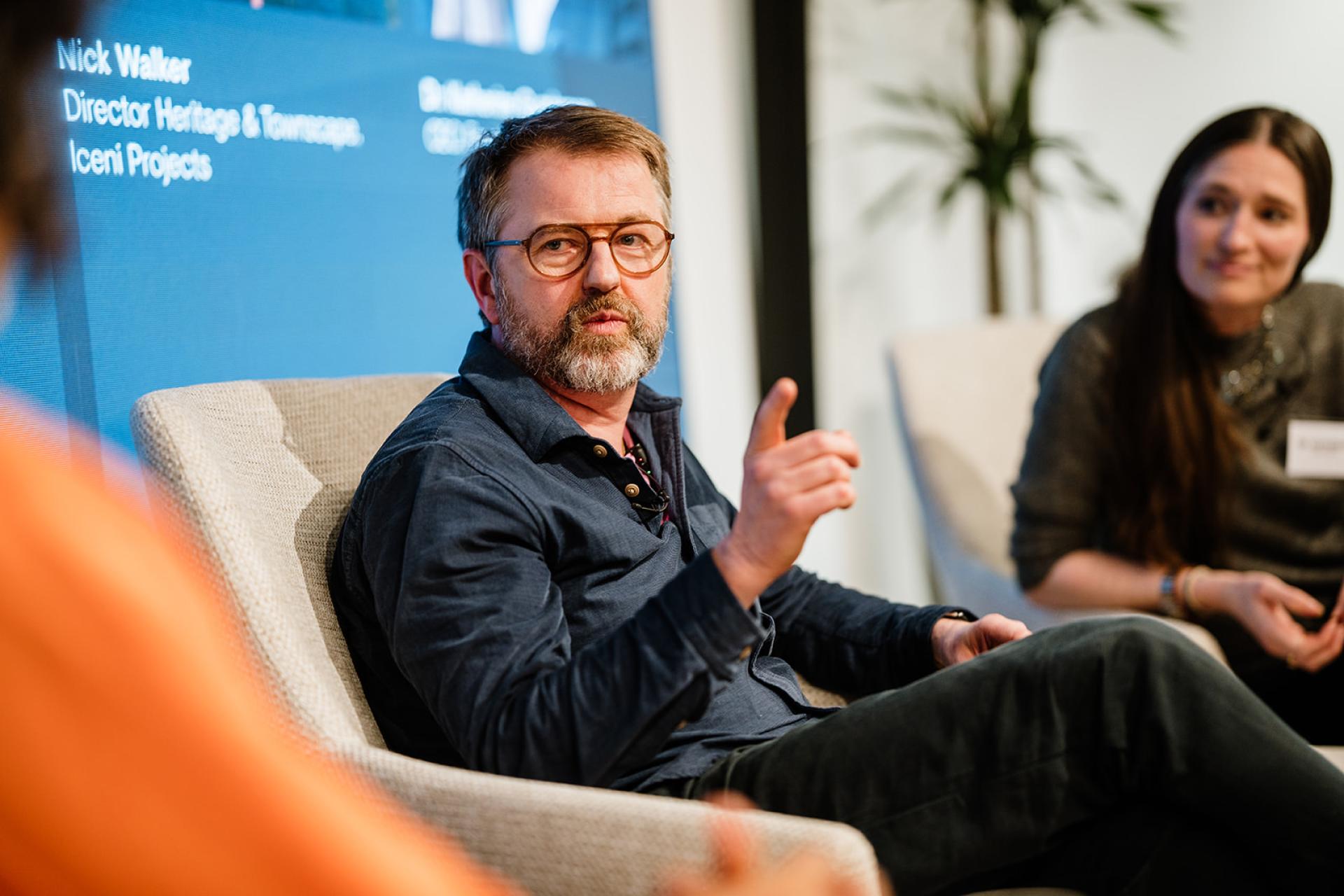
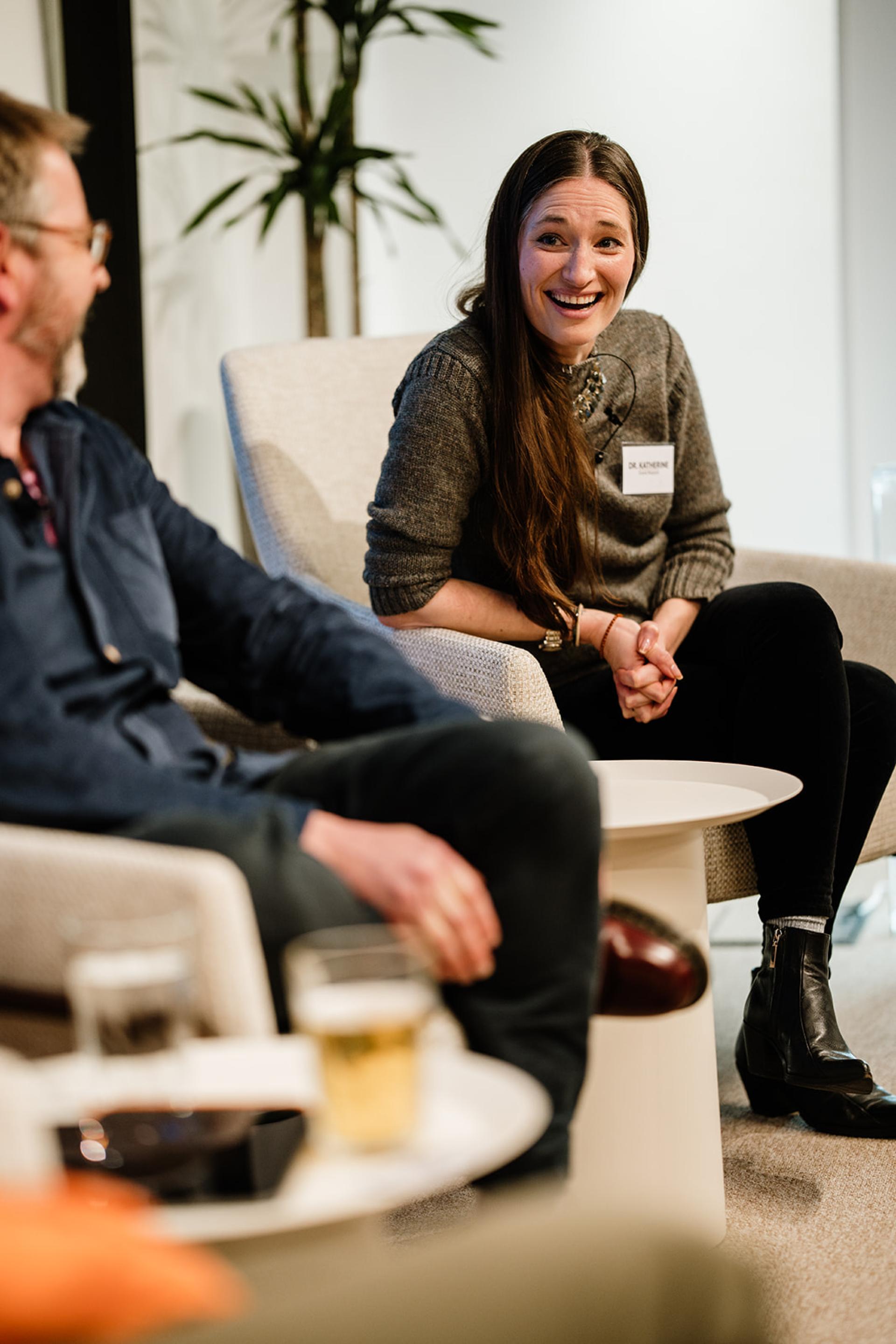
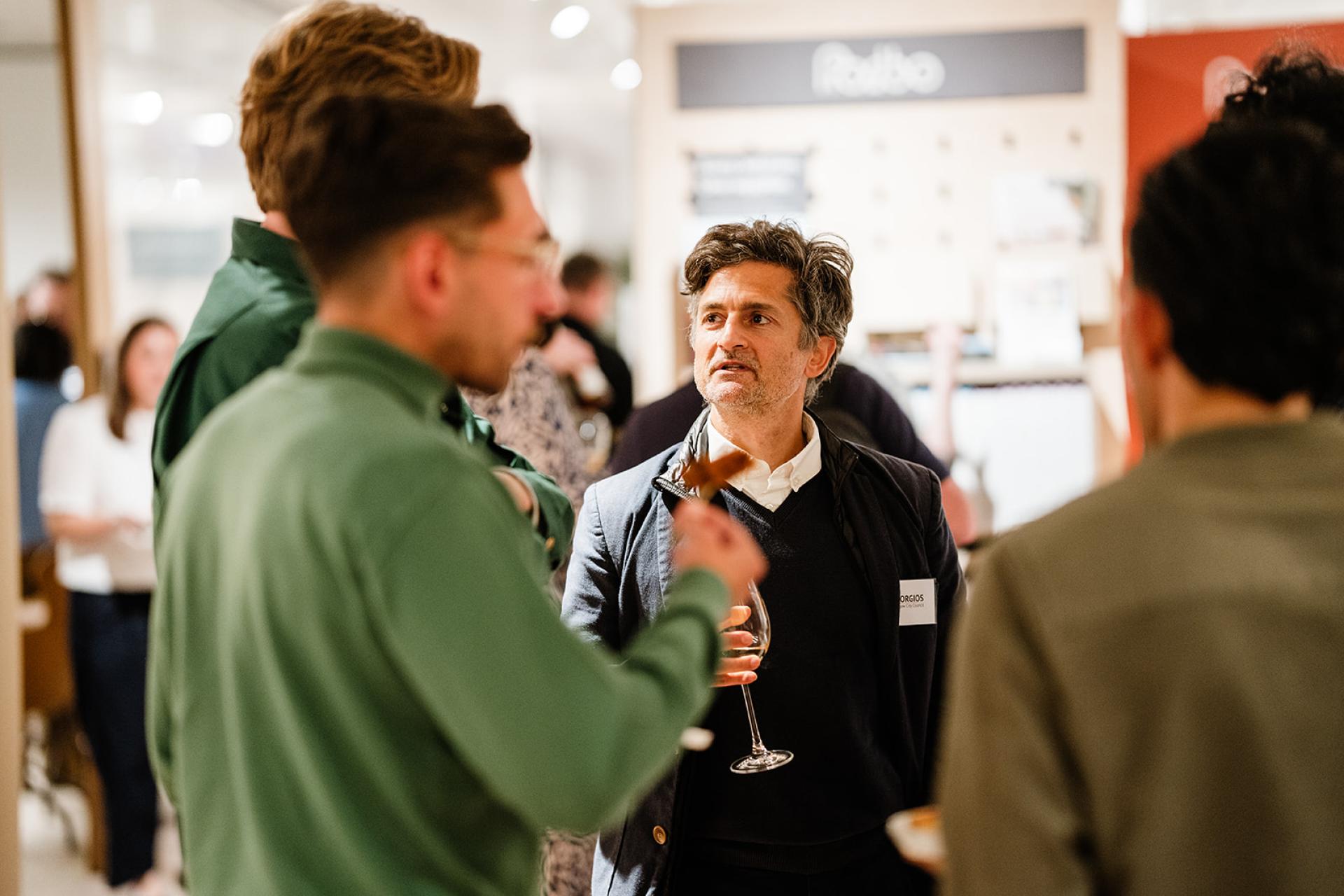
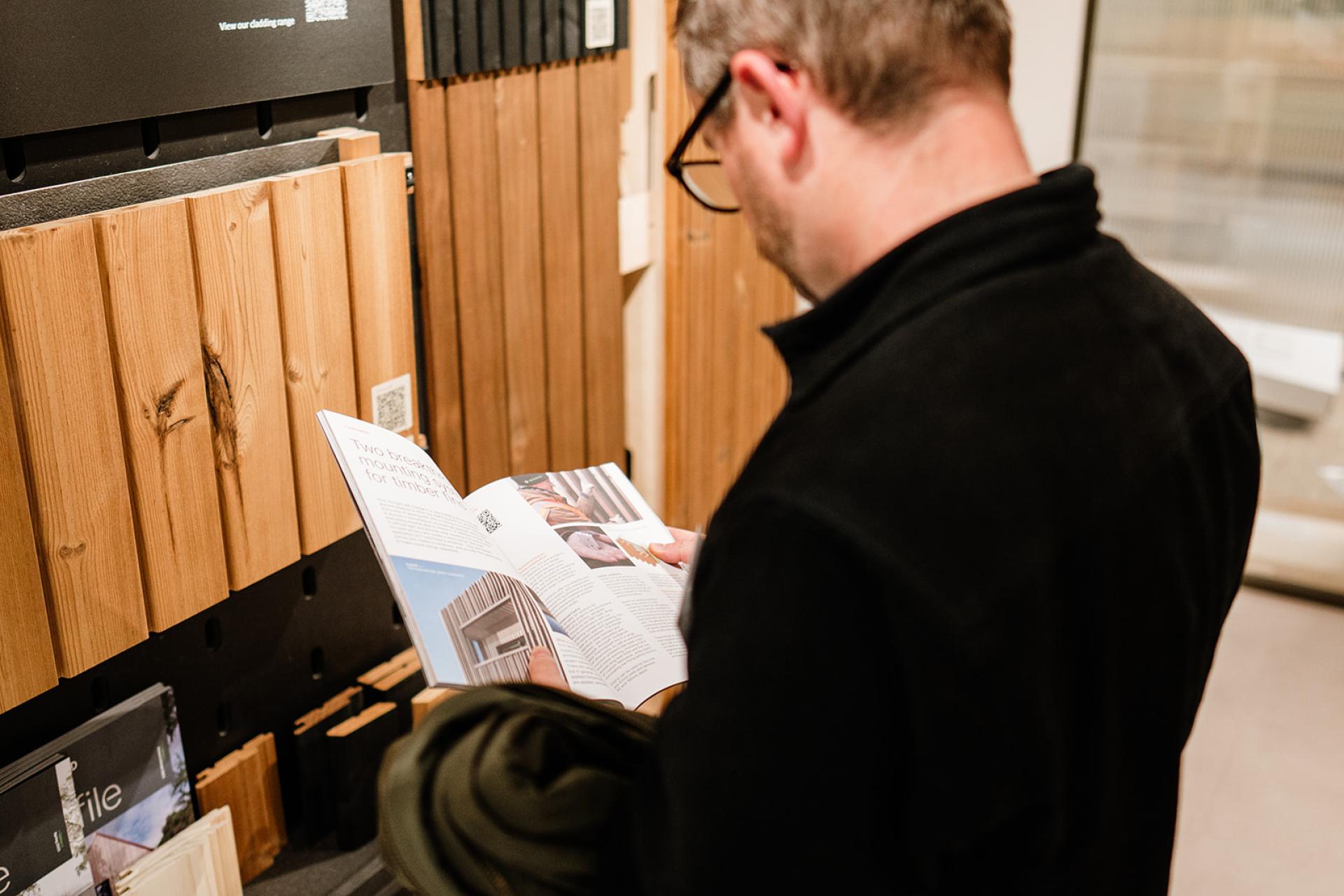
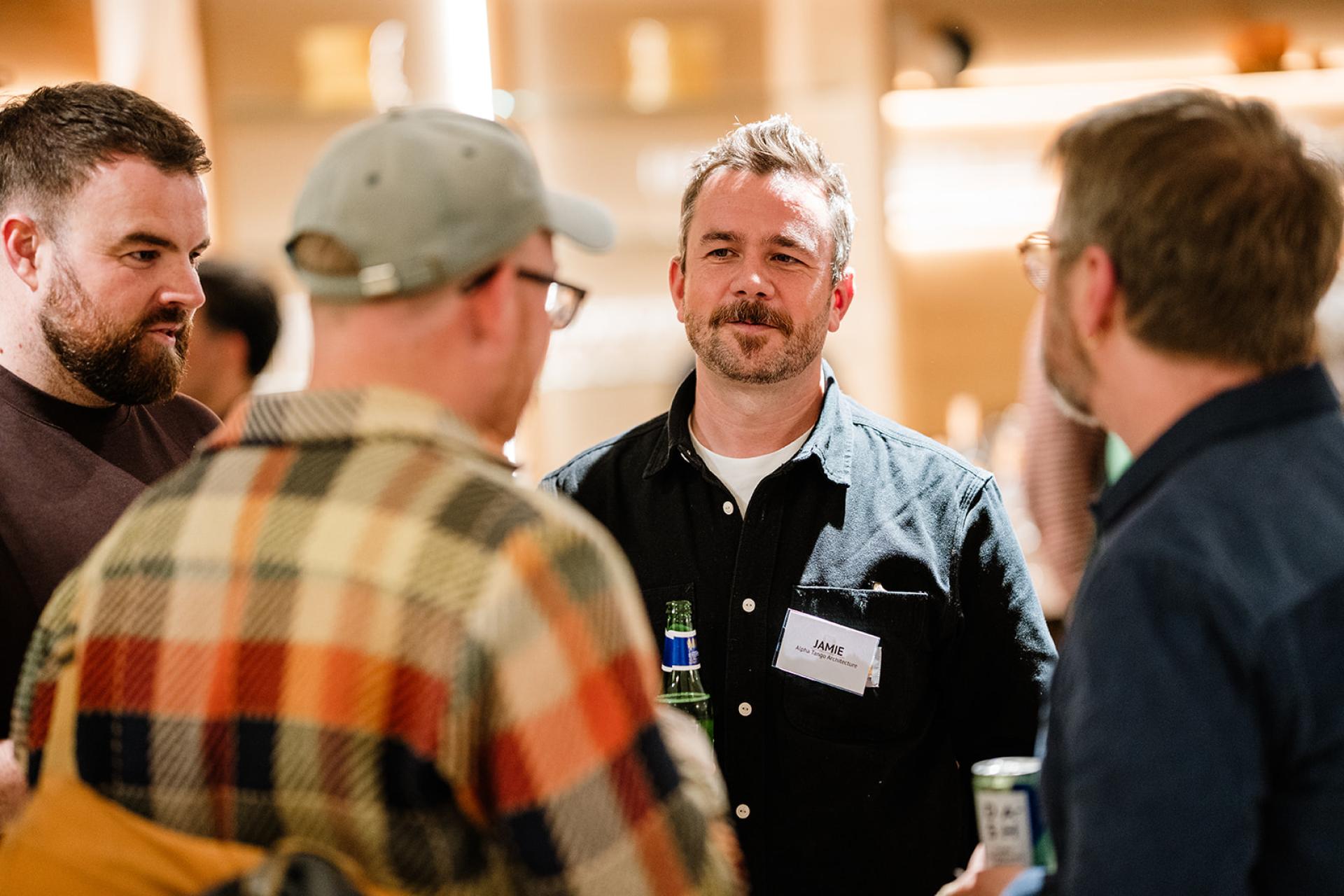
Dr Katherine Gunderson, CEO, Grand Bequest, and Nick Walker, Director, Built Heritage and Townscape, Iceni Projects, joined Host, Material Source Director, David Smalley in conversation - with the backdrop being our own newly refitted Glasgow Studio – where several key themes emerged.
[Side note, Grand Bequest incidentally won the Climate and Environmental Impact Award at the Scottish Financial Technology Awards in Edinburgh on the very night of our seminar.]
From embracing change and learning from others, to harnessing fintech, closing the viability gap, the potentials of public/private regeneration models, and a controversial take on VAT, the built environment community of Scotland was cited as being united in "wanting the same things", yet momentum has been slow to build.
In the article to follow we highlight the evening’s key talking points.
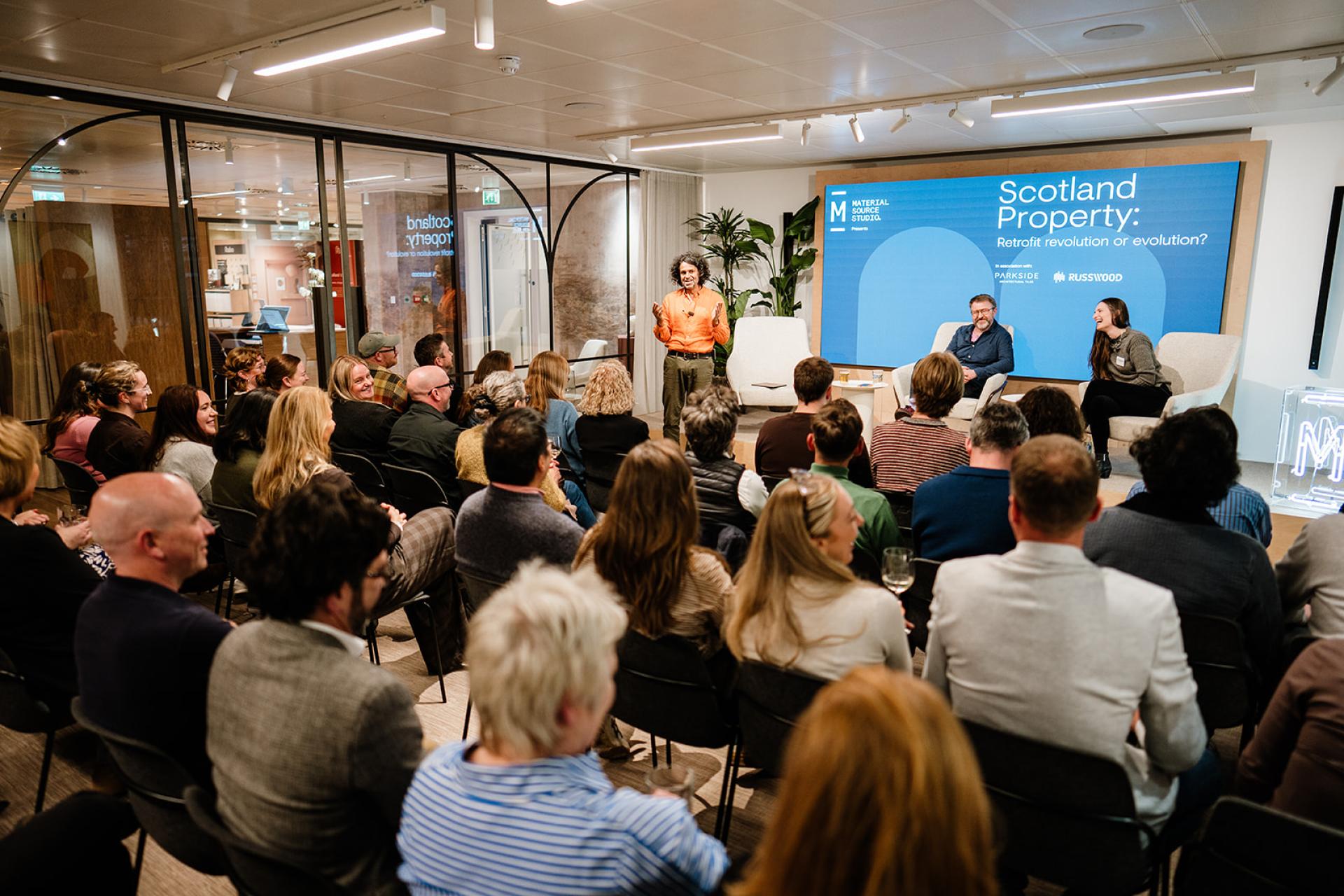
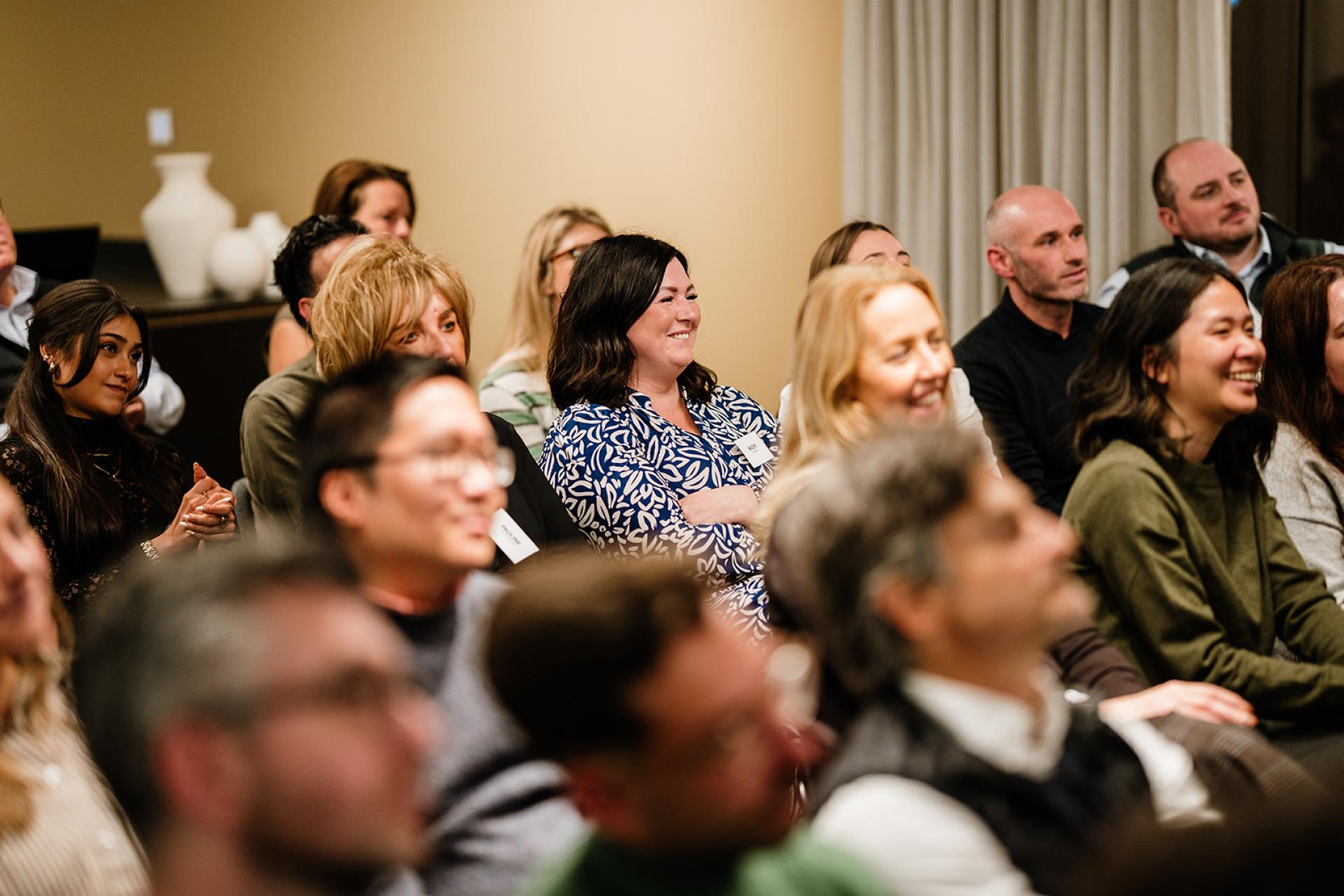
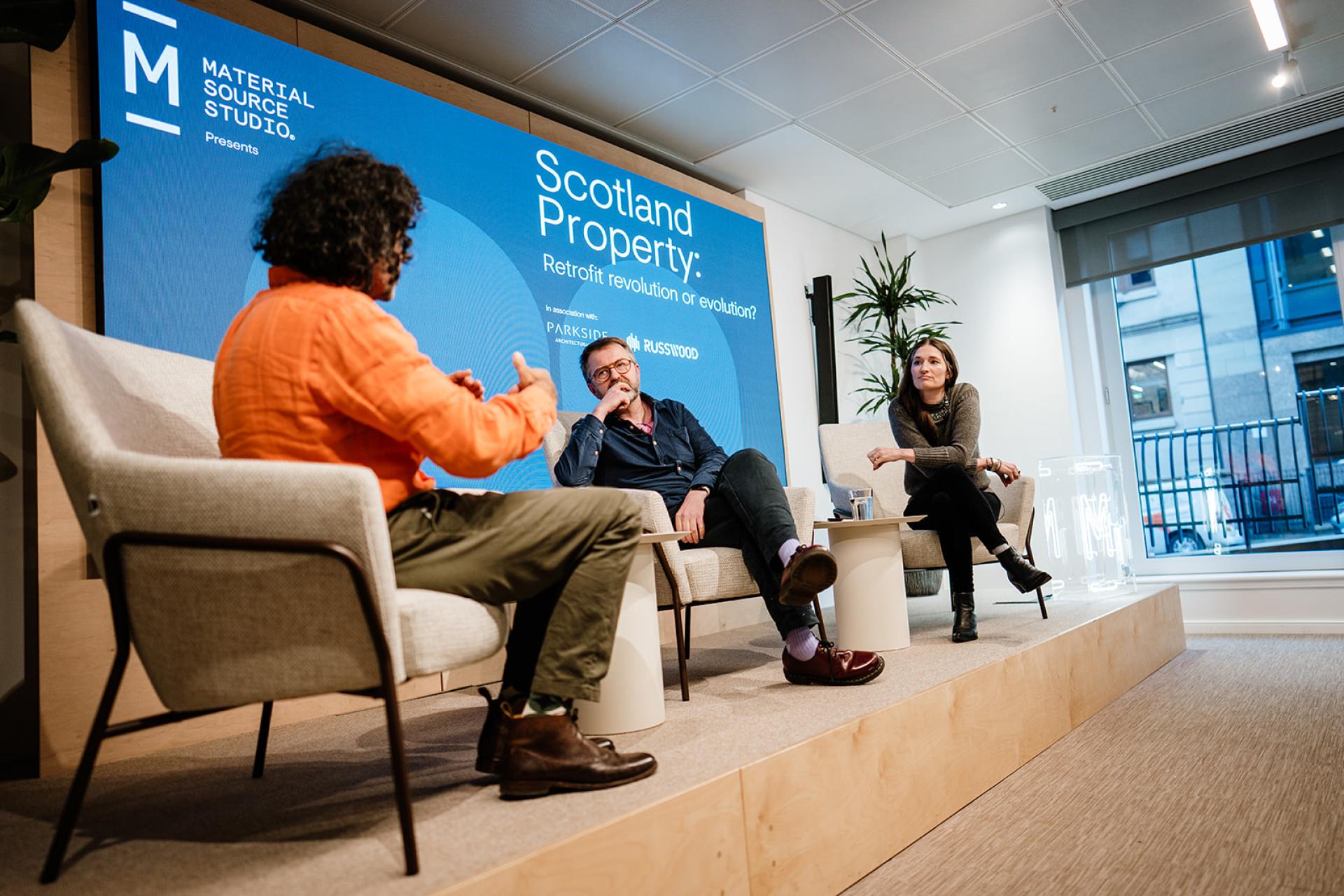
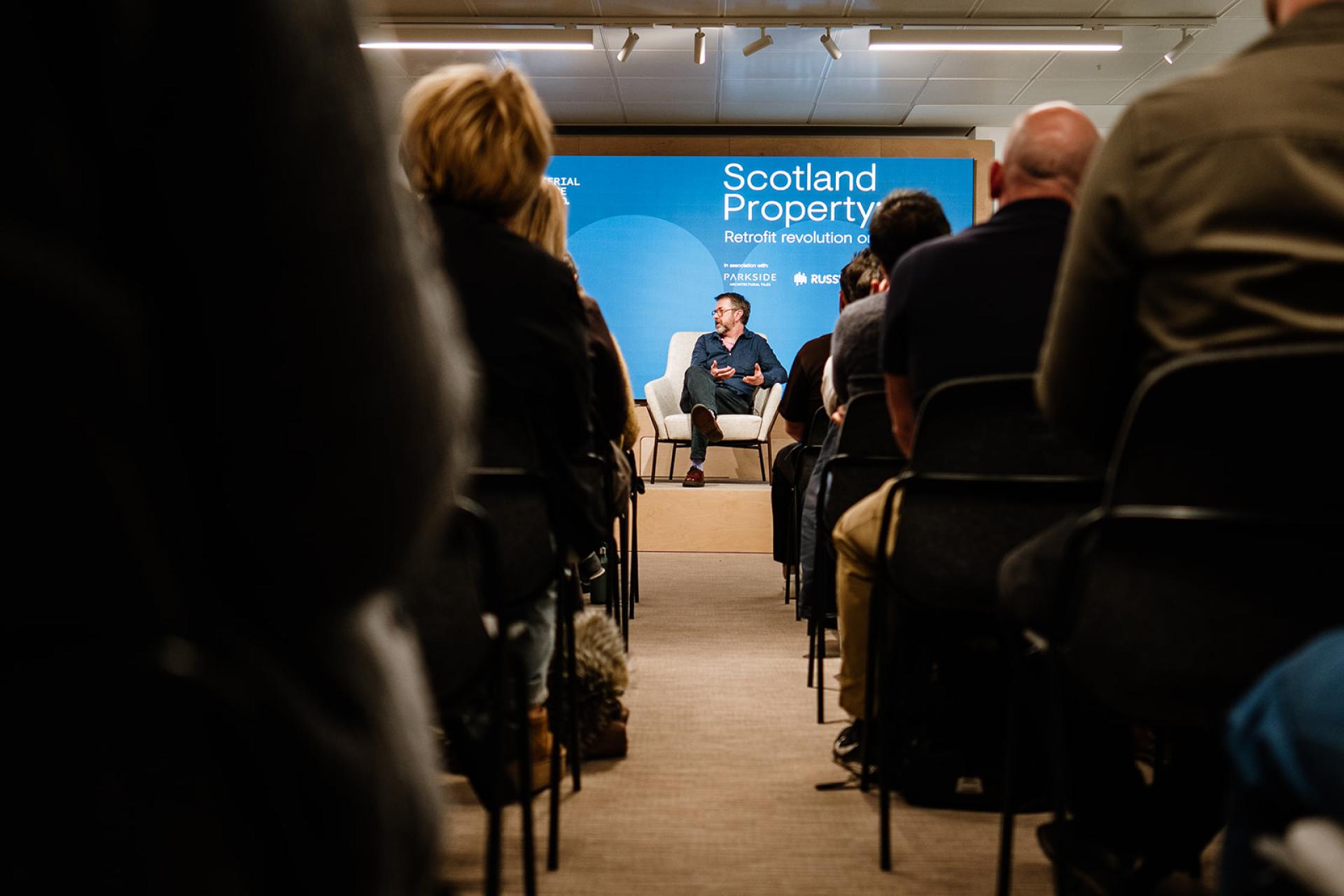
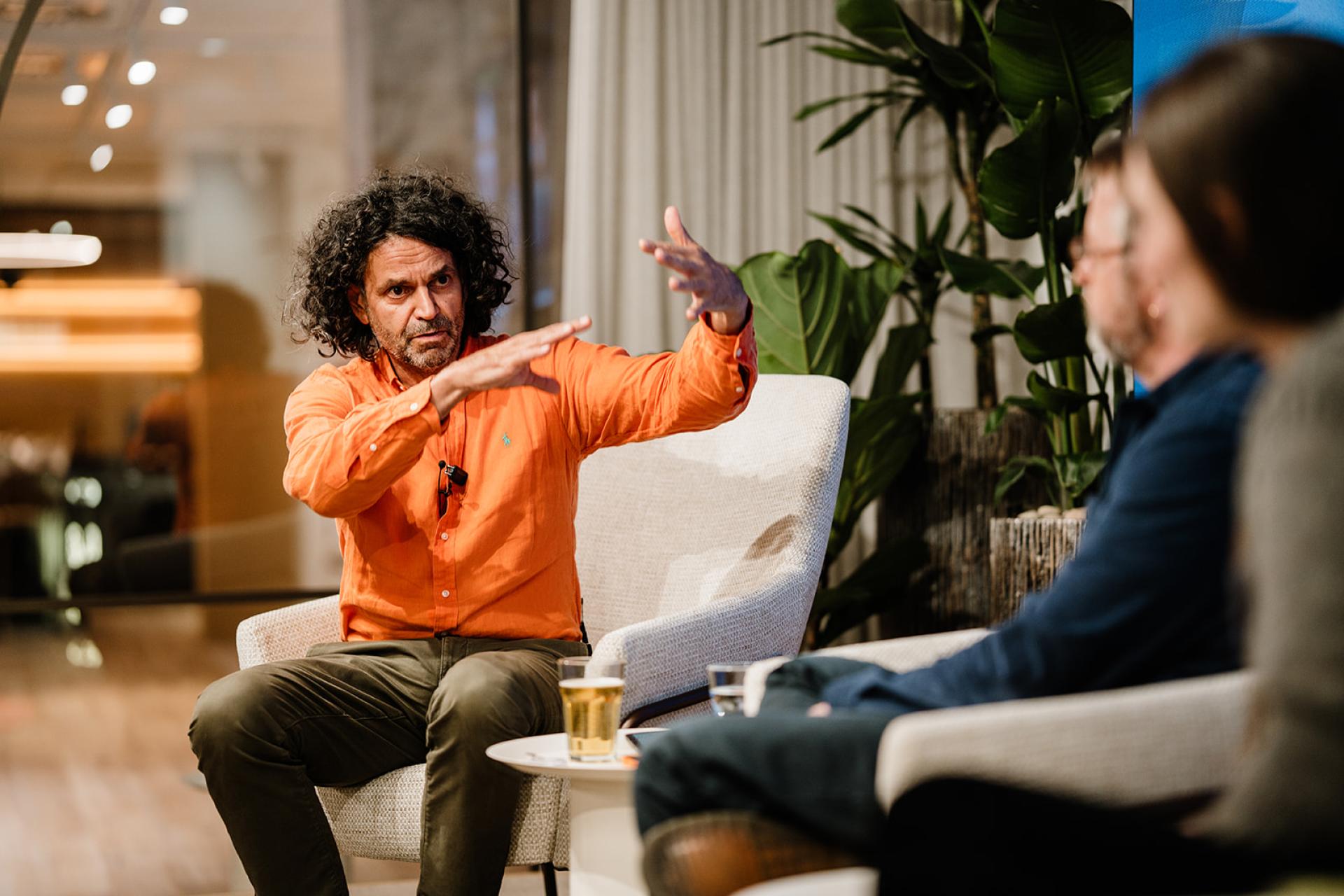
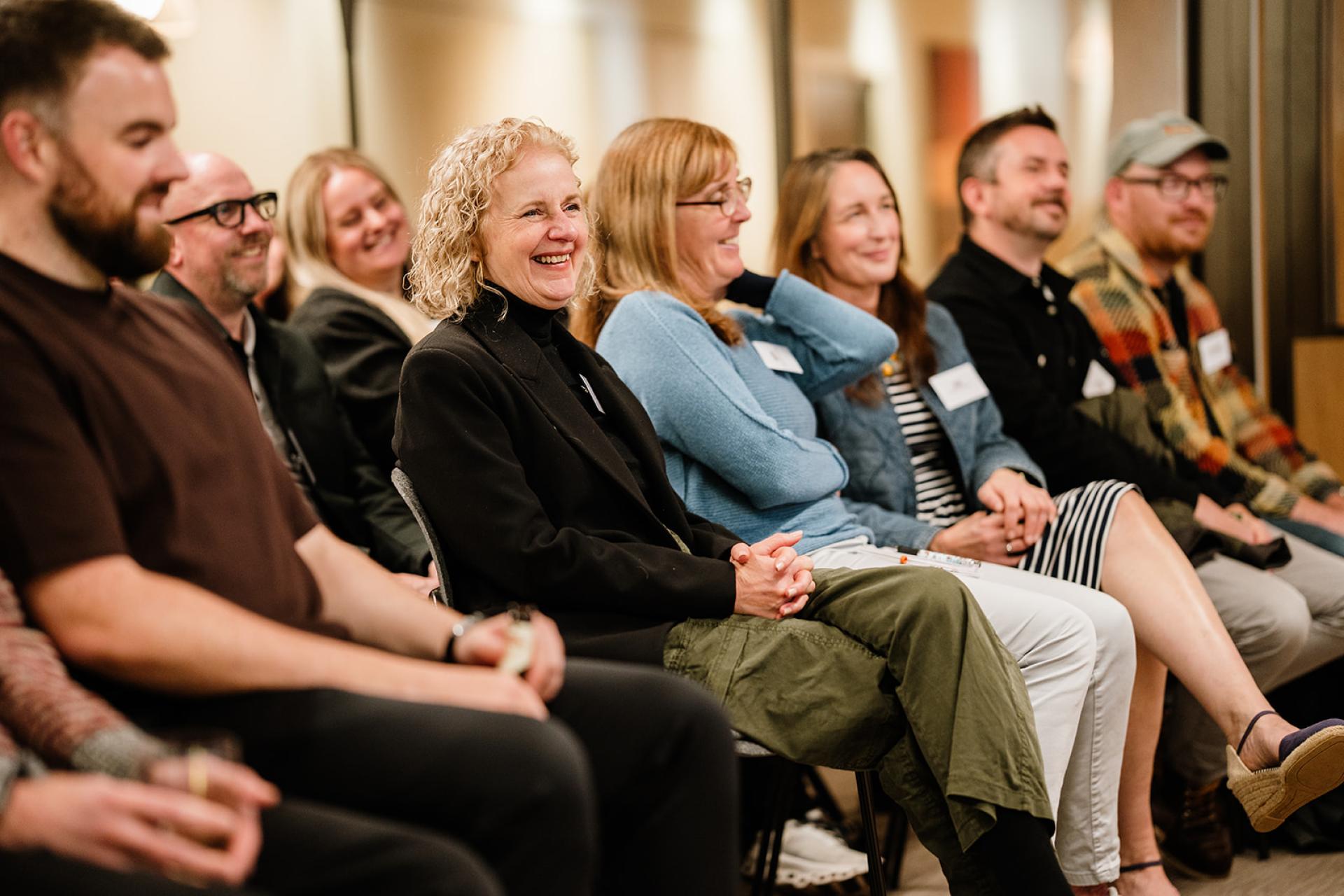
To kick-start the session, David asked, “Where is Glasgow in the grand scale of things?”
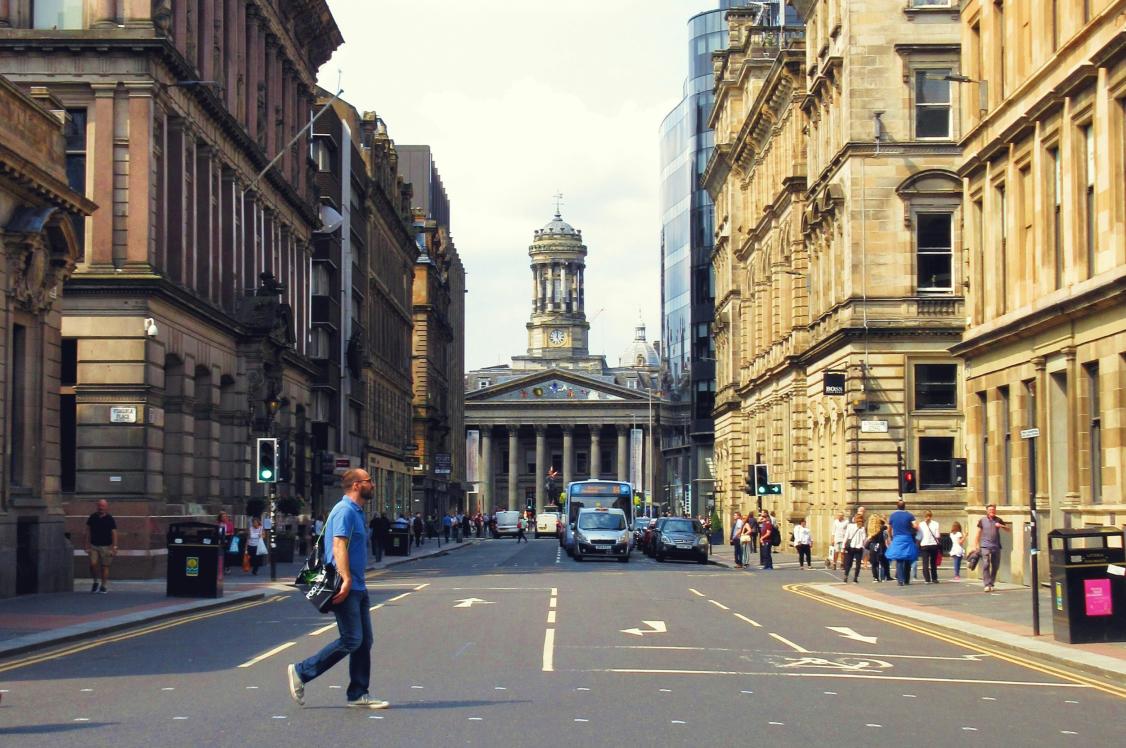
Nick Walker, a self-confessed, “adopted Glaswegian” having lived in the city for almost 40-years, responded first, “I think we’re very good at seeing what’s wrong, and not as good at seeing what’s right. We have an incredible townscape within which to work and an abundance of extraordinary buildings, and I do think we bat above our weight on the international stage. Glasgow - culturally, politically, historically, obviously in the past industrially - has got a real weight to it.”
Katherine Gunderson, a fellow “adopted Glaswegian” hailing from America originally, agreed, having just returned from a trade mission in Boston at Fintech Week. “One of the things we were discussing was this bridge that’s being built between Boston and Glasgow, and it’s building upon all the amazing momentum that the ‘Tartan Army’ did for us [during the 2026 World Cup]. This was a really fresh reminder of how many people around the world absolutely love Scotland.
“But,” she added, “we need to capitalise on that better, and I think that’s the opportunity that we have in front of us right now. The Tartan Army opened the door, and now we need to stand up and actually start asking for that inward energy. We have so much potential and so much high-quality opportunity that if we don’t start speaking that language [of fintech], nobody on the outside is going to be able to engage with us.”
“Is there a misalignment with perception and reality in that case?” David asked.
“100%,” Katherine agreed. “People always just imagine Braveheart and 'coos', you know? We really have this huge opportunity to show people that we do have an urban centre; we do have innovation - we have everything. It’s just nobody knows about it.”
The alignment of opportunity and investment is exactly what Katherine’s business is based on. Grand Bequest was developed to “get empty buildings back into use.” Something that “shouldn’t be so challenging” Katherine commented. “But all of you in the room probably know how difficult that broken system really is…” she suggested, adding, “We can’t keep doing handshakes and phone calls. We really have to start pushing into some of the new innovations that are coming out.” Less procrastination, more action.
“What’s changed in Glasgow that makes you more optimistic about retrofit today?” enquired David.
“Well, for a start, retrofit’s not a new thing,” Nick said. “We’ve retrofitted buildings since the dawn of time. I think - and Isla Jackson at Civic made this point last year - we’re just in a bubble. We’re coming out of a modernist bubble where, post-war, everything was about starting again. So, in many ways, in terms of what we’re doing now, we’re relearning from the past. A part of this is challenging some of the systems that are there for various reasons but that aren’t all joined up together.”
Applying this to current examples, Nick commented, “We all hear stories of buildings in the city centre that would be great for turning into a mix use hotel, co-living and residential, but the systems in place don't allow you to do so.
“It’s similar if you want to turn an office building into residential: if you can’t get the bins in and you can’t find cycle storage, then it’s not happening.
“I think people are starting to understand that these systems need to change. They’re being more proactive.”
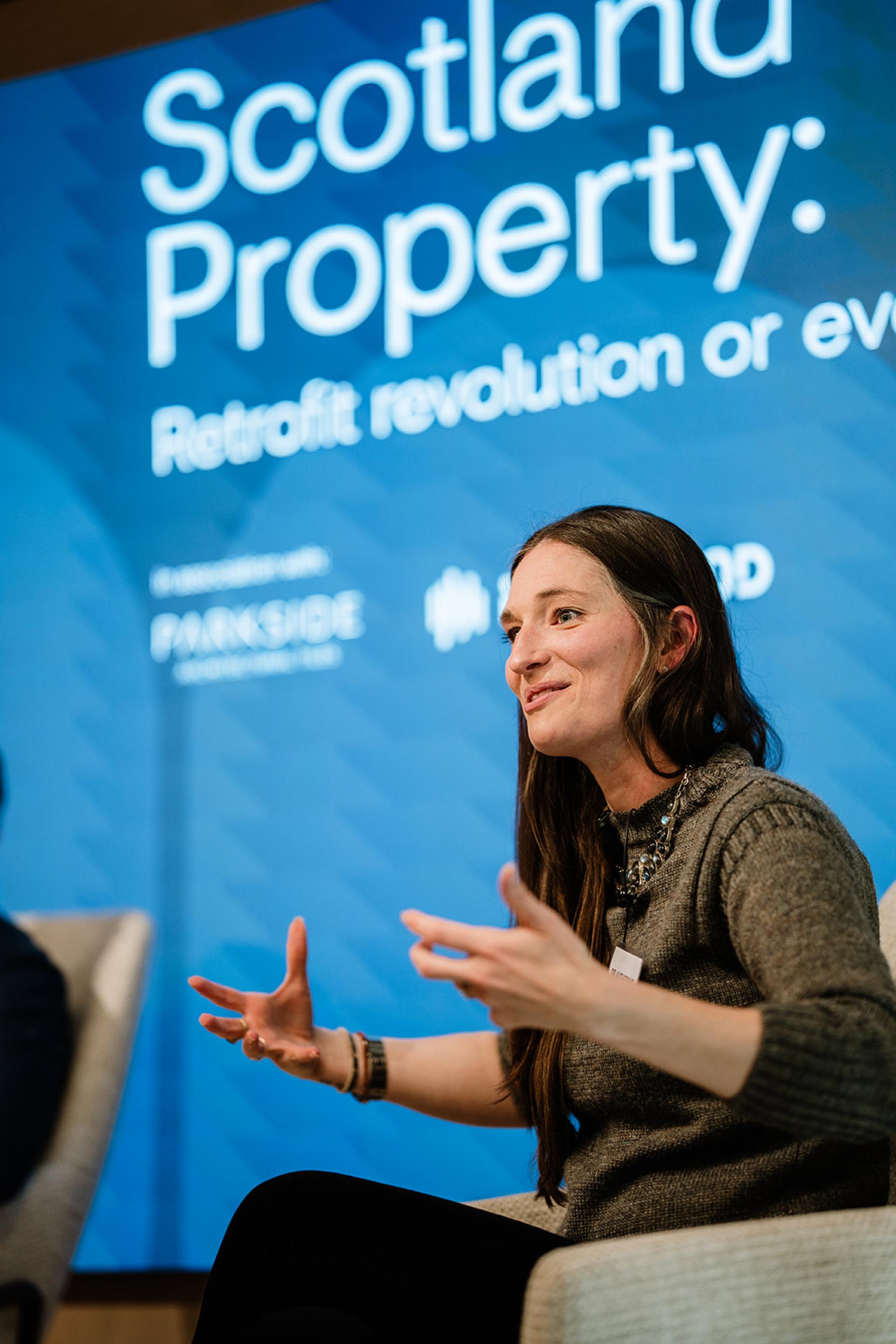
Simultaneously, Nick believes there’s a “groundswell of understanding that our cultural built heritage is really important.” That’s not to suggest that everything needs to be kept, he pointed out. "It's about being more careful about understanding what we have, before we look to get rid of it!"
"There’s no doubt there’s a viability issue, but we’ve got to find other ways around it.” – Dr Katherine Gunderson
Katherine shared that, in Boston, there is an appointed professional working just on facilitating the repurposing of buildings as part of the “Office to Resi Conversion Program.”
“The developers and all the people in the city wanted it to happen, so the biggest solution was just to pull all the different representatives together in one meeting, and it moves it forward that way. It’s such a simple thing,” Katherine commented.
The key thing here is that there is funding for this, Katherine added. “The biggest change from a finance standpoint was they had to build a tax abatement programme. It allowed them to address those viability challenges by unique ways of looking at taxation, tax credits, all these different tools that government has at their disposal.”
Is this something that could be replicated here?
“For some reason, we’re really scared to innovate and try to play with those mechanisms,” Katherine said. “And that’s where I come in and say, ‘Guys, this isn’t crazy ideas in pubs. This is real world. It’s already up and running. So why can’t we?’”
“How successful has it been?” David asked.
“Very successful, actually,” Katherine replied. “They explained that when this started, 4-years ago, they had over 700 buildings within the city centre. They’ve gotten it down to about sixty percent that are already back into use.”
Mind the viability gap
Nick brought up a Retrofit Breakfast event held by Iceni in London. He described it being interesting to hear from developers in London talking about how in Bloomsbury it’s great because you can get £200 a square foot. But in other parts of London, it’s more tricky because it’s close to £100 a square foot. “In Glasgow, we’re jumping up and down if we get £50 a square foot for office space!” he said, of the ever-prevalent viability gap. “It is an issue,” he echoed of Katherine’s earlier point, “but we’ve got to find ways around it.”
VAT was illustrated as another pressing matter by Nick, “Everyone knows about the issues with VAT, and the fact that there is a punitive VAT system that favours new building over retrofit and reuse, with 20% VAT applied to retrofit projects, and zero % applied to new build projects."
“And you think VAT is a bit of a red herring?” queried David.
“Where I grew up in Belgium, I do know that they changed the system. It’s 6% on retrofit and 21% on new builds,” Nick said. “So what’s happened as a result of that is that everybody is retrofitting. It’s a complete no-brainer. You can see it if you look at my LinkedIn page! I have posted loads about retrofit in Brussels, with lots of photos of exciting projects!"
“But I don’t think we’re ever going to get there,” Katherine stated. “Genuinely, I don’t think the UK is ready for that. I don’t think we’re going to politically get it. It’s such a simple change. Though I’m very interested in action. I want solutions that can actually move forward.
“In Scotland, we’re really good at talking about ideas,” Katherine added, “We’re really good at talking about how good the future would be only if we did these things, and then we go back to our lives.
“I know in the ’90s we tried to push for 5% VAT across the board. That didn’t even get through. So now my opinion is: we’re probably not going to get the UK government to approve some kind of tax revenue reduction. But what we could be doing, what we should be fighting for, is: the money might be taken, but we should be able to allocate where it goes. We’re missing the funding structure where that circular capital can come back.
“Maybe we’re not going to get through the tax legislation, but we should be able to allocate. That might be an easier way for us to come together,” she suggested.
“But we can do both at the same time - fight the battles, but in phases?” Nick challenged.
Councillor Ruairi Kelly (City Convener for Housing, Development, Built Heritage and Land Use, Depute Leader of the Council) was cited as a positive force for change by both Katherine and Nick, “because of what his role is in terms of housing and heritage and land”, "I do think he has a more proactive stance in relation to retrofit," said Nick.
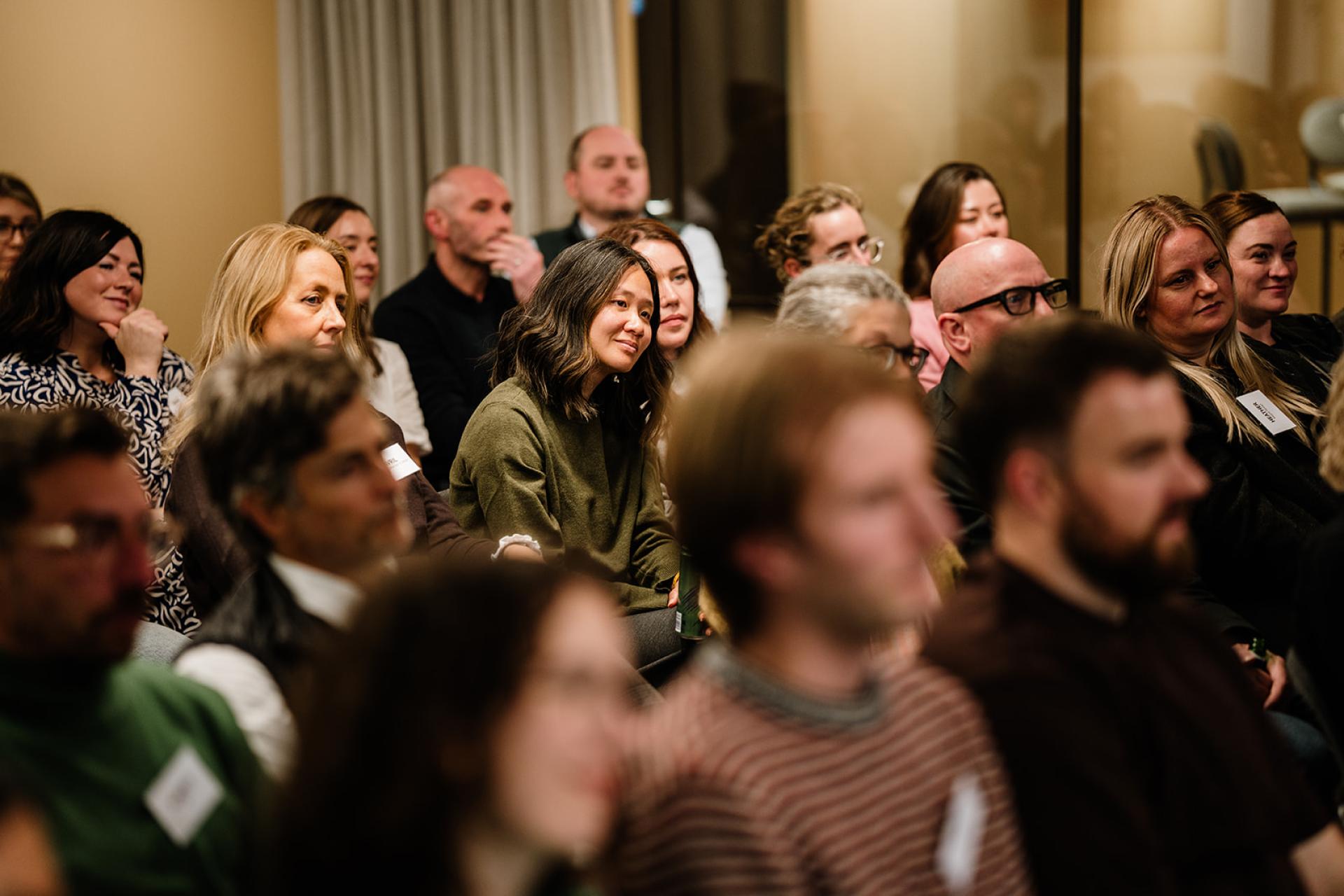
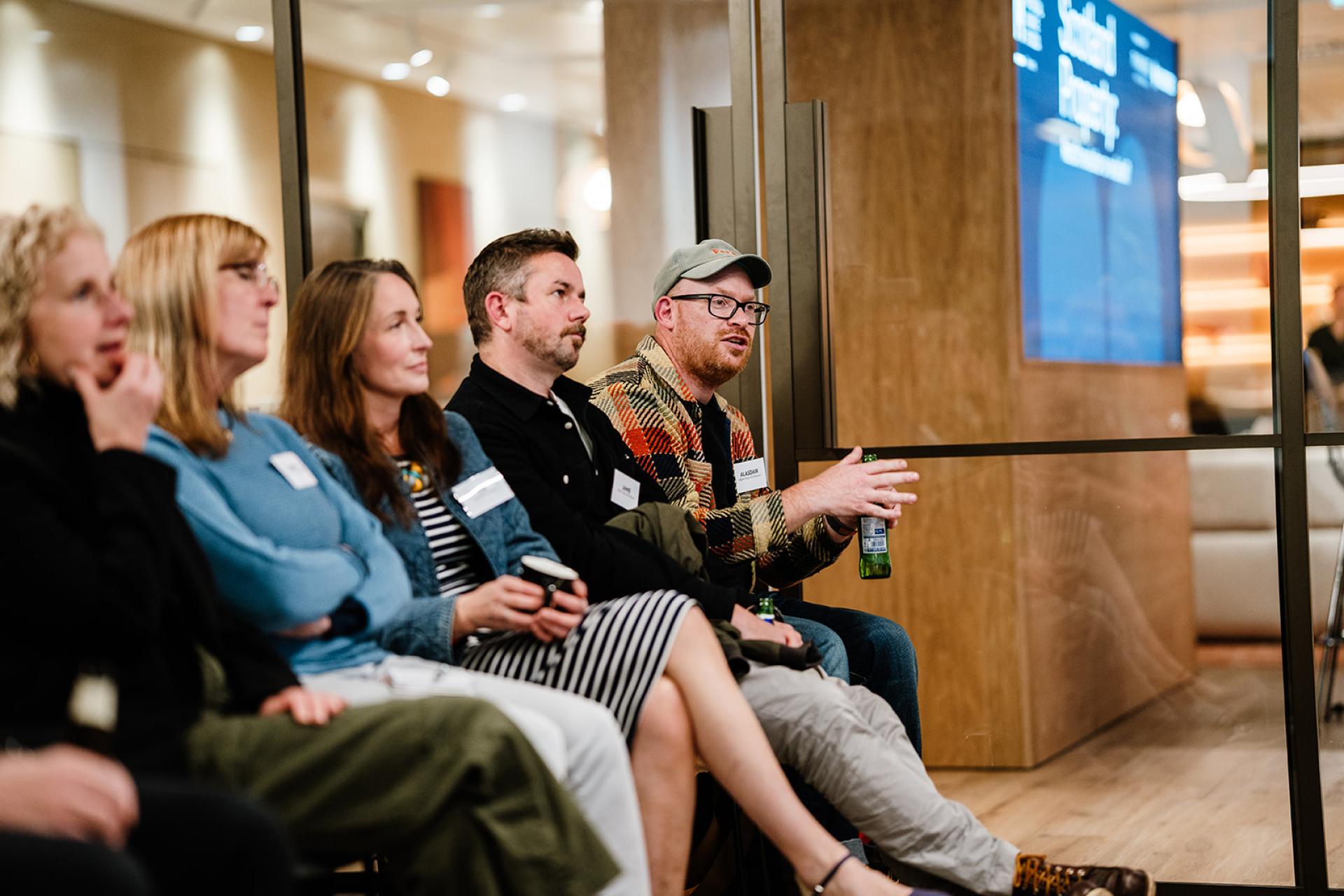
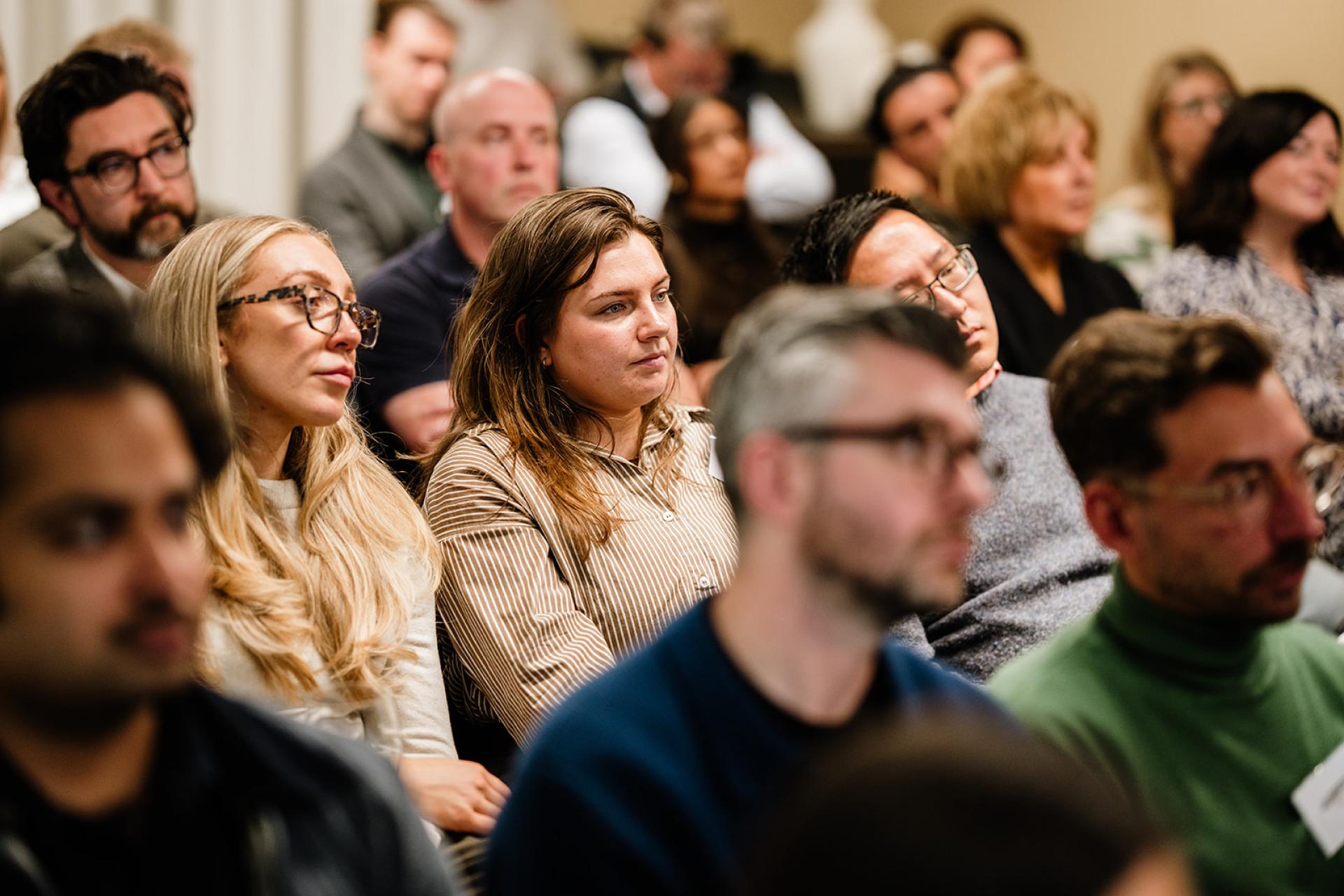

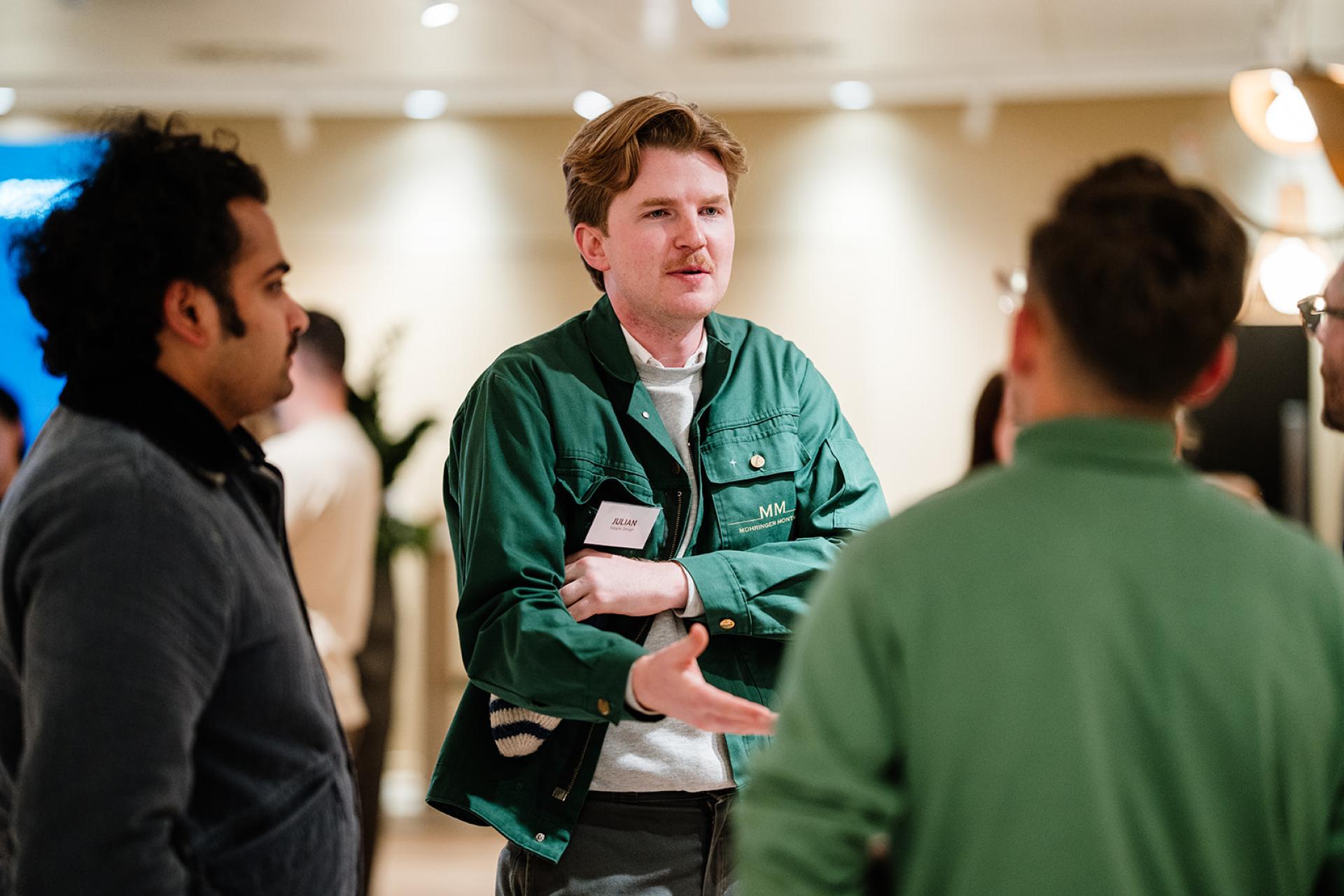
Similarly, the Council is exploring the potential of the Impact Fund, where feasibility studies are being done “right now” on brownfield sites - some in the urban core – in a suggested attempt to mimic Manchester’s pension capital exchange programme.
“Manchester was so successful because it was a partnership between large pensions and the city itself. That’s where, again, Glasgow and Scotland - we always fall right at the finish line. We want the same things. Everybody agrees. But the infrastructure, the ability for us to actually build these new mechanisms and actually back the pensions and do all the things we need to do - we don’t seem to have that political power yet,” Katherine commented.
Though change is afoot, it remained to be agreed, and now with the leadership of Kelly, in addition to the Impact Fund and new legislation, the Reserved Investor Fund (RIF), “we can start finally addressing a lot of the issues that large-scale capital has in landing in Scotland - all of the little mechanisms that make us unattractive to the investment market are finally getting fixed,” Katherine said.
“I think the other thing that helps is learning from examples,” Nick commented, building on his point about referring to the past. “There are a lot of really interesting retrofits starting to pop up across the city - some quieter, some more visible. And that’s not just retrofitting listed buildings; it’s looking at more bog-standard offices.”
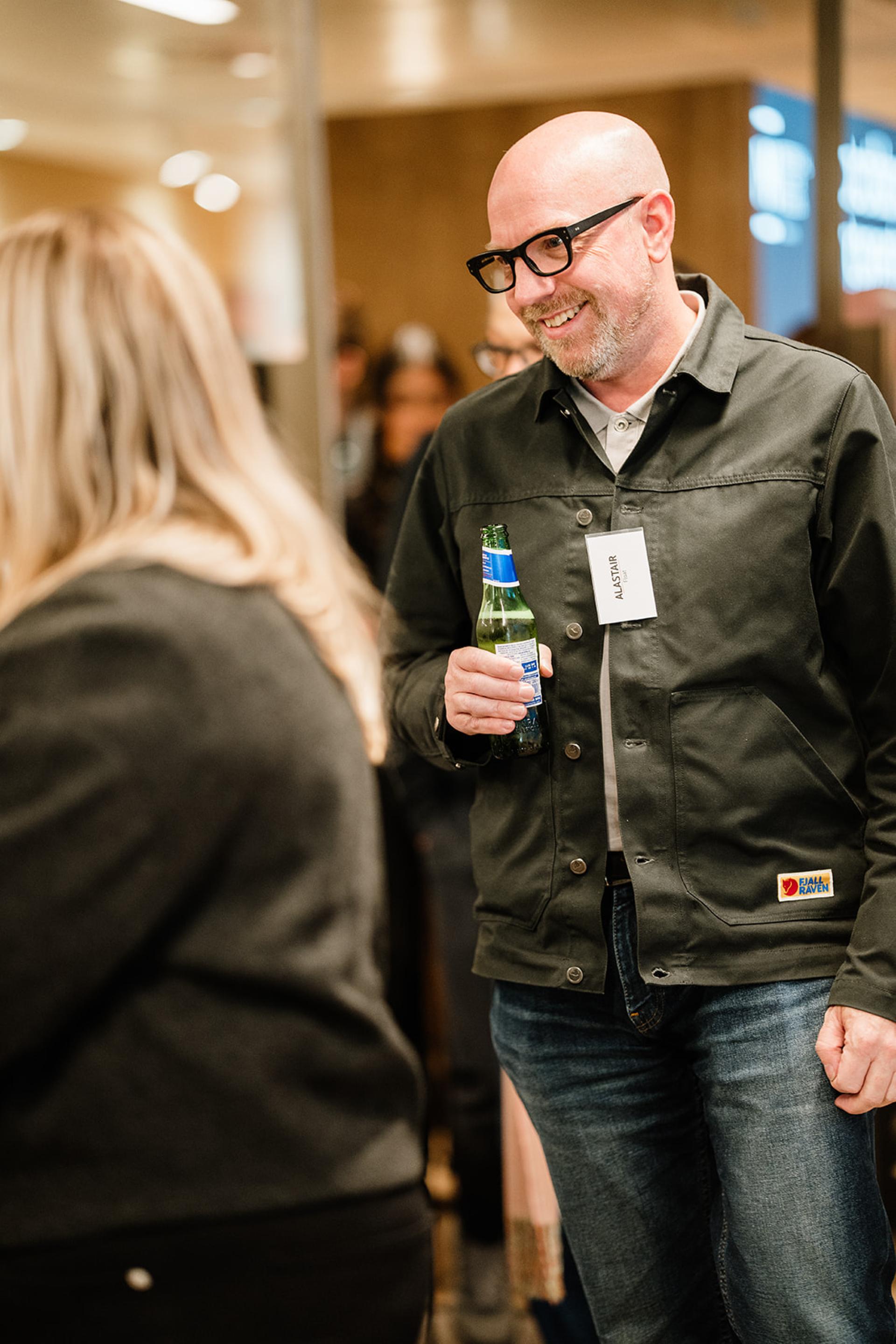
A question was asked by Alastair Miller, Director, FLOAT Architectural Visualisation, in the audience, “Talking about Glasgow, I see there’s a difference between Glasgow and Edinburgh. Big difference. In part due to funding and investment. I’ve been fortunate to work on projects in both cities. Edinburgh: much easier. There’s attraction there, it’s the capital city. Glasgow: it’s still there, but it attracts a different type of investor, I think. Any thoughts on that?”
“I think you’re making an amazing point in the fact that Edinburgh has the Harry Potter effect, right?” Katherine responded, “It’s got a reputation of students and tourists, so it will attract a very specific type of investment.
“Where Glasgow has an unbelievable opportunity - but again, we aren’t stepping up and owning it yet - is to lead Scotland into the regeneration revolution. That’s why I started Grand Bequest here: because if we get Glasgow demonstrating that you can deliver social housing, you can fix the viability gap, you can work at national level, you can do all these things within the urban core, then all the other solutions come together.”
The difference, Nick said, is that Glasgow is “a post-industrial city, whereas Edinburgh isn't, it's the City of Enlightenment. The pressure on land in Edinburgh is completely different. There are plenty of brownfield sites in Glasgow. In Edinburgh, there's nothing available. You have to work with existing buildings."
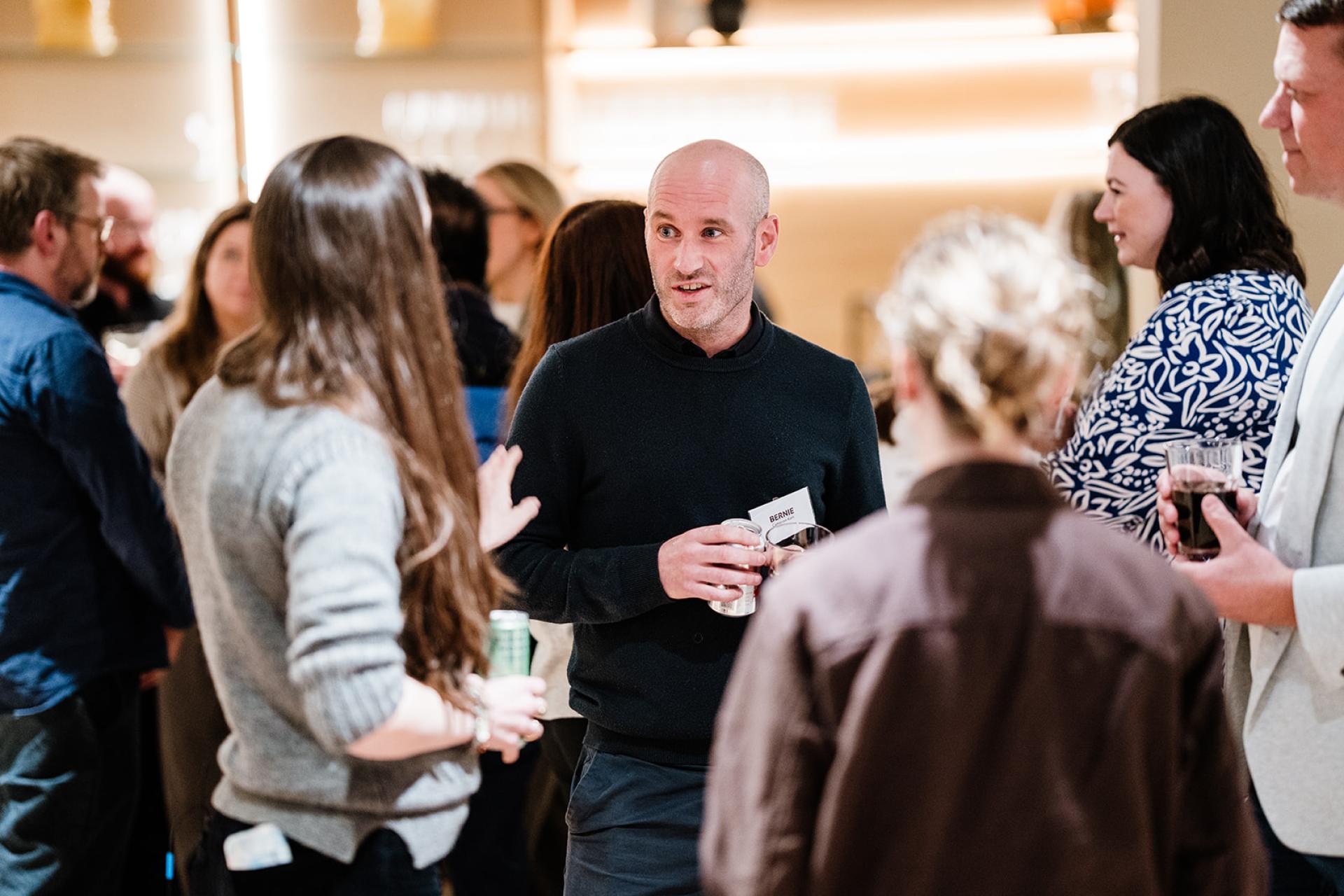
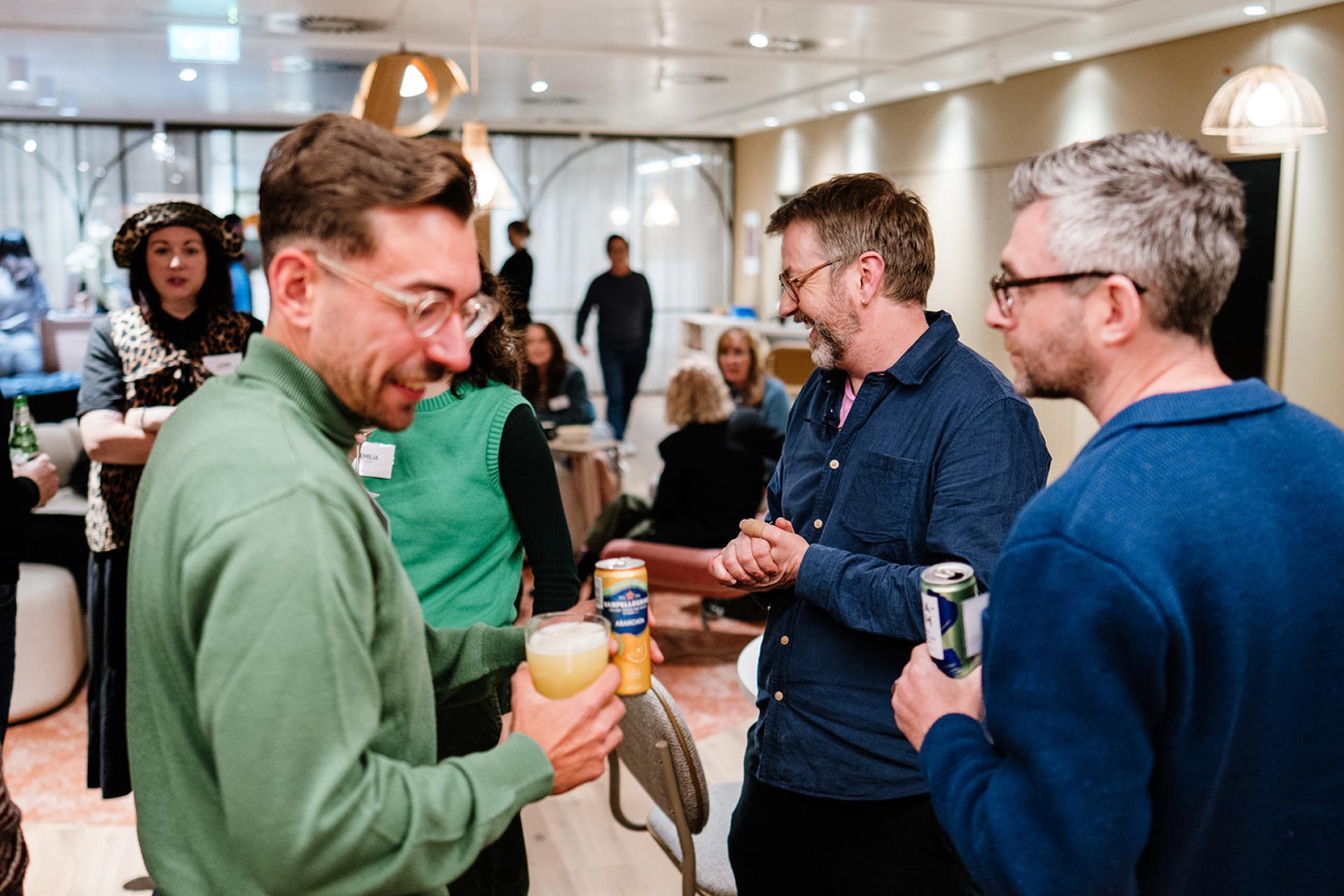
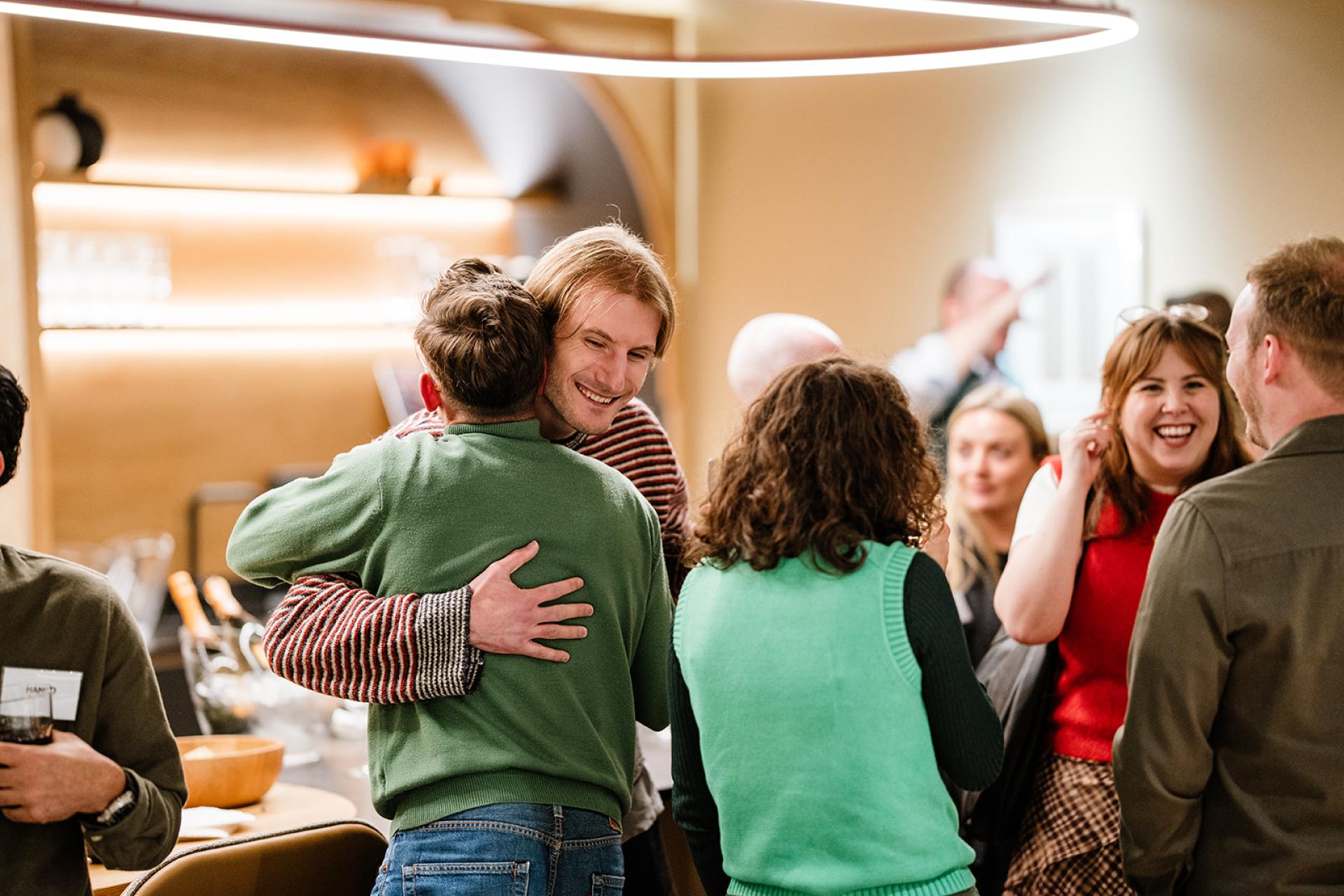
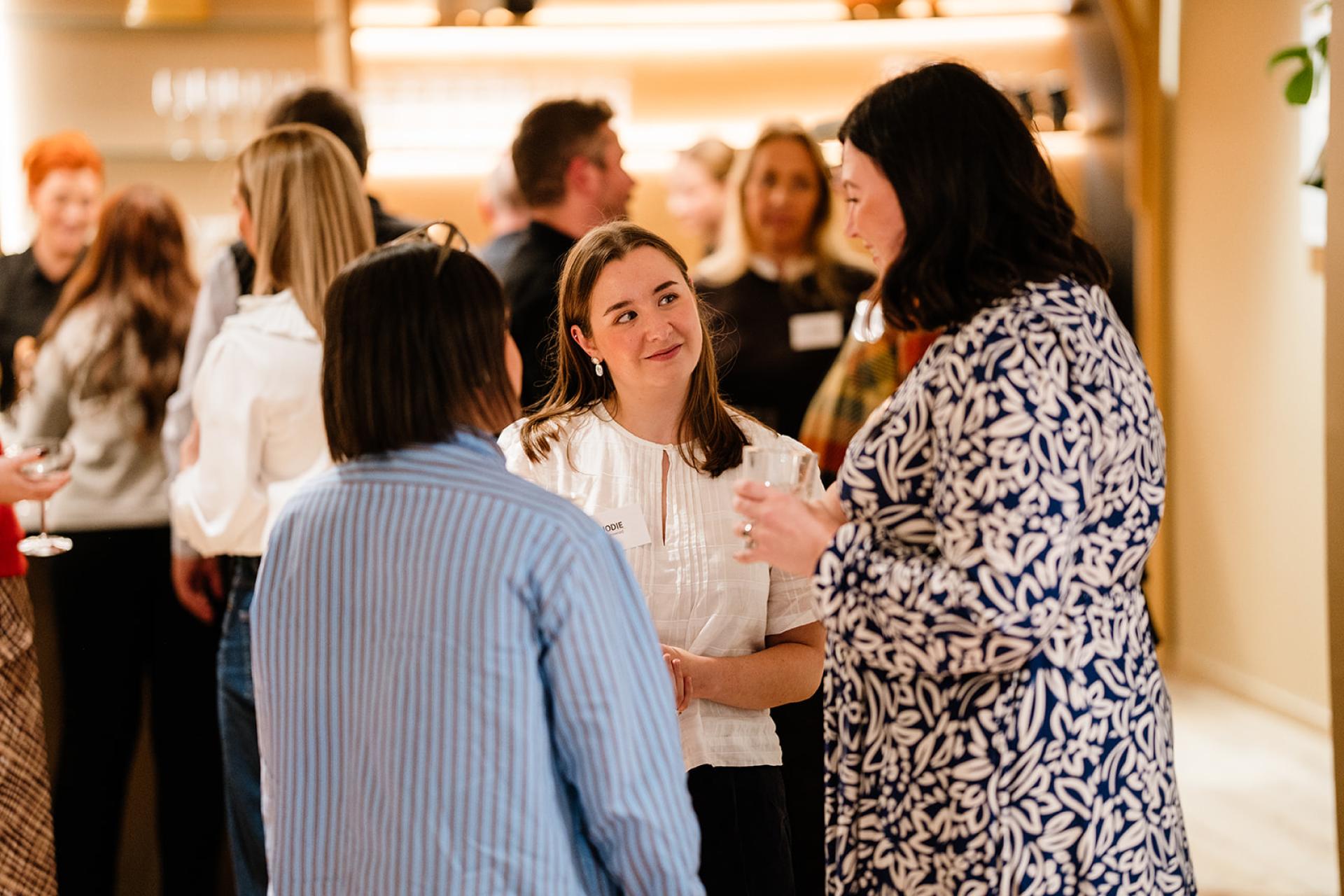
A joined up approach
For Kay Quillan, Marketing Manager, MLA, Glasgow’s potential is too very evident – and, as Katherine suggests, has not yet been merely met. “We were part of a collaborative group of private sector companies that led a delegation to MIPIM last year. At tomorrow night’s [at the time of publication] Real Estates Dinner, they’re going to be announcing the next delegation for MIPIM 2027.
“And this time it is going to be supported by Scottish Government, which is fantastic. Big progress there: we’ve now got Scottish Government backing, and it’s going to be led by Real Estate Scotland under the 'Invest Scotland' banner with the founding partner companies supporting rather than driving the initiative. Huge. As part of that conversation last year about MIPIM, this is what we were hearing: Glasgow has more opportunities than anywhere else.”
Katherine responded with a point on this – “At MIPIM last year 69 delegates represented Scotland. Guys, we need 3.
“I pushed back against Scottish Government when I heard about that because we need a pipeline of investments that are listed properly, that we know the cost, we know how much money we’re out looking for. This is where my American brain comes in: we should be fundraising for billions of pounds right now. We are still pretending like a £10,000 grant is going to do a damn thing. That’s the problem we’ve got right now.
“In the institutional investment mind, we’re still playing too small. So I was talking to Scottish Government about this literally last week, saying: ‘If we’re going to go to MIPIM, we have to be more professional about it. We have to be more ready for that large-scale capital to land.’ And I still don’t think we’re ready.”
“We’ve got to tackle it all different ways and at different scales. We can’t change the world overnight. The targets have to be realistic. There is momentum building.” - Nick Walker
From the audience, Bernie Carr, Director, Cameron Kerr, asked, “Maybe investing in buildings, or investing in bricks and mortar, is no longer the safe place to put your money that it once was, considering the economic challenges we face, construction viability, and uncertainty around future demand for commercial property. Do private investors still see real estate as an attractive place to invest?”
In reply, Katherine said, “I think property will always have an appetite because it’s a stable asset. You can’t pick a building up and move it. It has amazing characteristics from an investment standpoint.
“Forced appreciation with the ability to regenerate. Taking an asset from negative land value - where a lot of our assets in Glasgow really are - meaning it’s not worth what you have to put into it just to get it back online.
“Negative land value means I have to bring cash to the table just to get somebody to want to take the building. That’s where you get the ‘one pound and a bottle of whisky’ deals. That is still a very serious problem we have here.
“But forced appreciation means you’re allowed to build into that asset, and you can actually make money. Passive appreciation means just having that building back online helps nearby buildings increase in value. One of these buildings will pull an entire community down; one of these projects coming online will pull that community right back up. So real estate always has an appetite.”
In addition to this, Katherine shares another untapped capital stream - generational wealth transfer – “the silver tsunami”.
“The one percenters - the boomers - are having to give their money to millennials and Gen Z-ers, and those people are using words like ‘spend down to zero.’ That’s a new term in the investment space, where literal billionaires, family offices, and high-net-worth individuals are instructing their kids: ‘I’m going to die with only X amount of money.’”
We now find ourselves in “this really strange moment in time” Katherine added, “where all this money is sloshing around, desperate to find a place to go. And those people are now finally saying, ‘I wouldn’t mind if it did some good too.’”
Scotland can benefit from this, Katherine believes.
Nick argued that it was crucial to communicate what an existing building's potential as an asset was. "The thing that can make existing buildings more desirable to potential tenants is their quirkiness, that what makes them different! But it is hard to convince tenants before a building has been retrofitted and renovated.
"This means it can be hard to make projects happen as most projects require an occupier's commitment first. There aren't many speculative building projects, and it is quite hard to convince people to make that leap from a run down 1960s building into imagining the most incredible workspace. That's where leading through example and precedent helps, seeing transformations."
This is where AI comes in, suggested Katherine.
“Technology is so much farther than we understand it to be. The ability to render a building is seconds. The first couple of years when generative AI came out, it wasn’t great - we all saw the nonsense - but now those tools are unbelievable. So the cost and timelines can radically drop if we had the system set up that way, if we had funding available, if more of these things were fixed. Things can move.”
Here, the topic of agents was raised by audience member, Emilia Kenyon, Interior Designer, Graven. And again, generative AI was highlighted as offering alternative ways to visualise designs without the need for Cat A – rip out and refit when a space is tenanted.
Retrofit ready?
Project Development Manager at Hub West Scotland, Rachael Smith, highlighted a recent workshop by Hub West Scotland to ascertain whether Glasgow truly is retrofit ready. “We partner with public bodies in the greater Glasgow area in public sector to deliver projects. We have a Net Zero collaboration group looking at retrofit, these collaboration groups work to bring together public bodies including local authorities: Glasgow City Council, Renfrewshire Council, East Renfrewshire, East and West Dunbartonshire Council, and our supply team.
“What we’re looking at is: is the supply chain retrofit-ready? Is there a pipeline of work there from the public sector? We’re trying to get them to meet in the middle and say, ‘Yes, there’s a pipeline of work. Go and do that upskilling for the design teams and contractors and subcontractors.’
“So where do you feel contractors and subcontractors are in terms of being retrofit-ready? Do you think there’s still some work to be done, or do you think they’re very much there and everyone’s ready to deliver the projects?”
Nick replied, “There are specialist contractors, but most contractors are more comfortable doing the bread and butter work, the new build work. However, it has got to be about learning what works for retrofit, what is practical and what is economical. There's an upskilling opportunity across the whole industry, and there are lots of little initiatives happening already. It's about communication and finding out about best practice from each other.
“That’s where things like the Retrofit Conference and BE-ST are useful: to build that knowledge, and to make everyone realise they might be doing little bits of work, but it all adds up. It’s about that swell of people. We can all just give up and go home, but if we’re all doing a bit, it will change.”
Katherine added, “My professional life prior to starting Grand Bequest was in supply chain and business science. That’s where I keep going, ‘It’s just a broken system.’ This isn’t even that complicated when you think about how globalised supply chains are.
“The challenge I’d put to your working group: I don’t think it’s ever the supply chain that’s the problem. These are all businesses desperate to pay their subcontractors, desperate to grow their pipeline, desperate to show their bankers they have pipeline coming.
“It’s never really the supply chain. It’s, how are we getting money and support into those bottleneck problems? The bottleneck is finance coming in in a stable, reliable way. I’m sick of these two-year spin cycles of new green jobs this and whatever the hell next this. It has to be stable, and that’s where government needs to come in.
“So the working groups really need to focus on: how do we stabilise the pipeline? Then the supply chain will react. Because it’s so up and down right now, and the viability thing is freaking everybody out, the scale of the opportunity becomes more important. It’s less about: can we do small projects? It’s: how do all of us working on every building build the system and stabilise it? Then the market will kick. It’s a new level of coordination and collaboration that we could not have done without technology.”
As the session drew to a close, for now, David asked our panellists, “Should the audience go away from this session more positive, do you think? Should they be positive about retrofitting Glasgow?”
“Yes. It is the future. Hard stop.” Katherine replied.
“When do you think the viability conundrum will be talked about less?”
“Whenever the next buzzy thing comes out,” Katherine laughed. “The main focus on viability is because that’s the word everybody’s focused on.
“I like that we’re all now focusing on the real system issue, which is unstable capital. It’s this nasty thing where bankers get to decide we’re only doing PBSA and BTR. Banking and finance should not be dictating what quality of product we get in our places. It’s warped.
“We really need to come back together and say, ‘No. Finance, get out of here for a second. We want cat cafés. We want social housing. We want community space that’s not covered in creepy cameras.’ We deserve to say that.
“Glasgow – Scotland - we used to lead the whole world in innovation, and we can’t even talk to our government who are our neighbours getting paid by a different pot. We need to start saying: ‘We’re going to do retrofit. We’re going to be like Paris, and we’re going to say no more of this nonsense.’”
An hour allowed us just enough time to scratch the surface in what is a Pandora’s box of conversation. “We were just getting going. I haven’t gotten any of my spicy stuff out yet!” Katherine said. But in summary, this clearly is an exciting time for Glasgow, and Scotland more generally. The sentiment was positive but called out loud and clear for action. No more talking. Now is the time to be bold.
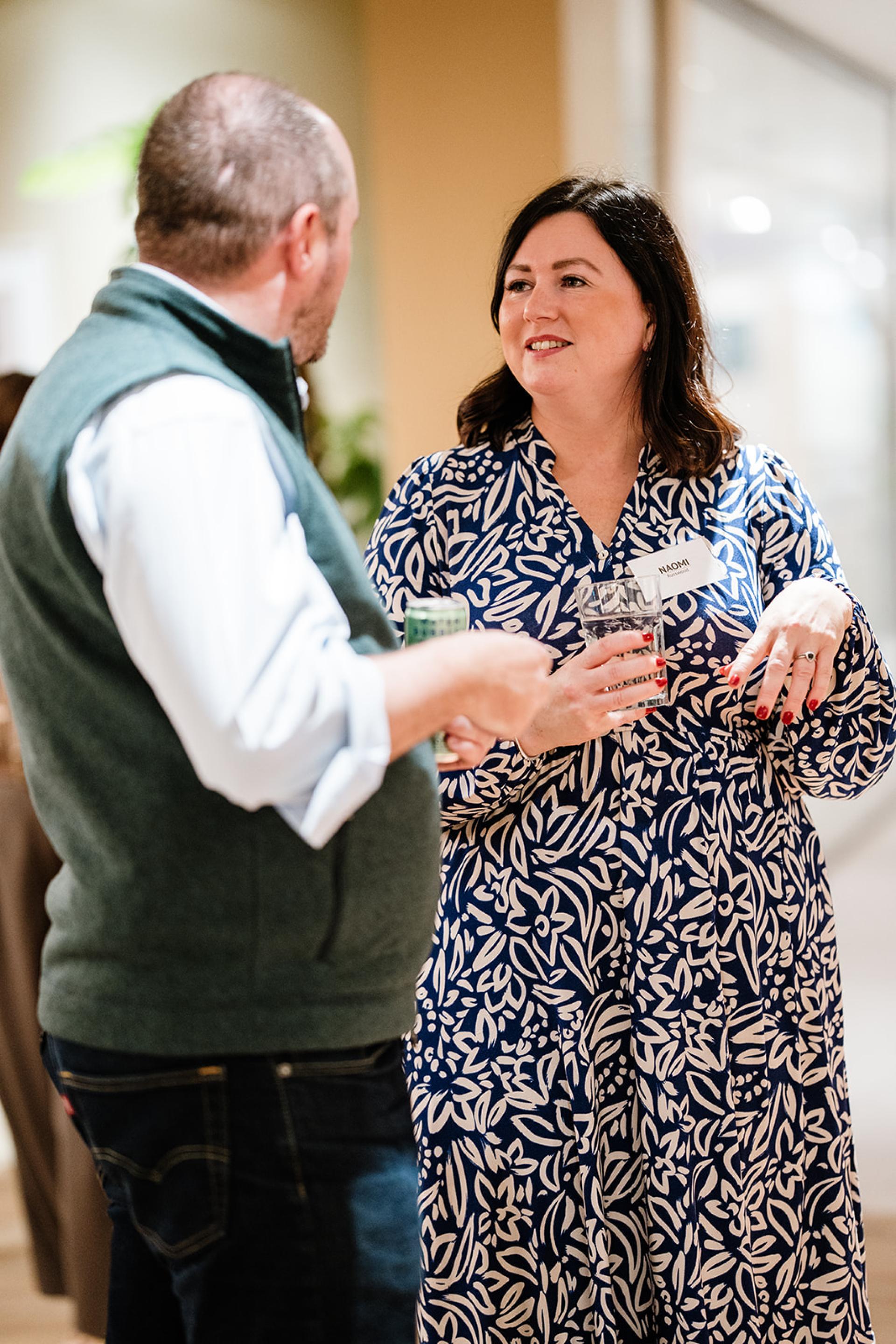
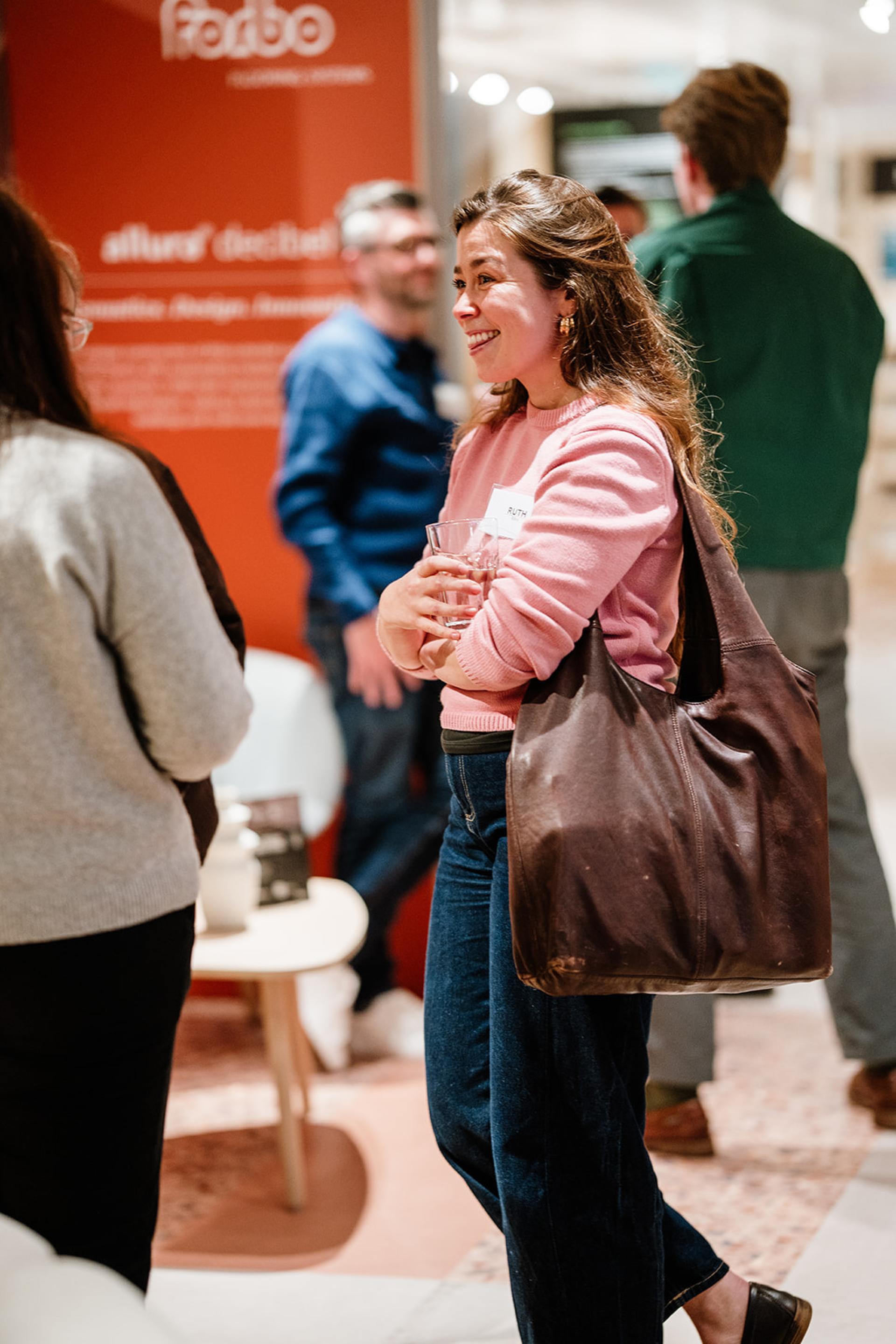
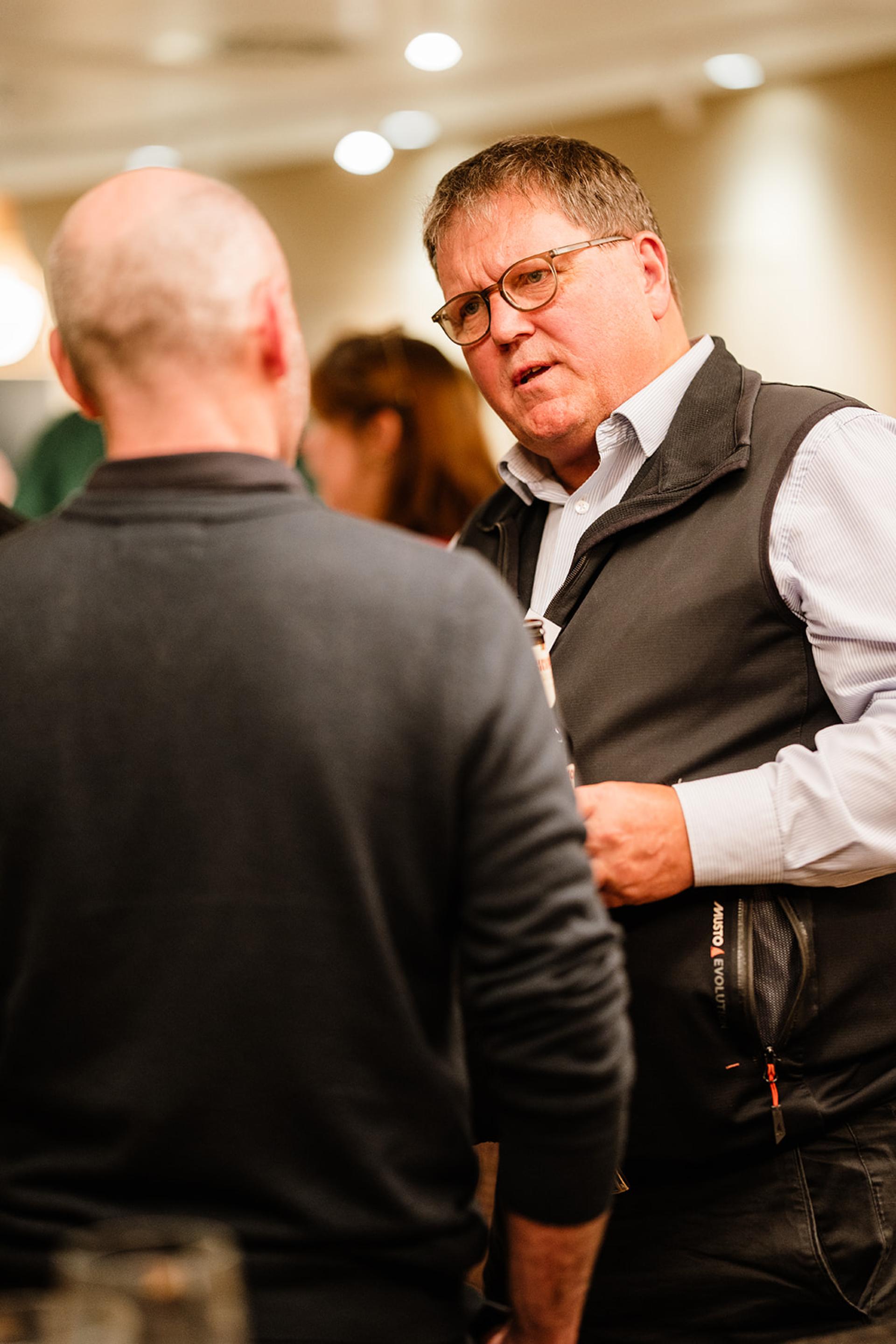
A huge thanks to all of you that joined us for this session, to our panel, and to our supporters for this event, Parkside Architectural Tiles & Russwood - both Partners at Material Source Studio Glasgow.
Our next seminar event will take place in London on 4 November 2026, get your ticket here.