




























London Property: Inclusive or exclusive?
In association with:



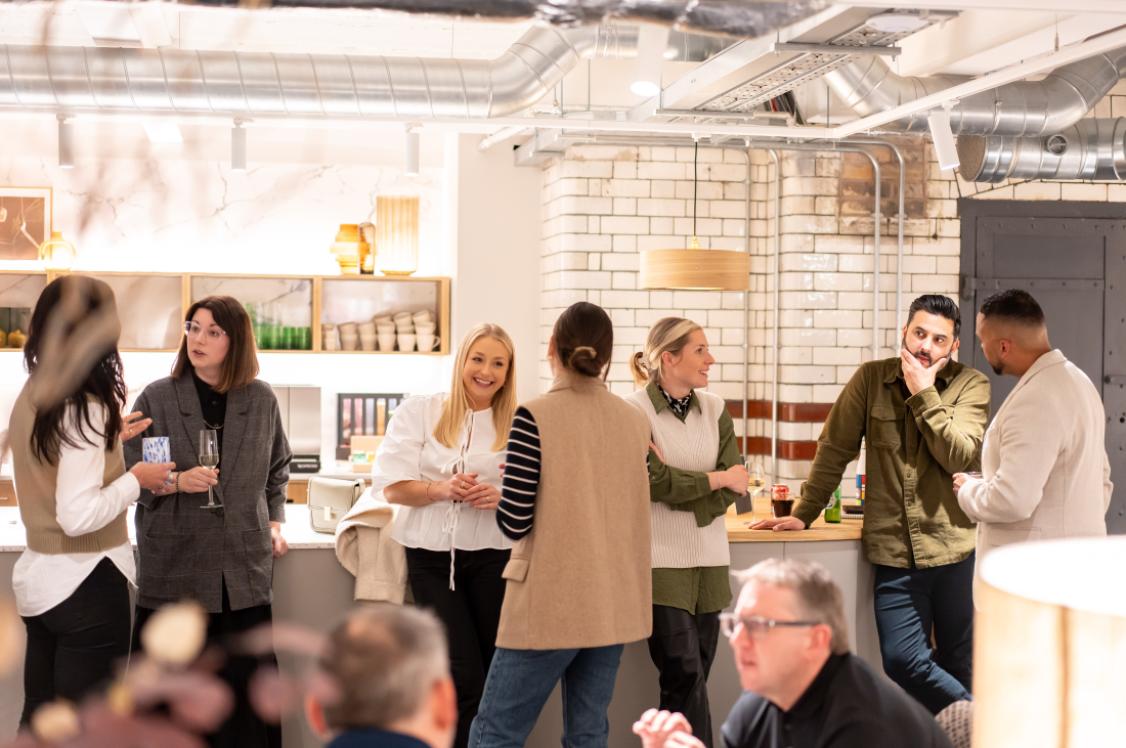
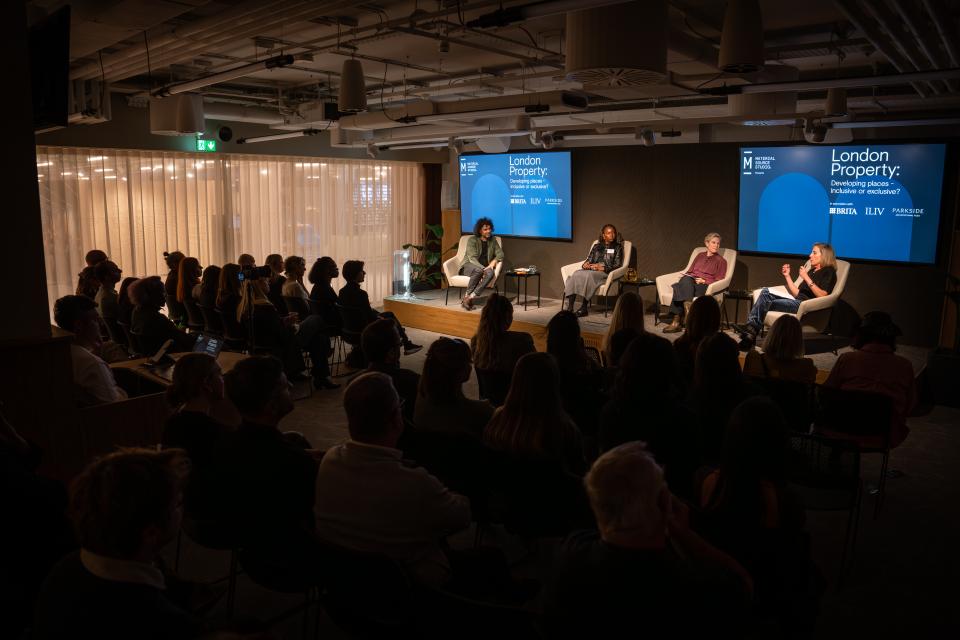
At our London Property seminar, we asked, as London densifies, are we creating genuine communities or simply places for people to live - what ‘type of London’ are we making?
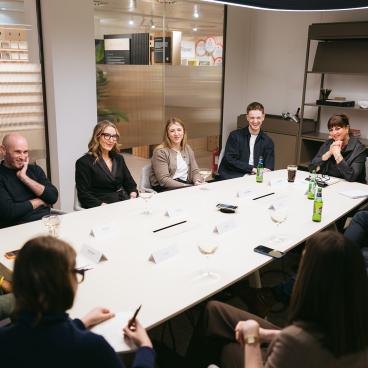
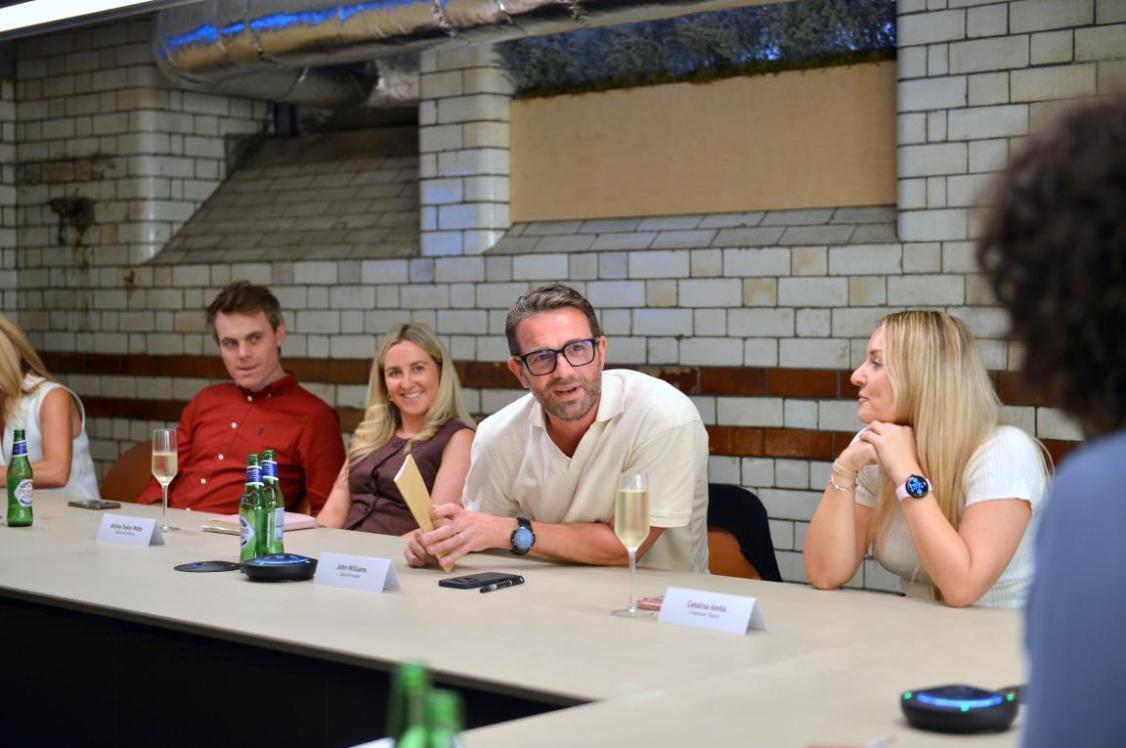
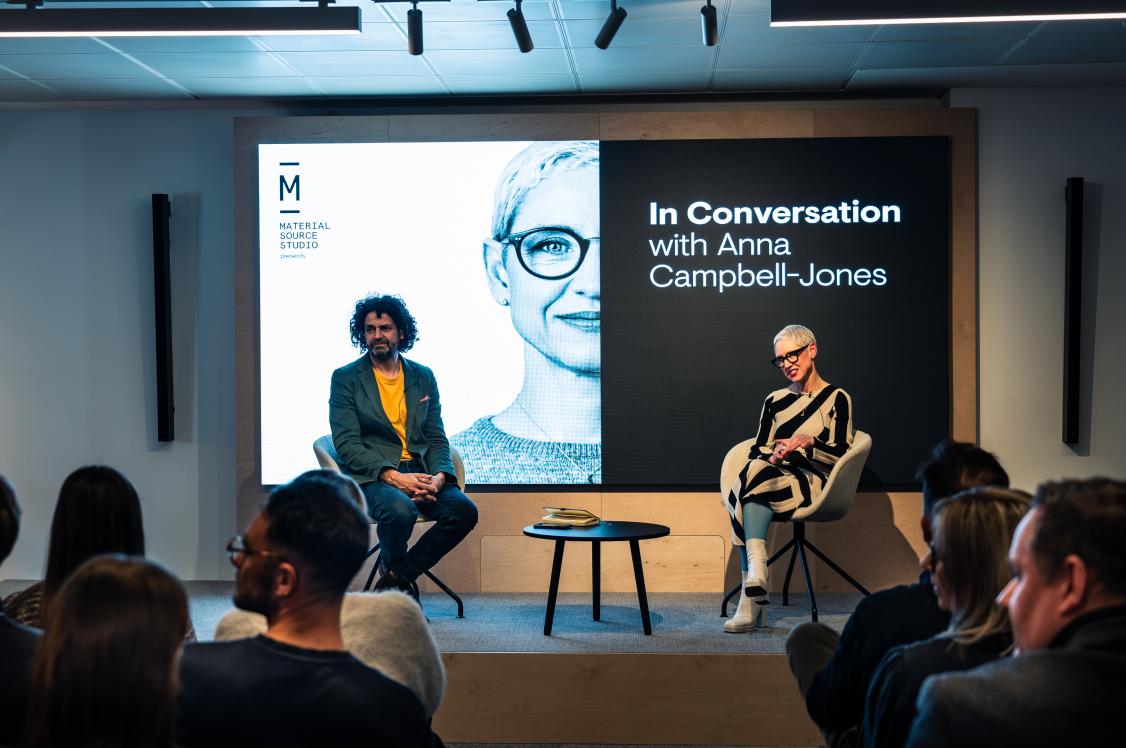
It was agreed by our panellists: Lesley Roberts, Director of BTR Operations, Related Argent; Olaide Oboh, Managing Director, Populate; Shannon Conway, Co–Founder, Picture This, in conversation with Host, Material Source Studio Director, David Smalley, that community doesn’t happen by accident: it needs intentional curation of spaces, uses, and programming that encourage everyday interaction and belonging. Engagement needs to include a broad range of people, and those with lived experience. And commercial success and social success are linked: retention, satisfaction, footfall, reduced churn/voids, and long-term value track back to quality of place.
While an hour allowed just enough time to scratch the surface, much was discussed, including learnings from a whole raft of high-profile projects – not just in London but across the UK. Read on for the evening’s key talking points...
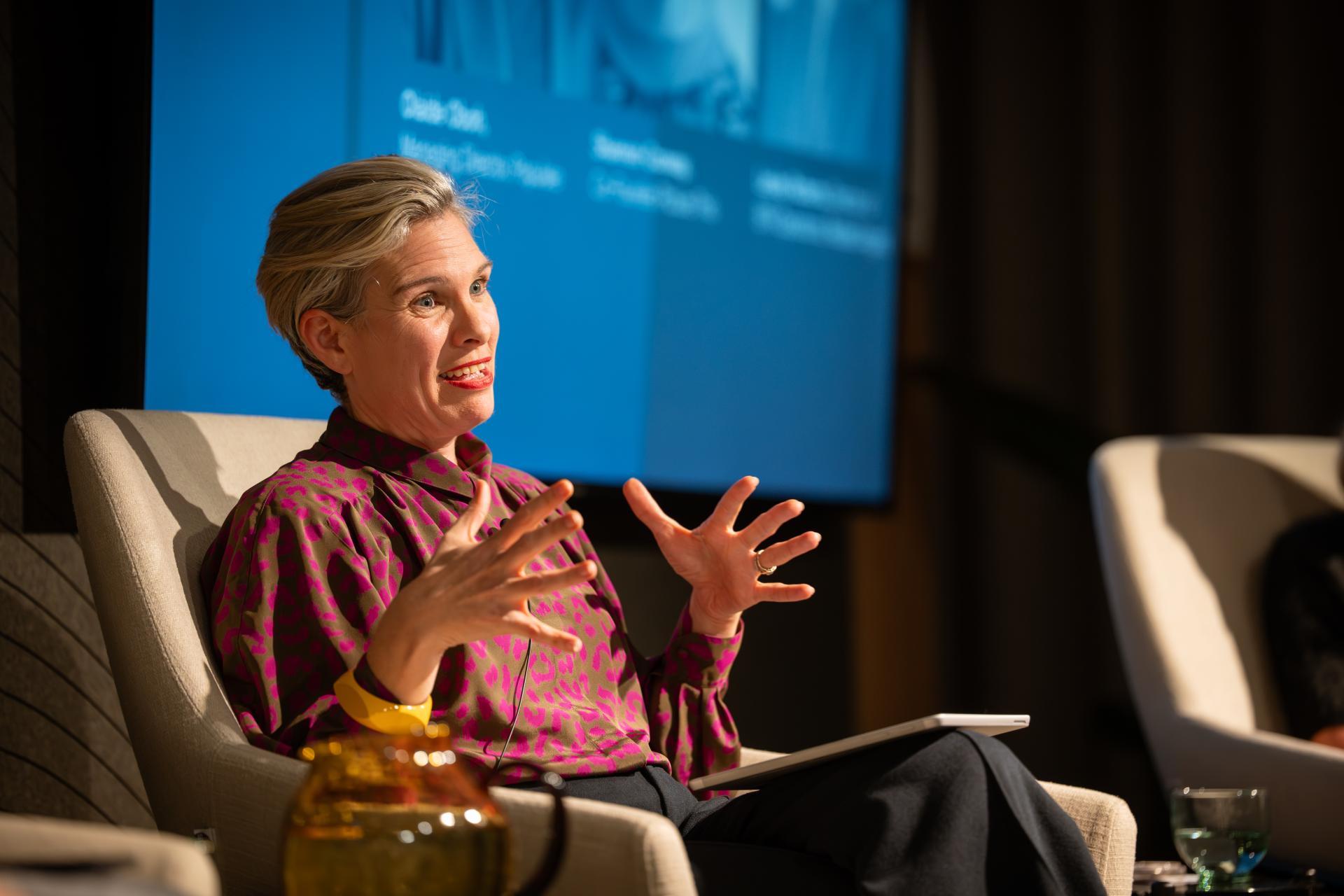
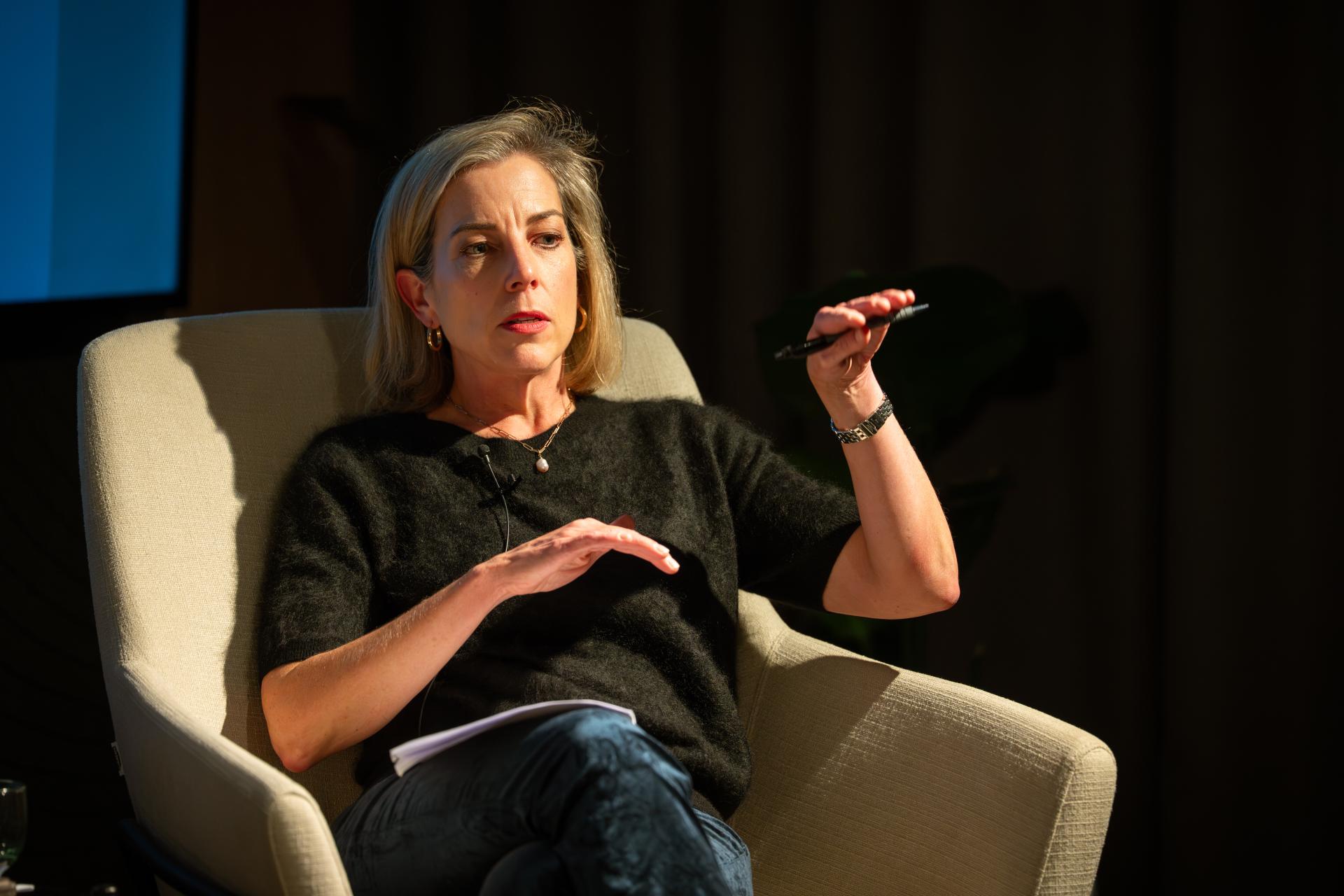
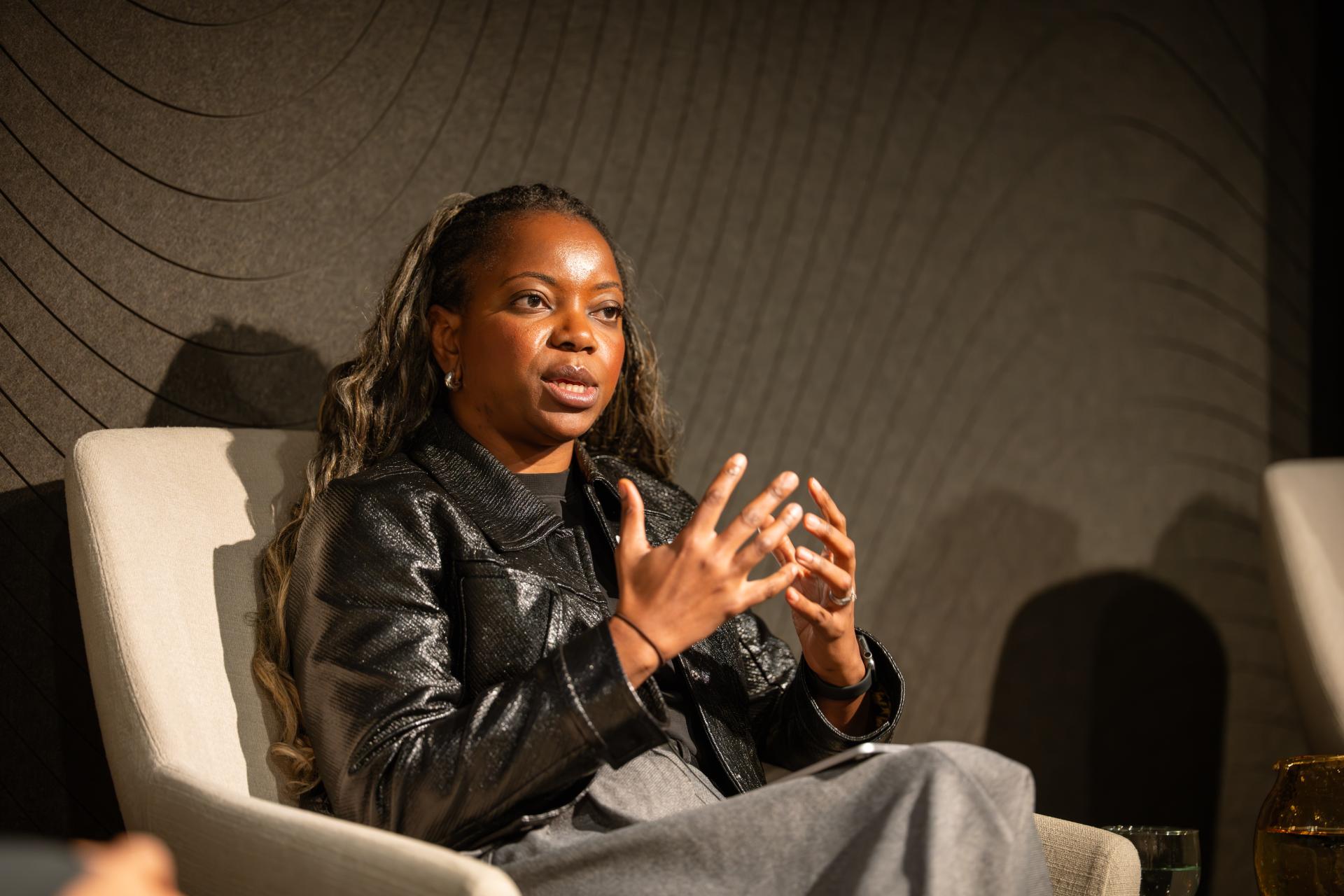
To begin, David asked, “How do we actually create communities that are genuinely open, diverse, and accessible?”
Olaide responded first, using Sutton’s London Cancer District as an example of a place that’s, technically, exclusive (it’s only for patients, their families, and staff) but for those specific people it’s entirely inclusive. “The London Cancer District in Sutton is on a 12-acre site that has one of the world-renowned hospitals for cancer treatment - The Royal Marsden Hospital - and also a global institute for cancer research, the Institute of Cancer Research.
“It has become an exclusive place, because you only go there if you’re having cancer treatment, if your family is having treatment and you’re going with them, or because you work there. So actually, the thousands of people who live in that neighbourhood have no reason to be there, and as a result it has become an exclusive place - only for people who know about it.
“We are in partnership with the major impact partners to develop out this place and create more innovation buildings, to enable people to go there. And when we started on that journey, we engaged extensively. Usually you talk to people who live in the roads around it, but we actually decided to speak to people with lived experience: people who are going through cancer treatment; their families, who tend to spend lots of time there because they’re waiting for people who are in treatment; and also, really importantly, the staff members who are treating patients every day - understanding what will make this place a community for them. And actually asking, how do we encourage people from the wider area to want to come here, even if they’re not undergoing treatment?
“By having those types of conversations and listening, we could really understand the richness that this place needed.”
Intentional curation of space
One of the things to come out of the engagement was for “intentional curation of the place - putting the physical things in there that will encourage the accidental things to happen. So: where are the places that you bump into people? Where are the places that you go to cry? Because cancer is a heavy subject. Where are the places that you might just want to meet up with someone to socialise after a stressful day on the wards? And where’s home? Can you live there? Can you play there?”
As developers, Olaide believes it’s their job to curate those intentional points, or to enable them. “We become enablers so that the serendipitous accidents, ‘the bumping into’, can happen. And that’s what creates a community: people want to be around other people.”
Currently in post-planning stage and about to start construction, Olaide said Populate’s work began long before this to activate the area. “We’re already activating the place in advance of that.”
For Shannon, activation is an important part of projects too, before a spade goes anywhere near breaking ground. Speaking of a large-scale regeneration project in Birkenhead, a 35-acre site with a mixed-use scheme offering around 1600 homes, and just 5-minutes away from Liverpool on the train, Shannon said, “There’s already a neighbourhood there, with many different communities operating within it. So it’s about: how can we enhance that, ensure that they survive, make it easier for them if we can? And then: what’s missing? What can we bring on this huge site?”
Though the site itself has its challenges (gasworks, flooding), Shannon says the potential to make a difference is vast. And this has helped secure investment from the Combined Authority and Homes England. Firstly, to cover remediation of the site and get it to a point where they could start building. And to pre-activate what’s already in the neighbourhood.
“As part of the remediation works, before any physical buildings go up, we will be bringing a disused railway line back into public use, as a public park. That way, the existing neighbourhood sees something happening, but the first thing that happens is for them. They can use it.
"We’re also approaching marketing a little differently. Rather than just promoting what we're going to build, we're using the marketing budget to bring the place to life through local artists, schools, businesses and community groups. It means people can get involved in shaping Borough Yard long before the first homes are built. And we know that when people feel they've played a part in creating somewhere, they develop a real sense of ownership and pride in it. That's what makes a place successful in the long term."
For Lesley, King’s Cross stands out as an exemplar project for Related Argent. “We were talking earlier about what success looks like, and that’s often used as an example.”
A 20-year project that’s now complete – the asset management having been handed back to the King’s Cross Group (though Related Argent still holds some assets around the area and has its offices there) – Lesley shared there’s an even bigger project now being undertaken.
“King’s Cross was about 70-acres. Our latest project is Brent Cross Town. That’s 188-acres of brownfield, in partnership with Barnet Council. We have the privilege of this being another masterplan, in three phases, and we are well into phase one - having started during Covid,” Lesley told us.
In a similar vein to the examples Olaide and Shannon shared, at Brent Cross Town, much of the infrastructure was delivered first, Lesley said, including a public park – “because we’re a big believer in green space, the use of space, cohesion, and inclusion of all the people who use these spaces.”
As a masterplanner and a mixed-use developer, Lesley commented, “we think about neighbourhoods, not just buildings.”
“We think about long-term ownership, and we think about the building blocks - pardon the pun - of all the things we want to achieve.” - Lesley Roberts, Related Argent
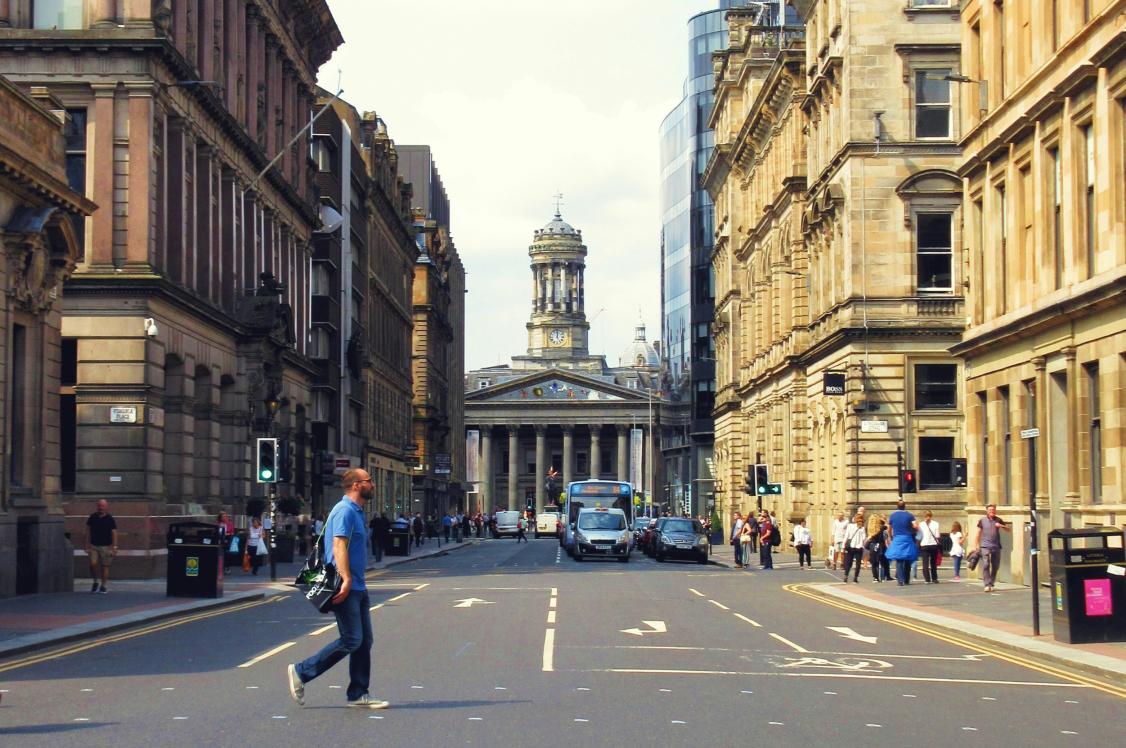
This has to be treated on a case-by-case basis though, Lesley said. “King’s Cross looks like a perfect plan in many respects. 25-five years ago, you wouldn’t walk there alone in the daytime, let alone at night. Now it basically looks like a movie set, right? It’s beautiful, interactive, and integrated into the local environment and areas.
“But it had long-term legacy, history, and heritage, and the Argent Group - as it was then - held a strong vision about what they wanted to achieve.”
Lesley added that, of course, no project is perfect. Though that’s what’s “part of the magic in making things happen,” she suggested. “If anybody tried to recreate that, it would never be the same. It’s a point in time, and a group of people willing to take risks.”
This brought the conversation around to how a place makes someone “feel”. As a developer and owner/operator, that’s something the likes of Related Argent “gets the privilege to help shape,” Lesley said.
Describing the diverse mix of people that use King’s Cross on a daily basis, Lesley cited the fountain as being a central point that brings so many different groups together – “It’s very egalitarian: you can go and have a fancy lunch; you can sit there playing free chess; you can enjoy the Ziggy Stardust exhibition or the public art; you can take a sandwich and your children can play. There’s a bit for everybody.” Not to mention the Central Saint Martins’ students “in their fantastic outfits”.
“The point is: they can be themselves in a space. There’s congruence between who they are and why they’re there. They’re not posturing; they’re just being themselves. There’s an authenticity to that. People feel secure in themselves in that space,” Lesley commented.
“It’s that idea of belonging, isn’t it?” David suggested.
The panel nodded in agreement.
“Can what has been achieved at King’s Cross be carried over to Brent Cross Town?” asked David.
“You can’t take King’s Cross and just transpose it. It’s not going to work,” Lesley responded. “It’s trial and error – the whole thing is constant evolution, and a whole team effort.”
The business benefit of belonging
“Commercially, what does success look like?” David asked the panellists.
“Essentially, you’re creating places where people want to live, spend their money, or open a business,” Shannon replied. “You have to get the basics right to make it a place that’s attractive.”
That goes for investors too, Shannon said. “A lot of the investors we talk to manage pension funds - teachers’ pensions, firefighters’ pensions. Their job is to ensure that money’s safe and they get a return. So, they’ll be looking at spreadsheets and measuring risk and return. That’s their job first and foremost. It has to provide a return."
“We strongly believe that if you’re considering strong purpose, mission, values - those convert into the same or better commercial returns, because they’re places people want to stay, live, start a family, or a business.”
And that’s not the “fluffy stuff”, “but actually, that’s the bit that drives the value,” Olaide added.
Sometimes that means decisions are made that, on the face of it, may seem not to be commercially driven – not driving too much rent on the ground floor retail units of a mixed use scheme, for example. But in terms of attracting residential tenants through there being independent operators rather than run-of-the-mill chains, that’s what will attract people to the place.
“And if people are attracted to a place and they like it, they will spend more money and spend more time. If you’re managing those retail properties, staying is what you want people to do,” Olaide pointed out.
With this in mind, there needs to be room to “pivot,” Lesley said. Using the shopping experience at Coal Drops Yard in King’s Cross as an example, where Argent at the time were “focused on attracting boutique brands,” wanting to support independent retailers over high street brands, and finding it quite a challenge. “Ultimately, there was a light-bulb moment,” Lesley shared. “An anchor, high street brand that will get people there, and then they will see the other brands they don’t necessarily know, which helps support them.”
Looking outside of London, David asked Shannon about about the Stockport scheme Picture This is delivering with Progressive Living, which has been approached in a slightly different way to the norm.
“We want to create homes that are inclusive, sustainable and genuinely contribute to the neighbourhood around them. So, at Stockport, we spent a lot of time understanding the town, speaking to local agents, looking at what was already available and, importantly, listening to what people wanted from their homes and neighbourhood.
“That thinking influenced everything, starting with the mix of apartments. We've included 20% three-bedroom homes because we want to offer more choice, accommodate different households and make apartment living a genuine long-term option.
“Flexibility is really important to us. We're designing homes that should still be relevant in a hundred years, so they need to work for people at different stages of life, with different needs and changing circumstances. We engaged accessibility specialists and people with a wide range of lived experiences to challenge our thinking and help us design better homes for everyone.
“Sustainability is equally fundamental. The apartments are designed to Passivhaus low-energy principles, reducing energy demand, household bills and the long-term environmental impact of the building.
“But our values extend beyond the front door. We want Boroughs and neighbourhoods to thrive, not create isolated residential developments. So, we've designed shared spaces that encourage connections between residents and the wider community, including rooftop growing spaces, a greenhouse and opportunities for workshops and activities, whilst maintaining residents' privacy and sense of security.
“And because Picture This is also the long-term operator, we're designing around how people will actually live, rather than simply how a building will look on completion. Our management approach is about enabling people to make spaces their own, creating opportunities for connection and giving residents the freedom to shape their community.
“For us, commercial success and social success aren't competing objectives. If you create homes people love, in places where they feel connected and want to stay, you're creating something that works for residents, the neighbourhood and the investor.”
Commercial success = social success
From the audience, Graham Hickson-Smith, Managing Director, 3DReid, asked a question around investment, “For me, the challenge is making the intangible tangible when you’re going to investors. It’s something we, as architects, have always tried to advocate: if you take a decent piece of public realm in the middle of a big development, the value of the space around that public realm goes up. But how are you monetising it? How are you applying some sort of metric to that you can sell back to your investors to develop that value as a cost justification?”
“It’s really easy to quantify retention, rental uplift, and resident satisfaction,” Lesley said in response. “People who are happy, healthy, who stay longer and make friends in a building - that’s actually quite easy to quantify, because voids, churn costs, dissatisfied residents - it’s painful. So we can quite quickly say: if we are retaining residents, they’re happy, and they’re willing to pay more, that’s because we create these spaces where they interact. We create resident events and engagement with the wider community using public spaces. That shows evidence.”
Using the example of a scheme in Cambridge, where almost half of it is a public park, Olaide shared, “That was in response to local people saying, ‘There’s not enough green space here. Let’s do something.’ Also, the health outcomes in that area were really difficult, so we put a food-growing bed in that community garden. That was super significant for health outcomes, and we were all hands on - often we do that before we get planning permission. Even in the process, making those key decisions is really important: responding to what local people need and what communities are asking for.”
Data was highlighted by all as being crucial for cost justification.
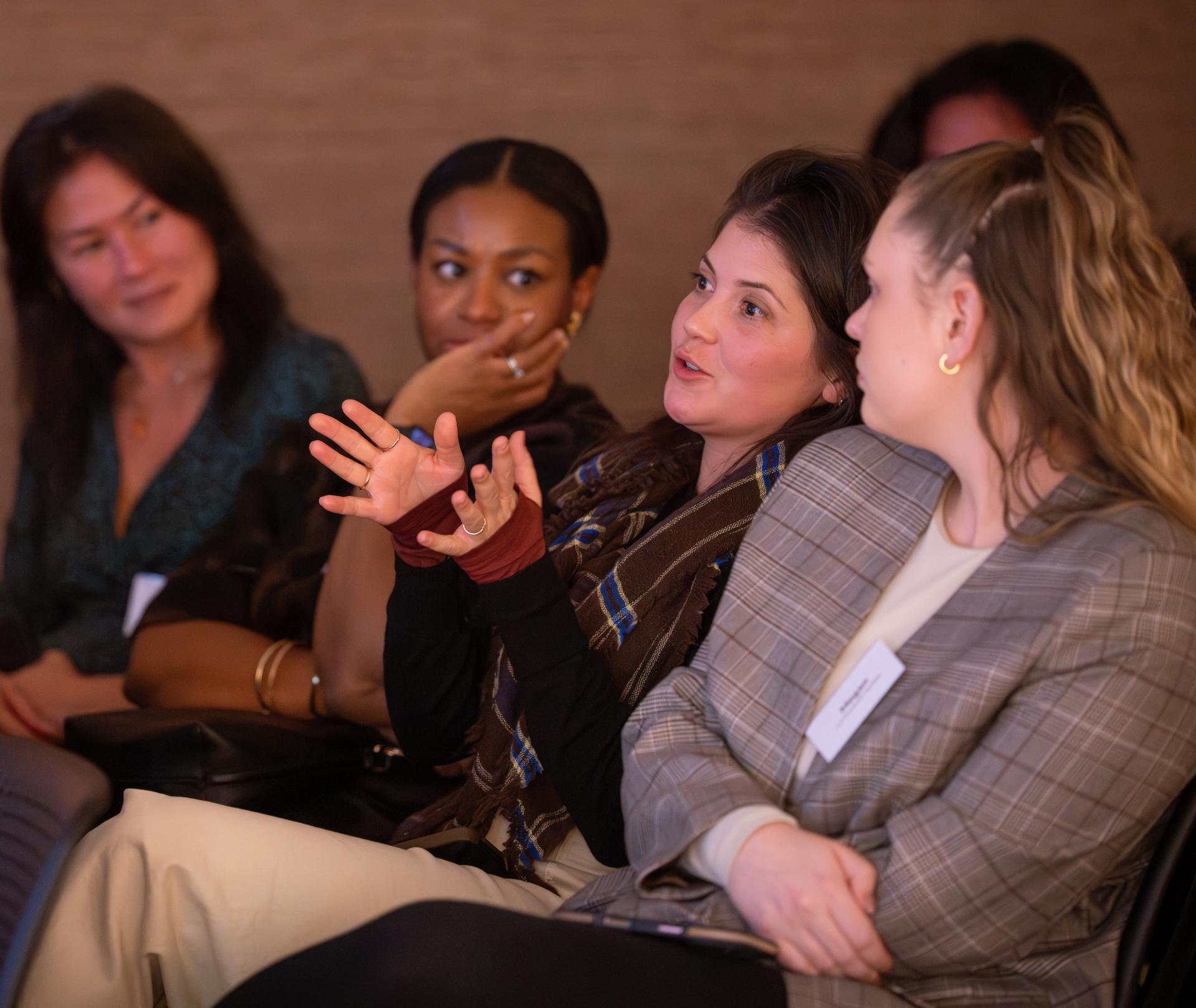
Vanessa Fernandes, Consult by FD, asked from the audience, “Do you have a ratio for when you are doing the ground floor commercial spaces i.e. which ones are you willing to be commercial, and which ones are you holding space for independent retailers?”
For Shannon, ground floor use “absolutely depends on the site.”
“In Chester, we're working on Northgate II, a mixed-use development of around 400 homes, with ground floor spaces that need to contribute positively to the city centre. Chester already has some fantastic businesses, particularly around the adjacent Market Hall and Storyhouse, but there are also vacant units elsewhere. We need to be careful not to become competition. It's about understanding what's missing, what would complement the existing offer and how we can bring more people into the city centre. Good regeneration should support what's already there, create new opportunities and help the wider neighbourhood thrive.”
“For the work we do, it’s all about not cannibalising what’s already there.” – Shannon Conway, Picture This
When Olaide worked on the Olympic Village, right next door to a Westfield with hundreds of shops, interestingly, resident research showed they wanted an even more local store. Again, returning to that point about being site specific.
“Choice” and “balance” were two words that emerged during this discussion on the topic of commercial leases – “They’re an important part of the mix, but they shouldn’t drive decisions about the entire development. And all price points should be considered.”
For Lesley, being a masterplanner allows you to “see how the whole thing plays out. You know what’s next, so you can plan.”
A question came from the audience asking whether the panel think it’s possible to foster diversity in a public space that’s privately owned?
Lesley had two examples. “King’s Cross is private. It was a private development, and it has a huge mix of uses: social housing, affordable, market for sale, build to rent, education, leisure, retail, offices, schools. Yes, there are decisions around economics, but it’s also about stewardship and care. There are legacy buildings with purpose and use, and it retains a lot of character.
“Brent Cross is a partnership with the London Borough of Barnet. Yes, King’s Cross is economically successful now, but it wasn’t always. Brent Cross Town is a constant source of discussion: how do we maintain the breadth of things at different price points for the whole range of people?
“We have social housing, affordable housing, market for sale, build to rent, hotels, student, later living, co-living, commercial, retail. We do have two schools in the masterplan. So there are all these price points, plus green spaces, and event activation. We do a lot of events; something happens every season. Public art is a big thing, because we’re trying to replicate all the points of society, and I think that’s important.
“I used to chair Soho Housing Association for nine years, and that was one of my passions because I fundamentally believe Soho is a community of people who grew up there. It’s an amazing mix of people from diverse backgrounds. Underneath the tourism, hotels, restaurants, there is a proper community that have lived there for 50-years: children go to school, people go to church, there are interest groups and community groups.
“The housing association’s mission was to create affordable and intermediate rents that allowed people to still live in that community - people who grew up there - or bring in creatives working in Golden Square, post-production, restaurant workers, people who run the church, and so forth.
“It’s important that we serve all parts of the community to retain the diversity that London is so good at.”
Happiness and health
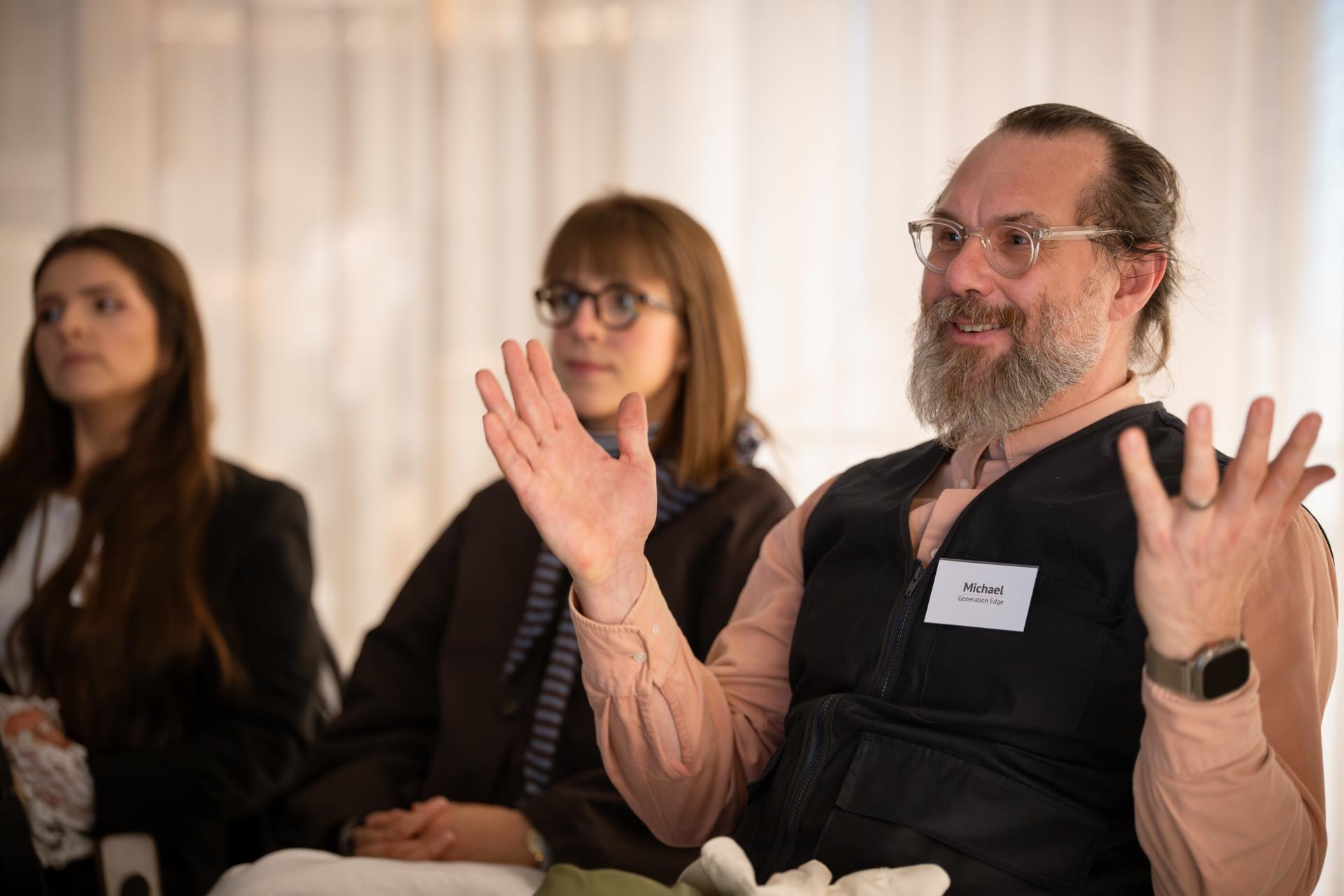
Audience member, Michael Fern, Director, Generational Edge, brought the conversation back around to the north, referencing Park Hill Flats in Sheffield, and Hulme in Manchester: “These were both pioneering schemes in their day - visionary in terms of objectives for changing society, but sadly failed to maintain their appeal. What do we do now that might change the way we view that broad-scale vision, and make sure we don’t repeat some of the challenges sites such as this had in the past?”
In terms of the key learnings, Shannon believes, “we need to think about social isolation.”
“We closely follow the work of an organisation in Vancouver called Hey Neighbour. They’re a mix of academia and public sector who have come together to explore social isolation. What they found is: as buildings go higher, social isolation increases, with a huge impact on health.”
Olaide agreed that social isolation in high-rises must be tackled, “I spent the early part of my career working in housing estates in Hackney. What’s changed is: you can’t just build, put people in homes, and disappear. Over the past 20-years, the relationship between landlord and tenant has fundamentally changed. As landlords, we have a responsibility to care about people in our homes - not just because they’re paying rent; because they’re human beings. We have to care about their long-term economic prospects and support them in their social lives."
“As landlords, we have a responsibility to care about people in our homes - not just because they’re paying rent; because they’re human beings.” - Olaide Oboh, Populate
“I think that’s a positive change within the sector. We generally care a lot more, and make a more concerted effort to support people living in our properties.”
Places that make people feel
As the session drew to a close, Darren Clanford, Co-founder & Creative Director, Material Source Studio, asked, “I have a question around ‘feel.’ What are the elements you would absolutely insist on that would work towards a place feeling great - making people want to live and go there? What are the non-negotiables? That without them, a scheme will fail?”
“Safety first,” Lesley said. And in addition, “In a generation where people can get bored quickly, change jobs every couple of years etc, a place that’s stimulating and engaging - as somewhere they want to be - that’s an element of success.
“Material Source Studio is one of those places for me,” Lesley added.
Shannon agreed with the point around safety, and also suggested biophilia, plus lighting and smell.
Olaide shared the view on stimulating spaces - “As we move through, sometimes buildings look very similar. We’re always thinking: how do we surprise people? Because you remember that. It doesn’t have to be art - it could be an experience. It could be how someone treats you, how someone welcomes you, something you haven’t seen before, an event that’s different.
“That element of surprise is memorable. It’s something you tell someone else about, you might even post about it. And ultimately, it contributes positively to our health.”
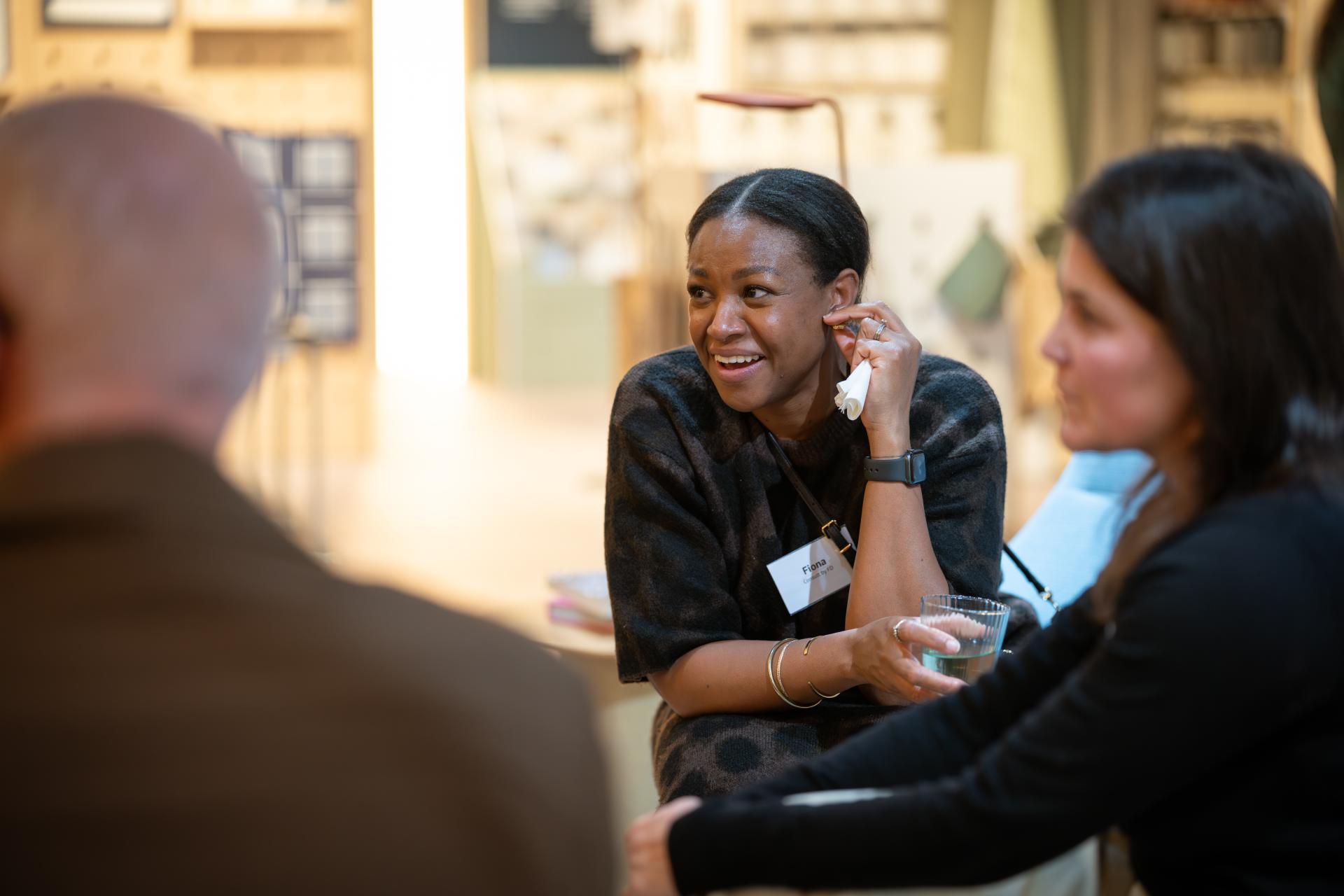
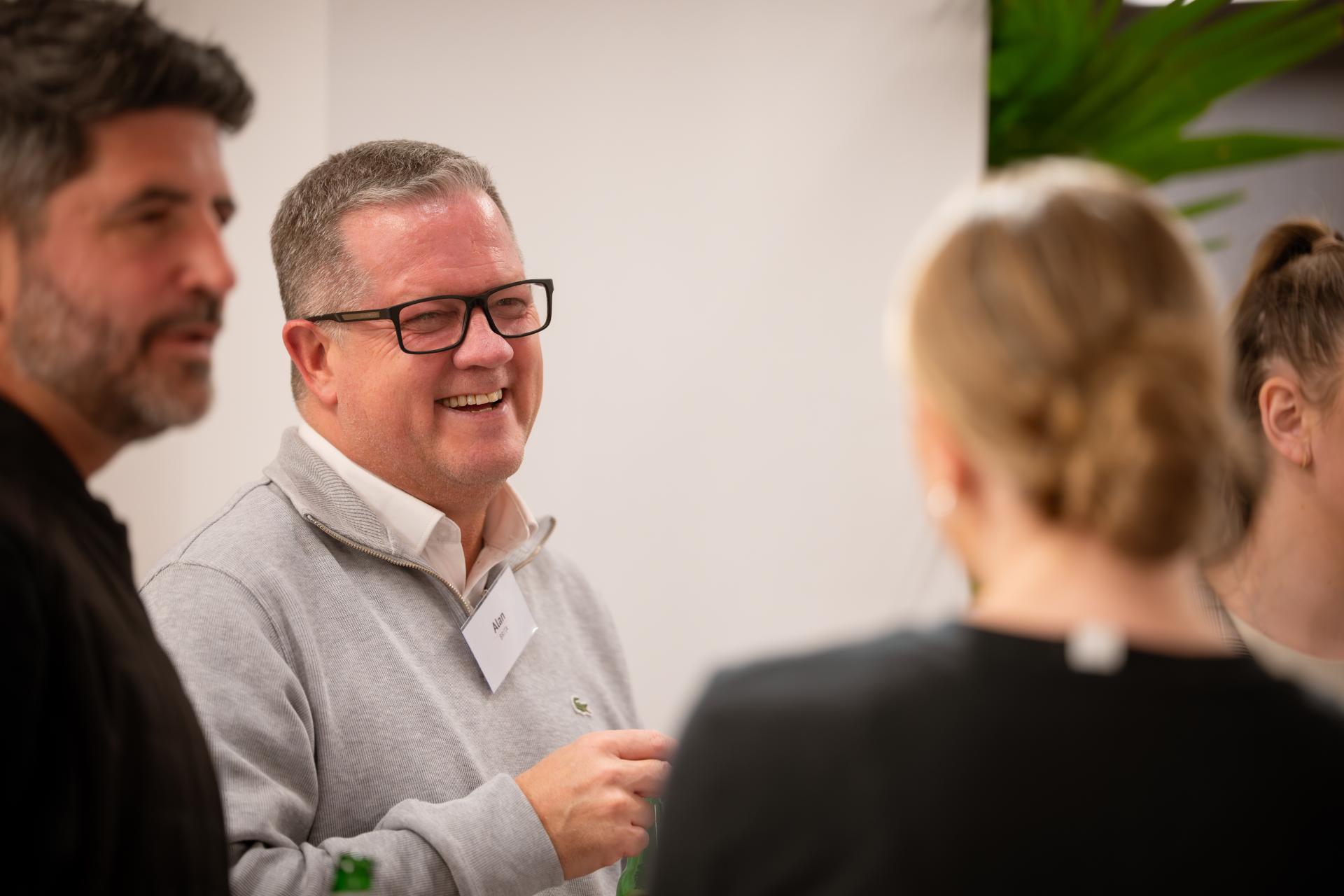
From considering belonging to the notion that commercial success is social success; not competing with what’s already there; and going beyond space and materials to influence how people experience their everyday, much was gleaned from our panel in just an hour. This will now inform a follow-on conversation at our roundtable in London on the very same topic - stay tuned for the key talking points.
In the meantime, a huge thanks to our wonderful panel, to you – our guests – and to our supporters for this event, Brita Group, ILIV, Parkside Architectural Tiles – all Partners at Material Source Studio London.