



















5 things we learnt at Modus' B Corp Breakfast North.
Credit: Fiona Finchett
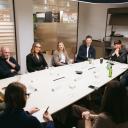
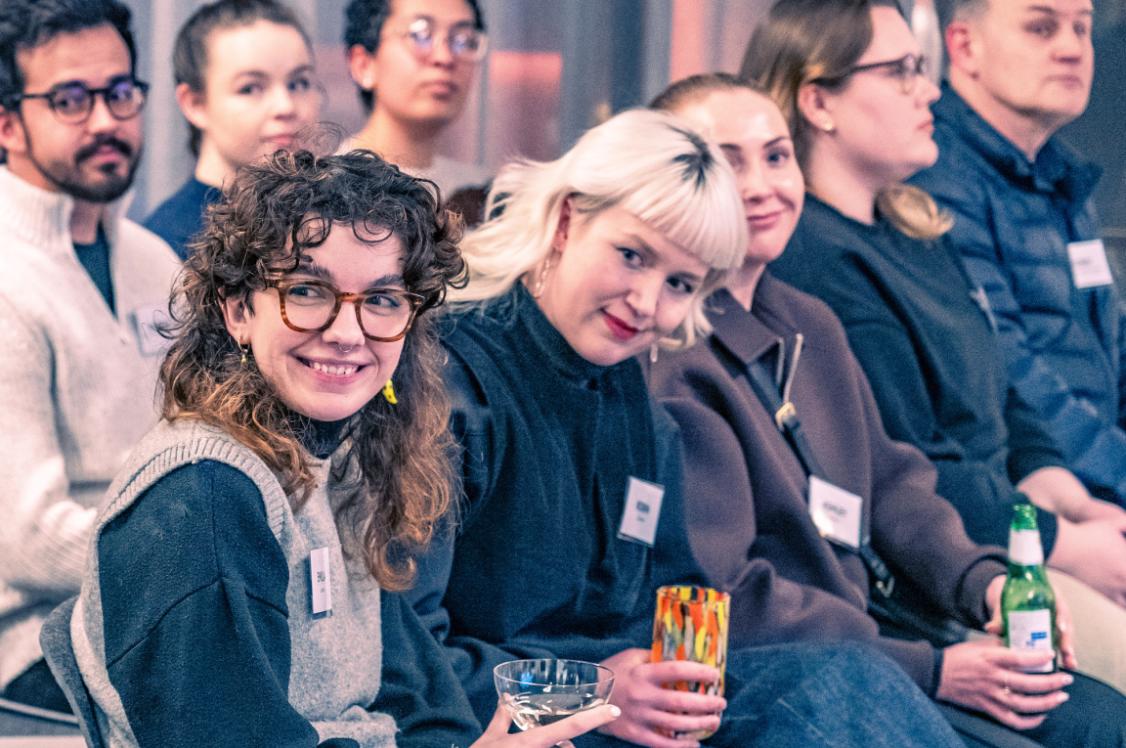
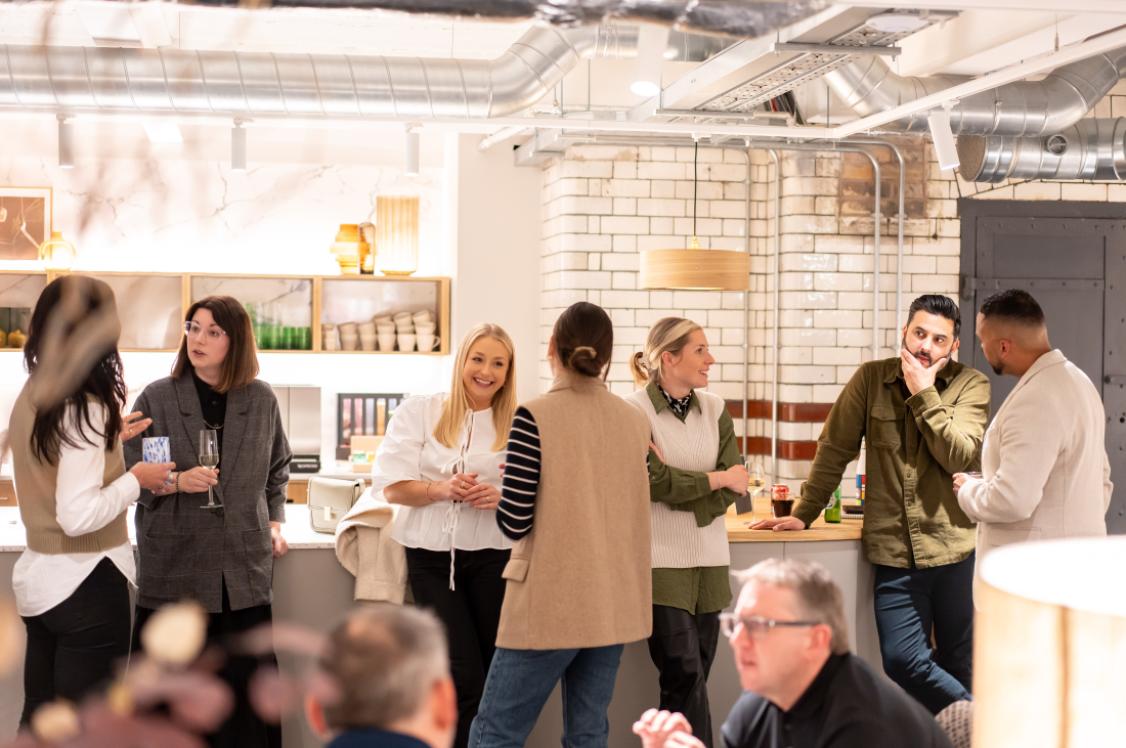
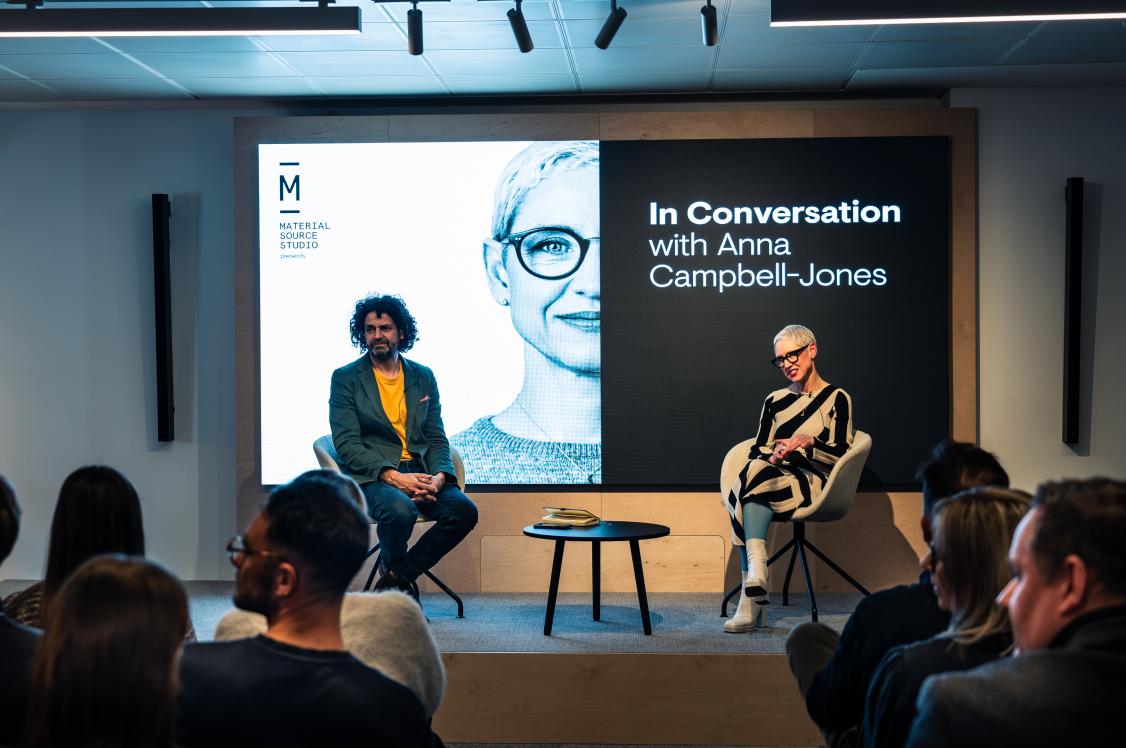
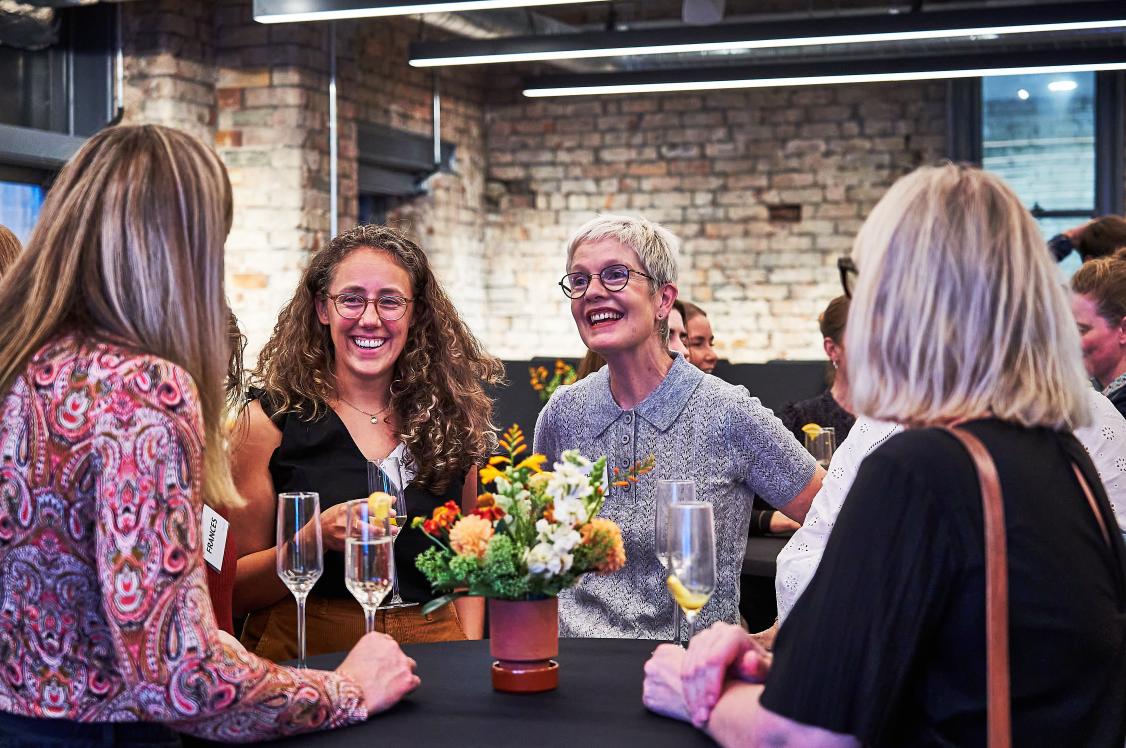
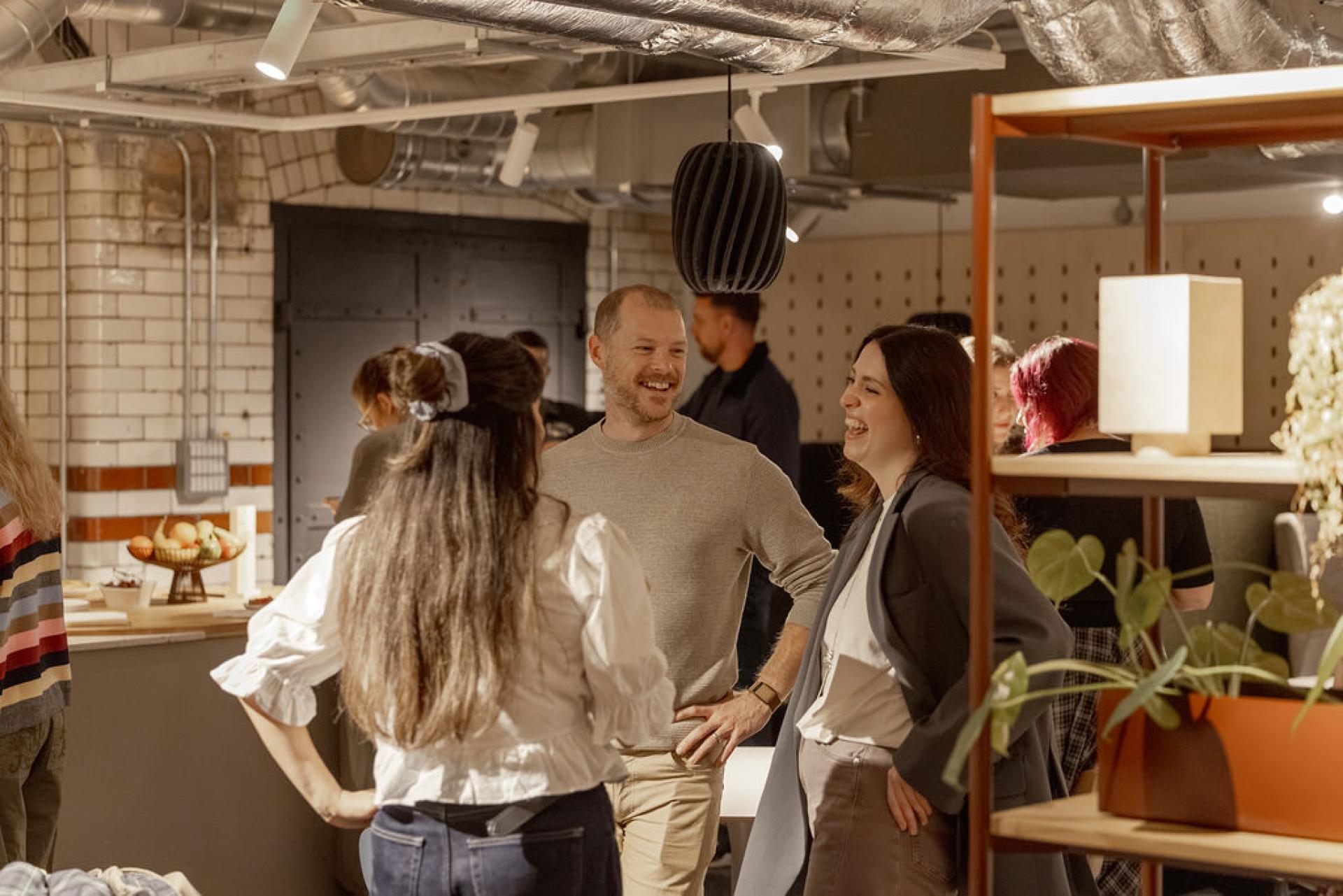
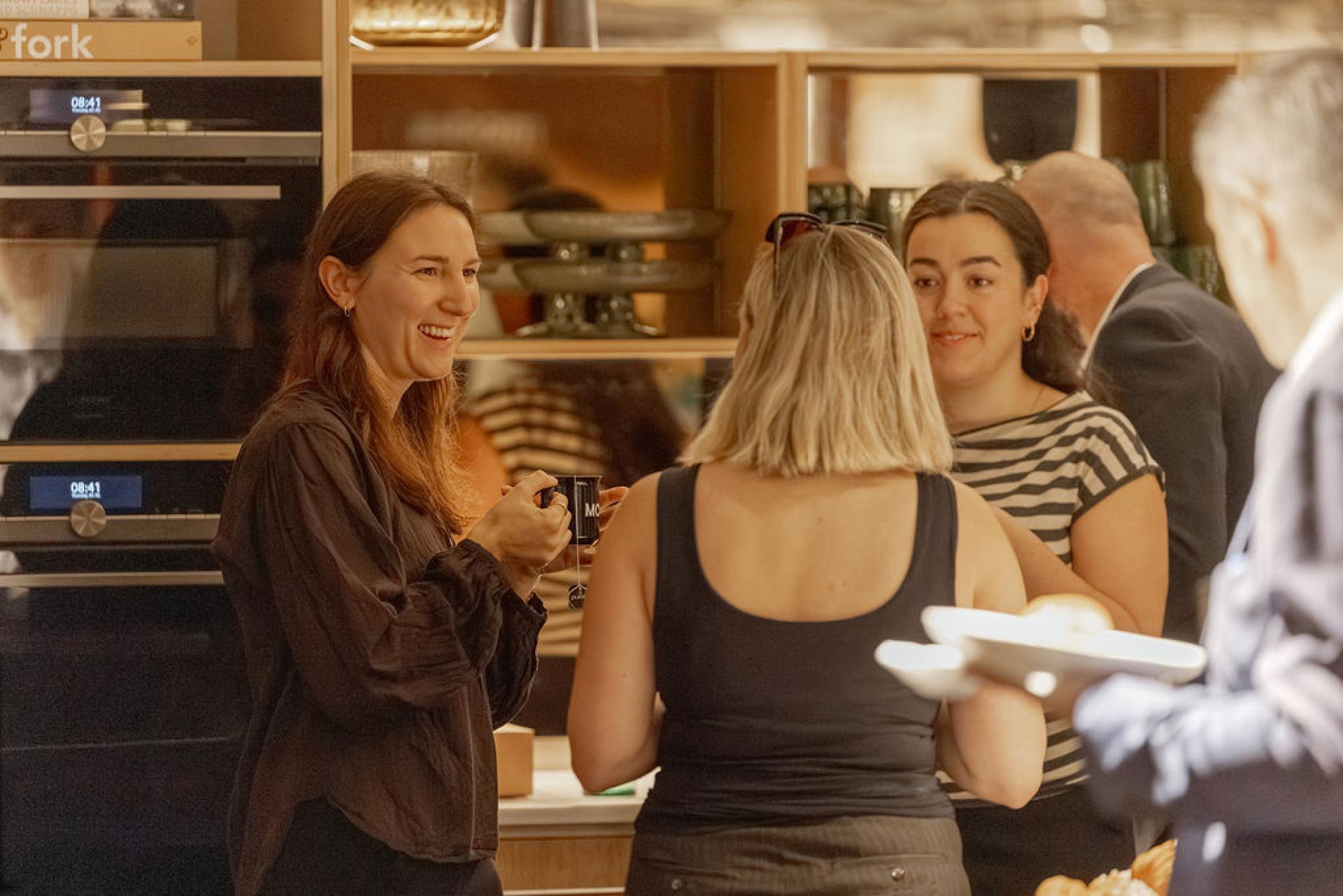
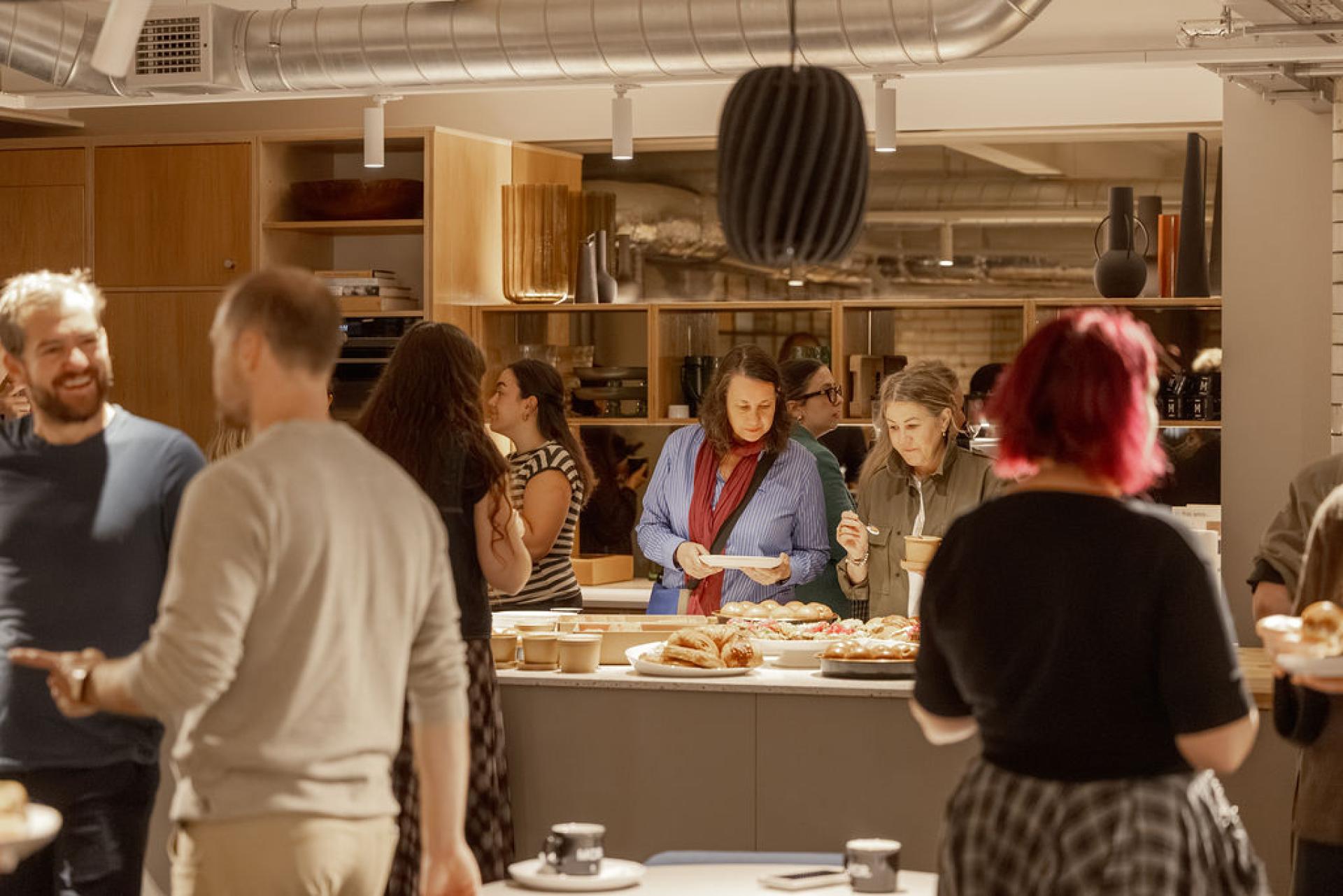
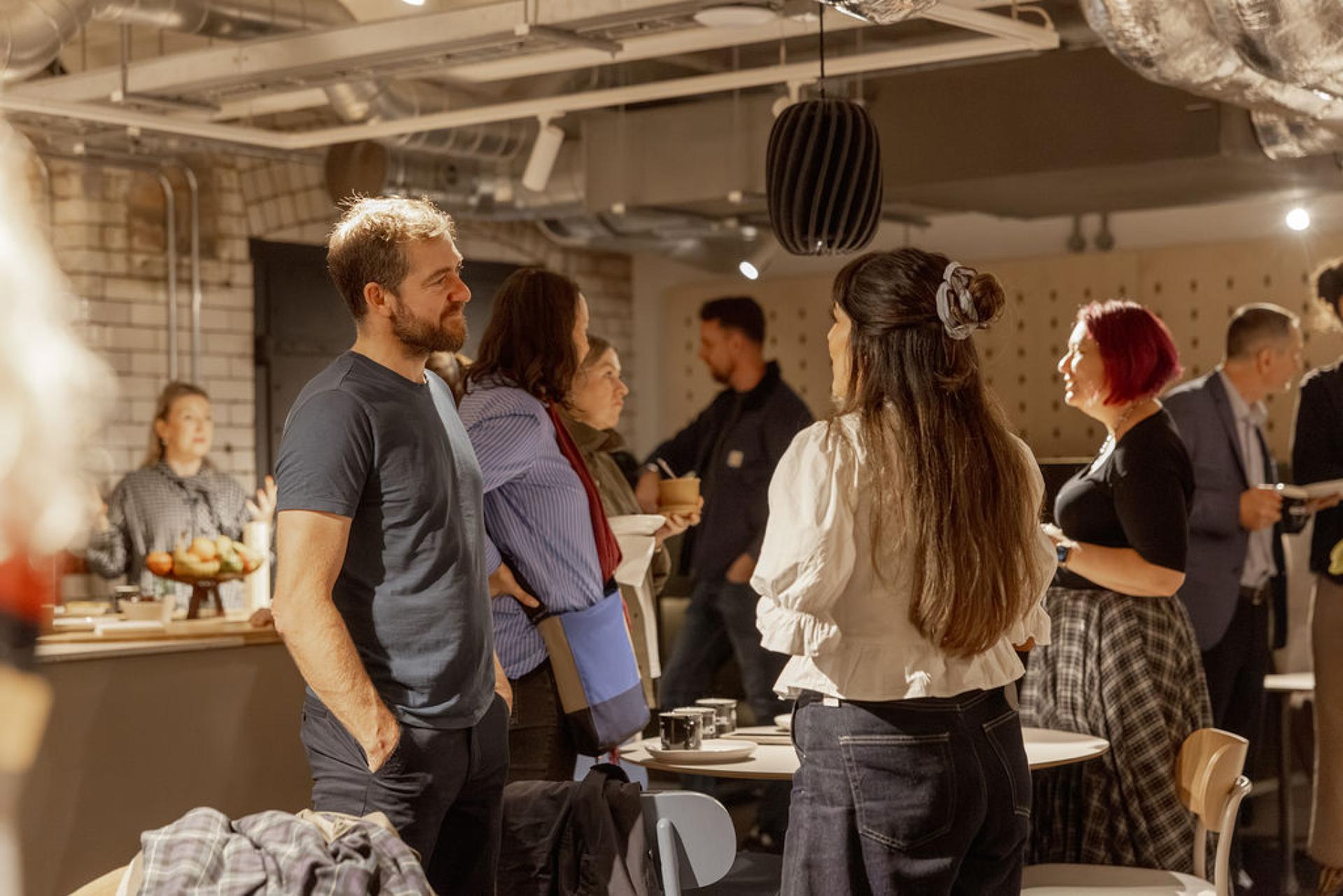
Modus - a furniture Partner at Material Source Studio Manchester, recently hosted its inaugural B Corp Breakfast North.
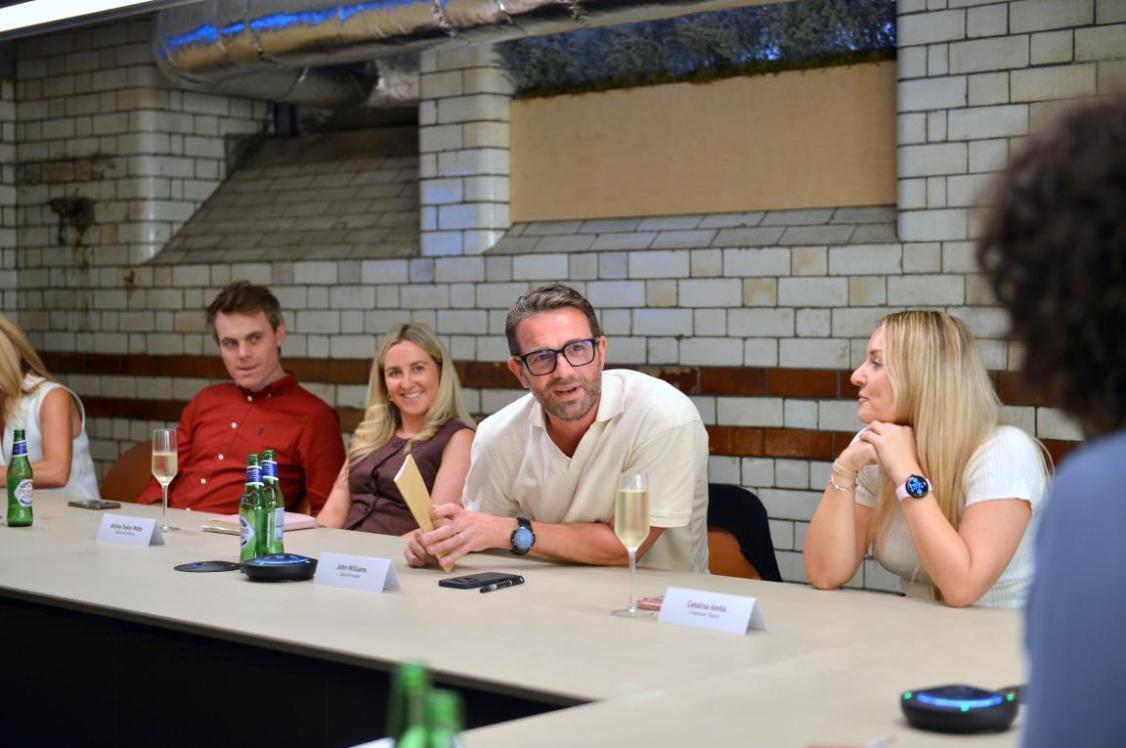
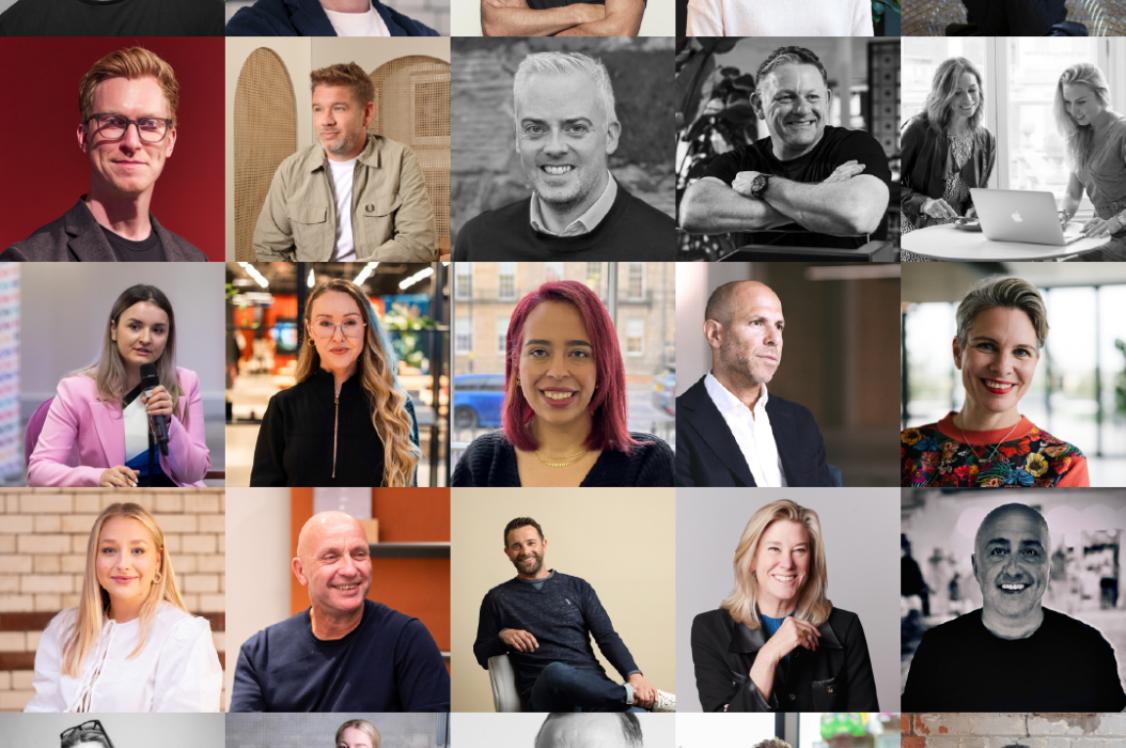
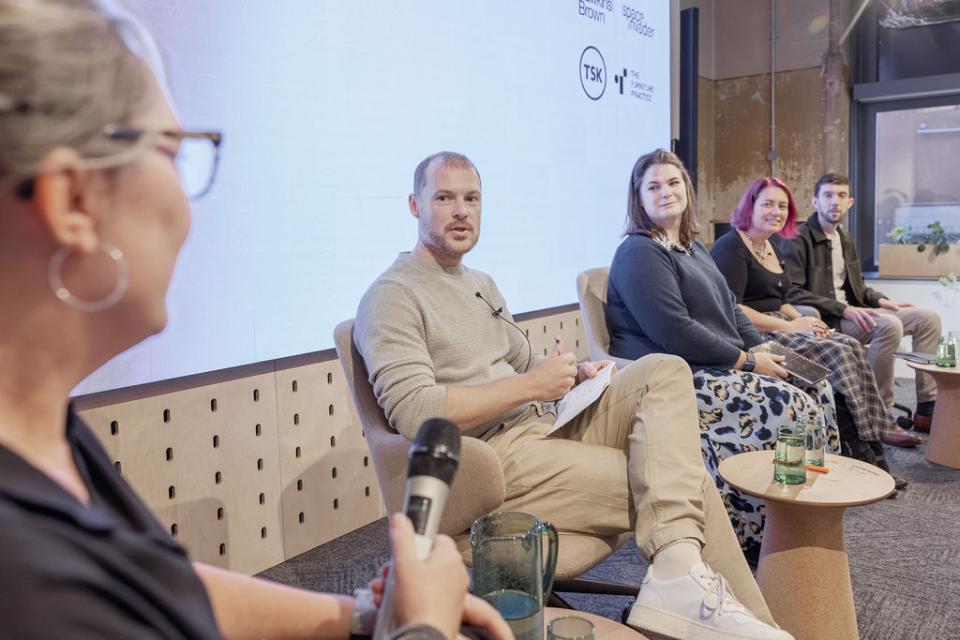
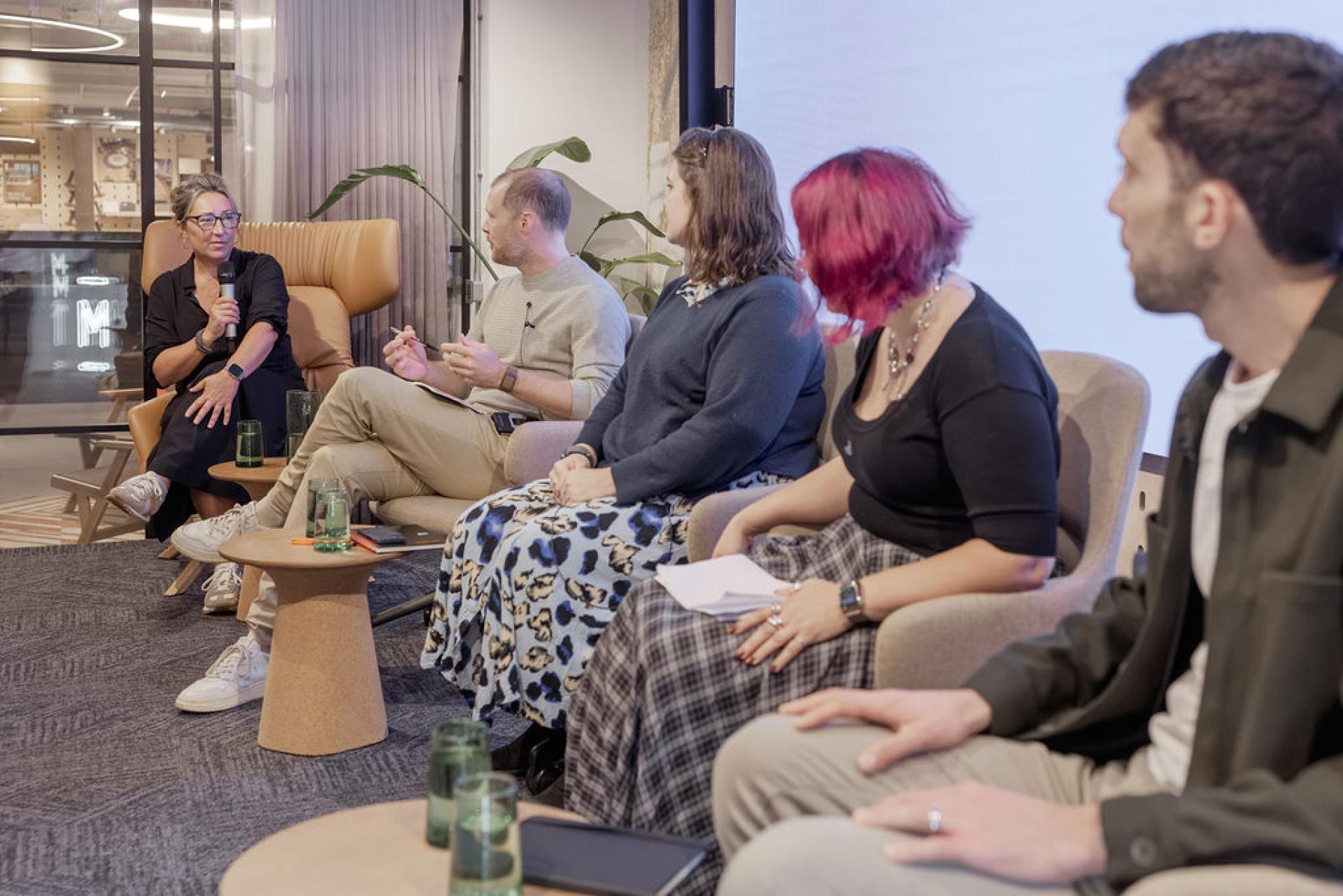
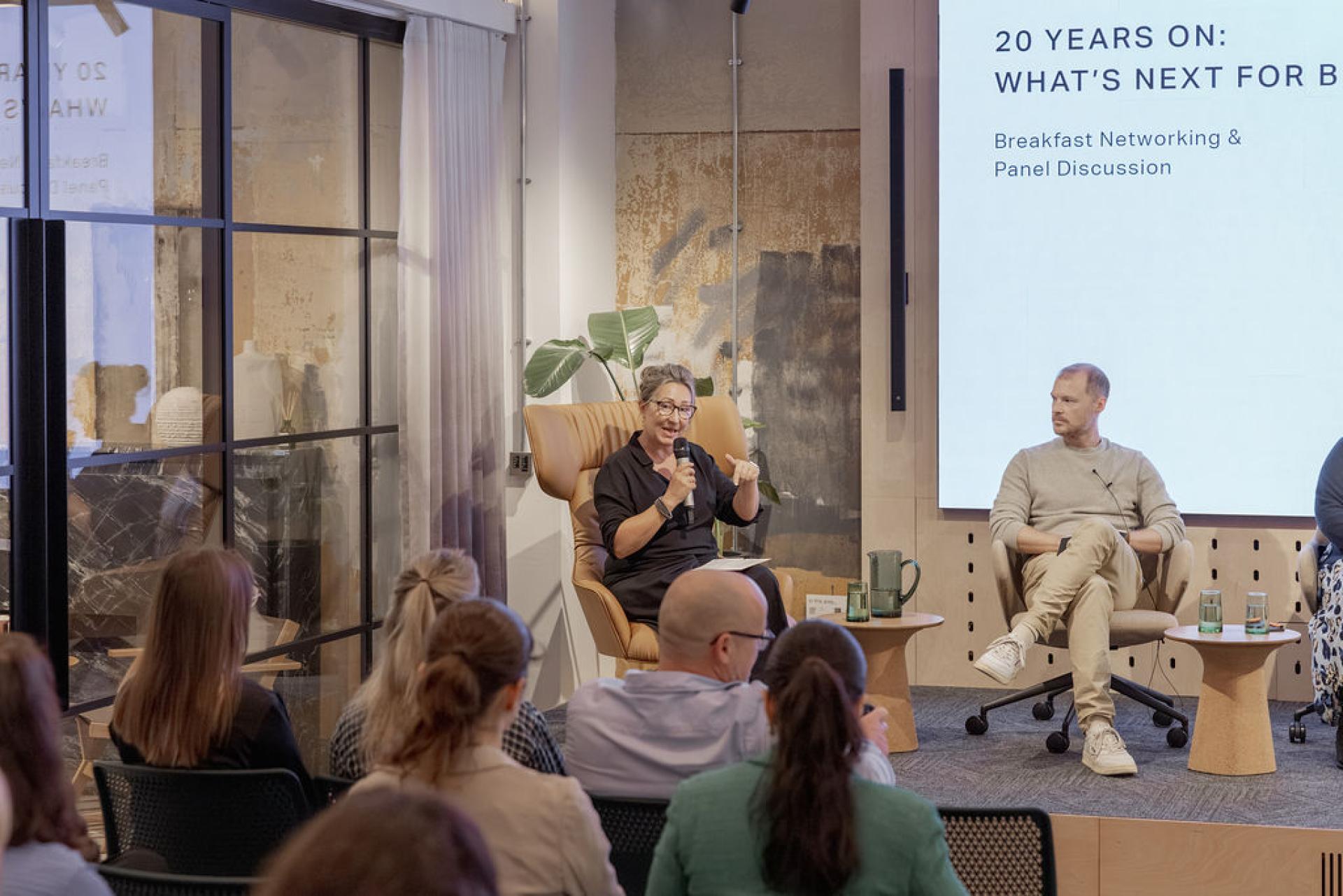
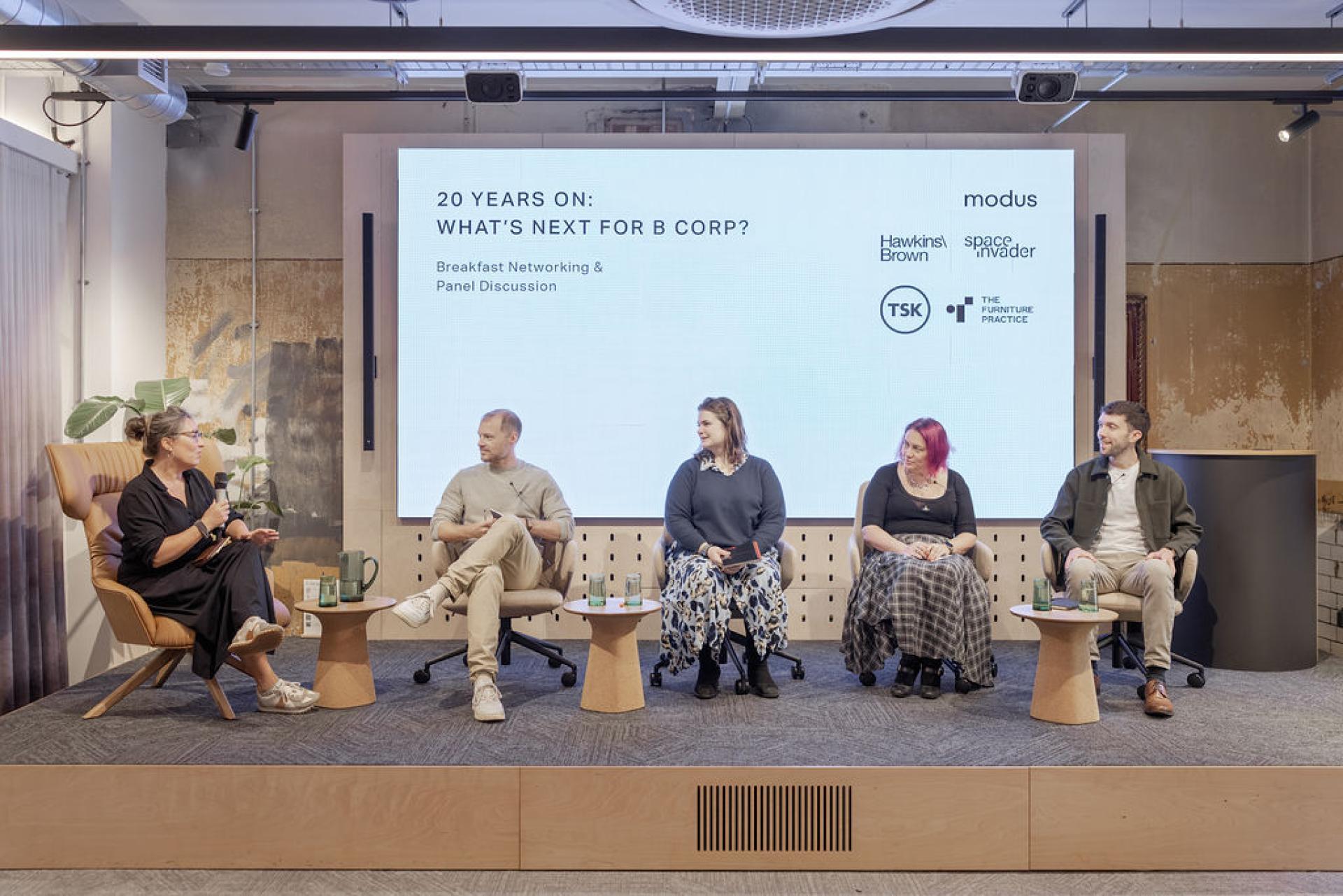
Bringing together a panel of built environment specialists: Holly Wilkinson, Hawkins\Brown; Phil Towle, The Furniture Practice; Jamie Richardson, TSK Group; and Sarah Dabbs, SpaceInvader, in discussion with host, Lucy Crane, head of sustainability at Modus Furniture, the session reflected on the 20-year milestone of the B Corp movement while examining its future direction.
Threads of conversation that emerged included moving beyond individual business certification toward systemic change; policy influence; authentic stakeholder governance; and sector-wide collaboration. And being region-specific, Manchester’s distinct identity, independence, and spirit of collective action were highlighted as natural drivers for the region’s rapidly expanding B Corp community.
Here we share the top 5 learnings we took away from the event in regards to what might be next for B Corp.
1. The new B Corp standards must be navigated
As Lucy Crane told us during our interview, the updated standards raise the performance bar, demanding significant time, resources, and data reporting. Scaling business size triggers additional reporting requirements that can strain capacity.
Panellists noted that while monitoring takes time, it aligns closely with core business values. The primary challenge is allocating resources to drive internal change while encouraging suppliers to adopt Scope 1, 2, and 3 emissions targets.
"Timing, being able to meaningfully monitor and make meaningful change is what we want to spend this year doing, but the new standards mean new things to look at... Measuring impact takes time, but it is worth it." - Sarah Dabbs, Studio Operations Director, SpaceInvader
Credit: Fiona Finchett
Credit: Fiona Finchett
Credit: Fiona Finchett

Credit: Fiona Finchett
2. Industry-wide collective action is needed
Unilateral action cannot solve systemic issues like waste and product end-of-life once items pass to clients, the panel said.
The built environment needs cross-sector engagement across clients, suppliers, and specifiers to build circular economy frameworks that do not yet exist. Shared standards, such as the UK Net Zero Carbon Buildings Standard (NZCBS), help align industry efforts.
"Waste related to product we sell, we no longer have control over once it's in clients' hands. Circularity and reuse is a huge opportunity that requires cross-sector client stakeholder engagement... Those systems don't exist yet and we need to work this out together." - Phil Towle, Associate Director - Sustainability & Supply Chain, The Furniture Practice
3. Policy has influence on systemic change
The panel believes that B Corps must move from voluntary action to shaping policy frameworks like the Better Business Act. They stressed using transparent, evidence-based data from lived technical experience to inform policy makers.
Rather than creating fragmented groups, it was agreed B Corps should amplify their collective voice through established industry bodies such as UKGBC, RIBA, and LETI.
"Money buys access but doesn't buy data... More voices saying the same thing in one channel has more impact than lots across different groups." - Holly Wilkinson, Architect, Social Value Lead, Hawkins\Brown
Credit: Fiona Finchett

Credit: Fiona Finchett
Credit: Fiona Finchett
4. Stakeholder governance & culture has long term impact
Embedding stakeholder governance requires moving away from short-term fixes and creating structured channels, such as employee boards and forums, to drive business purpose, the panellists suggested.
Authentic governance empowers employees to speak up and ensures they feel genuinely heard, transforming internal culture through continuous learning and transparent communication.
"It's not about just saying the right things and making the right noises, it's about how you embed that... Long-term impact, long-term change. Not firefighting, but what's the long-term impact we want to have through our business model." - Jamie Richardson, Sustainability Director, TSK Group
5. Movement credibility has to be protected
The greatest threats to credibility are greenwashing (the gap between marketing claims and operational reality), large corporate dilution of core values, and companies treating certification merely as a marketing badge, said the panel.
While rigorous third-party verification under the new standards is necessary, the high financial and time costs must not exclude smaller, value-led practices.
"Baseline regulations aren't good enough, B Corp needs to keep moving up and forward... [The risk is] the gap between what's claimed and reality, and using it as a badge for marketing." - Holly Wilkinson, Architect, Social Value Lead, Hawkins\Brown
Credit: Fiona Finchett
Credit: Fiona Finchett
Credit: Fiona Finchett
So going forward, what's the ultimate goal for 2036?
Normalising responsible practice: Success is not about certifying every business, but ensuring B Corp principles - such as equal weight for impact reporting alongside financial reporting - become standard practice across the economy.
Policy & built environment focus: Future success includes building regulations based on actual operational performance rather than design targets, alongside policy incentives for material reuse and circularity.
"Success is not about the number of B Corps, but the number of people adopting B Corp principles... It shouldn't be a reason for B Corp anymore, it should just be part of what we do." - Jamie Richardson, TSK Group & Sarah Dabbs, SpaceInvader.
You can find out more about Modus' approach to B Corp here. And by visiting Material Source Studio Manchester, where Modus is a Partner.
Credit: That Video Strategy Company

In association with
For over two decades, we have been manufacturing thoughtfully designed furniture that brings together British craftsmanship, sustainable innovation, and workplace functionality.