



















































Manchester Property: How is the residential sector faring?
In association with:


'Permacrisis' was named Collins Dictionary Word of the Year for 2022. And, let’s be honest, it could have appeared in the same position in every year that has followed. (In fact, ‘AI’, ‘Brat’, and ‘Vibe Coding’ succeeded it). But the point is, for more than a decade, we have lived through tumultuous times. Chaotic geopolitics paired with the instantaneous form in which we ingest content has had a domino effect on every professional sector, and everyone’s personal lives.
When it comes to property development, all of this plus the impact of stricter regulations, Gateway 2, planning lag, and uncertainty around investment has meant a mass stall on sites across the UK and further afield, leading to a pretty gloomy outlook on the sector’s state.
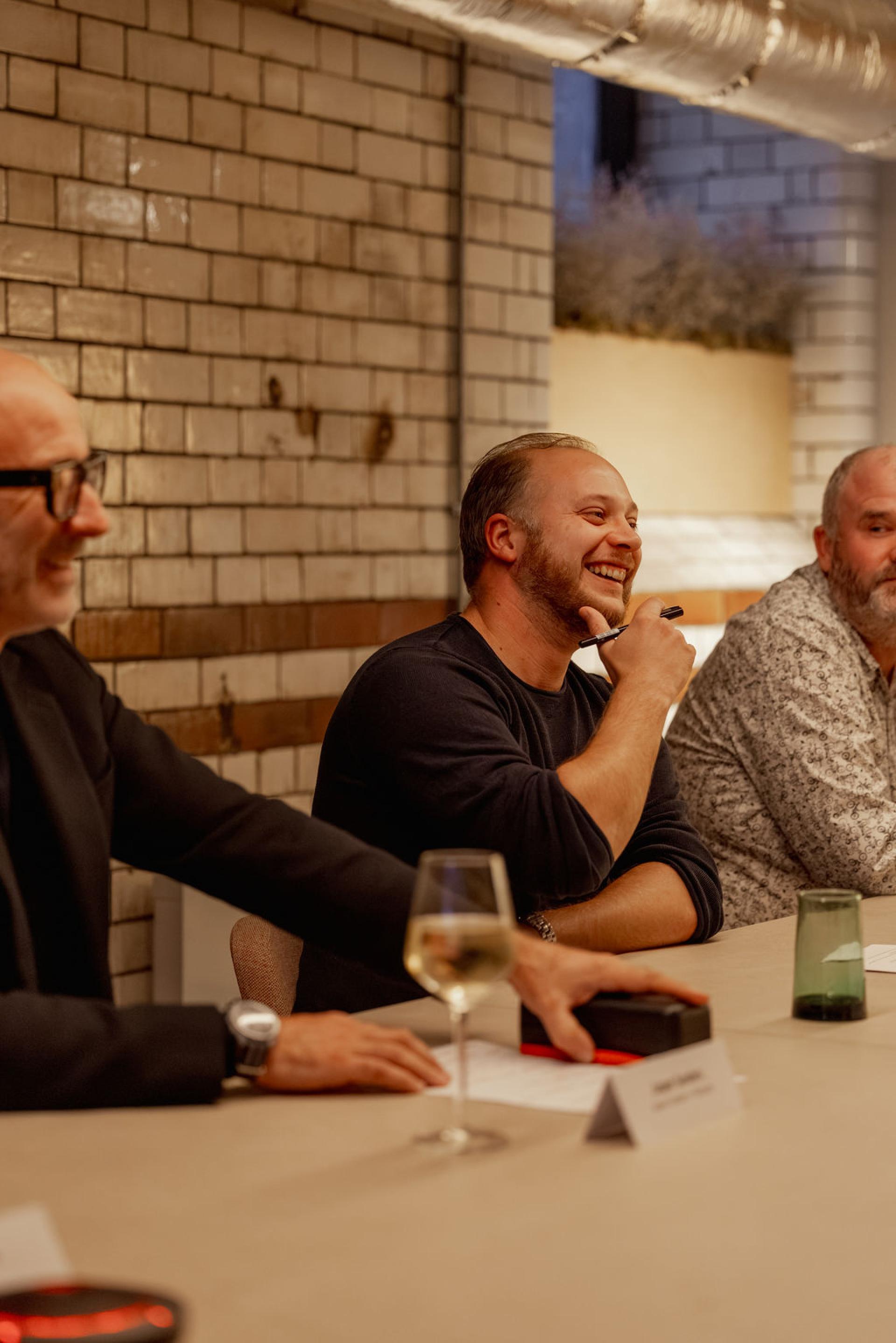
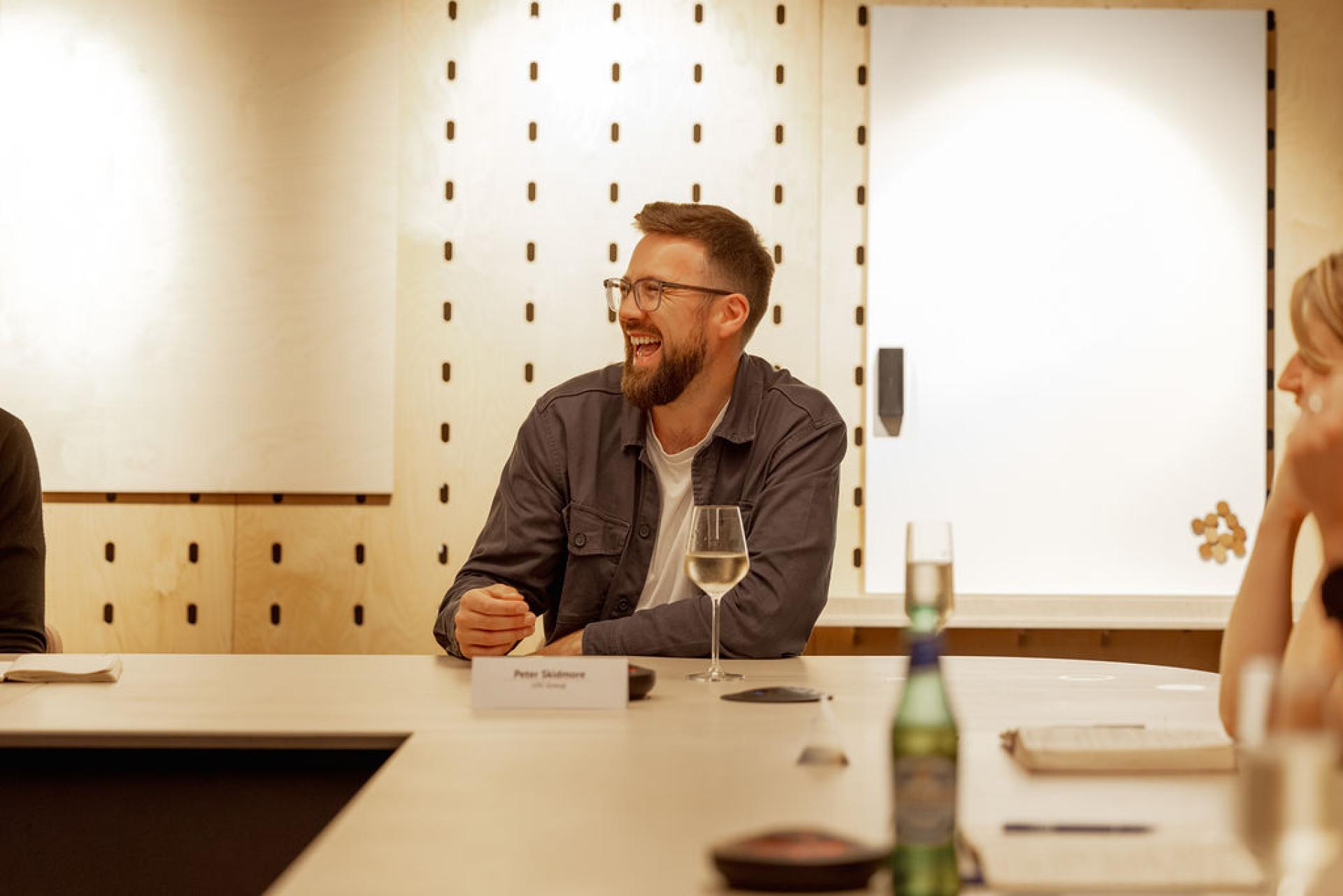
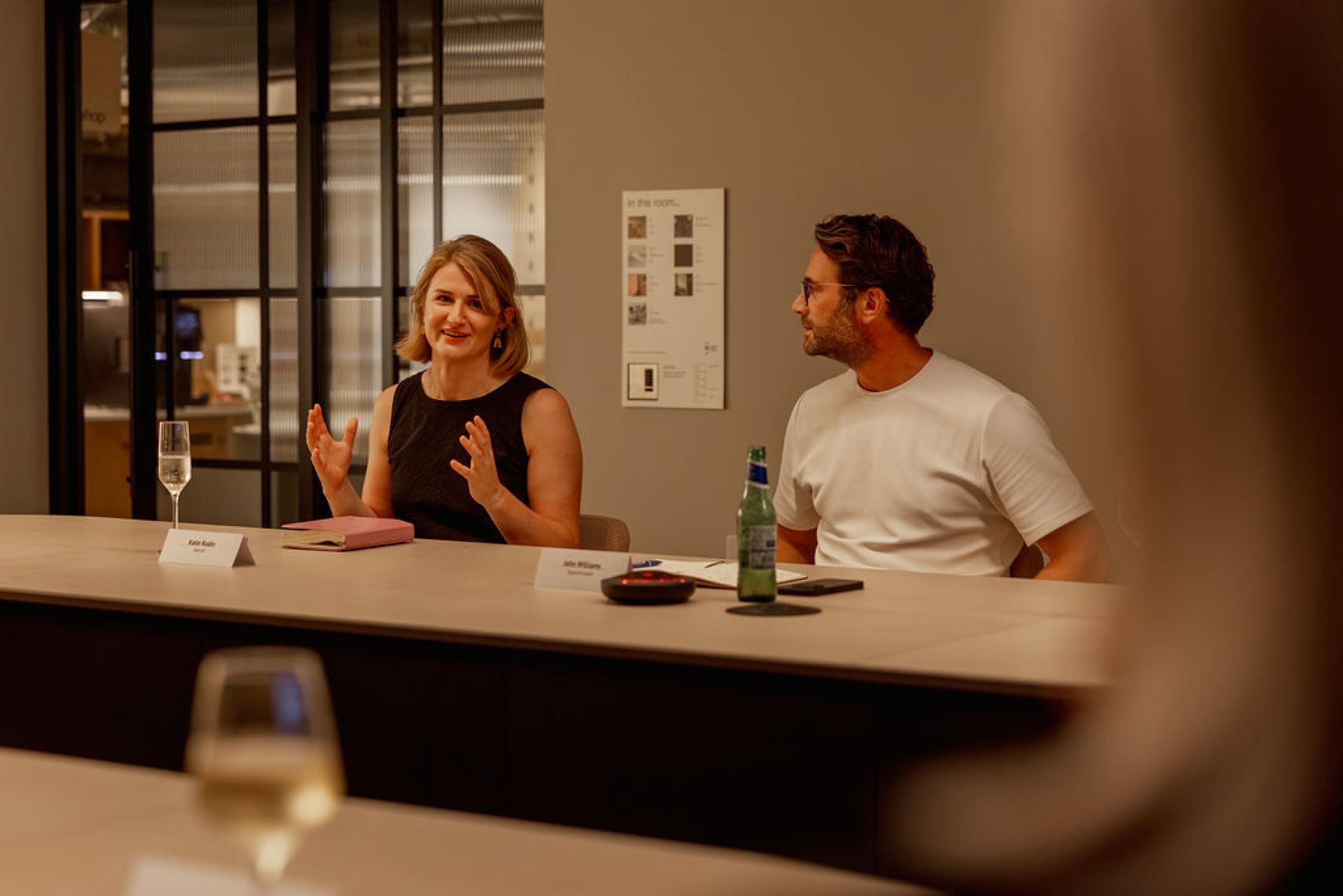
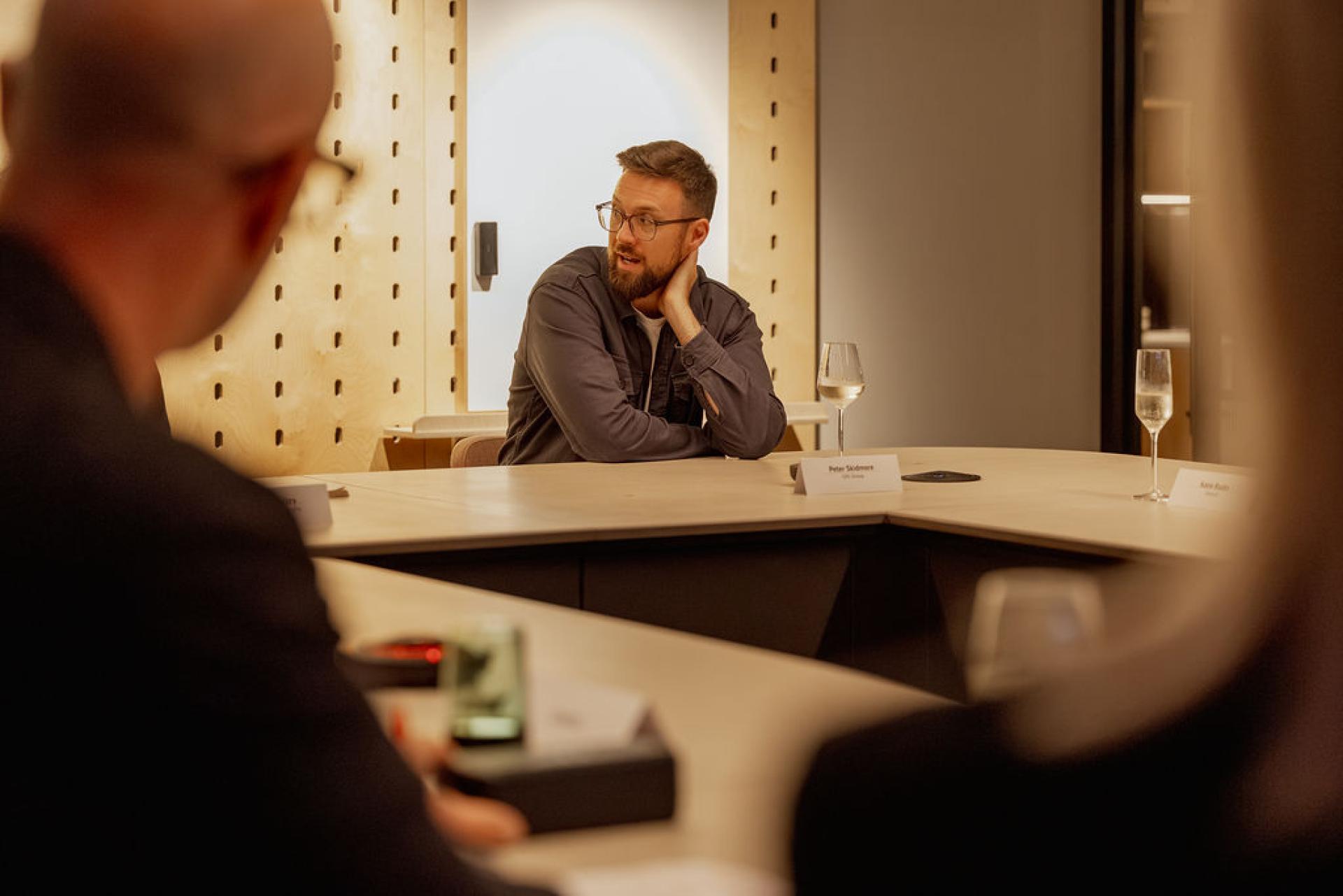
However, a different sentiment was shared at our recent roundtable in Manchester. One of optimism and hope for the future, the likes of which we’ve not heard for some time.
What’s changed? In terms of the geopolitical situation, not much, really. But on a human level, resilience has come to the fore. And adaptability has been embraced as a result. While the bigger picture remains, the way we deal with projects on a daily basis must endure. The show must go on, as they say. And perhaps we’re now ready to accept that across the whole industry food-chain.
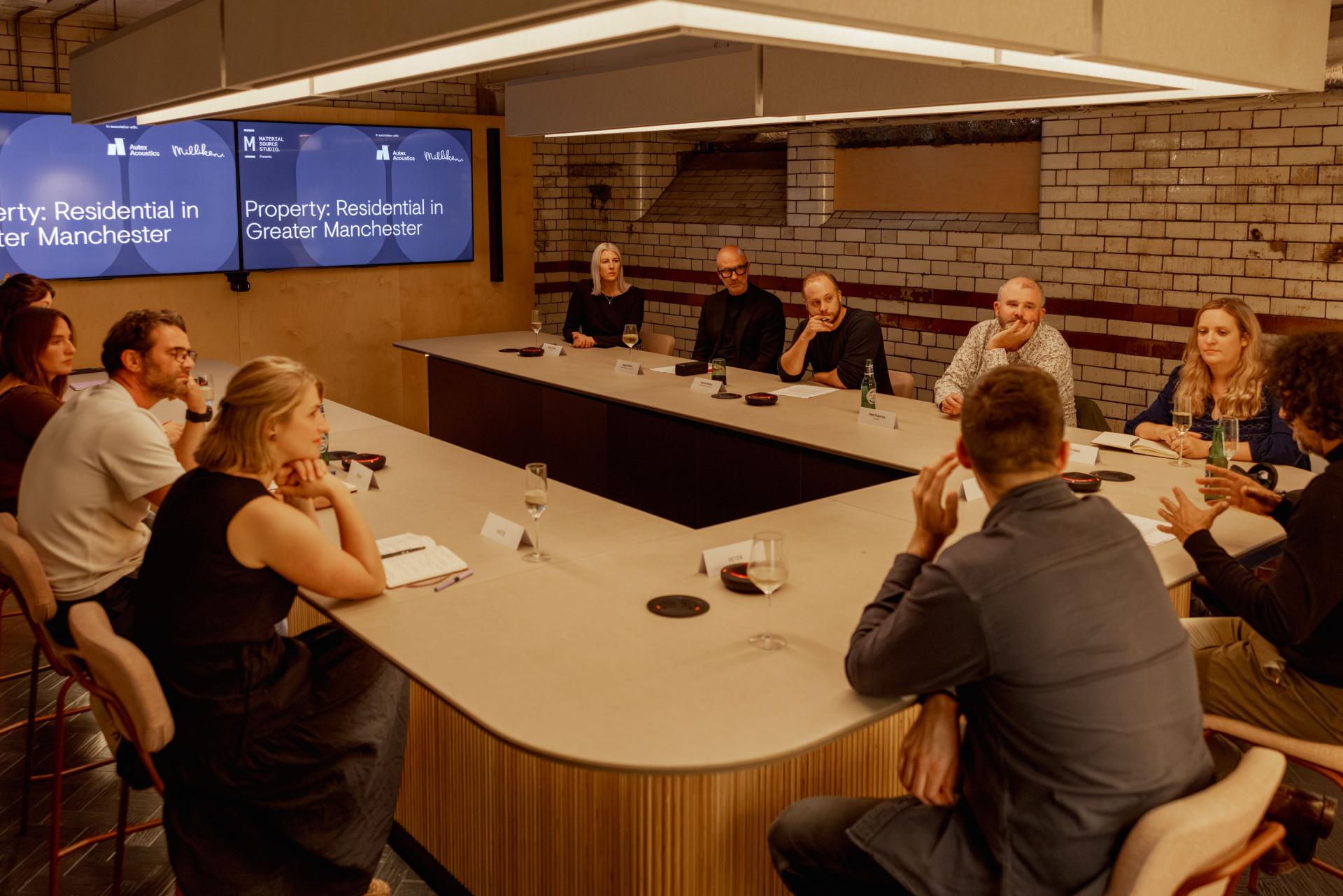
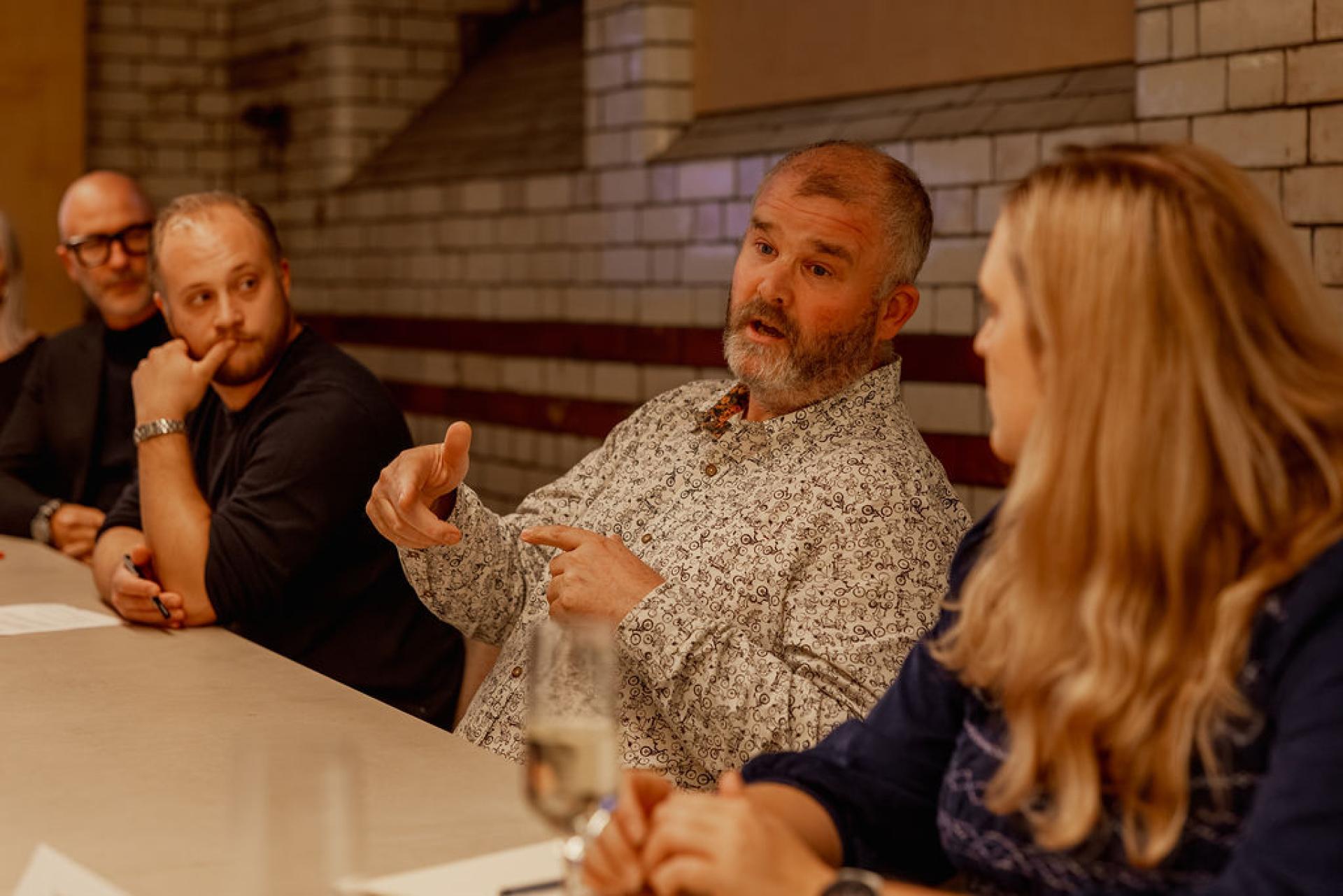
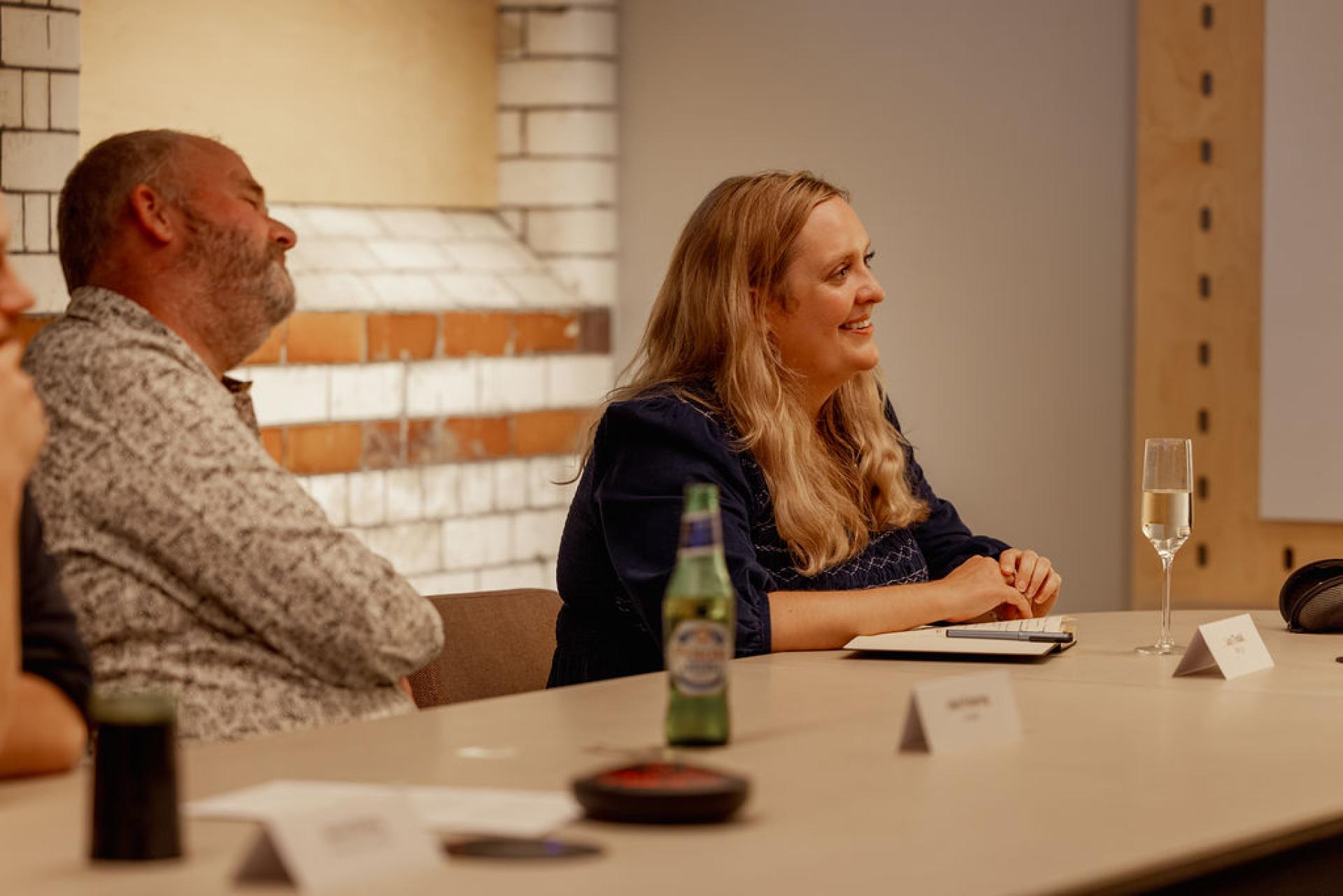
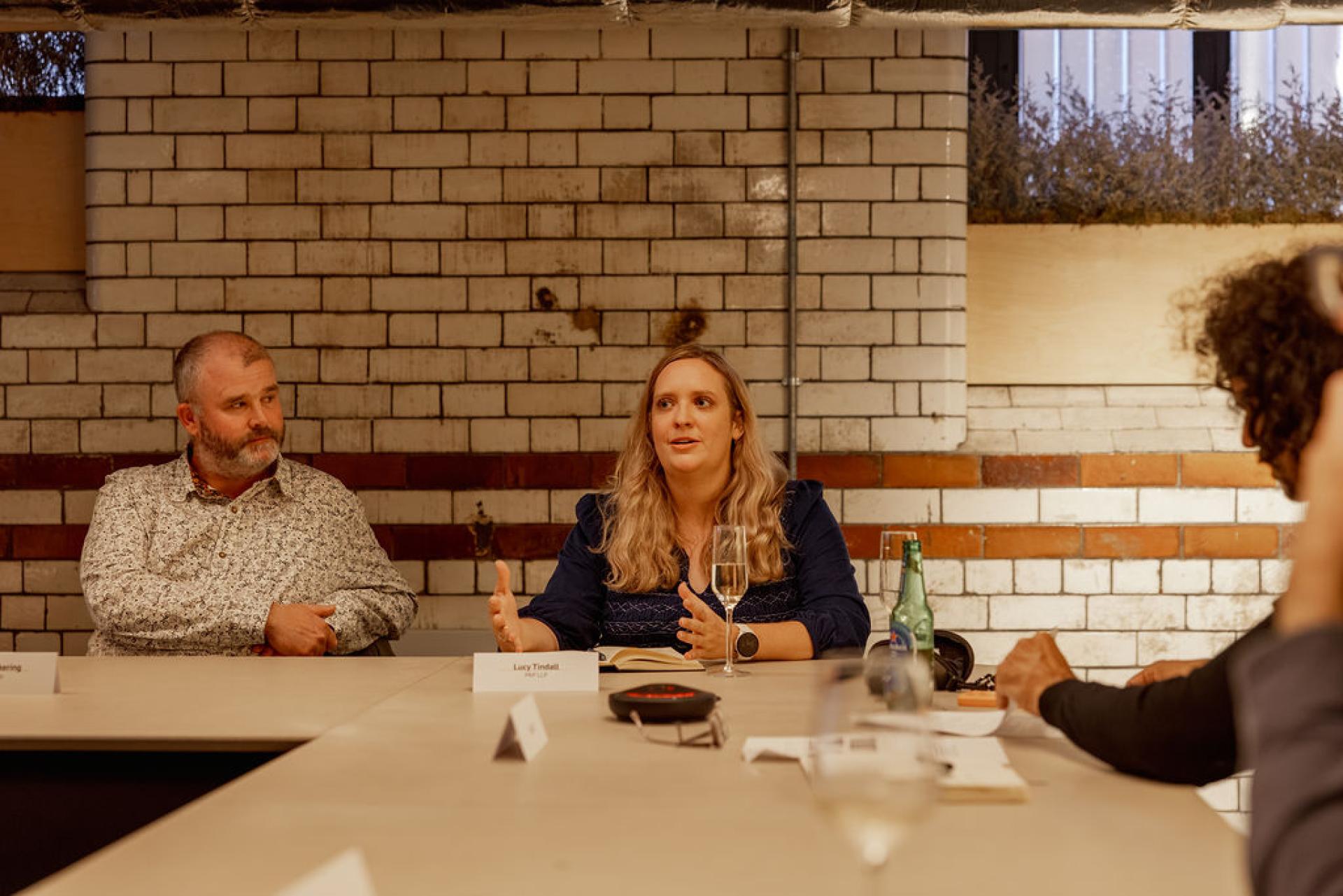
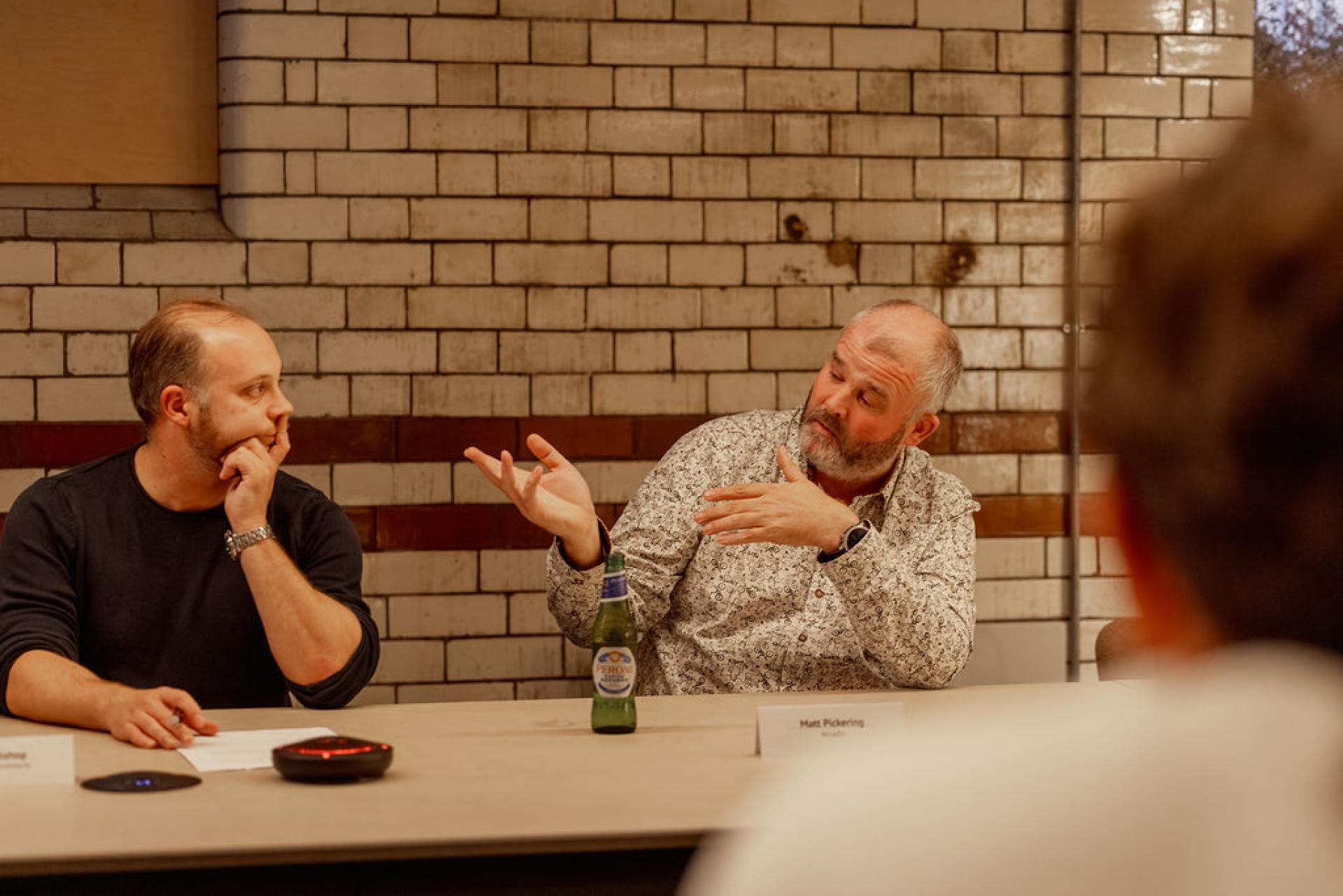
In the conversation to follow, this is illustrated beautifully by our roundtable guests, all experienced and uniquely positioned to comment on Manchester’s residential property outlook. Read on…
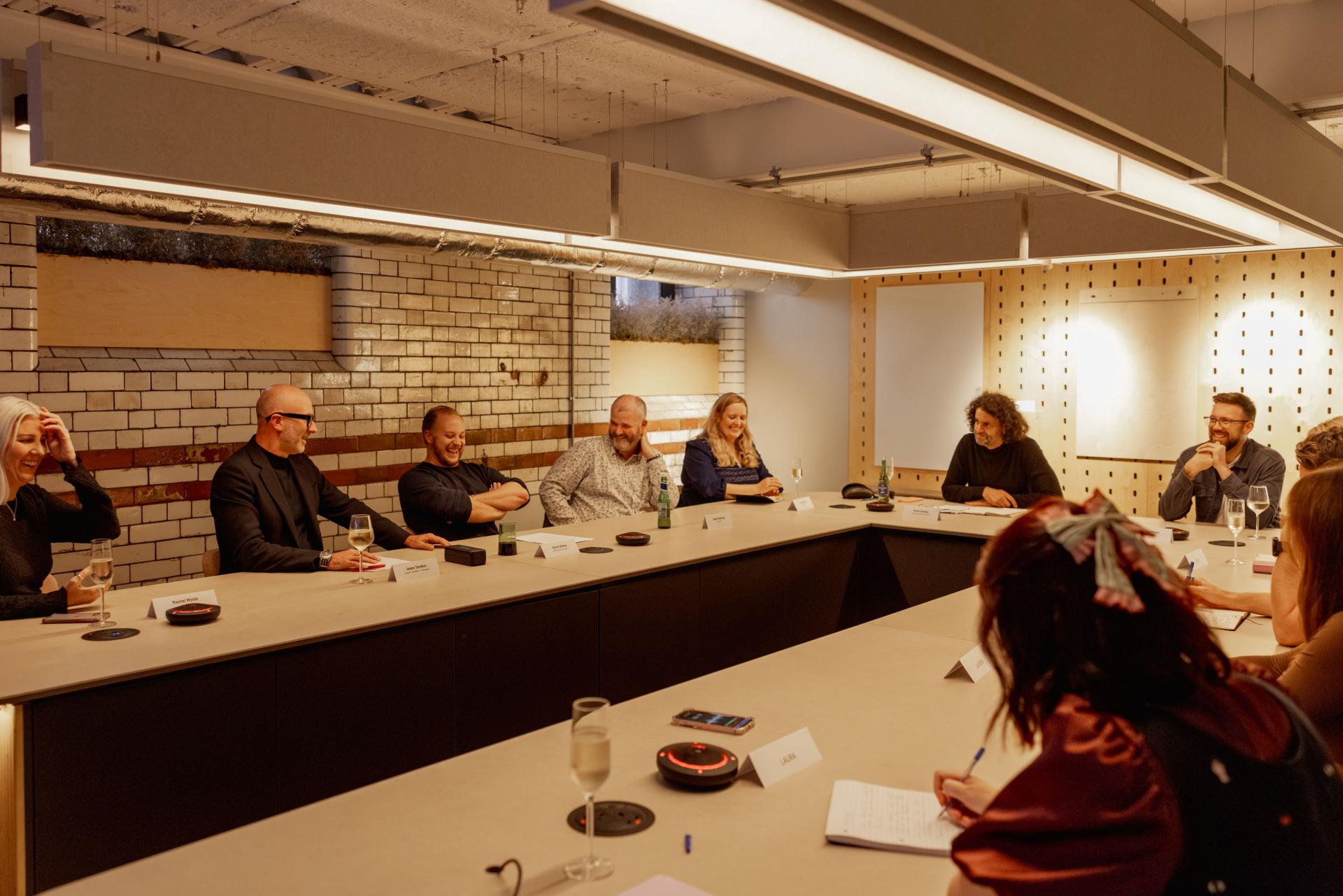
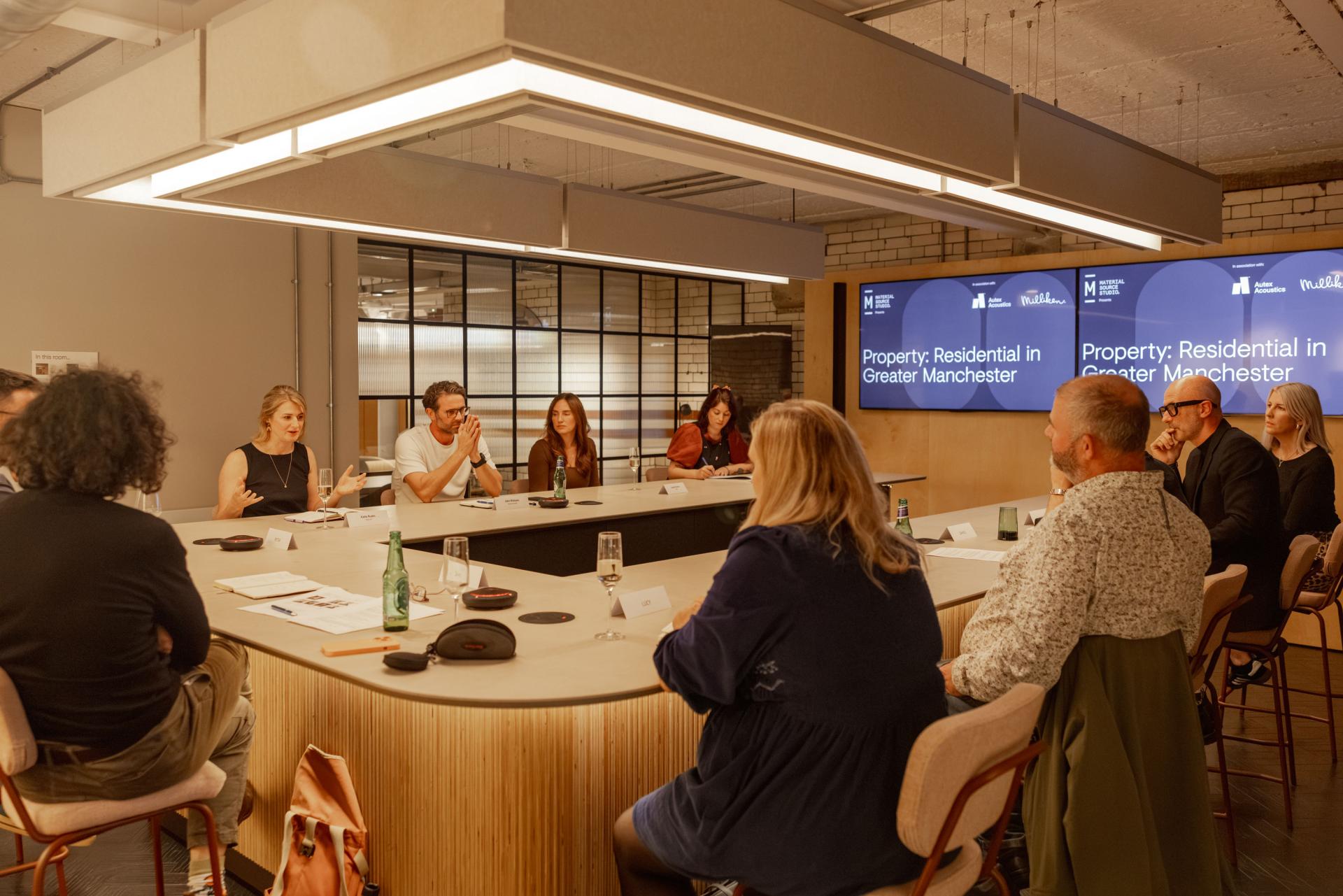
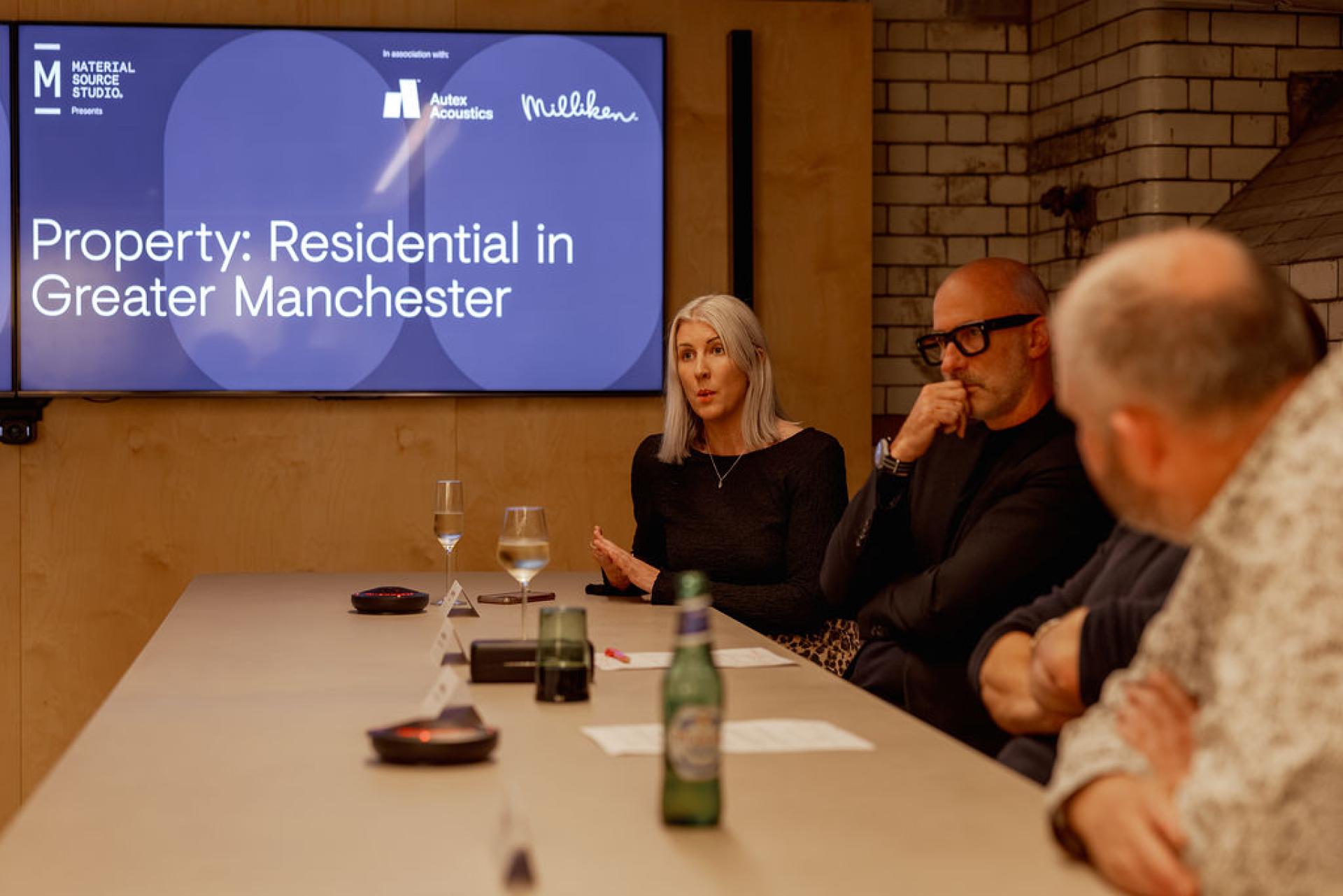
Our guests

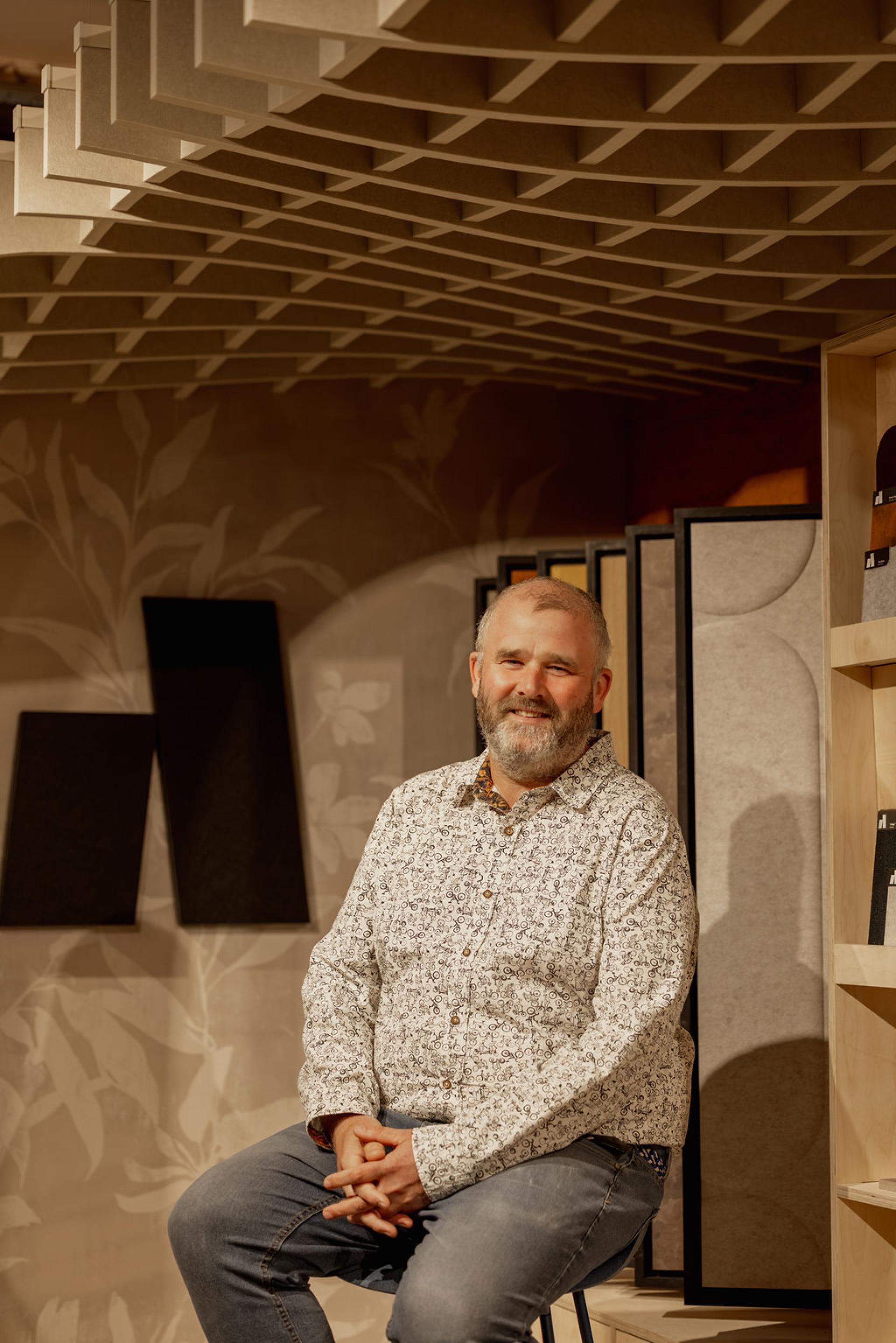
John Williams, Founder, SpaceInvader
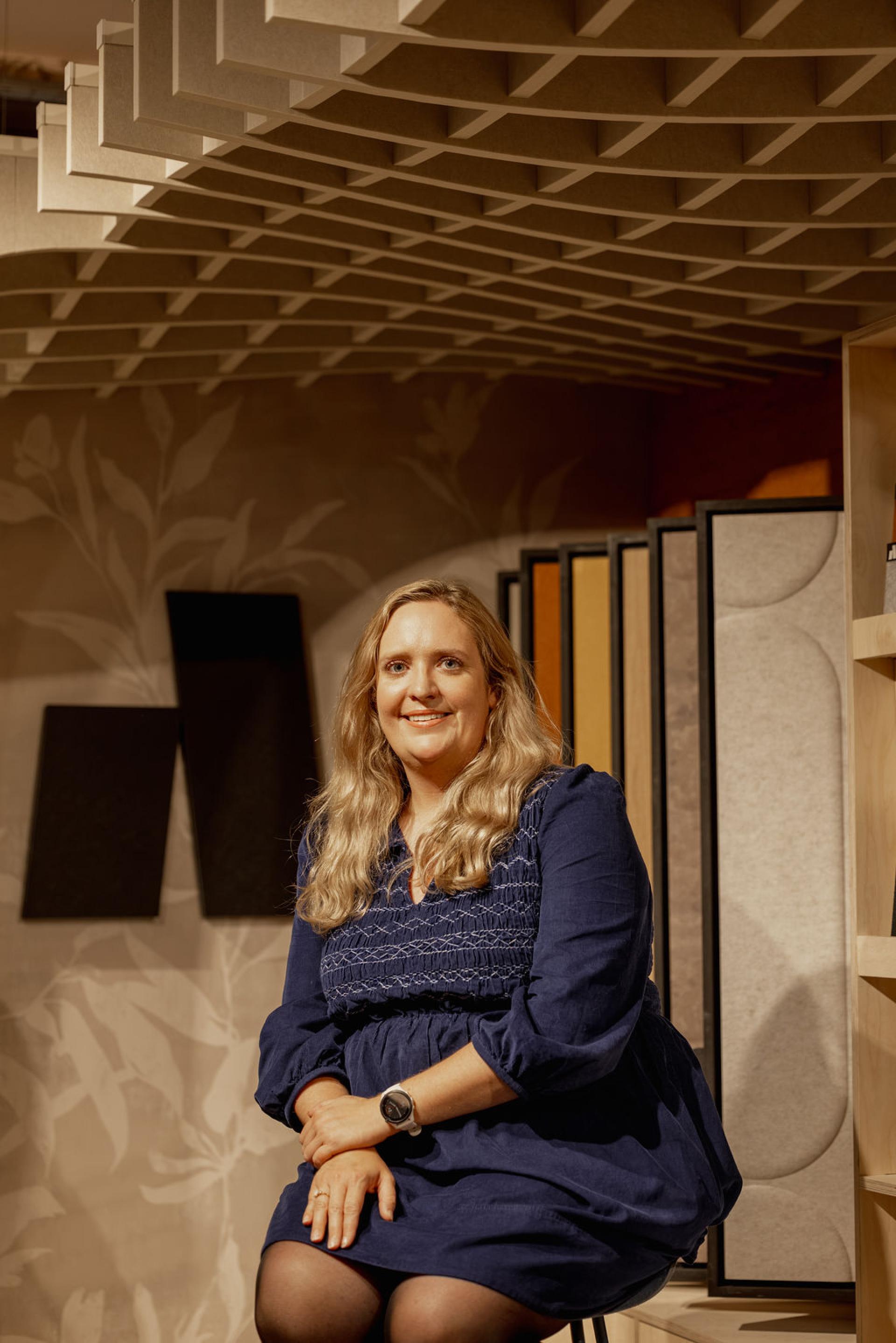
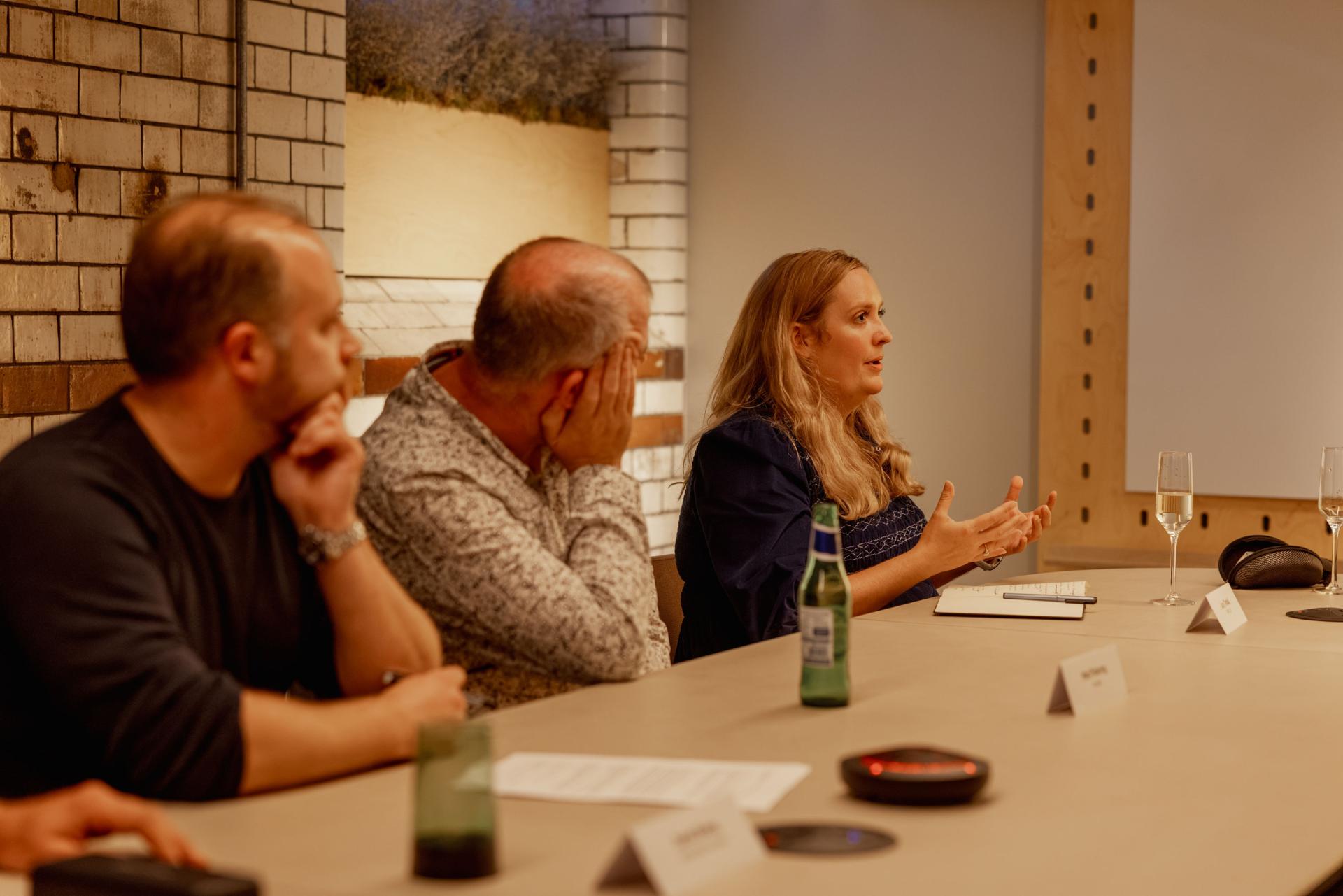
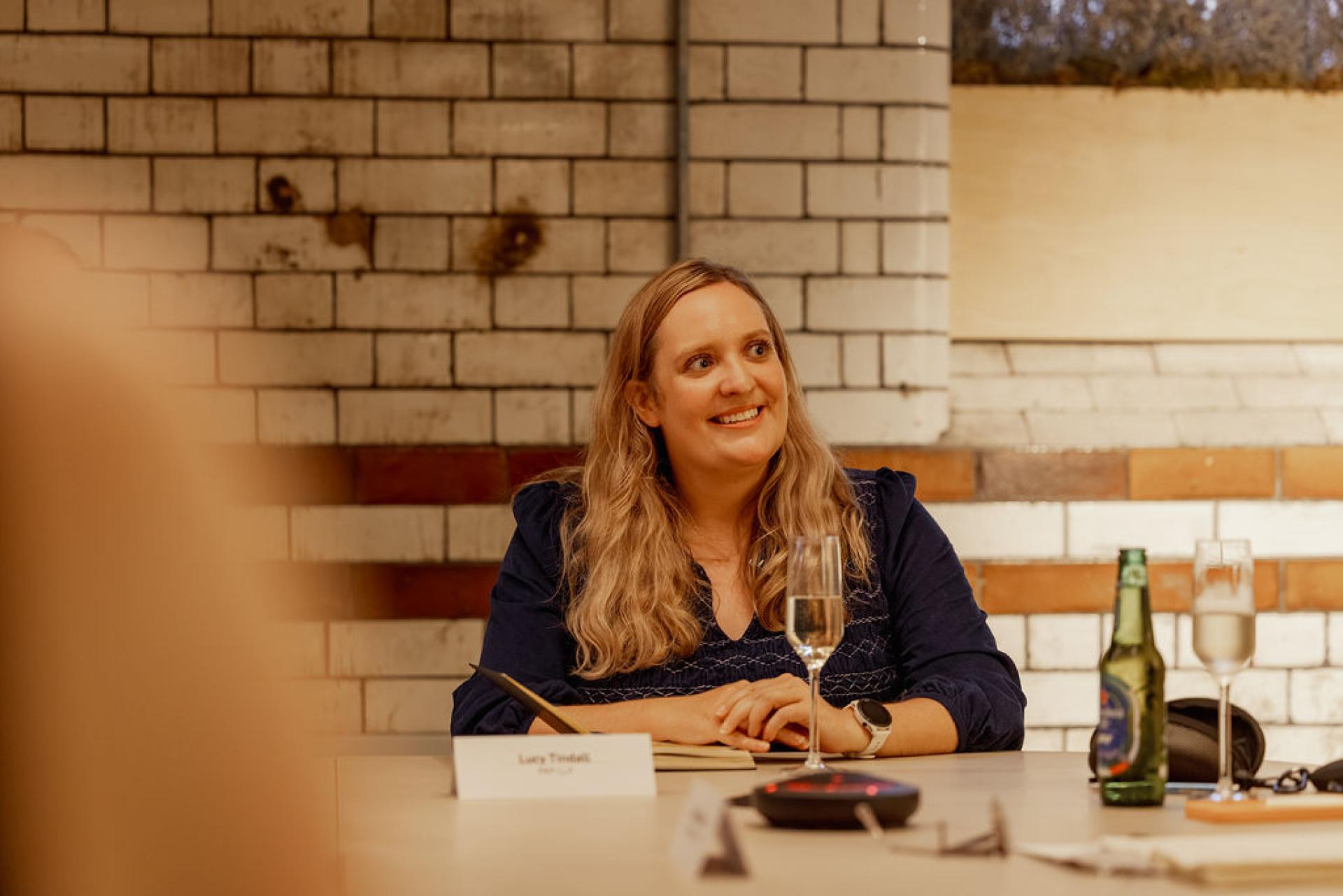
Lucy Tindall, Associate, PRP
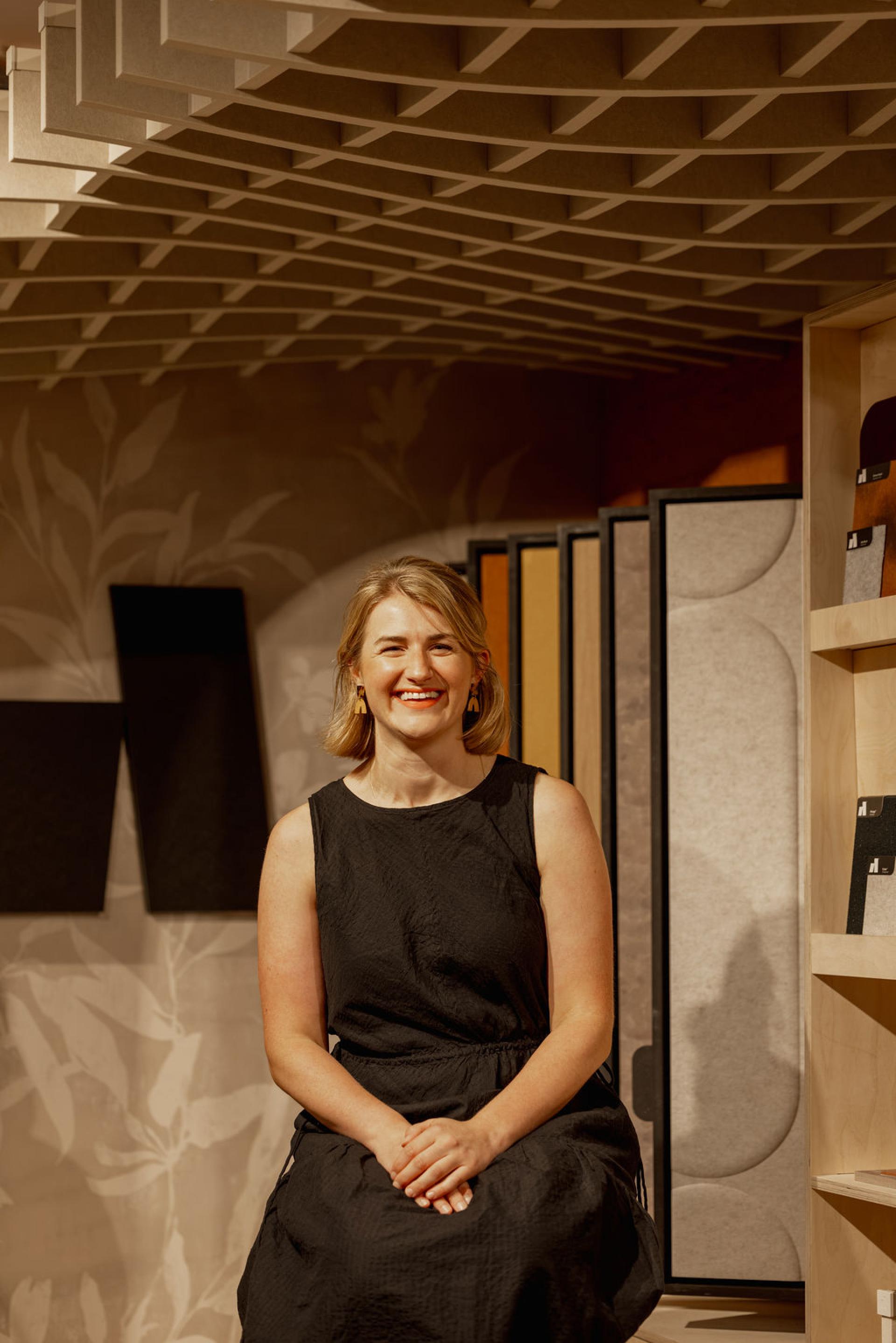
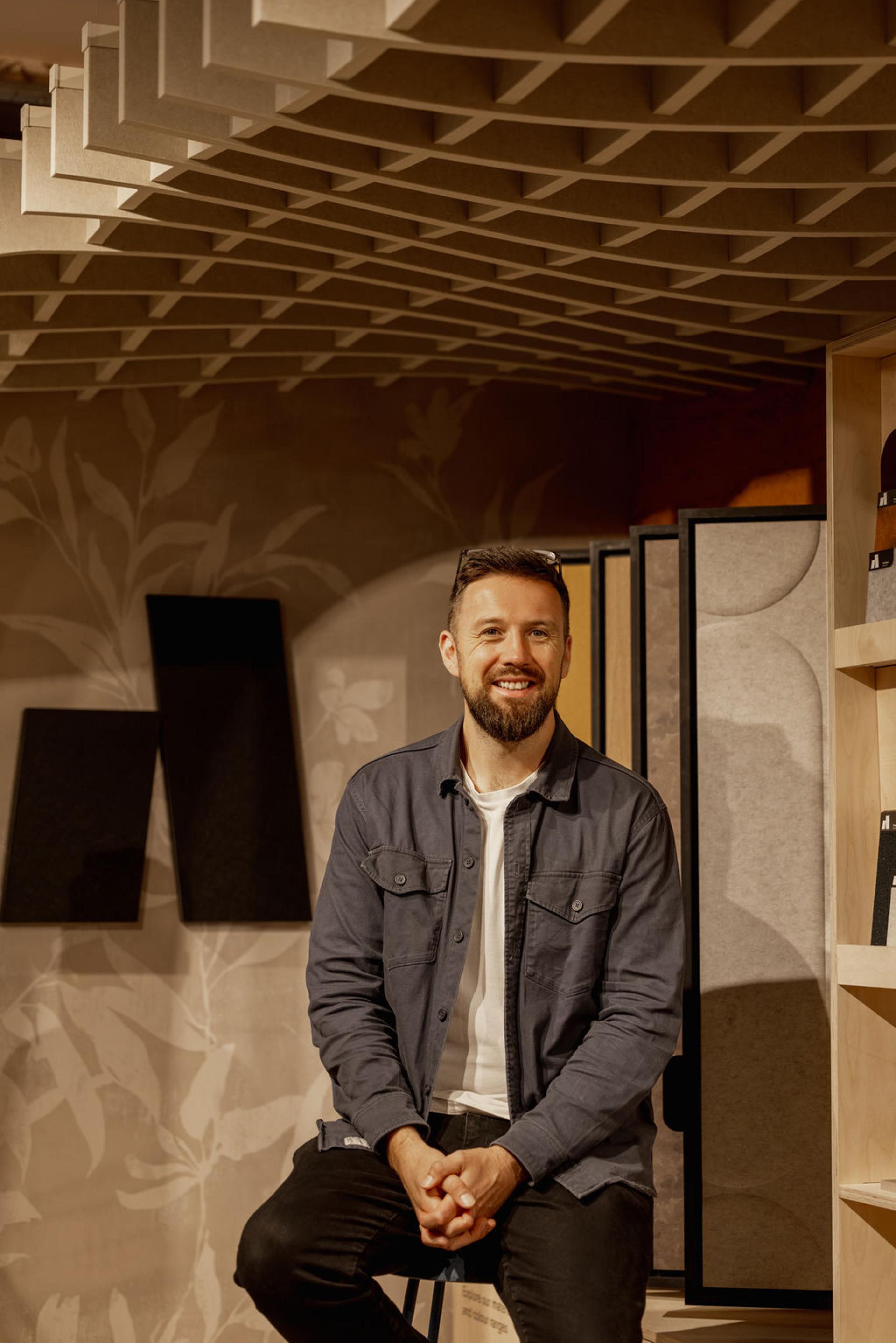


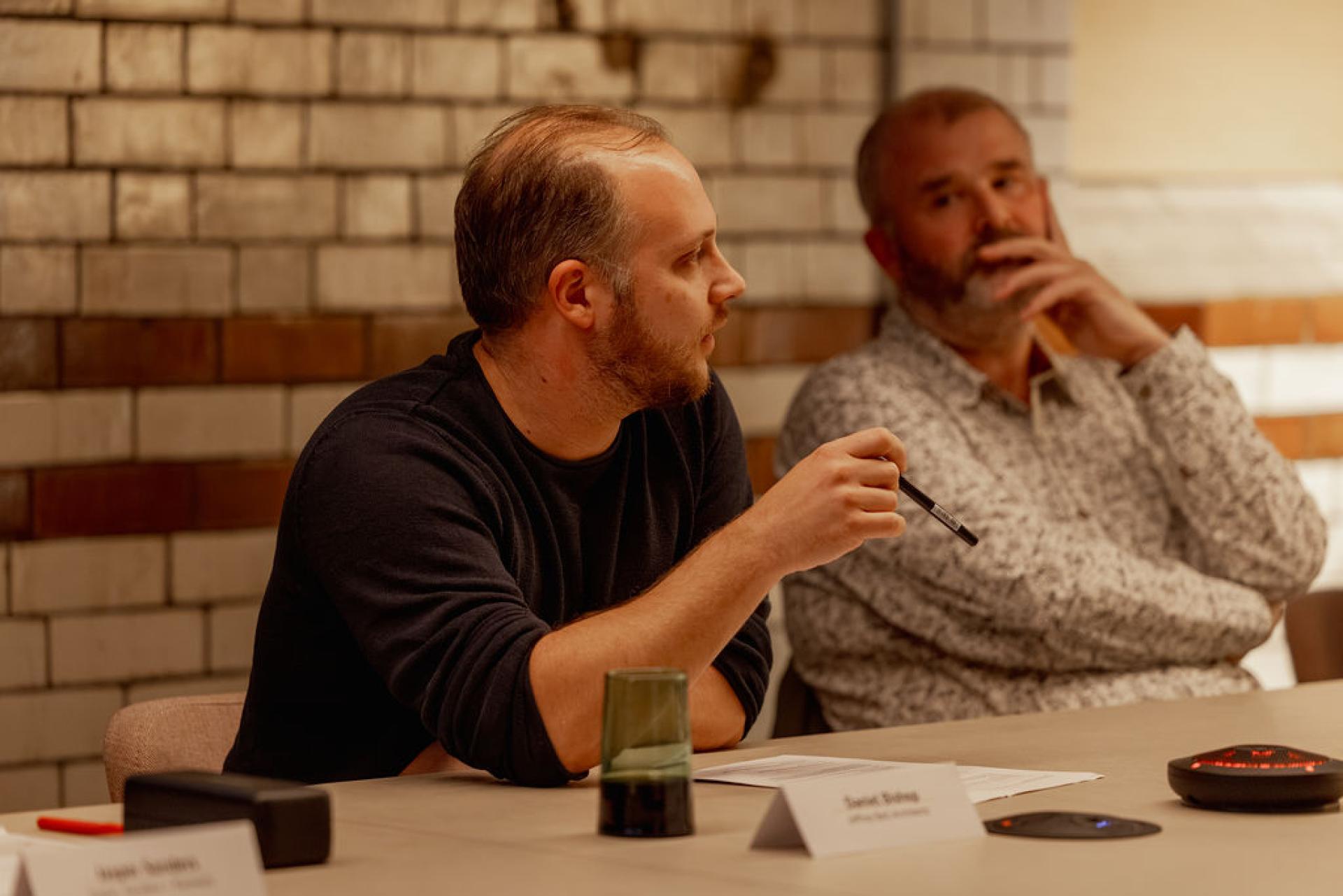
Daniel Bishop, Architect, JB+CO

Lauren Farrier, Head of Sales - North, Autex Acoustics

Jasper Sanders, Founder, Jasper Sanders & Partners

Laura Connelly, Editor, Material Source

David Smalley, Chair & Director, Material Source Studio
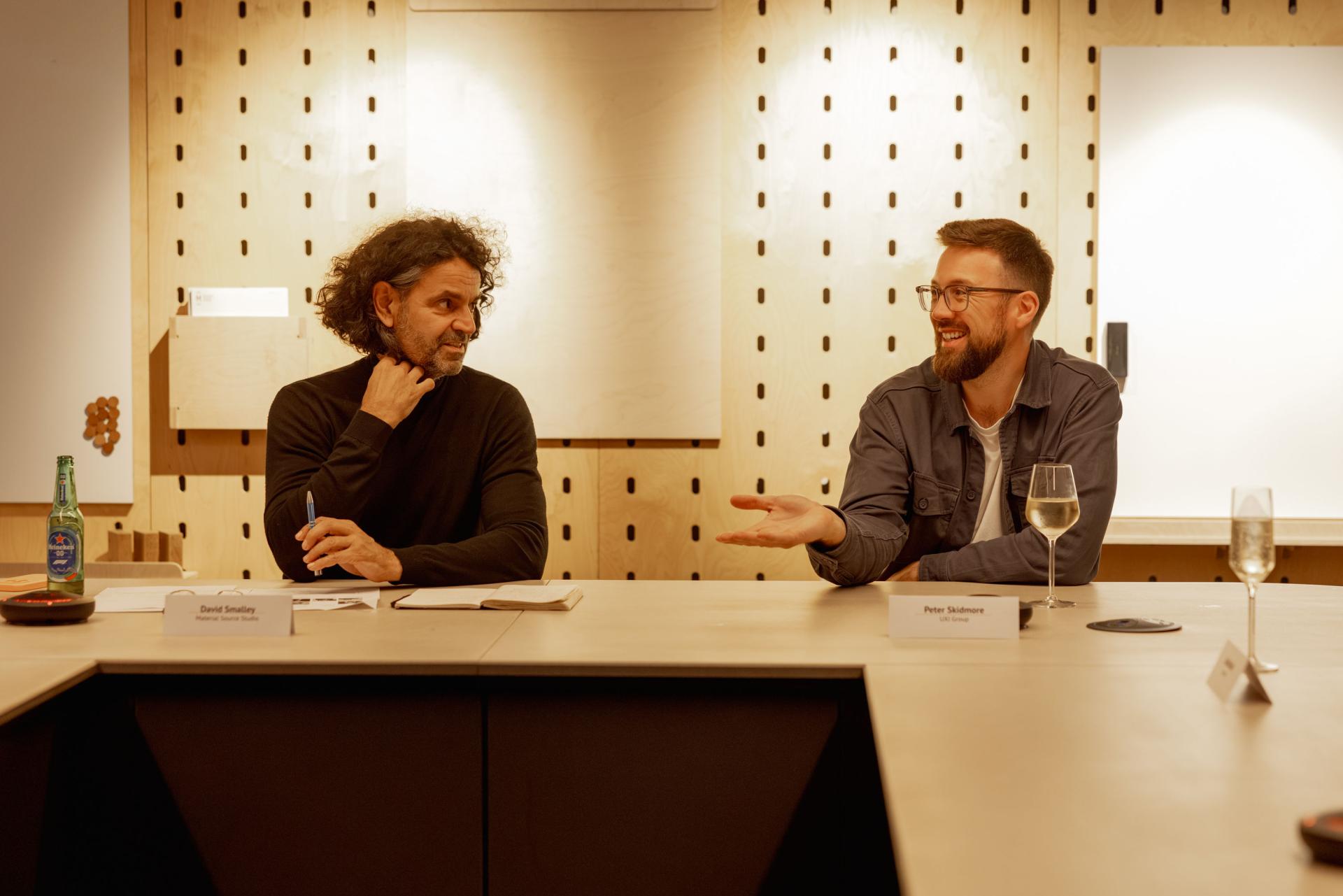
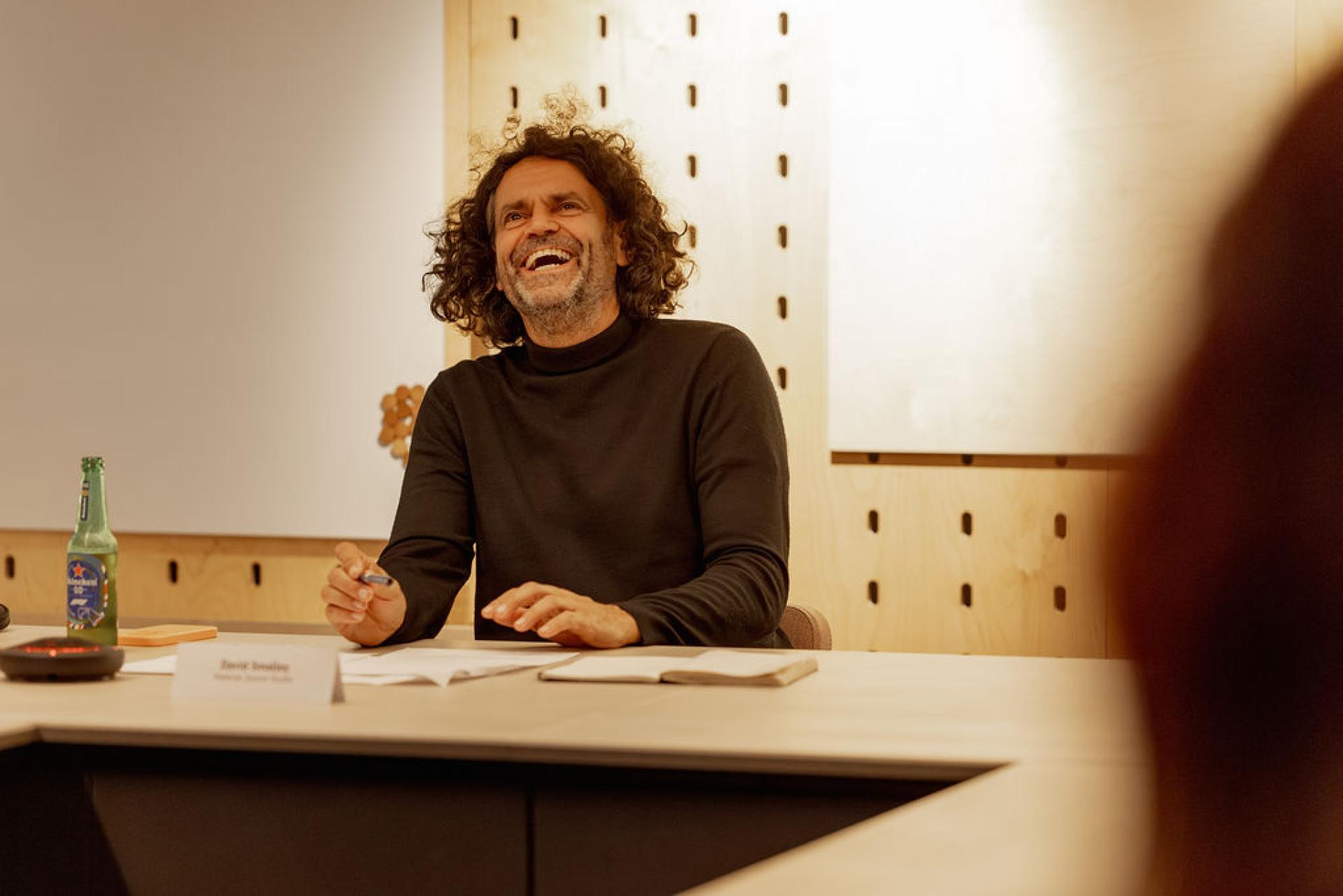
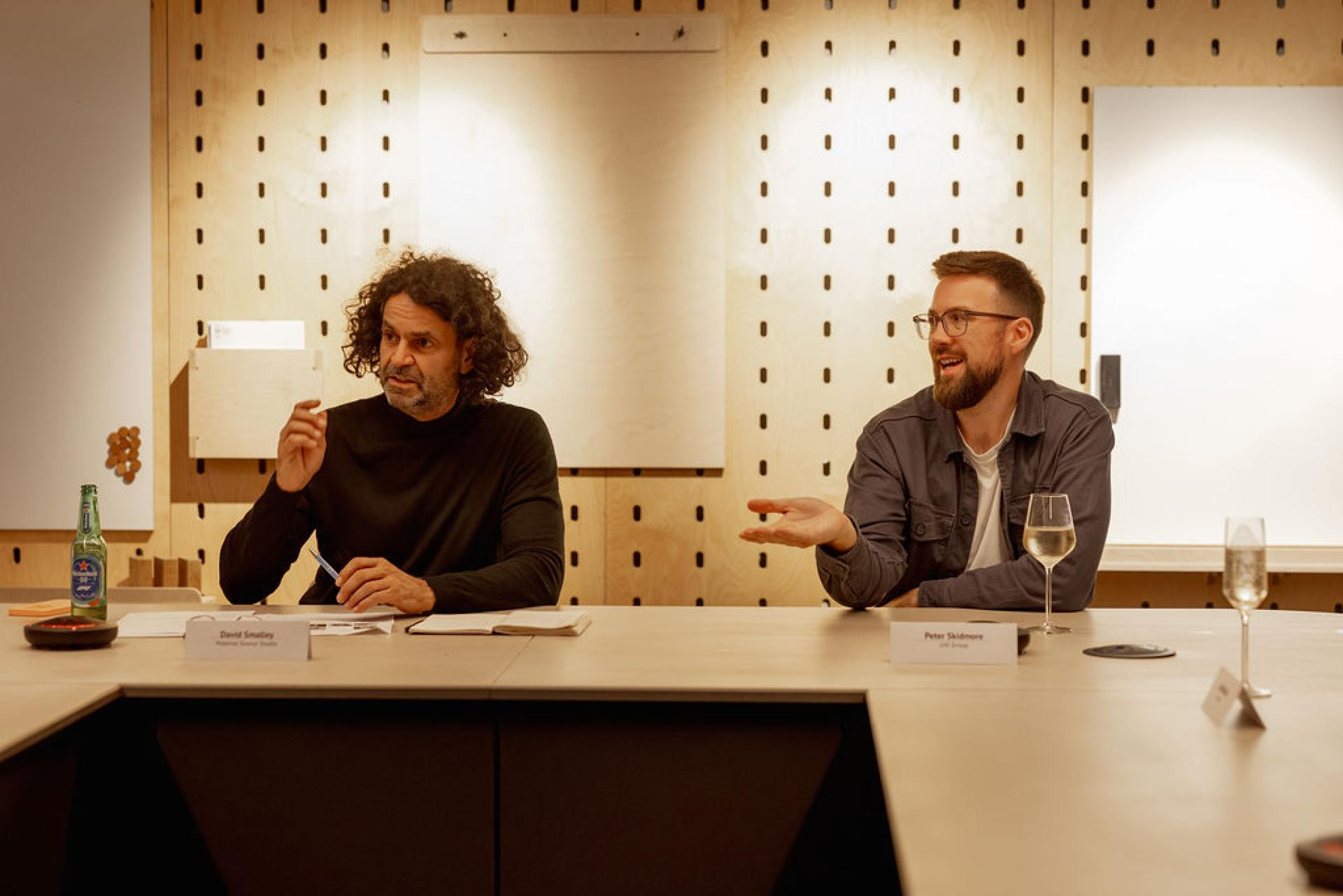
To begin, Chair of the session, David Smalley, Director, Material Source Studio, asked, “Two years ago, build-to-rent in Manchester could do no wrong. Today, are we looking at a market correction, or the beginning of a more fundamental reset?”
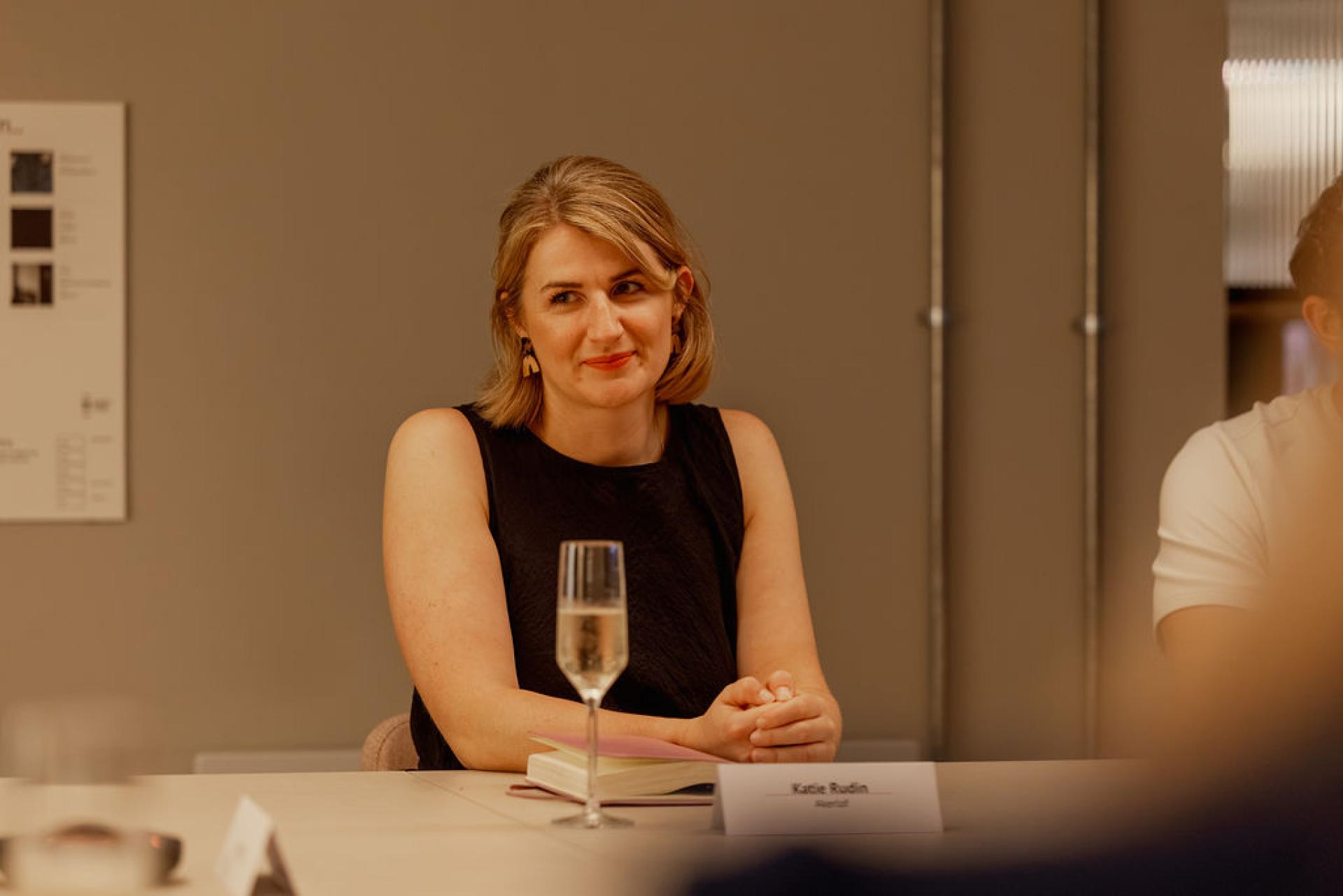
“There is a real structural change happening,” replied Katie Rudin, Housing & Innovation Director, Akerlof. “We're looking 10-years ahead at what is needed. In Manchester – Andy [Burnham] is front and centre - everybody’s looking at this city. I really hope we seize this time while building residential schemes that are fit for the future. Currently, it feels as though a lot of BTR is stuck in the system. Maybe it will start to release, but then it’s who’s building it and how are we making sure it continues?”
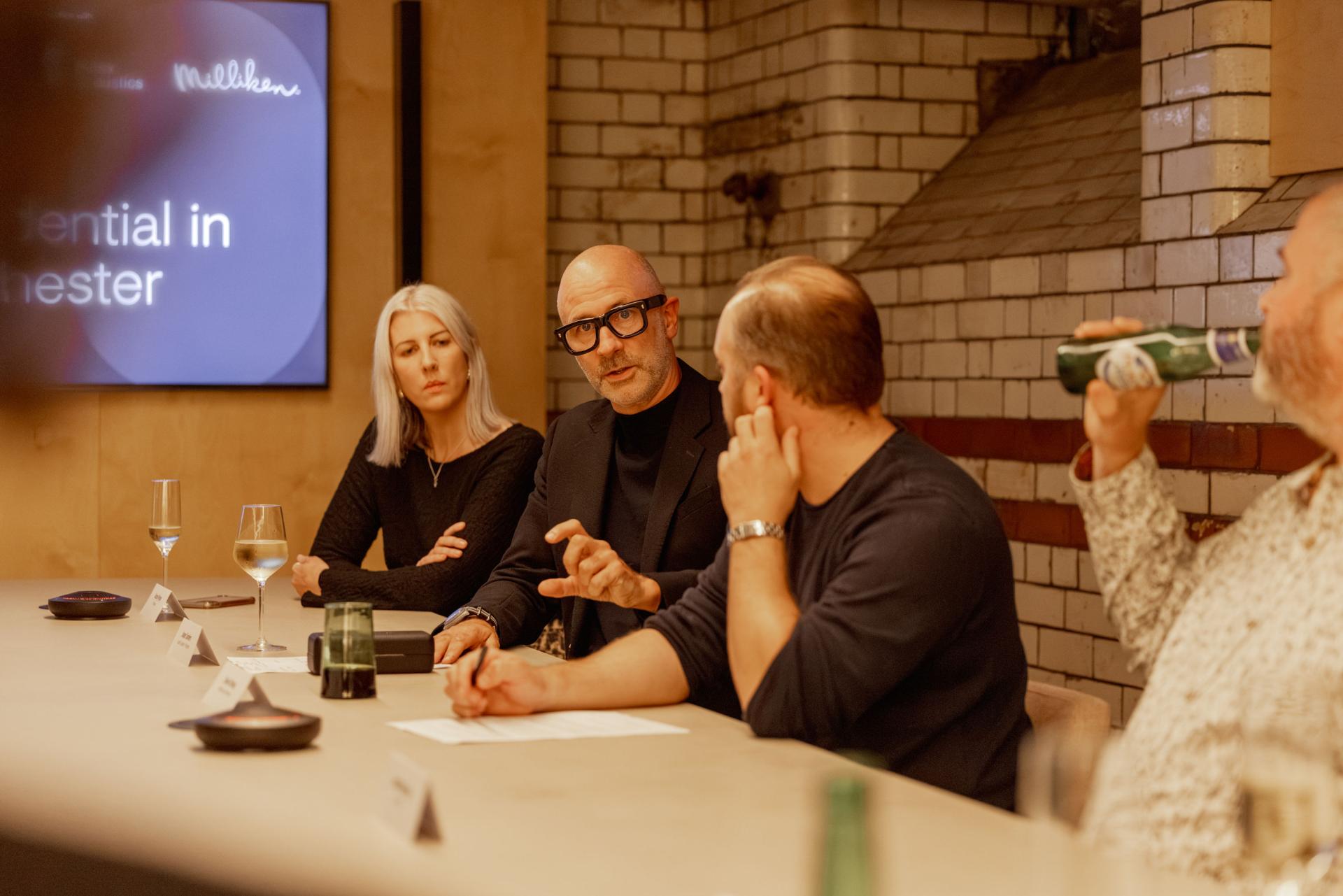
“The demand for BTR is still there,” suggested Daniel Bishop, Architect, JB+CO. “Investors still want to invest, but they’re asking more questions. Viability is now the driver rather than necessarily getting funders. The funders are willing, but they’re asking more questions. And it comes back to that mix of: who’s going to live in these in 10-years?"
Perhaps the greatest change for BTR was that there was a time when it “always stacked up,” suggested Daniel. “Now there are questions being asked, and it’s more waiting to get there.”
John Williams, Founder, SpaceInvader, agreed, “there’s a lot of chatter about the length of time it takes for these things to happen - getting funding over the line, legals - which makes everything take longer, which means the viability gap just grows and grows. You get to the point where, ‘if we don’t do something in the next couple of months, this doesn’t stack up anymore.’”

Funding, he stressed, is a big part of it. “If that doesn’t resolve itself, then it doesn’t become viable. Even with public and private funding combined, if it doesn’t stack up, it won’t happen. That’s what I seem to see a lot.”
This word “viability” emerges every time we have a discussion around property. “It’s affecting everybody isn’t it?” questioned David. “How are investors, architects, and developers getting over that?”
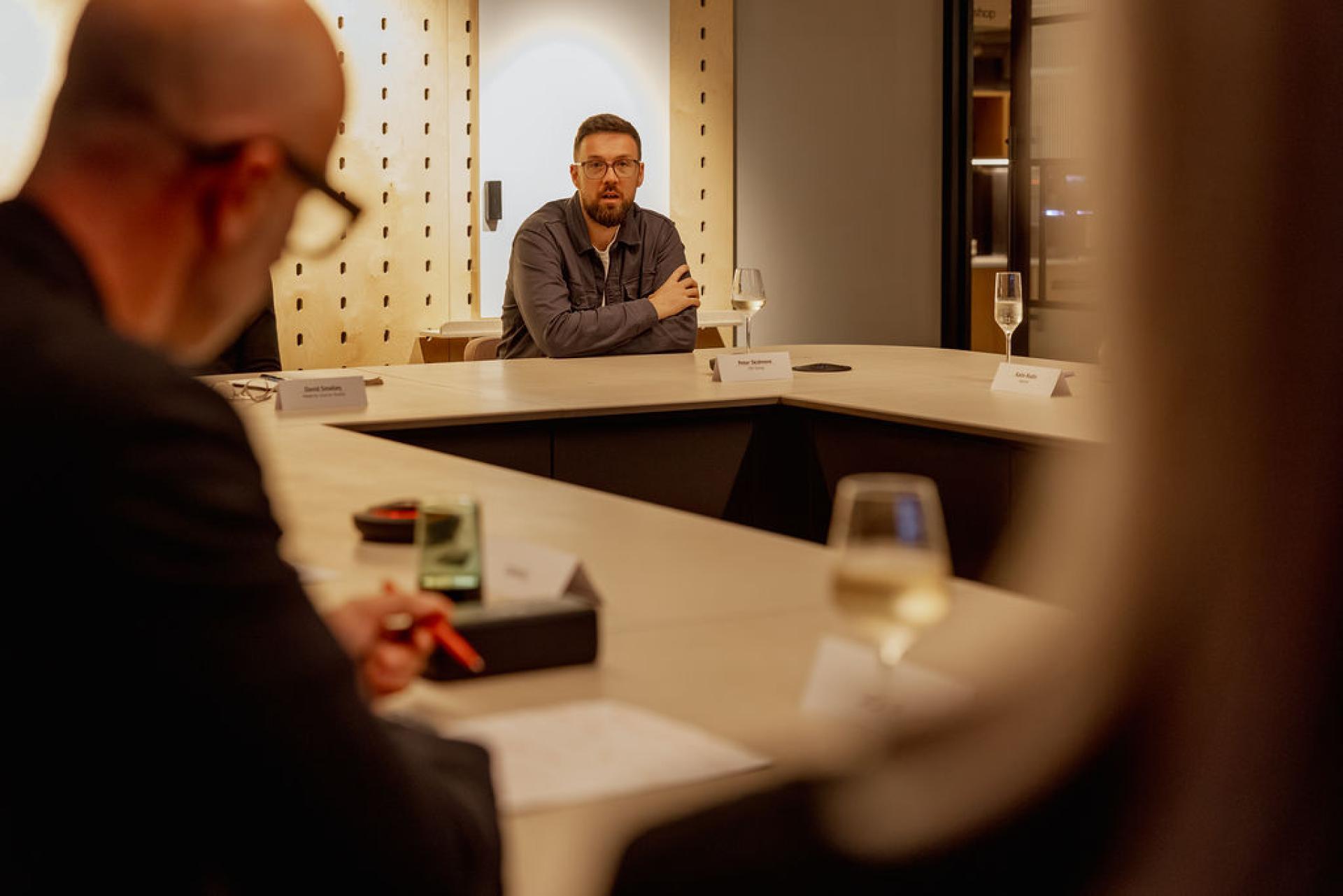
“Private sale,” responded Pete Skidmore, Senior Associate, UXI Group. “BTR and co-living are more profitable over the long-term than private sale, it's just that some developers are opting against the management aspects in favour of a quicker and simpler model."
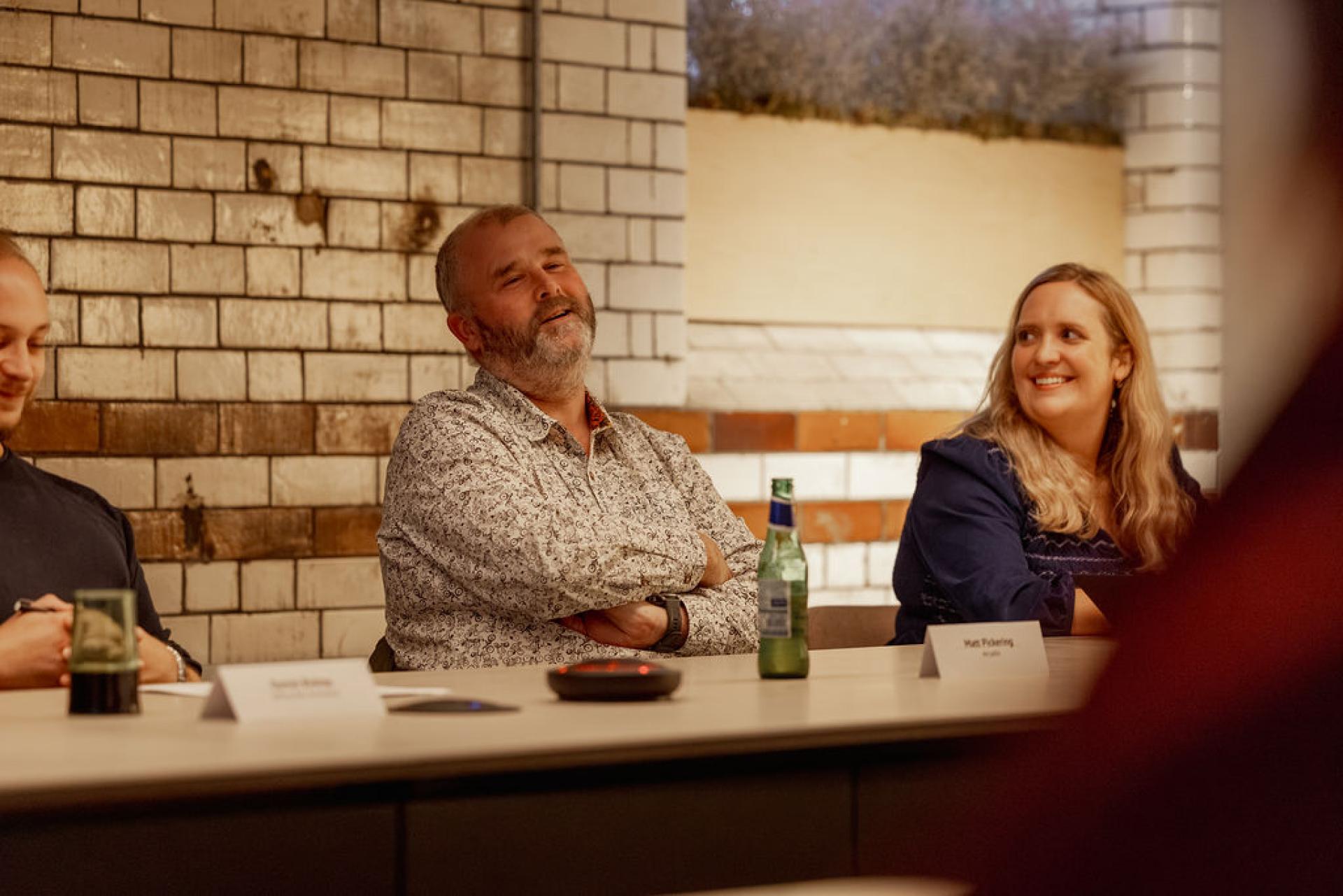
Caution applies here, Matt Pickering, Principal, Arcadis, warned – “Sales values aren’t there either.”
“We’re seeing blocks completed at a similar time: one BTR and one for sale. Three months later, the BTR is 50% let; hardly any sales in the block next door,” he added.
This has, in some cases, led to investors “squeezing pips out of everything to try to make it stack up."
“Generally, that’s increasing floor-to-wall ratios; reducing height where possible but maintaining overall gross floor area. Small steps to make a scheme more viable, because there’s a tipping point where it will work.”
“Are you finding amenities are being reduced as well?” asked David.
“For sure,” replied Matt. “The level of amenity and building in future flexibility. We’ve got a few very high-end schemes where we’re still putting in swimming pools and spas, but they’re very few and far between. It’s now multipurpose spaces that could be changed easily.”
Jasper Sanders, Founder, Jasper Sanders & Partners, here mentioned the redefinition of ‘luxury’ more broadly. “Specifically with regards interior design, we see a much bigger shift happening in the definition of luxury. The real luxury might now be an environment that genuinely helps you recover, for example."
For Lucy Tindall, Associate, PRP, viability comes down to thinking about the end users. “I think it’s ensuring we’re creating homes that people can use at the end, and that people can afford. The BTR market in Manchester and other places has had a lot of higher-end amenities. If you want to appeal to a broader range of renters, you need to reduce those amenities too.”
Gyms and co-working spaces were suggested as the two most used amenities according to the group.
“What about event spaces?” asked Pete.
“It’s that multipurpose use. Co-working is used during the day - what else can it be used for at night, rather than having separate dedicated spaces? It’s about making single spaces multifunction,” said Lucy.

Viability & value
“Rental values have peaked out,” Jasper stated. And this is paired with high land values and construction costs, Gateway 2 slowing processes, and a lack of available council funding.
“Student accommodation - a tier below build-to-rent - has been hit hard first. Parents can’t afford it. Students are questioning choices: ‘Should I get educated at all? AI is going to take my job anyway.’”
The story for BTR is a similar one, he believes. “It’s not too dissimilar in build-to-rent. I wouldn’t say PBSA has collapsed, but no one’s really building anything. Bizarrely, we’ve won three projects in that sector recently, but they’re outliers. Our go-to clients say, ‘We’re building one or two this year,’ whereas they might have built seven or eight, 10-years ago.
“There’s a cap. Cost of living crisis. Wages have stagnated. No one has more money. Meanwhile, in interiors, ambition has gone up and up from Instagram and Pinterest. The cost of supplying luxury amenity has gone up and up, but no one can afford to build it and get a return. That’s the viability equation completely gone. You can’t value engineer yourself out of it. You can increase net-to-gross so far, but eventually the risk is too high. The return isn’t worth it.”
Despite this, as Nathan Cornish of Urban Splash commented on our recent Manchester Property seminar panel, we can’t just sit about - we have to do something.
The conversation returned to the point of viability, and schemes ‘stacking up’.
While BTR “bubbles along”, and PBSA has slowed, could emerging asset classes such as co-living have their time?
“For co-living, there’s not a unified approach across Manchester; authorities differ. It’s a bit more of an unknown quantity,” suggested Pete.
Across the board we’re “at a low point” said Matt, “but it’s picking up again,” he added.
“This year was the first year in over a decade with less than ten thousand homes in Greater Manchester under construction. But numbers coming through planning and going through Gateway 2 are definitely on the up.”
“Housing is on every single local authority’s agenda,” said John. “Everybody talks about it. Government talks about it. It can’t not continue. At the Greater Manchester Development Update conference a couple of weeks ago there was a stat that over 4,600 homes in the Greater Manchester Good Growth Fund are still yet to come through. It can’t stop; it’s too big a part of the agenda.”
“There are proposals for an automatic yes on certain brownfield sites as well, which will likely accelerate it,” Pete commented.
Getting to grips with Gateway 2 is also positively impacting progress, Lucy said. “There’s an adjustment period for Gateway 2: you hit a wall where everything stops and takes months and months. Investors and clients lose confidence. But now we’re getting better at it - companies and the system. They’re getting better at dealing with applications; we’re getting better at submitting them, knowing what to submit, and knowing the questions that come out. We can streamline the process.
“It was never going to be easy at the beginning. Once people get confidence that it’s not as difficult as perceived, we’ll get better.”
“That’s the most positive I’ve heard anybody talk about Gateway 2,” responded David, “so you’re only doing the job you should have always been doing?”
“Yes. Exactly.” Lucy said.




Modern Methods of Construction
This more pragmatic approach to Gateway 2 has led to greater volumes of people in the housing sector considering Modern Methods of Construction (MMC) for their schemes, Katie suggested.
“It’s interesting from the MMC point of view. We’ve had more people from the housing space approach us asking, ‘Can you assist us?’ Because once we hit Gateway approval, we want to be sure of how we build,” she shared.
“They want certainty on timeframe and confidence that everything is exactly as designed. People are coming to us earlier to get the right partner to help them on that journey.”
And this certainly fits into MMC, she added. “Everything is coordinated. It’s how things used to happen. Everything gets designed, then you build it.”
“MMC has been the dream for many years,” suggested Jasper. “It came into focus 20-years or so ago, when it was said out of the 2008 crash, all the industry of construction had gone. Those nearing 60 retired, the skill set left the business, and nothing new came through. It happens periodically. Every recession, people go, ‘it’s not attractive enough to become a painter, decorator, joiner’. Nobody wants to do it.”
The proposition of working in MMC, in factories, warm, dry environments, where skills are nurtured…that’s different, Jasper said.
This echoed a point raised at last year’s roundtable with Autex where Katie Black, Architect at Manalo & White commented on the potential of MMC roles appealing to caregivers due to more accommodating conditions.
The issue here, Katie Rudin flagged, is that most MMC manufacturers are SMEs – “tiny”.
“Everyone’s been throwing money at manufacturers, but they haven’t created a system where lots of people are feeding projects through. We’ve not had a safe way to prototype and then get stuff out the other side. The way we construct isn’t completely repeatable. Working with manufacturers means getting them to skill up, rather than expecting them to turn on and off a tap of a big building with lots of overheads. We need to structurally look at all of that at once.” There’s also the problem of liability, Pete added.
“From an architect’s perspective, if you’re dealing with modular, it isn’t just MMC, MMC is broader. You partner up with modular firms, and you end up being tasked to manage their product. But the liability is an issue: they try to tell you what to draw, and you think, ‘Who’s taking responsibility for this?’ They’ll say, ‘We wouldn’t advise you to do it that way.’ So MMC suppliers need to understand their role and responsibilities. If you need an architect, bring them in-house and use them as part of the product, but then you need to take responsibility for testing. It’s your product.”
Katie said those MMCs that have been successful “treat it like a product”, they “bring designers in-house, own it, and are proud of it.”
Taking a slightly different perspective, a lot of projects at the moment have social value requirements, Lucy said. “Doing modular and sending it off-site to a factory far away doesn’t always deliver social value. They need to train people locally, set up workshops for young people, get them interested. That can be a stumbling block for MMC, because employing local people is a massive part of the social value requirement.”
MMC can be more effective when you scale it down, Pete shared. “In residential: you could have a standard, part-completed staircase. Bathroom pods. You can piece them together; it gives flexibility.”
For the likes of bathroom pods, this can only apply to large schemes, Lucy highlighted – 300+.
Daniel said there can be reluctance from main contractors because of a lack of understanding. “With viability squeezed, any unknowns they’d rather throw out. They don’t want unknown costs they can’t factor in. Contractors rely on relationships; building a new relationship requires trust, and many have been burned. MMC should be questioned because people have been burned badly.”


“Is there any future for MMC then?” asked David.
There needs to be a shift, the group agreed. For social housing, 300-bathroom pods could work well. “It’s using it in the right space, rather than trying to shoehorn it everywhere.”
Emerging asset classes
"If developers are moving away from BTR, what's replacing it?" asked David.
“Multi-generational houses should start to become more of a thing,” said Lucy. “And that’s not just houses but flats as well, where you have a one-bed connected to a two-bed home. People have their own front doors, but the opportunity for a shared living environment. Variety of offer is important.”
Relatively new in the UK, Lucy added that planners don’t quite know how to deal with it because it doesn’t fit the box. The same for investors too.
“But we have been able to do it as part of a social housing model because we’ve had families that need that accommodation”, Lucy shared. A step she feels is very encouraging.
More common across wider Europe, low rise developments lend themselves to this way of multigenerational, community living, Pete said, because residents and non-residents alike can walk through the open, non-gated space. This welcoming approach can be seen closer to home at Salford’s Middlewood Locks.
Just as when we visited Middlewood Locks, city centre townhouses came up during this discussion as a relatively new asset class with potential.
“We’ve had developers who previously looked at BTR towers post-BSA and the fallout. The shift has been to stay below 18-metres. We’ve got one at the moment: townhouses. Not BTR, private sale. It’s come out of the conversation that Manchester doesn’t have any in the city centre. If you want a house, you have to go out,” said Daniel.
Aged living was raised as a segment of residential that’s “not taken off”, suggested Matt.
Though when broken down, many asset classes are ultimately the same product, he said. Just badged differently. “They’re all experience-led residential. Co-living, BTR, PBSA, apart-hotel, senior living - it’s all the same function. As much as architects like to think we shape it, it’s the people who operate buildings and manage communities that create the experience. Same product, slightly different design.”




Normalising uncertainty
“Are we not in a good place?” asked David. “And have we not been since 2008?”
“I think we’re towards the end of that,” replied John.
“I agree,” added Jasper. “We’re three or four-years away from a more positive outlook, potentially even a boom. By 2030, I think we’ll see a sea change towards a brighter future. Strauss and Howe’s theory of ‘Generational Turnings’ describes roughly 80-year cycles moving through periods of confidence, awakening, fragmentation and ultimately crisis, before rebuilding and renewal. Their current crisis ‘Fourth Turning’, is generally associated with the period following the 2008 financial crisis, which is suggested could run until around 2030.”
Manufacturing has been particularly tough, of late, shared Rachel Wylde, Senior Account Manager, Milliken. From supply chain to energy use, geopolitics have had a forceful impact.
“It’s turbulent,” Rachel said, “but even within a 12-month period, you feel people getting more confident.”
Lauren Farrier, Head of Sales - North, Autex Acoustics, agreed. “Though it's been good for us, everything is generally more difficult. Everything that was simple two or three years ago is not now. You just have to pull your socks up and get on with it."
“Volatility is key,” added Daniel, “but I think we’re coming out of it rather than it getting worse.”
“How can we be coming out of it though with what's still going on in the world?” David asked.
“We’ve normalised it.” Daniel said.
Here seems to lie the biggest recent change in the sector. While things may not appear to be different, attitudes are. We must accept that which we cannot alter.
“We’ve got to do something,” continued Daniel. “That’s our business, and we’re working harder to make things happen because we have to.”
Lucy believes demystification is crucial to reinstating confidence in developers. “There’s been so much legislation change recently we’ve started inviting developers to seminars about those changes and how to implement them - demystifying it. Trying to give confidence back in delivering projects: the new legislation is achievable, and we can do it.
“We’ve got to be proactive in educating the construction industry when big changes like the Future Homes Standard come forward. It can look scary to small housebuilders but break it down and make it simple. Same with Gateway 2.”
Speaking specifically of confidence in Manchester, Jasper said, “The city has been remarkably successful at creating a virtuous circle of inward investment. Over several decades there has been a consistency of political and development vision, with long-term masterplans rather than constantly changing direction. That consistency brings with it inward investment from London and internationally, with confidence built by what people actually see.
“Manchester has managed to put a lot of high-quality architecture, housing, hospitality, restaurants and public realm into a relatively compact city centre. The quality of the built environment becomes a signal that the city is serious about its future, which is why development is still happening.
"There are still major masterplans being progressed, significant housing programmes under construction and a continuing appetite for investment, albeit in difficult economic conditions. BTR has been an important part of that story, not as an isolated property product but as one component of a much bigger urban transformation.
"In many ways," he said, "Manchester has created confidence by building confidence.”
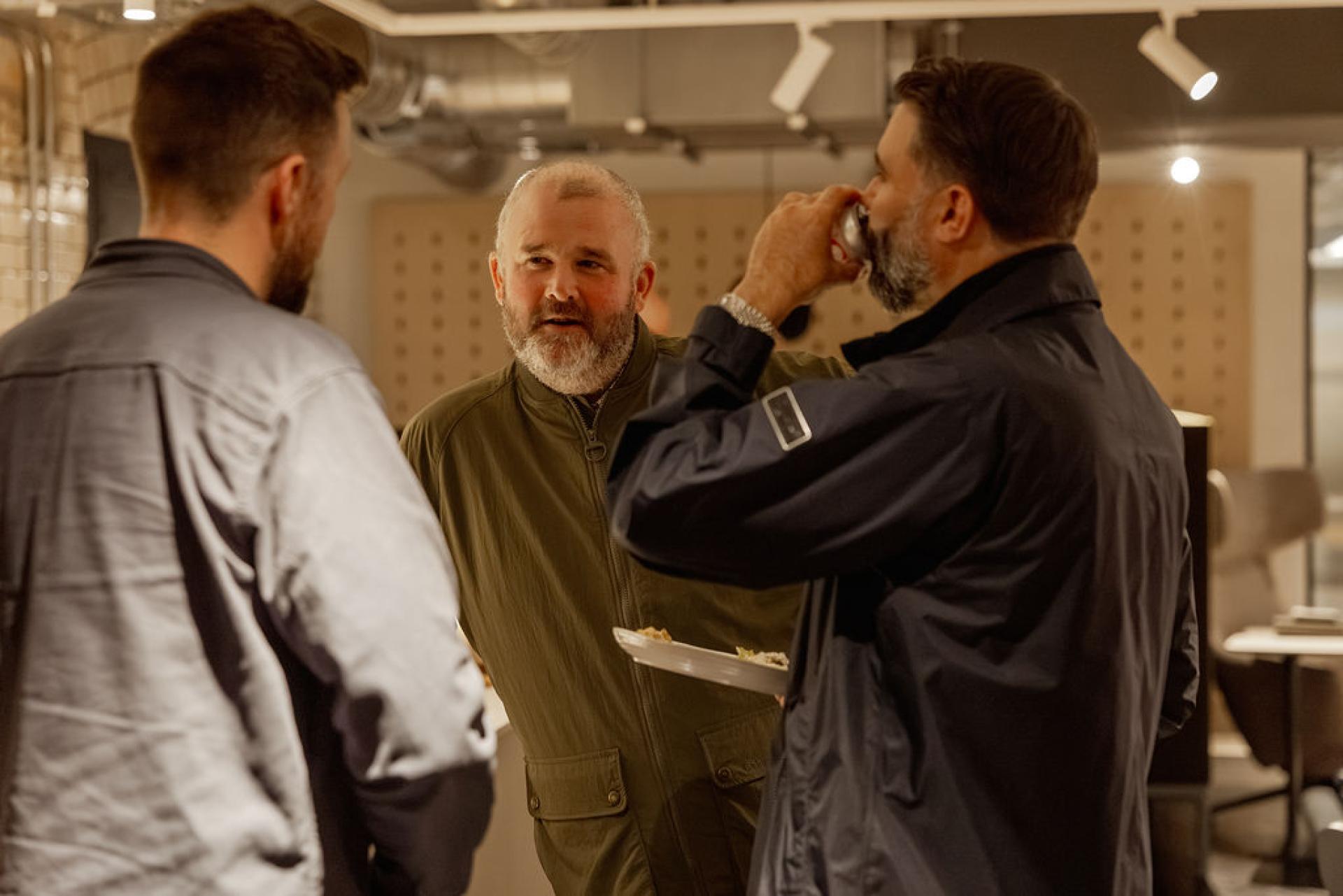

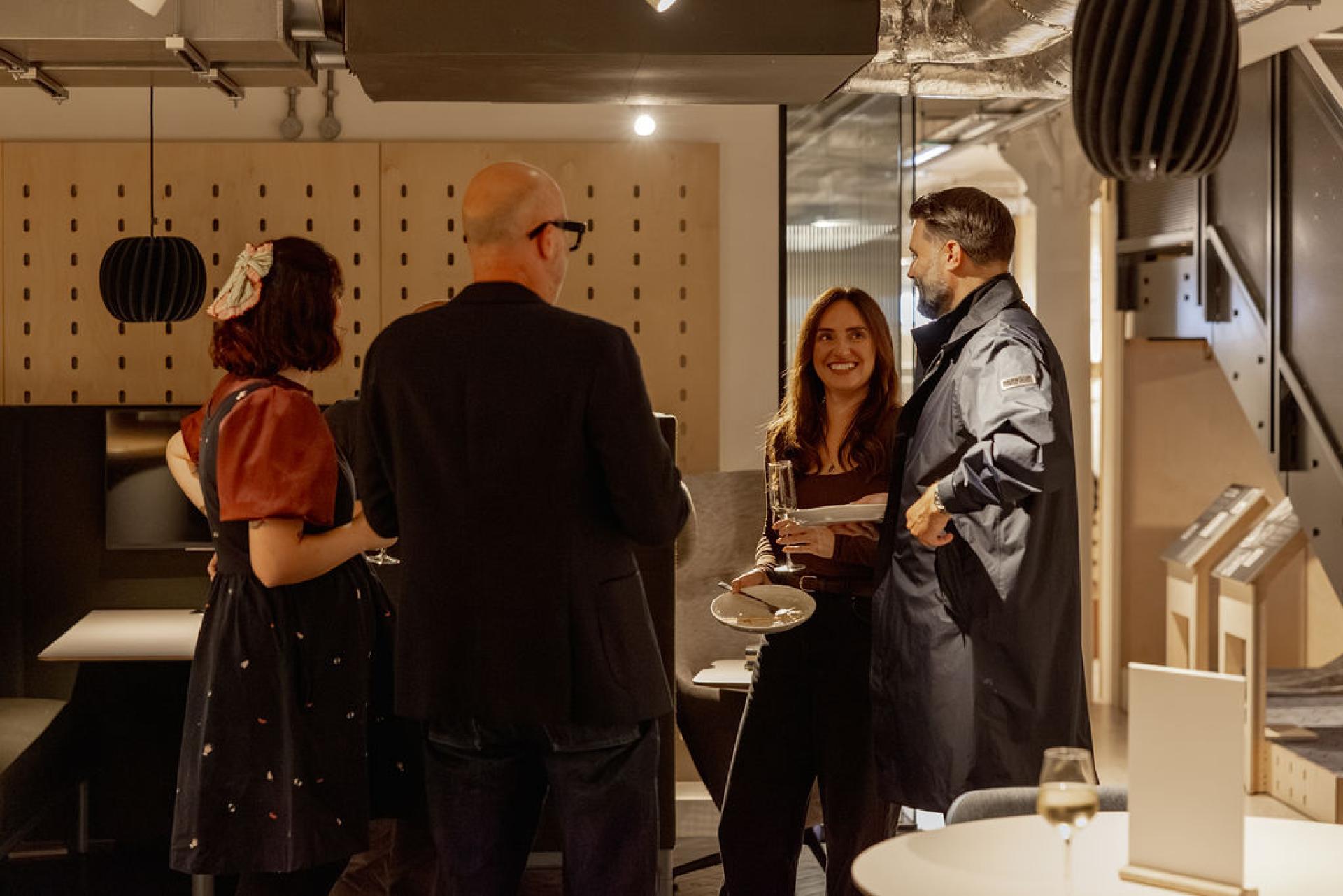
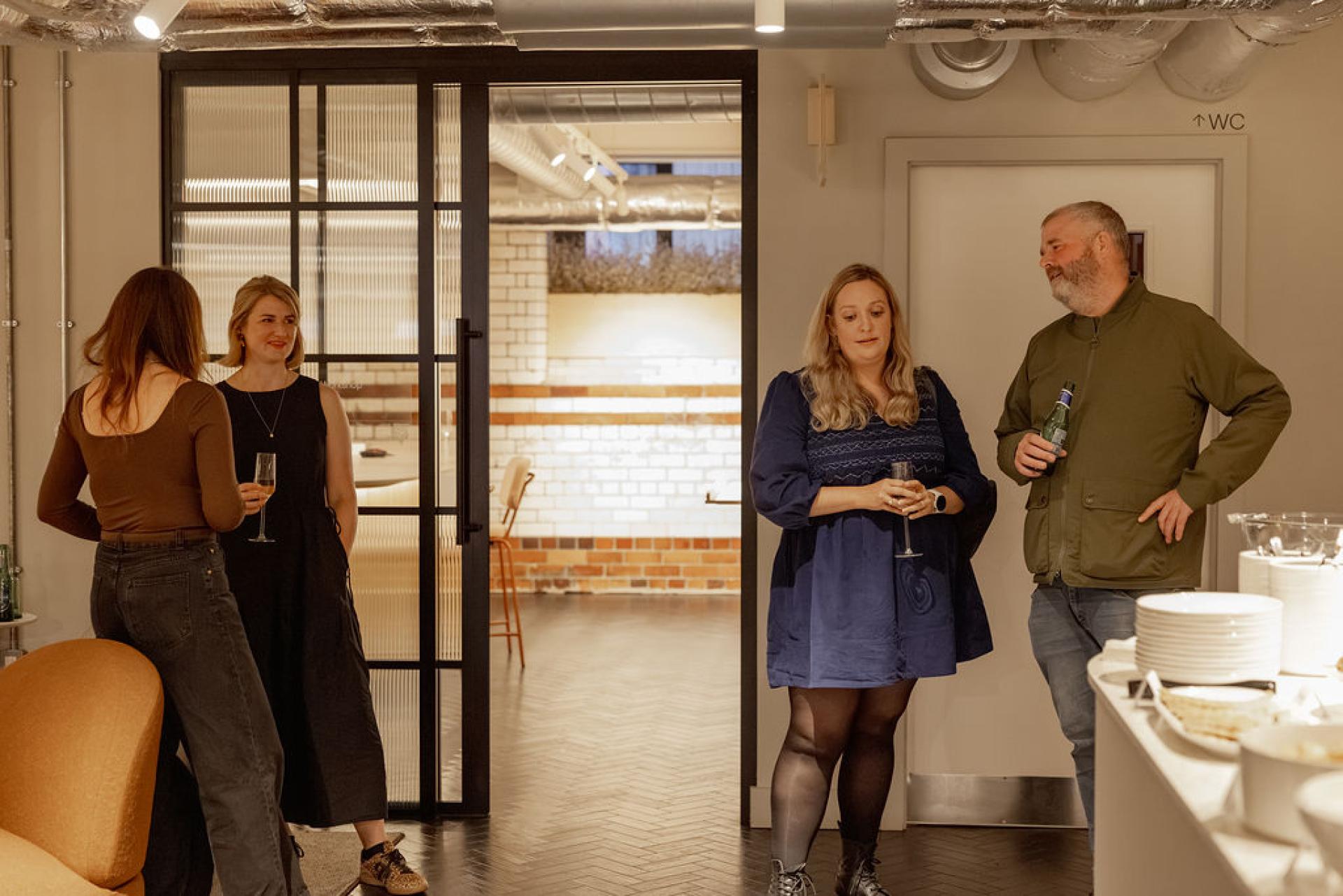

As the session came to a close, David asked the guests to summarise, in one word, whether Manchester residential is "surviving, stabilising, or thriving?"
“Stabilising - and on a somewhat upward trajectory,” came the reply.
And after years of frustrated conversation, veering towards the negative, we’ll take that.
The conversation on property now continues at seminars and roundtables in Glasgow and London. Stay tuned for further insight from those regions.
In the meantime, a huge thanks to our guests on this roundtable, and to our supporters for the session, Autex Acoustics and Milliken – both Partners at Material Source Studio Manchester & Glasgow.