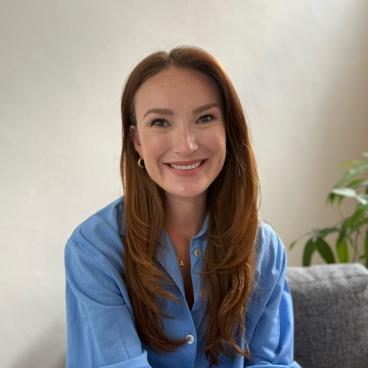





Lucy Crane, head of sustainability, Modus Furniture on the journey to B Corp: sustainability, standards, and collective action.
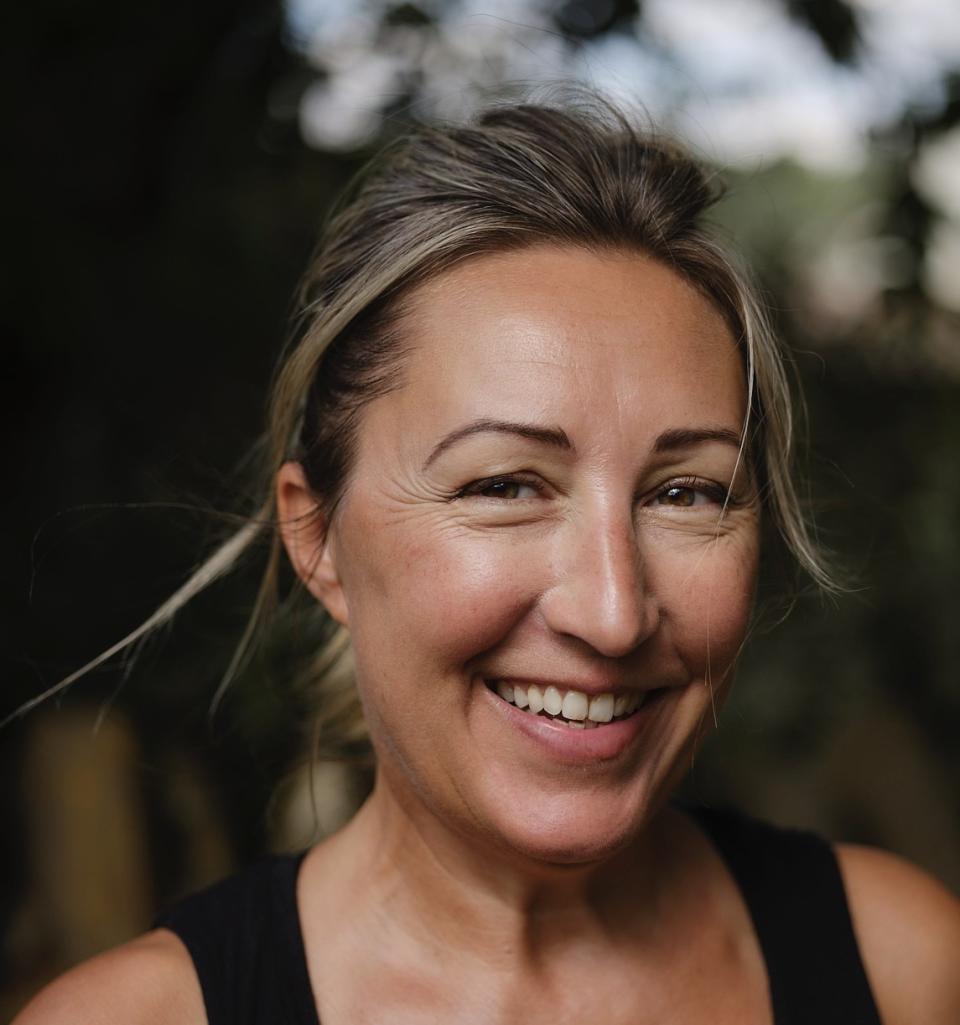
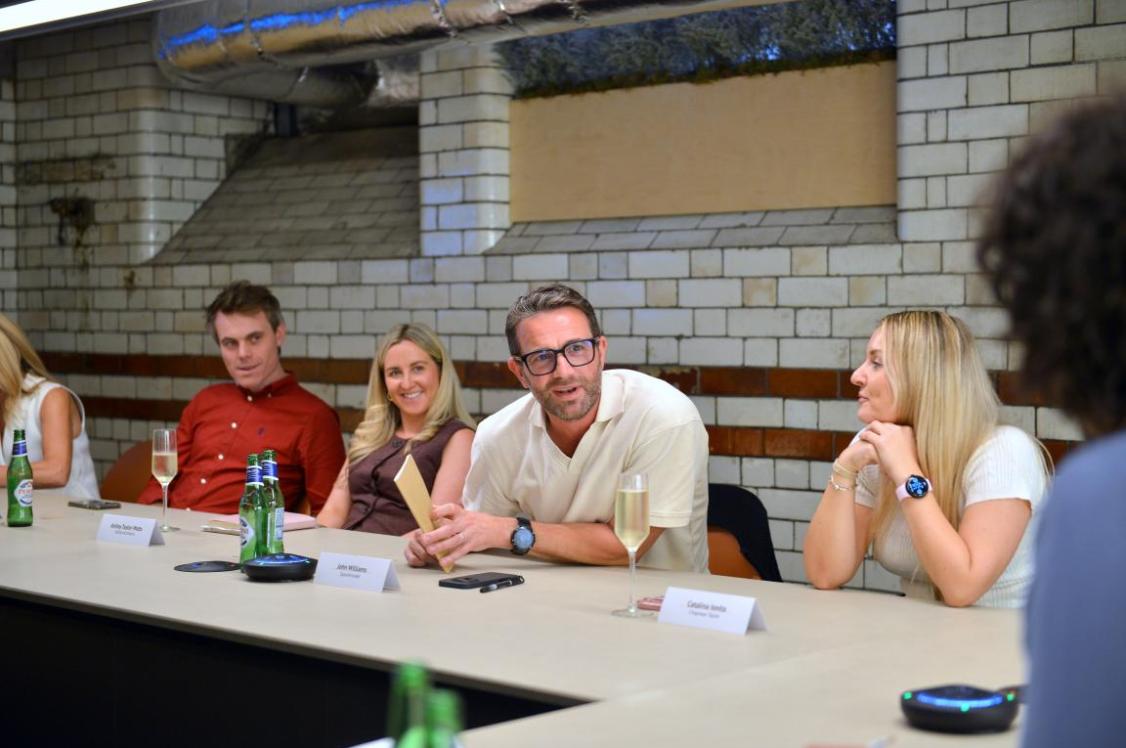
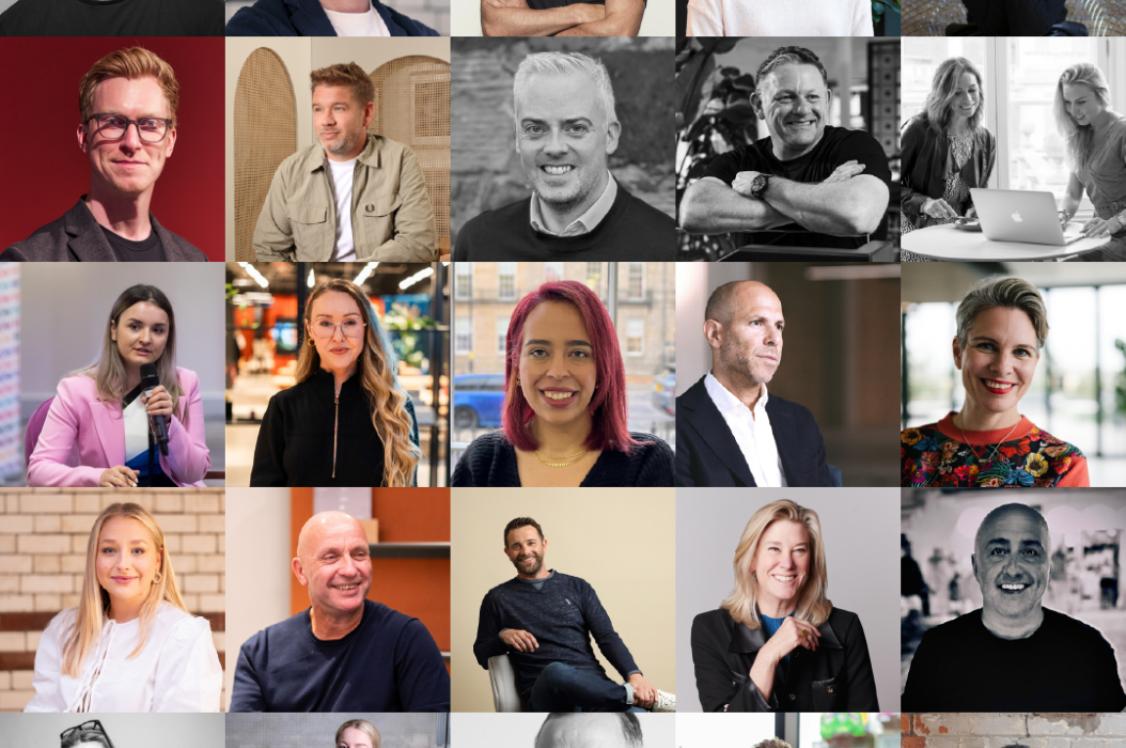
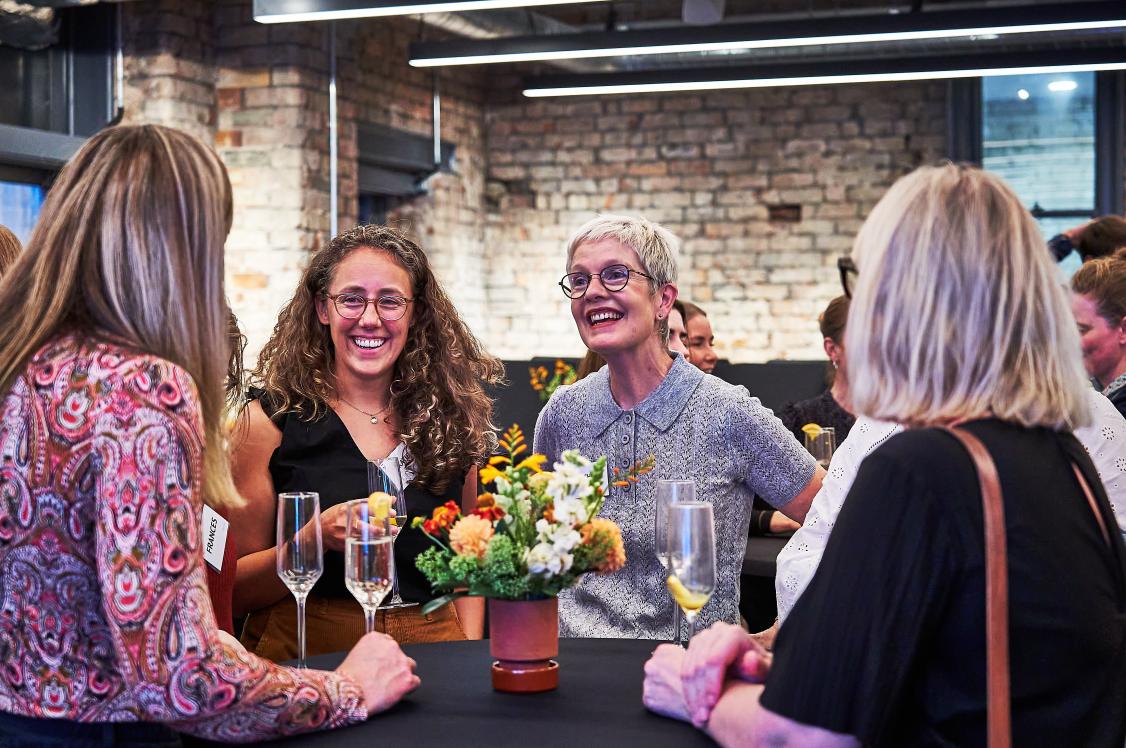
Lucy Crane leads on sustainability at Modus Furniture – a Partner at Material Source Studio Manchester. In October, Lucy will host a panel discussion about what it means to be B Corp, alongside sustainability professionals from TSK Group, The Furniture Practice, Hawkins\Brown and SpaceInvader, a combination of designers, architects and furniture consultants.
Ahead of the event, we caught up with Lucy to discuss how her role as head of sustainability at Modus has evolved organically as client expectations have changed - first through practical pressures like SKA building assessments and the company’s early work to achieve membership of the Furniture Industry Sustainability Programme (FISP), and later through the sharper, faster acceleration brought on by Covid and an increasingly visible climate reality.
Lucy also explains what B Corp certification really involves (and why it’s become significantly more demanding), breaking down the newer impact areas - from purpose and stakeholder governance to climate action, circularity, human rights, and the growing expectation that businesses take part in collective action to influence policy. Along the way, we reflect on why transparency matters more than ever, consider the importance of equity for all, and highlight how the B Corp community’s collaborative mindset can help turn standards into real-world change.
Read on for Lucy’s thoughts on the above and more. And get your free ticket to ‘20 years on: What’s next for B Corp?’ breakfast networking and panel discussion here.
Let’s start at the beginning. What’s your professional background, and what drew you to sustainability?
“I don’t come from a sustainability background. I actually trained to be a homeopath. But life circumstances changed things, and I reached a point where I couldn’t practice.
“Then Jon and Ed - the business owners of Modus - asked me to help with something. At that time, the business was very small, and it was a technical requirement. Clients were asking how we could help them with a building assessment called SKA Rating, which was started by Skanska and held by the RICS (Royal Institute of Chartered Surveyors) for a long time, though it recently transferred back to SKA.
“SKA was complex, and it had criteria that furniture needed to meet. The simplest way to meet the requirements was to become a member of FISP, the Furniture Industry Sustainability Programme. So one thing led to another, and before I knew it, it was my job to get us FISP membership.
“We knew nothing at all about sustainability, so I learned on the job. At the time I was juggling being a primary carer for my daughter and working, so it began as a part-time role and evolved very organically as my childcare responsibilities changed.”
How did client expectations influence that evolution?
“The expectations - especially from those specifying, who are usually architects - have grown. Architects tend to be at the forefront of progressive thinking, so those demands have increased steadily.
“Then when Covid came, there was another shift in gear. People’s expectations took a huge leap forward.
“And alongside that, we’ve got the tangible experience of extreme weather events. Even climate change deniers must be scratching their heads. You can see it globally - Valencia, Germany a few years ago, California wildfires. You would have to be extremely belligerent to still deny what’s happening.”
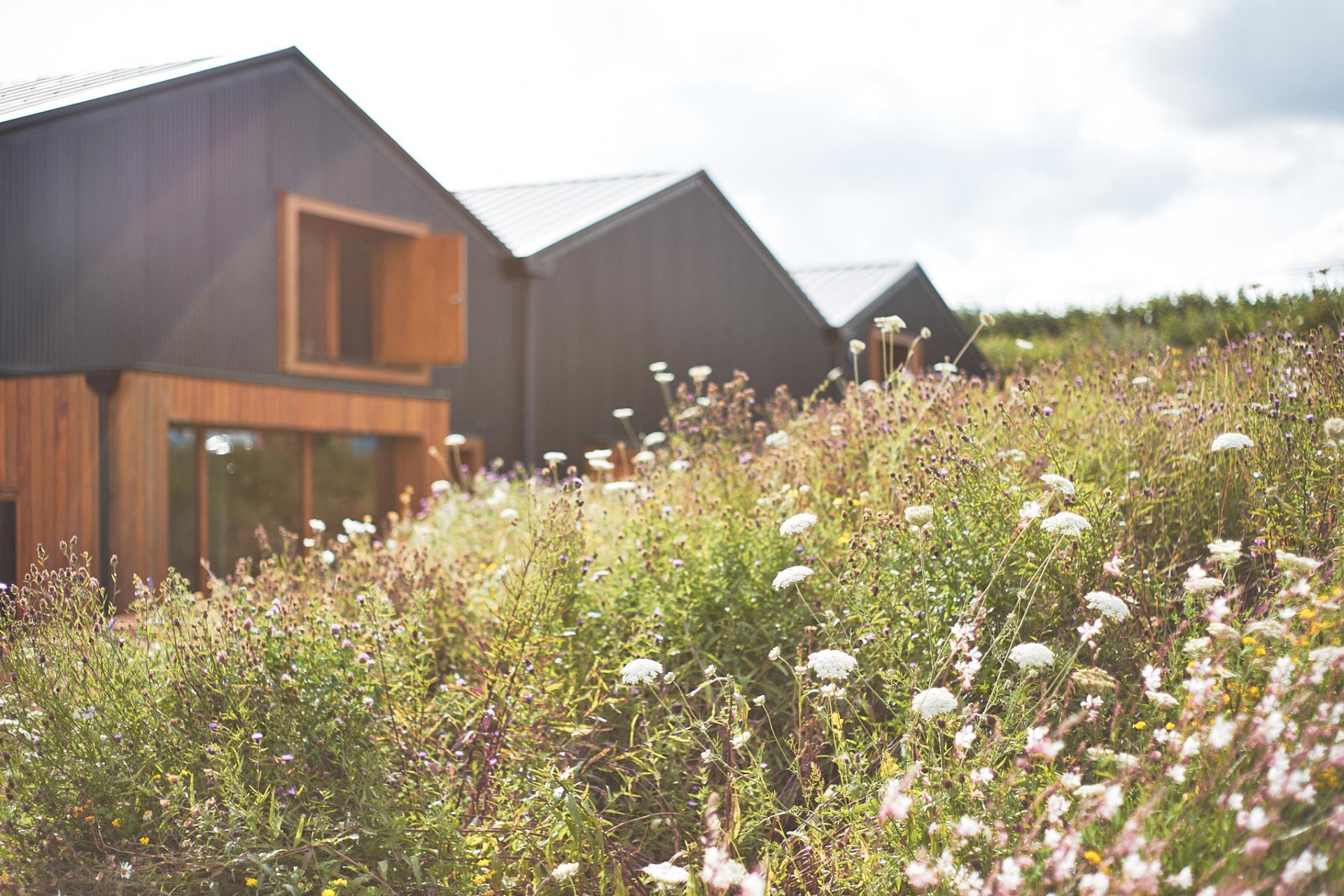
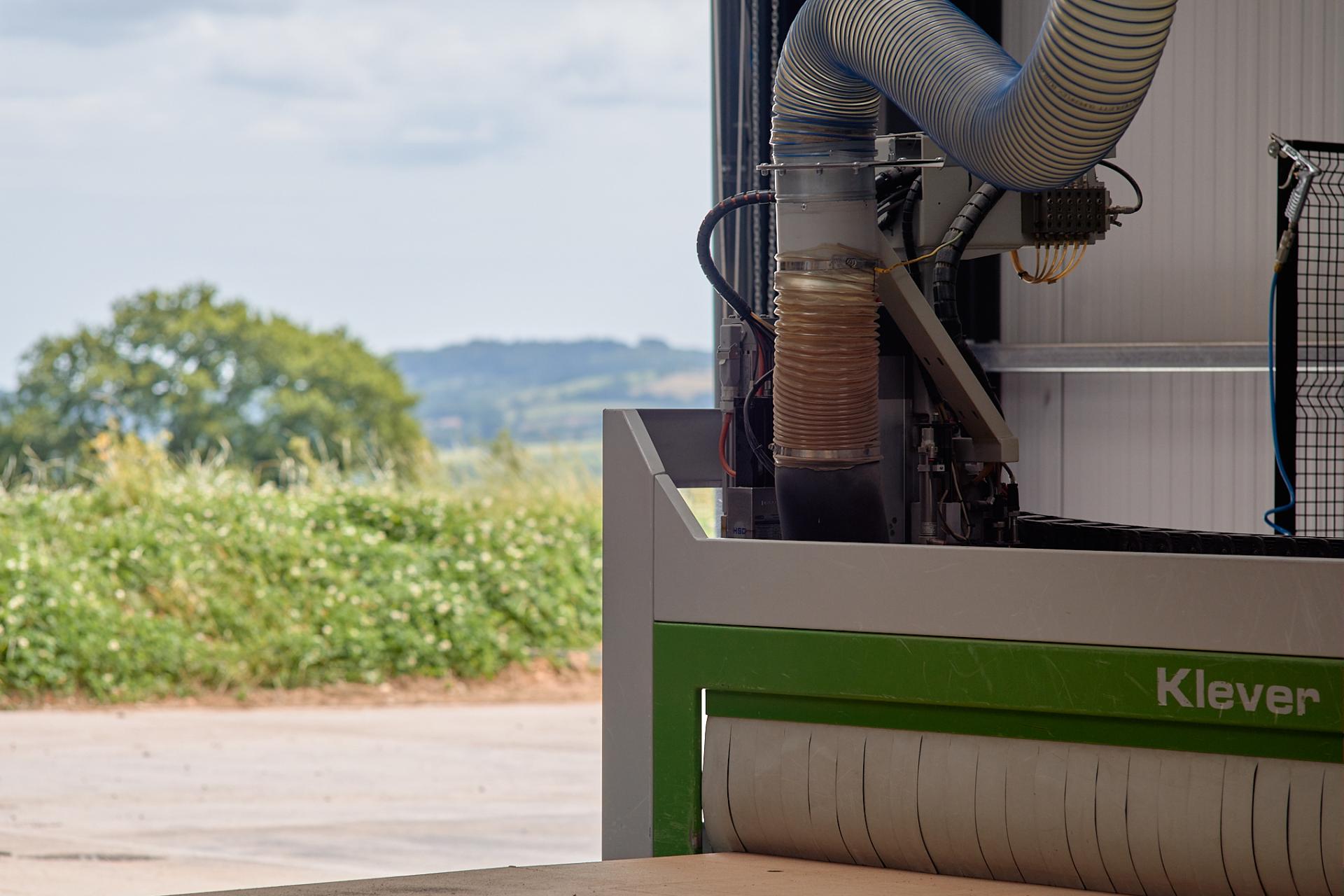
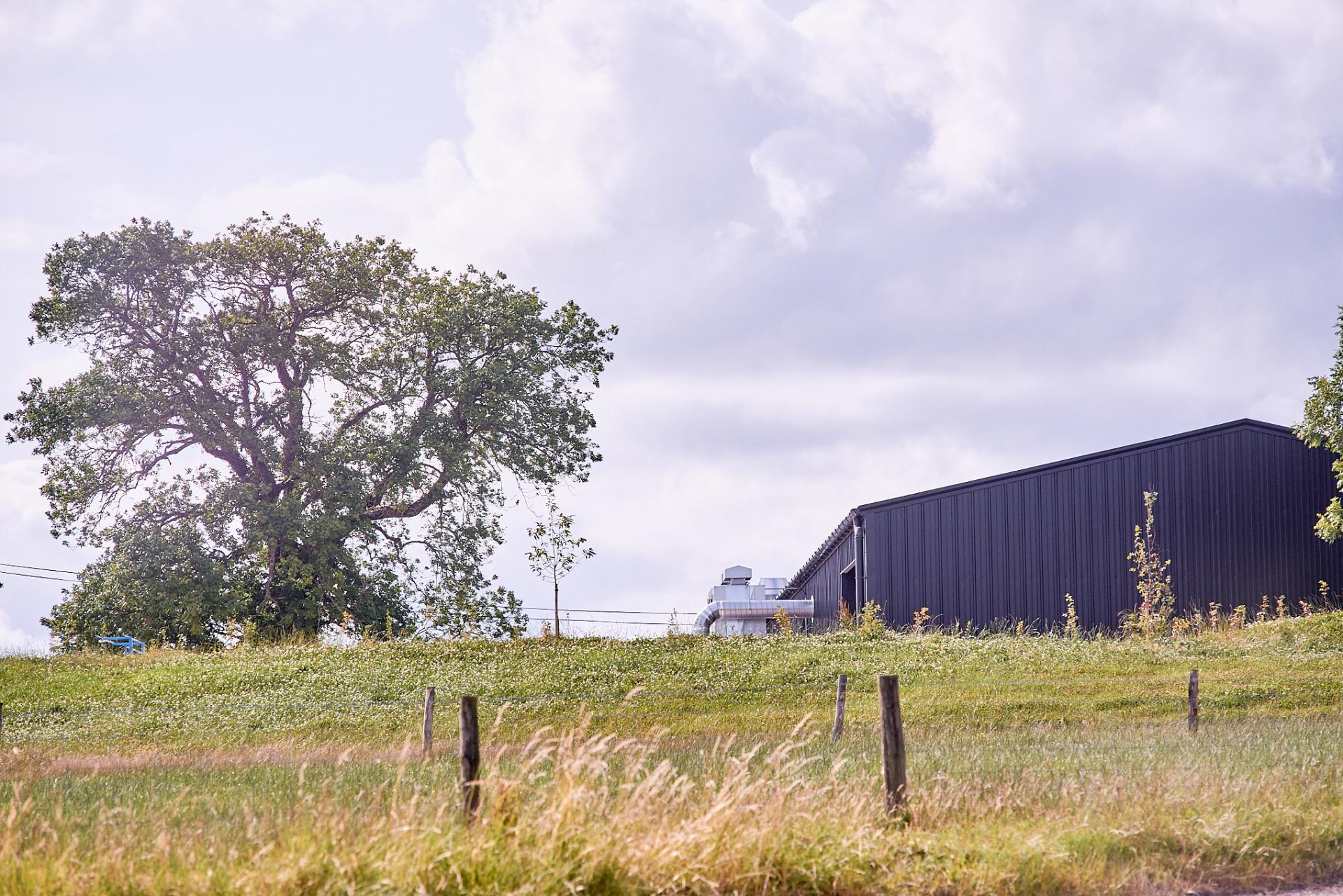
Modus Furniture factory
Have you undertaken formal training in sustainability since?
“Yes. A few years ago, I trained under what’s now called ISEP - the Institute of Sustainability and Environmental Professionals. I did a course that led to practitioner status, where you have to be working in a sustainability role and implementing things in a company to attain it. Then I completed the next level up, which gives me the suffix MISEP.”
It’s interesting you say you didn’t come from a sustainability background - did you have early influences?
“I come from a family with definite ‘hippie tendencies’. We were brought up on whole foods when you had to buy them wholesale - there were no health food shops. My mum made her own bread, very ‘Good Life’-style. We had cleaning products that were likely more environmentally friendly before brands like Ecover existed, and we weren’t allowed aerosols because she’d heard they were bad for the ozone layer.
“I even took it on at school, telling the girls after PE not to use deodorant sprays and hairspray. It did not make me popular. And then a couple of years later CFCs became banned. That stayed with me: sometimes we know the thing, and it takes a long time for regulation and policy to change.
“And international policy is powerful - the ozone layer is actually the only global step in the right direction we’ve really made. Everything else is going down, but the ozone layer is starting to repair because of international policy change.”
How did Modus first come across B Corp?
“I remember the first time I saw a B Corp logo. It was in Bristol Airport. There was a big poster for Clipper Tea, which is local to me - based in Beaminster.
“At work, we’d run a sustainability competition asking for the best ideas, and someone said they wanted teabags with no plastic in. I thought, ‘What? Teabags have plastic in?’ I researched it and found Clipper were the only company then without plastic in their teabags. So we swapped all our teabags to Clipper.
“I didn’t know until I saw that airport poster that they were a B Corp. I thought, ‘What is that?’ I looked into it and liked it immediately. I proposed that we go for it, and Jon and Ed said, ‘Let’s do it.’”
What was the initial process like for Modus?
“We spent two years preparing. Back then, B Corp felt simpler. You filled out an assessment and could see clearly: ‘We do this… but we don’t do that.’ It was a framework for continuous improvement.
“It’s similar in spirit to FISP too - an audit-based approach where you can see what you’re not doing and work to improve. FISP is very specific to furniture; B Corp can apply to anyone, but it’s meant to be tailored to your sector.”
Then the B Corp standards changed significantly - what happened?
“After achieving our certification, a couple of years later the organisation behind B Corp – B Lab - decided to overhaul the standard. It changed so much. It moved from the old structure to seven impact topics.
“It’s a significant overhaul. I really like it, but it has made my job a lot harder. The recertification cycle is 3-years so we’re now on the new standard, recertifying in 2027.”
For readers who don’t know, what is B Corp now - what are the seven impact areas?
“The key idea of B Corp is stakeholder governance: the business should benefit everybody - not just shareholders. The seven topics are:
“1) Purpose and stakeholder governance - You have to be clear about the purpose of your business. You can’t just say, ‘We make furniture.’ We had to look at the roots of the company - why Jon and Ed set it up and what their aspirations were. That process was really interesting. It made me realise how much they both care about their roots, being able to offer decent jobs in an area where employment opportunities are limited was really key to their initial dream and has stayed with them.
“2) Fair work - How you treat your workforce - training, development, employment practices. Things a good employer should be doing anyway, though some requirements stretch you.
“3) Justice, Equity, Diversity, and Inclusion (JEDI) - This is a big change. In the UK we often say DEI or EDI, but it’s called JEDI in the B Corp framework. It goes beyond equality into equity - recognising people don’t all start from the same place. I once explained this to a colleague using an example: if we’re all standing at a gig on the same level, I still can’t see because I’m short. Give me a box to stand on - now it’s fair. It also pushes on accessibility, inclusion, worker voice, and ensuring underrepresented voices in communities are heard.
“4) Climate action - This is fully devoted to carbon assessment, net zero targets, and decarbonisation strategies. You have to be aligned to net zero.
“5) Environmental stewardship and circularity - This includes designing for a circular economy. In my view, it’s smaller than it ought to be, given the impact of furniture manufacturing.
“6) Human rights - This is one of the biggest changes, and likely one of the biggest challenges. The expectation is: map your supply chain, identify human rights risks, develop an action plan, and implement it. There are huge human rights risks in many supply chains: textiles, renewables (slavery risks), electronics (child labour and slavery risks). Even materials like leather can have serious risks depending on tanning processes and sourcing. It’s extremely complex.
“7) Government affairs and collective action - This is the one I love. It creates a responsibility for B Corps to take proactive action - lobbying for positive change, collaborating, supporting research, creating responsible lobbying policies, and ensuring you’re not ‘B Corp on the surface’ while supporting harmful practices underneath.”
Have these changes led to some companies stepping back from B Corp?
“If someone said, ‘We can’t do this now - it’s a shame, we’d love to, but we can’t,’ I’d completely understand that.
“I also think B Lab should support organisations who need more time, or an entry-level ‘working towards it’ stage. Progress is progress.”
Collaboration seems to be key - does the B Corp community work together?
“Yes. For example, I was interviewed by a researcher from Huddersfield University about how being a B Corp affects senior decision-making. At the end she asked if I knew anyone else, and I put a call out in a WhatsApp B Corp group. Within 10 minutes, three people volunteered.
“And for a panel event we ran in London, I asked six people to be on a panel thinking some might say no - every single one said yes.
“So yes, there’s a strong sense that collaboration is key.”
What’s the aim of your upcoming panel discussion in Manchester - what will attendees take away?
“We’ll talk about the challenges of the new standards, and there’ll be focus on government affairs and collective action.
“I hope people come away thinking one of a few things: - ‘I want to become a B Corp.’ - ‘I can’t become a B Corp - so what can I do instead?’ - ‘What changes can I make to the fundamental way I run my business?’
“Because we live in a capitalist society, and I can’t see that changing. So within those restraints, we need to go beyond a Victorian-style philanthropy model - where it’s optional and inconsistent - and build fairness and responsibility into the framework of how business operates.
“Have you heard of the Better Business Act? It’s a UK legislative campaign led by B Lab UK that aims to change company law so that businesses must legally benefit wider society and the environment alongside making a profit. This is through proposing a change to Section 172 of the Companies Act, to make director duties more stakeholder-focused and oriented toward long-term impacts, not just shareholder profit. Mary Portas is actually the co-chair.”
Are there geographic ‘hotspots’ for B Corps in the UK?
“Yes. The UK is the fastest-growing country for B Corps, and they cluster in certain areas: London, Brighton, Bristol, Manchester...
“We buck the trend a bit because we’re based in Somerset (though we have a showroom in London and presence at Material Source Studio in Manchester). But there’s a clear pattern in densely populated, progressive urban areas.
“Once B Corp momentum starts in a place, it snowballs - a domino effect. We need to capture that momentum and keep it going, even though the new standard makes the workload substantial.”
How is Modus handling the workload of the new B Corp standard?
“You have to build a mini team and make sure people support it, otherwise you’ll be lost.
“B Lab gave a year’s grace because of how much change there was, but I’m not sure even that is long enough for some. We’ll do our best - I don’t like failing!”
- Modus
- Sustainability
- Circular Economy
- Carbon & Net Zero
- Interview / Profile
- Wellbeing
- Biophilia & Nature
- Furniture
- Regulation & Standards
- B Corp

In association with
For over two decades, we have been manufacturing thoughtfully designed furniture that brings together British craftsmanship, sustainable innovation, and workplace functionality.