
40 Views on AI from built environment professionals.
In association with:

When we covered the topic of Artificial Intelligence 12-months ago, the question we sought to answer was: what is AI? Just a year on and the conversation has drastically shifted. Not only has AI become known but it's been embedded into all facets of culture. There is, seemingly, no escaping it.
In the built environment sector, early adopters are already seeing the benefits that come with embracing AI, from time savings to sense checking. And in the most part, it's regarded as a friend - albeit one to keep a close eye on. The hope? That it leads to designers being able to do more design, and less of the mundane. And the fear? That it replaces human connection and devalues professional skill.
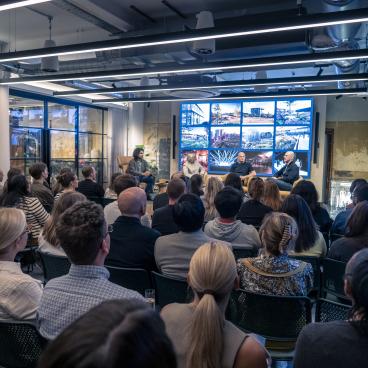
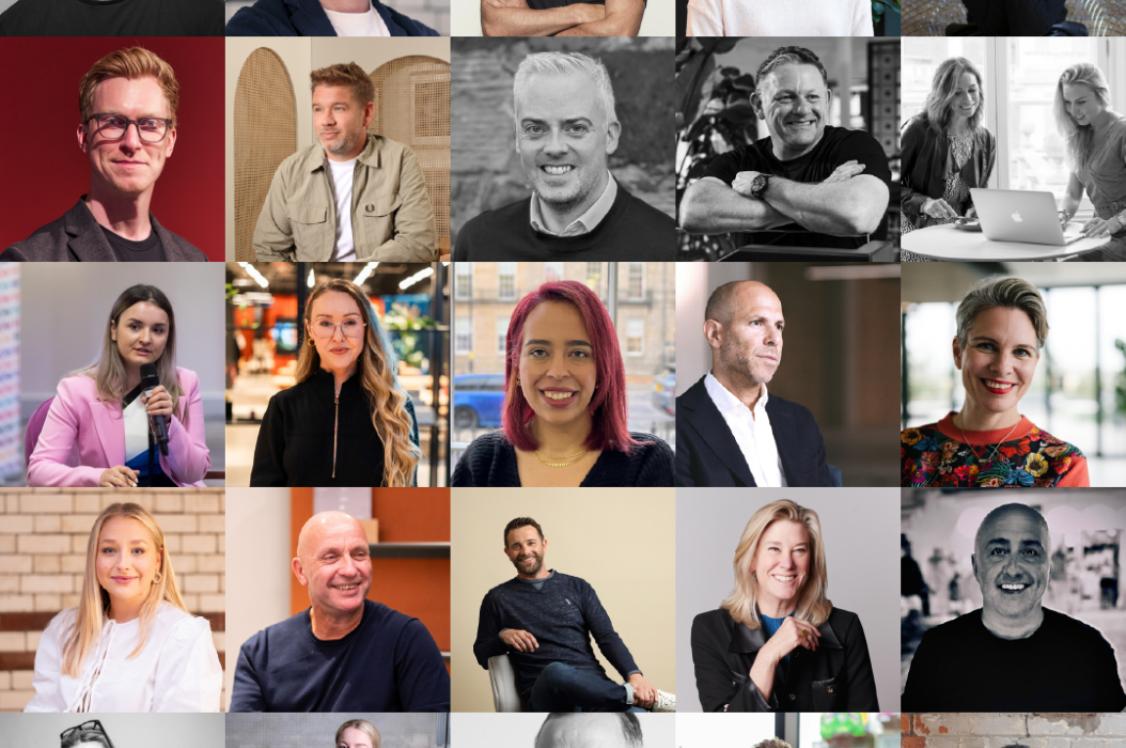
These are just some of the sentiments to arise from our discussions with you over the last few months about the impact of AI on your world. To provide a snapshot of how it's regarded in the built environment and commercial interiors sector, in addition to what was gleaned at our seminars and roundtables on this theme, here we share 40 Views on AI from industry professionals across the UK and beyond.
Is AI a friend or a foe?
Morven Thomson, Architectural Technologist - Keppie Design
"AI is a friend to architects and built environment professionals, provided we treat it as a tool rather than a decision maker. It has the potential to reduce repetitive tasks, improve access to knowledge and support better informed decisions, allowing us to spend more time on creativity, collaboration and delivering value for clients. However, responsibility can never be delegated to technology. Professional judgement, ethics and accountability must remain at the centre of everything we do. AI will undoubtedly change how we work, but its greatest strength will be enhancing human expertise, not replacing it. That is where its real value lies."
Peter Kerr, Director - Cameron Kerr
"AI should be viewed as a friend, provided it is used intelligently and with professional judgement. Its greatest value is likely to be in reducing mundane, repetitive and administrative tasks that currently consume a disproportionate amount of time in design practice. If used properly, AI can create more space for innovative and creative problem-solving.
"My greatest hope is that AI removes some of the mental drag that has built up around design delivery. Tools such as Revit and BIM have brought benefits, but they have also created a heavy procedural burden, with designers often spending too much time managing models, workflows, data structures and coordination issues rather than thinking deeply about design quality.
"My main fear is less about the technology itself and more about the economics surrounding it. There is a real risk that AI financing becomes overheated, particularly where highly leveraged businesses are being valued on future potential rather than proven commercial resilience. We may also see IPOs or investment events being used by owners and early investors to extract value before the market fully understands whether the underlying business models are sustainable."
Alexander Esfahani, Associate Director & Head of Sustainability - Chapman Taylor
"It depends on the lens through which we choose to look. Pessimism takes hold when technology shapes how we design, rather than deepen why we design, for people, place and planet. Creative thinking must not be lost, in practice or at university, to a fast-food world of architecture generated at speed. Harnessed well, AI can revolutionise our industry, sharpening accuracy, accelerating processes and unlocking ideas. I liken it to a calculator, owning one does not mean you can solve every problem without understanding the mathematics. From the abacus, to the calculator, to AI, progress matters but human judgement must remain central."
Dr. David Charles Reat, Architect/Director of Cultural Studies - Strathclyde University
"AI can be a powerful friend to built environment professionals, but only if designers remain in control of the brief, judgement and consequences. It can accelerate analysis, expand visual exploration and test options that might otherwise take days to compare. But it becomes a foe when speed replaces thought, when convincing images stand in for evidence, or when bias, authorship and responsibility are ignored. Architecture is not just image-making; it is material, social and long-lasting. Used critically, AI can amplify design intelligence. Used passively, it risks producing persuasive futures without accountable foundations, or meaningful human accountability at every scale."
Will Arnold, Head of Sustainable Materials - Useful Simple Trust
"AI is neither friend nor foe – it’s a tool. And like all tools – from calculators to bicycles to a nuclear reactor – its value depends on how we use it. Importantly, it cannot rescue poor strategic decisions. If we choose to demolish a building unnecessarily, no amount of AI will undo the consequences of that choice. But what it can do is support us with such decisions: it can be used to take away low-value tasks, generate insights, sense-check ideas and help communicate complex concepts more effectively. If done well, this frees up more time for the distinctly human work of collaboration, creativity and judgement. Work that is not only valuable, but enjoyable."
Linda Morey-Burrows, Founder and Principal Director - MoreySmith
“AI isn't a threat to good design, rather it's a reminder of what good design really is. By taking on repetitive and administrative tasks, it allows designers to focus on creativity, cultural understanding, and the human experiences that technology cannot replicate. As AI reshapes how we work, originality and judgement become even more valuable. That's why the industry must continue to invest in emerging designers as creative confidence is developed through mentorship and collaboration, not algorithms. AI will undoubtedly change how we design, but it will never replace the imagination, empathy and intuition that define exceptional architecture and interiors.”
Yetta Reardon Smith, Director & Workplace Strategist - Savills Workplace & Design
"AI is a friend, provided we stay in charge of it. It can take on those time hungry tasks (that we secretly love) like data analysis, checking and coordination. What matters is that we grab the opportunities this gives us, whether that is critical thinking time, developing client relationships or coaching and mentoring the next generation. It only becomes an enemy if we let it, if we start shortcutting governance processes or allow it to replace our thinking rather than support it. AI is a neutral tool. Its value, or risk, sits entirely with how we choose to use it."
Pallavi Dean, Founder and Creative Director - Roar
"AI is both - Frenemy . It's a friend because it takes operational tasks off my plate frees me up to focus on the creative thinking. But it's also the enemy I'm actively training to replace parts of my own job. The key is making sure it replaces repetitive work, not human judgment or creativity. Architecture isn't just about producing images - we solve complex problems, understand people and make thousands of interconnected decisions that AI still can't make on its own.
"My biggest hope is that AI removes the work architects don't enjoy. Checking drawings, catching coordination issues, reducing errors and making sure nothing slips through before we get to site. If AI can help us deliver projects with greater accuracy and efficiency. What I don't want is for it to replace creativity. The best ideas come from curiosity, lived experience and conversations, not prompts. I'd rather AI become the world's best design intern/assistant than try to become the designer.
"My biggest concern is misuse. AI produces beautiful images, but it doesn't inherently understand structure, regulations, climate, budgets or how buildings actually get built. There's a danger that people mistake good visuals for good design. I'm also concerned that because ideas are generated so quickly, we lose the value of iteration. Great design isn't usually the first idea. It's what emerges after questioning, testing and refining. If AI short-circuits that process, we risk creating work that's visually impressive but intellectually shallow."
Gavin Hughes, Design Director EMEA - HLW
"It remains to be seen. AI should make our lives easier. Our industry is already at risk of being devalued by increasing pressure to deliver faster and cheaper solutions. If AI fulfils its promise, it could help automate bottlenecks. In practice, however, progress shifts expectations rather than creating wealthy societies with abundant free time. Before rushing ahead out of fear of being left behind, we must consider a long-term model for behavioural change. Consider “The Doorman Fallacy”, and how we might apply it to AI. Ask AI to summarise it for you if you don’t already know it."
David Edmundson-Bird, Principal Lecturer in Digital Marketing, Faculty Lead for AI & Digital Enhanced Learning - MMU Business School
"I think AI, used in the right way, is a friend to designers/architects/built environment professionals. It offers an opportunity to automate those process and functions which are necessary but not appealing to the creative mindset, allowing people to spend more time on the human activities that add value.
"My hope is that businesses will not fall for the trap that AI can replace people - it can be used to enhance work and improve performance. My fear is that businesses will see it as a way of displacing people and then discover that it does not do very much of what humans do in the workplace. They will be forced to rehire, as the evidence shows many of the key AI models are expensive to run and are not the cost-saving panacea that has been suggested. AI is beginning to be embedded in many conventional workplace tools. I think we will stop thinking of it as 'special', it will become a normal part of our lives, like an appliance.
"What will happen next is the inevitable and extreme uptick in cost as the mainstream AI companies begin to reach the end of their money and the inevitable shareholders from any impending IPOs look for profitable return. That will create a sense of an AI divide, because the days of £20 pro accounts will soon be numbered. Not every business or professional will be in a position to afford them, and we'll see a rise in self-hosted, open-source solutions really take off."
Uli Blum, Senior Associate & Co-head - ZHA Analytics & Insights, Professor of Design - Münster School of Architecture
"As an architect, I see AI as a friend. It is our patient critic, available at any hour and never tired of commenting on another version. AI lets us reconcile competing parameters, test more ideas than we ever could have on our own, and see things we previously had to guess at: how a team's collaboration patterns shift when two floors are joined by a single stair, how many people pass each desk on the floor in a day, where focus and communication can coexist and where we have to choose.
"What sets architects apart doesn't disappear, it sharpens. When I can generate fifty options in seconds, the scarce skill is no longer producing them: it is knowing which one is right and why. That is intention, informed judgement, taste and style, and it is the part no AI model supplies.
"So I expect the buildings of the next decade to be better resolved than any before them. Not more spectacular, but fitted more precisely to the people inside, because for the first time we can see them clearly."
Olaide Oboh, Managing Director - Populate
"AI is a friend – but we shouldn't become too reliant on it. It's best used for routine tasks: drafting reports, preparing materials, summarising documents, analysing data. That efficiency frees up time for what humans do best – creativity, judgement and relationships.
"The caution? AI can encourage working in silos, and in our industry collaboration is king. The best places are made in the room, not on a screen.
"We're also designing workplaces with AI in mind, but they'll always be built around people. In real estate we create places for people to enjoy – a human touch is fundamental."
Stephanie Popescu, Project Architect - DMWR
“AI is brilliant at averages. Architecture isn’t. You can't expect AI to think for you. Poor prompts, poor data, poor outcomes. For AI to be better, you need to know how to steer it in the right direction. It’s not going to take away from our creativity and our critical thinking. In the end, it’s our judgement that is the most important thing - can this be built? Our instinct knows why something feels right. AI can’t answer that. It can suggest, but it’s up to us as designers to make the call.”
What are you hoping for?
Kay Sargent, Senior Principal, Director of Thought Leadership, Interiors - HOK
"I hope AI continues to eliminate the arduous and repetitive tasks that consume valuable time in the design process, allowing designers to focus on what matters most: creating meaningful human experiences. Rather than replacing expertise, AI should amplify it, enabling us to apply our knowledge of human behaviour, design strategy, and performance more effectively. The future lies in advancing both the science and the art of design—combining data-driven insights with creativity, empathy, and intuition. AI can help create environments that are more responsive, adaptable, and sustainable. If society leverages it wisely, we could spark a new renaissance in the arts, unleashing unprecedented creativity and innovation."
Stephanie Porfyriou, Project Architect - AtkinsRéalis
"My greatest hope for AI in practice is that it restores the architect's role as a creator. By offloading documentation, data analysis and other administrative tasks to AI, I believe it frees architects to focus on creativity, innovation and the human experience of space. In my view, architecture is fundamentally about emotion and lived experience, which are qualities that technology can support but never replace. By automating routine tasks through AI, we can reclaim the mental space to imagine, explore and create places that inspire. To me, AI can optimise the data, but it cannot capture the soul of a space. After all, people will always remember how a building made them feel."
Julie Lecoq, Workplace Strategy, Change & Human Experience Consultant
"My greatest hope isn't that AI gives us better answers. It's that it helps us ask better questions. I see AI as a thinking partner that can help us challenge our own thinking, explore different possibilities and notice things we may not have considered. It should support human judgement, not replace it. Ultimately, the value of what we create comes from understanding people and the context behind every decision. AI can generate thousands of answers, but knowing which questions truly matter and why is where human judgement makes the difference."
What is your greatest fear?
Maria Tam, Spatial Psychologist - Make Architects
"The most pressing worry or focus I think is preserving our ability to judge what is valuable design. AI is great at churning out output. It can do a lot of our doing. And it's capacity for that will continue to grow. But doing the doing, is also where many professions, not just spatial designers (e.g. architects, interior designers, landscape architects) learn how to assess the value of different design options. We are currently experiencing a surge in productivity because we all now get to act like managers, and AI is like our architectural assistant, doing the doing, as we guide it with our previous experiences of knowing what is good, which we learnt from once being an assistant. But if people no longer get to experience being an assistant, how will they know how to be a manager?"
Blair Boyle, Associate Workplace Designer - Savills Workplace & Design
"Interior designers are skilled workers. With any skill you hone it and improve it with years of practice, with every project you learn more that you take forward with you to the next project. On active jobs there are always surprises that you have to adapt and respond to based on your experience. I fear young designers, those earliest adopters of AI, will use AI as their primary tool to create outputs. They will miss building those essential skills and experience thus will struggle to react accordingly when things aren’t as expected. This creates a knowledge and experience gap that AI cannot fill."
Ed Harris, Partner, Bristol - Purcell
"At Purcell, we hope AI gives our people more time to focus on work that benefits most from their specialist expertise, creativity and professional judgement. Used responsibly, AI can streamline routine tasks, accelerate research and analysis, and improve efficiency, enabling teams to concentrate on maximising design quality, technical problem solving and client outcomes. We see AI as a tool that supports people rather than replaces them: a thoughtful way to improve productivity, reduce administrative burden and allow talented professionals to apply their skills where they add greatest value for clients, communities and historic places."
Simone Fenton Jarvis, Author - The Human Centric Workplace
"My concern isn't AI itself - it's our tendency to trust without questioning. Poor data produces poor decisions, regardless of how advanced the algorithm appears. There's also a risk that we optimise for efficiency while forgetting experience, inclusion and wellbeing. The built environment shapes how people work, recover, connect and belong - those outcomes cannot be measured through data alone. My biggest fear is that organisations mistake prediction for understanding, allowing AI to replace dialogue rather than enhance it. Human judgement should become more valuable, not less. We also need to keep an eye on the impact on the newbie's vs the qualified/experienced/competent professionals - the experienced can question what the newbies might not."
Amir Hossein Noori, Co-Founder & Director - AI Hub
"My deepest fear isn't that AI replaces architects. It's that it lowers the bar of what we accept. Generative tools have collapsed the cost of producing something that looks like design, and I worry we're satisfied with that: seductive, hollow images with no spatial logic, no idea behind them. AI slop. I fear visualisation is overpowering AI's deeper promise as an instrument for knowledge, for interrogating concepts, and for creating genuinely new notions of space. The danger isn't the technology; it's the temptation to stop thinking. Ease of creation is not the same as depth of design."
David Cryer, Associate - AFL Architects
"My greatest fear is not AI itself, but the way it could be misused as a substitute for collaboration. Architecture is strongest when ideas are tested, challenged and improved by a team, with different experiences shaping the outcome.
"If practices begin treating AI as a shortcut, one person feeding in a brief and accepting what comes back, we risk losing that collective intelligence.
"The danger is that early efficiencies are mistaken for better design, and that commercial pressure leads some businesses to reduce teams rather than strengthen them. AI should support human judgement, not replace the people who develop it."
Tom Prendergast, Co-Founder and Architect - BOSCA
"I worry that using AI for design will only help to devalue the skill and expertise of designers. What is stopping Client’s from cutting out the middleman and doing it all themselves? At a time where we are trying to shift the culture around safety, post Grenfell, is it a good idea to be deferring decisions to a technology prone to hallucination?
"AI, by definition, does not have any real lived experience. It cannot create novel spaces that change the way a person experiences the world. A built environment created by AI can only be generic, without a sense of place or purpose."
An inevitable revolution or evolution?
Nick Tyrer, Associate Director - BDP
"At this point AI is inevitable, beyond being driven by global capitalist forces, it sits at the centre of an international arms race between nations who cannot afford to fall behind. We may never achieve AGI or ASI, but the current trajectory alone is sufficient to dramatically transform our industry and the world around us.
"AI is advancing faster than our software, our design tools, or even our design thinking can keep pace with. If AI development stopped today, we would still have a decade of profound change ahead, just from realising the potential of what we already have."
Dr Phil Tetlow, Visiting Professor, Author and Corporate Advisor (formally IBM)
"It’s both. People often forget that artificial intelligence, in one form or another, has been evolving for centuries. Victorian engineers built remarkable wind-up automata, while pioneers such as Alan Turing explored sophisticated concepts during the 1950s. However, the publication of the 2017 transformer paper fundamentally changed the landscape, enabling today’s large language models and triggering a genuine revolution.
"So AI is simultaneously evolutionary and revolutionary. I’d also expand your list of descriptors. When used thoughtfully, AI can be inspirational, collaborative, creative, augmentative, transformative, practical, and empowering, helping people solve problems, generate ideas, accelerate innovation, improve decision-making, enhance productivity, and work responsibly together."
Rebecca Kelly, Creative Director - Jasper Sanders + Partners
"AI is an accelerated evolution, shaking and potentially reshaping the foundations of our sector. Architectural design has absorbed tools from its origin - from Rotring pens and drawing boards to CAD and now visualisation. AI compresses timelines and expands possibility in a way that feels different in scale - it can’t replace authorship or rigorous design thinking, but sits within the process as a collaborator, reshaping how we explore and communicate ideas. The real shift is intellectual: how we define creativity, value judgement and originality when generation is now instantaneous. As technology continues to evolve, our responsibility is to ensure it is guided by human insight, critical thinking, and intent."
Jack Carter, Interior Architect - SpaceInvader
"I’d call AI an evolution, but one that could change the way we work quite dramatically. In interior design, it’s already useful for quick research, testing ideas, mood imagery and taking some of the grind out of repetitive tasks. But the best projects still come from people: understanding a client, reading a brief properly, noticing what isn’t being said, and making thoughtful decisions. Used well, AI should give designers more time for that, not less. For me, the important bit is keeping it as a tool, not letting it become the voice in the room."
Henrietta Walters, Architect and Principal - GA Architects
"I think AI is more of an evolution than a revolution. In the same way that many of us have evolved from the drawing board to CAD and then to BIM, AI is clearly starting to influence the way architects approach and deliver projects, as well as promote and present their design ideas.
"What has stood out most to me has been developing prompts that can be used across all aspects of my professional practice; the critical element is developing prompts that allow me to retain the quality of my design thinking; however, this is not without its challenges.
"If we leave aside the significant environmental and other concerns associated with AI, as a sector we need to reflect carefully on the issue of the homogenisation of design, which can already be observed in the emergence of increasingly uniform interior design trends."
Steve Smith, Project Architect - SPACE
"AI, in my opinion, is more of an evolution than a revolution for the architectural industry. Like the widespread adoption of CAD in the 1980s, AI is enhancing existing workflows rather than fundamentally changing what architects do. It is making certain tasks faster and less labour intensive. Architectural visualisation (CGI), in particular, has seen accelerated change, with greatly increased production times and wider accessibility. However, human intervention remains essential to assess buildability, apply professional judgement, and refine outputs. AI is therefore best seen as a tool that supports and enhances the work of architects rather than replacing it."
Stuart McHendry, Director of Sustainability - Scotch Partners
"I think AI represents both a revolution and an evolution in the design of the built environment. Co-designing with AI is already creating new approaches, testing alternatives more rapidly and helping designers identify solutions that may otherwise be overlooked. However, we are still in a period of learning and development, understanding where AI adds genuine value, where its limitations lie and how human judgement must remain central. Its ultimate impact will depend on how responsibly we choose to use it. This requires clear workplace and professional policies addressing governance, transparency, accountability and ethics, ensuring AI enhances good design rather than simply accelerating existing processes."
Andrew Mawson, Owner - Advanced Workplace Associates
"Roles that are highly repetitive will disappear altogether, unless they exist within a highly regulated environment. AI is going to automate mechanistic tasks within knowledge worker roles too. For higher order knowledge workers AI will give them new tools to amplify their skills by enabling them to do tasks that were hitherto economically unfeasible. There will be new jobs created from AI too and we expect AI enabled entrepreneurs to pop up using AI to develop new products, software and services that we can’t really predict.
"We expect the size and nature of organisations to change. They will be populated high calbre individuals, experts in their subjects, highly tech savvy managing a suite of agents. Organisations will be highly dependent on them, as they’ll have critical knowledge and an understanding of how the agents work. They’ll also have to work closely with colleagues to move the organisation forward. AWA’s knowledge worker productivity research undertaken over the last 10 years puts in a powerful position to provide guidance."
Elaine Varghese Stephen, Architect - MLA
"AI feels revolutionary because of its speed, but for architecture I see it as evolution: another tool absorbed into practice, like CAD and BIM before it. The more I use it for correspondence, technical queries, project planning and management tools; the more useful it becomes. But it needs direction. Architecture begins when somebody cares enough to solve a problem. AI does not. It produces polished output, but polish does not equate to competence. As programmes compress and production accelerates, the architect’s value cannot be reduced to producing information alone. Judgement, responsibility, communication and care become more valuable, not less."
What does the future hold?
Lorna Martyn, Visualisation Team Lead - Morgan Lovell
"My greatest hope is that AI gives us back time. Time to think more creatively, solve problems more effectively, and produce better outcomes for our clients. I would like to see AI integrated into workflows in ways that genuinely enhance quality, efficiency and innovation, rather than simply increasing output. Used well, AI can support professionals in creating more thoughtful, engaging and visually compelling environments while reducing the burden of routine tasks.
"AI is here to stay, and I think the next phase will be less about what the tools can do and more about how organisations implement them. I hope to see greater focus on robust governance, accreditation, security standards and clear usage policies. The most successful adoption of AI will come from organisations that balance innovation with accountability. Technological advancement is important, but the values and principles guiding its use will ultimately determine its impact."
Manu Sanz, Associate Interior Designer - Form Design Consultants
"Since the AI roundtable session in Glasgow, I have been thinking a lot about how AI could actually support our industry in a practical way. For me, it comes back to workflow and efficiency. How can it help practices run smoother?
"I keep coming back to the idea that AI isn’t really optional. It feels inevitable at this point. It’s already creeping into day to day tasks and I think it will only become more embedded in how we work.
"One thing that feels particularly relevant is the rise of AI agents. In simple terms, these go a step further than the usual tools we have been using. Instead of just answering a prompt, they can start to handle a series of tasks on their own, organising information, running small workflows, or helping manage processes with less back and forth. It’s early stages, but you can start to see how this could slot into practice life quite naturally.
"For now though, I don’t see AI replacing what we do. It’s more about taking away some of the repetitive or time consuming parts, helping us move through certain stages quicker and making information easier to deal with. That shift alone can make a big difference.
"For me, the real turning point will be when AI can genuinely come up with ideas that don’t just come from existing references or data. When it starts creating something truly new, that’s when things could really change. Until then, I still see it as something that supports us rather than replaces us."
Connor McGinley, Architect, Project Director - CRGP
"I expect AI to become embedded in almost every software platform we use, to the point where it becomes invisible rather than a standalone tool. Within the next five to ten years, I expect AI to assist with regulatory compliance, specification writing, cost forecasting, programming, sustainability analysis and project administration as standard.
"What I hope, however, is that the profession maintains a clear distinction between efficiency and value. Clients do not appoint architects simply to produce drawings, they appoint us to provide judgement, creativity, leadership and confidence in complex decisions. Those qualities remain inherently human.
"Ultimately, I think the practices that succeed will not be those using the most AI, but those that combine AI with experienced professionals who know when to challenge its outputs, when to ignore them and when to rely on their own expertise."
Jason Taylor, Senior Lecturer, Architectural Digital Design, AI & DELTA Lead - Manchester School of Architecture
"What happens next with AI in architecture will come down to control. The tools will keep evolving, but the important question is whether architects retain control of design thinking, judgement, and authorship as intelligence becomes shared between human and machine. My hope is that architecture stops treating AI as either magic or menace and starts engaging with it critically. AI will be useful across analysis, visualisation, coordination, and decision-making, but usefulness is not judgement. The profession will need stronger digital literacy, clearer ethical boundaries, and a sharper understanding of authenticity if architects are to direct AI intelligently rather than be directed by it."
Paul Dare, Founder - Dare Design Studio
"The biggest impact of AI won't be replacing designers. I believe it will be changing what designers spend their time doing. Routine production work will increasingly be handled by AI, leaving designers to focus on creativity, problem solving and the client relationships that technology will absolutely struggle to replace. I also believe AI will transform the workplaces we design, using real time data to create environments that are more adaptable, efficient and responsive to how people actually work. As the founder of a small design studio, I see it as my responsibility to understand where AI is taking our profession so I can help clients prepare for what's coming, not simply react to it."
Holly Hallam, Co-owner - DLSM Studio
"Like many businesses, the creative industry is benefitting from efficiencies that simply weren't possible a few years ago - supporting the more administrative tasks which has then allowed our designers to focus on deeper creative thinking.
"Working specifically within the hospitality industry, it is ultimately about people. It’s our role, as strategic designers, to understand consumer behaviour, emotion, culture and human connection - things that can't be fully understood through data or AI alone.
"The most successful hospitality environments are often built around intuition and empathy. They respond to how people move through a space, how they interact with others and how they want to feel when they're there and when they’ve left. While AI can support aspects of the research process, it can't replace the human insight required to create truly meaningful experiences.
"I also think there is a risk that as technology becomes more accessible, we see a degree of homogenisation. If everyone is drawing from the same sources and tools, maintaining originality becomes even more important.
"For me, the future isn't about AI versus creativity. It's about how technology can enhance the design process while allowing designers to focus on the strategic and human-centred thinking that creates the most memorable and meaningful spaces."
Lola Ben-Alon, Assistant Professor, Columbia University & Director, Natural Materials Lab
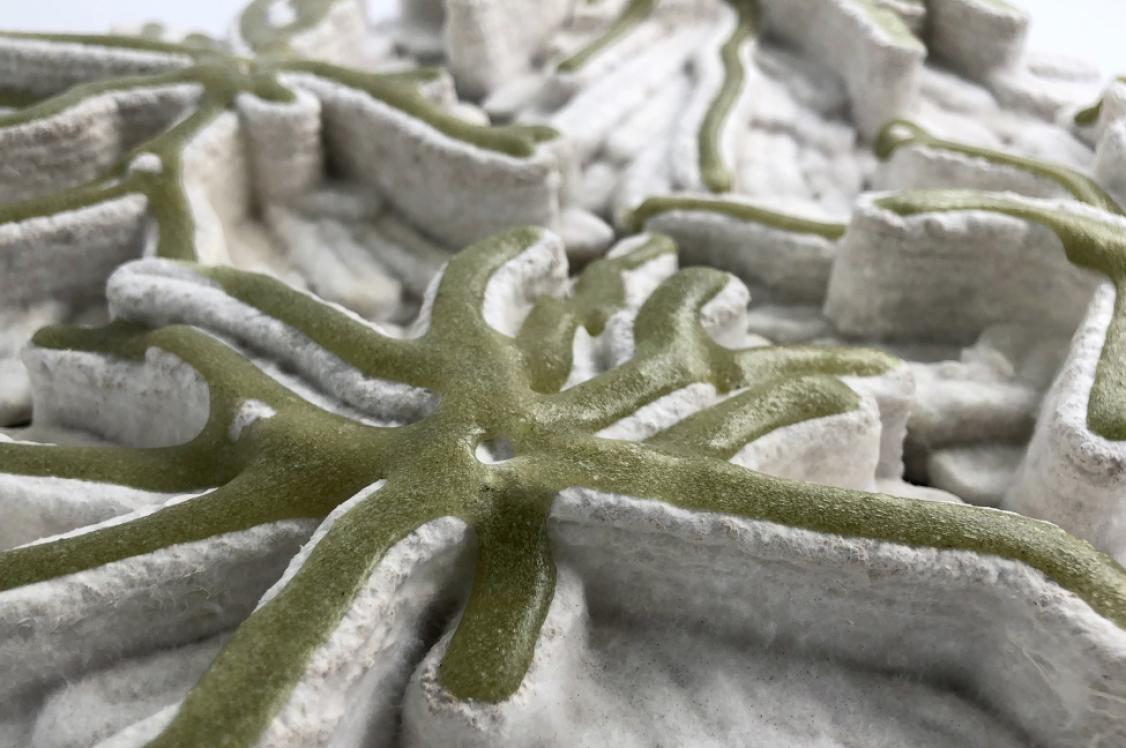
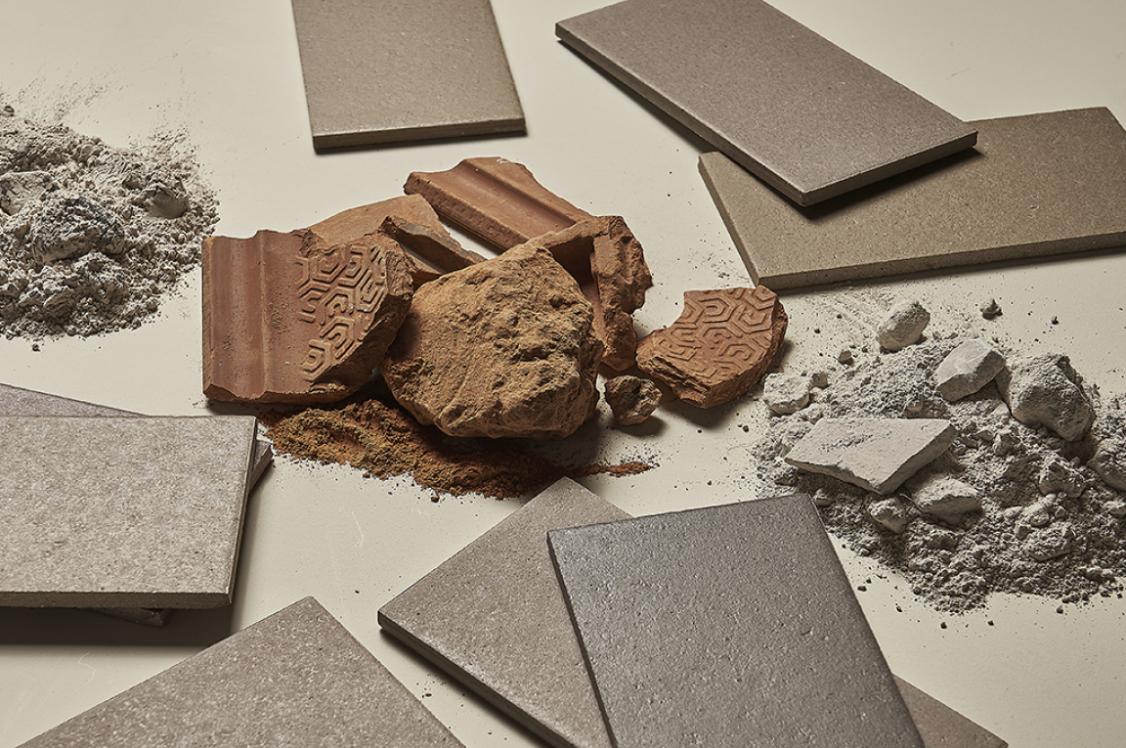
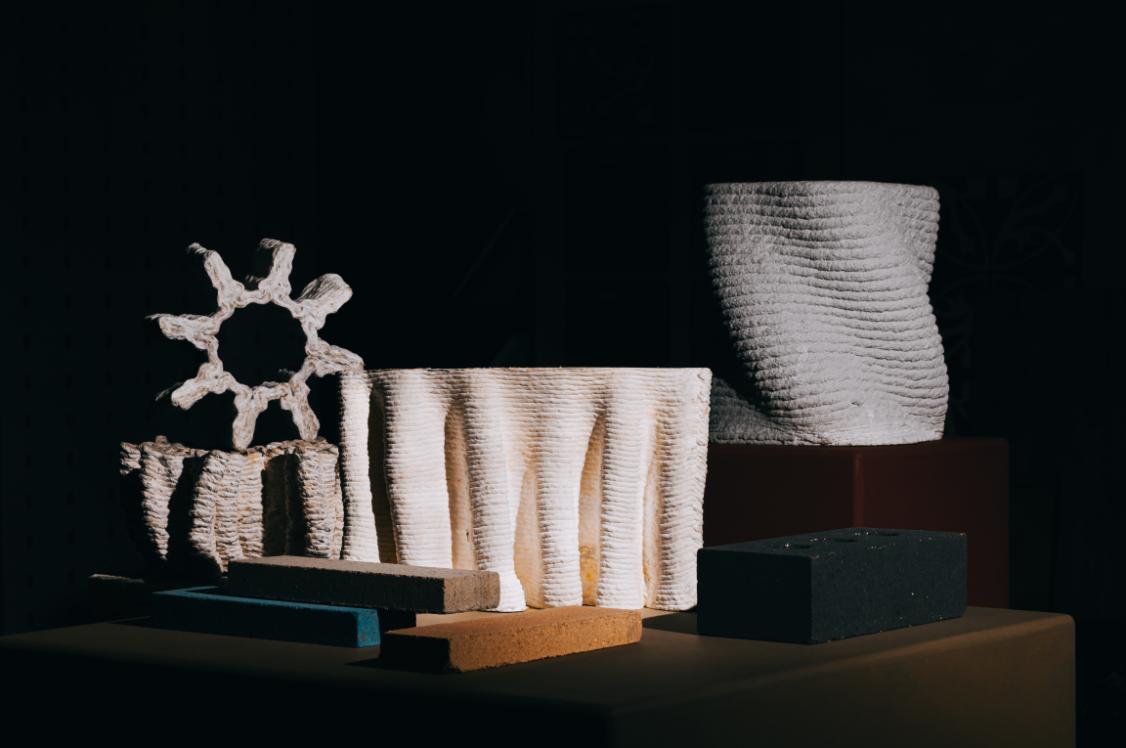
"We use robotic 3D printing and AI-generated design to explore geometries that would be impossible to achieve manually. These tools allow us to handle the material variance of earth which is very unruly, more precisely. However, we always maintain a compassion for digitisation. The machine is another hand in the ritual of making.
"I believe the tactile experience of working with earth is transformative. When you work with these materials, there is a sense of devotion and a transcorporeal connection to the land.
"As we become more reliant on the digital, we risk losing that sensory intuition. Our work tries to reconcile the two: using the digital to celebrate the natural, not to replace it."
Rachel Basha, Founder & CEO - Basha-Franklin
"I believe AI will create opportunities rather than simply replace jobs. It can help us create new products, accelerate research and free up time for deeper creative thinking.
"But nothing replaces the human experience that ultimately is the backbone of our design lens. Travelling, visiting galleries, understanding different cultures and observing how people live are fundamental to good design.
"The real strength comes from combining curiosity, lived experience, human creativity and technology. That is what allows us to remain a fast moving, high performing design studio."