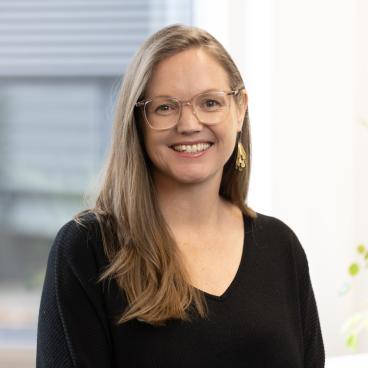


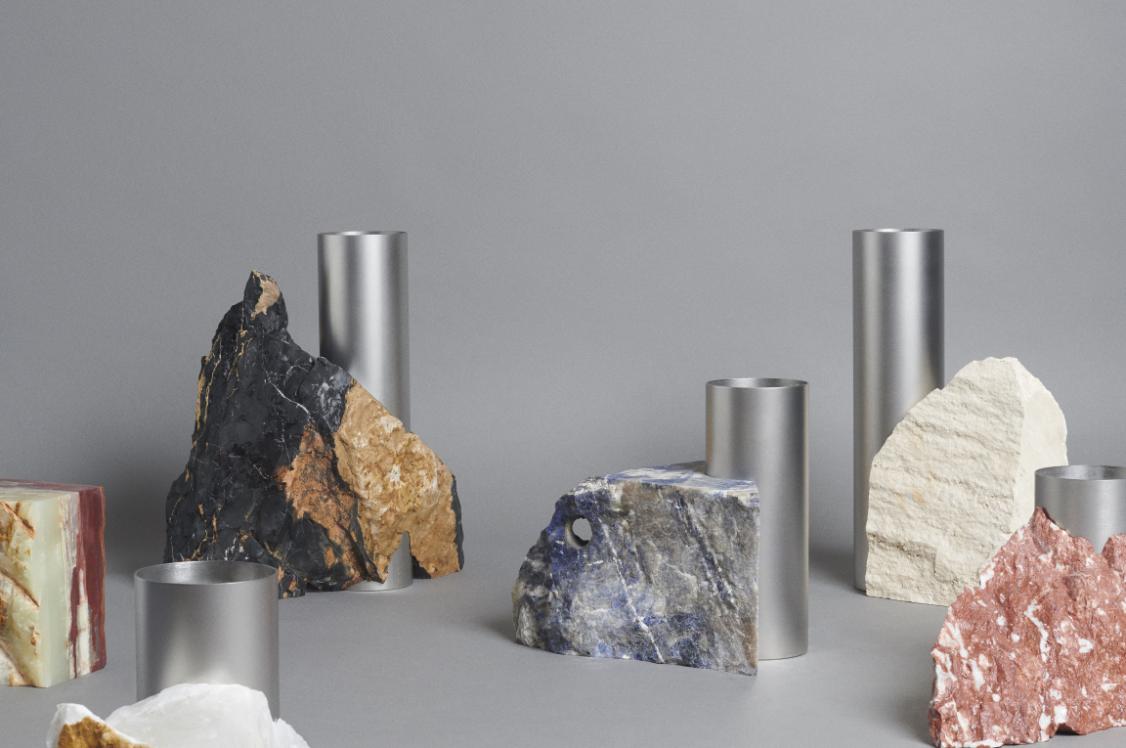
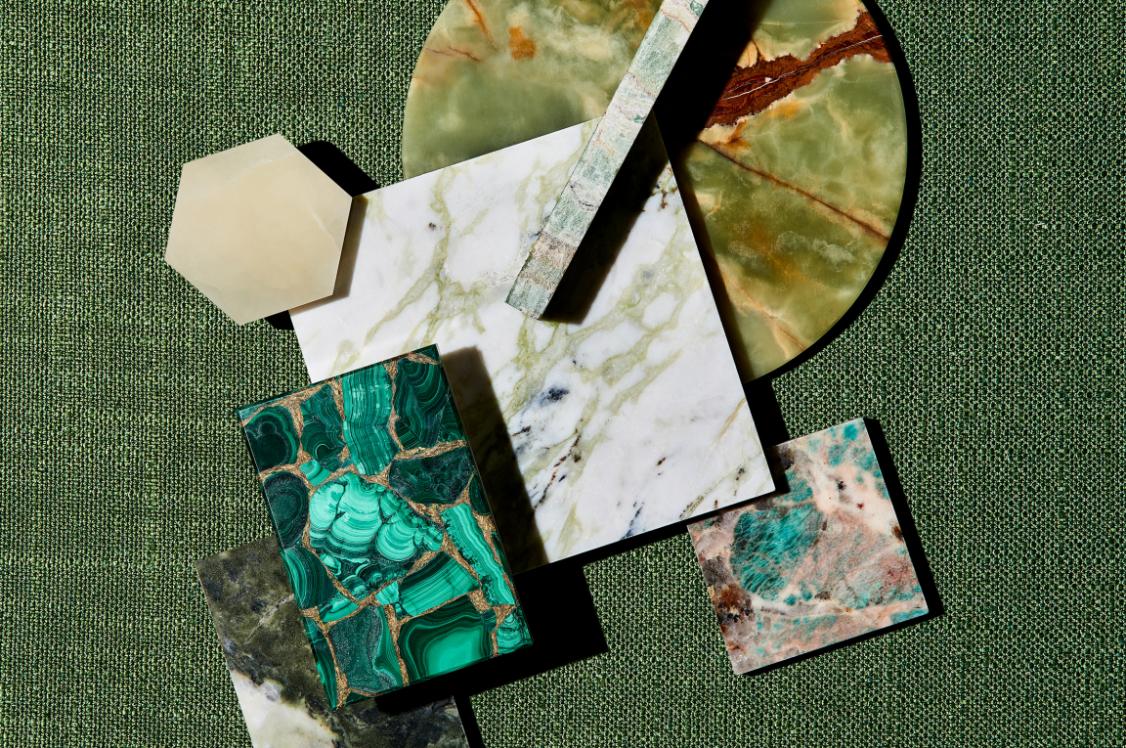
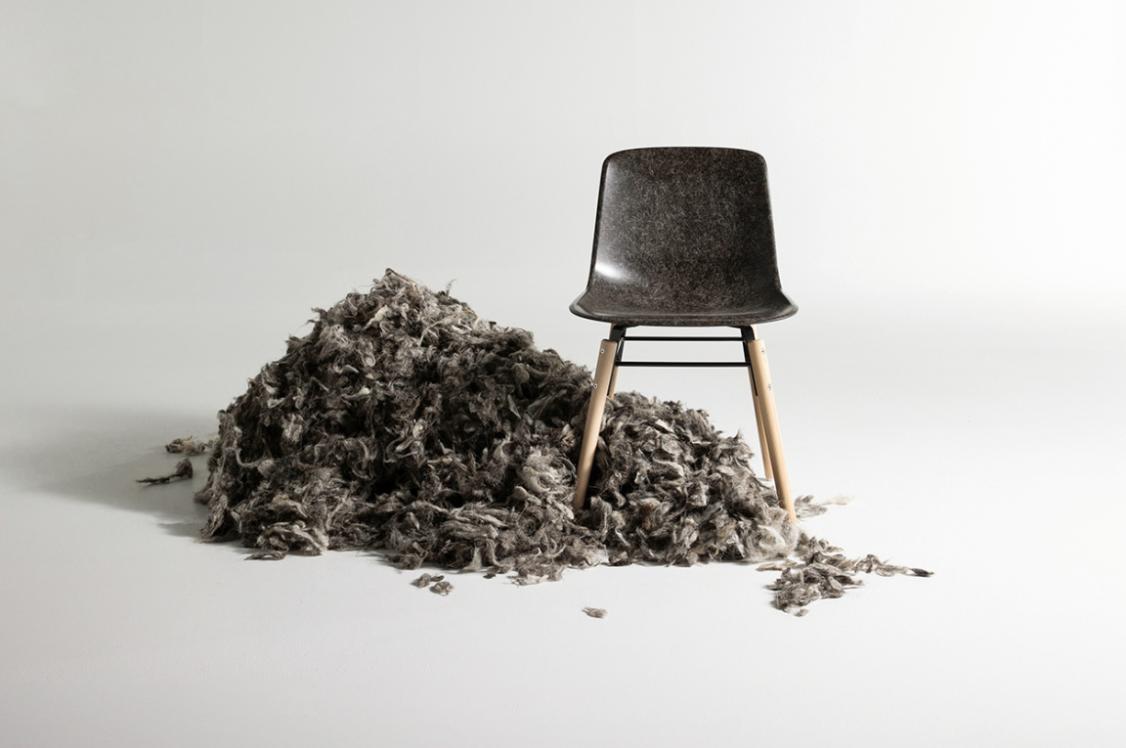
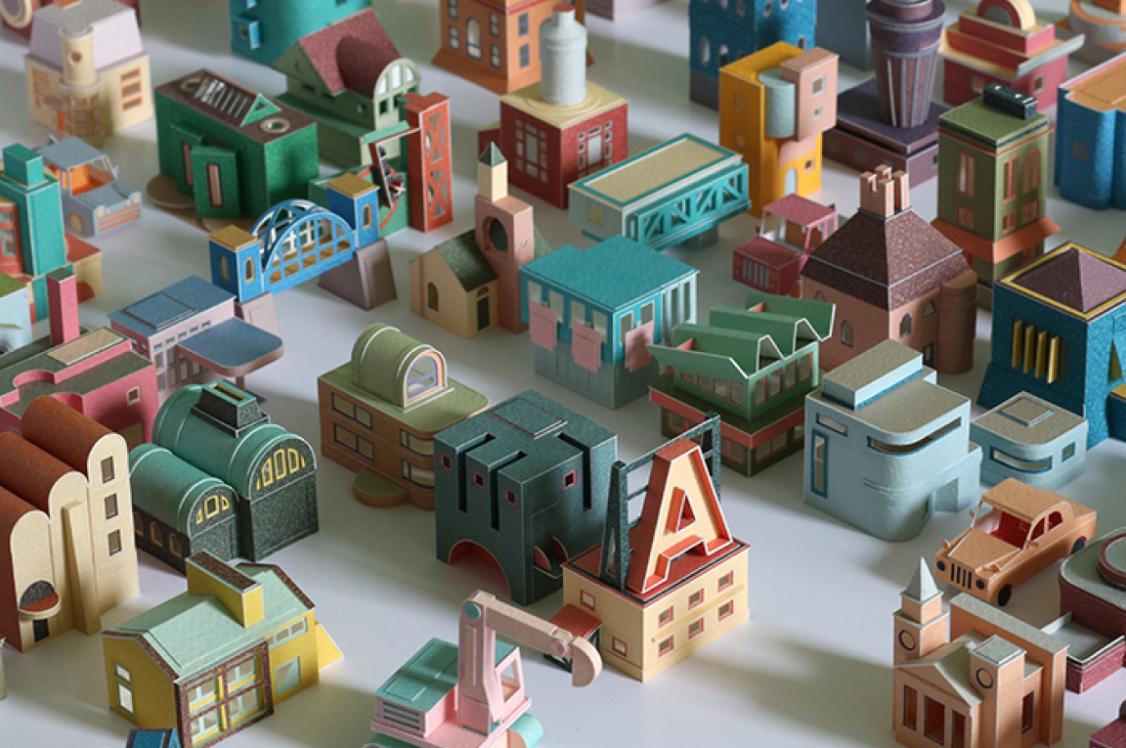
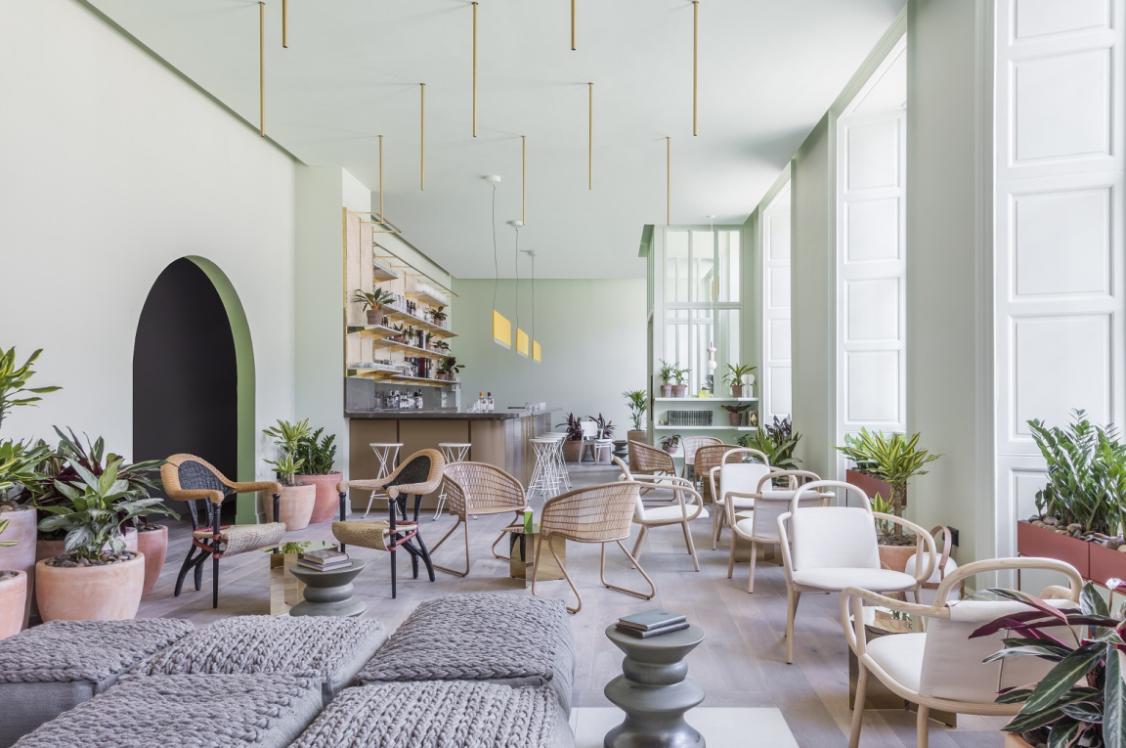
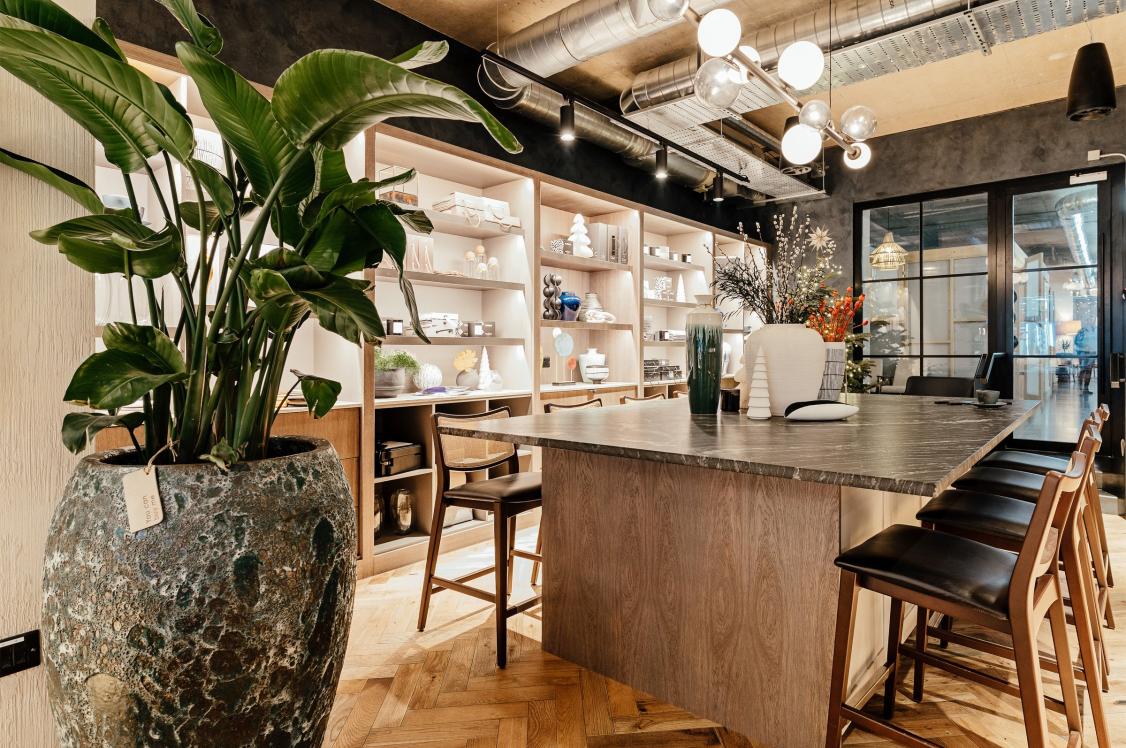
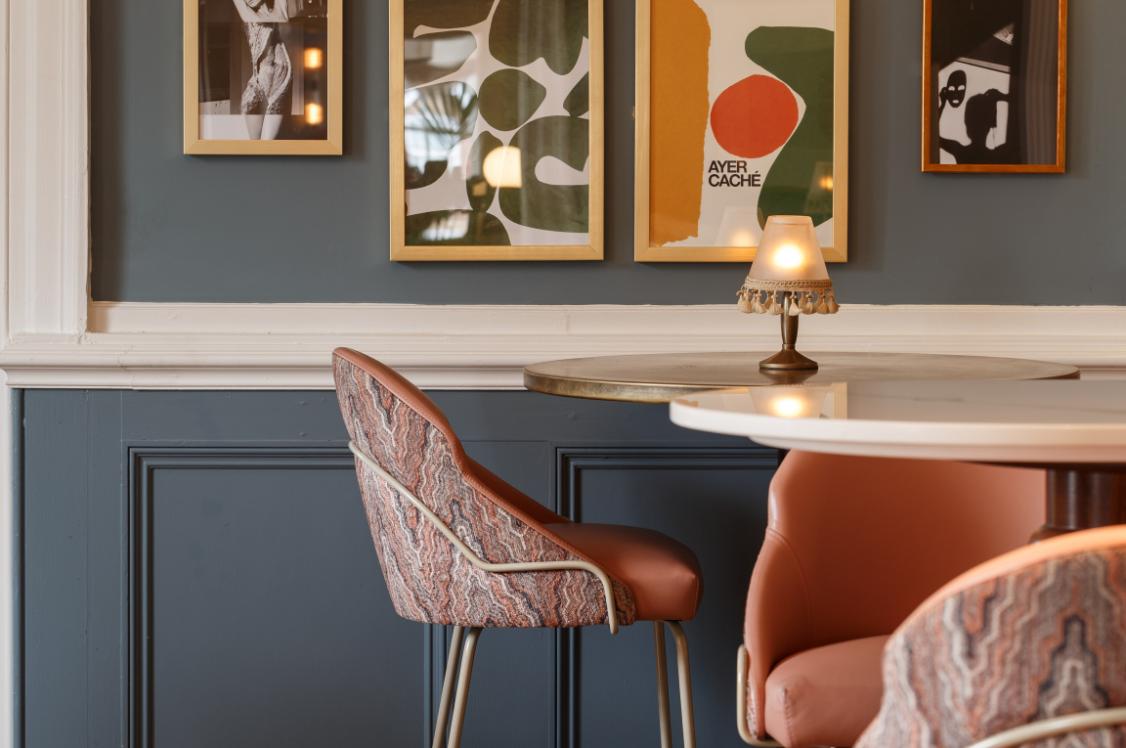
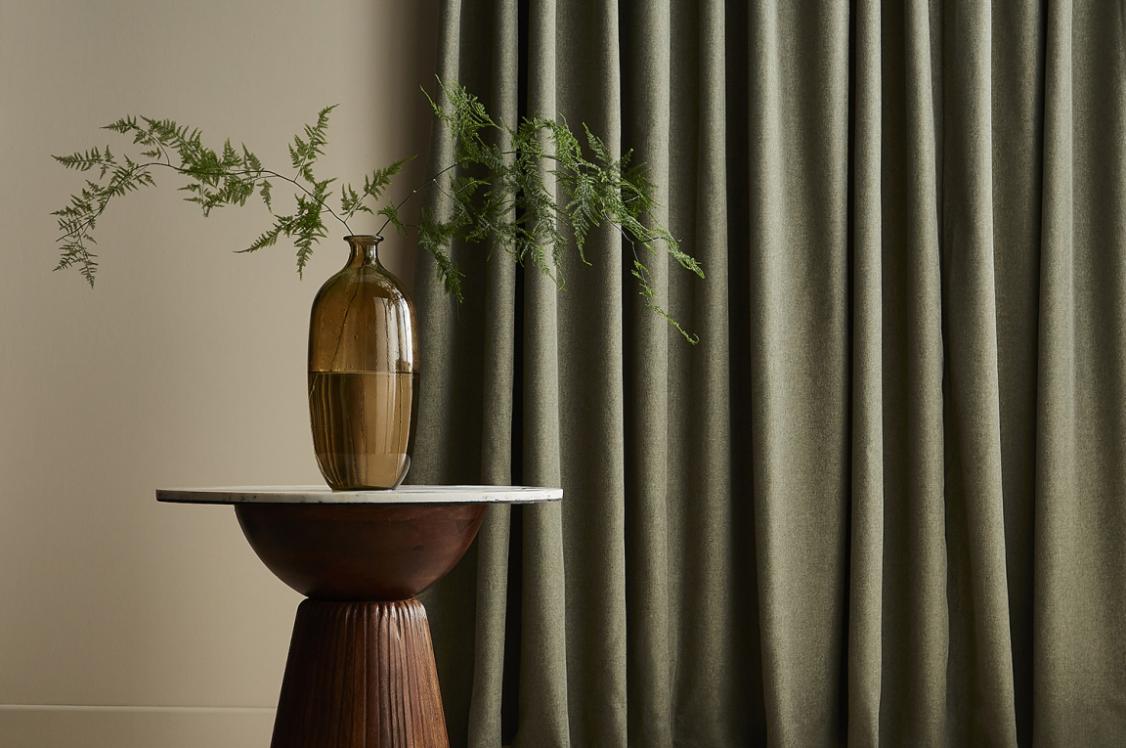
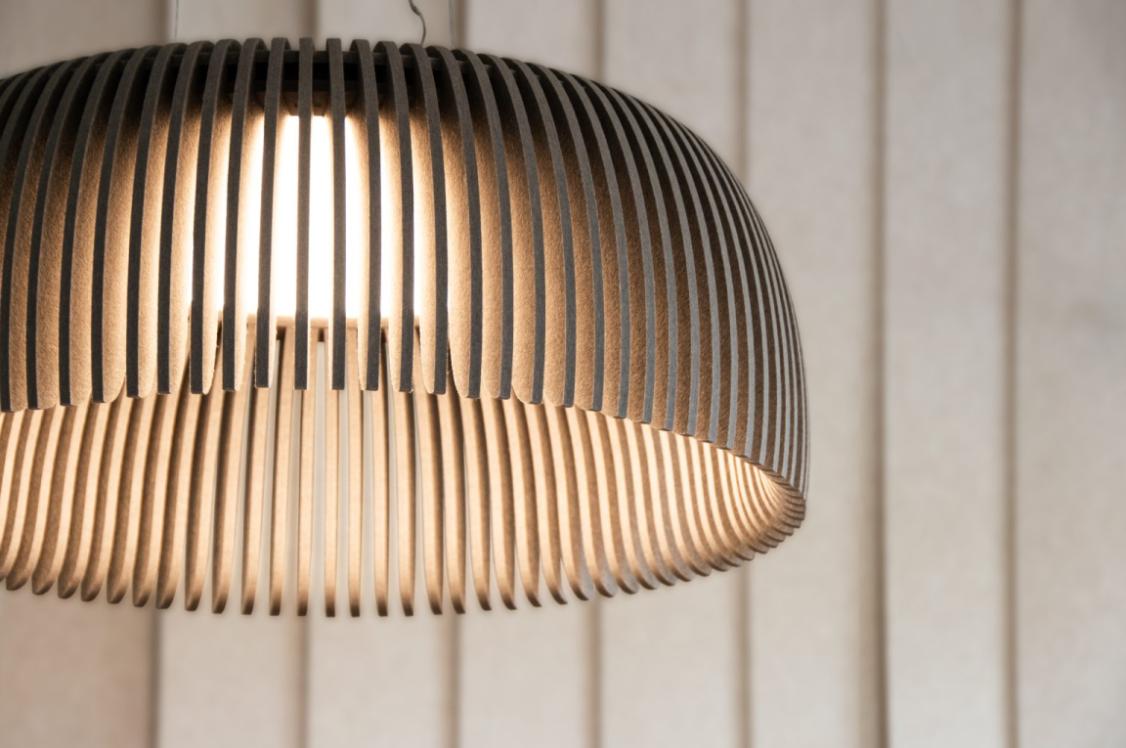
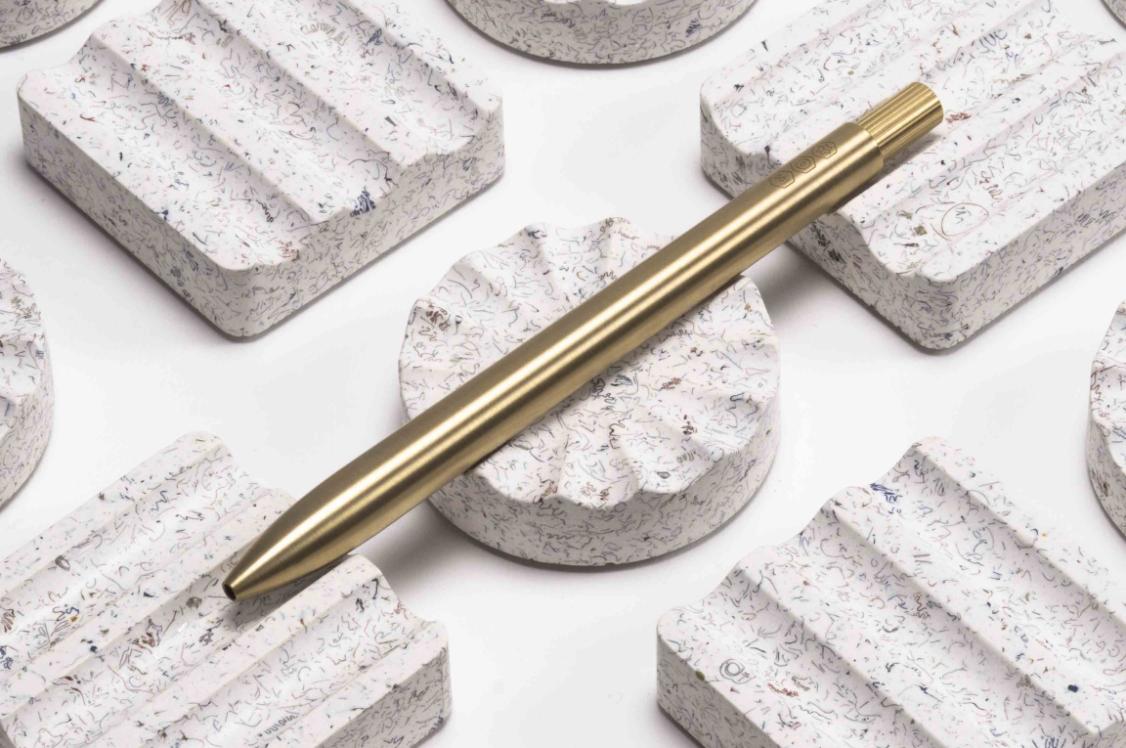


Ariane Sanders, founder, Sonda Studio on neurodesign & sensory environments for Neuroplaces at LDF.
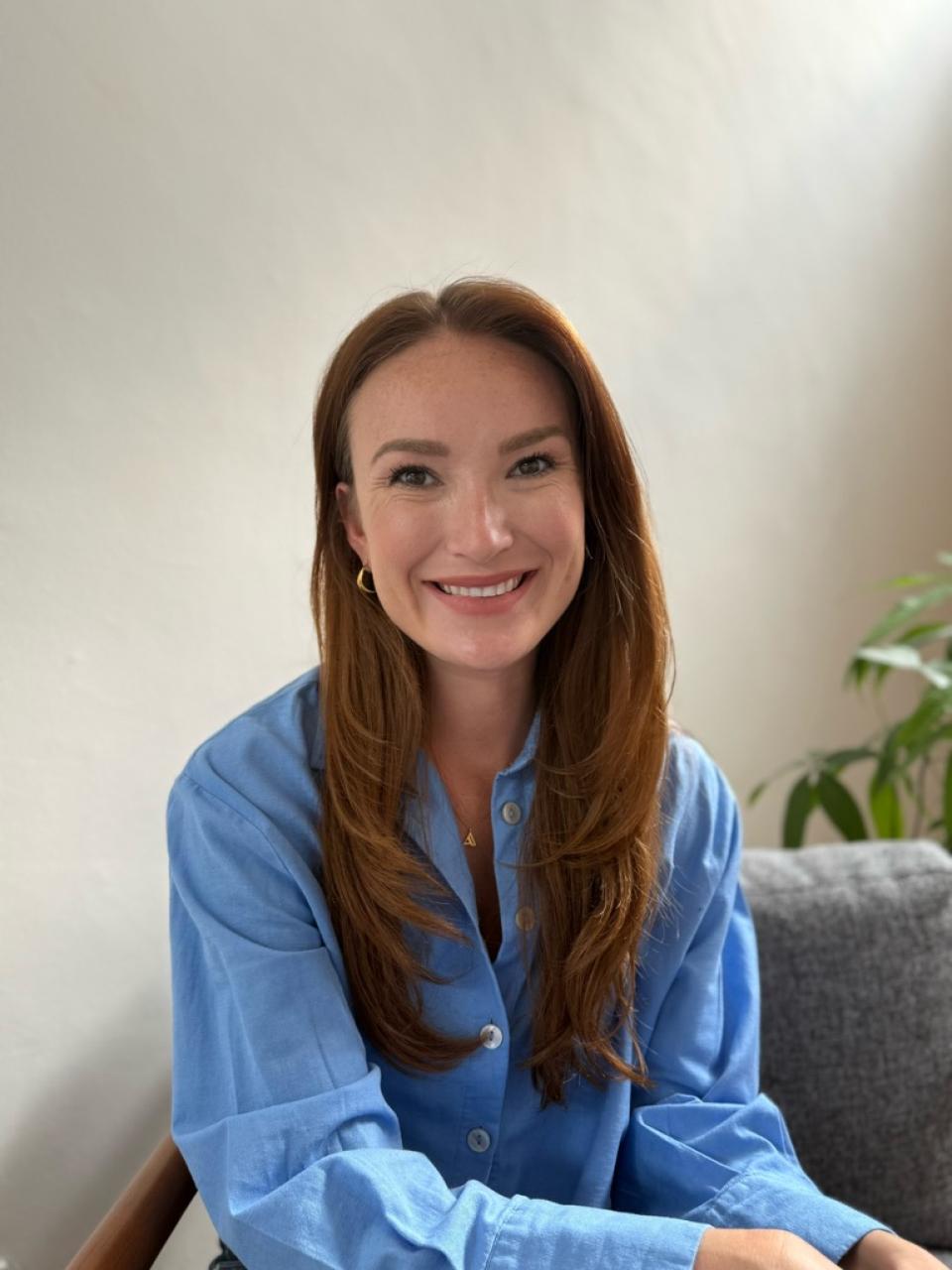
Ariane Sanders founded her consultancy, Sonda Studio, based on her own personal experience. After struggling with the office environment she found herself in, plus a hectic daily commute, Ariane began to question whether this was something she was grappling with alone. Turns out, she wasn't.
Throwing herself into understanding neurodesign, Ariane realised just how much the settings we inhabit impact us. And that has driven her to support others through applying sensory intelligence.
This month, Ariane will showcase her expertise with Neuroplaces - the UK’s first B2B exhibition and conference dedicated to neuroinclusive and accessible design.
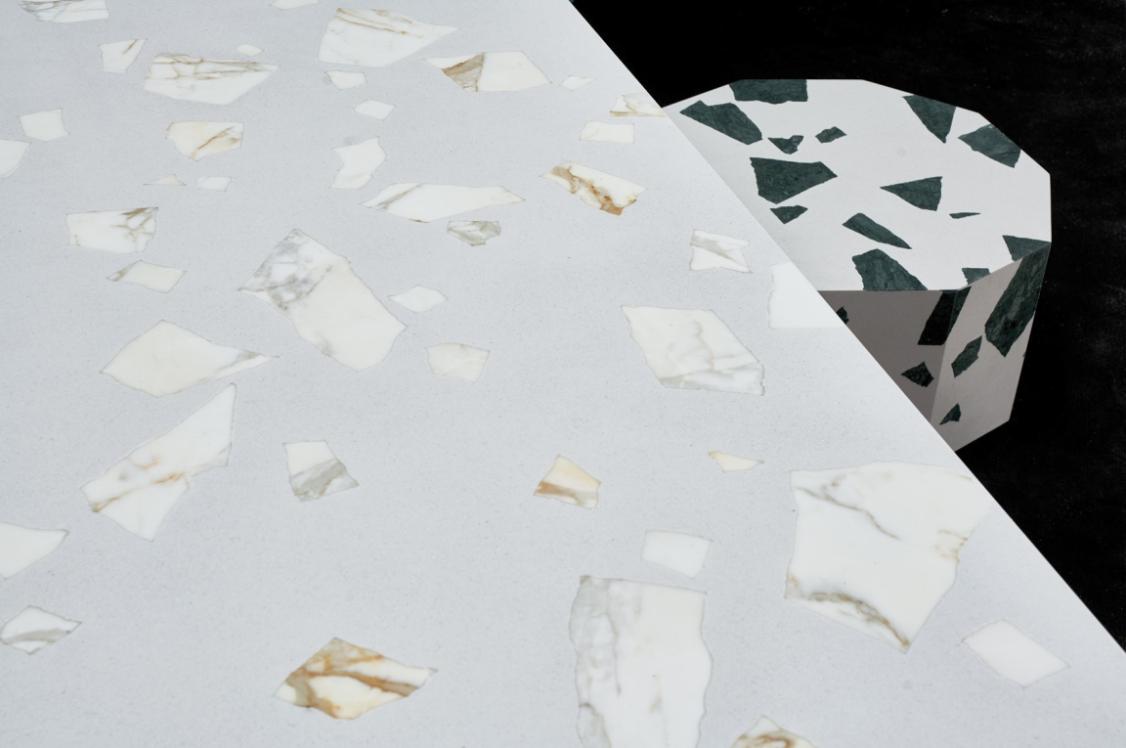
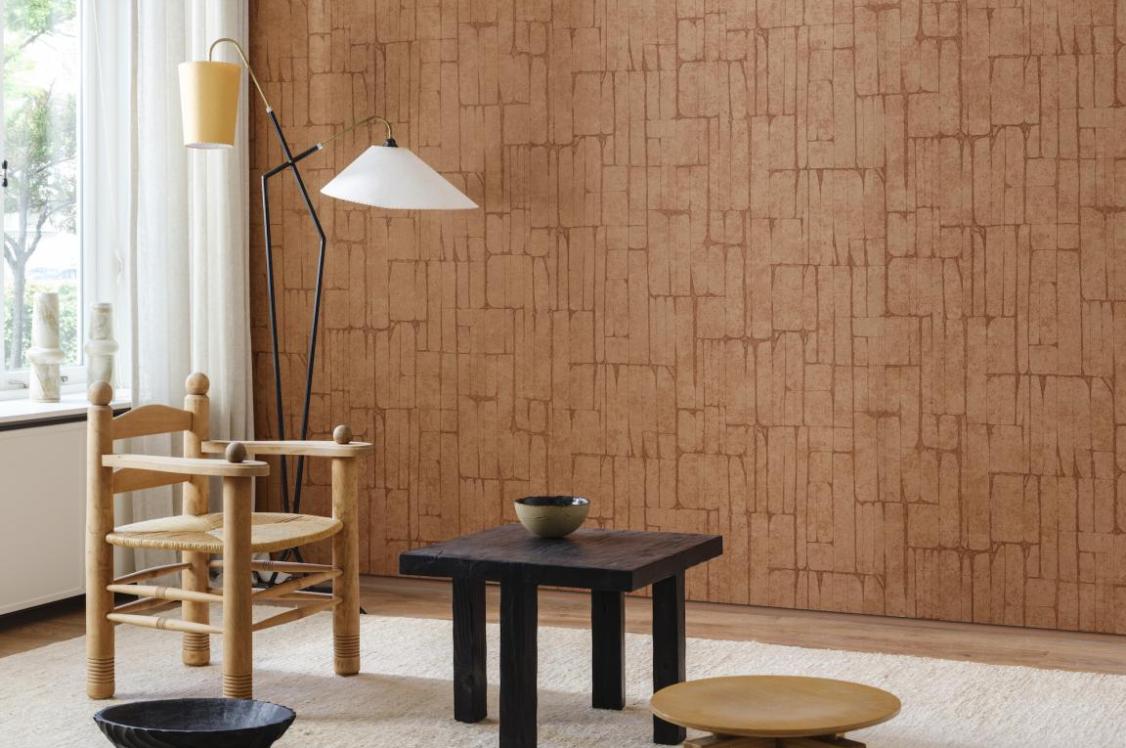
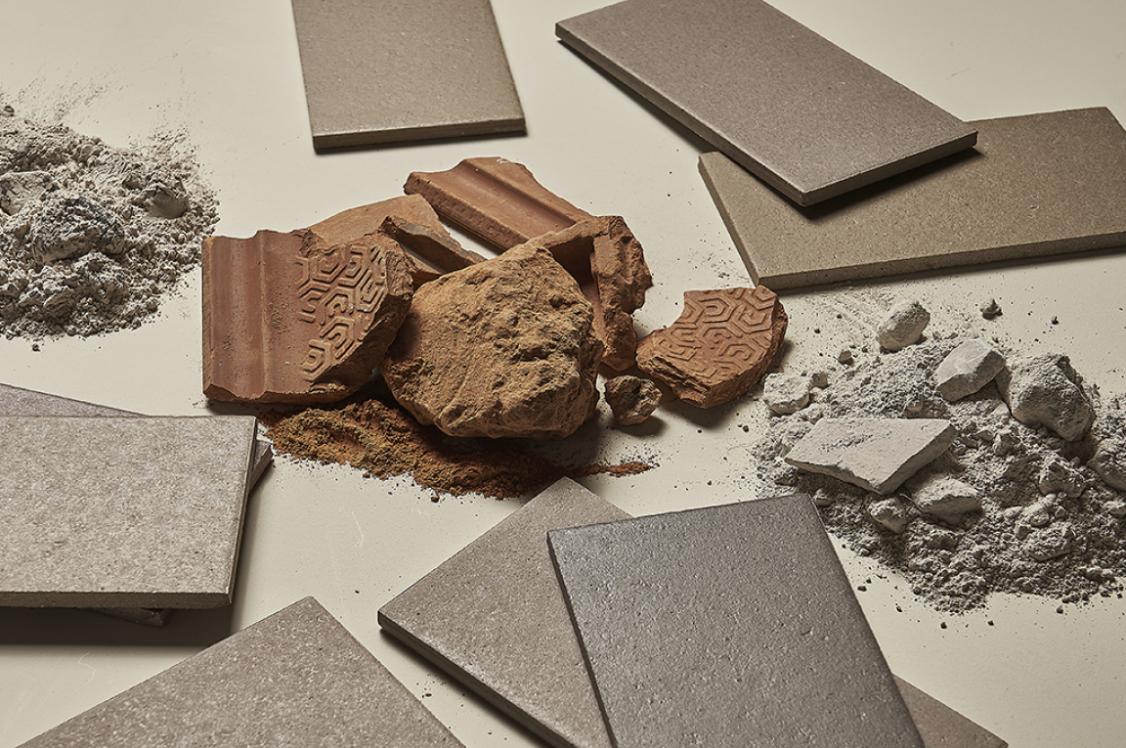
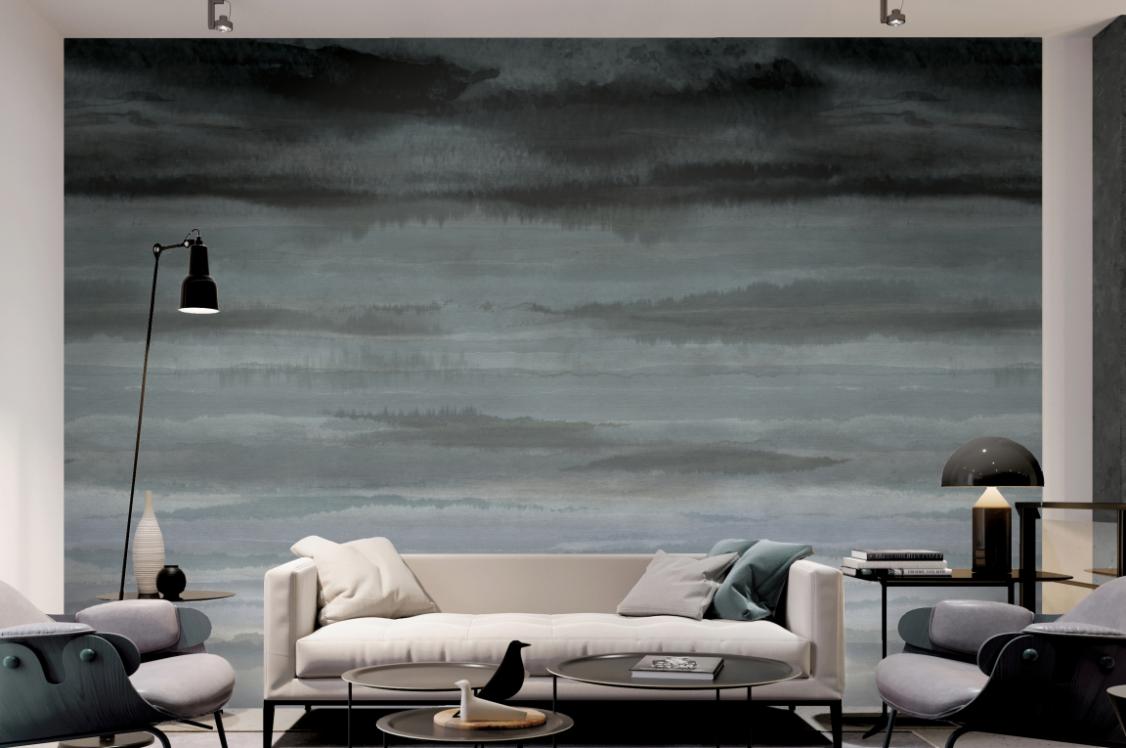
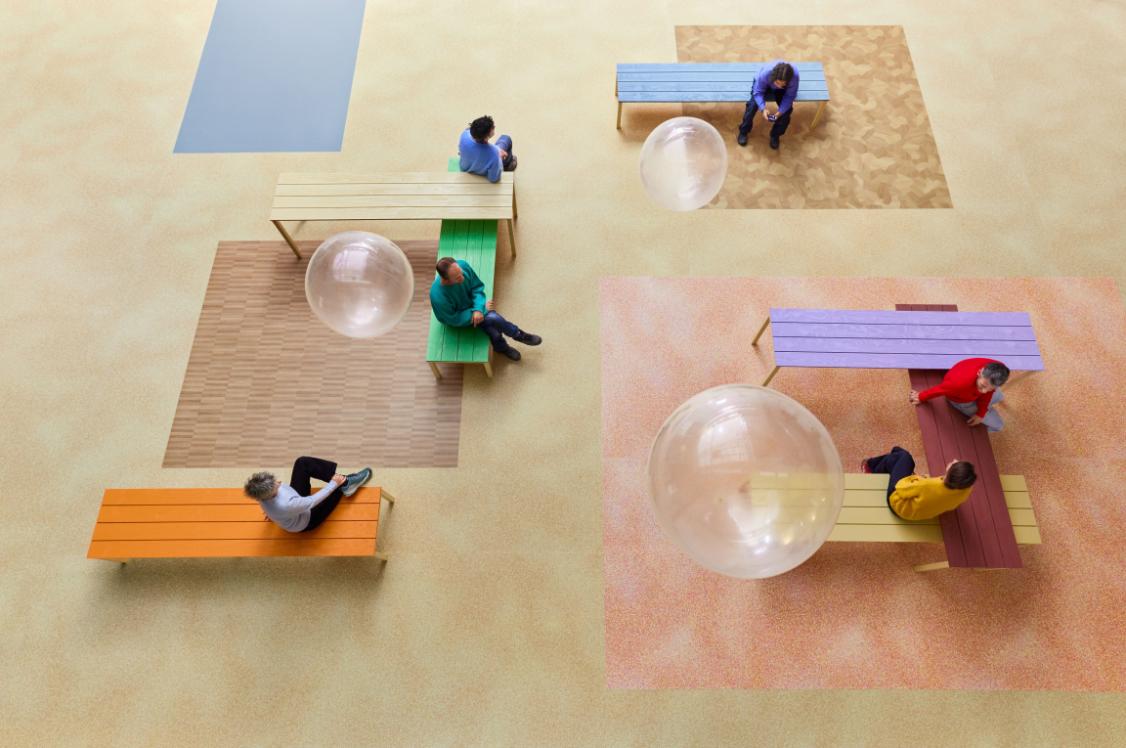
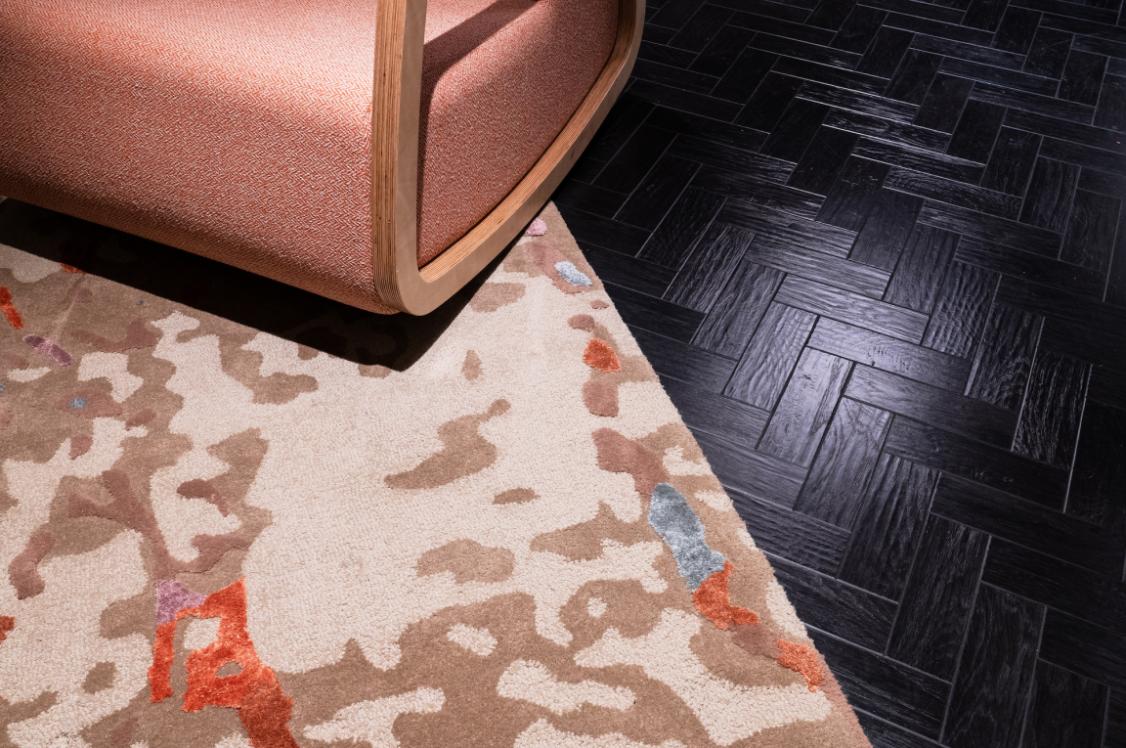
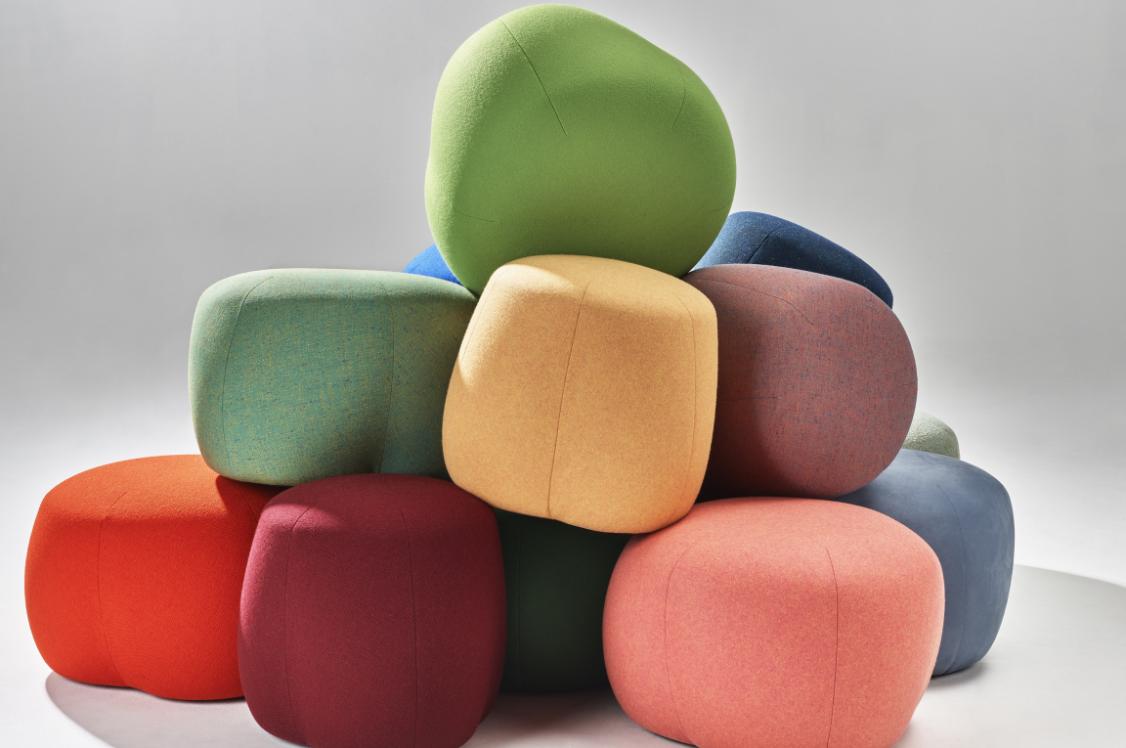
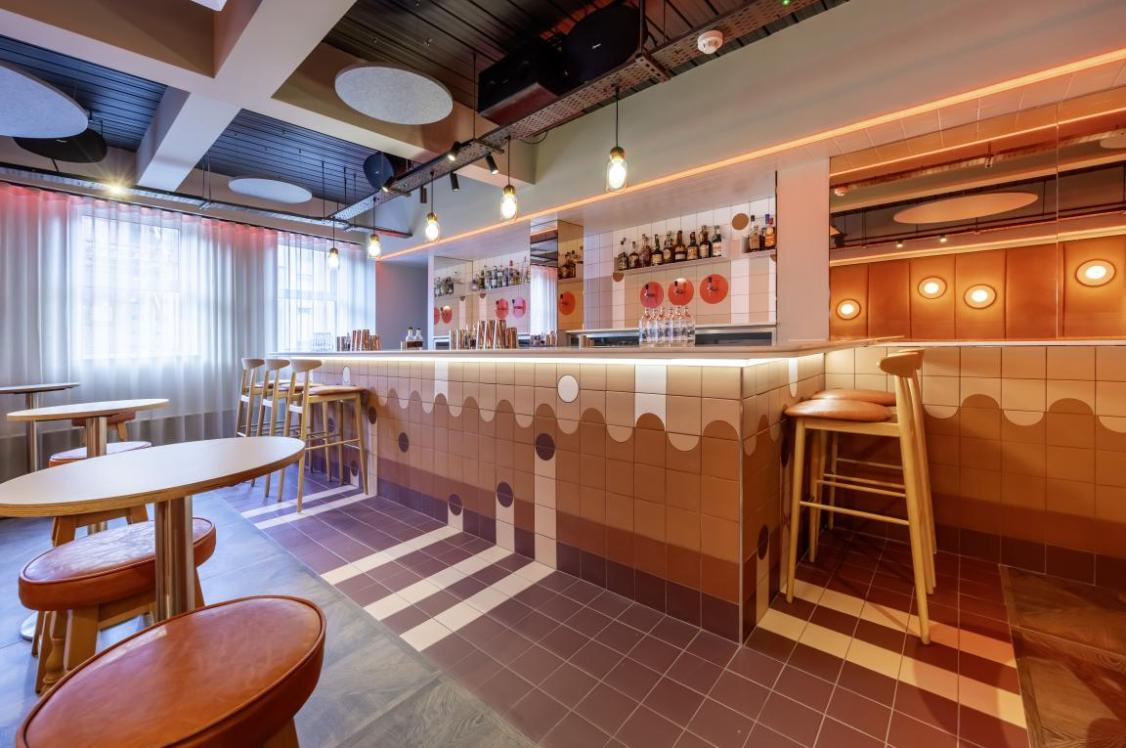
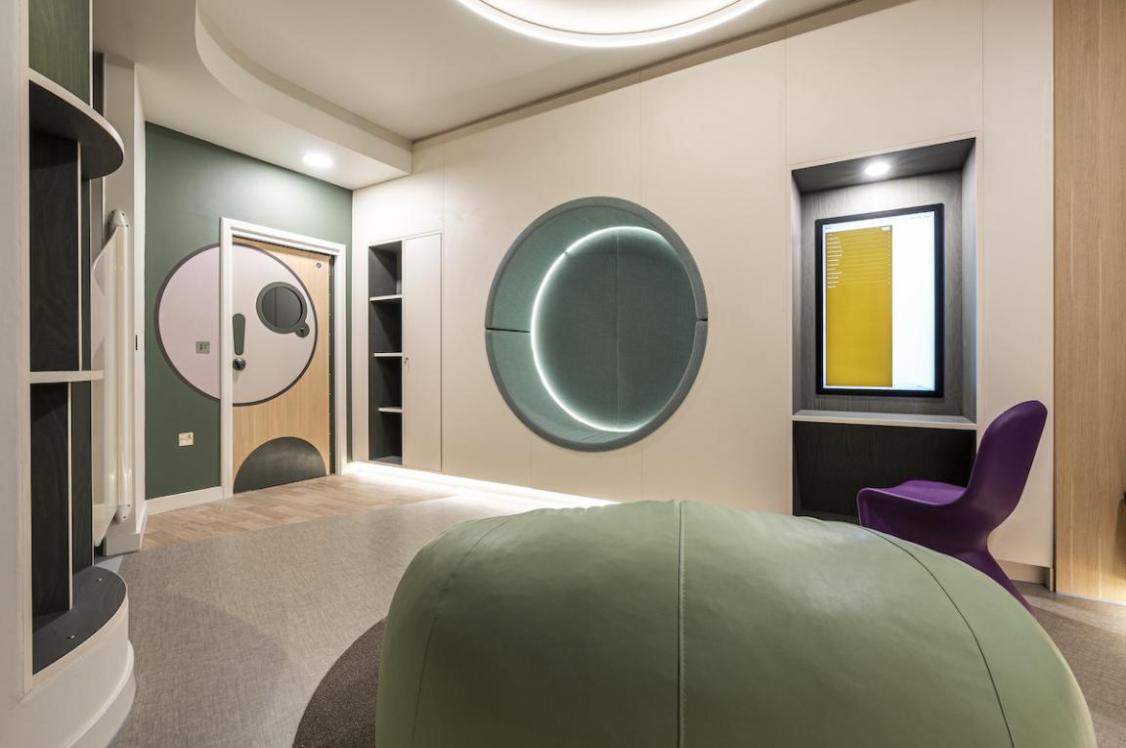
For the London Design Festival, Ariane has crafted The Reset Lounge in collaboration with Neuroplaces. Designed to be more than a place to take a break from the sensory demands of a busy exhibition, it is an invitation to explore how varying environments create different sensory experiences and how they make you feel.
"The idea comes from something fundamental to the way I work: we all experience our environments differently. What supports one person may not support another."
Read on to find out more about Sonda Studio, Ariane's insight into neurodesign, and where you can experience The Reset Lounge at LDF.
Firstly, tell us about Sonda Studio - what drove you to founding your practice?
"Honestly, a struggle…in amongst the success, the awards, the exciting projects, the career progression and getting to do something I genuinely loved, I was struggling with the office environment I was in.
"The daily commute, the office lights, the noise, being in an office five days a week. It was draining me, and at the time, I thought there was something wrong with me.
"Then I studied neurodesign and started to understand how much the built environment affects us. I learnt to think of our environment almost like a second skin, constantly interacting with us. That understanding made me want to help other people who might be struggling with their environments in the same way I was, and that’s really why I started Sonda Studio.
"The name Sonda echoes the word ‘sonder’, the realisation that every person carries a life as rich and complex as your own. And that idea of recognising individual human experience sits at the heart of what I do.
"So often, as I found myself, people aren’t necessarily aware of their sensory needs or how their environment is affecting them.
"I’ve since trained as a Sensory Intelligence Practitioner, which allows me to help people understand their sensory needs and what they need from their environments. I then look at the environment itself to understand where it supports those needs and where it might be creating barriers.
"I bring those insights together to advise on and design, sensory-aware, neuroinclusive spaces."
Who are your clients?
"I work with organisations that want to create more sensory-aware and neuroinclusive environments, particularly workplaces, coworking spaces and organisations supporting neurodivergent communities."
Has neuroinclusive design become more understood/highly regarded post-Covid?
"It definitely has more awareness, but I think there’s still a lot more that needs to be done when it comes to actually implementing it.
"Post-Covid, everyone thought the office was dead. Then the focus shifted towards efficiency. Companies downsized, hybrid and working-from-home strategies came in, which for a lot of people actually gave them much more control over their environment.
"At the same time, awareness and understanding of neurodiversity has grown significantly, so I think those two conversations have started to come together.
"But the irony is, what we call efficient for space is often inefficient for the people using it. We can optimise an office around square footage and occupancy, but people are an organisation’s real asset.
"So I think what we define as an efficient workplace needs to shift. It’s not just a place to fit people into. It’s an environment that can either support people or create barriers to how well they can do their work.
"And what’s exciting now is that we’re moving beyond simply acknowledging neurodiversity and starting to ask: what does that actually mean for the environments we design?"
What’s the potential of a space being made better by considering inclusivity and wellness?
"It unlocks the potential of every human being to be themselves, thrive, learn and come together to create, collaborate and rise.
"We experience space through our sensory systems: light, sound, movement, smell, touch. And we all process that sensory information differently. Someone might be particularly sensitive to light, while somebody else may seek more stimulation.
"So if someone is trying to work in an environment that's too bright or overwhelming for them, they're having to manage that sensory input alongside whatever they're actually there to do. That's an additional demand, and for some people those environmental barriers can become debilitating. We think carefully about what we put into our bodies, but we don't always think about what we're asking our sensory systems to process all day.
"That's the potential of inclusive design: creating environments that reduce unnecessary barriers and give more people the conditions they need to thrive and do their best work."
What’s most rewarding to you about what you do?
"For me, it’s helping people. There’s something incredibly rewarding about seeing people happy in an environment I’ve designed.
"We spend so much of our lives at work, so knowing that I’ve created an environment that can support how someone feels, how they do their job and how they connect with other people is really rewarding.
"I actually had a moment recently when I was at the Sky Garden, looking out across London, and I could see workplaces I’d designed over the years dotted around the city. And I thought, there are people there right now, working, having meetings, chatting to colleagues and just going about their everyday lives in environments that I helped create. That was quite a special moment."
You’ve been commissioned to design a Reset Lounge for Neuroplaces - tell us more
"Neuroplaces is the UK’s first B2B exhibition and conference dedicated to neuroinclusive and accessible design. Taking place as part of London Design Festival, it brings together designers, architects, workplaces, public venues and solution providers to explore how our environments can better support neurodivergent and disabled people. The event is about bringing the industry together, sharing ideas, products and services, and helping turn conversations around inclusion into real-world change.
"The Reset Lounge has been designed to be more than a place to take a break from the sensory demands of a busy exhibition, it is an invitation to explore how different environments create different sensory experiences and how they make you feel.
"The idea comes from something fundamental to the way I work: we all experience our environments differently. What supports one person may not support another.
"Rather than creating one environment that we assume will work for everyone, the lounge offers 4 different sensory experiences to explore.
"Visitors are encouraged to move through the spaces with curiosity, noticing what draws them in, what they naturally seek, what they might avoid and how each environment makes them feel. The aim is to give people an opportunity to pause and reset, while also becoming more aware of their own sensory preferences.
"The more we understand how environments affect us individually, the better able we are to recognise and communicate what we need from the spaces around us."
Can you take us through the journey of the 4 spaces you’ve crafted?
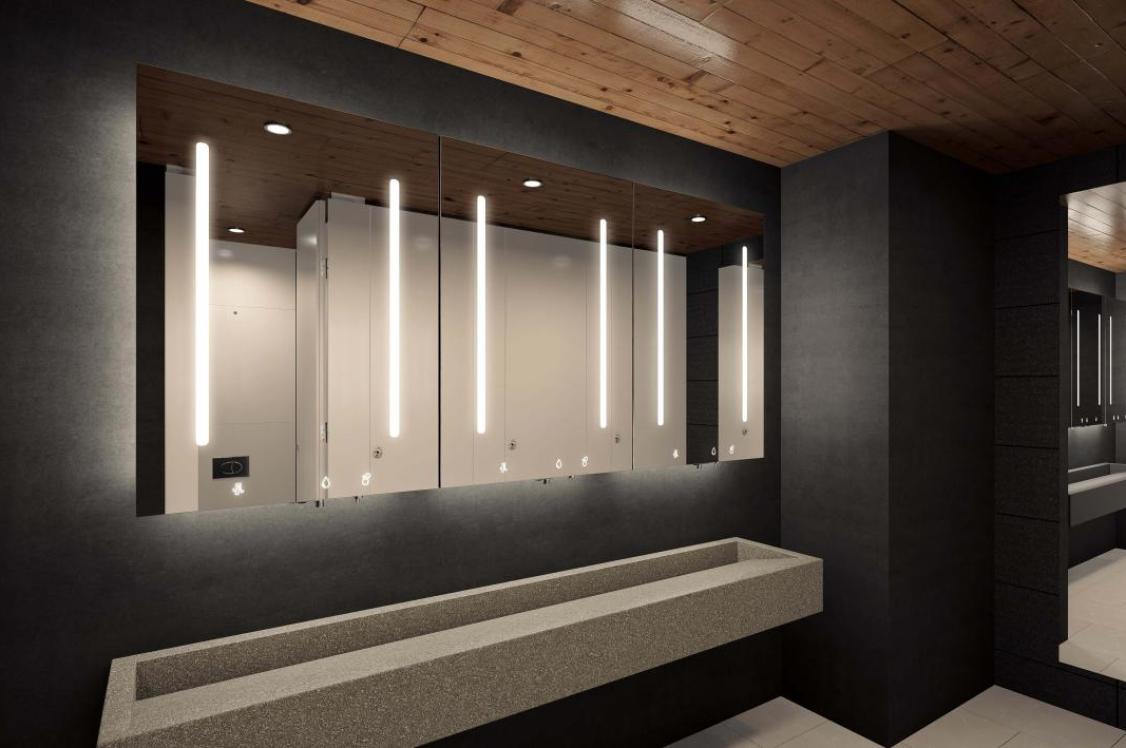
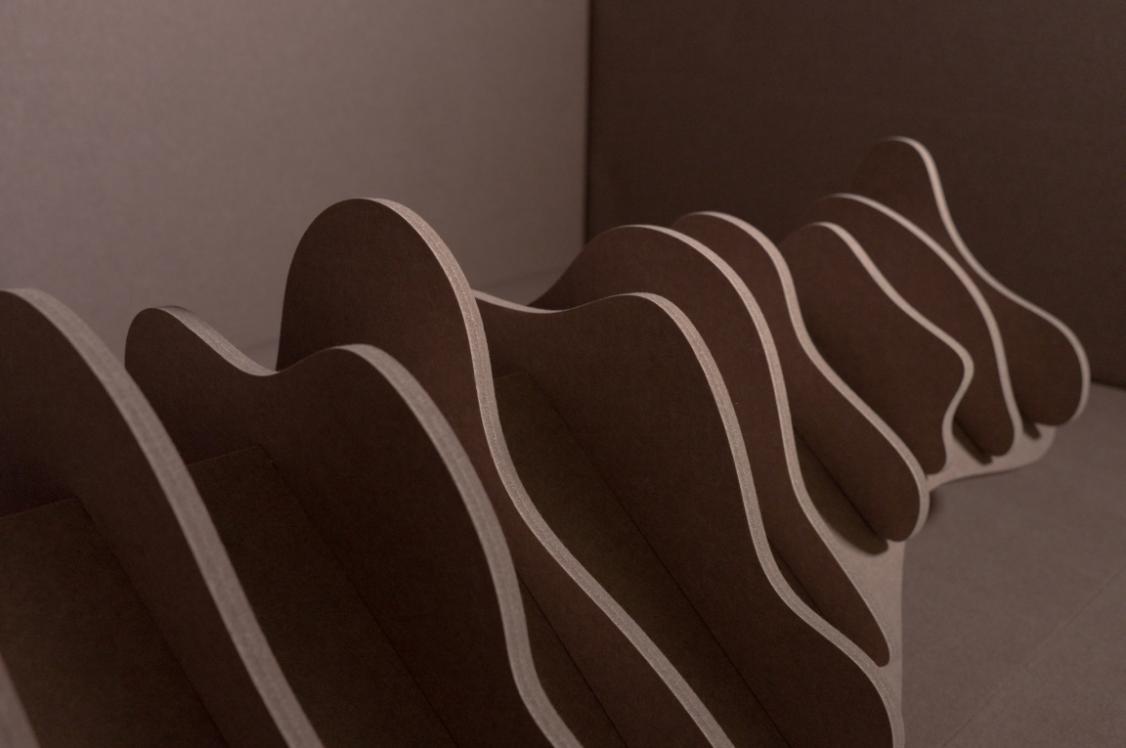
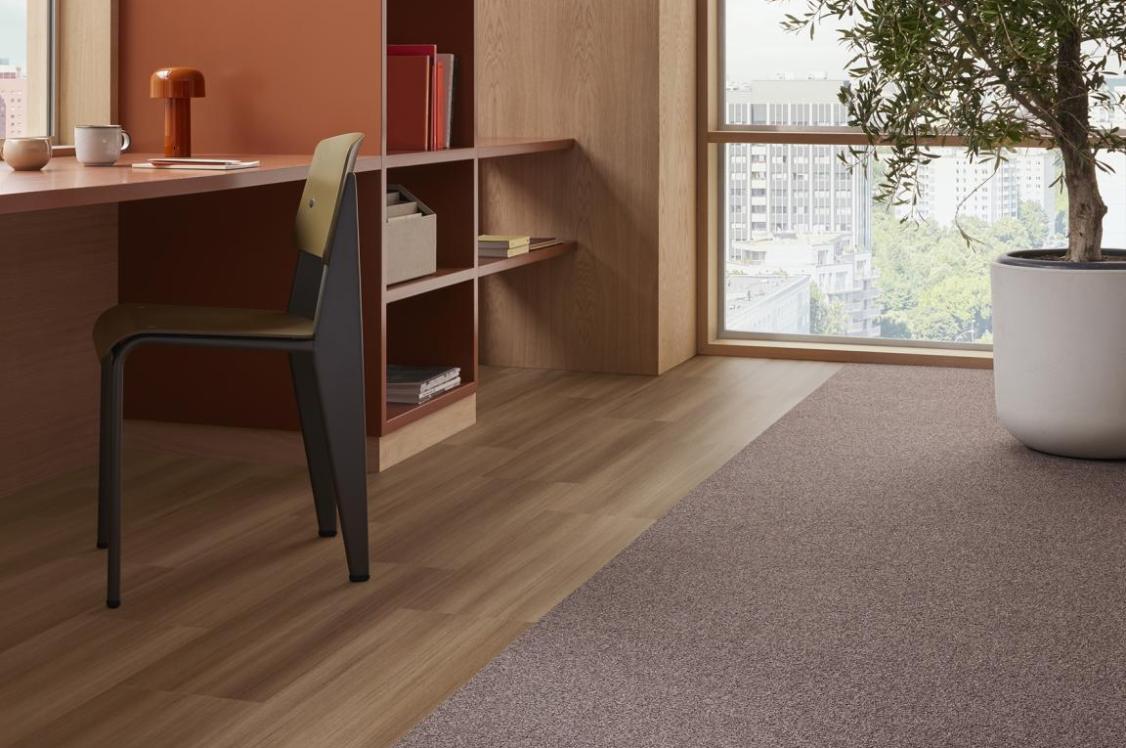
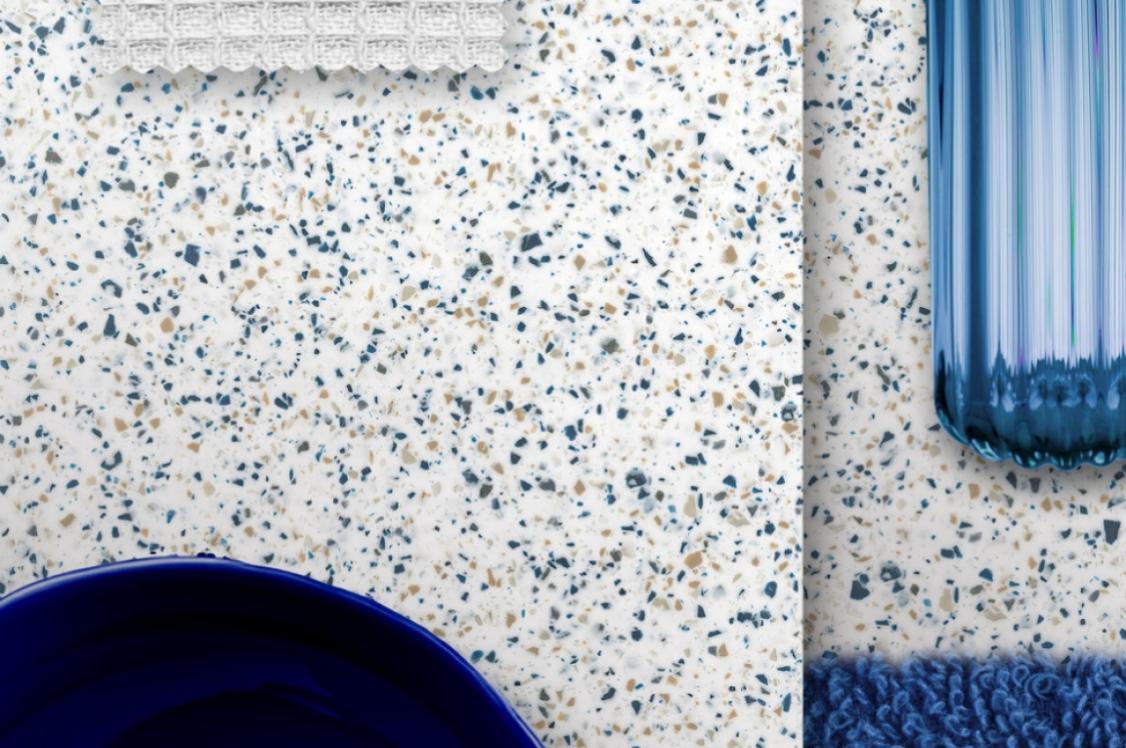
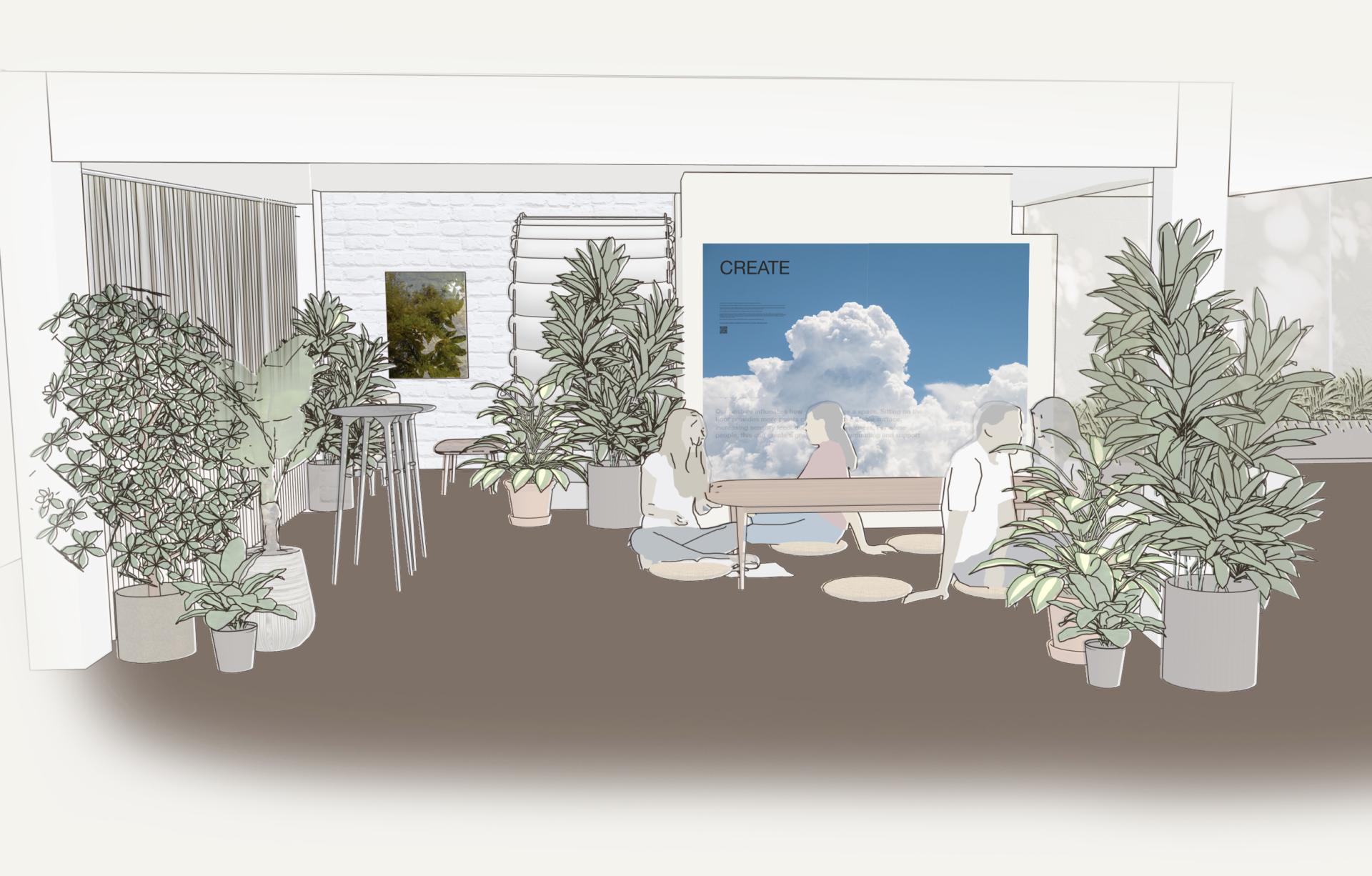
"Visitors are encouraged to move freely between four spaces, which I’ve called Nature, Movement, Comfort and Create. Each offers a different sensory experience and a different way to pause or reset.
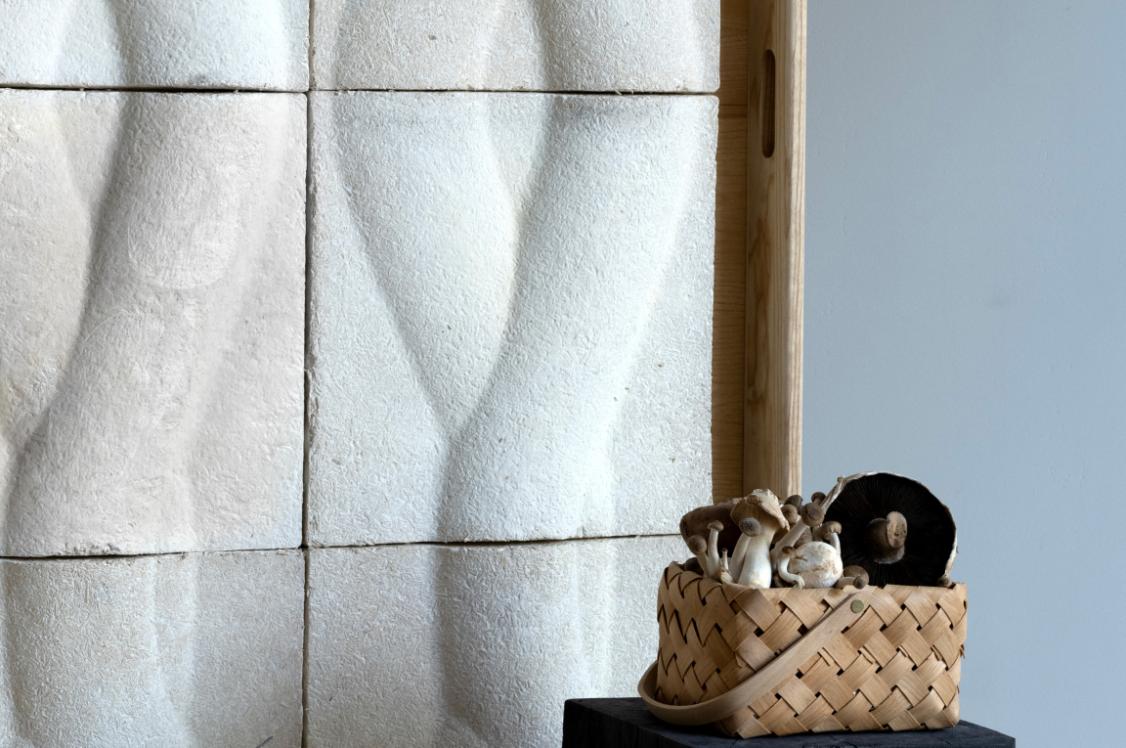
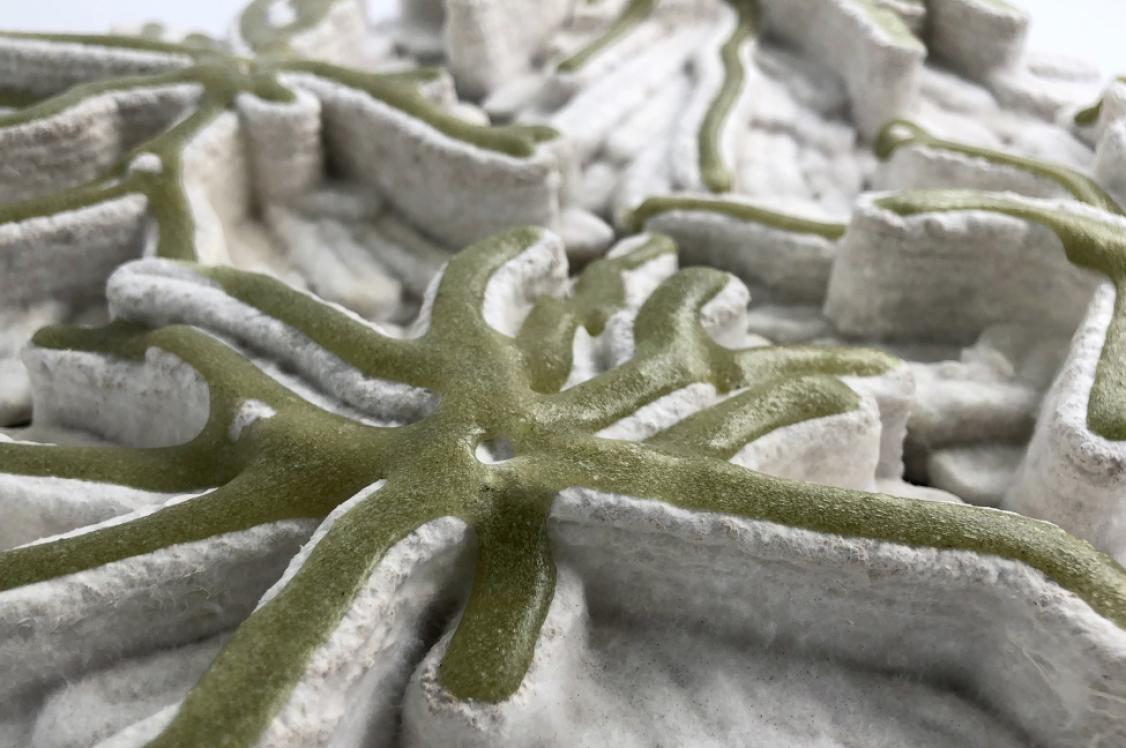
"Nature engages the senses in a gentle, restorative way, drawing on some of the sensory qualities we experience in nature. The space includes pieces from Shapedsound and Huus that have been designed with restoration in mind. Shapedsound’s Sonaform, for example, uses vibroacoustic technology to translate sound into physical vibration, so you don’t just hear it, you feel it through the body.
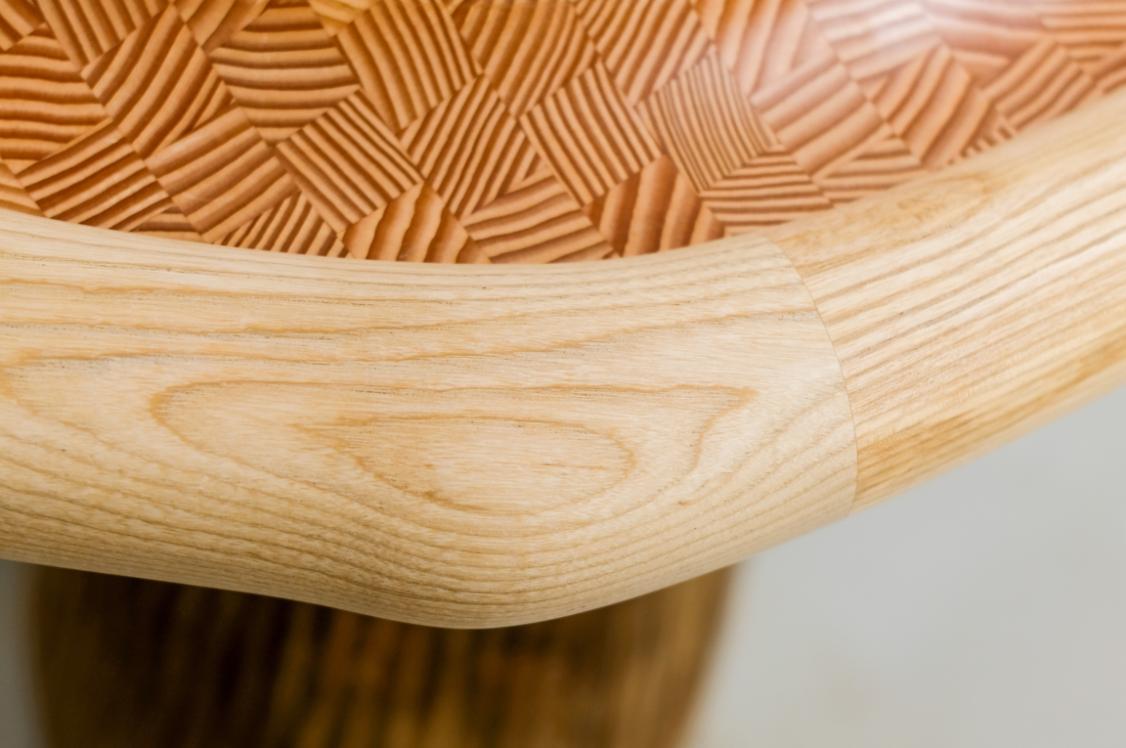
"Movement challenges the assumption that resetting always means being still. For some people, movement can help with alertness, body awareness and regulation. So this space offers a more active way to reset and demonstrates that what one person needs might be very different from another.
"Comfort explores the idea that comfort is personal. It has been designed as a sheltered space away from the busyness of the exhibition, considering physical, sensory and psychological comfort and giving people somewhere to retreat without completely disconnecting.
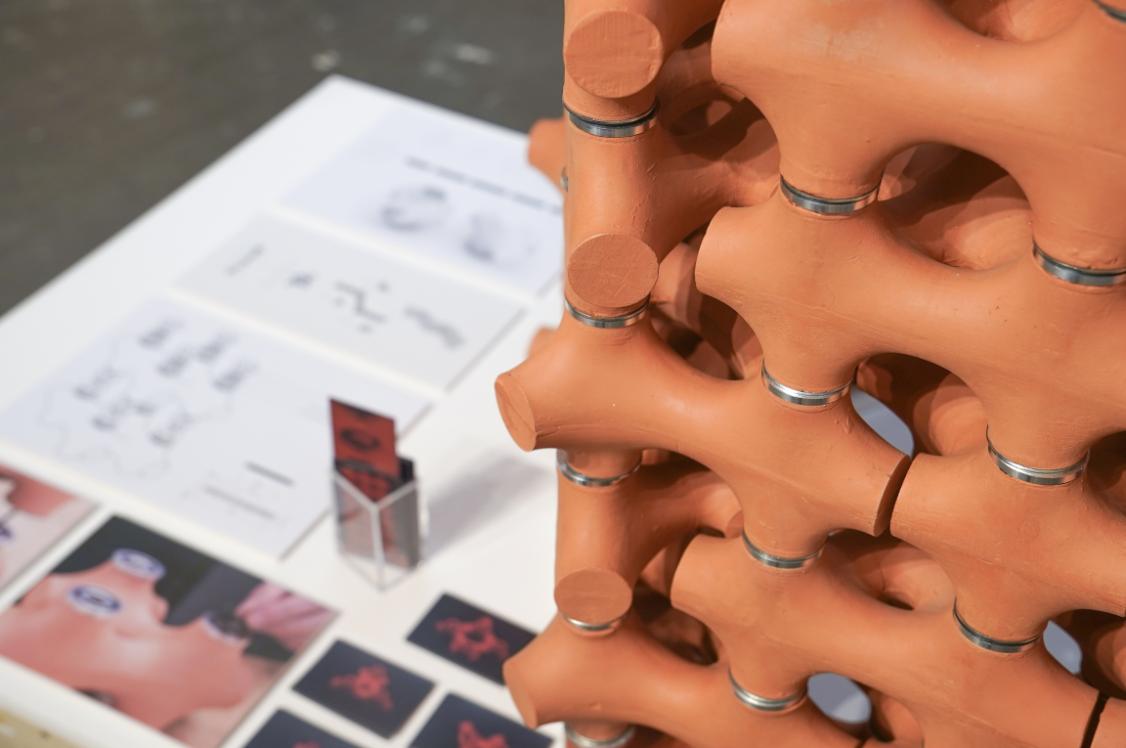
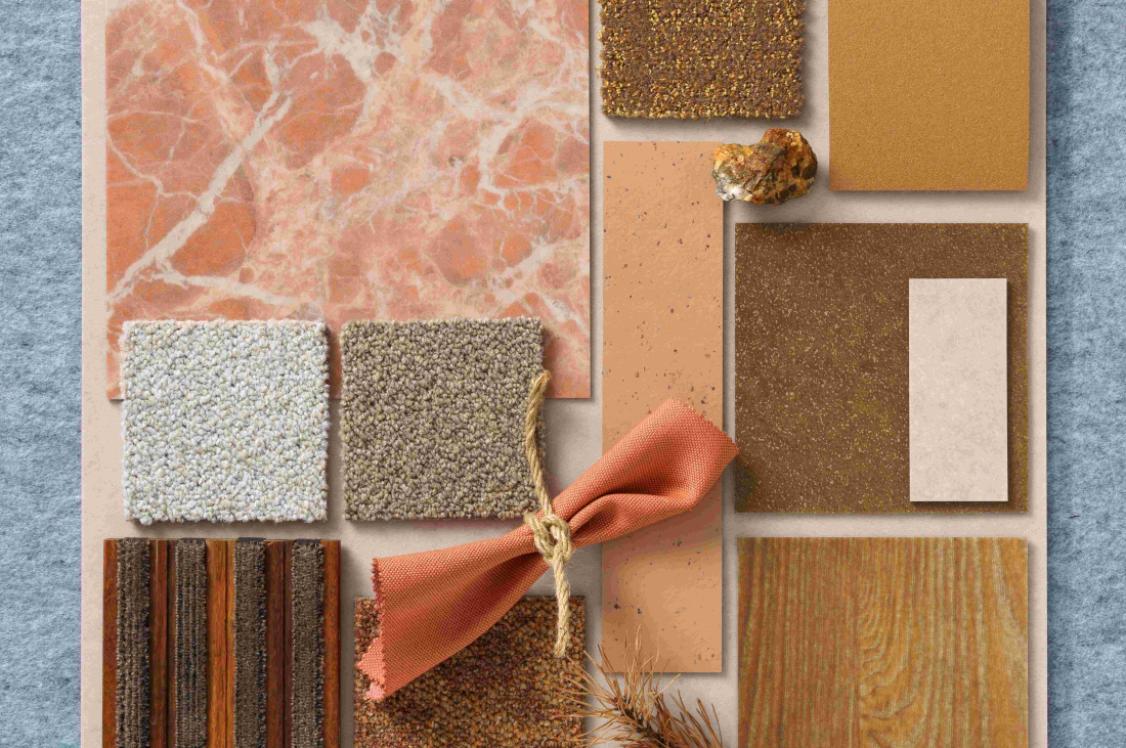
"Create gives people the opportunity to engage their hands and attention through creativity. Visitors can create a collage representing their own sensory profile, so the activity also becomes a way of reflecting on what they seek, what they avoid and what they might need from an environment."
Why is it important to have each of those elements in there?
"Because everyone’s experiences are different, I didn't want to create one prescribed, 'relaxing' space, because everyones comfort zone is different. I would love there to be more actually, to show a wider range of sensory experiences and to give more examples of they effect us. It is something I am working on for next year, to create an experience where people can explore the working environment from different sensory perspectives, to help understand our own sensory threshold and other peoples."
Is the idea that one space will appeal to one type of person, or are they more mood/task based zones?
"They’re not really designed around different types of people, but around different sensory conditions and needs. For example, movement, we often think of a reset space as somewhere you need to sit still and be quiet, but for some people, movement can be what they seek when they need to reset or regulate. So that space gives them permission to move rather than asking everyone to reset in the same way.
"Equally, someone might want movement at one point in the day and a quieter, lower-stimulation environment later."
For anyone hoping to consider inclusive design more in their spaces, where should they start?
"I think the first place to start is understanding the people who are actually going to use the space.
"We often jump straight to solutions, like adding a quiet room, changing the lighting or choosing certain colours, but inclusion starts much earlier than that.
"Understand how people experience the environment, where the barriers are, and what different people need to do well. Then look at whether the space provides enough range, choice and control to respond to those differences.
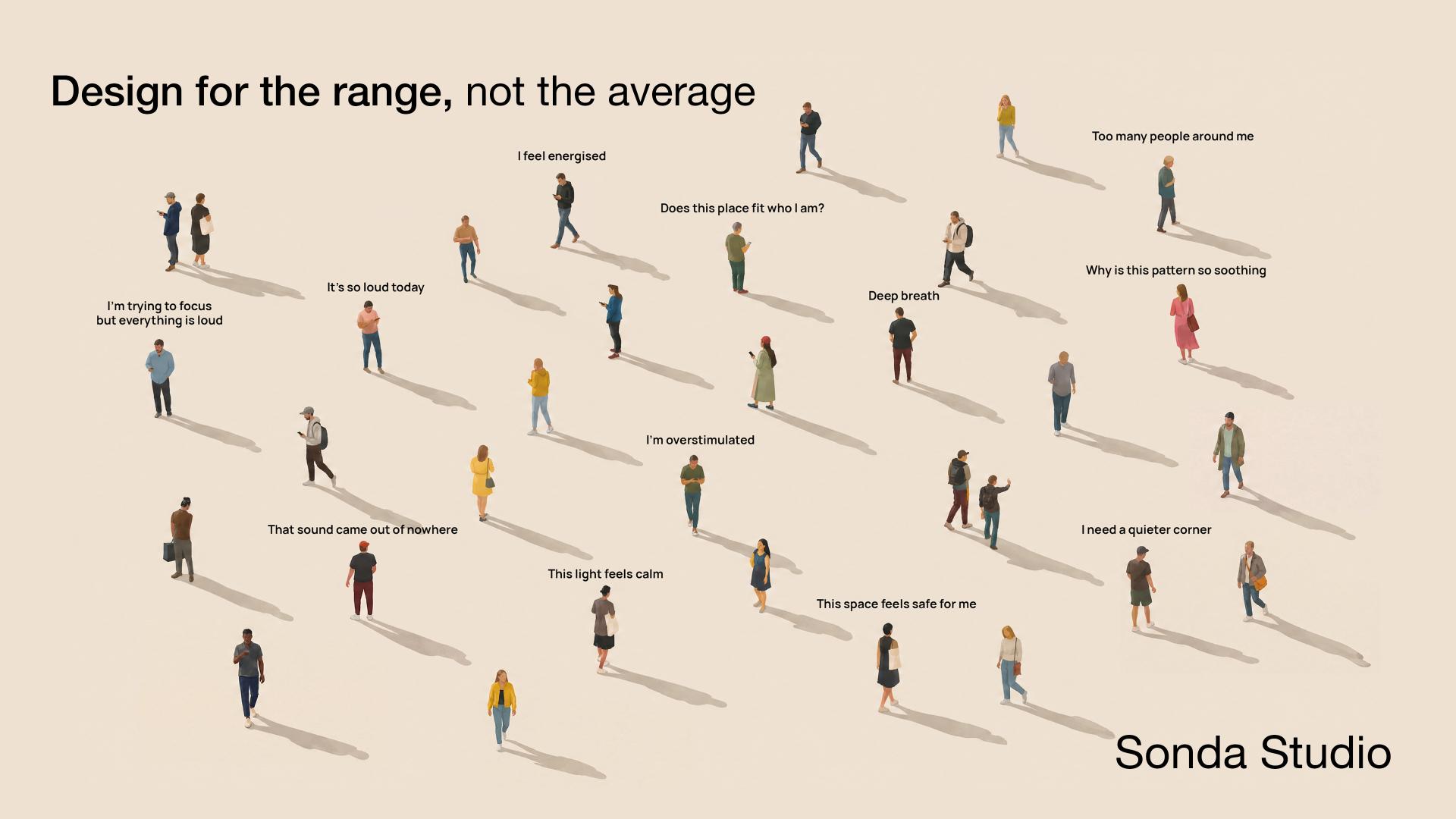
"You’re never going to design one perfect environment that works for everybody, so for me, inclusive design is about designing for the range, rather than the average."
Are there any quick wins when it comes to supporting different people and their needs?
"Absolutely. One of the quickest wins is simply giving people more choice and control over their environment.
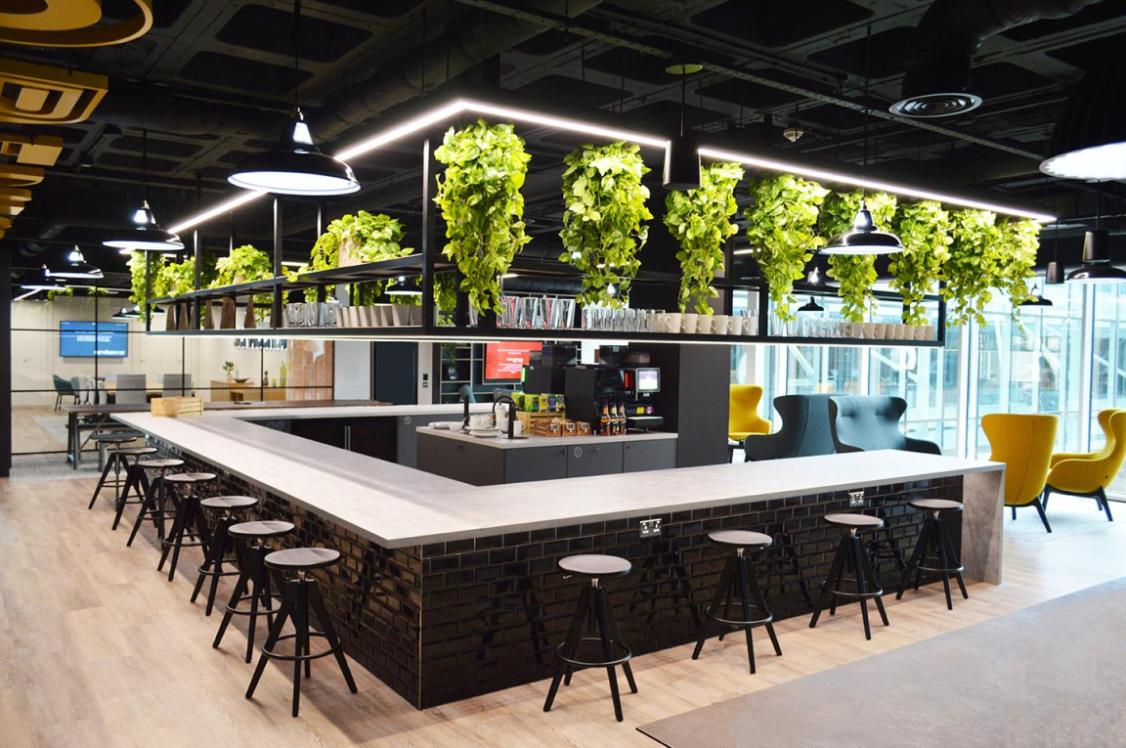
"That might mean having somewhere quieter to work, providing different lighting conditions, plants, allowing people to move away from busy circulation routes, or creating different types of settings rather than expecting everyone to work in the same environment.
"Another really simple one is permission. You can provide lots of different spaces, but if people don’t feel comfortable using them, they’re not really offering choice.
"And I think the biggest quick win is actually asking people what they need rather than assuming."
What are you working on as well as Neuroplaces?
"I have a few workplace projects at different stages. I’m also developing the work I’m doing around sensory intelligence, helping people become more aware of how their environment affects them, but also helping organisations understand how they can create environments with greater choice, agency and range. So Neuroplaces has come at a great time as it will be a great opportunity to get feedback on this and develop future collaborations."
What are your hopes for the future when it comes to your field of expertise?
"I really want people to understand their own sensory needs and how their environment affects them, and to have the confidence to say, ‘This is what I need to feel and work at my best.'
"My hope is that we become much more sensory aware, both as individuals and as designers. Because the better we understand those differences, the better we can create environments that give people the choice and support they need to thrive.
"I’d love for sensory intelligence to eventually become as natural to us as emotional intelligence."
The Reset Lounge for Neuroplaces will take place during the London Design Festival from 15-17 September 2026. Find out more and plan your visit here.