
















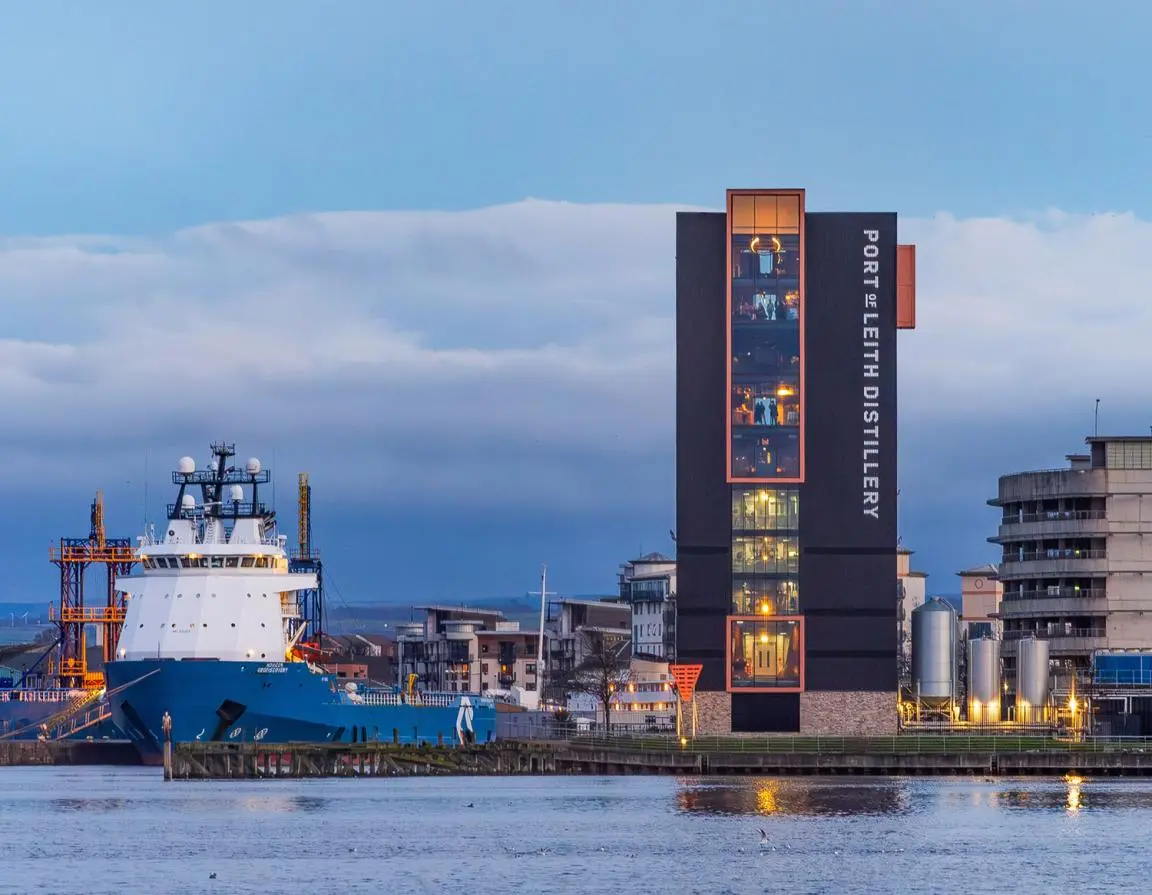
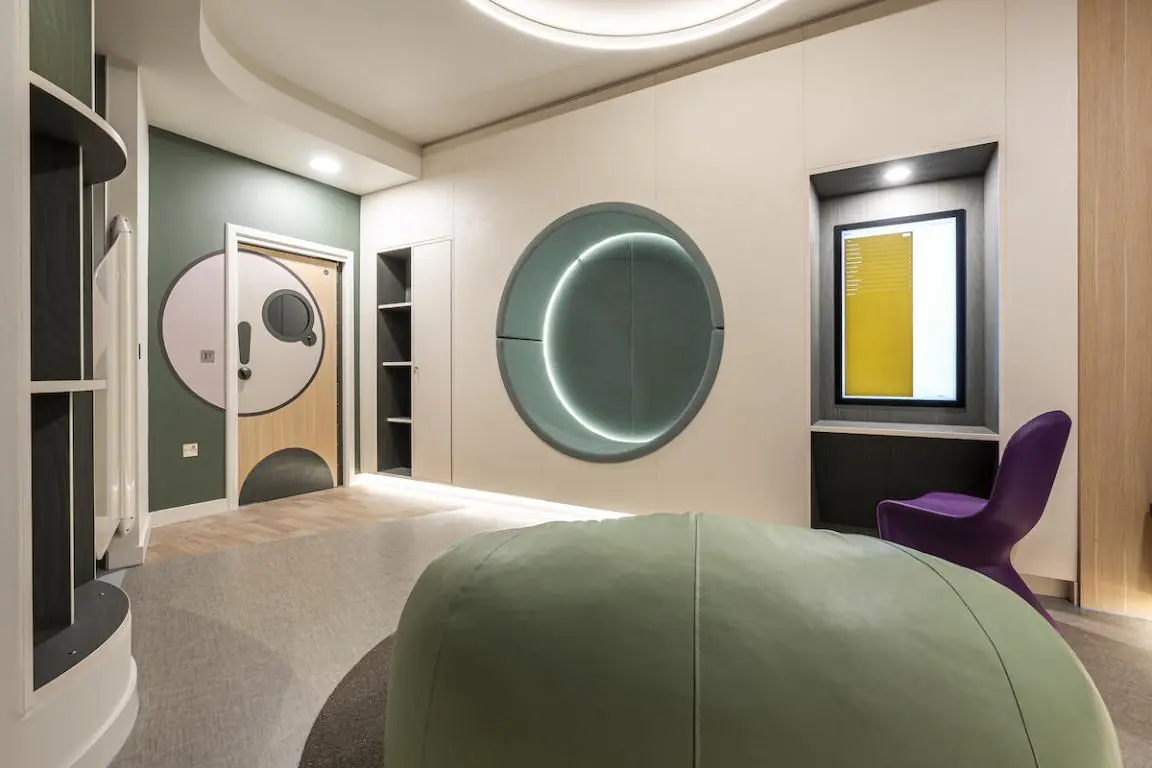

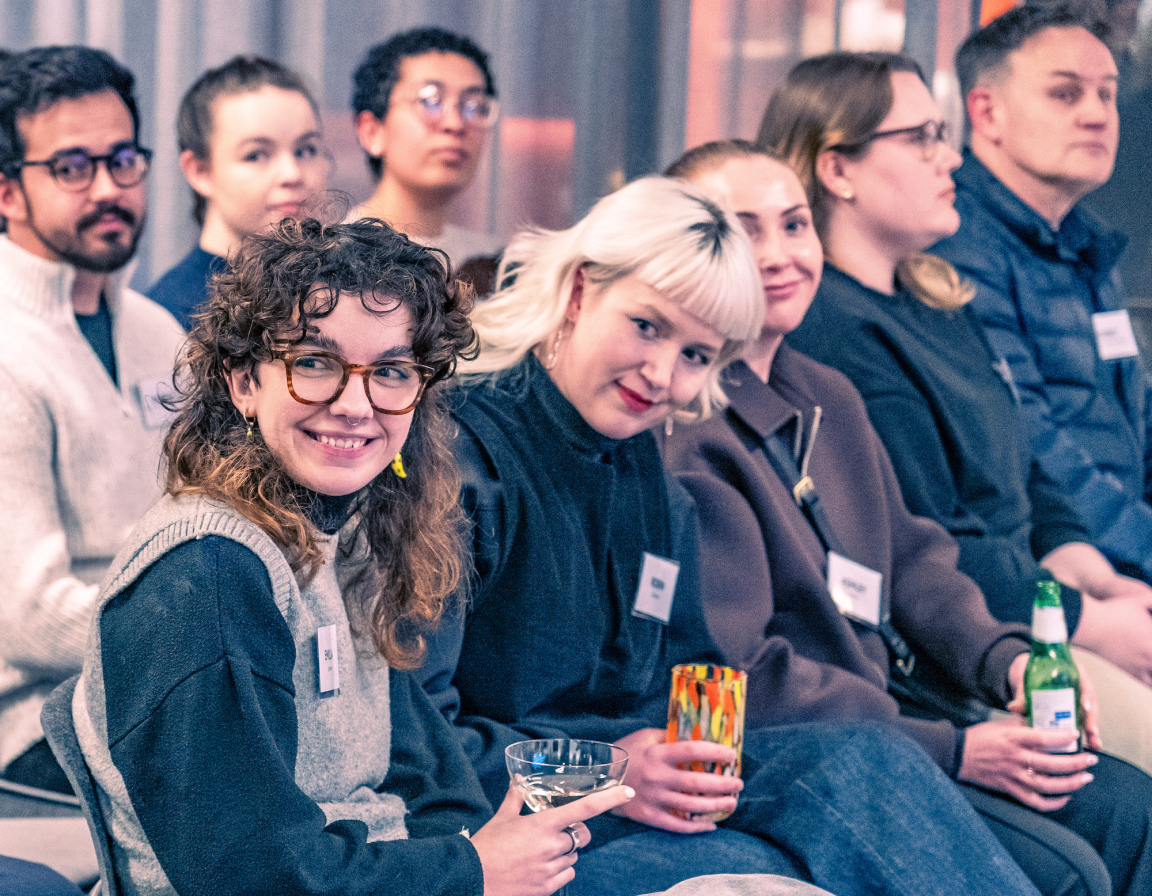
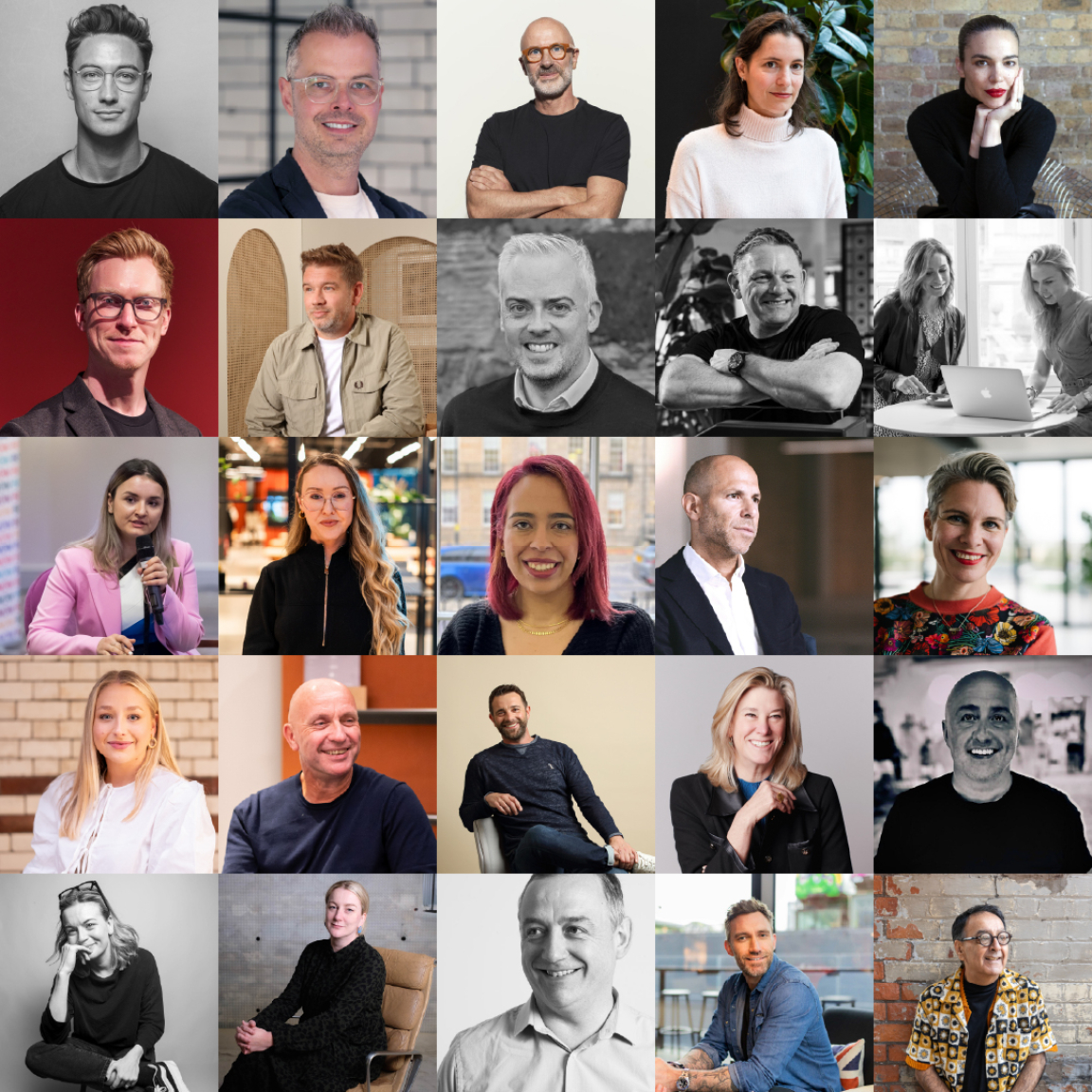
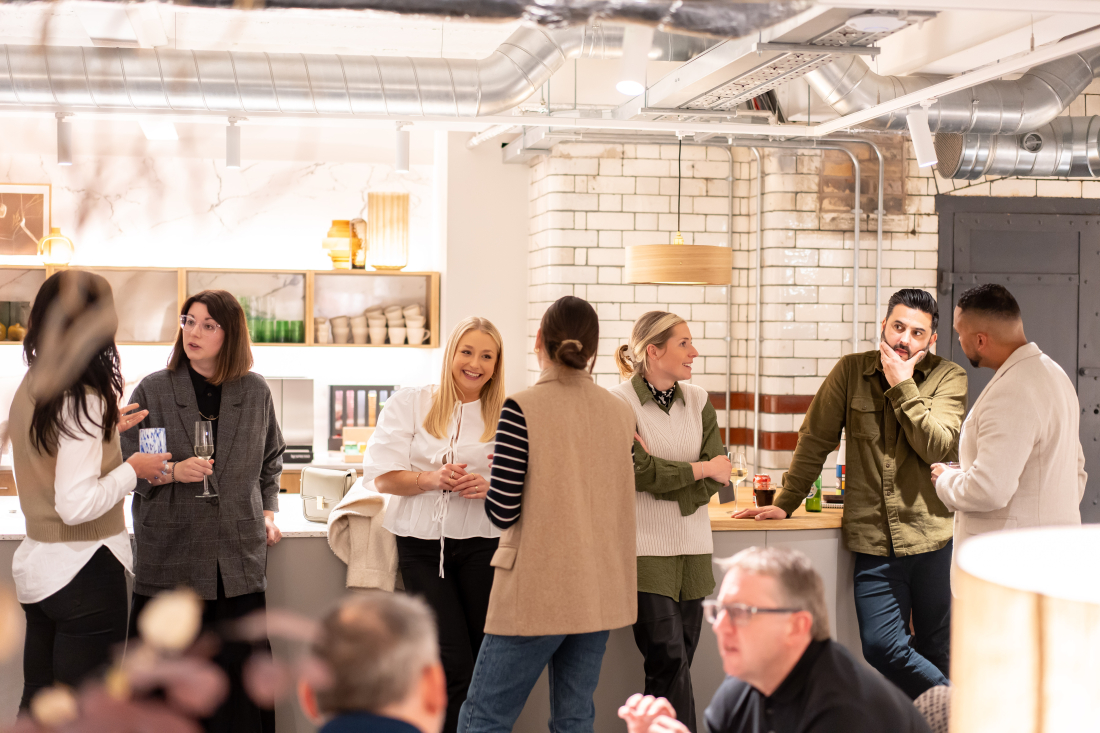
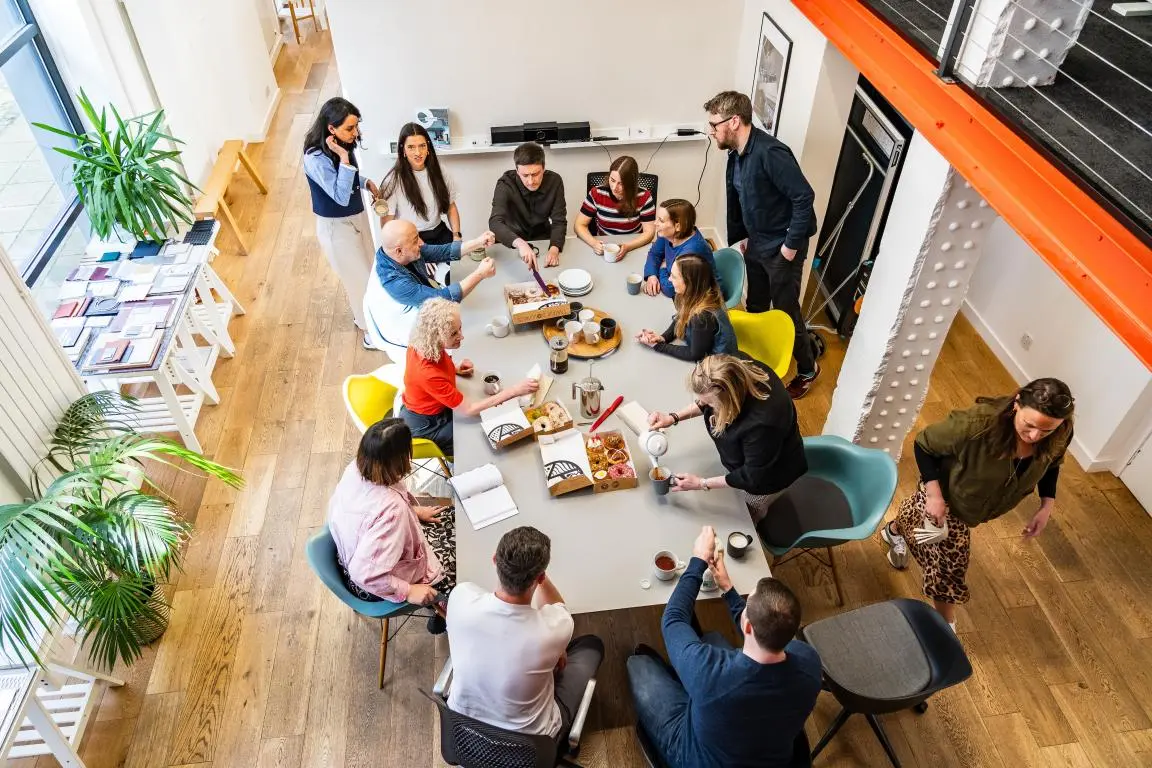



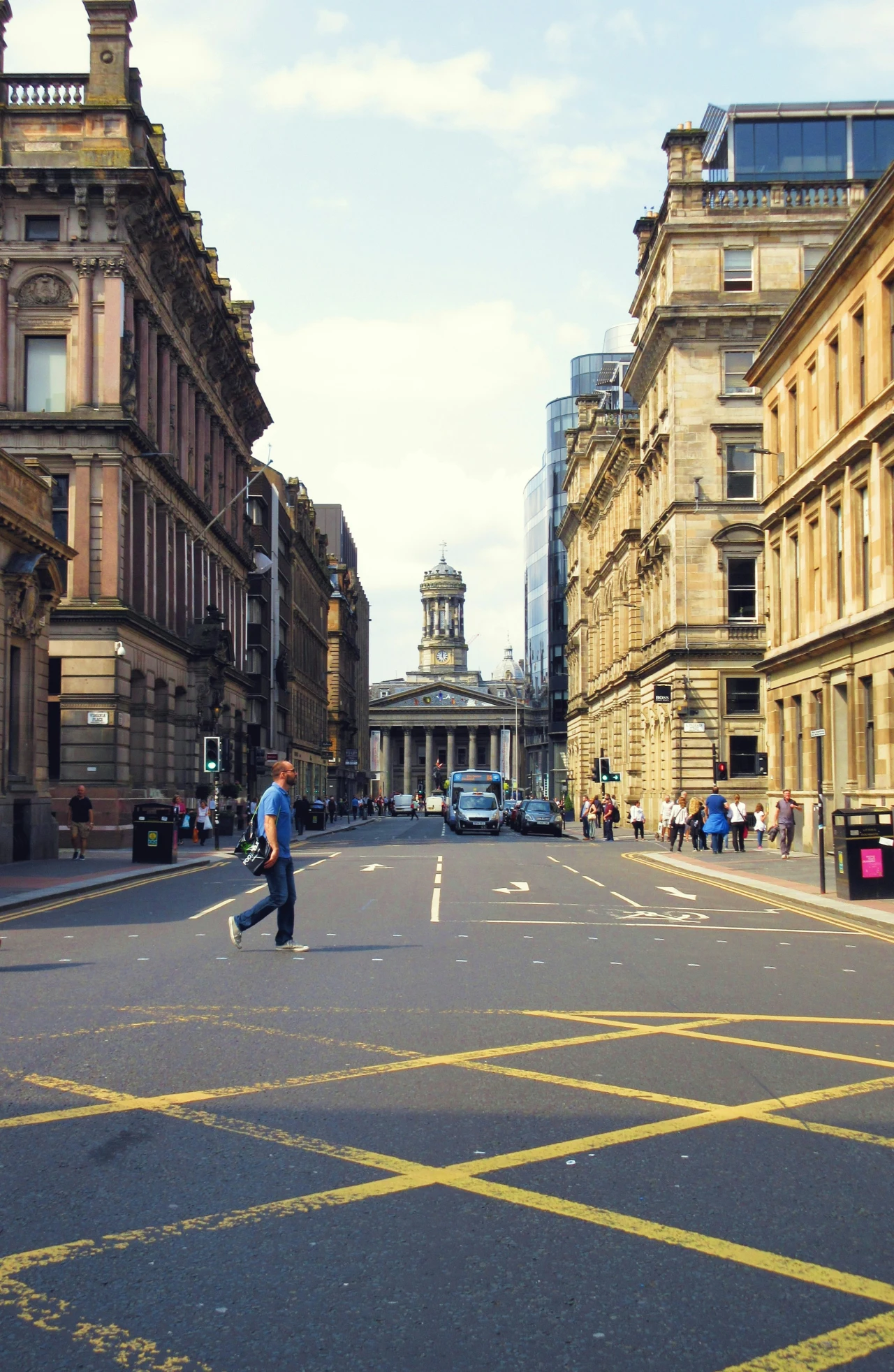


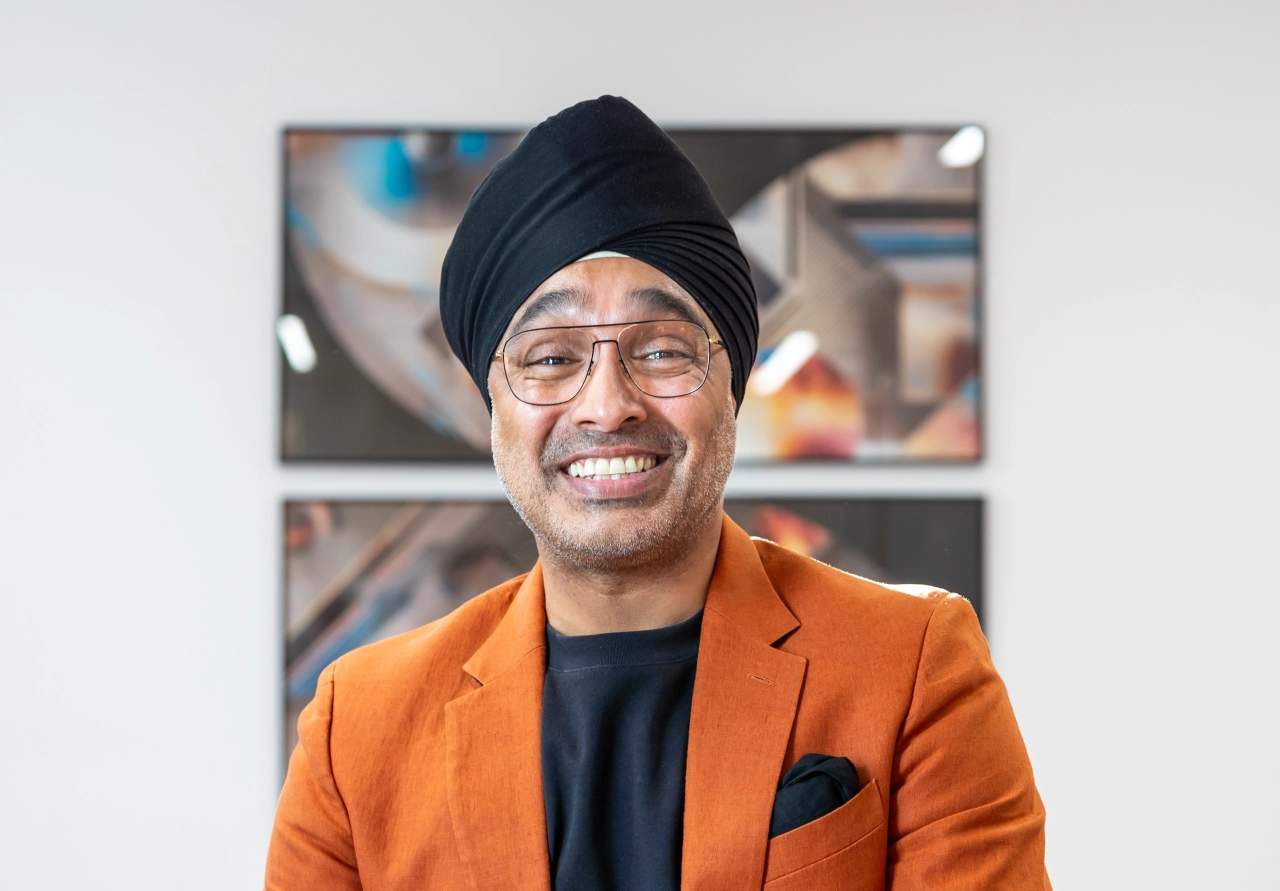
It’s 10-years since Gensler Birmingham opened its doors in Digbeth with a team of six. Fast forward to 2026 and the team now includes 70 members plus - and growing.
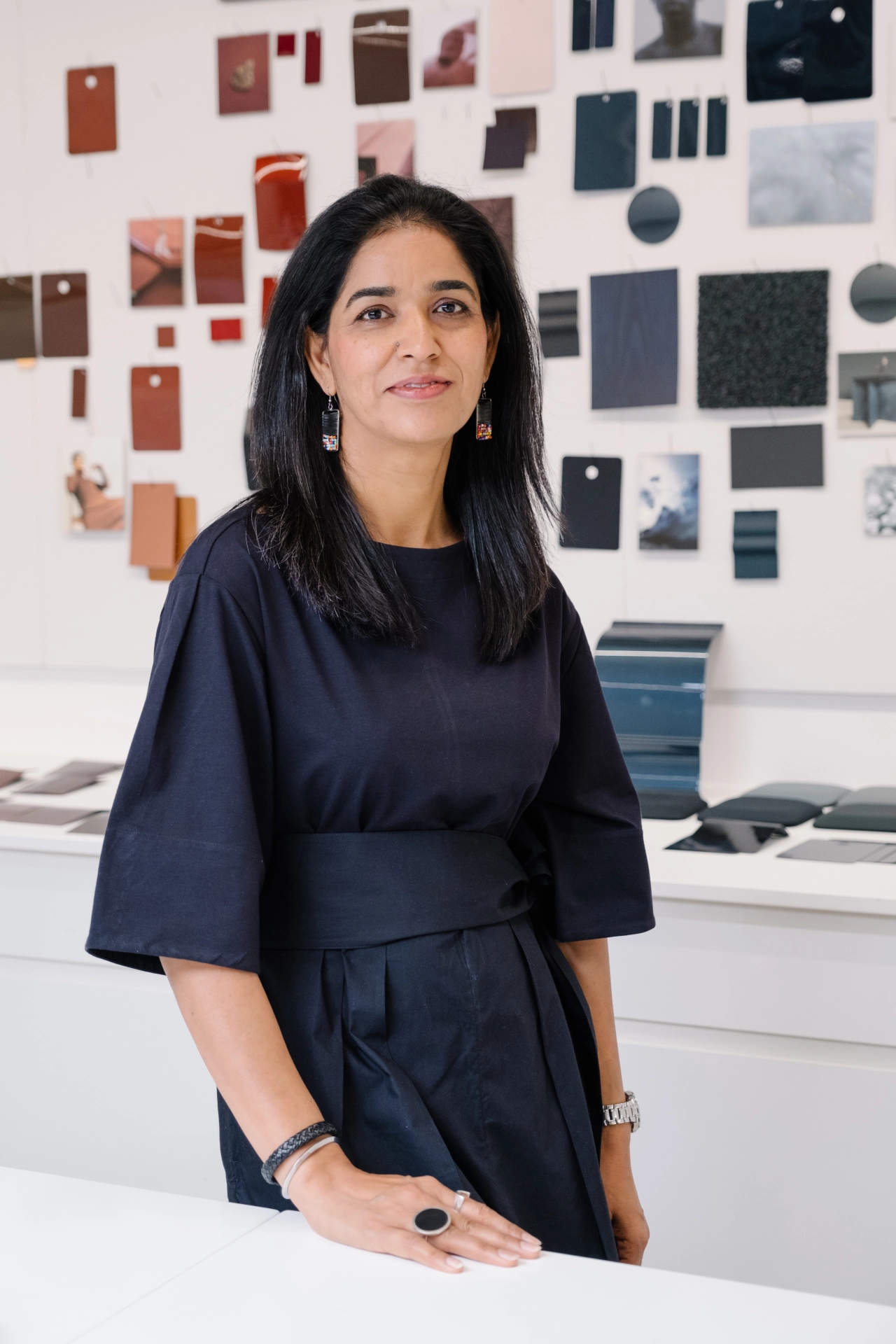
Sitting down for a relaxed conversation with principal and design director, Gurtake Singh, we took stock of how far the office has come in just a decade. Beginning with Gurtake’s own career journey, recounting the Birmingham office’s growth, and scoping out what’s next for the city and the wider region.
From workplace design and inclusive practice to major regeneration ambitions like Birmingham Central Heart, in the chat to follow, Gurtake shares how a globally connected firm stays rooted in local culture - and why experience-led design, meaningful engagement, and community outreach are central to Gensler Birmingham’s next chapter.
To start us off, could you talk us through your career and what’s led you to where you are now?
“I’ve been with Gensler Birmingham since its inception - just over 10-years now. Before Gensler, I had around 15- years’ experience, so I’m coming up to almost 25-years in the industry.
“What’s really helped shape my career is the breadth of experience. I’ve worked on hospitals, high-end residential - both one-offs and apartments - plus hotels, bars, clubs, restaurants, and retail. I also had the privilege of being the only interior designer on a 2.78 million sq ft retail and mixed-use scheme in Asia, which I led for several years and delivered.
“Since joining Gensler, I’ve progressed from interior designer to associate, senior associate, design director, and most recently principal. And genuinely, it’s been the best experience of my career - especially in terms of culture. That really enables us to do our best work.”
Congratulations on 10-years of Gensler Birmingham. How did the office come to be, and how has it evolved?
“London was Gensler’s first office in the European region. After months of due diligence looking beyond London, Birmingham became the second UK office. It’s centrally located and extremely well-connected, and the trajectory of Birmingham as a city was a big part of why we needed to be here.
“We originally started in Digbeth, which is the creative heart of Birmingham - like Shoreditch is to London, I guess you could say. There were six of us back then. Our studio overlooked the city, the train tracks, and across to different parts of Birmingham, so you could literally see the city growing in front of you.
“Over the years, we grew steadily: six to 14 to 20 - sustainable growth. We were always very connected to London and also globally connected through tools like Zoom and Teams, so we learned quickly as part of a wider firm. But we also believe you can’t be global without being local first.”
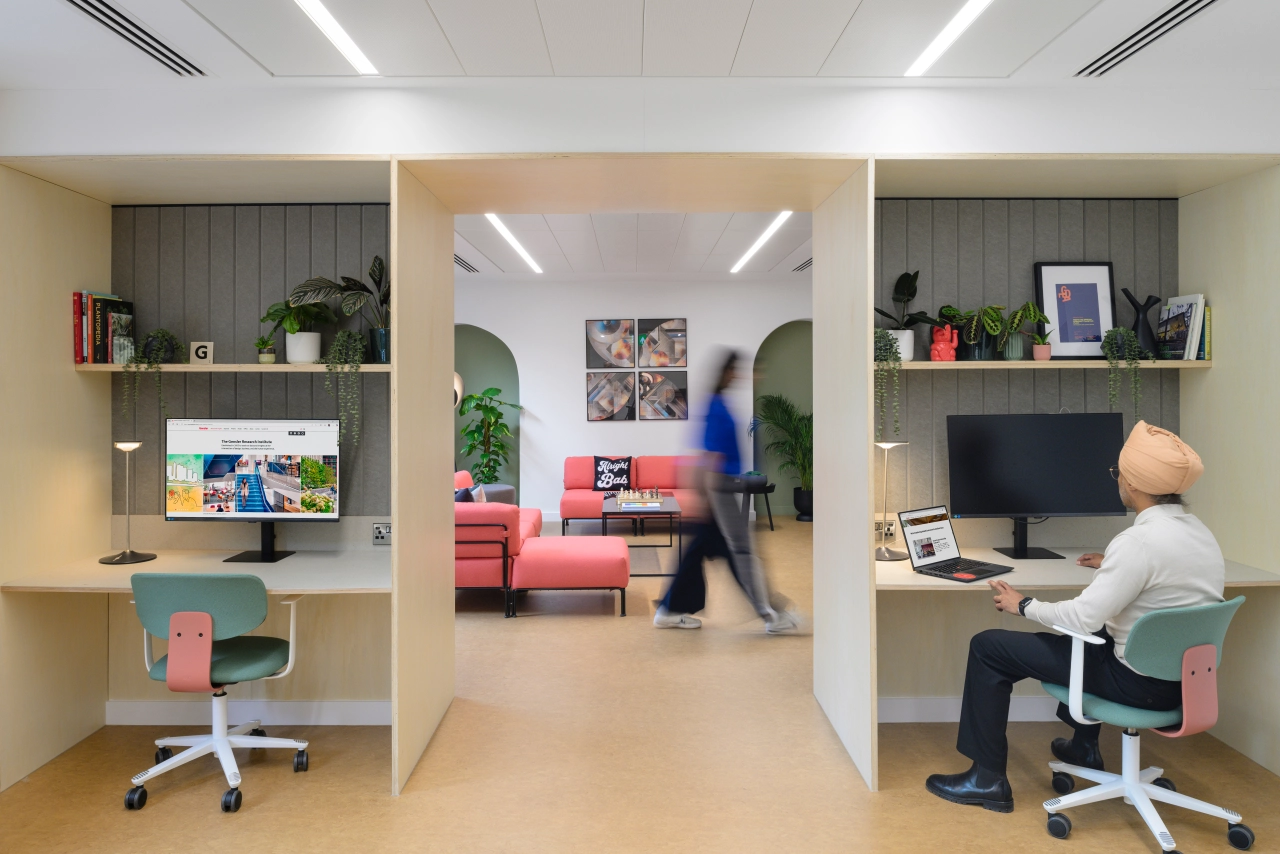
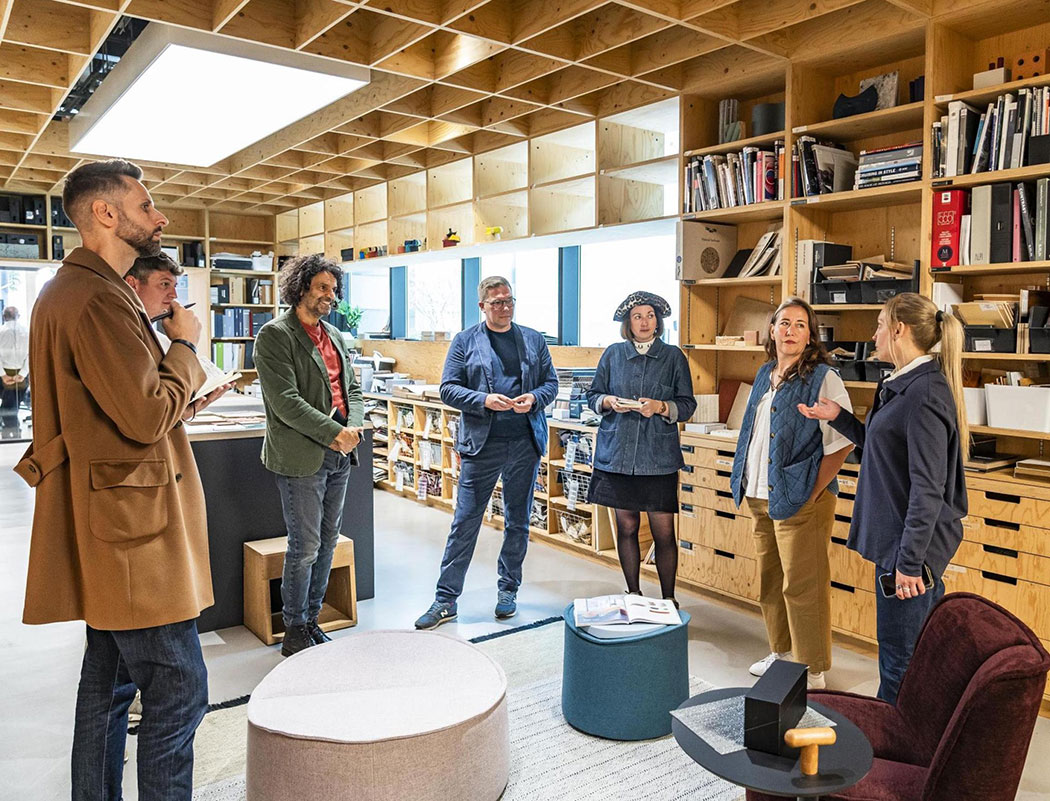
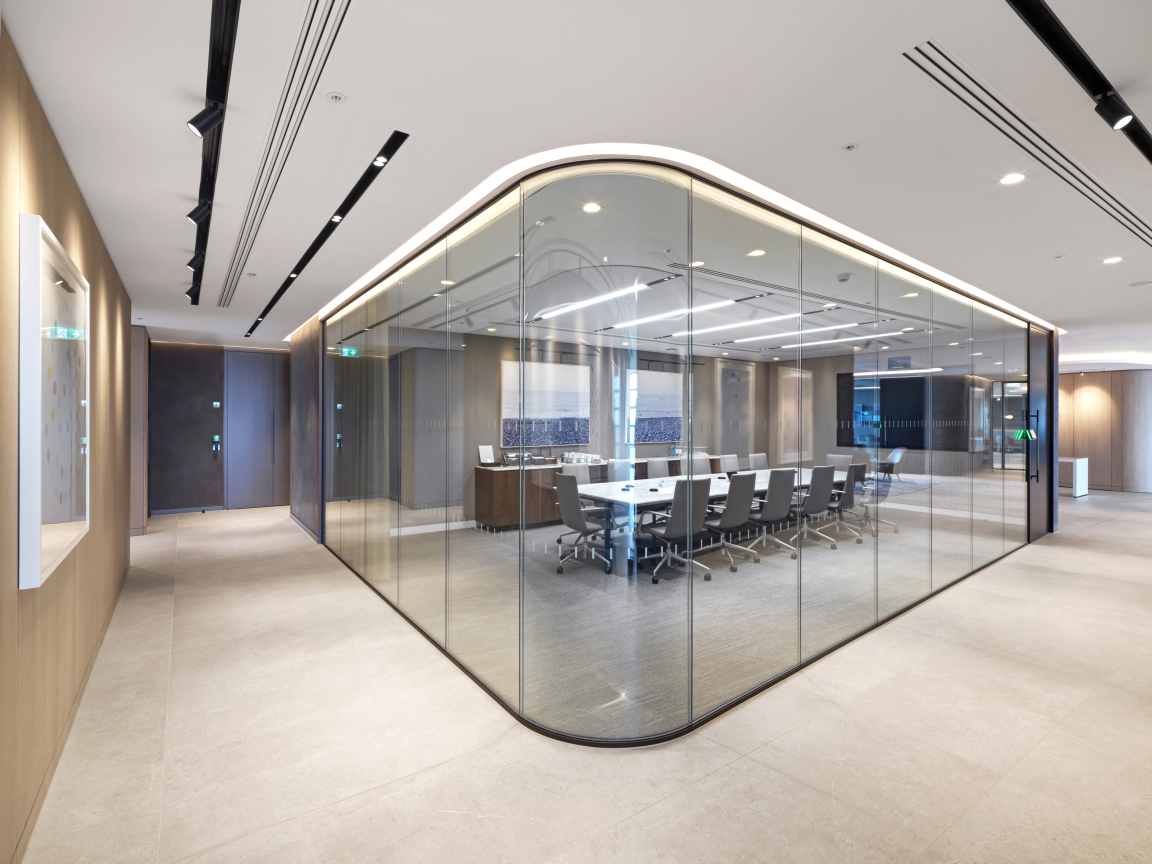
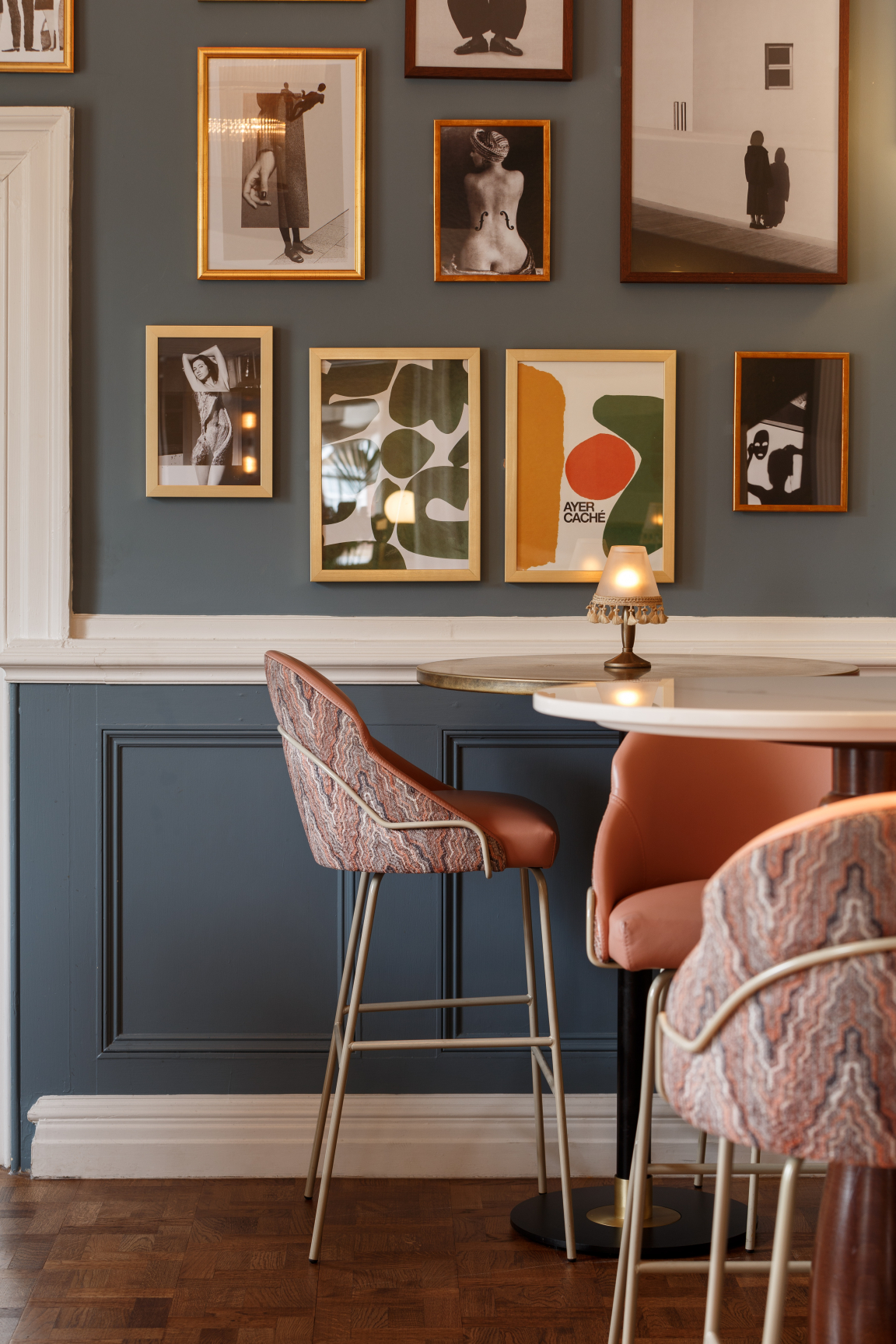
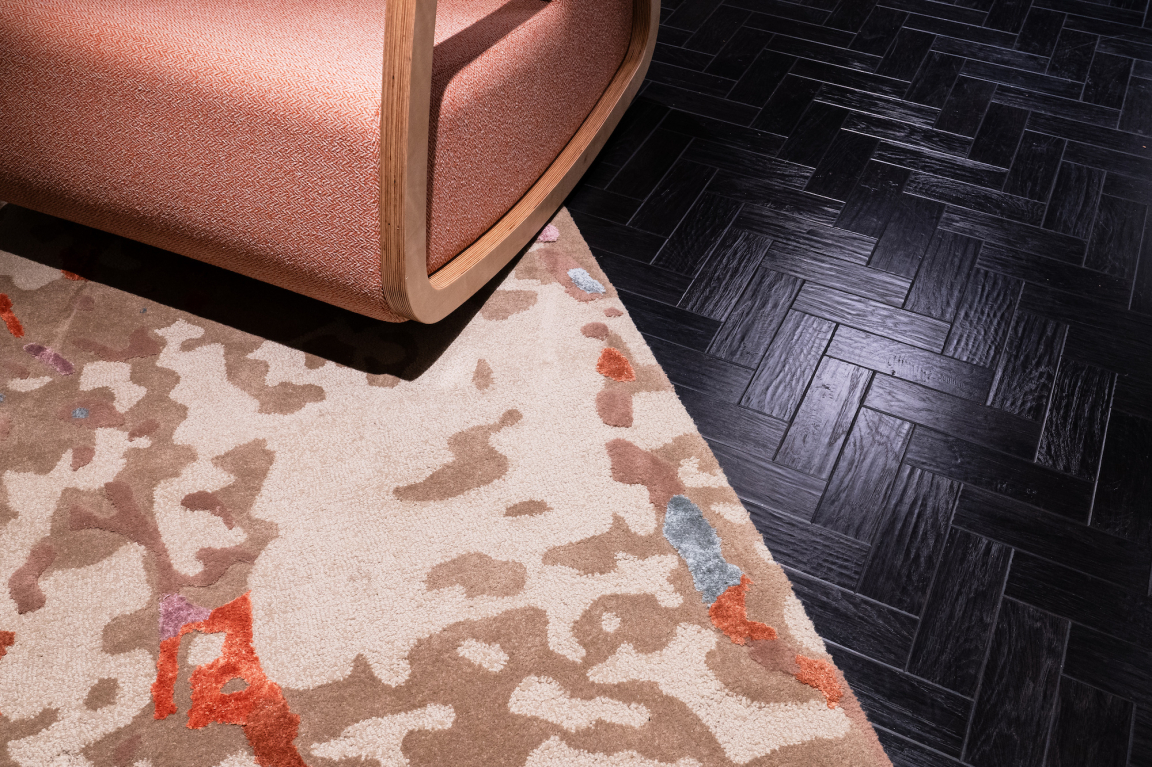
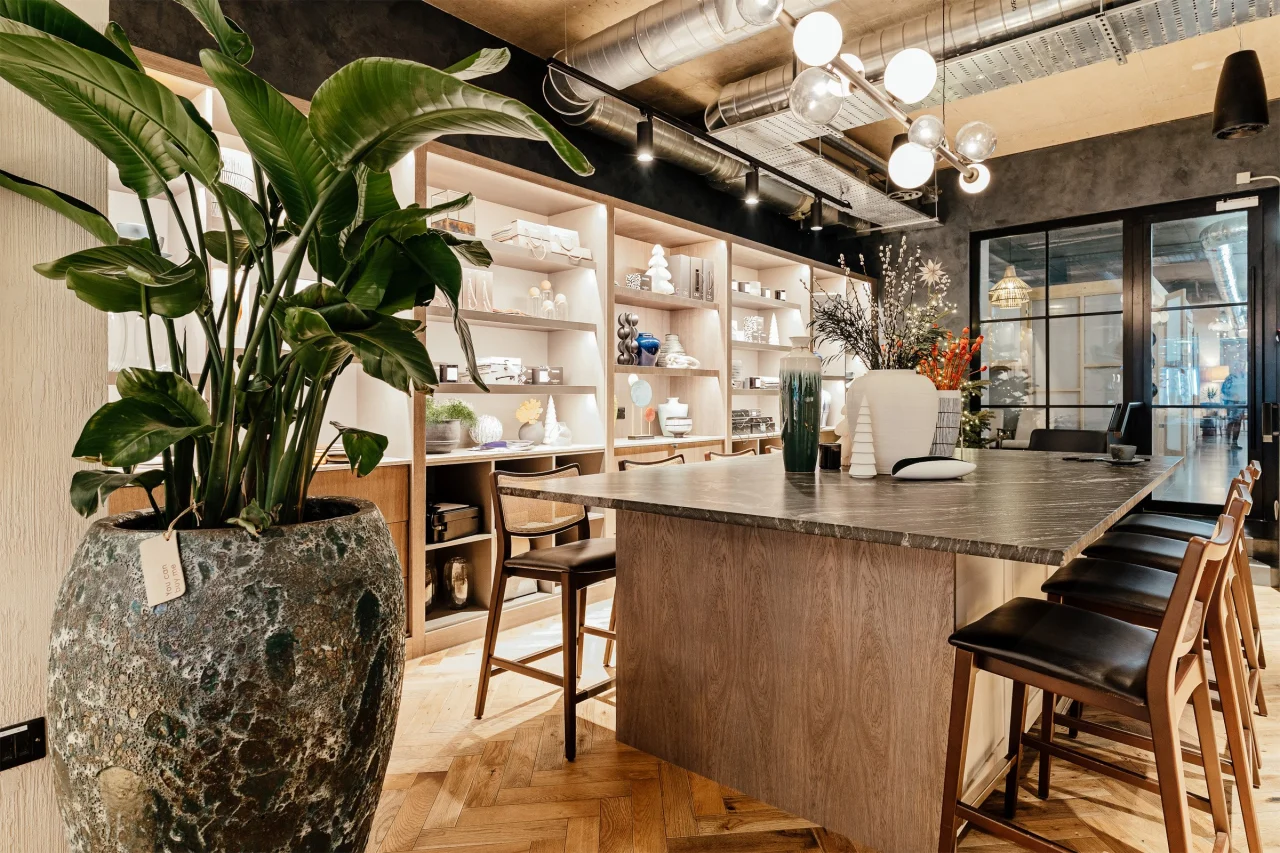
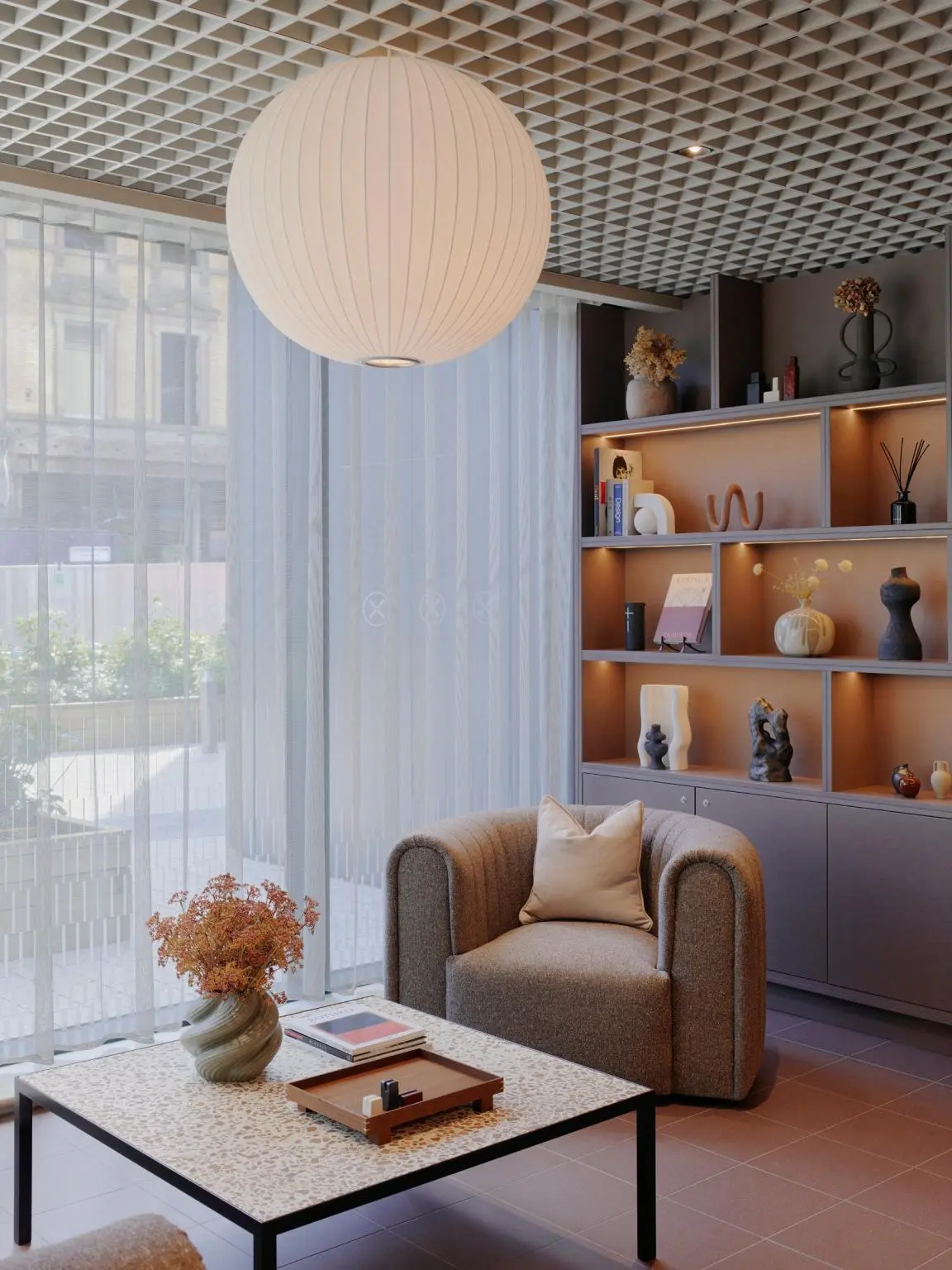
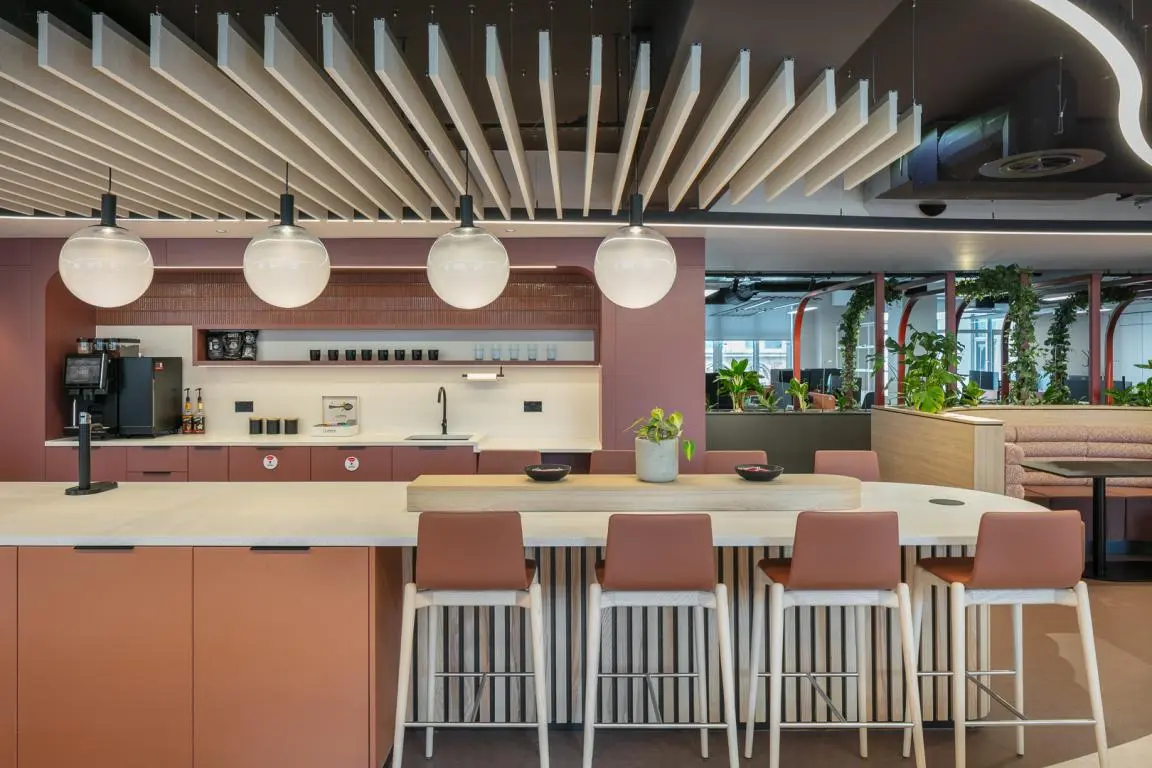
No.4 Gensler Birmingham. Credit: Tom Bird
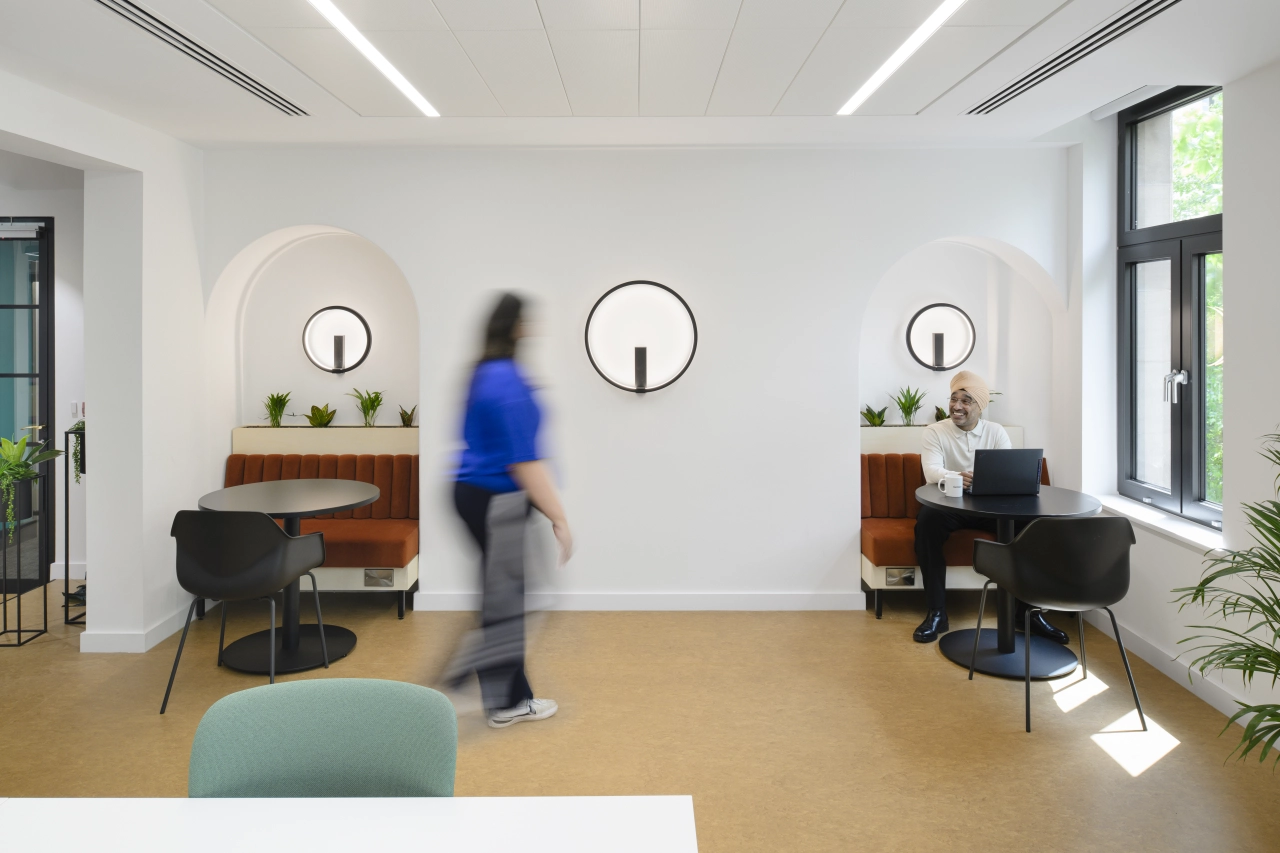
No.4 Gensler Birmingham. Credit: Tom Bird
What does ‘global but local’ look like in practice for the Birmingham team?
“We’re deeply connected to Birmingham and the wider Midlands: we build relationships with the industry and with universities. Team members are visiting tutors, contribute to lectures and crits, and I was an external examiner for an interior design course. Those relationships go beyond Birmingham - Wolverhampton, Coventry, Loughborough, Nottingham - and they help with community connection and also attracting the best talent.”
How did Covid impact you as an office?
“Around the time of Covid we were physically outgrowing the Digbeth space anyway. When everyone went home, the office still continued to grow because of the client relationships we’d built. We went from around 20 to around 40 in that period - real exponential growth.
“Then when we began returning to the office, we made the decision to move into the city business district (CBD). We’d had feedback from partners and contacts in the city on that - being central matters for connectivity and relationships.
“We moved to 4 St Philip’s Place, right on Cathedral Square - an iconic central location, well connected to major train stations. That location also supports how we operate as a business.”
From your perspective, what’s Birmingham like right now in terms of property and investment?
“Over the last 10-years, there’s been a growing excitement and positivity around Birmingham’s trajectory. It’s a city with huge strengths - one of the youngest cities in Europe, and it has an incredible amount of green space and parks.
“From a business point of view, you can see inward investment from large global organisations - banking, accounting, legal - bringing significant teams into the city. There are improvements in public realm and infrastructure too. Birmingham has become a powerhouse and a connection hub, and I see it continuing from strength to strength over the next 10-15-years.”
Compared to other cities, do you think Birmingham’s approach feels more sustainable?
“Birmingham is often compared to Manchester, and I do think Birmingham has taken time to build infrastructure so growth can be steadier and more sustainable. It’s not perfect - there’s still scope to go further - but there’s a tangible spark in the city now. The energy is palpable.”
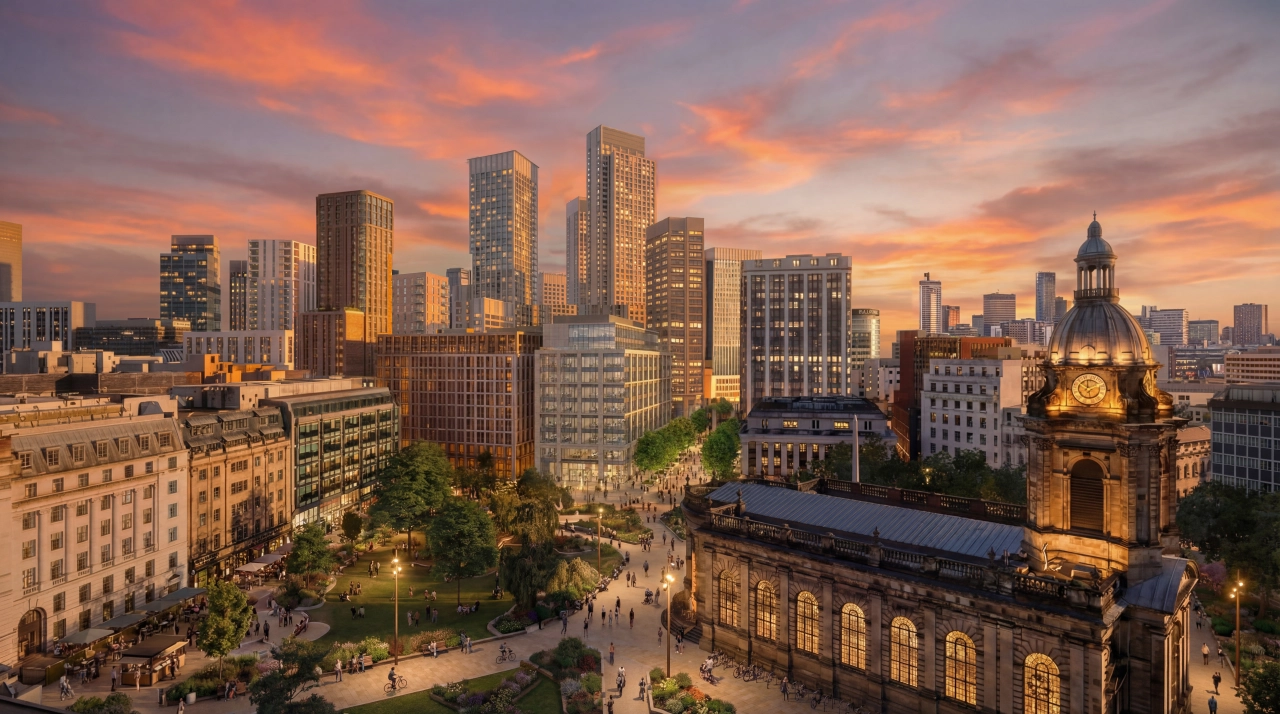
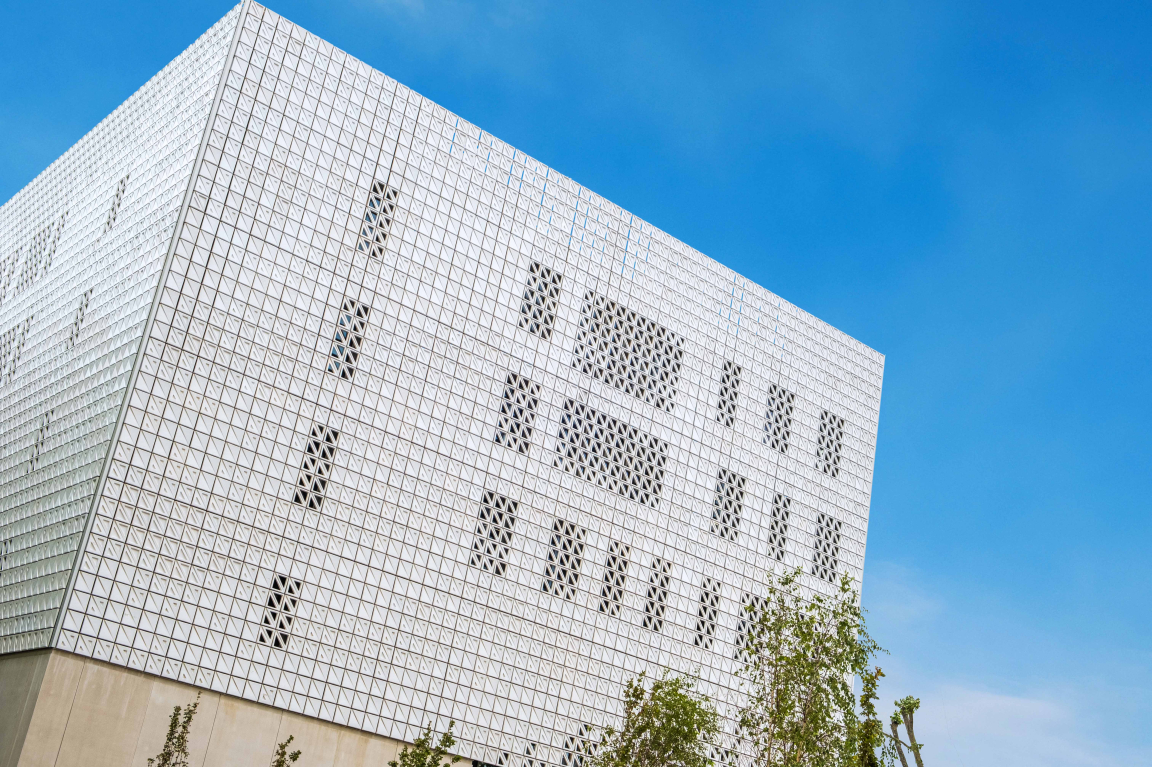
Birmingham Central Heart, Courtesy Gensler
What projects are you most excited about?
“A major one is Birmingham Central Heart. It’s come from a long-term investment in the city and relationship building, including with Birmingham City Council. We’ve been helping the Council and Sphere Group bring the vision to life. It’s significant because it pulls together what was previously more piecemeal - creating a united direction for the city centre’s future.”
The public realm element sounds key. What are you seeing in terms of demand for greener, more interactive city space?
“Birmingham Central Heart doesn’t just focus on buildings - it also looks at public realm. There’s a clear strategy around greening and widening public realm, giving the city centre back to people and making it more inviting for different demographics, including families. We’re looking holistically at trees, planting - integrated solutions that are genuinely usable, not just cosmetic.”
Workplace is a big part of your focus. How has workplace design changed over the last 10-years?
“Workplace has changed radically. A key shift is towards experience-led design - design with a strong narrative and story. You can talk about hospitality influence or domestic influence, but those are individual lenses. The bigger point is: what’s the meaningful experience and why does the space need to be the way it is?
“That’s where strategy comes in - asking provocative questions, understanding what the organisation needs now, and where it’s heading in the future. The design needs to look good, but it also needs to function. Meaningful, not whimsical trend-chasing. Trends matter, but they have a shelf life, so you can’t shoehorn a trend for the sake of it.”
We’ve chatted about ‘localised’ settings – what does that look like in workplace design?
“We’re seeing that local design responses are more meaningful than ever. We recently completed a project for a large global consumer goods organisation, and a key ask was: ‘How do we make it local to us?’ They were proud to be part of a global mothership, but they wanted a space grounded in their local identity.
“We dialled into naming strategies, small design nods, and ‘Easter eggs’ woven into the environment, unique to that organisation. Someone told me: ‘This feels like our home.’ That’s powerful - and it comes from collaboration and co-creation, not designing in a silo and presenting a finished answer six months later.”
How do you approach engagement with end users without overwhelming the process?
“It’s about balance. You want people to feel ownership of the space, but you also need time to design. So engagement is typically more front-loaded - especially around strategy - then you have structured touch points through feasibility, concept, scheme design, and beyond.
“But the key is listening with the intent to make a difference - not just listening to hear words. That’s the foundation of meaningful engagement.”
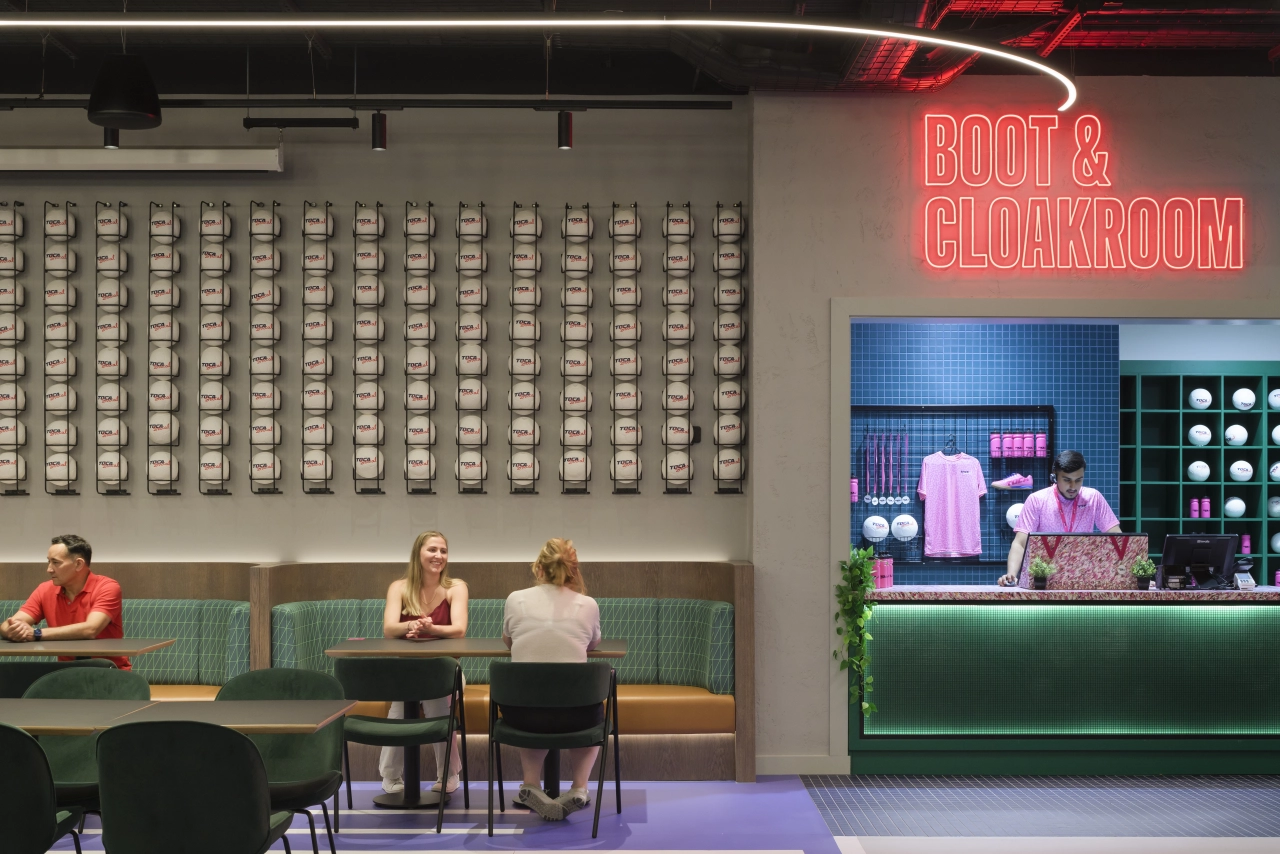
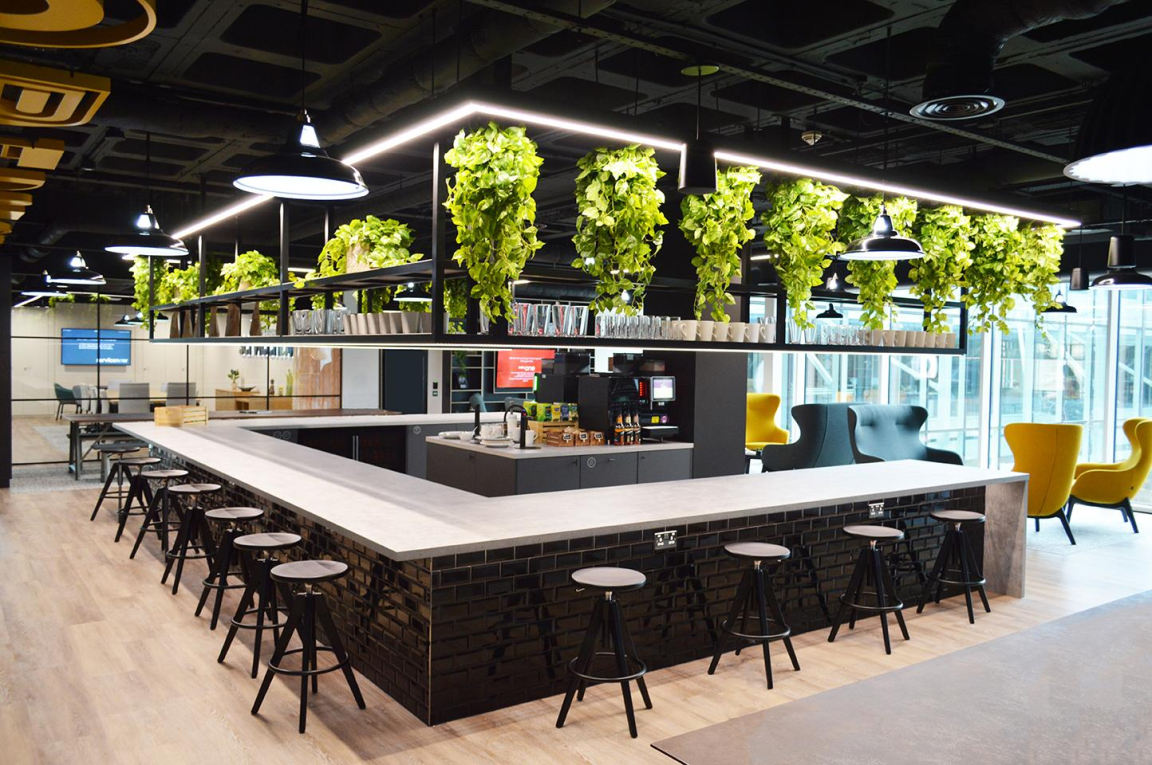
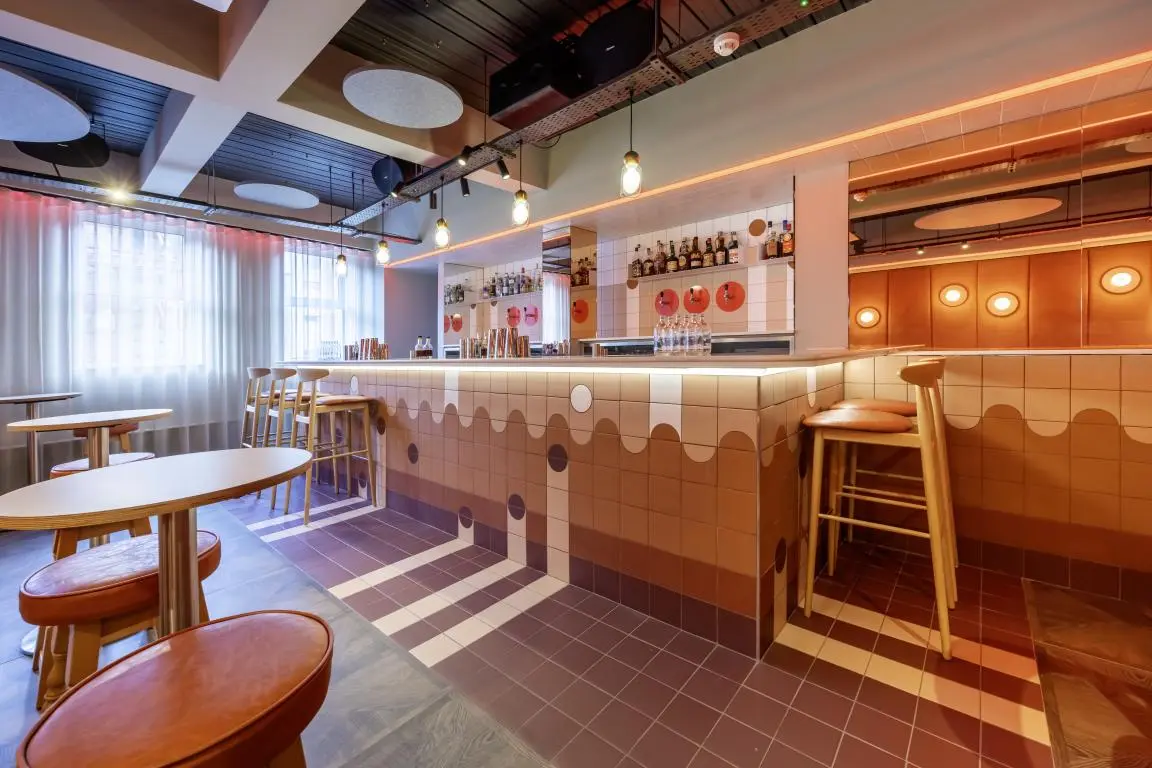
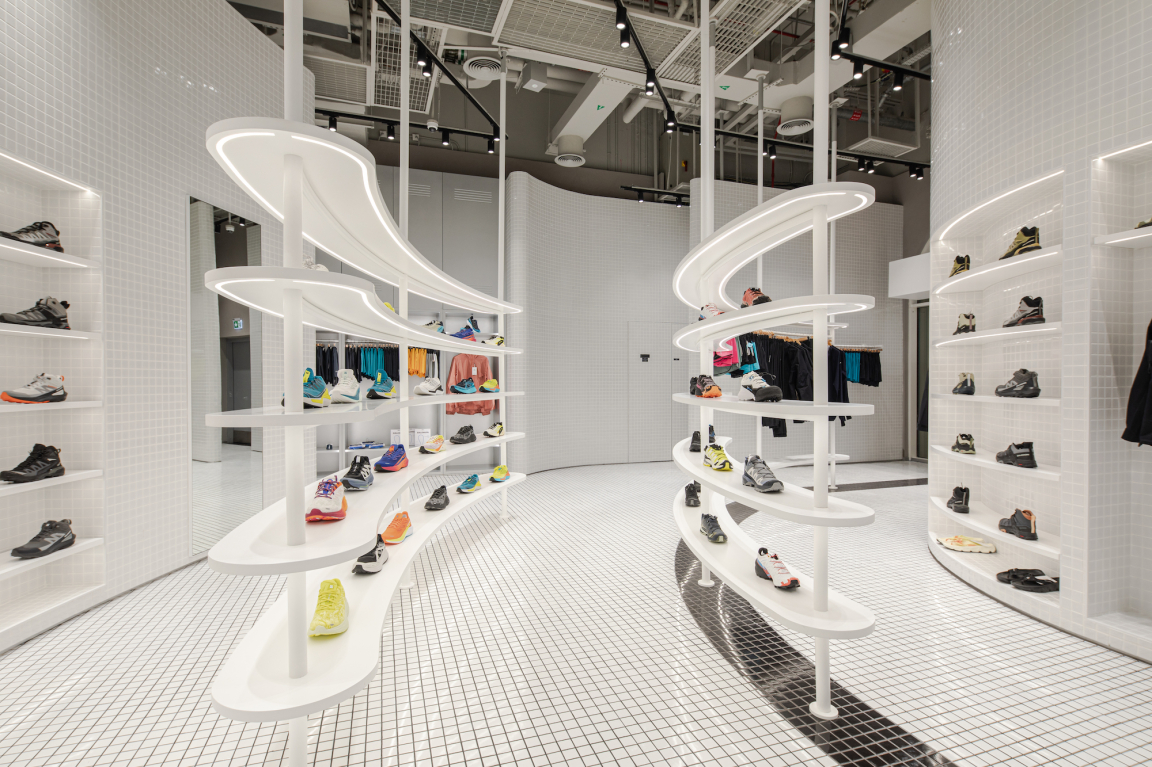
TOCA Social Birmingham. Credit: Tom Bird
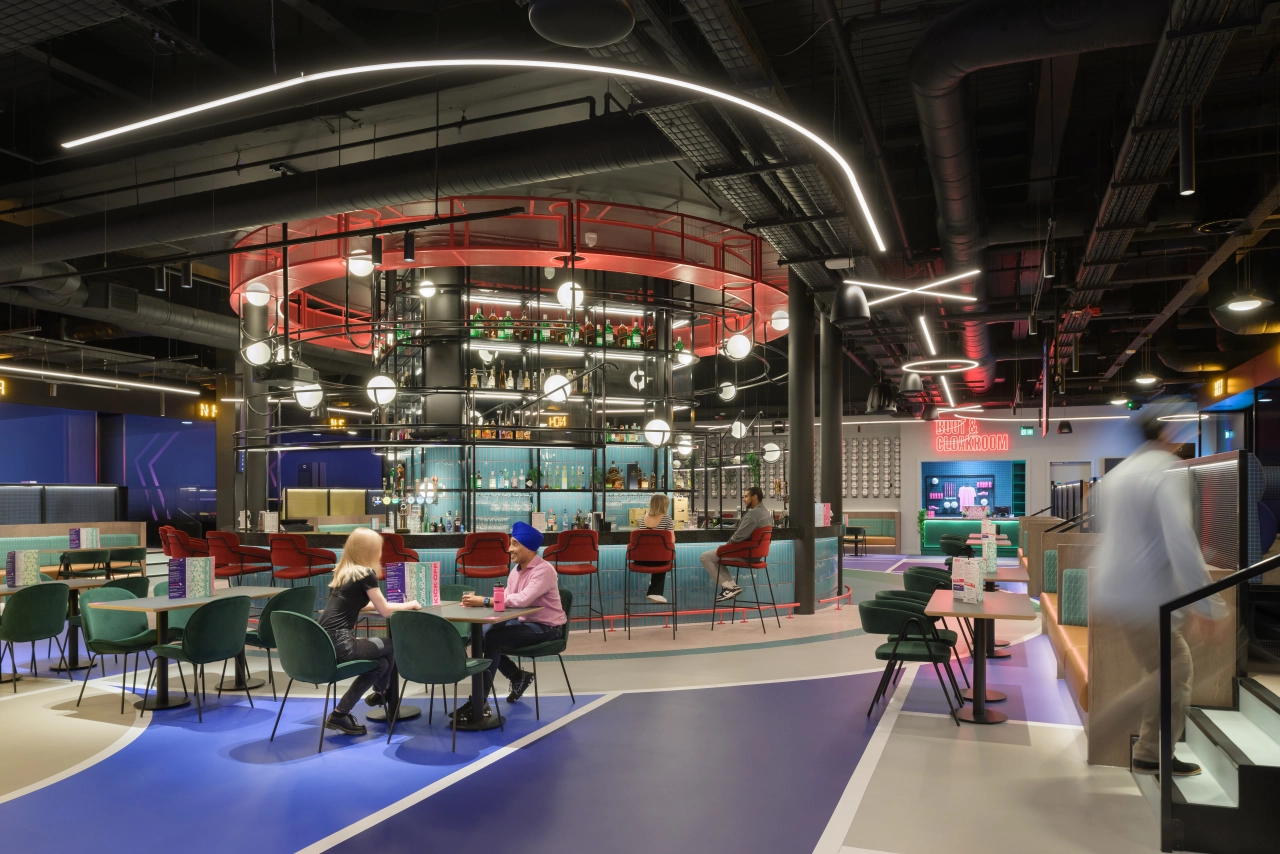
TOCA Social Birmingham. Credit: Tom Bird
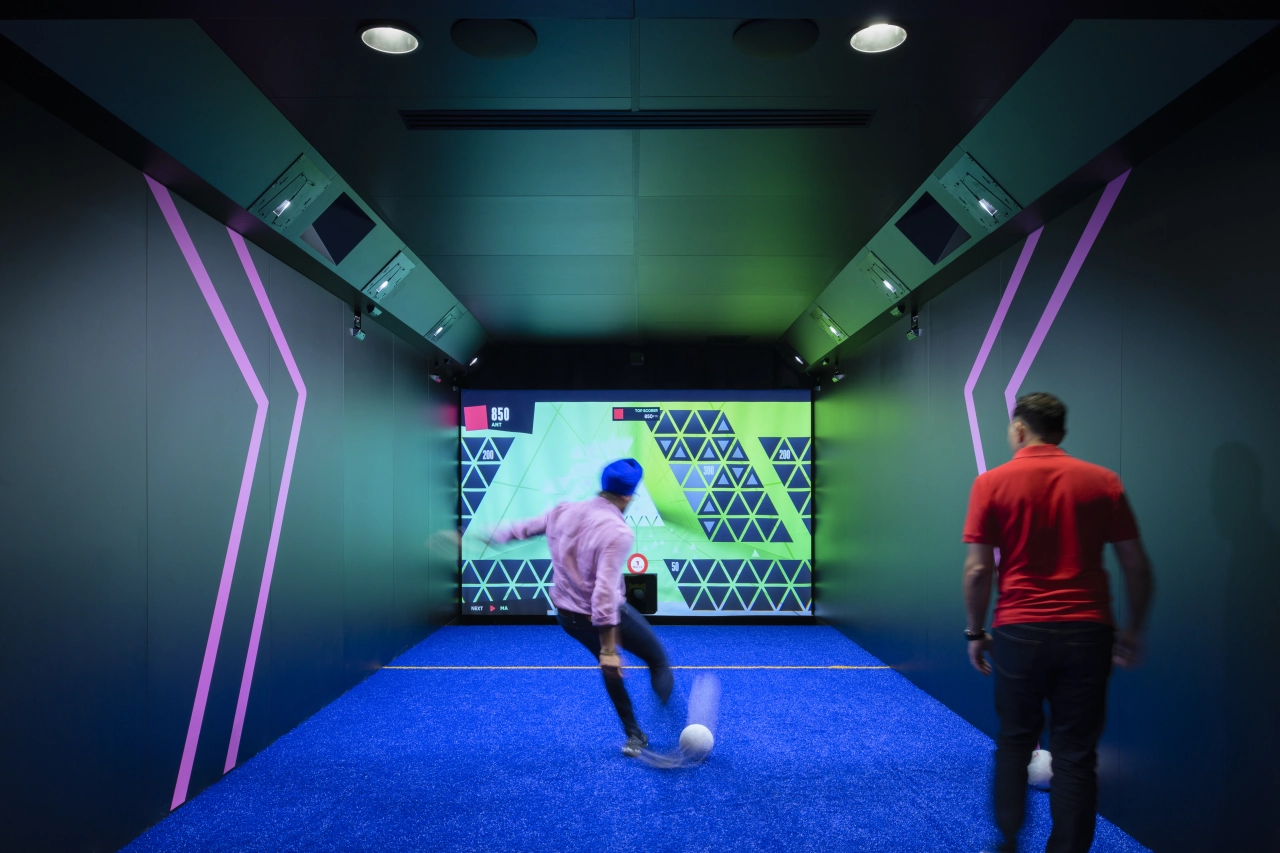
TOCA Social Birmingham. Credit: Tom Bird
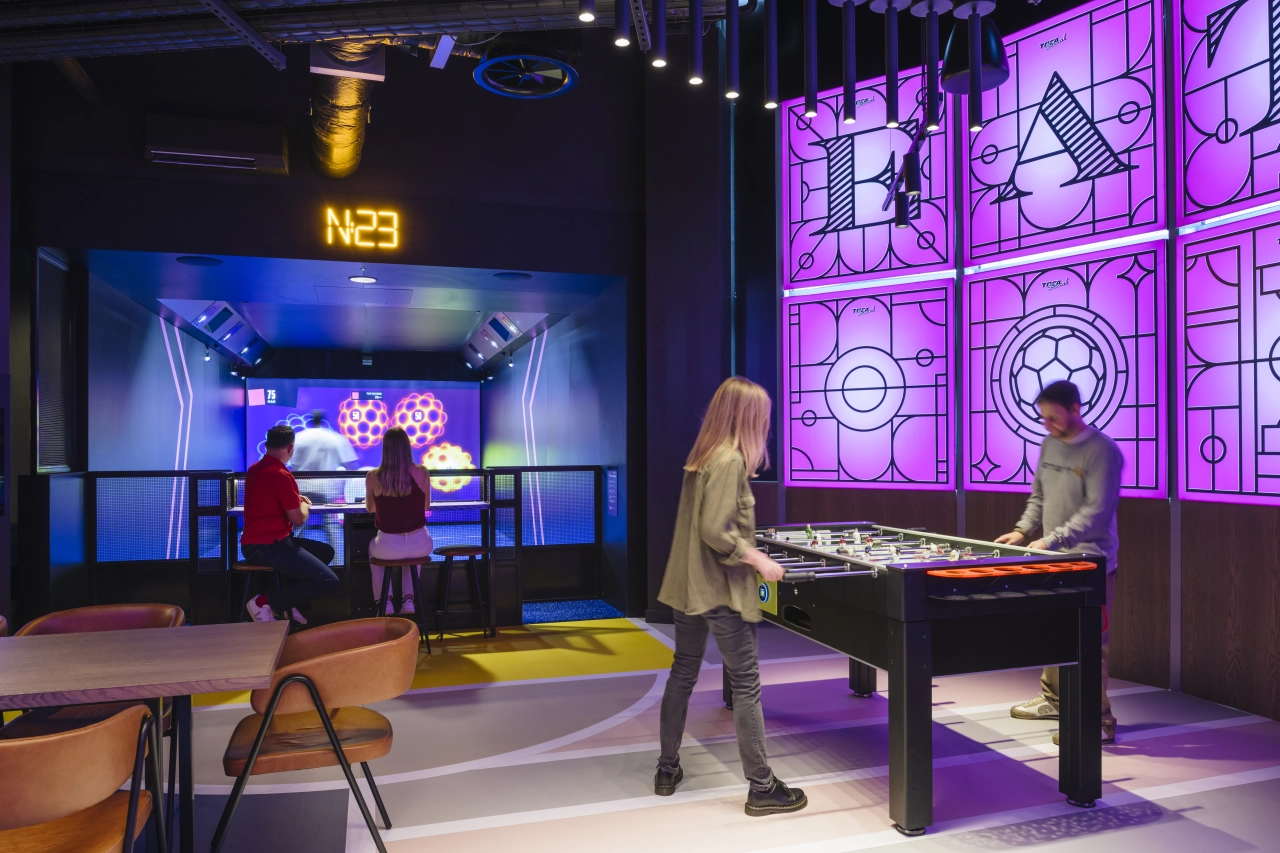
TOCA Social Birmingham. Credit: Tom Bird
Inclusive design is increasingly central in workplace. How does it come through in your schemes?
“Inclusive design has always been integral to Gensler - it’s not an afterthought. In a city like Birmingham, which is incredibly diverse, it has to be embedded. Inclusive design considers different body types, backgrounds, religious considerations, and neurodiversity, among many other factors.
“I was part of the Global Inclusion Committee (GIC), and our approach spans internal initiatives, how we work with external partners, and how we show up in communities. Inclusion isn’t just a ‘project topic’ - it’s woven through how we operate as a firm. As one of my partners says: inclusion is our superpower. If you design an inclusive space, everybody wins.”
Can you share an example of how Birmingham is investing in future talent and inclusion?
“One initiative I’m incredibly proud of is the Gensler Design Club, which began here in Birmingham. The aim is to reach students from underprivileged backgrounds - young people who might never consider architecture or design simply because they’ve never been exposed to it.
“It’s targeted at Year 8 students, at a pivotal moment when they’re starting to think about GCSE choices. We work with local schools, bring students into the studio, and help them understand what design is, what the career path looks like, and – importantly - bring parents/guardians into the conversation too. Often families want ‘doctor, lawyer, accountant’, and may not know what a designer or architect actually does. This shines a light on the profession and opens doors.
“It’s now in its fourth year, has already had meaningful impact, and it’s expanding - London is doing it, Germany began this year, and other offices are adopting the model across Europe.”
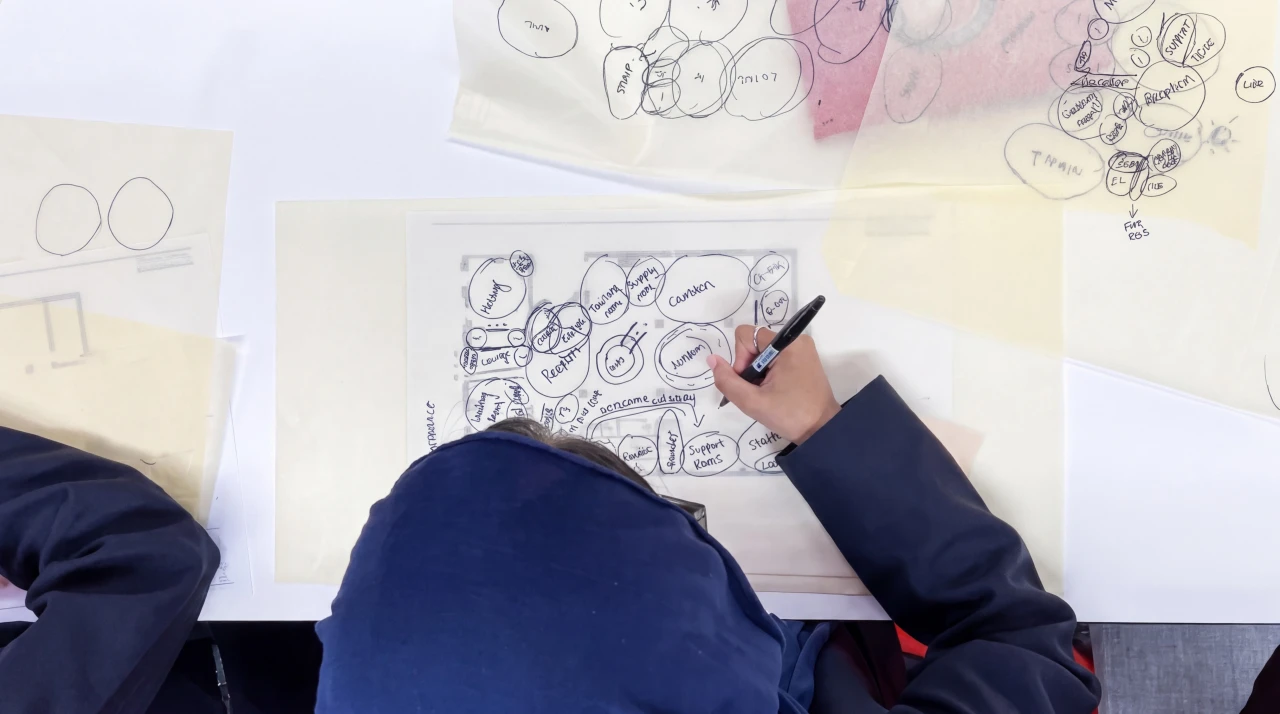
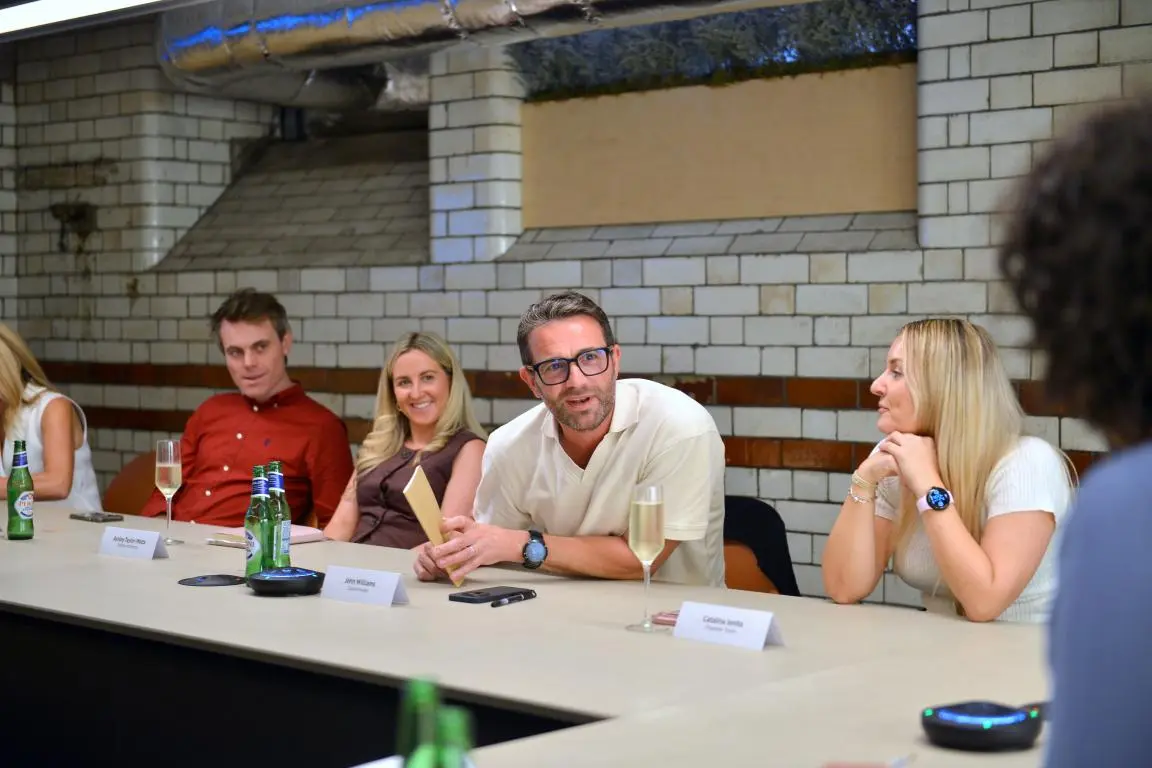
Gensler Design Club
Are there any technologies or materials you’re particularly excited about right now?
“On materials, a key part of our approach is Gensler Product Sustainability Standards (GPS). It’s an internal standard and tool that helps our teams specify products with sustainability and carbon accountability in mind. It’s a real commitment, and it’s reflected in how our libraries operate across offices. Clients increasingly expect us to be stewards of sustainability, so having robust standards matters.
“On the technology side, we have proprietary tools to support rapid test fits, massing and optioneering, especially for Revit workflows. We also use tools like RunDiffusion.
“And while AI is part of the conversation, we see it as a tool - human-led, always checked by people. We’ve embraced it, but we’ve also safeguarded it with security and clear boundaries, and we’re transparent with clients about when and where AI has been used.”
Finally, what’s next for Gensler Birmingham over the next 10-years?
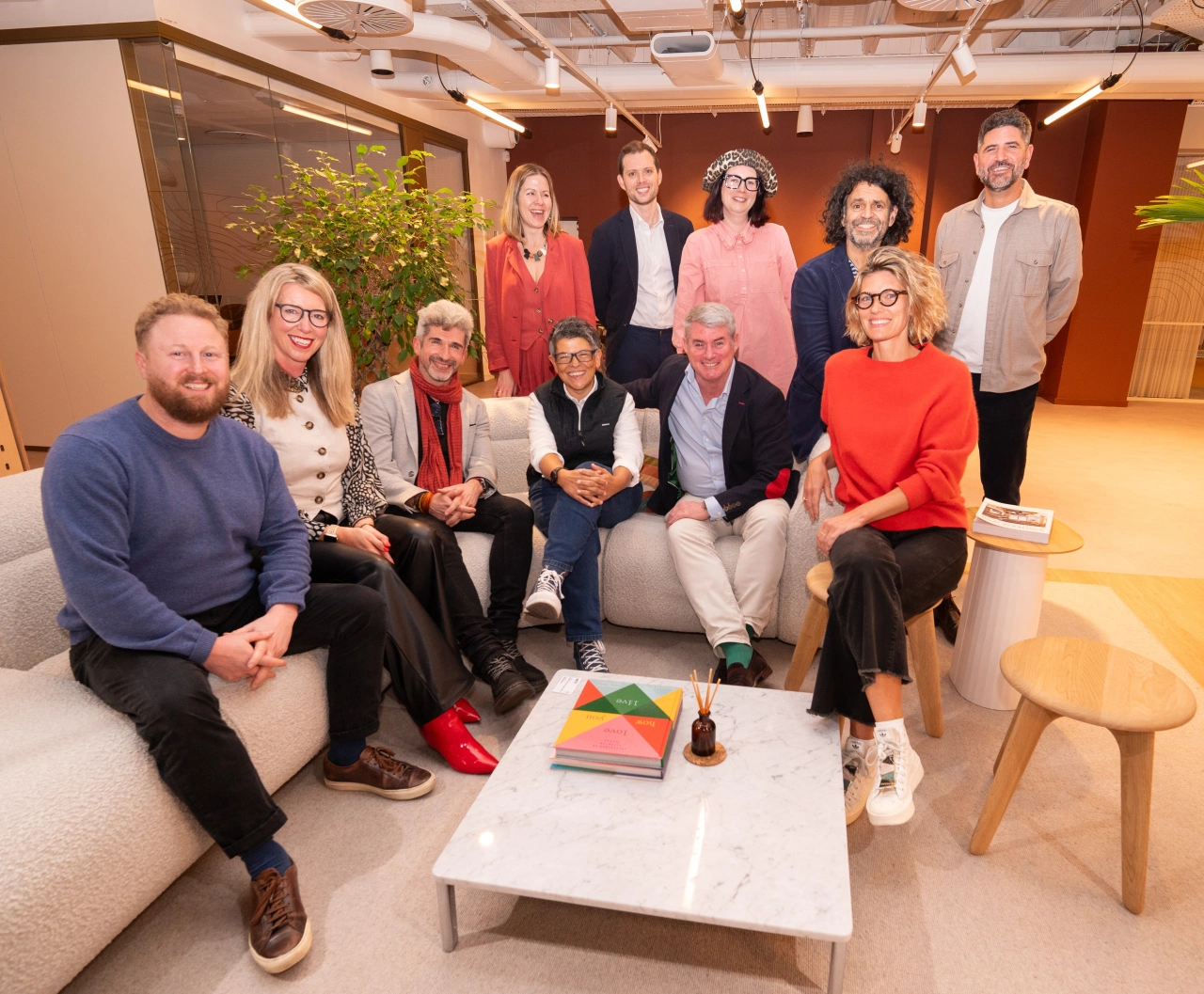
“10-years ago we were six people. Now we’re over 70 and hopefully heading towards 100. What’s next is continued growth – sustainably - alongside continuing to deliver the very best design work.
“We’ll keep weaving our research into the work we deliver, and we’ll keep our local focus. We’re now seeing the fruits of the commitment we’ve made to Birmingham: deeper relationships, bigger opportunities, and projects that can genuinely transform the city. There are also things coming that I can’t share yet, but they will be significant.
“And beyond projects, what matters is our ongoing outreach: community initiatives, charitable work, pro bono support, partnerships with universities, and investing in local talent. The next decade is exciting - and it’s driven by our people. The team here is truly amazing: super talented individuals and a strong collective, reflective of Birmingham’s richness and diversity.”